ABC Family Arquivos Brasileiros de Cardiologia International Journal of Cardiovascular Sciences ABC Heart Failure & Cardiomyopathy ABC Imagem Cardiovascular
Português English
ABC Family
Português English
  • About
    • About ABC Family
    • Internal Regulation
    • Editorial Board
    • Brazilian Society of Cardiology (SBC)
  • Issues
  • SBC Guidelines
  • Content
    • Videos
    • Podcasts
    • News
  • About
    • About ABC Family
    • Internal Regulation
    • Editorial Board
    • Brazilian Society of Cardiology (SBC)
  • Issues
  • SBC Guidelines
  • Content
    • Videos
    • Podcasts
    • News

ABC Family

  • ABC Family
  • Arquivos Brasileiros de Cardiologia
  • International Journal of Cardiovascular Sciences
  • ABC Heart Failure & Cardiomyopathy
  • ABC Imagem Cardiovascular
Search in

No content found.

Journals
Ordering
Article types
Others

  1. Home
  2. Keyword: Cardiomyopathy, Dilated
Central Illustration
ABC
Review Article

Challenges and Applications of Genetic Testing in Dilated Cardiomyopathy: Genotype, Phenotype and Clinical Implications

Silas Ramos Furquim et al. Bianca Linnenkamp Natália Quintella Sangiorgi Olivetti Fernando Rabioglio Giugni … Layara Fernanda Vicente Pereira Lipari Fernanda Almeida Andrade José Eduardo Krieger

Abstract

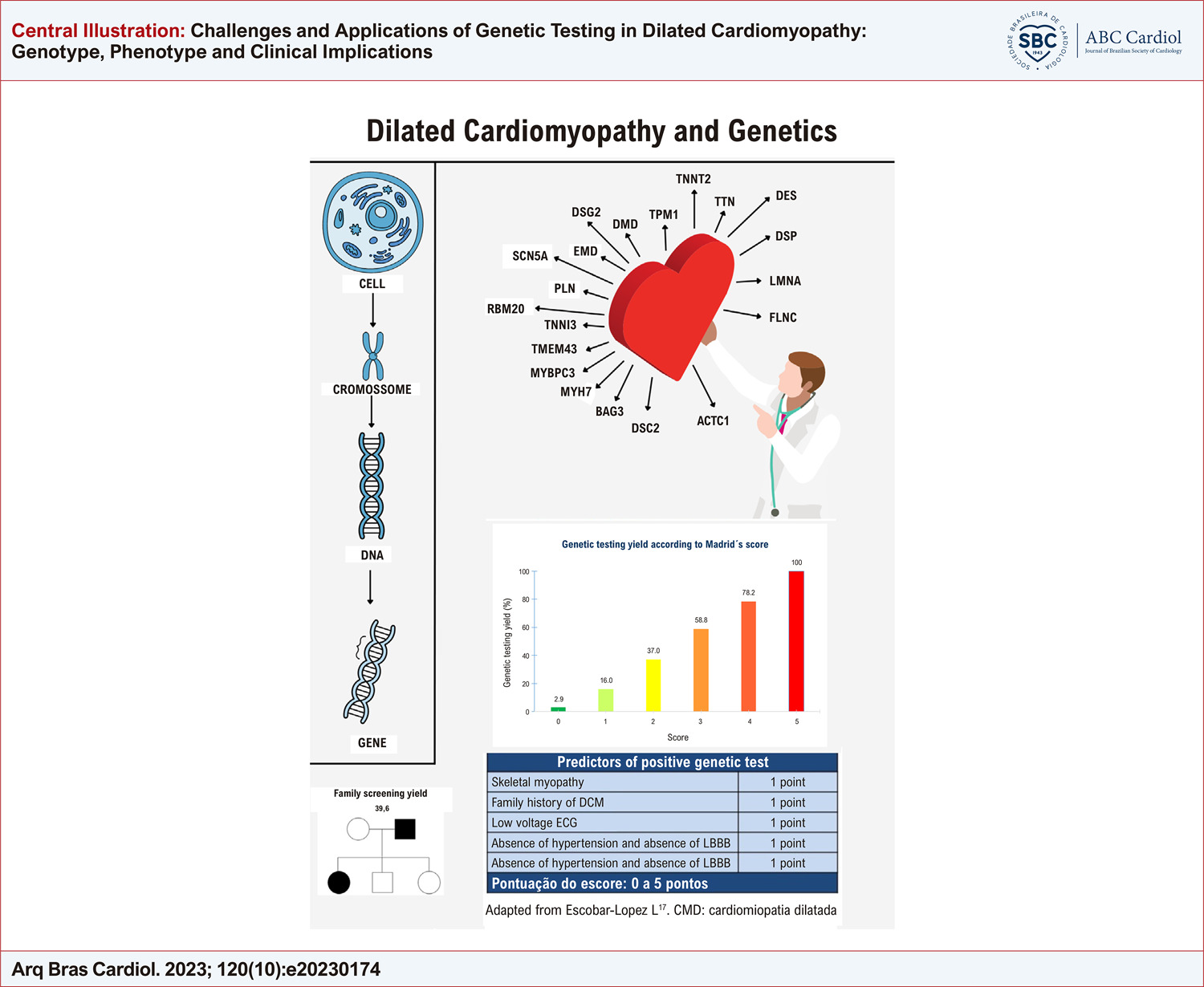
Genetic tests for dilated cardiomyopathy (DCM) have a diagnostic yield of up to 40%, but there is significant genetic heterogeneity and other challenges, such as variable expressivity and incomplete penetrance. Pedigree analysis is essential for distinguishing between sporadic and familial DCM cases by assessing family history. Familial DCM yields higher results in genetic testing, but sporadic DCM does not rule out the possibility of a genetic cause. Some genes have specific phenotypes, with the Lamin gene ( LMNA ) being associated with a phenotype of malignant arrhythmias and advanced heart failure (HF). The presence of a causal genetic variant can also aid in prognostic evaluation, identifying more severe cases with lower rates of reverse remodeling (RR) compared to individuals with a negative genotype. Current guidelines recommend genetic evaluation and counseling for individuals with DCM, along with cascade screening in first-degree relatives in cases where one or more variants are identified, offering an opportunity for early diagnosis and treatment. Relatives with a positive genotype and negative phenotype are candidates for serial evaluation, with frequency varying by age. Genotype also assists in individualized recommendations for implantable cardioverter-defibrillator (ICD) placement and advice regarding physical activity and family planning. Ongoing studies are progressively elucidating the details of genotype/phenotype relationships for a large number of variants, making molecular genetics increasingly integrated into clinical practice.
  • Cardiomyopathy, Dilated
  • Genetic Testing
  • Genetics
Read Full Article
Creative Commons Attribution (CC BY) Creative Commons license
24/11/2023 DOI: 10.36660/abc.20230174 Views 1
Figure 1
ABCIC
Original Article

Left Atrial Function Analysis in Patients with Functional Mitral Regurgitation Associated with Dilated Cardiomyopathy

Stephanie Macedo Andrade et al. Rodrigo Bellio de Mattos Barretto Francisco Thiago Tomaz de Sousa David Costa de Souza Le Bihan

Abstract

Background

Functional mitral regurgitation (FMR) is associated with dilated cardiomyopathy (DC), heart failure (HF) and worsening left atrial function (LAF). Patients with DC and FMR may present left atrial dysfunction resulting from both ventricular dysfunction and valve disease, but it is unknown whether the presence of valve disease will lead to greater LAF impairment.

Objective

This study aimed to evaluate the relationship between LAF parameters and FMR degree in patients with DC.

Methods

This cross-sectional observational study included 214 patients with DC, 46 without FMR (control group) and 168 with mild, moderate or severe FMR. An LAF analysis was performed by speckle tracking echocardiography (STE) and atrial volumetric variation.

Results

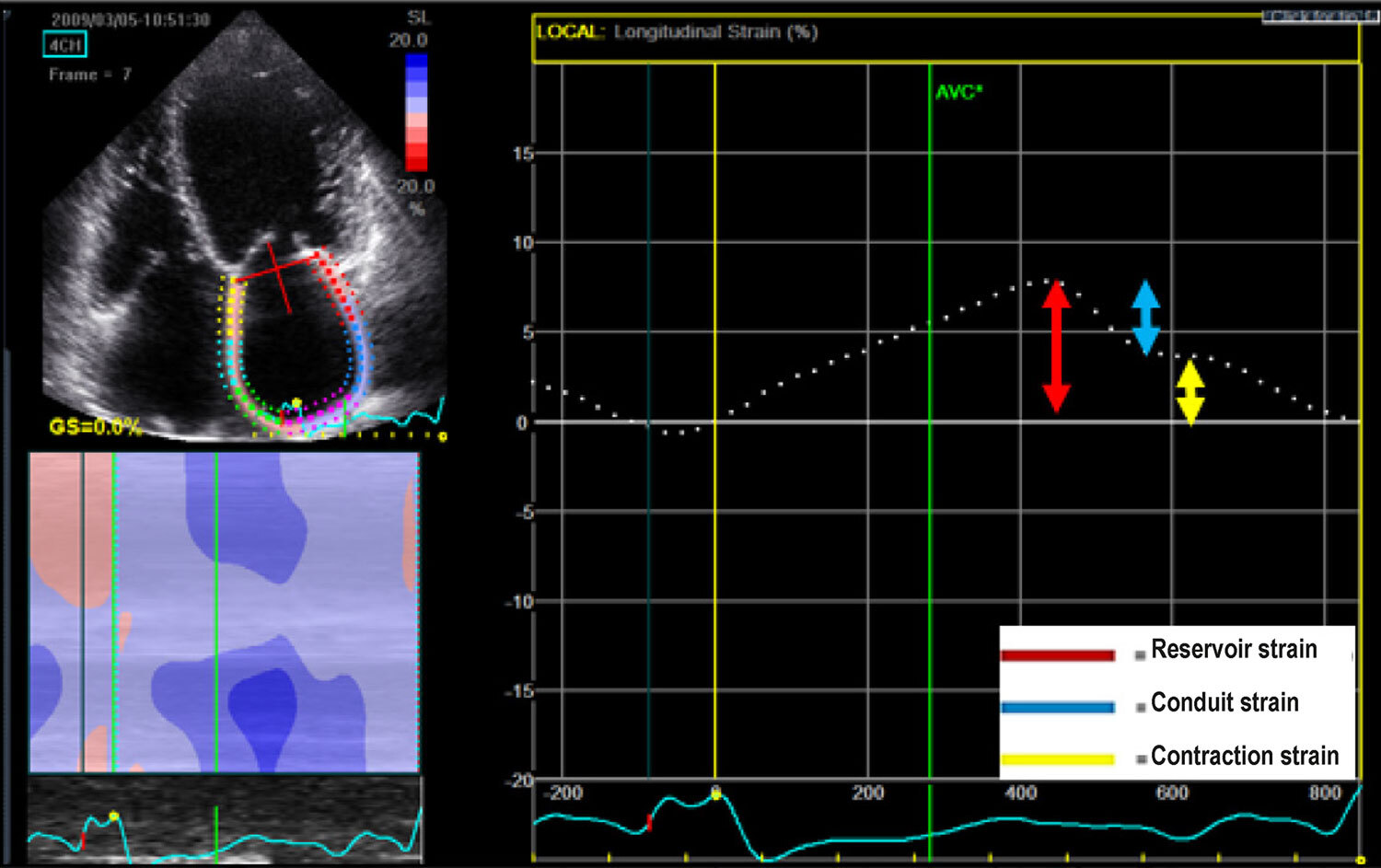
LAF analyzed by STE by means of reservoir strain, conduit strain and active contraction strain was reduced in the sample, with values of 14.3%, 8.49% and 5.92%, respectively. FMR degree was significantly associated with reservoir strain (0.27 ± 0.16 versus 0.15 ± 0.09; p < 0.001) and contraction strain (19.2 ± 7.3 versus 11.2 ± 2.7; p < 0.001). FMR was also associated with a reduced LAF assessed by volumetric analysis: total atrial emptying fraction of 0.51 ± 0.13 versus 0.34 ± 0.11 and active atrial emptying fraction of 0 .27 ± 0.16 versus 0.15 ± 0.09 (p < 0.001).

Conclusion

In a population with DC, FMR was associated with reduced LAF assessed by STE and atrial volume variation.

  • Atrial Function, Left
  • Cardiomyopathy, Dilated
  • Echocardiography
  • Mitral Valve Insufficiency
Read Full Article
Creative Commons Attribution (CC BY) Creative Commons license
30/06/2022 DOI: 10.47593/2675-312X/20223502eabc281 Views 1
Figure 1
ABCIC
My Approach To

My approach to diagnosis of and echocardiographic follow-up for muscular dystrophies

Raphael Henrique Déa Cirino et al. Renata Dal-Prá Ducci

Introduction

Muscular dystrophies (MD) are a group of heterogeneous diseases genetically determined and characterized by progressive muscle atrophy and weakness. Mutations in genes encoding muscle fiber proteins lead to the development of MD. MD types vary by deficient protein, each with its natural history and characteristic clinical presentation. As with other clinical aspects, cardiac involvement is also quite variable. ,

This article will review the most important aspects of the clinical-echocardiographic follow-up of MD types frequently associated with cardiomyopathies, including dystrophinopathy, limb-girdle muscular dystrophy (LGMD), myotonic dystrophy, and Emery-Dreifuss muscular dystrophy (EDMD).

[…]

  • Cardiomyopathy, Dilated
  • Echocardiography
  • Muscular dystrophies
Read Full Article
Creative Commons Attribution (CC BY) Creative Commons license
30/03/2022 DOI: 10.47593/2675-312X/20223501eabc292 Views 1
ABCIC
Review Article

Applications of the Myocardial Strain Study using Two-Dimensional Speckle Tracking in Pediatrics

Gabriela Nunes Leal

[…]

  • Cardiomyopathy, Dilated
  • Cardiotoxicity
  • Child
  • Echocardiography, Doppler
  • Echocardiography/methods
  • Heart Defects, Congenital/physiopathology
  • Image Interpretation, Computer-Assisted
  • Stroke Volume
Read Full Article
Creative Commons Attribution (CC BY) Creative Commons license
20/01/2022 DOI: 10.5935/2318-8219.20190008 Views 1
Figure 1
ABCIC
Original Article

Diagnostic yield of magnetic resonance imaging in heart failure with left ventricular dysfunction?

Ana Terra Fonseca Barreto et al. Mariana Lins Baptista Guedes Bezerra Rodrigo Morel Vieira de Melo Bruno Oliveira Isabella … Vanessa de Assis Reis Luiz Carlos Santana Passos

Abstract

Background:

Heart failure with reduced ejection fraction is responsible for half of heart failure cases worldwide and implicates in substantial morbidity and mortality. However, even with clinical history and physical examination associated with conventional complementary exams, many patients remain without etiological diagnosis. Cardiac magnetic resonance has offered the possibility to clarify a variable proportion of these cases.

Objective:

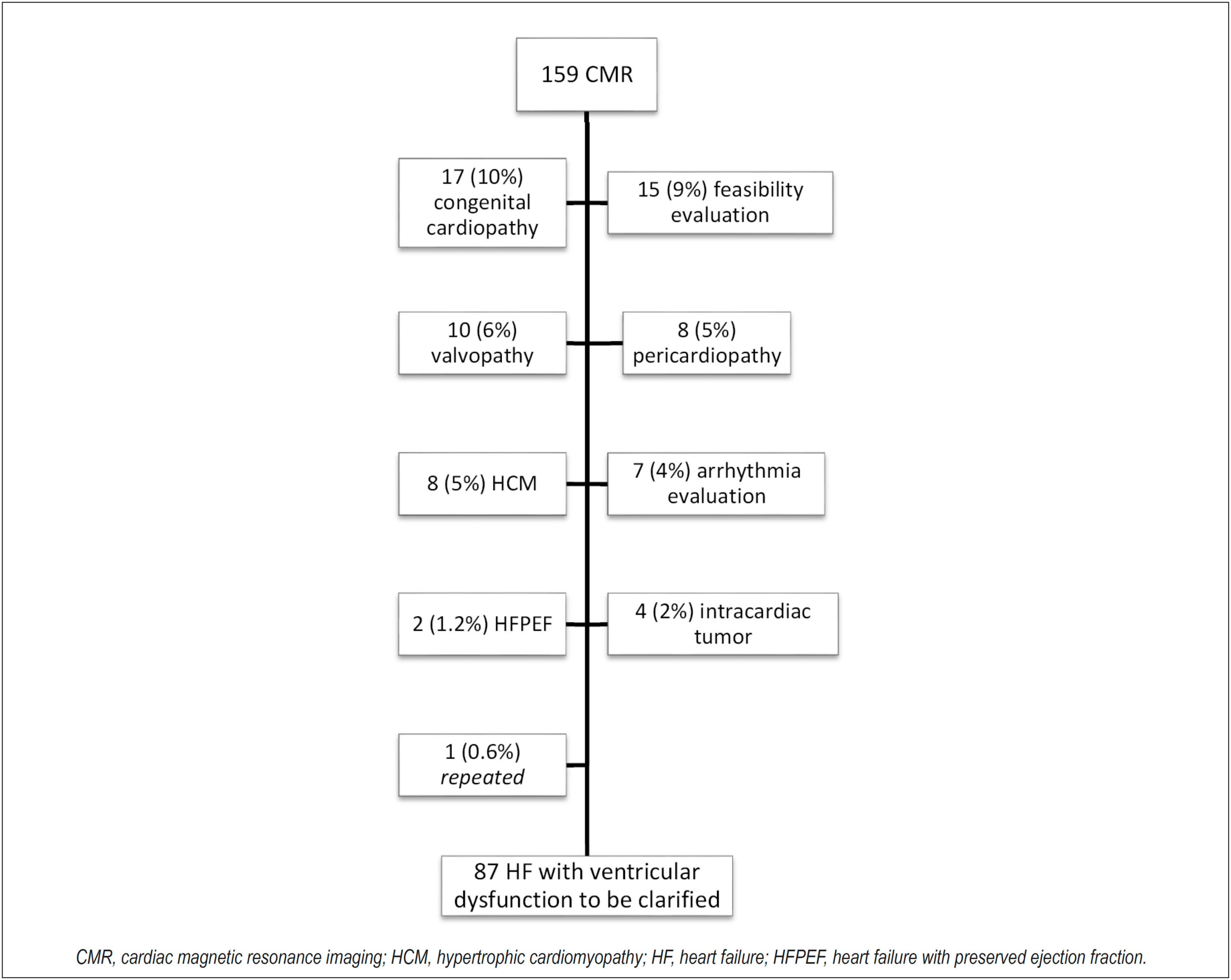
To verify how much cardiac magnetic resonance contributes to etiologic diagnosis of heart failure with left ventricular ejection fraction <50% in a specialized service.

Methods:

We included individuals referred to cardiac magnetic resonance with heart failure and left ventricular ejection fraction <50% by transthoracic echocardiogram, without defined etiology, from January, 2017 to June, 2018 in a tertiary hospital.

Results:

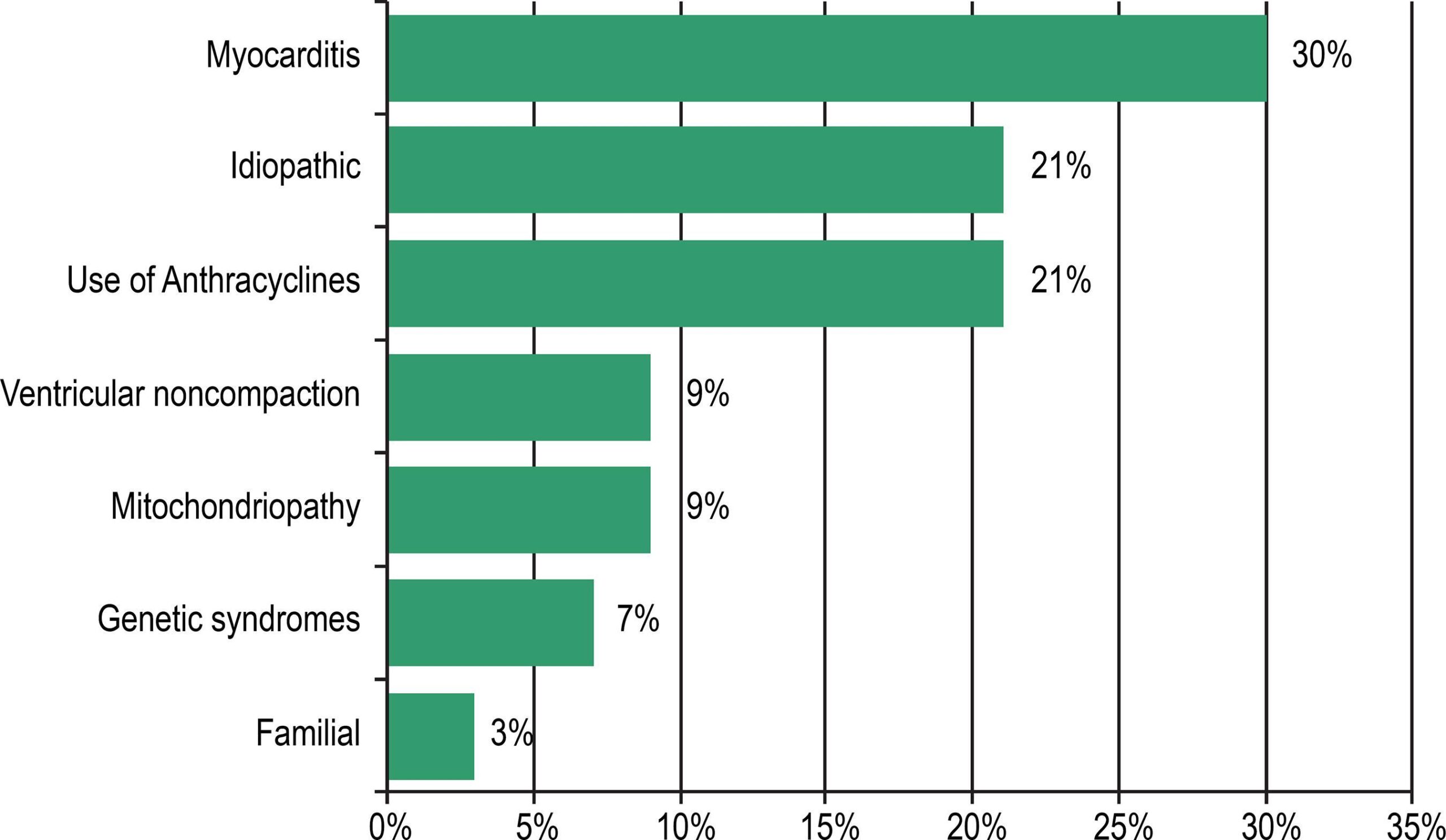
The sample consisted of 87 patients, with average age of 45±16 years, 49% male and left ventricular ejection fraction 32%±13. Of the patients, 55,3% had etiological diagnosis through cardiac magnetic resonance: 33,4% myocarditis, 11.5% non-compaction cardiomyopathy, 6.8% Chagas disease, and for hypertensive heart disease, amyloidosis and arrhythmogenic right ventricle dysplasia, 1,2% each. Late gadolinium enhancement was positive in 61% and non-ischemic pattern predominated (50,5%). Reverse remodeling occurred with normalization of ventricular function in 13% of patients.

Conclusion:

The performance of cardiac magnetic resonance in patients without etiologic diagnosis of HF with left ventricle dysfunction is clinically significant, since it contributed more than 50% of the time to the etiology and prognosis of patients. This positive impact occurred in a tertiary cardiology teaching service, so it is possible that in other circumstances the role of the cardiac magnetic resonance may be even greater than that here presented.

  • Cardiomyopathy, Dilated
  • Diagnostic Imaging
  • Heart Failure
  • Magnetic Resonance
Read Full Article
Creative Commons Attribution (CC BY) Creative Commons license
16/06/2021 DOI: 10.47593/2675-312X/20213401eabc108 Views 2
Figure 1
ABC
Original Article

Clinical Heart Failure Stratification Through Native T1 Mapping: Experience of a Referral Service

Thiago dos Santos Silva Marques et al. André Maurício de Souza Fernandes Roberto Nery Dantas Júnior Robert W. Biederman … Ana Paula Marques de Oliveira Melo Roque Aras

Abstract

Background:

Diffuse cardiac fibrosis is an important factor in the prognostic assessment of patients with ventricular dysfunction. Cardiovascular magnetic resonance imaging (CMR) native T1 mapping is highly sensitive and considered an independent predictor of all-cause mortality and heart failure (HF) development in patients with cardiomyopathy.

Objectives:

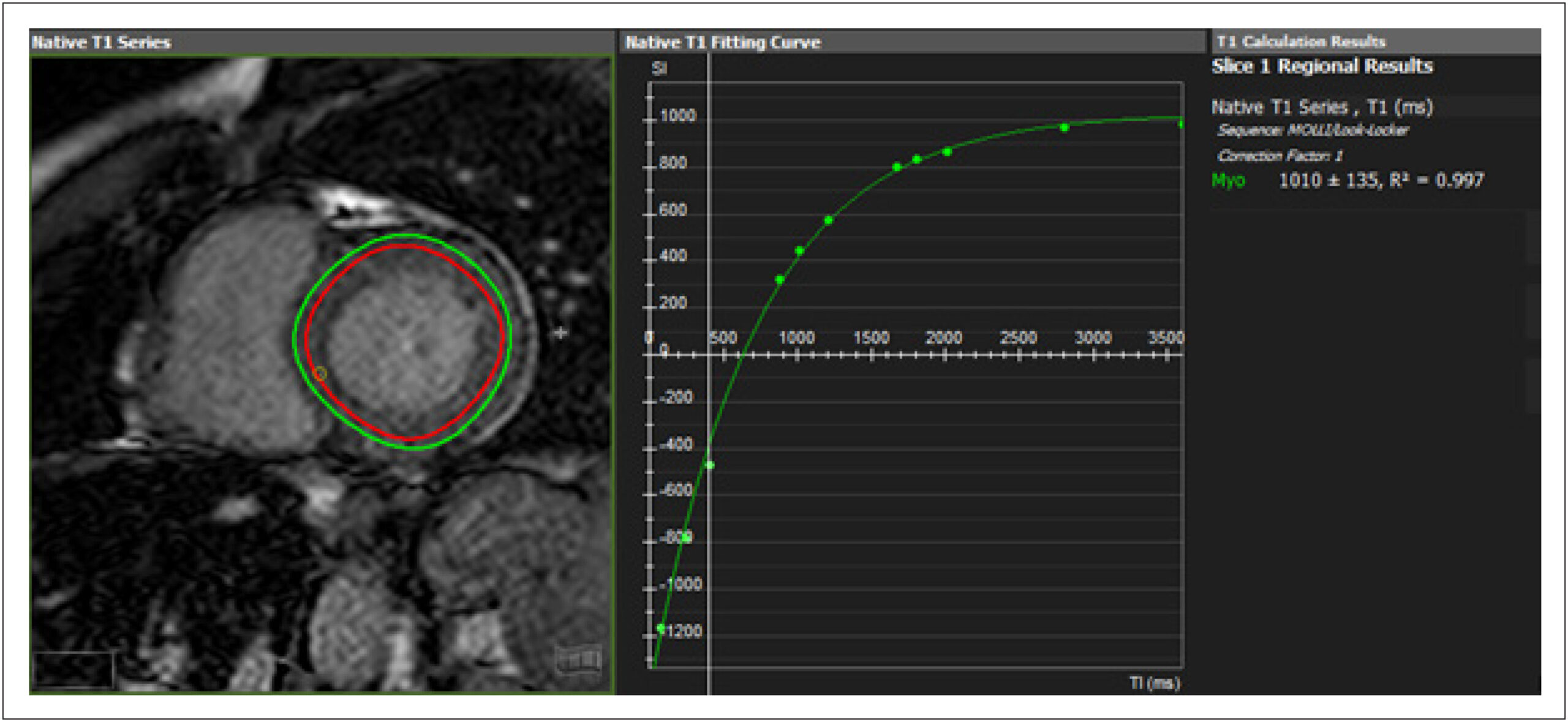
To evaluate the feasibility of native T1 mapping assessment in patients with HF in a cardiology referral hospital and its association with structural parameters and functional profile.

Methods:

Cross-sectional study with adult patients with HF NYHA functional classes I and II, ischemic and non-ischemic, followed in a referral hospital, who underwent CMR. Native T1 values were analyzed for structural parameters, comorbidities, etiology, and categorization of HF by left ventricular ejection fraction (LVEF). Analyses were performed with a significance level of 5%.

Results:

Enrollment of 134 patients. Elevated native T1 values were found in patients with greater dilation (1004.9 vs 1042.7ms, p = 0.001), ventricular volumes (1021.3 vs 1050.3ms, p <0.01) and ventricular dysfunction (1010.1 vs 1053.4ms, p <0.001), also present when the non-ischemic group was analyzed separately. Patients classified as HF with reduced ejection fraction had higher T1 values than those with HF and preserved ejection fraction (HFPEF) (992.7 vs 1054.1ms, p <0.001). Of those with HFPEF, 55.2% had higher T1.

Conclusions:

CMR T1 mapping is feasible for clinical HF evaluation. There was a direct association between higher native T1 values and lower ejection fraction, and with larger LV diameters and volumes, regardless of the etiology of HF.

  • Cardiomyopathy, Dilated
  • Chagas Cardiomyopathy
  • Diagnosis Imaging
  • Fibrosis
  • Heart Failure
  • Magnetic Resonance Spectroscopy/ methods
  • Ventricular Dysfunction, Left
Read Full Article
Creative Commons Attribution (CC BY) Creative Commons license
17/05/2021 DOI: 10.36660/abc.20190782 Views 1
Figure 1
ABC
Case Report

Dilated Cardiomyopathy Reversibility in Sheehan's Syndrome: A Case Report

Maria Luíza Barbosa Fernandes Dourado et al. Taís Paiva da Costa Márcia Sampaio de Carvalho Carlos Geraldo Guerreiro de Moura

Introduction

Sheehan’s syndrome, discovered in 1937 by Harold Leeming Sheehan is described as pan-hypopituitarism secondary to pituitary necrosis after post-partum hemorrhage. The clinical condition presentation depends on the hormonal shortfall presented, and may involve changes in serum cortisol levels, thyroid function, growth hormones, breastfeeding and sex hormones. Although poorly described in the literature, there are reports of dilated cardiomyopathy associated with Sheehan’s syndrome, some with reversibility of cardiopathy after hormone replacement therapy. This paper reports a clinical case of Sheehan’s syndrome associated to dilated cardiomyopathy that displayed cardiac function improvement after hormone replacement therapy.

[…]

  • Cardiomyopathy, Dilated
  • Diagnostic Imaging
  • hormone replacement therapy
  • Hypopituitaris
  • Sheehan's Syndrome
Read Full Article
Creative Commons Attribution (CC BY) Creative Commons license
05/02/2021 DOI: 10.36660/abc.20190547 Views 1
Figure 1
ABC
Original Article

Takotsubo Multicenter Registry (REMUTA) – Clinical Aspects, In-Hospital Outcomes, and Long-Term Mortality

Gustavo Luiz Gouvêa de Almeida Junior et al. João Mansur Filho Denilson Campos de Albuquerque Sergio Salles Xavier … Álvaro Pontes Elias Pimentel Gouvêa Alexandre Bahia Barreiras Martins Nágela S. V. Nunes Lilian Vieira Carestiato João Luiz Fernandes Petriz Armando Márcio Gonçalves Santos Bruno Santana Bandeira Bárbara Elaine de Jesus Abufaiad Luciana da Camara Pacheco Maurício Sales de Oliveira Paulo Eduardo Campana Ribeiro Filho Pedro Paulo Nogueres Sampaio Gustavo Salgado Duque Luiz Felipe Camillis André Casarsa Marques Francisco Carlos Lourenço Jr José Ricardo Palazzo Cláudio Ramos da Costa Bibiana Almeida da Silva Cleverson Neves Zukowski Romulo Ribeiro Garcia Fernanda de Carvalho Zonis Suzana Andressa Morais de Paula Carolina Gravano Ferraz Ferrari Bruno Soares da Silva Rangel Roberto Muniz Ferreira Bárbara Ferreira da Silva Mendes Isabela Ribeiro Carvalho de Castro Leonardo Giglio Gonçalves de Souza Luiz Henrique dos Santos Araújo Alexandre Giani

Abstract

Background

Takotsubo syndrome (TTS) is an acquired form of cardiomyopathy. National Brazilian data on this condition are scarce. The Takotsubo Multicenter Registry (REMUTA) is the first to include multicenter data on this condition in Brazil.

Objective

To describe the clinical characteristics, prognosis, in-hospital treatment, in-hospital mortality, and mortality during 1 year of follow-up.

Methods

This is an observational, retrospective registry study including patients admitted to the hospital with diagnosis of TTS and patients admitted for other reasons who developed this condition. Evaluated outcomes included triggering factor, analysis of exams, use of medications, complications, in-hospital mortality, and mortality during 1 year of follow-up. A significance level of 5% was adopted.

Results

The registry included 169 patients from 12 centers in the state of Rio de Janeiro, Brazil. Mean age was 70.9 ± 14.1 years, and 90.5% of patients were female; 63% of cases were primary TTS, and 37% were secondary. Troponin I was positive in 92.5% of patients, and median BNP was 395 (176.5; 1725). ST-segment elevation was present in 28% of patients. Median left ventricular ejection fraction was 40 (35; 48)%. We observed invasive mechanical ventilation in 25.7% of cases and shock in 17.4%. Mechanical circulatory support was used in 7.7%. In-hospital mortality was 10.6%, and mortality at 1 year of follow-up was 16.5%. Secondary TTS and cardiogenic shock were independent predictors of mortality.

Conclusion

The results of the REMUTA show that TTS is not a benign pathology, as was once thought, especially regarding the secondary TTS group, which has a high rate of complications and mortality. (Arq Bras Cardiol. 2020; 115(2):207-216)

  • Cardiomyopathy Takotsubo/mortality
  • Cardiomyopathy, Dilated
  • Chest Pain
  • Dyspnea
  • Heart Failure
  • Multicenter Study
  • Stress, Psychological
Read Full Article
Creative Commons Attribution (CC BY) Creative Commons license
28/08/2020 DOI: 10.36660/abc.20190166
Figure 1
ABC
Review Article

Coronavirus Disease 2019 and the Myocardium

José Albuquerque de Figueiredo Neto et al. Fabiana G. Marcondes-Braga Lidia Zytinski Moura André Melo e Silva de Figueiredo … Viviane Melo e Silva de Figueiredo Ricardo Mourilhe-Rocha Evandro Tinoco Mesquita

Abstract

Infection with the coronavirus known as COVID-19 has promoted growing interest on the part of cardiologists, emergency care specialists, intensive care specialists, and researchers, due to the study of myocardial involvement based on different clinical forms resulting from immunoinflammatory and neurohumoral demodulation.Myocardial involvement may be minimal and identifiable only by electrocardiographic changes, mainly increased cardiac troponins, or, on the other side of the spectrum, by forms of fulminant myocarditis and takotsubo syndrome.The description of probable acute myocarditis has been widely supported by the observation of increased troponin in association with dysfunction. Classical definition of myocarditis, supported by endomyocardial biopsy of inflammatory infiltrate, is rare; it has been observed in only one case report to date, and the virus has not been identified inside cardiomyocytes.Thus, the phenomenon that has been documented is acute myocardial injury, making it necessary to rule our obstructive coronary disease based on increased markers of myocardial necrosis, whether or not they are associated with ventricular dysfunction, likely associated with cytokine storms and other factors that may synergistically promote myocardial injury, such as sympathetic hyperactivation, hypoxemia, arterial hypotension, and microvascular thrombotic phenomena.Systemic inflammatory and myocardial phenomena following viral infection have been well documented, and they may progress to cardiac remodeling and myocardial dysfunction. Cardiac monitoring of these patients is, therefore, important in order to monitor the development of the phenotype of dilated myocardiopathy.This review presents the main etiological and physiopathological findings, a description of the taxonomy of these types of cardiac involvement, and their correlation with the main clinical forms of the myocardial component present in patients in the acute phase of COVID-19.

  • Biomarkers
  • Cardiomyopathy, Dilated
  • Coronavirus
  • COVID-19
  • Inflammatory Diseases
  • Myocarditis
  • Myocardium/injuries
  • Pandemics
  • Takotsubo syndrome
  • Thrombotic Microangiopathies
  • Troponin
Read Full Article
Creative Commons Attribution (CC BY) Creative Commons license
03/07/2020 DOI: 10.36660/abc.20200373 Views 2
Figure 1
IJCS
Case Report

Iatrogenic Complications During the Diagnostic Work-Up of an Inflammatory Cardiomyopathy

Hugo Antunes et al. Júlio Gil Bruno Marmelo Maria Luísa Gonçalves … Maria Inês Pires João Miguel Santos Miguel Correia José Costa Cabral

Abstract

A 72-year-old woman was admitted for acute heart failure. The echocardiography revealed moderate depression of the left ventricular ejection fraction. Coronary disease was excluded by coronarography. Cardiac magnetic resonance showed predominantly left ventricular septal hypertrophy and severe depression of the left ventricular systolic function. There was also a bright, multifocal and patchy late gadolinium enhancement with subendocardial, mesocardial and subepicardial involvement, suggestive of sarcoidosis. Biochemical study, thoracic computed tomography and positron emission tomography were inconclusive for extra-cardiac sarcoidosis. Therefore, an endomyocardial biopsy was performed. The procedure was complicated by the development of complete atrioventricular block, requiring implantation of a cardiac resynchronization pacing device. A few days after device implantation, the patient developed fever. The echocardiography revealed extensive vegetations, and thus the diagnosis of a device-associated infective endocarditis was made. Even though antibiotic therapy was promptly started, the patient ended up dying. Biopsy results revealed lymphocytic myocarditis.

This case is paradigmatic because it shows how the etiologic diagnosis of dilated cardiomyopathy can be challenging. Non-invasive diagnostic exams may not provide a definite diagnosis, requiring an endomyocardial biopsy. However, the benefits versus risks of such procedure must always be carefully weighted.

  • Cardiomyopathies
  • Cardiomyopathy, Dilated
  • Diabetes Mellitus
  • Endocardites
  • Hypertension
  • Iatrogenic Disease/complications
  • Spectroscopy, Magnetic Resonance/methods
Read Full Article
Creative Commons Attribution (CC BY) Creative Commons license
17/04/2020 DOI: 10.36660/ijcs.20190153
Figure 1
ABC
Anatomopathological Correlation

Case 2/2019 – Man with Arrhythmogenic Cardiopathy Followed by Rapidly Progressive Heart Failure

Marcella Abunahman Freitas Pereira et al. Wilma Noia Ribeiro Léa Maria Macruz Ferreira Demarchi

Clinical aspects

The patient developed arrhythmia at 26 years of age. At age 33, in 2013, he developed heart failure, which rapidly progressed to functional class IV, with consecutive hospitalizations due to acute decompensation. In 2015, after the last hospitalization, he was placed on the priority list for heart transplantation due to clinical treatment refractoriness. In March 2016 he underwent the procedure and remained asymptomatic, being followed through outpatient clinic consultations since April 2017.

This is a heart failure case with important aspects that must be investigated: etiology and factors for decompensation.

[…]

  • Cardiomyopathy, Dilated
  • Heart Failure
  • Heart Transplantation
  • Myocarditis
  • Stroke Volume
Read Full Article
Creative Commons Attribution (CC BY) Creative Commons license
15/04/2019 DOI: 10.5935/abc.20190065 Views 1
Figure 1
IJCS
Original Article

Prognosis of Dilated Cardiomyopathy with Severe Heart Failure according to Functional Classification Scales in Childhood

Fátima Derlene da Rocha Araújo et al. Rose Mary Ferreira Lisboa da Silva Henrique de Assis Fonseca Tonelli Adriana Furletti M Guimarães … Sandra Regina Tolentino Castilho Zilda Maria Alves Meira

Abstract

Background:

Heart failure is the main manifestation of dilated cardiomyopathy in childhood, and the systematic evaluation of signs and symptoms allows monitoring the treatment outcome.

Objective:

To evaluate the use of three functional classification scales of heart failure in children and adolescents with dilated cardiomyopathy.

Methods:

Longitudinal and observational study including patients from zero to 18 years with dilated cardiomyopathy and severe initial heart failure. All of them were followed up using the New York Heart Association (NYHA), The New York University Pediatric Heart Failure Index (The NYU PHFI) and Ross version 2012 scales. Statistical analyzes were done using Statistical Package for Social Science, version 14.0, with Mann-Whitney test, Chi-Square test or Fisher’s test, application of the Operating Characteristic Curve, Wilcoxon test and Kappa coefficient for comparison of scales and Kaplan-Meier curve for survival evaluation. The level of significance adopted was 5%.

Results:

A total of 57 patients, aged from 1 to 200 months (mean of 48.7 ± 55.9) and follow-up of 6 to 209 months (mean of 63.6 ± 48.4) were included. There was substantial agreement between the Ross 2012 scales, The NYU PHFI and NYHA (Kappa = 0.71 and 0.82, respectively). Paired analysis by the Wilcoxon test, comparing the scales before and after treatment, was significant (p < 0.0001). The greatest survival was found in patients with class I/II by NYHA or scores lower than 11 points in the others.

Conclusion:

The use of functional assessment scales of heart failure proved to be useful in the follow-up and evaluation of the therapeutic response and there was no difference between them. Patients who remained in functional classification III or IV NYHA or scores ≥ 11 in Ross 2012 or The NYU PHFI had worse prognosis.

  • Adolescents
  • Cardiomyopathy, Dilated
  • Child
  • Heart Failure
  • Prognosis
  • Scales
Read Full Article
Creative Commons Attribution (CC BY) Creative Commons license
23/10/2017 DOI: 10.5935/2359-4802.20170085 Views 2
Figure 1
ABC
Anatomopathological Session

Case 1/2017 – 26-Year-old Male with Rapidly Progressive Heart Failure

Laís Costa Marques et al. Rogério Silva de Paula Ivna Lobo Camilo Vera Demarchi Aiello

Clinical aspects

The patient was a 26-year-old male, reporting prophylaxis for rheumatic fever from the age of 12 years to 17 years, who, at the age of 24 years, developed dyspnea on heavy exertion, which improved with medication. However, after two years, dyspnea worsening and edema occurred (April 19, 2013).

The clinical and laboratory assessments before the referral revealed cardiopathy with ventricular dilatation. The echocardiogram evidenced left ventricular systolic and diastolic diameters of 60 mm and 44 mm, respectively, and ejection fraction of 51%. His serology for Chagas disease was negative, and his coronary angiography, normal. On physical examination, a third cardiac sound and a systolic murmur (++/6+) over the mitral area were heard. The ECG showed atrial flutter, atrioventricular block with probable ASDB, and heart rate of 40 bpm.

[…]

  • Atrial flutter
  • Cardiomyopathy, Dilated
  • Heart Failure
  • Street Drugs
Read Full Article
Creative Commons Attribution (CC BY) Creative Commons license
01/02/2017 DOI: 10.5935/abc.20170018 Views 1
Figure 1
ABC
Image

Fatty Left Ventricular Cardiomyopathy: An Under-Diagnosed Disease

Abdalla Elagha et al. Anthon Fuisz

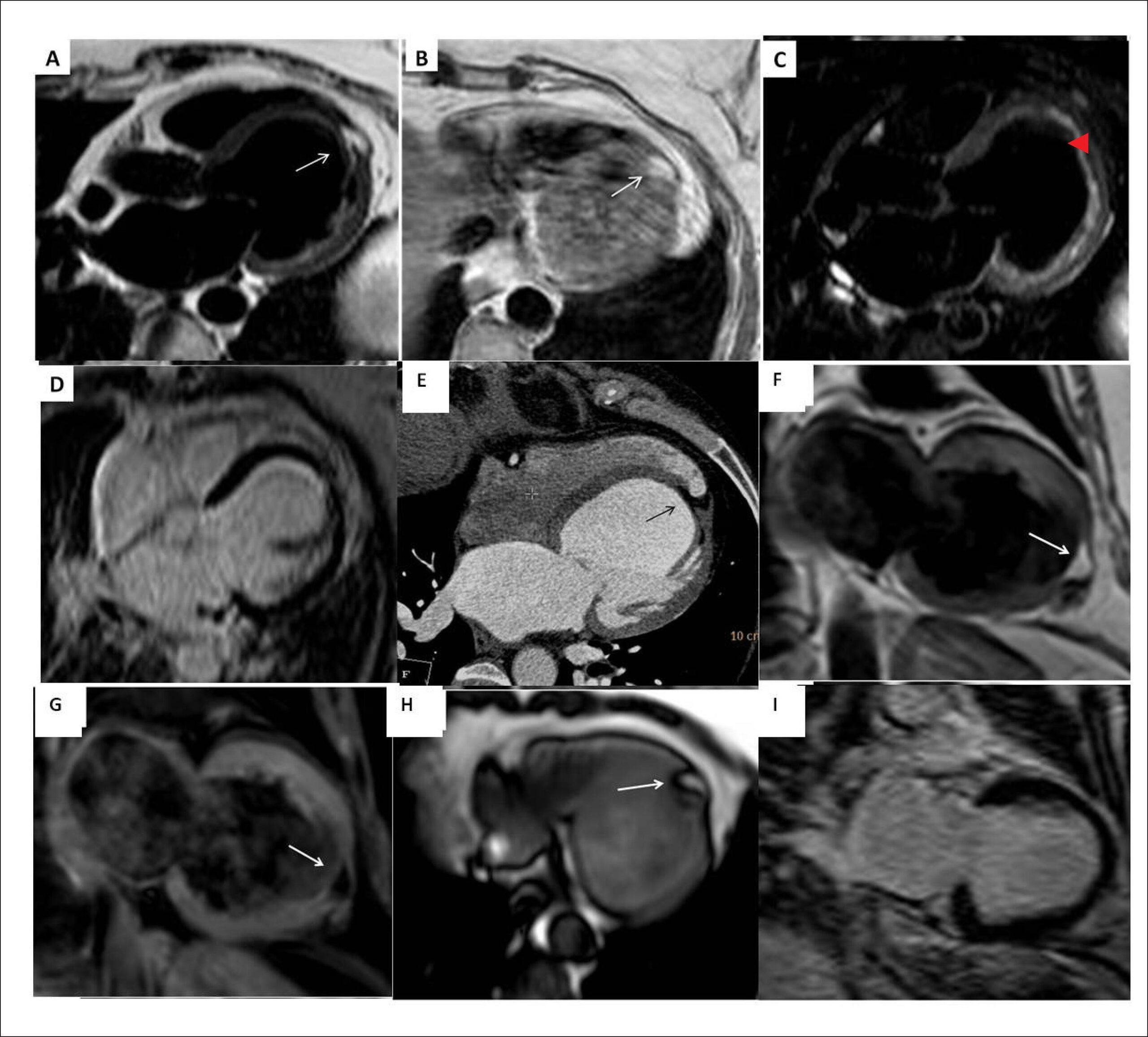
During a preoperative cardiac assessment, a 57-year-old asymptomatic female, without known cardiac risk-factors, was found to have LBBB on ECG. Echocardiography revealed dilated cardiomyopathy. To rule-out coronary artery disease, coronary CT-angiography was performed and showed no significant coronary obstruction.

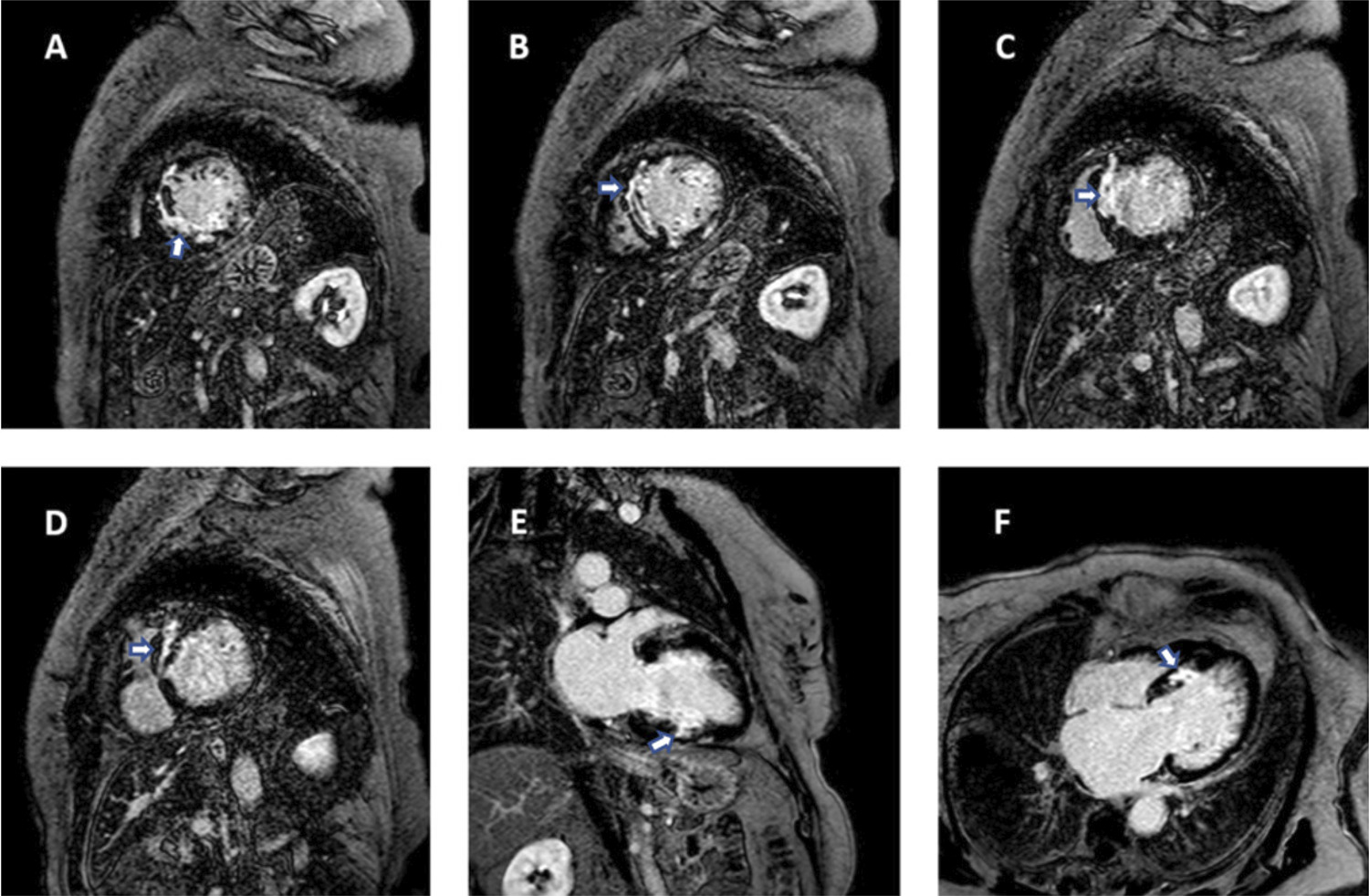
For further evaluation, a cardiac magnetic resonance (CMR) study was performed. A focal area of fatty infiltration was seen in the left ventricular (LV) apex extending from the subendocardial to the subepicardial surfaces ( and ). This area was suppressed with fat saturation pulse-sequences (), and did not show enhanced signal on delayed-hyperenhancement images (DHE) (). Both LV and LA were dilated; LV systolic function was reduced globally. Additionally, the CMR showed normal RV dimensions, function, and wall-thickness. The fatty area was also seen retrospectively on the cardiac CT ().

[…]

  • Cardiomyopathy, Dilated
  • Lipoma
  • Tomography, X Ray-Computed/methods
  • Ventricular Dysfunction, Left
Read Full Article
Creative Commons Attribution (CC BY) Creative Commons license
01/01/2017 DOI: 10.5935/abc.20160199 Views 1
Figure 1
ABC
Anatomopathological Session

Case 4/2017 – Young Male Marathoner with Heart Failure Due to Dilated Cardiomyopathy

Hilda Sara Montero Ramirez et al. Rafael Amorim Belo Nunes Vera Demarchi Aiello

Clinical aspects

The patient was a 22-year-old male marathoner with fatal heart failure for 1 year. The clinical data reported were dyspnea and precordial discomfort on exertion. The patient maintained his trainings and running practice less intensely due to lower limb pain and weakness in the last months, until he was hospitalized due to chest pain, dyspnea, hemoptysis, mental confusion and syncope. During hospitalization, his clinical findings rapidly and progressively deteriorated. His electrocardiogram on admission revealed signs of right atrial overload, left ventricular overload and secondary ventricular repolarization changes. The left ventricle was diffusely hypokinetic and the diastolic function pattern was restrictive. There was moderate mitral and tricuspid valve regurgitation. These findings suggest cardiomyopathy with important hemodynamic repercussion.

The causes of cardiomyopathy in young individuals are: idiopathic cardiomyopathy, infectious myocarditis and autoimmune myocarditis. Cardiotoxicity can also be observed in exposure to certain agents, such as alcohol, cocaine, heavy metals and antineoplastic drugs, such as anthracyclines and cyclophosphamide.

[…]

  • Athletes
  • Cardiomyopathy, Dilated
  • Heart Failure
  • Physical Exertion
  • Sports
Read Full Article
Creative Commons Attribution (CC BY) Creative Commons license
01/01/2017 DOI: 10.5935/abc.20170124
Figure 1
ABC
Original Article

Left Atrial Volume Determinants in Patients with Non-Ischemic Dilated Cardiomyopathy

Frederico José Neves Mancuso et al. Valdir Ambrósio Moisés Dirceu Rodrigues Almeida Dalva Poyares … Luciana Julio Storti Wércules Antonio Oliveira Flavio Souza Brito Angelo Amato Vincenzo de Paola Antonio Carlos Camargo Carvalho Orlando Campos

Background:

Left atrial volume (LAV) is a predictor of prognosis in patients with heart failure.

Objective:

We aimed to evaluate the determinants of LAV in patients with dilated cardiomyopathy (DCM).

Methods:

Ninety patients with DCM and left ventricular (LV) ejection fraction ≤ 0.50 were included. LAV was measured with real-time three-dimensional echocardiography (eco3D). The variables evaluated were heart rate, systolic blood pressure, LV end-diastolic volume and end-systolic volume and ejection fraction (eco3D), mitral inflow E wave, tissue Doppler e´ wave, E/e´ ratio, intraventricular dyssynchrony, 3D dyssynchrony index and mitral regurgitation vena contracta. Pearson´s coefficient was used to identify the correlation of the LAV with the assessed variables. A multiple linear regression model was developed that included LAV as the dependent variable and the variables correlated with it as the predictive variables.

Results:

Mean age was 52 ± 11 years-old, LV ejection fraction: 31.5 ± 8.0% (16-50%) and LAV: 39.2±15.7 ml/m2. The variables that correlated with the LAV were LV end-diastolic volume (r = 0.38; p < 0.01), LV end-systolic volume (r = 0.43; p < 0.001), LV ejection fraction (r = -0.36; p < 0.01), E wave (r = 0.50; p < 0.01), E/e´ ratio (r = 0.51; p < 0.01) and mitral regurgitation (r = 0.53; p < 0.01). A multivariate analysis identified the E/e´ ratio (p = 0.02) and mitral regurgitation (p = 0.02) as the only independent variables associated with LAV increase.

Conclusion:

The LAV is independently determined by LV filling pressures (E/e´ ratio) and mitral regurgitation in DCM.

  • Cardiomyopathy, Dilated
  • Chagas Cardiomyopathy
  • Echocardiography, Three-Dimensional
  • Heart Atria
  • Organ Size
Read Full Article
Creative Commons Attribution (CC BY) Creative Commons license
08/05/2015 DOI: 10.5935/abc.20150042 Views 1
Figure 1
ABC
Original Article

Autologous Transplantation of Bone Marrow Adult Stem Cells for the Treatment of Idiopathic Dilated Cardiomyopathy

Ricardo João Westphal et al. Ronaldo Rocha Loures Bueno Paulo Bezerra de Araújo Galvão José Zanis Neto … Juliano Mendes Souza Ênio Eduardo Guérios Alexandra Cristina Senegaglia Paulo Roberto Brofman Ricardo Pasquini Claudio Leinig Pereira da Cunha

Background:

Morbimortality in patients with dilated idiopathic cardiomyopathy is high, even under optimal medical treatment. Autologous infusion of bone marrow adult stem cells has shown promising preliminary results in these patients.

Objective:

Determine the effectiveness of autologous transplantation of bone marrow adult stem cells on systolic and diastolic left ventricular function, and on the degree of mitral regurgitation in patients with dilated idiopathic cardiomyopathy in functional classes NYHA II and III.

Methods:

We administered 4,54 x 10⁸ ± 0,89 x 10⁸ bone marrow adult stem cells into the coronary arteries of 24 patients with dilated idiopathic cardiomyopathy in functional classes NYHA II and III. Changes in functional class, systolic and diastolic left ventricular function and degree of mitral regurgitation were assessed after 3 months, 6 months and 1 year.

Results:

During follow-up, six patients (25%) improved functional class and eight (33.3%) kept stable. Left ventricular ejection fraction improved 8.9%, 9.7% e 13.6%, after 3, 6 and 12 months (p = 0.024; 0.017 and 0.018), respectively. There were no significant changes neither in diastolic left ventricular function nor in mitral regurgitation degree. A combined cardiac resynchronization and implantable cardioversion defibrillation was implanted in two patients (8.3%). Four patients (16.6%) had sudden death and four patients died due to terminal cardiac failure. Average survival of these eight patients was 2.6 years.

Conclusion:

Intracoronary infusion of bone marrow adult stem cells was associated with an improvement or stabilization of functional class and an improvement in left ventricular ejection fraction, suggesting the efficacy of this intervention. There were no significant changes neither in left ventricular diastolic function nor in the degree of mitral regurgitation.

  • Cardiomyopathy, Dilated
  • Stem Cells
  • transplantation, autologous
Read Full Article
Creative Commons Attribution (CC BY) Creative Commons license
04/11/2014 DOI: 10.5935/abc.20140164
ABC
Original Article

Ivabradine Improves Heart Rate Variability in Patients with Nonischemic Dilated Cardiomyopathy

Ertugrul Kurtoglu et al. Sevket Balta Yasin Karakus Erdogan Yasar … Bilal Cuglan Ozgur Kaplan Gokhan Gozubuyuk

Background:

Ivabradine is a novel specific heart rate (HR)-lowering agent that improves event-free survival in patients with heart failure (HF).

Objectives:

We aimed to evaluate the effect of ivabradine on time domain indices of heart rate variability (HRV) in patients with HF.

Methods:

Forty-eight patients with compensated HF of nonischemic origin were included. Ivabradine treatment was initiated according to the latest HF guidelines. For HRV analysis, 24-h Holter recording was obtained from each patient before and after 8 weeks of treatment with ivabradine.

Results:

The mean RR interval, standard deviation of all normal to normal RR intervals (SDNN), the standard deviation of 5-min mean RR intervals (SDANN), the mean of the standard deviation of all normal-to-normal RR intervals for all 5-min segments (SDNN index), the percentage of successive normal RR intervals exceeding 50 ms (pNN50), and the square root of the mean of the squares of the differences between successive normal to normal RR intervals (RMSSD) were low at baseline before treatment with ivabradine. After 8 weeks of treatment with ivabradine, the mean HR (83.6 ± 8.0 and 64.6 ± 5.8, p < 0.0001), mean RR interval (713 ± 74 and 943 ± 101 ms, p < 0.0001), SDNN (56.2 ± 15.7 and 87.9 ± 19.4 ms, p < 0.0001), SDANN (49.5 ± 14.7 and 76.4 ± 19.5 ms, p < 0.0001), SDNN index (24.7 ± 8.8 and 38.3 ± 13.1 ms, p < 0.0001), pNN50 (2.4 ± 1.6 and 3.2 ± 2.2 %, p < 0.0001), and RMSSD (13.5 ± 4.6 and 17.8 ± 5.4 ms, p < 0.0001) substantially improved, which sustained during both when awake and while asleep.

Conclusion:

Our findings suggest that treatment with ivabradine improves HRV in nonischemic patients with HF.

  • Anti-Arrhythmia Agents / therapeutic use
  • Cardiomyopathy, Dilated
  • Heart Rate
Read Full Article
Creative Commons Attribution (CC BY) Creative Commons license
13/08/2014 DOI: 10.5935/abc.20140109 Views 1
Figure 1
ABC
Case Report

Toxic Dilated Cardiomyopathy: Recognizing a Potentially Reversible Disease

Inês Rangel et al. Marta Amorim Alexandra Gonçalves Carla Sousa … Paulo Bettencourt Maria Júlia Maciel

Introduction

The use of illicit drugs has increased in recent years. Related to this increase, there is a growing need to recognise and properly treat the adverse effects associated with the consumption of these drugs.

These substances can induce several cardiovascular (CV) complications, being this acute or chronic. Some of them are the ischemic and arrhythmic events, the development of dilated cardiomyopathy (DCM) and the left ventricular systolic dysfunction (LVSD).

[…]

  • Cardiomyopathy, Dilated
  • cocaine
  • Heroin
Read Full Article
Creative Commons Attribution (CC BY) Creative Commons license
01/04/2014 DOI: 10.5935/abc.20140030
Criteria for mitral regurgitation classification were inadequate for dilated cardiomyopathy
ABC
Artigo Original

Criteria for mitral regurgitation classification were inadequate for dilated cardiomyopathy

Frederico José Neves Mancuso et al. Valdir Ambrosio Moisés Dirceu Rodrigues Almeida Wercules Antonio Oliveira … Dalva Poyares Flavio Souza Brito Angelo Amato Vincenzo de Paola Antonio Carlos Camargo Carvalho Orlando Campos

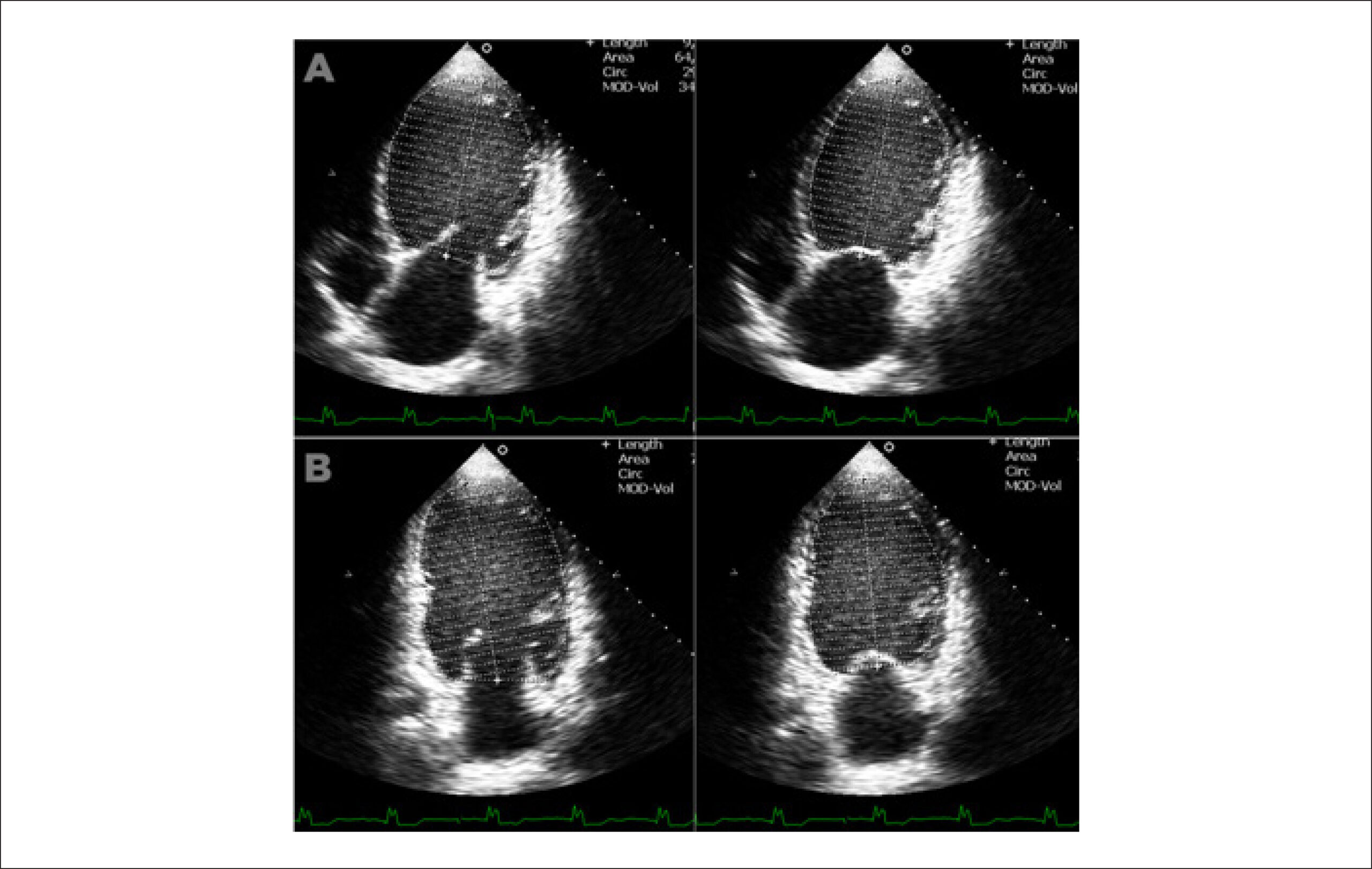
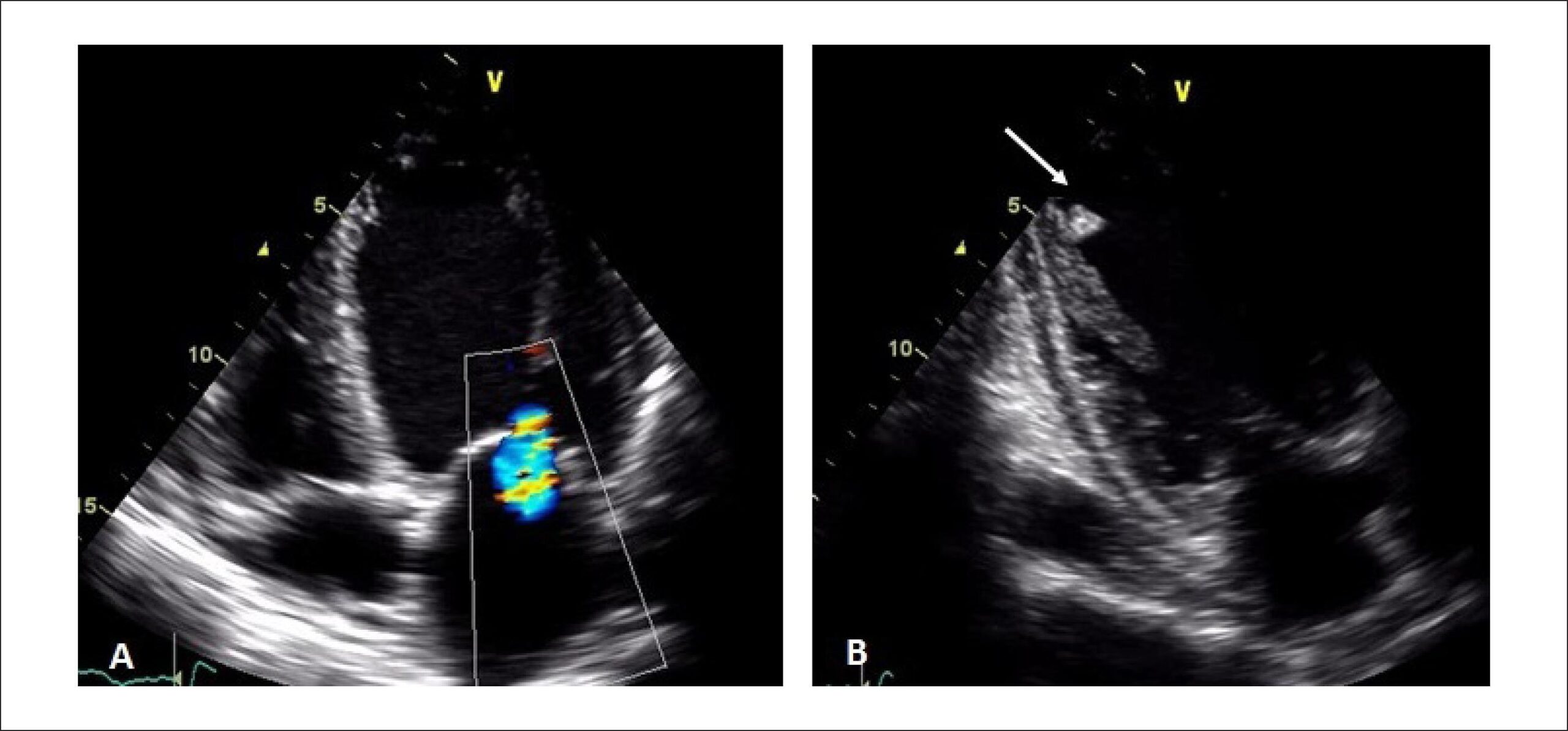
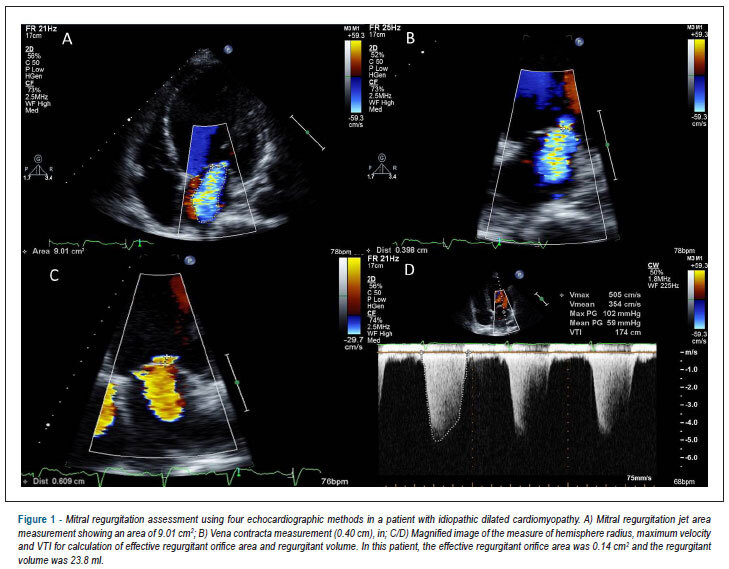
BACKGROUND: Mitral regurgitation (MR) is common in patients with dilated cardiomyopathy (DCM). It is unknown whether the criteria for MR classification are inadequate for patients with DCM. OBJECTIVE: We aimed to evaluate the agreement among the four most common echocardiographic methods for MR classification. METHODS: Ninety patients with DCM were included. Functional MR was classified using four echocardiographic methods: color flow jet area (JA), vena contracta (VC), effective regurgitant orifice area (ERO) and regurgitant volume (RV). MR was classified as mild, moderate or important according to the American Society of Echocardiography criteria and by dividing the values into terciles. The Kappa test was used to evaluate whether the methods agreed, and the Pearson correlation coefficient was used to evaluate the correlation between the absolute values of each method. RESULTS: MR classification according to each method was as follows: JA: 26 mild, 44 moderate, 20 important; VC: 12 mild, 72 moderate, 6 important; ERO: 70 mild, 15 moderate, 5 important; RV: 70 mild, 16 moderate, 4 important. The agreement was poor among methods (kappa=0.11; p<0.001). It was observed a strong correlation between the absolute values of each method, ranging from 0.70 to 0.95 (p<0.01) and the agreement was higher when values were divided into terciles (kappa = 0.44; p < 0.01) CONCLUSION: The use of conventional echocardiographic criteria for MR classification seems inadequate in patients with DCM. It is necessary to establish new cutoff values for MR classification in these patients.

  • Cardiomyopathy, Dilated
  • Echocardiography
  • Mitral Valve Insufficiency
Read Full Article
Creative Commons Attribution (CC BY) Creative Commons license
08/10/2013 DOI: 10.5935/abc.20130200 Views 1
Myocardial deformation by speckle tracking in severe dilated cardiomyopathy
ABC
Artigo Original

Myocardial deformation by speckle tracking in severe dilated cardiomyopathy

Maria Cristina Donadio Abduch et al. Ivan Salgo Wendy Tsang Marcelo Luiz Campos Vieira … Victoria Cruz Marta Lima Jeane Mike Tsutsui Victor Mor-Avi Roberto M. Lang Wilson Mathias Jr

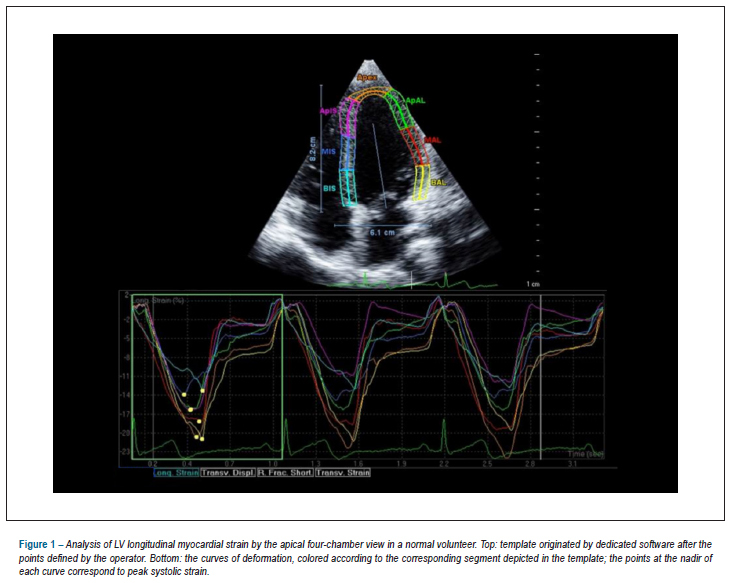
BACKGROUND: The high and increasing prevalence of Dilated Cardiomyopathy (DCM) represents a serious public health problem. New technologies are being used aiming at more accurate diagnoses in order to improve therapeutic approach. In this scenario, speckle tracking echocardiography (STE) uses natural myocardial markers to analyze the systolic deformation of the left ventricle (LV). OBJECTIVE: To measure the longitudinal transmural global strain (GS) of the LV through STE in patients with severe DCM, comparing the results with normal individuals and with echocardiographic parameters established for the analysis of LV systolic function, validating the method in this population. METHODS: We studied 71 patients with severe DCM (53 ± 12 years, 72% men) and 20 controls (30 ± 8 years, 45% men). We obtained LV volumes and ejection fraction by two and three-dimensional echocardiography, Doppler parameters, tissue Doppler and GS was obtained by STE. RESULTS: Compared to controls, LV volumes were higher in the DCM group; however, LVEF and peak velocity of E wave were lower in the latter. The myocardial performance index was higher among patients. Myocardial velocities at the tissue Doppler (S’, e’, a’) were significantly lower and E/e’ ratio was higher in the DCM group. The GS was decreased in the DCM group (-5.5% ± 2.3%) when compared to controls (-14.0% ± 1.8%). CONCLUSION: In this study, GS was significantly lower in patients with severe DCM, bringing new perspectives for therapeutic approaches in this specific population.

  • Cardiomyopathy, Dilated
  • Echocardiography, Doppler
  • Ventricular Dysfunction, Left
Read Full Article
Creative Commons Attribution (CC BY) Creative Commons license
06/09/2012 DOI: 10.1590/S0066-782X2012005000086 Views 1
Azygos vein lead implantation: a therapeutic option for elevated defibrillation threshold
ABC
Case Report

Azygos vein lead implantation: a therapeutic option for elevated defibrillation threshold

Luiz Eduardo Montenegro Camanho et al. Antonio Carlos Botelho da Silva Marco Antonio Teixeira Luiz Antonio Inácio Oliveira Junior … Eduardo Benchimol Saad Marcelo da Costa Maia

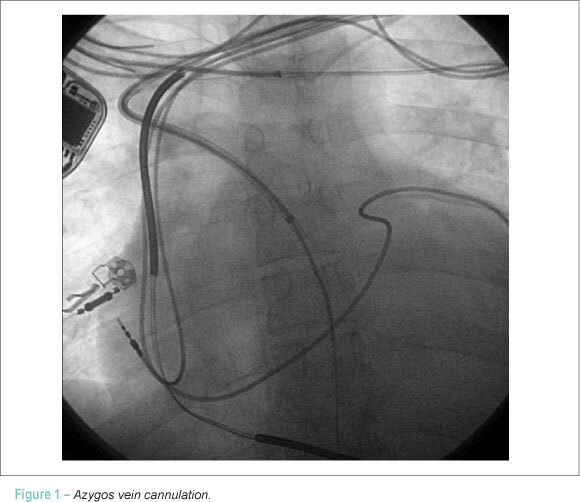
The evaluation of the defibrillation threshold (DFT) during the implantation of a cardioverter-defibrillator (ICD) is an important stage of the procedure, as a high DFT can be found in up to 16% of patients. We report a patient with idiopathic dilated cardiomyopathy (DCM) submitted to a biventricular ICD implantation. During the procedure, the patient showed a high DFT and showed to be resistant to usual therapeutic modalities. We opted for the azygos vein defibrillation lead implantation, with good resolution.

  • azygos vein
  • Cardiomyopathy, Dilated
  • Defibrillators, Implantable
  • Electrodes, Implanted
Read Full Article
Creative Commons Attribution (CC BY) Creative Commons license
08/08/2012 DOI: 10.1590/S0066-782X2012000600017 Views 1
"Hyper-response" evaluated by 3D echocardiography after cardiac resynchronization therapy
ABC
Case Report

"Hyper-response" evaluated by 3D echocardiography after cardiac resynchronization therapy

Viviane Tiemi Hotta et al. Marcelo Luiz Campos Vieira Daniela do Carmo Rassi Silvana Angelina D'orio Nishioka … Martino Martinelli Filho Wilson Mathias Jr

Cardiac resynchronization therapy consists of a promising treatment for patients with severe heart failure, but about 30% of patients do not exhibit clinical improvement with this procedure. However, approximately 10% of patients undergoing this therapy may have hyperresponsiveness, and three-dimensional echocardiography can provide an interesting option for the selection and evaluation of such patients.

  • Cardiomyopathy, Dilated
  • Echocardiography, Three-Dimensional
  • Heart Failure
  • left ventricular reverse remodeling
Read Full Article
Creative Commons Attribution (CC BY) Creative Commons license
03/10/2011 DOI: 10.1590/S0066-782X2011000600019 Views 1
Bone marrow cell transplantation in chagas' disease heart failure: report of the first human experience
ABC
Artigo Original

Bone marrow cell transplantation in chagas' disease heart failure: report of the first human experience

Fábio Vilas-Boas et al. Gilson Soares Feitosa Milena B. P. Soares Jole Alves Pinho-Filho … Augusto C. A. Mota Augusto José Gonçalves Almeida Marcus Vinícius Andrade Heitor Ghissoni Carvalho Adriano Dourado Oliveira Ricardo Ribeiro-dos-Santos

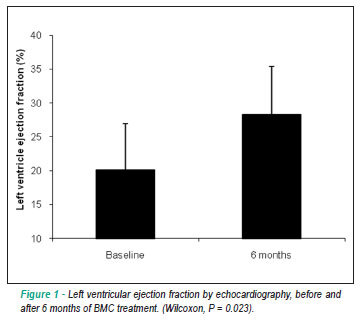
BACKGROUND: Heart failure due to Chagas’ disease (HFCD) is a progressive inflammatory cardiomyopathy that affects millions of individuals in Latin America. Studies using mice models of HFCD indicate that bone marrow mononuclear cell transplantation (BMCT) may reduce inflammation, fibrosis, and improve myocardial function. OBJECTIVE: The purpose of this study was to evaluate, for the first time in humans, the safety and efficacy of BMCT to the myocardium of patients with HFCD. METHODS: A total of 28 HFCD patients (mean age 52.2 ± 9.9 years) with NYHA class III and IV were submitted to BMCT through intracoronary injection. Effects on the left ventricle ejection fraction (LVEF), functional capacity, quality-of-life, arrhythmias, biochemical, immunological, and neuro-humoral parameters, were evaluated. RESULTS: There were no complications directly related to the procedure. LVEF was 20.1 ± 6.8% and 28.3 ± 7.9%, p < 0.03 at baseline and 180 days after the procedure, respectively. In the same period, significant improvements were observed in the NYHA class (3.1 ± 0.3 to 1.8 ± 0.5; p < 0.001), quality-of-life (50.9 ± 11.7 to 25.1 ± 15.9; p < 0.001), and in the six-minute walking test (355 ± 136 m to 437 ± 94 m; p < 0,01). There were no changes in markers of immune or neurohormonal activation. No complications were registered. CONCLUSION: Our data suggest that the intracoronary injection of BMCT is safe and potentially effective in patients with HFCD. The extent of the benefit, however, appears to be small and needs to be confirmed in a larger randomized, double blind, placebo controlled clinical trial.

  • Cardiomyopathy, Dilated
  • Chagas disease
  • Heart Failure
  • Stem Cells
  • tissue therapy
Read Full Article
Creative Commons Attribution (CC BY) Creative Commons license
04/03/2011 DOI: 10.1590/S0066-782X2011005000028 Views 1

Could not load more articles. Please try again.

How to cite this article

EndNote RIS

Electronic Document Format (Vancouver)

Furquim SR, Linnenkamp B, Olivetti NQS, Giugni FR, Lipari LFVP, Andrade FA, Krieger JE, et al. Challenges and Applications of Genetic Testing in Dilated Cardiomyopathy: Genotype, Phenotype and Clinical Implications. Arquivos Brasileiros de Cardiologia 2023;120(10):e20230174.

Electronic Document Format (ABNT)

Furquim, Silas Ramos; Linnenkamp, Bianca; Olivetti, Natália Quintella Sangiorgi; Giugni, Fernando Rabioglio; Lipari, Layara Fernanda Vicente Pereira; Andrade, Fernanda Almeida; Krieger, José Eduardo. Challenges and Applications of Genetic Testing in Dilated Cardiomyopathy: Genotype, Phenotype and Clinical Implications. Arquivos Brasileiros de Cardiologia, v. 120, n. 10, e20230174, Nov. 2023.

Electronic Document Format (APA)

Furquim, S. R., Linnenkamp, B., Olivetti, N. Q. S., Giugni, F. R., Lipari, L. F. V. P., Andrade, F. A., & Krieger, J. E. (2023). Challenges and Applications of Genetic Testing in Dilated Cardiomyopathy: Genotype, Phenotype and Clinical Implications. Arquivos Brasileiros de Cardiologia, 120(10), e20230174.

Electronic Document Format (ISO)

Furquim, Silas Ramos and Linnenkamp, Bianca and Olivetti, Natália Quintella Sangiorgi and Giugni, Fernando Rabioglio and Lipari, Layara Fernanda Vicente Pereira and Andrade, Fernanda Almeida and Krieger, José Eduardo. Challenges and Applications of Genetic Testing in Dilated Cardiomyopathy: Genotype, Phenotype and Clinical Implications. Arquivos Brasileiros de Cardiologia [online]. 2023, vol. 120, n. 10, [cited 2026-10-14], e20230174. Available from: <https://journals.cardiol.br/en/article/challenges-and-applications-of-genetic-testing-in-dilated-cardiomyopathy-genotype-phenotype-and-clinical-implications/>. ISSN 0066-782X

EndNote RIS

Electronic Document Format (Vancouver)

Andrade SM, Barretto RBM, Sousa FTT, Bihan DCSL. Left Atrial Function Analysis in Patients with Functional Mitral Regurgitation Associated with Dilated Cardiomyopathy. ABC Imagem Cardiovascular 2022;35(2):eabc281.

Electronic Document Format (ABNT)

Andrade, Stephanie Macedo; Barretto, Rodrigo Bellio de Mattos; Sousa, Francisco Thiago Tomaz de; Bihan, David Costa de Souza Le. Left Atrial Function Analysis in Patients with Functional Mitral Regurgitation Associated with Dilated Cardiomyopathy. ABC Imagem Cardiovascular, v. 35, n. 2, eabc281, Jun. 2022.

Electronic Document Format (APA)

Andrade, S. M., Barretto, R. B. M., Sousa, F. T. T. , & Bihan, D. C. S. L. (2022). Left Atrial Function Analysis in Patients with Functional Mitral Regurgitation Associated with Dilated Cardiomyopathy. ABC Imagem Cardiovascular, 35(2), eabc281.

Electronic Document Format (ISO)

Andrade, Stephanie Macedo and Barretto, Rodrigo Bellio de Mattos and Sousa, Francisco Thiago Tomaz de and Bihan, David Costa de Souza Le. Left Atrial Function Analysis in Patients with Functional Mitral Regurgitation Associated with Dilated Cardiomyopathy. ABC Imagem Cardiovascular [online]. 2022, vol. 35, n. 2, [cited 2026-10-14], eabc281. Available from: <https://journals.cardiol.br/en/article/left-atrial-function-analysis-in-patients-with-functional-mitral-regurgitation-associated-with-dilated-cardiomyopathy/>. ISSN 2318-8219

EndNote RIS

Electronic Document Format (Vancouver)

Cirino RHD, Ducci RD. My approach to diagnosis of and echocardiographic follow-up for muscular dystrophies. ABC Imagem Cardiovascular 2022;35(1):eabc292.

Electronic Document Format (ABNT)

Cirino, Raphael Henrique Déa; Ducci, Renata Dal-Prá. My approach to diagnosis of and echocardiographic follow-up for muscular dystrophies. ABC Imagem Cardiovascular, v. 35, n. 1, eabc292, Mar. 2022.

Electronic Document Format (APA)

Cirino, R. H. D., & Ducci, R. D. (2022). My approach to diagnosis of and echocardiographic follow-up for muscular dystrophies. ABC Imagem Cardiovascular, 35(1), eabc292.

Electronic Document Format (ISO)

Cirino, Raphael Henrique Déa and Ducci, Renata Dal-Prá. My approach to diagnosis of and echocardiographic follow-up for muscular dystrophies. ABC Imagem Cardiovascular [online]. 2022, vol. 35, n. 1, [cited 2026-10-14], eabc292. Available from: <https://journals.cardiol.br/en/article/my-approach-to-diagnosis-of-and-echocardiographic-follow-up-for-muscular-dystrophies/>. ISSN 2318-8219

EndNote RIS

Electronic Document Format (Vancouver)

Leal GN. Applications of the Myocardial Strain Study using Two-Dimensional Speckle Tracking in Pediatrics. Arquivos Brasileiros de Cardiologia Imagem cardiovascular 2022;32(1):29-33.

Electronic Document Format (ABNT)

Leal, Gabriela Nunes. Applications of the Myocardial Strain Study using Two-Dimensional Speckle Tracking in Pediatrics. Arquivos Brasileiros de Cardiologia Imagem cardiovascular, v. 32, n. 1, p. 29-33, Jan. 2022.

Electronic Document Format (APA)

Leal, G. N. (2022). Applications of the Myocardial Strain Study using Two-Dimensional Speckle Tracking in Pediatrics. Arquivos Brasileiros de Cardiologia Imagem cardiovascular, 32(1), 29-33.

Electronic Document Format (ISO)

Leal, Gabriela Nunes. Applications of the Myocardial Strain Study using Two-Dimensional Speckle Tracking in Pediatrics. Arquivos Brasileiros de Cardiologia Imagem cardiovascular [online]. 2022, vol. 32, n. 1, [cited 2026-10-14], pp. 29-33. Available from: <https://journals.cardiol.br/en/article/applications-of-the-myocardial-strain-study-using-two-dimensional-speckle-tracking-in-pediatrics/>. ISSN 2318-8219

EndNote RIS

Electronic Document Format (Vancouver)

Barreto ATF, Bezerra MLBG, Melo RMV, Isabella BO, Reis VA, Passos LCS. Diagnostic yield of magnetic resonance imaging in heart failure with left ventricular dysfunction?. ABC Imagem Cardiovascular 2021;34(1):eabc108.

Electronic Document Format (ABNT)

Barreto, Ana Terra Fonseca; Bezerra, Mariana Lins Baptista Guedes; Melo, Rodrigo Morel Vieira de; Isabella, Bruno Oliveira; Reis, Vanessa de Assis; Passos, Luiz Carlos Santana. Diagnostic yield of magnetic resonance imaging in heart failure with left ventricular dysfunction?. ABC Imagem Cardiovascular, v. 34, n. 1, eabc108, Jun. 2021.

Electronic Document Format (APA)

Barreto, A. T. F., Bezerra, M. L. B. G., Melo, R. M. V. , Isabella, B. O., Reis, V. A., & Passos, L. C. S. (2021). Diagnostic yield of magnetic resonance imaging in heart failure with left ventricular dysfunction?. ABC Imagem Cardiovascular, 34(1), eabc108.

Electronic Document Format (ISO)

Barreto, Ana Terra Fonseca and Bezerra, Mariana Lins Baptista Guedes and Melo, Rodrigo Morel Vieira de and Isabella, Bruno Oliveira and Reis, Vanessa de Assis and Passos, Luiz Carlos Santana. Diagnostic yield of magnetic resonance imaging in heart failure with left ventricular dysfunction?. ABC Imagem Cardiovascular [online]. 2021, vol. 34, n. 1, [cited 2026-10-14], eabc108. Available from: <https://journals.cardiol.br/en/article/diagnostic-yield-of-magnetic-resonance-imaging-in-heart-failure-with-left-ventricular-dysfunction/>. ISSN 2318-8219

EndNote RIS

Electronic Document Format (Vancouver)

Marques TSS, Fernandes AMS, Dantas Júnior RN, Biederman RW, Melo APMO, Aras R. Clinical Heart Failure Stratification Through Native T1 Mapping: Experience of a Referral Service. Arquivos Brasileiros de Cardiologia 2021;116(5):919-25.

Electronic Document Format (ABNT)

Marques, Thiago dos Santos Silva; Fernandes, André Maurício de Souza; Dantas Júnior, Roberto Nery; Biederman, Robert W.; Melo, Ana Paula Marques de Oliveira; Aras, Roque. Clinical Heart Failure Stratification Through Native T1 Mapping: Experience of a Referral Service. Arquivos Brasileiros de Cardiologia, v. 116, n. 5, p. 919-925, May. 2021.

Electronic Document Format (APA)

Marques, T. S. S., Fernandes, A. M. S., Dantas Júnior, R. N., Biederman, R. W., Melo, A. P. M. O., & Aras, R. (2021). Clinical Heart Failure Stratification Through Native T1 Mapping: Experience of a Referral Service. Arquivos Brasileiros de Cardiologia, 116(5), 919-925.

Electronic Document Format (ISO)

Marques, Thiago dos Santos Silva and Fernandes, André Maurício de Souza and Dantas Júnior, Roberto Nery and Biederman, Robert W. and Melo, Ana Paula Marques de Oliveira and Aras, Roque. Clinical Heart Failure Stratification Through Native T1 Mapping: Experience of a Referral Service. Arquivos Brasileiros de Cardiologia [online]. 2021, vol. 116, n. 5, [cited 2026-10-14], pp. 919-925. Available from: <https://journals.cardiol.br/en/article/clinical-heart-failure-stratification-through-native-t1-mapping-experience-of-a-referral-service/>. ISSN 0066-782X

EndNote RIS

Electronic Document Format (Vancouver)

Dourado MLBF, Costa TP, Carvalho MS, Moura CGG. Dilated Cardiomyopathy Reversibility in Sheehan’s Syndrome: A Case Report. Arquivos Brasileiros de Cardiologia 2021;116(2 suppl 1):17-20.

Electronic Document Format (ABNT)

Dourado, Maria Luíza Barbosa Fernandes; Costa, Taís Paiva da; Carvalho, Márcia Sampaio de; Moura, Carlos Geraldo Guerreiro de. Dilated Cardiomyopathy Reversibility in Sheehan’s Syndrome: A Case Report. Arquivos Brasileiros de Cardiologia, v. 116, n. 2 suppl 1, p. 17-20, Feb. 2021.

Electronic Document Format (APA)

Dourado, M. L. B. F., Costa, T. P. , Carvalho, M. S. , & Moura, C. G. G. (2021). Dilated Cardiomyopathy Reversibility in Sheehan’s Syndrome: A Case Report. Arquivos Brasileiros de Cardiologia, 116(2 suppl 1), 17-20.

Electronic Document Format (ISO)

Dourado, Maria Luíza Barbosa Fernandes and Costa, Taís Paiva da and Carvalho, Márcia Sampaio de and Moura, Carlos Geraldo Guerreiro de. Dilated Cardiomyopathy Reversibility in Sheehan’s Syndrome: A Case Report. Arquivos Brasileiros de Cardiologia [online]. 2021, vol. 116, n. 2 suppl 1, [cited 2026-10-14], pp. 17-20. Available from: <https://journals.cardiol.br/en/article/dilated-cardiomyopathy-reversibility-in-sheehans-syndrome-a-case-report/>. ISSN 0066-782X

EndNote RIS

Electronic Document Format (Vancouver)

Almeida Junior GLG, Mansur Filho J, Albuquerque DC, Xavier SS, Pontes , Gouvêa EP, Martins ABB, et al. Takotsubo Multicenter Registry (REMUTA) – Clinical Aspects, In-Hospital Outcomes, and Long-Term Mortality. Arquivos Brasileiros de Cardiologia 2020;115(2):207-16.

Electronic Document Format (ABNT)

Almeida Junior, Gustavo Luiz Gouvêa de; Mansur Filho, João; Albuquerque, Denilson Campos de; Xavier, Sergio Salles; Pontes, Álvaro; Gouvêa, Elias Pimentel; Martins, Alexandre Bahia Barreiras; Nunes, Nágela S. V.; Carestiato, Lilian Vieira; Petriz, João Luiz Fernandes; Santos, Armando Márcio Gonçalves; Bandeira, Bruno Santana; Abufaiad, Bárbara Elaine de Jesus; Pacheco, Luciana da Camara; Oliveira, Maurício Sales de; Ribeiro Filho, Paulo Eduardo Campana; Sampaio, Pedro Paulo Nogueres; Duque, Gustavo Salgado; Camillis, Luiz Felipe; Marques, André Casarsa; Lourenço Jr, Francisco Carlos; Palazzo, José Ricardo; Costa, Cláudio Ramos da; Silva, Bibiana Almeida da; Zukowski, Cleverson Neves; Garcia, Romulo Ribeiro; Zonis, Fernanda de Carvalho; Paula, Suzana Andressa Morais de; Ferrari, Carolina Gravano Ferraz; Rangel, Bruno Soares da Silva; Ferreira, Roberto Muniz; Mendes, Bárbara Ferreira da Silva; Castro, Isabela Ribeiro Carvalho de; Souza, Leonardo Giglio Gonçalves de; Araújo, Luiz Henrique dos Santos; Giani, Alexandre. Takotsubo Multicenter Registry (REMUTA) – Clinical Aspects, In-Hospital Outcomes, and Long-Term Mortality. Arquivos Brasileiros de Cardiologia, v. 115, n. 2, p. 207-216, Aug. 2020.

Electronic Document Format (APA)

Almeida Junior, G. L. G. , Mansur Filho, J., Albuquerque, D. C. , Xavier, S. S., Pontes, , Gouvêa, E. P., Martins, A. B. B., Nunes, N. S. V., Carestiato, L. V., Petriz, J. L. F., Santos, A. M. G., Bandeira, B. S., Abufaiad, B. E. J., Pacheco, L. C., Oliveira, M. S. , Ribeiro Filho, P. E. C., Sampaio, P. P. N., Duque, G. S., Camillis, L. F., Marques, A. C., Lourenço Jr, F. C., Palazzo, J. R., Costa, C. R. , Silva, B. A. , Zukowski, C. N., Garcia, R. R., Zonis, F. C., Paula, S. A. M. , Ferrari, C. G. F., Rangel, B. S. S., Ferreira, R. M., Mendes, B. F. S., Castro, I. R. C. , Souza, L. G. G. , Araújo, L. H. S., & Giani, A. (2020). Takotsubo Multicenter Registry (REMUTA) – Clinical Aspects, In-Hospital Outcomes, and Long-Term Mortality. Arquivos Brasileiros de Cardiologia, 115(2), 207-216.

Electronic Document Format (ISO)

Almeida Junior, Gustavo Luiz Gouvêa de and Mansur Filho, João and Albuquerque, Denilson Campos de and Xavier, Sergio Salles and Pontes, Álvaro and Gouvêa, Elias Pimentel and Martins, Alexandre Bahia Barreiras and Nunes, Nágela S. V. and Carestiato, Lilian Vieira and Petriz, João Luiz Fernandes and Santos, Armando Márcio Gonçalves and Bandeira, Bruno Santana and Abufaiad, Bárbara Elaine de Jesus and Pacheco, Luciana da Camara and Oliveira, Maurício Sales de and Ribeiro Filho, Paulo Eduardo Campana and Sampaio, Pedro Paulo Nogueres and Duque, Gustavo Salgado and Camillis, Luiz Felipe and Marques, André Casarsa and Lourenço Jr, Francisco Carlos and Palazzo, José Ricardo and Costa, Cláudio Ramos da and Silva, Bibiana Almeida da and Zukowski, Cleverson Neves and Garcia, Romulo Ribeiro and Zonis, Fernanda de Carvalho and Paula, Suzana Andressa Morais de and Ferrari, Carolina Gravano Ferraz and Rangel, Bruno Soares da Silva and Ferreira, Roberto Muniz and Mendes, Bárbara Ferreira da Silva and Castro, Isabela Ribeiro Carvalho de and Souza, Leonardo Giglio Gonçalves de and Araújo, Luiz Henrique dos Santos and Giani, Alexandre. Takotsubo Multicenter Registry (REMUTA) – Clinical Aspects, In-Hospital Outcomes, and Long-Term Mortality. Arquivos Brasileiros de Cardiologia [online]. 2020, vol. 115, n. 2, [cited 2026-10-14], pp. 207-216. Available from: <https://journals.cardiol.br/en/article/takotsubo-multicenter-registry-remuta-clinical-aspects-in-hospital-outcomes-and-long-term-mortality/>. ISSN 0066-782X

EndNote RIS

Electronic Document Format (Vancouver)

Figueiredo Neto JA, Marcondes-Braga FG, Moura LZ, Figueiredo AMS, Figueiredo VMS, Mourilhe-Rocha R, Mesquita ET, et al. Coronavirus Disease 2019 and the Myocardium. Arquivos Brasileiros de Cardiologia 2020;114(6):1051-7.

Electronic Document Format (ABNT)

Figueiredo Neto, José Albuquerque de; Marcondes-Braga, Fabiana G.; Moura, Lidia Zytinski; Figueiredo, André Melo e Silva de; Figueiredo, Viviane Melo e Silva de; Mourilhe-Rocha, Ricardo; Mesquita, Evandro Tinoco. Coronavirus Disease 2019 and the Myocardium. Arquivos Brasileiros de Cardiologia, v. 114, n. 6, p. 1051-1057, Jul. 2020.

Electronic Document Format (APA)

Figueiredo Neto, J. A. , Marcondes-Braga, F. G., Moura, L. Z., Figueiredo, A. M. S. , Figueiredo, V. M. S. , Mourilhe-Rocha, R., & Mesquita, E. T. (2020). Coronavirus Disease 2019 and the Myocardium. Arquivos Brasileiros de Cardiologia, 114(6), 1051-1057.

Electronic Document Format (ISO)

Figueiredo Neto, José Albuquerque de and Marcondes-Braga, Fabiana G. and Moura, Lidia Zytinski and Figueiredo, André Melo e Silva de and Figueiredo, Viviane Melo e Silva de and Mourilhe-Rocha, Ricardo and Mesquita, Evandro Tinoco. Coronavirus Disease 2019 and the Myocardium. Arquivos Brasileiros de Cardiologia [online]. 2020, vol. 114, n. 6, [cited 2026-10-14], pp. 1051-1057. Available from: <https://journals.cardiol.br/en/article/coronavirus-disease-2019-and-the-myocardium/>. ISSN 0066-782X

EndNote RIS

Electronic Document Format (Vancouver)

Antunes H, Gil J, Marmelo B, Gonçalves ML, Pires MI, Santos JM, Correia M, et al. Iatrogenic Complications During the Diagnostic Work-Up of an Inflammatory Cardiomyopathy. International Journal of Cardiovascular Sciences 2020;33(6):729-33.

Electronic Document Format (ABNT)

Antunes, Hugo; Gil, Júlio; Marmelo, Bruno; Gonçalves, Maria Luísa; Pires, Maria Inês; Santos, João Miguel; Correia, Miguel; Cabral, José Costa. Iatrogenic Complications During the Diagnostic Work-Up of an Inflammatory Cardiomyopathy. International Journal of Cardiovascular Sciences, v. 33, n. 6, p. 729-733, Apr. 2020.

Electronic Document Format (APA)

Antunes, H., Gil, J., Marmelo, B., Gonçalves, M. L., Pires, M. I., Santos, J. M., Correia, M., & Cabral, J. C. (2020). Iatrogenic Complications During the Diagnostic Work-Up of an Inflammatory Cardiomyopathy. International Journal of Cardiovascular Sciences, 33(6), 729-733.

Electronic Document Format (ISO)

Antunes, Hugo and Gil, Júlio and Marmelo, Bruno and Gonçalves, Maria Luísa and Pires, Maria Inês and Santos, João Miguel and Correia, Miguel and Cabral, José Costa. Iatrogenic Complications During the Diagnostic Work-Up of an Inflammatory Cardiomyopathy. International Journal of Cardiovascular Sciences [online]. 2020, vol. 33, n. 6, [cited 2026-10-14], pp. 729-733. Available from: <https://journals.cardiol.br/en/article/iatrogenic-complications-during-the-diagnostic-work-up-of-an-inflammatory-cardiomyopathy/>. ISSN 2359-4802

EndNote RIS

Electronic Document Format (Vancouver)

Pereira MAF, Ribeiro WN, Demarchi LMMF. Case 2/2019 – Man with Arrhythmogenic Cardiopathy Followed by Rapidly Progressive Heart Failure. Arquivos Brasileiros de Cardiologia 2019;112(4):466-72.

Electronic Document Format (ABNT)

Pereira, Marcella Abunahman Freitas; Ribeiro, Wilma Noia; Demarchi, Léa Maria Macruz Ferreira. Case 2/2019 – Man with Arrhythmogenic Cardiopathy Followed by Rapidly Progressive Heart Failure. Arquivos Brasileiros de Cardiologia, v. 112, n. 4, p. 466-472, Apr. 2019.

Electronic Document Format (APA)

Pereira, M. A. F., Ribeiro, W. N., & Demarchi, L. M. M. F. (2019). Case 2/2019 – Man with Arrhythmogenic Cardiopathy Followed by Rapidly Progressive Heart Failure. Arquivos Brasileiros de Cardiologia, 112(4), 466-472.

Electronic Document Format (ISO)

Pereira, Marcella Abunahman Freitas and Ribeiro, Wilma Noia and Demarchi, Léa Maria Macruz Ferreira. Case 2/2019 – Man with Arrhythmogenic Cardiopathy Followed by Rapidly Progressive Heart Failure. Arquivos Brasileiros de Cardiologia [online]. 2019, vol. 112, n. 4, [cited 2026-10-14], pp. 466-472. Available from: <https://journals.cardiol.br/en/article/case-2-2019-man-with-arrhythmogenic-cardiopathy-followed-by-rapidly-progressive-heart-failure/>. ISSN 0066-782X

EndNote RIS

Electronic Document Format (Vancouver)

Araújo FDR, Silva RMFL, Tonelli HAF, Guimarães AFM, Castilho SRT, Meira ZMA. Prognosis of Dilated Cardiomyopathy with Severe Heart Failure according to Functional Classification Scales in Childhood. International Journal of Cardiovascular Sciences 2017;31(1):12-21.

Electronic Document Format (ABNT)

Araújo, Fátima Derlene da Rocha; Silva, Rose Mary Ferreira Lisboa da; Tonelli, Henrique de Assis Fonseca; Guimarães, Adriana Furletti M; Castilho, Sandra Regina Tolentino; Meira, Zilda Maria Alves. Prognosis of Dilated Cardiomyopathy with Severe Heart Failure according to Functional Classification Scales in Childhood. International Journal of Cardiovascular Sciences, v. 31, n. 1, p. 12-21, Oct. 2017.

Electronic Document Format (APA)

Araújo, F. D. R., Silva, R. M. F. L. , Tonelli, H. A. F., Guimarães, A. F. M., Castilho, S. R. T., & Meira, Z. M. A. (2017). Prognosis of Dilated Cardiomyopathy with Severe Heart Failure according to Functional Classification Scales in Childhood. International Journal of Cardiovascular Sciences, 31(1), 12-21.

Electronic Document Format (ISO)

Araújo, Fátima Derlene da Rocha and Silva, Rose Mary Ferreira Lisboa da and Tonelli, Henrique de Assis Fonseca and Guimarães, Adriana Furletti M and Castilho, Sandra Regina Tolentino and Meira, Zilda Maria Alves. Prognosis of Dilated Cardiomyopathy with Severe Heart Failure according to Functional Classification Scales in Childhood. International Journal of Cardiovascular Sciences [online]. 2017, vol. 31, n. 1, [cited 2026-10-14], pp. 12-21. Available from: <https://journals.cardiol.br/en/article/prognosis-of-dilated-cardiomyopathy-with-severe-heart-failure-according-to-functional-classification-scales-in-childhood/>. ISSN 2359-4802

EndNote RIS

Electronic Document Format (Vancouver)

Marques LC, Paula RS, Camilo IL, Aiello VD. Case 1/2017 – 26-Year-old Male with Rapidly Progressive Heart Failure. Arquivos Brasileiros de Cardiologia 2017;108(2):173-8.

Electronic Document Format (ABNT)

Marques, Laís Costa; Paula, Rogério Silva de; Camilo, Ivna Lobo; Aiello, Vera Demarchi. Case 1/2017 – 26-Year-old Male with Rapidly Progressive Heart Failure. Arquivos Brasileiros de Cardiologia, v. 108, n. 2, p. 173-183, Jan. 2017.

Electronic Document Format (APA)

Marques, L. C., Paula, R. S. , Camilo, I. L., & Aiello, V. D. (2017). Case 1/2017 – 26-Year-old Male with Rapidly Progressive Heart Failure. Arquivos Brasileiros de Cardiologia, 108(2), 173-183.

Electronic Document Format (ISO)

Marques, Laís Costa and Paula, Rogério Silva de and Camilo, Ivna Lobo and Aiello, Vera Demarchi. Case 1/2017 – 26-Year-old Male with Rapidly Progressive Heart Failure. Arquivos Brasileiros de Cardiologia [online]. 2017, vol. 108, n. 2, [cited 2026-10-14], pp. 173-183. Available from: <https://journals.cardiol.br/en/article/case-1-2017-26-year-old-male-with-rapidly-progressive-heart-failure/>. ISSN 0066-782X

EndNote RIS

Electronic Document Format (Vancouver)

Elagha A, Fuisz A. Fatty Left Ventricular Cardiomyopathy: An Under-Diagnosed Disease. Arquivos Brasileiros de Cardiologia 2017;108(1):91-2.

Electronic Document Format (ABNT)

Elagha, Abdalla; Fuisz, Anthon. Fatty Left Ventricular Cardiomyopathy: An Under-Diagnosed Disease. Arquivos Brasileiros de Cardiologia, v. 108, n. 1, p. 91-92, Dec. 2016.

Electronic Document Format (APA)

Elagha, A., & Fuisz, A. (2017). Fatty Left Ventricular Cardiomyopathy: An Under-Diagnosed Disease. Arquivos Brasileiros de Cardiologia, 108(1), 91-92.

Electronic Document Format (ISO)

Elagha, Abdalla and Fuisz, Anthon. Fatty Left Ventricular Cardiomyopathy: An Under-Diagnosed Disease. Arquivos Brasileiros de Cardiologia [online]. 2017, vol. 108, n. 1, [cited 2026-10-14], pp. 91-92. Available from: <https://journals.cardiol.br/en/article/fatty-left-ventricular-cardiomyopathy-an-under-diagnosed-disease/>. ISSN 0066-782X

EndNote RIS

Electronic Document Format (Vancouver)

Ramirez HSM, Nunes RAB, Aiello VD. Case 4/2017 – Young Male Marathoner with Heart Failure Due to Dilated Cardiomyopathy. Arquivos Brasileiros de Cardiologia 2017;109(2):169-74.

Electronic Document Format (ABNT)

Ramirez, Hilda Sara Montero; Nunes, Rafael Amorim Belo; Aiello, Vera Demarchi. Case 4/2017 – Young Male Marathoner with Heart Failure Due to Dilated Cardiomyopathy. Arquivos Brasileiros de Cardiologia, v. 109, n. 2, p. 169-174, Dec. 2016.

Electronic Document Format (APA)

Ramirez, H. S. M., Nunes, R. A. B., & Aiello, V. D. (2017). Case 4/2017 – Young Male Marathoner with Heart Failure Due to Dilated Cardiomyopathy. Arquivos Brasileiros de Cardiologia, 109(2), 169-174.

Electronic Document Format (ISO)

Ramirez, Hilda Sara Montero and Nunes, Rafael Amorim Belo and Aiello, Vera Demarchi. Case 4/2017 – Young Male Marathoner with Heart Failure Due to Dilated Cardiomyopathy. Arquivos Brasileiros de Cardiologia [online]. 2017, vol. 109, n. 2, [cited 2026-10-14], pp. 169-174. Available from: <https://journals.cardiol.br/en/article/case-4-2017-young-male-marathoner-with-heart-failure-due-to-dilated-cardiomyopathy/>. ISSN 0066-782X

EndNote RIS

Electronic Document Format (Vancouver)

Mancuso FJN, Moisés VA, Almeida DR, Poyares D, Storti LJ, Oliveira WA, Brito FS, et al. Left Atrial Volume Determinants in Patients with Non-Ischemic Dilated Cardiomyopathy. Arquivos Brasileiros de Cardiologia 2015;105(1):65-70.

Electronic Document Format (ABNT)

Mancuso, Frederico José Neves; Moisés, Valdir Ambrósio; Almeida, Dirceu Rodrigues; Poyares, Dalva; Storti, Luciana Julio; Oliveira, Wércules Antonio; Brito, Flavio Souza; Paola, Angelo Amato Vincenzo de; Carvalho, Antonio Carlos Camargo; Campos, Orlando. Left Atrial Volume Determinants in Patients with Non-Ischemic Dilated Cardiomyopathy. Arquivos Brasileiros de Cardiologia, v. 105, n. 1, p. 65-70, May. 2015.

Electronic Document Format (APA)

Mancuso, F. J. N., Moisés, V. A., Almeida, D. R., Poyares, D., Storti, L. J., Oliveira, W. A., Brito, F. S., Paola, A. A. V. , Carvalho, A. C. C., & Campos, O. (2015). Left Atrial Volume Determinants in Patients with Non-Ischemic Dilated Cardiomyopathy. Arquivos Brasileiros de Cardiologia, 105(1), 65-70.

Electronic Document Format (ISO)

Mancuso, Frederico José Neves and Moisés, Valdir Ambrósio and Almeida, Dirceu Rodrigues and Poyares, Dalva and Storti, Luciana Julio and Oliveira, Wércules Antonio and Brito, Flavio Souza and Paola, Angelo Amato Vincenzo de and Carvalho, Antonio Carlos Camargo and Campos, Orlando. Left Atrial Volume Determinants in Patients with Non-Ischemic Dilated Cardiomyopathy. Arquivos Brasileiros de Cardiologia [online]. 2015, vol. 105, n. 1, [cited 2026-10-14], pp. 65-70. Available from: <https://journals.cardiol.br/en/article/left-atrial-volume-determinants-in-patients-with-non-ischemic-dilated-cardiomyopathy/>. ISSN 0066-782X

EndNote RIS

Electronic Document Format (Vancouver)

Westphal RJ, Bueno RRL, Galvão PBA, Zanis Neto J, Souza JM, Guérios E, Senegaglia AC, et al. Autologous Transplantation of Bone Marrow Adult Stem Cells for the Treatment of Idiopathic Dilated Cardiomyopathy. Arquivos Brasileiros de Cardiologia 2014;103(6):521-9.

Electronic Document Format (ABNT)

Westphal, Ricardo João; Bueno, Ronaldo Rocha Loures; Galvão, Paulo Bezerra de Araújo; Zanis Neto, José; Souza, Juliano Mendes; Guérios, Ênio Eduardo; Senegaglia, Alexandra Cristina; Brofman, Paulo Roberto; Pasquini, Ricardo; Cunha, Claudio Leinig Pereira da. Autologous Transplantation of Bone Marrow Adult Stem Cells for the Treatment of Idiopathic Dilated Cardiomyopathy. Arquivos Brasileiros de Cardiologia, v. 103, n. 6, p. 521-529, Nov. 2014.

Electronic Document Format (APA)

Westphal, R. J., Bueno, R. R. L., Galvão, P. B. A., Zanis Neto, J., Souza, J. M., Guérios, E., Senegaglia, A. C., Brofman, P. R., Pasquini, R., & Cunha, C. L. P. (2014). Autologous Transplantation of Bone Marrow Adult Stem Cells for the Treatment of Idiopathic Dilated Cardiomyopathy. Arquivos Brasileiros de Cardiologia, 103(6), 521-529.

Electronic Document Format (ISO)

Westphal, Ricardo João and Bueno, Ronaldo Rocha Loures and Galvão, Paulo Bezerra de Araújo and Zanis Neto, José and Souza, Juliano Mendes and Guérios, Ênio Eduardo and Senegaglia, Alexandra Cristina and Brofman, Paulo Roberto and Pasquini, Ricardo and Cunha, Claudio Leinig Pereira da. Autologous Transplantation of Bone Marrow Adult Stem Cells for the Treatment of Idiopathic Dilated Cardiomyopathy. Arquivos Brasileiros de Cardiologia [online]. 2014, vol. 103, n. 6, [cited 2026-10-14], pp. 521-529. Available from: <https://journals.cardiol.br/en/article/autologous-transplantation-of-bone-marrow-adult-stem-cells-for-the-treatment-of-idiopathic-dilated-cardiomyopathy/>. ISSN 0066-782X

EndNote RIS

Electronic Document Format (Vancouver)

Kurtoglu E, Balta S, Karakus Y, Yasar E, Cuglan B, Kaplan O, Gozubuyuk G, et al. Ivabradine Improves Heart Rate Variability in Patients with Nonischemic Dilated Cardiomyopathy. Arquivos Brasileiros de Cardiologia 2014;103(4):308-14.

Electronic Document Format (ABNT)

Kurtoglu, Ertugrul; Balta, Sevket; Karakus, Yasin; Yasar, Erdogan; Cuglan, Bilal; Kaplan, Ozgur; Gozubuyuk, Gokhan. Ivabradine Improves Heart Rate Variability in Patients with Nonischemic Dilated Cardiomyopathy. Arquivos Brasileiros de Cardiologia, v. 103, n. 4, p. 308-314, Aug. 2014.

Electronic Document Format (APA)

Kurtoglu, E., Balta, S., Karakus, Y., Yasar, E., Cuglan, B., Kaplan, O., & Gozubuyuk, G. (2014). Ivabradine Improves Heart Rate Variability in Patients with Nonischemic Dilated Cardiomyopathy. Arquivos Brasileiros de Cardiologia, 103(4), 308-314.

Electronic Document Format (ISO)

Kurtoglu, Ertugrul and Balta, Sevket and Karakus, Yasin and Yasar, Erdogan and Cuglan, Bilal and Kaplan, Ozgur and Gozubuyuk, Gokhan. Ivabradine Improves Heart Rate Variability in Patients with Nonischemic Dilated Cardiomyopathy. Arquivos Brasileiros de Cardiologia [online]. 2014, vol. 103, n. 4, [cited 2026-10-14], pp. 308-314. Available from: <https://journals.cardiol.br/en/article/ivabradine-improves-heart-rate-variability-in-patients-with-nonischemic-dilated-cardiomyopathy/>. ISSN 0066-782X

EndNote RIS

Electronic Document Format (Vancouver)

Rangel I, Amorim M, Gonçalves A, Sousa C, Bettencourt P, Maciel MJ. Toxic Dilated Cardiomyopathy: Recognizing a Potentially Reversible Disease. Arquivos Brasileiros de Cardiologia 2014;102(4):e37.

Electronic Document Format (ABNT)

Rangel, Inês; Amorim, Marta; Gonçalves, Alexandra; Sousa, Carla; Bettencourt, Paulo; Maciel, Maria Júlia. Toxic Dilated Cardiomyopathy: Recognizing a Potentially Reversible Disease. Arquivos Brasileiros de Cardiologia, v. 102, n. 4, e37, Mar. 2014.

Electronic Document Format (APA)

Rangel, I., Amorim, M., Gonçalves, A., Sousa, C., Bettencourt, P., & Maciel, M. J. (2014). Toxic Dilated Cardiomyopathy: Recognizing a Potentially Reversible Disease. Arquivos Brasileiros de Cardiologia, 102(4), e37.

Electronic Document Format (ISO)

Rangel, Inês and Amorim, Marta and Gonçalves, Alexandra and Sousa, Carla and Bettencourt, Paulo and Maciel, Maria Júlia. Toxic Dilated Cardiomyopathy: Recognizing a Potentially Reversible Disease. Arquivos Brasileiros de Cardiologia [online]. 2014, vol. 102, n. 4, [cited 2026-10-14], e37. Available from: <https://journals.cardiol.br/en/article/toxic-dilated-cardiomyopathy-recognizing-a-potentially-reversible-disease/>. ISSN 0066-782X

EndNote RIS

Electronic Document Format (Vancouver)

Mancuso FJN, Moisés VA, Almeida DR, Oliveira WA, Poyares D, Brito FS, Paola AAV, et al. Criteria for mitral regurgitation classification were inadequate for dilated cardiomyopathy. Arquivos Brasileiros de Cardiologia 2013;101(5):457-65.

Electronic Document Format (ABNT)

Mancuso, Frederico José Neves; Moisés, Valdir Ambrosio; Almeida, Dirceu Rodrigues; Oliveira, Wercules Antonio; Poyares, Dalva; Brito, Flavio Souza; Paola, Angelo Amato Vincenzo de; Carvalho, Antonio Carlos Camargo; Campos, Orlando. Criteria for mitral regurgitation classification were inadequate for dilated cardiomyopathy. Arquivos Brasileiros de Cardiologia, v. 101, n. 5, p. 457-465, Oct. 2013.

Electronic Document Format (APA)

Mancuso, F. J. N., Moisés, V. A., Almeida, D. R., Oliveira, W. A., Poyares, D., Brito, F. S., Paola, A. A. V. , Carvalho, A. C. C., & Campos, O. (2013). Criteria for mitral regurgitation classification were inadequate for dilated cardiomyopathy. Arquivos Brasileiros de Cardiologia, 101(5), 457-465.

Electronic Document Format (ISO)

Mancuso, Frederico José Neves and Moisés, Valdir Ambrosio and Almeida, Dirceu Rodrigues and Oliveira, Wercules Antonio and Poyares, Dalva and Brito, Flavio Souza and Paola, Angelo Amato Vincenzo de and Carvalho, Antonio Carlos Camargo and Campos, Orlando. Criteria for mitral regurgitation classification were inadequate for dilated cardiomyopathy. Arquivos Brasileiros de Cardiologia [online]. 2013, vol. 101, n. 5, [cited 2026-10-14], pp. 457-465. Available from: <https://journals.cardiol.br/en/article/criteria-for-mitral-regurgitation-classification-were-inadequate-for-dilated-cardiomyopathy/>. ISSN 0066-782X

EndNote RIS

Electronic Document Format (Vancouver)

Abduch MCD, Salgo I, Tsang W, Vieira MLC, Cruz V, Lima M, Tsutsui JM, et al. Myocardial deformation by speckle tracking in severe dilated cardiomyopathy. Arquivos Brasileiros de Cardiologia 2012;99(3):834-43.

Electronic Document Format (ABNT)

Abduch, Maria Cristina Donadio; Salgo, Ivan; Tsang, Wendy; Vieira, Marcelo Luiz Campos; Cruz, Victoria; Lima, Marta; Tsutsui, Jeane Mike; Mor-Avi, Victor; Lang, Roberto M.; Mathias Jr, Wilson. Myocardial deformation by speckle tracking in severe dilated cardiomyopathy. Arquivos Brasileiros de Cardiologia, v. 99, n. 3, p. 834-843, Sep. 2012.

Electronic Document Format (APA)

Abduch, M. C. D., Salgo, I., Tsang, W., Vieira, M. L. C., Cruz, V., Lima, M., Tsutsui, J. M., Mor-Avi, V., Lang, R. M., & Mathias Jr, W. (2012). Myocardial deformation by speckle tracking in severe dilated cardiomyopathy. Arquivos Brasileiros de Cardiologia, 99(3), 834-843.

Electronic Document Format (ISO)

Abduch, Maria Cristina Donadio and Salgo, Ivan and Tsang, Wendy and Vieira, Marcelo Luiz Campos and Cruz, Victoria and Lima, Marta and Tsutsui, Jeane Mike and Mor-Avi, Victor and Lang, Roberto M. and Mathias Jr, Wilson. Myocardial deformation by speckle tracking in severe dilated cardiomyopathy. Arquivos Brasileiros de Cardiologia [online]. 2012, vol. 99, n. 3, [cited 2026-10-14], pp. 834-843. Available from: <https://journals.cardiol.br/en/article/myocardial-deformation-by-speckle-tracking-in-severe-dilated-cardiomyopathy/>. ISSN 0066-782X

EndNote RIS

Electronic Document Format (Vancouver)

Camanho LEM, Silva ACB, Teixeira MA, Oliveira Junior LAI, Saad EB, Maia MC. Azygos vein lead implantation: a therapeutic option for elevated defibrillation threshold. Arquivos Brasileiros de Cardiologia 2012;98(6):e98-e101.

Electronic Document Format (ABNT)

Camanho, Luiz Eduardo Montenegro; Silva, Antonio Carlos Botelho da; Teixeira, Marco Antonio; Oliveira Junior, Luiz Antonio Inácio; Saad, Eduardo Benchimol; Maia, Marcelo da Costa. Azygos vein lead implantation: a therapeutic option for elevated defibrillation threshold. Arquivos Brasileiros de Cardiologia, v. 98, n. 6, p. e98-e101, Aug. 2012.

Electronic Document Format (APA)

Camanho, L. E. M., Silva, A. C. B. , Teixeira, M. A., Oliveira Junior, L. A. I., Saad, E. B., & Maia, M. C. (2012). Azygos vein lead implantation: a therapeutic option for elevated defibrillation threshold. Arquivos Brasileiros de Cardiologia, 98(6), e98-e101.

Electronic Document Format (ISO)

Camanho, Luiz Eduardo Montenegro and Silva, Antonio Carlos Botelho da and Teixeira, Marco Antonio and Oliveira Junior, Luiz Antonio Inácio and Saad, Eduardo Benchimol and Maia, Marcelo da Costa. Azygos vein lead implantation: a therapeutic option for elevated defibrillation threshold. Arquivos Brasileiros de Cardiologia [online]. 2012, vol. 98, n. 6, [cited 2026-10-14], pp. e98-e101. Available from: <https://journals.cardiol.br/en/article/azygos-vein-lead-implantation-a-therapeutic-option-for-elevated-defibrillation-threshold/>. ISSN 0066-782X

EndNote RIS

Electronic Document Format (Vancouver)

Hotta VT, Vieira MLC, Rassi DC, Nishioka SAD, Martinelli Filho M, Mathias Jr W. “Hyper-response” evaluated by 3D echocardiography after cardiac resynchronization therapy. Arquivos Brasileiros de Cardiologia 2011;96(6):e119-22.

Electronic Document Format (ABNT)

Hotta, Viviane Tiemi; Vieira, Marcelo Luiz Campos; Rassi, Daniela do Carmo; Nishioka, Silvana Angelina D’orio; Martinelli Filho, Martino; Mathias Jr, Wilson. “Hyper-response” evaluated by 3D echocardiography after cardiac resynchronization therapy. Arquivos Brasileiros de Cardiologia, v. 96, n. 6, p. e119-e122, Oct. 2011.

Electronic Document Format (APA)

Hotta, V. T., Vieira, M. L. C., Rassi, D. C., Nishioka, S. A. D., Martinelli Filho, M., & Mathias Jr, W. (2011). “Hyper-response” evaluated by 3D echocardiography after cardiac resynchronization therapy. Arquivos Brasileiros de Cardiologia, 96(6), e119-e122.

Electronic Document Format (ISO)

Hotta, Viviane Tiemi and Vieira, Marcelo Luiz Campos and Rassi, Daniela do Carmo and Nishioka, Silvana Angelina D’orio and Martinelli Filho, Martino and Mathias Jr, Wilson. “Hyper-response” evaluated by 3D echocardiography after cardiac resynchronization therapy. Arquivos Brasileiros de Cardiologia [online]. 2011, vol. 96, n. 6, [cited 2026-10-14], pp. e119-e122. Available from: <https://journals.cardiol.br/en/article/hyper-response-evaluated-by-3d-echocardiography-after-cardiac-resynchronization-therapy/>. ISSN 0066-782X

EndNote RIS

Electronic Document Format (Vancouver)

Vilas-Boas F, Feitosa GS, Soares MBP, Pinho-Filho JA, Mota ACA, Almeida AJG, Andrade MV, et al. Bone marrow cell transplantation in chagas’ disease heart failure: report of the first human experience. Arquivos Brasileiros de Cardiologia 2011;96(4):325-31.

Electronic Document Format (ABNT)

Vilas-Boas, Fábio; Feitosa, Gilson Soares; Soares, Milena B. P.; Pinho-Filho, Jole Alves; Mota, Augusto C. A.; Almeida, Augusto José Gonçalves; Andrade, Marcus Vinícius; Carvalho, Heitor Ghissoni; Oliveira, Adriano Dourado; Ribeiro-dos-Santos, Ricardo. Bone marrow cell transplantation in chagas’ disease heart failure: report of the first human experience. Arquivos Brasileiros de Cardiologia, v. 96, n. 4, p. 325-331, Mar. 2011.

Electronic Document Format (APA)

Vilas-Boas, F., Feitosa, G. S., Soares, M. B. P., Pinho-Filho, J. A., Mota, A. C. A., Almeida, A. J. G., Andrade, M. V., Carvalho, H. G., Oliveira, A. D., & Ribeiro-dos-Santos, R. (2011). Bone marrow cell transplantation in chagas’ disease heart failure: report of the first human experience. Arquivos Brasileiros de Cardiologia, 96(4), 325-331.

Electronic Document Format (ISO)

Vilas-Boas, Fábio and Feitosa, Gilson Soares and Soares, Milena B. P. and Pinho-Filho, Jole Alves and Mota, Augusto C. A. and Almeida, Augusto José Gonçalves and Andrade, Marcus Vinícius and Carvalho, Heitor Ghissoni and Oliveira, Adriano Dourado and Ribeiro-dos-Santos, Ricardo. Bone marrow cell transplantation in chagas’ disease heart failure: report of the first human experience. Arquivos Brasileiros de Cardiologia [online]. 2011, vol. 96, n. 4, [cited 2026-10-14], pp. 325-331. Available from: <https://journals.cardiol.br/en/article/bone-marrow-cell-transplantation-in-chagas-disease-heart-failure-report-of-the-first-human-experience/>. ISSN 0066-782X

  • About ABC Family
  • Internal Regulation
  • Editorial Board
  • Brazilian Society of Cardiology (SBC)

Issues

SBC Guidelines

  • Videos
  • Podcasts
  • News