ABC Family Arquivos Brasileiros de Cardiologia International Journal of Cardiovascular Sciences ABC Heart Failure & Cardiomyopathy ABC Imagem Cardiovascular
Português English
ABC Family
Português English
  • About
    • About ABC Family
    • Internal Regulation
    • Editorial Board
    • Brazilian Society of Cardiology (SBC)
  • Issues
  • SBC Guidelines
  • Content
    • Videos
    • Podcasts
    • News
  • About
    • About ABC Family
    • Internal Regulation
    • Editorial Board
    • Brazilian Society of Cardiology (SBC)
  • Issues
  • SBC Guidelines
  • Content
    • Videos
    • Podcasts
    • News

ABC Family

  • ABC Family
  • Arquivos Brasileiros de Cardiologia
  • International Journal of Cardiovascular Sciences
  • ABC Heart Failure & Cardiomyopathy
  • ABC Imagem Cardiovascular
Search in

No content found.

Journals
Ordering
Article types
Others

  1. Home
  2. Keyword: Hemodynamic
ABC
Editorial

Importance of Clinical Examination in the Assessment of Hemodynamic Profiles and Their Relationship with Outcomes in Patients with Acute Heart Failure

Suellen Rodrigues Rangel Siqueira et al. Vera Maria Cury Salemi

Cardiovascular diseases are the main causes of mortality in Brazil and worldwide and heart failure (HF) is one of the most prevalent causes of morbidity and mortality. In the last three months, we had a monthly average of 15,406 hospitalizations for HF in Brazil according to data collected in DATASUS. It is a public health concern due to its high morbidity, mortality, and cost associated with frequent hospitalizations. Therefore, it is of fundamental importance that the diagnosis is rapid so that treatment is effective.

The first Brazilian registry of acute HF included 1263 patients from 51 Brazilian centers. BREATH showed that the main etiologies are ischemic, hypertensive, and dilated cardiomyopathy, followed by valvular and Chagas disease. The prevalence of etiologies is similar to international records, except for Chagas disease. The main cause of rehospitalization was poor medication adherence, in addition, the study showed a high in-hospital mortality rate. Such a prevalent and fatal disease requires a careful and systematic approach to avoid failures during treatment.

[…]

  • Heart Failure/physiopathology
  • Hemodynamic
  • medical examination
  • Mortality
  • Prognosis
Read Full Article
Creative Commons Attribution (CC BY) Creative Commons license
12/08/2024 DOI: 10.36660/abc.20240308i
ABC
Research Letter

Influence of Spiritual Well-Being on Blood Pressure, Central Hemodynamics and Endothelial Function

Maria Emília Figueiredo Teixeira et al. Priscila Valverde de Oliveira Vitorino Andrea A. Brandão Ana Luiza Lima Souza … Talles Marcelo Gonçalves de Andrade Barbosa Roberto Esporcatte Mário Henrique Elesbão de Borba Álvaro Avezum Weimar Kunz Sebba Barroso

Introduction

Spirituality and religiosity (S/R) are cultural aspects that have existed since the beginnings of human existence. Having been long considered as opponent to science, only recently, S/R have gained importance in the context of health.

Definitions of S/R have been constantly evolving, according to the need for adaptation to new knowledge. Today, religion has been related to organizational, institutional and dogmatic aspects, that is, the contact with deity occurs through predetermined formats, specific to each religious segment. Spirituality is a wider term, encompassing a quest for personal, psychological and spiritual well-being, and good-quality interpersonal relationships. According to the Department of Studies in Spirituality and Cardiovascular Medicine (DEMCA, Departamento de Estudos em Espiritualidade e Medicina Cardiovascular ) of the Brazilian Cardiology Society, “spirituality is a set of moral, mental and emotional values that guide thoughts, behaviors and attitudes in life circumstances of intra and interpersonal relationships”.

[…]

  • Blood Pressure
  • Endothelium / physiology
  • Hemodynamic
  • Quality of life
  • Religion and Medicine
  • Social Values
  • Spirituality
  • Value of Life
Read Full Article
Creative Commons Attribution (CC BY) Creative Commons license
21/10/2022 DOI: 10.36660/abc.20210886 Views 1
Figure 1
ABCHF
Original Article

Acute Inspiratory Muscle Training Modifies Hemodynamic Indices in Patients with Heart Failure with Preserved Ejection Fraction

Márcio Garcia Menezes et al. Eduardo Lima Garcia Leandro Tolfo Franzoni Vanessa Grings Luiz Claudio Danzmann

Abstract

Background:

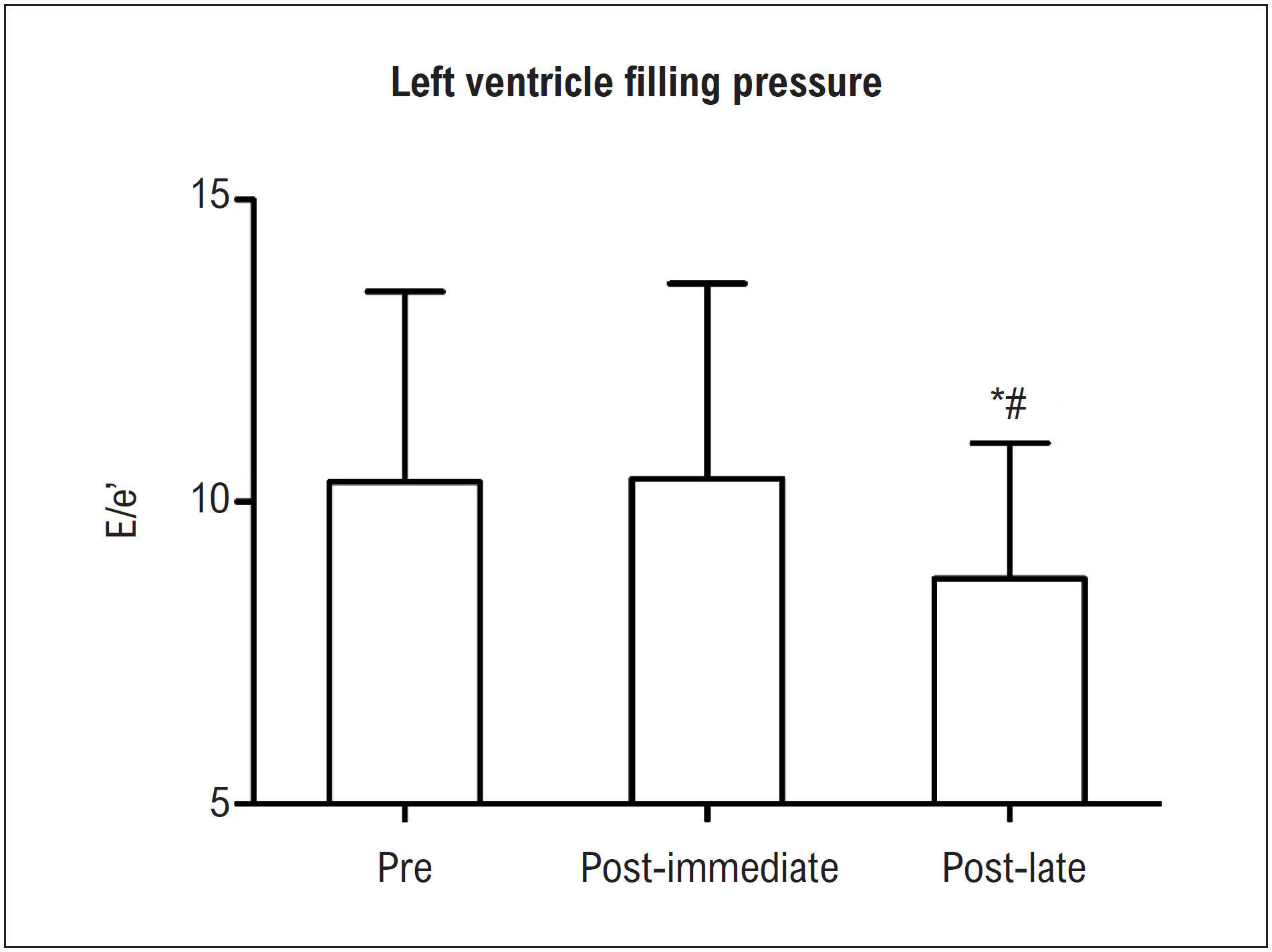
Heart failure with preserved ejection fraction (HFpEF), a syndrome associated to decrease functional capacity, is quite difficult to manage. Inspiratory muscle training (IMT) has been used to treat symptoms and to improve functional capacity of patients with HFpEF. Thus, we aimed to evaluate the immediate effects and after 1 h of IMT on arterial pulsatile hemodynamics and on hemodynamic indices of left ventricular filling derived from Doppler echocardiography in patients with HFpEF.

Methods:

Eighteen patients with HFpEF who underwent IMT at an intensity of 80% of maximum inspiratory pressure were evaluated by Doppler echocardiogram in the pre, post-immediate and post-late periods; furthermore, pulsatile hemodynamic variables were collected. Functional capacity was assessed using the 6-minute walk test.

Results:

The population was composed predominantly of women (66.7%), mean age of 61.3 (7.2) years. Modifications were observed in the non-invasive LV filling pressure index (E/e’) (pre: 10.33 (SD, 3.15) vs post: 8.73 (SD, 2.24); p < 0.001) and in the pulse wave velocity (pre: 8.33 (SD, 1.67) vs post: 7.63 (SD, 1.66) m/s; p < 0.001), as well as pulse pressure (pre: 54.81 (SD, 18.73) vs post: 48.52 (SD, 15.74) mm Hg; p = 0.023).

Conclusion:

Our results demonstrated that a unique session of high-intensity IMT improved hemodynamic indices of LV filling and arterial stiffness in patients with HFpEF.

  • Dyspnea
  • Echocardiography/methods
  • Heart Failure/physiopathology
  • Hemodynamic
  • Inspiratory Reserve Volume
  • Pulmonary Medicine
  • Rehabilitation
  • Respiratory System
  • Stroke Volume
Read Full Article
Creative Commons Attribution (CC BY) Creative Commons license
06/07/2021 DOI: 10.36660/abchf.20210006
Figure 1
ABC
Original Article

Worsening Renal Function and Congestion in Patients with Acute Heart Failure: A Study with Bioelectrical Impedance Vector Analysis (BIVA) and Neutrophil Gelatinase-Associated Lipocalin (NGAL)

Humberto Villacorta et al. Aline Sterque Villacorta Leonardo Simões de Castro Villacorta Analucia Rampazzo Xavier … Salim Kanaan Felipe Mafort Rohen Leonardo Dinis Albuquerque Daniele Dantas Bastilho Cecília de Oliveira Cudischevitch

Abstract

Background:

Worsening renal function (WRF) is frequently observed in the setting of aggressive diuresis for the treatment of acute decompensated heart failure (ADHF) and is associated with poor outcomes in some studies.

Objective:

We sought to assess the relationship of WRF and congestion at discharge with events (cardiac death or heart failure hospitalization).

Methods:

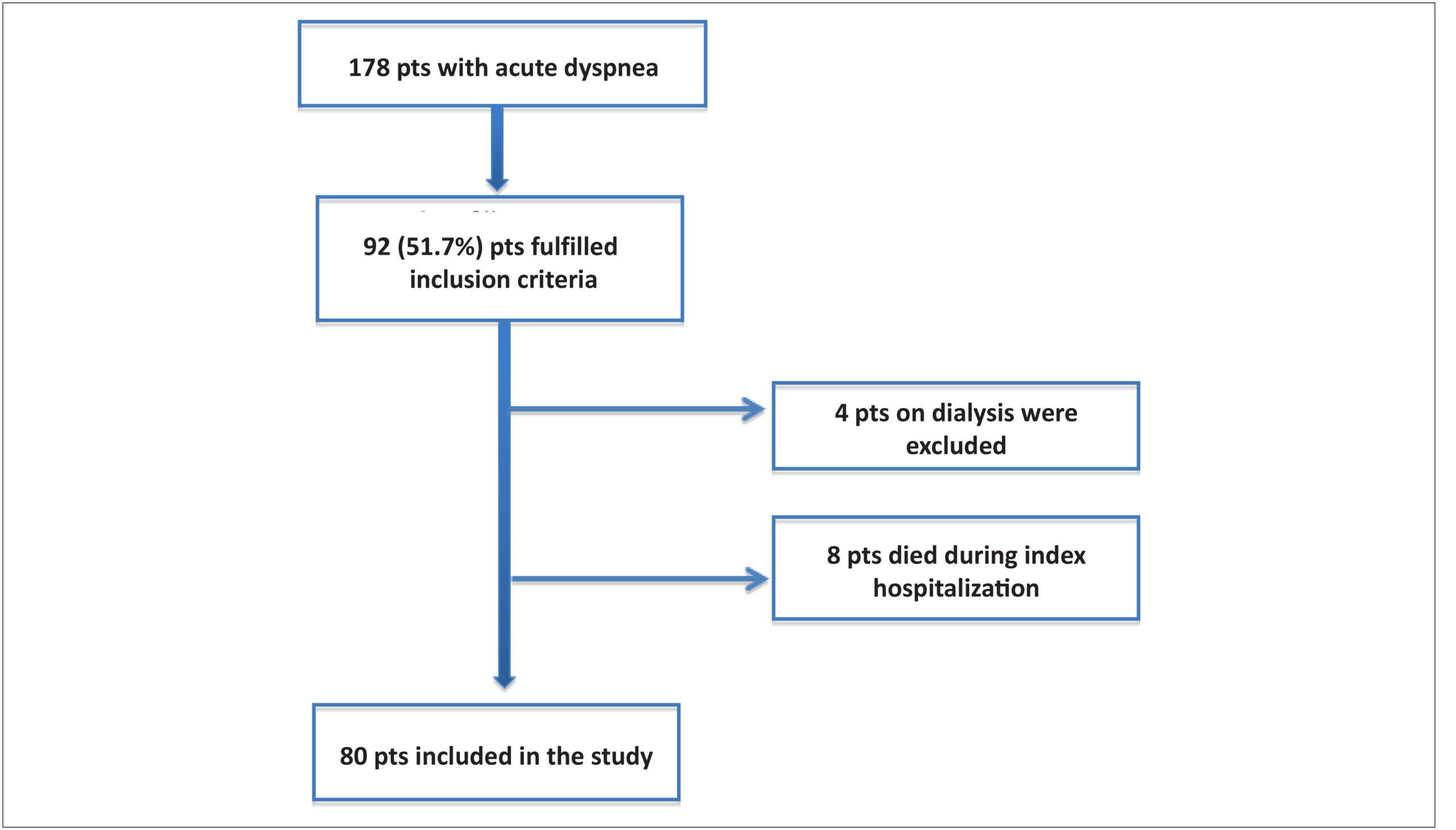
Eighty patients with ADHF were studied. WRF was defined by an absolute increase in serum creatinine of ≥0.5 mg/dL from the values measured at the time of admission. B-type natriuretic peptide (BNP) and plasma neutrophil gelatinase-associated lipocalin (NGAL) were measured at admission and at discharge. Congestive state at discharge was assessed using bioelectrical impedance vector analysis (BIVA). Primary endpoint was time to first event defined as a combination of cardiac death or heart failure hospitalization. Receiver operating characteristic (ROC) curve analysis was used to determine the best hydration index cutoff to predict events. Kaplan-Meier event-free survival curves were constructed and compared using the log-rank test. Cox proportional hazards models were used to investigate the association with events. The criterion for determining statistical significance was p<0.05.

Results:

Mean age was 60.6±15 years, and 48 (60%) were male. Mean ejection fraction was 35.3±7.8%. WRF occurred in 37.5% of the sample. Baseline creatinine was associated with WRF (p<0.001), but neither admission BNP (p=0.35) nor admission NGAL (p=0.18) was predictor of WRF. Using Cox proportional hazard models, hydration index at discharge calculated with BIVA was significantly associated with events (HR 1.39, 95% CI 1.25-1.54, p<0.0001) but not WRF (HR 2.14, 95% CI 0.62-7.35, p=0.22).

Conclusion:

Persistent congestion at discharge was associated with worse outcomes. WRF seems to be related to hemodynamic changes during the decongestion process but not to kidney tubular injuries.

  • Diuretics/therapeutic use
  • Electric Impedance
  • Heart Failure
  • Hemodynamic
  • Hospitalization
  • Mortality
  • Patient Discharge
  • Renal Insufficiency
Read Full Article
Creative Commons Attribution (CC BY) Creative Commons license
16/04/2021 DOI: 10.36660/abc.20190465
ABC
Editorial

Acute Hemodynamic Index Predicts In-Hospital Mortality in Acute Decompensated Heart Failure

Sofia Alegria

Although acute heart failure (AHF) is associated with significant in-hospital mortality (around 9-11% in concordance with the mortality rate in the BREATHE registry) and high rates of rehospitalization after discharge, options for the management of these patients remain limited.

Since overall survival is mainly determined by the initial management, accurate and early individual risk stratification can help physicians choose the intensity of care required and promote tailored medical decision-making with improvement of prognosis.

[…]

  • Atrial Fibrillation
  • cardiac output, low
  • Heart Failure
  • Heart Rate
  • Hemodynamic
  • Stroke Volume
Read Full Article
Creative Commons Attribution (CC BY) Creative Commons license
03/02/2021 DOI: 10.36660/abc.20201294 Views 1
ABC
Editorial

Parameters of Central Hemodynamics as New Biomarkers of Cardiovascular Risk

José Fernando Vilela-Martin

Historically, the importance of the arterial pulse wave was already observed by the Egyptians and the Chinese, before Christ. The knowledge of peripheral hemodynamics showed great progress after the introduction of non-invasive blood pressure (BP) measurement using the sphygmomanometer about 120 years ago and, to date, brachial BP represents an excellent predictor of cardiovascular morbidity and mortality. However, changes in macro and microcirculation cannot be completely observed only by peripheral BP measurement. Thus, structural and functional vascular changes can be better assessed by central hemodynamic parameters, represented by central BP, augmentation index and pulse wave velocity (PWV), , with OPV being the gold standard in the assessment of arterial stiffness. The reference prognostic value of central hemodynamics was clinically demonstrated by the CAFE study (Conduit Artery Function Evaluation Study), which showed that a greater reduction in central BP compared to peripheral BP resulted in a greater reduction in cardiovascular events.

In turn, other studies associated the role of PWV with the presence of cardiovascular and cerebrovascular lesions, so this topic was included in the European guidelines for hypertension in 2007. PWV was first used as a clinical index of arterial elasticity in 1922, but its determination too long to be applied to clinical practice because its registration and calculation were difficult to obtain. Aortic stiffness, measured by carotid-femoral PWV, has been the most used in epidemiological studies. Obtaining PWV in the carotid-femoral segment is simple, non-invasive, reproducible, widely accepted and clinically relevant, as it includes the aorta, an important segment in relation to the pathophysiological effects of arterial stiffness. Currently, PWV can be considered a biomarker of cardiovascular risk and is a predictor of cardiovascular events and mortality. ,

[…]

  • Blood Pressure
  • Hemodynamic
  • Hypertension
  • Pulse Wave Analysis
  • Risk Factors
  • Vascular Diseases/prevention and control
Read Full Article
Creative Commons Attribution (CC BY) Creative Commons license
18/01/2021 DOI: 10.36660/abc.20201218 Views 1
Figure 1
ABC
Original Article

Complete Revascularization Versus Treatment of the Culprit Artery Only in ST Elevation Myocardial Infarction: A Multicenter Registry

Julia Cremona Cadore et al. Mariana Vargas Furtado Rogério Tadeu Tumelero Alexandre Pereira Tognon … Ana Maria Krepsky Denis Cadore Karen Brasil Ruschel Julia Caldas Bedin Thais Conte Carisi Anne Polanczyk

Abstract

Background

Data on the management and prognosis of patients with ST-segment elevation myocardial infarction (STEMI) and multivessel disease are limited in Brazil, showing that the available revascularization strategies should be investigated

Objective

To assess the outcomes of complete revascularization versus treatment of the culprit artery only in patients with STEMI and multivessel disease.

Methods

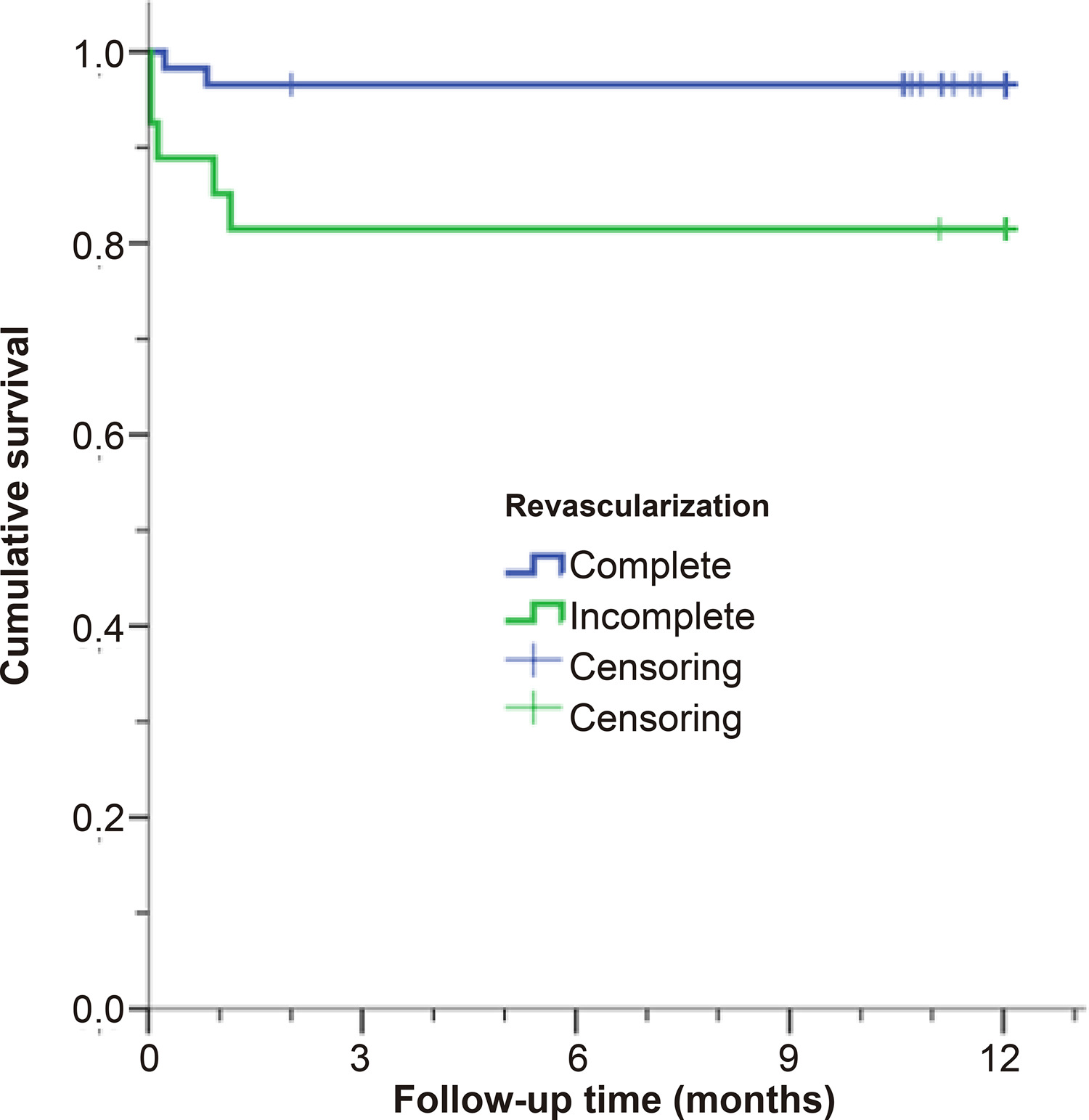
A prospective cohort study was conducted at two medical centers in southern Brazil with a 1-year follow-up after the index procedure. The primary outcome was a composite of cardiac death, reinfarction, or recurrent angina, while the secondary outcome was stroke, nonfatal cardiac arrest, major bleeding, or need for reintervention. The probability of outcomes occurring was compared between the groups using binary logistic regression. A p-value < 0.05 was considered statistically significant.

Results

Eighty-five patients were included. Their mean age was 62±12 years, and 61 (71.8%) were male. Fifty-eight (68.2%) were treated with complete revascularization and 27 (31.8%) with incomplete revascularization. The chance of both the primary and secondary outcomes occurring was significantly greater among patients treated with incomplete revascularization when compared to those treated with complete revascularization (odds ratio [OR] 5.1, 95% confidence interval [CI] 1.6-16.1 vs. OR 5.2, 95% CI 1.2-22.9, respectively), as well as cardiac death (OR 6.4, 95% CI 1.2-35.3).

Conclusion

Registry data from two centers in southern Brazil demonstrate that the complete revascularization strategy is associated with a significant reduction in primary and secondary outcomes in a 1-year follow-up when compared to the incomplete revascularization strategy (Arq Bras Cardiol. 2020; 115(2):229-237)

  • Angina Pectoris
  • Death Certificates
  • Heart Arrest
  • Hemodynamic
  • percutaneous coronary interventions
  • ST Elevation Myocardial Infarction/mortality, Cohort Studies
  • Stroke
Read Full Article
Creative Commons Attribution (CC BY) Creative Commons license
28/08/2020 DOI: 10.36660/abc.20180346
Vasopressin intravenous infusion causes dose dependent adverse cardiovascular effects in anesthetized dogs
ABC
Artigo Original

Vasopressin intravenous infusion causes dose dependent adverse cardiovascular effects in anesthetized dogs

Luiz Cláudio Martins et al. Maricene Sabha Maria Ondina Paganelli Otávio Rizzi Coelho … Silvia Elaine Ferreira-Melo Marcos Mello Moreira Adriana Camargo de Cavalho Sebastião Araujo Heitor Moreno Junior

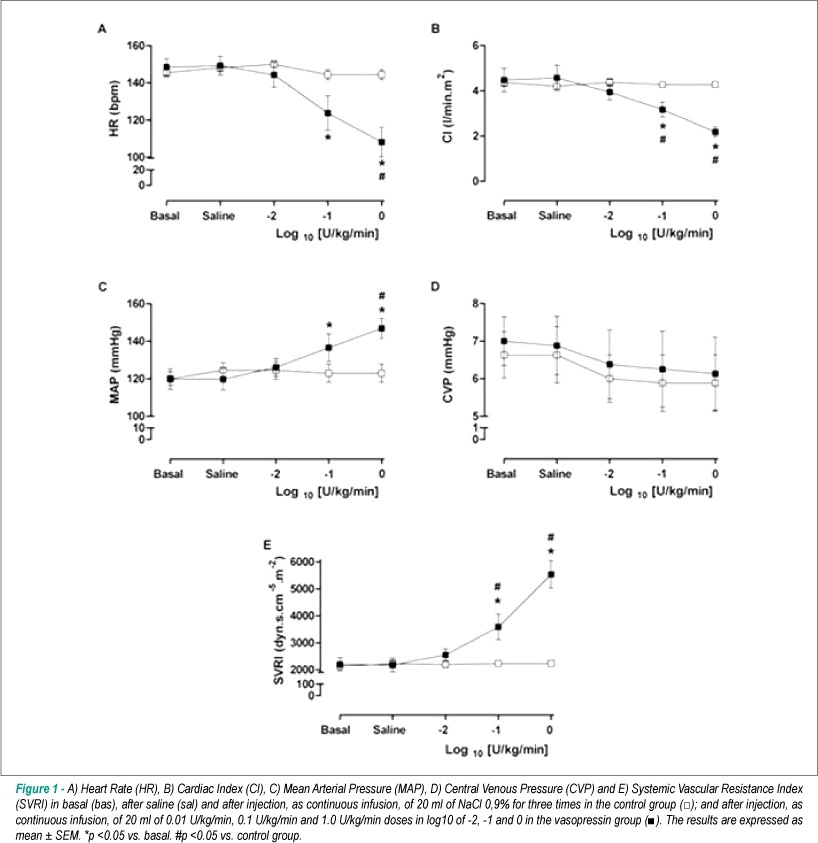
BACKGROUND: Arginine vasopressin (AVP) has been broadly used in the management of vasodilatory shock. However, there are many concerns regarding its clinical use, especially in high doses, as it can be associated with adverse cardiovascular events. OBJECTIVE: To investigate the cardiovascular effects of AVP in continuous IV infusion on hemodynamic parameters in dogs. METHODS: Sixteen healthy mongrel dogs, anesthetized with pentobarbital were intravascularly catheterized, and randomly assigned to: control (saline-placebo; n=8) and AVP (n=8) groups. The study group was infused with AVP for three consecutive 10-minute periods at logarithmically increasing doses (0.01; 0.1 and 1.0U/kg/min), at them 20-min intervals. Heart rate (HR) and intravascular pressures were continuously recorded. Cardiac output was measured by the thermodilution method. RESULTS: No significant hemodynamic effects were observed during 0.01U/kg/min of AVP infusion, but at higher doses (0.1 and 1.0U/kg/min) a progressive increase in mean arterial pressure (MAP) and systemic vascular resistance index (SVRI) were observed, with a significant decrease in HR and the cardiac index (CI). A significant increase in the pulmonary vascular resistance index (PVRI) was also observed with the 1.0U/kg/min dose, mainly due to the decrease in the CI. CONCLUSION: AVP, when administered at doses between 0.1 and 1.0U/kg/min, induced significant increases in MAP and SVRI, with negative inotropic and chronotropic effects in healthy animals. Although these doses are ten to thousand times greater than those routinely used for the management of vasodilatory shock, our data confirm that AVP might be used carefully and under strict hemodynamic monitoring in clinical practice, especially if doses higher than 0.01 U/kg/min are needed.

  • Arginine vasopressin
  • Cardiac Output
  • Dogs
  • drug toxicity
  • Hemodynamic
Read Full Article
Creative Commons Attribution (CC BY) Creative Commons license
15/01/2010 DOI: 10.1590/S0066-782X2010005000001 Views 1
Clinical meaning of uncomplicated coronary dissections after stent implantation
ABC
Artigo Original

Clinical meaning of uncomplicated coronary dissections after stent implantation

Alexandre Schaan de Quadros et al. Carlos A. M. Gottschall Rogério Sarmento-Leite Lenise Valler André Bussmann

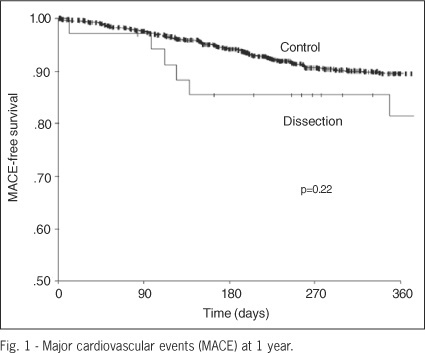
OBJECTIVE: To assess the influence of uncomplicated coronary dissections in the incidence of target vessel revascularization and cardiovascular events after 1 year. METHODS: Patients treated from June 1996 to December 2000, with data prospectively collected and uncomplicated dissections (G1, n=36), were compared with those patients without dissections (G2, n=871). Data were assessed with SPSS 8.0 statistical software, the outcomes were compared with the Kaplan-Meier curve, and the significance level was assessed using the log-rank test. RESULTS: Clinical features were similar in both groups: G1 had lower mean reference diameters (P<0.0001), a greater number of patients with type C lesions (P=0.01), a lower final lumen diameter at the end of the procedure (P=0.003), and a greater balloon/artery ratio (P<0.0001). In the multivariate analysis, only the reference diameter and the artery/balloon ratio were independently associated with the presence of residual dissections. No statistically significant difference existed in the incidence of revascularization of the target vessel and major cardiovascular events, at 1-year clinical follow-up, between the 2 groups of patients. Predictors of adverse clinical events at 1 year were the reference diameter, lesion extension, and residual stenosis, rather than the presence of residual dissection. CONCLUSION: Uncomplicated residual dissections after coronary stents are associated with narrower vessels and a higher balloon/artery ratio. Residual dissections are not associated with worse outcomes at 1-year clinical follow-up.

  • Dissection
  • Hemodynamic
  • Stents
Read Full Article
Creative Commons Attribution (CC BY) Creative Commons license
17/08/2004 DOI: 10.1590/S0066-782X2004001300002 Views 1
Subendocardial fibrosis in remote myocardium results from reduction of coronary driving pressure during acute infarction in rats
ABC
Original Article

Subendocardial fibrosis in remote myocardium results from reduction of coronary driving pressure during acute infarction in rats

Clovis de Carvalho Frimm et al. Marcia Kiyomi Koike Mariana Cúri

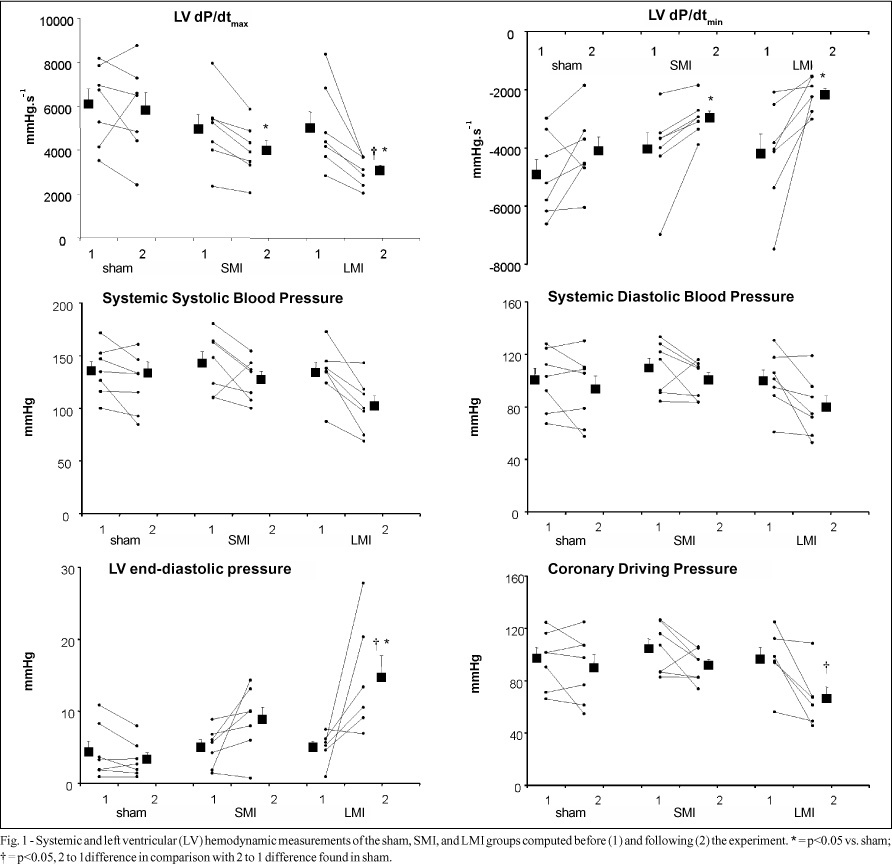
OBJECTIVE: To investigate the role of hemodynamic changes occurring during acute MI in subsequent fibrosis deposition within non-MI. METHODS: By using the rat model of MI, 3 groups of 7 rats each [sham, SMI (MI 30%)] were compared. Systemic and left ventricular (LV) hemodynamics were recorded 10 minutes before and after coronary artery ligature. Collagen volume fraction (CVF) was calculated in picrosirius red-stained heart tissue sections 4 weeks later. RESULTS: Before surgery, all hemodynamic variables were comparable among groups. After surgery, LV end-diastolic pressure increased and coronary driving pressure decreased significantly in the LMI compared with the sham group. LV dP/dt max and dP/dt min of both the SMI and LMI groups were statistically different from those of the sham group. CVF within non-MI interventricular septum and right ventricle did not differ between each MI group and the sham group. Otherwise, subendocardial (SE) CVF was statistically greater in the LMI group. SE CVF correlated negatively with post-MI systemic blood pressure and coronary driving pressure, and positively with post-MI LV dP/dt min. Stepwise regression analysis identified post-MI coronary driving pressure as an independent predictor of SE CVF. CONCLUSION: LV remodeling in rats with MI is characterized by predominant SE collagen deposition in non-MI and results from a reduction in myocardial perfusion pressure occurring early on in the setting of MI.

  • coronary driving pressure
  • Hemodynamic
  • Myocardial Infarction
  • subendocardial fibrosis
  • Ventricular Remodeling
Read Full Article
Creative Commons Attribution (CC BY) Creative Commons license
26/06/2003 DOI: 10.1590/S0066-782X2003000500004
ABC
Original Article

Metabolic and hemodynamic effects of saline infusion to maintain volemia on temporary abdominal aortic occlusion

Fábio Ferreira Amorim et al. Bruno do Vale Pinheiro Hélio Romaldini

OBJECTIVE: To analyze hemodynamic and metabolic effects of saline solution infusion in the maintenance of blood volume in ischemia-reperfusion syndrome during temporary abdominal aortic occlusion in dogs. METHODS: We studied 20 dogs divided into 2 groups: the ischemia-reperfusion group (IRG, n=10) and the ischemia-reperfusion group with saline solution infusion aiming at maintaining mean pulmonary arterial wedge pressure between 10 and 20 mmHg (IRG-SS, n=10). All animals were anesthetized with sodium thiopental and maintained on spontaneous ventilation. Occlusion of the supraceliac aorta was obtained with inflation of a Fogarty catheter inserted through the femoral artery. After 60 minutes of ischemia, the balloon was deflated, and the animals were observed for another 60 minutes of reperfusion. RESULTS: IRG-SS dogs did not have hemodynamic instability after aortic unclamping, and the mean systemic blood pressure and heart rate were maintained. However, acidosis worsened, which was documented by a greater reduction of arterial pH that occurred especially due to the absence of a respiratory response to metabolic acidosis that was greater with the adoption of this procedure. CONCLUSION: Saline solution infusion to maintain blood volume avoided hemodynamic instability after aortic unclamping. This procedure, however, caused worsening in metabolic acidosis in this experimental model.

  • Hemodynamic
  • reperfusion lesion
  • volemia
Read Full Article
Creative Commons Attribution (CC BY) Creative Commons license
06/11/2002 DOI: 10.1590/S0066-782X2002001300007

How to cite this article

EndNote RIS

Electronic Document Format (Vancouver)

Siqueira SRR, Salemi VMC. Importance of Clinical Examination in the Assessment of Hemodynamic Profiles and Their Relationship with Outcomes in Patients with Acute Heart Failure. Arquivos Brasileiros de Cardiologia 2024;121(5):e20240308.

Electronic Document Format (ABNT)

Siqueira, Suellen Rodrigues Rangel; Salemi, Vera Maria Cury. Importance of Clinical Examination in the Assessment of Hemodynamic Profiles and Their Relationship with Outcomes in Patients with Acute Heart Failure. Arquivos Brasileiros de Cardiologia, v. 121, n. 5, e20240308, Aug. 2024.

Electronic Document Format (APA)

Siqueira, S. R. R., & Salemi, V. M. C. (2024). Importance of Clinical Examination in the Assessment of Hemodynamic Profiles and Their Relationship with Outcomes in Patients with Acute Heart Failure. Arquivos Brasileiros de Cardiologia, 121(5), e20240308.

Electronic Document Format (ISO)

Siqueira, Suellen Rodrigues Rangel and Salemi, Vera Maria Cury. Importance of Clinical Examination in the Assessment of Hemodynamic Profiles and Their Relationship with Outcomes in Patients with Acute Heart Failure. Arquivos Brasileiros de Cardiologia [online]. 2024, vol. 121, n. 5, [cited 2026-10-14], e20240308. Available from: <https://journals.cardiol.br/en/article/importance-of-clinical-examination-in-the-assessment-of-hemodynamic-profiles-and-their-relationship-with-outcomes-in-patients-with-acute-heart-failure/>. ISSN 0066-782X

EndNote RIS

Electronic Document Format (Vancouver)

Teixeira MEF, Vitorino PVO, Brandão AA, Souza ALL, Barbosa TMGA, Esporcatte R, Borba MHE, et al. Influence of Spiritual Well-Being on Blood Pressure, Central Hemodynamics and Endothelial Function. Arquivos Brasileiros de Cardiologia 2022;119(4):622-6.

Electronic Document Format (ABNT)

Teixeira, Maria Emília Figueiredo; Vitorino, Priscila Valverde de Oliveira; Brandão, Andrea A.; Souza, Ana Luiza Lima; Barbosa, Talles Marcelo Gonçalves de Andrade; Esporcatte, Roberto; Borba, Mário Henrique Elesbão de; Avezum, Álvaro; Barroso, Weimar Kunz Sebba. Influence of Spiritual Well-Being on Blood Pressure, Central Hemodynamics and Endothelial Function. Arquivos Brasileiros de Cardiologia, v. 119, n. 4, p. 622-626, Oct. 2022.

Electronic Document Format (APA)

Teixeira, M. E. F., Vitorino, P. V. O., Brandão, A. A., Souza, A. L. L., Barbosa, T. M. G. A., Esporcatte, R., Borba, M. H. E. , Avezum, , & Barroso, W. K. S. (2022). Influence of Spiritual Well-Being on Blood Pressure, Central Hemodynamics and Endothelial Function. Arquivos Brasileiros de Cardiologia, 119(4), 622-626.

Electronic Document Format (ISO)

Teixeira, Maria Emília Figueiredo and Vitorino, Priscila Valverde de Oliveira and Brandão, Andrea A. and Souza, Ana Luiza Lima and Barbosa, Talles Marcelo Gonçalves de Andrade and Esporcatte, Roberto and Borba, Mário Henrique Elesbão de and Avezum, Álvaro and Barroso, Weimar Kunz Sebba. Influence of Spiritual Well-Being on Blood Pressure, Central Hemodynamics and Endothelial Function. Arquivos Brasileiros de Cardiologia [online]. 2022, vol. 119, n. 4, [cited 2026-10-14], pp. 622-626. Available from: <https://journals.cardiol.br/en/article/influence-of-spiritual-well-being-on-blood-pressure-central-hemodynamics-and-endothelial-function/>. ISSN 0066-782X

EndNote RIS

Electronic Document Format (Vancouver)

Menezes MG, Garcia EL, Franzoni LT, Grings V, Danzmann LC. Acute Inspiratory Muscle Training Modifies Hemodynamic Indices in Patients with Heart Failure with Preserved Ejection Fraction. ABC: Heart Failure & Cardiomyopathy 2021;1(1):27-32.

Electronic Document Format (ABNT)

Menezes, Márcio Garcia; Garcia, Eduardo Lima; Franzoni, Leandro Tolfo; Grings, Vanessa; Danzmann, Luiz Claudio. Acute Inspiratory Muscle Training Modifies Hemodynamic Indices in Patients with Heart Failure with Preserved Ejection Fraction. ABC: Heart Failure & Cardiomyopathy, v. 1, n. 1, p. 27-32, Jul. 2021.

Electronic Document Format (APA)

Menezes, M. G., Garcia, E. L., Franzoni, L. T., Grings, V., & Danzmann, L. C. (2021). Acute Inspiratory Muscle Training Modifies Hemodynamic Indices in Patients with Heart Failure with Preserved Ejection Fraction. ABC: Heart Failure & Cardiomyopathy, 1(1), 27-32.

Electronic Document Format (ISO)

Menezes, Márcio Garcia and Garcia, Eduardo Lima and Franzoni, Leandro Tolfo and Grings, Vanessa and Danzmann, Luiz Claudio. Acute Inspiratory Muscle Training Modifies Hemodynamic Indices in Patients with Heart Failure with Preserved Ejection Fraction. ABC: Heart Failure & Cardiomyopathy [online]. 2021, vol. 1, n. 1, [cited 2026-10-14], pp. 27-32. Available from: <https://journals.cardiol.br/en/article/acute-inspiratory-muscle-training-modifies-hemodynamic-indices-in-patients-with-heart-failure-with-preserved-ejection-fraction/>

EndNote RIS

Electronic Document Format (Vancouver)

Villacorta H, Villacorta AS, Villacorta LSC, Xavier AR, Kanaan S, Rohen FM, Albuquerque LD, et al. Worsening Renal Function and Congestion in Patients with Acute Heart Failure: A Study with Bioelectrical Impedance Vector Analysis (BIVA) and Neutrophil Gelatinase-Associated Lipocalin (NGAL). Arquivos Brasileiros de Cardiologia 2021;116(4):715-24.

Electronic Document Format (ABNT)

Villacorta, Humberto; Villacorta, Aline Sterque; Villacorta, Leonardo Simões de Castro; Xavier, Analucia Rampazzo; Kanaan, Salim; Rohen, Felipe Mafort; Albuquerque, Leonardo Dinis; Bastilho, Daniele Dantas; Cudischevitch, Cecília de Oliveira. Worsening Renal Function and Congestion in Patients with Acute Heart Failure: A Study with Bioelectrical Impedance Vector Analysis (BIVA) and Neutrophil Gelatinase-Associated Lipocalin (NGAL). Arquivos Brasileiros de Cardiologia, v. 116, n. 4, p. 715-724, Apr. 2021.

Electronic Document Format (APA)

Villacorta, H., Villacorta, A. S., Villacorta, L. S. C., Xavier, A. R., Kanaan, S., Rohen, F. M., Albuquerque, L. D., Bastilho, D. D., & Cudischevitch, C. O. (2021). Worsening Renal Function and Congestion in Patients with Acute Heart Failure: A Study with Bioelectrical Impedance Vector Analysis (BIVA) and Neutrophil Gelatinase-Associated Lipocalin (NGAL). Arquivos Brasileiros de Cardiologia, 116(4), 715-724.

Electronic Document Format (ISO)

Villacorta, Humberto and Villacorta, Aline Sterque and Villacorta, Leonardo Simões de Castro and Xavier, Analucia Rampazzo and Kanaan, Salim and Rohen, Felipe Mafort and Albuquerque, Leonardo Dinis and Bastilho, Daniele Dantas and Cudischevitch, Cecília de Oliveira. Worsening Renal Function and Congestion in Patients with Acute Heart Failure: A Study with Bioelectrical Impedance Vector Analysis (BIVA) and Neutrophil Gelatinase-Associated Lipocalin (NGAL). Arquivos Brasileiros de Cardiologia [online]. 2021, vol. 116, n. 4, [cited 2026-10-14], pp. 715-724. Available from: <https://journals.cardiol.br/en/article/worsening-renal-function-and-congestion-in-patients-with-acute-heart-failure-a-study-with-bioelectrical-impedance-vector-analysis-biva-and-neutrophil-gelatinase-associated-lipocalin-ngal/>. ISSN 0066-782X

EndNote RIS

Electronic Document Format (Vancouver)

Alegria S. Acute Hemodynamic Index Predicts In-Hospital Mortality in Acute Decompensated Heart Failure. Arquivos Brasileiros de Cardiologia 2021;116(1):87-8.

Electronic Document Format (ABNT)

Alegria, Sofia. Acute Hemodynamic Index Predicts In-Hospital Mortality in Acute Decompensated Heart Failure. Arquivos Brasileiros de Cardiologia, v. 116, n. 1, p. 87-88, Feb. 2021.

Electronic Document Format (APA)

Alegria, S. (2021). Acute Hemodynamic Index Predicts In-Hospital Mortality in Acute Decompensated Heart Failure. Arquivos Brasileiros de Cardiologia, 116(1), 87-88.

Electronic Document Format (ISO)

Alegria, Sofia. Acute Hemodynamic Index Predicts In-Hospital Mortality in Acute Decompensated Heart Failure. Arquivos Brasileiros de Cardiologia [online]. 2021, vol. 116, n. 1, [cited 2026-10-14], pp. 87-88. Available from: <https://journals.cardiol.br/en/article/acute-hemodynamic-index-predicts-in-hospital-mortality-in-acute-decompensated-heart-failure/>. ISSN 0066-782X

EndNote RIS

Electronic Document Format (Vancouver)

Vilela-Martin JF. Parameters of Central Hemodynamics as New Biomarkers of Cardiovascular Risk. Arquivos Brasileiros de Cardiologia 2021;115(6):1133-4.

Electronic Document Format (ABNT)

Vilela-Martin, José Fernando. Parameters of Central Hemodynamics as New Biomarkers of Cardiovascular Risk. Arquivos Brasileiros de Cardiologia, v. 115, n. 6, p. 1133-1134, Jan. 2021.

Electronic Document Format (APA)

Vilela-Martin, J. F. (2021). Parameters of Central Hemodynamics as New Biomarkers of Cardiovascular Risk. Arquivos Brasileiros de Cardiologia, 115(6), 1133-1134.

Electronic Document Format (ISO)

Vilela-Martin, José Fernando. Parameters of Central Hemodynamics as New Biomarkers of Cardiovascular Risk. Arquivos Brasileiros de Cardiologia [online]. 2021, vol. 115, n. 6, [cited 2026-10-14], pp. 1133-1134. Available from: <https://journals.cardiol.br/en/article/parameters-of-central-hemodynamics-as-new-biomarkers-of-cardiovascular-risk/>. ISSN 0066-782X

EndNote RIS

Electronic Document Format (Vancouver)

Cadore JC, Furtado MV, Tumelero RT, Tognon AP, Krepsky AM, Cadore D, Ruschel KB, et al. Complete Revascularization Versus Treatment of the Culprit Artery Only in ST Elevation Myocardial Infarction: A Multicenter Registry. Arquivos Brasileiros de Cardiologia 2020;115(2):229-37.

Electronic Document Format (ABNT)

Cadore, Julia Cremona; Furtado, Mariana Vargas; Tumelero, Rogério Tadeu; Tognon, Alexandre Pereira; Krepsky, Ana Maria; Cadore, Denis; Ruschel, Karen Brasil; Bedin, Julia Caldas; Conte, Thais; Polanczyk, Carisi Anne. Complete Revascularization Versus Treatment of the Culprit Artery Only in ST Elevation Myocardial Infarction: A Multicenter Registry. Arquivos Brasileiros de Cardiologia, v. 115, n. 2, p. 229-237, Aug. 2020.

Electronic Document Format (APA)

Cadore, J. C., Furtado, M. V., Tumelero, R. T., Tognon, A. P., Krepsky, A. M., Cadore, D., Ruschel, K. B., Bedin, J. C., Conte, T., & Polanczyk, C. A. (2020). Complete Revascularization Versus Treatment of the Culprit Artery Only in ST Elevation Myocardial Infarction: A Multicenter Registry. Arquivos Brasileiros de Cardiologia, 115(2), 229-237.

Electronic Document Format (ISO)

Cadore, Julia Cremona and Furtado, Mariana Vargas and Tumelero, Rogério Tadeu and Tognon, Alexandre Pereira and Krepsky, Ana Maria and Cadore, Denis and Ruschel, Karen Brasil and Bedin, Julia Caldas and Conte, Thais and Polanczyk, Carisi Anne. Complete Revascularization Versus Treatment of the Culprit Artery Only in ST Elevation Myocardial Infarction: A Multicenter Registry. Arquivos Brasileiros de Cardiologia [online]. 2020, vol. 115, n. 2, [cited 2026-10-14], pp. 229-237. Available from: <https://journals.cardiol.br/en/article/complete-revascularization-versus-treatment-of-the-culprit-artery-only-in-st-elevation-myocardial-infarction-a-multicenter-registry/>. ISSN 0066-782X

EndNote RIS

Electronic Document Format (Vancouver)

Martins LC, Sabha M, Paganelli MO, Coelho OR, Ferreira-Melo SE, Moreira MM, Cavalho AC, et al. Vasopressin intravenous infusion causes dose dependent adverse cardiovascular effects in anesthetized dogs. Arquivos Brasileiros de Cardiologia 2010;94(2):229-34.

Electronic Document Format (ABNT)

Martins, Luiz Cláudio; Sabha, Maricene; Paganelli, Maria Ondina; Coelho, Otávio Rizzi; Ferreira-Melo, Silvia Elaine; Moreira, Marcos Mello; Cavalho, Adriana Camargo de; Araujo, Sebastião; Moreno Junior, Heitor. Vasopressin intravenous infusion causes dose dependent adverse cardiovascular effects in anesthetized dogs. Arquivos Brasileiros de Cardiologia, v. 94, n. 2, p. 229-234, Jan. 2010.

Electronic Document Format (APA)

Martins, L. C., Sabha, M., Paganelli, M. O., Coelho, O. R., Ferreira-Melo, S. E., Moreira, M. M., Cavalho, A. C. , Araujo, S., & Moreno Junior, H. (2010). Vasopressin intravenous infusion causes dose dependent adverse cardiovascular effects in anesthetized dogs. Arquivos Brasileiros de Cardiologia, 94(2), 229-234.

Electronic Document Format (ISO)

Martins, Luiz Cláudio and Sabha, Maricene and Paganelli, Maria Ondina and Coelho, Otávio Rizzi and Ferreira-Melo, Silvia Elaine and Moreira, Marcos Mello and Cavalho, Adriana Camargo de and Araujo, Sebastião and Moreno Junior, Heitor. Vasopressin intravenous infusion causes dose dependent adverse cardiovascular effects in anesthetized dogs. Arquivos Brasileiros de Cardiologia [online]. 2010, vol. 94, n. 2, [cited 2026-10-14], pp. 229-234. Available from: <https://journals.cardiol.br/en/article/vasopressin-intravenous-infusion-causes-dose-dependent-adverse-cardiovascular-effects-in-anesthetized-dogs/>. ISSN 0066-782X

EndNote RIS

Electronic Document Format (Vancouver)

Quadros AS, Gottschall CAM, Sarmento-Leite R, Valler L, Bussmann A. Clinical meaning of uncomplicated coronary dissections after stent implantation. Arquivos Brasileiros de Cardiologia 2004;83(1):4-10.

Electronic Document Format (ABNT)

Quadros, Alexandre Schaan de; Gottschall, Carlos A. M.; Sarmento-Leite, Rogério; Valler, Lenise; Bussmann, André. Clinical meaning of uncomplicated coronary dissections after stent implantation. Arquivos Brasileiros de Cardiologia, v. 83, n. 1, p. 4-10, Aug. 2004.

Electronic Document Format (APA)

Quadros, A. S. , Gottschall, C. A. M., Sarmento-Leite, R., Valler, L., & Bussmann, A. (2004). Clinical meaning of uncomplicated coronary dissections after stent implantation. Arquivos Brasileiros de Cardiologia, 83(1), 4-10.

Electronic Document Format (ISO)

Quadros, Alexandre Schaan de and Gottschall, Carlos A. M. and Sarmento-Leite, Rogério and Valler, Lenise and Bussmann, André. Clinical meaning of uncomplicated coronary dissections after stent implantation. Arquivos Brasileiros de Cardiologia [online]. 2004, vol. 83, n. 1, [cited 2026-10-14], pp. 4-10. Available from: <https://journals.cardiol.br/en/article/clinical-meaning-of-uncomplicated-coronary-dissections-after-stent-implantation/>. ISSN 0066-782X

EndNote RIS

Electronic Document Format (Vancouver)

Frimm CC, Koike MK, Cúri M. Subendocardial fibrosis in remote myocardium results from reduction of coronary driving pressure during acute infarction in rats. Arquivos Brasileiros de Cardiologia 2003;80(5):515-20.

Electronic Document Format (ABNT)

Frimm, Clovis de Carvalho; Koike, Marcia Kiyomi; Cúri, Mariana. Subendocardial fibrosis in remote myocardium results from reduction of coronary driving pressure during acute infarction in rats. Arquivos Brasileiros de Cardiologia, v. 80, n. 5, p. 515-520, Jun. 2003.

Electronic Document Format (APA)

Frimm, C. C., Koike, M. K., & Cúri, M. (2003). Subendocardial fibrosis in remote myocardium results from reduction of coronary driving pressure during acute infarction in rats. Arquivos Brasileiros de Cardiologia, 80(5), 515-520.

Electronic Document Format (ISO)

Frimm, Clovis de Carvalho and Koike, Marcia Kiyomi and Cúri, Mariana. Subendocardial fibrosis in remote myocardium results from reduction of coronary driving pressure during acute infarction in rats. Arquivos Brasileiros de Cardiologia [online]. 2003, vol. 80, n. 5, [cited 2026-10-14], pp. 515-520. Available from: <https://journals.cardiol.br/en/article/subendocardial-fibrosis-in-remote-myocardium-results-from-reduction-of-coronary-driving-pressure-during-acute-infarction-in-rats/>. ISSN 0066-782X

EndNote RIS

Electronic Document Format (Vancouver)

Amorim FF, Pinheiro BV, Romaldini H. Metabolic and hemodynamic effects of saline infusion to maintain volemia on temporary abdominal aortic occlusion. Arquivos Brasileiros de Cardiologia 2002;79(4):400-4.

Electronic Document Format (ABNT)

Amorim, Fábio Ferreira; Pinheiro, Bruno do Vale; Romaldini, Hélio. Metabolic and hemodynamic effects of saline infusion to maintain volemia on temporary abdominal aortic occlusion. Arquivos Brasileiros de Cardiologia, v. 79, n. 4, p. 400-404, Nov. 2002.

Electronic Document Format (APA)

Amorim, F. F., Pinheiro, B. V., & Romaldini, H. (2002). Metabolic and hemodynamic effects of saline infusion to maintain volemia on temporary abdominal aortic occlusion. Arquivos Brasileiros de Cardiologia, 79(4), 400-404.

Electronic Document Format (ISO)

Amorim, Fábio Ferreira and Pinheiro, Bruno do Vale and Romaldini, Hélio. Metabolic and hemodynamic effects of saline infusion to maintain volemia on temporary abdominal aortic occlusion. Arquivos Brasileiros de Cardiologia [online]. 2002, vol. 79, n. 4, [cited 2026-10-14], pp. 400-404. Available from: <https://journals.cardiol.br/en/article/metabolic-and-hemodynamic-effects-of-saline-infusion-to-maintain-volemia-on-temporary-abdominal-aortic-occlusion/>. ISSN 0066-782X

  • About ABC Family
  • Internal Regulation
  • Editorial Board
  • Brazilian Society of Cardiology (SBC)

Issues

SBC Guidelines

  • Videos
  • Podcasts
  • News