ABC Family Arquivos Brasileiros de Cardiologia International Journal of Cardiovascular Sciences ABC Heart Failure & Cardiomyopathy ABC Imagem Cardiovascular
Português English
ABC Family
Português English
  • About
    • About ABC Family
    • Internal Regulation
    • Editorial Board
    • Brazilian Society of Cardiology (SBC)
  • Issues
  • SBC Guidelines
  • Content
    • Videos
    • Podcasts
    • News
  • About
    • About ABC Family
    • Internal Regulation
    • Editorial Board
    • Brazilian Society of Cardiology (SBC)
  • Issues
  • SBC Guidelines
  • Content
    • Videos
    • Podcasts
    • News

ABC Family

  • ABC Family
  • Arquivos Brasileiros de Cardiologia
  • International Journal of Cardiovascular Sciences
  • ABC Heart Failure & Cardiomyopathy
  • ABC Imagem Cardiovascular
Search in

No content found.

Journals
Ordering
Article types
Others

  1. Home
  2. Keyword: Adolescents
Graph 1
IJCS
Original Article

Electrocardiogram as Part of the Evaluation of Children and Adolescents Before Starting Physical Exercise

Diego Lineker Marquetto Silva et al. Rossano Cesar Bonatto Celia de Paula Pimenta Bonatto Carlos Roberto Padovani José Roberto Fioretto

Abstract

Background:

Children and adolescents should be encouraged to participate in sports; however, physicians should screen for cardiac abnormalities that can lead to sudden death. The European Society of Cardiology, the Brazilian Society of Cardiology and the Brazilian Society of Sports Medicine indicate performing an electrocardiogram (ECG) in evaluating athletes, while the American Heart Association indicates complementary exams only when there is a personal or family history of cardiovascular diseases or changes in clinical examination.

Objectives:

To evaluate the need for an ECG in evaluating children and adolescents before starting physical activities.

Methods:

We recruited 983 children and adolescents who practiced physical activities for anthropometric assessment, clinical examination and conventional ECG at rest. Variables were analysed using the Goodman test with a significance level of 5%.

Results:

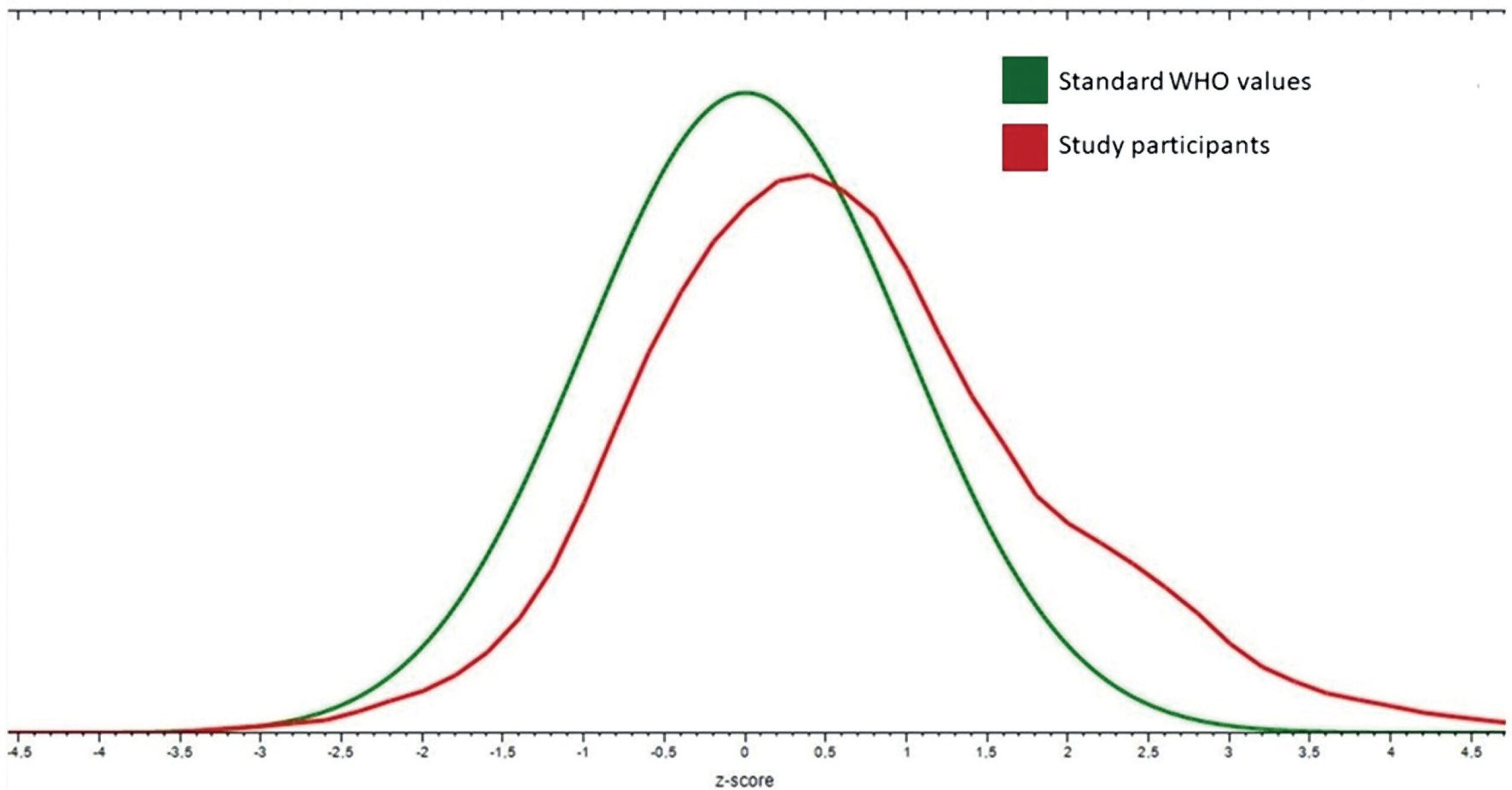
Participants had a higher incidence of overweight, obesity and severe obesity compared to standard World Health Organization (WHO) values. The most common finding in clinical examination was heart murmur (18.5% of participants). Electrocardiographic changes were found in 3.3% of participants, including paroxysmal supraventricular tachycardia and pre-excitation syndrome, which may be responsible for sudden death, even in asymptomatic individuals with no personal or family history of heart disease and no abnormality on clinical examination.

Conclusions:

ECG revealed arrhythmias that were not detected by clinical examination and may precede sudden death in individuals subjected to physical exertion, indicating its role in the assessment of children and adolescents before starting regular physical exercise.
  • Adolescents
  • Children
  • Electrocardiography/methods
  • Electrocardiography/prevention and control
  • Physical Exercise
  • Youth Sports
Read Full Article
Creative Commons Attribution (CC BY) Creative Commons license
21/04/2023 DOI: 10.36660/ijcs.20220052 Views 1
IJCS
Editorial

Weight Excess: The Great Villain in the Development of Hypertension in Adolescents

Erika Maria Gonçalves Campana et al. Maria Eliane Campos Magalhães Andréa Araujo Brandão

The relationship between arterial hypertension (AH) and excess weight in young populations is well established. This association involves several conditions including hyperinsulinemia, altered adipokine profile, elevated markers of subclinical inflammation, and inadequate habits, including physical inactivity. –

In a study – conducted in the city of Rio de Janeiro, Brazil, an increased body mass index in adolescents was correlated with a higher prevalence of elevated blood pressure (BP) and higher risk of developing AH at young adult age. From a longitudinal perspective, an interesting aspect in the assessment of cardiovascular risk factors is the tracking effect, in which children and adolescents with altered clinical and metabolic parameters (BP, body mass index and cholesterol levels) are likely to maintain an abnormal profile of these variables throughout life and become adults at increased cardiovascular risk. – This fact highlights the continuous, unfavorable impact of persistent obesity from childhood to adulthood on cardiovascular risk factors.

[…]

  • Adolescents
  • Exercise
  • Hypertension
  • Obesity
  • Physical activity
  • Quality of life
  • Risk Factors
  • Sedentarism
Read Full Article
Creative Commons Attribution (CC BY) Creative Commons license
10/03/2023 DOI: 10.36660/ijcs.20210249 Views 1
ABC
Editorial

Pre-Hypertension in Adolescents: A New Old Issue

Katya Rigatto

As there is no doubt that the risk of hypertension is proportional to the increase in blood pressure (BP) and has no specific threshold, the higher the pressure, the higher the risk. In this context, the identification of individuals with increased cardiovascular risk in the subclinical asymptomatic stage is of paramount importance in the future to improve patients’ quality of life and reduce the costs and burden of health services.

From the first attempt to measure the arterial pulse, performed by Santorio Sanctorius (1561 – 1636), to Riva-Rocci, who put an end to the search for a simple clinical method for BP assessment, BP control has gained more and more prominence among clinicians and researchers. Consequently, BP values considered to be normal have gradually become lower and lower.

[…]

  • Adolescents
  • Arterial Pressure
  • Early Medical Intervention/trends
  • Hypertension
  • Prehypertension
  • Quality of life
  • Risk Factors
  • Sedentarism
Read Full Article
Creative Commons Attribution (CC BY) Creative Commons license
25/10/2021 DOI: 10.36660/abc.20210702 Views 1
Figure 1
ABCHF
Review Article

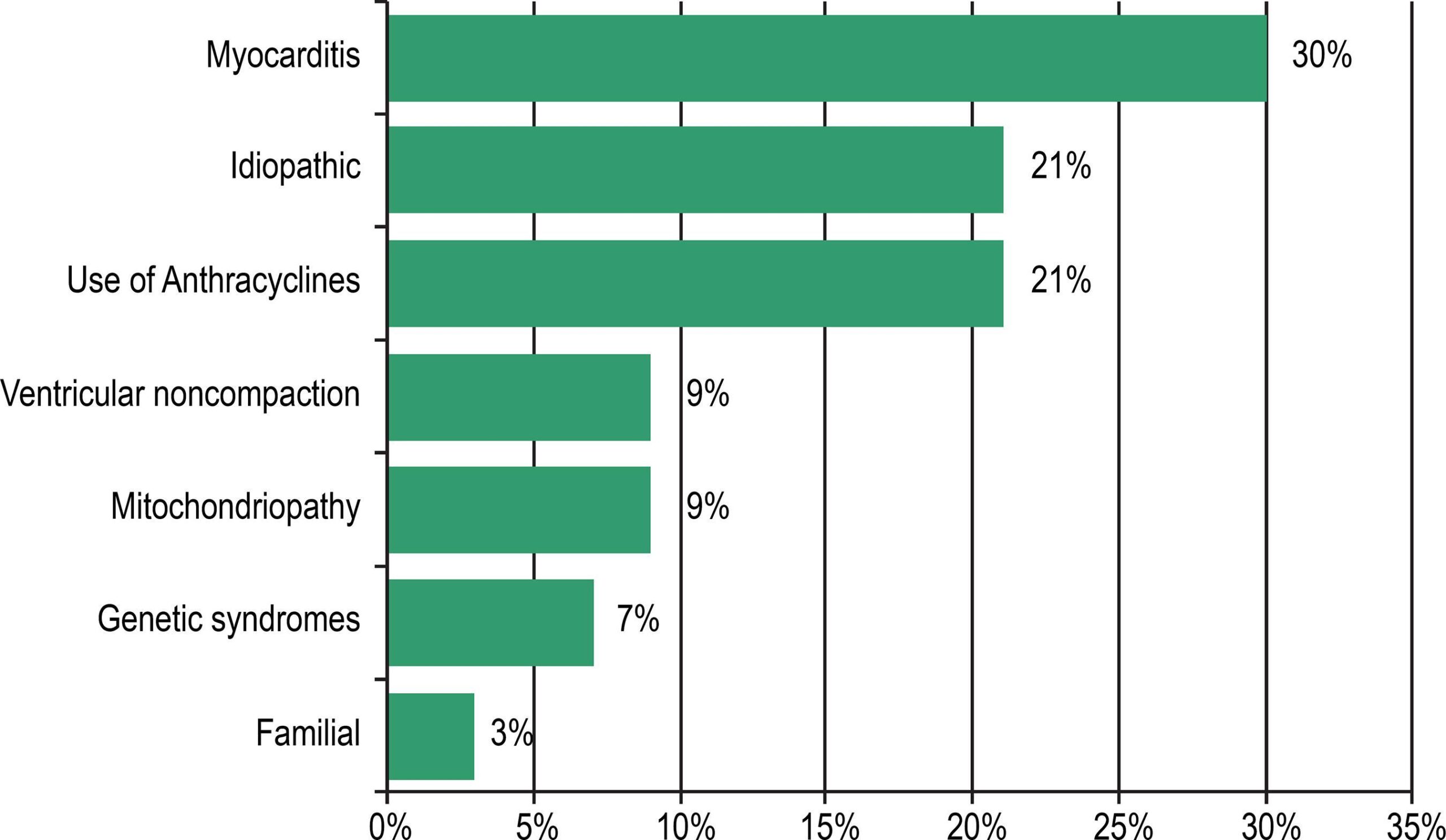
Acute Myocarditis in Childhood and Adolescence in the Covid-19 Era

Ana Flávia Malheiros Torbey et al. Aurea Lúcia Alves de Azevedo Grippa de Souza Ana Catarina Durán Bustamante Carmen Z. Brandão … Luan Rodrigues Abdallah Yves P. D. March e Souza Evandro Tinoco Mesquita

Abstract

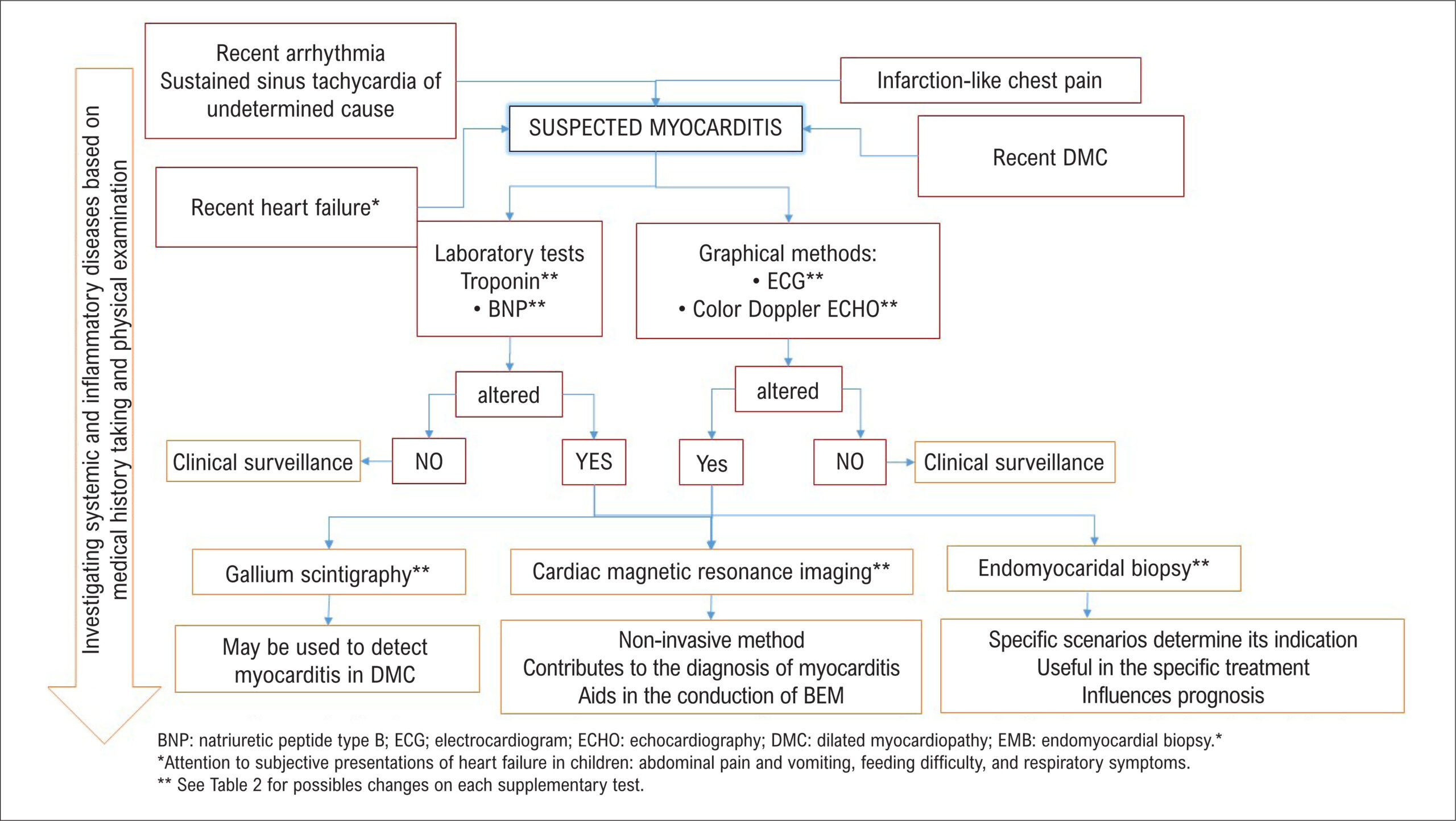
Myocarditis in children and adolescents is an inflammatory myocardial disease with a heterogeneous presentation ranging from oligosymptomatic, with no impaired ejection fraction to catastrophic clinical presentation with cardiogenic shock (fulminant myocarditis) or sudden death. Thus, this condition remains a major challenge from the diagnostic and therapeutic points of view. Despite the different etiologies listed, the most frequent form may be related to viral diseases, and new forms of myocarditis, such allergic ones (eosinophilic and use of medications, particularly cancer immunotherapy), have been currently described. Increasing the rate of suspicion is crucial. Measurement of serum levels of troponin and N-terminal B-type natriuretic peptide, as well as the use of advanced methods of cardiac imaging, such as strain echocardiogram, positron emission tomography, and cardiac magnetic resonance, are integral part of multimodal assessment in suspected patients. Although endomyocardial biopsy remains is still the gold standard for disease diagnosis, currently it tends to be performed in specific situations, such as fulminant clinical presentation and chronic or recurrent myocarditis. The management of this condition includes general supportive care, treatment of heart failure, control of arrhythmias when present, assessment of mechanical support and cardiac transplantation. Treatments based on immunosuppression and immunotherapy are still controversial. In this article, we propose a broad review of diagnostic and treatment methods, as well as the different etiologies in the pediatric population.

  • Adolescents
  • cardiomyopathy
  • Children
  • Heart Failure
  • Myocarditis
Read Full Article
Creative Commons Attribution (CC BY) Creative Commons license
06/07/2021 DOI: 10.36660/abchf.20210008 Views 1
IJCS
Editorial

Elevated Lipoprotein(A) in Children and Adolescents: Early Identification is Key for Successful Intervention

Sergio Emanuel Kaiser

Over the last decades, numerous studies have demonstrated that elevated lipoprotein (Lp)(a) is a powerful and independent risk factor for coronary heart disease,, ischemic stroke, and calcific aortic stenosis. Even in patients treated with statins who achieve LDL-cholesterol goals below 70 mg/dL, elevated Lp(a) levels remain independently related to an increased risk of atherosclerotic events.

The LDL particle has a unique molecular structure, as exemplified by its covalent bond with an apolipoprotein(a) that bears resemblance to plasminogen and may well represent an evolutionary deviation of this well-known plasmin precursor. Lp(a) is synthesized by the liver and the amount of circulating particles in the bloodstream is almost exclusively determined by inheritance, leaving very little space for environmental influence. The distribution of Lp(a) levels in the population is highly skewed with approximately 80% of people exhibiting plasma concentrations below 50 mg/dL, and the remaining 20% with a wide range of values above that limit.

[…]

  • Adolescents
  • Aortic Stenosis
  • Atherosclerosis
  • Child
  • Coronary Artery Diseases
  • Lipoprotein(a)
  • Statins/therapeutic, use
Read Full Article
Creative Commons Attribution (CC BY) Creative Commons license
01/02/2021 DOI: 10.36660/ijcs.20200303
ABC
Editorial

Physical Activity Knowledge and Levels among Children with Congenital Heart Disease

Adilson Marques et al. Bruna Gouveia

The benefits of physical activity are well documented. Among children and adolescents, physical activity improves cardiovascular, bone and metabolic health, fitness levels, weight status, and sleep. Also, there is evidence of the cognitive, psychological and social benefits of physical activity.The health benefits of physical activity are transversal to all children, including those living with a chronic disease, such as congenital heart disease (CHD), preventing comorbidities, while improving quality of life.,

The importance of physical activity for children with CHD has been documented for a long time. Engagement in physical activity is of high importance for children with CHD because they are at risk of developing other cardiovascular and metabolic diseases,, increasing signs of depression and anxiety. In addition, when present, these health problems can be mitigated by an active lifestyle.–

[…]

  • Adolescents
  • Children
  • Comorbidity
  • Exercise/ Physical Activity
  • Heart Defects, Congenital
  • Knowledge
  • Physical Conditioning
  • Quality of life
Read Full Article
Creative Commons Attribution (CC BY) Creative Commons license
01/06/2020 DOI: 10.36660/abc.20200286 Views 1
IJCS
Original Article

Lipoprotein(a) levels in children and adolescents: Ouro Preto Study

Ana Paula C Cândido et al. Alekson Mendonça-Mendes Débora RC Cândido Roney LC Nicolato George LL Machado-Coelho

Abstract

Background

Lipoprotein (a) is a cardiovascular risk factor in adult. Studies have shown the presence of this emergent risk factor in school children, which may contribute to the development of atherosclerosis in adulthood.

Objective

To evaluate the association between lipoprotein (a) and cardiovascular risk factors in school children.

Methods

Lipoprotein (a) levels were measured in 320 school children (6-14 years) selected from a population survey carried out in Ouro Preto (southeast of Brazil). Demographic (sex and age), biochemical (total cholesterol, high-density lipoprotein-cholesterol, low-density lipoprotein-cholesterol, triglycerides, and glucose), anthropometric (body mass index, waist circumference, body fat percentage), clinical (arterial blood pressure, pubertal stage and birth weight) and economic (family income) parameters, as well as family history (obese and/or hypertensive parents) were analyzed. Non-parametric analysis was used to evaluate lipoprotein (a) levels in each subgroup. Variables with p≤0.20 in the univariate analysis were included in binary regression logistic model. Differences with p < 0.05 were considered significant.

Results

Lipoprotein (a) levels were associated with total cholesterol (p=0.04), body fat (p=0.009), and mother´s systolic (p=0.02) and diastolic blood pressure (p=0.04). In a logistic regression analysis, children with high lipoprotein (a) levels and body fat, and children born from hypertensive mothers were, respectively, at 3.2(p=0.01) and 1.4 (p=0.03) times higher risk than other children. In clustering these factors, elevated lipoprotein (a) was 2.6 times more likely to be seen in school children with high body fat and born hypertensive mothers.

Conclusions

Lipoprotein (a) was correlated with cardiovascular risk factors in children and adolescents. Persistence of these risk factors in childhood suggests a contribution of elevated lipoprotein (a) to future cardiovascular disease. (Int J Cardiovasc Sci. 2020; [online].ahead print, PP.0-0)

  • Adiposity
  • Adolescents
  • Bod Fat
  • body mass index
  • Children
  • Cholesterol
  • Epidemiology
  • Hypertension
  • Lipoproteins
Read Full Article
Creative Commons Attribution (CC BY) Creative Commons license
17/04/2020 DOI: 10.36660/ijcs.20190107 Views 2
Figure 1
ABC
Original Article

Secondary Dyslipidemia In Obese Children – Is There Evidence For Pharmacological Treatment?

Graciane Radaelli et al. Grasiele Sausen Claudia Ciceri Cesa Vera Lucia Portal Lucia Campos Pellanda

Abstract

Background:

Long-term safety, effectiveness and criteria for treatment with statins in children are still unclear in clinical practice. There is very limited evidence for the use of medication to treat children with dyslipidemia secondary to obesity who do not respond well to lifestyle modification.

Objective:

Systematic review of randomized clinical trials of statin use to treat children and adolescents with dyslipidemia secondary to obesity.

Methods:

We performed a search in PubMed, EMBASE, Bireme, Web of Science, Cochrane Library, SciELO, and LILACS for data to evaluate the effect of statins on: improvement of surrogate markers of coronary artery disease in clinical outcomes of adulthood; increased serum levels of total cholesterol (TC), low-density lipoprotein cholesterol (LDL-C) and apolipropotein B (APOB); and decreased serum levels of high-density lipoprotein cholesterol (HDL-C) from inception to February 2016. Participants were children and adolescents.

Results:

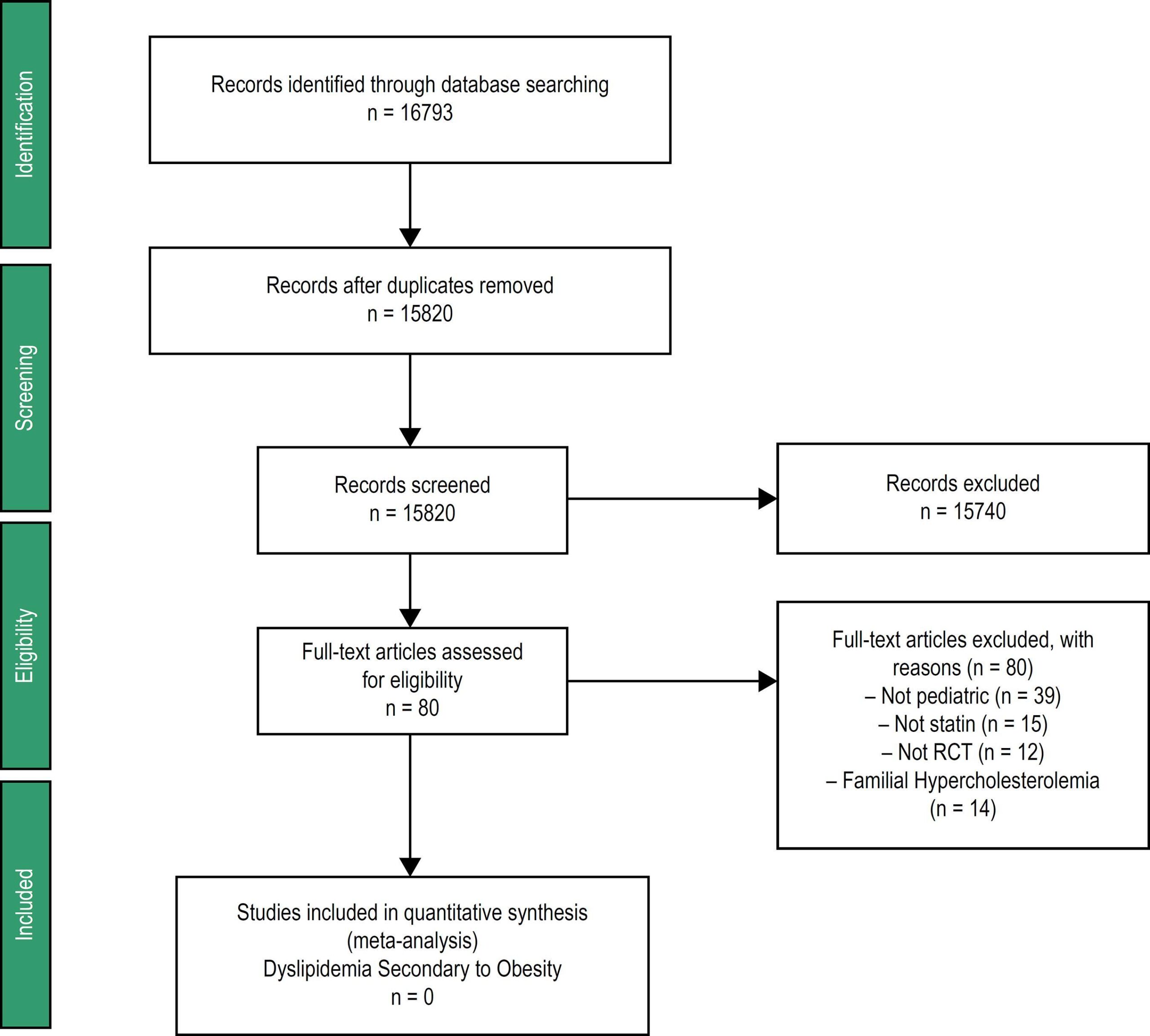
Of the 16793 potentially relevant citations recovered from the electronic databases, no randomized clinical trials fulfilled the inclusion criteria for children with dyslipidemia secondary to obesity.

Conclusions:

We found no specific evidence to consider statins in the treatment of hypercholesterolemia secondary to obesity in children. The usual practice of extrapolating findings from studies in genetic dyslipidemia ignores the differences in long-term cardiovascular risks and the long-term drug treatment risks, when compared to recommendation of lifestyle changes. Randomized clinical trials are needed to understand drug treatment in dyslipidemia secondary to obesity.

  • Adolescents
  • Child
  • Cholesterol
  • Dyslipidemias
  • Hydroxymethylglutaryl-CoA Reductase Inhibitors
  • Obesity
Read Full Article
Creative Commons Attribution (CC BY) Creative Commons license
23/08/2018 DOI: 10.5935/abc.20180155 Views 1
ABC
Letter to the Editor

Cardiac Autonomic Functions May be Influenced by Body Weight

Mustafa Gulgun

To the Editor,

I read the paper by Silva et al. entitled ‘‘Sensitivity, Specificity and Predictive Value of Heart Rate Variability Indices in Type 1 Diabetes Mellitus’’ published in Arquivos Brasileiros de Cardiologia in March 2017. They aimed to compare Heart Rate Variability (HRV) indices and evaluate their sensitivity, specificity, and predictive value in young type 1 diabetic patients and healthy volunteers. It was showed a decrease in sympathetic and parasympathetic activities, as well as overall variability of autonomic nervous system in the diabetic group. I would like to congratulate Silva et al. for their valuable effort in this study. I also have a few comments to do.

[…]

  • Adolescents
  • Diabetes Mellitus, Type 1
  • Heart Rate
  • Risk Factors
  • Young Adult
Read Full Article
Creative Commons Attribution (CC BY) Creative Commons license
01/12/2017 DOI: 10.5935/abc.20170154 Views 1
Figure 1
IJCS
Original Article

Prognosis of Dilated Cardiomyopathy with Severe Heart Failure according to Functional Classification Scales in Childhood

Fátima Derlene da Rocha Araújo et al. Rose Mary Ferreira Lisboa da Silva Henrique de Assis Fonseca Tonelli Adriana Furletti M Guimarães … Sandra Regina Tolentino Castilho Zilda Maria Alves Meira

Abstract

Background:

Heart failure is the main manifestation of dilated cardiomyopathy in childhood, and the systematic evaluation of signs and symptoms allows monitoring the treatment outcome.

Objective:

To evaluate the use of three functional classification scales of heart failure in children and adolescents with dilated cardiomyopathy.

Methods:

Longitudinal and observational study including patients from zero to 18 years with dilated cardiomyopathy and severe initial heart failure. All of them were followed up using the New York Heart Association (NYHA), The New York University Pediatric Heart Failure Index (The NYU PHFI) and Ross version 2012 scales. Statistical analyzes were done using Statistical Package for Social Science, version 14.0, with Mann-Whitney test, Chi-Square test or Fisher’s test, application of the Operating Characteristic Curve, Wilcoxon test and Kappa coefficient for comparison of scales and Kaplan-Meier curve for survival evaluation. The level of significance adopted was 5%.

Results:

A total of 57 patients, aged from 1 to 200 months (mean of 48.7 ± 55.9) and follow-up of 6 to 209 months (mean of 63.6 ± 48.4) were included. There was substantial agreement between the Ross 2012 scales, The NYU PHFI and NYHA (Kappa = 0.71 and 0.82, respectively). Paired analysis by the Wilcoxon test, comparing the scales before and after treatment, was significant (p < 0.0001). The greatest survival was found in patients with class I/II by NYHA or scores lower than 11 points in the others.

Conclusion:

The use of functional assessment scales of heart failure proved to be useful in the follow-up and evaluation of the therapeutic response and there was no difference between them. Patients who remained in functional classification III or IV NYHA or scores ≥ 11 in Ross 2012 or The NYU PHFI had worse prognosis.

  • Adolescents
  • Cardiomyopathy, Dilated
  • Child
  • Heart Failure
  • Prognosis
  • Scales
Read Full Article
Creative Commons Attribution (CC BY) Creative Commons license
23/10/2017 DOI: 10.5935/2359-4802.20170085 Views 2
ABC
Letter to the Editor

Childhood Obesity, MMP-9 Levels, and Vitamin D

Zeynep Cerit

Dear Editor,

I have read the article entitled “MMP-9 Levels and IMT of Carotid Arteries are Elevated in Obese Children and Adolescents Compared to Non-Obese” by Andrade et al., recently published in journal, with great interest. The investigators reported that obese children and adolescents present higher mean intima-media thickness (IMT), plasma matrix metalloproteinase (MMP)-9 and MMP-9/tissue inhibitor of metalloproteinase-1 ratio compared to the non-obese. Thus, these findings indicate that this group presents a risk profile for early atherosclerosis.

[…]

  • Adolescents
  • Cardiovascular Diseases
  • Child
  • Matrix Metaloproteinase 9
  • Overweight
  • Pediatric Obesity
Read Full Article
Creative Commons Attribution (CC BY) Creative Commons license
01/10/2017 DOI: 10.5935/abc.20170127
Figure 1
ABC
Original Article

Pacemaker Implants in Children and Adolescents with Chagas Disease in Brazil: 18-Year Incidence

Carolina Christianini Mizzaci et al. Thiago Gonçalves Schroder e Souza Gabriel Pelegrineti Targueta Ana Paula Frederico Tótora … Juan Carlos Pachón Mateos José Carlos Pachon Mateos

Abstract

Background:

Chagas disease continues to be a serious public health problem, and accounts for 25-30% of the indications for cardiac stimulation in Brazil.

Objective:

To assess clinical and epidemiological characteristics of patients with Chagas disease, younger than 18 years, who had undergone pacemaker implantation in Brazil between 1994 and 2011, and its temporal trend.

Methods:

This was a cross-sectional analysis of data from the Brazilian Pacemaker Registry database. The following variables were analyzed: year when pacemaker was implanted, location, age, sex, ethnic group, functional class and the main electrocardiographic findings at baseline.

Results:

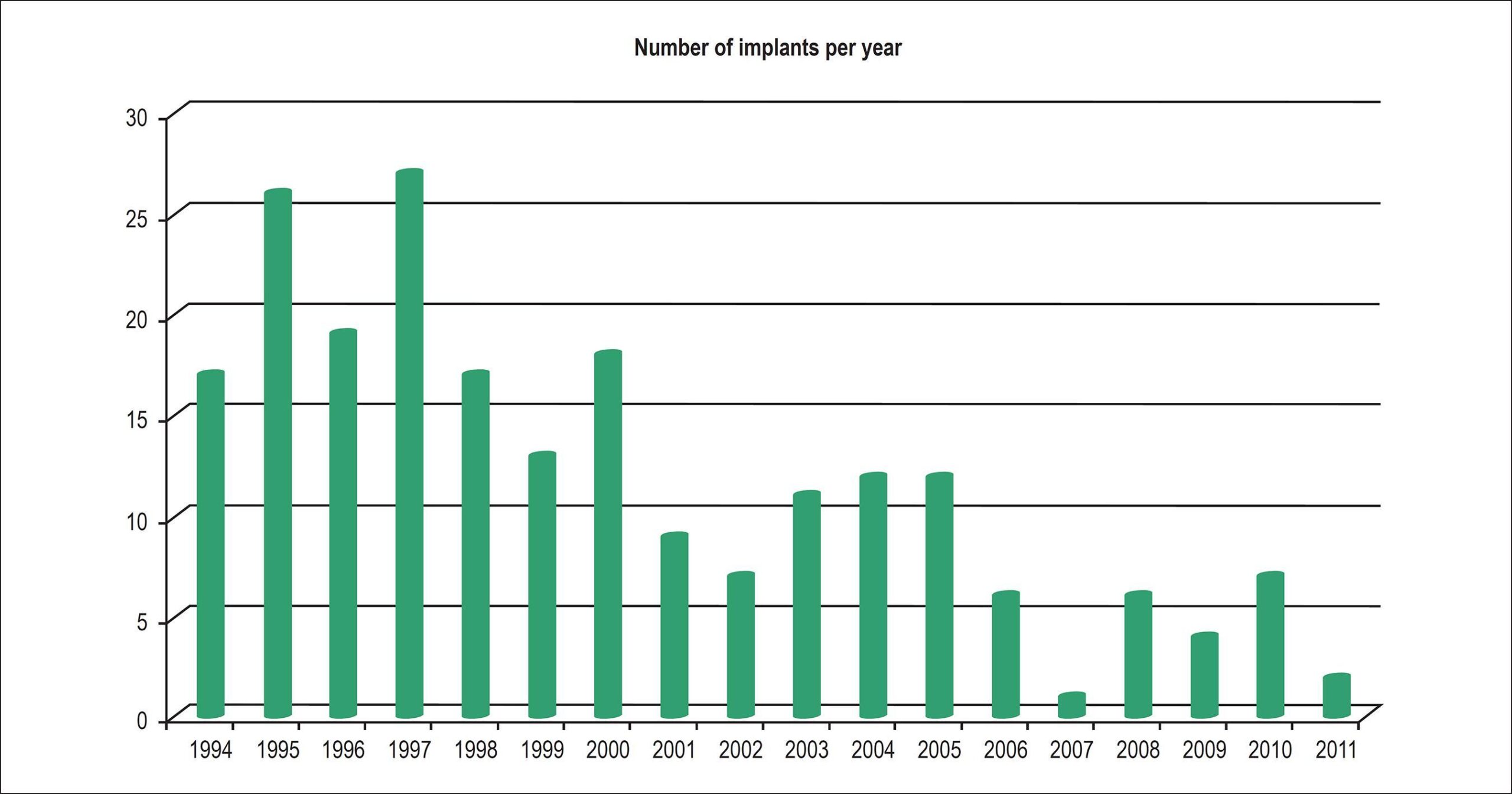
In a total of 183,123 implants performed between 1994 and 2011, 214 implants of cardiac stimulation device in Chagas disease patients aged younger than 18 years were identified. Mean age at implantation was 5.6 ± 6.2 years. Second- and third-degree atrioventricular blocks corresponded to 71% of indications for pacemaker implantation. Fifty-six percent of the procedures were performed in the southeast region. Regarding the total number of pacemaker implants per year, there was a remarkable increase in the implants for all causes. However, time series analysis of the implants in Chagas disease patients younger than 18 years revealed a significant reduction in the annual number of implants.

Conclusion:

There has been an important reduction in the number of pacemaker implantations among children and adolescents with Chagas disease, suggesting a reduction in the vertical transmission of the parasite.

  • Adolescents
  • Chagas Cardiomyopathy
  • Chagas disease
  • Child
  • Epidemiology
  • Pacemaker,Artificial
  • Retrospective Studies
Read Full Article
Creative Commons Attribution (CC BY) Creative Commons license
01/06/2017 DOI: 10.5935/abc.20170074
ABC
Original Article

Relationship between Resting Heart Rate, Blood Pressure and Pulse Pressure in Adolescents

Diego Giulliano Destro Christofaro et al. Juliano Casonatto Luiz Carlos Marques Vanderlei Gabriel Grizzo Cucato Raphael Mendes Ritti Dias

Abstract

Background:

High resting heart rate is considered an important factor for increasing mortality chance in adults. However, it remains unclear whether the observed associations would remain after adjustment for confounders in adolescents.

Objectives:

To analyze the relationship between resting heart rate, blood pressure and pulse pressure in adolescents of both sexes.

Methods:

A cross-sectional study with 1231 adolescents (716 girls and 515 boys) aged 14-17 years. Heart rate, blood pressure and pulse pressure were evaluated using an oscillometric blood pressure device, validated for this population. Weight and height were measured with an electronic scale and a stadiometer, respectively, and waist circumference with a non-elastic tape. Multivariate analysis using linear regression investigated the relationship between resting heart rate and blood pressure and pulse pressure in boys and girls, controlling for general and abdominal obesity.

Results:

Higher resting heart rate values were observed in girls (80.1 ± 11.0 beats/min) compared to boys (75.9 ± 12.7 beats/min) (p ≤ 0.001). Resting heart rate was associated with systolic blood pressure in boys (Beta = 0.15 [0.04; 0.26]) and girls (Beta = 0.24 [0.16; 0.33]), with diastolic blood pressure in boys (Beta = 0.50 [0.37; 0.64]) and girls (Beta = 0.41 [0.30; 0.53]), and with pulse pressure in boys (Beta = -0.16 [-0.27; -0.04]).

Conclusions:

This study demonstrated a relationship between elevated resting heart rate and increased systolic and diastolic blood pressure in both sexes and pulse pressure in boys even after controlling for potential confounders, such as general and abdominal obesity.

  • Adolescents
  • Arterial Pressure
  • Heart Rate
  • Rest
Read Full Article
Creative Commons Attribution (CC BY) Creative Commons license
04/05/2017 DOI: 10.5935/abc.20170050 Views 1
Figure 1
ABC
Original Article

Cardiac Autonomic Adjustments During Baroreflex Test in Obese and Non-Obese Preadolescents

Mário Augusto Paschoal et al. Aline Carnio Brunelli Gabriela Midori Tamaki Sofia Serafim Magela

Abstract

Background:

Recent studies have shown changes in cardiac autonomic control of obese preadolescents.

Objective:

To assess the heart rate responses and cardiac autonomic modulation of obese preadolescents during constant expiratory effort.

Methods:

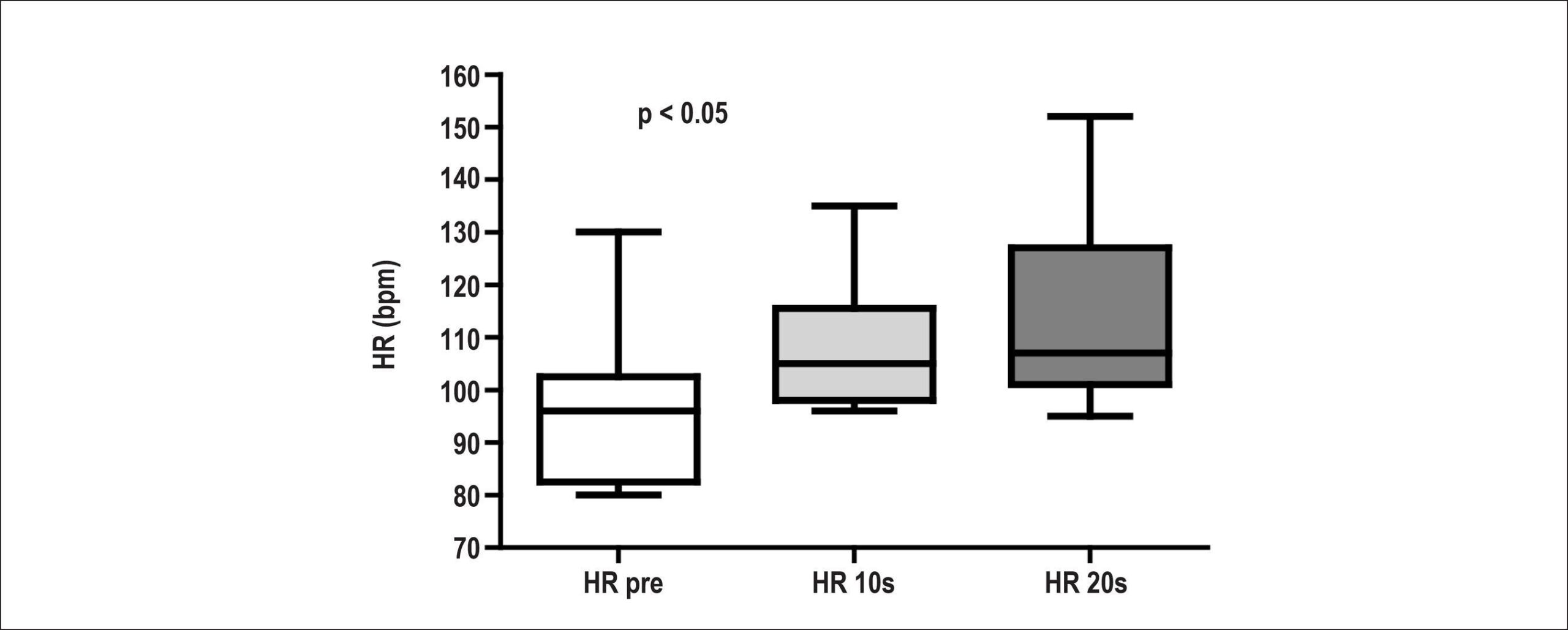
This study assessed 10 obese and 10 non-obese preadolescents aged 9 to 12 years. The body mass index of the obese group was between the 95th and 97th percentiles of the CDC National Center for Health Statistics growth charts, while that of the non-obese group, between the 5th and 85th percentiles. Initially, they underwent anthropometric and clinical assessment, and their maximum expiratory pressures were obtained. Then, the preadolescents underwent a constant expiratory effort of 70% of their maximum expiratory pressure for 20 seconds, with heart rate measurement 5 minutes before, during and 5 minutes after it. Heart rate variability (HRV) and heart rate values were analyzed by use of a software.

Results:

The HRV did not differ when compared before and after the constant expiratory effort intra- and intergroup. The heart rate values differed (p < 0.05) during the effort, being the total variation in non-obese preadolescents of 18.5 ± 1.5 bpm, and in obese, of 12.2 ± 1.3 bpm.

Conclusion:

The cardiac autonomic modulation did not differ between the groups when comparing before and after the constant expiratory effort. However, the obese group showed lower cardiovascular response to baroreceptor stimuli during the effort, suggesting lower autonomic baroreflex sensitivity.

  • Adolescents
  • Autonomic Nervous System/physiopathology
  • Barorreflex
  • Heart Rate/physiology
  • Obesity
  • Physical Exertion
Read Full Article
Creative Commons Attribution (CC BY) Creative Commons license
22/03/2016 DOI: 10.5935/abc.20160040 Views 1
Figure 1
ABC
Artigo Original

Excess Weight, Anthropometric Variables and Blood Pressure in Schoolchildren aged 10 to 18 years

Vânia Ames Schommer et al. Sandra Mari Barbiero Cláudia Ciceri Cesa Rosemary Oliveira … Anelise Damiani Silva Lucia Campos Pellanda

Background:

The prevalence of hypertension among children and adolescents is estimated to range between 1% and 13%. Excess weight and central obesity are related to blood pressure levels in adults, and may be important in the early pathogenesis of SH when present in childhood.

Objectives:

To study the association between anthropometric variables and blood pressure levels in schoolchildren from the 5th and 8th grades, and to identify which parameter was more strongly correlated with blood pressure levels.

Methods:

Contemporary cross-sectional study with probabilistic population-based cluster sampling of schoolchildren enrolled from the 5th to the 8th grades in public elementary schools of Porto Alegre. Data on familial risk factors and anthropometry were collected. Statistical analysis included correlations and cluster-adjusted confidence intervals.

Results:

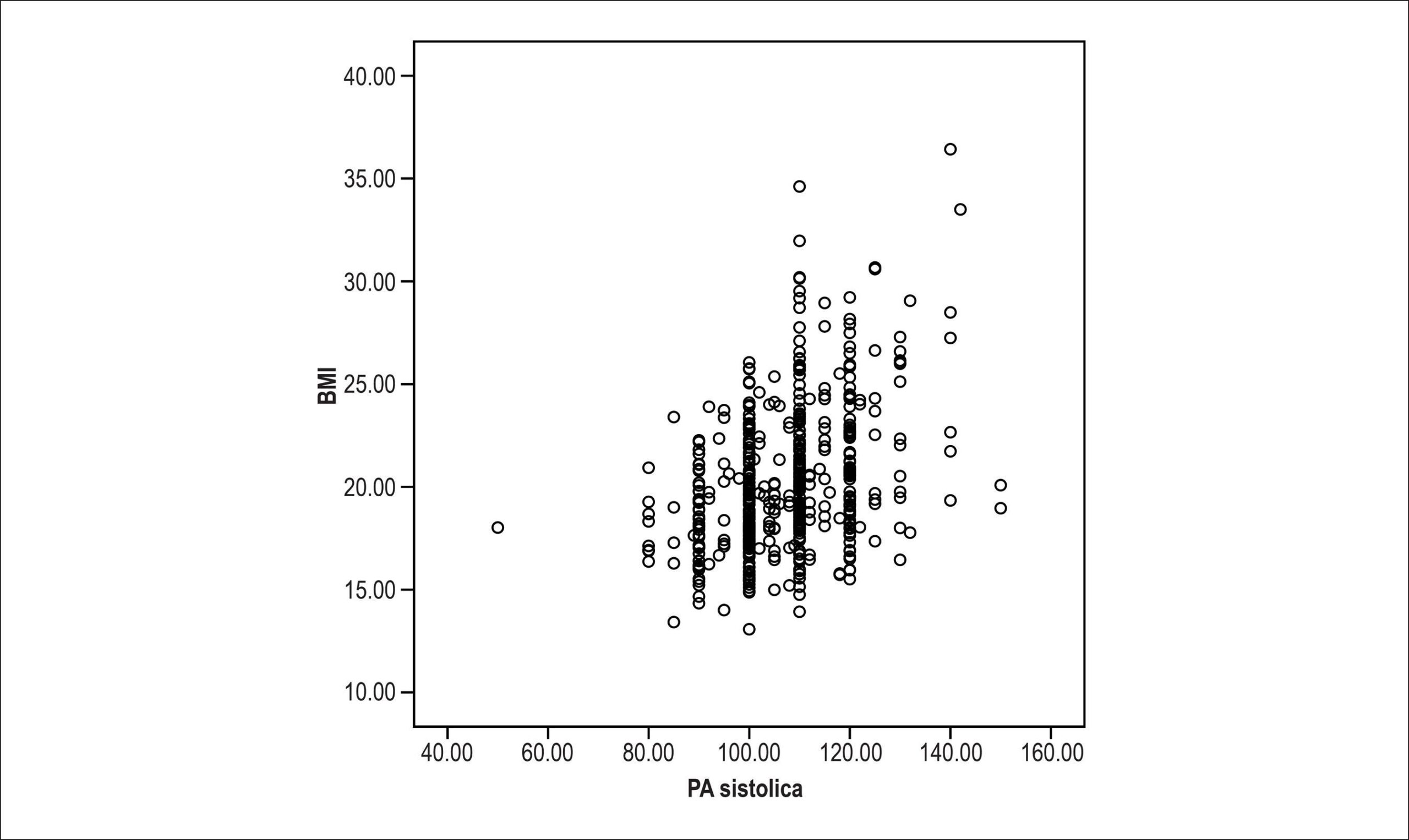
The mean age of participants was 12.57 (± 1.64) years, and 55.2% of them were females. Abnormal blood pressure levels were found in 11.3% of the sample and borderline values, in 16.2%. Among the anthropometric variables analyzed, hip circumference was the one with the strongest correlation with increased blood pressure (r = 0.462, p < 0.001), followed by waist circumference (r = 0.404, p < 0.001) and abdominal skinfold (r = 0.291, p < 0.001).

Conclusion:

We observed an association of waist circumference and skinfolds with increased blood pressure levels in the schoolchildren of the sample. Therefore, it is of the utmost importance that early measurements of blood pressure, and waist and hip circumferences become a routine in health services in order to prevent this condition.

  • Adolescents
  • Anthropometry
  • Blood Pressure
  • Body Weights and Measures
  • Child
Read Full Article
Creative Commons Attribution (CC BY) Creative Commons license
01/03/2014 DOI: 10.5935/abc.20140038
Maximal heart rate: influence of sport practice during childhood and adolescence
ABC
Artigo Original

Maximal heart rate: influence of sport practice during childhood and adolescence

Débora Helena Balassiano et al. Claudio Gil Soares de Araújo

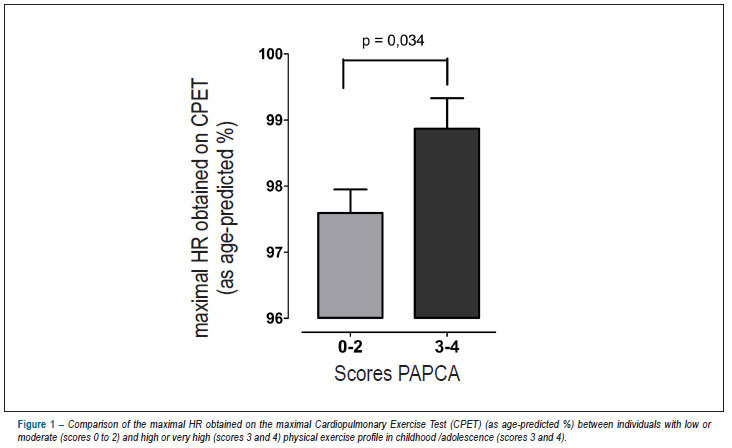
BACKGROUND: The heart rate (HR) achieved at the end of an exercise test (ET) is called maximal HR and is known to have clinical and epidemiological relevance. For its correct measurement, it is necessary that the ET be truly maximal. OBJECTIVE: To evaluate the influence of a history of intense physical activity and/or participation in sports competitions during youth on the maximal HR (% of age-predicted HR) on a clinical cardiopulmonary exercise test (CPET). METHODS: A total of 600 non-athlete individuals (65.8% males) with a mean age of 46 ± 13.7 years, under primary prevention of cardiovascular diseases and who underwent maximal CPET, were retrospectively selected. Their physical activity profile during childhood/adolescence (PAPCA) was classified in scores growing from 0 to 4, with value 2 corresponding to their respective age-predicted levels. RESULTS: None of the 20 individuals with maximal HR values equal to or greater than 200 bpm had been inactive or somewhat active during childhood/adolescence. A significant association was observed between PAPCA scores and maximal HR (% of age-predicted HR) (p = 0.02), with a 7-bpm higher value for PAPCA scores 3-4 (32.9% of the sample) in comparison to PAPCA 0-2. CONCLUSION: Two hypotheses exist to explain these results in individuals who had been more active during youth: a) persistence of chronic adaptations to training on the cardiac chronotropism, or b) higher ability and/or motivation to achieve a truly maximal CPET. Information on the physical activity profile during childhood / adolescence may contribute to the interpretation of maximal HR on ET.

  • Adolescents
  • Child
  • Ergometry
  • Exercise
  • Heart Failure
  • Physical Exertion
  • Sports
Read Full Article
Creative Commons Attribution (CC BY) Creative Commons license
02/04/2013 DOI: 10.5935/abc.20130055 Views 1
ABC
Artigo Original

Insulin resistance can impair reduction on carotid intima-media thickness in obese adolescents

Priscila de Lima Sanches et al. Marco Túlio de Mello Francisco Antonio Helfestein Fonseca Natália Elias … Aline de Piano June Carnier Lian Tock Lila Missae Oyama Sergio Tufik Ana Dâmaso

BACKGROUND: The atherosclerotic process at the endothelial level begins in early ages and seems to be associated with obesity and its comorbidities as insulin resistance. OBJECTIVE: The aim of this study was to verify the influence of insulin resistance on inflammatory and subclinical markers of atherosclerosis in obese adolescents. METHODS: Sixty-six post-pubescent obese adolescents were divided in two groups according to homeostasis model assessment of insulin resistance (HOMA-IR) measurement: with insulin resistance (IR) n=39 and without insulin resistance (NIR) n=27, and submitted to an interdisciplinary intervention over the course of 1 year. Common carotid artery intima-media thickness (cIMT), visceral and subcutaneous adipose tissue was determined by ultrasound. Body composition, blood pressure, HOMA-IR, lipid profile and adipokines concentrations [leptin, adiponectin, and plasminogen activator inhibitor type (PAI-1)] were analyzed before and after the therapy. RESULTS: Both groups presented significant improvements in body composition, inflammatory state (reduction of leptin and PAI-1 concentration; increasing of plasma adiponectin) and reduction of cIMT. Only NIR group showed positive correlation between changes in visceral fat (∆Visceral) and changes in cIMT (∆ cIMT) (r = 0.42; p < 0.05). Simple linear regression analyze revealed ∆Visceral to be an independent predictor to reduction of cIMT in this group (R2 adjusted = 0.14, p = 0.04). The final values of cIMT remained significantly higher in IR group when compared to NIR group. CONCLUSION: The presence of insulin resistance can impair changes in cIMT leading to early development of atherosclerosis in obese adolescents submitted to an interdisciplinary intervention..

  • Adolescents
  • Atherosclerosis
  • Insulin Resistance
  • Obesity
  • Risk Factors
Read Full Article
Creative Commons Attribution (CC BY) Creative Commons license
30/08/2012 DOI: 10.1590/S0066-782X2012005000077 Views 2
Obesity and cardiovascular risk factors in adolescents attending public schools
ABC
Artigo Original

Obesity and cardiovascular risk factors in adolescents attending public schools

Fernanda Cobayashi et al. Fernanda Luisa Ceragioli Oliveira Maria Arlete Meil Schimith Escrivão Silveira Daniela José Augusto de Aguiar Carrazedo Taddei

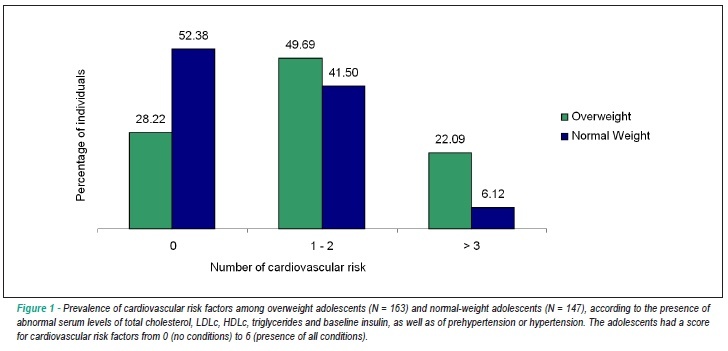
BACKGROUND: Overweight in adolescence is a risk factor for the development of cardiovascular diseases in adulthood. OBJECTIVE: To study the association of cardiovascular risk factors (CRF) in overweight and normal-weight adolescents of both genders aged from 14 to 19 years, attending public schools. METHODS: Case-control study including 163 overweight and 151 normal-weight adolescents. Multiple logistic regression analysis was used to evaluate the associations between overweight and CRF (lipid profile, blood pressure and baseline insulin level). A set of CRF was defined for each individual, ranging from 0 (no risk factors) to 6 (all risk factors present). RESULTS: Overweight adolescents (body mass index > 85th percentile) presented a higher frequency of CRF in comparison to the normal- weight group. The CRF associated with overweight were HDLc 150 mg/dl (OR = 3.04; CI: 1.01-9.13), abnormal baseline insulin levels > 15 µU/ml (OR = 8.65; CI: 4.03-18.56) and abnormal blood pressure (OR = 3.69; CI: 1.76-7.72). Among overweight adolescents, 22.09% had more than three risk factors, whereas this percentage dropped to 6.12% among normal-weight adolescents. CONCLUSION: Overweight adolescents presented risk factors for cardiovascular diseases. The need for programs and policies targeted at the diagnosis and treatment of this condition is pointed out in order to reduce the risks of morbidity and mortality in adulthood.

  • Adolescents
  • Disease Prevention
  • Obesity
  • Risk Factors
Read Full Article
Creative Commons Attribution (CC BY) Creative Commons license
09/07/2010 DOI: 10.1590/S0066-782X2010005000087 Views 1
ABC
Artigo Original

Physical inactivity, TV-watching hours and body composition in children and adolescents

Ivan Romero Rivera et al. Maria Alayde Mendonça da Silva Renata D'Andrada Tenório Almeida Silva Bruno Almeida Viana de Oliveira Antonio Carlos Camargo Carvalho

BACKGROUND: Physical inactivity is a predisposing factor to the onset/worsening of other cardiovascular risk factors, particularly obesity. OBJECTIVE: To determine physical activity level (PAL) and daily number of hours of TV (HTV) and the association and/or correlation of these variables with age, gender, economic class, public/private school, overweight and obesity in children and adolescents. METHODS: Cross sectional study, school-based population, public and private education, primary and secondary education. The sample was calculated based on the minimum expected prevalence of several variables, including physical inactivity. Cluster sampling. Protocol: structured questionnaire, including Physical Activity for Older Children Questionnaire (PAQ-C) measurements of weight, height, body mass index (BMI) and triceps skinfold (TSF). Statistical analysis: Chi-square, linear correlation. RESULTS: Among the 1,253 students, averaging 12.4 ± 2.9 years old, of which 549 were male, there was a prevalence of inactivity in 93.5%, more commonly found in female adolescents and there was no association between PAL and excess weight or body fat, soccer and dance were the most frequent activities in boys and girls, respectively; 60% of students did not have physical education classes. Average and median HTV were respectively 3.6 and 3 hours; there was a significant association between HTV and obesity and significant correlation between PAL and age (negative) and between BMI and TSF (positive). CONCLUSION: Physical inactivity is present in 93.5% of children and adolescents from Maceió. It is more commonly found among teenagers and females, with no association or correlation of this variable with excess weight or body fat; obesity was associated with > 3 HTV.

  • Adolescents
  • Body Composition
  • Children
  • Obesity
  • Sedentary Lifestyle
  • television
Read Full Article
Creative Commons Attribution (CC BY) Creative Commons license
11/06/2010 DOI: 10.1590/S0066-782X2010005000065
ABC
Artigo Original

Comparison analysis of blood pressure, obesity, and cardio-respiratory fitness in schoolchildren

Miria Suzana Burgos et al. Cézane Priscila Reuter Leandro Tibiriçá Burgos Hildegard Hedwig Pohl … Liane Teresinha Schuh Pauli Jorge André Horta Miriam Beatris Reckziegel Silvia Isabel Rech Franke Daniel Prá Marcelo Camargo

BACKGROUND: During childhood and adolescence, physical inactivity, excess weight, and poor nutrition are risk factors for chronic diseases, especially obesity, hypertension, and diabetes mellitus. Early intervention can prevent the development of these complications. OBJECTIVE: To determine the presence of cardiovascular risk (obesity and hypertension) in schoolchildren and its potential interactions with cardio-respiratory fitness. METHODS: This was a cross-sectional study conducted in a stratified cluster sample of 1,666 schoolchildren, aged between 7 and 17 years, 873 (52.4%) of them male and 793 (47.6%) of them female. The following variables were evaluated: systolic blood pressure (SBP), diastolic blood pressure (DBP), body mass index (BMI), body fat percentage (BF %), and cardio-respiratory fitness. SBP and DBP were correlated with waist circumference (WC), waist-hip ratio (WHR), sum of skin folds (ΣSF), and cardio-respiratory fitness. RESULTS: A BMI assessment of the students showed that 26.7% of them were overweight or obese, and 35.9% had body fat percentage over moderately high. As to blood pressure, we found that 13.9% and 12.1% of the students were borderline or hypertensive, for SBP and DBP, respectively. There was an association among hypertension, obesity, and cardio-respiratory fitness. There was a significant correlation of SBP and DBP with all variables, and also a weak to moderate correlation with age, weight, height, BMI, and waist circumference. CONCLUSION: The presence of hypertension associated with obesity and its effects on cardio-respiratory fitness stress the importance of recommending, since childhood, a more active and healthy lifestyle.

  • Adolescents
  • Child
  • Hypertension
  • Obesity
  • Risk Factors
  • total lung capacity
Read Full Article
Creative Commons Attribution (CC BY) Creative Commons license
07/05/2010 DOI: 10.1590/S0066-782X2010005000046 Views 1
Overweight and cardiovascular risk among young adults followed-up for 17 years: the Rio de Janeiro study, Brazil
ABC
Artigo Original

Overweight and cardiovascular risk among young adults followed-up for 17 years: the Rio de Janeiro study, Brazil

Flávia Lopes Fonseca et al. Andréa Araújo Brandão Roberto Pozzan Érika Maria Gonçalves Campana … Oswaldo Luiz Pizzi Maria Eliane Campos Magalhães Elizabete Vianna de Freitas Ayrton Pires Brandão

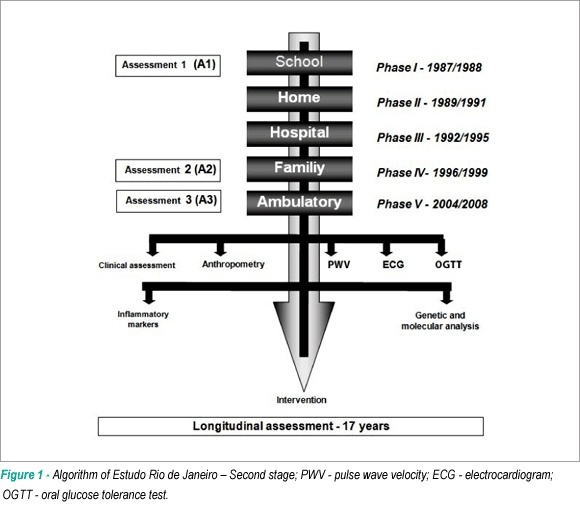
BACKGROUND: The adoption of primary prevention measures among young people has a favorable impact on the context of cardiovascular diseases. OBJECTIVE: To assess blood pressure (BP) and cardiovascular risk variables among young adults stratified according to the body mass index (BMI) behavior obtained along 17 years, since childhood/adolescence (C/A). METHODS: Three assessments were carried out in 115 individuals pertaining to the study cohort of Rio de Janeiro, Brazil. A1: 12.97 ± 1.48 years old; A2: 21.90 ± 1.71 years old; A3: 30.65 ± 2.00 years olds and divided into three groups according to BMI in the three assessments: Group N (always normal BMI; n=46), Group L (varying BMI; n=49) and Group O/O (always increased BMI; n=20). In A1, A2 and A3, BP and BMI were obtained. In A2 and A3, glucose (G) and lipidic profile were dosed. Also in A2, insulin (INS) was dosed and HOMA-IR was calculated. In A3, the measurement of waist circumference (WC), abdomen/hip relation (AHR) and body fat percentage (%BF) were added. RESULTS: 1) Group O/O presented higher mean values of increased BP (p<0.0001) at the three assessments; 2) In A3, Group O/O showed higher mean values for WC, AHR and %BF and prevalence of increased WC and metabolic syndrome (MS) (p<0.0001); 3) higher mean values were observed for INS, HOMA-IR, LDL-c in A2, and G, cholesterol, LDL-c and triglycerides in A3 for Group O/O (p<0.05); 4) masculine sex and O/O at A1 determined higher risk for MS occurrence in adult age. CONCLUSION: The presence of O/O since C/A was associated with higher BP values, anthropometric indexes and higher prevalence of MS in the young adult phase.

  • Adolescents
  • Blood Pressure
  • Body Weights and Measures
  • Cardiovascular risk
Read Full Article
Creative Commons Attribution (CC BY) Creative Commons license
05/05/2010 DOI: 10.1590/S0066-782X2010000200011 Views 2
Body mass index and waist circumference as markers of arterial hypertension in adolescents
ABC
Artigo Original

Body mass index and waist circumference as markers of arterial hypertension in adolescents

Maria Luiza Garcia Rosa et al. Evandro Tinoco Mesquita Emanuel Ribeiro Romeiro da Rocha Vânia de Matos Fonseca

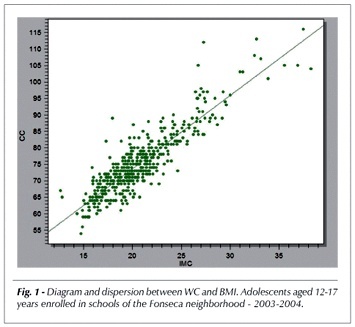
OBJECTIVE: To evaluate the sensitivity and specificity of anthropometric measurements of body fat in a sample of Brazilian adolescents for the prediction of hypertension. METHODS: The arterial blood pressure was measured on two visits in a sample of 456 students aged 12 to 17 years, from public and private schools of the Fonseca neighborhood, in Niterói, between 2003 and 2004. A subject was defined as hypertensive if he/she had systolic and diastolic pressures above the 95th percentile for sex, age and height. A questionnaire was applied and Body Mass Index (BMI) and waist circumference (WC) measurements were made. RESULTS: A statistically significant correlation was observed between hypertension and the cutoff points considered unfavorable, both for BMI and WC. The greatest association was with the cutoff point proposed for the Brazilian population. As to the BMI sensitivity used for American Black or White populations or for the Brazilian population, we found 52.4% to 57.1% and 52.4%, respectively. And BMI specificity was 69.3%, 70.0% and 80.88%, respectively. The sensitivity found in our sample, relative to the cutoff points for WC proposed for all American ethnic groups, was also low (45.0%) and specificity was a little higher (77.6% and 74.5%, respectively). CONCLUSION: Existing American WC measurements showed low sensitivity and specificity for hypertension in our population. As to BMI, the available cutoff points also showed a low level of sensitivity. There is a need to establish body fat cutoff points that can provide a better prediction of cardiovascular risk.

  • abdominal circunference
  • Adolescents
  • Hypertension
  • Obesity
  • Prevalence
Read Full Article
Creative Commons Attribution (CC BY) Creative Commons license
15/06/2007 DOI: 10.1590/S0066-782X2007000500012 Views 2
ABC
Artigo Original

Blood pressure measurement in children and adolescents: guidelines of high blood pressure recommendations and current clinical practice

Maria Alayde Mendonça da Silva et al. Ivan Romero Rivera Maria Goretti Barbosa de Souza Antonio Carlos de Camargo Carvalho

OBJECTIVE: To determine, in a school-based sample of children and adolescents, aged from 7 to 17 years, of both gender, in public and private schools, the frequency of students already submitted to blood pressure measure. METHODS: A cross-sectional study was carried out, sampling from a population pool of elementary and middle schools, randomly selected. The sample was calculated based on the expected prevalence of hypertension for the age group. Data were collected through a questionnaire. Blood pressure was measured twice and hypertension was defined as mean systolic and/or diastolic blood pressure over the 95th percentile. Independent variables studied: sex; age groups; economic status; public/private school. RESULTS: The final sample included 1253 students. The response rate was 97%: 1215 students; 531 males; mean age 12,4±3 years (236 from 7 to 9 years; 638 from 10 to 14 years; 341 from 15 to 17 years). Prevalence of hypertension was 7.7%; 348 students (29%) were already submitted to blood pressure measures (54% once; 35% 2 to 4 times; 11% 5 or more times). High economic status, private school and adolescent group were significantly associated to previous blood pressure measure. CONCLUSION: Despite of pediatric consensus statements and guidelines recommendations about importance of blood pressure measure at every examination after age 3 years, there is a very low frequency of this practice (29%) in children and adolescents.

  • Adolescents
  • Blood Pressure
  • Child
Read Full Article
Creative Commons Attribution (CC BY) Creative Commons license
24/05/2007 DOI: 10.1590/S0066-782X2007000400021 Views 2
ABC
Artigo Original

Dyslipidemia among adolescents and children from Pernambuco – Brazil

Everaldo de Franca et al. João Guilherme Bezerra Alves

OBJECTIVE: To describe the prevalence of dyslipidemia and overweight among children and adolescents in the state of Pernambuco, Brazil. METHODS: During clinical evaluation, a questionnaire was completed through interviews with parents and included personal details of the children and adolescents. An exclusion criterion was personal or parental history of diabetes or coronary artery disease (CAD). Blood samples were collected from subjects who had been fasting for 12 hours, and the following evaluations were performed using enzymatic methods: serum Total Cholesterol, LDL-Cholesterol, HDL-Cholesterol and Triglycerides. Data were analyzed using the SPSS 11.5 statistical package including Student’s t test and Fisher’s exact test. RESULTS: Of the 414 children and adolescents analyzed in the present study, about 30% presented an atherogenic lipid profile, characterized by higher levels of Triglyceride, Total and LDL- Cholesterol. The prevalence of overweight in this sample from Pernambuco was 4%. Girls had higher levels of Triglycerides and Total Cholesterol than boys. Children and adolescents presented the same values of lipid on blood that is not expected for children in this phase of development. CONCLUSION: In the present population, an unfavorable lipid profile among children and adolescents from Pernambuco suggests that programs targeting the prevention of cardiovascular disease and obesity must begin early in life.

  • Adolescents
  • Children
  • coronary atherosclerosis
  • dyslipidemia
  • Overweight
Read Full Article
Creative Commons Attribution (CC BY) Creative Commons license
18/01/2007 DOI: 10.1590/S0066-782X2006001900007

Could not load more articles. Please try again.

How to cite this article

EndNote RIS

Electronic Document Format (Vancouver)

Silva DLM, Bonatto RC, Bonatto CPP, Padovani CR, Fioretto JR. Electrocardiogram as Part of the Evaluation of Children and Adolescents Before Starting Physical Exercise. International Journal of Cardiovascular Sciences 2023;36:e20220052.

Electronic Document Format (ABNT)

Silva, Diego Lineker Marquetto; Bonatto, Rossano Cesar; Bonatto, Celia de Paula Pimenta; Padovani, Carlos Roberto; Fioretto, José Roberto. Electrocardiogram as Part of the Evaluation of Children and Adolescents Before Starting Physical Exercise. International Journal of Cardiovascular Sciences, v. 36, e20220052, Apr. 2023.

Electronic Document Format (APA)

Silva, D. L. M., Bonatto, R. C., Bonatto, C. P. P., Padovani, C. R., & Fioretto, J. R. (2023). Electrocardiogram as Part of the Evaluation of Children and Adolescents Before Starting Physical Exercise. International Journal of Cardiovascular Sciences, 36, e20220052.

Electronic Document Format (ISO)

Silva, Diego Lineker Marquetto and Bonatto, Rossano Cesar and Bonatto, Celia de Paula Pimenta and Padovani, Carlos Roberto and Fioretto, José Roberto. Electrocardiogram as Part of the Evaluation of Children and Adolescents Before Starting Physical Exercise. International Journal of Cardiovascular Sciences [online]. 2023, vol. 36, [cited 2026-10-14], e20220052. Available from: <https://journals.cardiol.br/en/article/electrocardiogram-as-part-of-the-evaluation-of-children-and-adolescents-before-starting-physical-exercise/>. ISSN 2359-4802

EndNote RIS

Electronic Document Format (Vancouver)

Campana EMG, Magalhães MEC, Brandão AA. Weight Excess: The Great Villain in the Development of Hypertension in Adolescents. International Journal of Cardiovascular Sciences 2023;34(6):617-9.

Electronic Document Format (ABNT)

Campana, Erika Maria Gonçalves; Magalhães, Maria Eliane Campos; Brandão, Andréa Araujo. Weight Excess: The Great Villain in the Development of Hypertension in Adolescents. International Journal of Cardiovascular Sciences, v. 34, n. 6, p. 617-619, Mar. 2023.

Electronic Document Format (APA)

Campana, E. M. G., Magalhães, M. E. C., & Brandão, A. A. (2023). Weight Excess: The Great Villain in the Development of Hypertension in Adolescents. International Journal of Cardiovascular Sciences, 34(6), 617-619.

Electronic Document Format (ISO)

Campana, Erika Maria Gonçalves and Magalhães, Maria Eliane Campos and Brandão, Andréa Araujo. Weight Excess: The Great Villain in the Development of Hypertension in Adolescents. International Journal of Cardiovascular Sciences [online]. 2023, vol. 34, n. 6, [cited 2026-10-14], pp. 617-619. Available from: <https://journals.cardiol.br/en/article/weight-excess-the-great-villain-in-the-development-of-hypertension-in-adolescents/>. ISSN 2359-4802

EndNote RIS

Electronic Document Format (Vancouver)

Rigatto K. Pre-Hypertension in Adolescents: A New Old Issue. Arquivos Brasileiros de Cardiologia 2021;117(4):655-6.

Electronic Document Format (ABNT)

Rigatto, Katya. Pre-Hypertension in Adolescents: A New Old Issue. Arquivos Brasileiros de Cardiologia, v. 117, n. 4, p. 655-656, Oct. 2021.

Electronic Document Format (APA)

Rigatto, K. (2021). Pre-Hypertension in Adolescents: A New Old Issue. Arquivos Brasileiros de Cardiologia, 117(4), 655-656.

Electronic Document Format (ISO)

Rigatto, Katya. Pre-Hypertension in Adolescents: A New Old Issue. Arquivos Brasileiros de Cardiologia [online]. 2021, vol. 117, n. 4, [cited 2026-10-14], pp. 655-656. Available from: <https://journals.cardiol.br/en/article/pre-hypertension-in-adolescents-a-new-old-issue/>. ISSN 0066-782X

EndNote RIS

Electronic Document Format (Vancouver)

Torbey AFM, Souza ALAAG, Bustamante ACD, Brandão CZ, Abdallah LR, Souza YPDM, Mesquita ET, et al. Acute Myocarditis in Childhood and Adolescence in the Covid-19 Era. ABC: Heart Failure & Cardiomyopathy 2021;1(1):44-5.

Electronic Document Format (ABNT)

Torbey, Ana Flávia Malheiros; Souza, Aurea Lúcia Alves de Azevedo Grippa de; Bustamante, Ana Catarina Durán; Brandão, Carmen Z.; Abdallah, Luan Rodrigues; Souza, Yves P. D. March e; Mesquita, Evandro Tinoco. Acute Myocarditis in Childhood and Adolescence in the Covid-19 Era. ABC: Heart Failure & Cardiomyopathy, v. 1, n. 1, p. 44-54, Jul. 2021.

Electronic Document Format (APA)

Torbey, A. F. M., Souza, A. L. A. A. G. , Bustamante, A. C. D., Brandão, C. Z., Abdallah, L. R., Souza, Y. P. D. M. , & Mesquita, E. T. (2021). Acute Myocarditis in Childhood and Adolescence in the Covid-19 Era. ABC: Heart Failure & Cardiomyopathy, 1(1), 44-54.

Electronic Document Format (ISO)

Torbey, Ana Flávia Malheiros and Souza, Aurea Lúcia Alves de Azevedo Grippa de and Bustamante, Ana Catarina Durán and Brandão, Carmen Z. and Abdallah, Luan Rodrigues and Souza, Yves P. D. March e and Mesquita, Evandro Tinoco. Acute Myocarditis in Childhood and Adolescence in the Covid-19 Era. ABC: Heart Failure & Cardiomyopathy [online]. 2021, vol. 1, n. 1, [cited 2026-10-14], pp. 44-54. Available from: <https://journals.cardiol.br/en/article/acute-myocarditis-in-childhood-and-adolescence-in-the-covid-19-era/>

EndNote RIS

Electronic Document Format (Vancouver)

Kaiser SE. Elevated Lipoprotein(A) in Children and Adolescents: Early Identification is Key for Successful Intervention. International Journal of Cardiovascular Sciences 2021;34(1):19-20.

Electronic Document Format (ABNT)

Kaiser, Sergio Emanuel. Elevated Lipoprotein(A) in Children and Adolescents: Early Identification is Key for Successful Intervention. International Journal of Cardiovascular Sciences, v. 34, n. 1, p. 19-20, Jan. 2021.

Electronic Document Format (APA)

Kaiser, S. E. (2021). Elevated Lipoprotein(A) in Children and Adolescents: Early Identification is Key for Successful Intervention. International Journal of Cardiovascular Sciences, 34(1), 19-20.

Electronic Document Format (ISO)

Kaiser, Sergio Emanuel. Elevated Lipoprotein(A) in Children and Adolescents: Early Identification is Key for Successful Intervention. International Journal of Cardiovascular Sciences [online]. 2021, vol. 34, n. 1, [cited 2026-10-14], pp. 19-20. Available from: <https://journals.cardiol.br/en/article/elevated-lipoproteina-in-children-and-adolescents-early-identification-is-key-for-successful-intervention/>. ISSN 2359-4802

EndNote RIS

Electronic Document Format (Vancouver)

Marques A, Gouveia B. Physical Activity Knowledge and Levels among Children with Congenital Heart Disease. Arquivos Brasileiros de Cardiologia 2020;114(5):793-4.

Electronic Document Format (ABNT)

Marques, Adilson; Gouveia, Bruna. Physical Activity Knowledge and Levels among Children with Congenital Heart Disease. Arquivos Brasileiros de Cardiologia, v. 114, n. 5, p. 793-794, May. 2020.

Electronic Document Format (APA)

Marques, A., & Gouveia, B. (2020). Physical Activity Knowledge and Levels among Children with Congenital Heart Disease. Arquivos Brasileiros de Cardiologia, 114(5), 793-794.

Electronic Document Format (ISO)

Marques, Adilson and Gouveia, Bruna. Physical Activity Knowledge and Levels among Children with Congenital Heart Disease. Arquivos Brasileiros de Cardiologia [online]. 2020, vol. 114, n. 5, [cited 2026-10-14], pp. 793-794. Available from: <https://journals.cardiol.br/en/article/physical-activity-knowledge-and-levels-among-children-with-congenital-heart-disease/>. ISSN 0066-782X

EndNote RIS

Electronic Document Format (Vancouver)

Cândido APC, Mendonça-Mendes A, Cândido DR, Nicolato RL, Machado-Coelho GL. Lipoprotein(a) levels in children and adolescents: Ouro Preto Study. International Journal of Cardiovascular Sciences 2020;34(1):10-8.

Electronic Document Format (ABNT)

Cândido, Ana Paula C; Mendonça-Mendes, Alekson; Cândido, Débora RC; Nicolato, Roney LC; Machado-Coelho, George LL. Lipoprotein(a) levels in children and adolescents: Ouro Preto Study. International Journal of Cardiovascular Sciences, v. 34, n. 1, p. 10-18, Apr. 2020.

Electronic Document Format (APA)

Cândido, A. P. C., Mendonça-Mendes, A., Cândido, D. R., Nicolato, R. L., & Machado-Coelho, G. L. (2020). Lipoprotein(a) levels in children and adolescents: Ouro Preto Study. International Journal of Cardiovascular Sciences, 34(1), 10-18.

Electronic Document Format (ISO)

Cândido, Ana Paula C and Mendonça-Mendes, Alekson and Cândido, Débora RC and Nicolato, Roney LC and Machado-Coelho, George LL. Lipoprotein(a) levels in children and adolescents: Ouro Preto Study. International Journal of Cardiovascular Sciences [online]. 2020, vol. 34, n. 1, [cited 2026-10-14], pp. 10-18. Available from: <https://journals.cardiol.br/en/article/lipoproteina-levels-in-children-and-adolescents-ouro-preto-study/>. ISSN 2359-4802

EndNote RIS

Electronic Document Format (Vancouver)

Radaelli G, Sausen G, Cesa CC, Portal VL, Pellanda LC. Secondary Dyslipidemia In Obese Children – Is There Evidence For Pharmacological Treatment?. Arquivos Brasileiros de Cardiologia 2018;111(3):356-61.

Electronic Document Format (ABNT)

Radaelli, Graciane; Sausen, Grasiele; Cesa, Claudia Ciceri; Portal, Vera Lucia; Pellanda, Lucia Campos. Secondary Dyslipidemia In Obese Children – Is There Evidence For Pharmacological Treatment?. Arquivos Brasileiros de Cardiologia, v. 111, n. 3, p. 356-361, Aug. 2018.

Electronic Document Format (APA)

Radaelli, G., Sausen, G., Cesa, C. C., Portal, V. L., & Pellanda, L. C. (2018). Secondary Dyslipidemia In Obese Children – Is There Evidence For Pharmacological Treatment?. Arquivos Brasileiros de Cardiologia, 111(3), 356-361.

Electronic Document Format (ISO)

Radaelli, Graciane and Sausen, Grasiele and Cesa, Claudia Ciceri and Portal, Vera Lucia and Pellanda, Lucia Campos. Secondary Dyslipidemia In Obese Children – Is There Evidence For Pharmacological Treatment?. Arquivos Brasileiros de Cardiologia [online]. 2018, vol. 111, n. 3, [cited 2026-10-14], pp. 356-361. Available from: <https://journals.cardiol.br/en/article/secondary-dyslipidemia-in-obese-children-is-there-evidence-for-pharmacological-treatment/>. ISSN 0066-782X

EndNote RIS

Electronic Document Format (Vancouver)

Gulgun M. Cardiac Autonomic Functions May be Influenced by Body Weight. Arquivos Brasileiros de Cardiologia 2017;109(6):620-1.

Electronic Document Format (ABNT)

Gulgun, Mustafa. Cardiac Autonomic Functions May be Influenced by Body Weight. Arquivos Brasileiros de Cardiologia, v. 109, n. 6, p. 620-621, Nov. 2017.

Electronic Document Format (APA)

Gulgun, M. (2017). Cardiac Autonomic Functions May be Influenced by Body Weight. Arquivos Brasileiros de Cardiologia, 109(6), 620-621.

Electronic Document Format (ISO)

Gulgun, Mustafa. Cardiac Autonomic Functions May be Influenced by Body Weight. Arquivos Brasileiros de Cardiologia [online]. 2017, vol. 109, n. 6, [cited 2026-10-14], pp. 620-621. Available from: <https://journals.cardiol.br/en/article/cardiac-autonomic-functions-may-be-influenced-by-body-weight/>. ISSN 0066-782X

EndNote RIS

Electronic Document Format (Vancouver)

Araújo FDR, Silva RMFL, Tonelli HAF, Guimarães AFM, Castilho SRT, Meira ZMA. Prognosis of Dilated Cardiomyopathy with Severe Heart Failure according to Functional Classification Scales in Childhood. International Journal of Cardiovascular Sciences 2017;31(1):12-21.

Electronic Document Format (ABNT)

Araújo, Fátima Derlene da Rocha; Silva, Rose Mary Ferreira Lisboa da; Tonelli, Henrique de Assis Fonseca; Guimarães, Adriana Furletti M; Castilho, Sandra Regina Tolentino; Meira, Zilda Maria Alves. Prognosis of Dilated Cardiomyopathy with Severe Heart Failure according to Functional Classification Scales in Childhood. International Journal of Cardiovascular Sciences, v. 31, n. 1, p. 12-21, Oct. 2017.

Electronic Document Format (APA)

Araújo, F. D. R., Silva, R. M. F. L. , Tonelli, H. A. F., Guimarães, A. F. M., Castilho, S. R. T., & Meira, Z. M. A. (2017). Prognosis of Dilated Cardiomyopathy with Severe Heart Failure according to Functional Classification Scales in Childhood. International Journal of Cardiovascular Sciences, 31(1), 12-21.

Electronic Document Format (ISO)

Araújo, Fátima Derlene da Rocha and Silva, Rose Mary Ferreira Lisboa da and Tonelli, Henrique de Assis Fonseca and Guimarães, Adriana Furletti M and Castilho, Sandra Regina Tolentino and Meira, Zilda Maria Alves. Prognosis of Dilated Cardiomyopathy with Severe Heart Failure according to Functional Classification Scales in Childhood. International Journal of Cardiovascular Sciences [online]. 2017, vol. 31, n. 1, [cited 2026-10-14], pp. 12-21. Available from: <https://journals.cardiol.br/en/article/prognosis-of-dilated-cardiomyopathy-with-severe-heart-failure-according-to-functional-classification-scales-in-childhood/>. ISSN 2359-4802

EndNote RIS

Electronic Document Format (Vancouver)

Cerit Z. Childhood Obesity, MMP-9 Levels, and Vitamin D. Arquivos Brasileiros de Cardiologia 2017;109(4):380-1.

Electronic Document Format (ABNT)

Cerit, Zeynep. Childhood Obesity, MMP-9 Levels, and Vitamin D. Arquivos Brasileiros de Cardiologia, v. 109, n. 4, p. 380-381, Sep. 2017.

Electronic Document Format (APA)

Cerit, Z. (2017). Childhood Obesity, MMP-9 Levels, and Vitamin D. Arquivos Brasileiros de Cardiologia, 109(4), 380-381.

Electronic Document Format (ISO)

Cerit, Zeynep. Childhood Obesity, MMP-9 Levels, and Vitamin D. Arquivos Brasileiros de Cardiologia [online]. 2017, vol. 109, n. 4, [cited 2026-10-14], pp. 380-381. Available from: <https://journals.cardiol.br/en/article/childhood-obesity-mmp-9-levels-and-vitamin-d/>. ISSN 0066-782X

EndNote RIS

Electronic Document Format (Vancouver)

Mizzaci CC, Souza TGS, Targueta GP, Tótora APF, Mateos JCP, Mateos JCP. Pacemaker Implants in Children and Adolescents with Chagas Disease in Brazil: 18-Year Incidence. Arquivos Brasileiros de Cardiologia 2017;108(6):546-51.

Electronic Document Format (ABNT)

Mizzaci, Carolina Christianini; Souza, Thiago Gonçalves Schroder e; Targueta, Gabriel Pelegrineti; Tótora, Ana Paula Frederico; Mateos, Juan Carlos Pachón; Mateos, José Carlos Pachon. Pacemaker Implants in Children and Adolescents with Chagas Disease in Brazil: 18-Year Incidence. Arquivos Brasileiros de Cardiologia, v. 108, n. 6, p. 546-551, May. 2017.

Electronic Document Format (APA)

Mizzaci, C. C., Souza, T. G. S. , Targueta, G. P., Tótora, A. P. F., Mateos, J. C. P., & Mateos, J. C. P. (2017). Pacemaker Implants in Children and Adolescents with Chagas Disease in Brazil: 18-Year Incidence. Arquivos Brasileiros de Cardiologia, 108(6), 546-551.

Electronic Document Format (ISO)

Mizzaci, Carolina Christianini and Souza, Thiago Gonçalves Schroder e and Targueta, Gabriel Pelegrineti and Tótora, Ana Paula Frederico and Mateos, Juan Carlos Pachón and Mateos, José Carlos Pachon. Pacemaker Implants in Children and Adolescents with Chagas Disease in Brazil: 18-Year Incidence. Arquivos Brasileiros de Cardiologia [online]. 2017, vol. 108, n. 6, [cited 2026-10-14], pp. 546-551. Available from: <https://journals.cardiol.br/en/article/pacemaker-implants-in-children-and-adolescents-with-chagas-disease-in-brazil-18-year-incidence/>. ISSN 0066-782X

EndNote RIS

Electronic Document Format (Vancouver)

Christofaro DGD, Casonatto J, Vanderlei LCM, Cucato GG, Dias RMR. Relationship between Resting Heart Rate, Blood Pressure and Pulse Pressure in Adolescents. Arquivos Brasileiros de Cardiologia 2017;108(5):405-10.

Electronic Document Format (ABNT)

Christofaro, Diego Giulliano Destro; Casonatto, Juliano; Vanderlei, Luiz Carlos Marques; Cucato, Gabriel Grizzo; Dias, Raphael Mendes Ritti. Relationship between Resting Heart Rate, Blood Pressure and Pulse Pressure in Adolescents. Arquivos Brasileiros de Cardiologia, v. 108, n. 5, p. 405-410, May. 2017.

Electronic Document Format (APA)

Christofaro, D. G. D., Casonatto, J., Vanderlei, L. C. M., Cucato, G. G., & Dias, R. M. R. (2017). Relationship between Resting Heart Rate, Blood Pressure and Pulse Pressure in Adolescents. Arquivos Brasileiros de Cardiologia, 108(5), 405-410.

Electronic Document Format (ISO)

Christofaro, Diego Giulliano Destro and Casonatto, Juliano and Vanderlei, Luiz Carlos Marques and Cucato, Gabriel Grizzo and Dias, Raphael Mendes Ritti. Relationship between Resting Heart Rate, Blood Pressure and Pulse Pressure in Adolescents. Arquivos Brasileiros de Cardiologia [online]. 2017, vol. 108, n. 5, [cited 2026-10-14], pp. 405-410. Available from: <https://journals.cardiol.br/en/article/relationship-between-resting-heart-rate-blood-pressure-and-pulse-pressure-in-adolescents/>. ISSN 0066-782X

EndNote RIS

Electronic Document Format (Vancouver)

Paschoal MA, Brunelli AC, Tamaki GM, Magela SS. Cardiac Autonomic Adjustments During Baroreflex Test in Obese and Non-Obese Preadolescents. Arquivos Brasileiros de Cardiologia 2016;106(4):297-303.

Electronic Document Format (ABNT)

Paschoal, Mário Augusto; Brunelli, Aline Carnio; Tamaki, Gabriela Midori; Magela, Sofia Serafim. Cardiac Autonomic Adjustments During Baroreflex Test in Obese and Non-Obese Preadolescents. Arquivos Brasileiros de Cardiologia, v. 106, n. 4, p. 297-303, Mar. 2016.

Electronic Document Format (APA)

Paschoal, M. A., Brunelli, A. C., Tamaki, G. M., & Magela, S. S. (2016). Cardiac Autonomic Adjustments During Baroreflex Test in Obese and Non-Obese Preadolescents. Arquivos Brasileiros de Cardiologia, 106(4), 297-303.

Electronic Document Format (ISO)

Paschoal, Mário Augusto and Brunelli, Aline Carnio and Tamaki, Gabriela Midori and Magela, Sofia Serafim. Cardiac Autonomic Adjustments During Baroreflex Test in Obese and Non-Obese Preadolescents. Arquivos Brasileiros de Cardiologia [online]. 2016, vol. 106, n. 4, [cited 2026-10-14], pp. 297-303. Available from: <https://journals.cardiol.br/en/article/cardiac-autonomic-adjustments-during-baroreflex-test-in-obese-and-non-obese-preadolescents/>. ISSN 0066-782X

EndNote RIS

Electronic Document Format (Vancouver)

Schommer VA, Barbiero SM, Cesa CC, Oliveira R, Silva AD, Pellanda LC. Excess Weight, Anthropometric Variables and Blood Pressure in Schoolchildren aged 10 to 18 years. Arquivos Brasileiros de Cardiologia 2014;102(4):312-8.

Electronic Document Format (ABNT)

Schommer, Vânia Ames; Barbiero, Sandra Mari; Cesa, Cláudia Ciceri; Oliveira, Rosemary; Silva, Anelise Damiani; Pellanda, Lucia Campos. Excess Weight, Anthropometric Variables and Blood Pressure in Schoolchildren aged 10 to 18 years. Arquivos Brasileiros de Cardiologia, v. 102, n. 4, p. 312-318, Feb. 2014.

Electronic Document Format (APA)

Schommer, V. A., Barbiero, S. M., Cesa, C. C., Oliveira, R., Silva, A. D., & Pellanda, L. C. (2014). Excess Weight, Anthropometric Variables and Blood Pressure in Schoolchildren aged 10 to 18 years. Arquivos Brasileiros de Cardiologia, 102(4), 312-318.

Electronic Document Format (ISO)

Schommer, Vânia Ames and Barbiero, Sandra Mari and Cesa, Cláudia Ciceri and Oliveira, Rosemary and Silva, Anelise Damiani and Pellanda, Lucia Campos. Excess Weight, Anthropometric Variables and Blood Pressure in Schoolchildren aged 10 to 18 years. Arquivos Brasileiros de Cardiologia [online]. 2014, vol. 102, n. 4, [cited 2026-10-14], pp. 312-318. Available from: <https://journals.cardiol.br/en/article/excess-weight-anthropometric-variables-and-blood-pressure-in-schoolchildren-aged-10-to-18-years/>. ISSN 0066-782X

EndNote RIS

Electronic Document Format (Vancouver)

Balassiano DH, Araújo CGS. Maximal heart rate: influence of sport practice during childhood and adolescence. Arquivos Brasileiros de Cardiologia 2013;100(4):333-8.

Electronic Document Format (ABNT)

Balassiano, Débora Helena; Araújo, Claudio Gil Soares de. Maximal heart rate: influence of sport practice during childhood and adolescence. Arquivos Brasileiros de Cardiologia, v. 100, n. 4, p. 333-338, Apr. 2013.

Electronic Document Format (APA)

Balassiano, D. H., & Araújo, C. G. S. (2013). Maximal heart rate: influence of sport practice during childhood and adolescence. Arquivos Brasileiros de Cardiologia, 100(4), 333-338.

Electronic Document Format (ISO)

Balassiano, Débora Helena and Araújo, Claudio Gil Soares de. Maximal heart rate: influence of sport practice during childhood and adolescence. Arquivos Brasileiros de Cardiologia [online]. 2013, vol. 100, n. 4, [cited 2026-10-14], pp. 333-338. Available from: <https://journals.cardiol.br/en/article/maximal-heart-rate-influence-of-sport-practice-during-childhood-and-adolescence/>. ISSN 0066-782X

EndNote RIS

Electronic Document Format (Vancouver)

Sanches PL, Mello MT, Fonseca FAH, Elias N, Piano A, Carnier J, Tock L, et al. Insulin resistance can impair reduction on carotid intima-media thickness in obese adolescents. Arquivos Brasileiros de Cardiologia 2012;99(4):892-9.

Electronic Document Format (ABNT)

Sanches, Priscila de Lima; Mello, Marco Túlio de; Fonseca, Francisco Antonio Helfestein; Elias, Natália; Piano, Aline de; Carnier, June; Tock, Lian; Oyama, Lila Missae; Tufik, Sergio; Dâmaso, Ana. Insulin resistance can impair reduction on carotid intima-media thickness in obese adolescents. Arquivos Brasileiros de Cardiologia, v. 99, n. 4, p. 892-899, Aug. 2012.

Electronic Document Format (APA)

Sanches, P. L., Mello, M. T. , Fonseca, F. A. H., Elias, N., Piano, A. , Carnier, J., Tock, L., Oyama, L. M., Tufik, S., & Dâmaso, A. (2012). Insulin resistance can impair reduction on carotid intima-media thickness in obese adolescents. Arquivos Brasileiros de Cardiologia, 99(4), 892-899.

Electronic Document Format (ISO)

Sanches, Priscila de Lima and Mello, Marco Túlio de and Fonseca, Francisco Antonio Helfestein and Elias, Natália and Piano, Aline de and Carnier, June and Tock, Lian and Oyama, Lila Missae and Tufik, Sergio and Dâmaso, Ana. Insulin resistance can impair reduction on carotid intima-media thickness in obese adolescents. Arquivos Brasileiros de Cardiologia [online]. 2012, vol. 99, n. 4, [cited 2026-10-14], pp. 892-899. Available from: <https://journals.cardiol.br/en/article/insulin-resistance-can-impair-reduction-on-carotid-intima-media-thickness-in-obese-adolescents/>. ISSN 0066-782X

EndNote RIS

Electronic Document Format (Vancouver)

Cobayashi F, Oliveira FLC, Escrivão MAMS, Daniela S, Taddei JAAC. Obesity and cardiovascular risk factors in adolescents attending public schools. Arquivos Brasileiros de Cardiologia 2010;95(2):200-6.

Electronic Document Format (ABNT)

Cobayashi, Fernanda; Oliveira, Fernanda Luisa Ceragioli; Escrivão, Maria Arlete Meil Schimith; Daniela, Silveira; Taddei, José Augusto de Aguiar Carrazedo. Obesity and cardiovascular risk factors in adolescents attending public schools. Arquivos Brasileiros de Cardiologia, v. 95, n. 2, p. 200-206, Jul. 2010.

Electronic Document Format (APA)

Cobayashi, F., Oliveira, F. L. C., Escrivão, M. A. M. S., Daniela, S., & Taddei, J. A. A. C. (2010). Obesity and cardiovascular risk factors in adolescents attending public schools. Arquivos Brasileiros de Cardiologia, 95(2), 200-206.

Electronic Document Format (ISO)

Cobayashi, Fernanda and Oliveira, Fernanda Luisa Ceragioli and Escrivão, Maria Arlete Meil Schimith and Daniela, Silveira and Taddei, José Augusto de Aguiar Carrazedo. Obesity and cardiovascular risk factors in adolescents attending public schools. Arquivos Brasileiros de Cardiologia [online]. 2010, vol. 95, n. 2, [cited 2026-10-14], pp. 200-206. Available from: <https://journals.cardiol.br/en/article/obesity-and-cardiovascular-risk-factors-in-adolescents-attending-public-schools/>. ISSN 0066-782X

EndNote RIS

Electronic Document Format (Vancouver)

Rivera IR, Silva MAM, Silva RDTA, Oliveira BAV, Carvalho ACC. Physical inactivity, TV-watching hours and body composition in children and adolescents. Arquivos Brasileiros de Cardiologia 2010;95(2):159-65.

Electronic Document Format (ABNT)

Rivera, Ivan Romero; Silva, Maria Alayde Mendonça da; Silva, Renata D’Andrada Tenório Almeida; Oliveira, Bruno Almeida Viana de; Carvalho, Antonio Carlos Camargo. Physical inactivity, TV-watching hours and body composition in children and adolescents. Arquivos Brasileiros de Cardiologia, v. 95, n. 2, p. 159-165, Jun. 2010.

Electronic Document Format (APA)

Rivera, I. R., Silva, M. A. M. , Silva, R. D. T. A., Oliveira, B. A. V. , & Carvalho, A. C. C. (2010). Physical inactivity, TV-watching hours and body composition in children and adolescents. Arquivos Brasileiros de Cardiologia, 95(2), 159-165.

Electronic Document Format (ISO)

Rivera, Ivan Romero and Silva, Maria Alayde Mendonça da and Silva, Renata D’Andrada Tenório Almeida and Oliveira, Bruno Almeida Viana de and Carvalho, Antonio Carlos Camargo. Physical inactivity, TV-watching hours and body composition in children and adolescents. Arquivos Brasileiros de Cardiologia [online]. 2010, vol. 95, n. 2, [cited 2026-10-14], pp. 159-165. Available from: <https://journals.cardiol.br/en/article/physical-inactivity-tv-watching-hours-and-body-composition-in-children-and-adolescents/>. ISSN 0066-782X

EndNote RIS

Electronic Document Format (Vancouver)

Burgos MS, Reuter CP, Burgos LT, Pohl HH, Pauli LTS, Horta JA, Reckziegel MB, et al. Comparison analysis of blood pressure, obesity, and cardio-respiratory fitness in schoolchildren. Arquivos Brasileiros de Cardiologia 2010;94(6):788-93.

Electronic Document Format (ABNT)

Burgos, Miria Suzana; Reuter, Cézane Priscila; Burgos, Leandro Tibiriçá; Pohl, Hildegard Hedwig; Pauli, Liane Teresinha Schuh; Horta, Jorge André; Reckziegel, Miriam Beatris; Franke, Silvia Isabel Rech; Prá, Daniel; Camargo, Marcelo. Comparison analysis of blood pressure, obesity, and cardio-respiratory fitness in schoolchildren. Arquivos Brasileiros de Cardiologia, v. 94, n. 6, p. 788-793, May. 2010.

Electronic Document Format (APA)

Burgos, M. S., Reuter, C. P., Burgos, L. T., Pohl, H. H., Pauli, L. T. S., Horta, J. A., Reckziegel, M. B., Franke, S. I. R., Prá, D., & Camargo, M. (2010). Comparison analysis of blood pressure, obesity, and cardio-respiratory fitness in schoolchildren. Arquivos Brasileiros de Cardiologia, 94(6), 788-793.

Electronic Document Format (ISO)

Burgos, Miria Suzana and Reuter, Cézane Priscila and Burgos, Leandro Tibiriçá and Pohl, Hildegard Hedwig and Pauli, Liane Teresinha Schuh and Horta, Jorge André and Reckziegel, Miriam Beatris and Franke, Silvia Isabel Rech and Prá, Daniel and Camargo, Marcelo. Comparison analysis of blood pressure, obesity, and cardio-respiratory fitness in schoolchildren. Arquivos Brasileiros de Cardiologia [online]. 2010, vol. 94, n. 6, [cited 2026-10-14], pp. 788-793. Available from: <https://journals.cardiol.br/en/article/comparison-analysis-of-blood-pressure-obesity-and-cardio-respiratory-fitness-in-schoolchildren/>. ISSN 0066-782X

EndNote RIS

Electronic Document Format (Vancouver)

Fonseca FL, Brandão AA, Pozzan R, Campana MG, Pizzi OL, Magalhães MEC, Freitas EV, et al. Overweight and cardiovascular risk among young adults followed-up for 17 years: the Rio de Janeiro study, Brazil. Arquivos Brasileiros de Cardiologia 2010;94(2):207-15.

Electronic Document Format (ABNT)

Fonseca, Flávia Lopes; Brandão, Andréa Araújo; Pozzan, Roberto; Campana, Érika Maria Gonçalves; Pizzi, Oswaldo Luiz; Magalhães, Maria Eliane Campos; Freitas, Elizabete Vianna de; Brandão, Ayrton Pires. Overweight and cardiovascular risk among young adults followed-up for 17 years: the Rio de Janeiro study, Brazil. Arquivos Brasileiros de Cardiologia, v. 94, n. 2, p. 207-215, May. 2010.

Electronic Document Format (APA)

Fonseca, F. L., Brandão, A. A., Pozzan, R., Campana, M. G., Pizzi, O. L., Magalhães, M. E. C., Freitas, E. V. , & Brandão, A. P. (2010). Overweight and cardiovascular risk among young adults followed-up for 17 years: the Rio de Janeiro study, Brazil. Arquivos Brasileiros de Cardiologia, 94(2), 207-215.

Electronic Document Format (ISO)

Fonseca, Flávia Lopes and Brandão, Andréa Araújo and Pozzan, Roberto and Campana, Érika Maria Gonçalves and Pizzi, Oswaldo Luiz and Magalhães, Maria Eliane Campos and Freitas, Elizabete Vianna de and Brandão, Ayrton Pires. Overweight and cardiovascular risk among young adults followed-up for 17 years: the Rio de Janeiro study, Brazil. Arquivos Brasileiros de Cardiologia [online]. 2010, vol. 94, n. 2, [cited 2026-10-14], pp. 207-215. Available from: <https://journals.cardiol.br/en/article/overweight-and-cardiovascular-risk-among-young-adults-followed-up-for-17-years-the-rio-de-janeiro-study-brazil/>. ISSN 0066-782X

EndNote RIS

Electronic Document Format (Vancouver)

Rosa MLG, Mesquita ET, Rocha ERR, Fonseca VM. Body mass index and waist circumference as markers of arterial hypertension in adolescents. Arquivos Brasileiros de Cardiologia 2007;88(5):573-8.

Electronic Document Format (ABNT)

Rosa, Maria Luiza Garcia; Mesquita, Evandro Tinoco; Rocha, Emanuel Ribeiro Romeiro da; Fonseca, Vânia de Matos. Body mass index and waist circumference as markers of arterial hypertension in adolescents. Arquivos Brasileiros de Cardiologia, v. 88, n. 5, p. 573-578, Jun. 2007.

Electronic Document Format (APA)

Rosa, M. L. G., Mesquita, E. T., Rocha, E. R. R. , & Fonseca, V. M. (2007). Body mass index and waist circumference as markers of arterial hypertension in adolescents. Arquivos Brasileiros de Cardiologia, 88(5), 573-578.

Electronic Document Format (ISO)

Rosa, Maria Luiza Garcia and Mesquita, Evandro Tinoco and Rocha, Emanuel Ribeiro Romeiro da and Fonseca, Vânia de Matos. Body mass index and waist circumference as markers of arterial hypertension in adolescents. Arquivos Brasileiros de Cardiologia [online]. 2007, vol. 88, n. 5, [cited 2026-10-14], pp. 573-578. Available from: <https://journals.cardiol.br/en/article/body-mass-index-and-waist-circumference-as-markers-of-arterial-hypertension-in-adolescents/>. ISSN 0066-782X

EndNote RIS

Electronic Document Format (Vancouver)

Silva MAM, Rivera IR, Souza MGB, Carvalho ACC. Blood pressure measurement in children and adolescents: guidelines of high blood pressure recommendations and current clinical practice. Arquivos Brasileiros de Cardiologia 2007;88(4):491-5.

Electronic Document Format (ABNT)

Silva, Maria Alayde Mendonça da; Rivera, Ivan Romero; Souza, Maria Goretti Barbosa de; Carvalho, Antonio Carlos de Camargo. Blood pressure measurement in children and adolescents: guidelines of high blood pressure recommendations and current clinical practice. Arquivos Brasileiros de Cardiologia, v. 88, n. 4, p. 491-495, May. 2007.

Electronic Document Format (APA)

Silva, M. A. M. , Rivera, I. R., Souza, M. G. B. , & Carvalho, A. C. C. (2007). Blood pressure measurement in children and adolescents: guidelines of high blood pressure recommendations and current clinical practice. Arquivos Brasileiros de Cardiologia, 88(4), 491-495.

Electronic Document Format (ISO)

Silva, Maria Alayde Mendonça da and Rivera, Ivan Romero and Souza, Maria Goretti Barbosa de and Carvalho, Antonio Carlos de Camargo. Blood pressure measurement in children and adolescents: guidelines of high blood pressure recommendations and current clinical practice. Arquivos Brasileiros de Cardiologia [online]. 2007, vol. 88, n. 4, [cited 2026-10-14], pp. 491-495. Available from: <https://journals.cardiol.br/en/article/blood-pressure-measurement-in-children-and-adolescents-guidelines-of-high-blood-pressure-recommendations-and-current-clinical-practice/>. ISSN 0066-782X

EndNote RIS

Electronic Document Format (Vancouver)

Franca E, Alves JGB. Dyslipidemia among adolescents and children from Pernambuco – Brazil. Arquivos Brasileiros de Cardiologia 2007;87(6):722-7.

Electronic Document Format (ABNT)

Franca, Everaldo de; Alves, João Guilherme Bezerra. Dyslipidemia among adolescents and children from Pernambuco – Brazil. Arquivos Brasileiros de Cardiologia, v. 87, n. 6, p. 722-727, Jan. 2007.

Electronic Document Format (APA)

Franca, E. , & Alves, J. G. B. (2007). Dyslipidemia among adolescents and children from Pernambuco – Brazil. Arquivos Brasileiros de Cardiologia, 87(6), 722-727.

Electronic Document Format (ISO)

Franca, Everaldo de and Alves, João Guilherme Bezerra. Dyslipidemia among adolescents and children from Pernambuco – Brazil. Arquivos Brasileiros de Cardiologia [online]. 2007, vol. 87, n. 6, [cited 2026-10-14], pp. 722-727. Available from: <https://journals.cardiol.br/en/article/dyslipidemia-among-adolescents-and-children-from-pernambuco-brazil/>. ISSN 0066-782X

  • About ABC Family
  • Internal Regulation
  • Editorial Board
  • Brazilian Society of Cardiology (SBC)

Issues

SBC Guidelines

  • Videos
  • Podcasts
  • News