
| ABC
ABC Family Arquivos Brasileiros de Cardiologia International Journal of Cardiovascular Sciences ABC Heart Failure & Cardiomyopathy ABC Imagem Cardiovascular
Português English
ABC Family | ABC
Português English
  • About
    • About the Journal
    • Internal Regulation
    • Editors Section
    • Editorial Board
    • History
    • SBC Award
  • Instructions to Authors
    • Guidelines for Publication
    • Editorial Policy
    • Ethics Policy
    • Policy on the Use of Artificial Intelligence
    • Mandatory Publication Form
    • Publication Fee
  • Issues
  • SBC Guidelines
  • Abstracts
    • How to Publish an Abstract Supplement?
    • Supplements from the Brazilian Congress of Cardiology
  • About
    • About the Journal
    • Internal Regulation
    • Editors Section
    • Editorial Board
    • History
    • SBC Award
  • Instructions to Authors
    • Guidelines for Publication
    • Editorial Policy
    • Ethics Policy
    • Policy on the Use of Artificial Intelligence
    • Mandatory Publication Form
    • Publication Fee
  • Issues
  • SBC Guidelines
  • Abstracts
    • How to Publish an Abstract Supplement?
    • Supplements from the Brazilian Congress of Cardiology

ABC Family

  • ABC Family
  • Arquivos Brasileiros de Cardiologia
  • International Journal of Cardiovascular Sciences
  • ABC Heart Failure & Cardiomyopathy
  • ABC Imagem Cardiovascular
Search in

No content found.

Journals
Ordering
Article types
Others

  1. Home
  2. ABC
  3. Issues
  4. 2022, Volume 119, Number 5
Editorial

The Electrocardiogram in the Pediatric Population in the 21st Century. How to Keep Evolving after 135 Years of the Method Discovery History

Rogerio Braga Andalaft

Knowledge of the electrocardiogram remains constantly evolving in medical practice. The new interfaces for electrocardiogram (ECG) correlation with cardiac images and heart functional changes increase the method’s applicability. However, in children and adolescents, the constant change generated by these young people’s body and functional development often generates doubts in the interpretation of electrocardiographic tracings, even in the most experienced professionals. Recently, important data on ECG interpretation were extensively reviewed in the IV Guidelines of the Sociedade Brasileira de Cardiologia on Analysis and Issuance of Electrocardiographic Reports published in 2022.

But what is the role of the electrocardiogram, especially applied to pediatrics, in the 21st century? What is normal for the child? What is the prevalence of electrocardiogram changes in asymptomatic patients?

[…]

  • Arrhythmias
  • Children
  • electrocardiogram
  • Pediatrics
Read Full Article
Creative Commons Attribution (CC BY) Creative Commons license
25/11/2022 DOI: 10.36660/abc.20220715 Views 1
Editorial

Applicability of Body Surface Potential Mapping Through Exercise in Small Animals

Carlos Alberto Pastore

The electrical potentials of the heart have been recorded for over a hundred years to represent the distribution of these internal electrical events on the torso surface. Such recordings that started with Waller tried to establish a resultant vector from a bipolar source, the “heart vector,” assuming that this distribution of potentials would act as if an electrical bipole was inserted inside the thorax and applied to the body surface, with a third electrode adding the sagittal component of the vector. The three would be enough to supply all the electrocardiogram (ECG) information extracted from measurements from the body surface. It was not until the 1930s and 1940s that the number of electrodes on the chest surface was tentatively increased to detect events occurring in cardiac areas near the precordial leads. Finally, after 1950 some studies demonstrated that the complexity of the electrical information generated inside the heart was far greater than that generated by a sole bipole, with multiple wavefronts in the ventricles creating currents that flow into and from the heart in several places; the potentials, therefore, would exhibit maximum and minimum distributions varying with time, usually located in areas unexplored by the conventional electrocardiogram.

New methodologies complementing the ECG and vectorcardiogram (ECG) added new electrodes (dorsal and right precordial leads), and, since Wilson, the 12-lead ECG started to have three bipolar and three unipolar modified leads in the frontal plane, in addition to six unipolar (precordial) leads on the anterior chest, which can record most of the information about electrical events in the heart. However, the myocardial electrical activity global expression cannot be captured without a larger number of simultaneously recorded leads.

[…]

  • Animal
  • body surface potential mapping
  • Exercise
  • Heart Ventricle
  • Myocardial
  • Physical Conditionning
  • Rats
Read Full Article
Creative Commons Attribution (CC BY) Creative Commons license
25/11/2022 DOI: 10.36660/abc.20220646 Views 1
Editorial

PRKAG2 Cardiomyopathy

Eduardo Back Sternick

Magalhães et al. assessed atrial flutter’s clinical, electrocardiographic, and electrophysiologic characteristics in patients with and without PRKAG2 cardiomyopathy. Although genetic sequencing was not carried out in their control patients, the absence of clinical features of this pathology is acceptable evidence of a non-carrier state. In humans, mutations in the PRKAG2 gene result in a highly penetrant phenotype. It is dominated by the cardiac features of left ventricular hypertrophy, ventricular pre-excitation, atrial tachyarrhythmia, cardiac conduction disease, and myocardial glycogen storage. It would be very unlikely to find a patient with a positive genotype for PRKAG2 in the setting of a negative phenotype.

Our group pioneered the study of PRKAG2 cardiomyopathy in Brazil. The first patient was assessed in 1994, a 36-years old male, with mild hypertension, with recurrent episodes of common atrial flutter. The electrocardiogram showed ventricular pre-excitation, enlarged P waves, a significant increase in the QRS voltage, and sinus bradycardia. Of 8 brothers, six had very similar electrocardiographic findings. Their mother had had a pacemaker implanted at the age of 42. The echocardiogram showed a non-obstructive form of asymmetric left ventricular hypertrophy and mild left atrial enlargement. There were sufficient elements to allow a presumptive diagnosis of a phenocopy of hypertrophic cardiomyopathy! In 1994, however, we were not able to make the diagnosis. The mutations of the PRKAG2 gene had yet to be reported in 1994, but it would be 7 years later. Then, in 2004, we undertook genetic sequencing of the patients. We presented our experience during the NASPE Congress of 2005. Our research received the first prize in clinical arrhythmia during the Brazilian Congress of Cardiac Arrhythmias of 2004.

[…]

  • Arrhythmias Cardiac
  • Atrial flutter
  • Atrioventricular block
  • Cardiomyopathy, Hypertrophic
  • Glycogen Storage Disease
  • Hypertrophy Left Ventricular
Read Full Article
Creative Commons Attribution (CC BY) Creative Commons license
25/11/2022 DOI: 10.36660/abc.20220694 Views 1
Editorial

Pharmacoinvasive Strategy in ST-Elevation Myocardial Infarction in Brazil: Female Sex as a Prognostic Factor

Fernando Cesena

Primary percutaneous coronary intervention (PCI) is the recommended therapy in patients with acute ST-elevation myocardial infarction (STEMI). In locations without immediate PCI capability or in the presence of an anticipated delay from hospital presentation to primary PCI >120 minutes, fibrinolysis is indicated. In these cases, invasive angiography and PCI 3 to 24 hours after fibrinolysis may improve the prognosis and are recommended as class 2a by the recent ACC/AHA/SCAI Guideline for Coronary Artery Revascularization. The rationale for early routine PCI after fibrinolysis, the so-called pharmacoinvasive strategy, is that lytic therapy provides adequate (TIMI 3 grade) blood flow in only 50-60% of the cases. PCI can then relieve residual stenosis and restore normal flow, which is related to the benefit of reperfusion in reducing mortality. Importantly, early invasive angiography should follow fibrinolysis independently of the resolution of the ST-segment elevation since electrocardiogram changes have poor accuracy in identifying adequate reperfusion.

The recommendation for the pharmacoinvasive strategy is supported by several randomized controlled trials (RCTs) and meta-analyses demonstrating clinical benefits over previous standard therapy. Moreover, the STREAM trial provided evidence that pre-hospital fibrinolysis followed by PCI after 6 to 24 hours is as efficacious as primary PCI in STEMI patients who cannot undergo primary PCI within 1 hour after the diagnosis.,

[…]

  • Percutaneous Coronary Intervention
  • Sex Differences
  • ST Elevation Myocardial Infarction
  • Thrombolytic Therapy
Read Full Article
Creative Commons Attribution (CC BY) Creative Commons license
25/11/2022 DOI: 10.36660/abc.20220688 Views 2
Research Letter

Physician-Researcher, Medical Practice and Research: The Importance of the Physician-Researcher in Current Medicine

Protásio Lemos da Luz

Medical education and practice in Brazil suffer from countless limitations, among which lacking scientific training stands out. Recently, the physician-researcher has emerged as a figure capable of partially correcting this gap. In this paper, I will seek to evaluate the physician-researcher’s role.

Conventional medicine is dedicated to the application of medical knowledge. Therefore, it deals with the general characteristics of diseases, namely, symptoms, evolution, pathophysiological impairment of organs and systems, etiology, diagnostic and therapeutic methods.

[…]

  • Biomedical Research
  • Education, Medical
  • Physicians
  • Research Personnel
  • Schools, Medical
Read Full Article
Creative Commons Attribution (CC BY) Creative Commons license
25/11/2022 DOI: 10.36660/abc.20220099 Views 1
Figure 1
Original Article

Adjusting RFR by Predictors of Disagreement, “The Adjusted RFR”: An Alternative Methodology to Improve the Diagnostic Capacity of Coronary Indices

Diego Fernández-Rodríguez et al. Juan Casanova-Sandoval Ignacio Barriuso Kristian Rivera … Imanol Otaegui Bruno García del Blanco Teresa Gil Jiménez Manuel López-Pérez Marcos Rodríguez-Esteban Francisco Torres-Saura Víctor Jiménez Díaz Raymundo Ocaranza-Sánchez Vicente Peral Disdier Guillermo Sánchez Elvira Fernando Worner

Abstract

Background

Cutoff thresholds for the “resting full-cycle ratio” (RFR) oscillate in different series, suggesting that population characteristics may influence them. Likewise, predictors of discordance between the RFR and fractional flow reserve (FFR) have been documented. The RECOPA Study showed that diagnostic capacity is reduced in the RFR “grey zone”, requiring the performance of FFR to rule out or confirm ischemia.

Objectives

To determine predictors of discordance, integrate the information they provide in a clinical-physiological index, the “Adjusted RFR”, and compare its agreement with the FFR.

Methods

Using data from the RECOPA Study, predictors of discordance with respect to FFR were determined in the RFR “grey zone” (0.86 to 0.92) to construct an index (“Adjusted RFR”) that would weigh RFR together with predictors of discordance and evaluate its agreement with FFR.

Results

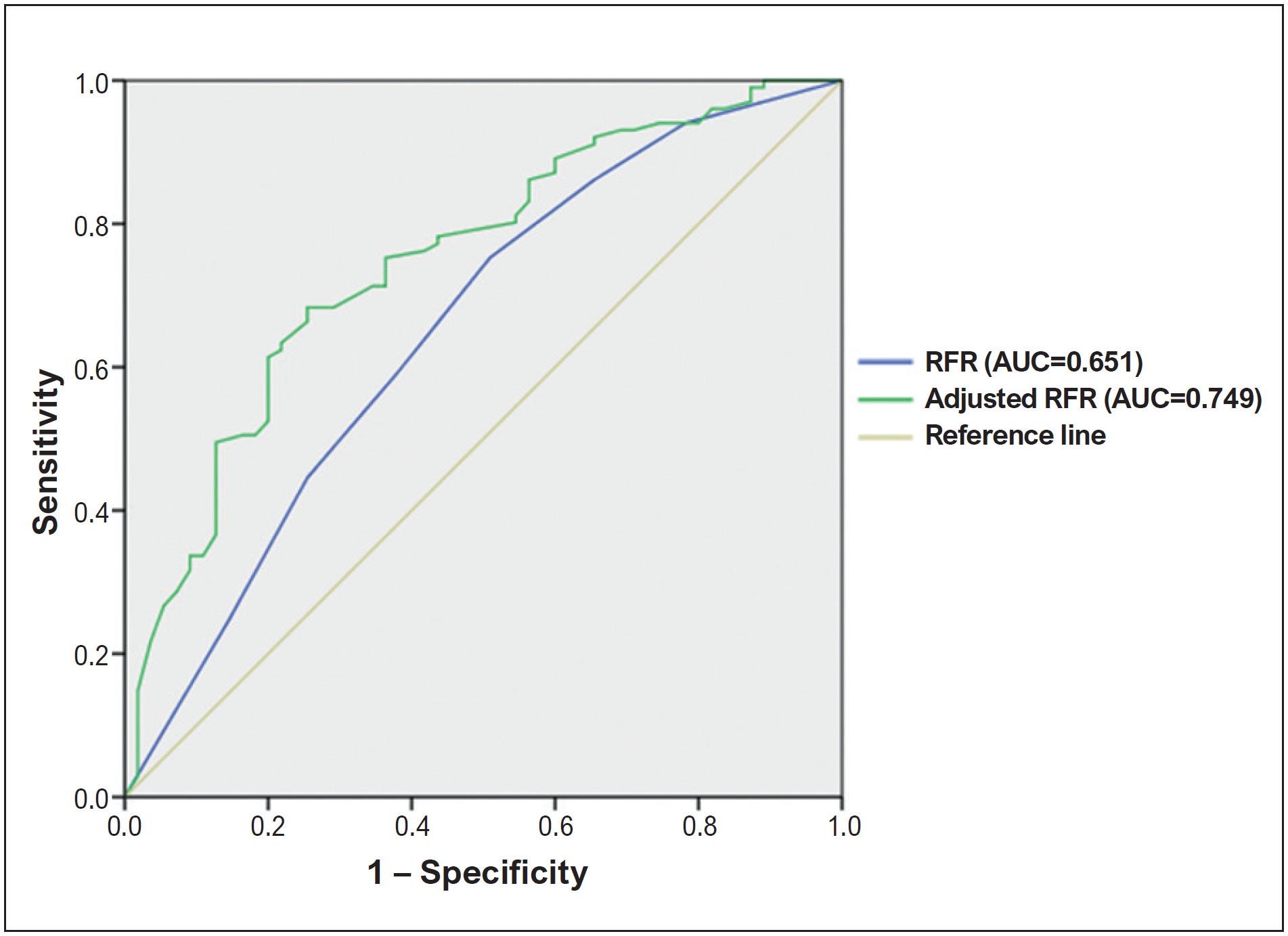
A total of 156 lesions were evaluated in 141 patients. Predictors of discordance were: chronic kidney disease, previous ischemic heart disease, lesions not involving the anterior descending artery, and acute coronary syndrome. Though limited, the “Adjusted RFR” improved the diagnostic capacity compared to the RFR in the “grey zone” (AUC-RFR = 0.651 versus AUC-“Adjusted RFR” = 0.749), also showing an improvement in all diagnostic indices when optimal cutoff thresholds were established (sensitivity: 59% to 68%; specificity: 62% to 75%; diagnostic accuracy: 60% to 71%; positive likelihood ratio: 1.51 to 2.34; negative likelihood ratio: 0.64 to 0.37).

Conclusions

Adjusting the RFR by integrating the information provided by predictors of discordance to obtain the “Adjusted RFR” improved the diagnostic capacity in our population. Further studies are required to evaluate whether clinical-physiological indices improve the diagnostic capacity of RFR or other coronary indices.

  • angina
  • Fractional Flow Reserve
  • Resting Full-cycle Ratio
  • Sensitivity
  • Specificity
Read Full Article
Creative Commons Attribution (CC BY) Creative Commons license
25/11/2022 DOI: 10.36660/abc.20220176
Figure 1
Original Article

Clinical Features and Survival Analysis of Patients after Mechanical Heart Valve Replacement, with an Emphasis on Prosthetic Valve Thrombosis

Fábio Tagliari et al. Marcelo Goulart Correia Guilherme Dalcol Amorim Alexandre Siciliano Colafranceschi … João Manoel Pedroso Luiz Fernando Rodrigues Junior Thaisa Rodrigues Tagliari Clara Weksler Cristiane Lamas

Abstract

Background

Valvular heart diseases are highly prevalent in the world, and surgical valve replacement has improved patients’ survival.

Objectives

To describe clinical and laboratory data of patients undergoing mechanical valve replacement, and to determine the incidence of prosthetic valve thrombosis (PVT).

Methods

Retrospective cohort study with a follow-up of up to nine years. The study variables were collected from conventional and electronic medical charts. Statistical calculations were performed using the Jamovi software version 1.2.2.; a p<0.05 was considered statistically significant. Kaplan Meier curves were constructed, and Cox regression analysis was performed for analysis of factors related to mortality.

Results

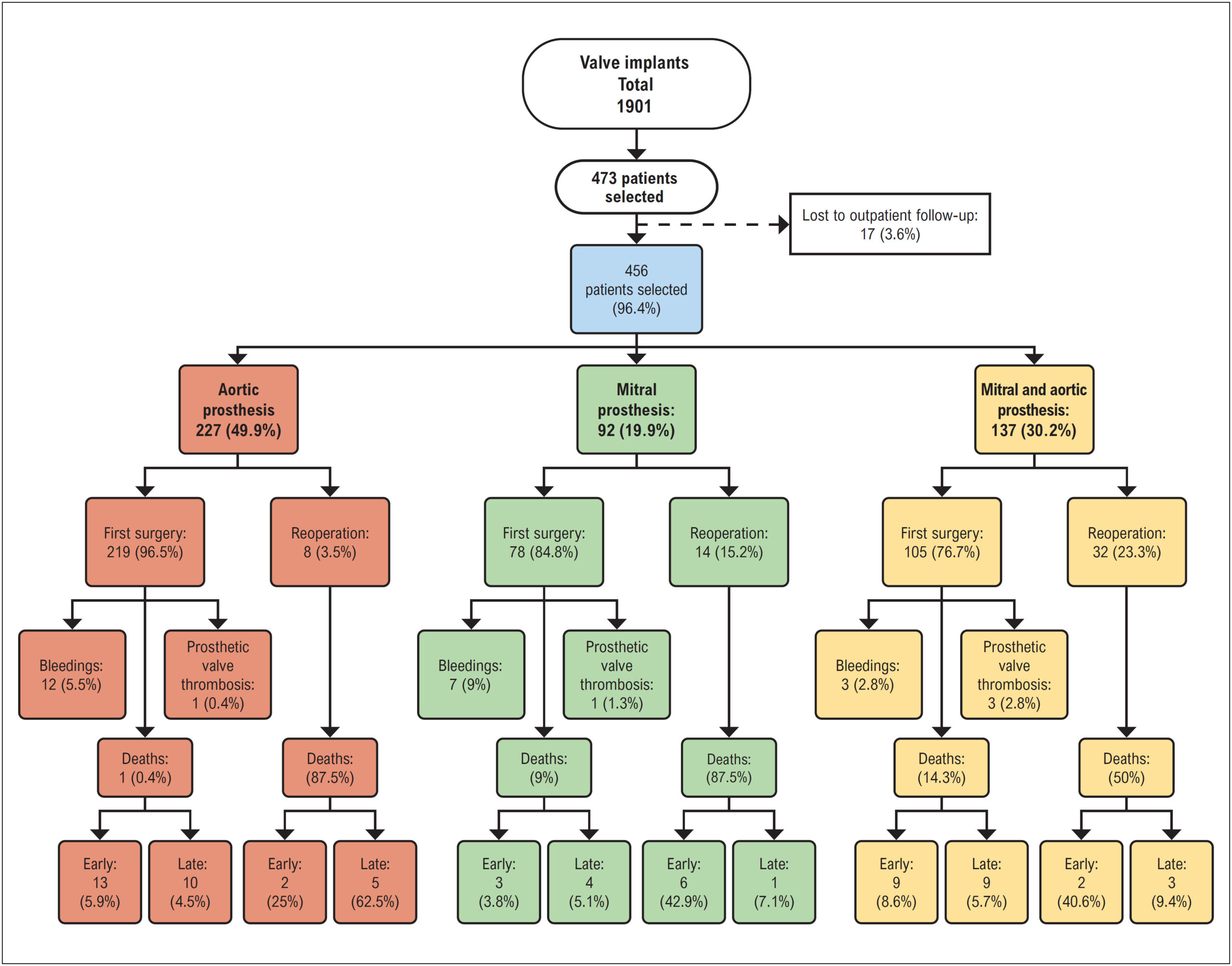
A total of 473 patients were included, mean age of 46.9 ±11.3 years. Rheumatic disease was the most common etiology. In a mean follow-up period of 4.43 years, mortality rate was 16.1%. Patients with aortic prosthesis showed higher survival than patients with double implant (mitral and aortic) (p=0.026). Of the factors adjusted for mortality, only functional class and chronic renal failure showed statistically significant association. The incidence of PVT was 0.24/100 patients/year, and the first event occurred more than 1000 days after the implant. Smoking and pannus formation were significantly associated with PVT. No differences were found in INR variability between patients with and without thrombosis by prosthetic position, but significant differences were found in INR before thrombosis as compared with patients without thrombosis (INR= 2.20 [1.80-2.20] vs. 2.80 [2.20-3.40]; p= 0.040). The incidence of stroke and bleeding was 4.4% and 5.2% respectively.

Conclusions

The study population was young, and rheumatic valve disease was common in this group. The prevalence of PVT was similar to that described in the literature, despite the low income and low educational level of our sample.

  • Anticoagulants
  • Brazil
  • Heart Valve Prosthesis Implantation
  • Survival Analysis
  • Thrombosis
Read Full Article
Creative Commons Attribution (CC BY) Creative Commons license
25/11/2022 DOI: 10.36660/abc.20210544 Views 1
Letter to the Editor

Analysis of the Neutrophil-Lymphocyte Ratio as a Marker of Atherosclerosis of the Abdominal Aorta

João Victor Domiciano Martins et al. Rodrigo Mendes Johnnatas Mikael Lopes Pedro Pereira Tenório

Dear Editor,

We read with great interest the article: Neutrophil-Lymphocyte Ratio and Abdominal Aortic Atherosclerosis among Asymptomatic Individuals, which evaluated whether the neutrophil-lymphocyte ratio (NRL) could be associated with abdominal aortic atherosclerosis (AtAA). A positive association between the increase in NLR and AtAA was demonstrated when comparing carriers and non-carriers of the disease. However, when adjusting the statistical analysis for age and risk factors, this association did not remain true.

[…]

  • Aorta
  • Atherosclerosis
  • Biomarkers
  • Lymphocytes
  • Neutrophils
  • Risk Factors
Read Full Article
Creative Commons Attribution (CC BY) Creative Commons license
25/11/2022 DOI: 10.36660/abc.20220145
Editorial

Prognosis and Characteristics Associated with Prosthetic Valve Thrombosis: Insights from a Brazilian Study

Giovanni Possamai Dutra et al. Bruno Ferraz de Oliveira Gomes

Since the 1960s, heart valve disease has undergone critical changes in its therapeutic strategy. The beginning of valve replacement surgeries using prostheses changed the prognosis of patients with valve disease worldwide. Annually, more than 280 thousand valve prostheses are implanted.

The incidence of valvular disease of degenerative etiology has increased in industrialized countries while, unfortunately, rheumatic heart disease is still often observed in many parts of the world, being the most prevalent etiology of valvular heart disease in Brazil. The mechanical valve prosthesis is the most indicated for younger patients, often affected by the rheumatic disease, which explains its relevance in our country.–

[…]

  • Prognosis
  • Prosthetic valve
  • Thrombosis
Read Full Article
Creative Commons Attribution (CC BY) Creative Commons license
25/11/2022 DOI: 10.36660/abc.20220739 Views 1
Figure 1
Original Article

Does Myocardial Injury Occur After an Acute Aerobic Exercise Session in Patients with Refractory Angina?

Carla Giuliano de Sá Pinto Montenegro et al. Luciana Oliveira Cascaes Dourado Camila Paixão Jordão Marcelo Luiz Campos Vieira … Camila Regina Alves Assumpção Luis Henrique Wolff Gowdak Alexandre da Costa Pereira Carlos Eduardo Negrão Luciana Diniz Nagem Janot de Matos

Abstract

Background

It is unclear whether exercise is safe in patients with more advanced forms of coronary artery disease, such as those with refractory angina (RA).

Objective

We aimed to determine the effect of an acute aerobic exercise session (AAES) on high-sensitivity cardiac troponin T (hs-cTnT) levels in patients with RA.

Methods

This was a longitudinal, non-randomized, and non-controlled clinical study. Participants were recruited from April 2015 to January 2019. On a visual pain scale from 0 to 10, pain rated up to 3 was considered as the top level allowed to continue exercising. We assessed hs-cTnT at baseline and 3 hours after the AAES. The protocol consisted of 5 minutes of warm-up, 30 minutes of continuous aerobic exercise at heart rate corresponding to the anaerobic threshold or angina threshold obtained in the cardiopulmonary exercise testing, and 5 minutes of cooling down. P values less than 0.05 were considered statistically significant.

Results

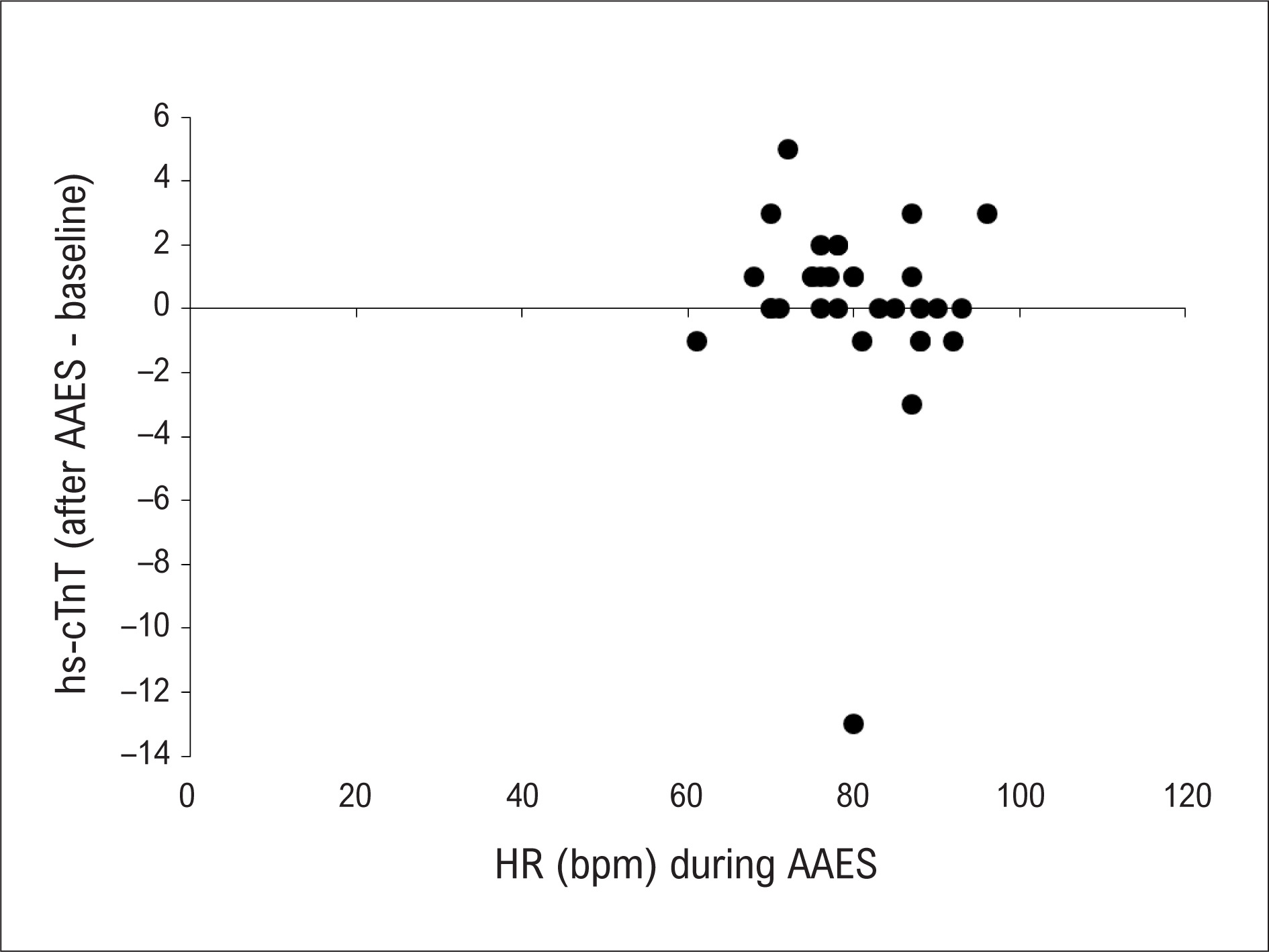
Thirty-two patients with RA were included (61 ± 9 years, 59.4% male). The baseline hs-cTnT concentration was 10.9 ng/L (95% confidence interval: 9.1 to 13.0 ng/L). The hs-cTnT collected 3 hours after the AAES was 11.1 ng/L (95% confidence interval: 9.1 to 13.5 ng/L). No difference occurred in hs-cTnT before and after AAES (p = 0.657).

Conclusions

A single AAES performed at the angina threshold with corresponding visual pain scale did not alter hs-cTnT in patients with RA, suggesting that no significant myocardial injury was elicited by exercising and that this exercise protocol can be considered safe.

  • Angina Pectoris
  • Biomarkers
  • Exercise
  • Troponin
Read Full Article
Creative Commons Attribution (CC BY) Creative Commons license
25/11/2022 DOI: 10.36660/abc.20210564
Figure 1
Original Article

Pharmaco-invasive Strategy in Myocardial Infarction: Descriptive Analysis, Presentation of Ischemic Symptoms and Mortality Predictors

Henrique Tria Bianco et al. Rui Povoa Maria Cristina Izar Claudia Maria Rodrigues Alves … Adriano Henrique Pereira Barbosa Maria Teresa Nogueira Bombig Iran Gonçalves Jr Bráulio Luna Filho Ana Caroline Aguirre Pedro Ivo de Marqui Moraes Dirceu Almeida Flávio Tocci Moreira Fernando Focaccia Povoa Edson Stefanini Adriano Mendes Caixeta Amanda S. Bacchin Valdir Ambrósio Moisés Francisco A.H. Fonseca

Abstract

Background

ST-segment elevation myocardial infarction (STEMI) is defined by symptoms accompanied by typical electrocardiogram changes. However, the characterization of ischemic symptoms is unclear, especially in subgroups such as women and the elderly.

Objectives

To analyze the typification of ischemic symptoms, temporal metrics and observe the occurrence of in-hospital outcomes, in the analysis of predictive scores, in patients with STEMI, in a drug-invasive strategy.

Methods

Study involving 2,290 patients. Types of predefined clinical presentations: typical pain, atypical pain, dyspnea, syncope. We measured the time between the onset of symptoms and demand for care and the interval between arrival at the medical unit and thrombolysis. Odds-ratios (OR; CI-95%) were estimated in a regression model. ROC curves were constructed for mortality predictors. The adopted significance level (alpha) was 5%.

Results

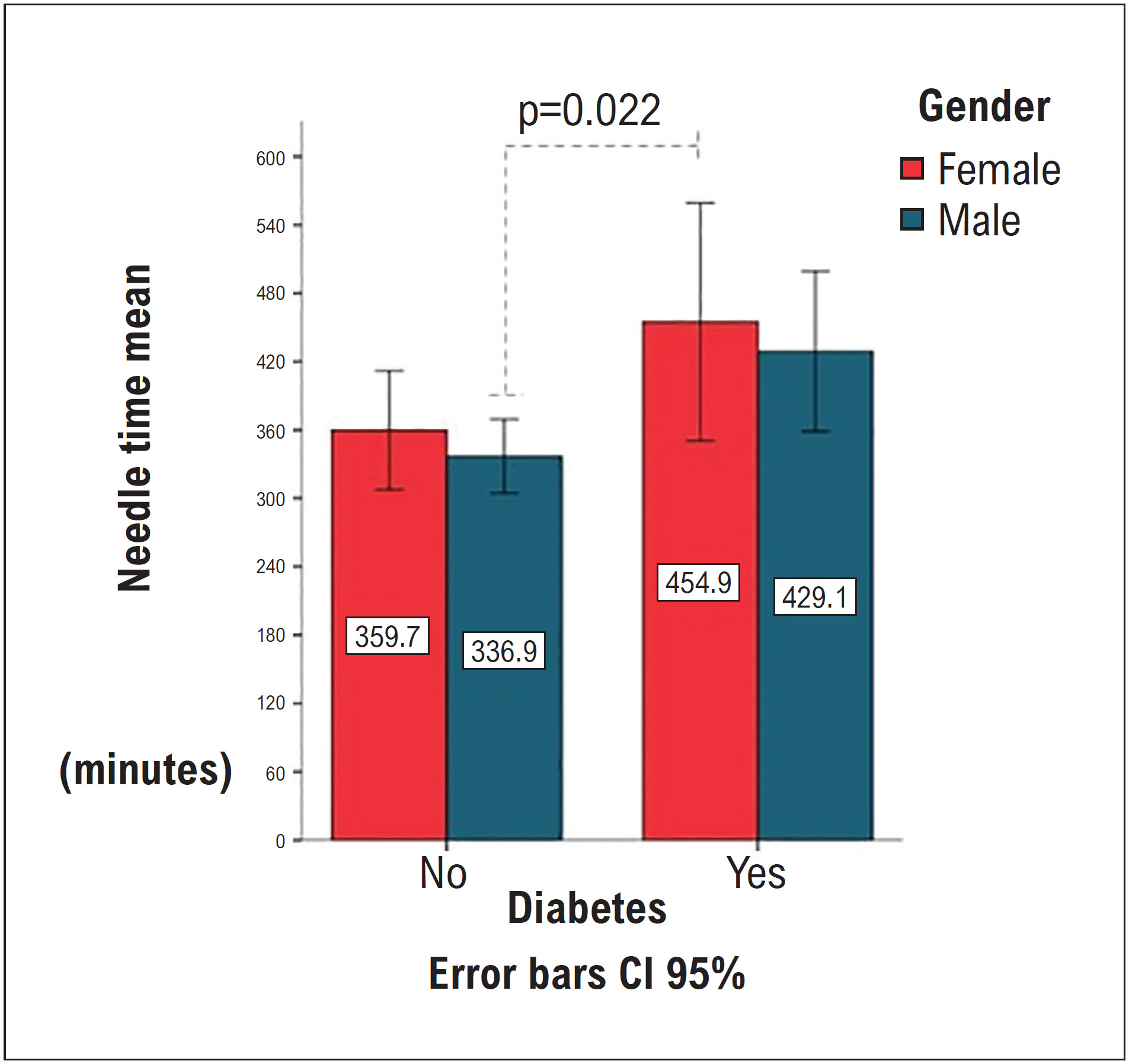
Women had a high prevalence of atypical symptoms; longer time between the onset of symptoms and seeking care; delay between arrival at the emergency room and fibrinolysis. Hospital mortality was 5.6%. Risk prediction by Killip-Kimball classification: AUC: [0.77 (0.73-0.81)] in class ≥II. Subgroups studied [OR (CI-95%)]: women [2.06 (1.42-2.99); p=0.01]; chronic renal failure [3.39 (2.13-5.42); p<0.001]; elderly [2.09 (1.37-3.19) p<0.001]; diabetics [1.55 (1.04-2.29); p=0.02]; obese 1.56 [(1.01-2.40); p=0.04]: previous stroke [2.01 (1.02-3.96); p=0.04] correlated with higher mortality rates.

Conclusion

Despite higher mortality rates in some subgroups, significant disparity persists in women, with delays in symptom recognition and prompt thrombolysis. We highlight the applicability of the Killip-Kimball score in prediction, regardless of the clinical presentation.

  • Acute Coronay Syndrome
  • Angina Pectoris
  • Hospitalization
  • Mortality
  • Percutaneous Coronary Intervention/methods
  • ST Elevation Myocardial Infarction
  • Thrombolytic THerapy/methods
Read Full Article
Creative Commons Attribution (CC BY) Creative Commons license
25/11/2022 DOI: 10.36660/abc.20211055 Views 2
Figure 2.1
Statement

Position Statement on Women’s Cardiovascular Health – 2022

Glaucia Maria Moraes de Oliveira et al. Maria Cristina Costa de Almeida Celi Marques-Santos Maria Elizabeth Navegantes Caetano Costa … Regina Coeli Marques de Carvalho Cláudia Maria Vilas Freire Lucelia Batista Neves Cunha Magalhães Ludhmila Abrahão Hajjar Maria Alayde Mendonça Rivera Marildes Luiza de Castro Walkiria Samuel Avila Alexandre Jorge Gomes de Lucena Andréa Araujo Brandão Ariane Vieira Scarlatelli Macedo Carla Janice Baister Lantieri Carisi Anne Polanczyk Carlos Japhet da Matta Albuquerque Daniel Born Eduardo Belisário Falcheto Érika Olivier Vilela Bragança Fabiana Goulart Marcondes Braga Fernanda M. Consolim Colombo Ieda Biscegli Jatene Isabela Bispo Santos da Silva Costa Ivan Romero Rivera Jaqueline Ribeiro Scholz José Xavier de Melo Filho Magaly Arrais dos Santos Maria Cristina de Oliveira Izar Maria Fátima Azevedo Maria Sanali Moura Milena dos Santos Barros Campos Olga Ferreira de Souza Orlando Otávio de Medeiros Sheyla Cristina Tonheiro Ferro da Silva Stéphanie Itala Rizk Thais de Carvalho Vieira Rodrigues Thaís Rocha Salim Viviana de Mello Guzzo Lemke

Contents

Introduction 822

1. Highlights 823

[…]

Read Full Article
Creative Commons Attribution (CC BY) Creative Commons license
25/11/2022 DOI: 10.36660/abc.20220734 Views 2
Editorial

Analysis of Atrial Fibrillation Prevalence and Cardiovascular Health in Cohort Derived from the ELSA-Brasil Project

Henrique Tria Bianco

This interesting study of prevalence analyzed the association between atrial fibrillation (AF) and atrial flutter (AFL) with cardiovascular health status, in a cohort derived from the ELSA-BRASIL project, in an observational, cross-sectional design. A total of 13,141 participants were included in this analysis. Biomarker metrics and epidemiological data were entered with subsequent association analysis in an adjusted model and logistic regression for the variables of interest.

The mechanisms of association between AF and cerebrovascular accident (CVA) risk are well known. AF is associated with abnormal blood stasis that involves atrial hypocontractility, atrial structural remodeling, platelet activation and the coagulation cascade, promoting thrombus formation and ischemia., Thus, AF is an independent predictor of ischemic diseases, notably stroke. The estimated lifetime risk of AF is between 22% and 26%., Metrics to assess the impact of this association are constantly published in documents, such as the recommendations of the American Heart Association Strategic Planning Task Force Goals and Metrics Committee, which developed continuous and long-term monitoring strategies. Within a general concept, cardiovascular health must contain clinical and behavioral aspects, such as an adequate lifestyle (no smoking, avoiding obesity), concomitant with the correction and adequacy of metabolic biomarkers, such as cholesterol and triglyceride levels; blood glucose; and adequate blood pressure control. Thus, this committee proposed a challenge to reach these goals: “By 2020, improve the cardiovascular health of all Americans by 20%, reducing deaths from cardiovascular disease and stroke by 20%”. So, identifying individuals at risk for developing AF is a clinical imperative, as modifying some variables can reduce the incidence of this condition.,

[…]

  • Atrial Fibrillation
  • Atrial flutter
  • Risk Factors
Read Full Article
Creative Commons Attribution (CC BY) Creative Commons license
25/11/2022 DOI: 10.36660/abc.20220676 Views 1
Editorial

Antiinflammatory and Cardioprotective Effects of HDL-C: Association With Autoantibodies Against Oxidized LDL?

Estêvão Lanna Figueiredo et al. Ricardo Wang

The accumulation of lipoproteins containing apolipoprotein B (ApoB), mainly low-density lipoprotein (LDL), in the arterial intima has been attributed to one of the initial steps of atherogenesis. In other studies, oxidized LDL and macrophages are the main pathogenic factors for the development of atherosclerosis., In turn, there is increasing evidence of the protective role of autoantibodies against oxidized LDL (oxLDL-AboxLDL-Ab in atherogenesis, a fact that can be potentiated by high-density lipoprotein (HDL).,

In this volume of Arquivos Brasileiros de Cardiologia, Nunez et al. evaluated the hypothesis that individuals with higher levels of HDL-C would have elevated levels of oxLDL-Ab. This is a cross-sectional study that included 193 consecutive healthy individuals aged ≥ 18 years and excluded patients with coronary artery disease (CAD), stroke, secondary causes of HDL elevation or reduction, use of lipid-lowering drugs, alcoholism, and smoking. The subjects underwent a detailed physical examination, blood pressure measurements and carotid ultrasound, in addition to biochemical analyzes of peripheral blood. Participants were divided into tertiles, according to HDL-C levels: low (80 mg/dL: n=63).

[…]

  • Atherosclerosis
  • Cholesterol, HDL
  • Lipoproteins, HDL
Read Full Article
Creative Commons Attribution (CC BY) Creative Commons license
25/11/2022 DOI: 10.36660/abc.20220703
Editorial

Having Symptoms of an Acute Myocardial Infarction? Call Your Emergency Medical Service Immediately!

Daniel Ferreira

Timely reperfusion of the occluded coronary arteries is critical to saving at-risk ischemic myocardial cells in acute ST-elevation myocardial infarction (STEMI). This fact led to the concept of “Time is Muscle” related to acute myocardial infarction (AMI) management.

Independently of what reperfusion strategy is chosen (lytics or percutaneous coronary intervention (PCI)), the time from symptom onset to successful reperfusion is critical to the patient’s short- and long-term prognosis.,

[…]

  • Emergency Medical Services
  • Hospitalization
  • Mortality
  • Myocardial Infarction
Read Full Article
Creative Commons Attribution (CC BY) Creative Commons license
25/11/2022 DOI: 10.36660/abc.20220692 Views 1
Editorial

Fibrillatory Wave Amplitude: Should We Use It Routinely in Clinical Practice?

Andre Assis L. Carmo

Atrial fibrillation (AF) is the most prevalent sustained arrhythmia worldwide and is associated with an increased burden of morbidity and mortality in different clinical scenarios, even for patients with optimal anticoagulation and rate control treatment., Although previous studies did not show the benefit of rhythm control strategy compared to rate-control,, recent data suggest that current rhythm control strategies, in addition to symptom control, can improve hard clinical outcomes, including mortality and stroke.,

Rhythm control strategy refers to attempts to restore or maintain sinus rhythm and includes antiarrhythmic drugs, electrical cardioversion and atrial fibrillation ablation. Despite progressive improvement in rhythm control strategies over the years, a substantial amount of failure in maintaining sinus rhythm, mainly in patients with persistent forms of AF, underscores the importance of properly selecting patients for rhythm-control strategies.

[…]

  • Atrial Fibrillation
  • Electric Stimulation Therapy
  • Heart Rate
  • Practice Guideline
Read Full Article
Creative Commons Attribution (CC BY) Creative Commons license
25/11/2022 DOI: 10.36660/abc.20220680 Views 1
Editorial

Refractory Angina Referral to Cardiovascular Rehabilitation: A Neglected Patient

Mauricio Milani et al. Juliana Goulart Prata Oliveira Milani Gerson Cipriano Junior

Cardiovascular rehabilitation (CR) is an effective and safe treatment for stable coronary artery disease (CAD) patients, with established benefits to improving quality of life and reducing cardiovascular mortality and hospital admission. The effects of CR on reducing myocardial ischemia have been documented,– justifying the CR Class IA recommendation. However, CR is still neglected and underused worldwide.

Refractory angina (RA) is a disabling condition affecting CAD patients under optimized medical therapy with a residual ischemic burden for more than three months who are ineligible for revascularization interventions. RA is associated with reduced quality of life, exercise limitation, and biopsychosocial disorders. Ideally, clinical management should be guided by specialized centers aiming to optimize multiple pharmacologic therapies and evaluated interventional options. In this context, comprehensive CR is a valuable treatment for RA considering its multi-component approach, including risk factor management, psychological support, and exercise training, although the latter possess limited evidence.

[…]

  • Angina, Stable
  • Cardiac Rehabilitation
  • Coronary Artery Disease
  • Exercise
  • Myocardial Ischemia/drug therapy
Read Full Article
Creative Commons Attribution (CC BY) Creative Commons license
25/11/2022 DOI: 10.36660/abc.20220695 Views 1
Research Letter

Mitral Valve Perforated Aneurysm: An Issue of Inflammation or Pressure Gradients?

Inês Oliveira et al. Isabel Cruz Ana Neto Bruno Bragança … Glória Abreu João Azevedo Aurora Andrade

Case Report

Mitral valve aneurysms (MVA) are uncommon and usually develop acutely in the setting of infective endocarditis (IE). MVA as a late complication of IE in a patient with obstructive hypertrophic cardiomyopathy (HCM) is rather unusual, raising considerations regarding the role of the infectious process and the hemodynamic conditions inherent to the cardiomyopathy. , We present a case report of a patient with HCM and a ruptured aneurysm of the mitral valve (MV) leaflet, secondary to previously treated IE.

A 68-year-old male patient with type 2 diabetes mellitus and dyslipidemia was admitted to a hospital with a 3-week history of malaise, fever, and recent left-sided abdominal pain. His physical examination revealed a grade II/VI systolic heart murmur at the cardiac apex, fever, abdominal tenderness in the left upper quadrant, and purpuric lesions in the inferior limbs. Blood analyses showed neutrophilia and C-Reactive Protein of 211mg/L. Positive blood cultures indicated Staphylococcus aureus methicillin-sensitive. Abdominal Computed Tomography revealed spleen embolization, with no abscess. Transthoracic (TTE) and transesophageal echocardiography (TEE) disclosed a highly mobile polypoid mass in the atrial side of the anterior MV leaflet, suggestive of a vegetation, with mild mitral regurgitation and no evidence of abscess, aneurysm, or valve perforation; asymmetrical left ventricular (LV) hypertrophy with the presence of an increased intraventricular systolic gradient (IVSG) and systolic anterior motion (SAM) of the MV ( ). The diagnosis of IE in HCM was established and treated accordingly with flucloxacillin, presenting a favorable clinical evolution. After three months of follow-up, cardiac magnetic resonance was performed, confirming the diagnosis of HCM: an increased LV mass (96g/m ) with asymmetrical left ventricular hypertrophy (maximal thickness of 20mm in the inferoseptal wall), with no perfusion defects but with evidence of intramural late gadolinium enhancement in the inferoseptal wall,and SAM of the MV ( ). Echocardiography was repeated and, in addition to evidence of obstructive HCM with a rest IVSG of 44 mmHg, an aneurysm of the anterior leaflet of the MV was identified. Two mitral regurgitant jets were observed, one due to incomplete coaptation of the leaflets and another through the perforated aneurysm, quantifying global mitral regurgitation (MR) in a moderate (grade II/IV) ( ). The beta-blocker dose was increased, and a strategy of close follow-up was adopted. Maintenance of the characteristics of the aneurysm was verified in outpatient follow-up after 2 years.

[…]

  • Aneurysm, Valvular
  • Cardiomyopathy, Hypertrophic / complications
  • Diabetes Mellitus/complications
  • Diagnostic Imaging
  • Dyslipidemia/complications
  • Endocarditis, bacterial
  • Inflammation
  • Mitral Valve / abnormalities
Read Full Article
Creative Commons Attribution (CC BY) Creative Commons license
30/09/2022 DOI: 10.36660/abc.20211031 Views 1
Figure 1
Original Article

F Wave Amplitude as a Predictor of Thromboembolism and Success of Electrical Cardioversion in Patients with Persistent Atrial Fibrillation

Renan Teixeira Campelo et al. Luciana Armaganijan Dalmo A. R. Moreira Matheus Kiszka Scheffer … Guilherme Dagostin de Carvalho João Italo Dias França

Abstract

Background

Atrial fibrillation (AF) is classified according to the amplitude of fibrillatory waves (f) into fine waves (fAF) and coarse waves (cAF).

Objectives

To correlate the amplitude of f waves with clinical, laboratory, electrocardiographic, and echocardiographic variables that indicate a high risk of thromboembolism and to assess their impact on the success of electrical cardioversion (ECV).

Methods

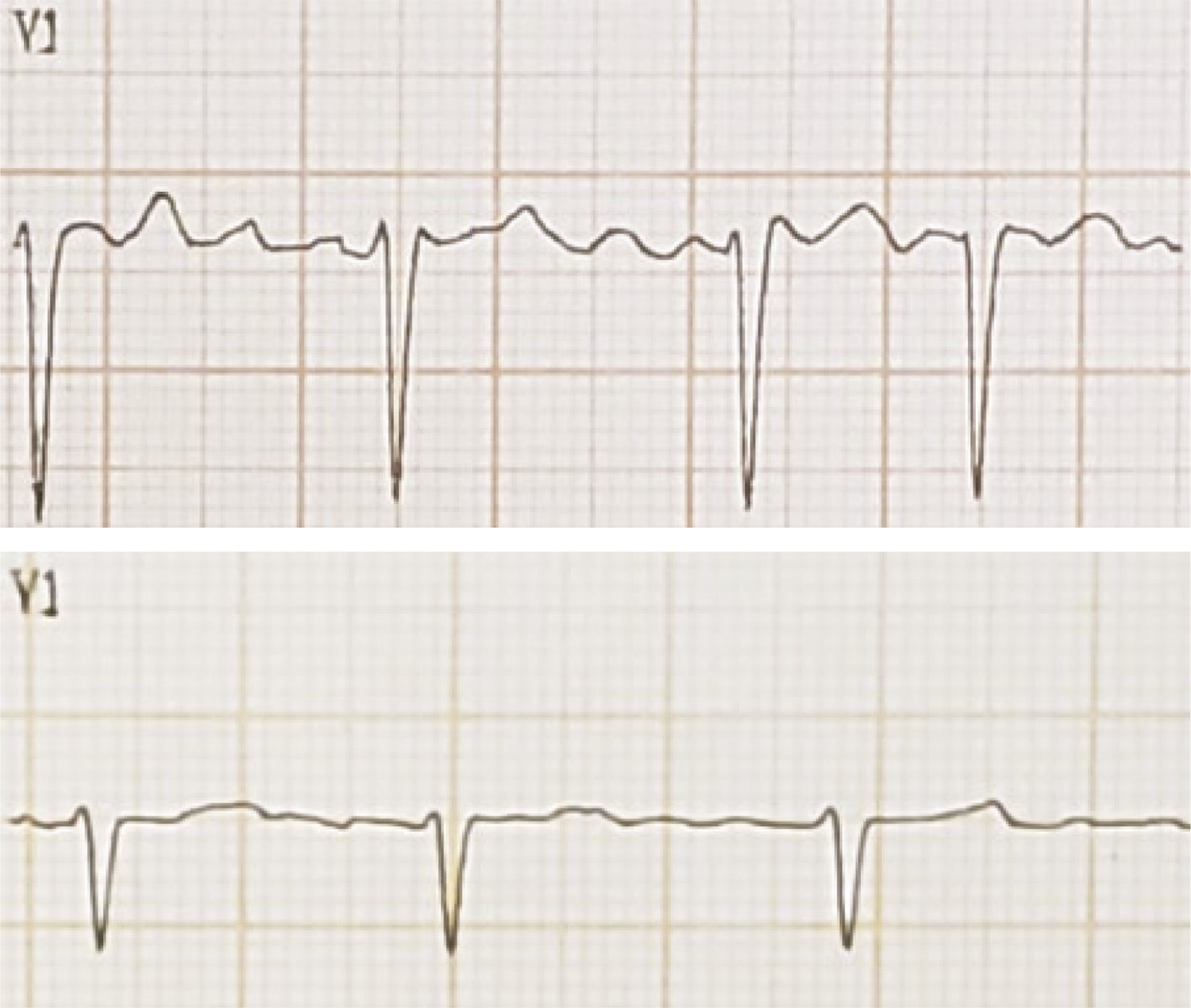
Retrospective, observational study that included 57 patients with persistent non-valvular AF who underwent ECV. The maximum amplitude of f waves was measured in lead V1. cAF was defined when f ≥ 1.0mm and fAF when f < 1.0mm. The findings were correlated with the indicated variables. Values of p < 0.05 were considered statistically significant.

Results

cAF (n = 35) was associated with greater success in ECV (94.3% vs. 72.7%, p = 0.036) even after adjusting for variables such as age and BMI (p = 0.026, OR = 11.8). Patients with fAF (n = 22) required more shocks and more energy to revert to sinus rhythm (p = 0.019 and p = 0.027, respectively). There was no significant association between f-wave amplitude and clinical, echocardiographic, and laboratory parameters.

Conclusions

The amplitude of f wave was not associated with echocardiographic, clinical and laboratory parameters that indicate a high risk of thromboembolism. cAF was associated with a higher chance of success reverting to sinus rhythm employing ECV. A greater number of shocks and energy were required for reversion to sinus rhythm in patients with fAF.

  • Atrial Fibrillation
  • Electrocardiography
  • electrophysiology
  • Thromboembolism
Read Full Article
Creative Commons Attribution (CC BY) Creative Commons license
15/09/2022 DOI: 10.36660/abc.20210410 Views 1
Original Article

Cardiovascular Health and Atrial Fibrillation or Flutter: A Cross-Sectional Study from ELSA-Brasil

Itamar S. Santos et al. Paulo A. Lotufo Alessandra C. Goulart Luisa C. C. Brant … Marcelo M Pinto Filho Alexandre C. Pereira Sandhi M. Barreto Antonio L. P. Ribeiro G Neil Thomas Gregory Y. H. Lip Isabela M. Bensenor NIHR Global Health Research Group on Atrial Fibrillation Management Ajini Arasalingam Abi Beane Isabela M Bensenor Peter Brocklehurst Kar Keung Cheng Wahbi El-Bouri Mei Feng Alessandra C Goulart Sheila Greenfield Yutao Guo Mahesan Guruparan Gustavo Gusso Tiffany E Gooden Rashan Haniffa Lindsey Humphreys Kate Jolly Sue Jowett Balachandran Kumarendran Emma Lancashire Deirdre A Lane Xuewen Li Gregory Y.H. Lip (Co-PI) Yan-guang Li Trudie Lobban Paulo A Lotufo Semira Manseki-Holland David J Moore Krishnarajah Nirantharakumar Rodrigo D Olmos Elisabete Paschoal Paskaran Pirasanth Uruthirakumar Powsiga Carla Romagnolli Itamar S Santos Alena Shantsila Vethanayagam Antony Sheron Kanesamoorthy Shribavan Isabelle Szmigin Kumaran Subaschandren Rajendra Surenthirakumaran Meihui Tai G Neil Thomas (Co-PI) Ana C Varella Hao Wang Jingya Wang Hui Zhang Jiaoyue Zhong

Abstract

Background

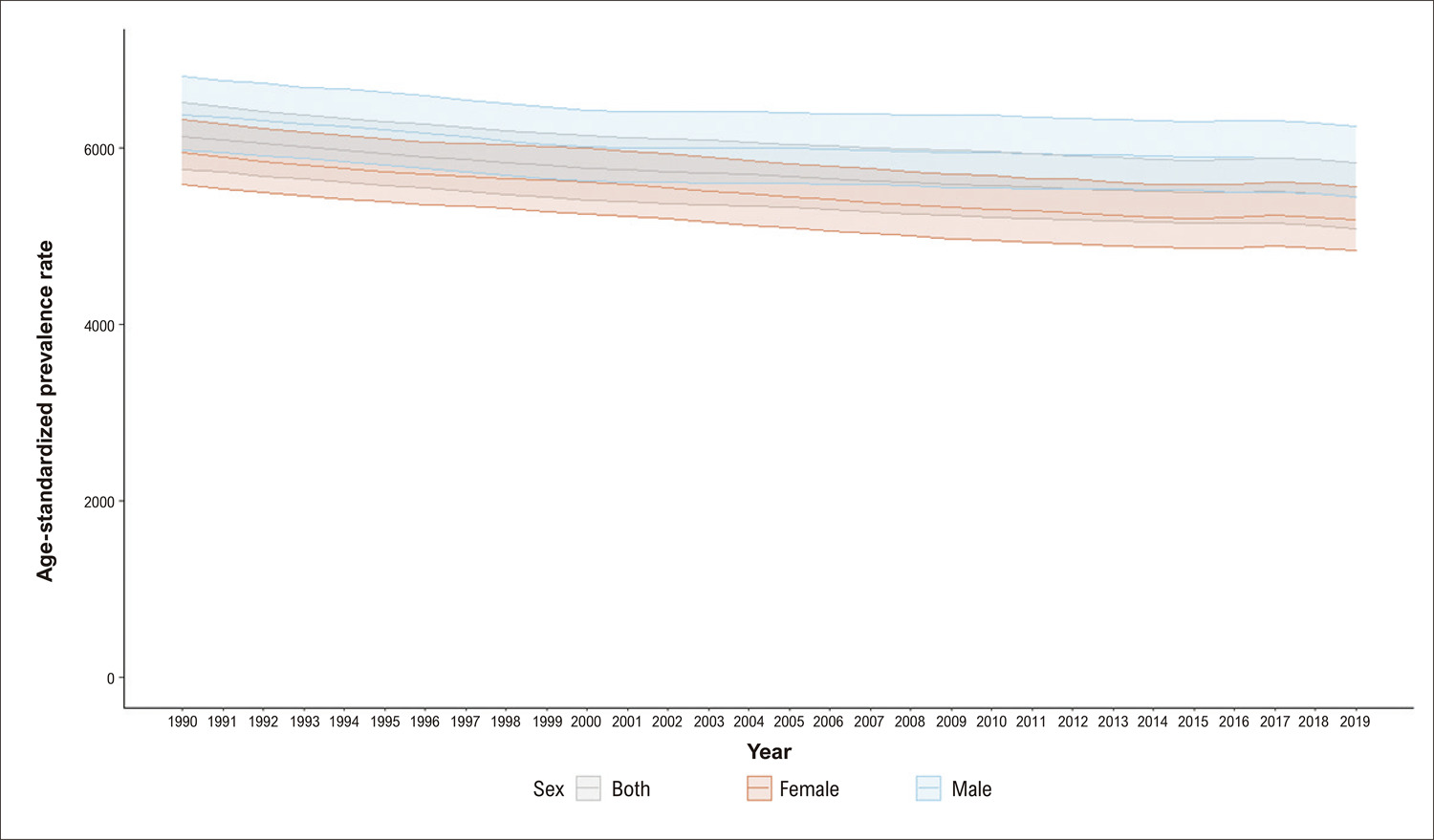
The association between ideal cardiovascular health (ICVH) status and atrial fibrillation or flutter (AFF) diagnosis has been less studied compared to other cardiovascular diseases.

Objective

To analyze the association between AFF diagnosis and ICVH metrics and scores in the Brazilian Longitudinal Study of Adult Health (ELSA-Brasil).

Methods

This study analyzed data from 13,141 participants with complete data. Electrocardiographic tracings were coded according to the Minnesota Coding System, in a centralized reading center. ICVH metrics (diet, physical activity, body mass index, smoking, blood pressure, fasting plasma glucose, and total cholesterol) and scores were calculated as proposed by the American Heart Association. Crude and adjusted binary logistic regression models were built to analyze the association of ICVH metrics and scores with AFF diagnosis. Significance level was set at 0.05.

Results

The sample had a median age of 55 years and 54.4% were women. In adjusted models, ICVH scores were not significantly associated with prevalent AFF diagnosis (odds ratio [OR]:0.96; 95% confidence interval [95% CI]:0.80-1.16; p=0.70). Ideal blood pressure (OR:0.33; 95% CI:0.15–0.74; p=0.007) and total cholesterol (OR:1.88; 95% CI:1.19–2.98; p=0.007) profiles were significantly associated with AFF diagnosis.

Conclusions

No significant associations were identified between global ICVH scores and AFF diagnosis after multivariable adjustment in our analyses, at least partially due to the antagonistic associations of AFF with blood pressure and total cholesterol ICVH metrics. Our results suggest that estimating the prevention of AFF burden using global ICVH scores may not be adequate, and ICVH metrics should be considered in separate.

  • Atrial Fibrillation
  • Atrial flutter
  • Epidemiology
  • Stroke
Read Full Article
Creative Commons Attribution (CC BY) Creative Commons license
15/09/2022 DOI: 10.36660/abc.20210970 Views 1
Figure 1
Original Article

Assessment of the Impact of the Implementation of a Pre-Hospital Ambulance System on Acute Myocardial Infarction Mortality in a Developing Country

Rodrigo Costa Pereira Vieira et al. Milena Soriano Marcolino Luis Gustavo Silva e Silva Daniella Nunes Pereira … Bruno Ramos Nascimento Alzira de Oliveira Jorge Antonio Luiz P Ribeiro

Abstract

Background

The effective management of patients with acute myocardial infarction (AMI) is time-dependent.

Objectives

To assess the impacts of the implementation of prehospital care on admission rates and mortality associated with AMI.

Methods

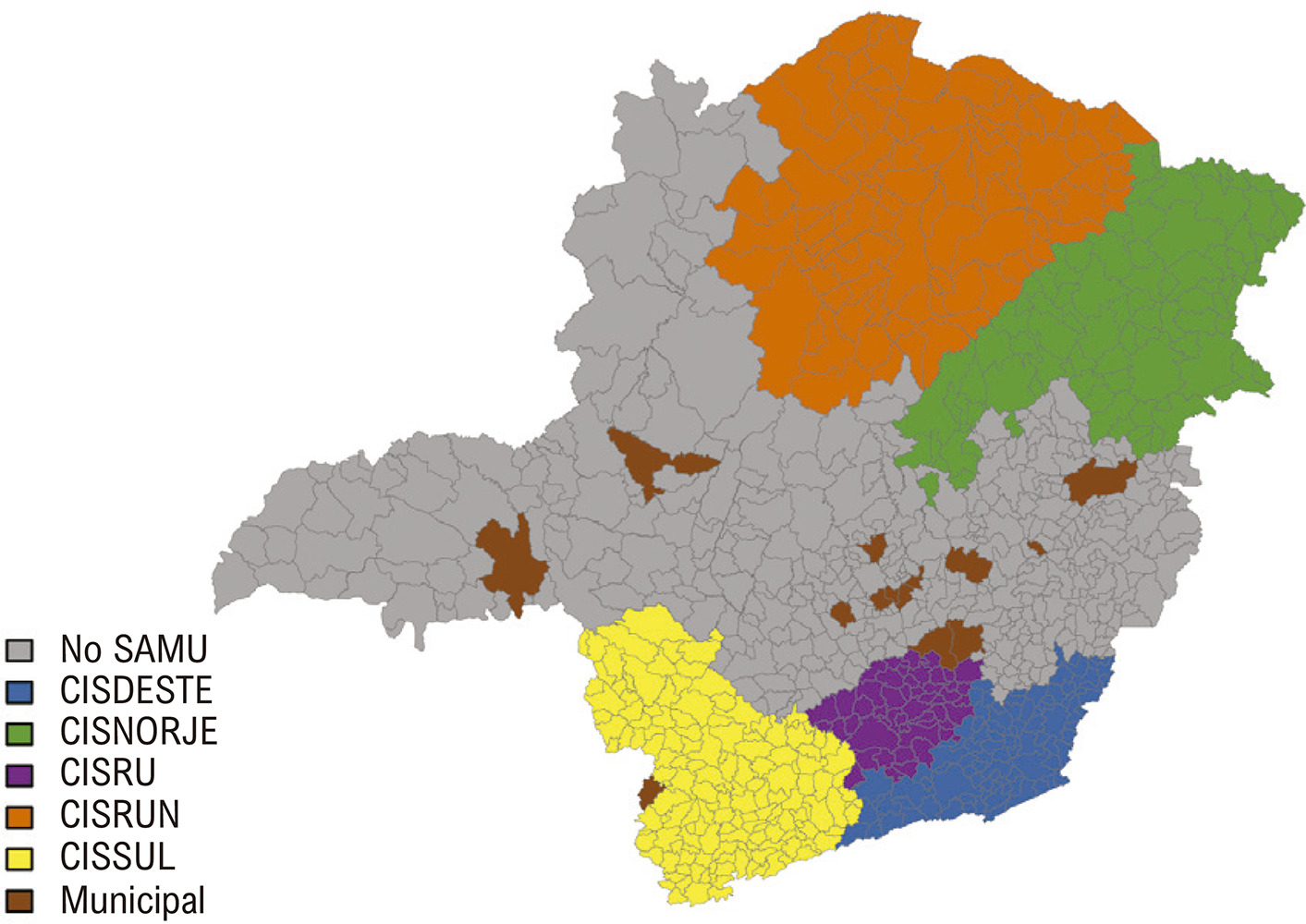
Retrospective, ecological study, which assessed data from the Brazilian Universal Health System, from all 853 municipalities of Minas Gerais, from 2008 to 2016. Excessive skewness of general and in-hospital mortality rates was smoothed using the empirical Bayes method. This study assessed the relationship between Mobile Emergency Care Service (SAMU) in each municipality and the following 3 outcomes: mortality rate due to AMI, AMI in-hospital mortality, and AMI hospitalization rate, using the Poisson hierarchical model. Rates were corrected by age structure and detrended by seasonality and temporal influences. A confidence interval of 95% was adopted.

Results

AMI mortality rates decreased throughout the study, on average 2% per year, with seasonal variation. AMI in-hospital mortality also showed a decreasing trend, from 13.81% in 2008 to 11.43% in 2016. SAMU implementation was associated with decreased AMI mortality (odds ratio [OR] = 0.967, 95% confidence interval [CI] 0.936 to 0.998) and AMI in-hospital mortality (OR = 0.914, 95% CI 0.845 to 0.986), with no relation with hospitalizations (OR = 1.003, 95% CI 0.927 to 1.083).

Conclusion

SAMU implementation was associated with a modest but significant decrease in AMI in-hospital mortality. This finding reinforces the key role of prehospital care in AMI care and the need for investments on this service to improve clinical outcomes in low- and middle-income countries.

  • Acute Myocardial Infarction
  • Emergency Medical Services
  • Hospital Mortality
Read Full Article
Creative Commons Attribution (CC BY) Creative Commons license
15/09/2022 DOI: 10.36660/abc.20210953 Views 1
Figure 1
Original Article

Body Surface Potential Mapping during Ventricular Depolarization in Rats after Acute Exhaustive Exercise

Alexey G. Ivonin et al. Svetlana L. Smirnova Irina M. Roshchevskaya

Abstract

Background

Exhaustive physical exercise can cause substantial changes in the electrical properties of the myocardium.

Objective

To evaluate, using body surface potential mapping, the electrical activity of the heart in rats during ventricular depolarization after acute exhaustive exercise.

Methods

Twelve-week-old male rats were submitted to acute treadmill exercise at 36 m/min until exhaustion. Unipolar electrocardiograms (ECGs) from the torso surface were recorded in zoletil-anesthetized rats three to five days before (Pre-Ex), 5 and 10 minutes after exhaustive exercise (Post-Ex 5 and Post-Ex 10, respectively) simultaneously with ECGs in limb leads. The instantaneous body surface potential maps (BSPMs) were analyzed during ventricular depolarization. P values <0.05 were considered statistically significant.

Results

Compared with Pre-Ex, an early completion of the second inversion of potential distributions, an early completion of ventricular depolarization, as well as a decrease in the duration of the middle phase and the total duration of ventricular depolarization on BSPMs were revealed at Post-Ex 5. Also, compared with Pre-Ex, an increase in the amplitude of negative BSPM extremum at the R-wave peak on the ECG in lead II (RII-peak) and a decrease in the amplitude of negative BSPM extremum at 3 and 4 ms after RII-peak were showed at Post-Ex 5. At Post-Ex 10, parameters of BSPMs did not differ from those at Pre-Ex.

Conclusion

In rats, acute exhaustive exercise causes reversible changes in the temporal and amplitude characteristics of BSPMs during ventricular depolarization, most likely related to alterations in the excitation of the main mass of the ventricular myocardium.

  • acute
  • body surface potential mapping
  • Exercises
  • Heart Ventricles
  • Myocardium
  • Rats
Read Full Article
Creative Commons Attribution (CC BY) Creative Commons license
06/09/2022 DOI: 10.36660/abc.20211058
Figure 1
Original Article

Atrial Flutter in PRKAG2 Syndrome: Clinical and Electrophysiological Characteristics

Eduardo Faria Soares de Magalhães et al. Luiz Pereira de Magalhães Jussara de Oliveira Pinheiro Alex Teixeira Guabiru Roque Aras

Abstract

Background

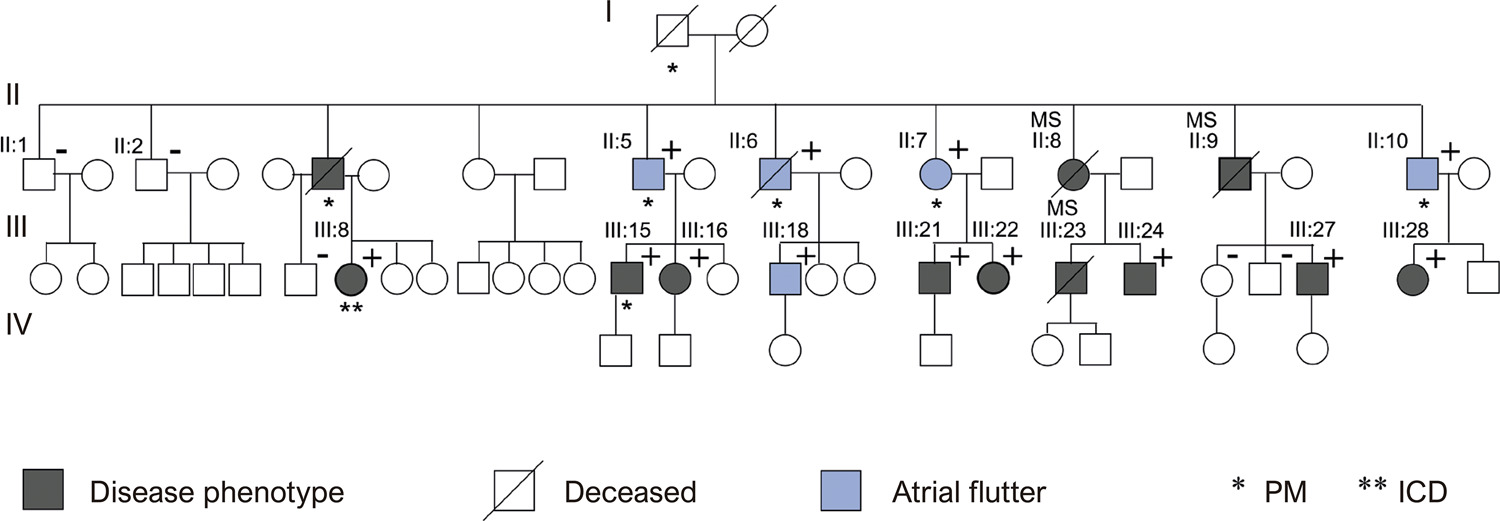
PRKAG2 syndrome is a rare autosomal dominant disease, a phenocopy of hypertrophic cardiomyopathy characterized by intracellular glycogen accumulation. Clinical manifestations include ventricular preexcitation, cardiac conduction disorder, ventricular hypertrophy, and atrial arrhythmias.

Objective

To compare the clinical and electrophysiological characteristics observed in patients with atrial flutter, with and without PRKAG2 syndrome.

Methods

An observational study comparing patients with atrial flutter: group A consisted of five patients with PRKAG2 syndrome from a family, and group B consisted of 25 patients without phenotype of PRKAG2 syndrome. The level of significance was 5%.

Results

All patients in group A had ventricular preexcitation and right branch block, and four had pacemakers (80%). Patients in group A were younger (39±5.4 vs 58.6±17.6 years, p=0.021), had greater interventricular septum (median=18 vs 10 mm; p<0.001) and posterior wall thickness (median=14 vs 10 mm; p=0.001). In group A, four patients were submitted to an electrophysiological study, showing a fasciculoventricular pathway, and atrial flutter ablation was performed in tree. All patients in group B were submitted to ablation of atrial flutter, with no evidence of accessory pathway. Group B had a higher prevalence of hypertension, diabetes mellitus, coronary artery disease and sleep apnea, with no statistically significant difference.

Conclusion

Patients with PRKAG2 syndrome presented atrial flutter at an earlier age and had fewer comorbidities when compared to patients with atrial flutter without mutation phenotype. The occurrence of atrial flutter in young individuals, especially in the presence of ventricular preexcitation and familial ventricular hypertrophy, should raise the suspicion of PRKAG2 syndrome.

  • Atrial flutter
  • Atrioventricular block
  • Cardiac Arrhythmias
  • Cardiomyopathy, Hypertrophic
  • Glycogen Storage Disease
  • Hypertrophy Left Ventricular
Read Full Article
Creative Commons Attribution (CC BY) Creative Commons license
06/09/2022 DOI: 10.36660/abc.20210792 Views 1
Figure 1
Research Letter

Heart Failure Mortality during COVID-19 Pandemic: Insights from a Cohort of Public Hospitals in Brazil

Miguel M. Fernandes-Silva et al. Eduardo Leal Adam Sabrina Bernardez-Pereira Suzana Alves Silva … Luiz Guilherme Passaglia Kleber Renato Ponzi Pereira Marco Antônio Vieira Guedes João David de Souza Neto Ângelo Amato Vincenzo de Paola Maria Alayde Mendonça Rivera Elmiro Santos Resende Denilson Campos de Albuquerque Fernando Bacal Antônio Luiz Pinho Ribeiro Louise Morgan Sidney C. Smith Jr Fábio Papa Taniguchi

Introduction

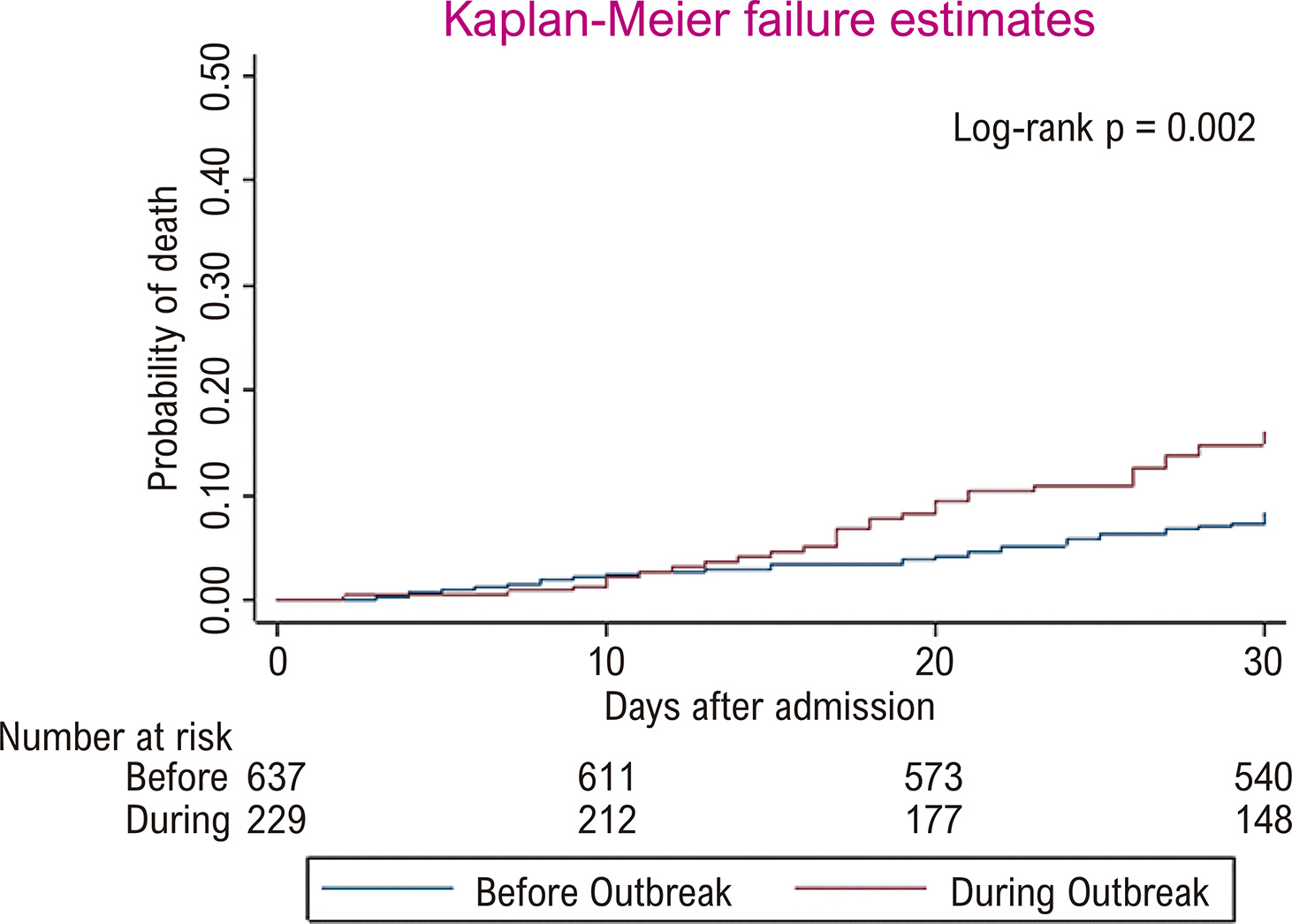
Brazil is one of the most hit countries by the pandemic caused by the novel coronavirus (Coronavirus Disease, COVID-19), with more than half million deaths in June, 2021, the world’s second-highest number of deaths. It has been reported that the COVID-19 outbreak has affected the delivery of care of patients without COVID-19 (non-COVID-19 patients), particularly patients with cardiovascular (CV) diseases, increasing the death toll from the pandemic. Studies have shown a reduction in hospitalizations in tandem with an increase mortality from CV diseases during the outbreak in many countries. – However, most of these reports focused on patients with acute coronary syndrome (ACS ) in developed countries, with few data on heart failure (HF) admissions, and the reasons for the worse mortality are not well understood. We evaluated the changes in severity, reasons for decompensation and 30-day mortality of patients admitted for HF in public hospitals included in the Best Practices in Cardiology (BPC) program in Brazil during the COVID-19 outbreak and compared with previous periods.

[…]

  • Cardiovascular Diseases/complications
  • COVID-19
  • Delivery of Health Care/methods
  • Heart Failure
  • Mortality
  • Pandemic
  • Public Hospitals
Read Full Article
Creative Commons Attribution (CC BY) Creative Commons license
06/09/2022 DOI: 10.36660/abc.20220080 Views 1

Could not load more articles. Please try again.

How to cite this article

EndNote RIS

Electronic Document Format (Vancouver)

Andalaft RB. The Electrocardiogram in the Pediatric Population in the 21st Century. How to Keep Evolving after 135 Years of the Method Discovery History. Arquivos Brasileiros de Cardiologia 2022;119(5):791-2.

Electronic Document Format (ABNT)

Andalaft, Rogerio Braga. The Electrocardiogram in the Pediatric Population in the 21st Century. How to Keep Evolving after 135 Years of the Method Discovery History. Arquivos Brasileiros de Cardiologia, v. 119, n. 5, p. 791-792, Nov. 2022.

Electronic Document Format (APA)

Andalaft, R. B. (2022). The Electrocardiogram in the Pediatric Population in the 21st Century. How to Keep Evolving after 135 Years of the Method Discovery History. Arquivos Brasileiros de Cardiologia, 119(5), 791-792.

Electronic Document Format (ISO)

Andalaft, Rogerio Braga. The Electrocardiogram in the Pediatric Population in the 21st Century. How to Keep Evolving after 135 Years of the Method Discovery History. Arquivos Brasileiros de Cardiologia [online]. 2022, vol. 119, n. 5, [cited 2026-10-14], pp. 791-792. Available from: <https://journals.cardiol.br/en/article/the-electrocardiogram-in-the-pediatric-population-in-the-21st-century-how-to-keep-evolving-after-135-years-of-the-method-discovery-history/>. ISSN 0066-782X

EndNote RIS

Electronic Document Format (Vancouver)

Pastore CA. Applicability of Body Surface Potential Mapping Through Exercise in Small Animals. Arquivos Brasileiros de Cardiologia 2022;119(5):776-7.

Electronic Document Format (ABNT)

Pastore, Carlos Alberto. Applicability of Body Surface Potential Mapping Through Exercise in Small Animals. Arquivos Brasileiros de Cardiologia, v. 119, n. 5, p. 776-777, Nov. 2022.

Electronic Document Format (APA)

Pastore, C. A. (2022). Applicability of Body Surface Potential Mapping Through Exercise in Small Animals. Arquivos Brasileiros de Cardiologia, 119(5), 776-777.

Electronic Document Format (ISO)

Pastore, Carlos Alberto. Applicability of Body Surface Potential Mapping Through Exercise in Small Animals. Arquivos Brasileiros de Cardiologia [online]. 2022, vol. 119, n. 5, [cited 2026-10-14], pp. 776-777. Available from: <https://journals.cardiol.br/en/article/applicability-of-body-surface-potential-mapping-through-exercise-in-small-animals/>. ISSN 0066-782X

EndNote RIS

Electronic Document Format (Vancouver)

Sternick EB. PRKAG2 Cardiomyopathy. Arquivos Brasileiros de Cardiologia 2022;119(5):689-90.

Electronic Document Format (ABNT)

Sternick, Eduardo Back. PRKAG2 Cardiomyopathy. Arquivos Brasileiros de Cardiologia, v. 119, n. 5, p. 689-690, Nov. 2022.

Electronic Document Format (APA)

Sternick, E. B. (2022). PRKAG2 Cardiomyopathy. Arquivos Brasileiros de Cardiologia, 119(5), 689-690.

Electronic Document Format (ISO)

Sternick, Eduardo Back. PRKAG2 Cardiomyopathy. Arquivos Brasileiros de Cardiologia [online]. 2022, vol. 119, n. 5, [cited 2026-10-14], pp. 689-690. Available from: <https://journals.cardiol.br/en/article/prkag2-cardiomyopathy/>. ISSN 0066-782X

EndNote RIS

Electronic Document Format (Vancouver)

Cesena F. Pharmacoinvasive Strategy in ST-Elevation Myocardial Infarction in Brazil: Female Sex as a Prognostic Factor. Arquivos Brasileiros de Cardiologia 2022;119(5):703-4.

Electronic Document Format (ABNT)

Cesena, Fernando. Pharmacoinvasive Strategy in ST-Elevation Myocardial Infarction in Brazil: Female Sex as a Prognostic Factor. Arquivos Brasileiros de Cardiologia, v. 119, n. 5, p. 703-704, Nov. 2022.

Electronic Document Format (APA)

Cesena, F. (2022). Pharmacoinvasive Strategy in ST-Elevation Myocardial Infarction in Brazil: Female Sex as a Prognostic Factor. Arquivos Brasileiros de Cardiologia, 119(5), 703-704.

Electronic Document Format (ISO)

Cesena, Fernando. Pharmacoinvasive Strategy in ST-Elevation Myocardial Infarction in Brazil: Female Sex as a Prognostic Factor. Arquivos Brasileiros de Cardiologia [online]. 2022, vol. 119, n. 5, [cited 2026-10-14], pp. 703-704. Available from: <https://journals.cardiol.br/en/article/pharmacoinvasive-strategy-in-st-elevation-myocardial-infarction-in-brazil-female-sex-as-a-prognostic-factor/>. ISSN 0066-782X

EndNote RIS

Electronic Document Format (Vancouver)

Luz PL. Physician-Researcher, Medical Practice and Research: The Importance of the Physician-Researcher in Current Medicine. Arquivos Brasileiros de Cardiologia 2022;119(5):801-3.

Electronic Document Format (ABNT)

Luz, Protásio Lemos da. Physician-Researcher, Medical Practice and Research: The Importance of the Physician-Researcher in Current Medicine. Arquivos Brasileiros de Cardiologia, v. 119, n. 5, p. 801-803, Nov. 2022.

Electronic Document Format (APA)

Luz, P. L. (2022). Physician-Researcher, Medical Practice and Research: The Importance of the Physician-Researcher in Current Medicine. Arquivos Brasileiros de Cardiologia, 119(5), 801-803.

Electronic Document Format (ISO)

Luz, Protásio Lemos da. Physician-Researcher, Medical Practice and Research: The Importance of the Physician-Researcher in Current Medicine. Arquivos Brasileiros de Cardiologia [online]. 2022, vol. 119, n. 5, [cited 2026-10-14], pp. 801-803. Available from: <https://journals.cardiol.br/en/article/physician-researcher-medical-practice-and-research-the-importance-of-the-physician-researcher-in-current-medicine/>. ISSN 0066-782X

EndNote RIS

Electronic Document Format (Vancouver)

Fernández-Rodríguez D, Casanova-Sandoval J, Barriuso I, Rivera K, Otaegui I, Blanco BG, Jiménez TG, et al. Adjusting RFR by Predictors of Disagreement, “The Adjusted RFR”: An Alternative Methodology to Improve the Diagnostic Capacity of Coronary Indices. Arquivos Brasileiros de Cardiologia 2022;119(5):705-13.

Electronic Document Format (ABNT)

Fernández-Rodríguez, Diego; Casanova-Sandoval, Juan; Barriuso, Ignacio; Rivera, Kristian; Otaegui, Imanol; Blanco, Bruno García del; Jiménez, Teresa Gil; López-Pérez, Manuel; Rodríguez-Esteban, Marcos; Torres-Saura, Francisco; Díaz, Víctor Jiménez; Ocaranza-Sánchez, Raymundo; Disdier, Vicente Peral; Elvira, Guillermo Sánchez; Worner, Fernando. Adjusting RFR by Predictors of Disagreement, “The Adjusted RFR”: An Alternative Methodology to Improve the Diagnostic Capacity of Coronary Indices. Arquivos Brasileiros de Cardiologia, v. 119, n. 5, p. 705-713, Nov. 2022.

Electronic Document Format (APA)

Fernández-Rodríguez, D., Casanova-Sandoval, J., Barriuso, I., Rivera, K., Otaegui, I., Blanco, B. G. , Jiménez, T. G., López-Pérez, M., Rodríguez-Esteban, M., Torres-Saura, F., Díaz, V. J., Ocaranza-Sánchez, R., Disdier, V. P., Elvira, G. S., & Worner, F. (2022). Adjusting RFR by Predictors of Disagreement, “The Adjusted RFR”: An Alternative Methodology to Improve the Diagnostic Capacity of Coronary Indices. Arquivos Brasileiros de Cardiologia, 119(5), 705-713.

Electronic Document Format (ISO)

Fernández-Rodríguez, Diego and Casanova-Sandoval, Juan and Barriuso, Ignacio and Rivera, Kristian and Otaegui, Imanol and Blanco, Bruno García del and Jiménez, Teresa Gil and López-Pérez, Manuel and Rodríguez-Esteban, Marcos and Torres-Saura, Francisco and Díaz, Víctor Jiménez and Ocaranza-Sánchez, Raymundo and Disdier, Vicente Peral and Elvira, Guillermo Sánchez and Worner, Fernando. Adjusting RFR by Predictors of Disagreement, “The Adjusted RFR”: An Alternative Methodology to Improve the Diagnostic Capacity of Coronary Indices. Arquivos Brasileiros de Cardiologia [online]. 2022, vol. 119, n. 5, [cited 2026-10-14], pp. 705-713. Available from: <https://journals.cardiol.br/en/article/adjusting-rfr-by-predictors-of-disagreement-the-adjusted-rfr-an-alternative-methodology-to-improve-the-diagnostic-capacity-of-coronary-indices/>. ISSN 0066-782X

EndNote RIS

Electronic Document Format (Vancouver)

Tagliari F, Correia MG, Amorim GD, Colafranceschi AS, Pedroso JM, Rodrigues Junior LF, Tagliari TR, et al. Clinical Features and Survival Analysis of Patients after Mechanical Heart Valve Replacement, with an Emphasis on Prosthetic Valve Thrombosis. Arquivos Brasileiros de Cardiologia 2022;119(5):734-4.

Electronic Document Format (ABNT)

Tagliari, Fábio; Correia, Marcelo Goulart; Amorim, Guilherme Dalcol; Colafranceschi, Alexandre Siciliano; Pedroso, João Manoel; Rodrigues Junior, Luiz Fernando; Tagliari, Thaisa Rodrigues; Weksler, Clara; Lamas, Cristiane. Clinical Features and Survival Analysis of Patients after Mechanical Heart Valve Replacement, with an Emphasis on Prosthetic Valve Thrombosis. Arquivos Brasileiros de Cardiologia, v. 119, n. 5, p. 734-744, Nov. 2022.

Electronic Document Format (APA)

Tagliari, F., Correia, M. G., Amorim, G. D., Colafranceschi, A. S., Pedroso, J. M., Rodrigues Junior, L. F., Tagliari, T. R., Weksler, C., & Lamas, C. (2022). Clinical Features and Survival Analysis of Patients after Mechanical Heart Valve Replacement, with an Emphasis on Prosthetic Valve Thrombosis. Arquivos Brasileiros de Cardiologia, 119(5), 734-744.

Electronic Document Format (ISO)

Tagliari, Fábio and Correia, Marcelo Goulart and Amorim, Guilherme Dalcol and Colafranceschi, Alexandre Siciliano and Pedroso, João Manoel and Rodrigues Junior, Luiz Fernando and Tagliari, Thaisa Rodrigues and Weksler, Clara and Lamas, Cristiane. Clinical Features and Survival Analysis of Patients after Mechanical Heart Valve Replacement, with an Emphasis on Prosthetic Valve Thrombosis. Arquivos Brasileiros de Cardiologia [online]. 2022, vol. 119, n. 5, [cited 2026-10-14], pp. 734-744. Available from: <https://journals.cardiol.br/en/article/clinical-features-and-survival-analysis-of-patients-after-mechanical-heart-valve-replacement-with-an-emphasis-on-prosthetic-valve-thrombosis/>. ISSN 0066-782X

EndNote RIS

Electronic Document Format (Vancouver)

Martins JVD, Mendes R, Lopes JM, Tenório PP. Analysis of the Neutrophil-Lymphocyte Ratio as a Marker of Atherosclerosis of the Abdominal Aorta. Arquivos Brasileiros de Cardiologia 2022;119(5):813-4.

Electronic Document Format (ABNT)

Martins, João Victor Domiciano; Mendes, Rodrigo; Lopes, Johnnatas Mikael; Tenório, Pedro Pereira. Analysis of the Neutrophil-Lymphocyte Ratio as a Marker of Atherosclerosis of the Abdominal Aorta. Arquivos Brasileiros de Cardiologia, v. 119, n. 5, p. 813-814, Nov. 2022.

Electronic Document Format (APA)

Martins, J. V. D., Mendes, R., Lopes, J. M., & Tenório, P. P. (2022). Analysis of the Neutrophil-Lymphocyte Ratio as a Marker of Atherosclerosis of the Abdominal Aorta. Arquivos Brasileiros de Cardiologia, 119(5), 813-814.

Electronic Document Format (ISO)

Martins, João Victor Domiciano and Mendes, Rodrigo and Lopes, Johnnatas Mikael and Tenório, Pedro Pereira. Analysis of the Neutrophil-Lymphocyte Ratio as a Marker of Atherosclerosis of the Abdominal Aorta. Arquivos Brasileiros de Cardiologia [online]. 2022, vol. 119, n. 5, [cited 2026-10-14], pp. 813-814. Available from: <https://journals.cardiol.br/en/article/analysis-of-the-neutrophil-lymphocyte-ratio-as-a-marker-of-atherosclerosis-of-the-abdominal-aorta/>. ISSN 0066-782X

EndNote RIS

Electronic Document Format (Vancouver)

Dutra GP, Gomes BFO. Prognosis and Characteristics Associated with Prosthetic Valve Thrombosis: Insights from a Brazilian Study. Arquivos Brasileiros de Cardiologia 2022;119(5):745-6.

Electronic Document Format (ABNT)

Dutra, Giovanni Possamai; Gomes, Bruno Ferraz de Oliveira. Prognosis and Characteristics Associated with Prosthetic Valve Thrombosis: Insights from a Brazilian Study. Arquivos Brasileiros de Cardiologia, v. 119, n. 5, p. 745-746, Nov. 2022.

Electronic Document Format (APA)

Dutra, G. P., & Gomes, B. F. O. (2022). Prognosis and Characteristics Associated with Prosthetic Valve Thrombosis: Insights from a Brazilian Study. Arquivos Brasileiros de Cardiologia, 119(5), 745-746.

Electronic Document Format (ISO)

Dutra, Giovanni Possamai and Gomes, Bruno Ferraz de Oliveira. Prognosis and Characteristics Associated with Prosthetic Valve Thrombosis: Insights from a Brazilian Study. Arquivos Brasileiros de Cardiologia [online]. 2022, vol. 119, n. 5, [cited 2026-10-14], pp. 745-746. Available from: <https://journals.cardiol.br/en/article/prognosis-and-characteristics-associated-with-prosthetic-valve-thrombosis-insights-from-a-brazilian-study/>. ISSN 0066-782X

EndNote RIS

Electronic Document Format (Vancouver)

Montenegro CGSP, Dourado LOC, Jordão CP, Vieira MLC, Assumpção CRA, Gowdak LHW, Pereira AC, et al. Does Myocardial Injury Occur After an Acute Aerobic Exercise Session in Patients with Refractory Angina?. Arquivos Brasileiros de Cardiologia 2022;119(5):747-53.

Electronic Document Format (ABNT)

Montenegro, Carla Giuliano de Sá Pinto; Dourado, Luciana Oliveira Cascaes; Jordão, Camila Paixão; Vieira, Marcelo Luiz Campos; Assumpção, Camila Regina Alves; Gowdak, Luis Henrique Wolff; Pereira, Alexandre da Costa; Negrão, Carlos Eduardo; Matos, Luciana Diniz Nagem Janot de. Does Myocardial Injury Occur After an Acute Aerobic Exercise Session in Patients with Refractory Angina?. Arquivos Brasileiros de Cardiologia, v. 119, n. 5, p. 747-753, Nov. 2022.

Electronic Document Format (APA)

Montenegro, C. G. S. P., Dourado, L. O. C., Jordão, C. P., Vieira, M. L. C., Assumpção, C. R. A., Gowdak, L. H. W., Pereira, A. C., Negrão, C. E., & Matos, L. D. N. J. (2022). Does Myocardial Injury Occur After an Acute Aerobic Exercise Session in Patients with Refractory Angina?. Arquivos Brasileiros de Cardiologia, 119(5), 747-753.

Electronic Document Format (ISO)

Montenegro, Carla Giuliano de Sá Pinto and Dourado, Luciana Oliveira Cascaes and Jordão, Camila Paixão and Vieira, Marcelo Luiz Campos and Assumpção, Camila Regina Alves and Gowdak, Luis Henrique Wolff and Pereira, Alexandre da Costa and Negrão, Carlos Eduardo and Matos, Luciana Diniz Nagem Janot de. Does Myocardial Injury Occur After an Acute Aerobic Exercise Session in Patients with Refractory Angina?. Arquivos Brasileiros de Cardiologia [online]. 2022, vol. 119, n. 5, [cited 2026-10-14], pp. 747-753. Available from: <https://journals.cardiol.br/en/article/does-myocardial-injury-occur-after-an-acute-aerobic-exercise-session-in-patients-with-refractory-angina/>. ISSN 0066-782X

EndNote RIS

Electronic Document Format (Vancouver)

Bianco HT, Povoa R, Izar MC, Alves CMR, Barbosa AHP, Bombig MTN, Gonçalves Jr I, et al. Pharmaco-invasive Strategy in Myocardial Infarction: Descriptive Analysis, Presentation of Ischemic Symptoms and Mortality Predictors. Arquivos Brasileiros de Cardiologia 2022;119(5):691-702.

Electronic Document Format (ABNT)

Bianco, Henrique Tria; Povoa, Rui; Izar, Maria Cristina; Alves, Claudia Maria Rodrigues; Barbosa, Adriano Henrique Pereira; Bombig, Maria Teresa Nogueira; Gonçalves Jr, Iran; Luna Filho, Bráulio; Aguirre, Ana Caroline; Moraes, Pedro Ivo de Marqui; Almeida, Dirceu; Moreira, Flávio Tocci; Povoa, Fernando Focaccia; Stefanini, Edson; Caixeta, Adriano Mendes; Bacchin, Amanda S.; Moisés, Valdir Ambrósio; Fonseca, Francisco A.H.. Pharmaco-invasive Strategy in Myocardial Infarction: Descriptive Analysis, Presentation of Ischemic Symptoms and Mortality Predictors. Arquivos Brasileiros de Cardiologia, v. 119, n. 5, p. 691-702, Nov. 2022.

Electronic Document Format (APA)

Bianco, H. T., Povoa, R., Izar, M. C., Alves, C. M. R., Barbosa, A. H. P., Bombig, M. T. N., Gonçalves Jr, I., Luna Filho, B., Aguirre, A. C., Moraes, P. I. M., Almeida, D., Moreira, F. T., Povoa, F. F., Stefanini, E., Caixeta, A. M., Bacchin, A. S., Moisés, V. A., & Fonseca, F. A. (2022). Pharmaco-invasive Strategy in Myocardial Infarction: Descriptive Analysis, Presentation of Ischemic Symptoms and Mortality Predictors. Arquivos Brasileiros de Cardiologia, 119(5), 691-702.

Electronic Document Format (ISO)

Bianco, Henrique Tria and Povoa, Rui and Izar, Maria Cristina and Alves, Claudia Maria Rodrigues and Barbosa, Adriano Henrique Pereira and Bombig, Maria Teresa Nogueira and Gonçalves Jr, Iran and Luna Filho, Bráulio and Aguirre, Ana Caroline and Moraes, Pedro Ivo de Marqui and Almeida, Dirceu and Moreira, Flávio Tocci and Povoa, Fernando Focaccia and Stefanini, Edson and Caixeta, Adriano Mendes and Bacchin, Amanda S. and Moisés, Valdir Ambrósio and Fonseca, Francisco A.H.. Pharmaco-invasive Strategy in Myocardial Infarction: Descriptive Analysis, Presentation of Ischemic Symptoms and Mortality Predictors. Arquivos Brasileiros de Cardiologia [online]. 2022, vol. 119, n. 5, [cited 2026-10-14], pp. 691-702. Available from: <https://journals.cardiol.br/en/article/pharmaco-invasive-strategy-in-myocardial-infarction-descriptive-analysis-presentation-of-ischemic-symptoms-and-mortality-predictors/>. ISSN 0066-782X

EndNote RIS

Electronic Document Format (Vancouver)

Oliveira GMM, Almeida MCC, Marques-Santos C, Costa MENC, Carvalho RCM, Freire CMV, Magalhães LBNC, et al. Position Statement on Women’s Cardiovascular Health – 2022. Arquivos Brasileiros de Cardiologia 2022;119(5):815-82.

Electronic Document Format (ABNT)

Oliveira, Glaucia Maria Moraes de; Almeida, Maria Cristina Costa de; Marques-Santos, Celi; Costa, Maria Elizabeth Navegantes Caetano; Carvalho, Regina Coeli Marques de; Freire, Cláudia Maria Vilas; Magalhães, Lucelia Batista Neves Cunha; Hajjar, Ludhmila Abrahão; Rivera, Maria Alayde Mendonça; Castro, Marildes Luiza de; Avila, Walkiria Samuel; Lucena, Alexandre Jorge Gomes de; Brandão, Andréa Araujo; Macedo, Ariane Vieira Scarlatelli; Lantieri, Carla Janice Baister; Polanczyk, Carisi Anne; Albuquerque, Carlos Japhet da Matta; Born, Daniel; Falcheto, Eduardo Belisário; Bragança, Érika Olivier Vilela; Braga, Fabiana Goulart Marcondes; Colombo, Fernanda M. Consolim; Jatene, Ieda Biscegli; Costa, Isabela Bispo Santos da Silva; Rivera, Ivan Romero; Scholz, Jaqueline Ribeiro; Melo Filho, José Xavier de; Santos, Magaly Arrais dos; Izar, Maria Cristina de Oliveira; Azevedo, Maria Fátima; Moura, Maria Sanali; Campos, Milena dos Santos Barros; Souza, Olga Ferreira de; Medeiros, Orlando Otávio de; Silva, Sheyla Cristina Tonheiro Ferro da; Rizk, Stéphanie Itala; Rodrigues, Thais de Carvalho Vieira; Salim, Thaís Rocha; Lemke, Viviana de Mello Guzzo. Position Statement on Women’s Cardiovascular Health – 2022. Arquivos Brasileiros de Cardiologia, v. 119, n. 5, p. 815-882, Nov. 2022.

Electronic Document Format (APA)

Oliveira, G. M. M. , Almeida, M. C. C. , Marques-Santos, C., Costa, M. E. N. C., Carvalho, R. C. M. , Freire, C. M. V., Magalhães, L. B. N. C., Hajjar, L. A., Rivera, M. A. M., Castro, M. L. , Avila, W. S., Lucena, A. J. G. , Brandão, A. A., Macedo, A. V. S., Lantieri, C. J. B., Polanczyk, C. A., Albuquerque, C. J. M., Born, D., Falcheto, E. B., Bragança, O. V., Braga, F. G. M., Colombo, F. M. C., Jatene, I. B., Costa, I. B. S. S., Rivera, I. R., Scholz, J. R., Melo Filho, J. X. , Santos, M. A. , Izar, M. C. O., Azevedo, M. F., Moura, M. S., Campos, M. S. B., Souza, O. F. , Medeiros, O. O. , Silva, S. C. T. F. , Rizk, S. I., Rodrigues, T. C. V., Salim, T. R., & Lemke, V. M. G. (2022). Position Statement on Women’s Cardiovascular Health – 2022. Arquivos Brasileiros de Cardiologia, 119(5), 815-882.

Electronic Document Format (ISO)

Oliveira, Glaucia Maria Moraes de and Almeida, Maria Cristina Costa de and Marques-Santos, Celi and Costa, Maria Elizabeth Navegantes Caetano and Carvalho, Regina Coeli Marques de and Freire, Cláudia Maria Vilas and Magalhães, Lucelia Batista Neves Cunha and Hajjar, Ludhmila Abrahão and Rivera, Maria Alayde Mendonça and Castro, Marildes Luiza de and Avila, Walkiria Samuel and Lucena, Alexandre Jorge Gomes de and Brandão, Andréa Araujo and Macedo, Ariane Vieira Scarlatelli and Lantieri, Carla Janice Baister and Polanczyk, Carisi Anne and Albuquerque, Carlos Japhet da Matta and Born, Daniel and Falcheto, Eduardo Belisário and Bragança, Érika Olivier Vilela and Braga, Fabiana Goulart Marcondes and Colombo, Fernanda M. Consolim and Jatene, Ieda Biscegli and Costa, Isabela Bispo Santos da Silva and Rivera, Ivan Romero and Scholz, Jaqueline Ribeiro and Melo Filho, José Xavier de and Santos, Magaly Arrais dos and Izar, Maria Cristina de Oliveira and Azevedo, Maria Fátima and Moura, Maria Sanali and Campos, Milena dos Santos Barros and Souza, Olga Ferreira de and Medeiros, Orlando Otávio de and Silva, Sheyla Cristina Tonheiro Ferro da and Rizk, Stéphanie Itala and Rodrigues, Thais de Carvalho Vieira and Salim, Thaís Rocha and Lemke, Viviana de Mello Guzzo. Position Statement on Women’s Cardiovascular Health – 2022. Arquivos Brasileiros de Cardiologia [online]. 2022, vol. 119, n. 5, [cited 2026-10-14], pp. 815-882. Available from: <https://journals.cardiol.br/en/article/position-statement-on-womens-cardiovascular-health-2022/>. ISSN 0066-782X

EndNote RIS

Electronic Document Format (Vancouver)

Bianco HT. Analysis of Atrial Fibrillation Prevalence and Cardiovascular Health in Cohort Derived from the ELSA-Brasil Project. Arquivos Brasileiros de Cardiologia 2022;119(5):732-3.

Electronic Document Format (ABNT)

Bianco, Henrique Tria. Analysis of Atrial Fibrillation Prevalence and Cardiovascular Health in Cohort Derived from the ELSA-Brasil Project. Arquivos Brasileiros de Cardiologia, v. 119, n. 5, p. 732-733, Nov. 2022.

Electronic Document Format (APA)

Bianco, H. T. (2022). Analysis of Atrial Fibrillation Prevalence and Cardiovascular Health in Cohort Derived from the ELSA-Brasil Project. Arquivos Brasileiros de Cardiologia, 119(5), 732-733.

Electronic Document Format (ISO)

Bianco, Henrique Tria. Analysis of Atrial Fibrillation Prevalence and Cardiovascular Health in Cohort Derived from the ELSA-Brasil Project. Arquivos Brasileiros de Cardiologia [online]. 2022, vol. 119, n. 5, [cited 2026-10-14], pp. 732-733. Available from: <https://journals.cardiol.br/en/article/analysis-of-atrial-fibrillation-prevalence-and-cardiovascular-health-in-cohort-derived-from-the-elsa-brasil-project/>. ISSN 0066-782X

EndNote RIS

Electronic Document Format (Vancouver)

Figueiredo EL, Wang R. Antiinflammatory and Cardioprotective Effects of HDL-C: Association With Autoantibodies Against Oxidized LDL?. Arquivos Brasileiros de Cardiologia 2022;119(5):722-3.

Electronic Document Format (ABNT)

Figueiredo, Estêvão Lanna; Wang, Ricardo. Antiinflammatory and Cardioprotective Effects of HDL-C: Association With Autoantibodies Against Oxidized LDL?. Arquivos Brasileiros de Cardiologia, v. 119, n. 5, p. 722-723, Nov. 2022.

Electronic Document Format (APA)

Figueiredo, E. L., & Wang, R. (2022). Antiinflammatory and Cardioprotective Effects of HDL-C: Association With Autoantibodies Against Oxidized LDL?. Arquivos Brasileiros de Cardiologia, 119(5), 722-723.

Electronic Document Format (ISO)

Figueiredo, Estêvão Lanna and Wang, Ricardo. Antiinflammatory and Cardioprotective Effects of HDL-C: Association With Autoantibodies Against Oxidized LDL?. Arquivos Brasileiros de Cardiologia [online]. 2022, vol. 119, n. 5, [cited 2026-10-14], pp. 722-723. Available from: <https://journals.cardiol.br/en/article/antiinflammatory-and-cardioprotective-effects-of-hdl-c-association-with-autoantibodies-against-oxidized-ldl/>. ISSN 0066-782X

EndNote RIS

Electronic Document Format (Vancouver)

Ferreira D. Having Symptoms of an Acute Myocardial Infarction? Call Your Emergency Medical Service Immediately!. Arquivos Brasileiros de Cardiologia 2022;119(5):764-5.

Electronic Document Format (ABNT)

Ferreira, Daniel. Having Symptoms of an Acute Myocardial Infarction? Call Your Emergency Medical Service Immediately!. Arquivos Brasileiros de Cardiologia, v. 119, n. 5, p. 764-765, Nov. 2022.

Electronic Document Format (APA)

Ferreira, D. (2022). Having Symptoms of an Acute Myocardial Infarction? Call Your Emergency Medical Service Immediately!. Arquivos Brasileiros de Cardiologia, 119(5), 764-765.

Electronic Document Format (ISO)

Ferreira, Daniel. Having Symptoms of an Acute Myocardial Infarction? Call Your Emergency Medical Service Immediately!. Arquivos Brasileiros de Cardiologia [online]. 2022, vol. 119, n. 5, [cited 2026-10-14], pp. 764-765. Available from: <https://journals.cardiol.br/en/article/having-symptoms-of-an-acute-myocardial-infarction-call-your-emergency-medical-service-immediately/>. ISSN 0066-782X

EndNote RIS

Electronic Document Format (Vancouver)

Carmo AAL. Fibrillatory Wave Amplitude: Should We Use It Routinely in Clinical Practice?. Arquivos Brasileiros de Cardiologia 2022;119(5):789-90.

Electronic Document Format (ABNT)

Carmo, Andre Assis L.. Fibrillatory Wave Amplitude: Should We Use It Routinely in Clinical Practice?. Arquivos Brasileiros de Cardiologia, v. 119, n. 5, p. 789-790, Nov. 2022.

Electronic Document Format (APA)

Carmo, A. A. L. (2022). Fibrillatory Wave Amplitude: Should We Use It Routinely in Clinical Practice?. Arquivos Brasileiros de Cardiologia, 119(5), 789-790.

Electronic Document Format (ISO)

Carmo, Andre Assis L.. Fibrillatory Wave Amplitude: Should We Use It Routinely in Clinical Practice?. Arquivos Brasileiros de Cardiologia [online]. 2022, vol. 119, n. 5, [cited 2026-10-14], pp. 789-790. Available from: <https://journals.cardiol.br/en/article/fibrillatory-wave-amplitude-should-we-use-it-routinely-in-clinical-practice/>. ISSN 0066-782X

EndNote RIS

Electronic Document Format (Vancouver)

Milani M, Milani JGPO, Cipriano Junior G. Refractory Angina Referral to Cardiovascular Rehabilitation: A Neglected Patient. Arquivos Brasileiros de Cardiologia 2022;119(5):754-5.

Electronic Document Format (ABNT)

Milani, Mauricio; Milani, Juliana Goulart Prata Oliveira; Cipriano Junior, Gerson. Refractory Angina Referral to Cardiovascular Rehabilitation: A Neglected Patient. Arquivos Brasileiros de Cardiologia, v. 119, n. 5, p. 754-755, Nov. 2022.

Electronic Document Format (APA)

Milani, M., Milani, J. G. P. O., & Cipriano Junior, G. (2022). Refractory Angina Referral to Cardiovascular Rehabilitation: A Neglected Patient. Arquivos Brasileiros de Cardiologia, 119(5), 754-755.

Electronic Document Format (ISO)

Milani, Mauricio and Milani, Juliana Goulart Prata Oliveira and Cipriano Junior, Gerson. Refractory Angina Referral to Cardiovascular Rehabilitation: A Neglected Patient. Arquivos Brasileiros de Cardiologia [online]. 2022, vol. 119, n. 5, [cited 2026-10-14], pp. 754-755. Available from: <https://journals.cardiol.br/en/article/refractory-angina-referral-to-cardiovascular-rehabilitation-a-neglected-patient/>. ISSN 0066-782X

EndNote RIS

Electronic Document Format (Vancouver)

Oliveira I, Cruz I, Ana Neto , Bragança B, Abreu G, Azevedo J, Andrade A, et al. Mitral Valve Perforated Aneurysm: An Issue of Inflammation or Pressure Gradients?. Arquivos Brasileiros de Cardiologia 2022;119(5):809-12.

Electronic Document Format (ABNT)

Oliveira, Inês; Cruz, Isabel; Ana Neto, ; Bragança, Bruno; Abreu, Glória; Azevedo, João; Andrade, Aurora. Mitral Valve Perforated Aneurysm: An Issue of Inflammation or Pressure Gradients?. Arquivos Brasileiros de Cardiologia, v. 119, n. 5, p. 809-812, Sep. 2022.

Electronic Document Format (APA)

Oliveira, I., Cruz, I., Ana Neto, , Bragança, B., Abreu, G., Azevedo, J., & Andrade, A. (2022). Mitral Valve Perforated Aneurysm: An Issue of Inflammation or Pressure Gradients?. Arquivos Brasileiros de Cardiologia, 119(5), 809-812.

Electronic Document Format (ISO)

Oliveira, Inês and Cruz, Isabel and Ana Neto and Bragança, Bruno and Abreu, Glória and Azevedo, João and Andrade, Aurora. Mitral Valve Perforated Aneurysm: An Issue of Inflammation or Pressure Gradients?. Arquivos Brasileiros de Cardiologia [online]. 2022, vol. 119, n. 5, [cited 2026-10-14], pp. 809-812. Available from: <https://journals.cardiol.br/en/article/mitral-valve-perforated-aneurysm-an-issue-of-inflammation-or-pressure-gradients/>. ISSN 0066-782X

EndNote RIS

Electronic Document Format (Vancouver)

Campelo RT, Armaganijan L, Moreira DAR, Scheffer MK, Carvalho GD, França JID. F Wave Amplitude as a Predictor of Thromboembolism and Success of Electrical Cardioversion in Patients with Persistent Atrial Fibrillation. Arquivos Brasileiros de Cardiologia 2022;119(5):778-8.

Electronic Document Format (ABNT)

Campelo, Renan Teixeira; Armaganijan, Luciana; Moreira, Dalmo A. R.; Scheffer, Matheus Kiszka; Carvalho, Guilherme Dagostin de; França, João Italo Dias. F Wave Amplitude as a Predictor of Thromboembolism and Success of Electrical Cardioversion in Patients with Persistent Atrial Fibrillation. Arquivos Brasileiros de Cardiologia, v. 119, n. 5, p. 778-788, Sep. 2022.

Electronic Document Format (APA)

Campelo, R. T., Armaganijan, L., Moreira, D. A. R., Scheffer, M. K., Carvalho, G. D. , & França, J. I. D. (2022). F Wave Amplitude as a Predictor of Thromboembolism and Success of Electrical Cardioversion in Patients with Persistent Atrial Fibrillation. Arquivos Brasileiros de Cardiologia, 119(5), 778-788.

Electronic Document Format (ISO)

Campelo, Renan Teixeira and Armaganijan, Luciana and Moreira, Dalmo A. R. and Scheffer, Matheus Kiszka and Carvalho, Guilherme Dagostin de and França, João Italo Dias. F Wave Amplitude as a Predictor of Thromboembolism and Success of Electrical Cardioversion in Patients with Persistent Atrial Fibrillation. Arquivos Brasileiros de Cardiologia [online]. 2022, vol. 119, n. 5, [cited 2026-10-14], pp. 778-788. Available from: <https://journals.cardiol.br/en/article/f-wave-amplitude-as-a-predictor-of-thromboembolism-and-success-of-electrical-cardioversion-in-patients-with-persistent-atrial-fibrillation/>. ISSN 0066-782X

EndNote RIS

Electronic Document Format (Vancouver)

Santos IS, Lotufo PA, Goulart AC, Brant LCC, Pinto Filho MM, Pereira AC, Barreto SM, et al. Cardiovascular Health and Atrial Fibrillation or Flutter: A Cross-Sectional Study from ELSA-Brasil. Arquivos Brasileiros de Cardiologia 2022;119(5):724-31.

Electronic Document Format (ABNT)

Santos, Itamar S.; Lotufo, Paulo A.; Goulart, Alessandra C.; Brant, Luisa C. C.; Pinto Filho, Marcelo M; Pereira, Alexandre C.; Barreto, Sandhi M.; Ribeiro, Antonio L. P.; Thomas, G Neil; Lip, Gregory Y. H.; Bensenor, Isabela M.; Management, NIHR Global Health Research Group on Atrial Fibrillation; Arasalingam, Ajini; Beane, Abi; Bensenor, Isabela M; Brocklehurst, Peter; Cheng, Kar Keung; El-Bouri, Wahbi; Feng, Mei; Goulart, Alessandra C; Greenfield, Sheila; Guo, Yutao; Guruparan, Mahesan; Gusso, Gustavo; Gooden, Tiffany E; Haniffa, Rashan; Humphreys, Lindsey; Jolly, Kate; Jowett, Sue; Kumarendran, Balachandran; Lancashire, Emma; Lane, Deirdre A; Li, Xuewen; (Co-PI), Gregory Y.H. Lip; Li, Yan-guang; Lobban, Trudie; Lotufo, Paulo A; Manseki-Holland, Semira; Moore, David J; Nirantharakumar, Krishnarajah; Olmos, Rodrigo D; Paschoal, Elisabete; Pirasanth, Paskaran; Powsiga, Uruthirakumar; Romagnolli, Carla; Santos, Itamar S; Shantsila, Alena; Sheron, Vethanayagam Antony; Shribavan, Kanesamoorthy; Szmigin, Isabelle; Subaschandren, Kumaran; Surenthirakumaran, Rajendra; Tai, Meihui; (Co-PI), G Neil Thomas; Varella, Ana C; Wang, Hao; Wang, Jingya; Zhang, Hui; Zhong, Jiaoyue. Cardiovascular Health and Atrial Fibrillation or Flutter: A Cross-Sectional Study from ELSA-Brasil. Arquivos Brasileiros de Cardiologia, v. 119, n. 5, p. 724-731, Sep. 2022.

Electronic Document Format (APA)

Santos, I. S., Lotufo, P. A., Goulart, A. C., Brant, L. C. C., Pinto Filho, M. M., Pereira, A. C., Barreto, S. M., Ribeiro, A. L. P., Thomas, G. N., Lip, G. Y. H., Bensenor, I. M., Management, N. G. H. R. G. A. F., Arasalingam, A., Beane, A., Bensenor, I. M., Brocklehurst, P., Cheng, K. K., El-Bouri, W., Feng, M., Goulart, A. C., Greenfield, S., Guo, Y., Guruparan, M., Gusso, G., Gooden, T. E., Haniffa, R., Humphreys, L., Jolly, K., Jowett, S., Kumarendran, B., Lancashire, E., Lane, D. A., Li, X., (Co-PI), G. Y. L., Li, Y., Lobban, T., Lotufo, P. A., Manseki-Holland, S., Moore, D. J., Nirantharakumar, K., Olmos, R. D., Paschoal, E., Pirasanth, P., Powsiga, U., Romagnolli, C., Santos, I. S., Shantsila, A., Sheron, V. A., Shribavan, K., Szmigin, I., Subaschandren, K., Surenthirakumaran, R., Tai, M., (Co-PI), G. N. T., Varella, A. C., Wang, H., Wang, J., Zhang, H., & Zhong, J. (2022). Cardiovascular Health and Atrial Fibrillation or Flutter: A Cross-Sectional Study from ELSA-Brasil. Arquivos Brasileiros de Cardiologia, 119(5), 724-731.

Electronic Document Format (ISO)

Santos, Itamar S. and Lotufo, Paulo A. and Goulart, Alessandra C. and Brant, Luisa C. C. and Pinto Filho, Marcelo M and Pereira, Alexandre C. and Barreto, Sandhi M. and Ribeiro, Antonio L. P. and Thomas, G Neil and Lip, Gregory Y. H. and Bensenor, Isabela M. and Management, NIHR Global Health Research Group on Atrial Fibrillation and Arasalingam, Ajini and Beane, Abi and Bensenor, Isabela M and Brocklehurst, Peter and Cheng, Kar Keung and El-Bouri, Wahbi and Feng, Mei and Goulart, Alessandra C and Greenfield, Sheila and Guo, Yutao and Guruparan, Mahesan and Gusso, Gustavo and Gooden, Tiffany E and Haniffa, Rashan and Humphreys, Lindsey and Jolly, Kate and Jowett, Sue and Kumarendran, Balachandran and Lancashire, Emma and Lane, Deirdre A and Li, Xuewen and (Co-PI), Gregory Y.H. Lip and Li, Yan-guang and Lobban, Trudie and Lotufo, Paulo A and Manseki-Holland, Semira and Moore, David J and Nirantharakumar, Krishnarajah and Olmos, Rodrigo D and Paschoal, Elisabete and Pirasanth, Paskaran and Powsiga, Uruthirakumar and Romagnolli, Carla and Santos, Itamar S and Shantsila, Alena and Sheron, Vethanayagam Antony and Shribavan, Kanesamoorthy and Szmigin, Isabelle and Subaschandren, Kumaran and Surenthirakumaran, Rajendra and Tai, Meihui and (Co-PI), G Neil Thomas and Varella, Ana C and Wang, Hao and Wang, Jingya and Zhang, Hui and Zhong, Jiaoyue. Cardiovascular Health and Atrial Fibrillation or Flutter: A Cross-Sectional Study from ELSA-Brasil. Arquivos Brasileiros de Cardiologia [online]. 2022, vol. 119, n. 5, [cited 2026-10-14], pp. 724-731. Available from: <https://journals.cardiol.br/en/article/cardiovascular-health-and-atrial-fibrillation-or-flutter-a-cross-sectional-study-from-elsa-brasil/>. ISSN 0066-782X

EndNote RIS

Electronic Document Format (Vancouver)

Vieira RCP, Marcolino MS, Silva LG, Pereira DN, Nascimento BR, Jorge AO, Ribeiro ALP, et al. Assessment of the Impact of the Implementation of a Pre-Hospital Ambulance System on Acute Myocardial Infarction Mortality in a Developing Country. Arquivos Brasileiros de Cardiologia 2022;119(5):756-63.

Electronic Document Format (ABNT)

Vieira, Rodrigo Costa Pereira; Marcolino, Milena Soriano; Silva, Luis Gustavo e; Pereira, Daniella Nunes; Nascimento, Bruno Ramos; Jorge, Alzira de Oliveira; Ribeiro, Antonio Luiz P. Assessment of the Impact of the Implementation of a Pre-Hospital Ambulance System on Acute Myocardial Infarction Mortality in a Developing Country. Arquivos Brasileiros de Cardiologia, v. 119, n. 5, p. 756-763, Sep. 2022.

Electronic Document Format (APA)

Vieira, R. C. P., Marcolino, M. S., Silva, L. G. , Pereira, D. N., Nascimento, B. R., Jorge, A. O., & Ribeiro, A. L. P. (2022). Assessment of the Impact of the Implementation of a Pre-Hospital Ambulance System on Acute Myocardial Infarction Mortality in a Developing Country. Arquivos Brasileiros de Cardiologia, 119(5), 756-763.

Electronic Document Format (ISO)

Vieira, Rodrigo Costa Pereira and Marcolino, Milena Soriano and Silva, Luis Gustavo e and Pereira, Daniella Nunes and Nascimento, Bruno Ramos and Jorge, Alzira de Oliveira and Ribeiro, Antonio Luiz P. Assessment of the Impact of the Implementation of a Pre-Hospital Ambulance System on Acute Myocardial Infarction Mortality in a Developing Country. Arquivos Brasileiros de Cardiologia [online]. 2022, vol. 119, n. 5, [cited 2026-10-14], pp. 756-763. Available from: <https://journals.cardiol.br/en/article/assessment-of-the-impact-of-the-implementation-of-a-pre-hospital-ambulance-system-on-acute-myocardial-infarction-mortality-in-a-developing-country/>. ISSN 0066-782X

EndNote RIS

Electronic Document Format (Vancouver)

Ivonin AG, Smirnova SL, Roshchevskaya IM. Body Surface Potential Mapping during Ventricular Depolarization in Rats after Acute Exhaustive Exercise. Arquivos Brasileiros de Cardiologia 2022;119(5):766-75.

Electronic Document Format (ABNT)

Ivonin, Alexey G.; Smirnova, Svetlana L.; Roshchevskaya, Irina M.. Body Surface Potential Mapping during Ventricular Depolarization in Rats after Acute Exhaustive Exercise. Arquivos Brasileiros de Cardiologia, v. 119, n. 5, p. 766-775, Sep. 2022.

Electronic Document Format (APA)

Ivonin, A. G., Smirnova, S. L., & Roshchevskaya, I. M. (2022). Body Surface Potential Mapping during Ventricular Depolarization in Rats after Acute Exhaustive Exercise. Arquivos Brasileiros de Cardiologia, 119(5), 766-775.

Electronic Document Format (ISO)

Ivonin, Alexey G. and Smirnova, Svetlana L. and Roshchevskaya, Irina M.. Body Surface Potential Mapping during Ventricular Depolarization in Rats after Acute Exhaustive Exercise. Arquivos Brasileiros de Cardiologia [online]. 2022, vol. 119, n. 5, [cited 2026-10-14], pp. 766-775. Available from: <https://journals.cardiol.br/en/article/body-surface-potential-mapping-during-ventricular-depolarization-in-rats-after-acute-exhaustive-exercise/>. ISSN 0066-782X

EndNote RIS

Electronic Document Format (Vancouver)

Magalhães EFS, Magalhães LP, Pinheiro JO, Guabiru AT, Aras R. Atrial Flutter in PRKAG2 Syndrome: Clinical and Electrophysiological Characteristics. Arquivos Brasileiros de Cardiologia 2022;119(5):681-8.

Electronic Document Format (ABNT)

Magalhães, Eduardo Faria Soares de; Magalhães, Luiz Pereira de; Pinheiro, Jussara de Oliveira; Guabiru, Alex Teixeira; Aras, Roque. Atrial Flutter in PRKAG2 Syndrome: Clinical and Electrophysiological Characteristics. Arquivos Brasileiros de Cardiologia, v. 119, n. 5, p. 681-688, Sep. 2022.

Electronic Document Format (APA)

Magalhães, E. F. S. , Magalhães, L. P. , Pinheiro, J. O., Guabiru, A. T., & Aras, R. (2022). Atrial Flutter in PRKAG2 Syndrome: Clinical and Electrophysiological Characteristics. Arquivos Brasileiros de Cardiologia, 119(5), 681-688.

Electronic Document Format (ISO)

Magalhães, Eduardo Faria Soares de and Magalhães, Luiz Pereira de and Pinheiro, Jussara de Oliveira and Guabiru, Alex Teixeira and Aras, Roque. Atrial Flutter in PRKAG2 Syndrome: Clinical and Electrophysiological Characteristics. Arquivos Brasileiros de Cardiologia [online]. 2022, vol. 119, n. 5, [cited 2026-10-14], pp. 681-688. Available from: <https://journals.cardiol.br/en/article/atrial-flutter-in-prkag2-syndrome-clinical-and-electrophysiological-characteristics/>. ISSN 0066-782X

EndNote RIS

Electronic Document Format (Vancouver)

Fernandes-Silva MM, Adam EL, Bernardez-Pereira S, Silva SA, Passaglia LG, Pereira KRP, Guedes MAV, et al. Heart Failure Mortality during COVID-19 Pandemic: Insights from a Cohort of Public Hospitals in Brazil. Arquivos Brasileiros de Cardiologia 2022;119(5):804-8.

Electronic Document Format (ABNT)

Fernandes-Silva, Miguel M.; Adam, Eduardo Leal; Bernardez-Pereira, Sabrina; Silva, Suzana Alves; Passaglia, Luiz Guilherme; Pereira, Kleber Renato Ponzi; Guedes, Marco Antônio Vieira; Souza Neto, João David de; Paola, Ângelo Amato Vincenzo de; Rivera, Maria Alayde Mendonça; Resende, Elmiro Santos; Albuquerque, Denilson Campos de; Bacal, Fernando; Ribeiro, Antônio Luiz Pinho; Morgan, Louise; Smith Jr, Sidney C.; Taniguchi, Fábio Papa. Heart Failure Mortality during COVID-19 Pandemic: Insights from a Cohort of Public Hospitals in Brazil. Arquivos Brasileiros de Cardiologia, v. 119, n. 5, p. 804-808, Sep. 2022.

Electronic Document Format (APA)

Fernandes-Silva, M. M., Adam, E. L., Bernardez-Pereira, S., Silva, S. A., Passaglia, L. G., Pereira, K. R. P., Guedes, M. A. V., Souza Neto, J. D. , Paola, A. V. , Rivera, M. A. M., Resende, E. S., Albuquerque, D. C. , Bacal, F., Ribeiro, A. L. P., Morgan, L., Smith Jr, S. C., & Taniguchi, F. P. (2022). Heart Failure Mortality during COVID-19 Pandemic: Insights from a Cohort of Public Hospitals in Brazil. Arquivos Brasileiros de Cardiologia, 119(5), 804-808.

Electronic Document Format (ISO)

Fernandes-Silva, Miguel M. and Adam, Eduardo Leal and Bernardez-Pereira, Sabrina and Silva, Suzana Alves and Passaglia, Luiz Guilherme and Pereira, Kleber Renato Ponzi and Guedes, Marco Antônio Vieira and Souza Neto, João David de and Paola, Ângelo Amato Vincenzo de and Rivera, Maria Alayde Mendonça and Resende, Elmiro Santos and Albuquerque, Denilson Campos de and Bacal, Fernando and Ribeiro, Antônio Luiz Pinho and Morgan, Louise and Smith Jr, Sidney C. and Taniguchi, Fábio Papa. Heart Failure Mortality during COVID-19 Pandemic: Insights from a Cohort of Public Hospitals in Brazil. Arquivos Brasileiros de Cardiologia [online]. 2022, vol. 119, n. 5, [cited 2026-10-14], pp. 804-808. Available from: <https://journals.cardiol.br/en/article/heart-failure-mortality-during-covid-19-pandemic-insights-from-a-cohort-of-public-hospitals-in-brazil/>. ISSN 0066-782X

Sede – Rio de Janeiro
Av. Marechal Câmara, 160
3º andar – Sala: 330 – Centro
Rio de Janeiro – CEP: 20020-907
Tel.: (55 +21) 3478-2700
ou (21) 99386-3961
E-mail: revista@cardiol.br

Sede – São Paulo
Alameda Santos, 705 – 11º andar
Cerqueira César | São Paulo
CEP: 01419-001
Tel.: (55 +11) 3411-5500
E-mail: revista@cardiol.br

  • About the Journal
  • Internal Regulation
  • Editors Section
  • Editorial Board
  • History
  • SBC Award

  • Guidelines for Publication
  • Editorial Policy
  • Ethics Policy
  • Policy on the Use of Artificial Intelligence
  • Mandatory Publication Form
  • Publication Fee

Issues

SBC Guidelines

  • How to Publish an Abstract Supplement?
  • Supplements from the Brazilian Congress of Cardiology