ABC Family Arquivos Brasileiros de Cardiologia International Journal of Cardiovascular Sciences ABC Heart Failure & Cardiomyopathy ABC Imagem Cardiovascular
Português English
ABC Family
Português English
  • About
    • About ABC Family
    • Internal Regulation
    • Editorial Board
    • Brazilian Society of Cardiology (SBC)
  • Issues
  • SBC Guidelines
  • Content
    • Videos
    • Podcasts
    • News
  • About
    • About ABC Family
    • Internal Regulation
    • Editorial Board
    • Brazilian Society of Cardiology (SBC)
  • Issues
  • SBC Guidelines
  • Content
    • Videos
    • Podcasts
    • News

ABC Family

  • ABC Family
  • Arquivos Brasileiros de Cardiologia
  • International Journal of Cardiovascular Sciences
  • ABC Heart Failure & Cardiomyopathy
  • ABC Imagem Cardiovascular
Search in

No content found.

Journals
Ordering
Article types
Others

  1. Home
  2. Keyword: Aorta
Figure 1
IJCS
Case Report

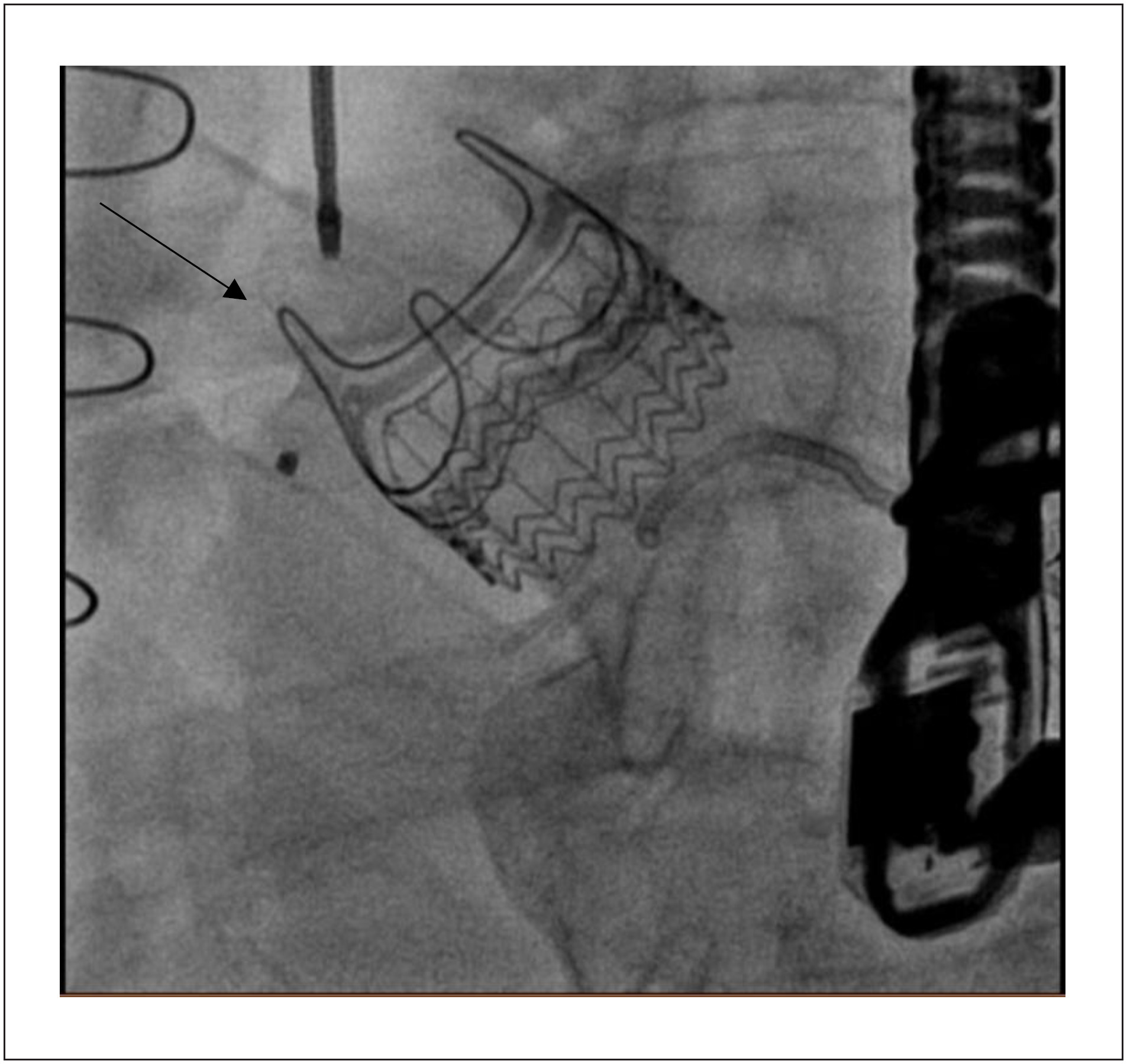
Transcatheter Correction of Aortic-Right Ventricular Shunt Following Aortic Valve Replacement: A Case Report

Adnaldo da Silveira Maia et al. Mauro Henrique Batista Camacho Andresa Fernandes Perego Dayara Hoffmann Mayer José Honório Palma da Fonseca

Abstract

We describe the first case in the literature of transcatheter correction of aortic-right ventricular (Ao-RV) shunt after aortic valve replacement (AVR) with an Intuity® prosthesis (Edwards Lifesciences). A 79-year-old patient with a history of coronary artery bypass grafting and aortic regurgitation underwent AVR using a rapid-release 25-mm Intuity® prosthesis. After 45 days, he presented with severe heart failure, and an Ao-RV shunt was identified on transthoracic echocardiography. Given his history of previous cardiac surgeries, percutaneous correction was attempted. Initially, an attempt was made to catheterize the defect via the transapical approach, which was unsuccessful. The right femoral artery was punctured, and the shunt was catheterized via the aorta, with the implantation of a MemoPart ventricular septal defects (VSD) occluder, resulting in a significant reduction of the shunt. The patient was then transferred to the intensive care unit. However, there was no satisfactory clinical improvement, and transthoracic echocardiography revealed persistent Ao-RV shunt. Therefore, the surgical team opted for a new approach through the femoral artery and a second MemoPart VSD occluder was implanted. A transesophageal echocardiogram showed no leak, and the patient progressed satisfactorily and was discharged from the hospital. Shunts after AVR are rare. In these conditions, percutaneous management is a safe and feasible technical option. This is the first case reported in the literature of this type of complication after Intuity prosthesis implantation.
  • Aorta
  • Heart Ventricles
  • Transcatheter Aortic Valve Replacement
Read Full Article
Creative Commons Attribution (CC BY) Creative Commons license
09/01/2026 DOI: 10.36660/ijcs.20250060
Figure 1
ABCIC
Review Article

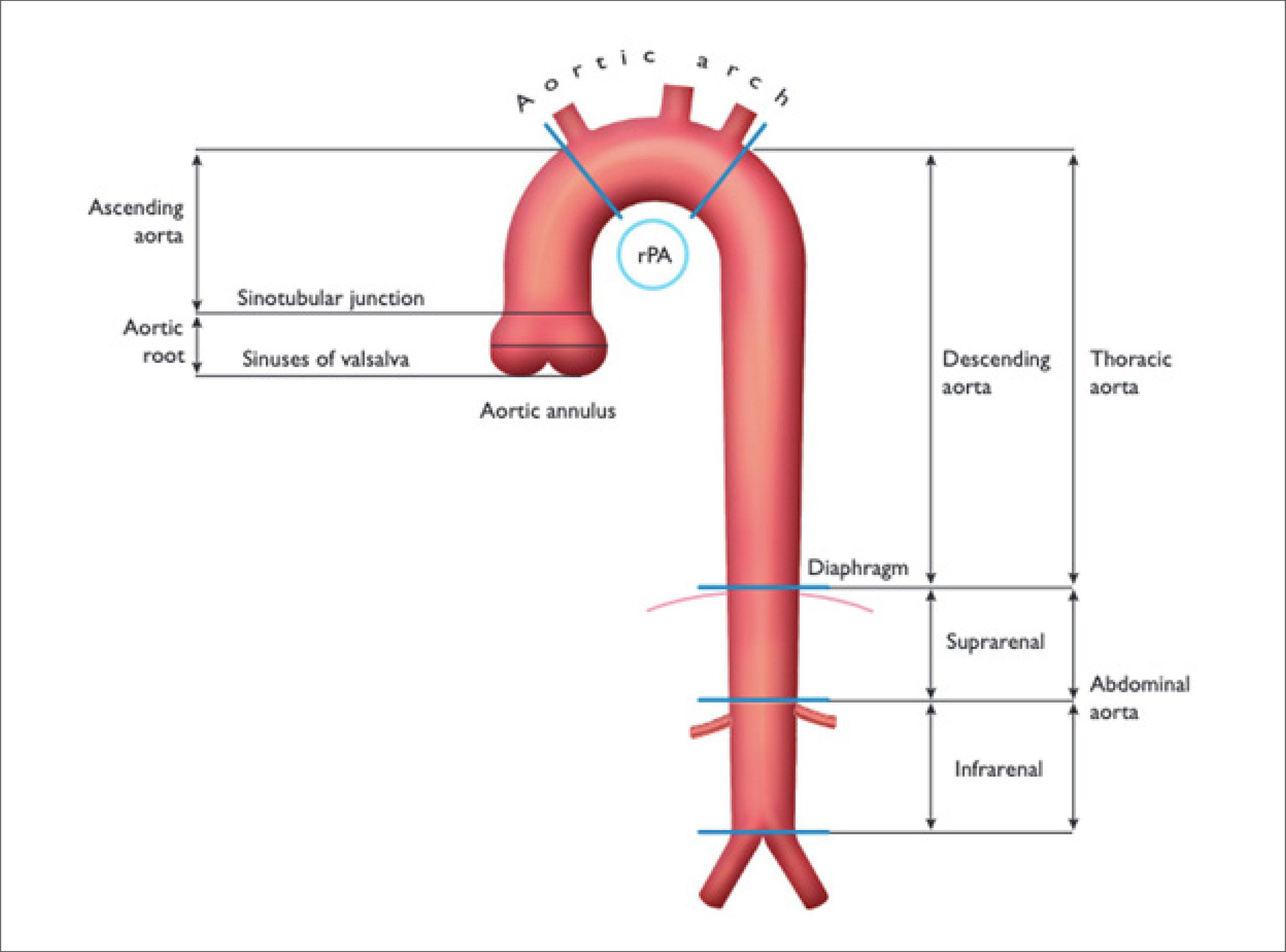
What do Cardiologists Expect Regarding Echocardiogram in Aortopathies

Gustavo de Azevedo Martinhago et al. Alan Rodrigues Andrade Vinicius Machado Correia Fabio Fernandes … Jose Augusto Duncan Santiago Ricardo Ribeiro Dias Vagner Madrini Junior

Abstract

The echocardiogram is an available and essential imaging tool for the evaluation of thoracic aortic diseases. This examination plays a significant role in the identification and diagnosis, as well as the follow-up of chronic cases. Its availability, portability, cost-effectiveness, and the absence of exposure to radiation or contrast make it an important tool for monitoring patients with known aortopathy, who usually require serial examinations for follow-up. Although it is inferior in the total and detailed characterization of the aorta in all its sections compared to aortic angiotomography or angioresonance, the echocardiogram allows for functional assessment of the aortic valve and valve apparatus. In acute aortopathies, it also enables the evaluation of complications and can be performed on hemodynamically unstable patients. This article will discuss the theoretical and practical aspects of the applicability of the echocardiogram in the context of aortopathies.

  • Aorta
  • Aortic Diseases
  • Echocardiography
Read Full Article
Creative Commons Attribution (CC BY) Creative Commons license
28/06/2024 DOI: 10.36660/abcimg.20240022i Views 1
Vascular Response of Triiodothyronine on Isolated Aortic Rings: Contribution of Redox Mechanisms
ABC
Original Article

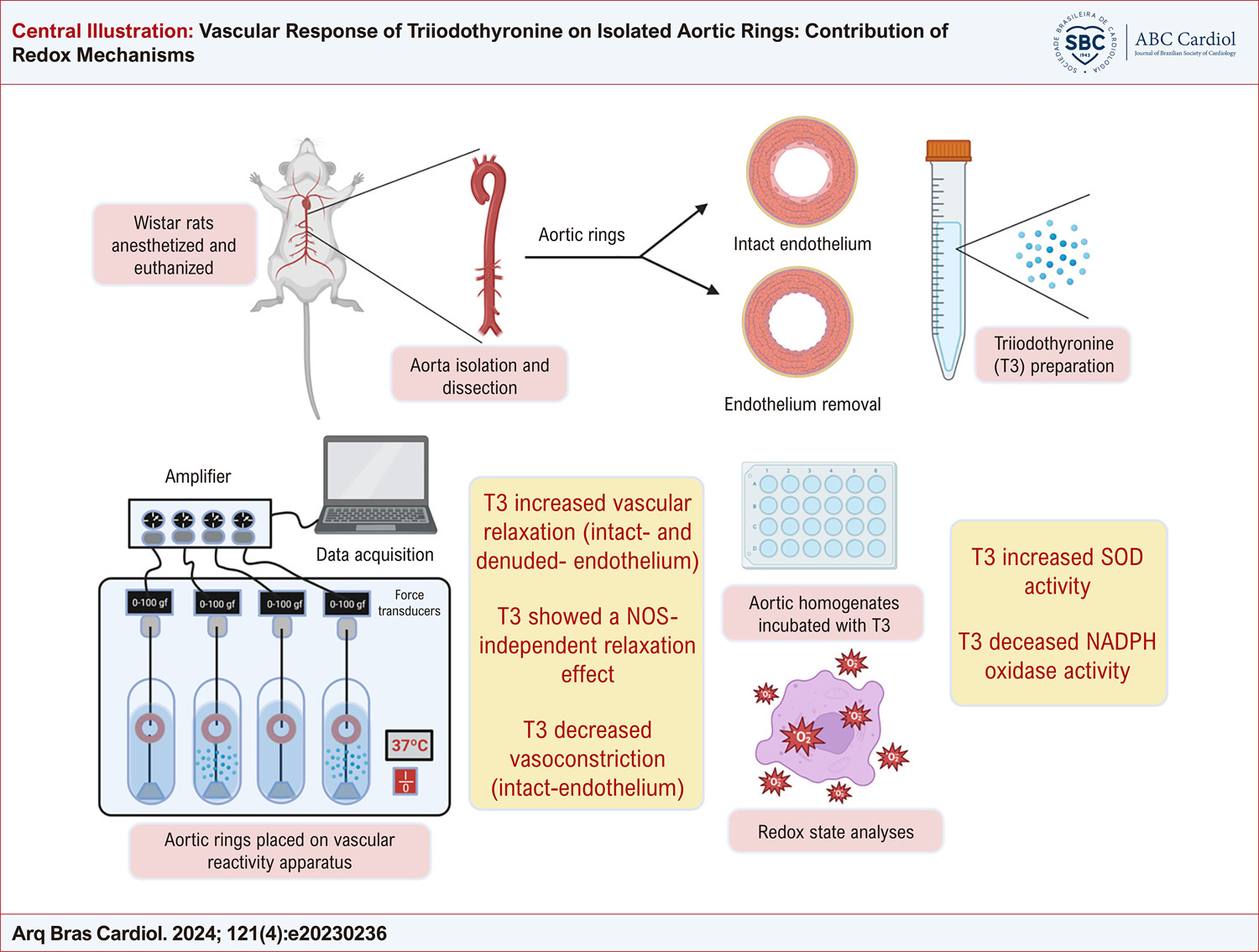
Vascular Response of Triiodothyronine on Isolated Aortic Rings: Contribution of Redox Mechanisms

Viviane Cristina Pederiva et al. Alexandre de Castro Adriane Belló-Klein Alex Sander da Rosa Araujo Patrick Turck

Abstract

Background

Vascular dysfunction constitutes the etiology of many diseases, such as myocardial infarction and hypertension, with the disruption of redox homeostasis playing a role in the imbalance of the vasomotor control mechanism. Our group previously has shown that thyroid hormones exert protective effects on the aortic tissue of infarcted rats by improving angiogenesis signaling.

Objective

Investigate the role of triiodothyronine (T3) on vascular response, exploring its effects on isolated aortas and whether there is an involvement of vascular redox mechanisms.

Methods

Isolated aortic rings (intact- and denuded-endothelium) precontracted with phenylephrine were incubated with T3 (10-8, 10-7, 10-6, 10-5, and 10-4 M), and tension was recorded using a force-displacement transducer coupled with an acquisition system. To assess the involvement of oxidative stress, aortic rings were preincubated with T3 and subsequently submitted to an in vitro reactive oxygen species (ROS) generation system. The level of significance adopted in the statistical analysis was 5%.

Results

T3 (10-4 M) promoted vasorelaxation of phenylephrine precontracted aortic rings in both intact- and denuded-endothelium conditions. Aortic rings preincubated in the presence of T3 (10-4 M) also showed decreased vasoconstriction elicited by phenylephrine (1 µM) in intact-endothelium preparations. Moreover, T3 (10-4 M) vasorelaxation effect persisted in aortic rings preincubated with NG-nitro-L-arginine methylester (L-NAME, 10 µM), a nonspecific NO synthase (NOS) inhibitor. Finally, T3 (10-4 M) exhibited, in vitro, an antioxidant role by reducing NADPH oxidase activity and increasing SOD activity in the aorta’s homogenates.

Conclusion

T3 exerts dependent- and independent-endothelium vasodilation effects, which may be related to its role in maintaining redox homeostasis.

  • Aorta
  • Homeostasis
  • Thyroid Hormones
  • Triiodothyronine
Read Full Article
Creative Commons Attribution (CC BY) Creative Commons license
26/04/2024 DOI: 10.36660/abc.20230236i Views 1
ABC
Letter to the Editor

Analysis of the Neutrophil-Lymphocyte Ratio as a Marker of Atherosclerosis of the Abdominal Aorta

João Victor Domiciano Martins et al. Rodrigo Mendes Johnnatas Mikael Lopes Pedro Pereira Tenório

Dear Editor,

We read with great interest the article: Neutrophil-Lymphocyte Ratio and Abdominal Aortic Atherosclerosis among Asymptomatic Individuals, which evaluated whether the neutrophil-lymphocyte ratio (NRL) could be associated with abdominal aortic atherosclerosis (AtAA). A positive association between the increase in NLR and AtAA was demonstrated when comparing carriers and non-carriers of the disease. However, when adjusting the statistical analysis for age and risk factors, this association did not remain true.

[…]

  • Aorta
  • Atherosclerosis
  • Biomarkers
  • Lymphocytes
  • Neutrophils
  • Risk Factors
Read Full Article
Creative Commons Attribution (CC BY) Creative Commons license
25/11/2022 DOI: 10.36660/abc.20220145
Figure 1
ABCIC
Image

Symptomatic Aortic Mural Thrombus in a Patient With COVID-19

Milton Sérgio Bohatch Júnior et al. Amanda Fernandes Vidal da Silva Marcelo Bellini Dálio Mauricio Serra Ribeiro Edwaldo Edner Joviliano

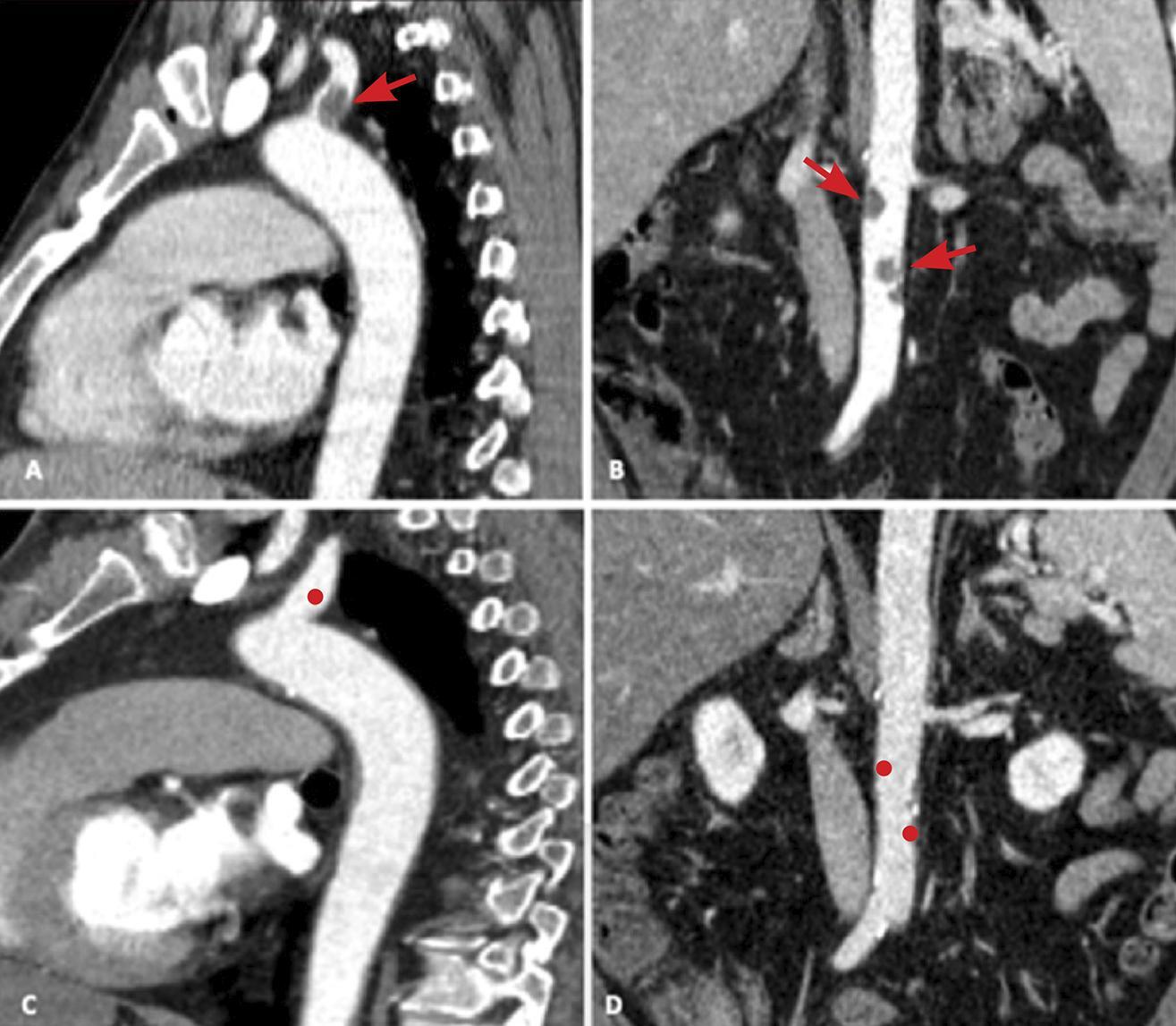
A 56-year-old male former smoker with a history of diabetes mellitus developed flu-like symptoms (cough, fever, and myalgia) that worsened after nine days (dyspnea and asthenia) sought medical attention in an emergency care unit. He was hospitalized with novel coronavirus (sudden acute respiratory syndrome coronavirus 2) infection confirmed by polymerase chain reaction testing. His condition progressed with sudden pain in the left lower limb, toe coldness and paresthesia without motor changes, and pain in the third finger of the left hand associated with non-fixed cyanosis. The patient was referred to the emergency room of Hospital das Clínicas of Ribeirão Preto with acute arterial occlusion. On evaluation, he presented non-fixed cyanosis in the distal phalanx of the third finger of the left hand with no pulse or neurological changes throughout the limb. The left lower limb presented no pulse of or arterial flow in the anterior and posterior tibial arteries. He underwent urgent thrombectomy (Rutherford class 2A) with thrombus removal, and limb perfusion was restored with pulsatile tibial artery flow. The patient remained on anticoagulant therapy with unfractionated heparin. Computed tomography angioplasty used to analyze the embolism demonstrated mural thrombi at the origin of the left subclavian artery and in the infrarenal aorta (, ). The patient progressed with good arterial condition (resolution of left upper limb non-fixed cyanosis and presence of pulse in the left leg), stayed in the intensive care unit for three days, and was discharged after two days of anticoagulant treatment (rivaroxaban [Xarelto®]). In outpatient follow-up, he remained asymptomatic and presented no new embolic events, and the mural thrombi resolved completely after one year of anticoagulant therapy (, ).

[…]

  • Aorta
  • SARS-CoV-2
  • Thrombosis
Read Full Article
Creative Commons Attribution (CC BY) Creative Commons license
17/08/2022 DOI: 10.47593/2675-312X/20223503eabc270
ABCIC
Image

Pseudoaneurysm with Fistula in Metal Aortic Prosthesis and Tubular Prosthesis in Ascending Aorta: Contribution of 3D Echocardiography

Irving Gabriel Araújo Bispo et al. Vera Márcia L Gimenes Mercedes Maldonado Andrade

[…]

  • Aneurysm, False/diagnostic imaging
  • Aorta
  • Fistula
  • Heart Valve Prosthesis
  • Heart Valve Prosthesis Implantation
Read Full Article
Creative Commons Attribution (CC BY) Creative Commons license
20/01/2022 DOI: 10.5935/2318-8219.20170030 Views 1
Figure 1
ABC
Original Article

Vascular Response of Ruthenium Tetraamines in Aortic Ring from Normotensive Rats

Ana Gabriela Conceição-Vertamatti et al. Luiz Alberto Ferreira Ramos Ivy Calandreli Aline Nunes Chiba … Douglas Wagner Franco Elia Tfouni Dora Maria Grassi-Kassisse

Background:

Ruthenium (Ru) tetraamines are being increasingly used as nitric oxide (NO) carriers. In this context, pharmacological studies have become highly relevant to better understand the mechanism of action involved.

Objective:

To evaluate the vascular response of the tetraamines trans-[RuII(NH3)4(Py)(NO)]3+, trans-[RuII(Cl)(NO) (cyclan)](PF6)2, and trans-[RuII(NH3)4(4-acPy)(NO)]3+.

Methods:

Aortic rings were contracted with noradrenaline (10−6 M). After voltage stabilization, a single concentration (10−6 M) of the compounds was added to the assay medium. The responses were recorded during 120 min. Vascular integrity was assessed functionally using acetylcholine at 10−6 M and sodium nitroprusside at 10−6 M as well as by histological examination.

Results:

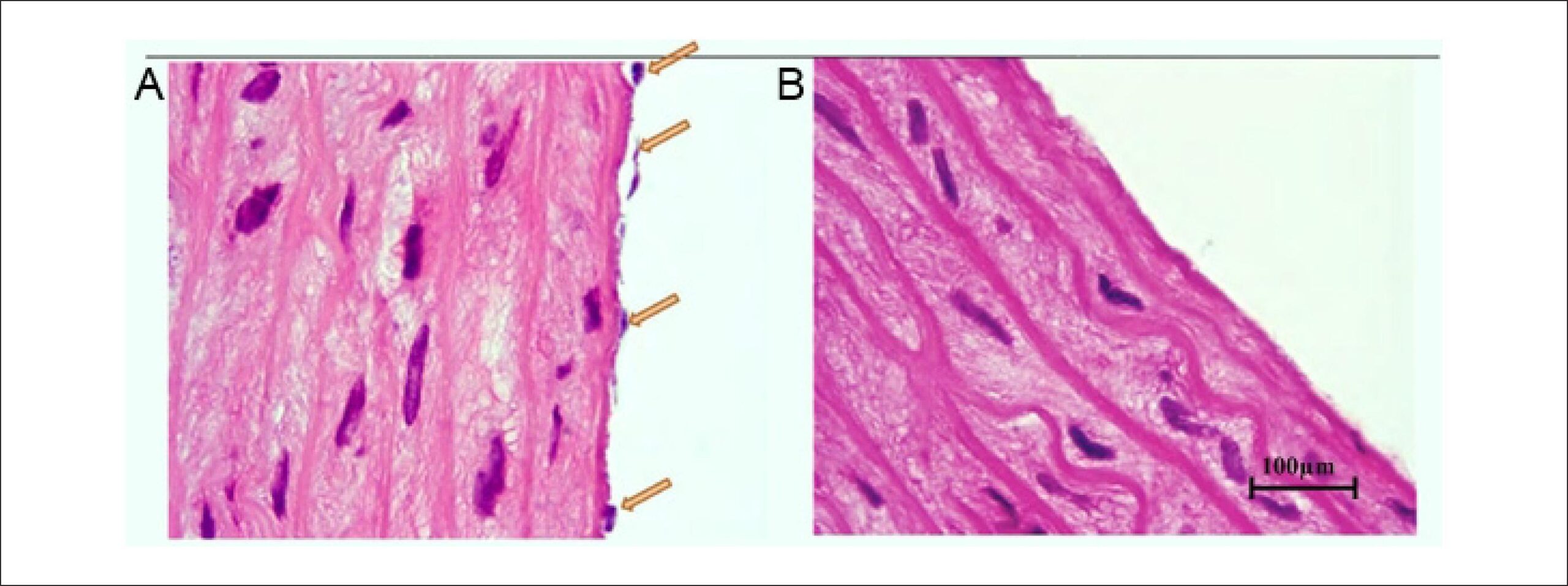
Histological analysis confirmed the presence or absence of endothelial cells in those tissues. All tetraamine complexes altered the contractile response induced by norepinephrine, resulting in increased tone followed by relaxation. In rings with endothelium, the inhibition of endothelial NO caused a reduction of the contractile effect caused by pyridine NO. No significant responses were observed in rings with endothelium after treatment with cyclan NO. In contrast, in rings without endothelium, the inhibition of guanylate cyclase significantly reduced the contractile response caused by the pyridine NO and cyclan NO complexes, and both complexes caused a relaxing effect.

Conclusion:

The results indicate that the vascular effect of the evaluated complexes involved a decrease in the vascular tone induced by norepinephrine (10−6 M) at the end of the incubation period in aortic rings with and without endothelium, indicating the slow release of NO from these complexes and suggesting that the ligands promoted chemical stability to the molecule. Moreover, we demonstrated that the association of Ru with NO is more stable when the ligands pyridine and cyclan are used in the formulation of the compound.

  • Aorta
  • Cyclan
  • Nitric Oxide
  • Norepinephrine
  • Pyridine
  • Rats
  • Ruthenium
Read Full Article
Creative Commons Attribution (CC BY) Creative Commons license
09/12/2014 DOI: 10.5935/abc.20140189
Aortic stiffness is an independent predictor of stroke in hypertensive patients
ABC
Artigo Original

Aortic stiffness is an independent predictor of stroke in hypertensive patients

Telmo Pereira et al. João Maldonado Liliana Pereira Jorge Conde

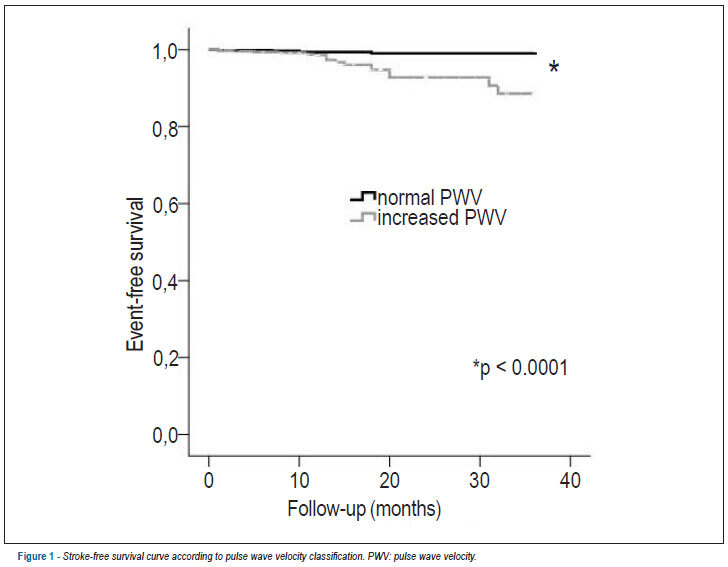
BACKGROUND: Cardiovascular disease remains the leading cause of death in developed countries and is not entirely predicted by classic risk factors. Increased arterial stiffness is an important determinant of cardiovascular morbidity and mortality. OBJECTIVE: To assess whether Aortic Pulse Wave Velocity (PWV) predicts the occurrence of stroke in hypertensive patients METHODS: A cohort, observational and prospective study, including 1133 hypertensive patients (586 men), with a mean age 51.05 ± 12.64 years, was designed. PWV with the Complior method was performed in all patients, as well as a detailed clinical evaluation and blood pressure measurement. RESULTS: The cumulative incidence of stroke in hypertensive patients with increased PWV was 3.25% (CI: 1.97% -5.25%), compared with 0.78% (CI: 0.28% -1.87%) in hypertensive patients with normal PWV (Risk Ratio (RR) =4.15; CI:1.53-11.26). In a multivariate analysis, adjusting the model to classical cardiovascular risk factors, PWV was an independent predictor of stroke, with a Hazard Ratio (HR) = 1.40 (CI:1.13-1.73, p<0.001), indicating a 40% increase in the risk of stroke per 1m/s increment in PWV. The addition of PWV to a model consisting of conventional cardiovascular risk factors significantly improved the discriminative capacity for stroke (Harrell's C increased from 0.68 to 0.71 after the inclusion of the PWV; p<0.01). CONCLUSION: Aortic PWV is a risk factor for stroke in hypertensive patients, and its integration into clinical follow-up programs in patients whose cardiovascular risk is manifest is strongly recommended.

  • Aorta
  • Hypertension
  • Stroke
  • Vascular Stiffness
Read Full Article
Creative Commons Attribution (CC BY) Creative Commons license
12/04/2013 DOI: 10.5935/abc.20130079
Atypical presentation of Kommerell's diverticulum
ABC
Case Report

Atypical presentation of Kommerell's diverticulum

Adriana Dias Barranhas et al. João Mauricio Canavezi Indiani Edson Marchiori Alair Augusto S. M. D. dos Santos … Carlos Eduardo Rochitte Marcelo Souto Nacif

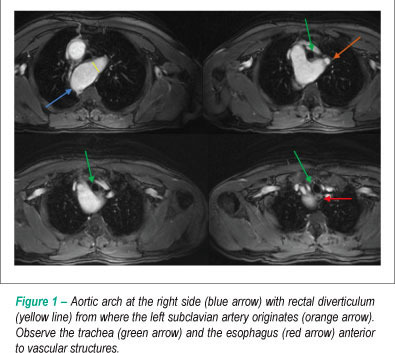
The authors report a case of a 65-year-old male patient who, after complaint about retrosternal discomfort and going through a thoracic radiography with mediastinal enlargement, was submitted to magnetic resonance angiography, which detected a right aortic arch with aberrant left subclavian artery and Kommerell diverticulum. A literature review was the basis for our clinical conduct, for the surgical treatment is complex. The patient presented improvement with clinical treatment and, currently, is under ambulatory follow-up care, with control proposed for three months later or in case of worsening.

  • Aorta
  • Kommerell diverticulum
  • Subclavian Artery
  • thoracic
Read Full Article
Creative Commons Attribution (CC BY) Creative Commons license
05/05/2010 DOI: 10.1590/S0066-782X2009001200026
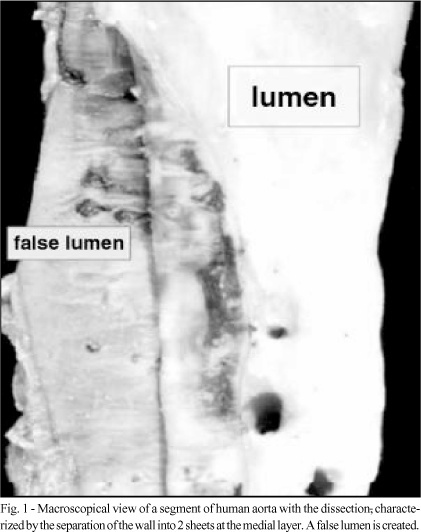
Thyroid hormone levels in patients with aortic dissection: comparison with controls and correlation with the percentage of the aortic media composed of myxoid deposits
ABC
Artigo Original

Thyroid hormone levels in patients with aortic dissection: comparison with controls and correlation with the percentage of the aortic media composed of myxoid deposits

Paulo Sampaio Gutierrez et al. Maria Adelaide Albergaria Pereira Regina Célia Martins Oliveira Noedir Antonio Groppo Stolf Maria de Lourdes Higuchi

OBJECTIVE: Deposits of myxoid material, similar to myxedema related to thyroid disease, are described in the medial layer of aortas with dissection. We analyzed the clinical or subclinical thyroid dysfunction of patients with this disease and analyzed whether a correlation exists between serum levels of thyroid-related hormones and the myxoid content of the aortic media. METHODS: We measured, with standard methods, serum levels of triiodothyronine (T3), thyroxine (T4), and thyroid stimulating hormone (TSH) in 28 patients who underwent aortic dissection and free T4 in 20 of them. The same hormones were quantified in 20 control patients matched by sex and age. Results were compared by using the Mann-Whitney test. We also measured the percentage of the aortic media occupied by myxoid material in the surgical specimens of 25 of the patients with aortic dissection and analyzed its correlation with hormone levels by using the Pearson test. RESULTS: In the 20 pairs in which the amount of hormones was compared, the mean values for T3, T4, free T4, and TSH were 1.22ng/mL, 9.89mcg/dL, 1.18ng/dL, and 5.45 microIU/mL in study patients and 1.15ng/mL, 8.57mcg/dL, 1.32ng/dL, and 2.15 microIU/mL in controls. Neither these differences nor the correlation between the percentage of myxoid content (mean=30%) and the values for T3, T4, free T4, and TSH (mean 1.22ng/mL, 9.44mcg/dL, 1.20ng/dL, and 5.08 microIU/mL, respectively; n= 25) were significant. CONCLUSION: Our data suggest that serum levels of thyroid hormones have no relation with the myxoid content in the aortic media in cases of aortic dissection.

  • aneurysms
  • Aorta
  • dissecting
  • Thyroid Hormones
Read Full Article
Creative Commons Attribution (CC BY) Creative Commons license
16/03/2004 DOI: 10.1590/S0066-782X2004000200004 Views 2

How to cite this article

EndNote RIS

Electronic Document Format (Vancouver)

Maia AS, Camacho MHB, Perego AF, Mayer DH, Fonseca JHP. Transcatheter Correction of Aortic-Right Ventricular Shunt Following Aortic Valve Replacement: A Case Report. International Journal of Cardiovascular Sciences 2026;38:e20250060.

Electronic Document Format (ABNT)

Maia, Adnaldo da Silveira; Camacho, Mauro Henrique Batista; Perego, Andresa Fernandes; Mayer, Dayara Hoffmann; Fonseca, José Honório Palma da. Transcatheter Correction of Aortic-Right Ventricular Shunt Following Aortic Valve Replacement: A Case Report. International Journal of Cardiovascular Sciences, v. 38, e20250060, Jan. 2026.

Electronic Document Format (APA)

Maia, A. S., Camacho, M. H. B., Perego, A. F., Mayer, D. H., & Fonseca, J. H. P. (2026). Transcatheter Correction of Aortic-Right Ventricular Shunt Following Aortic Valve Replacement: A Case Report. International Journal of Cardiovascular Sciences, 38, e20250060.

Electronic Document Format (ISO)

Maia, Adnaldo da Silveira and Camacho, Mauro Henrique Batista and Perego, Andresa Fernandes and Mayer, Dayara Hoffmann and Fonseca, José Honório Palma da. Transcatheter Correction of Aortic-Right Ventricular Shunt Following Aortic Valve Replacement: A Case Report. International Journal of Cardiovascular Sciences [online]. 2026, vol. 38, [cited 2026-10-14], e20250060. Available from: <https://journals.cardiol.br/en/article/transcatheter-correction-of-aortic-right-ventricular-shunt-following-aortic-valve-replacement-a-case-report/>. ISSN 2359-4802

EndNote RIS

Electronic Document Format (Vancouver)

Martinhago GA, Andrade AR, Correia VM, Fernandes F, Santiago JAD, Dias RR, Madrini Junior V, et al. What do Cardiologists Expect Regarding Echocardiogram in Aortopathies. ABC Imagem Cardiovascular 2024;37(2):e20240022.

Electronic Document Format (ABNT)

Martinhago, Gustavo de Azevedo; Andrade, Alan Rodrigues; Correia, Vinicius Machado; Fernandes, Fabio; Santiago, Jose Augusto Duncan; Dias, Ricardo Ribeiro; Madrini Junior, Vagner. What do Cardiologists Expect Regarding Echocardiogram in Aortopathies. ABC Imagem Cardiovascular, v. 37, n. 2, e20240022, Jun. 2024.

Electronic Document Format (APA)

Martinhago, G. A., Andrade, A. R., Correia, V. M., Fernandes, F., Santiago, J. A. D., Dias, R. R., & Madrini Junior, V. (2024). What do Cardiologists Expect Regarding Echocardiogram in Aortopathies. ABC Imagem Cardiovascular, 37(2), e20240022.

Electronic Document Format (ISO)

Martinhago, Gustavo de Azevedo and Andrade, Alan Rodrigues and Correia, Vinicius Machado and Fernandes, Fabio and Santiago, Jose Augusto Duncan and Dias, Ricardo Ribeiro and Madrini Junior, Vagner. What do Cardiologists Expect Regarding Echocardiogram in Aortopathies. ABC Imagem Cardiovascular [online]. 2024, vol. 37, n. 2, [cited 2026-10-14], e20240022. Available from: <https://journals.cardiol.br/en/article/what-do-cardiologists-expect-regarding-echocardiogram-in-aortopathies/>. ISSN 2318-8219

EndNote RIS

Electronic Document Format (Vancouver)

Pederiva VC, Castro A, Belló-Klein A, Araujo ASR, Turck P. Vascular Response of Triiodothyronine on Isolated Aortic Rings: Contribution of Redox Mechanisms. Arquivos Brasileiros de Cardiologia 2024;121(4):e20230236.

Electronic Document Format (ABNT)

Pederiva, Viviane Cristina; Castro, Alexandre de; Belló-Klein, Adriane; Araujo, Alex Sander da Rosa; Turck, Patrick. Vascular Response of Triiodothyronine on Isolated Aortic Rings: Contribution of Redox Mechanisms. Arquivos Brasileiros de Cardiologia, v. 121, n. 4, e20230236, Apr. 2024.

Electronic Document Format (APA)

Pederiva, V. C., Castro, A. , Belló-Klein, A., Araujo, A. S. R., & Turck, P. (2024). Vascular Response of Triiodothyronine on Isolated Aortic Rings: Contribution of Redox Mechanisms. Arquivos Brasileiros de Cardiologia, 121(4), e20230236.

Electronic Document Format (ISO)

Pederiva, Viviane Cristina and Castro, Alexandre de and Belló-Klein, Adriane and Araujo, Alex Sander da Rosa and Turck, Patrick. Vascular Response of Triiodothyronine on Isolated Aortic Rings: Contribution of Redox Mechanisms. Arquivos Brasileiros de Cardiologia [online]. 2024, vol. 121, n. 4, [cited 2026-10-14], e20230236. Available from: <https://journals.cardiol.br/en/article/vascular-response-of-triiodothyronine-on-isolated-aortic-rings-contribution-of-redox-mechanisms/>. ISSN 0066-782X

EndNote RIS

Electronic Document Format (Vancouver)

Martins JVD, Mendes R, Lopes JM, Tenório PP. Analysis of the Neutrophil-Lymphocyte Ratio as a Marker of Atherosclerosis of the Abdominal Aorta. Arquivos Brasileiros de Cardiologia 2022;119(5):813-4.

Electronic Document Format (ABNT)

Martins, João Victor Domiciano; Mendes, Rodrigo; Lopes, Johnnatas Mikael; Tenório, Pedro Pereira. Analysis of the Neutrophil-Lymphocyte Ratio as a Marker of Atherosclerosis of the Abdominal Aorta. Arquivos Brasileiros de Cardiologia, v. 119, n. 5, p. 813-814, Nov. 2022.

Electronic Document Format (APA)

Martins, J. V. D., Mendes, R., Lopes, J. M., & Tenório, P. P. (2022). Analysis of the Neutrophil-Lymphocyte Ratio as a Marker of Atherosclerosis of the Abdominal Aorta. Arquivos Brasileiros de Cardiologia, 119(5), 813-814.

Electronic Document Format (ISO)

Martins, João Victor Domiciano and Mendes, Rodrigo and Lopes, Johnnatas Mikael and Tenório, Pedro Pereira. Analysis of the Neutrophil-Lymphocyte Ratio as a Marker of Atherosclerosis of the Abdominal Aorta. Arquivos Brasileiros de Cardiologia [online]. 2022, vol. 119, n. 5, [cited 2026-10-14], pp. 813-814. Available from: <https://journals.cardiol.br/en/article/analysis-of-the-neutrophil-lymphocyte-ratio-as-a-marker-of-atherosclerosis-of-the-abdominal-aorta/>. ISSN 0066-782X

EndNote RIS

Electronic Document Format (Vancouver)

Bohatch Júnior MS, Silva AFV, Dálio MB, Ribeiro MS, Joviliano EE. Symptomatic Aortic Mural Thrombus in a Patient With COVID-19. ABC Imagem Cardiovascular 2022;35(3):eabc270.

Electronic Document Format (ABNT)

Bohatch Júnior, Milton Sérgio; Silva, Amanda Fernandes Vidal da; Dálio, Marcelo Bellini; Ribeiro, Mauricio Serra; Joviliano, Edwaldo Edner. Symptomatic Aortic Mural Thrombus in a Patient With COVID-19. ABC Imagem Cardiovascular, v. 35, n. 3, eabc270, Aug. 2022.

Electronic Document Format (APA)

Bohatch Júnior, M. S., Silva, A. F. V. , Dálio, M. B., Ribeiro, M. S., & Joviliano, E. E. (2022). Symptomatic Aortic Mural Thrombus in a Patient With COVID-19. ABC Imagem Cardiovascular, 35(3), eabc270.

Electronic Document Format (ISO)

Bohatch Júnior, Milton Sérgio and Silva, Amanda Fernandes Vidal da and Dálio, Marcelo Bellini and Ribeiro, Mauricio Serra and Joviliano, Edwaldo Edner. Symptomatic Aortic Mural Thrombus in a Patient With COVID-19. ABC Imagem Cardiovascular [online]. 2022, vol. 35, n. 3, [cited 2026-10-14], eabc270. Available from: <https://journals.cardiol.br/en/article/symptomatic-aortic-mural-thrombus-in-a-patient-with-covid-19/>. ISSN 2318-8219

EndNote RIS

Electronic Document Format (Vancouver)

Bispo IGA, Gimenes VML, Andrade MM. Pseudoaneurysm with Fistula in Metal Aortic Prosthesis and Tubular Prosthesis in Ascending Aorta: Contribution of 3D Echocardiography. Arquivos Brasileiros de Cardiologia Imagem cardiovascular 2022;30(4):152-3.

Electronic Document Format (ABNT)

Bispo, Irving Gabriel Araújo; Gimenes, Vera Márcia L; Andrade, Mercedes Maldonado. Pseudoaneurysm with Fistula in Metal Aortic Prosthesis and Tubular Prosthesis in Ascending Aorta: Contribution of 3D Echocardiography. Arquivos Brasileiros de Cardiologia Imagem cardiovascular, v. 30, n. 4, p. 152-153, Jan. 2022.

Electronic Document Format (APA)

Bispo, I. G. A., Gimenes, V. M. L., & Andrade, M. M. (2022). Pseudoaneurysm with Fistula in Metal Aortic Prosthesis and Tubular Prosthesis in Ascending Aorta: Contribution of 3D Echocardiography. Arquivos Brasileiros de Cardiologia Imagem cardiovascular, 30(4), 152-153.

Electronic Document Format (ISO)

Bispo, Irving Gabriel Araújo and Gimenes, Vera Márcia L and Andrade, Mercedes Maldonado. Pseudoaneurysm with Fistula in Metal Aortic Prosthesis and Tubular Prosthesis in Ascending Aorta: Contribution of 3D Echocardiography. Arquivos Brasileiros de Cardiologia Imagem cardiovascular [online]. 2022, vol. 30, n. 4, [cited 2026-10-14], pp. 152-153. Available from: <https://journals.cardiol.br/en/article/pseudoaneurysm-with-fistula-in-metal-aortic-prosthesis-and-tubular-prosthesis-in-ascending-aorta-contribution-of-3d-echocardiography/>. ISSN 2318-8219

EndNote RIS

Electronic Document Format (Vancouver)

Conceição-Vertamatti AG, Ramos LAF, Calandreli I, Chiba AN, Franco DW, Tfouni E, Grassi-Kassisse DM, et al. Vascular Response of Ruthenium Tetraamines in Aortic Ring from Normotensive Rats. Arquivos Brasileiros de Cardiologia 2014;104(3):185-94.

Electronic Document Format (ABNT)

Conceição-Vertamatti, Ana Gabriela; Ramos, Luiz Alberto Ferreira; Calandreli, Ivy; Chiba, Aline Nunes; Franco, Douglas Wagner; Tfouni, Elia; Grassi-Kassisse, Dora Maria. Vascular Response of Ruthenium Tetraamines in Aortic Ring from Normotensive Rats. Arquivos Brasileiros de Cardiologia, v. 104, n. 3, p. 185-194, Dec. 2014.

Electronic Document Format (APA)

Conceição-Vertamatti, A. G., Ramos, L. A. F., Calandreli, I., Chiba, A. N., Franco, D. W., Tfouni, E., & Grassi-Kassisse, D. M. (2014). Vascular Response of Ruthenium Tetraamines in Aortic Ring from Normotensive Rats. Arquivos Brasileiros de Cardiologia, 104(3), 185-194.

Electronic Document Format (ISO)

Conceição-Vertamatti, Ana Gabriela and Ramos, Luiz Alberto Ferreira and Calandreli, Ivy and Chiba, Aline Nunes and Franco, Douglas Wagner and Tfouni, Elia and Grassi-Kassisse, Dora Maria. Vascular Response of Ruthenium Tetraamines in Aortic Ring from Normotensive Rats. Arquivos Brasileiros de Cardiologia [online]. 2014, vol. 104, n. 3, [cited 2026-10-14], pp. 185-194. Available from: <https://journals.cardiol.br/en/article/vascular-response-of-ruthenium-tetraamines-in-aortic-ring-from-normotensive-rats/>. ISSN 0066-782X

EndNote RIS

Electronic Document Format (Vancouver)

Pereira T, Maldonado J, Pereira L, Conde J. Aortic stiffness is an independent predictor of stroke in hypertensive patients. Arquivos Brasileiros de Cardiologia 2013;100(5):437-43.

Electronic Document Format (ABNT)

Pereira, Telmo; Maldonado, João; Pereira, Liliana; Conde, Jorge. Aortic stiffness is an independent predictor of stroke in hypertensive patients. Arquivos Brasileiros de Cardiologia, v. 100, n. 5, p. 437-443, Apr. 2013.

Electronic Document Format (APA)

Pereira, T., Maldonado, J., Pereira, L., & Conde, J. (2013). Aortic stiffness is an independent predictor of stroke in hypertensive patients. Arquivos Brasileiros de Cardiologia, 100(5), 437-443.

Electronic Document Format (ISO)

Pereira, Telmo and Maldonado, João and Pereira, Liliana and Conde, Jorge. Aortic stiffness is an independent predictor of stroke in hypertensive patients. Arquivos Brasileiros de Cardiologia [online]. 2013, vol. 100, n. 5, [cited 2026-10-14], pp. 437-443. Available from: <https://journals.cardiol.br/en/article/aortic-stiffness-is-an-independent-predictor-of-stroke-in-hypertensive-patients/>. ISSN 0066-782X

EndNote RIS

Electronic Document Format (Vancouver)

Barranhas AD, Indiani JMC, Marchiori E, Santos AASMD, Rochitte CE, Nacif MS. Atypical presentation of Kommerell’s diverticulum. Arquivos Brasileiros de Cardiologia 2010;93(6):e101-3.

Electronic Document Format (ABNT)

Barranhas, Adriana Dias; Indiani, João Mauricio Canavezi; Marchiori, Edson; Santos, Alair Augusto S. M. D. dos; Rochitte, Carlos Eduardo; Nacif, Marcelo Souto. Atypical presentation of Kommerell’s diverticulum. Arquivos Brasileiros de Cardiologia, v. 93, n. 6, p. e101-e103, May. 2010.

Electronic Document Format (APA)

Barranhas, A. D., Indiani, J. M. C., Marchiori, E., Santos, A. A. S. M. D. , Rochitte, C. E., & Nacif, M. S. (2010). Atypical presentation of Kommerell’s diverticulum. Arquivos Brasileiros de Cardiologia, 93(6), e101-e103.

Electronic Document Format (ISO)

Barranhas, Adriana Dias and Indiani, João Mauricio Canavezi and Marchiori, Edson and Santos, Alair Augusto S. M. D. dos and Rochitte, Carlos Eduardo and Nacif, Marcelo Souto. Atypical presentation of Kommerell’s diverticulum. Arquivos Brasileiros de Cardiologia [online]. 2010, vol. 93, n. 6, [cited 2026-10-14], pp. e101-e103. Available from: <https://journals.cardiol.br/en/article/atypical-presentation-of-kommerells-diverticulum/>. ISSN 0066-782X

EndNote RIS

Electronic Document Format (Vancouver)

Gutierrez PS, Pereira MAA, Oliveira RCM, Stolf NAG, Higuchi ML. Thyroid hormone levels in patients with aortic dissection: comparison with controls and correlation with the percentage of the aortic media composed of myxoid deposits. Arquivos Brasileiros de Cardiologia 2004;82(2):129-33.

Electronic Document Format (ABNT)

Gutierrez, Paulo Sampaio; Pereira, Maria Adelaide Albergaria; Oliveira, Regina Célia Martins; Stolf, Noedir Antonio Groppo; Higuchi, Maria de Lourdes. Thyroid hormone levels in patients with aortic dissection: comparison with controls and correlation with the percentage of the aortic media composed of myxoid deposits. Arquivos Brasileiros de Cardiologia, v. 82, n. 2, p. 129-133, Mar. 2004.

Electronic Document Format (APA)

Gutierrez, P. S., Pereira, M. A. A., Oliveira, R. C. M., Stolf, N. A. G., & Higuchi, M. L. (2004). Thyroid hormone levels in patients with aortic dissection: comparison with controls and correlation with the percentage of the aortic media composed of myxoid deposits. Arquivos Brasileiros de Cardiologia, 82(2), 129-133.

Electronic Document Format (ISO)

Gutierrez, Paulo Sampaio and Pereira, Maria Adelaide Albergaria and Oliveira, Regina Célia Martins and Stolf, Noedir Antonio Groppo and Higuchi, Maria de Lourdes. Thyroid hormone levels in patients with aortic dissection: comparison with controls and correlation with the percentage of the aortic media composed of myxoid deposits. Arquivos Brasileiros de Cardiologia [online]. 2004, vol. 82, n. 2, [cited 2026-10-14], pp. 129-133. Available from: <https://journals.cardiol.br/en/article/thyroid-hormone-levels-in-patients-with-aortic-dissection-comparison-with-controls-and-correlation-with-the-percentage-of-the-aortic-media-composed-of-myxoid-deposits/>. ISSN 0066-782X

  • About ABC Family
  • Internal Regulation
  • Editorial Board
  • Brazilian Society of Cardiology (SBC)

Issues

SBC Guidelines

  • Videos
  • Podcasts
  • News