ABC Family Arquivos Brasileiros de Cardiologia International Journal of Cardiovascular Sciences ABC Heart Failure & Cardiomyopathy ABC Imagem Cardiovascular
Português English
ABC Family
Português English
  • About
    • About ABC Family
    • Internal Regulation
    • Editorial Board
    • Brazilian Society of Cardiology (SBC)
  • Issues
  • SBC Guidelines
  • Content
    • Videos
    • Podcasts
    • News
  • About
    • About ABC Family
    • Internal Regulation
    • Editorial Board
    • Brazilian Society of Cardiology (SBC)
  • Issues
  • SBC Guidelines
  • Content
    • Videos
    • Podcasts
    • News

ABC Family

  • ABC Family
  • Arquivos Brasileiros de Cardiologia
  • International Journal of Cardiovascular Sciences
  • ABC Heart Failure & Cardiomyopathy
  • ABC Imagem Cardiovascular
Search in

No content found.

Journals
Ordering
Article types
Others

  1. Home
  2. Keyword: Survival Analysis
Performance of the SHARPEN Score and the Charlson Comorbidity Index for In-Hospital and Post-Discharge Mortality Prediction in Infective Endocarditis
ABC
Original Article

Performance of the SHARPEN Score and the Charlson Comorbidity Index for In-Hospital and Post-Discharge Mortality Prediction in Infective Endocarditis

Sofia Giusti Alves et al. Fernando Pivatto Júnior Filippe Barcellos Filippini Gustavo Paglioli Dannenhauer … Gabriel Seroiska Helena Marcon Bischoff Luiz Felipe Schmidt Birk Diego Henrique Terra Daniel Sganzerla Marcelo Haertel Miglioranza

Abstract

Background

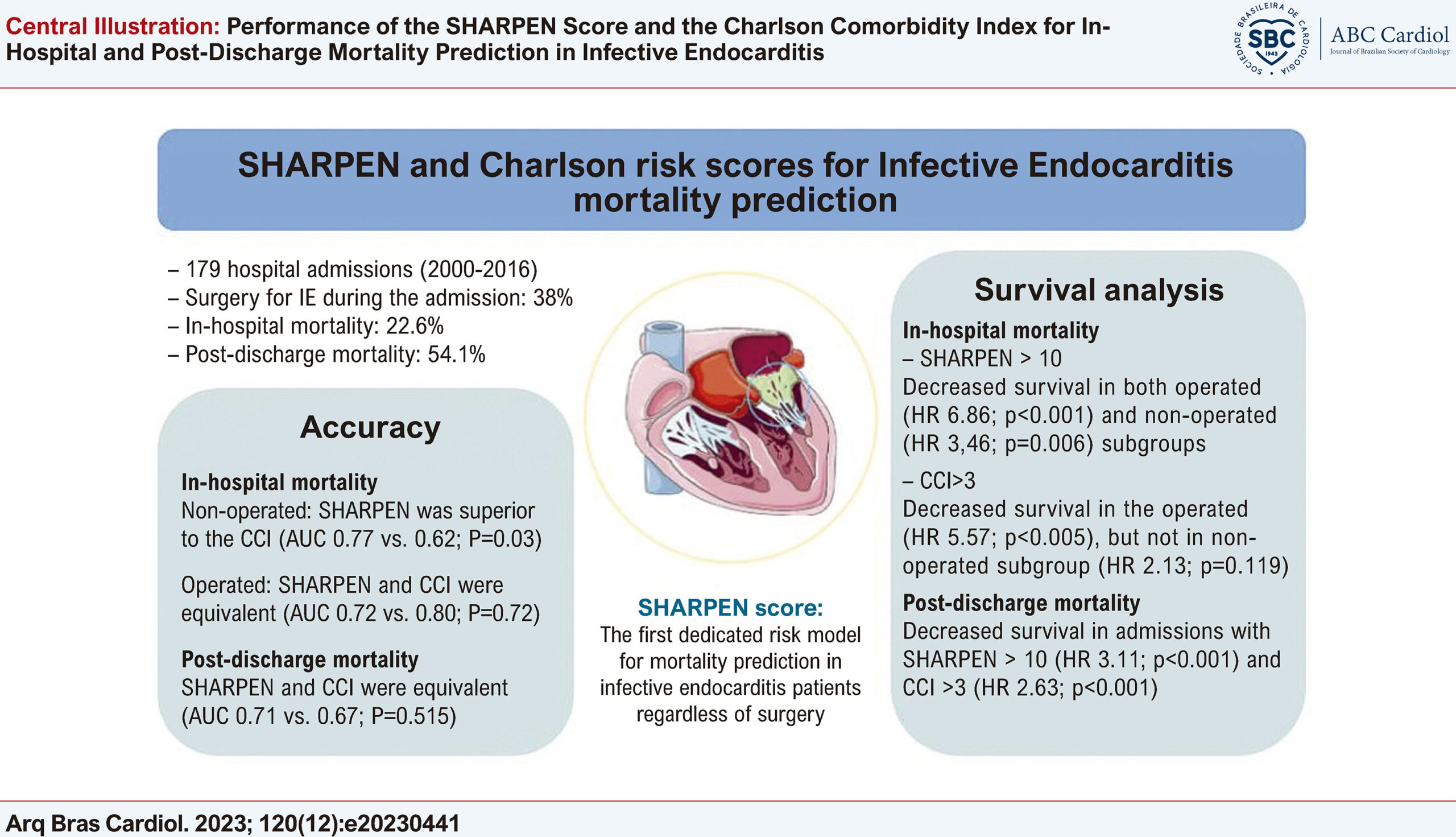
SHARPEN was the first dedicated score for in-hospital mortality prediction in infective endocarditis (IE) regardless of cardiac surgery.

Objectives

To analyze the ability of the SHARPEN score to predict in-hospital and post-discharge mortality and compare it with that of the Charlson comorbidity index (CCI).

Methods

Retrospective cohort study including definite IE (Duke modified criteria) admissions from 2000 to 2016. The area under the ROC curve (AUC-ROC) was calculated to assess predictive ability. Kaplan-Meier curves and Cox regression was performed. P-value < 0.05 was considered statistically significant.

Results

We studied 179 hospital admissions. In-hospital mortality was 22.3%; 68 (38.0%) had cardiac surgery. Median (interquartile range, IQR) SHARPEN and CCI scores were 9(7-11) and 3(2-6), respectively. SHARPEN had better in-hospital mortality prediction than CCI in non-operated patients (AUC-ROC 0.77 vs. 0.62, p = 0.003); there was no difference in overall (p = 0.26) and in operated patients (p = 0.41). SHARPEN > 10 at admission was associated with decreased in-hospital survival in the overall (HR 3.87; p < 0.001), in non-operated (HR 3.46; p = 0.006) and operated (HR 6.86; p 3 at admission was associated with worse in-hospital survival in the overall (HR 3.0; p = 0.002), and in operated patients (HR 5.57; p = 0.005), but not in non-operated patients (HR 2.13; p = 0.119). Post-discharge survival was worse in patients with SHARPEN > 10 (HR 3.11; p 3 (HR 2.63; p < 0.001) at admission; however, there was no difference in predictive ability between these groups.

Conclusion

SHARPEN was superior to CCI in predicting in-hospital mortality in non-operated patients. There was no difference between the scores regarding post-discharge mortality.
  • Comorbidity
  • Keywords: Endocarditis
  • Survival Analysis
Read Full Article
Creative Commons Attribution (CC BY) Creative Commons license
04/03/2024 DOI: 10.36660/abc.20230441 Views 1
ABC
Letter to the Editor

Mechanical Valve Implants: What Are Their Long-Term Effects?

Eldys Myler Santos Marinho et al. Júlio Martinez Martinez Santos Bruno da Silva Brito Achilles de Souza Andrade Johnnatas Mikael Lopes

Surgical procedures for replacing body structures through prostheses are perhaps the medical interventions that require great expertise and continuous monitoring, prolonging the lives and health of countless people. This was a theme of the research entitled “ Clinical Features and Survival Analysis of Patients after Mechanical Heart Valve Replacement, with an Emphasis on Prosthetic Valve Thrombosis ” by Tagliari et al. published in volume 119, number 5 of this journal.

Among the various contributions the study brings us, some findings need further clarification so mechanical valve implant interventions can be useful clinically and in public health.

[…]

  • Death
  • Embolism
  • Heart Valve Prosthesis Implantation
  • Survival Analysis
  • Thrombosis
Read Full Article
Creative Commons Attribution (CC BY) Creative Commons license
17/07/2023 DOI: 10.36660/abc.20220875 Views 1
Figure 1
ABC
Original Article

Prognosis Related to Reperfusion Therapy Post-Acute Coronary Syndrome in Secondary Care: Long-Term Survival Analysis in the ERICO Study

Tatiana C. Bruno et al. Márcio S. Bittencourt Alessandra V. L. Quidim Itamar S. Santos … Paulo A. Lotufo Isabela M. Benseñor Alessandra C. Goulart

Abstract

Background

Relationship between reperfusion therapy post-acute coronary syndrome (ACS) and mortality in secondary care is not well-known.

Objectives

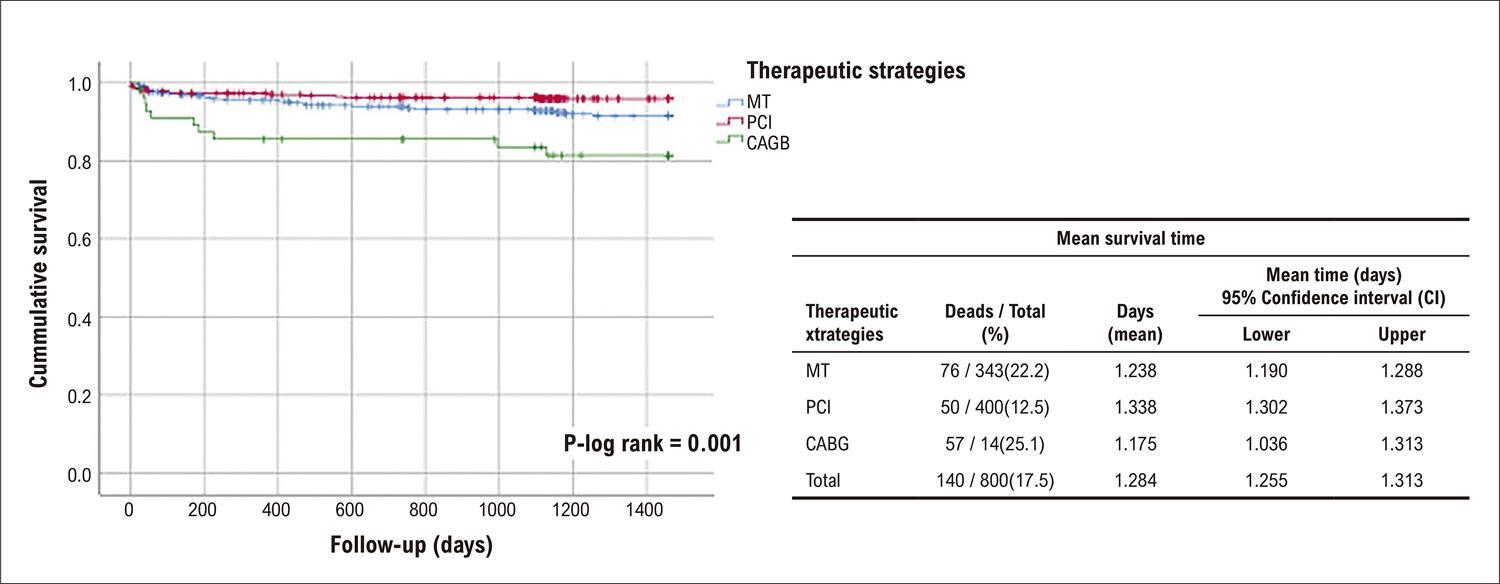
To evaluate the impact of three therapeutic strategies: (1) exclusive medical therapy, (2) percutaneous coronary intervention (PCI) and (3) coronary artery bypass grafting (CABG) on long-term survival of participants in the Strategy of Registry of Acute Coronary Syndrome (ERICO) study.

Methods

Survival analyses for all-cause, cardiovascular (CVD) and coronary artery disease (CAD) mortality were performed according to three therapeutic strategies (exclusive medical therapy, PCI or CABG). Cox regression models were used to estimate the hazard ratio (HR) with respective 95% confidence interval (95%CI) from 180 days to four years of follow-up after ACS. Models are presented as crude, age-sex adjusted and further adjusted for previous CAD, ACS subtype, smoking, hypertension, dyslipidemia, left ventricular ejection fraction and according to the number of obstructed (≥ 50%) major coronary arteries.

Results

Among 800 participants, the lowest crude survival rates were detected among individuals who underwent CABG (all-cause and CVD). CABG was correlated to CAD (HR: 2.19 [95% CI: 1.05-4.55]). However, this risk lost significance in the full model. PCI was associated to lower probability of fatal events during four-year follow-up: all-cause [multivariate HR: 0.42 (95% CI: 0.26-0.70)], CVD [HR: 0.39 (95% CI: 0.20-0.73)] and CAD [multivariate HR: 0.24 (95% CI: 0.09-0.63)] compared to those submitted to exclusive medical therapy.

Conclusion

In the ERICO study, PCI after ACS was associated to better prognosis, particularly CAD survival.

  • Acute coronary syndrome
  • Angioplasty
  • Coronary Artery Bypass
  • Mortality
  • Survival Analysis
Read Full Article
Creative Commons Attribution (CC BY) Creative Commons license
15/05/2023 DOI: 10.36660/abc.20220849 Views 2
Figure 1
ABC
Original Article

Clinical Features and Survival Analysis of Patients after Mechanical Heart Valve Replacement, with an Emphasis on Prosthetic Valve Thrombosis

Fábio Tagliari et al. Marcelo Goulart Correia Guilherme Dalcol Amorim Alexandre Siciliano Colafranceschi … João Manoel Pedroso Luiz Fernando Rodrigues Junior Thaisa Rodrigues Tagliari Clara Weksler Cristiane Lamas

Abstract

Background

Valvular heart diseases are highly prevalent in the world, and surgical valve replacement has improved patients’ survival.

Objectives

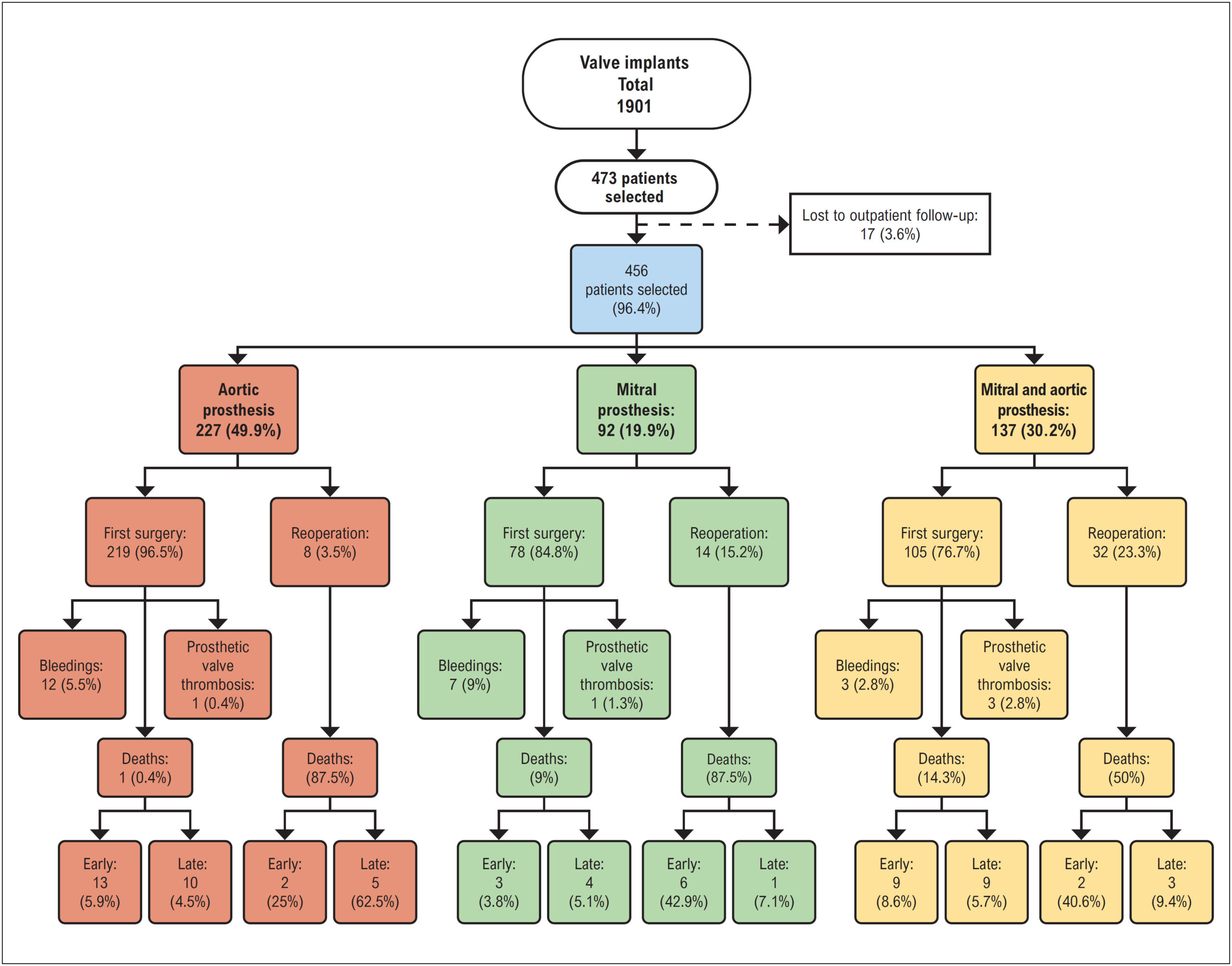
To describe clinical and laboratory data of patients undergoing mechanical valve replacement, and to determine the incidence of prosthetic valve thrombosis (PVT).

Methods

Retrospective cohort study with a follow-up of up to nine years. The study variables were collected from conventional and electronic medical charts. Statistical calculations were performed using the Jamovi software version 1.2.2.; a p<0.05 was considered statistically significant. Kaplan Meier curves were constructed, and Cox regression analysis was performed for analysis of factors related to mortality.

Results

A total of 473 patients were included, mean age of 46.9 ±11.3 years. Rheumatic disease was the most common etiology. In a mean follow-up period of 4.43 years, mortality rate was 16.1%. Patients with aortic prosthesis showed higher survival than patients with double implant (mitral and aortic) (p=0.026). Of the factors adjusted for mortality, only functional class and chronic renal failure showed statistically significant association. The incidence of PVT was 0.24/100 patients/year, and the first event occurred more than 1000 days after the implant. Smoking and pannus formation were significantly associated with PVT. No differences were found in INR variability between patients with and without thrombosis by prosthetic position, but significant differences were found in INR before thrombosis as compared with patients without thrombosis (INR= 2.20 [1.80-2.20] vs. 2.80 [2.20-3.40]; p= 0.040). The incidence of stroke and bleeding was 4.4% and 5.2% respectively.

Conclusions

The study population was young, and rheumatic valve disease was common in this group. The prevalence of PVT was similar to that described in the literature, despite the low income and low educational level of our sample.

  • Anticoagulants
  • Brazil
  • Heart Valve Prosthesis Implantation
  • Survival Analysis
  • Thrombosis
Read Full Article
Creative Commons Attribution (CC BY) Creative Commons license
25/11/2022 DOI: 10.36660/abc.20210544 Views 1
Figure 1
ABC
Original Article

Relationship between Mitral Regurgitation and Transcatheter Aortic Valve Implantation: a Multi-Institutional Follow-up Study

Luciana de Cerjat Bernardes P. da Cunha et al. Enio Eduardo Guerios Claudio Leinig Pereira da Cunha Luiz A. Carvalho … Pedro Lemos Neto Rogério Sarmento-Leite Alexandre A. Abizaid José Antonio Mangione Adriano Dourado Oliveira Alexandre Siciliano Vinicius Esteves Fábio Sândoli de Brito Jr

Abstract

Background

Mitral regurgitation (MR) is prevalent in patients undergoing transcatheter aortic valve implantation (TAVI). There are some controversies about the prognostic impact of MR in survival of TAVI patients.

Objective

To examine the relationship between TAVI and MR in a patient population from the Brazilian TAVI Registry.

Methods

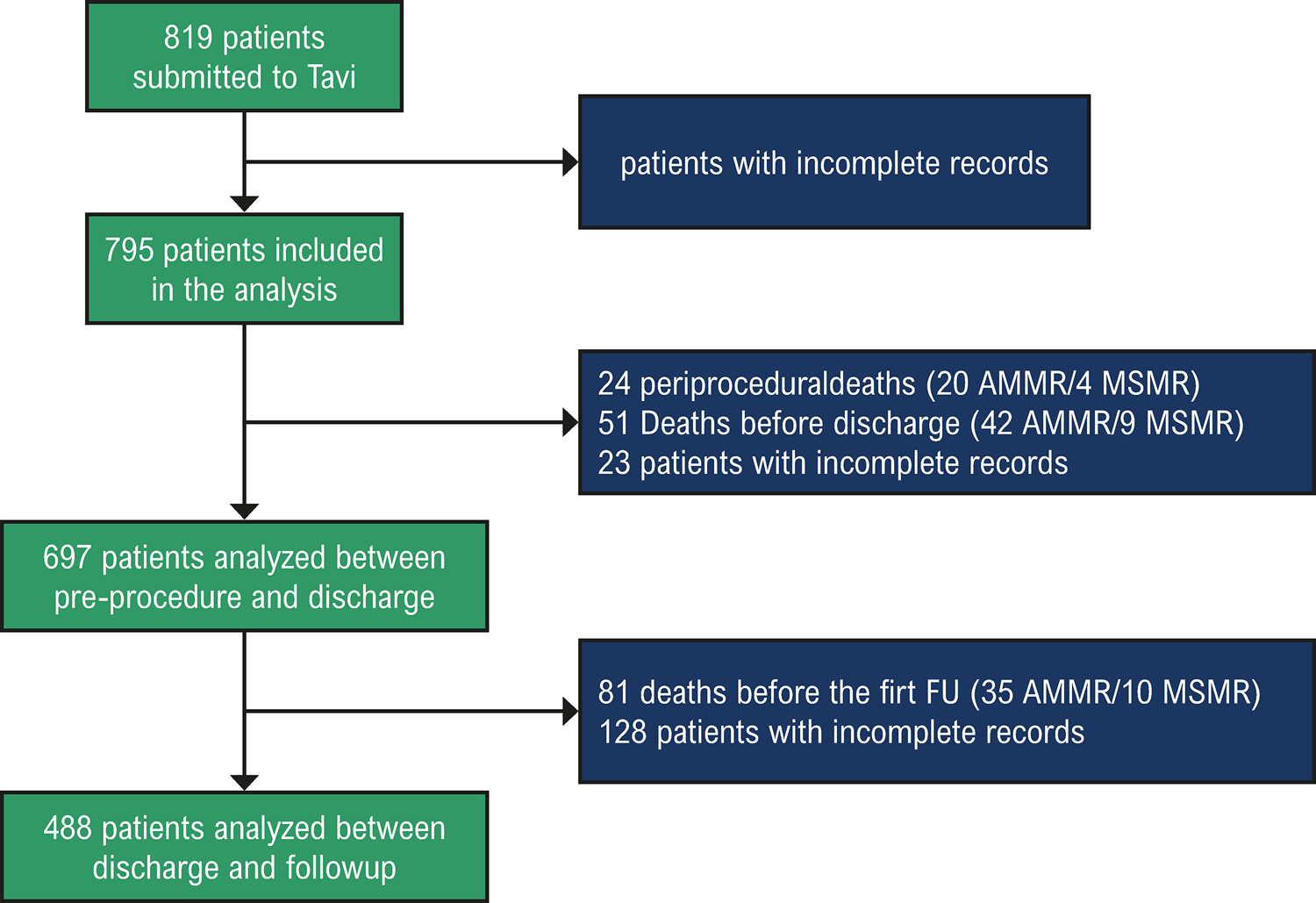
Seven hundred and ninety-five patients from the Brazilian TAVI Registry were divided at baseline, discharge, and follow-up according to their MR grade as follows: absent/mild (AMMR) or moderate/severe (MSMR). They were subsequently regrouped according to their immediate and late changes in MR severity after TAVI as follows: no change, improved, or worsened MR. Predictors and prognostic impact on baseline as well as changes in MR severity were analyzed. Statistical significance was set at p < 0.05.

Results

Baseline MSMR was present in 19.3% of patients and was a predictor of increased late mortality. Immediately after TAVI, 47.4 % of cases improved to AMMR, predicted by a higher Society of Thoracic Surgeons score and a higher grade of baseline aortic regurgitation. Upon follow-up, 9.2% of cases of AMMR worsened to MSMR, whereas 36.8% of cases of MSMR improved to AMMR. Lower baseline left ventricular ejection fraction (LVEF) and improvement in LVEF at follow-up were predictors of MR improvement. Progressive worsening of MR upon follow-up was an independent predictor of higher late mortality after TAVI (p = 0.005).

Conclusions

Baseline MSMR predicts late mortality after TAVI. Lower LVEF and improved LVEF at follow-up predict MR improvement after TAVI. Progressive worsening of MR severity at follow-up is an independent predictor of late mortality, which is a rare finding in the literature.

  • Aortic Valve Insuffciency
  • Aortic Valve Transcatheter Implantation
  • Echocardiography/methods
  • Epidemiology
  • Mitral Valve Insufficiency
  • Survival Analysis
Read Full Article
Creative Commons Attribution (CC BY) Creative Commons license
14/06/2021 DOI: 10.36660/abc.20190772
Figure 1
ABC
Original Article

Mortality for Critical Congenital Heart Diseases and Associated Risk Factors in Newborns. A Cohort Study

Selma Alves Valente do Amaral Lopes et al. Isabel Cristina Britto Guimarães Sofia Fontes de Oliva Costa Angelina Xavier Acosta … Kyoko Abe Sandes Carlos Maurício Cardeal Mendes

Abstract

Background:

Congenital heart diseases are the most common type of congenital defects, and account for more deaths in the first year of life than any other condition, when infectious etiologies are ruled out.

Objectives:

To evaluate survival, and to identify risk factors in deaths in newborns with critical and/or complex congenital heart disease in the neonatal period.

Methods:

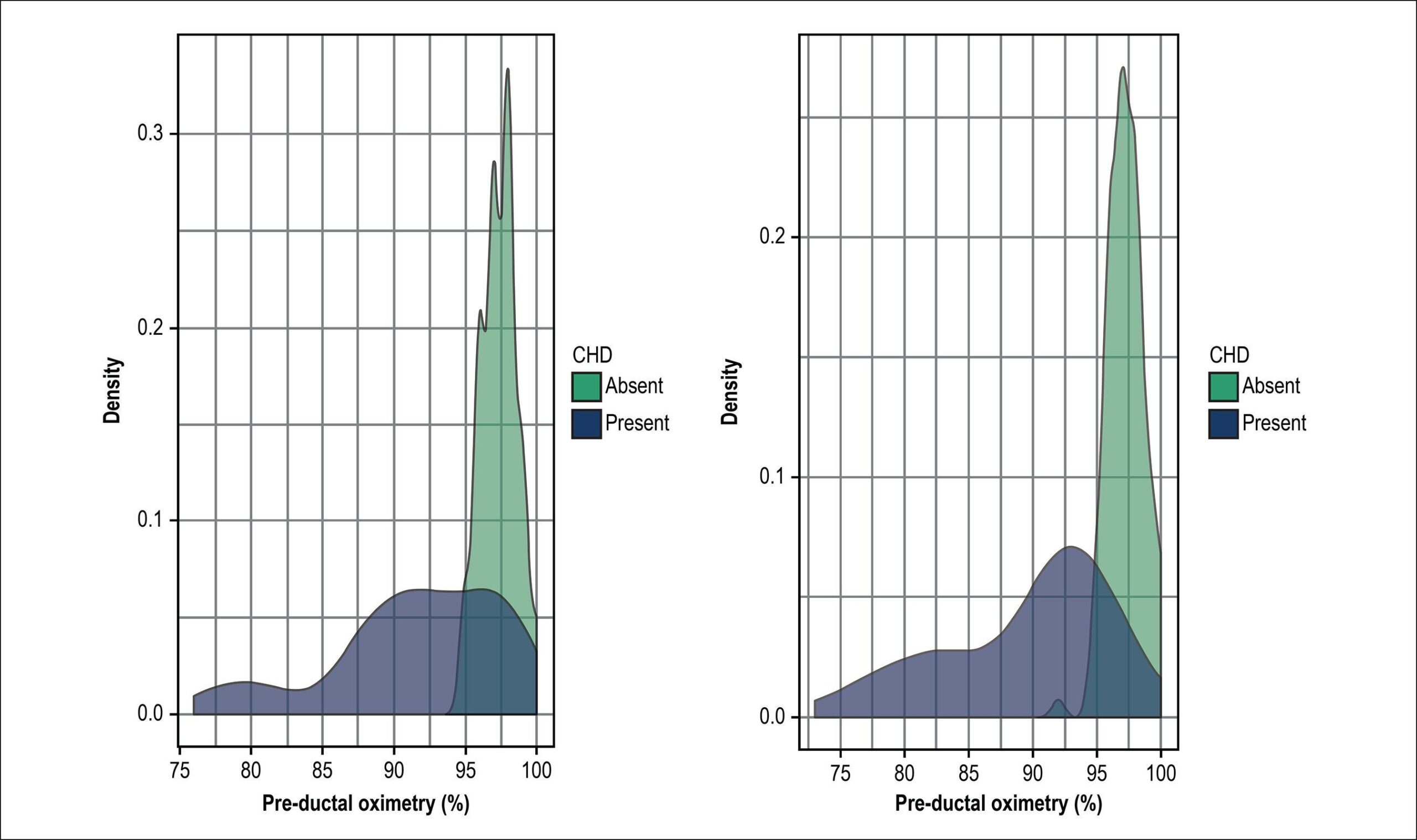
A cohort study, nested to a randomized case-control, was performed, considering the Confidence Interval of 95% (95% CI) and significance level of 5%, paired by gender of the newborn and maternal age. Case-finding, interviews, medical record analysis, clinical evaluation of pulse oximetry (heart test) and Doppler echocardiogram were performed, as well as survival analysis, and identification of death-related risk factors.

Results:

The risk factors found were newborns younger than 37 weeks (Relative Risk – RR: 2.89; 95% CI [1.49-5.56]; p = 0.0015), weight of less than 2,500 grams (RR: 2.33 [; 95% CI 1.26-4.29]; p = 0.0068), occurrence of twinning (RR: 11.96 [95% CI 1.43-99.85]; p = 0.022) and presence of comorbidity (RR: 2.27 [95% CI 1.58-3.26]; p < 0.0001). The incidence rate of mortality from congenital heart disease was 81 cases per 100,000 live births. The lethality attributed to critical congenital heart diseases was 64.7%, with proportional mortality of 12.0%. The survival rate at 28 days of life decreased by almost 70% in newborns with congenital heart disease. The main cause of death was cardiogenic shock.

Conclusion:

Preterm infants with low birth weight and comorbidities presented a higher risk of mortality related to congenital heart diseases. This cohort was extinguished very quickly, signaling the need for greater investment in assistance technology in populations with this profile.

  • Heart Defects Congenital/mortality
  • Infant Newborn/mortality
  • Risk Factors
  • Survival Analysis
Read Full Article
Creative Commons Attribution (CC BY) Creative Commons license
21/09/2018 DOI: 10.5935/abc.20180175
ABC
Letter to the Editor

Prognosis Determinants after Cardioverter-Defibrillators Implantation in Brazil

Arn Migowski et al. Regina Maria de Aquino Xavier

The study by Silva et al. presented the results of a series of cases from a single-center registry of implantable cardiac devices, including 28 implantations of isolated cardioverter defibrillators (ICD) and 14 associated to resynchronization (CRT-ICD), in addition to procedures for generator replacement and handling of electrode cable. ICD and CRT-ICD implantations were considered the strongest predictors of re-admission into the hospital during a six-month period after the surgical procedure, although it is not clear whether there was adjustment by functional class or left ventricular ejection fraction.

We have recently published the results of short, medium, and long term follow-ups of all ICD and CRT-ICD implantations funded by The Brazilian Unified Healthcare System (SUS) in all of Brazil, between 2001 and 2007, including 3,295 ICD implantations in 85 hospitals and 681 CRT-ICD implantations in 50 hospitals.

[…]

  • Brazil
  • Cardiac Resynchronization
  • Chagas Cardiomyopathy
  • Defibrillators, Implantable
  • Survival Analysis
  • Therapy Devices
Read Full Article
Creative Commons Attribution (CC BY) Creative Commons license
01/03/2017 DOI: 10.5935/abc.20170034
Figure 1
ABC
Original Article

Survival and Predictive Factors of Lethality in Hemodyalisis: D/I Polymorphism of The Angiotensin I-Converting Enzyme and of the Angiotensinogen M235T Genes

Mauro Alves et al. Nelson Albuquerque de Souza e Silva Lucia Helena Alvares Salis Basilio de Bragança Pereira … Paulo Henrique Godoy Emília Matos do Nascimento Jose Mario Franco Oliveira

Background:

End-stage kidney disease patients continue to have markedly increased cardiovascular disease morbidity and mortality. Analysis of genetic factors connected with the renin-angiotensin system that influences the survival of the patients with end-stage kidney disease supports the ongoing search for improved outcomes.

Objective:

To assess survival and its association with the polymorphism of renin-angiotensin system genes: angiotensin I-converting enzyme insertion/deletion and angiotensinogen M235T in patients undergoing hemodialysis.

Methods:

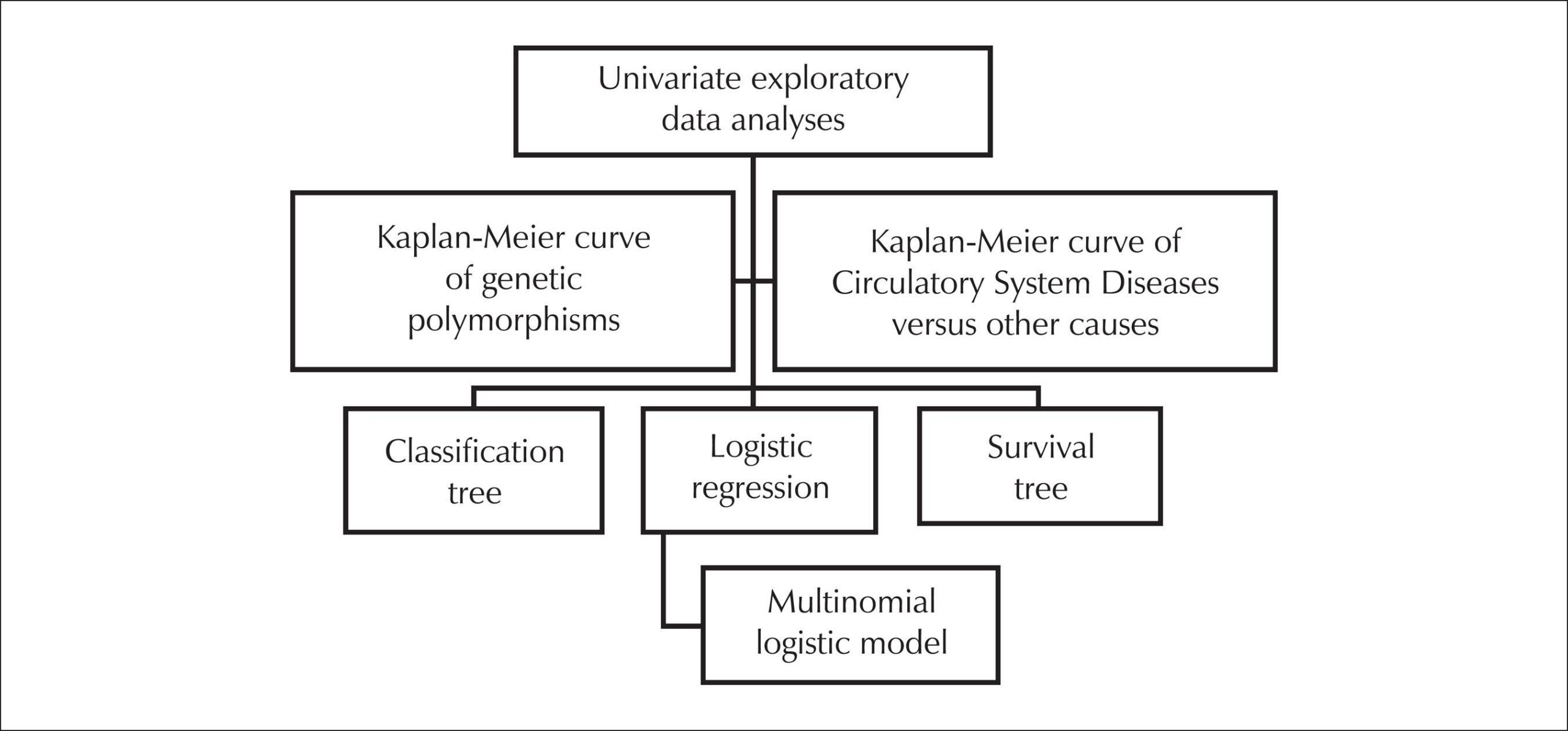
Our study was designed to examine the role of renin-angiotensin system genes. It was an observational study. We analyzed 473 chronic hemodialysis patients in four dialysis units in the state of Rio de Janeiro. Survival rates were calculated by the Kaplan-Meier method and the differences between the curves were evaluated by Tarone-Ware, Peto-Prentice, and log rank tests. We also used logistic regression analysis and the multinomial model. A p value ≤ 0.05 was considered to be statistically significant. The local medical ethics committee gave their approval to this study.

Results:

The mean age of patients was 45.8 years old. The overall survival rate was 48% at 11 years. The major causes of death were cardiovascular diseases (34%) and infections (15%). Logistic regression analysis found statistical significance for the following variables: age (p = 0.000038), TT angiotensinogen (p = 0.08261), and family income greater than five times the minimum wage (p = 0.03089), the latter being a protective factor.

Conclusions:

The survival of hemodialysis patients is likely to be influenced by the TT of the angiotensinogen M235T gene.

  • Kidney Failure, Chronic
  • lethality
  • Peptidyl-Dipeptidase A
  • Polymorphism, Genetic
  • renal dialysis
  • Survival Analysis
Read Full Article
Creative Commons Attribution (CC BY) Creative Commons license
29/07/2014 DOI: 10.5935/abc.20140105 Views 1
Echocardiographic parameters as cardiovascular event predictors in hemodialysis patients
ABC
Artigo Original

Echocardiographic parameters as cardiovascular event predictors in hemodialysis patients

Thayse Mayara Aragão Siqueira et al. Pedro Antônio Muniz Ferreira Francisco das Chagas Monteiro Júnior Natalino Salgado Filho … Adalgisa de Souza Paiva Ferreira Eugênio dos Santos Neto Francival Leite de Souza Paulo de Tarso Cardoso

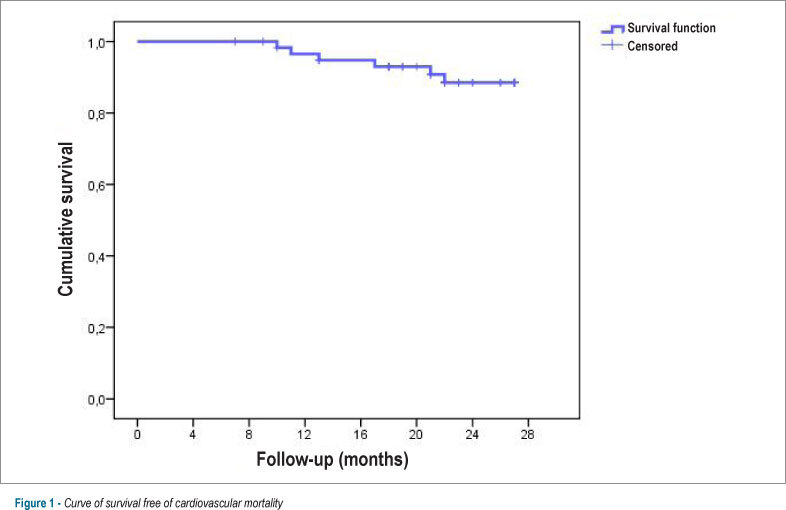
BACKGROUND: Patients with chronic kidney disease (CKD) on hemodialysis have high rates of cardiovascular morbidity and mortality. Although structural and functional echocardiographic alterations in patients undergoing hemodialysis have been the subject of several survival analysis studies, the prognostic value of these alterations is not well established in literature. OBJECTIVE: To determine the prognostic value of echocardiographic parameters in patients with CKD on hemodialysis. METHODS: Sixty consecutive patients with CKD on hemodialysis were clinically evaluated and underwent Doppler echocardiography, being followed for 19 ± 6 months. The outcome measures were fatal and nonfatal cardiovascular events and overall mortality. The predictive value of echocardiographic variables was evaluated by Cox regression model and survival curves were constructed using the Kaplan-Meier method and log rank test to compare them. RESULTS: Rates of survival free of cardiovascular events, of cardiovascular and overall mortality in two years were 79.4%, 88.5% and 83% respectively. Diabetes, previous diagnosis of cardiovascular disease (CVD), ejection fraction, fractional shortening, left ventricular systolic diameter and E/e’ ratio were predictors of cardiovascular outcome at univariate analysis. In the multivariate analysis, previous history of CVD (HR = 6.17, 95%CI: 1.7 – 22.2, p = 0.005) and moderate to severe diastolic dysfunction (HR = 3.76, 95%CI: 1.05 – 13.4, p = 0.042) were independent risk factors for cardiovascular events. CONCLUSION: Moderate to severe diastolic dysfunction is an independent predictor of cardiovascular events in hemodialysis patients.

  • Dialysis
  • Echocardiography, Doppler
  • Prognosis
  • Renal Insufficiency, Chronic
  • Survival Analysis
Read Full Article
Creative Commons Attribution (CC BY) Creative Commons license
05/07/2012 DOI: 10.1590/S0066-782X2012005000065

How to cite this article

EndNote RIS

Electronic Document Format (Vancouver)

Alves SG, Pivatto Júnior F, Filippini FB, Dannenhauer GP, Seroiska G, Bischoff HM, Birk LFS, et al. Performance of the SHARPEN Score and the Charlson Comorbidity Index for In-Hospital and Post-Discharge Mortality Prediction in Infective Endocarditis. Arquivos Brasileiros de Cardiologia 2024;120(12):e20230441.

Electronic Document Format (ABNT)

Alves, Sofia Giusti; Pivatto Júnior, Fernando; Filippini, Filippe Barcellos; Dannenhauer, Gustavo Paglioli; Seroiska, Gabriel; Bischoff, Helena Marcon; Birk, Luiz Felipe Schmidt; Terra, Diego Henrique; Sganzerla, Daniel; Miglioranza, Marcelo Haertel. Performance of the SHARPEN Score and the Charlson Comorbidity Index for In-Hospital and Post-Discharge Mortality Prediction in Infective Endocarditis. Arquivos Brasileiros de Cardiologia, v. 120, n. 12, e20230441, Mar. 2024.

Electronic Document Format (APA)

Alves, S. G., Pivatto Júnior, F., Filippini, F. B., Dannenhauer, G. P., Seroiska, G., Bischoff, H. M., Birk, L. F. S., Terra, D. H., Sganzerla, D., & Miglioranza, M. H. (2024). Performance of the SHARPEN Score and the Charlson Comorbidity Index for In-Hospital and Post-Discharge Mortality Prediction in Infective Endocarditis. Arquivos Brasileiros de Cardiologia, 120(12), e20230441.

Electronic Document Format (ISO)

Alves, Sofia Giusti and Pivatto Júnior, Fernando and Filippini, Filippe Barcellos and Dannenhauer, Gustavo Paglioli and Seroiska, Gabriel and Bischoff, Helena Marcon and Birk, Luiz Felipe Schmidt and Terra, Diego Henrique and Sganzerla, Daniel and Miglioranza, Marcelo Haertel. Performance of the SHARPEN Score and the Charlson Comorbidity Index for In-Hospital and Post-Discharge Mortality Prediction in Infective Endocarditis. Arquivos Brasileiros de Cardiologia [online]. 2024, vol. 120, n. 12, [cited 2026-10-14], e20230441. Available from: <https://journals.cardiol.br/en/article/performance-of-the-sharpen-score-and-the-charlson-comorbidity-index-for-in-hospital-and-post-discharge-mortality-prediction-in-infective-endocarditis/>. ISSN 0066-782X

EndNote RIS

Electronic Document Format (Vancouver)

Marinho EMS, Santos JMM, Brito BS, Andrade AS, Lopes JM. Mechanical Valve Implants: What Are Their Long-Term Effects?. Arquivos Brasileiros de Cardiologia 2023;120(6):e20220875.

Electronic Document Format (ABNT)

Marinho, Eldys Myler Santos; Santos, Júlio Martinez Martinez; Brito, Bruno da Silva; Andrade, Achilles de Souza; Lopes, Johnnatas Mikael. Mechanical Valve Implants: What Are Their Long-Term Effects?. Arquivos Brasileiros de Cardiologia, v. 120, n. 6, e20220875, Jul. 2023.

Electronic Document Format (APA)

Marinho, E. M. S., Santos, J. M. M., Brito, B. S., Andrade, A. S., & Lopes, J. M. (2023). Mechanical Valve Implants: What Are Their Long-Term Effects?. Arquivos Brasileiros de Cardiologia, 120(6), e20220875.

Electronic Document Format (ISO)

Marinho, Eldys Myler Santos and Santos, Júlio Martinez Martinez and Brito, Bruno da Silva and Andrade, Achilles de Souza and Lopes, Johnnatas Mikael. Mechanical Valve Implants: What Are Their Long-Term Effects?. Arquivos Brasileiros de Cardiologia [online]. 2023, vol. 120, n. 6, [cited 2026-10-14], e20220875. Available from: <https://journals.cardiol.br/en/article/mechanical-valve-implants-what-are-their-long-term-effects/>. ISSN 0066-782X

EndNote RIS

Electronic Document Format (Vancouver)

Bruno TC, Bittencourt MS, Quidim AVL, Santos IS, Lotufo PA, Benseñor IM, Goulart AC, et al. Prognosis Related to Reperfusion Therapy Post-Acute Coronary Syndrome in Secondary Care: Long-Term Survival Analysis in the ERICO Study. Arquivos Brasileiros de Cardiologia 2023;120(5):e20220849.

Electronic Document Format (ABNT)

Bruno, Tatiana C.; Bittencourt, Márcio S.; Quidim, Alessandra V. L.; Santos, Itamar S.; Lotufo, Paulo A.; Benseñor, Isabela M.; Goulart, Alessandra C.. Prognosis Related to Reperfusion Therapy Post-Acute Coronary Syndrome in Secondary Care: Long-Term Survival Analysis in the ERICO Study. Arquivos Brasileiros de Cardiologia, v. 120, n. 5, e20220849, May. 2023.

Electronic Document Format (APA)

Bruno, T. C., Bittencourt, M. S., Quidim, A. V. L., Santos, I. S., Lotufo, P. A., Benseñor, I. M., & Goulart, A. C. (2023). Prognosis Related to Reperfusion Therapy Post-Acute Coronary Syndrome in Secondary Care: Long-Term Survival Analysis in the ERICO Study. Arquivos Brasileiros de Cardiologia, 120(5), e20220849.

Electronic Document Format (ISO)

Bruno, Tatiana C. and Bittencourt, Márcio S. and Quidim, Alessandra V. L. and Santos, Itamar S. and Lotufo, Paulo A. and Benseñor, Isabela M. and Goulart, Alessandra C.. Prognosis Related to Reperfusion Therapy Post-Acute Coronary Syndrome in Secondary Care: Long-Term Survival Analysis in the ERICO Study. Arquivos Brasileiros de Cardiologia [online]. 2023, vol. 120, n. 5, [cited 2026-10-14], e20220849. Available from: <https://journals.cardiol.br/en/article/prognosis-related-to-reperfusion-therapy-post-acute-coronary-syndrome-in-secondary-care-long-term-survival-analysis-in-the-erico-study/>. ISSN 0066-782X

EndNote RIS

Electronic Document Format (Vancouver)

Tagliari F, Correia MG, Amorim GD, Colafranceschi AS, Pedroso JM, Rodrigues Junior LF, Tagliari TR, et al. Clinical Features and Survival Analysis of Patients after Mechanical Heart Valve Replacement, with an Emphasis on Prosthetic Valve Thrombosis. Arquivos Brasileiros de Cardiologia 2022;119(5):734-4.

Electronic Document Format (ABNT)

Tagliari, Fábio; Correia, Marcelo Goulart; Amorim, Guilherme Dalcol; Colafranceschi, Alexandre Siciliano; Pedroso, João Manoel; Rodrigues Junior, Luiz Fernando; Tagliari, Thaisa Rodrigues; Weksler, Clara; Lamas, Cristiane. Clinical Features and Survival Analysis of Patients after Mechanical Heart Valve Replacement, with an Emphasis on Prosthetic Valve Thrombosis. Arquivos Brasileiros de Cardiologia, v. 119, n. 5, p. 734-744, Nov. 2022.

Electronic Document Format (APA)

Tagliari, F., Correia, M. G., Amorim, G. D., Colafranceschi, A. S., Pedroso, J. M., Rodrigues Junior, L. F., Tagliari, T. R., Weksler, C., & Lamas, C. (2022). Clinical Features and Survival Analysis of Patients after Mechanical Heart Valve Replacement, with an Emphasis on Prosthetic Valve Thrombosis. Arquivos Brasileiros de Cardiologia, 119(5), 734-744.

Electronic Document Format (ISO)

Tagliari, Fábio and Correia, Marcelo Goulart and Amorim, Guilherme Dalcol and Colafranceschi, Alexandre Siciliano and Pedroso, João Manoel and Rodrigues Junior, Luiz Fernando and Tagliari, Thaisa Rodrigues and Weksler, Clara and Lamas, Cristiane. Clinical Features and Survival Analysis of Patients after Mechanical Heart Valve Replacement, with an Emphasis on Prosthetic Valve Thrombosis. Arquivos Brasileiros de Cardiologia [online]. 2022, vol. 119, n. 5, [cited 2026-10-14], pp. 734-744. Available from: <https://journals.cardiol.br/en/article/clinical-features-and-survival-analysis-of-patients-after-mechanical-heart-valve-replacement-with-an-emphasis-on-prosthetic-valve-thrombosis/>. ISSN 0066-782X

EndNote RIS

Electronic Document Format (Vancouver)

Cunha LCBP, Guerios EE, Cunha CLP, Carvalho LA, Lemos Neto P, Sarmento-Leite R, Abizaid AA, et al. Relationship between Mitral Regurgitation and Transcatheter Aortic Valve Implantation: a Multi-Institutional Follow-up Study. Arquivos Brasileiros de Cardiologia 2021;116(6):1059-6.

Electronic Document Format (ABNT)

Cunha, Luciana de Cerjat Bernardes P. da; Guerios, Enio Eduardo; Cunha, Claudio Leinig Pereira da; Carvalho, Luiz A.; Lemos Neto, Pedro; Sarmento-Leite, Rogério; Abizaid, Alexandre A.; Mangione, José Antonio; Oliveira, Adriano Dourado; Siciliano, Alexandre; Esteves, Vinicius; Brito Jr, Fábio Sândoli de. Relationship between Mitral Regurgitation and Transcatheter Aortic Valve Implantation: a Multi-Institutional Follow-up Study. Arquivos Brasileiros de Cardiologia, v. 116, n. 6, p. 1059-1069, Jun. 2021.

Electronic Document Format (APA)

Cunha, L. C. B. P. , Guerios, E. E., Cunha, C. L. P. , Carvalho, L. A., Lemos Neto, P., Sarmento-Leite, R., Abizaid, A. A., Mangione, J. A., Oliveira, A. D., Siciliano, A., Esteves, V., & Brito Jr, F. S. (2021). Relationship between Mitral Regurgitation and Transcatheter Aortic Valve Implantation: a Multi-Institutional Follow-up Study. Arquivos Brasileiros de Cardiologia, 116(6), 1059-1069.

Electronic Document Format (ISO)

Cunha, Luciana de Cerjat Bernardes P. da and Guerios, Enio Eduardo and Cunha, Claudio Leinig Pereira da and Carvalho, Luiz A. and Lemos Neto, Pedro and Sarmento-Leite, Rogério and Abizaid, Alexandre A. and Mangione, José Antonio and Oliveira, Adriano Dourado and Siciliano, Alexandre and Esteves, Vinicius and Brito Jr, Fábio Sândoli de. Relationship between Mitral Regurgitation and Transcatheter Aortic Valve Implantation: a Multi-Institutional Follow-up Study. Arquivos Brasileiros de Cardiologia [online]. 2021, vol. 116, n. 6, [cited 2026-10-14], pp. 1059-1069. Available from: <https://journals.cardiol.br/en/article/relationship-between-mitral-regurgitation-and-transcatheter-aortic-valve-implantation-a-multi-institutional-follow-up-study/>. ISSN 0066-782X

EndNote RIS

Electronic Document Format (Vancouver)

Lopes SAVA, Guimarães ICB, Costa SFO, Acosta AX, Sandes KA, Mendes CMC. Mortality for Critical Congenital Heart Diseases and Associated Risk Factors in Newborns. A Cohort Study. Arquivos Brasileiros de Cardiologia 2018;111(5):666-73.

Electronic Document Format (ABNT)

Lopes, Selma Alves Valente do Amaral; Guimarães, Isabel Cristina Britto; Costa, Sofia Fontes de Oliva; Acosta, Angelina Xavier; Sandes, Kyoko Abe; Mendes, Carlos Maurício Cardeal. Mortality for Critical Congenital Heart Diseases and Associated Risk Factors in Newborns. A Cohort Study. Arquivos Brasileiros de Cardiologia, v. 111, n. 5, p. 666-673, Sep. 2018.

Electronic Document Format (APA)

Lopes, S. A. V. A., Guimarães, I. C. B., Costa, S. F. O., Acosta, A. X., Sandes, K. A., & Mendes, C. M. C. (2018). Mortality for Critical Congenital Heart Diseases and Associated Risk Factors in Newborns. A Cohort Study. Arquivos Brasileiros de Cardiologia, 111(5), 666-673.

Electronic Document Format (ISO)

Lopes, Selma Alves Valente do Amaral and Guimarães, Isabel Cristina Britto and Costa, Sofia Fontes de Oliva and Acosta, Angelina Xavier and Sandes, Kyoko Abe and Mendes, Carlos Maurício Cardeal. Mortality for Critical Congenital Heart Diseases and Associated Risk Factors in Newborns. A Cohort Study. Arquivos Brasileiros de Cardiologia [online]. 2018, vol. 111, n. 5, [cited 2026-10-14], pp. 666-673. Available from: <https://journals.cardiol.br/en/article/mortality-for-critical-congenital-heart-diseases-and-associated-risk-factors-in-newborns-a-cohort-study/>. ISSN 0066-782X

EndNote RIS

Electronic Document Format (Vancouver)

Migowski A, Xavier RMA. Prognosis Determinants after Cardioverter-Defibrillators Implantation in Brazil. Arquivos Brasileiros de Cardiologia 2017;108(3):283-4.

Electronic Document Format (ABNT)

Migowski, Arn; Xavier, Regina Maria de Aquino. Prognosis Determinants after Cardioverter-Defibrillators Implantation in Brazil. Arquivos Brasileiros de Cardiologia, v. 108, n. 3, p. 283-284, Feb. 2017.

Electronic Document Format (APA)

Migowski, A., & Xavier, R. M. A. (2017). Prognosis Determinants after Cardioverter-Defibrillators Implantation in Brazil. Arquivos Brasileiros de Cardiologia, 108(3), 283-284.

Electronic Document Format (ISO)

Migowski, Arn and Xavier, Regina Maria de Aquino. Prognosis Determinants after Cardioverter-Defibrillators Implantation in Brazil. Arquivos Brasileiros de Cardiologia [online]. 2017, vol. 108, n. 3, [cited 2026-10-14], pp. 283-284. Available from: <https://journals.cardiol.br/en/article/prognosis-determinants-after-cardioverter-defibrillators-implantation-in-brazil/>. ISSN 0066-782X

EndNote RIS

Electronic Document Format (Vancouver)

Alves M, Silva NAS, Salis LHA, Pereira BB, Godoy PH, Nascimento EM, Oliveira JMF, et al. Survival and Predictive Factors of Lethality in Hemodyalisis: D/I Polymorphism of The Angiotensin I-Converting Enzyme and of the Angiotensinogen M235T Genes. Arquivos Brasileiros de Cardiologia 2014;103(3):209-1.

Electronic Document Format (ABNT)

Alves, Mauro; Silva, Nelson Albuquerque de Souza e; Salis, Lucia Helena Alvares; Pereira, Basilio de Bragança; Godoy, Paulo Henrique; Nascimento, Emília Matos do; Oliveira, Jose Mario Franco. Survival and Predictive Factors of Lethality in Hemodyalisis: D/I Polymorphism of The Angiotensin I-Converting Enzyme and of the Angiotensinogen M235T Genes. Arquivos Brasileiros de Cardiologia, v. 103, n. 3, p. 209-219, Jul. 2014.

Electronic Document Format (APA)

Alves, M., Silva, N. A. S. , Salis, L. H. A., Pereira, B. B., Godoy, P. H., Nascimento, E. M. , & Oliveira, J. M. F. (2014). Survival and Predictive Factors of Lethality in Hemodyalisis: D/I Polymorphism of The Angiotensin I-Converting Enzyme and of the Angiotensinogen M235T Genes. Arquivos Brasileiros de Cardiologia, 103(3), 209-219.

Electronic Document Format (ISO)

Alves, Mauro and Silva, Nelson Albuquerque de Souza e and Salis, Lucia Helena Alvares and Pereira, Basilio de Bragança and Godoy, Paulo Henrique and Nascimento, Emília Matos do and Oliveira, Jose Mario Franco. Survival and Predictive Factors of Lethality in Hemodyalisis: D/I Polymorphism of The Angiotensin I-Converting Enzyme and of the Angiotensinogen M235T Genes. Arquivos Brasileiros de Cardiologia [online]. 2014, vol. 103, n. 3, [cited 2026-10-14], pp. 209-219. Available from: <https://journals.cardiol.br/en/article/survival-and-predictive-factors-of-lethality-in-hemodyalisis-d-i-polymorphism-of-the-angiotensin-i-converting-enzyme-and-of-the-angiotensinogen-m235t-genes/>. ISSN 0066-782X

EndNote RIS

Electronic Document Format (Vancouver)

Siqueira TMA, Ferreira PAM, Monteiro Júnior FC, Salgado Filho N, Ferreira ASP, Santos Neto E, Souza FL, et al. Echocardiographic parameters as cardiovascular event predictors in hemodialysis patients. Arquivos Brasileiros de Cardiologia 2012;99(2):714-23.

Electronic Document Format (ABNT)

Siqueira, Thayse Mayara Aragão; Ferreira, Pedro Antônio Muniz; Monteiro Júnior, Francisco das Chagas; Salgado Filho, Natalino; Ferreira, Adalgisa de Souza Paiva; Santos Neto, Eugênio dos; Souza, Francival Leite de; Cardoso, Paulo de Tarso. Echocardiographic parameters as cardiovascular event predictors in hemodialysis patients. Arquivos Brasileiros de Cardiologia, v. 99, n. 2, p. 714-723, Jul. 2012.

Electronic Document Format (APA)

Siqueira, T. M. A., Ferreira, P. A. M., Monteiro Júnior, F. C., Salgado Filho, N., Ferreira, A. S. P., Santos Neto, E. , Souza, F. L. , & Cardoso, P. T. (2012). Echocardiographic parameters as cardiovascular event predictors in hemodialysis patients. Arquivos Brasileiros de Cardiologia, 99(2), 714-723.

Electronic Document Format (ISO)

Siqueira, Thayse Mayara Aragão and Ferreira, Pedro Antônio Muniz and Monteiro Júnior, Francisco das Chagas and Salgado Filho, Natalino and Ferreira, Adalgisa de Souza Paiva and Santos Neto, Eugênio dos and Souza, Francival Leite de and Cardoso, Paulo de Tarso. Echocardiographic parameters as cardiovascular event predictors in hemodialysis patients. Arquivos Brasileiros de Cardiologia [online]. 2012, vol. 99, n. 2, [cited 2026-10-14], pp. 714-723. Available from: <https://journals.cardiol.br/en/article/echocardiographic-parameters-as-cardiovascular-event-predictors-in-hemodialysis-patients/>. ISSN 0066-782X

  • About ABC Family
  • Internal Regulation
  • Editorial Board
  • Brazilian Society of Cardiology (SBC)

Issues

SBC Guidelines

  • Videos
  • Podcasts
  • News