ABC Family Arquivos Brasileiros de Cardiologia International Journal of Cardiovascular Sciences ABC Heart Failure & Cardiomyopathy ABC Imagem Cardiovascular
Português English
ABC Family
Português English
  • About
    • About ABC Family
    • Internal Regulation
    • Editorial Board
    • Brazilian Society of Cardiology (SBC)
  • Issues
  • SBC Guidelines
  • Content
    • Videos
    • Podcasts
    • News
  • About
    • About ABC Family
    • Internal Regulation
    • Editorial Board
    • Brazilian Society of Cardiology (SBC)
  • Issues
  • SBC Guidelines
  • Content
    • Videos
    • Podcasts
    • News

ABC Family

  • ABC Family
  • Arquivos Brasileiros de Cardiologia
  • International Journal of Cardiovascular Sciences
  • ABC Heart Failure & Cardiomyopathy
  • ABC Imagem Cardiovascular
Search in

No content found.

Journals
Ordering
Article types
Others

  1. Home
  2. Keyword: Physicians
ABC
Research Letter

Physician-Researcher, Medical Practice and Research: The Importance of the Physician-Researcher in Current Medicine

Protásio Lemos da Luz

Medical education and practice in Brazil suffer from countless limitations, among which lacking scientific training stands out. Recently, the physician-researcher has emerged as a figure capable of partially correcting this gap. In this paper, I will seek to evaluate the physician-researcher’s role.

Conventional medicine is dedicated to the application of medical knowledge. Therefore, it deals with the general characteristics of diseases, namely, symptoms, evolution, pathophysiological impairment of organs and systems, etiology, diagnostic and therapeutic methods.

[…]

  • Biomedical Research
  • Education, Medical
  • Physicians
  • Research Personnel
  • Schools, Medical
Read Full Article
Creative Commons Attribution (CC BY) Creative Commons license
25/11/2022 DOI: 10.36660/abc.20220099 Views 1
Figure 1
IJCS
Editorial

And We Doctors, What do We Die of?

Gabriel Porto Soares et al. Thais Rocha Salim

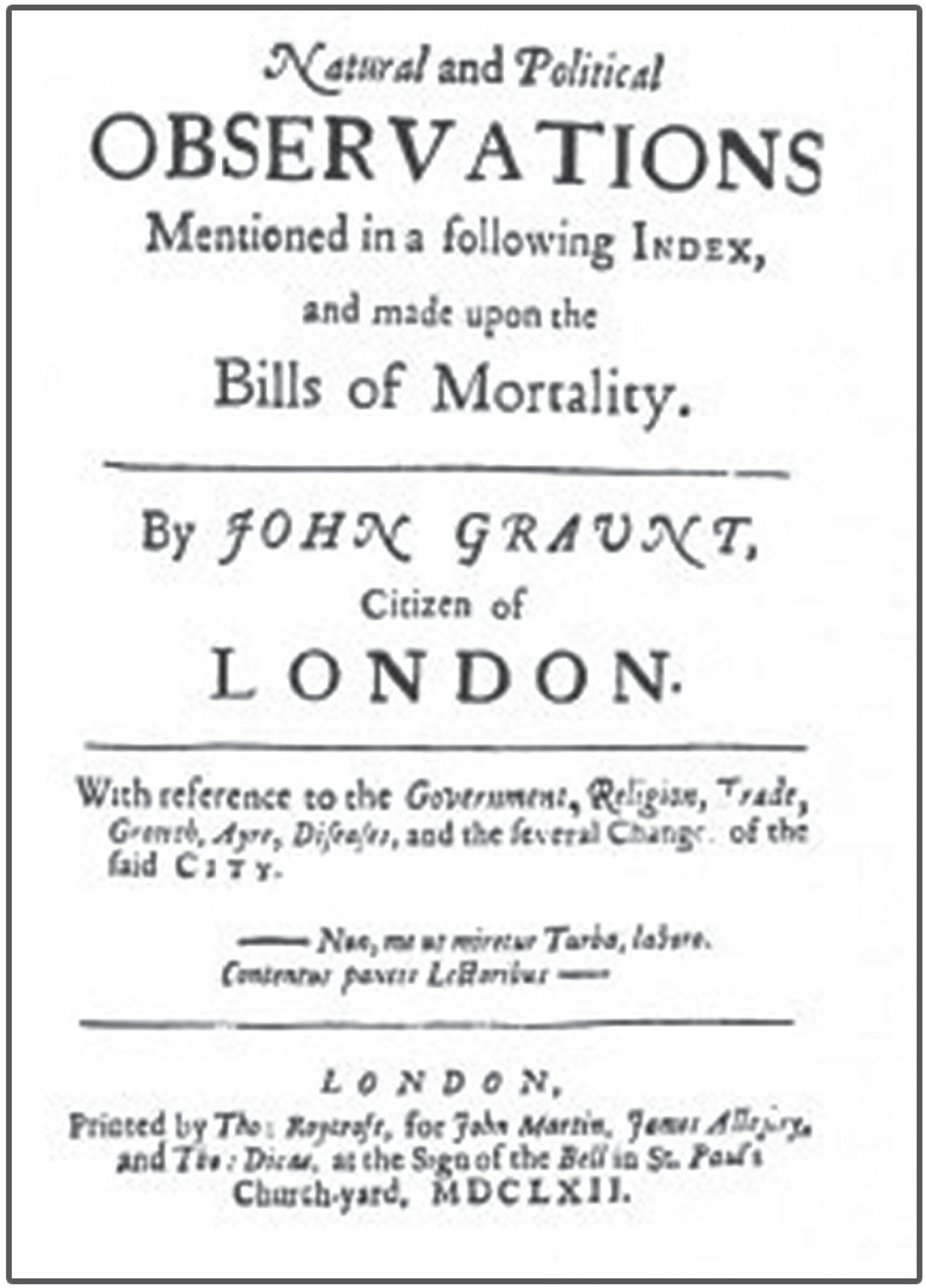
We hardly ask ourselves what we will die from. The certainty of this fact can even pass through our thoughts, but it always seems to us something far away and impossible to predict. We can know the causes of death of our fellow human beings to try to predict our death and perhaps use measures to postpone it, since it is impossible to avoid. Societies need to know their numbers, how many we are, how many are born, how many die, how we die, and how we live. These are questions that gain importance with reports of demographic and epidemiological surveys dating back to 400 BC in some ancient civilizations like Greece, Rome, India, and China. The first modern publication in mortality studies dates from 1662 in England, carried out by a London councilor, John Graunt, who published the work entitled “Natural and Political Observations upon the Bills of Mortality” (), using data of burials in London as information. Through this study, it can be known, for example, that one third of London children died before turning sixteen.,

In the last century, humanity has gone through an epidemiological transition in terms of causes of death. Infectious diseases are no longer the leading cause of death and have given way to chronic non-communicable diseases (NCDs), especially circulatory system diseases (CAD). NCDs are the main cause of death worldwide, and they are responsible for premature deaths, loss of quality of life, and adverse economic and social impacts. NCDs are responsible for about 70% of global deaths, equivalent to more than 38 million deaths per year, significantly exceeding deaths from external causes and infectious diseases. About 45% of all NCD deaths worldwide, more than 17 million, are caused by CAD. A similar distribution is observed in Brazil, where 72% of deaths result from chronic NCDs, with 30% due to CAD and 16% to neoplasms.

[…]

  • Cardiovascular Diseases
  • Mortality
  • Physicians
Read Full Article
Creative Commons Attribution (CC BY) Creative Commons license
13/07/2022 DOI: 10.36660/ijcs.20220071 Views 1
Figure 1
ABC
Editorial

Radi Macruz – The Legacy of an Icon

Edmar Atik et al. Charles Mady Jose Antonio Franchini Ramires

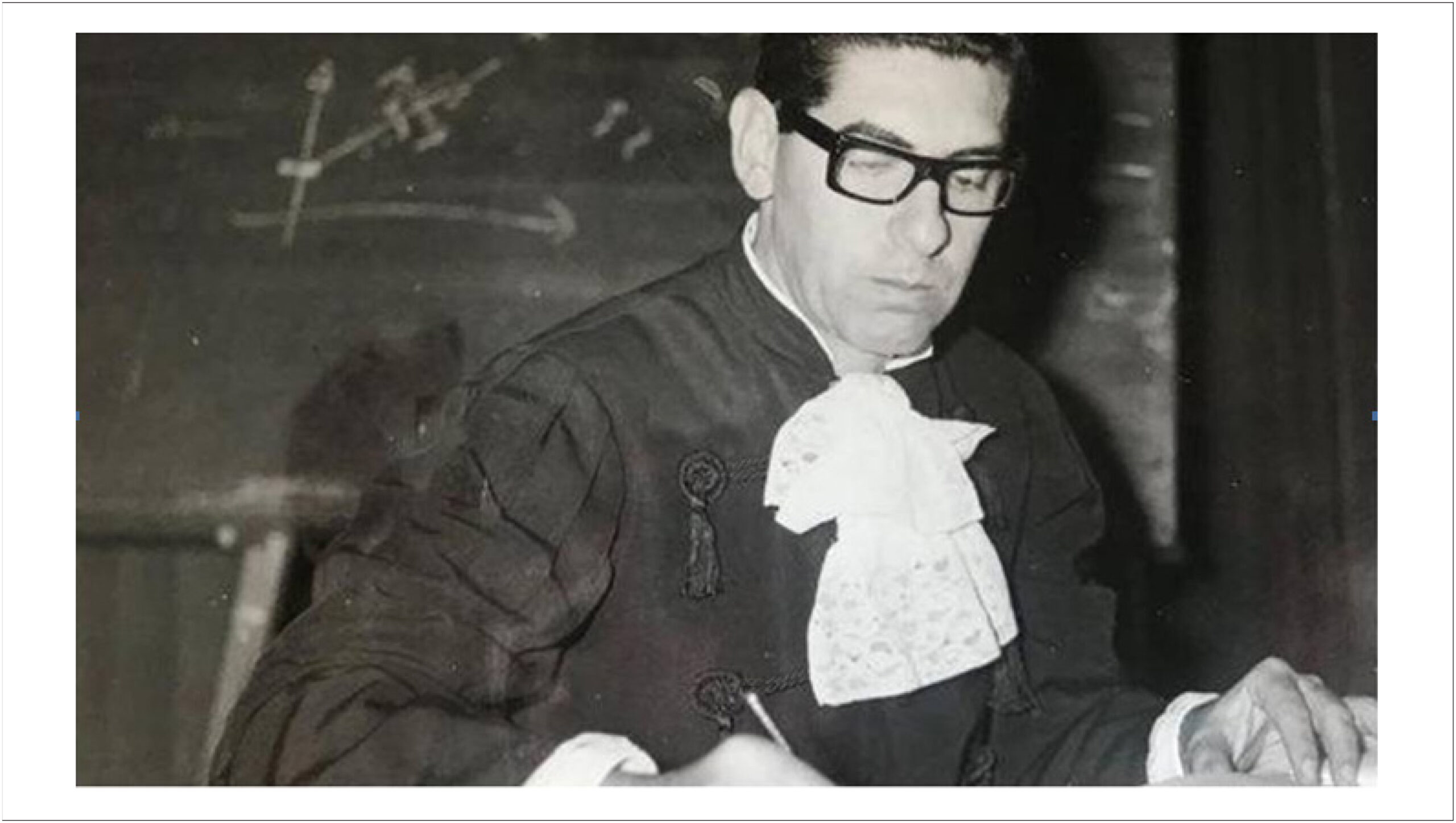
Radi Macruz, Associate Professor in the Department of Cardio-Pulmonology at Faculdade de Medicina da Universidade de São Paulo, died in São Paulo on November 30, 2020, at the age of 95.

He was born on July 5, 1925 in São Paulo, son of the Lebanese couple Kalil and Nini Macruz. Attended medical school at FMUSP and became the great pioneer physician, introducing many advances that made him one of the most relevant icons. He was an idealizer in pursuit of the most appropriate dynamics of science and scientific discoveries.

[…]

  • Cardiologists/trends
  • Cardiology
  • Ethics
  • Faculty
  • medical
  • Physicians
  • Radi Macruz
Read Full Article
Creative Commons Attribution (CC BY) Creative Commons license
16/04/2021 DOI: 10.36660/abc.20201341

How to cite this article

EndNote RIS

Electronic Document Format (Vancouver)

Luz PL. Physician-Researcher, Medical Practice and Research: The Importance of the Physician-Researcher in Current Medicine. Arquivos Brasileiros de Cardiologia 2022;119(5):801-3.

Electronic Document Format (ABNT)

Luz, Protásio Lemos da. Physician-Researcher, Medical Practice and Research: The Importance of the Physician-Researcher in Current Medicine. Arquivos Brasileiros de Cardiologia, v. 119, n. 5, p. 801-803, Nov. 2022.

Electronic Document Format (APA)

Luz, P. L. (2022). Physician-Researcher, Medical Practice and Research: The Importance of the Physician-Researcher in Current Medicine. Arquivos Brasileiros de Cardiologia, 119(5), 801-803.

Electronic Document Format (ISO)

Luz, Protásio Lemos da. Physician-Researcher, Medical Practice and Research: The Importance of the Physician-Researcher in Current Medicine. Arquivos Brasileiros de Cardiologia [online]. 2022, vol. 119, n. 5, [cited 2026-10-14], pp. 801-803. Available from: <https://journals.cardiol.br/en/article/physician-researcher-medical-practice-and-research-the-importance-of-the-physician-researcher-in-current-medicine/>. ISSN 0066-782X

EndNote RIS

Electronic Document Format (Vancouver)

Soares GP, Salim TR. And We Doctors, What do We Die of?. International Journal of Cardiovascular Sciences 2022;35(4):498-9.

Electronic Document Format (ABNT)

Soares, Gabriel Porto; Salim, Thais Rocha. And We Doctors, What do We Die of?. International Journal of Cardiovascular Sciences, v. 35, n. 4, p. 498-499, Jul. 2022.

Electronic Document Format (APA)

Soares, G. P., & Salim, T. R. (2022). And We Doctors, What do We Die of?. International Journal of Cardiovascular Sciences, 35(4), 498-499.

Electronic Document Format (ISO)

Soares, Gabriel Porto and Salim, Thais Rocha. And We Doctors, What do We Die of?. International Journal of Cardiovascular Sciences [online]. 2022, vol. 35, n. 4, [cited 2026-10-14], pp. 498-499. Available from: <https://journals.cardiol.br/en/article/and-we-doctors-what-do-we-die-of/>. ISSN 2359-4802

EndNote RIS

Electronic Document Format (Vancouver)

Atik E, Mady C, Ramires JAF. Radi Macruz – The Legacy of an Icon. Arquivos Brasileiros de Cardiologia 2021;116(4):679-81.

Electronic Document Format (ABNT)

Atik, Edmar; Mady, Charles; Ramires, Jose Antonio Franchini. Radi Macruz – The Legacy of an Icon. Arquivos Brasileiros de Cardiologia, v. 116, n. 4, p. 679-681, Apr. 2021.

Electronic Document Format (APA)

Atik, E., Mady, C., & Ramires, J. A. F. (2021). Radi Macruz – The Legacy of an Icon. Arquivos Brasileiros de Cardiologia, 116(4), 679-681.

Electronic Document Format (ISO)

Atik, Edmar and Mady, Charles and Ramires, Jose Antonio Franchini. Radi Macruz – The Legacy of an Icon. Arquivos Brasileiros de Cardiologia [online]. 2021, vol. 116, n. 4, [cited 2026-10-14], pp. 679-681. Available from: <https://journals.cardiol.br/en/article/radi-macruz-the-legacy-of-an-icon/>. ISSN 0066-782X

  • About ABC Family
  • Internal Regulation
  • Editorial Board
  • Brazilian Society of Cardiology (SBC)

Issues

SBC Guidelines

  • Videos
  • Podcasts
  • News