ABC Family Arquivos Brasileiros de Cardiologia International Journal of Cardiovascular Sciences ABC Heart Failure & Cardiomyopathy ABC Imagem Cardiovascular
Português English
ABC Family
Português English
  • About
    • About ABC Family
    • Internal Regulation
    • Editorial Board
    • Brazilian Society of Cardiology (SBC)
  • Issues
  • SBC Guidelines
  • Content
    • Videos
    • Podcasts
    • News
  • About
    • About ABC Family
    • Internal Regulation
    • Editorial Board
    • Brazilian Society of Cardiology (SBC)
  • Issues
  • SBC Guidelines
  • Content
    • Videos
    • Podcasts
    • News

ABC Family

  • ABC Family
  • Arquivos Brasileiros de Cardiologia
  • International Journal of Cardiovascular Sciences
  • ABC Heart Failure & Cardiomyopathy
  • ABC Imagem Cardiovascular
Search in

No content found.

Journals
Ordering
Article types
Others

  1. Home
  2. Keyword: Percutaneous Coronary Intervention/methods
ABC
Editorial

How Can COVID-19 Influence the Evolution of Patients with Acute Coronary Syndromes?

Alexandre de Matos Soeiro

The pandemic caused by the COVID-19 virus has changed the way we view infectious diseases. In a more intense way than in other situations, COVID-19 was from the beginning related to a greater number of thrombotic events, whether in its acute presentation, with pulmonary microthrombi worsening the hypoxia, or even in its late evolution with a large number of pulmonary embolic events. The interface between the endothelium and the coagulation cascade was modified, and different pro-thrombotic mechanisms were deregulated, with elevated expression of tissue factor, CD40, leukocyte adhesion molecules, pro-inflammatory cytokines, thromboxane, and reduced production of nitric oxide. Along with the lungs, the heart is one of the organs most affected by the disease with global involvement, whether myocardial, arrhythmogenic, or coronary.–

Thus, the study presented by Baytugan et al. describes patients with ST-elevation acute coronary syndrome (ST-ACS) with COVID-19, comparing them with the group without COVID-19 in relation to the clinical outcomes found. Some interesting points should be highlighted, including the fact that it takes longer for patients to present themselves to the hospital. This was very common during the pandemic and certainly worsened outcomes related to ACS. It was also observed that patients with COVID-19 were older and had more comorbidities, such as diabetes and chronic obstructive pulmonary disease. Finally, in an incisive and clear way, patients with COVID-19 developed worse outcomes, such as a greater number of stent thromboses, more cardiogenic shock, and higher mortality. A curious fact was the description of higher troponin levels in the COVID-19 group. More simply, we can relate this to the greater diagnostic delay; however, it is worth highlighting the possibility of direct cardiac aggression caused by COVID-19, in addition to the greater thrombotic and inflammatory load that the disease can cause.

[…]

  • Coronavirus infections
  • COVID-19
  • Hospitalization
  • Percutaneous Coronary Intervention/methods
  • Pulmonary embolism
  • ST Elevation Myocardial Infarction
Read Full Article
Creative Commons Attribution (CC BY) Creative Commons license
18/03/2024 DOI: 10.36660/abc.20230888 Views 2
Figure 1
ABC
Original Article

Pharmaco-invasive Strategy in Myocardial Infarction: Descriptive Analysis, Presentation of Ischemic Symptoms and Mortality Predictors

Henrique Tria Bianco et al. Rui Povoa Maria Cristina Izar Claudia Maria Rodrigues Alves … Adriano Henrique Pereira Barbosa Maria Teresa Nogueira Bombig Iran Gonçalves Jr Bráulio Luna Filho Ana Caroline Aguirre Pedro Ivo de Marqui Moraes Dirceu Almeida Flávio Tocci Moreira Fernando Focaccia Povoa Edson Stefanini Adriano Mendes Caixeta Amanda S. Bacchin Valdir Ambrósio Moisés Francisco A.H. Fonseca

Abstract

Background

ST-segment elevation myocardial infarction (STEMI) is defined by symptoms accompanied by typical electrocardiogram changes. However, the characterization of ischemic symptoms is unclear, especially in subgroups such as women and the elderly.

Objectives

To analyze the typification of ischemic symptoms, temporal metrics and observe the occurrence of in-hospital outcomes, in the analysis of predictive scores, in patients with STEMI, in a drug-invasive strategy.

Methods

Study involving 2,290 patients. Types of predefined clinical presentations: typical pain, atypical pain, dyspnea, syncope. We measured the time between the onset of symptoms and demand for care and the interval between arrival at the medical unit and thrombolysis. Odds-ratios (OR; CI-95%) were estimated in a regression model. ROC curves were constructed for mortality predictors. The adopted significance level (alpha) was 5%.

Results

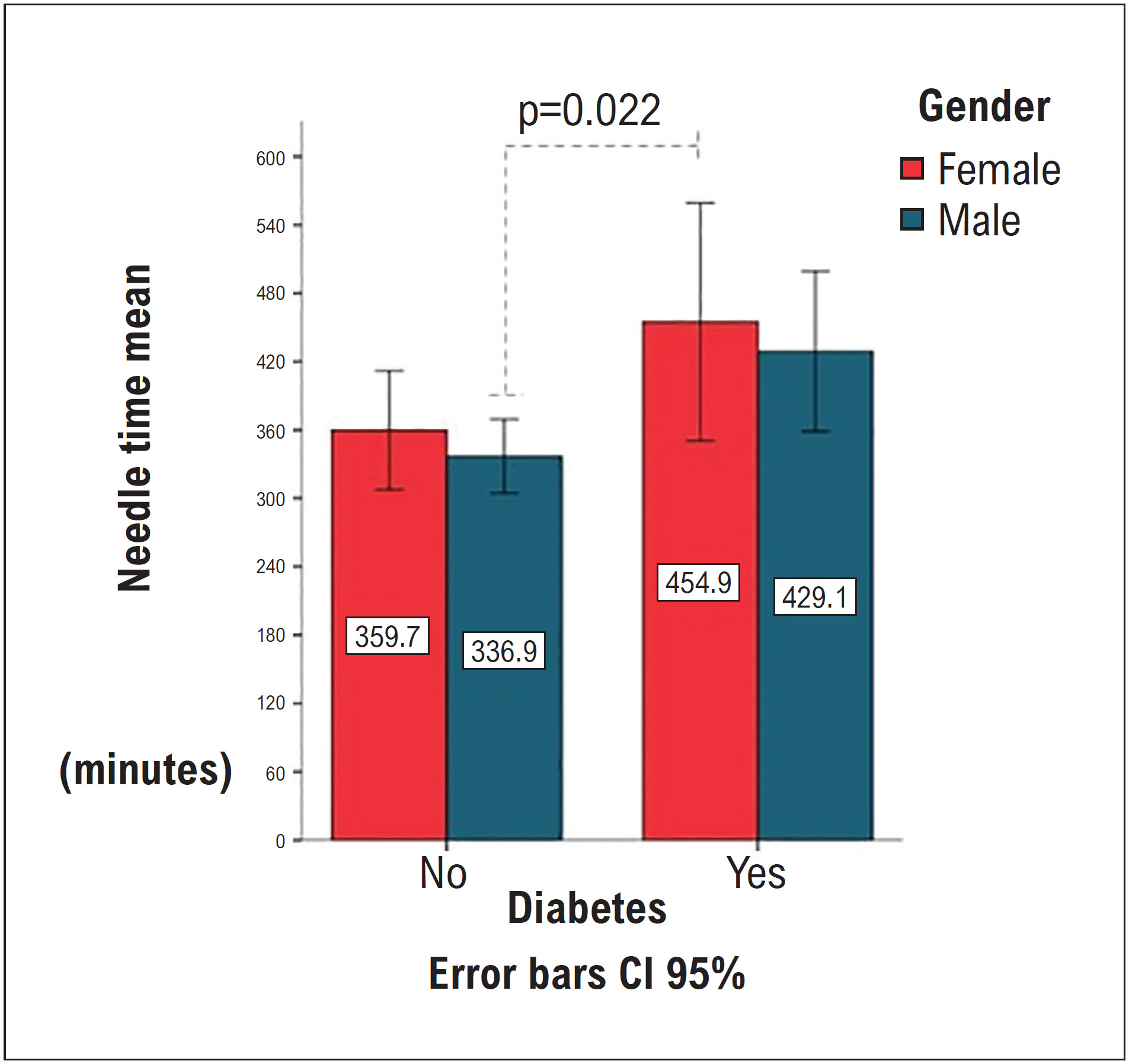
Women had a high prevalence of atypical symptoms; longer time between the onset of symptoms and seeking care; delay between arrival at the emergency room and fibrinolysis. Hospital mortality was 5.6%. Risk prediction by Killip-Kimball classification: AUC: [0.77 (0.73-0.81)] in class ≥II. Subgroups studied [OR (CI-95%)]: women [2.06 (1.42-2.99); p=0.01]; chronic renal failure [3.39 (2.13-5.42); p<0.001]; elderly [2.09 (1.37-3.19) p<0.001]; diabetics [1.55 (1.04-2.29); p=0.02]; obese 1.56 [(1.01-2.40); p=0.04]: previous stroke [2.01 (1.02-3.96); p=0.04] correlated with higher mortality rates.

Conclusion

Despite higher mortality rates in some subgroups, significant disparity persists in women, with delays in symptom recognition and prompt thrombolysis. We highlight the applicability of the Killip-Kimball score in prediction, regardless of the clinical presentation.

  • Acute Coronay Syndrome
  • Angina Pectoris
  • Hospitalization
  • Mortality
  • Percutaneous Coronary Intervention/methods
  • ST Elevation Myocardial Infarction
  • Thrombolytic THerapy/methods
Read Full Article
Creative Commons Attribution (CC BY) Creative Commons license
25/11/2022 DOI: 10.36660/abc.20211055 Views 2
ABC
Editorial

If “Time Is Muscle,” Then the Patient's Knowledge Must Save Time

Daniel Ferreira

More than half a century ago, Eugene Braunwald’s group experimental work on the factors influencing infarct size following coronary artery occlusions led to the concept of “Time is Muscle” in what relates to acute myocardial infarction management.

Timely reperfusion of the occluded coronary arteries is critical to saving at-risk ischemic myocardial cells in acute ST-elevation myocardial infarction (STEMI).

[…]

  • Awareness
  • Comprehensive Health Care/economics
  • Myocardial Infarction
  • Myocardial Ischemia/therapy
  • Myocardial Reperfusion
  • Percutaneous Coronary Intervention/methods
Read Full Article
Creative Commons Attribution (CC BY) Creative Commons license
11/07/2022 DOI: 10.36660/abc.20220392
ABC
Editorial

Transcatheter Aortic Valve Implant in Latin America – We will Get There!

Silvio Gioppato et al. Rodrigo Modolo

As with percutaneous coronary intervention, the Transcatheter Aortic Valve Implantation (TAVI) is making great strides toward overcoming the surgical approach and becoming the predominant procedure in treating aortic stenosis. Since the first percutaneous implantation made by Dr. Alain Cribier, who turns 2 decades old this year, TAVI has demonstrated, study after study, robust evidence of its efficacy and safety. At each stage of this journey, the challenges were successively overcome both by the improvement of the devices and the skills acquired by the operators, which allowed us to move consistently from the prohibitive surgical risk scenario to the low-risk scenario in just over 15 years.– Furthermore, evolution is unfolding– – ongoing studies investigate the expansion of TAVI for young patient populations, bicuspid aortic valve, asymptomatic and even pure aortic regurgitation.

Today the million-dollar question is about the durability of devices that, in part, starts to be answered. In 2019, Thyregod et al. published the 5-year result of the NOTION study (The Nordic Aortic Valve Intervention Trial), showing no differences in either the primary composite endpoint of death from any cause, stroke or heart attack (TAVR 38% vs. SAVR 36%; p=0.86) as in individual events. More recently, at the American College of Cardiology Congress (ACC 2022), Michael Reardon presented the 5-year results combining the CoreValve US Pivotal and SURTAVI studies showing that in intermediate- or high-risk patients, the rate of valve structural deterioration was significantly lower in the TAVI group compared to the surgical group (2.57% x 4.38%; p=0.0095). Nevertheless, these data are still insufficient to answer whether TAVI will be the Gold Standard for treating aortic valve diseases, regardless of etiology, age or type of dysfunction.

[…]

  • Aortic Valve Stenosis
  • Aortic Valve/abnormalities
  • Percutaneous Coronary Intervention/methods
  • Transcatheter Aortic Valve Replacement/methods
Read Full Article
Creative Commons Attribution (CC BY) Creative Commons license
10/06/2022 DOI: 10.36660/abc.20220325 Views 1
ABC
Editorial

Neoplasms and the Evaluation of Risk of Cardiovascular Disease

Cristina Salvadori Bittar

Cardiovascular disease (CVD) and neoplasms are currently the two leading causes of mortality in Brazil and in the world. Both the incidence of cancer and neoplasms increase with age, with 77% of cancer cases being diagnosed in patients older than 55 and, concomitantly, the cardiovascular risk is also higher in male patients older than 55 and women older than 65. In Brazil, in 2016, CVDs had the highest rates of mortality and disability-adjusted years of life lost, in both sexes.

Due to the great impact of the two most prevalent diseases that emerge in parallel and interact with each other, it is important to consider how to manage these two diseases individually and from a population point of view. In addition, few studies have explored the population of individuals with a double burden of these diseases.

[…]

  • Coronary Angiography/methods
  • Coronary Artery Disease / complications
  • Lung Neoplasms/complications
  • Percutaneous Coronary Intervention/methods
  • Severity of Illness Index
Read Full Article
Creative Commons Attribution (CC BY) Creative Commons license
07/03/2022 DOI: 10.36660/abc.20220007
ABC
Original Article

Association between the Severity of Coronary Artery Disease and Lung Cancer: A Pilot Cross-Sectional Study

Mingzhuang Sun et al. Qian Yang Meng Li Jing Jing … Hao Zhou Yundai Chen Shunying Hu

Abstract

Background

The direct relationship between coronary artery disease (CAD) and lung cancer is not well known.

Objective

To investigate the association between the anatomical severity of CAD and lung cancer.

Methods

Three-hundred study patients, including 75 recently diagnosed lung cancer patients and 225 matched non-cancer patients, underwent coronary angiography during hospitalization without previous percutaneous coronary intervention (PCI) or coronary artery bypass grafting (CABG). The SYNTAX score (SXscore) was used to assess the severity of CAD. A high SXscore (SXhigh) grade was defined as SXscore > 15 (the highest quartile of the SXscore). The Cochran-Armitage test for trend was used to assess the distribution of patients’ SXscores. Logistic regression analysis was used to assess the association between the severity of CAD and lung cancer. P-values were set when significance level was 5%.

Results

The distribution trend of patients’ SXscore by quartiles was different between lung cancer patients and control patients (from the lowest to the highest quartile: 20.0%, 20.0%, 24.0%, 36.0% vs. 26.7%, 26.2%, 25.8%, 21.3%, p=0.022). The SX high rate was higher in lung cancer patients than in control patients (36.0% vs. 21.3%, p=0.011).The highest quartile of the SXscore showed higher risk of lung cancer in comparison to the lowest quartile (OR: 2,250, 95%CI: 1,077 to 4,699 ; P-trend= 0.016). After adjustment, patients in the highest quartile of the SXscore had higher risk of lung cancer (OR: 2,149, 95%CI: 1,008 to 4,584; P-trend= 0.028). Patients with high SXscore (> 15) had 1,985 times more chances of having lung cancer (95%CI: 1,105–3,563, P= 0.022).

Conclusions

The anatomical severity of CAD is associated with the risk of lung cancer, which indicates that a thorough lung cancer screening may be significant among severe CAD patients.

  • Coronary Angiography/methods
  • Coronary Artery Disease / complications
  • Lung Neoplasms/complications
  • Percutaneous Coronary Intervention/methods
  • Severity of Illness Index
Read Full Article
Creative Commons Attribution (CC BY) Creative Commons license
07/03/2022 DOI: 10.36660/abc.20200478
ABC
Original Article

Percutaneous Coronary Intervention in Unprotected Left Main Coronary Artery Lesions

Douglas dos Santos Grion et al. Debora Carvalho Grion Igor Veiga Silverio Leonardo Shingu de Oliveira … Isabela Faria Larini Anna Victória Martins Juliana Moreira Marianne Machado Lissa Shizue Tateiwa Niekawa Adriana dos Santos Grion Cintia Magalhães Carvalho Grion

Abstract

Background

The advent of drug-eluting stents allowed the percutaneous coronary intervention to present safe results in lesions in the left main coronary artery.

Objectives

To analyze the results of the percutaneous treatment of unprotected left main coronary artery lesion with the use of intravascular ultrasound.

Methods

Study of consecutive case series carried out from January 2010 to December 2018. Clinical data were collected from patients as well as prognostic scores and data on coronary lesion. Low-grade residual lesion (less than 50%) on angiography and minimum luminal area greater than 6 mm2on intravascular ultrasound were considered successful. The adopted significance level was 5%.

Results

107 cases were analyzed. The multivessel lesion was predominant, with most (39.25%) of the lesions being found in three vessels in addition to the left main coronary artery. The SYNTAX score had a mean of 46.80 (SD: 22.95), and 70 (65.42%) patients had a SYNTAX score above 32 points. Angiographic success of percutaneous intervention was considered in 106 (99.06%) patients. The overall rate of major cardiac and cerebrovascular events in the hospital outcome was 6.54%, being similar in patients with SYNTAX score ≤ 32 (8.10%) and ≥ 33 (5.71%; p = 0.68).

Conclusions

Percutaneous intervention in cases of unprotected left main coronary artery lesion was safely performed and presented excellent results. Considerable angiographic success of treatment guided by intravascular ultrasound was achieved. The rate of major cardiac and cerebrovascular events was similar between patients at low and high risks.

  • Coronary Artery Diseases
  • Drug–Eluting Stents/trends
  • Myocardial Reperfusion
  • Percutaneous Coronary Intervention/methods
  • Ultrasonography, Interventional/methods
Read Full Article
Creative Commons Attribution (CC BY) Creative Commons license
14/06/2021 DOI: 10.36660/abc.20190653 Views 1
ABC
Editorial

Angiographic Scores in Prediction of No-Reflow, Myocardial Injury May not end with Reperfusion

Adriano Ossuna Tamazato et al. Thais Chang Valente Tamazato Cristiano Guedes Bezerra

The ST segment elevation infarction (STEMI) is usually precipitated by the rupture or erosion of an atherosclerotic plaque and the consequent formation of an occlusive thrombus. Early percutaneous coronary intervention is the treatment of choice for providing a more complete revascularization and less bleeding complications when compared to fibrinolysis.,

In the last decades, we observed a substantial development in the pharmacological and invasive treatments of STEMI, which significantly reduced early mortality. Several variables affect clinical outcomes, including patient age, time to reperfusion, angiographic complexity and the occurrence or not of the no-reflow (NR) phenomenon during percutaneous intervention., NR is defined by inadequate myocardial perfusion in a given territory, in the absence of mechanical obstruction of the epicardial coronary and is associated with a worse clinical prognosis.,

[…]

  • Atherosclerosis
  • Embolization, Therapeutic
  • Myocardial Infarction
  • Percutaneous Coronary Intervention/methods
  • Plaque, Atherosclerotic
Read Full Article
Creative Commons Attribution (CC BY) Creative Commons license
23/04/2021 DOI: 10.36660/abc.20210114 Views 1
Figure 1
ABC
Original Article

Gensini Score and Thrombus Burden Add Predictive Value to the SYNTAX Score in Detecting No-Reflow after Myocardial Infarction

Luís Carlos V Matos et al. Luiz Sergio Carvalho Rodrigo Modolo Simone Santos … José Carlos Quinaglia e Silva Osório Luis Rangel de Almeida Andrei C. Sposito

Abstract

Background

No-reflow after percutaneous coronary intervention is associated with poor prognosis in patients with ST-segment elevation myocardial infarction (STEMI). SYNTAX score is a good predictor of no-reflow.

Objective

We aimed to evaluate whether atherosclerotic burden (Gensini score) and thrombus burden in the culprit coronary artery would improve the ability of the SYNTAX score to detect no-reflow.

Methods

In this prospective cohort study, consecutive patients with STEMI who presented within 12 h of onset of symptoms were selected for this study. No-reflow was defined as TIMI flow < 3 o r TIMI flow = 3 but myocardial blush grade <2. Thrombus burden was quantified according to the TIMI thrombus grade scale (0 to 5).

Results

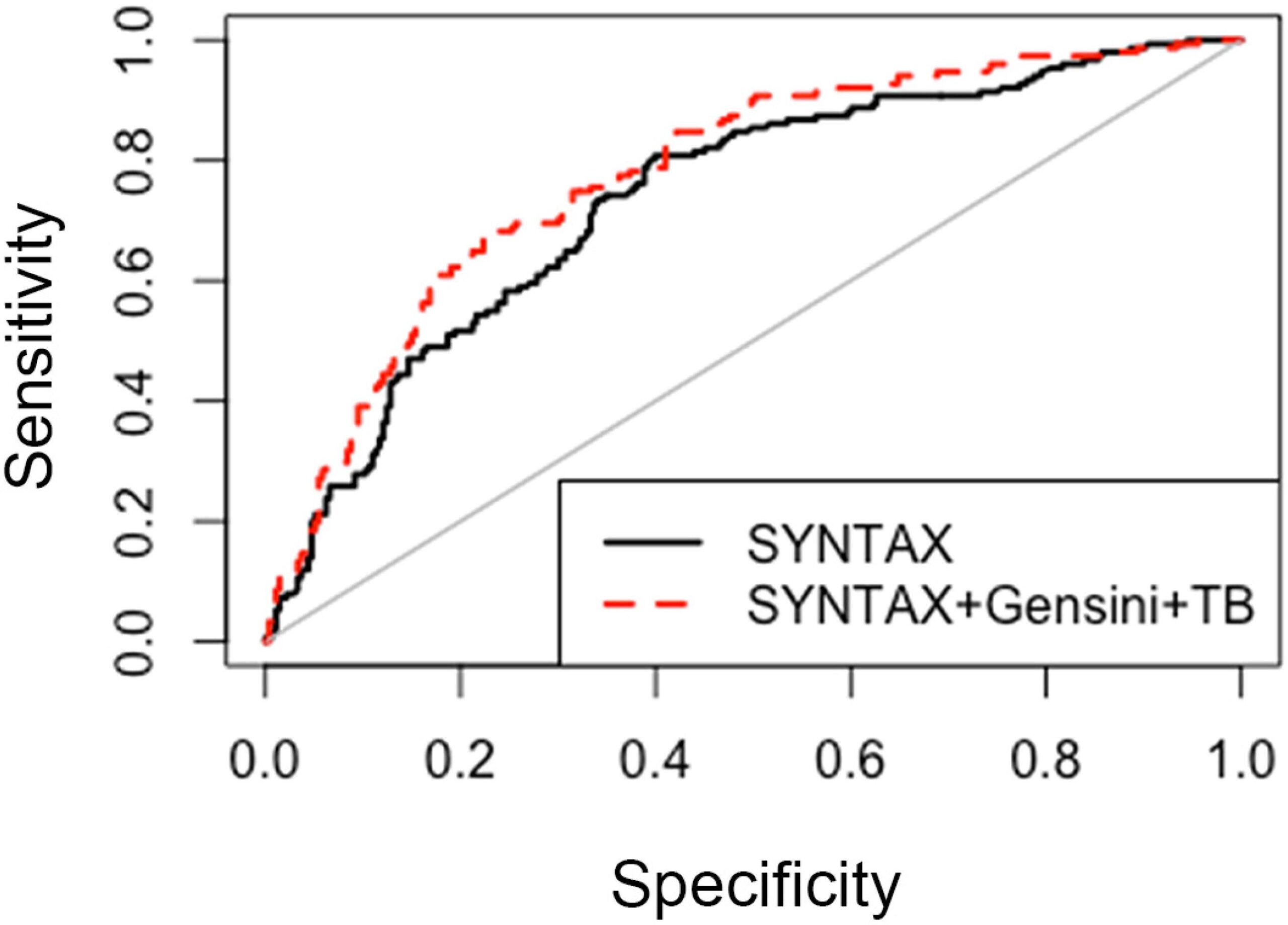
A total of 481 patients were included (mean age 61±11 years). No-reflow occurred in 32.8%. SYNTAX score (OR=1.05, 95%CI 1.01–1.08, p<0.01), thrombus burden (OR=1.17, 95%CI 1.06–1.31, p<0.01), and Gensini score (OR=1.37, 95%CI 1.13–1.65, p0) (0.54 [0.035–0.73], p<0.001) showed improvement in the predictive ability of no-reflow in the combined model, with integrated discrimination improvement (IDI) of 0.07 (0.04–0.09, p<0.001).

Conclusions

Our findings suggest that, in patients with STEMI undergoing percutaneous coronary intervention, atherosclerotic burden and thrombus burden in the culprit artery add predictive value to the SYNTAX score in detecting the no-reflow phenomenon. (Arq Bras Cardiol. 2021; [online].ahead print, PP.0-0)

  • Atheroscclerosis
  • Embolization, Therapeutic
  • Myocardial Infarction
  • Percutaneous Coronary Intervention/methods
  • Plaque, Atherosclerotic
  • Thrombosis
Read Full Article
Creative Commons Attribution (CC BY) Creative Commons license
26/02/2021 DOI: 10.36660/abc.20200045 Views 2
Figure 1
ABC
Case Report

Coronary Vasoreactivity after Complete Bioresorption of Absorb BVS at 5-Year Follow-Up

Luis Renier Goncalves-Ramírez et al. Hipólito Gutíerrez Fabián Julca Maximiliano Germán Amado Escañuela … Gretel Varvaro Ignacio Amat-Santos

Introduction

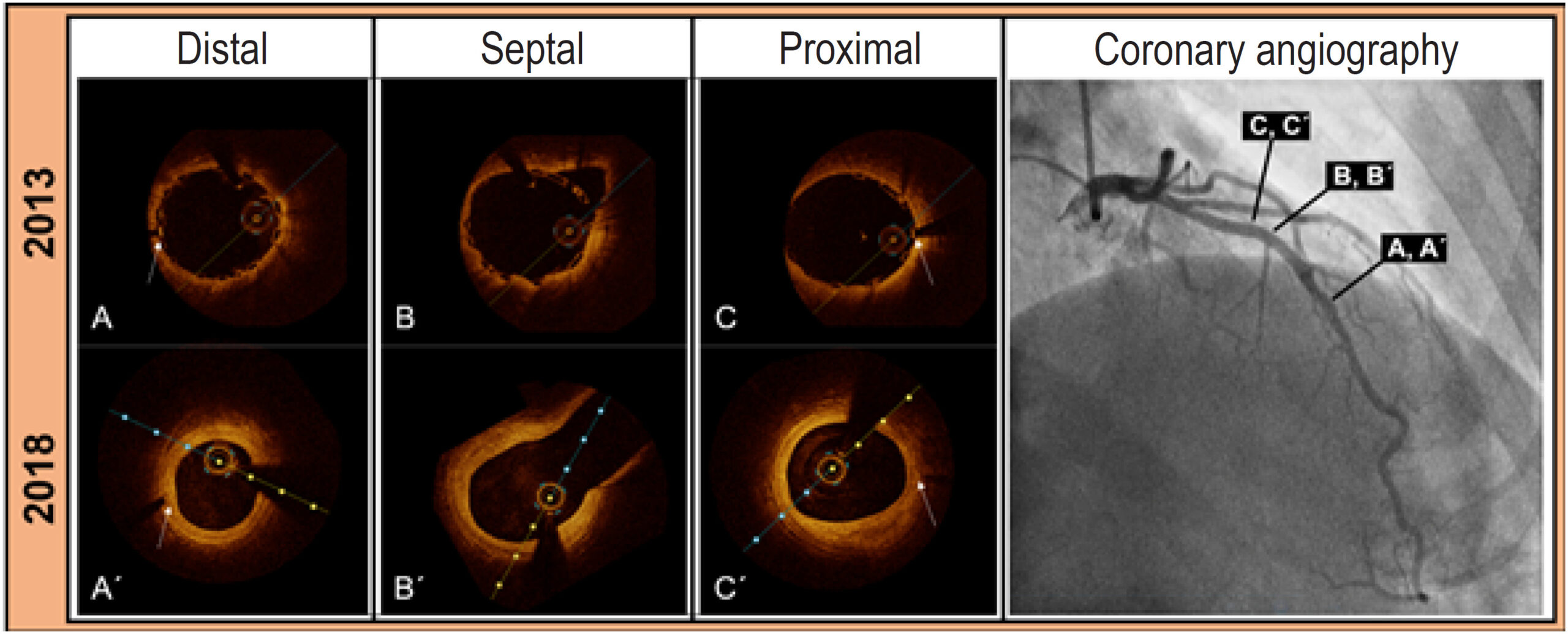
Bioresorbable coronary scaffolds have been designed to prevent long-term complications related to permanent implantation of metallic stents. Everolimus-eluting bioresorbable vascular scaffold (Absorb BVS; Abbott Vascular, Santa Clara, California) was one of the first bioresorbable vascular scaffolds (BVS) to be developed. Absorb BVS is a backbone of Poly-L-lactic acid coated with Poly-DL-lactic polymer, which elutes antiproliferative drug everolimus. BVS received CE Mark for the treatment of coronary artery disease in January 2011 and it was marketed in most European countries by 2012. Although good outcomes were initially described,, recent studies have questioned the safety of the device, suggesting a higher incidence of thrombosis and myocardial infarction., Beyond this, structural and functional recovery of scaffolded coronary segments after BVS resorption has not been systematically searched in a consecutive real-world series. We describe a case of a patient who was studied by coronary angiography, optical coherence tomography (OCT) and coronary vasoreactivity test 5-year after BVS implantation.

[…]

  • Absorbable Implants/standards
  • Coronary Artery Disease
  • Myocardial Infarction
  • Percutaneous Coronary Intervention/methods
  • Recovery of function
  • Tissue Scaffolds/standards
Read Full Article
Creative Commons Attribution (CC BY) Creative Commons license
05/02/2021 DOI: 10.36660/abc.20190783 Views 1
ABC
Editorial

Serological Tests in Chagas Disease: Another Enigmatic Evidence in a Disease Largely Neglected

André Schmidt et al. José Antonio Marin Neto

Cardiologists and Gastroenterologists acting in distinct environments of our institution in Ribeirão Preto, not infrequently face patients with epidemiologic, clinical and laboratorial features of Chagas Disease (CD) in whom serological evaluation is negative for the disease. In a series of 65 patients evaluated between 07/01/2011 and 12/31/2012 by invasive coronary angiography to elucidate the cardinal symptom of chest pain, all with wall motion abnormalities (including 28 presenting the typical apical aneurysm at contrast ventriculography), two distinct serological tests were positive in only 11(17%) patients. How can we elucidate this enigma and provide guidance in this situation? The answer may be, in part, in the experience with this entity and in the knowledge and confidence in the diagnostic accuracy of the serological tests employed.

The hitch point begins with the asymmetrical concepts leading to uncertainty that involve the routine diagnostic procedures of CD by using serological verification of antiparasite antibodies. In accordance to current guidelines, , only one negative test is enough to exclude the diagnosis (granting blood donation or solid organ transplantation), while two distinct positive serological tests are needed to confirm CD diagnosis. This is an ancient practice in clinical and research routines, due to the heterogeneous accuracy (mean of sensibility and specificity) of the tests/ e. g. complement fixation, indirect hemagglutination, indirect immunofluorescence and direct agglutination). Even after the development of chemiluminescence methods based on ELISA, capable of automated reading to avoid subjective interpretation as seen in the above-mentioned tests, the rule of two simultaneous distinct tests followed by a third one if a discordant result is obtained, remains in the latest PAHO guidelines for diagnosis of CD. A conflicting technical note from the WHO recommended a single ELISA test for screening in blood banks, supported by its alleged high sensitivity (nearly 99%) and as a way of cost reduction when dealing with a high volume of screening as occurs in blood centers and blood banks. Nevertheless, well-documented evidence exists suggesting that this protocol may not be entirely adequate.

[…]

  • Chagas disease
  • Epidemiology
  • Percutaneous Coronary Intervention/methods
  • Sorologic Tests
Read Full Article
Creative Commons Attribution (CC BY) Creative Commons license
18/01/2021 DOI: 10.36660/abc.20200656 Views 1
ABC
Original Article

Therapeutic Effects of Triple Antiplatelet Therapy in Elderly Female Patients with Diabetes and Acute Myocardial Infarction

Yang Liu et al. Yanyan Gao Hengliang Liu Qi Chen … Jinrui Ji Kailong Jia

Abstract

Background

Dual antiplatelet therapy (DAPT) is the cornerstone treatment of acute myocardial infarction (AMI).

Objective

The present study aimed to investigate the efficacy and safety of triple antiplatelet therapy (TAPT) in elderly female patients with diabetes and ST segment elevation myocardial infarction (STEMI), who had undergone percutaneous coronary intervention (PCI).

Methods

We designed a randomized, single-blind study. Control group A (97 elderly male patients with diabetes and STEMI, whose CRUSADE scores were 31) received aspirin and ticagrelor. Group C (93 patients with CRUSADE score < 30) received aspirin, ticagrelor and tirofiban. P values < 0.05 were considered statistically significant.

Results

Compared to the findings in group A, post-PCI Thrombolysis in Myocardial Infarction (TIMI) grade 3 blood flow and TIMI myocardial perfusion grade 3 were significantly less prevalent in group B (p < 0.05). When compared to groups A and C, the incidence of major adverse complications was significantly higher in group B (p < 0.05).

Conclusion

TAPT could effectively reduce the incidence of major complications in elderly female patients with diabetes and STEMI. However, close attention should be paid to hemorrhage in patients receiving TAPT. (Arq Bras Cardiol. 2020; [online].ahead print, PP.0-0)

  • aging
  • Diabetes Mellitus
  • Myocardial Infarction
  • Percutaneous Coronary Intervention/methods
  • Platelet Aggregation
  • Stroke
  • Woman
Read Full Article
Creative Commons Attribution (CC BY) Creative Commons license
01/01/2021 DOI: 10.36660/abc.20190442 Views 1
ABC
Letter to the Editor

Temporal Evolution of the iFR (Instantaneous Wave-Free Ratio) Employment Results Analysis

Maria Cristina Meira Ferreira et al. Gláucia Maria Moraes de Oliveira

Dear Editor,

We read with interest the short editorial written by authors Chamié and Abzaid regarding the paper “Evaluation of Myocardial Ischemia with iFR (instantaneous wave-free ratio) in the catheterization laboratory: a pilot study”. The short editorial clearly translates to us the historical evolution reasoning that we must follow when interpreting coronary physiology studies in therapeutic decision-making. Although medicine is full of binary situations for resolution, such as the presence or absence of fever by the thermometer, it is very clear that different levels of values refer to different diagnoses, prognosis and treatments. With regard to coronary functional assessments, after an enormous amount of binary studies to demonstrate their validity, recent trials cited in the short editorial directed us to a phase where clinical decision-making power has an important weight once again, and the dissertation of this change in direction occurred brilliantly in the editorial. We did not neglect the clinical reasoning and other factors in our study, since the stent placement predictor was iFR < 0.87 in this group, despite the cutoff value established for iFR being 0.89, with a significant reduction in the use of stent.

[…]

  • Coronary Artery Disease
  • Fractional Flow Reserve, Myocardial
  • Myocardial Ischemia
  • Percutaneous Coronary Intervention/methods
  • Stents
Read Full Article
Creative Commons Attribution (CC BY) Creative Commons license
23/10/2020 DOI: 10.36660/abc.20200195 Views 2
Figure 1
ABC
Image

Left and Right Internal Mammary Artery Angioplasties in a 3-year-old Patient with Kawasaki Disease and Failed Coronary Artery Bypass Graft Surgery

René Hameau et al. Daniel Springmuller Francisco Garay Alberto Fuensalida Gonzalo Martinez

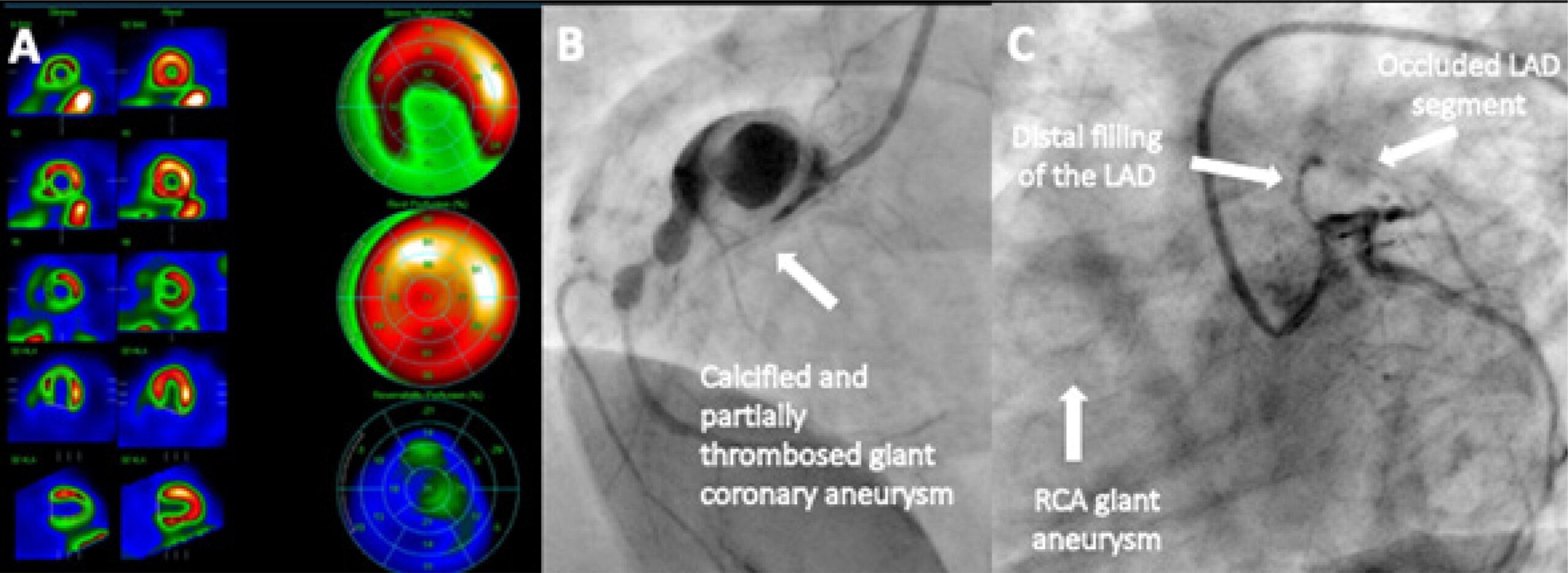
A 3 years and 5 months old boy with a history of Kawasaki disease diagnosed at 6 months of age and a previous Non-ST myocardial infarction (NSTEMI) underwent Coronary Artery Bypass Graft (CABG) surgery due to a large perfusion defect and moderate systolic dysfunction on Single-photon emission computed tomography (SPECT) () and a coronary angiogram showing a partially thrombosed giant aneurysm on the Right coronary artery (RCA) and a complete occlusion of the proximal Left anterior descending artery (LAD) (). A Left internal mammary artery (LIMA) graft to LAD and a free Right internal mammary artery (RIMA) to Posterior descending artery (PDA) anastomosis of RCA was performed.

[…]

  • Congenital/complications
  • Heart Aneurysm/surgery
  • Heart Defects
  • Kawasaki Disease/complications
  • Myocardial Revascularization/surgery
  • Percutaneous Coronary Intervention/methods
  • Thrombolytic THerapy/methods
Read Full Article
Creative Commons Attribution (CC BY) Creative Commons license
01/06/2020 DOI: 10.36660/abc.20190904 Views 1
ABC
Editorial

Appropriate Use Criteria for Coronary Angiography at Two Hospitals in Southern Brazil: "Doing the Right Things And Doing Things Right"

Marco A. Magalhaes et al. Jamil R. Cade

Cardiovascular disease and particularly coronary artery disease (CAD) remain a global health issue, notwithstanding major advances in cardiovascular care that have resulted in a reduction in CAD mortality over the last decades. Indeed, the most recent trends point towards a bottoming out of CAD mortality rates and, for certain subgroups, rates might even be increasing. The reasons for these alarming trends relate to the prevalence of risk factors, health care system failures in dealing with chronic diseases, unequal access to technology, decreasing levels of investment in cardiovascular research, and persistent heterogeneity in the quality of care.

In contrast, cardiovascular health care costs continue to follow a linear upward trend. As a consequence, the delivery of high-value cardiovascular care has been reduced. In the long run, cardiovascular research and innovation should stimulate the development of novel drugs and therapies. In the short term, for struggling health care systems facing escalating costs, avoiding inappropriate tests and ineffective therapies is part of a value-based healthcare agenda., The fundamental concept of moving from volume to value may mitigate conflicting expectations among payers, providers, patients and physicians, who should share a common objective of reducing unwarranted health costs while improving outcomes.

[…]

  • Coronary Angiography
  • Coronary Artery Disease/diagnostic imaging
  • Epidemiology
  • Percutaneous Coronary Intervention/methods
  • Síndrome Coronariana Aguda
Read Full Article
Creative Commons Attribution (CC BY) Creative Commons license
06/06/2019 DOI: 10.5935/abc.20190084 Views 1
Figure 1
ABC
Original Article

Fractional Flow Reserve-Guided Strategy in Acute Coronary Syndrome. A Systematic Review and Meta-Analysis

José Luís Martins et al. Vera Afreixo José Santos Lino Gonçalves

Abstract

Background:

There are limited data on the prognosis of deferral of lesion treatment in patients with acute coronary syndrome (ACS) based on fractional flow reserve (FFR).

Objectives:

To provide a systematic review of the current evidence on the prognosis of deferred lesions in ACS patients compared with deferred lesions in non-ACS patients, on the basis of FFR.

Methods:

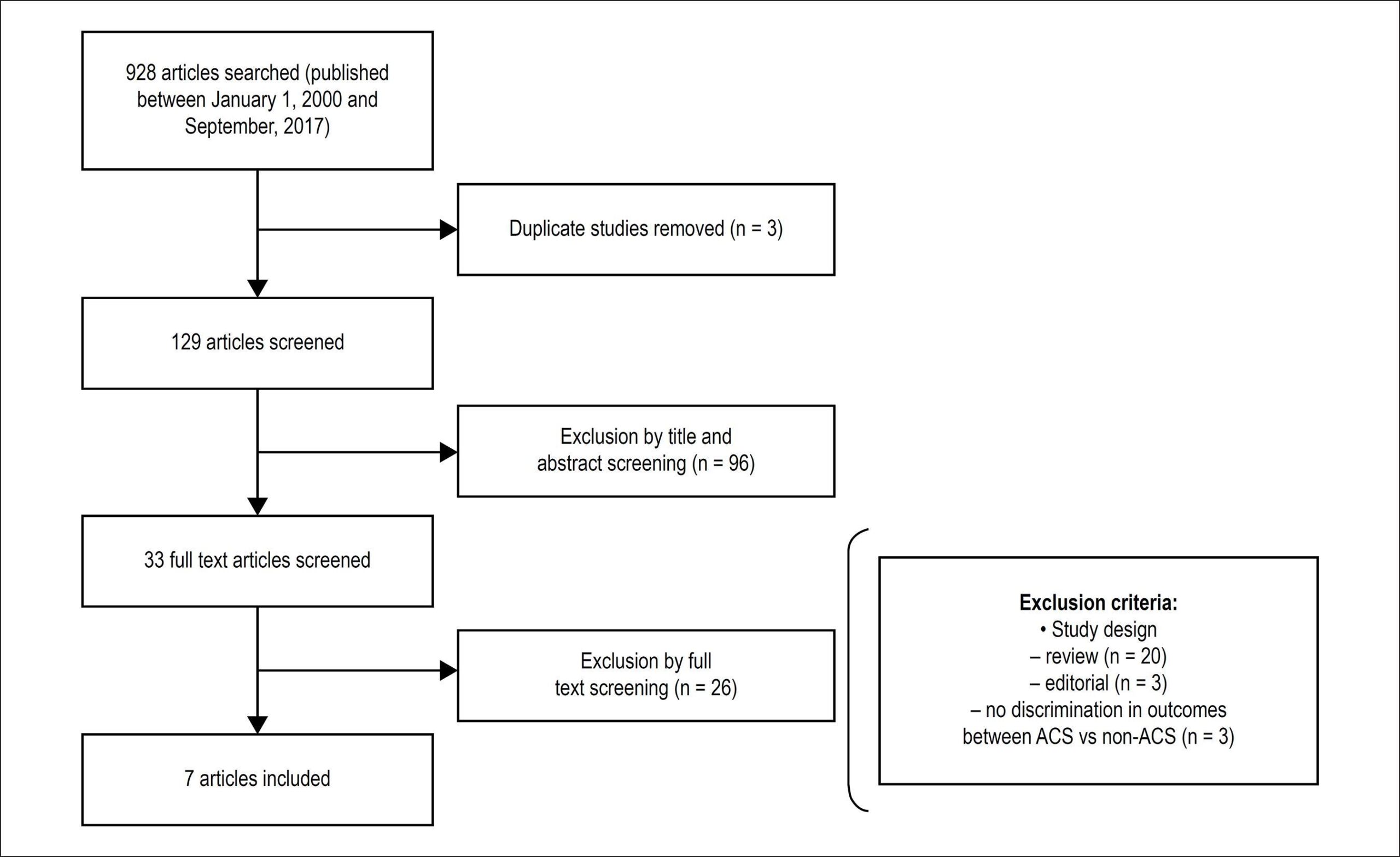
We searched Medline, EMBASE, and the Cochrane Library for studies published between January 2000 and September 2017 that compared prognosis of deferred revascularization of lesions on the basis of FFR in ACS patients compared with non-ACS patients. We conducted a pooled relative risk meta-analysis of four primary outcomes: mortality, cardiovascular (CV) mortality, myocardial infarction (MI) and target-vessel revascularization (TVR).

Results:

We identified 7 studies that included a total of 5,107 patients. A pooled meta-analysis showed no significant difference in mortality (relative risk [RR] = 1.44; 95% CI, 0.9-2.4), CV mortality (RR = 1.29; 95% CI = 0.4-4.3) and TVR (RR = 1.46; 95% CI = 0.9-2.3) after deferral of revascularization based on FFR between ACS and non-ACS patients. Such deferral was associated with significant additional risk of MI (RR = 1.83; 95% CI = 1.4-2.4) in ACS patients.

Conclusion:

The prognostic value of FFR in ACS setting is not as good as in stable patients. The results demonstrate an increased risk of MI but not of mortality, CV mortality, and TVR in ACS patients.

  • Acute Coronary Syndrome/physiopathology
  • Coronary Angiography/methods
  • Fractional Flow Reserve Myocardial/physiology
  • Microvessels
  • Percutaneous Coronary Intervention/methods
  • Reproducibility of Results
  • Vascular Resistance
Read Full Article
Creative Commons Attribution (CC BY) Creative Commons license
21/09/2018 DOI: 10.5935/abc.20180170 Views 1
ABC
Original Article

Association of Monocyte Count on Admission with the Angiographic Thrombus Burden in Patients with ST-Segment Elevation Myocardial Infarction Undergoing Primary Percutaneous Coronary Intervention

Zuoyan Wang et al. Na Liu Lihui Ren Licheng Lei … Huiming Ye Jianjun Peng

Abstract

Background:

The intracoronary high-thrombus burden during the primary percutaneous coronary intervention in patients with ST-elevation myocardial infarction (STEMI) can lead to poor outcomes. Monocytes have been described to play an important role in thrombotic disorders.

Objectives:

This study aimed to investigate the relationship between admission monocyte count and angiographic intracoronary thrombus burden in patients receiving primary percutaneous coronary intervention (PPCI).

Methods:

A total of 273 patients with acute STEMI who underwent PPCI were enrolled. The patients were divided into two groups according to the thrombolysis in myocardial infarction (TIMI) thrombus grade: low-thrombus burden group with a grade of 0-2 and high-thrombus burden group with a grade of 3-4. The monocyte count and other laboratory parameters were measured on admission before PPCI. P-value < 0.05 was considered significant.

Results:

There were 95 patients (34.8%) in the high-thrombus burden group, and 178 patients (65.2%) in the low-thrombus burden group. Patients with high-thrombus burden had significantly higher admission monocyte count (0.61 ± 0.29×10⁹/L vs. 0.53 ± 0.24×10⁹/L, p = 0.021). In multivariate analysis, monocyte count was the independent predictor of angiographic high-thrombus burden (odds ratio 3.107, 95% confidence interval [CI] 1.199-7.052, p = 0.020). For the prediction of angiographic high-thrombus burden, admission monocyte count at a cut-off value of 0.48×10⁹/L yielded 0.59 ROC-AUC (71.9% sensitivity, 46.9% specificity).

Conclusions:

Monocyte count on admission was an independent clinical predictor of high-thrombus burden in patients with STEMI undergoing PPCI. Our findings suggest that admission monocyte count may be available for early risk stratification of high-thrombus burden in acute STEMI patients and might allow the optimization of antithrombotic therapy to improve the outcomes of PPCI.

  • Coronary Thrombosis/diagnostic imaging
  • Monocytes
  • Myocardial Infarction
  • Percutaneous Coronary Intervention/methods
Read Full Article
Creative Commons Attribution (CC BY) Creative Commons license
12/03/2018 DOI: 10.5935/abc.20180034

How to cite this article

EndNote RIS

Electronic Document Format (Vancouver)

Soeiro AM. How Can COVID-19 Influence the Evolution of Patients with Acute Coronary Syndromes?. Arquivos Brasileiros de Cardiologia 2024;121(1):e20230888.

Electronic Document Format (ABNT)

Soeiro, Alexandre de Matos. How Can COVID-19 Influence the Evolution of Patients with Acute Coronary Syndromes?. Arquivos Brasileiros de Cardiologia, v. 121, n. 1, e20230888, Mar. 2024.

Electronic Document Format (APA)

Soeiro, A. M. (2024). How Can COVID-19 Influence the Evolution of Patients with Acute Coronary Syndromes?. Arquivos Brasileiros de Cardiologia, 121(1), e20230888.

Electronic Document Format (ISO)

Soeiro, Alexandre de Matos. How Can COVID-19 Influence the Evolution of Patients with Acute Coronary Syndromes?. Arquivos Brasileiros de Cardiologia [online]. 2024, vol. 121, n. 1, [cited 2026-10-14], e20230888. Available from: <https://journals.cardiol.br/en/article/how-can-covid-19-influence-the-evolution-of-patients-with-acute-coronary-syndromes/>. ISSN 0066-782X

EndNote RIS

Electronic Document Format (Vancouver)

Bianco HT, Povoa R, Izar MC, Alves CMR, Barbosa AHP, Bombig MTN, Gonçalves Jr I, et al. Pharmaco-invasive Strategy in Myocardial Infarction: Descriptive Analysis, Presentation of Ischemic Symptoms and Mortality Predictors. Arquivos Brasileiros de Cardiologia 2022;119(5):691-702.

Electronic Document Format (ABNT)

Bianco, Henrique Tria; Povoa, Rui; Izar, Maria Cristina; Alves, Claudia Maria Rodrigues; Barbosa, Adriano Henrique Pereira; Bombig, Maria Teresa Nogueira; Gonçalves Jr, Iran; Luna Filho, Bráulio; Aguirre, Ana Caroline; Moraes, Pedro Ivo de Marqui; Almeida, Dirceu; Moreira, Flávio Tocci; Povoa, Fernando Focaccia; Stefanini, Edson; Caixeta, Adriano Mendes; Bacchin, Amanda S.; Moisés, Valdir Ambrósio; Fonseca, Francisco A.H.. Pharmaco-invasive Strategy in Myocardial Infarction: Descriptive Analysis, Presentation of Ischemic Symptoms and Mortality Predictors. Arquivos Brasileiros de Cardiologia, v. 119, n. 5, p. 691-702, Nov. 2022.

Electronic Document Format (APA)

Bianco, H. T., Povoa, R., Izar, M. C., Alves, C. M. R., Barbosa, A. H. P., Bombig, M. T. N., Gonçalves Jr, I., Luna Filho, B., Aguirre, A. C., Moraes, P. I. M., Almeida, D., Moreira, F. T., Povoa, F. F., Stefanini, E., Caixeta, A. M., Bacchin, A. S., Moisés, V. A., & Fonseca, F. A. (2022). Pharmaco-invasive Strategy in Myocardial Infarction: Descriptive Analysis, Presentation of Ischemic Symptoms and Mortality Predictors. Arquivos Brasileiros de Cardiologia, 119(5), 691-702.

Electronic Document Format (ISO)

Bianco, Henrique Tria and Povoa, Rui and Izar, Maria Cristina and Alves, Claudia Maria Rodrigues and Barbosa, Adriano Henrique Pereira and Bombig, Maria Teresa Nogueira and Gonçalves Jr, Iran and Luna Filho, Bráulio and Aguirre, Ana Caroline and Moraes, Pedro Ivo de Marqui and Almeida, Dirceu and Moreira, Flávio Tocci and Povoa, Fernando Focaccia and Stefanini, Edson and Caixeta, Adriano Mendes and Bacchin, Amanda S. and Moisés, Valdir Ambrósio and Fonseca, Francisco A.H.. Pharmaco-invasive Strategy in Myocardial Infarction: Descriptive Analysis, Presentation of Ischemic Symptoms and Mortality Predictors. Arquivos Brasileiros de Cardiologia [online]. 2022, vol. 119, n. 5, [cited 2026-10-14], pp. 691-702. Available from: <https://journals.cardiol.br/en/article/pharmaco-invasive-strategy-in-myocardial-infarction-descriptive-analysis-presentation-of-ischemic-symptoms-and-mortality-predictors/>. ISSN 0066-782X

EndNote RIS

Electronic Document Format (Vancouver)

Ferreira D. If “Time Is Muscle,” Then the Patient’s Knowledge Must Save Time. Arquivos Brasileiros de Cardiologia 2022;119(1):35-6.

Electronic Document Format (ABNT)

Ferreira, Daniel. If “Time Is Muscle,” Then the Patient’s Knowledge Must Save Time. Arquivos Brasileiros de Cardiologia, v. 119, n. 1, p. 35-36, Jul. 2022.

Electronic Document Format (APA)

Ferreira, D. (2022). If “Time Is Muscle,” Then the Patient’s Knowledge Must Save Time. Arquivos Brasileiros de Cardiologia, 119(1), 35-36.

Electronic Document Format (ISO)

Ferreira, Daniel. If “Time Is Muscle,” Then the Patient’s Knowledge Must Save Time. Arquivos Brasileiros de Cardiologia [online]. 2022, vol. 119, n. 1, [cited 2026-10-14], pp. 35-36. Available from: <https://journals.cardiol.br/en/article/if-time-is-muscle-then-the-patients-knowledge-must-save-time/>. ISSN 0066-782X

EndNote RIS

Electronic Document Format (Vancouver)

Gioppato S, Modolo R. Transcatheter Aortic Valve Implant in Latin America – We will Get There!. Arquivos Brasileiros de Cardiologia 2022;118(6):1097-8.

Electronic Document Format (ABNT)

Gioppato, Silvio; Modolo, Rodrigo. Transcatheter Aortic Valve Implant in Latin America – We will Get There!. Arquivos Brasileiros de Cardiologia, v. 118, n. 6, p. 1097-1098, Jun. 2022.

Electronic Document Format (APA)

Gioppato, S., & Modolo, R. (2022). Transcatheter Aortic Valve Implant in Latin America – We will Get There!. Arquivos Brasileiros de Cardiologia, 118(6), 1097-1098.

Electronic Document Format (ISO)

Gioppato, Silvio and Modolo, Rodrigo. Transcatheter Aortic Valve Implant in Latin America – We will Get There!. Arquivos Brasileiros de Cardiologia [online]. 2022, vol. 118, n. 6, [cited 2026-10-14], pp. 1097-1098. Available from: <https://journals.cardiol.br/en/article/transcatheter-aortic-valve-implant-in-latin-america-we-will-get-there/>. ISSN 0066-782X

EndNote RIS

Electronic Document Format (Vancouver)

Bittar CS. Neoplasms and the Evaluation of Risk of Cardiovascular Disease. Arquivos Brasileiros de Cardiologia 2022;118(2):486-7.

Electronic Document Format (ABNT)

Bittar, Cristina Salvadori. Neoplasms and the Evaluation of Risk of Cardiovascular Disease. Arquivos Brasileiros de Cardiologia, v. 118, n. 2, p. 486-487, Mar. 2022.

Electronic Document Format (APA)

Bittar, C. S. (2022). Neoplasms and the Evaluation of Risk of Cardiovascular Disease. Arquivos Brasileiros de Cardiologia, 118(2), 486-487.

Electronic Document Format (ISO)

Bittar, Cristina Salvadori. Neoplasms and the Evaluation of Risk of Cardiovascular Disease. Arquivos Brasileiros de Cardiologia [online]. 2022, vol. 118, n. 2, [cited 2026-10-14], pp. 486-487. Available from: <https://journals.cardiol.br/en/article/neoplasms-and-the-evaluation-of-risk-of-cardiovascular-disease/>. ISSN 0066-782X

EndNote RIS

Electronic Document Format (Vancouver)

Sun M, Yang Q, Li M, Jing , Zhou H, Chen Y, Hu S, et al. Association between the Severity of Coronary Artery Disease and Lung Cancer: A Pilot Cross-Sectional Study. Arquivos Brasileiros de Cardiologia 2022;118(2):478-85.

Electronic Document Format (ABNT)

Sun, Mingzhuang; Yang, Qian; Li, Meng; Jing, ; Zhou, Hao; Chen, Yundai; Hu, Shunying. Association between the Severity of Coronary Artery Disease and Lung Cancer: A Pilot Cross-Sectional Study. Arquivos Brasileiros de Cardiologia, v. 118, n. 2, p. 478-485, Mar. 2022.

Electronic Document Format (APA)

Sun, M., Yang, Q., Li, M., Jing, , Zhou, H., Chen, Y., & Hu, S. (2022). Association between the Severity of Coronary Artery Disease and Lung Cancer: A Pilot Cross-Sectional Study. Arquivos Brasileiros de Cardiologia, 118(2), 478-485.

Electronic Document Format (ISO)

Sun, Mingzhuang and Yang, Qian and Li, Meng and Jing and Zhou, Hao and Chen, Yundai and Hu, Shunying. Association between the Severity of Coronary Artery Disease and Lung Cancer: A Pilot Cross-Sectional Study. Arquivos Brasileiros de Cardiologia [online]. 2022, vol. 118, n. 2, [cited 2026-10-14], pp. 478-485. Available from: <https://journals.cardiol.br/en/article/association-between-the-severity-of-coronary-artery-disease-and-lung-cancer-a-pilot-cross-sectional-study/>. ISSN 0066-782X

EndNote RIS

Electronic Document Format (Vancouver)

Grion DS, Grion DC, Silverio IV, Oliveira LS, Larini IF, Martins AV, Moreira J, et al. Percutaneous Coronary Intervention in Unprotected Left Main Coronary Artery Lesions. Arquivos Brasileiros de Cardiologia 2021;116(6):1101-8.

Electronic Document Format (ABNT)

Grion, Douglas dos Santos; Grion, Debora Carvalho; Silverio, Igor Veiga; Oliveira, Leonardo Shingu de; Larini, Isabela Faria; Martins, Anna Victória; Moreira, Juliana; Machado, Marianne; Niekawa, Lissa Shizue Tateiwa; Grion, Adriana dos Santos; Grion, Cintia Magalhães Carvalho. Percutaneous Coronary Intervention in Unprotected Left Main Coronary Artery Lesions. Arquivos Brasileiros de Cardiologia, v. 116, n. 6, p. 1101-1108, Jun. 2021.

Electronic Document Format (APA)

Grion, D. S., Grion, D. C., Silverio, I. V., Oliveira, L. S. , Larini, I. F., Martins, A. V., Moreira, J., Machado, M., Niekawa, L. S. T., Grion, A. S., & Grion, C. M. C. (2021). Percutaneous Coronary Intervention in Unprotected Left Main Coronary Artery Lesions. Arquivos Brasileiros de Cardiologia, 116(6), 1101-1108.

Electronic Document Format (ISO)

Grion, Douglas dos Santos and Grion, Debora Carvalho and Silverio, Igor Veiga and Oliveira, Leonardo Shingu de and Larini, Isabela Faria and Martins, Anna Victória and Moreira, Juliana and Machado, Marianne and Niekawa, Lissa Shizue Tateiwa and Grion, Adriana dos Santos and Grion, Cintia Magalhães Carvalho. Percutaneous Coronary Intervention in Unprotected Left Main Coronary Artery Lesions. Arquivos Brasileiros de Cardiologia [online]. 2021, vol. 116, n. 6, [cited 2026-10-14], pp. 1101-1108. Available from: <https://journals.cardiol.br/en/article/percutaneous-coronary-intervention-in-unprotected-left-main-coronary-artery-lesions/>. ISSN 0066-782X

EndNote RIS

Electronic Document Format (Vancouver)

Tamazato AO, Tamazato TCV, Bezerra CG. Angiographic Scores in Prediction of No-Reflow, Myocardial Injury May not end with Reperfusion. Arquivos Brasileiros de Cardiologia 2021;116(3):473-4.

Electronic Document Format (ABNT)

Tamazato, Adriano Ossuna; Tamazato, Thais Chang Valente; Bezerra, Cristiano Guedes. Angiographic Scores in Prediction of No-Reflow, Myocardial Injury May not end with Reperfusion. Arquivos Brasileiros de Cardiologia, v. 116, n. 3, p. 473-474, Apr. 2021.

Electronic Document Format (APA)

Tamazato, A. O., Tamazato, T. C. V., & Bezerra, C. G. (2021). Angiographic Scores in Prediction of No-Reflow, Myocardial Injury May not end with Reperfusion. Arquivos Brasileiros de Cardiologia, 116(3), 473-474.

Electronic Document Format (ISO)

Tamazato, Adriano Ossuna and Tamazato, Thais Chang Valente and Bezerra, Cristiano Guedes. Angiographic Scores in Prediction of No-Reflow, Myocardial Injury May not end with Reperfusion. Arquivos Brasileiros de Cardiologia [online]. 2021, vol. 116, n. 3, [cited 2026-10-14], pp. 473-474. Available from: <https://journals.cardiol.br/en/article/angiographic-scores-in-prediction-of-no-reflow-myocardial-injury-may-not-end-with-reperfusion/>. ISSN 0066-782X

EndNote RIS

Electronic Document Format (Vancouver)

Matos LCV, Carvalho LS, Modolo R, Santos S, Silva JCQ, Almeida OLR, Sposito AC, et al. Gensini Score and Thrombus Burden Add Predictive Value to the SYNTAX Score in Detecting No-Reflow after Myocardial Infarction. Arquivos Brasileiros de Cardiologia 2021;116(3):466-72.

Electronic Document Format (ABNT)

Matos, Luís Carlos V; Carvalho, Luiz Sergio; Modolo, Rodrigo; Santos, Simone; Silva, José Carlos Quinaglia e; Almeida, Osório Luis Rangel de; Sposito, Andrei C.. Gensini Score and Thrombus Burden Add Predictive Value to the SYNTAX Score in Detecting No-Reflow after Myocardial Infarction. Arquivos Brasileiros de Cardiologia, v. 116, n. 3, p. 466-472, Feb. 2021.

Electronic Document Format (APA)

Matos, L. C. V., Carvalho, L. S., Modolo, R., Santos, S., Silva, J. C. Q. , Almeida, O. L. R. , & Sposito, A. C. (2021). Gensini Score and Thrombus Burden Add Predictive Value to the SYNTAX Score in Detecting No-Reflow after Myocardial Infarction. Arquivos Brasileiros de Cardiologia, 116(3), 466-472.

Electronic Document Format (ISO)

Matos, Luís Carlos V and Carvalho, Luiz Sergio and Modolo, Rodrigo and Santos, Simone and Silva, José Carlos Quinaglia e and Almeida, Osório Luis Rangel de and Sposito, Andrei C.. Gensini Score and Thrombus Burden Add Predictive Value to the SYNTAX Score in Detecting No-Reflow after Myocardial Infarction. Arquivos Brasileiros de Cardiologia [online]. 2021, vol. 116, n. 3, [cited 2026-10-14], pp. 466-472. Available from: <https://journals.cardiol.br/en/article/gensini-score-and-thrombus-burden-add-predictive-value-to-the-syntax-score-in-detecting-no-reflow-after-myocardial-infarction/>. ISSN 0066-782X

EndNote RIS

Electronic Document Format (Vancouver)

Goncalves-Ramírez LR, Gutíerrez H, Julca F, Escañuela MGA, Varvaro G, Amat-Santos I. Coronary Vasoreactivity after Complete Bioresorption of Absorb BVS at 5-Year Follow-Up. Arquivos Brasileiros de Cardiologia 2021;116(2 suppl 1):8-11.

Electronic Document Format (ABNT)

Goncalves-Ramírez, Luis Renier; Gutíerrez, Hipólito; Julca, Fabián; Escañuela, Maximiliano Germán Amado; Varvaro, Gretel; Amat-Santos, Ignacio. Coronary Vasoreactivity after Complete Bioresorption of Absorb BVS at 5-Year Follow-Up. Arquivos Brasileiros de Cardiologia, v. 116, n. 2 suppl 1, p. 8-11, Feb. 2021.

Electronic Document Format (APA)

Goncalves-Ramírez, L. R., Gutíerrez, H., Julca, F., Escañuela, M. G. A., Varvaro, G., & Amat-Santos, I. (2021). Coronary Vasoreactivity after Complete Bioresorption of Absorb BVS at 5-Year Follow-Up. Arquivos Brasileiros de Cardiologia, 116(2 suppl 1), 8-11.

Electronic Document Format (ISO)

Goncalves-Ramírez, Luis Renier and Gutíerrez, Hipólito and Julca, Fabián and Escañuela, Maximiliano Germán Amado and Varvaro, Gretel and Amat-Santos, Ignacio. Coronary Vasoreactivity after Complete Bioresorption of Absorb BVS at 5-Year Follow-Up. Arquivos Brasileiros de Cardiologia [online]. 2021, vol. 116, n. 2 suppl 1, [cited 2026-10-14], pp. 8-11. Available from: <https://journals.cardiol.br/en/article/coronary-vasoreactivity-after-complete-bioresorption-of-absorb-bvs-at-5-year-follow-up/>. ISSN 0066-782X

EndNote RIS

Electronic Document Format (Vancouver)

Schmidt A, Marin Neto JA. Serological Tests in Chagas Disease: Another Enigmatic Evidence in a Disease Largely Neglected. Arquivos Brasileiros de Cardiologia 2021;115(6):1092-3.

Electronic Document Format (ABNT)

Schmidt, André; Marin Neto, José Antonio. Serological Tests in Chagas Disease: Another Enigmatic Evidence in a Disease Largely Neglected. Arquivos Brasileiros de Cardiologia, v. 115, n. 6, p. 1092-1093, Jan. 2021.

Electronic Document Format (APA)

Schmidt, A., & Marin Neto, J. A. (2021). Serological Tests in Chagas Disease: Another Enigmatic Evidence in a Disease Largely Neglected. Arquivos Brasileiros de Cardiologia, 115(6), 1092-1093.

Electronic Document Format (ISO)

Schmidt, André and Marin Neto, José Antonio. Serological Tests in Chagas Disease: Another Enigmatic Evidence in a Disease Largely Neglected. Arquivos Brasileiros de Cardiologia [online]. 2021, vol. 115, n. 6, [cited 2026-10-14], pp. 1092-1093. Available from: <https://journals.cardiol.br/en/article/serological-tests-in-chagas-disease-another-enigmatic-evidence-in-a-disease-largely-neglected/>. ISSN 0066-782X

EndNote RIS

Electronic Document Format (Vancouver)

Liu Y, Gao Y, Liu H, Chen Q, Ji , Jia K. Therapeutic Effects of Triple Antiplatelet Therapy in Elderly Female Patients with Diabetes and Acute Myocardial Infarction. Arquivos Brasileiros de Cardiologia 2021;116(2):229-35.

Electronic Document Format (ABNT)

Liu, Yang; Gao, Yanyan; Liu, Hengliang; Chen, Qi; Ji, nrui; Jia, Kailong. Therapeutic Effects of Triple Antiplatelet Therapy in Elderly Female Patients with Diabetes and Acute Myocardial Infarction. Arquivos Brasileiros de Cardiologia, v. 116, n. 2, p. 229-235, Jan. 2021.

Electronic Document Format (APA)

Liu, Y., Gao, Y., Liu, H., Chen, Q., Ji, , & Jia, K. (2021). Therapeutic Effects of Triple Antiplatelet Therapy in Elderly Female Patients with Diabetes and Acute Myocardial Infarction. Arquivos Brasileiros de Cardiologia, 116(2), 229-235.

Electronic Document Format (ISO)

Liu, Yang and Gao, Yanyan and Liu, Hengliang and Chen, Qi and Ji, nrui and Jia, Kailong. Therapeutic Effects of Triple Antiplatelet Therapy in Elderly Female Patients with Diabetes and Acute Myocardial Infarction. Arquivos Brasileiros de Cardiologia [online]. 2021, vol. 116, n. 2, [cited 2026-10-14], pp. 229-235. Available from: <https://journals.cardiol.br/en/article/therapeutic-effects-of-triple-antiplatelet-therapy-in-elderly-female-patients-with-diabetes-and-acute-myocardial-infarction/>. ISSN 0066-782X

EndNote RIS

Electronic Document Format (Vancouver)

Ferreira MCM, Oliveira GMM. Temporal Evolution of the iFR (Instantaneous Wave-Free Ratio) Employment Results Analysis. Arquivos Brasileiros de Cardiologia 2020;115(4):719.

Electronic Document Format (ABNT)

Ferreira, Maria Cristina Meira; Oliveira, Gláucia Maria Moraes de. Temporal Evolution of the iFR (Instantaneous Wave-Free Ratio) Employment Results Analysis. Arquivos Brasileiros de Cardiologia, v. 115, n. 4, p. 719-719, Oct. 2020.

Electronic Document Format (APA)

Ferreira, M. C. M., & Oliveira, G. M. M. (2020). Temporal Evolution of the iFR (Instantaneous Wave-Free Ratio) Employment Results Analysis. Arquivos Brasileiros de Cardiologia, 115(4), 719-719.

Electronic Document Format (ISO)

Ferreira, Maria Cristina Meira and Oliveira, Gláucia Maria Moraes de. Temporal Evolution of the iFR (Instantaneous Wave-Free Ratio) Employment Results Analysis. Arquivos Brasileiros de Cardiologia [online]. 2020, vol. 115, n. 4, [cited 2026-10-14], pp. 719-719. Available from: <https://journals.cardiol.br/en/article/temporal-evolution-of-the-ifr-instantaneous-wave-free-ratio-employment-results-analysis/>. ISSN 0066-782X

EndNote RIS

Electronic Document Format (Vancouver)

Hameau R, Springmuller D, Garay F, Fuensalida A, Martinez G. Left and Right Internal Mammary Artery Angioplasties in a 3-year-old Patient with Kawasaki Disease and Failed Coronary Artery Bypass Graft Surgery. Arquivos Brasileiros de Cardiologia 2020;114(5):846-8.

Electronic Document Format (ABNT)

Hameau, René; Springmuller, Daniel; Garay, Francisco; Fuensalida, Alberto; Martinez, Gonzalo. Left and Right Internal Mammary Artery Angioplasties in a 3-year-old Patient with Kawasaki Disease and Failed Coronary Artery Bypass Graft Surgery. Arquivos Brasileiros de Cardiologia, v. 114, n. 5, p. 846-848, May. 2020.

Electronic Document Format (APA)

Hameau, R., Springmuller, D., Garay, F., Fuensalida, A., & Martinez, G. (2020). Left and Right Internal Mammary Artery Angioplasties in a 3-year-old Patient with Kawasaki Disease and Failed Coronary Artery Bypass Graft Surgery. Arquivos Brasileiros de Cardiologia, 114(5), 846-848.

Electronic Document Format (ISO)

Hameau, René and Springmuller, Daniel and Garay, Francisco and Fuensalida, Alberto and Martinez, Gonzalo. Left and Right Internal Mammary Artery Angioplasties in a 3-year-old Patient with Kawasaki Disease and Failed Coronary Artery Bypass Graft Surgery. Arquivos Brasileiros de Cardiologia [online]. 2020, vol. 114, n. 5, [cited 2026-10-14], pp. 846-848. Available from: <https://journals.cardiol.br/en/article/left-and-right-internal-mammary-artery-angioplasties-in-a-3-year-old-patient-with-kawasaki-disease-and-failed-coronary-artery-bypass-graft-surgery/>. ISSN 0066-782X

EndNote RIS

Electronic Document Format (Vancouver)

Magalhaes MA, Cade JR. Appropriate Use Criteria for Coronary Angiography at Two Hospitals in Southern Brazil: “Doing the Right Things And Doing Things Right”. Arquivos Brasileiros de Cardiologia 2019;112(5):532-3.

Electronic Document Format (ABNT)

Magalhaes, Marco A.; Cade, Jamil R.. Appropriate Use Criteria for Coronary Angiography at Two Hospitals in Southern Brazil: “Doing the Right Things And Doing Things Right”. Arquivos Brasileiros de Cardiologia, v. 112, n. 5, p. 532-533, Jun. 2019.

Electronic Document Format (APA)

Magalhaes, M. A., & Cade, J. R. (2019). Appropriate Use Criteria for Coronary Angiography at Two Hospitals in Southern Brazil: “Doing the Right Things And Doing Things Right”. Arquivos Brasileiros de Cardiologia, 112(5), 532-533.

Electronic Document Format (ISO)

Magalhaes, Marco A. and Cade, Jamil R.. Appropriate Use Criteria for Coronary Angiography at Two Hospitals in Southern Brazil: “Doing the Right Things And Doing Things Right”. Arquivos Brasileiros de Cardiologia [online]. 2019, vol. 112, n. 5, [cited 2026-10-14], pp. 532-533. Available from: <https://journals.cardiol.br/en/article/appropriate-use-criteria-for-coronary-angiography-at-two-hospitals-in-southern-brazil-doing-the-right-things-and-doing-things-right/>. ISSN 0066-782X

EndNote RIS

Electronic Document Format (Vancouver)

Martins JL, Afreixo V, Santos J, Gonçalves L. Fractional Flow Reserve-Guided Strategy in Acute Coronary Syndrome. A Systematic Review and Meta-Analysis. Arquivos Brasileiros de Cardiologia 2018;111(4):542-50.

Electronic Document Format (ABNT)

Martins, José Luís; Afreixo, Vera; Santos, José; Gonçalves, Lino. Fractional Flow Reserve-Guided Strategy in Acute Coronary Syndrome. A Systematic Review and Meta-Analysis. Arquivos Brasileiros de Cardiologia, v. 111, n. 4, p. 542-550, Sep. 2018.

Electronic Document Format (APA)

Martins, J. L., Afreixo, V., Santos, J., & Gonçalves, L. (2018). Fractional Flow Reserve-Guided Strategy in Acute Coronary Syndrome. A Systematic Review and Meta-Analysis. Arquivos Brasileiros de Cardiologia, 111(4), 542-550.

Electronic Document Format (ISO)

Martins, José Luís and Afreixo, Vera and Santos, José and Gonçalves, Lino. Fractional Flow Reserve-Guided Strategy in Acute Coronary Syndrome. A Systematic Review and Meta-Analysis. Arquivos Brasileiros de Cardiologia [online]. 2018, vol. 111, n. 4, [cited 2026-10-14], pp. 542-550. Available from: <https://journals.cardiol.br/en/article/fractional-flow-reserve-guided-strategy-in-acute-coronary-syndrome-a-systematic-review-and-meta-analysis/>. ISSN 0066-782X

EndNote RIS

Electronic Document Format (Vancouver)

Wang Z, Liu N, Ren L, Lei L, Ye H, Peng J. Association of Monocyte Count on Admission with the Angiographic Thrombus Burden in Patients with ST-Segment Elevation Myocardial Infarction Undergoing Primary Percutaneous Coronary Intervention. Arquivos Brasileiros de Cardiologia 2018;110(4):333-8.

Electronic Document Format (ABNT)

Wang, Zuoyan; Liu, Na; Ren, Lihui; Lei, Licheng; Ye, Huiming; Peng, Jianjun. Association of Monocyte Count on Admission with the Angiographic Thrombus Burden in Patients with ST-Segment Elevation Myocardial Infarction Undergoing Primary Percutaneous Coronary Intervention. Arquivos Brasileiros de Cardiologia, v. 110, n. 4, p. 333-338, Mar. 2018.

Electronic Document Format (APA)

Wang, Z., Liu, N., Ren, L., Lei, L., Ye, H., & Peng, J. (2018). Association of Monocyte Count on Admission with the Angiographic Thrombus Burden in Patients with ST-Segment Elevation Myocardial Infarction Undergoing Primary Percutaneous Coronary Intervention. Arquivos Brasileiros de Cardiologia, 110(4), 333-338.

Electronic Document Format (ISO)

Wang, Zuoyan and Liu, Na and Ren, Lihui and Lei, Licheng and Ye, Huiming and Peng, Jianjun. Association of Monocyte Count on Admission with the Angiographic Thrombus Burden in Patients with ST-Segment Elevation Myocardial Infarction Undergoing Primary Percutaneous Coronary Intervention. Arquivos Brasileiros de Cardiologia [online]. 2018, vol. 110, n. 4, [cited 2026-10-14], pp. 333-338. Available from: <https://journals.cardiol.br/en/article/association-of-monocyte-count-on-admission-with-the-angiographic-thrombus-burden-in-patients-with-st-segment-elevation-myocardial-infarction-undergoing-primary-percutaneous-coronary-intervention/>. ISSN 0066-782X

  • About ABC Family
  • Internal Regulation
  • Editorial Board
  • Brazilian Society of Cardiology (SBC)

Issues

SBC Guidelines

  • Videos
  • Podcasts
  • News