ABC Family Arquivos Brasileiros de Cardiologia International Journal of Cardiovascular Sciences ABC Heart Failure & Cardiomyopathy ABC Imagem Cardiovascular
Português English
ABC Family
Português English
  • About
    • About ABC Family
    • Internal Regulation
    • Editorial Board
    • Brazilian Society of Cardiology (SBC)
  • Issues
  • SBC Guidelines
  • Content
    • Videos
    • Podcasts
    • News
  • About
    • About ABC Family
    • Internal Regulation
    • Editorial Board
    • Brazilian Society of Cardiology (SBC)
  • Issues
  • SBC Guidelines
  • Content
    • Videos
    • Podcasts
    • News

ABC Family

  • ABC Family
  • Arquivos Brasileiros de Cardiologia
  • International Journal of Cardiovascular Sciences
  • ABC Heart Failure & Cardiomyopathy
  • ABC Imagem Cardiovascular
Search in

No content found.

Journals
Ordering
Article types
Others

  1. Home
  2. Keyword: Practice Guideline
Hypertension in Pregnancy: From Guidelines to the Cardiologist's Clinical Practice
ABC
Research Letter

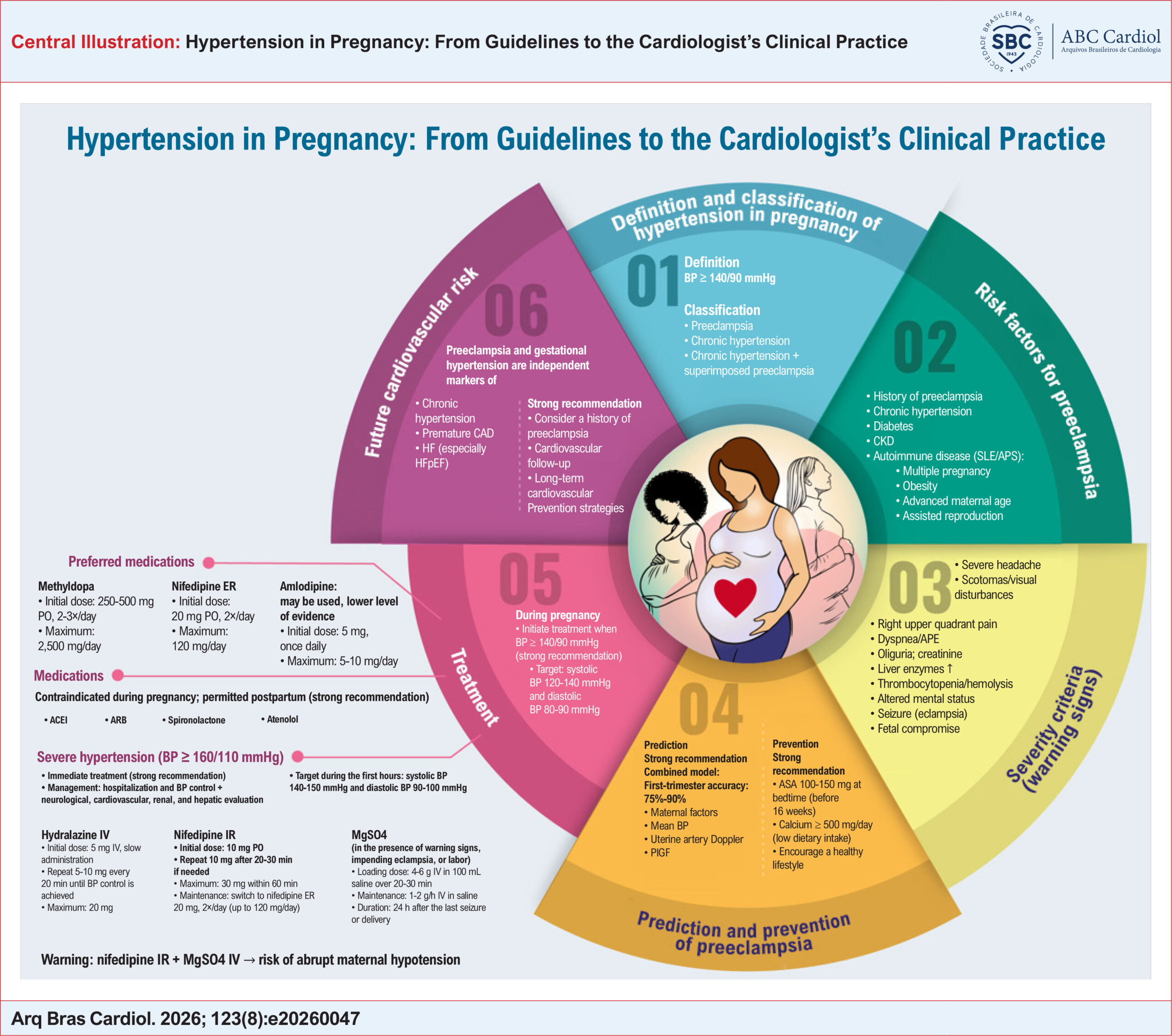
Hypertension in Pregnancy: From Guidelines to the Cardiologist's Clinical Practice

Walkiria Samuel Ávila

Introduction

The Brazilian Guidelines of Hypertension– 2025 of the Brazilian Society of Cardiology objectively address hypertension during pregnancy, dedicating a specific chapter to the topic. The document covers diagnostic definitions, strategies for the prediction and prevention of preeclampsia, therapeutic management during pregnancy and the postpartum period as well as the assessment of future cardiovascular risk associated with hypertensive disorders of pregnancy (HDPs).

In the international setting, the 2025 European Society of Cardiology (ESC) Guidelines for the Management of Cardiovascular Disease During Pregnancy provide detailed algorithms for proteinuria assessment, emergency management, and the treatment of hypertension and preeclampsia. Their recommendations are based predominantly on expert consensus, reflecting the scarcity of randomized clinical trials in this field.

[…]

  • Heart Disease Risk Factors
  • Hipertension
  • Practice Guideline
  • Pre-Eclampsia
  • Pregnancy
Read Full Article
Creative Commons Attribution (CC BY) Creative Commons license
14/09/2026 DOI: 10.36660/abc.20260047i Views 1
ABC
Letter to the Editor

Reply to the Letter to the Editor: "Should Resistance Training Also Be Considered a Mandatory Component?"

Cibele Isaac Saad Rodrigues et al. Claudia Lucia de Moraes Forjaz Luiz Aparecido Bortolotto Wilson Nadruz Andréa A. Brandão

Resistance training (RT) is undoubtedly an essential component of a comprehensive exercise program for improving and maintaining physical fitness, global health, and quality of life. Aerobic, resistance, and stretching exercises performed together on a regular basis promote significant physiological, motor, cognitive, and emotional benefits and are recommended for adults and older adults.,

Although both aerobic training (AT) and RT have impacts on different health dimensions, there is high quality, robust evidence that RT is the most efficient mode of training for improving muscle structure and function, and it is mandatory for prevention and treatment of musculoskeletal diseases, making it particularly important for older adults.– On the other hand, evidence about the effects of RT on cardiovascular parameters and diseases is more recent and less robust.

[…]

  • Endurance Training
  • Hypertension
  • Physical Conditioning Human
  • Practice Guideline
  • Resistance Training
Read Full Article
Creative Commons Attribution (CC BY) Creative Commons license
27/07/2026 DOI: 10.36660/abc.20260362i Views 1
Impact of Updated Guidelines on TAVI Outcomes in a Health Maintenance Organization in Brazil: A Decade-Long Retrospective Study
IJCS
Original Article

Impact of Updated Guidelines on TAVI Outcomes in a Health Maintenance Organization in Brazil: A Decade-Long Retrospective Study

Maria da Gloria Cruvinel Horta et al. Marcus Carvalho Borin Julia Teixeira Tupinambas Luciano Rios Scherrer … Mateus Goncalves Souza Matheus del-Valle Carina Rejane Martins Daniel Pitchon dos Reis Geraldo Jose Coelho Ribeiro Karina de Castro Zocrato Lelia Maria de Almeida Carvalho Marcela Pinto Freitas Mariana Michel Barbosa Mariza Cristina Torres Talim Fernando Biscione Martin Silvana Marcia Bruschi Kelles

Abstract

Background

Aortic stenosis is a progressive condition that leads to significant morbidity and mortality if untreated. Transcatheter aortic valve implantation (TAVI) provides a less invasive alternative to surgical aortic valve replacement (SAVR), particularly for high-risk patients.

Objectives

This study evaluates the outcomes of TAVI procedures performed in a Health Maintenance Organization (HMO) in Brazil from 2013 to 2023, focusing on the impact of clinical guidelines updated in 2018.

Methods

A retrospective cohort study included 325 patients diagnosed with severe symptomatic aortic stenosis who underwent TAVI. Patients were divided into two groups: those treated before January 2019 (n=56) and those treated from January 2019 onwards (n=269). The primary outcomes included all-cause mortality and major complications, while the secondary outcomes encompassed procedural success rates and specific complication rates. Continuous variables were analyzed using the Mann-Whitney test, and categorical variables were analyzed using the chi-square test or Fisher’s exact test. Statistical significance was defined as p < 0.05.

Results

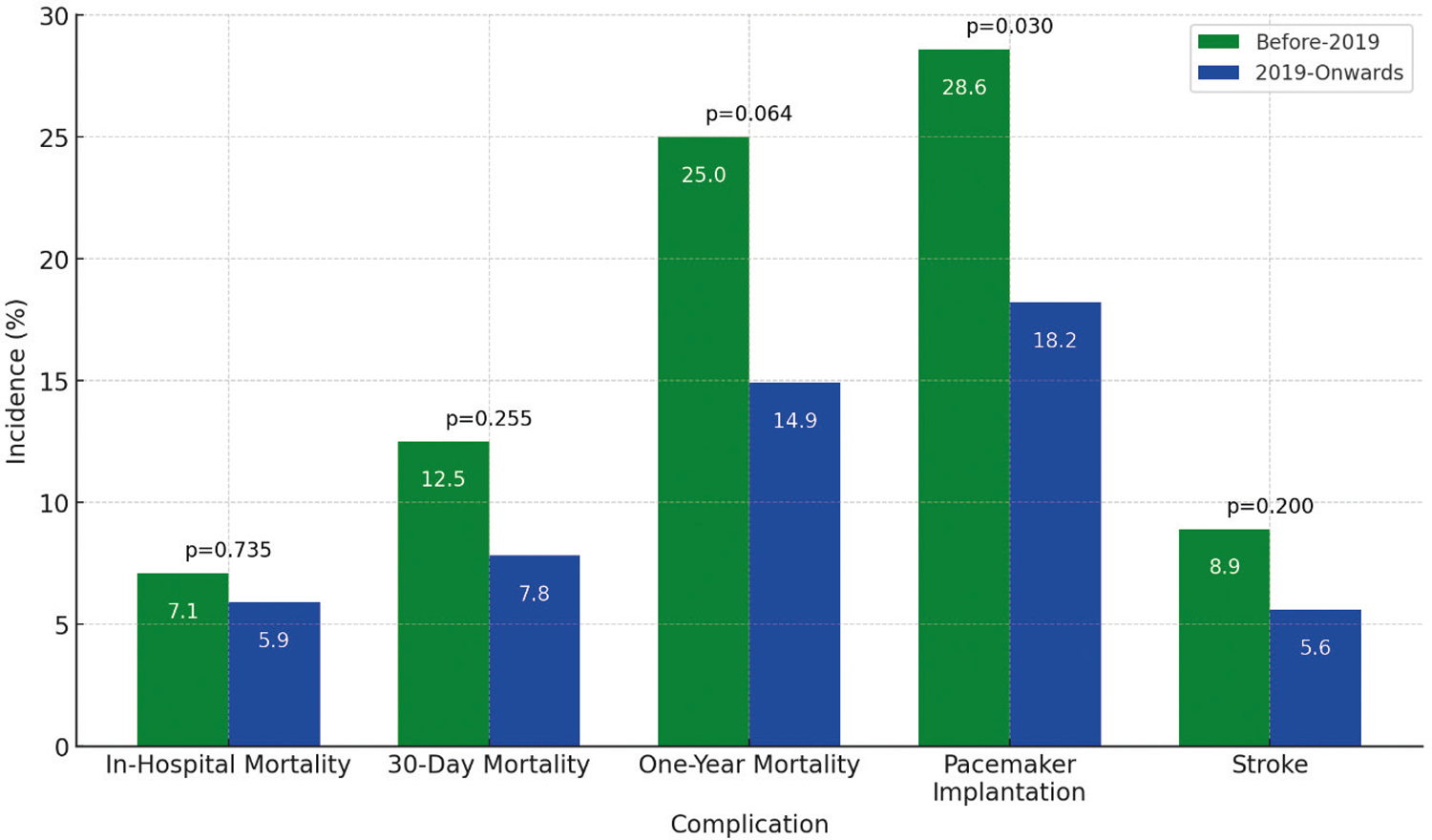
After January 2019, the shift to self-expanding valves was associated with a statistically significant reduction in pacemaker implantation rates (from 28.6% to 18.2%, p=0.03), whereas other outcomes did not reach statistical significance.

Conclusions

The implementation of updated protocols was associated with improved TAVI outcomes, especially a reduced need for pacemaker implantation, supporting its expanded use in intermediate-risk patients.

  • Aortic Valve Stenosis
  • Cardiovascular Surgical Procedures
  • Practice Guideline
  • Transcatheter Aortic Valve Replacement
Read Full Article
Creative Commons Attribution (CC BY) Creative Commons license
13/10/2025 DOI: 10.36660/ijcs.20240243 Views 2
Figure 1
ABC
Editorial

Brazilian Society of Cardiology Guidelines: New Norms, New Challenges

Carisi A. Polanczyk et al. Leonardo Castro Luna Helena Cramer Veiga Rey Humberto Graner Moreira … José Airton de Arruda Pedro Gabriel Melo de Barros e Silva Mario de Seixas Rocha

Brazilian Society of Cardiology Guidelines

The first Brazilian Society of Cardiology (SBC) guidelines also emerged in the 1980s and 1990s, addressing issues related to the diagnosis and treatment of prevalent cardiovascular diseases, such as high blood pressure, coronary artery disease, and heart failure. In 2006, the SBC’s Clinical Practice Guidelines Committee (ConDir) was established. It is responsible for coordinating the development of guidelines and technical standards for clinical practice among Brazilian cardiologists. The guidelines of other international cardiology societies have clear goals, including: improved care quality; safe and effective treatment for the greatest number of patients, regardless of location or health care provider; curbing unscientific practices; and optimal use of the available resources, avoiding waste and promoting the health system’s sustainability.

SBC Guidelines have become an important reference for cardiovascular care in Brazil, serving as a guide for health professionals and the entire ecosystem: providers, payment sources, and health managers.

[…]

  • guideline
  • Practice Guideline
  • Scientific and Technical Publications
  • Scientific Communication and Diffusion
Read Full Article
Creative Commons Attribution (CC BY) Creative Commons license
17/06/2024 DOI: 10.36660/abc.20240258i Views 1
The Six Pillars of Lifestyle Medicine in Managing Noncommunicable Diseases – The Gaps in Current Guidelines
ABC
Review Article

The Six Pillars of Lifestyle Medicine in Managing Noncommunicable Diseases – The Gaps in Current Guidelines

Rafaella Rogatto de Faria et al. Sergio Freitas de Siqueira Francisco Aguerre Haddad Gustavo Del Monte Silva … Caio Vitale Spaggiari Martino Martinelli Filho

Abstract

Background:

Noncommunicable diseases (NCDs), also known as chronic diseases that are long-lasting, are considered the major cause of death and disability worldwide, and the six pillars of lifestyle medicine (nutrition, exercise, toxic control, stress management, restorative sleep, and social connection) play an important role in a holistic management of their prevention and treatment. In addition, medical guidelines are the most accepted documents with recommendations to manage NCDs.

Objective:

The present study aims to analyze the lack of lifestyle pillars concerning the major Brazilian medical guidelines for NCDs and identify evidence in the literature that could justify their inclusion in the documents.

Method:

Brazilian guidelines were selected according to the most relevant causes of death in Brazil, given by the Mortality Information System, published by the Brazilian Ministry of Health in 2019. Journals were screened in the PUBMED library according to the disease and non-mentioned pillars of lifestyle.

Results:

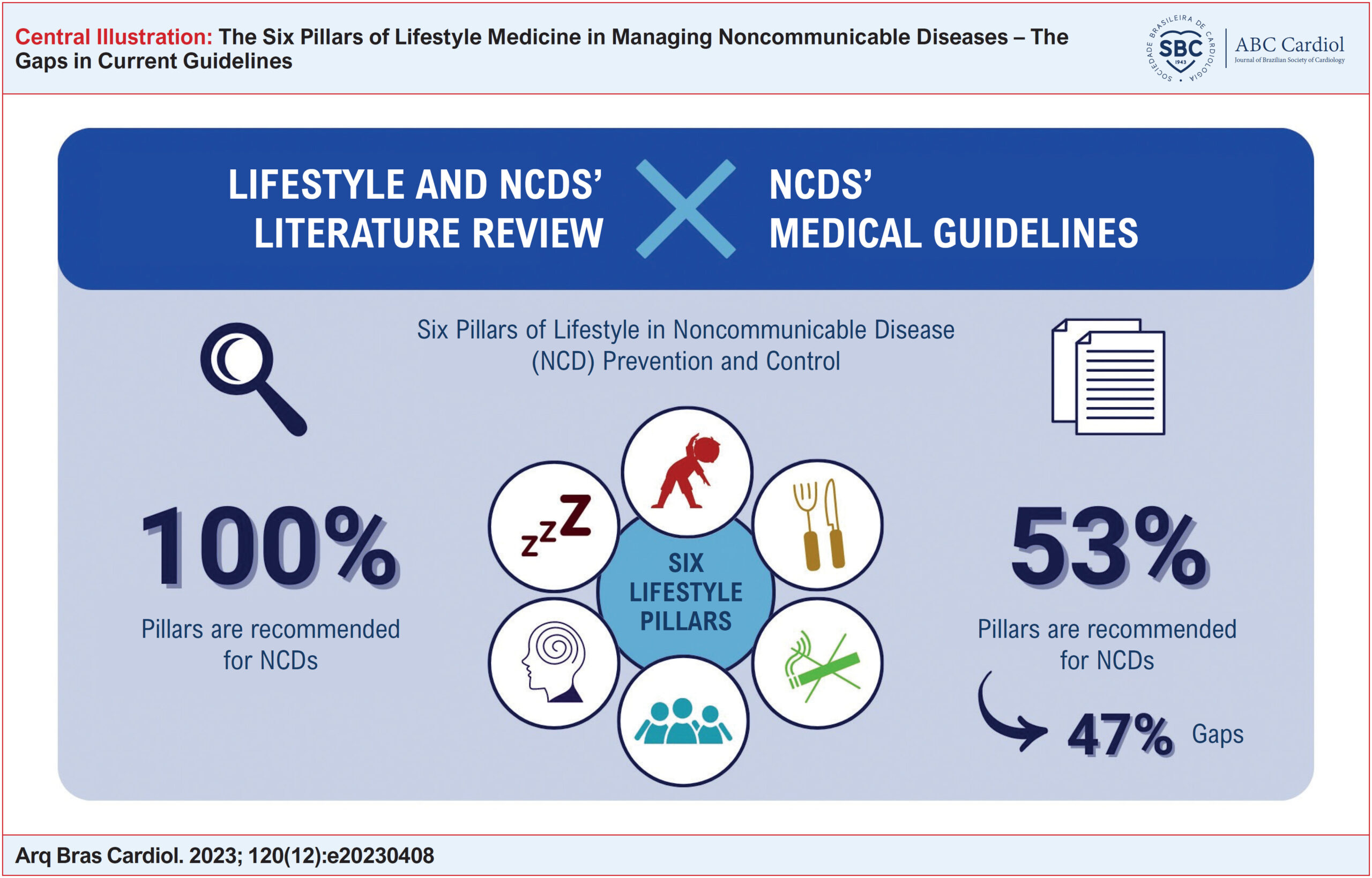
Relevant causes of deaths in Brazil are acute myocardial infarction (AMI), diabetes mellitus (DM), and chronic obstructive pulmonary diseases (COPD). Six guidelines related to these NCDs were identified, and all address aspects of lifestyle, but only one, regarding cardiovascular prevention, highlights all six pillars. Despite this, a literature search involving over 50 articles showed that there is evidence that all the pillars can help control each of these NCDs.

Conclusion:

Rarely are the six pillars of lifestyle contemplated in Brazilian guidelines for AMI, DM, and COPD. The literature review identified evidence of all lifestyle pillars to offer a holistic approach for the management and prevention of NCDs.

  • Holistic Health
  • Life Style
  • Noncommunicable Diseases
  • Practice Guideline
Read Full Article
Creative Commons Attribution (CC BY) Creative Commons license
08/01/2024 DOI: 10.36660/abc.20230408 Views 1
Figure 1
ABCHF
Review Article

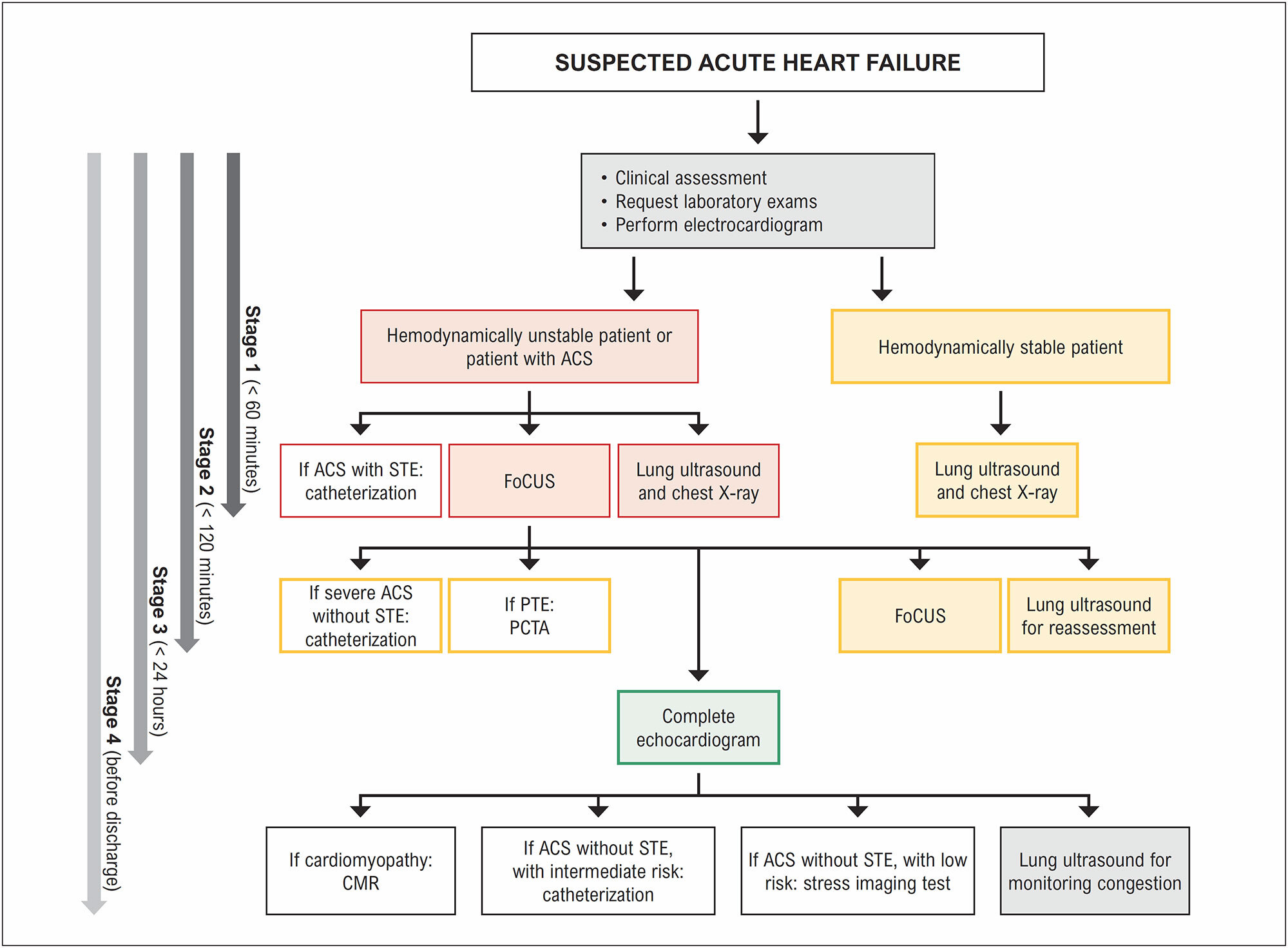
Point-of-Care Ultrasound in Acute Heart Failure: Basic Concepts for Clinical Practice

Leticia Kunst et al. Luiz Claudio Danzmann Keslly Krauspenhar Cuchinski João Ricardo Cambruzzi Zimmer

Introduction

Heart failure (HF) is a complex clinical syndrome that promotes a system of poor tissue perfusion in conditions of low cardiac output and elevated filling pressures, resulting in circulatory congestion and hypoperfusion. The exacerbation of this condition is responsible for 40% of consultations due to dyspnea in emergency rooms, and the main cause is worsening congestion due to poor medication adherence. In in-hospital clinical assessment, the most prevalent HF profiles are B (warm and wet) and C (cold and wet), both of which are characterized by circulatory congestion.

Although it causes great demand in the emergency room, it is sometimes difficult to identify signs of hypervolemia in acute decompensated HF in the context of differential diagnosis with other determining syndromes of dyspnea and hypoperfusion. Clinical findings are fundamental for the initial investigation, but objective and rapid confirmation of diagnosis reduces door-to-furosemide time, which is directly related to in-hospital mortality. Natriuretic peptides are tools with high negative predictive value for congestion; however, moderately elevated serum levels represent a diagnostic gray area, as the increase in this marker is related to several diseases that are independent of HF. The use of bedside point-of-care ultrasound (POCUS) has emerged as an excellent tool for comprehensive assessment of this condition, with analysis of cardiac structure and function, the pulmonary interstitium, and some venous vessels. It also offers a rapid, non-invasive, and low-cost opportunity, with greater accuracy than conventional assessment methods for detecting circulatory congestion.

[…]

  • Heart Failure
  • Practice Guideline
  • Ultrasonography
Read Full Article
Creative Commons Attribution (CC BY) Creative Commons license
31/12/2023 DOI: 10.36660/abchf.20230073 Views 1
IJCS
Editorial

Is Spirituality a New or Renewed Tool?

Mario Borba

Editorial referring to the article: Religiosity and Spirituality: The Relationship Between Psychosocial Factors and Cardiovascular Health

The topic of spirituality and religiosity has become more prevalent in scientific publications and clinical practice. Researchers recognize that studying this area can lead to a better understanding of physiology and potential therapeutic interventions. There are even discussions about establishing a prognosis based on spirituality and religiosity, and we are finding evidence related to this topic.

[…]

  • Medical Care
  • Practice Guideline
  • Religion and Medicine
  • Religiosity
  • Spirituality
Read Full Article
Creative Commons Attribution (CC BY) Creative Commons license
27/11/2023 DOI: 10.36660/ijcs.20230134 Views 1
ABC
Letter to the Editor

Comments Regarding the Athlete’s Electrocardiogram in the Brazilian Society of Cardiology Guidelines on the Analysis and Issuance of Electrocardiographic Reports – 2022

Filipe Ferrari et al. Anderson Donelli da Silveira Ricardo Stein

Dear Editor,

It was with great interest that we had access to the document entitled “Brazilian Society of Cardiology Guidelines on the Analysis and Issuance of Electrocardiographic Reports – 2022”, developed by Brazilian experts on the subject. It is our opinion that an update was necessary, as it is detailed and pleasant to read.

However, we draw attention to two pieces of information presented about the interpretation of the athlete’s electrocardiogram that caused us concern. The first is found in the section “ Cardiac Chambers Hypertrophy” (Page 18), in which the authors describe that the Sokolow-Lyon Criteria SHOULD NOT be used to determine left ventricular hypertrophy (LVH) IN ATHLETES.

[…]

  • Athletes
  • Electrocardiography
  • Practice Guideline
Read Full Article
Creative Commons Attribution (CC BY) Creative Commons license
09/01/2023 DOI: 10.36660/abc.20220670 Views 2
ABC
Editorial

Fibrillatory Wave Amplitude: Should We Use It Routinely in Clinical Practice?

Andre Assis L. Carmo

Atrial fibrillation (AF) is the most prevalent sustained arrhythmia worldwide and is associated with an increased burden of morbidity and mortality in different clinical scenarios, even for patients with optimal anticoagulation and rate control treatment., Although previous studies did not show the benefit of rhythm control strategy compared to rate-control,, recent data suggest that current rhythm control strategies, in addition to symptom control, can improve hard clinical outcomes, including mortality and stroke.,

Rhythm control strategy refers to attempts to restore or maintain sinus rhythm and includes antiarrhythmic drugs, electrical cardioversion and atrial fibrillation ablation. Despite progressive improvement in rhythm control strategies over the years, a substantial amount of failure in maintaining sinus rhythm, mainly in patients with persistent forms of AF, underscores the importance of properly selecting patients for rhythm-control strategies.

[…]

  • Atrial Fibrillation
  • Electric Stimulation Therapy
  • Heart Rate
  • Practice Guideline
Read Full Article
Creative Commons Attribution (CC BY) Creative Commons license
25/11/2022 DOI: 10.36660/abc.20220680 Views 1
ABC
Viewpoint

Guidelines, Position Statements, and Standardizations: Documents to Assist Medical Practice

Antônio Carlos Sobral Sousa et al. Harry Corrêa Filho Bruno Nascimento Aurora Castro Issa … Marcelo Luiz Campos Vieira Brivaldo Markman Filho

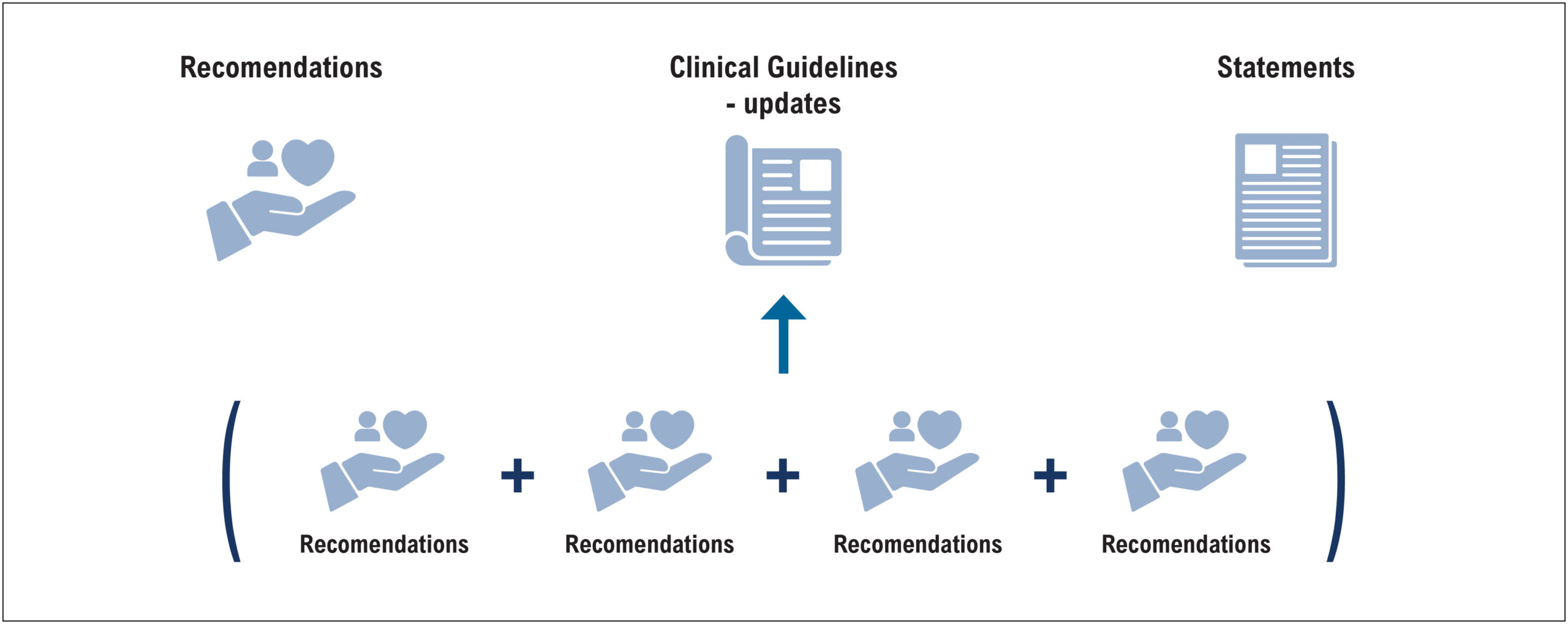
Clinical practice guidelines

CPG are made up of systematically developed statements, and they are designed to support decision-making processes in patient care, under specific conditions. Unlike documents that provides guidance, guidelines address a topic where there is moderate to high quality evidence, generally from randomized trials with a satisfactory number of participants, to make the most appropriate clinical practice possible.

In drafting them, a process is used to summarize the evidence and provide a standardized method to express the classes of recommendations with their respective levels of evidence. For a guideline to be reliable, it is advisable to observe the following criteria: a) be based on systematic reviews of the literature; b) be developed by a multidisciplinary and experienced panel of experts; c) consider the values and preferences of patients, as well as their subgroups; d) be based on an explicit and transparent process that minimizes distortions, biases, and conflicts of interest; e) provide a clear explanation of the relationships between alternative care options and clinical outcomes, and f) be updated when important new evidence warrants changes to recommendations.

[…]

  • Cardiovascular Diseases
  • guideline
  • Practice Guideline
Read Full Article
Creative Commons Attribution (CC BY) Creative Commons license
05/09/2022 DOI: 10.36660/abc.20220001 Views 2
ABC
Editorial

Achievement of LDL-cholesterol Targets: Why do We Fail, and How Can We Improve?

Fernando Cesena

Atherosclerotic cardiovascular disease (ASCVD) remains the first cause of death in the world, and Brazil., Individuals with previous ASCVD are at the highest risk of subsequent events, and guidelines recommend aggressive lowering of low-density lipoprotein cholesterol (LDL-c) levels to prevent bad outcomes.,

However, several reports from around the world indicate a gap between guideline recommendations and clinical practice, and a large proportion of the population, especially in secondary prevention, lives with LDL-c levels above those considered reasonable to prevent events.– Indeed, lack of adherence to guideline-recommended therapies was independently associated with major cardiovascular events in a Brazilian population after acute coronary syndrome.

[…]

  • anticholesteremic agents
  • Cardiovascular Diseases
  • Hypercholesterolemia
  • Practice Guideline
  • Quality of Health Care
Read Full Article
Creative Commons Attribution (CC BY) Creative Commons license
10/06/2022 DOI: 10.36660/abc.20220288 Views 2
ABC
Point of view

The Brazilian cardiology trainee: guidelines and freedom

Max Grinberg

POINT OF VIEW

[…]

  • freedom
  • human resources formation
  • Medical staff
  • Practice Guideline
Read Full Article
Creative Commons Attribution (CC BY) Creative Commons license
04/02/2009 DOI: 10.1590/S0066-782X2009000100014

How to cite this article

EndNote RIS

Electronic Document Format (Vancouver)

Ávila WS. Hypertension in Pregnancy: From Guidelines to the Cardiologist’s Clinical Practice. Arquivos Brasileiros de Cardiologia 2026;123(8):e20260047.

Electronic Document Format (ABNT)

Ávila, Walkiria Samuel. Hypertension in Pregnancy: From Guidelines to the Cardiologist’s Clinical Practice. Arquivos Brasileiros de Cardiologia, v. 123, n. 8, e20260047, Sep. 2026.

Electronic Document Format (APA)

Ávila, W. S. (2026). Hypertension in Pregnancy: From Guidelines to the Cardiologist’s Clinical Practice. Arquivos Brasileiros de Cardiologia, 123(8), e20260047.

Electronic Document Format (ISO)

Ávila, Walkiria Samuel. Hypertension in Pregnancy: From Guidelines to the Cardiologist’s Clinical Practice. Arquivos Brasileiros de Cardiologia [online]. 2026, vol. 123, n. 8, [cited 2026-10-14], e20260047. Available from: <https://journals.cardiol.br/en/article/hypertension-in-pregnancy-from-guidelines-to-the-cardiologists-clinical-practice/>. ISSN 0066-782X

EndNote RIS

Electronic Document Format (Vancouver)

Rodrigues CIS, Forjaz CLM, Bortolotto LA, Nadruz W, Brandão AA. Reply to the Letter to the Editor: “Should Resistance Training Also Be Considered a Mandatory Component?”. Arquivos Brasileiros de Cardiologia 2026;123(6):e20260362.

Electronic Document Format (ABNT)

Rodrigues, Cibele Isaac Saad; Forjaz, Claudia Lucia de Moraes; Bortolotto, Luiz Aparecido; Nadruz, Wilson; Brandão, Andréa A.. Reply to the Letter to the Editor: “Should Resistance Training Also Be Considered a Mandatory Component?”. Arquivos Brasileiros de Cardiologia, v. 123, n. 6, e20260362, Jul. 2026.

Electronic Document Format (APA)

Rodrigues, C. I. S., Forjaz, C. L. M., Bortolotto, L. A., Nadruz, W., & Brandão, A. A. (2026). Reply to the Letter to the Editor: “Should Resistance Training Also Be Considered a Mandatory Component?”. Arquivos Brasileiros de Cardiologia, 123(6), e20260362.

Electronic Document Format (ISO)

Rodrigues, Cibele Isaac Saad and Forjaz, Claudia Lucia de Moraes and Bortolotto, Luiz Aparecido and Nadruz, Wilson and Brandão, Andréa A.. Reply to the Letter to the Editor: “Should Resistance Training Also Be Considered a Mandatory Component?”. Arquivos Brasileiros de Cardiologia [online]. 2026, vol. 123, n. 6, [cited 2026-10-14], e20260362. Available from: <https://journals.cardiol.br/en/article/reply-to-the-letter-to-the-editor-should-resistance-training-also-be-considered-a-mandatory-component/>. ISSN 0066-782X

EndNote RIS

Electronic Document Format (Vancouver)

Horta MGC, Borin MC, Tupinambas JT, Scherrer LR, Souza MG, del-Valle M, Martins CR, et al. Impact of Updated Guidelines on TAVI Outcomes in a Health Maintenance Organization in Brazil: A Decade-Long Retrospective Study. International Journal of Cardiovascular Sciences 2025;38:e20240243.

Electronic Document Format (ABNT)

Horta, Maria da Gloria Cruvinel; Borin, Marcus Carvalho; Tupinambas, Julia Teixeira; Scherrer, Luciano Rios; Souza, Mateus Goncalves; del-Valle, Matheus; Martins, Carina Rejane; Reis, Daniel Pitchon dos; Ribeiro, Geraldo Jose Coelho; Zocrato, Karina de Castro; Carvalho, Lelia Maria de Almeida; Freitas, Marcela Pinto; Barbosa, Mariana Michel; Talim, Mariza Cristina Torres; Martin, Fernando Biscione; Kelles, Silvana Marcia Bruschi. Impact of Updated Guidelines on TAVI Outcomes in a Health Maintenance Organization in Brazil: A Decade-Long Retrospective Study. International Journal of Cardiovascular Sciences, v. 38, e20240243, Oct. 2025.

Electronic Document Format (APA)

Horta, M. G. C., Borin, M. C., Tupinambas, J. T., Scherrer, L. R., Souza, M. G., del-Valle, M., Martins, C. R., Reis, D. P. , Ribeiro, G. J. C., Zocrato, K. C., Carvalho, L. M. A., Freitas, M. P., Barbosa, M. M., Talim, M. C. T., Martin, F. B., & Kelles, S. M. B. (2025). Impact of Updated Guidelines on TAVI Outcomes in a Health Maintenance Organization in Brazil: A Decade-Long Retrospective Study. International Journal of Cardiovascular Sciences, 38, e20240243.

Electronic Document Format (ISO)

Horta, Maria da Gloria Cruvinel and Borin, Marcus Carvalho and Tupinambas, Julia Teixeira and Scherrer, Luciano Rios and Souza, Mateus Goncalves and del-Valle, Matheus and Martins, Carina Rejane and Reis, Daniel Pitchon dos and Ribeiro, Geraldo Jose Coelho and Zocrato, Karina de Castro and Carvalho, Lelia Maria de Almeida and Freitas, Marcela Pinto and Barbosa, Mariana Michel and Talim, Mariza Cristina Torres and Martin, Fernando Biscione and Kelles, Silvana Marcia Bruschi. Impact of Updated Guidelines on TAVI Outcomes in a Health Maintenance Organization in Brazil: A Decade-Long Retrospective Study. International Journal of Cardiovascular Sciences [online]. 2025, vol. 38, [cited 2026-10-14], e20240243. Available from: <https://journals.cardiol.br/en/article/impact-of-updated-guidelines-on-tavi-outcomes-in-a-health-maintenance-organization-in-brazil-a-decade-long-retrospective-study/>. ISSN 2359-4802

EndNote RIS

Electronic Document Format (Vancouver)

Polanczyk CA, Luna LC, Rey HCV, Moreira HG, Arruda JA, Silva PGMB, Rocha MS, et al. Brazilian Society of Cardiology Guidelines: New Norms, New Challenges. Arquivos Brasileiros de Cardiologia 2024;121(6):e20240258.

Electronic Document Format (ABNT)

Polanczyk, Carisi A.; Luna, Leonardo Castro; Rey, Helena Cramer Veiga; Moreira, Humberto Graner; Arruda, José Airton de; Silva, Pedro Gabriel Melo de Barros e; Rocha, Mario de Seixas. Brazilian Society of Cardiology Guidelines: New Norms, New Challenges. Arquivos Brasileiros de Cardiologia, v. 121, n. 6, e20240258, Jun. 2024.

Electronic Document Format (APA)

Polanczyk, C. A., Luna, L. C., Rey, H. C. V., Moreira, H. G., Arruda, J. A. , Silva, P. G. M. B. , & Rocha, M. S. (2024). Brazilian Society of Cardiology Guidelines: New Norms, New Challenges. Arquivos Brasileiros de Cardiologia, 121(6), e20240258.

Electronic Document Format (ISO)

Polanczyk, Carisi A. and Luna, Leonardo Castro and Rey, Helena Cramer Veiga and Moreira, Humberto Graner and Arruda, José Airton de and Silva, Pedro Gabriel Melo de Barros e and Rocha, Mario de Seixas. Brazilian Society of Cardiology Guidelines: New Norms, New Challenges. Arquivos Brasileiros de Cardiologia [online]. 2024, vol. 121, n. 6, [cited 2026-10-14], e20240258. Available from: <https://journals.cardiol.br/en/article/brazilian-society-of-cardiology-guidelines-new-norms-new-challenges/>. ISSN 0066-782X

EndNote RIS

Electronic Document Format (Vancouver)

Faria RR, Siqueira SF, Haddad FA, Silva GDM, Spaggiari CV, Martinelli Filho M. The Six Pillars of Lifestyle Medicine in Managing Noncommunicable Diseases – The Gaps in Current Guidelines. Arquivos Brasileiros de Cardiologia 2024;120(12):e20230408.

Electronic Document Format (ABNT)

Faria, Rafaella Rogatto de; Siqueira, Sergio Freitas de; Haddad, Francisco Aguerre; Silva, Gustavo Del Monte; Spaggiari, Caio Vitale; Martinelli Filho, Martino. The Six Pillars of Lifestyle Medicine in Managing Noncommunicable Diseases – The Gaps in Current Guidelines. Arquivos Brasileiros de Cardiologia, v. 120, n. 12, e20230408, Jan. 2024.

Electronic Document Format (APA)

Faria, R. R. , Siqueira, S. F. , Haddad, F. A., Silva, G. D. M., Spaggiari, C. V., & Martinelli Filho, M. (2024). The Six Pillars of Lifestyle Medicine in Managing Noncommunicable Diseases – The Gaps in Current Guidelines. Arquivos Brasileiros de Cardiologia, 120(12), e20230408.

Electronic Document Format (ISO)

Faria, Rafaella Rogatto de and Siqueira, Sergio Freitas de and Haddad, Francisco Aguerre and Silva, Gustavo Del Monte and Spaggiari, Caio Vitale and Martinelli Filho, Martino. The Six Pillars of Lifestyle Medicine in Managing Noncommunicable Diseases – The Gaps in Current Guidelines. Arquivos Brasileiros de Cardiologia [online]. 2024, vol. 120, n. 12, [cited 2026-10-14], e20230408. Available from: <https://journals.cardiol.br/en/article/the-six-pillars-of-lifestyle-medicine-in-managing-noncommunicable-diseases-the-gaps-in-current-guidelines/>. ISSN 0066-782X

EndNote RIS

Electronic Document Format (Vancouver)

Kunst L, Danzmann LC, Cuchinski KK, Zimmer JRC. Point-of-Care Ultrasound in Acute Heart Failure: Basic Concepts for Clinical Practice. ABC: Heart Failure & Cardiomyopathy 2023;3(2):e20230073.

Electronic Document Format (ABNT)

Kunst, Leticia; Danzmann, Luiz Claudio; Cuchinski, Keslly Krauspenhar; Zimmer, João Ricardo Cambruzzi. Point-of-Care Ultrasound in Acute Heart Failure: Basic Concepts for Clinical Practice. ABC: Heart Failure & Cardiomyopathy, v. 3, n. 2, e20230073, Dec. 2023.

Electronic Document Format (APA)

Kunst, L., Danzmann, L. C., Cuchinski, K. K., & Zimmer, J. R. C. (2023). Point-of-Care Ultrasound in Acute Heart Failure: Basic Concepts for Clinical Practice. ABC: Heart Failure & Cardiomyopathy, 3(2), e20230073.

Electronic Document Format (ISO)

Kunst, Leticia and Danzmann, Luiz Claudio and Cuchinski, Keslly Krauspenhar and Zimmer, João Ricardo Cambruzzi. Point-of-Care Ultrasound in Acute Heart Failure: Basic Concepts for Clinical Practice. ABC: Heart Failure & Cardiomyopathy [online]. 2023, vol. 3, n. 2, [cited 2026-10-14], e20230073. Available from: <https://journals.cardiol.br/en/article/point-of-care-ultrasound-in-acute-heart-failure-basic-concepts-for-clinical-practice/>

EndNote RIS

Electronic Document Format (Vancouver)

Borba M. Is Spirituality a New or Renewed Tool?. International Journal of Cardiovascular Sciences 2023;36:e20230134.

Electronic Document Format (ABNT)

Borba, Mario. Is Spirituality a New or Renewed Tool?. International Journal of Cardiovascular Sciences, v. 36, e20230134, Nov. 2023.

Electronic Document Format (APA)

Borba, M. (2023). Is Spirituality a New or Renewed Tool?. International Journal of Cardiovascular Sciences, 36, e20230134.

Electronic Document Format (ISO)

Borba, Mario. Is Spirituality a New or Renewed Tool?. International Journal of Cardiovascular Sciences [online]. 2023, vol. 36, [cited 2026-10-14], e20230134. Available from: <https://journals.cardiol.br/en/article/is-spirituality-a-new-or-renewed-tool/>. ISSN 2359-4802

EndNote RIS

Electronic Document Format (Vancouver)

Ferrari F, Silveira AD, Stein R. Comments Regarding the Athlete’s Electrocardiogram in the Brazilian Society of Cardiology Guidelines on the Analysis and Issuance of Electrocardiographic Reports – 2022. Arquivos Brasileiros de Cardiologia 2023;120(1):e20220670.

Electronic Document Format (ABNT)

Ferrari, Filipe; Silveira, Anderson Donelli da; Stein, Ricardo. Comments Regarding the Athlete’s Electrocardiogram in the Brazilian Society of Cardiology Guidelines on the Analysis and Issuance of Electrocardiographic Reports – 2022. Arquivos Brasileiros de Cardiologia, v. 120, n. 1, e20220670, Jan. 2023.

Electronic Document Format (APA)

Ferrari, F., Silveira, A. D. , & Stein, R. (2023). Comments Regarding the Athlete’s Electrocardiogram in the Brazilian Society of Cardiology Guidelines on the Analysis and Issuance of Electrocardiographic Reports – 2022. Arquivos Brasileiros de Cardiologia, 120(1), e20220670.

Electronic Document Format (ISO)

Ferrari, Filipe and Silveira, Anderson Donelli da and Stein, Ricardo. Comments Regarding the Athlete’s Electrocardiogram in the Brazilian Society of Cardiology Guidelines on the Analysis and Issuance of Electrocardiographic Reports – 2022. Arquivos Brasileiros de Cardiologia [online]. 2023, vol. 120, n. 1, [cited 2026-10-14], e20220670. Available from: <https://journals.cardiol.br/en/article/comments-regarding-the-athletes-electrocardiogram-in-the-brazilian-society-of-cardiology-guidelines-on-the-analysis-and-issuance-of-electrocardiographic-reports-2022/>. ISSN 0066-782X

EndNote RIS

Electronic Document Format (Vancouver)

Carmo AAL. Fibrillatory Wave Amplitude: Should We Use It Routinely in Clinical Practice?. Arquivos Brasileiros de Cardiologia 2022;119(5):789-90.

Electronic Document Format (ABNT)

Carmo, Andre Assis L.. Fibrillatory Wave Amplitude: Should We Use It Routinely in Clinical Practice?. Arquivos Brasileiros de Cardiologia, v. 119, n. 5, p. 789-790, Nov. 2022.

Electronic Document Format (APA)

Carmo, A. A. L. (2022). Fibrillatory Wave Amplitude: Should We Use It Routinely in Clinical Practice?. Arquivos Brasileiros de Cardiologia, 119(5), 789-790.

Electronic Document Format (ISO)

Carmo, Andre Assis L.. Fibrillatory Wave Amplitude: Should We Use It Routinely in Clinical Practice?. Arquivos Brasileiros de Cardiologia [online]. 2022, vol. 119, n. 5, [cited 2026-10-14], pp. 789-790. Available from: <https://journals.cardiol.br/en/article/fibrillatory-wave-amplitude-should-we-use-it-routinely-in-clinical-practice/>. ISSN 0066-782X

EndNote RIS

Electronic Document Format (Vancouver)

Sousa ACS, Corrêa Filho H, Nascimento B, Issa AC, Vieira MLC, Markman Filho B. Guidelines, Position Statements, and Standardizations: Documents to Assist Medical Practice. Arquivos Brasileiros de Cardiologia 2022;119(3):496-8.

Electronic Document Format (ABNT)

Sousa, Antônio Carlos Sobral; Corrêa Filho, Harry; Nascimento, Bruno; Issa, Aurora Castro; Vieira, Marcelo Luiz Campos; Markman Filho, Brivaldo. Guidelines, Position Statements, and Standardizations: Documents to Assist Medical Practice. Arquivos Brasileiros de Cardiologia, v. 119, n. 3, p. 496-498, Sep. 2022.

Electronic Document Format (APA)

Sousa, A. C. S., Corrêa Filho, H., Nascimento, B., Issa, A. C., Vieira, M. L. C., & Markman Filho, B. (2022). Guidelines, Position Statements, and Standardizations: Documents to Assist Medical Practice. Arquivos Brasileiros de Cardiologia, 119(3), 496-498.

Electronic Document Format (ISO)

Sousa, Antônio Carlos Sobral and Corrêa Filho, Harry and Nascimento, Bruno and Issa, Aurora Castro and Vieira, Marcelo Luiz Campos and Markman Filho, Brivaldo. Guidelines, Position Statements, and Standardizations: Documents to Assist Medical Practice. Arquivos Brasileiros de Cardiologia [online]. 2022, vol. 119, n. 3, [cited 2026-10-14], pp. 496-498. Available from: <https://journals.cardiol.br/en/article/guidelines-position-statements-and-standardizations-documents-to-assist-medical-practice/>. ISSN 0066-782X

EndNote RIS

Electronic Document Format (Vancouver)

Cesena F. Achievement of LDL-cholesterol Targets: Why do We Fail, and How Can We Improve?. Arquivos Brasileiros de Cardiologia 2022;118(6):1026-7.

Electronic Document Format (ABNT)

Cesena, Fernando. Achievement of LDL-cholesterol Targets: Why do We Fail, and How Can We Improve?. Arquivos Brasileiros de Cardiologia, v. 118, n. 6, p. 1026-1027, Jun. 2022.

Electronic Document Format (APA)

Cesena, F. (2022). Achievement of LDL-cholesterol Targets: Why do We Fail, and How Can We Improve?. Arquivos Brasileiros de Cardiologia, 118(6), 1026-1027.

Electronic Document Format (ISO)

Cesena, Fernando. Achievement of LDL-cholesterol Targets: Why do We Fail, and How Can We Improve?. Arquivos Brasileiros de Cardiologia [online]. 2022, vol. 118, n. 6, [cited 2026-10-14], pp. 1026-1027. Available from: <https://journals.cardiol.br/en/article/achievement-of-ldl-cholesterol-targets-why-do-we-fail-and-how-can-we-improve/>. ISSN 0066-782X

EndNote RIS

Electronic Document Format (Vancouver)

Grinberg M. The Brazilian cardiology trainee: guidelines and freedom. Arquivos Brasileiros de Cardiologia 2009;92(1):e4-5.

Electronic Document Format (ABNT)

Grinberg, Max. The Brazilian cardiology trainee: guidelines and freedom. Arquivos Brasileiros de Cardiologia, v. 92, n. 1, p. e4-e5, Feb. 2009.

Electronic Document Format (APA)

Grinberg, M. (2009). The Brazilian cardiology trainee: guidelines and freedom. Arquivos Brasileiros de Cardiologia, 92(1), e4-e5.

Electronic Document Format (ISO)

Grinberg, Max. The Brazilian cardiology trainee: guidelines and freedom. Arquivos Brasileiros de Cardiologia [online]. 2009, vol. 92, n. 1, [cited 2026-10-14], pp. e4-e5. Available from: <https://journals.cardiol.br/en/article/the-brazilian-cardiology-trainee-guidelines-and-freedom/>. ISSN 0066-782X

  • About ABC Family
  • Internal Regulation
  • Editorial Board
  • Brazilian Society of Cardiology (SBC)

Issues

SBC Guidelines

  • Videos
  • Podcasts
  • News