ABC Family Arquivos Brasileiros de Cardiologia International Journal of Cardiovascular Sciences ABC Heart Failure & Cardiomyopathy ABC Imagem Cardiovascular
Português English
ABC Family
Português English
  • About
    • About ABC Family
    • Internal Regulation
    • Editorial Board
    • Brazilian Society of Cardiology (SBC)
  • Issues
  • SBC Guidelines
  • Content
    • Videos
    • Podcasts
    • News
  • About
    • About ABC Family
    • Internal Regulation
    • Editorial Board
    • Brazilian Society of Cardiology (SBC)
  • Issues
  • SBC Guidelines
  • Content
    • Videos
    • Podcasts
    • News

ABC Family

  • ABC Family
  • Arquivos Brasileiros de Cardiologia
  • International Journal of Cardiovascular Sciences
  • ABC Heart Failure & Cardiomyopathy
  • ABC Imagem Cardiovascular
Search in

No content found.

Journals
Ordering
Article types
Others

  1. Home
  2. Keyword: Adipose Tissue
ABC
Editorial

Blood Pressure Measurement: There’s More Than Meets the Arm

Rodrigo Bezerra et al. Audes D. M. Feitosa Wilson Nadruz

Hypertension is the most important risk factor for cardiovascular events in the population worldwide. – Therefore, the identification of this risk factor is crucial for the assessment of cardiovascular risk. Non-invasive evaluation of blood pressure (BP) using cuffs in the arms is the recommended method for diagnosing and managing hypertension. However, this evaluation must be done properly and accurately to avoid suboptimal BP measurement and inappropriate management decisions.

The selection of cuff size is a fundamental step in evaluating BP and depends on the arm circumference of the examined individual. A smaller-than-required cuff overestimates BP, while a larger-than-required cuff underestimates BP. Some studies have reported average differences in systolic BP of 6 mmHg when inappropriately sized cuffs are used, even though markedly greater discrepancies can be observed in some individuals. In the United States, approximately 51% of adults with hypertension need large or extra-large cuffs, including 84% of those with obesity and 65% of those aged 18-34. Because obesity is highly prevalent worldwide, these American figures highlight the importance of systematic evaluation of arm circumference for accurate BP measurement in clinical practice.

[…]
  • Adipose Tissue
  • Arms
  • blood pressure monitors
  • Hypertension
  • Obesity
  • Risk Factors
Read Full Article
Creative Commons Attribution (CC BY) Creative Commons license
16/06/2023 DOI: 10.36660/abc.20230274 Views 1
Figure 1
IJCS
Original Article

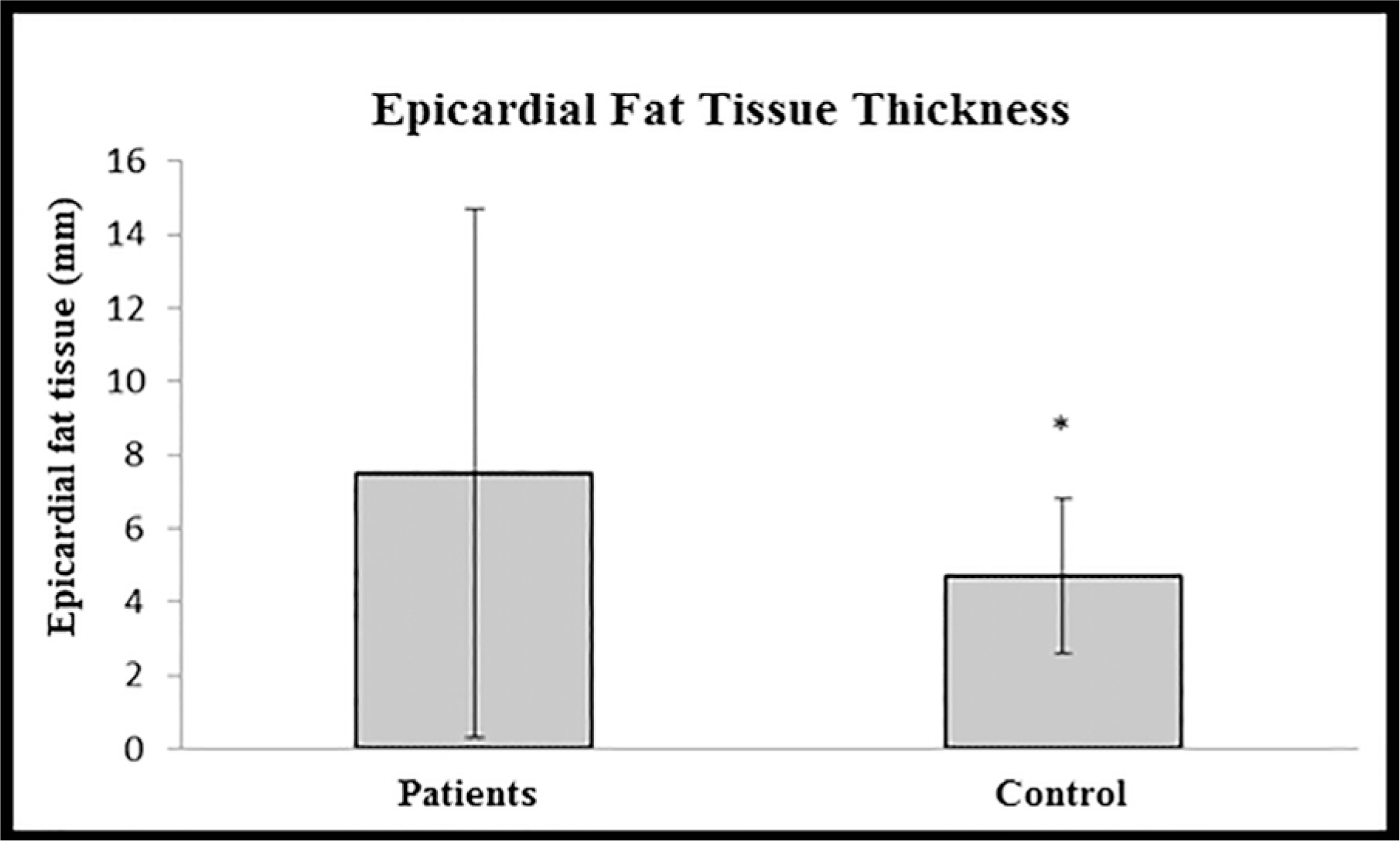
Epicardial Fat Tissue Thickness and Omentin in Patients with Atrial Fibrillation

Ibrahim Etem Dural et al. Ersel Onrat Sefa Çelik Serkan Gokaslan … Ayhan Vurmaz Sadık Volkan Emren Zafer Yalım Alaeddin Avşar

Abstract

Background:

Although electrical and structural remodeling has been recognized to be important in the pathophysiology of atrial fibrillation, the mechanisms underlying remodeling process are unknown. There has been increasing interest in the involvement of inflammatory molecules and adipokines released from the epicardial fat tissue in the pathophysiology of atrial fibrillation.

Objectives:

In our study, we aimed to investigate the relationship of atrial fibrillation with increased epicardial adipose tissue, inflammatory molecules released from this tissue and omentin.

Methods:

Thirty-six patients who were followed up with a diagnosis of permanent AF at the cardiology outpatient clinic 33 individuals without atrial fibrillation (controls) were included in the study. Epicardial adipose tissue thickness of patients was measured by echocardiography. Serum omentin, IL 6, IL 1 beta, TNF alpha and CRP levels were measured. Man-Whitney U test was performed for comparisons and significance was established at 5% (p<0.05).

Results:

Epicardial adipose tissue thickness was significantly greater in the patient group (6mm [4-5.5]) than controls (4mm [3-5.5]) (p <0.001). No significant difference was found in the concentrations of omentin or inflammatory molecules between the groups.

Conclusion:

No relationship was found between atrial fibrillation and serum levels or omentin or inflammatory markers. A relationship between epicardial adipose tissue thickness measured by echocardiography and atrial fibrillation was determined.

  • Adipose Tissue
  • Atrial Fibrillation
  • Inflammation
  • Intelectin 1
  • Molecules
  • Omentin
  • Pericardium
Read Full Article
Creative Commons Attribution (CC BY) Creative Commons license
11/02/2022 DOI: 10.36660/ijcs.20200242 Views 1
ABC
Editorial

Obesity, Body Fat Content and Cardiovascular Outcome: Beyond Body Mass Index

Desiderio Favarato

Obesity pandemic has been associated with an increment of cardiovascular disease (CVD). Diagnosis of CVD is delivered ten years early in obese people.

Although body mass index (BMI) has been widely used as the main index of obesity, it is not an accurate predictor of cardiovascular disease. There are other ways to measure obesity, varying from a simple waist circumference (WC) measurement to more sophisticated methods, like bioelectrical impedance and dual energy X-ray densitometry.

[…]

  • abdominal circumference
  • Adipose Tissue
  • body mass index
  • Cardiovascular Diseases
  • Obesity
  • Risk Factors
Read Full Article
Creative Commons Attribution (CC BY) Creative Commons license
17/05/2021 DOI: 10.36660/abc.20210074
IJCS
Editorial

Epicardial Fat Thickness: a Promising Cardiovascular Risk Factor that Requires in-Depth Studies

Roberto M. Saraiva et al. Andréa Rodrigues da Costa

This issue of the International Journal of Cardiovascular Sciences presents a paper by Castanheira et al. that addresses epicardial fat (EF) thickness in an elderly Portuguese population. They describe the mean values of EF thickness and its correlation with anthropometric, echocardiographic, and clinical variables in these individuals.

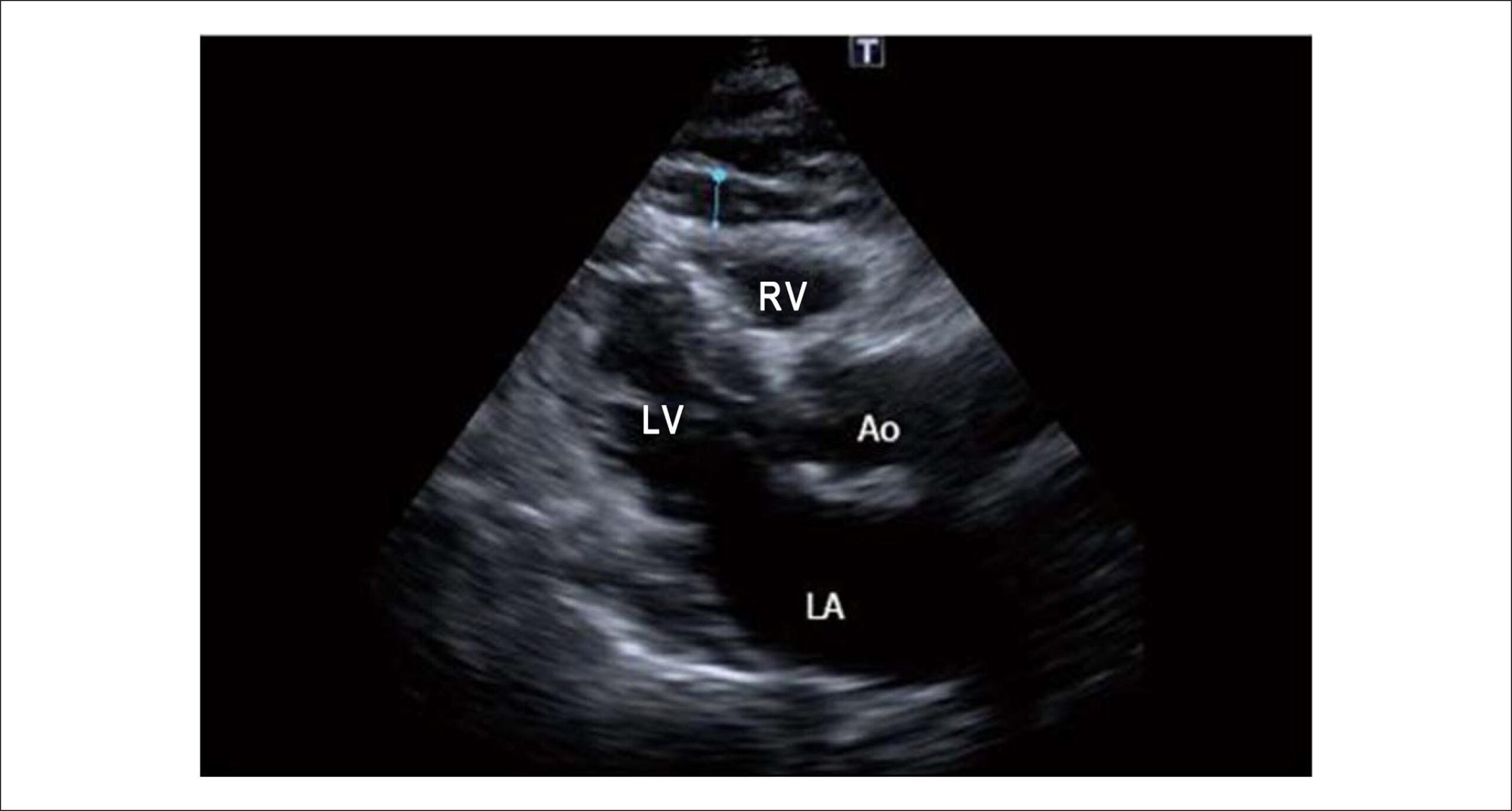
EF is the visceral adipose tissue located between the myocardium and the visceral pericardium, and commonly found in the atrioventricular and interventricular grooves. EF has several physiological roles, including local effects on the heart, in a paracrine manner.– EF can be measured non-invasively by echocardiography, and the measurement of EF thickness by 2D echocardiography has been proposed as a surrogate for visceral fat, since it is easier to perform as compared with direct measures such as computed tomography and magnetic resonance imaging (MRI). In addition, a significant correlation between EF and visceral fat measurements by MRI was demonstrated.

[…]

  • Adipose Tissue
  • Aged
  • Anthropometry
  • Echocardiography/methods
  • Metabolic Syndrome
  • Pericardium
  • Portugal/epidemiology
Read Full Article
Creative Commons Attribution (CC BY) Creative Commons license
12/03/2021 DOI: 10.36660/ijcs.20200363 Views 1
ABC
Letter to the Editor

Epicardial Adipose Tissue: A New Cardiovascular Imaging Parameter Deeply Connected with Cardiovascular Diseases

Eduardo Thadeu de Oliveira Correia et al. Letícia Mara dos Santos Barbetta

Dear Editor,

We read with great interest the article entitled “The Relationship Between Epicardial Adipose Tissue and Insulin Resistance in Obese Children”. In that paper, the authors performed tissue doppler echocardiography to evaluate epicardial adipose tissue (EAT) thickness, electromechanical delay (EMD) and other standard measurements in 94 obese pediatric patients. Patients with Homeostatic Model Assessment for Insulin Resistance (HOMA-IR) greater than the 90th percentile in an age and sex-specific percentile curve were labeled as having insulin resistance (IR). This study found that the group with IR had significant higher thickness of EAT than patients included without IR (7.15 vs. 5.5 mm, p<0.004, respectively) and inter and intra-atrial EMD was prolonged in the IR group compared to the non-IR group (p3.85 mm could predict IR with 92.5% specificity and 68.5% sensitivity (p=0.002). The study then concluded that EAT could be used to identify IR among children, as it is stated that EAT is a cheap and accessible parameter that could be easily measured with echocardiography.

[…]

  • Adipose Tissue
  • Child
  • Echocardiography/methods
  • Insulin Resistance
  • Obesity
  • Pericardium
Read Full Article
Creative Commons Attribution (CC BY) Creative Commons license
07/12/2020 DOI: 10.36660/abc.20200309
Figure 1
ABC
Original Article

The Relationship Between Epicardial Adipose Tissue and Insulin Resistance in Obese Children

Hatice Güneş et al. Hakan Güneş Fatih Temiz

Abstract

Background

Insulin resistance (IR) is an important disorder in obese children because it is closely related to cardiovascular diseases. Epicardial adipose tissue (EAT) plays a role in the development of IR due to secreted bioactive molecules, and the inflammatory process of these molecules may cause atrial electromechanical delay (EMD).

Objective

The objective of our study was to determine the relationship between EAT and EMD with IR in obese children.

Methods

Ninety-four obese patients were included in the study. IR was calculated using the Homeostatic Model Assessment for Insulin Resistance (HOMA-IR) and defined as HOMA-IR greater than the 90thpercentile in an age- and sex-specific percentile curve. Patients were divided into two groups according to their IR. All patients underwent echocardiographic examinations. Statistical significance was set to a two-sided p-value < 0.05.

Results

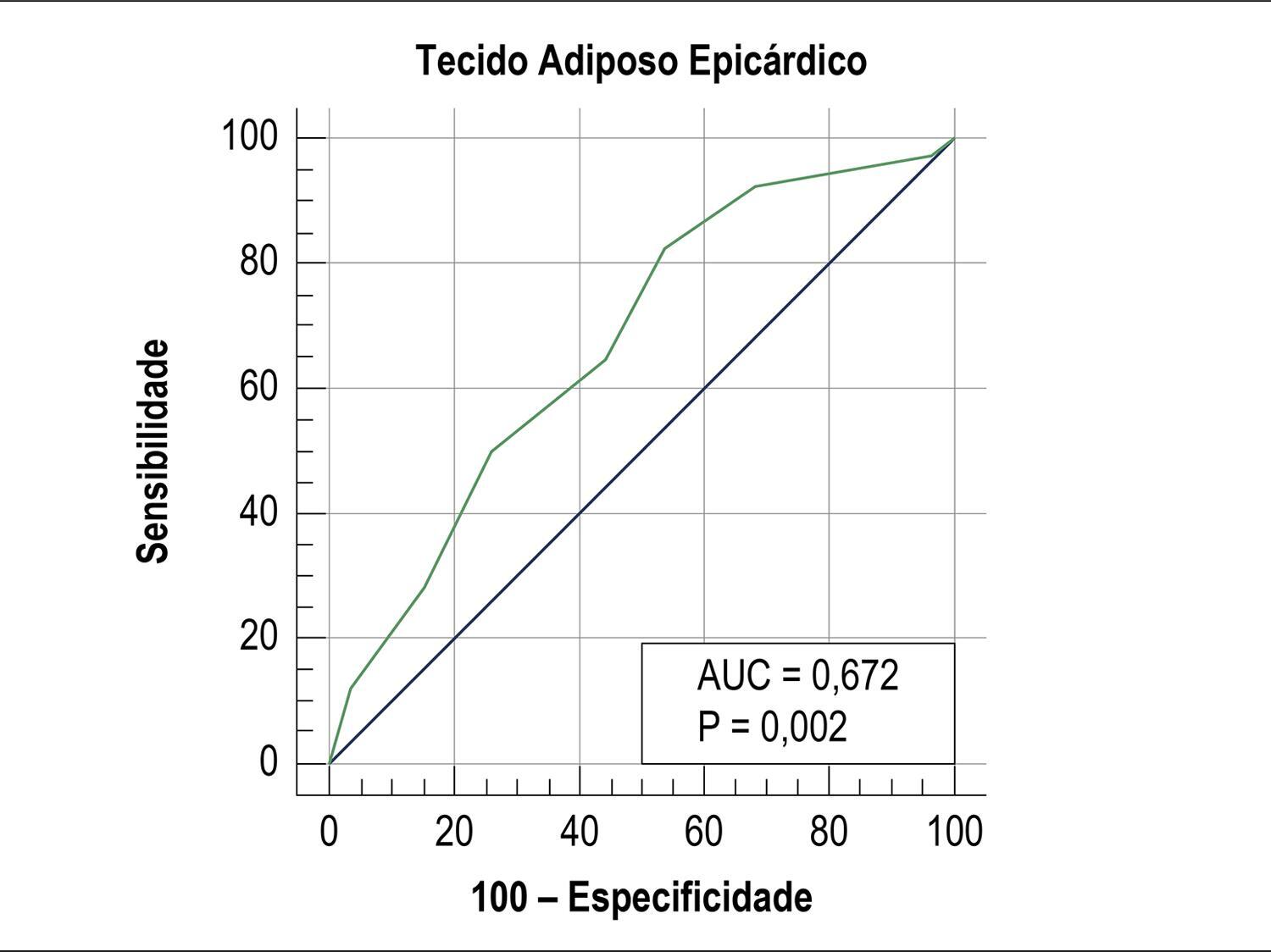
EAT was significantly higher in the IR group (p 3.85 mm, with 92.5% specificity and 68.5% sensitivity (p = 0.002). In the multivariate logistic regression model, EAT (OR = 1.256, 95% CI: 1.016–1.53, p = 0.035) was also associated with IR after adjustment for variables found to be statistically significant in univariate analysis. Inter- and intra-atrial EMD was significantly prolonged in the IR group compared to the group without IR (p < 0.010; p = 0.032 respectively). Conclusion: In our study, we revealed that EAT was positively correlated with IR and was an independent predictor of IR. (Arq Bras Cardiol. 2020; [online].ahead print, PP.0-0)

  • Adipose Tissue
  • Child
  • Echocardiography/methods
  • Insulin Resistance
  • Obesity
  • Pericardium
Read Full Article
Creative Commons Attribution (CC BY) Creative Commons license
13/03/2020 DOI: 10.36660/abc.20190197
ABC
Letter to the Editor

The Relation between Epicardial Fat Thickness and Prognostic Risk Scores

Sevket Balta et al. Cengiz Ozturk Turgay Celik

Dear Editor,

We read the article “The Relationship between GRACE Score and Epicardial Fat Thickness(EFT) in non-STEMI Patients” by Gul et al. The authors concluded that end-systolic and end-diastolic EFTs were found to be increased in the higher GRACE group.

[…]

  • Acute Coronary Syndrome / complications
  • Adipose Tissue
  • Echocardiography
  • Pericardium
  • Score GRACE
Read Full Article
Creative Commons Attribution (CC BY) Creative Commons license
01/12/2016 DOI: 10.5935/abc.20160185
ABC
Letter to the Editor

Measurement of Epicardial Fat Thickness by Echocardiography Presents Challenges

Mustafa Gulgun et al. Fatih Alparslan Genç

To the Editor,

It was with great interest that we read the paper by Kaplan et al. entitled ”Evaluation of Electrocardiographic T-peak to T-end Interval in Subjects with Increased Epicardial Fat Tissue Thickness” published on Arquivos Brasileiros de Cardiologia in December 2015. They aimed to investigate the relationship between epicardial adipose tissue (EFT) and ventricular repolarization. They demonstrated some ventricular repolarization abnormalities on electrocardiography in patients with higher EFT thickness. We would like to thank Kaplan et al. for their great effort in this study, and share some of our thoughts.

[…]

  • Adipose Tissue
  • Arrhythmias Cardiac
  • Echocardiography
  • Electrocardiography
  • Magnetic Resonance Imaging / trends
  • Pericardium
  • Reference Values
Read Full Article
Creative Commons Attribution (CC BY) Creative Commons license
01/11/2016 DOI: 10.5935/abc.20160167
ABC
Letter to the Editor

The Relationship between GRACE Score and Epicardial Fat Thickness in non-STEMI Patients

Levent Cerit

To the Editor,

I have read the article entitled “The Relationship between GRACE Score and Epicardial Fat Thickness in non-STEMI Patients” by Gul et al. with great interest. The investigators reported that the GRACE score (GS) showed a positive correlation with end-systolic Epicardial Fat Thickness (EFT) and end-diastolic EFT, and also statistical evaluations demonstrated a better correlation between the GS and end-diastolic EFT compared to end-systolic EFT.

[…]

  • Acute coronary syndrome
  • Adipose Tissue
  • Echocardiography
  • Grace Score
  • Pericardium
Read Full Article
Creative Commons Attribution (CC BY) Creative Commons license
01/08/2016 DOI: 10.5935/abc.20160123
Figure 1
ABC
Original Article

The Relationship between GRACE Score and Epicardial Fat Thickness in non-STEMI Patients

Ilker Gul et al. Mustafa Zungur Ahmet Cagri Aykan Teyyar Gokdeniz … Ezgi Kalaycioğlu Turhan Turan Engin Hatem Faruk Boyaci

Abstract

Background:

GRACE risk score (GS) is a scoring system which has a prognostic significance in patients with non-ST segment elevation myocardial infarction (non-STEMI).

Objective:

The present study aimed to determine whether end-systolic or end-diastolic epicardial fat thickness (EFT) is more closely associated with high-risk non-STEMI patients according to the GS.

Methods:

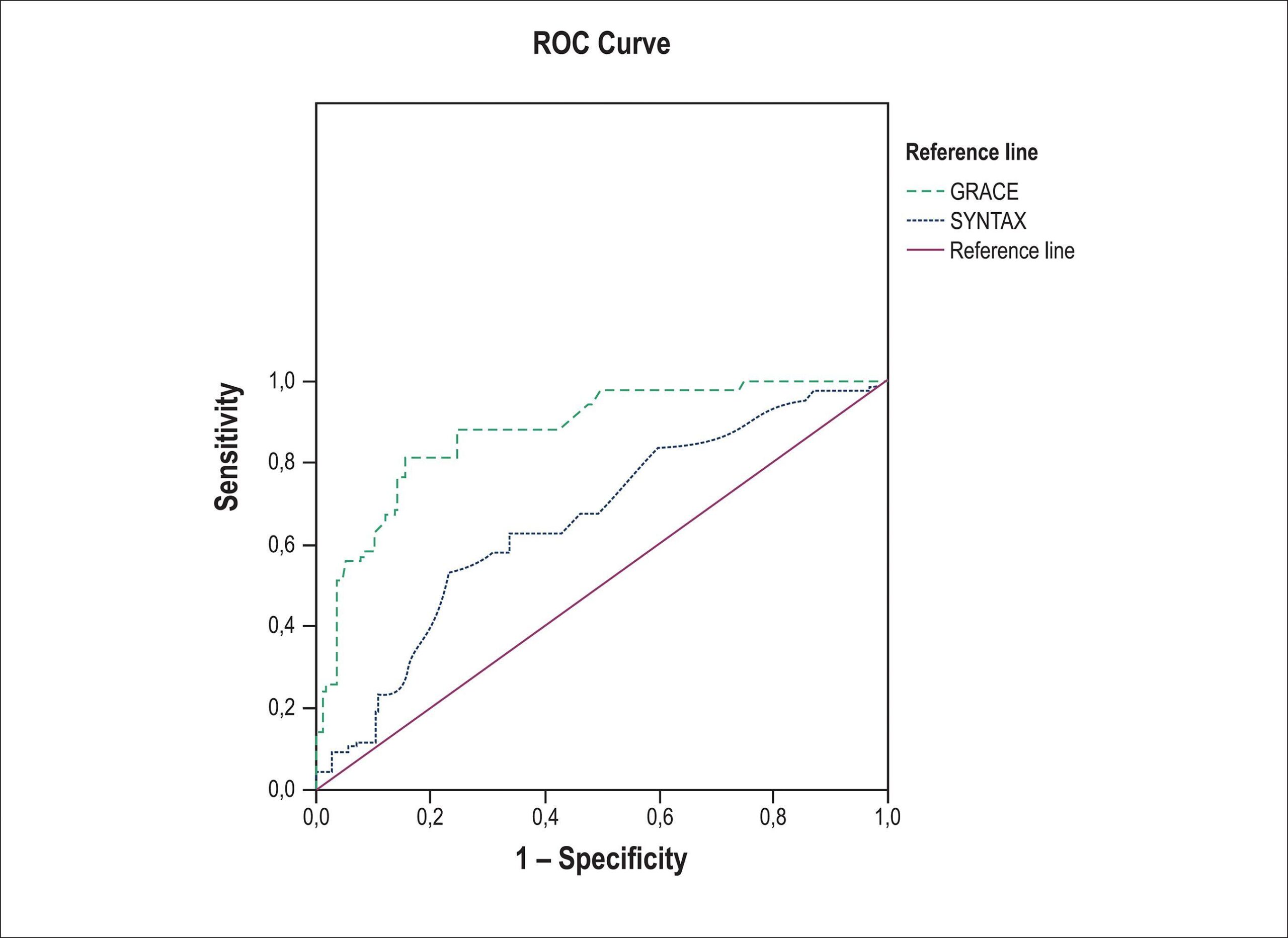
We evaluated 207 patients who had non-STEMI beginning from October 2012 to February 2013, and 162 of them were included in the study (115 males, mean age: 66.6 ± 12.8 years). End-systolic and end-diastolic EFTs were measured with echocardiographic methods. Patients with high in-hospital GS were categorized as the H-GS group (in hospital GS > 140), while other patients were categorized as the low-to-moderate risk group (LM-GS).

Results:

Systolic and diastolic blood pressures of H-GS patients were lower than those of LM-GS patients, and the average heart rate was higher in this group. End-systolic EFT and end-diastolic EFT were significantly higher in the H-GS group. The echocardiographic assessment of right and left ventricles showed significantly decreased ejection fraction in both ventricles in the H-GS group. The highest correlation was found between GS and end-diastolic EFT (r = 0.438).

Conclusion:

End-systolic and end-diastolic EFTs were found to be increased in the H-GS group. However, end-diastolic EFT and GS had better correlation than end-systolic EFT and GS.

  • Acute coronary syndrome
  • Adipose Tissue
  • Echocardiography
  • Myocardial Infarction
  • Pericardium
Read Full Article
Creative Commons Attribution (CC BY) Creative Commons license
16/02/2016 DOI: 10.5935/abc.20160024
Figure 1
ABC
Original Article

Evaluation of Electrocardiographic T-peak to T-end Interval in Subjects with Increased Epicardial Fat Tissue Thickness

Ozgur Kaplan et al. Ertugrul Kurtoglu Gokay Nar Erdogan Yasar … Gokhan Gozubuyuk Cem Dogan Ahmet Ugur Boz Sıho Hidayet Hasan Pekdemir

Abstract

Background:

The association between periatrial adiposity and atrial arrhythmias has been shown in previous studies. However, there are not enough available data on the association between epicardial fat tissue (EFT) thickness and parameters of ventricular repolarization. Thus, we aimed to evaluate the association of EFT thickness with indices of ventricular repolarization by using T-peak to T-end (Tp-e) interval and Tp-e/QT ratio.

Methods:

The present study included 50 patients whose EFT thickness ≥ 9 mm (group 1) and 40 control subjects with EFT thickness < 9 mm (group 2). Transthoracic echocardiographic examination was performed in all participants. QT parameters, Tp-e intervals and Tp-e/QT ratio were measured from the 12-lead electrocardiogram.

Results:

QTd (41.1 ± 2.5 vs 38.6 ± 3.2, p < 0.001) and corrected QTd (46.7 ± 4.7 vs 43.7 ± 4, p = 0.002) were significantly higher in group 1 when compared to group 2. The Tp-e interval (76.5 ± 6.3, 70.3 ± 6.8, p < 0.001), cTp-e interval (83.1 ± 4.3 vs. 76±4.9, p < 0.001), Tp-e/QT (0.20 ± 0.02 vs. 0.2 ± 0.02, p < 0.001) and Tp-e/QTc ratios (0.2 ± 0.01 vs. 0.18 ± 0.01, p < 0.001) were increased in group 1 in comparison to group 2. Significant positive correlations were found between EFT thickness and Tp-e interval (r = 0.548, p < 0.001), cTp-e interval (r = 0.259, p = 0.01), and Tp-e/QT (r = 0.662, p < 0.001) and Tp-e/QTc ratios (r = 0.560, p < 0.001).

Conclusion:

The present study shows that Tp-e and cTp-e interval, Tp-e/QT and Tp-e/QTc ratios were increased in subjects with increased EFT, which may suggest an increased risk of ventricular arrhythmia.

  • Adipose Tissue
  • Arrhythmias
  • cardiac
  • Electracardiography
  • Pericardium
  • Reference Values
Read Full Article
Creative Commons Attribution (CC BY) Creative Commons license
02/10/2015 DOI: 10.5935/abc.20150124
Transplantation of adipose tissue mesenchymal stem cells in experimental chronic chagasic cardiopathy
ABC
Artigo Original

Transplantation of adipose tissue mesenchymal stem cells in experimental chronic chagasic cardiopathy

Ticiana Ferreira Larocca et al. Bruno Solano de Freitas Souza Cristina Aragão Silva Carla Martins Kaneto … Adriano Costa de Alcantara Carine Machado Azevedo Murilo Fagundes Castro Simone Garcia Macambira Milena Botelho Pereira Soares Ricardo Ribeiro-dos-Santos

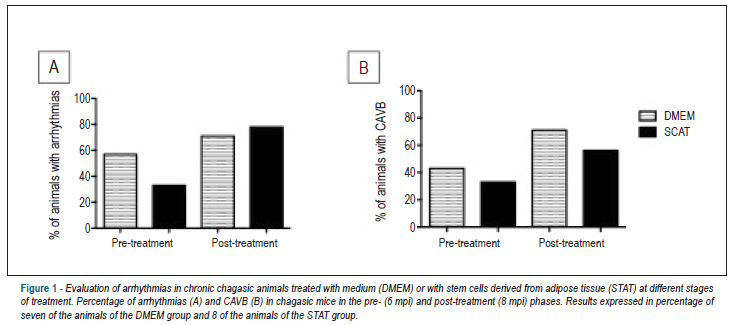
BACKGROUND: Chagas disease, caused by the protozoan Trypanosoma cruzi, is a major cause of heart failure in Latin America. Tissue therapy has been investigated as a possible therapeutic option for patients with cardiovascular disease. OBJECTIVE: This study evaluated the effects of therapy with mesenchymal stem cells in an experimental model of chronic Chagasic cardiomyopathy. METHODS: C57BL/6 mice were infected with 1000 trypomastigotes from the Colombian strain of T. cruzi and, after six months of infection, were treated with mesenchymal human stem cells from adipose tissue (STAT) or with Dulbecco/Vogt modified Eagle’s minimal essential medium – DMEM (control). The treated group received two intraperitoneal injections of STAT (1×10(6) cells/dose), with a month interval between the two doses. Before and after the first and second months of treatment, the chagasic and normal control animals underwent cardiopulmonary exercise testing and electrocardiography. All animals were sacrificed under anesthesia after two months of treatment for histopathological analysis of the heart. RESULTS: No improvement was observed in arrhythmias and cardiovascular function in the group of animals treated with STAT; however, sections of mice hearts in this group revealed a significant reduction in the number of inflammatory cells (p<0.0001) and areas of fibrosis (p<0.01) in comparison with chagasic animals treated with DMEM. CONCLUSION: Thus, it is concluded that administration of intraperitoneal STAT can reduce inflammation and fibrosis in the heart of mice chronically infected with T. cruzi; however, there were no effects on the cardiac function two months after transplantation.

  • Adipose Tissue
  • Chagas Cardiomyopathy
  • Stem Cells
  • tissue therapy
Read Full Article
Creative Commons Attribution (CC BY) Creative Commons license
09/04/2013 DOI: 10.5935/abc.20130058
ABC
Artigo Original

Influence of overall and abdominal adiposity on C-reactive protein levels in elderly women

Jeffer Eidi Sasaki et al. Maressa Priscila Krause Mirnaluci P. R. Gama Tatiane Hallage … Cosme Franklin Buzzachera Maria Gisele dos Santos Sergio Gregorio da Silva

OBJECTIVE: To investigate how overall and abdominal adiposity, measured by waist circumference (WC), body mass index (BMI), and sum of skinfolds (sigmaSK), affect plasma C-reactive protein levels (CRP) in elderly women. METHODS: Study sample consisted of 387 women older than 60 years (mean age 68.9; standard deviation 5.9 years). BMI, WC, sigmaSK, and CRP levels were all measured. One-way ANOVA was performed to detect differences in study variables among the CRP levels investigated. Logistic regression analysis was used to determine the influence of body fat measurements on CRP levels. The significance level was set at p < 0.05. RESULTS: The analysis of variance showed that mean WC was lower in women with normal CRP levels, as compared to those with high CRP levels. Logistic regression analysis examined the influence of BMI, WC, and sigmaSK quartiles on CRP levels, yielding the following results: only WC was predictive of elevated CRP levels, its highest quartile (cut-off point of 94.0 cm) showing levels nearly two times higher than its lowest quartile (odds ratio = 2.23; 95% confidence interval = 1.92-4.18; p = 0.012). CONCLUSION: The results of this study indicate that abdominal adiposity is a strong predictor of elevated CRP levels.

  • Abdominal Fat
  • Adipose Tissue
  • Adiposity
  • C-Reactive Protein
  • Risk Factors
Read Full Article
Creative Commons Attribution (CC BY) Creative Commons license
18/04/2008 DOI: 10.1590/S0066-782X2007001600004 Views 1

How to cite this article

EndNote RIS

Electronic Document Format (Vancouver)

Bezerra R, Feitosa ADM, Nadruz W. Blood Pressure Measurement: There’s More Than Meets the Arm. Arquivos Brasileiros de Cardiologia 2023;120(5):e20230274.

Electronic Document Format (ABNT)

Bezerra, Rodrigo; Feitosa, Audes D. M.; Nadruz, Wilson. Blood Pressure Measurement: There’s More Than Meets the Arm. Arquivos Brasileiros de Cardiologia, v. 120, n. 5, e20230274, Jun. 2023.

Electronic Document Format (APA)

Bezerra, R., Feitosa, A. D. M., & Nadruz, W. (2023). Blood Pressure Measurement: There’s More Than Meets the Arm. Arquivos Brasileiros de Cardiologia, 120(5), e20230274.

Electronic Document Format (ISO)

Bezerra, Rodrigo and Feitosa, Audes D. M. and Nadruz, Wilson. Blood Pressure Measurement: There’s More Than Meets the Arm. Arquivos Brasileiros de Cardiologia [online]. 2023, vol. 120, n. 5, [cited 2026-10-14], e20230274. Available from: <https://journals.cardiol.br/en/article/blood-pressure-measurement-theres-more-than-meets-the-arm/>. ISSN 0066-782X

EndNote RIS

Electronic Document Format (Vancouver)

Dural IE, Onrat E, Çelik S, Gokaslan S, Vurmaz A, Emren SV, Yalım Z, et al. Epicardial Fat Tissue Thickness and Omentin in Patients with Atrial Fibrillation. International Journal of Cardiovascular Sciences 2022;35(4):530-6.

Electronic Document Format (ABNT)

Dural, Ibrahim Etem; Onrat, Ersel; Çelik, Sefa; Gokaslan, Serkan; Vurmaz, Ayhan; Emren, Sadık Volkan; Yalım, Zafer; Avşar, Alaeddin. Epicardial Fat Tissue Thickness and Omentin in Patients with Atrial Fibrillation. International Journal of Cardiovascular Sciences, v. 35, n. 4, p. 530-536, Feb. 2022.

Electronic Document Format (APA)

Dural, I. E., Onrat, E., Çelik, S., Gokaslan, S., Vurmaz, A., Emren, S. V., Yalım, Z., & Avşar, A. (2022). Epicardial Fat Tissue Thickness and Omentin in Patients with Atrial Fibrillation. International Journal of Cardiovascular Sciences, 35(4), 530-536.

Electronic Document Format (ISO)

Dural, Ibrahim Etem and Onrat, Ersel and Çelik, Sefa and Gokaslan, Serkan and Vurmaz, Ayhan and Emren, Sadık Volkan and Yalım, Zafer and Avşar, Alaeddin. Epicardial Fat Tissue Thickness and Omentin in Patients with Atrial Fibrillation. International Journal of Cardiovascular Sciences [online]. 2022, vol. 35, n. 4, [cited 2026-10-14], pp. 530-536. Available from: <https://journals.cardiol.br/en/article/epicardial-fat-tissue-thickness-and-omentin-in-patients-with-atrial-fibrillation/>. ISSN 2359-4802

EndNote RIS

Electronic Document Format (Vancouver)

Favarato D. Obesity, Body Fat Content and Cardiovascular Outcome: Beyond Body Mass Index. Arquivos Brasileiros de Cardiologia 2021;116(5):887-8.

Electronic Document Format (ABNT)

Favarato, Desiderio. Obesity, Body Fat Content and Cardiovascular Outcome: Beyond Body Mass Index. Arquivos Brasileiros de Cardiologia, v. 116, n. 5, p. 887-888, May. 2021.

Electronic Document Format (APA)

Favarato, D. (2021). Obesity, Body Fat Content and Cardiovascular Outcome: Beyond Body Mass Index. Arquivos Brasileiros de Cardiologia, 116(5), 887-888.

Electronic Document Format (ISO)

Favarato, Desiderio. Obesity, Body Fat Content and Cardiovascular Outcome: Beyond Body Mass Index. Arquivos Brasileiros de Cardiologia [online]. 2021, vol. 116, n. 5, [cited 2026-10-14], pp. 887-888. Available from: <https://journals.cardiol.br/en/article/obesity-body-fat-content-and-cardiovascular-outcome-beyond-body-mass-index/>. ISSN 0066-782X

EndNote RIS

Electronic Document Format (Vancouver)

Saraiva RM, Costa AR. Epicardial Fat Thickness: a Promising Cardiovascular Risk Factor that Requires in-Depth Studies. International Journal of Cardiovascular Sciences 2021;34(2):147-8.

Electronic Document Format (ABNT)

Saraiva, Roberto M.; Costa, Andréa Rodrigues da. Epicardial Fat Thickness: a Promising Cardiovascular Risk Factor that Requires in-Depth Studies. International Journal of Cardiovascular Sciences, v. 34, n. 2, p. 147-148, Mar. 2021.

Electronic Document Format (APA)

Saraiva, R. M., & Costa, A. R. (2021). Epicardial Fat Thickness: a Promising Cardiovascular Risk Factor that Requires in-Depth Studies. International Journal of Cardiovascular Sciences, 34(2), 147-148.

Electronic Document Format (ISO)

Saraiva, Roberto M. and Costa, Andréa Rodrigues da. Epicardial Fat Thickness: a Promising Cardiovascular Risk Factor that Requires in-Depth Studies. International Journal of Cardiovascular Sciences [online]. 2021, vol. 34, n. 2, [cited 2026-10-14], pp. 147-148. Available from: <https://journals.cardiol.br/en/article/epicardial-fat-thickness-a-promising-cardiovascular-risk-factor-that-requires-in-depth-studies/>. ISSN 2359-4802

EndNote RIS

Electronic Document Format (Vancouver)

Correia ETO, Barbetta LMS. Epicardial Adipose Tissue: A New Cardiovascular Imaging Parameter Deeply Connected with Cardiovascular Diseases. Arquivos Brasileiros de Cardiologia 2020;115(5):971-2.

Electronic Document Format (ABNT)

Correia, Eduardo Thadeu de Oliveira; Barbetta, Letícia Mara dos Santos. Epicardial Adipose Tissue: A New Cardiovascular Imaging Parameter Deeply Connected with Cardiovascular Diseases. Arquivos Brasileiros de Cardiologia, v. 115, n. 5, p. 971-972, Dec. 2020.

Electronic Document Format (APA)

Correia, E. T. O., & Barbetta, L. M. S. (2020). Epicardial Adipose Tissue: A New Cardiovascular Imaging Parameter Deeply Connected with Cardiovascular Diseases. Arquivos Brasileiros de Cardiologia, 115(5), 971-972.

Electronic Document Format (ISO)

Correia, Eduardo Thadeu de Oliveira and Barbetta, Letícia Mara dos Santos. Epicardial Adipose Tissue: A New Cardiovascular Imaging Parameter Deeply Connected with Cardiovascular Diseases. Arquivos Brasileiros de Cardiologia [online]. 2020, vol. 115, n. 5, [cited 2026-10-14], pp. 971-972. Available from: <https://journals.cardiol.br/en/article/epicardial-adipose-tissue-a-new-cardiovascular-imaging-parameter-deeply-connected-with-cardiovascular-diseases/>. ISSN 0066-782X

EndNote RIS

Electronic Document Format (Vancouver)

Güneş H, Güneş H, Temiz F. The Relationship Between Epicardial Adipose Tissue and Insulin Resistance in Obese Children. Arquivos Brasileiros de Cardiologia 2020;114(4):675-82.

Electronic Document Format (ABNT)

Güneş, Hatice; Güneş, Hakan; Temiz, Fatih. The Relationship Between Epicardial Adipose Tissue and Insulin Resistance in Obese Children. Arquivos Brasileiros de Cardiologia, v. 114, n. 4, p. 675-682, Mar. 2020.

Electronic Document Format (APA)

Güneş, H., Güneş, H., & Temiz, F. (2020). The Relationship Between Epicardial Adipose Tissue and Insulin Resistance in Obese Children. Arquivos Brasileiros de Cardiologia, 114(4), 675-682.

Electronic Document Format (ISO)

Güneş, Hatice and Güneş, Hakan and Temiz, Fatih. The Relationship Between Epicardial Adipose Tissue and Insulin Resistance in Obese Children. Arquivos Brasileiros de Cardiologia [online]. 2020, vol. 114, n. 4, [cited 2026-10-14], pp. 675-682. Available from: <https://journals.cardiol.br/en/article/the-relationship-between-epicardial-adipose-tissue-and-insulin-resistance-in-obese-children/>. ISSN 0066-782X

EndNote RIS

Electronic Document Format (Vancouver)

Balta S, Ozturk C, Celik T. The Relation between Epicardial Fat Thickness and Prognostic Risk Scores. Arquivos Brasileiros de Cardiologia 2016;107(6):607.

Electronic Document Format (ABNT)

Balta, Sevket; Ozturk, Cengiz; Celik, Turgay. The Relation between Epicardial Fat Thickness and Prognostic Risk Scores. Arquivos Brasileiros de Cardiologia, v. 107, n. 6, p. 607-607, Nov. 2016.

Electronic Document Format (APA)

Balta, S., Ozturk, C., & Celik, T. (2016). The Relation between Epicardial Fat Thickness and Prognostic Risk Scores. Arquivos Brasileiros de Cardiologia, 107(6), 607-607.

Electronic Document Format (ISO)

Balta, Sevket and Ozturk, Cengiz and Celik, Turgay. The Relation between Epicardial Fat Thickness and Prognostic Risk Scores. Arquivos Brasileiros de Cardiologia [online]. 2016, vol. 107, n. 6, [cited 2026-10-14], pp. 607-607. Available from: <https://journals.cardiol.br/en/article/the-relation-between-epicardial-fat-thickness-and-prognostic-risk-scores/>. ISSN 0066-782X

EndNote RIS

Electronic Document Format (Vancouver)

Gulgun M, Genç FA. Measurement of Epicardial Fat Thickness by Echocardiography Presents Challenges. Arquivos Brasileiros de Cardiologia 2016;107(5):497-8.

Electronic Document Format (ABNT)

Gulgun, Mustafa; Genç, Fatih Alparslan. Measurement of Epicardial Fat Thickness by Echocardiography Presents Challenges. Arquivos Brasileiros de Cardiologia, v. 107, n. 5, p. 497-498, Oct. 2016.

Electronic Document Format (APA)

Gulgun, M., & Genç, F. A. (2016). Measurement of Epicardial Fat Thickness by Echocardiography Presents Challenges. Arquivos Brasileiros de Cardiologia, 107(5), 497-498.

Electronic Document Format (ISO)

Gulgun, Mustafa and Genç, Fatih Alparslan. Measurement of Epicardial Fat Thickness by Echocardiography Presents Challenges. Arquivos Brasileiros de Cardiologia [online]. 2016, vol. 107, n. 5, [cited 2026-10-14], pp. 497-498. Available from: <https://journals.cardiol.br/en/article/measurement-of-epicardial-fat-thickness-by-echocardiography-presents-challenges/>. ISSN 0066-782X

EndNote RIS

Electronic Document Format (Vancouver)

Cerit L. The Relationship between GRACE Score and Epicardial Fat Thickness in non-STEMI Patients. Arquivos Brasileiros de Cardiologia 2016;107(2):189-90.

Electronic Document Format (ABNT)

Cerit, Levent. The Relationship between GRACE Score and Epicardial Fat Thickness in non-STEMI Patients. Arquivos Brasileiros de Cardiologia, v. 107, n. 2, p. 189-190, Jul. 2016.

Electronic Document Format (APA)

Cerit, L. (2016). The Relationship between GRACE Score and Epicardial Fat Thickness in non-STEMI Patients. Arquivos Brasileiros de Cardiologia, 107(2), 189-190.

Electronic Document Format (ISO)

Cerit, Levent. The Relationship between GRACE Score and Epicardial Fat Thickness in non-STEMI Patients. Arquivos Brasileiros de Cardiologia [online]. 2016, vol. 107, n. 2, [cited 2026-10-14], pp. 189-190. Available from: <https://journals.cardiol.br/en/article/the-relationship-between-grace-score-and-epicardial-fat-thickness-in-non-stemi-patients/>. ISSN 0066-782X

EndNote RIS

Electronic Document Format (Vancouver)

Gul I, Zungur M, Aykan AC, Gokdeniz T, Kalaycioğlu E, Turan T, Hatem E, et al. The Relationship between GRACE Score and Epicardial Fat Thickness in non-STEMI Patients. Arquivos Brasileiros de Cardiologia 2016;106(3):194-200.

Electronic Document Format (ABNT)

Gul, Ilker; Zungur, Mustafa; Aykan, Ahmet Cagri; Gokdeniz, Teyyar; Kalaycioğlu, Ezgi; Turan, Turhan; Hatem, Engin; Boyaci, Faruk. The Relationship between GRACE Score and Epicardial Fat Thickness in non-STEMI Patients. Arquivos Brasileiros de Cardiologia, v. 106, n. 3, p. 194-200, Feb. 2016.

Electronic Document Format (APA)

Gul, I., Zungur, M., Aykan, A. C., Gokdeniz, T., Kalaycioğlu, E., Turan, T., Hatem, E., & Boyaci, F. (2016). The Relationship between GRACE Score and Epicardial Fat Thickness in non-STEMI Patients. Arquivos Brasileiros de Cardiologia, 106(3), 194-200.

Electronic Document Format (ISO)

Gul, Ilker and Zungur, Mustafa and Aykan, Ahmet Cagri and Gokdeniz, Teyyar and Kalaycioğlu, Ezgi and Turan, Turhan and Hatem, Engin and Boyaci, Faruk. The Relationship between GRACE Score and Epicardial Fat Thickness in non-STEMI Patients. Arquivos Brasileiros de Cardiologia [online]. 2016, vol. 106, n. 3, [cited 2026-10-14], pp. 194-200. Available from: <https://journals.cardiol.br/en/article/the-relationship-between-grace-score-and-epicardial-fat-thickness-in-non-stemi-patients-2/>. ISSN 0066-782X

EndNote RIS

Electronic Document Format (Vancouver)

Kaplan O, Kurtoglu E, Nar G, Yasar E, Gozubuyuk G, Dogan C, Boz AU, et al. Evaluation of Electrocardiographic T-peak to T-end Interval in Subjects with Increased Epicardial Fat Tissue Thickness. Arquivos Brasileiros de Cardiologia 2015;105(6):566-72.

Electronic Document Format (ABNT)

Kaplan, Ozgur; Kurtoglu, Ertugrul; Nar, Gokay; Yasar, Erdogan; Gozubuyuk, Gokhan; Dogan, Cem; Boz, Ahmet Ugur; Hidayet, Sıho; Pekdemir, Hasan. Evaluation of Electrocardiographic T-peak to T-end Interval in Subjects with Increased Epicardial Fat Tissue Thickness. Arquivos Brasileiros de Cardiologia, v. 105, n. 6, p. 566-572, Oct. 2015.

Electronic Document Format (APA)

Kaplan, O., Kurtoglu, E., Nar, G., Yasar, E., Gozubuyuk, G., Dogan, C., Boz, A. U., Hidayet, S., & Pekdemir, H. (2015). Evaluation of Electrocardiographic T-peak to T-end Interval in Subjects with Increased Epicardial Fat Tissue Thickness. Arquivos Brasileiros de Cardiologia, 105(6), 566-572.

Electronic Document Format (ISO)

Kaplan, Ozgur and Kurtoglu, Ertugrul and Nar, Gokay and Yasar, Erdogan and Gozubuyuk, Gokhan and Dogan, Cem and Boz, Ahmet Ugur and Hidayet, Sıho and Pekdemir, Hasan. Evaluation of Electrocardiographic T-peak to T-end Interval in Subjects with Increased Epicardial Fat Tissue Thickness. Arquivos Brasileiros de Cardiologia [online]. 2015, vol. 105, n. 6, [cited 2026-10-14], pp. 566-572. Available from: <https://journals.cardiol.br/en/article/evaluation-of-electrocardiographic-t-peak-to-t-end-interval-in-subjects-with-increased-epicardial-fat-tissue-thickness/>. ISSN 0066-782X

EndNote RIS

Electronic Document Format (Vancouver)

Larocca TF, Souza BSF, Silva CA, Kaneto CM, Alcantara AC, Azevedo CM, Castro MF, et al. Transplantation of adipose tissue mesenchymal stem cells in experimental chronic chagasic cardiopathy. Arquivos Brasileiros de Cardiologia 2013;100(5):460-8.

Electronic Document Format (ABNT)

Larocca, Ticiana Ferreira; Souza, Bruno Solano de Freitas; Silva, Cristina Aragão; Kaneto, Carla Martins; Alcantara, Adriano Costa de; Azevedo, Carine Machado; Castro, Murilo Fagundes; Macambira, Simone Garcia; Soares, Milena Botelho Pereira; Ribeiro-dos-Santos, Ricardo. Transplantation of adipose tissue mesenchymal stem cells in experimental chronic chagasic cardiopathy. Arquivos Brasileiros de Cardiologia, v. 100, n. 5, p. 460-468, Apr. 2013.

Electronic Document Format (APA)

Larocca, T. F., Souza, B. S. F., Silva, C. A., Kaneto, C. M., Alcantara, A. C. , Azevedo, C. M., Castro, M. F., Macambira, S. G., Soares, M. B. P., & Ribeiro-dos-Santos, R. (2013). Transplantation of adipose tissue mesenchymal stem cells in experimental chronic chagasic cardiopathy. Arquivos Brasileiros de Cardiologia, 100(5), 460-468.

Electronic Document Format (ISO)

Larocca, Ticiana Ferreira and Souza, Bruno Solano de Freitas and Silva, Cristina Aragão and Kaneto, Carla Martins and Alcantara, Adriano Costa de and Azevedo, Carine Machado and Castro, Murilo Fagundes and Macambira, Simone Garcia and Soares, Milena Botelho Pereira and Ribeiro-dos-Santos, Ricardo. Transplantation of adipose tissue mesenchymal stem cells in experimental chronic chagasic cardiopathy. Arquivos Brasileiros de Cardiologia [online]. 2013, vol. 100, n. 5, [cited 2026-10-14], pp. 460-468. Available from: <https://journals.cardiol.br/en/article/transplantation-of-adipose-tissue-mesenchymal-stem-cells-in-experimental-chronic-chagasic-cardiopathy/>. ISSN 0066-782X

EndNote RIS

Electronic Document Format (Vancouver)

Sasaki JE, Krause MP, Gama MPR, Hallage T, Buzzachera CF, Santos MG, Silva SG, et al. Influence of overall and abdominal adiposity on C-reactive protein levels in elderly women. Arquivos Brasileiros de Cardiologia 2008;89(4):231-6.

Electronic Document Format (ABNT)

Sasaki, Jeffer Eidi; Krause, Maressa Priscila; Gama, Mirnaluci P. R.; Hallage, Tatiane; Buzzachera, Cosme Franklin; Santos, Maria Gisele dos; Silva, Sergio Gregorio da. Influence of overall and abdominal adiposity on C-reactive protein levels in elderly women. Arquivos Brasileiros de Cardiologia, v. 89, n. 4, p. 231-236, Apr. 2008.

Electronic Document Format (APA)

Sasaki, J. E., Krause, M. P., Gama, M. P. R., Hallage, T., Buzzachera, C. F., Santos, M. G. , & Silva, S. G. (2008). Influence of overall and abdominal adiposity on C-reactive protein levels in elderly women. Arquivos Brasileiros de Cardiologia, 89(4), 231-236.

Electronic Document Format (ISO)

Sasaki, Jeffer Eidi and Krause, Maressa Priscila and Gama, Mirnaluci P. R. and Hallage, Tatiane and Buzzachera, Cosme Franklin and Santos, Maria Gisele dos and Silva, Sergio Gregorio da. Influence of overall and abdominal adiposity on C-reactive protein levels in elderly women. Arquivos Brasileiros de Cardiologia [online]. 2008, vol. 89, n. 4, [cited 2026-10-14], pp. 231-236. Available from: <https://journals.cardiol.br/en/article/influence-of-overall-and-abdominal-adiposity-on-c-reactive-protein-levels-in-elderly-women/>. ISSN 0066-782X

  • About ABC Family
  • Internal Regulation
  • Editorial Board
  • Brazilian Society of Cardiology (SBC)

Issues

SBC Guidelines

  • Videos
  • Podcasts
  • News