ABC Family Arquivos Brasileiros de Cardiologia International Journal of Cardiovascular Sciences ABC Heart Failure & Cardiomyopathy ABC Imagem Cardiovascular
Português English
ABC Family
Português English
  • About
    • About ABC Family
    • Internal Regulation
    • Editorial Board
    • Brazilian Society of Cardiology (SBC)
  • Issues
  • SBC Guidelines
  • Content
    • Videos
    • Podcasts
    • News
  • About
    • About ABC Family
    • Internal Regulation
    • Editorial Board
    • Brazilian Society of Cardiology (SBC)
  • Issues
  • SBC Guidelines
  • Content
    • Videos
    • Podcasts
    • News

ABC Family

  • ABC Family
  • Arquivos Brasileiros de Cardiologia
  • International Journal of Cardiovascular Sciences
  • ABC Heart Failure & Cardiomyopathy
  • ABC Imagem Cardiovascular
Search in

No content found.

Journals
Ordering
Article types
Others

  1. Home
  2. Keyword: Waist Circumference
ABC
Editorial

Waist Circumference: A Parameter of Vascular Health

Erika Maria Gonçalves Campana et al. Andréa Araujo Brandão

Obesity plays a central role in chronic noncommunicable diseases due to its high prevalence and strong correlation with risk factors like hypertension, dyslipidemia, diabetes mellitus, and morbidity and mortality. In particular, abdominal obesity has been renowned as an emerging risk factor for an inflammatory and prothrombotic state, which is associated with an increased prevalence of hypertension and increased risk of cardiovascular (CV) events. These data are of utmost importance in the scenario of increasing prevalence of obesity not only in adults, but also among children and adolescents., Results of a study conducted in Rio de Janeiro showed an unfavorable relationship of elevated blood pressure (BP) and excess weight in adolescents with increased BP levels and anthropometric and metabolic variables in young adults.

Over the last years, the understanding of the CV continuum has grown, and CV disease has been seen in the context of vascular damage. In this sense, endothelial dysfunction, which results in atherosclerotic disease and its complications, involves the tunica media of large arteries, affected by an accelerated aging of the vessel, resulting in early arterial stiffness and arteriosclerosis, which in turn contributes to CV morbidity and mortality.–

[…]
  • Atherosclerosis
  • Blood Pressure
  • Cardiovascular Diseases/complications
  • Dyslipidemias
  • Outcome Assessment (Health Care)
  • Pulse Wave Analysis
  • Vascular Stiffness
  • Waist Circumference
Read Full Article
Creative Commons Attribution (CC BY) Creative Commons license
05/08/2022 DOI: 10.36660/abc.20220508
ABC
Original Article

Correlation among Waist Circumference and Central Measures of Blood Pressure

Gilberto Campos Guimarães Filho et al. Lucas Tavares Silva Ruth Mellina Castro e Silva

Abstract

Background:

Arterial stiffness is a strong predictor of cardiovascular disease (CVD). Body fat measures such as waist circumference (WC) have been associated with CVD in adulthood.

Objectives:

The objective of this study was to evaluate the association of arterial stiffness, measured by applanation tonometry-Sphygmocor, with WC.

Methods:

Observational study with 240 participants who make routine consultations at the outpatient clinic of a university hospital. Participants were interviewed and had central blood pressure measurements (CBPM), anthropometric parameters, abdominal fat and visceral fat measured. Paired and unpaired t and chi-square tests were used. A significance level of 5% was adopted.

Results:

Of the 240 participants, 51.82% were male with a mean age of 59.71(±14.81) years and a mean WC of 99.87 (11.54) cm. Mean CBPM values were: Central arterial pressure (CAP) = 130.23 (91-223) mmHg, pulse wave velocity (PWV) = 9.8 (5.28-19.6)m/s and Augmentation Index [Amplification Index (AI)] = 29.45 (-14-60). PWV and CAP were highly correlated with WC with p<0.001 and p=0.02, respectively; however, the same positive correlation was not found between WC and AI (p=0.06).

Conclusion:

The present study showed a positive association between WC and arterial stiffness, through the femoral carotid pulse wave velocity (cf-PWV) and AI, being stronger with cf-PWV, suggesting the evaluation of the effect of WC in vascular health as a method of aid in the early treatment of CVD and in the prevention of clinical outcomes.

  • Atherosclerosis
  • Blood Pressure
  • Cardiovascular Diseases
  • health care
  • outcome assessment
  • Pulse Wave Analysis
  • Vascular Stiffness
  • Waist Circumference
Read Full Article
Creative Commons Attribution (CC BY) Creative Commons license
03/06/2022 DOI: 10.36660/abc.20210432
Figure 1
ABC
Original Article

Individual and Combined Performance of Indicators of Overall and Central Obesity to Estimate Coronary Risk in ELSA-Brasil Participants

Rogério Tosta de Almeida et al. Sheila Maria Alvim Matos Estela M. L. Aquino

Abstract

Background:

Anthropometric indicators have been used in clinical practice and epidemiological studies for screening of health risk factors.

Objectives:

To evaluate the individual discriminatory power of body adiposity index (BAI), body mass index (BMI), waist circumference (WC) and waist-hip-ratio (WHR) to identify individuals at risk for coronary heart disease and to evaluate whether combinations of anthropometric indicators of overall obesity with indicators of central obesity improve predictive ability in adults.

Methods:

A total of 15,092 participants (54.4% women) aged 35-74years were assessed at baseline of the ELSA-Brasil study. Individuals at risk for coronary heart disease were identified using the Framingham risk score and divided into very-high risk (VHR 20%) and high risk (HR10%). Measures of diagnostic accuracy and area under the ROC curves (AUC) were analyzed. Associations were tested using Poisson regression analysis with robust variance, according to age and sex. Statistical significance was set at 5%.

Results:

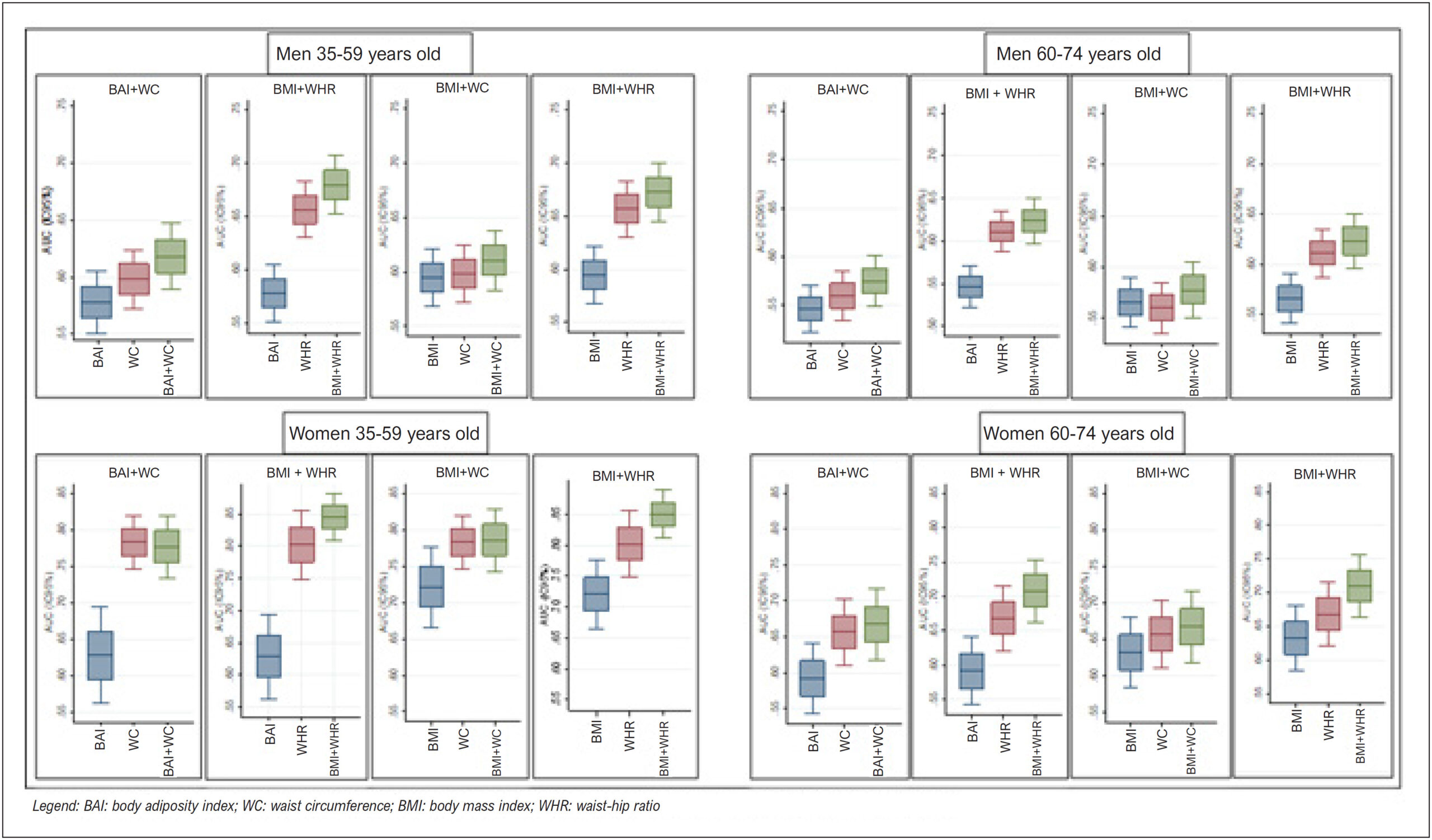
WHR showed the highest discriminatory power for VHR20% in all groups, with higher predictive ability in women (AUC: 0.802; 95%CI: 0.748-0.856 vs 0.657; 95%CI: 0.630-0.683 in the age range of 35-59 years, and AUC: 0.668; 95%CI: 0.621-0.715 vs 0.611; 95%CI: 0.587-0.635 in the age range of 60-74 years). BAI + WHR and BMI + WHR had the highest predictive power in men and women, respectively. Combinations of indicators of overall obesity with indicators of central obesity were more strongly associated with VHR20% and HR10% in all subgroups.

Conclusion:

Combined indicators had greater predictive ability than indicators taken individually. BAI+ WHR and BMI + WHR were the best estimators of coronary risk in men and women, respectively, and WHR had the best individual performance.

  • Adiposity
  • Anthropometry
  • body mass index
  • Cardiovascular disease
  • Epidemiology
  • Obesity
  • Risk Factors
  • Waist Circumference
Read Full Article
Creative Commons Attribution (CC BY) Creative Commons license
30/07/2021 DOI: 10.36660/abc.20200360
Figure 1
ABC
Original Article

Visceral Obesity and High Systolic Blood Pressure as the Substrate of Endothelial Dysfunction in Obese Adolescents

Maria Fernanda Hussid et al. Felipe Xerez Cepeda Camila P. Jordão Rafaela R. P. Lopes-Vicente … Leslie Virmondes Keyla Y. Katayama Ezequiel F. de Oliveira Luis V. F. Oliveira Fernanda Marciano Consolim-Colombo Ivani Credidio Trombetta

Abstract

Background:

Obesity affects adolescence and may lead to metabolic syndrome (MetS) and endothelial dysfunction, an early marker of cardiovascular risk. Albeit obesity is strongly associated with obstructive sleep apnea (OSA), it is not clear the role of OSA in endothelial function in adolescents with obesity.

Objective:

To investigate whether obesity during adolescence leads to MetS and/or OSA; and causes endothelial dysfunction. In addition, we studied the possible association of MetS risk factors and apnea hypopnea index (AHI) with endothelial dysfunction.

Methods:

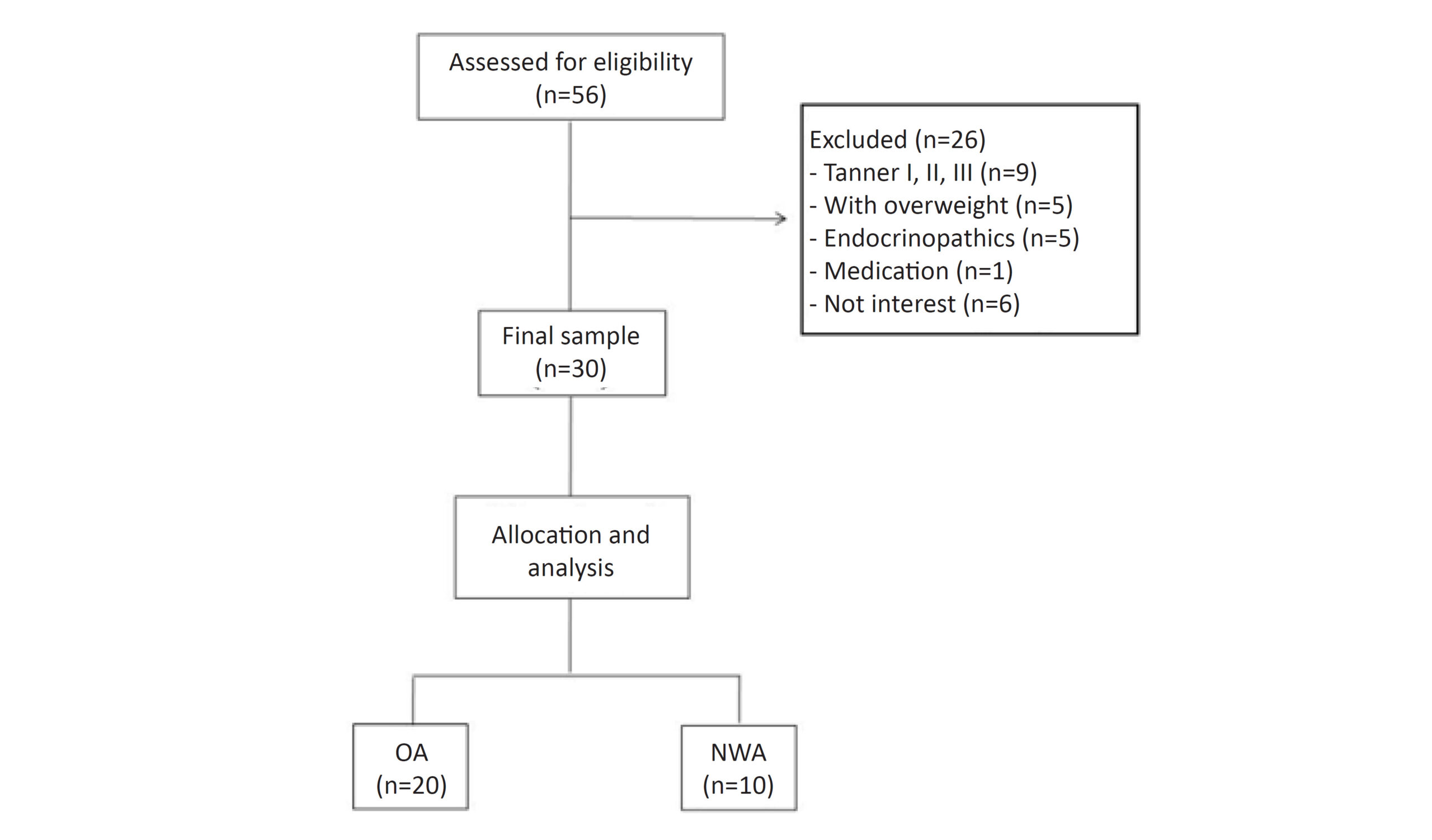
We studied 20 sedentary obese adolescents (OA; 14.2±1.6 years, 100.9±20.3kg), and 10 normal-weight adolescents (NWA, 15.2±1.2 years, 54.4±5.3kg) paired for sex. We assessed MetS risk factors (International Diabetes Federation criteria), vascular function (Flow-Mediated Dilation, FMD), functional capacity (VO2peak) and the presence of OSA (AHI>1event/h, by polysomnography). We considered statistically significant a P<0.05.

Results:

OA presented higher waist (WC), body fat, triglycerides, systolic (SBP) and diastolic blood pressure (DBP), LDL-c and lower HDL-c and VO2peak than NWA. MetS was presented in the 35% of OA, whereas OSA was present in 86.6% of OA and 50% of EA. There was no difference between groups in the AHI. The OA had lower FMD than NWA (6.17±2.72 vs. 9.37±2.20%, p=0.005). There was an association between FMD and WC (R=-0.506, p=0.008) and FMD and SBP (R=-0.493, p=0.006).

Conclusion:

In adolescents, obesity was associates with MetS and caused endothelial dysfunction. Increased WC and SBP could be involved in this alteration. OSA was observed in most adolescents, regardless of obesity. (Arq Bras Cardiol. 2021; 116(4):795-803)

  • Adolescent
  • diabetes
  • Endothelium
  • Hypertension
  • Metabolic Syndrome
  • Obesity
  • Risk Factors
  • Sleep Apnea, Obstructive
  • Waist Circumference
Read Full Article
Creative Commons Attribution (CC BY) Creative Commons license
16/04/2021 DOI: 10.36660/abc.20190541 Views 2
ABC
Original Article

Hypertensive Measures In Schoolchildren: Risk Of Central Obesity And Protective Effect Of Moderate-To-Vigorous Physical Activity

Tatiana Affornali Tozo et al. Beatriz Oliveira Pereira Francisco José de Menezes Junior Cristianne Morgado Montenegro … Carla Marisa Maia Moreira Neiva Leite

Abstract

Background

The proportion of arterial hypertension (AH) has increased in children and adolescents and is associated with several comorbidities.

Objective

To verify the association of arterial hypertension with central and general obesity as well as according to the level of physical activity in schoolchildren.

Methods

336 children and adolescents aged 11 to 17 participated in the study. Height, body weight, waist circumference (WC) and blood pressure (BP) were measured. The body mass index z-score (BMI-z) was calculated. The level of physical activity was assessed by the short form of the International Physical Activity Questionnaire (IPAQ) according to the practice of moderate-to-vigorous physical activities (AF-mv). Students with systolic (SBP) and/or diastolic blood pressure (DBP) higher than the 95thpercentile according to sex, age and height or ≥120/80 were considered hypertensive. Statistical tests of t-Student, Chi-square, Mann-Whitney and binary logistic regression model were used, considering the significance level of p<0.05.

Results

It was found that 40.5% of the students had AH, 35.11% were overweight (12.5% obese), 13.39% had high WC and 40.2% were considered insufficiently active in AF-mv. The chances of AH were related to high WC (OR = 6.11; 95% CI: 2.59¬–14.42) and overweight (OR = 2.91; 95% CI: 1.76–4.79). In addition, adolescents who practiced AF-mv had a lower risk of high DBP (OR = 0.33; 95% CI: 0.15–0.72).

Conclusion

Central obesity was the best predictor of AH in children and adolescents, as well as general obesity and males. The practice of AF-mv demonstrated a protective effect on high DBP in schoolchildren. (Arq Bras Cardiol. 2020; 115(1):42-49)

  • Adolescent
  • Blood Pressure
  • body mass index
  • Child
  • Hipertension
  • Physical activity
  • School Children
  • Waist Circumference
Read Full Article
Creative Commons Attribution (CC BY) Creative Commons license
07/08/2020 DOI: 10.36660/abc.20180391 Views 1
Figure 1
ABC
Original Article

Body Adiposity and Apolipoproteins in Children and Adolescents: A Meta-Analysis of Prospective Studies

Gabriela dos Santos de Jesus et al. Priscila Ribas de Farias Costa Lucivalda Pereira Magalhães de Oliveira Valterlinda Alves de Oliveira Queiroz … Carla de Magalhães Cunha Emile Miranda Pereira Ana Marlúcia de Oliveira

Abstract

Background

Excess Weight and Cardiovascular Diseases are health problems with increasing prevalence among children and adolescents, hence the need to investigate the issues related to them to better deal with the problem.

Objective

To investigate the influence of excess adiposity on the levels of apolipoprotein B and A1 in children and adolescents.

Methods

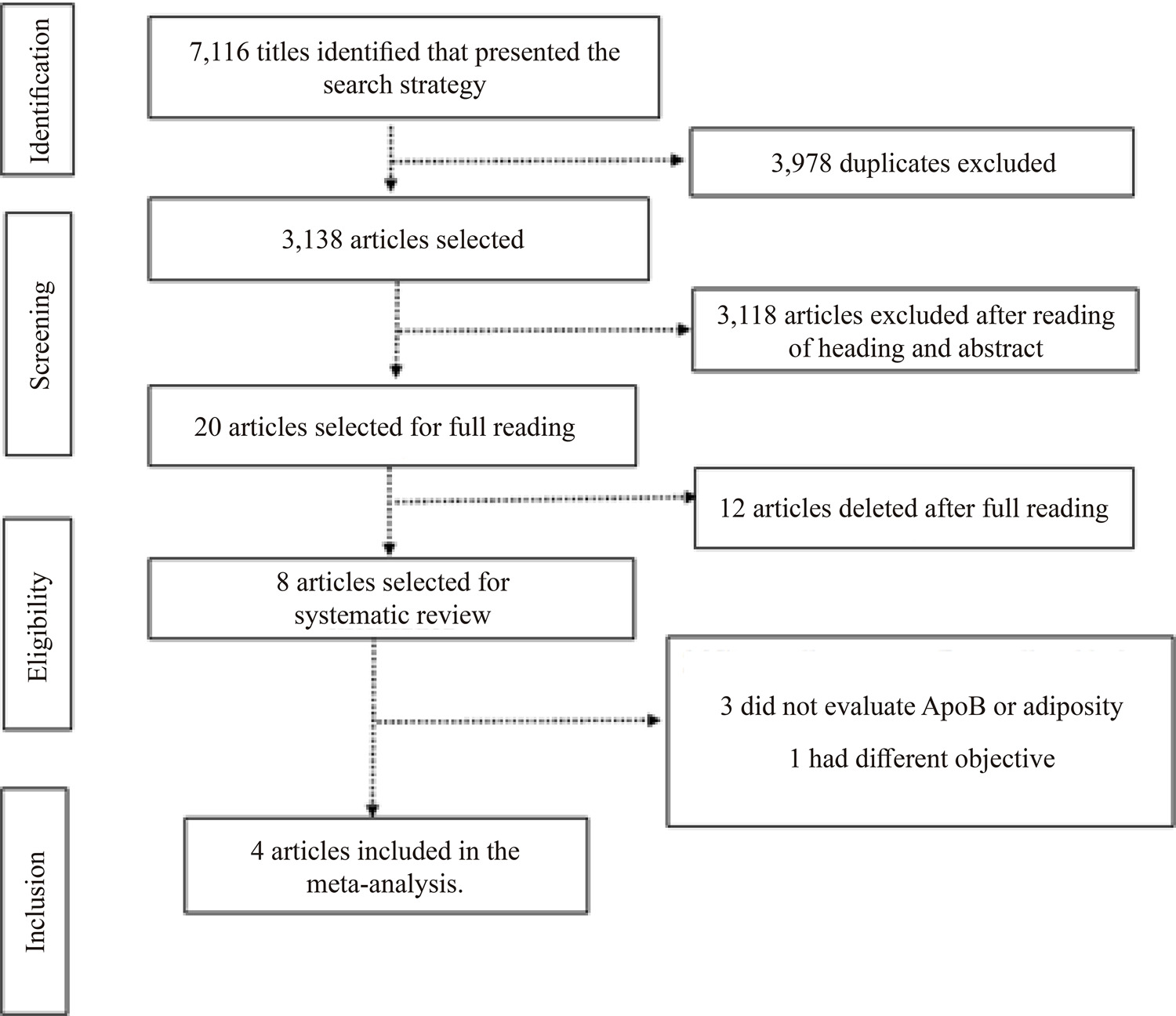
A systematic search was conducted in the PubMed, Embase, Lilacs, Web of Science, Ovid and Science direct databases, searching for cohort eligible studies and evaluating their results, methodological quality and risk of bias; combinable studies with good quality and low risk of bias were evaluated by meta-analysis. The summary measure used was the weighted mean difference (WMD) with its respective 95% confidence interval.

Results

8 articles attended the eligibility criteria including individuals with age mean varying from 9 to 15.7 years of age. The meta-analysis included 4 articles with a total of 7,974 children and adolescents. It was observed a mean increase of 4,94mg/dL (95%CI: 4,22 to 5,67) in the ApoB levels in individuals with excess of body adiposity. For the ApoA1, we identified a mean reduction of -8,13mg/dL (95%CI: -9,09 to -7,17 mg/dL) in its levels in children and adolescents with higher body adiposity. Beside this, the influence of excess adiposity on the ApoB and ApoA1 levels was higher between adolescents than children.

Conclusions

The excess of body adiposity influenced both the reduction of ApoA1 values and the increase of ApoB levels, being these changes more relevant among adolescents. (Arq Bras Cardiol. 2020; [online].ahead print, PP.0-0)

  • Adolescent
  • Apolipoproteins
  • Child
  • Meta-Analysis
  • Obesity
  • Overweight
  • Waist Circumference
Read Full Article
Creative Commons Attribution (CC BY) Creative Commons license
15/07/2020 DOI: 10.36660/abc.20190331 Views 1
Figure 1
IJCS
Viewpoint

Abdominal Circumference or Waist Circumference?

Tiago de Oliveira Chaves et al. Michel Silva Reis

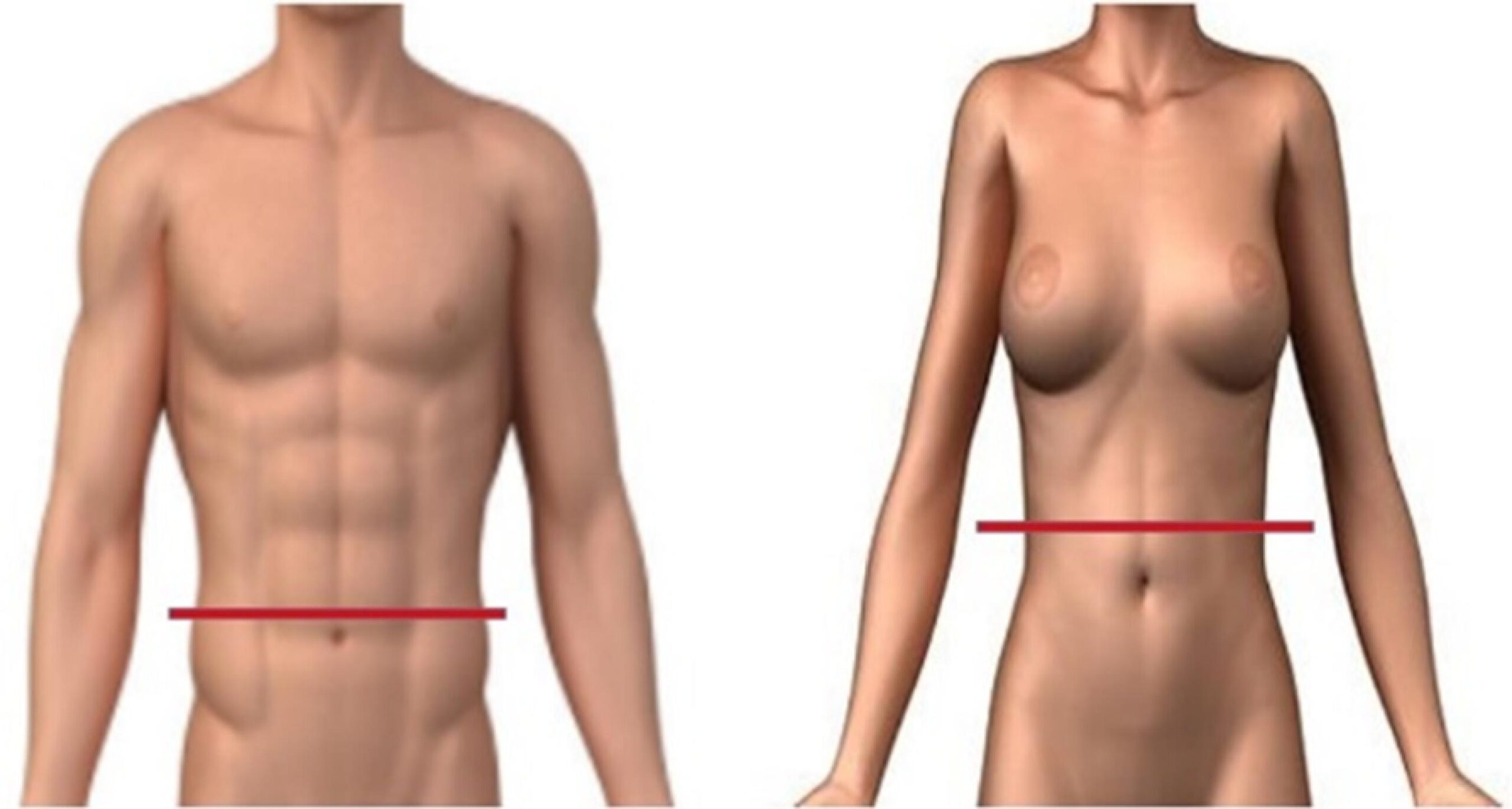
Circumference measures, also called perimetry, are part of the anthropometric evaluation. Important Brazilian guidelines, as well as the Brazilian Society of Cardiology (SBC), have considered the abdominal circumference values as a point of reference to classify the risk for cardiovascular disease development.

However, what is the adequate terminology that should be used to quantify the increased cardiovascular disease risk: abdominal circumference or waist circumference?

[…]

  • abdominal circumference
  • Anthropometry
  • Cardiovascular Diseases
  • Risk Factors
  • Waist Circumference
  • Waist-Hip Ratio
Read Full Article
Creative Commons Attribution (CC BY) Creative Commons license
20/05/2019 DOI: 10.5935/2359-4802.20180080
Figure 1
ABC
Original Article

Metabolic Syndrome-Related Features in Controlled and Resistant Hypertensive Subjects

Arthur Santa Catharina et al. Rodrigo Modolo Alessandra Mileni Versuti Ritter Andréa Rodrigues Sabbatini … Heno Ferreira Lopes Heitor Moreno Junior Ana Paula de Faria

Abstract

Background:

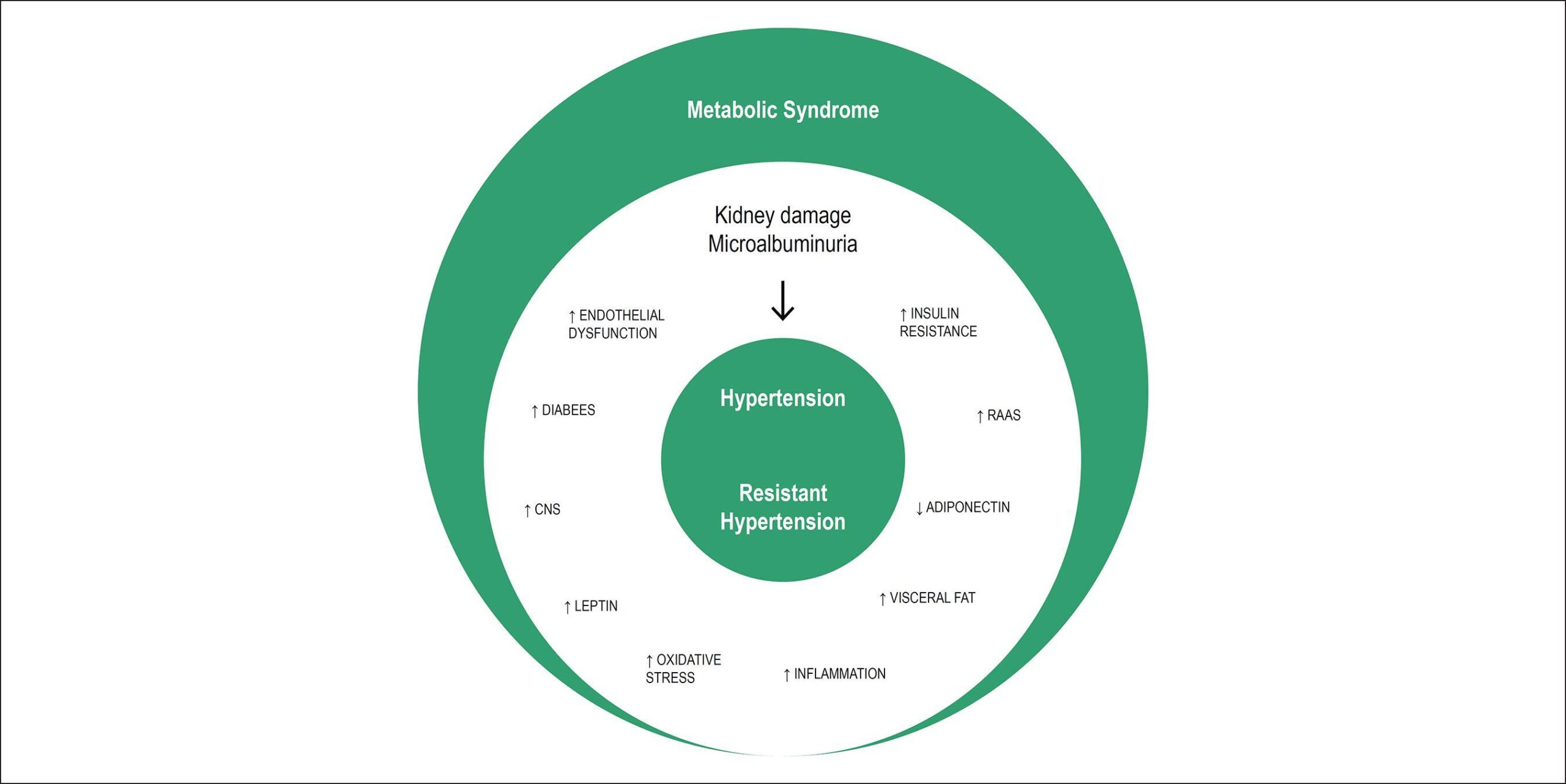
Metabolic syndrome (MetS) is widespread among hypertensive patients. Clinical features and potential biomarkers of MetS in the presence of hypertension and resistant hypertension (RHTN) represent a great area of interest for investigation.

Objective:

The purpose of this study was to evaluate the prevalence of MetS and the clinical features associated with it in resistant and mild to moderate hypertensives.

Methods:

This cross-sectional study included 236 patients, (i) 129 mild to moderate hypertensive patients and (ii) 107 patients with RHTN. We measured blood pressure (BP) and adipokines levels, and performed bioelectrical impedance analysis. Microalbuminuria (MA), cardiac hypertrophy and arterial stiffness were also assessed. The significance level of alpha = 0.05 was adopted.

Results:

We found a MetS prevalence of 73% in resistant and 60% in mild-to-moderate hypertensive patients. In a multiple regression analysis, MA (odds ratio = 8.51; p = 0.01), leptin/adiponectin ratio (LAR) (odds ratio = 4.13; p = 0.01) and RHTN (odds ratio = 3.75; p = 0.03) were independently associated with the presence of MetS apart from potential confounders.

Conclusions:

Our findings suggest that both resistant and controlled hypertensive subjects have a high prevalence of MetS. In addition, MetS-related metabolic derangements may cause early renal and hormonal changes. Finally, LAR may be useful as a reliable biomarker for identifying those hypertensive subjects who are at risk for developing MetS.

  • Cardiovascular Diseases, mortality
  • Cholesterol
  • Metabolic Syndrome / diagnosis
  • Triglycerides
  • Waist Circumference
Read Full Article
Creative Commons Attribution (CC BY) Creative Commons license
01/06/2018 DOI: 10.5935/abc.20180076 Views 2
Figure 1
ABC
Original Article

Waist Circumference is Associated with Blood Pressure in Children with Normal Body Mass Index: A Cross-Sectional Analysis of 3,417 School Children

Daiane Cristina Pazin et al. Caroline Filla Rosaneli Márcia Olandoski Edna Regina Netto de Oliveira … Cristina Pellegrino Baena Alyne S Figueredo Analin Ono Baraniuk Tatiana Lorena da Luz Kaestner Luiz Cesar Guarita-Souza José Rocha Faria-Neto

Abstract

Background:

The prevalence of childhood obesity and associated conditions, such as hypertension, has become a major problem of public health. Although waist circumference (WC) is a marker of cardiovascular risk in adults, it is unclear whether this index is associated with cardiovascular risk factors in children.

Objective:

Our aim was to evaluate the association between increased WC and elevated blood pressure (BP) in children with normal body mass index (BMI) ranges.

Methods:

Cross-sectional evaluation of students between 6 and 11 years with normal BMI. WC was categorized by quartile for each age group. Normal BP was defined as values < 90th percentile, and levels above this range were considered elevated. Values of p < 0.05 were considered statistically significant.

Results:

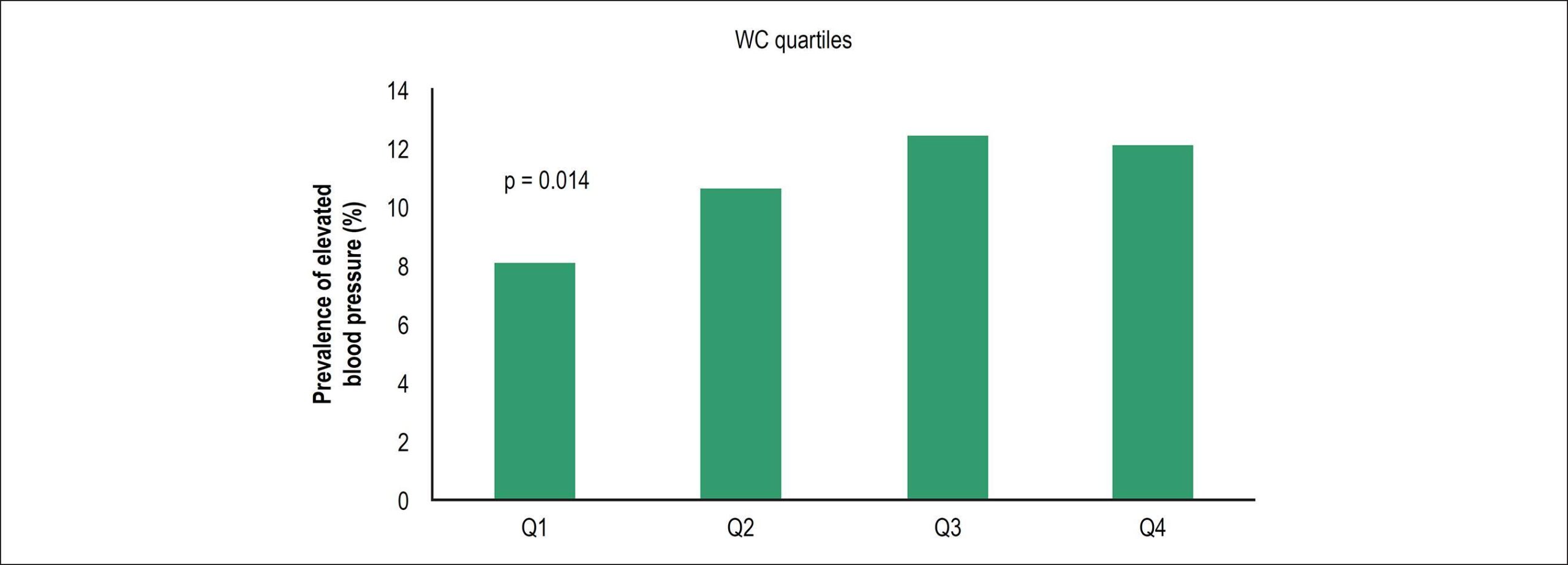
Of the 5,037 children initially assessed, 404 (8%) were excluded for being underweight and 1,216 (24.1%) were excluded for being overweight or obese. A final sample of 3,417 children was evaluated. The prevalence of elevated BP was 10.7%. In children with WC in the lowest quartile, the prevalence of elevated BP was 8.1%. This prevalence increased in upper quartiles: 10.6% in the second, 12.4% in third and 12.1% in the upper quartile. So, in this group, being in the highest WC quartile was associated with a 57% higher likelihood to present elevated BP when compared to those in the lowest quartile (Q4 vs Q1; OR 1.57 – 95%CI 1.14 – 2.17).

Conclusion:

In children aged 6 to 11 years, increased waist circumference is associated with elevated BP even when BMI is normal.

  • Child Pediatric Obesity
  • Hypertension
  • Overweight
  • Public Health
  • Waist Circumference
Read Full Article
Creative Commons Attribution (CC BY) Creative Commons license
27/11/2017 DOI: 10.5935/abc.20170162 Views 1
ABC
Original Article

High Blood Pressure in Adolescents of Curitiba: Prevalence and Associated Factors

Rodrigo Bozza et al. Wagner de Campos Valter Cordeiro Barbosa Filho Antonio Stabelini Neto … Michael Pereira da Silva Renato Silva Barbosa Maziero

Abstract

Background:

Arterial hypertension is a major public health problem and has increased considerably in young individuals in past years. Thus, identifying factors associated with this condition is important to guide intervention strategies in this population.

Objective:

To determine high blood pressure prevalence and its associated factors in adolescents.

Methods:

A random sample of 1,242 students enrolled in public schools of the city of Curitiba (PR) was selected. Self-administered questionnaires provided family history of hypertension, daily energy expenditure, smoking habit, daily fat intake, and socioeconomic status. Waist circumference was measured following standardized procedures, and blood pressure was measured with appropriate cuffs in 2 consecutive days to confirm high blood pressure. Relative frequency and confidence interval (95%CI) indicated high blood pressure prevalence. Bivariate and multivariate analyses assessed the association of risk factors with high blood pressure.

Results:

The high blood pressure prevalence was 18.2% (95%CI 15.2-21.6). Individuals whose both parents had hypertension [odds ratio (OR), 2.22; 95%CI 1.28-3.85] and those with high waist circumference (OR, 2.1; 95%CI 1.34-3.28) had higher chances to develop high blood pressure.

Conclusion:

Positive family history of hypertension and high waist circumference were associated with high blood pressure in adolescents. These factors are important to guide future interventions in this population.

  • Adolescent
  • arterial blood pressure
  • Hypertension/genetics
  • Risk Factors
  • Waist Circumference
Read Full Article
Creative Commons Attribution (CC BY) Creative Commons license
05/04/2016 DOI: 10.5935/abc.20160044
ABC
Brief Communication

Sleep duration and body mass index among southern Brazilian preschoolers

Maria Laura da Costa Louzada et al. Fernanda Rauber Paula Dal Bó Campagnolo Márcia Regina Vitolo

Prevention and treatment of overweight are particularly complex, reinforcing the importance of studies aimed at clarifying their range of causes and effects. Thus, the objective of this study was to evaluate the relationship between night sleep duration and anthropometric measurements. A cross-sectional analysis was performed from data from 348 children aged 3 and 4 years in São Leopoldo/RS. Night sleep duration was reported by their mothers and body mass index, waist circumference and skinfold thickness were measured according to standard protocol. The analyses were adjusted for energy intake and hours of television watching. Overweight children had, on average, 0.39 hours less sleep than those with normal weight (9.77 ± 1.44 versus 10.17 ± 1.34; 95% CI 0.03 to 0, 76). We observed an inverse association between night sleep duration and z score values of body mass index for age (B = -0.12 95% CI -0.22–0.02). Waist circumference and skinfold thickness showed an inverse relationship with sleep duration, but without any statistic differences. Among preschool children in southern Brazil, smaller night sleep duration was associated with higher body mass index

  • body mass index
  • child preschool
  • Skinfold Thickness
  • Sleep
  • Waist Circumference
Read Full Article
Creative Commons Attribution (CC BY) Creative Commons license
11/03/2013 DOI: 10.1590/S0066-782X2012001500013 Views 1
High blood pressure detection in adolescents by clustering overall and abdominal adiposity markers
ABC
Artigo Original

High blood pressure detection in adolescents by clustering overall and abdominal adiposity markers

Diego G. D Christofaro et al. Raphael M Ritti-Dias Rômulo A Fernandes Marcos D Polito … Selma M. de Andrade Jefferson R Cardoso Arli Ramos de Oliveira

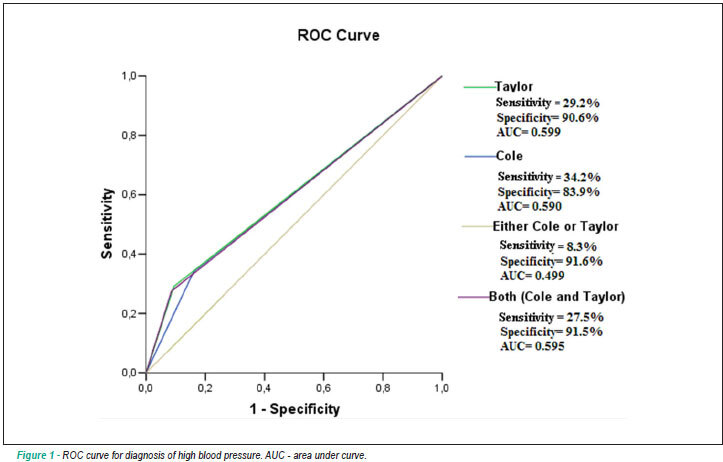
BACKGROUND: Obesity is linked to high blood pressure (HBP) in childhood. However, the role of fat as a predictor of HBP in adolescents remains unknown. OBJECTIVE: To investigate the association between general and abdominal obesity with HBP and to identify the sensitivity and specificity of these indicators to detect HBP in adolescents. METHODS: The sample was composed of 1,021 adolescents aged 10-17 years. Subjects were classified as normal, overweight/obese, according to BMI measurements, and as non-obese and with abdominal obesity, according to waist circumference (WC) measurements. Systolic (SBP) and diastolic (DBP) blood pressure were assessed using an oscillometric device. Logistic regression and ROC curves were used in the statistical analysis. RESULTS: The overall prevalence of HBP was 11.8% (13.4% in boys and 10.2% in girls). The prevalence of HBP among general overweight/obese boys and girls was 10% and 11.1%, respectively. The prevalence of HBP among boys with abdominal obesity was 28.6%. For both genders, the odds ratio (OR) for HBP was higher in abdominal obesity than in general overweight/obesity (4.09 [OR95%CI = 2.57-6.51]) versus 1.83 [OR95%CI = 1.83-4.30]). The OR for HBP was higher when general overweight/obesity and abdominal obesity were clustered (OR = 4.35 [OR95%CI = 2.68-7.05]), than when identified by either general overweight/obesity or abdominal obesity alone (OR = 1.32 [OR95%CI = 0.65-2.68]). However, both types of obesity had low predictive power in HBP detection. CONCLUSION: General and abdominal obesity were associated to HBP, however, the sensitivity and specificity of these variables to detect HBP are low in Brazilian adolescents.

  • Adolescent
  • Blood Pressure
  • Obesity, Abdominal
  • Overweight
  • Waist Circumference
Read Full Article
Creative Commons Attribution (CC BY) Creative Commons license
29/04/2011 DOI: 10.1590/S0066-782X2011005000050 Views 1
ABC
Artigo Original

Relationship of obesity with high blood pressure in children and adolescents

Maria Goretti Barbosa de Souza et al. Ivan Romero Rivera Maria Alayde Mendonça da Silva Antonio Carlos Camargo Carvalho

BACKGROUND: Excess weight and body fat are currently recognized as the major determinants of high blood pressure in children and adolescents. OBJECTIVE: To identify the relationship between obesity – identified by waist circumference (WC), triceps skinfold thickness (TSF) and body mass index (BMI) – high blood pressure (HBP) in children and adolescents. METHODS: A cross-sectional epidemiological study based on school population in children and adolescents of both sexes, aged between 7 and 17 years, randomly selected. Protocol: a structured questionnaire; measures of weight, height, triceps skinfold thickness, waist circumference, blood pressure, diagnosis of obesity through BMI, TSF thickness and waist circumference; diagnosis of HBP. Statistical analysis: Chi-square. RESULTS: A total of 1,253 students (547 males, mean age 12.4 ± 2.9 years), were assessed. A prevalence of obesity (BMI, TSF thickness, WC) of 13.7%, 14,8% and 9.3% respectively were identified. HBP was identified in 7.7% of young people. There was a significant association between obesity (BMI, TSF thickness, WC) with HBP (*p < 0.0001). There was a strong correlation (*p < 0.01) between WC and BMI, a moderate correlation between WC and TSF thickness, WC and SBP, BMI and SBP (*p < 0.01); weak correlation between DBP and WC, TSF thickness and BMI, and between SBP and TSF thickness (*p < 0.05). CONCLUSION: The significant correlation and association between HBP and excess body fat by any of the methods used establish the importance of its use in evaluating children and adolescents, aiming at preventing hypertension in this age group, suggesting, for this, the use of BMI associated to at least another anthropometric method.

  • Adolescent
  • body mass index
  • Child
  • Hypertension
  • Obesity
  • Waist Circumference
Read Full Article
Creative Commons Attribution (CC BY) Creative Commons license
30/04/2010 DOI: 10.1590/S0066-782X2010005000039 Views 1
Blood pressure: effect of body mass index and of waist circumference on adolescents
ABC
Artigo Original

Blood pressure: effect of body mass index and of waist circumference on adolescents

Isabel Cristina Britto Guimarães et al. Alessandro Moura de Almeida Adiméia Souza Santos Daniel Batista Valente Barbosa Armênio Costa Guimarães

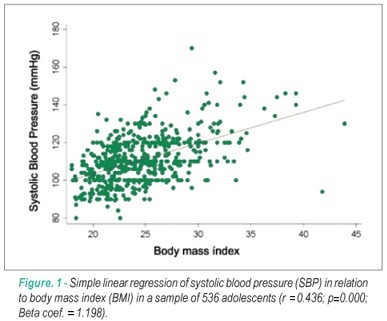
BACKGROUND: Increased body mass index (BMI) and waist circumference (WC) have been associated with blood pressure elevation. OBJECTIVE: To evaluate the effect of BMI and WC on blood pressure (BP) of adolescents. METHODS: Cross-sectional analytical study including 536 adolescents from public and private schools. BMI was calculated and classified as high-normal (> 50th p and 85th p and 95th p). WC was measured and considered increased if > 75th p. BP was considered elevated if > 90th p. RESULTS: 319 (59.5%) adolescents were girls, the mean age was 14.0± 1.99 years, high-normal weight was found in 39.6%, overweight in 37.1% and obesity in 23.3%. The percentage of high SBP and DBP followed the increase in BMI (p=0.000), reaching 46.4% among boys and 39.3% among obese girls for SBP and 42.0% and 44.6% for DBP, respectively. High SBP and DBP were 3.9 and 3.4 times more frequent among boys and 2.2 to 2.0 times more frequent among girls with WC > 75th p, respectively. Using simple linear regression analysis, each increment in BMI would increase SBP by 1.198 mmHg, and in WC by 0.622 mmHg. The PR for elevated SBP and DBP in relation to BMI > 85th p was 3.9 (95% CI 2.0-7.4[p=0.000]) and 4.3(95% CI 2.2-8.5[p=0.000]), respectively; in relation to WC > 75th p was 1.8(95% CI 1.0 to 3.0 [p=0.036]) and 1.4 (95% CI 0.8 to 2.4). BP > 90th p with WC < 75th p was found in 16/181 (8.8%) of the adolescents with high-normal weight. CONCLUSION: BMI and WC values have a strong influence on BP values in adolescents.

  • Adolescent
  • Hypertension
  • Obesity
  • Waist Circumference
Read Full Article
Creative Commons Attribution (CC BY) Creative Commons license
25/06/2008 DOI: 10.1590/S0066-782X2008000600007 Views 1
Criteria for central obesity in a Brazilian population: impact on metabolic syndrome
ABC
Artigo Original

Criteria for central obesity in a Brazilian population: impact on metabolic syndrome

Paulo José Bastos Barbosa et al. Ínes Lessa Naomar de Almeida Filho Lucélia Batista N. Cunha Magalhães Jenny Araújo

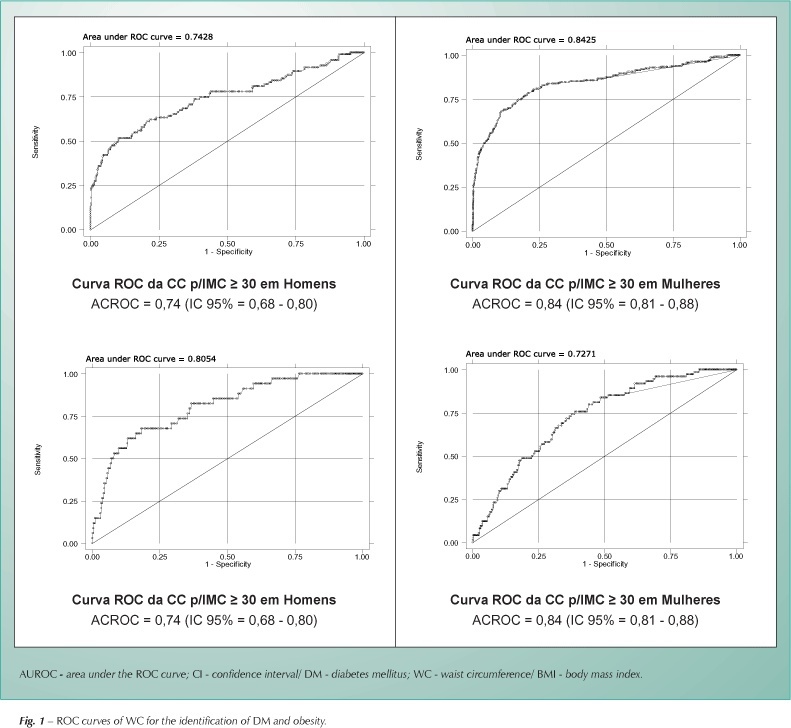
OBJECTIVE: To identify and propose the optimal waist circumference cut-off points (WCp) for the diagnosis of central obesity (CO) in a Brazilian population, so as to compare these cut-off points with those recommended by the ATPIII (WC-ATPIII), and to estimate the difference in prevalence rates of metabolic syndrome (MS) using the two criteria. METHODS: Cross-sectional study conducted in a population subgroup of 1439 adults in the city of Salvador, Brazil. ROC curves of waist circumference (WC) were plotted to identify diabetes mellitus (DM) and obesity. ROC curve sensitivity and specificity values >60% and the closest to each other were used to define WCp. The prevalence of MS was estimated using WCp and WC-ATPIII. RESULTS: Eight hundred and twenty nine women comprised 57.7% of the sample. The WCp selected were 84cm for women and 88cm for men. These cut-off points detected DM with a 68.7% and 70% sensitivity, and a 66.2% and 68.3% specificity, respectively. For obesity, sensitivity and specificity were 79.8% and 77.6% in women and 64.3% and 71.6% in men, respectively. Using WC-ATPIII, 88cm (for women) and 102cm (for men), the sensitivity was 53.3% and 26.5%, respectively, to diagnose DM. For obesity, sensitivity was 66.5% (for women) and 28.6% (for men). The prevalence of MS using WCp was 23.7%, 95%CI (21.6 – 25.9), whereas using WC-ATPIII it was 19.0%, 95%CI (17.1- 20.9), 1.2 times higher using WCp. CONCLUSION: WC-ATPIII were inappropriate and underestimated the prevalence of MS in the population studied, particularly among men. We suggest that the WC cut-off points > 84cm for women and > 88cm for men should be tested in other Brazilian populations.

  • brazilian population
  • Central obesity
  • Metabolic Syndrome
  • Waist Circumference
Read Full Article
Creative Commons Attribution (CC BY) Creative Commons license
21/11/2006 DOI: 10.1590/S0066-782X2006001700003 Views 1
Waist circumference and body mass index as predictors of hypertension
ABC
Artigo Original

Waist circumference and body mass index as predictors of hypertension

Maria do Rosário Gondim Peixoto et al. Maria Helena D'Aquino Benício Maria do Rosário Dias de Oliveira Latorre Paulo César Brandão Veiga Jardim

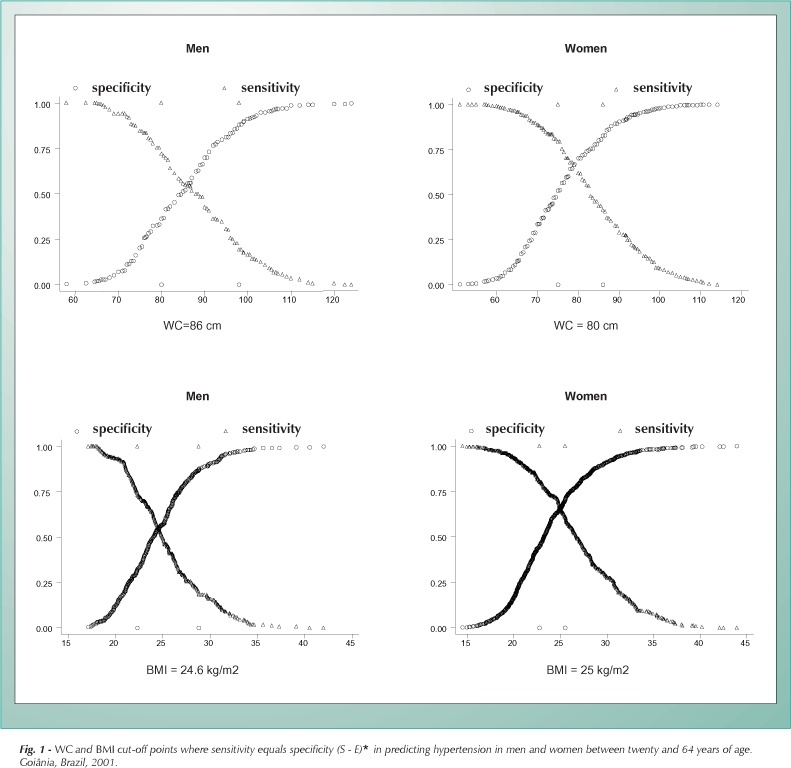
OBJECTIVE: To evaluate the association between anthropometric indexes – body mass index (BMI) and waist circumference (WC) – and hypertension, and to evaluate the predictive value of these indexes in detecting hypertension. METHODS: Cross-sectional population study conducted in the city of Goiânia (GO) with a sample of 1,238 adults aged twenty to 64 years, in 2001. Total obesity was defined as BMI > 30 kg/m²; abdominal obesity was defined as level 2 WC > 88 cm for women and > 102 cm for men, and hypertension was defined as systolic pressure > 140 mmHg, or diastolic pressure > 90 mmHg, or utilization of hypotensive drugs). Multiple logistic regression analysis was used to evaluate the associations between anthropometric indexes and hypertension. The Receiver Operating Characteristic (ROC) curve analysis was used to evaluate sensitivity and specificity of BMI (> 30) and level 2 WC as predictive factors of hypertension, and to determine the best predictive cut-off points for hypertension. RESULTS: WC was associated with hypertension in both genders. Level 2 WC and BMI >30 kg/m² showed a low sensitivity in identifying hypertension. The best predictive cut-off points for hypertension coincided with level 1 WC (> 80 cm) and with BMI >25 kg/m² (overweight) for women, and were lower than the values of level 1 WC and of overweight for men. CONCLUSION: Level 2 WC and BMI > 30 kg/m² are not adequate to identify the groups at the highest risk of hypertension, since this risk rises with small increases in adiposity.

  • body mass index
  • Hypertension
  • prediction
  • Waist Circumference
Read Full Article
Creative Commons Attribution (CC BY) Creative Commons license
21/11/2006 DOI: 10.1590/S0066-782X2006001700011
Relationship between waist circumference and nutritional status, lipid profile and blood pressure in low socioeconomic level pre-school children
ABC
Artigo Original

Relationship between waist circumference and nutritional status, lipid profile and blood pressure in low socioeconomic level pre-school children

Roseli Saccardo Sarni et al. Fabíola Isabel Suano de Souza Denise de Oliveira Schoeps Priscila Catherino … Maria Carolina Cozzi Pires de Oliveira Cristiane Félix Ximenes Pessotti Cristiane Kochi Fernando Antonio Basile Colugnati

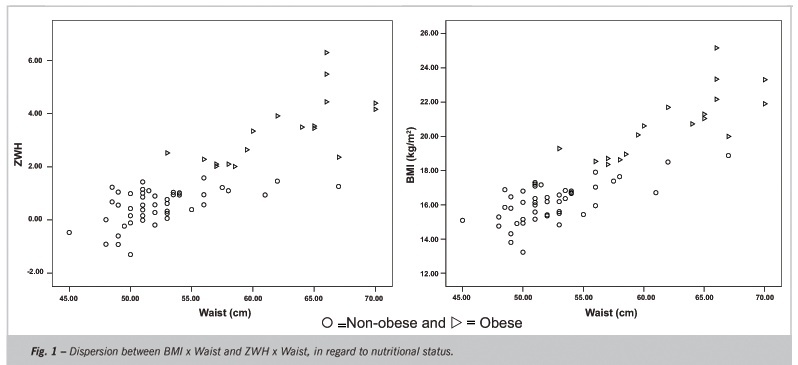
OBJECTIVE: To evaluate anthropometric data, blood lipid levels, blood pressure (BP) and waist circumference (WC) in preschool children. To relate WC with blood lipid levels and BP in obese and non-obese children. METHODS: In a transversal study we investigated 65 preschool children of low socioeconomic level in Santo André, São Paulo. The evaluation consisted of BP measurement (Task Force, 1996), weight (W), height (H) expressed as z score (WHO,1995) and body mass index (BMI), triglycerides, total and fractions of cholesterol blood levels (Kwiterovich and AHA). Statistical analysis: Fisher test and correlations. RESULTS: We observed high BP and lipid levels unrelated to nutritional status. WC was significantly and positively correlated to BMI and ZWH (r = 0,87 and r = 0,83, respectively). Using as a cut-off 75 percentile of WC we found an accuracy of 89,1% with 87,2% specificity and 70,6% sensitivity and predictive value (+) 66,7% and (-) 66,7%. There was no relationship between WC and lipid and BP levels. CONCLUSIONS: WC showed direct correlation with anthropometric indexes commonly used and in preschool children wasn’t predictor of cardiovascular risk.

  • lipid levels
  • Obesity
  • Waist Circumference
Read Full Article
Creative Commons Attribution (CC BY) Creative Commons license
28/09/2006 DOI: 10.1590/S0066-782X2006001500013 Views 1

How to cite this article

EndNote RIS

Electronic Document Format (Vancouver)

Campana EMG, Brandão AA. Waist Circumference: A Parameter of Vascular Health. Arquivos Brasileiros de Cardiologia 2022;119(2):265-6.

Electronic Document Format (ABNT)

Campana, Erika Maria Gonçalves; Brandão, Andréa Araujo. Waist Circumference: A Parameter of Vascular Health. Arquivos Brasileiros de Cardiologia, v. 119, n. 2, p. 265-266, Aug. 2022.

Electronic Document Format (APA)

Campana, E. M. G., & Brandão, A. A. (2022). Waist Circumference: A Parameter of Vascular Health. Arquivos Brasileiros de Cardiologia, 119(2), 265-266.

Electronic Document Format (ISO)

Campana, Erika Maria Gonçalves and Brandão, Andréa Araujo. Waist Circumference: A Parameter of Vascular Health. Arquivos Brasileiros de Cardiologia [online]. 2022, vol. 119, n. 2, [cited 2026-10-14], pp. 265-266. Available from: <https://journals.cardiol.br/en/article/waist-circumference-a-parameter-of-vascular-health/>. ISSN 0066-782X

EndNote RIS

Electronic Document Format (Vancouver)

Guimarães Filho GC, Silva LT, Silva RMC. Correlation among Waist Circumference and Central Measures of Blood Pressure. Arquivos Brasileiros de Cardiologia 2022;119(2):257-64.

Electronic Document Format (ABNT)

Guimarães Filho, Gilberto Campos; Silva, Lucas Tavares; Silva, Ruth Mellina Castro e. Correlation among Waist Circumference and Central Measures of Blood Pressure. Arquivos Brasileiros de Cardiologia, v. 119, n. 2, p. 257-264, Jun. 2022.

Electronic Document Format (APA)

Guimarães Filho, G. C., Silva, L. T., & Silva, R. M. C. (2022). Correlation among Waist Circumference and Central Measures of Blood Pressure. Arquivos Brasileiros de Cardiologia, 119(2), 257-264.

Electronic Document Format (ISO)

Guimarães Filho, Gilberto Campos and Silva, Lucas Tavares and Silva, Ruth Mellina Castro e. Correlation among Waist Circumference and Central Measures of Blood Pressure. Arquivos Brasileiros de Cardiologia [online]. 2022, vol. 119, n. 2, [cited 2026-10-14], pp. 257-264. Available from: <https://journals.cardiol.br/en/article/correlation-among-waist-circumference-and-central-measures-of-blood-pressure/>. ISSN 0066-782X

EndNote RIS

Electronic Document Format (Vancouver)

Almeida RT, Matos SMA, Aquino EML. Individual and Combined Performance of Indicators of Overall and Central Obesity to Estimate Coronary Risk in ELSA-Brasil Participants. Arquivos Brasileiros de Cardiologia 2021;117(4):701-12.

Electronic Document Format (ABNT)

Almeida, Rogério Tosta de; Matos, Sheila Maria Alvim; Aquino, Estela M. L.. Individual and Combined Performance of Indicators of Overall and Central Obesity to Estimate Coronary Risk in ELSA-Brasil Participants. Arquivos Brasileiros de Cardiologia, v. 117, n. 4, p. 701-712, Jul. 2021.

Electronic Document Format (APA)

Almeida, R. T. , Matos, S. M. A., & Aquino, E. M. L. (2021). Individual and Combined Performance of Indicators of Overall and Central Obesity to Estimate Coronary Risk in ELSA-Brasil Participants. Arquivos Brasileiros de Cardiologia, 117(4), 701-712.

Electronic Document Format (ISO)

Almeida, Rogério Tosta de and Matos, Sheila Maria Alvim and Aquino, Estela M. L.. Individual and Combined Performance of Indicators of Overall and Central Obesity to Estimate Coronary Risk in ELSA-Brasil Participants. Arquivos Brasileiros de Cardiologia [online]. 2021, vol. 117, n. 4, [cited 2026-10-14], pp. 701-712. Available from: <https://journals.cardiol.br/en/article/individual-and-combined-performance-of-indicators-of-overall-and-central-obesity-to-estimate-coronary-risk-in-elsa-brasil-participants/>. ISSN 0066-782X

EndNote RIS

Electronic Document Format (Vancouver)

Hussid MF, Cepeda FX, Jordão CP, Lopes-Vicente RRP, Virmondes L, Katayama KY, Oliveira EF, et al. Visceral Obesity and High Systolic Blood Pressure as the Substrate of Endothelial Dysfunction in Obese Adolescents. Arquivos Brasileiros de Cardiologia 2021;116(4):795-803.

Electronic Document Format (ABNT)

Hussid, Maria Fernanda; Cepeda, Felipe Xerez; Jordão, Camila P.; Lopes-Vicente, Rafaela R. P.; Virmondes, Leslie; Katayama, Keyla Y.; Oliveira, Ezequiel F. de; Oliveira, Luis V. F.; Consolim-Colombo, Fernanda Marciano; Trombetta, Ivani Credidio. Visceral Obesity and High Systolic Blood Pressure as the Substrate of Endothelial Dysfunction in Obese Adolescents. Arquivos Brasileiros de Cardiologia, v. 116, n. 4, p. 795-803, Apr. 2021.

Electronic Document Format (APA)

Hussid, M. F., Cepeda, F. X., Jordão, C. P., Lopes-Vicente, R. R. P., Virmondes, L., Katayama, K. Y., Oliveira, E. F. , Oliveira, L. V. F., Consolim-Colombo, F. M., & Trombetta, I. C. (2021). Visceral Obesity and High Systolic Blood Pressure as the Substrate of Endothelial Dysfunction in Obese Adolescents. Arquivos Brasileiros de Cardiologia, 116(4), 795-803.

Electronic Document Format (ISO)

Hussid, Maria Fernanda and Cepeda, Felipe Xerez and Jordão, Camila P. and Lopes-Vicente, Rafaela R. P. and Virmondes, Leslie and Katayama, Keyla Y. and Oliveira, Ezequiel F. de and Oliveira, Luis V. F. and Consolim-Colombo, Fernanda Marciano and Trombetta, Ivani Credidio. Visceral Obesity and High Systolic Blood Pressure as the Substrate of Endothelial Dysfunction in Obese Adolescents. Arquivos Brasileiros de Cardiologia [online]. 2021, vol. 116, n. 4, [cited 2026-10-14], pp. 795-803. Available from: <https://journals.cardiol.br/en/article/visceral-obesity-and-high-systolic-blood-pressure-as-the-substrate-of-endothelial-dysfunction-in-obese-adolescents/>. ISSN 0066-782X

EndNote RIS

Electronic Document Format (Vancouver)

Tozo TA, Pereira BO, Menezes Junior FJ, Montenegro CM, Moreira CMM, Leite N. Hypertensive Measures In Schoolchildren: Risk Of Central Obesity And Protective Effect Of Moderate-To-Vigorous Physical Activity. Arquivos Brasileiros de Cardiologia 2020;115(1):42-9.

Electronic Document Format (ABNT)

Tozo, Tatiana Affornali; Pereira, Beatriz Oliveira; Menezes Junior, Francisco José de; Montenegro, Cristianne Morgado; Moreira, Carla Marisa Maia; Leite, Neiva. Hypertensive Measures In Schoolchildren: Risk Of Central Obesity And Protective Effect Of Moderate-To-Vigorous Physical Activity. Arquivos Brasileiros de Cardiologia, v. 115, n. 1, p. 42-49, Aug. 2020.

Electronic Document Format (APA)

Tozo, T. A., Pereira, B. O., Menezes Junior, F. J. , Montenegro, C. M., Moreira, C. M. M., & Leite, N. (2020). Hypertensive Measures In Schoolchildren: Risk Of Central Obesity And Protective Effect Of Moderate-To-Vigorous Physical Activity. Arquivos Brasileiros de Cardiologia, 115(1), 42-49.

Electronic Document Format (ISO)

Tozo, Tatiana Affornali and Pereira, Beatriz Oliveira and Menezes Junior, Francisco José de and Montenegro, Cristianne Morgado and Moreira, Carla Marisa Maia and Leite, Neiva. Hypertensive Measures In Schoolchildren: Risk Of Central Obesity And Protective Effect Of Moderate-To-Vigorous Physical Activity. Arquivos Brasileiros de Cardiologia [online]. 2020, vol. 115, n. 1, [cited 2026-10-14], pp. 42-49. Available from: <https://journals.cardiol.br/en/article/hypertensive-measures-in-schoolchildren-risk-of-central-obesity-and-protective-effect-of-moderate-to-vigorous-physical-activity/>. ISSN 0066-782X

EndNote RIS

Electronic Document Format (Vancouver)

Jesus GS, Costa PRF, Oliveira LPM, Queiroz VAO, Cunha CM, Pereira EM, Oliveira AM, et al. Body Adiposity and Apolipoproteins in Children and Adolescents: A Meta-Analysis of Prospective Studies. Arquivos Brasileiros de Cardiologia 2020;115(2):163-71.

Electronic Document Format (ABNT)

Jesus, Gabriela dos Santos de; Costa, Priscila Ribas de Farias; Oliveira, Lucivalda Pereira Magalhães de; Queiroz, Valterlinda Alves de Oliveira; Cunha, Carla de Magalhães; Pereira, Emile Miranda; Oliveira, Ana Marlúcia de. Body Adiposity and Apolipoproteins in Children and Adolescents: A Meta-Analysis of Prospective Studies. Arquivos Brasileiros de Cardiologia, v. 115, n. 2, p. 163-171, Jul. 2020.

Electronic Document Format (APA)

Jesus, G. S. , Costa, P. R. F., Oliveira, L. P. M. , Queiroz, V. A. O., Cunha, C. M., Pereira, E. M., & Oliveira, A. M. (2020). Body Adiposity and Apolipoproteins in Children and Adolescents: A Meta-Analysis of Prospective Studies. Arquivos Brasileiros de Cardiologia, 115(2), 163-171.

Electronic Document Format (ISO)

Jesus, Gabriela dos Santos de and Costa, Priscila Ribas de Farias and Oliveira, Lucivalda Pereira Magalhães de and Queiroz, Valterlinda Alves de Oliveira and Cunha, Carla de Magalhães and Pereira, Emile Miranda and Oliveira, Ana Marlúcia de. Body Adiposity and Apolipoproteins in Children and Adolescents: A Meta-Analysis of Prospective Studies. Arquivos Brasileiros de Cardiologia [online]. 2020, vol. 115, n. 2, [cited 2026-10-14], pp. 163-171. Available from: <https://journals.cardiol.br/en/article/body-adiposity-and-apolipoproteins-in-children-and-adolescents-a-meta-analysis-of-prospective-studies/>. ISSN 0066-782X

EndNote RIS

Electronic Document Format (Vancouver)

Chaves TO, Reis MS. Abdominal Circumference or Waist Circumference?. International Journal of Cardiovascular Sciences 2019;32(3):290-2.

Electronic Document Format (ABNT)

Chaves, Tiago de Oliveira; Reis, Michel Silva. Abdominal Circumference or Waist Circumference?. International Journal of Cardiovascular Sciences, v. 32, n. 3, p. 290-292, May. 2019.

Electronic Document Format (APA)

Chaves, T. O., & Reis, M. S. (2019). Abdominal Circumference or Waist Circumference?. International Journal of Cardiovascular Sciences, 32(3), 290-292.

Electronic Document Format (ISO)

Chaves, Tiago de Oliveira and Reis, Michel Silva. Abdominal Circumference or Waist Circumference?. International Journal of Cardiovascular Sciences [online]. 2019, vol. 32, n. 3, [cited 2026-10-14], pp. 290-292. Available from: <https://journals.cardiol.br/en/article/abdominal-circumference-or-waist-circumference/>. ISSN 2359-4802

EndNote RIS

Electronic Document Format (Vancouver)

Catharina AS, Modolo R, Ritter AMV, Sabbatini AR, Lopes HF, Moreno Junior H, Faria AP, et al. Metabolic Syndrome-Related Features in Controlled and Resistant Hypertensive Subjects. Arquivos Brasileiros de Cardiologia 2018;110(6):514-21.

Electronic Document Format (ABNT)

Catharina, Arthur Santa; Modolo, Rodrigo; Ritter, Alessandra Mileni Versuti; Sabbatini, Andréa Rodrigues; Lopes, Heno Ferreira; Moreno Junior, Heitor; Faria, Ana Paula de. Metabolic Syndrome-Related Features in Controlled and Resistant Hypertensive Subjects. Arquivos Brasileiros de Cardiologia, v. 110, n. 6, p. 514-521, May. 2018.

Electronic Document Format (APA)

Catharina, A. S., Modolo, R., Ritter, A. M. V., Sabbatini, A. R., Lopes, H. F., Moreno Junior, H., & Faria, A. P. (2018). Metabolic Syndrome-Related Features in Controlled and Resistant Hypertensive Subjects. Arquivos Brasileiros de Cardiologia, 110(6), 514-521.

Electronic Document Format (ISO)

Catharina, Arthur Santa and Modolo, Rodrigo and Ritter, Alessandra Mileni Versuti and Sabbatini, Andréa Rodrigues and Lopes, Heno Ferreira and Moreno Junior, Heitor and Faria, Ana Paula de. Metabolic Syndrome-Related Features in Controlled and Resistant Hypertensive Subjects. Arquivos Brasileiros de Cardiologia [online]. 2018, vol. 110, n. 6, [cited 2026-10-14], pp. 514-521. Available from: <https://journals.cardiol.br/en/article/metabolic-syndrome-related-features-in-controlled-and-resistant-hypertensive-subjects/>. ISSN 0066-782X

EndNote RIS

Electronic Document Format (Vancouver)

Pazin DC, Rosaneli CF, Olandoski M, Oliveira ERN, Baena CP, Figueredo AS, Baraniuk AO, et al. Waist Circumference is Associated with Blood Pressure in Children with Normal Body Mass Index: A Cross-Sectional Analysis of 3,417 School Children. Arquivos Brasileiros de Cardiologia 2017;109(6):509-15.

Electronic Document Format (ABNT)

Pazin, Daiane Cristina; Rosaneli, Caroline Filla; Olandoski, Márcia; Oliveira, Edna Regina Netto de; Baena, Cristina Pellegrino; Figueredo, Alyne S; Baraniuk, Analin Ono; Kaestner, Tatiana Lorena da Luz; Guarita-Souza, Luiz Cesar; Faria-Neto, José Rocha. Waist Circumference is Associated with Blood Pressure in Children with Normal Body Mass Index: A Cross-Sectional Analysis of 3,417 School Children. Arquivos Brasileiros de Cardiologia, v. 109, n. 6, p. 509-515, Nov. 2017.

Electronic Document Format (APA)

Pazin, D. C., Rosaneli, C. F., Olandoski, M., Oliveira, E. R. N. , Baena, C. P., Figueredo, A. S., Baraniuk, A. O., Kaestner, T. L. L., Guarita-Souza, L. C., & Faria-Neto, J. R. (2017). Waist Circumference is Associated with Blood Pressure in Children with Normal Body Mass Index: A Cross-Sectional Analysis of 3,417 School Children. Arquivos Brasileiros de Cardiologia, 109(6), 509-515.

Electronic Document Format (ISO)

Pazin, Daiane Cristina and Rosaneli, Caroline Filla and Olandoski, Márcia and Oliveira, Edna Regina Netto de and Baena, Cristina Pellegrino and Figueredo, Alyne S and Baraniuk, Analin Ono and Kaestner, Tatiana Lorena da Luz and Guarita-Souza, Luiz Cesar and Faria-Neto, José Rocha. Waist Circumference is Associated with Blood Pressure in Children with Normal Body Mass Index: A Cross-Sectional Analysis of 3,417 School Children. Arquivos Brasileiros de Cardiologia [online]. 2017, vol. 109, n. 6, [cited 2026-10-14], pp. 509-515. Available from: <https://journals.cardiol.br/en/article/waist-circumference-is-associated-with-blood-pressure-in-children-with-normal-body-mass-index-a-cross-sectional-analysis-of-3417-school-children/>. ISSN 0066-782X

EndNote RIS

Electronic Document Format (Vancouver)

Bozza R, Campos W, Barbosa Filho VC, Stabelini Neto A, Silva MP, Maziero RSB. High Blood Pressure in Adolescents of Curitiba: Prevalence and Associated Factors. Arquivos Brasileiros de Cardiologia 2016;106(5):411-8.

Electronic Document Format (ABNT)

Bozza, Rodrigo; Campos, Wagner de; Barbosa Filho, Valter Cordeiro; Stabelini Neto, Antonio; Silva, Michael Pereira da; Maziero, Renato Silva Barbosa. High Blood Pressure in Adolescents of Curitiba: Prevalence and Associated Factors. Arquivos Brasileiros de Cardiologia, v. 106, n. 5, p. 411-418, Apr. 2016.

Electronic Document Format (APA)

Bozza, R., Campos, W. , Barbosa Filho, V. C., Stabelini Neto, A., Silva, M. P. , & Maziero, R. S. B. (2016). High Blood Pressure in Adolescents of Curitiba: Prevalence and Associated Factors. Arquivos Brasileiros de Cardiologia, 106(5), 411-418.

Electronic Document Format (ISO)

Bozza, Rodrigo and Campos, Wagner de and Barbosa Filho, Valter Cordeiro and Stabelini Neto, Antonio and Silva, Michael Pereira da and Maziero, Renato Silva Barbosa. High Blood Pressure in Adolescents of Curitiba: Prevalence and Associated Factors. Arquivos Brasileiros de Cardiologia [online]. 2016, vol. 106, n. 5, [cited 2026-10-14], pp. 411-418. Available from: <https://journals.cardiol.br/en/article/high-blood-pressure-in-adolescents-of-curitiba-prevalence-and-associated-factors/>. ISSN 0066-782X

EndNote RIS

Electronic Document Format (Vancouver)

Louzada MLC, Rauber F, Campagnolo PDB, Vitolo MR. Sleep duration and body mass index among southern Brazilian preschoolers. Arquivos Brasileiros de Cardiologia 2013;99(6):1156-8.

Electronic Document Format (ABNT)

Louzada, Maria Laura da Costa; Rauber, Fernanda; Campagnolo, Paula Dal Bó; Vitolo, Márcia Regina. Sleep duration and body mass index among southern Brazilian preschoolers. Arquivos Brasileiros de Cardiologia, v. 99, n. 6, p. 1156-1158, Mar. 2013.

Electronic Document Format (APA)

Louzada, M. L. C., Rauber, F., Campagnolo, P. D. B., & Vitolo, M. R. (2013). Sleep duration and body mass index among southern Brazilian preschoolers. Arquivos Brasileiros de Cardiologia, 99(6), 1156-1158.

Electronic Document Format (ISO)

Louzada, Maria Laura da Costa and Rauber, Fernanda and Campagnolo, Paula Dal Bó and Vitolo, Márcia Regina. Sleep duration and body mass index among southern Brazilian preschoolers. Arquivos Brasileiros de Cardiologia [online]. 2013, vol. 99, n. 6, [cited 2026-10-14], pp. 1156-1158. Available from: <https://journals.cardiol.br/en/article/sleep-duration-and-body-mass-index-among-southern-brazilian-preschoolers/>. ISSN 0066-782X

EndNote RIS

Electronic Document Format (Vancouver)

Christofaro DGD, Ritti-Dias RM, Fernandes RA, Polito MD, Andrade SM, Cardoso JR, Oliveira AR, et al. High blood pressure detection in adolescents by clustering overall and abdominal adiposity markers. Arquivos Brasileiros de Cardiologia 2011;96(6):465-70.

Electronic Document Format (ABNT)

Christofaro, Diego G. D; Ritti-Dias, Raphael M; Fernandes, Rômulo A; Polito, Marcos D; Andrade, Selma M. de; Cardoso, Jefferson R; Oliveira, Arli Ramos de. High blood pressure detection in adolescents by clustering overall and abdominal adiposity markers. Arquivos Brasileiros de Cardiologia, v. 96, n. 6, p. 465-470, Apr. 2011.

Electronic Document Format (APA)

Christofaro, D. G. D., Ritti-Dias, R. M., Fernandes, R. A., Polito, M. D., Andrade, S. M. , Cardoso, J. R., & Oliveira, A. R. (2011). High blood pressure detection in adolescents by clustering overall and abdominal adiposity markers. Arquivos Brasileiros de Cardiologia, 96(6), 465-470.

Electronic Document Format (ISO)

Christofaro, Diego G. D and Ritti-Dias, Raphael M and Fernandes, Rômulo A and Polito, Marcos D and Andrade, Selma M. de and Cardoso, Jefferson R and Oliveira, Arli Ramos de. High blood pressure detection in adolescents by clustering overall and abdominal adiposity markers. Arquivos Brasileiros de Cardiologia [online]. 2011, vol. 96, n. 6, [cited 2026-10-14], pp. 465-470. Available from: <https://journals.cardiol.br/en/article/high-blood-pressure-detection-in-adolescents-by-clustering-overall-and-abdominal-adiposity-markers/>. ISSN 0066-782X

EndNote RIS

Electronic Document Format (Vancouver)

Souza MGB, Rivera IR, Silva MAM, Carvalho ACC. Relationship of obesity with high blood pressure in children and adolescents. Arquivos Brasileiros de Cardiologia 2010;94(6):714-9.

Electronic Document Format (ABNT)

Souza, Maria Goretti Barbosa de; Rivera, Ivan Romero; Silva, Maria Alayde Mendonça da; Carvalho, Antonio Carlos Camargo. Relationship of obesity with high blood pressure in children and adolescents. Arquivos Brasileiros de Cardiologia, v. 94, n. 6, p. 714-719, Apr. 2010.

Electronic Document Format (APA)

Souza, M. G. B. , Rivera, I. R., Silva, M. A. M. , & Carvalho, A. C. C. (2010). Relationship of obesity with high blood pressure in children and adolescents. Arquivos Brasileiros de Cardiologia, 94(6), 714-719.

Electronic Document Format (ISO)

Souza, Maria Goretti Barbosa de and Rivera, Ivan Romero and Silva, Maria Alayde Mendonça da and Carvalho, Antonio Carlos Camargo. Relationship of obesity with high blood pressure in children and adolescents. Arquivos Brasileiros de Cardiologia [online]. 2010, vol. 94, n. 6, [cited 2026-10-14], pp. 714-719. Available from: <https://journals.cardiol.br/en/article/relationship-of-obesity-with-high-blood-pressure-in-children-and-adolescents/>. ISSN 0066-782X

EndNote RIS

Electronic Document Format (Vancouver)

Guimarães ICB, Almeida AM, Santos AS, Barbosa DBV, Guimarães AC. Blood pressure: effect of body mass index and of waist circumference on adolescents. Arquivos Brasileiros de Cardiologia 2008;90(6):426-32.

Electronic Document Format (ABNT)

Guimarães, Isabel Cristina Britto; Almeida, Alessandro Moura de; Santos, Adiméia Souza; Barbosa, Daniel Batista Valente; Guimarães, Armênio Costa. Blood pressure: effect of body mass index and of waist circumference on adolescents. Arquivos Brasileiros de Cardiologia, v. 90, n. 6, p. 426-432, Jun. 2008.

Electronic Document Format (APA)

Guimarães, I. C. B., Almeida, A. M. , Santos, A. S., Barbosa, D. B. V., & Guimarães, A. C. (2008). Blood pressure: effect of body mass index and of waist circumference on adolescents. Arquivos Brasileiros de Cardiologia, 90(6), 426-432.

Electronic Document Format (ISO)

Guimarães, Isabel Cristina Britto and Almeida, Alessandro Moura de and Santos, Adiméia Souza and Barbosa, Daniel Batista Valente and Guimarães, Armênio Costa. Blood pressure: effect of body mass index and of waist circumference on adolescents. Arquivos Brasileiros de Cardiologia [online]. 2008, vol. 90, n. 6, [cited 2026-10-14], pp. 426-432. Available from: <https://journals.cardiol.br/en/article/blood-pressure-effect-of-body-mass-index-and-of-waist-circumference-on-adolescents/>. ISSN 0066-782X

EndNote RIS

Electronic Document Format (Vancouver)

Barbosa PJB, Lessa , Almeida Filho N, Magalhães LBNC, Araújo J. Criteria for central obesity in a Brazilian population: impact on metabolic syndrome. Arquivos Brasileiros de Cardiologia 2006;87(4):407-14.

Electronic Document Format (ABNT)

Barbosa, Paulo José Bastos; Lessa, Ínes; Almeida Filho, Naomar de; Magalhães, Lucélia Batista N. Cunha; Araújo, Jenny. Criteria for central obesity in a Brazilian population: impact on metabolic syndrome. Arquivos Brasileiros de Cardiologia, v. 87, n. 4, p. 407-414, Nov. 2006.

Electronic Document Format (APA)

Barbosa, P. J. B., Lessa, , Almeida Filho, N. , Magalhães, L. B. N. C., & Araújo, J. (2006). Criteria for central obesity in a Brazilian population: impact on metabolic syndrome. Arquivos Brasileiros de Cardiologia, 87(4), 407-414.

Electronic Document Format (ISO)

Barbosa, Paulo José Bastos and Lessa, Ínes and Almeida Filho, Naomar de and Magalhães, Lucélia Batista N. Cunha and Araújo, Jenny. Criteria for central obesity in a Brazilian population: impact on metabolic syndrome. Arquivos Brasileiros de Cardiologia [online]. 2006, vol. 87, n. 4, [cited 2026-10-14], pp. 407-414. Available from: <https://journals.cardiol.br/en/article/criteria-for-central-obesity-in-a-brazilian-population-impact-on-metabolic-syndrome/>. ISSN 0066-782X

EndNote RIS

Electronic Document Format (Vancouver)

Peixoto MRG, Benício MHD, Latorre MRDO, Jardim PCBV. Waist circumference and body mass index as predictors of hypertension. Arquivos Brasileiros de Cardiologia 2006;87(4):462-70.

Electronic Document Format (ABNT)

Peixoto, Maria do Rosário Gondim; Benício, Maria Helena D’Aquino; Latorre, Maria do Rosário Dias de Oliveira; Jardim, Paulo César Brandão Veiga. Waist circumference and body mass index as predictors of hypertension. Arquivos Brasileiros de Cardiologia, v. 87, n. 4, p. 462-470, Nov. 2006.

Electronic Document Format (APA)

Peixoto, M. R. G., Benício, M. H. D., Latorre, M. R. D. O., & Jardim, P. C. B. V. (2006). Waist circumference and body mass index as predictors of hypertension. Arquivos Brasileiros de Cardiologia, 87(4), 462-470.

Electronic Document Format (ISO)

Peixoto, Maria do Rosário Gondim and Benício, Maria Helena D’Aquino and Latorre, Maria do Rosário Dias de Oliveira and Jardim, Paulo César Brandão Veiga. Waist circumference and body mass index as predictors of hypertension. Arquivos Brasileiros de Cardiologia [online]. 2006, vol. 87, n. 4, [cited 2026-10-14], pp. 462-470. Available from: <https://journals.cardiol.br/en/article/waist-circumference-and-body-mass-index-as-predictors-of-hypertension/>. ISSN 0066-782X

EndNote RIS

Electronic Document Format (Vancouver)

Sarni RS, Souza FIS, Schoeps DO, Catherino P, Oliveira MCCP, Pessotti CFX, Kochi C, et al. Relationship between waist circumference and nutritional status, lipid profile and blood pressure in low socioeconomic level pre-school children. Arquivos Brasileiros de Cardiologia 2006;87(2):153-8.

Electronic Document Format (ABNT)

Sarni, Roseli Saccardo; Souza, Fabíola Isabel Suano de; Schoeps, Denise de Oliveira; Catherino, Priscila; Oliveira, Maria Carolina Cozzi Pires de; Pessotti, Cristiane Félix Ximenes; Kochi, Cristiane; Colugnati, Fernando Antonio Basile. Relationship between waist circumference and nutritional status, lipid profile and blood pressure in low socioeconomic level pre-school children. Arquivos Brasileiros de Cardiologia, v. 87, n. 2, p. 153-158, Sep. 2006.

Electronic Document Format (APA)

Sarni, R. S., Souza, F. I. S. , Schoeps, D. O., Catherino, P., Oliveira, M. C. C. P. , Pessotti, C. F. X., Kochi, C., & Colugnati, F. A. B. (2006). Relationship between waist circumference and nutritional status, lipid profile and blood pressure in low socioeconomic level pre-school children. Arquivos Brasileiros de Cardiologia, 87(2), 153-158.

Electronic Document Format (ISO)

Sarni, Roseli Saccardo and Souza, Fabíola Isabel Suano de and Schoeps, Denise de Oliveira and Catherino, Priscila and Oliveira, Maria Carolina Cozzi Pires de and Pessotti, Cristiane Félix Ximenes and Kochi, Cristiane and Colugnati, Fernando Antonio Basile. Relationship between waist circumference and nutritional status, lipid profile and blood pressure in low socioeconomic level pre-school children. Arquivos Brasileiros de Cardiologia [online]. 2006, vol. 87, n. 2, [cited 2026-10-14], pp. 153-158. Available from: <https://journals.cardiol.br/article/relationship-between-waist-circumference-and-nutritional-status-lipid-profile-and-blood-pressure-in-low-socioeconomic-level-pre-school-children/>. ISSN 0066-782X

  • About ABC Family
  • Internal Regulation
  • Editorial Board
  • Brazilian Society of Cardiology (SBC)

Issues

SBC Guidelines

  • Videos
  • Podcasts
  • News