| ABC
ABC Family Arquivos Brasileiros de Cardiologia International Journal of Cardiovascular Sciences ABC Heart Failure & Cardiomyopathy ABC Imagem Cardiovascular
Português English
ABC Family | ABC
Português English
  • About
    • About the Journal
    • Internal Regulation
    • Editors Section
    • Editorial Board
    • History
    • SBC Award
  • Instructions to Authors
    • Guidelines for Publication
    • Editorial Policy
    • Ethics Policy
    • Policy on the Use of Artificial Intelligence
    • Mandatory Publication Form
    • Publication Fee
  • Issues
  • SBC Guidelines
  • Abstracts
    • How to Publish an Abstract Supplement?
    • Supplements from the Brazilian Congress of Cardiology
  • About
    • About the Journal
    • Internal Regulation
    • Editors Section
    • Editorial Board
    • History
    • SBC Award
  • Instructions to Authors
    • Guidelines for Publication
    • Editorial Policy
    • Ethics Policy
    • Policy on the Use of Artificial Intelligence
    • Mandatory Publication Form
    • Publication Fee
  • Issues
  • SBC Guidelines
  • Abstracts
    • How to Publish an Abstract Supplement?
    • Supplements from the Brazilian Congress of Cardiology

ABC Family

  • ABC Family
  • Arquivos Brasileiros de Cardiologia
  • International Journal of Cardiovascular Sciences
  • ABC Heart Failure & Cardiomyopathy
  • ABC Imagem Cardiovascular
Search in

No content found.

Journals
Ordering
Article types
Others

  1. Home
  2. ABC
  3. Issues
  4. 2022, Volume 118, Number 1
Figure 1
Research Letter

Long-Term Cardiac Complications of PRKAG2 Syndrome

Luiz Pereira de Magalhães et al. Eduardo Faria Soares de Magalhães Jussara de Oliveira Pinheiro Alex Teixeira Guabiru … Francisco José Farias Borges dos Reis Roque Aras

Introduction

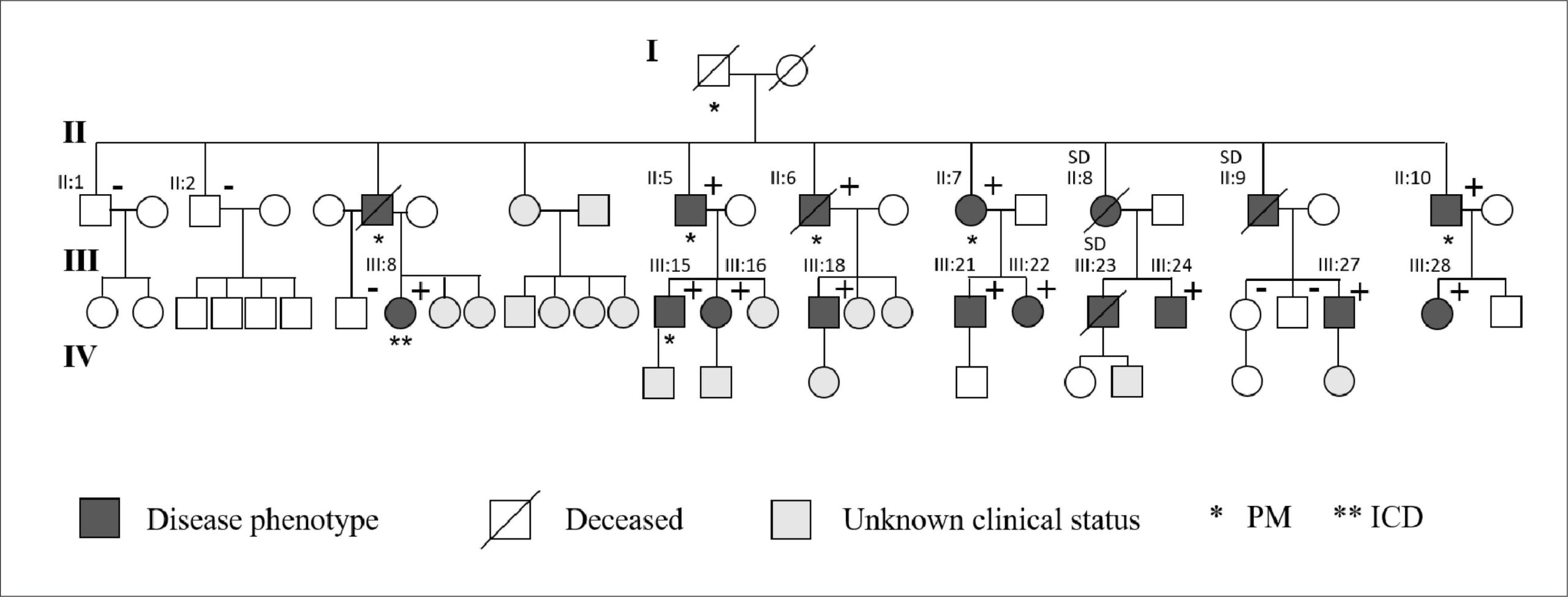
The PRKAG2 syndrome is a rare autosomal dominant inherited disease caused by mutations in the gene encoding the γ regulatory subunit of AMP-activated protein kinase., It has been associated with abnormal glycogen accumulation in cardiomyocytes, predisposing to ventricular hypertrophy, arrhythmias, and sudden death. Gollob et al. were the first to describe the mutation in 2001, calling attention to the need for differential diagnosis with hypertrophic cardiomyopathy., Although the prevalence of PRKAG2 syndrome is not established, the number of reported cases may be increasing due to wider availability of genotyping. Despite that, possible prognostic factors have not yet been described in the literature. Given the possible severity of clinical presentations and the scarcity of data regarding the natural history, our objectives were to evaluate the clinical course of patients with PRKAG2 syndrome over time and analyze the incidence of long-term cardiac complications.

[…]
  • Atrial flutter
  • Atrioventricular block
  • Hypertrophy Left Ventricular
  • Pacemaker, Artificial
Read Full Article
Creative Commons Attribution (CC BY) Creative Commons license
21/02/2022 DOI: 10.36660/abc.20210062 Views 2
Figure 1
Original Article

Undernutrition and Cachexia in Patients with Decompensated Heart Failure and Chagas Cardiomyopathy: Occurrence and Association with Hospital Outcomes

Larissa Candido Alves Tavares et al. Silvia Helena Gelás Lage Edimar Alcides Bocchi Victor Sarli Issa

Abstract

Background

Nutritional disorders are common among patients with heart failure (HF) and associated with poor prognosis. Importantly, some populations of patients, like the ones with Chagas disease, are frequently excluded from most analyses.

Objective

We sought to study the occurrence of undernutrition and cachexia in patients with Chagas disease during episodes of decompensated HF (DHF) as compared to other etiologies, and to investigate the influence of these findings on hospital outcomes.

Methods

We performed a consecutive case series study with patients hospitalized with DHF. Patients underwent the Subjective Global Assessment of nutritional status (SGA), besides anthropometric and laboratorial measures, and were evaluated for the occurrence of cachexia, low muscle mass and strength. We studied the occurrence of death or urgent heart transplantation during hospitalization.

Results

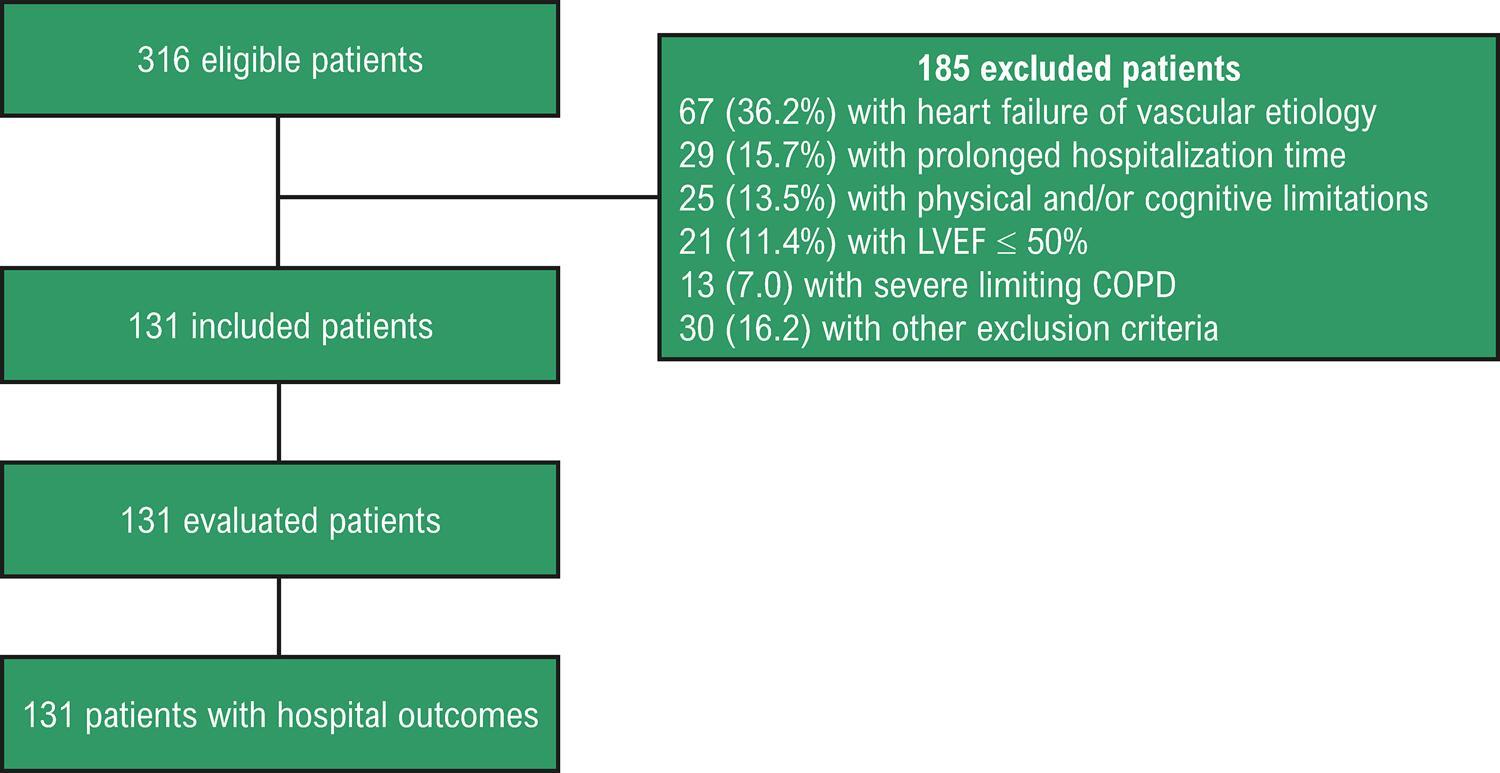
Altogether, 131 patients were analyzed and 42 (32.1%) had Chagas disease. Patients with Chagas disease had lower Body Mass Index (BMI) (22.4 kg/m2[19.9-25.3] vs. 23.6 kg/m2 [20.8-27.3], p=0.03), higher frequency of undernutrition (76.2% vs 55.1%, p=0.015) and higher occurrence of death or transplant (83.3% vs. 41.6%, p<0.001). We found that, in patients with Chagas etiology, the occurrence of death or cardiac transplantation were associated with undernutrition (3 [42.9%] patients with hospital discharge vs 29 [82.9%] patients with death or heart transplant, p=0.043).

Conclusions

Taken together, our results indicate that patients with Chagas disease hospitalized with DHF often present with nutritional disorders, especially undernutrition; importantly, this finding was associated with the occurrence of death and heart transplant during hospitalization.

  • Cachexia
  • Chagas Cardiomyopathy
  • Heart Failure
  • malnutrition
  • Nutrition Assessment
Read Full Article
Creative Commons Attribution (CC BY) Creative Commons license
21/02/2022 DOI: 10.36660/abc.20200644 Views 1
Editorial

Thrombolysis in Pulmonary Embolism: Octagenarians Deserve More Attention!

Hugo Hyung Bok Yoo

Pulmonary embolism (PE) is a common cardiovascular disease that may be life threatening, and its incidence increases with age. It is the third most common cause of cardiovascular mortality and is also responsible for 100,000 to 180,000 deaths per year. Right-sided heart failure and recurrences are the main causes of death associated with PE. Most deaths occur within the first hour of patients presenting hemodynamic instability. Therefore, the prognostic of those patients depends on rapid treatment.,

To determine a suitable therapeutic management approach in patients with PE, the appropriate risk stratification is decisive in order to begin effective treatment as early as possible and to prevent death. Thus, patients at a low-risk of mortality may be candidates for home anticoagulant treatment or early hospital discharge. Patients at intermediate risk may require antithrombotic therapy and close clinical observation to escalate the treatment regime in case of clinical impairment, whereas patients at high-risk should proceed to prompt revascularization either by pharmacologic or percutaneous catheter-directed or surgical treatment.

[…]

  • Aged, 80 and Over
  • Anticoagulants / therapeutic use
  • Heart Failure / mortality
  • Hemorrhage
  • Pulmonary embolism
  • Thrombolytic Therapy
Read Full Article
Creative Commons Attribution (CC BY) Creative Commons license
21/02/2022 DOI: 10.36660/abc.20210912
Figure 1
Original Article

Effects of Smoking on Very-Long Term Mortality after First ST Elevation Myocardial Infarction

Emrullah Kızıltunç et al. Yusuf Bozkurt Şahin Salih Topal Mehmet Akif Düzenli … Ekrem Karakaya Nazif Aygül Ramazan Topsakal Kurtuluş Özdemir Adnan Abacı

Abstract

Background

The smoking paradox has been a matter of debate for acute myocardial infarction patients for more than two decades. Although there is huge evidence claiming that is no real paradox, publications supporting better outcomes in post-MI smokers are still being released.

Objective

To explore the effect of smoking on very long-term mortality after ST Elevation myocardial infarction (STEMI).

Methods

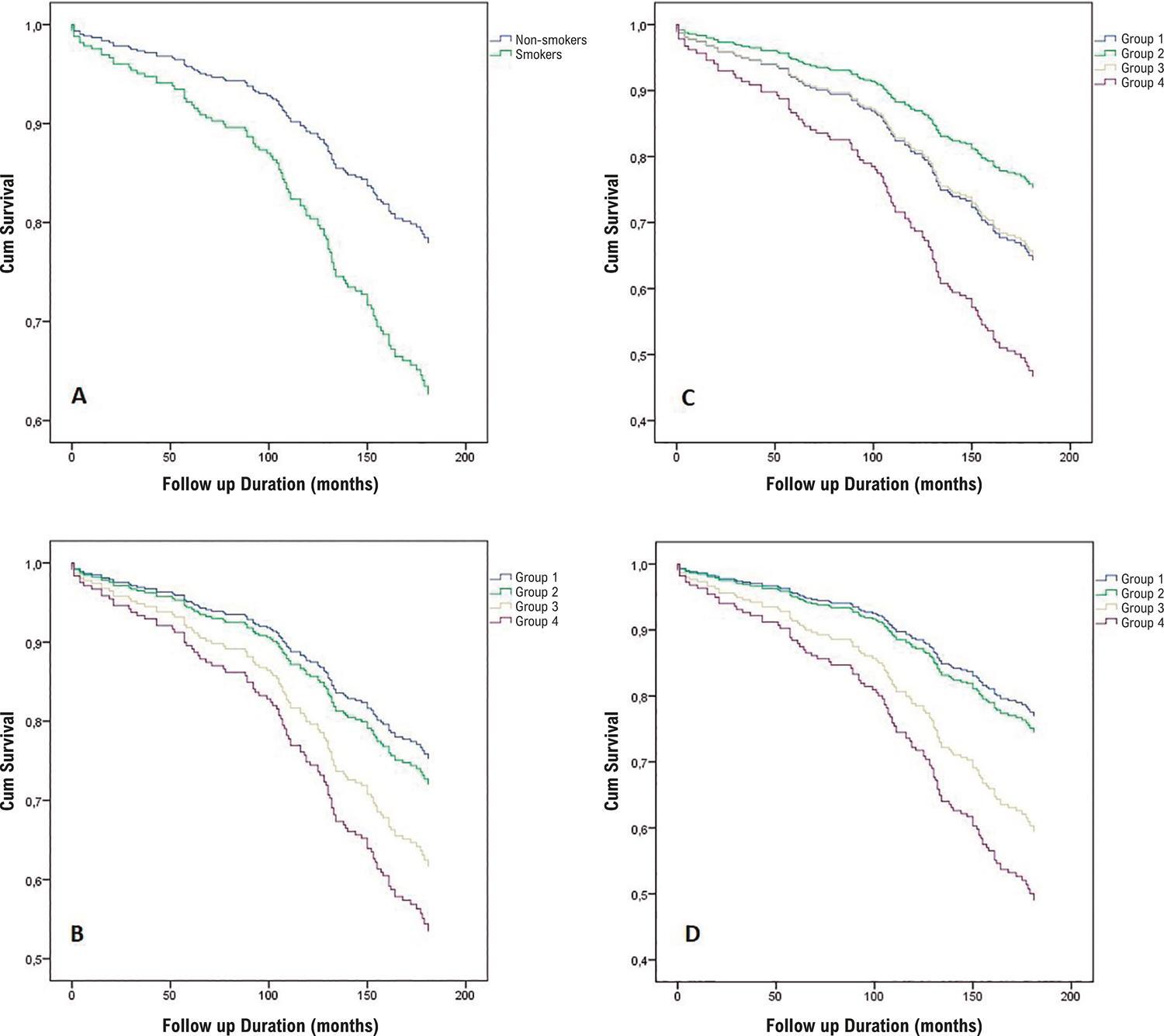
This study included STEMI patients who were diagnosed between the years of 2004-2006 at three tertiary centers. Patients were categorized according to tobacco exposure (Group 1: non-smokers; Group 2: 40 package*years users). A Cox regression model was used to estimate the relative risks for very long-term mortality. P value <0.05 was considered as statistically significant.

Results

There were 313 patients (201 smokers, 112 non-smokers) who were followed-up for a median period of 174 months. Smokers were younger (54±9 vs. 62±11, p: <0.001), and the presence of cardiometabolic risk factors were more prevalent in non-smokers. A univariate analysis of the impact of the smoking habit on mortality revealed a better survival curve in Group 2 than in Group 1. However, after adjustment for confounders, it was observed that smokers had a significantly increased risk of death. The relative risk became higher with increased exposure (Group 2 vs. Group 1; HR: 1.141; 95% CI: 0.599 to 2.171, Group 3 vs Group 1; HR: 2.130; 95% CI: 1.236 to 3.670, Group 4 vs Group 1; HR: 2.602; 95% CI: 1.461 to 4.634).

Conclusion

Smoking gradually increases the risk of all-cause mortality after STEMI.

  • Mortality
  • Nicotine/adverse effects
  • Risk Factors
  • ST Elevation Myocardial Infarction/complications
  • Tobacco Use Disorder
Read Full Article
Creative Commons Attribution (CC BY) Creative Commons license
21/02/2022 DOI: 10.36660/abc.20201036 Views 1
Figure 1
Original Article

Lower Serum Fetuin-A Levels are Associated with a Higher Ten-Year Mortality Risk in Patients with ST-Elevation Myocardial Infarction

Hakan Çakır et al. Selçuk Kanat Hilal Çakır Erhan Tenekecioğlu

Abstract

Background

Fetuin-A is an anti-inflammatory and anti-calcification factor involved in the course of coronary artery disease (CAD). In line with these functions, fetuin-A has been investigated as a cardiovascular risk marker in many studies. However, the association between fetuin-A and the prognosis of CAD patients is still controversial.

Objectives

The present study was conducted to identify the association between serum fetuin-A level and long-term cardiovascular disease (CVD) and all-cause mortality of ST-elevation acute myocardial infarction (STEMI).

Methods

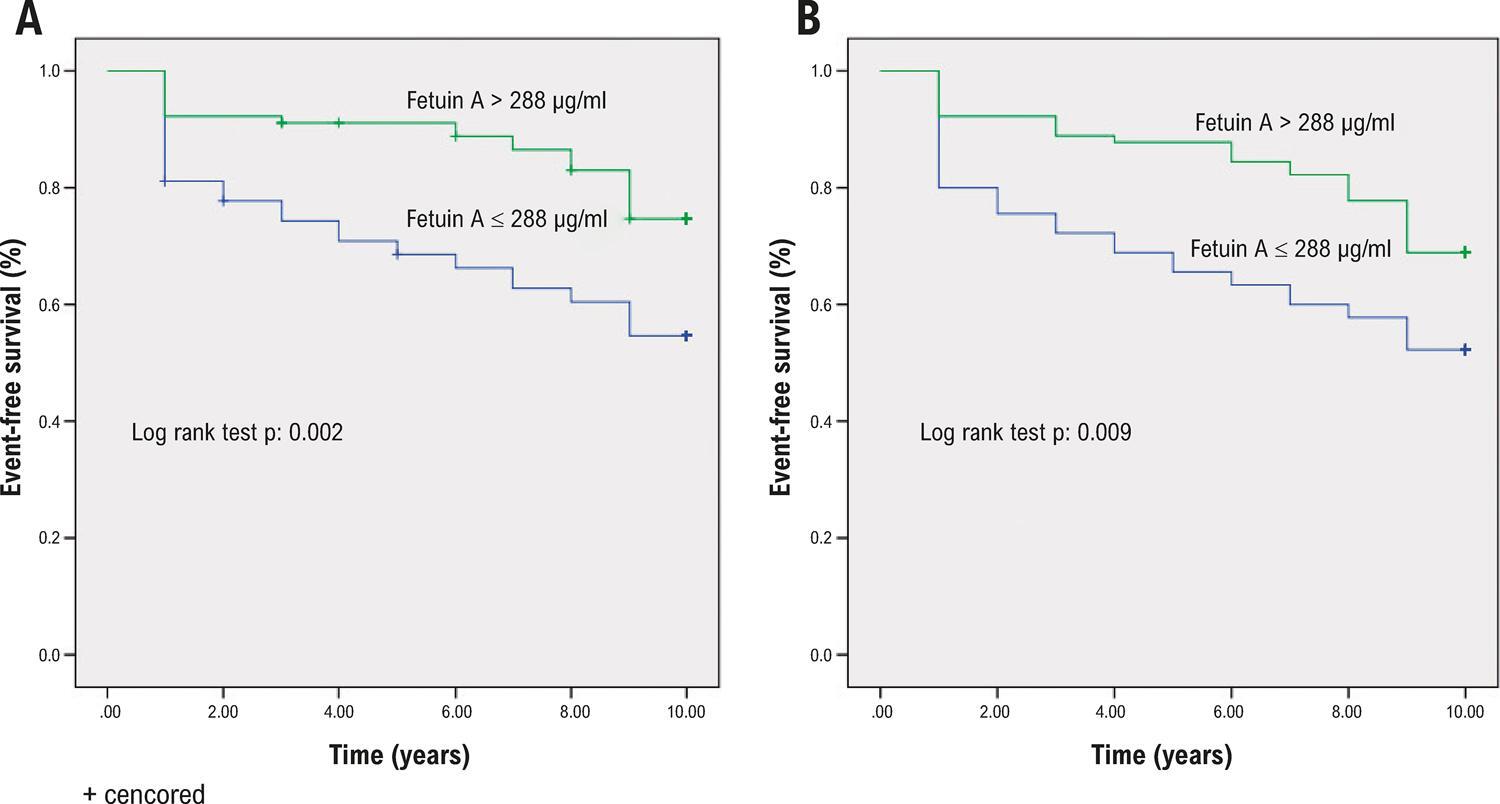
One hundred eigthy consecutive patients with STEMI were enrolled in the study. The study population was divided into subgroups (lower, ≤288 µg/ml; and higher, >288 µg/ml) according to the median fetuin-A level. Clinical follow-up data was obtained by annual contact with the patients or family members by telephone. The causes of death were also confirmed by the national health database. Two-sided p-values<0.05 were considered statistically significant.

Results

During a median follow-up of 10 years, 71 deaths were recorded , 62 of whom died from CVD. Both CVD and all-cause mortality were found to be significantly higher in the lower fetuin-A group than the higher fetuin-A group (44% vs 24%, p= 0.005; 48% vs 31%, p= 0.022, respectively). In Cox regression proportional hazard analyses, fetuin-A was found to be an independent predictor of CVD and all-cause mortality.

Conclusions

Low fetuin-A concentration is associated with a poor long-term prognosis after STEMI, regardless of the traditional cardiovascular risk factors. Our findings have strengthened previous studies that consistently demonstrate the determining role of anti-inflammatory mediators in acute coronary syndromes.

  • Anti-Inflammatory Agents
  • Coronary Artery Disease
  • Echocardiography/methods
  • Fetuin Alpha
  • Globulins
  • Mortality
  • ST Elevation Myocardial Infarction
Read Full Article
Creative Commons Attribution (CC BY) Creative Commons license
21/02/2022 DOI: 10.36660/abc.20201057 Views 1
Figure 1
Original Article

Atrial Mechanics in Hypertrophic Cardiomyopathy: Discriminating between Ventricular Hypertrophy and Fibrosis

Patrícia Marques-Alves et al. João André Ferreira André Azul Freitas José Paulo Almeida … Rui Baptista Graça Castro Rui Martins Paulo Donato Maria João Ferreira Lino Gonçalves

Abstract

Background

Hypertrophic cardiomyopathy (HCM) and left ventricular hypertrophy (LVH) secondary to systemic hypertension (HTN) may be associated with left atrial (LA) functional abnormalities.

Objectives

We aimed to characterize LA mechanics in HCM and HTN and determine any correlation with the extent of left ventricular (LV) fibrosis measured by cardiac magnetic resonance (CMR) in HCM patients.

Methods

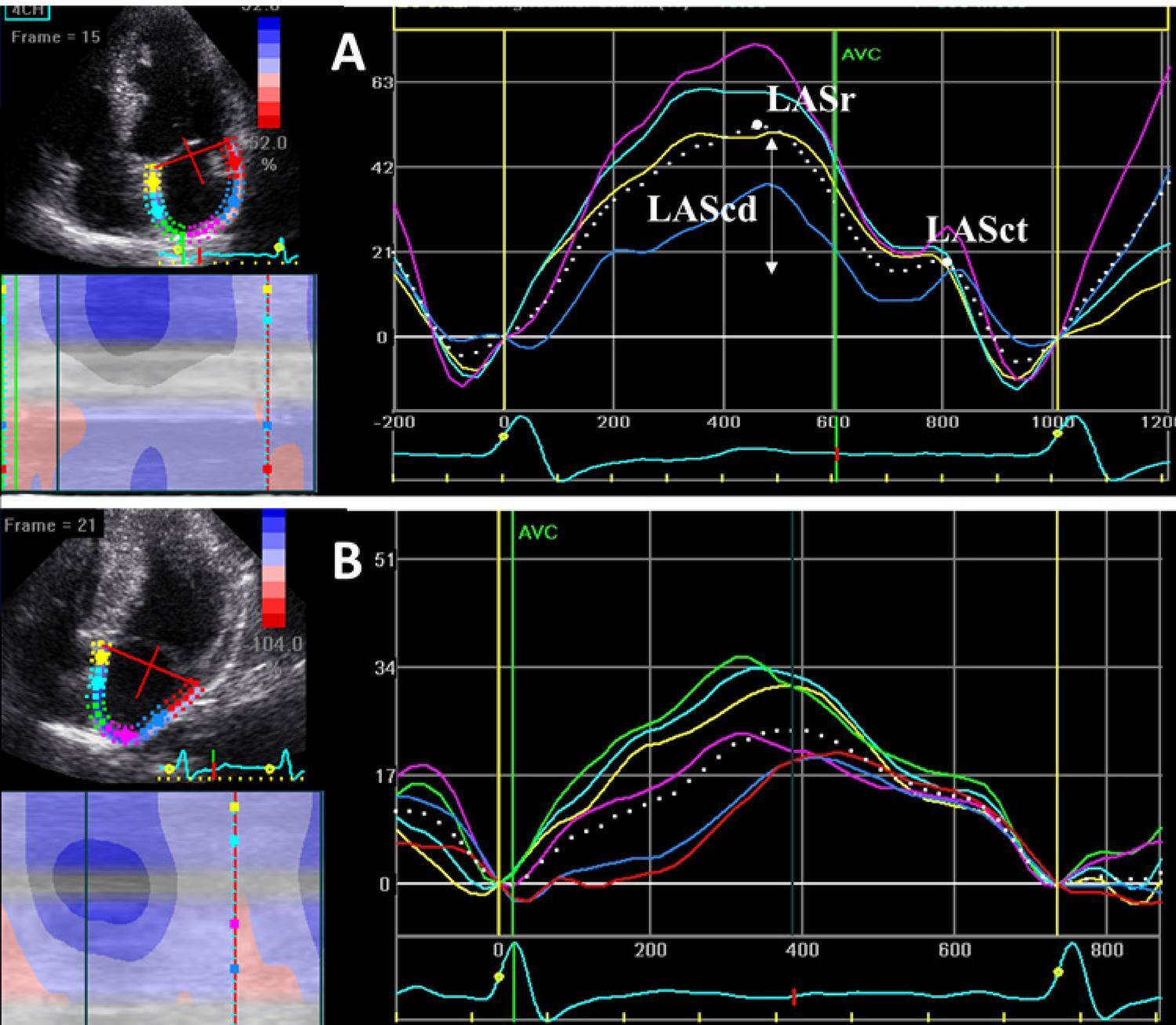
Two-dimensional speckle tracking-derived longitudinal LA function was acquired from apical views in 60 HCM patients, 60 HTN patients, and 34 age-matched controls. HCM patients also underwent CMR, with measurement of late gadolinium enhancement (LGE) extension. Association with LA strain parameters was analyzed. Statistical significance was set at p<0.05.

Results

Mean LV ejection fraction was not different between the groups. The E/e’ ratio was impaired in the HCM group and preserved in the control group. LA mechanics was significantly reduced in HCM, compared to the HTN group. LA strain rate in reservoir (LASRr) and in contractile (LASRct) phases were the best discriminators of HCM, with an area under the curve (AUC) of 0.8, followed by LA strain in reservoir phase (LASr) (AUC 0.76). LASRr and LASR-ct had high specificity (89% and 91%, respectively) and LASr had sensitivity of 80%. A decrease in 2.79% of LA strain rate in conduit phase (LASRcd) predicted an increase of 1cm in LGE extension (r2=0.42, β 2.79, p=0.027).

Conclusions

LASRr and LASRct were the best discriminators for LVH secondary to HCM. LASRcd predicted the degree of LV fibrosis assessed by CMR. These findings suggest that LA mechanics is a potential predictor of disease severity in HCM.

  • Cardiomyopathy, Hypertrophic
  • Echocardiography/methods
  • Hypertension
  • Left Ventricular Hypertrophy
  • Magnetic Resonance Spectroscopy/ methods
Read Full Article
Creative Commons Attribution (CC BY) Creative Commons license
21/02/2022 DOI: 10.36660/abc.20200890 Views 1
Figure 1
Review Article

Machine Learning in Medicine: Review and Applicability

Gabriela Miana de Mattos Paixão et al. Bruno Campos Santos Rodrigo Martins de Araujo Manoel Horta Ribeiro … Jermana Lopes de Moraes Antonio L. Ribeiro

Introduction

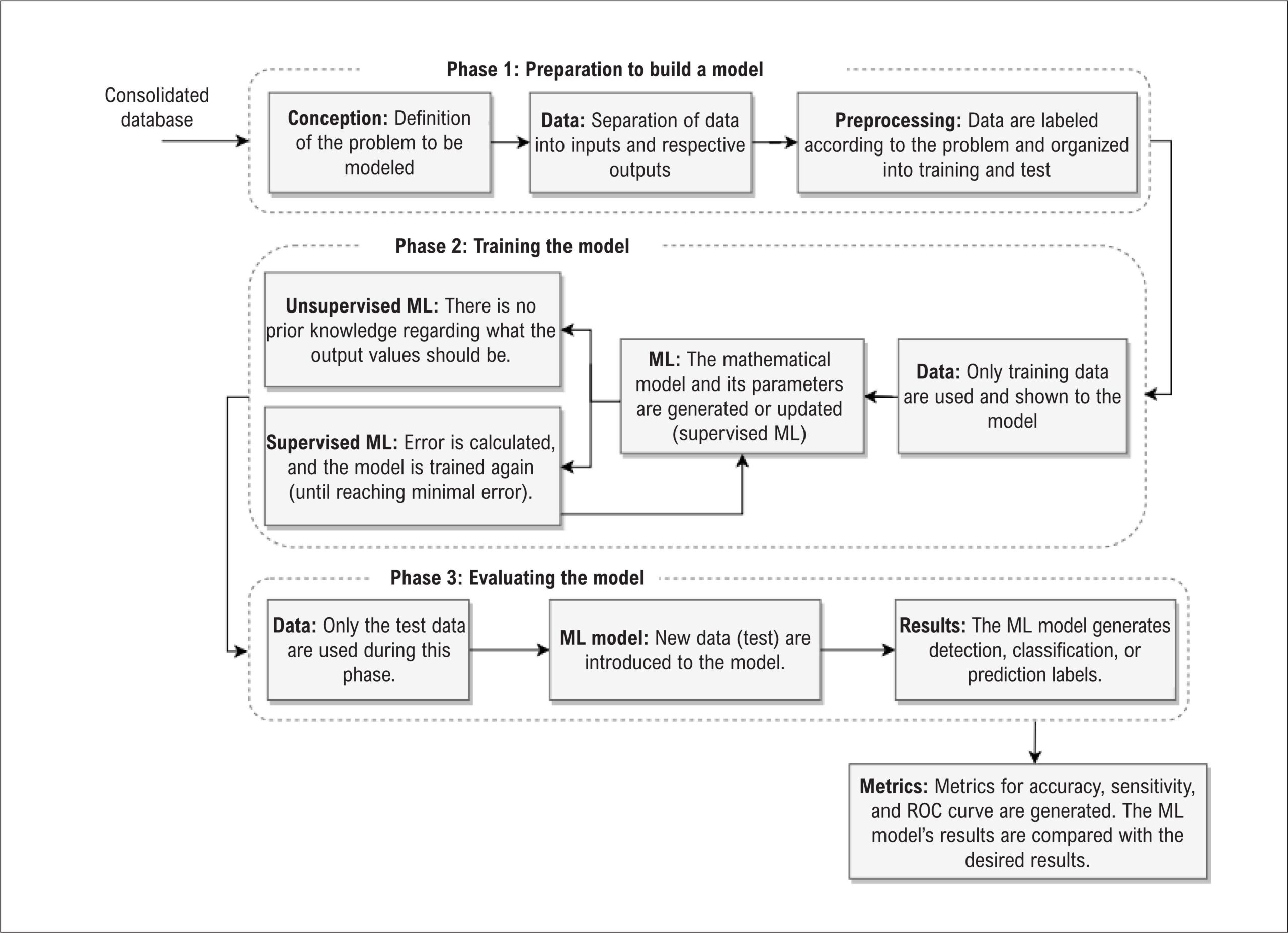
Machine learning (ML) is a branch of artificial intelligence (AI) that explores the study and construction of computational algorithms based on data learning,, rather than preprogrammed instructions. The main objective of an ML model is to construct a computer system that learns from a predefined database and, in the end, generates a model for prediction, classification, or detection.

The application of ML in practice is mainly aimed at handling consolidated databases with heterogeneous information where there is a limitation to the use of conventional statistical techniques., ML algorithms are already widespread in different areas, such as banking systems for fraud detection, internet search engines, video surveillance systems, data security, business logistics, robotics, and, in medicine, diagnosis and prognosis. With the digitalization of medical records, laboratory tests, and imaging, there has been a growth in database are sources for the application of ML techniques, with the aims of prevention, early diagnosis, and treatment of diseases.

[…]

  • Cardiology
  • Machine Learning
  • Medicine
Read Full Article
Creative Commons Attribution (CC BY) Creative Commons license
21/02/2022 DOI: 10.36660/abc.20200596 Views 3
Editorial

ABC Cardiol – The Editor-in-Chief-Way Ahead in 2022 to 2025

Carlos Eduardo Rochitte

The Brazilian Archives of Cardiology (ABC Cardiol) is the scientific journal with the greatest impact on Cardiology in Brazil and Latin America. In its history, it has had the fundamental role of disclosing the national scientific production in a journal indexed in all the most significant international databases and in the English language. At present, it is, therefore, the true window of our scientific production to the World.

The positive evolutions and results we have achieved in this current administration are supported by continuous actions from previous ABC Cardiol administrations. Here I take this opportunity to text my thanks to all the previous Editors-in-Chief, who were fundamental in the growth of ABC Cardiol and who allowed the current leadership to achieve positive results, such as the impact factor of 2.0 in the Journal of Citation Report. The word here is gratitude to all those who directly or indirectly contributed and support the success of ABC Cardiol and, especially, our scientific community.

[…]

  • Authorship/standards
  • Cardiology
  • Cardiovascular Diseases
  • Editorial Policies
  • Journal Impact Factor
  • Periodicals Publications/trends
  • Social Responsibility
Read Full Article
Creative Commons Attribution (CC BY) Creative Commons license
21/02/2022 DOI: 10.36660/abc.20211025
Original Article

Economy- and Social-Based Strategies for Anticoagulation of Patients with Atrial Fibrillation

Andressa Zulmira Avila Guerrero et al. Enia Lucia Coutinho Marcos Bosi Ferraz Claudio Cirenza … Marcelo Cincotto Esteves dos Santos José Roberto Ferraro Angelo Amato Vincenzo de Paola

Abstract

Background:

Atrial fibrillation is a public health problem associated with a fivefold increased risk of stroke or death. Analyzing costs is important when introducing new therapies and must be reconsidered in special situations, such as the novel coronavirus pandemic of 2020.

Objective:

This study aimed to evaluate the costs related to anticoagulant therapy in a one-year period, and the quality of life of atrial fibrillation patients treated in a public university hospital.

Methods:

Patient costs were those related to the anticoagulation and calculated by the average monthly costs of warfarin or direct oral anticoagulants (DOACs). Patient non-medical costs (eg., food and transportation) were calculated from data obtained by questionnaires. The Brazilian SF-6D was used to measure the quality of life. P-values < 0.05 were considered statistically significant.

Results:

The study population consisted of 90 patients, 45 in each arm (warfarin vs direct oral anticoagulants). Costs were 20% higher in the DOAC group ($55,532.62 vs $46,385.88), and mainly related to drug price ($23,497.16 vs $1,903.27). Hospital costs were higher in the warfarin group ($31,088.41 vs $24,604.74) and related to outpatient visits. Additionally, non-medical costs were almost twice higher in the warfarin group ($13,394.20 vs $7,430.72). Equivalence of price between the two drugs could be achieved by a 39% reduction in the price of DOACs. There were no significant group differences regarding quality of life.

Conclusions:

Total costs were higher in the group of patients taking DOACs than those taking warfarin. However, a nearly 40% reduction in the price of DOACs could make it feasible to incorporate these drugs into the Brazilian public health system.

  • Anticoagulants
  • Atrial Fibrillation
  • Health Care Costs
  • Warfarin
Read Full Article
Creative Commons Attribution (CC BY) Creative Commons license
21/02/2022 DOI: 10.36660/abc.20200921
Editorial

The Importance of Assessing Malnutrition and Cachexia in Chagas Cardiomyopathy

Salvador Rassi et al. Daniela do Carmo Rassi Aguinaldo Figueiredo Freitas Júnior

Chagas cardiomyopathy, described by Carlos Chagas more than 100 years ago, is still a cause of significant morbidity and mortality, and has a negative effect on socioeconomic status of Latin America countries, including Brazil.

Malnutrition and cachexia in heart failure (HF), especially in Chagas disease patients, has a multifactorial etiology. Decreased food intake may be caused either by a reduced supply of foods to these usually underprivileged patients or by anorexia, which is common in this syndrome. Many factors may be involved in anorexia and weight loss, including tasteless food (mainly due to the low sodium diet) and due to visceral (mainly hepatic and intestinal) congestion. Hepatomegaly, usually dense, causes gastric discomfort due to left lobe enlargement and compression of the stomach. Pain in the right hypochondrium is caused by stretching of the liver capsule. Intestinal mucosal edema causes protein and fat malabsorption, ultimately affecting nutrition. Neuroendocrine and immunological changes are also involved in the development of cachexia in HF patients. Patients with cachexia have increased plasma levels of tumor necrosis factor-alpha (TNF-α) and other inflammatory cytokines, particularly interleukin (IL)-6 and IL-1. This results from bacterial translocation, in which abnormalities of the gastrointestinal tract are involved in the development of cachexia and systemic inflammation. Effects of these cytokines include proteolysis and loss of skeletal muscle mass, with aggravation of cachexia.

[…]

  • Cachexia
  • Chagas Cardiomyopathy
  • Epidemiology
  • Heart Failure/complications
  • Hospitalization
  • malnutrition
  • Morbimortality
  • Prognosis
  • Weight Loss
Read Full Article
Creative Commons Attribution (CC BY) Creative Commons license
21/02/2022 DOI: 10.36660/abc.20210919 Views 1
Figure 1
Research Letter

Preparing Patients And Optimizing Processes In The Perioperative Period Of Cardiac Surgery: How To Redesign The Flow Of Care After COVID-19

Omar Asdrúbal Vilca Mejia et al. Bruno Mahler Mioto Gabrielle Barbosa Borgomoni Juliana Mendanha Camilo … Danielle Misumi Watanabe Sirlei Pereira Nunes Vanessa Santos Sallai Maraina Pegorini Libório de Lima Jurema da Silva Herbas Palomo Helenice Moreira da Costa Elisandra Trevisan Arita Maria Ignêz Zanetti Feltrim Vera Coimbra Roger Daglius Dias Filomena Regina Barbosa Gomes Galas José Otávio Costa Auler Junior Fabio Biscegli Jatene

Introduction

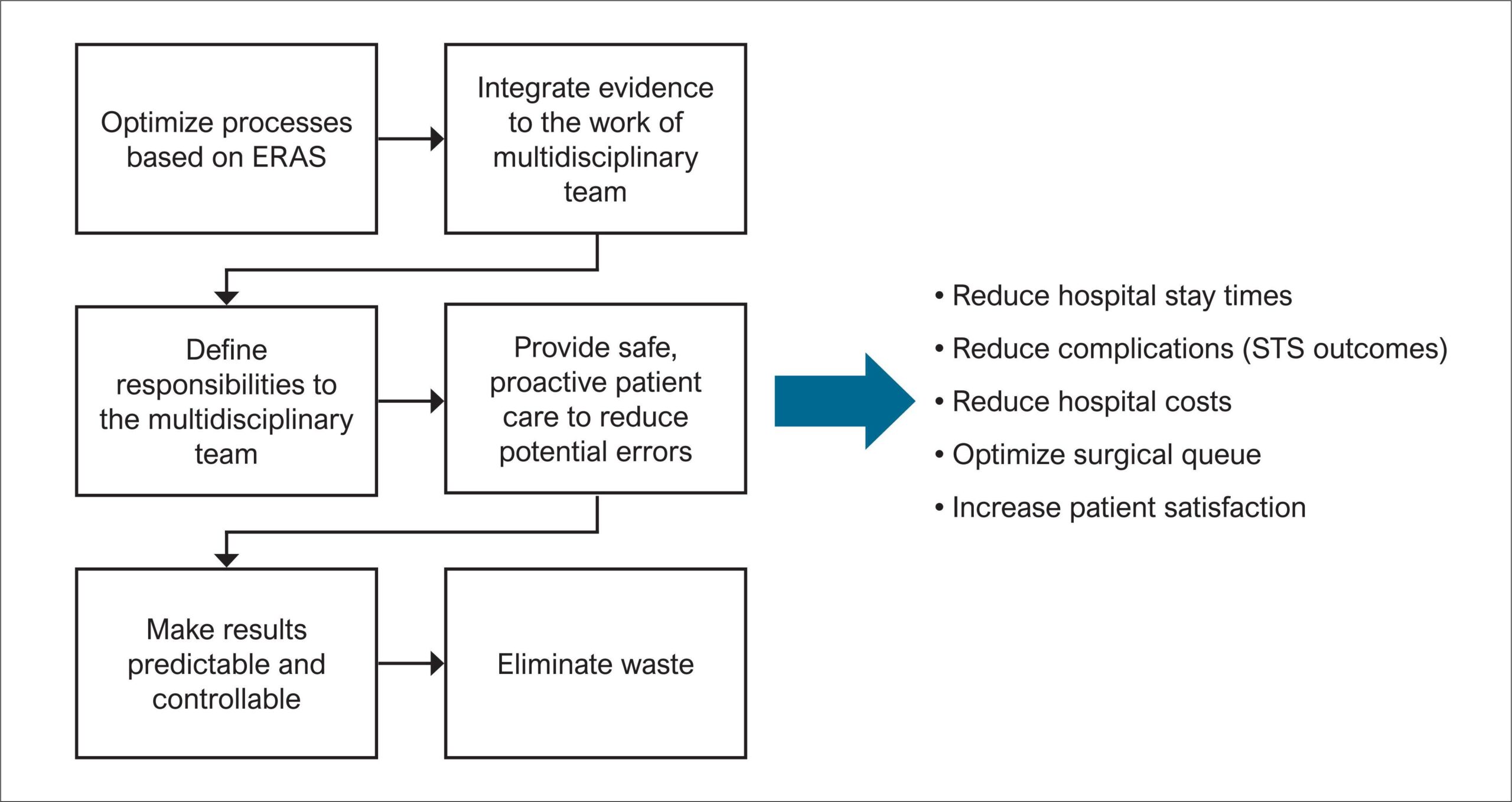
The lack of proactive care strategies influences the fragmentation of care, deparametrization of processes and extension of hospital times, while evidence has shown that multidisciplinary protocols based on evidence executed by synchronized teams, with standardized processes, proactivity and patient-centered care decrease complications, hospital times and hospital costs., In this context, care based on the Enhanced Recovery After Surgery (ERAS) concept revolutionizes traditional flows. Guidelines for cardiac surgery were recently published, producing encouraging results.,

This approach showed efficiency and safety in hospital discharge within three days after cardiac surgery,, which is promising in the COVID-19 era, in which surgical queues have grown due to procedural delays, enabling a greater number of visits in less time, reducing the risk of contamination and hospital costs.

[…]

  • Cardiovascular Surgical Procedures
  • COVID-19
  • Enhanced Recovery After Surgery
  • Patient Safety
  • Quality Improvement
Read Full Article
Creative Commons Attribution (CC BY) Creative Commons license
21/02/2022 DOI: 10.36660/abc.20210484 Views 1
Chart 1-1
Special Article

Cardiovascular Statistics – Brazil 2021

Gláucia Maria Moraes de Oliveira et al. Luisa Campos Caldeira Brant Carisi Anne Polanczyk Deborah Carvalho Malta … Andreia Biolo Bruno Ramos Nascimento Maria de Fatima Marinho de Souza Andrea Rocha De Lorenzo Antonio Aurélio de Paiva Fagundes Júnior Beatriz D. Schaan Fábio Morato de Castilho Fernando Henpin Yue Cesena Gabriel Porto Soares Gesner Francisco Xavier Junior Jose Augusto Soares Barreto Filho Luiz Guilherme Passaglia Marcelo Martins Pinto Filho M. Julia Machline-Carrion Marcio Sommer Bittencourt Octavio M. Pontes Neto Paolo Blanco Villela Renato Azeredo Teixeira Roney Orismar Sampaio Thomaz A. Gaziano Pablo Perel Gregory A. Roth Antonio Luiz Pinho Ribeiro

About these statistics

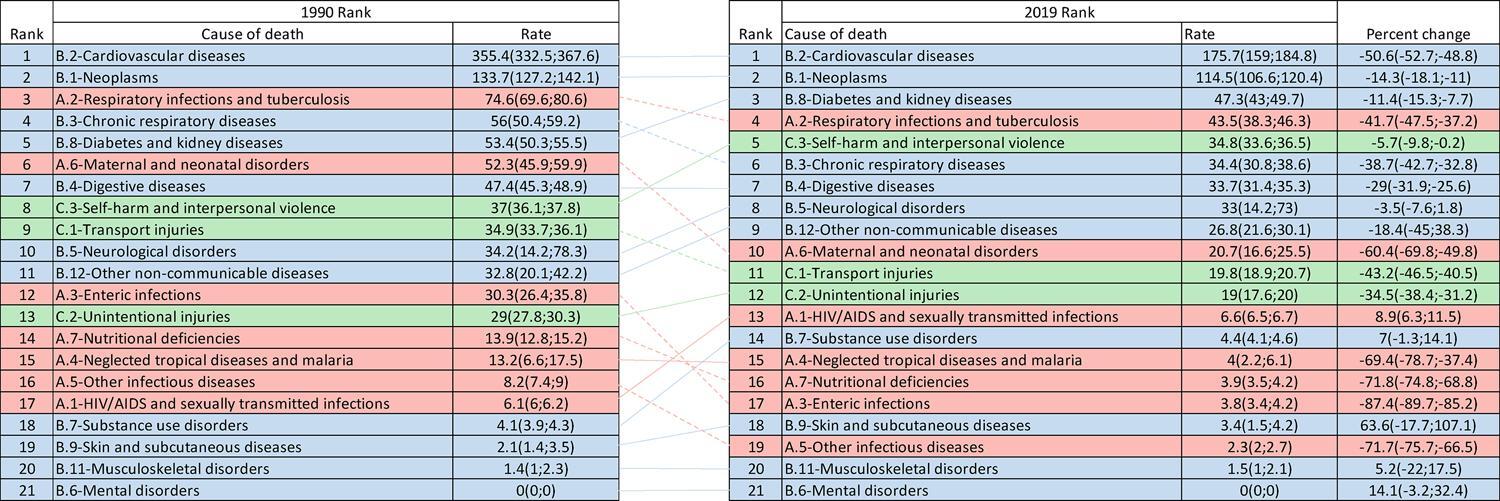
This is the 2021 edition of the Cardiovascular Statistics – Brazil , a multi-institutional effort to periodically provide updated information on the epidemiology of heart diseases and stroke in Brazil. The report incorporates official statistics provided by the Brazilian Ministry of Health and other government agencies, by the GBD project led by the IHME of the University of Washington, as well as data generated by other sources and scientific studies, such as cohorts and registries, on CVDs and their risk factors. The document is directed to researchers, clinicians, patients, healthcare policy makers, media professionals, the public, and others who seek comprehensive national data available on heart disease and stroke.

[…]

  • Atrial Fibrillation
  • Atrial flutter
  • Brazil
  • Cardiomyopathies
  • Cardiovascular Diseases
  • Coronary Disease
  • Heart Failure
  • Heart Valve Diseases
  • Statistics
Read Full Article
Creative Commons Attribution (CC BY) Creative Commons license
21/02/2022 DOI: 10.36660/abc.20211012 Views 1
Figure 1
Original Article

The Role of ANP Level Response in Interdisciplinary Weight Loss Therapy on Cardiometabolic Risk and Body Composition in Adolescents with Obesity

Ana Claudia Pelissari Kravchychyn et al. Raquel Munhoz da Silveira Campos Yasmin Alaby Martins Ferreira Sofia Emanuelle de Castro Ferreira Vicente … Flávia Campos Corgosinho Lila Missae Oyama Valter Tadeu Boldarine Lian Tock David Thivel Ana Raimunda Dâmaso

Abstract

Background

The action of atrial natriuretic peptide (ANP) on natriuresis, diuresis and vasodilatation, insulin resistance, liver, kidney, and adipose tissue may contribute to the healthy metabolic and cardiovascular development. Even though the circulating level of ANP is reduced in patients with obesity, its response to weight loss remains poorly explored in pediatric populations.

Objective

To evaluate the effects of ANP variations in response to interdisciplinary weight loss intervention on metabolic syndrome (MetS) and cardiometabolic risks in adolescents with obesity.

Methods

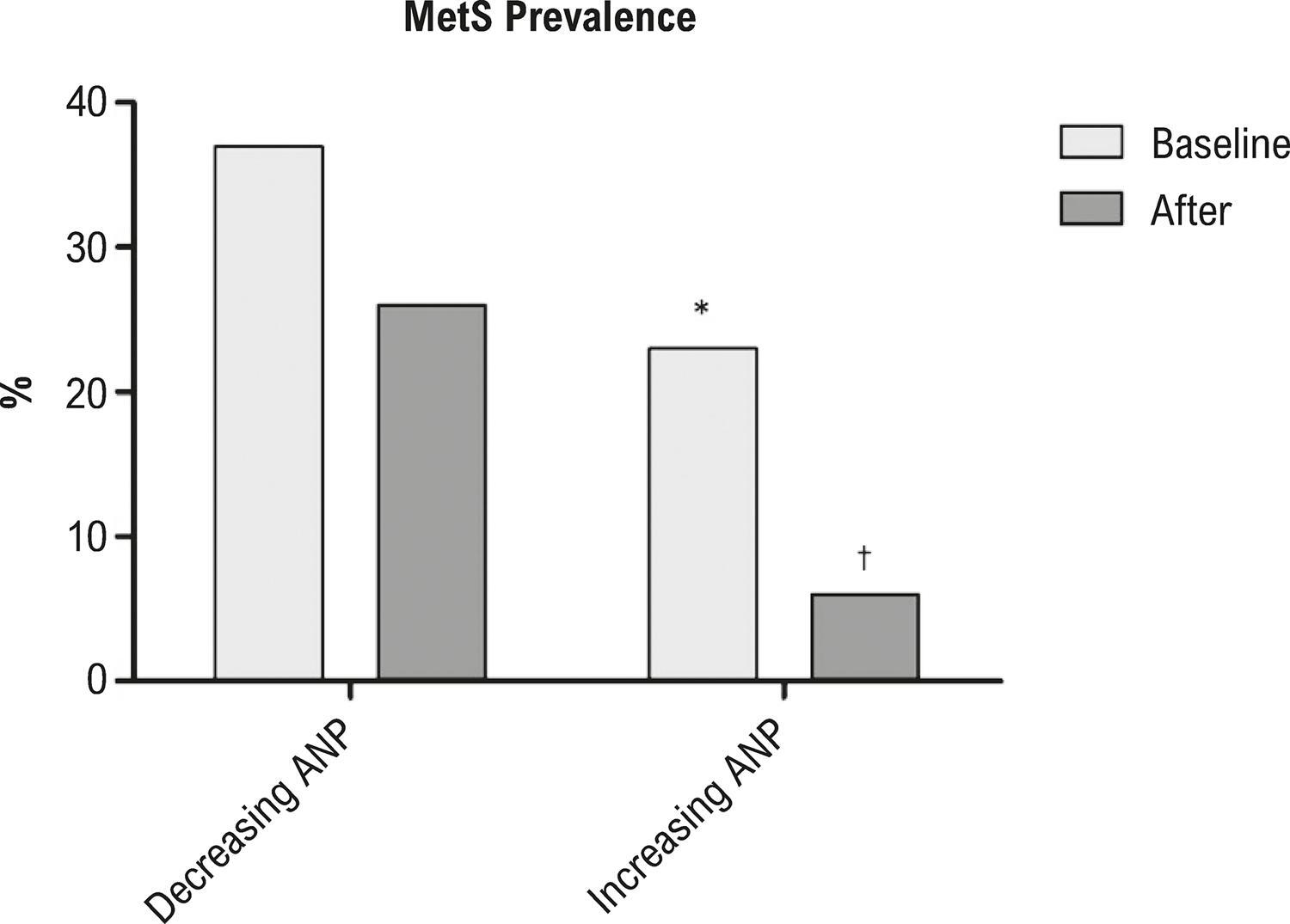
73 adolescents with obesity attended a 20-week clinical interdisciplinary weight loss therapy including clinical, nutritional, psychological and exercise training approach. Body composition, biochemical analyses and blood pressure were evaluated. MetS was classified according to the International Diabetes Federation (IDF) (2007). After the treatment, volunteers were divided according to Increasing (n=31) or Decreasing (n=19) ANP plasma levels.

Results

Both groups present significant reduction of body weight, Body Mass Index (BMI), waist, neck and hip circumferences (WC, NC and HC, respectively) and increasing fat-free mass (FFM). Interestingly, a significant reduction in body fat, TG/HDL-c ratio and MetS prevalence (from 23% to 6%) was observed in the Increased ANP group only.

Conclusion

This study suggests that an increase in ANP serum levels after weight loss therapy could be associated with improvements in cardiometabolic risks and the reduced prevalence of MetS in adolescents with obesity.

  • Adolescent
  • Atrial Natriuretic Peptide
  • Insulin Resistance
  • Metabolic Syndrome
  • Metabolism
  • Obesity
  • Weight Loss
Read Full Article
Creative Commons Attribution (CC BY) Creative Commons license
21/02/2022 DOI: 10.36660/abc.20200735 Views 1
Editorial

Biomarkers in Cardiovascular Disease: The Role of Fetuin-A

Luana U. Pagan et al. Mariana Gatto Paula F. Martinez Katashi Okoshi Marina P. Okoshi

Cardiovascular disease (CVD) represents a serious health public concern worldwide due to its high rates of morbidity and mortality. Extensive research has been performed in the search for biomarkers associated with CVD.,

Fetuin-A is a multifunctional glycoprotein, predominantly expressed in the liver, which modulates the function of several cells and systems, such as vascular calcification, systemic inflammatory response, bone metabolism, and insulin activity., In the last decade, researchers have evaluated the role of fetuin-A in the development and prognosis of patients with different CVDs. Lower plasma levels of fetuin-A were associated with a higher severity of coronary artery calcification and its plasma levels were lower in acute myocardial infarction patients than in healthy individuals. By contrast, Vörös et al. reported that individuals with a previous infarction have a significantly higher plasma concentration of fetuin-A than healthy controls. High concentrations of fetuin-A were also associated with a higher risk of ischemic stroke. These data show that the involvement of fetuin-A with CVD is not completely understood, as both lower and higher levels of fetuin-A were associated with a higher risk or presence of CVD. Thus, it is important to carry out studies that address this topic and highlight fetuin-A as a possible biomarker of CVD.

[…]

  • Cardiovascular Diseases, mortality
  • Fetuin-A
  • Inflammation
  • Myocardial Infarction
  • Prognosis
  • Stroke
  • Vascular Calcification
Read Full Article
Creative Commons Attribution (CC BY) Creative Commons license
21/02/2022 DOI: 10.36660/abc.20210980 Views 1
Figure 1
Original Article

Spatial Distribution of Mortality for Heart Failure in Brazil, 1996 – 2017

Virna Ribeiro Feitosa Cestari et al. Thiago Santos Garces George Jó Bezerra Sousa Thatiana Araújo Maranhão … João David Souza Neto Maria Lúcia Duarte Pereira Vera Lúcia Mendes de Paula Pessoa João Tobias Lima Sales Raquel Sampaio Florêncio Lorena Campos de Souza Glauber Gean de Vasconcelos Maria Gyslane Vasconcelos Sobral Lara Lídia Ventura Damasceno Thereza Maria Magalhães Moreira

Abstract

Background

Heart failure (HF) is a leading cause of mortality and morbidity worldwide, and is associated with the high use of resources and healthcare costs. In Brazil, the HF prevalence is around 2 million patients, and its incidence is of approximately 240,000 new cases per year.

Objective

The present investigation aimed to analyze the spatiotemporal trend of mortality caused by HF in Brazil, from 1996 to 2017.

Methods

This is an ecological study developed with secondary data on HF mortality in Brazil. During the period, 1,242,014 cases of death caused by heart failure were analyzed. The existence of spatial autocorrelation of cases was calculated using the Global Moran Index (GMI) and, when significant, the Local Moran Index, considering p<0.05. The relative risk of the clusters was calculated.

Results

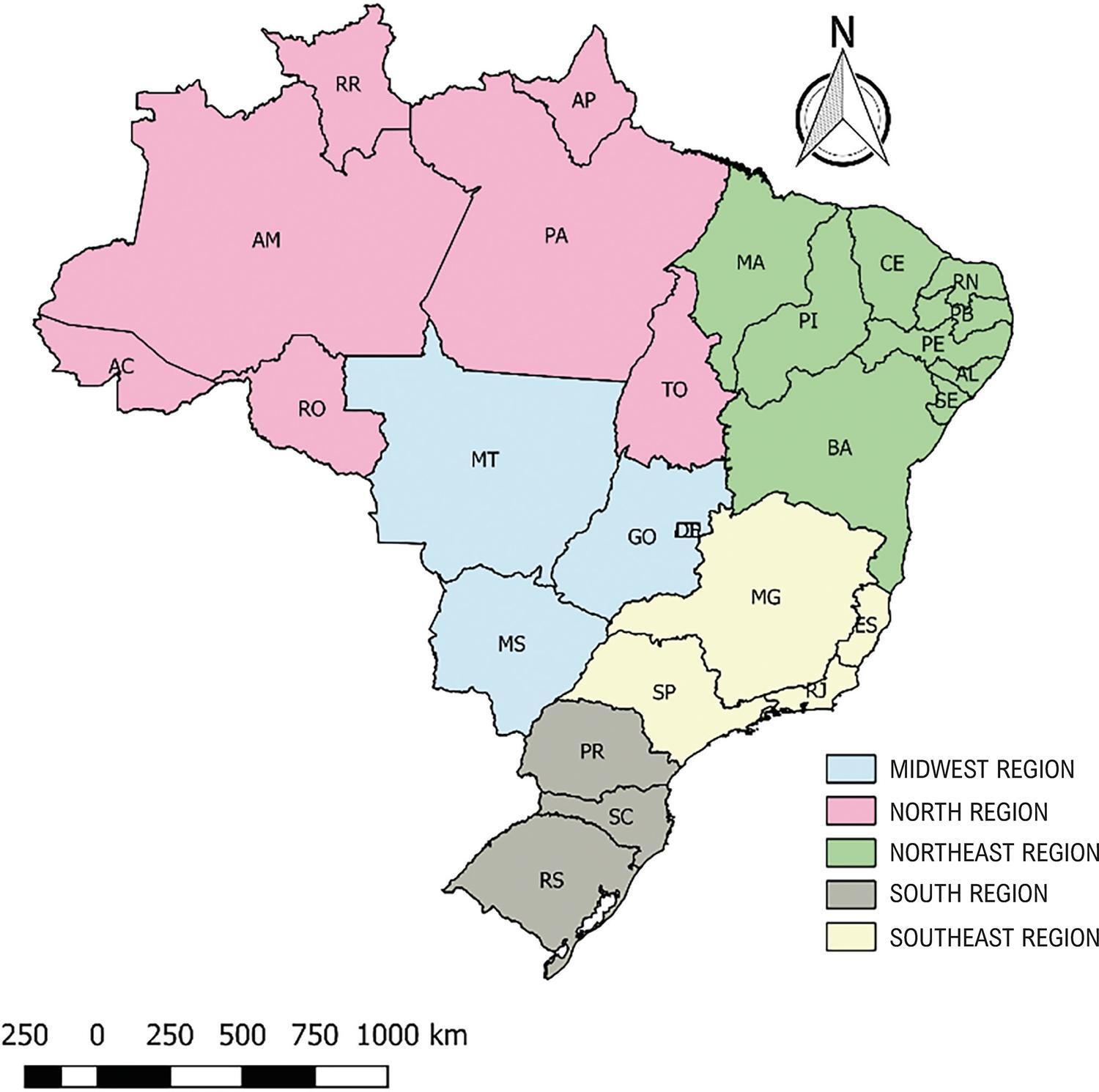
The mortality rate due to HF was diversified in all Brazilian regions, with an emphasis in the South, Southeast, and Northeast. The GMI indicated positive spatial autocorrelation (p=0.01) in all periods. Municipalities located in the South, Southeast, Northeast, and Midwest showed a higher Relative Risk for mortality from HF, and most municipalities in the North were classified as a protective factor against this cause of death.

Conclusions

The study showed a decline in mortality rates across the national territory. The highest concentration of mortality rates is in the North and Northeast regions, highlighting priority vulnerable areas in the planning and controlling strategies of health services.

  • Ecological Studies
  • Epidemiology
  • Heart Failure
  • Spatial Analysis
Read Full Article
Creative Commons Attribution (CC BY) Creative Commons license
21/02/2022 DOI: 10.36660/abc.20201325
Original Article

Thrombolytic Therapy in Octogenarians with Acute Pulmonary Embolism

Ahmet Zengin et al. Mehmet Baran Karataş Yiğit Çanga Özge Güzelburç … Nizamettin Selçuk Yelgeç Ayşe Emre

Abstract

Background

Despite the high proportion of octogenarians with acute pulmonary embolism, there is little information indicating the optimal management strategy, mainly therapeutic measures, such as lytic therapy.

Objectives

The number of elderly patients diagnosed with acute pulmonary embolism increases constantly. However, the role of thrombolytic treatment is not clearly defined among octogenarians. Our objective is to evaluate the effectiveness of lytic therapy in octogenarian patients diagnosed with pulmonary embolism.

Methods

One hundred and forty eight subjects (70.3% women, n=104) aged more than eighty years were included in the study. The patients were divided in two groups: thrombolytic versus non-thrombolytic treatment. In-hospital mortality rates and bleeding events were defined as study outcomes. P-value <0.05 was considered as statistical significance.

Results

In-hospital mortality decreased significantly in the thrombolytic group compared to the non-thrombolytic group (10.5% vs. 24.2% p=0.03). Minor bleeding events were more common in the arm that received thrombolytic treatment, but major hemorrhage did not differ between the groups (35.1% vs. 13.2%, p<0.01; 7% vs. 5.5% p=0.71, respectively). High PESI score (OR: 1.03 95%CI; 1.01-1.04 p<0.01), thrombolytic therapy (OR: 0.15 95%CI; 0.01-0.25, p< 0.01) and high troponin levels (OR: 1.20 95%CI; 1.01-1.43, p=0.03) were independently associated with in-hospital mortality rates in the multivariate regression analysis.

Conclusion

Thrombolytic therapy was associated with reduced in-hospital mortality at the expense of increased overall bleeding complications in octogenarians.

  • Aged, 80 and Over
  • Hemorrhage/complications
  • Mortality
  • Prognosis
  • Risk Factors
  • Thrombolytic Therapy
Read Full Article
Creative Commons Attribution (CC BY) Creative Commons license
21/02/2022 DOI: 10.36660/abc.20201060 Views 1
Figure 1
Research Letter

Endomyocardial Fibrosis as a Rare Cause of Heart Transplantation and its Association with Thrombophilia: A Case Report

Laura Caroline Tavares Hastenteufel et al. Nadine Oliveira Clausell Francine Hehn de Oliveira Santiago Alonso Tobar Leitão Lívia Adams Goldraich

Introduction

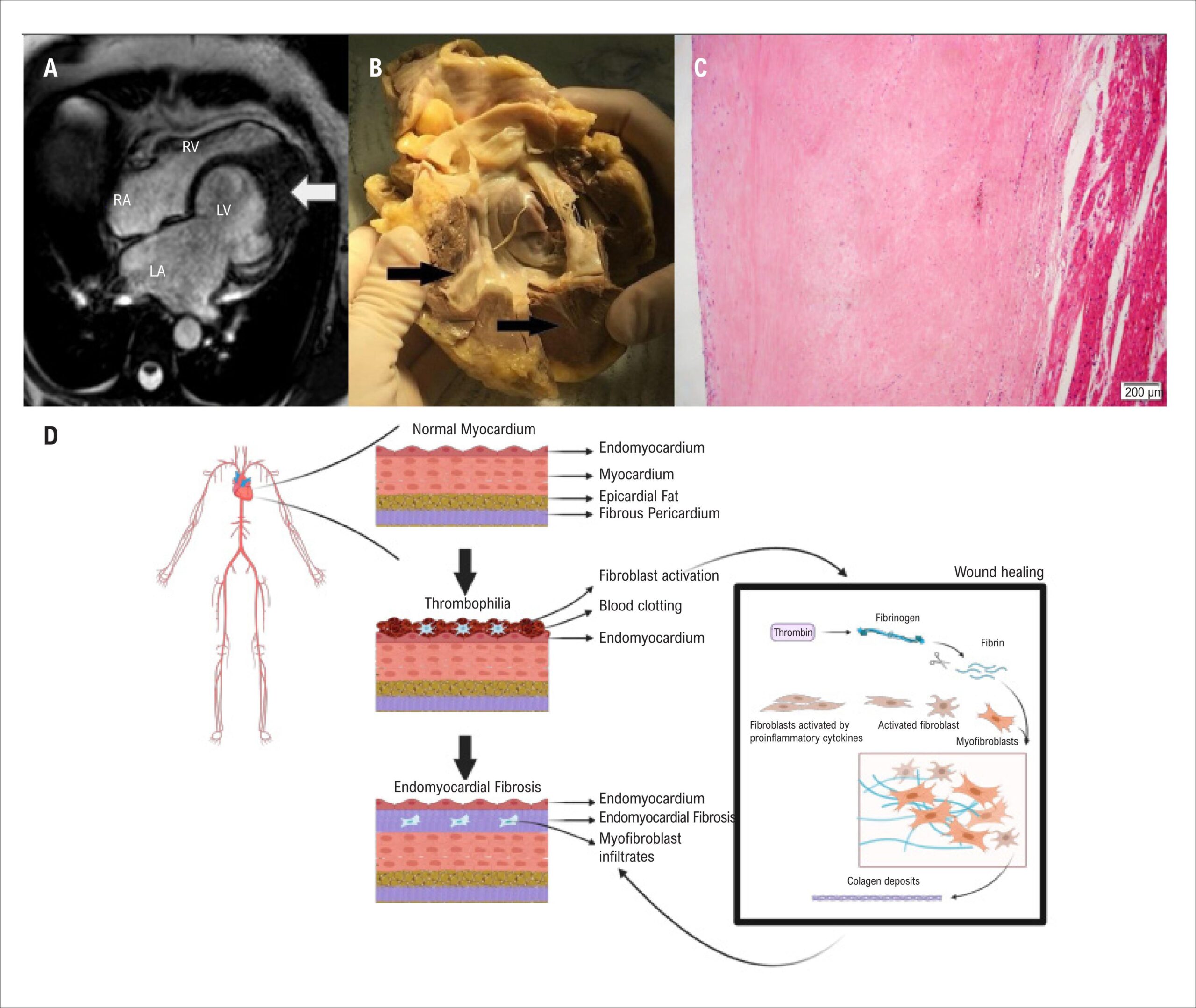
Endomyocardial fibrosis (EMF) is a rare disease of unknown etiology characterized by endomyocardial fibrous tissue deposition affecting either one or both ventricles and the atrioventricular valve apparatus. Increased stiffness and progressively reduced diameter of the involved ventricle lead to a restrictive pattern, which appears as heart failure, thromboembolic events, non-fatal arrhythmias, or less frequently, sudden cardiac death.. Though earlier studies report poor survival rates among EMF patients, in contemporary series prognosis, it is uncertain. Genetic, immune, infectious, and environmental factors, among others, have been proposed to explain its pathogenesis; however, there is no consensus on a unified causal theory., Despite its poor prognosis and limited disease modifying therapeutic options, endocardectomy among them as a palliative measure, there is a paucity of data in the literature reporting heart transplantation as a therapeutic alternative for patients with EMF. The present study describes the favorable outcome of a patient with EMF who underwent heart transplantation. In the present case, there was also an association of EMF with both factor V Leiden and prothrombin gene mutation as part of the phenotypic presentation, which has not been previously reported.

[…]

  • Endomyocardiol Fibrosis/transplantation
  • Heart Failure
  • Heart Transplantation
  • Mortality
  • prothrombin
  • Pulmonary embolism
  • Thromphilia
  • Venous Thrombosis
Read Full Article
Creative Commons Attribution (CC BY) Creative Commons license
21/02/2022 DOI: 10.36660/abc.20210040 Views 2
Original Article

Cytogenomics Investigation of Infants with Congenital Heart Disease: Experience of a Brazilian Center

Marcília Sierro Grassi et al. Marília Montenegro Evelin Aline Zanardo Antonio Carlos Pastorino … Mayra Barros Dorna Chong Kim Marcelo Jatene Nana Miura Leslie Kulikowski Magda Carneiro-Sampaio

Abstract

Background

Some syndromes have specific and easily recognizable features, while others may be more complex to identify and may present different phenotypic manifestations, for example. An etiological diagnosis is important to understand the nature of the disease, to establish the prognosis and to start the treatment, allowing the inclusion of patients in society and reducing the financial cost of such diseases.

Objective

The initial proposal of this study was cytogenetic screening for the detection of the 22q11.2 deletion syndrome in consecutive newborns and infants with congenital heart disease using the multiplex ligation-dependent probe amplification (MLPA) technique. Therefore, throughout our research, other genomic alterations were identified in these cardiac patients. Thus, our objective was extended to investigate these other cytogenetic alterations.

Methods

We investigated 118 neonates with congenital heart diseases born consecutively during one year using the MLPA technique.

Results

The MLPA technique allowed the detection of 22q11.2DS in 10/118 patients (8.5%). Other genomic alterations were also identified in 6/118 patients (5%): 1p36 del, 8p23 del (2 cases), 7q dup, 12 dup and 8q24 dup.

Conclusion

This study highlights the relevance of detecting genomic alterations that are present in newborns and infants with congenital cardiac diseases using cytogenomic tools.

  • Chromosome deletion
  • Congenital
  • Congenital Abnormalities
  • DiGeorge Syndrome
  • Early diagnosis
  • Heart Defects
  • Newborn
Read Full Article
Creative Commons Attribution (CC BY) Creative Commons license
21/02/2022 DOI: 10.36660/abc.20190894 Views 1
Editorial

CTRP-3 Levels in Patients with Stable Coronary Artery Disease and Paroxysmal Atrial Fibrillation: A New Potential Biomarker in Cardiovascular Diseases

Ricardo Mourilhe-Rocha et al. Marcelo Imbroinise Bittencourt

The C1q tumor necrosis factor-related protein (CTRP) family, comprised of 15 members (CTRP1-CTRP15), is a newly discovered and highly conserved paralogue of adiponectin. Despite structural similarities between CTRP family and adiponectin, they exert pleiotropic effects on cell metabolism and have different regulation patterns.– CTRP3 (also known as CORS-26, cartducin and cartonectin) is a member of this family. CTRP3 is a potent anti-inflammatory adipokine that inhibits proinflammatory pathways in monocytes and microcells, exerting anti-inflammatory, anti-apoptotic and cardioprotective effect during development of coronary artery disease (CAD).– Also, this adipokine has cardioprotective properties and is inversely associated with insulin resistance parameters; its circulating levels drop in obesity and hypertension.

One of the first studies to evaluate circulating CTRP-3 and progranulin levels in patients with CAD was conducted on 362 Korean adults with acute coronary syndrome (ACS), stable angina pectoris and control subjects with various cardiometabolic risk factors. CTRP-3 concentrations were significantly decreased in patients with ACS or stable angina compared to control subjects. Correlation analysis adjusted for age and gender showed that CTRP-3 levels had a significant negative relationship with glucose and high sensitive C-reactive protein levels, and a positive relationship with HDL-cholesterol and adiponectin levels. In a multivariate logistic regression analysis, the odds ratio for CAD was 5.14 in the second tertile, and 9.04 in the first tertile of CTRP-3 levels compared to the third tertile, after adjusting for other cardiometabolic risk variables. These results suggest that CTRP-3 might be useful for assessing the risk of CAD.

[…]

  • Adiponectin
  • Anti-Inflammatory Agents
  • Atrial Fibrillation
  • C1q (Immunologic Factors)
  • Coronary Artery Disease
  • Risk Factors
  • Tumor Necrosis Factors
Read Full Article
Creative Commons Attribution (CC BY) Creative Commons license
21/02/2022 DOI: 10.36660/abc.20210940 Views 1
Figure 1
Original Article

Reduced CTRP3 Levels in Patients with Stable Coronary Artery Disease and Related with the Presence of Paroxysmal Atrial Fibrillation

Arafat Yildirim et al. Mehmet Kucukosmanoglu Hilmi Erdem Sumbul Mevlut Koc

Abstract

Background

Serum Complement C1q/tumor necrosis factor-related protein-3 (CTRP3) levels and the relationship with atrial fibrillation (AF) in stable coronary artery disease (CAD) are not clearly known.

Objective

The aim of this study was to investigate the change in serum CTRP3 levels and its relationship with paroxysmal AF in stable CAD.

Method

The study included 252 patients with CAD and 50 age-sex matched healthy control subjects. Serum CTRP3 levels were measured in addition to routine anamnesis, physical examination, laboratory and echocardiography examinations. The patients were divided into groups with and without CAD and CAD patients with and without paroxysmal AF. Statistical significance was accepted as p<0.05.

Results

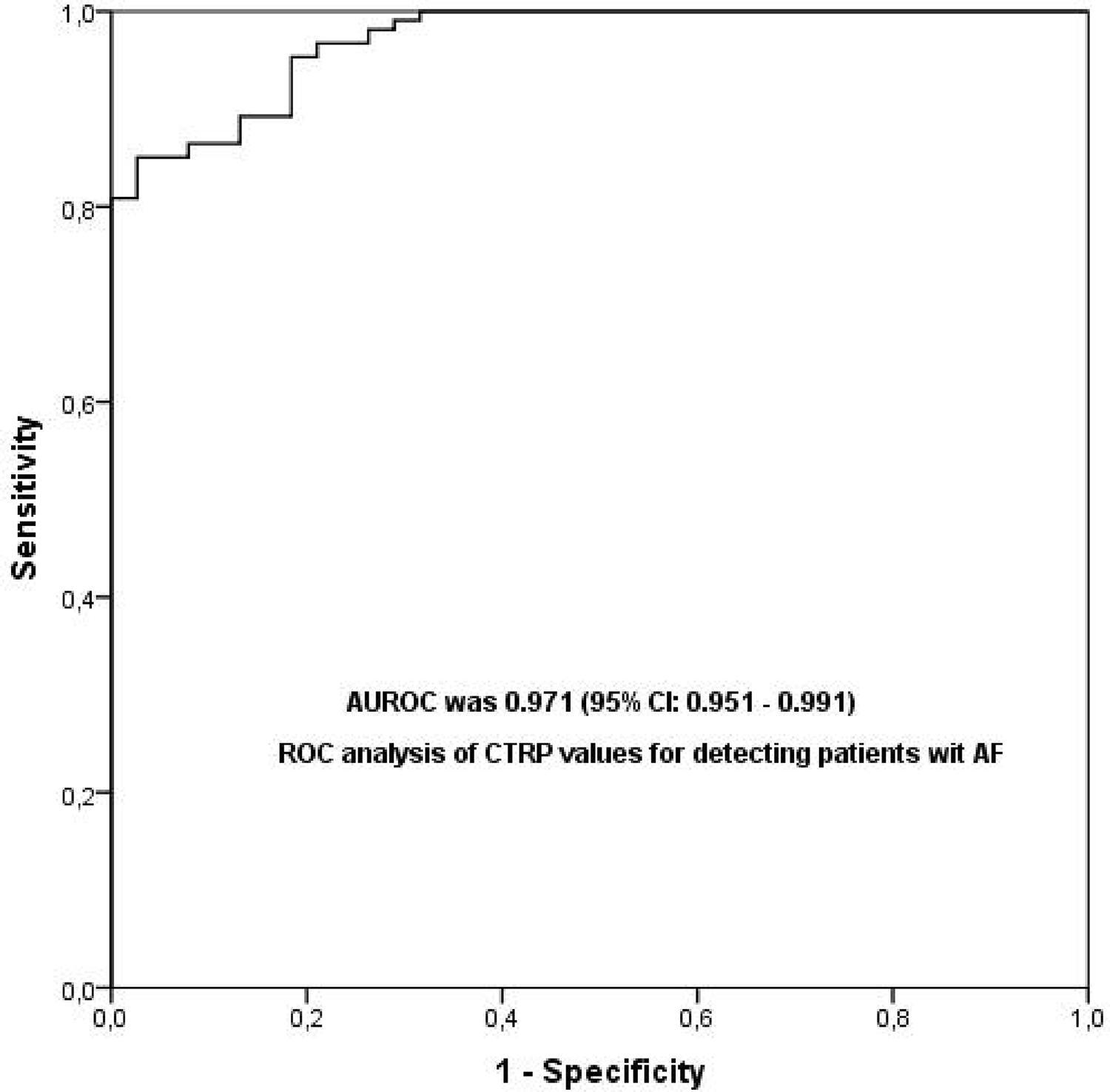
Serum CTRP3 levels were found to be significantly lower in patients with CAD than in the control group (p<0.001). AF was detected in 38 patients (15.08%) in the CAD group. The frequency of hypertension and female gender, hs-CRP, blood urea nitrogen, creatinine levels and left atrial end-diastolic (LAd) diameter were higher (p<0.05 for each one), and CTRP3 levels were lower in patients with AF (p <0.001). In the logistic regression analysis, serum CTRP3 levels and LAd diameters were independently determined the patients with AF (p<0.01 for each one). In this analysis, we found that every 1 ng/mL reduction in CTRP3 levels increased the risk of AF by 10.7%. In the ROC analysis of CTRP3 values for detecting patients with AF, the area under the ROC curve for CTRP3 was 0.971 (0.951–991) and was statistically significant (p<0.001). When the CTRP3 cut-off value was taken as 300 ng/mL, it was found to predict the presence of AF with 87.9% sensitivity and 86.8% specificity.

Conclusion

Serum CTRP3 levels were significantly reduced in patients with stable CAD and decreased CTRP3 levels were closely related to the presence of paroxysmal AF in these patients.

  • Arrhythmias Cardiac
  • Atrial Fibrillation
  • Coronary Artery Disease
  • Risk Factors
  • Tumor Necrosis Factor Alpha Induced Protein 3
Read Full Article
Creative Commons Attribution (CC BY) Creative Commons license
21/02/2022 DOI: 10.36660/abc.20200669

How to cite this article

EndNote RIS

Electronic Document Format (Vancouver)

Magalhães LP, Magalhães EFS, Pinheiro JO, Guabiru AT, Reis FJFB, Aras R. Long-Term Cardiac Complications of PRKAG2 Syndrome. Arquivos Brasileiros de Cardiologia 2022;118(1):106-9.

Electronic Document Format (ABNT)

Magalhães, Luiz Pereira de; Magalhães, Eduardo Faria Soares de; Pinheiro, Jussara de Oliveira; Guabiru, Alex Teixeira; Reis, Francisco José Farias Borges dos; Aras, Roque. Long-Term Cardiac Complications of PRKAG2 Syndrome. Arquivos Brasileiros de Cardiologia, v. 118, n. 1, p. 106-109, Feb. 2022.

Electronic Document Format (APA)

Magalhães, L. P. , Magalhães, E. F. S. , Pinheiro, J. O., Guabiru, A. T., Reis, F. J. F. B. , & Aras, R. (2022). Long-Term Cardiac Complications of PRKAG2 Syndrome. Arquivos Brasileiros de Cardiologia, 118(1), 106-109.

Electronic Document Format (ISO)

Magalhães, Luiz Pereira de and Magalhães, Eduardo Faria Soares de and Pinheiro, Jussara de Oliveira and Guabiru, Alex Teixeira and Reis, Francisco José Farias Borges dos and Aras, Roque. Long-Term Cardiac Complications of PRKAG2 Syndrome. Arquivos Brasileiros de Cardiologia [online]. 2022, vol. 118, n. 1, [cited 2026-10-14], pp. 106-109. Available from: <https://journals.cardiol.br/en/article/long-term-cardiac-complications-of-prkag2-syndrome/>. ISSN 0066-782X

EndNote RIS

Electronic Document Format (Vancouver)

Tavares LCA, Lage SHG, Bocchi EA, Issa VS. Undernutrition and Cachexia in Patients with Decompensated Heart Failure and Chagas Cardiomyopathy: Occurrence and Association with Hospital Outcomes. Arquivos Brasileiros de Cardiologia 2022;118(1):3-11.

Electronic Document Format (ABNT)

Tavares, Larissa Candido Alves; Lage, Silvia Helena Gelás; Bocchi, Edimar Alcides; Issa, Victor Sarli. Undernutrition and Cachexia in Patients with Decompensated Heart Failure and Chagas Cardiomyopathy: Occurrence and Association with Hospital Outcomes. Arquivos Brasileiros de Cardiologia, v. 118, n. 1, p. 3-11, Feb. 2022.

Electronic Document Format (APA)

Tavares, L. C. A., Lage, S. H. G., Bocchi, E. A., & Issa, V. S. (2022). Undernutrition and Cachexia in Patients with Decompensated Heart Failure and Chagas Cardiomyopathy: Occurrence and Association with Hospital Outcomes. Arquivos Brasileiros de Cardiologia, 118(1), 3-11.

Electronic Document Format (ISO)

Tavares, Larissa Candido Alves and Lage, Silvia Helena Gelás and Bocchi, Edimar Alcides and Issa, Victor Sarli. Undernutrition and Cachexia in Patients with Decompensated Heart Failure and Chagas Cardiomyopathy: Occurrence and Association with Hospital Outcomes. Arquivos Brasileiros de Cardiologia [online]. 2022, vol. 118, n. 1, [cited 2026-10-14], pp. 3-11. Available from: <https://journals.cardiol.br/en/article/undernutrition-and-cachexia-in-patients-with-decompensated-heart-failure-and-chagas-cardiomyopathy-occurrence-and-association-with-hospital-outcomes/>. ISSN 0066-782X

EndNote RIS

Electronic Document Format (Vancouver)

Yoo HHB. Thrombolysis in Pulmonary Embolism: Octagenarians Deserve More Attention!. Arquivos Brasileiros de Cardiologia 2022;118(1):75-6.

Electronic Document Format (ABNT)

Yoo, Hugo Hyung Bok. Thrombolysis in Pulmonary Embolism: Octagenarians Deserve More Attention!. Arquivos Brasileiros de Cardiologia, v. 118, n. 1, p. 75-76, Feb. 2022.

Electronic Document Format (APA)

Yoo, H. H. B. (2022). Thrombolysis in Pulmonary Embolism: Octagenarians Deserve More Attention!. Arquivos Brasileiros de Cardiologia, 118(1), 75-76.

Electronic Document Format (ISO)

Yoo, Hugo Hyung Bok. Thrombolysis in Pulmonary Embolism: Octagenarians Deserve More Attention!. Arquivos Brasileiros de Cardiologia [online]. 2022, vol. 118, n. 1, [cited 2026-10-14], pp. 75-76. Available from: <https://journals.cardiol.br/en/article/thrombolysis-in-pulmonary-embolism-octagenarians-deserve-more-attention/>. ISSN 0066-782X

EndNote RIS

Electronic Document Format (Vancouver)

Kızıltunç E, Şahin YB, Topal S, Düzenli MA, Karakaya E, Aygül N, Topsakal R, et al. Effects of Smoking on Very-Long Term Mortality after First ST Elevation Myocardial Infarction. Arquivos Brasileiros de Cardiologia 2022;118(1):24-32.

Electronic Document Format (ABNT)

Kızıltunç, Emrullah; Şahin, Yusuf Bozkurt; Topal, Salih; Düzenli, Mehmet Akif; Karakaya, Ekrem; Aygül, Nazif; Topsakal, Ramazan; Özdemir, Kurtuluş; Abacı, Adnan. Effects of Smoking on Very-Long Term Mortality after First ST Elevation Myocardial Infarction. Arquivos Brasileiros de Cardiologia, v. 118, n. 1, p. 24-32, Feb. 2022.

Electronic Document Format (APA)

Kızıltunç, E., Şahin, Y. B., Topal, S., Düzenli, M. A., Karakaya, E., Aygül, N., Topsakal, R., Özdemir, K., & Abacı, A. (2022). Effects of Smoking on Very-Long Term Mortality after First ST Elevation Myocardial Infarction. Arquivos Brasileiros de Cardiologia, 118(1), 24-32.

Electronic Document Format (ISO)

Kızıltunç, Emrullah and Şahin, Yusuf Bozkurt and Topal, Salih and Düzenli, Mehmet Akif and Karakaya, Ekrem and Aygül, Nazif and Topsakal, Ramazan and Özdemir, Kurtuluş and Abacı, Adnan. Effects of Smoking on Very-Long Term Mortality after First ST Elevation Myocardial Infarction. Arquivos Brasileiros de Cardiologia [online]. 2022, vol. 118, n. 1, [cited 2026-10-14], pp. 24-32. Available from: <https://journals.cardiol.br/en/article/effects-of-smoking-on-very-long-term-mortality-after-first-st-elevation-myocardial-infarction/>. ISSN 0066-782X

EndNote RIS

Electronic Document Format (Vancouver)

Çakır H, Kanat S, Çakır H, Tenekecioğlu E. Lower Serum Fetuin-A Levels are Associated with a Higher Ten-Year Mortality Risk in Patients with ST-Elevation Myocardial Infarction. Arquivos Brasileiros de Cardiologia 2022;118(1):14-21.

Electronic Document Format (ABNT)

Çakır, Hakan; Kanat, Selçuk; Çakır, Hilal; Tenekecioğlu, Erhan. Lower Serum Fetuin-A Levels are Associated with a Higher Ten-Year Mortality Risk in Patients with ST-Elevation Myocardial Infarction. Arquivos Brasileiros de Cardiologia, v. 118, n. 1, p. 14-21, Feb. 2022.

Electronic Document Format (APA)

Çakır, H., Kanat, S., Çakır, H., & Tenekecioğlu, E. (2022). Lower Serum Fetuin-A Levels are Associated with a Higher Ten-Year Mortality Risk in Patients with ST-Elevation Myocardial Infarction. Arquivos Brasileiros de Cardiologia, 118(1), 14-21.

Electronic Document Format (ISO)

Çakır, Hakan and Kanat, Selçuk and Çakır, Hilal and Tenekecioğlu, Erhan. Lower Serum Fetuin-A Levels are Associated with a Higher Ten-Year Mortality Risk in Patients with ST-Elevation Myocardial Infarction. Arquivos Brasileiros de Cardiologia [online]. 2022, vol. 118, n. 1, [cited 2026-10-14], pp. 14-21. Available from: <https://journals.cardiol.br/en/article/lower-serum-fetuin-a-levels-are-associated-with-a-higher-ten-year-mortality-risk-in-patients-with-st-elevation-myocardial-infarction/>. ISSN 0066-782X

EndNote RIS

Electronic Document Format (Vancouver)

Marques-Alves P, Ferreira JA, Freitas AA, Almeida JP, Baptista R, Castro G, Martins R, et al. Atrial Mechanics in Hypertrophic Cardiomyopathy: Discriminating between Ventricular Hypertrophy and Fibrosis. Arquivos Brasileiros de Cardiologia 2022;118(1):77-8.

Electronic Document Format (ABNT)

Marques-Alves, Patrícia; Ferreira, João André; Freitas, André Azul; Almeida, José Paulo; Baptista, Rui; Castro, Graça; Martins, Rui; Donato, Paulo; Ferreira, Maria João; Gonçalves, Lino. Atrial Mechanics in Hypertrophic Cardiomyopathy: Discriminating between Ventricular Hypertrophy and Fibrosis. Arquivos Brasileiros de Cardiologia, v. 118, n. 1, p. 77-87, Feb. 2022.

Electronic Document Format (APA)

Marques-Alves, P., Ferreira, J. A., Freitas, A. A., Almeida, J. P., Baptista, R., Castro, G., Martins, R., Donato, P., Ferreira, M. J., & Gonçalves, L. (2022). Atrial Mechanics in Hypertrophic Cardiomyopathy: Discriminating between Ventricular Hypertrophy and Fibrosis. Arquivos Brasileiros de Cardiologia, 118(1), 77-87.

Electronic Document Format (ISO)

Marques-Alves, Patrícia and Ferreira, João André and Freitas, André Azul and Almeida, José Paulo and Baptista, Rui and Castro, Graça and Martins, Rui and Donato, Paulo and Ferreira, Maria João and Gonçalves, Lino. Atrial Mechanics in Hypertrophic Cardiomyopathy: Discriminating between Ventricular Hypertrophy and Fibrosis. Arquivos Brasileiros de Cardiologia [online]. 2022, vol. 118, n. 1, [cited 2026-10-14], pp. 77-87. Available from: <https://journals.cardiol.br/en/article/atrial-mechanics-in-hypertrophic-cardiomyopathy-discriminating-between-ventricular-hypertrophy-and-fibrosis/>. ISSN 0066-782X

EndNote RIS

Electronic Document Format (Vancouver)

Paixão GMM, Santos BC, Araujo RM, Ribeiro MH, Moraes JL, Ribeiro AL. Machine Learning in Medicine: Review and Applicability. Arquivos Brasileiros de Cardiologia 2022;118(1):95-102.

Electronic Document Format (ABNT)

Paixão, Gabriela Miana de Mattos; Santos, Bruno Campos; Araujo, Rodrigo Martins de; Ribeiro, Manoel Horta; Moraes, Jermana Lopes de; Ribeiro, Antonio L.. Machine Learning in Medicine: Review and Applicability. Arquivos Brasileiros de Cardiologia, v. 118, n. 1, p. 95-102, Feb. 2022.

Electronic Document Format (APA)

Paixão, G. M. M., Santos, B. C., Araujo, R. M. , Ribeiro, M. H., Moraes, J. L. , & Ribeiro, A. L. (2022). Machine Learning in Medicine: Review and Applicability. Arquivos Brasileiros de Cardiologia, 118(1), 95-102.

Electronic Document Format (ISO)

Paixão, Gabriela Miana de Mattos and Santos, Bruno Campos and Araujo, Rodrigo Martins de and Ribeiro, Manoel Horta and Moraes, Jermana Lopes de and Ribeiro, Antonio L.. Machine Learning in Medicine: Review and Applicability. Arquivos Brasileiros de Cardiologia [online]. 2022, vol. 118, n. 1, [cited 2026-10-14], pp. 95-102. Available from: <https://journals.cardiol.br/en/article/machine-learning-in-medicine-review-and-applicability/>. ISSN 0066-782X

EndNote RIS

Electronic Document Format (Vancouver)

Rochitte CE. ABC Cardiol – The Editor-in-Chief-Way Ahead in 2022 to 2025. Arquivos Brasileiros de Cardiologia 2022;118(1):1-2.

Electronic Document Format (ABNT)

Rochitte, Carlos Eduardo. ABC Cardiol – The Editor-in-Chief-Way Ahead in 2022 to 2025. Arquivos Brasileiros de Cardiologia, v. 118, n. 1, p. 1-2, Feb. 2022.

Electronic Document Format (APA)

Rochitte, C. E. (2022). ABC Cardiol – The Editor-in-Chief-Way Ahead in 2022 to 2025. Arquivos Brasileiros de Cardiologia, 118(1), 1-2.

Electronic Document Format (ISO)

Rochitte, Carlos Eduardo. ABC Cardiol – The Editor-in-Chief-Way Ahead in 2022 to 2025. Arquivos Brasileiros de Cardiologia [online]. 2022, vol. 118, n. 1, [cited 2026-10-14], pp. 1-2. Available from: <https://journals.cardiol.br/en/article/abc-cardiol-the-editor-in-chief-way-ahead-in-2022-to-2025/>. ISSN 0066-782X

EndNote RIS

Electronic Document Format (Vancouver)

Guerrero AZA, Coutinho EL, Ferraz MB, Cirenza C, Santos MCE, Ferraro JR, Paola AAV, et al. Economy- and Social-Based Strategies for Anticoagulation of Patients with Atrial Fibrillation. Arquivos Brasileiros de Cardiologia 2022;118(1):88-94.

Electronic Document Format (ABNT)

Guerrero, Andressa Zulmira Avila; Coutinho, Enia Lucia; Ferraz, Marcos Bosi; Cirenza, Claudio; Santos, Marcelo Cincotto Esteves dos; Ferraro, José Roberto; Paola, Angelo Amato Vincenzo de. Economy- and Social-Based Strategies for Anticoagulation of Patients with Atrial Fibrillation. Arquivos Brasileiros de Cardiologia, v. 118, n. 1, p. 88-94, Feb. 2022.

Electronic Document Format (APA)

Guerrero, A. Z. A., Coutinho, E. L., Ferraz, M. B., Cirenza, C., Santos, M. C. E. , Ferraro, J. R., & Paola, A. A. V. (2022). Economy- and Social-Based Strategies for Anticoagulation of Patients with Atrial Fibrillation. Arquivos Brasileiros de Cardiologia, 118(1), 88-94.

Electronic Document Format (ISO)

Guerrero, Andressa Zulmira Avila and Coutinho, Enia Lucia and Ferraz, Marcos Bosi and Cirenza, Claudio and Santos, Marcelo Cincotto Esteves dos and Ferraro, José Roberto and Paola, Angelo Amato Vincenzo de. Economy- and Social-Based Strategies for Anticoagulation of Patients with Atrial Fibrillation. Arquivos Brasileiros de Cardiologia [online]. 2022, vol. 118, n. 1, [cited 2026-10-14], pp. 88-94. Available from: <https://journals.cardiol.br/en/article/economy-and-social-based-strategies-for-anticoagulation-of-patients-with-atrial-fibrillation/>. ISSN 0066-782X

EndNote RIS

Electronic Document Format (Vancouver)

Rassi S, Rassi DC, Freitas Júnior AF. The Importance of Assessing Malnutrition and Cachexia in Chagas Cardiomyopathy. Arquivos Brasileiros de Cardiologia 2022;118(1):12-3.

Electronic Document Format (ABNT)

Rassi, Salvador; Rassi, Daniela do Carmo; Freitas Júnior, Aguinaldo Figueiredo. The Importance of Assessing Malnutrition and Cachexia in Chagas Cardiomyopathy. Arquivos Brasileiros de Cardiologia, v. 118, n. 1, p. 12-13, Feb. 2022.

Electronic Document Format (APA)

Rassi, S., Rassi, D. C., & Freitas Júnior, A. F. (2022). The Importance of Assessing Malnutrition and Cachexia in Chagas Cardiomyopathy. Arquivos Brasileiros de Cardiologia, 118(1), 12-13.

Electronic Document Format (ISO)

Rassi, Salvador and Rassi, Daniela do Carmo and Freitas Júnior, Aguinaldo Figueiredo. The Importance of Assessing Malnutrition and Cachexia in Chagas Cardiomyopathy. Arquivos Brasileiros de Cardiologia [online]. 2022, vol. 118, n. 1, [cited 2026-10-14], pp. 12-13. Available from: <https://journals.cardiol.br/en/article/the-importance-of-assessing-malnutrition-and-cachexia-in-chagas-cardiomyopathy/>. ISSN 0066-782X

EndNote RIS

Electronic Document Format (Vancouver)

Mejia OAV, Mioto BM, Borgomoni GB, Camilo JM, Watanabe DM, Nunes SP, Sallai VS, et al. Preparing Patients And Optimizing Processes In The Perioperative Period Of Cardiac Surgery: How To Redesign The Flow Of Care After COVID-19. Arquivos Brasileiros de Cardiologia 2022;118(1):110-4.

Electronic Document Format (ABNT)

Mejia, Omar Asdrúbal Vilca; Mioto, Bruno Mahler; Borgomoni, Gabrielle Barbosa; Camilo, Juliana Mendanha; Watanabe, Danielle Misumi; Nunes, Sirlei Pereira; Sallai, Vanessa Santos; Lima, Maraina Pegorini Libório de; Palomo, Jurema da Silva Herbas; Costa, Helenice Moreira da; Arita, Elisandra Trevisan; Feltrim, Maria Ignêz Zanetti; Coimbra, Vera; Dias, Roger Daglius; Galas, Filomena Regina Barbosa Gomes; Auler Junior, José Otávio Costa; Jatene, Fabio Biscegli. Preparing Patients And Optimizing Processes In The Perioperative Period Of Cardiac Surgery: How To Redesign The Flow Of Care After COVID-19. Arquivos Brasileiros de Cardiologia, v. 118, n. 1, p. 110-114, Feb. 2022.

Electronic Document Format (APA)

Mejia, O. A. V., Mioto, B. M., Borgomoni, G. B., Camilo, J. M., Watanabe, D. M., Nunes, S. P., Sallai, V. S., Lima, M. P. L. , Palomo, J. S. H., Costa, H. M. , Arita, E. T., Feltrim, M. I. Z., Coimbra, V., Dias, R. D., Galas, F. R. B. G., Auler Junior, J. O. C., & Jatene, F. B. (2022). Preparing Patients And Optimizing Processes In The Perioperative Period Of Cardiac Surgery: How To Redesign The Flow Of Care After COVID-19. Arquivos Brasileiros de Cardiologia, 118(1), 110-114.

Electronic Document Format (ISO)

Mejia, Omar Asdrúbal Vilca and Mioto, Bruno Mahler and Borgomoni, Gabrielle Barbosa and Camilo, Juliana Mendanha and Watanabe, Danielle Misumi and Nunes, Sirlei Pereira and Sallai, Vanessa Santos and Lima, Maraina Pegorini Libório de and Palomo, Jurema da Silva Herbas and Costa, Helenice Moreira da and Arita, Elisandra Trevisan and Feltrim, Maria Ignêz Zanetti and Coimbra, Vera and Dias, Roger Daglius and Galas, Filomena Regina Barbosa Gomes and Auler Junior, José Otávio Costa and Jatene, Fabio Biscegli. Preparing Patients And Optimizing Processes In The Perioperative Period Of Cardiac Surgery: How To Redesign The Flow Of Care After COVID-19. Arquivos Brasileiros de Cardiologia [online]. 2022, vol. 118, n. 1, [cited 2026-10-14], pp. 110-114. Available from: <https://journals.cardiol.br/en/article/preparing-patients-and-optimizing-processes-in-the-perioperative-period-of-cardiac-surgery-how-to-redesign-the-flow-of-care-after-covid-19/>. ISSN 0066-782X

EndNote RIS

Electronic Document Format (Vancouver)

Oliveira GMM, Brant LCC, Polanczyk CA, Malta DC, Biolo A, Nascimento BR, Souza MFM, et al. Cardiovascular Statistics – Brazil 2021. Arquivos Brasileiros de Cardiologia 2022;118(1):115-373.

Electronic Document Format (ABNT)

Oliveira, Gláucia Maria Moraes de; Brant, Luisa Campos Caldeira; Polanczyk, Carisi Anne; Malta, Deborah Carvalho; Biolo, Andreia; Nascimento, Bruno Ramos; Souza, Maria de Fatima Marinho de; Lorenzo, Andrea Rocha De; Fagundes Júnior, Antonio Aurélio de Paiva; Schaan, Beatriz D.; Castilho, Fábio Morato de; Cesena, Fernando Henpin Yue; Soares, Gabriel Porto; Xavier Junior, Gesner Francisco; Barreto Filho, Jose Augusto Soares; Passaglia, Luiz Guilherme; Pinto Filho, Marcelo Martins; Machline-Carrion, M. Julia; Bittencourt, Marcio Sommer; Pontes Neto, Octavio M.; Villela, Paolo Blanco; Teixeira, Renato Azeredo; Sampaio, Roney Orismar; Gaziano, Thomaz A.; Perel, Pablo; Roth, Gregory A.; Ribeiro, Antonio Luiz Pinho. Cardiovascular Statistics – Brazil 2021. Arquivos Brasileiros de Cardiologia, v. 118, n. 1, p. 115-373, Feb. 2022.

Electronic Document Format (APA)

Oliveira, G. M. M. , Brant, L. C. C., Polanczyk, C. A., Malta, D. C., Biolo, A., Nascimento, B. R., Souza, M. F. M. , Lorenzo, A. R. D., Fagundes Júnior, A. A. P., Schaan, B. D., Castilho, F. M. , Cesena, F. H. Y., Soares, G. P., Xavier Junior, G. F., Barreto Filho, J. A. S., Passaglia, L. G., Pinto Filho, M. M., Machline-Carrion, M. J., Bittencourt, M. S., Pontes Neto, O. M., Villela, P. B., Teixeira, R. A., Sampaio, R. O., Gaziano, T. A., Perel, P., Roth, G. A., & Ribeiro, A. L. P. (2022). Cardiovascular Statistics – Brazil 2021. Arquivos Brasileiros de Cardiologia, 118(1), 115-373.

Electronic Document Format (ISO)

Oliveira, Gláucia Maria Moraes de and Brant, Luisa Campos Caldeira and Polanczyk, Carisi Anne and Malta, Deborah Carvalho and Biolo, Andreia and Nascimento, Bruno Ramos and Souza, Maria de Fatima Marinho de and Lorenzo, Andrea Rocha De and Fagundes Júnior, Antonio Aurélio de Paiva and Schaan, Beatriz D. and Castilho, Fábio Morato de and Cesena, Fernando Henpin Yue and Soares, Gabriel Porto and Xavier Junior, Gesner Francisco and Barreto Filho, Jose Augusto Soares and Passaglia, Luiz Guilherme and Pinto Filho, Marcelo Martins and Machline-Carrion, M. Julia and Bittencourt, Marcio Sommer and Pontes Neto, Octavio M. and Villela, Paolo Blanco and Teixeira, Renato Azeredo and Sampaio, Roney Orismar and Gaziano, Thomaz A. and Perel, Pablo and Roth, Gregory A. and Ribeiro, Antonio Luiz Pinho. Cardiovascular Statistics – Brazil 2021. Arquivos Brasileiros de Cardiologia [online]. 2022, vol. 118, n. 1, [cited 2026-10-14], pp. 115-373. Available from: <https://journals.cardiol.br/en/article/cardiovascular-statistics-brazil-2021/>. ISSN 0066-782X

EndNote RIS

Electronic Document Format (Vancouver)

Kravchychyn ACP, Campos RMS, Ferreira YAM, Vicente SECF, Corgosinho FC, Oyama LM, Boldarine VT, et al. The Role of ANP Level Response in Interdisciplinary Weight Loss Therapy on Cardiometabolic Risk and Body Composition in Adolescents with Obesity. Arquivos Brasileiros de Cardiologia 2022;118(1):33-40.

Electronic Document Format (ABNT)

Kravchychyn, Ana Claudia Pelissari; Campos, Raquel Munhoz da Silveira; Ferreira, Yasmin Alaby Martins; Vicente, Sofia Emanuelle de Castro Ferreira; Corgosinho, Flávia Campos; Oyama, Lila Missae; Boldarine, Valter Tadeu; Tock, Lian; Thivel, David; Dâmaso, Ana Raimunda. The Role of ANP Level Response in Interdisciplinary Weight Loss Therapy on Cardiometabolic Risk and Body Composition in Adolescents with Obesity. Arquivos Brasileiros de Cardiologia, v. 118, n. 1, p. 33-40, Feb. 2022.

Electronic Document Format (APA)

Kravchychyn, A. C. P., Campos, R. M. S., Ferreira, Y. A. M., Vicente, S. E. C. F., Corgosinho, F. C., Oyama, L. M., Boldarine, V. T., Tock, L., Thivel, D., & Dâmaso, A. R. (2022). The Role of ANP Level Response in Interdisciplinary Weight Loss Therapy on Cardiometabolic Risk and Body Composition in Adolescents with Obesity. Arquivos Brasileiros de Cardiologia, 118(1), 33-40.

Electronic Document Format (ISO)

Kravchychyn, Ana Claudia Pelissari and Campos, Raquel Munhoz da Silveira and Ferreira, Yasmin Alaby Martins and Vicente, Sofia Emanuelle de Castro Ferreira and Corgosinho, Flávia Campos and Oyama, Lila Missae and Boldarine, Valter Tadeu and Tock, Lian and Thivel, David and Dâmaso, Ana Raimunda. The Role of ANP Level Response in Interdisciplinary Weight Loss Therapy on Cardiometabolic Risk and Body Composition in Adolescents with Obesity. Arquivos Brasileiros de Cardiologia [online]. 2022, vol. 118, n. 1, [cited 2026-10-14], pp. 33-40. Available from: <https://journals.cardiol.br/en/article/the-role-of-anp-level-response-in-interdisciplinary-weight-loss-therapy-on-cardiometabolic-risk-and-body-composition-in-adolescents-with-obesity/>. ISSN 0066-782X

EndNote RIS

Electronic Document Format (Vancouver)

Pagan LU, Gatto M, Martinez PF, Okoshi K, Okoshi MP. Biomarkers in Cardiovascular Disease: The Role of Fetuin-A. Arquivos Brasileiros de Cardiologia 2022;118(1):22-3.

Electronic Document Format (ABNT)

Pagan, Luana U.; Gatto, Mariana; Martinez, Paula F.; Okoshi, Katashi; Okoshi, Marina P.. Biomarkers in Cardiovascular Disease: The Role of Fetuin-A. Arquivos Brasileiros de Cardiologia, v. 118, n. 1, p. 22-23, Feb. 2022.

Electronic Document Format (APA)

Pagan, L. U., Gatto, M., Martinez, P. F., Okoshi, K., & Okoshi, M. P. (2022). Biomarkers in Cardiovascular Disease: The Role of Fetuin-A. Arquivos Brasileiros de Cardiologia, 118(1), 22-23.

Electronic Document Format (ISO)

Pagan, Luana U. and Gatto, Mariana and Martinez, Paula F. and Okoshi, Katashi and Okoshi, Marina P.. Biomarkers in Cardiovascular Disease: The Role of Fetuin-A. Arquivos Brasileiros de Cardiologia [online]. 2022, vol. 118, n. 1, [cited 2026-10-14], pp. 22-23. Available from: <https://journals.cardiol.br/en/article/biomarkers-in-cardiovascular-disease-the-role-of-fetuin-a/>. ISSN 0066-782X

EndNote RIS

Electronic Document Format (Vancouver)

Cestari VRF, Garces TS, Sousa GJB, Maranhão TA, Souza Neto JD, Pereira MLD, Pessoa VLMP, et al. Spatial Distribution of Mortality for Heart Failure in Brazil, 1996 – 2017. Arquivos Brasileiros de Cardiologia 2022;118(1):41-5.

Electronic Document Format (ABNT)

Cestari, Virna Ribeiro Feitosa; Garces, Thiago Santos; Sousa, George Jó Bezerra; Maranhão, Thatiana Araújo; Souza Neto, João David; Pereira, Maria Lúcia Duarte; Pessoa, Vera Lúcia Mendes de Paula; Sales, João Tobias Lima; Florêncio, Raquel Sampaio; Souza, Lorena Campos de; Vasconcelos, Glauber Gean de; Sobral, Maria Gyslane Vasconcelos; Damasceno, Lara Lídia Ventura; Moreira, Thereza Maria Magalhães. Spatial Distribution of Mortality for Heart Failure in Brazil, 1996 – 2017. Arquivos Brasileiros de Cardiologia, v. 118, n. 1, p. 41-51, Feb. 2022.

Electronic Document Format (APA)

Cestari, V. R. F., Garces, T. S., Sousa, G. J. B., Maranhão, T. A., Souza Neto, J. D., Pereira, M. L. D., Pessoa, V. L. M. P., Sales, J. T. L., Florêncio, R. S., Souza, L. C. , Vasconcelos, G. G. , Sobral, M. G. V., Damasceno, L. L. V., & Moreira, T. M. M. (2022). Spatial Distribution of Mortality for Heart Failure in Brazil, 1996 – 2017. Arquivos Brasileiros de Cardiologia, 118(1), 41-51.

Electronic Document Format (ISO)

Cestari, Virna Ribeiro Feitosa and Garces, Thiago Santos and Sousa, George Jó Bezerra and Maranhão, Thatiana Araújo and Souza Neto, João David and Pereira, Maria Lúcia Duarte and Pessoa, Vera Lúcia Mendes de Paula and Sales, João Tobias Lima and Florêncio, Raquel Sampaio and Souza, Lorena Campos de and Vasconcelos, Glauber Gean de and Sobral, Maria Gyslane Vasconcelos and Damasceno, Lara Lídia Ventura and Moreira, Thereza Maria Magalhães. Spatial Distribution of Mortality for Heart Failure in Brazil, 1996 – 2017. Arquivos Brasileiros de Cardiologia [online]. 2022, vol. 118, n. 1, [cited 2026-10-14], pp. 41-51. Available from: <https://journals.cardiol.br/en/article/spatial-distribution-of-mortality-for-heart-failure-in-brazil-1996-2017/>. ISSN 0066-782X

EndNote RIS

Electronic Document Format (Vancouver)

Zengin A, Karataş MB, Çanga Y, Güzelburç , Yelgeç NS, Emre A. Thrombolytic Therapy in Octogenarians with Acute Pulmonary Embolism. Arquivos Brasileiros de Cardiologia 2022;118(1):68-74.

Electronic Document Format (ABNT)

Zengin, Ahmet; Karataş, Mehmet Baran; Çanga, Yiğit; Güzelburç, Özge; Yelgeç, Nizamettin Selçuk; Emre, Ayşe. Thrombolytic Therapy in Octogenarians with Acute Pulmonary Embolism. Arquivos Brasileiros de Cardiologia, v. 118, n. 1, p. 68-74, Feb. 2022.

Electronic Document Format (APA)

Zengin, A., Karataş, M. B., Çanga, Y., Güzelburç, , Yelgeç, N. S., & Emre, A. (2022). Thrombolytic Therapy in Octogenarians with Acute Pulmonary Embolism. Arquivos Brasileiros de Cardiologia, 118(1), 68-74.

Electronic Document Format (ISO)

Zengin, Ahmet and Karataş, Mehmet Baran and Çanga, Yiğit and Güzelburç, Özge and Yelgeç, Nizamettin Selçuk and Emre, Ayşe. Thrombolytic Therapy in Octogenarians with Acute Pulmonary Embolism. Arquivos Brasileiros de Cardiologia [online]. 2022, vol. 118, n. 1, [cited 2026-10-14], pp. 68-74. Available from: <https://journals.cardiol.br/en/article/thrombolytic-therapy-in-octogenarians-with-acute-pulmonary-embolism/>. ISSN 0066-782X

EndNote RIS

Electronic Document Format (Vancouver)

Hastenteufel LCT, Clausell NO, Oliveira FH, Leitão SAT, Goldraich LA. Endomyocardial Fibrosis as a Rare Cause of Heart Transplantation and its Association with Thrombophilia: A Case Report. Arquivos Brasileiros de Cardiologia 2022;118(1):103-5.

Electronic Document Format (ABNT)

Hastenteufel, Laura Caroline Tavares; Clausell, Nadine Oliveira; Oliveira, Francine Hehn de; Leitão, Santiago Alonso Tobar; Goldraich, Lívia Adams. Endomyocardial Fibrosis as a Rare Cause of Heart Transplantation and its Association with Thrombophilia: A Case Report. Arquivos Brasileiros de Cardiologia, v. 118, n. 1, p. 103-105, Feb. 2022.

Electronic Document Format (APA)

Hastenteufel, L. C. T., Clausell, N. O., Oliveira, F. H. , Leitão, S. A. T., & Goldraich, L. A. (2022). Endomyocardial Fibrosis as a Rare Cause of Heart Transplantation and its Association with Thrombophilia: A Case Report. Arquivos Brasileiros de Cardiologia, 118(1), 103-105.

Electronic Document Format (ISO)

Hastenteufel, Laura Caroline Tavares and Clausell, Nadine Oliveira and Oliveira, Francine Hehn de and Leitão, Santiago Alonso Tobar and Goldraich, Lívia Adams. Endomyocardial Fibrosis as a Rare Cause of Heart Transplantation and its Association with Thrombophilia: A Case Report. Arquivos Brasileiros de Cardiologia [online]. 2022, vol. 118, n. 1, [cited 2026-10-14], pp. 103-105. Available from: <https://journals.cardiol.br/en/article/endomyocardial-fibrosis-as-a-rare-cause-of-heart-transplantation-and-its-association-with-thrombophilia-a-case-report/>. ISSN 0066-782X

EndNote RIS

Electronic Document Format (Vancouver)

Grassi MS, Montenegro M, Zanardo EA, Pastorino AC, Dorna MB, Kim C, Jatene M, et al. Cytogenomics Investigation of Infants with Congenital Heart Disease: Experience of a Brazilian Center. Arquivos Brasileiros de Cardiologia 2022;118(1):61-7.

Electronic Document Format (ABNT)

Grassi, Marcília Sierro; Montenegro, Marília; Zanardo, Evelin Aline; Pastorino, Antonio Carlos; Dorna, Mayra Barros; Kim, Chong; Jatene, Marcelo; Miura, Nana; Kulikowski, Leslie; Carneiro-Sampaio, Magda. Cytogenomics Investigation of Infants with Congenital Heart Disease: Experience of a Brazilian Center. Arquivos Brasileiros de Cardiologia, v. 118, n. 1, p. 61-67, Feb. 2022.

Electronic Document Format (APA)

Grassi, M. S., Montenegro, M., Zanardo, E. A., Pastorino, A. C., Dorna, M. B., Kim, C., Jatene, M., Miura, N., Kulikowski, L., & Carneiro-Sampaio, M. (2022). Cytogenomics Investigation of Infants with Congenital Heart Disease: Experience of a Brazilian Center. Arquivos Brasileiros de Cardiologia, 118(1), 61-67.

Electronic Document Format (ISO)

Grassi, Marcília Sierro and Montenegro, Marília and Zanardo, Evelin Aline and Pastorino, Antonio Carlos and Dorna, Mayra Barros and Kim, Chong and Jatene, Marcelo and Miura, Nana and Kulikowski, Leslie and Carneiro-Sampaio, Magda. Cytogenomics Investigation of Infants with Congenital Heart Disease: Experience of a Brazilian Center. Arquivos Brasileiros de Cardiologia [online]. 2022, vol. 118, n. 1, [cited 2026-10-14], pp. 61-67. Available from: <https://journals.cardiol.br/en/article/cytogenomics-investigation-of-infants-with-congenital-heart-disease-experience-of-a-brazilian-center/>. ISSN 0066-782X

EndNote RIS

Electronic Document Format (Vancouver)

Mourilhe-Rocha R, Bittencourt MI. CTRP-3 Levels in Patients with Stable Coronary Artery Disease and Paroxysmal Atrial Fibrillation: A New Potential Biomarker in Cardiovascular Diseases. Arquivos Brasileiros de Cardiologia 2022;118(1):59-60.

Electronic Document Format (ABNT)

Mourilhe-Rocha, Ricardo; Bittencourt, Marcelo Imbroinise. CTRP-3 Levels in Patients with Stable Coronary Artery Disease and Paroxysmal Atrial Fibrillation: A New Potential Biomarker in Cardiovascular Diseases. Arquivos Brasileiros de Cardiologia, v. 118, n. 1, p. 59-60, Feb. 2022.

Electronic Document Format (APA)

Mourilhe-Rocha, R., & Bittencourt, M. I. (2022). CTRP-3 Levels in Patients with Stable Coronary Artery Disease and Paroxysmal Atrial Fibrillation: A New Potential Biomarker in Cardiovascular Diseases. Arquivos Brasileiros de Cardiologia, 118(1), 59-60.

Electronic Document Format (ISO)

Mourilhe-Rocha, Ricardo and Bittencourt, Marcelo Imbroinise. CTRP-3 Levels in Patients with Stable Coronary Artery Disease and Paroxysmal Atrial Fibrillation: A New Potential Biomarker in Cardiovascular Diseases. Arquivos Brasileiros de Cardiologia [online]. 2022, vol. 118, n. 1, [cited 2026-10-14], pp. 59-60. Available from: <https://journals.cardiol.br/en/article/ctrp-3-levels-in-patients-with-stable-coronary-artery-disease-and-paroxysmal-atrial-fibrillation-a-new-potential-biomarker-in-cardiovascular-diseases/>. ISSN 0066-782X

EndNote RIS

Electronic Document Format (Vancouver)

Yildirim A, Kucukosmanoglu M, Sumbul HE, Koc M. Reduced CTRP3 Levels in Patients with Stable Coronary Artery Disease and Related with the Presence of Paroxysmal Atrial Fibrillation. Arquivos Brasileiros de Cardiologia 2022;118(1):52-8.

Electronic Document Format (ABNT)

Yildirim, Arafat; Kucukosmanoglu, Mehmet; Sumbul, Hilmi Erdem; Koc, Mevlut. Reduced CTRP3 Levels in Patients with Stable Coronary Artery Disease and Related with the Presence of Paroxysmal Atrial Fibrillation. Arquivos Brasileiros de Cardiologia, v. 118, n. 1, p. 52-58, Feb. 2022.

Electronic Document Format (APA)

Yildirim, A., Kucukosmanoglu, M., Sumbul, H. E., & Koc, M. (2022). Reduced CTRP3 Levels in Patients with Stable Coronary Artery Disease and Related with the Presence of Paroxysmal Atrial Fibrillation. Arquivos Brasileiros de Cardiologia, 118(1), 52-58.

Electronic Document Format (ISO)

Yildirim, Arafat and Kucukosmanoglu, Mehmet and Sumbul, Hilmi Erdem and Koc, Mevlut. Reduced CTRP3 Levels in Patients with Stable Coronary Artery Disease and Related with the Presence of Paroxysmal Atrial Fibrillation. Arquivos Brasileiros de Cardiologia [online]. 2022, vol. 118, n. 1, [cited 2026-10-14], pp. 52-58. Available from: <https://journals.cardiol.br/en/article/reduced-ctrp3-levels-in-patients-with-stable-coronary-artery-disease-and-related-with-the-presence-of-paroxysmal-atrial-fibrillation/>. ISSN 0066-782X

Sede – Rio de Janeiro
Av. Marechal Câmara, 160
3º andar – Sala: 330 – Centro
Rio de Janeiro – CEP: 20020-907
Tel.: (55 +21) 3478-2700
ou (21) 99386-3961
E-mail: revista@cardiol.br

Sede – São Paulo
Alameda Santos, 705 – 11º andar
Cerqueira César | São Paulo
CEP: 01419-001
Tel.: (55 +11) 3411-5500
E-mail: revista@cardiol.br

  • About the Journal
  • Internal Regulation
  • Editors Section
  • Editorial Board
  • History
  • SBC Award

  • Guidelines for Publication
  • Editorial Policy
  • Ethics Policy
  • Policy on the Use of Artificial Intelligence
  • Mandatory Publication Form
  • Publication Fee

Issues

SBC Guidelines

  • How to Publish an Abstract Supplement?
  • Supplements from the Brazilian Congress of Cardiology