ABC Family Arquivos Brasileiros de Cardiologia International Journal of Cardiovascular Sciences ABC Heart Failure & Cardiomyopathy ABC Imagem Cardiovascular
Português English
ABC Family
Português English
  • About
    • About ABC Family
    • Internal Regulation
    • Editorial Board
    • Brazilian Society of Cardiology (SBC)
  • Issues
  • SBC Guidelines
  • Content
    • Videos
    • Podcasts
    • News
  • About
    • About ABC Family
    • Internal Regulation
    • Editorial Board
    • Brazilian Society of Cardiology (SBC)
  • Issues
  • SBC Guidelines
  • Content
    • Videos
    • Podcasts
    • News

ABC Family

  • ABC Family
  • Arquivos Brasileiros de Cardiologia
  • International Journal of Cardiovascular Sciences
  • ABC Heart Failure & Cardiomyopathy
  • ABC Imagem Cardiovascular
Search in

No content found.

Journals
Ordering
Article types
Others

  1. Home
  2. Keyword: Health Care Costs
Conduction System Pacing vs Biventricular Pacing in Chronic Heart Failure: Protocol for the Economic Analysis of the PhysioSync-HF Trial
ABC
Original Article

Conduction System Pacing vs Biventricular Pacing in Chronic Heart Failure: Protocol for the Economic Analysis of the PhysioSync-HF Trial

Sérgio R. R. Decker et al. Ana Paula Beck da S Etges André Zimerman Fernanda D. Alves … Caique M. Ternes Juliana S. Santos Leandro Zimerman Luis Eduardo Rohde Alexander Dal Forno André d’Avila Dhruv S. Kazi Eduardo G. Bertoldi Carisi A. Polanczyk

Abstract

Background

Conduction system pacing (CSP) has emerged as an alternative to biventricular pacing (BVP) for cardiac resynchronization therapy (CRT), with potential clinical benefits and lower costs. PhysioSync-HF is a multicenter, randomized trial comparing these strategies from both clinical and economic perspectives in patients with heart failure with reduced ejection fraction (HFrEF).

Objective

To describe the rationale and design of the trial-based economic evaluation embedded within the PhysioSync-HF trial.

Methods

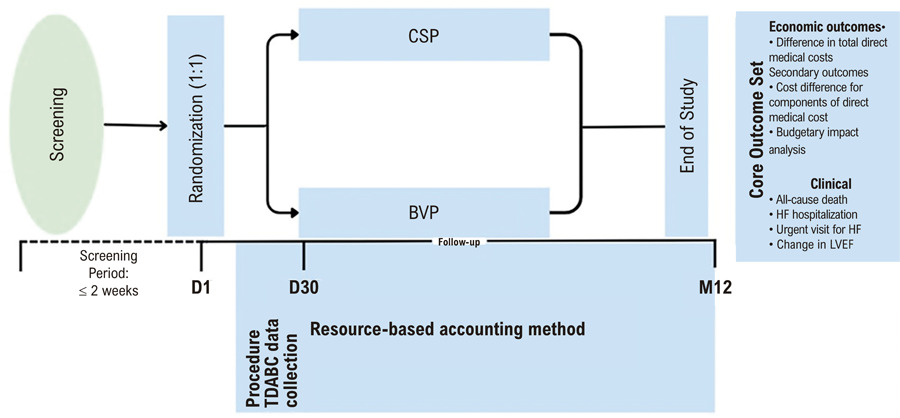
The PhysioSync-HF trial enrolled 179 patients with 1-year follow-up. Procedural cost data will be collected using a time-driven activity-based costing approach. Costs associated with the device, adverse clinical events, and ambulatory care during follow-up will be estimated using resource-based accounting methods. Appropriate methods will address missing data, and statistical analyses will account for the skewed distribution of cost variables.

Results

The primary economic outcome is the between-group difference in total direct medical costs per patient over the 1-year follow-up (CSP vs BVP). Secondary outcomes include component-level cost breakdowns of direct medical expenses and a budget impact analysis estimating the annual effect on Brazil’s health care system if all eligible patients received CSP instead of BVP.

Conclusion

By leveraging a multicenter cardiovascular trial to measure costs of CSP versus BVP, this economic evaluation aims to identify cost-saving opportunities that could expand equitable access to CRT for individuals with HFrEF in Brazil, while providing insights relevant to other health care settings worldwide.

Trial Registration

NCT05572736.
  • Cardiac Resynchronization Therapy
  • Health Care Costs
  • Systolic Heart Failure
Read Full Article
Creative Commons Attribution (CC BY) Creative Commons license
27/02/2026 DOI: 10.36660/abc.20250254i Views 4
ABC
Editorial

The Importance of Time-Course Studies Using Experimental Models of Cardiac Diseases

Diego Santos Souza et al. Danilo Roman-Campos

According to the American College of Cardiology, Heart Failure (HF) Syndrome is defined as a complex clinical syndrome that results from any structural or functional impairment of ventricular filling or ejection of blood. The etiological agent of the clinical syndrome of HF may result from different causes, which impact the prognosis and impose the necessity for specific treatment strategies, underlining the relevance of specific data elements for emphasizing these differences in HF, including the time course evolution of HF. This view is similar to the current Brazilian guideline for HF. Despite improvement in HF treatment and management, with a reduction in overall mortality rate over time, the death number and economic costs are still high. In 2014 a deep revision including 197 countries showed that HF’s overall global economic cost in 2012 was estimated at $108 billion per annum. Importantly, HF spending was largely different in high-income, middle, and low-income countries. For example, between 2014-2020, the annual median total medical costs for heart failure care were estimated at $24,383 per patient in the United States of America, meanwhile in Brazil in 2015, the average cost per patient with HF was 1,569 US$, taking into account the exchange rate in 2015. The high cost per patient is probably related to the lack of effective therapies to improve human health during HF. Then unveiling the molecular basis of cardiac remodeling found in the disease is one of the main challenges in cardiovascular medicine.

In the last years, significant advances in understanding molecular mechanisms of adaptive and maladaptive hypertrophy and heart failure in response to stress signals have shown that many extracellular factors and signaling pathways are involved in the remodeling of cardiomyocytes, the working cells found in the heart tissue. Since the time course of HF is etiological-dependent, it is fundamental to understand how the HF syndrome develops. For example, the intracellular dynamics of Ca2are modified in the different etiologies of HF with reduced (HFrEF) or preserved (HFpEF) ejection fraction. In animal models of diabetic or hypertensive HFpEF and HFrEF, studies have shown that magnitude and kinetics of Ca2release remain unchanged in both HFpEF models but impaired in HFrEF. Although Sarco/endoplasmic reticulum Ca2adenosine triphosphatase-2a (SERCA) protein density was reduced in these HFrEF and HFpEF models, in the HFpEF model for hypertension, this is offset by increased PLB phosphorylation (Phospholamban is a protein able to modulate SERCA2A), but not in diabetic HFrEF and HFpEF resulting in delay intracellular Ca2reuptake by SERCA.

[…]

  • Cardiovascular Diseases
  • Health Care Costs
  • Heart Failure
  • Mortality
  • Myoctes Cardiac
  • Rats
  • Ventricular Remodeling
Read Full Article
Creative Commons Attribution (CC BY) Creative Commons license
07/03/2022 DOI: 10.36660/abc.20210997 Views 1
ABC
Original Article

Economy- and Social-Based Strategies for Anticoagulation of Patients with Atrial Fibrillation

Andressa Zulmira Avila Guerrero et al. Enia Lucia Coutinho Marcos Bosi Ferraz Claudio Cirenza … Marcelo Cincotto Esteves dos Santos José Roberto Ferraro Angelo Amato Vincenzo de Paola

Abstract

Background:

Atrial fibrillation is a public health problem associated with a fivefold increased risk of stroke or death. Analyzing costs is important when introducing new therapies and must be reconsidered in special situations, such as the novel coronavirus pandemic of 2020.

Objective:

This study aimed to evaluate the costs related to anticoagulant therapy in a one-year period, and the quality of life of atrial fibrillation patients treated in a public university hospital.

Methods:

Patient costs were those related to the anticoagulation and calculated by the average monthly costs of warfarin or direct oral anticoagulants (DOACs). Patient non-medical costs (eg., food and transportation) were calculated from data obtained by questionnaires. The Brazilian SF-6D was used to measure the quality of life. P-values < 0.05 were considered statistically significant.

Results:

The study population consisted of 90 patients, 45 in each arm (warfarin vs direct oral anticoagulants). Costs were 20% higher in the DOAC group ($55,532.62 vs $46,385.88), and mainly related to drug price ($23,497.16 vs $1,903.27). Hospital costs were higher in the warfarin group ($31,088.41 vs $24,604.74) and related to outpatient visits. Additionally, non-medical costs were almost twice higher in the warfarin group ($13,394.20 vs $7,430.72). Equivalence of price between the two drugs could be achieved by a 39% reduction in the price of DOACs. There were no significant group differences regarding quality of life.

Conclusions:

Total costs were higher in the group of patients taking DOACs than those taking warfarin. However, a nearly 40% reduction in the price of DOACs could make it feasible to incorporate these drugs into the Brazilian public health system.

  • Anticoagulants
  • Atrial Fibrillation
  • Health Care Costs
  • Warfarin
Read Full Article
Creative Commons Attribution (CC BY) Creative Commons license
21/02/2022 DOI: 10.36660/abc.20200921
ABC
Editorial

Heart Failure Trends in Paraíba: Earlier Diagnosis or Better Treatment? – That is One of the Questions

Ana Teresa Timóteo

Heart Failure (HF) is a clinical syndrome with high prevalence, morbidity and mortality worldwide.– It is also one of the main causes for hospital admissions with elevated direct and indirect costs.– The prevalence of HF is expected to increase due to the increase in cardiovascular risk factors in the general population and to the increase in life expectancy. Elderly patients are more prone to the development of HF, as well as of admissions for HF. For that reason, an increase in the economic burden of HF is expected in the next decades.–

Previously published data showed, however, some epidemiological differences according to the world region, when comparing developing and developed countries. Recently published data from the European Society of cardiology Heart Failure Long-term Registry, a registry that included a wide spectrum of countries with very different socio-economic backgrounds, from Southern, Western, Northern and Eastern Europe, as well as Middle East and Northern Africa, showed significant between-region differences in baseline characteristics, clinical characteristics and also treatment and outcomes in patients with acute and chronic HF.

[…]

  • Comorbidity
  • Health Care Costs
  • Heart Failure / mortality
  • Heart Failure/epidemiology
  • Heart Failure/physiopathology
  • Heart Failure/trends
  • Hospitalization
Read Full Article
Creative Commons Attribution (CC BY) Creative Commons license
20/03/2020 DOI: 10.36660/abc.20190898 Views 1
Figure 1
IJCS
Original Article

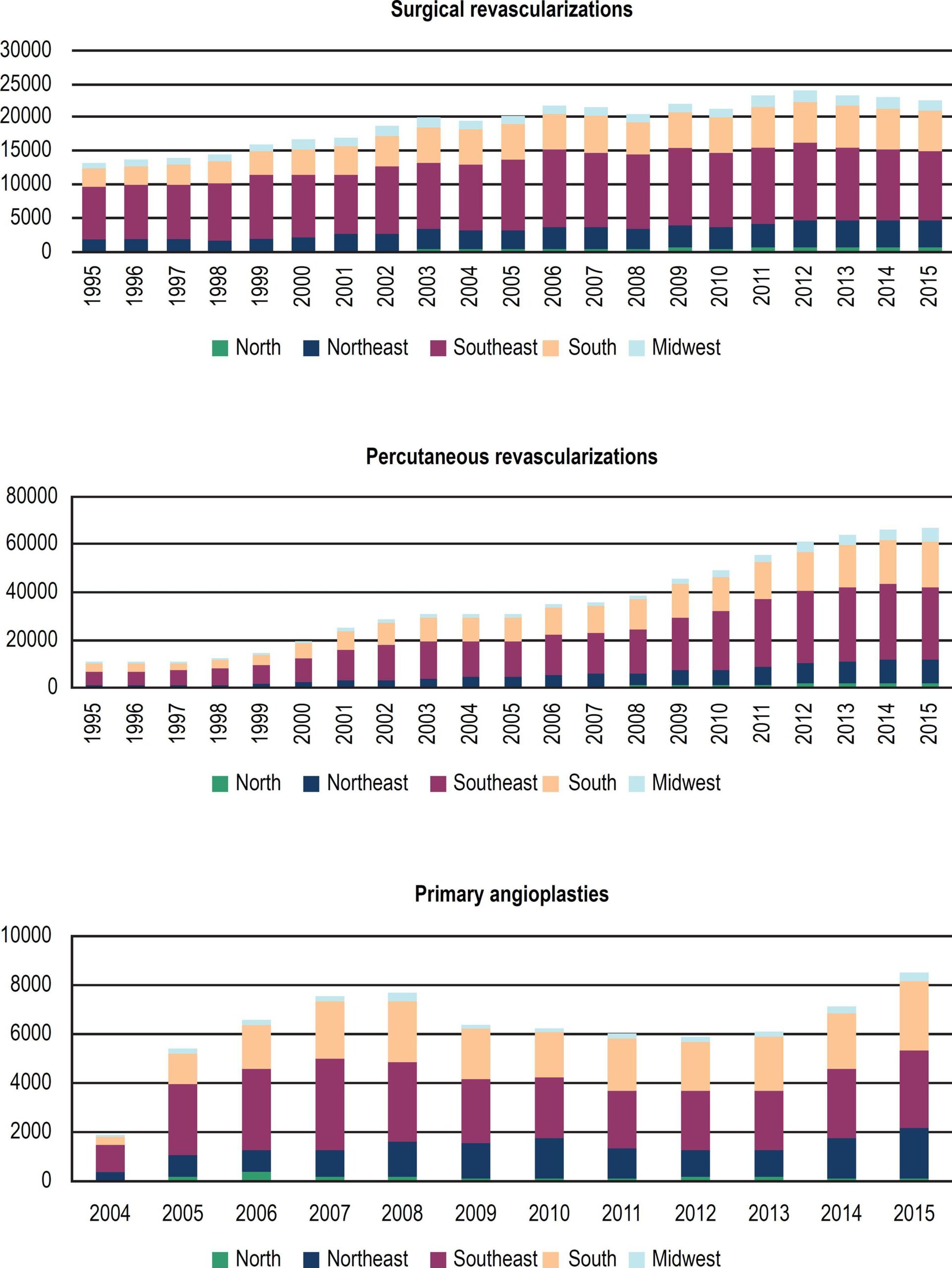
Temporal Evaluation of Coronary Revascularization Procedures Performed through the Unified Health System (SUS) in Brazil: a 20-year overview

Igor Ribeiro de Castro Bienert et al. Alexandre Rodrigues Érika Airi Harada Karoline Lopes Silva … Amanda Ribeiro Valente Paulo André da Silva Joao Carlos Moron Saes Braga Fabio Salerno Rinaldi Fábio Villaça Guimarães Filho Pedro Beraldo de Andrade

Abstract

Introduction:

The mortality rates associated with coronary atherosclerotic disease (CAD) have been declining over the past decades driven, in part, by advances in revascularization techniques.

Objective:

The aim of this study was to provide an overview of the past 20 years in the treatment of CAD delivered by the Brazilian Unified Health Care System (SUS).

Methods:

The data were obtained from SUS’s TABNET and SIGTAP systems and IBGE. The procedures were grouped into the categories percutaneous, surgical, and primary percutaneous revascularizations. The analysis included the number of hospital admission authorizations (AIH), mean length of hospital stay, in-hospital mortality, mean total amount paid by procedure, and mean values paid per AIH and for professional and hospital services.

Results:

Between 1995 and 2015, there were increases in the number of surgical revascularizations (from 13,198 to 22,559) and percutaneous revascularizations (from 10,522 to 66,345). Similarly, the number of primary angioplasties increased between 2004 and 2015 (from 1,901 to 8,524). There was a decrease in the mean length of hospital stay (from 14.4 to 12.8 days) and hospital mortality (from 7.6% to 5.9%) for surgical revascularizations, and decrease in mean length of hospital stay (from 5.3 days to 3.7 days) but maintenance of the mortality rates (2.2%) for percutaneous revascularizations. In primary angioplasties, the mean length of hospital stay varied from 5.3 to 5.6 days and the mortality rate varied from 7.94% to 7.43% between 2004 and 2015, respectively. The mean total amount paid for surgical revascularization varied from R$ 4,327.57 to $12,839.13 and for percutaneous revascularizations from R$ 2,615.81 to $6,187.87 between 1995 and 2015, respectively. Corresponding values for primary angioplasties were R$ 5,415.58 in 2004 to R$ 6,581.51 in 2015.

Conclusions:

The number of revascularization procedures increased in Brazil over the past 20 years, with an improvement in mortality rates and decrease in length of hospital stay. There was a substantial lag in economic values relative to the inflation accumulated during the period.

  • Angioplasty, Balloon, Coronary
  • Coronary Artery Diseases
  • Health Care Costs
  • Myocardial Revascularization
  • Unified Health System
Read Full Article
Creative Commons Attribution (CC BY) Creative Commons license
01/01/2017 DOI: 10.5935/2359-4802.20170080 Views 1
Figure 1
ABC
Original Article

Acute Coronary Syndrome Treatment Costs from the Perspective of the Supplementary Health System

Vanessa Teich et al. Tony Piha Lucas Fahham Haline Bianca Squiassi … Everton de Matos Paloni Paulo Miranda Denizar Vianna Araújo

Abstract

Background:

Acute coronary syndrome (ACS) is defined as a “group of clinical symptoms compatible with acute myocardial ischemia”, representing the leading cause of death worldwide, with a high clinical and financial impact. In this sense, the development of economic studies assessing the costs related to the treatment of ACS should be considered.

Objective:

To evaluate costs and length of hospital stay between groups of patients treated for ACS undergoing angioplasty with or without stent implantation (stent+ / stent-), coronary artery bypass surgery (CABG) and treated only clinically (Clinical) from the perspective of the Brazilian Supplementary Health System (SHS).

Methods:

A retrospective analysis of medical claims of beneficiaries of health plans was performed considering hospitalization costs and length of hospital stay for management of patients undergoing different types of treatment for ACS, between Jan/2010 and Jun/2012.

Results:

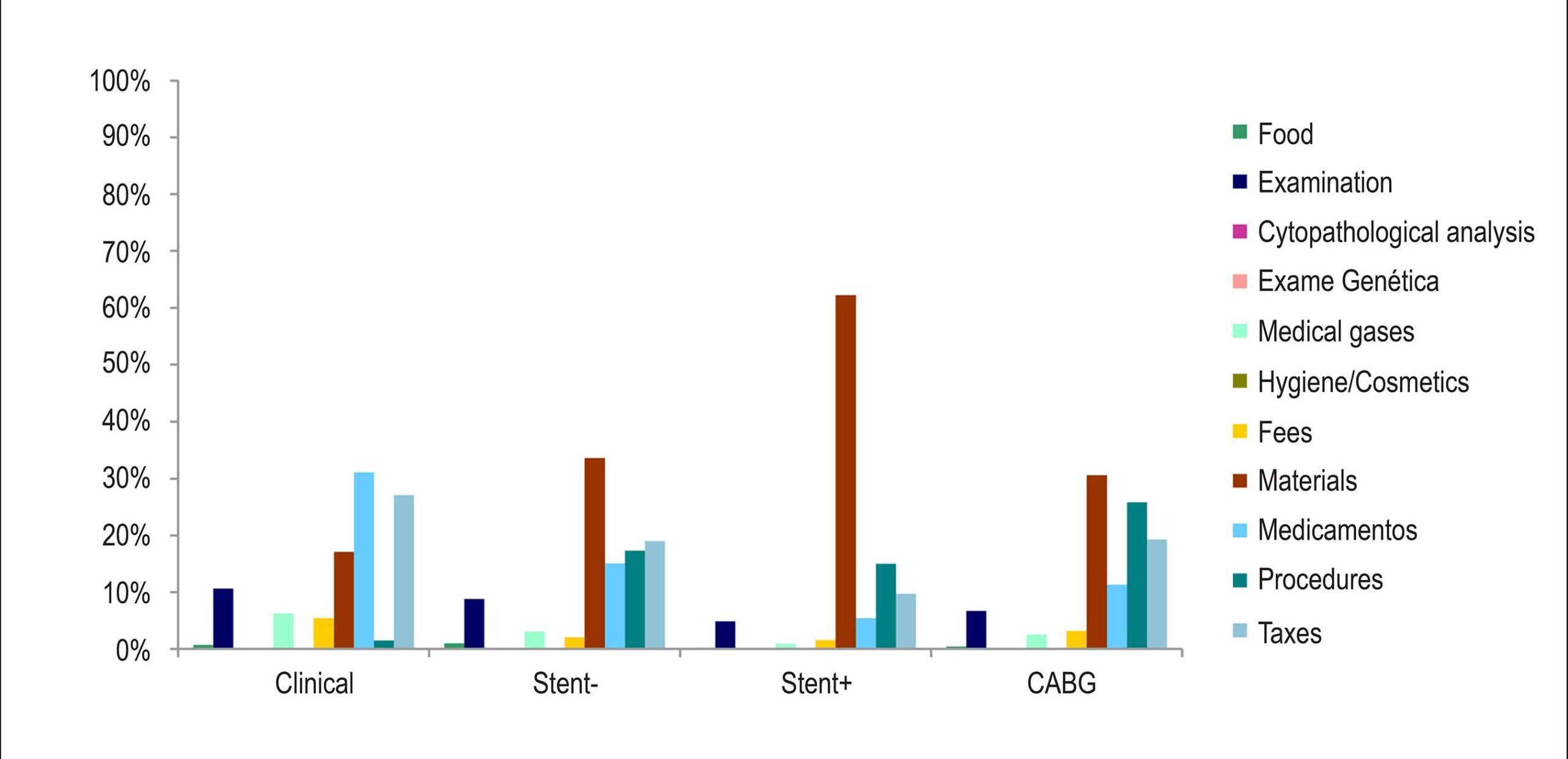
The average costs per patient were R$ 18,261.77, R$ 30,611.07, R$ 37,454.94 and R$ 40,883.37 in the following groups: Clinical, stent-, stent+ and CABG, respectively. The average costs per day of hospitalization were R$ 1,987.03, R$ 4,024.72, R$ 6,033.40 and R$ 2,663.82, respectively. The average results for length of stay were 9.19 days, 7.61 days, 6.19 days and 15.20 days in these same groups. The differences were significant between all groups except Clinical and stent- and between stent + and CABG groups for cost analysis.

Conclusion:

Hospitalization costs of SCA are high in the Brazilian SHS, being significantly higher when interventional procedures are required.

  • Acute Coronary Syndrome / economy
  • Data Interpretation, Statistical
  • Health Care Costs
  • Health Expenditures
  • Prepaid Health Plans
Read Full Article
Creative Commons Attribution (CC BY) Creative Commons license
01/10/2015 DOI: 10.5935/abc.20150129 Views 2
Coronary artery bypass graft surgery performance and costs by the Brazilian Public Health System (SUS) in the State of Rio de Janeiro, from 1999 to 2008
ABC
Artigo Original

Coronary artery bypass graft surgery performance and costs by the Brazilian Public Health System (SUS) in the State of Rio de Janeiro, from 1999 to 2008

Gláucia Maria Moraes de Oliveira et al. Carlos Henrique Klein Nelson Albuquerque de Souza e Silva

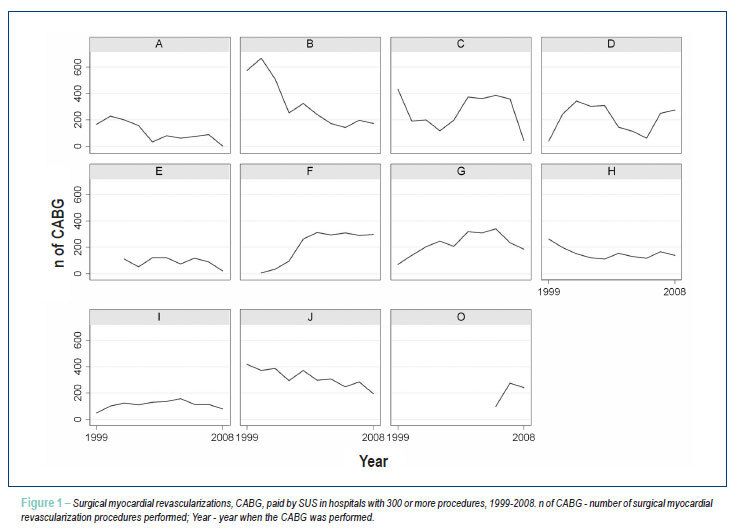
BACKGROUND: Expenses with coronary artery bypass grafting (CABG) surgery and coronary angioplasty (CA) represented a significant cost to SUS. OBJECTIVE: To analyze SUS expenses with CABG and CA and their performance in hospitals in the state of Rio de Janeiro (SRJ), from 1999 to 2008. METHODS: The information came from paid HAA in hospitals with more than 100 revascularization procedures. Mortality rates were adjusted by Poisson (with covariates age, length of hospital stay and ICU expenses). Mean relative cost indices were calculated by dividing the mean value of the cost fraction spent in each hospital by the mean expense in the SRJ in U.S. dollars. Stata software was used for statistical analysis. RESULTS: A total of 10,983 CABG and 19,661 CA were paid by SUS in 20 hospitals during the 10 years, with mean values of US$ 3,088.12 and 2,183.93, respectively. The mortality rate in CABG varied from 9.2%-1999 to 7.7%-2008, with ranges of 5.0%-9.2% and in CA, from 1.6%-1999 to 1.5%-2008, with ranges of 0.9%-2.3%. The hospitals decreased the number of CABG procedures and doubled CA procedures. Age, time of hospital stay and ICU costs significantly correlated with lethality in CABG and CA paid by SUS in the SRJ. On average, hospital service costs represented 41% of the total cost of CABG and 18% of CA, and with ortheses and prostheses, 55% in CA and 28% in CABG. CONCLUSION: It is clear the need to improve the quality of healthcare service in institutions that perform CABG and CA paid by SUS.

  • Health Care Costs
  • Myocardial Revascularization
  • Unified Health System
Read Full Article
Creative Commons Attribution (CC BY) Creative Commons license
21/10/2011 DOI: 10.1590/S0066-782X2011005000108
Analysis of the cost-effectiveness of thrombolysis with alteplase in stroke
ABC
Artigo Original

Analysis of the cost-effectiveness of thrombolysis with alteplase in stroke

Denizar Vianna Araújo et al. Vanessa Teich Roberta Benitez Freitas Passos Sheila Cristina Ouriques Martins

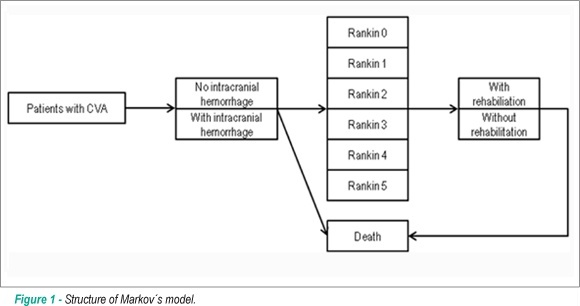
BACKGROUND: The cerebrovascular accident (CVA) or stroke is the main cause of death in Brazil and little information is available on the cost of treatment. OBJECTIVE: To carry out a cost-effectiveness analysis of thrombolysis in stroke, up to three hours after symptom onset, comparing the treatment with alteplase versus the conservative treatment, under the perspective of the Brazilian Public Health System (SUS). METHODS: A decision analysis model was developed to compare the two types of treatment. Cycles were considered, during which the patients would go through five stages of disability post-stroke, based on the modified Rankin scale. The probability to present intracranial hemorrhage in the first year was obtained from the NINDS trial. For the subsequent years, one-year cycles were considered to calculate patients’ mortality. The outcome was expressed as quality-adjusted life years (QALY). Both direct and indirect costs were considered in the analysis. Costs and outcomes were discounted at 5% a year. RESULTS: In the first year, the QALY gained was 0.06 for both sexes, with an incremental cost of R$ 2,558 for men and R$ 2,312 for women. The incremental cost-effectiveness ratio (ICER) in one year was R$ 40,539 / QALY (USD 28,956) for men and R$ 36,640 / QALY (USD 26,171) for women. After the second year, the treatment with alteplase reduced the cost of treatment (Purchasing Power Parity index: US$ 1 = R$ 1.4). CONCLUSION: The thrombolytic therapy with alteplase within the first three hours following a stroke is cost-effective in the Brazilian Public Health System scenario.

  • Health Care Costs
  • Stroke
  • tissue plasminogen activator
Read Full Article
Creative Commons Attribution (CC BY) Creative Commons license
11/06/2010 DOI: 10.1590/S0066-782X2010005000067

How to cite this article

EndNote RIS

Electronic Document Format (Vancouver)

Decker SRR, Etges APBS, Zimerman A, Alves FD, Ternes CM, Santos JS, Zimerman L, et al. Conduction System Pacing vs Biventricular Pacing in Chronic Heart Failure: Protocol for the Economic Analysis of the PhysioSync-HF Trial. Arquivos Brasileiros de Cardiologia 2026;122(12):e20250254.

Electronic Document Format (ABNT)

Decker, Sérgio R. R.; Etges, Ana Paula Beck da S; Zimerman, André; Alves, Fernanda D.; Ternes, Caique M.; Santos, Juliana S.; Zimerman, Leandro; Rohde, Luis Eduardo; Forno, Alexander Dal; d’Avila, André; Kazi, Dhruv S.; Bertoldi, Eduardo G.; Polanczyk, Carisi A.. Conduction System Pacing vs Biventricular Pacing in Chronic Heart Failure: Protocol for the Economic Analysis of the PhysioSync-HF Trial. Arquivos Brasileiros de Cardiologia, v. 122, n. 12, e20250254, Feb. 2026.

Electronic Document Format (APA)

Decker, S. R. R., Etges, A. P. B. S., Zimerman, A., Alves, F. D., Ternes, C. M., Santos, J. S., Zimerman, L., Rohde, L. E., Forno, A. D., d’Avila, A., Kazi, D. S., Bertoldi, E. G., & Polanczyk, C. A. (2026). Conduction System Pacing vs Biventricular Pacing in Chronic Heart Failure: Protocol for the Economic Analysis of the PhysioSync-HF Trial. Arquivos Brasileiros de Cardiologia, 122(12), e20250254.

Electronic Document Format (ISO)

Decker, Sérgio R. R. and Etges, Ana Paula Beck da S and Zimerman, André and Alves, Fernanda D. and Ternes, Caique M. and Santos, Juliana S. and Zimerman, Leandro and Rohde, Luis Eduardo and Forno, Alexander Dal and d’Avila, André and Kazi, Dhruv S. and Bertoldi, Eduardo G. and Polanczyk, Carisi A.. Conduction System Pacing vs Biventricular Pacing in Chronic Heart Failure: Protocol for the Economic Analysis of the PhysioSync-HF Trial. Arquivos Brasileiros de Cardiologia [online]. 2026, vol. 122, n. 12, [cited 2026-10-14], e20250254. Available from: <https://journals.cardiol.br/en/article/conduction-system-pacing-vs-biventricular-pacing-in-chronic-heart-failure-protocol-for-the-economic-analysis-of-the-physiosync-hf-trial/>. ISSN 0066-782X

EndNote RIS

Electronic Document Format (Vancouver)

Souza DS, Roman-Campos D. The Importance of Time-Course Studies Using Experimental Models of Cardiac Diseases. Arquivos Brasileiros de Cardiologia 2022;118(2):476-7.

Electronic Document Format (ABNT)

Souza, Diego Santos; Roman-Campos, Danilo. The Importance of Time-Course Studies Using Experimental Models of Cardiac Diseases. Arquivos Brasileiros de Cardiologia, v. 118, n. 2, p. 476-477, Mar. 2022.

Electronic Document Format (APA)

Souza, D. S., & Roman-Campos, D. (2022). The Importance of Time-Course Studies Using Experimental Models of Cardiac Diseases. Arquivos Brasileiros de Cardiologia, 118(2), 476-477.

Electronic Document Format (ISO)

Souza, Diego Santos and Roman-Campos, Danilo. The Importance of Time-Course Studies Using Experimental Models of Cardiac Diseases. Arquivos Brasileiros de Cardiologia [online]. 2022, vol. 118, n. 2, [cited 2026-10-14], pp. 476-477. Available from: <https://journals.cardiol.br/en/article/the-importance-of-time-course-studies-using-experimental-models-of-cardiac-diseases/>. ISSN 0066-782X

EndNote RIS

Electronic Document Format (Vancouver)

Guerrero AZA, Coutinho EL, Ferraz MB, Cirenza C, Santos MCE, Ferraro JR, Paola AAV, et al. Economy- and Social-Based Strategies for Anticoagulation of Patients with Atrial Fibrillation. Arquivos Brasileiros de Cardiologia 2022;118(1):88-94.

Electronic Document Format (ABNT)

Guerrero, Andressa Zulmira Avila; Coutinho, Enia Lucia; Ferraz, Marcos Bosi; Cirenza, Claudio; Santos, Marcelo Cincotto Esteves dos; Ferraro, José Roberto; Paola, Angelo Amato Vincenzo de. Economy- and Social-Based Strategies for Anticoagulation of Patients with Atrial Fibrillation. Arquivos Brasileiros de Cardiologia, v. 118, n. 1, p. 88-94, Feb. 2022.

Electronic Document Format (APA)

Guerrero, A. Z. A., Coutinho, E. L., Ferraz, M. B., Cirenza, C., Santos, M. C. E. , Ferraro, J. R., & Paola, A. A. V. (2022). Economy- and Social-Based Strategies for Anticoagulation of Patients with Atrial Fibrillation. Arquivos Brasileiros de Cardiologia, 118(1), 88-94.

Electronic Document Format (ISO)

Guerrero, Andressa Zulmira Avila and Coutinho, Enia Lucia and Ferraz, Marcos Bosi and Cirenza, Claudio and Santos, Marcelo Cincotto Esteves dos and Ferraro, José Roberto and Paola, Angelo Amato Vincenzo de. Economy- and Social-Based Strategies for Anticoagulation of Patients with Atrial Fibrillation. Arquivos Brasileiros de Cardiologia [online]. 2022, vol. 118, n. 1, [cited 2026-10-14], pp. 88-94. Available from: <https://journals.cardiol.br/en/article/economy-and-social-based-strategies-for-anticoagulation-of-patients-with-atrial-fibrillation/>. ISSN 0066-782X

EndNote RIS

Electronic Document Format (Vancouver)

Timóteo AT. Heart Failure Trends in Paraíba: Earlier Diagnosis or Better Treatment? – That is One of the Questions. Arquivos Brasileiros de Cardiologia 2020;114(2):232-3.

Electronic Document Format (ABNT)

Timóteo, Ana Teresa. Heart Failure Trends in Paraíba: Earlier Diagnosis or Better Treatment? – That is One of the Questions. Arquivos Brasileiros de Cardiologia, v. 114, n. 2, p. 232-233, Mar. 2020.

Electronic Document Format (APA)

Timóteo, A. T. (2020). Heart Failure Trends in Paraíba: Earlier Diagnosis or Better Treatment? – That is One of the Questions. Arquivos Brasileiros de Cardiologia, 114(2), 232-233.

Electronic Document Format (ISO)

Timóteo, Ana Teresa. Heart Failure Trends in Paraíba: Earlier Diagnosis or Better Treatment? – That is One of the Questions. Arquivos Brasileiros de Cardiologia [online]. 2020, vol. 114, n. 2, [cited 2026-10-14], pp. 232-233. Available from: <https://journals.cardiol.br/en/article/heart-failure-trends-in-paraiba-earlier-diagnosis-or-better-treatment-that-is-one-of-the-questions/>. ISSN 0066-782X

EndNote RIS

Electronic Document Format (Vancouver)

Bienert IRC, Rodrigues A, Harada A, Silva KL, Valente AR, Silva PA, Braga JCMS, et al. Temporal Evaluation of Coronary Revascularization Procedures Performed through the Unified Health System (SUS) in Brazil: a 20-year overview. International Journal of Cardiovascular Sciences 2017;30(5):380-9.

Electronic Document Format (ABNT)

Bienert, Igor Ribeiro de Castro; Rodrigues, Alexandre; Harada, Érika Airi; Silva, Karoline Lopes; Valente, Amanda Ribeiro; Silva, Paulo André da; Braga, Joao Carlos Moron Saes; Rinaldi, Fabio Salerno; Guimarães Filho, Fábio Villaça; Andrade, Pedro Beraldo de. Temporal Evaluation of Coronary Revascularization Procedures Performed through the Unified Health System (SUS) in Brazil: a 20-year overview. International Journal of Cardiovascular Sciences, v. 30, n. 5, p. 380-390, Dec. 2016.

Electronic Document Format (APA)

Bienert, I. R. C., Rodrigues, A., Harada, A., Silva, K. L., Valente, A. R., Silva, P. A. , Braga, J. C. M. S., Rinaldi, F. S., Guimarães Filho, F. V., & Andrade, P. B. (2017). Temporal Evaluation of Coronary Revascularization Procedures Performed through the Unified Health System (SUS) in Brazil: a 20-year overview. International Journal of Cardiovascular Sciences, 30(5), 380-390.

Electronic Document Format (ISO)

Bienert, Igor Ribeiro de Castro and Rodrigues, Alexandre and Harada, Érika Airi and Silva, Karoline Lopes and Valente, Amanda Ribeiro and Silva, Paulo André da and Braga, Joao Carlos Moron Saes and Rinaldi, Fabio Salerno and Guimarães Filho, Fábio Villaça and Andrade, Pedro Beraldo de. Temporal Evaluation of Coronary Revascularization Procedures Performed through the Unified Health System (SUS) in Brazil: a 20-year overview. International Journal of Cardiovascular Sciences [online]. 2017, vol. 30, n. 5, [cited 2026-10-14], pp. 380-390. Available from: <https://journals.cardiol.br/en/article/temporal-evaluation-of-coronary-revascularization-procedures-performed-through-the-unified-health-system-sus-in-brazil-a-20-year-overview/>. ISSN 2359-4802

EndNote RIS

Electronic Document Format (Vancouver)

Teich V, Piha T, Fahham L, Squiassi HB, Paloni EM, Miranda P, Araújo DV, et al. Acute Coronary Syndrome Treatment Costs from the Perspective of the Supplementary Health System. Arquivos Brasileiros de Cardiologia 2015;105(4):339-44.

Electronic Document Format (ABNT)

Teich, Vanessa; Piha, Tony; Fahham, Lucas; Squiassi, Haline Bianca; Paloni, Everton de Matos; Miranda, Paulo; Araújo, Denizar Vianna. Acute Coronary Syndrome Treatment Costs from the Perspective of the Supplementary Health System. Arquivos Brasileiros de Cardiologia, v. 105, n. 4, p. 339-344, Sep. 2015.

Electronic Document Format (APA)

Teich, V., Piha, T., Fahham, L., Squiassi, H. B., Paloni, E. M., Miranda, P., & Araújo, D. V. (2015). Acute Coronary Syndrome Treatment Costs from the Perspective of the Supplementary Health System. Arquivos Brasileiros de Cardiologia, 105(4), 339-344.

Electronic Document Format (ISO)

Teich, Vanessa and Piha, Tony and Fahham, Lucas and Squiassi, Haline Bianca and Paloni, Everton de Matos and Miranda, Paulo and Araújo, Denizar Vianna. Acute Coronary Syndrome Treatment Costs from the Perspective of the Supplementary Health System. Arquivos Brasileiros de Cardiologia [online]. 2015, vol. 105, n. 4, [cited 2026-10-14], pp. 339-344. Available from: <https://journals.cardiol.br/en/article/acute-coronary-syndrome-treatment-costs-from-the-perspective-of-the-supplementary-health-system/>. ISSN 0066-782X

EndNote RIS

Electronic Document Format (Vancouver)

Oliveira GMM, Klein CH, Silva NAS. Coronary artery bypass graft surgery performance and costs by the Brazilian Public Health System (SUS) in the State of Rio de Janeiro, from 1999 to 2008. Arquivos Brasileiros de Cardiologia 2011;97(4):297-306.

Electronic Document Format (ABNT)

Oliveira, Gláucia Maria Moraes de; Klein, Carlos Henrique; Silva, Nelson Albuquerque de Souza e. Coronary artery bypass graft surgery performance and costs by the Brazilian Public Health System (SUS) in the State of Rio de Janeiro, from 1999 to 2008. Arquivos Brasileiros de Cardiologia, v. 97, n. 4, p. 297-306, Oct. 2011.

Electronic Document Format (APA)

Oliveira, G. M. M. , Klein, C. H., & Silva, N. A. S. (2011). Coronary artery bypass graft surgery performance and costs by the Brazilian Public Health System (SUS) in the State of Rio de Janeiro, from 1999 to 2008. Arquivos Brasileiros de Cardiologia, 97(4), 297-306.

Electronic Document Format (ISO)

Oliveira, Gláucia Maria Moraes de and Klein, Carlos Henrique and Silva, Nelson Albuquerque de Souza e. Coronary artery bypass graft surgery performance and costs by the Brazilian Public Health System (SUS) in the State of Rio de Janeiro, from 1999 to 2008. Arquivos Brasileiros de Cardiologia [online]. 2011, vol. 97, n. 4, [cited 2026-10-14], pp. 297-306. Available from: <https://journals.cardiol.br/en/article/coronary-artery-bypass-graft-surgery-performance-and-costs-by-the-brazilian-public-health-system-sus-in-the-state-of-rio-de-janeiro-from-1999-to-2008/>. ISSN 0066-782X

EndNote RIS

Electronic Document Format (Vancouver)

Araújo DV, Teich V, Passos RBF, Martins SCO. Analysis of the cost-effectiveness of thrombolysis with alteplase in stroke. Arquivos Brasileiros de Cardiologia 2010;95(1):12-20.

Electronic Document Format (ABNT)

Araújo, Denizar Vianna; Teich, Vanessa; Passos, Roberta Benitez Freitas; Martins, Sheila Cristina Ouriques. Analysis of the cost-effectiveness of thrombolysis with alteplase in stroke. Arquivos Brasileiros de Cardiologia, v. 95, n. 1, p. 12-20, Jun. 2010.

Electronic Document Format (APA)

Araújo, D. V., Teich, V., Passos, R. B. F., & Martins, S. C. O. (2010). Analysis of the cost-effectiveness of thrombolysis with alteplase in stroke. Arquivos Brasileiros de Cardiologia, 95(1), 12-20.

Electronic Document Format (ISO)

Araújo, Denizar Vianna and Teich, Vanessa and Passos, Roberta Benitez Freitas and Martins, Sheila Cristina Ouriques. Analysis of the cost-effectiveness of thrombolysis with alteplase in stroke. Arquivos Brasileiros de Cardiologia [online]. 2010, vol. 95, n. 1, [cited 2026-10-14], pp. 12-20. Available from: <https://journals.cardiol.br/en/article/analysis-of-the-cost-effectiveness-of-thrombolysis-with-alteplase-in-stroke/>. ISSN 0066-782X

  • About ABC Family
  • Internal Regulation
  • Editorial Board
  • Brazilian Society of Cardiology (SBC)

Issues

SBC Guidelines

  • Videos
  • Podcasts
  • News