ABC Family Arquivos Brasileiros de Cardiologia International Journal of Cardiovascular Sciences ABC Heart Failure & Cardiomyopathy ABC Imagem Cardiovascular
Português English
ABC Family
Português English
  • About
    • About ABC Family
    • Internal Regulation
    • Editorial Board
    • Brazilian Society of Cardiology (SBC)
  • Issues
  • SBC Guidelines
  • Content
    • Videos
    • Podcasts
    • News
  • About
    • About ABC Family
    • Internal Regulation
    • Editorial Board
    • Brazilian Society of Cardiology (SBC)
  • Issues
  • SBC Guidelines
  • Content
    • Videos
    • Podcasts
    • News

ABC Family

  • ABC Family
  • Arquivos Brasileiros de Cardiologia
  • International Journal of Cardiovascular Sciences
  • ABC Heart Failure & Cardiomyopathy
  • ABC Imagem Cardiovascular
Search in

No content found.

Journals
Ordering
Article types
Others

  1. Home
  2. Keyword: Cachexia
ABC
Editorial

The Importance of Assessing Malnutrition and Cachexia in Chagas Cardiomyopathy

Salvador Rassi et al. Daniela do Carmo Rassi Aguinaldo Figueiredo Freitas Júnior

Chagas cardiomyopathy, described by Carlos Chagas more than 100 years ago, is still a cause of significant morbidity and mortality, and has a negative effect on socioeconomic status of Latin America countries, including Brazil.

Malnutrition and cachexia in heart failure (HF), especially in Chagas disease patients, has a multifactorial etiology. Decreased food intake may be caused either by a reduced supply of foods to these usually underprivileged patients or by anorexia, which is common in this syndrome. Many factors may be involved in anorexia and weight loss, including tasteless food (mainly due to the low sodium diet) and due to visceral (mainly hepatic and intestinal) congestion. Hepatomegaly, usually dense, causes gastric discomfort due to left lobe enlargement and compression of the stomach. Pain in the right hypochondrium is caused by stretching of the liver capsule. Intestinal mucosal edema causes protein and fat malabsorption, ultimately affecting nutrition. Neuroendocrine and immunological changes are also involved in the development of cachexia in HF patients. Patients with cachexia have increased plasma levels of tumor necrosis factor-alpha (TNF-α) and other inflammatory cytokines, particularly interleukin (IL)-6 and IL-1. This results from bacterial translocation, in which abnormalities of the gastrointestinal tract are involved in the development of cachexia and systemic inflammation. Effects of these cytokines include proteolysis and loss of skeletal muscle mass, with aggravation of cachexia.

[…]
  • Cachexia
  • Chagas Cardiomyopathy
  • Epidemiology
  • Heart Failure/complications
  • Hospitalization
  • malnutrition
  • Morbimortality
  • Prognosis
  • Weight Loss
Read Full Article
Creative Commons Attribution (CC BY) Creative Commons license
21/02/2022 DOI: 10.36660/abc.20210919 Views 1
Figure 1
ABC
Original Article

Undernutrition and Cachexia in Patients with Decompensated Heart Failure and Chagas Cardiomyopathy: Occurrence and Association with Hospital Outcomes

Larissa Candido Alves Tavares et al. Silvia Helena Gelás Lage Edimar Alcides Bocchi Victor Sarli Issa

Abstract

Background

Nutritional disorders are common among patients with heart failure (HF) and associated with poor prognosis. Importantly, some populations of patients, like the ones with Chagas disease, are frequently excluded from most analyses.

Objective

We sought to study the occurrence of undernutrition and cachexia in patients with Chagas disease during episodes of decompensated HF (DHF) as compared to other etiologies, and to investigate the influence of these findings on hospital outcomes.

Methods

We performed a consecutive case series study with patients hospitalized with DHF. Patients underwent the Subjective Global Assessment of nutritional status (SGA), besides anthropometric and laboratorial measures, and were evaluated for the occurrence of cachexia, low muscle mass and strength. We studied the occurrence of death or urgent heart transplantation during hospitalization.

Results

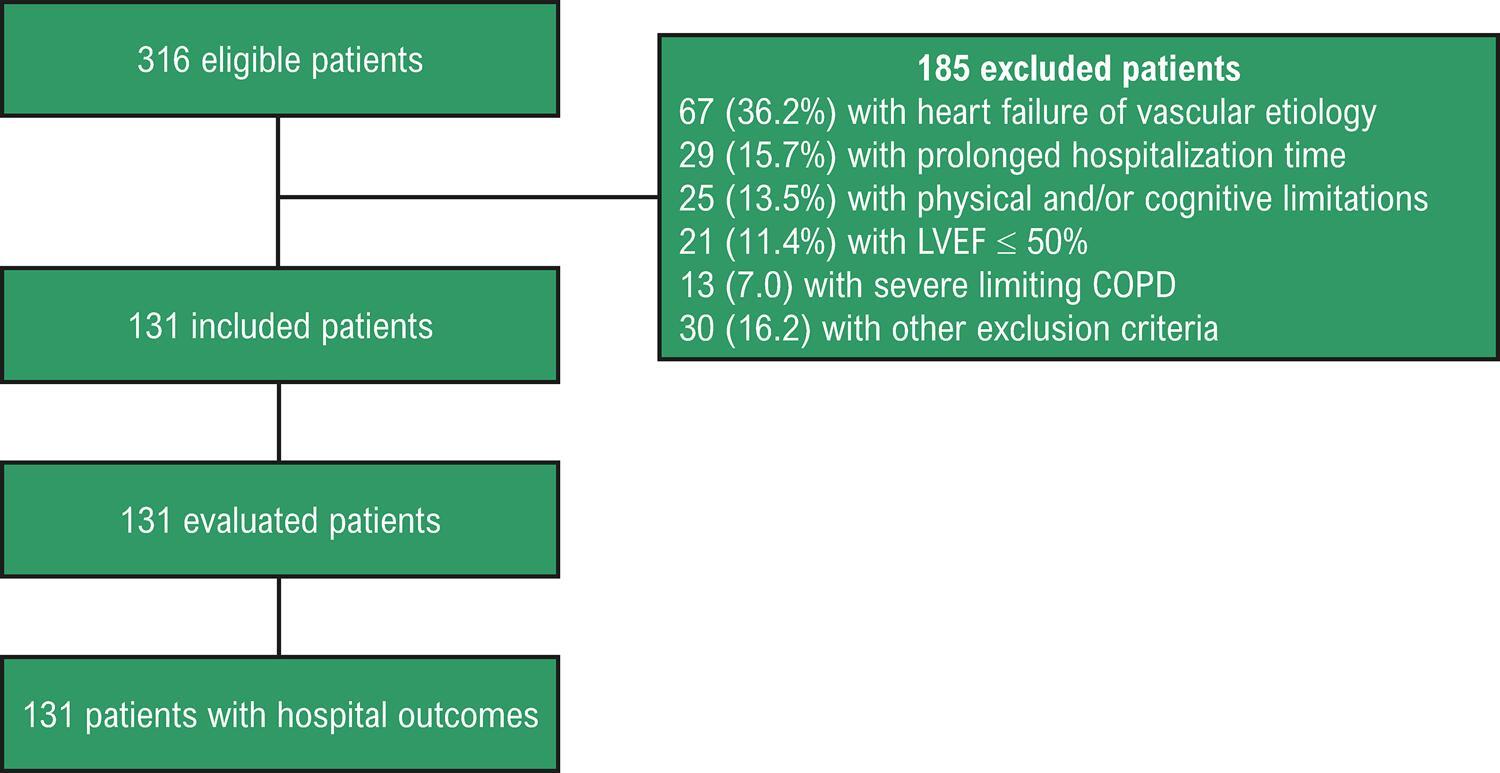
Altogether, 131 patients were analyzed and 42 (32.1%) had Chagas disease. Patients with Chagas disease had lower Body Mass Index (BMI) (22.4 kg/m2[19.9-25.3] vs. 23.6 kg/m2 [20.8-27.3], p=0.03), higher frequency of undernutrition (76.2% vs 55.1%, p=0.015) and higher occurrence of death or transplant (83.3% vs. 41.6%, p<0.001). We found that, in patients with Chagas etiology, the occurrence of death or cardiac transplantation were associated with undernutrition (3 [42.9%] patients with hospital discharge vs 29 [82.9%] patients with death or heart transplant, p=0.043).

Conclusions

Taken together, our results indicate that patients with Chagas disease hospitalized with DHF often present with nutritional disorders, especially undernutrition; importantly, this finding was associated with the occurrence of death and heart transplant during hospitalization.

  • Cachexia
  • Chagas Cardiomyopathy
  • Heart Failure
  • malnutrition
  • Nutrition Assessment
Read Full Article
Creative Commons Attribution (CC BY) Creative Commons license
21/02/2022 DOI: 10.36660/abc.20200644 Views 1
IJCS
Editorial

Hospital Malnutrition, Inflammation, and Cardiovascular Diseases

Camila Weschenfelder et al. Aline Marcadenti

Malnutrition in hospitalized patients, whose prevalence ranges between 40% and 60% in Latin America, is related to longer hospital stays, worse clinical outcomes, and increased hospitalization costs. The consequences related to hospital malnutrition have also been reported among patients diagnosed with cardiovascular disease (CVD). In these individuals, an exacerbated inflammatory state is associated with malnutrition, loss of muscle mass, and cardiac cachexia, especially in the more advanced stages of the disease.

Globally, there is a policy that aims to recognize the importance of hospital malnutrition and its consequences. In Brazil, in 2018, the campaign “Say no to malnutrition” was published, composed of 11 steps to combat hospital malnutrition. In this campaign, the first step involves risk stratification and nutritional assessment for subsequent implementation and monitoring of appropriate nutritional therapy.

[…]

  • Cachexia
  • Cardiovascular Diseases
  • Desnutrition
  • Hospitalization
  • Hospitalized Patients
  • Nutrition Service Hospitalar/administration and organization
Read Full Article
Creative Commons Attribution (CC BY) Creative Commons license
25/11/2020 DOI: 10.36660/ijcs.20200273 Views 1
IJCS
Original Article

Acuracy and Concordance of Anthropometric Indicators and Body Composition in Heart Failure

Daniela de Oliveira Rocha et al. Raquel Costa Silva Dantas Fernanda Lambert de Andrade Regina Ranielly dos Santos Avelino … Clélia de Oliveira Lyra Rosiane Viana Zuza Diniz Niethia Regina Dantas de Lira Karine Cavalcanti Mauricio Sena-Evangelista

Abstract

Background:

Anabolic/catabolic disorder in heart failure (HF) favors cardiac cachexia, implying a reduction in HF survival.

Objectives:

To assess the accuracy and concordance of the diagnosis of protein malnutrition and excess fat among the anthropometric and body composition methods in individuals with HF.

Method:

A study of accuracy that included 60 individuals with HF. Body mass index (BMI), arm circumference (AC), triceps skinfold thickness (TST), adductor pollicis muscle thickness (APMT), arm muscle circumference (AMC) and corrected arm muscle area (cAMA). Fat free mass index (FFMI) and body fat percentage (BF%), obtained by electrical bioimpedance (EBI), were used to compare the diagnosis of protein malnutrition and excess fat. Accuracy was assessed by calculating sensitivity, specificity, positive and negative predictive value. The concordance of the EBI diagnosis and other methods was performed by the chi-square test and kappa (k) statistic, where p<0.05 was considered significant.

Results:

Higher frequencies of protein malnutrition were identified by cAMA and AMC, and excess fat by BF%. BMI presented low sensitivity (43%) and accuracy (38.5%), with moderate concordance (0.50). AMC sensitivity was 86%, accuracy 66.4%, and acceptable concordance (0.36) compared to FFMI. Similar percentages of moderate sensitivity and low accuracy were observed for TST and BMI.

Conclusion:

AMC may be useful to identify protein malnutrition and TST has not been adequate to diagnose adiposity. BMI was not sensitive to assess muscle and adipose reserve. EBI was more accurate.

  • Body Composition
  • Cachexia
  • Heart Failure
  • Nutrition Assessment, Anthropometry
Read Full Article
Creative Commons Attribution (CC BY) Creative Commons license
17/12/2018 DOI: 10.5935/2359-4802.20180093 Views 1
Figure 1
ABC
Editorial

Adropin and Irisin in Patients with Cardiac Cachexia

Alfredo José Mansur

Cardiological clinical practice involves the care of patients with heart failure who lose weight, which not rarely culminates in cardiac cachexia. The differential diagnosis with other consumptive disorders can lead to an extensive diagnostic investigation.

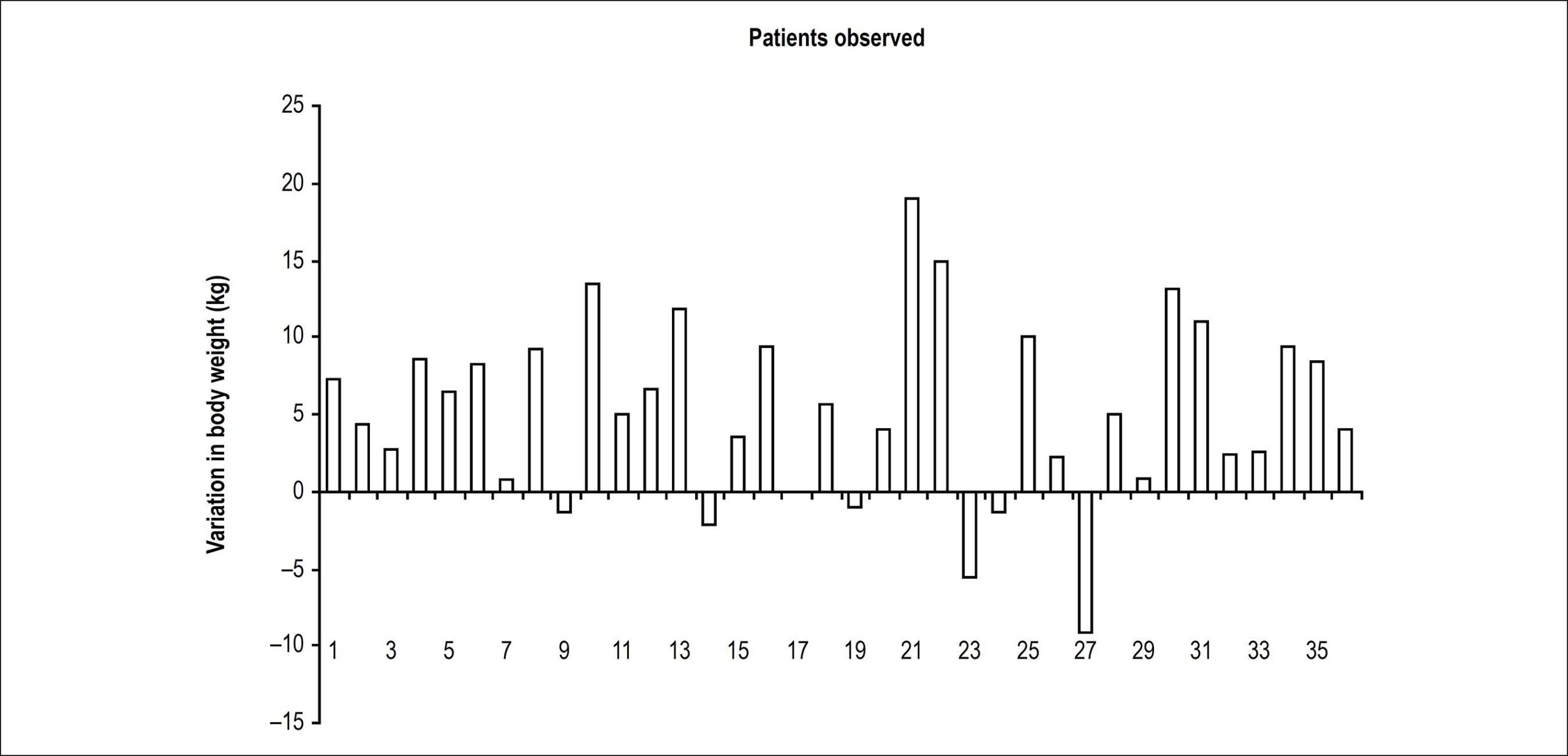
That has been a theme of interest in the medical literature for decades, and its importance remains recognized over time.– Physicians with decades of experience in cardiological clinical practice have noticed that individuals with heart failure due to heart valvular disease gain weight after well-succeeded surgical interventions that reverse heart failure. In other words, heart failure reversion also manifests as weight gain. A recent outpatient clinical observation [Correia GF & Lima NNC, unpublished data] of 36 patients for months has found body weight variation with the current pharmacological treatment for heart failure including betablockers ().

[…]

  • Adropine
  • Cachexia
  • Heart Failure
  • Prognosis
  • Weight Loss
Read Full Article
Creative Commons Attribution (CC BY) Creative Commons license
01/07/2018 DOI: 10.5935/abc.20180121 Views 1
Figure 1
ABC
Anatomopathological Correlation

Case 3/2018 – A 60-year-old Female with Chagasic Heart Disease, Admitted Due to Heart Failure Decompensation, Cachexia and Pulmonary Infection

Gustavo Alonso Arduine et al. Vera Demarchi Aiello

Clinical aspects

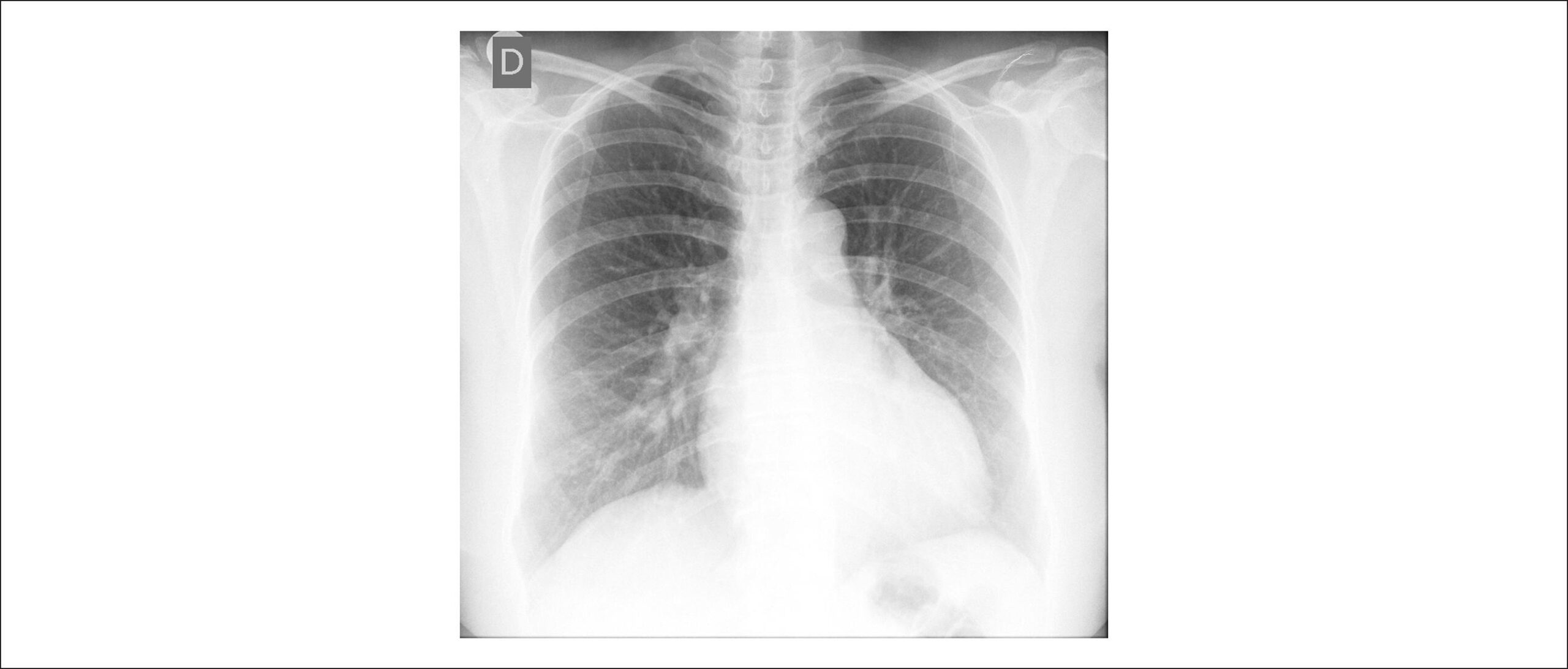
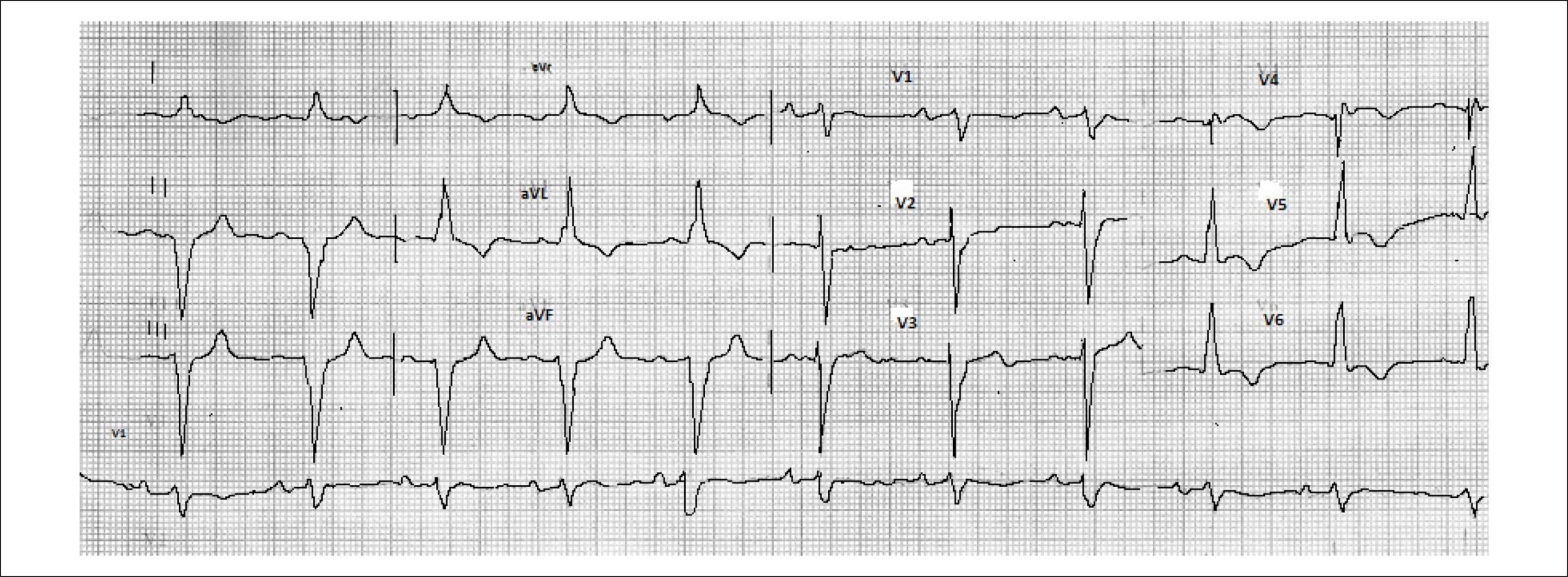
This 60-year-old patient had the following problems: dyspnea, dry cough, weight loss, slightly elevated body temperature, anemia, enlarged pulmonary hila, hilar calcifications (lymph nodes) and pulmonary nodule (granuloma with necrosis). In addition, she had the following antecedents: Chagas disease (not confirmed, because no serology for Chagas disease was performed), systemic arterial hypertension, heart failure with reduced ejection fraction, and previous akinetic areas, apical aneurysm and sustained ventricular tachycardia.

Of the granulomatous diseases, sarcoidosis has unspecific symptoms, such as fever, weight loss, nocturnal sweating and fatigue. Other symptoms depend on the organs or parts of the body affected, such as the lungs (dry cough, dyspnea, chest pain), eyes (eye pain, blurred vision), skin, musculoskeletal system (joint pain, myalgias) and lymph nodes (swelling). Although heart involvement is diagnosed in 5% to 10% of the cases, on postmortem examination, it can range from 10% to 76%, causing bundle-branch block, repolarization disorders, arrhythmias and cardiomyopathy., Isolated cardiac sarcoidosis can occur in up to 25% of the cases; thus, absence of extracardiac sarcoidosis does not exclude heart involvement.,

[…]

  • Cachexia
  • Chagas Cardiomyopathy
  • Chagas disease
  • Heart Failure
  • Pneumonia
Read Full Article
Creative Commons Attribution (CC BY) Creative Commons license
01/06/2018 DOI: 10.5935/abc.20180100
Figure 1
ABC
Anatomopathological Correlation

Case 2/2018 – 73-Year-Old Male with Ischemic Cardiomyopathy, Cachexia and Shock

Rafael Amorim Belo Nunes et al. Jussara de Almeida Bruno Hilda Sara Monteiro Ramirez Léa Maria Macruz Ferreira Demarchi

Clinical aspects

The patient here reported is a male elderly with ischemic cardiomyopathy, and significant weight loss in the previous 4 months, in addition to worsening of his general state of health and clinical instability in the 24 hours prior to admission. Some diagnostic possibilities could explain his significant weight loss.

Cardiac cachexia is a frequent complication in the advanced stages of congestive heart failure (CHF) and associates with shorter survival. The physiopathology of that disorder has been first described by Pitman and Cohen Later, new evidence showed that the cause is multifactorial, related mainly to anorexia, a change in the routine of food uptake, in absorption and in the metabolism of patients with heart failure. Up to 34% of the patients with CHF being followed up on an outpatient basis are estimated to develop cardiac cachexia in the medium to long run. The deleterious effects of that condition impair the cardiac and respiratory functions and decrease immunity, which leads to higher mortality. Our patient’s systemic complications that hindered the reversion of his final findings might have been aggravated by cardiac cachexia. Regarding treatment, the literature reports many simultaneous actions that fight the most critical points in cachexia, such as nutritional therapy and the use of appetite stimulants, correction of anemia and edema, use of anabolic steroids and immunomodulation. Parallel to drug therapy, physical activity is indicated to maintain skeletal musculature, respecting the limits imposed by the disease and requiring strict follow-up.

[…]

  • Atherosclerosis
  • Cachexia
  • Cardiomyopathy, Dilated/complications
  • Heart Failure/physiopathology
  • Weight Loss
Read Full Article
Creative Commons Attribution (CC BY) Creative Commons license
01/04/2018 DOI: 10.5935/abc.20180065
ABC
Letter to the Editor

Cardiac Cachexia – A Window to the Wasting Disorders

Andrew J Stewart Coats

To The Editor

I read with interest the recent review by Okoshi and colleagues in the journal. This was a thoroughly enjoyable read that reviewed the main areas of focus. I would like, however, to reinforce some of the arguments. In the section on neurohormonal blockade there has also been a successful phase 2 trial of the fourth generation beta-blocker espindolol in cancer cachexia., Clearly beta-blockers can be helpful also in cardiac cachexia given their crucial role in heart failure in general. Other cardiovascular drugs are also being explored for their beneficial or protective effects on skeletal muscle. These include, as the authors point out, the ACE inhibitor Imidapril. Others including trimetazidine are also being studied. One issue of difficulty is that we are starting from the point of no effective therapies and testing therapies one by one. The true multi-system complexity of cachexia and yet its similarity across different organ failure syndromes implies it will be a multi-barrelled approach that may be needed to solve it. We may need to combine neurohormonal blockade, immune modulation, nutritional and exercise support with pro-anabolic agents to get real clinical benefits. Perhaps as the authors point out Cardiac Cachexia where several of these agents are already on board may be a good place to start. The time for a much greater focus on all cachexias, including of course cardiac cachexia, is truly here and now.

[…]

  • Cachexia
  • Exercise
  • Nutritional Physiological Phenomena
  • Wasting Syndrome
Read Full Article
Creative Commons Attribution (CC BY) Creative Commons license
01/01/2018 DOI: 10.5935/abc.20180009
ABC
Review Article

Heart failure-induced cachexia

Marina Politi Okoshi et al. Fernando G. Romeiro Sergio A. R. Paiva Katashi Okoshi

Heart failure patients often develop cachexia, which is an independent factor for survival reduction. Cachexia can be diagnosed when there is loss of more than 6% of the body weight, in the absence of other diseases. Even though its pathophysiology has not yet been completely clarified, various factors seem to be involved, such as reduction in food consumption, gastrointestinal tract abnormalities, immunologic and neuro-hormonal activarion and changes in the relationship between anabolic and catabolic processes. Since there is not specific therapy for heart failure-induced cachexia, management is based on nutritional support, neuro-hormonal blockade, control of edema and anemia and exercise. Drugs with anabolic and immunomodulating properties are being evaluated and clinical and non-clinical trials.

  • Anorexia
  • Cachexia
  • Heart Failure
  • Prognosis
Read Full Article
Creative Commons Attribution (CC BY) Creative Commons license
09/04/2013 DOI: 10.5935/abc.20130060 Views 1
ABC
Review Article

Gastrointestinal changes associated to heart failure

Fernando G. Romeiro et al. Katashi Okoshi Leonardo A. M. Zornoff Marina P. Okoshi

Over the last decade, several studies were conducted on the gastrointestinal changes associated to chronic heart failure. This article presents a literature review on the physiopathology and clinical consequences of pathological digestive changes of heart failure patients. Structural and functional abnormalities of the gastrointestinal tract, such as edema of absorptive mucosa and intestinal bacterial overgrowth, have been leading to serious clinical consequences. Some of these consequences are cardiac cachexia, systemic inflammatory activation and anemia. These conditions, alone or in combination, may lead to worsening of the pre-existing ventricular dysfunction. Although currently there is no therapy specifically earmarked for gastrointestinal changes associated to heart failure, the understanding of digestive abnormalities is germane for the prevention and management of systemic consequences.

  • abnormalities of the digestive system
  • Anemia
  • Cachexia
  • Heart Failure
  • intestinal absorption
Read Full Article
Creative Commons Attribution (CC BY) Creative Commons license
23/04/2012 DOI: 10.1590/S0066-782X2012000300011

How to cite this article

EndNote RIS

Electronic Document Format (Vancouver)

Rassi S, Rassi DC, Freitas Júnior AF. The Importance of Assessing Malnutrition and Cachexia in Chagas Cardiomyopathy. Arquivos Brasileiros de Cardiologia 2022;118(1):12-3.

Electronic Document Format (ABNT)

Rassi, Salvador; Rassi, Daniela do Carmo; Freitas Júnior, Aguinaldo Figueiredo. The Importance of Assessing Malnutrition and Cachexia in Chagas Cardiomyopathy. Arquivos Brasileiros de Cardiologia, v. 118, n. 1, p. 12-13, Feb. 2022.

Electronic Document Format (APA)

Rassi, S., Rassi, D. C., & Freitas Júnior, A. F. (2022). The Importance of Assessing Malnutrition and Cachexia in Chagas Cardiomyopathy. Arquivos Brasileiros de Cardiologia, 118(1), 12-13.

Electronic Document Format (ISO)

Rassi, Salvador and Rassi, Daniela do Carmo and Freitas Júnior, Aguinaldo Figueiredo. The Importance of Assessing Malnutrition and Cachexia in Chagas Cardiomyopathy. Arquivos Brasileiros de Cardiologia [online]. 2022, vol. 118, n. 1, [cited 2026-10-14], pp. 12-13. Available from: <https://journals.cardiol.br/en/article/the-importance-of-assessing-malnutrition-and-cachexia-in-chagas-cardiomyopathy/>. ISSN 0066-782X

EndNote RIS

Electronic Document Format (Vancouver)

Tavares LCA, Lage SHG, Bocchi EA, Issa VS. Undernutrition and Cachexia in Patients with Decompensated Heart Failure and Chagas Cardiomyopathy: Occurrence and Association with Hospital Outcomes. Arquivos Brasileiros de Cardiologia 2022;118(1):3-11.

Electronic Document Format (ABNT)

Tavares, Larissa Candido Alves; Lage, Silvia Helena Gelás; Bocchi, Edimar Alcides; Issa, Victor Sarli. Undernutrition and Cachexia in Patients with Decompensated Heart Failure and Chagas Cardiomyopathy: Occurrence and Association with Hospital Outcomes. Arquivos Brasileiros de Cardiologia, v. 118, n. 1, p. 3-11, Feb. 2022.

Electronic Document Format (APA)

Tavares, L. C. A., Lage, S. H. G., Bocchi, E. A., & Issa, V. S. (2022). Undernutrition and Cachexia in Patients with Decompensated Heart Failure and Chagas Cardiomyopathy: Occurrence and Association with Hospital Outcomes. Arquivos Brasileiros de Cardiologia, 118(1), 3-11.

Electronic Document Format (ISO)

Tavares, Larissa Candido Alves and Lage, Silvia Helena Gelás and Bocchi, Edimar Alcides and Issa, Victor Sarli. Undernutrition and Cachexia in Patients with Decompensated Heart Failure and Chagas Cardiomyopathy: Occurrence and Association with Hospital Outcomes. Arquivos Brasileiros de Cardiologia [online]. 2022, vol. 118, n. 1, [cited 2026-10-14], pp. 3-11. Available from: <https://journals.cardiol.br/en/article/undernutrition-and-cachexia-in-patients-with-decompensated-heart-failure-and-chagas-cardiomyopathy-occurrence-and-association-with-hospital-outcomes/>. ISSN 0066-782X

EndNote RIS

Electronic Document Format (Vancouver)

Weschenfelder C, Marcadenti A. Hospital Malnutrition, Inflammation, and Cardiovascular Diseases. International Journal of Cardiovascular Sciences 2020;33(6):635-6.

Electronic Document Format (ABNT)

Weschenfelder, Camila; Marcadenti, Aline. Hospital Malnutrition, Inflammation, and Cardiovascular Diseases. International Journal of Cardiovascular Sciences, v. 33, n. 6, p. 635-636, Nov. 2020.

Electronic Document Format (APA)

Weschenfelder, C., & Marcadenti, A. (2020). Hospital Malnutrition, Inflammation, and Cardiovascular Diseases. International Journal of Cardiovascular Sciences, 33(6), 635-636.

Electronic Document Format (ISO)

Weschenfelder, Camila and Marcadenti, Aline. Hospital Malnutrition, Inflammation, and Cardiovascular Diseases. International Journal of Cardiovascular Sciences [online]. 2020, vol. 33, n. 6, [cited 2026-10-14], pp. 635-636. Available from: <https://journals.cardiol.br/en/article/hospital-malnutrition-inflammation-and-cardiovascular-diseases/>. ISSN 2359-4802

EndNote RIS

Electronic Document Format (Vancouver)

Rocha DO, Dantas RCS, Andrade FL, Avelino RRS, Lyra CO, Diniz RVZ, Lira NRD, et al. Acuracy and Concordance of Anthropometric Indicators and Body Composition in Heart Failure. International Journal of Cardiovascular Sciences 2018;32(2):143-51.

Electronic Document Format (ABNT)

Rocha, Daniela de Oliveira; Dantas, Raquel Costa Silva; Andrade, Fernanda Lambert de; Avelino, Regina Ranielly dos Santos; Lyra, Clélia de Oliveira; Diniz, Rosiane Viana Zuza; Lira, Niethia Regina Dantas de; Sena-Evangelista, Karine Cavalcanti Mauricio. Acuracy and Concordance of Anthropometric Indicators and Body Composition in Heart Failure. International Journal of Cardiovascular Sciences, v. 32, n. 2, p. 143-151, Dec. 2018.

Electronic Document Format (APA)

Rocha, D. O., Dantas, R. C. S., Andrade, F. L. , Avelino, R. R. S., Lyra, C. O., Diniz, R. V. Z., Lira, N. R. D. , & Sena-Evangelista, K. C. M. (2018). Acuracy and Concordance of Anthropometric Indicators and Body Composition in Heart Failure. International Journal of Cardiovascular Sciences, 32(2), 143-151.

Electronic Document Format (ISO)

Rocha, Daniela de Oliveira and Dantas, Raquel Costa Silva and Andrade, Fernanda Lambert de and Avelino, Regina Ranielly dos Santos and Lyra, Clélia de Oliveira and Diniz, Rosiane Viana Zuza and Lira, Niethia Regina Dantas de and Sena-Evangelista, Karine Cavalcanti Mauricio. Acuracy and Concordance of Anthropometric Indicators and Body Composition in Heart Failure. International Journal of Cardiovascular Sciences [online]. 2018, vol. 32, n. 2, [cited 2026-10-14], pp. 143-151. Available from: <https://journals.cardiol.br/en/article/acuracy-and-concordance-of-anthropometric-indicators-and-body-composition-in-heart-failure/>. ISSN 2359-4802

EndNote RIS

Electronic Document Format (Vancouver)

Mansur AJ. Adropin and Irisin in Patients with Cardiac Cachexia. Arquivos Brasileiros de Cardiologia 2018;111(1):48-9.

Electronic Document Format (ABNT)

Mansur, Alfredo José. Adropin and Irisin in Patients with Cardiac Cachexia. Arquivos Brasileiros de Cardiologia, v. 111, n. 1, p. 48-49, Jun. 2018.

Electronic Document Format (APA)

Mansur, A. J. (2018). Adropin and Irisin in Patients with Cardiac Cachexia. Arquivos Brasileiros de Cardiologia, 111(1), 48-49.

Electronic Document Format (ISO)

Mansur, Alfredo José. Adropin and Irisin in Patients with Cardiac Cachexia. Arquivos Brasileiros de Cardiologia [online]. 2018, vol. 111, n. 1, [cited 2026-10-14], pp. 48-49. Available from: <https://journals.cardiol.br/en/article/adropin-and-irisin-in-patients-with-cardiac-cachexia/>. ISSN 0066-782X

EndNote RIS

Electronic Document Format (Vancouver)

Arduine GA, Aiello VD. Case 3/2018 – A 60-year-old Female with Chagasic Heart Disease, Admitted Due to Heart Failure Decompensation, Cachexia and Pulmonary Infection. Arquivos Brasileiros de Cardiologia 2018;110(6):588-96.

Electronic Document Format (ABNT)

Arduine, Gustavo Alonso; Aiello, Vera Demarchi. Case 3/2018 – A 60-year-old Female with Chagasic Heart Disease, Admitted Due to Heart Failure Decompensation, Cachexia and Pulmonary Infection. Arquivos Brasileiros de Cardiologia, v. 110, n. 6, p. 588-596, May. 2018.

Electronic Document Format (APA)

Arduine, G. A., & Aiello, V. D. (2018). Case 3/2018 – A 60-year-old Female with Chagasic Heart Disease, Admitted Due to Heart Failure Decompensation, Cachexia and Pulmonary Infection. Arquivos Brasileiros de Cardiologia, 110(6), 588-596.

Electronic Document Format (ISO)

Arduine, Gustavo Alonso and Aiello, Vera Demarchi. Case 3/2018 – A 60-year-old Female with Chagasic Heart Disease, Admitted Due to Heart Failure Decompensation, Cachexia and Pulmonary Infection. Arquivos Brasileiros de Cardiologia [online]. 2018, vol. 110, n. 6, [cited 2026-10-14], pp. 588-596. Available from: <https://journals.cardiol.br/en/article/case-3-2018-a-60-year-old-female-with-chagasic-heart-disease-admitted-due-to-heart-failure-decompensation-cachexia-and-pulmonary-infection/>. ISSN 0066-782X

EndNote RIS

Electronic Document Format (Vancouver)

Nunes RAB, Bruno JA, Ramirez HSM, Demarchi LMMF. Case 2/2018 – 73-Year-Old Male with Ischemic Cardiomyopathy, Cachexia and Shock. Arquivos Brasileiros de Cardiologia 2018;110(4):388-92.

Electronic Document Format (ABNT)

Nunes, Rafael Amorim Belo; Bruno, Jussara de Almeida; Ramirez, Hilda Sara Monteiro; Demarchi, Léa Maria Macruz Ferreira. Case 2/2018 – 73-Year-Old Male with Ischemic Cardiomyopathy, Cachexia and Shock. Arquivos Brasileiros de Cardiologia, v. 110, n. 4, p. 388-392, Mar. 2018.

Electronic Document Format (APA)

Nunes, R. A. B., Bruno, J. A., Ramirez, H. S. M., & Demarchi, L. M. M. F. (2018). Case 2/2018 – 73-Year-Old Male with Ischemic Cardiomyopathy, Cachexia and Shock. Arquivos Brasileiros de Cardiologia, 110(4), 388-392.

Electronic Document Format (ISO)

Nunes, Rafael Amorim Belo and Bruno, Jussara de Almeida and Ramirez, Hilda Sara Monteiro and Demarchi, Léa Maria Macruz Ferreira. Case 2/2018 – 73-Year-Old Male with Ischemic Cardiomyopathy, Cachexia and Shock. Arquivos Brasileiros de Cardiologia [online]. 2018, vol. 110, n. 4, [cited 2026-10-14], pp. 388-392. Available from: <https://journals.cardiol.br/en/article/case-2-2018-73-year-old-male-with-ischemic-cardiomyopathy-cachexia-and-shock/>. ISSN 0066-782X

EndNote RIS

Electronic Document Format (Vancouver)

Coats AJS. Cardiac Cachexia – A Window to the Wasting Disorders. Arquivos Brasileiros de Cardiologia 2018;110(1):102-3.

Electronic Document Format (ABNT)

Coats, Andrew J Stewart. Cardiac Cachexia – A Window to the Wasting Disorders. Arquivos Brasileiros de Cardiologia, v. 110, n. 1, p. 102-103, Dec. 2017.

Electronic Document Format (APA)

Coats, A. J. S. (2018). Cardiac Cachexia – A Window to the Wasting Disorders. Arquivos Brasileiros de Cardiologia, 110(1), 102-103.

Electronic Document Format (ISO)

Coats, Andrew J Stewart. Cardiac Cachexia – A Window to the Wasting Disorders. Arquivos Brasileiros de Cardiologia [online]. 2018, vol. 110, n. 1, [cited 2026-10-14], pp. 102-103. Available from: <https://journals.cardiol.br/en/article/cardiac-cachexia-a-window-to-the-wasting-disorders/>. ISSN 0066-782X

EndNote RIS

Electronic Document Format (Vancouver)

Okoshi MP, Romeiro FG, Paiva SAR, Okoshi K. Heart failure-induced cachexia. Arquivos Brasileiros de Cardiologia 2013;100(5):476-82.

Electronic Document Format (ABNT)

Okoshi, Marina Politi; Romeiro, Fernando G.; Paiva, Sergio A. R.; Okoshi, Katashi. Heart failure-induced cachexia. Arquivos Brasileiros de Cardiologia, v. 100, n. 5, p. 476-482, Apr. 2013.

Electronic Document Format (APA)

Okoshi, M. P., Romeiro, F. G., Paiva, S. A. R., & Okoshi, K. (2013). Heart failure-induced cachexia. Arquivos Brasileiros de Cardiologia, 100(5), 476-482.

Electronic Document Format (ISO)

Okoshi, Marina Politi and Romeiro, Fernando G. and Paiva, Sergio A. R. and Okoshi, Katashi. Heart failure-induced cachexia. Arquivos Brasileiros de Cardiologia [online]. 2013, vol. 100, n. 5, [cited 2026-10-14], pp. 476-482. Available from: <https://journals.cardiol.br/en/article/heart-failure-induced-cachexia/>. ISSN 0066-782X

EndNote RIS

Electronic Document Format (Vancouver)

Romeiro FG, Okoshi K, Zornoff LAM, Okoshi MP. Gastrointestinal changes associated to heart failure. Arquivos Brasileiros de Cardiologia 2012;98(3):273-7.

Electronic Document Format (ABNT)

Romeiro, Fernando G.; Okoshi, Katashi; Zornoff, Leonardo A. M.; Okoshi, Marina P.. Gastrointestinal changes associated to heart failure. Arquivos Brasileiros de Cardiologia, v. 98, n. 3, p. 273-277, Apr. 2012.

Electronic Document Format (APA)

Romeiro, F. G., Okoshi, K., Zornoff, L. A. M., & Okoshi, M. P. (2012). Gastrointestinal changes associated to heart failure. Arquivos Brasileiros de Cardiologia, 98(3), 273-277.

Electronic Document Format (ISO)

Romeiro, Fernando G. and Okoshi, Katashi and Zornoff, Leonardo A. M. and Okoshi, Marina P.. Gastrointestinal changes associated to heart failure. Arquivos Brasileiros de Cardiologia [online]. 2012, vol. 98, n. 3, [cited 2026-10-14], pp. 273-277. Available from: <https://journals.cardiol.br/en/article/gastrointestinal-changes-associated-to-heart-failure/>. ISSN 0066-782X

  • About ABC Family
  • Internal Regulation
  • Editorial Board
  • Brazilian Society of Cardiology (SBC)

Issues

SBC Guidelines

  • Videos
  • Podcasts
  • News