ABC Family Arquivos Brasileiros de Cardiologia International Journal of Cardiovascular Sciences ABC Heart Failure & Cardiomyopathy ABC Imagem Cardiovascular
Português English
ABC Family
Português English
  • About
    • About ABC Family
    • Internal Regulation
    • Editorial Board
    • Brazilian Society of Cardiology (SBC)
  • Issues
  • SBC Guidelines
  • Content
    • Videos
    • Podcasts
    • News
  • About
    • About ABC Family
    • Internal Regulation
    • Editorial Board
    • Brazilian Society of Cardiology (SBC)
  • Issues
  • SBC Guidelines
  • Content
    • Videos
    • Podcasts
    • News

ABC Family

  • ABC Family
  • Arquivos Brasileiros de Cardiologia
  • International Journal of Cardiovascular Sciences
  • ABC Heart Failure & Cardiomyopathy
  • ABC Imagem Cardiovascular
Search in

No content found.

Journals
Ordering
Article types
Others

  1. Home
  2. Keyword: Nutrition Assessment
Central Illustration
Original Article

Malnutrition in Outpatients with Heart Failure: Prevalence, Associated Factors and 6-Month Impact

Leonardo Akira Gondo et al. Lidia Ana Zytynski Moura Marcely Gimenes Bonatto Victoria Marzagao Ribeiro Pagliosa … Giovanna Voigt Machado Flavia Centenaro de Oliveira Angela Guzzo Lemke Amanda Licheski Contini Ana Karyn Ehrenfried de Freitas

Abstract

Background

Malnutrition is common in heart failure with reduced ejection fraction (HFrEF) and may negatively affect prognosis.

Objective

To determine the prevalence of malnutrition in outpatients with HFrEF, identify associated clinical factors, and evaluate its impact on mortality and clinical outcomes at 6 months.

Methods

Prospective observational cohort study including 118 outpatients with HFrEF. Nutritional status was assessed using the Mini Nutritional Assessment (MNA) and the Subjective Global Assessment (SGA). Six-month follow-up documented mortality, hospitalizations, and emergency department visits.

Results

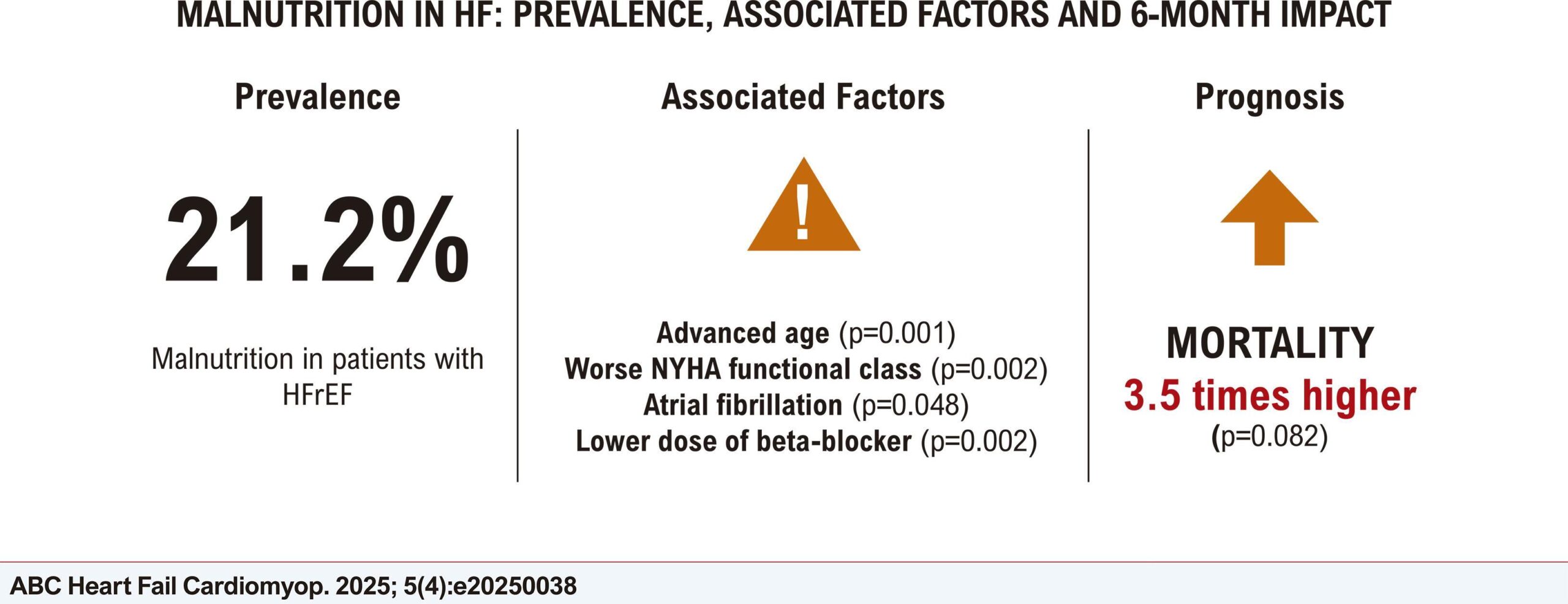
The prevalence of malnutrition was 21.2% (25/118). Malnourished patients were older (68 ± 12 vs. 60 ± 10 years; p=0.001), had a higher prevalence of NYHA functional class III–IV (45% vs. 15%; p=0.002) and atrial fibrillation (44% vs. 25%; p=0.048), and achieved a lower percentage of target beta-blocker dose (57.9% vs. 79.8%; p=0.002). No statistically significant difference in 6-month mortality was observed between the groups, although it was numerically higher in the malnourished group (14% vs. 4%; p=0.082). No differences were observed in hospitalization rates (p=0.94) or emergency department visits (p=0.97).

Conclusion

Malnutrition is present in approximately one in five outpatients with HFrEF, more common in the elderly and those with atrial fibrillation and was associated with a trend towards higher mortality in 6 months.
  • Heart Failure
  • malnutrition
  • Nutrition Assessment
  • nutritional status
Read Full Article
Creative Commons Attribution (CC BY) Creative Commons license
31/12/2025 DOI: 10.36660/abchf.20250038i Views 2
Unconventional Anthropometric Indicators: Foundations, Applicability, and Validity as Predictors of Health Conditions
IJCS
Review Article

Unconventional Anthropometric Indicators: Foundations, Applicability, and Validity as Predictors of Health Conditions

Haroldo da Silva Ferreira et al. Antonio Fernando Silva Xavier Júnior Élison Ruan da Silva Almeida Tainá Cardoso Caminha-Uchôa … Andressa Bruna Batista de Verçoza Hitalo de Moraes Vieira

Abstract

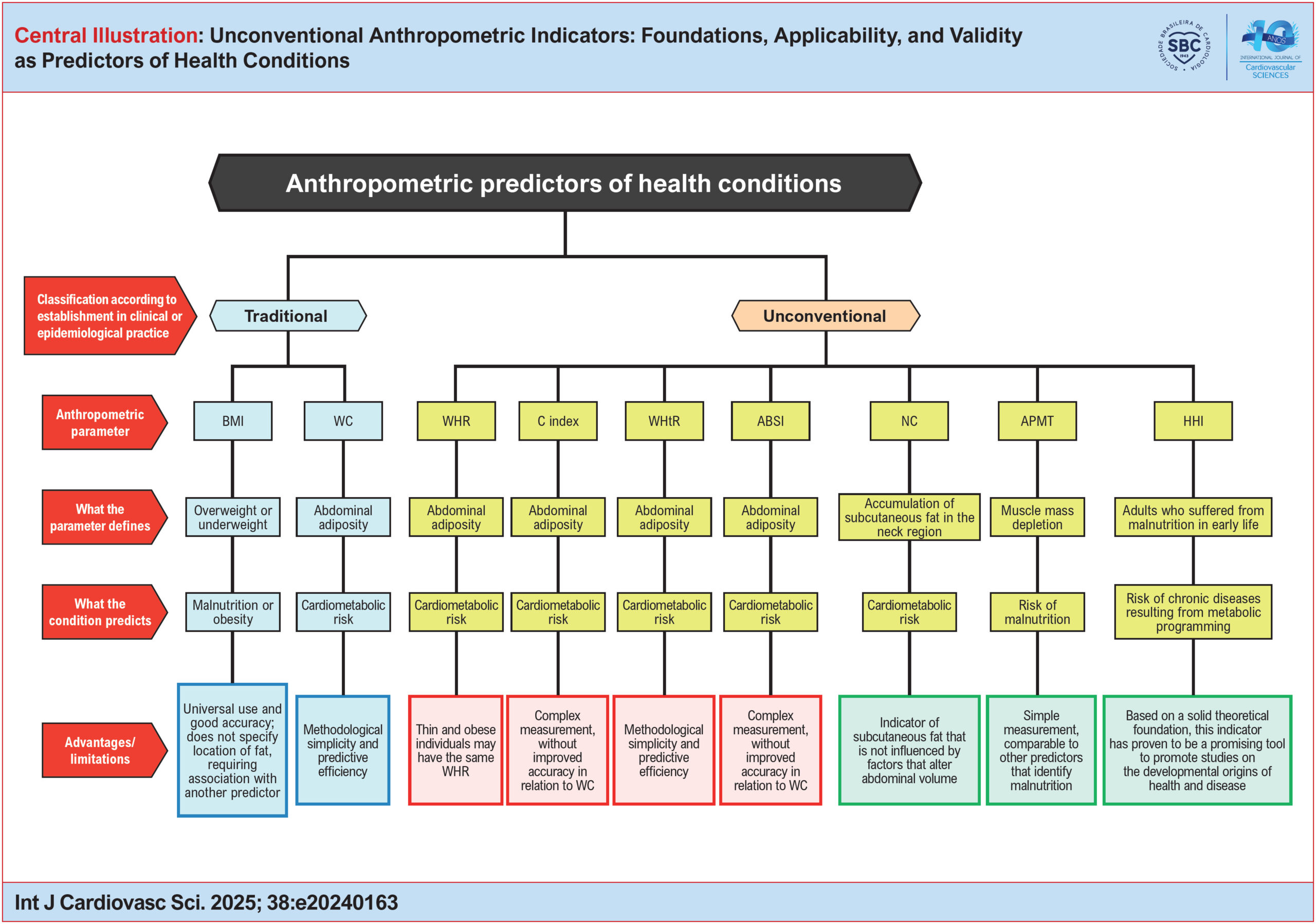
Several anthropometric parameters have been proposed as indicators of health conditions. Some have achieved wide acceptance and applicability. Others, although grounded in solid theoretical frameworks and demonstrating good diagnostic validity, have not gained the same level of recognition. These are referred to here as “unconventional anthropometric indicators”. This article aims to provide a descriptive and conceptual synthesis of these measures, addressing their nuances and applicability. It is a narrative review that discusses the following indicators: Head-to-height index (HHI), Waist-to-Height Ratio (WHtR), Conicity Index (C-Index), Waist-to-Hip Ratio (WHR), A Body Shape Index (ABSI), Neck Circumference (NC), and Adductor Pollicis Muscle Thickness (APMT). WHtR, C-Index, WHR, and ABSI are based on the identification of abdominal fat accumulation and its association with cardiometabolic risks. However, for this purpose, waist circumference stands out due to its methodological simplicity and predictive effectiveness. NC is an indicator of subcutaneous fat, whose excess increases disease risk and is not influenced by factors that alter abdominal volume. APMT identifies muscle depletion and is comparable to other anthropometric predictors of malnutrition risk. HHI was proposed to identify individuals who experienced undernutrition early in life. Grounded in a robust theoretical foundation, it is a promising tool for advancing research on the Developmental Origins of Health and Disease (DOHaD). The indicators analyzed are valuable for monitoring cardiometabolic risk factors, each with its unique characteristics. Understanding these particularities is essential for selecting the most appropriate indicators for different contexts, thus enabling more effective interventions.

  • Anthropometry
  • Cardiometabolic Risk Factors
  • Nutrition Assessment
  • Public Health Surveillance
  • Risk Factors
Read Full Article
Creative Commons Attribution (CC BY) Creative Commons license
27/06/2025 DOI: 10.36660/ijcs.20240163 Views 3
ABC
Editorial

Nutritional Indices and Postoperative Atrial Fibrillation: The Triglyceride-Cholesterol-Body Weight Index

Zulkif Tanriverdi

Postoperative atrial fibrillation (POAF) is one of the most common complications after cardiac surgery and the most common cause of secondary atrial fibrillation (AF). Although it occurs at different rates depending on the type of cardiac operation, it has been reported to occur in approximately 20% of patients after coronary artery bypass grafting (CABG). Despite technological advances and all the preventive strategies developed, it is still relatively common., POAF increases the length and cost of hospitalization and is associated with increased morbidity and mortality. It may also be a predictor of non-surgical AF development in the years after the cardiac surgery. Therefore, it is important to anticipate patients who may develop POAF after the cardiac surgery.

To date, many serum biomarkers have been investigated to identify patients at risk for POAF. Recently, it has been demonstrated that malnutrition is prevalent in hospitalized patients, and malnutrition has been found to be associated with a higher incidence of AF and adverse cardiac outcomes due to slowing down the recovery process and increasing the risk of complications., Many different nutritional screening tools, from very simple to quite complex, are available to assess malnutrition in daily clinical practice. Some novel nutritional indices have been developed by objectively measurable parameters such as triglyceride, total cholesterol, body weight, albumin, lymphocyte, and additional laboratory variables to identify nutritional status. Although various systems and scores have been assessed in clinical studies, 4 objective nutritional indices have commonly been proposed for the evaluation of malnutrition as follows: geriatric nutritional risk index (GNRI), prognostic nutrition index (PNI), triglyceride-cholesterol-body weight Index (TCBI) and controlling nutritional status score.

[…]

  • Atrial Fibrillation
  • Nutrition Assessment
  • Triglycerides
Read Full Article
Creative Commons Attribution (CC BY) Creative Commons license
23/05/2025 DOI: 10.36660/abc.20250171i
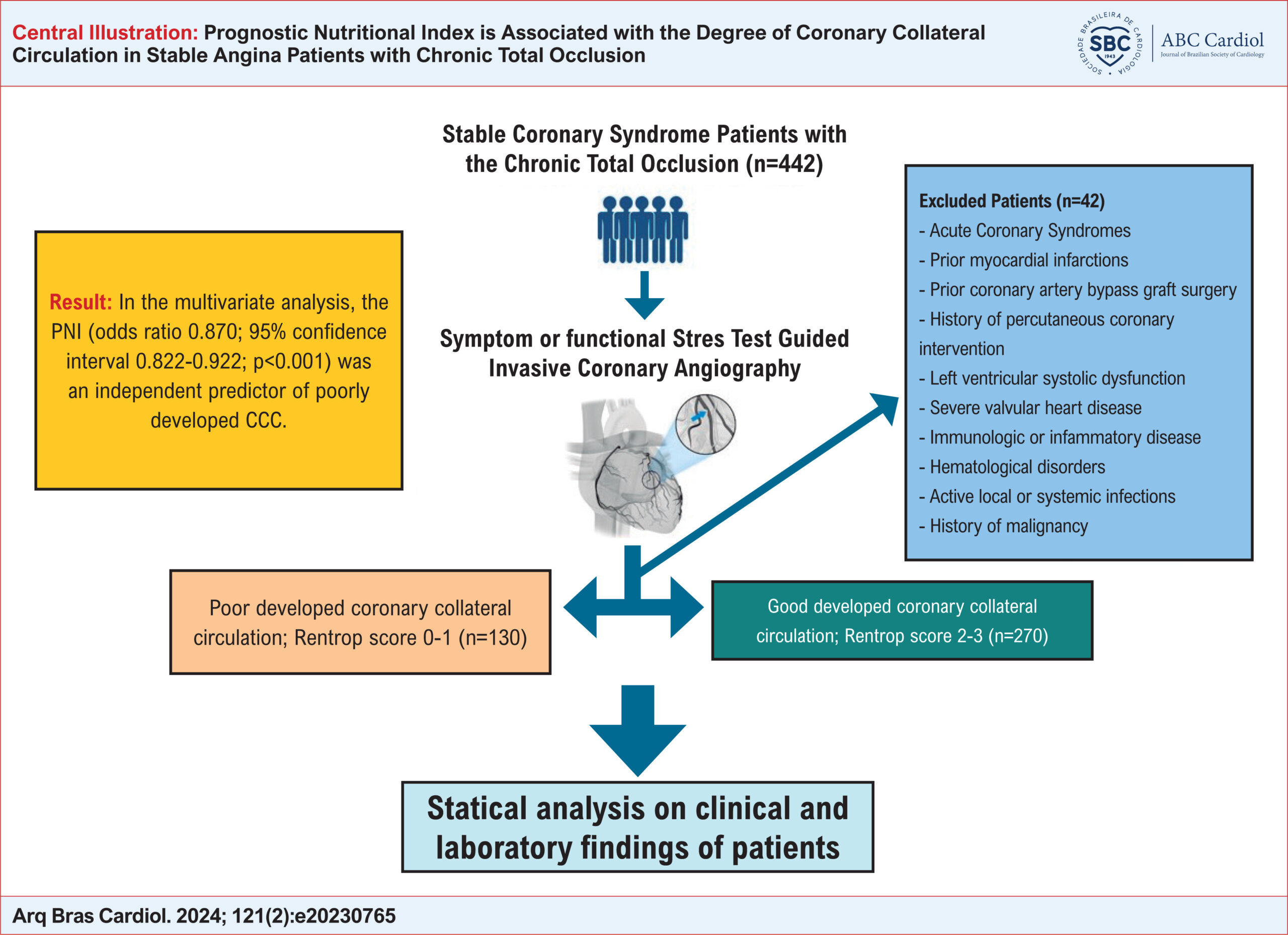
Prognostic Nutritional Index is Associated with the Degree of Coronary Collateral Circulation in Stable Angina Patients with Chronic Total Occlusion
ABC
Original Article

Prognostic Nutritional Index is Associated with the Degree of Coronary Collateral Circulation in Stable Angina Patients with Chronic Total Occlusion

Kerim Esenboga et al. Alparslan Kurtul Yakup Yunus Yamanturk Volkan Kozluca Eralp Tutar

Abstract

Background:

Coronary collateral circulation (CCC) can effectively improve myocardial blood supply to the area of CTO (chronic total coronary occlusion) and can, thus, improve the prognosis of patients with stable coronary syndrome (SCS). The degree of inflammation and some inflammation markers were associated with the development of collaterals.

Objective:

To investigate whether prognostic nutritional index (PNI) has an association with the development of CCC in patients with SCS.

Methods:

A total of 400 SCS patients with the presence of CTO in at least one major epicardial coronary artery were included in this study. The patients were divided into two groups according to the Rentrop score. Scores of 0 to 1 were considered poor developed CCC, and scores of 2 to 3 were accepted as good developed CCC. Statistical significance was set as a p-value < 0.05 for all analyses.

Results:

The mean age of the study cohort was 63±10 years; 273 (68.3%) were males. The poor-developed CCC group had a significantly lower PNI level compared with the good-developed CCC group (38.29±5.58 vs 41.23±3.85, p< 0.001). In the multivariate analysis, the PNI (odds ratio 0.870; 95% confidence interval 0.822-0.922; p< 0.001) was an independent predictor of poorly developed CCC.

Conclusion:

The PNI can be used as one of the independent predictors of CCC formation. It was positively associated with the development of coronary collaterals in SCS patients with CTO.

  • Collateral Circulation
  • Inflammation
  • Nutrition Assessment
Read Full Article
Creative Commons Attribution (CC BY) Creative Commons license
05/04/2024 DOI: 10.36660/abc.20230765 Views 1
Figure 1
ABC
Original Article

Undernutrition and Cachexia in Patients with Decompensated Heart Failure and Chagas Cardiomyopathy: Occurrence and Association with Hospital Outcomes

Larissa Candido Alves Tavares et al. Silvia Helena Gelás Lage Edimar Alcides Bocchi Victor Sarli Issa

Abstract

Background

Nutritional disorders are common among patients with heart failure (HF) and associated with poor prognosis. Importantly, some populations of patients, like the ones with Chagas disease, are frequently excluded from most analyses.

Objective

We sought to study the occurrence of undernutrition and cachexia in patients with Chagas disease during episodes of decompensated HF (DHF) as compared to other etiologies, and to investigate the influence of these findings on hospital outcomes.

Methods

We performed a consecutive case series study with patients hospitalized with DHF. Patients underwent the Subjective Global Assessment of nutritional status (SGA), besides anthropometric and laboratorial measures, and were evaluated for the occurrence of cachexia, low muscle mass and strength. We studied the occurrence of death or urgent heart transplantation during hospitalization.

Results

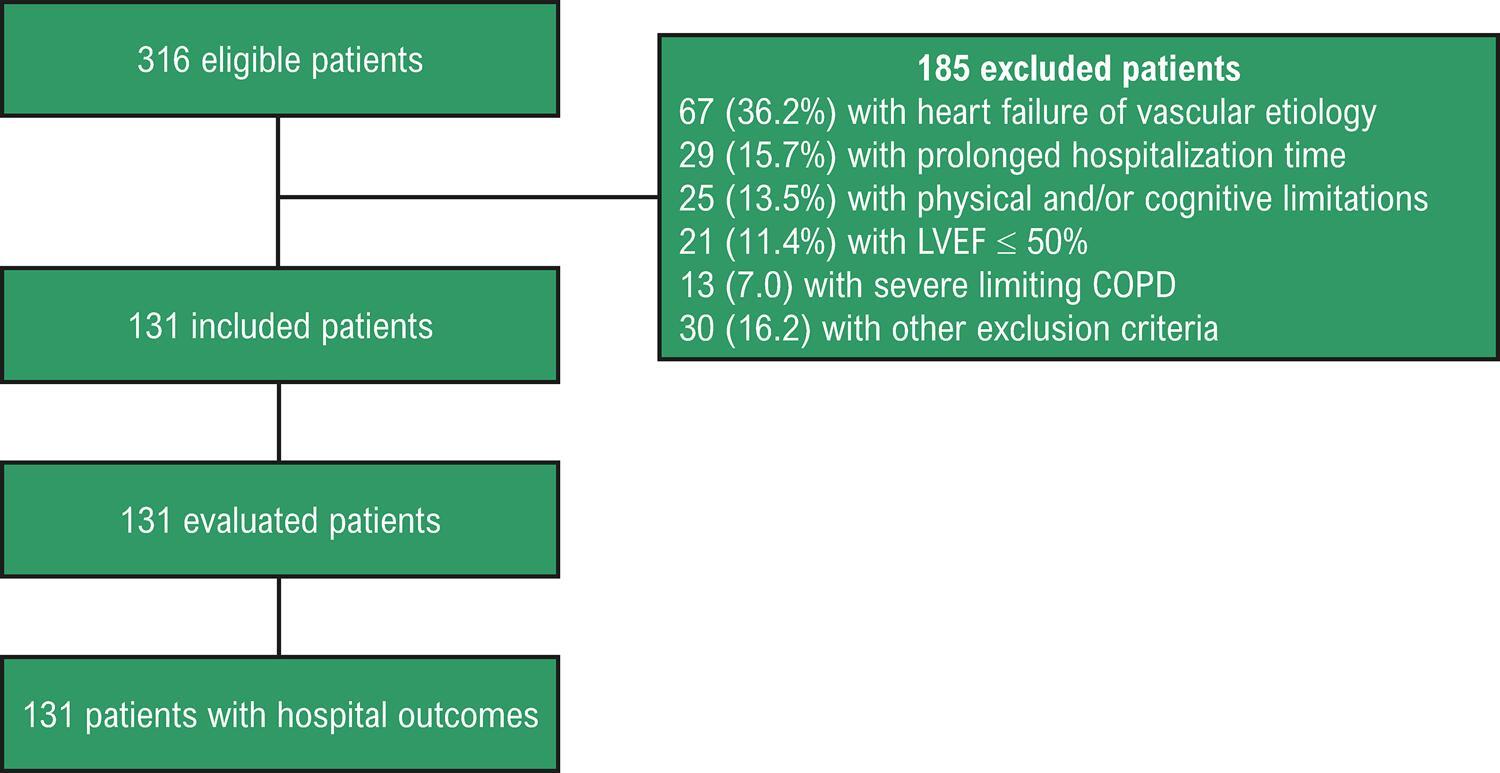
Altogether, 131 patients were analyzed and 42 (32.1%) had Chagas disease. Patients with Chagas disease had lower Body Mass Index (BMI) (22.4 kg/m2[19.9-25.3] vs. 23.6 kg/m2 [20.8-27.3], p=0.03), higher frequency of undernutrition (76.2% vs 55.1%, p=0.015) and higher occurrence of death or transplant (83.3% vs. 41.6%, p<0.001). We found that, in patients with Chagas etiology, the occurrence of death or cardiac transplantation were associated with undernutrition (3 [42.9%] patients with hospital discharge vs 29 [82.9%] patients with death or heart transplant, p=0.043).

Conclusions

Taken together, our results indicate that patients with Chagas disease hospitalized with DHF often present with nutritional disorders, especially undernutrition; importantly, this finding was associated with the occurrence of death and heart transplant during hospitalization.

  • Cachexia
  • Chagas Cardiomyopathy
  • Heart Failure
  • malnutrition
  • Nutrition Assessment
Read Full Article
Creative Commons Attribution (CC BY) Creative Commons license
21/02/2022 DOI: 10.36660/abc.20200644 Views 1
IJCS
Original Article

Adductor Pollicis Muscle Thickness as a Marker of Nutritional Status in Heart Failure

Fabiane da Silva Rosário et al. Denise Tavares Giannini Viviane de Oliveira Leal Ricardo Mourilhe-Rocha

Abstract

Background:

Malnutrition is associated with morbidity and mortality in patients with heart failure (HF). Thus, it is essential to apply reliable indicators to assess the nutritional status of these individuals.

Objective:

To evaluate the thickness of the adductor pollicis muscle (APM) in patients with HF as an indicator of somatic protein status and correlate the obtained values with conventionally used parameters and electrical bioimpedance (EBI) markers.

Methods:

Cross-sectional study with patients with HF undergoing regular outpatient treatment. APM thickness was measured in the dominant arm, and the values obtained were classified according to gender and age. The anthropometric parameters assessed included the body mass index (BMI) and specific parameters to assess the muscle (arm muscle circumference [AMC] and arm muscle area [AMA]). Values of phase angle (PA), standard PA (SPA), and lean mass were obtained by EBI. Statistical analyses were performed with the software Statistical Package for the Social Sciences, version 19, using unpaired Student’s t, Mann-Whitney, or one-way analysis of variance (ANOVA) tests for comparisons between groups, as appropriate. The correlation between variables of interest was performed using Pearson’s or Spearman’s correlation coefficient, as adequate. The level of significance was set at 5%.

Results:

About 70% of the 74 patients evaluated were classified as malnourished according to the APM thickness. Values of AMC, AMA, and lean mass correlated positively with APM thickness (p < 0.005). The APM thickness also correlated positively with PA and SPA (r = 0.49, p < 0.001 and r = 0.31, p = 0.008, respectively).

Conclusion:

Patients with HF presented a high frequency of protein malnutrition when APM thickness was used as an indicator of nutritional status. APM thickness values correlated with conventional measures of somatic protein evaluation and may be related to the prognosis of these patients, since they correlated positively with PA and SPA.

  • Anthropometry
  • Heart Failure
  • Malnutrition / mortality
  • Nutrition Assessment
  • Thumb
Read Full Article
Creative Commons Attribution (CC BY) Creative Commons license
21/01/2019 DOI: 10.5935/2359-4802.20180094
Subjective global assessment of nutritional status in cardiac patients
ABC
Artigo Original

Subjective global assessment of nutritional status in cardiac patients

Aurea Kaoru Yamauti et al. Marcelo Eidi Ochiai Paula Sofia Bifulco Moab Alves de Araújo … Rosiris Roco Alonso Regina Helena Cunha Ribeiro Antonio Carlos Pereira-Barretto

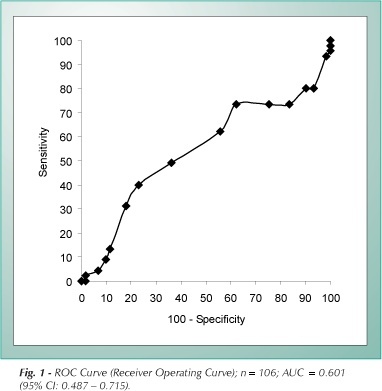
OBJECTIVE: To analyze the performance of Subjective Global Assessment of Nutritional Status (SGA) in diagnosing malnutrition in patients with heart disease. METHODS: One hundred and six hospitalized patients (53 with heart failure) completed an SGA questionnaire on their nutritional history (changes in body weight, dietary intake, gastrointestinal symptoms, functional capacity, and diagnosis) and underwent physical examination. Then, anthropometric measurements were obtained (body weight, mid-arm circumference, triceps skinfold thickness, and arm muscle circumference). Serum albumin, total lymphocyte count and anthropometric measurements were determined for the objective assessment of patients with congestive heart failure. An ROC curve was used to analyze sensitivity, specificity and accuracy of SGA compared to the objective assessment. RESULTS: Patients’ age was 57.7 ± 15.7, and the majority was male (67.9%). The ROC curve showed score 16 as SGA cut-off point with the highest sensitivity (62.2%) and specificity (55.7%). The area under the curve was 0.601 (95% CI: 0.487 – 0.715). Anthropometric assessment showed malnutrition prevalence at 51.9% by SGA and 42.5% by, with accuracy of 65.3% in men and 44.1% in women. In patients with congestive heart failure, SGA assessed malnutrition prevalence was 60.4%, while objective assessment was 32.1% with accuracy of 67.6% in men and 31.3% in women. CONCLUSION: SGA detected a greater number of malnourished patients than the objective evaluation. Its performance in identifying malnutrition was better in men. It also detected cardiac patients at nutritional risk.

  • congestive
  • Heart Diseases
  • Heart Failure
  • Nutrition Assessment
  • protein malnutrition
Read Full Article
Creative Commons Attribution (CC BY) Creative Commons license
18/01/2007 DOI: 10.1590/S0066-782X2006001900014 Views 1

How to cite this article

EndNote RIS

Electronic Document Format (Vancouver)

Gondo LA, Moura LAZ, Bonatto MG, Pagliosa VMR, Machado GV, Oliveira FC, Lemke AG, et al. Malnutrition in Outpatients with Heart Failure: Prevalence, Associated Factors and 6-Month Impact. ABC Heart Fail Cardiomyop 2025;5(4):e20250038.

Electronic Document Format (ABNT)

Gondo, Leonardo Akira; Moura, Lidia Ana Zytynski; Bonatto, Marcely Gimenes; Pagliosa, Victoria Marzagao Ribeiro; Machado, Giovanna Voigt; Oliveira, Flavia Centenaro de; Lemke, Angela Guzzo; Contini, Amanda Licheski; Freitas, Ana Karyn Ehrenfried de. Malnutrition in Outpatients with Heart Failure: Prevalence, Associated Factors and 6-Month Impact. ABC Heart Fail Cardiomyop, v. 5, n. 4, e20250038, Dec. 2025.

Electronic Document Format (APA)

Gondo, L. A., Moura, L. A. Z., Bonatto, M. G., Pagliosa, V. M. R., Machado, G. V., Oliveira, F. C. , Lemke, A. G., Contini, A. L., & Freitas, A. K. E. (2025). Malnutrition in Outpatients with Heart Failure: Prevalence, Associated Factors and 6-Month Impact. ABC Heart Fail Cardiomyop, 5(4), e20250038.

Electronic Document Format (ISO)

Gondo, Leonardo Akira and Moura, Lidia Ana Zytynski and Bonatto, Marcely Gimenes and Pagliosa, Victoria Marzagao Ribeiro and Machado, Giovanna Voigt and Oliveira, Flavia Centenaro de and Lemke, Angela Guzzo and Contini, Amanda Licheski and Freitas, Ana Karyn Ehrenfried de. Malnutrition in Outpatients with Heart Failure: Prevalence, Associated Factors and 6-Month Impact. ABC Heart Fail Cardiomyop [online]. 2025, vol. 5, n. 4, [cited 2026-10-14], e20250038. Available from: <https://journals.cardiol.br/en/article/malnutrition-in-outpatients-with-heart-failure-prevalence-associated-factors-and-6-month-impact/>

EndNote RIS

Electronic Document Format (Vancouver)

Ferreira HS, Xavier Júnior AFS, Almeida RS, Caminha-Uchôa TC, Verçoza ABB, Vieira HM. Unconventional Anthropometric Indicators: Foundations, Applicability, and Validity as Predictors of Health Conditions. International Journal of Cardiovascular Sciences 2025;38:e20240163.

Electronic Document Format (ABNT)

Ferreira, Haroldo da Silva; Xavier Júnior, Antonio Fernando Silva; Almeida, Élison Ruan da Silva; Caminha-Uchôa, Tainá Cardoso; Verçoza, Andressa Bruna Batista de; Vieira, Hitalo de Moraes. Unconventional Anthropometric Indicators: Foundations, Applicability, and Validity as Predictors of Health Conditions. International Journal of Cardiovascular Sciences, v. 38, e20240163, Jun. 2025.

Electronic Document Format (APA)

Ferreira, H. S., Xavier Júnior, A. F. S., Almeida, R. S., Caminha-Uchôa, T. C., Verçoza, A. B. B. , & Vieira, H. M. (2025). Unconventional Anthropometric Indicators: Foundations, Applicability, and Validity as Predictors of Health Conditions. International Journal of Cardiovascular Sciences, 38, e20240163.

Electronic Document Format (ISO)

Ferreira, Haroldo da Silva and Xavier Júnior, Antonio Fernando Silva and Almeida, Élison Ruan da Silva and Caminha-Uchôa, Tainá Cardoso and Verçoza, Andressa Bruna Batista de and Vieira, Hitalo de Moraes. Unconventional Anthropometric Indicators: Foundations, Applicability, and Validity as Predictors of Health Conditions. International Journal of Cardiovascular Sciences [online]. 2025, vol. 38, [cited 2026-10-14], e20240163. Available from: <https://journals.cardiol.br/en/article/unconventional-anthropometric-indicators-foundations-applicability-and-validity-as-predictors-of-health-conditions/>. ISSN 2359-4802

EndNote RIS

Electronic Document Format (Vancouver)

Tanriverdi Z. Nutritional Indices and Postoperative Atrial Fibrillation: The Triglyceride-Cholesterol-Body Weight Index. Arquivos Brasileiros de Cardiologia 2025;122(4):e20250171.

Electronic Document Format (ABNT)

Tanriverdi, Zulkif. Nutritional Indices and Postoperative Atrial Fibrillation: The Triglyceride-Cholesterol-Body Weight Index. Arquivos Brasileiros de Cardiologia, v. 122, n. 4, e20250171, May. 2025.

Electronic Document Format (APA)

Tanriverdi, Z. (2025). Nutritional Indices and Postoperative Atrial Fibrillation: The Triglyceride-Cholesterol-Body Weight Index. Arquivos Brasileiros de Cardiologia, 122(4), e20250171.

Electronic Document Format (ISO)

Tanriverdi, Zulkif. Nutritional Indices and Postoperative Atrial Fibrillation: The Triglyceride-Cholesterol-Body Weight Index. Arquivos Brasileiros de Cardiologia [online]. 2025, vol. 122, n. 4, [cited 2026-10-14], e20250171. Available from: <https://journals.cardiol.br/en/article/nutritional-indices-and-postoperative-atrial-fibrillation-the-triglyceride-cholesterol-body-weight-index/>. ISSN 0066-782X

EndNote RIS

Electronic Document Format (Vancouver)

Esenboga K, Kurtul A, Yamanturk YY, Kozluca V, Tutar E. Prognostic Nutritional Index is Associated with the Degree of Coronary Collateral Circulation in Stable Angina Patients with Chronic Total Occlusion. Arquivos Brasileiros de Cardiologia 2024;121(2):e20230765.

Electronic Document Format (ABNT)

Esenboga, Kerim; Kurtul, Alparslan; Yamanturk, Yakup Yunus; Kozluca, Volkan; Tutar, Eralp. Prognostic Nutritional Index is Associated with the Degree of Coronary Collateral Circulation in Stable Angina Patients with Chronic Total Occlusion. Arquivos Brasileiros de Cardiologia, v. 121, n. 2, e20230765, Apr. 2024.

Electronic Document Format (APA)

Esenboga, K., Kurtul, A., Yamanturk, Y. Y., Kozluca, V., & Tutar, E. (2024). Prognostic Nutritional Index is Associated with the Degree of Coronary Collateral Circulation in Stable Angina Patients with Chronic Total Occlusion. Arquivos Brasileiros de Cardiologia, 121(2), e20230765.

Electronic Document Format (ISO)

Esenboga, Kerim and Kurtul, Alparslan and Yamanturk, Yakup Yunus and Kozluca, Volkan and Tutar, Eralp. Prognostic Nutritional Index is Associated with the Degree of Coronary Collateral Circulation in Stable Angina Patients with Chronic Total Occlusion. Arquivos Brasileiros de Cardiologia [online]. 2024, vol. 121, n. 2, [cited 2026-10-14], e20230765. Available from: <https://journals.cardiol.br/en/article/prognostic-nutritional-index-is-associated-with-the-degree-of-coronary-collateral-circulation-in-stable-angina-patients-with-chronic-total-occlusion/>. ISSN 0066-782X

EndNote RIS

Electronic Document Format (Vancouver)

Tavares LCA, Lage SHG, Bocchi EA, Issa VS. Undernutrition and Cachexia in Patients with Decompensated Heart Failure and Chagas Cardiomyopathy: Occurrence and Association with Hospital Outcomes. Arquivos Brasileiros de Cardiologia 2022;118(1):3-11.

Electronic Document Format (ABNT)

Tavares, Larissa Candido Alves; Lage, Silvia Helena Gelás; Bocchi, Edimar Alcides; Issa, Victor Sarli. Undernutrition and Cachexia in Patients with Decompensated Heart Failure and Chagas Cardiomyopathy: Occurrence and Association with Hospital Outcomes. Arquivos Brasileiros de Cardiologia, v. 118, n. 1, p. 3-11, Feb. 2022.

Electronic Document Format (APA)

Tavares, L. C. A., Lage, S. H. G., Bocchi, E. A., & Issa, V. S. (2022). Undernutrition and Cachexia in Patients with Decompensated Heart Failure and Chagas Cardiomyopathy: Occurrence and Association with Hospital Outcomes. Arquivos Brasileiros de Cardiologia, 118(1), 3-11.

Electronic Document Format (ISO)

Tavares, Larissa Candido Alves and Lage, Silvia Helena Gelás and Bocchi, Edimar Alcides and Issa, Victor Sarli. Undernutrition and Cachexia in Patients with Decompensated Heart Failure and Chagas Cardiomyopathy: Occurrence and Association with Hospital Outcomes. Arquivos Brasileiros de Cardiologia [online]. 2022, vol. 118, n. 1, [cited 2026-10-14], pp. 3-11. Available from: <https://journals.cardiol.br/en/article/undernutrition-and-cachexia-in-patients-with-decompensated-heart-failure-and-chagas-cardiomyopathy-occurrence-and-association-with-hospital-outcomes/>. ISSN 0066-782X

EndNote RIS

Electronic Document Format (Vancouver)

Rosário FS, Giannini DT, Leal VO, Mourilhe-Rocha R. Adductor Pollicis Muscle Thickness as a Marker of Nutritional Status in Heart Failure. International Journal of Cardiovascular Sciences 2019;32(3):253-60.

Electronic Document Format (ABNT)

Rosário, Fabiane da Silva; Giannini, Denise Tavares; Leal, Viviane de Oliveira; Mourilhe-Rocha, Ricardo. Adductor Pollicis Muscle Thickness as a Marker of Nutritional Status in Heart Failure. International Journal of Cardiovascular Sciences, v. 32, n. 3, p. 253-260, Jan. 2019.

Electronic Document Format (APA)

Rosário, F. S., Giannini, D. T., Leal, V. O., & Mourilhe-Rocha, R. (2019). Adductor Pollicis Muscle Thickness as a Marker of Nutritional Status in Heart Failure. International Journal of Cardiovascular Sciences, 32(3), 253-260.

Electronic Document Format (ISO)

Rosário, Fabiane da Silva and Giannini, Denise Tavares and Leal, Viviane de Oliveira and Mourilhe-Rocha, Ricardo. Adductor Pollicis Muscle Thickness as a Marker of Nutritional Status in Heart Failure. International Journal of Cardiovascular Sciences [online]. 2019, vol. 32, n. 3, [cited 2026-10-14], pp. 253-260. Available from: <https://journals.cardiol.br/en/article/adductor-pollicis-muscle-thickness-as-a-marker-of-nutritional-status-in-heart-failure/>. ISSN 2359-4802

EndNote RIS

Electronic Document Format (Vancouver)

Yamauti AK, Ochiai ME, Bifulco PS, Araújo MA, Alonso RR, Ribeiro RHC, Pereira-Barretto AC, et al. Subjective global assessment of nutritional status in cardiac patients. Arquivos Brasileiros de Cardiologia 2007;87(6):772-7.

Electronic Document Format (ABNT)

Yamauti, Aurea Kaoru; Ochiai, Marcelo Eidi; Bifulco, Paula Sofia; Araújo, Moab Alves de; Alonso, Rosiris Roco; Ribeiro, Regina Helena Cunha; Pereira-Barretto, Antonio Carlos. Subjective global assessment of nutritional status in cardiac patients. Arquivos Brasileiros de Cardiologia, v. 87, n. 6, p. 772-777, Jan. 2007.

Electronic Document Format (APA)

Yamauti, A. K., Ochiai, M. E., Bifulco, P. S., Araújo, M. A. , Alonso, R. R., Ribeiro, R. H. C., & Pereira-Barretto, A. C. (2007). Subjective global assessment of nutritional status in cardiac patients. Arquivos Brasileiros de Cardiologia, 87(6), 772-777.

Electronic Document Format (ISO)

Yamauti, Aurea Kaoru and Ochiai, Marcelo Eidi and Bifulco, Paula Sofia and Araújo, Moab Alves de and Alonso, Rosiris Roco and Ribeiro, Regina Helena Cunha and Pereira-Barretto, Antonio Carlos. Subjective global assessment of nutritional status in cardiac patients. Arquivos Brasileiros de Cardiologia [online]. 2007, vol. 87, n. 6, [cited 2026-10-14], pp. 772-777. Available from: <https://journals.cardiol.br/article/subjective-global-assessment-of-nutritional-status-in-cardiac-patients/>. ISSN 0066-782X

  • About ABC Family
  • Internal Regulation
  • Editorial Board
  • Brazilian Society of Cardiology (SBC)

Issues

SBC Guidelines

  • Videos
  • Podcasts
  • News