ABC Family Arquivos Brasileiros de Cardiologia International Journal of Cardiovascular Sciences ABC Heart Failure & Cardiomyopathy ABC Imagem Cardiovascular
Português English
ABC Family
Português English
  • About
    • About ABC Family
    • Internal Regulation
    • Editorial Board
    • Brazilian Society of Cardiology (SBC)
  • Issues
  • SBC Guidelines
  • Content
    • Videos
    • Podcasts
    • News
  • About
    • About ABC Family
    • Internal Regulation
    • Editorial Board
    • Brazilian Society of Cardiology (SBC)
  • Issues
  • SBC Guidelines
  • Content
    • Videos
    • Podcasts
    • News

ABC Family

  • ABC Family
  • Arquivos Brasileiros de Cardiologia
  • International Journal of Cardiovascular Sciences
  • ABC Heart Failure & Cardiomyopathy
  • ABC Imagem Cardiovascular
Search in

No content found.

Journals
Ordering
Article types
Others

  1. Home
  2. Keyword: Pacemaker, Artificial
Figure 1
ABC
Research Letter

New Technique for Preserving Cephalic Vein Flow in Pacemaker Implantation Ipsilateral to Arteriovenous Fistula

Mafalda Carrington et al. Pedro Silvério António Natacha Rodrigues Afonso Nunes-Ferreira … Ana Bernardes Fausto J. Pinto João de Sousa Pedro Marques

Introduction

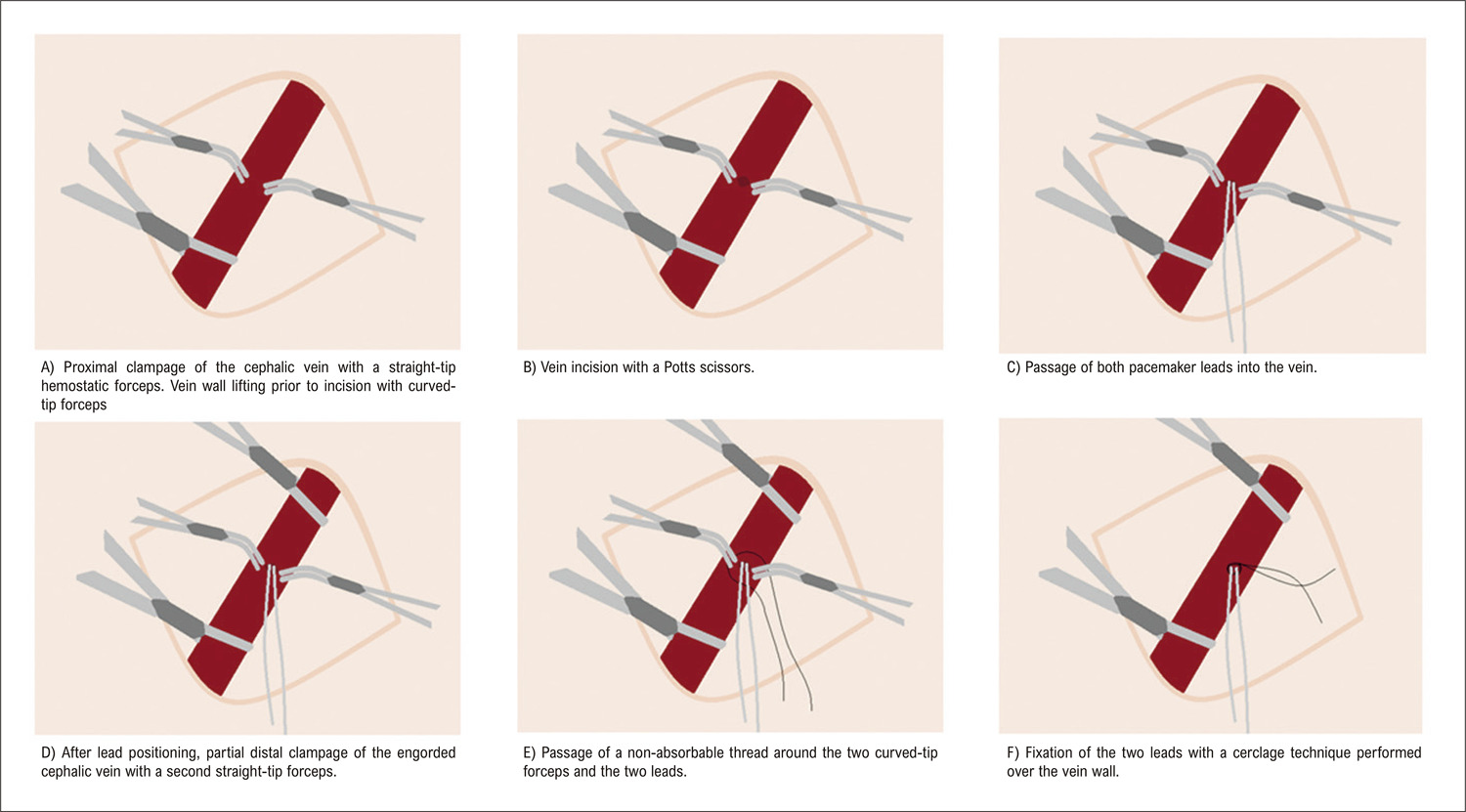
Vascular patrimony is a major concern in patients with end-stage renal disease. As patients on chronic hemodialysis programs experience increasing survival rates, they frequently face multiple vascular access failures and may need recurrent central venous catheter insertions and fistula/grafts re-interventions to optimize their arteriovenous accesses. In addition, heart failure and heart rhythm disorders are frequent comorbidities in this population, and pacemaker or implantable cardiac defibrillator (ICD) implantation are frequently indicated. The estimated prevalence of Cardiovascular Electronic Implantable Devices (CIED) implantation in patients on chronic hemodialysis is about 10%. We aimed to describe a new technique for pacemaker implantation, which consisted in preserving cephalic vein ipsilateral to arteriovenous fistula flow, and in evaluating clinical outcomes of this technique over 12 months.

[…]
  • Arteriovenous Fistula, Upper Extremity Deep Vein Thrombosis
  • Pacemaker, Artificial
  • renal dialysis
Read Full Article
Creative Commons Attribution (CC BY) Creative Commons license
23/06/2023 DOI: 10.36660/abc.20220926 Views 1
Figure 1
ABC
Review Article

Pacemaker Reuse in Portuguese Speaking Countries: A Clinical Reflection

Neiberg de Alcantara Lima et al. Eduardo Arrais Rocha Albertino Damasceno Ieda Prata Costa … José Ribeiro Bunda Ricardo Fernando Jorge Lopes Luis Dias Miryan Bandeira dos Prazeres Cassandra Soares Eric Puroll Kim A. Eagle Thomas C. Crawford

Abstract

There is a gap between high-income countries and others in terms of access to medical cardiac devices, such as pacemakers and implantable cardioverter defibrillators. Costs are one of the main barriers to the use of cardiac devices in these countries. There are international initiatives that aim to reduce the gap. The reuse of pacemakers has been discussed as a possible alternative to this problem. The concept of reusing pacemakers is not new; however, recent studies have proven to be safe, ethical, and effective for those who need cardiac implantable electronic devices and cannot afford them. Part of the Portuguese-speaking countries, especially in Africa, need an immediate response that benefits their countless patients who suffer from treatable arrhythmias.

  • Cardiac Pacing Artificial/trends
  • Defibrillators, Implantable
  • Health Status Disparities
  • Pacemaker, Artificial
  • Public Health,Administration
Read Full Article
Creative Commons Attribution (CC BY) Creative Commons license
13/03/2023 DOI: 10.36660/abc.20210941 Views 1
Figure 1
ABC
Original Article

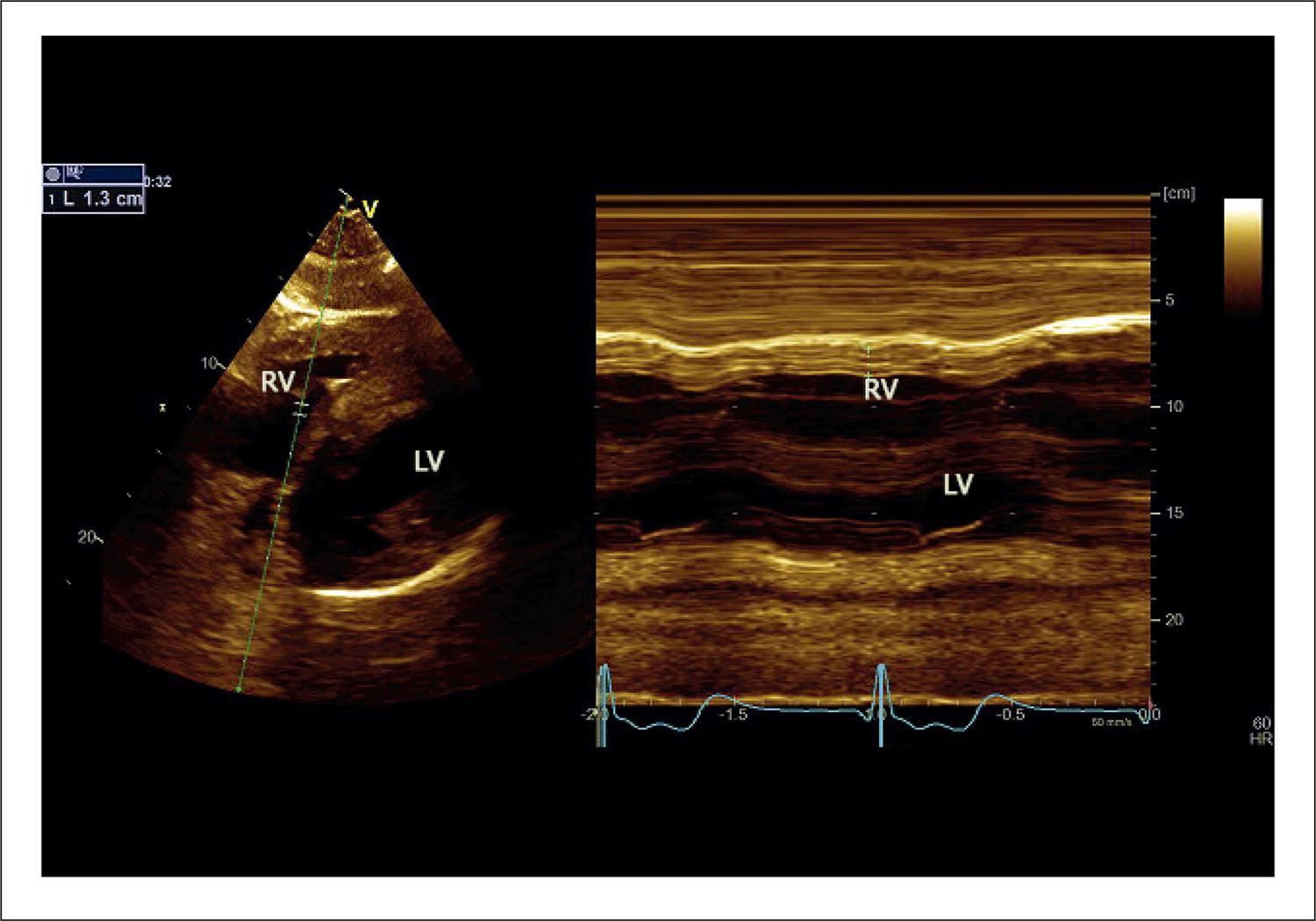
Right Ventricle Involvement by Glycogen Storage Cardiomyopathy (PRKAG2): Standard and Advanced Echocardiography Analyses

José Luiz Barros Pena et al. Fabricio Junqueira de Melo Wander Costa Santos Isabel Cristina Gomes Moura … Gabriela Pansanato Nakashima Natalia Costa Freitas Eduardo Back Sternick

Abstract

Background

PRKAG2 syndrome is a rare, early-onset autosomal dominant inherited disease. We aimed to describe the right ventricle (RV) echocardiographic findings using two and three-dimensional (2D and 3D) modalities including myocardial deformation indices in this cardiomyopathy. We also aimed to demonstrate whether this technique could identify changes in RV function that could distinguish any particular findings.

Methods

Thirty patients with genetically proven PRKAG2 (R302Q and H401Q), 16 (53.3%) males, mean age 39.1 ± 15.4 years, underwent complete echocardiography examination. RV-focused, 4-chamber view was acquired for 2D and 3D measurements. Student’s t or Wilcoxon-Mann-Whitney tests were used to compare numerical variables between 2 groups, and p < 0.05 was considered significant.

Results

Twelve patients (40%) had a pacemaker implanted for 12.4 ± 9.9 years. RV free wall mean diastolic thickness was 7.9 ± 2.9 mm. RV 4-chamber longitudinal strain (RV4LS), including the free wall and interventricular septum, was –17.3% ± 6.7%, and RV free wall longitudinal strain (RVFWLS) was −19.1% ± 8.5%. The RVFWLS apical ratio measured 0.63 ± 0.15. Mean RV 3D ejection fraction (EF) was 42.6% ± 10.9% and below normal limits in 56.7% of patients. Positive correlation occurred between RV 3DEF, RV4LS, and RVFWLS, especially for patients without a pacemaker (p = 0.006).

Conclusion

RV involvement in PRKAG2 syndrome is frequent, occurring in different degrees. Echocardiography is a valuable tool in detecting RV myocardial abnormalities in this condition. The use of 2D RV4LS, RVFWLS, and 3DEF offers reliable indicators of RV systolic dysfunction in this rare, challenging cardiomyopathy.

  • Cardiomyopathy, Hypertrophic, Familial
  • Echocardiography/methods
  • Glycogen Storage Disease/complications
  • Hypertrophy, Right Ventricular
  • Pacemaker, Artificial
  • PRKAG2 Syndrome/genetics
  • Stroke Volume
Read Full Article
Creative Commons Attribution (CC BY) Creative Commons license
21/11/2022 DOI: 10.36660/abc.20210801 Views 1
Figure 1
ABC
Research Letter

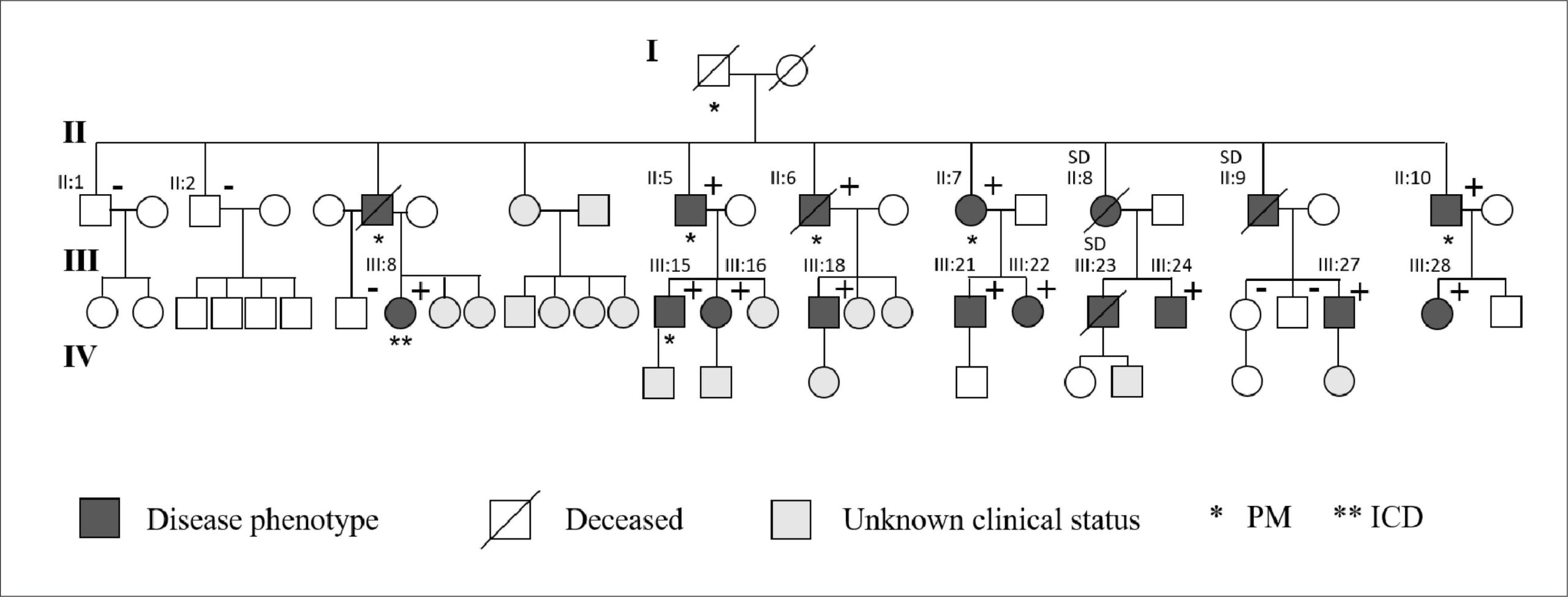
Long-Term Cardiac Complications of PRKAG2 Syndrome

Luiz Pereira de Magalhães et al. Eduardo Faria Soares de Magalhães Jussara de Oliveira Pinheiro Alex Teixeira Guabiru … Francisco José Farias Borges dos Reis Roque Aras

Introduction

The PRKAG2 syndrome is a rare autosomal dominant inherited disease caused by mutations in the gene encoding the γ regulatory subunit of AMP-activated protein kinase., It has been associated with abnormal glycogen accumulation in cardiomyocytes, predisposing to ventricular hypertrophy, arrhythmias, and sudden death. Gollob et al. were the first to describe the mutation in 2001, calling attention to the need for differential diagnosis with hypertrophic cardiomyopathy., Although the prevalence of PRKAG2 syndrome is not established, the number of reported cases may be increasing due to wider availability of genotyping. Despite that, possible prognostic factors have not yet been described in the literature. Given the possible severity of clinical presentations and the scarcity of data regarding the natural history, our objectives were to evaluate the clinical course of patients with PRKAG2 syndrome over time and analyze the incidence of long-term cardiac complications.

[…]

  • Atrial flutter
  • Atrioventricular block
  • Hypertrophy Left Ventricular
  • Pacemaker, Artificial
Read Full Article
Creative Commons Attribution (CC BY) Creative Commons license
21/02/2022 DOI: 10.36660/abc.20210062 Views 2
ABCIC
Review Article

Use of Echocardiography in Infectious Endocarditis Associated with Implantable Cardiac Devices

Mauricio Vitor Machado Oliveira et al. Pedro Henrique Oliveira Murta Pinto Gustavo Brandão de Oliveira Luan Salvador Machado Barbalho … André de Oliveira Parreiras Fernanda Alves Gelape Teresa Cristina Abreu Ferrari Maria Carmo Pereira Nunes

Abstract

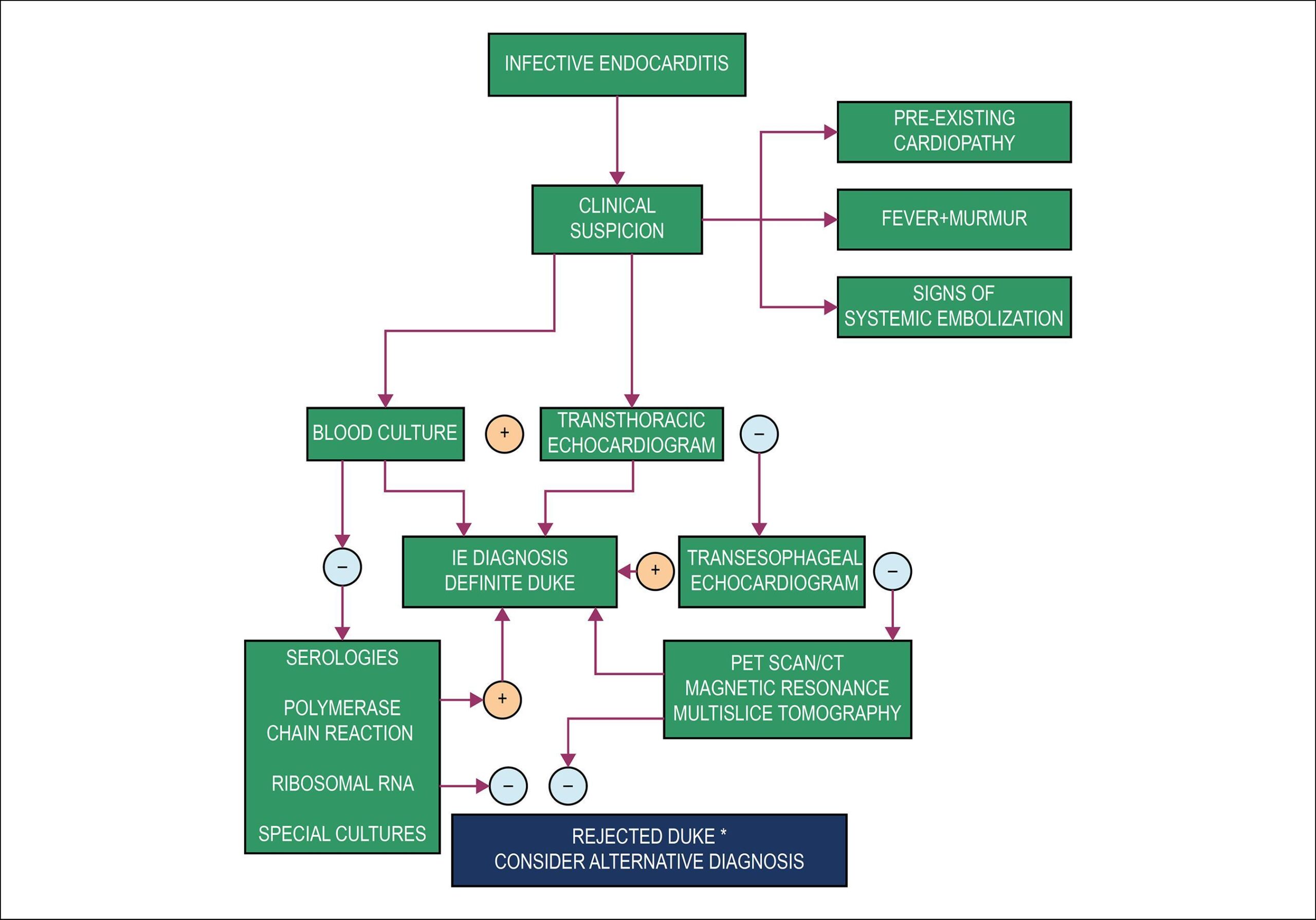
In recent decades, the increase in indications for cardiac implantable electronic devices (CIEDs) has been accompanied by an increased number of complications related to their use, including infectious endocarditis (IE). IE has high morbidity and mortality rates despite advances in diagnostic and therapeutic strategies. The case studies on this topic have significant limitations in terms of diagnostic criteria and methods, which affect decision-making on CIED removal and increase the risk of complications and death. Notwithstanding, echocardiography is critical for diagnosing CIED-associated IE and related potential complications. The limitations and challenges in its diagnosis demand the need for further studies on the topic. The objective of this study was to elucidate the epidemiology, microbiology, risk factors, pathogenesis, diagnosis, and treatment of IE associated with CIEDs to demonstrate the importance of imaging techniques in diagnosis of IE, especially echocardiography.

  • Cardiac Resynchronization Therapy
  • Echocardiography
  • Endocarditis
  • Pacemaker, Artificial
Read Full Article
Creative Commons Attribution (CC BY) Creative Commons license
14/01/2022 DOI: 10.5935/2318-8219.20200030 Views 1
ABCIC
Case Report

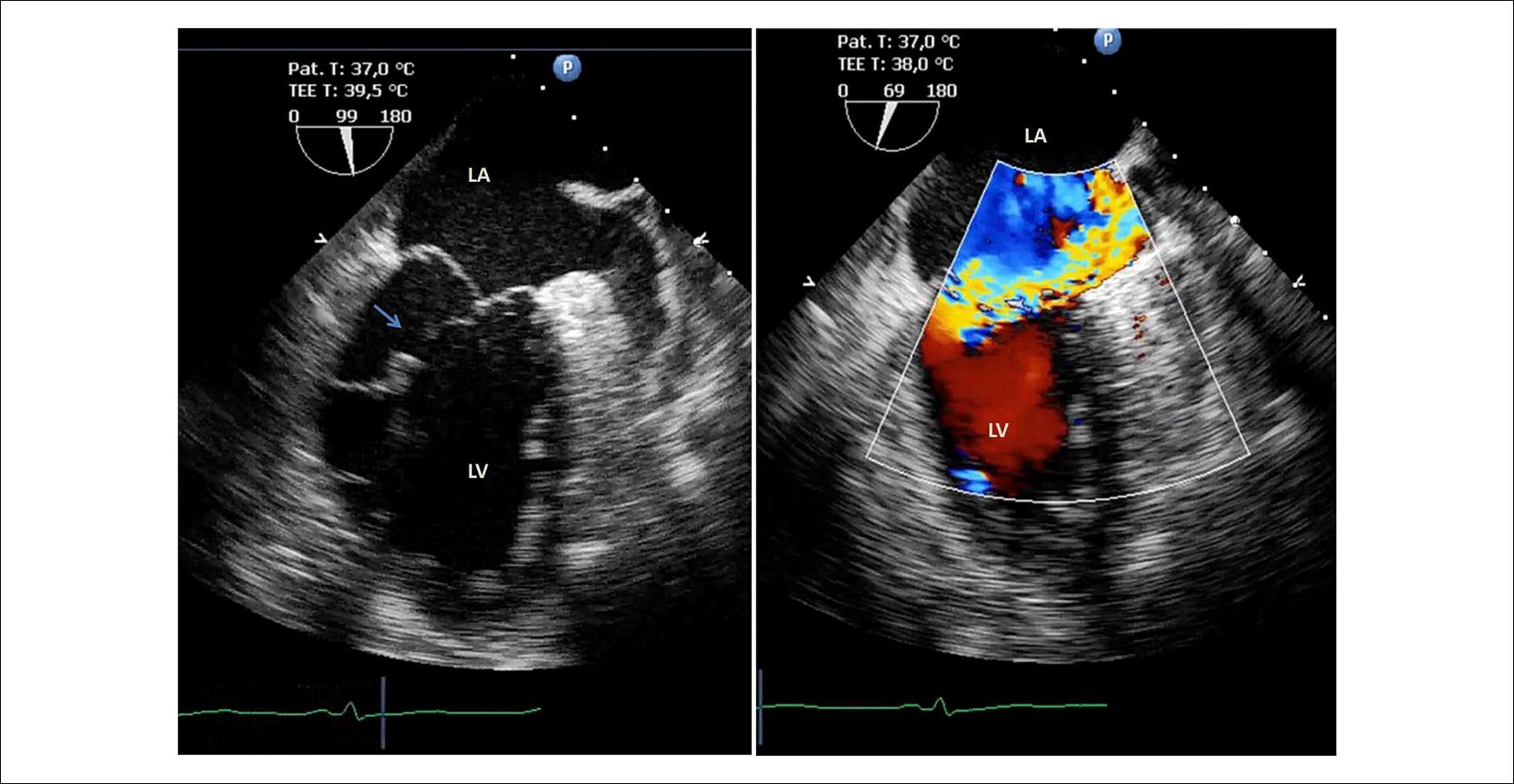
Giant vegetation in patient with a pacemaker with infective endocarditis

Antonio José Lagoeiro Jorge et al. Diane Xavier de Avila Carolina Martins Lemos Mario Luiz Ribeiro … Eduardo Nani Silva Wolney de Andrade Martins Humberto Villacorta Júnior Evandro Tinoco Mesquita

[…]

  • Endocarditis
  • Pacemaker, Artificial
  • Tricuspid Valve Stenosis
Read Full Article
Creative Commons Attribution (CC BY) Creative Commons license
14/01/2022 DOI: 10.5935/2318-8219.20190041
Figure 1
ABC
Research Letter

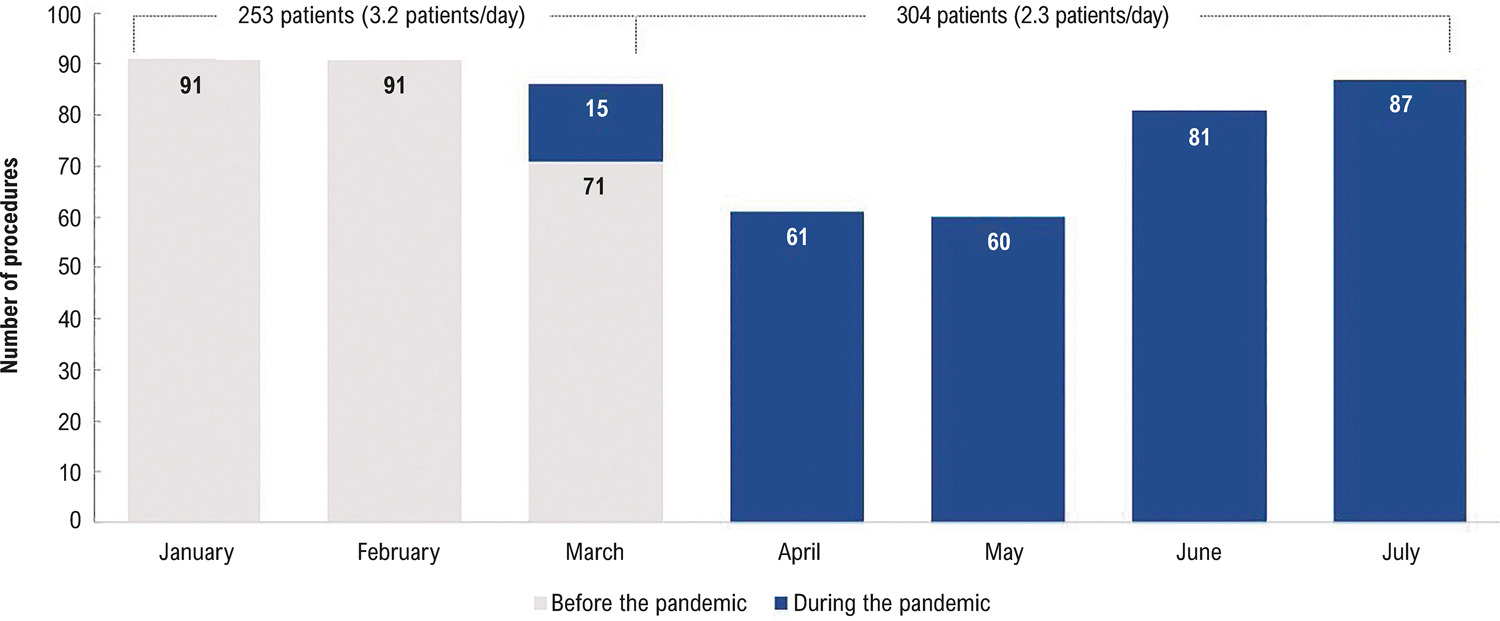
Impact of the COVID-19 Pandemic on Cardiac Implantable Electronic Devices Procedures in a Tertiary Referral Center

Roberto Costa et al. Katia Regina da Silva Sarah Caroline Martins Saucedo Laisa Arruda Silva … Elizabeth Sartori Crevelari Wagner Tadeu Jurevicius Nascimento Thiago Gonçalves Silveira Alfredo Fiorelli Martino Martinelli Filho Fabio Biscegli Jatene

Introduction

The COVID-19 pandemic has caused a change in the surgical practice of many medical specialties worldwide. – Medical societies have supported changes in cardiac pacing services routines and established new recommendations on the definition of case severity and urgency of surgical procedures. ,

The aim of the present study was to evaluate the impact of the measures implemented in surgical procedures performed for artificial cardiac pacing during the pandemic. We compared the number of patients operated, clinical profile of patients, characteristics of procedures, and the rate of confirmed COVID-19 cases in the peak of the pandemic, and compared them with the period immediately before the pandemic.

[…]

  • Cardiac Pacing, Artificial
  • Contamination
  • COVID-19
  • Defibrillators, Implantable
  • Hospitalization
  • Pacemaker, Artificial
  • Pandemic
  • Quality of Health Care
Read Full Article
Creative Commons Attribution (CC BY) Creative Commons license
25/10/2021 DOI: 10.36660/abc.20201378 Views 2
Figure 1
ABC
Original Article

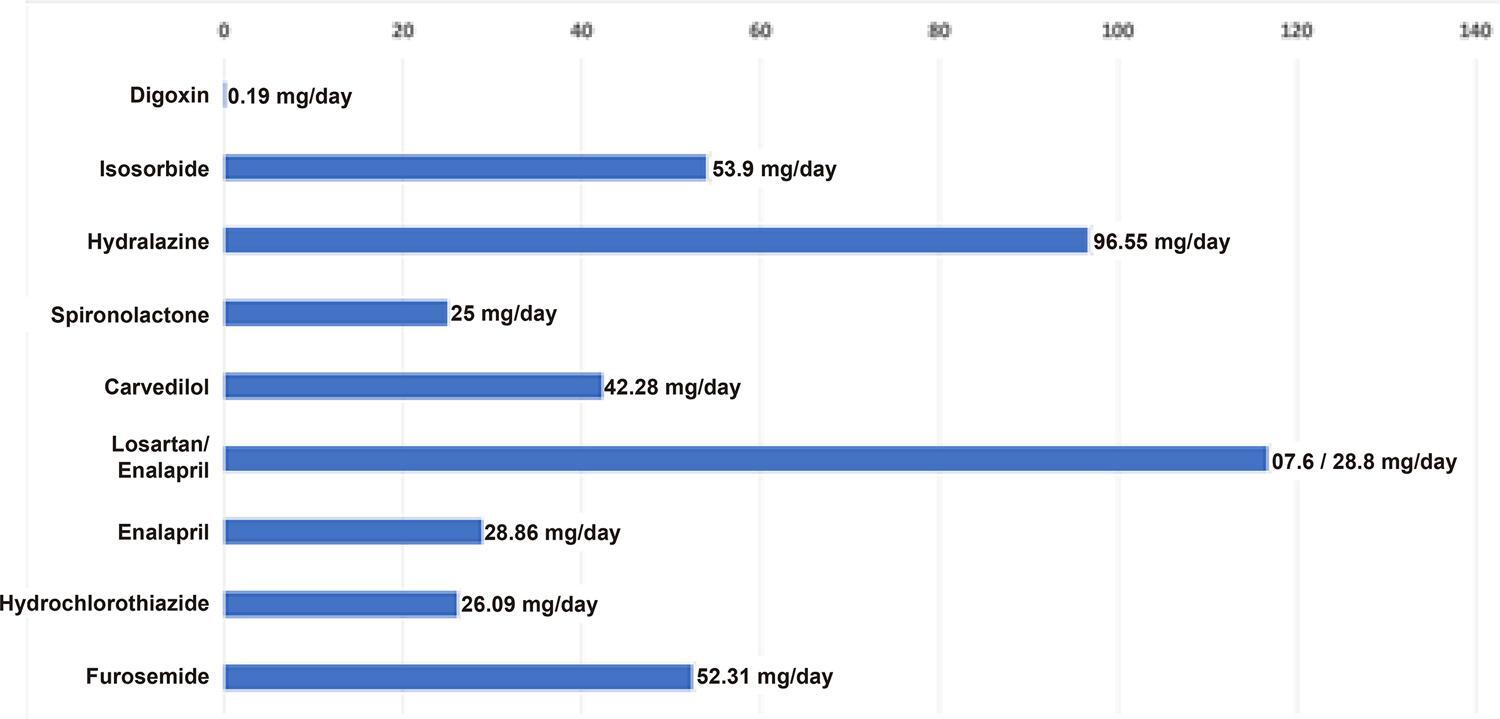
Is Current Drug Therapy for Heart Failure Sufficient to Control Heart Rate of Patients?

Juliano Cardoso et al. Mateus Dressler de Espíndola Mauricio Cunha Enock Netto … Cristina Cardoso Milena Novaes Carlos Henrique Del Carlo Euler Brancalhão Alessandro Lyra Name Antonio Carlos Pereira Barretto

Abstract

Background

Studies have shown that heart failure (HF) patients with heart rate (HR) 70 bpm. However, many HF patients maintain an elevated HR.

Objective

To evaluate HR and the prescription of medications known to reduce mortality in HF patients attending an outpatient cardiology clinic.

Methods

We consecutively evaluated patients seen in an outpatient cardiology clinic, aged older than 18 years, with diagnosis of HF and left ventricular ejection fraction (LVEF) 70 bpm (G2). The Student’s t-test and the chi-square test were used in the statistical analysis, and a p-value < 0.05 was considered statistically significant. The SPSS software was used for the analyses.

Results

A total of 212 consecutive patients were studied; 41 (19.3%) had atrial fibrillation or had a pacemaker implanted and were excluded from the analysis, yielding 171 patients. Mean age of patients was 63.80 ± 11.77 years, 59.6% were men, and mean LVEF 36.64±7.79%. The most prevalent HF etiology was ischemic (n=102; 59.6%), followed by Chagasic (n=17; 9.9%). One-hundred thirty-one patients (76.6%) were hypertensive and 63 (36.8%) diabetic. Regarding HR, 101 patients had a HR ≤70 bpm (59.1%) and 70 patients (40.93%) had a HR >70 bpm (G2). Mean HR of G1 and G2 was 61.5±5.3 bpm and 81.8±9.5 bpm, respectively (p<0.001). Almost all patients (98.8%) were receiving carvedilol, prescribed at a mean dose of 42.1±18.5 mg/day in G1 and 42.5±21.1mg/day in G2 (p=0.911). Digoxin was used in 5.9% of patients of G1 and 8.5% of G2 (p=0.510). Mean dose of digoxin in G1 and G2 was 0.19±0.1 mg/day and 0.19±0.06 mg/day, respectively (p=0,999). Most patients (87.7%) used angiotensin converting enzyme inhibitors (ACEI) or angiotensin II receptor blockers (ARB), and 56.7% used spironolactone. Mean dose of enalapril was 28.9±12.7 mg/day and mean dose of ARB was 87.8±29.8 mg/day. The doses of ACEI and ARB were adequate in most of patients.

Conclusion

The study revealed that HR of 40.9% of patients with HF was above 70 bpm, despite treatment with high doses of beta blockers. Further measures should be applied for HR control in HF patients who maintain an elevated rate despite adequate treatment with beta blocker. (Arq Bras Cardiol. 2020; 115(6):1063-1069)

  • Atrial Fibrillation
  • Digoxine
  • Drug Therapy
  • Heart Failure
  • Heart Rate
  • medication adherence
  • Morbidity & Mortality
  • Pacemaker, Artificial
Read Full Article
Creative Commons Attribution (CC BY) Creative Commons license
18/01/2021 DOI: 10.36660/abc.20190090
ABC
Research Letter

Emerging Topics in Heart Failure: Interventional Heart Failure Therapies

João Manoel Rossi Neto et al. Dirceu Rodrigues de Almeida Fernando Antibas Atik Monica Samuel Avila Marcely Gimenes Bonatto

Treatment of Secondary Mitral Regurgitation

Before considering percutaneous treatment of mitral regurgitation (MR) for patients with heart failure (HF) with reduced ejection fraction (HFrEF) and severe MR, we recommend that guideline-directed medical therapy be optimized, including cardiac resynchronization therapy and revascularization, where appropriate.

The use of the edge-to-edge device could benefit patients with moderately severe or severe secondary MR (effective regurgitant orifice area [EROA] ≥ 30 mm2 and/or regurgitant volume > 45 mL) with a left ventricular ejection fraction (LVEF) of 20 to 50%, left ventricular (LV) end-systolic diameter < 7.0 cm, and persistent symptoms despite maximized evidence-based medical therapy, with the participation of an experienced multidisciplinary team in the evaluation and treatment of HF and MR.

[…]

  • Catheter Ablation
  • Defibrillators, Implantable
  • Mitral Valve Insufficiency
  • Pacemaker, Artificial
  • Tricuspid Valve Insufficiency
Read Full Article
Creative Commons Attribution (CC BY) Creative Commons license
07/12/2020 DOI: 10.36660/abc.20201086 Views 1
Figure 1
ABC
Clinicoradiological Correlation

Case 5/2020 – Corrected Transposition of the Great Arteries, with Good Natural Evolution in a 65-Year-Old Woman

Edmar Atik et al. Renato Maluf Auge Alessandra Costa Barreto Maria Angélica Binotto

Clinical data

The patient evolved without symptoms, doing her usual activities of daily living, such as housekeeping and dressmaking, when total atrioventricular block was identified during a routine evaluation with a heart rate of 66 bpm. At this time, a diagnosis of corrected transposition of the great arteries was made through the echocardiogram, with mild left atrioventricular valve regurgitation. Due to insufficient chronotropism and binodal disease, an atrioventricular pacemaker was placed on the right when she was 59 years old. She remained asymptomatic using antihypertensive medication, amlodipine, enalapril and hydrochlorothiazide. She denied any symptoms such as palpitations, chest pain or fatigue.

Physical examination: good overall status, eupneic, acyanotic, normal pulses in the four limbs. Weight: 61 Kgs, Height: 147 cm, BP=118×70 mmHg: 118 x 70 mm Hg, HR: 72 bpm.

[…]

  • Adult
  • Atrioventricular block
  • Congenitally Corrected Transposition of the Great Arteries/surgery
  • Diagnostic Imaging
  • Pacemaker, Artificial
  • Ventricular Dysfunction
Read Full Article
Creative Commons Attribution (CC BY) Creative Commons license
14/09/2020 DOI: 10.36660/abc.20190489
ABC
Original Article

Atrial High-Rate Episodes and Their Association with Cerebral Ischemic Events in Chagasic Patients

Emanoela Lima Freitas et al. Elieusa e Silva Sampaio Márcia Maria Carneiro Oliveira Lucas Hollanda Oliveira … Marcos Sergio da Silva Guimarães Jussara de Oliveira Pinheiro Luís Pereira de Magalhães Guisela Steffen Bonadie Albuquerque Cristiano Macedo Roque Aras

Abstract

Background

Atrial high-rate episodes (AHREs) are associated with an increased risk of cerebral ischemic events; however, there are no studies related to the presence of AHREs and cerebral ischemic events in Chagasic patients.

Objective

To investigate the association between the presence of AHREs ≥ 6 minutes and cerebral ischemic events in Chagasic patients.

Methods

Cohort study with Chagasic patients with implantable electronic cardiac devices (IECDs), followed at the Arrhythmia Outpatient Clinic of a University Hospital, in the city of Salvador, state of Bahia, Brazil, between May 2016 and June 2017.. Patients diagnosed with atrial flutter / atrial fibrillation, with unicameral IECD and using oral anticoagulation were excluded. AHREs with atrial frequency ≥ 190 beats per minute and duration ≥ 6 minutes (min) were considered, and cerebral ischemic events were identified by computed tomography (CT) of the skull.

Results

The 67 research participants (67.2% females, mean age 63.6 ± 9.2 years) were followed for 98 ± 28.8 days and 11.9% of the patients had AHREs ≥ 6 min. Skull CT showed silent cerebral ischemic events in 16.4% of the patients, 63.6% of whom had AHREs ≥ 6 min in the analysis of IECDs. Advanced age [OR 1.12 (95% CI 1.03-1.21; p=0.009] and the presence of AHREs ≥ 6 minutes [OR 96.2 (95% CI 9.4-987.4; p <0.001)] were independent predictors for ischemic events.

Conclusion

AHREs detected by IECDs were associated with the presence of silent cerebral ischemic events in Chagasic patients. (Arq Bras Cardiol. 2020; [online].ahead print, PP.0-0)

  • Atrial flutter
  • Brain Ischemia
  • Cerebral Infarction
  • Chagas Disease/complications
  • Pacemaker, Artificial
  • Tomography, Computed/methods
Read Full Article
Creative Commons Attribution (CC BY) Creative Commons license
11/09/2020 DOI: 10.36660/abc.20190647 Views 3
Figure 1
ABC
Original Article

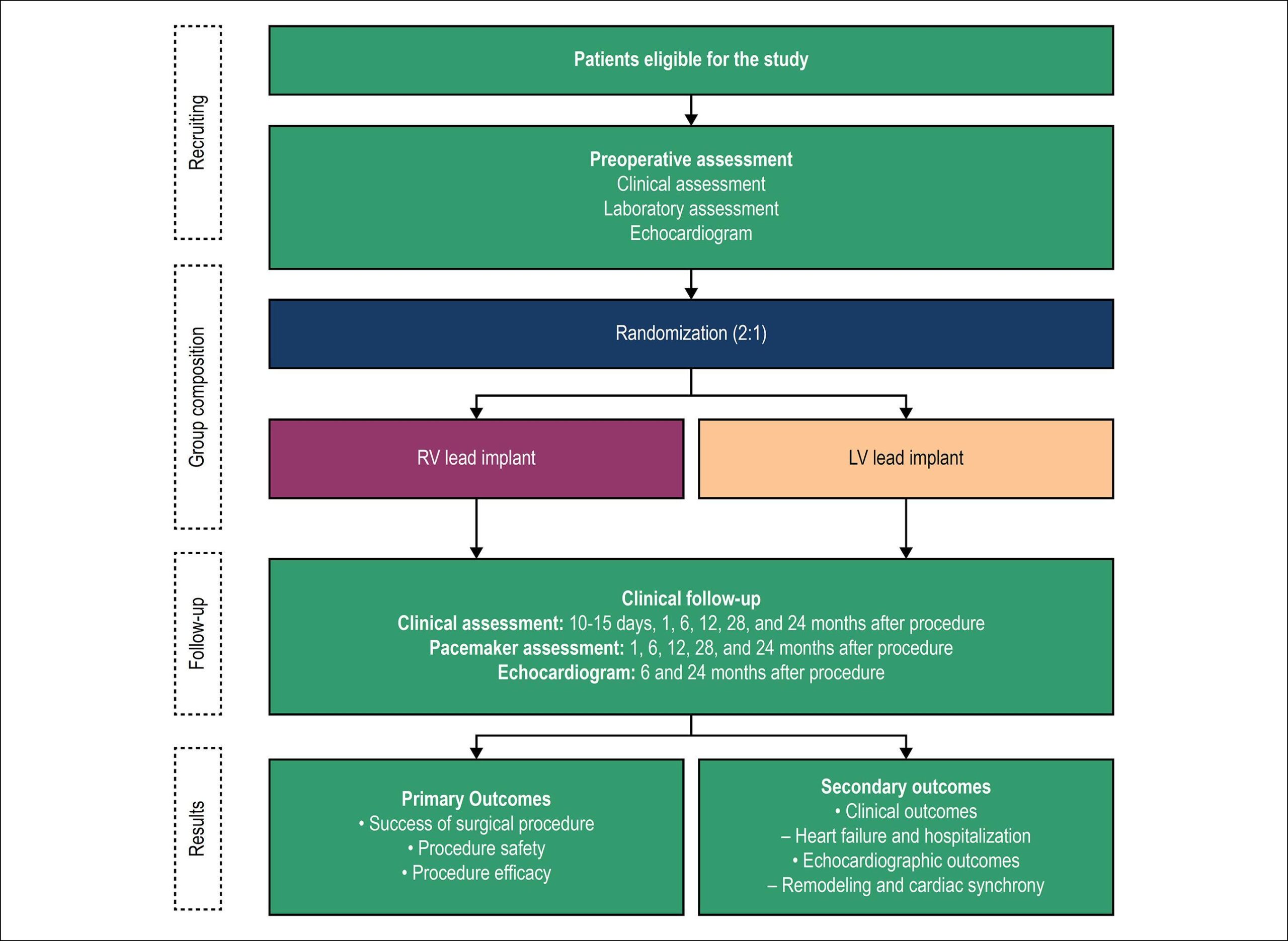
Efficacy, Safety, and Performance of Isolated Left vs. Right Ventricular Pacing in Patients with Bradyarrhythmias: A Randomized Controlled Trial

Elizabeth Sartori Crevelari et al. Katia Regina da Silva Caio Marcos de Moraes Albertini Marcelo Luiz Campos Vieira … Martino Martinelli Filho Roberto Costa

Abstract

Background:

Considering the potential deleterious effects of right ventricular (RV) pacing, the hypothesis of this study is that isolated left ventricular (LV) pacing through the coronary sinus is safe and may provide better clinical and echocardiographic benefits to patients with bradyarrhythmias and normal ventricular function requiring heart rate correction alone.

Objective:

To assess the safety, efficacy, and effects of LV pacing using an active-fixation coronary sinus lead in comparison with RV pacing, in patients eligible for conventional pacemaker (PM) implantation.

Methods:

Randomized, controlled, and single-blinded clinical trial in adult patients submitted to PM implantation due to bradyarrhythmias and systolic ventricular function ≥ 0.40. Randomization (RV vs. LV) occurred before PM implantation. The main results of the study were procedural success, safety, and efficacy. Secondary results were clinical and echocardiographic changes. Chi-squared test, Fisher’s exact test and Student’s t-test were used, considering a significance level of 5%.

Results:

From June 2012 to January 2014, 91 patients were included, 36 in the RV Group and 55 in the LV Group. Baseline characteristics of patients in both groups were similar. PM implantation was performed successfully and without any complications in all patients in the RV group. Of the 55 patients initially allocated into the LV group, active-fixation coronary sinus lead implantation was not possible in 20 (36.4%) patients. The most frequent complication was phrenic nerve stimulation, detected in 9 (25.7%) patients in the LV group. During the follow-up period, there were no hospitalizations due to heart failure. Reductions of more than 10% in left ventricular ejection fraction were observed in 23.5% of patients in the RV group and 20.6% of those in the LV group (p = 0.767). Tissue Doppler analysis showed that 91.2% of subjects in the RV group and 68.8% of those in the LV group had interventricular dyssynchrony (p = 0.022).

Conclusion:

The procedural success rate of LV implant was low, and the safety of the procedure was influenced mainly by the high rate of phrenic nerve stimulation in the postoperative period.

  • Arrhythmias Cardiac
  • Bradycardia
  • Cardiac Pacing, Artificial
  • Pacemaker, Artificial
  • Ventricular Remodeling
Read Full Article
Creative Commons Attribution (CC BY) Creative Commons license
15/04/2019 DOI: 10.5935/abc.20180275 Views 1
Figure 1
ABC
Viewpoint

Early Diagnosis and Treatment in Infective Endocarditis: Challenges for a Better Prognosis

Daniely Iadocico Sobreiro et al. Roney Orismar Sampaio Rinaldo Focaccia Siciliano Calila Vieira Andrade Brazil … Carlos Eduardo de Barros Branco Antônio Sergio de Santis Andrade Lopes Flávio Tarasoutchi Tânia Mara Varejão Strabelli

Infective endocarditis (IE), a microbial infection of the cardiac or adjacent vascular endothelium, remains a feared disease, although the modern diagnosis systematizations date back to 1885 by Osler. Although relatively uncommon, with approximately 3-10 cases per 100,000 individuals/year, the mortality remains high: more than one-third of patients die in the first year after the diagnosis., Only early diagnosis and treatment, whether exclusively clinical or associated with cardiac surgery, may interfere to reduce this high mortality rate.

IE used to be more frequent in young and middle-aged adults with rheumatic or congenital heart disease. However, recent studies have shown a significant reduction in the incidence of IE in these groups, especially in more developed countries.

[…]

  • Catheters
  • Diagnostic Imaging
  • Echocardiography
  • Endocarditis, Bacterial/mortality
  • Pacemaker, Artificial
  • Prosthesis Implantation
Read Full Article
Creative Commons Attribution (CC BY) Creative Commons license
01/02/2019 DOI: 10.5935/abc.20180270 Views 1
Figure 1
ABC
Case Report

Partial Papillary Muscle Rupture after Myocardial Infarction and Early Severe Obstructive Bioprosthetic Valve Thrombosis: an Unusual Combination

Inês Silveira et al. Marta Oliveira Catarina Gomes Sofia Cabral … André Luz Severo Torres

Introduction

Mechanical complications after myocardial infarction (MI) have become uncommon since the introduction of primary angioplasty. They can lead to a rapid clinical deterioration and a fatal outcome, with patient’s survival being depen­dent on their prompt recognition and intervention. We describe a case of two rare mechanical complications: a partial papillary muscle rupture after MI, followed by an early severe obstructive thrombosis of the implanted bioprosthetic valve.

[…]

  • Atrioventricular Block/complications
  • Bioprosthesis
  • Heart Arrest
  • Heart Rupture
  • Myocardial Infarction/complications
  • Pacemaker, Artificial
  • Post-Infarction
  • Thrombolytic Therapy
Read Full Article
Creative Commons Attribution (CC BY) Creative Commons license
01/09/2018 DOI: 10.5935/abc.20180179 Views 2
Figure 1
ABC
Original Article

Permanent Pacing After Transcatheter Aortic Valve Implantation: Incidence, Predictors and Evolution of Left Ventricular Function

Cláudio Monteiro et al. Andres Di Leoni Ferrari Paulo Ricardo Avancini Caramori Luiz Antonio Ferreira Carvalho … Dimytri Alexandre de Alvim Siqueira Luiz Eduardo Koenig São Thiago Marco Perin Valter C. de Lima Enio Guérios Fabio Sandoli De Brito Junior

Abstract

Background:

Transcatheter aortic valve implantation (TAVI) is a well-established procedure; however, atrioventricular block requiring permanent pacemaker implantation (PPI) is a common complication.

Objectives:

To determine the incidence, predictors and clinical outcomes of PPI after TAVI, focusing on how PPI affects left ventricular ejection fraction (LVEF) after TAVI.

Methods:

The Brazilian Multicenter TAVI Registry included 819 patients submitted to TAVI due to severe aortic stenosis from 22 centers from January/2008 to January/2015. After exclusions, the predictors of PPI were assessed in 670 patients by use of multivariate regression. Analysis of the ROC curve was used to measure the ability of the predictors; p < 0.05 was the significance level adopted.

Results:

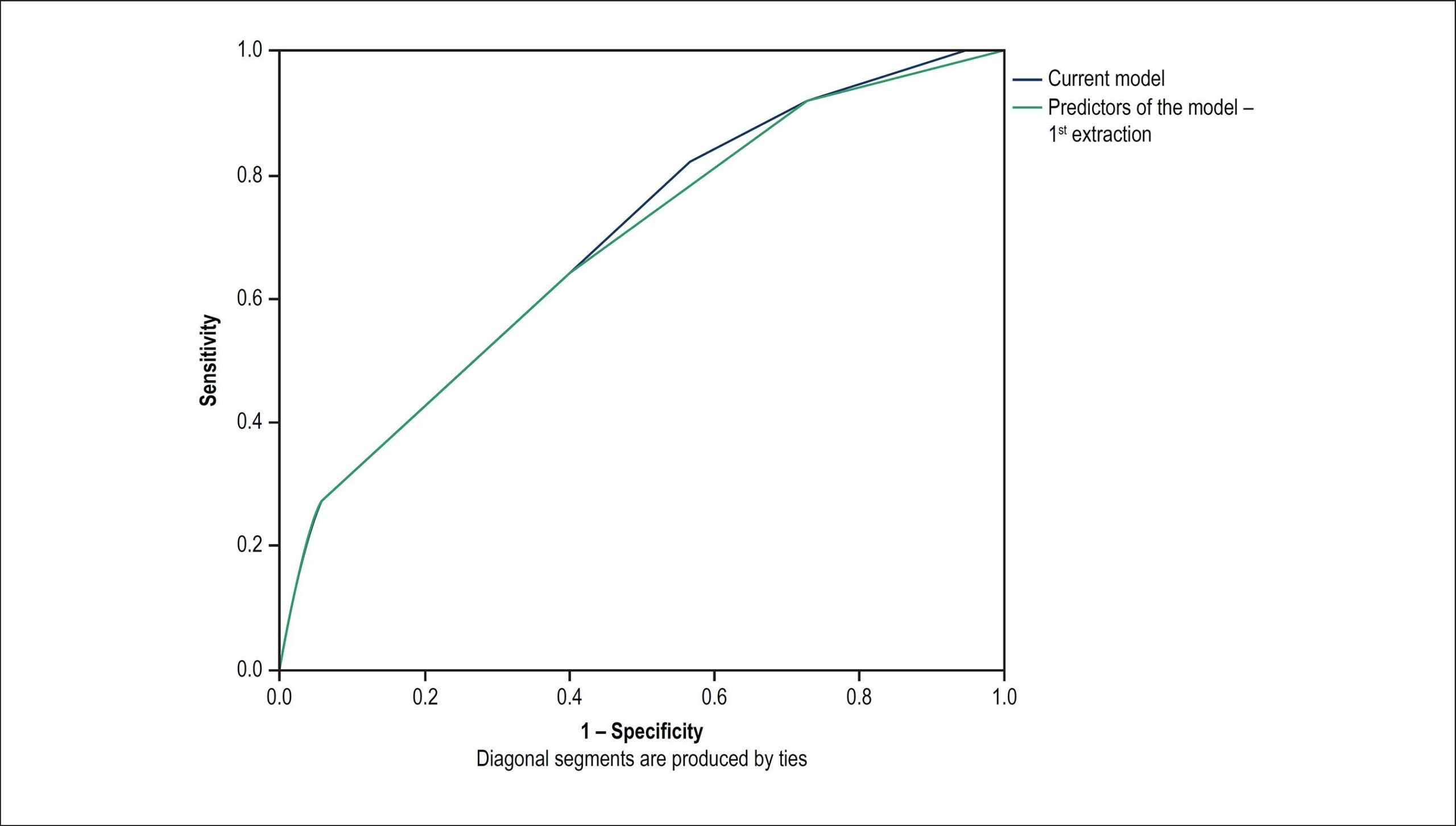
Within 30 days from TAVI, 135 patients (20.1%) required PPI. Those patients were older (82.5 vs. 81.1 years; p = 0.047) and mainly of the male sex (59.3% vs 45%; p = 0.003). Hospital length of stay was longer in patients submitted to PPI (mean = 15.7 ± 25.7 vs. 11.8 ± 22.9 days; p < 0.001), but PPI affected neither all-cause death (26.7% vs. 25.6%; p = 0.80) nor cardiovascular death (14.1% vs. 14.8%; p = 0.84). By use of multivariate analysis, the previous presence of right bundle-branch block (RBBB) (OR, 6.19; 3.56-10.75; p ≤ 0.001), the use of CoreValve® prosthesis (OR, 3.16; 1.74-5.72; p ≤ 0.001) and baseline transaortic gradient > 50 mm Hg (OR, 1.86; 1.08-3.2; p = 0.025) were predictors of PPI. The estimated risk of PPI ranged from 4%, when none of those predictors was present, to 63%, in the presence of all of them. The model showed good ability to predict the need for PPI: 0.69 (95%CI: 0.64 – 0.74) in the ROC curve. The substudy of 287 echocardiograms during the 1-year follow-up showed worse LVEF course in patients submitted to PPI (p = 0.01).

Conclusion:

BRD prévio, gradiente aórtico médio > 50 mmHg e CoreValve® são preditores independentes de implante de MPD pós-TAVI. Ocorreu implante de MPD em aproximadamente 20% dos casos de TAVI, o que prolongou a internação hospitalar, mas não afetou a mortalidade. O implante de MPD afetou negativamente a FEVE pós-TAVI.

  • Aortic Valve Stenosis
  • Atroventricular Block
  • Pacemaker, Artificial
  • Stroke Volume
  • Transcatheter Aortic Valve Replacement / complications
Read Full Article
Creative Commons Attribution (CC BY) Creative Commons license
27/11/2017 DOI: 10.5935/abc.20170170 Views 2
Figure 1
ABC
Original Article

Minimally Invasive Epicardial Pacemaker Implantation in Neonates with Congenital Heart Block

Roberto Costa et al. Katia Regina da Silva Martino Martinelli Filho Roger Carrillo

Abstract

Background:

Few studies have characterized the surgical outcomes following epicardial pacemaker implantation in neonates with congenital complete atrioventricular block (CCAVB).

Objective:

This study sought to assess the long-term outcomes of a minimally invasive epicardial approach using a subxiphoid access for pacemaker implantation in neonates.

Methods:

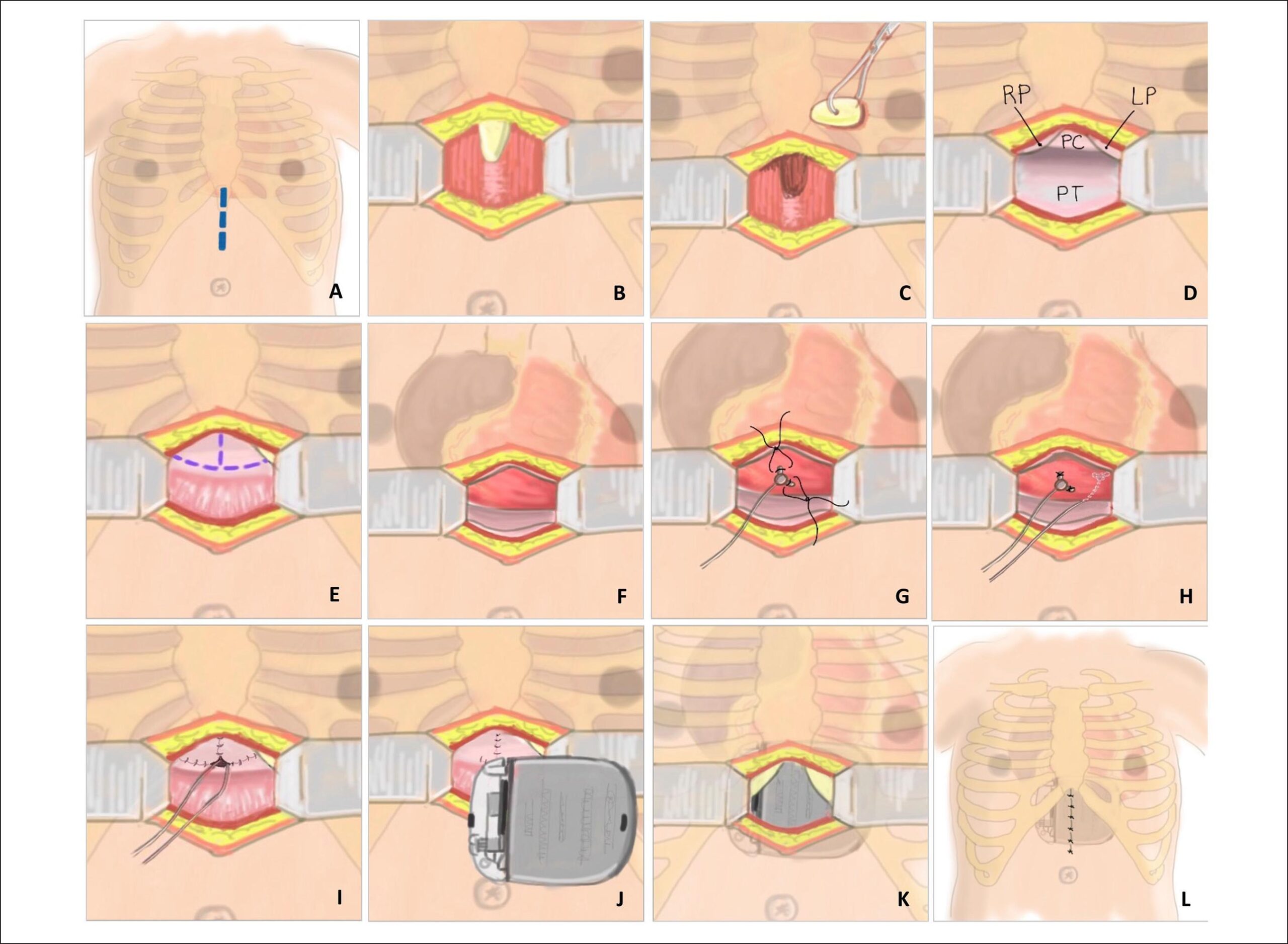
Between July 2002 and February 2015, 16 consecutive neonates underwent epicardial pacemaker implantation due to CCAVB. Among these, 12 (75.0%) had congenital heart defects associated with CCAVB. The patients had a mean age of 4.7 ± 5.3 days and nine (56.3%) were female. Bipolar steroid-eluting epicardial leads were implanted in all patients through a minimally invasive subxiphoid approach and fixed on the diaphragmatic ventricular surface. The pulse generator was placed in an epigastric submuscular position.

Results:

All procedures were successful, with no perioperative complications or early deaths. Mean operating time was 90.2 ± 16.8 minutes. None of the patients displayed pacing or sensing dysfunction, and all parameters remained stable throughout the follow-up period of 4.1 ± 3.9 years. Three children underwent pulse generator replacement due to normal battery depletion at 4.0, 7.2, and 9.0 years of age without the need of ventricular lead replacement. There were two deaths at 12 and 325 days after pacemaker implantation due to bleeding from thrombolytic use and progressive refractory heart failure, respectively.

Conclusion:

Epicardial pacemaker implantation through a subxiphoid approach in neonates with CCAVB is technically feasible and associated with excellent surgical outcomes and pacing lead longevity.

  • Atrioventricular block
  • Heart Defects, Congenital
  • Infants, Newborns
  • Pacemaker, Artificial
Read Full Article
Creative Commons Attribution (CC BY) Creative Commons license
04/09/2017 DOI: 10.5935/abc.20170126 Views 1
Figure 1
ABC
Image

Leadless Pacemaker: a New Concept in Cardiac Pacing

Nicodemus Lopes et al. Diogo Cavaco Pedro Carmo Maurício Ibrahim Scanavacca Pedro Adragão

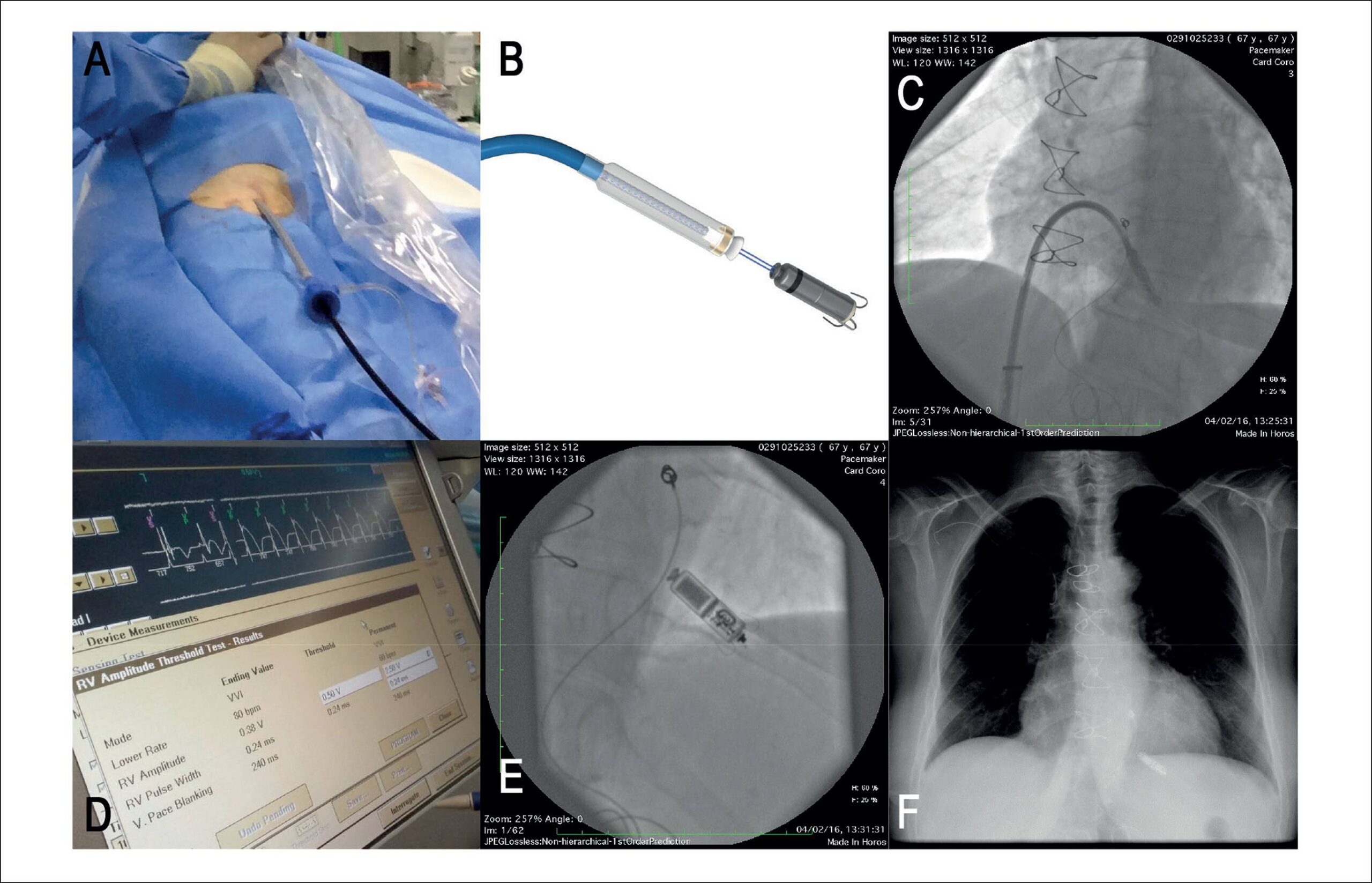
67 year-old female patient, pacemaker user since 1983 due to complete atrioventricular block. Between 1991 and 2004, the patient underwent six surgeries. The first was to replace the batteries, and the others for electrode displacement, generator extrusion, and finally for endocarditis, when surgical extraction of the system and epicardial electrode implantation in the right ventricle (RV) were performed. In the last assessment, in 2015, the patient presented with a very high ventricular stimulation threshold and battery depletion. Due to previous technical problems, implantation of transvenous leadless pacemaker was considered (Micra-Medtronic). This new cardiac stimulation system has, as its main characteristics, reduced generator size (volume of 0.8 cm3) and the absence of electrodes, making it possible to perform the implantation of the system directly in the RV. Implantation was performed at Hospital Santa Cruz, Carnaxide, Portugal. After local anesthesia, a sheath (23F) was introduced through the right femoral vein to take the system to the RV. Once inside the ventricle, the delivery catheter was directed to the septal and apical portion and the capsule was released. Fixation of the system in the right ventricle trabeculae, through its flexible tines, was confirmed by mechanical fixation tests. After that, electronic assessment was performed yielding good parameters. After ensuring that parameters were adequate and the capsule was well fixated, the capsule was released and the delivery system was removed. The patient did not present any immediate complications, and after 45 days of follow-up, electronic parameters were stable.

[…]

  • Atrioventricular block
  • Cardiac Pacing, Artificial
  • Catheterization, Central Venous
  • Pacemaker, Artificial
Read Full Article
Creative Commons Attribution (CC BY) Creative Commons license
01/10/2016 DOI: 10.5935/abc.20160144
Figure 1
ABC
Original Article

Complications after Surgical Procedures in Patients with Cardiac Implantable Electronic Devices: Results of a Prospective Registry

Katia Regina da Silva et al. Caio Marcos de Moraes Albertini Elizabeth Sartori Crevelari Eduardo Infante Januzzi de Carvalho … Alfredo Inácio Fiorelli Martino Martinelli Filho Roberto Costa

Abstract

Background:

Complications after surgical procedures in patients with cardiac implantable electronic devices (CIED) are an emerging problem due to an increasing number of such procedures and aging of the population, which consequently increases the frequency of comorbidities.

Objective:

To identify the rates of postoperative complications, mortality, and hospital readmissions, and evaluate the risk factors for the occurrence of these events.

Methods:

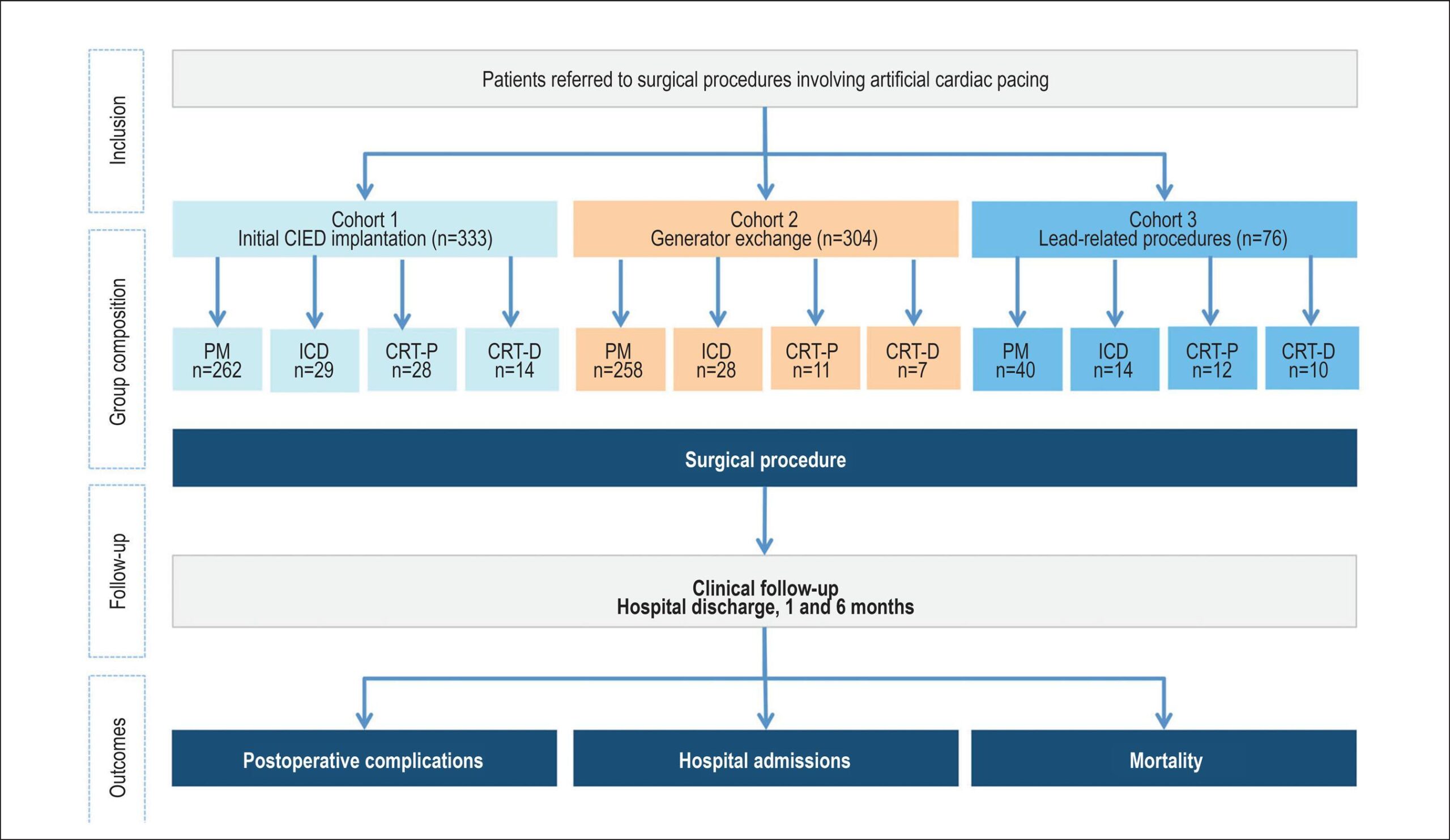
Prospective and unicentric study that included all individuals undergoing CIED surgical procedures from February to August 2011. The patients were distributed by type of procedure into the following groups: initial implantations (cohort 1), generator exchange (cohort 2), and lead-related procedures (cohort 3). The outcomes were evaluated by an independent committee. Univariate and multivariate analyses assessed the risk factors, and the Kaplan-Meier method was used for survival analysis.

Results:

A total of 713 patients were included in the study and distributed as follows: 333 in cohort 1, 304 in cohort 2, and 76 in cohort 3. Postoperative complications were detected in 7.5%, 1.6%, and 11.8% of the patients in cohorts 1, 2, and 3, respectively (p = 0.014). During a 6-month follow-up, there were 58 (8.1%) deaths and 75 (10.5%) hospital readmissions. Predictors of hospital readmission included the use of implantable cardioverter-defibrillators (odds ratio [OR] = 4.2), functional class III­-IV (OR = 1.8), and warfarin administration (OR = 1.9). Predictors of mortality included age over 80 years (OR = 2.4), ventricular dysfunction (OR = 2.2), functional class III-IV (OR = 3.3), and warfarin administration (OR = 2.3).

Conclusions:

Postoperative complications, hospital readmissions, and deaths occurred frequently and were strongly related to the type of procedure performed, type of CIED, and severity of the patient’s underlying heart disease.

  • Defibrillators, Implantable
  • Intraoperative Complications/mortality
  • Pacemaker, Artificial
  • Surgery/complications
Read Full Article
Creative Commons Attribution (CC BY) Creative Commons license
29/08/2016 DOI: 10.5935/abc.20160129
Figure 1
ABC
Original Article

Echocardiographic Predictors of Worse Outcome After Cardiac Resynchronization Therapy

Eduardo Arrais Rocha et al. Francisca Tatiana Moreira Pereira José Sebastião Abreu José Wellington O. Lima … Marcelo de Paula M. Monteiro Almino Cavalcante Rocha Neto Ana Rosa Pinto Quidute Camilla Viana A. Goés Carlos Roberto Martins Rodrigues Sobrinho Maurício Ibrahim Scanavacca

Abstract

Background:

Cardiac resynchronization therapy (CRT) is the recommended treatment by leading global guidelines. However, 30%-40% of selected patients are non-responders.

Objective:

To develop an echocardiographic model to predict cardiac death or transplantation (Tx) 1 year after CRT.

Method:

Observational, prospective study, with the inclusion of 116 patients, aged 64.89 ± 11.18 years, 69.8% male, 68,1% in NYHA FC III and 31,9% in FC IV, 71.55% with left bundle-branch block, and median ejection fraction (EF) of 29%. Evaluations were made in the pre‑implantation period and 6-12 months after that, and correlated with cardiac mortality/Tx at the end of follow-up. Cox and logistic regression analyses were performed with ROC and Kaplan-Meier curves. The model was internally validated by bootstrapping.

Results:

There were 29 (25%) deaths/Tx during follow-up of 34.09 ± 17.9 months. Cardiac mortality/Tx was 16.3%. In the multivariate Cox model, EF < 30%, grade III/IV diastolic dysfunction and grade III mitral regurgitation at 6‑12 months were independently related to increased cardiac mortality or Tx, with hazard ratios of 3.1, 4.63 and 7.11, respectively. The area under the ROC curve was 0.78.

Conclusion:

EF lower than 30%, severe diastolic dysfunction and severe mitral regurgitation indicate poor prognosis 1 year after CRT. The combination of two of those variables indicate the need for other treatment options.

  • Cardiac Resynchronization Therapy
  • Echocardiography
  • Heart Failure / mortality
  • Pacemaker, Artificial
  • Risk Factors
Read Full Article
Creative Commons Attribution (CC BY) Creative Commons license
04/09/2015 DOI: 10.5935/abc.20150108 Views 1
Figure 1
ABC
Original Article

Development and Validation of Predictive Models of Cardiac Mortality and Transplantation in Resynchronization Therapy

Eduardo Arrais Rocha et al. Francisca Tatiana Moreira Pereira José Sebastião Abreu José Wellington O. Lima … Marcelo de Paula Martins Monteiro Almino Cavalcante Rocha Neto Camilla Viana Arrais Goés Ana Gardênia P. Farias Carlos Roberto Martins Rodrigues Sobrinho Ana Rosa Pinto Quidute Maurício Ibrahim Scanavacca

Abstract

Background:

30-40% of cardiac resynchronization therapy cases do not achieve favorable outcomes.

Objective:

This study aimed to develop predictive models for the combined endpoint of cardiac death and transplantation (Tx) at different stages of cardiac resynchronization therapy (CRT).

Methods:

Prospective observational study of 116 patients aged 64.8 ± 11.1 years, 68.1% of whom had functional class (FC) III and 31.9% had ambulatory class IV. Clinical, electrocardiographic and echocardiographic variables were assessed by using Cox regression and Kaplan-Meier curves.

Results:

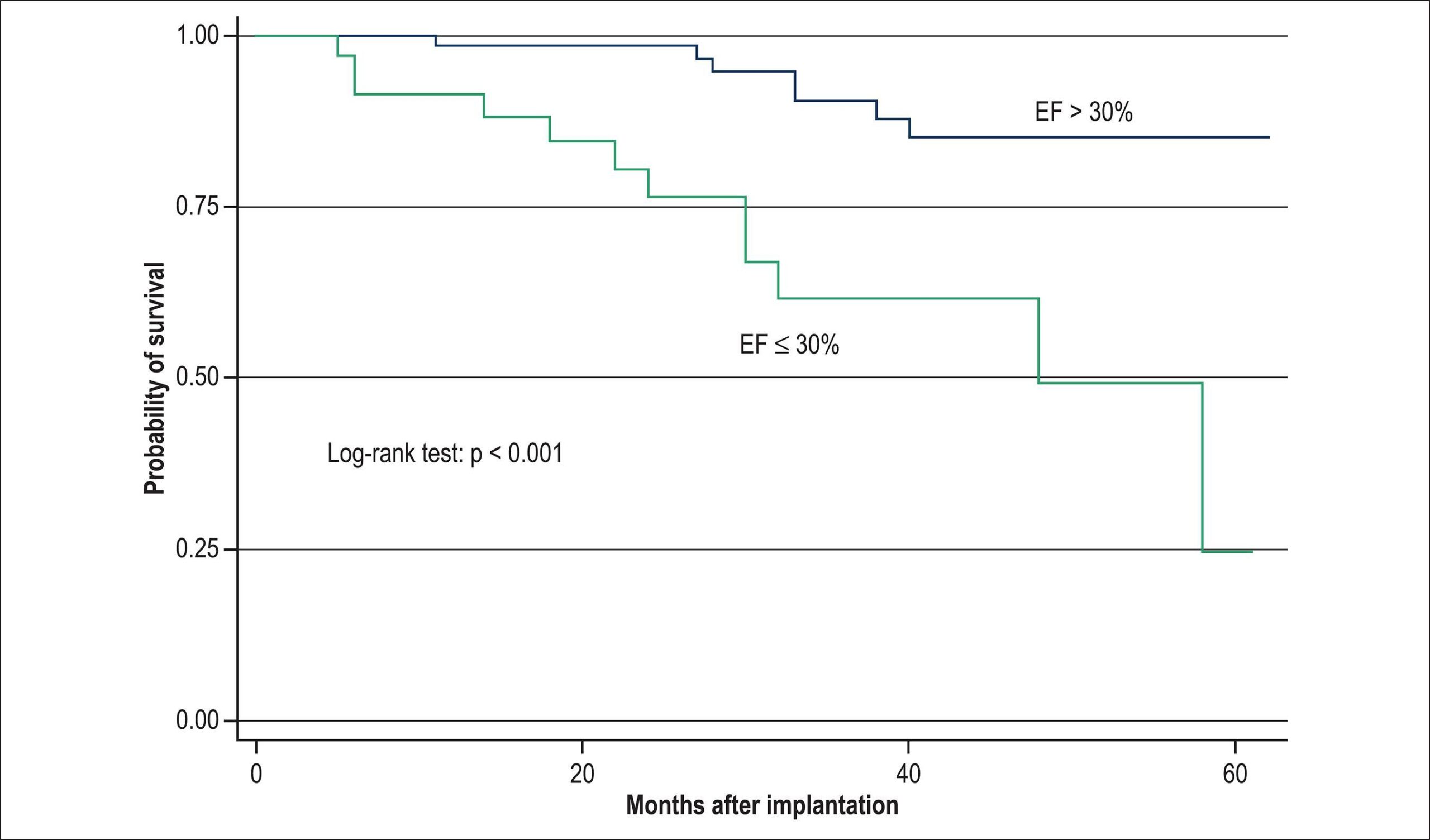
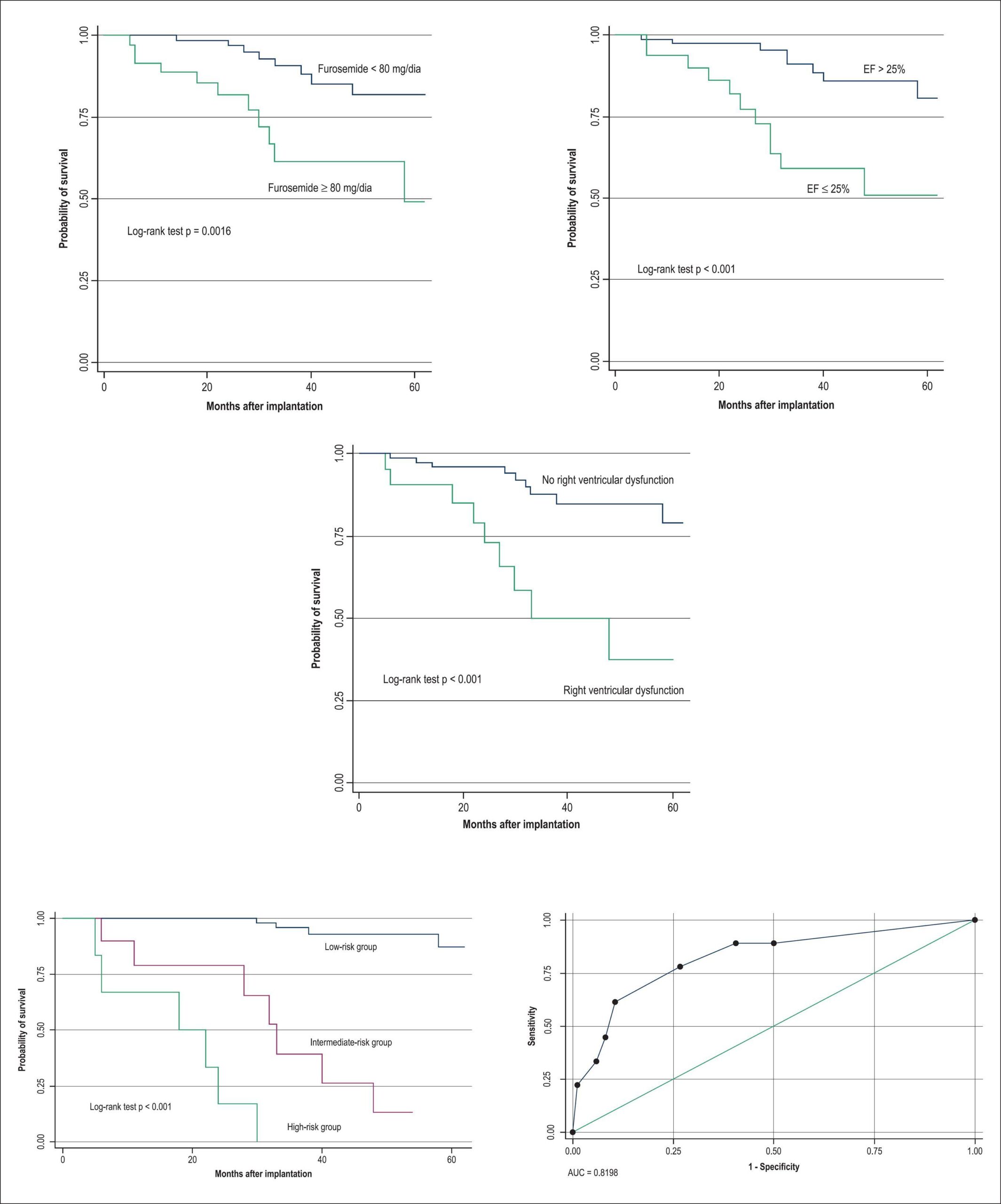
The cardiac mortality/Tx rate was 16.3% during the follow-up period of 34.0 ± 17.9 months. Prior to implantation, right ventricular dysfunction (RVD), ejection fraction < 25% and use of high doses of diuretics (HDD) increased the risk of cardiac death and Tx by 3.9-, 4.8-, and 5.9-fold, respectively. In the first year after CRT, RVD, HDD and hospitalization due to congestive heart failure increased the risk of death at hazard ratios of 3.5, 5.3, and 12.5, respectively. In the second year after CRT, RVD and FC III/IV were significant risk factors of mortality in the multivariate Cox model. The accuracy rates of the models were 84.6% at preimplantation, 93% in the first year after CRT, and 90.5% in the second year after CRT. The models were validated by bootstrapping.

Conclusion:

We developed predictive models of cardiac death and Tx at different stages of CRT based on the analysis of simple and easily obtainable clinical and echocardiographic variables. The models showed good accuracy and adjustment, were validated internally, and are useful in the selection, monitoring and counseling of patients indicated for CRT.

  • Cardiac Resynchronization Therapy
  • Follow-Up Studies
  • Heart Failure/physiopathology
  • Heart Transplantation / mortality
  • Pacemaker, Artificial
Read Full Article
Creative Commons Attribution (CC BY) Creative Commons license
07/08/2015 DOI: 10.5935/abc.20150093 Views 1
Figure 1
ABC
Brief Communication

Diastolic Function in Paced Children with Cardiac Defects: Septum vs Apex

Michel Cabrera Ortega et al. Adel Eladio Gonzalez Morejon Giselle Ricardo Serrano Dunia Barbara Benitez Ramos

Abstract

In children with structural congenital heart disease (CHD), the effects of chronic ventricular pacing on diastolic function are not well known. On the other hand, the beneficial effect of septal pacing over apical pacing is still controversial.

The aim of this study was to evaluate the influence of different right ventricular (RV) pacing site on left ventricular (LV) diastolic function in children with cardiac defects.

Twenty-nine pediatric patients with complete atrioventricular block (CAVB) and CHD undergoing permanent pacing were prospectively studied. Pacing sites were RV apex (n = 16) and RV septum (n = 13). Echocardiographic assessment was performed before pacemaker implantation and after it, during a mean follow‑up of 4.9 years.

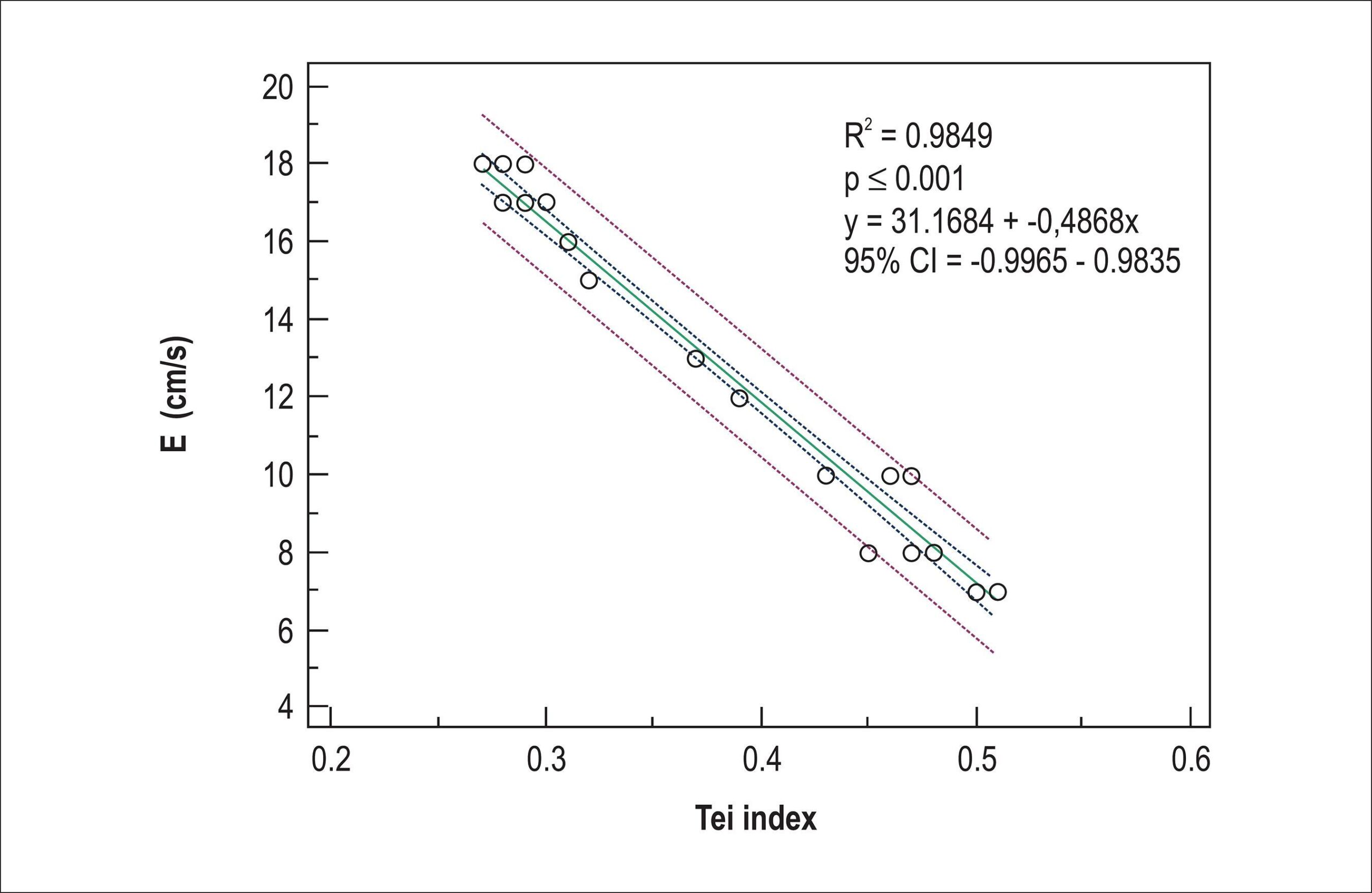
Compared to RV septum, transmitral E-wave was significantly affected in RV apical pacing (95.38 ± 9.19 vs 83 ± 18.75, p = 0.038). Likewise, parameters at the lateral annular tissue Doppler imaging (TDI) were significantly affected in children paced at the RV apex. The E´ wave correlated inversely with TDI lateral myocardial performance index (Tei index) (R2= 0.9849, p ≤ 0.001). RV apex pacing (Odds ratio, 0.648; confidence interval, 0.067-0.652; p = 0.003) and TDI lateral Tei index (Odds ratio, 31.21; confidence interval, 54.6-177.4; p = 0.025) predicted significantly decreased LV diastolic function.

Of the two sites studied, RV septum prevents pacing-induced reduction of LV diastolic function.

  • Child
  • Heart Defects, Congenital
  • Pacemaker, Artificial
  • Ventricular Function, Left
  • Ventricular Function, Right
Read Full Article
Creative Commons Attribution (CC BY) Creative Commons license
01/08/2015 DOI: 10.5935/abc.20150077 Views 1
Reel Syndrome: an Unusual Complication of Cardiac Pacemaker Implantation
ABC
Image

Reel Syndrome: an Unusual Complication of Cardiac Pacemaker Implantation

Salvador Alandete Germán et al. Ronny Rodelo Haad

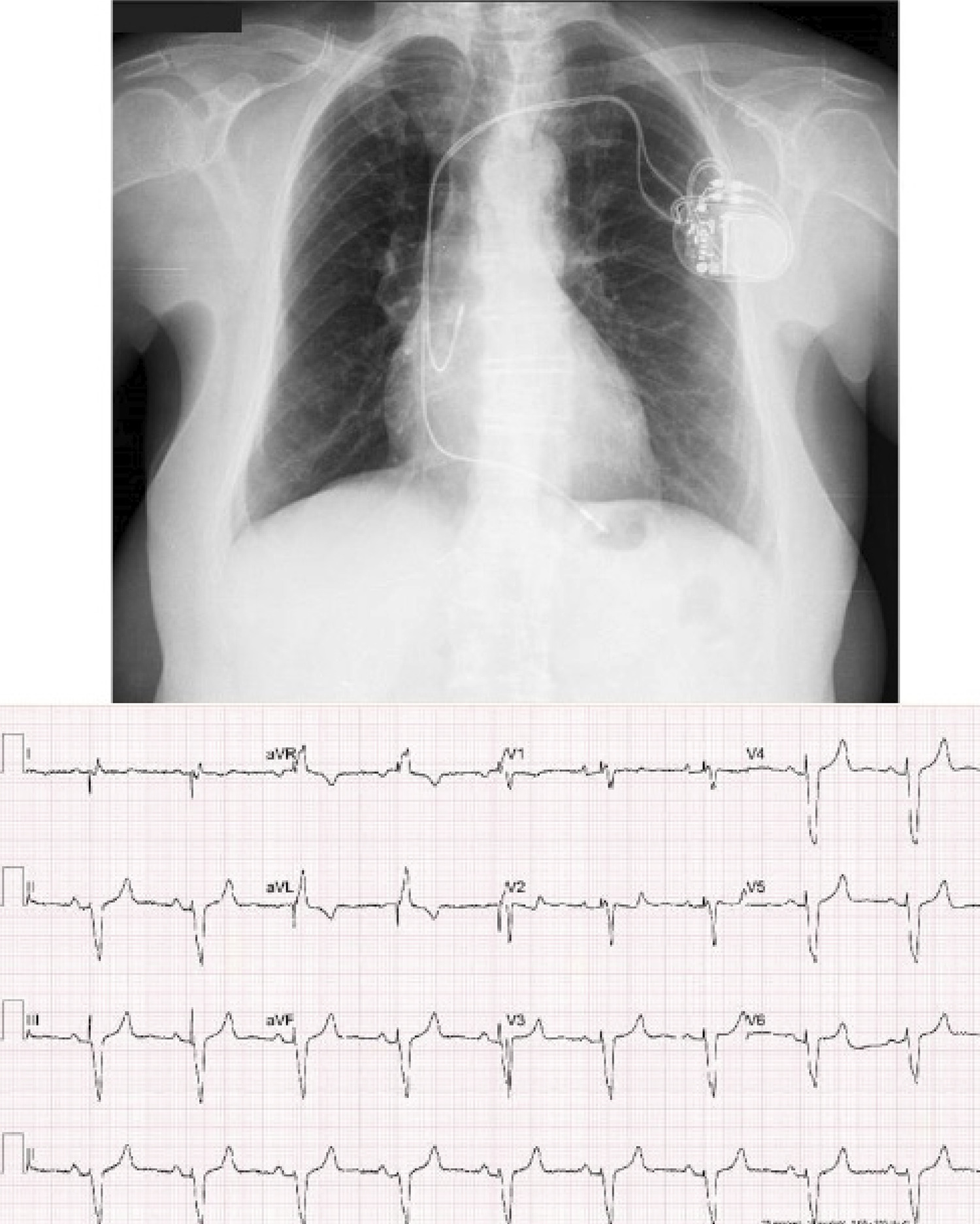
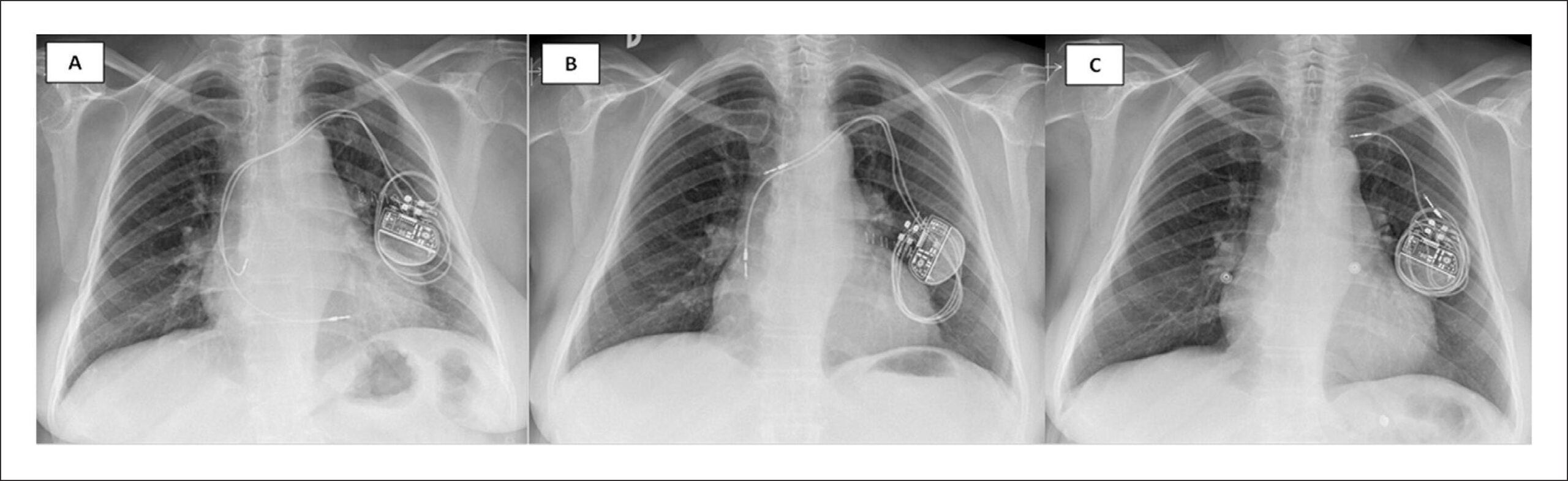
A 67-year-old woman who underwent pacemaker implantation 4 days ago (A) consulted the emergency department with complaints of perception of muscle contractions on the right side of her chest. She did not have chest pain, dyspnea, or palpitations. Physical examination did not reveal any relevant findings. Electrocardiogram showed an absence of sensing or stimulation of the right atrium and right ventricle. Chest X-ray showed the displacement of the leads into the right atrium and the superior vena cava (B). Thus, she was referred to the cardiology department for lead repositioning.

A few months later, the patient presented with the same symptoms. A repeat chest X-ray showed a similar displacement of both the leads (C).

[…]

  • Heart-Assist Devices
  • Pacemaker, Artificial
  • Radiography/utilization
Read Full Article
Creative Commons Attribution (CC BY) Creative Commons license
01/03/2015 DOI: 10.5935/abc.20140204 Views 1
Alternative endocardial sites for artificial cardiac stimulation
ABC
Review Article

Alternative endocardial sites for artificial cardiac stimulation

Otaviano da Silva Júnior et al. Celso Salgado de Melo Marcelo Marra Dalmo Correia

The conventional right ventricular stimulation can be associated with deleterious effects on cardiac function. The need for a more physiological artificial cardiac stimulation is undoubtedly one of the most important points in the area of cardiac electrotherapy. The programming algorithms for the maintenance of adequate atrioventricular conduction, the stimulation of alternative endocardial sites and the cardiac resynchronization therapy are used with the objective of attaining these goals. The stimulation of the bundle of His and the septal stimulation have been studied as alternative endocardial sites for the positioning of the electrode on the right ventricle. The septal stimulation represents a simple and practical alternative, with no additional costs involved and with potential benefits in decreasing the deleterious effects of the right ventricular stimulation. However, this alternative site involves a heterogeneous group of patients and presents conflicting results regarding its long-term clinical benefit. This article reviews the scientific evidence on the alternative sites for right ventricular stimulation, with emphasis on the safety of the procedure, the measurement of the electrophysiological parameters, assessment of the left ventricular function and the clinical follow-up of patients.

  • Pacemaker, Artificial
  • septal stimulation
  • Ventricular Function, Left
Read Full Article
Creative Commons Attribution (CC BY) Creative Commons license
04/02/2011 DOI: 10.1590/S0066-782X2011000100013 Views 1
Pacemaker electrode misplaced in the left ventricle
ABC
Case Report

Pacemaker electrode misplaced in the left ventricle

André Luiz Cerqueira de Almeida et al. Viviane Machicado Cavalcante Márcio Diego Castro Teixeira Gustavo Rocha Costa de Freitas

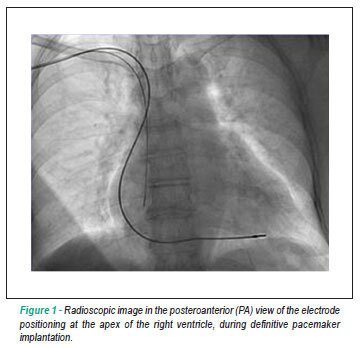
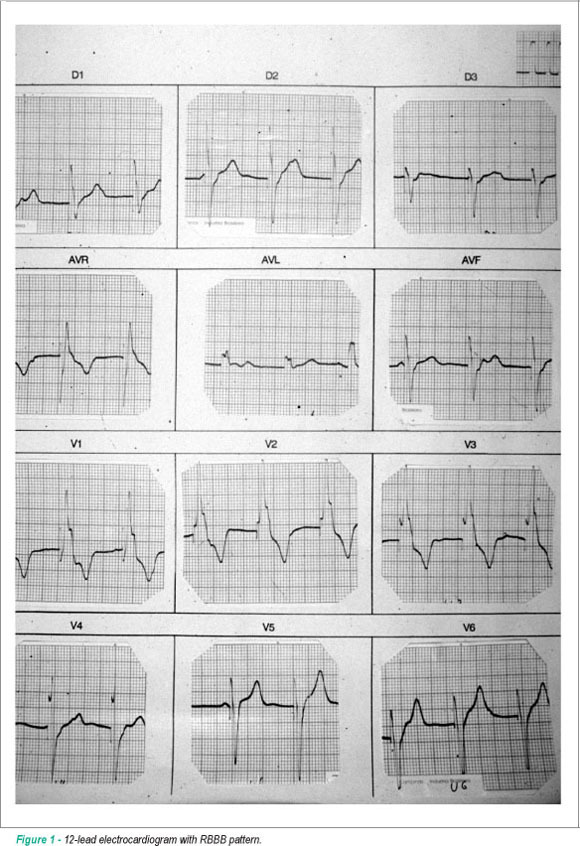
This study reports the case of an anomalous implantation of VVI pacemaker electrode in the left ventricle (LV) diagnosed during routine evaluation, two years after implantation. The patient is a 65-year-old woman with Chagas disease. Electrocardiogram (ECG) revealed a pattern of right branch block. Profile chest X-ray showed electrode with posterior curvature path. In transthoracic echocardiography, the diagnosis revealed that the catheter penetrated the right atrium, crossed the atrial septum, descended through the left atrium and mitral valve orifice and deployed on the LV wall. The following related aspects are addressed: potential deployment routes, clinical, radiological, electrocardiographic and echocardiographic pictures, complications and treatment options.

  • Atrioventricular block
  • Electrodes, Implanted
  • left ventricle
  • Pacemaker, Artificial
Read Full Article
Creative Commons Attribution (CC BY) Creative Commons license
13/10/2010 DOI: 10.1590/S0066-782X2010001300022 Views 1

Could not load more articles. Please try again.

How to cite this article

EndNote RIS

Electronic Document Format (Vancouver)

Carrington M, António PS, Rodrigues N, Nunes-Ferreira A, Bernardes A, Pinto FJ, Sousa J, et al. New Technique for Preserving Cephalic Vein Flow in Pacemaker Implantation Ipsilateral to Arteriovenous Fistula. Arquivos Brasileiros de Cardiologia 2023;120(5):e20220926.

Electronic Document Format (ABNT)

Carrington, Mafalda; António, Pedro Silvério; Rodrigues, Natacha; Nunes-Ferreira, Afonso; Bernardes, Ana; Pinto, Fausto J.; Sousa, João de; Marques, Pedro. New Technique for Preserving Cephalic Vein Flow in Pacemaker Implantation Ipsilateral to Arteriovenous Fistula. Arquivos Brasileiros de Cardiologia, v. 120, n. 5, e20220926, Jun. 2023.

Electronic Document Format (APA)

Carrington, M., António, P. S., Rodrigues, N., Nunes-Ferreira, A., Bernardes, A., Pinto, F. J., Sousa, J. , & Marques, P. (2023). New Technique for Preserving Cephalic Vein Flow in Pacemaker Implantation Ipsilateral to Arteriovenous Fistula. Arquivos Brasileiros de Cardiologia, 120(5), e20220926.

Electronic Document Format (ISO)

Carrington, Mafalda and António, Pedro Silvério and Rodrigues, Natacha and Nunes-Ferreira, Afonso and Bernardes, Ana and Pinto, Fausto J. and Sousa, João de and Marques, Pedro. New Technique for Preserving Cephalic Vein Flow in Pacemaker Implantation Ipsilateral to Arteriovenous Fistula. Arquivos Brasileiros de Cardiologia [online]. 2023, vol. 120, n. 5, [cited 2026-10-14], e20220926. Available from: <https://journals.cardiol.br/en/article/new-technique-for-preserving-cephalic-vein-flow-in-pacemaker-implantation-ipsilateral-to-arteriovenous-fistula/>. ISSN 0066-782X

EndNote RIS

Electronic Document Format (Vancouver)

Lima NA, Rocha EA, Damasceno A, Costa IP, Ricardo JRB, Lopes FJ, Dias L, et al. Pacemaker Reuse in Portuguese Speaking Countries: A Clinical Reflection. Arquivos Brasileiros de Cardiologia 2023;120(2):e20210941.

Electronic Document Format (ABNT)

Lima, Neiberg de Alcantara; Rocha, Eduardo Arrais; Damasceno, Albertino; Costa, Ieda Prata; Ricardo, José Ribeiro Bunda; Lopes, Fernando Jorge; Dias, Luis; Soares, Miryan Bandeira dos Prazeres Cassandra; Puroll, Eric; Eagle, Kim A.; Crawford, Thomas C.. Pacemaker Reuse in Portuguese Speaking Countries: A Clinical Reflection. Arquivos Brasileiros de Cardiologia, v. 120, n. 2, e20210941, Mar. 2023.

Electronic Document Format (APA)

Lima, N. A., Rocha, E. A., Damasceno, A., Costa, I. P., Ricardo, J. R. B., Lopes, F. J., Dias, L., Soares, M. B. P. C., Puroll, E., Eagle, K. A., & Crawford, T. C. (2023). Pacemaker Reuse in Portuguese Speaking Countries: A Clinical Reflection. Arquivos Brasileiros de Cardiologia, 120(2), e20210941.

Electronic Document Format (ISO)

Lima, Neiberg de Alcantara and Rocha, Eduardo Arrais and Damasceno, Albertino and Costa, Ieda Prata and Ricardo, José Ribeiro Bunda and Lopes, Fernando Jorge and Dias, Luis and Soares, Miryan Bandeira dos Prazeres Cassandra and Puroll, Eric and Eagle, Kim A. and Crawford, Thomas C.. Pacemaker Reuse in Portuguese Speaking Countries: A Clinical Reflection. Arquivos Brasileiros de Cardiologia [online]. 2023, vol. 120, n. 2, [cited 2026-10-14], e20210941. Available from: <https://journals.cardiol.br/en/article/pacemaker-reuse-in-portuguese-speaking-countries-a-clinical-reflection/>. ISSN 0066-782X

EndNote RIS

Electronic Document Format (Vancouver)

Pena JLB, Melo FJ, Santos WC, Moura ICG, Nakashima GP, Freitas NC, Sternick EB, et al. Right Ventricle Involvement by Glycogen Storage Cardiomyopathy (PRKAG2): Standard and Advanced Echocardiography Analyses. Arquivos Brasileiros de Cardiologia 2022;119(6):902-9.

Electronic Document Format (ABNT)

Pena, José Luiz Barros; Melo, Fabricio Junqueira de; Santos, Wander Costa; Moura, Isabel Cristina Gomes; Nakashima, Gabriela Pansanato; Freitas, Natalia Costa; Sternick, Eduardo Back. Right Ventricle Involvement by Glycogen Storage Cardiomyopathy (PRKAG2): Standard and Advanced Echocardiography Analyses. Arquivos Brasileiros de Cardiologia, v. 119, n. 6, p. 902-909, Nov. 2022.

Electronic Document Format (APA)

Pena, J. L. B., Melo, F. J. , Santos, W. C., Moura, I. C. G., Nakashima, G. P., Freitas, N. C., & Sternick, E. B. (2022). Right Ventricle Involvement by Glycogen Storage Cardiomyopathy (PRKAG2): Standard and Advanced Echocardiography Analyses. Arquivos Brasileiros de Cardiologia, 119(6), 902-909.

Electronic Document Format (ISO)

Pena, José Luiz Barros and Melo, Fabricio Junqueira de and Santos, Wander Costa and Moura, Isabel Cristina Gomes and Nakashima, Gabriela Pansanato and Freitas, Natalia Costa and Sternick, Eduardo Back. Right Ventricle Involvement by Glycogen Storage Cardiomyopathy (PRKAG2): Standard and Advanced Echocardiography Analyses. Arquivos Brasileiros de Cardiologia [online]. 2022, vol. 119, n. 6, [cited 2026-10-14], pp. 902-909. Available from: <https://journals.cardiol.br/en/article/right-ventricle-involvement-by-glycogen-storage-cardiomyopathy-prkag2-standard-and-advanced-echocardiography-analyses/>. ISSN 0066-782X

EndNote RIS

Electronic Document Format (Vancouver)

Magalhães LP, Magalhães EFS, Pinheiro JO, Guabiru AT, Reis FJFB, Aras R. Long-Term Cardiac Complications of PRKAG2 Syndrome. Arquivos Brasileiros de Cardiologia 2022;118(1):106-9.

Electronic Document Format (ABNT)

Magalhães, Luiz Pereira de; Magalhães, Eduardo Faria Soares de; Pinheiro, Jussara de Oliveira; Guabiru, Alex Teixeira; Reis, Francisco José Farias Borges dos; Aras, Roque. Long-Term Cardiac Complications of PRKAG2 Syndrome. Arquivos Brasileiros de Cardiologia, v. 118, n. 1, p. 106-109, Feb. 2022.

Electronic Document Format (APA)

Magalhães, L. P. , Magalhães, E. F. S. , Pinheiro, J. O., Guabiru, A. T., Reis, F. J. F. B. , & Aras, R. (2022). Long-Term Cardiac Complications of PRKAG2 Syndrome. Arquivos Brasileiros de Cardiologia, 118(1), 106-109.

Electronic Document Format (ISO)

Magalhães, Luiz Pereira de and Magalhães, Eduardo Faria Soares de and Pinheiro, Jussara de Oliveira and Guabiru, Alex Teixeira and Reis, Francisco José Farias Borges dos and Aras, Roque. Long-Term Cardiac Complications of PRKAG2 Syndrome. Arquivos Brasileiros de Cardiologia [online]. 2022, vol. 118, n. 1, [cited 2026-10-14], pp. 106-109. Available from: <https://journals.cardiol.br/en/article/long-term-cardiac-complications-of-prkag2-syndrome/>. ISSN 0066-782X

EndNote RIS

Electronic Document Format (Vancouver)

Oliveira MVM, Pinto PHOM, Oliveira GB, Barbalho LSM, Parreiras AO, Gelape FA, Ferrari TCA, et al. Use of Echocardiography in Infectious Endocarditis Associated with Implantable Cardiac Devices. Arquivos Brasileiros de Cardiologia Imagem cardiovascular 2022;33(3):1-8.

Electronic Document Format (ABNT)

Oliveira, Mauricio Vitor Machado; Pinto, Pedro Henrique Oliveira Murta; Oliveira, Gustavo Brandão de; Barbalho, Luan Salvador Machado; Parreiras, André de Oliveira; Gelape, Fernanda Alves; Ferrari, Teresa Cristina Abreu; Nunes, Maria Carmo Pereira. Use of Echocardiography in Infectious Endocarditis Associated with Implantable Cardiac Devices. Arquivos Brasileiros de Cardiologia Imagem cardiovascular, v. 33, n. 3, p. 1-8, Jan. 2022.

Electronic Document Format (APA)

Oliveira, M. V. M., Pinto, P. H. O. M., Oliveira, G. B. , Barbalho, L. S. M., Parreiras, A. O., Gelape, F. A., Ferrari, T. C. A., & Nunes, M. C. P. (2022). Use of Echocardiography in Infectious Endocarditis Associated with Implantable Cardiac Devices. Arquivos Brasileiros de Cardiologia Imagem cardiovascular, 33(3), 1-8.

Electronic Document Format (ISO)

Oliveira, Mauricio Vitor Machado and Pinto, Pedro Henrique Oliveira Murta and Oliveira, Gustavo Brandão de and Barbalho, Luan Salvador Machado and Parreiras, André de Oliveira and Gelape, Fernanda Alves and Ferrari, Teresa Cristina Abreu and Nunes, Maria Carmo Pereira. Use of Echocardiography in Infectious Endocarditis Associated with Implantable Cardiac Devices. Arquivos Brasileiros de Cardiologia Imagem cardiovascular [online]. 2022, vol. 33, n. 3, [cited 2026-10-14], pp. 1-8. Available from: <https://journals.cardiol.br/en/article/use-of-echocardiography-in-infectious-endocarditis-associated-with-implantable-cardiac-devices/>. ISSN 2318-8219

EndNote RIS

Electronic Document Format (Vancouver)

Jorge AJL, Avila DX, Lemos CM, Ribeiro ML, Silva EN, Martins WA, Villacorta Júnior H, et al. Giant vegetation in patient with a pacemaker with infective endocarditis. Arquivos Brasileiros de Cardiologia Imagem cardiovascular 2022;32(3):226-8.

Electronic Document Format (ABNT)

Jorge, Antonio José Lagoeiro; Avila, Diane Xavier de; Lemos, Carolina Martins; Ribeiro, Mario Luiz; Silva, Eduardo Nani; Martins, Wolney de Andrade; Villacorta Júnior, Humberto; Mesquita, Evandro Tinoco. Giant vegetation in patient with a pacemaker with infective endocarditis. Arquivos Brasileiros de Cardiologia Imagem cardiovascular, v. 32, n. 3, p. 226-228, Jan. 2022.

Electronic Document Format (APA)

Jorge, A. J. L., Avila, D. X. , Lemos, C. M., Ribeiro, M. L., Silva, E. N., Martins, W. A., Villacorta Júnior, H., & Mesquita, E. T. (2022). Giant vegetation in patient with a pacemaker with infective endocarditis. Arquivos Brasileiros de Cardiologia Imagem cardiovascular, 32(3), 226-228.

Electronic Document Format (ISO)

Jorge, Antonio José Lagoeiro and Avila, Diane Xavier de and Lemos, Carolina Martins and Ribeiro, Mario Luiz and Silva, Eduardo Nani and Martins, Wolney de Andrade and Villacorta Júnior, Humberto and Mesquita, Evandro Tinoco. Giant vegetation in patient with a pacemaker with infective endocarditis. Arquivos Brasileiros de Cardiologia Imagem cardiovascular [online]. 2022, vol. 32, n. 3, [cited 2026-10-14], pp. 226-228. Available from: <https://journals.cardiol.br/en/article/giant-vegetation-in-patient-with-a-pacemaker-with-infective-endocarditis/>. ISSN 2318-8219

EndNote RIS

Electronic Document Format (Vancouver)

Costa R, Silva KR, Saucedo SCM, Silva LA, Crevelari ES, Nascimento WTJ, Silveira TG, et al. Impact of the COVID-19 Pandemic on Cardiac Implantable Electronic Devices Procedures in a Tertiary Referral Center. Arquivos Brasileiros de Cardiologia 2021;117(4):765-9.

Electronic Document Format (ABNT)

Costa, Roberto; Silva, Katia Regina da; Saucedo, Sarah Caroline Martins; Silva, Laisa Arruda; Crevelari, Elizabeth Sartori; Nascimento, Wagner Tadeu Jurevicius; Silveira, Thiago Gonçalves; Fiorelli, Alfredo; Martinelli Filho, Martino; Jatene, Fabio Biscegli. Impact of the COVID-19 Pandemic on Cardiac Implantable Electronic Devices Procedures in a Tertiary Referral Center. Arquivos Brasileiros de Cardiologia, v. 117, n. 4, p. 765-769, Oct. 2021.

Electronic Document Format (APA)

Costa, R., Silva, K. R. , Saucedo, S. C. M., Silva, L. A., Crevelari, E. S., Nascimento, W. T. J., Silveira, T. G., Fiorelli, A., Martinelli Filho, M., & Jatene, F. B. (2021). Impact of the COVID-19 Pandemic on Cardiac Implantable Electronic Devices Procedures in a Tertiary Referral Center. Arquivos Brasileiros de Cardiologia, 117(4), 765-769.

Electronic Document Format (ISO)

Costa, Roberto and Silva, Katia Regina da and Saucedo, Sarah Caroline Martins and Silva, Laisa Arruda and Crevelari, Elizabeth Sartori and Nascimento, Wagner Tadeu Jurevicius and Silveira, Thiago Gonçalves and Fiorelli, Alfredo and Martinelli Filho, Martino and Jatene, Fabio Biscegli. Impact of the COVID-19 Pandemic on Cardiac Implantable Electronic Devices Procedures in a Tertiary Referral Center. Arquivos Brasileiros de Cardiologia [online]. 2021, vol. 117, n. 4, [cited 2026-10-14], pp. 765-769. Available from: <https://journals.cardiol.br/en/article/impact-of-the-covid-19-pandemic-on-cardiac-implantable-electronic-devices-procedures-in-a-tertiary-referral-center/>. ISSN 0066-782X

EndNote RIS

Electronic Document Format (Vancouver)

Cardoso J, Espíndola MD, Cunha M, Netto E, Cardoso C, Novaes M, Carlo HD, et al. Is Current Drug Therapy for Heart Failure Sufficient to Control Heart Rate of Patients?. Arquivos Brasileiros de Cardiologia 2021;115(6):1063-9.

Electronic Document Format (ABNT)

Cardoso, Juliano; Espíndola, Mateus Dressler de; Cunha, Mauricio; Netto, Enock; Cardoso, Cristina; Novaes, Milena; Carlo, s Henrique Del; Brancalhão, Euler; Name, Alessandro Lyra; Barretto, Antonio Carlos Pereira. Is Current Drug Therapy for Heart Failure Sufficient to Control Heart Rate of Patients?. Arquivos Brasileiros de Cardiologia, v. 115, n. 6, p. 1063-1069, Jan. 2021.

Electronic Document Format (APA)

Cardoso, J., Espíndola, M. D. , Cunha, M., Netto, E., Cardoso, C., Novaes, M., Carlo, H. D., Brancalhão, E., Name, A. L., & Barretto, A. C. P. (2021). Is Current Drug Therapy for Heart Failure Sufficient to Control Heart Rate of Patients?. Arquivos Brasileiros de Cardiologia, 115(6), 1063-1069.

Electronic Document Format (ISO)

Cardoso, Juliano and Espíndola, Mateus Dressler de and Cunha, Mauricio and Netto, Enock and Cardoso, Cristina and Novaes, Milena and Carlo, s Henrique Del and Brancalhão, Euler and Name, Alessandro Lyra and Barretto, Antonio Carlos Pereira. Is Current Drug Therapy for Heart Failure Sufficient to Control Heart Rate of Patients?. Arquivos Brasileiros de Cardiologia [online]. 2021, vol. 115, n. 6, [cited 2026-10-14], pp. 1063-1069. Available from: <https://journals.cardiol.br/en/article/is-current-drug-therapy-for-heart-failure-sufficient-to-control-heart-rate-of-patients/>. ISSN 0066-782X

EndNote RIS

Electronic Document Format (Vancouver)

Rossi Neto JM, Almeida DR, Atik FA, Avila MS, Bonatto MG. Emerging Topics in Heart Failure: Interventional Heart Failure Therapies. Arquivos Brasileiros de Cardiologia 2020;115(5):953-5.

Electronic Document Format (ABNT)

Rossi Neto, João Manoel; Almeida, Dirceu Rodrigues de; Atik, Fernando Antibas; Avila, Monica Samuel; Bonatto, Marcely Gimenes. Emerging Topics in Heart Failure: Interventional Heart Failure Therapies. Arquivos Brasileiros de Cardiologia, v. 115, n. 5, p. 953-955, Dec. 2020.

Electronic Document Format (APA)

Rossi Neto, J. M., Almeida, D. R. , Atik, F. A., Avila, M. S., & Bonatto, M. G. (2020). Emerging Topics in Heart Failure: Interventional Heart Failure Therapies. Arquivos Brasileiros de Cardiologia, 115(5), 953-955.

Electronic Document Format (ISO)

Rossi Neto, João Manoel and Almeida, Dirceu Rodrigues de and Atik, Fernando Antibas and Avila, Monica Samuel and Bonatto, Marcely Gimenes. Emerging Topics in Heart Failure: Interventional Heart Failure Therapies. Arquivos Brasileiros de Cardiologia [online]. 2020, vol. 115, n. 5, [cited 2026-10-14], pp. 953-955. Available from: <https://journals.cardiol.br/en/article/emerging-topics-in-heart-failure-interventional-heart-failure-therapies/>. ISSN 0066-782X

EndNote RIS

Electronic Document Format (Vancouver)

Atik E, Auge RM, Barreto AC, Binotto MA. Case 5/2020 – Corrected Transposition of the Great Arteries, with Good Natural Evolution in a 65-Year-Old Woman. Arquivos Brasileiros de Cardiologia 2020;115(1 suppl 1):34-6.

Electronic Document Format (ABNT)

Atik, Edmar; Auge, Renato Maluf; Barreto, Alessandra Costa; Binotto, Maria Angélica. Case 5/2020 – Corrected Transposition of the Great Arteries, with Good Natural Evolution in a 65-Year-Old Woman. Arquivos Brasileiros de Cardiologia, v. 115, n. 1 suppl 1, p. 34-36, Sep. 2020.

Electronic Document Format (APA)

Atik, E., Auge, R. M., Barreto, A. C., & Binotto, M. A. (2020). Case 5/2020 – Corrected Transposition of the Great Arteries, with Good Natural Evolution in a 65-Year-Old Woman. Arquivos Brasileiros de Cardiologia, 115(1 suppl 1), 34-36.

Electronic Document Format (ISO)

Atik, Edmar and Auge, Renato Maluf and Barreto, Alessandra Costa and Binotto, Maria Angélica. Case 5/2020 – Corrected Transposition of the Great Arteries, with Good Natural Evolution in a 65-Year-Old Woman. Arquivos Brasileiros de Cardiologia [online]. 2020, vol. 115, n. 1 suppl 1, [cited 2026-10-14], pp. 34-36. Available from: <https://journals.cardiol.br/en/article/case-5-2020-corrected-transposition-of-the-great-arteries-with-good-natural-evolution-in-a-65-year-old-woman/>. ISSN 0066-782X

EndNote RIS

Electronic Document Format (Vancouver)

Freitas EL, Sampaio ES, Oliveira MMC, Oliveira LH, Guimarães MSS, Pinheiro JO, Magalhães LP, et al. Atrial High-Rate Episodes and Their Association with Cerebral Ischemic Events in Chagasic Patients. Arquivos Brasileiros de Cardiologia 2020;115(6):1072-9.

Electronic Document Format (ABNT)

Freitas, Emanoela Lima; Sampaio, Elieusa e Silva; Oliveira, Márcia Maria Carneiro; Oliveira, Lucas Hollanda; Guimarães, Marcos Sergio da Silva; Pinheiro, Jussara de Oliveira; Magalhães, Luís Pereira de; Albuquerque, Guisela Steffen Bonadie; Macedo, Cristiano; Aras, Roque. Atrial High-Rate Episodes and Their Association with Cerebral Ischemic Events in Chagasic Patients. Arquivos Brasileiros de Cardiologia, v. 115, n. 6, p. 1072-1079, Sep. 2020.

Electronic Document Format (APA)

Freitas, E. L., Sampaio, E. S., Oliveira, M. M. C., Oliveira, L. H., Guimarães, M. S. S., Pinheiro, J. O., Magalhães, L. P. , Albuquerque, G. S. B., Macedo, C., & Aras, R. (2020). Atrial High-Rate Episodes and Their Association with Cerebral Ischemic Events in Chagasic Patients. Arquivos Brasileiros de Cardiologia, 115(6), 1072-1079.

Electronic Document Format (ISO)

Freitas, Emanoela Lima and Sampaio, Elieusa e Silva and Oliveira, Márcia Maria Carneiro and Oliveira, Lucas Hollanda and Guimarães, Marcos Sergio da Silva and Pinheiro, Jussara de Oliveira and Magalhães, Luís Pereira de and Albuquerque, Guisela Steffen Bonadie and Macedo, Cristiano and Aras, Roque. Atrial High-Rate Episodes and Their Association with Cerebral Ischemic Events in Chagasic Patients. Arquivos Brasileiros de Cardiologia [online]. 2020, vol. 115, n. 6, [cited 2026-10-14], pp. 1072-1079. Available from: <https://journals.cardiol.br/en/article/atrial-high-rate-episodes-and-their-association-with-cerebral-ischemic-events-in-chagasic-patients/>. ISSN 0066-782X

EndNote RIS

Electronic Document Format (Vancouver)

Crevelari ES, Silva KR, Albertini CMM, Vieira MLC, Martinelli Filho M, Costa R. Efficacy, Safety, and Performance of Isolated Left vs. Right Ventricular Pacing in Patients with Bradyarrhythmias: A Randomized Controlled Trial. Arquivos Brasileiros de Cardiologia 2019;112(4):410-21.

Electronic Document Format (ABNT)

Crevelari, Elizabeth Sartori; Silva, Katia Regina da; Albertini, Caio Marcos de Moraes; Vieira, Marcelo Luiz Campos; Martinelli Filho, Martino; Costa, Roberto. Efficacy, Safety, and Performance of Isolated Left vs. Right Ventricular Pacing in Patients with Bradyarrhythmias: A Randomized Controlled Trial. Arquivos Brasileiros de Cardiologia, v. 112, n. 4, p. 410-421, Apr. 2019.

Electronic Document Format (APA)

Crevelari, E. S., Silva, K. R. , Albertini, C. M. M., Vieira, M. L. C., Martinelli Filho, M., & Costa, R. (2019). Efficacy, Safety, and Performance of Isolated Left vs. Right Ventricular Pacing in Patients with Bradyarrhythmias: A Randomized Controlled Trial. Arquivos Brasileiros de Cardiologia, 112(4), 410-421.

Electronic Document Format (ISO)

Crevelari, Elizabeth Sartori and Silva, Katia Regina da and Albertini, Caio Marcos de Moraes and Vieira, Marcelo Luiz Campos and Martinelli Filho, Martino and Costa, Roberto. Efficacy, Safety, and Performance of Isolated Left vs. Right Ventricular Pacing in Patients with Bradyarrhythmias: A Randomized Controlled Trial. Arquivos Brasileiros de Cardiologia [online]. 2019, vol. 112, n. 4, [cited 2026-10-14], pp. 410-421. Available from: <https://journals.cardiol.br/en/article/efficacy-safety-and-performance-of-isolated-left-vs-right-ventricular-pacing-in-patients-with-bradyarrhythmias-a-randomized-controlled-trial/>. ISSN 0066-782X

EndNote RIS

Electronic Document Format (Vancouver)

Sobreiro DI, Sampaio RO, Siciliano RF, Brazil CVA, Branco CEB, Lopes ASSA, Tarasoutchi F, et al. Early Diagnosis and Treatment in Infective Endocarditis: Challenges for a Better Prognosis. Arquivos Brasileiros de Cardiologia 2019;112(2):201-3.

Electronic Document Format (ABNT)

Sobreiro, Daniely Iadocico; Sampaio, Roney Orismar; Siciliano, Rinaldo Focaccia; Brazil, Calila Vieira Andrade; Branco, Carlos Eduardo de Barros; Lopes, Antônio Sergio de Santis Andrade; Tarasoutchi, Flávio; Strabelli, Tânia Mara Varejão. Early Diagnosis and Treatment in Infective Endocarditis: Challenges for a Better Prognosis. Arquivos Brasileiros de Cardiologia, v. 112, n. 2, p. 201-203, Jan. 2019.

Electronic Document Format (APA)

Sobreiro, D. I., Sampaio, R. O., Siciliano, R. F., Brazil, C. V. A., Branco, C. E. B., Lopes, A. S. S. A., Tarasoutchi, F., & Strabelli, T. M. V. (2019). Early Diagnosis and Treatment in Infective Endocarditis: Challenges for a Better Prognosis. Arquivos Brasileiros de Cardiologia, 112(2), 201-203.

Electronic Document Format (ISO)

Sobreiro, Daniely Iadocico and Sampaio, Roney Orismar and Siciliano, Rinaldo Focaccia and Brazil, Calila Vieira Andrade and Branco, Carlos Eduardo de Barros and Lopes, Antônio Sergio de Santis Andrade and Tarasoutchi, Flávio and Strabelli, Tânia Mara Varejão. Early Diagnosis and Treatment in Infective Endocarditis: Challenges for a Better Prognosis. Arquivos Brasileiros de Cardiologia [online]. 2019, vol. 112, n. 2, [cited 2026-10-14], pp. 201-203. Available from: <https://journals.cardiol.br/en/article/early-diagnosis-and-treatment-in-infective-endocarditis-challenges-for-a-better-prognosis/>. ISSN 0066-782X

EndNote RIS

Electronic Document Format (Vancouver)

Silveira I, Oliveira M, Gomes C, Cabral S, Luz A, Torres S. Partial Papillary Muscle Rupture after Myocardial Infarction and Early Severe Obstructive Bioprosthetic Valve Thrombosis: an Unusual Combination. Arquivos Brasileiros de Cardiologia 2018;111(3):430-3.

Electronic Document Format (ABNT)

Silveira, Inês; Oliveira, Marta; Gomes, Catarina; Cabral, Sofia; Luz, André; Torres, Severo. Partial Papillary Muscle Rupture after Myocardial Infarction and Early Severe Obstructive Bioprosthetic Valve Thrombosis: an Unusual Combination. Arquivos Brasileiros de Cardiologia, v. 111, n. 3, p. 430-433, Aug. 2018.

Electronic Document Format (APA)

Silveira, I., Oliveira, M., Gomes, C., Cabral, S., Luz, A., & Torres, S. (2018). Partial Papillary Muscle Rupture after Myocardial Infarction and Early Severe Obstructive Bioprosthetic Valve Thrombosis: an Unusual Combination. Arquivos Brasileiros de Cardiologia, 111(3), 430-433.

Electronic Document Format (ISO)

Silveira, Inês and Oliveira, Marta and Gomes, Catarina and Cabral, Sofia and Luz, André and Torres, Severo. Partial Papillary Muscle Rupture after Myocardial Infarction and Early Severe Obstructive Bioprosthetic Valve Thrombosis: an Unusual Combination. Arquivos Brasileiros de Cardiologia [online]. 2018, vol. 111, n. 3, [cited 2026-10-14], pp. 430-433. Available from: <https://journals.cardiol.br/en/article/partial-papillary-muscle-rupture-after-myocardial-infarction-and-early-severe-obstructive-bioprosthetic-valve-thrombosis-an-unusual-combination/>. ISSN 0066-782X

EndNote RIS

Electronic Document Format (Vancouver)

Monteiro C, Ferrari ADL, Caramori PRA, Carvalho LAF, Siqueira DAA, Thiago LEKS, Perin M, et al. Permanent Pacing After Transcatheter Aortic Valve Implantation: Incidence, Predictors and Evolution of Left Ventricular Function. Arquivos Brasileiros de Cardiologia 2017;109(6):550-9.

Electronic Document Format (ABNT)

Monteiro, Cláudio; Ferrari, Andres Di Leoni; Caramori, Paulo Ricardo Avancini; Carvalho, Luiz Antonio Ferreira; Siqueira, Dimytri Alexandre de Alvim; Thiago, Luiz Eduardo Koenig São; Perin, Marco; Lima, Valter C. de; Guérios, Enio; Brito Junior, Fabio Sandoli De. Permanent Pacing After Transcatheter Aortic Valve Implantation: Incidence, Predictors and Evolution of Left Ventricular Function. Arquivos Brasileiros de Cardiologia, v. 109, n. 6, p. 550-559, Nov. 2017.

Electronic Document Format (APA)

Monteiro, C., Ferrari, A. D. L., Caramori, P. R. A., Carvalho, L. A. F., Siqueira, D. A. A., Thiago, L. E. K. S., Perin, M., Lima, V. C. , Guérios, E., & Brito Junior, F. S. D. (2017). Permanent Pacing After Transcatheter Aortic Valve Implantation: Incidence, Predictors and Evolution of Left Ventricular Function. Arquivos Brasileiros de Cardiologia, 109(6), 550-559.

Electronic Document Format (ISO)

Monteiro, Cláudio and Ferrari, Andres Di Leoni and Caramori, Paulo Ricardo Avancini and Carvalho, Luiz Antonio Ferreira and Siqueira, Dimytri Alexandre de Alvim and Thiago, Luiz Eduardo Koenig São and Perin, Marco and Lima, Valter C. de and Guérios, Enio and Brito Junior, Fabio Sandoli De. Permanent Pacing After Transcatheter Aortic Valve Implantation: Incidence, Predictors and Evolution of Left Ventricular Function. Arquivos Brasileiros de Cardiologia [online]. 2017, vol. 109, n. 6, [cited 2026-10-14], pp. 550-559. Available from: <https://journals.cardiol.br/en/article/permanent-pacing-after-transcatheter-aortic-valve-implantation-incidence-predictors-and-evolution-of-left-ventricular-function/>. ISSN 0066-782X

EndNote RIS

Electronic Document Format (Vancouver)

Costa R, Silva KR, Martinelli Filho M, Carrillo R. Minimally Invasive Epicardial Pacemaker Implantation in Neonates with Congenital Heart Block. Arquivos Brasileiros de Cardiologia 2017;109(4):331-9.

Electronic Document Format (ABNT)

Costa, Roberto; Silva, Katia Regina da; Martinelli Filho, Martino; Carrillo, Roger. Minimally Invasive Epicardial Pacemaker Implantation in Neonates with Congenital Heart Block. Arquivos Brasileiros de Cardiologia, v. 109, n. 4, p. 331-339, Sep. 2017.

Electronic Document Format (APA)

Costa, R., Silva, K. R. , Martinelli Filho, M., & Carrillo, R. (2017). Minimally Invasive Epicardial Pacemaker Implantation in Neonates with Congenital Heart Block. Arquivos Brasileiros de Cardiologia, 109(4), 331-339.

Electronic Document Format (ISO)

Costa, Roberto and Silva, Katia Regina da and Martinelli Filho, Martino and Carrillo, Roger. Minimally Invasive Epicardial Pacemaker Implantation in Neonates with Congenital Heart Block. Arquivos Brasileiros de Cardiologia [online]. 2017, vol. 109, n. 4, [cited 2026-10-14], pp. 331-339. Available from: <https://journals.cardiol.br/en/article/minimally-invasive-epicardial-pacemaker-implantation-in-neonates-with-congenital-heart-block/>. ISSN 0066-782X

EndNote RIS

Electronic Document Format (Vancouver)

Lopes N, Cavaco D, Carmo P, Scanavacca MI, Adragão P. Leadless Pacemaker: a New Concept in Cardiac Pacing. Arquivos Brasileiros de Cardiologia 2016;107(4):381-2.

Electronic Document Format (ABNT)

Lopes, Nicodemus; Cavaco, Diogo; Carmo, Pedro; Scanavacca, Maurício Ibrahim; Adragão, Pedro. Leadless Pacemaker: a New Concept in Cardiac Pacing. Arquivos Brasileiros de Cardiologia, v. 107, n. 4, p. 381-382, Sep. 2016.

Electronic Document Format (APA)

Lopes, N., Cavaco, D., Carmo, P., Scanavacca, M. I., & Adragão, P. (2016). Leadless Pacemaker: a New Concept in Cardiac Pacing. Arquivos Brasileiros de Cardiologia, 107(4), 381-382.

Electronic Document Format (ISO)

Lopes, Nicodemus and Cavaco, Diogo and Carmo, Pedro and Scanavacca, Maurício Ibrahim and Adragão, Pedro. Leadless Pacemaker: a New Concept in Cardiac Pacing. Arquivos Brasileiros de Cardiologia [online]. 2016, vol. 107, n. 4, [cited 2026-10-14], pp. 381-382. Available from: <https://journals.cardiol.br/en/article/leadless-pacemaker-a-new-concept-in-cardiac-pacing/>. ISSN 0066-782X

EndNote RIS

Electronic Document Format (Vancouver)

Silva KR, Albertini CMM, Crevelari ES, Carvalho EIJ, Fiorelli AI, Martinelli Filho M, Costa R, et al. Complications after Surgical Procedures in Patients with Cardiac Implantable Electronic Devices: Results of a Prospective Registry. Arquivos Brasileiros de Cardiologia 2016;107(3):245-56.

Electronic Document Format (ABNT)

Silva, Katia Regina da; Albertini, Caio Marcos de Moraes; Crevelari, Elizabeth Sartori; Carvalho, Eduardo Infante Januzzi de; Fiorelli, Alfredo Inácio; Martinelli Filho, Martino; Costa, Roberto. Complications after Surgical Procedures in Patients with Cardiac Implantable Electronic Devices: Results of a Prospective Registry. Arquivos Brasileiros de Cardiologia, v. 107, n. 3, p. 245-256, Aug. 2016.

Electronic Document Format (APA)

Silva, K. R. , Albertini, C. M. M., Crevelari, E. S., Carvalho, E. I. J. , Fiorelli, A. I., Martinelli Filho, M., & Costa, R. (2016). Complications after Surgical Procedures in Patients with Cardiac Implantable Electronic Devices: Results of a Prospective Registry. Arquivos Brasileiros de Cardiologia, 107(3), 245-256.

Electronic Document Format (ISO)

Silva, Katia Regina da and Albertini, Caio Marcos de Moraes and Crevelari, Elizabeth Sartori and Carvalho, Eduardo Infante Januzzi de and Fiorelli, Alfredo Inácio and Martinelli Filho, Martino and Costa, Roberto. Complications after Surgical Procedures in Patients with Cardiac Implantable Electronic Devices: Results of a Prospective Registry. Arquivos Brasileiros de Cardiologia [online]. 2016, vol. 107, n. 3, [cited 2026-10-14], pp. 245-256. Available from: <https://journals.cardiol.br/en/article/complications-after-surgical-procedures-in-patients-with-cardiac-implantable-electronic-devices-results-of-a-prospective-registry/>. ISSN 0066-782X

EndNote RIS

Electronic Document Format (Vancouver)

Rocha EA, Pereira FTM, Abreu JS, Lima JWO, Monteiro MPM, Rocha Neto AC, Quidute ARP, et al. Echocardiographic Predictors of Worse Outcome After Cardiac Resynchronization Therapy. Arquivos Brasileiros de Cardiologia 2015;105(6):552-9.

Electronic Document Format (ABNT)

Rocha, Eduardo Arrais; Pereira, Francisca Tatiana Moreira; Abreu, José Sebastião; Lima, José Wellington O.; Monteiro, Marcelo de Paula M.; Rocha Neto, Almino Cavalcante; Quidute, Ana Rosa Pinto; Goés, Camilla Viana A.; Sobrinho, Carlos Roberto Martins Rodrigues; Scanavacca, Maurício Ibrahim. Echocardiographic Predictors of Worse Outcome After Cardiac Resynchronization Therapy. Arquivos Brasileiros de Cardiologia, v. 105, n. 6, p. 552-559, Sep. 2015.

Electronic Document Format (APA)

Rocha, E. A., Pereira, F. T. M., Abreu, J. S., Lima, J. W. O., Monteiro, M. P. M., Rocha Neto, A. C., Quidute, A. R. P., Goés, C. V. A., Sobrinho, C. R. M. R., & Scanavacca, M. I. (2015). Echocardiographic Predictors of Worse Outcome After Cardiac Resynchronization Therapy. Arquivos Brasileiros de Cardiologia, 105(6), 552-559.

Electronic Document Format (ISO)

Rocha, Eduardo Arrais and Pereira, Francisca Tatiana Moreira and Abreu, José Sebastião and Lima, José Wellington O. and Monteiro, Marcelo de Paula M. and Rocha Neto, Almino Cavalcante and Quidute, Ana Rosa Pinto and Goés, Camilla Viana A. and Sobrinho, Carlos Roberto Martins Rodrigues and Scanavacca, Maurício Ibrahim. Echocardiographic Predictors of Worse Outcome After Cardiac Resynchronization Therapy. Arquivos Brasileiros de Cardiologia [online]. 2015, vol. 105, n. 6, [cited 2026-10-14], pp. 552-559. Available from: <https://journals.cardiol.br/en/article/echocardiographic-predictors-of-worse-outcome-after-cardiac-resynchronization-therapy/>. ISSN 0066-782X

EndNote RIS

Electronic Document Format (Vancouver)

Rocha EA, Pereira FTM, Abreu JS, Lima JWO, Monteiro MPM, Rocha Neto AC, Goés CVA, et al. Development and Validation of Predictive Models of Cardiac Mortality and Transplantation in Resynchronization Therapy. Arquivos Brasileiros de Cardiologia 2015;105(4):399-40.

Electronic Document Format (ABNT)

Rocha, Eduardo Arrais; Pereira, Francisca Tatiana Moreira; Abreu, José Sebastião; Lima, José Wellington O.; Monteiro, Marcelo de Paula Martins; Rocha Neto, Almino Cavalcante; Goés, Camilla Viana Arrais; Farias, Ana Gardênia P.; Sobrinho, Carlos Roberto Martins Rodrigues; Quidute, Ana Rosa Pinto; Scanavacca, Maurício Ibrahim. Development and Validation of Predictive Models of Cardiac Mortality and Transplantation in Resynchronization Therapy. Arquivos Brasileiros de Cardiologia, v. 105, n. 4, p. 399-409, Aug. 2015.

Electronic Document Format (APA)

Rocha, E. A., Pereira, F. T. M., Abreu, J. S., Lima, J. W. O., Monteiro, M. P. M., Rocha Neto, A. C., Goés, C. V. A., Farias, A. G. P., Sobrinho, C. R. M. R., Quidute, A. R. P., & Scanavacca, M. I. (2015). Development and Validation of Predictive Models of Cardiac Mortality and Transplantation in Resynchronization Therapy. Arquivos Brasileiros de Cardiologia, 105(4), 399-409.

Electronic Document Format (ISO)

Rocha, Eduardo Arrais and Pereira, Francisca Tatiana Moreira and Abreu, José Sebastião and Lima, José Wellington O. and Monteiro, Marcelo de Paula Martins and Rocha Neto, Almino Cavalcante and Goés, Camilla Viana Arrais and Farias, Ana Gardênia P. and Sobrinho, Carlos Roberto Martins Rodrigues and Quidute, Ana Rosa Pinto and Scanavacca, Maurício Ibrahim. Development and Validation of Predictive Models of Cardiac Mortality and Transplantation in Resynchronization Therapy. Arquivos Brasileiros de Cardiologia [online]. 2015, vol. 105, n. 4, [cited 2026-10-14], pp. 399-409. Available from: <https://journals.cardiol.br/en/article/development-and-validation-of-predictive-models-of-cardiac-mortality-and-transplantation-in-resynchronization-therapy/>. ISSN 0066-782X

EndNote RIS

Electronic Document Format (Vancouver)

Ortega MC, Morejon AEG, Serrano GR, Ramos DBB. Diastolic Function in Paced Children with Cardiac Defects: Septum vs Apex. Arquivos Brasileiros de Cardiologia 2015;105(2):184-7.

Electronic Document Format (ABNT)

Ortega, Michel Cabrera; Morejon, Adel Eladio Gonzalez; Serrano, Giselle Ricardo; Ramos, Dunia Barbara Benitez. Diastolic Function in Paced Children with Cardiac Defects: Septum vs Apex. Arquivos Brasileiros de Cardiologia, v. 105, n. 2, p. 184-187, Jul. 2015.

Electronic Document Format (APA)

Ortega, M. C., Morejon, A. E. G., Serrano, G. R., & Ramos, D. B. B. (2015). Diastolic Function in Paced Children with Cardiac Defects: Septum vs Apex. Arquivos Brasileiros de Cardiologia, 105(2), 184-187.

Electronic Document Format (ISO)

Ortega, Michel Cabrera and Morejon, Adel Eladio Gonzalez and Serrano, Giselle Ricardo and Ramos, Dunia Barbara Benitez. Diastolic Function in Paced Children with Cardiac Defects: Septum vs Apex. Arquivos Brasileiros de Cardiologia [online]. 2015, vol. 105, n. 2, [cited 2026-10-14], pp. 184-187. Available from: <https://journals.cardiol.br/en/article/diastolic-function-in-paced-children-with-cardiac-defects-septum-vs-apex/>. ISSN 0066-782X

EndNote RIS

Electronic Document Format (Vancouver)

Germán SA, Haad RR. Reel Syndrome: an Unusual Complication of Cardiac Pacemaker Implantation. Arquivos Brasileiros de Cardiologia 2015;104(3):e26.

Electronic Document Format (ABNT)

Germán, Salvador Alandete; Haad, Ronny Rodelo. Reel Syndrome: an Unusual Complication of Cardiac Pacemaker Implantation. Arquivos Brasileiros de Cardiologia, v. 104, n. 3, p. e26-e26, Feb. 2015.

Electronic Document Format (APA)

Germán, S. A., & Haad, R. R. (2015). Reel Syndrome: an Unusual Complication of Cardiac Pacemaker Implantation. Arquivos Brasileiros de Cardiologia, 104(3), e26-e26.

Electronic Document Format (ISO)

Germán, Salvador Alandete and Haad, Ronny Rodelo. Reel Syndrome: an Unusual Complication of Cardiac Pacemaker Implantation. Arquivos Brasileiros de Cardiologia [online]. 2015, vol. 104, n. 3, [cited 2026-10-14], pp. e26-e26. Available from: <https://journals.cardiol.br/en/article/reel-syndrome-an-unusual-complication-of-cardiac-pacemaker-implantation/>. ISSN 0066-782X

EndNote RIS

Electronic Document Format (Vancouver)

Silva Júnior O, Melo CS, Marra M, Correia D. Alternative endocardial sites for artificial cardiac stimulation. Arquivos Brasileiros de Cardiologia 2011;96(1):76-85.

Electronic Document Format (ABNT)

Silva Júnior, Otaviano da; Melo, Celso Salgado de; Marra, Marcelo; Correia, Dalmo. Alternative endocardial sites for artificial cardiac stimulation. Arquivos Brasileiros de Cardiologia, v. 96, n. 1, p. 76-85, Feb. 2011.

Electronic Document Format (APA)

Silva Júnior, O. , Melo, C. S. , Marra, M., & Correia, D. (2011). Alternative endocardial sites for artificial cardiac stimulation. Arquivos Brasileiros de Cardiologia, 96(1), 76-85.

Electronic Document Format (ISO)

Silva Júnior, Otaviano da and Melo, Celso Salgado de and Marra, Marcelo and Correia, Dalmo. Alternative endocardial sites for artificial cardiac stimulation. Arquivos Brasileiros de Cardiologia [online]. 2011, vol. 96, n. 1, [cited 2026-10-14], pp. 76-85. Available from: <https://journals.cardiol.br/en/article/alternative-endocardial-sites-for-artificial-cardiac-stimulation/>. ISSN 0066-782X

EndNote RIS

Electronic Document Format (Vancouver)

Almeida ALC, Cavalcante VM, Teixeira MDC, Freitas GRC. Pacemaker electrode misplaced in the left ventricle. Arquivos Brasileiros de Cardiologia 2010;95(3):e83-7.

Electronic Document Format (ABNT)

Almeida, André Luiz Cerqueira de; Cavalcante, Viviane Machicado; Teixeira, Márcio Diego Castro; Freitas, Gustavo Rocha Costa de. Pacemaker electrode misplaced in the left ventricle. Arquivos Brasileiros de Cardiologia, v. 95, n. 3, p. e83-e87, Oct. 2010.

Electronic Document Format (APA)

Almeida, A. L. C. , Cavalcante, V. M., Teixeira, M. D. C., & Freitas, G. R. C. (2010). Pacemaker electrode misplaced in the left ventricle. Arquivos Brasileiros de Cardiologia, 95(3), e83-e87.

Electronic Document Format (ISO)

Almeida, André Luiz Cerqueira de and Cavalcante, Viviane Machicado and Teixeira, Márcio Diego Castro and Freitas, Gustavo Rocha Costa de. Pacemaker electrode misplaced in the left ventricle. Arquivos Brasileiros de Cardiologia [online]. 2010, vol. 95, n. 3, [cited 2026-10-14], pp. e83-e87. Available from: <https://journals.cardiol.br/en/article/pacemaker-electrode-misplaced-in-the-left-ventricle/>. ISSN 0066-782X

  • About ABC Family
  • Internal Regulation
  • Editorial Board
  • Brazilian Society of Cardiology (SBC)

Issues

SBC Guidelines

  • Videos
  • Podcasts
  • News