ABC Family Arquivos Brasileiros de Cardiologia International Journal of Cardiovascular Sciences ABC Heart Failure & Cardiomyopathy ABC Imagem Cardiovascular
Português English
ABC Family
Português English
  • About
    • About ABC Family
    • Internal Regulation
    • Editorial Board
    • Brazilian Society of Cardiology (SBC)
  • Issues
  • SBC Guidelines
  • Content
    • Videos
    • Podcasts
    • News
  • About
    • About ABC Family
    • Internal Regulation
    • Editorial Board
    • Brazilian Society of Cardiology (SBC)
  • Issues
  • SBC Guidelines
  • Content
    • Videos
    • Podcasts
    • News

ABC Family

  • ABC Family
  • Arquivos Brasileiros de Cardiologia
  • International Journal of Cardiovascular Sciences
  • ABC Heart Failure & Cardiomyopathy
  • ABC Imagem Cardiovascular
Search in

No content found.

Journals
Ordering
Article types
Others

  1. Home
  2. Keyword: Congenital Abnormalities
Mitral Valve Leaflet Hypoplasia in Adults: Role of Cardiovascular Imaging
ABCIC
Review Article

Mitral Valve Leaflet Hypoplasia in Adults: Role of Cardiovascular Imaging

Fábio Luis de Jesus Soares

Abstract

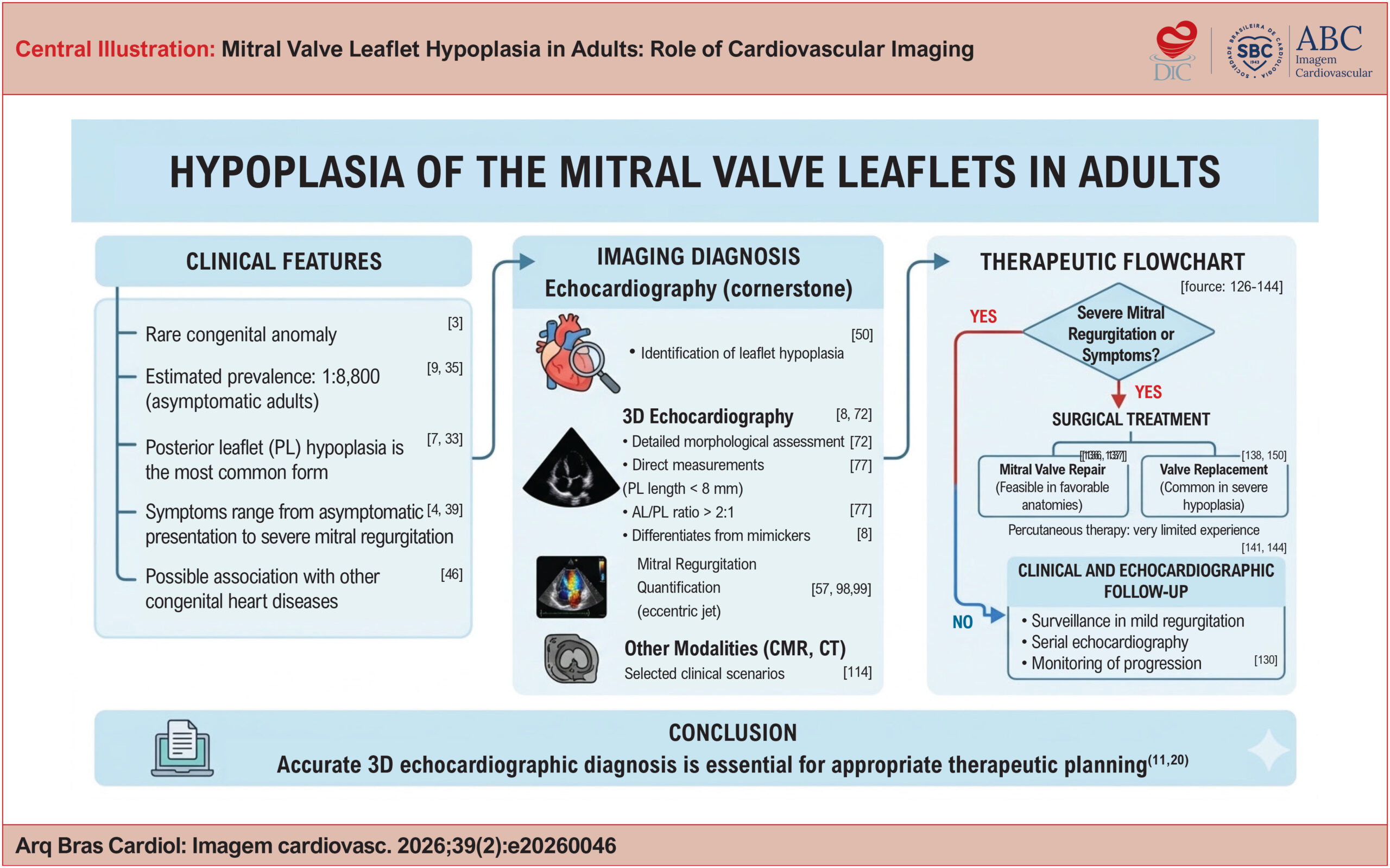
Mitral valve leaflet hypoplasia is a rare congenital anomaly, traditionally described in childhood but increasingly recognized in adults, often as an incidental finding or during the evaluation of mitral regurgitation. Clinical presentation is heterogeneous and depends on leaflet anatomy, the subvalvular apparatus, and the severity of regurgitation. In this narrative literature review, including case reports, case series, and review articles from nationally and internationally recognized journals, epidemiological and clinical aspects are discussed, with particular emphasis on echocardiographic findings. Posterior leaflet hypoplasia is the most common form and may be partial or complete. Three-dimensional echocardiography plays a central role in anatomical assessment, enabling direct measurements of leaflet area and length and helping differentiate true hypoplasia from mimicking entities such as mitral cleft, functional restriction, or subvalvular abnormalities. The estimated prevalence in asymptomatic adults is approximately 1:8,800. Therapeutic management is primarily determined by the severity of mitral regurgitation, with valve repair being feasible only in selected anatomical scenarios. Therefore, refined anatomical understanding, particularly through three-dimensional echocardiography, is essential for accurate diagnosis and appropriate therapeutic planning in this rare yet clinically relevant condition.

  • Congenital Abnormalities
  • Mitral Valve
  • Three-Dimensional Echocardiography
Read Full Article
Creative Commons Attribution (CC BY) Creative Commons license
20/07/2026 DOI: 10.36660/abcimg.20260046i Views 2
Figure 1
ABCIC
Case Report

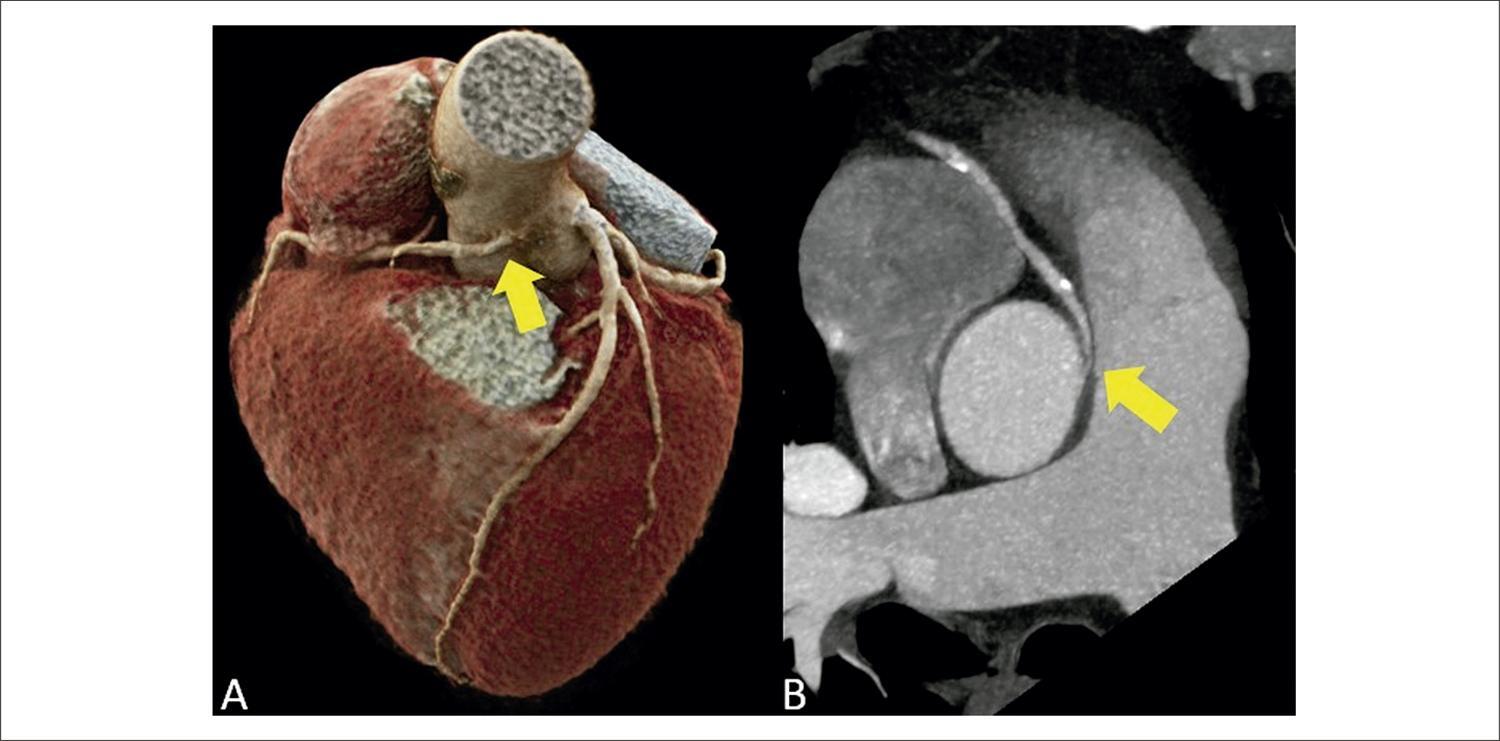
New Application of FFRCT in Clinical Practice: Evaluation of Interarterial Anomalous Coronary Course

Fábio Bordin Trindade et al. Thamara Carvalho Morais Roberto Nery Dantas Junior Roberto Vitor Almeida Torres … Clarice Santos Parreira Soares José Rodrigues Parga Filho

Discussion

Anomalous origin and course of coronary arteries are rare congenital heart diseases, affecting less than 1% of the general population., Anomalous coronary origin with an interarterial (suprapulmonary) course is characterized by the course of the coronary artery between the ascending aorta and the pulmonary artery trunk, most commonly involving the right coronary artery., Most individuals are asymptomatic, but, among symptomatic patients, chest pain and dyspnea on exertion are the most prevalent complaints. There is also an increase in rates of arrhythmia, sudden death, and acute myocardial infarction., Sudden death is the main complication of this anatomical variant, occurring in approximately 30% of patients.,, In these cases, the narrowing and stretching of the anomalous ostium, mainly during physical exercise and in stressful situations, with consequent reduction in coronary flow, is the substrate for potentially fatal ischemic alterations.,, Since electrocardiogram, in most cases, does not reveal ischemic alterations, diagnosis is generally made through an incidental finding on imaging exams. These exams are of great importance, especially coronary CTA, which, in addition to being a non-invasive exam with high negative predictive value, allows detailed anatomical visualization (angle of the origin, presence of intramural trajectory in the aorta, degree of ostial/proximal luminal reduction) and the correct classification in relation to the pulmonary valve plane (suprapulmonary versus subpulmonary).,,

Recent studies have demonstrated that coronary CTA is an accurate test for identifying myocardial ischemia through FFRCT, when compared to invasive measurement (iFFR) by coronary angiography.,,, The detection of ischemia in coronary CTA is of great importance in decision-making, mainly in plaques considered moderate (50% to 69% luminal reduction) or when there is diagnostic doubt, reducing the number of unnecessary referrals to coronary angiography in cases without ischemia on FFRct.,, Due to the excellent accuracy between the methods in the analysis of a coronary tree without anomaly, the applicability of the method in the context of coronary anomaly has been extrapolated., Our group applied the most current version of a tool for calculating FFRCT currently available only on a research platform developed by Siemens Healthineers (cFRR, version 3.0.0) in the clinical case described. This research tool is available for installation on standard configuration computers, and it uses artificial intelligence tools, with reduced processing time. Currently, commercially available options require the step of sending images in DICOM format for processing in specific centers, with delivery of results at least 24 hours after the images have been sent., The research tool used in this clinical case has advantages, such as fast processing time on standard configuration computers in the analysis room and use of tomographic images from the standard routine protocol, without requiring the addition of a specific protocol or a higher dose of radiation, without the use of stressors., This tool, in general, has some limitations, such as difficulty in defining the coronary borders in the presence of excessive calcification, and the need for high-quality images, without movement artifacts, for adequate automatic detection of the central luminal line and the lines that delimit the coronary borders, allowing adequate calculation of FFRct. It is important to emphasize that this tool distinguishes the interarterial pathways associated with ischemia, considering only the flow obstacle during rest, without estimating the risk of ischemic events associated with dynamic changes secondary to intense exercise. Use of this tool is scarce in the literature, and it still does not have a robust body of evidence. Nevertheless, in the clinical case described, the FFRCT tool was applied in a context different than what is usual, where luminal reduction was not determined by coronary atheromatosis, but by ostial angulation and compression of the proximal segment of the anomalous interarterial pathway. The ischemic response was considered a parameter of poor prognosis; subsequently, the confirmatory invasive functional test (iFFR) was indicated to assist in the therapeutic decision.

[…]

  • Congenital Abnormalities
  • Fractional Flow Reserve, Myocardial
  • Machine Learning
  • Myocardial Ischemia
  • Tomography, X-Ray Computed
Read Full Article
Creative Commons Attribution (CC BY) Creative Commons license
10/05/2023 DOI: 10.36660/abcimg.2023361i
ABC
Original Article

Cytogenomics Investigation of Infants with Congenital Heart Disease: Experience of a Brazilian Center

Marcília Sierro Grassi et al. Marília Montenegro Evelin Aline Zanardo Antonio Carlos Pastorino … Mayra Barros Dorna Chong Kim Marcelo Jatene Nana Miura Leslie Kulikowski Magda Carneiro-Sampaio

Abstract

Background

Some syndromes have specific and easily recognizable features, while others may be more complex to identify and may present different phenotypic manifestations, for example. An etiological diagnosis is important to understand the nature of the disease, to establish the prognosis and to start the treatment, allowing the inclusion of patients in society and reducing the financial cost of such diseases.

Objective

The initial proposal of this study was cytogenetic screening for the detection of the 22q11.2 deletion syndrome in consecutive newborns and infants with congenital heart disease using the multiplex ligation-dependent probe amplification (MLPA) technique. Therefore, throughout our research, other genomic alterations were identified in these cardiac patients. Thus, our objective was extended to investigate these other cytogenetic alterations.

Methods

We investigated 118 neonates with congenital heart diseases born consecutively during one year using the MLPA technique.

Results

The MLPA technique allowed the detection of 22q11.2DS in 10/118 patients (8.5%). Other genomic alterations were also identified in 6/118 patients (5%): 1p36 del, 8p23 del (2 cases), 7q dup, 12 dup and 8q24 dup.

Conclusion

This study highlights the relevance of detecting genomic alterations that are present in newborns and infants with congenital cardiac diseases using cytogenomic tools.

  • Chromosome deletion
  • Congenital
  • Congenital Abnormalities
  • DiGeorge Syndrome
  • Early diagnosis
  • Heart Defects
  • Newborn
Read Full Article
Creative Commons Attribution (CC BY) Creative Commons license
21/02/2022 DOI: 10.36660/abc.20190894 Views 1
ABCIC
Case Report

Case Series of Patients with Echocardiographic Diagnosis of Quadricuspid Aortic Valve

Wanessa Caetano Cunha et al. Juliana Rodrigues Beal Sandra Mary Feitosa Fontenele Aline Akiko Komatsu Rabelo … Pedro Antônio Galdeano Gabriel Antônio Stanisci Miguel

[…]

  • Aortic Valve Insufficiency/physiopathology
  • Aortic Valve Insufficiency/surgery
  • Congenital Abnormalities
  • Echocardiography/methods
  • Stroke Volume
Read Full Article
Creative Commons Attribution (CC BY) Creative Commons license
20/01/2022 DOI: 10.5935/2318-8219.20190010
ABCIC
Case Report

Cardiac Arrest in Pacient with ALCAPA Syndrome. Case Report

Vivian Gamalho Pereira et al. Luis Alberto Batista Peres Flávio Luis Pereira

[…]

  • Cardiology
  • Congenital Abnormalities
  • Coronary Disease
Read Full Article
Creative Commons Attribution (CC BY) Creative Commons license
14/01/2022 DOI: 10.5935/2318-8219.20200014 Views 1
Figure 1
ABC
Original Article

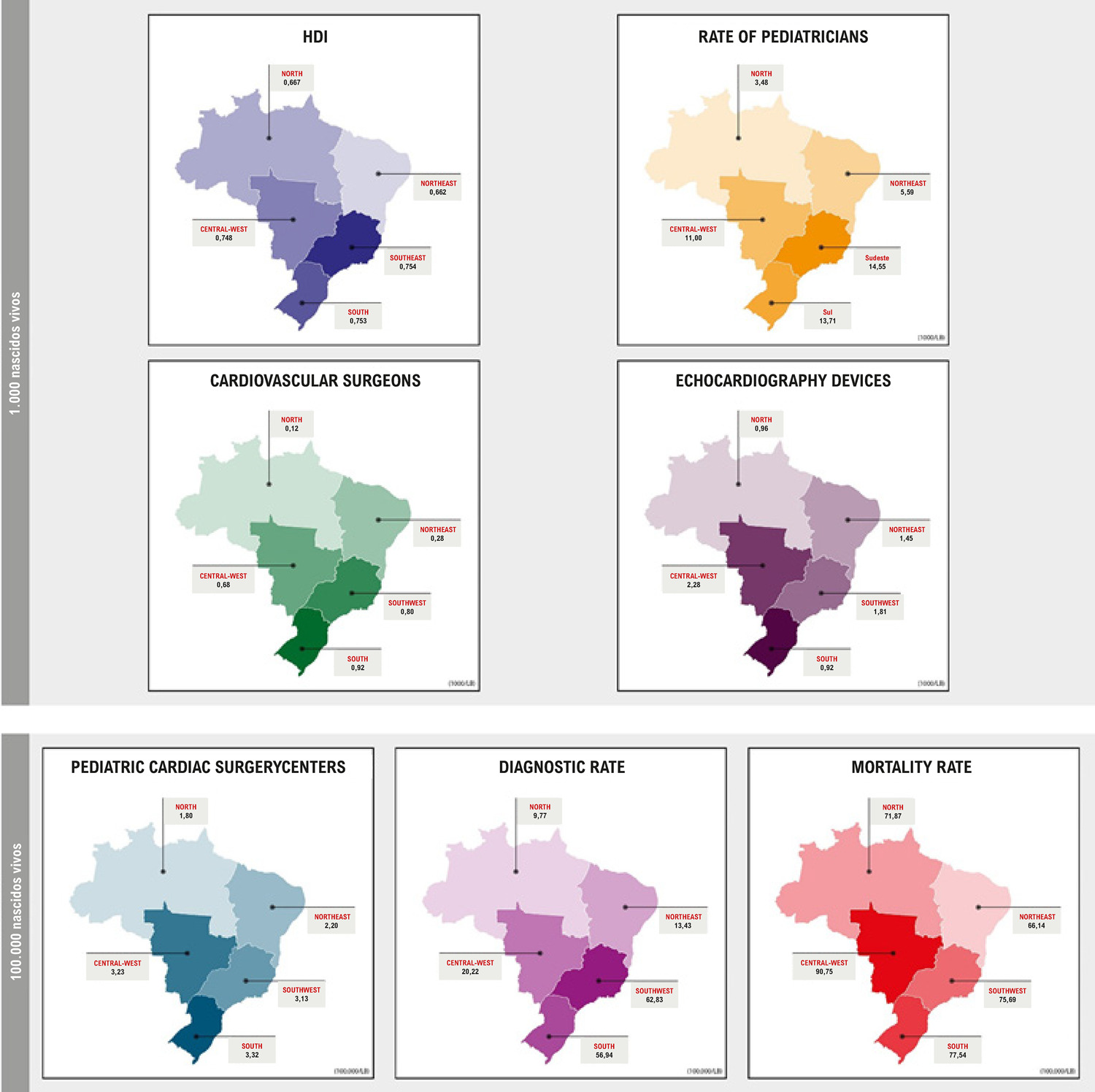
HDI, Technological and Human Resources in the Diagnosis and Treatment of Malformations of the Circulatory System in Brazil

Thais Rocha Salim et al. Thayanne Mendes Andrade Carlos Henrique Klein Gláucia Maria Moraes de Oliveira

Abstract

Background

In 2015, the number of infants with congenital malformations (CMs) per 100 000 live births (LBs) was 2368 (7.6%) worldwide, of whom 10.6% died in the first year of life, 43% due to malformations of the circulatory system (MCSs), a scenario similar to what occurs in Brazil.

Objective

To assess, per Brazilian macroregion, whether diagnosis of MCS at birth and death due to MCS in the first year of life associate with human development index (HDI) and with technological and human resources.

Methods

Ecological study including data available in 2000–2015. Data of LBs, deaths and availability of echocardiography devices were obtained from the DATASUS website. The HDI was obtained from the Atlas of Human Development in Brazil, while other variables were obtained from medical demographic data. Correlation measures between the variables were performed using the Kendall index.

Results

The CM rate was 660.8/100 000 LBs, of which 18 444 were due to MCS (diagnosis rate, 38.55/100 000 LBs). Of all Brazilian macroregions, the Southern and Southeastern regions, with the highest HDI values and resources, had the highest MCS diagnosis rates (56.94/100 000 and 62.83/100 000 LBs, respectively). The Northern and Northeastern regions, with the lowest HDI values and resources, had the lowest MCS diagnosis rates (9.77/100 000 and 13.43/100 000 LBs, respectively). The MCS diagnosis rate was 6.4-fold higher in the Southeastern region as compared to the Northern region, but mortality rates were similar in both regions.

Conclusion

Of the CMs, the MCS accounted for the highest number of deaths in children under the age of 1 year in Brazil.

  • Cardiovascular Abnormalities
  • Congenital Abnormalities
  • Epidemiology
  • Heart Defects Congenital/diagnosis
  • Infant Mortality
Read Full Article
Creative Commons Attribution (CC BY) Creative Commons license
26/07/2021 DOI: 10.36660/abc.20200179 Views 1
Figure 1
ABC
Case Report

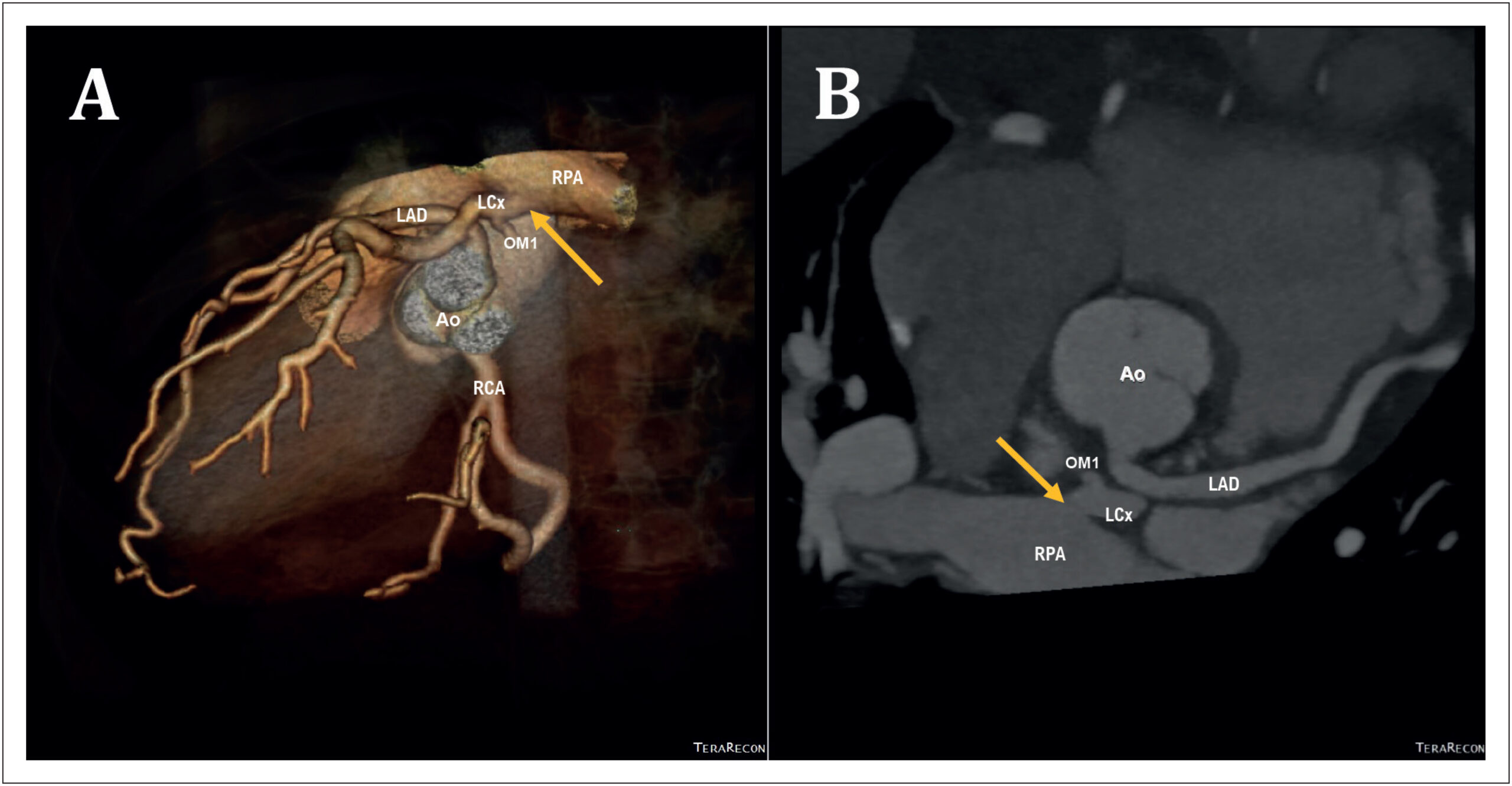
Anomalous Origin of the Circumflex Coronary Artery from the Right Pulmonary Artery: Diagnosis Through Cardiac CT

Bebiana Faria et al. Lucy Calvo Sílvia Ribeiro Catarina Ruivo António Lourenço

Introduction

Anomalous origin of the left circumflex coronary artery (LCx) from the right pulmonary artery (PA) is an extremely rare coronary anomaly. Although the clinical course may be silent, the risk of sudden cardiac death is increased. The symptoms are related to collateralization and amount of myocardium that it supplies, and some patients need surgical treatment.,

[…]

  • Computed/methods
  • Congenital
  • Congenital Abnormalities
  • Coronary Artery Disease
  • Coronary Vessels
  • Heart Defects
  • Pulmonary Artery
  • Tomography
Read Full Article
Creative Commons Attribution (CC BY) Creative Commons license
19/07/2021 DOI: 10.36660/abc.20200060 Views 1
Figure 1
ABC
Clinicoradiological Session

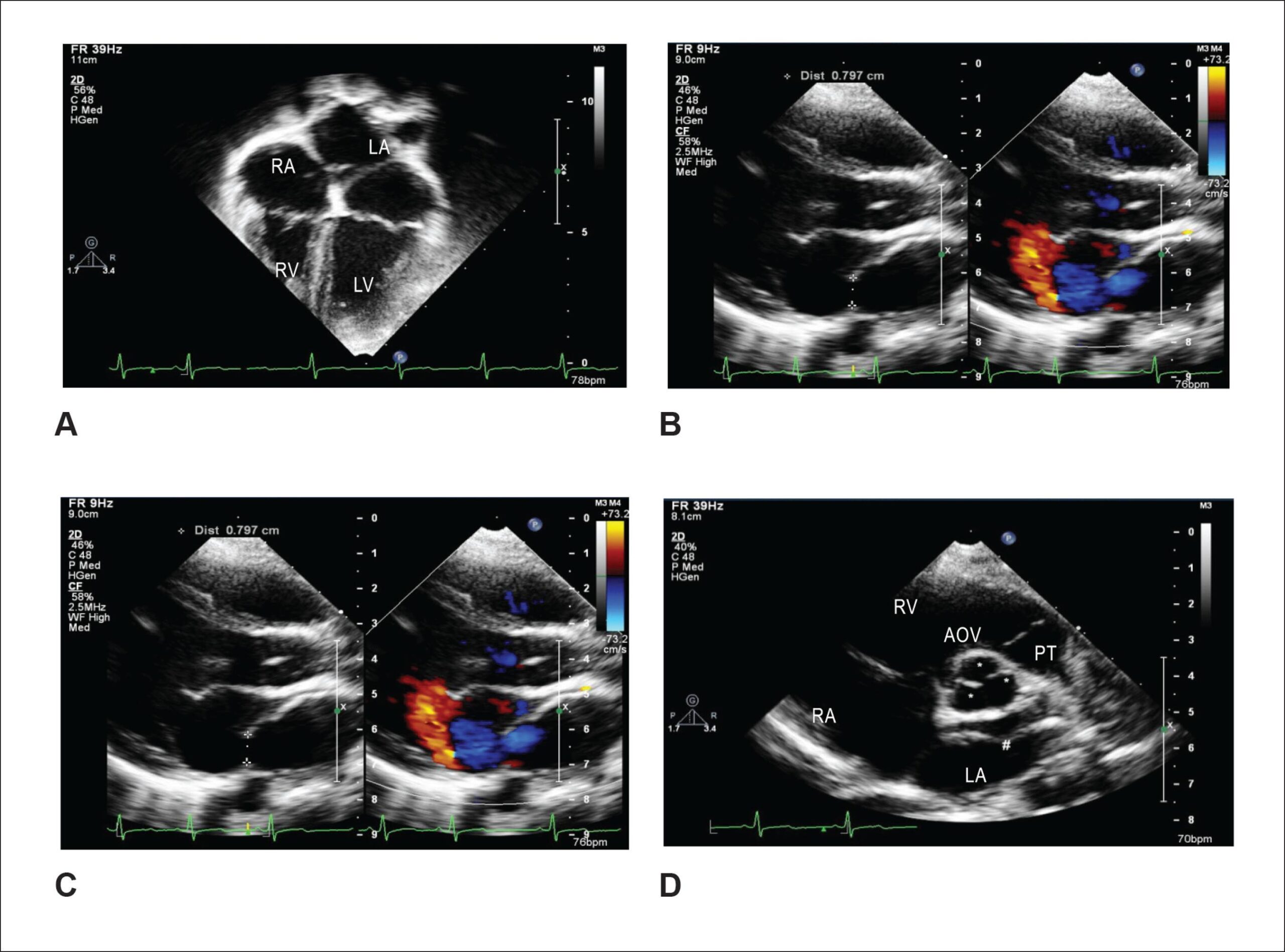
Case 2/2017 – Cor Triatriatum, without Clinical Manifestation, in A 6-Year-Old Girl

Edmar Atik et al. Gláucia M. P. Tavares

Complementary examinations

Electrocardiogram showed sinus rhythm and no signs of cavitary overload. The QRS complex had RS morphology in V1, qRs in V6. AP: +50°, AQRS: +80°, AT: +40°.

Chest X-ray showed normal cardiac area (cardiothoracic index: 0.46). The pulmonary vascular net was normal and the medial arch was rectified.

[…]

  • Congenital Abnormalities
  • Cor triatriatum
  • Echocardiography
  • Signs and Symptoms
Read Full Article
Creative Commons Attribution (CC BY) Creative Commons license
01/03/2017 DOI: 10.5935/abc.20170030
ABC
Review Article

Quality of Life and Congenital Heart Disease in Childhood and Adolescenc

Juliana Bertoletti et al. Giovana Caroline Marx Sérgio Pedro Hattge Júnior Lucia Campos Pellanda

Advances in cardiac surgery techniques and early diagnosis have enabled the increased survival of individuals with congenital heart disease. The investigation of the quality of life in children and adolescents with congenital heart disease provides complementary information to clinical data that can assist in decision making on the part of health professionals. Although many studies have been conducted to investigate the quality of life of children and adolescents with congenital heart disease, the results prove to be contradictory; while some studies show that congenital heart disease can impact the quality of life, others describe a better perception of quality of life among children and adolescents who suffer from the disease when compared with healthy control subjects. The purpose of this study is to review the literature on the assessment of health related quality of life in children and adolescents with congenital heart disease, in order to systematize the existing knowledge on this topic today. It is observed that research seeks to investigate aspects of personality in cardiac patients, their coping strategies used and perceived social support, aiming at better understanding the association of these variables with the level of quality of life in this population.

  • adolescence
  • Childhood
  • Congenital Abnormalities
  • heart disease
  • Quality of life
Read Full Article
Creative Commons Attribution (CC BY) Creative Commons license
21/12/2013 DOI: 10.5935/abc.20130244

How to cite this article

EndNote RIS

Electronic Document Format (Vancouver)

Soares FLJ. Mitral Valve Leaflet Hypoplasia in Adults: Role of Cardiovascular Imaging. ABC Imagem Cardiovascular 2026;39(2):e20260046.

Electronic Document Format (ABNT)

Soares, Fábio Luis de Jesus. Mitral Valve Leaflet Hypoplasia in Adults: Role of Cardiovascular Imaging. ABC Imagem Cardiovascular, v. 39, n. 2, e20260046, Jul. 2026.

Electronic Document Format (APA)

Soares, F. L. J. (2026). Mitral Valve Leaflet Hypoplasia in Adults: Role of Cardiovascular Imaging. ABC Imagem Cardiovascular, 39(2), e20260046.

Electronic Document Format (ISO)

Soares, Fábio Luis de Jesus. Mitral Valve Leaflet Hypoplasia in Adults: Role of Cardiovascular Imaging. ABC Imagem Cardiovascular [online]. 2026, vol. 39, n. 2, [cited 2026-10-14], e20260046. Available from: <https://journals.cardiol.br/en/article/mitral-valve-leaflet-hypoplasia-in-adults-role-of-cardiovascular-imaging/>. ISSN 2318-8219

EndNote RIS

Electronic Document Format (Vancouver)

Trindade FB, Morais TC, Dantas Junior RN, Torres RVA, Soares CSP, Parga Filho JR. New Application of FFRCT in Clinical Practice: Evaluation of Interarterial Anomalous Coronary Course. ABC Imagem Cardiovascular 2023;36(2):e361.

Electronic Document Format (ABNT)

Trindade, Fábio Bordin; Morais, Thamara Carvalho; Dantas Junior, Roberto Nery; Torres, Roberto Vitor Almeida; Soares, Clarice Santos Parreira; Parga Filho, José Rodrigues. New Application of FFRCT in Clinical Practice: Evaluation of Interarterial Anomalous Coronary Course. ABC Imagem Cardiovascular, v. 36, n. 2, e361, May. 2023.

Electronic Document Format (APA)

Trindade, F. B., Morais, T. C., Dantas Junior, R. N., Torres, R. V. A., Soares, C. S. P., & Parga Filho, J. R. (2023). New Application of FFRCT in Clinical Practice: Evaluation of Interarterial Anomalous Coronary Course. ABC Imagem Cardiovascular, 36(2), e361.

Electronic Document Format (ISO)

Trindade, Fábio Bordin and Morais, Thamara Carvalho and Dantas Junior, Roberto Nery and Torres, Roberto Vitor Almeida and Soares, Clarice Santos Parreira and Parga Filho, José Rodrigues. New Application of FFRCT in Clinical Practice: Evaluation of Interarterial Anomalous Coronary Course. ABC Imagem Cardiovascular [online]. 2023, vol. 36, n. 2, [cited 2026-10-14], e361. Available from: <https://journals.cardiol.br/en/article/new-application-of-ffrct-in-clinical-practice-evaluation-of-interarterial-anomalous-coronary-course/>. ISSN 2318-8219

EndNote RIS

Electronic Document Format (Vancouver)

Grassi MS, Montenegro M, Zanardo EA, Pastorino AC, Dorna MB, Kim C, Jatene M, et al. Cytogenomics Investigation of Infants with Congenital Heart Disease: Experience of a Brazilian Center. Arquivos Brasileiros de Cardiologia 2022;118(1):61-7.

Electronic Document Format (ABNT)

Grassi, Marcília Sierro; Montenegro, Marília; Zanardo, Evelin Aline; Pastorino, Antonio Carlos; Dorna, Mayra Barros; Kim, Chong; Jatene, Marcelo; Miura, Nana; Kulikowski, Leslie; Carneiro-Sampaio, Magda. Cytogenomics Investigation of Infants with Congenital Heart Disease: Experience of a Brazilian Center. Arquivos Brasileiros de Cardiologia, v. 118, n. 1, p. 61-67, Feb. 2022.

Electronic Document Format (APA)

Grassi, M. S., Montenegro, M., Zanardo, E. A., Pastorino, A. C., Dorna, M. B., Kim, C., Jatene, M., Miura, N., Kulikowski, L., & Carneiro-Sampaio, M. (2022). Cytogenomics Investigation of Infants with Congenital Heart Disease: Experience of a Brazilian Center. Arquivos Brasileiros de Cardiologia, 118(1), 61-67.

Electronic Document Format (ISO)

Grassi, Marcília Sierro and Montenegro, Marília and Zanardo, Evelin Aline and Pastorino, Antonio Carlos and Dorna, Mayra Barros and Kim, Chong and Jatene, Marcelo and Miura, Nana and Kulikowski, Leslie and Carneiro-Sampaio, Magda. Cytogenomics Investigation of Infants with Congenital Heart Disease: Experience of a Brazilian Center. Arquivos Brasileiros de Cardiologia [online]. 2022, vol. 118, n. 1, [cited 2026-10-14], pp. 61-67. Available from: <https://journals.cardiol.br/en/article/cytogenomics-investigation-of-infants-with-congenital-heart-disease-experience-of-a-brazilian-center/>. ISSN 0066-782X

EndNote RIS

Electronic Document Format (Vancouver)

Cunha WC, Beal JR, Fontenele SMF, Rabelo AAK, Galdeano PA, Miguel GAS. Case Series of Patients with Echocardiographic Diagnosis of Quadricuspid Aortic Valve. Arquivos Brasileiros de Cardiologia Imagem cardiovascular 2022;32(1):47-51.

Electronic Document Format (ABNT)

Cunha, Wanessa Caetano; Beal, Juliana Rodrigues; Fontenele, Sandra Mary Feitosa; Rabelo, Aline Akiko Komatsu; Galdeano, Pedro Antônio; Miguel, Gabriel Antônio Stanisci. Case Series of Patients with Echocardiographic Diagnosis of Quadricuspid Aortic Valve. Arquivos Brasileiros de Cardiologia Imagem cardiovascular, v. 32, n. 1, p. 47-51, Jan. 2022.

Electronic Document Format (APA)

Cunha, W. C., Beal, J. R., Fontenele, S. M. F., Rabelo, A. A. K., Galdeano, P. A., & Miguel, G. A. S. (2022). Case Series of Patients with Echocardiographic Diagnosis of Quadricuspid Aortic Valve. Arquivos Brasileiros de Cardiologia Imagem cardiovascular, 32(1), 47-51.

Electronic Document Format (ISO)

Cunha, Wanessa Caetano and Beal, Juliana Rodrigues and Fontenele, Sandra Mary Feitosa and Rabelo, Aline Akiko Komatsu and Galdeano, Pedro Antônio and Miguel, Gabriel Antônio Stanisci. Case Series of Patients with Echocardiographic Diagnosis of Quadricuspid Aortic Valve. Arquivos Brasileiros de Cardiologia Imagem cardiovascular [online]. 2022, vol. 32, n. 1, [cited 2026-10-14], pp. 47-51. Available from: <https://journals.cardiol.br/en/article/case-series-of-patients-with-echocardiographic-diagnosis-of-quadricuspid-aortic-valve/>. ISSN 2318-8219

EndNote RIS

Electronic Document Format (Vancouver)

Pereira VG, Peres LAB, Pereira FL. Cardiac Arrest in Pacient with ALCAPA Syndrome. Case Report. Arquivos Brasileiros de Cardiologia Imagem cardiovascular 2022;33(1):1-3.

Electronic Document Format (ABNT)

Pereira, Vivian Gamalho; Peres, Luis Alberto Batista; Pereira, Flávio Luis. Cardiac Arrest in Pacient with ALCAPA Syndrome. Case Report. Arquivos Brasileiros de Cardiologia Imagem cardiovascular, v. 33, n. 1, p. 1-3, Jan. 2022.

Electronic Document Format (APA)

Pereira, V. G., Peres, L. A. B., & Pereira, F. L. (2022). Cardiac Arrest in Pacient with ALCAPA Syndrome. Case Report. Arquivos Brasileiros de Cardiologia Imagem cardiovascular, 33(1), 1-3.

Electronic Document Format (ISO)

Pereira, Vivian Gamalho and Peres, Luis Alberto Batista and Pereira, Flávio Luis. Cardiac Arrest in Pacient with ALCAPA Syndrome. Case Report. Arquivos Brasileiros de Cardiologia Imagem cardiovascular [online]. 2022, vol. 33, n. 1, [cited 2026-10-14], pp. 1-3. Available from: <https://journals.cardiol.br/en/article/cardiac-arrest-in-pacient-with-alcapa-syndrome-case-report/>. ISSN 2318-8219

EndNote RIS

Electronic Document Format (Vancouver)

Salim TR, Andrade TM, Klein CH, Oliveira GMM. HDI, Technological and Human Resources in the Diagnosis and Treatment of Malformations of the Circulatory System in Brazil. Arquivos Brasileiros de Cardiologia 2021;117(1):63-71.

Electronic Document Format (ABNT)

Salim, Thais Rocha; Andrade, Thayanne Mendes; Klein, Carlos Henrique; Oliveira, Gláucia Maria Moraes de. HDI, Technological and Human Resources in the Diagnosis and Treatment of Malformations of the Circulatory System in Brazil. Arquivos Brasileiros de Cardiologia, v. 117, n. 1, p. 63-71, Jul. 2021.

Electronic Document Format (APA)

Salim, T. R., Andrade, T. M., Klein, C. H., & Oliveira, G. M. M. (2021). HDI, Technological and Human Resources in the Diagnosis and Treatment of Malformations of the Circulatory System in Brazil. Arquivos Brasileiros de Cardiologia, 117(1), 63-71.

Electronic Document Format (ISO)

Salim, Thais Rocha and Andrade, Thayanne Mendes and Klein, Carlos Henrique and Oliveira, Gláucia Maria Moraes de. HDI, Technological and Human Resources in the Diagnosis and Treatment of Malformations of the Circulatory System in Brazil. Arquivos Brasileiros de Cardiologia [online]. 2021, vol. 117, n. 1, [cited 2026-10-14], pp. 63-71. Available from: <https://journals.cardiol.br/en/article/hdi-technological-and-human-resources-in-the-diagnosis-and-treatment-of-malformations-of-the-circulatory-system-in-brazil/>. ISSN 0066-782X

EndNote RIS

Electronic Document Format (Vancouver)

Faria B, Calvo L, Ribeiro S, Ruivo C, Lourenço A. Anomalous Origin of the Circumflex Coronary Artery from the Right Pulmonary Artery: Diagnosis Through Cardiac CT. Arquivos Brasileiros de Cardiologia 2021;117(1 suppl 1):8-11.

Electronic Document Format (ABNT)

Faria, Bebiana; Calvo, Lucy; Ribeiro, Sílvia; Ruivo, Catarina; Lourenço, António. Anomalous Origin of the Circumflex Coronary Artery from the Right Pulmonary Artery: Diagnosis Through Cardiac CT. Arquivos Brasileiros de Cardiologia, v. 117, n. 1 suppl 1, p. 8-11, Jul. 2021.

Electronic Document Format (APA)

Faria, B., Calvo, L., Ribeiro, S., Ruivo, C., & Lourenço, A. (2021). Anomalous Origin of the Circumflex Coronary Artery from the Right Pulmonary Artery: Diagnosis Through Cardiac CT. Arquivos Brasileiros de Cardiologia, 117(1 suppl 1), 8-11.

Electronic Document Format (ISO)

Faria, Bebiana and Calvo, Lucy and Ribeiro, Sílvia and Ruivo, Catarina and Lourenço, António. Anomalous Origin of the Circumflex Coronary Artery from the Right Pulmonary Artery: Diagnosis Through Cardiac CT. Arquivos Brasileiros de Cardiologia [online]. 2021, vol. 117, n. 1 suppl 1, [cited 2026-10-14], pp. 8-11. Available from: <https://journals.cardiol.br/en/article/anomalous-origin-of-the-circumflex-coronary-artery-from-the-right-pulmonary-artery-diagnosis-through-cardiac-ct/>. ISSN 0066-782X

EndNote RIS

Electronic Document Format (Vancouver)

Atik E, Tavares GMP. Case 2/2017 – Cor Triatriatum, without Clinical Manifestation, in A 6-Year-Old Girl. Arquivos Brasileiros de Cardiologia 2017;108(3):276-8.

Electronic Document Format (ABNT)

Atik, Edmar; Tavares, Gláucia M. P.. Case 2/2017 – Cor Triatriatum, without Clinical Manifestation, in A 6-Year-Old Girl. Arquivos Brasileiros de Cardiologia, v. 108, n. 3, p. 276-278, Feb. 2017.

Electronic Document Format (APA)

Atik, E., & Tavares, G. M. P. (2017). Case 2/2017 – Cor Triatriatum, without Clinical Manifestation, in A 6-Year-Old Girl. Arquivos Brasileiros de Cardiologia, 108(3), 276-278.

Electronic Document Format (ISO)

Atik, Edmar and Tavares, Gláucia M. P.. Case 2/2017 – Cor Triatriatum, without Clinical Manifestation, in A 6-Year-Old Girl. Arquivos Brasileiros de Cardiologia [online]. 2017, vol. 108, n. 3, [cited 2026-10-14], pp. 276-278. Available from: <https://journals.cardiol.br/en/article/case-2-2017-cor-triatriatum-without-clinical-manifestation-in-a-6-year-old-girl/>. ISSN 0066-782X

EndNote RIS

Electronic Document Format (Vancouver)

Bertoletti J, Marx GC, Hattge Júnior SP, Pellanda LC. Quality of Life and Congenital Heart Disease in Childhood and Adolescenc. Arquivos Brasileiros de Cardiologia 2013;102(2):192-8.

Electronic Document Format (ABNT)

Bertoletti, Juliana; Marx, Giovana Caroline; Hattge Júnior, Sérgio Pedro; Pellanda, Lucia Campos. Quality of Life and Congenital Heart Disease in Childhood and Adolescenc. Arquivos Brasileiros de Cardiologia, v. 102, n. 2, p. 192-198, Dec. 2013.

Electronic Document Format (APA)

Bertoletti, J., Marx, G. C., Hattge Júnior, S. P., & Pellanda, L. C. (2013). Quality of Life and Congenital Heart Disease in Childhood and Adolescenc. Arquivos Brasileiros de Cardiologia, 102(2), 192-198.

Electronic Document Format (ISO)

Bertoletti, Juliana and Marx, Giovana Caroline and Hattge Júnior, Sérgio Pedro and Pellanda, Lucia Campos. Quality of Life and Congenital Heart Disease in Childhood and Adolescenc. Arquivos Brasileiros de Cardiologia [online]. 2013, vol. 102, n. 2, [cited 2026-10-14], pp. 192-198. Available from: <https://journals.cardiol.br/en/article/quality-of-life-and-congenital-heart-disease-in-childhood-and-adolescenc/>. ISSN 0066-782X

  • About ABC Family
  • Internal Regulation
  • Editorial Board
  • Brazilian Society of Cardiology (SBC)

Issues

SBC Guidelines

  • Videos
  • Podcasts
  • News