ABC Family Arquivos Brasileiros de Cardiologia International Journal of Cardiovascular Sciences ABC Heart Failure & Cardiomyopathy ABC Imagem Cardiovascular
Português English
ABC Family
Português English
  • About
    • About ABC Family
    • Internal Regulation
    • Editorial Board
    • Brazilian Society of Cardiology (SBC)
  • Issues
  • SBC Guidelines
  • Content
    • Videos
    • Podcasts
    • News
  • About
    • About ABC Family
    • Internal Regulation
    • Editorial Board
    • Brazilian Society of Cardiology (SBC)
  • Issues
  • SBC Guidelines
  • Content
    • Videos
    • Podcasts
    • News

ABC Family

  • ABC Family
  • Arquivos Brasileiros de Cardiologia
  • International Journal of Cardiovascular Sciences
  • ABC Heart Failure & Cardiomyopathy
  • ABC Imagem Cardiovascular
Search in

No content found.

Journals
Ordering
Article types
Others

  1. Home
  2. Keyword: malnutrition
Central Illustration
Original Article

Malnutrition in Outpatients with Heart Failure: Prevalence, Associated Factors and 6-Month Impact

Leonardo Akira Gondo et al. Lidia Ana Zytynski Moura Marcely Gimenes Bonatto Victoria Marzagao Ribeiro Pagliosa … Giovanna Voigt Machado Flavia Centenaro de Oliveira Angela Guzzo Lemke Amanda Licheski Contini Ana Karyn Ehrenfried de Freitas

Abstract

Background

Malnutrition is common in heart failure with reduced ejection fraction (HFrEF) and may negatively affect prognosis.

Objective

To determine the prevalence of malnutrition in outpatients with HFrEF, identify associated clinical factors, and evaluate its impact on mortality and clinical outcomes at 6 months.

Methods

Prospective observational cohort study including 118 outpatients with HFrEF. Nutritional status was assessed using the Mini Nutritional Assessment (MNA) and the Subjective Global Assessment (SGA). Six-month follow-up documented mortality, hospitalizations, and emergency department visits.

Results

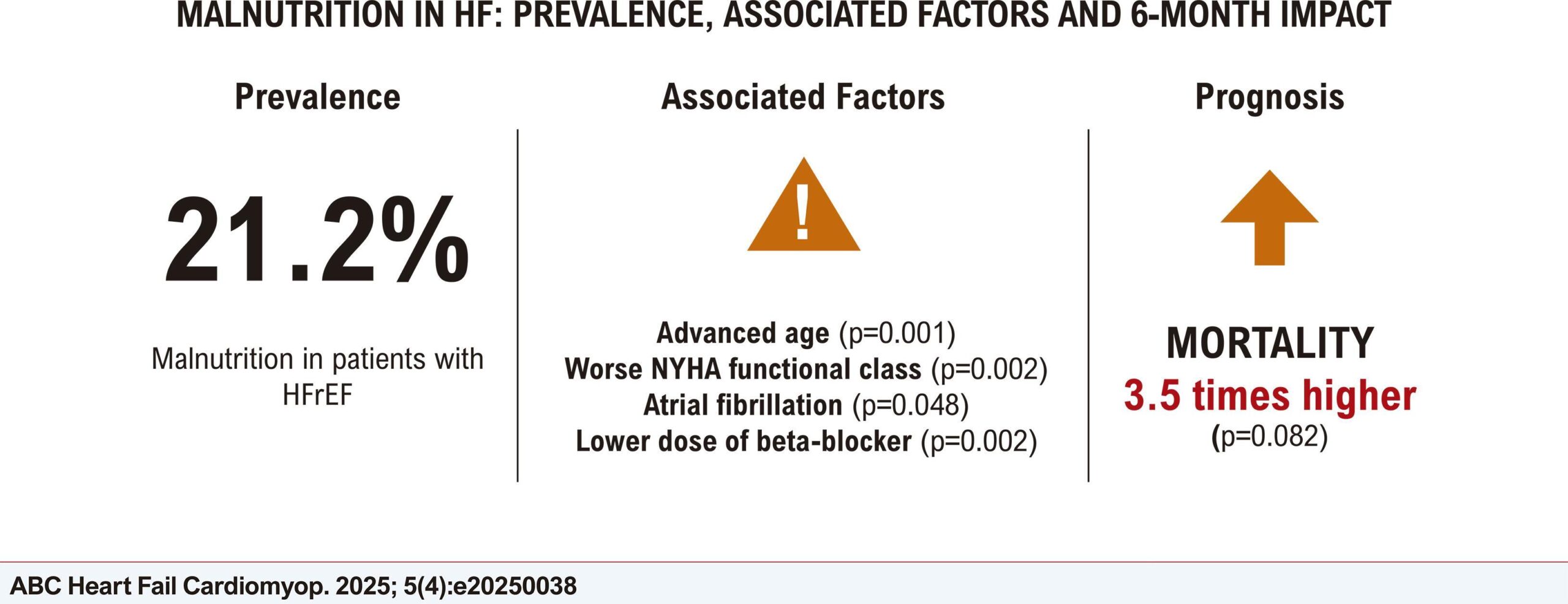
The prevalence of malnutrition was 21.2% (25/118). Malnourished patients were older (68 ± 12 vs. 60 ± 10 years; p=0.001), had a higher prevalence of NYHA functional class III–IV (45% vs. 15%; p=0.002) and atrial fibrillation (44% vs. 25%; p=0.048), and achieved a lower percentage of target beta-blocker dose (57.9% vs. 79.8%; p=0.002). No statistically significant difference in 6-month mortality was observed between the groups, although it was numerically higher in the malnourished group (14% vs. 4%; p=0.082). No differences were observed in hospitalization rates (p=0.94) or emergency department visits (p=0.97).

Conclusion

Malnutrition is present in approximately one in five outpatients with HFrEF, more common in the elderly and those with atrial fibrillation and was associated with a trend towards higher mortality in 6 months.
  • Heart Failure
  • malnutrition
  • Nutrition Assessment
  • nutritional status
Read Full Article
Creative Commons Attribution (CC BY) Creative Commons license
31/12/2025 DOI: 10.36660/abchf.20250038i Views 2
Figure 1
ABC
Original Article

Prognostic Significance of Nutrition-Associated Markers in Heart Failure with Preserved Ejection Fraction: A Systematic Review and Meta-Analysis

Ying Meng et al. Zhengyi Zhang Tong Zhao Dekui Zhang

Abstract

Background

The prognostic significance of nutrition indicators in patients with heart failure with preserved ejection fraction (HFpEF) is unclear.

Objectives

This systematic review and meta-analysis aimed to assess the prognostic value of serum albumin (SA), the geriatric nutritional risk index (GNRI), and the prognostic nutritional index (PNI) in patients with HFpEF.

Methods

Databases of PubMed, Embase, The Cochrane Library, and Web of Science were systematically searched for all studies published up to January 2022. The prognostic significance of SA, GNRI, and PNI for HFpEF was explored. Pooled hazard ratio (HR) and 95% confidence interval (CI) were estimated using the STATA 15.0 software. The Quality of Prognosis Studies tool was used to assess the quality of studies.

Results

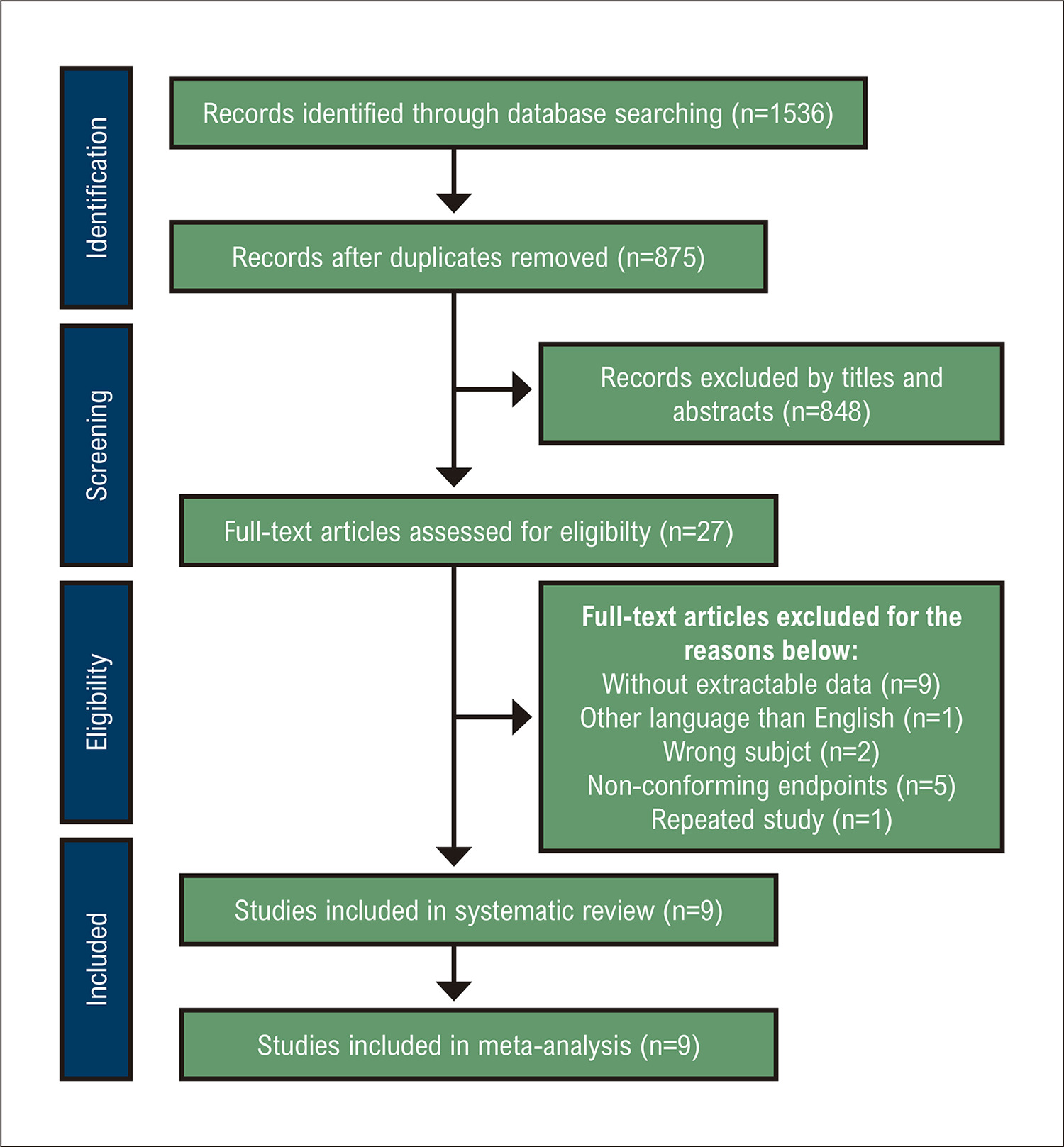
Nine studies met the inclusion criteria, and 5603 adults with HFpEF were included in the meta-analysis. The analyses showed that a decreased SA or GNRI was significantly related to high all-cause mortality (HR: 1.98; 95% CI: 1.282–3.057; p = 0.002; and HR: 1.812;95% CI: 1.064–3.086; p = 0.029, respectively). Furthermore, a lower SA indicates a bad composite outcome of all-cause mortality and HF rehospitalization (HR: 1.768; 95% CI: 1.483–2.108; p = 0.000), and a lower GNRI was significantly associated with high cardiovascular mortality (HR: 1.922; 95% CI: 1.504–2.457;p = 0.000). However, a lower PNI did not correlate with all-cause mortality (HR: 1.176; 95% CI: 0.858–1.612, p=0.314).

Conclusions

Our meta-analysis indicates that SA and GNRI may be useful indicators to predict the prognosis of patients with HFpEF.

  • Epidemiology
  • Heart Failure
  • malnutrition
  • Mortality
  • Prognosis
  • Strpke Volume
  • Systematic Reviews
Read Full Article
Creative Commons Attribution (CC BY) Creative Commons license
08/05/2023 DOI: 10.36660/abc.20220523
ABC
Editorial

The Importance of Assessing Malnutrition and Cachexia in Chagas Cardiomyopathy

Salvador Rassi et al. Daniela do Carmo Rassi Aguinaldo Figueiredo Freitas Júnior

Chagas cardiomyopathy, described by Carlos Chagas more than 100 years ago, is still a cause of significant morbidity and mortality, and has a negative effect on socioeconomic status of Latin America countries, including Brazil.

Malnutrition and cachexia in heart failure (HF), especially in Chagas disease patients, has a multifactorial etiology. Decreased food intake may be caused either by a reduced supply of foods to these usually underprivileged patients or by anorexia, which is common in this syndrome. Many factors may be involved in anorexia and weight loss, including tasteless food (mainly due to the low sodium diet) and due to visceral (mainly hepatic and intestinal) congestion. Hepatomegaly, usually dense, causes gastric discomfort due to left lobe enlargement and compression of the stomach. Pain in the right hypochondrium is caused by stretching of the liver capsule. Intestinal mucosal edema causes protein and fat malabsorption, ultimately affecting nutrition. Neuroendocrine and immunological changes are also involved in the development of cachexia in HF patients. Patients with cachexia have increased plasma levels of tumor necrosis factor-alpha (TNF-α) and other inflammatory cytokines, particularly interleukin (IL)-6 and IL-1. This results from bacterial translocation, in which abnormalities of the gastrointestinal tract are involved in the development of cachexia and systemic inflammation. Effects of these cytokines include proteolysis and loss of skeletal muscle mass, with aggravation of cachexia.

[…]

  • Cachexia
  • Chagas Cardiomyopathy
  • Epidemiology
  • Heart Failure/complications
  • Hospitalization
  • malnutrition
  • Morbimortality
  • Prognosis
  • Weight Loss
Read Full Article
Creative Commons Attribution (CC BY) Creative Commons license
21/02/2022 DOI: 10.36660/abc.20210919 Views 1
Figure 1
ABC
Original Article

Undernutrition and Cachexia in Patients with Decompensated Heart Failure and Chagas Cardiomyopathy: Occurrence and Association with Hospital Outcomes

Larissa Candido Alves Tavares et al. Silvia Helena Gelás Lage Edimar Alcides Bocchi Victor Sarli Issa

Abstract

Background

Nutritional disorders are common among patients with heart failure (HF) and associated with poor prognosis. Importantly, some populations of patients, like the ones with Chagas disease, are frequently excluded from most analyses.

Objective

We sought to study the occurrence of undernutrition and cachexia in patients with Chagas disease during episodes of decompensated HF (DHF) as compared to other etiologies, and to investigate the influence of these findings on hospital outcomes.

Methods

We performed a consecutive case series study with patients hospitalized with DHF. Patients underwent the Subjective Global Assessment of nutritional status (SGA), besides anthropometric and laboratorial measures, and were evaluated for the occurrence of cachexia, low muscle mass and strength. We studied the occurrence of death or urgent heart transplantation during hospitalization.

Results

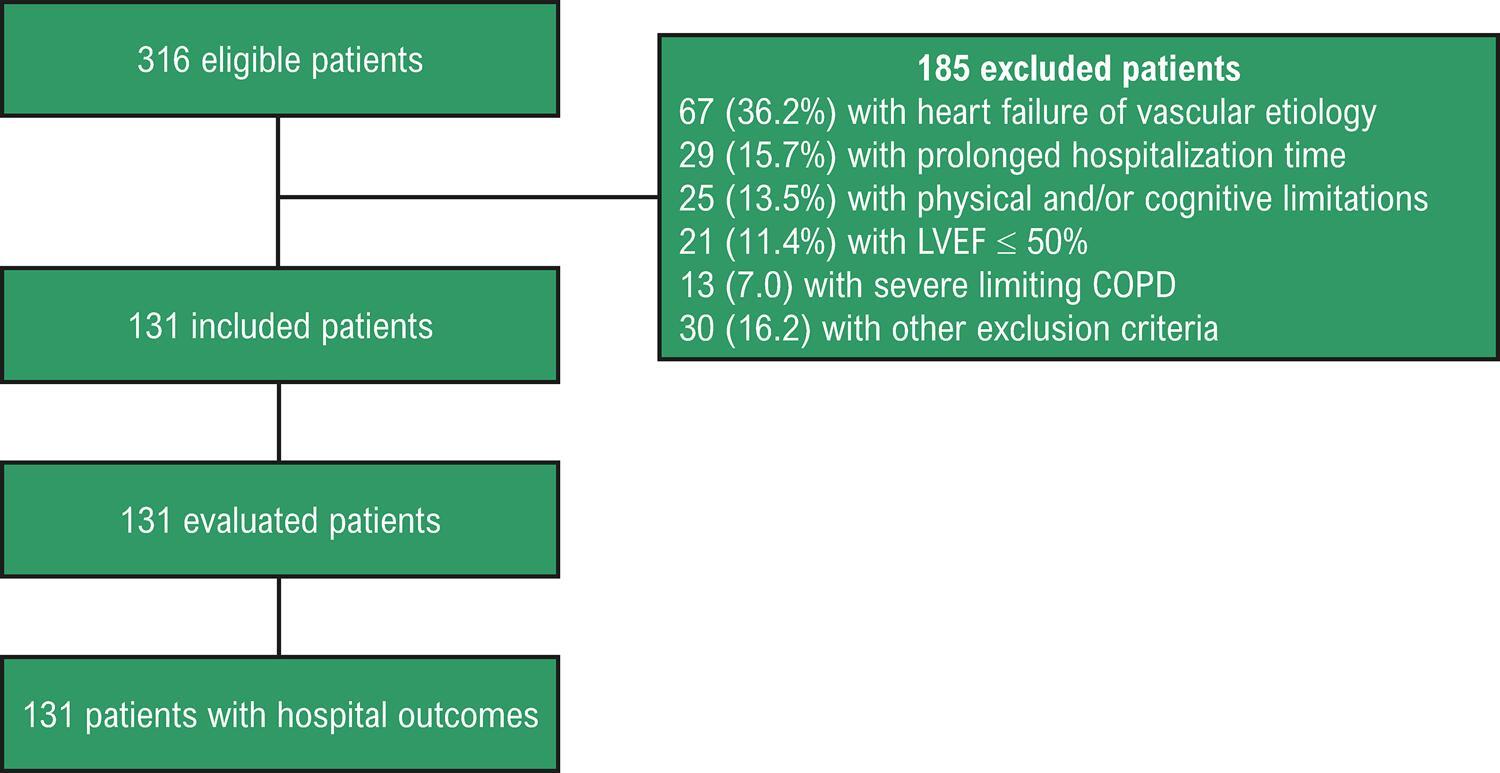
Altogether, 131 patients were analyzed and 42 (32.1%) had Chagas disease. Patients with Chagas disease had lower Body Mass Index (BMI) (22.4 kg/m2[19.9-25.3] vs. 23.6 kg/m2 [20.8-27.3], p=0.03), higher frequency of undernutrition (76.2% vs 55.1%, p=0.015) and higher occurrence of death or transplant (83.3% vs. 41.6%, p<0.001). We found that, in patients with Chagas etiology, the occurrence of death or cardiac transplantation were associated with undernutrition (3 [42.9%] patients with hospital discharge vs 29 [82.9%] patients with death or heart transplant, p=0.043).

Conclusions

Taken together, our results indicate that patients with Chagas disease hospitalized with DHF often present with nutritional disorders, especially undernutrition; importantly, this finding was associated with the occurrence of death and heart transplant during hospitalization.

  • Cachexia
  • Chagas Cardiomyopathy
  • Heart Failure
  • malnutrition
  • Nutrition Assessment
Read Full Article
Creative Commons Attribution (CC BY) Creative Commons license
21/02/2022 DOI: 10.36660/abc.20200644 Views 1
IJCS
Original Article

Prevalence of Malnutrition and Its Association with Clinical Complications in Hospitalized Cardiac Patients: Retrospective Cohort Study

Natally Gonçalves de Ávila et al. Juliana Umbelino Carneiro Fernanda Donner Alves Izabele Vian da Silveira Corrêa Juliana Paludo Vallandro

Abstract

Background

Malnutrition can affect the clinical course of hospitalized patients, increasing hospital stay, infections, mortality, and hospital costs. Among heart disease patients, the malnutrition prevalence ranges from 25 to 51.9%.

Objective

To assess the prevalence of malnutrition and its association with clinical complications in cardiac patients admitted to a cardiology hospital.

Method

Retrospective cohort study with patients evaluated within 48 hours of admission to the ward of a referral center for cardiology in Porto Alegre, Brazil. Patients were aged 18 years or older. Malnutrition was assessed by Subjective Global Assessment. Length of hospital stay, transfer to the intensive care unit (ICU), hospital discharge and in-hospital death were collected from medical records. Statistical analysis was performed using the SPSS 22.0 program. Comparisons between groups with and without malnutrition were made by unpaired Student’s t-test and chi-square test with adjusted residuals, and multivariate Poisson regression used for analysis of outcomes. The significance level considered was 5%.

Results

We evaluated 130 patients aged 63 ± 13 years, 63% were male, and the most frequent cause of hospitalization was angina (25%). The prevalence of malnutrition was 27% and, after statistical adjustment for age, malnutrition was positively associated with ICU transfer and length of hospital stay longer than seven days.

Conclusion

The prevalence of malnutrition found in this sample was 27% and this nutritional diagnosis was positively associated with ICU transfer and length of hospital stay longer than seven days. (Int J Cardiovasc Sci. 2020; [online].ahead print, PP.0-0)

  • Cardiovascular Diseases/complications
  • Cohort Studies
  • Hospitalization
  • malnutrition
  • Mortality
  • Patient Care
Read Full Article
Creative Commons Attribution (CC BY) Creative Commons license
07/08/2020 DOI: 10.36660/ijcs.20190112 Views 1
ABC
Artigo Original

Anemia, renal dysfunction and malnutrition associated with heart failure in patients with valvulopathy

Wysllenny Nascimento de Souza et al. Cristiane Maria Sá de Araújo Silvia Alves da Silva Marina de Moraes Vasconcelos Petribú

BACKGROUND: Valvular disease can course with heart failure (HF), anemia and renal dysfunction (RD), increasing the nutritional risk and worsening patient prognosis. OBJECTIVE: To evaluate the prevalence of anemia and RD in patients with valvulopathy with or without HF, as well as establish a correlation with the nutritional status. METHODS: A total of 104 patients admitted at the Clinic of Valvulopathy of PROCAPE/UPE, during the period of Aug-Oct/2008. The data were obtained from the nutritional and medical follow-up files. The collected variables were: sex, age, nutritional status according to the body mass index (BMI), presence of HF, anemia and RD. Anemia was considered when hemoglobin values were < 13 g/dl in men and < 12 g/dl in women. RD was established according to the glomerular filtration rate (GFR) and it was calculated through the formula proposed by Cockcroft and Gault. RESULTS: The prevalence of anemia and RD was 71.1% and 68.8%, and 48.1% and 60.0%, in patients with and without HF, respectively, with a statistically significant difference for anemia (p = 0.022). Of the patients, 48.1% were eutrophic, 26.9% had excess weight and 25.0% presented some degree of malnutrition. The patients with HF presented a higher frequency of low weight (p = 0.020). The nutritional status was not associated with anemia (p = 0.117), but it was associated with RD, with renal function being decreased more often in patients with low weight (p = 0.000). CONCLUSION: When the prevalence of malnutrition, anemia and RD was compared between patients with and without HF, it showed statistical significance.

  • Anemia
  • Heart Failure
  • Heart Valve Diseases
  • malnutrition
Read Full Article
Creative Commons Attribution (CC BY) Creative Commons license
07/05/2010 DOI: 10.1590/S0066-782X2010005000048
Score for nutritional status evaluation: the role played in the prognostic stratification of dilated cardiomyopathy and advanced heart failure patients
ABC
Artigo Original

Score for nutritional status evaluation: the role played in the prognostic stratification of dilated cardiomyopathy and advanced heart failure patients

Luiz Guilherme Veloso et al. Antonio Carlos Pereira-Barretto Mucio Tavares de Oliveira Junior Robson Tadeu Munhoz … Paulo César Morgado José Antonio Franchini Ramires

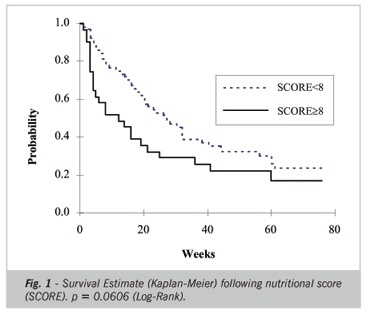
OBJECTIVE: Develop a method for the evaluation of patient’s nutritional status through a score that expresses universal nutritional status, as well as investigate if that score would be efficient for the prognostic stratification of advanced heart failure (HF) pts. METHODS: The score was reached by the selection of evaluation methods that would quantify nutritional status: ideal body weight percentage, thickness of tricipital skinfold, percentiles for arm muscular mass circumference, albumin serum level, lymphocyte total count. In order to be validated, the score was applied to a group of 95 pts. Pts were under 65 years old no evidence of consumptive diseases. The score was analyzed to confirm whether it would keep correlation with HF clinical data and whether it would stratify its prognostic. RESULTS: Nutritional status suggesting moderate or severe malnutrition could be observed in 31/95 (32.6%). No correlation was found between nutritional score values and the duration of symptoms, or the level of ventricular dysfunction. Pts with high nutritional score showed a trend towards higher mortality rate (p=0.0606). CONCLUSION: Those data suggest malnutrition is reported by 1/3 of pts with advanced HF. A score comprising 5 parameters for nutritional status showed good correlation with the clinical, global evaluation of pts with HF. A score over 8 identified pts with higher probability of death as outcome, confirming that pts under higher malnutrition exhibit worse evolution.

  • cardiac cachexia
  • Dilated Cardiomyopathy
  • malnutrition
Read Full Article
Creative Commons Attribution (CC BY) Creative Commons license
28/09/2006 DOI: 10.1590/S0066-782X2006001500017 Views 1
Nutritional repercussion in advanced heart failure and its value in prognostic assessment
ABC
Artigo Original

Nutritional repercussion in advanced heart failure and its value in prognostic assessment

Luís Guilherme Veloso et al. Mucio Tavares de Oliveira Junior Robson Tadeu Munhoz Paulo Cesar Morgado … José Antonio Franchini Ramires Antonio Carlos Pereira Barretto

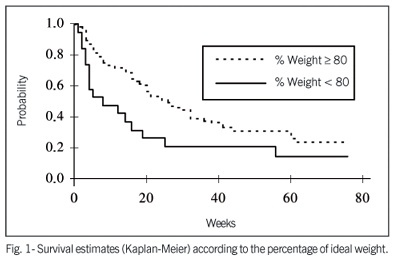
OBJECTIVE: To analyze the nutritional repercussion in heart failure and its relations with left ventricular dysfunction and mortality. METHODS: A series of nutritional parameters in a group of 95 patients with advanced chronic heart failure, arising out of dilated cardiomyopathy and age < 65 years old, without concomitant diseases was studied. The duration of symptons, final diastolic diameter and left ventricular ejection fraction were verified. The nutritional assessment, included the ideal percentage of weight the triceps skin fold thickness, percentiles of circumference of muscular mass of the arm, the albumin serum levels and the lymphocytes global count. RESULTS: The nutritional situation was alterated in 45.3% to 94.7% of the patients in accordance to the assessment parameter used. There was neither correlation between the nutritional parameters and the length of symptoms, nor with the ventricular dysfunction level. That group of patients had a homogenous evolution, and 75.8% of them died in an average time of 21.86 weeks. The left ventricular diastolic diameter and ejection fraction did not allow for the prediction of survival. A diminished body mass identified a group with higher risk of death. The ideal percentage of the body mass was predictive of survival (p=0.0352), the patients with less than 80% of ideal weight had a higher relative risk of death of 1.99 (1.12-3.02) (p=0.0132). CONCLUSION: Malnutrition is frequent in patients with advanced heart failure and dilated cardiomyopathy. The reduced body mass was a better predictor of survival than the left ventricular ejection fraction in patients under advanced stage of myocardial compromising.

  • dilated cardiomyopathy and advanced heart failure
  • malnutrition
Read Full Article
Creative Commons Attribution (CC BY) Creative Commons license
28/06/2005 DOI: 10.1590/S0066-782X2005000600009

How to cite this article

EndNote RIS

Electronic Document Format (Vancouver)

Gondo LA, Moura LAZ, Bonatto MG, Pagliosa VMR, Machado GV, Oliveira FC, Lemke AG, et al. Malnutrition in Outpatients with Heart Failure: Prevalence, Associated Factors and 6-Month Impact. ABC Heart Fail Cardiomyop 2025;5(4):e20250038.

Electronic Document Format (ABNT)

Gondo, Leonardo Akira; Moura, Lidia Ana Zytynski; Bonatto, Marcely Gimenes; Pagliosa, Victoria Marzagao Ribeiro; Machado, Giovanna Voigt; Oliveira, Flavia Centenaro de; Lemke, Angela Guzzo; Contini, Amanda Licheski; Freitas, Ana Karyn Ehrenfried de. Malnutrition in Outpatients with Heart Failure: Prevalence, Associated Factors and 6-Month Impact. ABC Heart Fail Cardiomyop, v. 5, n. 4, e20250038, Dec. 2025.

Electronic Document Format (APA)

Gondo, L. A., Moura, L. A. Z., Bonatto, M. G., Pagliosa, V. M. R., Machado, G. V., Oliveira, F. C. , Lemke, A. G., Contini, A. L., & Freitas, A. K. E. (2025). Malnutrition in Outpatients with Heart Failure: Prevalence, Associated Factors and 6-Month Impact. ABC Heart Fail Cardiomyop, 5(4), e20250038.

Electronic Document Format (ISO)

Gondo, Leonardo Akira and Moura, Lidia Ana Zytynski and Bonatto, Marcely Gimenes and Pagliosa, Victoria Marzagao Ribeiro and Machado, Giovanna Voigt and Oliveira, Flavia Centenaro de and Lemke, Angela Guzzo and Contini, Amanda Licheski and Freitas, Ana Karyn Ehrenfried de. Malnutrition in Outpatients with Heart Failure: Prevalence, Associated Factors and 6-Month Impact. ABC Heart Fail Cardiomyop [online]. 2025, vol. 5, n. 4, [cited 2026-10-14], e20250038. Available from: <https://journals.cardiol.br/en/article/malnutrition-in-outpatients-with-heart-failure-prevalence-associated-factors-and-6-month-impact/>

EndNote RIS

Electronic Document Format (Vancouver)

Meng Y, Zhang Z, Zhao T, Zhang D. Prognostic Significance of Nutrition-Associated Markers in Heart Failure with Preserved Ejection Fraction: A Systematic Review and Meta-Analysis. Arquivos Brasileiros de Cardiologia 2023;120(5):e20220523.

Electronic Document Format (ABNT)

Meng, Ying; Zhang, Zhengyi; Zhao, Tong; Zhang, Dekui. Prognostic Significance of Nutrition-Associated Markers in Heart Failure with Preserved Ejection Fraction: A Systematic Review and Meta-Analysis. Arquivos Brasileiros de Cardiologia, v. 120, n. 5, e20220523, May. 2023.

Electronic Document Format (APA)

Meng, Y., Zhang, Z., Zhao, T., & Zhang, D. (2023). Prognostic Significance of Nutrition-Associated Markers in Heart Failure with Preserved Ejection Fraction: A Systematic Review and Meta-Analysis. Arquivos Brasileiros de Cardiologia, 120(5), e20220523.

Electronic Document Format (ISO)

Meng, Ying and Zhang, Zhengyi and Zhao, Tong and Zhang, Dekui. Prognostic Significance of Nutrition-Associated Markers in Heart Failure with Preserved Ejection Fraction: A Systematic Review and Meta-Analysis. Arquivos Brasileiros de Cardiologia [online]. 2023, vol. 120, n. 5, [cited 2026-10-14], e20220523. Available from: <https://journals.cardiol.br/en/article/prognostic-significance-of-nutrition-associated-markers-in-heart-failure-with-preserved-ejection-fraction-a-systematic-review-and-meta-analysis/>. ISSN 0066-782X

EndNote RIS

Electronic Document Format (Vancouver)

Rassi S, Rassi DC, Freitas Júnior AF. The Importance of Assessing Malnutrition and Cachexia in Chagas Cardiomyopathy. Arquivos Brasileiros de Cardiologia 2022;118(1):12-3.

Electronic Document Format (ABNT)

Rassi, Salvador; Rassi, Daniela do Carmo; Freitas Júnior, Aguinaldo Figueiredo. The Importance of Assessing Malnutrition and Cachexia in Chagas Cardiomyopathy. Arquivos Brasileiros de Cardiologia, v. 118, n. 1, p. 12-13, Feb. 2022.

Electronic Document Format (APA)

Rassi, S., Rassi, D. C., & Freitas Júnior, A. F. (2022). The Importance of Assessing Malnutrition and Cachexia in Chagas Cardiomyopathy. Arquivos Brasileiros de Cardiologia, 118(1), 12-13.

Electronic Document Format (ISO)

Rassi, Salvador and Rassi, Daniela do Carmo and Freitas Júnior, Aguinaldo Figueiredo. The Importance of Assessing Malnutrition and Cachexia in Chagas Cardiomyopathy. Arquivos Brasileiros de Cardiologia [online]. 2022, vol. 118, n. 1, [cited 2026-10-14], pp. 12-13. Available from: <https://journals.cardiol.br/en/article/the-importance-of-assessing-malnutrition-and-cachexia-in-chagas-cardiomyopathy/>. ISSN 0066-782X

EndNote RIS

Electronic Document Format (Vancouver)

Tavares LCA, Lage SHG, Bocchi EA, Issa VS. Undernutrition and Cachexia in Patients with Decompensated Heart Failure and Chagas Cardiomyopathy: Occurrence and Association with Hospital Outcomes. Arquivos Brasileiros de Cardiologia 2022;118(1):3-11.

Electronic Document Format (ABNT)

Tavares, Larissa Candido Alves; Lage, Silvia Helena Gelás; Bocchi, Edimar Alcides; Issa, Victor Sarli. Undernutrition and Cachexia in Patients with Decompensated Heart Failure and Chagas Cardiomyopathy: Occurrence and Association with Hospital Outcomes. Arquivos Brasileiros de Cardiologia, v. 118, n. 1, p. 3-11, Feb. 2022.

Electronic Document Format (APA)

Tavares, L. C. A., Lage, S. H. G., Bocchi, E. A., & Issa, V. S. (2022). Undernutrition and Cachexia in Patients with Decompensated Heart Failure and Chagas Cardiomyopathy: Occurrence and Association with Hospital Outcomes. Arquivos Brasileiros de Cardiologia, 118(1), 3-11.

Electronic Document Format (ISO)

Tavares, Larissa Candido Alves and Lage, Silvia Helena Gelás and Bocchi, Edimar Alcides and Issa, Victor Sarli. Undernutrition and Cachexia in Patients with Decompensated Heart Failure and Chagas Cardiomyopathy: Occurrence and Association with Hospital Outcomes. Arquivos Brasileiros de Cardiologia [online]. 2022, vol. 118, n. 1, [cited 2026-10-14], pp. 3-11. Available from: <https://journals.cardiol.br/en/article/undernutrition-and-cachexia-in-patients-with-decompensated-heart-failure-and-chagas-cardiomyopathy-occurrence-and-association-with-hospital-outcomes/>. ISSN 0066-782X

EndNote RIS

Electronic Document Format (Vancouver)

Ávila NG, Carneiro JU, Alves FD, Corrêa IVS, Vallandro JP. Prevalence of Malnutrition and Its Association with Clinical Complications in Hospitalized Cardiac Patients: Retrospective Cohort Study. International Journal of Cardiovascular Sciences 2020;33(6):629-34.

Electronic Document Format (ABNT)

Ávila, Natally Gonçalves de; Carneiro, Juliana Umbelino; Alves, Fernanda Donner; Corrêa, Izabele Vian da Silveira; Vallandro, Juliana Paludo. Prevalence of Malnutrition and Its Association with Clinical Complications in Hospitalized Cardiac Patients: Retrospective Cohort Study. International Journal of Cardiovascular Sciences, v. 33, n. 6, p. 629-634, Aug. 2020.

Electronic Document Format (APA)

Ávila, N. G. , Carneiro, J. U., Alves, F. D., Corrêa, I. V. S., & Vallandro, J. P. (2020). Prevalence of Malnutrition and Its Association with Clinical Complications in Hospitalized Cardiac Patients: Retrospective Cohort Study. International Journal of Cardiovascular Sciences, 33(6), 629-634.

Electronic Document Format (ISO)

Ávila, Natally Gonçalves de and Carneiro, Juliana Umbelino and Alves, Fernanda Donner and Corrêa, Izabele Vian da Silveira and Vallandro, Juliana Paludo. Prevalence of Malnutrition and Its Association with Clinical Complications in Hospitalized Cardiac Patients: Retrospective Cohort Study. International Journal of Cardiovascular Sciences [online]. 2020, vol. 33, n. 6, [cited 2026-10-14], pp. 629-634. Available from: <https://journals.cardiol.br/en/article/prevalence-of-malnutrition-and-its-association-with-clinical-complications-in-hospitalized-cardiac-patients-retrospective-cohort-study/>. ISSN 2359-4802

EndNote RIS

Electronic Document Format (Vancouver)

Souza WN, Araújo CMS, Silva SA, Petribú MMV. Anemia, renal dysfunction and malnutrition associated with heart failure in patients with valvulopathy. Arquivos Brasileiros de Cardiologia 2010;94(6):794-8.

Electronic Document Format (ABNT)

Souza, Wysllenny Nascimento de; Araújo, Cristiane Maria Sá de; Silva, Silvia Alves da; Petribú, Marina de Moraes Vasconcelos. Anemia, renal dysfunction and malnutrition associated with heart failure in patients with valvulopathy. Arquivos Brasileiros de Cardiologia, v. 94, n. 6, p. 794-798, May. 2010.

Electronic Document Format (APA)

Souza, W. N. , Araújo, C. M. S. , Silva, S. A. , & Petribú, M. M. V. (2010). Anemia, renal dysfunction and malnutrition associated with heart failure in patients with valvulopathy. Arquivos Brasileiros de Cardiologia, 94(6), 794-798.

Electronic Document Format (ISO)

Souza, Wysllenny Nascimento de and Araújo, Cristiane Maria Sá de and Silva, Silvia Alves da and Petribú, Marina de Moraes Vasconcelos. Anemia, renal dysfunction and malnutrition associated with heart failure in patients with valvulopathy. Arquivos Brasileiros de Cardiologia [online]. 2010, vol. 94, n. 6, [cited 2026-10-14], pp. 794-798. Available from: <https://journals.cardiol.br/en/article/anemia-renal-dysfunction-and-malnutrition-associated-with-heart-failure-in-patients-with-valvulopathy/>. ISSN 0066-782X

EndNote RIS

Electronic Document Format (Vancouver)

Veloso LG, Pereira-Barretto AC, Oliveira Junior MT, Munhoz RT, Morgado PC, Ramires JAF. Score for nutritional status evaluation: the role played in the prognostic stratification of dilated cardiomyopathy and advanced heart failure patients. Arquivos Brasileiros de Cardiologia 2006;87(2):178-84.

Electronic Document Format (ABNT)

Veloso, Luiz Guilherme; Pereira-Barretto, Antonio Carlos; Oliveira Junior, Mucio Tavares de; Munhoz, Robson Tadeu; Morgado, Paulo César; Ramires, José Antonio Franchini. Score for nutritional status evaluation: the role played in the prognostic stratification of dilated cardiomyopathy and advanced heart failure patients. Arquivos Brasileiros de Cardiologia, v. 87, n. 2, p. 178-184, Sep. 2006.

Electronic Document Format (APA)

Veloso, L. G., Pereira-Barretto, A. C., Oliveira Junior, M. T. , Munhoz, R. T., Morgado, P. C., & Ramires, J. A. F. (2006). Score for nutritional status evaluation: the role played in the prognostic stratification of dilated cardiomyopathy and advanced heart failure patients. Arquivos Brasileiros de Cardiologia, 87(2), 178-184.

Electronic Document Format (ISO)

Veloso, Luiz Guilherme and Pereira-Barretto, Antonio Carlos and Oliveira Junior, Mucio Tavares de and Munhoz, Robson Tadeu and Morgado, Paulo César and Ramires, José Antonio Franchini. Score for nutritional status evaluation: the role played in the prognostic stratification of dilated cardiomyopathy and advanced heart failure patients. Arquivos Brasileiros de Cardiologia [online]. 2006, vol. 87, n. 2, [cited 2026-10-14], pp. 178-184. Available from: <https://journals.cardiol.br/en/article/score-for-nutritional-status-evaluation-the-role-played-in-the-prognostic-stratification-of-dilated-cardiomyopathy-and-advanced-heart-failure-patients/>. ISSN 0066-782X

EndNote RIS

Electronic Document Format (Vancouver)

Veloso LG, Oliveira Junior MT, Munhoz RT, Morgado PC, Ramires JAF, Barretto ACP. Nutritional repercussion in advanced heart failure and its value in prognostic assessment. Arquivos Brasileiros de Cardiologia 2005;84(6):480-5.

Electronic Document Format (ABNT)

Veloso, Luís Guilherme; Oliveira Junior, Mucio Tavares de; Munhoz, Robson Tadeu; Morgado, Paulo Cesar; Ramires, José Antonio Franchini; Barretto, Antonio Carlos Pereira. Nutritional repercussion in advanced heart failure and its value in prognostic assessment. Arquivos Brasileiros de Cardiologia, v. 84, n. 6, p. 480-485, Jun. 2005.

Electronic Document Format (APA)

Veloso, L. G., Oliveira Junior, M. T. , Munhoz, R. T., Morgado, P. C., Ramires, J. A. F., & Barretto, A. C. P. (2005). Nutritional repercussion in advanced heart failure and its value in prognostic assessment. Arquivos Brasileiros de Cardiologia, 84(6), 480-485.

Electronic Document Format (ISO)

Veloso, Luís Guilherme and Oliveira Junior, Mucio Tavares de and Munhoz, Robson Tadeu and Morgado, Paulo Cesar and Ramires, José Antonio Franchini and Barretto, Antonio Carlos Pereira. Nutritional repercussion in advanced heart failure and its value in prognostic assessment. Arquivos Brasileiros de Cardiologia [online]. 2005, vol. 84, n. 6, [cited 2026-10-14], pp. 480-485. Available from: <https://journals.cardiol.br/en/article/nutritional-repercussion-in-advanced-heart-failure-and-its-value-in-prognostic-assessment/>. ISSN 0066-782X

  • About ABC Family
  • Internal Regulation
  • Editorial Board
  • Brazilian Society of Cardiology (SBC)

Issues

SBC Guidelines

  • Videos
  • Podcasts
  • News