ABC Family Arquivos Brasileiros de Cardiologia International Journal of Cardiovascular Sciences ABC Heart Failure & Cardiomyopathy ABC Imagem Cardiovascular
Português English
ABC Family
Português English
  • About
    • About ABC Family
    • Internal Regulation
    • Editorial Board
    • Brazilian Society of Cardiology (SBC)
  • Issues
  • SBC Guidelines
  • Content
    • Videos
    • Podcasts
    • News
  • About
    • About ABC Family
    • Internal Regulation
    • Editorial Board
    • Brazilian Society of Cardiology (SBC)
  • Issues
  • SBC Guidelines
  • Content
    • Videos
    • Podcasts
    • News

ABC Family

  • ABC Family
  • Arquivos Brasileiros de Cardiologia
  • International Journal of Cardiovascular Sciences
  • ABC Heart Failure & Cardiomyopathy
  • ABC Imagem Cardiovascular
Search in

No content found.

Journals
Ordering
Article types
Others

  1. Home
  2. Keyword: Congenital
Central Illustration
IJCS
Original Article

Prevalence of Critical Congenital Heart Disease Detected in the Pulse Oximetry Test in Asymptomatic Newborns, ≥35 Gestational Weeks, in a Maternity in Southern Brazil

Sandra Mara Witkowski et al. Rafael Bertoldi Torres Aline Fernanda Pereira Carolina Marchi Guerra … Marco Otílio Rodrigues Wilde Leonardo Fonseca Sene Marcelo França Soares Thor Ferreira da Cruz

Abstract

Background

Congenital heart diseases (CHD) are one of the most prevalent malformations, and the screening tests to identify critical congenital heart disease (CCHD) is the pulse oximetry test, with subsequent investigation and treatment.

Objective

To quantify positive pulse oximetry tests and verify the prevalence of CCHD detected by it in asymptomatic newborns, ≥35 gestational weeks, in a Brazilian maternity hospital.

Methodology

This is an observational, retrospective, quantitative, analytical and cross-sectional study, conducted from October 2020 to May 2022, in a maternity hospital in southern Brazil, through the collection of records of positive oximetry pulse tests, following the norms of screening CCHD test of the Brazilian Society of Pediatrics (SBP), after they were evaluated with echocardiography for confirmation or exclusion of CHD.

Results

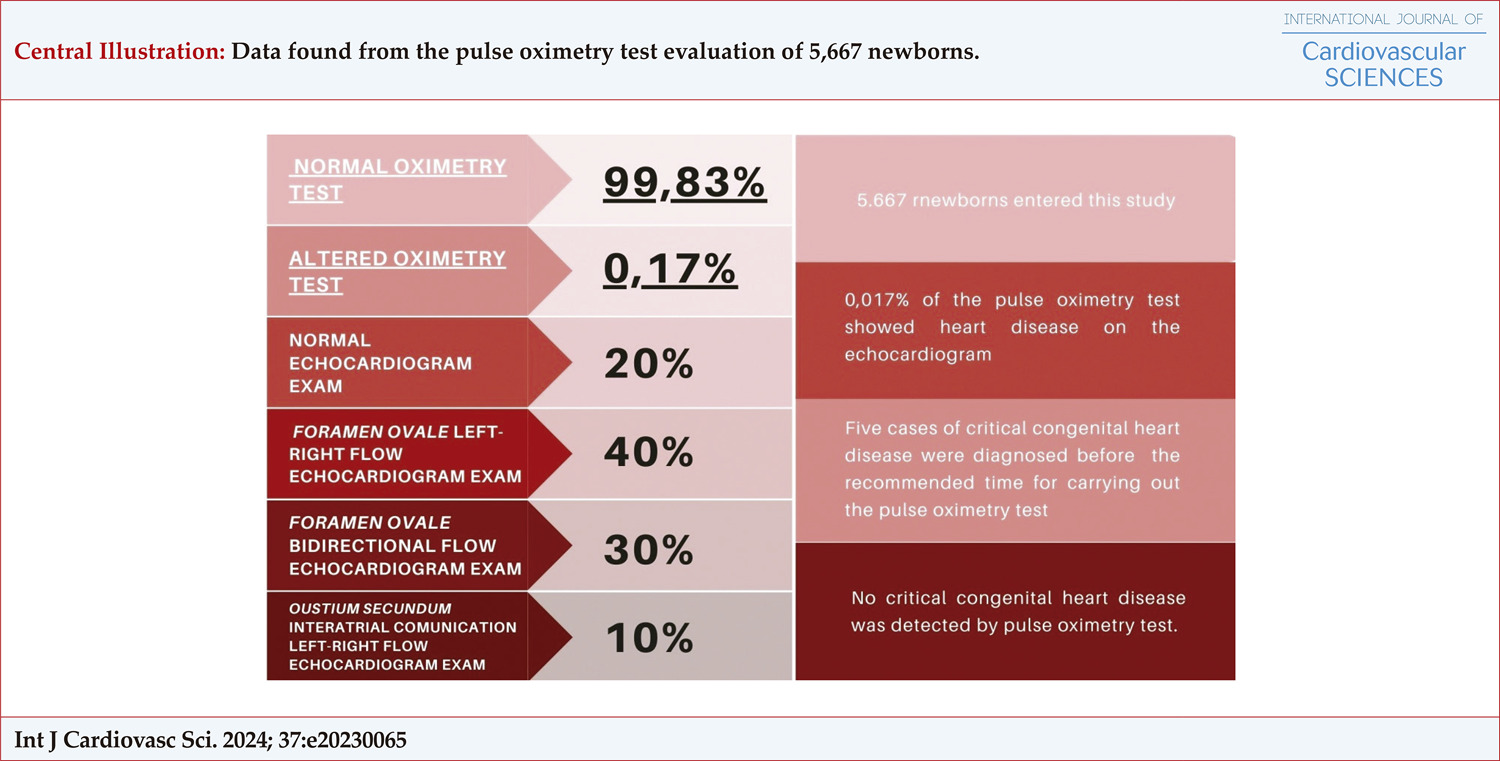
A total of 5,667 newborns were evaluated in this study, according to the inclusion criteria; 0.17% (n = 10) had a positive pulse oximetry test. Regarding the results of the echocardiography of the neonates with a positive test, two were normal, seven were cases of patent foramen ovale (PFO), and one was a case (0,017%) with interatrial communication (IAC) diagnosis. In the same period, five neonates with CCHD were born, symptomatic, diagnosed by physical examination, and referred to neonatal intensive care units (NICU) before taking the neonatal cardiac screening (< 24 hours of life).

Conclusion

The prevalence of positive pulse oximetry tests was 0.17% and none CCHD was detected. Five cases of CCHD were born in this period, but they were diagnosed before the recommend time to perform the screening test.

  • Congenital
  • Echocardiography/methods
  • Heart Defects
  • Infant
  • Neonatology
  • Newborn
  • Oximetry/methods
Read Full Article
Creative Commons Attribution (CC BY) Creative Commons license
04/03/2024 DOI: 10.36660/ijcs.20230065 Views 1
ABC
Editorial

Physical Activity and Quality of Life in Children with Congenital Heart Diseases: A Public Health Issue

Silvana Vertematti

Physical activity is both a form of expression for children and a means for promoting their development. The fun derived from engaging in this activity is one of the main factors for promoting the social inclusion of children, in addition to ensuring their continued ability to perform movements. The physical, physiological, psychological, and social dividends physical activity brings to children and adolescents are unequivocal.

Physical activity is defined as any bodily movement produced by skeletal muscles and resulting in energy expenditure. Physical exercise is a planned physical activity. It is structured within a sports and social context, involves logical and organized repetitions, and is designed to maintain physical fitness. Fitness, in turn, is characterized by a set of physical attributes related to improving the child’s health and performance and can be measured by specific physical tests conducted by trained professionals.

[…]

  • Cardiovascular Diseases
  • Children
  • Congenital
  • Heart Defects
  • Physical activity
  • Public Health
  • Quality of life
Read Full Article
Creative Commons Attribution (CC BY) Creative Commons license
23/10/2023 DOI: 10.36660/abc.20230634 Views 1
ABCIC
Case Report

Cor Triatriatum Sinistrum in an Asymptomatic Adult: A Case Report

Mauro Alves et al. Fernando Antonio de Portugal Morcerf Cynara Silvia Sousa do Amaral

Abstract

Cor triatriatum is a rare congenital heart anomaly often diagnosed in early childhood. This case study features an adult with an incidental finding of cor triatriatum sinistrum. Based on the clinical presentation, the patient was treated conservatively. Cor triatriatum sinistrum echocardiographic image findings of this patient are presented along with a narrative review of the literature about this disease.

  • Congenital
  • Cor Triatriatum sinistrum
  • Echocardiogram
  • Heart Defects
Read Full Article
Creative Commons Attribution (CC BY) Creative Commons license
07/07/2022 DOI: 10.47593/2675-312X/20223503eabc280 Views 1
Figure 1
ABCIC
My Approach To

My Approach to Imaging the Atrial Septal Defect by Three-Dimensional Echocardiography

Daniela Lago Kreuzig

Pre-procedural assessment

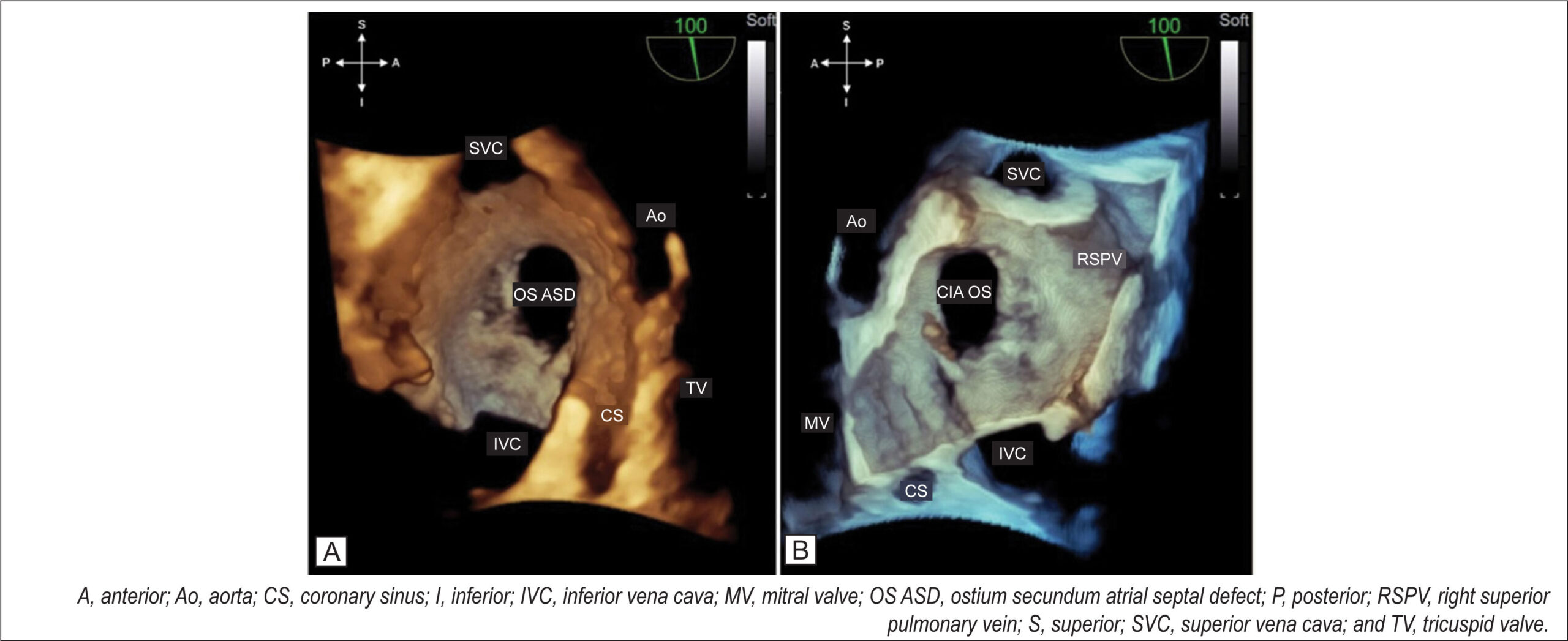
At the end of a detailed 2D TEE with a full septal analysis from the four-chamber view to bicaval section and color mapping, we commence the 3D image acquisition. The en-face projection of the ASD and the defect’s positioning in the anatomic position provide valuable information from a single image: size, shape, location in the interatrial septum, characteristics of the defect’s borders, and the presence of additional fenestration.

I usually start the 3D evaluation from the perspective of the right atrium to facilitate the identification of anatomical markers. I acquire a medium angle block (3D or 4D zoom) or a large block (full-volume using the two-section tool) starting from an initial bicaval section and proceeding with approximate 90° rotation in the z-plane so that the superior and inferior vena cava are aligned in the vertical plane (i.e., superior vena cava at the 11 o’clock position) and the aorta in the anterior and superior region. I prefer not to use the narrow-angle mode for acquisition (live 3D or bird’s eye view) or very high magnification due to a loss of anatomical references adjacent to the defect, which can interfere with this fundamental initial analysis. From this reconstruction (), I can characterize the defect as unique, the OS type, having an oval shape, being central, being medium-sized, and having adequate borders. shows the same ASD and allows assessment of the occurrence of dynamic variation in its dimension with the cardiac cycle.

[…]

  • atrial
  • Congenital
  • Echocardiography
  • Heart Defects
  • Heart septal defects
  • Three-Dimensional
Read Full Article
Creative Commons Attribution (CC BY) Creative Commons license
13/06/2022 DOI: 10.47593/2675-312X/20223502ecom32 Views 3
My approach to the diagnosis of congenital coronary anomalies by transthoracic echocardiography
ABCIC
Editorial

My approach to the diagnosis of congenital coronary anomalies by transthoracic echocardiography

Vitor Coimbra Guerra

Why do we need to assess the anatomy of the coronary arteries?

Until a few decades ago, coronary artery anatomy assessment by echocardiogram (ECHO) was considered a difficult secondary task even if analyzed by other cardiovascular imaging modalities, such as angiography by cardiac catheterization. Important changes in this approach in recent years can be explained by three important aspects:1) The origin and initial course of coronary artery anomalies can be a substrate for ischemia and even sudden death in young adults;,2) Transthoracic echocardiography (TTE) is a non-invasive radiation-free low-cost imaging test in the frontline of cardiac assessments;3) The anatomical and functional assessment of coronary arteries is part of a transthoracic test used to diagnose congenital heart diseases.,

Which congenital coronary artery anomalies are relevant and should be identified?

[…]

  • Congenital
  • coronary artery
  • Echocardiogram
Read Full Article
Creative Commons Attribution (CC BY) Creative Commons license
25/03/2022 DOI: 10.47593/2675-312X/20213403ecom16 Views 1
Figure 1
ABCIC
Case Report

Role of Transthoracic Echocardiography in the Diagnosis of Double Aortic Arch

Guilherme Gomes de Souza et al. Adriana Furletti Machado Guimarães Ricardo Wang Sandra Regina Tolentino Castilho … Henrique de Assis Fonseca Tonelli Fátima Derlene da Rocha Araújo

Introduction

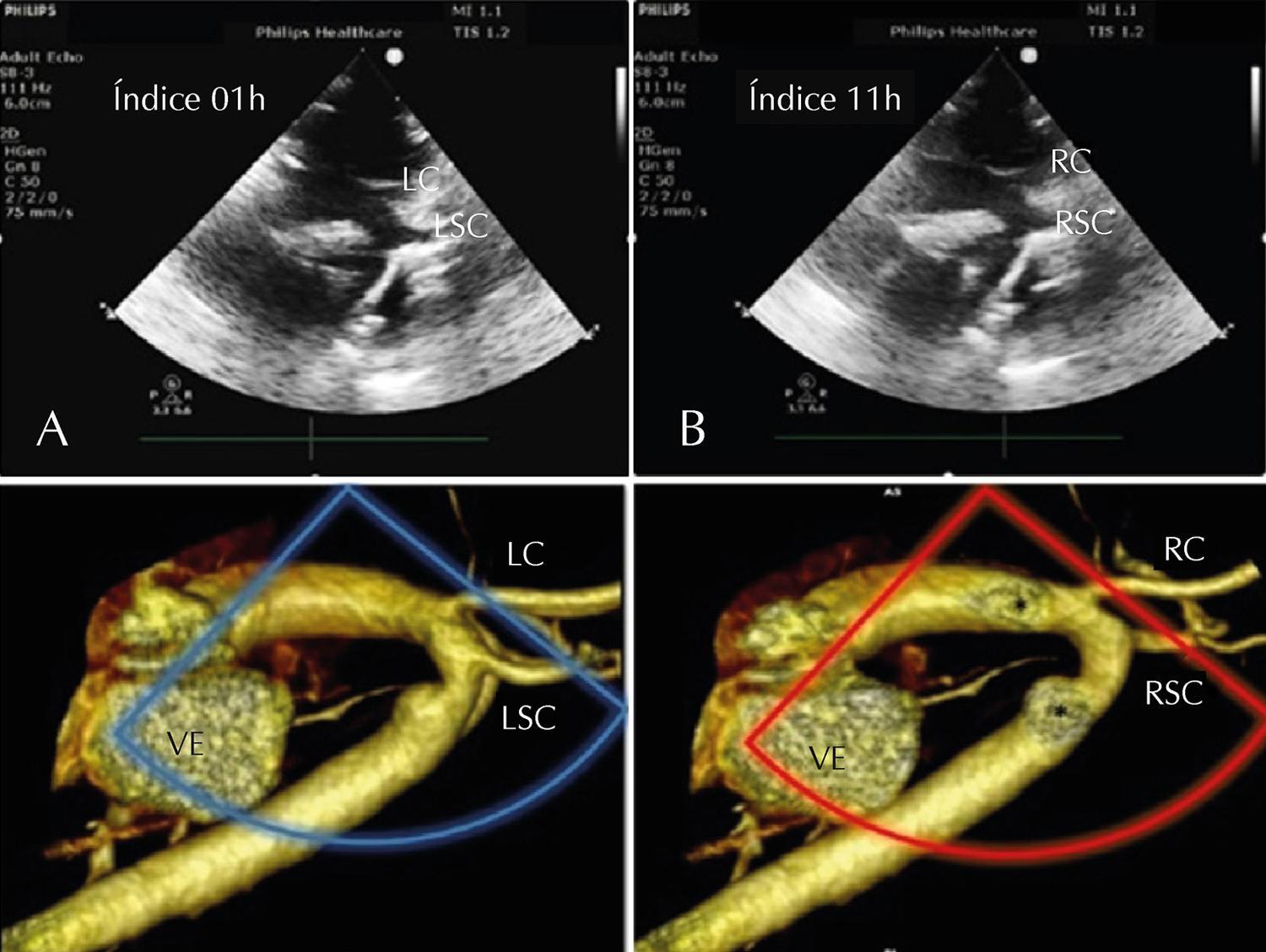
Double aortic arch is the main cause of vascular ring in cardiovascular surgical case series records. This rare anomaly, caused by the non-involution of one of the embryonic aortic arches, is a challenge for the pediatric echocardiographer, often requiring other imaging methods such as computed tomography or cardiac magnetic resonance. This case report aimed to systematize echocardiographic findings to help diagnose double aortic arch.

[…]

  • Congenital
  • Echocardiography
  • Heart Defects
  • Vascular ring
Read Full Article
Creative Commons Attribution (CC BY) Creative Commons license
04/03/2022 DOI: 10.47593/2675-312X/20223501eabc267 Views 1
ABC
Original Article

Cytogenomics Investigation of Infants with Congenital Heart Disease: Experience of a Brazilian Center

Marcília Sierro Grassi et al. Marília Montenegro Evelin Aline Zanardo Antonio Carlos Pastorino … Mayra Barros Dorna Chong Kim Marcelo Jatene Nana Miura Leslie Kulikowski Magda Carneiro-Sampaio

Abstract

Background

Some syndromes have specific and easily recognizable features, while others may be more complex to identify and may present different phenotypic manifestations, for example. An etiological diagnosis is important to understand the nature of the disease, to establish the prognosis and to start the treatment, allowing the inclusion of patients in society and reducing the financial cost of such diseases.

Objective

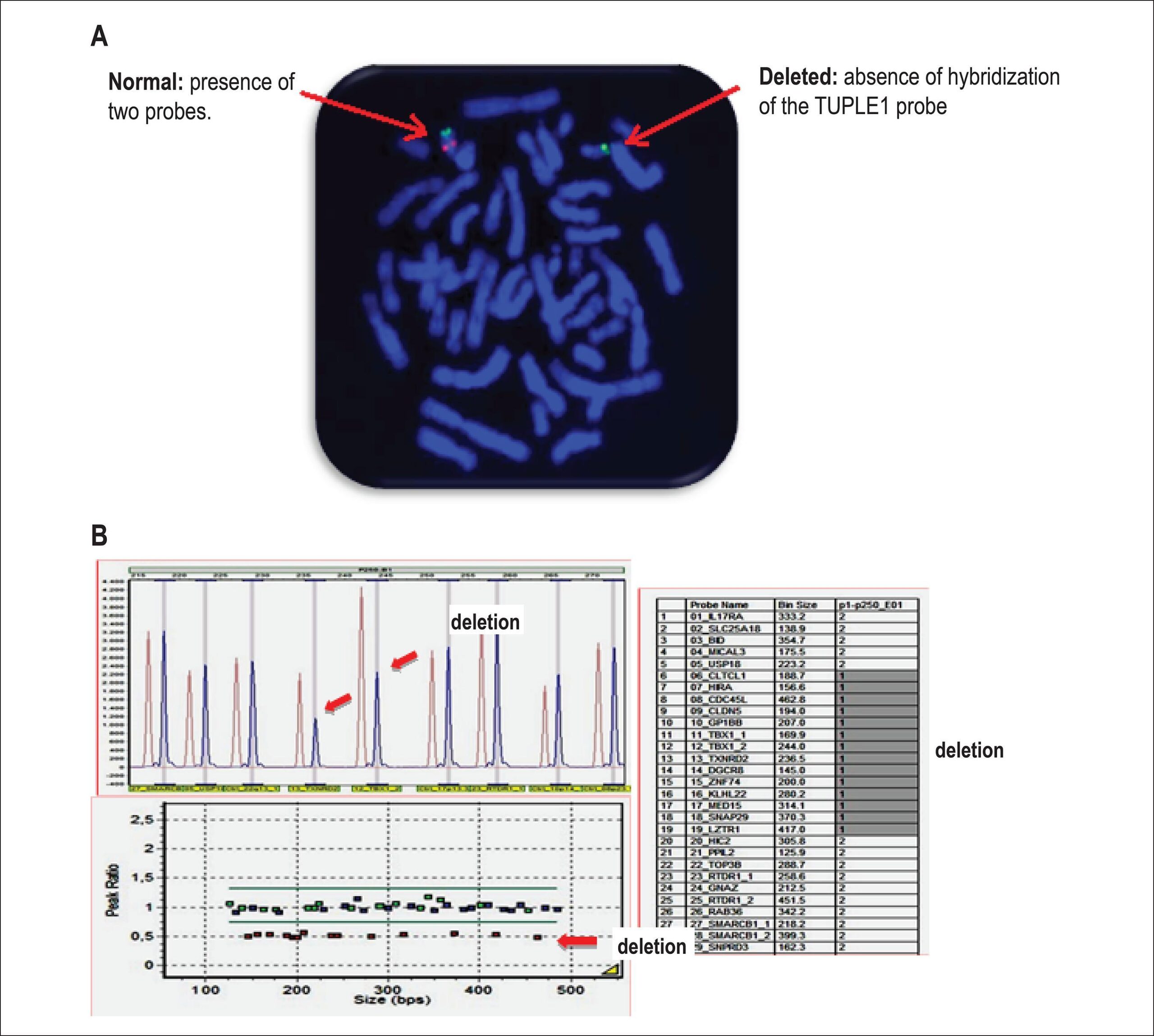
The initial proposal of this study was cytogenetic screening for the detection of the 22q11.2 deletion syndrome in consecutive newborns and infants with congenital heart disease using the multiplex ligation-dependent probe amplification (MLPA) technique. Therefore, throughout our research, other genomic alterations were identified in these cardiac patients. Thus, our objective was extended to investigate these other cytogenetic alterations.

Methods

We investigated 118 neonates with congenital heart diseases born consecutively during one year using the MLPA technique.

Results

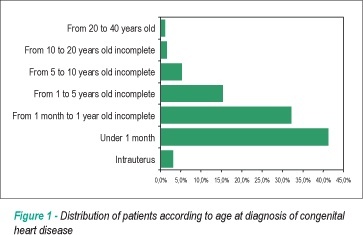
The MLPA technique allowed the detection of 22q11.2DS in 10/118 patients (8.5%). Other genomic alterations were also identified in 6/118 patients (5%): 1p36 del, 8p23 del (2 cases), 7q dup, 12 dup and 8q24 dup.

Conclusion

This study highlights the relevance of detecting genomic alterations that are present in newborns and infants with congenital cardiac diseases using cytogenomic tools.

  • Chromosome deletion
  • Congenital
  • Congenital Abnormalities
  • DiGeorge Syndrome
  • Early diagnosis
  • Heart Defects
  • Newborn
Read Full Article
Creative Commons Attribution (CC BY) Creative Commons license
21/02/2022 DOI: 10.36660/abc.20190894 Views 1
Figure 1
ABC
Case Report

Anomalous Origin of the Circumflex Coronary Artery from the Right Pulmonary Artery: Diagnosis Through Cardiac CT

Bebiana Faria et al. Lucy Calvo Sílvia Ribeiro Catarina Ruivo António Lourenço

Introduction

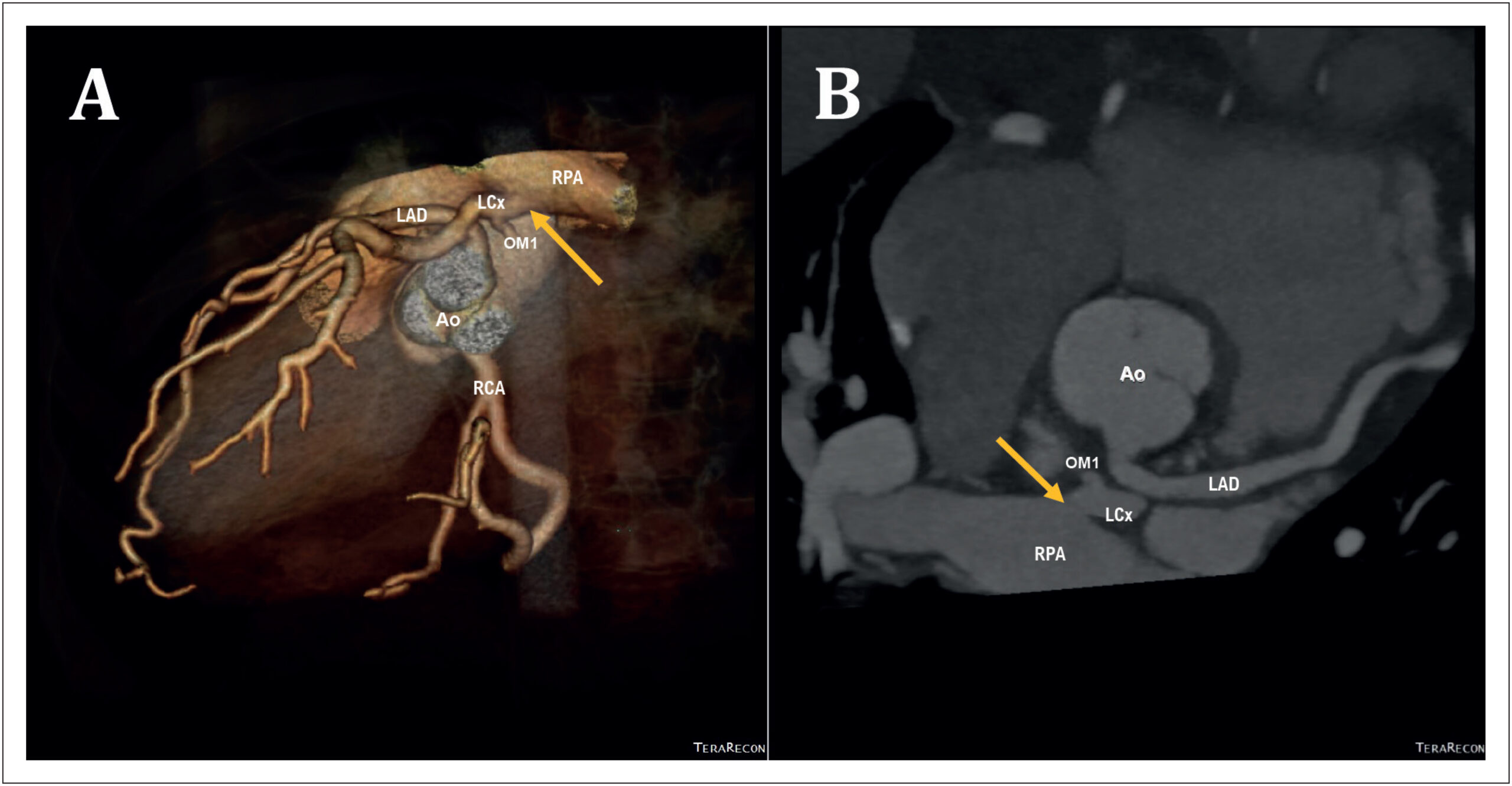
Anomalous origin of the left circumflex coronary artery (LCx) from the right pulmonary artery (PA) is an extremely rare coronary anomaly. Although the clinical course may be silent, the risk of sudden cardiac death is increased. The symptoms are related to collateralization and amount of myocardium that it supplies, and some patients need surgical treatment.,

[…]

  • Computed/methods
  • Congenital
  • Congenital Abnormalities
  • Coronary Artery Disease
  • Coronary Vessels
  • Heart Defects
  • Pulmonary Artery
  • Tomography
Read Full Article
Creative Commons Attribution (CC BY) Creative Commons license
19/07/2021 DOI: 10.36660/abc.20200060 Views 1
Figure 1
ABC
Original Article

Congenital Heart Disease as a Warning Sign for the Diagnosis of the 22q11.2 Deletion

Marcília S. Grassi et al. Cristina M. A. Jacob Leslie D. Kulikowski Antonio C. Pastorino … Roberta L. Dutra Nana Miura Marcelo B. Jatene Stephanie P. Pegler Chong A. Kim Magda Carneiro-Sampaio

Background:

To alert for the diagnosis of the 22q11.2 deletion syndrome (22q11.2DS) in patients with congenital heart disease (CHD).

Objective:

To describe the main CHDs, as well as phenotypic, metabolic and immunological findings in a series of 60 patients diagnosed with 22q11.2DS.

Methods:

The study included 60 patients with 22q11.2DS evaluated between 2007 and 2013 (M:F=1.3, age range 14 days to 20 years and 3 months) at a pediatric reference center for primary immunodeficiencies. The diagnosis was established by detection of the 22q11.2 microdeletion using FISH (n = 18) and/or MLPA (n = 42), in association with clinical and laboratory information. Associated CHDs, progression of phenotypic facial features, hypocalcemia and immunological changes were analyzed.

Results:

CHDs were detected in 77% of the patients and the most frequent type was tetralogy of Fallot (38.3%). Surgical correction of CHD was performed in 34 patients. Craniofacial dysmorphisms were detected in 41 patients: elongated face (60%) and/or elongated nose (53.3%), narrow palpebral fissure (50%), dysplastic, overfolded ears (48.3%), thin lips (41.6%), elongated fingers (38.3%) and short stature (36.6%). Hypocalcemia was detected in 64.2% and decreased parathyroid hormone (PTH) level in 25.9%. Decrease in total lymphocytes, CD4 and CD8 counts were present in 40%, 53.3% and 33.3%, respectively. Hypogammaglobulinemia was detected in one patient and decreased concentrations of immunoglobulin M (IgM) in two other patients.

Conclusion:

Suspicion for 22q11.2DS should be raised in all patients with CHD associated with hypocalcemia and/or facial dysmorphisms, considering that many of these changes may evolve with age. The 22q11.2 microdeletion should be confirmed by molecular testing in all patients.

  • Chromosomes
  • Congenital
  • Crromosome Delection
  • DiGeorge Syndrme
  • Heart Defects
  • human
  • Hypocalcemia
Read Full Article
Creative Commons Attribution (CC BY) Creative Commons license
10/10/2014 DOI: 10.5935/abc.20140145 Views 1
ABC
Letter to the Editor

Is Sildenafil a Therapeutic Option for Noncompaction?

Josef Finsterer et al. Claudia Stöllberger

To the editor

With interest we read the article by Redondo et al about a 6yo male with heart failure and left-ventricular hypertrabeculation/noncompaction (LVHT). We have the following comments and concerns.

Though LVHT is congenital in the majority of the cases, there are some cases in which LVHT is not present on previous echocardiographies (acquired LVHT). In such cases, LVHT may be truly absent or hidden. Hidden LVHT may occur if there is severe myocardial thickening or severe dilatation.

[…]

  • cardiomyopathy
  • Congenital
  • Dilated/complications
  • Heart Defects
  • Heart Failure
  • Phosphodiesterase Inibitors/therapeutic use
Read Full Article
Creative Commons Attribution (CC BY) Creative Commons license
01/09/2014 DOI: 10.5935/abc.20140131 Views 1
Chromosomal abnormalities in patients with congenital heart disease
ABC
Artigo Original

Chromosomal abnormalities in patients with congenital heart disease

Patrícia Trevisan et al. Tatiana Diehl Zen Rafael Fabiano Machado Rosa Juliane Nascimento da Silva … Dayane Bohn Koshiyama Giorgio Adriano Paskulin Paulo Ricardo Gazzola Zen

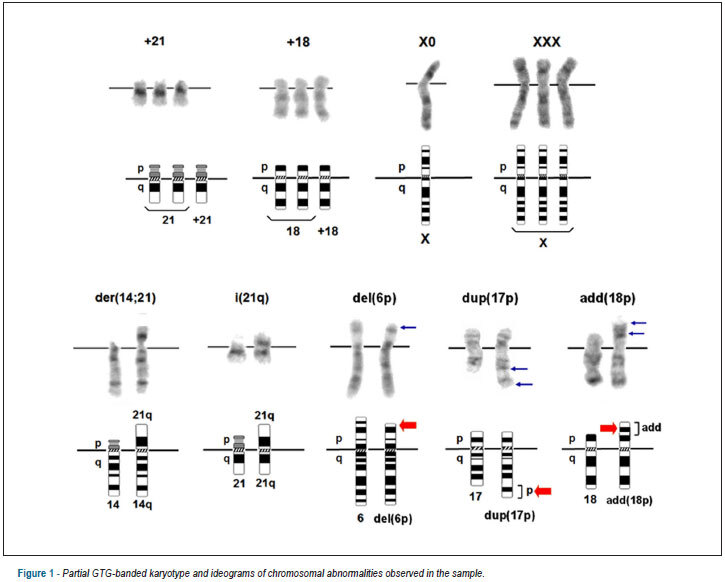
BACKGROUND: Chromosomal abnormalities (CAs) are an important cause of congenital heart disease (CHD). OBJECTIVE: Determine the frequency, types and clinical characteristics of CAs identified in a sample of prospective and consecutive patients with CHD. METHOD: Our sample consisted of patients with CHD evaluated during their first hospitalization in a cardiac intensive care unit of a pediatric referral hospital in Southern Brazil. All patients underwent clinical and cytogenetic assessment through high-resolution karyotype. CHDs were classified according to Botto et al. Chi-square, Fisher exact test and odds ratio were used in the statistical analysis (p < 0.05). RESULTS: Our sample consisted of 298 patients, 53.4% males, with age ranging from 1 day to 14 years. CAs were observed in 50 patients (16.8%), and 49 of them were syndromic. As for the CAs, 44 (88%) were numeric (40 patients with +21, 2 with +18, 1 with triple X and one with 45,X) and 6 (12%) structural [2 patients with der(14,21), +21, 1 with i(21q), 1 with dup(17p), 1 with del(6p) and 1 with add(18p)]. The group of CHDs more often associated with CAs was atrioventricular septal defect. CONCLUSIONS: CAs detected through karyotyping are frequent in patients with CHD. Thus, professionals, especially those working in Pediatric Cardiology Services, must be aware of the implications that performing the karyotype can bring to the diagnosis, treatment and prognosis and for genetic counseling of patients and families.

  • Chromosome Aberrations
  • Congenital
  • Down Syndrome
  • Heart Defects
  • Karyotype
  • Metaphase
Read Full Article
Creative Commons Attribution (CC BY) Creative Commons license
22/10/2013 DOI: 10.5935/abc.20130204 Views 2
eNOS correlates with mitochondrial biogenesis in hearts of congenital heart disease with cyanosis
ABC
Artigo Original

eNOS correlates with mitochondrial biogenesis in hearts of congenital heart disease with cyanosis

Juan Xiao et al. Lin Chen Xuefeng Wang Mei Liu Yingbin Xiao

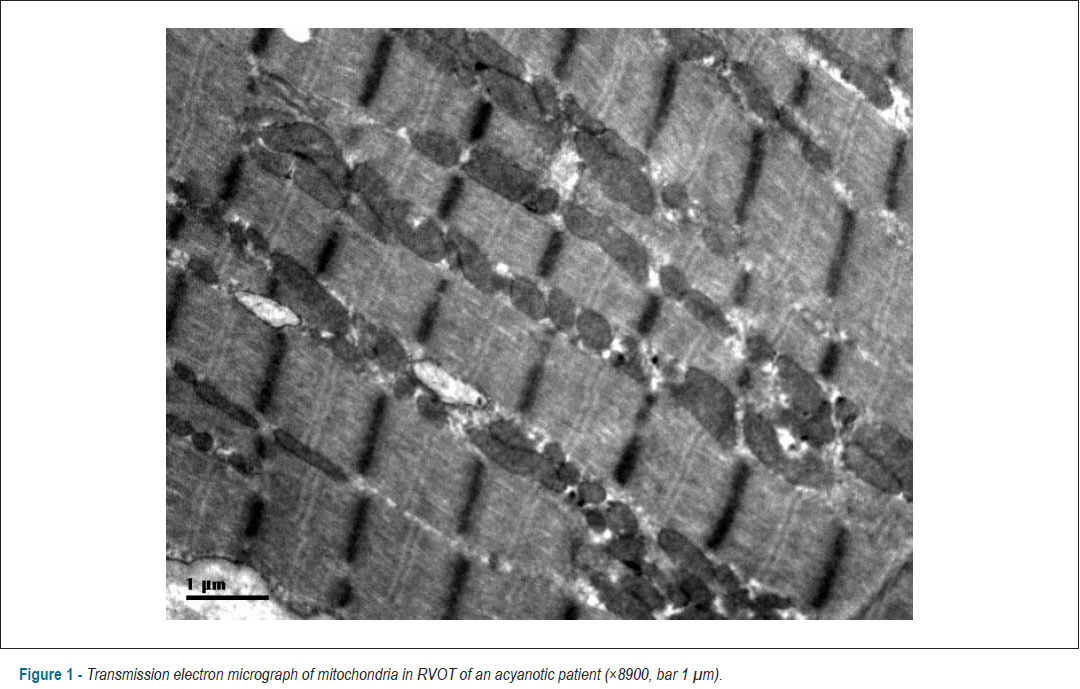
BACKGROUND: Mitochondrial biogenesis program in heart appears to exhibit adaptive remodeling following biomechanical and oxidative stress. The adaptive mechanisms that protect myocardium metabolism during hypoxia are coordinated in part by nitric oxide (NO). OBJECTIVE: To observe mitochondrial biogenesis and nitric oxide synthase (NOS) expression in hearts of congenital heart disease with cyanosis, discuss mitochondrial response to chronic hypoxia in myocardium. METHODS: 20 patients with cyanotic (n=10) or acyanotic cardiac defects (n=10) were investigated. Samples from the right ventricular outflow tract myocardium taken during operation were studied. Morphometric analysis of mitochondria was performed with transmission electron microscope. Relative mtDNA/nDNA ratio was determined with real-time PCR. Cytochrome c oxidase subunit I (COXI), peroxisome-proliferator-activated receptor γ coactivator-1α (PGC-1α), nuclear respiratory factor 1 (NRF1), and mitochondrial transcription factor A (Tfam) transcript levels were detected by real-time fluorescent RT-PCR. COXI and nNOS, iNOS and eNOS protein levels were measured with western blot. RESULTS: Mitochondrial volume density (Vv) and numerical density (Nv) were significantly elevated in patients with cyanotic compared to acyanotic congenital heart disease. Elevated mtDNA and up-regulated COXI, PGC-1α, NRF1 and Tfam mRNA levels were observed in cyanotic patients. Protein levels of COXI and eNOS were significantly higher in the myocardium of cyanotic than of acyanotic patients. PGC-1α transcript levels correlated with the levels of eNOS. Conclusion: Mitochondrial biogenesis is activated in right ventricular outflow tract myocardium in congenital heart disease with cyanosis, which could be the adaptive response to chronic hypoxia and possibly involves eNOS up-regulation. (Arq Bras Cardiol. 2012; [online].ahead print, PP.0-0)

  • Biogenesis
  • Congenital
  • Heart
  • Heart Defects
  • mitochondria
  • nitric oxide Synthase
Read Full Article
Creative Commons Attribution (CC BY) Creative Commons license
02/08/2012 DOI: 10.1590/S0066-782X2012005000072 Views 1
Atypical truncus arteriosus operated at 28 years of age: importance of differential diagnosis
ABC
Case Report

Atypical truncus arteriosus operated at 28 years of age: importance of differential diagnosis

Lilian Maria Lopes et al. Jose Pedro da Silva Luciana da Fonseca Sonia Meiken … André Bavaresco Cristóvão Salvador Gustavo Spadaccia dos Santos Fernandes

This is the case of 28 year-old adult with suspected congenital heart disease since birth, not treated in childhood at the his family’s choice. At 27 years old, he was diagnosed with pulmonary atresia with ventricular septal defect and systemic-pulmonary collaterals, where surgery was contraindicated. A new review in our department showed that it was an atypical form of truncus arteriosus. The fact that a common arterial trunk with left-right shunt was viewed by echocardiography was a crucial fact for the indication of new catheterization, opening the prospect of surgical correction. Currently, the patient is well, with 7 years of postoperative outcome.

  • Congenital
  • Heart Defects
  • Heart Septal Defects, Ventricular
  • Pulmonary Atresia
  • truncus arteriosus
Read Full Article
Creative Commons Attribution (CC BY) Creative Commons license
04/10/2011 DOI: 10.1590/S0066-782X2011001100016 Views 1
Dysfunction of the pulmonary homograft used in the reconstruction of the right ventricle exit tract
ABC
Artigo Original

Dysfunction of the pulmonary homograft used in the reconstruction of the right ventricle exit tract

Andréa Weirich Lenzi et al. Márcia Olandoski Wanderley Saviolo Ferreira Fabio Said Sallum Nelson Itiro Miyague

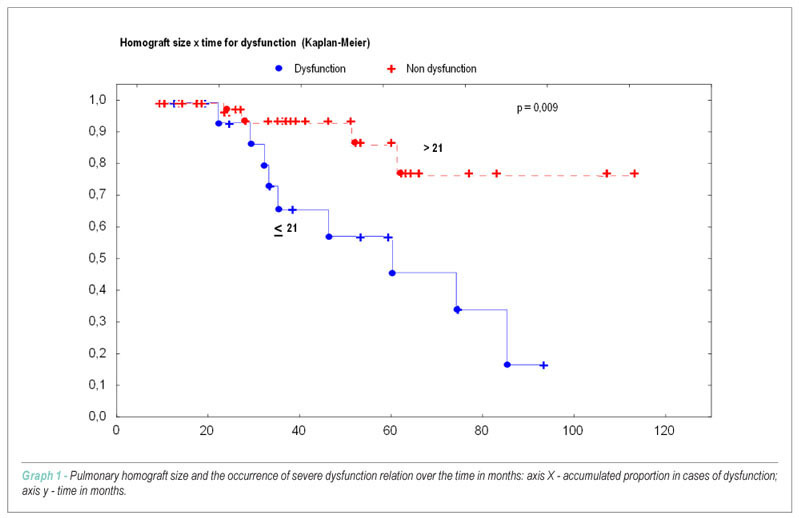
BACKGROUND: The pulmonary homograft has been used as an option in the correction of congenital cardiopathy with obstruction of the right ventricle exit tract. The long term results, however, are little satisfactory. OBJECTIVE: Identify the risk factors associated to the dysfunction and the pulmonary homograft failure. METHODS: Study with children submitted to the enlargement of the exit tract of the right ventricle with pulmonary homograft. The clinical, surgical, evolutional and morphological aspects of the prosthesis variables were analyzed as risk factors. RESULTS: The final sample of 75 patients with median age at the surgery of 22 months, varying from 1-157 months, presented 13 patients (17.0%) who developed dysfunction of the homograft, characterized by stenosis or severe pulmonary insufficiency. The occurrence time between the homograft implant and the detection of the dysfunction was of 45 ± 20 months. When the size of the homograft was smaller than 21 mm and the Z score of the pulmonary valva is lower than zero, or higher than three, the risk factors were considered for the dysfunction occurrence. CONCLUSION: The pulmonary homograft smaller than 21 mm and the inadequate pulmonary valva for the age and weight of the patient are determining factors for the prosthesis dysfunction.

  • Congenital
  • Heart Defects
  • Heart Ventricles
  • Transplantation, homologous
Read Full Article
Creative Commons Attribution (CC BY) Creative Commons license
10/12/2010 DOI: 10.1590/S0066-782X2010005000158 Views 1
Anomalous origin of Coronary Artery (ALCAPA) in 64-channel TC scanner
ABC
Case Report

Anomalous origin of Coronary Artery (ALCAPA) in 64-channel TC scanner

Marcelo Souto Nacif et al. José Hugo Mendes Luz Denise Madeira Moreira Carlos Eduardo Rochitte Amarino Carvalho de Oliveira Júnior

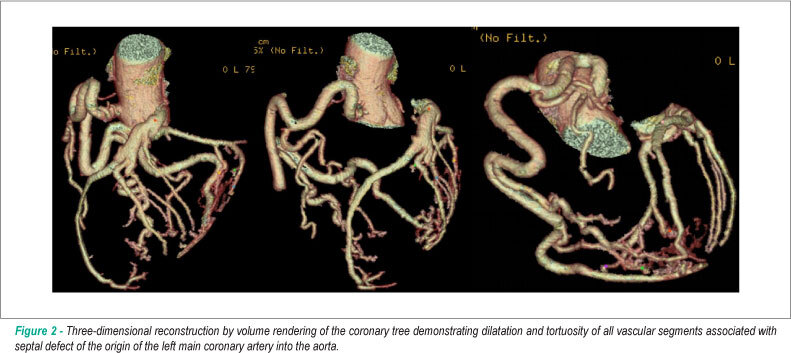
Multidetector computed tomography (MDCT) with 64 channels provides to clinical practice an excellent method to detect coronary artery anomalies. The diagnosis of coronary anomalies consisting of origin of left coronary artery in the pulmonary trunk in adults with no history of congenital disease has few reports in literature. We report a case in a 30-year old female patient complaining of fatigue on major efforts and positive scintigraphy for ischemia. The diagnosis was made through 64-channel MDCT and thus it appears that the method can be used as baseline.

  • Congenital
  • Coronary Disease
  • Heart Defects
  • Tomography
Read Full Article
Creative Commons Attribution (CC BY) Creative Commons license
12/07/2010 DOI: 10.1590/S0066-782X2010000600022 Views 2
Congenital heart diseases in a reference service: clinical evolution and associated illnesses
ABC
Artigo Original

Congenital heart diseases in a reference service: clinical evolution and associated illnesses

Janaína Huber et al. Vivian Catarino Peres Tiago Jeronimo dos Santos Lauro da Fontoura Beltrão … Angélica Cerveira de Baumont Andrés Delgado Cañedo Beatriz D'Agord Schaan Lucia Campos Pellanda

BACKGROUND: Several factors, which include prenatal diagnosis and availability of new therapeutic procedures, have contributed to change the profile of patients with congenital heart disease (CHD). Knowing these changes is important to a better health care. OBJECTIVES: Description of profile of patients with CHD in a reference service in the State of Rio Grande do Sul, Brazil. METHODS: It is a cross-sectional study including 684 patients with CHD in a service of pediatric cardiology from January 2007 to May 2008. We interviewed the patients (and/or their parents) and examined these patients (congenital malformations, anthropometric measures). Moreover, their charts were reviewed in order to detail heart diseases, procedures and echocardiography. RESULTS: Patients were from 16 days to 66 years old, 51.8% were female, and 93.7% were Caucasian. The mean age at diagnosis was 15.8 ± 46.8 months. Ventricular septal defect, patent ductus arteriosus and Tetralogy of Fallot were the most prevalent CHD. 59.1% of examined patients, whose average age was 44.3 ± 71.2 months, have been undergoing therapeutic procedures; 30.4% had congenital extracardiac malformations; and 12 patients had genetic syndrome. Regarding development, 46.6% had low weight and height gain, and 13.7% had neuropsychomotor delay. Furthermore, 18.4% had family history of congenital heart disease. CONCLUSIONS: Neuropsychomotor delay and low weight and height gain may be related to CHD. Establishing a profile of patients with CHD, who were treated at an institution of reference, may function as a basis in which health care of this population can be planed appropriately. (Arq Bras Cardiol 2010; 94(3):313-318)

  • Clinical Evolution
  • Congenital
  • Heart Defects
  • referral and consultation
Read Full Article
Creative Commons Attribution (CC BY) Creative Commons license
28/04/2010 DOI: 10.1590/S0066-782X2010000300009 Views 2
Ischemic stroke as the first manifestation of severe ventricular hypertrabeculation/non-compaction
ABC
Case Report

Ischemic stroke as the first manifestation of severe ventricular hypertrabeculation/non-compaction

Arturo Jaramillo et al. Alfredo Ramírez Lorna Galleguillos José Vallejos Sergio Illanes

A rare congenital myocardial defect, known as left ventricular hypertrabeculation/non-compaction (LVHT), has been occasionally described associated with thrombus formation with a potential systemic embolic risk, but its association with ischemic strokes remains controversial. We report a case of ischemic stroke in a patient with severe LVHT and ventricular dysfunction as a possible etiologic synergistic association. In absence of other embolic sources, a severe LVTH associated with ventricular dysfunction could constitute a potential source of brain embolism, especially in patients with high suspicion of an embolic mechanism of ischemic stroke.

  • Congenital
  • Heart Defects
  • intracranial embolism
  • Stroke
  • Ventricular Dysfunction, Left
Read Full Article
Creative Commons Attribution (CC BY) Creative Commons license
28/04/2010 DOI: 10.1590/S0066-782X2010000300024 Views 1
Adult patient with anomalous origin of anterior interventricular artery at main pulmonary artery
ABC
Case Report

Adult patient with anomalous origin of anterior interventricular artery at main pulmonary artery

Haroldo Adans Ferraz et al. Leonardo Alves Batista Fernando Mendes Sant'Anna Leonardo da Costa Buczynski … Marcelo Bastos Brito Carlos Alberto Mussel Barrozo

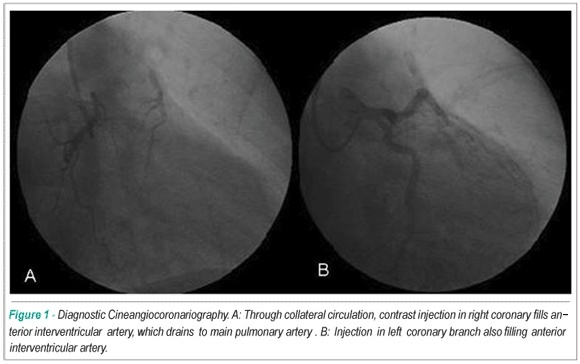
From all congenital cardiopathies, anomalous origin of anterior interventricular artery occurs once per 300,0000 live births, reporting high mortality in the first year after birth. However, if good collateral circulation is available for the artery related to the abnormality, the patient may be kept asymptomatic until mature age. This is the report on a rare case of a 43-year-old patient who was oligosymptomatic, with normal ventricular function in this pathology presentation. The patient was submitted to surgical treatment with no extracorporeal circulation.

  • Adult
  • Congenital
  • Heart Defects
  • Pulmonary Artery
Read Full Article
Creative Commons Attribution (CC BY) Creative Commons license
01/07/2008 DOI: 10.1590/S0066-782X2008000600011 Views 1
ABC
Artigo Original

Assessment of food intake in infants between 0 and 24 months with congenital heart disease

Tais Cleto Lopes Vieira et al. Marlene Trigo Rosiris Roco Alonso Regina Helena Cunha Ribeiro … Maria Regina Alves Cardoso Antonio Carlos Alves Cardoso Maria Aparecida Alves Cardoso

BACKGROUND: Children with congenital heart disease are usually malnourished and present some degree of functional and/or structural impairment of organs. There is also deficiency in nutrient intake, due to the control of fluids required by some patients which restrains the nutrient intake of some cardiac children. OBJECTIVE: To assess the food intake of children with congenital heart disease hospitalized in the pediatric heart unit of a “Public Teaching Hospital”. METHODS: The intake of food and nutrients was calculated based on the food consumed during three days (direct weighting method) and the calories and nutrients were calculated using the Virtual Nutri software. RESULTS: The intake of calories per kilogram of body weight, of daily proteins, sodium and vitamin A was within the recommended levels (p < 0.05). However, the intake of daily calories, fats, fiber, potassium and iron was below the recommended levels (p < 0.05) and the intake of proteins per kilogram, carbohydrates, calcium and vitamin C was above the recommended levels (p < 0.05). CONCLUSION: Children with congenital cardiopathy have inadequate diets, and therefore, need nutritional guidance to foster adequate dietary intake and the resulting improvement in growth and weight and height development, guaranteeing better quality of life to the patients.

  • Child
  • Congenital
  • Eating
  • Feeding
  • Heart Defects
Read Full Article
Creative Commons Attribution (CC BY) Creative Commons license
18/04/2008 DOI: 10.1590/S0066-782X2007001600002 Views 2
Annuloplasty of cryopreserved pulmonary homograft with Delrin stent in pulmonary atresia with ventricular septal defect
ABC
Case Report

Annuloplasty of cryopreserved pulmonary homograft with Delrin stent in pulmonary atresia with ventricular septal defect

Ulisses Alexandre Croti et al. Domingo Marcolino Braile Moacir Fernandes de Godoy Vladimir Ramirez … Lilian Beani Aírton Camacho Moscadini

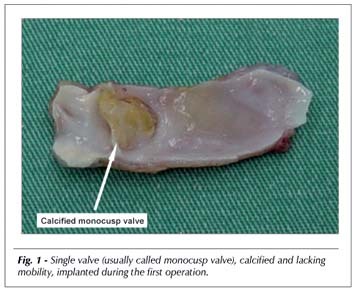
A six-year-old child was suffering from pulmonary atresia with ventricular septal defect after a total correction at 1 year of age using a bovine pericardial monocusp valve in the reconstruction of the right ventricle outflow tract. The infant evolved with significant pulmonary valve regurgitation (PVR) and right ventricle dysfunction. On reoperation, a cryopreserved pulmonary homograft (CPH) was implanted with annuloplasty utilizing a Delrin ring with the aim of avoiding geometric distortion of the vessel. After two years, an echocardiogram proved a similar state to the immediate postoperative period with slight pulmonary valve regurgitation and normal right ventricular function suggesting that this maneuver may be used as coadjuvant treatment to optimize the result of CPH implantation.

  • Bronchial arteries
  • Congenital
  • Heart Defects
  • Pulmonary Atresia
Read Full Article
Creative Commons Attribution (CC BY) Creative Commons license
15/06/2007 DOI: 10.1590/S0066-782X2007000500025 Views 2
Isolated noncompaction of the myocardium
ABC
Case Report

Isolated noncompaction of the myocardium

Dinaldo Cavalcanti de Oliveira et al. Marcelo Menezes Malta Jairo Alves Pinheiro Leopoldo Soares Piegas

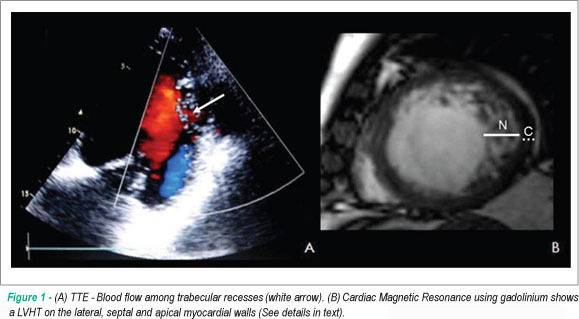
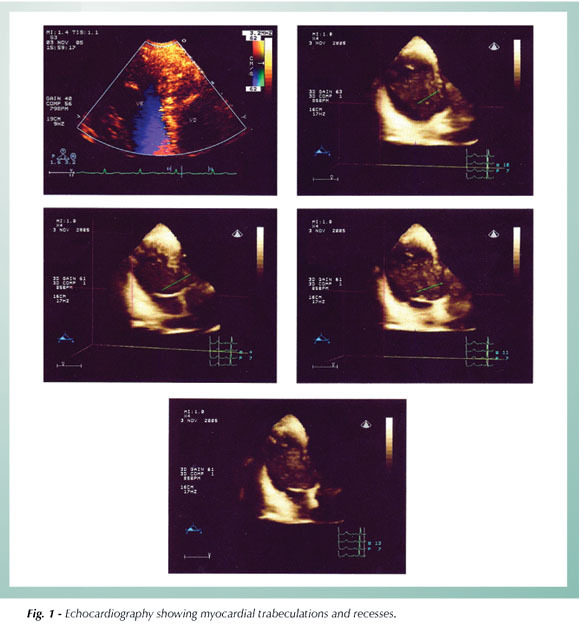
Noncompacted myocardium (NCM) is a rare congenital heart disease, first reported 15 years ago and with only a few published cases. In this paper, we report the main clinical findings and the complementary exams that suports NCM diagnostic. Discretion of anamnesis and physical examination, together with characteristic image complementary exams findings of symptomatic NCM. (Case report). The clinical assessment and the electrocardiogram at the admission found bigeminism ventricular. A tridimensional Doppler echocardiogram was performed and showed numerous and prominent myocardium trabeculations and deep intertrabecular recess filled with blood that communicate with the ventricular cavity, more present in the septal-apical area. Magnetic resonance imaging supported the echocardiographic findings and ruled out the presence of others cardiac malformations. The clinical and imaging complementary exams filled out the touchstones that support isolated NCM diagnose. Is important to know that suggestive NCM findings permits an earlier diagnostic and treatment.

  • Congenital
  • Heart
  • Heart Defects
  • Ventricular Dysfunction
Read Full Article
Creative Commons Attribution (CC BY) Creative Commons license
20/03/2007 DOI: 10.1590/S0066-782X2007000200021 Views 1

How to cite this article

EndNote RIS

Electronic Document Format (Vancouver)

Witkowski SM, Torres RB, Pereira AF, Guerra CM, Wilde MOR, Sene LF, Soares MF, et al. Prevalence of Critical Congenital Heart Disease Detected in the Pulse Oximetry Test in Asymptomatic Newborns, ≥35 Gestational Weeks, in a Maternity in Southern Brazil. International Journal of Cardiovascular Sciences 2024;37:e20230065.

Electronic Document Format (ABNT)

Witkowski, Sandra Mara; Torres, Rafael Bertoldi; Pereira, Aline Fernanda; Guerra, Carolina Marchi; Wilde, Marco Otílio Rodrigues; Sene, Leonardo Fonseca; Soares, Marcelo França; Cruz, Thor Ferreira da. Prevalence of Critical Congenital Heart Disease Detected in the Pulse Oximetry Test in Asymptomatic Newborns, ≥35 Gestational Weeks, in a Maternity in Southern Brazil. International Journal of Cardiovascular Sciences, v. 37, e20230065, Mar. 2024.

Electronic Document Format (APA)

Witkowski, S. M., Torres, R. B., Pereira, A. F., Guerra, C. M., Wilde, M. O. R., Sene, L. F., Soares, M. F., & Cruz, T. F. (2024). Prevalence of Critical Congenital Heart Disease Detected in the Pulse Oximetry Test in Asymptomatic Newborns, ≥35 Gestational Weeks, in a Maternity in Southern Brazil. International Journal of Cardiovascular Sciences, 37, e20230065.

Electronic Document Format (ISO)

Witkowski, Sandra Mara and Torres, Rafael Bertoldi and Pereira, Aline Fernanda and Guerra, Carolina Marchi and Wilde, Marco Otílio Rodrigues and Sene, Leonardo Fonseca and Soares, Marcelo França and Cruz, Thor Ferreira da. Prevalence of Critical Congenital Heart Disease Detected in the Pulse Oximetry Test in Asymptomatic Newborns, ≥35 Gestational Weeks, in a Maternity in Southern Brazil. International Journal of Cardiovascular Sciences [online]. 2024, vol. 37, [cited 2026-10-14], e20230065. Available from: <https://journals.cardiol.br/en/article/prevalence-of-critical-congenital-heart-disease-detected-in-the-pulse-oximetry-test-in-asymptomatic-newborns-%e2%89%a535-gestational-weeks-in-a-maternity-in-southern-brazil/>. ISSN 2359-4802

EndNote RIS

Electronic Document Format (Vancouver)

Vertematti S. Physical Activity and Quality of Life in Children with Congenital Heart Diseases: A Public Health Issue. Arquivos Brasileiros de Cardiologia 2023;120(9):e20230634.

Electronic Document Format (ABNT)

Vertematti, Silvana. Physical Activity and Quality of Life in Children with Congenital Heart Diseases: A Public Health Issue. Arquivos Brasileiros de Cardiologia, v. 120, n. 9, e20230634, Oct. 2023.

Electronic Document Format (APA)

Vertematti, S. (2023). Physical Activity and Quality of Life in Children with Congenital Heart Diseases: A Public Health Issue. Arquivos Brasileiros de Cardiologia, 120(9), e20230634.

Electronic Document Format (ISO)

Vertematti, Silvana. Physical Activity and Quality of Life in Children with Congenital Heart Diseases: A Public Health Issue. Arquivos Brasileiros de Cardiologia [online]. 2023, vol. 120, n. 9, [cited 2026-10-14], e20230634. Available from: <https://journals.cardiol.br/en/article/physical-activity-and-quality-of-life-in-children-with-congenital-heart-diseases-a-public-health-issue/>. ISSN 0066-782X

EndNote RIS

Electronic Document Format (Vancouver)

Alves M, Morcerf FAP, Amaral CSS. Cor Triatriatum Sinistrum in an Asymptomatic Adult: A Case Report. ABC Imagem Cardiovascular 2022;35(3):eabc280.

Electronic Document Format (ABNT)

Alves, Mauro; Morcerf, Fernando Antonio de Portugal; Amaral, Cynara Silvia Sousa do. Cor Triatriatum Sinistrum in an Asymptomatic Adult: A Case Report. ABC Imagem Cardiovascular, v. 35, n. 3, eabc280, Jul. 2022.

Electronic Document Format (APA)

Alves, M., Morcerf, F. A. P., & Amaral, C. S. S. (2022). Cor Triatriatum Sinistrum in an Asymptomatic Adult: A Case Report. ABC Imagem Cardiovascular, 35(3), eabc280.

Electronic Document Format (ISO)

Alves, Mauro and Morcerf, Fernando Antonio de Portugal and Amaral, Cynara Silvia Sousa do. Cor Triatriatum Sinistrum in an Asymptomatic Adult: A Case Report. ABC Imagem Cardiovascular [online]. 2022, vol. 35, n. 3, [cited 2026-10-14], eabc280. Available from: <https://journals.cardiol.br/en/article/cor-triatriatum-sinistrum-in-an-asymptomatic-adult-a-case-report/>. ISSN 2318-8219

EndNote RIS

Electronic Document Format (Vancouver)

Kreuzig DL. My Approach to Imaging the Atrial Septal Defect by Three-Dimensional Echocardiography. ABC Imagem Cardiovascular 2022;35(2):ecom32.

Electronic Document Format (ABNT)

Kreuzig, Daniela Lago. My Approach to Imaging the Atrial Septal Defect by Three-Dimensional Echocardiography. ABC Imagem Cardiovascular, v. 35, n. 2, ecom32, Jun. 2022.

Electronic Document Format (APA)

Kreuzig, D. L. (2022). My Approach to Imaging the Atrial Septal Defect by Three-Dimensional Echocardiography. ABC Imagem Cardiovascular, 35(2), ecom32.

Electronic Document Format (ISO)

Kreuzig, Daniela Lago. My Approach to Imaging the Atrial Septal Defect by Three-Dimensional Echocardiography. ABC Imagem Cardiovascular [online]. 2022, vol. 35, n. 2, [cited 2026-10-14], ecom32. Available from: <https://journals.cardiol.br/en/article/my-approach-to-imaging-the-atrial-septal-defect-by-three-dimensional-echocardiography/>. ISSN 2318-8219

EndNote RIS

Electronic Document Format (Vancouver)

Guerra VC. My approach to the diagnosis of congenital coronary anomalies by transthoracic echocardiography. Arquivos Brasileiros de Cardiologia Imagem cardiovascular 2022;34(4):ecom16.

Electronic Document Format (ABNT)

Guerra, Vitor Coimbra. My approach to the diagnosis of congenital coronary anomalies by transthoracic echocardiography. Arquivos Brasileiros de Cardiologia Imagem cardiovascular, v. 34, n. 4, ecom16, Mar. 2022.

Electronic Document Format (APA)

Guerra, V. C. (2022). My approach to the diagnosis of congenital coronary anomalies by transthoracic echocardiography. Arquivos Brasileiros de Cardiologia Imagem cardiovascular, 34(4), ecom16.

Electronic Document Format (ISO)

Guerra, Vitor Coimbra. My approach to the diagnosis of congenital coronary anomalies by transthoracic echocardiography. Arquivos Brasileiros de Cardiologia Imagem cardiovascular [online]. 2022, vol. 34, n. 4, [cited 2026-10-14], ecom16. Available from: <https://journals.cardiol.br/en/article/my-approach-to-the-diagnosis-of-congenital-coronary-anomalies-by-transthoracic-echocardiography/>. ISSN 2318-8219

EndNote RIS

Electronic Document Format (Vancouver)

Souza GG, Guimarães AFM, Wang R, Castilho SRT, Tonelli HAF, Araújo FDR. Role of Transthoracic Echocardiography in the Diagnosis of Double Aortic Arch. Arquivos Brasileiros de Cardiologia Imagem cardiovascular 2022;35(1):eabc267.

Electronic Document Format (ABNT)

Souza, Guilherme Gomes de; Guimarães, Adriana Furletti Machado; Wang, Ricardo; Castilho, Sandra Regina Tolentino; Tonelli, Henrique de Assis Fonseca; Araújo, Fátima Derlene da Rocha. Role of Transthoracic Echocardiography in the Diagnosis of Double Aortic Arch. Arquivos Brasileiros de Cardiologia Imagem cardiovascular, v. 35, n. 1, eabc267, Mar. 2022.

Electronic Document Format (APA)

Souza, G. G. , Guimarães, A. F. M., Wang, R., Castilho, S. R. T., Tonelli, H. A. F., & Araújo, F. D. R. (2022). Role of Transthoracic Echocardiography in the Diagnosis of Double Aortic Arch. Arquivos Brasileiros de Cardiologia Imagem cardiovascular, 35(1), eabc267.

Electronic Document Format (ISO)

Souza, Guilherme Gomes de and Guimarães, Adriana Furletti Machado and Wang, Ricardo and Castilho, Sandra Regina Tolentino and Tonelli, Henrique de Assis Fonseca and Araújo, Fátima Derlene da Rocha. Role of Transthoracic Echocardiography in the Diagnosis of Double Aortic Arch. Arquivos Brasileiros de Cardiologia Imagem cardiovascular [online]. 2022, vol. 35, n. 1, [cited 2026-10-14], eabc267. Available from: <https://journals.cardiol.br/en/article/role-of-transthoracic-echocardiography-in-the-diagnosis-of-double-aortic-arch/>. ISSN 2318-8219

EndNote RIS

Electronic Document Format (Vancouver)

Grassi MS, Montenegro M, Zanardo EA, Pastorino AC, Dorna MB, Kim C, Jatene M, et al. Cytogenomics Investigation of Infants with Congenital Heart Disease: Experience of a Brazilian Center. Arquivos Brasileiros de Cardiologia 2022;118(1):61-7.

Electronic Document Format (ABNT)

Grassi, Marcília Sierro; Montenegro, Marília; Zanardo, Evelin Aline; Pastorino, Antonio Carlos; Dorna, Mayra Barros; Kim, Chong; Jatene, Marcelo; Miura, Nana; Kulikowski, Leslie; Carneiro-Sampaio, Magda. Cytogenomics Investigation of Infants with Congenital Heart Disease: Experience of a Brazilian Center. Arquivos Brasileiros de Cardiologia, v. 118, n. 1, p. 61-67, Feb. 2022.

Electronic Document Format (APA)

Grassi, M. S., Montenegro, M., Zanardo, E. A., Pastorino, A. C., Dorna, M. B., Kim, C., Jatene, M., Miura, N., Kulikowski, L., & Carneiro-Sampaio, M. (2022). Cytogenomics Investigation of Infants with Congenital Heart Disease: Experience of a Brazilian Center. Arquivos Brasileiros de Cardiologia, 118(1), 61-67.

Electronic Document Format (ISO)

Grassi, Marcília Sierro and Montenegro, Marília and Zanardo, Evelin Aline and Pastorino, Antonio Carlos and Dorna, Mayra Barros and Kim, Chong and Jatene, Marcelo and Miura, Nana and Kulikowski, Leslie and Carneiro-Sampaio, Magda. Cytogenomics Investigation of Infants with Congenital Heart Disease: Experience of a Brazilian Center. Arquivos Brasileiros de Cardiologia [online]. 2022, vol. 118, n. 1, [cited 2026-10-14], pp. 61-67. Available from: <https://journals.cardiol.br/en/article/cytogenomics-investigation-of-infants-with-congenital-heart-disease-experience-of-a-brazilian-center/>. ISSN 0066-782X

EndNote RIS

Electronic Document Format (Vancouver)

Faria B, Calvo L, Ribeiro S, Ruivo C, Lourenço A. Anomalous Origin of the Circumflex Coronary Artery from the Right Pulmonary Artery: Diagnosis Through Cardiac CT. Arquivos Brasileiros de Cardiologia 2021;117(1 suppl 1):8-11.

Electronic Document Format (ABNT)

Faria, Bebiana; Calvo, Lucy; Ribeiro, Sílvia; Ruivo, Catarina; Lourenço, António. Anomalous Origin of the Circumflex Coronary Artery from the Right Pulmonary Artery: Diagnosis Through Cardiac CT. Arquivos Brasileiros de Cardiologia, v. 117, n. 1 suppl 1, p. 8-11, Jul. 2021.

Electronic Document Format (APA)

Faria, B., Calvo, L., Ribeiro, S., Ruivo, C., & Lourenço, A. (2021). Anomalous Origin of the Circumflex Coronary Artery from the Right Pulmonary Artery: Diagnosis Through Cardiac CT. Arquivos Brasileiros de Cardiologia, 117(1 suppl 1), 8-11.

Electronic Document Format (ISO)

Faria, Bebiana and Calvo, Lucy and Ribeiro, Sílvia and Ruivo, Catarina and Lourenço, António. Anomalous Origin of the Circumflex Coronary Artery from the Right Pulmonary Artery: Diagnosis Through Cardiac CT. Arquivos Brasileiros de Cardiologia [online]. 2021, vol. 117, n. 1 suppl 1, [cited 2026-10-14], pp. 8-11. Available from: <https://journals.cardiol.br/en/article/anomalous-origin-of-the-circumflex-coronary-artery-from-the-right-pulmonary-artery-diagnosis-through-cardiac-ct/>. ISSN 0066-782X

EndNote RIS

Electronic Document Format (Vancouver)

Grassi MS, Jacob CMA, Kulikowski LD, Pastorino AC, Dutra RL, Miura N, Jatene MB, et al. Congenital Heart Disease as a Warning Sign for the Diagnosis of the 22q11.2 Deletion. Arquivos Brasileiros de Cardiologia 2014;103(5):382-90.

Electronic Document Format (ABNT)

Grassi, Marcília S.; Jacob, Cristina M. A.; Kulikowski, Leslie D.; Pastorino, Antonio C.; Dutra, Roberta L.; Miura, Nana; Jatene, Marcelo B.; Pegler, Stephanie P.; Kim, Chong A.; Carneiro-Sampaio, Magda. Congenital Heart Disease as a Warning Sign for the Diagnosis of the 22q11.2 Deletion. Arquivos Brasileiros de Cardiologia, v. 103, n. 5, p. 382-390, Oct. 2014.

Electronic Document Format (APA)

Grassi, M. S., Jacob, C. M. A., Kulikowski, L. D., Pastorino, A. C., Dutra, R. L., Miura, N., Jatene, M. B., Pegler, S. P., Kim, C. A., & Carneiro-Sampaio, M. (2014). Congenital Heart Disease as a Warning Sign for the Diagnosis of the 22q11.2 Deletion. Arquivos Brasileiros de Cardiologia, 103(5), 382-390.

Electronic Document Format (ISO)

Grassi, Marcília S. and Jacob, Cristina M. A. and Kulikowski, Leslie D. and Pastorino, Antonio C. and Dutra, Roberta L. and Miura, Nana and Jatene, Marcelo B. and Pegler, Stephanie P. and Kim, Chong A. and Carneiro-Sampaio, Magda. Congenital Heart Disease as a Warning Sign for the Diagnosis of the 22q11.2 Deletion. Arquivos Brasileiros de Cardiologia [online]. 2014, vol. 103, n. 5, [cited 2026-10-14], pp. 382-390. Available from: <https://journals.cardiol.br/en/article/congenital-heart-disease-as-a-warning-sign-for-the-diagnosis-of-the-22q11-2-deletion/>. ISSN 0066-782X

EndNote RIS

Electronic Document Format (Vancouver)

Finsterer J, Stöllberger C. Is Sildenafil a Therapeutic Option for Noncompaction?. Arquivos Brasileiros de Cardiologia 2014;103(3):264-5.

Electronic Document Format (ABNT)

Finsterer, Josef; Stöllberger, Claudia. Is Sildenafil a Therapeutic Option for Noncompaction?. Arquivos Brasileiros de Cardiologia, v. 103, n. 3, p. 264-265, Aug. 2014.

Electronic Document Format (APA)

Finsterer, J., & Stöllberger, C. (2014). Is Sildenafil a Therapeutic Option for Noncompaction?. Arquivos Brasileiros de Cardiologia, 103(3), 264-265.

Electronic Document Format (ISO)

Finsterer, Josef and Stöllberger, Claudia. Is Sildenafil a Therapeutic Option for Noncompaction?. Arquivos Brasileiros de Cardiologia [online]. 2014, vol. 103, n. 3, [cited 2026-10-14], pp. 264-265. Available from: <https://journals.cardiol.br/en/article/is-sildenafil-a-therapeutic-option-for-noncompaction/>. ISSN 0066-782X

EndNote RIS

Electronic Document Format (Vancouver)

Trevisan P, Zen TD, Rosa RFM, Silva JN, Koshiyama DB, Paskulin GA, Zen PRG, et al. Chromosomal abnormalities in patients with congenital heart disease. Arquivos Brasileiros de Cardiologia 2013;101(6):

Electronic Document Format (ABNT)

Trevisan, Patrícia; Zen, Tatiana Diehl; Rosa, Rafael Fabiano Machado; Silva, Juliane Nascimento da; Koshiyama, Dayane Bohn; Paskulin, Giorgio Adriano; Zen, Paulo Ricardo Gazzola. Chromosomal abnormalities in patients with congenital heart disease. Arquivos Brasileiros de Cardiologia, v. 101, n. 6, Oct. 2013.

Electronic Document Format (APA)

Trevisan, P., Zen, T. D., Rosa, R. F. M., Silva, J. N. , Koshiyama, D. B., Paskulin, G. A., & Zen, P. R. G. (2013). Chromosomal abnormalities in patients with congenital heart disease. Arquivos Brasileiros de Cardiologia, 101(6), .

Electronic Document Format (ISO)

Trevisan, Patrícia and Zen, Tatiana Diehl and Rosa, Rafael Fabiano Machado and Silva, Juliane Nascimento da and Koshiyama, Dayane Bohn and Paskulin, Giorgio Adriano and Zen, Paulo Ricardo Gazzola. Chromosomal abnormalities in patients with congenital heart disease. Arquivos Brasileiros de Cardiologia [online]. 2013, vol. 101, n. 6, [cited 2026-10-14], Available from: <https://journals.cardiol.br/en/article/chromosomal-abnormalities-in-patients-with-congenital-heart-disease/>. ISSN 0066-782X

EndNote RIS

Electronic Document Format (Vancouver)

Xiao J, Chen L, Wang X, Liu M, Xiao Y. eNOS correlates with mitochondrial biogenesis in hearts of congenital heart disease with cyanosis. Arquivos Brasileiros de Cardiologia 2012;99(3):780-8.

Electronic Document Format (ABNT)

Xiao, Juan; Chen, Lin; Wang, Xuefeng; Liu, Mei; Xiao, Yingbin. eNOS correlates with mitochondrial biogenesis in hearts of congenital heart disease with cyanosis. Arquivos Brasileiros de Cardiologia, v. 99, n. 3, p. 780-788, Aug. 2012.

Electronic Document Format (APA)

Xiao, J., Chen, L., Wang, X., Liu, M., & Xiao, Y. (2012). eNOS correlates with mitochondrial biogenesis in hearts of congenital heart disease with cyanosis. Arquivos Brasileiros de Cardiologia, 99(3), 780-788.

Electronic Document Format (ISO)

Xiao, Juan and Chen, Lin and Wang, Xuefeng and Liu, Mei and Xiao, Yingbin. eNOS correlates with mitochondrial biogenesis in hearts of congenital heart disease with cyanosis. Arquivos Brasileiros de Cardiologia [online]. 2012, vol. 99, n. 3, [cited 2026-10-14], pp. 780-788. Available from: <https://journals.cardiol.br/en/article/enos-correlates-with-mitochondrial-biogenesis-in-hearts-of-congenital-heart-disease-with-cyanosis/>. ISSN 0066-782X

EndNote RIS

Electronic Document Format (Vancouver)

Lopes LM, Silva JP, Fonseca L, Meiken S, Salvador ABC, Fernandes GSS. Atypical truncus arteriosus operated at 28 years of age: importance of differential diagnosis. Arquivos Brasileiros de Cardiologia 2011;97(2):e29-32.

Electronic Document Format (ABNT)

Lopes, Lilian Maria; Silva, Jose Pedro da; Fonseca, Luciana da; Meiken, Sonia; Salvador, André Bavaresco Cristóvão; Fernandes, Gustavo Spadaccia dos Santos. Atypical truncus arteriosus operated at 28 years of age: importance of differential diagnosis. Arquivos Brasileiros de Cardiologia, v. 97, n. 2, p. e29-e32, Oct. 2011.

Electronic Document Format (APA)

Lopes, L. M., Silva, J. P. , Fonseca, L. , Meiken, S., Salvador, A. B. C., & Fernandes, G. S. S. (2011). Atypical truncus arteriosus operated at 28 years of age: importance of differential diagnosis. Arquivos Brasileiros de Cardiologia, 97(2), e29-e32.

Electronic Document Format (ISO)

Lopes, Lilian Maria and Silva, Jose Pedro da and Fonseca, Luciana da and Meiken, Sonia and Salvador, André Bavaresco Cristóvão and Fernandes, Gustavo Spadaccia dos Santos. Atypical truncus arteriosus operated at 28 years of age: importance of differential diagnosis. Arquivos Brasileiros de Cardiologia [online]. 2011, vol. 97, n. 2, [cited 2026-10-14], pp. e29-e32. Available from: <https://journals.cardiol.br/en/article/atypical-truncus-arteriosus-operated-at-28-years-of-age-importance-of-differential-diagnosis/>. ISSN 0066-782X

EndNote RIS

Electronic Document Format (Vancouver)

Lenzi AW, Olandoski M, Ferreira WS, Sallum FS, Miyague NI. Dysfunction of the pulmonary homograft used in the reconstruction of the right ventricle exit tract. Arquivos Brasileiros de Cardiologia 2010;96(1):02-7.

Electronic Document Format (ABNT)

Lenzi, Andréa Weirich; Olandoski, Márcia; Ferreira, Wanderley Saviolo; Sallum, Fabio Said; Miyague, Nelson Itiro. Dysfunction of the pulmonary homograft used in the reconstruction of the right ventricle exit tract. Arquivos Brasileiros de Cardiologia, v. 96, n. 1, p. 02-07, Dec. 2010.

Electronic Document Format (APA)

Lenzi, A. W., Olandoski, M., Ferreira, W. S., Sallum, F. S., & Miyague, N. I. (2010). Dysfunction of the pulmonary homograft used in the reconstruction of the right ventricle exit tract. Arquivos Brasileiros de Cardiologia, 96(1), 02-07.

Electronic Document Format (ISO)

Lenzi, Andréa Weirich and Olandoski, Márcia and Ferreira, Wanderley Saviolo and Sallum, Fabio Said and Miyague, Nelson Itiro. Dysfunction of the pulmonary homograft used in the reconstruction of the right ventricle exit tract. Arquivos Brasileiros de Cardiologia [online]. 2010, vol. 96, n. 1, [cited 2026-10-14], pp. 02-07. Available from: <https://journals.cardiol.br/en/article/dysfunction-of-the-pulmonary-homograft-used-in-the-reconstruction-of-the-right-ventricle-exit-tract/>. ISSN 0066-782X

EndNote RIS

Electronic Document Format (Vancouver)

Nacif MS, Luz JHM, Moreira DM, Rochitte CE, Oliveira Júnior AC. Anomalous origin of Coronary Artery (ALCAPA) in 64-channel TC scanner. Arquivos Brasileiros de Cardiologia 2010;94(6):143-6.

Electronic Document Format (ABNT)

Nacif, Marcelo Souto; Luz, José Hugo Mendes; Moreira, Denise Madeira; Rochitte, Carlos Eduardo; Oliveira Júnior, Amarino Carvalho de. Anomalous origin of Coronary Artery (ALCAPA) in 64-channel TC scanner. Arquivos Brasileiros de Cardiologia, v. 94, n. 6, p. 143-146, Jul. 2010.

Electronic Document Format (APA)

Nacif, M. S., Luz, J. H. M., Moreira, D. M., Rochitte, C. E., & Oliveira Júnior, A. C. (2010). Anomalous origin of Coronary Artery (ALCAPA) in 64-channel TC scanner. Arquivos Brasileiros de Cardiologia, 94(6), 143-146.

Electronic Document Format (ISO)

Nacif, Marcelo Souto and Luz, José Hugo Mendes and Moreira, Denise Madeira and Rochitte, Carlos Eduardo and Oliveira Júnior, Amarino Carvalho de. Anomalous origin of Coronary Artery (ALCAPA) in 64-channel TC scanner. Arquivos Brasileiros de Cardiologia [online]. 2010, vol. 94, n. 6, [cited 2026-10-14], pp. 143-146. Available from: <https://journals.cardiol.br/en/article/anomalous-origin-of-coronary-artery-alcapa-in-64-channel-tc-scanner/>. ISSN 0066-782X

EndNote RIS

Electronic Document Format (Vancouver)

Huber J, Peres VC, Santos TJ, Beltrão LF, Baumont AC, Cañedo AD, Schaan BD, et al. Congenital heart diseases in a reference service: clinical evolution and associated illnesses. Arquivos Brasileiros de Cardiologia 2010;94(3):333-8.

Electronic Document Format (ABNT)

Huber, Janaína; Peres, Vivian Catarino; Santos, Tiago Jeronimo dos; Beltrão, Lauro da Fontoura; Baumont, Angélica Cerveira de; Cañedo, Andrés Delgado; Schaan, Beatriz D’Agord; Pellanda, Lucia Campos. Congenital heart diseases in a reference service: clinical evolution and associated illnesses. Arquivos Brasileiros de Cardiologia, v. 94, n. 3, p. 333-338, Apr. 2010.

Electronic Document Format (APA)

Huber, J., Peres, V. C., Santos, T. J. , Beltrão, L. F., Baumont, A. C. , Cañedo, A. D., Schaan, B. D., & Pellanda, L. C. (2010). Congenital heart diseases in a reference service: clinical evolution and associated illnesses. Arquivos Brasileiros de Cardiologia, 94(3), 333-338.

Electronic Document Format (ISO)

Huber, Janaína and Peres, Vivian Catarino and Santos, Tiago Jeronimo dos and Beltrão, Lauro da Fontoura and Baumont, Angélica Cerveira de and Cañedo, Andrés Delgado and Schaan, Beatriz D’Agord and Pellanda, Lucia Campos. Congenital heart diseases in a reference service: clinical evolution and associated illnesses. Arquivos Brasileiros de Cardiologia [online]. 2010, vol. 94, n. 3, [cited 2026-10-14], pp. 333-338. Available from: <https://journals.cardiol.br/en/article/congenital-heart-diseases-in-a-reference-service-clinical-evolution-and-associated-illnesses/>. ISSN 0066-782X

EndNote RIS

Electronic Document Format (Vancouver)

Jaramillo A, Ramírez A, Galleguillos L, Vallejos J, Illanes S. Ischemic stroke as the first manifestation of severe ventricular hypertrabeculation/non-compaction. Arquivos Brasileiros de Cardiologia 2010;94(3):e88-90.

Electronic Document Format (ABNT)

Jaramillo, Arturo; Ramírez, Alfredo; Galleguillos, Lorna; Vallejos, José; Illanes, Sergio. Ischemic stroke as the first manifestation of severe ventricular hypertrabeculation/non-compaction. Arquivos Brasileiros de Cardiologia, v. 94, n. 3, p. e88-e90, Apr. 2010.

Electronic Document Format (APA)

Jaramillo, A., Ramírez, A., Galleguillos, L., Vallejos, J., & Illanes, S. (2010). Ischemic stroke as the first manifestation of severe ventricular hypertrabeculation/non-compaction. Arquivos Brasileiros de Cardiologia, 94(3), e88-e90.

Electronic Document Format (ISO)

Jaramillo, Arturo and Ramírez, Alfredo and Galleguillos, Lorna and Vallejos, José and Illanes, Sergio. Ischemic stroke as the first manifestation of severe ventricular hypertrabeculation/non-compaction. Arquivos Brasileiros de Cardiologia [online]. 2010, vol. 94, n. 3, [cited 2026-10-14], pp. e88-e90. Available from: <https://journals.cardiol.br/en/article/ischemic-stroke-as-the-first-manifestation-of-severe-ventricular-hypertrabeculation-non-compaction/>. ISSN 0066-782X

EndNote RIS

Electronic Document Format (Vancouver)

Ferraz HA, Batista LA, Sant’Anna FM, Buczynski LC, Brito MB, Barrozo CAM. Adult patient with anomalous origin of anterior interventricular artery at main pulmonary artery. Arquivos Brasileiros de Cardiologia 2008;90(6):e42-4.

Electronic Document Format (ABNT)

Ferraz, Haroldo Adans; Batista, Leonardo Alves; Sant’Anna, Fernando Mendes; Buczynski, Leonardo da Costa; Brito, Marcelo Bastos; Barrozo, Carlos Alberto Mussel. Adult patient with anomalous origin of anterior interventricular artery at main pulmonary artery. Arquivos Brasileiros de Cardiologia, v. 90, n. 6, p. e42-e44, Jun. 2008.

Electronic Document Format (APA)

Ferraz, H. A., Batista, L. A., Sant’Anna, F. M., Buczynski, L. C., Brito, M. B., & Barrozo, C. A. M. (2008). Adult patient with anomalous origin of anterior interventricular artery at main pulmonary artery. Arquivos Brasileiros de Cardiologia, 90(6), e42-e44.

Electronic Document Format (ISO)

Ferraz, Haroldo Adans and Batista, Leonardo Alves and Sant’Anna, Fernando Mendes and Buczynski, Leonardo da Costa and Brito, Marcelo Bastos and Barrozo, Carlos Alberto Mussel. Adult patient with anomalous origin of anterior interventricular artery at main pulmonary artery. Arquivos Brasileiros de Cardiologia [online]. 2008, vol. 90, n. 6, [cited 2026-10-14], pp. e42-e44. Available from: <https://journals.cardiol.br/en/article/adult-patient-with-anomalous-origin-of-anterior-interventricular-artery-at-main-pulmonary-artery/>. ISSN 0066-782X

EndNote RIS

Electronic Document Format (Vancouver)

Vieira TCL, Trigo M, Alonso RR, Ribeiro RHC, Cardoso MRA, Cardoso ACA, Cardoso MAA, et al. Assessment of food intake in infants between 0 and 24 months with congenital heart disease. Arquivos Brasileiros de Cardiologia 2008;89(4):219-24.

Electronic Document Format (ABNT)

Vieira, Tais Cleto Lopes; Trigo, Marlene; Alonso, Rosiris Roco; Ribeiro, Regina Helena Cunha; Cardoso, Maria Regina Alves; Cardoso, Antonio Carlos Alves; Cardoso, Maria Aparecida Alves. Assessment of food intake in infants between 0 and 24 months with congenital heart disease. Arquivos Brasileiros de Cardiologia, v. 89, n. 4, p. 219-224, Apr. 2008.

Electronic Document Format (APA)

Vieira, T. C. L., Trigo, M., Alonso, R. R., Ribeiro, R. H. C., Cardoso, M. R. A., Cardoso, A. C. A., & Cardoso, M. A. A. (2008). Assessment of food intake in infants between 0 and 24 months with congenital heart disease. Arquivos Brasileiros de Cardiologia, 89(4), 219-224.

Electronic Document Format (ISO)

Vieira, Tais Cleto Lopes and Trigo, Marlene and Alonso, Rosiris Roco and Ribeiro, Regina Helena Cunha and Cardoso, Maria Regina Alves and Cardoso, Antonio Carlos Alves and Cardoso, Maria Aparecida Alves. Assessment of food intake in infants between 0 and 24 months with congenital heart disease. Arquivos Brasileiros de Cardiologia [online]. 2008, vol. 89, n. 4, [cited 2026-10-14], pp. 219-224. Available from: <https://journals.cardiol.br/en/article/assessment-of-food-intake-in-infants-between-0-and-24-months-with-congenital-heart-disease/>. ISSN 0066-782X

EndNote RIS

Electronic Document Format (Vancouver)

Croti UA, Braile DM, Godoy MF, Ramirez V, Beani L, Moscadini AC. Annuloplasty of cryopreserved pulmonary homograft with Delrin stent in pulmonary atresia with ventricular septal defect. Arquivos Brasileiros de Cardiologia 2007;88(5):e118-20.

Electronic Document Format (ABNT)

Croti, Ulisses Alexandre; Braile, Domingo Marcolino; Godoy, Moacir Fernandes de; Ramirez, Vladimir; Beani, Lilian; Moscadini, Aírton Camacho. Annuloplasty of cryopreserved pulmonary homograft with Delrin stent in pulmonary atresia with ventricular septal defect. Arquivos Brasileiros de Cardiologia, v. 88, n. 5, p. e118-e120, Jun. 2007.

Electronic Document Format (APA)

Croti, U. A., Braile, D. M., Godoy, M. F. , Ramirez, V., Beani, L., & Moscadini, A. C. (2007). Annuloplasty of cryopreserved pulmonary homograft with Delrin stent in pulmonary atresia with ventricular septal defect. Arquivos Brasileiros de Cardiologia, 88(5), e118-e120.

Electronic Document Format (ISO)

Croti, Ulisses Alexandre and Braile, Domingo Marcolino and Godoy, Moacir Fernandes de and Ramirez, Vladimir and Beani, Lilian and Moscadini, Aírton Camacho. Annuloplasty of cryopreserved pulmonary homograft with Delrin stent in pulmonary atresia with ventricular septal defect. Arquivos Brasileiros de Cardiologia [online]. 2007, vol. 88, n. 5, [cited 2026-10-14], pp. e118-e120. Available from: <https://journals.cardiol.br/en/article/annuloplasty-of-cryopreserved-pulmonary-homograft-with-delrin-stent-in-pulmonary-atresia-with-ventricular-septal-defect/>. ISSN 0066-782X

EndNote RIS

Electronic Document Format (Vancouver)

Oliveira DC, Malta MM, Pinheiro JA, Piegas LS. Isolated noncompaction of the myocardium. Arquivos Brasileiros de Cardiologia 2007;88(2):e36-9.

Electronic Document Format (ABNT)

Oliveira, Dinaldo Cavalcanti de; Malta, Marcelo Menezes; Pinheiro, Jairo Alves; Piegas, Leopoldo Soares. Isolated noncompaction of the myocardium. Arquivos Brasileiros de Cardiologia, v. 88, n. 2, p. e36-e39, Mar. 2007.

Electronic Document Format (APA)

Oliveira, D. C. , Malta, M. M., Pinheiro, J. A., & Piegas, L. S. (2007). Isolated noncompaction of the myocardium. Arquivos Brasileiros de Cardiologia, 88(2), e36-e39.

Electronic Document Format (ISO)

Oliveira, Dinaldo Cavalcanti de and Malta, Marcelo Menezes and Pinheiro, Jairo Alves and Piegas, Leopoldo Soares. Isolated noncompaction of the myocardium. Arquivos Brasileiros de Cardiologia [online]. 2007, vol. 88, n. 2, [cited 2026-10-14], pp. e36-e39. Available from: <https://journals.cardiol.br/en/article/isolated-noncompaction-of-the-myocardium-3/>. ISSN 0066-782X

  • About ABC Family
  • Internal Regulation
  • Editorial Board
  • Brazilian Society of Cardiology (SBC)

Issues

SBC Guidelines

  • Videos
  • Podcasts
  • News