| IJCS
ABC Family Arquivos Brasileiros de Cardiologia International Journal of Cardiovascular Sciences ABC Heart Failure & Cardiomyopathy ABC Imagem Cardiovascular
Português English
ABC Family | IJCS
Português English
  • About
    • About the Journal
    • Internal Regulation
    • Editors Section
    • Editorial Board
    • SBC Award
  • Instructions to Authors
    • Guidelines for Publication
    • Editorial Policy
    • Ethics Policy
    • Policy on the Use of Artificial Intelligence
    • Mandatory Publication Form
    • Publication Fee
  • Issues
  • SBC Guidelines
  • Abstracts
    • How to Publish an Abstract Supplement?
    • Published Supplements
  • About
    • About the Journal
    • Internal Regulation
    • Editors Section
    • Editorial Board
    • SBC Award
  • Instructions to Authors
    • Guidelines for Publication
    • Editorial Policy
    • Ethics Policy
    • Policy on the Use of Artificial Intelligence
    • Mandatory Publication Form
    • Publication Fee
  • Issues
  • SBC Guidelines
  • Abstracts
    • How to Publish an Abstract Supplement?
    • Published Supplements

ABC Family

  • ABC Family
  • Arquivos Brasileiros de Cardiologia
  • International Journal of Cardiovascular Sciences
  • ABC Heart Failure & Cardiomyopathy
  • ABC Imagem Cardiovascular
Search in

No content found.

Journals
Ordering
Article types
Others

  1. Home
  2. IJCS
  3. Issues
  4. 2021, Volume 34, Number 1
Editorial

Elevated Lipoprotein(A) in Children and Adolescents: Early Identification is Key for Successful Intervention

Sergio Emanuel Kaiser

Over the last decades, numerous studies have demonstrated that elevated lipoprotein (Lp)(a) is a powerful and independent risk factor for coronary heart disease,, ischemic stroke, and calcific aortic stenosis. Even in patients treated with statins who achieve LDL-cholesterol goals below 70 mg/dL, elevated Lp(a) levels remain independently related to an increased risk of atherosclerotic events.

The LDL particle has a unique molecular structure, as exemplified by its covalent bond with an apolipoprotein(a) that bears resemblance to plasminogen and may well represent an evolutionary deviation of this well-known plasmin precursor. Lp(a) is synthesized by the liver and the amount of circulating particles in the bloodstream is almost exclusively determined by inheritance, leaving very little space for environmental influence. The distribution of Lp(a) levels in the population is highly skewed with approximately 80% of people exhibiting plasma concentrations below 50 mg/dL, and the remaining 20% with a wide range of values above that limit.

[…]

  • Adolescents
  • Aortic Stenosis
  • Atherosclerosis
  • Child
  • Coronary Artery Diseases
  • Lipoprotein(a)
  • Statins/therapeutic, use
Read Full Article
Creative Commons Attribution (CC BY) Creative Commons license
01/02/2021 DOI: 10.36660/ijcs.20200303
Figure 1A
Editorial

Risk Prediction Systems: One for all or all for Some

Jorge Paiter et al. Gláucia Maria Moraes de Oliveira

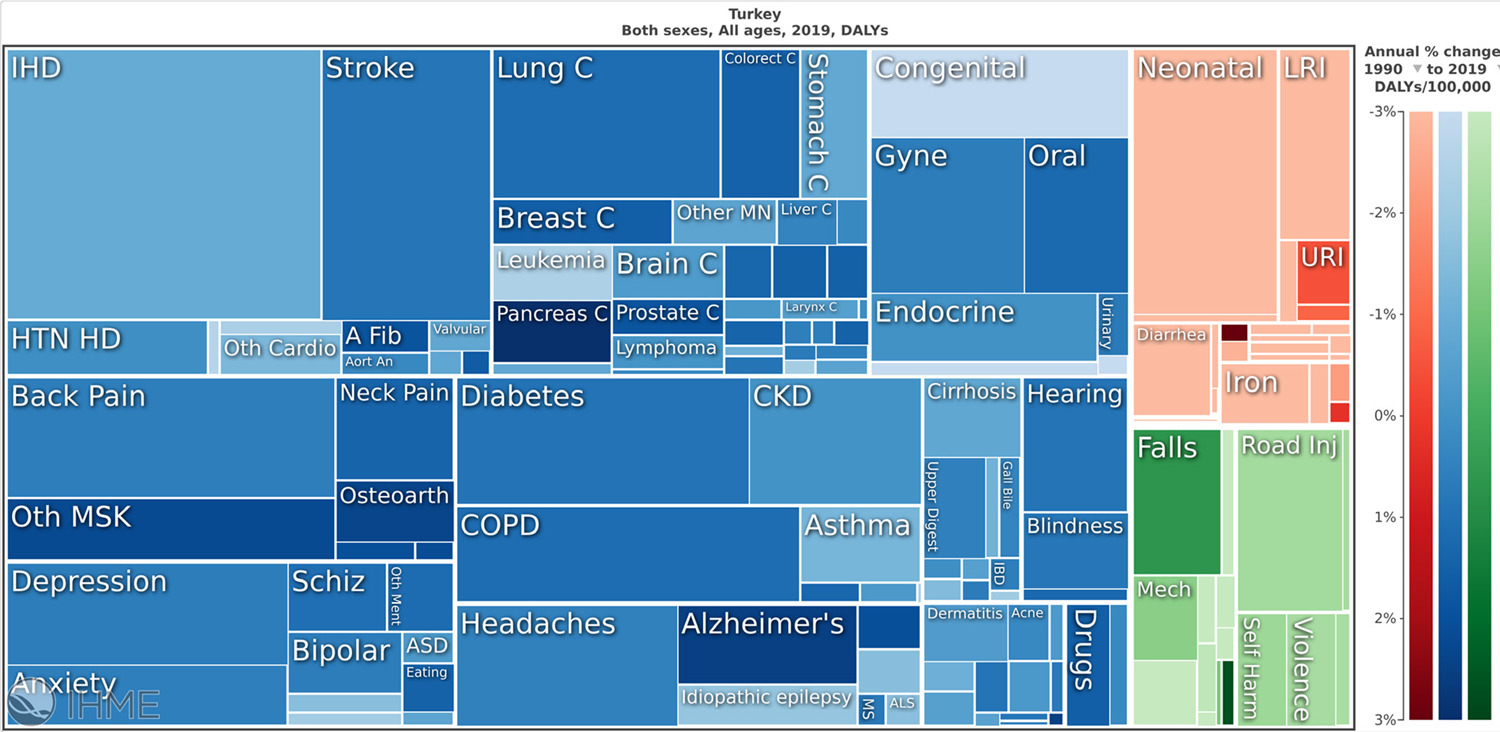
Cardiovascular diseases (CVD) are the main cause of death in Brazil and worldwide, determining an increase in morbidity and disability-adjusted life years (DALYs). The prevalence of CVD increased from 271 million (95% uncertainty interval [UI]: 257–285) in 1990 to 523 million (95% UI: 497–550) in 2019, and the number of deaths steadily grew from 12.1 million (95% UI: 11.4–12.6) in 1990 to 18.6 million (95% UI: 17.1–19.7) in 2019 in the 21 world regions analyzed by the Global Burden of Disease (GBD) 2019 study. The prevalence of CVD is likely to increase in Northern Africa and Western Asia, Central and Southern Asia, Eastern and Southeastern Asia, and Latin America and the Caribbean due to population growth and aging.

Ischemic heart disease (IHD) is part of this heterogeneous group of disorders, in which an acute coronary event is the first manifestation in approximately half of the cases., The total number of DALYs due to IHD has risen steadily since 1990, reaching 182 million (95% UI: 170-194) DALYs and 9.14 million (95% UI: 8.40-9.74) deaths in 2019. The GBD 2019 study has estimated 197 million (95% UI: 178-220) prevalent cases of IHD in 2019.

[…]

  • Cardiovascular Diseases
  • Coronary Artery Disease
  • coronary atherosclerosis
  • Morbidity
  • Risk Factors
Read Full Article
Creative Commons Attribution (CC BY) Creative Commons license
01/02/2021 DOI: 10.36660/ijcs.20200372
Editorial

Impact of Continuing Education on the Quality of Blood Pressure Measurement

Erika Campana et al. Bruno Daniel Ferrari

Cardiovascular diseases are the leading cause of death worldwide, and a key risk factor for these diseases—hypertension—is unquestionably the most prevalent disease in the population. Cardiovascular semiology is extremely important in the setting of hypertension (HTN), since the determination of blood pressure values through established indirect measurement techniques plays an essential role in initiating further diagnostic investigation, prompting treatment, and allowing monitoring of patients with HTN. The environment in which measurement is performed; the patient’s dietary habits, use of tobacco and alcohol, and engagement in physical activity before measurement; the adequacy of cuff size in relation to the limb; and proper cuff positioning are among the several important aspects which may interfere with measurement reliability. In this context, assessing the technical knowledge of healthcare providers is critical to preventing diagnostic errors.

Differences in magnitude between office BP and mean daytime BP can be attributed both to the environment and to the technical quality of blood pressure measurement by the examiner. Beckett et al. obtained an average of three manual BP readings from 481 hypertensive patients in family practices. The average clinic BP (151/83 mmHg) was significantly (P<0.001) higher than the daytime mean BP measured by ambulatory blood pressure monitoring (ABPM) (142/80 mmHg).

[…]

  • Blood Pressure
  • Cardiovascular Diseases, mortality
  • Diet
  • Hypertension/complications
  • Physical activity
  • Quality of life
Read Full Article
Creative Commons Attribution (CC BY) Creative Commons license
01/02/2021 DOI: 10.36660/ijcs.20200275
Figure 1
Review Article

Transcatheter Interatrial Shunts for the Treatment of Heart Failure with Preserved Ejection Fraction

Anju Bhardwaj et al. Vishal Y. Parikh Ajith Nair

Abstract

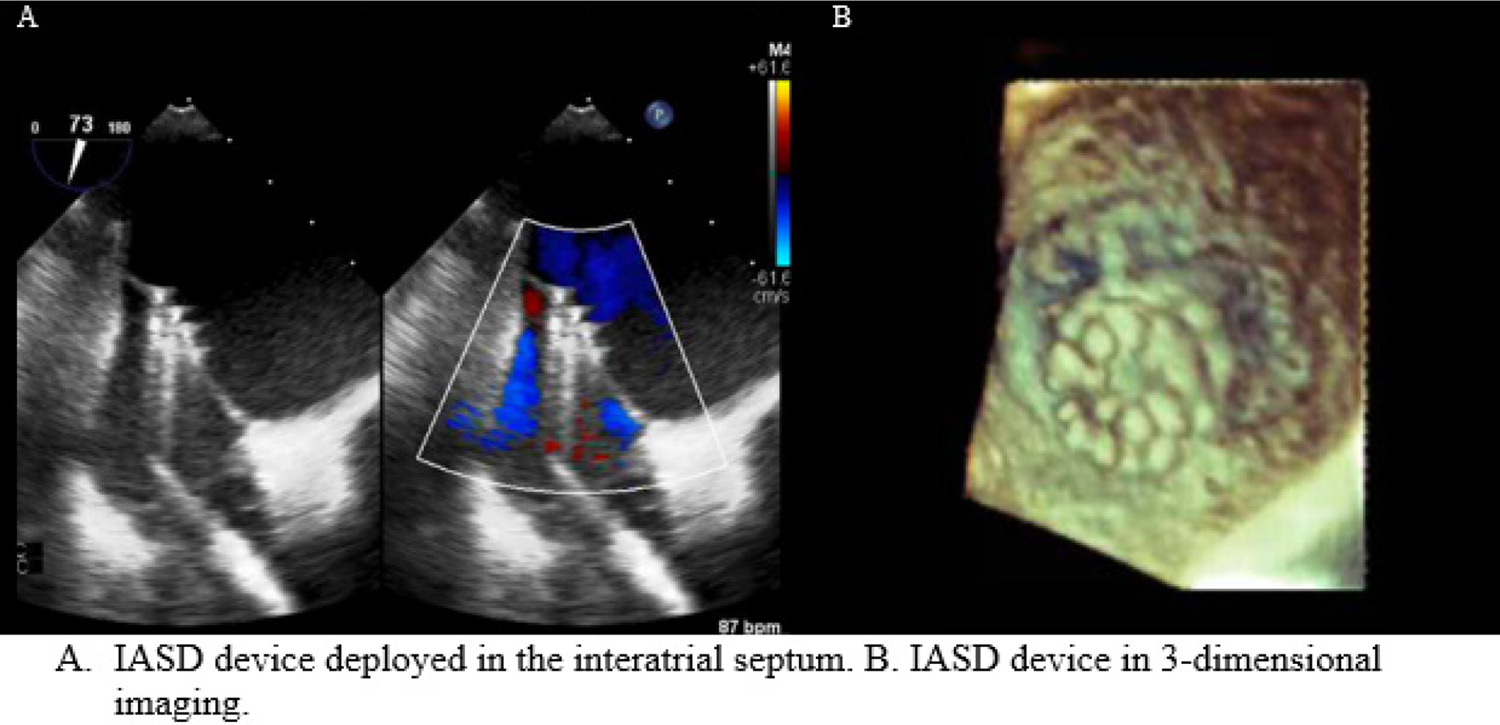
Heart failure with preserved ejection fraction (HFpEF) is a clinical syndrome, which accounts for about 50% of patients with heart failure (HF). The morbidity and mortality associated with HFpEF is similar to HFrEF. Clinical trials to date have failed to show a benefit of medical therapy for HFpEF, which may due to lack of uniform phenotypes and heterogeneous population. In addition, medical therapy proven for HFrEF may not address the pathophysiologic basis for HFpEF. Left atrial remodeling and dysfunction is central to HFpEF and accounts for secondary pulmonary hypertension and pulmonary vascular congestion that frequently occurs with exertion. Interatrial shunts represent a novel treatment modality for HFpEF. These shunts allow for left atrial decongestion and a reduction in pulmonary venous hypertension during exercise leading to improvements in hemodynamics, functional status and quality of life. Trials to date have demonstrated safety and short-term efficacy of these devices for HFpEF. The long-term benefits are currently being evaluated in ongoing trials. If effective, the use of interatrial shunts may be a new therapeutic paradigm for the treatment of HFpEF.

  • Heart Atria
  • Heart Failure
  • Hypertrophy Left Ventricular
  • Stroke Volume
  • transcatheter
Read Full Article
Creative Commons Attribution (CC BY) Creative Commons license
01/02/2021 DOI: 10.36660/ijcs.20200236 Views 2
Editorial

Study of Arterial Stiffness – Based on Scientific Evidence, What are the Current Tools for the Study of Arterial Stiffness?

Ronaldo Rodrigues

One of the biggest challenges in modern medicine is the early identification of patients with higher cardiovascular risks. The early identification of vascular damage in hypertensive patients is a challenge for cardiologists around the world in their attempt to reduce the risk of cardiovascular complications in patients.

We know how important it is today to measure the thickness of the carotid intima-media complex through ultrasound examination in order to identify a greater or lesser cardiovascular risk. Arterial stiffness has proven to be a marker of arterial disease, which is why it has become an important parameter for the assessment of cardiovascular risk. It is also well-known that ventricular ejection generates a pressure wave that travels through the heart at a certain speed, which is known as the pulse wave velocity (PWV). The study of PWV in the carotid and femoral arteries is considered the gold standard in the assessment of arterial stiffness.

[…]

  • Blood Pressure
  • Carotid Intima-Media Thickness
  • Elasticity: Circulatory System
  • Pulse Wave Analysis
  • Vascular Stiffness
Read Full Article
Creative Commons Attribution (CC BY) Creative Commons license
01/02/2021 DOI: 10.36660/ijcs.20200282 Views 1
Figure 1
Viewpoint

Health Promotion to Reduce Hypertension Patients’ Vulnerability to Coronavirus Disease-19 (COVID-19)

Charles Nsanzabera

Abstract

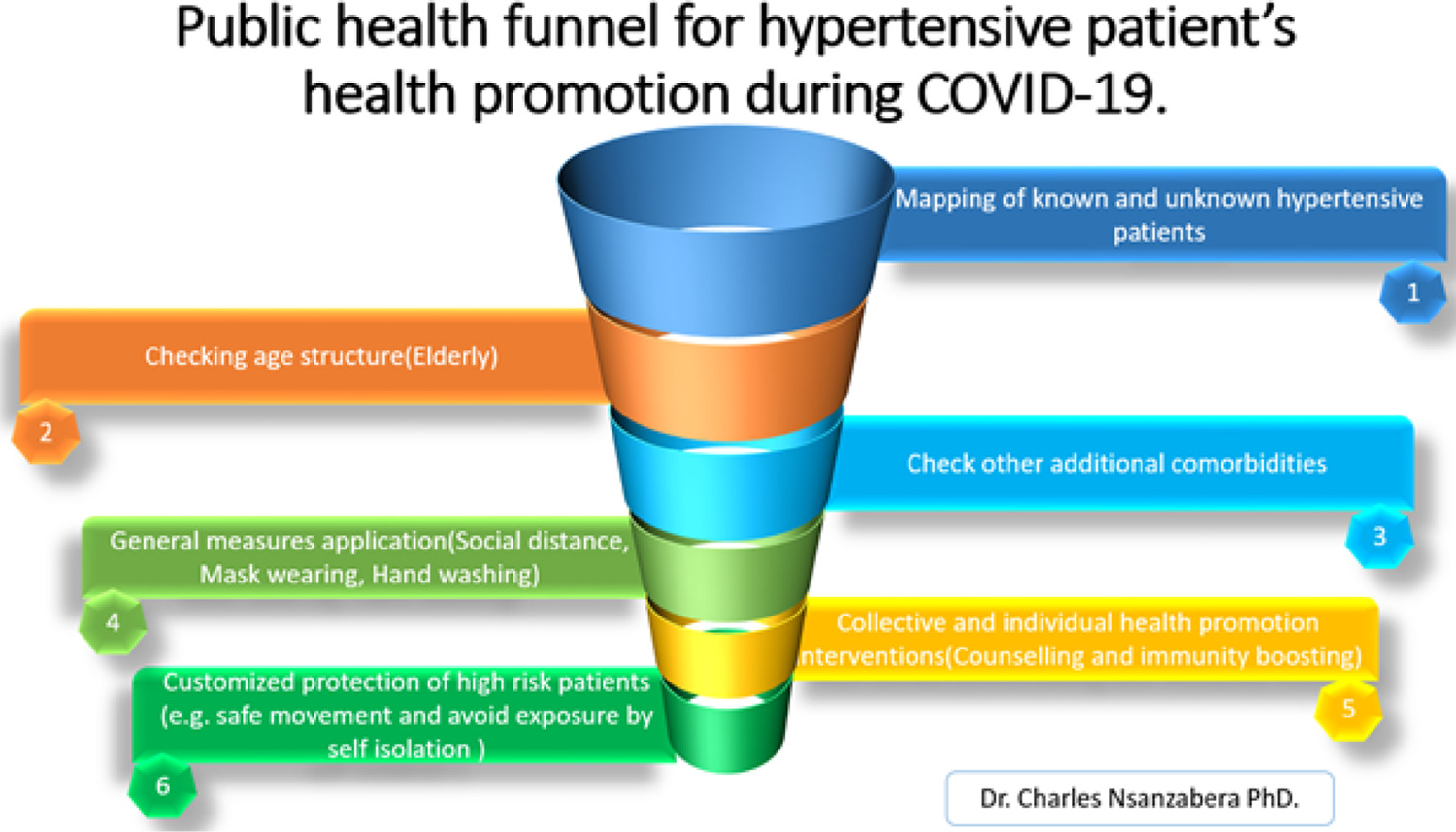
Hypertension remains a prominent risk factor for cardiovascular diseases. It is not a coincidence that 23% to 30% of coronavirus disease-19 (COVID-19) confirmed cases are hypertensive patients, and the case-fatality rate of adult COVID-19 cases with hypertension was estimated at 6%. It is important that hypertensive patients be aware of their vulnerability to COVID-19, which may be achieved by a health promotion program in addition to preventive measures.

  • antihypertensive agents
  • Betacoronavirus
  • COVID-19
  • Health Promotion
  • Hypertension/complications
Read Full Article
Creative Commons Attribution (CC BY) Creative Commons license
01/02/2021 DOI: 10.36660/ijcs.20200147 Views 1
Figure 1
Review Article

Aromatherapy in Patients with Cardiovascular Diseases: A Systematic Review

Lissandra de Souza Lopes et al. Daiana Bündchen Felipe Cardozo Modesto Monica Quintão … Sergio Chermont Ana Carla Dantas Cavalcanti Evandro Tinoco Mesquita

Abstract

Background

Aromatherapy consists in the use of volatile aromatic compounds of plant essential oils. Application methods include massage, baths, and mainly inhalation. Lavender essential oil is considered the most effective treatment for emotional disorders, such as stress and anxiety, due to its anxiolytic and sedative agents, which are known to interfere with physiological cardiovascular reactions.

Objectives

To investigate the effects of aromatherapy using lavender essential oil on hemodynamic responses and emotional aspects of patients with cardiovascular diseases.

Methods

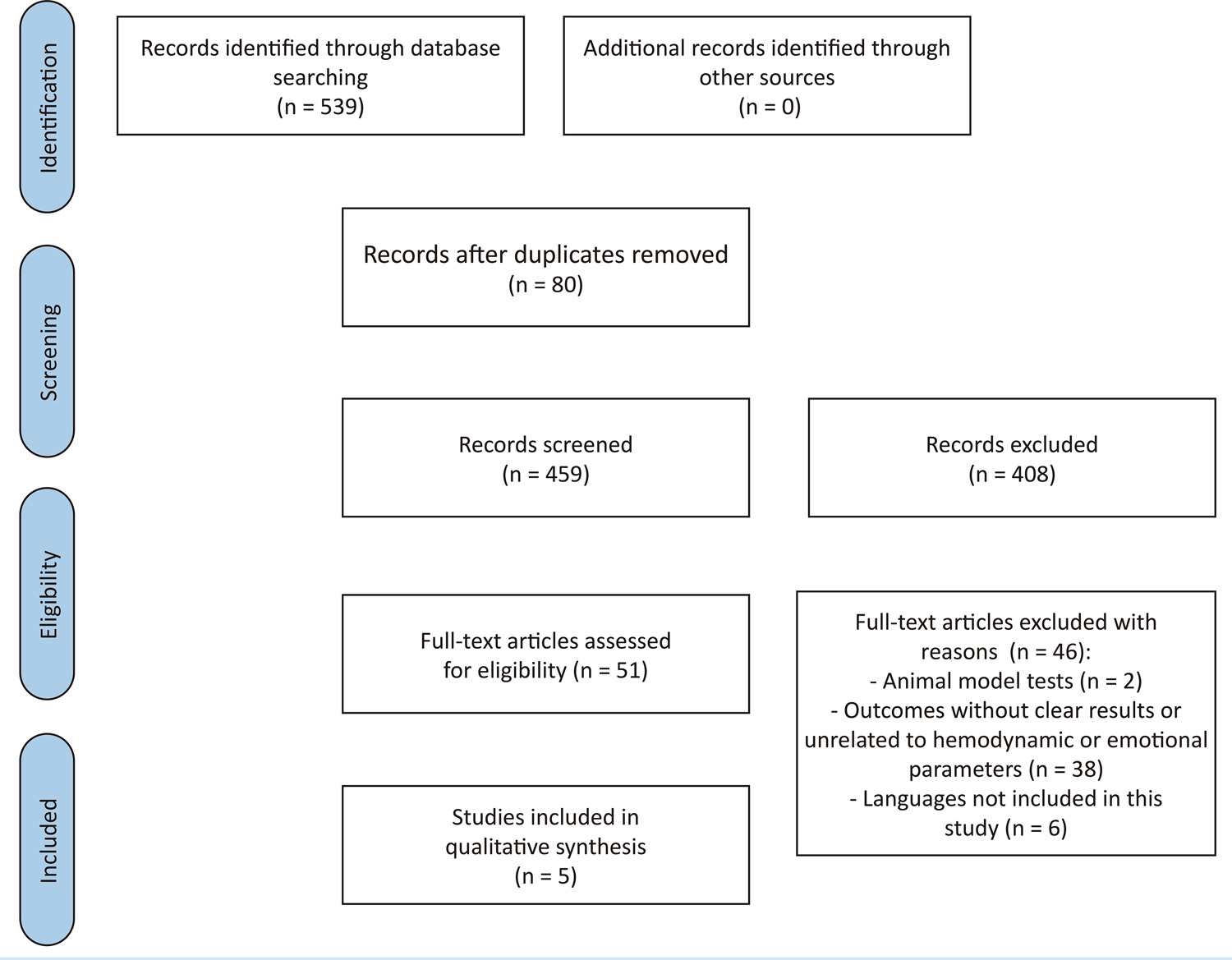
A systematic review was conducted using Embase, Bireme, MEDLINE, PEDro, and Scopus electronic databases. Randomized clinical trials that evaluated hemodynamic and emotional outcomes using interventions with lavender essential oil in patients with cardiovascular diseases were selected. Of 539 studies initially identified, 51 were read in full and only 5 were eligible for inclusion.

Results

Reductions were demonstrated in hemodynamic responses, such as systolic and diastolic blood pressure, mean arterial pressure, and heart rate, as well as a decrease in anxiety, depression, stress, and fatigue compared with the control group. Statistical significance was set at p<0.05. Conclusion: Aromatherapy with the use of lavender essential oil provided benefits to hemodynamic parameters, such as anxiety, stress, depression, and fatigue levels, in patients with cardiovascular diseases. (Int J Cardiovasc Sci. 2020; [online].ahead print, PP.0-0)

  • Anxiety
  • Aromatherapy
  • Cardiovascular Diseases
  • Hemodynamics
  • Lavandula
  • systematic review
Read Full Article
Creative Commons Attribution (CC BY) Creative Commons license
23/11/2020 DOI: 10.36660/ijcs.20190086 Views 1
Original Article

The Role of Cardiovascular Risk Factors and Risk Scoring Systems in Predicting Coronary Atherosclerosis

Suat Gormel et al. Uygar Cagdas Yuksel Murat Celik Salim Yasar … Erkan Yildirim Baris Bugan Yalcin Gokoglan Hasan Kutsi Kabul Salim Yasar Mustafa Köklü Cem Barçın

Abstract

Background

Comparative data on the performance of cardiovascular risk scoring systems (CRSSs) in patients with severe coronary artery disease (CAD) are lacking.

Objectives

To compare different CRSSs regarding their ability to discriminate patients with severe CAD.

Method

A total of 414 patients (297 men; 61.3±12.3 years of age) undergoing coronary angiography were enrolled and evaluated for major risk factors. Cardiovascular risk and risk category were defined for each patient using the Framingham, Systemic Coronary Risk Evaluation (SCORE), and Pooled Cohort Risk Assessment Equation (PCRAE) tools. Severe CAD was defined as ≥ 50% stenosis in at least one major coronary artery and/or previous coronary stenting or coronary artery bypass grafting. A p < 0.05 was considered statistically significant.

Results

Severe CAD was identified in 271 (65.4%) patients. The ROC curves of the 3 CRSSs for predicting severe CAD were compared and showed no significant difference: the area under the ROC curve was 0.727, 0.694, and 0.717 for the Framingham, SCORE, and PCRAE tools, respectively (p > 0.05). However, when individual patients were classified as having low, intermediate, or high cardiovascular risk, the rate of patients in the high-risk group was significantly different between the PCRAE, Framingham, and SCORE tools (73.4%, 27.5%, and 37.9%, respectively; p < 0.001).

Discussion

PCRAE had higher positive and negative predictive values for detecting severe CAD in high-risk patients than the Framingham and SCORE tools.

Conclusion

We can speculate that currently used CRSSs are not sufficient, and new scoring systems are needed. In addition, other risk factors, such as serum creatinine, should be considered in future CRSSs. Int J Cardiovasc Sci. 2020; [online].ahead print, PP.0-0

  • Atherosclerosis
  • Cardiovascular Diseases
  • Coronary Angiography
  • Coronary Artery Diseases
  • Diabetes Mellitus
  • Epidemiology
  • Heredity
  • Hypertension
  • Renal Insufficiency
  • Risk Factors
Read Full Article
Creative Commons Attribution (CC BY) Creative Commons license
06/11/2020 DOI: 10.36660/ijcs.20190134 Views 1
Figure 1
Original Article

Effects of Inspiratory Muscle Training Using an Electronic Device on Patients Undergoing Cardiac Surgery: A Randomized Controlled Trial

João Vyctor Silva Fortes et al. Mayara Gabrielle Barbosa Borges Maria Jhany da Silva Marques Rafaella Lima Oliveira … Liana Rodrigues da Rocha Érica Miranda de Castro Mateus Souza Esquivel Daniel Lago Borges

Abstract

Background

Cardiac surgery causes pathophysiological changes that favor the occurrence of pulmonary and functional complications.

Objective

To investigate the effects of inspiratory muscle training (IMT) with an electronic device on patients undergoing cardiac surgery.

Methods

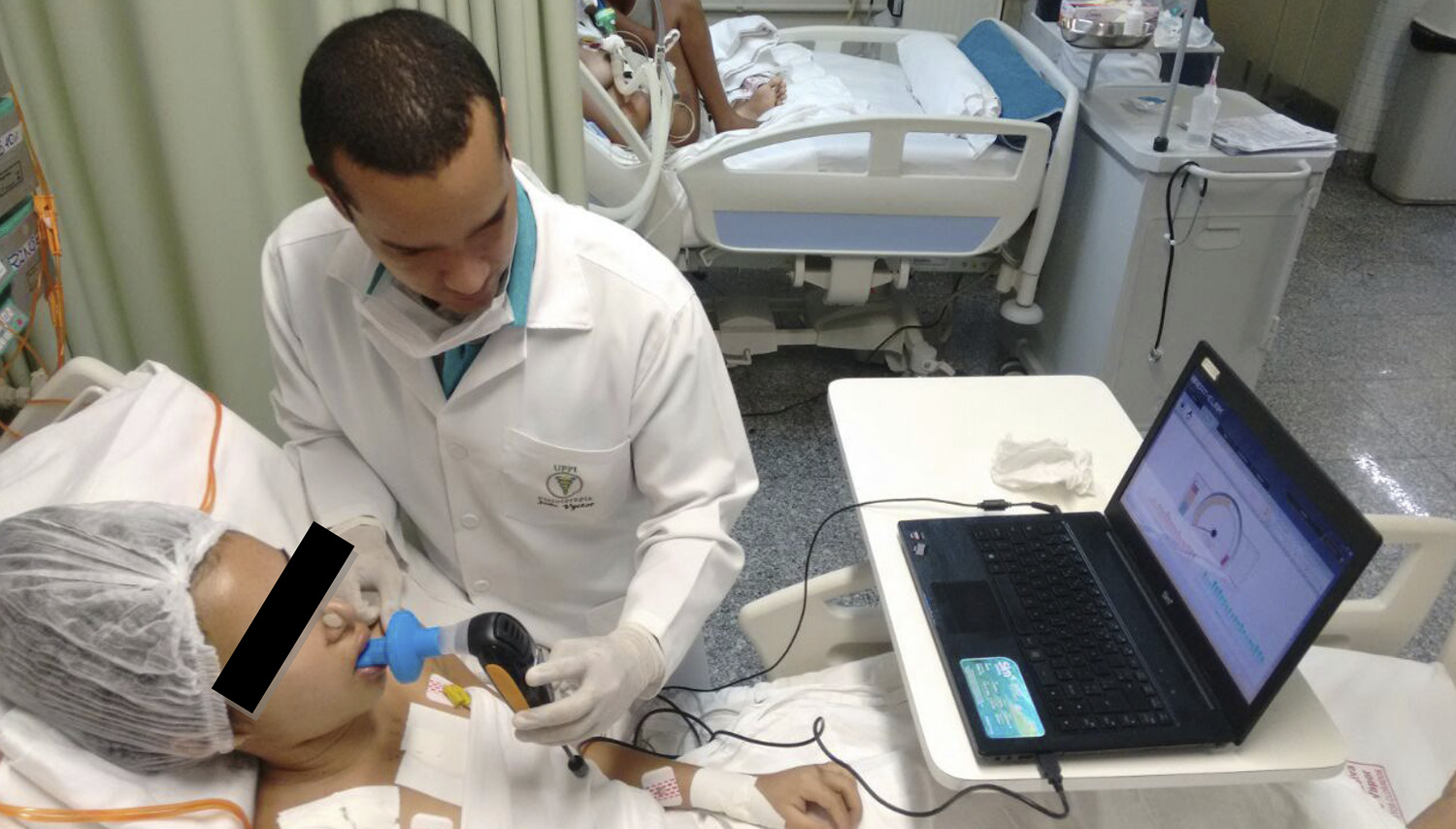
A randomized controlled trial was conducted with 30 adult patients undergoing elective cardiac surgery. A control group (CG) received conventional physical therapy care, and an intervention group (IG) received IMT using the POWERbreathe K5® electronic device. Two daily sessions of physical therapy were performed at the intensive care unit and one daily session at the ward until the sixth postoperative day. The following variables were measured preoperatively and on the sixth postoperative day, in both groups: inspiratory muscle strength, dynamic inspiratory muscle strength, and peak inspiratory flow. Data distribution was evaluated by the Shapiro-Wilk test. Analysis of variance was used, and the results were considered statistically significant when p < 0.05.

Results

Maximal inspiratory pressure (71.7 ± 17.1 cmH2O vs 63.3 ± 21.3 cmH2O; p = 0.11], S-index (52.61 ± 18.61 vs 51.08 ± 20.71), and peak inspiratory flow [(2.94 ± 1.09 vs 2.79 ± 1.26)] were maintained in the IG but had a significant reduction in the CG.

Conclusion

IMT performed with an electronic device was effective at maintaining inspiratory muscle strength, dynamic inspiratory muscle strength, and peak inspiratory flow when compared to conventional physical therapy. Int J Cardiovasc Sci. 2020; [online].ahead print, PP.0-0

  • Breathing Exercises
  • Cardiac Surgery/complications
  • Muscle Strength
  • Physiotherapy
  • Rehabilitation
  • Respiratory Tract Diseases/complications
Read Full Article
Creative Commons Attribution (CC BY) Creative Commons license
06/11/2020 DOI: 10.36660/ijcs.20190093 Views 1
Figure 1
Original Article

Door-to-balloon Time in Cardiovascular Emergency Care in a Hospital of Northern Brazil

Tárcio Sadraque Gomes Amoras et al. Taymara Barbosa Rodrigues Cláudia Ribeiro Menezes Christielaine Venzel Zaninotto Roseneide dos Santos Tavares

Abstract

Background

The use of an adequate door-to-balloon time (≤ 90 minutes) is crucial in improving the quality of care provided to patients with ST-segment elevation myocardial infarction (STEMI).

Objective

To determine the door-to-balloon time in the management of STEMI patients in a cardiovascular emergency department in a hospital of northern Brazil.

Methods

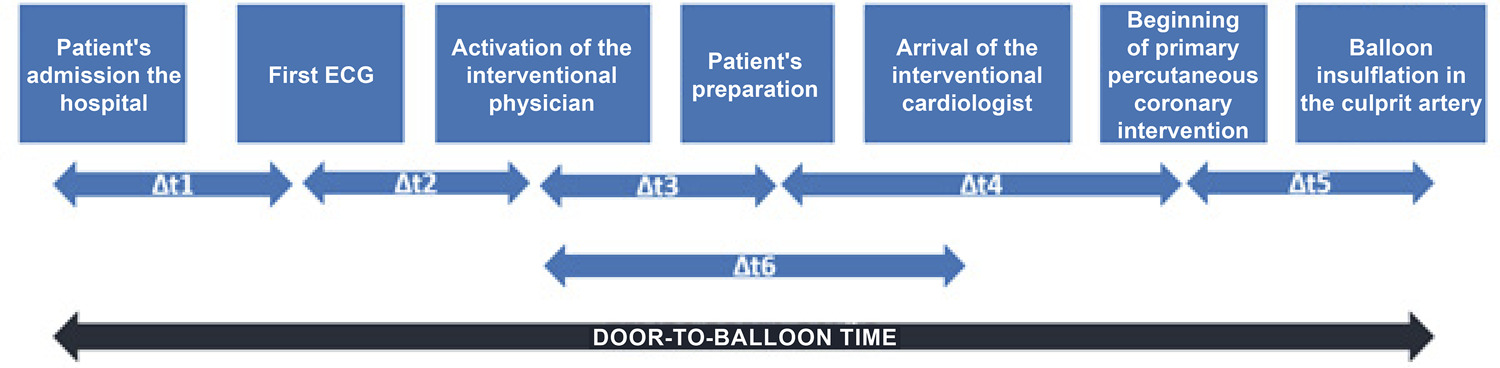
This was a cross-sectional study based on review of medical records. A total of 109 patients with STEMI admitted to the emergency department of a referral cardiology hospital in Pará State, Brazil, between May 2017 and December 2017. Correlations of the door-to-balloon time with length of hospital stay and mortality rate were assessed, as well as whether the time components of the door-to-balloon time affected the delay in performing primary percutaneous coronary intervention. Quantitative variables were analyzed by Spearman correlation and the G test was used for categorical variables. A p<0.05 was set as statistically significant.

Results

Median door-to-balloon time was 104 minutes. No significant correlation was found between door-to-balloon time and length of hospital stay or deaths, but significant correlations were found between door-to-balloon time and door-to-ECG time (p<0.001) and ECG-to-activation (of an interventional cardiologist) time (p<0.001).

Conclusion

The door-to-balloon time was longer the recommended and was not correlated with the length of hospital stay or in-hospital mortality. Door-to-ECG time and ECG-to-activation time contributed to the delay in performing the primary percutaneous coronary intervention. Int J Cardiovasc Sci. 2020; [online].ahead print, PP.0-0

  • Admitting Department, Hospital
  • Angioplasty, Balloon, Coronary
  • health care
  • Myocardial Infarction
  • Quality Indicators
  • Time to Treatment
Read Full Article
Creative Commons Attribution (CC BY) Creative Commons license
06/11/2020 DOI: 10.36660/ijcs.20190104 Views 1
Figure 1
Original Article

Risk Stratification in Chest Pain: Impact on the Diagnosis of Acute Coronary Syndrome

Ana Paula Paz Reis et al. Karen Brasil Ruschel Maria Antonieta P. de Moraes Karlyse Belli … Marco Lumertz Saffi Jaqueline Eilert Fagundes

Abstract

Background

The implementation of institutional protocols in the emergency department (ED) for risk stratification in patients with chest pain has been recommended.

Objective

To assess the sensitivity, specificity and predictive value of an institutional risk stratification protocol for chest pain suggestive of acute coronary syndrome (ACS).

Method

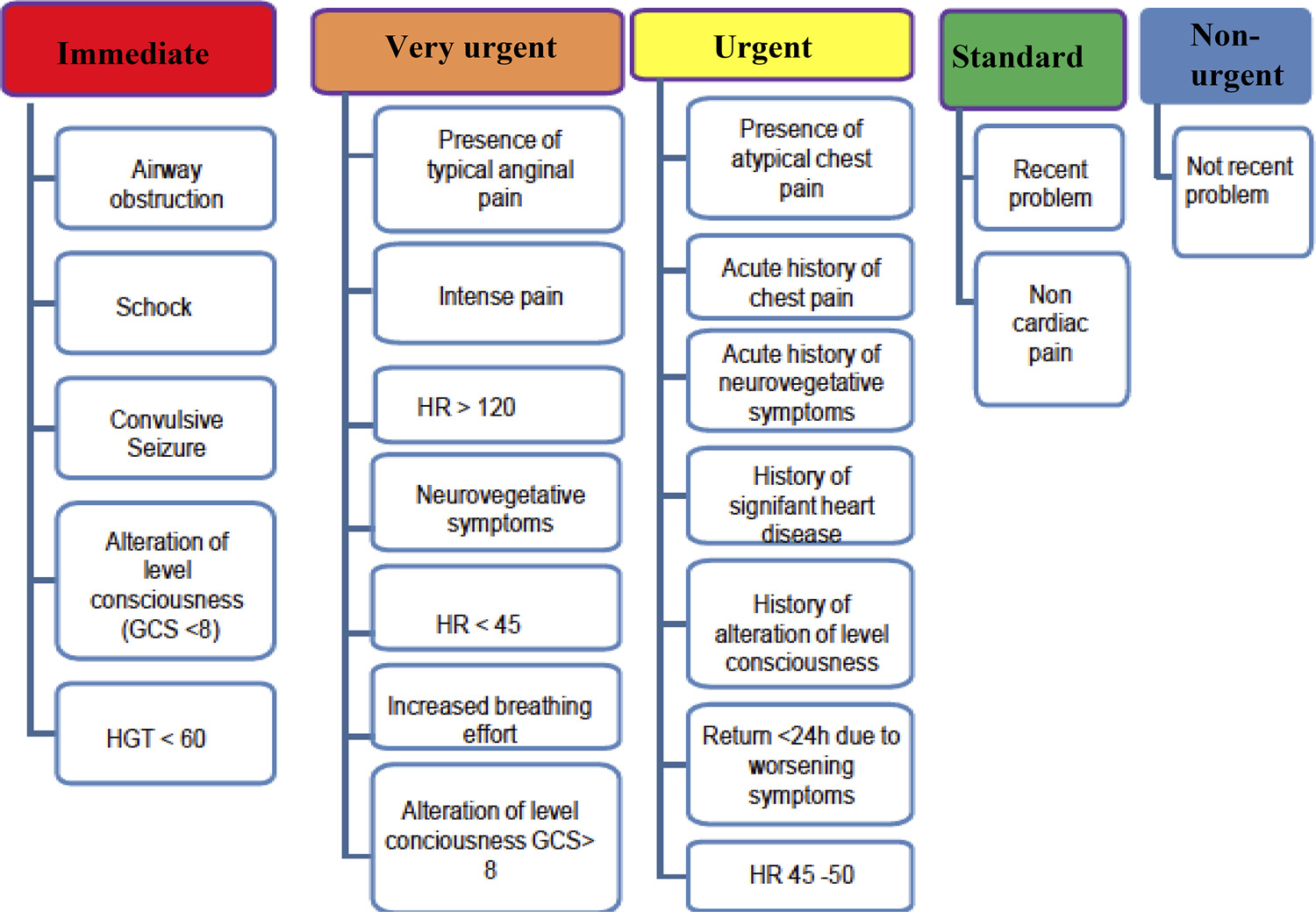
Cross-sectional study conducted based on the computerized records of patients treated with the use of a chest pain protocol adapted from the Manchester protocol. The level of risk was stratified by applying five colors representing the respective levels. Each color represents a level of severity and a maximum waiting time for receiving medical care. Red and orange were considered to be high priority, while patients with yellow, green or blue indications were considered to represent a low priority. To compare the type of diagnosis and the classification of priority for receiving care, the Pearson’s chi-square test was used, considering a significance level of p< 0.05 for all tests.

Results

The records of 1,074 patients admitted to the cardiology ED were analyzed. Men (54%), with a mean age of 60 ± 15 years, with complaints of chest pain (44%) of moderate intensity (80%) were predominant the study. Of these patients, 19% were classified as high priority, while 81% were considered to represent a low priority. ACS was confirmed in 23% of the patients, with 34% of them being classified as high priority and 66% as low priority. The sensitivity of the risk stratification protocol for chest pain was 33.7% and the specificity was 86.0%, with a positive and negative predictive value of 41.7% and 81.3%, respectively.

Conclusion

The Institutional risk stratification protocol for chest pain suggestive of ACS presented satisfactory specificity and a low degree of sensitivity. Int J Cardiovasc Sci. 2020; [online].ahead print, PP.0-0

  • Acute coronary syndrome
  • Chest Pain
  • Emergency Medical Services
  • Risk Assessment
  • Risk Factors
  • Sensitivity and Specifity
Read Full Article
Creative Commons Attribution (CC BY) Creative Commons license
28/08/2020 DOI: 10.36660/ijcs.20190178
Original Article

Carotid Intima and Media Thickness Correlation with Central Blood Pressure Measurements by Tonometric and Oscillometric Methods: A Proof of Concept

Weimar Kunz Sebba Barroso et al. Milena de Andrade Melo Priscila Valverde Vitorino Claudia Gonçalves … João Alexandre Berigó Ana Carolina Arantes Jeeziane Rezende Thiago Veiga Jardim Ana Luiza Lima Souza Paulo César Veiga Jardim

Abstract

Background

The early detection of vascular damage in subclinical stages of hypertensive disease may be the key point in the prevention of cardiovascular outcomes.

Objectives

to correlate parameters of structural vascular damage (measurement of the carotid intima-media thickness) with parameters of functional vascular damage (central hemodynamic measurements) in pre-hypertensive and hypertensive patients taking up to two classes of anti-hypertensive drugs.

Methods

This was a cross-sectional descriptive study conducted with a convenience sample of patients attending the Liga de Hipertensão Arterial , a multidisciplinary program for the diagnosis and treatment of systemic hypertension, of the Federal university of Goias. Patients with arrythmia, diabetes, previous cardiovascular or cerebrovascular diseases, and end-stage diseases were excluded. Carotid Doppler test, measurements of peripheral and central blood pressure by applanation tonometry (Sphygmocor®) and oscillometry (Mobil-O-Graph®) were performed. The t-test was used for comparisons and the Pearson correlation test for correlations, considering a p<0.05 statistically significant.

Results

twenty patients (12 women) were evaluated, mean age 53.8 ± 14.3 years. Higher values of central pulse pressure (42.9±13.9 vs. 34.7±9.6, p=0.01) and pulse wave velocity (PWV) (9.0±1.9 vs. 7.9±1.5, p=0.01) were obtained by applanation tonometry compared with oscillometry. No difference between the methods was observed for the other measures. A significant correlation was found between carotid artery intima-media thickness (CA-IMT) and PWV (r=0.659; p=0.002) by the oscillometric test, but not with applanation tonometry. No correlation was found between central hemodynamic variables and the presence of carotid artery plaques.

Conclusion

PWV, estimated by oscillometry, was the only central hemodynamic parameter that correlated significantly with CA-IMT in pre-hypertensive and hypertensive patients at low cardiovascular risk. International Journal of Cardiovascular Sciences. 2020; [online].ahead print, PP.0-0

  • Blood Pressure
  • Cardiovascular Diseases/prevention and control
  • Carotid Intima-Media Thickness
  • Hypertension
  • Manometry/ methods
  • Oscillometry/methods
  • Vascular Stiffness
Read Full Article
Creative Commons Attribution (CC BY) Creative Commons license
28/08/2020 DOI: 10.36660/ijcs.20190117 Views 1
Original Article

Improvement in Semiconductivity On The Measurement Of Blood Pressure After An Educational Intervention In Health Professionals

Cynthia Kallás Bachur et al. Sarah Silva Candido Gerlia Bernardes Silveira Samantha Gurgel Oliveira Sousa … Joao Hercos Neto Eugenia Velludo Veiga

Abstract

Background

Measuring blood pressure is a simple method, but it is subject to errors.

Objective

to evaluate the theoretical and practical knowledge of the steps of blood pressure measurement in health professionals, before and after the educational intervention.

Methods

The theoretical knowledge questionnaire on indirect blood pressure measurement was used to assess theoretical knowledge; to assess practical knowledge, the simulation strategy was applied in a standardized clinical setting and environment. The assessments were reapplied after one month. For data analysis, descriptive statistics were used.

Results

30 health professionals from different categories; 19 of whom were males aged 41 ± 9.4 years and 11 were females aged 35 ± 9.5 years. Improvement was observed in most stages of theoretical and practical knowledge when compared to pre-and post-intervention, with an emphasis on the theoretical stages: “Position of the lower limbs” 2 (6.6%) x 16 (53.3%) and “Forceps with adequate position” 1 (3.3%) x 6 (20%). In the assessment of practical knowledge, it should be highlighted: “Do not speak during the measurement” 6 (20%) x 28 (93.3%) and in the “ideal size clamp” stage 0 (0%) x 5 (16.6 %).

Conclusion

The theoretical and practical knowledge on the stages of BP measurement by health professionals in this sample was insufficient. However, after the educational intervention, there was an improvement in the technique in most stages. (International Journal of Cardiovascular Sciences. 2020; [online].ahead print, PP.0-0)

  • Blood Pressure
  • Health Personal
  • Hypertension
  • Inservice Training
  • Knowledge
  • Measument Equipment
  • questionnaires
  • Sphygmomanometers
  • Stethoscppes
Read Full Article
Creative Commons Attribution (CC BY) Creative Commons license
15/07/2020 DOI: 10.36660/ijcs.20190129 Views 3
Figure 1
Case Report

Mitral Valve Replacement with Regent Aortic Valve in Severe Mitral Stenosis

Negin Yavari et al. Mina Ghorbanpour Landy Negar Omidi Mahmoud Shirzad Seyed Hossein Ahmadi Tafti

Introduction

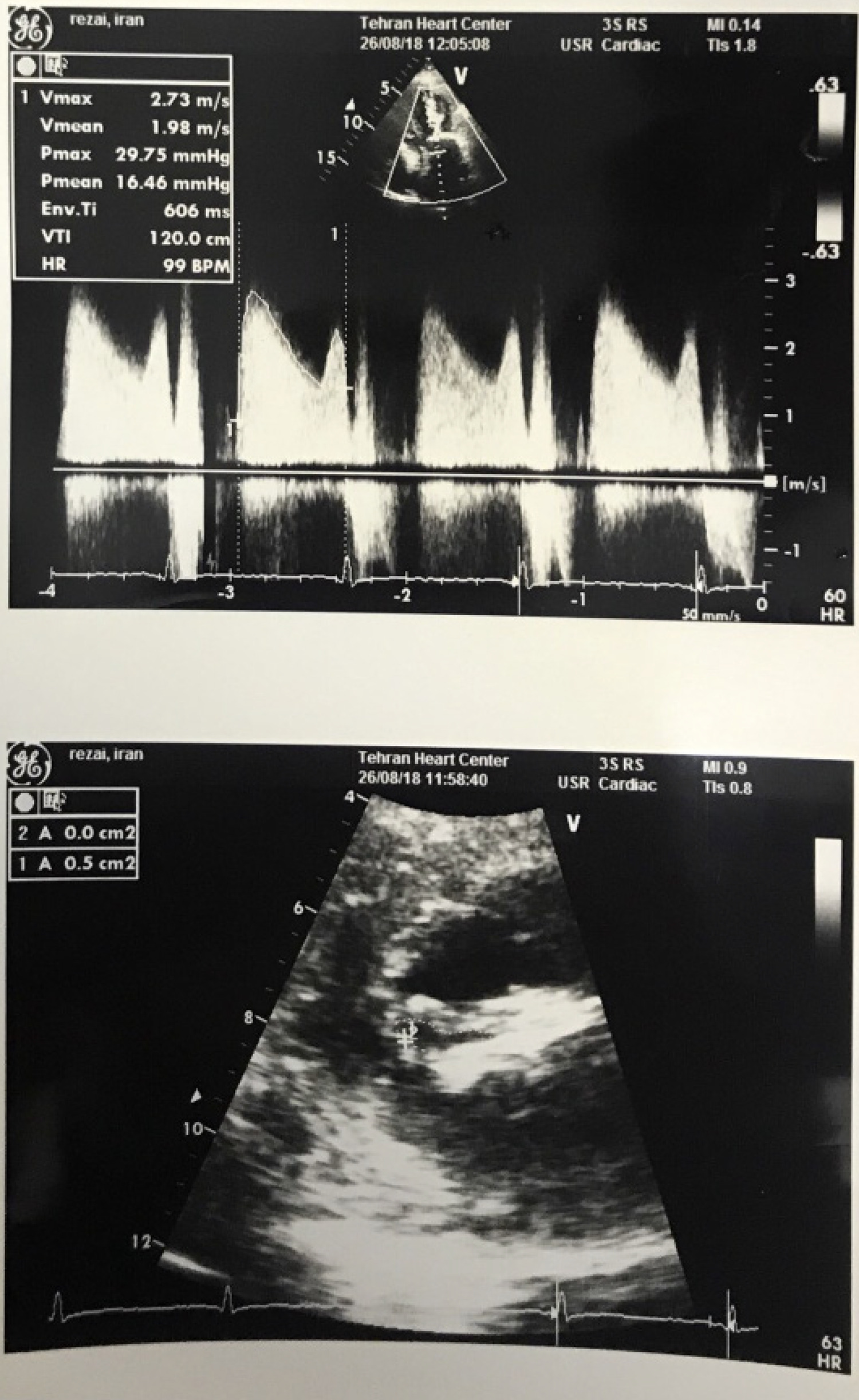
Mitral valve replacement (MVR) in the context of calcification of the mitral valve annulus (<25 millimeters diameter) is challenging, with an increased risk of postoperative complications. Mitral annular calcification is more common in elderly patients due to secondary aging and tissue degeneration. It can also be found in younger patients with connective tissue disorders and inflammatory conditions including the Marfan’s syndrome, rheumatoid arthritis, and rheumatic fever. Calcification of the mitral annulus has been associated with arrhythmias, heart block, stenosis, valve insufficiency, bacterial endocarditis, and arterial embolization. Although the condition is not common, calcified mitral annulus may been found in patients requiring surgery for mitral valve dysfunction. However, replacement of a calcified valve is challenging especially because of the difficulty in placing the sutures through the calcified annulus, increasing the risk of leakage, poor positioning and dehiscence. , For this reason, some studies have suggested the implantation of an aortic mechanical valve (St. Jude Medical prosthesis) in mitral position due to its smaller surface area. Advantages of the St. Jude Medical valve prosthesis over other mechanical prostheses include a reduced sewing cuff size and a reduced frame diameter to allow a greater orifice area for a given annular size. There is limited number of studies on this kind of replacement surgeries, and here we report a case of successful placement of a St. Jude Medical aortic valve prosthesis in a calcified mitral annulus without postoperative complication.

[…]

  • Calcinosis/complications
  • Heart Valve Prosthesis
  • Hypertrophy Left Ventricular
  • Mitral Valve/surgery
  • Rheumatic Heart Diseases/complications
  • Stenosil mitral valve/surgery
Read Full Article
Creative Commons Attribution (CC BY) Creative Commons license
15/07/2020 DOI: 10.36660/ijcs.20190198 Views 1
Figure 1
Original Article

Correlation between Surgical Risk Scales with Respiratory Muscle Strength and Functional Independence in Patients Submitted to Coronary Artery Bypass Grafting

André Luiz Lisboa Cordeiro et al. Átila Darlan Queiroz de Brito Graziele Freitas Almeida Leilane Souza Jesus … Flávia de Araújo Oliveira Janinne Lima da Silva André Raimundo França Guimarães Roberto Moreno Barros

Abstract

Background

The European Heart Surgery Risk Assessment System (EuroSCORE) and InsCor have been used to predict complications of cardiac surgery. However, their application to predict lung function and functionality is still uncertain.

Objective

To correlate surgical risk scales with functional independence and pulmonary function in patients undergoing coronary artery bypass grafting.

Methods

This was a prospective cohort study. In the preoperative period, the two surgical scales were applied, the maximal inspiratory pressure (MIP), maximal expiratory pressure (MEP), and peak expiratory flow (PEF) were measured, and functionality was assessed using the functional independence measure (FIM). On the seventh postoperative day, the pulmonary function and functionality variables were reevaluated, compared with the preoperative values (delta) and correlated with the risk scales. Correlations of pulmonary function, functional independence and muscle strength variables with the surgical scales were made by Pearson correlation test. The significance level adopted was 5%.

Results

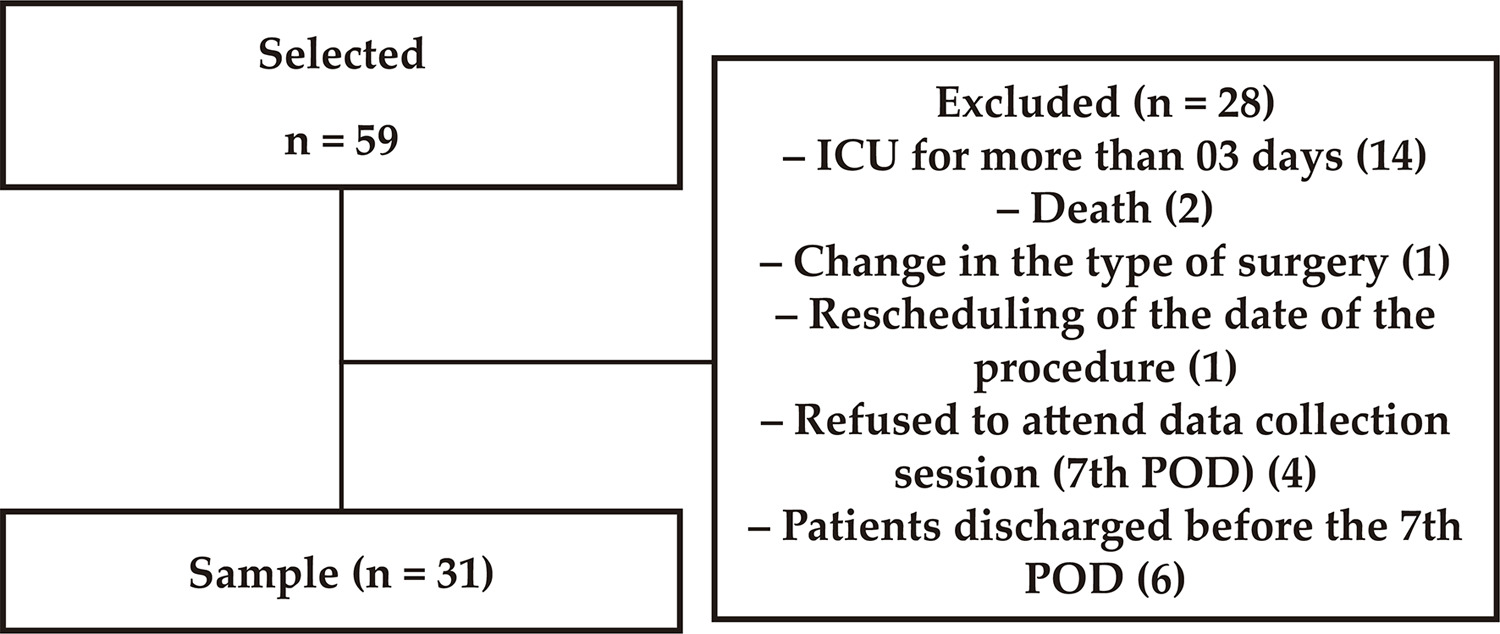
Thirty-one patients were studied; most were male (77%), with a mean age of 56±8 years. Mean EuroSCORE was 2.3±0.5 and mean InsCOR was 1.2±0.5. MIP, MEP, and PEF reduced 30% (p<0.001), 33% (p<0.001) and 10% (p=0.23), respectively. The EuroSCORE correlated with MIP (r-0.78; p = 0.02) and FIM (r-0.79; p <0.01), and the InsCor correlated with MIP (r-0.77), MEP (r-0.73) and MIF (r-0.89; p=0.02).

Conclusion

The EuroSCORE showed a strong negative correlation with MIP and FIM, while InsCor had a strong negative correlation with MIP, MEP and FIM. (Int J Cardiovasc Sci. 2020; [online].ahead print, PP.0-0)

  • Cardiovascular Diseases, mortality
  • Muscle Stremght
  • Myocardial Revascularization
  • Physical Therapy Speciality
  • Postoperative Care
  • Pre-Operative Care
  • Respiratory Pressures
  • Risk Assessment
Read Full Article
Creative Commons Attribution (CC BY) Creative Commons license
15/07/2020 DOI: 10.36660/ijcs.20190161 Views 1
Original Article

Lipoprotein(a) levels in children and adolescents: Ouro Preto Study

Ana Paula C Cândido et al. Alekson Mendonça-Mendes Débora RC Cândido Roney LC Nicolato George LL Machado-Coelho

Abstract

Background

Lipoprotein (a) is a cardiovascular risk factor in adult. Studies have shown the presence of this emergent risk factor in school children, which may contribute to the development of atherosclerosis in adulthood.

Objective

To evaluate the association between lipoprotein (a) and cardiovascular risk factors in school children.

Methods

Lipoprotein (a) levels were measured in 320 school children (6-14 years) selected from a population survey carried out in Ouro Preto (southeast of Brazil). Demographic (sex and age), biochemical (total cholesterol, high-density lipoprotein-cholesterol, low-density lipoprotein-cholesterol, triglycerides, and glucose), anthropometric (body mass index, waist circumference, body fat percentage), clinical (arterial blood pressure, pubertal stage and birth weight) and economic (family income) parameters, as well as family history (obese and/or hypertensive parents) were analyzed. Non-parametric analysis was used to evaluate lipoprotein (a) levels in each subgroup. Variables with p≤0.20 in the univariate analysis were included in binary regression logistic model. Differences with p < 0.05 were considered significant.

Results

Lipoprotein (a) levels were associated with total cholesterol (p=0.04), body fat (p=0.009), and mother´s systolic (p=0.02) and diastolic blood pressure (p=0.04). In a logistic regression analysis, children with high lipoprotein (a) levels and body fat, and children born from hypertensive mothers were, respectively, at 3.2(p=0.01) and 1.4 (p=0.03) times higher risk than other children. In clustering these factors, elevated lipoprotein (a) was 2.6 times more likely to be seen in school children with high body fat and born hypertensive mothers.

Conclusions

Lipoprotein (a) was correlated with cardiovascular risk factors in children and adolescents. Persistence of these risk factors in childhood suggests a contribution of elevated lipoprotein (a) to future cardiovascular disease. (Int J Cardiovasc Sci. 2020; [online].ahead print, PP.0-0)

  • Adiposity
  • Adolescents
  • Bod Fat
  • body mass index
  • Children
  • Cholesterol
  • Epidemiology
  • Hypertension
  • Lipoproteins
Read Full Article
Creative Commons Attribution (CC BY) Creative Commons license
17/04/2020 DOI: 10.36660/ijcs.20190107 Views 2
Figure 1A
Case Report

Sgarbossa Criteria in Left Bundle Branch Block in a Hypertensive Emergency, a Case Report

Yaser Mohammed Hassanain El Sayed

Abstract

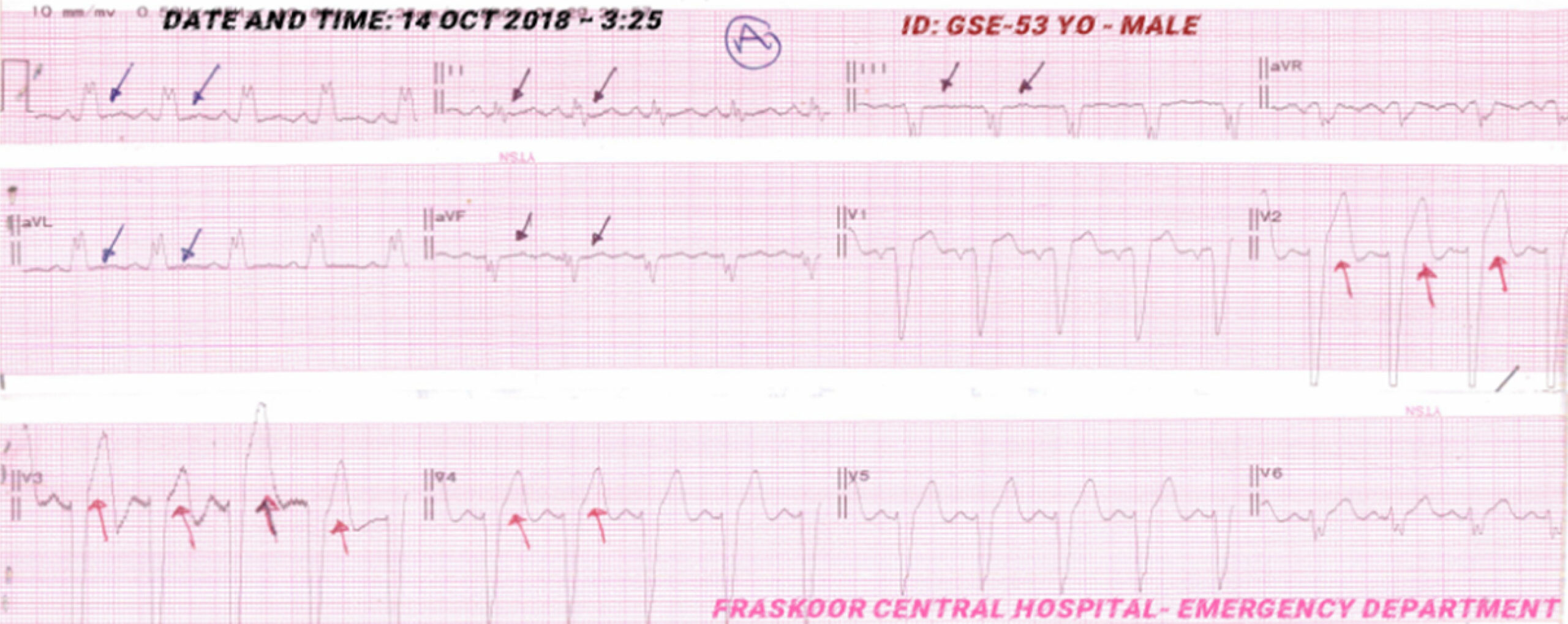
Left bundle branch block and hypertensive emergency are very common conditions in clinical cardiovascular and emergency practice. Hypertensive emergency encompasses a spectrum of clinical presentations in which uncontrolled blood pressure leads to progressive end-organ dysfunction. Suspected acute myocardial infarction in the setting of a left bundle branch block presents a unique diagnostic and therapeutic challenge to the clinician. The diagnosis is especially difficult due to electrocardiographic changes caused by altered ventricular depolarization. However, reports on the use of the Sgarbossa’s criteria during the management of hypertensive emergency are rare. My current case is a hypertensive emergency patient with acute chest pain and left bundle branch block. Sgarbossa’s criteria were initially very weak and, over time, became highly suggestive of acute ST-segment elevation myocardial infarction. Interestingly, chest pain increased as the Sgarbossa’s diagnostic criteria were met. Here, we present a case of developing ST-segment elevation myocardial infarction with left bundle branch block that is indicating for thrombolytic therapy. Thrombolytic therapy was strongly indicated because of a higher developing of Sgarbossa criteria scoring. Thus, the higher Sgarbossa criteria scoring in the case was the only indication for thrombolytic. Therefore, how did Sgarbossa criteria developing during the course of the case to indicating the need for thrombolytic therapy?

  • Bundle-Branch Block/complications
  • Coronary Occlusion/complications
  • Electrocardiography
  • Emergency Service Hospital
  • ST Elevation Myocardial Infarction/complications
Read Full Article
Creative Commons Attribution (CC BY) Creative Commons license
24/10/2019 DOI: 10.5935/2359-4802.20190071 Views 1

How to cite this article

EndNote RIS

Electronic Document Format (Vancouver)

Kaiser SE. Elevated Lipoprotein(A) in Children and Adolescents: Early Identification is Key for Successful Intervention. International Journal of Cardiovascular Sciences 2021;34(1):19-20.

Electronic Document Format (ABNT)

Kaiser, Sergio Emanuel. Elevated Lipoprotein(A) in Children and Adolescents: Early Identification is Key for Successful Intervention. International Journal of Cardiovascular Sciences, v. 34, n. 1, p. 19-20, Jan. 2021.

Electronic Document Format (APA)

Kaiser, S. E. (2021). Elevated Lipoprotein(A) in Children and Adolescents: Early Identification is Key for Successful Intervention. International Journal of Cardiovascular Sciences, 34(1), 19-20.

Electronic Document Format (ISO)

Kaiser, Sergio Emanuel. Elevated Lipoprotein(A) in Children and Adolescents: Early Identification is Key for Successful Intervention. International Journal of Cardiovascular Sciences [online]. 2021, vol. 34, n. 1, [cited 2026-10-14], pp. 19-20. Available from: <https://journals.cardiol.br/en/article/elevated-lipoproteina-in-children-and-adolescents-early-identification-is-key-for-successful-intervention/>. ISSN 2359-4802

EndNote RIS

Electronic Document Format (Vancouver)

Paiter J, Oliveira GMM. Risk Prediction Systems: One for all or all for Some. International Journal of Cardiovascular Sciences 2021;34(1):39-43.

Electronic Document Format (ABNT)

Paiter, Jorge; Oliveira, Gláucia Maria Moraes de. Risk Prediction Systems: One for all or all for Some. International Journal of Cardiovascular Sciences, v. 34, n. 1, p. 39-43, Jan. 2021.

Electronic Document Format (APA)

Paiter, J., & Oliveira, G. M. M. (2021). Risk Prediction Systems: One for all or all for Some. International Journal of Cardiovascular Sciences, 34(1), 39-43.

Electronic Document Format (ISO)

Paiter, Jorge and Oliveira, Gláucia Maria Moraes de. Risk Prediction Systems: One for all or all for Some. International Journal of Cardiovascular Sciences [online]. 2021, vol. 34, n. 1, [cited 2026-10-14], pp. 39-43. Available from: <https://journals.cardiol.br/en/article/risk-prediction-systems-one-for-all-or-all-for-some/>. ISSN 2359-4802

EndNote RIS

Electronic Document Format (Vancouver)

Campana E, Ferrari BD. Impact of Continuing Education on the Quality of Blood Pressure Measurement. International Journal of Cardiovascular Sciences 2021;34(1):8-9.

Electronic Document Format (ABNT)

Campana, Erika; Ferrari, Bruno Daniel. Impact of Continuing Education on the Quality of Blood Pressure Measurement. International Journal of Cardiovascular Sciences, v. 34, n. 1, p. 8-9, Jan. 2021.

Electronic Document Format (APA)

Campana, E., & Ferrari, B. D. (2021). Impact of Continuing Education on the Quality of Blood Pressure Measurement. International Journal of Cardiovascular Sciences, 34(1), 8-9.

Electronic Document Format (ISO)

Campana, Erika and Ferrari, Bruno Daniel. Impact of Continuing Education on the Quality of Blood Pressure Measurement. International Journal of Cardiovascular Sciences [online]. 2021, vol. 34, n. 1, [cited 2026-10-14], pp. 8-9. Available from: <https://journals.cardiol.br/en/article/impact-of-continuing-education-on-the-quality-of-blood-pressure-measurement/>. ISSN 2359-4802

EndNote RIS

Electronic Document Format (Vancouver)

Bhardwaj A, Parikh VY, Nair A. Transcatheter Interatrial Shunts for the Treatment of Heart Failure with Preserved Ejection Fraction. International Journal of Cardiovascular Sciences 2021;34(1):81-8.

Electronic Document Format (ABNT)

Bhardwaj, Anju; Parikh, Vishal Y.; Nair, Ajith. Transcatheter Interatrial Shunts for the Treatment of Heart Failure with Preserved Ejection Fraction. International Journal of Cardiovascular Sciences, v. 34, n. 1, p. 81-88, Jan. 2021.

Electronic Document Format (APA)

Bhardwaj, A., Parikh, V. Y., & Nair, A. (2021). Transcatheter Interatrial Shunts for the Treatment of Heart Failure with Preserved Ejection Fraction. International Journal of Cardiovascular Sciences, 34(1), 81-88.

Electronic Document Format (ISO)

Bhardwaj, Anju and Parikh, Vishal Y. and Nair, Ajith. Transcatheter Interatrial Shunts for the Treatment of Heart Failure with Preserved Ejection Fraction. International Journal of Cardiovascular Sciences [online]. 2021, vol. 34, n. 1, [cited 2026-10-14], pp. 81-88. Available from: <https://journals.cardiol.br/en/article/transcatheter-interatrial-shunts-for-the-treatment-of-heart-failure-with-preserved-ejection-fraction/>. ISSN 2359-4802

EndNote RIS

Electronic Document Format (Vancouver)

Rodrigues R. Study of Arterial Stiffness – Based on Scientific Evidence, What are the Current Tools for the Study of Arterial Stiffness?. International Journal of Cardiovascular Sciences 2021;34(1):30-1.

Electronic Document Format (ABNT)

Rodrigues, Ronaldo. Study of Arterial Stiffness – Based on Scientific Evidence, What are the Current Tools for the Study of Arterial Stiffness?. International Journal of Cardiovascular Sciences, v. 34, n. 1, p. 30-31, Jan. 2021.

Electronic Document Format (APA)

Rodrigues, R. (2021). Study of Arterial Stiffness – Based on Scientific Evidence, What are the Current Tools for the Study of Arterial Stiffness?. International Journal of Cardiovascular Sciences, 34(1), 30-31.

Electronic Document Format (ISO)

Rodrigues, Ronaldo. Study of Arterial Stiffness – Based on Scientific Evidence, What are the Current Tools for the Study of Arterial Stiffness?. International Journal of Cardiovascular Sciences [online]. 2021, vol. 34, n. 1, [cited 2026-10-14], pp. 30-31. Available from: <https://journals.cardiol.br/en/article/study-of-arterial-stiffness-based-on-scientific-evidence-what-are-the-current-tools-for-the-study-of-arterial-stiffness/>. ISSN 2359-4802

EndNote RIS

Electronic Document Format (Vancouver)

Nsanzabera C. Health Promotion to Reduce Hypertension Patients’ Vulnerability to Coronavirus Disease-19 (COVID-19). International Journal of Cardiovascular Sciences 2021;34(1):99-102.

Electronic Document Format (ABNT)

Nsanzabera, Charles. Health Promotion to Reduce Hypertension Patients’ Vulnerability to Coronavirus Disease-19 (COVID-19). International Journal of Cardiovascular Sciences, v. 34, n. 1, p. 99-102, Jan. 2021.

Electronic Document Format (APA)

Nsanzabera, C. (2021). Health Promotion to Reduce Hypertension Patients’ Vulnerability to Coronavirus Disease-19 (COVID-19). International Journal of Cardiovascular Sciences, 34(1), 99-102.

Electronic Document Format (ISO)

Nsanzabera, Charles. Health Promotion to Reduce Hypertension Patients’ Vulnerability to Coronavirus Disease-19 (COVID-19). International Journal of Cardiovascular Sciences [online]. 2021, vol. 34, n. 1, [cited 2026-10-14], pp. 99-102. Available from: <https://journals.cardiol.br/en/article/health-promotion-to-reduce-hypertension-patients-vulnerability-to-coronavirus-disease-19-covid-19/>. ISSN 2359-4802

EndNote RIS

Electronic Document Format (Vancouver)

Lopes LS, Bündchen D, Modesto FC, Quintão M, Chermont S, Cavalcanti ACD, Mesquita ET, et al. Aromatherapy in Patients with Cardiovascular Diseases: A Systematic Review. International Journal of Cardiovascular Sciences 2020;34(1):74-80.

Electronic Document Format (ABNT)

Lopes, Lissandra de Souza; Bündchen, Daiana; Modesto, Felipe Cardozo; Quintão, Monica; Chermont, Sergio; Cavalcanti, Ana Carla Dantas; Mesquita, Evandro Tinoco. Aromatherapy in Patients with Cardiovascular Diseases: A Systematic Review. International Journal of Cardiovascular Sciences, v. 34, n. 1, p. 74-80, Nov. 2020.

Electronic Document Format (APA)

Lopes, L. S., Bündchen, D., Modesto, F. C., Quintão, M., Chermont, S., Cavalcanti, A. C. D., & Mesquita, E. T. (2020). Aromatherapy in Patients with Cardiovascular Diseases: A Systematic Review. International Journal of Cardiovascular Sciences, 34(1), 74-80.

Electronic Document Format (ISO)

Lopes, Lissandra de Souza and Bündchen, Daiana and Modesto, Felipe Cardozo and Quintão, Monica and Chermont, Sergio and Cavalcanti, Ana Carla Dantas and Mesquita, Evandro Tinoco. Aromatherapy in Patients with Cardiovascular Diseases: A Systematic Review. International Journal of Cardiovascular Sciences [online]. 2020, vol. 34, n. 1, [cited 2026-10-14], pp. 74-80. Available from: <https://journals.cardiol.br/en/article/aromatherapy-in-patients-with-cardiovascular-diseases-a-systematic-review/>. ISSN 2359-4802

EndNote RIS

Electronic Document Format (Vancouver)

Gormel S, Yuksel UC, Celik M, Yasar S, Yildirim E, Bugan B, Gokoglan Y, et al. The Role of Cardiovascular Risk Factors and Risk Scoring Systems in Predicting Coronary Atherosclerosis. International Journal of Cardiovascular Sciences 2020;34(1):32-8.

Electronic Document Format (ABNT)

Gormel, Suat; Yuksel, Uygar Cagdas; Celik, Murat; Yasar, Salim; Yildirim, Erkan; Bugan, Baris; Gokoglan, Yalcin; Kabul, Hasan Kutsi; Yasar, Salim; Köklü, Mustafa; Barçın, Cem. The Role of Cardiovascular Risk Factors and Risk Scoring Systems in Predicting Coronary Atherosclerosis. International Journal of Cardiovascular Sciences, v. 34, n. 1, p. 32-38, Nov. 2020.

Electronic Document Format (APA)

Gormel, S., Yuksel, U. C., Celik, M., Yasar, S., Yildirim, E., Bugan, B., Gokoglan, Y., Kabul, H. K., Yasar, S., Köklü, M., & Barçın, C. (2020). The Role of Cardiovascular Risk Factors and Risk Scoring Systems in Predicting Coronary Atherosclerosis. International Journal of Cardiovascular Sciences, 34(1), 32-38.

Electronic Document Format (ISO)

Gormel, Suat and Yuksel, Uygar Cagdas and Celik, Murat and Yasar, Salim and Yildirim, Erkan and Bugan, Baris and Gokoglan, Yalcin and Kabul, Hasan Kutsi and Yasar, Salim and Köklü, Mustafa and Barçın, Cem. The Role of Cardiovascular Risk Factors and Risk Scoring Systems in Predicting Coronary Atherosclerosis. International Journal of Cardiovascular Sciences [online]. 2020, vol. 34, n. 1, [cited 2026-10-14], pp. 32-38. Available from: <https://journals.cardiol.br/en/article/the-role-of-cardiovascular-risk-factors-and-risk-scoring-systems-in-predicting-coronary-atherosclerosis/>. ISSN 2359-4802

EndNote RIS

Electronic Document Format (Vancouver)

Fortes JVS, Borges MGB, Marques MJS, Oliveira RL, Rocha LR, Castro M, Esquivel MS, et al. Effects of Inspiratory Muscle Training Using an Electronic Device on Patients Undergoing Cardiac Surgery: A Randomized Controlled Trial. International Journal of Cardiovascular Sciences 2020;34(1):44-52.

Electronic Document Format (ABNT)

Fortes, João Vyctor Silva; Borges, Mayara Gabrielle Barbosa; Marques, Maria Jhany da Silva; Oliveira, Rafaella Lima; Rocha, Liana Rodrigues da; Castro, Érica Miranda de; Esquivel, Mateus Souza; Borges, Daniel Lago. Effects of Inspiratory Muscle Training Using an Electronic Device on Patients Undergoing Cardiac Surgery: A Randomized Controlled Trial. International Journal of Cardiovascular Sciences, v. 34, n. 1, p. 44-52, Nov. 2020.

Electronic Document Format (APA)

Fortes, J. V. S., Borges, M. G. B., Marques, M. J. S., Oliveira, R. L., Rocha, L. R. , Castro, M. , Esquivel, M. S., & Borges, D. L. (2020). Effects of Inspiratory Muscle Training Using an Electronic Device on Patients Undergoing Cardiac Surgery: A Randomized Controlled Trial. International Journal of Cardiovascular Sciences, 34(1), 44-52.

Electronic Document Format (ISO)

Fortes, João Vyctor Silva and Borges, Mayara Gabrielle Barbosa and Marques, Maria Jhany da Silva and Oliveira, Rafaella Lima and Rocha, Liana Rodrigues da and Castro, Érica Miranda de and Esquivel, Mateus Souza and Borges, Daniel Lago. Effects of Inspiratory Muscle Training Using an Electronic Device on Patients Undergoing Cardiac Surgery: A Randomized Controlled Trial. International Journal of Cardiovascular Sciences [online]. 2020, vol. 34, n. 1, [cited 2026-10-14], pp. 44-52. Available from: <https://journals.cardiol.br/en/article/effects-of-inspiratory-muscle-training-using-an-electronic-device-on-patients-undergoing-cardiac-surgery-a-randomized-controlled-trial/>. ISSN 2359-4802

EndNote RIS

Electronic Document Format (Vancouver)

Amoras TSG, Rodrigues TB, Menezes CR, Zaninotto CV, Tavares RS. Door-to-balloon Time in Cardiovascular Emergency Care in a Hospital of Northern Brazil. International Journal of Cardiovascular Sciences 2020;34(1):53-9.

Electronic Document Format (ABNT)

Amoras, Tárcio Sadraque Gomes; Rodrigues, Taymara Barbosa; Menezes, Cláudia Ribeiro; Zaninotto, Christielaine Venzel; Tavares, Roseneide dos Santos. Door-to-balloon Time in Cardiovascular Emergency Care in a Hospital of Northern Brazil. International Journal of Cardiovascular Sciences, v. 34, n. 1, p. 53-59, Nov. 2020.

Electronic Document Format (APA)

Amoras, T. S. G., Rodrigues, T. B., Menezes, C. R., Zaninotto, C. V., & Tavares, R. S. (2020). Door-to-balloon Time in Cardiovascular Emergency Care in a Hospital of Northern Brazil. International Journal of Cardiovascular Sciences, 34(1), 53-59.

Electronic Document Format (ISO)

Amoras, Tárcio Sadraque Gomes and Rodrigues, Taymara Barbosa and Menezes, Cláudia Ribeiro and Zaninotto, Christielaine Venzel and Tavares, Roseneide dos Santos. Door-to-balloon Time in Cardiovascular Emergency Care in a Hospital of Northern Brazil. International Journal of Cardiovascular Sciences [online]. 2020, vol. 34, n. 1, [cited 2026-10-14], pp. 53-59. Available from: <https://journals.cardiol.br/en/article/door-to-balloon-time-in-cardiovascular-emergency-care-in-a-hospital-of-northern-brazil/>. ISSN 2359-4802

EndNote RIS

Electronic Document Format (Vancouver)

Reis APP, Ruschel KB, Moraes MAP, Belli K, Saffi ML, Fagundes JE. Risk Stratification in Chest Pain: Impact on the Diagnosis of Acute Coronary Syndrome. International Journal of Cardiovascular Sciences 2020;34(1):67-73.

Electronic Document Format (ABNT)

Reis, Ana Paula Paz; Ruschel, Karen Brasil; Moraes, Maria Antonieta P. de; Belli, Karlyse; Saffi, Marco Lumertz; Fagundes, Jaqueline Eilert. Risk Stratification in Chest Pain: Impact on the Diagnosis of Acute Coronary Syndrome. International Journal of Cardiovascular Sciences, v. 34, n. 1, p. 67-73, Aug. 2020.

Electronic Document Format (APA)

Reis, A. P. P., Ruschel, K. B., Moraes, M. A. P. , Belli, K., Saffi, M. L., & Fagundes, J. E. (2020). Risk Stratification in Chest Pain: Impact on the Diagnosis of Acute Coronary Syndrome. International Journal of Cardiovascular Sciences, 34(1), 67-73.

Electronic Document Format (ISO)

Reis, Ana Paula Paz and Ruschel, Karen Brasil and Moraes, Maria Antonieta P. de and Belli, Karlyse and Saffi, Marco Lumertz and Fagundes, Jaqueline Eilert. Risk Stratification in Chest Pain: Impact on the Diagnosis of Acute Coronary Syndrome. International Journal of Cardiovascular Sciences [online]. 2020, vol. 34, n. 1, [cited 2026-10-14], pp. 67-73. Available from: <https://journals.cardiol.br/en/article/risk-stratification-in-chest-pain-impact-on-the-diagnosis-of-acute-coronary-syndrome/>. ISSN 2359-4802

EndNote RIS

Electronic Document Format (Vancouver)

Barroso WKS, Melo MA, Vitorino PV, Gonçalves C, Berigó JA, Arantes AC, Rezende J, et al. Carotid Intima and Media Thickness Correlation with Central Blood Pressure Measurements by Tonometric and Oscillometric Methods: A Proof of Concept. International Journal of Cardiovascular Sciences 2020;34(1):22-9.

Electronic Document Format (ABNT)

Barroso, Weimar Kunz Sebba; Melo, Milena de Andrade; Vitorino, Priscila Valverde; Gonçalves, Claudia; Berigó, João Alexandre; Arantes, Ana Carolina; Rezende, Jeeziane; Jardim, Thiago Veiga; Souza, Ana Luiza Lima; Jardim, Paulo César Veiga. Carotid Intima and Media Thickness Correlation with Central Blood Pressure Measurements by Tonometric and Oscillometric Methods: A Proof of Concept. International Journal of Cardiovascular Sciences, v. 34, n. 1, p. 22-29, Aug. 2020.

Electronic Document Format (APA)

Barroso, W. K. S., Melo, M. A., Vitorino, P. V., Gonçalves, C., Berigó, J. A., Arantes, A. C., Rezende, J., Jardim, T. V., Souza, A. L. L., & Jardim, P. C. V. (2020). Carotid Intima and Media Thickness Correlation with Central Blood Pressure Measurements by Tonometric and Oscillometric Methods: A Proof of Concept. International Journal of Cardiovascular Sciences, 34(1), 22-29.

Electronic Document Format (ISO)

Barroso, Weimar Kunz Sebba and Melo, Milena de Andrade and Vitorino, Priscila Valverde and Gonçalves, Claudia and Berigó, João Alexandre and Arantes, Ana Carolina and Rezende, Jeeziane and Jardim, Thiago Veiga and Souza, Ana Luiza Lima and Jardim, Paulo César Veiga. Carotid Intima and Media Thickness Correlation with Central Blood Pressure Measurements by Tonometric and Oscillometric Methods: A Proof of Concept. International Journal of Cardiovascular Sciences [online]. 2020, vol. 34, n. 1, [cited 2026-10-14], pp. 22-29. Available from: <https://journals.cardiol.br/en/article/carotid-intima-and-media-thickness-correlation-with-central-blood-pressure-measurements-by-tonometric-and-oscillometric-methods-a-proof-of-concept/>. ISSN 2359-4802

EndNote RIS

Electronic Document Format (Vancouver)

Bachur CK, Candido SS, Silveira GB, Sousa SGO, Hercos Neto J, Veiga EV. Improvement in Semiconductivity On The Measurement Of Blood Pressure After An Educational Intervention In Health Professionals. International Journal of Cardiovascular Sciences 2020;34(1):1-7.

Electronic Document Format (ABNT)

Bachur, Cynthia Kallás; Candido, Sarah Silva; Silveira, Gerlia Bernardes; Sousa, Samantha Gurgel Oliveira; Hercos Neto, Joao; Veiga, Eugenia Velludo. Improvement in Semiconductivity On The Measurement Of Blood Pressure After An Educational Intervention In Health Professionals. International Journal of Cardiovascular Sciences, v. 34, n. 1, p. 1-7, Jul. 2020.

Electronic Document Format (APA)

Bachur, C. K., Candido, S. S., Silveira, G. B., Sousa, S. G. O., Hercos Neto, J., & Veiga, E. V. (2020). Improvement in Semiconductivity On The Measurement Of Blood Pressure After An Educational Intervention In Health Professionals. International Journal of Cardiovascular Sciences, 34(1), 1-7.

Electronic Document Format (ISO)

Bachur, Cynthia Kallás and Candido, Sarah Silva and Silveira, Gerlia Bernardes and Sousa, Samantha Gurgel Oliveira and Hercos Neto, Joao and Veiga, Eugenia Velludo. Improvement in Semiconductivity On The Measurement Of Blood Pressure After An Educational Intervention In Health Professionals. International Journal of Cardiovascular Sciences [online]. 2020, vol. 34, n. 1, [cited 2026-10-14], pp. 1-7. Available from: <https://journals.cardiol.br/en/article/improvement-in-semiconductivity-on-the-measurement-of-blood-pressure-after-an-educational-intervention-in-health-professionals/>. ISSN 2359-4802

EndNote RIS

Electronic Document Format (Vancouver)

Yavari N, Landy MG, Omidi N, Shirzad M, Tafti SHA. Mitral Valve Replacement with Regent Aortic Valve in Severe Mitral Stenosis. International Journal of Cardiovascular Sciences 2020;34(1):103-6.

Electronic Document Format (ABNT)

Yavari, Negin; Landy, Mina Ghorbanpour; Omidi, Negar; Shirzad, Mahmoud; Tafti, Seyed Hossein Ahmadi. Mitral Valve Replacement with Regent Aortic Valve in Severe Mitral Stenosis. International Journal of Cardiovascular Sciences, v. 34, n. 1, p. 103-106, Jul. 2020.

Electronic Document Format (APA)

Yavari, N., Landy, M. G., Omidi, N., Shirzad, M., & Tafti, S. H. A. (2020). Mitral Valve Replacement with Regent Aortic Valve in Severe Mitral Stenosis. International Journal of Cardiovascular Sciences, 34(1), 103-106.

Electronic Document Format (ISO)

Yavari, Negin and Landy, Mina Ghorbanpour and Omidi, Negar and Shirzad, Mahmoud and Tafti, Seyed Hossein Ahmadi. Mitral Valve Replacement with Regent Aortic Valve in Severe Mitral Stenosis. International Journal of Cardiovascular Sciences [online]. 2020, vol. 34, n. 1, [cited 2026-10-14], pp. 103-106. Available from: <https://journals.cardiol.br/en/article/mitral-valve-replacement-with-regent-aortic-valve-in-severe-mitral-stenosis/>. ISSN 2359-4802

EndNote RIS

Electronic Document Format (Vancouver)

Cordeiro ALL, Brito DQ, Almeida GF, Jesus LS, Oliveira FA, Silva JL, Guimarães ARF, et al. Correlation between Surgical Risk Scales with Respiratory Muscle Strength and Functional Independence in Patients Submitted to Coronary Artery Bypass Grafting. International Journal of Cardiovascular Sciences 2020;34(1):60-6.

Electronic Document Format (ABNT)

Cordeiro, André Luiz Lisboa; Brito, Átila Darlan Queiroz de; Almeida, Graziele Freitas; Jesus, Leilane Souza; Oliveira, Flávia de Araújo; Silva, Janinne Lima da; Guimarães, André Raimundo França; Barros, Roberto Moreno. Correlation between Surgical Risk Scales with Respiratory Muscle Strength and Functional Independence in Patients Submitted to Coronary Artery Bypass Grafting. International Journal of Cardiovascular Sciences, v. 34, n. 1, p. 60-66, Jul. 2020.

Electronic Document Format (APA)

Cordeiro, A. L. L., Brito, D. Q. , Almeida, G. F., Jesus, L. S., Oliveira, F. A., Silva, J. L. , Guimarães, A. R. F., & Barros, R. M. (2020). Correlation between Surgical Risk Scales with Respiratory Muscle Strength and Functional Independence in Patients Submitted to Coronary Artery Bypass Grafting. International Journal of Cardiovascular Sciences, 34(1), 60-66.

Electronic Document Format (ISO)

Cordeiro, André Luiz Lisboa and Brito, Átila Darlan Queiroz de and Almeida, Graziele Freitas and Jesus, Leilane Souza and Oliveira, Flávia de Araújo and Silva, Janinne Lima da and Guimarães, André Raimundo França and Barros, Roberto Moreno. Correlation between Surgical Risk Scales with Respiratory Muscle Strength and Functional Independence in Patients Submitted to Coronary Artery Bypass Grafting. International Journal of Cardiovascular Sciences [online]. 2020, vol. 34, n. 1, [cited 2026-10-14], pp. 60-66. Available from: <https://journals.cardiol.br/en/article/correlation-between-surgical-risk-scales-with-respiratory-muscle-strength-and-functional-independence-in-patients-submitted-to-coronary-artery-bypass-grafting/>. ISSN 2359-4802

EndNote RIS

Electronic Document Format (Vancouver)

Cândido APC, Mendonça-Mendes A, Cândido DR, Nicolato RL, Machado-Coelho GL. Lipoprotein(a) levels in children and adolescents: Ouro Preto Study. International Journal of Cardiovascular Sciences 2020;34(1):10-8.

Electronic Document Format (ABNT)

Cândido, Ana Paula C; Mendonça-Mendes, Alekson; Cândido, Débora RC; Nicolato, Roney LC; Machado-Coelho, George LL. Lipoprotein(a) levels in children and adolescents: Ouro Preto Study. International Journal of Cardiovascular Sciences, v. 34, n. 1, p. 10-18, Apr. 2020.

Electronic Document Format (APA)

Cândido, A. P. C., Mendonça-Mendes, A., Cândido, D. R., Nicolato, R. L., & Machado-Coelho, G. L. (2020). Lipoprotein(a) levels in children and adolescents: Ouro Preto Study. International Journal of Cardiovascular Sciences, 34(1), 10-18.

Electronic Document Format (ISO)

Cândido, Ana Paula C and Mendonça-Mendes, Alekson and Cândido, Débora RC and Nicolato, Roney LC and Machado-Coelho, George LL. Lipoprotein(a) levels in children and adolescents: Ouro Preto Study. International Journal of Cardiovascular Sciences [online]. 2020, vol. 34, n. 1, [cited 2026-10-14], pp. 10-18. Available from: <https://journals.cardiol.br/en/article/lipoproteina-levels-in-children-and-adolescents-ouro-preto-study/>. ISSN 2359-4802

EndNote RIS

Electronic Document Format (Vancouver)

Sayed YMHE. Sgarbossa Criteria in Left Bundle Branch Block in a Hypertensive Emergency, a Case Report. International Journal of Cardiovascular Sciences 2019;34(1):107-11.

Electronic Document Format (ABNT)

Sayed, Yaser Mohammed Hassanain El. Sgarbossa Criteria in Left Bundle Branch Block in a Hypertensive Emergency, a Case Report. International Journal of Cardiovascular Sciences, v. 34, n. 1, p. 107-111, Oct. 2019.

Electronic Document Format (APA)

Sayed, Y. M. H. E. (2019). Sgarbossa Criteria in Left Bundle Branch Block in a Hypertensive Emergency, a Case Report. International Journal of Cardiovascular Sciences, 34(1), 107-111.

Electronic Document Format (ISO)

Sayed, Yaser Mohammed Hassanain El. Sgarbossa Criteria in Left Bundle Branch Block in a Hypertensive Emergency, a Case Report. International Journal of Cardiovascular Sciences [online]. 2019, vol. 34, n. 1, [cited 2026-10-14], pp. 107-111. Available from: <https://journals.cardiol.br/en/article/sgarbossa-criteria-in-left-bundle-branch-block-in-a-hypertensive-emergency-a-case-report/>. ISSN 2359-4802

Sede – Rio de Janeiro
Av. Marechal Câmara, 160
3º andar – Sala: 330 – Centro
Rio de Janeiro – CEP: 20020-907
Tel.: (55 +21) 3478-2700
ou (21) 99386-3961
E-mail: revista@cardiol.br

Sede – São Paulo
Alameda Santos, 705 – 11º andar
Cerqueira César | São Paulo
CEP: 01419-001
Tel.: (55 +11) 3411-5500
E-mail: revista@cardiol.br

  • About the Journal
  • Internal Regulation
  • Editors Section
  • Editorial Board
  • SBC Award

  • Guidelines for Publication
  • Editorial Policy
  • Ethics Policy
  • Policy on the Use of Artificial Intelligence
  • Mandatory Publication Form
  • Publication Fee

Issues

SBC Guidelines

  • How to Publish an Abstract Supplement?
  • Published Supplements