ABC Family Arquivos Brasileiros de Cardiologia International Journal of Cardiovascular Sciences ABC Heart Failure & Cardiomyopathy ABC Imagem Cardiovascular
Português English
ABC Family
Português English
  • About
    • About ABC Family
    • Internal Regulation
    • Editorial Board
    • Brazilian Society of Cardiology (SBC)
  • Issues
  • SBC Guidelines
  • Content
    • Videos
    • Podcasts
    • News
  • About
    • About ABC Family
    • Internal Regulation
    • Editorial Board
    • Brazilian Society of Cardiology (SBC)
  • Issues
  • SBC Guidelines
  • Content
    • Videos
    • Podcasts
    • News

ABC Family

  • ABC Family
  • Arquivos Brasileiros de Cardiologia
  • International Journal of Cardiovascular Sciences
  • ABC Heart Failure & Cardiomyopathy
  • ABC Imagem Cardiovascular
Search in

No content found.

Journals
Ordering
Article types
Others

  1. Home
  2. Keyword: Muscle Strength
Inspiratory and Peripheral Muscle Training in Patients with Heart Failure: Randomized Controlled Trial
IJCS
Original Article

Inspiratory and Peripheral Muscle Training in Patients with Heart Failure: Randomized Controlled Trial

André Luiz Lisboa Cordeiro et al. Fernanda Andrade da Silva de Jesus Jéssica Conceição Santos Vaneide Machado Nogueira

Abstract

Background

Current guidelines recommend incorporating exercise and physical activity, such as inspiratory muscle training (IMT) and neuromuscular training, as adjunctive therapies alongside pharmacological treatments for patients with heart failure (HF).

Objective

To evaluate the effects of IMT and peripheral muscle training (PMT) on respiratory and peripheral muscle strength, lung function, and functional capacity in patients with HF.

Methods

This is a randomized controlled trial. Prior to randomization, all patients were assessed with the 6-minute walk test, inspiratory muscle strength (maximum inspiratory pressure [MIP]), expiratory muscle strength (maximum expiratory pressure [MEP]), vital capacity (VC), peak expiratory flow (PEF), and peripheral muscle strength (using the Medical Research Council [MRC] scale). Participants were then randomly assigned to one of four groups: group 1 (control), group 2 (IMT), group 3 (PMT), or group 4 (IMT + PMT). This study was registered in the Brazilian Registry of Clinical Trials (ReBEC) under number 2.382.698. One-way ANOVA with Bonferroni post-test was used to evaluate the four groups. The paired Student’s t test was used to compare the groups at different times. A p value < 0.05 was considered significant.

Results

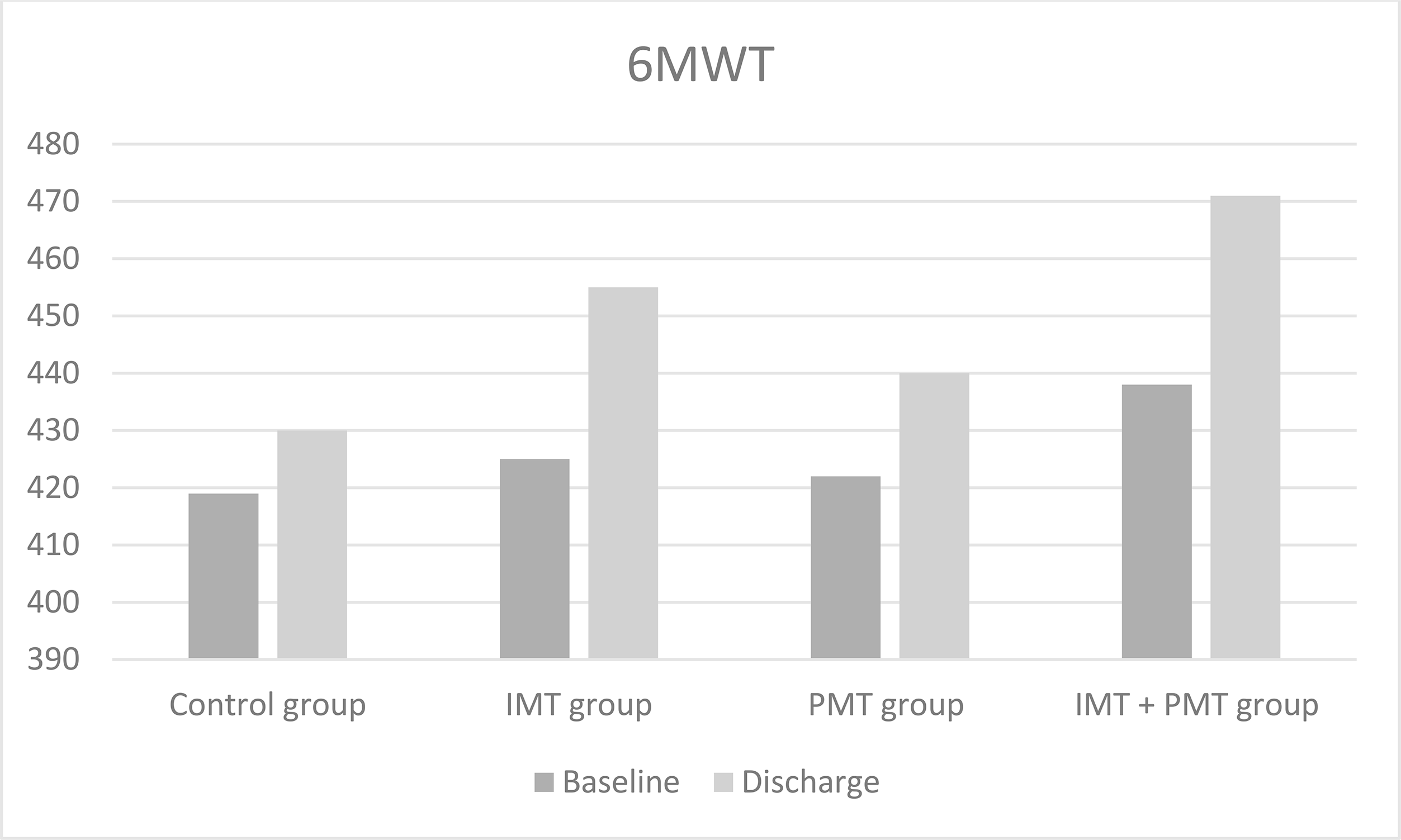
A total of 52 patients were assessed. Regarding muscle strength, the group that underwent IMT combined with PMT showed a significant increase in both MIP (74 ± 15 at baseline versus 91 ± 16 at hospital discharge, p < 0.01) and MEP (92 ± 19 at baseline versus 102 ± 18 at hospital discharge, p < 0.01).

Conclusion

Based on these findings, it can be concluded that IMT combined with PMT has a positive impact in patients with HF, including improvements in both peripheral and respiratory muscle strength, reduction in dyspnea and fatigue, and enhanced tolerance to physical exercise.
  • Breathing Exercises
  • Heart Failure
  • Muscle Strength
Read Full Article
Creative Commons Attribution (CC BY) Creative Commons license
28/02/2025 DOI: 10.36660/ijcs.20230189 Views 3
Figure 1
IJCS
Original Article

Effects of Inspiratory Muscle Training Using an Electronic Device on Patients Undergoing Cardiac Surgery: A Randomized Controlled Trial

João Vyctor Silva Fortes et al. Mayara Gabrielle Barbosa Borges Maria Jhany da Silva Marques Rafaella Lima Oliveira … Liana Rodrigues da Rocha Érica Miranda de Castro Mateus Souza Esquivel Daniel Lago Borges

Abstract

Background

Cardiac surgery causes pathophysiological changes that favor the occurrence of pulmonary and functional complications.

Objective

To investigate the effects of inspiratory muscle training (IMT) with an electronic device on patients undergoing cardiac surgery.

Methods

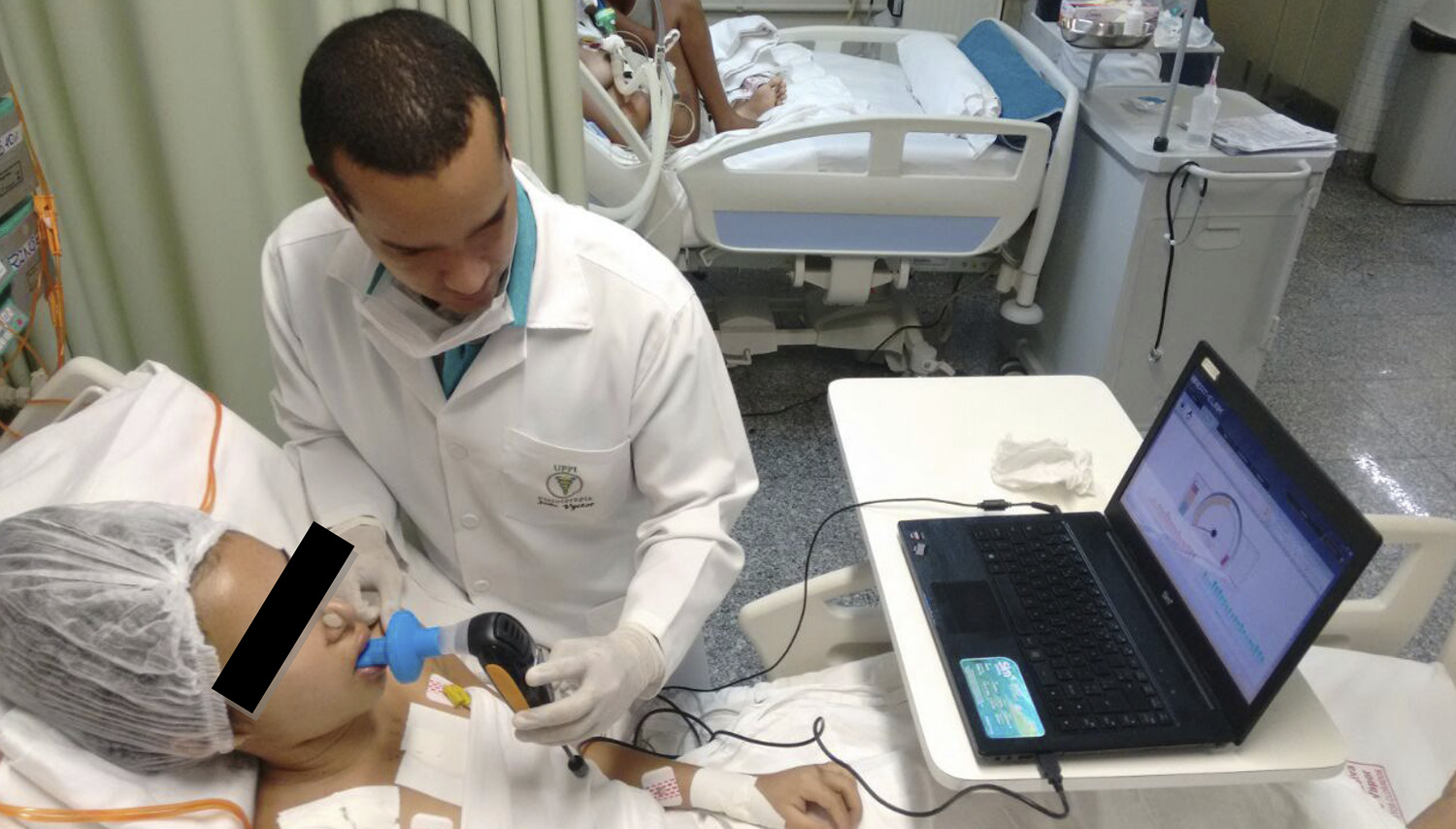
A randomized controlled trial was conducted with 30 adult patients undergoing elective cardiac surgery. A control group (CG) received conventional physical therapy care, and an intervention group (IG) received IMT using the POWERbreathe K5® electronic device. Two daily sessions of physical therapy were performed at the intensive care unit and one daily session at the ward until the sixth postoperative day. The following variables were measured preoperatively and on the sixth postoperative day, in both groups: inspiratory muscle strength, dynamic inspiratory muscle strength, and peak inspiratory flow. Data distribution was evaluated by the Shapiro-Wilk test. Analysis of variance was used, and the results were considered statistically significant when p < 0.05.

Results

Maximal inspiratory pressure (71.7 ± 17.1 cmH2O vs 63.3 ± 21.3 cmH2O; p = 0.11], S-index (52.61 ± 18.61 vs 51.08 ± 20.71), and peak inspiratory flow [(2.94 ± 1.09 vs 2.79 ± 1.26)] were maintained in the IG but had a significant reduction in the CG.

Conclusion

IMT performed with an electronic device was effective at maintaining inspiratory muscle strength, dynamic inspiratory muscle strength, and peak inspiratory flow when compared to conventional physical therapy. Int J Cardiovasc Sci. 2020; [online].ahead print, PP.0-0

  • Breathing Exercises
  • Cardiac Surgery/complications
  • Muscle Strength
  • Physiotherapy
  • Rehabilitation
  • Respiratory Tract Diseases/complications
Read Full Article
Creative Commons Attribution (CC BY) Creative Commons license
06/11/2020 DOI: 10.36660/ijcs.20190093 Views 1
Figure 1
ABC
Original Article

Pre-Participation Physical Fitness does not Influence Adherence to a Supervised Exercise Program

Fábio Akio Nishijuka et al. Christina Grüne de Souza e Silva Carlos Vieira Duarte Claudio Gil Soares de Araújo

Abstract

Background:

Exercise-based cardiac rehabilitation tends to reduce mortality. However, it requires medium/long-term adherence to regular physical exercise. It is relevant to identify the variables that affect adherence to an supervised exercise program (SEP).

Objective:

To evaluate the influence of pre-participation levels of aerobic and non-aerobic physical fitness components in medium-term adherence to SEP.

Methods:

A total of 567 SEP participants (65 ± 12 years) (68% men) were studied. Participants adherent to the program for less than 6 months (48%) (non-adherent – NAD) were compared with 52% of participants who were adherent for 6 months or more (adherents – AD). In the non-aerobic fitness, flexibility (FLX) (Flexitest) and muscle power (MPW)/body weight in standing rowing (watts/kg) were evaluated while aerobic fitness was obtained by direct measure of VO2max/body weight (VO2). These measurements were normatized for sex and age based on percentiles (P) (P-FLX/P-MPW) of reference data or percentages of predicted (P-VO2). Additionally, AD and NAD with extreme results (tertiles) were simultaneously compared for the three variables.

Results:

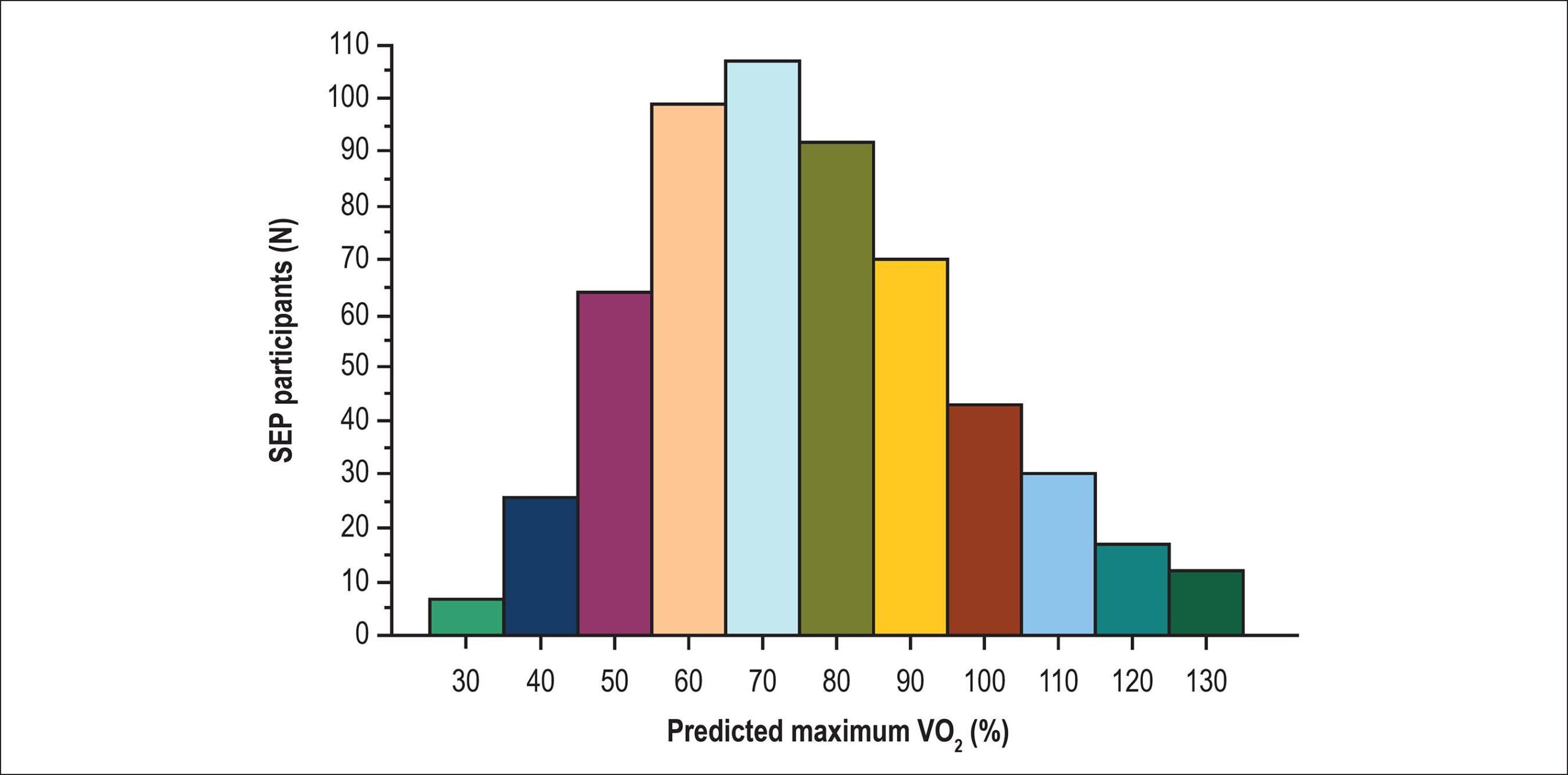
There was no difference between AD and NAD for non-aerobic results, in median [P25-P75], P-FLX: 30 [13-56] and 31 [9-52], respectively, (p = 0.69) and P-MPW: 34 [17-58] and 36 [16-62], respectively (p = 0.96), and for aerobic results (mean ± standard error) P-VO2 (75.9 ± 1.3% and 75.0 ± 1.3%, respectively) (p = 0.83). When comparing extreme tertiles, a difference was found for P-MPW in the lower tertile only, with a slight advantage of AD over NAD- 9 [5-16] versus 4 [1-11] (p = 0.04).

Conclusion:

Although awareness of the pre-participation levels of aerobic and non-aerobic physical fitness components is useful for individualized exercise prescription, these variables do not seem to influence medium-term adherence to SEP.

  • Muscle Strength
  • Oxygen Consumption
  • Physical and Rehabilitation Medicine
  • Sports Medicine
Read Full Article
Creative Commons Attribution (CC BY) Creative Commons license
17/08/2017 DOI: 10.5935/abc.20170132 Views 1
Myocardial remodeling after large infarcts in rat converts post rest-potentiation in force decay
ABC
Artigo Original

Myocardial remodeling after large infarcts in rat converts post rest-potentiation in force decay

Danilo Sales Bocalini et al. Leonardo dos Santos Ednei Luiz Antonio Alexandra Alberta dos Santos … Ana Paula Davel Luciana V. Rossoni Dalto Valentim Vassalo Paulo José Ferreira Tucci

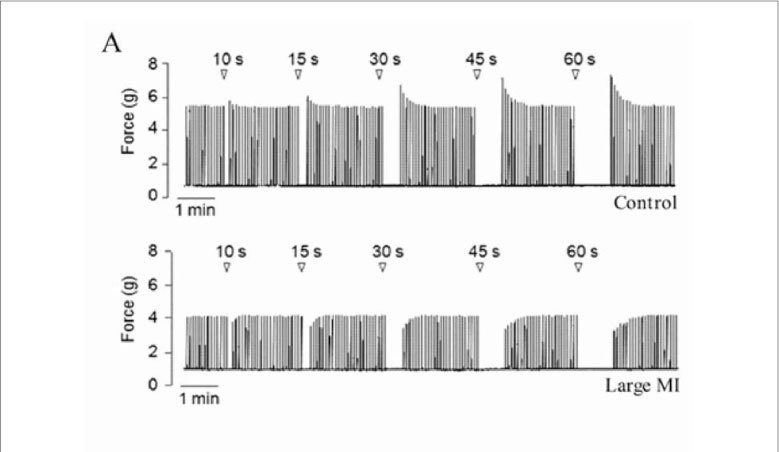
BACKGROUND: Post-rest contraction (PRC) of cardiac muscle provides indirect information about the intracellular calcium handling. OBJECTIVE: Our aim was to study the behavior of PRC, and its underlying mechanisms, in rats with myocardial infarction. METHODS: Six weeks after coronary occlusion, the contractility of papillary muscles (PM) obtained from sham-operated (C, n=17), moderate infarcted (MMI, n=10) and large infarcted (LMI, n=14) rats was evaluated, following rest intervals of 10 to 60 seconds before and after incubation with lithium chloride (Li+) substituting sodium chloride or ryanodine (Ry). Protein expression of SR Ca(2+)-ATPase (SERCA2), Na+/Ca2+ exchanger (NCX), phospholamban (PLB) and phospho-Ser(16)-PLB were analyzed by Western blotting. RESULTS: MMI exhibited reduced PRC potentiation when compared to C. Opposing the normal potentiation for C, post-rest decays of force were observed in LMI muscles. In addition, Ry blocked PRC decay or potentiation observed in LMI and C; Li+ inhibited NCX and converted PRC decay to potentiation in LMI. Although MMI and LMI presented decreased SERCA2 (72±7% and 47±9% of Control, respectively) and phospho-Ser16-PLB (75±5% and 46±11%, respectively) protein expression, overexpression of NCX (175±20%) was only observed in LMI muscles. CONCLUSION: Our results showed, for the first time ever, that myocardial remodeling after MI in rats may change the regular potentiation to post-rest decay by affecting myocyte Ca(2+) handling proteins.

  • Mice
  • muscle relaxation
  • Muscle Strength
  • Myocardial Infarction
  • Ventricular Remodeling
Read Full Article
Creative Commons Attribution (CC BY) Creative Commons license
16/02/2012 DOI: 10.1590/S0066-782X2012005000016 Views 1
Cardiovascular responses during isokinetic muscle assessment in claudicant patients
ABC
Artigo Original

Cardiovascular responses during isokinetic muscle assessment in claudicant patients

Lucas Caseri Câmara et al. Raphael Mendes Ritti-Dias Claudia Lúcia de Moraes Forjaz Júlia Maria Greve … José Maria Santarém Wilson Jacob-Filho Pedro Puech-Leão Nelson Wolosker

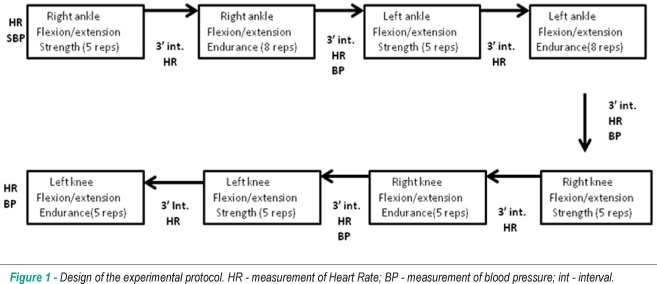
BACKGROUND: Isokinetic dynamometry is becoming increasingly important for the assessment of muscle function in individuals with intermittent claudication. However, there is still little information available about the cardiovascular responses of these patients during this type of assessment. OBJECTIVE: To assess and compare the cardiovascular responses recorded during the assessment of muscle strength and endurance for two exercises commonly used in patients with IC (plantar flexion/dorsiflexion and knee flexion/extension). METHODS: The sample consisted of 17 claudicant patients with stable disease for at least 6 months. During the isokinetic dynamometer testing, non-invasive measurements of heart rate, blood pressure and double product at rest and at peak exertion were obtained according to specific protocols established for muscle strength and endurance assessment. RESULTS: Except for diastolic blood pressure, heart rate, systolic blood pressure and double product values rose during the exercise compared to the resting stage (p < 0.05). Elevations in heart rate and double product values were higher during knee extension/flexion than during plantar flexion/dorsiflexion (p < 0.05). Increases in heart rate were also higher during the endurance assessment protocol than during muscle strength assessment. CONCLUSION: Isokinetic strength and endurance testing in patients with IC results in elevation of heart rate, systolic blood pressure and double product values during the exercises. These increases are higher during the muscle endurance exercises and in those involving greater muscle mass, suggesting that strength testing of small muscle groups causes less cardiovascular overload in these patients.

  • Exercise Test
  • Intermittent Claudication
  • Muscle Strength
  • muscle strength dynamometer
Read Full Article
Creative Commons Attribution (CC BY) Creative Commons license
12/11/2010 DOI: 10.1590/S0066-782X2010005000147 Views 1
Discontinuous sets of knee extensions induce higher cardiovascular responses in comparison to continuous ones
ABC
Artigo Original

Discontinuous sets of knee extensions induce higher cardiovascular responses in comparison to continuous ones

Marcos Doederlein Polito et al. Roberto Simão Vitor Agnew Lira Antônio Cláudio Lucas da Nóbrega Paulo de Tarso Veras Farinatti

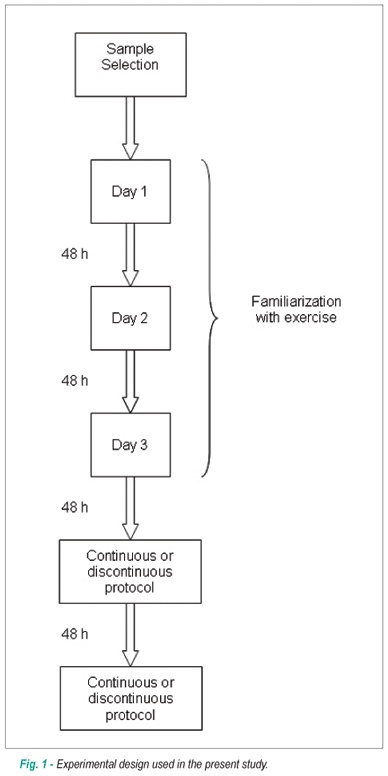
BACKGROUND: The strength training can promote significant cardiovascular responses during its performance and it is interesting to devise strategies to reduce them, without compromising the strength production. OBJECTIVE: To compare the acute cardiovascular responses of systolic arterial pressure (SAP), diastolic arterial pressure (DAP), heart rate (HR) and double product (DP) during the unilateral knee extension (four series of 8 maximum repetitions) performed continuously or discontinuously. Both protocols involved a 2-minute interval between the series and the discontinuous protocol had an extra interval of 2 seconds between the 4th and the 5th repetitions. METHODS: Eight healthy men trained in muscular strength (aged 26± 6 years) participated in the data collection and were randomly divided in two non-consecutive days. The cardiovascular responses were measured by photoplethysmography (Finapres, Ohmeda, Louisville, CO, USA) at rest, at the end of each series and 2 minutes after the performance of each protocol. RESULTS: The discontinuous series showed significantly higher values when compared to the protocol of the continuous series for: SAP (mmHg) at the 2nd (173.1± 5.4 vs 152.0± 4.0; p=0.001), 3rd (188.9± 8.6 vs 162.4± 6.0; p=0.000) and 4th series (193.1± 8.1 vs 161.6± 5.9; p=0.000); DAP (mmHg) at the 3rd (103.8± 4.1 vs 86.1± 3.3; p=0.000) and 4th series (104.1± 2.7 vs 83.4± 3.3; p=0.000); DP (mmHg.bpm) at the 2nd (17,907.5± 1,350.7 vs 14,541.9± 1,848.0; p=0.03), 3rd (19,687.3± 1,444.3 vs 15,612.1± 1,180.3; p=0.008) and 4th series (21,271.0± 1,794.2 vs 15,992.0± 1,093.4; p=0.001). CONCLUSION: The discontinuous protocol promoted higher increase in pressure responses when compared to the continuous one. However, due to the characteristics of the study design, further studies are necessary to support these findings.

  • Blood Pressure
  • Heart Rate
  • Muscle Strength
  • photoplethysmography
Read Full Article
Creative Commons Attribution (CC BY) Creative Commons license
25/06/2008 DOI: 10.1590/S0066-782X2008000600001 Views 1
Evaluation of respiratory muscle strength and pulmonary function in heart failure patients
ABC
Artigo Original

Evaluation of respiratory muscle strength and pulmonary function in heart failure patients

Luiz Alberto Forgiarini Junior et al. Angélica Rubleski Garcia Douglas Juliana Tieppo … Rafael Vercelino Adriane Dal Bosco Mariane Borba Monteiro Alexandre Simões Dias

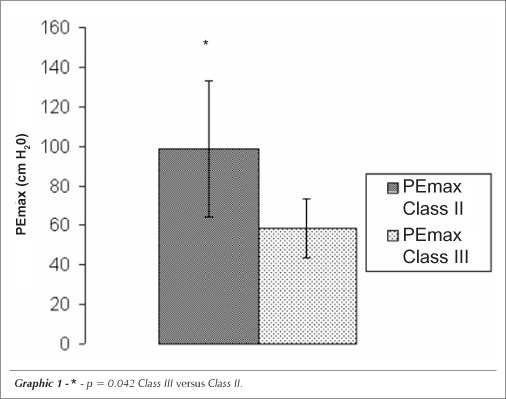
BACKGROUND: Heart failure (HF) is the inability of the heart to pump enough blood to supply the necessities of the body. Pulmonary function and respiratory muscles can be affected and typical symptoms presented by the patients include discomfort at a minimal exertion. OBJECTIVE: To verify pulmonary function and respiratory muscle strength in patients with class II and III HF as defined by the New York Heart Association (NYHA). METHODS: The study was descriptive and observational, and comprised 12 class II and III HF patients in follow-up at the out-patient. Pulmonary function assessments [Forced Expiratory Volume in the first second (FEV1) and Forced Vital Capacity (FVC)] were performed using microspirometry and respiratory muscle strength [Maximal Expiratory Pressure (MEPmax) and Maximal Inspiratory Pressure (MIPmax)] were evaluated using a pressure transducer (Globalmed™). RESULTS: Differences were found between the functional classes II and III in relation to pulmonary function: FEV1 (II: 91.17±19.87; III: 68.17±21.78); FVC (II: 68.17±21.78; III: 73.67±22.94); and respiratory muscle strength: MIPmax (II: 71.67±40.70; III: 53.33±29.27) and MEPmax (II: 98.83±34.56; III: 58.33±15.06). The class II were higher for all study parameters, only MEPmax revealed a statistically significant difference. CONCLUSION: The pulmonary function and respiratory muscle strength are impaired in heart failure patients class III patients, particularly in relation to MEPmax.

  • cardiac output, low
  • Heart Failure
  • Muscle Strength
  • pulmonary function
  • Respiratory Insufficiency
Read Full Article
Creative Commons Attribution (CC BY) Creative Commons license
28/08/2007 DOI: 10.1590/S0066-782X2007001300007 Views 1

How to cite this article

EndNote RIS

Electronic Document Format (Vancouver)

Cordeiro ALL, Jesus FAS, Santos JC, Nogueira VM. Inspiratory and Peripheral Muscle Training in Patients with Heart Failure: Randomized Controlled Trial. International Journal of Cardiovascular Sciences 2025;38:e20230189.

Electronic Document Format (ABNT)

Cordeiro, André Luiz Lisboa; Jesus, Fernanda Andrade da Silva de; Santos, Jéssica Conceição; Nogueira, Vaneide Machado. Inspiratory and Peripheral Muscle Training in Patients with Heart Failure: Randomized Controlled Trial. International Journal of Cardiovascular Sciences, v. 38, e20230189, Feb. 2025.

Electronic Document Format (APA)

Cordeiro, A. L. L., Jesus, F. A. S. , Santos, J. C., & Nogueira, V. M. (2025). Inspiratory and Peripheral Muscle Training in Patients with Heart Failure: Randomized Controlled Trial. International Journal of Cardiovascular Sciences, 38, e20230189.

Electronic Document Format (ISO)

Cordeiro, André Luiz Lisboa and Jesus, Fernanda Andrade da Silva de and Santos, Jéssica Conceição and Nogueira, Vaneide Machado. Inspiratory and Peripheral Muscle Training in Patients with Heart Failure: Randomized Controlled Trial. International Journal of Cardiovascular Sciences [online]. 2025, vol. 38, [cited 2026-10-15], e20230189. Available from: <https://journals.cardiol.br/en/article/inspiratory-and-peripheral-muscle-training-in-patients-with-heart-failure-randomized-controlled-trial/>. ISSN 2359-4802

EndNote RIS

Electronic Document Format (Vancouver)

Fortes JVS, Borges MGB, Marques MJS, Oliveira RL, Rocha LR, Castro M, Esquivel MS, et al. Effects of Inspiratory Muscle Training Using an Electronic Device on Patients Undergoing Cardiac Surgery: A Randomized Controlled Trial. International Journal of Cardiovascular Sciences 2020;34(1):44-52.

Electronic Document Format (ABNT)

Fortes, João Vyctor Silva; Borges, Mayara Gabrielle Barbosa; Marques, Maria Jhany da Silva; Oliveira, Rafaella Lima; Rocha, Liana Rodrigues da; Castro, Érica Miranda de; Esquivel, Mateus Souza; Borges, Daniel Lago. Effects of Inspiratory Muscle Training Using an Electronic Device on Patients Undergoing Cardiac Surgery: A Randomized Controlled Trial. International Journal of Cardiovascular Sciences, v. 34, n. 1, p. 44-52, Nov. 2020.

Electronic Document Format (APA)

Fortes, J. V. S., Borges, M. G. B., Marques, M. J. S., Oliveira, R. L., Rocha, L. R. , Castro, M. , Esquivel, M. S., & Borges, D. L. (2020). Effects of Inspiratory Muscle Training Using an Electronic Device on Patients Undergoing Cardiac Surgery: A Randomized Controlled Trial. International Journal of Cardiovascular Sciences, 34(1), 44-52.

Electronic Document Format (ISO)

Fortes, João Vyctor Silva and Borges, Mayara Gabrielle Barbosa and Marques, Maria Jhany da Silva and Oliveira, Rafaella Lima and Rocha, Liana Rodrigues da and Castro, Érica Miranda de and Esquivel, Mateus Souza and Borges, Daniel Lago. Effects of Inspiratory Muscle Training Using an Electronic Device on Patients Undergoing Cardiac Surgery: A Randomized Controlled Trial. International Journal of Cardiovascular Sciences [online]. 2020, vol. 34, n. 1, [cited 2026-10-15], pp. 44-52. Available from: <https://journals.cardiol.br/en/article/effects-of-inspiratory-muscle-training-using-an-electronic-device-on-patients-undergoing-cardiac-surgery-a-randomized-controlled-trial/>. ISSN 2359-4802

EndNote RIS

Electronic Document Format (Vancouver)

Nishijuka FA, Silva CGS, Duarte CV, Araújo CGS. Pre-Participation Physical Fitness does not Influence Adherence to a Supervised Exercise Program. Arquivos Brasileiros de Cardiologia 2017;109(4):340-7.

Electronic Document Format (ABNT)

Nishijuka, Fábio Akio; Silva, Christina Grüne de Souza e; Duarte, Carlos Vieira; Araújo, Claudio Gil Soares de. Pre-Participation Physical Fitness does not Influence Adherence to a Supervised Exercise Program. Arquivos Brasileiros de Cardiologia, v. 109, n. 4, p. 340-347, Aug. 2017.

Electronic Document Format (APA)

Nishijuka, F. A., Silva, C. G. S. , Duarte, C. V., & Araújo, C. G. S. (2017). Pre-Participation Physical Fitness does not Influence Adherence to a Supervised Exercise Program. Arquivos Brasileiros de Cardiologia, 109(4), 340-347.

Electronic Document Format (ISO)

Nishijuka, Fábio Akio and Silva, Christina Grüne de Souza e and Duarte, Carlos Vieira and Araújo, Claudio Gil Soares de. Pre-Participation Physical Fitness does not Influence Adherence to a Supervised Exercise Program. Arquivos Brasileiros de Cardiologia [online]. 2017, vol. 109, n. 4, [cited 2026-10-15], pp. 340-347. Available from: <https://journals.cardiol.br/en/article/pre-participation-physical-fitness-does-not-influence-adherence-to-a-supervised-exercise-program/>. ISSN 0066-782X

EndNote RIS

Electronic Document Format (Vancouver)

Bocalini DS, Santos L, Antonio EL, Santos AA, Davel AP, Rossoni LV, Vassalo DV, et al. Myocardial remodeling after large infarcts in rat converts post rest-potentiation in force decay. Arquivos Brasileiros de Cardiologia 2012;98(3):243-51.

Electronic Document Format (ABNT)

Bocalini, Danilo Sales; Santos, Leonardo dos; Antonio, Ednei Luiz; Santos, Alexandra Alberta dos; Davel, Ana Paula; Rossoni, Luciana V.; Vassalo, Dalto Valentim; Tucci, Paulo José Ferreira. Myocardial remodeling after large infarcts in rat converts post rest-potentiation in force decay. Arquivos Brasileiros de Cardiologia, v. 98, n. 3, p. 243-251, Feb. 2012.

Electronic Document Format (APA)

Bocalini, D. S., Santos, L. , Antonio, E. L., Santos, A. A. , Davel, A. P., Rossoni, L. V., Vassalo, D. V., & Tucci, P. J. F. (2012). Myocardial remodeling after large infarcts in rat converts post rest-potentiation in force decay. Arquivos Brasileiros de Cardiologia, 98(3), 243-251.

Electronic Document Format (ISO)

Bocalini, Danilo Sales and Santos, Leonardo dos and Antonio, Ednei Luiz and Santos, Alexandra Alberta dos and Davel, Ana Paula and Rossoni, Luciana V. and Vassalo, Dalto Valentim and Tucci, Paulo José Ferreira. Myocardial remodeling after large infarcts in rat converts post rest-potentiation in force decay. Arquivos Brasileiros de Cardiologia [online]. 2012, vol. 98, n. 3, [cited 2026-10-15], pp. 243-251. Available from: <https://journals.cardiol.br/en/article/myocardial-remodeling-after-large-infarcts-in-rat-converts-post-rest-potentiation-in-force-decay/>. ISSN 0066-782X

EndNote RIS

Electronic Document Format (Vancouver)

Câmara LC, Ritti-Dias RM, Forjaz CLM, Greve JM, Santarém JM, Jacob-Filho W, Puech-Leão P, et al. Cardiovascular responses during isokinetic muscle assessment in claudicant patients. Arquivos Brasileiros de Cardiologia 2010;95(5):571-6.

Electronic Document Format (ABNT)

Câmara, Lucas Caseri; Ritti-Dias, Raphael Mendes; Forjaz, Claudia Lúcia de Moraes; Greve, Júlia Maria; Santarém, José Maria; Jacob-Filho, Wilson; Puech-Leão, Pedro; Wolosker, Nelson. Cardiovascular responses during isokinetic muscle assessment in claudicant patients. Arquivos Brasileiros de Cardiologia, v. 95, n. 5, p. 571-576, Nov. 2010.

Electronic Document Format (APA)

Câmara, L. C., Ritti-Dias, R. M., Forjaz, C. L. M., Greve, J. M., Santarém, J. M., Jacob-Filho, W., Puech-Leão, P., & Wolosker, N. (2010). Cardiovascular responses during isokinetic muscle assessment in claudicant patients. Arquivos Brasileiros de Cardiologia, 95(5), 571-576.

Electronic Document Format (ISO)

Câmara, Lucas Caseri and Ritti-Dias, Raphael Mendes and Forjaz, Claudia Lúcia de Moraes and Greve, Júlia Maria and Santarém, José Maria and Jacob-Filho, Wilson and Puech-Leão, Pedro and Wolosker, Nelson. Cardiovascular responses during isokinetic muscle assessment in claudicant patients. Arquivos Brasileiros de Cardiologia [online]. 2010, vol. 95, n. 5, [cited 2026-10-15], pp. 571-576. Available from: <https://journals.cardiol.br/en/article/cardiovascular-responses-during-isokinetic-muscle-assessment-in-claudicant-patients/>. ISSN 0066-782X

EndNote RIS

Electronic Document Format (Vancouver)

Polito MD, Simão R, Lira VA, Nóbrega ACL, Farinatti PTV. Discontinuous sets of knee extensions induce higher cardiovascular responses in comparison to continuous ones. Arquivos Brasileiros de Cardiologia 2008;90(6):382-7.

Electronic Document Format (ABNT)

Polito, Marcos Doederlein; Simão, Roberto; Lira, Vitor Agnew; Nóbrega, Antônio Cláudio Lucas da; Farinatti, Paulo de Tarso Veras. Discontinuous sets of knee extensions induce higher cardiovascular responses in comparison to continuous ones. Arquivos Brasileiros de Cardiologia, v. 90, n. 6, p. 382-387, Jun. 2008.

Electronic Document Format (APA)

Polito, M. D., Simão, R., Lira, V. A., Nóbrega, A. C. L. , & Farinatti, P. T. V. (2008). Discontinuous sets of knee extensions induce higher cardiovascular responses in comparison to continuous ones. Arquivos Brasileiros de Cardiologia, 90(6), 382-387.

Electronic Document Format (ISO)

Polito, Marcos Doederlein and Simão, Roberto and Lira, Vitor Agnew and Nóbrega, Antônio Cláudio Lucas da and Farinatti, Paulo de Tarso Veras. Discontinuous sets of knee extensions induce higher cardiovascular responses in comparison to continuous ones. Arquivos Brasileiros de Cardiologia [online]. 2008, vol. 90, n. 6, [cited 2026-10-15], pp. 382-387. Available from: <https://journals.cardiol.br/en/article/discontinuous-sets-of-knee-extensions-induce-higher-cardiovascular-responses-in-comparison-to-continuous-ones/>. ISSN 0066-782X

EndNote RIS

Electronic Document Format (Vancouver)

Forgiarini Junior LA, Rubleski A, Douglas G, Tieppo J, Vercelino R, Bosco AD, Monteiro MB, et al. Evaluation of respiratory muscle strength and pulmonary function in heart failure patients. Arquivos Brasileiros de Cardiologia 2007;89(1):36-41.

Electronic Document Format (ABNT)

Forgiarini Junior, Luiz Alberto; Rubleski, Angélica; Douglas, Garcia; Tieppo, Juliana; Vercelino, Rafael; Bosco, Adriane Dal; Monteiro, Mariane Borba; Dias, Alexandre Simões. Evaluation of respiratory muscle strength and pulmonary function in heart failure patients. Arquivos Brasileiros de Cardiologia, v. 89, n. 1, p. 36-41, Aug. 2007.

Electronic Document Format (APA)

Forgiarini Junior, L. A., Rubleski, A., Douglas, G., Tieppo, J., Vercelino, R., Bosco, A. D., Monteiro, M. B., & Dias, A. S. (2007). Evaluation of respiratory muscle strength and pulmonary function in heart failure patients. Arquivos Brasileiros de Cardiologia, 89(1), 36-41.

Electronic Document Format (ISO)

Forgiarini Junior, Luiz Alberto and Rubleski, Angélica and Douglas, Garcia and Tieppo, Juliana and Vercelino, Rafael and Bosco, Adriane Dal and Monteiro, Mariane Borba and Dias, Alexandre Simões. Evaluation of respiratory muscle strength and pulmonary function in heart failure patients. Arquivos Brasileiros de Cardiologia [online]. 2007, vol. 89, n. 1, [cited 2026-10-15], pp. 36-41. Available from: <https://journals.cardiol.br/en/article/evaluation-of-respiratory-muscle-strength-and-pulmonary-function-in-heart-failure-patients/>. ISSN 0066-782X

  • About ABC Family
  • Internal Regulation
  • Editorial Board
  • Brazilian Society of Cardiology (SBC)

Issues

SBC Guidelines

  • Videos
  • Podcasts
  • News