ABC Family Arquivos Brasileiros de Cardiologia International Journal of Cardiovascular Sciences ABC Heart Failure & Cardiomyopathy ABC Imagem Cardiovascular
Português English
ABC Family
Português English
  • About
    • About ABC Family
    • Internal Regulation
    • Editorial Board
    • Brazilian Society of Cardiology (SBC)
  • Issues
  • SBC Guidelines
  • Content
    • Videos
    • Podcasts
    • News
  • About
    • About ABC Family
    • Internal Regulation
    • Editorial Board
    • Brazilian Society of Cardiology (SBC)
  • Issues
  • SBC Guidelines
  • Content
    • Videos
    • Podcasts
    • News

ABC Family

  • ABC Family
  • Arquivos Brasileiros de Cardiologia
  • International Journal of Cardiovascular Sciences
  • ABC Heart Failure & Cardiomyopathy
  • ABC Imagem Cardiovascular
Search in

No content found.

Journals
Ordering
Article types
Others

  1. Home
  2. Keyword: Knowledge
Figure 1
IJCS
Review Article

Effectiveness of Mindfulness Meditation Programs in the Promotion of Quality of Life in Patients with Heart Failure: A Systematic Review

Vaisnava Nogueira Cavalcante et al. Ana Carla Dantas Cavalcanti Juliana de Melo Vellozo Pereira Tinoco Lyvia da Silva Figueiredo Evandro Tinoco Mesquita

Abstract

Background:

Despite optimal medical treatment, many heart failure (HF) patients continue to show a high prevalence of symptoms, which contributes to a high morbidity and poor health-related quality of life (HRQL). Mindfulness meditation may be effective in improving the quality of life in these patients.

Objective:

A systematic review was conducted to evaluate if mindfulness meditation programs are effective in promoting and improving the quality of life in patients with heart failure.

Methods:

The PubMed (MEDLINE), Cumulative Index of Nursing and Allied Health (CINAHL), LILACS, Cochrane Library, and Scopus databases were searched between October and November of 2019. Articles were selected if they evaluated mindfulness intervention, with an experimental or quasi-experimental design, in adults with heart failure and measured health-related quality of life.

Results:

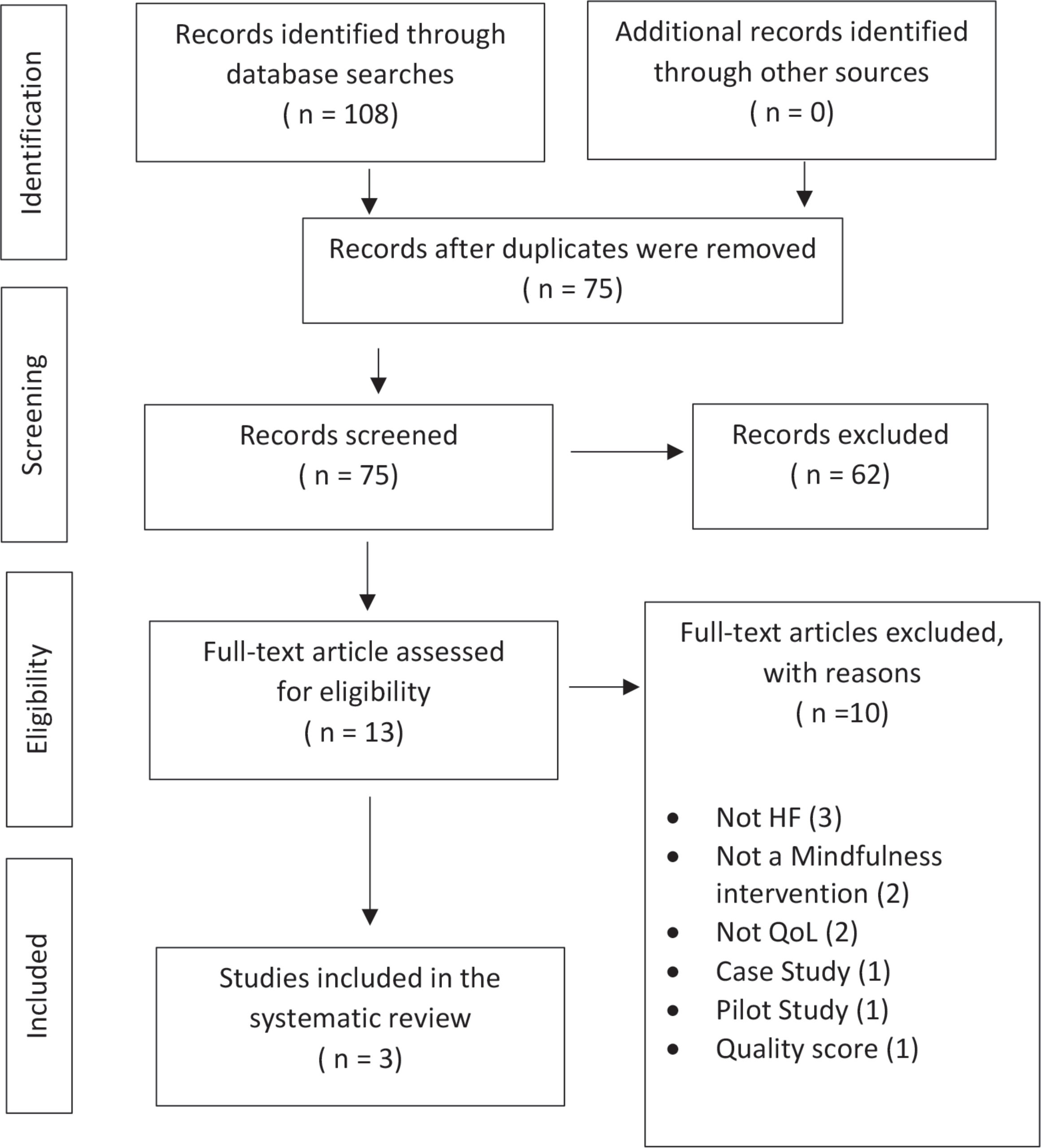
This systematic review identified 108 studies through database searches. After applying the inclusion and exclusion criteria, a total of three studies were considered qualified. These studies took place in the Netherlands, the USA, and Brazil, and occurred between 2005 and 2015. Sample sizes varied from 19 to 215, and the average range of participants within each study varied from 43.2 to 75.4 years. Compared to control programs, mindfulness-based meditation programs improved the quality of life in two studies (p= 0.041 and p=0.03).

Conclusion:

Mindfulness-based meditation programs improved the quality of life in patients with HF. Therefore, there is limited data to strengthen this recommendation to this population, and future research is warranted in order to present consistency in the intervention protocols.
  • Awarence
  • Heart Failure
  • Knowledge
  • Meditation
  • Mindfulness
  • Quality of life
Read Full Article
Creative Commons Attribution (CC BY) Creative Commons license
09/08/2021 DOI: 10.36660/ijcs.20200135 Views 2
IJCS
Original Article

Improvement in Semiconductivity On The Measurement Of Blood Pressure After An Educational Intervention In Health Professionals

Cynthia Kallás Bachur et al. Sarah Silva Candido Gerlia Bernardes Silveira Samantha Gurgel Oliveira Sousa … Joao Hercos Neto Eugenia Velludo Veiga

Abstract

Background

Measuring blood pressure is a simple method, but it is subject to errors.

Objective

to evaluate the theoretical and practical knowledge of the steps of blood pressure measurement in health professionals, before and after the educational intervention.

Methods

The theoretical knowledge questionnaire on indirect blood pressure measurement was used to assess theoretical knowledge; to assess practical knowledge, the simulation strategy was applied in a standardized clinical setting and environment. The assessments were reapplied after one month. For data analysis, descriptive statistics were used.

Results

30 health professionals from different categories; 19 of whom were males aged 41 ± 9.4 years and 11 were females aged 35 ± 9.5 years. Improvement was observed in most stages of theoretical and practical knowledge when compared to pre-and post-intervention, with an emphasis on the theoretical stages: “Position of the lower limbs” 2 (6.6%) x 16 (53.3%) and “Forceps with adequate position” 1 (3.3%) x 6 (20%). In the assessment of practical knowledge, it should be highlighted: “Do not speak during the measurement” 6 (20%) x 28 (93.3%) and in the “ideal size clamp” stage 0 (0%) x 5 (16.6 %).

Conclusion

The theoretical and practical knowledge on the stages of BP measurement by health professionals in this sample was insufficient. However, after the educational intervention, there was an improvement in the technique in most stages. (International Journal of Cardiovascular Sciences. 2020; [online].ahead print, PP.0-0)

  • Blood Pressure
  • Health Personal
  • Hypertension
  • Inservice Training
  • Knowledge
  • Measument Equipment
  • questionnaires
  • Sphygmomanometers
  • Stethoscppes
Read Full Article
Creative Commons Attribution (CC BY) Creative Commons license
15/07/2020 DOI: 10.36660/ijcs.20190129 Views 3
ABC
Editorial

Physical Activity Knowledge and Levels among Children with Congenital Heart Disease

Adilson Marques et al. Bruna Gouveia

The benefits of physical activity are well documented. Among children and adolescents, physical activity improves cardiovascular, bone and metabolic health, fitness levels, weight status, and sleep. Also, there is evidence of the cognitive, psychological and social benefits of physical activity.The health benefits of physical activity are transversal to all children, including those living with a chronic disease, such as congenital heart disease (CHD), preventing comorbidities, while improving quality of life.,

The importance of physical activity for children with CHD has been documented for a long time. Engagement in physical activity is of high importance for children with CHD because they are at risk of developing other cardiovascular and metabolic diseases,, increasing signs of depression and anxiety. In addition, when present, these health problems can be mitigated by an active lifestyle.–

[…]

  • Adolescents
  • Children
  • Comorbidity
  • Exercise/ Physical Activity
  • Heart Defects, Congenital
  • Knowledge
  • Physical Conditioning
  • Quality of life
Read Full Article
Creative Commons Attribution (CC BY) Creative Commons license
01/06/2020 DOI: 10.36660/abc.20200286 Views 1
ABC
Original Article

Validation of the Brazilian-Portuguese Version of a Short Questionnaire to Assess Knowledge in Cardiovascular Disease Patients (CADE-Q SV)

Gabriela Lima de Melo Ghisi et al. Gabriela S. S. Chaves Jessica Blanco Loures Gabriela Moreira Bonfim Raquel Britto

Abstract

Background:

Patient education is an essential part of cardiovascular patients’ care targeting self-management behavior to reduce risk factors and subsequent events. Herein, a short and reliable tool to assess patients’ knowledge in Brazil is warranted.

Objectives:

To translate, culturally-adapt and psychometrically validate the Portuguese version of the Coronary Artery Disease Education Questionnaire Short Version (CADE-Q SV).

Methods:

The Portuguese CADE-Q SV – translated and culturally-adapted – was reviewed by five bilingual experts in cardiovascular disease. This version was then pre-tested in 21 patients, and clarity of items was checked using a Likert-type scale ranging from 1 = not clear to 10 = very clear. It was then psychometrically tested in 200 cardiovascular patients (41%women; mean age = 58.4 ± 11.6 years old). The internal consistency was assessed using Kuder-Richardson-20 (KR-20) and Cronbach’s alpha, test-retest reliability through intraclass correlation coefficient (ICC), factor structure using confirmatory factor analysis, and construct validity regarding educational level, family income, and time of diagnosis.

Results:

All questions were considered clear by patients (clarity range:7.8-9.6). KR-20 was 0.70. All ICC values were > 0.70. Factor analysis revealed 6 factors, all internally consistent. Construct validity was supported by significant differences in total scores by educational level and family income (p < 0.001). The overall mean was 13.08 ± 2.61. The area with the highest knowledge was risk factors and the lowest was psychosocial risk.

Conclusions:

The Portuguese CADE-SV was demonstrated to have good validity and reliability. This tool can be applicable in clinical and research settings, assessing cardiovascular patients’ knowledge as part of an education programming.

  • Cardiovascular Diseases
  • Coronary Artery Disease
  • Educational Status
  • Knowledge
  • Patient Education as Topic
  • Surveys and Questionnaires
Read Full Article
Creative Commons Attribution (CC BY) Creative Commons license
21/09/2018 DOI: 10.5935/abc.20180169 Views 1
Figure 1
ABC
Original Article

Playful Interventions Increase Knowledge about Healthy Habits and Cardiovascular Risk Factors in Children: The CARDIOKIDS Randomized Study

Fátima H. Cecchetto et al. Daniela B. Pena Lucia C. Pellanda

Abstract

Background:

Childhood obesity is an important health problem worldwide. In this context, there is a need for the development and evaluation of innovative educational interventions targeting prevention and formation of health habits.

Objectives:

To ascertain the impact of ludic workshops on children’s knowledge, self-care, and body weight.

Methods:

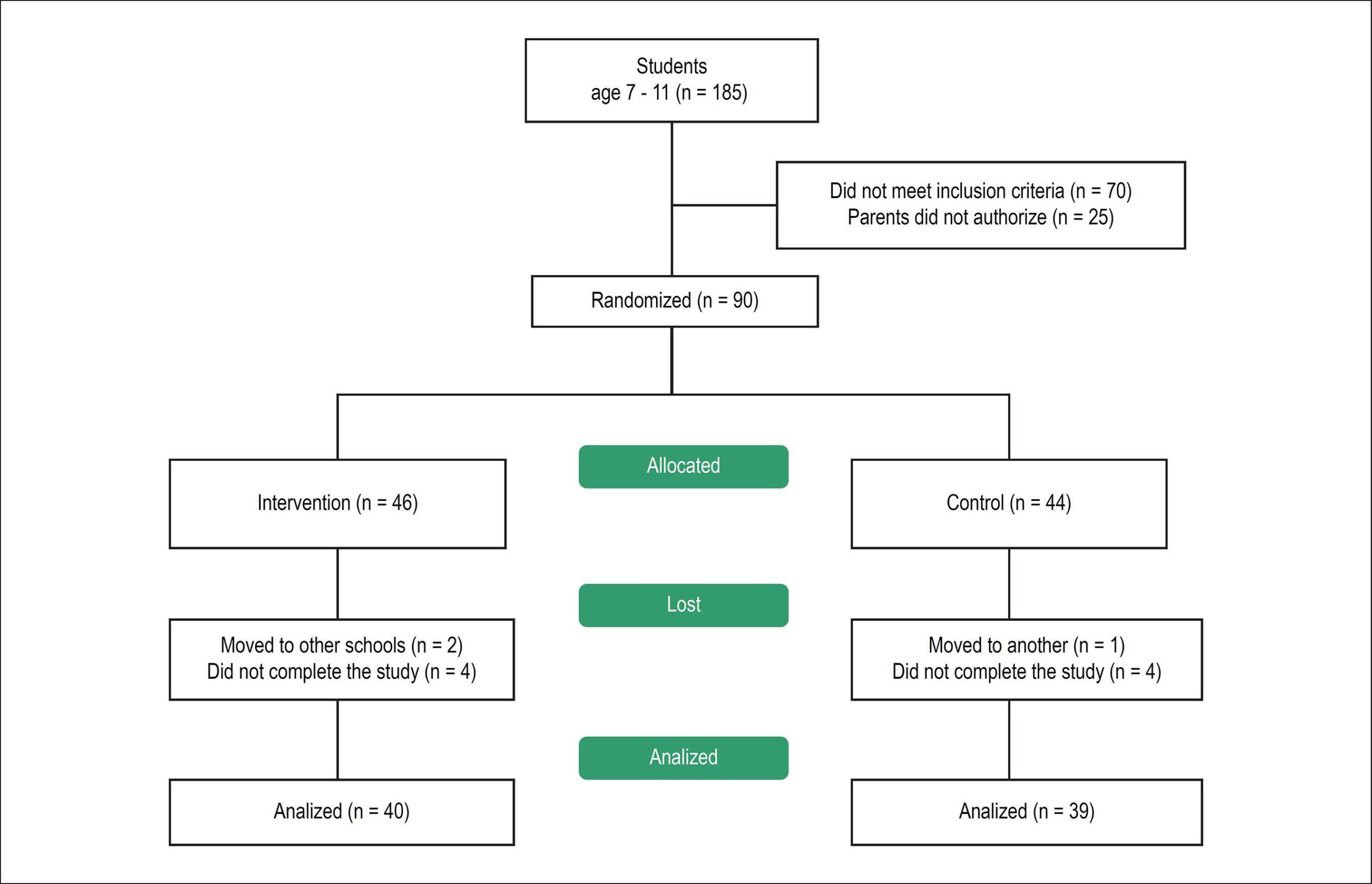
This was a randomized, clinical study with 79 students aged 7-11 years, conducted from March to November 2012. Anthropometric measurements were collected and two questionnaires (Typical Day of Physical Activities and Food Intake, in Portuguese, and the CARDIOKIDS, a questionnaire of knowledge about cardiovascular risk factors) were applied at baseline, at the end of intervention, and three months thereafter. The intervention consisted of eight playful workshops, which involved the presentation of a play.

Results:

Seventy-nine students were randomized to the intervention (n = 40) or the control group (n = 39). Mean age was 10.0 ± 1.1 years. After eight weeks, the intervention group showed significant improvement in the knowledge score (p < 0.001). There was an increase in physical activity scores in both groups, but with no difference between the groups at the end of intervention (p = 0.209). A reduction in the BMI percentile was observed in the intervention group, but there was no significant statistical difference between the two groups after the intervention.

Conclusions:

Playful interventions may improve knowledge and physical activity levels in children and, when combined with other strategies, may be beneficial to prevent child obesity and improve self-care.

  • Child
  • Games, Recreational
  • Knowledge
  • Motor Activity
  • Pediatric Obesity
  • Randomized Controlled Trial as Topic
Read Full Article
Creative Commons Attribution (CC BY) Creative Commons license
20/07/2017 DOI: 10.5935/abc.20170107 Views 1
ABC
Viewpoint

The New Faces of Medicine – a Journey and a Perspective

Adib Jatene

Professor Protásio da Luz, basic science and clinical researcher and renowned cardiologist, offers us his newest book The New Faces of Medicine. It is a presentation of his vision of the scientific and humanistic bases of medicine, its evolution and its future.

With expressive illustrations, the book presents us with the importance of the connection of technique with the human, of science with the relationship of physicians and patients. “It’s not the anamnesis yet. It’s just the first approach to know the person.” This seemingly trivial sentence contains deep wisdom and experience of the professional and professor of medicine practicing one of the major goals of the university: to propagate knowledge for improvement of students and physicians in general.

[…]

  • Adib Jatene (in memorian)
  • Editorial
  • Faculty, Medical
  • Information Dissemination
  • Knowledge
  • Teaching
Read Full Article
Creative Commons Attribution (CC BY) Creative Commons license
01/03/2015 DOI: 10.5935/abc.20150023
Figure 1
ABC
Review Article

Development of Anatomophysiologic Knowledge Regarding the Cardiovascular System: From Egyptians to Harvey

Reinaldo Bulgarelli Bestetti et al. Carolina Baraldi A. Restini Lucélio B. Couto

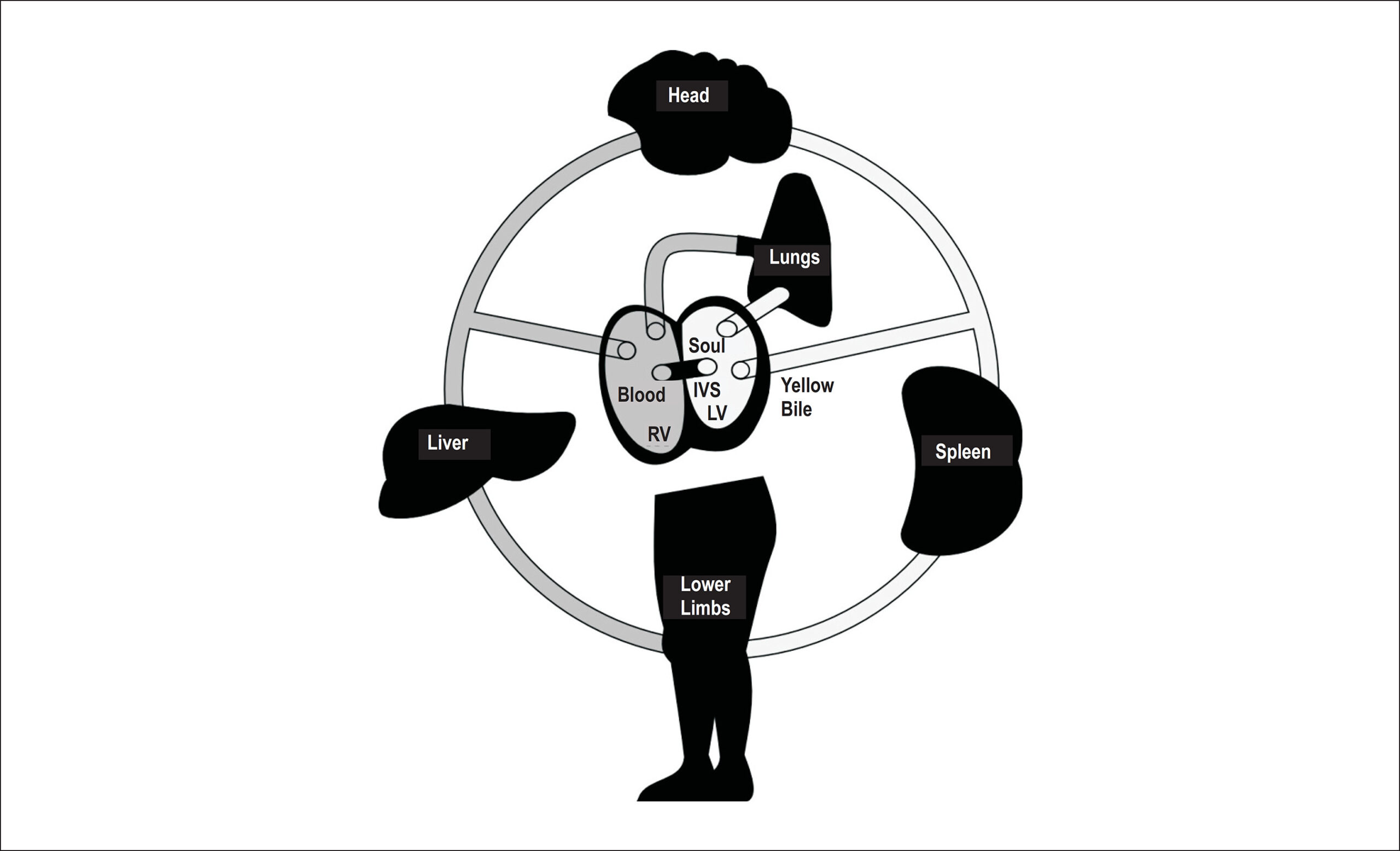
Our knowledge regarding the anatomophysiology of the cardiovascular system (CVS) has progressed since the fourth millennium BC. In Egypt (3500 BC), it was believed that a set of channels are interconnected to the heart, transporting air, urine, air, blood, and the soul. One thousand years later, the heart was established as the center of the CVS by the Hippocratic Corpus in the medical school of Kos, and some of the CVS anatomical characteristics were defined. The CVS was known to transport blood via the right ventricle through veins and the pneuma via the left ventricle through arteries. Two hundred years later, in Alexandria, following the development of human anatomical dissection, Herophilus discovered that arteries were 6 times thicker than veins, and Erasistratus described the semilunar valves, emphasizing that arteries were filled with blood when ventricles were empty. Further, 200 years later, Galen demonstrated that arteries contained blood and not air. With the decline of the Roman Empire, Greco-Roman medical knowledge about the CVS was preserved in Persia, and later in Islam where, Ibn Nafis inaccurately described pulmonary circulation. The resurgence of dissection of the human body in Europe in the 14th century was associated with the revival of the knowledge pertaining to the CVS. The main findings were the description of pulmonary circulation by Servetus, the anatomical discoveries of Vesalius, the demonstration of pulmonary circulation by Colombo, and the discovery of valves in veins by Fabricius. Following these developments, Harvey described blood circulation.

  • Anthropology, Cultural / trends
  • Cardiovascular System
  • Civilization / history
  • Egypt
  • Greek World / history
  • Knowledge
Read Full Article
Creative Commons Attribution (CC BY) Creative Commons license
10/10/2014 DOI: 10.5935/abc.20140148 Views 1
ABC
Artigo Original

Ethics in research with human beings: from knowledge to practice

Sandro Gonçalves de Lima et al. Tatiana Albuquerque Gonçalves de Lima Larissa Araripe de Macedo Michel Pompeu Barros de Oliveira Sá … Marcela de Lima Vidal Rafael Alessandro Ferreira Gomes Laura Correia Oliveira Ana Maria Aguiar Santos

BACKGROUND: In Brazil, resolution 196/96 and its amendments regulate the preservation of rights, respect and dignity of human beings involved in research. OBJECTIVE: To analyze the adequacy of Free Communications (FC) presented during the XVIII Congresso Pernambucano de Cardiologia to resolution 196/96. METHODS: During a cross-sectional study, interviews were carried out with the authors of the FC presented at the Congress and the abstracts of the studies were assessed in order to identify the need for previous approval by a Research Ethics Committee (REC). RESULTS: A total of 90 FC were presented and, in most of them (86.8%), medical files were the most commonly used source of data. Only 23.1% of the FC were submitted to the assessment of a REC and 15.4% of them used a Free and Informed Consent Form (FICF). Among the authors whose studies were not assessed by a REC, 65.6% stated that this conduct was not necessary and 18% of them were unaware of the need to submit the study to such assessment. The written authorization given by the institution where the FC were carried out was not obtained in 56.6% of the studies. Most of the authors (80.0%) stated that they had never read Resolution 196/96. The proportion of FC submitted to a REC was significantly higher among authors that had read Resolution 196/96 (p = 0.005). The FC design influenced the non-submission of the studies to a REC (p < 0.001). Most of the FC that were authorized by the institution where they were carried out were submitted to a REC (p < 0.001). CONCLUSION: Most of the FC presented at the Congress did not follow the Brazilian regulations concerning the ethics in research.

  • Ethics, Research
  • Humans
  • Knowledge
  • Practice
Read Full Article
Creative Commons Attribution (CC BY) Creative Commons license
30/07/2010 DOI: 10.1590/S0066-782X2010005000097
ABC
Artigo Original

Validation into portuguese of the Maugerl CaRdiac preventiOn-Questionnaire (MICRO-Q)

Gabriela Lima de Melo Ghisi et al. Claudia Medeiros Leite Adriana Durieux Isabel de Castro Schenkel … Maíra S. de Assumpção Melina Medeiros de Barros Daniel Taiva Alexandro Andrade Magnus Benetti

BACKGROUND: The Maugerl CaRdiac preventiOn-Questionnaire (MICRO-Q) is a validated specific tool used to assess the knowledge of the patient with coronary disease on aspects related to the secondary prevention of coronary artery disease (CAD). OBJECTIVE: To translate, adapt and validate the MICRO-Q to Brazilian Portuguese. METHODS: Two initial independent translations were carried out into Brazilian Portuguese. After their comparison, the reverse translation was carried out, which was reviewed by a committee and generated the final version that was tested in a pilot study. The tool was applied to 212 coronary patients, with a mean age of 60 to 71 years (standard deviation = 9.4; range: 35-86) that participated in cardiac rehabilitation programs. The internal consistency was verified by Cronbach’s Alpha Coefficient, correlation through Spearman’s Rho and the validity of the construct was verified through exploratory factorial analysis. The means were analyzed by comparing the scales of the correct questions in relation to variables such as age, sex, associate comorbidities, degree of schooling, family income, among others. RESULTS: The Brazilian version of the MICRO-Q has 25 questions. The reliability of this version presented a Cronbach’s Alpha Coefficient of 0.64 and a Spearman’s Rho of the correct answers of 0.65. The factorial analysis showed 6 factors related to the domains of knowledge of the questionnaire. The analysis of the population characteristics regarding the scales of the correct questions presented significant differences only in relation to monthly family income and degree of schooling. CONCLUSION: The approved Brazilian version of the MICRO-Q presents adequate validity and reliability for its use in future studies.

  • Coronary Artery Disease
  • Knowledge
  • questionnaires
  • Rehabilitation
Read Full Article
Creative Commons Attribution (CC BY) Creative Commons license
28/04/2010 DOI: 10.1590/S0066-782X2010000300018 Views 1

How to cite this article

EndNote RIS

Electronic Document Format (Vancouver)

Cavalcante VN, Cavalcanti ACD, Tinoco JMVP, Figueiredo LS, Mesquita ET. Effectiveness of Mindfulness Meditation Programs in the Promotion of Quality of Life in Patients with Heart Failure: A Systematic Review. International Journal of Cardiovascular Sciences 2021;35(1):108-12.

Electronic Document Format (ABNT)

Cavalcante, Vaisnava Nogueira; Cavalcanti, Ana Carla Dantas; Tinoco, Juliana de Melo Vellozo Pereira; Figueiredo, Lyvia da Silva; Mesquita, Evandro Tinoco. Effectiveness of Mindfulness Meditation Programs in the Promotion of Quality of Life in Patients with Heart Failure: A Systematic Review. International Journal of Cardiovascular Sciences, v. 35, n. 1, p. 108-112, Aug. 2021.

Electronic Document Format (APA)

Cavalcante, V. N., Cavalcanti, A. C. D., Tinoco, J. M. V. P., Figueiredo, L. S., & Mesquita, E. T. (2021). Effectiveness of Mindfulness Meditation Programs in the Promotion of Quality of Life in Patients with Heart Failure: A Systematic Review. International Journal of Cardiovascular Sciences, 35(1), 108-112.

Electronic Document Format (ISO)

Cavalcante, Vaisnava Nogueira and Cavalcanti, Ana Carla Dantas and Tinoco, Juliana de Melo Vellozo Pereira and Figueiredo, Lyvia da Silva and Mesquita, Evandro Tinoco. Effectiveness of Mindfulness Meditation Programs in the Promotion of Quality of Life in Patients with Heart Failure: A Systematic Review. International Journal of Cardiovascular Sciences [online]. 2021, vol. 35, n. 1, [cited 2026-10-14], pp. 108-112. Available from: <https://journals.cardiol.br/en/article/effectiveness-of-mindfulness-meditation-programs-in-the-promotion-of-quality-of-life-in-patients-with-heart-failure-a-systematic-review/>. ISSN 2359-4802

EndNote RIS

Electronic Document Format (Vancouver)

Bachur CK, Candido SS, Silveira GB, Sousa SGO, Hercos Neto J, Veiga EV. Improvement in Semiconductivity On The Measurement Of Blood Pressure After An Educational Intervention In Health Professionals. International Journal of Cardiovascular Sciences 2020;34(1):1-7.

Electronic Document Format (ABNT)

Bachur, Cynthia Kallás; Candido, Sarah Silva; Silveira, Gerlia Bernardes; Sousa, Samantha Gurgel Oliveira; Hercos Neto, Joao; Veiga, Eugenia Velludo. Improvement in Semiconductivity On The Measurement Of Blood Pressure After An Educational Intervention In Health Professionals. International Journal of Cardiovascular Sciences, v. 34, n. 1, p. 1-7, Jul. 2020.

Electronic Document Format (APA)

Bachur, C. K., Candido, S. S., Silveira, G. B., Sousa, S. G. O., Hercos Neto, J., & Veiga, E. V. (2020). Improvement in Semiconductivity On The Measurement Of Blood Pressure After An Educational Intervention In Health Professionals. International Journal of Cardiovascular Sciences, 34(1), 1-7.

Electronic Document Format (ISO)

Bachur, Cynthia Kallás and Candido, Sarah Silva and Silveira, Gerlia Bernardes and Sousa, Samantha Gurgel Oliveira and Hercos Neto, Joao and Veiga, Eugenia Velludo. Improvement in Semiconductivity On The Measurement Of Blood Pressure After An Educational Intervention In Health Professionals. International Journal of Cardiovascular Sciences [online]. 2020, vol. 34, n. 1, [cited 2026-10-14], pp. 1-7. Available from: <https://journals.cardiol.br/en/article/improvement-in-semiconductivity-on-the-measurement-of-blood-pressure-after-an-educational-intervention-in-health-professionals/>. ISSN 2359-4802

EndNote RIS

Electronic Document Format (Vancouver)

Marques A, Gouveia B. Physical Activity Knowledge and Levels among Children with Congenital Heart Disease. Arquivos Brasileiros de Cardiologia 2020;114(5):793-4.

Electronic Document Format (ABNT)

Marques, Adilson; Gouveia, Bruna. Physical Activity Knowledge and Levels among Children with Congenital Heart Disease. Arquivos Brasileiros de Cardiologia, v. 114, n. 5, p. 793-794, May. 2020.

Electronic Document Format (APA)

Marques, A., & Gouveia, B. (2020). Physical Activity Knowledge and Levels among Children with Congenital Heart Disease. Arquivos Brasileiros de Cardiologia, 114(5), 793-794.

Electronic Document Format (ISO)

Marques, Adilson and Gouveia, Bruna. Physical Activity Knowledge and Levels among Children with Congenital Heart Disease. Arquivos Brasileiros de Cardiologia [online]. 2020, vol. 114, n. 5, [cited 2026-10-14], pp. 793-794. Available from: <https://journals.cardiol.br/en/article/physical-activity-knowledge-and-levels-among-children-with-congenital-heart-disease/>. ISSN 0066-782X

EndNote RIS

Electronic Document Format (Vancouver)

Ghisi GLM, Chaves GSS, Loures JB, Bonfim GM, Britto R. Validation of the Brazilian-Portuguese Version of a Short Questionnaire to Assess Knowledge in Cardiovascular Disease Patients (CADE-Q SV). Arquivos Brasileiros de Cardiologia 2018;111(6):841-9.

Electronic Document Format (ABNT)

Ghisi, Gabriela Lima de Melo; Chaves, Gabriela S. S.; Loures, Jessica Blanco; Bonfim, Gabriela Moreira; Britto, Raquel. Validation of the Brazilian-Portuguese Version of a Short Questionnaire to Assess Knowledge in Cardiovascular Disease Patients (CADE-Q SV). Arquivos Brasileiros de Cardiologia, v. 111, n. 6, p. 841-849, Sep. 2018.

Electronic Document Format (APA)

Ghisi, G. L. M., Chaves, G. S. S., Loures, J. B., Bonfim, G. M., & Britto, R. (2018). Validation of the Brazilian-Portuguese Version of a Short Questionnaire to Assess Knowledge in Cardiovascular Disease Patients (CADE-Q SV). Arquivos Brasileiros de Cardiologia, 111(6), 841-849.

Electronic Document Format (ISO)

Ghisi, Gabriela Lima de Melo and Chaves, Gabriela S. S. and Loures, Jessica Blanco and Bonfim, Gabriela Moreira and Britto, Raquel. Validation of the Brazilian-Portuguese Version of a Short Questionnaire to Assess Knowledge in Cardiovascular Disease Patients (CADE-Q SV). Arquivos Brasileiros de Cardiologia [online]. 2018, vol. 111, n. 6, [cited 2026-10-14], pp. 841-849. Available from: <https://journals.cardiol.br/en/article/validation-of-the-brazilian-portuguese-version-of-a-short-questionnaire-to-assess-knowledge-in-cardiovascular-disease-patients-cade-q-sv/>. ISSN 0066-782X

EndNote RIS

Electronic Document Format (Vancouver)

Cecchetto FH, Pena DB, Pellanda LC. Playful Interventions Increase Knowledge about Healthy Habits and Cardiovascular Risk Factors in Children: The CARDIOKIDS Randomized Study. Arquivos Brasileiros de Cardiologia 2017;109(3):199-206.

Electronic Document Format (ABNT)

Cecchetto, Fátima H.; Pena, Daniela B.; Pellanda, Lucia C.. Playful Interventions Increase Knowledge about Healthy Habits and Cardiovascular Risk Factors in Children: The CARDIOKIDS Randomized Study. Arquivos Brasileiros de Cardiologia, v. 109, n. 3, p. 199-206, Jul. 2017.

Electronic Document Format (APA)

Cecchetto, F. H., Pena, D. B., & Pellanda, L. C. (2017). Playful Interventions Increase Knowledge about Healthy Habits and Cardiovascular Risk Factors in Children: The CARDIOKIDS Randomized Study. Arquivos Brasileiros de Cardiologia, 109(3), 199-206.

Electronic Document Format (ISO)

Cecchetto, Fátima H. and Pena, Daniela B. and Pellanda, Lucia C.. Playful Interventions Increase Knowledge about Healthy Habits and Cardiovascular Risk Factors in Children: The CARDIOKIDS Randomized Study. Arquivos Brasileiros de Cardiologia [online]. 2017, vol. 109, n. 3, [cited 2026-10-14], pp. 199-206. Available from: <https://journals.cardiol.br/en/article/playful-interventions-increase-knowledge-about-healthy-habits-and-cardiovascular-risk-factors-in-children-the-cardiokids-randomized-study/>. ISSN 0066-782X

EndNote RIS

Electronic Document Format (Vancouver)

Jatene A. The New Faces of Medicine – a Journey and a Perspective. Arquivos Brasileiros de Cardiologia 2015;104(3):e25.

Electronic Document Format (ABNT)

Jatene, Adib. The New Faces of Medicine – a Journey and a Perspective. Arquivos Brasileiros de Cardiologia, v. 104, n. 3, p. e25-e25, Feb. 2015.

Electronic Document Format (APA)

Jatene, A. (2015). The New Faces of Medicine – a Journey and a Perspective. Arquivos Brasileiros de Cardiologia, 104(3), e25-e25.

Electronic Document Format (ISO)

Jatene, Adib. The New Faces of Medicine – a Journey and a Perspective. Arquivos Brasileiros de Cardiologia [online]. 2015, vol. 104, n. 3, [cited 2026-10-14], pp. e25-e25. Available from: <https://journals.cardiol.br/en/article/the-new-faces-of-medicine-a-journey-and-a-perspective/>. ISSN 0066-782X

EndNote RIS

Electronic Document Format (Vancouver)

Bestetti RB, Restini CBA, Couto LB. Development of Anatomophysiologic Knowledge Regarding the Cardiovascular System: From Egyptians to Harvey. Arquivos Brasileiros de Cardiologia 2014;103(6):538-45.

Electronic Document Format (ABNT)

Bestetti, Reinaldo Bulgarelli; Restini, Carolina Baraldi A.; Couto, Lucélio B.. Development of Anatomophysiologic Knowledge Regarding the Cardiovascular System: From Egyptians to Harvey. Arquivos Brasileiros de Cardiologia, v. 103, n. 6, p. 538-545, Oct. 2014.

Electronic Document Format (APA)

Bestetti, R. B., Restini, C. B. A., & Couto, L. B. (2014). Development of Anatomophysiologic Knowledge Regarding the Cardiovascular System: From Egyptians to Harvey. Arquivos Brasileiros de Cardiologia, 103(6), 538-545.

Electronic Document Format (ISO)

Bestetti, Reinaldo Bulgarelli and Restini, Carolina Baraldi A. and Couto, Lucélio B.. Development of Anatomophysiologic Knowledge Regarding the Cardiovascular System: From Egyptians to Harvey. Arquivos Brasileiros de Cardiologia [online]. 2014, vol. 103, n. 6, [cited 2026-10-14], pp. 538-545. Available from: <https://journals.cardiol.br/en/article/development-of-anatomophysiologic-knowledge-regarding-the-cardiovascular-system-from-egyptians-to-harvey/>. ISSN 0066-782X

EndNote RIS

Electronic Document Format (Vancouver)

Lima SG, Lima TAG, Macedo LA, Sá MPBO, Vidal ML, Gomes RAF, Oliveira LC, et al. Ethics in research with human beings: from knowledge to practice. Arquivos Brasileiros de Cardiologia 2010;95(3):289-94.

Electronic Document Format (ABNT)

Lima, Sandro Gonçalves de; Lima, Tatiana Albuquerque Gonçalves de; Macedo, Larissa Araripe de; Sá, Michel Pompeu Barros de Oliveira; Vidal, Marcela de Lima; Gomes, Rafael Alessandro Ferreira; Oliveira, Laura Correia; Santos, Ana Maria Aguiar. Ethics in research with human beings: from knowledge to practice. Arquivos Brasileiros de Cardiologia, v. 95, n. 3, p. 289-294, Jul. 2010.

Electronic Document Format (APA)

Lima, S. G. , Lima, T. A. G. , Macedo, L. A. , Sá, M. P. B. O., Vidal, M. L., Gomes, R. A. F., Oliveira, L. C., & Santos, A. M. A. (2010). Ethics in research with human beings: from knowledge to practice. Arquivos Brasileiros de Cardiologia, 95(3), 289-294.

Electronic Document Format (ISO)

Lima, Sandro Gonçalves de and Lima, Tatiana Albuquerque Gonçalves de and Macedo, Larissa Araripe de and Sá, Michel Pompeu Barros de Oliveira and Vidal, Marcela de Lima and Gomes, Rafael Alessandro Ferreira and Oliveira, Laura Correia and Santos, Ana Maria Aguiar. Ethics in research with human beings: from knowledge to practice. Arquivos Brasileiros de Cardiologia [online]. 2010, vol. 95, n. 3, [cited 2026-10-14], pp. 289-294. Available from: <https://journals.cardiol.br/en/article/ethics-in-research-with-human-beings-from-knowledge-to-practice/>. ISSN 0066-782X

EndNote RIS

Electronic Document Format (Vancouver)

Ghisi GLM, Leite CM, Durieux A, Schenkel IC, Assumpção MS, Barros MM, Taiva D, et al. Validation into portuguese of the Maugerl CaRdiac preventiOn-Questionnaire (MICRO-Q). Arquivos Brasileiros de Cardiologia 2010;94(3):394-400.

Electronic Document Format (ABNT)

Ghisi, Gabriela Lima de Melo; Leite, Claudia Medeiros; Durieux, Adriana; Schenkel, Isabel de Castro; Assumpção, Maíra S. de; Barros, Melina Medeiros de; Taiva, Daniel; Andrade, Alexandro; Benetti, Magnus. Validation into portuguese of the Maugerl CaRdiac preventiOn-Questionnaire (MICRO-Q). Arquivos Brasileiros de Cardiologia, v. 94, n. 3, p. 394-400, Apr. 2010.

Electronic Document Format (APA)

Ghisi, G. L. M., Leite, C. M., Durieux, A., Schenkel, I. C., Assumpção, M. S. , Barros, M. M. , Taiva, D., Andrade, A., & Benetti, M. (2010). Validation into portuguese of the Maugerl CaRdiac preventiOn-Questionnaire (MICRO-Q). Arquivos Brasileiros de Cardiologia, 94(3), 394-400.

Electronic Document Format (ISO)

Ghisi, Gabriela Lima de Melo and Leite, Claudia Medeiros and Durieux, Adriana and Schenkel, Isabel de Castro and Assumpção, Maíra S. de and Barros, Melina Medeiros de and Taiva, Daniel and Andrade, Alexandro and Benetti, Magnus. Validation into portuguese of the Maugerl CaRdiac preventiOn-Questionnaire (MICRO-Q). Arquivos Brasileiros de Cardiologia [online]. 2010, vol. 94, n. 3, [cited 2026-10-14], pp. 394-400. Available from: <https://journals.cardiol.br/en/article/validation-into-portuguese-of-the-maugerl-cardiac-prevention-questionnaire-micro-q/>. ISSN 0066-782X

  • About ABC Family
  • Internal Regulation
  • Editorial Board
  • Brazilian Society of Cardiology (SBC)

Issues

SBC Guidelines

  • Videos
  • Podcasts
  • News