ABC Family Arquivos Brasileiros de Cardiologia International Journal of Cardiovascular Sciences ABC Heart Failure & Cardiomyopathy ABC Imagem Cardiovascular
Português English
ABC Family
Português English
  • About
    • About ABC Family
    • Internal Regulation
    • Editorial Board
    • Brazilian Society of Cardiology (SBC)
  • Issues
  • SBC Guidelines
  • Content
    • Videos
    • Podcasts
    • News
  • About
    • About ABC Family
    • Internal Regulation
    • Editorial Board
    • Brazilian Society of Cardiology (SBC)
  • Issues
  • SBC Guidelines
  • Content
    • Videos
    • Podcasts
    • News

ABC Family

  • ABC Family
  • Arquivos Brasileiros de Cardiologia
  • International Journal of Cardiovascular Sciences
  • ABC Heart Failure & Cardiomyopathy
  • ABC Imagem Cardiovascular
Search in

No content found.

Journals
Ordering
Article types
Others

  1. Home
  2. Keyword: Angioplasty, Balloon, Coronary
ABC
Letter to the Editor

Geometric Models in Left Main Coronary Bifurcation: Mathematical Accuracy and Clinical Limits in the Era of Intravascular Imaging

Guilherme O. Araújo et al. Henrique Barbosa Ribeiro

The geometry of coronary bifurcations plays a fundamental role in the pathophysiology of atherosclerosis and in the planning of percutaneous coronary intervention. Among these structures, the bifurcation of the left main coronary artery (LMCA) assumes singular relevance, not only due to the large myocardial territory it irrigates, but also due to the complex interaction between hemodynamic forces, vascular remodeling, and the progression of atherosclerotic disease. In this context, geometric models that estimate the diameter of the main vessel from the dimensions of the distal branches have been proposed as auxiliary tools for vessel sizing and for optimizing interventional strategies. However, studies systematically comparing these models with intravascular imaging tools, which are more precise in measuring coronary arteries, are lacking.–

Garzon et al. evaluated the reliability of the Murray, Finet, and Huo-Kassab models in estimating the dimensions of the LMCA bifurcation in arteries with moderate atherosclerosis, using quantitative coronary angiography (QCA) and Intravascular ultrasound (IVUS) as reference methods.The authors demonstrated that the Murray and Huo-Kassab models exhibit greater accuracy and precision compared to the Finet model, with the Murray model performing particularly better when IVUS is used as the reference standard. These findings are consistent with the theoretical robustness of models based on fluid dynamics principles and energy optimization, in contrast to the Finet model, which is empirically derived from angiographic fractal geometry.–

[…]

  • Angioplasty, Balloon, Coronary
  • Coronary Angiography
  • Interventional Ultrasonography
Read Full Article
Creative Commons Attribution (CC BY) Creative Commons license
03/08/2026 DOI: 10.36660/abc.20260239i Views 1
Figure 1
ABC
Original Article

Carotid Artery Atherosclerotic Profile as Risk Predictor for Restenosis After Coronary Stenting

Cássia da Silva Antico Rodrigues et al. Rodrigo Bazan Fabrício Moreira Reis Caroline F. S. Mazeto Pupo da Silveira … Lívia Maria Severino Hueb Fábio Cardoso de Carvalho Hélio Rubens de Carvalho Nunes Katashi Okoshi João Carlos Hueb Silméia Garcia Zanati Bazan

Abstract

Background:

The incidence of restenosis of the coronary artery after a bare-metal stent implant has been lower than in simple balloon angioplasty; however, it still shows relatively high rates.

Objective:

The aim of this study was to find new risk indicators for in-stent restenosis using carotid ultrasonography, that, in addition to the already existing indicators, would help in decision-making for stent selection.

Methods:

We carried out a cross-sectional prospective study including 121 consecutive patients with chronic coronary artery disease who had undergone percutaneous coronary intervention with repeat angiography in the previous 12 months. After all cases of in-stent restenosis were identified, patients underwent carotid ultrasonography to evaluate carotid intima-media thickness and atherosclerosis plaques. The data were analyzed by Cox multiple regression. The significance level was set a p<0.05.

Results:

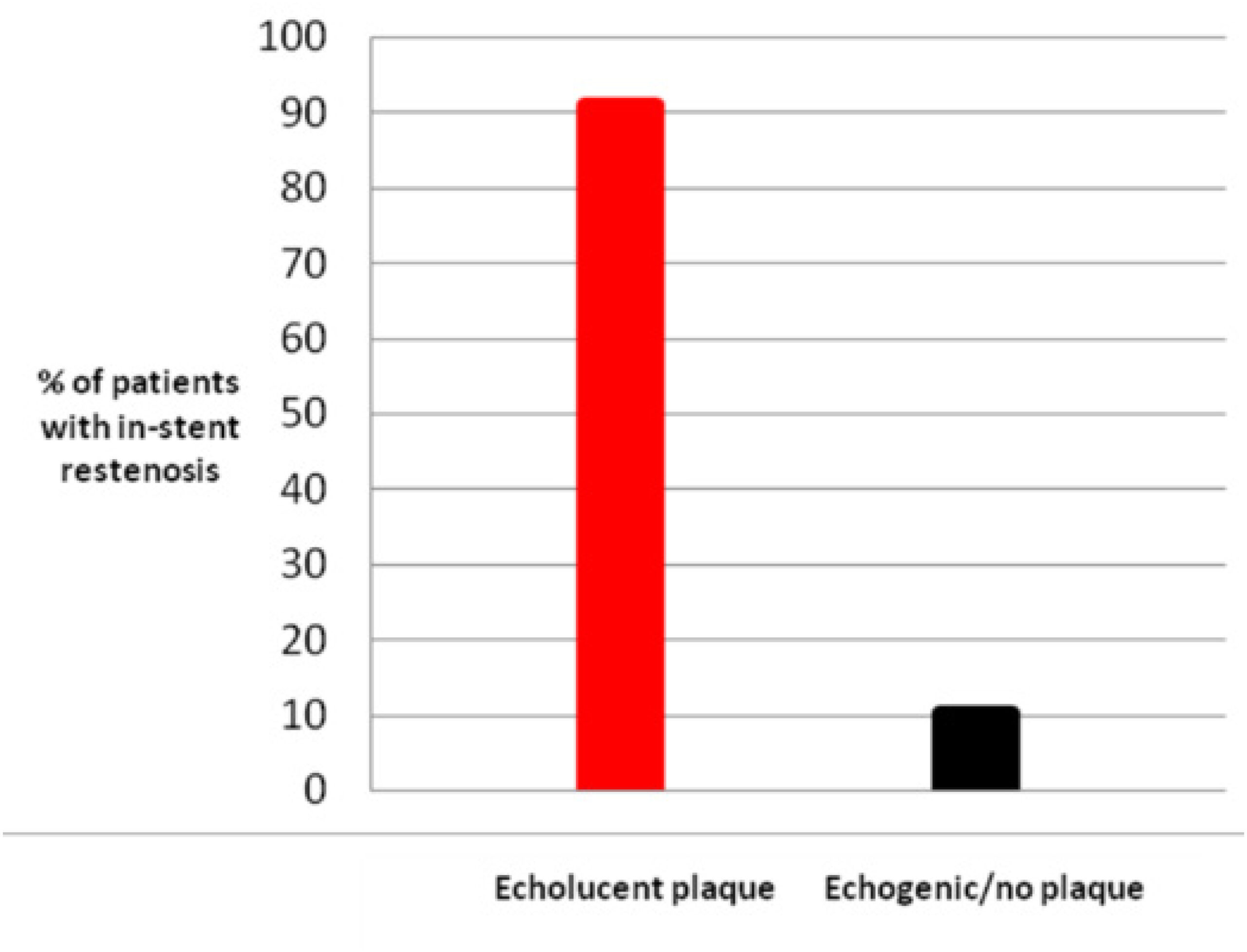
Median age of patients was 60 years (1st quartile = 55, 3rd quartile = 68), and 64.5% of patients were male. Coronary angiography showed that 57 patients (47.1%) presented in-stent restenosis. Fifty-five patients (45.5%) had echolucent atherosclerotic plaques in carotid arteries and 54.5% had echogenic plaques or no plaques. Of patients with who had echolucent plaques, 90.9% presented coronary in-stent restenosis. Of those who had echogenic plaques or no plaques, 10.6% presented in-stent restenosis. The presence of echolucent plaques in carotid arteries increased the risk of coronary in-stent restenosis by 8.21 times (RR=8.21; 95%CI: 3.58-18.82; p<0.001).

Conclusions:

The presence of echolucent atherosclerotic plaques in carotid artery constitutes a risk predictor of coronary instent restenosis and should be considered in the selection of the type of stent to be used in coronary angioplasty.

  • Angioplasty, Balloon, Coronary
  • Atherosclerosis
  • Carotid Arteries Ultrasonography
  • Coronary Artery Disease
  • Coronary Restenosis
  • Plaque, Atherosclerotic
  • Stents
Read Full Article
Creative Commons Attribution (CC BY) Creative Commons license
16/04/2021 DOI: 10.36660/abc.20190650 Views 1
Figure 1
IJCS
Original Article

Door-to-balloon Time in Cardiovascular Emergency Care in a Hospital of Northern Brazil

Tárcio Sadraque Gomes Amoras et al. Taymara Barbosa Rodrigues Cláudia Ribeiro Menezes Christielaine Venzel Zaninotto Roseneide dos Santos Tavares

Abstract

Background

The use of an adequate door-to-balloon time (≤ 90 minutes) is crucial in improving the quality of care provided to patients with ST-segment elevation myocardial infarction (STEMI).

Objective

To determine the door-to-balloon time in the management of STEMI patients in a cardiovascular emergency department in a hospital of northern Brazil.

Methods

This was a cross-sectional study based on review of medical records. A total of 109 patients with STEMI admitted to the emergency department of a referral cardiology hospital in Pará State, Brazil, between May 2017 and December 2017. Correlations of the door-to-balloon time with length of hospital stay and mortality rate were assessed, as well as whether the time components of the door-to-balloon time affected the delay in performing primary percutaneous coronary intervention. Quantitative variables were analyzed by Spearman correlation and the G test was used for categorical variables. A p<0.05 was set as statistically significant.

Results

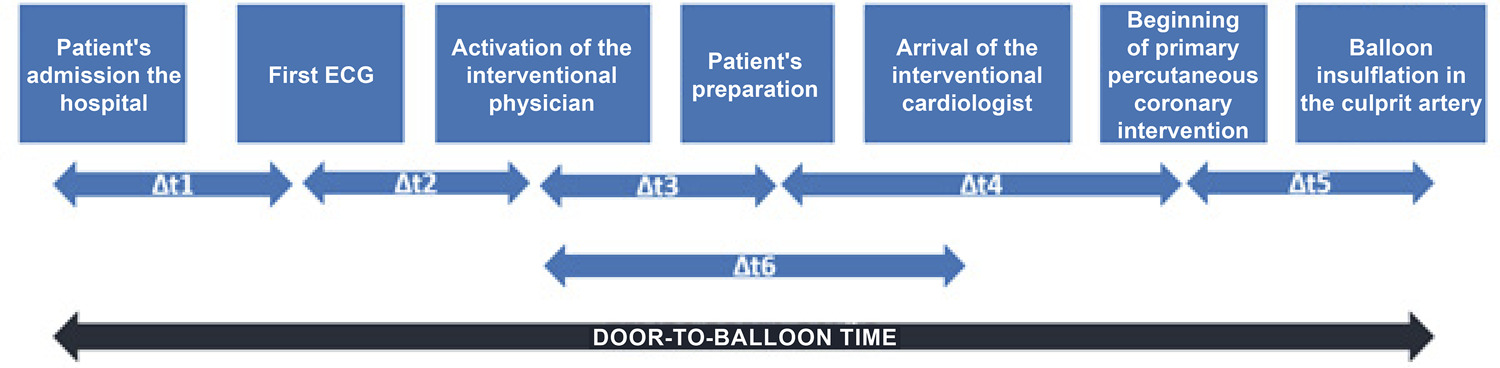
Median door-to-balloon time was 104 minutes. No significant correlation was found between door-to-balloon time and length of hospital stay or deaths, but significant correlations were found between door-to-balloon time and door-to-ECG time (p<0.001) and ECG-to-activation (of an interventional cardiologist) time (p<0.001).

Conclusion

The door-to-balloon time was longer the recommended and was not correlated with the length of hospital stay or in-hospital mortality. Door-to-ECG time and ECG-to-activation time contributed to the delay in performing the primary percutaneous coronary intervention. Int J Cardiovasc Sci. 2020; [online].ahead print, PP.0-0

  • Admitting Department, Hospital
  • Angioplasty, Balloon, Coronary
  • health care
  • Myocardial Infarction
  • Quality Indicators
  • Time to Treatment
Read Full Article
Creative Commons Attribution (CC BY) Creative Commons license
06/11/2020 DOI: 10.36660/ijcs.20190104 Views 1
ABC
Editorial

Analysis of FFR Measurement Clinical Impact and Cost-Effectiveness Compared to Angiography In Multi-Arterial Patients Undergoing PCI

Fernando Mendes Sant'Anna et al. Lucas Bonacossa Sant'Anna

The study by Quintella et al. published in this issue of the journal, brings us valuable information about the use of an important physiological evaluation tool in the hemodynamic laboratory. FFR-guided treatment (myocardial fractional flow reserve), used in the percutaneous coronary intervention (PCI) with bare-metal stent (BMS) implantation in multi-arterial patients treated in the Unified Health System (SUS) has been shown to be useful in decreasing the incidence of new revascularization of the target vessel (clinical restenosis), as well as being cost-effective when compared to the angiography-guided treatment.

The value of FFR to predict major adverse cardiovascular events (MCAEs) prior to PCIs has been established for many years. Its ability to detect ischemia and, with this, to guide the most appropriate treatment, has undergone the test of time, and passed. The 15-year follow-up of the DEFER study in single-vessel patients, and the 5-year studies, FAME 1, and FAME 2, in multiarterial patients, showed consistent and unquestionable results, with a better, or at least similar, clinical progression, in the FFR-guided groups, using less stents with fewer lesions and consequently lower costs, as well as evidenced the safety of leaving lesions whose FFR was not indicative of ischemia only on drug treatment.

[…]

  • Angioplasty, Balloon, Coronary
  • Coronary Artery Disease/economics
  • Cost-Benefit Analysis
  • fractional Flow Reserve,Myocardial
  • Stents
Read Full Article
Creative Commons Attribution (CC BY) Creative Commons license
01/01/2019 DOI: 10.5935/abc.20180261
Figure 1
ABC
Original Article

Clinical Outcomes and Cost-Effectiveness Analysis of FFR Compared with Angiography in Multivessel Disease Patient

Edgard Freitas Quintella et al. Esmeralci Ferreira Vitor Manuel Pereira Azevedo Denizar V. Araujo … Fernando Mendes Sant'Anna Bernardo Amorim Denilson Campos de Albuquerque

Abstract

Background:

In multivessel disease patients with moderate stenosis, fractional flow reserve (FFR) allows the analysis of the lesions and guides treatment, and could contribute to the cost-effectiveness (CE) of non-pharmacological stents (NPS).

Objectives:

To evaluate CE and clinical impact of FFR-guided versus angiography-guided angioplasty (ANGIO) in multivessel patients using NPS.

Methods:

Multivessel disease patients were prospectively randomized to FFR or ANGIO groups during a 5 year-period and followed for < 12 months. Outcomes measures were major adverse cardiac events (MACE), restenosis and CE.

Results:

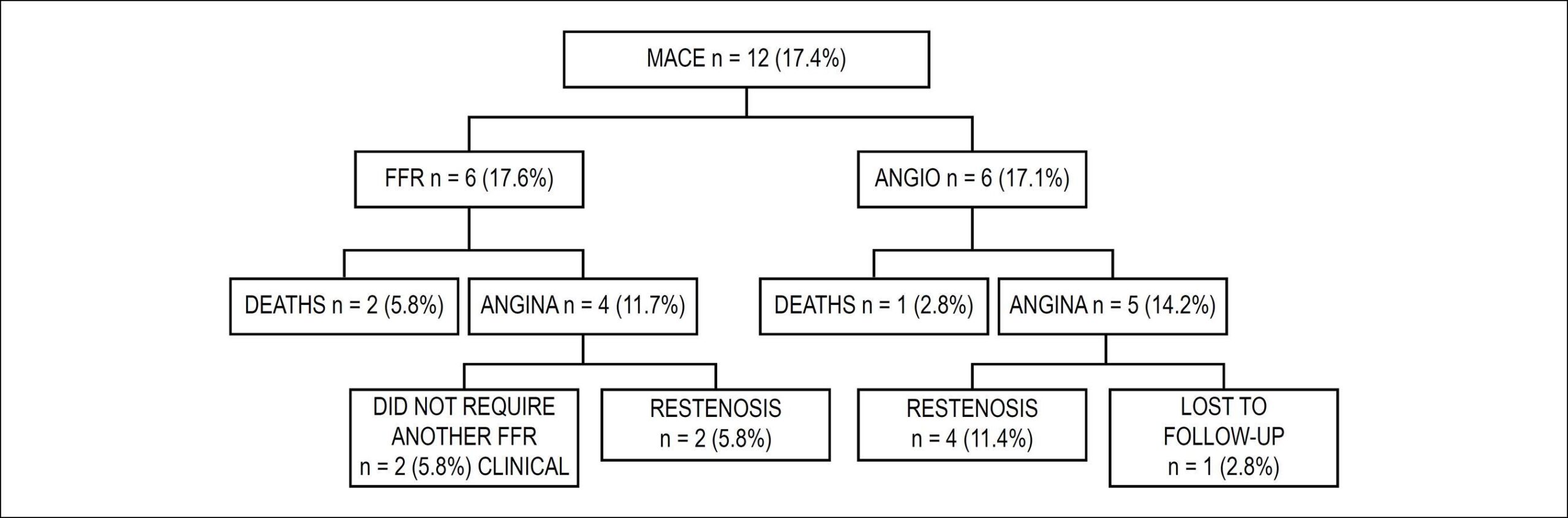
We studied 69 patients, 47 (68.1%) men, aged 62.0 ± 9.0 years, 34 (49.2%) in FFR group and 53 (50.7%) in ANGIO group, with stable angina or acute coronary syndrome. In FFR, there were 26 patients with biarterial disease (76.5%) and 8 (23.5%) with triarterial disease, and in ANGIO, 24 (68.6%) with biarterial and 11 (31.4%) with triarterial disease. Twelve MACEs were observed – 3 deaths: 2 (5.8%) in FFR and 1 (2.8%) in ANGIO, 9 (13.0%) angina: 4(11.7%) in FFR and 5(14.2%) in ANGIO, 6 restenosis: 2(5.8%) in FFR and 4 (11.4%) in ANGIO. Angiography detected 87(53.0%) lesions in FFR, 39(23.7%) with PCI and 48(29.3%) with medical treatment; and 77 (47.0%) lesions in ANGIO, all treated with angioplasty. Thirty-nine (33.3%) stents were registered in FFR (0.45 ± 0.50 stents/lesion) and 78 (1.05 ± 0.22 stents/lesion) in ANGIO (p = 0.0001), 51.4% greater in ANGIO than FFR. CE analysis revealed a cost of BRL 5,045.97 BRL 5,430.60 in ANGIO and FFR, respectively. The difference of effectiveness was of 1.82%.

Conclusion:

FFR reduced the number of lesions treated and stents, and the need for target-lesion revascularization, with a CE comparable with that of angiography.

  • Angioplasty, Balloon, Coronary
  • Coronary Artery Disease/economics
  • Cost-Benefit Analysis
  • Fractional Flow Reserve, Myocardial
  • Stents
Read Full Article
Creative Commons Attribution (CC BY) Creative Commons license
17/12/2018 DOI: 10.5935/abc.20180262
ABC
Editorial

Better Technology, More Spending, Worse Outcomes

Whady Hueb

Since its beginning, myocardial revascularization has suffered substantial technological changes. In fact, early techniques with no physiological basis were used to increase blood supply to the ischemic myocardium. These included pericardial talc insufflation, coronary sinus ligation, Beck surgical procedure, and the Vineberg procedure. Nevertheless, due to their frustrating results that did not meet the expectations, these techniques were abandoned.

The emergence of a new, more rational technique – the coronary artery bypass surgery using venous grafts (later substituted with arterial grafts) – enabled the provision of greater blood flow to the ischemic myocardium.

[…]

  • Angioplasty, Balloon, Coronary
  • Drug-Eluting Stents / economics
  • Myocardial Revascularization / economics
  • Myocardial Revascularization/mortality
  • Operating Rooms / trends
  • Robotic Surgical Procedures / trends
Read Full Article
Creative Commons Attribution (CC BY) Creative Commons license
01/04/2018 DOI: 10.5935/abc.20180055 Views 1
Figure 1
IJCS
Original Article

Temporal Evaluation of Coronary Revascularization Procedures Performed through the Unified Health System (SUS) in Brazil: a 20-year overview

Igor Ribeiro de Castro Bienert et al. Alexandre Rodrigues Érika Airi Harada Karoline Lopes Silva … Amanda Ribeiro Valente Paulo André da Silva Joao Carlos Moron Saes Braga Fabio Salerno Rinaldi Fábio Villaça Guimarães Filho Pedro Beraldo de Andrade

Abstract

Introduction:

The mortality rates associated with coronary atherosclerotic disease (CAD) have been declining over the past decades driven, in part, by advances in revascularization techniques.

Objective:

The aim of this study was to provide an overview of the past 20 years in the treatment of CAD delivered by the Brazilian Unified Health Care System (SUS).

Methods:

The data were obtained from SUS’s TABNET and SIGTAP systems and IBGE. The procedures were grouped into the categories percutaneous, surgical, and primary percutaneous revascularizations. The analysis included the number of hospital admission authorizations (AIH), mean length of hospital stay, in-hospital mortality, mean total amount paid by procedure, and mean values paid per AIH and for professional and hospital services.

Results:

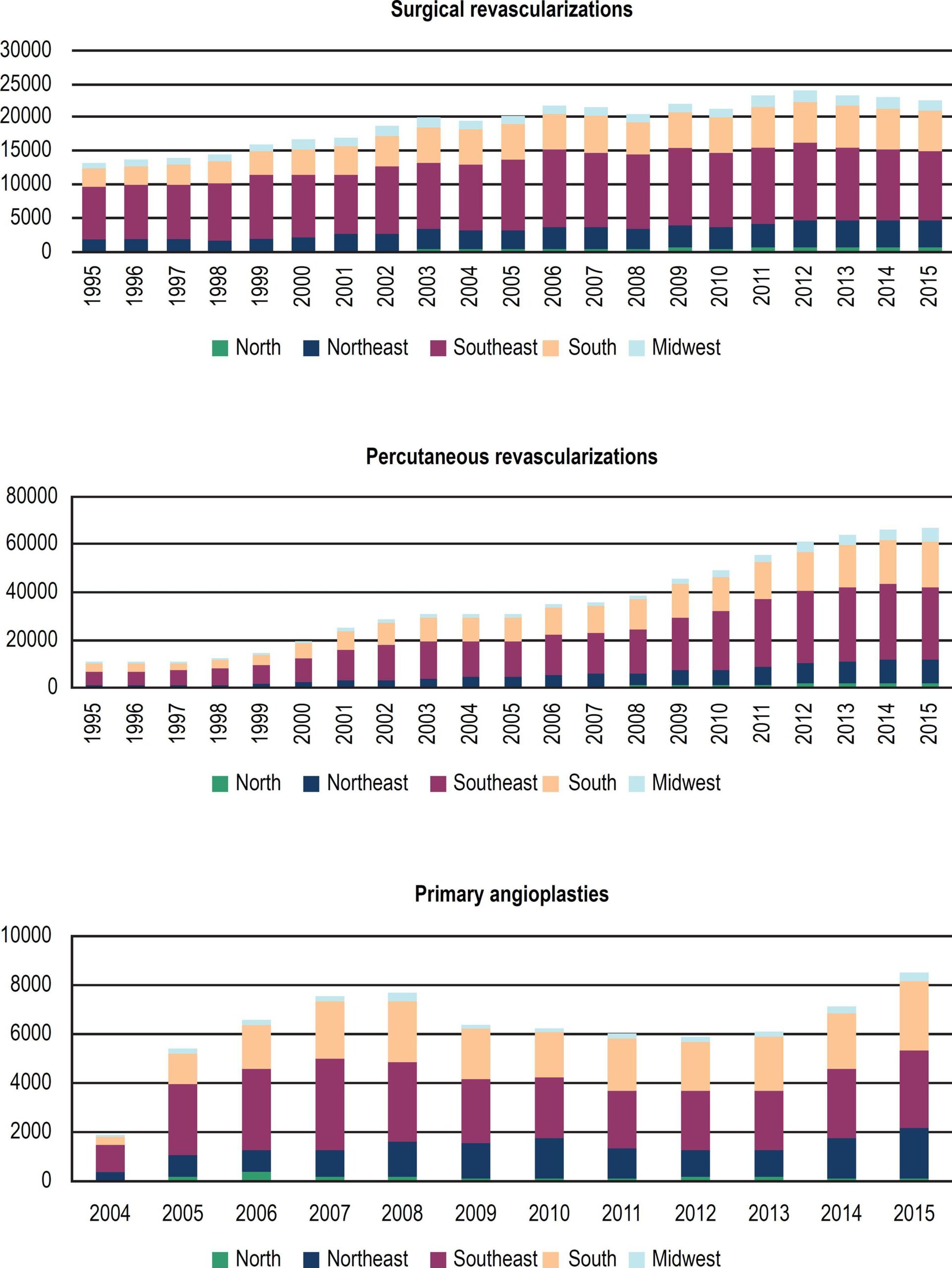
Between 1995 and 2015, there were increases in the number of surgical revascularizations (from 13,198 to 22,559) and percutaneous revascularizations (from 10,522 to 66,345). Similarly, the number of primary angioplasties increased between 2004 and 2015 (from 1,901 to 8,524). There was a decrease in the mean length of hospital stay (from 14.4 to 12.8 days) and hospital mortality (from 7.6% to 5.9%) for surgical revascularizations, and decrease in mean length of hospital stay (from 5.3 days to 3.7 days) but maintenance of the mortality rates (2.2%) for percutaneous revascularizations. In primary angioplasties, the mean length of hospital stay varied from 5.3 to 5.6 days and the mortality rate varied from 7.94% to 7.43% between 2004 and 2015, respectively. The mean total amount paid for surgical revascularization varied from R$ 4,327.57 to $12,839.13 and for percutaneous revascularizations from R$ 2,615.81 to $6,187.87 between 1995 and 2015, respectively. Corresponding values for primary angioplasties were R$ 5,415.58 in 2004 to R$ 6,581.51 in 2015.

Conclusions:

The number of revascularization procedures increased in Brazil over the past 20 years, with an improvement in mortality rates and decrease in length of hospital stay. There was a substantial lag in economic values relative to the inflation accumulated during the period.

  • Angioplasty, Balloon, Coronary
  • Coronary Artery Diseases
  • Health Care Costs
  • Myocardial Revascularization
  • Unified Health System
Read Full Article
Creative Commons Attribution (CC BY) Creative Commons license
01/01/2017 DOI: 10.5935/2359-4802.20170080 Views 1
Miniaturized self-expanding drug-eluting stent in small coronary arteries: late effectiveness
ABC
Artigo Original

Miniaturized self-expanding drug-eluting stent in small coronary arteries: late effectiveness

Flavio Roberto Azevedo de Oliveira et al. Luiz Alberto Piva e Mattos Alexandre Abizaid Andrea S. Abizaid … J. Ribamar Costa Ricardo Costa Rodolfo Staico Roberto Botelho J. Eduardo Sousa Amanda Sousa

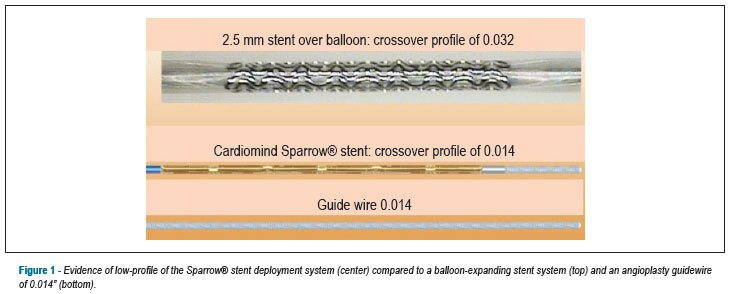
BACKGROUND: Small vessels represent a risk factor for restenosis in percutaneous coronary angioplasty (PCA). The Sparrow® self-expanding drug-eluting stent, which has a lower profile than the current systems, has never been tested in this scenario. OBJECTIVES: To evaluate the late effectiveness of the Sparrow® drug-eluting stent, regarding in-stent late lumen loss (LLL). METHODS: Patients with ischemia, symptomatic or documented, were submitted to PCA in vessels with reference diameter < 2.75 mm, divided into two groups regarding Sparrow® stent type: group 1: Sparrow® drug-eluting stent (DES), group 2: Sparrow® bare metal stent (BMS). Clinical follow-up duration was 12 months. Evaluation using quantitative coronary angiography (QCA) was performed immediately and at 8 months. A decrease of over 65% of in-stent LLL with DES was estimated to calculate sample size. IBM® SPSS software, release 19 (Chicago, Illinois, USA) was used for the statistical analysis. RESULTS: A total of 24 patients were randomized, 12 in each group. The DES and BMS groups were similar in age (63.25 ± 10.01 vs. 64.58 ± 11.54, p = 0.765), male gender (58.3% vs. 33.3%, p = 0.412), risk factors and all angiographs aspects. Immediate results were satisfactory in both groups. At 8 months in-stent late lumen loss was significantly lower in DES than in BMS group (DES vs. BMS 0.25 ± 0.16 0.97 ± 0.76, p = 0.008). CONCLUSION: In small-vessel PCA, the Sparrow® DES determined significant reduction in in-stent LLL, when compared to Sparrow® BMS.

  • Angioplasty, Balloon, Coronary
  • Comparative Study
  • Drug-Eluting Stents
  • Randomized Controlled Trial
Read Full Article
Creative Commons Attribution (CC BY) Creative Commons license
08/10/2013 DOI: 10.5935/abc.20130199
Effectiveness of a myocardial infarction protocol in reducing door-to-ballon time
ABC
Artigo Original

Effectiveness of a myocardial infarction protocol in reducing door-to-ballon time

Luis Cláudio Lemos Correia et al. Mariana Brito Felipe Kalil Michael Sabino … Guilherme Garcia Felipe Ferreira Iracy Matos Peter Jacobs Liliana Ronzoni Márcia Noya-Rabelo

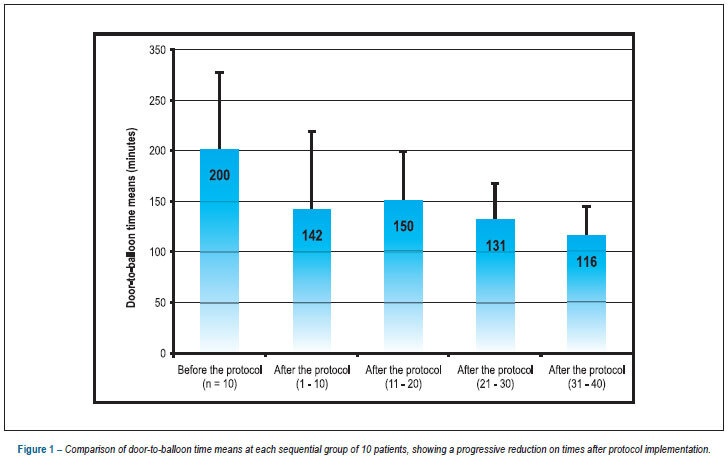
BACKGROUND: An adequate door-to-balloon time (<120 minutes) is the necessary condition for the efficacy of primary angioplasty in infarction to translate into effectiveness. OBJECTIVE: To describe the effectiveness of a quality of care protocol in reducing the door-to-balloon time. METHODS: Between May 2010 and August 2012, all individuals undergoing primary angioplasty in our hospital were analyzed. The door time was electronically recorded at the moment the patient took a number to be evaluated in the emergency room, which occurred prior to filling the check-in forms and to the triage. The balloon time was defined as the beginning of artery opening (introduction of the first device). The first 5 months of monitoring corresponded to the period of pre-implementation of the protocol. The protocol comprised the definition of a flowchart of actions from patient arrival at the hospital, the team's awareness raising in relation to the prioritization of time, and provision of a periodic feedback on the results and possible inadequacies. RESULTS: A total of 50 individuals were assessed. They were divided into five groups of 10 sequential patients (one group pre- and four groups post-protocol). The door-to-balloon time regarding the 10 cases recorded before protocol implementation was 200 ± 77 minutes. After protocol implementation, there was a progressive reduction of the door-to-balloon time to 142±78 minutes in the first 10 patients, then to 150±50 minutes, 131±37 minutes and, finally, 116±29 minutes in the three sequential groups of 10 patients, respectively. Linear regression between sequential patients and the door-to-balloon time (r = – 0.41) showed a regression coefficient of – 1.74 minutes. CONCLUSION: The protocol implementation proved effective in the reduction of the door-to-balloon time.

  • Acute coronary syndrome
  • Angioplasty, Balloon, Coronary
  • Myocardial Infarction
  • Patient Care Planning
Read Full Article
Creative Commons Attribution (CC BY) Creative Commons license
24/05/2013 DOI: 10.5935/abc.20130108 Views 3
High on-treatment platelet reactivity predicts cardiac events in patients with drug-eluting stents
ABC
Artigo Original

High on-treatment platelet reactivity predicts cardiac events in patients with drug-eluting stents

Aline Sterque Villacorta et al. Humberto Villacorta Junior Marcos J. S. Batista Renato Villela Gomes … Luiz Augusto Macedo Bruno Helmuth Evandro Tinoco Mesquita

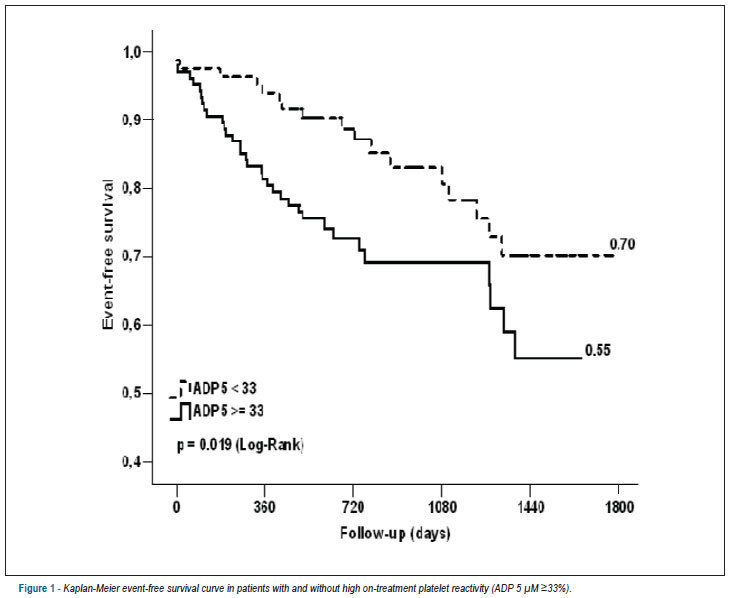
BACKGROUND: The role of platelet reactivity (PR) tests in the prediction of long-term events in Latin-American patients treated with drug-eluting stents (DES) has not been established. OBJECTIVES: To assess the role of PR tests in the prediction of events after DES implantation. METHODS: From May 2006 through January 2008, 209 Brazilian patients who underwent elective treatment with DES were included. PR was assessed 12 to 18h after the procedure by light transmittance aggregometry with 5µM of ADP. Patients were prospectively followed for up to 4.8 years. Seventeen (8%) individuals were lost to follow-up and the final cohort comprised 192 patients. Receiver operating curve (ROC) was used to determine the best 5µM of ADP cutoff to predict events. The primary endpoint was a combination of cardiovascular death, acute myocardial infarction, definite stent thrombosis, and target-artery revascularization. Cox proportional hazard models were used to determine the variables independently associated with the time to the first event. RESULTS: The best ADP 5µM cutoff was 33%. One hundred and seven (55.7%) patients had ADP 5µM >33%. Event-free survival rate at 1,800 days was 55% vs. 70% for individuals with ADP5 above and below such cutoff, respectively (p=0.001). Independent predictors of time to first event were current smoking (HR 3.49; 95% CI 1.76-6.9; p=0.0003), ADP 5µM >33% (HR 1.95; 95% CI 1.09-3.51; p=0.025) and age (HR 1.03; 95% CI 1.0-1.06; p=0.041). CONCLUSIONS: In this study, 55.7% of the patients had high on-treatment platelet reactivity. ADP 5µM >33% was an independent predictor of long-term events.

  • Angioplasty, Balloon, Coronary
  • Coronary Thrombosis
  • Drug-Eluting Stents
  • Platelet Aggregation
Read Full Article
Creative Commons Attribution (CC BY) Creative Commons license
15/04/2013 DOI: 10.5935/abc.20130044 Views 1
ABC
Artigo Original

Previous percutaneous coronary intervention as risk factor for coronary artery bypass grafting

Luiz Augusto Ferreira Lisboa et al. Omar Asdrúbal Mejia Luís Alberto Dallan Luiz Felipe Moreira … Luiz Boro Puig Fabio Biscegli Jatene Noedir Antonio Stolf

BACKGROUND: Percutaneous coronary intervention (PCI) has increased as the initial revascularization strategy in chronic coronary artery disease. Consequently, more patients undergoing coronary artery bypass grafting (CABG) have history of coronary stent. OBJECTIVE: Evaluate the impact of previous PCI on in-hospital mortality after CABG in patients with multivessel coronary artery disease. METHODS: Between May/2007 and June/2009, 1099 consecutive patients underwent CABG on cardiopulmonary bypass. Patients with no PCI (n=938, 85.3%) were compared with patients with previous PCI (n=161, 14.6%). Logistic regression models and propensity score matching analysis were used to assess the risk-adjusted impact of previous PCI on in-hospital mortality. RESULTS: Both groups were similar, except for the fact that patients with previous PCI were more likely to have unstable angina (16.1% x 9.9%, P=0.019). In-hospital mortality after CABG was higher in patients with previous PCI (9.3% x 5.1%, P=0.034) and it was comparable with EuroSCORE and 2000 Bernstein-Parsonnet risk score. Using multivariate logistic regression analysis, previous PCI emerged as an independent predictor of postoperative in-hospital mortality (odds ratio 1.94, 95% CI 1.02-3.68, P=0.044) as strong as diabetes (odds ratio 1.86, 95% CI 1.07-3.24, P=0.028). After computed propensity score matching based on preoperative risk factors, in-hospital mortality remained higher among patients with previous PCI (odds ratio 3.46, 95% CI 1.10-10.93, P=0.034). CONCLUSIONS: Previous PCI in patients with multivessel coronary artery disease is an independent risk factor for in-hospital mortality after CABG.This fact must be considered when PCI is indicated as initial alternative in patients with more severe coronary artery disease. (Arq Bras Cardiol. 2012; [online].ahead print, PP.0-0)

  • Angioplasty, Balloon, Coronary
  • Mortality
  • Myocardial Revascularization
  • Risk Factors
Read Full Article
Creative Commons Attribution (CC BY) Creative Commons license
26/06/2012 DOI: 10.1590/S0066-782X2012005000057 Views 1

How to cite this article

EndNote RIS

Electronic Document Format (Vancouver)

Araújo GO, Ribeiro HB. Geometric Models in Left Main Coronary Bifurcation: Mathematical Accuracy and Clinical Limits in the Era of Intravascular Imaging. Arquivos Brasileiros de Cardiologia 2026;123(7):e20260239.

Electronic Document Format (ABNT)

Araújo, Guilherme O.; Ribeiro, Henrique Barbosa. Geometric Models in Left Main Coronary Bifurcation: Mathematical Accuracy and Clinical Limits in the Era of Intravascular Imaging. Arquivos Brasileiros de Cardiologia, v. 123, n. 7, e20260239, Aug. 2026.

Electronic Document Format (APA)

Araújo, G. O., & Ribeiro, H. B. (2026). Geometric Models in Left Main Coronary Bifurcation: Mathematical Accuracy and Clinical Limits in the Era of Intravascular Imaging. Arquivos Brasileiros de Cardiologia, 123(7), e20260239.

Electronic Document Format (ISO)

Araújo, Guilherme O. and Ribeiro, Henrique Barbosa. Geometric Models in Left Main Coronary Bifurcation: Mathematical Accuracy and Clinical Limits in the Era of Intravascular Imaging. Arquivos Brasileiros de Cardiologia [online]. 2026, vol. 123, n. 7, [cited 2026-10-14], e20260239. Available from: <https://journals.cardiol.br/en/article/geometric-models-in-left-main-coronary-bifurcation-mathematical-accuracy-and-clinical-limits-in-the-era-of-intravascular-imaging/>. ISSN 0066-782X

EndNote RIS

Electronic Document Format (Vancouver)

Rodrigues CSA, Bazan R, Reis FM, Silveira CFSMP, Hueb LMS, Carvalho FC, Nunes HRC, et al. Carotid Artery Atherosclerotic Profile as Risk Predictor for Restenosis After Coronary Stenting. Arquivos Brasileiros de Cardiologia 2021;116(4):727-33.

Electronic Document Format (ABNT)

Rodrigues, Cássia da Silva Antico; Bazan, Rodrigo; Reis, Fabrício Moreira; Silveira, Caroline F. S. Mazeto Pupo da; Hueb, Lívia Maria Severino; Carvalho, Fábio Cardoso de; Nunes, Hélio Rubens de Carvalho; Okoshi, Katashi; Hueb, João Carlos; Bazan, Silméia Garcia Zanati. Carotid Artery Atherosclerotic Profile as Risk Predictor for Restenosis After Coronary Stenting. Arquivos Brasileiros de Cardiologia, v. 116, n. 4, p. 727-733, Apr. 2021.

Electronic Document Format (APA)

Rodrigues, C. S. A., Bazan, R., Reis, F. M., Silveira, C. F. S. M. P. , Hueb, L. M. S., Carvalho, F. C. , Nunes, H. R. C., Okoshi, K., Hueb, J. C., & Bazan, S. G. Z. (2021). Carotid Artery Atherosclerotic Profile as Risk Predictor for Restenosis After Coronary Stenting. Arquivos Brasileiros de Cardiologia, 116(4), 727-733.

Electronic Document Format (ISO)

Rodrigues, Cássia da Silva Antico and Bazan, Rodrigo and Reis, Fabrício Moreira and Silveira, Caroline F. S. Mazeto Pupo da and Hueb, Lívia Maria Severino and Carvalho, Fábio Cardoso de and Nunes, Hélio Rubens de Carvalho and Okoshi, Katashi and Hueb, João Carlos and Bazan, Silméia Garcia Zanati. Carotid Artery Atherosclerotic Profile as Risk Predictor for Restenosis After Coronary Stenting. Arquivos Brasileiros de Cardiologia [online]. 2021, vol. 116, n. 4, [cited 2026-10-14], pp. 727-733. Available from: <https://journals.cardiol.br/en/article/carotid-artery-atherosclerotic-profile-as-risk-predictor-for-restenosis-after-coronary-stenting/>. ISSN 0066-782X

EndNote RIS

Electronic Document Format (Vancouver)

Amoras TSG, Rodrigues TB, Menezes CR, Zaninotto CV, Tavares RS. Door-to-balloon Time in Cardiovascular Emergency Care in a Hospital of Northern Brazil. International Journal of Cardiovascular Sciences 2020;34(1):53-9.

Electronic Document Format (ABNT)

Amoras, Tárcio Sadraque Gomes; Rodrigues, Taymara Barbosa; Menezes, Cláudia Ribeiro; Zaninotto, Christielaine Venzel; Tavares, Roseneide dos Santos. Door-to-balloon Time in Cardiovascular Emergency Care in a Hospital of Northern Brazil. International Journal of Cardiovascular Sciences, v. 34, n. 1, p. 53-59, Nov. 2020.

Electronic Document Format (APA)

Amoras, T. S. G., Rodrigues, T. B., Menezes, C. R., Zaninotto, C. V., & Tavares, R. S. (2020). Door-to-balloon Time in Cardiovascular Emergency Care in a Hospital of Northern Brazil. International Journal of Cardiovascular Sciences, 34(1), 53-59.

Electronic Document Format (ISO)

Amoras, Tárcio Sadraque Gomes and Rodrigues, Taymara Barbosa and Menezes, Cláudia Ribeiro and Zaninotto, Christielaine Venzel and Tavares, Roseneide dos Santos. Door-to-balloon Time in Cardiovascular Emergency Care in a Hospital of Northern Brazil. International Journal of Cardiovascular Sciences [online]. 2020, vol. 34, n. 1, [cited 2026-10-14], pp. 53-59. Available from: <https://journals.cardiol.br/en/article/door-to-balloon-time-in-cardiovascular-emergency-care-in-a-hospital-of-northern-brazil/>. ISSN 2359-4802

EndNote RIS

Electronic Document Format (Vancouver)

Sant’Anna FM, Sant’Anna LB. Analysis of FFR Measurement Clinical Impact and Cost-Effectiveness Compared to Angiography In Multi-Arterial Patients Undergoing PCI. Arquivos Brasileiros de Cardiologia 2019;112(1):48-9.

Electronic Document Format (ABNT)

Sant’Anna, Fernando Mendes; Sant’Anna, Lucas Bonacossa. Analysis of FFR Measurement Clinical Impact and Cost-Effectiveness Compared to Angiography In Multi-Arterial Patients Undergoing PCI. Arquivos Brasileiros de Cardiologia, v. 112, n. 1, p. 48-49, Dec. 2018.

Electronic Document Format (APA)

Sant’Anna, F. M., & Sant’Anna, L. B. (2019). Analysis of FFR Measurement Clinical Impact and Cost-Effectiveness Compared to Angiography In Multi-Arterial Patients Undergoing PCI. Arquivos Brasileiros de Cardiologia, 112(1), 48-49.

Electronic Document Format (ISO)

Sant’Anna, Fernando Mendes and Sant’Anna, Lucas Bonacossa. Analysis of FFR Measurement Clinical Impact and Cost-Effectiveness Compared to Angiography In Multi-Arterial Patients Undergoing PCI. Arquivos Brasileiros de Cardiologia [online]. 2019, vol. 112, n. 1, [cited 2026-10-14], pp. 48-49. Available from: <https://journals.cardiol.br/en/article/analysis-of-ffr-measurement-clinical-impact-and-cost-effectiveness-compared-to-angiography-in-multi-arterial-patients-undergoing-pci/>. ISSN 0066-782X

EndNote RIS

Electronic Document Format (Vancouver)

Quintella EF, Ferreira E, Azevedo VMP, Araujo DV, Sant’Anna FM, Amorim B, Albuquerque DC, et al. Clinical Outcomes and Cost-Effectiveness Analysis of FFR Compared with Angiography in Multivessel Disease Patient. Arquivos Brasileiros de Cardiologia 2018;112(1):40-7.

Electronic Document Format (ABNT)

Quintella, Edgard Freitas; Ferreira, Esmeralci; Azevedo, Vitor Manuel Pereira; Araujo, Denizar V.; Sant’Anna, Fernando Mendes; Amorim, Bernardo; Albuquerque, Denilson Campos de. Clinical Outcomes and Cost-Effectiveness Analysis of FFR Compared with Angiography in Multivessel Disease Patient. Arquivos Brasileiros de Cardiologia, v. 112, n. 1, p. 40-47, Dec. 2018.

Electronic Document Format (APA)

Quintella, E. F., Ferreira, E., Azevedo, V. M. P., Araujo, D. V., Sant’Anna, F. M., Amorim, B., & Albuquerque, D. C. (2018). Clinical Outcomes and Cost-Effectiveness Analysis of FFR Compared with Angiography in Multivessel Disease Patient. Arquivos Brasileiros de Cardiologia, 112(1), 40-47.

Electronic Document Format (ISO)

Quintella, Edgard Freitas and Ferreira, Esmeralci and Azevedo, Vitor Manuel Pereira and Araujo, Denizar V. and Sant’Anna, Fernando Mendes and Amorim, Bernardo and Albuquerque, Denilson Campos de. Clinical Outcomes and Cost-Effectiveness Analysis of FFR Compared with Angiography in Multivessel Disease Patient. Arquivos Brasileiros de Cardiologia [online]. 2018, vol. 112, n. 1, [cited 2026-10-14], pp. 40-47. Available from: <https://journals.cardiol.br/en/article/clinical-outcomes-and-cost-effectiveness-analysis-of-ffr-compared-with-angiography-in-multivessel-disease-patient/>. ISSN 0066-782X

EndNote RIS

Electronic Document Format (Vancouver)

Hueb W. Better Technology, More Spending, Worse Outcomes. Arquivos Brasileiros de Cardiologia 2018;110(4):331-2.

Electronic Document Format (ABNT)

Hueb, Whady. Better Technology, More Spending, Worse Outcomes. Arquivos Brasileiros de Cardiologia, v. 110, n. 4, p. 331-332, Mar. 2018.

Electronic Document Format (APA)

Hueb, W. (2018). Better Technology, More Spending, Worse Outcomes. Arquivos Brasileiros de Cardiologia, 110(4), 331-332.

Electronic Document Format (ISO)

Hueb, Whady. Better Technology, More Spending, Worse Outcomes. Arquivos Brasileiros de Cardiologia [online]. 2018, vol. 110, n. 4, [cited 2026-10-14], pp. 331-332. Available from: <https://journals.cardiol.br/en/article/better-technology-more-spending-worse-outcomes/>. ISSN 0066-782X

EndNote RIS

Electronic Document Format (Vancouver)

Bienert IRC, Rodrigues A, Harada A, Silva KL, Valente AR, Silva PA, Braga JCMS, et al. Temporal Evaluation of Coronary Revascularization Procedures Performed through the Unified Health System (SUS) in Brazil: a 20-year overview. International Journal of Cardiovascular Sciences 2017;30(5):380-9.

Electronic Document Format (ABNT)

Bienert, Igor Ribeiro de Castro; Rodrigues, Alexandre; Harada, Érika Airi; Silva, Karoline Lopes; Valente, Amanda Ribeiro; Silva, Paulo André da; Braga, Joao Carlos Moron Saes; Rinaldi, Fabio Salerno; Guimarães Filho, Fábio Villaça; Andrade, Pedro Beraldo de. Temporal Evaluation of Coronary Revascularization Procedures Performed through the Unified Health System (SUS) in Brazil: a 20-year overview. International Journal of Cardiovascular Sciences, v. 30, n. 5, p. 380-390, Dec. 2016.

Electronic Document Format (APA)

Bienert, I. R. C., Rodrigues, A., Harada, A., Silva, K. L., Valente, A. R., Silva, P. A. , Braga, J. C. M. S., Rinaldi, F. S., Guimarães Filho, F. V., & Andrade, P. B. (2017). Temporal Evaluation of Coronary Revascularization Procedures Performed through the Unified Health System (SUS) in Brazil: a 20-year overview. International Journal of Cardiovascular Sciences, 30(5), 380-390.

Electronic Document Format (ISO)

Bienert, Igor Ribeiro de Castro and Rodrigues, Alexandre and Harada, Érika Airi and Silva, Karoline Lopes and Valente, Amanda Ribeiro and Silva, Paulo André da and Braga, Joao Carlos Moron Saes and Rinaldi, Fabio Salerno and Guimarães Filho, Fábio Villaça and Andrade, Pedro Beraldo de. Temporal Evaluation of Coronary Revascularization Procedures Performed through the Unified Health System (SUS) in Brazil: a 20-year overview. International Journal of Cardiovascular Sciences [online]. 2017, vol. 30, n. 5, [cited 2026-10-14], pp. 380-390. Available from: <https://journals.cardiol.br/en/article/temporal-evaluation-of-coronary-revascularization-procedures-performed-through-the-unified-health-system-sus-in-brazil-a-20-year-overview/>. ISSN 2359-4802

EndNote RIS

Electronic Document Format (Vancouver)

Oliveira FRA, Mattos LAP, Abizaid A, Abizaid AS, Costa JR, Costa R, Staico R, et al. Miniaturized self-expanding drug-eluting stent in small coronary arteries: late effectiveness. Arquivos Brasileiros de Cardiologia 2013;101(5):379-87.

Electronic Document Format (ABNT)

Oliveira, Flavio Roberto Azevedo de; Mattos, Luiz Alberto Piva e; Abizaid, Alexandre; Abizaid, Andrea S.; Costa, J. Ribamar; Costa, Ricardo; Staico, Rodolfo; Botelho, Roberto; Sousa, J. Eduardo; Sousa, Amanda. Miniaturized self-expanding drug-eluting stent in small coronary arteries: late effectiveness. Arquivos Brasileiros de Cardiologia, v. 101, n. 5, p. 379-387, Oct. 2013.

Electronic Document Format (APA)

Oliveira, F. R. A. , Mattos, L. A. P. , Abizaid, A., Abizaid, A. S., Costa, J. R., Costa, R., Staico, R., Botelho, R., Sousa, J. E., & Sousa, A. (2013). Miniaturized self-expanding drug-eluting stent in small coronary arteries: late effectiveness. Arquivos Brasileiros de Cardiologia, 101(5), 379-387.

Electronic Document Format (ISO)

Oliveira, Flavio Roberto Azevedo de and Mattos, Luiz Alberto Piva e and Abizaid, Alexandre and Abizaid, Andrea S. and Costa, J. Ribamar and Costa, Ricardo and Staico, Rodolfo and Botelho, Roberto and Sousa, J. Eduardo and Sousa, Amanda. Miniaturized self-expanding drug-eluting stent in small coronary arteries: late effectiveness. Arquivos Brasileiros de Cardiologia [online]. 2013, vol. 101, n. 5, [cited 2026-10-14], pp. 379-387. Available from: <https://journals.cardiol.br/en/article/miniaturized-self-expanding-drug-eluting-stent-in-small-coronary-arteries-late-effectiveness/>. ISSN 0066-782X

EndNote RIS

Electronic Document Format (Vancouver)

Correia LCL, Brito M, Kalil F, Sabino M, Garcia G, Ferreira F, Matos I, et al. Effectiveness of a myocardial infarction protocol in reducing door-to-ballon time. Arquivos Brasileiros de Cardiologia 2013;101(1):26-34.

Electronic Document Format (ABNT)

Correia, Luis Cláudio Lemos; Brito, Mariana; Kalil, Felipe; Sabino, Michael; Garcia, Guilherme; Ferreira, Felipe; Matos, Iracy; Jacobs, Peter; Ronzoni, Liliana; Noya-Rabelo, Márcia. Effectiveness of a myocardial infarction protocol in reducing door-to-ballon time. Arquivos Brasileiros de Cardiologia, v. 101, n. 1, p. 26-34, May. 2013.

Electronic Document Format (APA)

Correia, L. C. L., Brito, M., Kalil, F., Sabino, M., Garcia, G., Ferreira, F., Matos, I., Jacobs, P., Ronzoni, L., & Noya-Rabelo, M. (2013). Effectiveness of a myocardial infarction protocol in reducing door-to-ballon time. Arquivos Brasileiros de Cardiologia, 101(1), 26-34.

Electronic Document Format (ISO)

Correia, Luis Cláudio Lemos and Brito, Mariana and Kalil, Felipe and Sabino, Michael and Garcia, Guilherme and Ferreira, Felipe and Matos, Iracy and Jacobs, Peter and Ronzoni, Liliana and Noya-Rabelo, Márcia. Effectiveness of a myocardial infarction protocol in reducing door-to-ballon time. Arquivos Brasileiros de Cardiologia [online]. 2013, vol. 101, n. 1, [cited 2026-10-14], pp. 26-34. Available from: <https://journals.cardiol.br/en/article/effectiveness-of-a-myocardial-infarction-protocol-in-reducing-door-to-ballon-time/>. ISSN 0066-782X

EndNote RIS

Electronic Document Format (Vancouver)

Villacorta AS, Villacorta Junior H, Batista MJS, Gomes RV, Macedo LA, Helmuth B, Mesquita ET, et al. High on-treatment platelet reactivity predicts cardiac events in patients with drug-eluting stents. Arquivos Brasileiros de Cardiologia 2013;100(3):221-8.

Electronic Document Format (ABNT)

Villacorta, Aline Sterque; Villacorta Junior, Humberto; Batista, Marcos J. S.; Gomes, Renato Villela; Macedo, Luiz Augusto; Helmuth, Bruno; Mesquita, Evandro Tinoco. High on-treatment platelet reactivity predicts cardiac events in patients with drug-eluting stents. Arquivos Brasileiros de Cardiologia, v. 100, n. 3, p. 221-228, Apr. 2013.

Electronic Document Format (APA)

Villacorta, A. S., Villacorta Junior, H., Batista, M. J. S., Gomes, R. V., Macedo, L. A., Helmuth, B., & Mesquita, E. T. (2013). High on-treatment platelet reactivity predicts cardiac events in patients with drug-eluting stents. Arquivos Brasileiros de Cardiologia, 100(3), 221-228.

Electronic Document Format (ISO)

Villacorta, Aline Sterque and Villacorta Junior, Humberto and Batista, Marcos J. S. and Gomes, Renato Villela and Macedo, Luiz Augusto and Helmuth, Bruno and Mesquita, Evandro Tinoco. High on-treatment platelet reactivity predicts cardiac events in patients with drug-eluting stents. Arquivos Brasileiros de Cardiologia [online]. 2013, vol. 100, n. 3, [cited 2026-10-14], pp. 221-228. Available from: <https://journals.cardiol.br/en/article/high-on-treatment-platelet-reactivity-predicts-cardiac-events-in-patients-with-drug-eluting-stents/>. ISSN 0066-782X

EndNote RIS

Electronic Document Format (Vancouver)

Lisboa LAF, Mejia OA, Dallan LA, Moreira LF, Puig LB, Jatene FB, Stolf NA, et al. Previous percutaneous coronary intervention as risk factor for coronary artery bypass grafting. Arquivos Brasileiros de Cardiologia 2012;99(1):586-95.

Electronic Document Format (ABNT)

Lisboa, Luiz Augusto Ferreira; Mejia, Omar Asdrúbal; Dallan, Luís Alberto; Moreira, Luiz Felipe; Puig, Luiz Boro; Jatene, Fabio Biscegli; Stolf, Noedir Antonio. Previous percutaneous coronary intervention as risk factor for coronary artery bypass grafting. Arquivos Brasileiros de Cardiologia, v. 99, n. 1, p. 586-595, Jun. 2012.

Electronic Document Format (APA)

Lisboa, L. A. F., Mejia, O. A., Dallan, L. A., Moreira, L. F., Puig, L. B., Jatene, F. B., & Stolf, N. A. (2012). Previous percutaneous coronary intervention as risk factor for coronary artery bypass grafting. Arquivos Brasileiros de Cardiologia, 99(1), 586-595.

Electronic Document Format (ISO)

Lisboa, Luiz Augusto Ferreira and Mejia, Omar Asdrúbal and Dallan, Luís Alberto and Moreira, Luiz Felipe and Puig, Luiz Boro and Jatene, Fabio Biscegli and Stolf, Noedir Antonio. Previous percutaneous coronary intervention as risk factor for coronary artery bypass grafting. Arquivos Brasileiros de Cardiologia [online]. 2012, vol. 99, n. 1, [cited 2026-10-14], pp. 586-595. Available from: <https://journals.cardiol.br/en/article/previous-percutaneous-coronary-intervention-as-risk-factor-for-coronary-artery-bypass-grafting/>. ISSN 0066-782X

  • About ABC Family
  • Internal Regulation
  • Editorial Board
  • Brazilian Society of Cardiology (SBC)

Issues

SBC Guidelines

  • Videos
  • Podcasts
  • News