ABC Family Arquivos Brasileiros de Cardiologia International Journal of Cardiovascular Sciences ABC Heart Failure & Cardiomyopathy ABC Imagem Cardiovascular
Português English
ABC Family
Português English
  • About
    • About ABC Family
    • Internal Regulation
    • Editorial Board
    • Brazilian Society of Cardiology (SBC)
  • Issues
  • SBC Guidelines
  • Content
    • Videos
    • Podcasts
    • News
  • About
    • About ABC Family
    • Internal Regulation
    • Editorial Board
    • Brazilian Society of Cardiology (SBC)
  • Issues
  • SBC Guidelines
  • Content
    • Videos
    • Podcasts
    • News

ABC Family

  • ABC Family
  • Arquivos Brasileiros de Cardiologia
  • International Journal of Cardiovascular Sciences
  • ABC Heart Failure & Cardiomyopathy
  • ABC Imagem Cardiovascular
Search in

No content found.

Journals
Ordering
Article types
Others

  1. Home
  2. Keyword: Anxiety
ABCIC
Editorial

Impact of Anxiety on Patients Referred for Transesophageal Echocardiography

Augusto Alberto da Costa Jr.

In this issue of ABC Cardiovascular Imaging, anxiety is highlighted not only as a factor in the subjective assessment of patients’ experiences during invasive medical procedures (transesophageal echocardiography, TEE) but also for its influence on the amount of sedative drugs administered during the procedure.

The study The Impact of Anxiety on Patients Referred for Transesophageal Echocardiography, conducted at a tertiary institution, provides a detailed analysis of multiple characteristics of patients undergoing the exam, its influence on sedation, and revisits important aspects of good medical practice. The study results indicate that anxiety, assessed using easily implemented indicators, was present in 62% of patients. Self-assessment tables show mild anxiety in 40%, moderate anxiety in 16%, and severe anxiety in 6%. It is part of the experience of echocardiographers performing transesophageal exams to deal with patient anxiety, especially among younger individuals.,

[…]

  • Anxiety
  • Patients
  • Transesophageal echocardiography
Read Full Article
Creative Commons Attribution (CC BY) Creative Commons license
27/06/2025 DOI: 10.36660/abcimg.20250036i
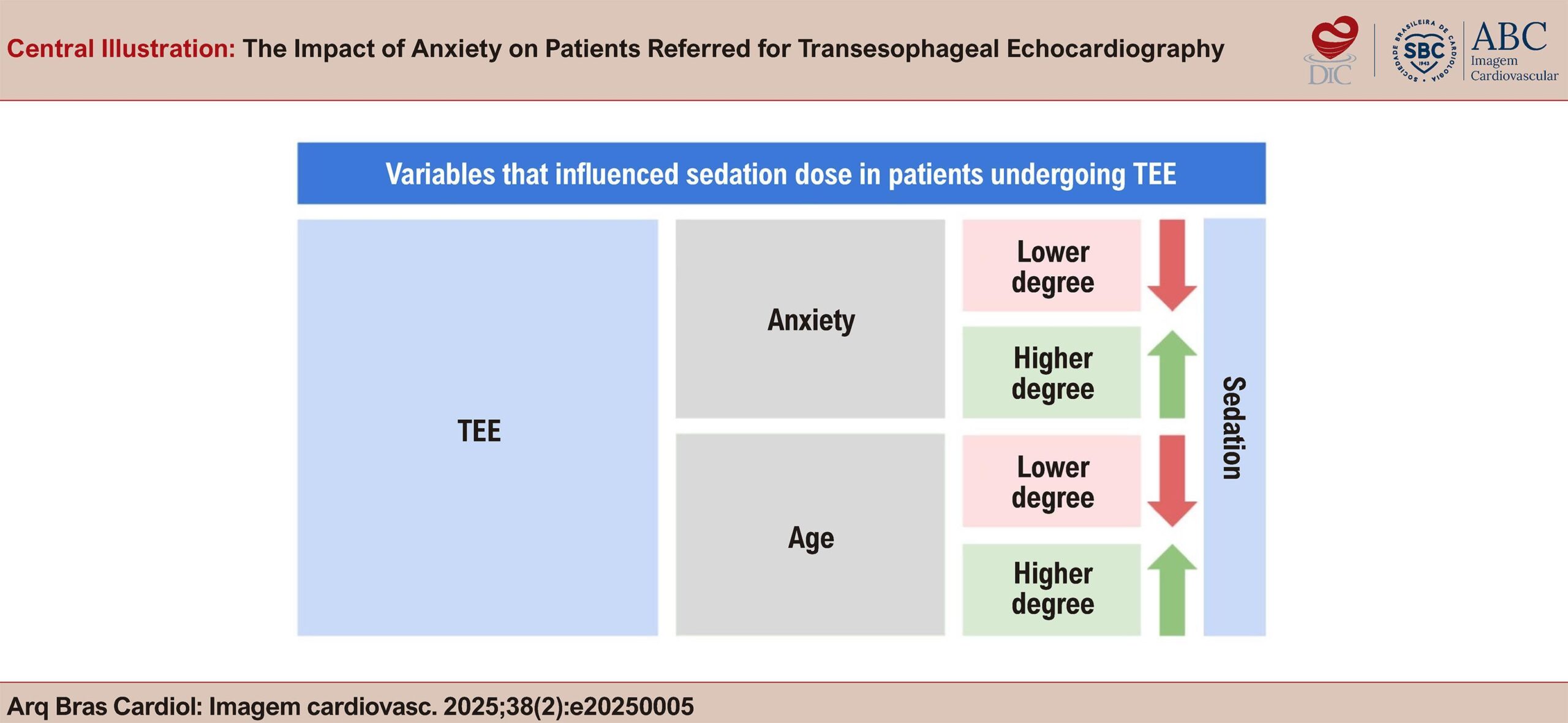
Central Illustration
ABCIC
Original Article

The Impact of Anxiety on Patients Referred for Transesophageal Echocardiography

João Afonso Astolfi Martins et al. Amanda de Vasconcelos Eng Edgar Lira Filho Claudio Henrique Fischer … Claudia Gianini Monaco Alessandra Joslin Oliveira Fernando Rodrigues da Camara Oliveira Marcelo Luiz Campos Vieira Samira Saady Morhy Ana Clara Tude Rodrigues

Abstract

Background

Anxiety is an important factor that influences patient experience during medical procedures. Transesophageal echocardiography (TEE) is an exam that requires sedation, which can exacerbate anxiety and affect its practice.

Objective

To assess variables that influence the degree of anxiety experienced by patients undergoing TEE and its correlation with sedation.

Methods

We assessed patients of both sexes, age >18 years, referred for TEE. We applied an anxiety questionnaire (none, mild, moderate, and high) and collected demographic, clinical, and physiological data. For comparison purposes, patients were divided into the following 2 groups: no/mild anxiety and moderate/severe anxiety.

Results

We studied 63 patients, 41 (66%) of whom were male. The majority were White (87.3%), and the mean age was 52.5 ± 14.7 years. Only 35% of patients had comorbidities, the most frequent being hypertension (63.6%), and 70% patients were undergoing TEE for the first time. The main indication for TEE was valvular disease (30%). The majority of patients (62%) reported some degree of anxiety, as follows: 25 (40%) mild, 10 (16%) moderate, and 4 (6%) severe. Patients with moderate/severe anxiety (p = 0.03) and younger patients (p = 0.001) required higher doses of midazolam for sedation.

Conclusion

Anxiety was common in patients referred for TEE, and it appeared to be less influenced by clinical variables. However, we concluded that more anxious and younger patients required higher doses of sedation.

  • Anxiety
  • Conscious Sedation
  • Echocardiography
Read Full Article
Creative Commons Attribution (CC BY) Creative Commons license
14/05/2025 DOI: 10.36660/abcimg.20250005i Views 1
Predictors of Quality of Life, Anxiety and Acceptance in Patients with Implantable Cardioverter-Defibrillator
ABC
Original Article

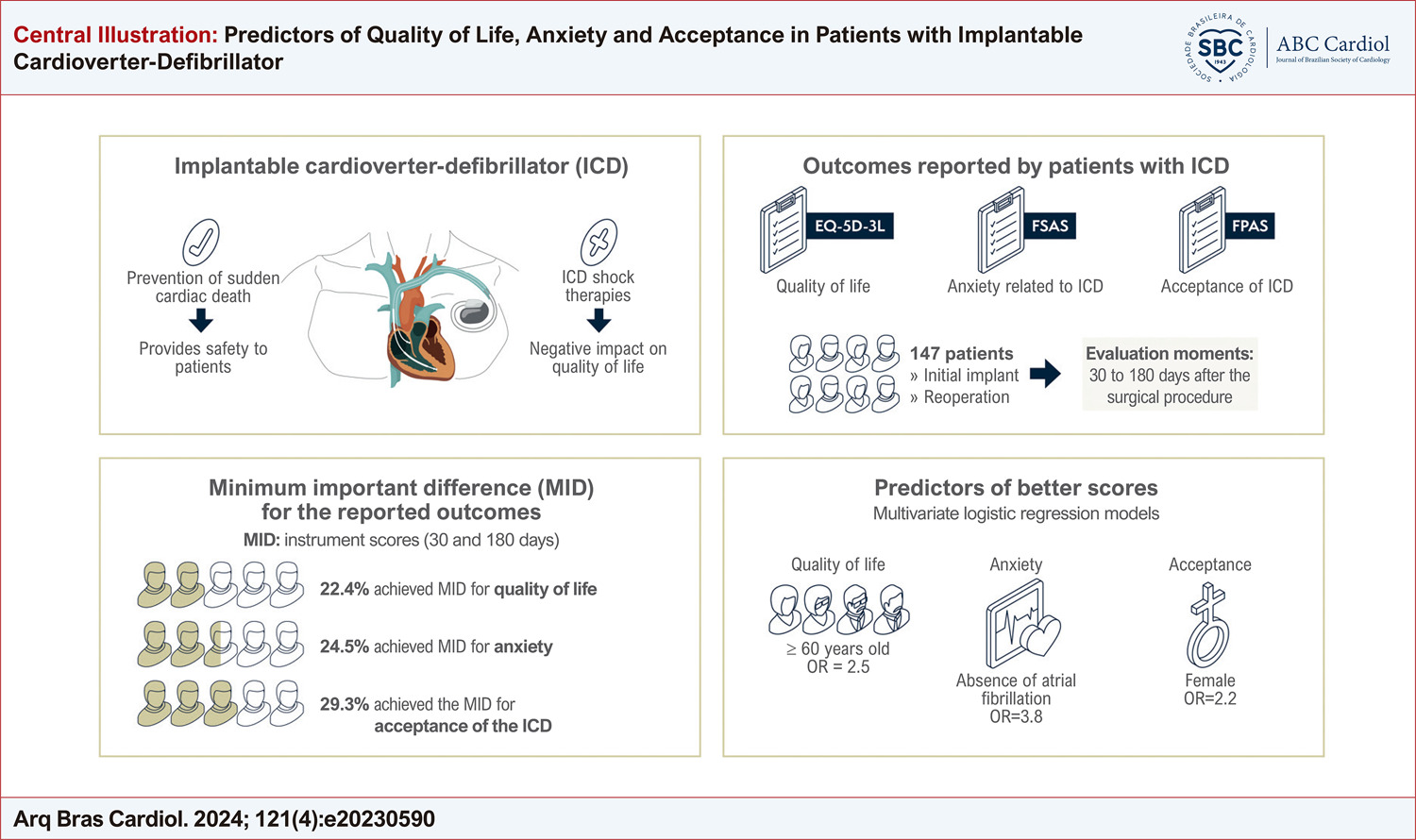
Predictors of Quality of Life, Anxiety and Acceptance in Patients with Implantable Cardioverter-Defibrillator

Laisa Arruda Silva et al. Katia Regina Silva Sarah Caroline Martins Saucedo Roberto Costa

Abstract

Background

An implantable cardioverter-defibrillator (ICD) can cause high levels of anxiety and depression, resulting in negative effects on quality of life.

Objectives

To evaluate the quality of life, anxiety, and acceptance of the ICD using standardized measurement instruments and identify predictors of better responses for each of the outcomes studied.

Method

This is a prospective cohort study with patients undergoing initial ICD implantation or reoperation to maintain the device. The study outcomes included quality of life, anxiety, and acceptance of the ICD. The change in scores (30 and 180 days) was assessed using the minimal important difference (MID). Univariate analysis and the multivariate logistic regression model were used to identify predictors of better responses, adopting a significance level of 5%.

Results

A total of 147 patients were included between January/2020 to June/2021, with a mean age of 55.3 ± 13.4 years and a predominance of males (72.1%). The MID for quality of life, anxiety, and ICD acceptance were observed in 33 (22.4%), 36 (24.5%) and 43 (29.3%) patients, respectively. Age equal to or greater than 60 years (OR=2.5; 95%CI=1.14-5.53; p=0.022), absence of atrial fibrillation (OR=3.8; 95%CI=1.26-11.63; p=0.017) and female gender (OR=2.2; 95%CI=1.02-4.97; p=0.045) were independent predictors of better responses to quality of life, anxiety and acceptance of the ICD, respectively.

Conclusion

The identification of predictors for better quality of life scores, anxiety, and acceptance of the device can support the implementation of specific care for patients with a greater chance of presenting unfavorable results.

  • Anxiety
  • Implantable Defibrillators
  • Quality of life
Read Full Article
Creative Commons Attribution (CC BY) Creative Commons license
26/04/2024 DOI: 10.36660/abc.20230590i Views 1
Figure 1
IJCS
Editorial

The Complex Relationship Between Emotions and the Heart: Should We Care?

Sarah Fagundes Grobe et al. Lídia Zytynski Moura

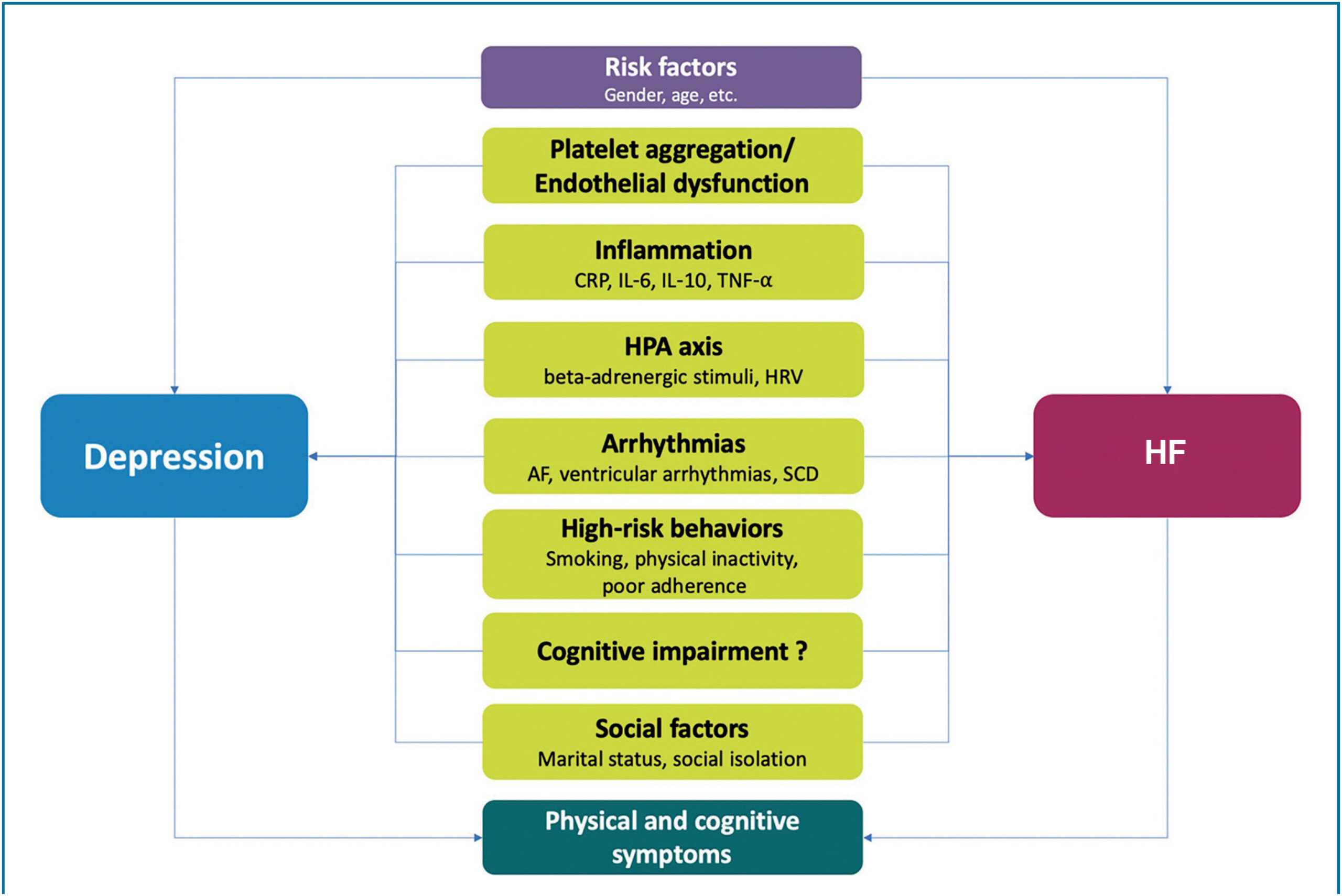
Knowing how to live with negative emotions is not easy, and developing mechanisms to overcome them can be even more challenging. The attempt to determine the physical effects of emotions and establish their profound influence on the heart has challenged physicians for centuries. Mood disorders, such as depression and anxiety, significantly impact quality of life and increase morbidity and mortality.

At least 30% of patients diagnosed with heart failure (HF) have depressive symptoms, and these numbers have progressively increased since the 1990s. A meta-analysis found that the rates of mortality and cardiovascular events were twice as high in patients with HF and associated depression, and this was often independent of functional class., Some behavioral patterns contribute to these results, since patients with depression or anxiety often do not adhere to pharmacological treatment, are less active, have poor eating habits, and use tobacco.,

[…]

  • Anxiety
  • Depression
  • Heart Failure
  • Hospitalization
  • Mental Health
  • Psychotherapy
  • Quality of life
Read Full Article
Creative Commons Attribution (CC BY) Creative Commons license
27/01/2023 DOI: 10.36660/ijcs.20220216
IJCS
Original Article

Prevalence and Association Between Cognition, Anxiety, and Depression in Patients Hospitalized with Heart Failure

Vivian L. Soares et al. Carolina Pereira Ana Carla Carvalho Tarsila Perez Mota … Raphaela V. Groehs Fernando Bacal Luciana Diniz Nagem Janot de Matos

Abstract

Background

Cognitive impairment, anxiety, and depression are present in patients with heart failure (HF), but their mutual correlation in hospitalized patients is not well established.

Objectives

The aims of this study were to identify the presence of cognitive impairment and the most affected domain, to investigate possible associations of cognitive impairment with depression and/or anxiety, and to observe whether they correlated with occurrence of readmission within 30 days following hospital discharge.

Methods

This is a prospective observational study including patients with HF from a private hospital. Psychological distress and cognition were evaluated by the Hospital Anxiety and Depression Scale (HADS) and by the Mini Mental State Exam (MMSE), respectively. Clinical data were obtained from the medical record at the time of inclusion, and outpatient follow-up was performed 30 days after discharge via telephone calls.

Results

This study included 71 patients (83% men, 75 ± 11 years). Cognitive impairment was present in 53.5% of the patients, and recall memory was the most altered cognitive domain. The proportion of possible/probable anxiety and depression was 21.1% and 34.2% in patients with cognitive impairment, respectively. However, only depression demonstrated association with cognitive impairment (p = 0.018). Cognitive impairment, anxiety, and depression showed no relationship with the occurrence of readmission within 30 days.

Conclusions

Cognitive impairment and depressive symptoms are prevalent and associated, and recall memory was the most altered cognitive domain in patients hospitalized with HF. However, there was no relationship between these factors and readmission within 30 days.

  • Anxiety
  • Cognitive Dysfunction
  • Depression
  • Heart Failure
Read Full Article
Creative Commons Attribution (CC BY) Creative Commons license
11/11/2022 DOI: 10.36660/ijcs.20210226
IJCS
Original Article

Cognitive Alterations in Elderly Patients with Heart Failure’

Fernanda Guedes Afiune et al. Salvador Rassi Abrahão Afiune Neto

Abstract

Background:

Among the various pathologies that affect the elderly, Heart Failure (HF) stands out. Recently, an attempt has been made to verify the existence of cognitive impairment associated with HF.

Objectives:

To compare the cognitive performance of elderly people with heart failure with that of age-matched individuals without this pathology. Check the existence of marked impairment in some cognitive functions in the clinical group.

Methods:

The sample consisted of 78 elderly people, whose inclusion criterion was the presence of HF and no HF (control group); age over 60 years, both sexes, and any level of education. The control group consisted of 37 individuals (with a median age of 68 years – Interquartile range of 12) and the HF group, with 41 individuals (with a median age of 67 years – Interquartile range of 11). The subjects were matched in terms of education level, with a predominance of elderly people with 0 to 4 years of education (65.9% in the Clinical Group and 59.5% in the Control Group). Eleven neuropsychological tests covering cognitive functions were used: attention, language, memory, mood, and executive function. Statistical analysis was performed using SPSS software, version 23, with a significance level of 5%. The Chi-square test and the Mann-Whitney test were applied.

Results:

The results showed significant differences between the groups, mainly in executive functions, which include the ability to plan, switch, and recall previously stored information.

Conclusion:

Our study showed differences between the cognitive performance of elderly people with HF and elderly people without HF. The main alteration was found in the so-called executive functions, attention, and memory.

  • Aged
  • Anxiety
  • Cardiovascular Diseases
  • Cognition Disorders
  • Depression
  • Heart Failure
  • Neurological Diseases
  • Neuropsychology
  • Stroke Volume
Read Full Article
Creative Commons Attribution (CC BY) Creative Commons license
25/02/2022 DOI: 10.36660/ijcs.20200144 Views 1
ABCIC
Original Article

Echocardiography: The Examination Request by the Pediatriciant Achieving the Pediatric Cardiologist

Lene Garcia Barbosa et al. Amanda Bentes Rios de Freitas Mariana Aparecida Brunossi Moura Proença Célia Maria Camelo Silva

Summary

Background

Echocardiography is a diagnostic tool used to evaluate cardiac anomalies and clarify doubts about the benign nature of certain findings of cardiovascular clinical examination.

Objectives

To identify the main reasons for the request of echocardiography by pediatrician and evaluate the degree of anxiety of the family generated by this conduct.

Methods

We included patients younger than 18 years without previous diagnosis of heart disease and referred for the first echocardiogram. Family members responsible for the patients answered a questionnaire to assess the degree of their anxiety from order to the performance of the echocardiogram, with scores between 0 and 19. Data were analyzed using percentages, standard deviation and Student’s t test.

Results

Studied 30 patients with a mean age of 4.45 years. The most prevalent reason for referral was heart murmur (23 cases), of which 70% patients had no congenital heart disease hypothesis confirmed, after echocardiography. The average score on the anxiety questionnaire was 11 ± 6 significantly associated with the presence of heart disease, with a mean of 13.0 ± 5.3 vs. 9.3 ± 5.2 in the group without the possibility of it (p = 0.007).

Conclusion

The murmurs findings was the main reason for echocardiography request by the pediatrician. Confirmation of heart disease was higher in children under 1 year and with murmurs findings. Despite the anxiety level was higher in the group of patients who were diagnosed with congenital heart disease, this was not negligible in the family in the group of patients without heart disease. (Arq Bras Cardiol: Imagem cardiovasc. 2017;30(2):39-45)

  • Adolescent
  • Anxiety
  • Cardiovascular Abnormalities
  • Child
  • Echocardiography
  • Pediatrics
Read Full Article
Creative Commons Attribution (CC BY) Creative Commons license
20/01/2022 DOI: 10.5935/2318-8219.20170011 Views 1
Figure 1
IJCS
Review Article

Aromatherapy in Patients with Cardiovascular Diseases: A Systematic Review

Lissandra de Souza Lopes et al. Daiana Bündchen Felipe Cardozo Modesto Monica Quintão … Sergio Chermont Ana Carla Dantas Cavalcanti Evandro Tinoco Mesquita

Abstract

Background

Aromatherapy consists in the use of volatile aromatic compounds of plant essential oils. Application methods include massage, baths, and mainly inhalation. Lavender essential oil is considered the most effective treatment for emotional disorders, such as stress and anxiety, due to its anxiolytic and sedative agents, which are known to interfere with physiological cardiovascular reactions.

Objectives

To investigate the effects of aromatherapy using lavender essential oil on hemodynamic responses and emotional aspects of patients with cardiovascular diseases.

Methods

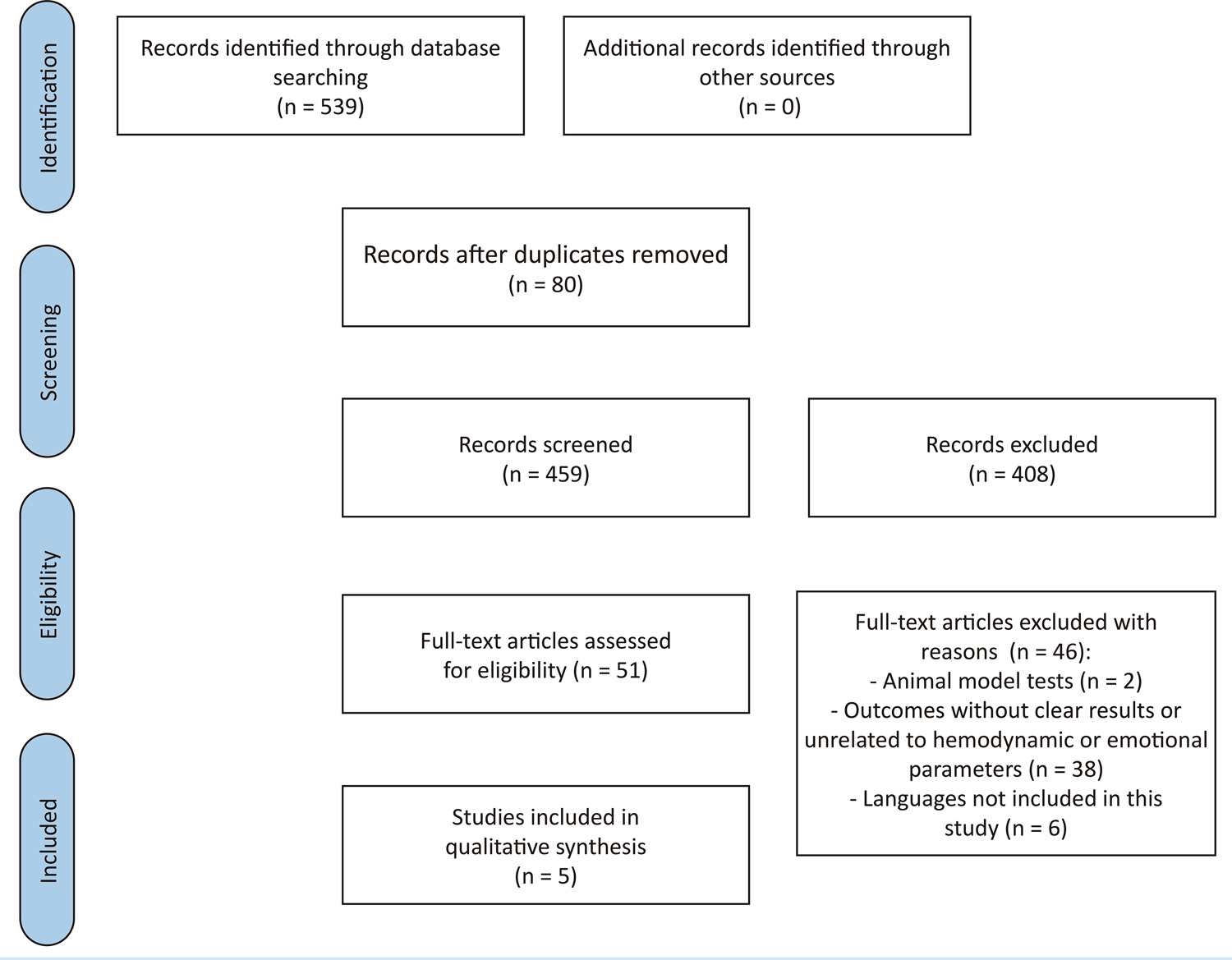
A systematic review was conducted using Embase, Bireme, MEDLINE, PEDro, and Scopus electronic databases. Randomized clinical trials that evaluated hemodynamic and emotional outcomes using interventions with lavender essential oil in patients with cardiovascular diseases were selected. Of 539 studies initially identified, 51 were read in full and only 5 were eligible for inclusion.

Results

Reductions were demonstrated in hemodynamic responses, such as systolic and diastolic blood pressure, mean arterial pressure, and heart rate, as well as a decrease in anxiety, depression, stress, and fatigue compared with the control group. Statistical significance was set at p<0.05. Conclusion: Aromatherapy with the use of lavender essential oil provided benefits to hemodynamic parameters, such as anxiety, stress, depression, and fatigue levels, in patients with cardiovascular diseases. (Int J Cardiovasc Sci. 2020; [online].ahead print, PP.0-0)

  • Anxiety
  • Aromatherapy
  • Cardiovascular Diseases
  • Hemodynamics
  • Lavandula
  • systematic review
Read Full Article
Creative Commons Attribution (CC BY) Creative Commons license
23/11/2020 DOI: 10.36660/ijcs.20190086 Views 1
Figure 1
IJCS
Original Article

The Effect of Psychotherapy on Anxiety, Depression, and Quality of Life of Patients with Heart Failure: A Randomized Clinical Trial

Isaura Rocha et al. Ana Dantas Cavalcanti Lyvia Figueiredo Juliana Pereira … Samara de Oliveira Danilo da Cruz Rodrigo de Freitas Evandro Tinoco Mesquita

Abstract

Background

Patients with heart failure often experience depression, anxiety, and impacts on quality of life. Psychotherapeutic interventions have been used for chronic conditions, including cardiovascular diseases, showing improvement in mental health. However, no studies have assessed the effects of a psychological intervention using psychoanalysis on patients with heart failure.

Objective

To assess the effect of short-term psychotherapy on depressive symptoms, anxiety, and quality of life of patients seen at a specialty clinic.

Method

A randomized clinical trial with scales to assess outcomes before and after psychotherapy, under the perspective of psychoanalysis, with 12 weekly sessions. The Beck Depression Inventory, the Beck Anxiety Inventory, and the Minnesota Living with Heart Failure Questionnaire were used. The mean initial and final scores for quality of life, anxiety, and depression were compared using Student’s t-test for independent samples when distribution was normal, or Mann-Whitney test when distribution was non-normal. A bivariate p-value < 0.05 was considered statistically significant for all analyses.

Results

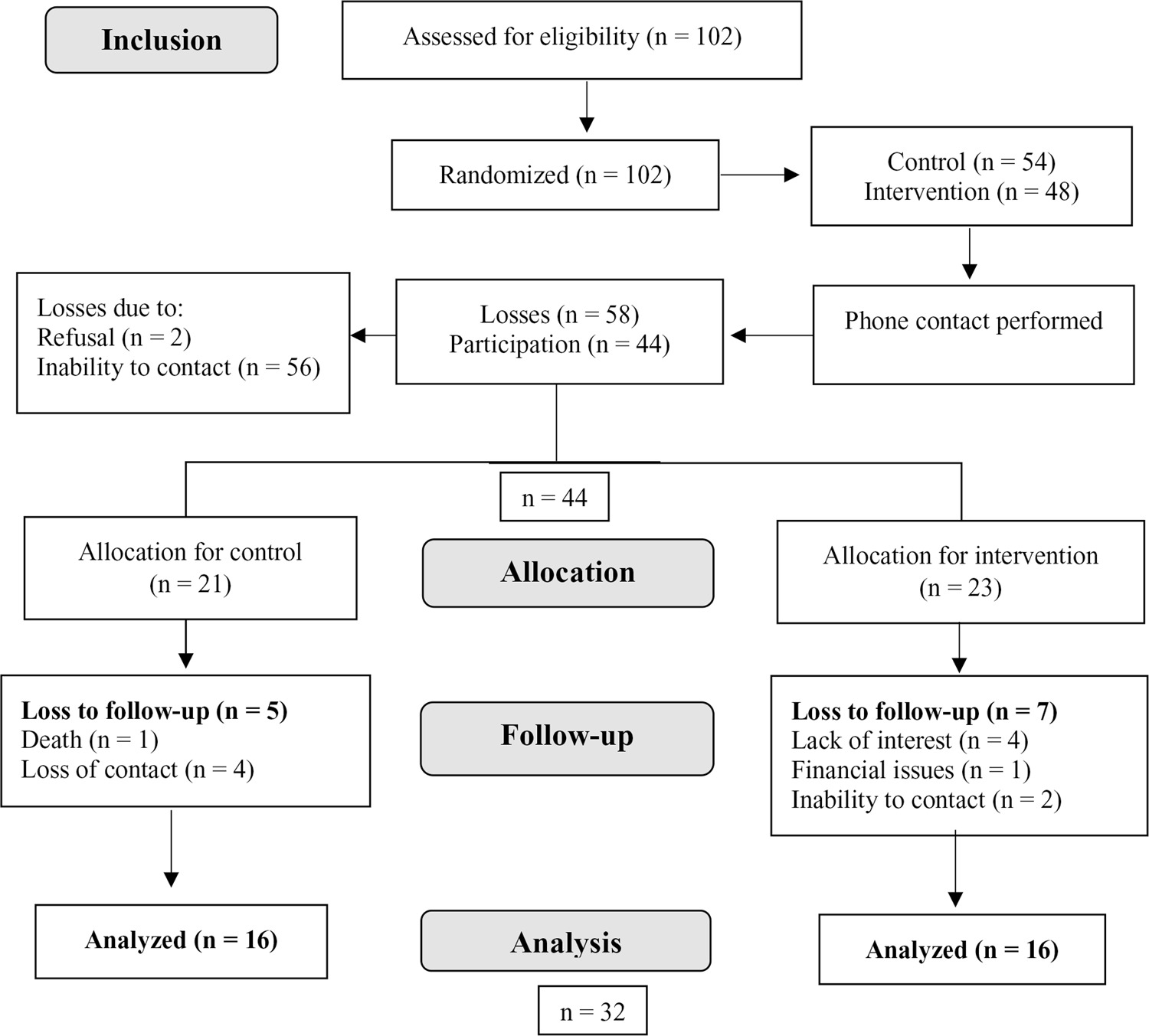
This study involved 32 patients, 50% were female, mean age was 64.3±11.6, and most participants were New York Heart Association (NYHA) functional class I (56.3%). For anxiety (p = 0.196), there was no statistically significant difference between groups. For quality of life and depression, there was a statistical difference (p = 0.009 and 0.035, respectively), with a medium effect (Cohen’s d = 0.593) on quality of life.

Conclusion

Short-term psychotherapy in outpatients with heart failure showed an impact on depression and quality of life but did not improve anxiety. Int J Cardiovasc Sci. 2020; [online].ahead print, PP.0-0

  • Anxiety
  • Depression
  • Heart Failure
  • Mental Health
  • Psychoanalytic Therapy
  • Psychotherapy
  • Quality of life
Read Full Article
Creative Commons Attribution (CC BY) Creative Commons license
06/11/2020 DOI: 10.36660/ijcs.20190190
Figure 1
ABC
Original Article

Validity Evidence of the Brazilian Version of the Florida Shock Anxiety Scale for Patients with Implantable Cardioverter Defibrillators

Katia Regina Silva et al. Roberto Costa Giovanna Regina Garcia de Oliveira Melo Flávio Rebustini … Marcos Sidney Benedetto Marcia Mitie Nagumo Samuel F. Sears

Abstract

Background

In spite of proven effectiveness of implantable cardioverter defibrillators (ICDs), shock therapy delivered by the device may result in increased levels of anxiety and depression, leading to deleterious effects on quality of life.

Objective

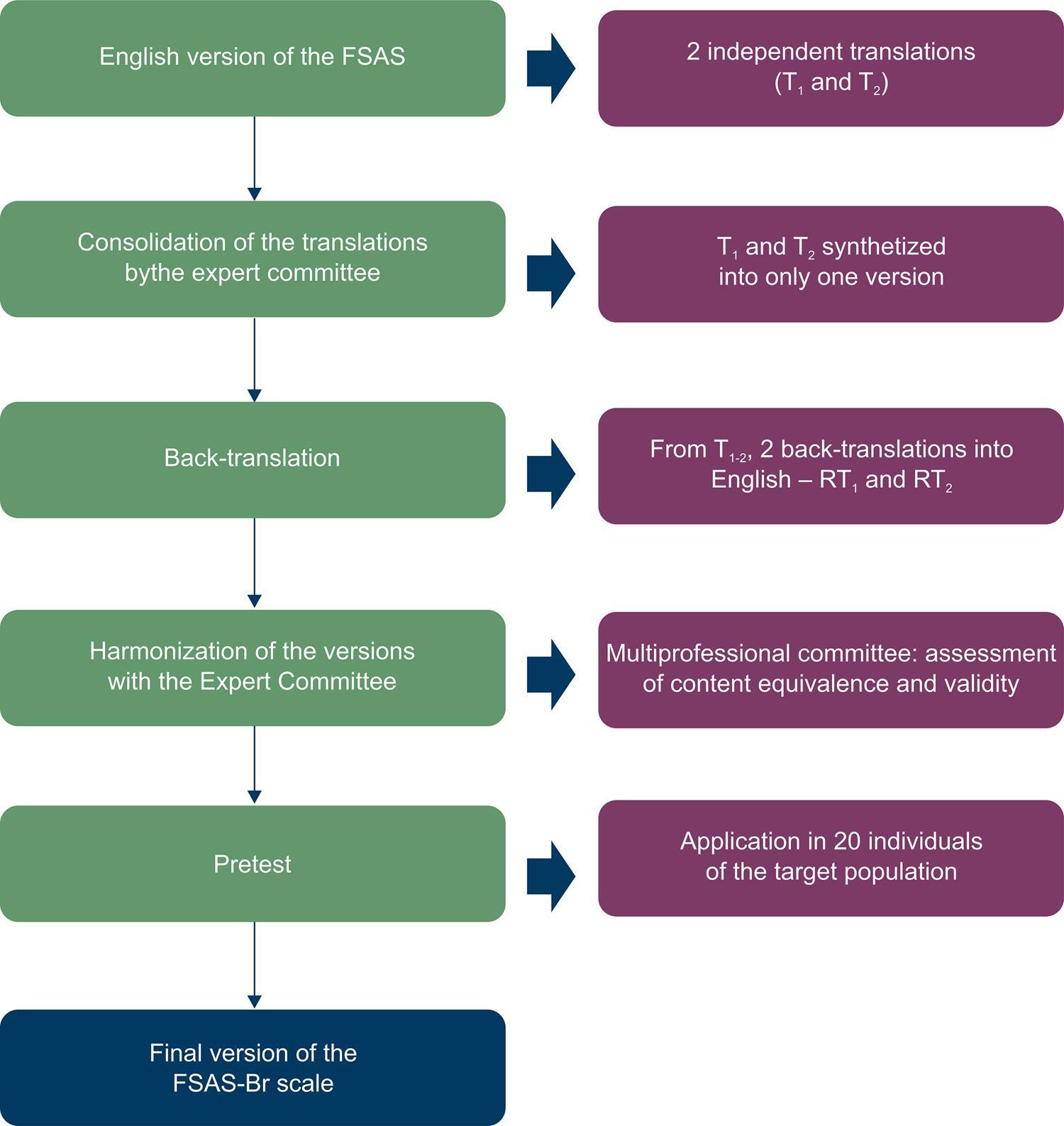
To carry out the translation, cross-cultural adaptation and validation of the Florida Shock Anxiety Scale (FSAS) scale into Brazilian Portuguese.

Methods

In this psychometric study, construct validity was performed by exploratory (EFA) and confirmatory (CFA) factor analyses, and by item response theory (IRT). The adjustment indexes of the CFA were: Robust Mean-Scaled Chi Square/df NNFI, CFI (Comparative Fit Index), GFI (Goodness Fit Index), AGFI (Adjusted Goodness Fit Index), RMSEA (Root Mean Square Error of Approximation) and RMSR (Root Mean Square of Residuals). Reliability was evaluated through Cronbach’s Alpha, McDonald’s Omega and Greatest Lower Bound (GLB). The analyses were carried out with the programs SPSS 23 and Factor 10.8.01. A 5 percent significance level was used.

Results

The final Portuguese version of the FSAS was administered to 151 ICD patients, with a mean age of 55.7 ± 14.1 years, and predominantly male. The parallel analysis indicated that the FSAS is unidimensional, with an explained variance of 64.4%. The correlations ranged from 0.31 to 0.77, factor loadings from 0.67 to 0.86, and communalities from 0.46 to 0.74. The adjustment indexes of the CFA were above the quality threshold. Satisfactory reliability evidence was provided by the FSAS.

Conclusions

The FSAS-Br showed consistent validity and reliability evidence. Therefore, it can be used in ICD patients in Brazil. (Arq Bras Cardiol. 2020; 114(5):764-772)

  • Anxiety
  • Arrhythmias
  • Implantable defibrillator
  • Psychometric
  • Shock therapies
Read Full Article
Creative Commons Attribution (CC BY) Creative Commons license
01/06/2020 DOI: 10.36660/abc.20190255 Views 2
ABC
Editorial

Florida Shock Anxiety Scale for Patients with Implantable Cardioverter-Defibrillator – Appreciating the Psychosocial Aspects

Eduardo Arrais Rocha et al. Ieda Prata Costa

The published study provides an important scale, already in its Brazilian Portuguese version and that has been validated for our population, which allows assessing the level of anxiety related to the presence of the Implantable Cardioverter-Defibrillator (ICD) and the shocks applied by the device.

This scale, as well emphasized in the study by Silva et al., was not designed to assess aspects of the patient’s adaptation to the ICD, or even its impacts on patient quality of life, and there is another scale that is appropriate for this purpose, such as the FPAS – Florida Patient Acceptance Survey.

[…]

  • Anxiety
  • Defibrillators, Implantable
  • Psychophysiologic Disorders
  • Psychosocial Impact
  • Quality of life
Read Full Article
Creative Commons Attribution (CC BY) Creative Commons license
01/06/2020 DOI: 10.36660/abc.20200262 Views 1
IJCS
Editorial

Anxiety, Depression, Stress and the Heart: When Measurement Matters

Cristiano Tschiedel Belem da Silva et al. Rafaela Doebber Escobar

The interplay between cardiovascular symptoms and stress has been a matter of concern for centuries. The first known scientific description of panic disorder, for example, which would nowadays be considered a mixture of panic disorder itself, post-traumatic-stress disorder, cardiac arrhythmia and congestive heart failure, took place in a cohort of three hundred patients of a military hospital in Philadelphia (USA). The name of the new diagnostic entity that followed (“irritable heart syndrome” or simply “Da Costa Syndrome,” named after the author of the original description) is rather an indicator of the historical overlap between cardiovascular diseases (CVD) and psychosocial conditions than properly an example of scientific rigor in describing the discovery of a new medical syndrome.

About sixteen years after the description of the irritable heart syndrome, Augustus Waller, a British physiologist, published the first human electrocardiogram (EKG) applying a capillary electrometer and placing electrodes in the chest and back of an individual. More than half a century after Waller’s publication, the 12-Lead EKG – as we know it now – was standardized by the American Heart Association. Since then, EKG is the most important test for the interpretation of cardiac rhythm and for the detection of myocardial ischemia. In sharp contrast with diagnostic developments in Cardiology and despite a whole new era in neuroimaging, no single physiological marker has emerged to help detecting anxiety disorders or depression in Psychiatry. Nonetheless, the degree to which mental disorders are realized within the brain or in the rest of the body is still unclear.

[…]

  • Anxiety
  • Cardiovascular Diseases
  • Depression
  • imaging diagnosis
  • Life Style
  • Stress, Psychological
Read Full Article
Creative Commons Attribution (CC BY) Creative Commons license
03/10/2019 DOI: 10.5935/2359-4802.20190082
Figure 1
IJCS
Original Article

Validation of the Brazilian Version of the Screening Tool for Psychosocial Distress (Stop-D) for Cardiac Patients

Isabella Barros Rabelo Gontijo et al. Juciléia Rezende Souza Daniel Fernandes Barbosa Salvador Rassi

Abstract

Background:

Distress has a potentiating effect on complications of heart disease. Early identification of distress and psychosocial management could help patients to deal with the disease and improve their quality of life. However, in Brazil, there is no specific instrument for evaluation of distress in cardiac patients.

Objectives:

To describe the validation process of the Screening Tool for Psychosocial Distress (STOP-D) for the Brazilian population.

Methods:

Cross-sectional, observational study with a quantitative approach. A total of 144 patients (including outpatients and inpatients) were interviewed at the waiting room of the outpatient cardiology clinic or in cardiology wards. Sociodemographic and clinical data were collected, and distress was assessed using two instruments – the Brazilian version of the STOP-D and the Hospital Anxiety and Depression Scale (HADS). First, we performed an exploratory factor analysis and analysis of the accuracy of the STOP-D score by the receiver operating characteristic (ROC) curvet.

Results:

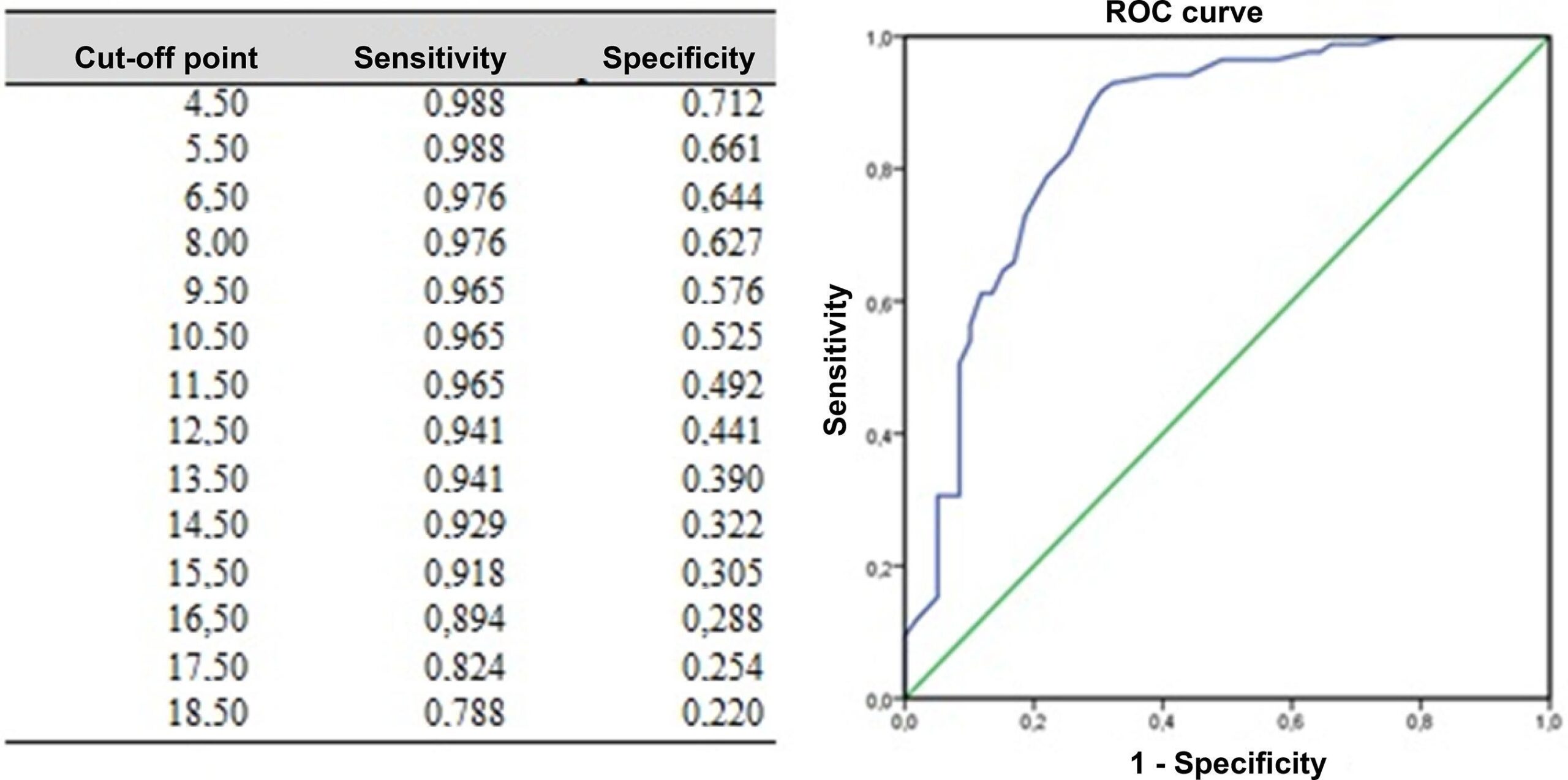
The factorability analysis of the correlation matrix did not detect any factor that made the factorial solution unfeasible. The instrument showed a single-factor nature, confirmed by the criterion of eigenvalues, with an 85% accuracy in predicting distress. A cut-off point of 15.5 was chosen for distress using the ROC curve.

Conclusions:

The Brazilian version of the STOP-D is an adequate instrument for the screening of heart disease patient for distress. It can be easily used by any health professional and would contribute to the promotion of a comprehensive support to cardiac patients.

  • Anxiety
  • Cardiovascular Diseases
  • Depression
  • Health Delivery
  • Quality of life
  • Social Conditions
  • Stress,Psychological
Read Full Article
Creative Commons Attribution (CC BY) Creative Commons license
15/04/2019 DOI: 10.5935/2359-4802.20190030 Views 1
ABC
Editorial

Anxiety and Depression after Myocardial Infarction: Can Inflammatory Factors be Involved?

João Manoel Theotonio dos Santos

This interesting article published by Serpytis et al., evaluated the presence of depression and anxiety disorders after acute myocardial infarction, and the different forms of presentation and prevalence according to patient gender and age.

The authors observed that over a period of up to 31 days after an acute myocardial infarction, more than two-thirds of the patients had depression and /or anxiety disorders. Women had a higher prevalence of these comorbidities when compared to men and also tended to have more severe presentations of both depression and anxiety disorders. Additionally, in men, depression was more severe and anxiety disorder was less severe as they were older; whereas in women these comorbidities showed a linear presentation regarding severity, regardless of the age factor.

[…]

  • Anxiety
  • C-Reactive Protein
  • Depression
  • Gender Identity
  • Myocardial Infarction
  • Risk Factors, Inflammation
Read Full Article
Creative Commons Attribution (CC BY) Creative Commons license
01/11/2018 DOI: 10.5935/abc.20180233 Views 1
ABC
Artigo Original

Brazilian portuguese validated version of the cardiac anxiety questionnaire

Aline Sardinha et al. Antonio Egidio Nardi Claudio Gil Soares de Araújo Maria Cristina Ferreira Georg H. Eifert

BACKGROUND: Cardiac Anxiety (CA) is the fear of cardiac sensations, characterized by recurrent anxiety symptoms, in patients with or without cardiovascular disease. The Cardiac Anxiety Questionnaire (CAQ) is a tool to assess CA, already adapted but not validated to Portuguese. OBJECTIVE: This paper presents the three phases of the validation studies of the Brazilian CAQ. METHODS: To extract the factor structure and assess the reliability of the CAQ (phase 1), 98 patients with coronary artery disease were recruited. The aim of phase 2 was to explore the convergent and divergent validity. Fifty-six patients completed the CAQ, along with the Body Sensations Questionnaire (BSQ) and the Social Phobia Inventory (SPIN). To determine the discriminative validity (phase 3), we compared the CAQ scores of two subgroups formed with patients from phase 1 (n = 98), according to the diagnoses of panic disorder and agoraphobia, obtained with the MINI – Mini International Neuropsychiatric Interview. RESULTS: A 2-factor solution was the most interpretable (46.4% of the variance). Subscales were named “Fear and Hypervigilance” (n=9; alpha = 0.88), and “Avoidance”, (n = 5; alpha = 0.82). Significant correlation was found between factor 1 and the BSQ total score (p<0.01), but not with factor 2. SPIN factors showed significant correlations with CAQ subscales (p < 0.01). In phase 3, "Cardiac with panic" patients scored significantly higher in CAQ factor 1 (t = -3.42; p < 0.01, CI = -1.02 to -0.27), and higher, but not significantly different, in factor 2 (t = -1.98; p = 0.51, CI = -0.87 to 0.00). CONCLUSIONS: These results provide a definite Brazilian validated version of the CAQ, adequate to clinical and research settings.

  • Anxiety
  • Cardiovascular Diseases
  • Psychological Tests
  • Psychometrics
  • questionnaires
Read Full Article
Creative Commons Attribution (CC BY) Creative Commons license
22/10/2013 DOI: 10.5935/abc.20130207 Views 1
ABC
Artigo Original

Depression and acute coronary syndromes: gender-related differences

Glória Heloise Perez et al. José Carlos Nicolau Bellkiss Wilma Romano Ronaldo Laranjeira

OBJECTIVE: Investigate whether social and demographic characteristics, clinical diagnosis, smoking status, alcohol consumption, and anxiety are associated with depression in patients with Acute Coronary Syndromes (ACS) stratified by gender. METHODS: Three hundred forty-five consecutive patients with unstable myocardial ischemic syndrome (206 with myocardial infarction and 139 with unstable angina) were interviewed. The interviews included questions about sociodemographics, smoking status, screening for depression (Prime MD e BDI), trait and state anxiety, (IDATE), and alcohol consumption (AUDIT). RESULTS: Diagnosis of depression has significantly correlated with female gender, age under 50 years, and higher average scores on trait anxiety and state anxiety. Depressed men (245) were usually younger than 50 years of age, smokers and had higher average score on trait anxiety and state anxiety than those non-depressed. The multivariate analysis highlights that age is negatively associated with depression (OR 0.9519 95% CI 0.9261 – 0.9784) and that higher scores on trait anxiety are positively associated (OR 1.0691 95% CI 1.0375 – 1.1017) with depression in the male gender. In the female sample (100), depressed women differ from non-depressed women in that they have a higher average score on trait anxiety and state anxiety. In the multivariate analysis of the female sample, a higher score on trait anxiety was independently associated with depression (OR 1.1267 95% CI 1.0632 – 1.1940). CONCLUSION: It was concluded that, among hospitalized patients with ACS, women, as well as men under 50 years and who suffer from anxiety are more likely to experience depression.

  • Anxiety
  • Depression
  • Myocardial Infarction
  • Unstable Angina
Read Full Article
Creative Commons Attribution (CC BY) Creative Commons license
05/12/2005 DOI: 10.1590/S0066-782X2005001800004

How to cite this article

EndNote RIS

Electronic Document Format (Vancouver)

Costa Jr. AA. Impact of Anxiety on Patients Referred for Transesophageal Echocardiography. ABC Imagem Cardiovascular 2025;38(2):e20250036.

Electronic Document Format (ABNT)

Costa Jr., Augusto Alberto da. Impact of Anxiety on Patients Referred for Transesophageal Echocardiography. ABC Imagem Cardiovascular, v. 38, n. 2, e20250036, Jun. 2025.

Electronic Document Format (APA)

Costa Jr., A. A. (2025). Impact of Anxiety on Patients Referred for Transesophageal Echocardiography. ABC Imagem Cardiovascular, 38(2), e20250036.

Electronic Document Format (ISO)

Costa Jr., Augusto Alberto da. Impact of Anxiety on Patients Referred for Transesophageal Echocardiography. ABC Imagem Cardiovascular [online]. 2025, vol. 38, n. 2, [cited 2026-10-14], e20250036. Available from: <https://journals.cardiol.br/article/impact-of-anxiety-on-patients-referred-for-transesophageal-echocardiography/>. ISSN 2318-8219

EndNote RIS

Electronic Document Format (Vancouver)

Martins JAA, Eng AV, Lira Filho E, Fischer CH, Monaco CG, Oliveira AJ, Oliveira FRC, et al. The Impact of Anxiety on Patients Referred for Transesophageal Echocardiography. ABC Imagem Cardiovascular 2025;38(2):e20250005.

Electronic Document Format (ABNT)

Martins, João Afonso Astolfi; Eng, Amanda de Vasconcelos; Lira Filho, Edgar; Fischer, Claudio Henrique; Monaco, Claudia Gianini; Oliveira, Alessandra Joslin; Oliveira, Fernando Rodrigues da Camara; Vieira, Marcelo Luiz Campos; Morhy, Samira Saady; Rodrigues, Ana Clara Tude. The Impact of Anxiety on Patients Referred for Transesophageal Echocardiography. ABC Imagem Cardiovascular, v. 38, n. 2, e20250005, May. 2025.

Electronic Document Format (APA)

Martins, J. A. A., Eng, A. V., Lira Filho, E., Fischer, C. H., Monaco, C. G., Oliveira, A. J., Oliveira, F. R. C., Vieira, M. L. C., Morhy, S. S., & Rodrigues, A. C. T. (2025). The Impact of Anxiety on Patients Referred for Transesophageal Echocardiography. ABC Imagem Cardiovascular, 38(2), e20250005.

Electronic Document Format (ISO)

Martins, João Afonso Astolfi and Eng, Amanda de Vasconcelos and Lira Filho, Edgar and Fischer, Claudio Henrique and Monaco, Claudia Gianini and Oliveira, Alessandra Joslin and Oliveira, Fernando Rodrigues da Camara and Vieira, Marcelo Luiz Campos and Morhy, Samira Saady and Rodrigues, Ana Clara Tude. The Impact of Anxiety on Patients Referred for Transesophageal Echocardiography. ABC Imagem Cardiovascular [online]. 2025, vol. 38, n. 2, [cited 2026-10-14], e20250005. Available from: <https://journals.cardiol.br/en/article/the-impact-of-anxiety-on-patients-referred-for-transesophageal-echocardiography/>. ISSN 2318-8219

EndNote RIS

Electronic Document Format (Vancouver)

Silva LA, Silva KR, Saucedo SCM, Costa R. Predictors of Quality of Life, Anxiety and Acceptance in Patients with Implantable Cardioverter-Defibrillator. Arquivos Brasileiros de Cardiologia 2024;121(4):e20230590.

Electronic Document Format (ABNT)

Silva, Laisa Arruda; Silva, Katia Regina; Saucedo, Sarah Caroline Martins; Costa, Roberto. Predictors of Quality of Life, Anxiety and Acceptance in Patients with Implantable Cardioverter-Defibrillator. Arquivos Brasileiros de Cardiologia, v. 121, n. 4, e20230590, Apr. 2024.

Electronic Document Format (APA)

Silva, L. A., Silva, K. R., Saucedo, S. C. M., & Costa, R. (2024). Predictors of Quality of Life, Anxiety and Acceptance in Patients with Implantable Cardioverter-Defibrillator. Arquivos Brasileiros de Cardiologia, 121(4), e20230590.

Electronic Document Format (ISO)

Silva, Laisa Arruda and Silva, Katia Regina and Saucedo, Sarah Caroline Martins and Costa, Roberto. Predictors of Quality of Life, Anxiety and Acceptance in Patients with Implantable Cardioverter-Defibrillator. Arquivos Brasileiros de Cardiologia [online]. 2024, vol. 121, n. 4, [cited 2026-10-14], e20230590. Available from: <https://journals.cardiol.br/en/article/predictors-of-quality-of-life-anxiety-and-acceptance-in-patients-with-implantable-cardioverter-defibrillator/>. ISSN 0066-782X

EndNote RIS

Electronic Document Format (Vancouver)

Grobe SF, Moura LZ. The Complex Relationship Between Emotions and the Heart: Should We Care?. International Journal of Cardiovascular Sciences 2023;36:e20220216.

Electronic Document Format (ABNT)

Grobe, Sarah Fagundes; Moura, Lídia Zytynski. The Complex Relationship Between Emotions and the Heart: Should We Care?. International Journal of Cardiovascular Sciences, v. 36, e20220216, Jan. 2023.

Electronic Document Format (APA)

Grobe, S. F., & Moura, L. Z. (2023). The Complex Relationship Between Emotions and the Heart: Should We Care?. International Journal of Cardiovascular Sciences, 36, e20220216.

Electronic Document Format (ISO)

Grobe, Sarah Fagundes and Moura, Lídia Zytynski. The Complex Relationship Between Emotions and the Heart: Should We Care?. International Journal of Cardiovascular Sciences [online]. 2023, vol. 36, [cited 2026-10-14], e20220216. Available from: <https://journals.cardiol.br/en/article/the-complex-relationship-between-emotions-and-the-heart-should-we-care/>. ISSN 2359-4802

EndNote RIS

Electronic Document Format (Vancouver)

Soares VL, Pereira C, Carvalho AC, Mota TP, Groehs RV, Bacal F, Matos LDNJ, et al. Prevalence and Association Between Cognition, Anxiety, and Depression in Patients Hospitalized with Heart Failure. International Journal of Cardiovascular Sciences 2022;36:e20210226.

Electronic Document Format (ABNT)

Soares, Vivian L.; Pereira, Carolina; Carvalho, Ana Carla; Mota, Tarsila Perez; Groehs, Raphaela V.; Bacal, Fernando; Matos, Luciana Diniz Nagem Janot de. Prevalence and Association Between Cognition, Anxiety, and Depression in Patients Hospitalized with Heart Failure. International Journal of Cardiovascular Sciences, v. 36, e20210226, Nov. 2022.

Electronic Document Format (APA)

Soares, V. L., Pereira, C., Carvalho, A. C., Mota, T. P., Groehs, R. V., Bacal, F., & Matos, L. D. N. J. (2022). Prevalence and Association Between Cognition, Anxiety, and Depression in Patients Hospitalized with Heart Failure. International Journal of Cardiovascular Sciences, 36, e20210226.

Electronic Document Format (ISO)

Soares, Vivian L. and Pereira, Carolina and Carvalho, Ana Carla and Mota, Tarsila Perez and Groehs, Raphaela V. and Bacal, Fernando and Matos, Luciana Diniz Nagem Janot de. Prevalence and Association Between Cognition, Anxiety, and Depression in Patients Hospitalized with Heart Failure. International Journal of Cardiovascular Sciences [online]. 2022, vol. 36, [cited 2026-10-14], e20210226. Available from: <https://journals.cardiol.br/en/article/prevalence-and-association-between-cognition-anxiety-and-depression-in-patients-hospitalized-with-heart-failure/>. ISSN 2359-4802

EndNote RIS

Electronic Document Format (Vancouver)

Afiune FG, Rassi S, Afiune Neto A. Cognitive Alterations in Elderly Patients with Heart Failure’. International Journal of Cardiovascular Sciences 2022;35(3):364-72.

Electronic Document Format (ABNT)

Afiune, Fernanda Guedes; Rassi, Salvador; Afiune Neto, Abrahão. Cognitive Alterations in Elderly Patients with Heart Failure’. International Journal of Cardiovascular Sciences, v. 35, n. 3, p. 364-372, Feb. 2022.

Electronic Document Format (APA)

Afiune, F. G., Rassi, S., & Afiune Neto, A. (2022). Cognitive Alterations in Elderly Patients with Heart Failure’. International Journal of Cardiovascular Sciences, 35(3), 364-372.

Electronic Document Format (ISO)

Afiune, Fernanda Guedes and Rassi, Salvador and Afiune Neto, Abrahão. Cognitive Alterations in Elderly Patients with Heart Failure’. International Journal of Cardiovascular Sciences [online]. 2022, vol. 35, n. 3, [cited 2026-10-14], pp. 364-372. Available from: <https://journals.cardiol.br/en/article/cognitive-alterations-in-elderly-patients-with-heart-failure/>. ISSN 2359-4802

EndNote RIS

Electronic Document Format (Vancouver)

Barbosa LG, Freitas ABR, Proença MABM, Silva CMC. Echocardiography: The Examination Request by the Pediatriciant Achieving the Pediatric Cardiologist. Arquivos Brasileiros de Cardiologia Imagem cardiovascular 2022;30(2):39-45.

Electronic Document Format (ABNT)

Barbosa, Lene Garcia; Freitas, Amanda Bentes Rios de; Proença, Mariana Aparecida Brunossi Moura; Silva, Célia Maria Camelo. Echocardiography: The Examination Request by the Pediatriciant Achieving the Pediatric Cardiologist. Arquivos Brasileiros de Cardiologia Imagem cardiovascular, v. 30, n. 2, p. 39-45, Jan. 2022.

Electronic Document Format (APA)

Barbosa, L. G., Freitas, A. B. R. , Proença, M. A. B. M., & Silva, C. M. C. (2022). Echocardiography: The Examination Request by the Pediatriciant Achieving the Pediatric Cardiologist. Arquivos Brasileiros de Cardiologia Imagem cardiovascular, 30(2), 39-45.

Electronic Document Format (ISO)

Barbosa, Lene Garcia and Freitas, Amanda Bentes Rios de and Proença, Mariana Aparecida Brunossi Moura and Silva, Célia Maria Camelo. Echocardiography: The Examination Request by the Pediatriciant Achieving the Pediatric Cardiologist. Arquivos Brasileiros de Cardiologia Imagem cardiovascular [online]. 2022, vol. 30, n. 2, [cited 2026-10-14], pp. 39-45. Available from: <https://journals.cardiol.br/en/article/echocardiography-the-examination-request-by-the-pediatriciant-achieving-the-pediatric-cardiologist/>. ISSN 2318-8219

EndNote RIS

Electronic Document Format (Vancouver)

Lopes LS, Bündchen D, Modesto FC, Quintão M, Chermont S, Cavalcanti ACD, Mesquita ET, et al. Aromatherapy in Patients with Cardiovascular Diseases: A Systematic Review. International Journal of Cardiovascular Sciences 2020;34(1):74-80.

Electronic Document Format (ABNT)

Lopes, Lissandra de Souza; Bündchen, Daiana; Modesto, Felipe Cardozo; Quintão, Monica; Chermont, Sergio; Cavalcanti, Ana Carla Dantas; Mesquita, Evandro Tinoco. Aromatherapy in Patients with Cardiovascular Diseases: A Systematic Review. International Journal of Cardiovascular Sciences, v. 34, n. 1, p. 74-80, Nov. 2020.

Electronic Document Format (APA)

Lopes, L. S., Bündchen, D., Modesto, F. C., Quintão, M., Chermont, S., Cavalcanti, A. C. D., & Mesquita, E. T. (2020). Aromatherapy in Patients with Cardiovascular Diseases: A Systematic Review. International Journal of Cardiovascular Sciences, 34(1), 74-80.

Electronic Document Format (ISO)

Lopes, Lissandra de Souza and Bündchen, Daiana and Modesto, Felipe Cardozo and Quintão, Monica and Chermont, Sergio and Cavalcanti, Ana Carla Dantas and Mesquita, Evandro Tinoco. Aromatherapy in Patients with Cardiovascular Diseases: A Systematic Review. International Journal of Cardiovascular Sciences [online]. 2020, vol. 34, n. 1, [cited 2026-10-14], pp. 74-80. Available from: <https://journals.cardiol.br/en/article/aromatherapy-in-patients-with-cardiovascular-diseases-a-systematic-review/>. ISSN 2359-4802

EndNote RIS

Electronic Document Format (Vancouver)

Rocha I, Cavalcanti AD, Figueiredo L, Pereira J, Oliveira S, Cruz D, Freitas R, et al. The Effect of Psychotherapy on Anxiety, Depression, and Quality of Life of Patients with Heart Failure: A Randomized Clinical Trial. International Journal of Cardiovascular Sciences 2020;34(2):188-96.

Electronic Document Format (ABNT)

Rocha, Isaura; Cavalcanti, Ana Dantas; Figueiredo, Lyvia; Pereira, Juliana; Oliveira, Samara de; Cruz, Danilo da; Freitas, Rodrigo de; Mesquita, Evandro Tinoco. The Effect of Psychotherapy on Anxiety, Depression, and Quality of Life of Patients with Heart Failure: A Randomized Clinical Trial. International Journal of Cardiovascular Sciences, v. 34, n. 2, p. 188-196, Nov. 2020.

Electronic Document Format (APA)

Rocha, I., Cavalcanti, A. D., Figueiredo, L., Pereira, J., Oliveira, S. , Cruz, D. , Freitas, R. , & Mesquita, E. T. (2020). The Effect of Psychotherapy on Anxiety, Depression, and Quality of Life of Patients with Heart Failure: A Randomized Clinical Trial. International Journal of Cardiovascular Sciences, 34(2), 188-196.

Electronic Document Format (ISO)

Rocha, Isaura and Cavalcanti, Ana Dantas and Figueiredo, Lyvia and Pereira, Juliana and Oliveira, Samara de and Cruz, Danilo da and Freitas, Rodrigo de and Mesquita, Evandro Tinoco. The Effect of Psychotherapy on Anxiety, Depression, and Quality of Life of Patients with Heart Failure: A Randomized Clinical Trial. International Journal of Cardiovascular Sciences [online]. 2020, vol. 34, n. 2, [cited 2026-10-14], pp. 188-196. Available from: <https://journals.cardiol.br/en/article/the-effect-of-psychotherapy-on-anxiety-depression-and-quality-of-life-of-patients-with-heart-failure-a-randomized-clinical-trial/>. ISSN 2359-4802

EndNote RIS

Electronic Document Format (Vancouver)

Silva KR, Costa R, Melo GRGO, Rebustini F, Benedetto MS, Nagumo MM, Sears SF, et al. Validity Evidence of the Brazilian Version of the Florida Shock Anxiety Scale for Patients with Implantable Cardioverter Defibrillators. Arquivos Brasileiros de Cardiologia 2020;114(5):764-72.

Electronic Document Format (ABNT)

Silva, Katia Regina; Costa, Roberto; Melo, Giovanna Regina Garcia de Oliveira; Rebustini, Flávio; Benedetto, Marcos Sidney; Nagumo, Marcia Mitie; Sears, Samuel F.. Validity Evidence of the Brazilian Version of the Florida Shock Anxiety Scale for Patients with Implantable Cardioverter Defibrillators. Arquivos Brasileiros de Cardiologia, v. 114, n. 5, p. 764-772, May. 2020.

Electronic Document Format (APA)

Silva, K. R., Costa, R., Melo, G. R. G. O., Rebustini, F., Benedetto, M. S., Nagumo, M. M., & Sears, S. F. (2020). Validity Evidence of the Brazilian Version of the Florida Shock Anxiety Scale for Patients with Implantable Cardioverter Defibrillators. Arquivos Brasileiros de Cardiologia, 114(5), 764-772.

Electronic Document Format (ISO)

Silva, Katia Regina and Costa, Roberto and Melo, Giovanna Regina Garcia de Oliveira and Rebustini, Flávio and Benedetto, Marcos Sidney and Nagumo, Marcia Mitie and Sears, Samuel F.. Validity Evidence of the Brazilian Version of the Florida Shock Anxiety Scale for Patients with Implantable Cardioverter Defibrillators. Arquivos Brasileiros de Cardiologia [online]. 2020, vol. 114, n. 5, [cited 2026-10-14], pp. 764-772. Available from: <https://journals.cardiol.br/en/article/validity-evidence-of-the-brazilian-version-of-the-florida-shock-anxiety-scale-for-patients-with-implantable-cardioverter-defibrillators/>. ISSN 0066-782X

EndNote RIS

Electronic Document Format (Vancouver)

Rocha EA, Costa IP. Florida Shock Anxiety Scale for Patients with Implantable Cardioverter-Defibrillator – Appreciating the Psychosocial Aspects. Arquivos Brasileiros de Cardiologia 2020;114(5):773-4.

Electronic Document Format (ABNT)

Rocha, Eduardo Arrais; Costa, Ieda Prata. Florida Shock Anxiety Scale for Patients with Implantable Cardioverter-Defibrillator – Appreciating the Psychosocial Aspects. Arquivos Brasileiros de Cardiologia, v. 114, n. 5, p. 773-774, May. 2020.

Electronic Document Format (APA)

Rocha, E. A., & Costa, I. P. (2020). Florida Shock Anxiety Scale for Patients with Implantable Cardioverter-Defibrillator – Appreciating the Psychosocial Aspects. Arquivos Brasileiros de Cardiologia, 114(5), 773-774.

Electronic Document Format (ISO)

Rocha, Eduardo Arrais and Costa, Ieda Prata. Florida Shock Anxiety Scale for Patients with Implantable Cardioverter-Defibrillator – Appreciating the Psychosocial Aspects. Arquivos Brasileiros de Cardiologia [online]. 2020, vol. 114, n. 5, [cited 2026-10-14], pp. 773-774. Available from: <https://journals.cardiol.br/en/article/florida-shock-anxiety-scale-for-patients-with-implantable-cardioverter-defibrillator-appreciating-the-psychosocial-aspects/>. ISSN 0066-782X

EndNote RIS

Electronic Document Format (Vancouver)

Silva CTB, Escobar RD. Anxiety, Depression, Stress and the Heart: When Measurement Matters. International Journal of Cardiovascular Sciences 2019;32(5):447-8.

Electronic Document Format (ABNT)

Silva, Cristiano Tschiedel Belem da; Escobar, Rafaela Doebber. Anxiety, Depression, Stress and the Heart: When Measurement Matters. International Journal of Cardiovascular Sciences, v. 32, n. 5, p. 447-448, Oct. 2019.

Electronic Document Format (APA)

Silva, C. T. B. , & Escobar, R. D. (2019). Anxiety, Depression, Stress and the Heart: When Measurement Matters. International Journal of Cardiovascular Sciences, 32(5), 447-448.

Electronic Document Format (ISO)

Silva, Cristiano Tschiedel Belem da and Escobar, Rafaela Doebber. Anxiety, Depression, Stress and the Heart: When Measurement Matters. International Journal of Cardiovascular Sciences [online]. 2019, vol. 32, n. 5, [cited 2026-10-14], pp. 447-448. Available from: <https://journals.cardiol.br/en/article/anxiety-depression-stress-and-the-heart-when-measurement-matters/>. ISSN 2359-4802

EndNote RIS

Electronic Document Format (Vancouver)

Gontijo IBR, Souza JR, Barbosa DF, Rassi S. Validation of the Brazilian Version of the Screening Tool for Psychosocial Distress (Stop-D) for Cardiac Patients. International Journal of Cardiovascular Sciences 2019;32(5):438-46.

Electronic Document Format (ABNT)

Gontijo, Isabella Barros Rabelo; Souza, Juciléia Rezende; Barbosa, Daniel Fernandes; Rassi, Salvador. Validation of the Brazilian Version of the Screening Tool for Psychosocial Distress (Stop-D) for Cardiac Patients. International Journal of Cardiovascular Sciences, v. 32, n. 5, p. 438-446, Apr. 2019.

Electronic Document Format (APA)

Gontijo, I. B. R., Souza, J. R., Barbosa, D. F., & Rassi, S. (2019). Validation of the Brazilian Version of the Screening Tool for Psychosocial Distress (Stop-D) for Cardiac Patients. International Journal of Cardiovascular Sciences, 32(5), 438-446.

Electronic Document Format (ISO)

Gontijo, Isabella Barros Rabelo and Souza, Juciléia Rezende and Barbosa, Daniel Fernandes and Rassi, Salvador. Validation of the Brazilian Version of the Screening Tool for Psychosocial Distress (Stop-D) for Cardiac Patients. International Journal of Cardiovascular Sciences [online]. 2019, vol. 32, n. 5, [cited 2026-10-14], pp. 438-446. Available from: <https://journals.cardiol.br/en/article/validation-of-the-brazilian-version-of-the-screening-tool-for-psychosocial-distress-stop-d-for-cardiac-patients/>. ISSN 2359-4802

EndNote RIS

Electronic Document Format (Vancouver)

Santos JMT. Anxiety and Depression after Myocardial Infarction: Can Inflammatory Factors be Involved?. Arquivos Brasileiros de Cardiologia 2018;111(5):684-5.

Electronic Document Format (ABNT)

Santos, João Manoel Theotonio dos. Anxiety and Depression after Myocardial Infarction: Can Inflammatory Factors be Involved?. Arquivos Brasileiros de Cardiologia, v. 111, n. 5, p. 684-685, Oct. 2018.

Electronic Document Format (APA)

Santos, J. M. T. (2018). Anxiety and Depression after Myocardial Infarction: Can Inflammatory Factors be Involved?. Arquivos Brasileiros de Cardiologia, 111(5), 684-685.

Electronic Document Format (ISO)

Santos, João Manoel Theotonio dos. Anxiety and Depression after Myocardial Infarction: Can Inflammatory Factors be Involved?. Arquivos Brasileiros de Cardiologia [online]. 2018, vol. 111, n. 5, [cited 2026-10-14], pp. 684-685. Available from: <https://journals.cardiol.br/en/article/anxiety-and-depression-after-myocardial-infarction-can-inflammatory-factors-be-involved/>. ISSN 0066-782X

EndNote RIS

Electronic Document Format (Vancouver)

Sardinha A, Nardi AE, Araújo CGS, Ferreira MC, Eifert GH. Brazilian portuguese validated version of the cardiac anxiety questionnaire. Arquivos Brasileiros de Cardiologia 2013;101(6):554-61.

Electronic Document Format (ABNT)

Sardinha, Aline; Nardi, Antonio Egidio; Araújo, Claudio Gil Soares de; Ferreira, Maria Cristina; Eifert, Georg H.. Brazilian portuguese validated version of the cardiac anxiety questionnaire. Arquivos Brasileiros de Cardiologia, v. 101, n. 6, p. 554-561, Oct. 2013.

Electronic Document Format (APA)

Sardinha, A., Nardi, A. E., Araújo, C. G. S. , Ferreira, M. C., & Eifert, G. H. (2013). Brazilian portuguese validated version of the cardiac anxiety questionnaire. Arquivos Brasileiros de Cardiologia, 101(6), 554-561.

Electronic Document Format (ISO)

Sardinha, Aline and Nardi, Antonio Egidio and Araújo, Claudio Gil Soares de and Ferreira, Maria Cristina and Eifert, Georg H.. Brazilian portuguese validated version of the cardiac anxiety questionnaire. Arquivos Brasileiros de Cardiologia [online]. 2013, vol. 101, n. 6, [cited 2026-10-14], pp. 554-561. Available from: <https://journals.cardiol.br/en/article/brazilian-portuguese-validated-version-of-the-cardiac-anxiety-questionnaire/>. ISSN 0066-782X

EndNote RIS

Electronic Document Format (Vancouver)

Perez GH, Nicolau JC, Romano BW, Laranjeira R. Depression and acute coronary syndromes: gender-related differences. Arquivos Brasileiros de Cardiologia 2005;85(5):319-26.

Electronic Document Format (ABNT)

Perez, Glória Heloise; Nicolau, José Carlos; Romano, Bellkiss Wilma; Laranjeira, Ronaldo. Depression and acute coronary syndromes: gender-related differences. Arquivos Brasileiros de Cardiologia, v. 85, n. 5, p. 319-326, Dec. 2005.

Electronic Document Format (APA)

Perez, G. H., Nicolau, J. C., Romano, B. W., & Laranjeira, R. (2005). Depression and acute coronary syndromes: gender-related differences. Arquivos Brasileiros de Cardiologia, 85(5), 319-326.

Electronic Document Format (ISO)

Perez, Glória Heloise and Nicolau, José Carlos and Romano, Bellkiss Wilma and Laranjeira, Ronaldo. Depression and acute coronary syndromes: gender-related differences. Arquivos Brasileiros de Cardiologia [online]. 2005, vol. 85, n. 5, [cited 2026-10-14], pp. 319-326. Available from: <https://journals.cardiol.br/en/article/depression-and-acute-coronary-syndromes-gender-related-differences/>. ISSN 0066-782X

  • About ABC Family
  • Internal Regulation
  • Editorial Board
  • Brazilian Society of Cardiology (SBC)

Issues

SBC Guidelines

  • Videos
  • Podcasts
  • News