ABC Family Arquivos Brasileiros de Cardiologia International Journal of Cardiovascular Sciences ABC Heart Failure & Cardiomyopathy ABC Imagem Cardiovascular
Português English
ABC Family
Português English
  • About
    • About ABC Family
    • Internal Regulation
    • Editorial Board
    • Brazilian Society of Cardiology (SBC)
  • Issues
  • SBC Guidelines
  • Content
    • Videos
    • Podcasts
    • News
  • About
    • About ABC Family
    • Internal Regulation
    • Editorial Board
    • Brazilian Society of Cardiology (SBC)
  • Issues
  • SBC Guidelines
  • Content
    • Videos
    • Podcasts
    • News

ABC Family

  • ABC Family
  • Arquivos Brasileiros de Cardiologia
  • International Journal of Cardiovascular Sciences
  • ABC Heart Failure & Cardiomyopathy
  • ABC Imagem Cardiovascular
Search in

No content found.

Journals
Ordering
Article types
Others

  1. Home
  2. Keyword: screening
ABC
Editorial

Artificial Intelligence Attack! The Rising Importance of Chagas Disease

Roberto Coury Pedrosa

Chagas disease (Chd) is a chronic condition with primarily cardiac sequelae that can persist and worsen many years after the initial infection, with a serious impact on healthcare systems. The PAHO estimated that 90% of new infections go undiagnosed, and about 70% of those infected are unaware of their condition. Additionally, less than 1% of the estimated population at risk has been tested. As a result, this leads to a delay in diagnosis, which increases morbidity and mortality from its complications, highlighting a clear need to expand access to diagnosis from a public health perspective. To mitigate this impact, Chd was included in the Millennium Development Goals and the Sustainable Development Goals of the 2030 Agenda for Sustainable Development (UN, 2018).

The gold standard for diagnosing Chd is serological testing for T. cruzi antibodies. The biggest challenge in Chd remains predicting which patients will develop the cardiac form, a leading cause of heart failure, especially in rural areas of Brazil. Notably, electrocardiography is an accessible and low-cost tool that can detect early signs of cardiac involvement in Chd. In recent years, AI-ECG (Electrocardiogram with artificial intelligence) models have been shown to diagnose cardiac conditions accurately; many have been trained and tested primarily on data from high-income countries. Furthermore, these models have been evaluated retrospectively on large historical datasets, with relatively few prospective external validation studies. These gaps in AI-ECG research need to be addressed.

[…]

  • Artificial Intelligence
  • Chagas disease
  • Electrocardiography
  • Public Health
  • screening
Read Full Article
Creative Commons Attribution (CC BY) Creative Commons license
20/07/2026 DOI: 10.36660/abc.20260409i Views 4
Figure 1
ABCIC
Special Article

Pediatric Cardiac Tumors: Echocardiographic Imaging Features

Nathalie Jeanne Magioli Bravo-Valenzuela et al. Eliane Lucas Nadinne Velloso Netto Larissa Vieira da Conceição … Natalia Pinheiro Duque Estrada Maria Respondek-Liberska Edward Araujo Júnior

Abstract

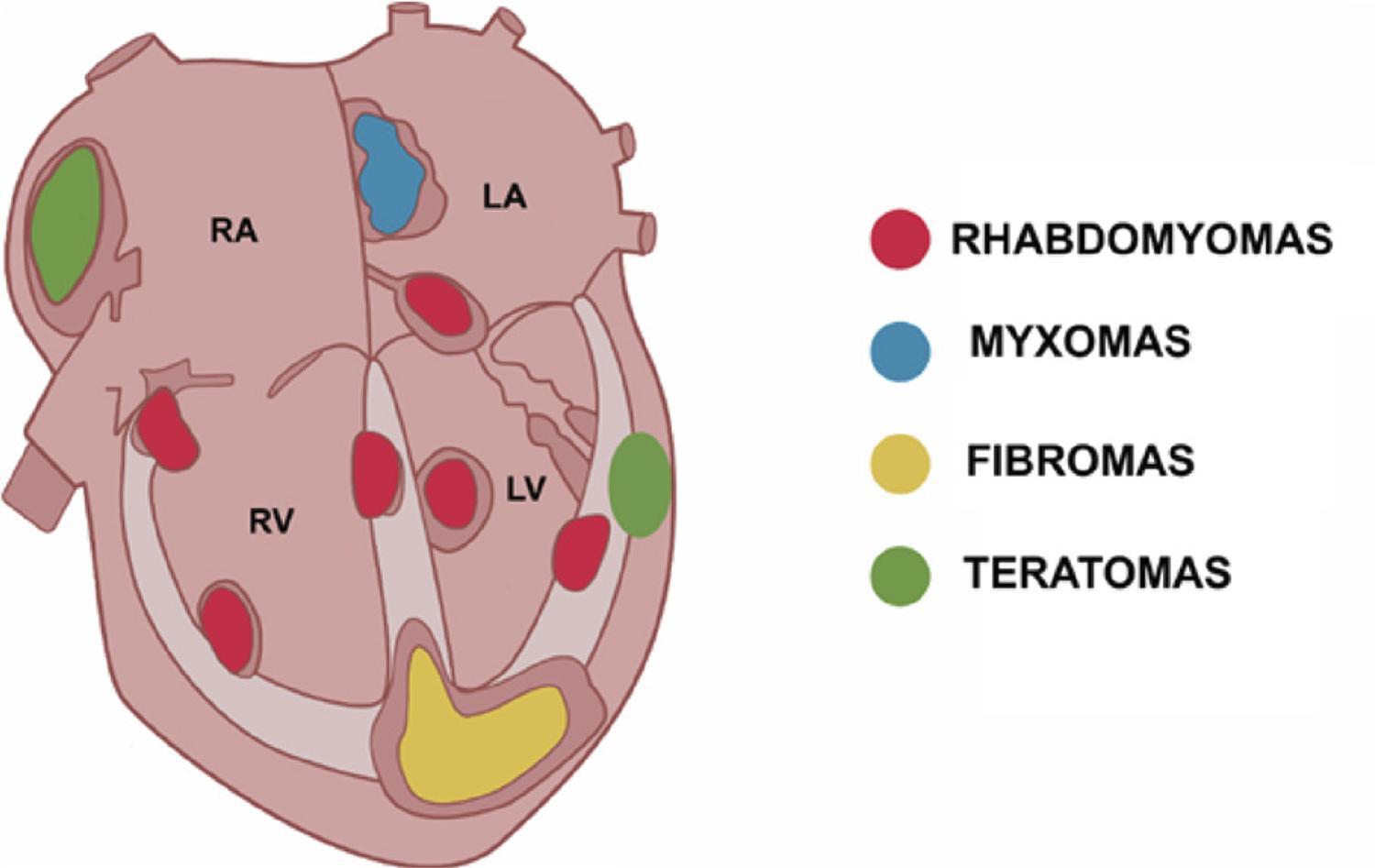
Cardiac tumors (CTs) in children are very rare, but their diagnosis is crucial for patient management. Echocardiography is the most commonly used cardiovascular imaging modality in clinical practice for the initial diagnosis of CTs in pediatric patients. Knowing the echocardiographic characteristics of CTs can enable an increasingly early diagnosis and the identification of its most likely etiology. Primary and benign CTs are the most frequent types in the pediatric population. Among benign CTs, the most frequent in fetuses and neonates are rhabdomyomas and teratomas. In children and adolescents, rhabdomyomas and fibromas are more common. Here we describe the echocardiographic characteristics of the most common CTs in pediatric patients.

  • Cardiac Tumors
  • Echocardiography
  • Imaging
  • Pediatrics
  • screening
Read Full Article
Creative Commons Attribution (CC BY) Creative Commons license
17/08/2022 DOI: 10.47593/2675-312X/20223503eabc302
ABC
Original Article

Laboratory assessment of the hypertensive individual. Value of the main guidelines for high blood pressure

Rafael S. Reis et al. Isabela J. Benseñor Paulo A. Lotufo

OBJECTIVE: To determine if abnormal laboratory findings are more common in individuals with hypertension and in those with other risk factors, such as obesity, smoking and alcohol ingestion. METHODS: A study was carried out in the general outpatient clinics of a university hospital (145 individuals without previous diagnosis of hypertension) and the following variables were assessed: high blood pressure (as defined by the VI Joint National Committee on Prevention, Detection and Treatment of High Blood Pressure – VI JNC), obesity [calculated using body mass index (BMI)], tobacco use, and alcoholic ingestion. The laboratory examinations consisted of the following tests: hemogram, glycemia, uric acid, potassium, total/HDL-fraction cholesterol, triglycerides, calcium and creatinine. RESULTS: High blood pressure was not associated with a higher number of abnormal laboratory tests. Hypertensive individuals with a BMI > or = 25kg/m² or normotensive obese individuals, however, had a higher frequency of diabetes (12X), hypertriglyceridemia (3X), and hypercholesterolemia (2X), as compared with hypertensive individuals with BMI <25kg/m² and preobese/normal weight normotensive individuals. CONCLUSION: High blood pressure is not associated with a higher frequency of abnormal laboratory tests. The association of high blood pressure and obesity, however, increases the detection of diabetes and dyslipidemias.

  • high blood pressure
  • laboratory examinations
  • Obesity
  • screening
Read Full Article
Creative Commons Attribution (CC BY) Creative Commons license
20/10/2000 DOI: 10.1590/S0066-782X1999000800008

How to cite this article

EndNote RIS

Electronic Document Format (Vancouver)

Pedrosa RC. Artificial Intelligence Attack! The Rising Importance of Chagas Disease. Arquivos Brasileiros de Cardiologia 2026;123(5):e20260409.

Electronic Document Format (ABNT)

Pedrosa, Roberto Coury. Artificial Intelligence Attack! The Rising Importance of Chagas Disease. Arquivos Brasileiros de Cardiologia, v. 123, n. 5, e20260409, Jul. 2026.

Electronic Document Format (APA)

Pedrosa, R. C. (2026). Artificial Intelligence Attack! The Rising Importance of Chagas Disease. Arquivos Brasileiros de Cardiologia, 123(5), e20260409.

Electronic Document Format (ISO)

Pedrosa, Roberto Coury. Artificial Intelligence Attack! The Rising Importance of Chagas Disease. Arquivos Brasileiros de Cardiologia [online]. 2026, vol. 123, n. 5, [cited 2026-10-14], e20260409. Available from: <https://journals.cardiol.br/en/article/artificial-intelligence-attack-the-rising-importance-of-chagas-disease/>. ISSN 0066-782X

EndNote RIS

Electronic Document Format (Vancouver)

Bravo-Valenzuela NJM, Lucas E, Netto NV, Conceição LV, Estrada NPD, Respondek-Liberska M, Araujo Júnior E, et al. Pediatric Cardiac Tumors: Echocardiographic Imaging Features. ABC Imagem Cardiovascular 2022;35(3):eabc302.

Electronic Document Format (ABNT)

Bravo-Valenzuela, Nathalie Jeanne Magioli; Lucas, Eliane; Netto, Nadinne Velloso; Conceição, Larissa Vieira da; Estrada, Natalia Pinheiro Duque; Respondek-Liberska, Maria; Araujo Júnior, Edward. Pediatric Cardiac Tumors: Echocardiographic Imaging Features. ABC Imagem Cardiovascular, v. 35, n. 3, eabc302, Aug. 2022.

Electronic Document Format (APA)

Bravo-Valenzuela, N. J. M., Lucas, E., Netto, N. V., Conceição, L. V. , Estrada, N. P. D., Respondek-Liberska, M., & Araujo Júnior, E. (2022). Pediatric Cardiac Tumors: Echocardiographic Imaging Features. ABC Imagem Cardiovascular, 35(3), eabc302.

Electronic Document Format (ISO)

Bravo-Valenzuela, Nathalie Jeanne Magioli and Lucas, Eliane and Netto, Nadinne Velloso and Conceição, Larissa Vieira da and Estrada, Natalia Pinheiro Duque and Respondek-Liberska, Maria and Araujo Júnior, Edward. Pediatric Cardiac Tumors: Echocardiographic Imaging Features. ABC Imagem Cardiovascular [online]. 2022, vol. 35, n. 3, [cited 2026-10-14], eabc302. Available from: <https://journals.cardiol.br/en/article/pediatric-cardiac-tumors-echocardiographic-imaging-features/>. ISSN 2318-8219

EndNote RIS

Electronic Document Format (Vancouver)

Reis RS, Benseñor IJ, Lotufo PA. Laboratory assessment of the hypertensive individual. Value of the main guidelines for high blood pressure. Arquivos Brasileiros de Cardiologia 2000;73(2):201-10.

Electronic Document Format (ABNT)

Reis, Rafael S.; Benseñor, Isabela J.; Lotufo, Paulo A.. Laboratory assessment of the hypertensive individual. Value of the main guidelines for high blood pressure. Arquivos Brasileiros de Cardiologia, v. 73, n. 2, p. 201-210, Oct. 2000.

Electronic Document Format (APA)

Reis, R. S., Benseñor, I. J., & Lotufo, P. A. (2000). Laboratory assessment of the hypertensive individual. Value of the main guidelines for high blood pressure. Arquivos Brasileiros de Cardiologia, 73(2), 201-210.

Electronic Document Format (ISO)

Reis, Rafael S. and Benseñor, Isabela J. and Lotufo, Paulo A.. Laboratory assessment of the hypertensive individual. Value of the main guidelines for high blood pressure. Arquivos Brasileiros de Cardiologia [online]. 2000, vol. 73, n. 2, [cited 2026-10-14], pp. 201-210. Available from: <https://journals.cardiol.br/en/article/laboratory-assessment-of-the-hypertensive-individual-value-of-the-main-guidelines-for-high-blood-pressure/>. ISSN 0066-782X

  • About ABC Family
  • Internal Regulation
  • Editorial Board
  • Brazilian Society of Cardiology (SBC)

Issues

SBC Guidelines

  • Videos
  • Podcasts
  • News