ABC Family Arquivos Brasileiros de Cardiologia International Journal of Cardiovascular Sciences ABC Heart Failure & Cardiomyopathy ABC Imagem Cardiovascular
Português English
ABC Family
Português English
  • About
    • About ABC Family
    • Internal Regulation
    • Editorial Board
    • Brazilian Society of Cardiology (SBC)
  • Issues
  • SBC Guidelines
  • Content
    • Videos
    • Podcasts
    • News
  • About
    • About ABC Family
    • Internal Regulation
    • Editorial Board
    • Brazilian Society of Cardiology (SBC)
  • Issues
  • SBC Guidelines
  • Content
    • Videos
    • Podcasts
    • News

ABC Family

  • ABC Family
  • Arquivos Brasileiros de Cardiologia
  • International Journal of Cardiovascular Sciences
  • ABC Heart Failure & Cardiomyopathy
  • ABC Imagem Cardiovascular
Search in

No content found.

Journals
Ordering
Article types
Others

  1. Home
  2. Keyword: Pulmonary Heart Disease
ABC
Editorial

The Clinical Impact of Cardiovascular Symptoms on Post-Acute COVID-19 Syndrome

Giovanni Possamai Dutra et al. Bruno Ferraz de Oliveira Gomes

The COVID-19 pandemic has intensely impacted people’s lives worldwide, generating, in addition to high mortality, high late morbidity, and negatively affecting health systems, remaining a significant global challenge today. In February 2023, World Health Organization records point to more than 756 million confirmed cases and approximately 6,845,000 deaths. Until the abovementioned month, approximately 36,961,000 cases were reported in Brazil, with about 698,000 deaths. Considering the substantial challenges related to comorbidity between heart disease and COVID-19, which go beyond the acute phase of the disease, further studies are needed to address the high burden of cardiopulmonary symptoms comprehensively. These investigations must be carefully planned, considering cost-effectiveness and clinical benefits for patients, to minimize inequalities in health care. In addition, it is essential to optimize social and mental care for patients. Cardiopulmonary involvement in COVID-19 continues to pose a major public health challenge. ,

The study by Kalil-Filho et al. included 480 survivors after hospitalization due to COVID-19 and evaluated the characteristics associated with the occurrence of cardiopulmonary symptoms and, especially, post-acute COVID-19 syndrome (PACS). It was a sample with a predominance of men, obese and with comorbidities such as hypertension, diabetes, and dyslipidemia. Almost a quarter of patients required intensive care admission, and only 12.2% required mechanical ventilation support. The prevalence of any of the symptoms was lower (32.1%) than that found in the literature, as well as PACS related to cardiopulmonary symptoms (16.3%). Notably, almost two-thirds of the population that underwent tomography (n=122) did not demonstrate pulmonary involvement. Thus, we observed that the analyzed population had a lower degree of severity related to COVID-19, justifying the lower prevalence of symptoms.

[…]
  • Cardiovascular Diseases
  • Comorbidity
  • COVID-19
  • Pandemics, Mortality
  • Public Health
  • Pulmonary Heart Disease
Read Full Article
Creative Commons Attribution (CC BY) Creative Commons license
16/06/2023 DOI: 10.36660/abc.20230282 Views 1
Figure 1
ABC
Review Article

Pulmonary Hypertension in General Cardiology Practice

Daniela Calderaro et al. José Leonidas Alves Junior Caio Júlio César dos Santos Fernandes Rogério Souza

Abstract

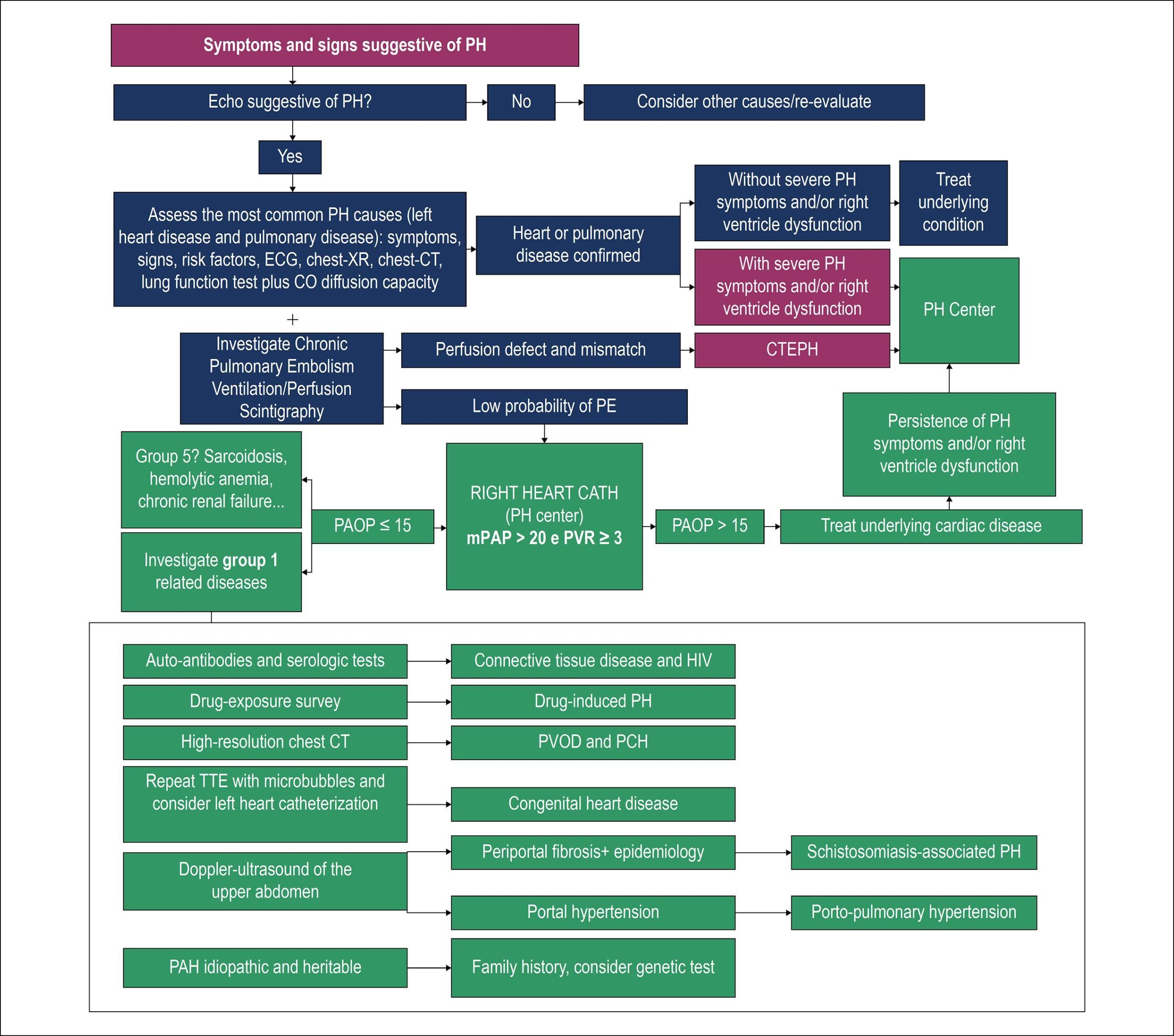
The finding of pulmonary hypertension (PH) by echocardiography is common and of concern. However, echocardiography is just a suggestive and non-diagnostic assessment of PH. When direct involvement of pulmonary circulation is suspected, invasive hemodynamic monitoring is recommended to establish the diagnosis. This assessent provides, in addition to the diagnostic confirmation, the correct identification of the vascular territory predominantly involved (arterial pulmonary or postcapillary). Treatment with specific medication for PH (phosphodiesterase type 5 inhibitors, endothelin receptor antagonists and prostacyclin analogues) has been proven effective in patients with pulmonary arterial hypertension, but its use in patients with PH due to left heart disease can even be damaging. In this review, we discuss the diagnosis criteria, how etiological investigation should be carried out, the clinical classification and, finally, the therapeutic recommendations for PH.

  • Echocardiography/methods
  • Hypertension Pulmonary
  • Pulmonary Disease, Chronic Obstructive
  • Pulmonary Emphysema
  • Pulmonary Fibrosis
  • Pulmonary Heart Disease
Read Full Article
Creative Commons Attribution (CC BY) Creative Commons license
10/10/2019 DOI: 10.5935/abc.20190188 Views 1
Figure 1
ABC
Anatomopathological Session

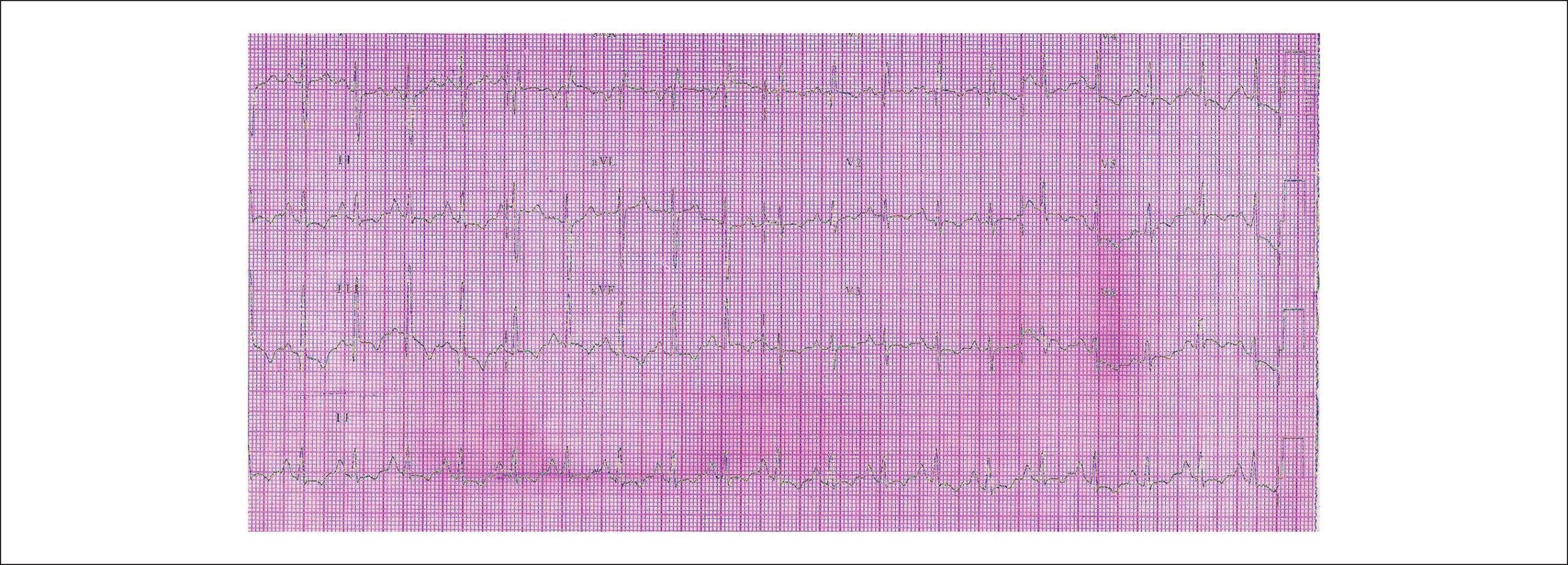
Case 5/2017 – A 28-Year-Old Woman with Cor Pulmonale Due to Pulmonary Hypertension Secondary to Chronic Pulmonary Thromboembolism

Jussara de Almeida Bruno et al. Rafael Amorim Belo Nunes Paulo Sampaio Gutierrez Vera Demarchi Aiello

Clinical aspects

We report the case of a 28-year female patient denying any previous morbidity, who had acute PTE and progressively developed significant functional impairment and signs suggestive of chronic PTE during follow-up until death.

Venous thromboembolism (VTE) is the third most frequent cause of cardiovascular disease in the general population, with an annual incidence of 100 to 200 cases per 100000 inhabitants, acute PTE being its most severe clinical presentation. The prevalence and incidence of spontaneous VTE in young adults are low, but increase significantly in the presence of risk factors, such as oral contraception use, obesity and thrombophilia, especially in associations. The use of oral contraceptives, such as estrogens/progestogens, increases by 2 to 4 times the risk of venous thromboembolic events. Activated protein C resistance is attributed to a mechanism related to higher risk for VTE in patients on oral contraceptives. In our case, the patient had been on regular use of oral contraceptives until the first event, but there is no information on their formulation. Obesity is considered a risk factor, increasing by 2.4 times the risk for VTE in obese individuals as compared to non-obese individuals. When associating obesity and oral contraceptive use simultaneously, the risk for VTE increases by 10 times. Significant thrombophilias, such as deficiencies in protein C, protein S and antithrombin, homozygosity for factor V Leiden and prothrombin gene mutation increase in up to 7 times the risk for venous thromboembolic events in patients on oral contraceptives. During the patient’s follow-up, certain thrombophilias, such as prothrombin gene mutation, hyperhomocysteinemia and antiphospholipid syndrome, were excluded, but neither factor V Leiden nor deficiency in natural anticoagulants were investigated.

[…]

  • Hypertension
  • Pulmonary
  • Pulmonary Embolism/complications
  • Pulmonary Heart Disease
  • Respiratory Insufficiency
  • Risk Factors
Read Full Article
Creative Commons Attribution (CC BY) Creative Commons license
01/10/2017 DOI: 10.5935/abc.20170148 Views 1
Figure 1
ABC
Original Article

Association Between Hemodynamic Profile, Physical Capacity and Quality of Life in Pulmonary Hypertension

Diego de Faria Magalhães Torres et al. Walter Araujo Zin Agnaldo José Lopes Patrícia dos Santos Vigário … Marcelo Iorio Garcia Daniel Waetge5 Marcelo Luiz da Silva Bandeira Luiz Gustavo Pignataro Bessa Fernando Silva Guimarães

Background:

No studies have described and evaluated the association between hemodynamics, physical limitations and quality of life in patients with pulmonary hypertension (PH) without concomitant cardiovascular or respiratory disease.

Objective:

To describe the hemodynamic profile, quality of life and physical capacity of patients with PH from groups I and IV and to study the association between these outcomes.

Methods:

Cross-sectional study of patients with PH from clinical groups I and IV and functional classes II and III undergoing the following assessments: hemodynamics, exercise tolerance and quality of life.

Results:

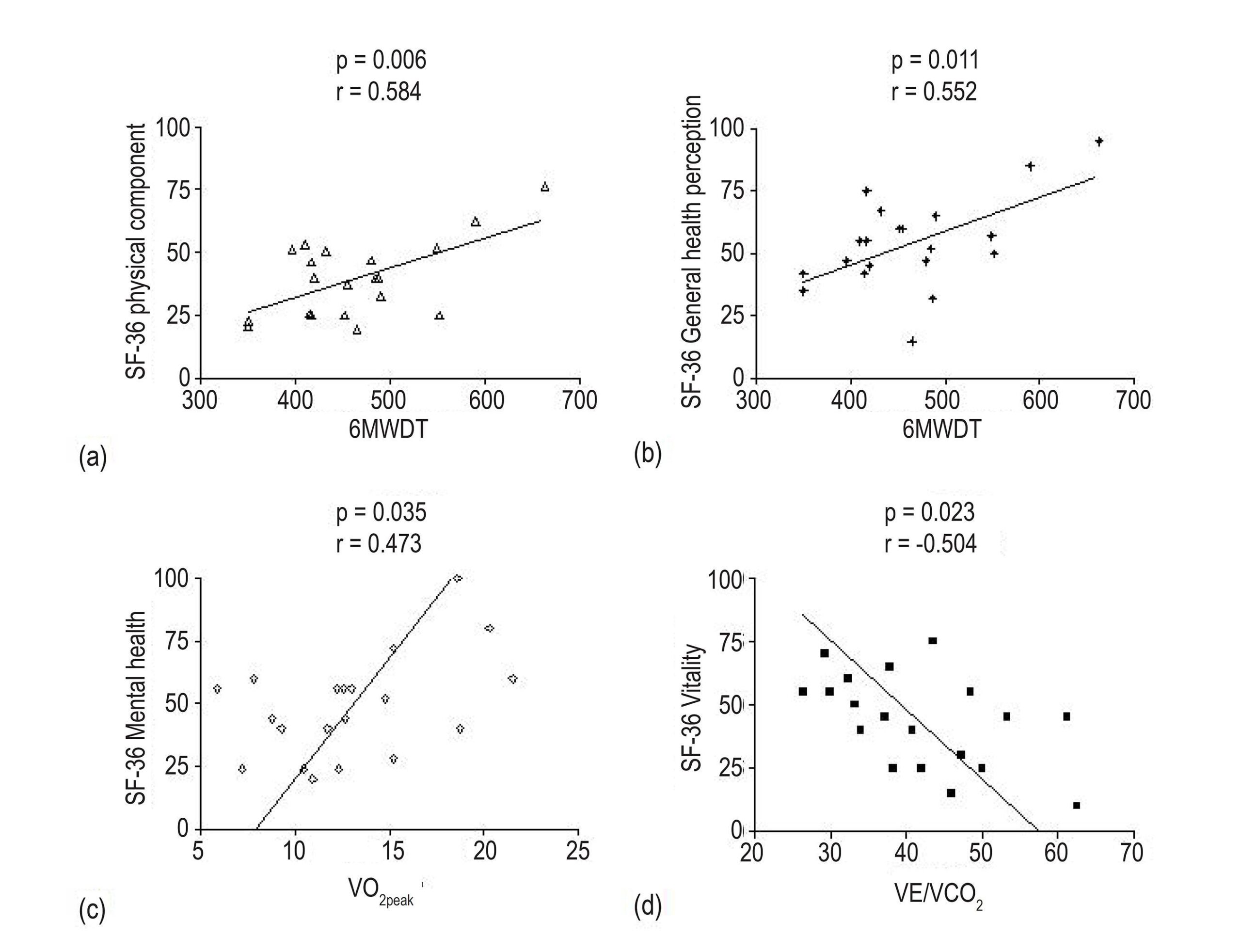
This study assessed 20 patients with a mean age of 46.8 ± 14.3 years. They had pulmonary capillary wedge pressure of 10.5 ± 3.7 mm Hg, 6-minute walk distance test (6MWDT) of 463 ± 78 m, oxygen consumption at peak exercise of 12.9 ± 4.3 mLO2.kg-1.min-1 and scores of quality of life domains < 60%. There were associations between cardiac index (CI) and ventilatory equivalent for CO2 (r=-0.59, p <0.01), IC and ventilatory equivalent for oxygen (r=-0.49, p<0.05), right atrial pressure (RAP) and 'general health perception' domain (r=-0.61, p<0.01), RAP and 6MWTD (r=-0.49, p<0.05), pulmonary vascular resistance (PVR) and 'physical functioning' domain (r=-0.56, p<0.01), PVR and 6MWTD (r=-0.49, p<0.05) and PVR index and physical capacity (r=-0.51, p<0.01).

Conclusion:

Patients with PH from groups I and IV and functional classes II and III exhibit a reduction in physical capacity and in the physical and mental components of quality of life. The hemodynamic variables CI, diastolic pulmonary arterial pressure, RAP, PVR and PVR index are associated with exercise tolerance and quality of life domains.

  • Hemodynamics / physiopathology
  • Hypertension Pulmonary
  • Pulmonary Heart Disease
  • Quality of life
Read Full Article
Creative Commons Attribution (CC BY) Creative Commons license
27/02/2015 DOI: 10.5935/abc.20150012
Predictors of hospital mortality in hemodynamically stable patients with pulmonary embolism
ABC
Artigo Original

Predictors of hospital mortality in hemodynamically stable patients with pulmonary embolism

André Volschan et al. Denilson Albuquerque Bernardo Rangel Tura Marcos Knibel … José Péricles Esteves Luiz Carlos Bodanese Francisco Silveira João Pantoja Paulo Cesar Pereira da Silva e Souza João Mansur Evandro Tinoco Mesquita

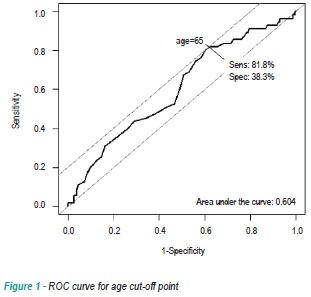
BACKGROUND: Pulmonary embolism is associated with high mortality in patients with hypotension or circulatory shock. However, the association between some clinical variables and mortality is still unclear in hemodynamically stable patients. OBJECTIVES: To derive an in-hospital mortality risk stratification model in hemodynamically stable patients with pulmonary embolism. METHODS: This is a prospective multicenter cohort study of 582 consecutive patients admitted in emergency units or intensive care units with clinically suspected pulmonary embolism and whose diagnosis was confirmed by one or more of the following tests: pulmonary arteriography, spiral CT angiography, magnetic resonance angiography, Doppler echocardiography, pulmonary scintigraphy, or venous duplex scan. Data on demographics, comorbidities and clinical manifestations were collected and included in a logistic regression analysis so as to build the prediction model. RESULTS: Overall mortality was 14.1%. The following parameters were identified as independent death risk variables: age > 65 years, bed rest > 72h, chronic cor pulmonale, sinus tachycardia, and tachypnea. After risk stratification, mortalities of 5.4%, 17.8%, and 31.3% were found in the low, moderate and high-risk subgroups, respectively. The model showed 65.5% sensitivity and 80% specificity, with a 0.77 area under the curve. CONCLUSION: In hemodynamically stable patients with pulmonary embolism, age > 65 years, bed rest > 72h, chronic cor pulmonale, sinus tachycardia and tachypnea were independent predictors of in-hospital mortality. However, further validation of the prediction model in other populations is required so that it can be incorporated into the clinical practice.

  • Hospital Mortality
  • Pulmonary embolism
  • Pulmonary Heart Disease
  • sinus
  • Tachycardia
Read Full Article
Creative Commons Attribution (CC BY) Creative Commons license
13/10/2009 DOI: 10.1590/S0066-782X2009000800011
ABC
Case Report

Thiamin deficiency as a cause of reversible cor pulmonale

Liana S. Coelho et al. João C. Hueb Marcos F. Minicucci Paula S. Azevedo … Sergio A. R. Paiva Leonardo A. M. Zornoff

Thiamine deficiency may present four classic clinical forms: peripheral polyneuropathy, anorexia and muscular weakness (dry beriberi); high output heart failure with signs of congestion (wet beriberi); beriberi associated with shock (Shoshin beriberi) and Wernicke’s encephalopathy. In this report we describe a picture that is suggestive of severe pulmonary hypertension and cor pulmonale, with jugular stasis, congestive hepatitis and generalized edema that reversed completely after the administration of thiamine.

  • beriberi
  • Hypertension Pulmonary
  • Pulmonary Heart Disease
  • Thiamine deficiency
Read Full Article
Creative Commons Attribution (CC BY) Creative Commons license
25/07/2008 DOI: 10.1590/S0066-782X2008001300013

How to cite this article

EndNote RIS

Electronic Document Format (Vancouver)

Dutra GP, Gomes BFO. The Clinical Impact of Cardiovascular Symptoms on Post-Acute COVID-19 Syndrome. Arquivos Brasileiros de Cardiologia 2023;120(5):e20230282.

Electronic Document Format (ABNT)

Dutra, Giovanni Possamai; Gomes, Bruno Ferraz de Oliveira. The Clinical Impact of Cardiovascular Symptoms on Post-Acute COVID-19 Syndrome. Arquivos Brasileiros de Cardiologia, v. 120, n. 5, e20230282, Jun. 2023.

Electronic Document Format (APA)

Dutra, G. P., & Gomes, B. F. O. (2023). The Clinical Impact of Cardiovascular Symptoms on Post-Acute COVID-19 Syndrome. Arquivos Brasileiros de Cardiologia, 120(5), e20230282.

Electronic Document Format (ISO)

Dutra, Giovanni Possamai and Gomes, Bruno Ferraz de Oliveira. The Clinical Impact of Cardiovascular Symptoms on Post-Acute COVID-19 Syndrome. Arquivos Brasileiros de Cardiologia [online]. 2023, vol. 120, n. 5, [cited 2026-10-14], e20230282. Available from: <https://journals.cardiol.br/en/article/the-clinical-impact-of-cardiovascular-symptoms-on-post-acute-covid-19-syndrome/>. ISSN 0066-782X

EndNote RIS

Electronic Document Format (Vancouver)

Calderaro D, Alves Junior JL, Fernandes CJCS, Souza R. Pulmonary Hypertension in General Cardiology Practice. Arquivos Brasileiros de Cardiologia 2019;113(3):419-28.

Electronic Document Format (ABNT)

Calderaro, Daniela; Alves Junior, José Leonidas; Fernandes, Caio Júlio César dos Santos; Souza, Rogério. Pulmonary Hypertension in General Cardiology Practice. Arquivos Brasileiros de Cardiologia, v. 113, n. 3, p. 419-428, Oct. 2019.

Electronic Document Format (APA)

Calderaro, D., Alves Junior, J. L., Fernandes, C. J. C. S., & Souza, R. (2019). Pulmonary Hypertension in General Cardiology Practice. Arquivos Brasileiros de Cardiologia, 113(3), 419-428.

Electronic Document Format (ISO)

Calderaro, Daniela and Alves Junior, José Leonidas and Fernandes, Caio Júlio César dos Santos and Souza, Rogério. Pulmonary Hypertension in General Cardiology Practice. Arquivos Brasileiros de Cardiologia [online]. 2019, vol. 113, n. 3, [cited 2026-10-14], pp. 419-428. Available from: <https://journals.cardiol.br/en/article/pulmonary-hypertension-in-general-cardiology-practice/>. ISSN 0066-782X

EndNote RIS

Electronic Document Format (Vancouver)

Bruno JA, Nunes RAB, Gutierrez PS, Aiello VD. Case 5/2017 – A 28-Year-Old Woman with Cor Pulmonale Due to Pulmonary Hypertension Secondary to Chronic Pulmonary Thromboembolism. Arquivos Brasileiros de Cardiologia 2017;109(4):370-5.

Electronic Document Format (ABNT)

Bruno, Jussara de Almeida; Nunes, Rafael Amorim Belo; Gutierrez, Paulo Sampaio; Aiello, Vera Demarchi. Case 5/2017 – A 28-Year-Old Woman with Cor Pulmonale Due to Pulmonary Hypertension Secondary to Chronic Pulmonary Thromboembolism. Arquivos Brasileiros de Cardiologia, v. 109, n. 4, p. 370-375, Sep. 2017.

Electronic Document Format (APA)

Bruno, J. A., Nunes, R. A. B., Gutierrez, P. S., & Aiello, V. D. (2017). Case 5/2017 – A 28-Year-Old Woman with Cor Pulmonale Due to Pulmonary Hypertension Secondary to Chronic Pulmonary Thromboembolism. Arquivos Brasileiros de Cardiologia, 109(4), 370-375.

Electronic Document Format (ISO)

Bruno, Jussara de Almeida and Nunes, Rafael Amorim Belo and Gutierrez, Paulo Sampaio and Aiello, Vera Demarchi. Case 5/2017 – A 28-Year-Old Woman with Cor Pulmonale Due to Pulmonary Hypertension Secondary to Chronic Pulmonary Thromboembolism. Arquivos Brasileiros de Cardiologia [online]. 2017, vol. 109, n. 4, [cited 2026-10-14], pp. 370-375. Available from: <https://journals.cardiol.br/en/article/case-5-2017-a-28-year-old-woman-with-cor-pulmonale-due-to-pulmonary-hypertension-secondary-to-chronic-pulmonary-thromboembolism/>. ISSN 0066-782X

EndNote RIS

Electronic Document Format (Vancouver)

Torres DFM, Zin WA, Lopes AJ, Vigário PS, Garcia MI, Waetge5 D, Bandeira MLS, et al. Association Between Hemodynamic Profile, Physical Capacity and Quality of Life in Pulmonary Hypertension. Arquivos Brasileiros de Cardiologia 2015;104(5):387-93.

Electronic Document Format (ABNT)

Torres, Diego de Faria Magalhães; Zin, Walter Araujo; Lopes, Agnaldo José; Vigário, Patrícia dos Santos; Garcia, Marcelo Iorio; Waetge5, Daniel; Bandeira, Marcelo Luiz da Silva; Bessa, Luiz Gustavo Pignataro; Guimarães, Fernando Silva. Association Between Hemodynamic Profile, Physical Capacity and Quality of Life in Pulmonary Hypertension. Arquivos Brasileiros de Cardiologia, v. 104, n. 5, p. 387-393, Feb. 2015.

Electronic Document Format (APA)

Torres, D. F. M., Zin, W. A., Lopes, A. J., Vigário, P. S., Garcia, M. I., Waetge5, D., Bandeira, M. L. S., Bessa, L. G. P., & Guimarães, F. S. (2015). Association Between Hemodynamic Profile, Physical Capacity and Quality of Life in Pulmonary Hypertension. Arquivos Brasileiros de Cardiologia, 104(5), 387-393.

Electronic Document Format (ISO)

Torres, Diego de Faria Magalhães and Zin, Walter Araujo and Lopes, Agnaldo José and Vigário, Patrícia dos Santos and Garcia, Marcelo Iorio and Waetge5, Daniel and Bandeira, Marcelo Luiz da Silva and Bessa, Luiz Gustavo Pignataro and Guimarães, Fernando Silva. Association Between Hemodynamic Profile, Physical Capacity and Quality of Life in Pulmonary Hypertension. Arquivos Brasileiros de Cardiologia [online]. 2015, vol. 104, n. 5, [cited 2026-10-14], pp. 387-393. Available from: <https://journals.cardiol.br/en/article/association-between-hemodynamic-profile-physical-capacity-and-quality-of-life-in-pulmonary-hypertension/>. ISSN 0066-782X

EndNote RIS

Electronic Document Format (Vancouver)

Volschan A, Albuquerque D, Tura BR, Knibel M, Esteves JP, Bodanese LC, Silveira F, et al. Predictors of hospital mortality in hemodynamically stable patients with pulmonary embolism. Arquivos Brasileiros de Cardiologia 2009;93(2):135-40.

Electronic Document Format (ABNT)

Volschan, André; Albuquerque, Denilson; Tura, Bernardo Rangel; Knibel, Marcos; Esteves, José Péricles; Bodanese, Luiz Carlos; Silveira, Francisco; Pantoja, João; Souza, Paulo Cesar Pereira da Silva e; Mansur, João; Mesquita, Evandro Tinoco. Predictors of hospital mortality in hemodynamically stable patients with pulmonary embolism. Arquivos Brasileiros de Cardiologia, v. 93, n. 2, p. 135-140, Oct. 2009.

Electronic Document Format (APA)

Volschan, A., Albuquerque, D., Tura, B. R., Knibel, M., Esteves, J. P., Bodanese, L. C., Silveira, F., Pantoja, J., Souza, P. C. P. S. , Mansur, J., & Mesquita, E. T. (2009). Predictors of hospital mortality in hemodynamically stable patients with pulmonary embolism. Arquivos Brasileiros de Cardiologia, 93(2), 135-140.

Electronic Document Format (ISO)

Volschan, André and Albuquerque, Denilson and Tura, Bernardo Rangel and Knibel, Marcos and Esteves, José Péricles and Bodanese, Luiz Carlos and Silveira, Francisco and Pantoja, João and Souza, Paulo Cesar Pereira da Silva e and Mansur, João and Mesquita, Evandro Tinoco. Predictors of hospital mortality in hemodynamically stable patients with pulmonary embolism. Arquivos Brasileiros de Cardiologia [online]. 2009, vol. 93, n. 2, [cited 2026-10-14], pp. 135-140. Available from: <https://journals.cardiol.br/en/article/predictors-of-hospital-mortality-in-hemodynamically-stable-patients-with-pulmonary-embolism/>. ISSN 0066-782X

EndNote RIS

Electronic Document Format (Vancouver)

Coelho LS, Hueb JC, Minicucci MF, Azevedo PS, Paiva SAR, Zornoff LAM. Thiamin deficiency as a cause of reversible cor pulmonale. Arquivos Brasileiros de Cardiologia 2008;91(1):e7-9.

Electronic Document Format (ABNT)

Coelho, Liana S.; Hueb, João C.; Minicucci, Marcos F.; Azevedo, Paula S.; Paiva, Sergio A. R.; Zornoff, Leonardo A. M.. Thiamin deficiency as a cause of reversible cor pulmonale. Arquivos Brasileiros de Cardiologia, v. 91, n. 1, p. e7-e9, Jul. 2008.

Electronic Document Format (APA)

Coelho, L. S., Hueb, J. C., Minicucci, M. F., Azevedo, P. S., Paiva, S. A. R., & Zornoff, L. A. M. (2008). Thiamin deficiency as a cause of reversible cor pulmonale. Arquivos Brasileiros de Cardiologia, 91(1), e7-e9.

Electronic Document Format (ISO)

Coelho, Liana S. and Hueb, João C. and Minicucci, Marcos F. and Azevedo, Paula S. and Paiva, Sergio A. R. and Zornoff, Leonardo A. M.. Thiamin deficiency as a cause of reversible cor pulmonale. Arquivos Brasileiros de Cardiologia [online]. 2008, vol. 91, n. 1, [cited 2026-10-14], pp. e7-e9. Available from: <https://journals.cardiol.br/en/article/thiamin-deficiency-as-a-cause-of-reversible-cor-pulmonale/>. ISSN 0066-782X

  • About ABC Family
  • Internal Regulation
  • Editorial Board
  • Brazilian Society of Cardiology (SBC)

Issues

SBC Guidelines

  • Videos
  • Podcasts
  • News