ABC Family Arquivos Brasileiros de Cardiologia International Journal of Cardiovascular Sciences ABC Heart Failure & Cardiomyopathy ABC Imagem Cardiovascular
Português English
ABC Family
Português English
  • About
    • About ABC Family
    • Internal Regulation
    • Editorial Board
    • Brazilian Society of Cardiology (SBC)
  • Issues
  • SBC Guidelines
  • Content
    • Videos
    • Podcasts
    • News
  • About
    • About ABC Family
    • Internal Regulation
    • Editorial Board
    • Brazilian Society of Cardiology (SBC)
  • Issues
  • SBC Guidelines
  • Content
    • Videos
    • Podcasts
    • News

ABC Family

  • ABC Family
  • Arquivos Brasileiros de Cardiologia
  • International Journal of Cardiovascular Sciences
  • ABC Heart Failure & Cardiomyopathy
  • ABC Imagem Cardiovascular
Search in

No content found.

Journals
Ordering
Article types
Others

  1. Home
  2. Keyword: Mendelian Randomization Analysis
Genetic Evidence for the Association Between Sjögren's Syndrome and Cardiovascular Disease Risk
IJCS
Original Article

Genetic Evidence for the Association Between Sjögren's Syndrome and Cardiovascular Disease Risk

Yafang Gao et al. Guohua Wu Tianyu Jin Zhijie Shen … Nannan Zhou Xiaohong Huang

Abstract

Background:

Previous studies have indicated that patients with Sjögren’s syndrome (SS) exhibit an increased risk of cardiovascular disease (CVD). However, the causal association between SS and CVD risk remains to be elucidated.

Objectives:

This investigation explored the genetic relationship between SS and CVD risk through Mendelian randomization (MR).

Methods:

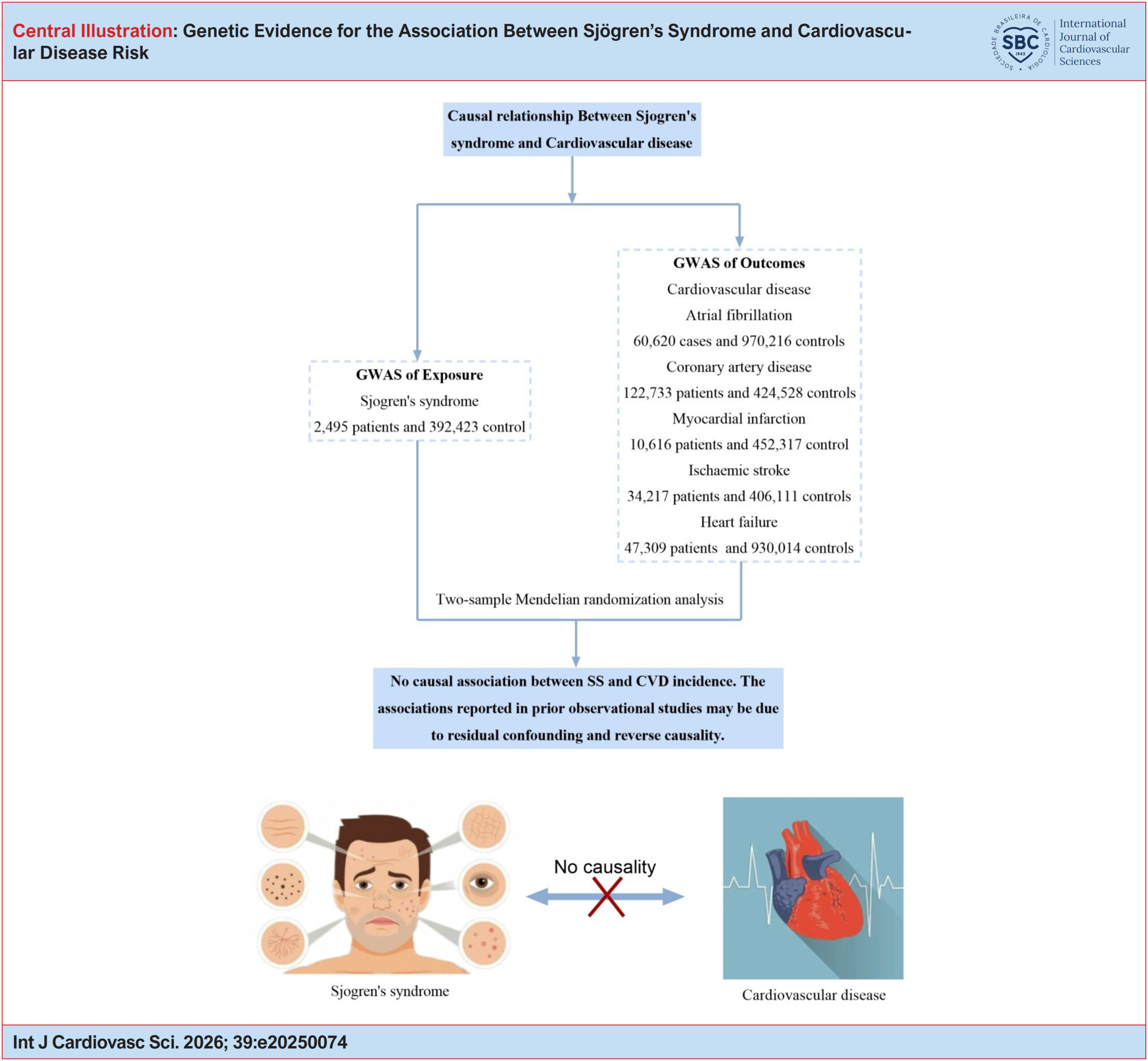
We identified the genetic association between SS and CVD incidence via two-sample MR analysis based on summary statistics from publicly available genome-wide association studies (GWAS). The inverse-variance weighting (IVW) method was used for the primary analysis in our study. Additionally, we conducted several sensitivity analyses to confirm the stability and reliability of the MR results.

Results:

MR analysis revealed that SS was not significantly associated with the risk of various CVDs, including atrial fibrillation (AF) (odds ratio [OR] = 0.98, 95% confidence interval [CI] = 0.95–1.01; p = 0.22), ischemic stroke (IS) (OR = 0.99, 95% CI = 0.93–1.05; p = 0.68), heart failure (HF) (OR = 1.00, 95% CI = 0.96–1.04; p = 0.91), coronary artery disease (CAD) (OR = 0.99, 95% CI = 0.94–1.04; p = 0.60), and myocardial infaion (MI) (OR = 1.01, 95% CI = 0.97–1.06; p = 0.61).

Conclusions:

Our MR study did not provide genetic evidence supporting a causal association between SS and CVD incidence. The associations reported in prior observational studies may be due to residual confounding and reverse causality.
  • Cardiovascular Diseases
  • Coronary Artery Disease
  • Mendelian Randomization Analysis
  • Sjogren's Syndrome
Read Full Article
Creative Commons Attribution (CC BY) Creative Commons license
11/09/2026 DOI: 10.36660/ijcs.20250074 Views 3
Investigating the Causal Role of Inflammatory Cytokines in the Development of Cardiovascular, Kidney, and Metabolic Diseases
ABC
Original Article

Investigating the Causal Role of Inflammatory Cytokines in the Development of Cardiovascular, Kidney, and Metabolic Diseases

Mengjin Hu et al. Zhaoting Gong Xiaosong Li Chunlin Yin

Abstract

Background

Observational studies have linked inflammatory cytokines to cardiometabolic disorders; however, whether these associations reflect causal effects across interconnected organ systems remains unclear.

Objectives

This Mendelian randomization (MR) study investigates causality between 91 inflammatory cytokines and multiorgan dysfunction across cardiovascular, kidney, and metabolic systems in the cardiovascular-kidney-metabolic (CKM) syndrome era.

Methods

Genetic instruments associated with 91 inflammatory cytokines were obtained from the Olink Target Inflammation panel across 11 European-ancestry cohorts. The inverse variance weighting (IVW) method was considered as the main analysis, complemented by sensitivity analyses including MR-Egger and weighted median methods.

Results

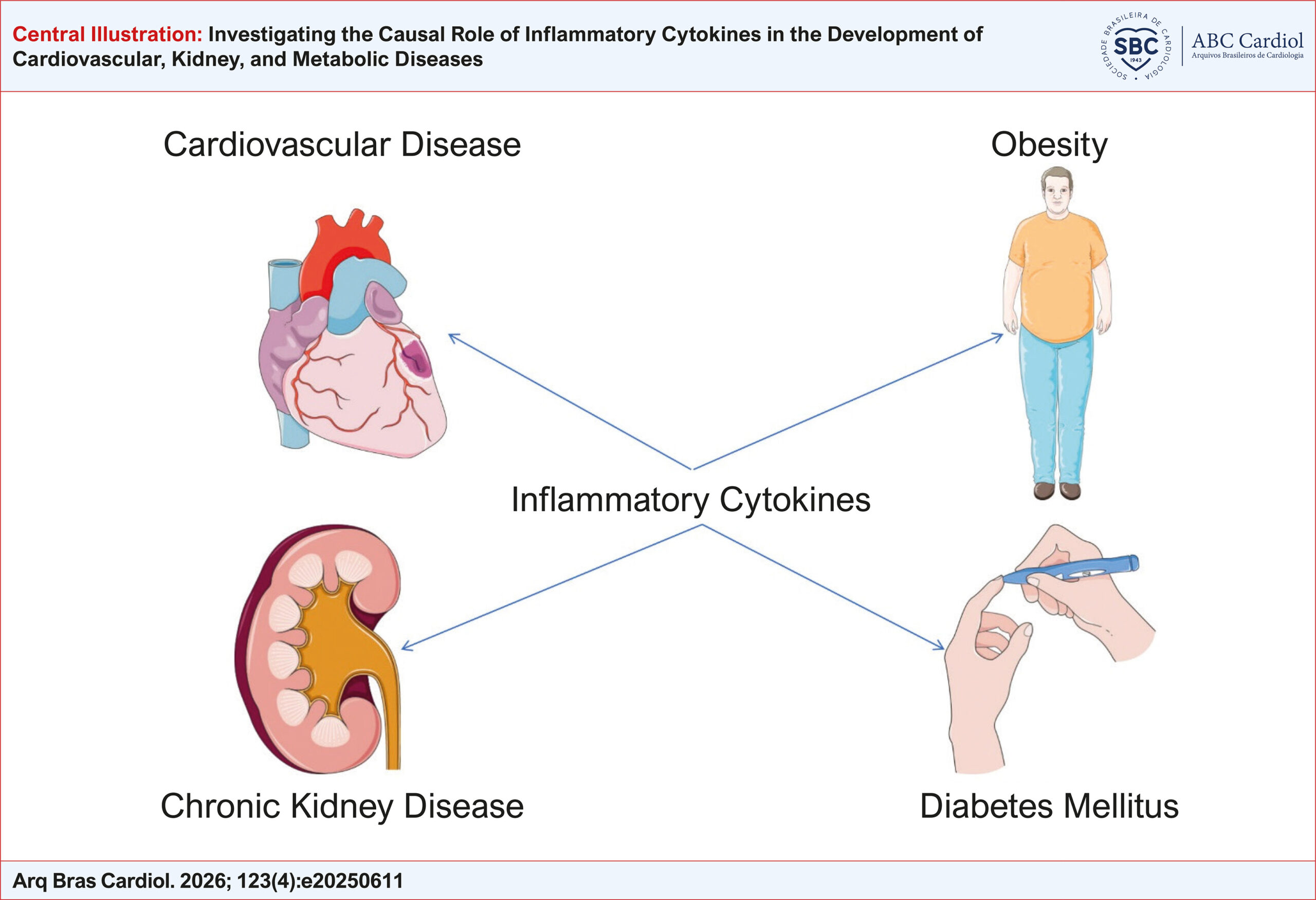
Genetically predicted levels of inflammatory cytokines showed widespread causal associations across CKM-related traits. Specifically, 31 cytokines were associated with cardiovascular outcomes, 26 with kidney traits, 10 with obesity-related traits, and 21 with diabetes-related traits, yielding a total of 60 cytokines with at least one significant association. Notably, FGF5 and IL6 emerged as paradoxical regulators, exerting opposing effects across different organ systems, while MCSF was consistently identified as a pan-vascular risk amplifier for cardiovascular diseases.

Conclusions

This comprehensive MR analysis reveals substantial causal heterogeneity in inflammatory cytokine effects across cardiovascular, kidney, and metabolic systems. These findings highlight the clinical importance of tissue- and context-specific inflammatory modulation, supporting the development of precision therapeutic strategies for CKM syndrome.

  • Cardiovascular Diseases
  • chronic renal insufficiency
  • Cytokines
  • Inflammation
  • Interleukin-6
  • Mendelian Randomization Analysis
Read Full Article
Creative Commons Attribution (CC BY) Creative Commons license
06/07/2026 DOI: 10.36660/abc.20250611i Views 2
ABC
Editorial

Genetic Evidence Supports a Causal Role for Smoking in Cardiac Arrest

José S. L. Patané et al. Fernando R. Giugni

[…]

  • Air Pollution
  • Heart Arrest
  • Mendelian Randomization Analysis
  • Public Health
  • Tobacco Use Disorder
Read Full Article
Creative Commons Attribution (CC BY) Creative Commons license
01/06/2026 DOI: 10.36660/abc.20260238i Views 2
The Causal Association between Plasma Metabolites-Mediated Immune Cells and Myocardial Infarction: A Mendelian Randomization Study
ABC
Original Article

The Causal Association between Plasma Metabolites-Mediated Immune Cells and Myocardial Infarction: A Mendelian Randomization Study

Yue Liu et al. Xing Chen Yingzhi Liu Yvwen Lu … Yun Zhu Lingli Chen Jie Li

Abstract

Background

blaMyocardial infarction (MI), as an acute cardiovascular event, has been shown in previous studies to be associated with immune responses and metabolites. However, the causal relationship between immune cells and MI, as well as the mediating role of plasma metabolites, has not been clearly confirmed.

Objectives

Systematic analysis of the causal association between 731 immune cells and MI, as well as the mediating roles of 1400 plasma metabolites.

Methods

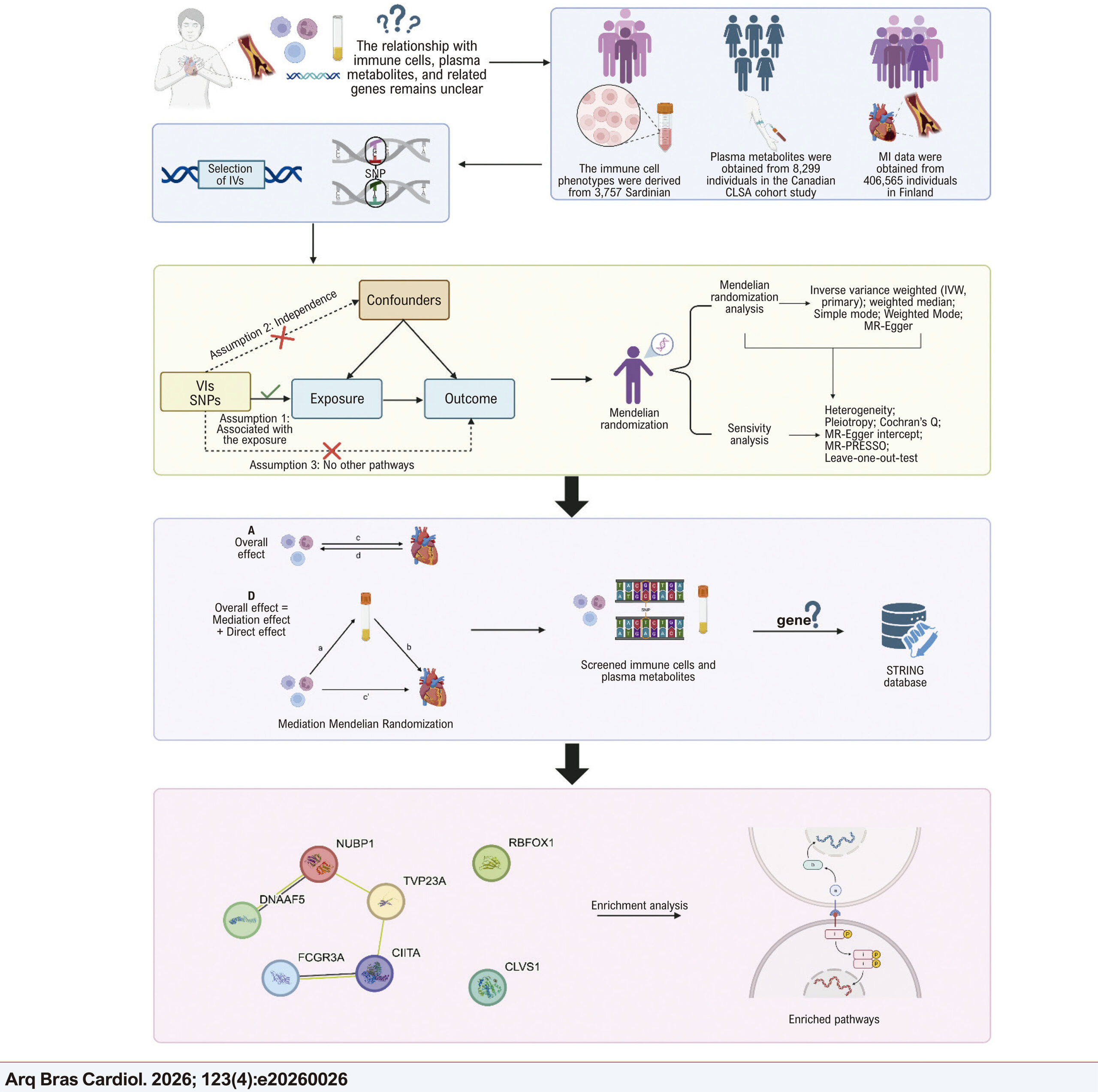
Bidirectional Mendelian randomization (MR) analysis was used to explore the causal relationship between immune cells and MI, and one-step and two-step mediation analyses were performed to identify plasma metabolites. The analysis methods included inverse variance weighted (p<0.05), weighted median (p<0.05), simple mode (p<0.05), weighted mode (p<0.05), MR-Egger regression (p0.05) and MR-PRESSO (p>0.05) to assess the reliability of the results. SNPs associated with immune cells and metabolites were subjected to gene selection using the STRING database, followed by enrichment analysis.

Results

A total of 44 immune cells were identified to have a causal association with MI (p<0.05), among which HLA DR on Dendritic Cell (ebi-a-GCST90002106) showed the strongest significance (p0.05). Plasma metabolites, including Deoxycholic acid glucuronide levels, Phosphate to N-acetylneuraminate ratio, and Glycosyl ceramide, played a mediating role in immune cells and MI, with mediation effects of 7.0%, 4.6%, and 6.6%, respectively. STRING database analysis identified eight key genes and one signaling pathway that potentially link the immune phenotypes and the three metabolites (p< 0.05).

Conclusions

This study identified a causal relationship between immune cells and MI. The metabolites Deoxycholic acid glucuronide levels, Phosphate to N-acetylneuraminate ratio, and Glycosyl ceramide played a partial mediating role in this causal relationship.

  • Biomarkers
  • Mendelian Randomization Analysis
  • Myocardial Infarction
Read Full Article
Creative Commons Attribution (CC BY) Creative Commons license
29/05/2026 DOI: 10.36660/abc.20250026i Views 2
The Causal Relationship between Blood Cell Traits and Valvular Heart Disease: A Two-Sample Mendelian Randomization Study
ABC
Original Article

The Causal Relationship between Blood Cell Traits and Valvular Heart Disease: A Two-Sample Mendelian Randomization Study

Xiaoli Wu et al. Yufeng Li Jinyu Tian

Abstract

Background

The pathogenesis of valvular heart disease (VHD) remains unclear, highlighting the need for further research on risk factors.

Objectives

To explore the potential causal links between blood cell traits and four types of VHD: rheumatic heart disease, mitral valve disease, aortic valve disease, and tricuspid valve disease.

Methods

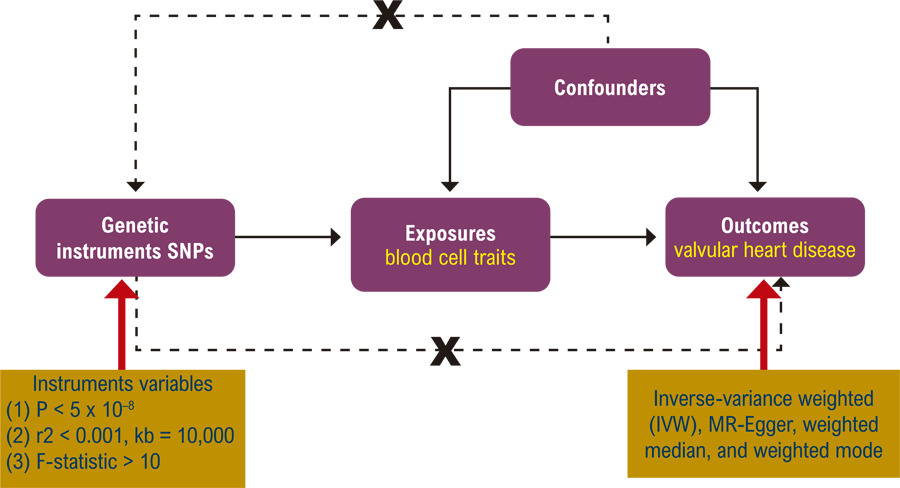
This study utilized summary statistics from large-scale GWAS and a two-sample Mendelian randomization approach, analyzing thirteen blood cell traits as exposures and four VHD phenotypes as outcomes. The primary MR method was inverse-variance weighted (IVW), supplemented by MR-Egger, weighted median, and weighted mode methods, with extensive sensitivity analyses to verify result reliability, where a p value < 0.05 was considered statistically significant.

Results

Among the thirteen blood cell traits examined, neutrophil count displayed a positive causal association with mitral valve disease (OR = 1.46, 95% CI: 1.16-1.85, p < 0.001) using the IVW method. This finding was further corroborated by the MR-Egger method (OR = 1.73, 95% CI: 1.09-2.75, p = 0.02), strengthening the evidence for this causal relationship. For this analysis, 253 robust genetic variants were used as instrumental variables. Additionally, mean corpuscular volume (MCV) showed a negative causal association with tricuspid valve disease (OR = 0.65, 95% CI: 0.44-0.96, p = 0.03) using the IVW method, based on 268 instrumental variables. Other blood cell traits did not show significant causal relationships with VHD. A comprehensive sensitivity analysis supported the robustness of our results.

Conclusions

The findings of this study suggest potential causal involvement of neutrophil count and MCV in the development of mitral valve disease and tricuspid valve disease, respectively.

  • Blood Cells
  • Heart Valve Diseases
  • Mendelian Randomization Analysis
  • Mitral Valve Insufficiency
Read Full Article
Creative Commons Attribution (CC BY) Creative Commons license
11/05/2026 DOI: 10.36660/abc.20250063i Views 2
A Two-sample Mendelian Randomization Study of Air Pollution/Smoking and Cardiac Arrest
ABC
Original Article

A Two-sample Mendelian Randomization Study of Air Pollution/Smoking and Cardiac Arrest

Xuelin Tian et al. Yu Wang Qingzhao Tan Liying Liu

Abstract

Background

Observational studies have suggested a connection between air pollution/smoking and cardiac arrest (CA); nevertheless, the causal role of air pollution/smoking in CA remains uncertain.

Objectives

This study aimed to elucidate the causal association between air pollution/smoking and CA using a two-sample Mendelian randomization (MR) approach.

Methods

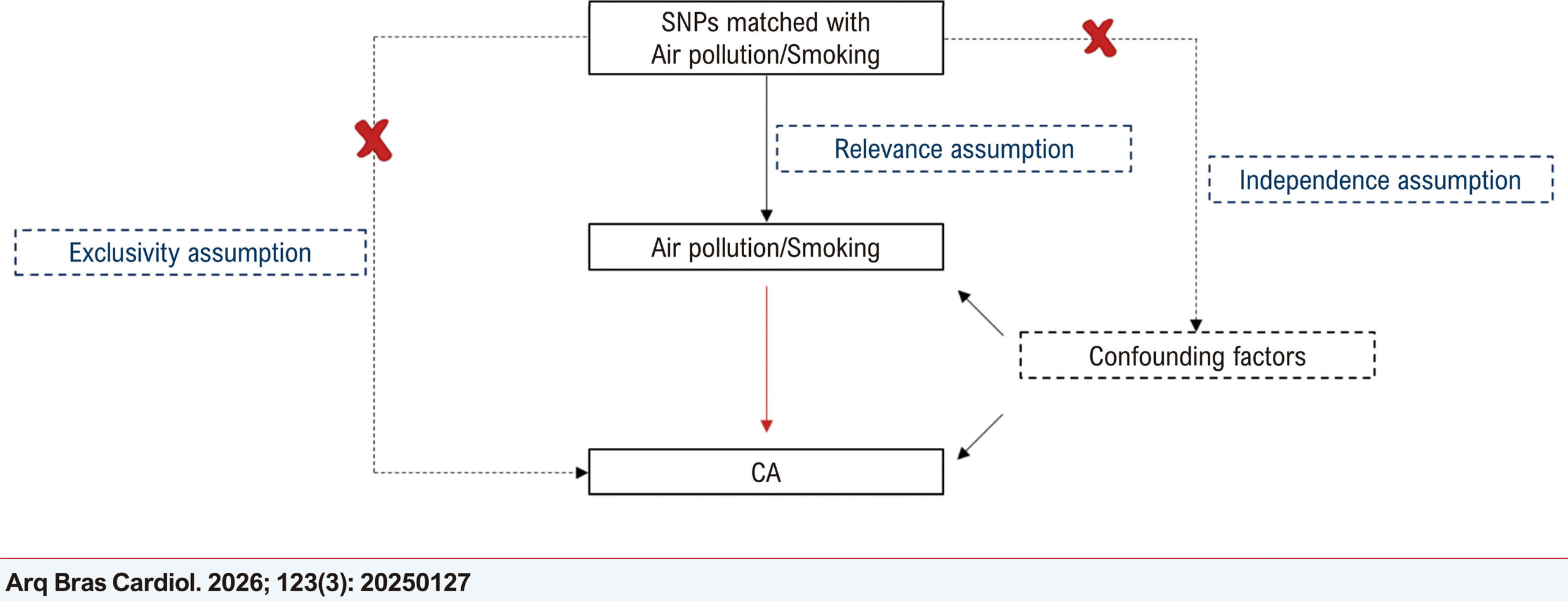
This study utilized summary data from genome-wide association studies (GWAS). The primary analysis employed the inverse-variance weighted (IVW) method, supplemented by MR-Egger, weighted median, and weighted mode methods. For sensitivity analysis, MR-Egger and MR-PRESSO were employed to address horizontal pleiotropy. Cochran’s Q test was used to assess heterogeneity, and leave-one-out analysis was applied to identify the influence of outliers. A two-sided p-value < 0.05 was considered statistically significant for the causal estimates.

Results

IVW method showed a significant association between smoking status and CA (OR = 2.182, 95% CI: 1.137 – 4.188, p = 0.019). No significant causal associations were found for any of the air pollution metrics or other smoking-related traits. Results of MR Egger and weighted median methods revealed an insignificant causal association between air pollution/smoking and CA. Horizontal pleiotropy or outliers were not detected by sensitivity tests.

Conclusions

Findings of this MR study indicate that smoking has a causal effect on the incidence of developing CA. However, the null findings for air pollution should be interpreted with caution, as the statistical power to detect modest effects was limited. More studies are warranted to verify the outcomes of this study.

  • Air Pollution
  • Heart Arrest
  • Mendelian Randomization Analysis
  • Tobacco Use Disorder
Read Full Article
Creative Commons Attribution (CC BY) Creative Commons license
08/05/2026 DOI: 10.36660/abc.20250127i Views 1
The Causal Relationship between Gut Microbiota and Atrial Fibrillation: A Two-Sample Mendelian Randomization Study
ABC
Original Article

The Causal Relationship between Gut Microbiota and Atrial Fibrillation: A Two-Sample Mendelian Randomization Study

Yuan Zhou et al. Xuan Wang Jiongchao Guo Lei Zhang Huangsheng Zheng

Abstract

Background

Previous studies have adequately characterized the gut microbiota (GM) in atrial fibrillation (AF). Nevertheless, the precise causality between GM and AF remains elusive.

Objectives

This study utilized public data from genome-wide association studies to explore the causality between GM and AF.

Methods

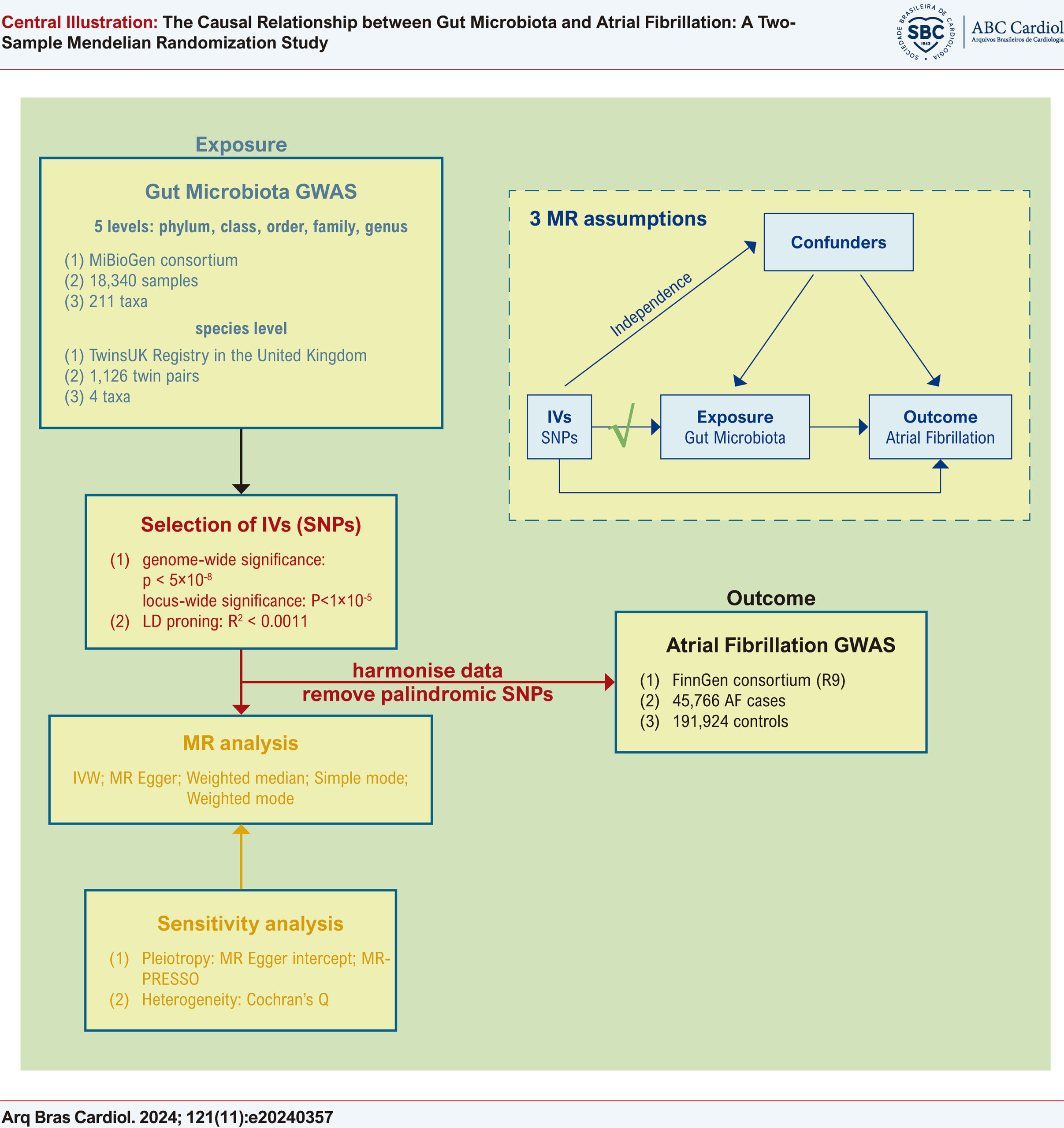
In the first of two rounds of Mendelian randomization (MR) analysis, the instrumental variables (IVs) comprised single nucleotide polymorphisms (SNPs) that fell below the genome-wide statistical significance threshold (5 × 10⁻⁸). To attain a more comprehensive and inclusive conclusion, we further selected SNPs falling below the locus-wide significance level (1 × 10⁻⁵) as IVs for the second group. The MR analysis considered the statistically significant causal effect between the specific GM and AF when p 0.05 indicated no heterogeneity and pleiotropy.

Results

At the locus-wide significance threshold, the findings demonstrated a causal impact of GM on AF risk. The inverse variance weighting method indicated that Actinobacteria, Firmicutes, Alloprevotella, Bifidobacterium, Blautia, Eggerthella, Howardella, Ruminococcaceae UCG004, and Ruminococcus1 were negatively correlated with AF, while Pasteurellales, Pasteurellaceae, Oxalobacter, Ruminiclostridium5, and Turicibacter were positively correlated. Furthermore, at the genome-wide significance threshold, Actinobacteria, Bifidobacteriaceae, and Bifidobacterium were protective factors for the risk of developing AF, whereas Oxalobacteraceae and Erysipelatoclostridium were risk factors for AF. However, sensitivity analyses showed heterogeneity or horizontal pleiotropy within the outcomes for Actinobacteria, Howardella, Oxalobacter, and Firmicutes.

Conclusions

This study provides evidence for the existence of both favorable and unfavorable causality of GM on AF risk.

  • Atrial Fibrillation
  • Cardiovascular Diseases
  • Gastrointestinal Microbiome
  • Mendelian Randomization Analysis
Read Full Article
Creative Commons Attribution (CC BY) Creative Commons license
06/12/2024 DOI: 10.36660/abc.20240357i Views 1
Figure 1
ABC
Editorial

Is This a Causal Relationship? Mendelian Randomization as a Statistical Method for Unraveling Connections

Lucas Vieira Lacerda Pires

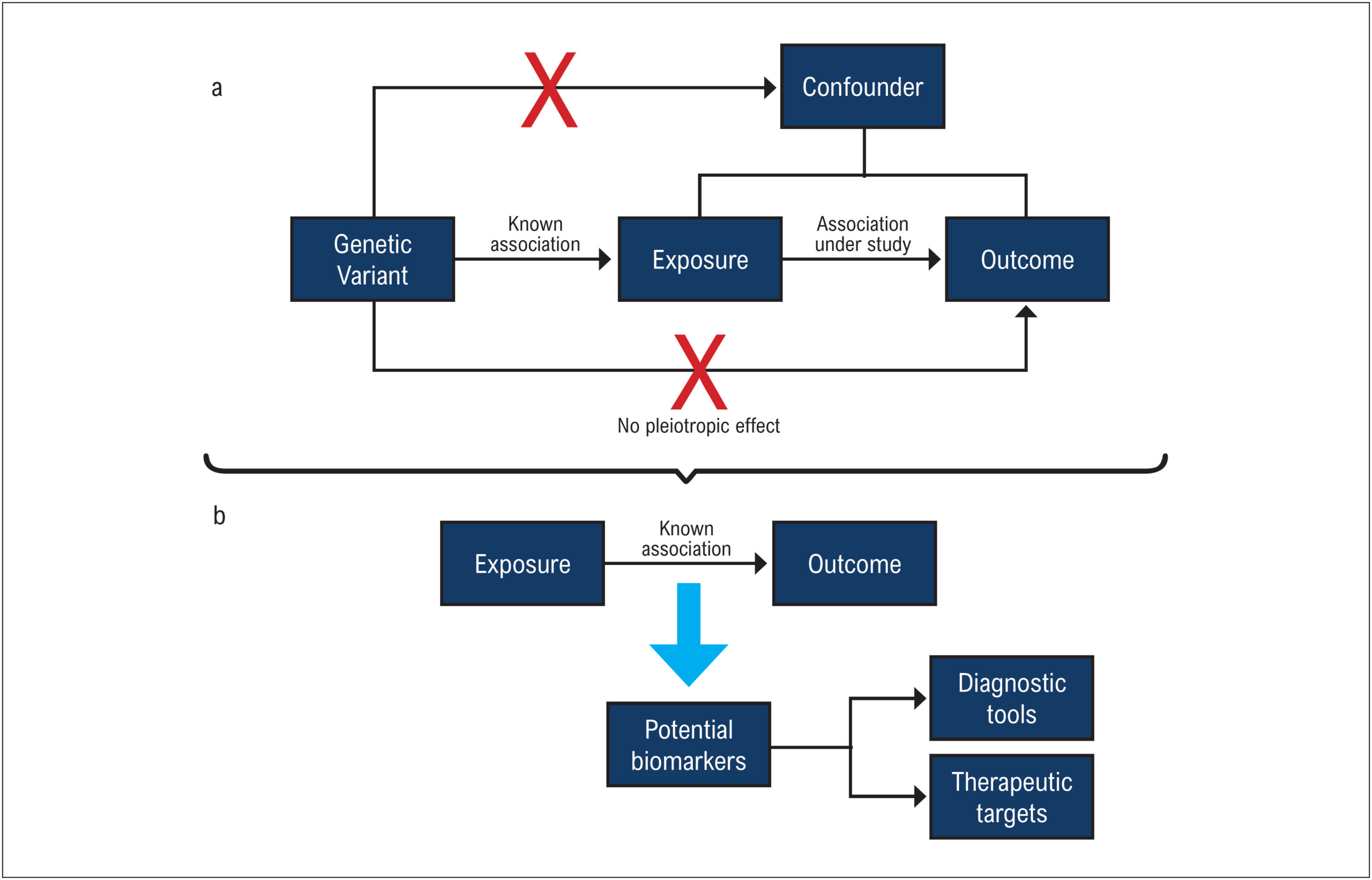
Mendelian Randomization (MR) is a powerful statistical tool to infer a causal relationship between the presence of genetic variants and different traits and phenotypes., It is particularly useful when trying to elucidate causal relationships between exposures and outcomes based on observational data. This method bases itself on the principle of randomness of how genetic variants might segregate during the process of meiosis, the Mendelian principle of independent assortment.

Since past decades, as our knowledge about the genetic architecture of human beings has been enhanced, the challenge is to understand how genetic variants may contribute to the development of phenotypes and traits. We have learned from this growing comprehension that as the genetic complexity of a specific trait rises, it may be less inheritable, and our predictive power reduces.

[…]

  • Cardiovascular Diseases
  • Mendelian Randomization Analysis
  • Sedentary Behavior
Read Full Article
Creative Commons Attribution (CC BY) Creative Commons license
15/11/2024 DOI: 10.36660/abc.20240606i Views 3
Causal Relationship between Television Viewing Time, Cardiovascular Diseases, and Potential Mechanisms
ABC
Original Article

Causal Relationship between Television Viewing Time, Cardiovascular Diseases, and Potential Mechanisms

Mengjin Hu et al. Boyu Li Jinggang Xia Chunlin Yin Yuejin Yang

Abstract

Background:

As the predominant leisure-time sedentary behavior, television viewing was documented to increase cardiovascular diseases in observational studies, yet the causal relationship and potential mechanisms remain to be determined.

Objectives:

To systematically investigate the causal relationship between television viewing time, cardiovascular diseases, and potential mechanisms.

Methods:

We conducted a two-sample Mendelian randomization (MR) analysis to estimate causal associations with cardiovascular diseases and biomarkers of cardiometabolic risk. The random inverse-variance weighted method was used as the primary estimate. To account for multiple comparisons, a Bonferroni correction p value for cardiovascular diseases and biomarkers of cardiometabolic risk was 0.0045 and 0.0024, respectively.

Results:

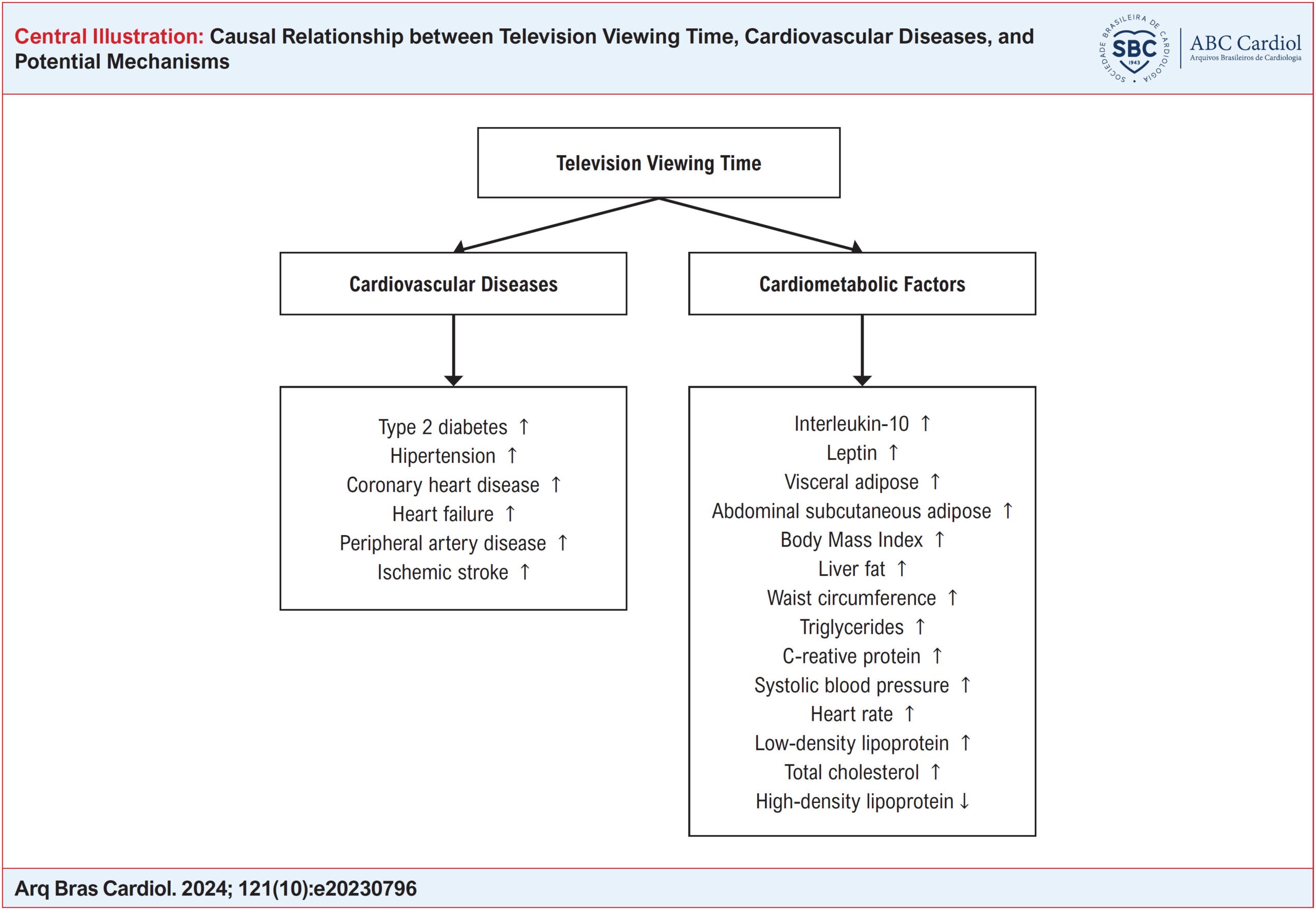
Genetically instrumented television viewing time was associated with higher risks of type 2 diabetes (odd ratio [OR]=2.51; 95% confidence interval [CI]: 1.89-3.33; p<0.00001), hypertension (OR=2.11; 95% CI: 1.67-2.66; p<0.00001), coronary heart disease (OR=1.53; 95% CI: 1.23-1.91; p=0.00015), and heart failure (OR=1.42; 95% CI: 1.18-1.70; p=0.00017). Suggestive evidence of harmful associations was also observed for peripheral artery disease (OR=1.58; 95% CI: 1.07-2.34; p=0.02253) and ischemic stroke (OR=1.34; 95% CI: 1.10-1.63; p=0.00328). Biomarkers of cardiometabolic risk, including interleukin 10, leptin, visceral adipose, abdominal subcutaneous adipose, liver fat, body mass index, waist circumference, triglycerides, and C-reactive protein, were increased. Systolic blood pressure, heart rate, low-density lipoprotein, and total cholesterol were potentially increased while high-density lipoprotein was decreased. However, television viewing time had no effect on venous thromboembolism or pulmonary embolism.

Conclusion:

Television viewing time was causally associated with increased risks of cardiovascular diseases, which may be explained by metabolic and inflammatory mechanisms.

  • Cardiometabolic Risk Factors
  • Cardiovascular Diseases
  • Inflammation
  • Mendelian Randomization Analysis
  • television
Read Full Article
Creative Commons Attribution (CC BY) Creative Commons license
28/10/2024 DOI: 10.36660/abc.20230796i Views 1
Sleep Duration and the Risk of Atherosclerosis: A Mendelian Randomization Study
ABC
Original Article

Sleep Duration and the Risk of Atherosclerosis: A Mendelian Randomization Study

Xiaozhuo Xu et al. Yilin Huang Jing Liu Xu Han

Abstract

Background:

The association between the length of sleep and atherosclerosis has been reported in many observational studies. However, little is known about its significance as a risk factor for atherosclerosis or as a negative consequence of atherosclerosis.

Objective:

This study aimed to assess the causal association between sleep duration and the risk of atherosclerosis using publicly available genome-wide association studies (GWAS) summary statistics.

Methods:

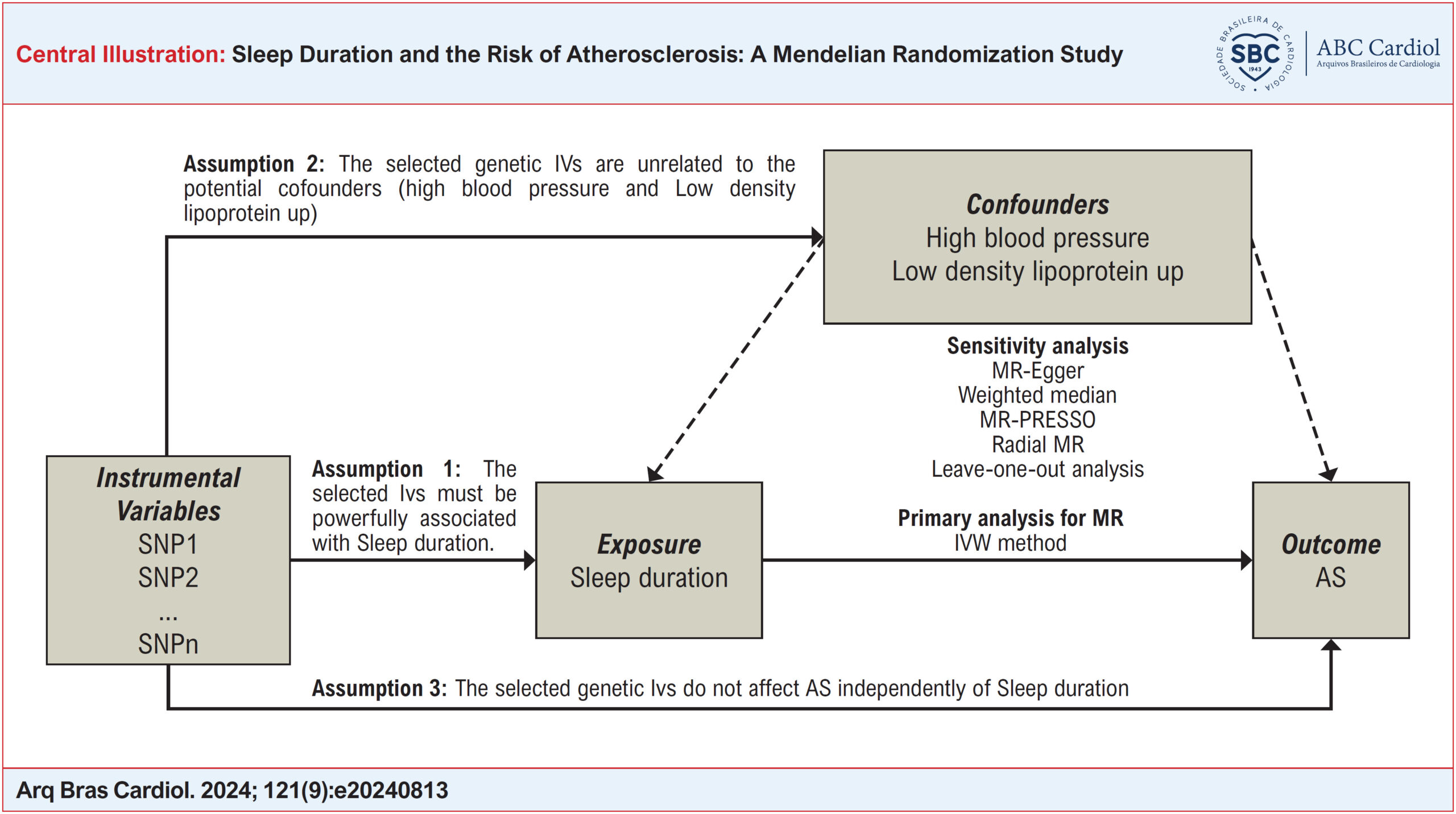
We employed a two-sample Mendelian randomization (MR) method with 2 cohorts from MRC-IEU (n=460,099) and UK Biobank (n=361,194) to investigate the causal association between sleep duration and the risk of atherosclerosis. Three methods including the inverse-variance weighted (IVW) technique, Robust adjusted profile score (RAPS), and simple-and weighted-median approach were used to obtain reliable results, and an odds ratio with a 95% confidence interval (CI) was calculated. P<0.05 was considered as a statistical difference. In addition, MR-Egger regression, Radial MR, MR-PRESSO, and leave-one-out analyses were used to assess the possible pleiotropy effects.

Results:

No causal association of sleep duration with atherosclerosis was found [OR (95%CI): 0.90 (0.98-1.00), p = 0.186]. Leave-one-out, MR-Egger, and MR-PRESSO analyses failed to detect horizontal pleiotropy.

Conclusions:

This MR analysis indicated no causal association between genetically predicted sleep duration and atherosclerosis across European populations.

  • Atherosclerosis
  • Mendelian Randomization Analysis
  • Sleep Duration
Read Full Article
Creative Commons Attribution (CC BY) Creative Commons license
06/09/2024 DOI: 10.36660/abc.20230813i Views 1

How to cite this article

EndNote RIS

Electronic Document Format (Vancouver)

Gao Y, Wu G, Jin T, Shen Z, Zhou N, Huang X. Genetic Evidence for the Association Between Sjögren’s Syndrome and Cardiovascular Disease Risk. International Journal of Cardiovascular Sciences 2026;39:e20250074.

Electronic Document Format (ABNT)

Gao, Yafang; Wu, Guohua; Jin, Tianyu; Shen, Zhijie; Zhou, Nannan; Huang, Xiaohong. Genetic Evidence for the Association Between Sjögren’s Syndrome and Cardiovascular Disease Risk. International Journal of Cardiovascular Sciences, v. 39, e20250074, Sep. 2026.

Electronic Document Format (APA)

Gao, Y., Wu, G., Jin, T., Shen, Z., Zhou, N., & Huang, X. (2026). Genetic Evidence for the Association Between Sjögren’s Syndrome and Cardiovascular Disease Risk. International Journal of Cardiovascular Sciences, 39, e20250074.

Electronic Document Format (ISO)

Gao, Yafang and Wu, Guohua and Jin, Tianyu and Shen, Zhijie and Zhou, Nannan and Huang, Xiaohong. Genetic Evidence for the Association Between Sjögren’s Syndrome and Cardiovascular Disease Risk. International Journal of Cardiovascular Sciences [online]. 2026, vol. 39, [cited 2026-10-14], e20250074. Available from: <https://journals.cardiol.br/en/article/genetic-evidence-for-the-association-between-sjogrens-syndrome-and-cardiovascular-disease-risk/>. ISSN 2359-4802

EndNote RIS

Electronic Document Format (Vancouver)

Hu M, Gong Z, Li X, Yin C. Investigating the Causal Role of Inflammatory Cytokines in the Development of Cardiovascular, Kidney, and Metabolic Diseases. Arquivos Brasileiros de Cardiologia 2026;123(4):e20250611.

Electronic Document Format (ABNT)

Hu, Mengjin; Gong, Zhaoting; Li, Xiaosong; Yin, Chunlin. Investigating the Causal Role of Inflammatory Cytokines in the Development of Cardiovascular, Kidney, and Metabolic Diseases. Arquivos Brasileiros de Cardiologia, v. 123, n. 4, e20250611, Jul. 2026.

Electronic Document Format (APA)

Hu, M., Gong, Z., Li, X., & Yin, C. (2026). Investigating the Causal Role of Inflammatory Cytokines in the Development of Cardiovascular, Kidney, and Metabolic Diseases. Arquivos Brasileiros de Cardiologia, 123(4), e20250611.

Electronic Document Format (ISO)

Hu, Mengjin and Gong, Zhaoting and Li, Xiaosong and Yin, Chunlin. Investigating the Causal Role of Inflammatory Cytokines in the Development of Cardiovascular, Kidney, and Metabolic Diseases. Arquivos Brasileiros de Cardiologia [online]. 2026, vol. 123, n. 4, [cited 2026-10-14], e20250611. Available from: <https://journals.cardiol.br/en/article/investigating-the-causal-role-of-inflammatory-cytokines-in-the-development-of-cardiovascular-kidney-and-metabolic-diseases/>. ISSN 0066-782X

EndNote RIS

Electronic Document Format (Vancouver)

Patané JSL, Giugni FR. Genetic Evidence Supports a Causal Role for Smoking in Cardiac Arrest. Arquivos Brasileiros de Cardiologia 2026;123(3):e20260238.

Electronic Document Format (ABNT)

Patané, José S. L.; Giugni, Fernando R.. Genetic Evidence Supports a Causal Role for Smoking in Cardiac Arrest. Arquivos Brasileiros de Cardiologia, v. 123, n. 3, e20260238, May. 2026.

Electronic Document Format (APA)

Patané, J. S. L., & Giugni, F. R. (2026). Genetic Evidence Supports a Causal Role for Smoking in Cardiac Arrest. Arquivos Brasileiros de Cardiologia, 123(3), e20260238.

Electronic Document Format (ISO)

Patané, José S. L. and Giugni, Fernando R.. Genetic Evidence Supports a Causal Role for Smoking in Cardiac Arrest. Arquivos Brasileiros de Cardiologia [online]. 2026, vol. 123, n. 3, [cited 2026-10-14], e20260238. Available from: <https://journals.cardiol.br/en/article/genetic-evidence-supports-a-causal-role-for-smoking-in-cardiac-arrest/>. ISSN 0066-782X

EndNote RIS

Electronic Document Format (Vancouver)

Liu Y, Chen X, Liu Y, Lu Y, Zhu Y, Chen L, Li J, et al. The Causal Association between Plasma Metabolites-Mediated Immune Cells and Myocardial Infarction: A Mendelian Randomization Study. Arquivos Brasileiros de Cardiologia 2026;123(4):e20260026.

Electronic Document Format (ABNT)

Liu, Yue; Chen, Xing; Liu, Yingzhi; Lu, Yvwen; Zhu, Yun; Chen, Lingli; Li, Jie. The Causal Association between Plasma Metabolites-Mediated Immune Cells and Myocardial Infarction: A Mendelian Randomization Study. Arquivos Brasileiros de Cardiologia, v. 123, n. 4, e20260026, May. 2026.

Electronic Document Format (APA)

Liu, Y., Chen, X., Liu, Y., Lu, Y., Zhu, Y., Chen, L., & Li, J. (2026). The Causal Association between Plasma Metabolites-Mediated Immune Cells and Myocardial Infarction: A Mendelian Randomization Study. Arquivos Brasileiros de Cardiologia, 123(4), e20260026.

Electronic Document Format (ISO)

Liu, Yue and Chen, Xing and Liu, Yingzhi and Lu, Yvwen and Zhu, Yun and Chen, Lingli and Li, Jie. The Causal Association between Plasma Metabolites-Mediated Immune Cells and Myocardial Infarction: A Mendelian Randomization Study. Arquivos Brasileiros de Cardiologia [online]. 2026, vol. 123, n. 4, [cited 2026-10-14], e20260026. Available from: <https://journals.cardiol.br/en/article/the-causal-association-between-plasma-metabolites-mediated-immune-cells-and-myocardial-infarction-a-mendelian-randomization-study/>. ISSN 0066-782X

EndNote RIS

Electronic Document Format (Vancouver)

Wu X, Li Y, Tian J. The Causal Relationship between Blood Cell Traits and Valvular Heart Disease: A Two-Sample Mendelian Randomization Study. Arquivos Brasileiros de Cardiologia 2026;123(3):e20250063.

Electronic Document Format (ABNT)

Wu, Xiaoli; Li, Yufeng; Tian, Jinyu. The Causal Relationship between Blood Cell Traits and Valvular Heart Disease: A Two-Sample Mendelian Randomization Study. Arquivos Brasileiros de Cardiologia, v. 123, n. 3, e20250063, May. 2026.

Electronic Document Format (APA)

Wu, X., Li, Y., & Tian, J. (2026). The Causal Relationship between Blood Cell Traits and Valvular Heart Disease: A Two-Sample Mendelian Randomization Study. Arquivos Brasileiros de Cardiologia, 123(3), e20250063.

Electronic Document Format (ISO)

Wu, Xiaoli and Li, Yufeng and Tian, Jinyu. The Causal Relationship between Blood Cell Traits and Valvular Heart Disease: A Two-Sample Mendelian Randomization Study. Arquivos Brasileiros de Cardiologia [online]. 2026, vol. 123, n. 3, [cited 2026-10-14], e20250063. Available from: <https://journals.cardiol.br/en/article/the-causal-relationship-between-blood-cell-traits-and-valvular-heart-disease-a-two-sample-mendelian-randomization-study/>. ISSN 0066-782X

EndNote RIS

Electronic Document Format (Vancouver)

Tian X, Wang Y, Tan Q, Liu L. A Two-sample Mendelian Randomization Study of Air Pollution/Smoking and Cardiac Arrest. Arquivos Brasileiros de Cardiologia 2026;123(3):20250127.

Electronic Document Format (ABNT)

Tian, Xuelin; Wang, Yu; Tan, Qingzhao; Liu, Liying. A Two-sample Mendelian Randomization Study of Air Pollution/Smoking and Cardiac Arrest. Arquivos Brasileiros de Cardiologia, v. 123, n. 3, 20250127, May. 2026.

Electronic Document Format (APA)

Tian, X., Wang, Y., Tan, Q., & Liu, L. (2026). A Two-sample Mendelian Randomization Study of Air Pollution/Smoking and Cardiac Arrest. Arquivos Brasileiros de Cardiologia, 123(3), 20250127.

Electronic Document Format (ISO)

Tian, Xuelin and Wang, Yu and Tan, Qingzhao and Liu, Liying. A Two-sample Mendelian Randomization Study of Air Pollution/Smoking and Cardiac Arrest. Arquivos Brasileiros de Cardiologia [online]. 2026, vol. 123, n. 3, [cited 2026-10-14], 20250127. Available from: <https://journals.cardiol.br/en/article/a-two-sample-mendelian-randomization-study-of-air-pollution-smoking-and-cardiac-arrest/>. ISSN 0066-782X

EndNote RIS

Electronic Document Format (Vancouver)

Zhou Y, Wang X, Guo J, Zhang L, Zheng H. The Causal Relationship between Gut Microbiota and Atrial Fibrillation: A Two-Sample Mendelian Randomization Study. Arquivos Brasileiros de Cardiologia 2024;121(11):e20240357.

Electronic Document Format (ABNT)

Zhou, Yuan; Wang, Xuan; Guo, Jiongchao; Zhang, Lei; Zheng, Huangsheng. The Causal Relationship between Gut Microbiota and Atrial Fibrillation: A Two-Sample Mendelian Randomization Study. Arquivos Brasileiros de Cardiologia, v. 121, n. 11, e20240357, Dec. 2024.

Electronic Document Format (APA)

Zhou, Y., Wang, X., Guo, J., Zhang, L., & Zheng, H. (2024). The Causal Relationship between Gut Microbiota and Atrial Fibrillation: A Two-Sample Mendelian Randomization Study. Arquivos Brasileiros de Cardiologia, 121(11), e20240357.

Electronic Document Format (ISO)

Zhou, Yuan and Wang, Xuan and Guo, Jiongchao and Zhang, Lei and Zheng, Huangsheng. The Causal Relationship between Gut Microbiota and Atrial Fibrillation: A Two-Sample Mendelian Randomization Study. Arquivos Brasileiros de Cardiologia [online]. 2024, vol. 121, n. 11, [cited 2026-10-14], e20240357. Available from: <https://journals.cardiol.br/en/article/the-causal-relationship-between-gut-microbiota-and-atrial-fibrillation-a-two-sample-mendelian-randomization-study/>. ISSN 0066-782X

EndNote RIS

Electronic Document Format (Vancouver)

Pires LVL. Is This a Causal Relationship? Mendelian Randomization as a Statistical Method for Unraveling Connections. Arquivos Brasileiros de Cardiologia 2024;121(10):e20240606.

Electronic Document Format (ABNT)

Pires, Lucas Vieira Lacerda. Is This a Causal Relationship? Mendelian Randomization as a Statistical Method for Unraveling Connections. Arquivos Brasileiros de Cardiologia, v. 121, n. 10, e20240606, Nov. 2024.

Electronic Document Format (APA)

Pires, L. V. L. (2024). Is This a Causal Relationship? Mendelian Randomization as a Statistical Method for Unraveling Connections. Arquivos Brasileiros de Cardiologia, 121(10), e20240606.

Electronic Document Format (ISO)

Pires, Lucas Vieira Lacerda. Is This a Causal Relationship? Mendelian Randomization as a Statistical Method for Unraveling Connections. Arquivos Brasileiros de Cardiologia [online]. 2024, vol. 121, n. 10, [cited 2026-10-14], e20240606. Available from: <https://journals.cardiol.br/en/article/is-this-a-causal-relationship-mendelian-randomization-as-a-statistical-method-for-unraveling-connections/>. ISSN 0066-782X

EndNote RIS

Electronic Document Format (Vancouver)

Hu M, Li B, Xia J, Yin C, Yang Y. Causal Relationship between Television Viewing Time, Cardiovascular Diseases, and Potential Mechanisms. Arquivos Brasileiros de Cardiologia 2024;121(10):e20230796.

Electronic Document Format (ABNT)

Hu, Mengjin; Li, Boyu; Xia, Jinggang; Yin, Chunlin; Yang, Yuejin. Causal Relationship between Television Viewing Time, Cardiovascular Diseases, and Potential Mechanisms. Arquivos Brasileiros de Cardiologia, v. 121, n. 10, e20230796, Oct. 2024.

Electronic Document Format (APA)

Hu, M., Li, B., Xia, J., Yin, C., & Yang, Y. (2024). Causal Relationship between Television Viewing Time, Cardiovascular Diseases, and Potential Mechanisms. Arquivos Brasileiros de Cardiologia, 121(10), e20230796.

Electronic Document Format (ISO)

Hu, Mengjin and Li, Boyu and Xia, Jinggang and Yin, Chunlin and Yang, Yuejin. Causal Relationship between Television Viewing Time, Cardiovascular Diseases, and Potential Mechanisms. Arquivos Brasileiros de Cardiologia [online]. 2024, vol. 121, n. 10, [cited 2026-10-14], e20230796. Available from: <https://journals.cardiol.br/en/article/causal-relationship-between-television-viewing-time-cardiovascular-diseases-and-potential-mechanisms/>. ISSN 0066-782X

EndNote RIS

Electronic Document Format (Vancouver)

Xu X, Huang Y, Liu J, Han X. Sleep Duration and the Risk of Atherosclerosis: A Mendelian Randomization Study. Arquivos Brasileiros de Cardiologia 2024;121(9):e20240813.

Electronic Document Format (ABNT)

Xu, Xiaozhuo; Huang, Yilin; Liu, Jing; Han, Xu. Sleep Duration and the Risk of Atherosclerosis: A Mendelian Randomization Study. Arquivos Brasileiros de Cardiologia, v. 121, n. 9, e20240813, Sep. 2024.

Electronic Document Format (APA)

Xu, X., Huang, Y., Liu, J., & Han, X. (2024). Sleep Duration and the Risk of Atherosclerosis: A Mendelian Randomization Study. Arquivos Brasileiros de Cardiologia, 121(9), e20240813.

Electronic Document Format (ISO)

Xu, Xiaozhuo and Huang, Yilin and Liu, Jing and Han, Xu. Sleep Duration and the Risk of Atherosclerosis: A Mendelian Randomization Study. Arquivos Brasileiros de Cardiologia [online]. 2024, vol. 121, n. 9, [cited 2026-10-14], e20240813. Available from: <https://journals.cardiol.br/en/article/sleep-duration-and-the-risk-of-atherosclerosis-a-mendelian-randomization-study/>. ISSN 0066-782X

  • About ABC Family
  • Internal Regulation
  • Editorial Board
  • Brazilian Society of Cardiology (SBC)

Issues

SBC Guidelines

  • Videos
  • Podcasts
  • News