ABC Family Arquivos Brasileiros de Cardiologia International Journal of Cardiovascular Sciences ABC Heart Failure & Cardiomyopathy ABC Imagem Cardiovascular
Português English
ABC Family
Português English
  • About
    • About ABC Family
    • Internal Regulation
    • Editorial Board
    • Brazilian Society of Cardiology (SBC)
  • Issues
  • SBC Guidelines
  • Content
    • Videos
    • Podcasts
    • News
  • About
    • About ABC Family
    • Internal Regulation
    • Editorial Board
    • Brazilian Society of Cardiology (SBC)
  • Issues
  • SBC Guidelines
  • Content
    • Videos
    • Podcasts
    • News

ABC Family

  • ABC Family
  • Arquivos Brasileiros de Cardiologia
  • International Journal of Cardiovascular Sciences
  • ABC Heart Failure & Cardiomyopathy
  • ABC Imagem Cardiovascular
Search in

No content found.

Journals
Ordering
Article types
Others

  1. Home
  2. Keyword: Air Pollution
ABC
Editorial

Genetic Evidence Supports a Causal Role for Smoking in Cardiac Arrest

José S. L. Patané et al. Fernando R. Giugni

[…]

  • Air Pollution
  • Heart Arrest
  • Mendelian Randomization Analysis
  • Public Health
  • Tobacco Use Disorder
Read Full Article
Creative Commons Attribution (CC BY) Creative Commons license
01/06/2026 DOI: 10.36660/abc.20260238i Views 2
A Two-sample Mendelian Randomization Study of Air Pollution/Smoking and Cardiac Arrest
ABC
Original Article

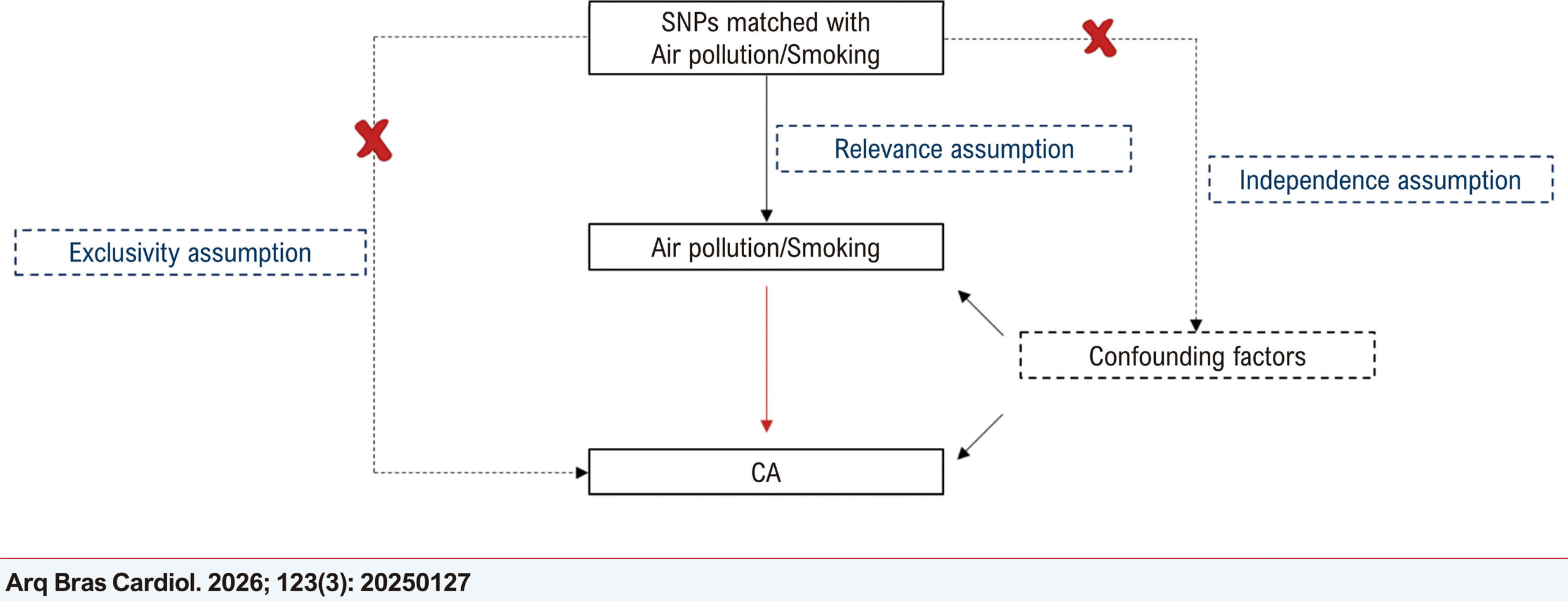
A Two-sample Mendelian Randomization Study of Air Pollution/Smoking and Cardiac Arrest

Xuelin Tian et al. Yu Wang Qingzhao Tan Liying Liu

Abstract

Background

Observational studies have suggested a connection between air pollution/smoking and cardiac arrest (CA); nevertheless, the causal role of air pollution/smoking in CA remains uncertain.

Objectives

This study aimed to elucidate the causal association between air pollution/smoking and CA using a two-sample Mendelian randomization (MR) approach.

Methods

This study utilized summary data from genome-wide association studies (GWAS). The primary analysis employed the inverse-variance weighted (IVW) method, supplemented by MR-Egger, weighted median, and weighted mode methods. For sensitivity analysis, MR-Egger and MR-PRESSO were employed to address horizontal pleiotropy. Cochran’s Q test was used to assess heterogeneity, and leave-one-out analysis was applied to identify the influence of outliers. A two-sided p-value < 0.05 was considered statistically significant for the causal estimates.

Results

IVW method showed a significant association between smoking status and CA (OR = 2.182, 95% CI: 1.137 – 4.188, p = 0.019). No significant causal associations were found for any of the air pollution metrics or other smoking-related traits. Results of MR Egger and weighted median methods revealed an insignificant causal association between air pollution/smoking and CA. Horizontal pleiotropy or outliers were not detected by sensitivity tests.

Conclusions

Findings of this MR study indicate that smoking has a causal effect on the incidence of developing CA. However, the null findings for air pollution should be interpreted with caution, as the statistical power to detect modest effects was limited. More studies are warranted to verify the outcomes of this study.

  • Air Pollution
  • Heart Arrest
  • Mendelian Randomization Analysis
  • Tobacco Use Disorder
Read Full Article
Creative Commons Attribution (CC BY) Creative Commons license
08/05/2026 DOI: 10.36660/abc.20250127i Views 1
ABC
Editorial

Fine Particulate Pollution is a Powerful Risk Factor for Cardiovascular Disease

Desiderio Favarato

In this issue, Moura PH et al found that the Rio de Janeiro Metropolitan area, RJ, BR presents out-of-limit high levels of air pollution and there was a direct correlation between air pollution with PM2.5 (Particulate Matter of 2.5 μm) and higher incidence of cardiovascular disease, especially in lower socioeconomic status and in the elderly.

Since the Framingham Study had enumerated the so-called traditional risk factors – hypertension, high LDL-cholesterol, low HDL-cholesterol, diabetes, tobacco smoking, obesity, sedentary lifestyle, and male sex – a growing number of risk factors have been continuously added to that list.

[…]

  • Air Pollution
  • Cardiovascular Diseases
  • Particulate Matter
Read Full Article
Creative Commons Attribution (CC BY) Creative Commons license
16/03/2026 DOI: 10.36660/abc.20260006i Views 1
Impact of PM2.5 Air Pollution on Mortality from Circulatory System Diseases in the Neighborhoods of the City of Rio de Janeiro (2000-2019)
ABC
Original Article

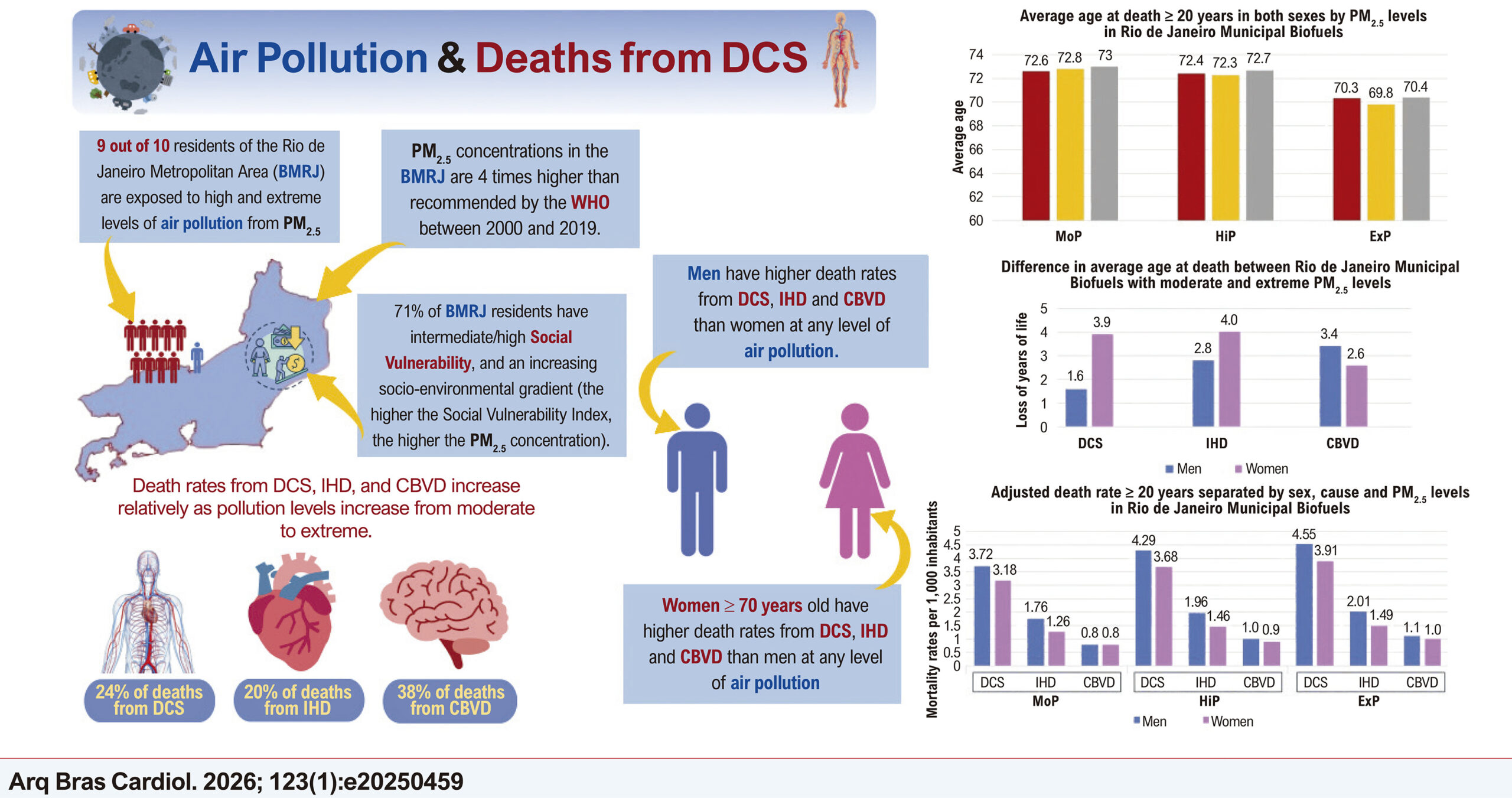
Impact of PM2.5 Air Pollution on Mortality from Circulatory System Diseases in the Neighborhoods of the City of Rio de Janeiro (2000-2019)

Paulo Henrique de Moura et al. Leandro Dias Gomes de Carvalho Paulo Henrique Godoy Lucia Helena Alvares Salis … Marina Silva Paez Mariane Branco Alves Luiz Francisco Pires Guimarães Maia Renata Libonati dos Santos Nelson Albuquerque de Souza e Silva

Abstract

Background

Air pollution by fine particulate matter with an aerodynamic diameter ≤ 2.5 μm (PM2.5) is the main environmental risk factor associated with diseases of the circulatory system (DCS), ischemic heart disease (IHD), and cerebrovascular diseases (CBVD).

Objective

To estimate mortality rates from DCS, IHD, and CBVD (2000-2019) among residents of the 164 neighborhoods of Rio de Janeiro, according to PM2.5 levels.

Methods

This retrospective ecological study used georeferenced satellite data classified into three PM2.5 levels and mortality records from the Department of Information and Informatics of the Unified Health System for DCS, IHD, and CBVD among individuals of both sexes aged ≥ 20 years from 2000 to 2019. Age-adjusted mortality rates per 1,000 inhabitants were calculated, and comparative statistical analyses were performed by sex, PM2.5 level, and age group (5% significance).

Results

Approximately 91% of the 4.7 million residents (≥ 20 years) live in areas with high or extreme PM2.5 pollution. Deaths occurred up to 3.4 years earlier among men living in highly polluted areas compared with those in moderately polluted areas. The highest DCS mortality rates were observed in neighborhoods with high and extreme pollution (female = 3.9 ± 1.7; 95% CI = 3.5-4.2; male = 4.6 ± 2.1; 95% CI = 4.1-4.9), particularly in individuals aged ≥ 70 years. Significant associations were found between mortality rates and pollution levels for DCS (p = 0.019), IHD (p = 0.025), and CBVD (p = 0.002) in the 50-69-year age group when comparing moderately and extremely polluted areas. Intermediate/high social vulnerability was identified in 71% of neighborhoods, with an increasing socioenvironmental gradient linking higher vulnerability to higher PM2.5 concentrations (R = 0.354; p = 0.001).

Conclusion

Mean PM2.5 concentrations in the neighborhoods of Rio de Janeiro exceeded the World Health Organization’s recommended standard by a factor of four. Mortality from DCS is significantly higher and occurs earlier in areas with high or extreme levels of pollution.

  • Air Pollution
  • Cardiovascular Diseases
  • Geographic Mapping
  • Mortality
Read Full Article
Creative Commons Attribution (CC BY) Creative Commons license
27/02/2026 DOI: 10.36660/abc.20250459i Views 5
Figure 1
ABC
Research Letter

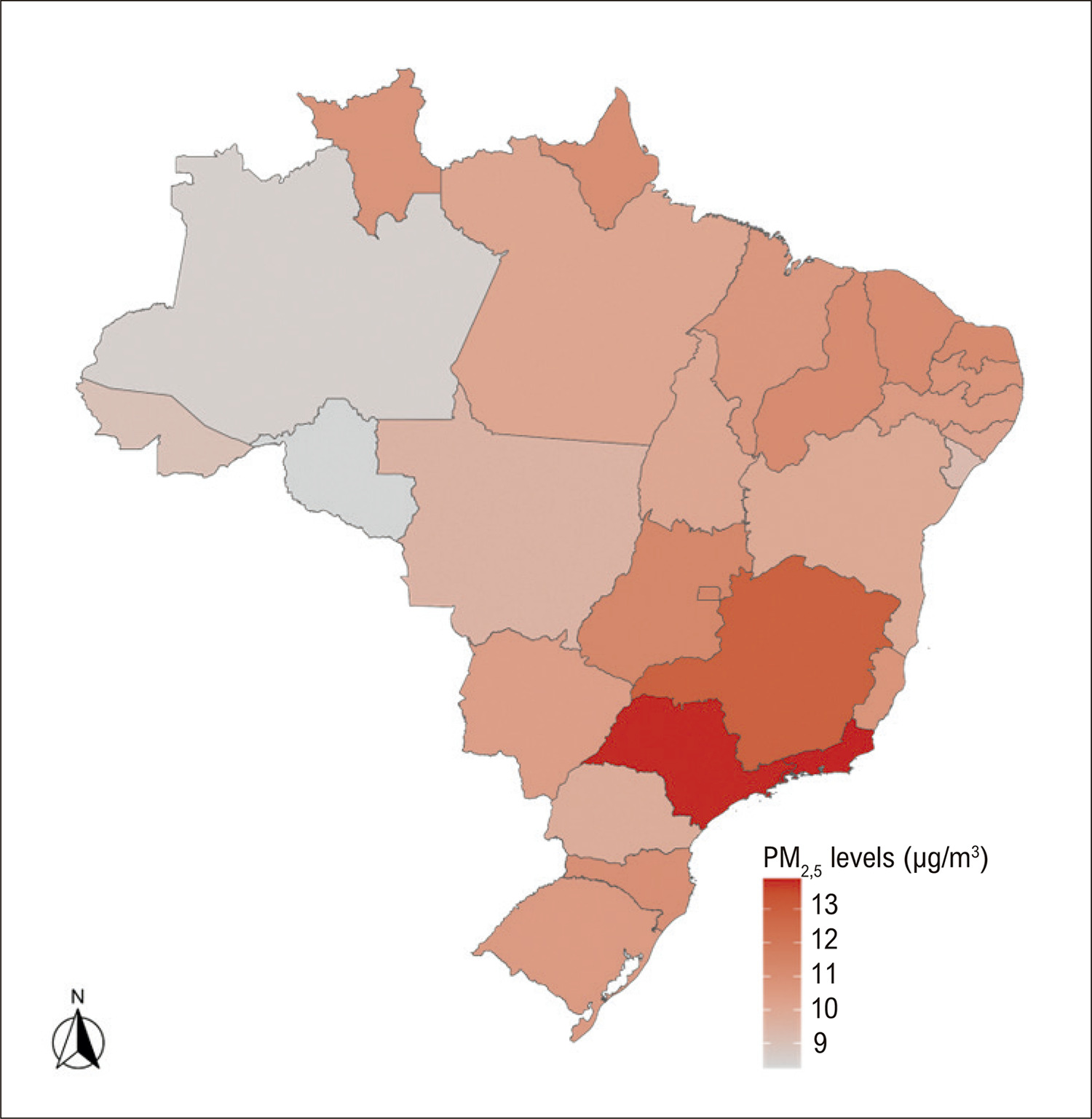
Excess Systolic Blood Pressure Associated with Fine Particulate Matter Air Pollution above the WHO Guidelines in Brazil

Pedro Rafael Vieira de Oliveira Salerno et al. Issam Motairek Luis Augusto Palma Dallan Brendan Bourges-Sevenier … Sanjay Rajagopalan Sadeer G. Al-Kindi

Introduction

Cardiovascular disease remains the leading cause of mortality worldwide, and hypertension has been implicated as having the highest association of causation among all of the cardiovascular disease risk factors. Thus, unsurprisingly, hypertension is the main risk factor for death and the second major cause of disability-adjusted life years in Brazil, heavily impacting its population and national healthcare system. It is also directly linked to air pollution, especially fine particulate matter < 2.5 microns (PM 2.5 ), which has been identified as an independent risk factor for increased systolic blood pressure (SBP). In Brazil, as in most countries, the main source of exposure to air pollution in urban areas primarily results from the burning of fossil fuels via vehicular traffic and industrial power generation, while, in rural Brazil, air pollution mainly results from the burning of biomass as well as deforestation.

In Brazil, previous studies have been conducted investigating the effects of PM 2.5 exposure on blood pressure in outdoor workers who are most susceptible to ambient air pollution from vehicular emissions, such as traffic controllers, demonstrating the link between PM 2.5 concentration and increased SBP. , However, these studies tend to focus on metropolitan and urban regions. , Thus, due to Brazil’s large geographical size and regional diversity, there exists a substantial gap in knowledge in the less populated areas. In this study, we aimed to estimate the excess SBP attributable to PM 2.5 concentrations above the threshold of the World Health Organization (WHO) guidelines in Brazil, as well as in all its states and regions.

[…]

  • Air Pollution
  • Arterial Pressure
  • Environment
  • Public Health
Read Full Article
Creative Commons Attribution (CC BY) Creative Commons license
18/12/2023 DOI: 10.36660/abc.20230347 Views 2
IJCS
Original Article

Impact of Air Pollutant on Heart Rate Variability in Healthy Young Adults

Anita de Cássia Melinski et al. Aparecida Maria Catai Sílvia Cristina Garcia de Moura Juliana Cristina Milan-Mattos Monica Yuri Takito

Abstract

Background:

Air pollution and sex independently affect cardiac autonomic control, which can be assessed by heart rate variability (HRV). The research hypothesis is that individuals exposed to low concentrations of pollution have higher cardiac autonomic modulation compared to those exposed to high concentrations and that women have better cardiac autonomic control than men.

Objective:

To analyze the impact of exposure to air pollutants, specifically smoke, and sex on HRV in healthy young people exposed to different concentrations of pollution over an average period of 22 years.

Methods:

From April to September 2011, 36 participants of both sexes (20-30 years old) were selected, grouped by levels of air pollution exposure according to indices provided by the Environmental Company of São Paulo State. The R-R intervals (R-Ri) of the electrocardiogram were captured using a heart rate monitor during supine rest. HRV was analyzed by spectral analysis and conditional entropy. The Queen’s College step test was used to characterize functional capacity. A between-group comparison was performed using the two-way ANOVA statistical test (post hoc Tukey) and p<0.05.

Results:

Significant differences were found in mean R-Ri (p<0.01) and cardiac parasympathetic modulation between sexes in the same city (p=0.02) and between groups exposed to different air pollution concentrations (p<0.01).

Conclusion:

Our results suggest that long-term exposure to air pollutants, specifically smoke, has an unfavorable impact on HRV, with reduced cardiac vagal autonomic modulation in healthy young adults, especially females.

  • Air Pollution
  • Autonomic Nervous System
  • Heart Rate
  • Sex
Read Full Article
Creative Commons Attribution (CC BY) Creative Commons license
01/04/2022 DOI: 10.36660/ijcs.20200380 Views 1
Figure 1
IJCS
Editorial

Environmental Pollution and Cardiovascular Diseases: Identify and Prevent!

Claudio Tinoco Mesquita

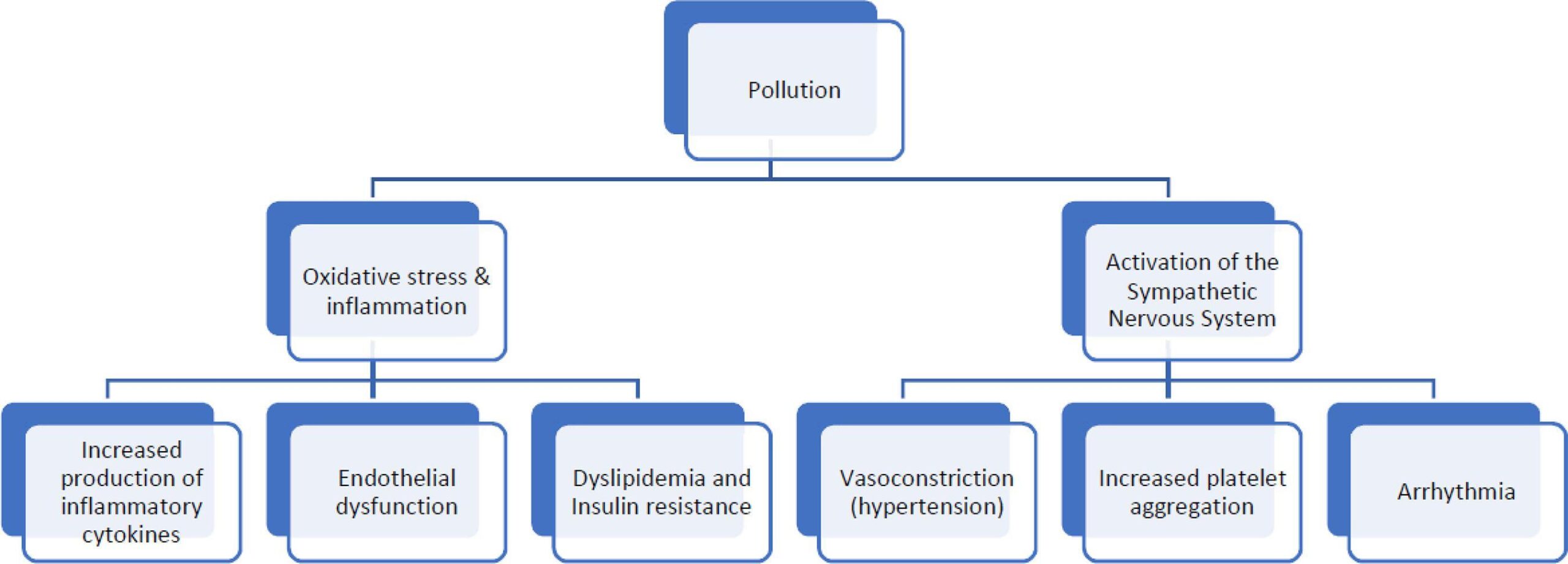
Exposure to environmental pollution is a key factor in the development and worsening of cardiovascular diseases. This alert was issued in a 2004 statement from the American Heart Association (AHA). A large body of new scientific evidence has been accumulated since then, allowing for a better understanding of the aspects related to this modifiable risk factor for cardiovascular diseases.

[…]

  • Air Pollution
  • Cardiovascular Diseases / prevention & control
  • Cardiovascular Diseases, mortality
  • Environmental, Pollution
  • Oxidative Stress
  • Risk Factors
Read Full Article
Creative Commons Attribution (CC BY) Creative Commons license
01/01/2018 DOI: 10.5935/2359-4802.20180070 Views 1

How to cite this article

EndNote RIS

Electronic Document Format (Vancouver)

Patané JSL, Giugni FR. Genetic Evidence Supports a Causal Role for Smoking in Cardiac Arrest. Arquivos Brasileiros de Cardiologia 2026;123(3):e20260238.

Electronic Document Format (ABNT)

Patané, José S. L.; Giugni, Fernando R.. Genetic Evidence Supports a Causal Role for Smoking in Cardiac Arrest. Arquivos Brasileiros de Cardiologia, v. 123, n. 3, e20260238, May. 2026.

Electronic Document Format (APA)

Patané, J. S. L., & Giugni, F. R. (2026). Genetic Evidence Supports a Causal Role for Smoking in Cardiac Arrest. Arquivos Brasileiros de Cardiologia, 123(3), e20260238.

Electronic Document Format (ISO)

Patané, José S. L. and Giugni, Fernando R.. Genetic Evidence Supports a Causal Role for Smoking in Cardiac Arrest. Arquivos Brasileiros de Cardiologia [online]. 2026, vol. 123, n. 3, [cited 2026-10-14], e20260238. Available from: <https://journals.cardiol.br/en/article/genetic-evidence-supports-a-causal-role-for-smoking-in-cardiac-arrest/>. ISSN 0066-782X

EndNote RIS

Electronic Document Format (Vancouver)

Tian X, Wang Y, Tan Q, Liu L. A Two-sample Mendelian Randomization Study of Air Pollution/Smoking and Cardiac Arrest. Arquivos Brasileiros de Cardiologia 2026;123(3):20250127.

Electronic Document Format (ABNT)

Tian, Xuelin; Wang, Yu; Tan, Qingzhao; Liu, Liying. A Two-sample Mendelian Randomization Study of Air Pollution/Smoking and Cardiac Arrest. Arquivos Brasileiros de Cardiologia, v. 123, n. 3, 20250127, May. 2026.

Electronic Document Format (APA)

Tian, X., Wang, Y., Tan, Q., & Liu, L. (2026). A Two-sample Mendelian Randomization Study of Air Pollution/Smoking and Cardiac Arrest. Arquivos Brasileiros de Cardiologia, 123(3), 20250127.

Electronic Document Format (ISO)

Tian, Xuelin and Wang, Yu and Tan, Qingzhao and Liu, Liying. A Two-sample Mendelian Randomization Study of Air Pollution/Smoking and Cardiac Arrest. Arquivos Brasileiros de Cardiologia [online]. 2026, vol. 123, n. 3, [cited 2026-10-14], 20250127. Available from: <https://journals.cardiol.br/en/article/a-two-sample-mendelian-randomization-study-of-air-pollution-smoking-and-cardiac-arrest/>. ISSN 0066-782X

EndNote RIS

Electronic Document Format (Vancouver)

Favarato D. Fine Particulate Pollution is a Powerful Risk Factor for Cardiovascular Disease. Arquivos Brasileiros de Cardiologia 2026;123(1):e20260006.

Electronic Document Format (ABNT)

Favarato, Desiderio. Fine Particulate Pollution is a Powerful Risk Factor for Cardiovascular Disease. Arquivos Brasileiros de Cardiologia, v. 123, n. 1, e20260006, Mar. 2026.

Electronic Document Format (APA)

Favarato, D. (2026). Fine Particulate Pollution is a Powerful Risk Factor for Cardiovascular Disease. Arquivos Brasileiros de Cardiologia, 123(1), e20260006.

Electronic Document Format (ISO)

Favarato, Desiderio. Fine Particulate Pollution is a Powerful Risk Factor for Cardiovascular Disease. Arquivos Brasileiros de Cardiologia [online]. 2026, vol. 123, n. 1, [cited 2026-10-14], e20260006. Available from: <https://journals.cardiol.br/en/article/fine-particulate-pollution-is-a-powerful-risk-factor-for-cardiovascular-disease/>. ISSN 0066-782X

EndNote RIS

Electronic Document Format (Vancouver)

Moura PH, Carvalho LDG, Godoy PH, Salis LHA, Paez MS, Alves MB, Maia LFPG, et al. Impact of PM2.5 Air Pollution on Mortality from Circulatory System Diseases in the Neighborhoods of the City of Rio de Janeiro (2000-2019). Arquivos Brasileiros de Cardiologia 2026;123(1):e20250459.

Electronic Document Format (ABNT)

Moura, Paulo Henrique de; Carvalho, Leandro Dias Gomes de; Godoy, Paulo Henrique; Salis, Lucia Helena Alvares; Paez, Marina Silva; Alves, Mariane Branco; Maia, Luiz Francisco Pires Guimarães; Santos, Renata Libonati dos; Silva, Nelson Albuquerque de Souza e. Impact of PM2.5 Air Pollution on Mortality from Circulatory System Diseases in the Neighborhoods of the City of Rio de Janeiro (2000-2019). Arquivos Brasileiros de Cardiologia, v. 123, n. 1, e20250459, Feb. 2026.

Electronic Document Format (APA)

Moura, P. H. , Carvalho, L. D. G. , Godoy, P. H., Salis, L. H. A., Paez, M. S., Alves, M. B., Maia, L. F. P. G., Santos, R. L. , & Silva, N. A. S. (2026). Impact of PM2.5 Air Pollution on Mortality from Circulatory System Diseases in the Neighborhoods of the City of Rio de Janeiro (2000-2019). Arquivos Brasileiros de Cardiologia, 123(1), e20250459.

Electronic Document Format (ISO)

Moura, Paulo Henrique de and Carvalho, Leandro Dias Gomes de and Godoy, Paulo Henrique and Salis, Lucia Helena Alvares and Paez, Marina Silva and Alves, Mariane Branco and Maia, Luiz Francisco Pires Guimarães and Santos, Renata Libonati dos and Silva, Nelson Albuquerque de Souza e. Impact of PM2.5 Air Pollution on Mortality from Circulatory System Diseases in the Neighborhoods of the City of Rio de Janeiro (2000-2019). Arquivos Brasileiros de Cardiologia [online]. 2026, vol. 123, n. 1, [cited 2026-10-14], e20250459. Available from: <https://journals.cardiol.br/en/article/impact-of-pm2-5-air-pollution-on-mortality-from-circulatory-system-diseases-in-the-neighborhoods-of-the-city-of-rio-de-janeiro-2000-2019/>. ISSN 0066-782X

EndNote RIS

Electronic Document Format (Vancouver)

Salerno PRVO, Motairek I, Dallan LAP, Bourges-Sevenier B, Rajagopalan S, Al-Kindi SG. Excess Systolic Blood Pressure Associated with Fine Particulate Matter Air Pollution above the WHO Guidelines in Brazil. Arquivos Brasileiros de Cardiologia 2023;120(11):e20230347.

Electronic Document Format (ABNT)

Salerno, Pedro Rafael Vieira de Oliveira; Motairek, Issam; Dallan, Luis Augusto Palma; Bourges-Sevenier, Brendan; Rajagopalan, Sanjay; Al-Kindi, Sadeer G.. Excess Systolic Blood Pressure Associated with Fine Particulate Matter Air Pollution above the WHO Guidelines in Brazil. Arquivos Brasileiros de Cardiologia, v. 120, n. 11, e20230347, Dec. 2023.

Electronic Document Format (APA)

Salerno, P. R. V. O., Motairek, I., Dallan, L. A. P., Bourges-Sevenier, B., Rajagopalan, S., & Al-Kindi, S. G. (2023). Excess Systolic Blood Pressure Associated with Fine Particulate Matter Air Pollution above the WHO Guidelines in Brazil. Arquivos Brasileiros de Cardiologia, 120(11), e20230347.

Electronic Document Format (ISO)

Salerno, Pedro Rafael Vieira de Oliveira and Motairek, Issam and Dallan, Luis Augusto Palma and Bourges-Sevenier, Brendan and Rajagopalan, Sanjay and Al-Kindi, Sadeer G.. Excess Systolic Blood Pressure Associated with Fine Particulate Matter Air Pollution above the WHO Guidelines in Brazil. Arquivos Brasileiros de Cardiologia [online]. 2023, vol. 120, n. 11, [cited 2026-10-14], e20230347. Available from: <https://journals.cardiol.br/en/article/excess-systolic-blood-pressure-associated-with-fine-particulate-matter-air-pollution-above-the-who-guidelines-in-brazil/>. ISSN 0066-782X

EndNote RIS

Electronic Document Format (Vancouver)

Melinski AC, Catai AM, Moura SCG, Milan-Mattos JC, Takito MY. Impact of Air Pollutant on Heart Rate Variability in Healthy Young Adults. International Journal of Cardiovascular Sciences 2022;35(4):523-9.

Electronic Document Format (ABNT)

Melinski, Anita de Cássia; Catai, Aparecida Maria; Moura, Sílvia Cristina Garcia de; Milan-Mattos, Juliana Cristina; Takito, Monica Yuri. Impact of Air Pollutant on Heart Rate Variability in Healthy Young Adults. International Journal of Cardiovascular Sciences, v. 35, n. 4, p. 523-529, Mar. 2022.

Electronic Document Format (APA)

Melinski, A. C., Catai, A. M., Moura, S. C. G. , Milan-Mattos, J. C., & Takito, M. Y. (2022). Impact of Air Pollutant on Heart Rate Variability in Healthy Young Adults. International Journal of Cardiovascular Sciences, 35(4), 523-529.

Electronic Document Format (ISO)

Melinski, Anita de Cássia and Catai, Aparecida Maria and Moura, Sílvia Cristina Garcia de and Milan-Mattos, Juliana Cristina and Takito, Monica Yuri. Impact of Air Pollutant on Heart Rate Variability in Healthy Young Adults. International Journal of Cardiovascular Sciences [online]. 2022, vol. 35, n. 4, [cited 2026-10-14], pp. 523-529. Available from: <https://journals.cardiol.br/en/article/impact-of-air-pollutant-on-heart-rate-variability-in-healthy-young-adults/>. ISSN 2359-4802

EndNote RIS

Electronic Document Format (Vancouver)

Mesquita CT. Environmental Pollution and Cardiovascular Diseases: Identify and Prevent!. International Journal of Cardiovascular Sciences 2018;31(5):463-5.

Electronic Document Format (ABNT)

Mesquita, Claudio Tinoco. Environmental Pollution and Cardiovascular Diseases: Identify and Prevent!. International Journal of Cardiovascular Sciences, v. 31, n. 5, p. 463-465, Dec. 2017.

Electronic Document Format (APA)

Mesquita, C. T. (2018). Environmental Pollution and Cardiovascular Diseases: Identify and Prevent!. International Journal of Cardiovascular Sciences, 31(5), 463-465.

Electronic Document Format (ISO)

Mesquita, Claudio Tinoco. Environmental Pollution and Cardiovascular Diseases: Identify and Prevent!. International Journal of Cardiovascular Sciences [online]. 2018, vol. 31, n. 5, [cited 2026-10-14], pp. 463-465. Available from: <https://journals.cardiol.br/en/article/environmental-pollution-and-cardiovascular-diseases-identify-and-prevent/>. ISSN 2359-4802

  • About ABC Family
  • Internal Regulation
  • Editorial Board
  • Brazilian Society of Cardiology (SBC)

Issues

SBC Guidelines

  • Videos
  • Podcasts
  • News