| ABC
ABC Family Arquivos Brasileiros de Cardiologia International Journal of Cardiovascular Sciences ABC Heart Failure & Cardiomyopathy ABC Imagem Cardiovascular
Português English
ABC Family | ABC
Português English
  • About
    • About the Journal
    • Internal Regulation
    • Editors Section
    • Editorial Board
    • History
    • SBC Award
  • Instructions to Authors
    • Guidelines for Publication
    • Editorial Policy
    • Ethics Policy
    • Policy on the Use of Artificial Intelligence
    • Mandatory Publication Form
    • Publication Fee
  • Issues
  • SBC Guidelines
  • Abstracts
    • How to Publish an Abstract Supplement?
    • Supplements from the Brazilian Congress of Cardiology
  • About
    • About the Journal
    • Internal Regulation
    • Editors Section
    • Editorial Board
    • History
    • SBC Award
  • Instructions to Authors
    • Guidelines for Publication
    • Editorial Policy
    • Ethics Policy
    • Policy on the Use of Artificial Intelligence
    • Mandatory Publication Form
    • Publication Fee
  • Issues
  • SBC Guidelines
  • Abstracts
    • How to Publish an Abstract Supplement?
    • Supplements from the Brazilian Congress of Cardiology

ABC Family

  • ABC Family
  • Arquivos Brasileiros de Cardiologia
  • International Journal of Cardiovascular Sciences
  • ABC Heart Failure & Cardiomyopathy
  • ABC Imagem Cardiovascular
Search in

No content found.

Journals
Ordering
Article types
Others

  1. Home
  2. ABC
  3. Issues
  4. 2022, Volume 119, Number 1
Editorial

Physical Activity Levels Change Over Time in Individuals with Peripheral Arterial Disease

Alexandre Pereira et al. Leandro Franzoni

Physical activity plays a key role in improving functional capacity and cardiovascular function in peripheral arterial disease (PAD). There is a direct relationship between the improvement in peak oxygen consumption (VO2peak) and the reduction in the risk of mortality; in addition, improving symptoms related to intermittent claudication provides a better quality of life (QoL)., However, the assessment of the level of physical activity is often carried out in transversal studies, showing that a higher level of physical activity is correlated with a greater functional capacity, for example. However, the studies do not consider exposure over a given period, leaving open whether there are changes in cardiovascular risk parameters and physical activity levels in these individuals after a follow-up. This is what Cucato et al., analyzed in this edition of the Arquivos Brasileiros de Cardiologia.

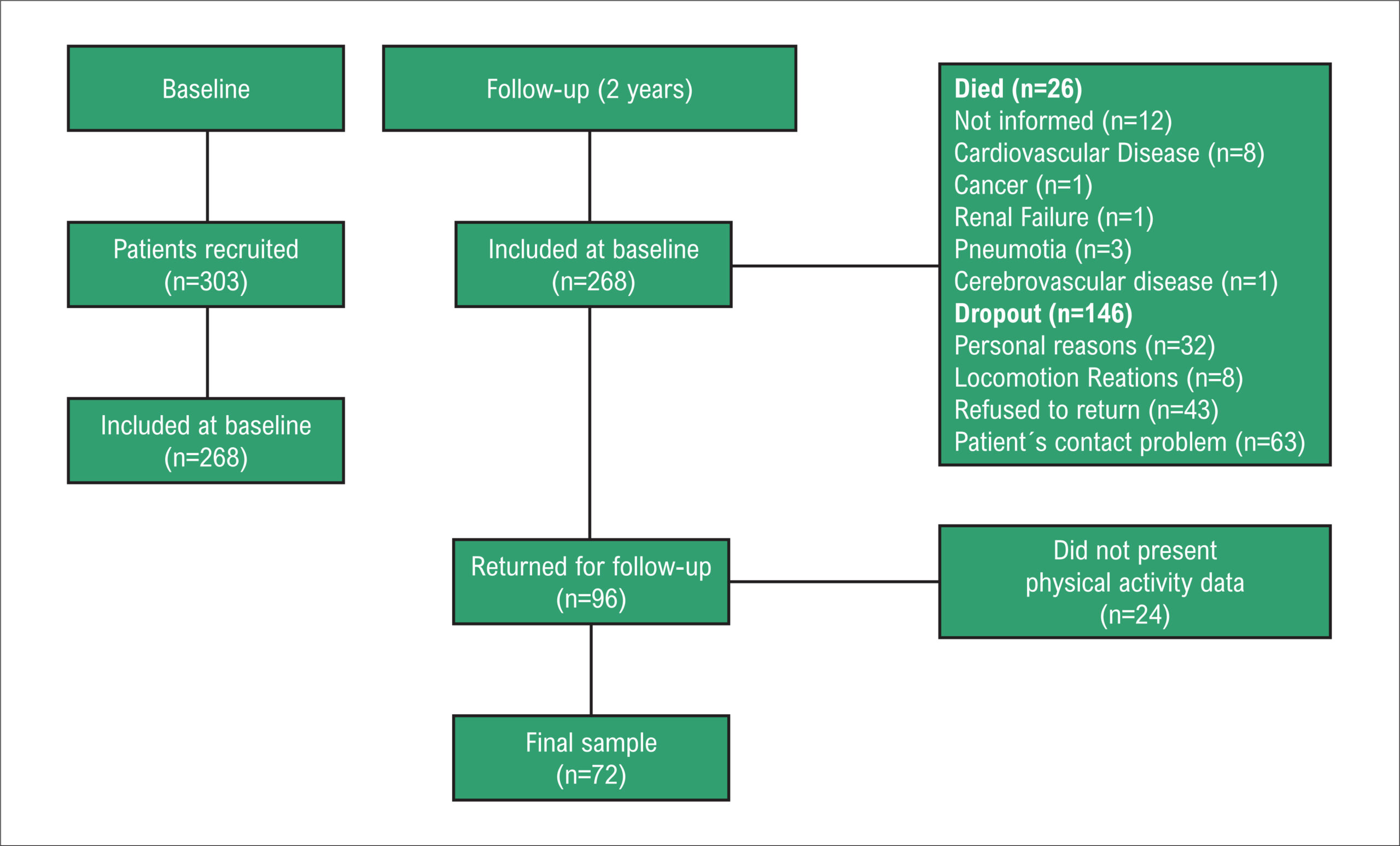
Initially, we will bring the methodological study issues, which began in 2015 and included, in the first phase, 268 patients. After 2 years of follow-up, 72 patients were reassessed in the second phase. Different cardiovascular risk parameters and physical activity levels were evaluated using a GT3X+ triaxial accelerometer (Actigraph, Pensacola, FL, USA). Here it is important to highlight the first positive point, which was to use an accelerometer to control physical activity levels, since many studies use a questionnaire to control the level of physical activity. All patients were instructed to use the accelerometer for 7 consecutive days, removing it only to sleep or shower. The device was fixed to the right side of the hip, and for analysis, a minimum of 10 hours of daily physical activity recording was required. Those who had at least 4 days of activity, 3 weekdays and 1 weekend day were considered valid. We highly value this part, as it is a simple method that provides us with extremely high-quality information.

[…]
  • Acceleration
  • Exercise
  • Peripheral Arterial Disease
  • Physical activity
  • Velocity
  • Walking Speed
Read Full Article
Creative Commons Attribution (CC BY) Creative Commons license
11/07/2022 DOI: 10.36660/abc.20220368 Views 1
Figure 1
Original Article

Impact of Patient Unawareness and Socioeconomic Factors on Patient Presentation to Primary Percutaneous Coronary Intervention

Mohamed Khalfallah et al. Amany Allaithy Dina A. Maria

Abstract

Background:

Patient unawareness about acute myocardial infarction, its complications and the benefits of early revascularization is a crucial point that determines the outcomes. Moreover, the relationship between socioeconomic factors and patient presentation to primary percutaneous coronary intervention (PPCI) has not been fully studied.

Objectives:

Our objective was to investigate whether or not patient unawareness and other socioeconomic factors impact patient presentation to PPCI.

Methods:

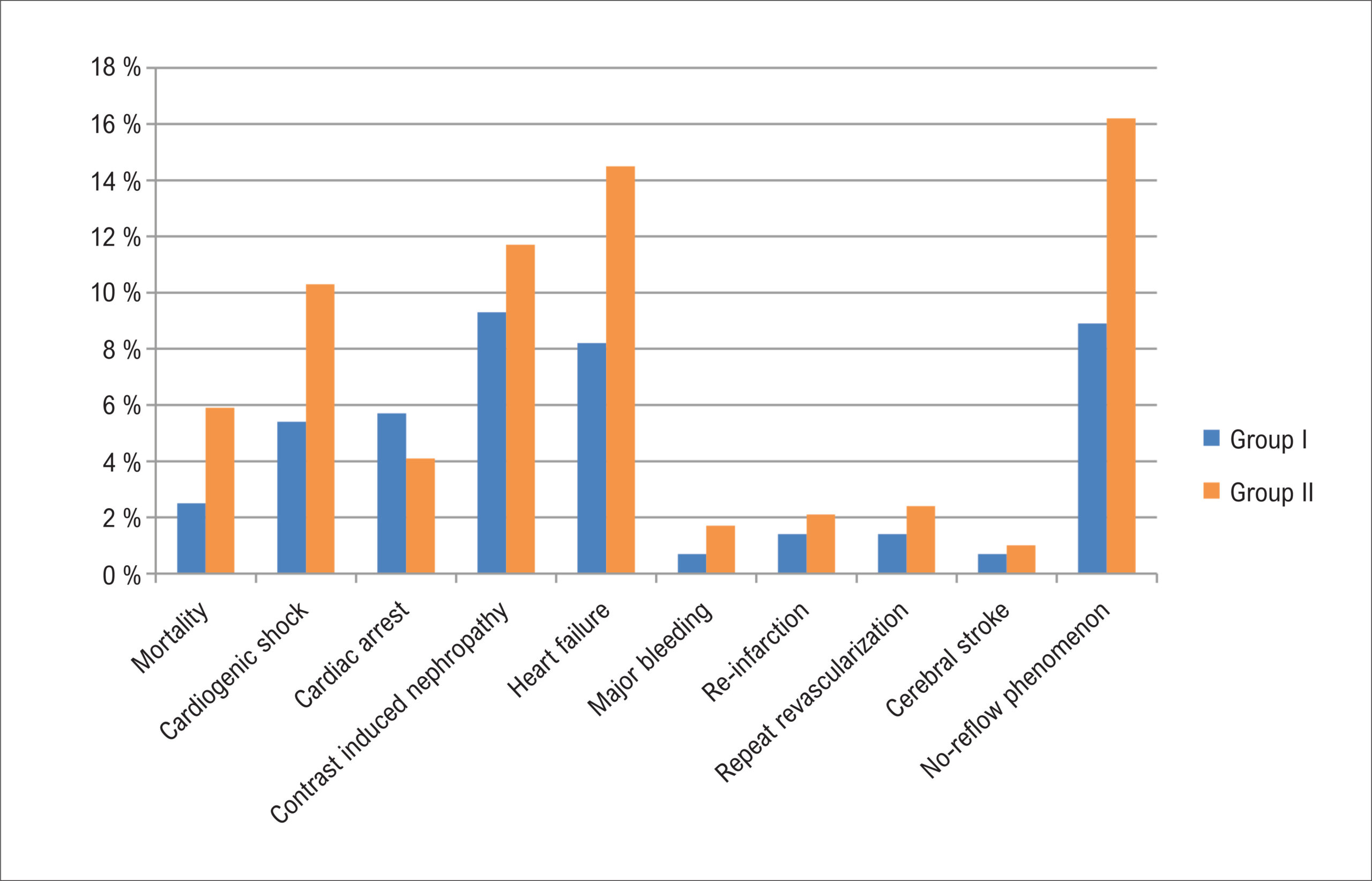
The study comprised 570 patients with ST-segment elevation myocardial infarction (STEMI) revascularized by PPCI. The patients were classified into two groups according to the total ischemia time (the time from STEMI symptom onset to balloon dilatation); group I: Patients with early presentation (1-12 hours). Group II: Patients with late presentation (>12-24 hours). Socioeconomic factors, clinical outcomes including mortality and major adverse cardiac events (MACE) were evaluated in each group. A p-value < 0.05 was considered statistically significant.

Results:

There are different socioeconomic factors affecting patient presentation to PPCI. Multivariate regression analysis identified the independent socioeconomic predictors as following: low educational level – OR 4.357 (CI95% 1.087–17.47, p=0.038), social isolation – OR 4.390 (CI95% 1.158–16.64, p=0.030) and unawareness about the benefits of early revascularization – OR 4.396 (CI95% 1.652–11.69, p=0.003). Mortality and MACE were higher in group II.

Conclusion:

Patient unawareness and low socioeconomic status were associated with late presentation to PPCI with more adverse outcomes.

  • Myocardial Infarction
  • Percutaneous Coronary Intervention
  • Socioeconomic Factors
Read Full Article
Creative Commons Attribution (CC BY) Creative Commons license
11/07/2022 DOI: 10.36660/abc.20210521
Letter to the Editor

Letter to the Editor Regarding the Brazilian Guidelines of Hypertension – 2020

Leticia Costa Rebello et al. Marcos Christiano Lange Rodrigo Bazan Maramelia Miranda Alves … Gisele Sampaio Silva Octavio Pontes Neto

Dear Editor

Initially, the Brazilian Society of Cerebrovascular Diseases (SBDCV) congratulates the Department of Arterial Hypertension of the Brazilian Societies of Cardiology, Hypertension, and Nephrology for the Brazilian Guidelines on Arterial Hypertension 2020 publication. Our aim is to raise some issues related to stroke care and BP management in acute setting, an important topic of discussion and controversy. The guideline correctly attributes arterial hypertension as the main cause of ischemic stroke and intracranial hemorrhage. We would like to point out some issues regarding managing blood pressure (BP) in these patients.

[…]

  • Acute Treatment
  • Blood Pressure
  • Hypertension
  • Intracranial Hemorrhage
  • Isquemic Stroke
  • Mortality
  • Risk Factors
Read Full Article
Creative Commons Attribution (CC BY) Creative Commons license
11/07/2022 DOI: 10.36660/abc.20210873 Views 1
Figure 1
Editorial

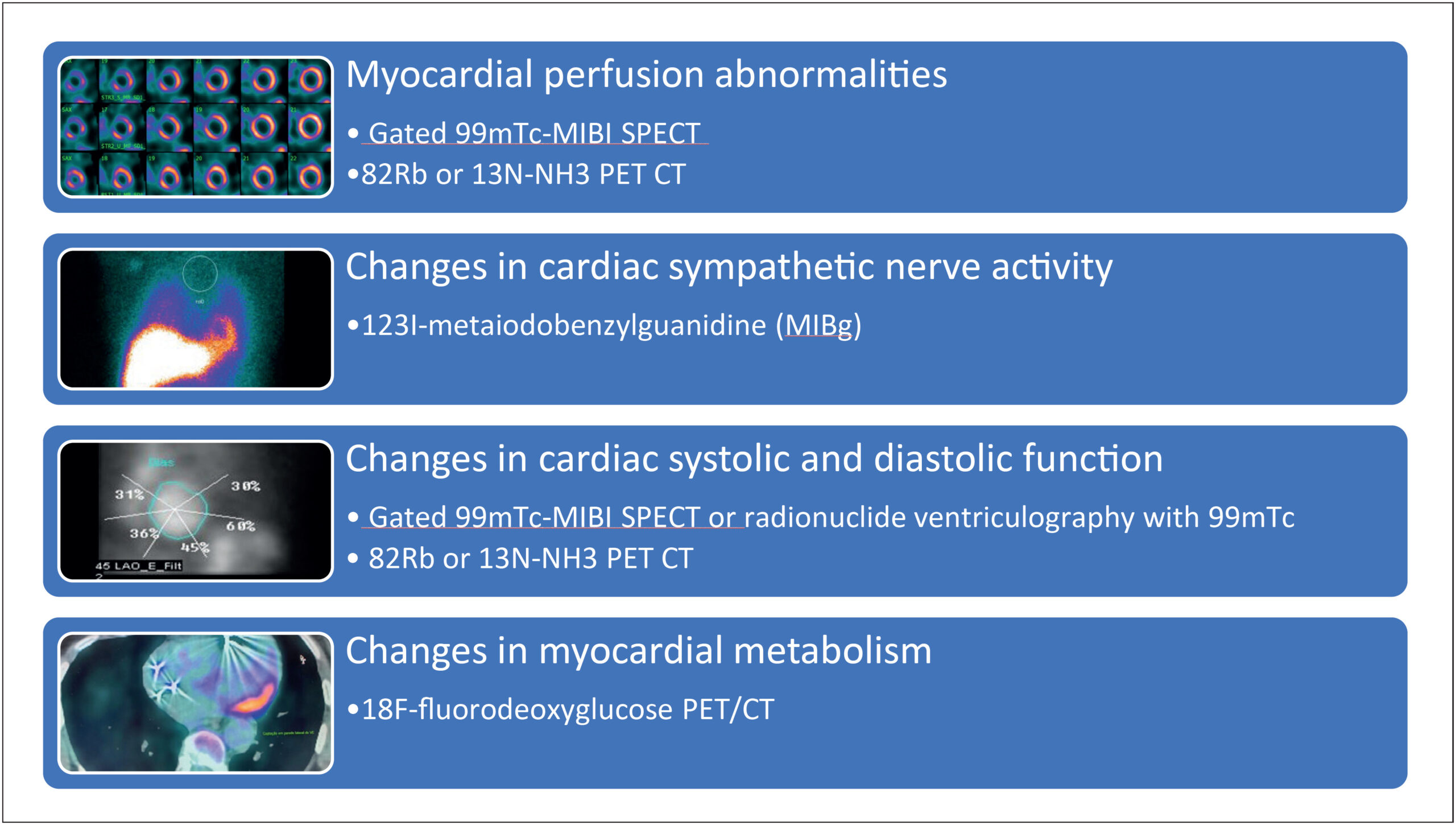
Precision Medicine: Can 18F-FDG PET Detect Cardiotoxicity Phenotypes?

Claudio Tinoco Mesquita et al. Maria Fernanda Rezende

The publication of the article by Dourado et al. in the Arquivos Brasileiros de Cardiologia should be carefully considered by cardiologists engaged in Precision Medicine. In this study, the authors investigated the intensity of 2-deoxy-2[18F] fluoro-D-glucose (18F-FDG) myocardial uptake in 70 patients with lymphoma by positron emission tomography associated with computed tomography (PET/CT) scans before, during and after chemotherapy. They observed a progressive increase in glucose metabolism in the left ventricle from baseline PET/CT to interim PET/CT, and from interim PET/CT to post-therapy PET/CT. More than half of patients showed an increase of ≥ 30% in cardiac 18F-FDG uptake measured by left ventricular SUV max. The authors inferred that PET/CT is a reliable method to assess the intensity of 18F-FDG uptake in patients with lymphoma during and after chemotherapy. More importantly, the authors could identify a group of patients in which the metabolic effects of chemotherapy on the left ventricle were the greatest. These findings can contribute to a strategy for the early identification of patients who are more sensitive to cardiotoxicity of chemotherapeutic agents and for the definition of individualized preventive measures of irreversible myocardial damage.

Precision Medicine is commonly defined as an approach for disease treatment and prevention that takes into account individual variability and disease manifestation for each person. For this purpose, it is fundamental to clarify specific mechanisms of disease and key points for the implementation of effective interventions. This process is known as deep phenotyping, where endotypes, i.e., phenotypes underlying the common phenotype are identified, allowing a more effective guidance of therapeutic approaches.

[…]

  • Positron-Emission Tomography
  • Radionuclide Imaging
  • Toxicity
Read Full Article
Creative Commons Attribution (CC BY) Creative Commons license
11/07/2022 DOI: 10.36660/abc.20220393
Editorial

A New Risk Predictor in Acute Myocardial Infarction. Is There Still Room for One More?

Dalton Bertolim Précoma

Cardiology is one of the specialties that traditionally uses scientific evidence in daily practice, both in risk stratification and diagnosis, therapy and prognosis. One of the most discussed topics is atherosclerosis and inflammation, arousing great interest in the continuous knowledge acquired over the last two centuries. Several authors stand out in this historical context, for example, Rudolf Virchow in the 19th century who described the association of atherosclerosis with inflammation; Marchand in 1904, who suggested the relationship between atherosclerosis and the process of clogging of the arteries and in 1908, Ignatowski who observed the relationship between dietary cholesterol and atherosclerosis. Over the last 100 years, many articles have elucidated the pathophysiological sequence that we know today. Understanding atherosclerotic plaque formation and evolution through complex molecular mechanisms and innate and adaptive immunity, which culminate in acute myocardial infarction (AMI), is well established.– In 1974, Friedman GD et al., described the role of leukocyte count in the prognosis of AMI, and subsequently, other studies highlighted the importance of these cells in the deterioration and recovery of infarcted myocardium.– In the same line of investigation, Coste MER et al. investigated cytokines in patients with ST-segment elevation myocardial infarction (STEMI) and the relationship with ventricular function. They observed a balance of pro-inflammatory and anti-inflammatory cytokines, except for IL-6, suggesting a residual inflammatory risk.

In addition to these aspects related to atherosclerotic plaque and inflammatory activity in AMI, another process related to these so-called immuno-inflammatory cells, such as platelets, leukocytes, neutrophils, and lymphocytes, initially gained prominence in the field of oncology when described as a reliable prognostic marker in the progression of various malignant tumors, by the so-called “systemic immuno-inflammation index” (IIIS). The systematic review and meta-analysis by Zhong et al. emphasize the importance of this index in predicting survival since high rates were associated with a worse prognosis in solid tumors. In addition to neoplasms, other factors alter IIIS, such as age, obesity, type 2 diabetes, emotional stress, exogenous steroids, endogenous sex hormones, hematological disorders, stroke, pulmonary embolism, and trauma.

[…]

  • Atherosclerosis
  • Cardiovascular Diseases
  • Cholesterol
  • inflammation mediators
  • Myocardial Infarction/complications
  • Plaque, Atherosclertic
  • Risk Factors
Read Full Article
Creative Commons Attribution (CC BY) Creative Commons license
11/07/2022 DOI: 10.36660/abc.20220367
Figure 1
Research Letter

Reinnervation after Renal Denervation – A Myth?

Eric Monteiro et al. Joana Delgado-Silva Gonçalo Costa Lino Gonçalves

Introduction

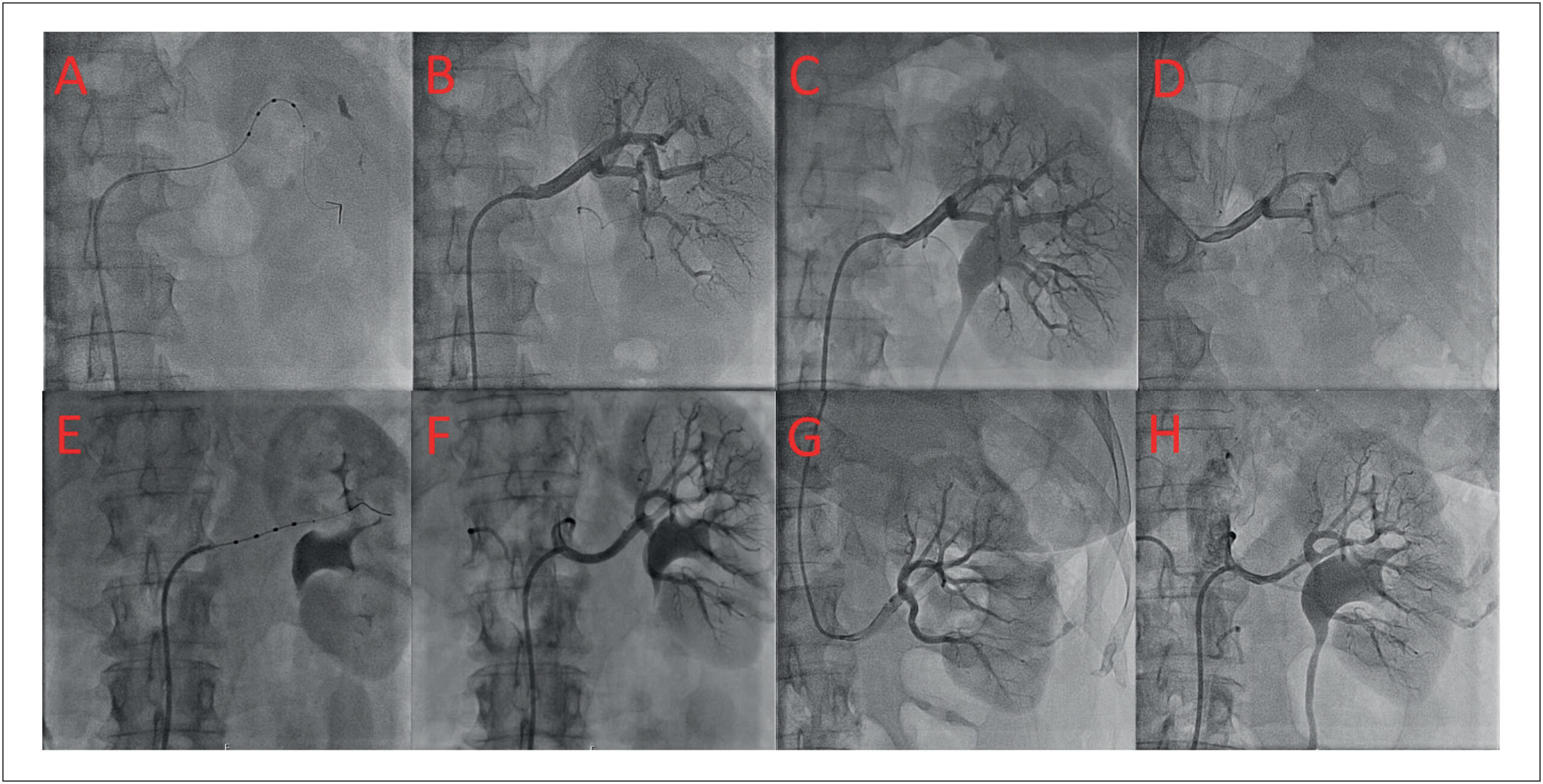
Hypertension (HTN) is a leading risk factor influencing the global burden of cardiovascular disease. In spite of the fact that measures such as lifestyle changes and pharmacological treatment reduce blood pressure (BP) and cardiovascular complications, worldwide, the treatment of HTN remains suboptimal with inadequately controlled BP in many patients. In the ReHOT Randomized Study, the prevalence of resistant HTN was 11.7% among Brazilian hypertensive patients, which is in agreement with the prevalence reported in other international studies., According to the current guidelines of the European Society of HTN, resistant HTN is defined when target BP values are not reached, despite prescription of triple therapy, including a diuretic at a maximum tolerated dose. Sympathetic nervous system hyperactivity is thought to play a major role in resistant HTN. At the kidney level, the efferent sympathetic outflow to the kidneys leads to increased noradrenaline production, renal vasoconstriction and renin release, causing sodium retention. On the other side, afferent sympathetic fibers send signals to the brain to stimulate central sympathetic activity and contribute to neurogenic HTN. Catheter-based renal denervation (RDN) has emerged as one of the most frequently used invasive methods for the treatment of resistant HTN. It aims to ablate the afferent and efferent sympathetic nerves in the adventitia of the renal arteries using radiofrequency energy. It is performed through the insertion of the device catheter percutaneously into the femoral artery, which is then advanced into the main renal arteries under fluoroscopic guidance. According to a meta-analysis, the rate of procedural complications is low and consists mainly in pseudoaneurysms at the vascular access site and renal artery dissection. Nevertheless, its role in clinical practice is controversial and there is scarce information about the different responses to this procedure. We report two cases of idiopathic resistant HTN treated with RDN. Both patients had a profound initial response to the procedure. Nevertheless, their BP was back to baseline values at the 24 and 18-month follow-up, respectively. An investigation to detect secondary causes of HTN was performed with no findings that justified the BP changes. Therefore, a new RDN was performed, with good results, lasting until the present day (6-month follow-up for patient 1 and more than 3-year follow-up for patient 2). This is a report about the heterogeneous response to RDN, the possible role of functional re-innervation and the potential development of supersensitivity to norepinephrine after RDN. These mechanisms could be responsible for increasing the BP back to baseline values after an optimal initial response.

[…]

  • Blood Pressure, Monitoring Ambulatory/methods/ Diagnostic, Imaging/methods
  • Renal – Re-Innervation
  • Renal Denervation
  • Resistant Hypertension/therapy
Read Full Article
Creative Commons Attribution (CC BY) Creative Commons license
11/07/2022 DOI: 10.36660/abc.20210167 Views 1
Figure 1
Research Letter

Thoracic and Intramyocardial Pellets, an Incidental Finding in a Patient with Acute Myocardial Infarction

Valente Fernandez-Badillo et al. Mauricio Garcia-Cardenas Diego Oliva-Cavero Jose Carlos Armendariz-Ferrari … Erick Alexanderson-Rosas Nilda Espinola-Zavaleta

Introduction

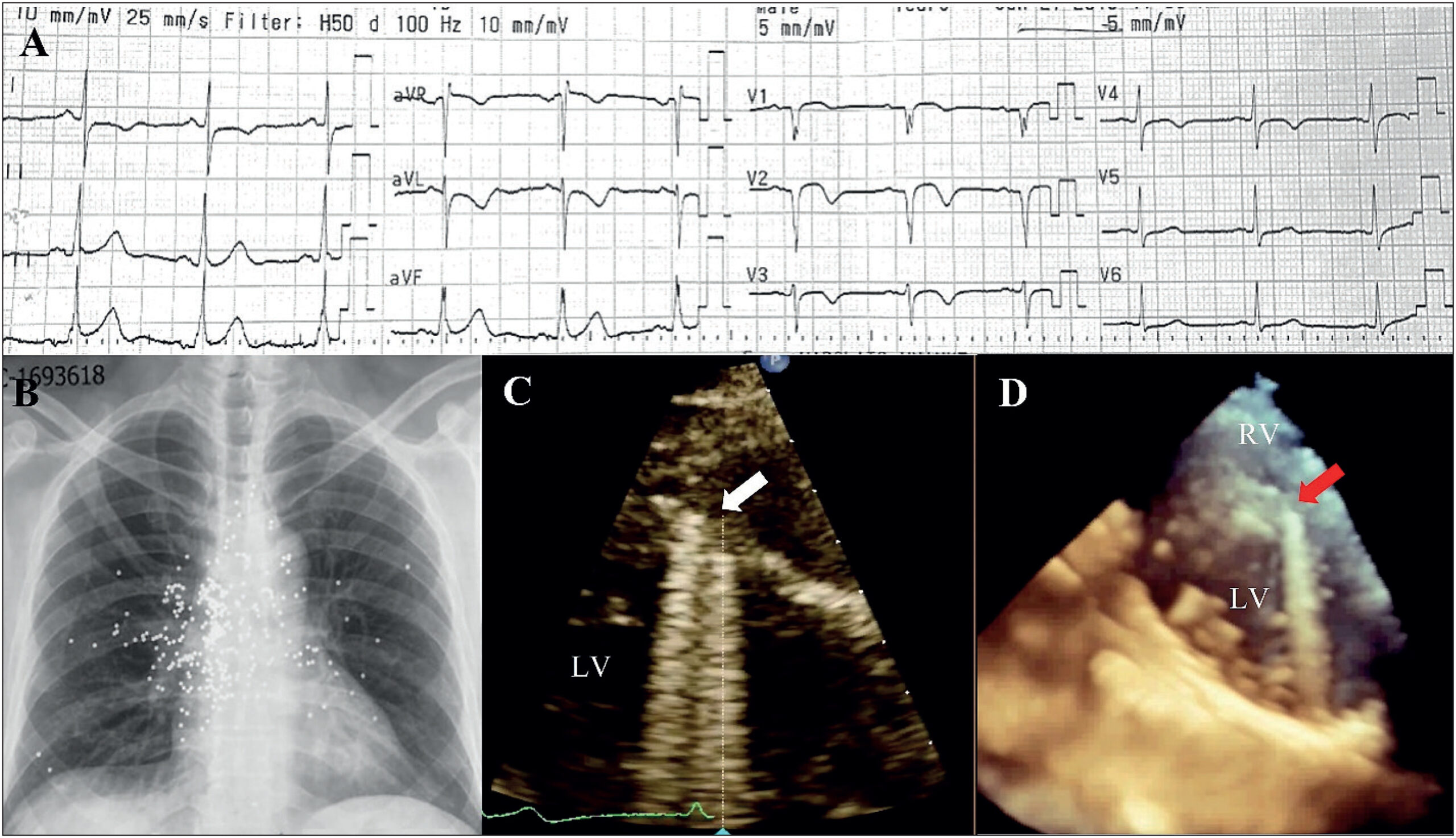
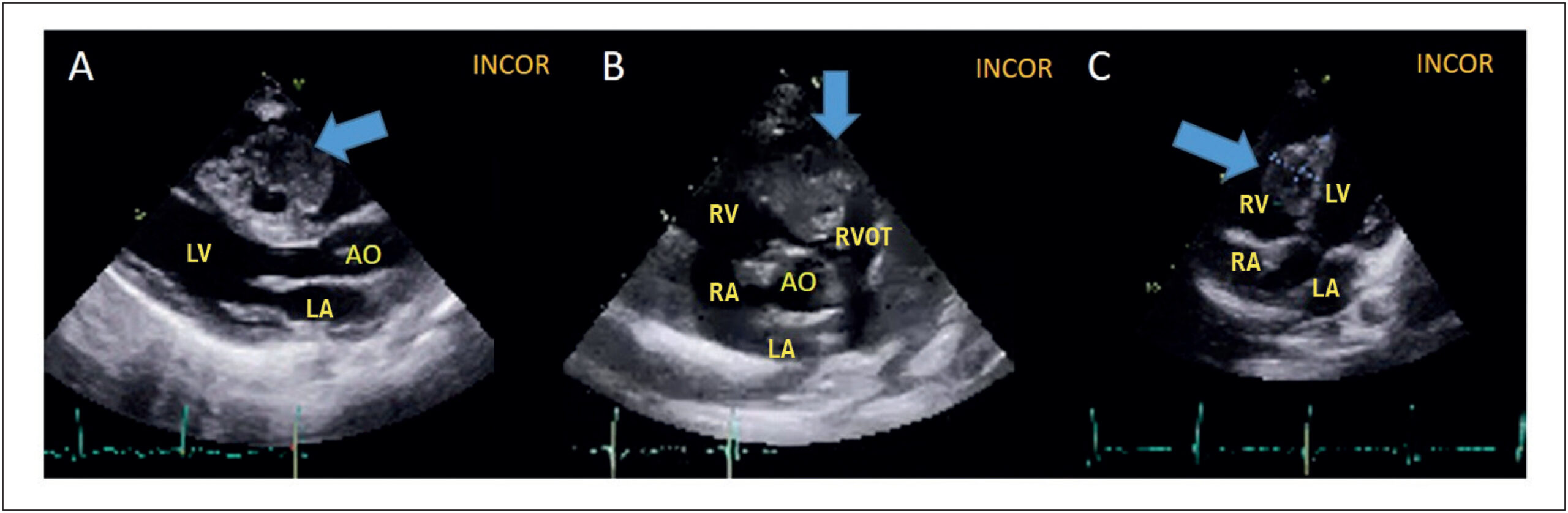
Penetrating cardiac trauma is fatal; approximately more than half of affected people die at the scene. Penetrating myocardial wounds are rare, and the retention of cardiac pellets is poorly documented in literature. There are no standardized protocols for their diagnostic and therapeutic approach until now. Clinical presentation of a shotgun injury depends on the wound size, entry site, and the injury to the great vessels. In penetrating chest trauma, both ventricles are injured with similar frequency, but the right ventricle is the most entry site because it forms most of the anterior surface of the heart.

[…]

  • firearms
  • Incidental Findings
  • Lead
  • Myocardial Contusion
  • Myocardial Infarction/diagnostic, imaging
  • Wounds, Gunshot
Read Full Article
Creative Commons Attribution (CC BY) Creative Commons license
11/07/2022 DOI: 10.36660/abc.20210854
Editorial

Tackling Bleeding – One Appendage at a Time

Stefano Garzon et al. Willterson Carlos Bandeira

Atrial fibrillation (AF) is the most common cardiac arrhythmia, affecting approximately 80% of the population aged 80 years or older. It increases the risk of cardioembolic stroke 5-fold across all ages and is related to more than 20% of strokes in patients above 80 years. Embolic strokes are often more severe than other strokes, and anticoagulants are the cornerstone of the treatment, paramount to reducing cardioembolic risk in this population. However, the decision to start oral anticoagulants is not always straightforward and requires assessing both embolic and bleeding risks. Embolic risk in patients with AF is usually assessed using standardized scoring systems such as the CHA2DS2-VASc score, but it can be further refined using other clinical data such as left atrial size and duration of AF. Bleeding risk is usually assessed using the HAS-BLED score, with severe bleedings being more common in older patients. For that reason, physicians are often fearful of starting anticoagulation in older patients, even though current evidence shows that it is usually safe to use oral anticoagulants in most of these patients. However, major bleeding can occur in up to 3% of patients using oral anticoagulants, requiring the interruption of the treatment.

Over 90% of all left atrial thrombi originate in the LAA, and the risk reduction with LAA occlusion is comparable to anticoagulation. For this reason, percutaneous LAA occlusion has emerged as an alternative treatment for patients with either contra-indications to oral anticoagulation or an embolic event while using oral anticoagulants. There is growing evidence that LAA occlusion is safe and feasible in most patients,– and this initial multi-centric experience of LAA occlusion using the plug-based device LAmbre in Brazil shows similar results to current medical literature. In this study, 74.6% of all patients have had either a major bleeding episode using oral anticoagulants or a stroke despite oral anticoagulation. Patients were at high embolic and bleeding risks, with a mean CHA2DS2-VASc score of 4.6 ± 1.7 and a mean HAS-BLED score of 3.4 ± 1.1. The procedure’s success rate was 100%, with no deaths or strokes at a mean follow-up of 18 ± 12 months.

[…]

  • Anticoagulants / therapeutic use
  • Arrhythmias Cardiac
  • Atrial Appendage
  • Atrial Fibrillation
  • Hemorrhage
  • Stroke
Read Full Article
Creative Commons Attribution (CC BY) Creative Commons license
11/07/2022 DOI: 10.36660/abc.20220351
Editorial

Can Attenuated Nocturnal Dipping be a Predictor of the Severity and Complexity of Coronary Artery Disease in Hospitalized Patients with Acute Coronary Syndrome?

Andrea Pio-Abreu

It is well established that there are significant prognostic implications resulting from the abnormal behavior of some 24-hour blood pressure (BP) parameters obtained through Ambulatory Blood Pressure Monitoring (ABPM). Among them, the abnormal behavior of the mean systolic blood pressure (SBP) and diastolic (DBP) in 24 hours, wakefulness and sleep, stand out. Specifically regarding the behavior of BP during sleep, it is already well established that the absence of nocturnal dipping has, independently, a significant impact on the increased cardiovascular risk., Other parameters that may have prognostic implications are early morning BP elevation and greater 24-hour BP variability.,

Some recommendations are essential for the success of the ABPM exam, among them, the orientation for the patient to maintain their usual activities during the monitoring day. In this sense, assessing the circadian pattern of BP in hospitalized patients is not one of the indications of the method, even intending to study specific outcomes.

[…]

  • Acute coronary syndrome
  • arterial hypertension
  • Blood Pressure
  • Coronary Artery Disease
  • Nocturnal Dipping
Read Full Article
Creative Commons Attribution (CC BY) Creative Commons license
11/07/2022 DOI: 10.36660/abc.20220401 Views 1
Editorial

Catheter Ablation as First-Line Therapy in the Treatment of Atrial Fibrillation – Should We Always Indicate it?

Luiz Eduardo Montenegro Camanho et al. Gustavo Vignoli dos Santos

Atrial fibrillation (AF) is the most common cardiac arrhythmia in clinical practice, affecting approximately 1 to 2% of the general population and is associated with an increased risk of cardioembolic events and a negative impact on quality of life. The cardiovascular mortality rate described is approximately 5% per year, and it is estimated that the risk of cardiovascular complications is higher in the first year after the diagnosis of arrhythmia. The recurrence rate of AF without adequate preventive treatment is around 90%, which expresses the magnitude of the problem.

Thus, it seems quite reasonable to postulate the concept that an early approach to AF brings relevant clinical benefits to these patients. Recent data obtained from the EAST-AFNET4 study clearly demonstrated that this approach is a valid and effective strategy. The study involved 2789 patients diagnosed with AF for at least 12 months who were randomized to early treatment of AF (ablation: 8% and AAD: 87%) or conservative treatment. At a median follow-up period of 5.1 years, the early treatment group demonstrated a significant reduction in the primary endpoint of cardiovascular death compared to the conservative group. The risk of stroke, hospitalization for HF or acute coronary syndrome was also lower in the early approach group. The study design was not primarily intended to assess the safety and effectiveness of early treatment components (ablation vs. antiarrhythmic drugs – AAD). Therefore, the authors concluded that an early heart rhythm control strategy was associated with a lower risk of unfavorable outcomes than usual care in patients with AF and associated cardiovascular conditions.

[…]

  • Arrhythmias, Cardiac/complications
  • Atrial Fibrillation/complications
  • Catheter Ablation/methods
  • Thromboembolism/mortality
  • Thrombolytic Therapy/adverse effects
Read Full Article
Creative Commons Attribution (CC BY) Creative Commons license
11/07/2022 DOI: 10.36660/abc.20220362
Editorial

If “Time Is Muscle,” Then the Patient's Knowledge Must Save Time

Daniel Ferreira

More than half a century ago, Eugene Braunwald’s group experimental work on the factors influencing infarct size following coronary artery occlusions led to the concept of “Time is Muscle” in what relates to acute myocardial infarction management.

Timely reperfusion of the occluded coronary arteries is critical to saving at-risk ischemic myocardial cells in acute ST-elevation myocardial infarction (STEMI).

[…]

  • Awareness
  • Comprehensive Health Care/economics
  • Myocardial Infarction
  • Myocardial Ischemia/therapy
  • Myocardial Reperfusion
  • Percutaneous Coronary Intervention/methods
Read Full Article
Creative Commons Attribution (CC BY) Creative Commons license
11/07/2022 DOI: 10.36660/abc.20220392
Figure 1
Research Letter

Heart Failure with Mildly Reduced Ejection Fraction: Therapeutical Considerations and Reasons for This Renaming

Eduardo Thadeu de Oliveira Correia et al. Evandro Tinoco Mesquita

Introduction

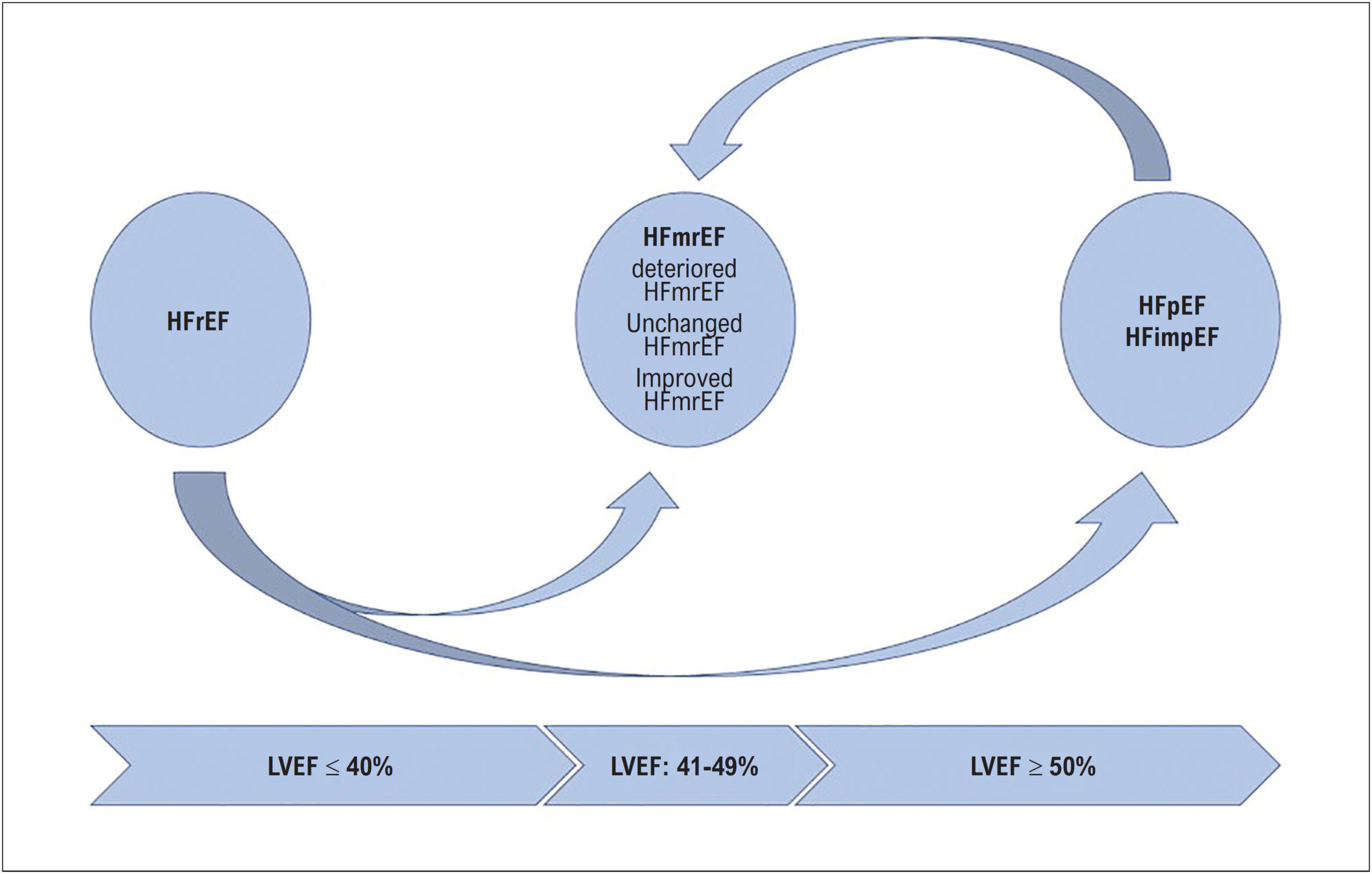
Heart failure (HF) has been classically divided into HF with reduced ejection fraction (HFrEF) and HF with preserved ejection fraction (HFpEF). However, to better classify HF patients with a left ventricular ejection fraction (LVEF) between 41 and 49%, previous guidelines have introduced the term HF with mid-range ejection fraction. Nonetheless, shortly after its formal introduction, HF with mid-range ejection fraction is now called HF with mildly reduced ejection fraction (HFmrEF). In this letter, we explore the reasons behind this renaming and why this change is more important than it may seem.

[…]

  • Angiotensin-Converting Enzyme Inhibitors
  • Cardiovascular Diseases
  • Digoxin
  • Heart Failure
  • Mineralocortical Receptor Antagonists
  • Prognosis
  • Stroke Volume
Read Full Article
Creative Commons Attribution (CC BY) Creative Commons license
11/07/2022 DOI: 10.36660/abc.20210752 Views 3
Figure 1
Original Article

Prognostic Value of Adenosine Stress Perfusion Cardiac Magnetic Resonance Imaging in Older Adults with Known or Suspected Coronary Artery Disease

Yodying Kaolawanich et al. Thananya Boonyasirinant

Abstract

Background:

There is limited data on the prognostic value of stress cardiac magnetic resonance (CMR) in older adults.

Objective:

To determine the prognostic value of adenosine stress CMR in older individuals with known or suspected coronary artery disease (CAD).

Methods:

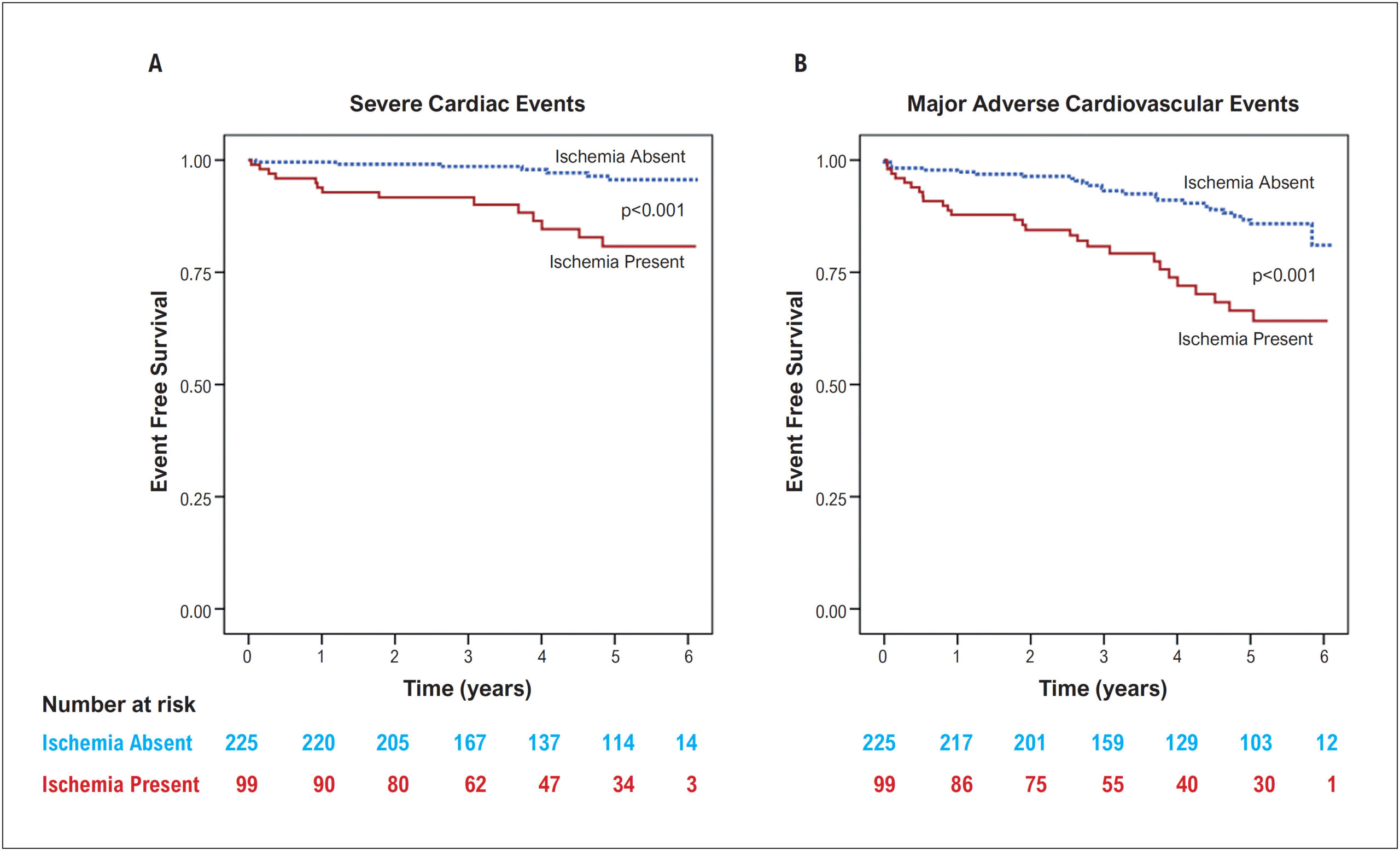
Between 2010 and 2015, consecutive patients aged 65 years or older referred for adenosine stress CMR were followed for the occurrence of severe cardiac events (cardiac death and nonfatal myocardial infarction) and major adverse cardiovascular events (MACE) that also included hospitalization for heart failure and ischemic stroke. Univariate and multivariate analyses were performed to determine the prognostic value of myocardial ischemia, with p-value <0.05 considered statistically significant.

Results:

After a mean follow-up period of 50.4 months in 324 patients (48% male, 73±7 years), 21 severe cardiac events and 52 MACE occurred. Patients with myocardial ischemia (n=99) had significantly higher rates of severe cardiac events (HR 5.25 [95% CI 2.11-13.04], p<0.001) and MACE (HR 3.01 [95% CI 1.75-5.20], p<0.001) than those without ischemia. Multivariable analysis determined ischemia as an independent predictor of severe cardiac events (HR 3.14 [95% CI 1.22-8.07], p=0.02) and MACE (HR 1.91 [95%CI 1.02-3.59], p=0.04). Ischemia provided an incremental prognostic value over clinical factors and left ventricular ejection fraction for predicting severe cardiac events and MACE (p<0.01 for both). No severe adverse events occurred during or immediately after CMR examinations.

Conclusion:

Adenosine stress CMR is safe and has prognostic value in older adults with known or suspected CAD.

  • Adenosine
  • Cardiac Magnetic Resonance Imaging
  • Coronary Artery Disease
  • Elderly
  • stress test
Read Full Article
Creative Commons Attribution (CC BY) Creative Commons license
11/07/2022 DOI: 10.36660/abc.20210530
Editorial

Statins and Pregnancy – New FDA Recommendations

Marcio Sommer Bittencourt

The Food and Drug Administration (FDA), the agency responsible for controlling the safety and efficacy of drugs in the United States, has traditionally adopted a risk classification for the use of drugs during pregnancy. Statins were considered a Category X drug, which indicates that the demonstrated risk of these drugs to cause birth defects surpassed their benefits. However, in July 2021, the FDA withdrew this recommendation.

Before this change, the FDA recommended the discontinuation of statins from conception attempts until the end of breastfeeding. In cases where dyslipidemia is not severe, statin discontinuation may confer no additional risk. However, based on this recommendation, the duration of discontinuation may be substantial. In a study with more than 100 women with familial hypercholesterolemia in Norway and Netherlands, the mean length of time without statins was longer than two years for each pregnancy. Although two years is a long period, it still may be a conservative estimate. In this study, the mean interval between conception planning and pregnancy was two months. Data in the literature, however, suggest that the median time to pregnancy is longer, probably around six months for nulliparous women. Also, in this study, mean breastfeeding duration was four months. Considering that the World Health Organization recommends exclusive breastfeeding for the first six months of life, and continued breastfeeding along with introducing complementary foods after this period, the real impact of statin discontinuation during the gestation period may be even greater than two years. Also, many women who use statins are older and may desire more than one child, which may prolong the period of time without statins for more than five years during their reproductive period.

[…]

  • Dyslipidemias
  • Hydroxymethylglutaryl-CoA Reductase Inhibitors
  • Pregnancy
Read Full Article
Creative Commons Attribution (CC BY) Creative Commons license
11/07/2022 DOI: 10.36660/abc.20220413
Figure 1
Diretrizes

Brazilian Society of Cardiology Guideline on Myocarditis – 2022

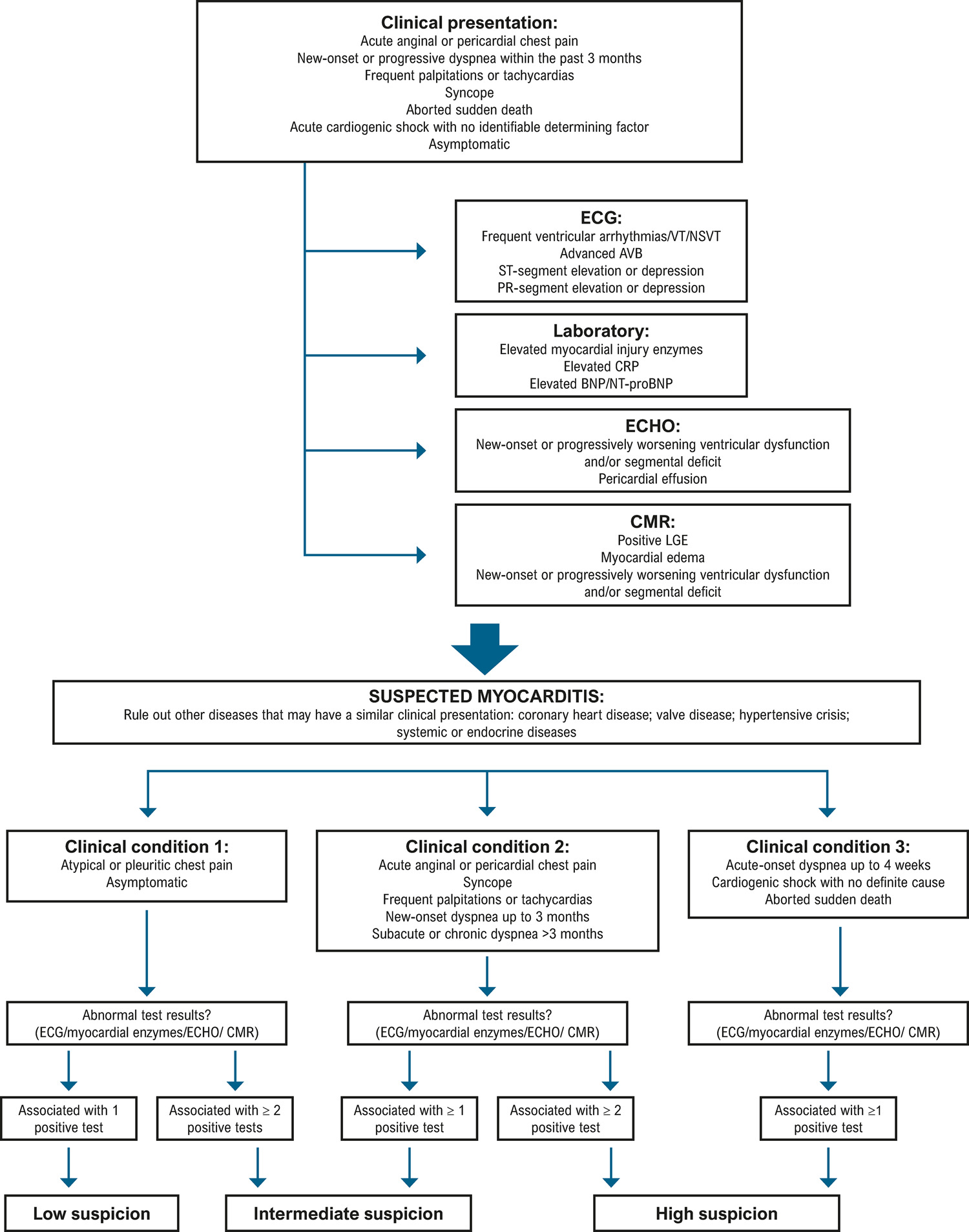
Marcelo Westerlund Montera et al. Fabiana G. Marcondes-Braga Marcus Vinícius Simões Lídia Ana Zytynski Moura … Fabio Fernandes Sandrigo Mangine Amarino Carvalho de Oliveira Júnior Aurea Lucia Alves de Azevedo Grippa de Souza Bárbara Maria Ianni Carlos Eduardo Rochitte Claudio Tinoco Mesquita Clerio F. de Azevedo Filho Dhayn Cassi de Almeida Freitas Dirceu Thiago Pessoa de Melo Edimar Alcides Bocchi Estela Suzana Kleiman Horowitz Evandro Tinoco Mesquita Guilherme H. Oliveira Humberto Villacorta João Manoel Rossi Neto João Marcos Bemfica Barbosa José Albuquerque de Figueiredo Neto Louise Freire Luiz Ludhmila Abrahão Hajjar Luis Beck-da-Silva Luiz Antonio de Almeida Campos Luiz Cláudio Danzmann Marcelo Imbroinise Bittencourt Marcelo Iorio Garcia Monica Samuel Avila Nadine Oliveira Clausell Nilson Araujo de Oliveira Jr Odilson Marcos Silvestre Olga Ferreira de Souza Ricardo Mourilhe-Rocha Roberto Kalil Filho Sadeer G. Al-Kindi Salvador Rassi Silvia Marinho Martins Alves Silvia Moreira Ayub Ferreira Stéphanie Itala Rizk Tiago Azevedo Costa Mattos Vitor Barzilai Wolney de Andrade Martins Heinz-Peter Schultheiss

Content

1. Epidemiology 149

2. Definition and etiology 150

[…]

Read Full Article
Creative Commons Attribution (CC BY) Creative Commons license
11/07/2022 DOI: 10.36660/abc.20220412
Editorial

Chagas Heart Disease: The Evolution of the Disease and its Complementary Exams

Claudio Leinig Pereira da Cunha

As in many areas of Medicine, the scenario that harbors Chagas Disease(CD) has changed substantially. For approximately 50 years, as a Resident Physician, I was on duty at the Emergency Department of the Hospital de Clínicas of the Universidade Federal do Paraná and routinely attended, on each shift, one or more cases of patients with clear Congestive Heart Failure, anasarca, electrocardiogram with conduction disorders and multiple arrhythmias, chest X-ray with cardiomegaly and laboratory diagnosis of CD. There was no echocardiogram. Today this is an unusual situation; when it occurs, students are invited to see an exuberant picture of Chagas’ heart disease (CHD), which appears every semester.

In epidemiological surveys, similar findings are observed. In 1984, the prevalence of CD in the State of Paraná, Brazil, was 4% of the population. In 2020, estimates of the prevalence of infections by Trypanosoma cruzi ranged from 1.02% to 2.4% in Brazil. In the period 1975/83, among 291 municipalities in Paraná, 90 (30.9%) had triatomine insects infected by T. cruzi, while in 1990, these were found in only 4 municipalities (1.4%), with subsequent eradication of vector contamination. Vector control strategies have led to a substantial decline in the global prevalence of the disease, estimated at 18 million in 1990 and 6 million in 2018.

[…]

  • Chagas Cardiomyopathy/complications
  • Chagas disease
  • Clinical Evolution
  • Diagnostic Imaging/methods
  • Epidemiology
  • Heart Failure
Read Full Article
Creative Commons Attribution (CC BY) Creative Commons license
11/07/2022 DOI: 10.36660/abc.20220418
Figure 1
Image

Rare Presentation of Yolk Sac Tumor with Cardiac Involvement: Characteristics Detected by MRI

Cristhian Espinoza Romero et al. Williams Roberto Lata Guacho Kevin Rafael de Paula Robert Paladines Jimenez Eduardo Kaiser Ururahy Nunes Fonseca

Introduction

Primary cardiac tumors are extremely rare, with their incidence varying between 0.0017 and 0.28%, among which is the malignant germ cell yolk sac tumor (YST).

Although transthoracic echocardiography (TTE) is often the first line in the evaluation of cardiac tumors, currently, due to its good spatial resolution and tissue characterization, cardiac magnetic resonance (CMR) imaging is the technique of choice for the evaluation of these tumors., The intracardiac YST is a rare neoplasm, with few reported cases.–

[…]

  • Diagnostic Imaging
  • Drug Therapy
  • Echocardiography, Transthoracic/methods
  • Heart Failure
  • Heart Neoplasms
  • Magnetic Resonance Spectroscopy/ methods
  • Neoplasms, Germ Cell and Embryonal
Read Full Article
Creative Commons Attribution (CC BY) Creative Commons license
11/07/2022 DOI: 10.36660/abc.20210335 Views 1
Editorial

Riociguat: An Alternative to Treat Pulmonary Hypertension

Gisele Zapata-Sudo

In recent years, significant progress has been achieved regarding the knowledge of the pathobiology of pulmonary hypertension (PH), which was conducted in a research effort to identify new treatment strategies. Among the 5 clinical subgroups of PH, the most common is idiopathic pulmonary arterial hypertension (PAH), associated with increased morbidity and mortality rate. Exercise capacity, WHO functional class, hemodynamic values, findings on imaging, and biomarkers of myocardial dysfunction are parameters used to predict the survival of patients with PH. This is a great clinical challenge; the improvement of patients’ quality of life and the variability between therapies worsens because a proper care provider decision is expected since it might affect the outcome. Rapid diagnosis is essential and could justify that all patients with suspected diagnoses should be referred to an expert center. Treatment depends on the classification of PH, including primarily the specific drugs alone or in combination which target the phosphodiesterase type 5 inhibitors (PDE5i), soluble guanylate cyclase (GCs) stimulators, endothelin receptor antagonists, prostacyclin analogs, and prostacyclin receptor agonists which interfere with the vascular dysfunction of pulmonary arteries. Since PAH is a disease that includes vasoconstriction of pre-capillary arterioles and obstructive, hyperproliferative and vascular lesions, these drugs do not target vascular remodeling and certainly do not improve cardiac function. Thus, it is essential to search for pulmonary vasodilators that interfere with this relevant molecular pathways.

In issue of the Arquivos Brasileiros de Cardiologia, Spilimbergo et al. report a follow-up study in which patients with PH were treated with an GCs stimulant, riociguat, which is approved for treating PAH because it augments the nitric oxide (NO)-cyclic GMP pathway. The authors describe live cases outcome spanning 3 years, focusing on PAH (type 1) and chronic thromboembolic PH (CTEPH, type 4). Riociguat increases the activity of GCs, which is the intracellular receptor for NO, that has vasodilatory and antiproliferative effects on blood vessels, including the pulmonary arteries. Considering the cohort of 31 patients, 32% were in WHO functional class II and this value increased to 71% after 3 years of treatment with riociguat. The authors highlighted that riociguat interfered with the disease process because most patients treated with riociguat demonstrated stable or better risk parameters at 3 years of follow-up. Previously, Ghofrani et al. demonstrated that riociguat, through the direct activation of GCs, promoted an increase in cyclic GMP and consequently pulmonary vasodilation, and its administration 3 times daily in patients with PAH improved serum N terminal pro B type natriuretic peptide (NT-proBNP) concentrations, time to clinical worsening, and WHO functional class. Reduction of NT-proBNP levels was not observed by Spilimbergo et al., possibly explained by the small number of patients included in the study. Similarly, in 2015, the CHEST-2 study described that long-term administration of riociguat in patients with CTEPH improved exercise and functional capacity., All classes of PH-specific agents are expensive and will not provide the cure but reduce hospital admission and improve functional capacity. Riociguat might be an alternative option for patients with PAH who do not respond sufficiently to treatment with PDE5i since it can stimulate GCs independently of NO.

[…]

  • Enzyme Activators/therapeutic use
  • Hypertension Pulmonary/physiopathology
  • Hypertension Pulmonary/therapy
  • Pyrazoles/therapeutic use
  • Pyrimidines/therapeutic use
  • Riociguat/therapeutic use
Read Full Article
Creative Commons Attribution (CC BY) Creative Commons license
11/07/2022 DOI: 10.36660/abc.20220305
Editorial

The COVID-19 Pandemic and Cardiovascular Disease in Brazil: Learning from the Data

Fernando Cesena

The World Health Organization (WHO) estimates nearly 15 million excess deaths associated with COVID-19 in the world in 2020 and 2021, defined as the difference between the total number of deaths (from all causes) and the number of expected deaths if there was no pandemic.

In Brazil, the WHO estimates 99 and 220 excess deaths associated with the COVID-19 pandemic per 100,000 inhabitants in 2020 and 2021, respectively. This would translate into around 680,000 excess deaths in the first two years of the pandemic, i.e., tens of thousands higher than the officially reported COVID-19 deaths in the period. Many of these excess deaths are related to sub notification due to lack of testing or misdiagnosis (true deaths from COVID-19 assigned to other conditions). Other fatal events were from other causes and somehow indirectly associated with the pandemic, such as the deaths from illnesses not properly treated due to the overwhelmed health system. Considering that cardiovascular disease (CVD) is the main cause of death in Brazil, it is crucial to unravel the impact of COVID-19 on CVD statistics.

[…]

  • Cardiovascular Diseases
  • COVID-19
  • Hospital Mortality
  • Mortality
Read Full Article
Creative Commons Attribution (CC BY) Creative Commons license
11/07/2022 DOI: 10.36660/abc.20220371
Figure 1
Original Article

Relationship between Urinary Norepinephrine, Fibrosis, and Arrhythmias in Chronic Chagas Heart Disease with Preserved or Mildly Reduced Ejection Fraction

Eduardo Marinho Tassi et al. Emília Matos do Nascimento Marcelo Abramoff Continentino Basilio de Bragança Pereira Roberto Coury Pedrosa

Abstract

Background:

In Chronic Chagas Cardiomyopathy (CCC), studies are needed to identify arrhythmogenic risk factors in patients in which moderate to severe ventricular dysfunction is not present.

Objective:

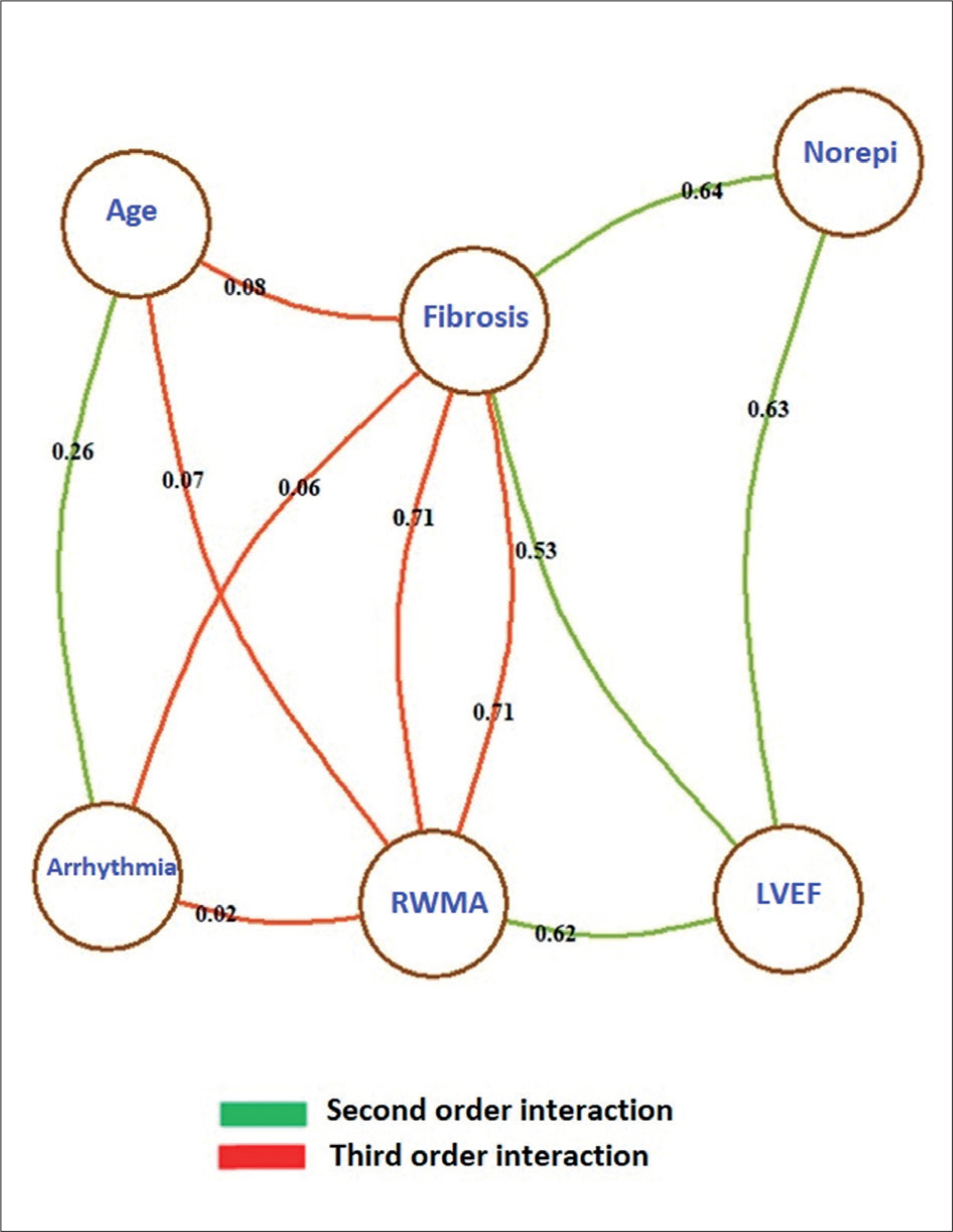
To verify the correlation between frequent ventricular arrhythmias (PVC), left ventricular ejection fraction (LVEF), extension of fibrosis by cardiac magnetic resonance (CMR), and urinary norepinephrine measurement (NOREPI) in CCC with preserved or mildly compromised LVEF.

Methods:

The presence of ventricular extrasystoles > 30/h was analyzed on Holter. At CMR, LVEF and quantification of fibrosis mass were evaluated. The dosage of NOREPI was performed using the Muskiet method. The correlation coefficient matrix was calculated to measure the predictive ability of the variables to predict another variable, with p < 0.05 being considered significant.

Results:

A total of 59 patients were included. The mean age was 57.9 + 10.94 years. PVC was detected in 28 patients. The fibrosis variable was inversely proportional to LVEF (R of −0.61) and NOREPI (R of −0.68). Also, the variable PVC was inversely proportional to LVEF (R of −0.33) and NOREPI (R of −0.27). On the other hand, LVEF was directly proportional to NOREPI (R of 0.83).

Conclusion:

In this sample, in patients with CCC with preserved or slightly reduced LVEF, integrity of the autonomic nervous system is observed in hearts with little fibrosis and higher LVEF despite the presence of traditional risk factors for sudden cardiac death. There is correlation between the levels of NOREPI, LVEF, and myocardial fibrosis, but not with PVC.

  • Autonomic Denervation
  • Cardiac Arrythmias
  • chagasic cardiomyopathy
  • Myocardial fibrosis
  • Norepinephrine
Read Full Article
Creative Commons Attribution (CC BY) Creative Commons license
11/07/2022 DOI: 10.36660/abc.20210400
Editorial

Stress CMR in the Elderly: Does It Provide the Answers?

Vera Vaz Ferreira et al. Boban Thomas

After the ISCHEMIA clinical trial, despite the ongoing debate, clinicians need to contemplate all strategies for patients with chronic stable ischemic heart disease (SIHD). The management of SIHD has two aims – improve prognosis and/or relieve symptoms. Most studies have shown that revascularisation provides greater symptom benefits than optimal medical therapy (OMT) alone, but data on hard outcomes have been elusive. Therefore, improving our clinical decision-making tools in selecting patients for revascularization is important. This becomes particularly important when we select elderly patients for revascularisation because the risk-benefit ratio is probably more tenuous than a younger cohort. The elderly present difficulties in the evaluation of SIHD due to multiple reasons. One refinement is the adequate selection of the method to evaluate SIHD. A panoply of non-invasive techniques exists for imaging, including cardiac computed tomography, echocardiography, nuclear medicine techniques and cardiac magnetic resonance (CMR). Combining the right patient and the right method of evaluation followed by the right therapeutic strategy improves outcomes. In clinical medicine, what is important is not how much we do but how well our patients do after what we do.

CMR stress perfusion is a valuable resource with a high negative predictive value in those who do not have perfusion defects irrespective of the presence or absence of coronary artery disease. Few studies exist on the prognostic value of adenosine stress perfusion CMR in elderly patients with or without established SIHD. The study by Boonyasirinant and Kaolawanich, although not the first, is a welcome addition to the repository of existing literature that provides a cogent reason for using stress CMR for the evaluation of ischemia now addressing the elderly age group. Their findings demonstrate that while clinical data were combined with information on left ventricular function, no incremental value was seen compared to clinical data alone in predicting serious cardiac events. The presence of ischemia as detected by CMR helped predict events significantly better. The predictive power was not increased with the addition of information on late gadolinium enhancement. Esteban-Fernandez et al. found that elderly patients with a moderate or severe degree of ischemia on stress CMR have a higher risk of having an event during follow-up. Taken together, these two studies provide evidence for the use of adenosine stress CMR in predicting outcomes in elderly patients. A notable feature of both studies is the absence of significant adverse events of adenosine. However, the ISCHEMIA clinical trial reflected the limited availability of both equipment and expertise, where CMR was the least chosen method to evaluate for ischemia (5%), reflecting real-world practice.

[…]

  • Aged
  • Coronary Artery Disease/surgery
  • Diagnostic,Imaging
  • Exercise Test
  • Magnetic Resonance Spectroscopy/ methods
Read Full Article
Creative Commons Attribution (CC BY) Creative Commons license
11/07/2022 DOI: 10.36660/abc.20220385
Review Article

2021 Top 10 Articles in the Arquivos Brasileiros de Cardiologia and the Revista Portuguesa de Cardiologia

Ricardo Fontes-Carvalho et al. Gláucia Maria Moraes de Oliveira Pedro Gonçalves-Teixeira Carlos Eduardo Rochitte Nuno Cardim

Introduction

Annually the Revista Portuguesa de Cardiologia (RPC) and the Arquivos Brasileiros de Cardiologia (ABC) have gathered to elaborate a special article with the selection of their best original publications.– Over the years, the high quality of their papers has become clear, evidencing the dynamism of cardiovascular investigation in Portuguese-speaking countries.

Following tradition, the editorial bodies of the RPC and the ABC met once again to select the ten best articles published in 2021 by each of those journals ( and ). Although the year 2021 was marked again by the impact of the COVID-19 pandemic, both journals had excellent publications in all areas of Cardiovascular Medicine, from cardiovascular prevention to heart failure (HF), including an excellent selection of papers on the COVID-19 pandemic in the Brazilian and Portuguese populations. The high quality of the publications in both journals makes the selection of the best articles a complex task.

[…]

  • Brazil
  • Cardiovascular Diseases
  • Dissemination of Information
  • Impact factor
  • Technical Cooperation/trends
Read Full Article
Creative Commons Attribution (CC BY) Creative Commons license
07/07/2022 DOI: 10.36660/abc.20220312 Views 1
Figure 1
Original Article

Relationship between Systemic Immune-Inflammation Index and Coronary Collateral Circulation in Patients with Chronic Total Occlusion

Mehmet Koray Adali et al. Ipek Buber Gursel Sen Samet Yilmaz

Abstract

Background

Inflammation plays a key role in the initiation and progression of coronary artery disease (CAD). The systemic immune-inflammation index (SII) is a novel inflammatory parameter that has been shown to be associated with CAD.

Objective

This study aimed to investigate the relationship between SII and coronary collateral circulation (CCC) in patients with stable CAD and chronic total occlusion (CTO).

Methods

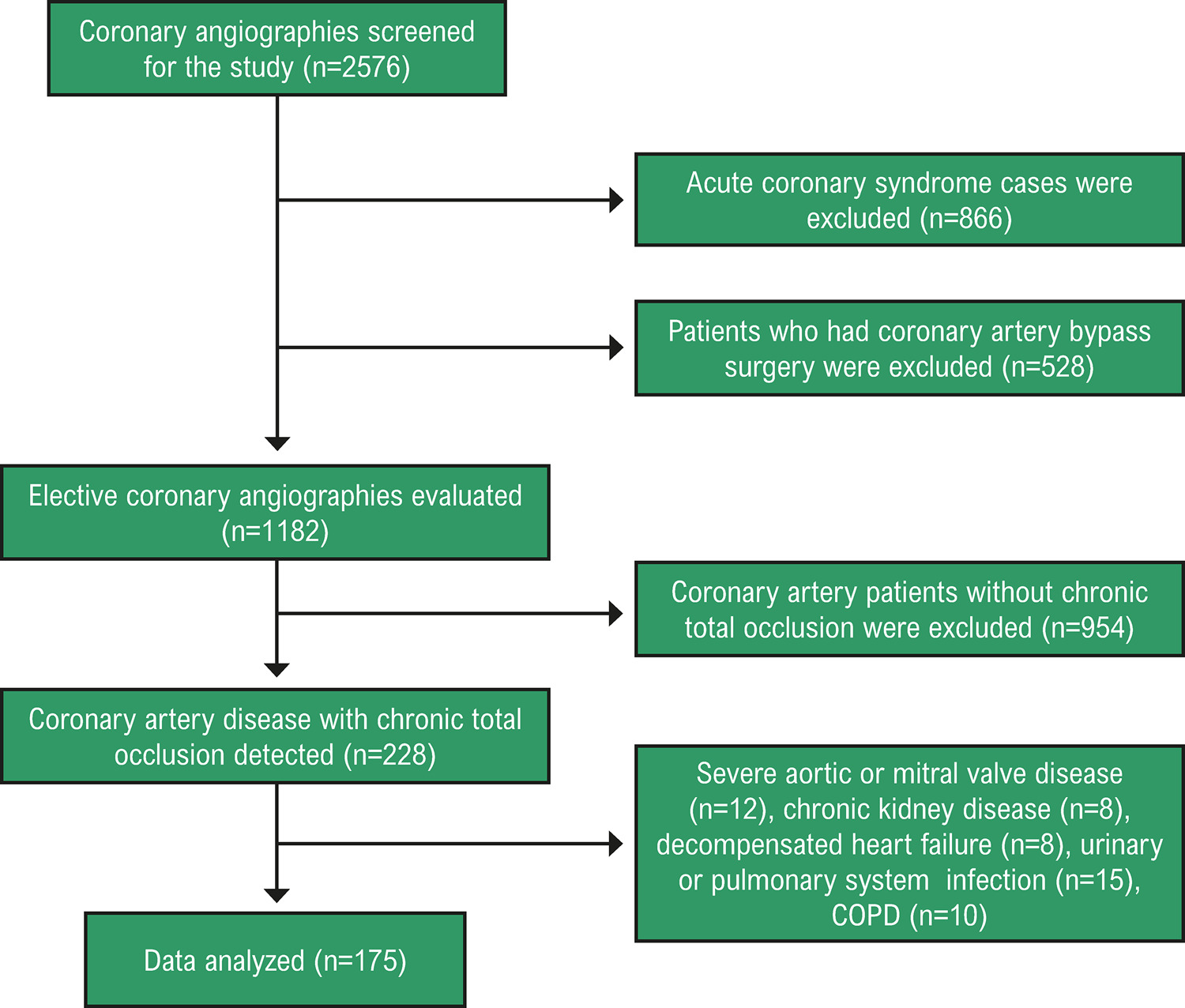
The patients were divided into two groups, with poor CCC and good CCC, according to the Rentrop Classification. Ninety-four patients had poor CCC, and 81 patients had good CCC. Inflammation parameters were calculated from the laboratory results. The statistical significance level applied was 0.05.

Results

High SII level (OR: 1.003, 95% CI: 1.001-1.004, p<0,001), absence of CTO in RCA (OR: 0.204, 95% CI: 0.096-0.436, p<0,001) and low Gensini score (OR: 0.980, 95% CI: 0.962-0.998, p=0,028) were significantly associated with poor CCC. The cutoff value of SII was 679.96 for the highest predictive power of poor CCC, with a sensitivity of 74.5% and specificity of 43.2%. Mortality rates were similar between the two groups during a mean follow-up of 21.5±10.8 months (p=0.107).

Conclusions

High SII level, the absence of CTO in the right coronary artery, and low Gensini score were significantly related to poor CCC. The rapid and cost-effective use of new inflammatory markers in clinical practice guides the prognosis of CAD.

  • Collateral Circulation
  • Coronary Occlusion
  • Coronary Vessels
Read Full Article
Creative Commons Attribution (CC BY) Creative Commons license
10/06/2022 DOI: 10.36660/abc.20210414 Views 2
Figure 1
Original Article

Longitudinal Changes in Physical Activity Levels and Cardiovascular Risk Parameters in Patients with Symptomatic Peripheral Artery Disease

Francielly Monteiro et al. Marilia de Almeida Correia Breno Quintella Farah Diego Giuliano Destro Christofaro … Paulo Mesquita Longano de Oliveira Raphael Mendes Ritti-Dias Gabriel Grizzo Cucato

Background:

Previous cross-sectional studies have demonstrated that physical activity is associated with lower cardiovascular risk in patients with peripheral artery disease (PAD). However, it is not possible to establish causality, and longitudinal design studies are required.

Objective:

To analyze the changes in cardiovascular risk parameters and physical activity levels after a 2-year follow-up in patients with symptomatic PAD.

Methods:

This study started in 2015. In the first phase, 268 patients were included. In the second phase, after 2 years (median = 26 months), 72 patients were re-evaluated. Cardiovascular risk parameters, such as blood pressure, cardiac autonomic modulation, and arterial stiffness, and physical activity levels were measured at baseline and after 2 years of follow-up. Association among delta changes (values from follow-up – baseline) in physical activity and cardiovascular parameters were analyzed by multiple linear regression. The significance level was set at p < 0.05.

Results:

Patients reduced their total physical activity levels compared to baseline (baseline = 2257.6 ± 774.5 versus follow-up = 2041 ± 676.2 min/week, p = 0.001). After follow-up, ankle-brachial index (0.62 ± 0.20 versus 0.54 ± 0.20, p = 0.003), and standard deviation of all RR intervals (43.4 ± 27.0 versus 25.1 ± 13.4 ms, p < 0.001) were lower, whereas carotid-femoral pulse wave velocity was higher (9.0 ± 3.0 versus 10.7 ± 3.4 m/s, p = 0.002) compared to baseline values. We did not observe any association among delta values of physical activity levels and cardiovascular risk parameters.

Conclusion:

Patients with PAD had reduced physical activity levels and impaired cardiovascular risk parameters during 2-year follow-up.

  • Arterial Pressure
  • Cardiovascular System
  • Exercise
  • Peripheral Arterial Disease
Read Full Article
Creative Commons Attribution (CC BY) Creative Commons license
03/06/2022 DOI: 10.36660/abc.20210386 Views 2

Could not load more articles. Please try again.

How to cite this article

EndNote RIS

Electronic Document Format (Vancouver)

Pereira A, Franzoni L. Physical Activity Levels Change Over Time in Individuals with Peripheral Arterial Disease. Arquivos Brasileiros de Cardiologia 2022;119(1):67-8.

Electronic Document Format (ABNT)

Pereira, Alexandre; Franzoni, Leandro. Physical Activity Levels Change Over Time in Individuals with Peripheral Arterial Disease. Arquivos Brasileiros de Cardiologia, v. 119, n. 1, p. 67-68, Jul. 2022.

Electronic Document Format (APA)

Pereira, A., & Franzoni, L. (2022). Physical Activity Levels Change Over Time in Individuals with Peripheral Arterial Disease. Arquivos Brasileiros de Cardiologia, 119(1), 67-68.

Electronic Document Format (ISO)

Pereira, Alexandre and Franzoni, Leandro. Physical Activity Levels Change Over Time in Individuals with Peripheral Arterial Disease. Arquivos Brasileiros de Cardiologia [online]. 2022, vol. 119, n. 1, [cited 2026-10-14], pp. 67-68. Available from: <https://journals.cardiol.br/en/article/physical-activity-levels-change-over-time-in-individuals-with-peripheral-arterial-disease/>. ISSN 0066-782X

EndNote RIS

Electronic Document Format (Vancouver)

Khalfallah M, Allaithy A, Maria DA. Impact of Patient Unawareness and Socioeconomic Factors on Patient Presentation to Primary Percutaneous Coronary Intervention. Arquivos Brasileiros de Cardiologia 2022;119(1):25-34.

Electronic Document Format (ABNT)

Khalfallah, Mohamed; Allaithy, Amany; Maria, Dina A.. Impact of Patient Unawareness and Socioeconomic Factors on Patient Presentation to Primary Percutaneous Coronary Intervention. Arquivos Brasileiros de Cardiologia, v. 119, n. 1, p. 25-34, Jul. 2022.

Electronic Document Format (APA)

Khalfallah, M., Allaithy, A., & Maria, D. A. (2022). Impact of Patient Unawareness and Socioeconomic Factors on Patient Presentation to Primary Percutaneous Coronary Intervention. Arquivos Brasileiros de Cardiologia, 119(1), 25-34.

Electronic Document Format (ISO)

Khalfallah, Mohamed and Allaithy, Amany and Maria, Dina A.. Impact of Patient Unawareness and Socioeconomic Factors on Patient Presentation to Primary Percutaneous Coronary Intervention. Arquivos Brasileiros de Cardiologia [online]. 2022, vol. 119, n. 1, [cited 2026-10-14], pp. 25-34. Available from: <https://journals.cardiol.br/en/article/impact-of-patient-unawareness-and-socioeconomic-factors-on-patient-presentation-to-primary-percutaneous-coronary-intervention/>. ISSN 0066-782X

EndNote RIS

Electronic Document Format (Vancouver)

Rebello LC, Lange MC, Bazan R, Alves MM, Silva GS, Pontes Neto O. Letter to the Editor Regarding the Brazilian Guidelines of Hypertension – 2020. Arquivos Brasileiros de Cardiologia 2022;119(1):139-42.

Electronic Document Format (ABNT)

Rebello, Leticia Costa; Lange, Marcos Christiano; Bazan, Rodrigo; Alves, Maramelia Miranda; Silva, Gisele Sampaio; Pontes Neto, Octavio. Letter to the Editor Regarding the Brazilian Guidelines of Hypertension – 2020. Arquivos Brasileiros de Cardiologia, v. 119, n. 1, p. 139-142, Jul. 2022.

Electronic Document Format (APA)

Rebello, L. C., Lange, M. C., Bazan, R., Alves, M. M., Silva, G. S., & Pontes Neto, O. (2022). Letter to the Editor Regarding the Brazilian Guidelines of Hypertension – 2020. Arquivos Brasileiros de Cardiologia, 119(1), 139-142.

Electronic Document Format (ISO)

Rebello, Leticia Costa and Lange, Marcos Christiano and Bazan, Rodrigo and Alves, Maramelia Miranda and Silva, Gisele Sampaio and Pontes Neto, Octavio. Letter to the Editor Regarding the Brazilian Guidelines of Hypertension – 2020. Arquivos Brasileiros de Cardiologia [online]. 2022, vol. 119, n. 1, [cited 2026-10-14], pp. 139-142. Available from: <https://journals.cardiol.br/en/article/letter-to-the-editor-regarding-the-brazilian-guidelines-of-hypertension-2020/>. ISSN 0066-782X

EndNote RIS

Electronic Document Format (Vancouver)

Mesquita CT, Rezende MF. Precision Medicine: Can 18F-FDG PET Detect Cardiotoxicity Phenotypes?. Arquivos Brasileiros de Cardiologia 2022;119(1):109-10.

Electronic Document Format (ABNT)

Mesquita, Claudio Tinoco; Rezende, Maria Fernanda. Precision Medicine: Can 18F-FDG PET Detect Cardiotoxicity Phenotypes?. Arquivos Brasileiros de Cardiologia, v. 119, n. 1, p. 109-110, Jul. 2022.

Electronic Document Format (APA)

Mesquita, C. T., & Rezende, M. F. (2022). Precision Medicine: Can 18F-FDG PET Detect Cardiotoxicity Phenotypes?. Arquivos Brasileiros de Cardiologia, 119(1), 109-110.

Electronic Document Format (ISO)

Mesquita, Claudio Tinoco and Rezende, Maria Fernanda. Precision Medicine: Can 18F-FDG PET Detect Cardiotoxicity Phenotypes?. Arquivos Brasileiros de Cardiologia [online]. 2022, vol. 119, n. 1, [cited 2026-10-14], pp. 109-110. Available from: <https://journals.cardiol.br/en/article/precision-medicine-can-18f-fdg-pet-detect-cardiotoxicity-phenotypes/>. ISSN 0066-782X

EndNote RIS

Electronic Document Format (Vancouver)

Précoma DB. A New Risk Predictor in Acute Myocardial Infarction. Is There Still Room for One More?. Arquivos Brasileiros de Cardiologia 2022;119(1):23-4.

Electronic Document Format (ABNT)

Précoma, Dalton Bertolim. A New Risk Predictor in Acute Myocardial Infarction. Is There Still Room for One More?. Arquivos Brasileiros de Cardiologia, v. 119, n. 1, p. 23-24, Jul. 2022.

Electronic Document Format (APA)

Précoma, D. B. (2022). A New Risk Predictor in Acute Myocardial Infarction. Is There Still Room for One More?. Arquivos Brasileiros de Cardiologia, 119(1), 23-24.

Electronic Document Format (ISO)

Précoma, Dalton Bertolim. A New Risk Predictor in Acute Myocardial Infarction. Is There Still Room for One More?. Arquivos Brasileiros de Cardiologia [online]. 2022, vol. 119, n. 1, [cited 2026-10-14], pp. 23-24. Available from: <https://journals.cardiol.br/en/article/a-new-risk-predictor-in-acute-myocardial-infarction-is-there-still-room-for-one-more/>. ISSN 0066-782X

EndNote RIS

Electronic Document Format (Vancouver)

Monteiro E, Delgado-Silva J, Costa G, Gonçalves L. Reinnervation after Renal Denervation – A Myth?. Arquivos Brasileiros de Cardiologia 2022;119(1):128-32.

Electronic Document Format (ABNT)

Monteiro, Eric; Delgado-Silva, Joana; Costa, Gonçalo; Gonçalves, Lino. Reinnervation after Renal Denervation – A Myth?. Arquivos Brasileiros de Cardiologia, v. 119, n. 1, p. 128-132, Jul. 2022.

Electronic Document Format (APA)

Monteiro, E., Delgado-Silva, J., Costa, G., & Gonçalves, L. (2022). Reinnervation after Renal Denervation – A Myth?. Arquivos Brasileiros de Cardiologia, 119(1), 128-132.

Electronic Document Format (ISO)

Monteiro, Eric and Delgado-Silva, Joana and Costa, Gonçalo and Gonçalves, Lino. Reinnervation after Renal Denervation – A Myth?. Arquivos Brasileiros de Cardiologia [online]. 2022, vol. 119, n. 1, [cited 2026-10-14], pp. 128-132. Available from: <https://journals.cardiol.br/en/article/reinnervation-after-renal-denervation-a-myth/>. ISSN 0066-782X

EndNote RIS

Electronic Document Format (Vancouver)

Fernandez-Badillo V, Garcia-Cardenas M, Oliva-Cavero D, Armendariz-Ferrari JC, Alexanderson-Rosas E, Espinola-Zavaleta N. Thoracic and Intramyocardial Pellets, an Incidental Finding in a Patient with Acute Myocardial Infarction. Arquivos Brasileiros de Cardiologia 2022;119(1):133-5.

Electronic Document Format (ABNT)

Fernandez-Badillo, Valente; Garcia-Cardenas, Mauricio; Oliva-Cavero, Diego; Armendariz-Ferrari, Jose Carlos; Alexanderson-Rosas, Erick; Espinola-Zavaleta, Nilda. Thoracic and Intramyocardial Pellets, an Incidental Finding in a Patient with Acute Myocardial Infarction. Arquivos Brasileiros de Cardiologia, v. 119, n. 1, p. 133-135, Jul. 2022.

Electronic Document Format (APA)

Fernandez-Badillo, V., Garcia-Cardenas, M., Oliva-Cavero, D., Armendariz-Ferrari, J. C., Alexanderson-Rosas, E., & Espinola-Zavaleta, N. (2022). Thoracic and Intramyocardial Pellets, an Incidental Finding in a Patient with Acute Myocardial Infarction. Arquivos Brasileiros de Cardiologia, 119(1), 133-135.

Electronic Document Format (ISO)

Fernandez-Badillo, Valente and Garcia-Cardenas, Mauricio and Oliva-Cavero, Diego and Armendariz-Ferrari, Jose Carlos and Alexanderson-Rosas, Erick and Espinola-Zavaleta, Nilda. Thoracic and Intramyocardial Pellets, an Incidental Finding in a Patient with Acute Myocardial Infarction. Arquivos Brasileiros de Cardiologia [online]. 2022, vol. 119, n. 1, [cited 2026-10-14], pp. 133-135. Available from: <https://journals.cardiol.br/en/article/thoracic-and-intramyocardial-pellets-an-incidental-finding-in-a-patient-with-acute-myocardial-infarction/>. ISSN 0066-782X

EndNote RIS

Electronic Document Format (Vancouver)

Garzon S, Bandeira WC. Tackling Bleeding – One Appendage at a Time. Arquivos Brasileiros de Cardiologia 2022;119(1):57-8.

Electronic Document Format (ABNT)

Garzon, Stefano; Bandeira, Willterson Carlos. Tackling Bleeding – One Appendage at a Time. Arquivos Brasileiros de Cardiologia, v. 119, n. 1, p. 57-58, Jul. 2022.

Electronic Document Format (APA)

Garzon, S., & Bandeira, W. C. (2022). Tackling Bleeding – One Appendage at a Time. Arquivos Brasileiros de Cardiologia, 119(1), 57-58.

Electronic Document Format (ISO)

Garzon, Stefano and Bandeira, Willterson Carlos. Tackling Bleeding – One Appendage at a Time. Arquivos Brasileiros de Cardiologia [online]. 2022, vol. 119, n. 1, [cited 2026-10-14], pp. 57-58. Available from: <https://journals.cardiol.br/en/article/tackling-bleeding-one-appendage-at-a-time/>. ISSN 0066-782X

EndNote RIS

Electronic Document Format (Vancouver)

Pio-Abreu A. Can Attenuated Nocturnal Dipping be a Predictor of the Severity and Complexity of Coronary Artery Disease in Hospitalized Patients with Acute Coronary Syndrome?. Arquivos Brasileiros de Cardiologia 2022;119(1):85-6.

Electronic Document Format (ABNT)

Pio-Abreu, Andrea. Can Attenuated Nocturnal Dipping be a Predictor of the Severity and Complexity of Coronary Artery Disease in Hospitalized Patients with Acute Coronary Syndrome?. Arquivos Brasileiros de Cardiologia, v. 119, n. 1, p. 85-86, Jul. 2022.

Electronic Document Format (APA)

Pio-Abreu, A. (2022). Can Attenuated Nocturnal Dipping be a Predictor of the Severity and Complexity of Coronary Artery Disease in Hospitalized Patients with Acute Coronary Syndrome?. Arquivos Brasileiros de Cardiologia, 119(1), 85-86.

Electronic Document Format (ISO)

Pio-Abreu, Andrea. Can Attenuated Nocturnal Dipping be a Predictor of the Severity and Complexity of Coronary Artery Disease in Hospitalized Patients with Acute Coronary Syndrome?. Arquivos Brasileiros de Cardiologia [online]. 2022, vol. 119, n. 1, [cited 2026-10-14], pp. 85-86. Available from: <https://journals.cardiol.br/en/article/can-attenuated-nocturnal-dipping-be-a-predictor-of-the-severity-and-complexity-of-coronary-artery-disease-in-hospitalized-patients-with-acute-coronary-syndrome/>. ISSN 0066-782X

EndNote RIS

Electronic Document Format (Vancouver)

Camanho LEM, Santos GV. Catheter Ablation as First-Line Therapy in the Treatment of Atrial Fibrillation – Should We Always Indicate it?. Arquivos Brasileiros de Cardiologia 2022;119(1):95-6.

Electronic Document Format (ABNT)

Camanho, Luiz Eduardo Montenegro; Santos, Gustavo Vignoli dos. Catheter Ablation as First-Line Therapy in the Treatment of Atrial Fibrillation – Should We Always Indicate it?. Arquivos Brasileiros de Cardiologia, v. 119, n. 1, p. 95-96, Jul. 2022.

Electronic Document Format (APA)

Camanho, L. E. M., & Santos, G. V. (2022). Catheter Ablation as First-Line Therapy in the Treatment of Atrial Fibrillation – Should We Always Indicate it?. Arquivos Brasileiros de Cardiologia, 119(1), 95-96.

Electronic Document Format (ISO)

Camanho, Luiz Eduardo Montenegro and Santos, Gustavo Vignoli dos. Catheter Ablation as First-Line Therapy in the Treatment of Atrial Fibrillation – Should We Always Indicate it?. Arquivos Brasileiros de Cardiologia [online]. 2022, vol. 119, n. 1, [cited 2026-10-14], pp. 95-96. Available from: <https://journals.cardiol.br/en/article/catheter-ablation-as-first-line-therapy-in-the-treatment-of-atrial-fibrillation-should-we-always-indicate-it/>. ISSN 0066-782X

EndNote RIS

Electronic Document Format (Vancouver)

Ferreira D. If “Time Is Muscle,” Then the Patient’s Knowledge Must Save Time. Arquivos Brasileiros de Cardiologia 2022;119(1):35-6.

Electronic Document Format (ABNT)

Ferreira, Daniel. If “Time Is Muscle,” Then the Patient’s Knowledge Must Save Time. Arquivos Brasileiros de Cardiologia, v. 119, n. 1, p. 35-36, Jul. 2022.

Electronic Document Format (APA)

Ferreira, D. (2022). If “Time Is Muscle,” Then the Patient’s Knowledge Must Save Time. Arquivos Brasileiros de Cardiologia, 119(1), 35-36.

Electronic Document Format (ISO)

Ferreira, Daniel. If “Time Is Muscle,” Then the Patient’s Knowledge Must Save Time. Arquivos Brasileiros de Cardiologia [online]. 2022, vol. 119, n. 1, [cited 2026-10-14], pp. 35-36. Available from: <https://journals.cardiol.br/en/article/if-time-is-muscle-then-the-patients-knowledge-must-save-time/>. ISSN 0066-782X

EndNote RIS

Electronic Document Format (Vancouver)

Correia ETO, Mesquita ET. Heart Failure with Mildly Reduced Ejection Fraction: Therapeutical Considerations and Reasons for This Renaming. Arquivos Brasileiros de Cardiologia 2022;119(1):124-7.

Electronic Document Format (ABNT)

Correia, Eduardo Thadeu de Oliveira; Mesquita, Evandro Tinoco. Heart Failure with Mildly Reduced Ejection Fraction: Therapeutical Considerations and Reasons for This Renaming. Arquivos Brasileiros de Cardiologia, v. 119, n. 1, p. 124-127, Jul. 2022.

Electronic Document Format (APA)

Correia, E. T. O., & Mesquita, E. T. (2022). Heart Failure with Mildly Reduced Ejection Fraction: Therapeutical Considerations and Reasons for This Renaming. Arquivos Brasileiros de Cardiologia, 119(1), 124-127.

Electronic Document Format (ISO)

Correia, Eduardo Thadeu de Oliveira and Mesquita, Evandro Tinoco. Heart Failure with Mildly Reduced Ejection Fraction: Therapeutical Considerations and Reasons for This Renaming. Arquivos Brasileiros de Cardiologia [online]. 2022, vol. 119, n. 1, [cited 2026-10-14], pp. 124-127. Available from: <https://journals.cardiol.br/en/article/heart-failure-with-mildly-reduced-ejection-fraction-therapeutical-considerations-and-reasons-for-this-renaming/>. ISSN 0066-782X

EndNote RIS

Electronic Document Format (Vancouver)

Kaolawanich Y, Boonyasirinant T. Prognostic Value of Adenosine Stress Perfusion Cardiac Magnetic Resonance Imaging in Older Adults with Known or Suspected Coronary Artery Disease. Arquivos Brasileiros de Cardiologia 2022;119(1):97-106.

Electronic Document Format (ABNT)

Kaolawanich, Yodying; Boonyasirinant, Thananya. Prognostic Value of Adenosine Stress Perfusion Cardiac Magnetic Resonance Imaging in Older Adults with Known or Suspected Coronary Artery Disease. Arquivos Brasileiros de Cardiologia, v. 119, n. 1, p. 97-106, Jul. 2022.

Electronic Document Format (APA)

Kaolawanich, Y., & Boonyasirinant, T. (2022). Prognostic Value of Adenosine Stress Perfusion Cardiac Magnetic Resonance Imaging in Older Adults with Known or Suspected Coronary Artery Disease. Arquivos Brasileiros de Cardiologia, 119(1), 97-106.

Electronic Document Format (ISO)

Kaolawanich, Yodying and Boonyasirinant, Thananya. Prognostic Value of Adenosine Stress Perfusion Cardiac Magnetic Resonance Imaging in Older Adults with Known or Suspected Coronary Artery Disease. Arquivos Brasileiros de Cardiologia [online]. 2022, vol. 119, n. 1, [cited 2026-10-14], pp. 97-106. Available from: <https://journals.cardiol.br/en/article/prognostic-value-of-adenosine-stress-perfusion-cardiac-magnetic-resonance-imaging-in-older-adults-with-known-or-suspected-coronary-artery-disease/>. ISSN 0066-782X

EndNote RIS

Electronic Document Format (Vancouver)

Bittencourt MS. Statins and Pregnancy – New FDA Recommendations. Arquivos Brasileiros de Cardiologia 2022;119(1):1-2.

Electronic Document Format (ABNT)

Bittencourt, Marcio Sommer. Statins and Pregnancy – New FDA Recommendations. Arquivos Brasileiros de Cardiologia, v. 119, n. 1, p. 1-2, Jul. 2022.

Electronic Document Format (APA)

Bittencourt, M. S. (2022). Statins and Pregnancy – New FDA Recommendations. Arquivos Brasileiros de Cardiologia, 119(1), 1-2.

Electronic Document Format (ISO)

Bittencourt, Marcio Sommer. Statins and Pregnancy – New FDA Recommendations. Arquivos Brasileiros de Cardiologia [online]. 2022, vol. 119, n. 1, [cited 2026-10-14], pp. 1-2. Available from: <https://journals.cardiol.br/en/article/statins-and-pregnancy-new-fda-recommendations/>. ISSN 0066-782X

EndNote RIS

Electronic Document Format (Vancouver)

Montera MW, Marcondes-Braga FG, Simões MV, Moura LAZ, Fernandes F, Mangine S, Oliveira Júnior AC, et al. Brazilian Society of Cardiology Guideline on Myocarditis – 2022. Arquivos Brasileiros de Cardiologia 2022;119(1):143-211.

Electronic Document Format (ABNT)

Montera, Marcelo Westerlund; Marcondes-Braga, Fabiana G.; Simões, Marcus Vinícius; Moura, Lídia Ana Zytynski; Fernandes, Fabio; Mangine, Sandrigo; Oliveira Júnior, Amarino Carvalho de; Souza, Aurea Lucia Alves de Azevedo Grippa de; Ianni, Bárbara Maria; Rochitte, Carlos Eduardo; Mesquita, Claudio Tinoco; Azevedo Filho, Clerio F. de; Freitas, Dhayn Cassi de Almeida; Melo, Dirceu Thiago Pessoa de; Bocchi, Edimar Alcides; Horowitz, Estela Suzana Kleiman; Mesquita, Evandro Tinoco; Oliveira, Guilherme H.; Villacorta, Humberto; Rossi Neto, João Manoel; Barbosa, João Marcos Bemfica; Figueiredo Neto, José Albuquerque de; Luiz, Louise Freire; Hajjar, Ludhmila Abrahão; Beck-da-Silva, Luis; Campos, Luiz Antonio de Almeida; Danzmann, Luiz Cláudio; Bittencourt, Marcelo Imbroinise; Garcia, Marcelo Iorio; Avila, Monica Samuel; Clausell, Nadine Oliveira; Oliveira Jr, Nilson Araujo de; Silvestre, Odilson Marcos; Souza, Olga Ferreira de; Mourilhe-Rocha, Ricardo; Kalil Filho, Roberto; Al-Kindi, Sadeer G.; Rassi, Salvador; Alves, Silvia Marinho Martins; Ferreira, Silvia Moreira Ayub; Rizk, Stéphanie Itala; Mattos, Tiago Azevedo Costa; Barzilai, Vitor; Martins, Wolney de Andrade; Schultheiss, Heinz-Peter. Brazilian Society of Cardiology Guideline on Myocarditis – 2022. Arquivos Brasileiros de Cardiologia, v. 119, n. 1, p. 143-211, Jul. 2022.

Electronic Document Format (APA)

Montera, M. W., Marcondes-Braga, F. G., Simões, M. V., Moura, L. A. Z., Fernandes, F., Mangine, S., Oliveira Júnior, A. C. , Souza, A. L. A. A. G. , Ianni, B. M., Rochitte, C. E., Mesquita, C. T., Azevedo Filho, C. F. , Freitas, D. C. A., Melo, D. T. P. , Bocchi, E. A., Horowitz, E. S. K., Mesquita, E. T., Oliveira, G. H., Villacorta, H., Rossi Neto, J. M., Barbosa, J. M. B., Figueiredo Neto, J. A. , Luiz, L. F., Hajjar, L. A., Beck-da-Silva, L., Campos, L. A. A., Danzmann, L. C., Bittencourt, M. I., Garcia, M. I., Avila, M. S., Clausell, N. O., Oliveira Jr, N. A. , Silvestre, O. M., Souza, O. F. , Mourilhe-Rocha, R., Kalil Filho, R., Al-Kindi, S. G., Rassi, S., Alves, S. M. M., Ferreira, S. M. A., Rizk, S. I., Mattos, T. A. C., Barzilai, V., Martins, W. A., & Schultheiss, H. (2022). Brazilian Society of Cardiology Guideline on Myocarditis – 2022. Arquivos Brasileiros de Cardiologia, 119(1), 143-211.

Electronic Document Format (ISO)

Montera, Marcelo Westerlund and Marcondes-Braga, Fabiana G. and Simões, Marcus Vinícius and Moura, Lídia Ana Zytynski and Fernandes, Fabio and Mangine, Sandrigo and Oliveira Júnior, Amarino Carvalho de and Souza, Aurea Lucia Alves de Azevedo Grippa de and Ianni, Bárbara Maria and Rochitte, Carlos Eduardo and Mesquita, Claudio Tinoco and Azevedo Filho, Clerio F. de and Freitas, Dhayn Cassi de Almeida and Melo, Dirceu Thiago Pessoa de and Bocchi, Edimar Alcides and Horowitz, Estela Suzana Kleiman and Mesquita, Evandro Tinoco and Oliveira, Guilherme H. and Villacorta, Humberto and Rossi Neto, João Manoel and Barbosa, João Marcos Bemfica and Figueiredo Neto, José Albuquerque de and Luiz, Louise Freire and Hajjar, Ludhmila Abrahão and Beck-da-Silva, Luis and Campos, Luiz Antonio de Almeida and Danzmann, Luiz Cláudio and Bittencourt, Marcelo Imbroinise and Garcia, Marcelo Iorio and Avila, Monica Samuel and Clausell, Nadine Oliveira and Oliveira Jr, Nilson Araujo de and Silvestre, Odilson Marcos and Souza, Olga Ferreira de and Mourilhe-Rocha, Ricardo and Kalil Filho, Roberto and Al-Kindi, Sadeer G. and Rassi, Salvador and Alves, Silvia Marinho Martins and Ferreira, Silvia Moreira Ayub and Rizk, Stéphanie Itala and Mattos, Tiago Azevedo Costa and Barzilai, Vitor and Martins, Wolney de Andrade and Schultheiss, Heinz-Peter. Brazilian Society of Cardiology Guideline on Myocarditis – 2022. Arquivos Brasileiros de Cardiologia [online]. 2022, vol. 119, n. 1, [cited 2026-10-14], pp. 143-211. Available from: <https://journals.cardiol.br/en/article/brazilian-society-of-cardiology-guideline-on-myocarditis-2022/>. ISSN 0066-782X

EndNote RIS

Electronic Document Format (Vancouver)

Cunha CLP. Chagas Heart Disease: The Evolution of the Disease and its Complementary Exams. Arquivos Brasileiros de Cardiologia 2022;119(1):12-3.

Electronic Document Format (ABNT)

Cunha, Claudio Leinig Pereira da. Chagas Heart Disease: The Evolution of the Disease and its Complementary Exams. Arquivos Brasileiros de Cardiologia, v. 119, n. 1, p. 12-13, Jul. 2022.

Electronic Document Format (APA)

Cunha, C. L. P. (2022). Chagas Heart Disease: The Evolution of the Disease and its Complementary Exams. Arquivos Brasileiros de Cardiologia, 119(1), 12-13.

Electronic Document Format (ISO)

Cunha, Claudio Leinig Pereira da. Chagas Heart Disease: The Evolution of the Disease and its Complementary Exams. Arquivos Brasileiros de Cardiologia [online]. 2022, vol. 119, n. 1, [cited 2026-10-14], pp. 12-13. Available from: <https://journals.cardiol.br/en/article/chagas-heart-disease-the-evolution-of-the-disease-and-its-complementary-exams/>. ISSN 0066-782X

EndNote RIS

Electronic Document Format (Vancouver)

Romero CE, Guacho WRL, Paula KR, Jimenez RP, Fonseca EKUN. Rare Presentation of Yolk Sac Tumor with Cardiac Involvement: Characteristics Detected by MRI. Arquivos Brasileiros de Cardiologia 2022;119(1):136-8.

Electronic Document Format (ABNT)

Romero, Cristhian Espinoza; Guacho, Williams Roberto Lata; Paula, Kevin Rafael de; Jimenez, Robert Paladines; Fonseca, Eduardo Kaiser Ururahy Nunes. Rare Presentation of Yolk Sac Tumor with Cardiac Involvement: Characteristics Detected by MRI. Arquivos Brasileiros de Cardiologia, v. 119, n. 1, p. 136-138, Jul. 2022.

Electronic Document Format (APA)

Romero, C. E., Guacho, W. R. L., Paula, K. R. , Jimenez, R. P., & Fonseca, E. K. U. N. (2022). Rare Presentation of Yolk Sac Tumor with Cardiac Involvement: Characteristics Detected by MRI. Arquivos Brasileiros de Cardiologia, 119(1), 136-138.

Electronic Document Format (ISO)

Romero, Cristhian Espinoza and Guacho, Williams Roberto Lata and Paula, Kevin Rafael de and Jimenez, Robert Paladines and Fonseca, Eduardo Kaiser Ururahy Nunes. Rare Presentation of Yolk Sac Tumor with Cardiac Involvement: Characteristics Detected by MRI. Arquivos Brasileiros de Cardiologia [online]. 2022, vol. 119, n. 1, [cited 2026-10-14], pp. 136-138. Available from: <https://journals.cardiol.br/en/article/rare-presentation-of-yolk-sac-tumor-with-cardiac-involvement-characteristics-detected-by-mri/>. ISSN 0066-782X

EndNote RIS

Electronic Document Format (Vancouver)

Zapata-Sudo G. Riociguat: An Alternative to Treat Pulmonary Hypertension. Arquivos Brasileiros de Cardiologia 2022;119(1):111-2.

Electronic Document Format (ABNT)

Zapata-Sudo, Gisele. Riociguat: An Alternative to Treat Pulmonary Hypertension. Arquivos Brasileiros de Cardiologia, v. 119, n. 1, p. 111-112, Jul. 2022.

Electronic Document Format (APA)

Zapata-Sudo, G. (2022). Riociguat: An Alternative to Treat Pulmonary Hypertension. Arquivos Brasileiros de Cardiologia, 119(1), 111-112.

Electronic Document Format (ISO)

Zapata-Sudo, Gisele. Riociguat: An Alternative to Treat Pulmonary Hypertension. Arquivos Brasileiros de Cardiologia [online]. 2022, vol. 119, n. 1, [cited 2026-10-14], pp. 111-112. Available from: <https://journals.cardiol.br/en/article/riociguat-an-alternative-to-treat-pulmonary-hypertension/>. ISSN 0066-782X

EndNote RIS

Electronic Document Format (Vancouver)

Cesena F. The COVID-19 Pandemic and Cardiovascular Disease in Brazil: Learning from the Data. Arquivos Brasileiros de Cardiologia 2022;119(1):46-7.

Electronic Document Format (ABNT)

Cesena, Fernando. The COVID-19 Pandemic and Cardiovascular Disease in Brazil: Learning from the Data. Arquivos Brasileiros de Cardiologia, v. 119, n. 1, p. 46-47, Jul. 2022.

Electronic Document Format (APA)

Cesena, F. (2022). The COVID-19 Pandemic and Cardiovascular Disease in Brazil: Learning from the Data. Arquivos Brasileiros de Cardiologia, 119(1), 46-47.

Electronic Document Format (ISO)

Cesena, Fernando. The COVID-19 Pandemic and Cardiovascular Disease in Brazil: Learning from the Data. Arquivos Brasileiros de Cardiologia [online]. 2022, vol. 119, n. 1, [cited 2026-10-14], pp. 46-47. Available from: <https://journals.cardiol.br/en/article/the-covid-19-pandemic-and-cardiovascular-disease-in-brazil-learning-from-the-data/>. ISSN 0066-782X

EndNote RIS

Electronic Document Format (Vancouver)

Tassi EM, Nascimento EM, Continentino MA, Pereira BB, Pedrosa RC. Relationship between Urinary Norepinephrine, Fibrosis, and Arrhythmias in Chronic Chagas Heart Disease with Preserved or Mildly Reduced Ejection Fraction. Arquivos Brasileiros de Cardiologia 2022;119(1):3-11.

Electronic Document Format (ABNT)

Tassi, Eduardo Marinho; Nascimento, Emília Matos do; Continentino, Marcelo Abramoff; Pereira, Basilio de Bragança; Pedrosa, Roberto Coury. Relationship between Urinary Norepinephrine, Fibrosis, and Arrhythmias in Chronic Chagas Heart Disease with Preserved or Mildly Reduced Ejection Fraction. Arquivos Brasileiros de Cardiologia, v. 119, n. 1, p. 3-11, Jul. 2022.

Electronic Document Format (APA)

Tassi, E. M., Nascimento, E. M. , Continentino, M. A., Pereira, B. B., & Pedrosa, R. C. (2022). Relationship between Urinary Norepinephrine, Fibrosis, and Arrhythmias in Chronic Chagas Heart Disease with Preserved or Mildly Reduced Ejection Fraction. Arquivos Brasileiros de Cardiologia, 119(1), 3-11.

Electronic Document Format (ISO)

Tassi, Eduardo Marinho and Nascimento, Emília Matos do and Continentino, Marcelo Abramoff and Pereira, Basilio de Bragança and Pedrosa, Roberto Coury. Relationship between Urinary Norepinephrine, Fibrosis, and Arrhythmias in Chronic Chagas Heart Disease with Preserved or Mildly Reduced Ejection Fraction. Arquivos Brasileiros de Cardiologia [online]. 2022, vol. 119, n. 1, [cited 2026-10-14], pp. 3-11. Available from: <https://journals.cardiol.br/en/article/relationship-between-urinary-norepinephrine-fibrosis-and-arrhythmias-in-chronic-chagas-heart-disease-with-preserved-or-mildly-reduced-ejection-fraction/>. ISSN 0066-782X

EndNote RIS

Electronic Document Format (Vancouver)

Ferreira VV, Thomas B. Stress CMR in the Elderly: Does It Provide the Answers?. Arquivos Brasileiros de Cardiologia 2022;119(1):107-8.

Electronic Document Format (ABNT)

Ferreira, Vera Vaz; Thomas, Boban. Stress CMR in the Elderly: Does It Provide the Answers?. Arquivos Brasileiros de Cardiologia, v. 119, n. 1, p. 107-108, Jul. 2022.

Electronic Document Format (APA)

Ferreira, V. V., & Thomas, B. (2022). Stress CMR in the Elderly: Does It Provide the Answers?. Arquivos Brasileiros de Cardiologia, 119(1), 107-108.

Electronic Document Format (ISO)

Ferreira, Vera Vaz and Thomas, Boban. Stress CMR in the Elderly: Does It Provide the Answers?. Arquivos Brasileiros de Cardiologia [online]. 2022, vol. 119, n. 1, [cited 2026-10-14], pp. 107-108. Available from: <https://journals.cardiol.br/en/article/stress-cmr-in-the-elderly-does-it-provide-the-answers/>. ISSN 0066-782X

EndNote RIS

Electronic Document Format (Vancouver)

Fontes-Carvalho R, Oliveira GMM, Gonçalves-Teixeira P, Rochitte CE, Cardim N. 2021 Top 10 Articles in the Arquivos Brasileiros de Cardiologia and the Revista Portuguesa de Cardiologia. Arquivos Brasileiros de Cardiologia 2022;119(1):113-2.

Electronic Document Format (ABNT)

Fontes-Carvalho, Ricardo; Oliveira, Gláucia Maria Moraes de; Gonçalves-Teixeira, Pedro; Rochitte, Carlos Eduardo; Cardim, Nuno. 2021 Top 10 Articles in the Arquivos Brasileiros de Cardiologia and the Revista Portuguesa de Cardiologia. Arquivos Brasileiros de Cardiologia, v. 119, n. 1, p. 113-123, Jul. 2022.

Electronic Document Format (APA)

Fontes-Carvalho, R., Oliveira, G. M. M. , Gonçalves-Teixeira, P., Rochitte, C. E., & Cardim, N. (2022). 2021 Top 10 Articles in the Arquivos Brasileiros de Cardiologia and the Revista Portuguesa de Cardiologia. Arquivos Brasileiros de Cardiologia, 119(1), 113-123.

Electronic Document Format (ISO)

Fontes-Carvalho, Ricardo and Oliveira, Gláucia Maria Moraes de and Gonçalves-Teixeira, Pedro and Rochitte, Carlos Eduardo and Cardim, Nuno. 2021 Top 10 Articles in the Arquivos Brasileiros de Cardiologia and the Revista Portuguesa de Cardiologia. Arquivos Brasileiros de Cardiologia [online]. 2022, vol. 119, n. 1, [cited 2026-10-14], pp. 113-123. Available from: <https://journals.cardiol.br/en/article/2021-top-10-articles-in-the-arquivos-brasileiros-de-cardiologia-and-the-revista-portuguesa-de-cardiologia/>. ISSN 0066-782X

EndNote RIS

Electronic Document Format (Vancouver)

Adali MK, Buber I, Sen G, Yilmaz S. Relationship between Systemic Immune-Inflammation Index and Coronary Collateral Circulation in Patients with Chronic Total Occlusion. Arquivos Brasileiros de Cardiologia 2022;119(1):69-75.

Electronic Document Format (ABNT)

Adali, Mehmet Koray; Buber, Ipek; Sen, Gursel; Yilmaz, Samet. Relationship between Systemic Immune-Inflammation Index and Coronary Collateral Circulation in Patients with Chronic Total Occlusion. Arquivos Brasileiros de Cardiologia, v. 119, n. 1, p. 69-75, Jun. 2022.

Electronic Document Format (APA)

Adali, M. K., Buber, I., Sen, G., & Yilmaz, S. (2022). Relationship between Systemic Immune-Inflammation Index and Coronary Collateral Circulation in Patients with Chronic Total Occlusion. Arquivos Brasileiros de Cardiologia, 119(1), 69-75.

Electronic Document Format (ISO)

Adali, Mehmet Koray and Buber, Ipek and Sen, Gursel and Yilmaz, Samet. Relationship between Systemic Immune-Inflammation Index and Coronary Collateral Circulation in Patients with Chronic Total Occlusion. Arquivos Brasileiros de Cardiologia [online]. 2022, vol. 119, n. 1, [cited 2026-10-14], pp. 69-75. Available from: <https://journals.cardiol.br/en/article/relationship-between-systemic-immune-inflammation-index-and-coronary-collateral-circulation-in-patients-with-chronic-total-occlusion/>. ISSN 0066-782X

EndNote RIS

Electronic Document Format (Vancouver)

Monteiro F, Correia MA, Farah BQ, Christofaro DGD, Oliveira PML, Ritti-Dias RM, Cucato GG, et al. Longitudinal Changes in Physical Activity Levels and Cardiovascular Risk Parameters in Patients with Symptomatic Peripheral Artery Disease. Arquivos Brasileiros de Cardiologia 2022;119(1):59-66.

Electronic Document Format (ABNT)

Monteiro, Francielly; Correia, Marilia de Almeida; Farah, Breno Quintella; Christofaro, Diego Giuliano Destro; Oliveira, Paulo Mesquita Longano de; Ritti-Dias, Raphael Mendes; Cucato, Gabriel Grizzo. Longitudinal Changes in Physical Activity Levels and Cardiovascular Risk Parameters in Patients with Symptomatic Peripheral Artery Disease. Arquivos Brasileiros de Cardiologia, v. 119, n. 1, p. 59-66, Jun. 2022.

Electronic Document Format (APA)

Monteiro, F., Correia, M. A., Farah, B. Q., Christofaro, D. G. D., Oliveira, P. M. L. , Ritti-Dias, R. M., & Cucato, G. G. (2022). Longitudinal Changes in Physical Activity Levels and Cardiovascular Risk Parameters in Patients with Symptomatic Peripheral Artery Disease. Arquivos Brasileiros de Cardiologia, 119(1), 59-66.

Electronic Document Format (ISO)

Monteiro, Francielly and Correia, Marilia de Almeida and Farah, Breno Quintella and Christofaro, Diego Giuliano Destro and Oliveira, Paulo Mesquita Longano de and Ritti-Dias, Raphael Mendes and Cucato, Gabriel Grizzo. Longitudinal Changes in Physical Activity Levels and Cardiovascular Risk Parameters in Patients with Symptomatic Peripheral Artery Disease. Arquivos Brasileiros de Cardiologia [online]. 2022, vol. 119, n. 1, [cited 2026-10-14], pp. 59-66. Available from: <https://journals.cardiol.br/en/article/longitudinal-changes-in-physical-activity-levels-and-cardiovascular-risk-parameters-in-patients-with-symptomatic-peripheral-artery-disease/>. ISSN 0066-782X

Sede – Rio de Janeiro
Av. Marechal Câmara, 160
3º andar – Sala: 330 – Centro
Rio de Janeiro – CEP: 20020-907
Tel.: (55 +21) 3478-2700
ou (21) 99386-3961
E-mail: revista@cardiol.br

Sede – São Paulo
Alameda Santos, 705 – 11º andar
Cerqueira César | São Paulo
CEP: 01419-001
Tel.: (55 +11) 3411-5500
E-mail: revista@cardiol.br

  • About the Journal
  • Internal Regulation
  • Editors Section
  • Editorial Board
  • History
  • SBC Award

  • Guidelines for Publication
  • Editorial Policy
  • Ethics Policy
  • Policy on the Use of Artificial Intelligence
  • Mandatory Publication Form
  • Publication Fee

Issues

SBC Guidelines

  • How to Publish an Abstract Supplement?
  • Supplements from the Brazilian Congress of Cardiology