ABC Family Arquivos Brasileiros de Cardiologia International Journal of Cardiovascular Sciences ABC Heart Failure & Cardiomyopathy ABC Imagem Cardiovascular
Português English
ABC Family
Português English
  • About
    • About ABC Family
    • Internal Regulation
    • Editorial Board
    • Brazilian Society of Cardiology (SBC)
  • Issues
  • SBC Guidelines
  • Content
    • Videos
    • Podcasts
    • News
  • About
    • About ABC Family
    • Internal Regulation
    • Editorial Board
    • Brazilian Society of Cardiology (SBC)
  • Issues
  • SBC Guidelines
  • Content
    • Videos
    • Podcasts
    • News

ABC Family

  • ABC Family
  • Arquivos Brasileiros de Cardiologia
  • International Journal of Cardiovascular Sciences
  • ABC Heart Failure & Cardiomyopathy
  • ABC Imagem Cardiovascular
Search in

No content found.

Journals
Ordering
Article types
Others

  1. Home
  2. Keyword: Angiotensin-Converting Enzyme Inhibitors
Figure 1
IJCS
Original Article

Angiotensin-Converting Enzyme Inhibitors Evaluated by Office and Home Blood Pressure Measurements: TeleHBPM Study

Tariane Colombo et al. Priscila Valverde de Oliveria Vitorino Audes D. M. Feitosa Andréa Araujo Brandão … Eduardo C.D. Barbosa Roberto Dischinger Miranda Marco Mota Gomes Ana Luiza Lima Sousa Weimar Kunz Sebba Barroso

Abstract

Background

Angiotensin-converting enzyme inhibitors (ACEI) are a class of drugs fundamental to hypertension treatment; however, the individual medications within this class vary in their effectiveness at controlling Blood Pressure (BP).

Objectives

To analyze BP values obtained through casual measurements and home blood pressure monitoring (HBPM) in patients using ACEI as monotherapy or in dual combinations, focusing on BP control and goal achievement in a Brazilian population.

Methods

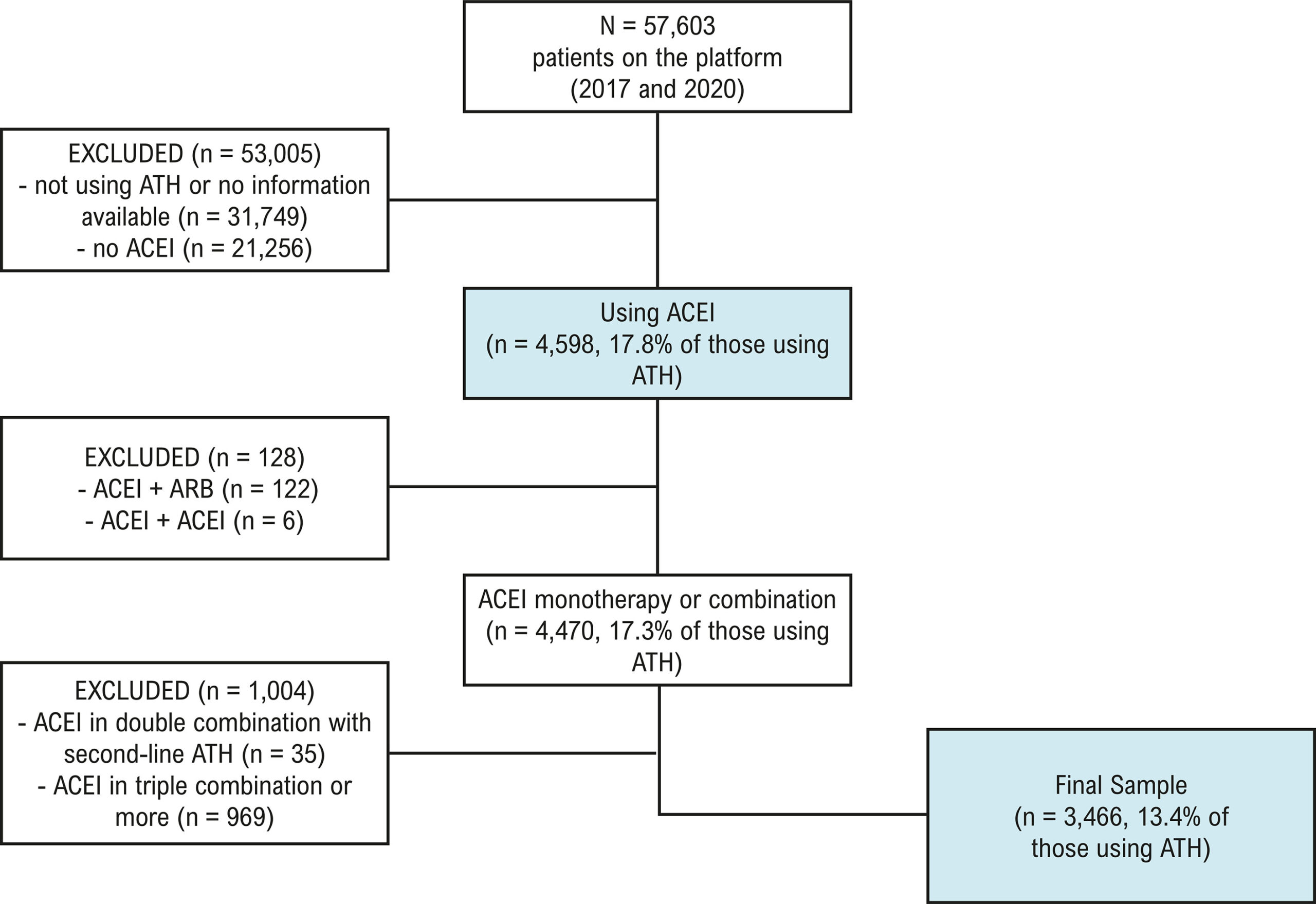
A cross-sectional study evaluating adult patients using ACEI between 2017 and 2020 included in the TeleHBPM platform. SBP and diastolic blood pressure (DBP) values were assessed by casual and home measurements. Those using three or more HBPMs were excluded. Paired t-tests, chi-square tests, and ANOVA were used, with a significance level of 5% (p < 0.05).

Results

3,466 patients who met the criteria were selected, 54% in a dual drug combination. The mean BP values obtained via casual measurement and HBPM, respectively, were 131.6 ± 18.7 mmHg and 125.5 ± 14.8 mmHg for SBP (p < 0.001), and 83.4 ± 11.3 mmHg and 79.1 ± 9.4 mmHg for DBP (p < 0.001). The combination of ACEI with calcium channel antagonists prevailed (29%). Enalapril had similar BP means to ACEI with longer half-lives. Captopril monotherapy and in combinations had higher SBP and DBP means.

Conclusion

Enalapril was the most commonly used ACEI, demonstrating a similar BP-lowering effect, both as monotherapy and in combination, when compared to other drugs in the same class with longer half-lives.
  • Angiotensin-Converting Enzyme Inhibitors
  • Enalapril
  • Hypertension
Read Full Article
Creative Commons Attribution (CC BY) Creative Commons license
03/03/2025 DOI: 10.36660/ijcs.20240153 Views 2
Figure 1
IJCS
Original Article

Comparison of Angiotensin Receptor Blockers and Angiotensin-Converting Enzyme Inhibitors in the Management of Arterial Stiffness and Target Organ Damage in Patients with Hypertension

Gilberto Campos Guimarães Filho et al. Reila Campos Guimarães de Araújo Karynne Borges Cabral Cácia Régia de Paula

Abstract

Background

Arterial stiffness and hypertension are strong predictors of cardiovascular disease and mortality. Angiotensin-converting enzyme inhibitors (ACEI) and angiotensin receptor blockers (ARB) are first-line antihypertensive agents in reducing blood pressure and arterial stiffness.

Objective

The objective of this study was to compare the effects of ACEI and ARB in reducing arterial stiffness and preventing target organ damage in patients with hypertension.

Methods

This observational study included 654 participants who attend routine consultations at an outpatient hypertension clinic in 2 university hospitals. Patients were interviewed, and they underwent central and peripheral blood pressure measurements. Doppler echocardiography, carotid ultrasound, biochemical tests, and anthropometric parameters were carried out. Shapiro-Wilk, chi-square, and Fisher’s exact test were used. A significance level of 5% was adopted.

Results

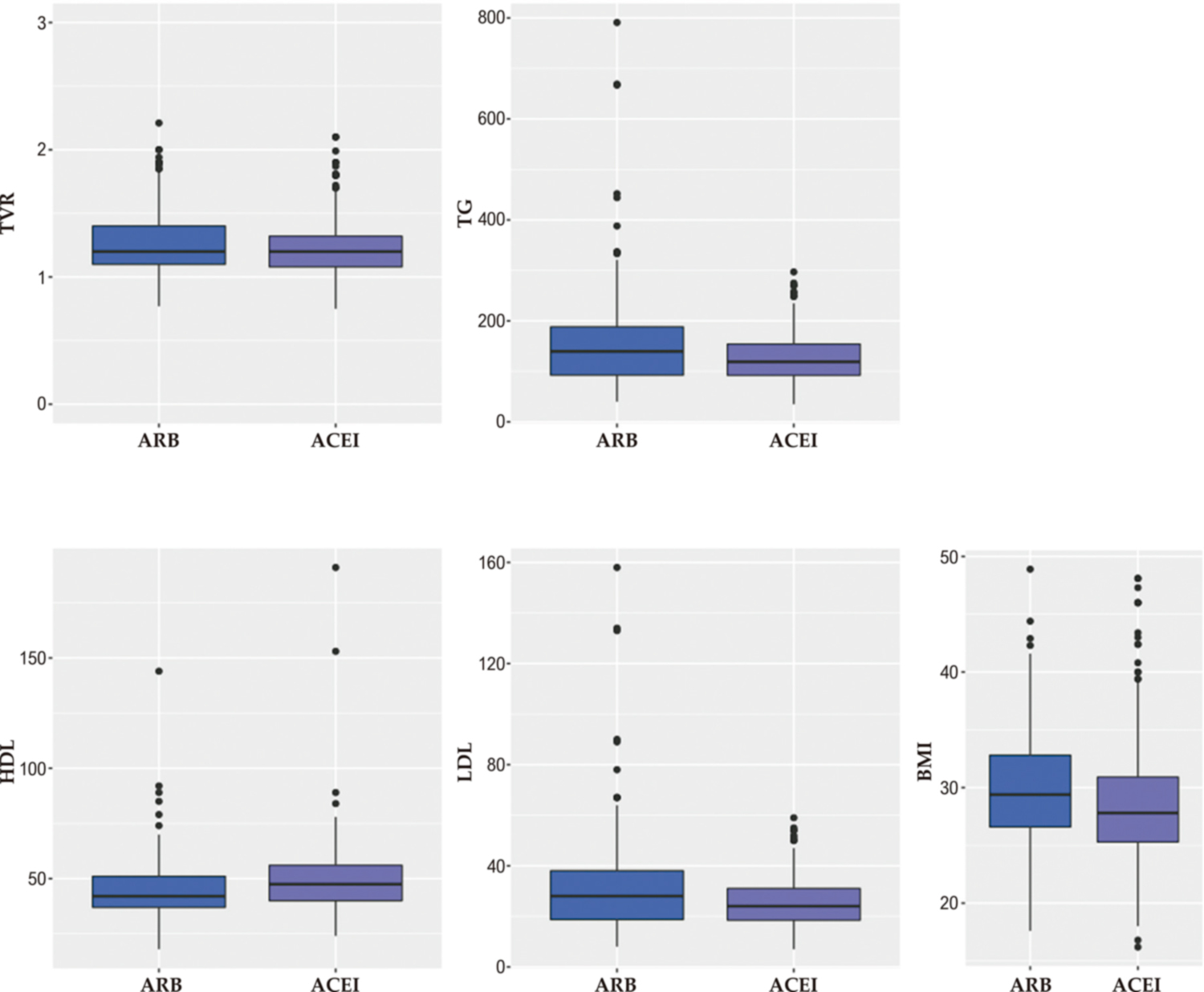
A total of 659 participants were evaluated in the study (398 from the ARB group and 256 from the ACEI group). Age, body mass index (BMI), central and peripheral blood pressure measurements, pulse wave velocity (PWV), left ventricular mass index, and carotid intima-media thickness did not show differences between the groups (p > 0.05). After linear regression analysis, the ACEI group had lower values of total vascular resistance (TVR) (p = 0.003) and augmentation pressure (p = 0.008), when compared to the ARB group.

Conclusion

This study showed that the ACEI group had a greater reduction in augmentation pressure and PWV. There were no differences between the groups regarding the improvement of outcomes related to central arterial pressure, PWV, and cardiac and vascular target organ damage.

  • Angiotensin Receptor Antagonists
  • Angiotensin-Converting Enzyme Inhibitors
  • Hypertension
  • Pulse Wave Analysis
  • Vascular Stiffness
Read Full Article
Creative Commons Attribution (CC BY) Creative Commons license
25/08/2023 DOI: 10.36660/ijcs.20220162 Views 1
Figure 1
ABC
Original Article

Renin-angiotensin System Antagonists and Beta-blockers in Prevention of Anthracycline Cardiotoxicity: a Systematic Review and Meta-analysis

Monica Samuel Avila et al. Suellen Rodrigues Rangel Siqueira Lucas Waldeck Silvia Moreira Ayub-Ferreira … Richard Takx Marcio Sommer Bittencourt Edimar Alcides Bocchi

Abstract

Background

The evidence supporting the use of renin-angiotensin-aldosterone system (RAAS) inhibitors and beta-blockers for the prevention of anthracycline-induced cardiomyopathy is controversial.

Objective

We performed a meta-analysis to assess the effectiveness of these drugs in preventing cardiotoxicity.

Methods

The meta-analysis included prospective, randomized studies in adults receiving anthracycline chemotherapy and compared the use of RAAS inhibitors or beta-blockers versus placebo with a follow-up of 6 to 18 months. The primary outcome was change in left ventricular ejection fraction (LVEF) during chemotherapy. Secondary outcomes were the incidence of heart failure, all-cause mortality, and changes in end-diastolic measurement. Heterogeneity was assessed by stratification and meta-regression. A significance level of p < 0.05 was adopted.

Results

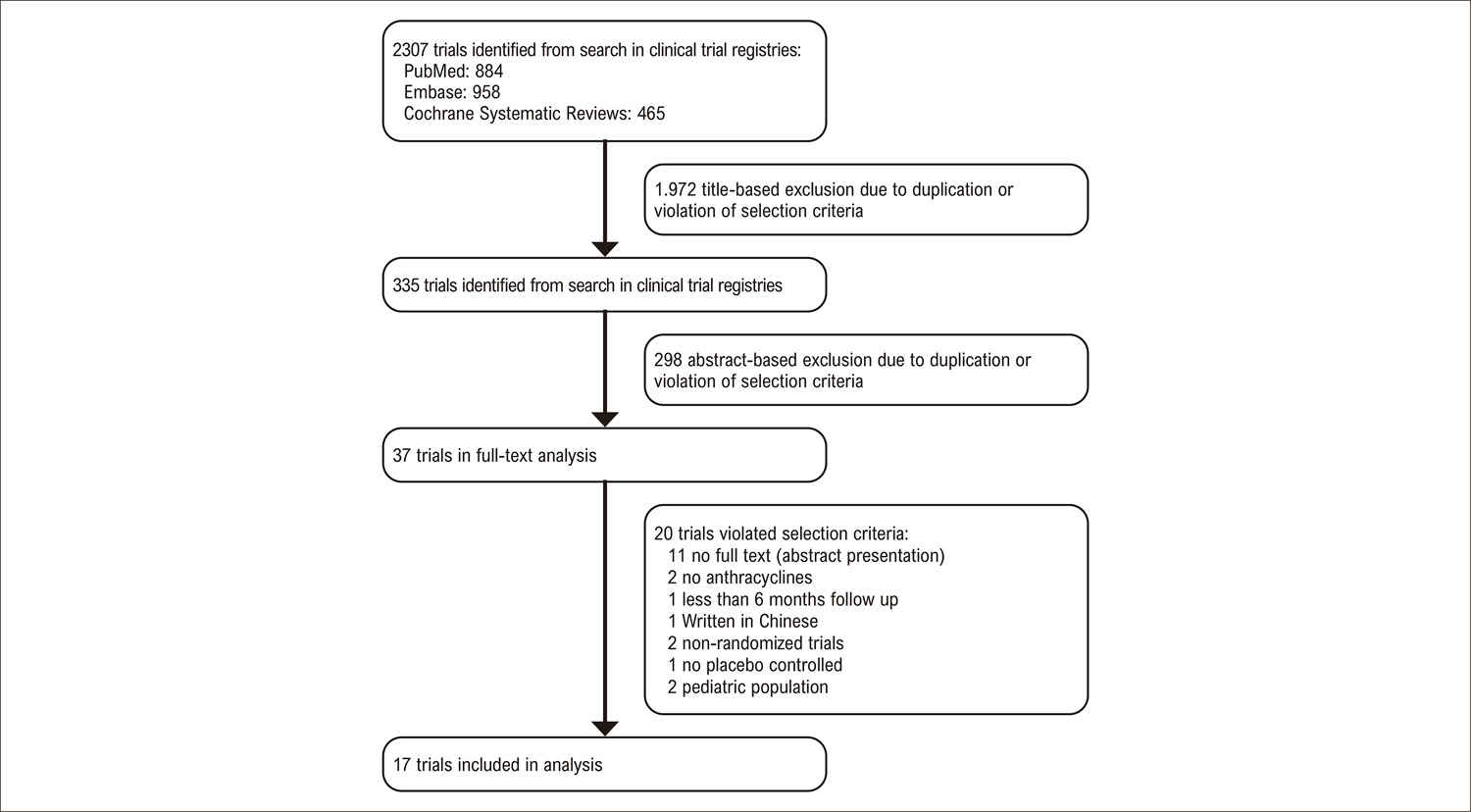
The search resulted in 17 studies, totaling 1,530 patients. The variation (delta) in LVEF was evaluated in 14 studies. Neurohormonal therapy was associated with a lower delta in pre- versus post-therapy LVEF (weighted mean difference 4.42 [95% confidence interval 2.3 to 6.6]) and higher final LVEF (p < 0.001). Treatment resulted in a lower incidence of heart failure (risk ratio 0.45 [95% confidence interval 0.3 to 0.7]). There was no effect on mortality (p = 0.3). For analysis of LVEF, substantial heterogeneity was documented, which was not explained by the variables explored in the study.

Conclusion

The use of RAAS inhibitors and beta-blockers to prevent anthracycline-induced cardiotoxicity was associated with less pronounced reduction in LVEF, higher final LVEF, and lower incidence of heart failure. No changes in mortality were observed. (CRD PROSPERO 42019133615)

  • Angiotensin-Converting Enzyme Inhibitors
  • Drug Therapy
  • Heart Failure
  • Mineralocorticoid
  • Receptor Antagonists Anthracyclines
Read Full Article
Creative Commons Attribution (CC BY) Creative Commons license
26/05/2023 DOI: 10.36660/abc.20220298 Views 1
Central Illustration
ABC
Original Article

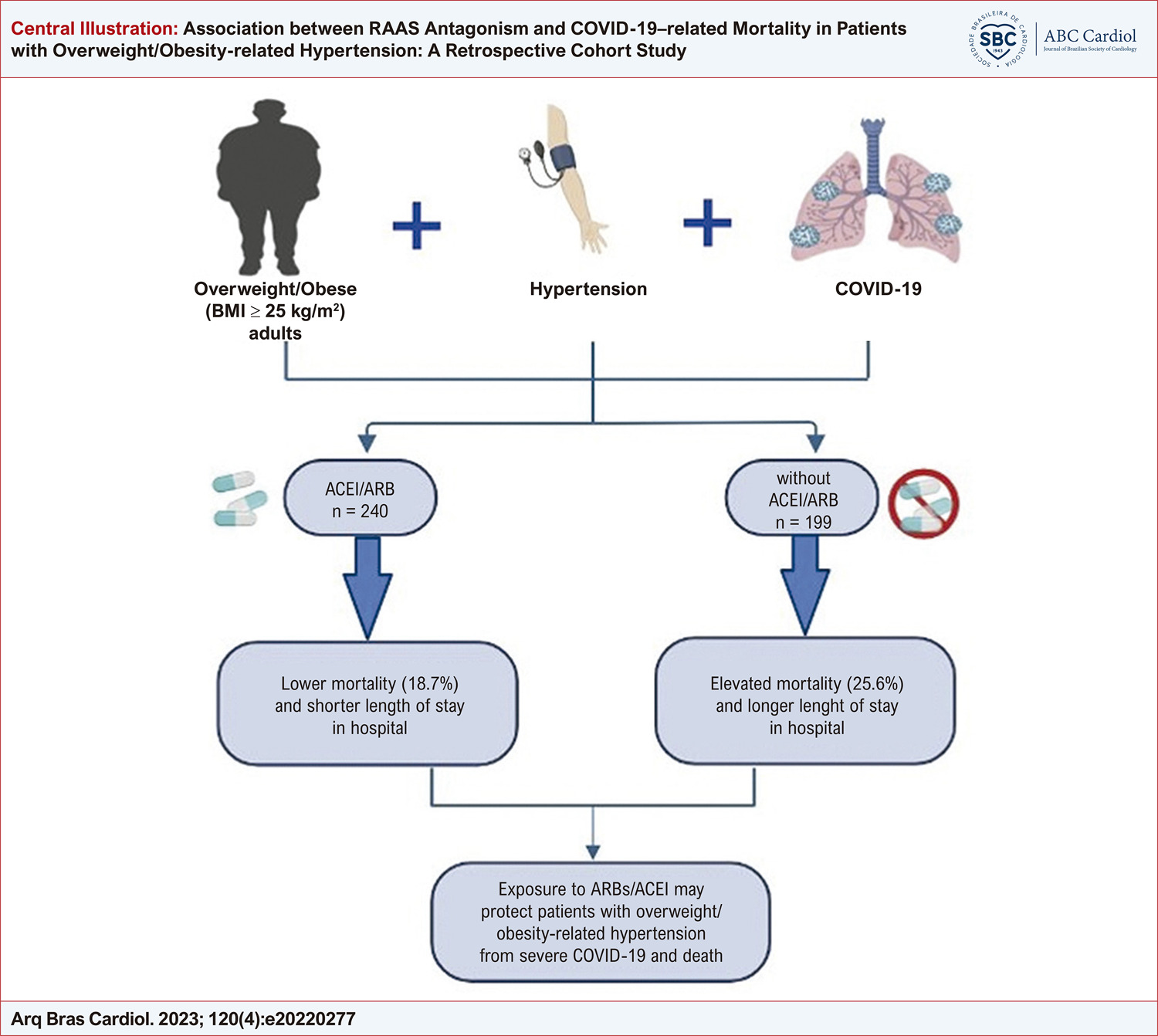
Association between RAAS Antagonism and COVID-19–related Mortality in Patients with Overweight/Obesity-related Hypertension: A Retrospective Cohort Study

Elham Shams et al. Vijayvardhan Kamalumpundi Linhai Cheng Adeyinka Taiwo … Amal Shibli-Rahhal Ayotunde O. Dokun Marcelo L.G. Correia

Abstract

Background

Angiotensin receptor blockers (ARB) and angiotensin-converting enzyme inhibitors (ACEI) increase the expression of ACE2, which is a receptor for entry of SARS-CoV-2 into cells. Though evidence suggests that ARB/ACEI are safe among the general population with COVID-19, their safety in patients with overweight/obesity-related hypertension deserves further evaluation.

Objective

We assessed the association between ARB/ACEI use and COVID-19 severity in patients with overweight/obesity-related hypertension.

Methods

This study included 439 adult patients with overweight/obesity (body mass index ≥ 25 kg/m2) and hypertension, diagnosed with COVID-19 and admitted to University of Iowa Hospitals and Clinic from March 1 to December 7, 2020. Mortality and severity of COVID-19 were evaluated based on length of stay in hospital, intensive care unit admission, use of supplemental oxygen, mechanical ventilation, and vasopressors. Multivariable logistic regression was used to examine the associations of ARB/ACEI use with mortality and other markers of COVID-19 severity, with a two-sided alpha set at 0.05.

Results

Exposure to ARB (n = 91) and ACEI (n = 149) before hospitalization was significantly associated with lower mortality (odds ratio [OR] = 0.362, 95% confidence interval [CI] 0.149 to 0.880, p = 0.025) and a shorter length of stay (95% CI −0.217 to −0.025, p = 0.015). Additionally, patients using ARB/ACEI showed a non-significant trend toward lower intensive care unit admission (OR = 0.727, 95% CI 0.485 to 1.090, p = 0.123), use of supplemental oxygen (OR = 0.929, 95% CI 0.608 to 1.421, p = 0.734), mechanical ventilation (OR = 0.728, 95% CI 0.457 to 1.161, p = 0.182), and vasopressors (OR = 0.677, 95% CI 0.430 to 1.067, p = 0.093).

Conclusion

Results suggest that hospitalized patients with COVID-19 and overweight/obesity-related hypertension who were prescribed ARB/ACEI before admission to the hospital exhibit lower mortality and less severe COVID-19 than those who were not taking ARB/ACEI. The results also suggest that exposure to ARB/ACEI may protect patients with overweight/obesity-related hypertension from severe COVID-19 and death.

  • Angiotensin Receptor Antagonists
  • Angiotensin-Converting Enzyme Inhibitors
  • COVID-19
  • Hypertension
  • Obesity
Read Full Article
Creative Commons Attribution (CC BY) Creative Commons license
21/04/2023 DOI: 10.36660/abc.20220277
New Insights into Medical Therapy for Heart Failure with Preserved Ejection Fraction
ABC
Research Letter

New Insights into Medical Therapy for Heart Failure with Preserved Ejection Fraction

Eduardo Thadeu de Oliveira Correia et al. Evandro Tinoco Mesquita

Introduction

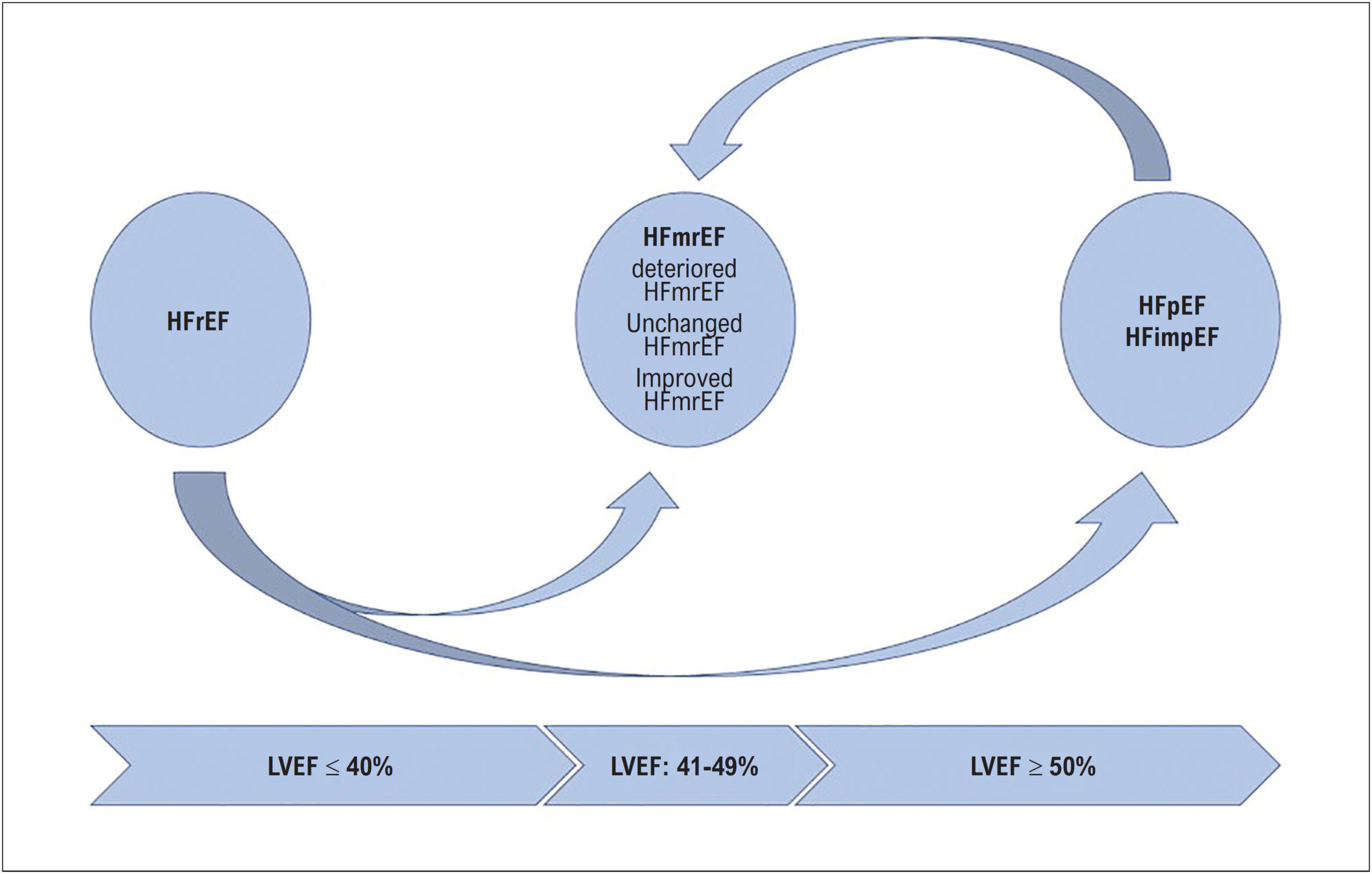
Heart failure (HF) phenotypes can be divided into categories according to the left ventricular ejection fraction (EF) – HF with preserved EF (HFpEF; EF ≥ 50%); HF with mildly reduced EF (HFmrEF; EF 41-49%) and HF with reduced EF (HFrEF; EF ≤ 40%). However, HF phenotypes differ beyond just a different EF. While HFpEF develops from an interplay of comorbidities that lead to structural heart disease and HF symptoms, HFrEF usually develops due to a cardiac insult that reduces cardiac output. , Moreover, while multiple therapies can improve the prognosis of HFrEF, only sodium-glucose cotransporter 2 inhibitors (SGLT2i) improved outcomes in HFpEF in a randomized controlled trial (RCT). In this letter, we explore evidence for medical therapies that could benefit HFpEF patients.

[…]

  • Angiotensin-Converting Enzyme Inhibitors
  • Digoxin
  • Heart Failure
  • Mineralocoirticoids
  • Receptor Antagonists
  • Stroke Volume/drug effects
Read Full Article
Creative Commons Attribution (CC BY) Creative Commons license
12/09/2022 DOI: 10.36660/abc.20210753
Figure 1
ABC
Research Letter

Heart Failure with Mildly Reduced Ejection Fraction: Therapeutical Considerations and Reasons for This Renaming

Eduardo Thadeu de Oliveira Correia et al. Evandro Tinoco Mesquita

Introduction

Heart failure (HF) has been classically divided into HF with reduced ejection fraction (HFrEF) and HF with preserved ejection fraction (HFpEF). However, to better classify HF patients with a left ventricular ejection fraction (LVEF) between 41 and 49%, previous guidelines have introduced the term HF with mid-range ejection fraction. Nonetheless, shortly after its formal introduction, HF with mid-range ejection fraction is now called HF with mildly reduced ejection fraction (HFmrEF). In this letter, we explore the reasons behind this renaming and why this change is more important than it may seem.

[…]

  • Angiotensin-Converting Enzyme Inhibitors
  • Cardiovascular Diseases
  • Digoxin
  • Heart Failure
  • Mineralocortical Receptor Antagonists
  • Prognosis
  • Stroke Volume
Read Full Article
Creative Commons Attribution (CC BY) Creative Commons license
11/07/2022 DOI: 10.36660/abc.20210752 Views 4
ABC
Editorial

Differences among Angiotensin Receptor Blockers (BRA) in the Treatment of Arterial Hypertension

José Geraldo Mill

Cardiovascular diseases (CVD) are the main cause of death and disability in Brazil, and arterial hypertension (AH) is the main risk factor for cardiovascular morbidity and mortality. Early diagnosis and correct treatment are priority actions to face the problem. The National Health Survey conducted by the Ministry of Health in 2013 (PNS-2013) determined the prevalence of AH by direct measurement of blood pressure (BP) and use of antihypertensive drugs in a representative sample of the Brazilian adult population. Prevalence of 32.3% (95%CI: 31.7 – 33.0) indicated nearly 50 million hypertensive patients. Around 70% depend on the Unified Health System (SUS) for both diagnosis and pharmaceutical care, an essential aspect of the Chronic Noncommunicable Diseases (NCD) plan.

According to the current guidelines, the initial treatment of AH should be carried out with general measures, including regular aerobic physical activity, reduction of salt intake, increased consumption of fruits and vegetables and weight reduction when obesity or overweight is present. These measures benefit everyone and not only hypertensive patients indeed. Even adopting these strategies, many patients still depend on the regular use of drugs to get high BP control. Thus, the use of these drugs shows great importance because, given the dimension of the problem, even small pressure reductions generate a positive impact for millions of individuals affecting the morbidity and mortality rates due to CVD. Thus, the search for effective treatments for BP control has paramount importance to adopt public policies in this area.

[…]

  • Angiotensin-Converting Enzyme Inhibitors
  • Early diagnosis
  • Hypertension
  • Losartana
Read Full Article
Creative Commons Attribution (CC BY) Creative Commons license
10/06/2022 DOI: 10.36660/abc.20220281
Figure 1
ABCHF
Viewpoint

Rapid Sequencing of Foundational Treatment for HFrEF: The Innovative Proposal of John McMurray and Milton Packer

Bianca Lopes Cunha et al. Laura Leite da Escóssia Marinho Jefferson Luís Vieira

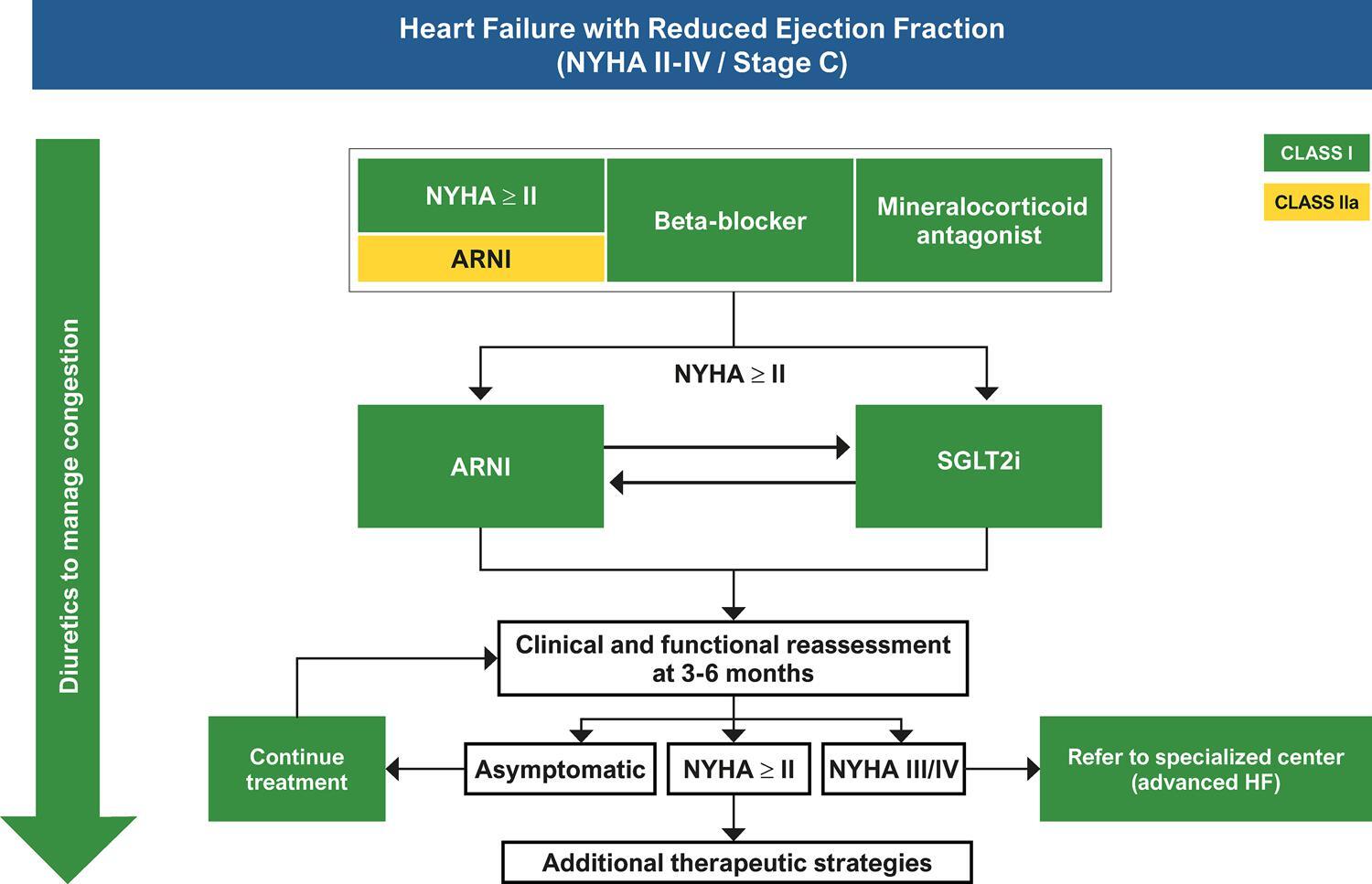
The treatment of heart failure with reduced ejection fraction (HFrEF) involves implementing preventive measures, delaying disease progression, relieving symptoms and, above all, prolonging survival. The effectiveness of the drug arsenal for the management of HFrEF has been well established by several randomized clinical trials and is based on 4 foundational pillars of treatment: (1) β-blockers; (2) renin-angiotensin system inhibitors, including angiotensin-converting enzyme inhibitors (ACEis), angiotensin receptor blockers (ARBs), and angiotensin receptor-neprilysin inhibitors (ARNIs); (3) sodium-glucose cotransporter 2 inhibitors (SGLT2is); and (4) mineralocorticoid receptor antagonists (MRAs).

The conventional pharmacological approach presented by HFrEF treatment guidelines recommends sequential prescribing of the 4 foundational drug classes in the order in which they were tested in classic clinical trials. – Based on a 5-step protocol, physicians are instructed to initiate treatment with an ACEi/ARB, followed by a β-blocker and then an MRA. In step 4, replacement of the ACEi/ARB with an ARNI is considered and, finally, an SGLT2i can be added ( ). This approach advises prescribers to titrate the dose of each drug to the target dose used in large-scale trials before initiating the next recommended drug class ( ). In 2021, however, a perspective article written by John McMurray and Milton Packer, authors of most of the main trials in the field in the last decade, pointed out a series of limitations in the conventional approach and proposed a new sequence of pharmacological treatment for ambulatory HFrEF based on 3 steps ( ). According to the new proposal, the conventional approach presents an algorithm based on the historical order of publication of the clinical trials, wrongly assuming that the most effective and well-tolerated drugs were developed first. Another point observed by the authors is that the conventional approach prioritizes the achievement of the target dose of a given drug before initiating treatment with the next one, which can delay the achievement of optimal medical therapy by more than 6 months. Indeed, if we look at participants in large-scale clinical trials and surveys, we will see that a substantial percentage of them were not receiving recommended medications. , Even in recently completed trials, a meaningful proportion was not being treated with an MRA or an ARNI. In addition, proper sequencing of foundational drugs can improve safety and tolerability, as medications such as ARNIs can reduce the risk of renal insufficiency associated with ACEis/ARBs and both ARNIs and SGLT2is can mitigate the risk of hyperkalemia associated with the use of MRAs.

[…]

  • Adrenergic beta-Antagonists
  • Angiotensin-Converting Enzyme Inhibitors
  • Heart Failure
  • Mineralocorticoid Receptor Antagonists
  • Neprilysin
  • Sodium-Glucose Transporter 2 Inhibitors
Read Full Article
Creative Commons Attribution (CC BY) Creative Commons license
12/04/2022 DOI: 10.36660/abchf.20220005 Views 2
Figure 1
ABCHF
Viewpoint

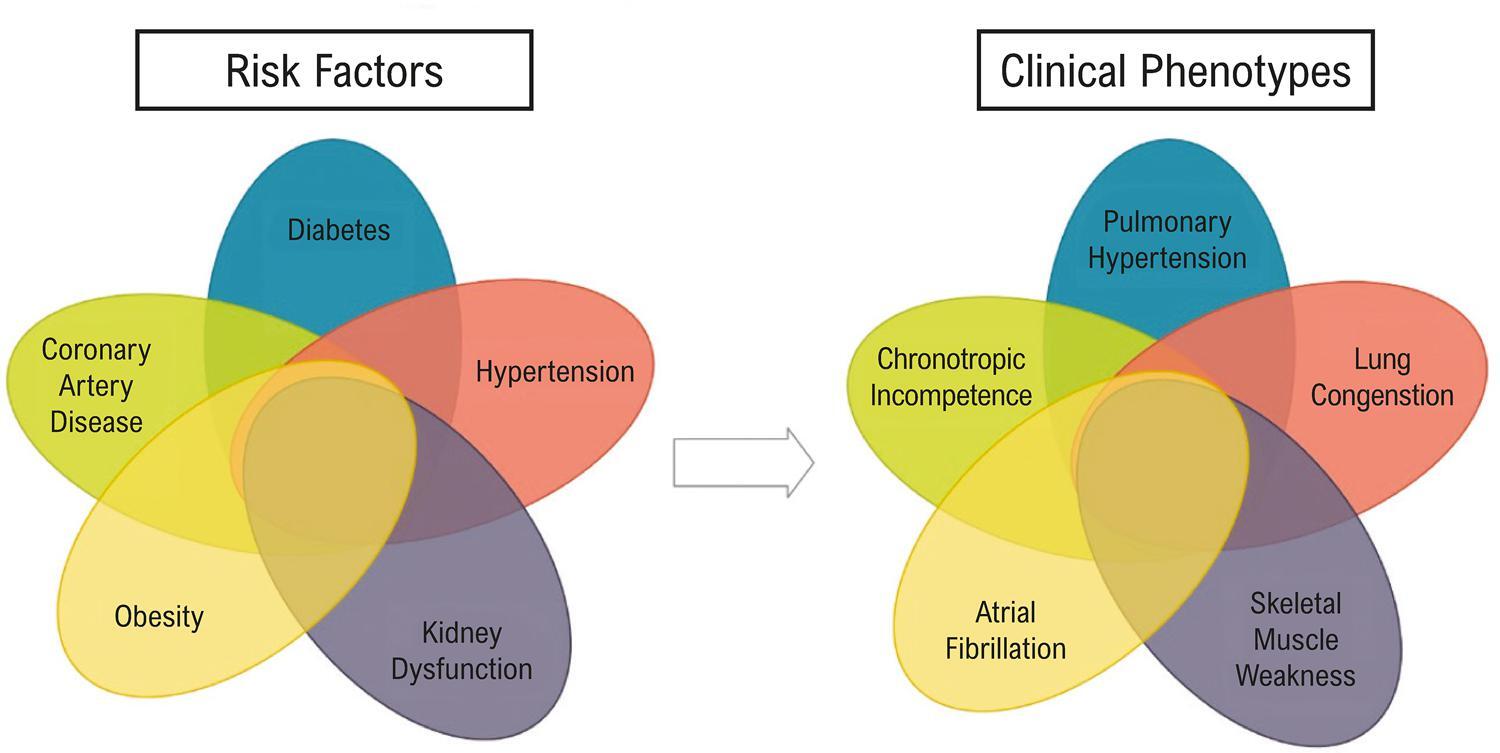
Clinical Profile-Based Pharmacological Sequencing for Heart Failure with Preserved Ejection Fraction

Evandro Tinoco Mesquita et al. Eduardo Thadeu de Oliveira Correia Letícia Mara dos Santos Barbetta

Introduction

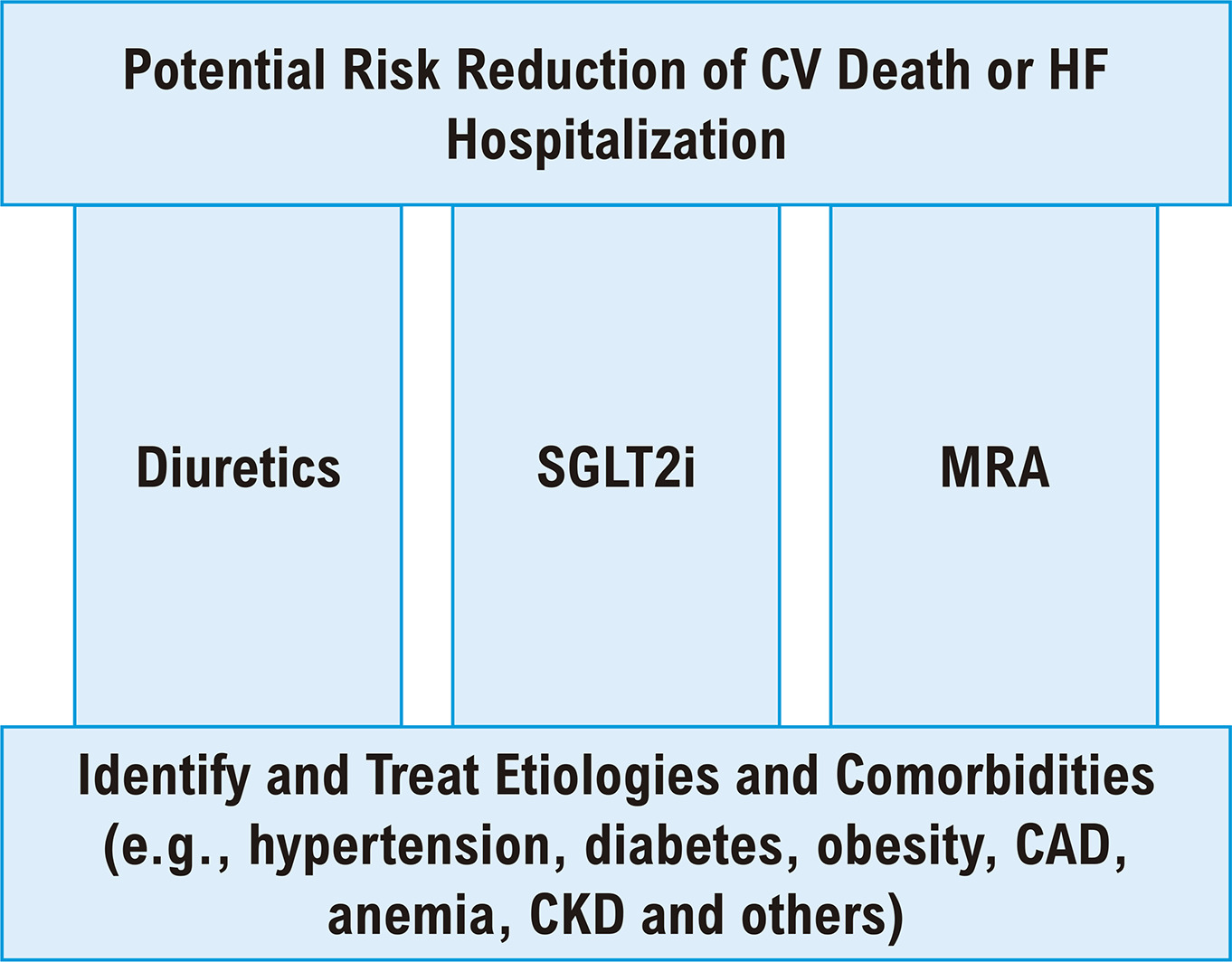
Heart failure (HF) is classically categorized into phenotypes according to left ventricular ejection fraction (EF), one of them being HF with preserved EF (HFpEF; EF ≥ 50%). In the past decades, a myriad of drug therapies that reduce mortality and hospitalization rates for HF with reduced EF have emerged. However, although HFpEF accounts for about 50% of HF cases, to this date, only empagliflozin was shown to reduce HF hospitalization, and no drug reduced the risk for cardiovascular death in randomized clinical trials (RCTs). One hypothesis that may explain the lack of therapies that reduce hard outcomes in HFpEF is the variety of phenotypes that constitute HFpEF as a syndrome. Thus, in this paper, we discuss evidence from RCTs and post-hoc analyses of RCTs that may help improve HFpEF outcomes, aid clinicians, and pave the way for future RCTs.

[…]

  • Adrenergic beta-Antagonists
  • Angiotensin-Converting Enzyme Inhibitors
  • Digoxin
  • Heart Failure
  • Mineralocorticoid Receptor Antagonists
Read Full Article
Creative Commons Attribution (CC BY) Creative Commons license
12/04/2022 DOI: 10.36660/abchf.20220014 Views 1
ABC
Brief Communication

Diuretics are Similar to Losartan on Echocardiographic Target-Organ Damage in Stage I Hypertension. PREVER-Treatment Study

Carolina Bertoluci et al. Murilo Foppa Angela Barreto Santiago Santos Sandra C. Fuchs Flávio Danni Fuchs

Abstract

Blood pressure (BP)-lowering therapy improves left ventricular (LV) parameters of hypertensive target-organ damage in stage II hypertension, but whether there is a drug-class difference in echocardiographic parameters in stage I hypertension patients is less often studied. In the PREVER treatment study, where individuals with stage I hypertension were randomized for treatment with diuretics (chlorthalidone/amiloride) or losartan, 110 participants accepted to participate in a sub-study, where two-dimensional echocardiograms were performed at baseline and after 18 months of antihypertensive treatment. As in the general study, systolic BP reduction was similar with diuretics or with losartan. Echocardiographic parameters showed small but significant changes in both treatment groups, with a favorable LV remodeling with antihypertensive treatment for 18 months when target blood pressure was achieved either with chlorthalidone/amiloride or with losartan as the initial treatment strategy. In conclusion, even in stage I hypertension, blood pressure reduction is associated with improvement in echocardiographic parameters, either with diuretics or losartan as first-drug regimens.

  • Angiotensin-Converting Enzyme Inhibitors
  • Anihypertensive Agents
  • Antihypertensive Agents/therapy
  • Blood Pressure
  • Calcium Channel
  • Echocardiography
  • Hypertension/complications
  • Hypertension/therapy
Read Full Article
Creative Commons Attribution (CC BY) Creative Commons license
01/01/2019 DOI: 10.5935/abc.20180249 Views 3
Figure 1
ABC
Original Article

Influence of Angiotensin-Converting-Enzyme Gene Polymorphism on Echocardiographic Data of Patients with Ischemic Heart Failure

Gustavo Salgado Duque et al. Dayse Aparecida da Silva Felipe Neves de Albuquerque Roberta Siuffo Schneider … Alinne Gimenez Roberto Pozzan Ricardo Mourilhe Rocha Denilson Campos de Albuquerque

Abstract

Background:

Association between angiotensin-converting-enzyme (ACE) gene polymorphisms and different clinical and echocardiographic outcomes has been described in patients with heart failure (HF) and coronary artery disease. Studying the genetic profile of the local population with both diseases is necessary to assess the occurrence of that association.

Objectives:

To assess the frequency of ACE gene polymorphisms in patients with ischemic HF in a Rio de Janeiro population, as well as its association with echocardiographic findings.

Methods:

Genetic assessment of I/D ACE polymorphism in association with clinical, laboratory and echocardiographic analysis of 99 patients.

Results:

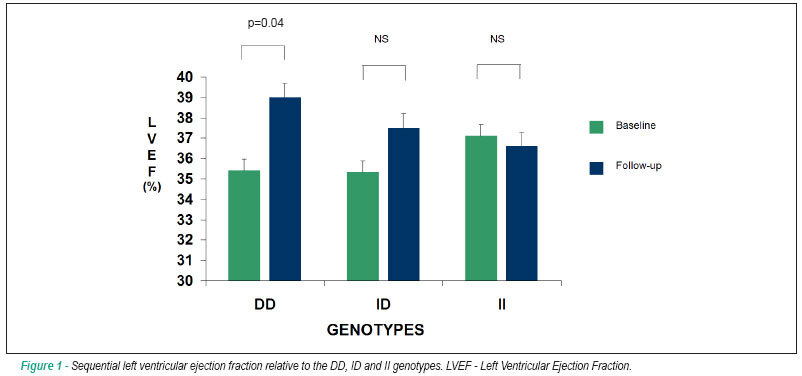
The allele frequency was: 53 I alleles, and 145 D alleles. Genotype frequencies were: 49.5% DD; 47.48% DI; 3.02% II. Drug treatment was optimized: 98% on beta-blockers, and 84.8% on ACE inhibitors or angiotensin-receptor blocker. Echocardiographic findings: difference between left ventricular diastolic diameters (ΔLVDD) during follow-up: 2.98±8.94 (DD) vs. 0.68±8.12 (DI) vs. -11.0±7.00 (II), p=0.018; worsening during follow-up of the LV systolic diameter (LVSD): 65.3% DD vs. 19.0% DI vs. 0.0% II, p=0.01; of the LV diastolic diameter (LVDD): 65.3% DD vs. 46.8% DI vs. 0.0% II, p=0.03; and of the LV ejection fraction (LVEF): 67.3% DD vs. 40.4% DI vs. 33.3% II, p=0.024. Correlated with D allele: ΔLVEF, ΔLVSD, ΔLVDD.

Conclusions:

More DD genotype patients had worsening of the LVEF, LVSD and LVDD, followed by DI genotype patients, while II genotype patients had the best outcome. The same pattern was observed for ΔLVDD.

  • Angiotensin-Converting Enzyme Inhibitors
  • Echocardiography/methods
  • Heart Failure
  • Polymorphism, Genetic
Read Full Article
Creative Commons Attribution (CC BY) Creative Commons license
27/10/2016 DOI: 10.5935/abc.20160145 Views 1
ABC
Original Article

Association between Angiotensin-Converting Enzyme Inhibitors and Troponin in Acute Coronary Syndrome

Luiz Minuzzo et al. Elizabete Silva dos Santos Ari Timerman

Background:

Cardiovascular disease is the leading cause of mortality in the western world and its treatment should be optimized to decrease severe adverse events.

Objective:

To determine the effect of previous use of angiotensin-converting enzyme inhibitors on cardiac troponin I measurement in patients with acute coronary syndrome without ST-segment elevation and evaluate clinical outcomes at 180 days.

Methods:

Prospective, observational study, carried out in a tertiary center, in patients with acute coronary syndrome without ST-segment elevation. Clinical, electrocardiographic and laboratory variables were analyzed, with emphasis on previous use of angiotensin-converting enzyme inhibitors and cardiac troponin I. The Pearson chi-square tests (Pereira) or Fisher’s exact test (Armitage) were used, as well as the non-parametric Mann-Whitney’s test. Variables with significance levels of <10% were submitted to multiple logistic regression model.

Results:

A total of 457 patients with a mean age of 62.1 years, of whom 63.7% were males, were included. Risk factors such as hypertension (85.3%) and dyslipidemia (75.9%) were the most prevalent, with 35% of diabetics. In the evaluation of events at 180 days, there were 28 deaths (6.2%). The statistical analysis showed that the variables that interfered with troponin elevation (> 0.5 ng / mL) were high blood glucose at admission (p = 0.0034) and ST-segment depression ≥ 0.5 mm in one or more leads (p = 0.0016). The use of angiotensin-converting inhibitors prior to hospitalization was associated with troponin ≤ 0.5 ng / mL (p = 0.0482). The C-statistics for this model was 0.77.

Conclusion:

This study showed a correlation between prior use of angiotensin-converting enzyme inhibitors and reduction in the myocardial necrosis marker troponin I in patients admitted for acute coronary syndrome without ST-segment elevation. However, there are no data available yet to state that this reduction could lead to fewer severe clinical events such as death and re-infarction at 180 days.

  • Acute coronary syndrome
  • Angiotensin-Converting Enzyme Inhibitors
  • Troponin
Read Full Article
Creative Commons Attribution (CC BY) Creative Commons license
14/10/2014 DOI: 10.5935/abc.20140155
ACE inhibitors and plasma B-type natriuretic peptide levels in elderly patients with heart failure
ABC
Artigo Original

ACE inhibitors and plasma B-type natriuretic peptide levels in elderly patients with heart failure

Felicio Savioli Neto et al. Hélio M. Magalhães Michel Batlouni Leopoldo S. Piegas

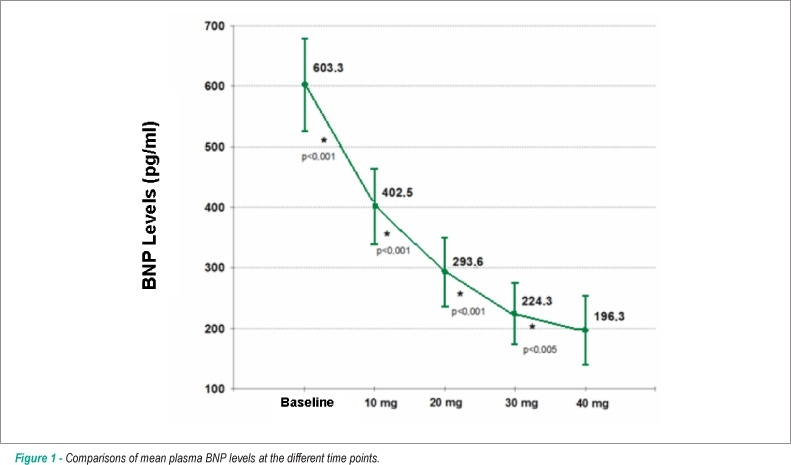
BACKGROUND: Clinical trials have demonstrated the benefits of ACE inhibitors (ACEI) in the neurohormonal activity and in the functional capacity of patients with heart failure (HF), and also that these effects are dose dependent. However, since elderly individuals have been systematically excluded from the majority of these studies, the validation and incorporation of these results in the geriatric population has been questioned. OBJECTIVE: To evaluate the effects of different doses of quinapril, an ACEI with a > 24-hour biological half-life, on plasma BNP levels, on the distance walked in the 6-minute walk test (6MWT) and on the incidence of adverse reactions in elderly individuals with systolic HF. METHODS: A total of 30 patients (76.1 ± 5.3 years; 15 women), in NYHA functional class II-III HF, with left ventricular EF < 40% (33.5 ± 4.5%), on diuretics (30), digoxin (24) and nitrates (13) were included. The patients were assessed at baseline and every two months, with escalating doses of quinapril of 10, 20, 30 and 40 mg. RESULTS: After eight months, BNP levels were 67.4% lower and the distance walked in the 6MWT was 64.9% longer in relation to baseline. Arterial hypotension with symptoms of low cerebral blood flow and/or renal dysfunction was not observed, so that the maximum quinapril dose could be used in all patients. CONCLUSION: The results demonstrated the benefits of ACEI on the neurohormonal profile and functional capacity of elderly individuals with systolic HF, as well as the positive relationship between dose and effect of these drugs.

  • Aged
  • Angiotensin-Converting Enzyme Inhibitors
  • B-Type
  • Heart Failure
  • Natriuretic Peptide
Read Full Article
Creative Commons Attribution (CC BY) Creative Commons license
20/07/2009 DOI: 10.1590/S0066-782X2009000500003 Views 2
Genetic polymorphism, medical therapy and sequential cardiac function in patients with heart failure
ABC
Artigo Original

Genetic polymorphism, medical therapy and sequential cardiac function in patients with heart failure

Marco Antonio Romeo Cuoco et al. Alexandre Costa Pereira Glória de Fátima Alves da Mota José Eduardo Krieger Alfredo José Mansur

BACKGROUND: Functional variants of angiotensin-converting enzyme (ACE) gene may be associated with response to therapy in patients with heart failure (HF). OBJECTIVE: To test the hypothesis of differences in sequential echocardiographic evaluations of left ventricular ejection fraction in patients with HF on medical therapy, including ACE inhibitors in relation to insertion (I) / deletion (D) polymorphism of the ACE gene. METHODS: We studied 168 patients (mean age 43.3±10.1 years), 128 (76.2%) men, with HF and sequential echocardiograms. The I/D polymorphism was determined by polymerase chain reaction. Left ventricular ejection fraction (LVEF) was analyzed comparatively to genotypes. More than 90% of patients were on ACE inhibitors. RESULTS: There was a significantly greater increase in mean LVEF in patients with the D allele compared to patients with the II genotype (p=0.01) after a mean follow-up of 38.9 months. The D allele was associated with an increase of 8.8% in mean LVEF over the same period. Furthermore, there was a tendency toward a D allele “copy number” effect on the increase of mean LVEF over time: a 3.5% difference in LVEF variation between patients with the II and the ID genotypes (p = 0.03) and a 5% difference between patients with the II and DD genotypes (p=0.02). CONCLUSION: ACE gene deletion polymorphism may be operative in response to medical treatment that included ACE inhibitors in patients with HF. Further controlled studies may contribute to better understanding of genetic influences on response to therapy.

  • Angiotensin-Converting Enzyme Inhibitors
  • Genetics
  • Heart Failure
Read Full Article
Creative Commons Attribution (CC BY) Creative Commons license
29/05/2008 DOI: 10.1590/S0066-782X2008000400007
Effects of the prolonged inhibition of the angiotensin-converting enzyme on the morphological and functional characteristics of left ventricular hypertrophy in rats with persistent pressure overload
ABC
Artigo Original

Effects of the prolonged inhibition of the angiotensin-converting enzyme on the morphological and functional characteristics of left ventricular hypertrophy in rats with persistent pressure overload

Edson Antonio Bregagnollo et al. Katashi Okoshi Isamara Fernanda Bregagnollo Carlos Roberto Padovani … Marina P. Okoshi Antonio Carlos Cicogna

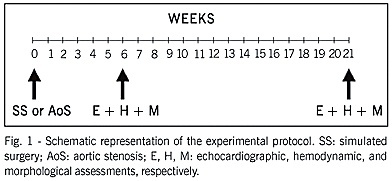
OBJECTIVE: To assess the effects of lisinopril (L) on mortality (M) rate and congestive heart failure (CHF), and the characteristics of geometrical myocardial remodeling and left ventricular function in rats with supravalvular aortic stenosis (SAS). METHODS: Some Wistar rats underwent SAS or the simulated surgery (CG, n=10). After 6 weeks, the animals were randomized to receive lisinopril (LG, n=30) or no treatment (SG, n=73) for 15 weeks. Cardiac remodeling was assessed in the sixth and 21st weeks after the surgical procedures through concomitant echocardiographic, hemodynamic, and morphological studies. RESULTS: The M were 53.9% and 16.7% in SG and LG, respectively; the incidence of CHF was 44.8% and 20%, in SG and LG, respectively, (P<0.05). At the end of the experiment, the values of LV systolic pressure in SG and LG were equivalent and significantly greater than those in CG;(P<0.05) and did not differ from those observed 6 weeks after the surgical procedures. The values of LV diastolic pressure in SG were greater than those in LG;(P<0.05), and both were greater than those in CG;(P0.05), and both were greater than those in SG;(P<0.05). Similar results were obtained with the values of the positive and negative first derivate of LV pressure. CONCLUSION: In rats with SAS, the treatment with L reduced M rate and ICC and had beneficial effects on geometrical myocardial remodeling and left ventricular function.

  • Angiotensin-Converting Enzyme Inhibitors
  • arterial hypertension
  • Cardiac Hypertrophy
  • lisinopril
  • Ventricular Function
Read Full Article
Creative Commons Attribution (CC BY) Creative Commons license
19/08/2005 DOI: 10.1590/S0066-782X2005000300006 Views 1
ABC
Artigo Original

Activation of the cardiac angiotensin-converting enzime after infarction in rats and its role in ventricular remodeling

José Geraldo Mill et al. Maria da Conceição Milanez Vera Cristina W. Busatto Andréa Cruz de Moraes Maria da Glória S. Gomes

PURPOSE: To determine angiotensin converting enzyme (ACE) activity in the heart of infarcted rats and to investigate the effects of captopril and losartan on the post- infarction remodeling process. METHODS: Myocardial infarction (MI) was produced in Wistar rats by ligature of the left coronary artery. Control rats (Con) underwent a sham surgery. MI and Con rats remained untreated or were treated with captopril (30mg/kg/day) or losartan (15mg/kg/day) for 30 days. ACE activity was determined in right (RV) and left ventricular (LV) muscles and in the scar tissue. The effects of captopril therapy was also investigated in the hydroxiproline (OH-Pro) and protein in RV and LV . RESULTS: ACE activity increased 25% in the RV and 70% in the remaining LV muscle. The highest ACE activity was found in the scar tissue, where it was 4.5 times the value of the LV muscle (420±68 vs 94±8nmoles/g/min; P<0.01). An increase of the end-diastolic pressure and of the muscle mass was found in the RV and LV of MI rats. Captopril and losartan treatments were equally efficient to attenuate these parameters in both ventricles. Captopril also reduced the total OH-Pro content in the RV and LV muscles. The Prot concentration was significantly reduced in the myocardium of MI rats, an effect enhanced by captopril therapy. CONCLUSION: The AII concentration in the blood draining from the scar to the surrounding muscle is probably high. It is likely that this elevated local generation of AII contributes to hypertrophy and to collagen deposition. The effects of ACE inhibitors on remodeling are likely to depend on the reduction of the locally generated AII.

  • angiotensin II
  • Angiotensin-Converting Enzyme Inhibitors
  • Myocardial Infarction
  • Ventricular Remodeling
Read Full Article
Creative Commons Attribution (CC BY) Creative Commons license
14/02/2001 DOI: 10.1590/S0066-782X1997000800005 Views 3

How to cite this article

EndNote RIS

Electronic Document Format (Vancouver)

Colombo T, Vitorino PVO, Feitosa ADM, Brandão AA, Barbosa EC, Miranda RD, Gomes MM, et al. Angiotensin-Converting Enzyme Inhibitors Evaluated by Office and Home Blood Pressure Measurements: TeleHBPM Study. International Journal of Cardiovascular Sciences 2025;38:e20240153.

Electronic Document Format (ABNT)

Colombo, Tariane; Vitorino, Priscila Valverde de Oliveria; Feitosa, Audes D. M.; Brandão, Andréa Araujo; Barbosa, Eduardo C.D.; Miranda, Roberto Dischinger; Gomes, Marco Mota; Sousa, Ana Luiza Lima; Barroso, Weimar Kunz Sebba. Angiotensin-Converting Enzyme Inhibitors Evaluated by Office and Home Blood Pressure Measurements: TeleHBPM Study. International Journal of Cardiovascular Sciences, v. 38, e20240153, Mar. 2025.

Electronic Document Format (APA)

Colombo, T., Vitorino, P. V. O., Feitosa, A. D. M., Brandão, A. A., Barbosa, E. C., Miranda, R. D., Gomes, M. M., Sousa, A. L. L., & Barroso, W. K. S. (2025). Angiotensin-Converting Enzyme Inhibitors Evaluated by Office and Home Blood Pressure Measurements: TeleHBPM Study. International Journal of Cardiovascular Sciences, 38, e20240153.

Electronic Document Format (ISO)

Colombo, Tariane and Vitorino, Priscila Valverde de Oliveria and Feitosa, Audes D. M. and Brandão, Andréa Araujo and Barbosa, Eduardo C.D. and Miranda, Roberto Dischinger and Gomes, Marco Mota and Sousa, Ana Luiza Lima and Barroso, Weimar Kunz Sebba. Angiotensin-Converting Enzyme Inhibitors Evaluated by Office and Home Blood Pressure Measurements: TeleHBPM Study. International Journal of Cardiovascular Sciences [online]. 2025, vol. 38, [cited 2026-10-15], e20240153. Available from: <https://journals.cardiol.br/en/article/angiotensin-converting-enzyme-inhibitors-evaluated-by-office-and-home-blood-pressure-measurements-telehbpm-study/>. ISSN 2359-4802

EndNote RIS

Electronic Document Format (Vancouver)

Guimarães Filho GC, Araújo RCG, Cabral KB, Paula CR. Comparison of Angiotensin Receptor Blockers and Angiotensin-Converting Enzyme Inhibitors in the Management of Arterial Stiffness and Target Organ Damage in Patients with Hypertension. International Journal of Cardiovascular Sciences 2023;36:e20220162.

Electronic Document Format (ABNT)

Guimarães Filho, Gilberto Campos; Araújo, Reila Campos Guimarães de; Cabral, Karynne Borges; Paula, Cácia Régia de. Comparison of Angiotensin Receptor Blockers and Angiotensin-Converting Enzyme Inhibitors in the Management of Arterial Stiffness and Target Organ Damage in Patients with Hypertension. International Journal of Cardiovascular Sciences, v. 36, e20220162, Aug. 2023.

Electronic Document Format (APA)

Guimarães Filho, G. C., Araújo, R. C. G. , Cabral, K. B., & Paula, C. R. (2023). Comparison of Angiotensin Receptor Blockers and Angiotensin-Converting Enzyme Inhibitors in the Management of Arterial Stiffness and Target Organ Damage in Patients with Hypertension. International Journal of Cardiovascular Sciences, 36, e20220162.

Electronic Document Format (ISO)

Guimarães Filho, Gilberto Campos and Araújo, Reila Campos Guimarães de and Cabral, Karynne Borges and Paula, Cácia Régia de. Comparison of Angiotensin Receptor Blockers and Angiotensin-Converting Enzyme Inhibitors in the Management of Arterial Stiffness and Target Organ Damage in Patients with Hypertension. International Journal of Cardiovascular Sciences [online]. 2023, vol. 36, [cited 2026-10-15], e20220162. Available from: <https://journals.cardiol.br/en/article/comparison-of-angiotensin-receptor-blockers-and-angiotensin-converting-enzyme-inhibitors-in-the-management-of-arterial-stiffness-and-target-organ-damage-in-patients-with-hypertension/>. ISSN 2359-4802

EndNote RIS

Electronic Document Format (Vancouver)

Avila MS, Siqueira SRR, Waldeck L, Ayub-Ferreira SM, Takx R, Bittencourt MS, Bocchi EA, et al. Renin-angiotensin System Antagonists and Beta-blockers in Prevention of Anthracycline Cardiotoxicity: a Systematic Review and Meta-analysis. Arquivos Brasileiros de Cardiologia 2023;120(5):e20220298.

Electronic Document Format (ABNT)

Avila, Monica Samuel; Siqueira, Suellen Rodrigues Rangel; Waldeck, Lucas; Ayub-Ferreira, Silvia Moreira; Takx, Richard; Bittencourt, Marcio Sommer; Bocchi, Edimar Alcides. Renin-angiotensin System Antagonists and Beta-blockers in Prevention of Anthracycline Cardiotoxicity: a Systematic Review and Meta-analysis. Arquivos Brasileiros de Cardiologia, v. 120, n. 5, e20220298, May. 2023.

Electronic Document Format (APA)

Avila, M. S., Siqueira, S. R. R., Waldeck, L., Ayub-Ferreira, S. M., Takx, R., Bittencourt, M. S., & Bocchi, E. A. (2023). Renin-angiotensin System Antagonists and Beta-blockers in Prevention of Anthracycline Cardiotoxicity: a Systematic Review and Meta-analysis. Arquivos Brasileiros de Cardiologia, 120(5), e20220298.

Electronic Document Format (ISO)

Avila, Monica Samuel and Siqueira, Suellen Rodrigues Rangel and Waldeck, Lucas and Ayub-Ferreira, Silvia Moreira and Takx, Richard and Bittencourt, Marcio Sommer and Bocchi, Edimar Alcides. Renin-angiotensin System Antagonists and Beta-blockers in Prevention of Anthracycline Cardiotoxicity: a Systematic Review and Meta-analysis. Arquivos Brasileiros de Cardiologia [online]. 2023, vol. 120, n. 5, [cited 2026-10-15], e20220298. Available from: <https://journals.cardiol.br/en/article/renin-angiotensin-system-antagonists-and-beta-blockers-in-prevention-of-anthracycline-cardiotoxicity-a-systematic-review-and-meta-analysis/>. ISSN 0066-782X

EndNote RIS

Electronic Document Format (Vancouver)

Shams E, Kamalumpundi V, Cheng L, Taiwo A, Shibli-Rahhal A, Dokun AO, Correia ML, et al. Association between RAAS Antagonism and COVID-19–related Mortality in Patients with Overweight/Obesity-related Hypertension: A Retrospective Cohort Study. Arquivos Brasileiros de Cardiologia 2023;120(4):e20220277.

Electronic Document Format (ABNT)

Shams, Elham; Kamalumpundi, Vijayvardhan; Cheng, Linhai; Taiwo, Adeyinka; Shibli-Rahhal, Amal; Dokun, Ayotunde O.; Correia, Marcelo L.G.. Association between RAAS Antagonism and COVID-19–related Mortality in Patients with Overweight/Obesity-related Hypertension: A Retrospective Cohort Study. Arquivos Brasileiros de Cardiologia, v. 120, n. 4, e20220277, Apr. 2023.

Electronic Document Format (APA)

Shams, E., Kamalumpundi, V., Cheng, L., Taiwo, A., Shibli-Rahhal, A., Dokun, A. O., & Correia, M. L. (2023). Association between RAAS Antagonism and COVID-19–related Mortality in Patients with Overweight/Obesity-related Hypertension: A Retrospective Cohort Study. Arquivos Brasileiros de Cardiologia, 120(4), e20220277.

Electronic Document Format (ISO)

Shams, Elham and Kamalumpundi, Vijayvardhan and Cheng, Linhai and Taiwo, Adeyinka and Shibli-Rahhal, Amal and Dokun, Ayotunde O. and Correia, Marcelo L.G.. Association between RAAS Antagonism and COVID-19–related Mortality in Patients with Overweight/Obesity-related Hypertension: A Retrospective Cohort Study. Arquivos Brasileiros de Cardiologia [online]. 2023, vol. 120, n. 4, [cited 2026-10-15], e20220277. Available from: <https://journals.cardiol.br/en/article/association-between-raas-antagonism-and-covid-19-related-mortality-in-patients-with-overweight-obesity-related-hypertension-a-retrospective-cohort-study/>. ISSN 0066-782X

EndNote RIS

Electronic Document Format (Vancouver)

Correia ETO, Mesquita ET. New Insights into Medical Therapy for Heart Failure with Preserved Ejection Fraction. Arquivos Brasileiros de Cardiologia 2022;119(4):627-30.

Electronic Document Format (ABNT)

Correia, Eduardo Thadeu de Oliveira; Mesquita, Evandro Tinoco. New Insights into Medical Therapy for Heart Failure with Preserved Ejection Fraction. Arquivos Brasileiros de Cardiologia, v. 119, n. 4, p. 627-630, Sep. 2022.

Electronic Document Format (APA)

Correia, E. T. O., & Mesquita, E. T. (2022). New Insights into Medical Therapy for Heart Failure with Preserved Ejection Fraction. Arquivos Brasileiros de Cardiologia, 119(4), 627-630.

Electronic Document Format (ISO)

Correia, Eduardo Thadeu de Oliveira and Mesquita, Evandro Tinoco. New Insights into Medical Therapy for Heart Failure with Preserved Ejection Fraction. Arquivos Brasileiros de Cardiologia [online]. 2022, vol. 119, n. 4, [cited 2026-10-15], pp. 627-630. Available from: <https://journals.cardiol.br/en/article/new-insights-into-medical-therapy-for-heart-failure-with-preserved-ejection-fraction/>. ISSN 0066-782X

EndNote RIS

Electronic Document Format (Vancouver)

Correia ETO, Mesquita ET. Heart Failure with Mildly Reduced Ejection Fraction: Therapeutical Considerations and Reasons for This Renaming. Arquivos Brasileiros de Cardiologia 2022;119(1):124-7.

Electronic Document Format (ABNT)

Correia, Eduardo Thadeu de Oliveira; Mesquita, Evandro Tinoco. Heart Failure with Mildly Reduced Ejection Fraction: Therapeutical Considerations and Reasons for This Renaming. Arquivos Brasileiros de Cardiologia, v. 119, n. 1, p. 124-127, Jul. 2022.

Electronic Document Format (APA)

Correia, E. T. O., & Mesquita, E. T. (2022). Heart Failure with Mildly Reduced Ejection Fraction: Therapeutical Considerations and Reasons for This Renaming. Arquivos Brasileiros de Cardiologia, 119(1), 124-127.

Electronic Document Format (ISO)

Correia, Eduardo Thadeu de Oliveira and Mesquita, Evandro Tinoco. Heart Failure with Mildly Reduced Ejection Fraction: Therapeutical Considerations and Reasons for This Renaming. Arquivos Brasileiros de Cardiologia [online]. 2022, vol. 119, n. 1, [cited 2026-10-15], pp. 124-127. Available from: <https://journals.cardiol.br/en/article/heart-failure-with-mildly-reduced-ejection-fraction-therapeutical-considerations-and-reasons-for-this-renaming/>. ISSN 0066-782X

EndNote RIS

Electronic Document Format (Vancouver)

Mill JG. Differences among Angiotensin Receptor Blockers (BRA) in the Treatment of Arterial Hypertension. Arquivos Brasileiros de Cardiologia 2022;118(6):1083-4.

Electronic Document Format (ABNT)

Mill, José Geraldo. Differences among Angiotensin Receptor Blockers (BRA) in the Treatment of Arterial Hypertension. Arquivos Brasileiros de Cardiologia, v. 118, n. 6, p. 1083-1084, Jun. 2022.

Electronic Document Format (APA)

Mill, J. G. (2022). Differences among Angiotensin Receptor Blockers (BRA) in the Treatment of Arterial Hypertension. Arquivos Brasileiros de Cardiologia, 118(6), 1083-1084.

Electronic Document Format (ISO)

Mill, José Geraldo. Differences among Angiotensin Receptor Blockers (BRA) in the Treatment of Arterial Hypertension. Arquivos Brasileiros de Cardiologia [online]. 2022, vol. 118, n. 6, [cited 2026-10-15], pp. 1083-1084. Available from: <https://journals.cardiol.br/en/article/differences-among-angiotensin-receptor-blockers-bra-in-the-treatment-of-arterial-hypertension/>. ISSN 0066-782X

EndNote RIS

Electronic Document Format (Vancouver)

Cunha BL, Marinho LLE, Vieira JL. Rapid Sequencing of Foundational Treatment for HFrEF: The Innovative Proposal of John McMurray and Milton Packer. ABC Heart Fail Cardiomyop 2022;2(1):27-30.

Electronic Document Format (ABNT)

Cunha, Bianca Lopes; Marinho, Laura Leite da Escóssia; Vieira, Jefferson Luís. Rapid Sequencing of Foundational Treatment for HFrEF: The Innovative Proposal of John McMurray and Milton Packer. ABC Heart Fail Cardiomyop, v. 2, n. 1, p. 27-30, Apr. 2022.

Electronic Document Format (APA)

Cunha, B. L., Marinho, L. L. E., & Vieira, J. L. (2022). Rapid Sequencing of Foundational Treatment for HFrEF: The Innovative Proposal of John McMurray and Milton Packer. ABC Heart Fail Cardiomyop, 2(1), 27-30.

Electronic Document Format (ISO)

Cunha, Bianca Lopes and Marinho, Laura Leite da Escóssia and Vieira, Jefferson Luís. Rapid Sequencing of Foundational Treatment for HFrEF: The Innovative Proposal of John McMurray and Milton Packer. ABC Heart Fail Cardiomyop [online]. 2022, vol. 2, n. 1, [cited 2026-10-15], pp. 27-30. Available from: <https://journals.cardiol.br/en/article/rapid-sequencing-of-foundational-treatment-for-hfref-the-innovative-proposal-of-john-mcmurray-and-milton-packer/>

EndNote RIS

Electronic Document Format (Vancouver)

Mesquita ET, Correia ETO, Barbetta LMS. Clinical Profile-Based Pharmacological Sequencing for Heart Failure with Preserved Ejection Fraction. ABC Heart Fail Cardiomyop 2022;2(1):72-5.

Electronic Document Format (ABNT)

Mesquita, Evandro Tinoco; Correia, Eduardo Thadeu de Oliveira; Barbetta, Letícia Mara dos Santos. Clinical Profile-Based Pharmacological Sequencing for Heart Failure with Preserved Ejection Fraction. ABC Heart Fail Cardiomyop, v. 2, n. 1, p. 72-75, Apr. 2022.

Electronic Document Format (APA)

Mesquita, E. T., Correia, E. T. O., & Barbetta, L. M. S. (2022). Clinical Profile-Based Pharmacological Sequencing for Heart Failure with Preserved Ejection Fraction. ABC Heart Fail Cardiomyop, 2(1), 72-75.

Electronic Document Format (ISO)

Mesquita, Evandro Tinoco and Correia, Eduardo Thadeu de Oliveira and Barbetta, Letícia Mara dos Santos. Clinical Profile-Based Pharmacological Sequencing for Heart Failure with Preserved Ejection Fraction. ABC Heart Fail Cardiomyop [online]. 2022, vol. 2, n. 1, [cited 2026-10-15], pp. 72-75. Available from: <https://journals.cardiol.br/en/article/clinical-profile-based-pharmacological-sequencing-for-heart-failure-with-preserved-ejection-fraction/>

EndNote RIS

Electronic Document Format (Vancouver)

Bertoluci C, Foppa M, Santos ABS, Fuchs SC, Fuchs FD. Diuretics are Similar to Losartan on Echocardiographic Target-Organ Damage in Stage I Hypertension. PREVER-Treatment Study. Arquivos Brasileiros de Cardiologia 2019;112(1):87-90.

Electronic Document Format (ABNT)

Bertoluci, Carolina; Foppa, Murilo; Santos, Angela Barreto Santiago; Fuchs, Sandra C.; Fuchs, Flávio Danni. Diuretics are Similar to Losartan on Echocardiographic Target-Organ Damage in Stage I Hypertension. PREVER-Treatment Study. Arquivos Brasileiros de Cardiologia, v. 112, n. 1, p. 87-90, Dec. 2018.

Electronic Document Format (APA)

Bertoluci, C., Foppa, M., Santos, A. B. S., Fuchs, S. C., & Fuchs, F. D. (2019). Diuretics are Similar to Losartan on Echocardiographic Target-Organ Damage in Stage I Hypertension. PREVER-Treatment Study. Arquivos Brasileiros de Cardiologia, 112(1), 87-90.

Electronic Document Format (ISO)

Bertoluci, Carolina and Foppa, Murilo and Santos, Angela Barreto Santiago and Fuchs, Sandra C. and Fuchs, Flávio Danni. Diuretics are Similar to Losartan on Echocardiographic Target-Organ Damage in Stage I Hypertension. PREVER-Treatment Study. Arquivos Brasileiros de Cardiologia [online]. 2019, vol. 112, n. 1, [cited 2026-10-15], pp. 87-90. Available from: <https://journals.cardiol.br/en/article/diuretics-are-similar-to-losartan-on-echocardiographic-target-organ-damage-in-stage-i-hypertension-prever-treatment-study/>. ISSN 0066-782X

EndNote RIS

Electronic Document Format (Vancouver)

Duque GS, Silva DA, Albuquerque FN, Schneider RS, Gimenez A, Pozzan R, Rocha RM, et al. Influence of Angiotensin-Converting-Enzyme Gene Polymorphism on Echocardiographic Data of Patients with Ischemic Heart Failure. Arquivos Brasileiros de Cardiologia 2016;107(5):446-54.

Electronic Document Format (ABNT)

Duque, Gustavo Salgado; Silva, Dayse Aparecida da; Albuquerque, Felipe Neves de; Schneider, Roberta Siuffo; Gimenez, Alinne; Pozzan, Roberto; Rocha, Ricardo Mourilhe; Albuquerque, Denilson Campos de. Influence of Angiotensin-Converting-Enzyme Gene Polymorphism on Echocardiographic Data of Patients with Ischemic Heart Failure. Arquivos Brasileiros de Cardiologia, v. 107, n. 5, p. 446-454, Oct. 2016.

Electronic Document Format (APA)

Duque, G. S., Silva, D. A. , Albuquerque, F. N. , Schneider, R. S., Gimenez, A., Pozzan, R., Rocha, R. M., & Albuquerque, D. C. (2016). Influence of Angiotensin-Converting-Enzyme Gene Polymorphism on Echocardiographic Data of Patients with Ischemic Heart Failure. Arquivos Brasileiros de Cardiologia, 107(5), 446-454.

Electronic Document Format (ISO)

Duque, Gustavo Salgado and Silva, Dayse Aparecida da and Albuquerque, Felipe Neves de and Schneider, Roberta Siuffo and Gimenez, Alinne and Pozzan, Roberto and Rocha, Ricardo Mourilhe and Albuquerque, Denilson Campos de. Influence of Angiotensin-Converting-Enzyme Gene Polymorphism on Echocardiographic Data of Patients with Ischemic Heart Failure. Arquivos Brasileiros de Cardiologia [online]. 2016, vol. 107, n. 5, [cited 2026-10-15], pp. 446-454. Available from: <https://journals.cardiol.br/en/article/influence-of-angiotensin-converting-enzyme-gene-polymorphism-on-echocardiographic-data-of-patients-with-ischemic-heart-failure/>. ISSN 0066-782X

EndNote RIS

Electronic Document Format (Vancouver)

Minuzzo L, Santos ES, Timerman A. Association between Angiotensin-Converting Enzyme Inhibitors and Troponin in Acute Coronary Syndrome. Arquivos Brasileiros de Cardiologia 2014;103(6):513-20.

Electronic Document Format (ABNT)

Minuzzo, Luiz; Santos, Elizabete Silva dos; Timerman, Ari. Association between Angiotensin-Converting Enzyme Inhibitors and Troponin in Acute Coronary Syndrome. Arquivos Brasileiros de Cardiologia, v. 103, n. 6, p. 513-520, Oct. 2014.

Electronic Document Format (APA)

Minuzzo, L., Santos, E. S. , & Timerman, A. (2014). Association between Angiotensin-Converting Enzyme Inhibitors and Troponin in Acute Coronary Syndrome. Arquivos Brasileiros de Cardiologia, 103(6), 513-520.

Electronic Document Format (ISO)

Minuzzo, Luiz and Santos, Elizabete Silva dos and Timerman, Ari. Association between Angiotensin-Converting Enzyme Inhibitors and Troponin in Acute Coronary Syndrome. Arquivos Brasileiros de Cardiologia [online]. 2014, vol. 103, n. 6, [cited 2026-10-15], pp. 513-520. Available from: <https://journals.cardiol.br/en/article/association-between-angiotensin-converting-enzyme-inhibitors-and-troponin-in-acute-coronary-syndrome/>. ISSN 0066-782X

EndNote RIS

Electronic Document Format (Vancouver)

Savioli Neto F, Magalhães HM, Batlouni M, Piegas LS. ACE inhibitors and plasma B-type natriuretic peptide levels in elderly patients with heart failure. Arquivos Brasileiros de Cardiologia 2009;92(5):349-56.

Electronic Document Format (ABNT)

Savioli Neto, Felicio; Magalhães, Hélio M.; Batlouni, Michel; Piegas, Leopoldo S.. ACE inhibitors and plasma B-type natriuretic peptide levels in elderly patients with heart failure. Arquivos Brasileiros de Cardiologia, v. 92, n. 5, p. 349-356, Jul. 2009.

Electronic Document Format (APA)

Savioli Neto, F., Magalhães, H. M., Batlouni, M., & Piegas, L. S. (2009). ACE inhibitors and plasma B-type natriuretic peptide levels in elderly patients with heart failure. Arquivos Brasileiros de Cardiologia, 92(5), 349-356.

Electronic Document Format (ISO)

Savioli Neto, Felicio and Magalhães, Hélio M. and Batlouni, Michel and Piegas, Leopoldo S.. ACE inhibitors and plasma B-type natriuretic peptide levels in elderly patients with heart failure. Arquivos Brasileiros de Cardiologia [online]. 2009, vol. 92, n. 5, [cited 2026-10-15], pp. 349-356. Available from: <https://journals.cardiol.br/en/article/ace-inhibitors-and-plasma-b-type-natriuretic-peptide-levels-in-elderly-patients-with-heart-failure/>. ISSN 0066-782X

EndNote RIS

Electronic Document Format (Vancouver)

Cuoco MAR, Pereira AC, Mota GFA, Krieger JE, Mansur AJ. Genetic polymorphism, medical therapy and sequential cardiac function in patients with heart failure. Arquivos Brasileiros de Cardiologia 2008;90(4):274-9.

Electronic Document Format (ABNT)

Cuoco, Marco Antonio Romeo; Pereira, Alexandre Costa; Mota, Glória de Fátima Alves da; Krieger, José Eduardo; Mansur, Alfredo José. Genetic polymorphism, medical therapy and sequential cardiac function in patients with heart failure. Arquivos Brasileiros de Cardiologia, v. 90, n. 4, p. 274-279, May. 2008.

Electronic Document Format (APA)

Cuoco, M. A. R., Pereira, A. C., Mota, G. F. A. , Krieger, J. E., & Mansur, A. J. (2008). Genetic polymorphism, medical therapy and sequential cardiac function in patients with heart failure. Arquivos Brasileiros de Cardiologia, 90(4), 274-279.

Electronic Document Format (ISO)

Cuoco, Marco Antonio Romeo and Pereira, Alexandre Costa and Mota, Glória de Fátima Alves da and Krieger, José Eduardo and Mansur, Alfredo José. Genetic polymorphism, medical therapy and sequential cardiac function in patients with heart failure. Arquivos Brasileiros de Cardiologia [online]. 2008, vol. 90, n. 4, [cited 2026-10-15], pp. 274-279. Available from: <https://journals.cardiol.br/en/article/genetic-polymorphism-medical-therapy-and-sequential-cardiac-function-in-patients-with-heart-failure/>. ISSN 0066-782X

EndNote RIS

Electronic Document Format (Vancouver)

Bregagnollo EA, Okoshi K, Bregagnollo IF, Padovani CR, Okoshi MP, Cicogna AC. Effects of the prolonged inhibition of the angiotensin-converting enzyme on the morphological and functional characteristics of left ventricular hypertrophy in rats with persistent pressure overload. Arquivos Brasileiros de Cardiologia 2005;84(3):225-32.

Electronic Document Format (ABNT)

Bregagnollo, Edson Antonio; Okoshi, Katashi; Bregagnollo, Isamara Fernanda; Padovani, Carlos Roberto; Okoshi, Marina P.; Cicogna, Antonio Carlos. Effects of the prolonged inhibition of the angiotensin-converting enzyme on the morphological and functional characteristics of left ventricular hypertrophy in rats with persistent pressure overload. Arquivos Brasileiros de Cardiologia, v. 84, n. 3, p. 225-232, Aug. 2005.

Electronic Document Format (APA)

Bregagnollo, E. A., Okoshi, K., Bregagnollo, I. F., Padovani, C. R., Okoshi, M. P., & Cicogna, A. C. (2005). Effects of the prolonged inhibition of the angiotensin-converting enzyme on the morphological and functional characteristics of left ventricular hypertrophy in rats with persistent pressure overload. Arquivos Brasileiros de Cardiologia, 84(3), 225-232.

Electronic Document Format (ISO)

Bregagnollo, Edson Antonio and Okoshi, Katashi and Bregagnollo, Isamara Fernanda and Padovani, Carlos Roberto and Okoshi, Marina P. and Cicogna, Antonio Carlos. Effects of the prolonged inhibition of the angiotensin-converting enzyme on the morphological and functional characteristics of left ventricular hypertrophy in rats with persistent pressure overload. Arquivos Brasileiros de Cardiologia [online]. 2005, vol. 84, n. 3, [cited 2026-10-15], pp. 225-232. Available from: <https://journals.cardiol.br/en/article/effects-of-the-prolonged-inhibition-of-the-angiotensin-converting-enzyme-on-the-morphological-and-functional-characteristics-of-left-ventricular-hypertrophy-in-rats-with-persistent-pressure-overload/>. ISSN 0066-782X

EndNote RIS

Electronic Document Format (Vancouver)

Mill JG, Milanez MC, Busatto VCW, Moraes AC, Gomes MGS. Activation of the cardiac angiotensin-converting enzime after infarction in rats and its role in ventricular remodeling. Arquivos Brasileiros de Cardiologia 2001;69(2):101-10.

Electronic Document Format (ABNT)

Mill, José Geraldo; Milanez, Maria da Conceição; Busatto, Vera Cristina W.; Moraes, Andréa Cruz de; Gomes, Maria da Glória S.. Activation of the cardiac angiotensin-converting enzime after infarction in rats and its role in ventricular remodeling. Arquivos Brasileiros de Cardiologia, v. 69, n. 2, p. 101-110, Feb. 2001.

Electronic Document Format (APA)

Mill, J. G., Milanez, M. C., Busatto, V. C. W., Moraes, A. C. , & Gomes, M. G. S. (2001). Activation of the cardiac angiotensin-converting enzime after infarction in rats and its role in ventricular remodeling. Arquivos Brasileiros de Cardiologia, 69(2), 101-110.

Electronic Document Format (ISO)

Mill, José Geraldo and Milanez, Maria da Conceição and Busatto, Vera Cristina W. and Moraes, Andréa Cruz de and Gomes, Maria da Glória S.. Activation of the cardiac angiotensin-converting enzime after infarction in rats and its role in ventricular remodeling. Arquivos Brasileiros de Cardiologia [online]. 2001, vol. 69, n. 2, [cited 2026-10-15], pp. 101-110. Available from: <https://journals.cardiol.br/en/article/activation-of-the-cardiac-angiotensin-converting-enzime-after-infarction-in-rats-and-its-role-in-ventricular-remodeling/>. ISSN 0066-782X

  • About ABC Family
  • Internal Regulation
  • Editorial Board
  • Brazilian Society of Cardiology (SBC)

Issues

SBC Guidelines

  • Videos
  • Podcasts
  • News