ABC Family Arquivos Brasileiros de Cardiologia International Journal of Cardiovascular Sciences ABC Heart Failure & Cardiomyopathy ABC Imagem Cardiovascular
Português English
ABC Family
Português English
  • About
    • About ABC Family
    • Internal Regulation
    • Editorial Board
    • Brazilian Society of Cardiology (SBC)
  • Issues
  • SBC Guidelines
  • Content
    • Videos
    • Podcasts
    • News
  • About
    • About ABC Family
    • Internal Regulation
    • Editorial Board
    • Brazilian Society of Cardiology (SBC)
  • Issues
  • SBC Guidelines
  • Content
    • Videos
    • Podcasts
    • News

ABC Family

  • ABC Family
  • Arquivos Brasileiros de Cardiologia
  • International Journal of Cardiovascular Sciences
  • ABC Heart Failure & Cardiomyopathy
  • ABC Imagem Cardiovascular
Search in

No content found.

Journals
Ordering
Article types
Others

  1. Home
  2. Keyword: Peripheral Arterial Disease
Systemic Inflammation, Fibrinogen, and Lipoprotein(a) as Composite Predictors of Peripheral Arterial Disease
IJCS
Original Article

Systemic Inflammation, Fibrinogen, and Lipoprotein(a) as Composite Predictors of Peripheral Arterial Disease

Alim Namitokov et al. Karina Karabakhtsieva Irina Gilevich

Abstract

Background:

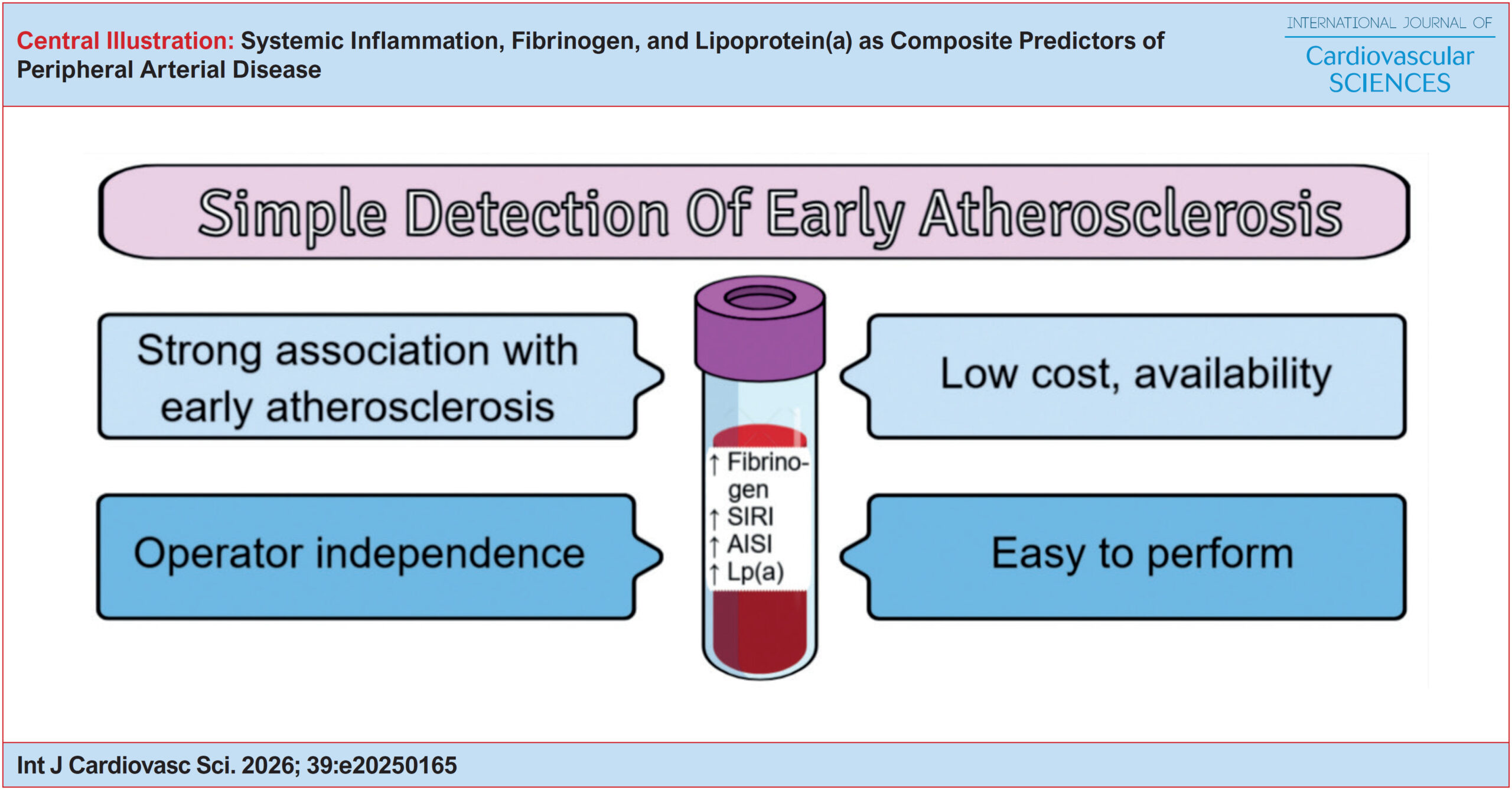
Early detection of peripheral atherosclerosis remains a clinical challenge, especially in asymptomatic individuals. This study aimed to evaluate the predictive value of systemic inflammatory indices and lipid-related biomarkers for early atherosclerosis.

Objectives:

To investigate the diagnostic value of systemic inflammation indices, fibrinogen, and lipoprotein(a) as individual biomarkers and as a combined predictive model for early peripheral arterial disease.

Methods:

A prospective case-control study was conducted in 54 individuals: 20 patients diagnosed with early peripheral atherosclerosis (<55 years) and 34 healthy controls. Laboratory data included complete blood count, lipid profile, fibrinogen, lipoprotein(a), angiopoietin-like protein 3 (ANGPTL3), and Lp-PLA2. Inflammatory indices, including NLR, PLR, SII, SIRI, AISI, and MLR, were calculated. Logistic regression and ROC analysis were performed. A two-sided p-value < 0.05 was considered statistically significant.

Results:

SIRI (1.70 vs. 0.93, p = 0.0039) and AISI (431.6 vs. 236.4, p = 0.0128) were significantly higher in the atherosclerosis group. Fibrinogen showed the most robust association (5.46 vs. 3.71 g/L, p < 0.00001). Lp(a) alone was not statistically different between groups but improved the multivariate model (AUC 0.85 vs. 0.82). The final model, including age, inflammatory indices, LDL, Lp (a), and fibrinogen, achieved an AUC of 0.91.

Conclusion:

Systemic inflammation and fibrinogen levels are strongly associated with early atherosclerosis. Their combination with lipoprotein(a) enhances diagnostic performance, offering a simple, cost-effective strategy for early vascular risk assessment.
  • Atherosclerosis
  • Biomarkers
  • Fibrinogen
  • Inflammation
  • Lipoprotein(a)
  • Peripheral Arterial Disease
Read Full Article
Creative Commons Attribution (CC BY) Creative Commons license
25/05/2026 DOI: 10.36660/ijcs.20250165 Views 2
Effects of Noninvasive Electrostimulation on Symptoms of lower Limb Peripheral Arterial Disease: a Systematic Review
IJCS
Original Article

Effects of Noninvasive Electrostimulation on Symptoms of lower Limb Peripheral Arterial Disease: a Systematic Review

Ana Paula Ferreira et al. Ana Flávia Ferreira Plinio dos Santos Ramos Thiago Casali Rocha Djalma Rabelo Ricardo

Abstract

Background:

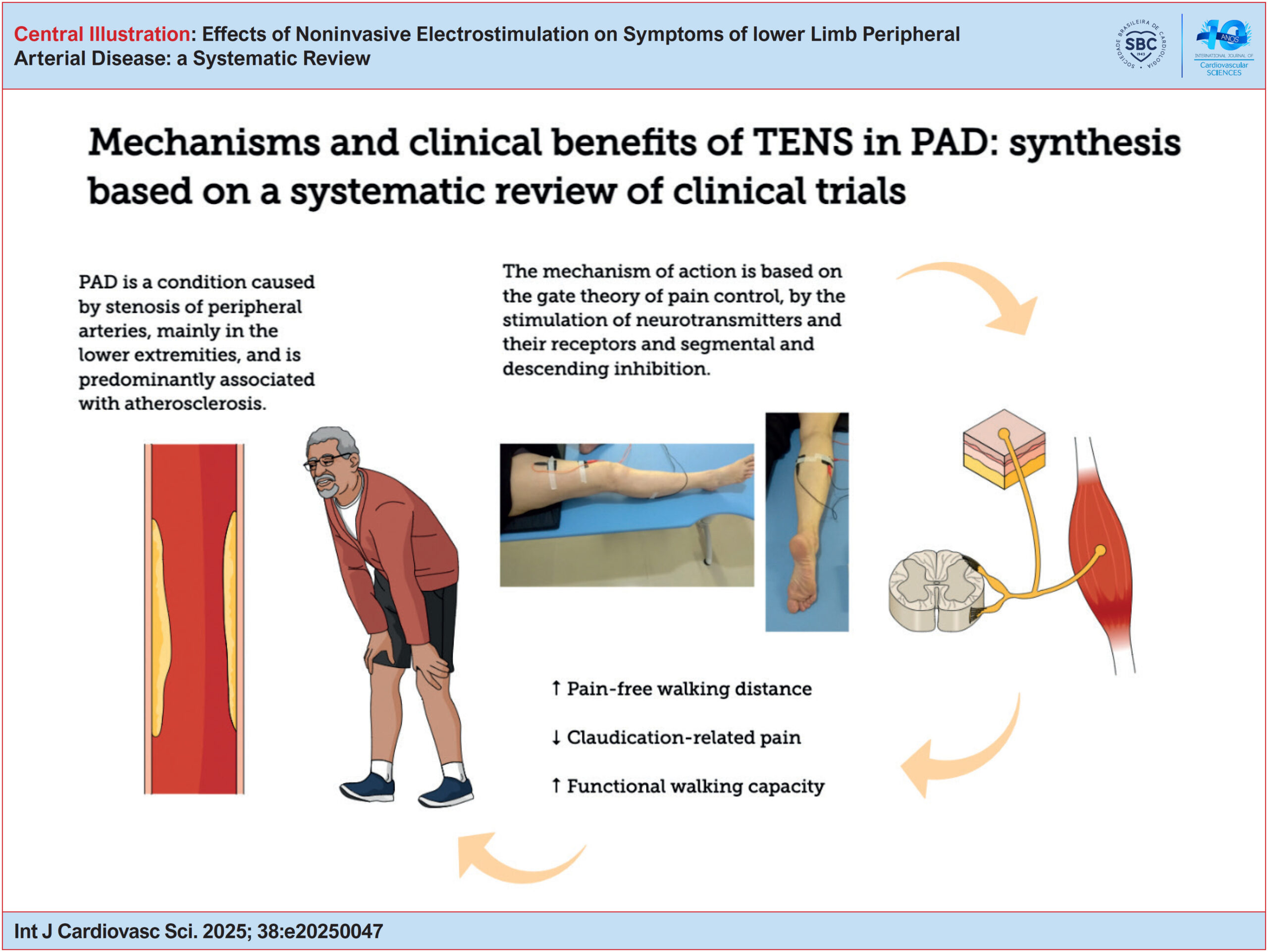
Peripheral arterial disease (PAD) is primarily characterized by intermittent claudication (IC), a symptom resulting from insufficient oxygen supply to skeletal muscles during physical activity. IC manifests as discomfort in the lower limbs during exertion due to muscle ischemia and is typically relieved by rest.

Objectives:

To evaluate the effects of noninvasive electrostimulation on walking distance and claudication-related pain in individuals with lower limb PAD.

Methods:

This systematic review was conducted in accordance with PRISMA guidelines. Clinical trials published in English, Portuguese, or Spanish were selected from the MedLine, PEDro, and SciELO databases up to December 2024. The search strategy was guided by the PICO framework, using descriptors related to “peripheral artery disease,” “intermittent claudication,” and “noninvasive electrostimulation.” Studies were included if they involved human participants diagnosed with PAD and presenting with Fontaine stage II intermittent claudication.

Results:

Seven clinical trials involving a total of 314 participants (mean age: 66.8 ± 3.6 years) were included. Four types of noninvasive electrostimulation were identified: neuromuscular electrical stimulation (NMES), transcutaneous electrical nerve stimulation (TENS), functional electrical stimulation (FES), and electroacupuncture. Most studies reported that electrostimulation improved both pain-free and maximum walking distances, as well as reduced claudication symptoms.

Conclusion:

Noninvasive electrostimulation appears to be a promising adjunctive therapy for individuals with peripheral arterial disease, offering potential benefits in symptom relief and walking capacity. Given its safety, low cost, and ease of application, this intervention may serve as a practical strategy to complement traditional treatment approaches. However, further high-quality clinical trials are needed to establish standardized protocols and optimize clinical outcomes.

  • Electrostimulation
  • Intermittent Claudication
  • Peripheral Arterial Disease
  • Transcutaneous Electrical Nerve Stimulation
Read Full Article
Creative Commons Attribution (CC BY) Creative Commons license
16/02/2026 DOI: 10.36660/ijcs.20250047 Views 4
Forecasting Ischemic Heart Disease, Stroke, and Peripheral Artery Disease Mortality in Brazil Through 2040: A Bayesian Modeling Approach
ABC
Original Article

Forecasting Ischemic Heart Disease, Stroke, and Peripheral Artery Disease Mortality in Brazil Through 2040: A Bayesian Modeling Approach

Pedro Rafael Vieira de Oliveira Salerno et al. Antoinette Cotton Bruno R. Nascimento Zhuo Chen … Gabriel Tensol Rodrigues Pereira Alexandre A. Abizaid Luis Augusto Palma Dallan Pedro Rafael Salerno Sadeer Al-Kindi Fanny Petermann-Rocha Salil V. Deo

Abstract

Background

Atherosclerotic cardiovascular disease — particularly ischemic heart disease (IHD), stroke, and peripheral artery disease (PAD) — is the leading cause of cardiovascular mortality in Brazil.

Objectives

This study aimed to project mortality trends for IHD, stroke, and PAD in Brazil through 2040.

Methods

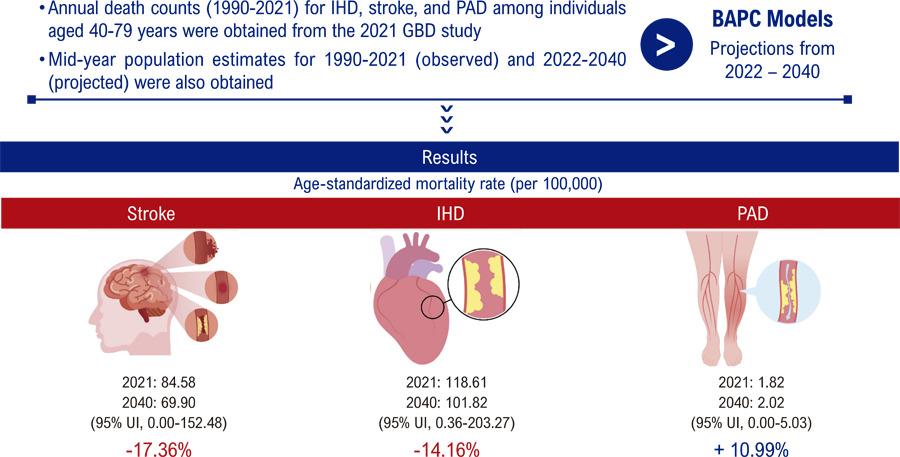
Annual death counts (1990-2021) for IHD, stroke, and PAD among individuals aged 40-79 years were obtained from the Global Burden of Disease (GBD) 2021 study. Mid-year population estimates for both observed (1990-2021) and projected (2022-2040) periods were used. Crude and age-standardized mortality rates were calculated. Bayesian age-period-cohort models were applied to project mortality rates from 2022 to 2040. Relative percentage changes and estimated annual percentage changes (EAPCs) were computed. Projections (per 100,000 population) are reported as medians with 95% uncertainty intervals (UIs), and EAPCs include bootstrap-derived confidence intervals (CIs).

Results

Between 1990 and 2040, Brazil’s population aged 40-79 years is projected to grow by 237.82%. The age-standardized mortality rate for IHD is expected to decline by 14.16% [from 118.61 in 2021 to 101.82 in 2040 (95% UI, 0.36-203.27)] (EAPC: -0.83% [95% CI, -0.84 to -0.83]); and for stroke by 17.36% [from 84.58 to 69.90 (95% UI, 0-152.48)] (EAPC: -1.07% [95% CI, -1.10 to -1.04]). In contrast, PAD mortality is projected to increase by 10.99% [from 1.82 to 2.02 (95% UI, 0-5.03)] (EAPC: 0.45% [95% CI, 0.30-0.59]). Additionally, sex-specific age-standardized mortality rates showed considerable variation. For IHD, rates are projected to decline by 25.31% among men (EAPC: -1.56% [95% CI, -1.57 to -1.55]), while increasing by 4.12% among women (EAPC: 0.14% [95% CI, 0.13-0.16]). Stroke mortality is expected to decrease by 30.00% in men (EAPC: -1.94% [95% CI, -1.96 to -1.91]) and by 4.52% in women (EAPC: -0.33% [95% CI, -0.37 to -0.29]). In contrast, PAD mortality is projected to rise by 14.64% in men (EAPC: 0.55% [95% CI, 0.38 to 0.71]) and by 21.92% in women (EAPC: 0.91% [95% CI, 0.78-1.02]).

Conclusion

While mortality rates for IHD and stroke are projected to decline, PAD mortality is expected to rise — particularly among women — highlighting the urgent need for sex-specific and disease-specific public health interventions.

  • Brazil
  • Mortality
  • Myocardial Ischemia
  • Peripheral Arterial Disease
  • Stroke
Read Full Article
Creative Commons Attribution (CC BY) Creative Commons license
16/01/2026 DOI: 10.36660/abc.20250189i Views 2
ABC
Editorial

The Importance of Characterizing Chest Pain in the Management of Unstable Angina

Daniela do Carmo Rassi et al. Aguinaldo Figueiredo Freitas Jr. Salvador Rassi

Unstable angina is a clinical entity of great complexity and whose correct diagnosis is essential for appropriate management. This terminology, unstable angina, tends to fall into disuse. As advocated by the latest European Guideline for the Management of Acute Coronary Syndrome of 2020, it would be encompassed under the name Acute Coronary Syndrome (unstable angina, acute myocardial infarction with and without ST elevation). Its diagnosis is essentially clinical, with nonspecific changes on the electrocardiogram and without plasma elevation of markers of myocardial necrosis.

In Acute Coronary Syndrome, when we have electrocardiographic changes and documentation of myocardial injury, there is already an established approach that would be early catheterization and coronary intervention, if applicable. In the absence of these markers, we do not yet have an established approach.

[…]

  • Acute coronary syndrome
  • Chest Pain
  • Electrocardiography/methods
  • Myocardial Ischemia
  • Peripheral Arterial Disease
Read Full Article
Creative Commons Attribution (CC BY) Creative Commons license
06/05/2024 DOI: 10.36660/abc.20240168i Views 2
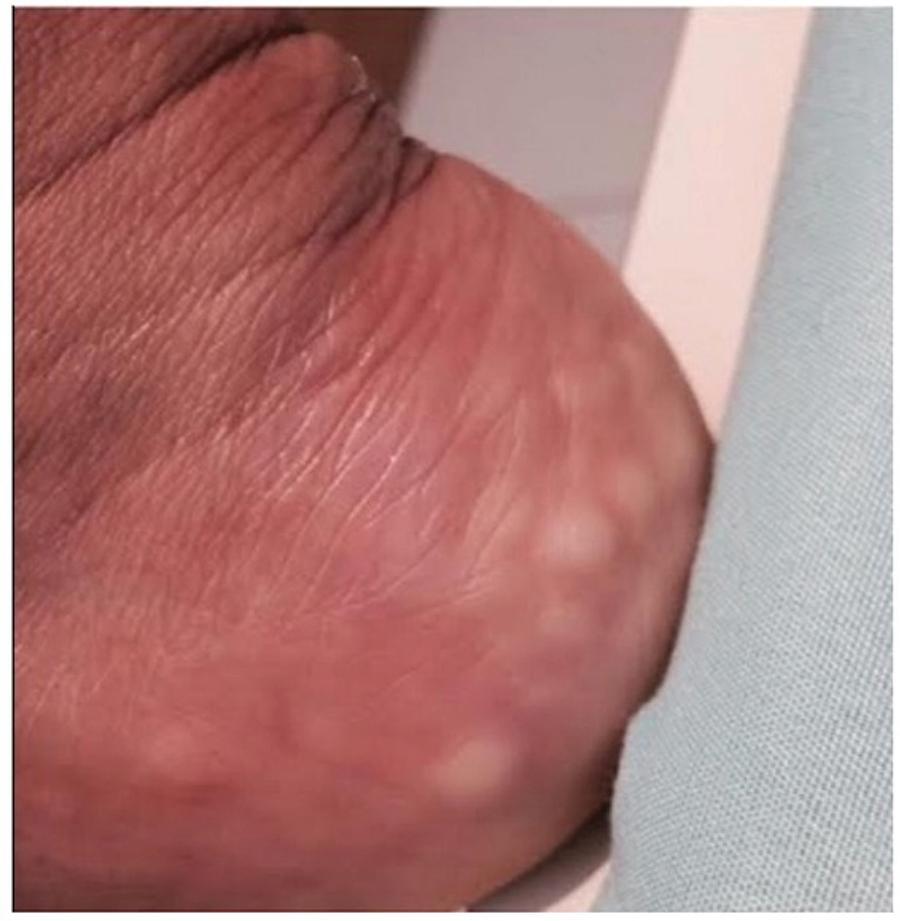
Figure 1
IJCS
Original Article

The Influence of Primary Atherosclerotic Diseases on the Occurrence of Secondary Disease

Paula Monique Chiconi de Picoli et al. Creusa Sayuri Tahara Amaral Eliane Trovatti

Abstract

Background

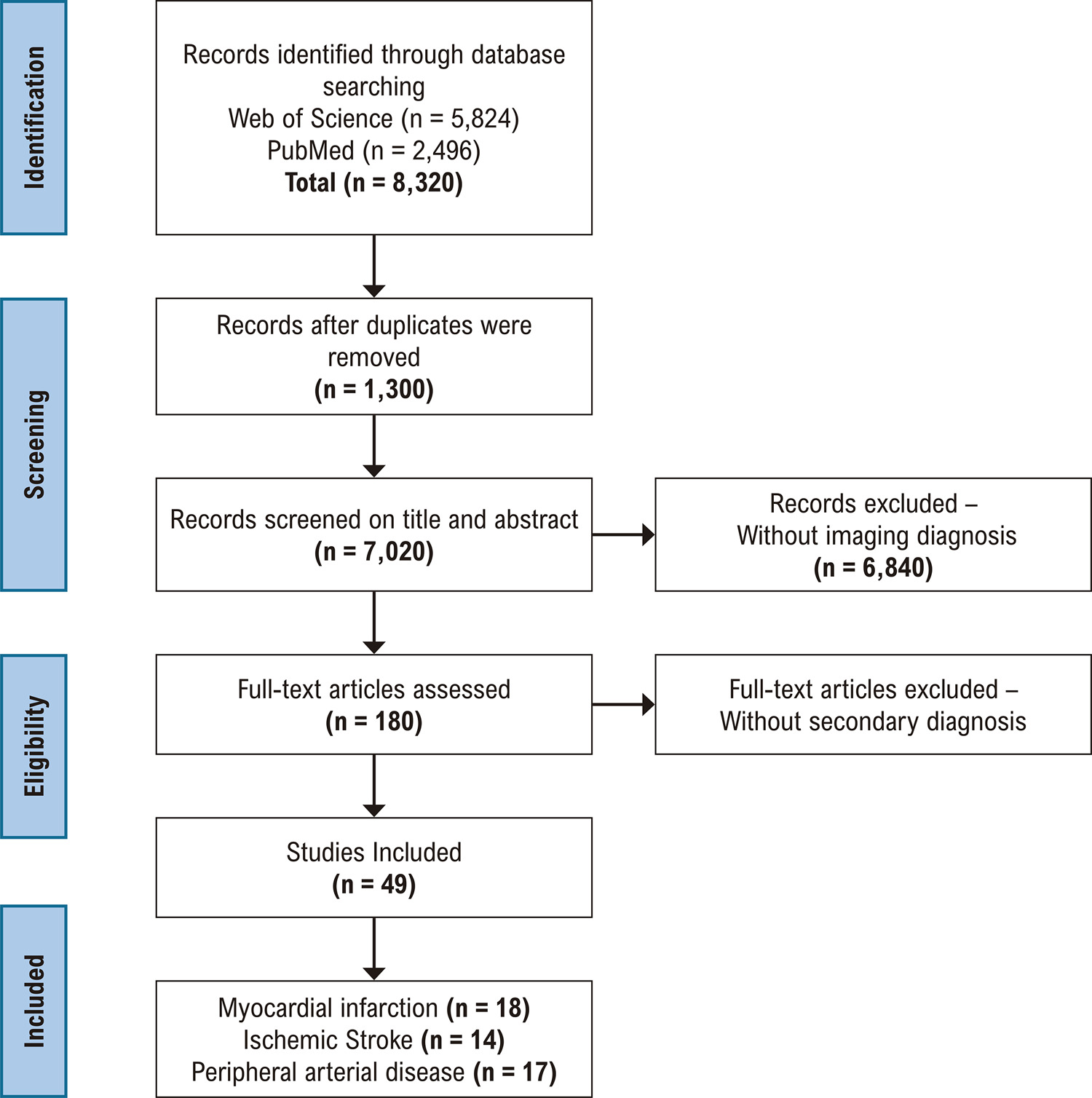
Atherosclerosis is a condition in which fats, cholesterol, fibrin, and other substances accumulate into plaque on the arterial walls. Plaque can harden and narrow the arteries, in turn limiting the blood flow and resulting in diseases, such as acute myocardial infarction (AMI), ischemic stroke (IS), or peripheral arterial disease (PAD). There is a fairly high risk of a secondary atherosclerotic event if patients are not treated after the primary episode.

Objective

To calculate the statistical probability of developing AMI, IS, or PAD after treating the primary disease.

Methods

Data for statistical probability studies included 507,690 patients with primary atherosclerotic disease, who were in treatment during the study period and who did or did not develop a secondary atherosclerotic disease event.

Result

Statistical probability data indicate that few AMI patients can develop IS (2.99%) or PAD (2.86%) as a secondary disease. Patients with primary diagnoses of IS showed a 5.07% risk of developing PAD and a 0.95% risk of developing AMI; however, PAD patients showed a higher probability for both AMI (9.17%) and IS (8.79%).

Conclusion

Secondary atherosclerotic disease episodes after IS, AMI, and PAD were confirmed by statistical probability and are consistent with data from the literature. The study revealed that a primary PAD event leads to high rates of secondary episodes, and special attention should be given to the diagnosis and treatment of PAD in order to decrease the occurrence of secondary events.

  • aging
  • Amputation
  • Cerebrovascular Disease
  • Diabetes Mellitus
  • Lower Extremity
  • Myocardial Ischemia
  • Peripheral Arterial Disease
Read Full Article
Creative Commons Attribution (CC BY) Creative Commons license
01/08/2022 DOI: 10.36660/ijcs.20210251 Views 2
ABC
Editorial

Physical Activity Levels Change Over Time in Individuals with Peripheral Arterial Disease

Alexandre Pereira et al. Leandro Franzoni

Physical activity plays a key role in improving functional capacity and cardiovascular function in peripheral arterial disease (PAD). There is a direct relationship between the improvement in peak oxygen consumption (VO2peak) and the reduction in the risk of mortality; in addition, improving symptoms related to intermittent claudication provides a better quality of life (QoL)., However, the assessment of the level of physical activity is often carried out in transversal studies, showing that a higher level of physical activity is correlated with a greater functional capacity, for example. However, the studies do not consider exposure over a given period, leaving open whether there are changes in cardiovascular risk parameters and physical activity levels in these individuals after a follow-up. This is what Cucato et al., analyzed in this edition of the Arquivos Brasileiros de Cardiologia.

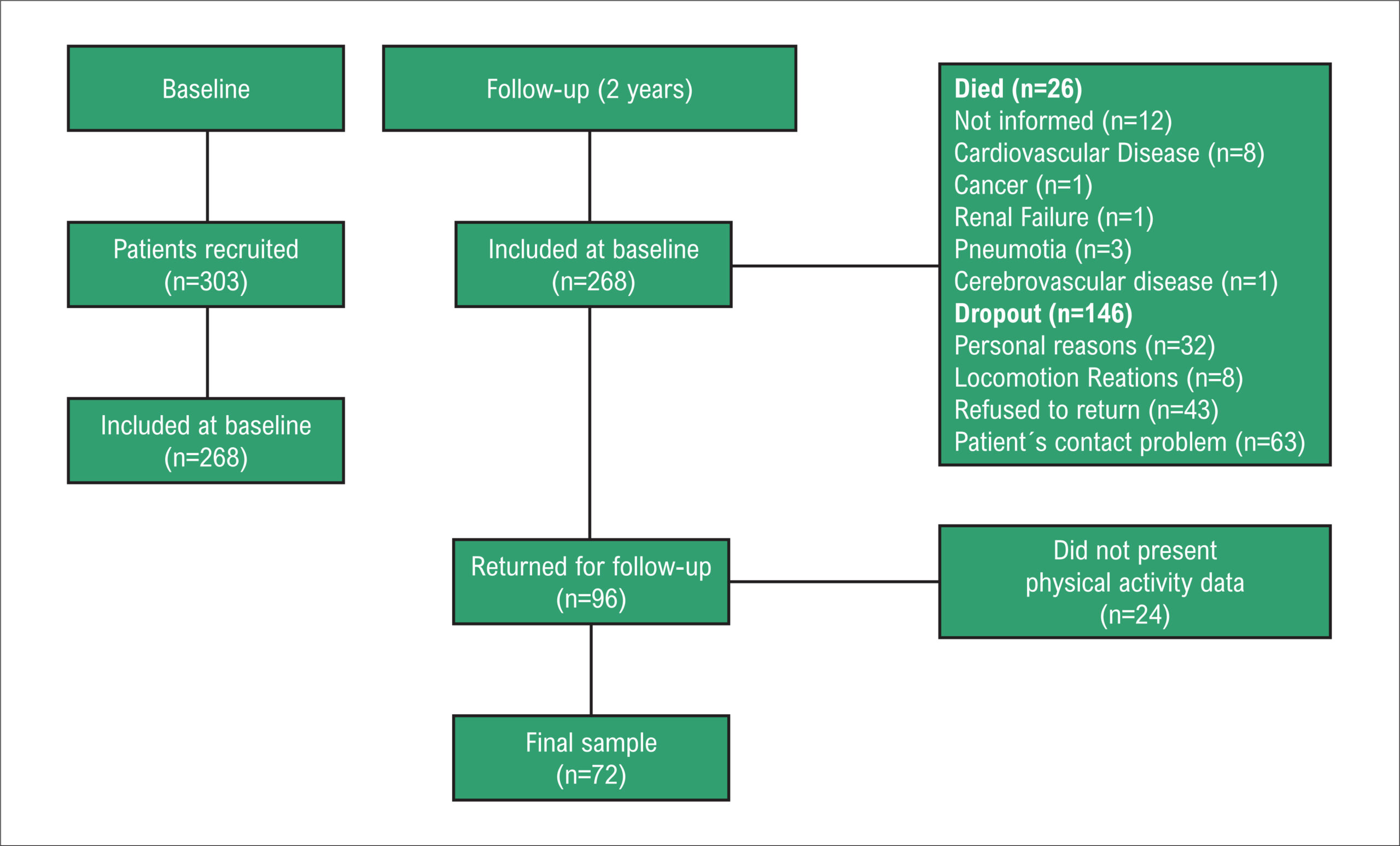
Initially, we will bring the methodological study issues, which began in 2015 and included, in the first phase, 268 patients. After 2 years of follow-up, 72 patients were reassessed in the second phase. Different cardiovascular risk parameters and physical activity levels were evaluated using a GT3X+ triaxial accelerometer (Actigraph, Pensacola, FL, USA). Here it is important to highlight the first positive point, which was to use an accelerometer to control physical activity levels, since many studies use a questionnaire to control the level of physical activity. All patients were instructed to use the accelerometer for 7 consecutive days, removing it only to sleep or shower. The device was fixed to the right side of the hip, and for analysis, a minimum of 10 hours of daily physical activity recording was required. Those who had at least 4 days of activity, 3 weekdays and 1 weekend day were considered valid. We highly value this part, as it is a simple method that provides us with extremely high-quality information.

[…]

  • Acceleration
  • Exercise
  • Peripheral Arterial Disease
  • Physical activity
  • Velocity
  • Walking Speed
Read Full Article
Creative Commons Attribution (CC BY) Creative Commons license
11/07/2022 DOI: 10.36660/abc.20220368 Views 1
Figure 1
ABC
Original Article

Longitudinal Changes in Physical Activity Levels and Cardiovascular Risk Parameters in Patients with Symptomatic Peripheral Artery Disease

Francielly Monteiro et al. Marilia de Almeida Correia Breno Quintella Farah Diego Giuliano Destro Christofaro … Paulo Mesquita Longano de Oliveira Raphael Mendes Ritti-Dias Gabriel Grizzo Cucato

Background:

Previous cross-sectional studies have demonstrated that physical activity is associated with lower cardiovascular risk in patients with peripheral artery disease (PAD). However, it is not possible to establish causality, and longitudinal design studies are required.

Objective:

To analyze the changes in cardiovascular risk parameters and physical activity levels after a 2-year follow-up in patients with symptomatic PAD.

Methods:

This study started in 2015. In the first phase, 268 patients were included. In the second phase, after 2 years (median = 26 months), 72 patients were re-evaluated. Cardiovascular risk parameters, such as blood pressure, cardiac autonomic modulation, and arterial stiffness, and physical activity levels were measured at baseline and after 2 years of follow-up. Association among delta changes (values from follow-up – baseline) in physical activity and cardiovascular parameters were analyzed by multiple linear regression. The significance level was set at p < 0.05.

Results:

Patients reduced their total physical activity levels compared to baseline (baseline = 2257.6 ± 774.5 versus follow-up = 2041 ± 676.2 min/week, p = 0.001). After follow-up, ankle-brachial index (0.62 ± 0.20 versus 0.54 ± 0.20, p = 0.003), and standard deviation of all RR intervals (43.4 ± 27.0 versus 25.1 ± 13.4 ms, p < 0.001) were lower, whereas carotid-femoral pulse wave velocity was higher (9.0 ± 3.0 versus 10.7 ± 3.4 m/s, p = 0.002) compared to baseline values. We did not observe any association among delta values of physical activity levels and cardiovascular risk parameters.

Conclusion:

Patients with PAD had reduced physical activity levels and impaired cardiovascular risk parameters during 2-year follow-up.

  • Arterial Pressure
  • Cardiovascular System
  • Exercise
  • Peripheral Arterial Disease
Read Full Article
Creative Commons Attribution (CC BY) Creative Commons license
03/06/2022 DOI: 10.36660/abc.20210386 Views 2
ABC
Original Article

Physiological Responses to Maximal and Submaximal Walking in Patients with Symptomatic Peripheral Artery Disease

Marcel Chehuen et al. Aluisio Andrade-Lima Natan Silva Junior Roberto Miyasato … Rodrigo W. Alves de Souza Anthony Leicht Patricia Chakur Brum Edilamar M. Oliveira Nelson Wolosker Claudia Lucia de Moraes Forjaz

Abstract

Background:

Although maximal and submaximal walking are recommended for patients with peripheral artery disease (PAD), performing these exercises may induce different physiological responses.

Objectives:

To compare the acute effects of maximal and submaximal walking on post-exercise cardiovascular function, regulation, and associated pathophysiological processes in patients with symptomatic PAD.

Methods:

Thirty male patients underwent 2 sessions: maximal walking (Gardner’s protocol) and submaximal walking (15 bouts of 2 minutes of walking separated by 2 minutes of upright rest). In each session, blood pressure (BP), heart rate (HR), cardiac autonomic modulation (HR variability), forearm and calf blood flows (BF), vasodilatory capacity (reactive hyperemia), nitric oxide (NO), oxidative stress (lipid peroxidation), and inflammation (four markers) were measured pre- and post-walking. ANOVAs were employed, and p < 0.05 was considered significant.

Results:

Systolic and mean BP decreased after the submaximal session, but they increased after the maximal session (interactions, p 0.05), and it increased after maximal walking (interaction, p < 0.001). HR, sympathovagal balance, and BF increased similarly after both sessions (moment, p < 0.001, p = 0.04, and p 0.05). Vascular and intercellular adhesion molecules increased similarly after both maximal and submaximal walking sessions (moment, p = 0.001).

Conclusions:

In patients with symptomatic PAD, submaximal, but not maximal walking reduced post-exercise BP, while maximal walking maintained elevated cardiac overload during the recovery period. On the other hand, maximal and submaximal walking sessions similarly increased post-exercise HR, cardiac sympathovagal balance, and inflammation, while they did not change post-exercise NO bioavailability and oxidative stress.

  • Byomarkers
  • Hemodynamic Monitoring
  • Intermittent Claudication
  • Oxidative Stress
  • Peripheral Arterial Disease
  • walking
  • Walking Speed
Read Full Article
Creative Commons Attribution (CC BY) Creative Commons license
06/09/2021 DOI: 10.36660/abc.20200156 Views 2
ABC
Editorial

Walking Training Improve Ambulatorial Blood Pressure Variability in Claudicants

Leandro Franzoni et al. Gabriel Pereira de Reis Zubaran Stephanie Bastos da Motta

Peripheral arterial disease (PAD) has been shown to be increasingly prevalent worldwide. Clinical diagnosis is based on evaluation of the ankle brachial index (ABI), where the ankle systolic blood pressure (BP) is divided by the systolic BP of the arm.² Value <0.9 indicate the presence of PAD. Reduction in systolic BP of the ankle is due to atherosclerosis in the lower limbs. Individuals with PAD have significant hemodynamic abnormalities, such as an increase in BP levels. In addition, high BP variability is correlated with the development of PAD in diabetic individuals.

It is important to reduce BP levels in PAD individuals. Physical training is a useful tool that can assist the treatment of clinical symptoms., It was what Chehuen et al. did; they investigated the effect of walking training (WT) on ambulatory BP variability in PAD individuals. It is an elegant randomized clinical trial in which individuals with PAD and claudication symptoms were divided into two groups: control (n=16) and WT (n=19). 24-hour ambulatory BP was assessed before and after 12 weeks. As an outcome, they evaluated the mean systolic BP and ambulatory diastolic BP, as well as variables representing systolic, diastolic and average BP variability (24-hour standard deviation – SD24, awake and asleep weighted standard deviation – SDdn, and 24-hour average real variability – ARV24).

[…]

  • Ankle Brachial Index
  • Arterial Pressure
  • Atherosclerosis
  • Diabetes Melllitus
  • Intermittent Clauduication
  • Peripheral Arterial Disease
  • Prevalence
  • walking
Read Full Article
Creative Commons Attribution (CC BY) Creative Commons license
17/05/2021 DOI: 10.36660/abc.20210140
ABC
Editorial

Exercise and Six-Minute Walk Test in Lower Extremity Occlusive Peripheral Arterial Disease

Tales de Carvalho

The article “Exercise Intensity During 6-min Test in Patients with Peripheral Artery Disease” provides original, practically useful information to be considered in the diagnosis, prognosis and mainly in the functional assessment that allows a better prescription of physical exercise in the medical treatment of the disease. The study was conducted with the aim of determining whether overground walking would allows the detection of the first ventilatory threshold, also known as anaerobic threshold (AT), in symptomatic patients with lower extremity occlusive peripheral arterial disease (LE-OPAD). AT is a marker of exercise intensity, useful for the determination of the optimal zone for physical training focused on improvement in cardiorespiratory fitness.

LE-OPAD is an important public health problem. According to global epidemiology report, the disease affected 202 million individuals in 2010, and 237 million in 2015, with a 22% increase during this period. The association of OPAD with major cardiovascular events (MACE) has been well documented; in the severe stage of the disease, with presence of critical ischemia, there is a high risk of cardiovascular events, lower limb amputation and death, with association with elevated levels of cardiac troponin and N terminal pro-brain natriuretic peptide (NT-proBNP).

[…]

  • Anaerobic Threshold
  • Exercise
  • Intermittent Claudication
  • Peripheral Arterial Disease
  • Physical Activities of Daily Living
  • Walk Test
Read Full Article
Creative Commons Attribution (CC BY) Creative Commons license
06/04/2020 DOI: 10.36660/abc.20200068 Views 2
Figure 1
ABC
Case Report

Emergent Percutaneous Rotational Atherectomy to Bailout Surgical Transapical Aortic Valve Implantation: A Successful Case of Heart Team Turnaround

Tawfiq Choudhury et al. Shahrukh N. Bakar Bob Kiaii Patrick Teefy

Abstract

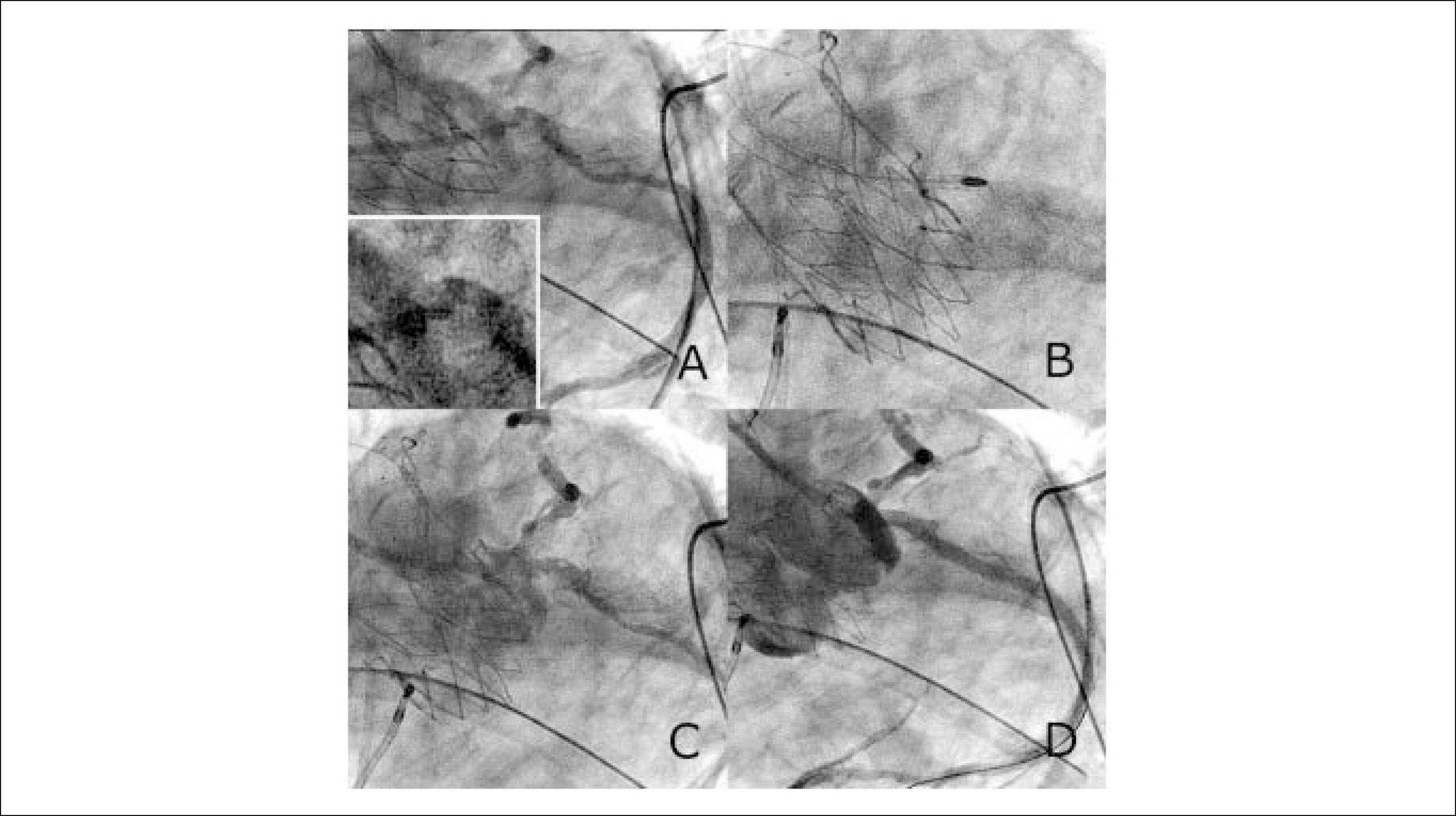
Transcatheter aortic valve implantation (TAVI) is an established treatment for severe aortic stenosis (AS) in patients with elevated surgical risk. Concomitant coronary artery disease affects 55-70% of patients with severe AS. Percutaneous coronary intervention in patients with TAVI can be challenging. We report a case of acute coronary obstruction immediately following transapical TAVI deployment requiring emergent rotational atherectomy.

  • Aortic Valve Stenosis
  • Atherectomy
  • Atherectomy, Coronary
  • Coronary Angiography
  • Peripheral Arterial Disease
Read Full Article
Creative Commons Attribution (CC BY) Creative Commons license
02/12/2019 DOI: 10.5935/abc.20190235 Views 1
ABC
Original Article

Clinical Characteristics and Adverse Events in Acute Coronary Syndrome Patients with a History of Peripheral Arterial Disease

Yun-Peng Kang et al. Li-Ying Chen Tie-Duo Kang Wen-Xian Liu

Abstract

Background:

In clinical observation, patients with acute coronary syndrome complicated with peripheral artery disease have poor prognosis, so the relationship between the diseases and clinical characteristics need to be further explored.

Objective:

This study aims to investigate clinical characteristics and independent risk factors for in-hospital adverse events in acute coronary syndrome patients with a history of peripheral arterial disease (PAD).

Methods:

A total of 5,682 patients with acute coronary syndrome were included into this study. These patients were divided into two groups according to the presence or absence of a history of PAD: PAD group (n = 188), and non-PAD (control) group (n = 5,494). Then, the clinical characteristics and incidence of in-hospital adverse events were analyzed; p < 0.05 was considered statistically significant.

Results:

The age of PAD patients was higher than that in the control group (65.5 ± 10.3 years vs. 58.6 ± 11 years, p < 0.001), and the proportion of PAD patients with diabetes history and stroke history was higher than that in the control group (73 [39%] vs. 1472 [26.8%], p = 0.018; 36 [19.3%] vs. 396 [7.2%], p 65 years old (OR = 4.670, p < 0.001) were independent risk factors for in-hospital adverse events.

Conclusion:

A history of PAD, advanced age, and a history of diabetes are independent risk factors for in-hospital adverse events in patients with acute coronary syndrome.

  • Acute coronary syndrome
  • Atherosclerosis
  • Diabetes Mellitus
  • Hospitalization/complications
  • Mortality
  • Peripheral Arterial Disease
  • Risk Factors
Read Full Article
Creative Commons Attribution (CC BY) Creative Commons license
29/08/2019 DOI: 10.5935/abc.20190150 Views 1
Figure 1
ABC
Original Article

Physical Activity Levels in Peripheral Artery Disease Patients

Aline Mendes Gerage et al. Marilia de Almeida Correia Paulo Mesquita Longano de Oliveira Aline Cabral Palmeira … Wagner Jorge Ribeiro Domingues Antônio Eduardo Zeratti Pedro Puech-Leão Nelson Wolosker Raphael Mendes Ritti-Dias Gabriel Grizzo Cucato

Abstract

Background:

Increases in daily physical activity levels is recommended for patients with peripheral artery disease (PAD). However, despite this recommendation, little is known about the physical activity patterns of PAD patients.

Objective:

To describe the physical activity patterns of patients with symptomatic peripheral artery (PAD) disease.

Methods:

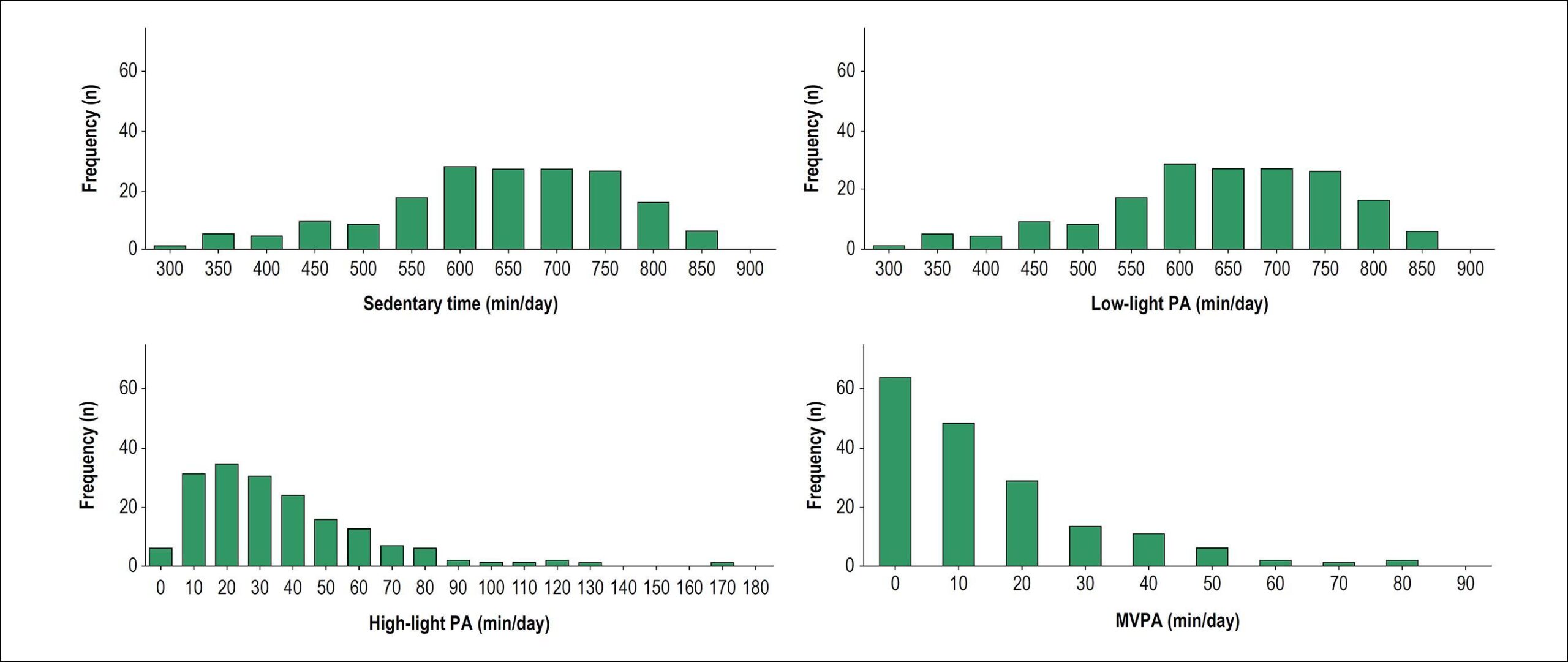
This cross-sectional study included 174 PAD patients with intermittent claudication symptoms. Patients were submitted to clinical, hemodynamic and functional evaluations. Physical activity was objectively measured by an accelerometer, and the time spent in sedentary, low-light, high-light and moderate-vigorous physical activities (MVPA) were obtained. Descriptive analysis was performed to summarize patient data and binary logistic regression was used to test the crude and adjusted associations between adherence to physical activity recommendation and sociodemographic and clinical factors. For all the statistical analyses, significance was accepted at p < 0.05.

Results:

Patients spent in average of 640 ± 121 min/day, 269 ± 94 min/day, 36 ± 27 min/day and 15 ± 16 min/day in sedentary, low-light, high-light and MVPA, respectively. The prevalence of patients who achieved physical activity recommendations was 3.4%. After adjustment for confounders, a significant inverse association was observed between adherence to physical activity recommendation and age (OR = 0.925; p = 0.004), while time of disease, ankle brachial index and total walking distance were not associated with this adherence criteria (p > 0.05).

Conclusion:

The patterns of physical activity of PAD patients are characterized by a large amount of time spent in sedentary behaviors and a low engagement in MVPA. Younger patients, regardless of the clinical and functional factors, were more likely to meet the current physical activity recommendations.

  • Exercise
  • Intermittent Claudication
  • Motor Activity
  • Peripheral Arterial Disease
  • Waling
Read Full Article
Creative Commons Attribution (CC BY) Creative Commons license
29/07/2019 DOI: 10.5935/abc.20190142 Views 2
Figure 1
IJCS
Case Report

Familial Hypercholesterolemia: the Importance of Early Diagnosis and Management

Ana Flavia Cassini Cunha et al. Iliana Ribeiro

Introduction

Familial Hypercholesterolemia (FH) is an autosomal dominant hereditary disease, a genetic disease of lipoprotein metabolism, mainly due to a defect in the LDLR gene encoding the LDL receptor.– The diagnosis is established by clinical and laboratory criteria and should always be a diagnostic hypothesis in patients with low-density lipoprotein cholesterol (LDLc) levels greater than 190 mg/dL; and can be confirmed by genetic tests that determine the mutation., Some diagnostic criteria have been proposed in an attempt to standardize and formalize the diagnosis of FH, such as the Dutch Lipid Clinic Network (Dutch MEDPED). This calculates a patient score based on anamnesis data and physical and laboratory tests such as elevated rates of LDLc; characteristics such as tendinous xanthomas and corneal arch; family history of hypercholesterolemia and/or early coronary artery disease (man < 55 years and woman < 60 years) and identification of genetic mutations., The score determines the probability of an FH diagnosis as possible, probable or definitive FH. The most common mutation related to FH is in the gene encoding the LDL receptor, resulting in LDL receptors with functional reductions in their ability to remove LDLc from the circulation. There are two distinct phenotypes: the homozygous form, where two defective genes are inherited and LDL receptors have no functionality; a rare form,1 in 1 million individuals and in this case are observed LDL levels > 650 mg/dL; and the heterozygous form, where a gene defective to the LDL receptor is inherited from one parent and a normal gene from the other. The absence of a functional gene causes an increase in the plasma level of LDLc; most frequently affects 1 in 500 individuals with LDL levels > 200 mg/dL. The homozygous form tends to present cardiovascular involvement already in childhood. The mutation may also be secondary to defects in the APOB gene encoding apolipoprotein B100, or by functional gain mutations in the pro-protein convertase subutilisin/kexin type 9 (PCSK) gene. -9).,, In patients with heterozygous FH the LDL particles circulate longer, being more subject to oxidation and chemical transformations that result in high uptake of LDL modified by macrophages, triggering pro-atherogenic mechanisms, causing atherosclerosis, coronary artery disease and arterial disease peripheral. The nutritional therapies, medication, and regular physical exercises help to control LDL levels and to prevent cardiovascular disease.– It is recommended to reduce the intake of foods rich in cholesterol and saturated fatty acids.– Pharmacological therapy is performed with high-potency statins, such as Atorvastatin (10-80 mg) and Rosuvastatin (10-40mg), in order to obtain a reduction of more than 50% of the baseline level. In patients with intolerant to statin therapy, other hypolipidemic agents, such as ezetimibe, niacin or cholestyramine may be used; and may be also combined with each others in patients who are poorly responding to single statin therapy., Drug therapy should be individually prescribed and maintained in the long term, with regular medical follow-up always evaluating liver (TGO/TGP) and muscular (CPK) enzymes., Lipid profile screening is recommended in all individuals over 10 years of age and in all first degree relatives of individuals diagnosed as having FH. In the presence of risk factors, clinical signs of FH or atherosclerotic disease, the lipid profile should be considered from 02 years old on.

In this report, we describe the case of a patient in the fourth decade of life with Familial Hypercholesterolemia, who was successfully treated with high-potency statin.

[…]

  • Ankle Brachial Index
  • Atherosclerosis
  • Hyperlipoproteinemia Type II
  • Peripheral Arterial Disease
Read Full Article
Creative Commons Attribution (CC BY) Creative Commons license
01/01/2017 DOI: 10.5935/2359-4802.20170077
Figure 1
ABC
Original Article

Association of Peripheral Arterial and Cardiovascular Diseases in Familial Hypercholesterolemia

Carolina Pereira et al. Marcio Miname Marcia Makdisse Roberto Kalil Filho Raul D. Santos

Background:

Familial hypercholesterolemia (FH) is an autosomal dominant genetic disease characterized by an elevation in the serum levels of total cholesterol and of low-density lipoproteins (LDL- c). Known to be closely related to the atherosclerotic process, FH can determine the development of early obstructive lesions in different arterial beds. In this context, FH has also been proposed to be a risk factor for peripheral arterial disease (PAD).

Objective:

This observational cross-sectional study assessed the association of PAD with other manifestations of cardiovascular disease (CVD), such as coronary artery and cerebrovascular disease, in patients with heterozygous FH.

Methods:

The diagnosis of PAD was established by ankle-brachial index (ABI) values ≤ 0.90. This study assessed 202 patients (35% of men) with heterozygous FH (90.6% with LDL receptor mutations), mean age of 51 ± 14 years and total cholesterol levels of 342 ± 86 mg /dL.

Results:

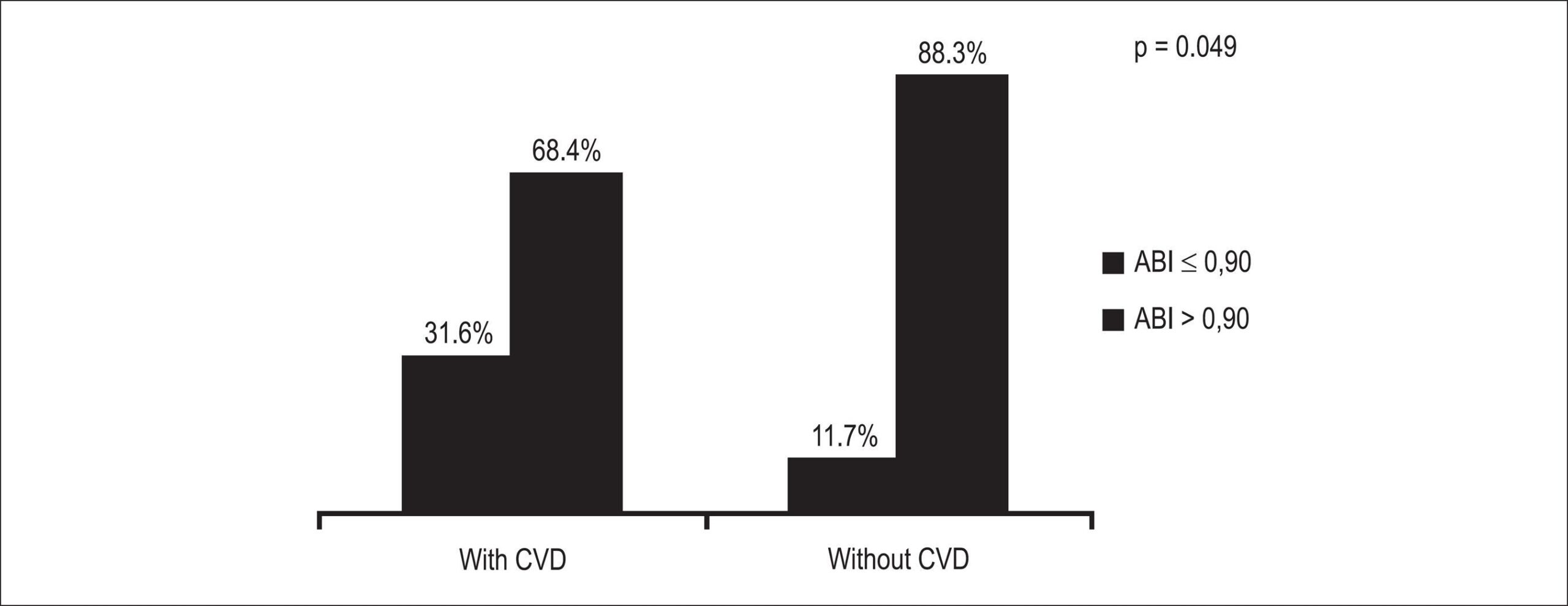
The prevalences of PAD and previous CVD were 17% and 28.2 %, respectively. On multivariate analysis, an independent association between CVD and the diagnosis of PAD was observed (OR = 2.50; 95% CI: 1.004 – 6.230; p = 0.049).

Conclusion:

Systematic screening for PAD by use of ABI is feasible to assess patients with FH, and it might indicate an increased risk for CVD. However, further studies are required to determine the role of ABI as a tool to assess the cardiovascular risk of those patients.

  • Ankle Brachial Index
  • Atherosclerosis
  • Peripheral Arterial Disease
  • Type II Hyperlipoproteinemia
Read Full Article
Creative Commons Attribution (CC BY) Creative Commons license
15/07/2014 DOI: 10.5935/abc.20140097
Peripheral artery disease and kidney function in hypertensive patients
ABC
Artigo Original

Peripheral artery disease and kidney function in hypertensive patients

Carolina Sarmento et al. Telmo Pereira João Maldonado Jorge Conde

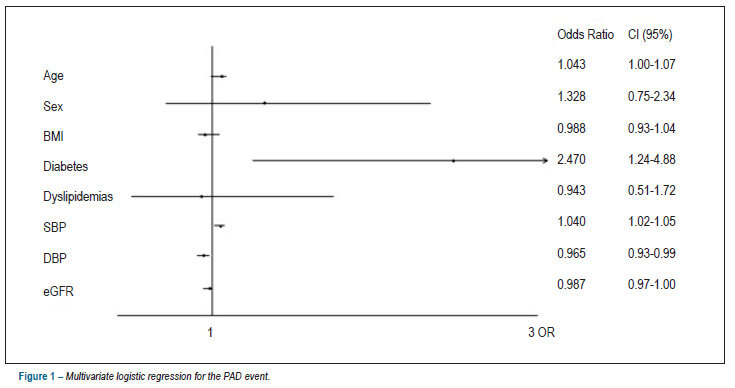
BACKGROUND: Patients with peripheral arterial disease (PAD) have a high risk of developing cardiovascular events. There is a high prevalence of PAD in individuals with kidney disease and both are important risk factors for cardiovascular events. OBJECTIVE: The aim of this study was to investigate the association between PAD and renal function in hypertensive patients. METHODS: The sample consisted of 909 individuals with arterial hypertension. The presence of PAD was evaluated using the ankle-brachial index (ABI) method and renal function was assessed based on the estimated glomerular filtration rate (eGFR). The subjects were divided into groups, according to abnormal (ABI < 0.9) and normal ABI (ABI 0.9-1.4). RESULTS: The percentage of subjects with abnormal ABI was 8%. In the group of individuals with abnormal ABI, prevalence of CKD was 23.4%, compared to a prevalence of 11.2% in patients with normal ABI. Multivariable logistic regression analysis, after adjusting the model to the conventional cardiovascular risk factors, identified a statistically significant and independent effect of eGFR on the likelihood of developing PAD, with an OR of 0.987 (CI: 0.97-1.00). CONCLUSION: An independent association between PAD and chronic kidney disease was observed in the present study. Therefore, the combination of an accurate diagnosis of kidney disease and routine ABI evaluation could constitute a more efficient means to identify subclinical PAD, allowing individuals to benefit from early interventions, aiming at reducing cardiovascular risk.

  • Hypertension
  • Kidney, Diseases
  • Peripheral Arterial Disease
Read Full Article
Creative Commons Attribution (CC BY) Creative Commons license
02/04/2013 DOI: 10.5935/abc.20130052 Views 1
Functional limitation and intermittent claudication: impact of blood pressure measurements
ABC
Artigo Original

Functional limitation and intermittent claudication: impact of blood pressure measurements

Rita de Cássia Gengo e Silva et al. Cassiana Rosa Galvão Giribela Nelson Wolosker Fernanda Marciano Consolim-Colombo

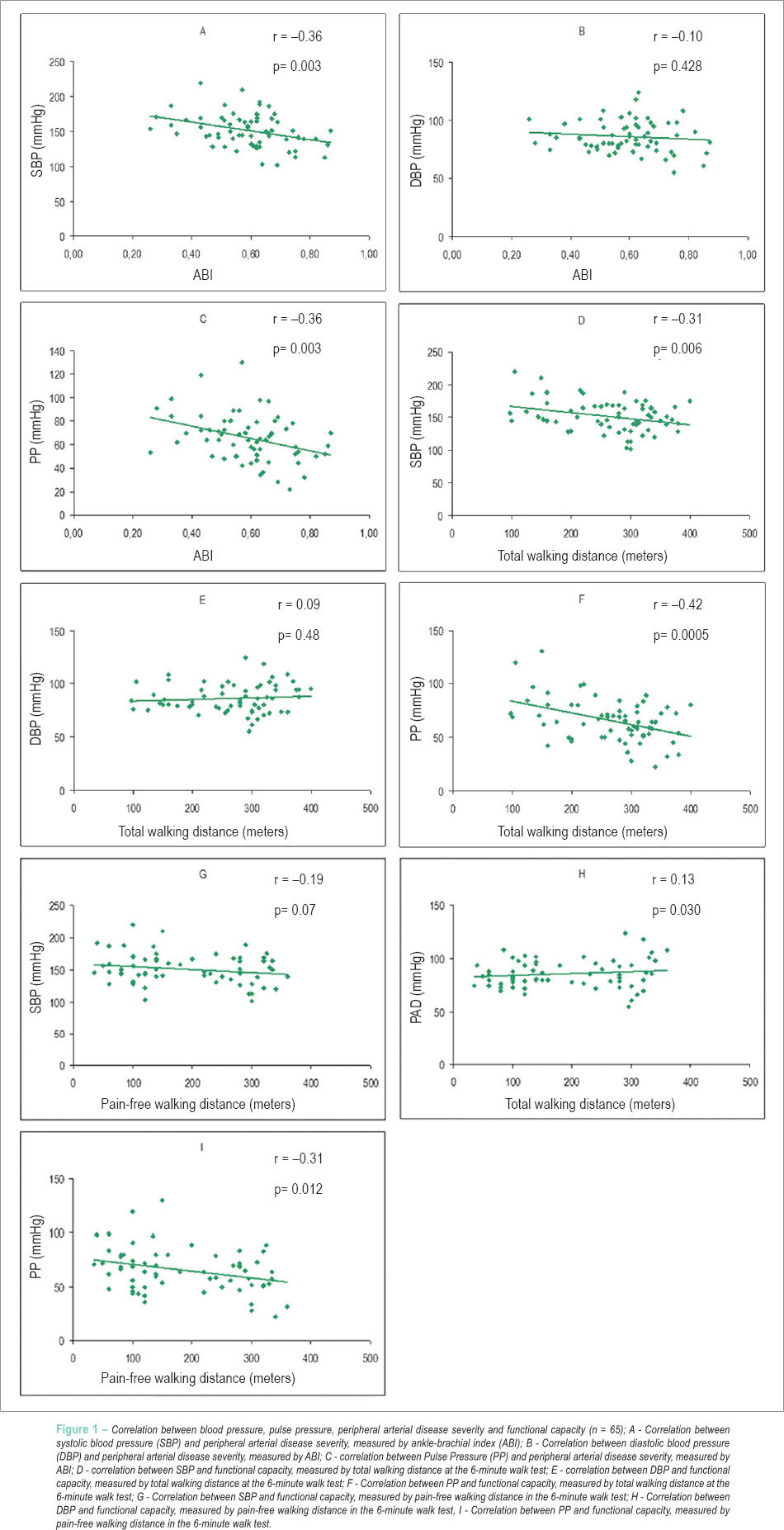
BACKGROUND: Arterial hypertension is an important risk factor for Lower-Limb Occlusive Arterial Disease (LLOAD). However, the correlation between blood pressure and pulse pressure (PP) with LLOAD severity and functional impairment resulting from this disease is not well established in the Brazilian population. OBJECTIVE: To verify whether there is a correlation between blood pressure, PP, LLOAD severity and functional capacity in patients with symptomatic LLOAD. METHODS: A total of 65 patients (62.2 + 8.1 years, 56.9% males) were evaluated. They were divided into two groups: normal (A) and high (B) blood pressure. LLOAD severity was assessed using the ankle-brachial index (ABI) and functional capacity by the total and pain-free walking distance at the 6-minute walking test (6MWT). RESULTS: Group A consisted of 17 (26.1%) patients. The systolic (SBP), diastolic blood pressure (DBP), and PP were, respectively, 125.4 ±11.7, 74.5 ± 9.1 and 50.9 ± 10.0 mmHg in group A and 160.7 ± 19.6, 90.0 ± 12.2 and 70.7 ± 20.2 mmHg in group B. The ABI was significantly lower in group B (0.66 ± 0.12 vs. 0.57 ± 0.13, p 40 mmHg walked shorter distances. CONCLUSION: SBP and PP significantly correlated with the distances walked in the 6MWT, suggesting they are clinical markers of functional capacity impairment in patients with symptomatic LLOAD.

  • Blood Pressure
  • Hypertension
  • Intermittent Claudication
  • Peripheral Arterial Disease
  • walking
Read Full Article
Creative Commons Attribution (CC BY) Creative Commons license
06/01/2012 DOI: 10.1590/S0066-782X2012005000001 Views 2
Interaction between serotoninergic-and β-adrenergic receptors signaling pathways in rat femoral artery
ABC
Artigo Original

Interaction between serotoninergic-and β-adrenergic receptors signaling pathways in rat femoral artery

Maria Andréia Delbin et al. Alexandre Sérgio Silva Edson Antunes Angelina Zanesco

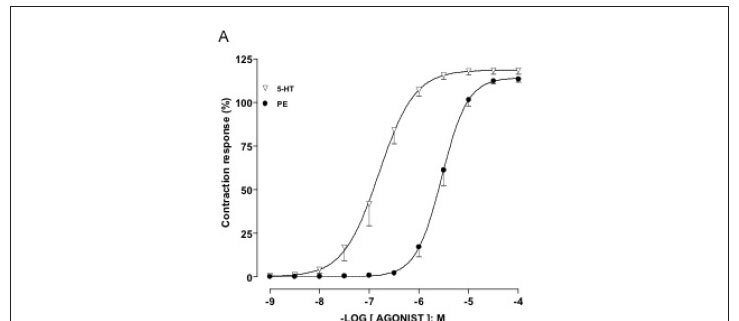
BACKGROUND: Coronary heart disease has been widely studied in cardiovascular research. However, patients with peripheral artery disease (PAD) have worst outcomes compared to those with coronary artery disease. Therefore, pharmacological studies using femoral artery are highly relevant for a better understanding of the pathophysiologic responses of the PAD. OBJECTIVE: The aim of this study was to evaluate the pharmacologic properties of the contractile and relaxing agents in rat femoral artery. METHODS: Concentration response curves to the contractile phenylephrine (PE) and serotonin (5-HT) and the relaxing agents isoproterenol (ISO) and forskolin were obtained in isolated rat femoral artery. For relaxing responses, tissues were precontracted with PE or 5-HT. RESULTS: The order rank potency in femoral artery was 5-HT > PE for contractile responses. In tissues precontracted with 5-HT, relaxing responses to isoproterenol was virtually abolished as compared to PE-contracted tissues. Forskolin, a stimulant of adenylyl cyclase, partially restored the relaxing response to ISO in 5-HT-precontracted tissues. CONCLUSION: An interaction between β-adrenergic- and serotoninergic- receptors signaling pathway occurs in femoral artery. Moreover, this study provides a new model to study serotoninergic signaling pathway under normal and pathological conditions which can help understanding clinical outcomes in the PAD.

  • arteria femoral
  • femoral artery
  • Peripheral Arterial Disease
  • receptors, adrenergic
  • receptors, serotonin
Read Full Article
Creative Commons Attribution (CC BY) Creative Commons license
15/12/2011 DOI: 10.1590/S0066-782X2011005000121

How to cite this article

EndNote RIS

Electronic Document Format (Vancouver)

Namitokov A, Karabakhtsieva K, Gilevich I. Systemic Inflammation, Fibrinogen, and Lipoprotein(a) as Composite Predictors of Peripheral Arterial Disease. International Journal of Cardiovascular Sciences 2026;39:e20250165.

Electronic Document Format (ABNT)

Namitokov, Alim; Karabakhtsieva, Karina; Gilevich, Irina. Systemic Inflammation, Fibrinogen, and Lipoprotein(a) as Composite Predictors of Peripheral Arterial Disease. International Journal of Cardiovascular Sciences, v. 39, e20250165, May. 2026.

Electronic Document Format (APA)

Namitokov, A., Karabakhtsieva, K., & Gilevich, I. (2026). Systemic Inflammation, Fibrinogen, and Lipoprotein(a) as Composite Predictors of Peripheral Arterial Disease. International Journal of Cardiovascular Sciences, 39, e20250165.

Electronic Document Format (ISO)

Namitokov, Alim and Karabakhtsieva, Karina and Gilevich, Irina. Systemic Inflammation, Fibrinogen, and Lipoprotein(a) as Composite Predictors of Peripheral Arterial Disease. International Journal of Cardiovascular Sciences [online]. 2026, vol. 39, [cited 2026-10-14], e20250165. Available from: <https://journals.cardiol.br/en/article/systemic-inflammation-fibrinogen-and-lipoproteina-as-composite-predictors-of-peripheral-arterial-disease/>. ISSN 2359-4802

EndNote RIS

Electronic Document Format (Vancouver)

Ferreira AP, Ferreira AF, Ramos PS, Rocha TC, Ricardo DR. Effects of Noninvasive Electrostimulation on Symptoms of lower Limb Peripheral Arterial Disease: a Systematic Review. International Journal of Cardiovascular Sciences 2026;38:e20250047.

Electronic Document Format (ABNT)

Ferreira, Ana Paula; Ferreira, Ana Flávia; Ramos, Plinio dos Santos; Rocha, Thiago Casali; Ricardo, Djalma Rabelo. Effects of Noninvasive Electrostimulation on Symptoms of lower Limb Peripheral Arterial Disease: a Systematic Review. International Journal of Cardiovascular Sciences, v. 38, e20250047, Feb. 2026.

Electronic Document Format (APA)

Ferreira, A. P., Ferreira, A. F., Ramos, P. S., Rocha, T. C., & Ricardo, D. R. (2026). Effects of Noninvasive Electrostimulation on Symptoms of lower Limb Peripheral Arterial Disease: a Systematic Review. International Journal of Cardiovascular Sciences, 38, e20250047.

Electronic Document Format (ISO)

Ferreira, Ana Paula and Ferreira, Ana Flávia and Ramos, Plinio dos Santos and Rocha, Thiago Casali and Ricardo, Djalma Rabelo. Effects of Noninvasive Electrostimulation on Symptoms of lower Limb Peripheral Arterial Disease: a Systematic Review. International Journal of Cardiovascular Sciences [online]. 2026, vol. 38, [cited 2026-10-14], e20250047. Available from: <https://journals.cardiol.br/en/article/effects-of-noninvasive-electrostimulation-on-symptoms-of-lower-limb-peripheral-arterial-disease-a-systematic-review/>. ISSN 2359-4802

EndNote RIS

Electronic Document Format (Vancouver)

Salerno PRVO, Cotton A, Nascimento BR, Chen Z, Pereira GTR, Abizaid AA, Dallan LAP, et al. Forecasting Ischemic Heart Disease, Stroke, and Peripheral Artery Disease Mortality in Brazil Through 2040: A Bayesian Modeling Approach. Arquivos Brasileiros de Cardiologia 2026;122(11):e20250189.

Electronic Document Format (ABNT)

Salerno, Pedro Rafael Vieira de Oliveira; Cotton, Antoinette; Nascimento, Bruno R.; Chen, Zhuo; Pereira, Gabriel Tensol Rodrigues; Abizaid, Alexandre A.; Dallan, Luis Augusto Palma; Salerno, Pedro Rafael; Al-Kindi, Sadeer; Petermann-Rocha, Fanny; Deo, Salil V.. Forecasting Ischemic Heart Disease, Stroke, and Peripheral Artery Disease Mortality in Brazil Through 2040: A Bayesian Modeling Approach. Arquivos Brasileiros de Cardiologia, v. 122, n. 11, e20250189, Jan. 2026.

Electronic Document Format (APA)

Salerno, P. R. V. O., Cotton, A., Nascimento, B. R., Chen, Z., Pereira, G. T. R., Abizaid, A. A., Dallan, L. A. P., Salerno, P. R., Al-Kindi, S., Petermann-Rocha, F., & Deo, S. V. (2026). Forecasting Ischemic Heart Disease, Stroke, and Peripheral Artery Disease Mortality in Brazil Through 2040: A Bayesian Modeling Approach. Arquivos Brasileiros de Cardiologia, 122(11), e20250189.

Electronic Document Format (ISO)

Salerno, Pedro Rafael Vieira de Oliveira and Cotton, Antoinette and Nascimento, Bruno R. and Chen, Zhuo and Pereira, Gabriel Tensol Rodrigues and Abizaid, Alexandre A. and Dallan, Luis Augusto Palma and Salerno, Pedro Rafael and Al-Kindi, Sadeer and Petermann-Rocha, Fanny and Deo, Salil V.. Forecasting Ischemic Heart Disease, Stroke, and Peripheral Artery Disease Mortality in Brazil Through 2040: A Bayesian Modeling Approach. Arquivos Brasileiros de Cardiologia [online]. 2026, vol. 122, n. 11, [cited 2026-10-14], e20250189. Available from: <https://journals.cardiol.br/en/article/forecasting-ischemic-heart-disease-stroke-and-peripheral-artery-disease-mortality-in-brazil-through-2040-a-bayesian-modeling-approach/>. ISSN 0066-782X

EndNote RIS

Electronic Document Format (Vancouver)

Rassi DC, Freitas Jr. AF, Rassi S. The Importance of Characterizing Chest Pain in the Management of Unstable Angina. Arquivos Brasileiros de Cardiologia 2024;121(3):e20240168.

Electronic Document Format (ABNT)

Rassi, Daniela do Carmo; Freitas Jr., Aguinaldo Figueiredo; Rassi, Salvador. The Importance of Characterizing Chest Pain in the Management of Unstable Angina. Arquivos Brasileiros de Cardiologia, v. 121, n. 3, e20240168, May. 2024.

Electronic Document Format (APA)

Rassi, D. C., Freitas Jr., A. F., & Rassi, S. (2024). The Importance of Characterizing Chest Pain in the Management of Unstable Angina. Arquivos Brasileiros de Cardiologia, 121(3), e20240168.

Electronic Document Format (ISO)

Rassi, Daniela do Carmo and Freitas Jr., Aguinaldo Figueiredo and Rassi, Salvador. The Importance of Characterizing Chest Pain in the Management of Unstable Angina. Arquivos Brasileiros de Cardiologia [online]. 2024, vol. 121, n. 3, [cited 2026-10-14], e20240168. Available from: <https://journals.cardiol.br/en/article/the-importance-of-characterizing-chest-pain-in-the-management-of-unstable-angina/>. ISSN 0066-782X

EndNote RIS

Electronic Document Format (Vancouver)

Picoli PMC, Amaral CST, Trovatti E. The Influence of Primary Atherosclerotic Diseases on the Occurrence of Secondary Disease. International Journal of Cardiovascular Sciences 2022;36:e20210251.

Electronic Document Format (ABNT)

Picoli, Paula Monique Chiconi de; Amaral, Creusa Sayuri Tahara; Trovatti, Eliane. The Influence of Primary Atherosclerotic Diseases on the Occurrence of Secondary Disease. International Journal of Cardiovascular Sciences, v. 36, e20210251, Jul. 2022.

Electronic Document Format (APA)

Picoli, P. M. C. , Amaral, C. S. T., & Trovatti, E. (2022). The Influence of Primary Atherosclerotic Diseases on the Occurrence of Secondary Disease. International Journal of Cardiovascular Sciences, 36, e20210251.

Electronic Document Format (ISO)

Picoli, Paula Monique Chiconi de and Amaral, Creusa Sayuri Tahara and Trovatti, Eliane. The Influence of Primary Atherosclerotic Diseases on the Occurrence of Secondary Disease. International Journal of Cardiovascular Sciences [online]. 2022, vol. 36, [cited 2026-10-14], e20210251. Available from: <https://journals.cardiol.br/en/article/the-influence-of-primary-atherosclerotic-diseases-on-the-occurrence-of-secondary-disease-3/>. ISSN 2359-4802

EndNote RIS

Electronic Document Format (Vancouver)

Pereira A, Franzoni L. Physical Activity Levels Change Over Time in Individuals with Peripheral Arterial Disease. Arquivos Brasileiros de Cardiologia 2022;119(1):67-8.

Electronic Document Format (ABNT)

Pereira, Alexandre; Franzoni, Leandro. Physical Activity Levels Change Over Time in Individuals with Peripheral Arterial Disease. Arquivos Brasileiros de Cardiologia, v. 119, n. 1, p. 67-68, Jul. 2022.

Electronic Document Format (APA)

Pereira, A., & Franzoni, L. (2022). Physical Activity Levels Change Over Time in Individuals with Peripheral Arterial Disease. Arquivos Brasileiros de Cardiologia, 119(1), 67-68.

Electronic Document Format (ISO)

Pereira, Alexandre and Franzoni, Leandro. Physical Activity Levels Change Over Time in Individuals with Peripheral Arterial Disease. Arquivos Brasileiros de Cardiologia [online]. 2022, vol. 119, n. 1, [cited 2026-10-14], pp. 67-68. Available from: <https://journals.cardiol.br/en/article/physical-activity-levels-change-over-time-in-individuals-with-peripheral-arterial-disease/>. ISSN 0066-782X

EndNote RIS

Electronic Document Format (Vancouver)

Monteiro F, Correia MA, Farah BQ, Christofaro DGD, Oliveira PML, Ritti-Dias RM, Cucato GG, et al. Longitudinal Changes in Physical Activity Levels and Cardiovascular Risk Parameters in Patients with Symptomatic Peripheral Artery Disease. Arquivos Brasileiros de Cardiologia 2022;119(1):59-66.

Electronic Document Format (ABNT)

Monteiro, Francielly; Correia, Marilia de Almeida; Farah, Breno Quintella; Christofaro, Diego Giuliano Destro; Oliveira, Paulo Mesquita Longano de; Ritti-Dias, Raphael Mendes; Cucato, Gabriel Grizzo. Longitudinal Changes in Physical Activity Levels and Cardiovascular Risk Parameters in Patients with Symptomatic Peripheral Artery Disease. Arquivos Brasileiros de Cardiologia, v. 119, n. 1, p. 59-66, Jun. 2022.

Electronic Document Format (APA)

Monteiro, F., Correia, M. A., Farah, B. Q., Christofaro, D. G. D., Oliveira, P. M. L. , Ritti-Dias, R. M., & Cucato, G. G. (2022). Longitudinal Changes in Physical Activity Levels and Cardiovascular Risk Parameters in Patients with Symptomatic Peripheral Artery Disease. Arquivos Brasileiros de Cardiologia, 119(1), 59-66.

Electronic Document Format (ISO)

Monteiro, Francielly and Correia, Marilia de Almeida and Farah, Breno Quintella and Christofaro, Diego Giuliano Destro and Oliveira, Paulo Mesquita Longano de and Ritti-Dias, Raphael Mendes and Cucato, Gabriel Grizzo. Longitudinal Changes in Physical Activity Levels and Cardiovascular Risk Parameters in Patients with Symptomatic Peripheral Artery Disease. Arquivos Brasileiros de Cardiologia [online]. 2022, vol. 119, n. 1, [cited 2026-10-14], pp. 59-66. Available from: <https://journals.cardiol.br/en/article/longitudinal-changes-in-physical-activity-levels-and-cardiovascular-risk-parameters-in-patients-with-symptomatic-peripheral-artery-disease/>. ISSN 0066-782X

EndNote RIS

Electronic Document Format (Vancouver)

Chehuen M, Andrade-Lima A, Silva Junior N, Miyasato R, Souza RWA, Leicht A, Brum PC, et al. Physiological Responses to Maximal and Submaximal Walking in Patients with Symptomatic Peripheral Artery Disease. Arquivos Brasileiros de Cardiologia 2021;117(2):309-16.

Electronic Document Format (ABNT)

Chehuen, Marcel; Andrade-Lima, Aluisio; Silva Junior, Natan; Miyasato, Roberto; Souza, Rodrigo W. Alves de; Leicht, Anthony; Brum, Patricia Chakur; Oliveira, Edilamar M.; Wolosker, Nelson; Forjaz, Claudia Lucia de Moraes. Physiological Responses to Maximal and Submaximal Walking in Patients with Symptomatic Peripheral Artery Disease. Arquivos Brasileiros de Cardiologia, v. 117, n. 2, p. 309-316, Sep. 2021.

Electronic Document Format (APA)

Chehuen, M., Andrade-Lima, A., Silva Junior, N., Miyasato, R., Souza, R. W. A. , Leicht, A., Brum, P. C., Oliveira, E. M., Wolosker, N., & Forjaz, C. L. M. (2021). Physiological Responses to Maximal and Submaximal Walking in Patients with Symptomatic Peripheral Artery Disease. Arquivos Brasileiros de Cardiologia, 117(2), 309-316.

Electronic Document Format (ISO)

Chehuen, Marcel and Andrade-Lima, Aluisio and Silva Junior, Natan and Miyasato, Roberto and Souza, Rodrigo W. Alves de and Leicht, Anthony and Brum, Patricia Chakur and Oliveira, Edilamar M. and Wolosker, Nelson and Forjaz, Claudia Lucia de Moraes. Physiological Responses to Maximal and Submaximal Walking in Patients with Symptomatic Peripheral Artery Disease. Arquivos Brasileiros de Cardiologia [online]. 2021, vol. 117, n. 2, [cited 2026-10-14], pp. 309-316. Available from: <https://journals.cardiol.br/en/article/physiological-responses-to-maximal-and-submaximal-walking-in-patients-with-symptomatic-peripheral-artery-disease/>. ISSN 0066-782X

EndNote RIS

Electronic Document Format (Vancouver)

Franzoni L, Zubaran GPR, Motta SB. Walking Training Improve Ambulatorial Blood Pressure Variability in Claudicants. Arquivos Brasileiros de Cardiologia 2021;116(5):906-7.

Electronic Document Format (ABNT)

Franzoni, Leandro; Zubaran, Gabriel Pereira de Reis; Motta, Stephanie Bastos da. Walking Training Improve Ambulatorial Blood Pressure Variability in Claudicants. Arquivos Brasileiros de Cardiologia, v. 116, n. 5, p. 906-907, May. 2021.

Electronic Document Format (APA)

Franzoni, L., Zubaran, G. P. R., & Motta, S. B. (2021). Walking Training Improve Ambulatorial Blood Pressure Variability in Claudicants. Arquivos Brasileiros de Cardiologia, 116(5), 906-907.

Electronic Document Format (ISO)

Franzoni, Leandro and Zubaran, Gabriel Pereira de Reis and Motta, Stephanie Bastos da. Walking Training Improve Ambulatorial Blood Pressure Variability in Claudicants. Arquivos Brasileiros de Cardiologia [online]. 2021, vol. 116, n. 5, [cited 2026-10-14], pp. 906-907. Available from: <https://journals.cardiol.br/en/article/walking-training-improve-ambulatorial-blood-pressure-variability-in-claudicants/>. ISSN 0066-782X

EndNote RIS

Electronic Document Format (Vancouver)

Carvalho T. Exercise and Six-Minute Walk Test in Lower Extremity Occlusive Peripheral Arterial Disease. Arquivos Brasileiros de Cardiologia 2020;114(3):493-5.

Electronic Document Format (ABNT)

Carvalho, Tales de. Exercise and Six-Minute Walk Test in Lower Extremity Occlusive Peripheral Arterial Disease. Arquivos Brasileiros de Cardiologia, v. 114, n. 3, p. 493-495, Apr. 2020.

Electronic Document Format (APA)

Carvalho, T. (2020). Exercise and Six-Minute Walk Test in Lower Extremity Occlusive Peripheral Arterial Disease. Arquivos Brasileiros de Cardiologia, 114(3), 493-495.

Electronic Document Format (ISO)

Carvalho, Tales de. Exercise and Six-Minute Walk Test in Lower Extremity Occlusive Peripheral Arterial Disease. Arquivos Brasileiros de Cardiologia [online]. 2020, vol. 114, n. 3, [cited 2026-10-14], pp. 493-495. Available from: <https://journals.cardiol.br/en/article/exercise-and-six-minute-walk-test-in-lower-extremity-occlusive-peripheral-arterial-disease/>. ISSN 0066-782X

EndNote RIS

Electronic Document Format (Vancouver)

Choudhury T, Bakar SN, Kiaii B, Teefy P. Emergent Percutaneous Rotational Atherectomy to Bailout Surgical Transapical Aortic Valve Implantation: A Successful Case of Heart Team Turnaround. Arquivos Brasileiros de Cardiologia 2019;113(6):1151-4.

Electronic Document Format (ABNT)

Choudhury, Tawfiq; Bakar, Shahrukh N.; Kiaii, Bob; Teefy, Patrick. Emergent Percutaneous Rotational Atherectomy to Bailout Surgical Transapical Aortic Valve Implantation: A Successful Case of Heart Team Turnaround. Arquivos Brasileiros de Cardiologia, v. 113, n. 6, p. 1151-1154, Dec. 2019.

Electronic Document Format (APA)

Choudhury, T., Bakar, S. N., Kiaii, B., & Teefy, P. (2019). Emergent Percutaneous Rotational Atherectomy to Bailout Surgical Transapical Aortic Valve Implantation: A Successful Case of Heart Team Turnaround. Arquivos Brasileiros de Cardiologia, 113(6), 1151-1154.

Electronic Document Format (ISO)

Choudhury, Tawfiq and Bakar, Shahrukh N. and Kiaii, Bob and Teefy, Patrick. Emergent Percutaneous Rotational Atherectomy to Bailout Surgical Transapical Aortic Valve Implantation: A Successful Case of Heart Team Turnaround. Arquivos Brasileiros de Cardiologia [online]. 2019, vol. 113, n. 6, [cited 2026-10-14], pp. 1151-1154. Available from: <https://journals.cardiol.br/en/article/emergent-percutaneous-rotational-atherectomy-to-bailout-surgical-transapical-aortic-valve-implantation-a-successful-case-of-heart-team-turnaround/>. ISSN 0066-782X

EndNote RIS

Electronic Document Format (Vancouver)

Kang Y, Chen L, Kang T, Liu W. Clinical Characteristics and Adverse Events in Acute Coronary Syndrome Patients with a History of Peripheral Arterial Disease. Arquivos Brasileiros de Cardiologia 2019;113(3):367-72.

Electronic Document Format (ABNT)

Kang, Yun-Peng; Chen, Li-Ying; Kang, Tie-Duo; Liu, Wen-Xian. Clinical Characteristics and Adverse Events in Acute Coronary Syndrome Patients with a History of Peripheral Arterial Disease. Arquivos Brasileiros de Cardiologia, v. 113, n. 3, p. 367-372, Aug. 2019.

Electronic Document Format (APA)

Kang, Y., Chen, L., Kang, T., & Liu, W. (2019). Clinical Characteristics and Adverse Events in Acute Coronary Syndrome Patients with a History of Peripheral Arterial Disease. Arquivos Brasileiros de Cardiologia, 113(3), 367-372.

Electronic Document Format (ISO)

Kang, Yun-Peng and Chen, Li-Ying and Kang, Tie-Duo and Liu, Wen-Xian. Clinical Characteristics and Adverse Events in Acute Coronary Syndrome Patients with a History of Peripheral Arterial Disease. Arquivos Brasileiros de Cardiologia [online]. 2019, vol. 113, n. 3, [cited 2026-10-14], pp. 367-372. Available from: <https://journals.cardiol.br/en/article/clinical-characteristics-and-adverse-events-in-acute-coronary-syndrome-patients-with-a-history-of-peripheral-arterial-disease/>. ISSN 0066-782X

EndNote RIS

Electronic Document Format (Vancouver)

Gerage AM, Correia MA, Oliveira PML, Palmeira AC, Domingues WJR, Zeratti AE, Puech-Leão P, et al. Physical Activity Levels in Peripheral Artery Disease Patients. Arquivos Brasileiros de Cardiologia 2019;113(3):410-6.

Electronic Document Format (ABNT)

Gerage, Aline Mendes; Correia, Marilia de Almeida; Oliveira, Paulo Mesquita Longano de; Palmeira, Aline Cabral; Domingues, Wagner Jorge Ribeiro; Zeratti, Antônio Eduardo; Puech-Leão, Pedro; Wolosker, Nelson; Ritti-Dias, Raphael Mendes; Cucato, Gabriel Grizzo. Physical Activity Levels in Peripheral Artery Disease Patients. Arquivos Brasileiros de Cardiologia, v. 113, n. 3, p. 410-416, Jul. 2019.

Electronic Document Format (APA)

Gerage, A. M., Correia, M. A., Oliveira, P. M. L. , Palmeira, A. C., Domingues, W. J. R., Zeratti, A. E., Puech-Leão, P., Wolosker, N., Ritti-Dias, R. M., & Cucato, G. G. (2019). Physical Activity Levels in Peripheral Artery Disease Patients. Arquivos Brasileiros de Cardiologia, 113(3), 410-416.

Electronic Document Format (ISO)

Gerage, Aline Mendes and Correia, Marilia de Almeida and Oliveira, Paulo Mesquita Longano de and Palmeira, Aline Cabral and Domingues, Wagner Jorge Ribeiro and Zeratti, Antônio Eduardo and Puech-Leão, Pedro and Wolosker, Nelson and Ritti-Dias, Raphael Mendes and Cucato, Gabriel Grizzo. Physical Activity Levels in Peripheral Artery Disease Patients. Arquivos Brasileiros de Cardiologia [online]. 2019, vol. 113, n. 3, [cited 2026-10-14], pp. 410-416. Available from: <https://journals.cardiol.br/en/article/physical-activity-levels-in-peripheral-artery-disease-patients/>. ISSN 0066-782X

EndNote RIS

Electronic Document Format (Vancouver)

Cunha AFC, Ribeiro I. Familial Hypercholesterolemia: the Importance of Early Diagnosis and Management. International Journal of Cardiovascular Sciences 2017;30(6):550-3.

Electronic Document Format (ABNT)

Cunha, Ana Flavia Cassini; Ribeiro, Iliana. Familial Hypercholesterolemia: the Importance of Early Diagnosis and Management. International Journal of Cardiovascular Sciences, v. 30, n. 6, p. 550-553, Dec. 2016.

Electronic Document Format (APA)

Cunha, A. F. C., & Ribeiro, I. (2017). Familial Hypercholesterolemia: the Importance of Early Diagnosis and Management. International Journal of Cardiovascular Sciences, 30(6), 550-553.

Electronic Document Format (ISO)

Cunha, Ana Flavia Cassini and Ribeiro, Iliana. Familial Hypercholesterolemia: the Importance of Early Diagnosis and Management. International Journal of Cardiovascular Sciences [online]. 2017, vol. 30, n. 6, [cited 2026-10-14], pp. 550-553. Available from: <https://journals.cardiol.br/en/article/familial-hypercholesterolemia-the-importance-of-early-diagnosis-and-management/>. ISSN 2359-4802

EndNote RIS

Electronic Document Format (Vancouver)

Pereira C, Miname M, Makdisse M, Kalil Filho R, Santos RD. Association of Peripheral Arterial and Cardiovascular Diseases in Familial Hypercholesterolemia. Arquivos Brasileiros de Cardiologia 2014;103(2):118-23.

Electronic Document Format (ABNT)

Pereira, Carolina; Miname, Marcio; Makdisse, Marcia; Kalil Filho, Roberto; Santos, Raul D.. Association of Peripheral Arterial and Cardiovascular Diseases in Familial Hypercholesterolemia. Arquivos Brasileiros de Cardiologia, v. 103, n. 2, p. 118-123, Jul. 2014.

Electronic Document Format (APA)

Pereira, C., Miname, M., Makdisse, M., Kalil Filho, R., & Santos, R. D. (2014). Association of Peripheral Arterial and Cardiovascular Diseases in Familial Hypercholesterolemia. Arquivos Brasileiros de Cardiologia, 103(2), 118-123.

Electronic Document Format (ISO)

Pereira, Carolina and Miname, Marcio and Makdisse, Marcia and Kalil Filho, Roberto and Santos, Raul D.. Association of Peripheral Arterial and Cardiovascular Diseases in Familial Hypercholesterolemia. Arquivos Brasileiros de Cardiologia [online]. 2014, vol. 103, n. 2, [cited 2026-10-14], pp. 118-123. Available from: <https://journals.cardiol.br/en/article/association-of-peripheral-arterial-and-cardiovascular-diseases-in-familial-hypercholesterolemia/>. ISSN 0066-782X

EndNote RIS

Electronic Document Format (Vancouver)

Sarmento C, Pereira T, Maldonado J, Conde J. Peripheral artery disease and kidney function in hypertensive patients. Arquivos Brasileiros de Cardiologia 2013;100(4):362-7.

Electronic Document Format (ABNT)

Sarmento, Carolina; Pereira, Telmo; Maldonado, João; Conde, Jorge. Peripheral artery disease and kidney function in hypertensive patients. Arquivos Brasileiros de Cardiologia, v. 100, n. 4, p. 362-367, Apr. 2013.

Electronic Document Format (APA)

Sarmento, C., Pereira, T., Maldonado, J., & Conde, J. (2013). Peripheral artery disease and kidney function in hypertensive patients. Arquivos Brasileiros de Cardiologia, 100(4), 362-367.

Electronic Document Format (ISO)

Sarmento, Carolina and Pereira, Telmo and Maldonado, João and Conde, Jorge. Peripheral artery disease and kidney function in hypertensive patients. Arquivos Brasileiros de Cardiologia [online]. 2013, vol. 100, n. 4, [cited 2026-10-14], pp. 362-367. Available from: <https://journals.cardiol.br/en/article/peripheral-artery-disease-and-kidney-function-in-hypertensive-patients/>. ISSN 0066-782X

EndNote RIS

Electronic Document Format (Vancouver)

Silva RCG, Giribela CRG, Wolosker N, Consolim-Colombo FM. Functional limitation and intermittent claudication: impact of blood pressure measurements. Arquivos Brasileiros de Cardiologia 2012;98(2):161-6.

Electronic Document Format (ABNT)

Silva, Rita de Cássia Gengo e; Giribela, Cassiana Rosa Galvão; Wolosker, Nelson; Consolim-Colombo, Fernanda Marciano. Functional limitation and intermittent claudication: impact of blood pressure measurements. Arquivos Brasileiros de Cardiologia, v. 98, n. 2, p. 161-166, Jan. 2012.

Electronic Document Format (APA)

Silva, R. C. G. , Giribela, C. R. G., Wolosker, N., & Consolim-Colombo, F. M. (2012). Functional limitation and intermittent claudication: impact of blood pressure measurements. Arquivos Brasileiros de Cardiologia, 98(2), 161-166.

Electronic Document Format (ISO)

Silva, Rita de Cássia Gengo e and Giribela, Cassiana Rosa Galvão and Wolosker, Nelson and Consolim-Colombo, Fernanda Marciano. Functional limitation and intermittent claudication: impact of blood pressure measurements. Arquivos Brasileiros de Cardiologia [online]. 2012, vol. 98, n. 2, [cited 2026-10-14], pp. 161-166. Available from: <https://journals.cardiol.br/en/article/functional-limitation-and-intermittent-claudication-impact-of-blood-pressure-measurements/>. ISSN 0066-782X

EndNote RIS

Electronic Document Format (Vancouver)

Delbin MA, Silva AS, Antunes E, Zanesco A. Interaction between serotoninergic-and β-adrenergic receptors signaling pathways in rat femoral artery. Arquivos Brasileiros de Cardiologia 2011;98(1):29-34.

Electronic Document Format (ABNT)

Delbin, Maria Andréia; Silva, Alexandre Sérgio; Antunes, Edson; Zanesco, Angelina. Interaction between serotoninergic-and β-adrenergic receptors signaling pathways in rat femoral artery. Arquivos Brasileiros de Cardiologia, v. 98, n. 1, p. 29-34, Dec. 2011.

Electronic Document Format (APA)

Delbin, M. A., Silva, A. S., Antunes, E., & Zanesco, A. (2011). Interaction between serotoninergic-and β-adrenergic receptors signaling pathways in rat femoral artery. Arquivos Brasileiros de Cardiologia, 98(1), 29-34.

Electronic Document Format (ISO)

Delbin, Maria Andréia and Silva, Alexandre Sérgio and Antunes, Edson and Zanesco, Angelina. Interaction between serotoninergic-and β-adrenergic receptors signaling pathways in rat femoral artery. Arquivos Brasileiros de Cardiologia [online]. 2011, vol. 98, n. 1, [cited 2026-10-14], pp. 29-34. Available from: <https://journals.cardiol.br/en/article/interaction-between-serotoninergic-and-%ce%b2-adrenergic-receptors-signaling-pathways-in-rat-femoral-artery/>. ISSN 0066-782X

  • About ABC Family
  • Internal Regulation
  • Editorial Board
  • Brazilian Society of Cardiology (SBC)

Issues

SBC Guidelines

  • Videos
  • Podcasts
  • News