ABC Family Arquivos Brasileiros de Cardiologia International Journal of Cardiovascular Sciences ABC Heart Failure & Cardiomyopathy ABC Imagem Cardiovascular
Português English
ABC Family
Português English
  • About
    • About ABC Family
    • Internal Regulation
    • Editorial Board
    • Brazilian Society of Cardiology (SBC)
  • Issues
  • SBC Guidelines
  • Content
    • Videos
    • Podcasts
    • News
  • About
    • About ABC Family
    • Internal Regulation
    • Editorial Board
    • Brazilian Society of Cardiology (SBC)
  • Issues
  • SBC Guidelines
  • Content
    • Videos
    • Podcasts
    • News

ABC Family

  • ABC Family
  • Arquivos Brasileiros de Cardiologia
  • International Journal of Cardiovascular Sciences
  • ABC Heart Failure & Cardiomyopathy
  • ABC Imagem Cardiovascular
Search in

No content found.

Journals
Ordering
Article types
Others

  1. Home
  2. Keyword: Clinical Evolution
Figure 1
IJCS
Original Article

Evolution of Patients With Atrial Fibrillation According to the EHRA Categorization

Rose Mary Ferreira Lisboa da Silva et al. Letícia Tanure Diniz Laura Selga da Silva Gomes Lucas Espíndola Borges

Abstract

Background

The lifetime risk of developing Atrial Fibrillation (AF) is one in three adults, with a prevalence ranging from 2% to 4%. In 2017, the Evaluated Heart valves, Rheumatic or Artificial (EHRA) classification was introduced to guide oral anticoagulation (OAC) for patients with AF and valvular heart disease.

Objective

To analyze the evolution of patients with AF according to the EHRA categorization type 1, type 2, and those without valvular heart disease (group 3).

Method

Prospective, observational, and longitudinal study with 421 patients with AF, divided into three groups. Baseline risk scores for embolism, bleeding, and OAC quality were calculated. Events were verified during the 12-month clinical follow-up. Chi-square, parametric, and non-parametric tests were used for statistical analysis, in addition to the Kaplan-Meier curve. P-value < 0.05 was the statistical significance criterion.

Results

The average age was 58.6 years; 227 patients were women and 269 had OAC. There were 113 OAC EHRA type 1 patients, 53 type 2, and 255 patients from group 3. Age was lower, the proportion of women and OAC usage was higher in group 1 and there was a lower ejection fraction in group 3. During follow-up, the OAC percentage was 87.6% in type 1; 62.2% in type 2; and 56.0% in group 3 (p < 0.0001), with no difference regarding OAC quality, bleeding rate, embolism, or combined events. A higher total mortality rate was observed in group 3 (p = 0.02).

Conclusion

Despite the higher use of OAC in EHRA type 1, there were no differences between the groups regarding bleeding, embolism, or combined events. Group 3, characterized by greater systolic dysfunction, exhibited higher total mortality rates.
  • Atrial Fibrillation
  • Clinical Evolution
  • Heart Valve Diseases
  • Mortality
Read Full Article
Creative Commons Attribution (CC BY) Creative Commons license
26/08/2024 DOI: 10.36660/ijcs.20230093 Views 1
ABC
Editorial

Chagas Heart Disease: The Evolution of the Disease and its Complementary Exams

Claudio Leinig Pereira da Cunha

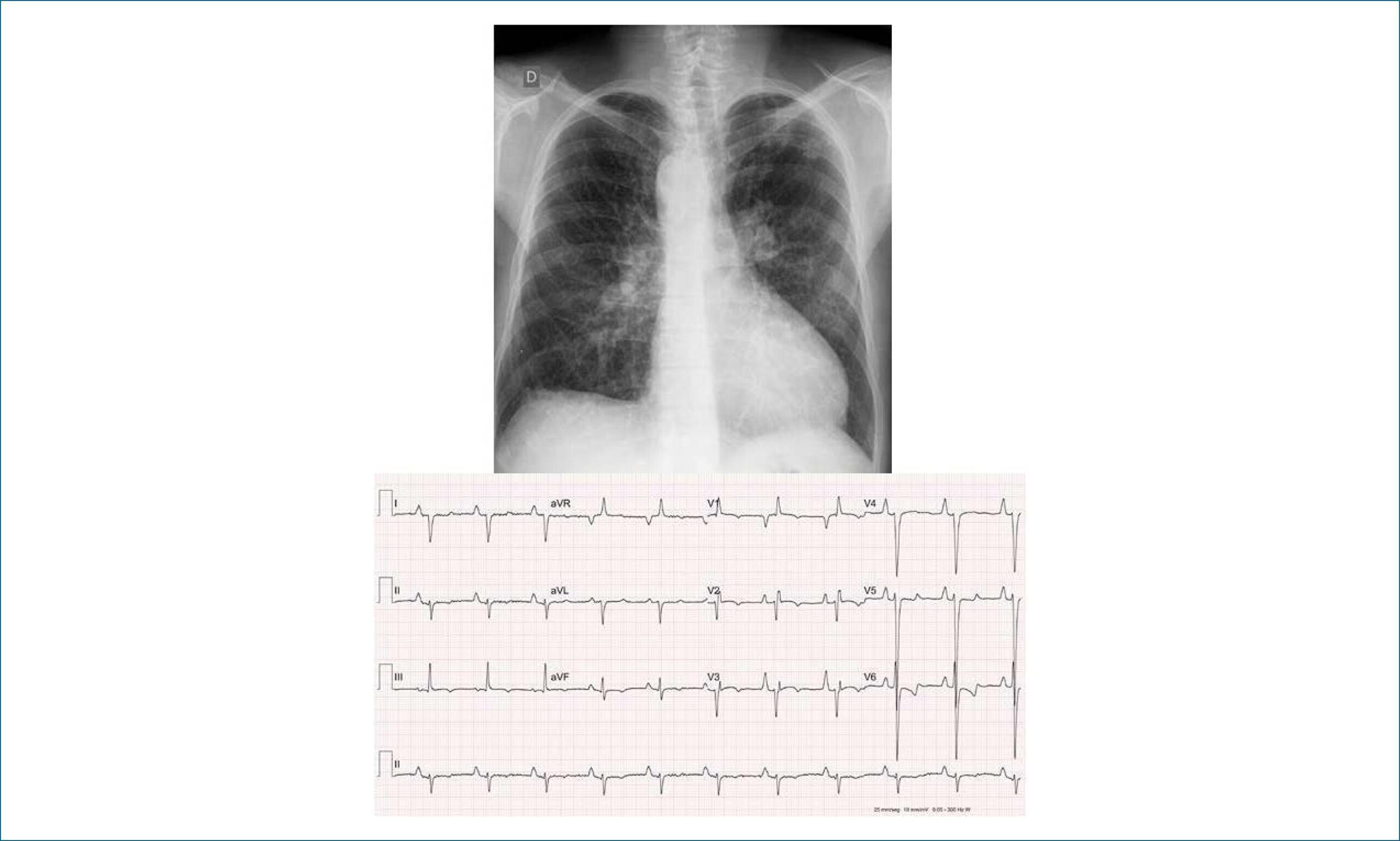
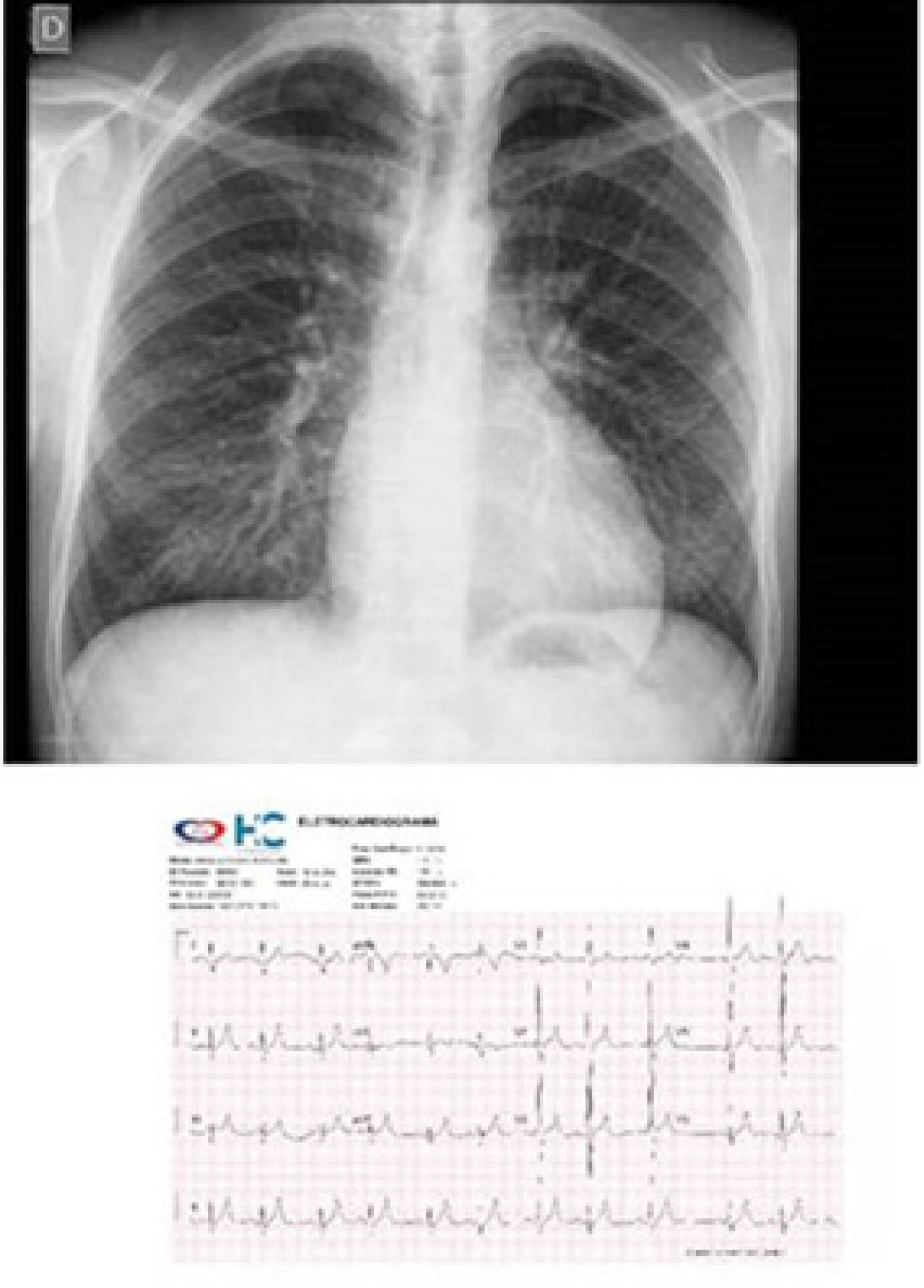
As in many areas of Medicine, the scenario that harbors Chagas Disease(CD) has changed substantially. For approximately 50 years, as a Resident Physician, I was on duty at the Emergency Department of the Hospital de Clínicas of the Universidade Federal do Paraná and routinely attended, on each shift, one or more cases of patients with clear Congestive Heart Failure, anasarca, electrocardiogram with conduction disorders and multiple arrhythmias, chest X-ray with cardiomegaly and laboratory diagnosis of CD. There was no echocardiogram. Today this is an unusual situation; when it occurs, students are invited to see an exuberant picture of Chagas’ heart disease (CHD), which appears every semester.

In epidemiological surveys, similar findings are observed. In 1984, the prevalence of CD in the State of Paraná, Brazil, was 4% of the population. In 2020, estimates of the prevalence of infections by Trypanosoma cruzi ranged from 1.02% to 2.4% in Brazil. In the period 1975/83, among 291 municipalities in Paraná, 90 (30.9%) had triatomine insects infected by T. cruzi, while in 1990, these were found in only 4 municipalities (1.4%), with subsequent eradication of vector contamination. Vector control strategies have led to a substantial decline in the global prevalence of the disease, estimated at 18 million in 1990 and 6 million in 2018.

[…]

  • Chagas Cardiomyopathy/complications
  • Chagas disease
  • Clinical Evolution
  • Diagnostic Imaging/methods
  • Epidemiology
  • Heart Failure
Read Full Article
Creative Commons Attribution (CC BY) Creative Commons license
11/07/2022 DOI: 10.36660/abc.20220418
Figure 1
ABC
Research Letter

The Evolution of Percutaneous Coronary Intervention in Latin America

Costantino Roberto Costantini et al. Rafael Michel de Macedo Marcos Antônio Denk Sergio Gustavo Tarbine … Lazaro Garcia Mario Fernando Camargo Maranhão Costantino Ortiz Costantini

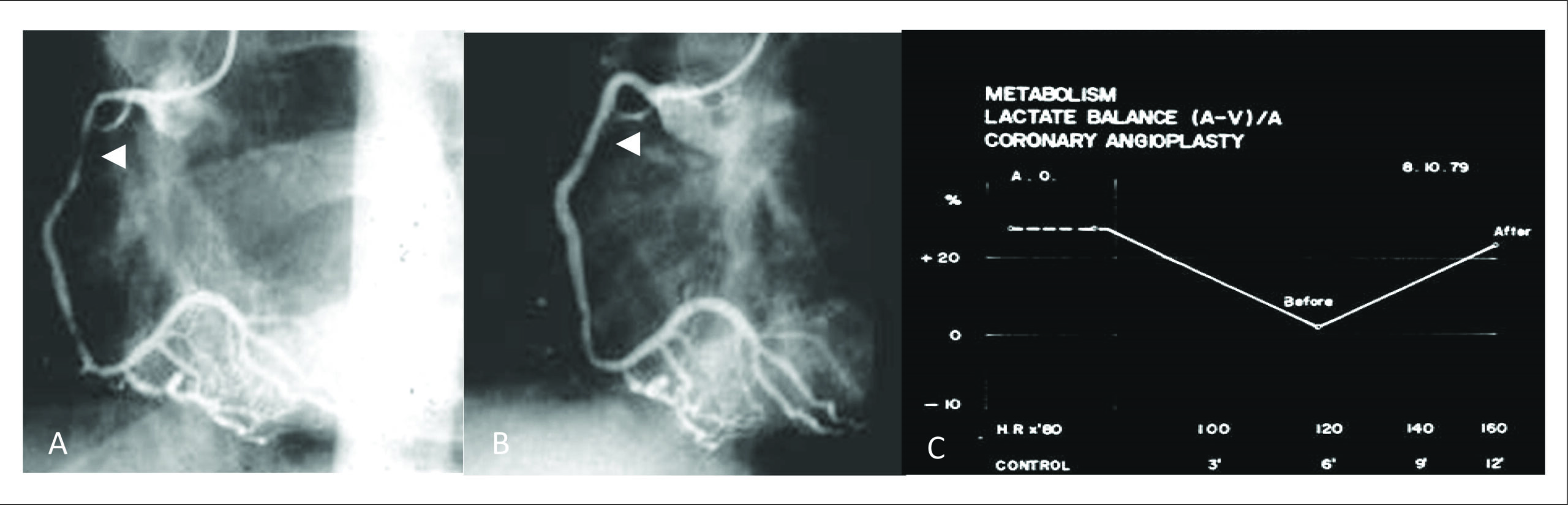
In August 1979, two years and one month after the first percutaneous coronary intervention (PCI) was performed in the world by Andreas Grüntzig, we received at Santa Casa de Misericordia in Curitiba (SCMC) a 55-year-old male patient (A.S.O.) with Canadian Cardiovascular Society (CCS) class 2 stable angina. Coronary angiography showed a severe (75-80 DS%) lesion in the middle segment of the Right Coronary Artery (RCA). The left coronary artery system did not have any significant atherosclerotic lesion and the left ventriculogram showed mild inferior wall hypokinesia with competent mitral and aortic valves.

That was the opportunity to put into practice the technique described by Gruntzig et al. for the first time in Latin America. The clinical presentation and the angiographic characteristics of the lesion met all the criteria described by Gruntzig: Single lesion, short length (<10mm), proximal arterial segment, without vasospasm, concentric, non-calcified and feasible for CABG. Thus, after discussing it with the clinical and cardiovascular surgery staff, it was decided to propose the dilation of the RCA obstruction to the patient as an attempt to treat his coronary disease.

[…]

  • Angina Pectoris
  • Angioplasty Balloon, Coronary/trends
  • Angioplasty, Balloon, Coronary/history
  • Cineangiography/history
  • Clinical Evolution
  • Myocardium/metabolism
  • Stents
Read Full Article
Creative Commons Attribution (CC BY) Creative Commons license
17/05/2021 DOI: 10.36660/abc.20200927
Figure 1
ABC
Research Letter

Persistent Aneurysm of the Right Coronary Artery, Even after Correction of a Fistula with the Right Ventricle

Edmar Atik

Introduction

Among the coronary-cavitary fistulas, the most commonly found type corresponds to that involving the right coronary artery and the right cardiac cavities, with corresponding volume overload due to arteriovenous deviation. The clinical manifestations correspond to heart failure, angina with myocardial infarction and arrhythmias. A continuous murmur easily suggests the diagnosis of a congenital defect, which is consolidated by the imaging examinations. Other fistulas should always be suspected in the differential diagnosis, such as the patent ductus arteriosus, aortopulmonary window, systemic-pulmonary collaterals, and fistulas of the sinus of Valsalva with the right ventricle cavity. Cardiac surgery and / or percutaneous interventions comprise the therapeutic basis for fistula resolution. Little is said, however, about the evolution after the procedures, given that the previous coronary dilation persists and may constitute another evolution problem in the longer term.

This aspect comprises the main reason for this assessment.

[…]

  • Arteriovenous Fistula/surgery
  • Artery Coronary Cavitary, Fistula/surgery
  • Clinical Evolution
  • Coronary Fistula Right
  • Heart Defects, Congenital
  • Ventricular Dysfunction Right
Read Full Article
Creative Commons Attribution (CC BY) Creative Commons license
17/05/2021 DOI: 10.36660/abc.20201010
Figure 1
ABC
Clinicoradiological Correlation

Case 4/2019 – Pulmonary Atresia, Ventricular Septal Defect, and Systemic-Pulmonary Collateral Circulation developing after prior Blalock-Taussig, in a Symptomatic 47-Year-Old Adult

Edmar Atik et al. Maria Angélica Binotto Alessandra Costa Barreto Walther Ishikawa

Clinical data

The patient had no symptoms from birth to young adulthood, when he developed more severe hypoxia, which required a Blalock-Taussig anastomosis on the right. Five years ago, worsening of hypoxia was again observed, with hemapheresis every 6 months, in addition to fatigue on small to medium exertion and with associated ventricular dysfunction. He used f warfarin, carvedilol and enalapril, in addition to nasal oxygen at night.

[…]

  • Adult
  • Clinical Evolution
  • Collateral Circulation
  • Heart Septal Defects, Ventricular
  • Pulmonary Atresia
Read Full Article
Creative Commons Attribution (CC BY) Creative Commons license
08/08/2019 DOI: 10.5935/abc.20190121 Views 2
Figure 1
ABC
Clinicoradiological Correlation

Case 1 / 2019 – Natural Evolution of Double Outlet Right Ventricle with Noncommitted Ventricular Septal Defect and Pulmonary Stenosis in a 28-Year-Old Asymptomatic Woman

Edmar Atik et al. Alessandra Costa Barreto Maria Angélica Binotto

Clinical data

The patient evolved without symptoms from birth, when the diagnosis of heart disease was made, as evidenced by heart murmur. Two years ago, supraventricular extrasystoles caused the use of atenolol, propafenone, and magnesium, without improvement. Infective endocarditis was effectively treated 10 years ago. The patient uses levothyroxine 50 mcg for hypothyroidism.

Physical examination: good overall status, eupneic, acyanotic, normal pulses in the four limbs. Weight: 60 Kg, Height 160 cm, right upper extremity blood pressure: 120 x 70 mmHg, HR: 60 bpm.

[…]

  • Adult
  • Clinical Evolution
  • Double outlet Right Ventricle
  • Heart Septal Defects, Ventricular
  • Pulmonary Valve Stenosis
Read Full Article
Creative Commons Attribution (CC BY) Creative Commons license
01/01/2019 DOI: 10.5935/abc.20180260 Views 1
ABC
Original Article

Long-Term Follow-Up of Patients after Percutaneous Coronary Intervention with Everolimus-Eluting Bioresorbable Vascular Scaffold

Rafael Alexandre Meneguz-Moreno et al. José de Ribamar Costa Junior Freddy Antônio Britto Moscoso Rodolfo Staico … Luiz Fernando Leite Tanajura Marinella Patrizia Centemero Auréa Jacob Chaves Andrea Claudia Leão de Sousa Abizaid Amanda Guerra de Moraes Rego e Sousa Alexandre Antonio Cunha Abizaid

Abstract

Background:

Bioresorbable vascular scaffolds (BVS) were developed to improve the long-term results of percutaneous coronary intervention, restoring vasomotion.

Objectives:

To report very late follow-up of everolimus-eluting Absorb BVS (Abbott Vascular, Santa Clara, USA) in our center.

Methods:

Observational retrospective study, in a single Brazilian center, from August 2011 to October 2013, including 49 patients submitted to Absorb BVS implantation. Safety and efficacy outcomes were analyzed in the in-hospital and very late follow-up phases (> 2 years).

Results:

All 49 patients underwent a minimum follow-up of 2.5 years and a maximum of 4.6 years. Mean age was 56.8 ± 7.6 years, 71.4% of the patients were men, and 26.5% were diabetic. Regarding clinical presentation, the majority (94%) had stable angina or silent ischemia. Device success was achieved in 100% of cases with 96% overall procedure success rate. Major adverse cardiovascular events rate was 4% at 30 days, 8.2% at 1 year, and 12.2% at 2 years, and there were no more events until 4.6 years. There were 2 cases of thrombosis (1 subacute and 1 late).

Conclusions:

In this preliminary analysis, Absorb BVS showed to be a safe and effective device in the very late follow-up. Establishing the efficacy and safety profiles of these devices in more complex scenarios is necessary.

  • Absorbable Implants / utilization
  • Clinical Evolution
  • Coronary Artery Disease
  • Everolimus
  • Percutaneous Coronary Intervention
Read Full Article
Creative Commons Attribution (CC BY) Creative Commons license
09/01/2017 DOI: 10.5935/abc.20160202
Figure 1
ABC
Original Article

Complete Treatment Versus Residual Lesion – Long-Term Evolution After Acute Coronary Syndrome

Alexandre de Matos Soeiro et al. Marco Antônio Scanavini Filho Aline Siqueira Bossa Cindel Nogueira Zullino … Maria Carolina F. Almeida Soeiro Tatiana Carvalho Andreucci T Leal Carlos Vicente Serrano Jr. Ludhmila Abrahão Hajjar Roberto Kalil Filho Múcio Tavares Oliveira Jr.

Abstract

Introduction:

A recently published study raised doubts about the need for percutaneous treatment of nonculprit lesions in patients with acute coronary syndromes (ACS).

Methods:

Retrospective, unicentric, observational study.

Objective:

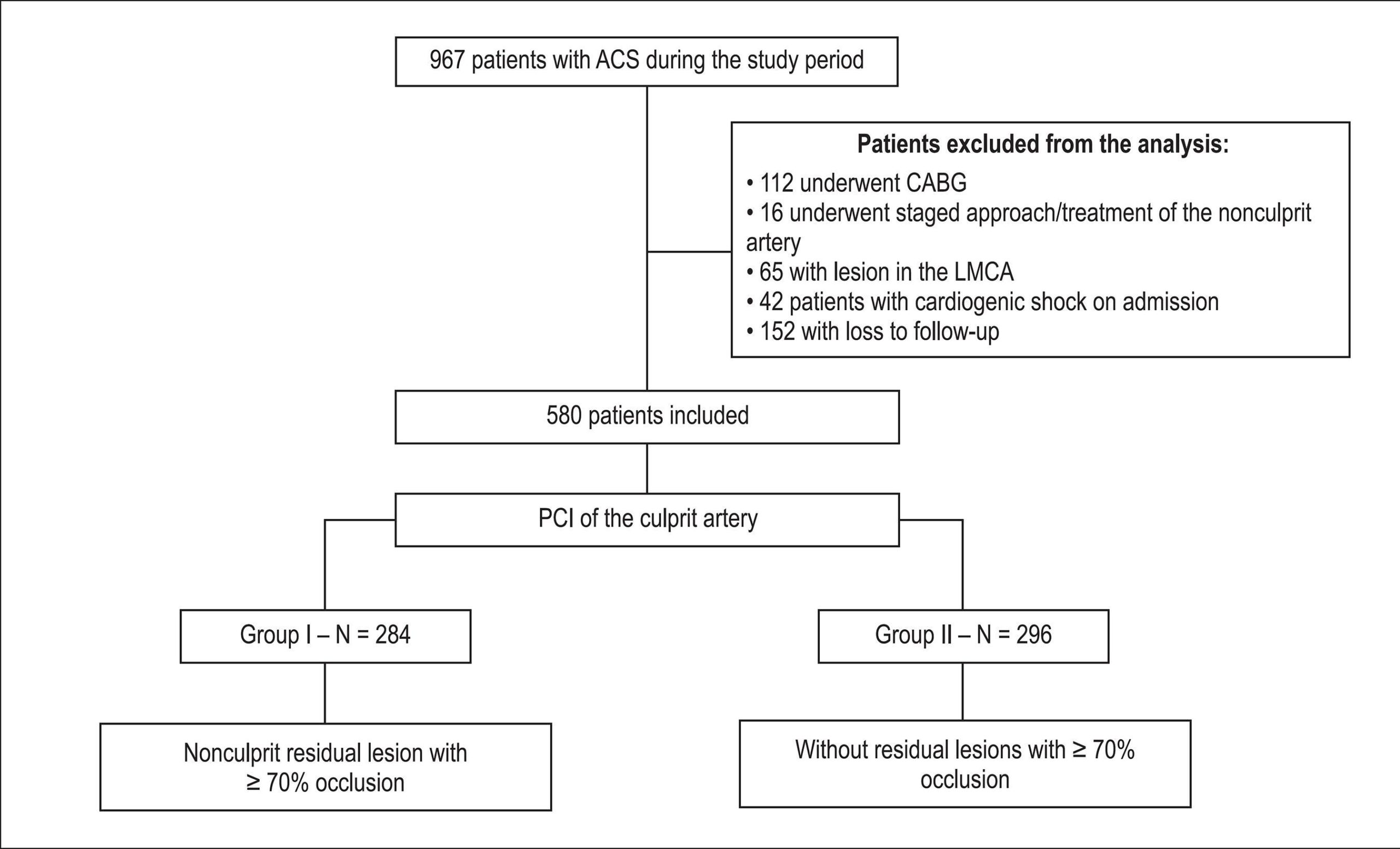
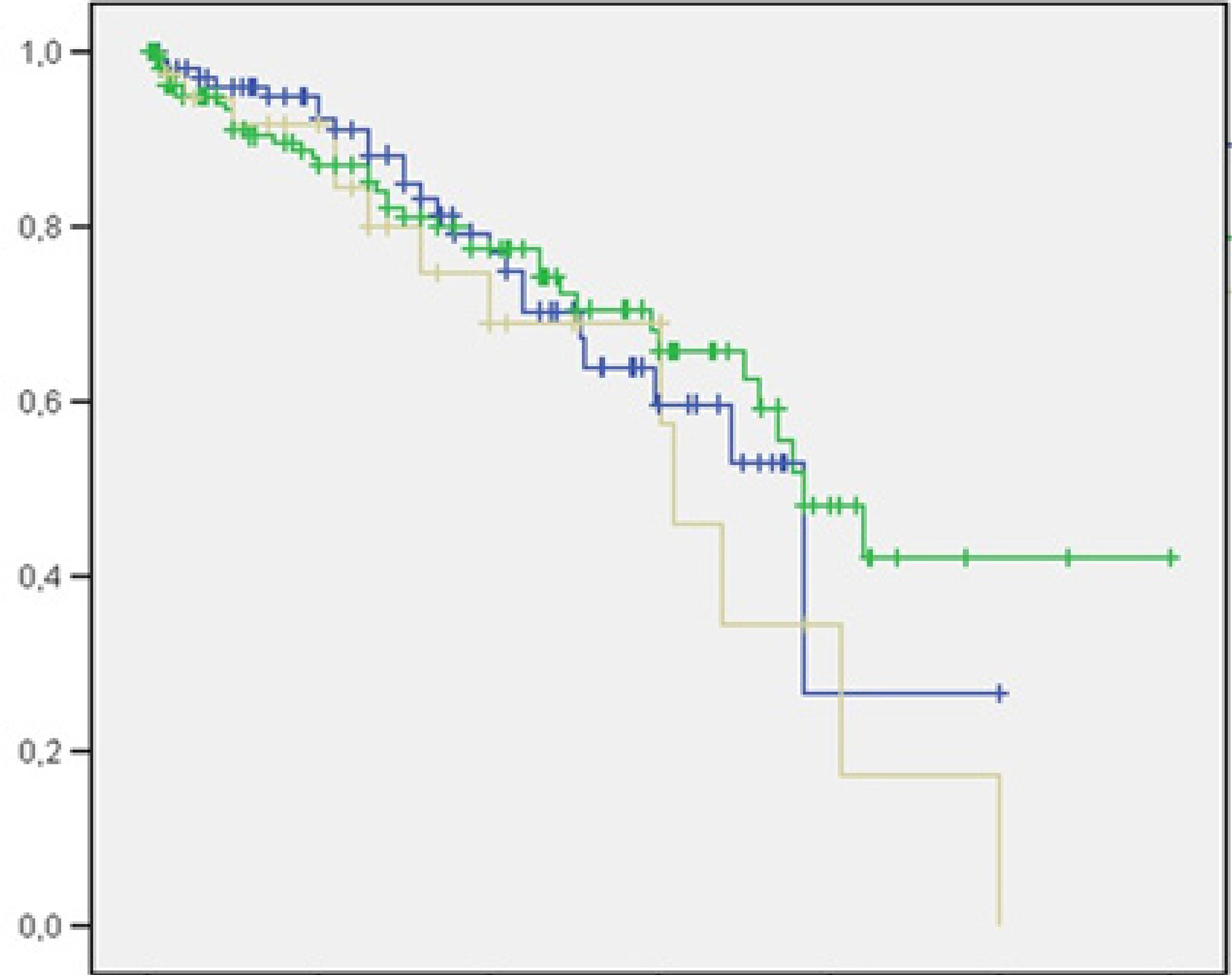
To analyze the long-term outcomes in patients undergoing treatment of the culprit artery, comparing those who remained with significant residual lesions in nonculprit arteries (group I) versus those without residual lesions in other coronary artery beds (group II). The study included 580 patients (284 in group I and 296 in group II) between May 2010 and May 2013. We obtained demographic and clinical data, as well as information regarding the coronary treatment administered to the patients. In the statistical analysis, the primary outcome included combined events (reinfarction/angina, death, heart failure, and need for reintervention). The comparison between groups was performed using the chi-square test and ANOVA. The long-term analysis was conducted with the Kaplan-Meier method, with a mean follow-up of 9.86 months.

Results:

The mean ages were 63 years in group I and 62 years in group II. On long-term follow-up, there was no significant difference in combined events in groups I and II (31.9% versus 35.6%, respectively, p = 0.76).

Conclusion:

The strategy of treating the culprit artery alone seems safe. In this study, no long-term differences in combined endpoints were observed between patients who remained with significant lesions compared with those without other obstructions.

  • Acute coronary syndrome
  • Clinical Evolution
  • Memory, Long Term
  • Myocardial Infarction
  • Treatment
Read Full Article
Creative Commons Attribution (CC BY) Creative Commons license
01/12/2016 DOI: 10.5935/abc.20160176
ABC
Original Article

Analysis of the Use of Extracorporeal Circulation on the In-Hospital Outcomes of Dialytic Patients Who Underwent Myocardial Revascularization Surgery

Matheus Miranda et al. João Nelson Rodrigues Branco Guilherme Flora Vargas Nelson Americo Hossne Jr. … Michele Costa Yoshimoto José Honorio de Almeida Palma da Fonseca José Osmar Medina de Abreu Pestana Enio Buffolo

Abstract

Background:

Myocardial revascularization surgery is the best treatment for dyalitic patients with multivessel coronary disease. However, the procedure still has high morbidity and mortality. The use of extracorporeal circulation (ECC) can have a negative impact on the in-hospital outcomes of these patients.

Objectives:

To evaluate the differences between the techniques with ECC and without ECC during the in-hospital course of dialytic patients who underwent surgical myocardial revascularization.

Methods:

Unicentric study on 102 consecutive, unselected dialytic patients, who underwent myocardial revascularization surgery in a tertiary university hospital from 2007 to 2014.

Results:

Sixty-three patients underwent surgery with ECC and 39 without ECC. A high prevalence of cardiovascular risk factors was found in both groups, without statistically significant difference between them. The group “without ECC” had greater number of revascularizations (2.4 vs. 1.7; p <0.0001) and increased need for blood components (77.7% vs. 25.6%; p <0.0001) and inotropic support (82.5% vs 35.8%; p <0.0001). In the postoperative course, the group "without ECC" required less vasoactive drugs, (61.5% vs. 82.5%; p = 0.0340) and shorter time of mechanical ventilation (13.0 hours vs. 36,3 hours, p = 0.0217), had higher extubation rates in the operating room (58.9% vs. 23.8%, p = 0.0006), lower infection rates (7.6% vs. 28.5%; p = 0.0120), and shorter ICU stay (5.2 days vs. 8.1 days; p = 0.0054) as compared with the group with ECC surgery. No difference in mortality was found between the groups.

Conclusion:

Myocardial revascularization with ECC in patients on dialysis resulted in higher morbidity in the perioperative period in comparison with the procedure without ECC, with no difference in mortality though.

  • Clinical Evolution
  • Dialysis, Hospitalization
  • Extracorporeal Circulation / utilization
  • Myocardial Revascularization
Read Full Article
Creative Commons Attribution (CC BY) Creative Commons license
01/12/2016 DOI: 10.5935/abc.20160180
Figure 1
ABC
Original Article

Clinical Course After Cardioverter-Defibrillator Implantation: Chagasic Versus Ischemic Patients

Francisca Tatiana Moreira Pereira et al. Eduardo Arrais Rocha Marcelo de Paula Martins Monteiro Neiberg de Alcantara Lima … Carlos Roberto Martins Rodrigues Sobrinho Roberto da Justa Pires Neto

Abstract

Background:

The outcome of Chagas disease patients after receiving implantable cardioverter defibrillator (ICD) is still controversial.

Objective:

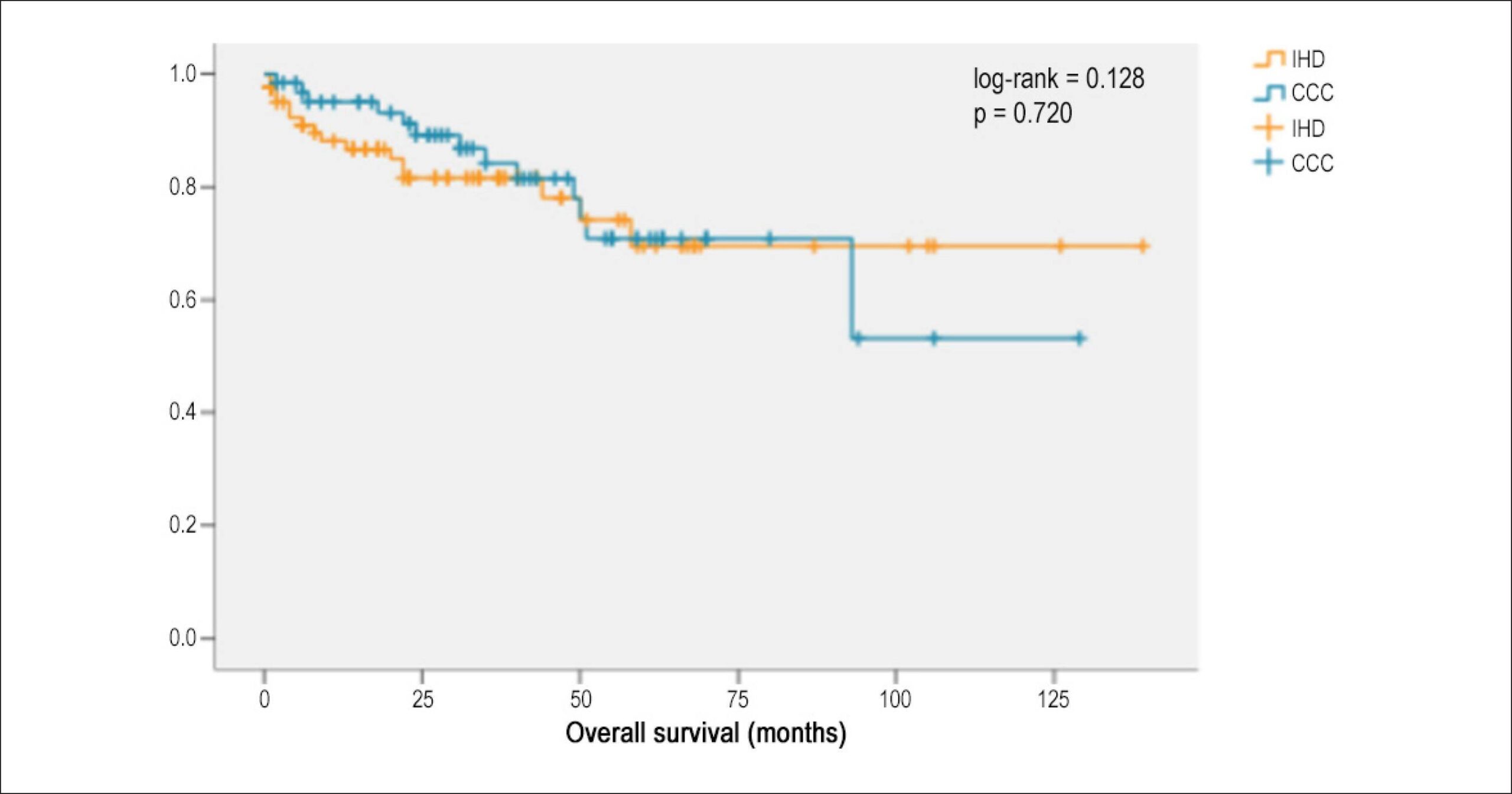
To compare clinical outcomes after ICD implantation in patients with chronic Chagas cardiomyopathy (CCC) and ischemic heart disease (IHD).

Methods:

Prospective study of a population of 153 patients receiving ICD (65 with CCC and 88 with IHD). The devices were implanted between 2003 and 2011. Survival rates and event-free survival were compared.

Results:

The groups were similar regarding sex, functional class and ejection fraction. Ischemic patients were, on average, 10 years older than CCC patients (p < 0.05). Patients with CCC had lower schooling and monthly income than IHD patients (p < 0.05). The number of appropriate therapies was 2.07 higher in CCC patients, who had a greater incidence of appropriate shock (p < 0.05). Annual mortality rate and electrical storm incidence were similar in both groups. There was no sudden death in CCC patients, and only one in IHD patients. Neither survival time (p = 0.720) nor event-free survival (p = 0.143) significantly differed between the groups.

Conclusion:

CCC doubles the risk of receiving appropriate therapies as compared to IHD, showing the greater complexity of arrhythmias in Chagas patients.

  • Chagas disease
  • Clinical Evolution
  • Defibrillators, Implantable
  • Myocardial Ischemia
Read Full Article
Creative Commons Attribution (CC BY) Creative Commons license
11/07/2016 DOI: 10.5935/abc.20160101 Views 1
ABC
Artigo Original

Acute coronary syndrome behavior: results of a Brazilian registry

Leopoldo Soares Piegas et al. Álvaro Avezum Hélio Penna Guimarães Antonio José Muniz … Helder J. L. Reis Elizabete Silva dos Santos Marcos Knobel Roberta de Souza

BACKGROUND: Brazil lacks published multicenter registries of acute coronary syndrome. OBJECTIVE: The Brazilian Registry of Acute Coronary Syndrome is a multicenter national study aiming at providing data on clinical aspects, management and hospital outcomes of acute coronary syndrome in our country. METHODS: A total of 23 hospitals from 14 cities, participated in this study. Eligible patients were those who came to the emergency wards with suspected acute coronary syndrome within the first 24 hours of symptom onset, associated with compatible electrocardiographic alterations and/or altered necrosis biomarkers. Follow-up lasted until hospital discharge or death, whichever occurred first. RESULTS: Between 2003 and 2008, 2,693 ACS patients were enrolled, of which 864 (32.1%) were females. T he final diagnosis was unstable angina in 1,141 patients, (42.4%), with a mortality rate of 3.06%, non-ST elevation acute myocardial infarction (AMI) in 529 (19.6%), with mortality of 6.8%, ST-elevation AMI 950 (35.3%), with mortality of 8.1% and non-confirmed diagnosis 73 (2.7%), with mortality of 1.36%. The overall mortality was 5.53%. The multiple logistic regression model identified the following as risk factors for death regarding demographic factors and interventions: female gender (OR=1.45), diabetes mellitus (OR=1.59), body mass index (OR=1.27) and percutaneous coronary intervention (OR=0.70). A second model for death due to major complications identified: cardiogenic shock/acute pulmonary edema (OR=4.57), reinfarction (OR=3.48), stroke (OR=21.56), major bleeding (OR=3.33), cardiopulmonary arrest (OR=40.27) and Killip functional class (OR=3.37). CONCLUSION: The Brazilian Registry of Acute Coronary Syndrome data do not differ from other data collected abroad. The understanding of their findings may help promote better planning and management of acute coronary syndrome care in public and private health services.

  • Acute coronary syndrome
  • Clinical Evolution
  • Diseases Registries
  • Multicenter Studies as Topic
Read Full Article
Creative Commons Attribution (CC BY) Creative Commons license
14/05/2013 DOI: 10.5935/abc.20130101 Views 1
Congenital heart diseases in a reference service: clinical evolution and associated illnesses
ABC
Artigo Original

Congenital heart diseases in a reference service: clinical evolution and associated illnesses

Janaína Huber et al. Vivian Catarino Peres Tiago Jeronimo dos Santos Lauro da Fontoura Beltrão … Angélica Cerveira de Baumont Andrés Delgado Cañedo Beatriz D'Agord Schaan Lucia Campos Pellanda

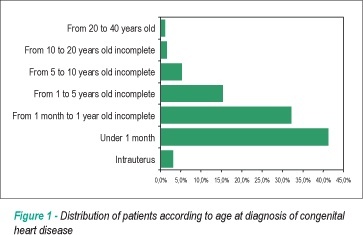
BACKGROUND: Several factors, which include prenatal diagnosis and availability of new therapeutic procedures, have contributed to change the profile of patients with congenital heart disease (CHD). Knowing these changes is important to a better health care. OBJECTIVES: Description of profile of patients with CHD in a reference service in the State of Rio Grande do Sul, Brazil. METHODS: It is a cross-sectional study including 684 patients with CHD in a service of pediatric cardiology from January 2007 to May 2008. We interviewed the patients (and/or their parents) and examined these patients (congenital malformations, anthropometric measures). Moreover, their charts were reviewed in order to detail heart diseases, procedures and echocardiography. RESULTS: Patients were from 16 days to 66 years old, 51.8% were female, and 93.7% were Caucasian. The mean age at diagnosis was 15.8 ± 46.8 months. Ventricular septal defect, patent ductus arteriosus and Tetralogy of Fallot were the most prevalent CHD. 59.1% of examined patients, whose average age was 44.3 ± 71.2 months, have been undergoing therapeutic procedures; 30.4% had congenital extracardiac malformations; and 12 patients had genetic syndrome. Regarding development, 46.6% had low weight and height gain, and 13.7% had neuropsychomotor delay. Furthermore, 18.4% had family history of congenital heart disease. CONCLUSIONS: Neuropsychomotor delay and low weight and height gain may be related to CHD. Establishing a profile of patients with CHD, who were treated at an institution of reference, may function as a basis in which health care of this population can be planed appropriately. (Arq Bras Cardiol 2010; 94(3):313-318)

  • Clinical Evolution
  • Congenital
  • Heart Defects
  • referral and consultation
Read Full Article
Creative Commons Attribution (CC BY) Creative Commons license
28/04/2010 DOI: 10.1590/S0066-782X2010000300009 Views 2
Echocardiographic assessment of myocardial infarction evolution in young and adult rats
ABC
Artigo Original

Echocardiographic assessment of myocardial infarction evolution in young and adult rats

Francisco Cesar Pabis et al. Nelson Itiro Miyague Julio César Francisco Vinícius Woitowicz … Katherine Athayde Teixeira de Carvalho José Rocha Faria-Neto Valdir Ambrósio Moisés Luiz César Guarita-Souza

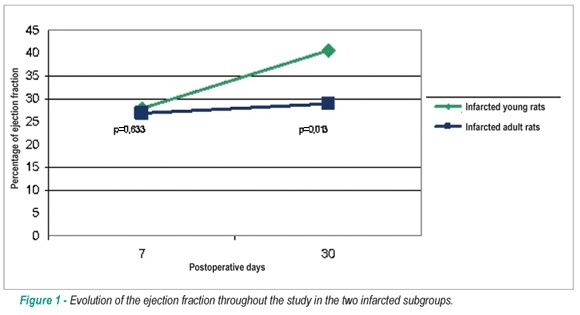
BACKGROUND: The regeneration of cardiomyocytes after a myocardial infarction (MI) is more evident in young animals; however, it is not known whether it is associated with functional improvement. OBJECTIVE: To perform the functional analysis by echocardiography (echo) of young adult rats submitted to MI. METHODS: Seventy-two animals were included in the study: 35 young rats (group Y) that were 28 days old and 37 adult rats (group A) that were 153 days old. The rats were subdivided in two subgroups: infarcted (YI and AI) and control (YC and AC). The animals were assessed by echocardiogram on the 7thand 30th postoperative days for the analysis of the ejection fraction (EF) and the final systolic (FSV) and diastolic volume (FDV) of the left ventricle. Only animals with EF < 40% were included in the study. RESULTS: The comparison of the FDV and FSV between infarcted and control animals showed that there was a significant increase in infarcted adult animals at the two analyzed phases. Among young animals only the FSV was significantly higher on the 7th day. The intragroup evolution analysis showed an increase in FDV and FSV in the two young subgroups, which was proportional to growth and only increase in FDV in the infarcted adult group. There was an improvement in EF in young rats, whereas EF remained decreased in adult rats when compared to controls. CONCLUSION: The infarcted young rats presented improvement in the systolic function and ventricular volumes 30 days after the infarction, whereas the adult rats presented increased FDV with no improvement in systolic function.

  • Clinical Evolution
  • Echocardiography
  • Myocardial Infarction
  • Rats
Read Full Article
Creative Commons Attribution (CC BY) Creative Commons license
05/01/2009 DOI: 10.1590/S0066-782X2008001700007
Clinical evaluation and hepatic laboratory assessment in individuals with congestive heart failure
ABC
Artigo Original

Clinical evaluation and hepatic laboratory assessment in individuals with congestive heart failure

Luiz Antônio Brito Arruda Vasconcelos et al. Eros Antônio de Almeida Luiz Felipe Bachur

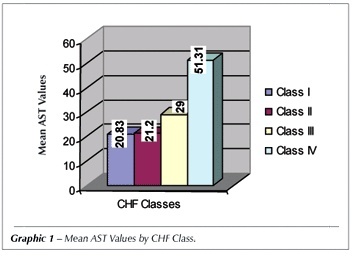
OBJECTIVES: To verify the clinical alterations and, in particular, hepatic laboratory alterations in patients in each of the heart failure (HF) functional classes. METHODS: The clinical and laboratory data – alanine aminotransferase (ALT), aspartate aminotransferase (AST), alkaline phosphatase (AP), gamma-glutamyl transpeptidase (GGT), bilirubin and coagulogram – of 50 patients admitted in 2002 to a tertiary hospital with the diagnosis of heart failure were researched by means of a cross sectional study. The patients were separated in accordance with their HF class and their data were compared statistically. Patients with hepatopathy of any etiology were excluded. RESULTS: Analysis of the mean transaminase values revealed a significant increase only for the Class IV patients. On the other hand, alkaline phosphatase and GGT presented a progressive increase in accordance with the HF class. CONCLUSION: HF is characterized by a progressive cholestatic profile of laboratory alterations, while transaminase values are only elevated in advanced HF. It is of utmost importance to understand these alterations in order to avoid unnecessary hepatic investigations in individuals with heart failure.

  • Clinical Evolution
  • congestive heart failure
  • liver
  • liver function tests
Read Full Article
Creative Commons Attribution (CC BY) Creative Commons license
15/06/2007 DOI: 10.1590/S0066-782X2007000500015
Influence of pregnancy on clinical course and fetal outcome of women with hypertrophic cardiomyopathy
ABC
Artigo Original

Influence of pregnancy on clinical course and fetal outcome of women with hypertrophic cardiomyopathy

Walkiria Samuel Avila et al. Florence M. Cavalcanti Amaral Jose Antonio Franchini Ramires Eduardo Giusti Rossi … Max Grinberg Maria Rita Lemos Bortolotto Charles Mady José Eduardo Krieger Marcelo Zugaib

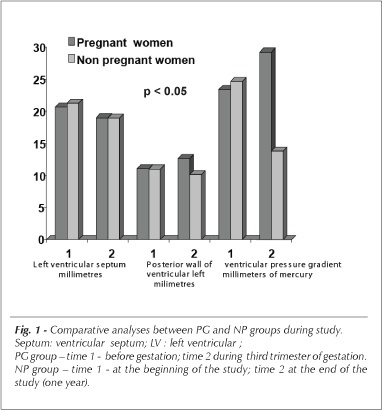
OBJECTIVES: To study clinical evolution of women with HCM during pregnancy; the influencing factors of gestation on natural course of HCM and the frequency of HCM in their children in early childhood. METHODS: A prospective study was conducted in 35 women with HCM; there were 23 pregnant women (PG group) and 12 nonpregnant control patients (NP group), matched for age and functional class (FC). Clinical monthly evaluations were carried out and electrocardiogram and transthoracic echocardiography tests were performed. The offspring endpoints included stillbirth and prematurity rates and investigation of HCM during childhood. RESULTS: No deaths occurred in either group. Cardiac arrhythmias were significantly (p0.05) in heart failure (30.3% vs. 16.6%) or ischemic stroke (4.3% vs. 8.3%) rates. In the PG group, required hospitalization for treatment of cardiac complication was more frequent (p=0.05) in patients with family history of HCM (71.4% vs. 25.0%). Cesarean section was performed in 12 (52%) patients, for obstetrical reasons; there were 7 (30.4%) premature babies and 1 (4.3%) neonatal death. One child was clinically diagnosed as having HCM, and his genetic study identified a mutation in the beta myosin heavy chain gene, located on chromosome 14. CONCLUSION: Heart failure is a frequent cardiac complication in women with HCM during pregnancy, particularly in patients with family history of the disease, but this did not influence the natural course of HCM. In one child, clinical examination allowed HCM identification during early childhood.

  • Clinical Evolution
  • Hypertrophic Cardiomyopathy
  • maternal-fetal evolution
  • Pregnancy
Read Full Article
Creative Commons Attribution (CC BY) Creative Commons license
24/05/2007 DOI: 10.1590/S0066-782X2007000400019
Surgical treatment of coarctation of the aorta using trapezoidal aortoplasty
ABC
Artigo Original

Surgical treatment of coarctation of the aorta using trapezoidal aortoplasty

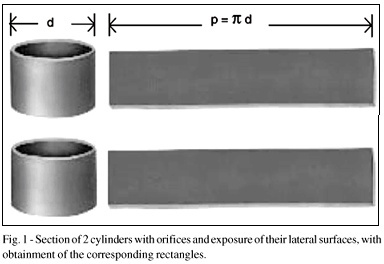
Jarbas Jakson Dinkhuysen et al. Tarcisio Luiz Valle de Almeida Ibraim Masciarelli Francisco Pinto Luiz Carlos Bento de Souza

OBJECTIVE: Trapezoidal aortoplasty is a technical variant of end-to-end anastomosis, which, based on elements of geometry, aims at increasing the diameter of the aorta at the level of the suture, therefore reducing the occurrence of residual or recurrent pressure gradients in the short and long run. METHODS: After resecting the coarcted area and ductal tissue, 3 trapezoids are confected in each aortic stump, which, when confronted, create a suture line with a sinusoidal aspect (zigzag). Thirty-three patients underwent surgery with this technique, 22 (66.7%) males, with ages ranging from 3 months to 36 years (mean of 9.84 ± 9.69). RESULTS: No immediate or late deaths occurred. Follow-up ranged from 1.1 to 7.6 years (mean of 3.6 ± 3.4). Most patients became asymptomatic with normal blood pressure levels, enabling the discontinuation of antihypertensive therapy (P<0.0001). A significant reduction in the pressure gradients was observed on Doppler echocardiography and during cardiac catheterization (P<0.001). The analysis of the images of aortography showed good anatomical continuity in the region of the anastomosis, and the morphometric study of the aorta revealed the beneficial effects of the technique indicated by the increase in the caliber of the aorta in the distal segment of the arch, isthmus, and descending portion. CONCLUSION: Trapezoidal aortoplasty showed satisfactory clinical results that allow its application in all cases indicated for end-to-end anastomosis.

  • Clinical Evolution
  • coarctation of the aorta
  • Methods
  • Surgery
  • surgical anastomosis
Read Full Article
Creative Commons Attribution (CC BY) Creative Commons license
12/02/2004 DOI: 10.1590/S0066-782X2004000100002
Comparison between young males and females with acute myocardial infarction
ABC
Original Article

Comparison between young males and females with acute myocardial infarction

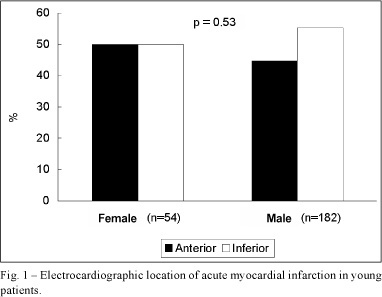
Ricardo Augusto Slaibi Conti et al. Maria Cecília Solimene Protásio Lemos da Luz Alexandre Miguel Benjó … Pedro Alves Lemos Neto José Antônio Franchini Ramires

OBJECTIVE: To assess the differences between young males and females after acute myocardial infarction. METHODS: We retrospectively studied 236 patients (54 females and 182 males) after acute myocardial infarction and during hospital stay assessed the following parameters: risk factors; the treatment used; the pattern of coronary artery obstruction; left ventricular ejection fraction; complications; and, using a logistic regression model, the factors related to the occurrence of reinfarction and death. RESULTS: No significant difference was observed between the sexes in risk factors, pattern of coronary artery obstruction, and left ventricular function. The time interval between symptom onset and treatment was longer in females (p=0.03), who underwent thrombolysis (p=0.01) and angioplasty (p=0.03) less frequently than males did, but not myocardial revascularization. Female sex (OR = 5.98) and diabetes (OR = 14.52) were independent factors related to the occurrence of reinfarction and death. CONCLUSION: Young males and females after acute myocardial infarction did not differ in coronary risk factors, and clinical and hemodynamic characteristics. Females had their treatment started later, and they underwent chemical thrombolysis and angioplasty less frequently than males did. Female sex and diabetes were related to the occurrence of reinfarction and death.

  • Acute Myocardial Infarction
  • Clinical Evolution
  • Sex
  • young
Read Full Article
Creative Commons Attribution (CC BY) Creative Commons license
17/12/2002 DOI: 10.1590/S0066-782X2002001400009

How to cite this article

EndNote RIS

Electronic Document Format (Vancouver)

Silva RMFL, Diniz LT, Gomes LSS, Borges LE. Evolution of Patients With Atrial Fibrillation According to the EHRA Categorization. International Journal of Cardiovascular Sciences 2024;37:e20230093.

Electronic Document Format (ABNT)

Silva, Rose Mary Ferreira Lisboa da; Diniz, Letícia Tanure; Gomes, Laura Selga da Silva; Borges, Lucas Espíndola. Evolution of Patients With Atrial Fibrillation According to the EHRA Categorization. International Journal of Cardiovascular Sciences, v. 37, e20230093, Aug. 2024.

Electronic Document Format (APA)

Silva, R. M. F. L. , Diniz, L. T., Gomes, L. S. S., & Borges, L. E. (2024). Evolution of Patients With Atrial Fibrillation According to the EHRA Categorization. International Journal of Cardiovascular Sciences, 37, e20230093.

Electronic Document Format (ISO)

Silva, Rose Mary Ferreira Lisboa da and Diniz, Letícia Tanure and Gomes, Laura Selga da Silva and Borges, Lucas Espíndola. Evolution of Patients With Atrial Fibrillation According to the EHRA Categorization. International Journal of Cardiovascular Sciences [online]. 2024, vol. 37, [cited 2026-10-14], e20230093. Available from: <https://journals.cardiol.br/en/article/evolution-of-patients-with-atrial-fibrillation-according-to-the-ehra-categorization/>. ISSN 2359-4802

EndNote RIS

Electronic Document Format (Vancouver)

Cunha CLP. Chagas Heart Disease: The Evolution of the Disease and its Complementary Exams. Arquivos Brasileiros de Cardiologia 2022;119(1):12-3.

Electronic Document Format (ABNT)

Cunha, Claudio Leinig Pereira da. Chagas Heart Disease: The Evolution of the Disease and its Complementary Exams. Arquivos Brasileiros de Cardiologia, v. 119, n. 1, p. 12-13, Jul. 2022.

Electronic Document Format (APA)

Cunha, C. L. P. (2022). Chagas Heart Disease: The Evolution of the Disease and its Complementary Exams. Arquivos Brasileiros de Cardiologia, 119(1), 12-13.

Electronic Document Format (ISO)

Cunha, Claudio Leinig Pereira da. Chagas Heart Disease: The Evolution of the Disease and its Complementary Exams. Arquivos Brasileiros de Cardiologia [online]. 2022, vol. 119, n. 1, [cited 2026-10-14], pp. 12-13. Available from: <https://journals.cardiol.br/en/article/chagas-heart-disease-the-evolution-of-the-disease-and-its-complementary-exams/>. ISSN 0066-782X

EndNote RIS

Electronic Document Format (Vancouver)

Costantini CR, Macedo RM, Denk MA, Tarbine SG, Garcia L, Maranhão MFC, Costantini CO, et al. The Evolution of Percutaneous Coronary Intervention in Latin America. Arquivos Brasileiros de Cardiologia 2021;116(5):1007-10.

Electronic Document Format (ABNT)

Costantini, Costantino Roberto; Macedo, Rafael Michel de; Denk, Marcos Antônio; Tarbine, Sergio Gustavo; Garcia, Lazaro; Maranhão, Mario Fernando Camargo; Costantini, Costantino Ortiz. The Evolution of Percutaneous Coronary Intervention in Latin America. Arquivos Brasileiros de Cardiologia, v. 116, n. 5, p. 1007-1010, May. 2021.

Electronic Document Format (APA)

Costantini, C. R., Macedo, R. M. , Denk, M. A., Tarbine, S. G., Garcia, L., Maranhão, M. F. C., & Costantini, C. O. (2021). The Evolution of Percutaneous Coronary Intervention in Latin America. Arquivos Brasileiros de Cardiologia, 116(5), 1007-1010.

Electronic Document Format (ISO)

Costantini, Costantino Roberto and Macedo, Rafael Michel de and Denk, Marcos Antônio and Tarbine, Sergio Gustavo and Garcia, Lazaro and Maranhão, Mario Fernando Camargo and Costantini, Costantino Ortiz. The Evolution of Percutaneous Coronary Intervention in Latin America. Arquivos Brasileiros de Cardiologia [online]. 2021, vol. 116, n. 5, [cited 2026-10-14], pp. 1007-1010. Available from: <https://journals.cardiol.br/en/article/the-evolution-of-percutaneous-coronary-intervention-in-latin-america/>. ISSN 0066-782X

EndNote RIS

Electronic Document Format (Vancouver)

Atik E. Persistent Aneurysm of the Right Coronary Artery, Even after Correction of a Fistula with the Right Ventricle. Arquivos Brasileiros de Cardiologia 2021;116(5):999-1002.

Electronic Document Format (ABNT)

Atik, Edmar. Persistent Aneurysm of the Right Coronary Artery, Even after Correction of a Fistula with the Right Ventricle. Arquivos Brasileiros de Cardiologia, v. 116, n. 5, p. 999-1002, May. 2021.

Electronic Document Format (APA)

Atik, E. (2021). Persistent Aneurysm of the Right Coronary Artery, Even after Correction of a Fistula with the Right Ventricle. Arquivos Brasileiros de Cardiologia, 116(5), 999-1002.

Electronic Document Format (ISO)

Atik, Edmar. Persistent Aneurysm of the Right Coronary Artery, Even after Correction of a Fistula with the Right Ventricle. Arquivos Brasileiros de Cardiologia [online]. 2021, vol. 116, n. 5, [cited 2026-10-14], pp. 999-1002. Available from: <https://journals.cardiol.br/en/article/persistent-aneurysm-of-the-right-coronary-artery-even-after-correction-of-a-fistula-with-the-right-ventricle/>. ISSN 0066-782X

EndNote RIS

Electronic Document Format (Vancouver)

Atik E, Binotto MA, Barreto AC, Ishikawa W. Case 4/2019 – Pulmonary Atresia, Ventricular Septal Defect, and Systemic-Pulmonary Collateral Circulation developing after prior Blalock-Taussig, in a Symptomatic 47-Year-Old Adult. Arquivos Brasileiros de Cardiologia 2019;113(1):103-5.

Electronic Document Format (ABNT)

Atik, Edmar; Binotto, Maria Angélica; Barreto, Alessandra Costa; Ishikawa, Walther. Case 4/2019 – Pulmonary Atresia, Ventricular Septal Defect, and Systemic-Pulmonary Collateral Circulation developing after prior Blalock-Taussig, in a Symptomatic 47-Year-Old Adult. Arquivos Brasileiros de Cardiologia, v. 113, n. 1, p. 103-105, Aug. 2019.

Electronic Document Format (APA)

Atik, E., Binotto, M. A., Barreto, A. C., & Ishikawa, W. (2019). Case 4/2019 – Pulmonary Atresia, Ventricular Septal Defect, and Systemic-Pulmonary Collateral Circulation developing after prior Blalock-Taussig, in a Symptomatic 47-Year-Old Adult. Arquivos Brasileiros de Cardiologia, 113(1), 103-105.

Electronic Document Format (ISO)

Atik, Edmar and Binotto, Maria Angélica and Barreto, Alessandra Costa and Ishikawa, Walther. Case 4/2019 – Pulmonary Atresia, Ventricular Septal Defect, and Systemic-Pulmonary Collateral Circulation developing after prior Blalock-Taussig, in a Symptomatic 47-Year-Old Adult. Arquivos Brasileiros de Cardiologia [online]. 2019, vol. 113, n. 1, [cited 2026-10-14], pp. 103-105. Available from: <https://journals.cardiol.br/en/article/case-4-2019-pulmonary-atresia-ventricular-septal-defect-and-systemic-pulmonary-collateral-circulation-developing-after-prior-blalock-taussig-in-a-symptomatic-47-year-old-adult/>. ISSN 0066-782X

EndNote RIS

Electronic Document Format (Vancouver)

Atik E, Barreto AC, Binotto MA. Case 1 / 2019 – Natural Evolution of Double Outlet Right Ventricle with Noncommitted Ventricular Septal Defect and Pulmonary Stenosis in a 28-Year-Old Asymptomatic Woman. Arquivos Brasileiros de Cardiologia 2019;112(1):107-9.

Electronic Document Format (ABNT)

Atik, Edmar; Barreto, Alessandra Costa; Binotto, Maria Angélica. Case 1 / 2019 – Natural Evolution of Double Outlet Right Ventricle with Noncommitted Ventricular Septal Defect and Pulmonary Stenosis in a 28-Year-Old Asymptomatic Woman. Arquivos Brasileiros de Cardiologia, v. 112, n. 1, p. 107-109, Dec. 2018.

Electronic Document Format (APA)

Atik, E., Barreto, A. C., & Binotto, M. A. (2019). Case 1 / 2019 – Natural Evolution of Double Outlet Right Ventricle with Noncommitted Ventricular Septal Defect and Pulmonary Stenosis in a 28-Year-Old Asymptomatic Woman. Arquivos Brasileiros de Cardiologia, 112(1), 107-109.

Electronic Document Format (ISO)

Atik, Edmar and Barreto, Alessandra Costa and Binotto, Maria Angélica. Case 1 / 2019 – Natural Evolution of Double Outlet Right Ventricle with Noncommitted Ventricular Septal Defect and Pulmonary Stenosis in a 28-Year-Old Asymptomatic Woman. Arquivos Brasileiros de Cardiologia [online]. 2019, vol. 112, n. 1, [cited 2026-10-14], pp. 107-109. Available from: <https://journals.cardiol.br/en/article/case-1-2019-natural-evolution-of-double-outlet-right-ventricle-with-noncommitted-ventricular-septal-defect-and-pulmonary-stenosis-in-a-28-year-old-asymptomatic-woman/>. ISSN 0066-782X

EndNote RIS

Electronic Document Format (Vancouver)

Meneguz-Moreno RA, Costa Junior JR, Moscoso FAB, Staico R, Tanajura LFL, Centemero MP, Chaves AJ, et al. Long-Term Follow-Up of Patients after Percutaneous Coronary Intervention with Everolimus-Eluting Bioresorbable Vascular Scaffold. Arquivos Brasileiros de Cardiologia 2017;108(2):109-15.

Electronic Document Format (ABNT)

Meneguz-Moreno, Rafael Alexandre; Costa Junior, José de Ribamar; Moscoso, Freddy Antônio Britto; Staico, Rodolfo; Tanajura, Luiz Fernando Leite; Centemero, Marinella Patrizia; Chaves, Auréa Jacob; Abizaid, Andrea Claudia Leão de Sousa; Sousa, Amanda Guerra de Moraes Rego e; Abizaid, Alexandre Antonio Cunha. Long-Term Follow-Up of Patients after Percutaneous Coronary Intervention with Everolimus-Eluting Bioresorbable Vascular Scaffold. Arquivos Brasileiros de Cardiologia, v. 108, n. 2, p. 109-115, Jan. 2017.

Electronic Document Format (APA)

Meneguz-Moreno, R. A., Costa Junior, J. R., Moscoso, F. A. B., Staico, R., Tanajura, L. F. L., Centemero, M. P., Chaves, A. J., Abizaid, A. C. L. S., Sousa, A. G. M. R. , & Abizaid, A. A. C. (2017). Long-Term Follow-Up of Patients after Percutaneous Coronary Intervention with Everolimus-Eluting Bioresorbable Vascular Scaffold. Arquivos Brasileiros de Cardiologia, 108(2), 109-115.

Electronic Document Format (ISO)

Meneguz-Moreno, Rafael Alexandre and Costa Junior, José de Ribamar and Moscoso, Freddy Antônio Britto and Staico, Rodolfo and Tanajura, Luiz Fernando Leite and Centemero, Marinella Patrizia and Chaves, Auréa Jacob and Abizaid, Andrea Claudia Leão de Sousa and Sousa, Amanda Guerra de Moraes Rego e and Abizaid, Alexandre Antonio Cunha. Long-Term Follow-Up of Patients after Percutaneous Coronary Intervention with Everolimus-Eluting Bioresorbable Vascular Scaffold. Arquivos Brasileiros de Cardiologia [online]. 2017, vol. 108, n. 2, [cited 2026-10-14], pp. 109-115. Available from: <https://journals.cardiol.br/en/article/long-term-follow-up-of-patients-after-percutaneous-coronary-intervention-with-everolimus-eluting-bioresorbable-vascular-scaffold/>. ISSN 0066-782X

EndNote RIS

Electronic Document Format (Vancouver)

Soeiro AM, Scanavini Filho MA, Bossa AS, Zullino CN, Soeiro MCFA, Leal TCAT, Serrano Jr. CV, et al. Complete Treatment Versus Residual Lesion – Long-Term Evolution After Acute Coronary Syndrome. Arquivos Brasileiros de Cardiologia 2016;107(6):550-6.

Electronic Document Format (ABNT)

Soeiro, Alexandre de Matos; Scanavini Filho, Marco Antônio; Bossa, Aline Siqueira; Zullino, Cindel Nogueira; Soeiro, Maria Carolina F. Almeida; Leal, Tatiana Carvalho Andreucci T; Serrano Jr., Carlos Vicente; Hajjar, Ludhmila Abrahão; Kalil Filho, Roberto; Oliveira Jr., Múcio Tavares. Complete Treatment Versus Residual Lesion – Long-Term Evolution After Acute Coronary Syndrome. Arquivos Brasileiros de Cardiologia, v. 107, n. 6, p. 550-556, Nov. 2016.

Electronic Document Format (APA)

Soeiro, A. M., Scanavini Filho, M. A., Bossa, A. S., Zullino, C. N., Soeiro, M. C. F. A., Leal, T. C. A. T., Serrano Jr., C. V., Hajjar, L. A., Kalil Filho, R., & Oliveira Jr., M. T. (2016). Complete Treatment Versus Residual Lesion – Long-Term Evolution After Acute Coronary Syndrome. Arquivos Brasileiros de Cardiologia, 107(6), 550-556.

Electronic Document Format (ISO)

Soeiro, Alexandre de Matos and Scanavini Filho, Marco Antônio and Bossa, Aline Siqueira and Zullino, Cindel Nogueira and Soeiro, Maria Carolina F. Almeida and Leal, Tatiana Carvalho Andreucci T and Serrano Jr., Carlos Vicente and Hajjar, Ludhmila Abrahão and Kalil Filho, Roberto and Oliveira Jr., Múcio Tavares. Complete Treatment Versus Residual Lesion – Long-Term Evolution After Acute Coronary Syndrome. Arquivos Brasileiros de Cardiologia [online]. 2016, vol. 107, n. 6, [cited 2026-10-14], pp. 550-556. Available from: <https://journals.cardiol.br/en/article/complete-treatment-versus-residual-lesion-long-term-evolution-after-acute-coronary-syndrome/>. ISSN 0066-782X

EndNote RIS

Electronic Document Format (Vancouver)

Miranda M, Branco JNR, Vargas GF, Hossne Jr. NA, Yoshimoto MC, Fonseca JHAP, Pestana JOMA, et al. Analysis of the Use of Extracorporeal Circulation on the In-Hospital Outcomes of Dialytic Patients Who Underwent Myocardial Revascularization Surgery. Arquivos Brasileiros de Cardiologia 2016;107(6):518-22.

Electronic Document Format (ABNT)

Miranda, Matheus; Branco, João Nelson Rodrigues; Vargas, Guilherme Flora; Hossne Jr., Nelson Americo; Yoshimoto, Michele Costa; Fonseca, José Honorio de Almeida Palma da; Pestana, José Osmar Medina de Abreu; Buffolo, Enio. Analysis of the Use of Extracorporeal Circulation on the In-Hospital Outcomes of Dialytic Patients Who Underwent Myocardial Revascularization Surgery. Arquivos Brasileiros de Cardiologia, v. 107, n. 6, p. 518-522, Nov. 2016.

Electronic Document Format (APA)

Miranda, M., Branco, J. N. R., Vargas, G. F., Hossne Jr., N. A., Yoshimoto, M. C., Fonseca, J. H. A. P. , Pestana, J. O. M. A., & Buffolo, E. (2016). Analysis of the Use of Extracorporeal Circulation on the In-Hospital Outcomes of Dialytic Patients Who Underwent Myocardial Revascularization Surgery. Arquivos Brasileiros de Cardiologia, 107(6), 518-522.

Electronic Document Format (ISO)

Miranda, Matheus and Branco, João Nelson Rodrigues and Vargas, Guilherme Flora and Hossne Jr., Nelson Americo and Yoshimoto, Michele Costa and Fonseca, José Honorio de Almeida Palma da and Pestana, José Osmar Medina de Abreu and Buffolo, Enio. Analysis of the Use of Extracorporeal Circulation on the In-Hospital Outcomes of Dialytic Patients Who Underwent Myocardial Revascularization Surgery. Arquivos Brasileiros de Cardiologia [online]. 2016, vol. 107, n. 6, [cited 2026-10-14], pp. 518-522. Available from: <https://journals.cardiol.br/en/article/analysis-of-the-use-of-extracorporeal-circulation-on-the-in-hospital-outcomes-of-dialytic-patients-who-underwent-myocardial-revascularization-surgery/>. ISSN 0066-782X

EndNote RIS

Electronic Document Format (Vancouver)

Pereira FTM, Rocha EA, Monteiro MPM, Lima NA, Sobrinho CRMR, Pires Neto RJ. Clinical Course After Cardioverter-Defibrillator Implantation: Chagasic Versus Ischemic Patients. Arquivos Brasileiros de Cardiologia 2016;107(2):99-100.

Electronic Document Format (ABNT)

Pereira, Francisca Tatiana Moreira; Rocha, Eduardo Arrais; Monteiro, Marcelo de Paula Martins; Lima, Neiberg de Alcantara; Sobrinho, Carlos Roberto Martins Rodrigues; Pires Neto, Roberto da Justa. Clinical Course After Cardioverter-Defibrillator Implantation: Chagasic Versus Ischemic Patients. Arquivos Brasileiros de Cardiologia, v. 107, n. 2, p. 99-100, Jul. 2016.

Electronic Document Format (APA)

Pereira, F. T. M., Rocha, E. A., Monteiro, M. P. M., Lima, N. A., Sobrinho, C. R. M. R., & Pires Neto, R. J. (2016). Clinical Course After Cardioverter-Defibrillator Implantation: Chagasic Versus Ischemic Patients. Arquivos Brasileiros de Cardiologia, 107(2), 99-100.

Electronic Document Format (ISO)

Pereira, Francisca Tatiana Moreira and Rocha, Eduardo Arrais and Monteiro, Marcelo de Paula Martins and Lima, Neiberg de Alcantara and Sobrinho, Carlos Roberto Martins Rodrigues and Pires Neto, Roberto da Justa. Clinical Course After Cardioverter-Defibrillator Implantation: Chagasic Versus Ischemic Patients. Arquivos Brasileiros de Cardiologia [online]. 2016, vol. 107, n. 2, [cited 2026-10-14], pp. 99-100. Available from: <https://journals.cardiol.br/en/article/clinical-course-after-cardioverter-defibrillator-implantation-chagasic-versus-ischemic-patients/>. ISSN 0066-782X

EndNote RIS

Electronic Document Format (Vancouver)

Piegas LS, Avezum , Guimarães HP, Muniz AJ, Reis HJL, Santos ES, Knobel M, et al. Acute coronary syndrome behavior: results of a Brazilian registry. Arquivos Brasileiros de Cardiologia 2013;100(6):502-10.

Electronic Document Format (ABNT)

Piegas, Leopoldo Soares; Avezum, Álvaro; Guimarães, Hélio Penna; Muniz, Antonio José; Reis, Helder J. L.; Santos, Elizabete Silva dos; Knobel, Marcos; Souza, Roberta de. Acute coronary syndrome behavior: results of a Brazilian registry. Arquivos Brasileiros de Cardiologia, v. 100, n. 6, p. 502-510, May. 2013.

Electronic Document Format (APA)

Piegas, L. S., Avezum, , Guimarães, H. P., Muniz, A. J., Reis, H. J. L., Santos, E. S. , Knobel, M., & Souza, R. (2013). Acute coronary syndrome behavior: results of a Brazilian registry. Arquivos Brasileiros de Cardiologia, 100(6), 502-510.

Electronic Document Format (ISO)

Piegas, Leopoldo Soares and Avezum, Álvaro and Guimarães, Hélio Penna and Muniz, Antonio José and Reis, Helder J. L. and Santos, Elizabete Silva dos and Knobel, Marcos and Souza, Roberta de. Acute coronary syndrome behavior: results of a Brazilian registry. Arquivos Brasileiros de Cardiologia [online]. 2013, vol. 100, n. 6, [cited 2026-10-14], pp. 502-510. Available from: <https://journals.cardiol.br/en/article/acute-coronary-syndrome-behavior-results-of-a-brazilian-registry/>. ISSN 0066-782X

EndNote RIS

Electronic Document Format (Vancouver)

Huber J, Peres VC, Santos TJ, Beltrão LF, Baumont AC, Cañedo AD, Schaan BD, et al. Congenital heart diseases in a reference service: clinical evolution and associated illnesses. Arquivos Brasileiros de Cardiologia 2010;94(3):333-8.

Electronic Document Format (ABNT)

Huber, Janaína; Peres, Vivian Catarino; Santos, Tiago Jeronimo dos; Beltrão, Lauro da Fontoura; Baumont, Angélica Cerveira de; Cañedo, Andrés Delgado; Schaan, Beatriz D’Agord; Pellanda, Lucia Campos. Congenital heart diseases in a reference service: clinical evolution and associated illnesses. Arquivos Brasileiros de Cardiologia, v. 94, n. 3, p. 333-338, Apr. 2010.

Electronic Document Format (APA)

Huber, J., Peres, V. C., Santos, T. J. , Beltrão, L. F., Baumont, A. C. , Cañedo, A. D., Schaan, B. D., & Pellanda, L. C. (2010). Congenital heart diseases in a reference service: clinical evolution and associated illnesses. Arquivos Brasileiros de Cardiologia, 94(3), 333-338.

Electronic Document Format (ISO)

Huber, Janaína and Peres, Vivian Catarino and Santos, Tiago Jeronimo dos and Beltrão, Lauro da Fontoura and Baumont, Angélica Cerveira de and Cañedo, Andrés Delgado and Schaan, Beatriz D’Agord and Pellanda, Lucia Campos. Congenital heart diseases in a reference service: clinical evolution and associated illnesses. Arquivos Brasileiros de Cardiologia [online]. 2010, vol. 94, n. 3, [cited 2026-10-14], pp. 333-338. Available from: <https://journals.cardiol.br/en/article/congenital-heart-diseases-in-a-reference-service-clinical-evolution-and-associated-illnesses/>. ISSN 0066-782X

EndNote RIS

Electronic Document Format (Vancouver)

Pabis FC, Miyague NI, Francisco JC, Woitowicz V, Carvalho KAT, Faria-Neto JR, Moisés VA, et al. Echocardiographic assessment of myocardial infarction evolution in young and adult rats. Arquivos Brasileiros de Cardiologia 2009;91(5):321-6.

Electronic Document Format (ABNT)

Pabis, Francisco Cesar; Miyague, Nelson Itiro; Francisco, Julio César; Woitowicz, Vinícius; Carvalho, Katherine Athayde Teixeira de; Faria-Neto, José Rocha; Moisés, Valdir Ambrósio; Guarita-Souza, Luiz César. Echocardiographic assessment of myocardial infarction evolution in young and adult rats. Arquivos Brasileiros de Cardiologia, v. 91, n. 5, p. 321-326, Jan. 2009.

Electronic Document Format (APA)

Pabis, F. C., Miyague, N. I., Francisco, J. C., Woitowicz, V., Carvalho, K. A. T. , Faria-Neto, J. R., Moisés, V. A., & Guarita-Souza, L. C. (2009). Echocardiographic assessment of myocardial infarction evolution in young and adult rats. Arquivos Brasileiros de Cardiologia, 91(5), 321-326.

Electronic Document Format (ISO)

Pabis, Francisco Cesar and Miyague, Nelson Itiro and Francisco, Julio César and Woitowicz, Vinícius and Carvalho, Katherine Athayde Teixeira de and Faria-Neto, José Rocha and Moisés, Valdir Ambrósio and Guarita-Souza, Luiz César. Echocardiographic assessment of myocardial infarction evolution in young and adult rats. Arquivos Brasileiros de Cardiologia [online]. 2009, vol. 91, n. 5, [cited 2026-10-14], pp. 321-326. Available from: <https://journals.cardiol.br/en/article/echocardiographic-assessment-of-myocardial-infarction-evolution-in-young-and-adult-rats/>. ISSN 0066-782X

EndNote RIS

Electronic Document Format (Vancouver)

Vasconcelos LABA, Almeida EA, Bachur LF. Clinical evaluation and hepatic laboratory assessment in individuals with congestive heart failure. Arquivos Brasileiros de Cardiologia 2007;88(5):590-5.

Electronic Document Format (ABNT)

Vasconcelos, Luiz Antônio Brito Arruda; Almeida, Eros Antônio de; Bachur, Luiz Felipe. Clinical evaluation and hepatic laboratory assessment in individuals with congestive heart failure. Arquivos Brasileiros de Cardiologia, v. 88, n. 5, p. 590-595, Jun. 2007.

Electronic Document Format (APA)

Vasconcelos, L. A. B. A., Almeida, E. A. , & Bachur, L. F. (2007). Clinical evaluation and hepatic laboratory assessment in individuals with congestive heart failure. Arquivos Brasileiros de Cardiologia, 88(5), 590-595.

Electronic Document Format (ISO)

Vasconcelos, Luiz Antônio Brito Arruda and Almeida, Eros Antônio de and Bachur, Luiz Felipe. Clinical evaluation and hepatic laboratory assessment in individuals with congestive heart failure. Arquivos Brasileiros de Cardiologia [online]. 2007, vol. 88, n. 5, [cited 2026-10-14], pp. 590-595. Available from: <https://journals.cardiol.br/en/article/clinical-evaluation-and-hepatic-laboratory-assessment-in-individuals-with-congestive-heart-failure/>. ISSN 0066-782X

EndNote RIS

Electronic Document Format (Vancouver)

Avila WS, Amaral FMC, Ramires JAF, Rossi EG, Grinberg M, Bortolotto MRL, Mady C, et al. Influence of pregnancy on clinical course and fetal outcome of women with hypertrophic cardiomyopathy. Arquivos Brasileiros de Cardiologia 2007;88(4):480-5.

Electronic Document Format (ABNT)

Avila, Walkiria Samuel; Amaral, Florence M. Cavalcanti; Ramires, Jose Antonio Franchini; Rossi, Eduardo Giusti; Grinberg, Max; Bortolotto, Maria Rita Lemos; Mady, Charles; Krieger, José Eduardo; Zugaib, Marcelo. Influence of pregnancy on clinical course and fetal outcome of women with hypertrophic cardiomyopathy. Arquivos Brasileiros de Cardiologia, v. 88, n. 4, p. 480-485, May. 2007.

Electronic Document Format (APA)

Avila, W. S., Amaral, F. M. C., Ramires, J. A. F., Rossi, E. G., Grinberg, M., Bortolotto, M. R. L., Mady, C., Krieger, J. E., & Zugaib, M. (2007). Influence of pregnancy on clinical course and fetal outcome of women with hypertrophic cardiomyopathy. Arquivos Brasileiros de Cardiologia, 88(4), 480-485.

Electronic Document Format (ISO)

Avila, Walkiria Samuel and Amaral, Florence M. Cavalcanti and Ramires, Jose Antonio Franchini and Rossi, Eduardo Giusti and Grinberg, Max and Bortolotto, Maria Rita Lemos and Mady, Charles and Krieger, José Eduardo and Zugaib, Marcelo. Influence of pregnancy on clinical course and fetal outcome of women with hypertrophic cardiomyopathy. Arquivos Brasileiros de Cardiologia [online]. 2007, vol. 88, n. 4, [cited 2026-10-14], pp. 480-485. Available from: <https://journals.cardiol.br/en/article/influence-of-pregnancy-on-clinical-course-and-fetal-outcome-of-women-with-hypertrophic-cardiomyopathy/>. ISSN 0066-782X

EndNote RIS

Electronic Document Format (Vancouver)

Dinkhuysen JJ, Almeida TLV, Pinto IMF, Souza LCB. Surgical treatment of coarctation of the aorta using trapezoidal aortoplasty. Arquivos Brasileiros de Cardiologia 2004;82(1):9-17.

Electronic Document Format (ABNT)

Dinkhuysen, Jarbas Jakson; Almeida, Tarcisio Luiz Valle de; Pinto, Ibraim Masciarelli Francisco; Souza, Luiz Carlos Bento de. Surgical treatment of coarctation of the aorta using trapezoidal aortoplasty. Arquivos Brasileiros de Cardiologia, v. 82, n. 1, p. 9-17, Feb. 2004.

Electronic Document Format (APA)

Dinkhuysen, J. J., Almeida, T. L. V. , Pinto, I. M. F., & Souza, L. C. B. (2004). Surgical treatment of coarctation of the aorta using trapezoidal aortoplasty. Arquivos Brasileiros de Cardiologia, 82(1), 9-17.

Electronic Document Format (ISO)

Dinkhuysen, Jarbas Jakson and Almeida, Tarcisio Luiz Valle de and Pinto, Ibraim Masciarelli Francisco and Souza, Luiz Carlos Bento de. Surgical treatment of coarctation of the aorta using trapezoidal aortoplasty. Arquivos Brasileiros de Cardiologia [online]. 2004, vol. 82, n. 1, [cited 2026-10-14], pp. 9-17. Available from: <https://journals.cardiol.br/en/article/surgical-treatment-of-coarctation-of-the-aorta-using-trapezoidal-aortoplasty/>. ISSN 0066-782X

EndNote RIS

Electronic Document Format (Vancouver)

Conti RAS, Solimene MC, Luz PL, Benjó AM, Lemos Neto PA, Ramires JAF. Comparison between young males and females with acute myocardial infarction. Arquivos Brasileiros de Cardiologia 2002;79(5):518-25.

Electronic Document Format (ABNT)

Conti, Ricardo Augusto Slaibi; Solimene, Maria Cecília; Luz, Protásio Lemos da; Benjó, Alexandre Miguel; Lemos Neto, Pedro Alves; Ramires, José Antônio Franchini. Comparison between young males and females with acute myocardial infarction. Arquivos Brasileiros de Cardiologia, v. 79, n. 5, p. 518-525, Dec. 2002.

Electronic Document Format (APA)

Conti, R. A. S., Solimene, M. C., Luz, P. L. , Benjó, A. M., Lemos Neto, P. A., & Ramires, J. A. F. (2002). Comparison between young males and females with acute myocardial infarction. Arquivos Brasileiros de Cardiologia, 79(5), 518-525.

Electronic Document Format (ISO)

Conti, Ricardo Augusto Slaibi and Solimene, Maria Cecília and Luz, Protásio Lemos da and Benjó, Alexandre Miguel and Lemos Neto, Pedro Alves and Ramires, José Antônio Franchini. Comparison between young males and females with acute myocardial infarction. Arquivos Brasileiros de Cardiologia [online]. 2002, vol. 79, n. 5, [cited 2026-10-14], pp. 518-525. Available from: <https://journals.cardiol.br/en/article/comparison-between-young-males-and-females-with-acute-myocardial-infarction/>. ISSN 0066-782X

  • About ABC Family
  • Internal Regulation
  • Editorial Board
  • Brazilian Society of Cardiology (SBC)

Issues

SBC Guidelines

  • Videos
  • Podcasts
  • News