ABC Family Arquivos Brasileiros de Cardiologia International Journal of Cardiovascular Sciences ABC Heart Failure & Cardiomyopathy ABC Imagem Cardiovascular
Português English
ABC Family
Português English
  • About
    • About ABC Family
    • Internal Regulation
    • Editorial Board
    • Brazilian Society of Cardiology (SBC)
  • Issues
  • SBC Guidelines
  • Content
    • Videos
    • Podcasts
    • News
  • About
    • About ABC Family
    • Internal Regulation
    • Editorial Board
    • Brazilian Society of Cardiology (SBC)
  • Issues
  • SBC Guidelines
  • Content
    • Videos
    • Podcasts
    • News

ABC Family

  • ABC Family
  • Arquivos Brasileiros de Cardiologia
  • International Journal of Cardiovascular Sciences
  • ABC Heart Failure & Cardiomyopathy
  • ABC Imagem Cardiovascular
Search in

No content found.

Journals
Ordering
Article types
Others

  1. Home
  2. Keyword: Catheter Ablation/methods
ABC
Editorial

Catheter Ablation as First-Line Therapy in the Treatment of Atrial Fibrillation – Should We Always Indicate it?

Luiz Eduardo Montenegro Camanho et al. Gustavo Vignoli dos Santos

Atrial fibrillation (AF) is the most common cardiac arrhythmia in clinical practice, affecting approximately 1 to 2% of the general population and is associated with an increased risk of cardioembolic events and a negative impact on quality of life. The cardiovascular mortality rate described is approximately 5% per year, and it is estimated that the risk of cardiovascular complications is higher in the first year after the diagnosis of arrhythmia. The recurrence rate of AF without adequate preventive treatment is around 90%, which expresses the magnitude of the problem.

Thus, it seems quite reasonable to postulate the concept that an early approach to AF brings relevant clinical benefits to these patients. Recent data obtained from the EAST-AFNET4 study clearly demonstrated that this approach is a valid and effective strategy. The study involved 2789 patients diagnosed with AF for at least 12 months who were randomized to early treatment of AF (ablation: 8% and AAD: 87%) or conservative treatment. At a median follow-up period of 5.1 years, the early treatment group demonstrated a significant reduction in the primary endpoint of cardiovascular death compared to the conservative group. The risk of stroke, hospitalization for HF or acute coronary syndrome was also lower in the early approach group. The study design was not primarily intended to assess the safety and effectiveness of early treatment components (ablation vs. antiarrhythmic drugs – AAD). Therefore, the authors concluded that an early heart rhythm control strategy was associated with a lower risk of unfavorable outcomes than usual care in patients with AF and associated cardiovascular conditions.

[…]

  • Arrhythmias, Cardiac/complications
  • Atrial Fibrillation/complications
  • Catheter Ablation/methods
  • Thromboembolism/mortality
  • Thrombolytic Therapy/adverse effects
Read Full Article
Creative Commons Attribution (CC BY) Creative Commons license
11/07/2022 DOI: 10.36660/abc.20220362
Figure 1
ABC
Review Article

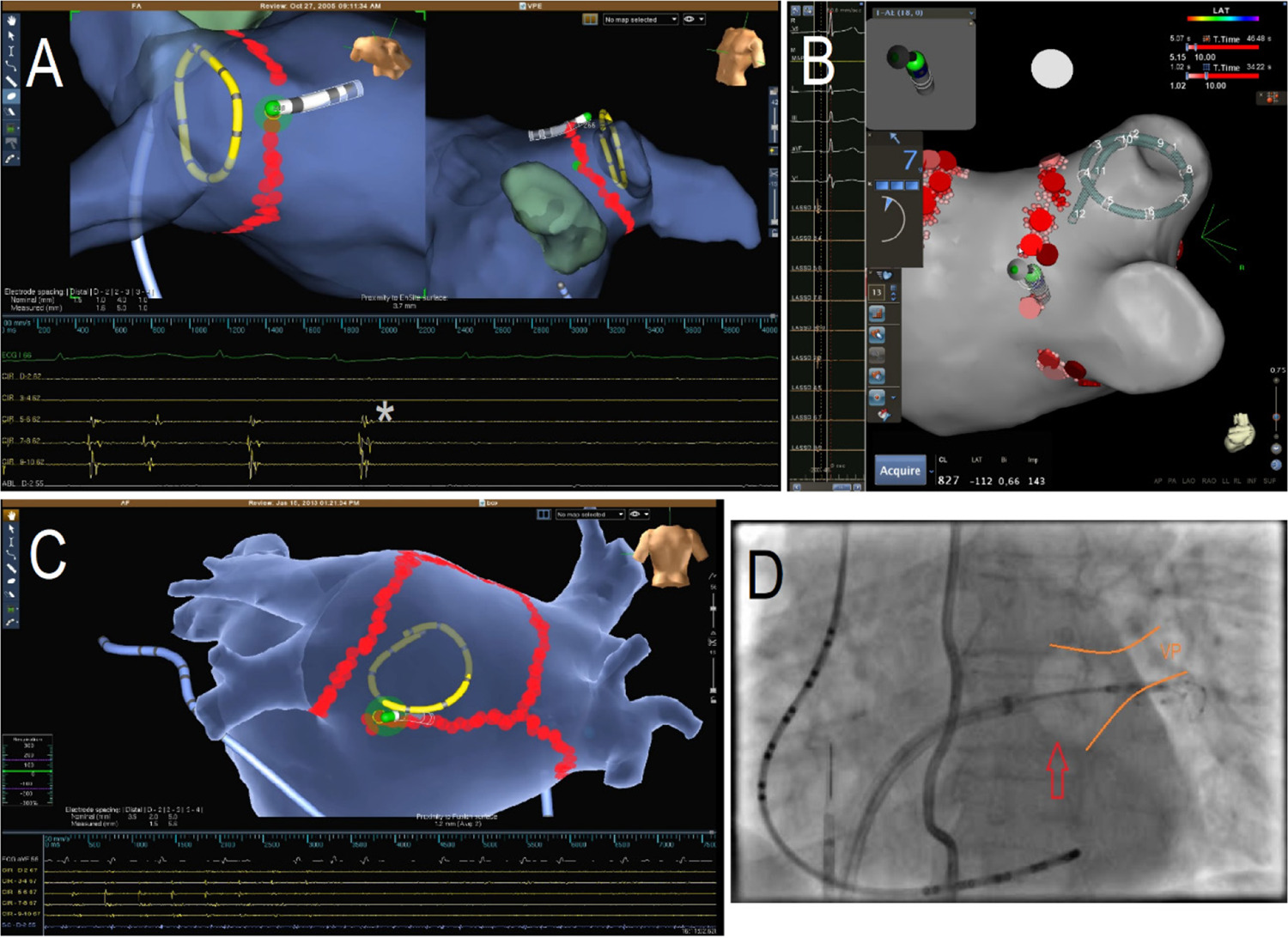
Atrial Fibrillation (Part 2) – Catheter Ablation

Eduardo B. Saad et al. Andre d’Avila

Abstract

More than 20 years since its initial use, catheter ablation has become a routinely performed procedure for the treatment of patients with atrial fibrillation (AF). Initially based on the electrical isolation of pulmonary veins in patients with paroxysmal AF, subsequent advances in the understanding of pathophysiology led to additional techniques not only to achieve better results, but also to treat patients with persistent forms of arrhythmia, as well as patients with structural heart disease and heart failure.

  • Arrhythmias Cardiac
  • Catheter Ablation/methods
  • Echocardiography/methods
  • Fibrilation Atrial
Read Full Article
Creative Commons Attribution (CC BY) Creative Commons license
01/03/2021 DOI: 10.36660/abc.20200477
Figure 1
ABC
Original Article

Catheter Ablation of Focal Atrial Tachycardia with Early Activation Close to the His-Bundle from the Non Coronary Aortic Cusp

Muhieddine Chokr et al. Lucas G. de Moura Italo Bruno dos Santos Sousa Cristiano Faria Pisani … Carina Abigail Hardy Sissy Lara de Melo Arnobio Dias da Ponte Filho Ieda Prata Costa Ronaldo Vasconcelos Tavora Luciana Sacilotto Tan Chen Wu Francisco Carlos da Costa Darrieux Denise Tessariol Hachul Vera Demarchi Aiello Mauricio Scanavacca

Abstract

Background

Atrial tachycardia (AT) ablation with earliest activation site close to the His-Bundle is a challenge due to the risk of complete AV block by its proximity to His-Purkinje system (HPS). An alternative to minimize this risk is to position the catheter on the non-coronary cusp (NCC), which is anatomically contiguous to the para-Hisian region.

Objectives

The aim of this study was to perform a literature review and evaluate the electrophysiological characteristics, safety, and success rate of catheter-based radiofrequency (RF) delivery in the NCC for the treatment of para-Hisian AT in a case series.

Methods

This study performed a retrospective evaluation of ten patients (Age: 36±10 y-o) who had been referred for SVT ablation and presented a diagnosis of para-Hisian focal AT confirmed by classical electrophysiological maneuvers. For statistical analysis, a p-value of <0.05 was considered statistically significant.

Results

The earliest atrial activation at the His position was 28±12ms from the P wave and at the NCC was 3±2ms earlier than His position, without evidence of His potential in all patients. RF was applied on the NCC (4-mm-tip catheter; 30W, 55ºC), and the tachycardia was interrupted in 5±3s with no increase in the PR interval or evidence of junctional rhythm. Electrophysiological tests did not reinduce tachycardia in 9/10 of patients. There were no complications in all procedures. During the 30 ± 12 months follow-up, no patient presented tachycardia recurrence.

Conclusion

The percutaneous treatment of para-Hisian AT through the NCC is an effective and safe strategy, which represents an interesting option for the treatment of this complex arrhythmia. (Arq Bras Cardiol. 2021; 116(1):119-126)

  • Arrhythmias Cardiac
  • Bundle of His
  • Catheter Ablation/methods
  • Electrocardiography/methods
  • Electrophysiologic,Techniques/methods
  • Tachycardia, Atrial
Read Full Article
Creative Commons Attribution (CC BY) Creative Commons license
03/02/2021 DOI: 10.36660/abc.20180449 Views 1
Figure 1
ABC
Original Article

Safety of Catheter Ablation of Atrial Fibrillation Under Uninterrupted Rivaroxaban Use

Márcio Augusto Silva et al. Guilherme Muller de Campos Futuro Erick Sessa Merçon Deborah Vasconcelos … Rovana Silva Agrizzi Jorge Elias Neto Ricardo Kuniyoshi

Abstract

Background:

Atrial fibrillation (AF) ablation under uninterrupted warfarin use is safe and recommended by experts. However, there is some controversy regarding direct-acting oral anticoagulants for the same purpose.

Objective:

To evaluate the safety of AF ablation under uninterrupted anticoagulation with rivaroxaban.

Methods:

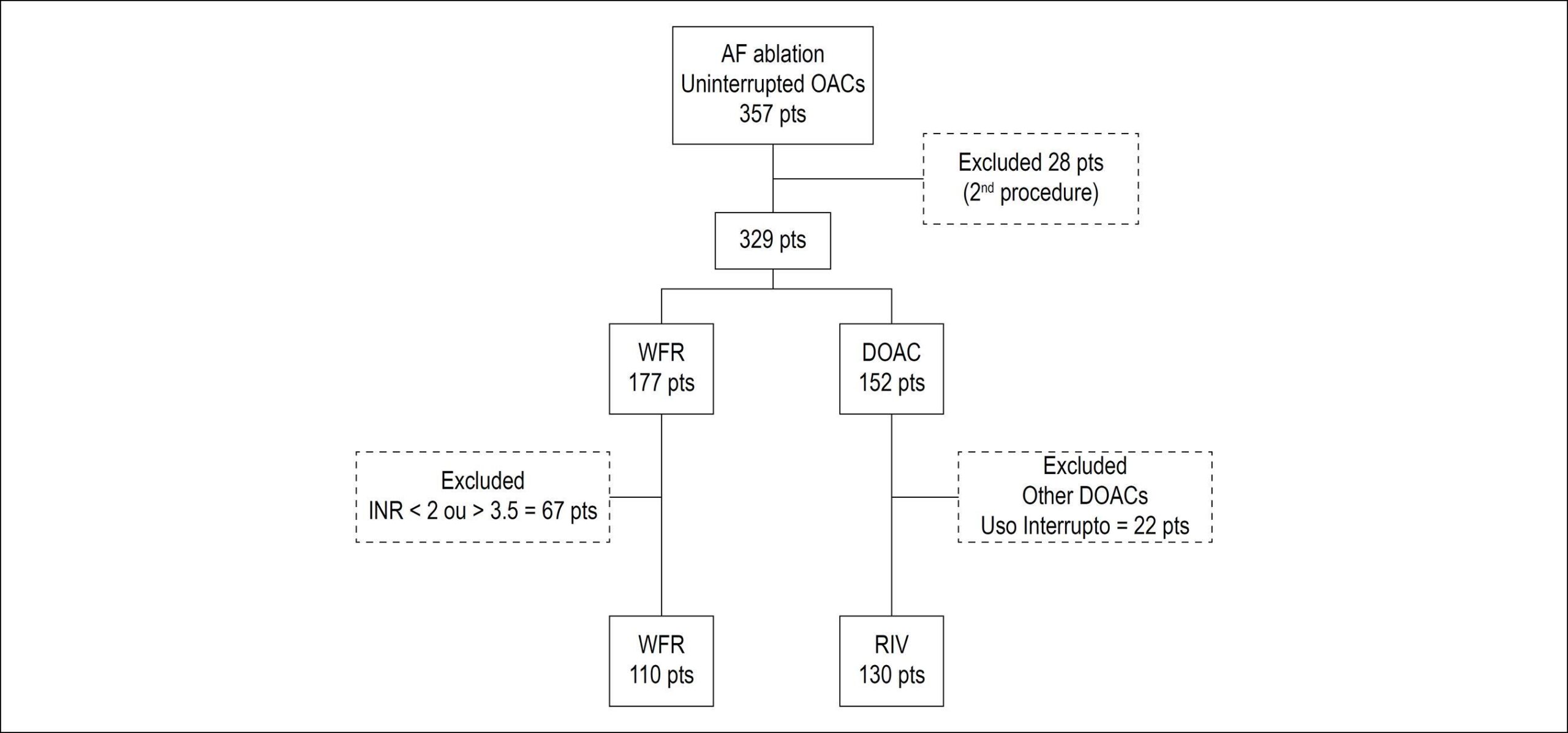
A series of 130 patients underwent AF radiofrequency ablation under uninterrupted rivaroxaban use (RIV group) and was compared to a control group of 110 patients under uninterrupted warfarin use (WFR group) and therapeutic International Normalized Ratio (INR). We analyzed death, rates of thromboembolic events, major and minor bleedings, activated clotting time (ACT) levels, and heparin dose in the procedure. The ablation protocol basically consisted of circumferential isolation of the pulmonary veins guided by electroanatomic mapping. It was adopted a statistical significance of 5%.

Results:

The clinical characteristics of the groups were similar, and the paroxysmal AF was the most frequent type (63% and 59%, RIV and WFR groups). A thromboembolic event occurred in the RIV group. There were 3 patients with major bleeding (RIV = 1 and WFR = 2; p = 0.5); no deaths. Basal INR was higher in the WFR group (2.5 vs. 1.2 ± 0.02; p < 0.0001), with similar basal ACT levels (123.7 ± 3 vs. 118 ± 4; p= 0, 34). A higher dose of venous heparin was used in the RIV group (9,414 ± 199 vs. 6,019 ± 185 IU; p < 0.0001) to maintain similar mean ACT levels during the procedure (350 ± 3 vs. 348.9 ± 4; p = 0.79).

Conclusion:

In the study population, AF ablation under uninterrupted rivaroxaban showed a safety profile that was equivalent to uninterrupted warfarin use with therapeutic INR.

  • Anticoagulants / adverse effects
  • Anticoagulants / therapeutic use
  • Atrial Fibrillation
  • Catheter Ablation/methods
  • Rivaroxaban /therapeitic use
Read Full Article
Creative Commons Attribution (CC BY) Creative Commons license
07/02/2020 DOI: 10.36660/abc.20180386 Views 2
Figure 1
ABC
Original Article

Left Atrial Stiffness: A Predictor of Atrial Fibrillation Recurrence after Radiofrequency Catheter Ablation – A Systematic Review and Meta-Analysis

Eduardo Thadeu de Oliveira Correia et al. Letícia Mara dos Santos Barbetta Othon Moura Pereira da Silva Evandro Tinoco Mesquita

Abstract

Background:

Radiofrequency catheter ablation (RFCA) is a standard procedure for patients with atrial fibrillation (AF) not responsive to previous treatments, that has been increasingly considered as a first-line therapy. In this context, perioperative screening for risk factors has become important. A previous study showed that a high left atrial (LA) pressure is associated with AF recurrence after ablation, which may be secondary to a stiff left atrium.

Objective:

To investigate, through a systematic review and meta-analysis, if LA stiffness could be a predictor of AF recurrence after RFCA, and to discuss its clinical use.

Methods:

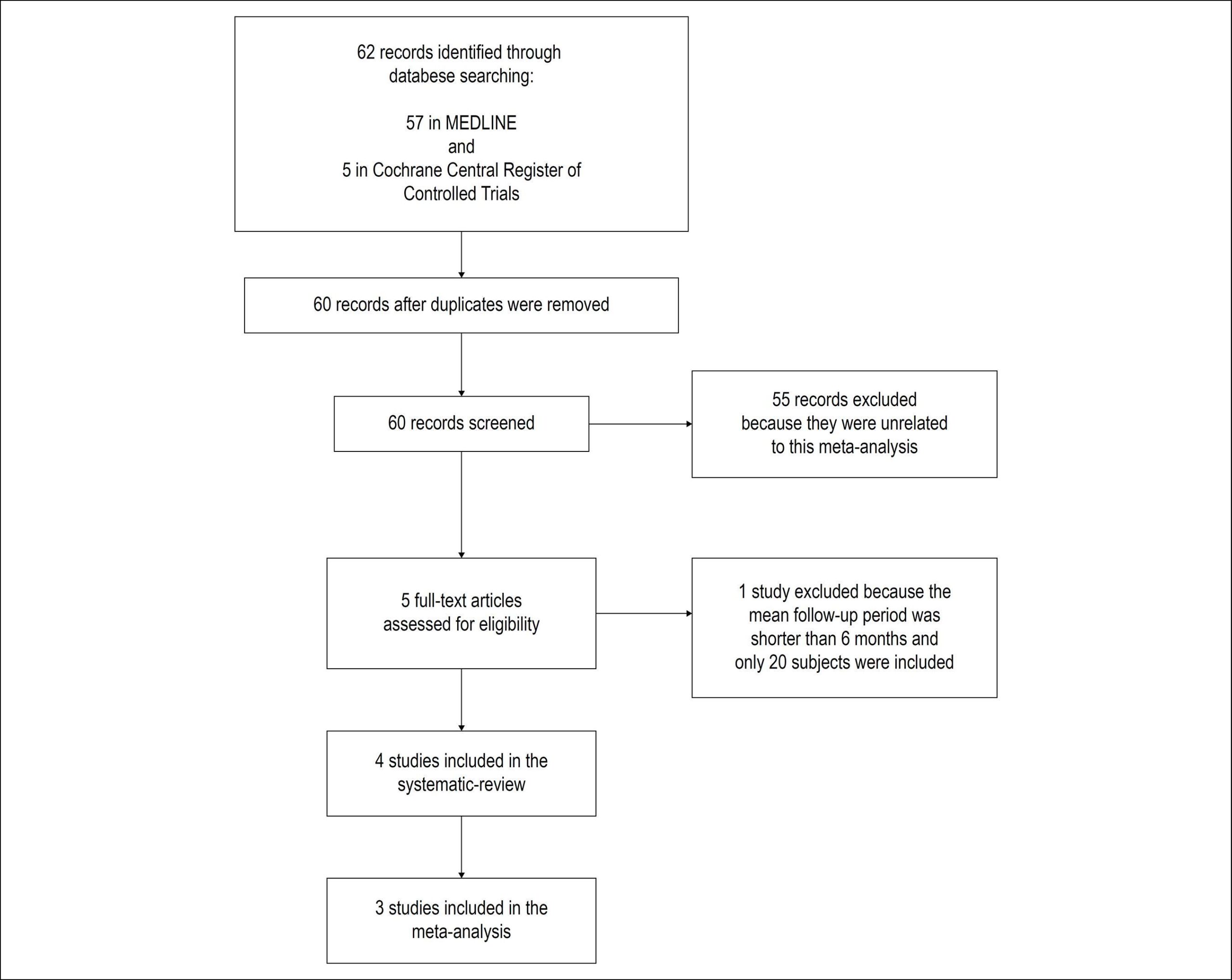
The meta-analysis followed the MOOSE recommendations. The search was performed in MEDLINE and Cochrane Central Register of Controlled Trials databases, until March 2018. Two authors performed screening, data extraction and quality assessment of the studies.

Results:

All studies were graded with good quality. A funnel plot was constructed, which did not show any publication bias. Four prospective observational studies were included in the systematic review and 3 of them in the meta-analysis. Statistical significance was defined at p value < 0.05. LA stiffness was a strong independent predictor of AF recurrence after RFCA (HR = 3.55, 95% CI 1.75-4.73, p = 0.0002).

Conclusion:

A non-invasive assessment of LA stiffness prior to ablation can be used as a potential screening factor to select or to closely follow patients with higher risks of AF recurrence and development of the stiff LA syndrome.

  • Atrial Fibrillation
  • Catheter Ablation/methods
  • Heart Atria
  • Metanalysis
  • Tachycardia, Paroxysmal
Read Full Article
Creative Commons Attribution (CC BY) Creative Commons license
07/03/2019 DOI: 10.5935/abc.20190040 Views 1
Figure 1
ABC
Case Report

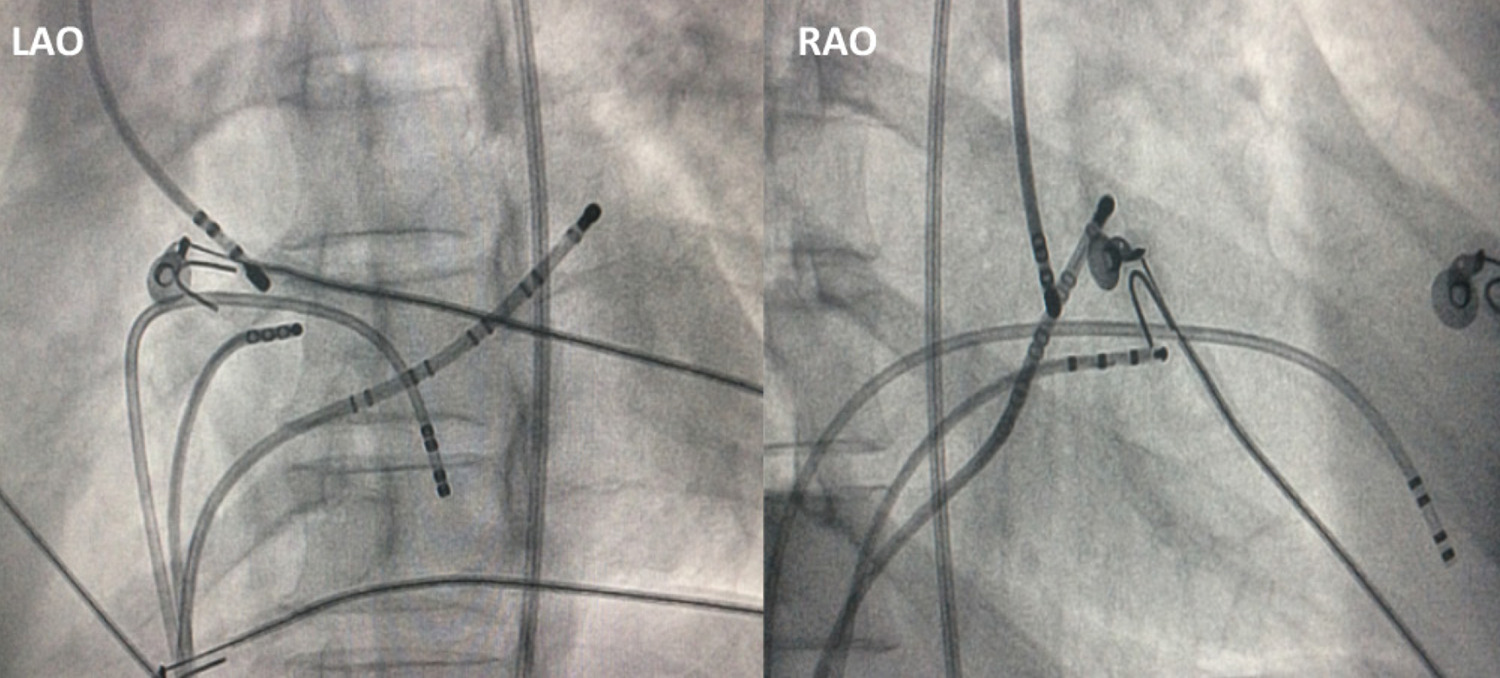
Balloon Cryoablation for the Treatment of Paroxysmal Atrial Fibrillation

Guilherme Fenelon et al. Frederico Scuotto Claudio Fischer Marco Antonio Perin … Marcia Makdisse Angelo Amato Vincenzo de Paola

Introduction

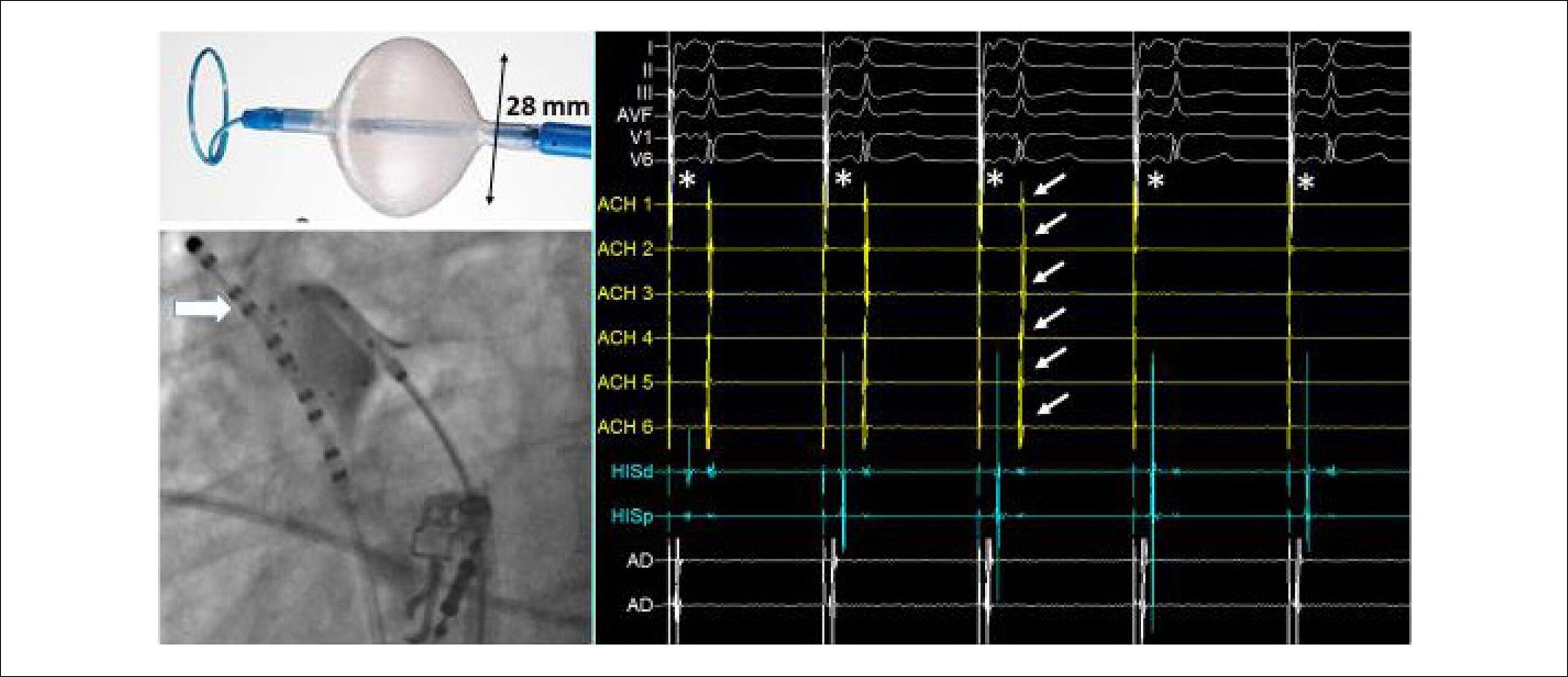
Radiofrequency ablation (RFA) aiming at the electrical isolation of the pulmonary vein (PV) is more effective in controlling the rhythm than drugs, especially in young individuals with symptomatic paroxysmal atrial fibrillation (AF) without structural heart disease.– Electrical isolation is performed with point-by-point RFA around the PV, constituting a complex and lengthy procedure., Recently, technologies have been developed aiming to simplify PV isolation, among them the balloon cryoablation., In this approach, the cryoballoon is inflated in the PV ostium in order to completely occlude it. The release of cryoenergy cools the balloon surface, having the potential to isolate the vein with a single application. The efficacy and safety of cryoablation are similar to RFA, but the procedure is faster.–

Although used worldwide,– only recently cryoablation was made available in Brazil. The objective of this study was to report the first three cases performed in our country using this technology.

[…]

  • Atrial Fibrillation / therapy
  • Catheter Ablation/methods
  • Cryosurgery / methods
  • Cryosurgery / trends
Read Full Article
Creative Commons Attribution (CC BY) Creative Commons license
01/09/2017 DOI: 10.5935/abc.20170108

How to cite this article

EndNote RIS

Electronic Document Format (Vancouver)

Camanho LEM, Santos GV. Catheter Ablation as First-Line Therapy in the Treatment of Atrial Fibrillation – Should We Always Indicate it?. Arquivos Brasileiros de Cardiologia 2022;119(1):95-6.

Electronic Document Format (ABNT)

Camanho, Luiz Eduardo Montenegro; Santos, Gustavo Vignoli dos. Catheter Ablation as First-Line Therapy in the Treatment of Atrial Fibrillation – Should We Always Indicate it?. Arquivos Brasileiros de Cardiologia, v. 119, n. 1, p. 95-96, Jul. 2022.

Electronic Document Format (APA)

Camanho, L. E. M., & Santos, G. V. (2022). Catheter Ablation as First-Line Therapy in the Treatment of Atrial Fibrillation – Should We Always Indicate it?. Arquivos Brasileiros de Cardiologia, 119(1), 95-96.

Electronic Document Format (ISO)

Camanho, Luiz Eduardo Montenegro and Santos, Gustavo Vignoli dos. Catheter Ablation as First-Line Therapy in the Treatment of Atrial Fibrillation – Should We Always Indicate it?. Arquivos Brasileiros de Cardiologia [online]. 2022, vol. 119, n. 1, [cited 2026-10-14], pp. 95-96. Available from: <https://journals.cardiol.br/en/article/catheter-ablation-as-first-line-therapy-in-the-treatment-of-atrial-fibrillation-should-we-always-indicate-it/>. ISSN 0066-782X

EndNote RIS

Electronic Document Format (Vancouver)

Saad EB, d’Avila A. Atrial Fibrillation (Part 2) – Catheter Ablation. Arquivos Brasileiros de Cardiologia 2021;116(2):334-43.

Electronic Document Format (ABNT)

Saad, Eduardo B.; d’Avila, Andre. Atrial Fibrillation (Part 2) – Catheter Ablation. Arquivos Brasileiros de Cardiologia, v. 116, n. 2, p. 334-343, Feb. 2021.

Electronic Document Format (APA)

Saad, E. B., & d’Avila, A. (2021). Atrial Fibrillation (Part 2) – Catheter Ablation. Arquivos Brasileiros de Cardiologia, 116(2), 334-343.

Electronic Document Format (ISO)

Saad, Eduardo B. and d’Avila, Andre. Atrial Fibrillation (Part 2) – Catheter Ablation. Arquivos Brasileiros de Cardiologia [online]. 2021, vol. 116, n. 2, [cited 2026-10-14], pp. 334-343. Available from: <https://journals.cardiol.br/en/article/atrial-fibrillation-part-2-catheter-ablation/>. ISSN 0066-782X

EndNote RIS

Electronic Document Format (Vancouver)

Chokr M, Moura LG, Sousa IBS, Pisani CF, Hardy CA, Melo SL, Ponte Filho AD, et al. Catheter Ablation of Focal Atrial Tachycardia with Early Activation Close to the His-Bundle from the Non Coronary Aortic Cusp. Arquivos Brasileiros de Cardiologia 2021;116(1):119-26.

Electronic Document Format (ABNT)

Chokr, Muhieddine; Moura, Lucas G. de; Sousa, Italo Bruno dos Santos; Pisani, Cristiano Faria; Hardy, Carina Abigail; Melo, Sissy Lara de; Ponte Filho, Arnobio Dias da; Costa, Ieda Prata; Tavora, Ronaldo Vasconcelos; Sacilotto, Luciana; Wu, Tan Chen; Darrieux, Francisco Carlos da Costa; Hachul, Denise Tessariol; Aiello, Vera Demarchi; Scanavacca, Mauricio. Catheter Ablation of Focal Atrial Tachycardia with Early Activation Close to the His-Bundle from the Non Coronary Aortic Cusp. Arquivos Brasileiros de Cardiologia, v. 116, n. 1, p. 119-126, Feb. 2021.

Electronic Document Format (APA)

Chokr, M., Moura, L. G. , Sousa, I. B. S., Pisani, C. F., Hardy, C. A., Melo, S. L. , Ponte Filho, A. D. , Costa, I. P., Tavora, R. V., Sacilotto, L., Wu, T. C., Darrieux, F. C. C., Hachul, D. T., Aiello, V. D., & Scanavacca, M. (2021). Catheter Ablation of Focal Atrial Tachycardia with Early Activation Close to the His-Bundle from the Non Coronary Aortic Cusp. Arquivos Brasileiros de Cardiologia, 116(1), 119-126.

Electronic Document Format (ISO)

Chokr, Muhieddine and Moura, Lucas G. de and Sousa, Italo Bruno dos Santos and Pisani, Cristiano Faria and Hardy, Carina Abigail and Melo, Sissy Lara de and Ponte Filho, Arnobio Dias da and Costa, Ieda Prata and Tavora, Ronaldo Vasconcelos and Sacilotto, Luciana and Wu, Tan Chen and Darrieux, Francisco Carlos da Costa and Hachul, Denise Tessariol and Aiello, Vera Demarchi and Scanavacca, Mauricio. Catheter Ablation of Focal Atrial Tachycardia with Early Activation Close to the His-Bundle from the Non Coronary Aortic Cusp. Arquivos Brasileiros de Cardiologia [online]. 2021, vol. 116, n. 1, [cited 2026-10-14], pp. 119-126. Available from: <https://journals.cardiol.br/en/article/catheter-ablation-of-focal-atrial-tachycardia-with-early-activation-close-to-the-his-bundle-from-the-non-coronary-aortic-cusp/>. ISSN 0066-782X

EndNote RIS

Electronic Document Format (Vancouver)

Silva MA, Futuro GMC, Merçon ES, Vasconcelos D, Agrizzi RS, Elias Neto J, Kuniyoshi R, et al. Safety of Catheter Ablation of Atrial Fibrillation Under Uninterrupted Rivaroxaban Use. Arquivos Brasileiros de Cardiologia 2020;114(3):435-42.

Electronic Document Format (ABNT)

Silva, Márcio Augusto; Futuro, Guilherme Muller de Campos; Merçon, Erick Sessa; Vasconcelos, Deborah; Agrizzi, Rovana Silva; Elias Neto, Jorge; Kuniyoshi, Ricardo. Safety of Catheter Ablation of Atrial Fibrillation Under Uninterrupted Rivaroxaban Use. Arquivos Brasileiros de Cardiologia, v. 114, n. 3, p. 435-442, Feb. 2020.

Electronic Document Format (APA)

Silva, M. A., Futuro, G. M. C., Merçon, E. S., Vasconcelos, D., Agrizzi, R. S., Elias Neto, J., & Kuniyoshi, R. (2020). Safety of Catheter Ablation of Atrial Fibrillation Under Uninterrupted Rivaroxaban Use. Arquivos Brasileiros de Cardiologia, 114(3), 435-442.

Electronic Document Format (ISO)

Silva, Márcio Augusto and Futuro, Guilherme Muller de Campos and Merçon, Erick Sessa and Vasconcelos, Deborah and Agrizzi, Rovana Silva and Elias Neto, Jorge and Kuniyoshi, Ricardo. Safety of Catheter Ablation of Atrial Fibrillation Under Uninterrupted Rivaroxaban Use. Arquivos Brasileiros de Cardiologia [online]. 2020, vol. 114, n. 3, [cited 2026-10-14], pp. 435-442. Available from: <https://journals.cardiol.br/en/article/safety-of-catheter-ablation-of-atrial-fibrillation-under-uninterrupted-rivaroxaban-use/>. ISSN 0066-782X

EndNote RIS

Electronic Document Format (Vancouver)

Correia ETO, Barbetta LMS, Silva OMP, Mesquita ET. Left Atrial Stiffness: A Predictor of Atrial Fibrillation Recurrence after Radiofrequency Catheter Ablation – A Systematic Review and Meta-Analysis. Arquivos Brasileiros de Cardiologia 2019;112(5):501-8.

Electronic Document Format (ABNT)

Correia, Eduardo Thadeu de Oliveira; Barbetta, Letícia Mara dos Santos; Silva, Othon Moura Pereira da; Mesquita, Evandro Tinoco. Left Atrial Stiffness: A Predictor of Atrial Fibrillation Recurrence after Radiofrequency Catheter Ablation – A Systematic Review and Meta-Analysis. Arquivos Brasileiros de Cardiologia, v. 112, n. 5, p. 501-508, Mar. 2019.

Electronic Document Format (APA)

Correia, E. T. O., Barbetta, L. M. S., Silva, O. M. P. , & Mesquita, E. T. (2019). Left Atrial Stiffness: A Predictor of Atrial Fibrillation Recurrence after Radiofrequency Catheter Ablation – A Systematic Review and Meta-Analysis. Arquivos Brasileiros de Cardiologia, 112(5), 501-508.

Electronic Document Format (ISO)

Correia, Eduardo Thadeu de Oliveira and Barbetta, Letícia Mara dos Santos and Silva, Othon Moura Pereira da and Mesquita, Evandro Tinoco. Left Atrial Stiffness: A Predictor of Atrial Fibrillation Recurrence after Radiofrequency Catheter Ablation – A Systematic Review and Meta-Analysis. Arquivos Brasileiros de Cardiologia [online]. 2019, vol. 112, n. 5, [cited 2026-10-14], pp. 501-508. Available from: <https://journals.cardiol.br/en/article/left-atrial-stiffness-a-predictor-of-atrial-fibrillation-recurrence-after-radiofrequency-catheter-ablation-a-systematic-review-and-meta-analysis/>. ISSN 0066-782X

EndNote RIS

Electronic Document Format (Vancouver)

Fenelon G, Scuotto F, Fischer C, Perin MA, Makdisse M, Paola AAV. Balloon Cryoablation for the Treatment of Paroxysmal Atrial Fibrillation. Arquivos Brasileiros de Cardiologia 2017;109(3):266-9.

Electronic Document Format (ABNT)

Fenelon, Guilherme; Scuotto, Frederico; Fischer, Claudio; Perin, Marco Antonio; Makdisse, Marcia; Paola, Angelo Amato Vincenzo de. Balloon Cryoablation for the Treatment of Paroxysmal Atrial Fibrillation. Arquivos Brasileiros de Cardiologia, v. 109, n. 3, p. 266-269, Aug. 2017.

Electronic Document Format (APA)

Fenelon, G., Scuotto, F., Fischer, C., Perin, M. A., Makdisse, M., & Paola, A. A. V. (2017). Balloon Cryoablation for the Treatment of Paroxysmal Atrial Fibrillation. Arquivos Brasileiros de Cardiologia, 109(3), 266-269.

Electronic Document Format (ISO)

Fenelon, Guilherme and Scuotto, Frederico and Fischer, Claudio and Perin, Marco Antonio and Makdisse, Marcia and Paola, Angelo Amato Vincenzo de. Balloon Cryoablation for the Treatment of Paroxysmal Atrial Fibrillation. Arquivos Brasileiros de Cardiologia [online]. 2017, vol. 109, n. 3, [cited 2026-10-14], pp. 266-269. Available from: <https://journals.cardiol.br/en/article/balloon-cryoablation-for-the-treatment-of-paroxysmal-atrial-fibrillation/>. ISSN 0066-782X

  • About ABC Family
  • Internal Regulation
  • Editorial Board
  • Brazilian Society of Cardiology (SBC)

Issues

SBC Guidelines

  • Videos
  • Podcasts
  • News