ABC Family Arquivos Brasileiros de Cardiologia International Journal of Cardiovascular Sciences ABC Heart Failure & Cardiomyopathy ABC Imagem Cardiovascular
Português English
ABC Family
Português English
  • About
    • About ABC Family
    • Internal Regulation
    • Editorial Board
    • Brazilian Society of Cardiology (SBC)
  • Issues
  • SBC Guidelines
  • Content
    • Videos
    • Podcasts
    • News
  • About
    • About ABC Family
    • Internal Regulation
    • Editorial Board
    • Brazilian Society of Cardiology (SBC)
  • Issues
  • SBC Guidelines
  • Content
    • Videos
    • Podcasts
    • News

ABC Family

  • ABC Family
  • Arquivos Brasileiros de Cardiologia
  • International Journal of Cardiovascular Sciences
  • ABC Heart Failure & Cardiomyopathy
  • ABC Imagem Cardiovascular
Search in

No content found.

Journals
Ordering
Article types
Others

  1. Home
  2. Keyword: Atrial Appendage
Figure 1
ABC
Case Report

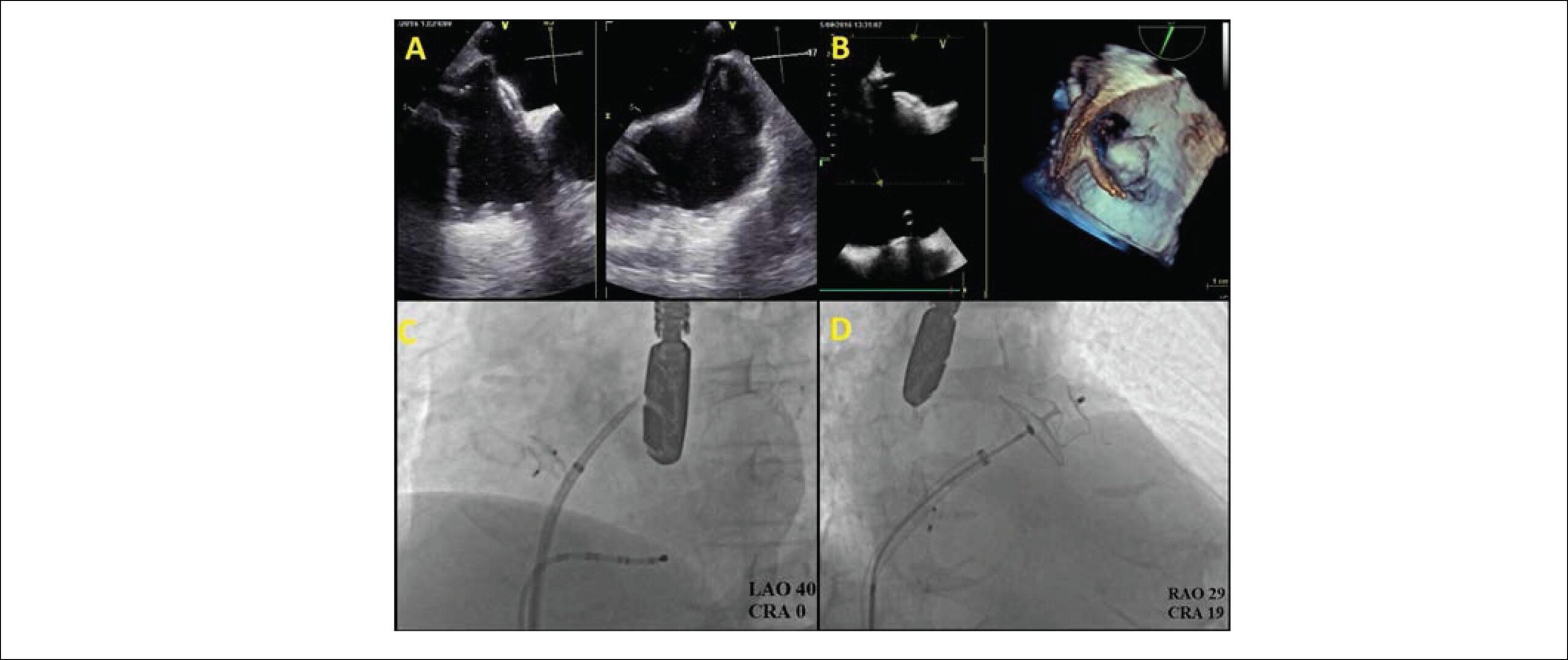
Left Atrial Appendage Occlusion and Implantation of a Bicaval System: Report of a Simultaneous Transcatheter Procedure in a Critically Ill Elderly Patient

Marcos Cherem et al. Carlos Eduardo Bernini Jamil Abdalla Saad Dirceu Barbosa Dias Sobrinho … Marcio Sérgio Carvalho Silva Ruthnea Aparecida Lazaro Muzzi

Case Report

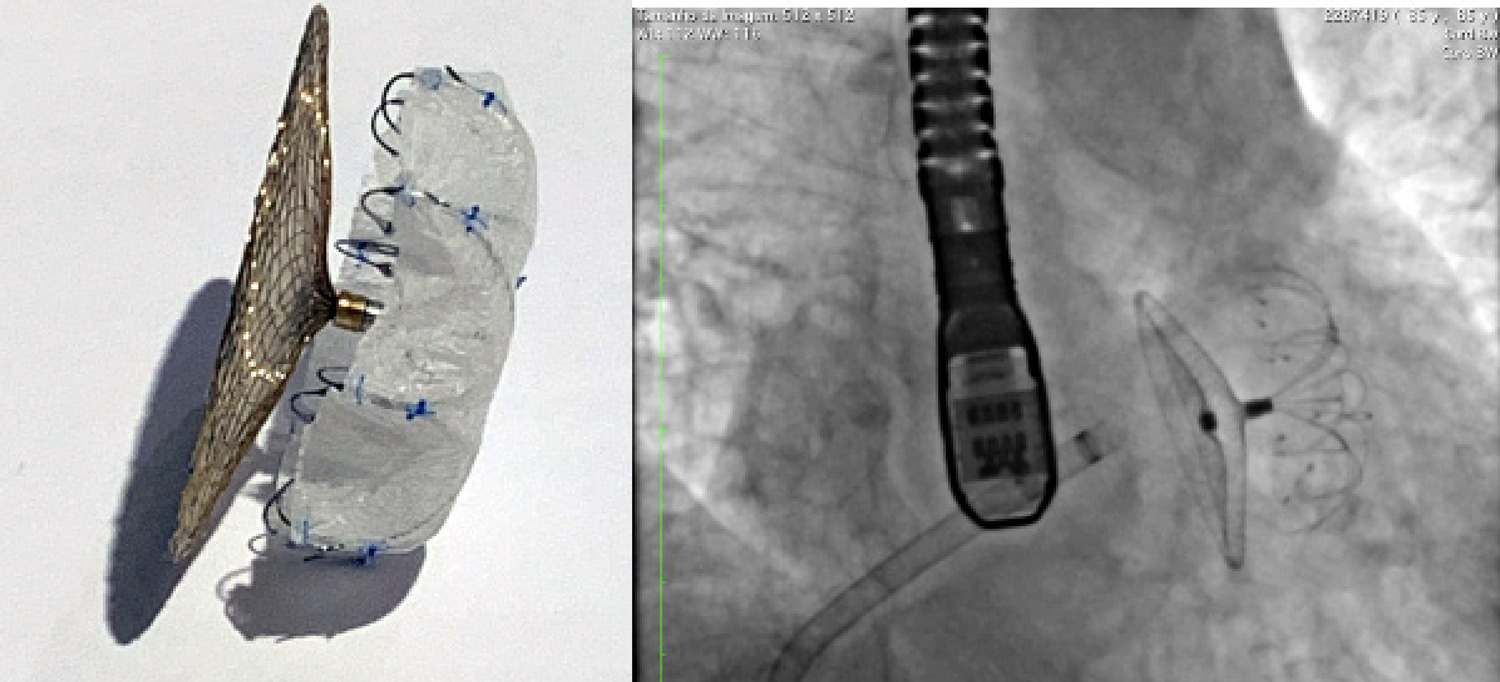
We report the case of an 87-year-old male patient who presented with severe torrential tricuspid regurgitation with important hemodynamic repercussions and conditions of right heart failure, episodes of pulmonary thromboembolism, and deep vein thrombosis in the lower limbs, in follow-up at the hospital’s cardiology service since 1996.

The patient had severe comorbidities, including permanent atrial fibrillation in use of prophylactic enoxaparin and impossibility of safe oral anticoagulation due to chronic renal failure. Furthermore, he concomitantly presented stage 3 essential hypertension, left ventricular hypertrophy, hypercholesterolemia, and venous insufficiency of the lower limbs. Although he was using methyldopa, amiodarone, bisoprolol, enoxaparin, epoetin, dapagliflozin, furosemide, spironolactone, propatylnitrate, atorvastatin, and allopurinol, he progressively developed severe tricuspid insufficiency, right heart chamber dilation, and congestion in the venae cavae and right atrium, which were refractory to optimized clinical treatment, with progressive worsening of renal function. The transthoracic echocardiogram revealed severe and maladaptive concentric hypertrophy of the left ventricle, with systolic involvement of the right ventricle, important tricuspid insufficiency, important biatrial enlargement, and moderate pulmonary hypertension.

[…]
  • Atrial Appendage
  • Atrial Fibrillation
  • Cardiac Catheterization/methods
  • Tricuspid Valve Insufficiency
  • Venas Cavas
Read Full Article
Creative Commons Attribution (CC BY) Creative Commons license
22/12/2023 DOI: 10.36660/abc.20230454 Views 1
Figure 1
ABCIC
Case Report

Initial Experience of Intracardiac Echocardiography-Guided Left Atrial Appendage Occlusion: Report of Six Cases

Fabricio Sarmento Vassallo et al. Henrique Teixeira Giestas Serpa Betina Reseck Walker Vinícius Fraga Mauro … Carlos Volponi Lovatto Eduardo Serpa Lucas Corsino dos Santos Hermes Carloni Aloyr Simões Edevaldo da Silva Gracielly Barros Renato Giestas Serpa

Introduction

In recent decades, the incidence of atrial fibrillation (AF) has increased exponentially worldwide., This comorbidity is directly related to cardioembolic events, and oral anticoagulation is considered the gold standard treatment for its prevention. Although oral anticoagulation is effective in preventing ischemic stroke, warfarin is contraindicated in 14% to 44% of patients at risk for cardioembolic stroke; nevertheless, even in eligible patients, only 54% are anticoagulated. Currently, direct-acting oral anticoagulants (DOAC) are preferable as preventive therapy for ischemic stroke; however, the discontinuation rates of these drugs reported in clinical trials, mainly due to intolerance or side effects, vary from 23% to 35%. In patients with a history of hemorrhagic stroke, uncontrolled non-intracranial bleeding, and end-stage chronic kidney disease or dialysis, the use of DOAC is relatively or absolutely contraindicated.

In cases of non-valvular AF, when the aforementioned contraindications to DOAC use are present, left atrial appendage occlusion (LAAO) has shown to be effective as a therapeutic alternative. This procedure has been guided and performed using transesophageal echocardiography, which is considered the gold standard. However, services that have incorporated intracardiac echocardiography as an auxiliary tool during catheter ablation for the treatment of AF went on to use this method as a safe and effective alternative to transesophageal echocardiography in LAAO procedures.–

[…]

  • Anticoagulants
  • Atrial Appendage
  • Atrial Fibrillation
  • Embolic Stroke
Read Full Article
Creative Commons Attribution (CC BY) Creative Commons license
02/10/2023 DOI: 10.36660/abcimg.20230062i Views 1
Figure 1
ABC
Original Article

Left Atrial Appendage Volume Predicts Atrial Fibrillation Recurrence after Radiofrequency Catheter Ablation: A Meta-Analysis

Zhenghao Liu et al. Xiaofei Mei Hezi Jiang Yujie Cui … Weiwei Yin Kuangyi Wang Tan Chen Yafeng Zhou

Abstract

Background

The influence of left atrial appendage volume (LAAV) on the recurrence of atrial fibrillation (AF) following radiofrequency catheter ablation remains unclear.

Objectives

We performed a meta-analysis to assess whether LAAV is an independent predictor of AF recurrence following radiofrequency catheter ablation.

Methods

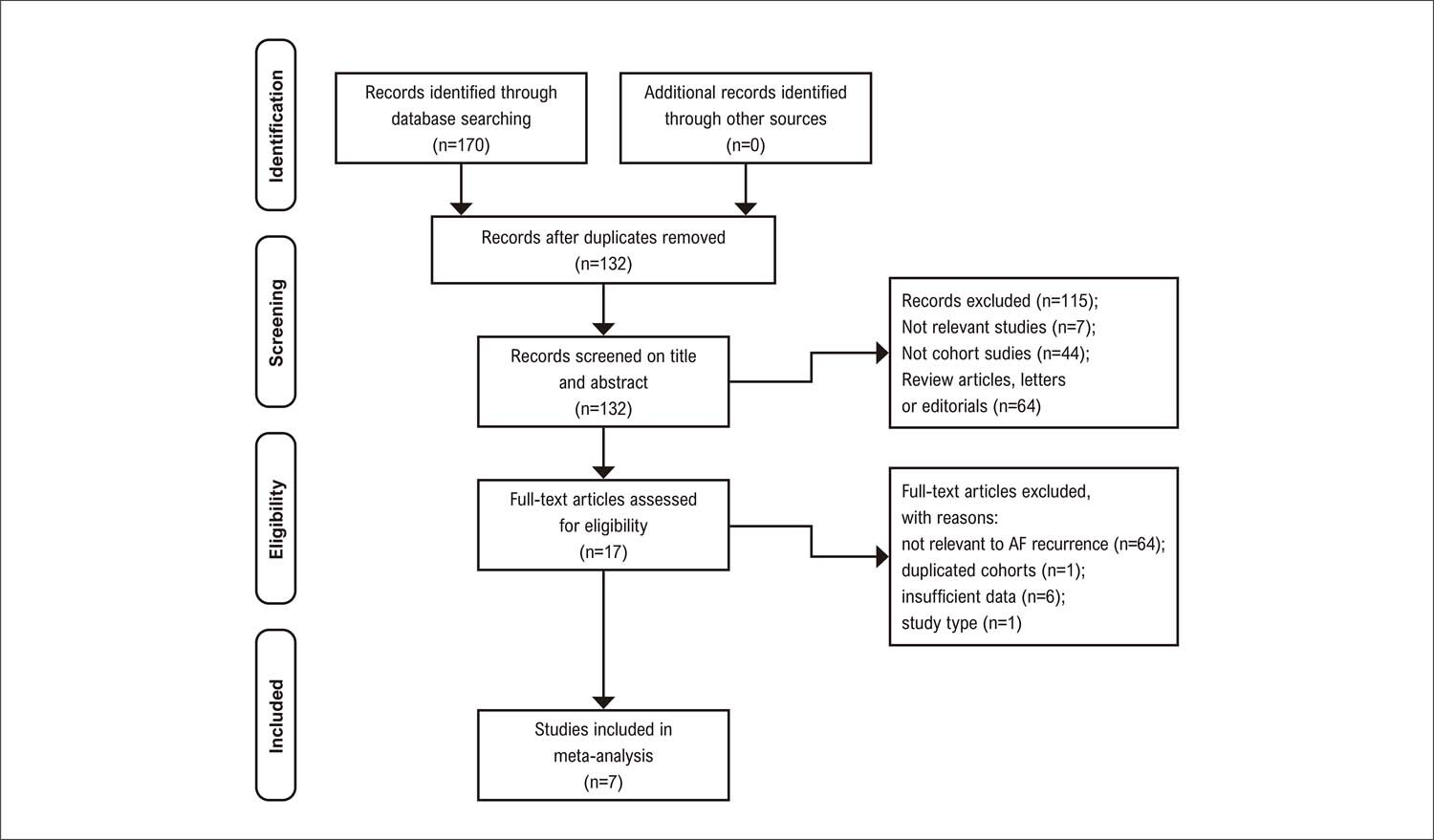
The PubMed and the Cochrane Library databases were searched until March 2022 to identify publications evaluating LAAV in association with AF recurrence after radiofrequency catheter ablation. Seven studies that fulfilled the specified criteria of our analysis were found. We used the Newcastle-Ottawa Scale to evaluate the quality of the studies. The pooled effects were evaluated depending on standardized mean differences (SMDs) or hazard ratios (HRs) with 95% confidence intervals (CIs). P values < 0.05 were considered statistically significant.

Results

A total of 1017 patients from 7 cohort studies with a mean follow-up 16.3 months were included in the meta-analysis. Data from 6 studies (943 subjects) comparing LAAV showed that the baseline LAAV was significantly higher in patients with AF recurrence compared to those without AF (SMD: −0.63; 95% CI: −0.89 to −0,37; all p values < 0.05; I2= 62.6%). Moreover, higher LAAV was independently associated with a significantly higher risk of AF recurrence after radiofrequency catheter ablation (HR: 1.10; 95% CI: 1.02 to 1.18).

Conclusions

The meta-analysis showed that there is a significant correlation between LAAV and AF recurrence after radiofrequency catheter ablation, and the role of LAAV in AF patients should not be ignored in clinical practice.

  • Atrial Appendage
  • Heart Failure
  • Meta-Analysis
  • Radiofrequency Ablation
Read Full Article
Creative Commons Attribution (CC BY) Creative Commons license
20/03/2023 DOI: 10.36660/abc.20220471 Views 1
ABC
Editorial

Tackling Bleeding – One Appendage at a Time

Stefano Garzon et al. Willterson Carlos Bandeira

Atrial fibrillation (AF) is the most common cardiac arrhythmia, affecting approximately 80% of the population aged 80 years or older. It increases the risk of cardioembolic stroke 5-fold across all ages and is related to more than 20% of strokes in patients above 80 years. Embolic strokes are often more severe than other strokes, and anticoagulants are the cornerstone of the treatment, paramount to reducing cardioembolic risk in this population. However, the decision to start oral anticoagulants is not always straightforward and requires assessing both embolic and bleeding risks. Embolic risk in patients with AF is usually assessed using standardized scoring systems such as the CHA2DS2-VASc score, but it can be further refined using other clinical data such as left atrial size and duration of AF. Bleeding risk is usually assessed using the HAS-BLED score, with severe bleedings being more common in older patients. For that reason, physicians are often fearful of starting anticoagulation in older patients, even though current evidence shows that it is usually safe to use oral anticoagulants in most of these patients. However, major bleeding can occur in up to 3% of patients using oral anticoagulants, requiring the interruption of the treatment.

Over 90% of all left atrial thrombi originate in the LAA, and the risk reduction with LAA occlusion is comparable to anticoagulation. For this reason, percutaneous LAA occlusion has emerged as an alternative treatment for patients with either contra-indications to oral anticoagulation or an embolic event while using oral anticoagulants. There is growing evidence that LAA occlusion is safe and feasible in most patients,– and this initial multi-centric experience of LAA occlusion using the plug-based device LAmbre in Brazil shows similar results to current medical literature. In this study, 74.6% of all patients have had either a major bleeding episode using oral anticoagulants or a stroke despite oral anticoagulation. Patients were at high embolic and bleeding risks, with a mean CHA2DS2-VASc score of 4.6 ± 1.7 and a mean HAS-BLED score of 3.4 ± 1.1. The procedure’s success rate was 100%, with no deaths or strokes at a mean follow-up of 18 ± 12 months.

[…]

  • Anticoagulants / therapeutic use
  • Arrhythmias Cardiac
  • Atrial Appendage
  • Atrial Fibrillation
  • Hemorrhage
  • Stroke
Read Full Article
Creative Commons Attribution (CC BY) Creative Commons license
11/07/2022 DOI: 10.36660/abc.20220351
Figure 1
ABC
Original Article

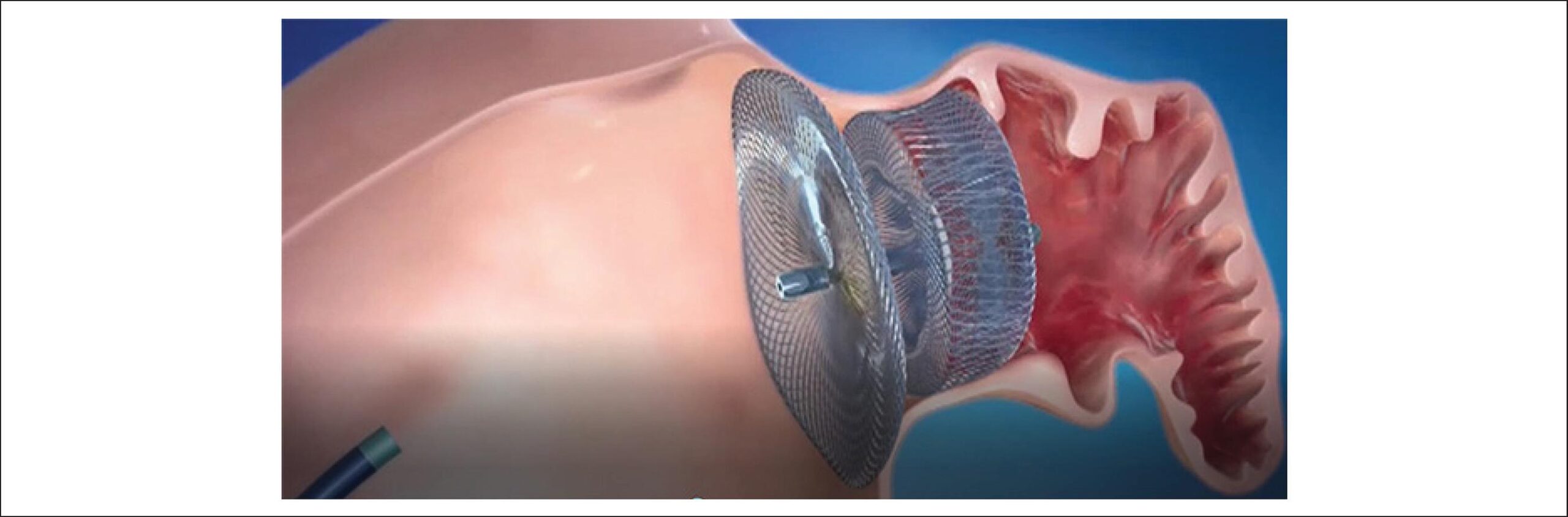
Left Atrial Appendage Closure with the LAmbre Device – Initial Multicentre Experience in Brazil

Francisco Chamié et al. Enio Guerios Daniel Peralta e Silva Valério Fuks Rômulo Torres

Abstract

Background

Left atrial appendage (LAA) closure has been an alternative to oral anticoagulation (OAC) for stroke prevention in patients with non-valvular atrial fibrillation (NVAF).

Objectives

To report the first results of an initial multicenter experience in Brazil and to investigate the feasibility, safety, and efficacy of LAA closure with the new LAmbre device.

Methods

We collected procedural and follow-up data of 51 consecutive patients with non-valvular atrial fibrillation, restrictions for long-term OAC and suitable anatomy that underwent LAA closure with the LAmbre device in 18 centers in Brazil. Procedural indications were significant bleeding under OAC (47.1%), stroke or persistent LAA thrombus despite OAC (27.5%), bleeding plus stroke (17.6%), other clinical contraindications for OAC (5.9%), and patient’s choice due to sports practice (1.9%).

Results

Twenty-five men (49%) and 26 women (51%), with a mean age of 76±7.7 years, mean CHA2DS2-VASc score of 4.6± 1.7 and mean HAS-BLED score of 3.4± 1.1 were studied. Procedural success rate was 100%. Procedure-related immediate complications were pericardial effusion in two patients, and immediate device embolization in one case. No large residual shunts (> 5 mm) were observed, and small shunts (<5mm) were detected in four patients by color Doppler at the end of the procedure. After a mean follow-up of 18 ± 12 months, there were no deaths, strokes nor any other major complications.

Conclusion

LAA occlusion with the LAmbre device was safe and effective in this small case series. Despite these encouraging initial results, the small number of cases warrants further studies with longer-term follow-up.

  • Atrial Appendage
  • Atrial Fibrillation
  • Coronary Occlusion
Read Full Article
Creative Commons Attribution (CC BY) Creative Commons license
09/05/2022 DOI: 10.36660/abc.20210275
Figure 1
ABCIC
Relato de Caso

Left Atrial Appendage Pseudo-Thrombus

Marcio Augusto Silva et al. Marcelo Pazolini José Guilherme Cazelli Daniel Escobar Bueno Peixoto … Rafael Soares Rua Rodolpho Jacques de Melo Farinazzo

Discussion

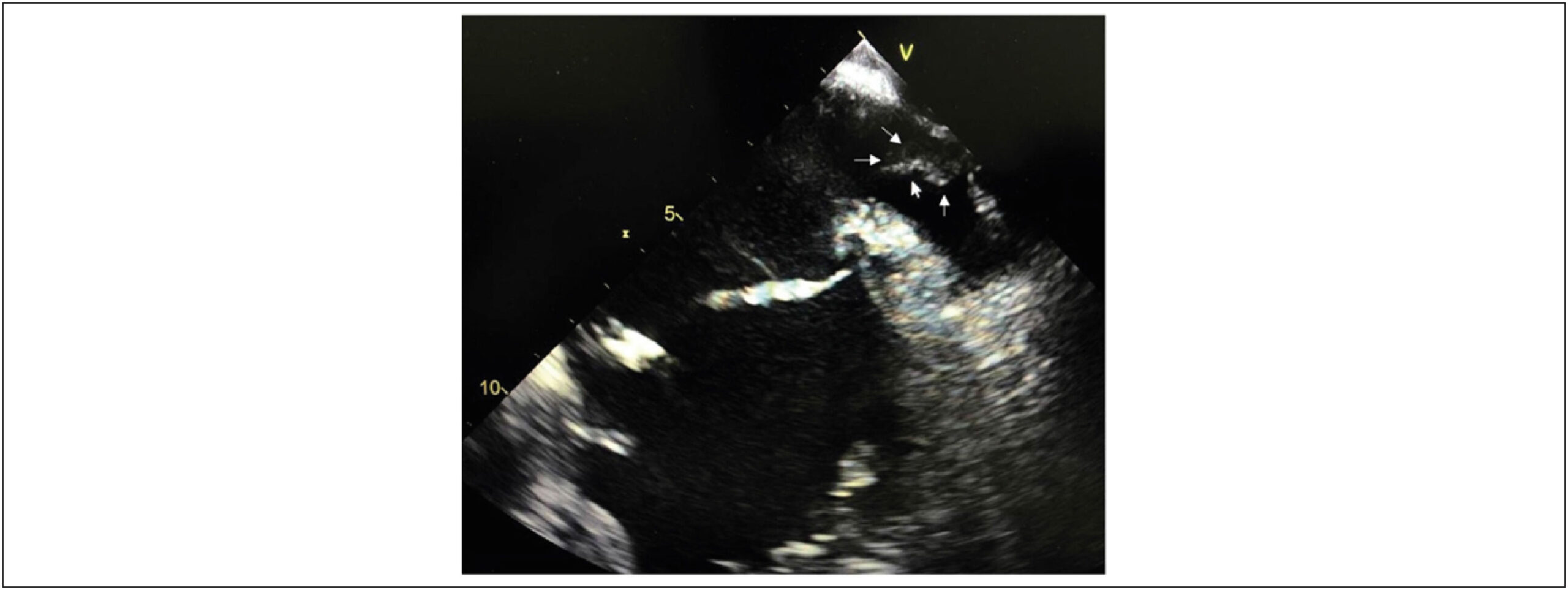
TEE is considered the gold standard test to detect LAA thrombi., With the incorporation of heart CT-angio into clinical practice, the diagnosis of a “false” thrombus, called pseudo-thrombus, in the LAA has become more frequent and is explained by contrast filling failure due to reduced flow velocity in the LAA trabeculae. The recent use of specific CT-angio protocols to evaluate thrombi and late imaging capture has significantly improved its sensitivity and specificity, which reaches near 100% in some series,, thus becoming a less invasive option than TEE. It has been widely used in preoperative catheter ablation to treat AF or LAA percutaneous occlusions.

In this case, it is noteworthy that the diagnosis of pseudo-thrombus by TEE corresponded to an extracardiac metallic structure (stent) artefact closely related to the LAA but only identified on the cardiac CT-angio and relevant in the patient’s treatment.

[…]

  • Atrial Appendage
  • Computed Tomography
  • Echocardiography
Read Full Article
Creative Commons Attribution (CC BY) Creative Commons license
11/06/2021 DOI: 10.47593/2675-312X/20213402eabc168 Views 2
Figure 1
ABC
Original Article

Value of left atrial diameter with CHA2DS2-VASc score in predicting left atrial/left atrial appendage thrombosis in non-valvular atrial fibrillation

Yu Zhang et al. Yi-Qiang Yuan

Abstract

Background

Atrial fibrillation is the most common persistent arrhythmia, and is the main factor that leads to thromboembolism.

Objective

To investigate the value of left atrial diameter combined with CHA2DS2-VASc score in predicting left atrial/left atrial appendage thrombosis in non-valvular atrial fibrillation.

Methods

This is a retrospective study. 238 patients with non-valvular atrial fibrillation were selected and divided into two groups: thrombosis and non-thrombosis. CHA2DS2-VASc score was determined. P<0.05 was considered statistically significant.

Results

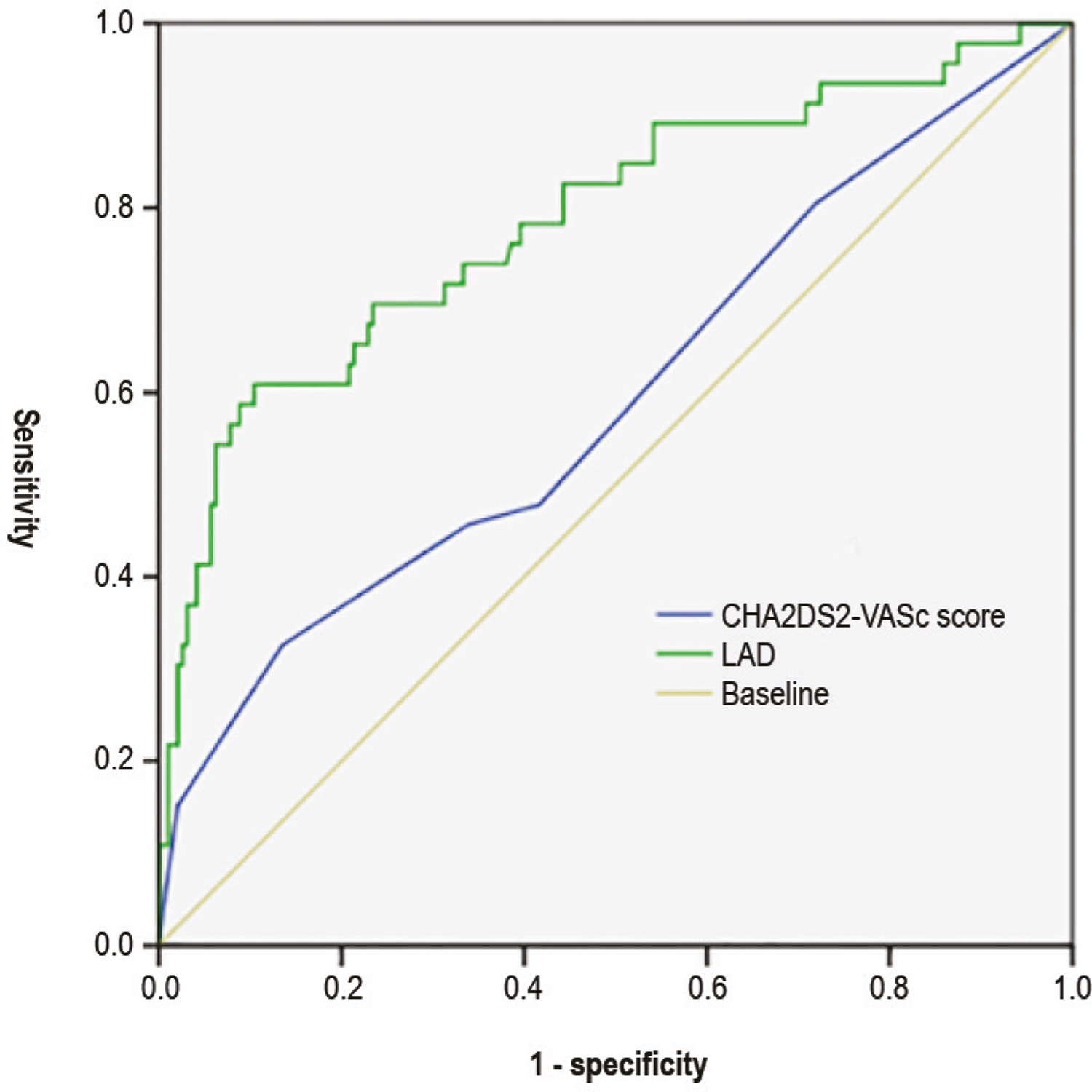
Multivariate logistic regression analysis revealed that the history of stroke/transient ischemic attack, vascular disease, CHA2DS2-VASc score, left atrial diameter (LAD), left ventricular end-diastolic dimension (LVEDD) and left ventricular ejection fraction (LVEF) were independent risk factors for left atrial/left atrial appendage thrombosis (p<0.05). Receiver operating characteristic curve analysis revealed that the area under the curve for the CHA2DS2-VASc score in predicting left atrial/left atrial appendage thrombosis was 0.593 when the CHA2DS2-VASc score was ≥3 points, and sensitivity and specificity were 86.5% and 32.6%, respectively, while the area under the curve for LAD in predicting left atrial/left atrial appendage thrombosis was 0.786 when LAD was ≥44.17 mm, and sensitivity and specificity were 89.6% and 60.9%, respectively. Among the different CHA2DS2-VASc groups, the incidence rate of left atrial/left atrial appendage thrombosis in patients with LAD ≥44.17 mm was higher than patients with LAD <44.17 mm (p<0.05).

Conclusion

CHA2DS2-VASc score and LAD are correlated with left atrial/left atrial appendage thrombosis in non-valvular atrial fibrillation. For patients with a CHA2DS2-VASc score of 0 or 1, when LAD is ≥44.17 mm, the risk for left atrial/left atrial appendage thrombosis remained high. (Arq Bras Cardiol. 2020; [online].ahead print, PP.0-0)

  • Atrial Appendage
  • Atrial Fibrillation Non Valvar
  • Heart Atria
  • Propensity Score
  • Risk Assessment
  • Stroke
Read Full Article
Creative Commons Attribution (CC BY) Creative Commons license
01/01/2021 DOI: 10.36660/abc.20190492 Views 1
Figure 1
ABC
Original Article

Left Atrial Appendage Transcatheter Occlusion with AMPLATZER™ Amulet™ Device: Real Life Data with Mid-Term Follow-Up Results

Mehmet Levent Şahiner et al. Ergun Baris Kaya Cem Çöteli Kudret Aytemir

Abstract

Background:

Left atrial appendage (LAA) occlusion is an alternative therapy for atrial fibrillation patients who have high embolic risk and contraindications to anticoagulant therapy.

Objective:

To evaluate the feasibility, safety, and mid-term outcomes of percutaneous LAA occlusion, including device-related thrombosis.

Methods:

Sixty consecutive patients who had undergone percutaneous LAA occlusion with AMPLATZER™ Amulet™ device from September 2015 to March 2018 were enrolled. Patients were followed for 21 ± 15 months (median – 20 months, interquartile range – 9 to 27 months). The postprocedural assessment was done at the 1(st), 6(th), and 12(th) month. Patients were clinically evaluated, and transesophageal echocardiography was performed at each visit. We evaluated the condition of normality of variables using the Kolmogorov-Smirnov test. P-values < 0.05 were statistically significant.

Results:

The most common indication for the procedure was major bleeding with anticoagulants (n: 53, 88.3%). The procedure was completed successfully in 59 (98.3%) patients. Periprocedural mortality was observed in one patient. Postprocedural antiplatelet treatment was planned as dual or single antiplatelet therapy or low-dose anticoagulant therapy in 52 (88.1%), 2 (3.4%), and 5 (8.5%) patients, respectively. We found no clinically significant cerebrovascular events, device-related thrombus, or embolization in any patient during the follow-up. Two (3.4 %) patients presented significant peri-device leak (>3 mm) at the 1st month evaluation, which disappeared at the 12th month follow-up.

Conclusion:

We concluded that LAA occlusion using the Amulet™ LAA occluder can be performed with high procedural success and acceptable outcomes.

  • Anticoagulants / therapeutic use
  • Atrial Appendage
  • Atrial Fibrillation
  • Cardiac Catheterization
  • Echocardiography/methods
  • Mortality
Read Full Article
Creative Commons Attribution (CC BY) Creative Commons license
29/07/2019 DOI: 10.5935/abc.20190138
Figure 1
IJCS
Original Article

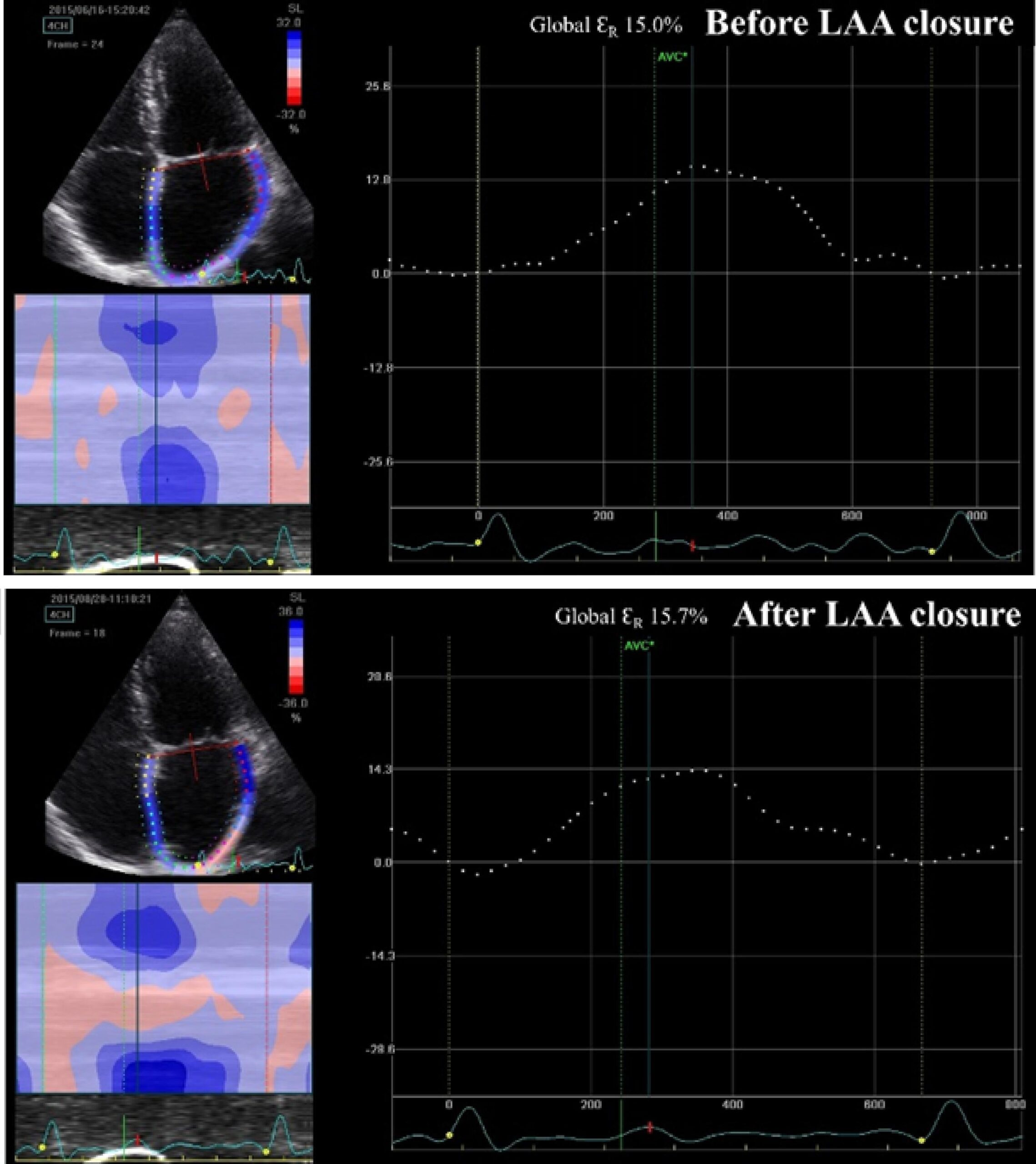
Does Percutaneous Left Atrial Appendage Closure Affect Left Atrial Performance?

Marta Madeira et al. Rogério Teixeira Liliana Reis Paulo Dinis … Luís Paiva Ana Botelho Marco Costa Lino Gonçalves

Abstract

Background:

Percutaneous left atrial appendage (LAA) occlusion may be an alternative therapy for atrial fibrillation (AF) patients with contraindication for anti-coagulation therapy. However, the influence of LAA occlusion on left atrial (LA) performance has not been studied.

Objective:

Our aim was to evaluate the influence of percutaneous LAA occlusion device on LA function by transthoracic echocardiography plus speckle-tracking echocardiography (STE).

Methods:

We included 16 patients undergoing percutaneous LAA closure with adequate echocardiographic window for the study of LA mechanics. Transthoracic echocardiography was performed before and after the procedure. LA volumes were calculated using the biplane method, and LA mechanics were assessed using STE. The analysis focused on the LA reservoir phase strain and strain rate.

Results:

Seventy-five percent of patients had permanent atrial fibrillation. Embolic and bleeding risk scores used were CHA2DS2-VASc [median of 4-5] and HAS-BLED [median of 2-3]. Major bleeding (62%) was the most common indication for the procedure. Percutaneous LAA closure was performed successfully in all patients, without major complications. No differences were found in maximum LA volume (44 ± 11 vs. 46 ± 13 mL/m2; p = 0.54), minimum LA volume (32 ± 8 vs. 37 ± 14 mL/m2; p = 0.09) or LA emptying fraction (26 ± 17 vs. 21 ± 14%; p = 0.33) before and after the procedure. Similarly, no differences were noted in left atrial strain (13.7 ± 11.1 vs. 13.0 ± 8.8%; p = 0.63) or strain rate (1.06 ± 0.26 vs. 1.13 ± 0.34 s-1; p = 0.38) in the reservoir phase.

Conclusions:

Our data suggest that percutaneous LAA closure does not affect LA reservoir function.

  • Atrial Appendage
  • Atrial Fibrillation
  • Echocardiography, Transthoracic
  • Heart Atria
Read Full Article
Creative Commons Attribution (CC BY) Creative Commons license
01/11/2018 DOI: 10.5935/2359-4802.20180075 Views 1
ABC
Letter to the Editor

Challenges For Percutaneous Left Atrial Appendage Closure: Imaging And Residual Flow

Tarik Yildirim et al. Ibrahim Altun Mustafa Ozcan Soylu

We have read with great interest the paper entitled ‘First results of the Brazilian Registry of Percutaneous Left Atrial Appendage Closure’ by Guérios et al. is a very important study. We have some suggestions about this trial.

Firstly, two-dimensional transeosophageal echocardiography (2D-TEE) can evaluate the morphology of left atrial appendage in multiple views. But real-time three-dimensional transeosophageal echocardiography (3D-TEE) provides more detailed images of the left atrial appendage (LAA) anatomy than 2D-TEE. A competent physician can accurately evaluate the LAA depth and landing zone. Moreover LAA closure depends on an accurate determination of anatomical structure. Therefore the 3D-TEE may show advantantages in relation to 2D-TEE in transcathater LAA closure.

[…]

  • Atrial Appendage
  • Echocardiography, Three-Dimensional
  • Medical Records
  • Septal Occluder Devices
Read Full Article
Creative Commons Attribution (CC BY) Creative Commons license
01/07/2018 DOI: 10.5935/abc.20180135
IJCS
Editorial

To Occlude or not to Occlude. That is the Question

Wilson Mathias Junior

In this issue of the International Journal of Cardiovascular Sciences, Madeira et al. evaluated the influence of percutaneous left atrial appendage (LAA) occlusion device on left atrial (LA) function. They assessed several parameters of atrial function, including LA strain and strain rate by speckle-tracking echocardiography (STE) of 16 patients, 75% with permanent atrial fibrillation, undergoing percutaneous LAA closure. No differences were found in maximum and minimum LA volume or LA emptying fraction before and 3 months after the procedure. Similarly, no differences were noted in LA strain (13.7 ± 11.1 vs. 13.0 ± 8.8%; p = 0.63) or strain rate (1.06 ± 0.26 vs. 1.13 ± 0.34 s-1; p = 0.38) in the reservoir phase. Based on those results, the authors concluded that LAA occlusion had no impact on LA function.

This is among the first studies to examine the effect of this procedure on LA function, for which the authors should be congratulated.

[…]

  • Atrial Appendage
  • Atrial Fibrillation
  • Balloon Device
  • Diagnosis Imaging
  • Echocardiography/methods
Read Full Article
Creative Commons Attribution (CC BY) Creative Commons license
01/01/2018 DOI: 10.5935/2359-4802.20180089 Views 1
Figure 1
IJCS
Viewpoint

Remoras and Spontaneous Echocardiographic Contrast

Charles André

Abstract

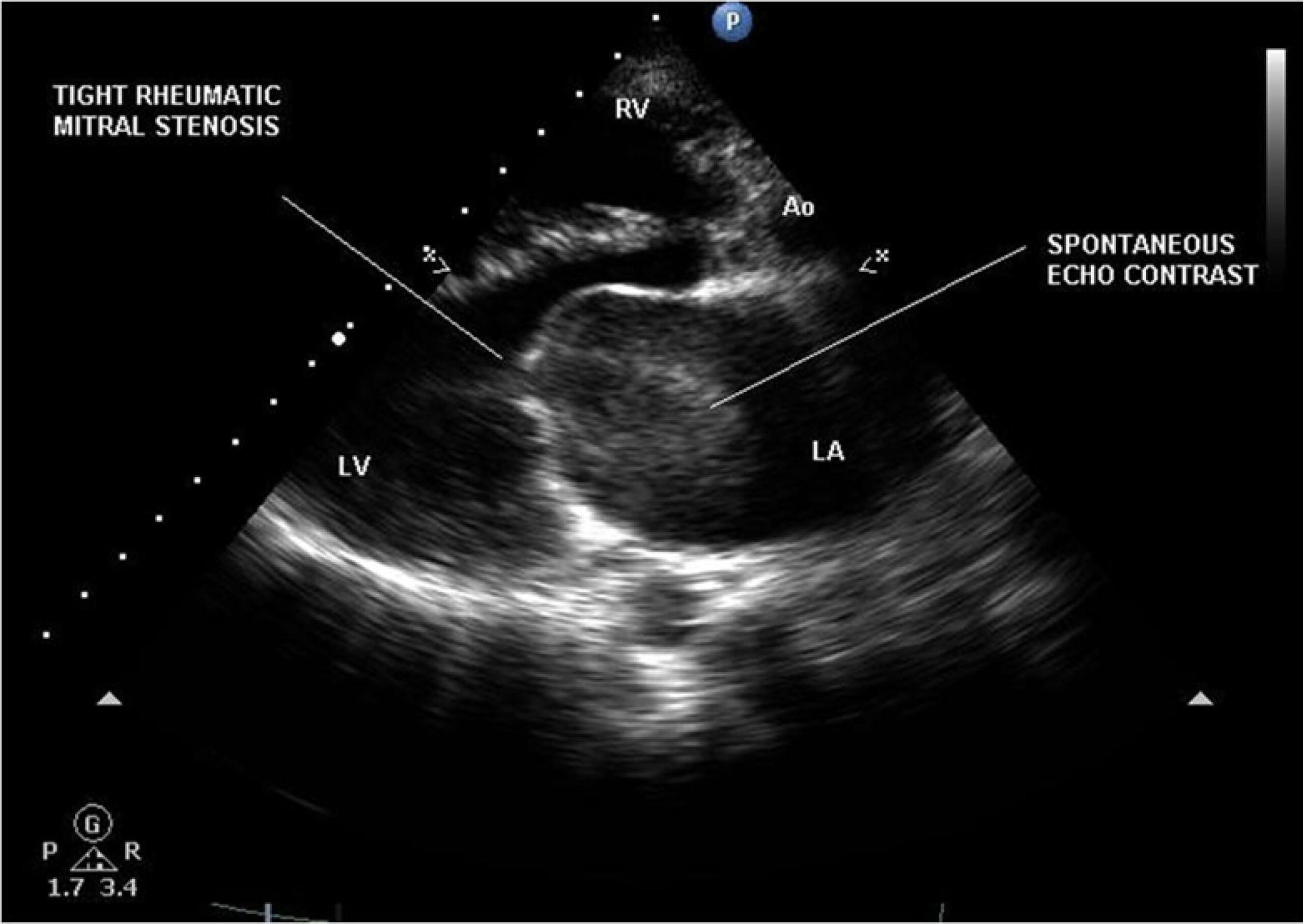
The term “Remora” (hindrance) – re (again)/mora (delay) -originally designated a family of fishes – the suckerfishes. In ancient Greece and Rome and up to the early 19th century, these fishes were believed to slow down ships by attaching to them. Medicine adopted the term “remora” to describe fluid/blood stasis. Intracardiac blood stasis, or remora, especially in the left atrial appendage, is associated with thrombogenesis and responsible for cardioembolic phenomena. The slow and swirling movement of blood causes the appearance of spontaneous echocardiographic contrast (SEC). I briefly narrate the Naval Battle of Actium, whose result was mythically attributed to the remora fishes, and make a short review of remoras. I also describe Laennec’s discussion about intracardiac blood stasis and give a short account of SEC, its original descriptions and importance.

  • Atrial Appendage
  • Cypriniformes (remoras)
  • Diagnostic Imaging
  • Echocardiography/history
  • Embolism and Thrombosis
  • History, Ancient
  • Ultrasonography/history
Read Full Article
Creative Commons Attribution (CC BY) Creative Commons license
01/01/2018 DOI: 10.5935/2359-4802.20180054
Figure 1
ABC
Original Article

Left Atrial Appendage Closure with Amplatzer Cardiac Plug in Nonvalvular Atrial Fibrillation: Safety and Long-Term Outcome

Marcio José Montenegro da Costa et al. Esmeralci Ferreira Edgard Freitas Quintella Bernardo Amorim … Alexandre Fuchs Ricardo Zajdenverg Hugo Sabino Denilson Campos de Albuquerque

Abstract

Background:

Atrial fibrillation (AF) is a cardiac arrhythmia with high risk for thromboembolic events, specially stroke.

Objective:

To assess the safety of left atrial appendage closure (LAAC) with the Amplatzer Cardiac Plug for the prevention of thromboembolic events in patients with nonvalvular AF.

Methods:

This study included 15 patients with nonvalvular AF referred for LAAC, 6 older than 75 years (mean age, 69.4 ± 9.3 years; 60% of the male sex).

Results:

The mean CHADS2 score was 3.4 ± 0.1, and mean CHA2DS2VASc , 4.8 ± 1.8, evidencing a high risk for thromboembolic events. All patients had a HAS-BLED score > 3 (mean, 4.5 ± 1.2) with a high risk for major bleeding within 1 year. The device was successfully implanted in all patients, with correct positioning in the first attempt in most of them (n = 11; 73.3%).

Conclusion:

There was no periprocedural complication, such as device migration, pericardial tamponade, vascular complications and major bleeding. All patients had an uneventful in-hospital course, being discharged in 2 days. The echocardiographic assessments at 6 and 12 months showed neither device migration, nor thrombus formation, nor peridevice leak. On clinical assessment at 12 months, no patient had thromboembolic events or bleeding related to the device or risk factors. In this small series, LAAC with Amplatzer Cardiac Plug proved to be safe, with high procedural success rate and favorable outcome at the 12-month follow-up. (Arq Bras Cardiol. 2017; [online].ahead print, PP.0-0)

  • Atrial Appendage
  • Atrial Fibrillation
  • Thrombosis / prevention & control
  • Vascular Closure Devices
Read Full Article
Creative Commons Attribution (CC BY) Creative Commons license
13/11/2017 DOI: 10.5935/abc.20170167
Figure 1
ABC
Original Article

First results of the Brazilian Registry of Percutaneous Left Atrial Appendage Closure

Ênio Eduardo Guérios et al. Francisco Chamié Márcio Montenegro Eduardo Benchimol Saad … Fabio Sandoli de Brito Junior Paulo Avancini Caramori Luiz Carlos Simões Flávio Roberto Azevedo de Oliveira Luiz Carlos Giuliano Cláudio Munhoz da Fontoura Tavares

Abstract

Background:

Left atrial appendage closure (LAAC) is an effective alternative to oral anticoagulation (OA) for the prevention of stroke in patients with non-valvular atrial fibrillation (NVAF).

Objective:

To present the immediate results and late outcomes of patients submitted to LAAC and included in the Brazilian Registry of Percutaneous Left Atrial Appendage Closure.

Methods:

91 patients with NVAF, high stroke risk (CHA2DS2VASc score = 4.5 ± 1.5) and restrictions to OAC (HAS-BLED score = 3.6 ± 1.0) underwent 92 LAAC procedures using either the Amplatzer cardiac plug or the Watchman device in 11 centers in Brazil, between late 2010 and mid 2016.

Results:

Ninety-six devices were used (1.04 device/procedure, including an additional non-dedicated device), with a procedural success rate of 97.8%. Associated procedures were performed in 8.7% of the patients. Complete LAAC was obtained in 93.3% of the successful cases. In cases of incomplete closure, no residual leak was larger than 2.5 mm. One patient needed simultaneous implantation of 2 devices. There were 7 periprocedural major (5 pericardial effusions requiring pericardiocentesis, 1 non-dedicated device embolization and 1 coronary air embolism without sequelae) and 4 minor complications. After 128.6 patient-years of follow-up there were 3 deaths unrelated to the procedure, 2 major bleedings (one of them in a patient with an unsuccessful LAAC), thrombus formation over the device in 2 cases (both resolved after resuming OAC for 3 months) and 2 strokes (2.2%).

Conclusions:

In this multicenter, real world registry, that included patients with NVAF and high thromboembolic and bleeding risks, LAAC effectively prevented stroke and bleeding when compared to the expected rates based on CHA2DS2VASc and HASBLED scores for this population. Complications rate of the procedure was acceptable considering the beginning of the learning curve of most of the involved operators.

  • Atrial Appendage
  • Atrial Fibrillation
  • Cardiovascular Surgical Procedures
  • Medical Records
  • Septal Occluder Devices
  • Stroke
Read Full Article
Creative Commons Attribution (CC BY) Creative Commons license
19/10/2017 DOI: 10.5935/abc.20170150 Views 2
ABC
Editorial

Percutaneous left atrial appendage occlusion: putting the most lethal human attachment behind bars

Adriano Caixeta et al. Erlon O. de Abreu Silva Philippe Généreux

EDITORIAL

Percutaneous left atrial appendage occlusion: putting the most lethal human attachment behind bars

[…]

  • Anticoagulants
  • Atrial Appendage
  • Atrial Fibrillation
  • heart catheterization
Read Full Article
Creative Commons Attribution (CC BY) Creative Commons license
22/11/2012 DOI: 10.1590/S0066-782X2012001400001 Views 1
Left atrial appendage closure with the Amplatzer Cardiac Plug in patients with atrial fibrillation
ABC
Artigo Original

Left atrial appendage closure with the Amplatzer Cardiac Plug in patients with atrial fibrillation

Ênio Eduardo Guérios et al. Michael Schmid Steffen Gloekler Ahmed A. Khattab … Peter M. Wenaweser Stephan Windecker Bernhard Meier

BACKGROUND: Percutaneous left atrial appendage closure (LAAC) has emerged as an alternative to oral anticoagulation (OA) for prevention of thromboembolic stroke in patients with non-valvular atrial fibrillation (NVAF). OBJECTIVE: To describe the immediate results and short- to medium-term clinical follow-up (FU) of patients that underwent LAAC with Amplatzer Cardiac Plug (ACP) implantation in a single reference center. METHODS: Eighty-six consecutive patients with NVAF, contraindication to OA, and CHADS2 score=2.6±1.2 underwent LAAC with ACP implantation. Clinical and echocardiographic FU was performed at least four months after the procedure. RESULTS: All implants were guided by angiography alone. Procedural success was 99% (one patient suffered a cardiac tamponade requiring pericardiocentesis, and the procedure was waived). There were four major complications (the already mentioned cardiac tamponade, two transient ischemic attacks and one device embolization with percutaneous retrieval) and two minor complications (one pericardial effusion without clinical significance and one non-significant ASD evidenced at FU). There was one in-hospital death after six days, unrelated to the procedure. All other patients were discharged without OA. After 25.9 patient-years of FU (69 patients), there were no strokes and no late device embolization. The LAA was completely closed in 97% of the cases. Six patients showed evidence of thrombus formation on the device, which resolved after three months of OA. CONCLUSION: LAAC is associated with high success, acceptable complication rates, and promising FU results, and may be considered a valuable alternative or complement to OA for stroke prevention in patients with NVAF.

  • Arrhythmias Cardiac
  • Atrial Appendage
  • Atrial Fibrillation
  • prostheses and implants
Read Full Article
Creative Commons Attribution (CC BY) Creative Commons license
15/05/2012 DOI: 10.1590/S0066-782X2012005000044
Percutaneous occlusion of left atrial appendage with the Amplatzer Cardiac PlugTM in atrial fibrillation
ABC
Artigo Original

Percutaneous occlusion of left atrial appendage with the Amplatzer Cardiac PlugTM in atrial fibrillation

Márcio José Montenegro et al. Edgard Freitas Quintella Aníbal Damonte Hugo de Castro Sabino … Ricardo Zajdenverg Gustavo Pinaud Laufer Bernardo Amorim André Pereira Duque Estrada Cristian Paul Yugcha Armas Aline Sterque

Background: Atrial fibrillation is associated with embolic strokes that often result in death or disability. Effective in reducing these events, anticoagulation has several limitations and has been widely underutilized. Over 90% of thrombi identified in patients with atrial fibrillation without valvular disease originate in the left atrial appendage, whose occlusion is investigated as an alternative to anticoagulation. Objective: To determine the feasibility of percutaneous occlusion of the left atrial appendage in patients at high risk of embolic events and limitations to the use of anticoagulation. Methods: We report our initial experience with Amplatzer Cardiac PlugTM (St. Jude Medical Inc., Saint Paul, Estados Unidos) in patients with nonvalvular atrial fibrillation. We selected patients at high risk of thromboembolism, major bleeding, contraindications to the use or major instability in response to the anticoagulant. The procedures were performed percutaneously under general anesthesia and transesophageal echocardiography. The primary outcome was the presence of periprocedural complications and follow-up program included clinical and echocardiographic review within 30 days and by telephone contact after nine months. Results: In five selected patients it was possible to occlude the left atrial appendage without periprocedural complications. There were no clinical events in follow-up. Conclusion: Controlled clinical trials are needed before percutaneous closure of the left atrial appendage should be considered an alternative to anticoagulation in nonvalvular atrial fibrillation. But the device has shown to be promissory in patients at high risk of embolism and restrictions on the use of anticoagulants.

  • Atrial Appendage
  • Atrial Fibrillation
  • prostheses and implants
  • Stroke
  • Thromboembolism
Read Full Article
Creative Commons Attribution (CC BY) Creative Commons license
31/01/2012 DOI: 10.1590/S0066-782X2012005000012

How to cite this article

EndNote RIS

Electronic Document Format (Vancouver)

Cherem M, Bernini CE, Saad JA, Sobrinho DBD, Silva MSC, Muzzi RAL. Left Atrial Appendage Occlusion and Implantation of a Bicaval System: Report of a Simultaneous Transcatheter Procedure in a Critically Ill Elderly Patient. Arquivos Brasileiros de Cardiologia 2023;120(11):e20230454.

Electronic Document Format (ABNT)

Cherem, Marcos; Bernini, Carlos Eduardo; Saad, Jamil Abdalla; Sobrinho, Dirceu Barbosa Dias; Silva, Marcio Sérgio Carvalho; Muzzi, Ruthnea Aparecida Lazaro. Left Atrial Appendage Occlusion and Implantation of a Bicaval System: Report of a Simultaneous Transcatheter Procedure in a Critically Ill Elderly Patient. Arquivos Brasileiros de Cardiologia, v. 120, n. 11, e20230454, Dec. 2023.

Electronic Document Format (APA)

Cherem, M., Bernini, C. E., Saad, J. A., Sobrinho, D. B. D., Silva, M. S. C., & Muzzi, R. A. L. (2023). Left Atrial Appendage Occlusion and Implantation of a Bicaval System: Report of a Simultaneous Transcatheter Procedure in a Critically Ill Elderly Patient. Arquivos Brasileiros de Cardiologia, 120(11), e20230454.

Electronic Document Format (ISO)

Cherem, Marcos and Bernini, Carlos Eduardo and Saad, Jamil Abdalla and Sobrinho, Dirceu Barbosa Dias and Silva, Marcio Sérgio Carvalho and Muzzi, Ruthnea Aparecida Lazaro. Left Atrial Appendage Occlusion and Implantation of a Bicaval System: Report of a Simultaneous Transcatheter Procedure in a Critically Ill Elderly Patient. Arquivos Brasileiros de Cardiologia [online]. 2023, vol. 120, n. 11, [cited 2026-10-14], e20230454. Available from: <https://journals.cardiol.br/en/article/left-atrial-appendage-occlusion-and-implantation-of-a-bicaval-system-report-of-a-simultaneous-transcatheter-procedure-in-a-critically-ill-elderly-patient/>. ISSN 0066-782X

EndNote RIS

Electronic Document Format (Vancouver)

Vassallo FS, Serpa HTG, Walker BR, Mauro VF, Lovatto CV, Serpa E, Santos LC, et al. Initial Experience of Intracardiac Echocardiography-Guided Left Atrial Appendage Occlusion: Report of Six Cases. ABC Imagem Cardiovascular 2023;36(3):e20230062.

Electronic Document Format (ABNT)

Vassallo, Fabricio Sarmento; Serpa, Henrique Teixeira Giestas; Walker, Betina Reseck; Mauro, Vinícius Fraga; Lovatto, Carlos Volponi; Serpa, Eduardo; Santos, Lucas Corsino dos; Carloni, Hermes; Simões, Aloyr; Silva, Edevaldo da; Barros, Gracielly; Serpa, Renato Giestas. Initial Experience of Intracardiac Echocardiography-Guided Left Atrial Appendage Occlusion: Report of Six Cases. ABC Imagem Cardiovascular, v. 36, n. 3, e20230062, Oct. 2023.

Electronic Document Format (APA)

Vassallo, F. S., Serpa, H. T. G., Walker, B. R., Mauro, V. F., Lovatto, C. V., Serpa, E., Santos, L. C. , Carloni, H., Simões, A., Silva, E. , Barros, G., & Serpa, R. G. (2023). Initial Experience of Intracardiac Echocardiography-Guided Left Atrial Appendage Occlusion: Report of Six Cases. ABC Imagem Cardiovascular, 36(3), e20230062.

Electronic Document Format (ISO)

Vassallo, Fabricio Sarmento and Serpa, Henrique Teixeira Giestas and Walker, Betina Reseck and Mauro, Vinícius Fraga and Lovatto, Carlos Volponi and Serpa, Eduardo and Santos, Lucas Corsino dos and Carloni, Hermes and Simões, Aloyr and Silva, Edevaldo da and Barros, Gracielly and Serpa, Renato Giestas. Initial Experience of Intracardiac Echocardiography-Guided Left Atrial Appendage Occlusion: Report of Six Cases. ABC Imagem Cardiovascular [online]. 2023, vol. 36, n. 3, [cited 2026-10-14], e20230062. Available from: <https://journals.cardiol.br/en/article/initial-experience-of-intracardiac-echocardiography-guided-left-atrial-appendage-occlusion-report-of-six-cases/>. ISSN 2318-8219

EndNote RIS

Electronic Document Format (Vancouver)

Liu Z, Mei X, Jiang H, Cui Y, Yin W, Wang K, Chen T, et al. Left Atrial Appendage Volume Predicts Atrial Fibrillation Recurrence after Radiofrequency Catheter Ablation: A Meta-Analysis. Arquivos Brasileiros de Cardiologia 2023;120(3):e20220471.

Electronic Document Format (ABNT)

Liu, Zhenghao; Mei, Xiaofei; Jiang, Hezi; Cui, Yujie; Yin, Weiwei; Wang, Kuangyi; Chen, Tan; Zhou, Yafeng. Left Atrial Appendage Volume Predicts Atrial Fibrillation Recurrence after Radiofrequency Catheter Ablation: A Meta-Analysis. Arquivos Brasileiros de Cardiologia, v. 120, n. 3, e20220471, Mar. 2023.

Electronic Document Format (APA)

Liu, Z., Mei, X., Jiang, H., Cui, Y., Yin, W., Wang, K., Chen, T., & Zhou, Y. (2023). Left Atrial Appendage Volume Predicts Atrial Fibrillation Recurrence after Radiofrequency Catheter Ablation: A Meta-Analysis. Arquivos Brasileiros de Cardiologia, 120(3), e20220471.

Electronic Document Format (ISO)

Liu, Zhenghao and Mei, Xiaofei and Jiang, Hezi and Cui, Yujie and Yin, Weiwei and Wang, Kuangyi and Chen, Tan and Zhou, Yafeng. Left Atrial Appendage Volume Predicts Atrial Fibrillation Recurrence after Radiofrequency Catheter Ablation: A Meta-Analysis. Arquivos Brasileiros de Cardiologia [online]. 2023, vol. 120, n. 3, [cited 2026-10-14], e20220471. Available from: <https://journals.cardiol.br/en/article/left-atrial-appendage-volume-predicts-atrial-fibrillation-recurrence-after-radiofrequency-catheter-ablation-a-meta-analysis/>. ISSN 0066-782X

EndNote RIS

Electronic Document Format (Vancouver)

Garzon S, Bandeira WC. Tackling Bleeding – One Appendage at a Time. Arquivos Brasileiros de Cardiologia 2022;119(1):57-8.

Electronic Document Format (ABNT)

Garzon, Stefano; Bandeira, Willterson Carlos. Tackling Bleeding – One Appendage at a Time. Arquivos Brasileiros de Cardiologia, v. 119, n. 1, p. 57-58, Jul. 2022.

Electronic Document Format (APA)

Garzon, S., & Bandeira, W. C. (2022). Tackling Bleeding – One Appendage at a Time. Arquivos Brasileiros de Cardiologia, 119(1), 57-58.

Electronic Document Format (ISO)

Garzon, Stefano and Bandeira, Willterson Carlos. Tackling Bleeding – One Appendage at a Time. Arquivos Brasileiros de Cardiologia [online]. 2022, vol. 119, n. 1, [cited 2026-10-14], pp. 57-58. Available from: <https://journals.cardiol.br/en/article/tackling-bleeding-one-appendage-at-a-time/>. ISSN 0066-782X

EndNote RIS

Electronic Document Format (Vancouver)

Chamié F, Guerios E, Silva DP, Fuks V, Torres R. Left Atrial Appendage Closure with the LAmbre Device – Initial Multicentre Experience in Brazil. Arquivos Brasileiros de Cardiologia 2022;119(1):48-56.

Electronic Document Format (ABNT)

Chamié, Francisco; Guerios, Enio; Silva, Daniel Peralta e; Fuks, Valério; Torres, Rômulo. Left Atrial Appendage Closure with the LAmbre Device – Initial Multicentre Experience in Brazil. Arquivos Brasileiros de Cardiologia, v. 119, n. 1, p. 48-56, May. 2022.

Electronic Document Format (APA)

Chamié, F., Guerios, E., Silva, D. P. , Fuks, V., & Torres, R. (2022). Left Atrial Appendage Closure with the LAmbre Device – Initial Multicentre Experience in Brazil. Arquivos Brasileiros de Cardiologia, 119(1), 48-56.

Electronic Document Format (ISO)

Chamié, Francisco and Guerios, Enio and Silva, Daniel Peralta e and Fuks, Valério and Torres, Rômulo. Left Atrial Appendage Closure with the LAmbre Device – Initial Multicentre Experience in Brazil. Arquivos Brasileiros de Cardiologia [online]. 2022, vol. 119, n. 1, [cited 2026-10-14], pp. 48-56. Available from: <https://journals.cardiol.br/en/article/left-atrial-appendage-closure-with-the-lambre-device-initial-multicentre-experience-in-brazil/>. ISSN 0066-782X

EndNote RIS

Electronic Document Format (Vancouver)

Silva MA, Pazolini M, Cazelli JG, Peixoto DEB, Rua RS, Farinazzo RJM. Left Atrial Appendage Pseudo-Thrombus. ABC Imagem Cardiovascular 2021;34(2):eabc168.

Electronic Document Format (ABNT)

Silva, Marcio Augusto; Pazolini, Marcelo; Cazelli, José Guilherme; Peixoto, Daniel Escobar Bueno; Rua, Rafael Soares; Farinazzo, Rodolpho Jacques de Melo. Left Atrial Appendage Pseudo-Thrombus. ABC Imagem Cardiovascular, v. 34, n. 2, eabc168, Jun. 2021.

Electronic Document Format (APA)

Silva, M. A., Pazolini, M., Cazelli, J. G., Peixoto, D. E. B., Rua, R. S., & Farinazzo, R. J. M. (2021). Left Atrial Appendage Pseudo-Thrombus. ABC Imagem Cardiovascular, 34(2), eabc168.

Electronic Document Format (ISO)

Silva, Marcio Augusto and Pazolini, Marcelo and Cazelli, José Guilherme and Peixoto, Daniel Escobar Bueno and Rua, Rafael Soares and Farinazzo, Rodolpho Jacques de Melo. Left Atrial Appendage Pseudo-Thrombus. ABC Imagem Cardiovascular [online]. 2021, vol. 34, n. 2, [cited 2026-10-14], eabc168. Available from: <https://journals.cardiol.br/en/article/left-atrial-appendage-pseudo-thrombus/>. ISSN 2318-8219

EndNote RIS

Electronic Document Format (Vancouver)

Zhang Y, Yuan Y. Value of left atrial diameter with CHA2DS2-VASc score in predicting left atrial/left atrial appendage thrombosis in non-valvular atrial fibrillation. Arquivos Brasileiros de Cardiologia 2021;116(2):325-31.

Electronic Document Format (ABNT)

Zhang, Yu; Yuan, Yi-Qiang. Value of left atrial diameter with CHA2DS2-VASc score in predicting left atrial/left atrial appendage thrombosis in non-valvular atrial fibrillation. Arquivos Brasileiros de Cardiologia, v. 116, n. 2, p. 325-331, Jan. 2021.

Electronic Document Format (APA)

Zhang, Y., & Yuan, Y. (2021). Value of left atrial diameter with CHA2DS2-VASc score in predicting left atrial/left atrial appendage thrombosis in non-valvular atrial fibrillation. Arquivos Brasileiros de Cardiologia, 116(2), 325-331.

Electronic Document Format (ISO)

Zhang, Yu and Yuan, Yi-Qiang. Value of left atrial diameter with CHA2DS2-VASc score in predicting left atrial/left atrial appendage thrombosis in non-valvular atrial fibrillation. Arquivos Brasileiros de Cardiologia [online]. 2021, vol. 116, n. 2, [cited 2026-10-14], pp. 325-331. Available from: <https://journals.cardiol.br/en/article/value-of-left-atrial-diameter-with-cha2ds2-vasc-score-in-predicting-left-atrial-left-atrial-appendage-thrombosis-in-non-valvular-atrial-fibrillation/>. ISSN 0066-782X

EndNote RIS

Electronic Document Format (Vancouver)

Şahiner ML, Kaya EB, Çöteli C, Aytemir K. Left Atrial Appendage Transcatheter Occlusion with AMPLATZER™ Amulet™ Device: Real Life Data with Mid-Term Follow-Up Results. Arquivos Brasileiros de Cardiologia 2019;113(4):712-21.

Electronic Document Format (ABNT)

Şahiner, Mehmet Levent; Kaya, Ergun Baris; Çöteli, Cem; Aytemir, Kudret. Left Atrial Appendage Transcatheter Occlusion with AMPLATZER™ Amulet™ Device: Real Life Data with Mid-Term Follow-Up Results. Arquivos Brasileiros de Cardiologia, v. 113, n. 4, p. 712-721, Jul. 2019.

Electronic Document Format (APA)

Şahiner, M. L., Kaya, E. B., Çöteli, C., & Aytemir, K. (2019). Left Atrial Appendage Transcatheter Occlusion with AMPLATZER™ Amulet™ Device: Real Life Data with Mid-Term Follow-Up Results. Arquivos Brasileiros de Cardiologia, 113(4), 712-721.

Electronic Document Format (ISO)

Şahiner, Mehmet Levent and Kaya, Ergun Baris and Çöteli, Cem and Aytemir, Kudret. Left Atrial Appendage Transcatheter Occlusion with AMPLATZER™ Amulet™ Device: Real Life Data with Mid-Term Follow-Up Results. Arquivos Brasileiros de Cardiologia [online]. 2019, vol. 113, n. 4, [cited 2026-10-14], pp. 712-721. Available from: <https://journals.cardiol.br/en/article/left-atrial-appendage-transcatheter-occlusion-with-amplatzer-amulet-device-real-life-data-with-mid-term-follow-up-results/>. ISSN 0066-782X

EndNote RIS

Electronic Document Format (Vancouver)

Madeira M, Teixeira R, Reis L, Dinis P, Paiva L, Botelho A, Costa M, et al. Does Percutaneous Left Atrial Appendage Closure Affect Left Atrial Performance?. International Journal of Cardiovascular Sciences 2018;31(6):569-77.

Electronic Document Format (ABNT)

Madeira, Marta; Teixeira, Rogério; Reis, Liliana; Dinis, Paulo; Paiva, Luís; Botelho, Ana; Costa, Marco; Gonçalves, Lino. Does Percutaneous Left Atrial Appendage Closure Affect Left Atrial Performance?. International Journal of Cardiovascular Sciences, v. 31, n. 6, p. 569-577, Oct. 2018.

Electronic Document Format (APA)

Madeira, M., Teixeira, R., Reis, L., Dinis, P., Paiva, L., Botelho, A., Costa, M., & Gonçalves, L. (2018). Does Percutaneous Left Atrial Appendage Closure Affect Left Atrial Performance?. International Journal of Cardiovascular Sciences, 31(6), 569-577.

Electronic Document Format (ISO)

Madeira, Marta and Teixeira, Rogério and Reis, Liliana and Dinis, Paulo and Paiva, Luís and Botelho, Ana and Costa, Marco and Gonçalves, Lino. Does Percutaneous Left Atrial Appendage Closure Affect Left Atrial Performance?. International Journal of Cardiovascular Sciences [online]. 2018, vol. 31, n. 6, [cited 2026-10-14], pp. 569-577. Available from: <https://journals.cardiol.br/en/article/does-percutaneous-left-atrial-appendage-closure-affect-left-atrial-performance/>. ISSN 2359-4802

EndNote RIS

Electronic Document Format (Vancouver)

Yildirim T, Altun I, Soylu MO. Challenges For Percutaneous Left Atrial Appendage Closure: Imaging And Residual Flow. Arquivos Brasileiros de Cardiologia 2018;111(1):117.

Electronic Document Format (ABNT)

Yildirim, Tarik; Altun, Ibrahim; Soylu, Mustafa Ozcan. Challenges For Percutaneous Left Atrial Appendage Closure: Imaging And Residual Flow. Arquivos Brasileiros de Cardiologia, v. 111, n. 1, p. 117-117, Jun. 2018.

Electronic Document Format (APA)

Yildirim, T., Altun, I., & Soylu, M. O. (2018). Challenges For Percutaneous Left Atrial Appendage Closure: Imaging And Residual Flow. Arquivos Brasileiros de Cardiologia, 111(1), 117-117.

Electronic Document Format (ISO)

Yildirim, Tarik and Altun, Ibrahim and Soylu, Mustafa Ozcan. Challenges For Percutaneous Left Atrial Appendage Closure: Imaging And Residual Flow. Arquivos Brasileiros de Cardiologia [online]. 2018, vol. 111, n. 1, [cited 2026-10-14], pp. 117-117. Available from: <https://journals.cardiol.br/en/article/challenges-for-percutaneous-left-atrial-appendage-closure-imaging-and-residual-flow/>. ISSN 0066-782X

EndNote RIS

Electronic Document Format (Vancouver)

Mathias Junior W. To Occlude or not to Occlude. That is the Question. International Journal of Cardiovascular Sciences 2018;31(6):560-1.

Electronic Document Format (ABNT)

Mathias Junior, Wilson. To Occlude or not to Occlude. That is the Question. International Journal of Cardiovascular Sciences, v. 31, n. 6, p. 560-561, Dec. 2017.

Electronic Document Format (APA)

Mathias Junior, W. (2018). To Occlude or not to Occlude. That is the Question. International Journal of Cardiovascular Sciences, 31(6), 560-561.

Electronic Document Format (ISO)

Mathias Junior, Wilson. To Occlude or not to Occlude. That is the Question. International Journal of Cardiovascular Sciences [online]. 2018, vol. 31, n. 6, [cited 2026-10-14], pp. 560-561. Available from: <https://journals.cardiol.br/en/article/to-occlude-or-not-to-occlude-that-is-the-question/>. ISSN 2359-4802

EndNote RIS

Electronic Document Format (Vancouver)

André C. Remoras and Spontaneous Echocardiographic Contrast. International Journal of Cardiovascular Sciences 2018;31(6):662-6.

Electronic Document Format (ABNT)

André, Charles. Remoras and Spontaneous Echocardiographic Contrast. International Journal of Cardiovascular Sciences, v. 31, n. 6, p. 662-666, Dec. 2017.

Electronic Document Format (APA)

André, C. (2018). Remoras and Spontaneous Echocardiographic Contrast. International Journal of Cardiovascular Sciences, 31(6), 662-666.

Electronic Document Format (ISO)

André, Charles. Remoras and Spontaneous Echocardiographic Contrast. International Journal of Cardiovascular Sciences [online]. 2018, vol. 31, n. 6, [cited 2026-10-14], pp. 662-666. Available from: <https://journals.cardiol.br/en/article/remoras-and-spontaneous-echocardiographic-contrast/>. ISSN 2359-4802

EndNote RIS

Electronic Document Format (Vancouver)

Costa MJM, Ferreira E, Quintella EF, Amorim B, Fuchs A, Zajdenverg R, Sabino H, et al. Left Atrial Appendage Closure with Amplatzer Cardiac Plug in Nonvalvular Atrial Fibrillation: Safety and Long-Term Outcome. Arquivos Brasileiros de Cardiologia 2017;109(6):541-9.

Electronic Document Format (ABNT)

Costa, Marcio José Montenegro da; Ferreira, Esmeralci; Quintella, Edgard Freitas; Amorim, Bernardo; Fuchs, Alexandre; Zajdenverg, Ricardo; Sabino, Hugo; Albuquerque, Denilson Campos de. Left Atrial Appendage Closure with Amplatzer Cardiac Plug in Nonvalvular Atrial Fibrillation: Safety and Long-Term Outcome. Arquivos Brasileiros de Cardiologia, v. 109, n. 6, p. 541-549, Nov. 2017.

Electronic Document Format (APA)

Costa, M. J. M. , Ferreira, E., Quintella, E. F., Amorim, B., Fuchs, A., Zajdenverg, R., Sabino, H., & Albuquerque, D. C. (2017). Left Atrial Appendage Closure with Amplatzer Cardiac Plug in Nonvalvular Atrial Fibrillation: Safety and Long-Term Outcome. Arquivos Brasileiros de Cardiologia, 109(6), 541-549.

Electronic Document Format (ISO)

Costa, Marcio José Montenegro da and Ferreira, Esmeralci and Quintella, Edgard Freitas and Amorim, Bernardo and Fuchs, Alexandre and Zajdenverg, Ricardo and Sabino, Hugo and Albuquerque, Denilson Campos de. Left Atrial Appendage Closure with Amplatzer Cardiac Plug in Nonvalvular Atrial Fibrillation: Safety and Long-Term Outcome. Arquivos Brasileiros de Cardiologia [online]. 2017, vol. 109, n. 6, [cited 2026-10-14], pp. 541-549. Available from: <https://journals.cardiol.br/en/article/left-atrial-appendage-closure-with-amplatzer-cardiac-plug-in-nonvalvular-atrial-fibrillation-safety-and-long-term-outcome/>. ISSN 0066-782X

EndNote RIS

Electronic Document Format (Vancouver)

Guérios E, Chamié F, Montenegro M, Saad EB, Brito Junior FS, Caramori PA, Simões LC, et al. First results of the Brazilian Registry of Percutaneous Left Atrial Appendage Closure. Arquivos Brasileiros de Cardiologia 2017;109(5):440-7.

Electronic Document Format (ABNT)

Guérios, Ênio Eduardo; Chamié, Francisco; Montenegro, Márcio; Saad, Eduardo Benchimol; Brito Junior, Fabio Sandoli de; Caramori, Paulo Avancini; Simões, Luiz Carlos; Oliveira, Flávio Roberto Azevedo de; Giuliano, Luiz Carlos; Tavares, Cláudio Munhoz da Fontoura. First results of the Brazilian Registry of Percutaneous Left Atrial Appendage Closure. Arquivos Brasileiros de Cardiologia, v. 109, n. 5, p. 440-447, Oct. 2017.

Electronic Document Format (APA)

Guérios, E., Chamié, F., Montenegro, M., Saad, E. B., Brito Junior, F. S. , Caramori, P. A., Simões, L. C., Oliveira, F. R. A. , Giuliano, L. C., & Tavares, C. M. F. (2017). First results of the Brazilian Registry of Percutaneous Left Atrial Appendage Closure. Arquivos Brasileiros de Cardiologia, 109(5), 440-447.

Electronic Document Format (ISO)

Guérios, Ênio Eduardo and Chamié, Francisco and Montenegro, Márcio and Saad, Eduardo Benchimol and Brito Junior, Fabio Sandoli de and Caramori, Paulo Avancini and Simões, Luiz Carlos and Oliveira, Flávio Roberto Azevedo de and Giuliano, Luiz Carlos and Tavares, Cláudio Munhoz da Fontoura. First results of the Brazilian Registry of Percutaneous Left Atrial Appendage Closure. Arquivos Brasileiros de Cardiologia [online]. 2017, vol. 109, n. 5, [cited 2026-10-14], pp. 440-447. Available from: <https://journals.cardiol.br/en/article/first-results-of-the-brazilian-registry-of-percutaneous-left-atrial-appendage-closure/>. ISSN 0066-782X

EndNote RIS

Electronic Document Format (Vancouver)

Caixeta A, Silva EOA, Généreux P. Percutaneous left atrial appendage occlusion: putting the most lethal human attachment behind bars. Arquivos Brasileiros de Cardiologia 2012;99(5):968-70.

Electronic Document Format (ABNT)

Caixeta, Adriano; Silva, Erlon O. de Abreu; Généreux, Philippe. Percutaneous left atrial appendage occlusion: putting the most lethal human attachment behind bars. Arquivos Brasileiros de Cardiologia, v. 99, n. 5, p. 968-970, Nov. 2012.

Electronic Document Format (APA)

Caixeta, A., Silva, E. O. A., & Généreux, P. (2012). Percutaneous left atrial appendage occlusion: putting the most lethal human attachment behind bars. Arquivos Brasileiros de Cardiologia, 99(5), 968-970.

Electronic Document Format (ISO)

Caixeta, Adriano and Silva, Erlon O. de Abreu and Généreux, Philippe. Percutaneous left atrial appendage occlusion: putting the most lethal human attachment behind bars. Arquivos Brasileiros de Cardiologia [online]. 2012, vol. 99, n. 5, [cited 2026-10-14], pp. 968-970. Available from: <https://journals.cardiol.br/en/article/percutaneous-left-atrial-appendage-occlusion-putting-the-most-lethal-human-attachment-behind-bars/>. ISSN 0066-782X

EndNote RIS

Electronic Document Format (Vancouver)

Guérios E, Schmid M, Gloekler S, Khattab AA, Wenaweser PM, Windecker S, Meier B, et al. Left atrial appendage closure with the Amplatzer Cardiac Plug in patients with atrial fibrillation. Arquivos Brasileiros de Cardiologia 2012;98(6):528-36.

Electronic Document Format (ABNT)

Guérios, Ênio Eduardo; Schmid, Michael; Gloekler, Steffen; Khattab, Ahmed A.; Wenaweser, Peter M.; Windecker, Stephan; Meier, Bernhard. Left atrial appendage closure with the Amplatzer Cardiac Plug in patients with atrial fibrillation. Arquivos Brasileiros de Cardiologia, v. 98, n. 6, p. 528-536, May. 2012.

Electronic Document Format (APA)

Guérios, E., Schmid, M., Gloekler, S., Khattab, A. A., Wenaweser, P. M., Windecker, S., & Meier, B. (2012). Left atrial appendage closure with the Amplatzer Cardiac Plug in patients with atrial fibrillation. Arquivos Brasileiros de Cardiologia, 98(6), 528-536.

Electronic Document Format (ISO)

Guérios, Ênio Eduardo and Schmid, Michael and Gloekler, Steffen and Khattab, Ahmed A. and Wenaweser, Peter M. and Windecker, Stephan and Meier, Bernhard. Left atrial appendage closure with the Amplatzer Cardiac Plug in patients with atrial fibrillation. Arquivos Brasileiros de Cardiologia [online]. 2012, vol. 98, n. 6, [cited 2026-10-14], pp. 528-536. Available from: <https://journals.cardiol.br/en/article/left-atrial-appendage-closure-with-the-amplatzer-cardiac-plug-in-patients-with-atrial-fibrillation/>. ISSN 0066-782X

EndNote RIS

Electronic Document Format (Vancouver)

Montenegro MJ, Quintella EF, Damonte A, Sabino HC, Zajdenverg R, Laufer GP, Amorim B, et al. Percutaneous occlusion of left atrial appendage with the Amplatzer Cardiac PlugTM in atrial fibrillation. Arquivos Brasileiros de Cardiologia 2012;98(2):143-50.

Electronic Document Format (ABNT)

Montenegro, Márcio José; Quintella, Edgard Freitas; Damonte, Aníbal; Sabino, Hugo de Castro; Zajdenverg, Ricardo; Laufer, Gustavo Pinaud; Amorim, Bernardo; Estrada, André Pereira Duque; Armas, Cristian Paul Yugcha; Sterque, Aline. Percutaneous occlusion of left atrial appendage with the Amplatzer Cardiac PlugTM in atrial fibrillation. Arquivos Brasileiros de Cardiologia, v. 98, n. 2, p. 143-150, Jan. 2012.

Electronic Document Format (APA)

Montenegro, M. J., Quintella, E. F., Damonte, A., Sabino, H. C., Zajdenverg, R., Laufer, G. P., Amorim, B., Estrada, A. P. D., Armas, C. P. Y., & Sterque, A. (2012). Percutaneous occlusion of left atrial appendage with the Amplatzer Cardiac PlugTM in atrial fibrillation. Arquivos Brasileiros de Cardiologia, 98(2), 143-150.

Electronic Document Format (ISO)

Montenegro, Márcio José and Quintella, Edgard Freitas and Damonte, Aníbal and Sabino, Hugo de Castro and Zajdenverg, Ricardo and Laufer, Gustavo Pinaud and Amorim, Bernardo and Estrada, André Pereira Duque and Armas, Cristian Paul Yugcha and Sterque, Aline. Percutaneous occlusion of left atrial appendage with the Amplatzer Cardiac PlugTM in atrial fibrillation. Arquivos Brasileiros de Cardiologia [online]. 2012, vol. 98, n. 2, [cited 2026-10-14], pp. 143-150. Available from: <https://journals.cardiol.br/en/article/percutaneous-occlusion-of-left-atrial-appendage-with-the-amplatzer-cardiac-plugtm-in-atrial-fibrillation/>. ISSN 0066-782X

  • About ABC Family
  • Internal Regulation
  • Editorial Board
  • Brazilian Society of Cardiology (SBC)

Issues

SBC Guidelines

  • Videos
  • Podcasts
  • News