| ABC
ABC Family Arquivos Brasileiros de Cardiologia International Journal of Cardiovascular Sciences ABC Heart Failure & Cardiomyopathy ABC Imagem Cardiovascular
Português English
ABC Family | ABC
Português English
  • About
    • About the Journal
    • Internal Regulation
    • Editors Section
    • Editorial Board
    • History
    • SBC Award
  • Instructions to Authors
    • Guidelines for Publication
    • Editorial Policy
    • Ethics Policy
    • Policy on the Use of Artificial Intelligence
    • Mandatory Publication Form
    • Publication Fee
  • Issues
  • SBC Guidelines
  • Abstracts
    • How to Publish an Abstract Supplement?
    • Supplements from the Brazilian Congress of Cardiology
  • About
    • About the Journal
    • Internal Regulation
    • Editors Section
    • Editorial Board
    • History
    • SBC Award
  • Instructions to Authors
    • Guidelines for Publication
    • Editorial Policy
    • Ethics Policy
    • Policy on the Use of Artificial Intelligence
    • Mandatory Publication Form
    • Publication Fee
  • Issues
  • SBC Guidelines
  • Abstracts
    • How to Publish an Abstract Supplement?
    • Supplements from the Brazilian Congress of Cardiology

ABC Family

  • ABC Family
  • Arquivos Brasileiros de Cardiologia
  • International Journal of Cardiovascular Sciences
  • ABC Heart Failure & Cardiomyopathy
  • ABC Imagem Cardiovascular
Search in

No content found.

Journals
Ordering
Article types
Others

  1. Home
  2. ABC
  3. Issues
  4. 2019, Volume 113, Number 1
Figure 1
Case Report

Vasospasm during Exertion: New Pathophysiological Insights

Gonzalo Navarrete et al. Eduardo Pozo Fernando Rivero Teresa Bastante … Luis Jesús Jiménez-Borreguero Fernando Alfonso

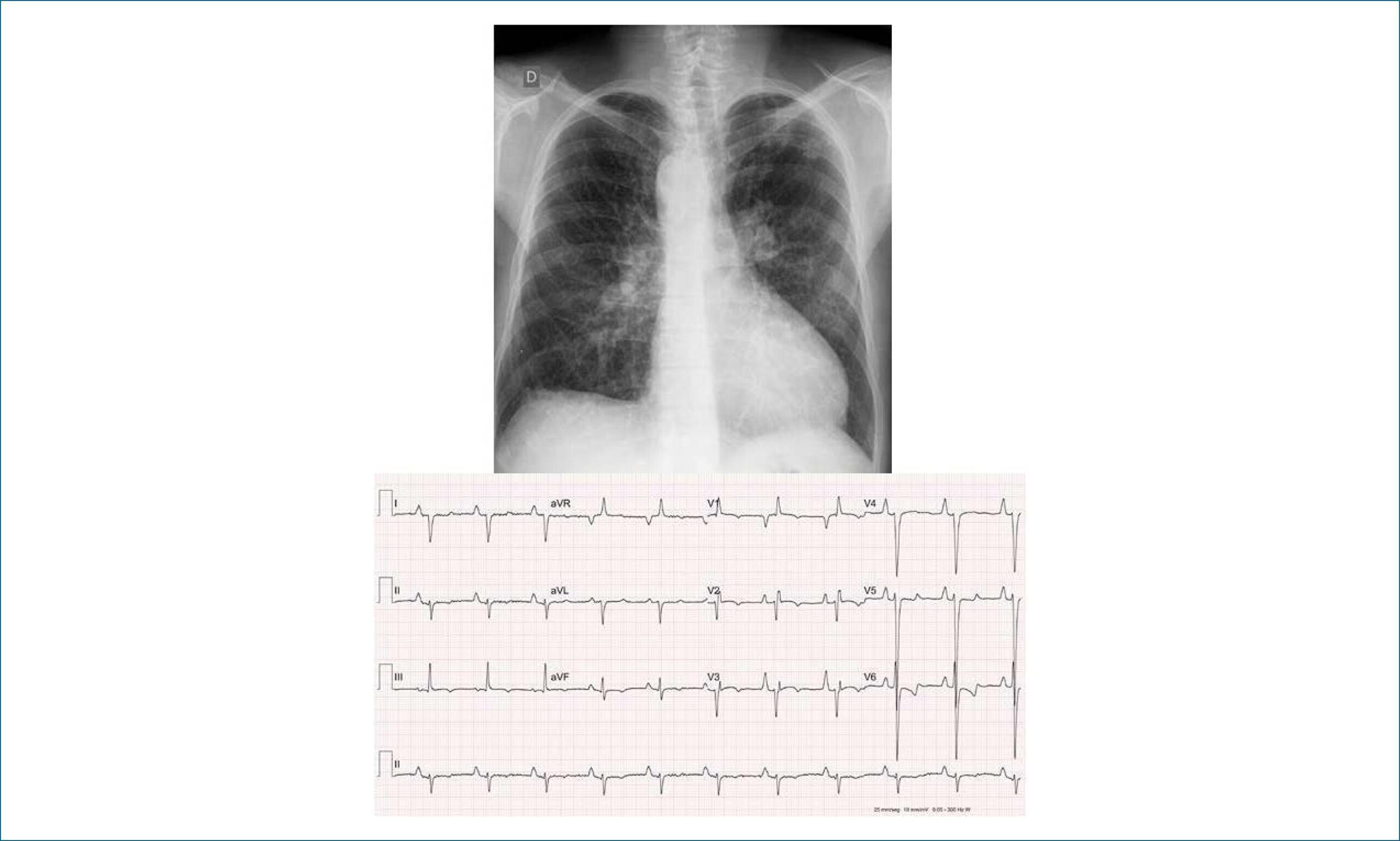
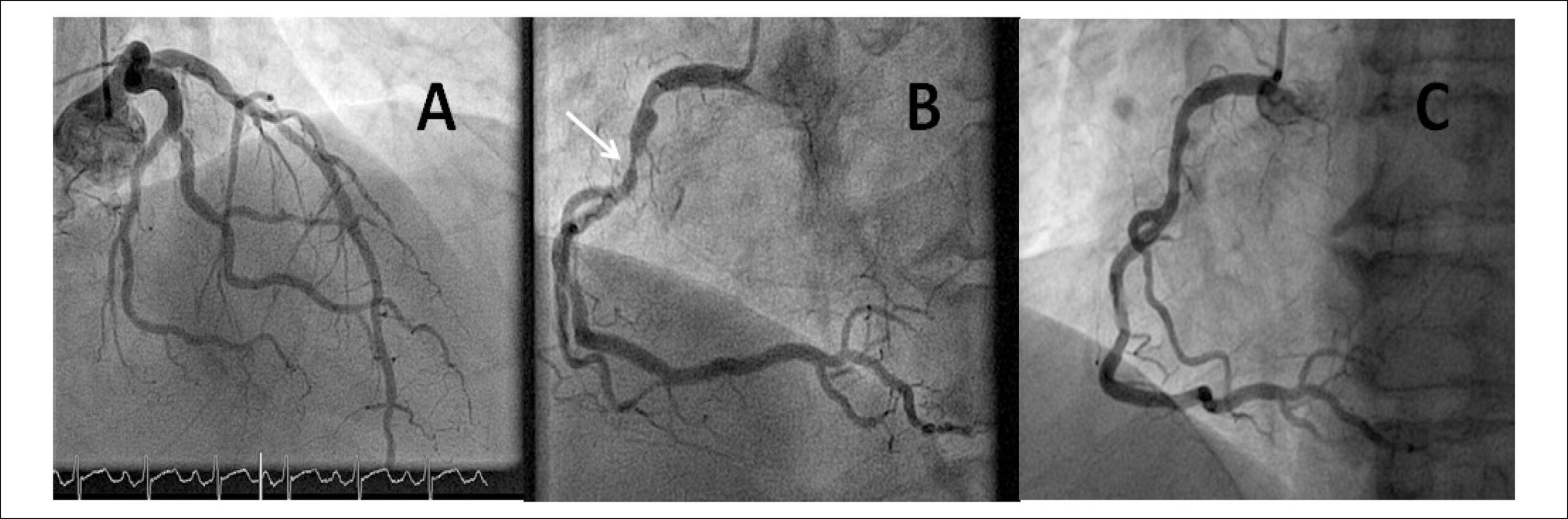
A 69-year-old male with hypertension, dyslipemia and no previous cardiovascular disease presented a transient ST-segment elevation on electrographic (ECG) monitoring during a planned ureteroscopy. The patient remained asymptomatic during the postoperative period. He only referred very sporadic episodes of effort chest pain in the last years without progression or events at rest. Given the lack of ECG registry, an exercise stress echocardiogram was indicated. The study was clinical and echocardiographically positive for inducible ischemia, with hypokinesia of the mid and apical anterior wall segments at peak exercise without ECG changes. With the documentation of ischemia in the left anterior descending coronary artery (LAD) territory, a coronary angiogram was performed. Only a mild lesion in the proximal LAD was demonstrated. However, a severe lesion in the proximal right coronary artery (RCA) ( and ), was treated with a bioabsorbable scaffold (), despite the absence of inducible ischemia demonstration in that territory. The patient was discharged on dual antiplatelet treatment, betablockers and statins and remained asymptomatic without new episodes of chest pain. Six months later, during another ureteroscopy, a new episode of transient ST-segment elevation was observed on ECG monitoring. At that time, a treadmill test was performed showing marked transient ST-segment elevation in V1-V4 leads (). Repeated coronary angiography demonstrated the good result of the previously implanted stent in RCA and persistence of a mild plaque in the proximal LAD. Due to the previously documented ECG changes in the right precordial leads, a pressure guide was performed in the proximal LAD, which ruled out the functional significance of this lesion (iFR 0.88; FFR 0.87 with 600 mcg Adenosine) (). In the light of the discordant ECG, echocardiographic and angiographic findings, a vasospasm test with intracoronary methylergonovin (20 mcg) was eventually carried out. This test was positive with angina reproduction and a significant reduction in LAD vessel diameter up to 90% diameter stenosis () with a concomitant Pd/Pa value of 0.60 (). Finally, the patient could be discharged under treatment with nitrates and calcium channel blockers, remaining asymptomatic at 1-year follow-up. An exercise stress echocardiogram was negative for inducible ischemia and repeated ureteroscopy procedures were uneventful.

[…]

  • Coronary Angiography
  • Coronary Vasoespasm/physiopathology
  • Coronary Vessels
  • Echocardiography
  • Electrocardiology
  • Myocardial Ischemia
Read Full Article
Creative Commons Attribution (CC BY) Creative Commons license
08/08/2019 DOI: 10.5935/abc.20190090 Views 1
Figure 1
Editorial

Heart Failure Awareness Day: A Tribute to the Genius Carlos Chagas

Evandro Tinoco Mesquita et al. Aurea Lucia Alves de Azevedo Grippa de Souza Salvador Rassi

The purpose of the Brazilian Society of Cardiology (SBC) is to expand and disseminate knowledge on Cardiovascular Science and to make each cardiologist aware of the activities intended to promote cardiovascular health in Brazilian society. Since its foundation, SBC has been stimulating research and dissemination, among civil society, of epidemiological and preventive matters related to the treatment of cardiovascular diseases, including heart failure (HF). HF has been identified as a cardiovascular epidemic throughout the world and involves important aspects on morbidity, mortality and healthcare costs, being little recognized among individuals, members of our society, healthcare managers and policy makers. The increasing prevalence of HF is due to population aging and the growth of risk factors, such as obesity, systemic arterial hypertension and diabetes mellitus, as well as increased survival of patients with heart diseases, such as congenital heart disease and ischemic heart disease. Worldwide, about 26 million adults have HF and forecasts indicate that the prevalence tends to increase by 25% by 2030.

Within the scenario, it should be underscored that HF with preserved ejection fraction (HFPEF) needs greater recognition and prevention strategies by general practitioners, geriatricians and cardiologists. The syndrome presents asymptomatic stages and a symptomatic form, and preventive and therapeutic measures are able to reduce the progression of the disease and morbimortality. Outbreaks of acute HF and decompensation promote recurrence in emergency rooms and hospital admissions that promote worsening of the condition, where the outcome can be abrupt due to pump failure or sudden death. In this decade, initiatives in different countries, led by cardiology associations and societies, have promoted activities to warn the population and health professionals regarding early detection, complementary tests and access to medications and treatment based on scientific evidence.

[…]

  • Chagas Cardiomyopathy/physiopathology
  • Chagas Disease/epidemiology
  • Heart Failure /prevention and control
  • Heart Failure/epidemiology
  • Risk Factors
Read Full Article
Creative Commons Attribution (CC BY) Creative Commons license
08/08/2019 DOI: 10.5935/abc.20190137
Editorial

Dietary Patterns and Healthy Habits Along the Life Course

Lucia Campos Pellanda

Childhood represents a critical window in the life course for the establishment of dietary patterns and other healthy habits. In the last decades, these habits have been changing significantly, and childhood obesity has become an increasing public health issue, with many clinical consequences.–

To address these issues, it is of paramount importance to understand dietary patterns and their relation to body measurements, as Rocha et al propose in the paper “Association of Dietary Patterns with Excess Weight and Body Adiposity in Brazilian Children: The Pase-Brasil Study. The authors have identified five different patterns, including the “traditional Brazilian”, “non-healthy”, “fast-food/snacks”, “processed” and “healthy”.

[…]

Read Full Article
Creative Commons Attribution (CC BY) Creative Commons license
08/08/2019 DOI: 10.5935/abc.20190127 Views 1
Erratum

Erratum

May issue of 2019, vol. 112 (5), pages 577-587

In review article “Kidney Disease in Diabetes Mellitus: Cross-Linking between Hyperglycemia, Redox Imbalance and Inflammation”, consider Sandra Mary Lima Vasconcelos as the correct form for the name of the author Sandra Mary de Lima Vasconcelos.

[…]

Read Full Article
Creative Commons Attribution (CC BY) Creative Commons license
08/08/2019 DOI: 10.5935/abc.20190133 Views 1
Editorial

Is ProACS Score Just another Risk Stratification Score, or is it Ready for Implementation in Clinical Practice?

Ana Teresa Timóteo

Since the first publication of Framingham Risk Score in late 1950’s, derived from data obtained in an observational study to investigate cardiovascular risk factors, several other risk scores were created around the globe and they have been increasingly popular particularly in the last 10-20 years in cardiovascular medicine. The objective of a risk score is to individualize the risk for an individual patient with the use of functional equations based on multiple risk factors. Patients at high risk should be submitted to specific interventions to improve outcome.

Despite this huge increase in risk scoring development, most have not been implemented in clinical practice. In fact, many models showed low predictive performance (as assessed by their calibration and discrimination) and some are poorly reported or were developed using inappropriate methods. For that reason, international guidelines were developed for adequate development and reporting of prediction models. For that objective to be fulfilled, it should include an adequate selection of the development cohort, adequate methodology for selection of variables and an adequate validation, both internal and external. In fact, external validation is particularly important because it tests the performance of a prediction model in a different independent patient cohort, where they usually perform less well. It can also allow comparison with other risk stratification tools. This step is essential for safe implementation in clinical practice.

[…]

  • Acute coronary syndrome
  • Cardiovascular Diseases
  • Probability
  • Prognosis
  • Propensity Score
  • Risk Factors
Read Full Article
Creative Commons Attribution (CC BY) Creative Commons license
08/08/2019 DOI: 10.5935/abc.20190122 Views 1
Figure 1
Clinicoradiological Correlation

Case 4/2019 – Pulmonary Atresia, Ventricular Septal Defect, and Systemic-Pulmonary Collateral Circulation developing after prior Blalock-Taussig, in a Symptomatic 47-Year-Old Adult

Edmar Atik et al. Maria Angélica Binotto Alessandra Costa Barreto Walther Ishikawa

Clinical data

The patient had no symptoms from birth to young adulthood, when he developed more severe hypoxia, which required a Blalock-Taussig anastomosis on the right. Five years ago, worsening of hypoxia was again observed, with hemapheresis every 6 months, in addition to fatigue on small to medium exertion and with associated ventricular dysfunction. He used f warfarin, carvedilol and enalapril, in addition to nasal oxygen at night.

[…]

  • Adult
  • Clinical Evolution
  • Collateral Circulation
  • Heart Septal Defects, Ventricular
  • Pulmonary Atresia
Read Full Article
Creative Commons Attribution (CC BY) Creative Commons license
08/08/2019 DOI: 10.5935/abc.20190121 Views 2
Letter to the Editor

Prolonged PR Interval and Outcome in Cardiac Resynchronization Therapy

Jakrin Kewcharoen et al. Chanavuth Kanitsoraphan

Dear Editor

We read the article “Baseline Prolonged PR Interval and Outcome of Cardiac Resynchronization Therapy: A Systematic Review and Meta-analysis” by Rattanawong et al. with great interest. The authors investigated the effect of prolonged PR interval on composite outcome among patients who received cardio resynchronized therapy. The authors conclude that prolonged PR is associated with worse outcome in this population.

[…]

  • Atrioventricular block
  • Cardiac resynchronization Therapy/methods
  • Heart Conduction, System
  • Heart Failure
  • Meta-Analysis
Read Full Article
Creative Commons Attribution (CC BY) Creative Commons license
08/08/2019 DOI: 10.5935/abc.20190101 Views 1
Editorial

Decellularization of Human Pericardium with Potential Application in Regenerative Medicine

Estela de Oliveira Lima et al. Adriana Camargo Ferrasi Andreas Kaasi

Regenerative medicine is an interdisciplinary branch of the biomedical sciences that is showing, through the transposition of basic research into the clinic, great potential for therapeutic application, and the field is consequently becoming an important frontman for Translational Medicine. The essence of regenerative medicine consists of the repair or replacement of tissues and organs in which there is structural and functional deficiency. With a view of achieving this objective, several approaches have been proposed, including therapies that include genes, cells, biologic and synthetic scaffolds, which may or may not take part of a tissue engineering strategy. When dealing with synthetic scaffolds, it is possible to manipulate and control structural and mechanical properties, nonetheless, it is not possible to guarantee the same functional capacity as natural tissue. In addition, one of the great challenges is minimizing the risk of immunogenic reactions triggered by the repair scaffold’s composition. Owing to the challenges associated with the reestablishment on a functional and structural level of the cell microenvironment, the interest in scaffolds based on natural extracellular matrix (ECM) has increased considerably.

With a view of obtaining a biomaterial closely approximating tissues or organs having suffered damage, be it structural or functional, yet at the same time presenting safety from an immunological point of view, a new technology for clinical applications of ECM has been proposed – the decellularization of tissues and organs from human or animal donors. This technology makes use of physical, chemical and/or biochemical methods to eliminate cells from the target tissue/organ, be it xenogeneic or allogeneic, whose antigens represent an elevated risk of immunogenic reaction. The process seeks to ensure immunologic safety and the preservation of basic structural and functional components of the ECM, such as proteins, collagen and glycosaminoglycans (GAGs). The end product is a three-dimensional ECM scaffold with analogous shape to the original tissue, with preserved ultrastructural architecture and with greater biocompatibility and potential of tissue regeneration when compared to synthetic scaffolds.

[…]

  • Biocompatible Materials
  • Cells
  • Heart Valves/surgery
  • Pericardium
  • Regenerative Medicine
  • Tissue Scaffolds
  • Translational Medical Research
Read Full Article
Creative Commons Attribution (CC BY) Creative Commons license
08/08/2019 DOI: 10.5935/abc.20190130
Figure 1
Statement

Position Statement on Indications of Echocardiography in Adults – 2019

Silvio Henrique Barberato et al. Minna Moreira Dias Romano Adenalva Lima de Souza Beck Ana Clara Tude Rodrigues … André Luiz Cerqueira de Almeida Bruna Morhy Borges Leal Assunção Eliza de Almeida Gripp Fabio Villaça Guimarães Filho Henry Abensur José Maria Del Castillo Marcelo Haertel Miglioranza Marcelo Luiz Campos Vieira Márcio Vinicius Lins de Barros Maria do Carmo Pereira Nunes Maria Estefania Bosco Otto Renato de Aguiar Hortegal Rodrigo Bellio de Mattos Barretto Thais Harada Campos Vicente Nicoliello de Siqueira Samira Saady Morhy

1. Introduction

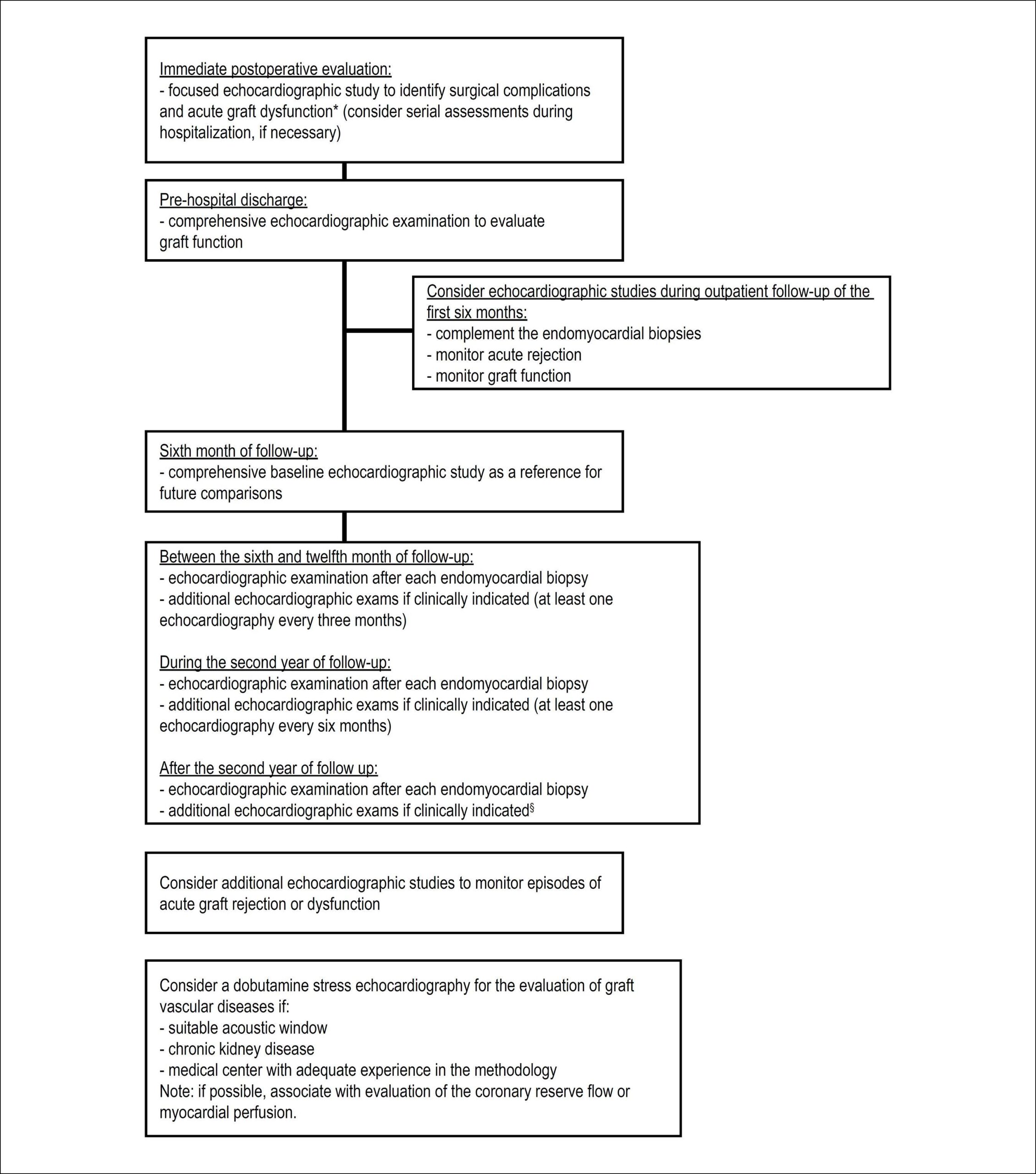
In accordance with the “Standards for the Elaboration of Guidelines, Positions and Normations” sanctioned by the Brazilian Society of Cardiology, this document was written to update the “Echocardiography Indication Guidelines” of 2009. The new document is not intended to be a comprehensive review of echocardiography, but rather an indispensable basic guide to support the rational clinical decision-making of the physician requesting the exam for adult patients. Although it considers the recent technological advances of echocardiography, its purpose is not to describe in detail echocardiography methods, but to summarize in a clear and concise way the main situations in which echocardiography brings benefit to the diagnosis and/or therapeutic orientation of the individual. This manuscript chose to highlight the class of recommendation, as described below:

[…]

Read Full Article
Creative Commons Attribution (CC BY) Creative Commons license
08/08/2019 DOI: 10.5935/abc.20190129 Views 2
Editorial

Hospital Readmissions after Acute Coronary Syndromes

Alfredo J. Mansur

Acute ischemic syndromes (myocardial infarction, unstable angina) may occur de novo in previously asymptomatic patients or may occur in the course of chronic diseases. After hospital-based acute care therapy, with or without percutaneous or surgical intervention, patients are discharged and receive advice for long-term therapy. However, some patients develop symptoms again in the short-term course and are readmitted to the hospital due to clinical as well as non-clinical causes and with clinical and other non-clinical consequences.

Hospital readmissions deserve studies in different settings and have been reported in medical literature. In one report, the readmission rate after one year in patients older than 65 years surviving myocardial infarction was 49.9% in 4.767 hospitals in United States of America between 2008 and 2010; the readmission rate, as well as mortality, were higher in the first months after discharge and decreased thereafter over 12 months. Additional studies compared not-for-profit hospitals (15.7%) with proprietary hospitals (16.6%) regarding readmission rates in the first month of discharge without demonstrating an association of hospital ownership with the success in programs devoted to decrease readmission rate; the results of such interventions were not statistically different between the two types of hospitals. Socioeconomic and ethnic factors were systemic influences without overt manifestations in a specific hospital. In many instances, the readmission rate was studied as a surrogate marker of quality of care;– the heterogeneity of patients and medical conditions made a clear association with the index admission elusive and not easily predicted.

[…]

  • Acute coronary syndrome
  • Hospitalization
  • Hospitals, Private
  • Mortality
  • Myocardial Infarction
  • Patient Readmission
Read Full Article
Creative Commons Attribution (CC BY) Creative Commons license
08/08/2019 DOI: 10.5935/abc.20190136 Views 1
Editorial

Biomarkers in Acute Myocardial Infarction Diagnosis and Prognosis

Paula F. Martinez et al. Silvio A. Oliveira-Junior Bertha F. Polegato Katashi Okoshi Marina P. Okoshi

Biomarkers have become a helpful tool for clinicians to establish acute and chronic diseases diagnosis and prognosis more accurately. The rapid expansion of researches in this field has been stimulated by molecular biology and omics techniques development.

In cardiovascular disease, the release of the intracellular components into the bloodstream in higher concentrations than usual are related to pathological conditions, such as necrosis, inflammation, hemodynamic stress, and thrombosis, and considered potential biomarkers. Although a large number of cardiac biomarkers has been described, only a few of them were incorporated in clinical practice. Their usefulness depends on their specificity and sensitivity for detecting myocardial injury, reproducibility, accuracy, and the discriminatory limits to distinguish between pathologic from physiologic levels.

[…]

  • Biomarkers
  • Cardiovascular Diseases
  • Diagnosis
  • Molecular Biology
  • Mortality
  • Myocardial Infarction
  • Prognosis
  • Sirtuins
Read Full Article
Creative Commons Attribution (CC BY) Creative Commons license
08/08/2019 DOI: 10.5935/abc.20190131 Views 1
Figure 1
Editorial

Profile of Brazilian Cardiologists: An Overview of Female Leadership in Cardiology and Stress – Challenges for the Next Decade

Evandro Tinoco Mesquita et al. Eduardo Thadeu de Oliveira Correia Letícia Mara dos Santos Barbetta

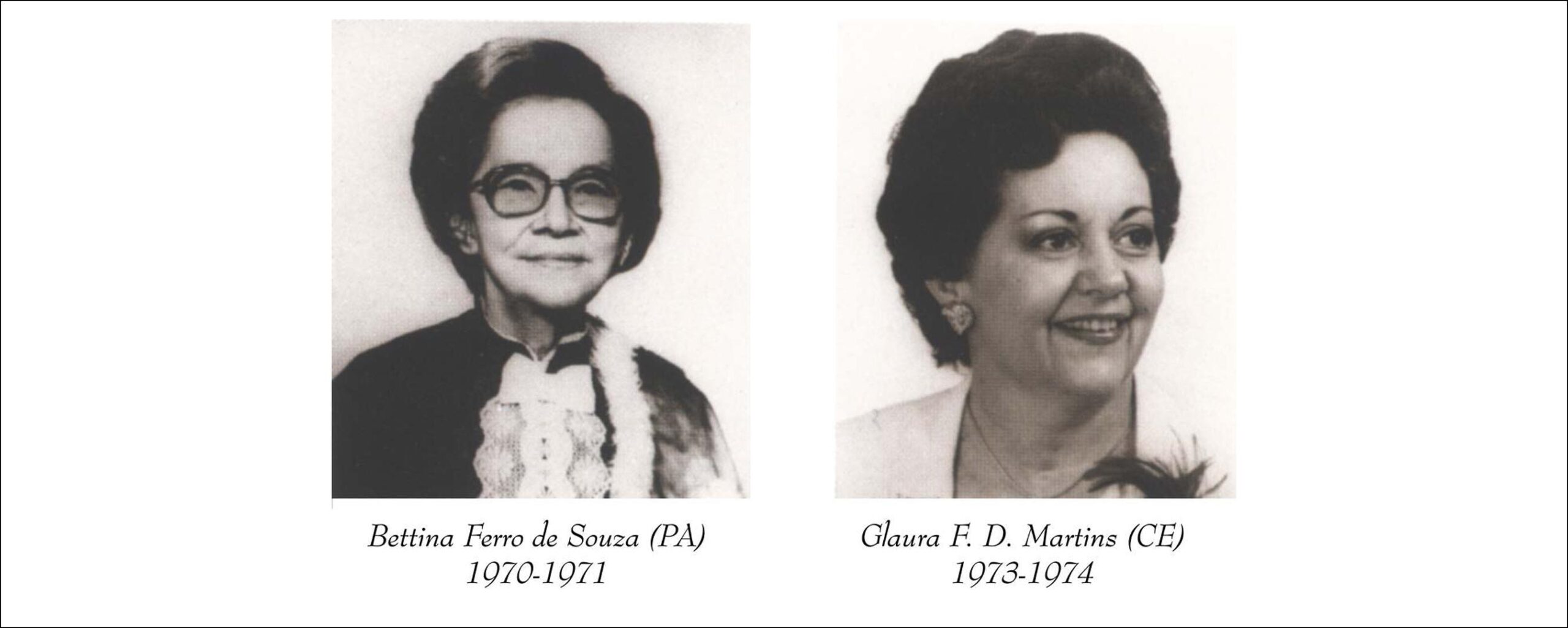
Cardiology is a medical specialty that often involves outpatient and hospital activity, leading cardiovascular care in a complex setting with aging. Increasing levels of complex decision-making and knowledge about technological resources can generate overload of activities and changes in the profile of Brazilian cardiologists, such as in their compensation, free time and stress levels. As such, medical demography studies are key to understanding the dynamics of these healthcare professionals.

In the study by Faganello et al., the authors investigated the profile of Brazilian cardiologists in a cross-sectional study conducted in 2017, based on questionnaires sent by e-mail to fellow cardiologists of the Brazilian Society of Cardiology (SBC) who have been paying their membership fees regularly. Worth noting is that the likelihood of cardiologists with lower incomes not paying their membership fees is something that could generate bias in the study, thus influencing the results on their income. In addition to that, the study does not include anyone who has been exercising their professional activity without being members of SBC.

[…]

  • Cardiologists
  • Gender Identity
  • Leardership
  • Prejudice
  • Salaries and Fringe Benefits
  • Sexism
  • Women
Read Full Article
Creative Commons Attribution (CC BY) Creative Commons license
08/08/2019 DOI: 10.5935/abc.20190132 Views 1
Editorial

Description of a New GLA Gene Variant in a Patient with Hypertrophic Cardiomyopathy. Is it Fabry Disease?

Marcelo Imbroinise Bittencourt

Hypertrophic cardiomyopathy (HCM) is the most common monogenic cardiovascular disease in Brazil, with a prevalence of approximately 1:500 individuals. The autosomal dominant inheritance pattern is the most common one. More than 20 genes have been reported as being associated with the disease, and most of them encode sarcomeric proteins.,

Fabry disease (FD) is a lysosomal storage disorder caused by a-galactosidase-A deficiency due to a mutation in the GLA gene, with X-linked inheritance. It causes alterations in multiple organs, including the heart, mimicking HCM.

[…]

  • Alpha-Galactosidase/deficiency
  • Cardiomyopathy, Hypertrophic
  • Fabry Disease/genetics
  • Fabry Disease/metabolismo
  • Multiple Chronic Conditions
Read Full Article
Creative Commons Attribution (CC BY) Creative Commons license
08/08/2019 DOI: 10.5935/abc.20190126
Figure 1
Statement

Statement on Antiplatelet Agents and Anticoagulants in Cardiology – 2019

Carlos V. Serrano Jr. et al. Alexandre de M. Soeiro Tatiana C. A. Torres Leal Lucas C. Godoy … Bruno Biselli Luiz Akira Hata Eduardo B. Martins Isabela C. K. Abud-Manta Caio A. M. Tavares Francisco Akira Malta Cardozo Múcio Tavares de Oliveira Jr.

1. Introduction

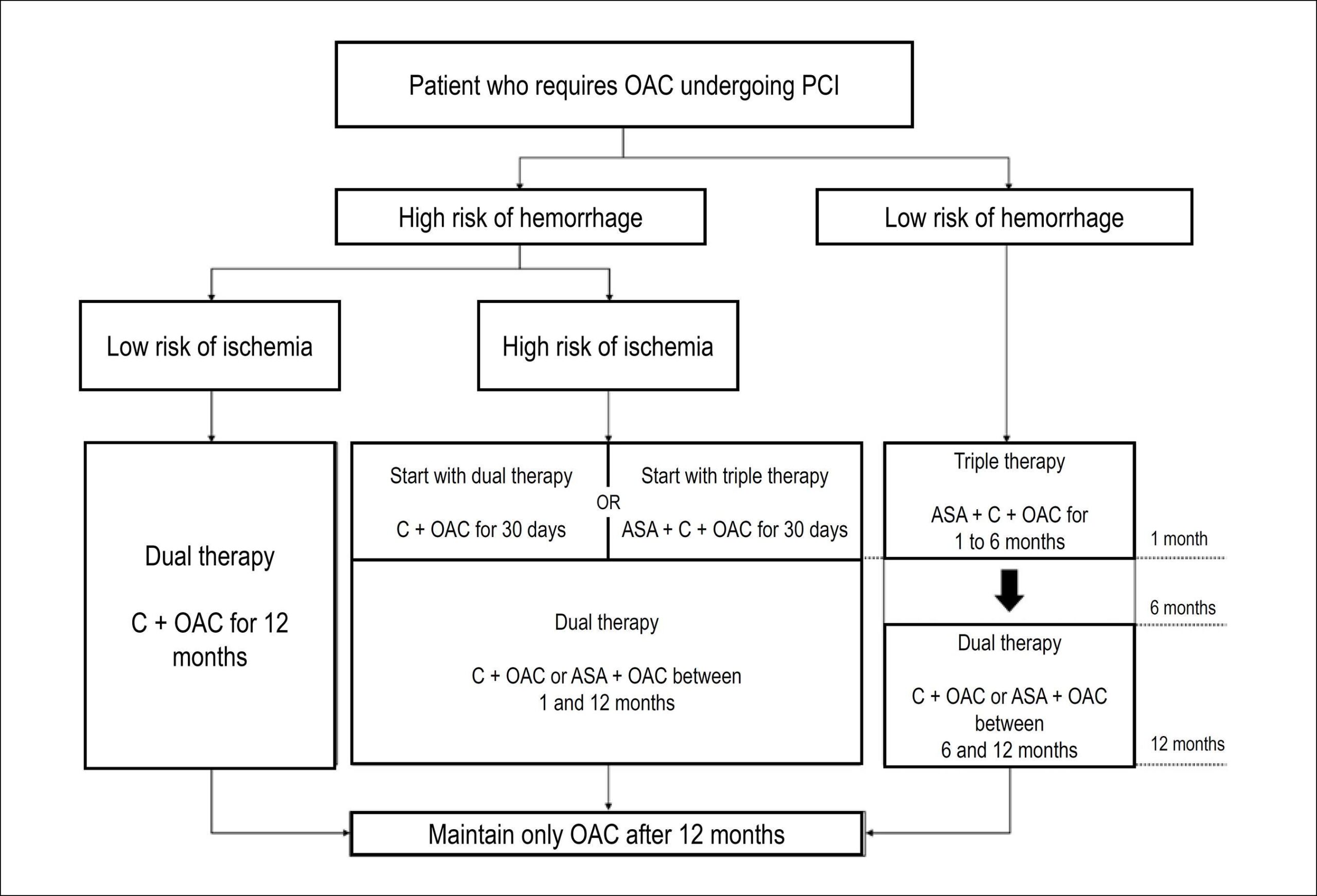
In 2013, the Brazilian Cardiology Society published the “Brazilian Guidelines on Antiplatelet and Anticoagulant Agents in Cardiology.” Over the past years, new studies have been carried out, providing important information on the use of these medications, administered alone and in combination with other medications. It is, therefore, time to review our guidelines and update them with this new knowledge which has been produced.

We have carried out an extensive review of the literature, and for this update we have chosen to emphasize 6 major topics in clinical practice which have undergone innovation over the past years or which were not covered in the previous document. The themes of this update are:

[…]

Read Full Article
Creative Commons Attribution (CC BY) Creative Commons license
08/08/2019 DOI: 10.5935/abc.20190128 Views 2
Figure 1
Editorial

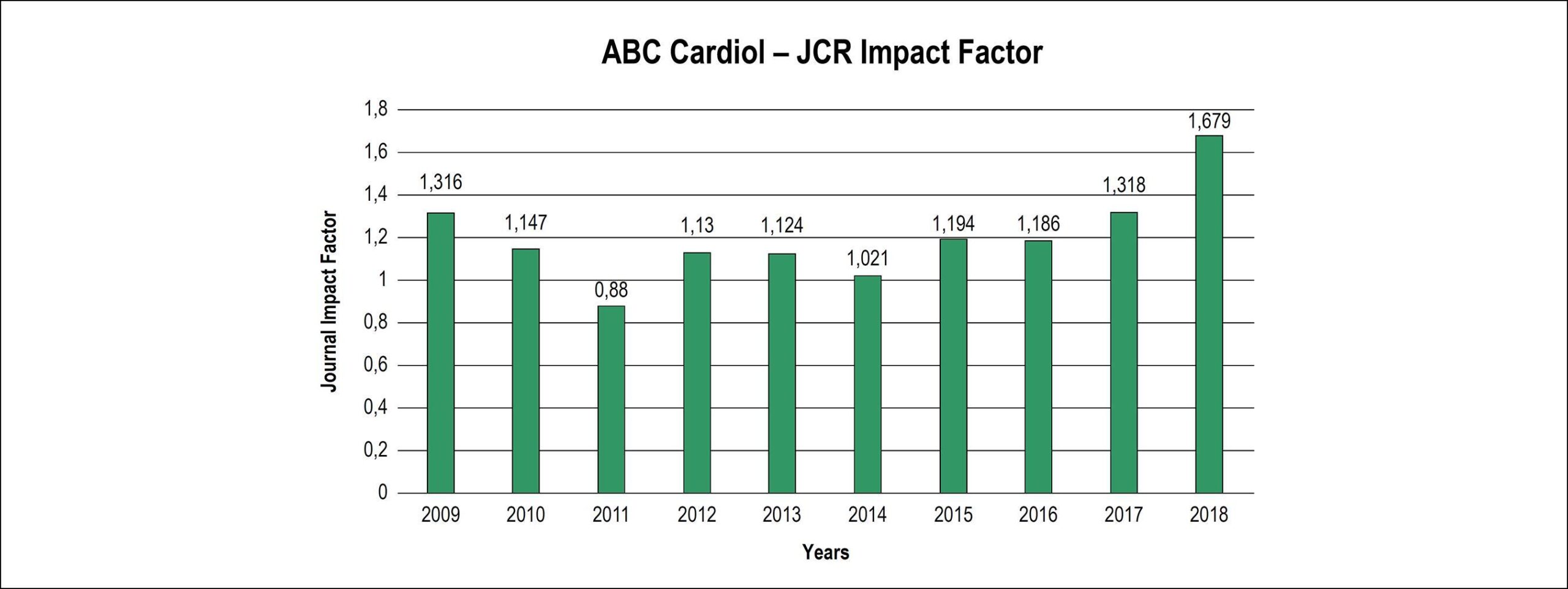
Just-Released JCR Impact Factor Shows Strong and Steady Increase for ABC Cardiol – 1.679 – A New Historical Record

Carlos E. Rochitte

Dear friends from the Cardiology and Cardiovascular scientific community in Brazil and abroad, please allow me this short editorial with extraordinary news on the ABC Cardiol Journal, accompanied by data, of course.

We are delighted to announce that our peer-reviewed journal of The Brazilian Society of Cardiology, the ABC Cardiol (Arquivos Brasileiros de Cardiologia), has seen significant increase in its impact factor rating in the latest Journal of Citation Reports (JCR) release. Our impact factor went up from 1.318, released last year (2017 rate) to 1.679 this year (2018 rate), a 27% increase in one year and the highest impact factor ever for ABC Cardiol.

[…]

  • Bibliometrics
  • Journal Impact Factor
  • Periosicals as Topic
  • Scimago
Read Full Article
Creative Commons Attribution (CC BY) Creative Commons license
08/08/2019 DOI: 10.5935/abc.20190135 Views 2
Editorial

Non-Pharmacological Treatment of Cardiovascular Disease | Importance of Physical Exercise

Mariana Janini Gomes et al. Luana Urbano Pagan Marina Politi Okoshi

Cardiovascular diseases are currently the major health problem and are directly involved in more than 17 million deaths each year, which represents 50% of all deaths from noncommunicable diseases. In addition to their effects on individual well-being, cardiovascular diseases are responsible for a high economic impact. A recently published study showed that in Brazil, only four diseases – arterial hypertension, myocardial infarction, atrial fibrillation and heart failure – reached an estimated total financial cost of 56.2 billion reais in the year 2015.

The treatment of cardiovascular diseases involves the use of specific drugs and adherence to non-pharmacological interventions. This Editorial will be dedicated to the role of physical exercise in the treatment of cardiovascular diseases.

[…]

  • Cardiovascular Diseases
  • Exercise/prevention and control
  • Heart Failure
  • physical fitness
  • Quality of life
  • Ventricular Remodeling
Read Full Article
Creative Commons Attribution (CC BY) Creative Commons license
08/08/2019 DOI: 10.5935/abc.20190118 Views 2
Viewpoint

Telemedicine and the Doctor/Patient Relationship

Protásio Lemos da Luz

Introduction

A.C., a friendly Italian man, received coronary stents 8 years ago and had been feeling well until 3 months ago. He then had progressive breathing difficulty with tightness in his chest. He had loss of appetite and lost 4 kg in that period, but continued to work with good disposition. He had been to two hospital visits, in which he was informed that his lung was normal, based on X-ray. They had not reached final diagnosis, so he came to the office. His general appearance was normal; no abnormality was found on visual inspection. He had normal vital signs; no pallor to suggest anemia. The lungs, heart, abdomen and lower limbs were normal on examination, and resting ECG revealed no abnormalities either. As I palpated his neck, I noticed a mass on the left side. Subsequent examinations proved that a tumor compressed the trachea, which explained his respiratory difficulty. This is a typical example of a case in which only complete clinical examination leads to diagnosis. Telemedicine (TM) would not allow this, as simple inspection did not give any clues, and the clinical history suggested several possibilities, such as heart disease, pulmonary disease, diabetic decompensation, uremia or anemia.

There is now a major debate, both at the health system and at the individual telemedicine level. Telecommunication technologies have long been used in teaching, in science, in the formation of groups for the study of diseases, in the transmission of diagnostic or therapeutic medical procedures, in imaging interpretation by specialists, in teleconference with undisputed efficiency, and will not be considered here. An interesting fact: many even said that, with the Internet, medical conferences would be emptied, because everything could be seen from a distance.

[…]

  • Cost Saving
  • Humanism
  • Medical Care
  • Patient Participation
  • Physician-Patient Relations
  • Telemedicine
Read Full Article
Creative Commons Attribution (CC BY) Creative Commons license
08/08/2019 DOI: 10.5935/abc.20190117 Views 1
Figure 1
Original Article

GLA Gene Mutation in Hypertrophic Cardiomyopathy with a New Variant Description: Is it Fabry's Disease?

Ândrea Virgínia Chaves-Markman et al. Manuel Markman Eveline Barros Calado Ricardo Flores Pires … Marcelo Antônio Oliveira Santos-Veloso Catarina Maria Fonseca Pereira Andréa Bezerra de Melo da Silveira Lordsleem Sandro Gonçalves de Lima Brivaldo Markman Filho Dinaldo Cavalcanti de Oliveira

Abstract

Background:

Fabry disease (FD) is an X-linked lysosomal storage disorder caused by mutations in the alpha galactosidase A gene (GLA) that lead to the enzymatic deficiency of alpha galactosidase (α-Gal A), resulting in the accumulation of globotriaosylceramide (Gb3) and globotriaosylsphingosine (lyso-Gb3), causing multiple organ dysfunctions.

Objective:

To perform GLA gene screening in a group of patients with echocardiographic diagnosis of hypertrophic cardiomyopathy (HCM).

Methods:

a cross-sectional study was conducted with HCM patients from a university hospital. Patients with coronary artery disease and valvulopathies were excluded. Mutation analysis of the GLA gene was performed. In male subjects, the analysis was performed after evidence of low α-Gal A activity.

Results:

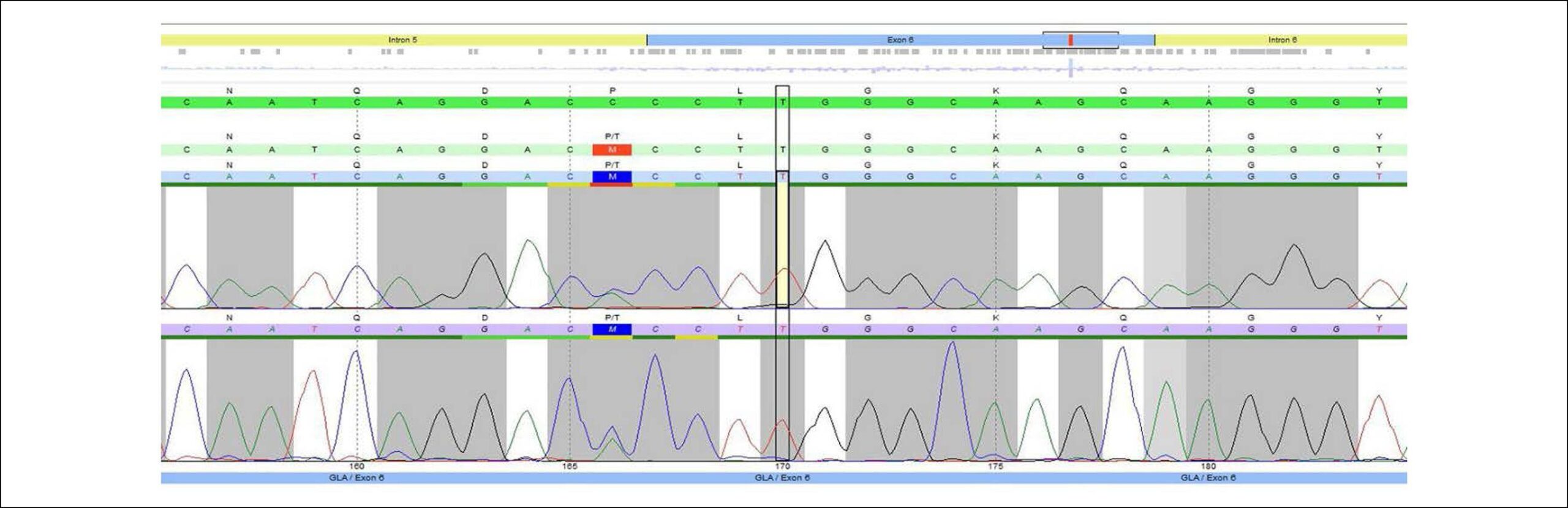
60 patients with echocardiographic diagnosis of HCM were included. Age ranged from 12 to 85 years and 60% were women. Mean myocardial fibrosis percentage on MRI was 10.7 ± 13.1% and mean ventricular thickness was18.7 ± 6.7 mm. Four patients had the following GLA gene mutations: c.967C>A (p.Pro323Thr), not yet described in the literature; c.937G>T (p.Asp313Tyr); and c.352C>T (p.Arg118Cys). All patients had normal levels of lyso-Gb3 and non-ischemic myocardial fibrosis on magnetic resonance imaging; one patient had proteinuria and one patient had ventricular tachycardia.

Conclusion:

in this study, the frequency of mutation in the GLA gene in patients with HCM was 6.7%. A novel mutation in exon 6 of the GLA gene, c.967C>A (p.Pro323Thr), was identified. Patients with HCM may have GLA mutations and FD should be ruled out. Plasma (lyso-Gb3) levels do not seem to be sufficient to attain a diagnosis and organ biopsy should be considered.

  • Cardiomyopathy, Hypertrophic
  • Fabry Disease/genetic
  • Glycosphingolipids
  • Hypertrophy Left Ventricular
Read Full Article
Creative Commons Attribution (CC BY) Creative Commons license
10/07/2019 DOI: 10.5935/abc.20190112 Views 2
Figure 1
Original Article

Association of Dietary Patterns with Excess Weight and Body Adiposity in Brazilian Children: The Pase-Brasil Study

Naruna Pereira Rocha et al. Luana Cupertino Milagres Mariana De Santis Filgueiras Lara Gomes Suhett … Mariane Alves Silva Fernanda Martins de Albuquerque Andréia Queiroz Ribeiro Sarah Aparecida Vieira Juliana Farias de Novaes

Abstract

Background:

Obesity is a multifactorial disease and a serious public health problem. Some of the associated factors are modifiable and, among them, the diet is highlighted.

Objective:

To evaluate the association of dietary patterns of schoolchildren with obesity and body adiposity.

Methods:

A cross-sectional study was carried out with 378 children aged 8 and 9 years, enrolled in urban schools in the city of Viçosa, Minas Gerais, Brazil. A semi-structured questionnaire was applied to the children and their caregivers on sociodemographic characteristics and life habits. Three 24-hour food recalls were used to identify dietary patterns; the Principal Component Analysis was employed. Weight and height were measured for the calculation of the body mass index (BMI) of the children and their mothers, waist circumference and neck circumference. Body composition was also evaluated through dual-energy X-ray absorptiometry (DXA). For all performed tests, the level of significance was set at 5%.

Results:

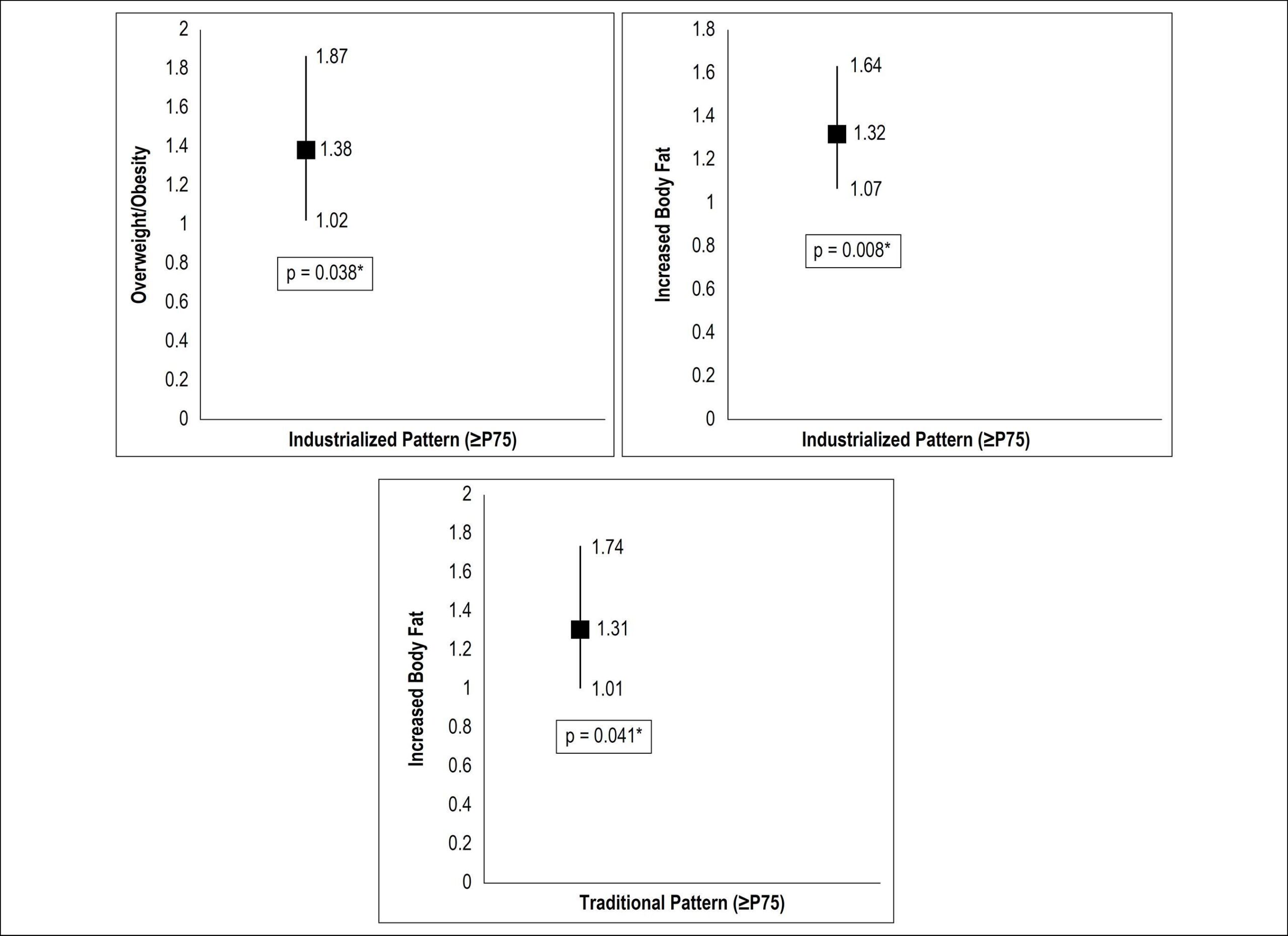
Five dietary patterns (DP) were identified: “unhealthy”, “snacks”, “traditional”, “industrialized” and “healthy”. There was an association between excess weight (prevalence ratio [PR]: 1.38, 95% confidence interval [95%CI]: 1.02 to 1.87) and body fat (PR: 1.32, 95%CI : 1.07 to 1.64) with industrialized DP. There was an association between excess body fat (PR: 1.31, 95%CI: 1.01 to 1.74) and lower adherence to traditional DP. The other patterns were not associated with obesity and body adiposity.

Conclusion:

Children with excess weight and body adiposity showed greater adherence to the industrialized DP and lower adherence to the traditional DP. We suggest that early assessments of dietary habits should be undertaken for monitoring and modifying these habits when necessary.

  • Adiposity
  • Child
  • Epidemiology
  • Factor Analysis, Statistical
  • Feeding Behavior
  • Hyperphagia
  • Obesity
Read Full Article
Creative Commons Attribution (CC BY) Creative Commons license
10/07/2019 DOI: 10.5935/abc.20190113
Figure 1
Original Article

Serum Sirtuin 1, 3 and 6 Levels in Acute Myocardial Infarction Patients

Emrullah Kızıltunç et al. Arzu Kösem Can Özkan Burcu Uğurlu Ilgın … Harun Kundi Mustafa Çetin Ender Ornek

Abstract

Background:

Sirtuins may act in many cellular processes like apoptosis, DNA repair and lipid/glucose metabolism. Experimental studies suggested some sirtuin types may have protective effects against endothelial dysfunction, atherosclerosis, cardiac hypertrophy and reperfusion injury. Data about sirtuins in acute myocardial infarction (AMI) patients are scarce.

Objectives:

To investigate temporal changes of serum sirtuin 1,3 and 6 levels in AMI patients; to compare the serum sirtuin 1,3 and 6 levels between AMI patients and control subjects; and to investigate the association of serum sirtuin 1,3 and 6 levels with prognostic markers of AMI.

Methods:

Forty patients with AMI and 40 patients with normal coronary arteries were included. Left ventricular ejection fraction (LVEF), serum proBNP, CRP, sirtuin1, sirtuin 3 and sirtuin 6 levels were processed. Peak troponin T levels, GRACE score, first day / second day sirtuin levels were recorded of AMI patients. A p value < 0.05 was considered statistically significant.

Results:

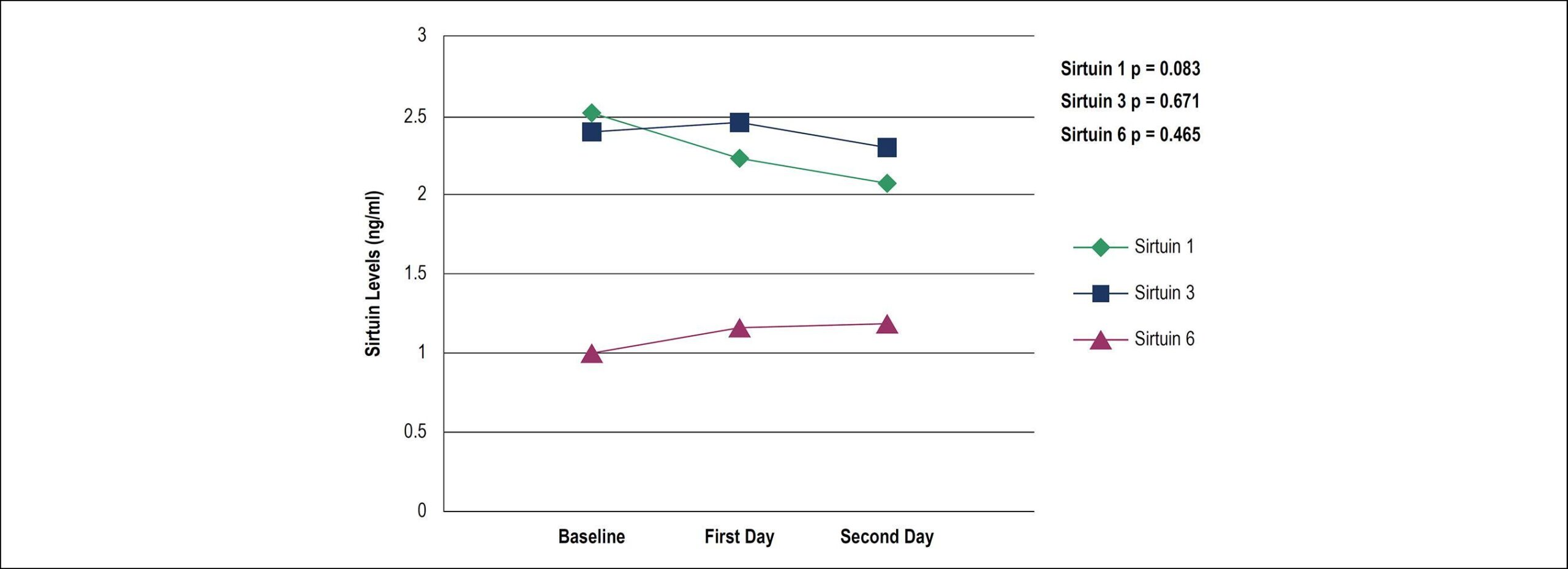
Serum sirtuin 1,3 and 6 levels in AMI patients were similar to those in normal coronary patients. No temporal change in serum sirtuin 1,3 and 6 levels were found in AMI course. No correlation was evident between the sirtuin levels and the following parameters: proBNP, CRP, peak troponin and LVEF. Baseline sirtuin 1 and 6 levels were positively correlated with reperfusion duration. Baseline sirtuin 3 levels were negatively correlated with GRACE score.

Conclusion:

Serum sirtuin 1,3 and 6 levels in AMI patients were similar to those in normal coronary patients. This study does not represent evidence of the possible protective effects of sirtuin1, 3 and 6 in AMI patients.

  • Atherosclerosis
  • Carcinogenesis
  • Cardiomegaly
  • Cellular Senescence
  • Endothelium / dysfunction
  • Lipid Metabolism
  • Sirtuins/drug effects
Read Full Article
Creative Commons Attribution (CC BY) Creative Commons license
10/07/2019 DOI: 10.5935/abc.20190114
Figure 1
Original Article

Characterization of Decellularized Human Pericardium for Tissue Engineering and Regenerative Medicine Applications

Luciana Wollmann et al. Paula Suss João Mendonça Cesar Luzia … Andressa Schittini George Willian Xavier da Rosa Francisco Costa Felipe F. Tuon

Abstract

Background:

Pericardium tissue allograft can be used for surgical repair in several procedures. One of the tissue engineering strategies is the process of decellularization. This process decreases immunogenic response, but it may modify the natural extracellular matrix composition and behavior.

Objective:

The aim of this study was to evaluate the effectiveness of cell removal, maintenance of extracellular matrix properties and mechanical integrity of decellularized human pericardium using a low concentration solution of sodium dodecyl sulfate.

Methods:

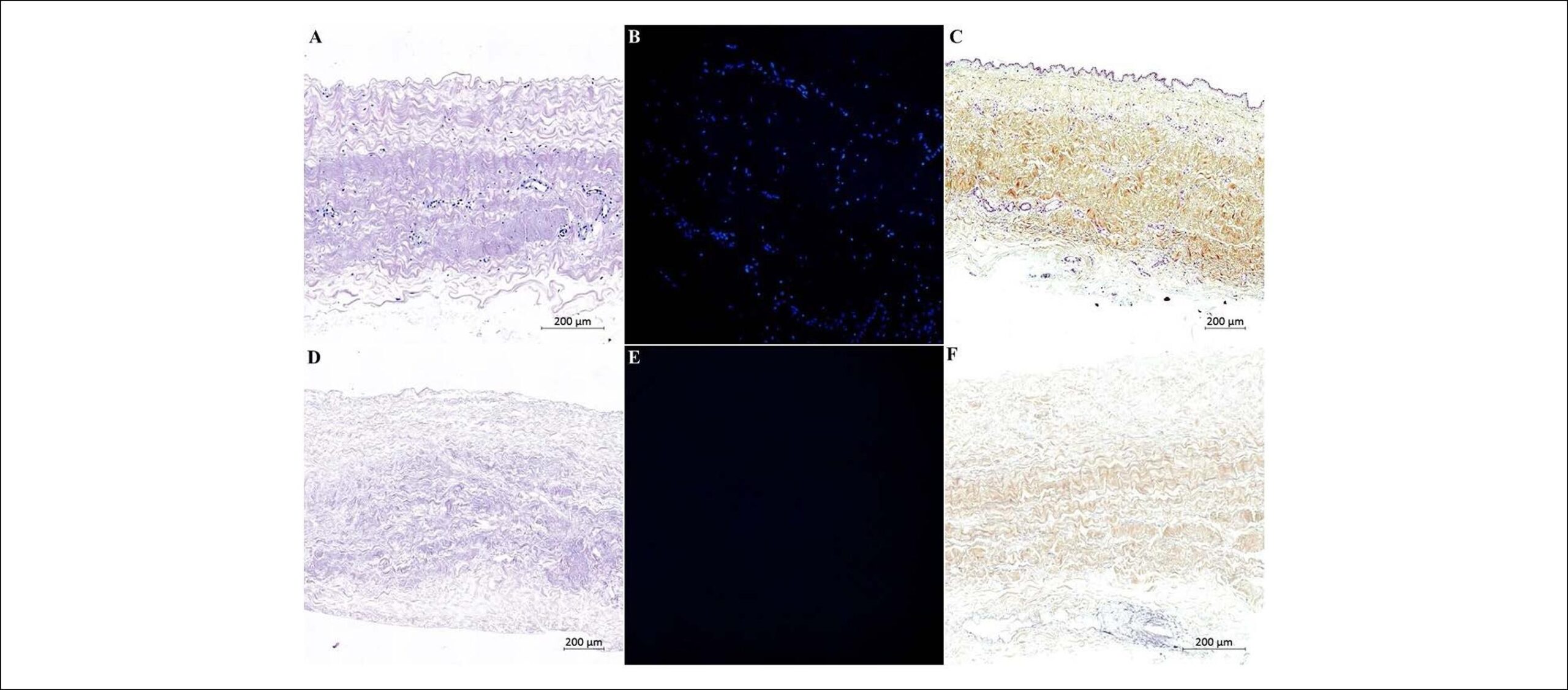
Decellularization was performed with sodium dodecyl sulfate and ethylenediaminetetraacetic acid. Histological analysis, DNA quantification, evaluation of glycosaminoglycans and collagen were performed. Biomechanical assay was performed using tensile test to compare the decellularization effects on tissue properties of tensile strength, elongation and elastic modulus. P < 0.05 was considered significant.

Results:

There was reduction in visible nuclei present in pericardium tissue after decellularization, but it retained collagen and elastin bundles similar to fresh pericardium. The DNA contents of the decellularized pericardium were significantly reduced to less than 511.23 ± 120.4 ng per mg of dry weight (p < 0.001). The biomechanical assay showed no significant difference for fresh or decellularized tissue.

Conclusion:

The decellularization process reduces cell content as well as extracellular matrix components without changing its biomechanical properties.

  • Cell Separation
  • Glycosaminoglycans
  • Pericardium
  • Tissue Banks
  • Tissue Engineering/trends
Read Full Article
Creative Commons Attribution (CC BY) Creative Commons license
27/06/2019 DOI: 10.5935/abc.20190094 Views 1
Figure 1
Original Article

Does Mean Platelet Volume Decrease in the presence of Coronary Artery Fistula?

Isa Sincer et al. Yusuf Çekici Mehmet Cosgun Gulali Aktas … Yilmaz Gunes Emrah Erdal Asli Kurtar Mansiroglu Mehmet Inanır

Abstract

Background:

Coronary artery fistula (CAF) is an abnormal connection that links a coronary artery to a cardiac chamber or another major blood vessel. Several studies have shown the association between mean platelet volume (MPV) and cardiovascular diseases. In the literature, there is no previous study about the association between hematologic parameters and congenital CAF. For this reason, we aimed to investigate the association of MPV with CAF.

Methods:

70 patients with normal coronary arteries and 50 with coronary artery fistulas were included. Routine blood and biochemical parameters were measured before the arteriography. Differences between groups for continuous variables were analyzed with t- test or Mann-Whitney test. P values < 0.05 were considered significant. Regression analysis was used to find independent predictors of CAF.

Results:

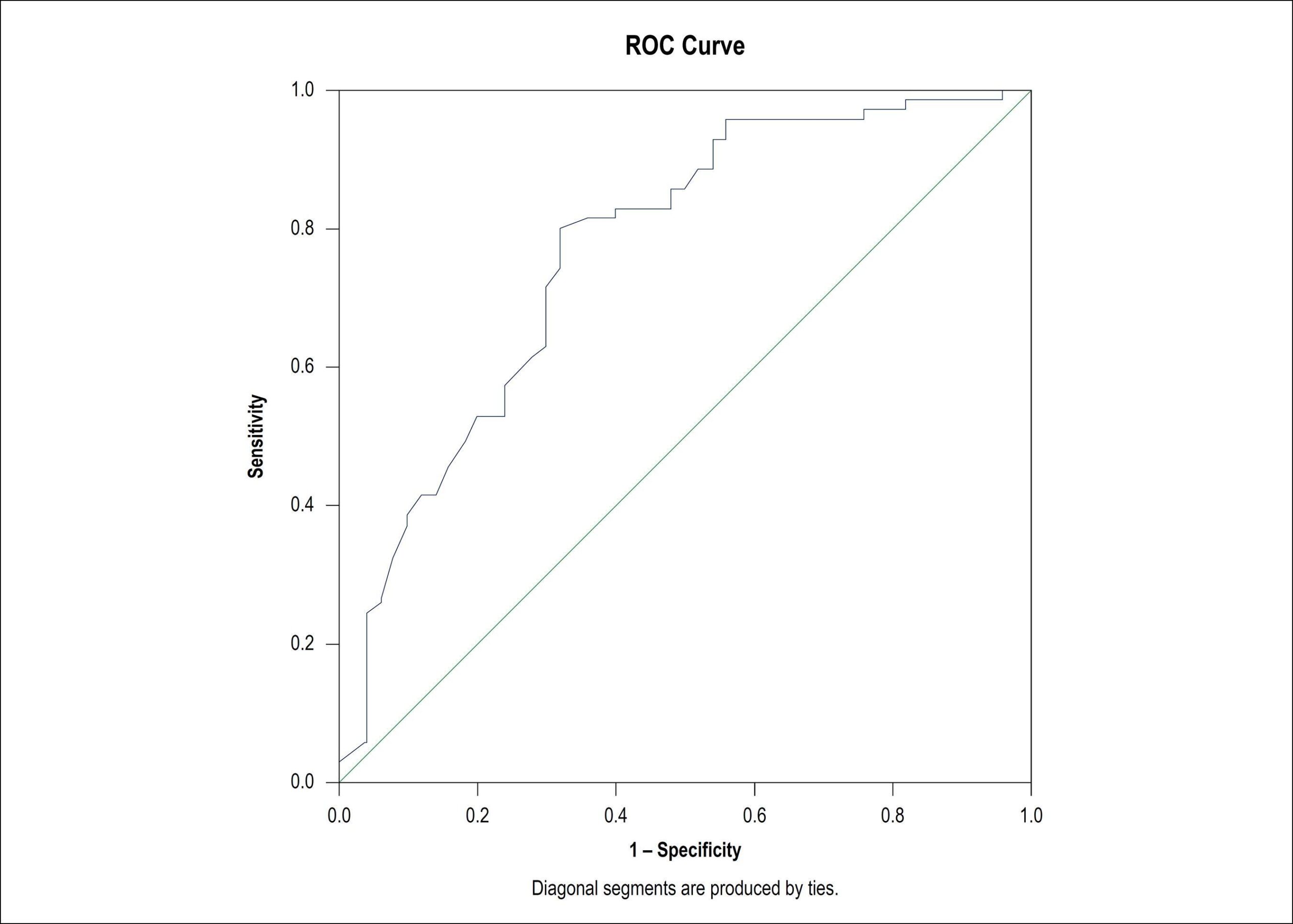
Baseline patient demographics, including age and clinical risk factors, were similar between the groups. Compared to the control group, median (IQR) High-density lipoprotein cholesterol (HDL) levels were significantly higher (p=0.04) and MPV levels were significantly lower in the CAF group (8.84 ± 1.71fL vs. 10.43 ± 1.34, p < 0.001). In the multivariate analysis, only MPV was a significant predictor of CAF (p < 0.001, 95% CI for OR: 0.438 (0.306-0.629). A negative correlation was found between MPV and fistulae in Pearson's correlation test (r: -0.454, p < 0.001). An MPV level of < 9,6 fL showed sensitivity, specificity, positive predictive value and negative predictive value of 80%, 68%, 71% and 78% respectively (AUC = 0.766, 95% CI, 0.678-0.854) for the prediction of CAF.

Conclusion:

The present study suggests that MPV may decrease in patients with CAF.

  • Angiography
  • Arteriovenous Fistula
  • Coronary Artery Disease
  • Endothelium / dysfunction
  • Mean Platelet Volume
Read Full Article
Creative Commons Attribution (CC BY) Creative Commons license
27/06/2019 DOI: 10.5935/abc.20190088
Figure 1
Original Article

Application of Risks Scores in Acute Coronary Syndromes. How Does ProACS Hold Up Against Other Risks Scores?

Júlio Gil et al. Luís Abreu Hugo Antunes Maria Luísa Gonçalves … Maria Inês Pires Luís Ferreira dos Santos Carla Henriques Ana Matos José Costa Cabral Jorge Oliveira Santos

Abstract

Background:

Multiple risk scores (RS) are approved in the prediction of worse prognosis in acute coronary syndromes (ACS). Recently, the Portuguese Journal of Cardiology has proposed the ProACS RS.

Objective:

Application of several validated RS, as well as ProACS in patients, admitted for ACS. Evaluation of each RS’s performance in predicting in-hospital mortality and the occurrence of all-cause mortality or non-fatal ACS at one-year follow-up and compare them to the ProACS RS.

Methods:

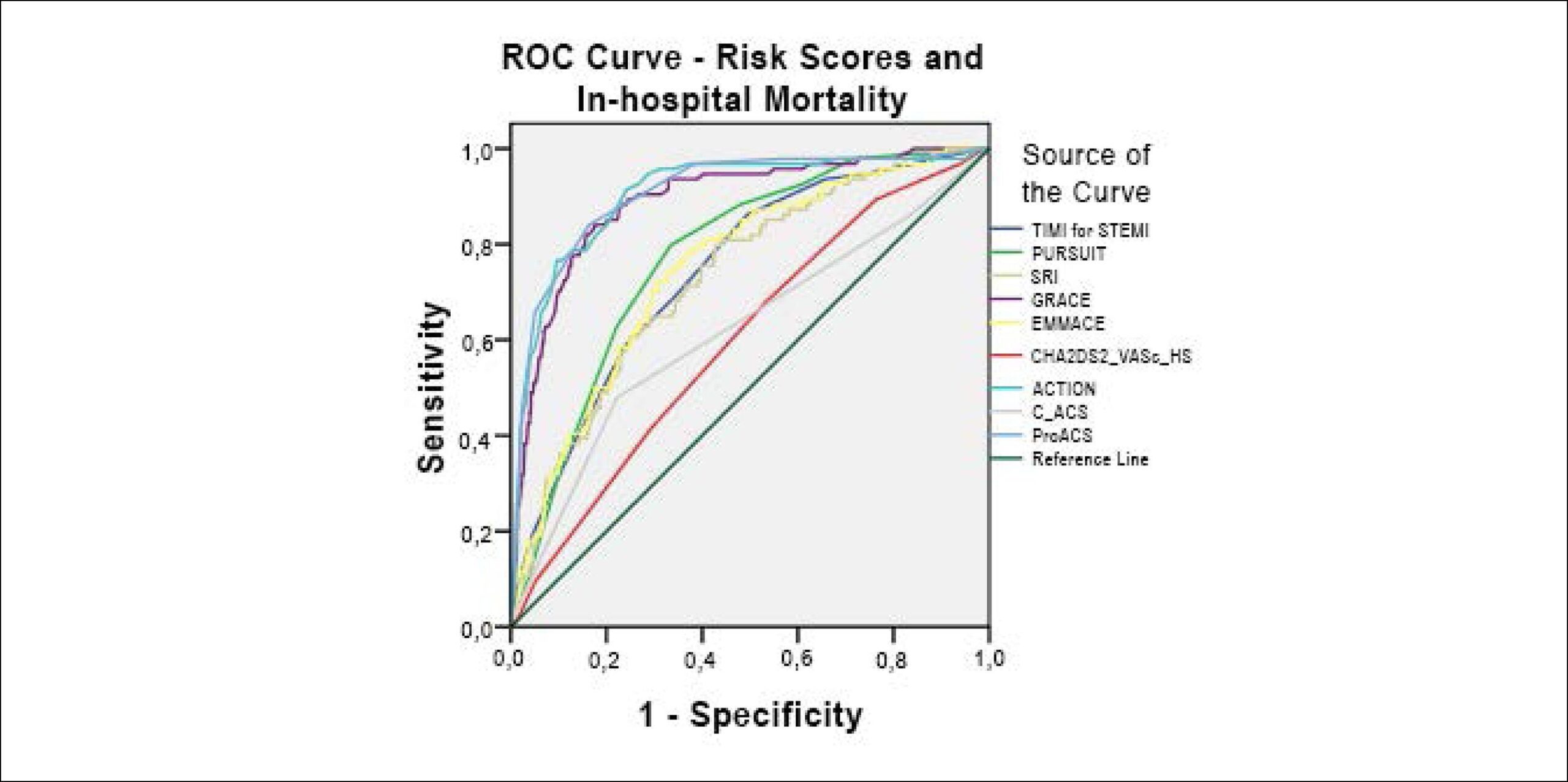
A retrospective study of ACS was performed. The following RS were applied: GRACE, ACTION Registry-GWTG, PURSUIT, TIMI, EMMACE, SRI, CHA2DS2-VASc-HS, C-ACS and ProACS. ROC Curves were created to determine the predictive power for each RS and then were directly compared to ProACS.

Results:

The ProACS, ACTION Registry-GWTG and GRACE showed a c-statistics of 0.908, 0.904 and 0.890 for predicting in-hospital mortality, respectively, performing better in ST-segment elevation myocardial infarction patients. The other RS performed satisfactorily, with c-statistics over 0.750, apart from the CHA2DS2-VASc-HS and C-ACS which underperformed. All RS underperformed in predicting worse long-term prognosis revealing c-statistics under 0.700.

Conclusion:

ProACS is an easily obtained risk score for early stratification of in-hospital mortality. When evaluating all RS, the ProACS, ACTION Registry-GWTG and GRACE RS showed the best performance, demonstrating high capability of predicting a worse prognosis. ProACS was able to demonstrate statistically significant superiority when compared to almost all RS. Thus, the ProACS has showed that it is able to combine simplicity in the calculation of the score with good performance in predicting a worse prognosis.

  • Acute Coronary Syndrome/prognosis
  • Hospital Mortality, Risk Assessment/methods
  • ST Elevation Myocardial Infarction
  • Survival Rate/methods
Read Full Article
Creative Commons Attribution (CC BY) Creative Commons license
27/06/2019 DOI: 10.5935/abc.20190109 Views 1
Figure 1
Original Article

The Profile of the Brazilian Cardiologist – A Sample of Members of the Brazilian Society of Cardiology

Lucas Simonetto Faganello et al. Mauricio Pimentel Carisi Anne Polanczyk Tiago Zimerman … Marcus Vinicius Bolivar Malachias Oscar Pereira Dutra Leandro Ioschpe Zimerman

Abstract

Background:

Data from the international literature have shown changes in the profile of cardiologists and in their medical practices. However, there is no data on this in Brazilian cardiologists.

Objective:

To evaluate professional and personal characteristics of a sample of Brazilian cardiologists.

Methods:

This was a cross-sectional study; a questionnaire was sent by e-mail to cardiologists, active members of the Brazilian Society of Cardiology in 2017. The results were analyzed, and the level of significance set at p < 0.05.

Results:

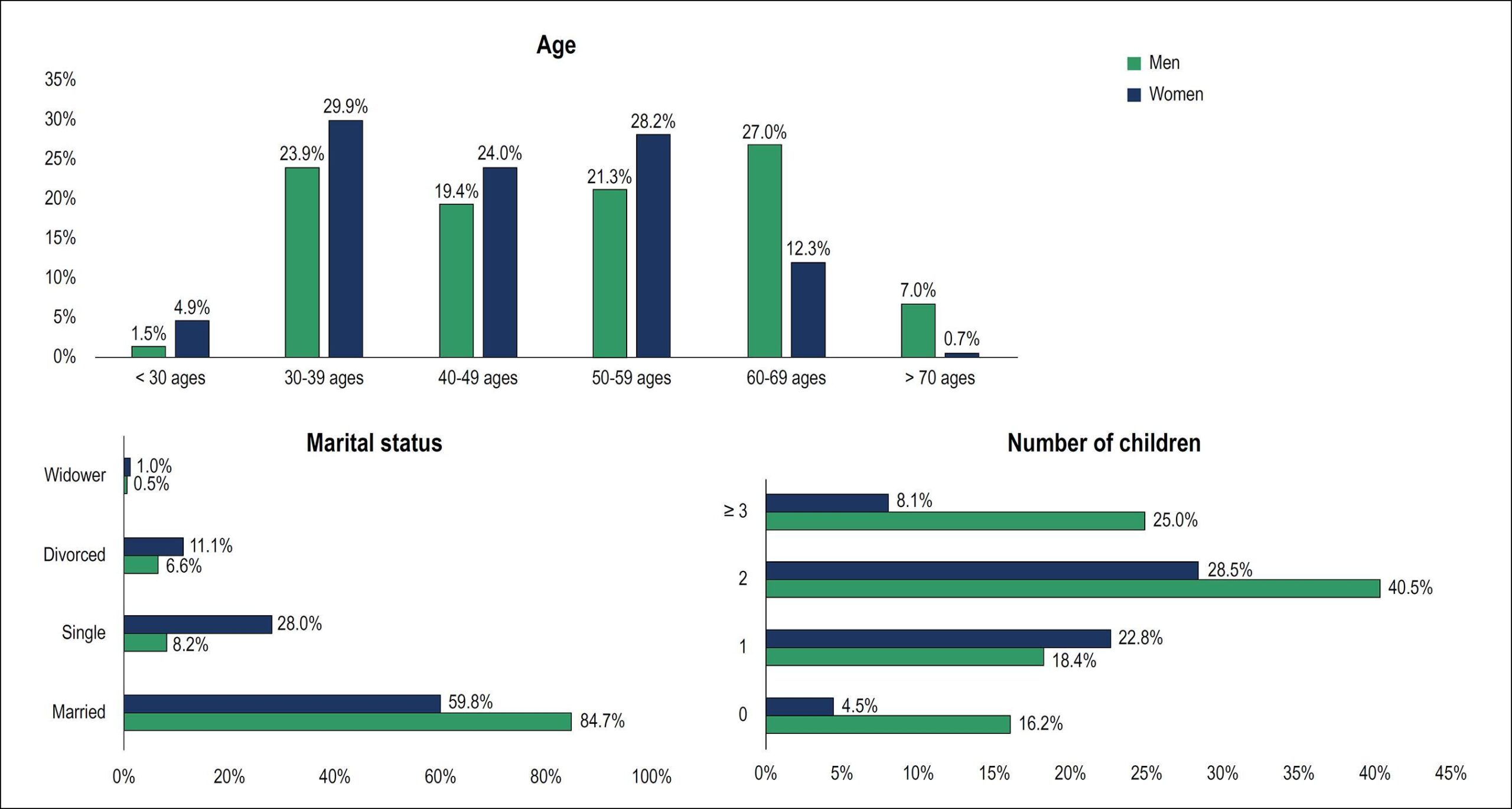
The questionnaire was sent to 13,462 cardiologists, with 2,101 (15.6%) respondents, mostly men (71.8% versus 28.2%). Age distribution and marital status were significantly different between the sexes (p < 0.001). The number of cardiologists without children was higher among women (40.5% versus 16.1%; p < 0.001). The most common place of work was the public hospital (46.5%), followed by private hospital (28.5%) and private office (21.1%). The office was the main place of work for 23.9% of men and 14% of women (p < 0.001), with predominance of individuals older than 50 years (31.7% versus 10.1%, respectively; p < 0.001). Most cardiologists (64.2%) worked more than 40 hours a week (69% of them men and 51.9% of the women; p < 0.001). Eighty-eight percent of the sample earned more than BRL 11,000 (US$ 3,473.43), and 66.5% of the men earned more than BRL 20,000 (US$ 6,315.32) per month, versus 31.2% of the women (p < 0.001). A high level of work-related stress was reported by 11.3% of respondents.

Conclusion:

Most cardiologists were men, who showed higher workload and higher income; 11.3% of the cardiologists perceived stress as a great deal.

  • Cardiologists
  • Demographic Data
  • Gender
  • Income
  • Quality of life
  • Survey and Questionnaires
Read Full Article
Creative Commons Attribution (CC BY) Creative Commons license
27/06/2019 DOI: 10.5935/abc.20190089 Views 1

Could not load more articles. Please try again.

How to cite this article

EndNote RIS

Electronic Document Format (Vancouver)

Navarrete G, Pozo E, Rivero F, Bastante T, Jiménez-Borreguero LJ, Alfonso F. Vasospasm during Exertion: New Pathophysiological Insights. Arquivos Brasileiros de Cardiologia 2019;113(1):106-8.

Electronic Document Format (ABNT)

Navarrete, Gonzalo; Pozo, Eduardo; Rivero, Fernando; Bastante, Teresa; Jiménez-Borreguero, Luis Jesús; Alfonso, Fernando. Vasospasm during Exertion: New Pathophysiological Insights. Arquivos Brasileiros de Cardiologia, v. 113, n. 1, p. 106-108, Aug. 2019.

Electronic Document Format (APA)

Navarrete, G., Pozo, E., Rivero, F., Bastante, T., Jiménez-Borreguero, L. J., & Alfonso, F. (2019). Vasospasm during Exertion: New Pathophysiological Insights. Arquivos Brasileiros de Cardiologia, 113(1), 106-108.

Electronic Document Format (ISO)

Navarrete, Gonzalo and Pozo, Eduardo and Rivero, Fernando and Bastante, Teresa and Jiménez-Borreguero, Luis Jesús and Alfonso, Fernando. Vasospasm during Exertion: New Pathophysiological Insights. Arquivos Brasileiros de Cardiologia [online]. 2019, vol. 113, n. 1, [cited 2026-10-15], pp. 106-108. Available from: <https://journals.cardiol.br/en/article/vasospasm-during-exertion-new-pathophysiological-insights/>. ISSN 0066-782X

EndNote RIS

Electronic Document Format (Vancouver)

Mesquita ET, Souza ALAAG, Rassi S. Heart Failure Awareness Day: A Tribute to the Genius Carlos Chagas. Arquivos Brasileiros de Cardiologia 2019;113(1):05-8.

Electronic Document Format (ABNT)

Mesquita, Evandro Tinoco; Souza, Aurea Lucia Alves de Azevedo Grippa de; Rassi, Salvador. Heart Failure Awareness Day: A Tribute to the Genius Carlos Chagas. Arquivos Brasileiros de Cardiologia, v. 113, n. 1, p. 05-08, Aug. 2019.

Electronic Document Format (APA)

Mesquita, E. T., Souza, A. L. A. A. G. , & Rassi, S. (2019). Heart Failure Awareness Day: A Tribute to the Genius Carlos Chagas. Arquivos Brasileiros de Cardiologia, 113(1), 05-08.

Electronic Document Format (ISO)

Mesquita, Evandro Tinoco and Souza, Aurea Lucia Alves de Azevedo Grippa de and Rassi, Salvador. Heart Failure Awareness Day: A Tribute to the Genius Carlos Chagas. Arquivos Brasileiros de Cardiologia [online]. 2019, vol. 113, n. 1, [cited 2026-10-15], pp. 05-08. Available from: <https://journals.cardiol.br/en/article/heart-failure-awareness-day-a-tribute-to-the-genius-carlos-chagas/>. ISSN 0066-782X

EndNote RIS

Electronic Document Format (Vancouver)

Pellanda LC. Dietary Patterns and Healthy Habits Along the Life Course. Arquivos Brasileiros de Cardiologia 2019;113(1):60-1.

Electronic Document Format (ABNT)

Pellanda, Lucia Campos. Dietary Patterns and Healthy Habits Along the Life Course. Arquivos Brasileiros de Cardiologia, v. 113, n. 1, p. 60-61, Aug. 2019.

Electronic Document Format (APA)

Pellanda, L. C. (2019). Dietary Patterns and Healthy Habits Along the Life Course. Arquivos Brasileiros de Cardiologia, 113(1), 60-61.

Electronic Document Format (ISO)

Pellanda, Lucia Campos. Dietary Patterns and Healthy Habits Along the Life Course. Arquivos Brasileiros de Cardiologia [online]. 2019, vol. 113, n. 1, [cited 2026-10-15], pp. 60-61. Available from: <https://journals.cardiol.br/en/article/dietary-patterns-and-healthy-habits-along-the-life-course/>. ISSN 0066-782X

EndNote RIS

Electronic Document Format (Vancouver)

. Erratum. Arquivos Brasileiros de Cardiologia 2019;113(1):182.

Electronic Document Format (ABNT)

. Erratum. Arquivos Brasileiros de Cardiologia, v. 113, n. 1, p. 182-182, Aug. 2019.

Electronic Document Format (APA)

(2019). Erratum. Arquivos Brasileiros de Cardiologia, 113(1), 182-182.

Electronic Document Format (ISO)

. Erratum. Arquivos Brasileiros de Cardiologia [online]. 2019, vol. 113, n. 1, [cited 2026-10-15], pp. 182-182. Available from: <https://journals.cardiol.br/en/article/erratum-17/>. ISSN 0066-782X

EndNote RIS

Electronic Document Format (Vancouver)

Timóteo AT. Is ProACS Score Just another Risk Stratification Score, or is it Ready for Implementation in Clinical Practice?. Arquivos Brasileiros de Cardiologia 2019;113(1):31-2.

Electronic Document Format (ABNT)

Timóteo, Ana Teresa. Is ProACS Score Just another Risk Stratification Score, or is it Ready for Implementation in Clinical Practice?. Arquivos Brasileiros de Cardiologia, v. 113, n. 1, p. 31-32, Aug. 2019.

Electronic Document Format (APA)

Timóteo, A. T. (2019). Is ProACS Score Just another Risk Stratification Score, or is it Ready for Implementation in Clinical Practice?. Arquivos Brasileiros de Cardiologia, 113(1), 31-32.

Electronic Document Format (ISO)

Timóteo, Ana Teresa. Is ProACS Score Just another Risk Stratification Score, or is it Ready for Implementation in Clinical Practice?. Arquivos Brasileiros de Cardiologia [online]. 2019, vol. 113, n. 1, [cited 2026-10-15], pp. 31-32. Available from: <https://journals.cardiol.br/en/article/is-proacs-score-just-another-risk-stratification-score-or-is-it-ready-for-implementation-in-clinical-practice/>. ISSN 0066-782X

EndNote RIS

Electronic Document Format (Vancouver)

Atik E, Binotto MA, Barreto AC, Ishikawa W. Case 4/2019 – Pulmonary Atresia, Ventricular Septal Defect, and Systemic-Pulmonary Collateral Circulation developing after prior Blalock-Taussig, in a Symptomatic 47-Year-Old Adult. Arquivos Brasileiros de Cardiologia 2019;113(1):103-5.

Electronic Document Format (ABNT)

Atik, Edmar; Binotto, Maria Angélica; Barreto, Alessandra Costa; Ishikawa, Walther. Case 4/2019 – Pulmonary Atresia, Ventricular Septal Defect, and Systemic-Pulmonary Collateral Circulation developing after prior Blalock-Taussig, in a Symptomatic 47-Year-Old Adult. Arquivos Brasileiros de Cardiologia, v. 113, n. 1, p. 103-105, Aug. 2019.

Electronic Document Format (APA)

Atik, E., Binotto, M. A., Barreto, A. C., & Ishikawa, W. (2019). Case 4/2019 – Pulmonary Atresia, Ventricular Septal Defect, and Systemic-Pulmonary Collateral Circulation developing after prior Blalock-Taussig, in a Symptomatic 47-Year-Old Adult. Arquivos Brasileiros de Cardiologia, 113(1), 103-105.

Electronic Document Format (ISO)

Atik, Edmar and Binotto, Maria Angélica and Barreto, Alessandra Costa and Ishikawa, Walther. Case 4/2019 – Pulmonary Atresia, Ventricular Septal Defect, and Systemic-Pulmonary Collateral Circulation developing after prior Blalock-Taussig, in a Symptomatic 47-Year-Old Adult. Arquivos Brasileiros de Cardiologia [online]. 2019, vol. 113, n. 1, [cited 2026-10-15], pp. 103-105. Available from: <https://journals.cardiol.br/en/article/case-4-2019-pulmonary-atresia-ventricular-septal-defect-and-systemic-pulmonary-collateral-circulation-developing-after-prior-blalock-taussig-in-a-symptomatic-47-year-old-adult/>. ISSN 0066-782X

EndNote RIS

Electronic Document Format (Vancouver)

Kewcharoen J, Kanitsoraphan C. Prolonged PR Interval and Outcome in Cardiac Resynchronization Therapy. Arquivos Brasileiros de Cardiologia 2019;113(1):109-10.

Electronic Document Format (ABNT)

Kewcharoen, Jakrin; Kanitsoraphan, Chanavuth. Prolonged PR Interval and Outcome in Cardiac Resynchronization Therapy. Arquivos Brasileiros de Cardiologia, v. 113, n. 1, p. 109-110, Aug. 2019.

Electronic Document Format (APA)

Kewcharoen, J., & Kanitsoraphan, C. (2019). Prolonged PR Interval and Outcome in Cardiac Resynchronization Therapy. Arquivos Brasileiros de Cardiologia, 113(1), 109-110.

Electronic Document Format (ISO)

Kewcharoen, Jakrin and Kanitsoraphan, Chanavuth. Prolonged PR Interval and Outcome in Cardiac Resynchronization Therapy. Arquivos Brasileiros de Cardiologia [online]. 2019, vol. 113, n. 1, [cited 2026-10-15], pp. 109-110. Available from: <https://journals.cardiol.br/en/article/prolonged-pr-interval-and-outcome-in-cardiac-resynchronization-therapy/>. ISSN 0066-782X

EndNote RIS

Electronic Document Format (Vancouver)

Lima EO, Ferrasi AC, Kaasi A. Decellularization of Human Pericardium with Potential Application in Regenerative Medicine. Arquivos Brasileiros de Cardiologia 2019;113(1):18-9.

Electronic Document Format (ABNT)

Lima, Estela de Oliveira; Ferrasi, Adriana Camargo; Kaasi, Andreas. Decellularization of Human Pericardium with Potential Application in Regenerative Medicine. Arquivos Brasileiros de Cardiologia, v. 113, n. 1, p. 18-19, Aug. 2019.

Electronic Document Format (APA)

Lima, E. O., Ferrasi, A. C., & Kaasi, A. (2019). Decellularization of Human Pericardium with Potential Application in Regenerative Medicine. Arquivos Brasileiros de Cardiologia, 113(1), 18-19.

Electronic Document Format (ISO)

Lima, Estela de Oliveira and Ferrasi, Adriana Camargo and Kaasi, Andreas. Decellularization of Human Pericardium with Potential Application in Regenerative Medicine. Arquivos Brasileiros de Cardiologia [online]. 2019, vol. 113, n. 1, [cited 2026-10-15], pp. 18-19. Available from: <https://journals.cardiol.br/en/article/decellularization-of-human-pericardium-with-potential-application-in-regenerative-medicine/>. ISSN 0066-782X

EndNote RIS

Electronic Document Format (Vancouver)

Barberato SH, Romano MMD, Beck ALS, Rodrigues ACT, Almeida ALC, Assunção BMBL, Gripp EA, et al. Position Statement on Indications of Echocardiography in Adults – 2019. Arquivos Brasileiros de Cardiologia 2019;113(1):135-81.

Electronic Document Format (ABNT)

Barberato, Silvio Henrique; Romano, Minna Moreira Dias; Beck, Adenalva Lima de Souza; Rodrigues, Ana Clara Tude; Almeida, André Luiz Cerqueira de; Assunção, Bruna Morhy Borges Leal; Gripp, Eliza de Almeida; Guimarães Filho, Fabio Villaça; Abensur, Henry; Castillo, José Maria Del; Miglioranza, Marcelo Haertel; Vieira, Marcelo Luiz Campos; Barros, Márcio Vinicius Lins de; Nunes, Maria do Carmo Pereira; Otto, Maria Estefania Bosco; Hortegal, Renato de Aguiar; Barretto, Rodrigo Bellio de Mattos; Campos, Thais Harada; Siqueira, Vicente Nicoliello de; Morhy, Samira Saady. Position Statement on Indications of Echocardiography in Adults – 2019. Arquivos Brasileiros de Cardiologia, v. 113, n. 1, p. 135-181, Aug. 2019.

Electronic Document Format (APA)

Barberato, S. H., Romano, M. M. D., Beck, A. L. S., Rodrigues, A. C. T., Almeida, A. L. C. , Assunção, B. M. B. L., Gripp, E. A., Guimarães Filho, F. V., Abensur, H., Castillo, J. M. D., Miglioranza, M. H., Vieira, M. L. C., Barros, M. V. L. , Nunes, M. C. P., Otto, M. E. B., Hortegal, R. A., Barretto, R. B. M., Campos, T. H., Siqueira, V. N. , & Morhy, S. S. (2019). Position Statement on Indications of Echocardiography in Adults – 2019. Arquivos Brasileiros de Cardiologia, 113(1), 135-181.

Electronic Document Format (ISO)

Barberato, Silvio Henrique and Romano, Minna Moreira Dias and Beck, Adenalva Lima de Souza and Rodrigues, Ana Clara Tude and Almeida, André Luiz Cerqueira de and Assunção, Bruna Morhy Borges Leal and Gripp, Eliza de Almeida and Guimarães Filho, Fabio Villaça and Abensur, Henry and Castillo, José Maria Del and Miglioranza, Marcelo Haertel and Vieira, Marcelo Luiz Campos and Barros, Márcio Vinicius Lins de and Nunes, Maria do Carmo Pereira and Otto, Maria Estefania Bosco and Hortegal, Renato de Aguiar and Barretto, Rodrigo Bellio de Mattos and Campos, Thais Harada and Siqueira, Vicente Nicoliello de and Morhy, Samira Saady. Position Statement on Indications of Echocardiography in Adults – 2019. Arquivos Brasileiros de Cardiologia [online]. 2019, vol. 113, n. 1, [cited 2026-10-15], pp. 135-181. Available from: <https://journals.cardiol.br/en/article/position-statement-on-indications-of-echocardiography-in-adults-2019-2/>. ISSN 0066-782X

EndNote RIS

Electronic Document Format (Vancouver)

Mansur AJ. Hospital Readmissions after Acute Coronary Syndromes. Arquivos Brasileiros de Cardiologia 2019;113(1):50-1.

Electronic Document Format (ABNT)

Mansur, Alfredo J.. Hospital Readmissions after Acute Coronary Syndromes. Arquivos Brasileiros de Cardiologia, v. 113, n. 1, p. 50-51, Aug. 2019.

Electronic Document Format (APA)

Mansur, A. J. (2019). Hospital Readmissions after Acute Coronary Syndromes. Arquivos Brasileiros de Cardiologia, 113(1), 50-51.

Electronic Document Format (ISO)

Mansur, Alfredo J.. Hospital Readmissions after Acute Coronary Syndromes. Arquivos Brasileiros de Cardiologia [online]. 2019, vol. 113, n. 1, [cited 2026-10-15], pp. 50-51. Available from: <https://journals.cardiol.br/en/article/hospital-readmissions-after-acute-coronary-syndromes/>. ISSN 0066-782X

EndNote RIS

Electronic Document Format (Vancouver)

Martinez PF, Oliveira-Junior SA, Polegato BF, Okoshi K, Okoshi MP. Biomarkers in Acute Myocardial Infarction Diagnosis and Prognosis. Arquivos Brasileiros de Cardiologia 2019;113(1):40-1.

Electronic Document Format (ABNT)

Martinez, Paula F.; Oliveira-Junior, Silvio A.; Polegato, Bertha F.; Okoshi, Katashi; Okoshi, Marina P.. Biomarkers in Acute Myocardial Infarction Diagnosis and Prognosis. Arquivos Brasileiros de Cardiologia, v. 113, n. 1, p. 40-41, Aug. 2019.

Electronic Document Format (APA)

Martinez, P. F., Oliveira-Junior, S. A., Polegato, B. F., Okoshi, K., & Okoshi, M. P. (2019). Biomarkers in Acute Myocardial Infarction Diagnosis and Prognosis. Arquivos Brasileiros de Cardiologia, 113(1), 40-41.

Electronic Document Format (ISO)

Martinez, Paula F. and Oliveira-Junior, Silvio A. and Polegato, Bertha F. and Okoshi, Katashi and Okoshi, Marina P.. Biomarkers in Acute Myocardial Infarction Diagnosis and Prognosis. Arquivos Brasileiros de Cardiologia [online]. 2019, vol. 113, n. 1, [cited 2026-10-15], pp. 40-41. Available from: <https://journals.cardiol.br/en/article/biomarkers-in-acute-myocardial-infarction-diagnosis-and-prognosis/>. ISSN 0066-782X

EndNote RIS

Electronic Document Format (Vancouver)

Mesquita ET, Correia ETO, Barbetta LMS. Profile of Brazilian Cardiologists: An Overview of Female Leadership in Cardiology and Stress – Challenges for the Next Decade. Arquivos Brasileiros de Cardiologia 2019;113(1):69-70.

Electronic Document Format (ABNT)

Mesquita, Evandro Tinoco; Correia, Eduardo Thadeu de Oliveira; Barbetta, Letícia Mara dos Santos. Profile of Brazilian Cardiologists: An Overview of Female Leadership in Cardiology and Stress – Challenges for the Next Decade. Arquivos Brasileiros de Cardiologia, v. 113, n. 1, p. 69-70, Aug. 2019.

Electronic Document Format (APA)

Mesquita, E. T., Correia, E. T. O., & Barbetta, L. M. S. (2019). Profile of Brazilian Cardiologists: An Overview of Female Leadership in Cardiology and Stress – Challenges for the Next Decade. Arquivos Brasileiros de Cardiologia, 113(1), 69-70.

Electronic Document Format (ISO)

Mesquita, Evandro Tinoco and Correia, Eduardo Thadeu de Oliveira and Barbetta, Letícia Mara dos Santos. Profile of Brazilian Cardiologists: An Overview of Female Leadership in Cardiology and Stress – Challenges for the Next Decade. Arquivos Brasileiros de Cardiologia [online]. 2019, vol. 113, n. 1, [cited 2026-10-15], pp. 69-70. Available from: <https://journals.cardiol.br/en/article/profile-of-brazilian-cardiologists-an-overview-of-female-leadership-in-cardiology-and-stress-challenges-for-the-next-decade/>. ISSN 0066-782X

EndNote RIS

Electronic Document Format (Vancouver)

Bittencourt MI. Description of a New GLA Gene Variant in a Patient with Hypertrophic Cardiomyopathy. Is it Fabry Disease?. Arquivos Brasileiros de Cardiologia 2019;113(1):85-6.

Electronic Document Format (ABNT)

Bittencourt, Marcelo Imbroinise. Description of a New GLA Gene Variant in a Patient with Hypertrophic Cardiomyopathy. Is it Fabry Disease?. Arquivos Brasileiros de Cardiologia, v. 113, n. 1, p. 85-86, Aug. 2019.

Electronic Document Format (APA)

Bittencourt, M. I. (2019). Description of a New GLA Gene Variant in a Patient with Hypertrophic Cardiomyopathy. Is it Fabry Disease?. Arquivos Brasileiros de Cardiologia, 113(1), 85-86.

Electronic Document Format (ISO)

Bittencourt, Marcelo Imbroinise. Description of a New GLA Gene Variant in a Patient with Hypertrophic Cardiomyopathy. Is it Fabry Disease?. Arquivos Brasileiros de Cardiologia [online]. 2019, vol. 113, n. 1, [cited 2026-10-15], pp. 85-86. Available from: <https://journals.cardiol.br/en/article/description-of-a-new-gla-gene-variant-in-a-patient-with-hypertrophic-cardiomyopathy-is-it-fabry-disease/>. ISSN 0066-782X

EndNote RIS

Electronic Document Format (Vancouver)

Serrano Jr. CV, Soeiro AM, Leal TCAT, Godoy LC, Biselli B, Hata LA, Martins EB, et al. Statement on Antiplatelet Agents and Anticoagulants in Cardiology – 2019. Arquivos Brasileiros de Cardiologia 2019;113(1):111-34.

Electronic Document Format (ABNT)

Serrano Jr., Carlos V.; Soeiro, Alexandre de M.; Leal, Tatiana C. A. Torres; Godoy, Lucas C.; Biselli, Bruno; Hata, Luiz Akira; Martins, Eduardo B.; Abud-Manta, Isabela C. K.; Tavares, Caio A. M.; Cardozo, Francisco Akira Malta; Oliveira Jr., Múcio Tavares de. Statement on Antiplatelet Agents and Anticoagulants in Cardiology – 2019. Arquivos Brasileiros de Cardiologia, v. 113, n. 1, p. 111-134, Aug. 2019.

Electronic Document Format (APA)

Serrano Jr., C. V., Soeiro, A. M., Leal, T. C. A. T., Godoy, L. C., Biselli, B., Hata, L. A., Martins, E. B., Abud-Manta, I. C. K., Tavares, C. A. M., Cardozo, F. A. M., & Oliveira Jr., M. T. (2019). Statement on Antiplatelet Agents and Anticoagulants in Cardiology – 2019. Arquivos Brasileiros de Cardiologia, 113(1), 111-134.

Electronic Document Format (ISO)

Serrano Jr., Carlos V. and Soeiro, Alexandre de M. and Leal, Tatiana C. A. Torres and Godoy, Lucas C. and Biselli, Bruno and Hata, Luiz Akira and Martins, Eduardo B. and Abud-Manta, Isabela C. K. and Tavares, Caio A. M. and Cardozo, Francisco Akira Malta and Oliveira Jr., Múcio Tavares de. Statement on Antiplatelet Agents and Anticoagulants in Cardiology – 2019. Arquivos Brasileiros de Cardiologia [online]. 2019, vol. 113, n. 1, [cited 2026-10-15], pp. 111-134. Available from: <https://journals.cardiol.br/en/article/statement-on-antiplatelet-agents-and-anticoagulants-in-cardiology-2019/>. ISSN 0066-782X

EndNote RIS

Electronic Document Format (Vancouver)

Rochitte CE. Just-Released JCR Impact Factor Shows Strong and Steady Increase for ABC Cardiol – 1.679 – A New Historical Record. Arquivos Brasileiros de Cardiologia 2019;113(1):01-4.

Electronic Document Format (ABNT)

Rochitte, Carlos E.. Just-Released JCR Impact Factor Shows Strong and Steady Increase for ABC Cardiol – 1.679 – A New Historical Record. Arquivos Brasileiros de Cardiologia, v. 113, n. 1, p. 01-04, Aug. 2019.

Electronic Document Format (APA)

Rochitte, C. E. (2019). Just-Released JCR Impact Factor Shows Strong and Steady Increase for ABC Cardiol – 1.679 – A New Historical Record. Arquivos Brasileiros de Cardiologia, 113(1), 01-04.

Electronic Document Format (ISO)

Rochitte, Carlos E.. Just-Released JCR Impact Factor Shows Strong and Steady Increase for ABC Cardiol – 1.679 – A New Historical Record. Arquivos Brasileiros de Cardiologia [online]. 2019, vol. 113, n. 1, [cited 2026-10-15], pp. 01-04. Available from: <https://journals.cardiol.br/en/article/just-released-jcr-impact-factor-shows-strong-and-steady-increase-for-abc-cardiol-1-679-a-new-historical-record/>. ISSN 0066-782X

EndNote RIS

Electronic Document Format (Vancouver)

Gomes MJ, Pagan LU, Okoshi MP. Non-Pharmacological Treatment of Cardiovascular Disease | Importance of Physical Exercise. Arquivos Brasileiros de Cardiologia 2019;113(1):09-10.

Electronic Document Format (ABNT)

Gomes, Mariana Janini; Pagan, Luana Urbano; Okoshi, Marina Politi. Non-Pharmacological Treatment of Cardiovascular Disease | Importance of Physical Exercise. Arquivos Brasileiros de Cardiologia, v. 113, n. 1, p. 09-10, Aug. 2019.

Electronic Document Format (APA)

Gomes, M. J., Pagan, L. U., & Okoshi, M. P. (2019). Non-Pharmacological Treatment of Cardiovascular Disease | Importance of Physical Exercise. Arquivos Brasileiros de Cardiologia, 113(1), 09-10.

Electronic Document Format (ISO)

Gomes, Mariana Janini and Pagan, Luana Urbano and Okoshi, Marina Politi. Non-Pharmacological Treatment of Cardiovascular Disease | Importance of Physical Exercise. Arquivos Brasileiros de Cardiologia [online]. 2019, vol. 113, n. 1, [cited 2026-10-15], pp. 09-10. Available from: <https://journals.cardiol.br/en/article/non-pharmacological-treatment-of-cardiovascular-disease-importance-of-physical-exercise/>. ISSN 0066-782X

EndNote RIS

Electronic Document Format (Vancouver)

Luz PL. Telemedicine and the Doctor/Patient Relationship. Arquivos Brasileiros de Cardiologia 2019;113(1):100-2.

Electronic Document Format (ABNT)

Luz, Protásio Lemos da. Telemedicine and the Doctor/Patient Relationship. Arquivos Brasileiros de Cardiologia, v. 113, n. 1, p. 100-102, Aug. 2019.

Electronic Document Format (APA)

Luz, P. L. (2019). Telemedicine and the Doctor/Patient Relationship. Arquivos Brasileiros de Cardiologia, 113(1), 100-102.

Electronic Document Format (ISO)

Luz, Protásio Lemos da. Telemedicine and the Doctor/Patient Relationship. Arquivos Brasileiros de Cardiologia [online]. 2019, vol. 113, n. 1, [cited 2026-10-15], pp. 100-102. Available from: <https://journals.cardiol.br/en/article/telemedicine-and-the-doctor-patient-relationship/>. ISSN 0066-782X

EndNote RIS

Electronic Document Format (Vancouver)

Chaves-Markman V, Markman M, Calado EB, Pires RF, Santos-Veloso MAO, Pereira CMF, Lordsleem ABMS, et al. GLA Gene Mutation in Hypertrophic Cardiomyopathy with a New Variant Description: Is it Fabry’s Disease?. Arquivos Brasileiros de Cardiologia 2019;113(1):77-84.

Electronic Document Format (ABNT)

Chaves-Markman, Ândrea Virgínia; Markman, Manuel; Calado, Eveline Barros; Pires, Ricardo Flores; Santos-Veloso, Marcelo Antônio Oliveira; Pereira, Catarina Maria Fonseca; Lordsleem, Andréa Bezerra de Melo da Silveira; Lima, Sandro Gonçalves de; Markman Filho, Brivaldo; Oliveira, Dinaldo Cavalcanti de. GLA Gene Mutation in Hypertrophic Cardiomyopathy with a New Variant Description: Is it Fabry’s Disease?. Arquivos Brasileiros de Cardiologia, v. 113, n. 1, p. 77-84, Jul. 2019.

Electronic Document Format (APA)

Chaves-Markman, V., Markman, M., Calado, E. B., Pires, R. F., Santos-Veloso, M. A. O., Pereira, C. M. F., Lordsleem, A. B. M. S., Lima, S. G. , Markman Filho, B., & Oliveira, D. C. (2019). GLA Gene Mutation in Hypertrophic Cardiomyopathy with a New Variant Description: Is it Fabry’s Disease?. Arquivos Brasileiros de Cardiologia, 113(1), 77-84.

Electronic Document Format (ISO)

Chaves-Markman, Ândrea Virgínia and Markman, Manuel and Calado, Eveline Barros and Pires, Ricardo Flores and Santos-Veloso, Marcelo Antônio Oliveira and Pereira, Catarina Maria Fonseca and Lordsleem, Andréa Bezerra de Melo da Silveira and Lima, Sandro Gonçalves de and Markman Filho, Brivaldo and Oliveira, Dinaldo Cavalcanti de. GLA Gene Mutation in Hypertrophic Cardiomyopathy with a New Variant Description: Is it Fabry’s Disease?. Arquivos Brasileiros de Cardiologia [online]. 2019, vol. 113, n. 1, [cited 2026-10-15], pp. 77-84. Available from: <https://journals.cardiol.br/en/article/gla-gene-mutation-in-hypertrophic-cardiomyopathy-with-a-new-variant-description-is-it-fabrys-disease/>. ISSN 0066-782X

EndNote RIS

Electronic Document Format (Vancouver)

Rocha NP, Milagres LC, Filgueiras MDS, Suhett LG, Silva MA, Albuquerque FM, Ribeiro AQ, et al. Association of Dietary Patterns with Excess Weight and Body Adiposity in Brazilian Children: The Pase-Brasil Study. Arquivos Brasileiros de Cardiologia 2019;113(1):52-9.

Electronic Document Format (ABNT)

Rocha, Naruna Pereira; Milagres, Luana Cupertino; Filgueiras, Mariana De Santis; Suhett, Lara Gomes; Silva, Mariane Alves; Albuquerque, Fernanda Martins de; Ribeiro, Andréia Queiroz; Vieira, Sarah Aparecida; Novaes, Juliana Farias de. Association of Dietary Patterns with Excess Weight and Body Adiposity in Brazilian Children: The Pase-Brasil Study. Arquivos Brasileiros de Cardiologia, v. 113, n. 1, p. 52-59, Jul. 2019.

Electronic Document Format (APA)

Rocha, N. P., Milagres, L. C., Filgueiras, M. D. S., Suhett, L. G., Silva, M. A., Albuquerque, F. M. , Ribeiro, A. Q., Vieira, S. A., & Novaes, J. F. (2019). Association of Dietary Patterns with Excess Weight and Body Adiposity in Brazilian Children: The Pase-Brasil Study. Arquivos Brasileiros de Cardiologia, 113(1), 52-59.

Electronic Document Format (ISO)

Rocha, Naruna Pereira and Milagres, Luana Cupertino and Filgueiras, Mariana De Santis and Suhett, Lara Gomes and Silva, Mariane Alves and Albuquerque, Fernanda Martins de and Ribeiro, Andréia Queiroz and Vieira, Sarah Aparecida and Novaes, Juliana Farias de. Association of Dietary Patterns with Excess Weight and Body Adiposity in Brazilian Children: The Pase-Brasil Study. Arquivos Brasileiros de Cardiologia [online]. 2019, vol. 113, n. 1, [cited 2026-10-15], pp. 52-59. Available from: <https://journals.cardiol.br/en/article/association-of-dietary-patterns-with-excess-weight-and-body-adiposity-in-brazilian-children-the-pase-brasil-study/>. ISSN 0066-782X

EndNote RIS

Electronic Document Format (Vancouver)

Kızıltunç E, Kösem A, Özkan C, Ilgın BU, Kundi H, Çetin M, Ornek E, et al. Serum Sirtuin 1, 3 and 6 Levels in Acute Myocardial Infarction Patients. Arquivos Brasileiros de Cardiologia 2019;113(1):33-9.

Electronic Document Format (ABNT)

Kızıltunç, Emrullah; Kösem, Arzu; Özkan, Can; Ilgın, Burcu Uğurlu; Kundi, Harun; Çetin, Mustafa; Ornek, Ender. Serum Sirtuin 1, 3 and 6 Levels in Acute Myocardial Infarction Patients. Arquivos Brasileiros de Cardiologia, v. 113, n. 1, p. 33-39, Jul. 2019.

Electronic Document Format (APA)

Kızıltunç, E., Kösem, A., Özkan, C., Ilgın, B. U., Kundi, H., Çetin, M., & Ornek, E. (2019). Serum Sirtuin 1, 3 and 6 Levels in Acute Myocardial Infarction Patients. Arquivos Brasileiros de Cardiologia, 113(1), 33-39.

Electronic Document Format (ISO)

Kızıltunç, Emrullah and Kösem, Arzu and Özkan, Can and Ilgın, Burcu Uğurlu and Kundi, Harun and Çetin, Mustafa and Ornek, Ender. Serum Sirtuin 1, 3 and 6 Levels in Acute Myocardial Infarction Patients. Arquivos Brasileiros de Cardiologia [online]. 2019, vol. 113, n. 1, [cited 2026-10-15], pp. 33-39. Available from: <https://journals.cardiol.br/en/article/serum-sirtuin-1-3-and-6-levels-in-acute-myocardial-infarction-patients/>. ISSN 0066-782X

EndNote RIS

Electronic Document Format (Vancouver)

Wollmann L, Suss P, Mendonça J, Luzia C, Schittini A, Rosa GWX, Costa F, et al. Characterization of Decellularized Human Pericardium for Tissue Engineering and Regenerative Medicine Applications. Arquivos Brasileiros de Cardiologia 2019;113(1):11-7.

Electronic Document Format (ABNT)

Wollmann, Luciana; Suss, Paula; Mendonça, João; Luzia, Cesar; Schittini, Andressa; Rosa, George Willian Xavier da; Costa, Francisco; Tuon, Felipe F.. Characterization of Decellularized Human Pericardium for Tissue Engineering and Regenerative Medicine Applications. Arquivos Brasileiros de Cardiologia, v. 113, n. 1, p. 11-17, Jun. 2019.

Electronic Document Format (APA)

Wollmann, L., Suss, P., Mendonça, J., Luzia, C., Schittini, A., Rosa, G. W. X. , Costa, F., & Tuon, F. F. (2019). Characterization of Decellularized Human Pericardium for Tissue Engineering and Regenerative Medicine Applications. Arquivos Brasileiros de Cardiologia, 113(1), 11-17.

Electronic Document Format (ISO)

Wollmann, Luciana and Suss, Paula and Mendonça, João and Luzia, Cesar and Schittini, Andressa and Rosa, George Willian Xavier da and Costa, Francisco and Tuon, Felipe F.. Characterization of Decellularized Human Pericardium for Tissue Engineering and Regenerative Medicine Applications. Arquivos Brasileiros de Cardiologia [online]. 2019, vol. 113, n. 1, [cited 2026-10-15], pp. 11-17. Available from: <https://journals.cardiol.br/en/article/characterization-of-decellularized-human-pericardium-for-tissue-engineering-and-regenerative-medicine-applications/>. ISSN 0066-782X

EndNote RIS

Electronic Document Format (Vancouver)

Sincer I, Çekici Y, Cosgun M, Aktas G, Gunes Y, Erdal E, Mansiroglu AK, et al. Does Mean Platelet Volume Decrease in the presence of Coronary Artery Fistula?. Arquivos Brasileiros de Cardiologia 2019;113(1):71-6.

Electronic Document Format (ABNT)

Sincer, Isa; Çekici, Yusuf; Cosgun, Mehmet; Aktas, Gulali; Gunes, Yilmaz; Erdal, Emrah; Mansiroglu, Asli Kurtar; Inanır, Mehmet. Does Mean Platelet Volume Decrease in the presence of Coronary Artery Fistula?. Arquivos Brasileiros de Cardiologia, v. 113, n. 1, p. 71-76, Jun. 2019.

Electronic Document Format (APA)

Sincer, I., Çekici, Y., Cosgun, M., Aktas, G., Gunes, Y., Erdal, E., Mansiroglu, A. K., & Inanır, M. (2019). Does Mean Platelet Volume Decrease in the presence of Coronary Artery Fistula?. Arquivos Brasileiros de Cardiologia, 113(1), 71-76.

Electronic Document Format (ISO)

Sincer, Isa and Çekici, Yusuf and Cosgun, Mehmet and Aktas, Gulali and Gunes, Yilmaz and Erdal, Emrah and Mansiroglu, Asli Kurtar and Inanır, Mehmet. Does Mean Platelet Volume Decrease in the presence of Coronary Artery Fistula?. Arquivos Brasileiros de Cardiologia [online]. 2019, vol. 113, n. 1, [cited 2026-10-15], pp. 71-76. Available from: <https://journals.cardiol.br/en/article/does-mean-platelet-volume-decrease-in-the-presence-of-coronary-artery-fistula/>. ISSN 0066-782X

EndNote RIS

Electronic Document Format (Vancouver)

Gil J, Abreu L, Antunes H, Gonçalves ML, Pires MI, Santos LF, Henriques C, et al. Application of Risks Scores in Acute Coronary Syndromes. How Does ProACS Hold Up Against Other Risks Scores?. Arquivos Brasileiros de Cardiologia 2019;113(1):20-3.

Electronic Document Format (ABNT)

Gil, Júlio; Abreu, Luís; Antunes, Hugo; Gonçalves, Maria Luísa; Pires, Maria Inês; Santos, Luís Ferreira dos; Henriques, Carla; Matos, Ana; Cabral, José Costa; Santos, Jorge Oliveira. Application of Risks Scores in Acute Coronary Syndromes. How Does ProACS Hold Up Against Other Risks Scores?. Arquivos Brasileiros de Cardiologia, v. 113, n. 1, p. 20-30, Jun. 2019.

Electronic Document Format (APA)

Gil, J., Abreu, L., Antunes, H., Gonçalves, M. L., Pires, M. I., Santos, L. F. , Henriques, C., Matos, A., Cabral, J. C., & Santos, J. O. (2019). Application of Risks Scores in Acute Coronary Syndromes. How Does ProACS Hold Up Against Other Risks Scores?. Arquivos Brasileiros de Cardiologia, 113(1), 20-30.

Electronic Document Format (ISO)

Gil, Júlio and Abreu, Luís and Antunes, Hugo and Gonçalves, Maria Luísa and Pires, Maria Inês and Santos, Luís Ferreira dos and Henriques, Carla and Matos, Ana and Cabral, José Costa and Santos, Jorge Oliveira. Application of Risks Scores in Acute Coronary Syndromes. How Does ProACS Hold Up Against Other Risks Scores?. Arquivos Brasileiros de Cardiologia [online]. 2019, vol. 113, n. 1, [cited 2026-10-15], pp. 20-30. Available from: <https://journals.cardiol.br/en/article/application-of-risks-scores-in-acute-coronary-syndromes-how-does-proacs-hold-up-against-other-risks-scores/>. ISSN 0066-782X

EndNote RIS

Electronic Document Format (Vancouver)

Faganello LS, Pimentel M, Polanczyk CA, Zimerman T, Malachias MVB, Dutra OP, Zimerman LI, et al. The Profile of the Brazilian Cardiologist – A Sample of Members of the Brazilian Society of Cardiology. Arquivos Brasileiros de Cardiologia 2019;113(1):62-8.

Electronic Document Format (ABNT)

Faganello, Lucas Simonetto; Pimentel, Mauricio; Polanczyk, Carisi Anne; Zimerman, Tiago; Malachias, Marcus Vinicius Bolivar; Dutra, Oscar Pereira; Zimerman, Leandro Ioschpe. The Profile of the Brazilian Cardiologist – A Sample of Members of the Brazilian Society of Cardiology. Arquivos Brasileiros de Cardiologia, v. 113, n. 1, p. 62-68, Jun. 2019.

Electronic Document Format (APA)

Faganello, L. S., Pimentel, M., Polanczyk, C. A., Zimerman, T., Malachias, M. V. B., Dutra, O. P., & Zimerman, L. I. (2019). The Profile of the Brazilian Cardiologist – A Sample of Members of the Brazilian Society of Cardiology. Arquivos Brasileiros de Cardiologia, 113(1), 62-68.

Electronic Document Format (ISO)

Faganello, Lucas Simonetto and Pimentel, Mauricio and Polanczyk, Carisi Anne and Zimerman, Tiago and Malachias, Marcus Vinicius Bolivar and Dutra, Oscar Pereira and Zimerman, Leandro Ioschpe. The Profile of the Brazilian Cardiologist – A Sample of Members of the Brazilian Society of Cardiology. Arquivos Brasileiros de Cardiologia [online]. 2019, vol. 113, n. 1, [cited 2026-10-15], pp. 62-68. Available from: <https://journals.cardiol.br/en/article/the-profile-of-the-brazilian-cardiologist-a-sample-of-members-of-the-brazilian-society-of-cardiology/>. ISSN 0066-782X

Sede – Rio de Janeiro
Av. Marechal Câmara, 160
3º andar – Sala: 330 – Centro
Rio de Janeiro – CEP: 20020-907
Tel.: (55 +21) 3478-2700
ou (21) 99386-3961
E-mail: revista@cardiol.br

Sede – São Paulo
Alameda Santos, 705 – 11º andar
Cerqueira César | São Paulo
CEP: 01419-001
Tel.: (55 +11) 3411-5500
E-mail: revista@cardiol.br

  • About the Journal
  • Internal Regulation
  • Editors Section
  • Editorial Board
  • History
  • SBC Award

  • Guidelines for Publication
  • Editorial Policy
  • Ethics Policy
  • Policy on the Use of Artificial Intelligence
  • Mandatory Publication Form
  • Publication Fee

Issues

SBC Guidelines

  • How to Publish an Abstract Supplement?
  • Supplements from the Brazilian Congress of Cardiology