ABC Family Arquivos Brasileiros de Cardiologia International Journal of Cardiovascular Sciences ABC Heart Failure & Cardiomyopathy ABC Imagem Cardiovascular
Português English
ABC Family
Português English
  • About
    • About ABC Family
    • Internal Regulation
    • Editorial Board
    • Brazilian Society of Cardiology (SBC)
  • Issues
  • SBC Guidelines
  • Content
    • Videos
    • Podcasts
    • News
  • About
    • About ABC Family
    • Internal Regulation
    • Editorial Board
    • Brazilian Society of Cardiology (SBC)
  • Issues
  • SBC Guidelines
  • Content
    • Videos
    • Podcasts
    • News

ABC Family

  • ABC Family
  • Arquivos Brasileiros de Cardiologia
  • International Journal of Cardiovascular Sciences
  • ABC Heart Failure & Cardiomyopathy
  • ABC Imagem Cardiovascular
Search in

No content found.

Journals
Ordering
Article types
Others

  1. Home
  2. Keyword: Cardiologists
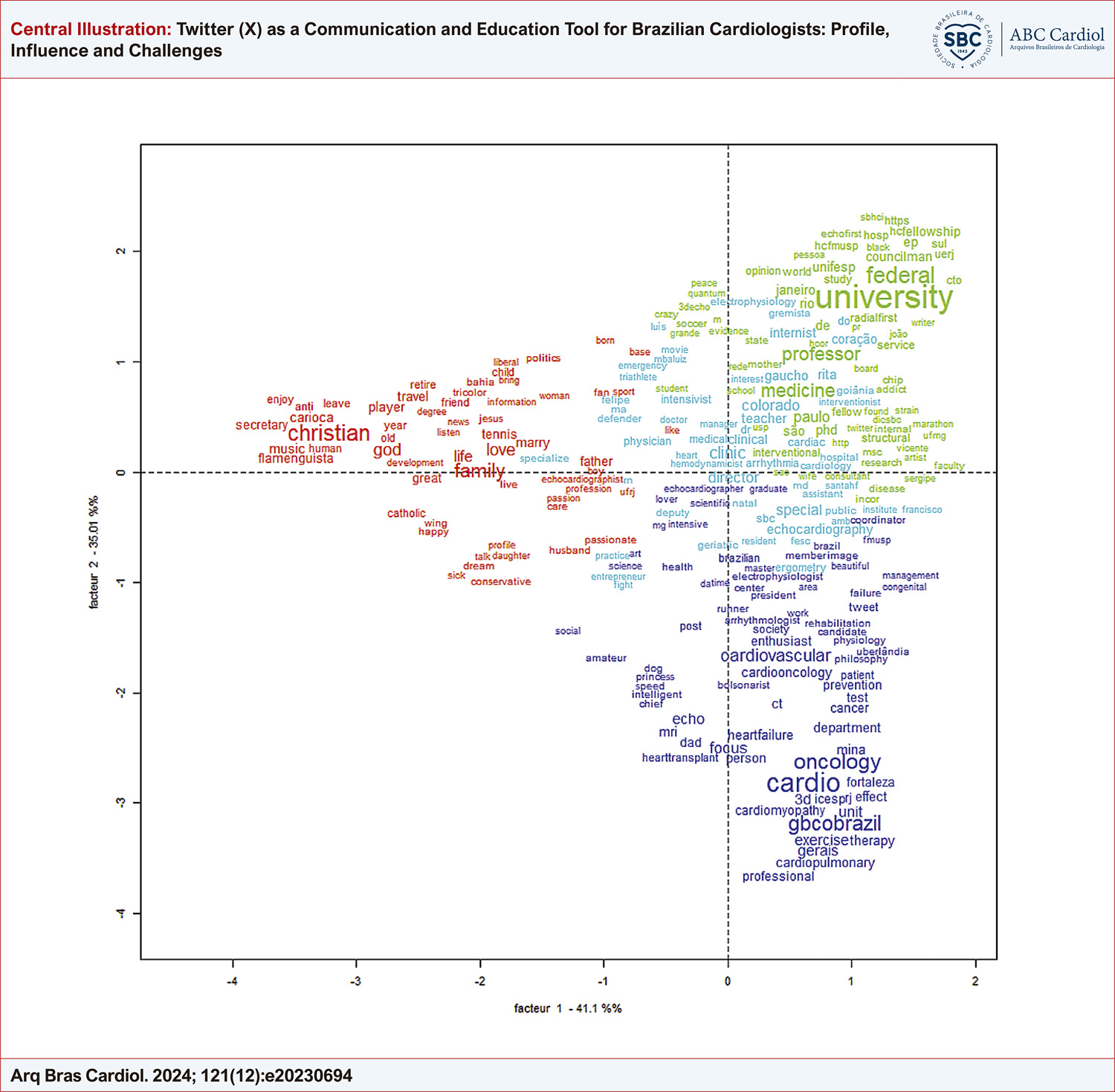
Twitter (X) as a Communication and Education Tool for Brazilian Cardiologists: Profile, Influence and Challenges
ABC
Original Article

Twitter (X) as a Communication and Education Tool for Brazilian Cardiologists: Profile, Influence and Challenges

Aline Goneli de Lacerda et al. Luana de Oliveira Ribas Estephany de Jesus Ronaldo Ferreira de Araújo … Thaiane Moreira de Oliveira Claudio Tinoco Mesquita

Abstract

Background

Twitter (recently renamed to X) is a popular social media that can be used for health communication. There are few studies analyzing the profile of Brazilian cardiologists active on the platform.

Objectives

To identify the profile of Brazilian cardiologists on Twitter (X), their online influence and reach, as well as their bios’ description.

Methods

A total of 1,083 accounts of Brazilian cardiologists were created between 2006 and 2021. Data were collected using the FollowerWonk tool and analyzed using the IRAMUTEQ software.

Results

Most profiles were of men (76.5%) and 0.8% was institutional profiles. Most profiles had less than 100 followers (71%) and low social authority (81.8%). The 20 most influential profiles were mostly of men (80%) and highly concentrated in the southeast of Brazil (68%).

Conclusions

Brazilian cardiologists prefer a personal and direct communication in social medias, rather than an institutional representation. There is a gender disparity among Brazilian cardiologists on Twitter (X), with a predominance of men. The most influential profiles were of men, and mostly located in the southeastern Brazil.
  • Cardiologists
  • Health Communication
  • Online Social Networking
Read Full Article
Creative Commons Attribution (CC BY) Creative Commons license
14/02/2025 DOI: 10.36660/abc.20230694i Views 1
ABC
Editorial

The Use of Twitter (X) by Brazilian Cardiologists: A Call to Action

Sergio Emanuel Kaiser

The prominently influential media outlet currently known as X (Formerly “Twitter”) was originally conceived as a microblogging platform intended to broadcast short status updates, amenable to immediate delivery to friends and followers. However, it has sparked a revolution in the way information is shared, opinions are expressed, and connections that are made in real-time. With its short-message format, the platform enables instant communication between individuals thousands of miles apart with just a few taps on a smartphone screen.

In the framework of machine-learning driven algorithms, highly emotional texts and images drive engagement, spread rapidly, and amplify visibility for embedded ads or sponsored messages. Profit expectations for the platform’s owners, therefore, rely on the efficiency of these algorithms to generate engagement, regardless of the accuracy and authenticity of the shared information. By 2023, sponsored (and tailored) ads accounted for 74% of the platform’s revenue.

[…]

  • Brazil
  • Cardiologists
  • Social Media
Read Full Article
Creative Commons Attribution (CC BY) Creative Commons license
20/01/2025 DOI: 10.36660/abc.20240711i
Figure 1
IJCS
Editorial

Science Gender Gap: Are We in theRight Path?

Gláucia Maria Moraes de Oliveira et al. Marge Tenorio Alessandra de Sá Earp Siqueira

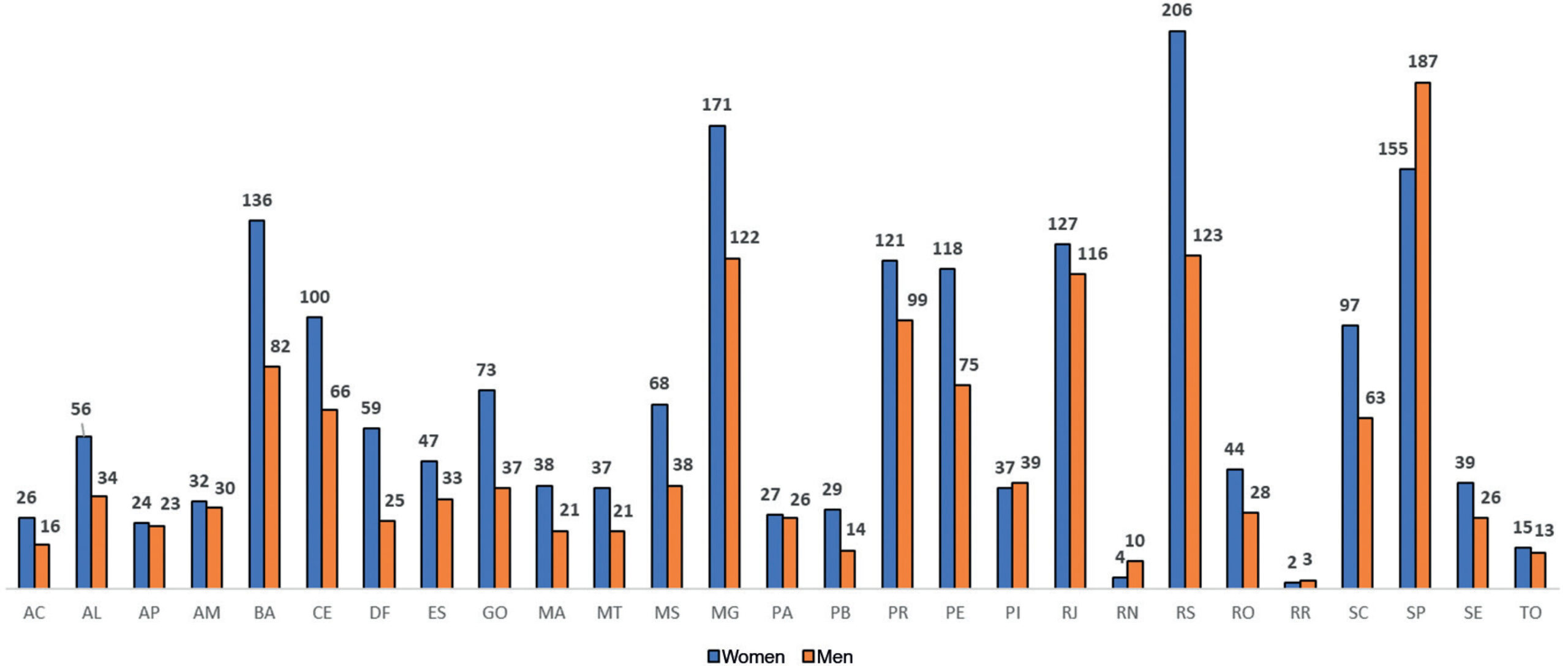
Women are entering the medical and scientific community in growing numbers, reaching and even surpassing their male counterparts in medical schools. However, a settled imbalance between men and women is still a reality in the international cardiology community despite these recent advances. The female presence in Brazilian medical schools was barely noticed until the 1960s; in the following years, there was a gradual increase in the number of women in the medical field, mainly in the first decade of the 21st century (59 % in 2020). In a 2020 demographic analysis of the Brazilian Federal Council of Medicine , men still predominated, accounting for 53.4% of all doctors in the country. Nevertheless, in the age-range below 30-years-old, women are the majority, accounting for 58.5%; the percentage of female doctors is inversely proportional to the increase in the age group, with only 21% of women in the age group above 70 years old.

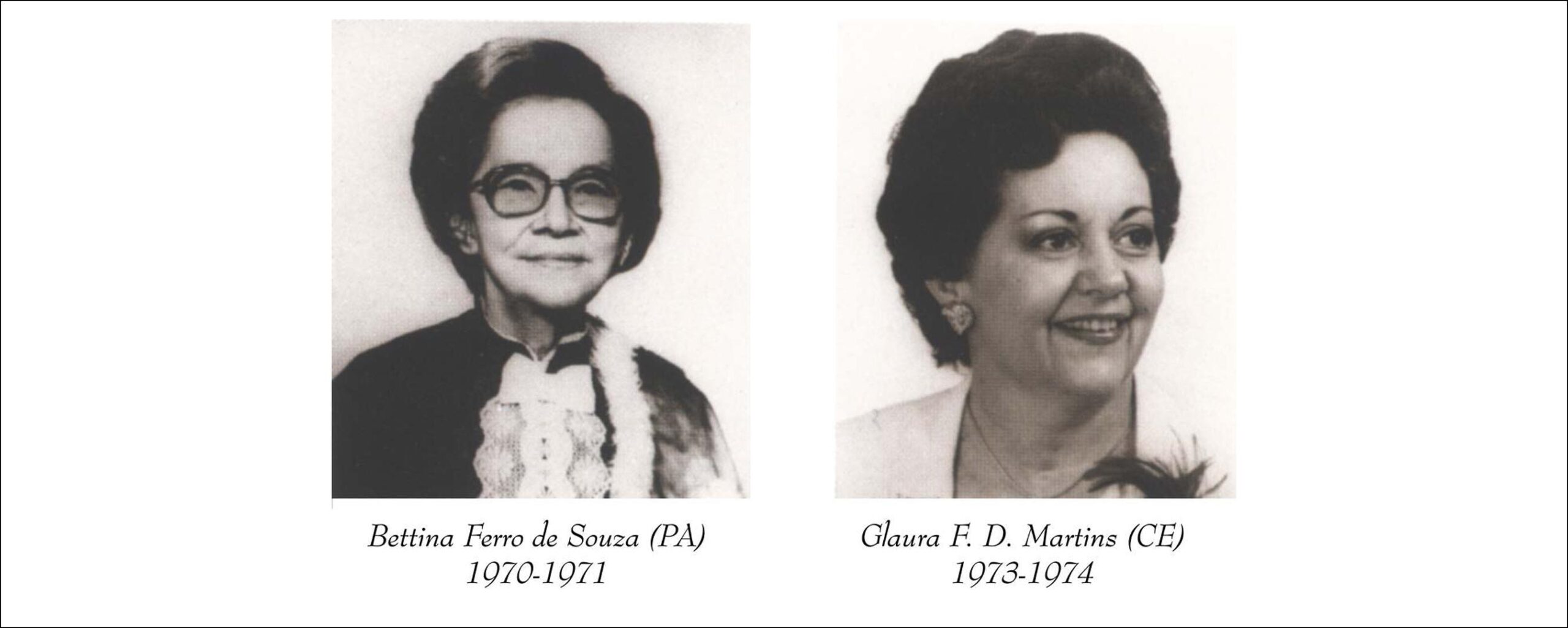
In the USA, women represent less than 15% of the cardiology workforce and less than 5% of interventional cardiologists, while in Europe, women account for only one-third of cardiologists, and 18% of women are interventionists. Currently, Brazil has nearly 500 thousand doctors, 17,802 thousand cardiologists, of which 31.1% are females, and mostly concentrated in the southeast region. In 2018, only 215 (8.6%) of a total of 2,062 cardiovascular surgeons and 7.5% of 970 interventional cardiologists were women. The Brazilian Society of Cardiology had two female presidents; and the Cardiovascular Surgery Society, the Interventional Cardiology, and the Federation of Portuguese Language Cardiology Societies had one female president. Also, in the last five years, only one fifth of the speakers in the annual congress of the Brazilian Cardiology Society were women.

[…]

  • Cardiologists
  • Cardiovascular disease
  • COVID-19
  • Ethics
  • Gender Identity
  • Pandemic
  • Women
Read Full Article
Creative Commons Attribution (CC BY) Creative Commons license
09/03/2022 DOI: 10.36660/ijcs.20220029
Figure 1
ABC
Research Letter

Impact of COVID-19 on the Life of Brazilian Cardiologists and Cardiovascular Surgeons

Andre Luiz Cerqueira Almeida et al. Marcelo Melo Rodrigo Elton Ferreira Rodrigues Luis Fábio Botelho … Paulo André Abreu Almeida Silvio Henrique Barberato

Introduction

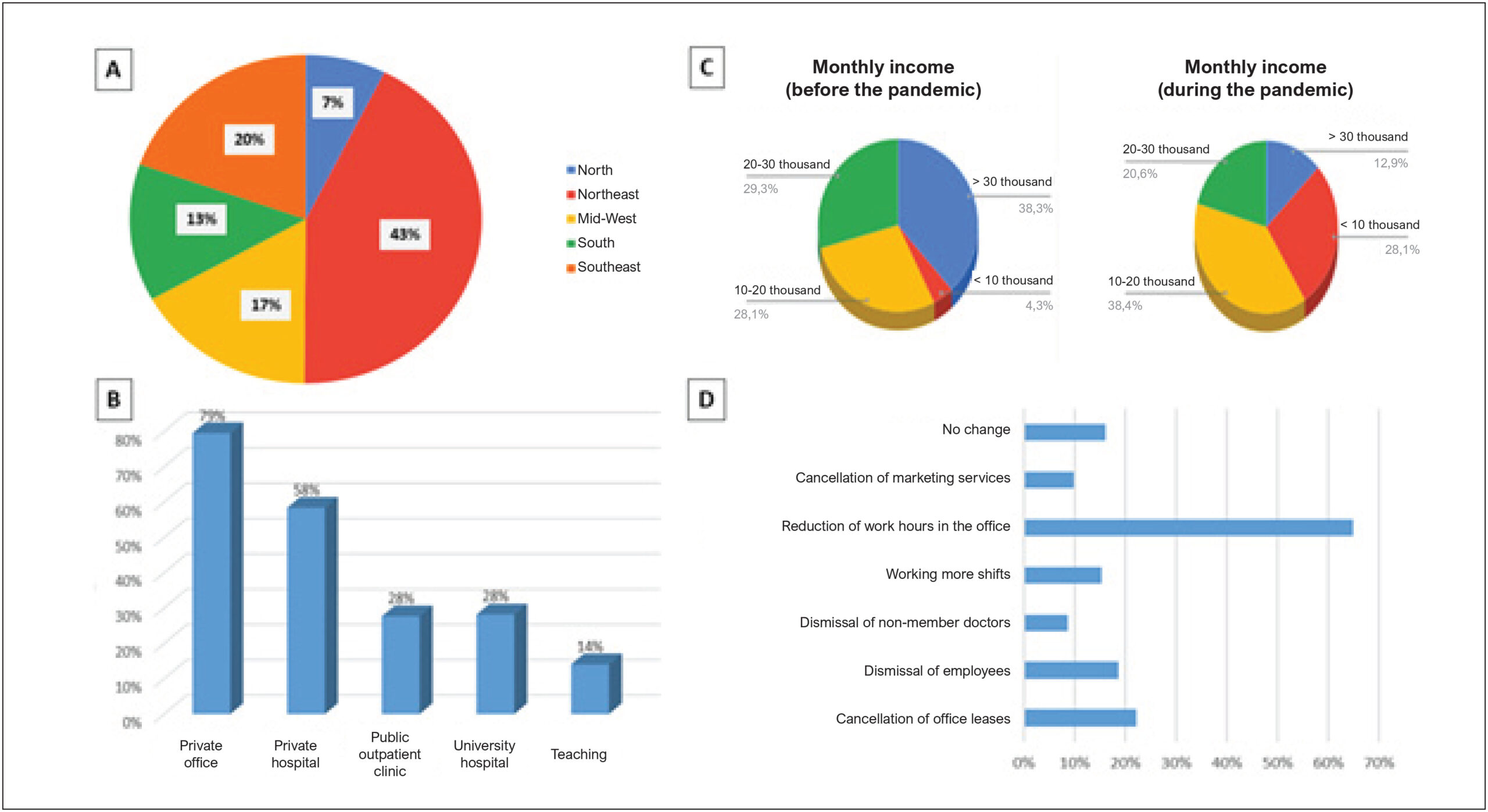
The COVID-19 (from the English coronavirus disease) pandemic has had a strong impact on cardiology services. The number of visits and cardiac interventions has decreased in many parts of the world in recent months., However, despite increasing pressure and burden on the healthcare system, the provision of care has continued, particularly because patients with pre-existing cardiovascular disease are at high risk of COVID-19 infection, complications, and primary cardiac manifestations.

In addition, effects of the COVID-19 have affected the society and in particularly healthcare professionals in terms of physical and mental health consequences, financial disturbances, and changes in quality of life.– Therefore, the COVID-19 pandemic has affected many aspects of the work and life of health care providers.,,

[…]

  • Cardiologists
  • Cardiovascular Diseases
  • Coronavirus-19
  • COVID-19
  • Epidemiology
  • Health Personnel
  • Health Systems
  • Infection/complications
  • Pandemics
  • Risk Factors
  • Sedentary Behavior
  • Surgeons
Read Full Article
Creative Commons Attribution (CC BY) Creative Commons license
22/11/2021 DOI: 10.36660/abc.20201231 Views 1
Figure 1
ABC
Original Article

Cardiovascular Risk Factors in Cardiology Specialists from the Brazilian Society of Cardiology

Maria Emília Figueiredo Teixeira et al. Priscila Valverde de O. Vitorino Celso Amodeo Tânia Martinez … Andréa Araujo Brandão Eduardo Costa Duarte Barbosa Audes Diógenes Magalhães Feitosa Paulo Cesar B. Veiga Jardim Ana Luiza Lima Souza Weimar Kunz Sebba Barroso

Abstract

Background:

A major cause of death worldwide, cardiovascular diseases and their prevalence in cardiologists are little known.

Objectives:

To describe life habits and cardiovascular risk factors (CVRF) and to investigate the prevalence of diagnosis, awareness, and control of these CVRF among cardiologists members affiliated to and specialists from the Brazilian Society of Cardiology.

Methods:

National multicenter cross-sectional study to assess Brazilian cardiologists using a questionnaire on life habits, preexisting diseases, current medications, anthropometric measurements, blood pressure, and levels of glucose and lipids.

Results:

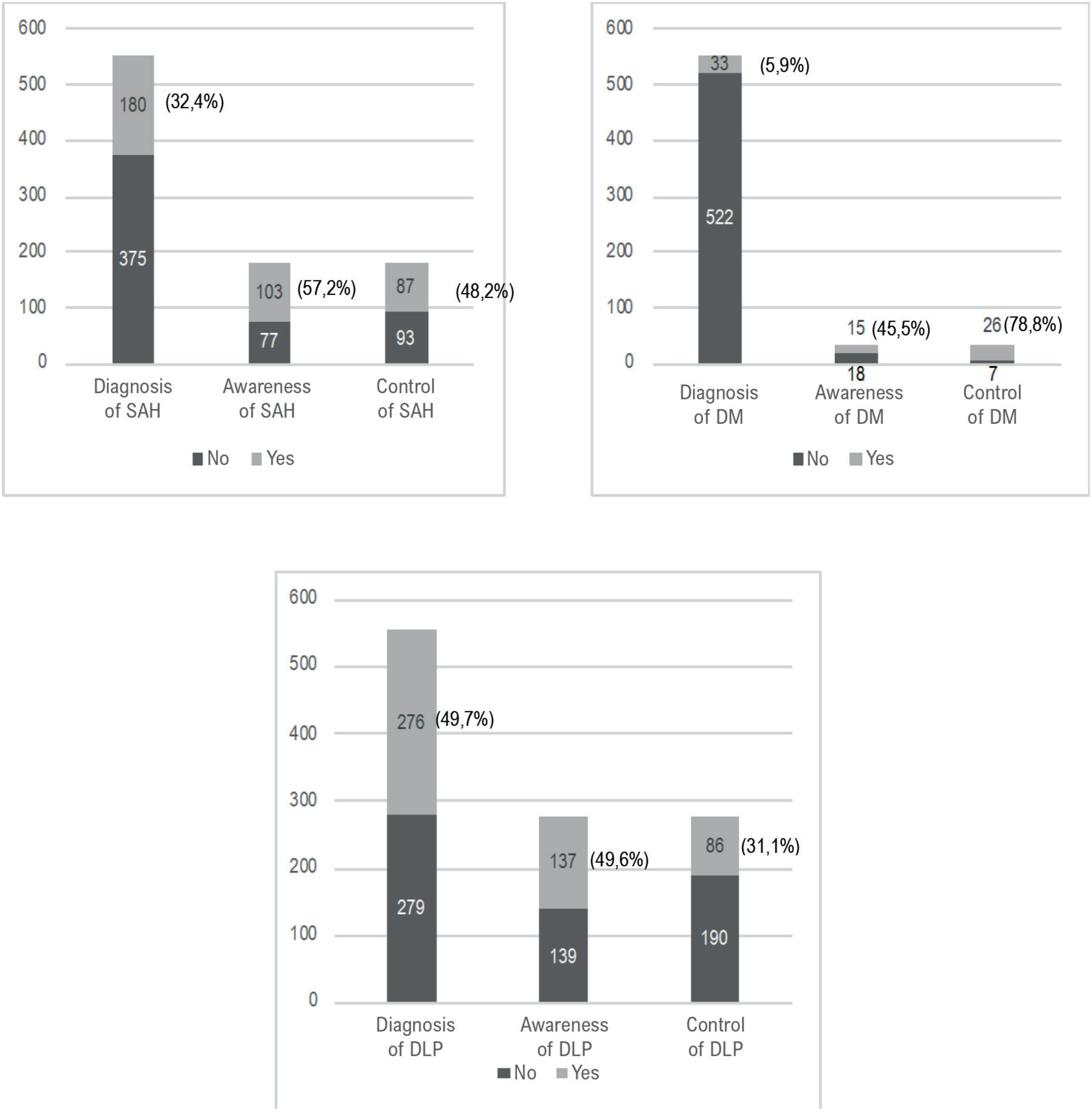
A total of 555 cardiologists were evaluated, of which 67.9% were male, with a mean age of 47.2±11.7 years. Most were non-smoker (88.7%) and physically active (77.1%), consumed alcohol (78.2%), had normal weight circumference (51.7%), and were overweight (56.1%). The prevalence of systemic arterial hypertension (SAH), diabetes mellitus (DM), and dyslipidemia (DLP) were 32.4%, 5.9%, and 49.7%, respectively, of which only 57.2%, 45.5%, and 49.6%, respectively, were aware of the diseases.

Conclusions:

The Brazilian cardiologists participating in the study had a high prevalence of SAH, DM and DLP, but only a half of participants were aware of these conditions and, among these, the rates of controlled disease were low for SAH and DLP, although cardiologists are professionals with great knowledge about these CVRF. These findings represent a warning sign for the approach of CVRF in Brazilian cardiologists and encourage the conduction of future studies.

  • antropometry
  • Cardiologists
  • Cardiovascular Diseases
  • Diabetes Mellitus
  • Dsylipidemias
  • Hypertension
  • Life Style
  • Risk Factors
Read Full Article
Creative Commons Attribution (CC BY) Creative Commons license
16/04/2021 DOI: 10.36660/abc.20200125
ABC
Editorial

Cardiovascular Risk Factors in Cardiologists Certified by the Brazilian Society of Cardiology: Lessons to be Learned

Claudio Tinoco Mesquita et al. Wilter dos Santos Ker

Cardiovascular diseases (CVD) remain the leading cause of death in the world. Risk factors such as systemic arterial hypertension (SAH), diabetes mellitus (DM), dyslipidemia, obesity, smoking and alcoholism associated with sedentary behavior, sleep deprivation, stress and family history favor atherosclerosis. The complexity of pathophysiology in the process of atherosclerosis formation and the variety of risk factors for artery disease have important impacts on mortality.– SAH is an important risk factor, being the most prevalent for CVD and its relationship is the result of vascular lesions that cause hyperplasia and hypertrophy of the middle layer of the vessel. Cardiovascular disease is the main cause of mortality and morbidity in people with diabetes. It is the result of hyperglycemia and insulin resistance, leading to chronic inflammation, oxidative stress and, ultimately, endothelial dysfunction. DM has increased significantly in recent years, making it one of the main causes of mortality. Insulin resistance promotes dyslipidemia, accelerating atherosclerosis in diabetic patients.– Obesity prevalence has grown greatly in recent decades. It is a complex condition that has a great impact on cardiovascular diseases and plays an important role in affecting risk factors (SAH, DM and dyslipidemia). Sudden death is increased in obese patients, usually by frequent and complex ventricular arrhythmias. Smoking, alcohol intake and sedentary lifestyle are related to increased cardiovascular risk affecting all phases of atherosclerosis., Unhealthy eating is related to factors that interfere with the prevention and control of CVD, being of great importance for early mortality around the world. The adoption of healthy habits requires constant personal efforts and resilience.– Improvement in lifestyle associated with healthy eating provides new perspectives on cardiovascular prevention. Physical activity has positive effects on lipid metabolism, glucose, and blood pressure combined with new classes of drugs to control risk factors has resulted in lower cardiovascular outcomes. Tobacco control is an important instrument in primary prevention which, through continuing education in recent years, has seen an important reduction in the number of people dependent on smoking.–

In a new study with cardiologists, Teixeira et al. found lower prevalence of sedentary lifestyle and smoking, but a higher prevalence of alcohol consumption. The prevalence of dyslipidemia was higher than SAH and DM. Although specialists had greater knowledge about the disease, it was not possible to observe healthier habits than the rest of the population.– In contrast, in Canada, a cohort study of 17,071 practicing physicians and 5,306,038 members of the general population found that physicians used fewer guideline-recommended preventive services and had lower rates of cardiac risk factors. After 8 years’ follow-up, physicians had a substantially lower risk of adverse outcomes than the general population. These results could lead us to speculate about the possible causes for these differences. A stressful lifestyle and excessive working hours linked to medical practice in Brazil could be responsible for part of these findings.

[…]

  • Atherosclerosis
  • Cardiologists
  • Coronary Artery Disease / mortality
  • Diabetes Mellitus
  • Dyslipidemias
  • Obesity
  • Risk Factors
Read Full Article
Creative Commons Attribution (CC BY) Creative Commons license
16/04/2021 DOI: 10.36660/abc.20210153
Figure 1
ABC
Editorial

Painting the History of Brazilian Cardiology

Marcelo Antônio Cartaxo Queiroga Lopes et al. Gláucia Maria Moraes de Oliveira Evandro Tinoco Mesquita Marcelo Dantas Tavares de Melo Fernando Bacal

The mural painted by the visual artist Flávio Tavares for the Brazilian Society of Cardiology (SBC), The Heart of the Tropics, is an eloquent witness of his unique talent as a painter ( ). The mural portrays the development of Brazilian cardiology. It comprises three juxtaposed acrylic-on-canvas panels, measuring 6.30m of length and 1.80m of height, with real and imaginary characters illustrating more than one century of the practice of cardiology in the largest nation of the tropics. Similarly to the most famous mural on the history of world cardiology painted by Diego Rivera in 1944 for the Instituto de Cardiología de México , the mural by Flávio Tavares is a legacy for the history of Brazilian cardiology.

[…]

  • Cardiologists
  • Cardiology/history
  • Cardiology/trends
  • Medicine in the Arts/history
  • Paintings
Read Full Article
Creative Commons Attribution (CC BY) Creative Commons license
18/01/2021 DOI: 10.36660/abc.20201133 Views 2
Gender Equity in Healthcare: An Issue of Justice or Need?
ABC
Letter to the Editor

Gender Equity in Healthcare: An Issue of Justice or Need?

Viviana Guzzo Lemke

With great interest on the topic, we read the article “The Profile of the Brazilian Cardiologist – A Sample of the Members of the Brazilian Society of Cardiology”, by Faganello et al., where the professional and personal characteristics of Brazilian cardiologists are reported. The significant gender differences were highlighted in the mini-editorial “Profile of Brazilian Cardiologists: A look on Female Leadership in Cardiology and Stress – Challenges for the Next Decade” by Mesquita et al., where peculiarities such as payment and the small number of women in Cardiology are analyzed according to an intriguing point of view.

These articles resonate with the “Women’s Letter” by Oliveira et al., a document based on current objectives, which require long-term efforts and structural changes in the medical culture, especially regarding the participation of women in executive positions in medical specialty societies and healthcare-related government bodies.

[…]

  • Cardiologists
  • Gender Identity
  • Interventionals
  • Leadership
  • Medicine/trends
  • Women
Read Full Article
Creative Commons Attribution (CC BY) Creative Commons license
02/09/2019 DOI: 10.5935/abc.20190168 Views 1
Figure 1
ABC
Editorial

Profile of Brazilian Cardiologists: An Overview of Female Leadership in Cardiology and Stress – Challenges for the Next Decade

Evandro Tinoco Mesquita et al. Eduardo Thadeu de Oliveira Correia Letícia Mara dos Santos Barbetta

Cardiology is a medical specialty that often involves outpatient and hospital activity, leading cardiovascular care in a complex setting with aging. Increasing levels of complex decision-making and knowledge about technological resources can generate overload of activities and changes in the profile of Brazilian cardiologists, such as in their compensation, free time and stress levels. As such, medical demography studies are key to understanding the dynamics of these healthcare professionals.

In the study by Faganello et al., the authors investigated the profile of Brazilian cardiologists in a cross-sectional study conducted in 2017, based on questionnaires sent by e-mail to fellow cardiologists of the Brazilian Society of Cardiology (SBC) who have been paying their membership fees regularly. Worth noting is that the likelihood of cardiologists with lower incomes not paying their membership fees is something that could generate bias in the study, thus influencing the results on their income. In addition to that, the study does not include anyone who has been exercising their professional activity without being members of SBC.

[…]

  • Cardiologists
  • Gender Identity
  • Leardership
  • Prejudice
  • Salaries and Fringe Benefits
  • Sexism
  • Women
Read Full Article
Creative Commons Attribution (CC BY) Creative Commons license
08/08/2019 DOI: 10.5935/abc.20190132 Views 1
Figure 1
ABC
Original Article

The Profile of the Brazilian Cardiologist – A Sample of Members of the Brazilian Society of Cardiology

Lucas Simonetto Faganello et al. Mauricio Pimentel Carisi Anne Polanczyk Tiago Zimerman … Marcus Vinicius Bolivar Malachias Oscar Pereira Dutra Leandro Ioschpe Zimerman

Abstract

Background:

Data from the international literature have shown changes in the profile of cardiologists and in their medical practices. However, there is no data on this in Brazilian cardiologists.

Objective:

To evaluate professional and personal characteristics of a sample of Brazilian cardiologists.

Methods:

This was a cross-sectional study; a questionnaire was sent by e-mail to cardiologists, active members of the Brazilian Society of Cardiology in 2017. The results were analyzed, and the level of significance set at p < 0.05.

Results:

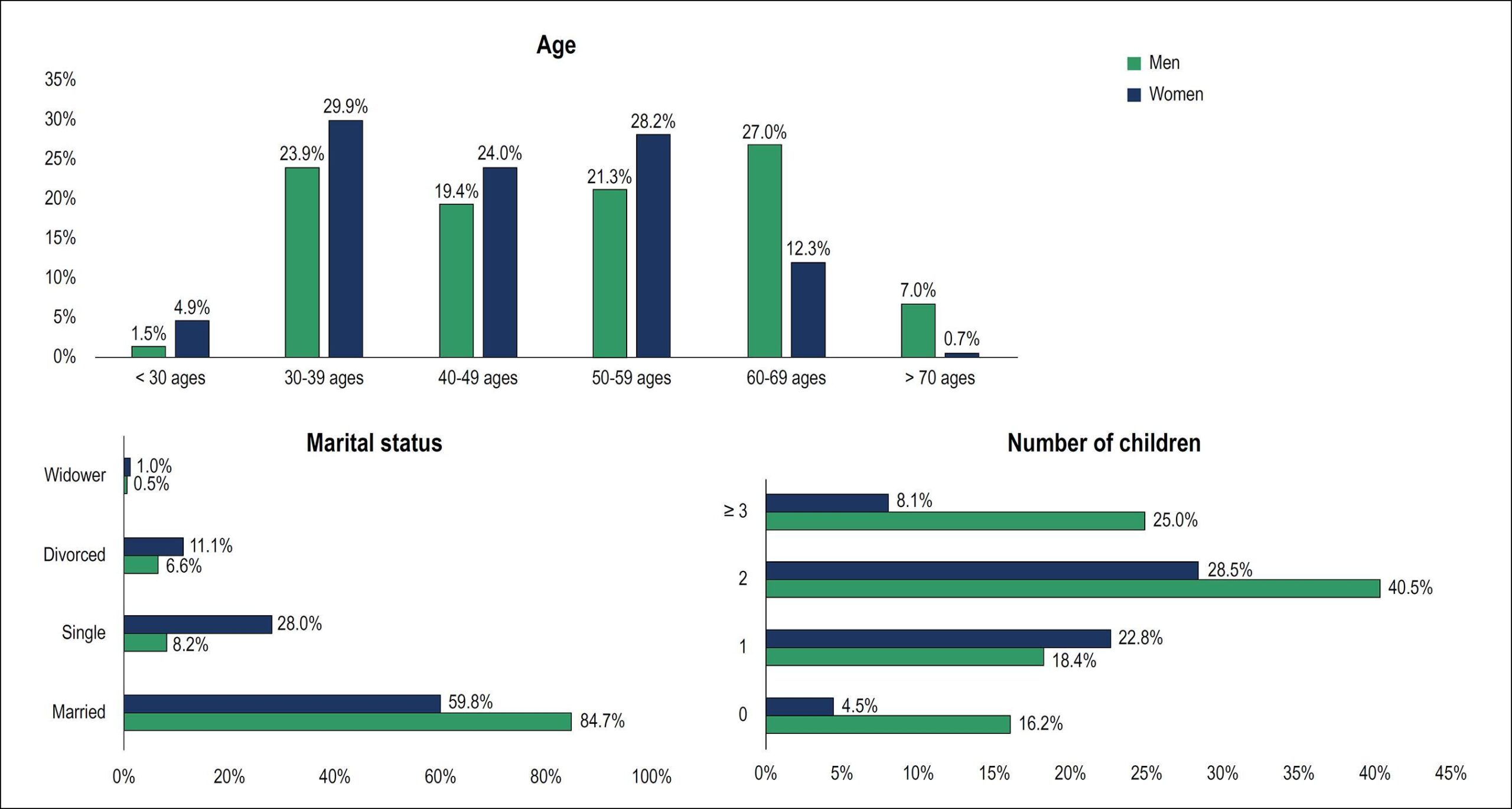
The questionnaire was sent to 13,462 cardiologists, with 2,101 (15.6%) respondents, mostly men (71.8% versus 28.2%). Age distribution and marital status were significantly different between the sexes (p < 0.001). The number of cardiologists without children was higher among women (40.5% versus 16.1%; p < 0.001). The most common place of work was the public hospital (46.5%), followed by private hospital (28.5%) and private office (21.1%). The office was the main place of work for 23.9% of men and 14% of women (p < 0.001), with predominance of individuals older than 50 years (31.7% versus 10.1%, respectively; p < 0.001). Most cardiologists (64.2%) worked more than 40 hours a week (69% of them men and 51.9% of the women; p < 0.001). Eighty-eight percent of the sample earned more than BRL 11,000 (US$ 3,473.43), and 66.5% of the men earned more than BRL 20,000 (US$ 6,315.32) per month, versus 31.2% of the women (p < 0.001). A high level of work-related stress was reported by 11.3% of respondents.

Conclusion:

Most cardiologists were men, who showed higher workload and higher income; 11.3% of the cardiologists perceived stress as a great deal.

  • Cardiologists
  • Demographic Data
  • Gender
  • Income
  • Quality of life
  • Survey and Questionnaires
Read Full Article
Creative Commons Attribution (CC BY) Creative Commons license
27/06/2019 DOI: 10.5935/abc.20190089 Views 1
Figure 1
ABC
Original Article

Prevalence of Lens Opacity in Interventional Cardiologists and Professional Working in the Hemodynamics in Brazil

Adriano Henrique Pereira Barbosa et al. Regina Bitelli Medeiros Adriana Maria Rodrigues Corpa Fabiana Shinzato Higa … Marco Túlio de Souza Patrícia Lopes Barbosa Antônio Carlos Moreira Alexandre Shaan de Quadros Viviana de Mello Guzzo Lemke Marcelo José de Carvalho Cantarelli

Abstract

Background:

Posterior subcapsular cataract is a tissue reaction commonly found among professionals exposed to ionizing radiation.

Objective:

To assess the prevalence of cataract in professionals working in hemodynamics in Brazil.

Methods:

Professionals exposed to ionizing radiation (group 1, G1) underwent slit lamp examination with a biomicroscope for lens examination and compared with non-exposed subjects (group 2, G2). Ophthalmologic findings were described and classified by opacity degree and localization using the Lens Opacities Classification System III. Both groups answered a questionnaire on work and health conditions to investigate the presence of risk factors for cataract. The level of significance was set at 5% (p < 0.05).

Results:

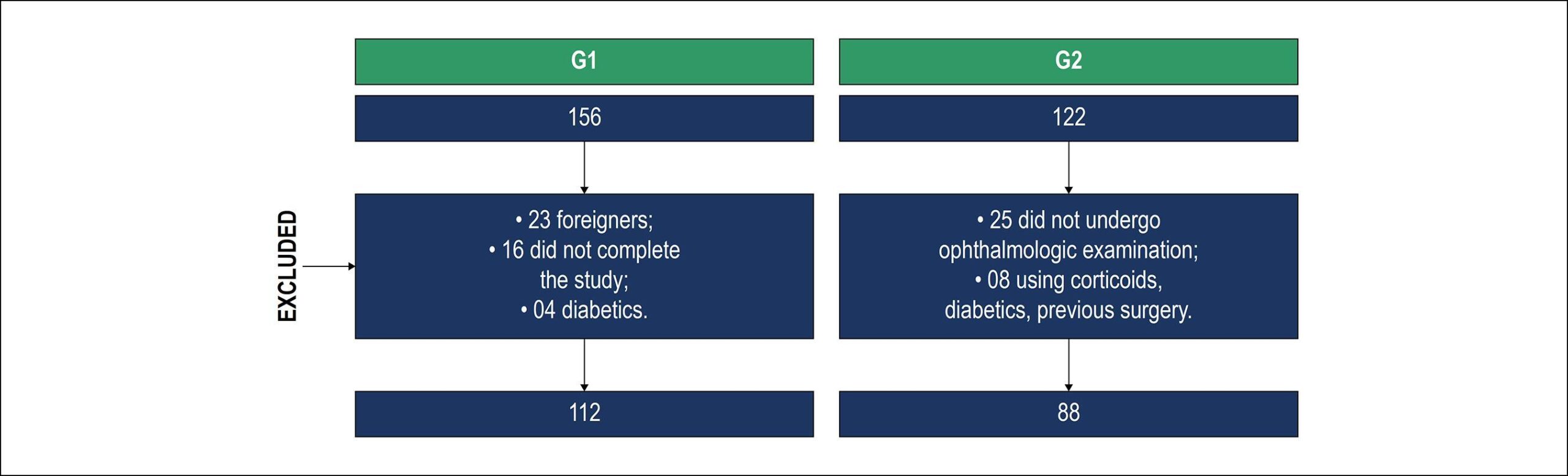
A total of 112 volunteers of G1, mean age of 44.95 (±10.23) years, and 88 volunteers of G2, mean age of 48.07 (±12.18) years were evaluated; 75.2% of G1 and 85.2% of G2 were physicians. Statistical analysis between G1 and G2 showed a prevalence of posterior subcapsular cataract of 13% and 2% in G1 and G2, respectively (0.0081). Considering physicians only, 38% of G1 and 15% of G2 had cataract, with the prevalence of posterior subcapsular cataract of 13% and 3%, respectively (p = 0.0176). Among non-physicians, no difference was found in the prevalence of cataract (by types).

Conclusions:

Cataract was more prevalent in professionals exposed to ionizing radiation, with posterior subcapsular cataract the most frequent finding.

  • Cardiologists
  • Cataract/surgery
  • Hemodynamics
  • Occupational Risks
  • Radiation,Ionizing
  • Radiation,Protection
Read Full Article
Creative Commons Attribution (CC BY) Creative Commons license
21/02/2019 DOI: 10.5935/abc.20190028

How to cite this article

EndNote RIS

Electronic Document Format (Vancouver)

Lacerda AG, Ribas LO, Jesus E, Araújo RF, Oliveira TM, Mesquita CT. Twitter (X) as a Communication and Education Tool for Brazilian Cardiologists: Profile, Influence and Challenges. Arquivos Brasileiros de Cardiologia 2025;121(12):e20230694.

Electronic Document Format (ABNT)

Lacerda, Aline Goneli de; Ribas, Luana de Oliveira; Jesus, Estephany de; Araújo, Ronaldo Ferreira de; Oliveira, Thaiane Moreira de; Mesquita, Claudio Tinoco. Twitter (X) as a Communication and Education Tool for Brazilian Cardiologists: Profile, Influence and Challenges. Arquivos Brasileiros de Cardiologia, v. 121, n. 12, e20230694, Feb. 2025.

Electronic Document Format (APA)

Lacerda, A. G. , Ribas, L. O., Jesus, E. , Araújo, R. F. , Oliveira, T. M. , & Mesquita, C. T. (2025). Twitter (X) as a Communication and Education Tool for Brazilian Cardiologists: Profile, Influence and Challenges. Arquivos Brasileiros de Cardiologia, 121(12), e20230694.

Electronic Document Format (ISO)

Lacerda, Aline Goneli de and Ribas, Luana de Oliveira and Jesus, Estephany de and Araújo, Ronaldo Ferreira de and Oliveira, Thaiane Moreira de and Mesquita, Claudio Tinoco. Twitter (X) as a Communication and Education Tool for Brazilian Cardiologists: Profile, Influence and Challenges. Arquivos Brasileiros de Cardiologia [online]. 2025, vol. 121, n. 12, [cited 2026-10-14], e20230694. Available from: <https://journals.cardiol.br/en/article/twitter-x-as-a-communication-and-education-tool-for-brazilian-cardiologists-profile-influence-and-challenges/>. ISSN 0066-782X

EndNote RIS

Electronic Document Format (Vancouver)

Kaiser SE. The Use of Twitter (X) by Brazilian Cardiologists: A Call to Action. Arquivos Brasileiros de Cardiologia 2025;121(12):e20240711.

Electronic Document Format (ABNT)

Kaiser, Sergio Emanuel. The Use of Twitter (X) by Brazilian Cardiologists: A Call to Action. Arquivos Brasileiros de Cardiologia, v. 121, n. 12, e20240711, Jan. 2025.

Electronic Document Format (APA)

Kaiser, S. E. (2025). The Use of Twitter (X) by Brazilian Cardiologists: A Call to Action. Arquivos Brasileiros de Cardiologia, 121(12), e20240711.

Electronic Document Format (ISO)

Kaiser, Sergio Emanuel. The Use of Twitter (X) by Brazilian Cardiologists: A Call to Action. Arquivos Brasileiros de Cardiologia [online]. 2025, vol. 121, n. 12, [cited 2026-10-14], e20240711. Available from: <https://journals.cardiol.br/en/article/the-use-of-twitter-x-by-brazilian-cardiologists-a-call-to-action/>. ISSN 0066-782X

EndNote RIS

Electronic Document Format (Vancouver)

Oliveira GMM, Tenorio M, Siqueira ASE. Science Gender Gap: Are We in theRight Path?. International Journal of Cardiovascular Sciences 2022;35(2):148-51.

Electronic Document Format (ABNT)

Oliveira, Gláucia Maria Moraes de; Tenorio, Marge; Siqueira, Alessandra de Sá Earp. Science Gender Gap: Are We in theRight Path?. International Journal of Cardiovascular Sciences, v. 35, n. 2, p. 148-151, Mar. 2022.

Electronic Document Format (APA)

Oliveira, G. M. M. , Tenorio, M., & Siqueira, A. S. E. (2022). Science Gender Gap: Are We in theRight Path?. International Journal of Cardiovascular Sciences, 35(2), 148-151.

Electronic Document Format (ISO)

Oliveira, Gláucia Maria Moraes de and Tenorio, Marge and Siqueira, Alessandra de Sá Earp. Science Gender Gap: Are We in theRight Path?. International Journal of Cardiovascular Sciences [online]. 2022, vol. 35, n. 2, [cited 2026-10-14], pp. 148-151. Available from: <https://journals.cardiol.br/en/article/science-gender-gap-are-we-in-theright-path/>. ISSN 2359-4802

EndNote RIS

Electronic Document Format (Vancouver)

Almeida ALC, Melo M, Rodrigues REF, Botelho LF, Almeida PAA, Barberato SH. Impact of COVID-19 on the Life of Brazilian Cardiologists and Cardiovascular Surgeons. Arquivos Brasileiros de Cardiologia 2021;117(5):1048-55.

Electronic Document Format (ABNT)

Almeida, Andre Luiz Cerqueira; Melo, Marcelo; Rodrigues, Rodrigo Elton Ferreira; Botelho, Luis Fábio; Almeida, Paulo André Abreu; Barberato, Silvio Henrique. Impact of COVID-19 on the Life of Brazilian Cardiologists and Cardiovascular Surgeons. Arquivos Brasileiros de Cardiologia, v. 117, n. 5, p. 1048-1055, Nov. 2021.

Electronic Document Format (APA)

Almeida, A. L. C., Melo, M., Rodrigues, R. E. F., Botelho, L. F., Almeida, P. A. A., & Barberato, S. H. (2021). Impact of COVID-19 on the Life of Brazilian Cardiologists and Cardiovascular Surgeons. Arquivos Brasileiros de Cardiologia, 117(5), 1048-1055.

Electronic Document Format (ISO)

Almeida, Andre Luiz Cerqueira and Melo, Marcelo and Rodrigues, Rodrigo Elton Ferreira and Botelho, Luis Fábio and Almeida, Paulo André Abreu and Barberato, Silvio Henrique. Impact of COVID-19 on the Life of Brazilian Cardiologists and Cardiovascular Surgeons. Arquivos Brasileiros de Cardiologia [online]. 2021, vol. 117, n. 5, [cited 2026-10-14], pp. 1048-1055. Available from: <https://journals.cardiol.br/en/article/impact-of-covid-19-on-the-life-of-brazilian-cardiologists-and-cardiovascular-surgeons/>. ISSN 0066-782X

EndNote RIS

Electronic Document Format (Vancouver)

Teixeira MEF, Vitorino PVO, Amodeo C, Martinez T, Brandão AA, Barbosa ECD, Feitosa ADM, et al. Cardiovascular Risk Factors in Cardiology Specialists from the Brazilian Society of Cardiology. Arquivos Brasileiros de Cardiologia 2021;116(4):774-81.

Electronic Document Format (ABNT)

Teixeira, Maria Emília Figueiredo; Vitorino, Priscila Valverde de O.; Amodeo, Celso; Martinez, Tânia; Brandão, Andréa Araujo; Barbosa, Eduardo Costa Duarte; Feitosa, Audes Diógenes Magalhães; Jardim, Paulo Cesar B. Veiga; Souza, Ana Luiza Lima; Barroso, Weimar Kunz Sebba. Cardiovascular Risk Factors in Cardiology Specialists from the Brazilian Society of Cardiology. Arquivos Brasileiros de Cardiologia, v. 116, n. 4, p. 774-781, Apr. 2021.

Electronic Document Format (APA)

Teixeira, M. E. F., Vitorino, P. V. O., Amodeo, C., Martinez, T., Brandão, A. A., Barbosa, E. C. D., Feitosa, A. D. M., Jardim, P. C. B. V., Souza, A. L. L., & Barroso, W. K. S. (2021). Cardiovascular Risk Factors in Cardiology Specialists from the Brazilian Society of Cardiology. Arquivos Brasileiros de Cardiologia, 116(4), 774-781.

Electronic Document Format (ISO)

Teixeira, Maria Emília Figueiredo and Vitorino, Priscila Valverde de O. and Amodeo, Celso and Martinez, Tânia and Brandão, Andréa Araujo and Barbosa, Eduardo Costa Duarte and Feitosa, Audes Diógenes Magalhães and Jardim, Paulo Cesar B. Veiga and Souza, Ana Luiza Lima and Barroso, Weimar Kunz Sebba. Cardiovascular Risk Factors in Cardiology Specialists from the Brazilian Society of Cardiology. Arquivos Brasileiros de Cardiologia [online]. 2021, vol. 116, n. 4, [cited 2026-10-14], pp. 774-781. Available from: <https://journals.cardiol.br/en/article/cardiovascular-risk-factors-in-cardiology-specialists-from-the-brazilian-society-of-cardiology/>. ISSN 0066-782X

EndNote RIS

Electronic Document Format (Vancouver)

Mesquita CT, Ker WS. Cardiovascular Risk Factors in Cardiologists Certified by the Brazilian Society of Cardiology: Lessons to be Learned. Arquivos Brasileiros de Cardiologia 2021;116(4):782-3.

Electronic Document Format (ABNT)

Mesquita, Claudio Tinoco; Ker, Wilter dos Santos. Cardiovascular Risk Factors in Cardiologists Certified by the Brazilian Society of Cardiology: Lessons to be Learned. Arquivos Brasileiros de Cardiologia, v. 116, n. 4, p. 782-783, Apr. 2021.

Electronic Document Format (APA)

Mesquita, C. T., & Ker, W. S. (2021). Cardiovascular Risk Factors in Cardiologists Certified by the Brazilian Society of Cardiology: Lessons to be Learned. Arquivos Brasileiros de Cardiologia, 116(4), 782-783.

Electronic Document Format (ISO)

Mesquita, Claudio Tinoco and Ker, Wilter dos Santos. Cardiovascular Risk Factors in Cardiologists Certified by the Brazilian Society of Cardiology: Lessons to be Learned. Arquivos Brasileiros de Cardiologia [online]. 2021, vol. 116, n. 4, [cited 2026-10-14], pp. 782-783. Available from: <https://journals.cardiol.br/en/article/cardiovascular-risk-factors-in-cardiologists-certified-by-the-brazilian-society-of-cardiology-lessons-to-be-learned/>. ISSN 0066-782X

EndNote RIS

Electronic Document Format (Vancouver)

Lopes MACQ, Oliveira GMM, Mesquita ET, Melo MDT, Bacal F. Painting the History of Brazilian Cardiology. Arquivos Brasileiros de Cardiologia 2021;115(6):1047-50.

Electronic Document Format (ABNT)

Lopes, Marcelo Antônio Cartaxo Queiroga; Oliveira, Gláucia Maria Moraes de; Mesquita, Evandro Tinoco; Melo, Marcelo Dantas Tavares de; Bacal, Fernando. Painting the History of Brazilian Cardiology. Arquivos Brasileiros de Cardiologia, v. 115, n. 6, p. 1047-1050, Jan. 2021.

Electronic Document Format (APA)

Lopes, M. A. C. Q., Oliveira, G. M. M. , Mesquita, E. T., Melo, M. D. T. , & Bacal, F. (2021). Painting the History of Brazilian Cardiology. Arquivos Brasileiros de Cardiologia, 115(6), 1047-1050.

Electronic Document Format (ISO)

Lopes, Marcelo Antônio Cartaxo Queiroga and Oliveira, Gláucia Maria Moraes de and Mesquita, Evandro Tinoco and Melo, Marcelo Dantas Tavares de and Bacal, Fernando. Painting the History of Brazilian Cardiology. Arquivos Brasileiros de Cardiologia [online]. 2021, vol. 115, n. 6, [cited 2026-10-14], pp. 1047-1050. Available from: <https://journals.cardiol.br/en/article/painting-the-history-of-brazilian-cardiology/>. ISSN 0066-782X

EndNote RIS

Electronic Document Format (Vancouver)

Lemke VG. Gender Equity in Healthcare: An Issue of Justice or Need?. Arquivos Brasileiros de Cardiologia 2019;113(2):299.

Electronic Document Format (ABNT)

Lemke, Viviana Guzzo. Gender Equity in Healthcare: An Issue of Justice or Need?. Arquivos Brasileiros de Cardiologia, v. 113, n. 2, p. 299-299, Sep. 2019.

Electronic Document Format (APA)

Lemke, V. G. (2019). Gender Equity in Healthcare: An Issue of Justice or Need?. Arquivos Brasileiros de Cardiologia, 113(2), 299-299.

Electronic Document Format (ISO)

Lemke, Viviana Guzzo. Gender Equity in Healthcare: An Issue of Justice or Need?. Arquivos Brasileiros de Cardiologia [online]. 2019, vol. 113, n. 2, [cited 2026-10-14], pp. 299-299. Available from: <https://journals.cardiol.br/en/article/gender-equity-in-healthcare-an-issue-of-justice-or-need/>. ISSN 0066-782X

EndNote RIS

Electronic Document Format (Vancouver)

Mesquita ET, Correia ETO, Barbetta LMS. Profile of Brazilian Cardiologists: An Overview of Female Leadership in Cardiology and Stress – Challenges for the Next Decade. Arquivos Brasileiros de Cardiologia 2019;113(1):69-70.

Electronic Document Format (ABNT)

Mesquita, Evandro Tinoco; Correia, Eduardo Thadeu de Oliveira; Barbetta, Letícia Mara dos Santos. Profile of Brazilian Cardiologists: An Overview of Female Leadership in Cardiology and Stress – Challenges for the Next Decade. Arquivos Brasileiros de Cardiologia, v. 113, n. 1, p. 69-70, Aug. 2019.

Electronic Document Format (APA)

Mesquita, E. T., Correia, E. T. O., & Barbetta, L. M. S. (2019). Profile of Brazilian Cardiologists: An Overview of Female Leadership in Cardiology and Stress – Challenges for the Next Decade. Arquivos Brasileiros de Cardiologia, 113(1), 69-70.

Electronic Document Format (ISO)

Mesquita, Evandro Tinoco and Correia, Eduardo Thadeu de Oliveira and Barbetta, Letícia Mara dos Santos. Profile of Brazilian Cardiologists: An Overview of Female Leadership in Cardiology and Stress – Challenges for the Next Decade. Arquivos Brasileiros de Cardiologia [online]. 2019, vol. 113, n. 1, [cited 2026-10-14], pp. 69-70. Available from: <https://journals.cardiol.br/en/article/profile-of-brazilian-cardiologists-an-overview-of-female-leadership-in-cardiology-and-stress-challenges-for-the-next-decade/>. ISSN 0066-782X

EndNote RIS

Electronic Document Format (Vancouver)

Faganello LS, Pimentel M, Polanczyk CA, Zimerman T, Malachias MVB, Dutra OP, Zimerman LI, et al. The Profile of the Brazilian Cardiologist – A Sample of Members of the Brazilian Society of Cardiology. Arquivos Brasileiros de Cardiologia 2019;113(1):62-8.

Electronic Document Format (ABNT)

Faganello, Lucas Simonetto; Pimentel, Mauricio; Polanczyk, Carisi Anne; Zimerman, Tiago; Malachias, Marcus Vinicius Bolivar; Dutra, Oscar Pereira; Zimerman, Leandro Ioschpe. The Profile of the Brazilian Cardiologist – A Sample of Members of the Brazilian Society of Cardiology. Arquivos Brasileiros de Cardiologia, v. 113, n. 1, p. 62-68, Jun. 2019.

Electronic Document Format (APA)

Faganello, L. S., Pimentel, M., Polanczyk, C. A., Zimerman, T., Malachias, M. V. B., Dutra, O. P., & Zimerman, L. I. (2019). The Profile of the Brazilian Cardiologist – A Sample of Members of the Brazilian Society of Cardiology. Arquivos Brasileiros de Cardiologia, 113(1), 62-68.

Electronic Document Format (ISO)

Faganello, Lucas Simonetto and Pimentel, Mauricio and Polanczyk, Carisi Anne and Zimerman, Tiago and Malachias, Marcus Vinicius Bolivar and Dutra, Oscar Pereira and Zimerman, Leandro Ioschpe. The Profile of the Brazilian Cardiologist – A Sample of Members of the Brazilian Society of Cardiology. Arquivos Brasileiros de Cardiologia [online]. 2019, vol. 113, n. 1, [cited 2026-10-14], pp. 62-68. Available from: <https://journals.cardiol.br/en/article/the-profile-of-the-brazilian-cardiologist-a-sample-of-members-of-the-brazilian-society-of-cardiology/>. ISSN 0066-782X

EndNote RIS

Electronic Document Format (Vancouver)

Barbosa AHP, Medeiros RB, Corpa AMR, Higa FS, Souza MT, Barbosa PL, Moreira AC, et al. Prevalence of Lens Opacity in Interventional Cardiologists and Professional Working in the Hemodynamics in Brazil. Arquivos Brasileiros de Cardiologia 2019;112(4):392-9.

Electronic Document Format (ABNT)

Barbosa, Adriano Henrique Pereira; Medeiros, Regina Bitelli; Corpa, Adriana Maria Rodrigues; Higa, Fabiana Shinzato; Souza, Marco Túlio de; Barbosa, Patrícia Lopes; Moreira, Antônio Carlos; Quadros, Alexandre Shaan de; Lemke, Viviana de Mello Guzzo; Cantarelli, Marcelo José de Carvalho. Prevalence of Lens Opacity in Interventional Cardiologists and Professional Working in the Hemodynamics in Brazil. Arquivos Brasileiros de Cardiologia, v. 112, n. 4, p. 392-399, Feb. 2019.

Electronic Document Format (APA)

Barbosa, A. H. P., Medeiros, R. B., Corpa, A. M. R., Higa, F. S., Souza, M. T. , Barbosa, P. L., Moreira, A. C., Quadros, A. S. , Lemke, V. M. G., & Cantarelli, M. J. C. (2019). Prevalence of Lens Opacity in Interventional Cardiologists and Professional Working in the Hemodynamics in Brazil. Arquivos Brasileiros de Cardiologia, 112(4), 392-399.

Electronic Document Format (ISO)

Barbosa, Adriano Henrique Pereira and Medeiros, Regina Bitelli and Corpa, Adriana Maria Rodrigues and Higa, Fabiana Shinzato and Souza, Marco Túlio de and Barbosa, Patrícia Lopes and Moreira, Antônio Carlos and Quadros, Alexandre Shaan de and Lemke, Viviana de Mello Guzzo and Cantarelli, Marcelo José de Carvalho. Prevalence of Lens Opacity in Interventional Cardiologists and Professional Working in the Hemodynamics in Brazil. Arquivos Brasileiros de Cardiologia [online]. 2019, vol. 112, n. 4, [cited 2026-10-14], pp. 392-399. Available from: <https://journals.cardiol.br/en/article/prevalence-of-lens-opacity-in-interventional-cardiologists-and-professional-working-in-the-hemodynamics-in-brazil/>. ISSN 0066-782X

  • About ABC Family
  • Internal Regulation
  • Editorial Board
  • Brazilian Society of Cardiology (SBC)

Issues

SBC Guidelines

  • Videos
  • Podcasts
  • News