ABC Family Arquivos Brasileiros de Cardiologia International Journal of Cardiovascular Sciences ABC Heart Failure & Cardiomyopathy ABC Imagem Cardiovascular
Português English
ABC Family
Português English
  • About
    • About ABC Family
    • Internal Regulation
    • Editorial Board
    • Brazilian Society of Cardiology (SBC)
  • Issues
  • SBC Guidelines
  • Content
    • Videos
    • Podcasts
    • News
  • About
    • About ABC Family
    • Internal Regulation
    • Editorial Board
    • Brazilian Society of Cardiology (SBC)
  • Issues
  • SBC Guidelines
  • Content
    • Videos
    • Podcasts
    • News

ABC Family

  • ABC Family
  • Arquivos Brasileiros de Cardiologia
  • International Journal of Cardiovascular Sciences
  • ABC Heart Failure & Cardiomyopathy
  • ABC Imagem Cardiovascular
Search in

No content found.

Journals
Ordering
Article types
Others

  1. Home
  2. Keyword: Probability
Figure 1
IJCS
Original Article

Risk Score for Prolonged Mechanical Ventilation in Coronary Artery Bypass Grafting

Fernanda Dallazen-Sartori et al. Luciano Cabral Albuquerque João Carlos Vieira da Costa Guaragna Ellen Hettwer Magedanz … João Batista Petracco Rodrigo Bodanese Mario Bernardes Wagner Luiz Carlos Bodanese

Abstract

Background

Prolonged mechanical ventilation (MV) after cardiac surgery imposes a significant burden on the patient in terms of morbidity and financial hospital costs.

Objective

To develop a risk score model to predict prolonged MV in patients undergoing coronary artery bypass grafting (CABG) surgery.

Methods

This was a historical cohort study of 4165 adult patients undergoing CABG between January 1996 and December 2016. MV for periods ≥ 12 hours was considered prolonged. Logistic regression was used to examine the relationship between risk predictors and prolonged MV. The variables were scored according to the odds ratio. To build the risk score, the database was randomly divided into 2 parts: development data set (2/3) with 2746 patients and internal validation data set (1/3) with 1419 patients. The final score was validated in the total database and the model’s accuracy was tested by performance statistics. Significance was established at p < 0.05.

Results

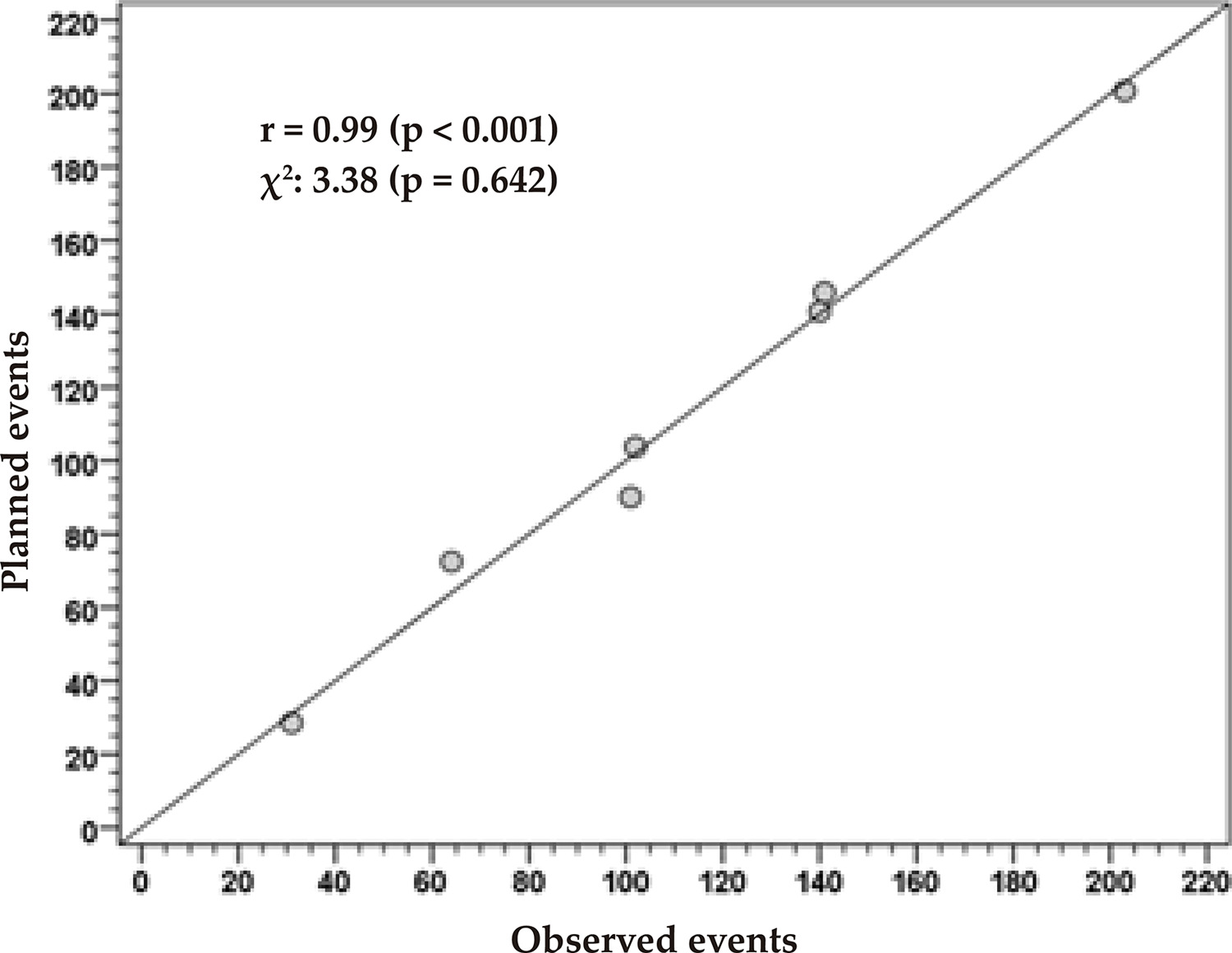
Prolonged MV was observed in 783 (18.8%) patients. Predictors of risk were age ≥ 65 years, urgent/emergency surgery, body mass index ≥ 30 kg/m2, chronic kidney disease, chronic obstructive pulmonary disease, and cardiopulmonary bypass time ≥ 120 minutes. The area under the ROC curve was 0.66 (95% CI, 0.64-0.68; p<0.001), the Hosmer-Lemeshow chi-square test was χ2: 3.38 (p=0.642), and Pearson’s correlation was r = 0.99 (p<0.001), indicating the model’s satisfactory ability to predict the occurrence of prolonged MV.

Conclusion

Selected variables allowed the construction of a simplified risk score for daily practice, which may classify the patients as having low, moderate, high, and very high risk. (Int J Cardiovasc Sci. 2020; [online].ahead print, PP.0-0

  • Coronary Artery Disease
  • Myocardial Revascularization
  • Probability
  • Respiration, artificial
  • Risk Factors
  • Thoracic Surgery
Read Full Article
Creative Commons Attribution (CC BY) Creative Commons license
08/01/2021 DOI: 10.36660/ijcs.20200068
ABC
Editorial

Comparison of HEART, TIMI and GRACE Scores for Predicting Major Adverse Cardiovascular Events in the Era of High-Sensitivity Assay for Troponin I

Gabriel Porto Soares

Diseases of the circulatory system predominate as the leading cause of death in the world; among cardiovascular diseases, ischemic heart diseases are the first group of causes. Ischemic heart disease (IHD) is the leading global cause of death, accounting for more than 9 million deaths in 2016, according to estimates from the World Health Organization (WHO). Mortality from IHD in Western countries has decreased dramatically over the past few decades, with a greater focus on primary prevention and better diagnosis and treatment of IHD. However, developing countries present new challenges for public health — this scenario is reproduced in Latin America. In this study, carried out in Colombia, the mortality rate from IHD was 150 deaths per 100,000 inhabitants in 2015, representing the main cause of deaths in that country.

Developing scores capable of predicting death from the diseases responsible for the largest share of deaths in the world has always been among the objectives of cardiologists. The question “How likely is this patient with acute IHD to die?” is made, whether consciously or not, every time there is a diagnostic possibility of acute myocardial infarction (AMI) with or without ST-segment elevation or unstable angina.

[…]

  • Acute coronary syndrome
  • Case-Control Studies
  • Probability
  • Propensity Score
  • Risk Factors
  • Troponin/adverse effects
Read Full Article
Creative Commons Attribution (CC BY) Creative Commons license
01/06/2020 DOI: 10.36660/abc.20200314
ABC
Editorial

Is ProACS Score Just another Risk Stratification Score, or is it Ready for Implementation in Clinical Practice?

Ana Teresa Timóteo

Since the first publication of Framingham Risk Score in late 1950’s, derived from data obtained in an observational study to investigate cardiovascular risk factors, several other risk scores were created around the globe and they have been increasingly popular particularly in the last 10-20 years in cardiovascular medicine. The objective of a risk score is to individualize the risk for an individual patient with the use of functional equations based on multiple risk factors. Patients at high risk should be submitted to specific interventions to improve outcome.

Despite this huge increase in risk scoring development, most have not been implemented in clinical practice. In fact, many models showed low predictive performance (as assessed by their calibration and discrimination) and some are poorly reported or were developed using inappropriate methods. For that reason, international guidelines were developed for adequate development and reporting of prediction models. For that objective to be fulfilled, it should include an adequate selection of the development cohort, adequate methodology for selection of variables and an adequate validation, both internal and external. In fact, external validation is particularly important because it tests the performance of a prediction model in a different independent patient cohort, where they usually perform less well. It can also allow comparison with other risk stratification tools. This step is essential for safe implementation in clinical practice.

[…]

  • Acute coronary syndrome
  • Cardiovascular Diseases
  • Probability
  • Prognosis
  • Propensity Score
  • Risk Factors
Read Full Article
Creative Commons Attribution (CC BY) Creative Commons license
08/08/2019 DOI: 10.5935/abc.20190122 Views 1
Figure 1
ABC
Original Article

A Proposed Inflammatory Score of Circulating Cytokines/Adipokines Associated with Resistant Hypertension, but Dependent on Obesity Parameters

Ana Paula de Faria et al. Alessandra Mileni Versuti Ritter Carolina Souza Gasparetti Nathália Batista Corrêa … Veridiana Brunelli Aurélio Almeida Nayara Fraccari Pires Rodrigo Modolo Heitor Moreno Junior

Abstract

Background:

There is evidence that subclinical systemic inflammation is present in resistant hypertension (RHTN).

Objective:

The aim of the study was to develop an integrated measure of circulating cytokines/adipokines involved in the pathophysiology of RHTN.

Methods:

RHTN (n = 112) and mild to moderate hypertensive (HTN) subjects (n=112) were studied in a cross-sectional design. Plasma cytokines/adipokines (TNF-alpha, interleukins [IL]-6, -8, -10, leptin and adiponectin) values were divided into tertiles, to which a score ranging from 1 (lowest tertile) to 3 (highest tertile) was assigned. The inflammatory score (IS) of each subject was the sum of each pro-inflammatory cytokine scores from which anti-inflammatory cytokines (adiponectin and IL-10) scores were subtracted. The level of significance accepted was alpha = 0.05.

Results:

IS was higher in RHTN subjects compared with HTN subjects [4 (2-6) vs. 3 (2-5); p = 0.02, respectively]. IS positively correlated with body fat parameters, such as body mass index (r = 0.40; p < 0.001), waist circumference (r = 0.30; p < 0.001) and fat mass assessed by bioelectrical impedance analysis (r = 0.31; p < 0.001) in all hypertensive subjects. Logistic regression analyses revealed that IS was an independent predictor of RHTN (OR = 1.20; p = 0.02), independent of age, gender and race, although it did not remain significant after adjustment for body fat parameters.

Conclusion:

A state of subclinical inflammation defined by an IS including TNF-alpha, IL-6, IL-8, IL-10, leptin and adiponectin is associated with obese RHTN. In addition, this score correlates with obesity parameters, independently of hypertensive status. The IS may be used for the evaluation of conditions involving low-grade inflammation, such as obesity-related RHTN. Indeed, it also highlights the strong relationship between obesity and inflammatory process.

  • Adipokines
  • Cytokines
  • Hypertension/physiopathology
  • Inflammation
  • Obesity
  • Probability
  • Risk Factors
Read Full Article
Creative Commons Attribution (CC BY) Creative Commons license
28/02/2019 DOI: 10.5935/abc.20190032 Views 1
Figure 1
IJCS
Original Article

Adherence score for Users of Oral Anticoagulants

Sérgio Henrique Simonetti et al. Ana Cristina Mancussi e Faro Estela Regina Ferraz Bianchi

Abstract

Background:

The score is an effective instrument for the assessment of treatment adherence in users of oral anticoagulants and maintenance of INR (international normalized ratio) within the therapeutic range.

Objective:

To develop an adherence score for oral anticoagulant users for the maintenance of INR within the therapeutic range.

Methods:

This was an analytical, observational, cross-sectional study, with a quantitative approach, conducted in a public cardiology hospital. A total of 607 patients who met the inclusion criteria were evaluated. Variables with a significance level of 5% in the exploratory analysis and considered clinically relevant were included and subjected to a multiple logistic regression model. Predictive accuracy of the model was determined using the C statistic.

Results:

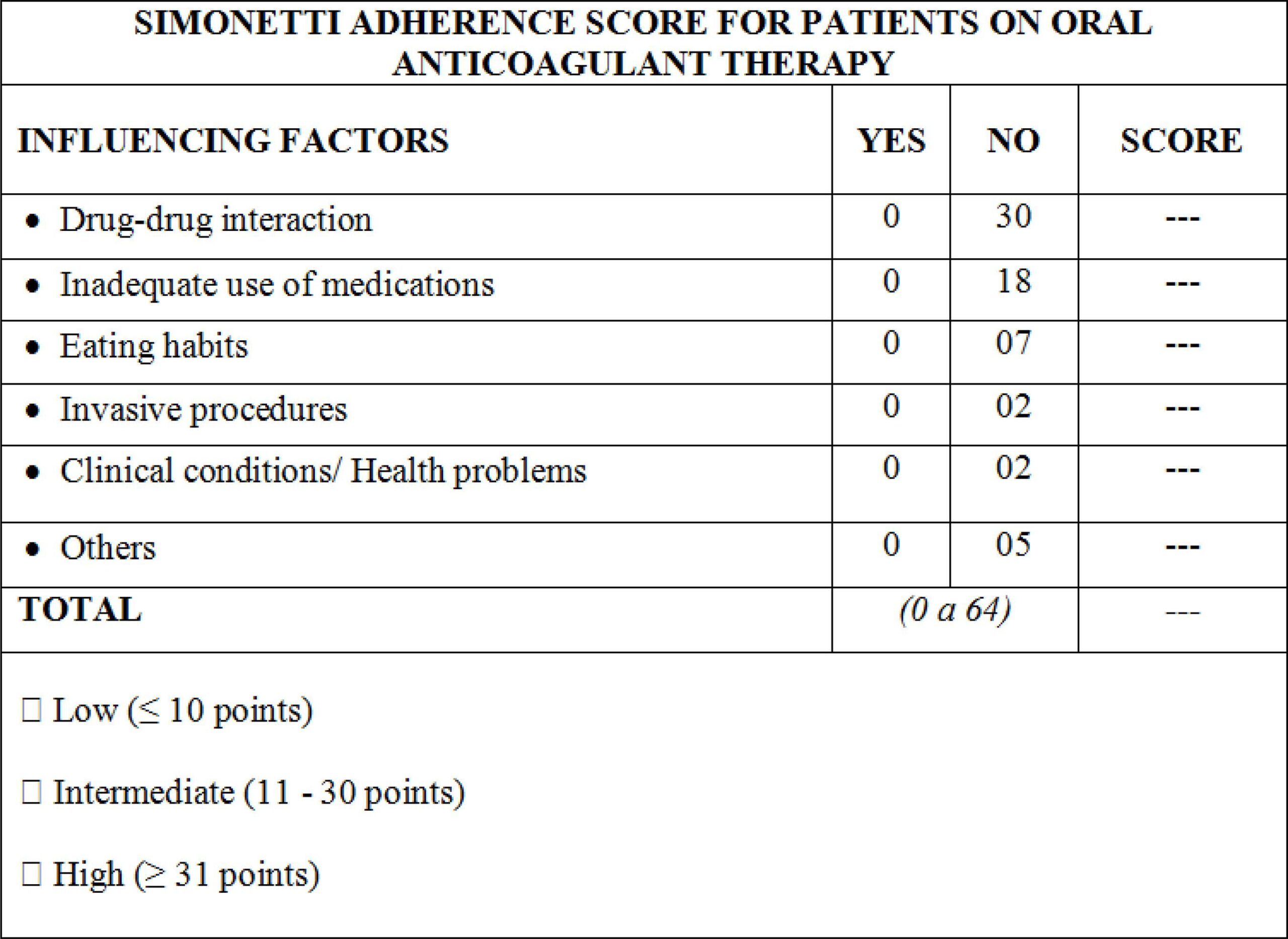
The variables with a significance level of 5% in the multivariate analysis were: education, family income, inadequate use of medications, drug-drug interactions, invasive procedures, food-drug interactions, physical activity, medical conditions, other factors, and complications related to oral anticoagulant therapy. The following prognostic variables were identified: family income, inadequate use of medications, invasive procedures, drug-drug interactions, dietary habits, medical conditions, other factors (stress, thinness, weight loss). C-statistic for adherence score was 0.94.

Conclusion:

The Simonetti adherence score proved to be easily applicable and feasible, with high predictive value for influencing factors, promoting the improvement of adherence and maintenance of INR in the ideal range. (Int J Cardiovasc Sci. 2018; [online].ahead print, PP.0-0)

  • Anticoagulants/therapy
  • Cardiovascular Diseases
  • Health Education
  • medication adherence
  • Probability
Read Full Article
Creative Commons Attribution (CC BY) Creative Commons license
11/06/2018 DOI: 10.5935/2359-4802.20180028 Views 1
ABC
Letter to the Editor

Association between SYNTAX Score and Coronary Collateral Circulation

Levent Cerit

Dear Editor,

I have read the article entitled “Which Coronary Lesions Are More Prone to Cause Acute Myocardial Infarction?” by Sen et al. with great interest, recently published in journal. The investigators reported that more than 70% of the patients with acute myocardial infarction (MI) had coronary collateral circulation (CCC) with Rentrop scores of 1-3 during primary coronary angiography. This shows that most cases of acute MI in our study originated from underlying high-grade stenosis, challenging the common believe. Higher serum triglycerides levels, greater mean platelet volume, and increased white blood cell and neutrophil counts were independently associated with impaired development of collateral vessels.

[…]

  • Coronary Angiography
  • Coronary Artery Disease
  • Coronary Circulation / physiopathology
  • Myocardial Infarction
  • Probability
Read Full Article
Creative Commons Attribution (CC BY) Creative Commons license
01/11/2017 DOI: 10.5935/abc.20170156 Views 1
Figure 1
IJCS
Original Article

Comparison of Anatomical and Clinical Scores in Predicting Outcomes in Primary Percutaneous Coronary Intervention

Fernando Pivatto Júnior et al. Gustavo Neves de Araújo Felipe Homem Valle Luiz Carlos Corsetti Bergoli … Guilherme Pinheiro Machado Bruno Führ Elvis Pellin Cassol Ana Maria Rocha Krepsky Rodrigo Vugman Wainstein Marco Vugman Wainstein

Abstract

Background:

Different scores based on anatomical and/or clinical features have been developed for risk stratification of patients undergoing percutaneous coronary intervention (PCI). Studies comparing the ability of these different models in predicting major adverse cardiac and cerebrovascular events (MACCE) in patients submitted to primary PCI are limited.

Objectives:

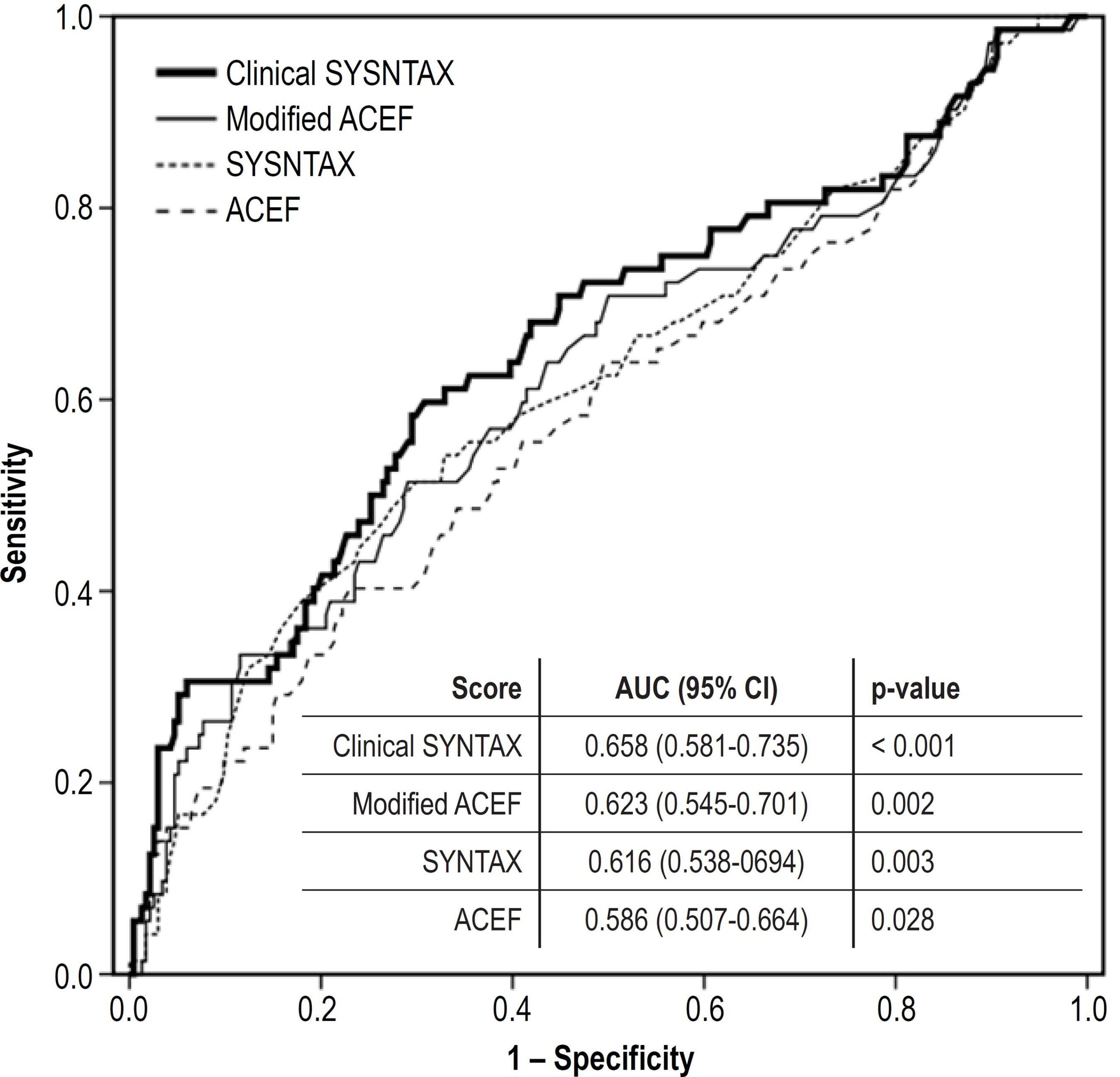
The aim of this study was to compare the ability of the scores SYNTAX (SS), Clinical SYNTAX (CSS), ACEF, and modified ACEF (ACEFMod) to predict MACCE in patients with ST-elevation myocardial infarction (STEMI) submitted to primary PCI.

Methods:

We analyzed 311 consecutive patients with STEMI submitted to primary PCI between April/2011 and December/2015. The area under the ROC curve was calculated to evaluate the ability of these scores in predicting MACCE. P-values were considered significant at < 0.05.

Results:

Mean age of the patients was 60.2 ± 12.0 years, 35.4% were females, and 22.5% had diabetes. MACCE occurred in 23.8% of the patients. The area under the ROC curve was 0.586 (p = 0.028) for ACEF, 0.616 (p = 0.003) for SS, 0.623 (p = 0.002) for ACEFMod, and 0.658 (p < 0.001) for CSS. In multivariate analysis, only high SS (p = 0.011) and CSS (p = 0.002) were independent predictors of MACCE.

Conclusions:

High SS and CSS were independent predictors of MACCE. In our cohort of STEMI patients undergoing primary PCI, pure anatomical SS calculated at the baseline coronary angiography was a useful tool to predict MACCE. (Int J Cardiovasc Sci. 2017; [online].ahead print, PP.0-0)

  • Coronary Artery Disease
  • Myocardial Infarction
  • Percutaneous Coronary Intervention
  • Probability
Read Full Article
Creative Commons Attribution (CC BY) Creative Commons license
23/10/2017 DOI: 10.5935/2359-4802.20170087 Views 2
IJCS
Review Article

Performance of Diagnostic Tests for Intermediate Probabilities of Coronary Heart Disease: A Decision Making Analysis

Clarissa Antunes Thiers et al. João Luis Barbosa Bernardo Rangel Tura Edilson Fernandes Arruda Basilio de Bragança Pereira

Abstract

Patients with intermediate probability of coronary disease are a diagnostic challenge and it is precisely in this population where the degree of uncertainty is greater that the diagnostic tests have their greater applicability. However, according to the current definition, subjecting to tests a population with a disease probability between 10 and 90% can generate unnecessary tests and misleading results. Knowing the characteristics of each test, as well as risks and benefits of drug treatment for coronary disease and combining this information through diagnostic thresholds brings a new perspective to decision making. To review the origin of the currently recommended concepts of intermediate probability and to determine the thresholds for diagnosis and treatment of noninvasive tests and, based on them, propose a new concept of intermediate probability of coronary disease. Through the bibliographic review, meta-analyses were extracted in which data of sensitivity, specificity, positive and negative likelihood ratio, risks and benefits of the tests and treatment were provided. Using an algorithm developed by Pauker et al. it was possible to obtain the diagnostic and treatment thresholds adjusted for each tests in question. The concept of intermediate probability of coronary disease is quite broad, ranging, according to the authors, between 10 and 90%, 1 and 92%, 15 and 85%, with different rationale. Considering the discriminatory power of each test, risks and treatment benefits, the diagnostic and treatment thresholds were defined for exercise testing (22-58%), eco-stress (10-72%), myocardial scintigraphy (12-80%), nuclear magnetic resonance (16-80%) and coronary angiotomography (6.7-81%). The decision to submit to diagnostic tests should be individualized, taking into account the diagnostic and treatment thresholds of each method in question.

  • Clinical Decision – Making
  • Coronary Artery Disease
  • Diagnosis
  • Meta-Analysis
  • Probability
Read Full Article
Creative Commons Attribution (CC BY) Creative Commons license
21/09/2017 DOI: 10.5935/2359-4802.20170071 Views 1
Figure 1
ABC
Original Article

Syntax Score and Major Adverse Cardiac Events in Patients with Suspected Coronary Artery Disease: Results from a Cohort Study in a University-Affiliated Hospital in Southern Brazil

Felipe C. Fuchs et al. Jorge P. Ribeiro Flávio D. Fuchs Marco V. Wainstein … Luis C. Bergoli Rodrigo V. Wainstein Vanessa Zen Alessandra C. Kerkhoff Leila B. Moreira Sandra C. Fuchs

Abstract

Background:

The importance of coronary anatomy in predicting cardiovascular events is well known. The use of traditional anatomical scores in routine angiography, however, has not been incorporated to clinical practice. SYNTAX score (SXscore) is a scoring system that estimates the anatomical extent of coronary artery disease (CAD). Its ability to predict outcomes based on a baseline diagnostic angiography has not been tested to date.

Objective:

To evaluate the performance of the SXscore in predicting major adverse cardiac events (MACE) in patients referred for diagnostic angiography.

Methods:

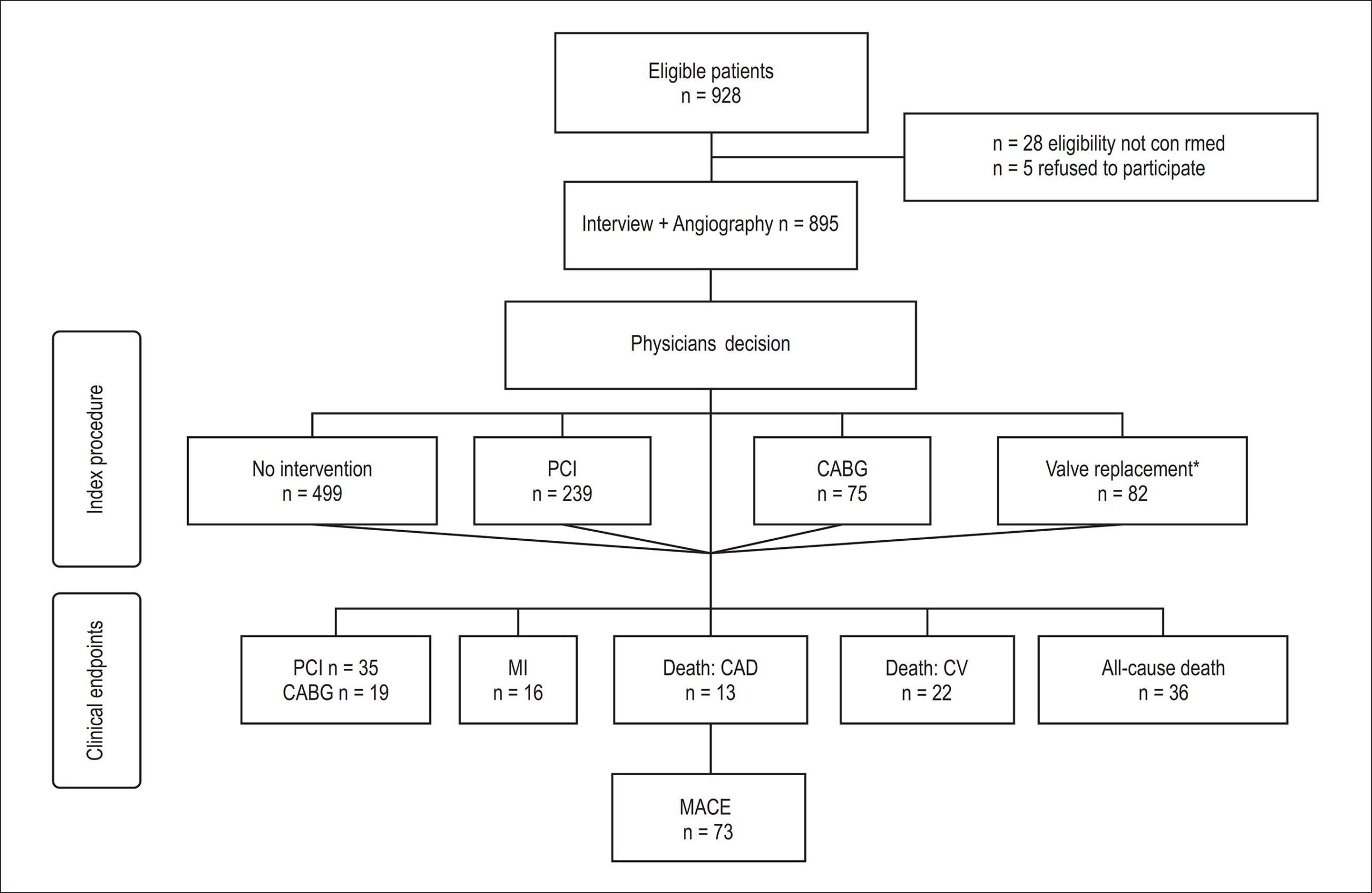
Prospective cohort of 895 patients with suspected CAD referred for elective diagnostic coronary angiography from 2008 to 2011, at a university-affiliated hospital in Brazil. They had their SXscores calculated and were stratified in three categories: no significant CAD (n = 495), SXscoreLOW-INTERMEDIATE: < 23 (n = 346), and SXscoreHIGH: ≥ 23 (n = 54). Primary outcome was a composite of cardiac death, myocardial infarction, and late revascularization. Secondary endpoints were the components of MACE and death from any cause.

Results:

On average, patients were followed up for 1.8 ± 1.4 years. The primary outcome occurred in 2.2%, 15.3%, and 20.4% in groups with no significant CAD, SXscoreLOW-INTERMEDIATE, and SXscoreHIGH, respectively (p < 0.001). All-cause death was significantly higher in the SXscoreHIGH compared with the ‘no significant CAD’ group, 16.7% and 3.8% (p < 0.001), respectively. After adjustment for confounding factors, all outcomes remained associated with the SXscore.

Conclusions:

SXscore independently predicts MACE in patients submitted to diagnostic coronary angiography. Its routine use in this setting could identify patients with worse prognosis.

  • Cineangiography
  • Cohort Studies
  • Coronary Artery Disease / epidemiology
  • Probability
  • SYNTAX score
Read Full Article
Creative Commons Attribution (CC BY) Creative Commons license
08/08/2016 DOI: 10.5935/abc.20160111 Views 1
Figure 1
ABC
Original Article

Age, Creatinine and Ejection Fraction Score in Brazil: Comparison with InsCor and the EuroSCORE

Omar Asdrúbal Vilca Mejía et al. Bruna La Regina Matrangolo David Provenzale Titinger Leandro Batisti de Faria … Luís Roberto Palma Dallan Filomena Regina Barbosa Galas Luiz Augusto Ferreira Lisboa Luís Alberto Oliveira Dallan Fabio Biscegli Jatene

Abstract

Background:

Risk scores for cardiac surgery cannot continue to be neglected.

Objective:

To assess the performance of “Age, Creatinine and Ejection Fraction Score” (ACEF Score) to predict mortality in patients submitted to elective coronary artery bypass graft and/or heart valve surgery, and to compare it to other scores.

Methods:

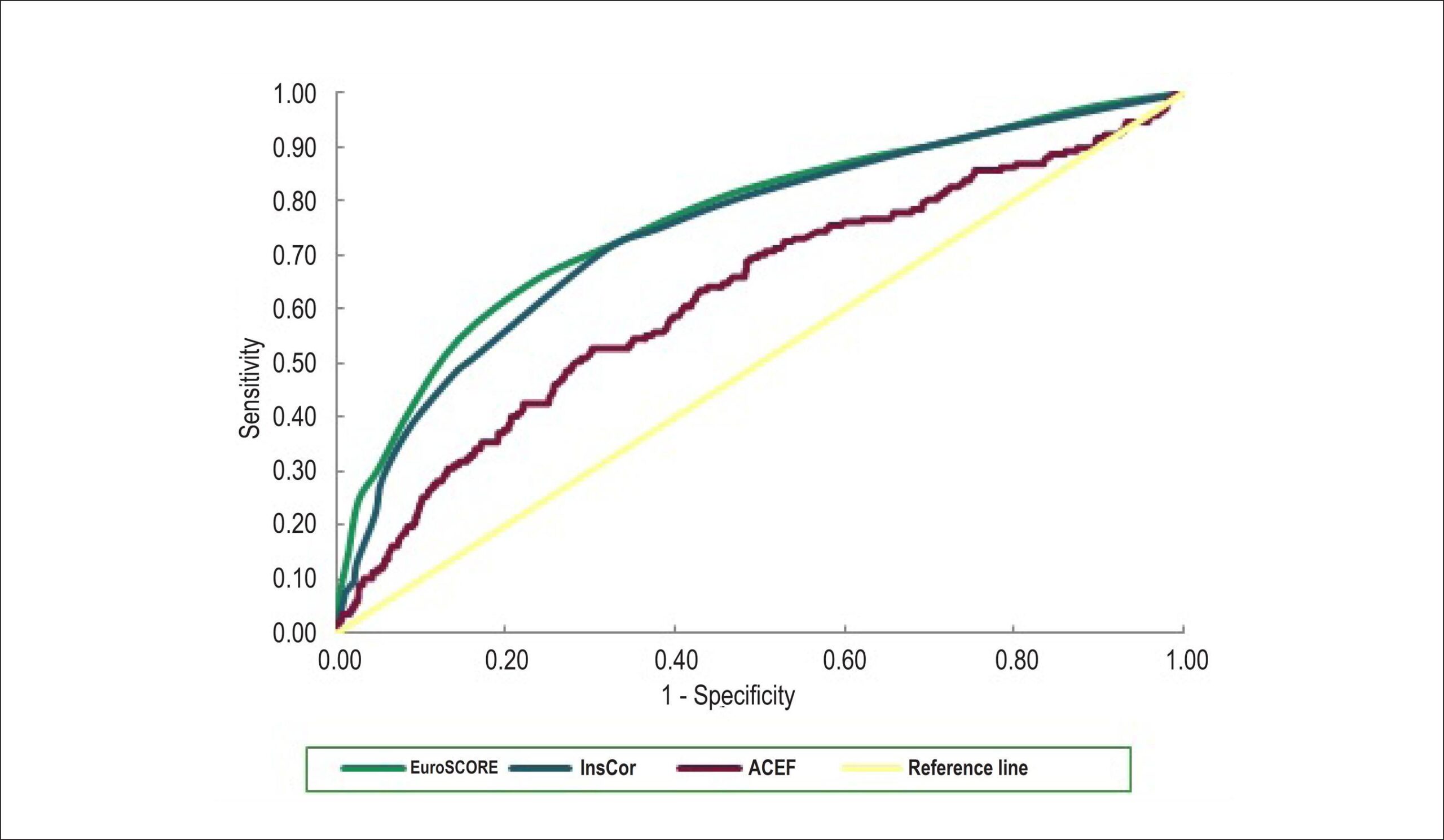
A prospective cohort study was carried out with the database of a Brazilian tertiary care center. A total of 2,565 patients submitted to elective surgeries between May 2007 and July 2009 were assessed. For a more detailed analysis, the ACEF Score performance was compared to the InsCor’s and EuroSCORE’s performance through correlation, calibration and discrimination tests.

Results:

Patients were stratified into mild, moderate and severe for all models. Calibration was inadequate for ACEF Score (p = 0.046) and adequate for InsCor (p = 0.460) and EuroSCORE (p = 0.750). As for discrimination, the area under the ROC curve was questionable for the ACEF Score (0.625) and adequate for InsCor (0.744) and EuroSCORE (0.763).

Conclusion:

Although simple to use and practical, the ACEF Score, unlike InsCor and EuroSCORE, was not accurate for predicting mortality in patients submitted to elective coronary artery bypass graft and/or heart valve surgery in a Brazilian tertiary care center. (Arq Bras Cardiol. 2015; [online].ahead print, PP.0-0)

  • Cardiac Surgical Procedures / mortality
  • Cohort Studies
  • Heart Valve Diseases/surgery
  • Myocardial Revascularization
  • Probability
Read Full Article
Creative Commons Attribution (CC BY) Creative Commons license
25/08/2015 DOI: 10.5935/abc.20150101
Figure 1
ABC
Original Article

Performance of Surgical Risk Scores to Predict Mortality after Transcatheter Aortic Valve Implantation

Leonardo Sinnott Silva et al. Paulo Ricardo Avancini Caramori Antonio Carlos Bacelar Nunes Filho Marcelo Katz … João Carlos Vieira da Costa Guaragna Pedro Lemos Valter Lima Alexandre Abizaid Flavio Tarasoutchi Fabio S. de Brito Jr

Abstract

Background:

Predicting mortality in patients undergoing transcatheter aortic valve implantation (TAVI) remains a challenge.

Objectives:

To evaluate the performance of 5 risk scores for cardiac surgery in predicting the 30-day mortality among patients of the Brazilian Registry of TAVI.

Methods:

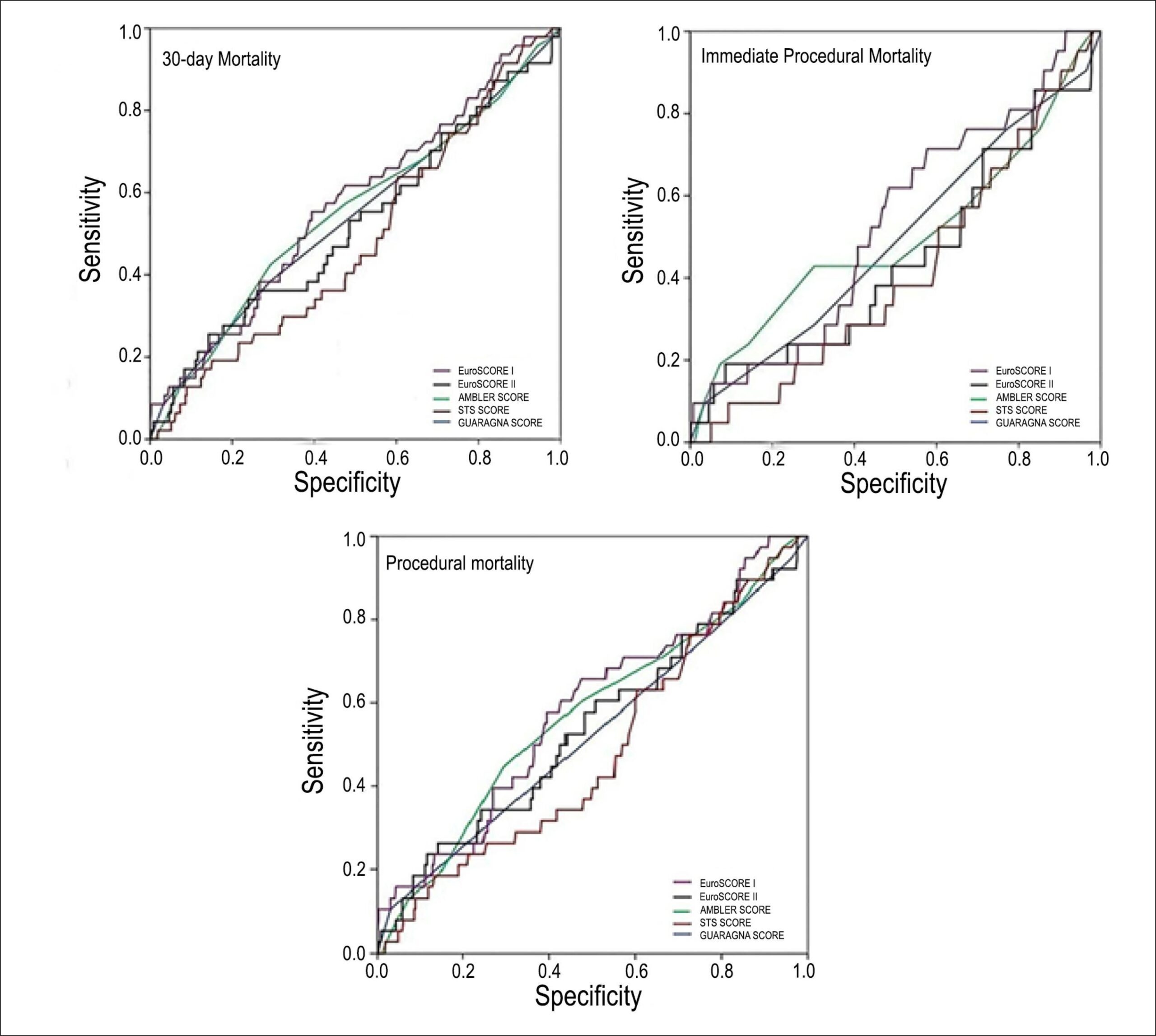
The Brazilian Multicenter Registry prospectively enrolled 418 patients undergoing TAVI in 18 centers between 2008 and 2013. The 30-day mortality risk was calculated using the following surgical scores: the logistic EuroSCORE I (ESI), EuroSCORE II (ESII), Society of Thoracic Surgeons (STS) score, Ambler score (AS) and Guaragna score (GS). The performance of the risk scores was evaluated in terms of their calibration (Hosmer–Lemeshow test) and discrimination [area under the receiver–operating characteristic curve (AUC)].

Results:

The mean age was 81.5 ± 7.7 years. The CoreValve (Medtronic) was used in 86.1% of the cohort, and the transfemoral approach was used in 96.2%. The observed 30-day mortality was 9.1%. The 30-day mortality predicted by the scores was as follows: ESI, 20.2 ± 13.8%; ESII, 6.5 ± 13.8%; STS score, 14.7 ± 4.4%; AS, 7.0 ± 3.8%; GS, 17.3 ± 10.8%. Using AUC, none of the tested scores could accurately predict the 30-day mortality. AUC for the scores was as follows: 0.58 [95% confidence interval (CI): 0.49 to 0.68, p = 0.09] for ESI; 0.54 (95% CI: 0.44 to 0.64, p = 0.42) for ESII; 0.57 (95% CI: 0.47 to 0.67, p = 0.16) for AS; 0.48 (95% IC: 0.38 to 0.57, p = 0.68) for STS score; and 0.52 (95% CI: 0.42 to 0.62, p = 0.64) for GS. The Hosmer–Lemeshow test indicated acceptable calibration for all scores (p > 0.05).

Conclusions:

In this real world Brazilian registry, the surgical risk scores were inaccurate in predicting mortality after TAVI. Risk models specifically developed for TAVI are required.

  • Aortic valve stenosis / surgery
  • Probability
  • Risk Factors
  • Transcatheter Aortic Valve Replacement
Read Full Article
Creative Commons Attribution (CC BY) Creative Commons license
31/07/2015 DOI: 10.5935/abc.20150084 Views 2
Figure 1
ABC
Artigo Original

Does C-reactive Protein Add Prognostic Value to GRACE Score in Acute Coronary Syndromes?

Luis Cláudio Lemos Correia et al. Isis Vasconcelos Guilherme Garcia Felipe Kalil … Felipe Ferreira André Silva Ruan Oliveira Manuela Carvalhal Caio Freitas Márcia Maria Noya-Rabelo

Background:

The incremental prognostic value of plasma levels of C-reactive protein (CRP) in relation to GRACE score has not been established in patients with acute coronary syndrome (ACS) with non-ST segment elevation.

Objective:

To test the hypothesis that CRP measurements at admission increases the prognostic value of GRACE score in patients with ACS.

Methods:

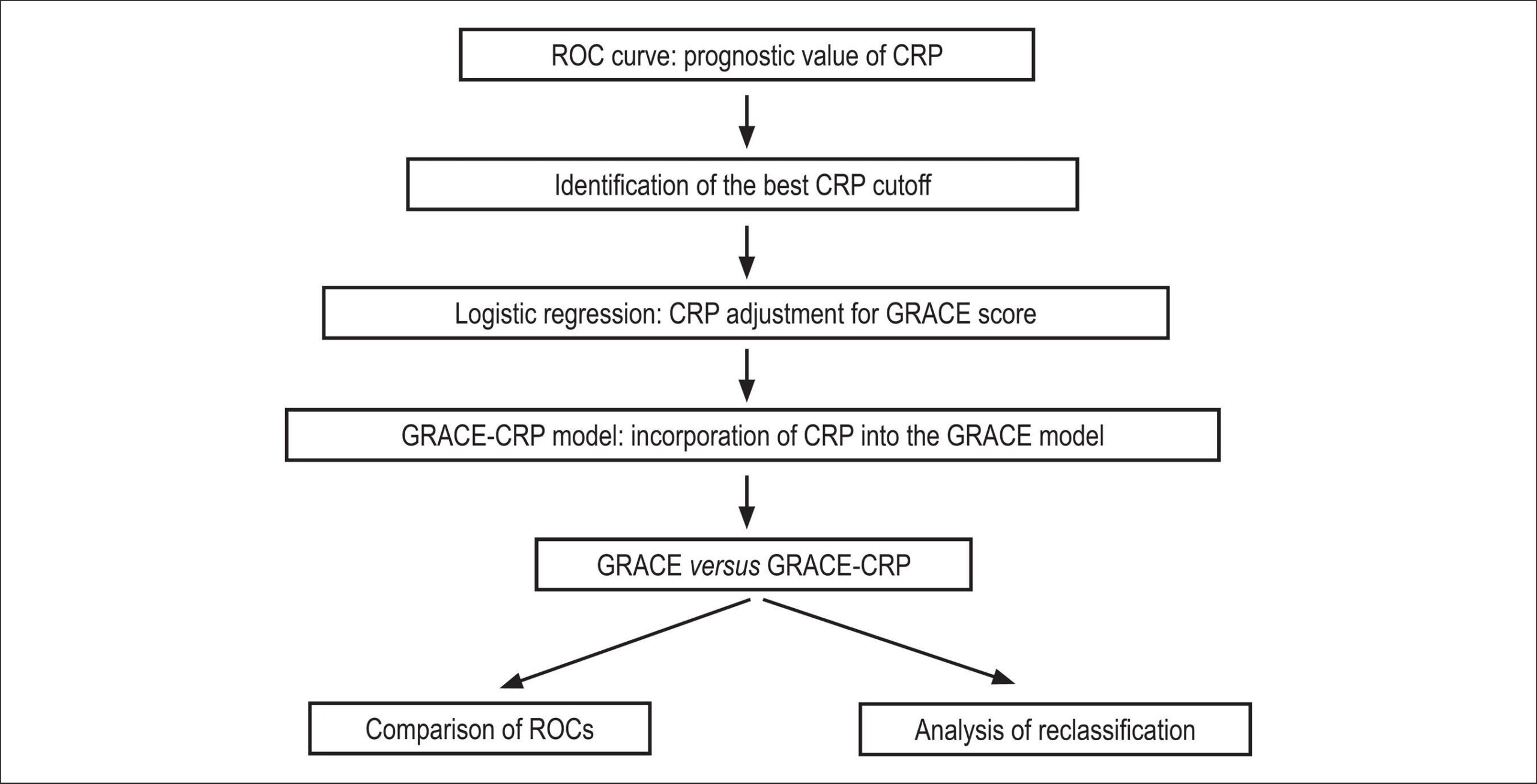
A total of 290 subjects, consecutively admitted for ACS, with plasma material obtained upon admission CRP measurement using a high-sensitivity method (nephelometry) were studied. Cardiovascular outcomes during hospitalization were defined by the combination of death, nonfatal myocardial infarction or nonfatal refractory angina.

Results:

The incidence of cardiovascular events during hospitalization was 15% (18 deaths, 11 myocardial infarctions, 13 angina episodes) with CRP showing C-statistics of 0.60 (95% CI = 0.51-0.70, p = 0.034) in predicting these outcomes. After adjustment for the GRACE score, elevated CRP (defined as the best cutoff point) tended to be associated with hospital events (OR = 1.89, 95% CI = 0.92 to 3.88, p = 0.08). However, the addition of the variable elevated CRP in the GRACE model did not result in significant increase in C-statistics, which ranged from 0.705 to 0.718 (p = 0.46). Similarly, there was no significant reclassification of risk with the addition of CRP in the predictor model (net reclassification = 5.7 %, p = 0.15).

Conclusion:

Although CRP is associated with hospital outcomes, this inflammatory marker does not increase the prognostic value of the GRACE score.

  • Acute coronary syndrome
  • C-Reactive Protein
  • Probability
  • Prognosis
Read Full Article
Creative Commons Attribution (CC BY) Creative Commons license
09/05/2014 DOI: 10.5935/abc.20140056 Views 1
Figure 1
ABC
Artigo Original

Alimentary Habits, Physical Activity, and Framingham Global Risk Score in Metabolic Syndrome

Thays Soliman Soares et al. Carla Haas Piovesan Andréia da Silva Gustavo Fabrício Edler Macagnan … Luiz Carlos Bodanese Ana Maria Pandolfo Feoli

Background:

Metabolic syndrome is a complex disorder represented by a set of cardiovascular risk factors. A healthy lifestyle is strongly related to improve Quality of Life and interfere positively in the control of risk factors presented in this condition.

Objective:

To evaluate the effect of a program of lifestyle modification on the Framingham General Cardiovascular Risk Profile in subjects diagnosed with metabolic syndrome.

Methods:

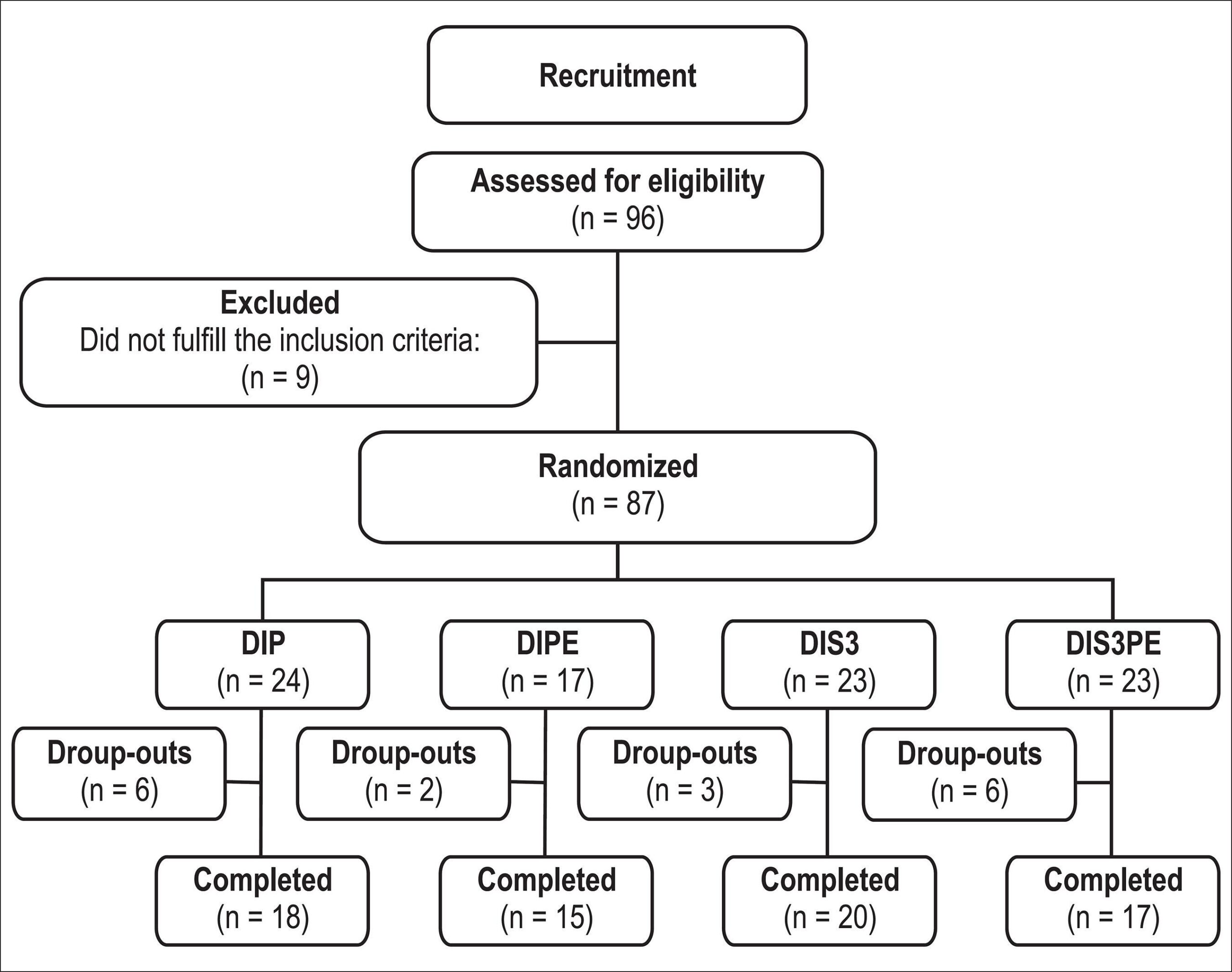
A sub-analysis study of a randomized clinical trial controlled blind that lasted three months. Participants were randomized into four groups: dietary intervention + placebo (DIP), dietary intervention + supplementation of omega 3 (fish oil 3 g/day) (DIS3), dietary intervention + placebo + physical activity (DIPE) and dietary intervention + physical activity + supplementation of omega 3 (DIS3PE). The general cardiovascular risk profile of each individual was calculated before and after the intervention.

Results:

The study included 70 subjects. Evaluating the score between the pre and post intervention yielded a significant value (p < 0.001). We obtained a reduction for intermediate risk in 25.7% of subjects. After intervention, there was a significant reduction (p < 0.01) on cardiovascular age, this being more significant in groups DIP (5.2%) and DIPE (5.3%).

Conclusion:

Proposed interventions produced beneficial effects for reducing cardiovascular risk score. This study emphasizes the importance of lifestyle modification in the prevention and treatment of cardiovascular diseases.

  • Cardiovascular Diseases
  • Exercise
  • Food habits
  • Lifestyle
  • Metabolic x Syndrome
  • Probability
  • Risk Factors
Read Full Article
Creative Commons Attribution (CC BY) Creative Commons license
17/02/2014 DOI: 10.5935/abc.20140029
ABC
Artigo Original

Prognostic Score for Acute Coronary Syndrome in a Private Terciary Hospital

Edson Renato Romano et al. Ieda Maria Liguori Jorge Alcantara Farran Rosa Maria Pimentel do Egito … Marcelo Luz Pereira Romano Vinícius Avellar Werneck Marco Antonio Oliveira Barbosa Enilton Sergio Tabosa do Egito Alexandre Biasi Cavalcanti Leopoldo Soares Piegas

Background:

Available predictive models for acute coronary syndromes (ACS) have limitations as they have been elaborated some years ago or limitations with applicability.

Objectives:

To develop scores for predicting adverse events in 30 days and 6 months in ST-segment elevation and non-ST-segment elevation ACS patients admitted to private tertiary hospital.

Methods:

Prospective cohort of ACS patients admitted between August, 2009 and June, 2012. Our primary composite outcome for both the 30-day and 6-month models was death from any cause, myocardial infarction or re-infarction, cerebrovascular accident (CVA), cardiac arrest and major bleeding. Predicting variables were selected for clinical, laboratory, electrocardiographic and therapeutic data. The final model was obtained with multiple logistic regression and submitted to internal validation with bootstrap analysis.

Results:

We considered 760 patients for the development sample, of which 132 had ST-segment elevation ACS and 628 non-ST-segment elevation ACS. The mean age was 63.2 ± 11.7 years, and 583 were men (76.7%). The final model to predict 30-day events is comprised by five independent variables: age ≥ 70 years, history of cancer, left ventricular ejection fraction (LVEF) 12.4 ng /ml and chemical thrombolysis. In the internal validation, the model showed good discrimination with C-statistic of 0.71. The predictors in the 6-month event final model are: history of cancer, LVEF 14.3 ng/ml, serum creatinine>1.2 mg/dl, history of chronic obstructive pulmonary disease and hemoglobin < 13.5 g/dl. In the internal validation, the model had good performance with C-statistic of 0.69.

Conclusion:

We have developed easy to apply scores for predicting 30-day and 6-month adverse events in patients with ST-elevation and non-ST-elevation ACS.

  • Acute coronary syndrome
  • Hospitals, Private
  • Probability
  • Prognosis
  • Risk Factors
Read Full Article
Creative Commons Attribution (CC BY) Creative Commons license
10/02/2014 DOI: 10.5935/abc.20140012 Views 1
The bleeding risk score as a mortality predictor in patients with acute coronary syndrome
ABC
Artigo Original

The bleeding risk score as a mortality predictor in patients with acute coronary syndrome

José Carlos Nicolau et al. Humberto Graner Moreira Luciano Moreira Baracioli Carlos Vicente Serrano Jr … Felipe Galego Lima Marcelo Franken Roberto Rocha Giraldez Fernando Ganem Roberto Kalil Filho José Antônio Franchini Ramires Roxana Mehran

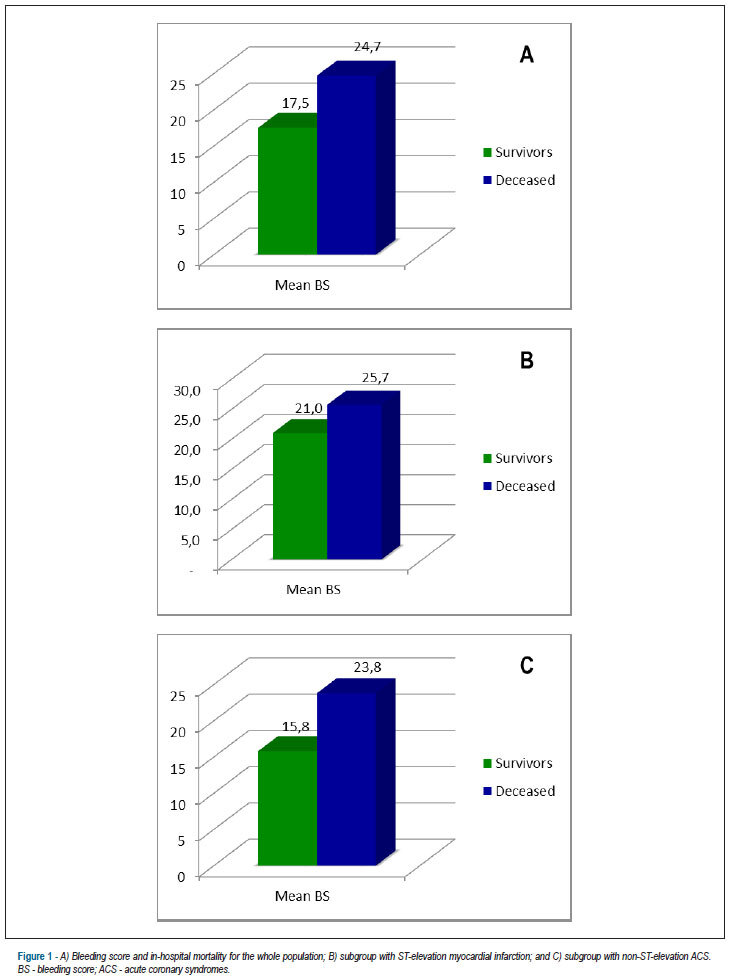
BACKGROUND: It is well known that the occurrence of bleeding increases in-hospital mortality in patients with acute coronary syndromes (ACS), and there is a good correlation between bleeding risk scores and bleeding incidence. However, the role of bleeding risk score as mortality predictor is poorly studied. OBJECTIVE: The main purpose of this paper was to analyze the role of bleeding risk score as in-hospital mortality predictor in a cohort of patients with ACS treated in a single cardiology tertiary center. METHODS: Out of 1655 patients with ACS (547 with ST-elevation ACS and 1118 with non-ST-elevation ACS), we calculated the ACUITY/HORIZONS bleeding score prospectively in 249 patients and retrospectively in the remaining 1416. Mortality information and hemorrhagic complications were also obtained. RESULTS: Among the mean age of 64.3 ± 12.6 years, the mean bleeding score was 18 ± 7.7. The correlation between bleeding and mortality was highly significant (p < 0.001, OR = 5.296), as well as the correlation between bleeding score and in-hospital bleeding (p < 0.001, OR = 1.058), and between bleeding score and in-hospital mortality (adjusted OR = 1.121, p < 0.001, area under the ROC curve 0.753, p < 0.001). The adjusted OR and area under the ROC curve for the population with ST-elevation ACS were, respectively, 1.046 (p = 0.046) and 0.686 ± 0.040 (p < 0.001); for non-ST-elevation ACS the figures were, respectively, 1.150 (p < 0.001) and 0.769 ± 0.036 (p < 0.001). CONCLUSIONS: Bleeding risk score is a very useful and highly reliable predictor of in-hospital mortality in a wide range of patients with acute coronary syndromes, especially in those with unstable angina or non-ST-elevation acute myocardial infarction.

  • Acute coronary syndrome
  • Hemorrhage
  • Probability
Read Full Article
Creative Commons Attribution (CC BY) Creative Commons license
12/11/2013 DOI: 10.5935/abc.20130223 Views 1
Prospective validation of the dante pazzanese risk score in non-ST-segment elevation acute coronary syndrome
ABC
Artigo Original

Prospective validation of the dante pazzanese risk score in non-ST-segment elevation acute coronary syndrome

Elizabete Silva dos Santos et al. Luiz Minuzzo Roberta de Souza Ari Timerman

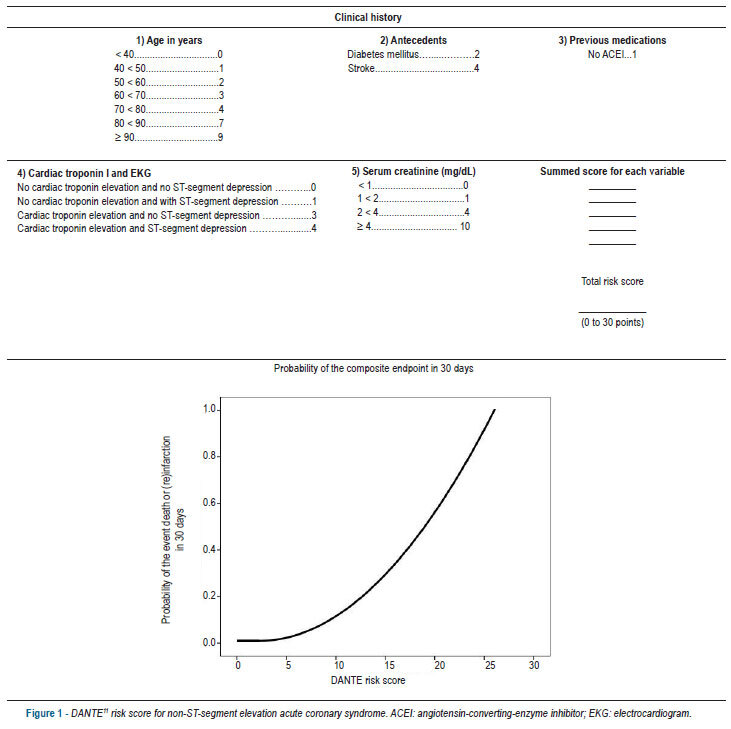
BACKGROUND: In non-ST-segment elevation acute coronary syndrome (ACS), the likelihood of adverse events should be estimated. Guidelines recommend risk stratification models for that purpose. The Dante Pazzanese risk score (DANTE score) is a simple risk stratification model composed with the following variables: age increase (0 to 9 points); history of diabetes mellitus (2 points) or stroke (4 points); no use of angiotensin-converting-enzyme inhibitor (1 point); creatinine elevation (0 to 10 points); combination of troponin elevation and ST-segment depression (0 to 4 points). OBJECTIVE: To validate the DANTE score in patients with non-ST-segment elevation ACS. METHODS: Prospective, observational study including 457 patients, from September 2009 to October 2010. The patients were grouped in risk categories according to the original model score as follows: very low; low; intermediate; and high. The predictive ability of the score was assessed by using C-statistics. RESULTS: The sample comprised 291 (63.7%) men, the mean age being 62.1 years (SD=11.04). The event death or (re)infarction in 30 days was observed in 17 patients (3.7%). Progressive increase in the proportion of events was observed as the score increased: very low risk = 0.0%; low risk = 3.9%; intermediate risk = 10.9%; high risk = 60.0%; p < 0.0001. C-statistics was 0.87 (95% CI: 0.81-0.94; p < 0.0001). CONCLUSION: DANTE score showed an excellent capacity to predict the specific events, and can be incorporated to the prognostic assessment of patients with non-ST-segment elevation ACS.

  • Acute coronary syndrome
  • Probability
  • Propensity Score
  • Risk
  • Validation Studies
Read Full Article
Creative Commons Attribution (CC BY) Creative Commons license
14/08/2013 DOI: 10.5935/abc.20130163 Views 1
ABC
Point of view

Inclusion of the risk score in decision making of valvular heart disease

Ricardo Casalino et al. Max Grinberg

Clinical facts and numerical data support interpretations of quality of life and survival in patients with valvular heart disease. Such data are useful in decision making regarding the interruption of natural history and replacement by a hemodynamic post-correction history. Interdisciplinary competence and expertise are required to maximize the necessary and possible results. However, the ideal of recommendations to achieve the highest degree of therapeutic satisfaction by patients with valvular heart disease is influenced by a set of variables, related in part to the specifications of the patient, and part to the limitations of methods. The rationale of the risk score validated for multiple markers is the addition of quantitative accuracy to the clinical assessment based on the heterogeneity of individual experience and intuition. In this context, the use of risk scores to predict postoperative mortality are useful tools, easy to apply and that gives us objective data on the patient’s situation. None of the available tools (EuroSCORE, STS score and Ambler Score) used in healthcare has been validated has in our population.

  • Heart Valve Diseases
  • Probability
  • Propensity Score
  • Risk
Read Full Article
Creative Commons Attribution (CC BY) Creative Commons license
08/08/2012 DOI: 10.1590/S0066-782X2012000600018
Proposed preoperative risk score for patients candidate to cardiac valve surgery
ABC
Artigo Original

Proposed preoperative risk score for patients candidate to cardiac valve surgery

João Carlos Vieira da Costa Guaragna et al. Luiz Carlos Bodanese Fabiana Lucas Bueno Marco Antonio Goldani

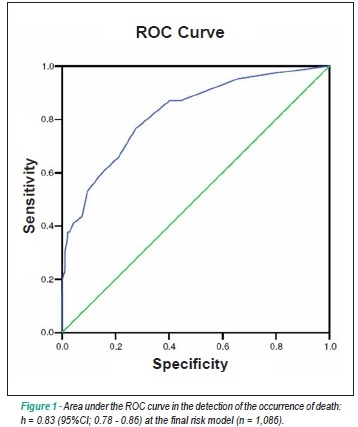
BACKGROUND: To establish a risk score for heart surgery allows the assessment of preoperative risk, informing the patient and defining care during the intervention. OBJECTIVE: To assess preoperative risk factors for death in cardiac valve surgery and construct a simple risk model (score) for in-hospital mortality of patients candidate to surgery at Hospital São Lucas of Pontifícia Universidade Católica do Rio Grande do Sul (HSL-PUCRS). METHODS: The study sample included 1,086 adult patients that underwent cardiac valve surgery between January 1996 and December 2007 at HSL-PUCRS. Logistic regression was used to identify risk and in-hospital mortality factors. The model was developed in 699 patients and its performance was tested in the remaining data (n = 387). The final model was created using the total study sample (n = 1,086). RESULTS: Global mortality was 11.8%: 8.8% of elective cases and 63.8% of emergency cases. At the multivariate analysis, 9 variables remained independent predictors for the outcome: advanced age, surgical priority, female sex, ejection fraction 2.5 mg/dl or undergoing dialysis). The area under the ROC curve was 0.83 (95% CI: 0.78-0.86). The risk model showed good capacity for observed/predicted mortality: the Hosmer-Lemeshow test was x² = 5.61; p = 0.691 and r = 0.98 (Pearson’s coefficient). CONCLUSION: The variables predictive of in-hospital mortality allowed the construction of a simplified risk score for daily practice, which classifies the patient as having low, moderate, high, very high and extremely high preoperative risk.

  • Heart valves
  • Preoperative Care
  • Probability
  • Risk
  • Thoracic Surgery
Read Full Article
Creative Commons Attribution (CC BY) Creative Commons license
23/04/2010 DOI: 10.1590/S0066-782X2010005000026 Views 1

How to cite this article

EndNote RIS

Electronic Document Format (Vancouver)

Dallazen-Sartori F, Albuquerque LC, Guaragna JCVC, Magedanz EH, Petracco JB, Bodanese R, Wagner MB, et al. Risk Score for Prolonged Mechanical Ventilation in Coronary Artery Bypass Grafting. International Journal of Cardiovascular Sciences 2021;34(3):264-71.

Electronic Document Format (ABNT)

Dallazen-Sartori, Fernanda; Albuquerque, Luciano Cabral; Guaragna, João Carlos Vieira da Costa; Magedanz, Ellen Hettwer; Petracco, João Batista; Bodanese, Rodrigo; Wagner, Mario Bernardes; Bodanese, Luiz Carlos. Risk Score for Prolonged Mechanical Ventilation in Coronary Artery Bypass Grafting. International Journal of Cardiovascular Sciences, v. 34, n. 3, p. 264-271, Jan. 2021.

Electronic Document Format (APA)

Dallazen-Sartori, F., Albuquerque, L. C., Guaragna, J. C. V. C., Magedanz, E. H., Petracco, J. B., Bodanese, R., Wagner, M. B., & Bodanese, L. C. (2021). Risk Score for Prolonged Mechanical Ventilation in Coronary Artery Bypass Grafting. International Journal of Cardiovascular Sciences, 34(3), 264-271.

Electronic Document Format (ISO)

Dallazen-Sartori, Fernanda and Albuquerque, Luciano Cabral and Guaragna, João Carlos Vieira da Costa and Magedanz, Ellen Hettwer and Petracco, João Batista and Bodanese, Rodrigo and Wagner, Mario Bernardes and Bodanese, Luiz Carlos. Risk Score for Prolonged Mechanical Ventilation in Coronary Artery Bypass Grafting. International Journal of Cardiovascular Sciences [online]. 2021, vol. 34, n. 3, [cited 2026-10-14], pp. 264-271. Available from: <https://journals.cardiol.br/en/article/risk-score-for-prolonged-mechanical-ventilation-in-coronary-artery-bypass-grafting/>. ISSN 2359-4802

EndNote RIS

Electronic Document Format (Vancouver)

Soares GP. Comparison of HEART, TIMI and GRACE Scores for Predicting Major Adverse Cardiovascular Events in the Era of High-Sensitivity Assay for Troponin I. Arquivos Brasileiros de Cardiologia 2020;114(5):803-4.

Electronic Document Format (ABNT)

Soares, Gabriel Porto. Comparison of HEART, TIMI and GRACE Scores for Predicting Major Adverse Cardiovascular Events in the Era of High-Sensitivity Assay for Troponin I. Arquivos Brasileiros de Cardiologia, v. 114, n. 5, p. 803-804, May. 2020.

Electronic Document Format (APA)

Soares, G. P. (2020). Comparison of HEART, TIMI and GRACE Scores for Predicting Major Adverse Cardiovascular Events in the Era of High-Sensitivity Assay for Troponin I. Arquivos Brasileiros de Cardiologia, 114(5), 803-804.

Electronic Document Format (ISO)

Soares, Gabriel Porto. Comparison of HEART, TIMI and GRACE Scores for Predicting Major Adverse Cardiovascular Events in the Era of High-Sensitivity Assay for Troponin I. Arquivos Brasileiros de Cardiologia [online]. 2020, vol. 114, n. 5, [cited 2026-10-14], pp. 803-804. Available from: <https://journals.cardiol.br/en/article/comparison-of-heart-timi-and-grace-scores-for-predicting-major-adverse-cardiovascular-events-in-the-era-of-high-sensitivity-assay-for-troponin-i/>. ISSN 0066-782X

EndNote RIS

Electronic Document Format (Vancouver)

Timóteo AT. Is ProACS Score Just another Risk Stratification Score, or is it Ready for Implementation in Clinical Practice?. Arquivos Brasileiros de Cardiologia 2019;113(1):31-2.

Electronic Document Format (ABNT)

Timóteo, Ana Teresa. Is ProACS Score Just another Risk Stratification Score, or is it Ready for Implementation in Clinical Practice?. Arquivos Brasileiros de Cardiologia, v. 113, n. 1, p. 31-32, Aug. 2019.

Electronic Document Format (APA)

Timóteo, A. T. (2019). Is ProACS Score Just another Risk Stratification Score, or is it Ready for Implementation in Clinical Practice?. Arquivos Brasileiros de Cardiologia, 113(1), 31-32.

Electronic Document Format (ISO)

Timóteo, Ana Teresa. Is ProACS Score Just another Risk Stratification Score, or is it Ready for Implementation in Clinical Practice?. Arquivos Brasileiros de Cardiologia [online]. 2019, vol. 113, n. 1, [cited 2026-10-14], pp. 31-32. Available from: <https://journals.cardiol.br/en/article/is-proacs-score-just-another-risk-stratification-score-or-is-it-ready-for-implementation-in-clinical-practice/>. ISSN 0066-782X

EndNote RIS

Electronic Document Format (Vancouver)

Faria AP, Ritter AMV, Gasparetti CS, Corrêa NB, Brunelli V, Almeida A, Pires NF, et al. A Proposed Inflammatory Score of Circulating Cytokines/Adipokines Associated with Resistant Hypertension, but Dependent on Obesity Parameters. Arquivos Brasileiros de Cardiologia 2019;112(4):383-9.

Electronic Document Format (ABNT)

Faria, Ana Paula de; Ritter, Alessandra Mileni Versuti; Gasparetti, Carolina Souza; Corrêa, Nathália Batista; Brunelli, Veridiana; Almeida, Aurélio; Pires, Nayara Fraccari; Modolo, Rodrigo; Moreno Junior, Heitor. A Proposed Inflammatory Score of Circulating Cytokines/Adipokines Associated with Resistant Hypertension, but Dependent on Obesity Parameters. Arquivos Brasileiros de Cardiologia, v. 112, n. 4, p. 383-389, Feb. 2019.

Electronic Document Format (APA)

Faria, A. P. , Ritter, A. M. V., Gasparetti, C. S., Corrêa, N. B., Brunelli, V., Almeida, A., Pires, N. F., Modolo, R., & Moreno Junior, H. (2019). A Proposed Inflammatory Score of Circulating Cytokines/Adipokines Associated with Resistant Hypertension, but Dependent on Obesity Parameters. Arquivos Brasileiros de Cardiologia, 112(4), 383-389.

Electronic Document Format (ISO)

Faria, Ana Paula de and Ritter, Alessandra Mileni Versuti and Gasparetti, Carolina Souza and Corrêa, Nathália Batista and Brunelli, Veridiana and Almeida, Aurélio and Pires, Nayara Fraccari and Modolo, Rodrigo and Moreno Junior, Heitor. A Proposed Inflammatory Score of Circulating Cytokines/Adipokines Associated with Resistant Hypertension, but Dependent on Obesity Parameters. Arquivos Brasileiros de Cardiologia [online]. 2019, vol. 112, n. 4, [cited 2026-10-14], pp. 383-389. Available from: <https://journals.cardiol.br/en/article/a-proposed-inflammatory-score-of-circulating-cytokines-adipokines-associated-with-resistant-hypertension-but-dependent-on-obesity-parameters/>. ISSN 0066-782X

EndNote RIS

Electronic Document Format (Vancouver)

Simonetti SH, Faro ACM, Bianchi ERF. Adherence score for Users of Oral Anticoagulants. International Journal of Cardiovascular Sciences 2018;31(4):383-92.

Electronic Document Format (ABNT)

Simonetti, Sérgio Henrique; Faro, Ana Cristina Mancussi e; Bianchi, Estela Regina Ferraz. Adherence score for Users of Oral Anticoagulants. International Journal of Cardiovascular Sciences, v. 31, n. 4, p. 383-392, Jun. 2018.

Electronic Document Format (APA)

Simonetti, S. H., Faro, A. C. M. , & Bianchi, E. R. F. (2018). Adherence score for Users of Oral Anticoagulants. International Journal of Cardiovascular Sciences, 31(4), 383-392.

Electronic Document Format (ISO)

Simonetti, Sérgio Henrique and Faro, Ana Cristina Mancussi e and Bianchi, Estela Regina Ferraz. Adherence score for Users of Oral Anticoagulants. International Journal of Cardiovascular Sciences [online]. 2018, vol. 31, n. 4, [cited 2026-10-14], pp. 383-392. Available from: <https://journals.cardiol.br/en/article/adherence-score-for-users-of-oral-anticoagulants/>. ISSN 2359-4802

EndNote RIS

Electronic Document Format (Vancouver)

Cerit L. Association between SYNTAX Score and Coronary Collateral Circulation. Arquivos Brasileiros de Cardiologia 2017;109(5):497-8.

Electronic Document Format (ABNT)

Cerit, Levent. Association between SYNTAX Score and Coronary Collateral Circulation. Arquivos Brasileiros de Cardiologia, v. 109, n. 5, p. 497-498, Oct. 2017.

Electronic Document Format (APA)

Cerit, L. (2017). Association between SYNTAX Score and Coronary Collateral Circulation. Arquivos Brasileiros de Cardiologia, 109(5), 497-498.

Electronic Document Format (ISO)

Cerit, Levent. Association between SYNTAX Score and Coronary Collateral Circulation. Arquivos Brasileiros de Cardiologia [online]. 2017, vol. 109, n. 5, [cited 2026-10-14], pp. 497-498. Available from: <https://journals.cardiol.br/en/article/association-between-syntax-score-and-coronary-collateral-circulation/>. ISSN 0066-782X

EndNote RIS

Electronic Document Format (Vancouver)

Pivatto Júnior F, Araújo GN, Valle FH, Bergoli LCC, Machado GP, Führ B, Cassol EP, et al. Comparison of Anatomical and Clinical Scores in Predicting Outcomes in Primary Percutaneous Coronary Intervention. International Journal of Cardiovascular Sciences 2017;31(1):26-32.

Electronic Document Format (ABNT)

Pivatto Júnior, Fernando; Araújo, Gustavo Neves de; Valle, Felipe Homem; Bergoli, Luiz Carlos Corsetti; Machado, Guilherme Pinheiro; Führ, Bruno; Cassol, Elvis Pellin; Krepsky, Ana Maria Rocha; Wainstein, Rodrigo Vugman; Wainstein, Marco Vugman. Comparison of Anatomical and Clinical Scores in Predicting Outcomes in Primary Percutaneous Coronary Intervention. International Journal of Cardiovascular Sciences, v. 31, n. 1, p. 26-32, Oct. 2017.

Electronic Document Format (APA)

Pivatto Júnior, F., Araújo, G. N. , Valle, F. H., Bergoli, L. C. C., Machado, G. P., Führ, B., Cassol, E. P., Krepsky, A. M. R., Wainstein, R. V., & Wainstein, M. V. (2017). Comparison of Anatomical and Clinical Scores in Predicting Outcomes in Primary Percutaneous Coronary Intervention. International Journal of Cardiovascular Sciences, 31(1), 26-32.

Electronic Document Format (ISO)

Pivatto Júnior, Fernando and Araújo, Gustavo Neves de and Valle, Felipe Homem and Bergoli, Luiz Carlos Corsetti and Machado, Guilherme Pinheiro and Führ, Bruno and Cassol, Elvis Pellin and Krepsky, Ana Maria Rocha and Wainstein, Rodrigo Vugman and Wainstein, Marco Vugman. Comparison of Anatomical and Clinical Scores in Predicting Outcomes in Primary Percutaneous Coronary Intervention. International Journal of Cardiovascular Sciences [online]. 2017, vol. 31, n. 1, [cited 2026-10-14], pp. 26-32. Available from: <https://journals.cardiol.br/en/article/comparison-of-anatomical-and-clinical-scores-in-predicting-outcomes-in-primary-percutaneous-coronary-intervention/>. ISSN 2359-4802

EndNote RIS

Electronic Document Format (Vancouver)

Thiers CA, Barbosa JL, Tura BR, Arruda EF, Pereira BB. Performance of Diagnostic Tests for Intermediate Probabilities of Coronary Heart Disease: A Decision Making Analysis. International Journal of Cardiovascular Sciences 2017;30(6):526-32.

Electronic Document Format (ABNT)

Thiers, Clarissa Antunes; Barbosa, João Luis; Tura, Bernardo Rangel; Arruda, Edilson Fernandes; Pereira, Basilio de Bragança. Performance of Diagnostic Tests for Intermediate Probabilities of Coronary Heart Disease: A Decision Making Analysis. International Journal of Cardiovascular Sciences, v. 30, n. 6, p. 526-532, Sep. 2017.

Electronic Document Format (APA)

Thiers, C. A., Barbosa, J. L., Tura, B. R., Arruda, E. F., & Pereira, B. B. (2017). Performance of Diagnostic Tests for Intermediate Probabilities of Coronary Heart Disease: A Decision Making Analysis. International Journal of Cardiovascular Sciences, 30(6), 526-532.

Electronic Document Format (ISO)

Thiers, Clarissa Antunes and Barbosa, João Luis and Tura, Bernardo Rangel and Arruda, Edilson Fernandes and Pereira, Basilio de Bragança. Performance of Diagnostic Tests for Intermediate Probabilities of Coronary Heart Disease: A Decision Making Analysis. International Journal of Cardiovascular Sciences [online]. 2017, vol. 30, n. 6, [cited 2026-10-14], pp. 526-532. Available from: <https://journals.cardiol.br/en/article/performance-of-diagnostic-tests-for-intermediate-probabilities-of-coronary-heart-disease-a-decision-making-analysis/>. ISSN 2359-4802

EndNote RIS

Electronic Document Format (Vancouver)

Fuchs FC, Ribeiro JP, Fuchs FD, Wainstein MV, Bergoli LC, Wainstein RV, Zen V, et al. Syntax Score and Major Adverse Cardiac Events in Patients with Suspected Coronary Artery Disease: Results from a Cohort Study in a University-Affiliated Hospital in Southern Brazil. Arquivos Brasileiros de Cardiologia 2016;107(3):207-15.

Electronic Document Format (ABNT)

Fuchs, Felipe C.; Ribeiro, Jorge P.; Fuchs, Flávio D.; Wainstein, Marco V.; Bergoli, Luis C.; Wainstein, Rodrigo V.; Zen, Vanessa; Kerkhoff, Alessandra C.; Moreira, Leila B.; Fuchs, Sandra C.. Syntax Score and Major Adverse Cardiac Events in Patients with Suspected Coronary Artery Disease: Results from a Cohort Study in a University-Affiliated Hospital in Southern Brazil. Arquivos Brasileiros de Cardiologia, v. 107, n. 3, p. 207-215, Aug. 2016.

Electronic Document Format (APA)

Fuchs, F. C., Ribeiro, J. P., Fuchs, F. D., Wainstein, M. V., Bergoli, L. C., Wainstein, R. V., Zen, V., Kerkhoff, A. C., Moreira, L. B., & Fuchs, S. C. (2016). Syntax Score and Major Adverse Cardiac Events in Patients with Suspected Coronary Artery Disease: Results from a Cohort Study in a University-Affiliated Hospital in Southern Brazil. Arquivos Brasileiros de Cardiologia, 107(3), 207-215.

Electronic Document Format (ISO)

Fuchs, Felipe C. and Ribeiro, Jorge P. and Fuchs, Flávio D. and Wainstein, Marco V. and Bergoli, Luis C. and Wainstein, Rodrigo V. and Zen, Vanessa and Kerkhoff, Alessandra C. and Moreira, Leila B. and Fuchs, Sandra C.. Syntax Score and Major Adverse Cardiac Events in Patients with Suspected Coronary Artery Disease: Results from a Cohort Study in a University-Affiliated Hospital in Southern Brazil. Arquivos Brasileiros de Cardiologia [online]. 2016, vol. 107, n. 3, [cited 2026-10-14], pp. 207-215. Available from: <https://journals.cardiol.br/en/article/syntax-score-and-major-adverse-cardiac-events-in-patients-with-suspected-coronary-artery-disease-results-from-a-cohort-study-in-a-university-affiliated-hospital-in-southern-brazil/>. ISSN 0066-782X

EndNote RIS

Electronic Document Format (Vancouver)

Mejía OAV, Matrangolo BLR, Titinger DP, Faria LB, Dallan LRP, Galas FRB, Lisboa LAF, et al. Age, Creatinine and Ejection Fraction Score in Brazil: Comparison with InsCor and the EuroSCORE. Arquivos Brasileiros de Cardiologia 2015;105(5):450-6.

Electronic Document Format (ABNT)

Mejía, Omar Asdrúbal Vilca; Matrangolo, Bruna La Regina; Titinger, David Provenzale; Faria, Leandro Batisti de; Dallan, Luís Roberto Palma; Galas, Filomena Regina Barbosa; Lisboa, Luiz Augusto Ferreira; Dallan, Luís Alberto Oliveira; Jatene, Fabio Biscegli. Age, Creatinine and Ejection Fraction Score in Brazil: Comparison with InsCor and the EuroSCORE. Arquivos Brasileiros de Cardiologia, v. 105, n. 5, p. 450-456, Aug. 2015.

Electronic Document Format (APA)

Mejía, O. A. V., Matrangolo, B. L. R., Titinger, D. P., Faria, L. B. , Dallan, L. R. P., Galas, F. R. B., Lisboa, L. A. F., Dallan, L. A. O., & Jatene, F. B. (2015). Age, Creatinine and Ejection Fraction Score in Brazil: Comparison with InsCor and the EuroSCORE. Arquivos Brasileiros de Cardiologia, 105(5), 450-456.

Electronic Document Format (ISO)

Mejía, Omar Asdrúbal Vilca and Matrangolo, Bruna La Regina and Titinger, David Provenzale and Faria, Leandro Batisti de and Dallan, Luís Roberto Palma and Galas, Filomena Regina Barbosa and Lisboa, Luiz Augusto Ferreira and Dallan, Luís Alberto Oliveira and Jatene, Fabio Biscegli. Age, Creatinine and Ejection Fraction Score in Brazil: Comparison with InsCor and the EuroSCORE. Arquivos Brasileiros de Cardiologia [online]. 2015, vol. 105, n. 5, [cited 2026-10-14], pp. 450-456. Available from: <https://journals.cardiol.br/en/article/age-creatinine-and-ejection-fraction-score-in-brazil-comparison-with-inscor-and-the-euroscore/>. ISSN 0066-782X

EndNote RIS

Electronic Document Format (Vancouver)

Silva LS, Caramori PRA, Nunes Filho ACB, Katz M, Guaragna JCVC, Lemos P, Lima V, et al. Performance of Surgical Risk Scores to Predict Mortality after Transcatheter Aortic Valve Implantation. Arquivos Brasileiros de Cardiologia 2015;105(3):241-7.

Electronic Document Format (ABNT)

Silva, Leonardo Sinnott; Caramori, Paulo Ricardo Avancini; Nunes Filho, Antonio Carlos Bacelar; Katz, Marcelo; Guaragna, João Carlos Vieira da Costa; Lemos, Pedro; Lima, Valter; Abizaid, Alexandre; Tarasoutchi, Flavio; Brito Jr, Fabio S. de. Performance of Surgical Risk Scores to Predict Mortality after Transcatheter Aortic Valve Implantation. Arquivos Brasileiros de Cardiologia, v. 105, n. 3, p. 241-247, Jul. 2015.

Electronic Document Format (APA)

Silva, L. S., Caramori, P. R. A., Nunes Filho, A. C. B., Katz, M., Guaragna, J. C. V. C., Lemos, P., Lima, V., Abizaid, A., Tarasoutchi, F., & Brito Jr, F. S. (2015). Performance of Surgical Risk Scores to Predict Mortality after Transcatheter Aortic Valve Implantation. Arquivos Brasileiros de Cardiologia, 105(3), 241-247.

Electronic Document Format (ISO)

Silva, Leonardo Sinnott and Caramori, Paulo Ricardo Avancini and Nunes Filho, Antonio Carlos Bacelar and Katz, Marcelo and Guaragna, João Carlos Vieira da Costa and Lemos, Pedro and Lima, Valter and Abizaid, Alexandre and Tarasoutchi, Flavio and Brito Jr, Fabio S. de. Performance of Surgical Risk Scores to Predict Mortality after Transcatheter Aortic Valve Implantation. Arquivos Brasileiros de Cardiologia [online]. 2015, vol. 105, n. 3, [cited 2026-10-14], pp. 241-247. Available from: <https://journals.cardiol.br/en/article/performance-of-surgical-risk-scores-to-predict-mortality-after-transcatheter-aortic-valve-implantation/>. ISSN 0066-782X

EndNote RIS

Electronic Document Format (Vancouver)

Correia LCL, Vasconcelos I, Garcia G, Kalil F, Ferreira F, Silva A, Oliveira R, et al. Does C-reactive Protein Add Prognostic Value to GRACE Score in Acute Coronary Syndromes?. Arquivos Brasileiros de Cardiologia 2014;102(5):449-55.

Electronic Document Format (ABNT)

Correia, Luis Cláudio Lemos; Vasconcelos, Isis; Garcia, Guilherme; Kalil, Felipe; Ferreira, Felipe; Silva, André; Oliveira, Ruan; Carvalhal, Manuela; Freitas, Caio; Noya-Rabelo, Márcia Maria. Does C-reactive Protein Add Prognostic Value to GRACE Score in Acute Coronary Syndromes?. Arquivos Brasileiros de Cardiologia, v. 102, n. 5, p. 449-455, May. 2014.

Electronic Document Format (APA)

Correia, L. C. L., Vasconcelos, I., Garcia, G., Kalil, F., Ferreira, F., Silva, A., Oliveira, R., Carvalhal, M., Freitas, C., & Noya-Rabelo, M. M. (2014). Does C-reactive Protein Add Prognostic Value to GRACE Score in Acute Coronary Syndromes?. Arquivos Brasileiros de Cardiologia, 102(5), 449-455.

Electronic Document Format (ISO)

Correia, Luis Cláudio Lemos and Vasconcelos, Isis and Garcia, Guilherme and Kalil, Felipe and Ferreira, Felipe and Silva, André and Oliveira, Ruan and Carvalhal, Manuela and Freitas, Caio and Noya-Rabelo, Márcia Maria. Does C-reactive Protein Add Prognostic Value to GRACE Score in Acute Coronary Syndromes?. Arquivos Brasileiros de Cardiologia [online]. 2014, vol. 102, n. 5, [cited 2026-10-14], pp. 449-455. Available from: <https://journals.cardiol.br/en/article/does-c-reactive-protein-add-prognostic-value-to-grace-score-in-acute-coronary-syndromes/>. ISSN 0066-782X

EndNote RIS

Electronic Document Format (Vancouver)

Soares TS, Piovesan CH, Gustavo AS, Macagnan FE, Bodanese LC, Feoli AMP. Alimentary Habits, Physical Activity, and Framingham Global Risk Score in Metabolic Syndrome. Arquivos Brasileiros de Cardiologia 2014;102(4):374-82.

Electronic Document Format (ABNT)

Soares, Thays Soliman; Piovesan, Carla Haas; Gustavo, Andréia da Silva; Macagnan, Fabrício Edler; Bodanese, Luiz Carlos; Feoli, Ana Maria Pandolfo. Alimentary Habits, Physical Activity, and Framingham Global Risk Score in Metabolic Syndrome. Arquivos Brasileiros de Cardiologia, v. 102, n. 4, p. 374-382, Feb. 2014.

Electronic Document Format (APA)

Soares, T. S., Piovesan, C. H., Gustavo, A. S., Macagnan, F. E., Bodanese, L. C., & Feoli, A. M. P. (2014). Alimentary Habits, Physical Activity, and Framingham Global Risk Score in Metabolic Syndrome. Arquivos Brasileiros de Cardiologia, 102(4), 374-382.

Electronic Document Format (ISO)

Soares, Thays Soliman and Piovesan, Carla Haas and Gustavo, Andréia da Silva and Macagnan, Fabrício Edler and Bodanese, Luiz Carlos and Feoli, Ana Maria Pandolfo. Alimentary Habits, Physical Activity, and Framingham Global Risk Score in Metabolic Syndrome. Arquivos Brasileiros de Cardiologia [online]. 2014, vol. 102, n. 4, [cited 2026-10-14], pp. 374-382. Available from: <https://journals.cardiol.br/en/article/alimentary-habits-physical-activity-and-framingham-global-risk-score-in-metabolic-syndrome/>. ISSN 0066-782X

EndNote RIS

Electronic Document Format (Vancouver)

Romano ER, Liguori IM, Farran JA, Egito RMP, Romano MLP, Werneck VA, Barbosa MAO, et al. Prognostic Score for Acute Coronary Syndrome in a Private Terciary Hospital. Arquivos Brasileiros de Cardiologia 2014;102(3):226-3.

Electronic Document Format (ABNT)

Romano, Edson Renato; Liguori, Ieda Maria; Farran, Jorge Alcantara; Egito, Rosa Maria Pimentel do; Romano, Marcelo Luz Pereira; Werneck, Vinícius Avellar; Barbosa, Marco Antonio Oliveira; Egito, Enilton Sergio Tabosa do; Cavalcanti, Alexandre Biasi; Piegas, Leopoldo Soares. Prognostic Score for Acute Coronary Syndrome in a Private Terciary Hospital. Arquivos Brasileiros de Cardiologia, v. 102, n. 3, p. 226-236, Feb. 2014.

Electronic Document Format (APA)

Romano, E. R., Liguori, I. M., Farran, J. A., Egito, R. M. P. , Romano, M. L. P., Werneck, V. A., Barbosa, M. A. O., Egito, E. S. T. , Cavalcanti, A. B., & Piegas, L. S. (2014). Prognostic Score for Acute Coronary Syndrome in a Private Terciary Hospital. Arquivos Brasileiros de Cardiologia, 102(3), 226-236.

Electronic Document Format (ISO)

Romano, Edson Renato and Liguori, Ieda Maria and Farran, Jorge Alcantara and Egito, Rosa Maria Pimentel do and Romano, Marcelo Luz Pereira and Werneck, Vinícius Avellar and Barbosa, Marco Antonio Oliveira and Egito, Enilton Sergio Tabosa do and Cavalcanti, Alexandre Biasi and Piegas, Leopoldo Soares. Prognostic Score for Acute Coronary Syndrome in a Private Terciary Hospital. Arquivos Brasileiros de Cardiologia [online]. 2014, vol. 102, n. 3, [cited 2026-10-14], pp. 226-236. Available from: <https://journals.cardiol.br/en/article/prognostic-score-for-acute-coronary-syndrome-in-a-private-terciary-hospital/>. ISSN 0066-782X

EndNote RIS

Electronic Document Format (Vancouver)

Nicolau JC, Moreira HG, Baracioli LM, Serrano Jr CV, Lima FG, Franken M, Giraldez RR, et al. The bleeding risk score as a mortality predictor in patients with acute coronary syndrome. Arquivos Brasileiros de Cardiologia 2013;101(6):511-8.

Electronic Document Format (ABNT)

Nicolau, José Carlos; Moreira, Humberto Graner; Baracioli, Luciano Moreira; Serrano Jr, Carlos Vicente; Lima, Felipe Galego; Franken, Marcelo; Giraldez, Roberto Rocha; Ganem, Fernando; Kalil Filho, Roberto; Ramires, José Antônio Franchini; Mehran, Roxana. The bleeding risk score as a mortality predictor in patients with acute coronary syndrome. Arquivos Brasileiros de Cardiologia, v. 101, n. 6, p. 511-518, Nov. 2013.

Electronic Document Format (APA)

Nicolau, J. C., Moreira, H. G., Baracioli, L. M., Serrano Jr, C. V., Lima, F. G., Franken, M., Giraldez, R. R., Ganem, F., Kalil Filho, R., Ramires, J. A. F., & Mehran, R. (2013). The bleeding risk score as a mortality predictor in patients with acute coronary syndrome. Arquivos Brasileiros de Cardiologia, 101(6), 511-518.

Electronic Document Format (ISO)

Nicolau, José Carlos and Moreira, Humberto Graner and Baracioli, Luciano Moreira and Serrano Jr, Carlos Vicente and Lima, Felipe Galego and Franken, Marcelo and Giraldez, Roberto Rocha and Ganem, Fernando and Kalil Filho, Roberto and Ramires, José Antônio Franchini and Mehran, Roxana. The bleeding risk score as a mortality predictor in patients with acute coronary syndrome. Arquivos Brasileiros de Cardiologia [online]. 2013, vol. 101, n. 6, [cited 2026-10-14], pp. 511-518. Available from: <https://journals.cardiol.br/en/article/the-bleeding-risk-score-as-a-mortality-predictor-in-patients-with-acute-coronary-syndrome/>. ISSN 0066-782X

EndNote RIS

Electronic Document Format (Vancouver)

Santos ES, Minuzzo L, Souza R, Timerman A. Prospective validation of the dante pazzanese risk score in non-ST-segment elevation acute coronary syndrome. Arquivos Brasileiros de Cardiologia 2013;101(3):197-204.

Electronic Document Format (ABNT)

Santos, Elizabete Silva dos; Minuzzo, Luiz; Souza, Roberta de; Timerman, Ari. Prospective validation of the dante pazzanese risk score in non-ST-segment elevation acute coronary syndrome. Arquivos Brasileiros de Cardiologia, v. 101, n. 3, p. 197-204, Aug. 2013.

Electronic Document Format (APA)

Santos, E. S. , Minuzzo, L., Souza, R. , & Timerman, A. (2013). Prospective validation of the dante pazzanese risk score in non-ST-segment elevation acute coronary syndrome. Arquivos Brasileiros de Cardiologia, 101(3), 197-204.

Electronic Document Format (ISO)

Santos, Elizabete Silva dos and Minuzzo, Luiz and Souza, Roberta de and Timerman, Ari. Prospective validation of the dante pazzanese risk score in non-ST-segment elevation acute coronary syndrome. Arquivos Brasileiros de Cardiologia [online]. 2013, vol. 101, n. 3, [cited 2026-10-14], pp. 197-204. Available from: <https://journals.cardiol.br/en/article/prospective-validation-of-the-dante-pazzanese-risk-score-in-non-st-segment-elevation-acute-coronary-syndrome/>. ISSN 0066-782X

EndNote RIS

Electronic Document Format (Vancouver)

Casalino R, Grinberg M. Inclusion of the risk score in decision making of valvular heart disease. Arquivos Brasileiros de Cardiologia 2012;98(6):e102-4.

Electronic Document Format (ABNT)

Casalino, Ricardo; Grinberg, Max. Inclusion of the risk score in decision making of valvular heart disease. Arquivos Brasileiros de Cardiologia, v. 98, n. 6, p. e102-e104, Aug. 2012.

Electronic Document Format (APA)

Casalino, R., & Grinberg, M. (2012). Inclusion of the risk score in decision making of valvular heart disease. Arquivos Brasileiros de Cardiologia, 98(6), e102-e104.

Electronic Document Format (ISO)

Casalino, Ricardo and Grinberg, Max. Inclusion of the risk score in decision making of valvular heart disease. Arquivos Brasileiros de Cardiologia [online]. 2012, vol. 98, n. 6, [cited 2026-10-14], pp. e102-e104. Available from: <https://journals.cardiol.br/en/article/inclusion-of-the-risk-score-in-decision-making-of-valvular-heart-disease/>. ISSN 0066-782X

EndNote RIS

Electronic Document Format (Vancouver)

Guaragna JCVC, Bodanese LC, Bueno FL, Goldani MA. Proposed preoperative risk score for patients candidate to cardiac valve surgery. Arquivos Brasileiros de Cardiologia 2010;94(4):541-8.

Electronic Document Format (ABNT)

Guaragna, João Carlos Vieira da Costa; Bodanese, Luiz Carlos; Bueno, Fabiana Lucas; Goldani, Marco Antonio. Proposed preoperative risk score for patients candidate to cardiac valve surgery. Arquivos Brasileiros de Cardiologia, v. 94, n. 4, p. 541-548, Apr. 2010.

Electronic Document Format (APA)

Guaragna, J. C. V. C., Bodanese, L. C., Bueno, F. L., & Goldani, M. A. (2010). Proposed preoperative risk score for patients candidate to cardiac valve surgery. Arquivos Brasileiros de Cardiologia, 94(4), 541-548.

Electronic Document Format (ISO)

Guaragna, João Carlos Vieira da Costa and Bodanese, Luiz Carlos and Bueno, Fabiana Lucas and Goldani, Marco Antonio. Proposed preoperative risk score for patients candidate to cardiac valve surgery. Arquivos Brasileiros de Cardiologia [online]. 2010, vol. 94, n. 4, [cited 2026-10-14], pp. 541-548. Available from: <https://journals.cardiol.br/en/article/proposed-preoperative-risk-score-for-patients-candidate-to-cardiac-valve-surgery/>. ISSN 0066-782X

  • About ABC Family
  • Internal Regulation
  • Editorial Board
  • Brazilian Society of Cardiology (SBC)

Issues

SBC Guidelines

  • Videos
  • Podcasts
  • News