ABC Family Arquivos Brasileiros de Cardiologia International Journal of Cardiovascular Sciences ABC Heart Failure & Cardiomyopathy ABC Imagem Cardiovascular
Português English
ABC Family
Português English
  • About
    • About ABC Family
    • Internal Regulation
    • Editorial Board
    • Brazilian Society of Cardiology (SBC)
  • Issues
  • SBC Guidelines
  • Content
    • Videos
    • Podcasts
    • News
  • About
    • About ABC Family
    • Internal Regulation
    • Editorial Board
    • Brazilian Society of Cardiology (SBC)
  • Issues
  • SBC Guidelines
  • Content
    • Videos
    • Podcasts
    • News

ABC Family

  • ABC Family
  • Arquivos Brasileiros de Cardiologia
  • International Journal of Cardiovascular Sciences
  • ABC Heart Failure & Cardiomyopathy
  • ABC Imagem Cardiovascular
Search in

No content found.

Journals
Ordering
Article types
Others

  1. Home
  2. Keyword: Diagnosis
My Approach To: Bow Hunter's Syndrome
ABCIC
Review Article

My Approach To: Bow Hunter's Syndrome

Rodrigo Bahiense Visconti

Abstract

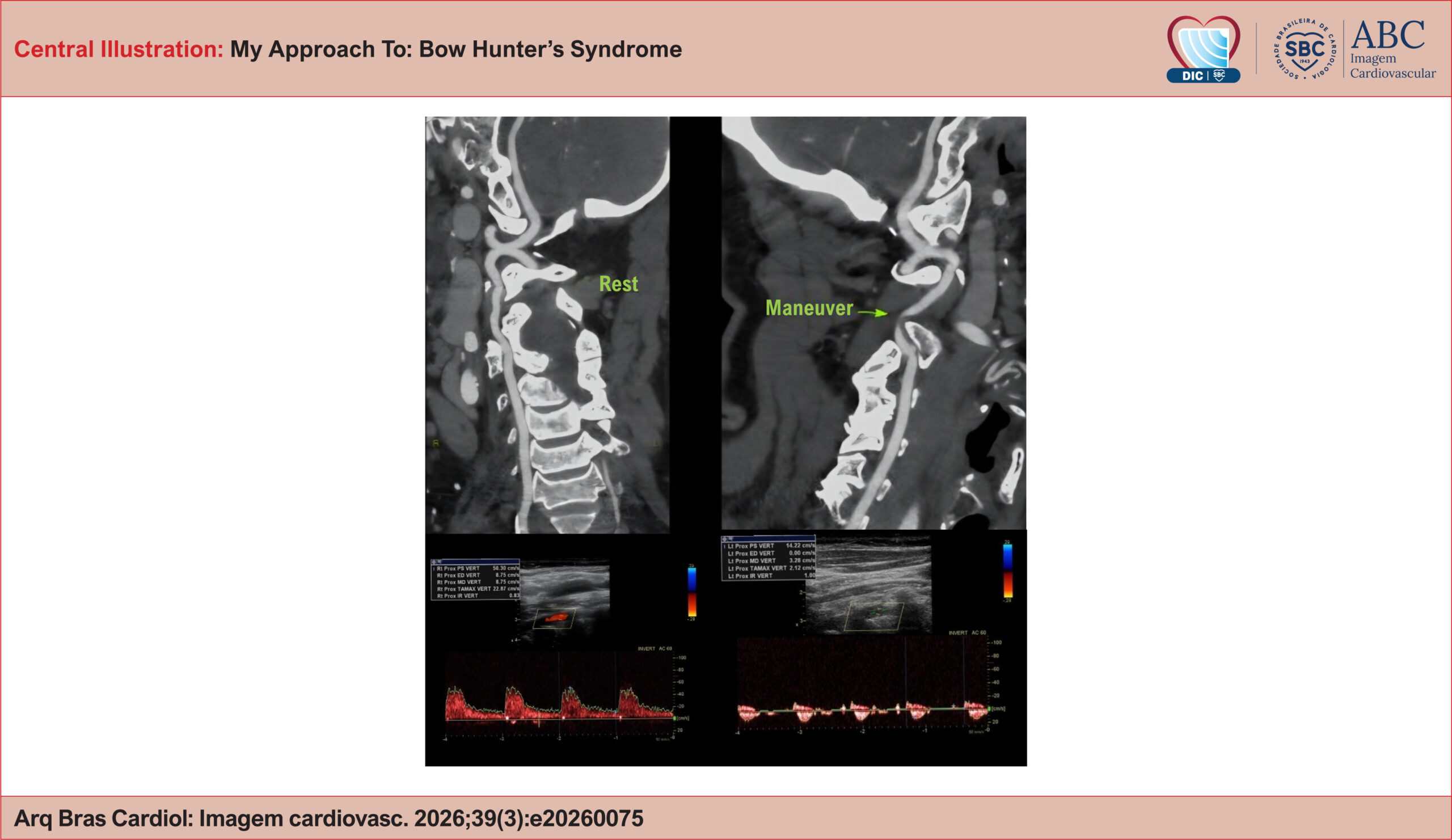
Bow hunter’s syndrome (BHS) is a rare and underdiagnosed condition characterized by mechanical compression or temporary occlusion of the vertebral artery due to lateral rotation or hyperextension of the neck. This mechanical stress occurs predominantly in the V3 segment (C1–C2 level) because of its high degree of mobility.

The pathophysiology involves two main mechanisms – hemodynamic, in which extreme rotation immediately reduces local blood flow and causes paroxysmal symptoms (the triad of vertigo, dizziness, and imbalance) that resolve once the head returns to the neutral position; and thromboembolic, triggered by repeated microtrauma and chronic endothelial injury, which may lead to thrombus formation or dissections and result in cerebellar or brainstem infarctions.

Definitive diagnosis is based on dynamic digital subtraction angiography (DSA) and computed tomography angiography (CTA). However, dynamic vascular Doppler serves as an excellent non-invasive screening method, capable of recording critical real-time hemodynamic changes through positional maneuvers, such as a greater than 50% drop in peak systolic velocity (PSV) or disappearance of diastolic flow.

Therapeutic management varies according to severity. Mild cases are treated conservatively with a cervical collar, behavioral modifications, and antiplatelet therapy. Surgical interventions – such as decompression via osteophytectomy or cervical arthrodesis – and specific endovascular treatments are strictly reserved for patients with refractory symptoms or high risk of stroke.

  • Diagnosis
  • Rare Diseases
  • Vertebral Artery
Read Full Article
Creative Commons Attribution (CC BY) Creative Commons license
03/09/2026 DOI: 10.36660/abcimg.20260075i Views 2
Figure 1
IJCS
Brief Communication

Beyond Hypertrophic Cardiomyopathy: Rethinking Ventricular Thickening in the Spectrum of Cardiomyopathies

Fábio Fernandes et al. Murillo Oliveira Antunes Felix José Alvares Ramires Vinicius Machado Correia … Viviane Tiemi Hotta Juliano Novaes Cardoso Luciano Nastari Barbara Maria Ianni Marcelo Luiz Campos Vieira Charles Mady Jeffrey B. Geske Adelaide M. Arruda-Olson Alan Silva Martins Guilherme José dos Santos Ferreira Vagner Madrini Junior

Hypertrophic cardiomyopathy: potentially misleading nomenclature

In pathology, hypertrophy is the increase in cell size.³ In the heart, this suggests hypertrophy of cardiomyocytes, which can induce an anchoring bias, leading physicians to prioritize the diagnosis of sarcomeric hypertrophic cardiomyopathy, while diseases such as cardiac amyloidosis — where thickening is due to extracellular amyloid accumulation — are underdiagnosed.

This problem is exacerbated in echocardiographic reports, which often use “hypertrophic cardiomyopathy” nonspecifically. Although echocardiography is useful, it does not differentiate between thickening due to cellular hypertrophy or interstitial accumulation (infiltrative or storage diseases), making the term inadequate and potentially harmful in guiding clinical investigation and decisions.

[…]

  • Diagnosis
  • Hypertrophic Cardiomyopathy
  • Terminology
Read Full Article
Creative Commons Attribution (CC BY) Creative Commons license
03/08/2026 DOI: 10.36660/ijcs.20250292 Views 1
Figure 1
IJCS
Editorial

AI-Enhanced ECGs for the Diagnosis of HFpEF: A Promising Frontier, But Not Yet a Standalone Solution

Humberto Villacorta

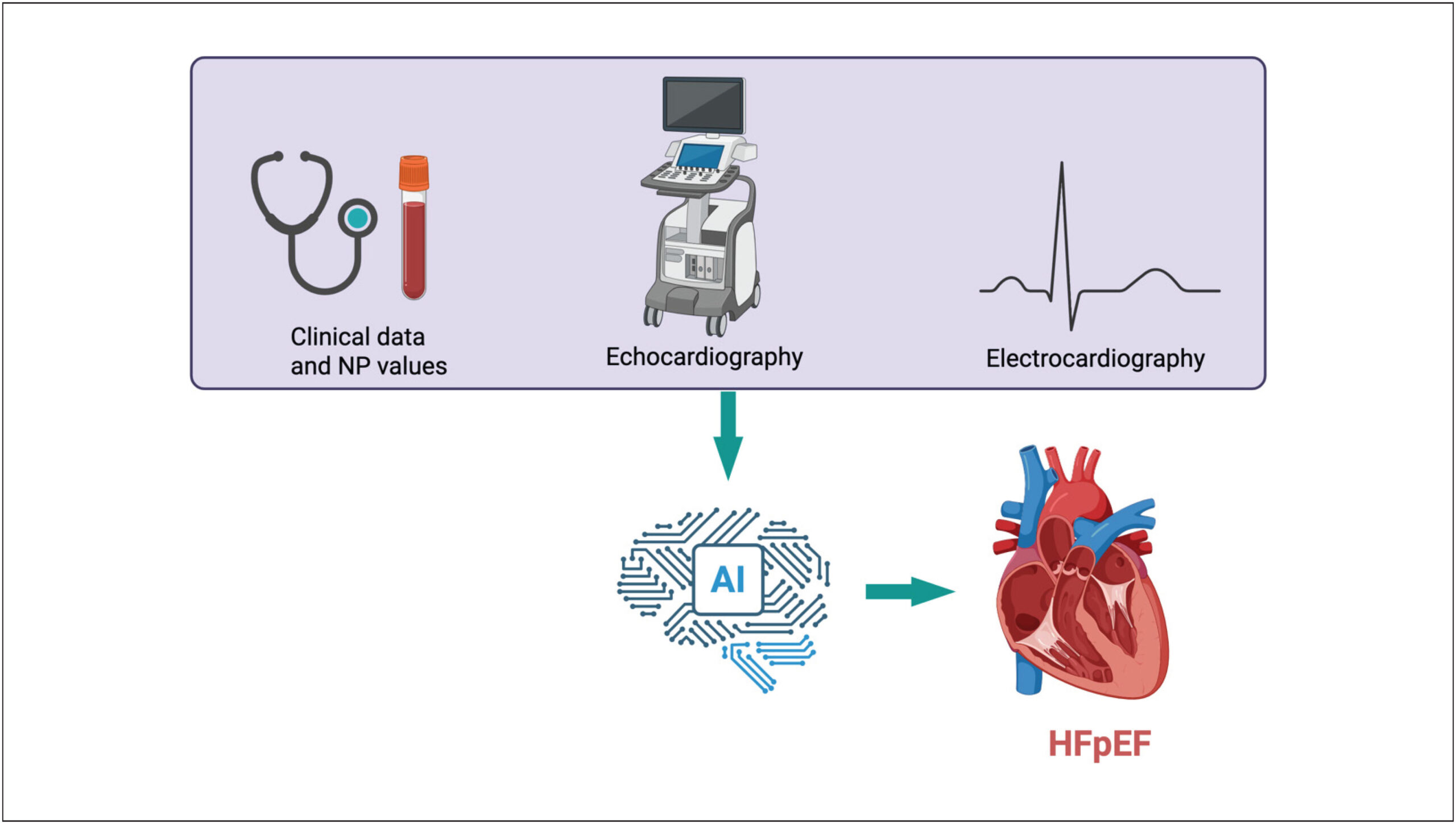
Heart Failure with preserved Ejection Fraction (HFpEF) is among the most challenging syndromes in contemporary cardiology. Despite accounting for nearly half of all heart failure cases, HFpEF remains chronically underdiagnosed and is associated with significant morbidity and mortality., The diagnosis of HFpEF is challenging and relies on clinical history, natriuretic peptide measurements, and echocardiography. Diagnostic scores have been developed that integrate these three key elements., Echocardiography is indispensable for identifying structural and functional criteria, but its availability and cost make population-level screening impractical in many healthcare systems. In addition, in many places, a comprehensive echocardiogram is not performed. Likewise, natriuretic peptides are not always available. Therefore, new solutions to facilitate diagnosis are welcome.

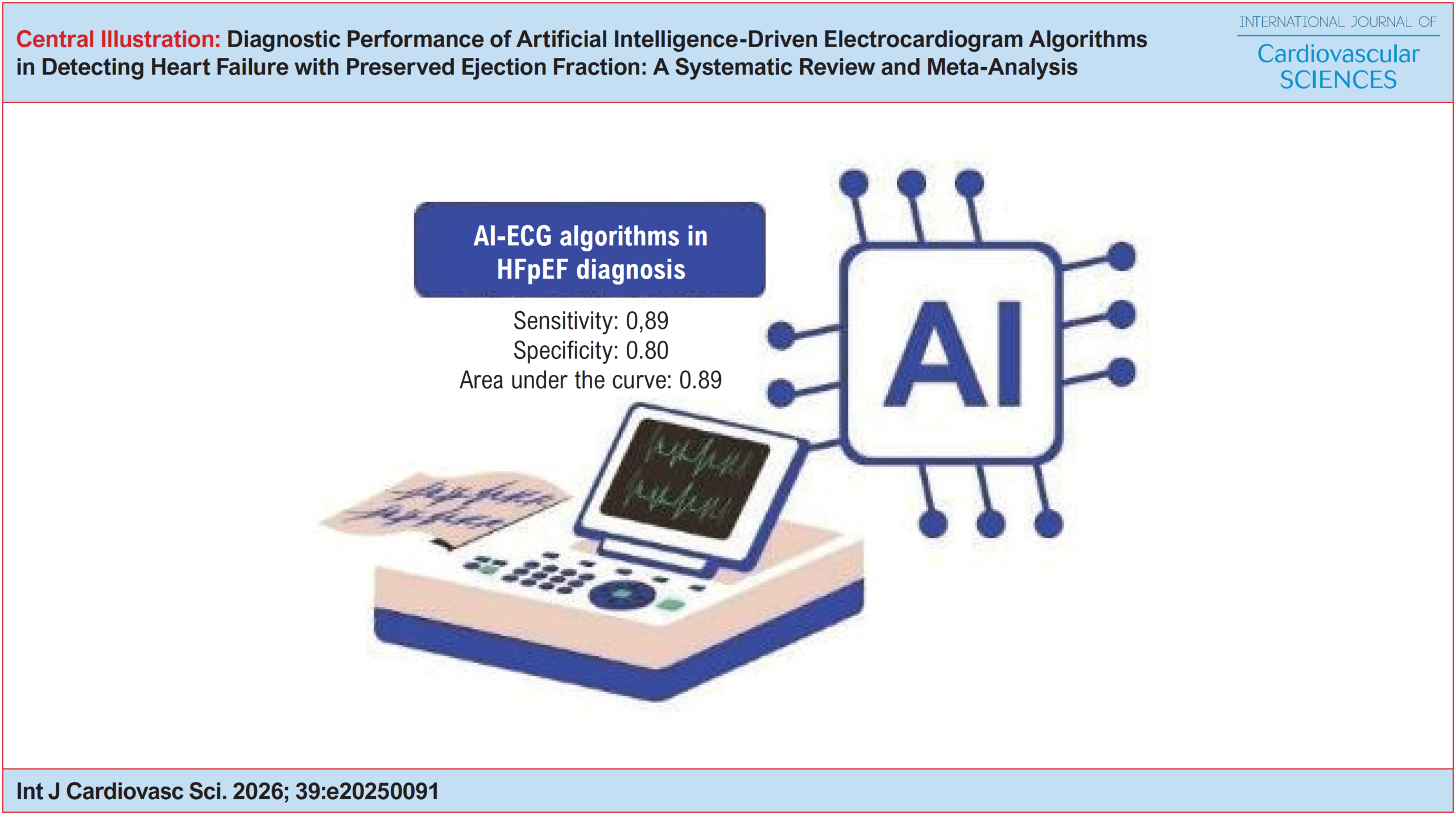
In this context, the systematic review and meta-analysis presented in this issue of International Journal of Cardiovascular Sciences, provide important insights into an increasingly discussed alternative: Artificial Intelligence-enhanced Electrocardiography (AI-ECG). Drawing from more than 170,000 patients across three observational studies, the authors report a pooled sensitivity of 0.89, specificity of 0.80, and an AUC of 0.89 for AI-ECG in detecting HFpEF. These findings suggest that deep learning models can extract subtle electrical signatures associated with diastolic dysfunction – signals that may be visually imperceptible on standard ECGs. The appeal is clear: the ECG is universal, inexpensive, rapid, and deeply embedded in clinical workflows. If Artificial Intelligence could reliably identify patients requiring echocardiographic confirmation, screening strategies might be revolutionized.

[…]

  • Artificial Intelligence
  • Diagnosis
  • Electrocardiography
  • Heart Failure
  • Insuficiência Cardíaca Diastólica
Read Full Article
Creative Commons Attribution (CC BY) Creative Commons license
27/07/2026 DOI: 10.36660/ijcs.20250272 Views 2
Diagnostic Performance of Artificial Intelligence-Driven Electrocardiogram Algorithms in Detecting Heart Failure with Preserved Ejection Fraction: A Systematic Review and Meta-Analysis
IJCS
Original Article

Diagnostic Performance of Artificial Intelligence-Driven Electrocardiogram Algorithms in Detecting Heart Failure with Preserved Ejection Fraction: A Systematic Review and Meta-Analysis

Gustavo Barbosa David et al. Nicolas Ramos Ramon Huntermann Juan Peres de Oliveira … Maria Eduarda Molinari Caroline de Oliveira Fischer Bacca

Abstract

Background:

Heart failure with preserved ejection fraction (HFpEF) is a highly prevalent syndrome associated with substantial morbidity and mortality. Accurate diagnosis is often challenging and costly. Recently, artificial intelligence-based electrocardiogram (AI-ECG) algorithms have emerged to make the diagnosis of HFpEF less expensive and more accessible. However, there is a lack of data regarding their accuracy.

Objective:

We aimed to conduct a systematic review and meta-analysis to evaluate the diagnostic performance of AI-ECG algorithms in detecting HFpEF.

Methods:

We searched PubMed, Embase, and Cochrane databases for studies evaluating AI-ECG algorithms in diagnosing HFpEF. We extracted true-positive, true-negative, false-positive, and false-negative events to estimate pooled sensitivity, specificity with 95% confidence intervals (CI), and area under the curve. Statistical analysis was performed using R under a random-effects model. Heterogeneity was assessed with I² statistics.

Results:

We included three studies comprising 171,073 patients (66.86% with HFpEF), in which an AI-ECG was evaluated alongside echocardiography, with a left ventricular ejection fraction of ≥ 50%. The patients’ mean age was 65.86 ± 4.5 years, and 48.12% were male. AI-ECG algorithms demonstrated a sensitivity of 0.89 (95% CI: 0.64 to 0.97), specificity of 0.80 (95% CI: 0.65 to 0.89), and an area under the receiver operating characteristic curve of 0.89 (95% CI: 0.85 to 0.92).

Conclusion:

AI-ECG algorithms demonstrate moderate to high sensitivity, specificity, and accuracy in diagnosing HFpEF, supporting their potential for routine screening and early detection.

  • Artificial Intelligence
  • Diagnosis
  • Diastolic Heart Failure
  • Electrocardiography
Read Full Article
Creative Commons Attribution (CC BY) Creative Commons license
01/06/2026 DOI: 10.36660/ijcs.20250091
Figure 1
ABC
Letter to the Editor

The End of "Left Atrial Overload"

José Nunes de Alencar et al. Daniel Teixeira de Campos e Barreiro Adrian Baranchuk

To the Editor,

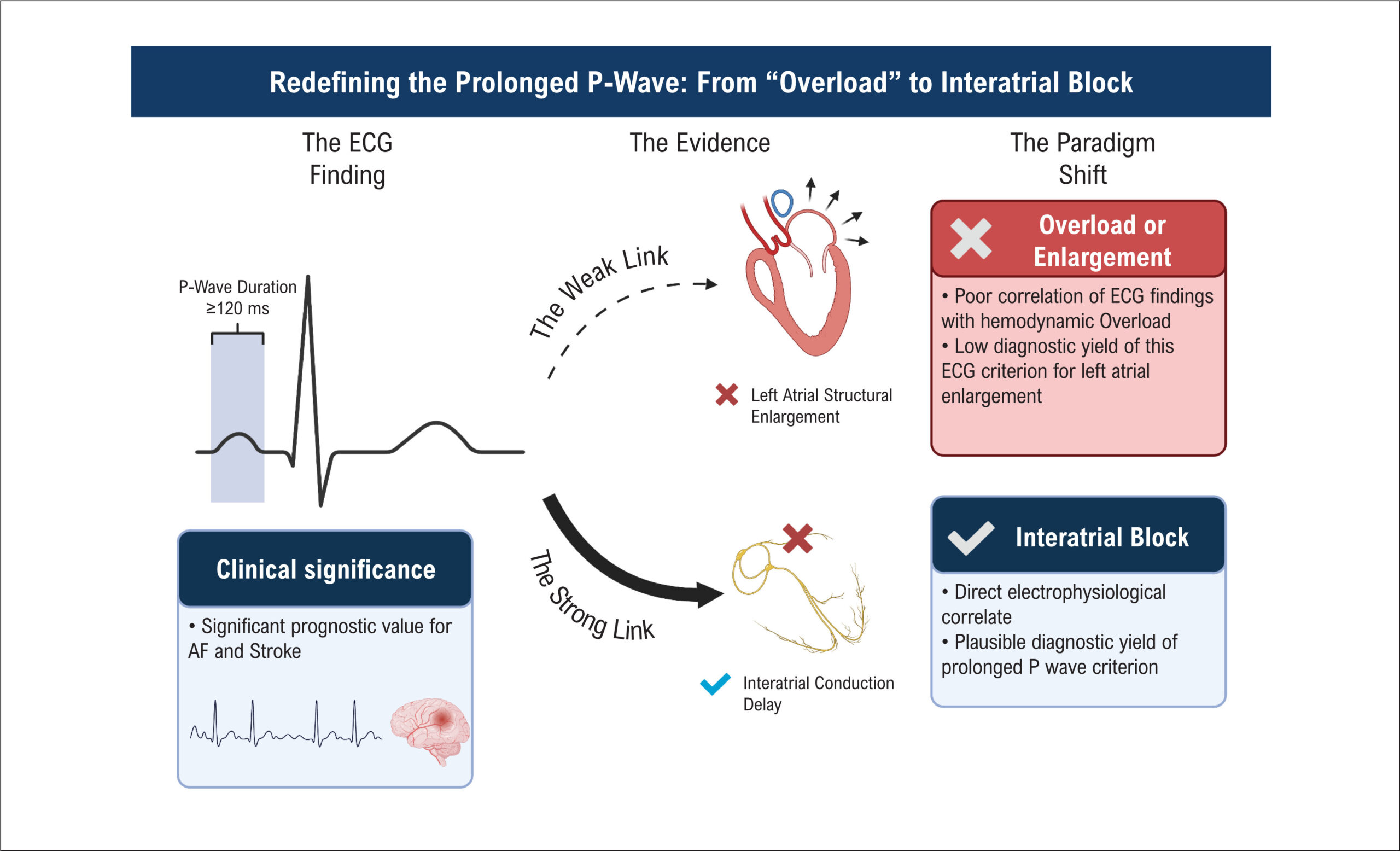
We read with great interest the article by Oliveira et al. The authors are to be commended for conducting a study of this magnitude and rigor. While previous literature relied on smaller sample sizes or non-standard/obsolete echocardiographic cutoffs for left atrial enlargement (LAE),– the ELSA-Brasil cohort provides the statistical power necessary to settle a longstanding debate in clinical cardiology. We believe this research is destined to become a reference point in standard electrocardiography textbooks.

[…]

  • Diagnosis
  • Electrocardiography
  • Heart Atria
Read Full Article
Creative Commons Attribution (CC BY) Creative Commons license
01/06/2026 DOI: 10.36660/abc.20250814i Views 1
The Use of Artificial Intelligence in the Diagnosis of Cardiac Amyloidosis: Integrative Review
ABCIC
Review Article

The Use of Artificial Intelligence in the Diagnosis of Cardiac Amyloidosis: Integrative Review

Nilson Batista Lemos et al. Gabriela Aparecida Moreira Araújo Marcelo Dantas Tavares de Melo

Abstract

Fundamento:

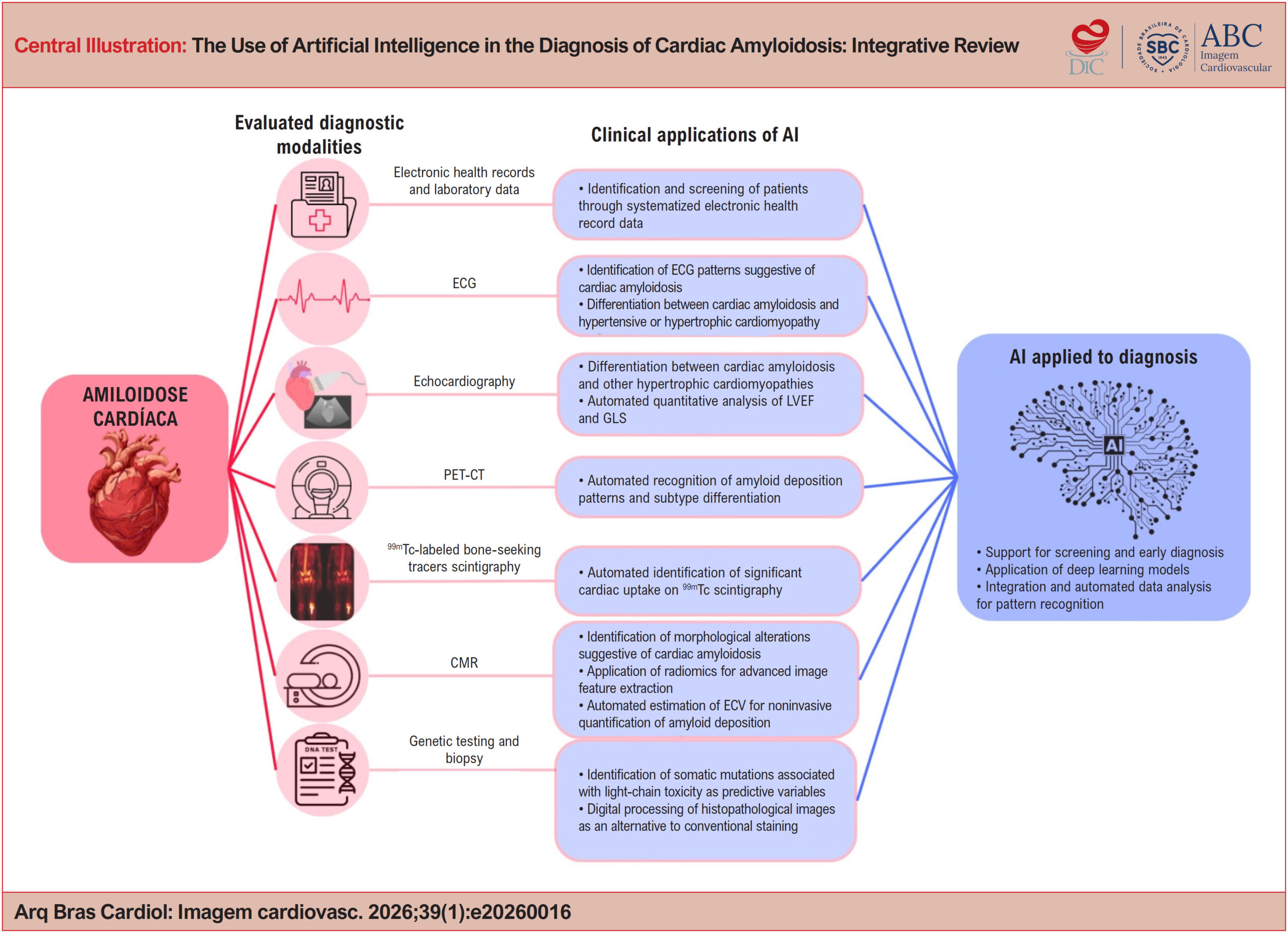
Cardiac amyloidosis is a rare form of infiltrative cardiomyopathy characterized by the deposition of proteins in the myocardium, resulting in increased wall thickness, impaired ventricular function, and possible progression to heart failure. Diagnosis is challenging due to the low prevalence of the disease and the nonspecific nature of its clinical manifestations. The application of artificial intelligence (AI) to the analysis of medical tests emerges as a promising strategy for early detection, more accurate diagnosis, and timely initiation of treatment.

Methods:

An integrative literature review was conducted on the use of AI in the diagnosis of cardiac amyloidosis. Articles published between 2019 and 2024 were searched in the PubMed, Scopus, Web of Science, Embase, and Cochrane Library databases.

Results:

Of the 420 articles initially identified, 21 met the eligibility criteria and were included in the final analysis. A predominance of retrospective observational studies applying machine learning models was observed. Among the diagnostic modalities evaluated in association with AI, electrocardiography and echocardiography were the most frequently studied tests.

Conclusion:

AI demonstrates high potential to improve the screening and diagnosis of cardiac amyloidosis when applied to the analysis of clinical and imaging tests. The findings of this review indicate that AI may accelerate the diagnostic process, reduce the need for invasive procedures, and optimize the use of health care resources. However, to expand its integration into clinical practice and enhance its generalizability, further model refinement and validation in more diverse populations are required.

  • Amyloidosis
  • Artificial Intelligence
  • Diagnosis
Read Full Article
Creative Commons Attribution (CC BY) Creative Commons license
25/05/2026 DOI: 10.36660/abcimg.20260016i Views 1
Fundamentals of Acute Pericarditis: State of the Art
ABC
Review Article

Fundamentals of Acute Pericarditis: State of the Art

Gabriel de Moraes Mangas et al. Jose Gregorio Valero Rodriguez João Alexandre Ranzeiro de Bragança dos Santos Flavia Nunes Benicio de Souza … Luis Felipe Leite da Silva Giovane Leal de Azevedo Junior Alberto Chivaca Neusa Perina de Jesus Jessen Ângelo Oliveira Evandro Tinoco Mesquita

Abstract

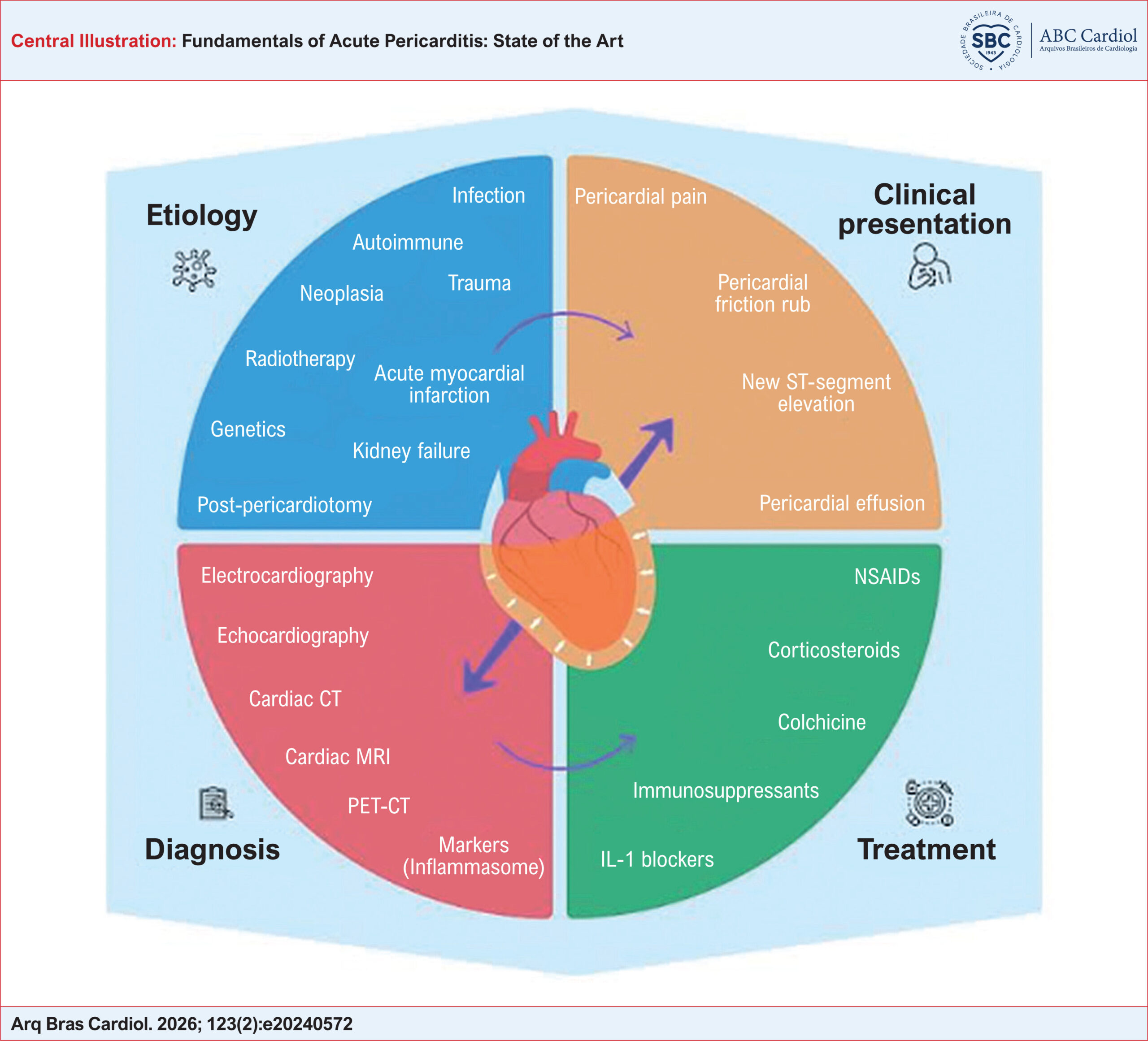
Acute pericarditis is an inflammation of the pericardium, the lining that surrounds the heart. It is the most common inflammatory heart condition. The disease frequently affects young adults and can manifest with varying severity. Pericarditis can have diverse causes, including viral infections, autoimmune diseases, post-infarction conditions, and, more recently, SARS-CoV-2 infections or COVID-19 vaccines. In developing countries, especially in Africa, tuberculosis is the leading cause of pericarditis, often associated with HIV. Diagnosis is based on clinical criteria, such as chest pain and electrocardiographic changes, and it can be supported by imaging studies such as echocardiography, cardiac magnetic resonance imaging, and computed tomography. Identification of etiology is crucial to personalized treatment, although the specific cause is often unidentified. New research has highlighted the role of the NLRP3 inflammasome in the pathophysiology of pericarditis, which may pave the way for new therapies. Furthermore, technological advancements and artificial intelligence are discussed as promising tools to improve the management of pericarditis.

  • Acute Pericarditis
  • Artificial Intelligence
  • Diagnosis
  • Inflammation
  • Treatment
Read Full Article
Creative Commons Attribution (CC BY) Creative Commons license
17/04/2026 DOI: 10.36660/abc.20240572i Views 3
Optimizing Post-Discharge Heart Failure Care: The Role of Natriuretic Peptides
ABCHF
Review Article

Optimizing Post-Discharge Heart Failure Care: The Role of Natriuretic Peptides

Humberto Villacorta et al. Aline Sterque Villacorta

Abstract

Heart failure (HF) remains a leading cause of hospitalization, mortality, and health-care burden worldwide. The post-discharge period following acute decompensated heart failure (ADHF) is characterized by a heightened risk of rehospitalization and death, particularly during the first 90 days, known as the “vulnerable phase.” Effective strategies for risk stratification and therapy optimization during this phase are crucial to improve outcomes.

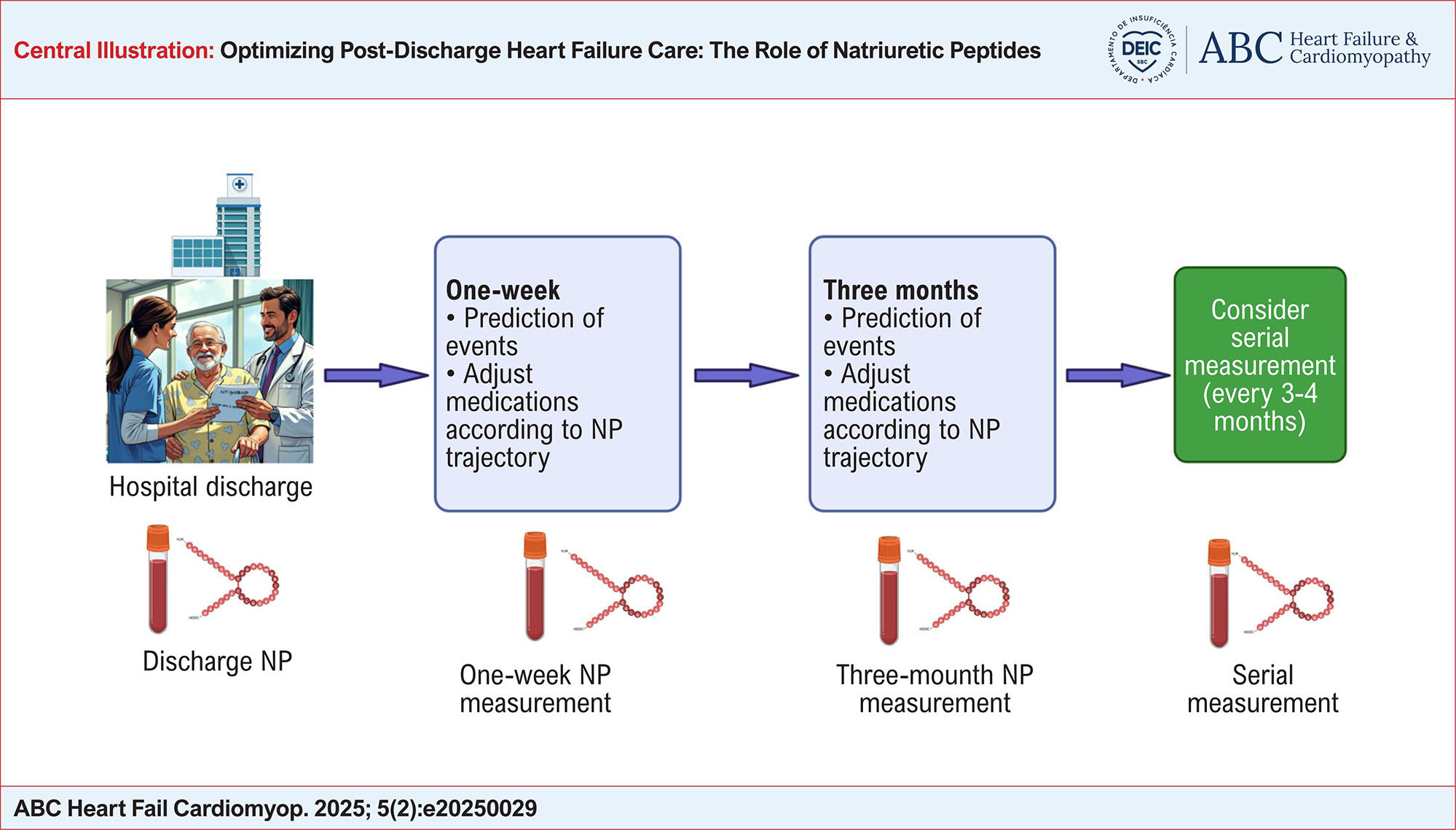
Natriuretic peptides (NPs), including B-type natriuretic peptide (BNP) and its N-terminal fragment (NT-proBNP), are well-established biomarkers of myocardial stress. Beyond their diagnostic role, NPs have emerged as powerful prognostic tools for post-discharge risk assessment and as potential guides for therapy titration. Elevated NP levels at discharge and persistently high concentrations one week post-discharge strongly predict adverse outcomes. Evidence from the STRONG-HF trial demonstrated that early, intensive follow-up incorporating NP monitoring and rapid guideline-directed medical therapy (GDMT) up-titration significantly reduced mortality and rehospitalization. Serial NP measurements further enhance risk stratification by capturing dynamic changes over time. Although trials such as GUIDE-IT showed mixed results for NP-guided therapy using fixed targets, patients achieving lower NP levels consistently demonstrated better outcomes.

In conclusion, NPs provide incremental prognostic value beyond clinical assessment in the vulnerable post-discharge phase and throughout long-term management. Early and serial NP monitoring can identify high-risk patients and support GDMT optimization. Future research should refine timing, thresholds, and integration of NP-guided strategies into multimodal risk models to enhance personalized HF care and improve global patient outcomes.

  • Diagnosis
  • Dyspnea
  • Emergency Medical Services
  • Heart Failure
  • Natriuretic Peptides
Read Full Article
Creative Commons Attribution (CC BY) Creative Commons license
19/12/2025 DOI: 10.36660/abchf.20250029i Views 1
ABC
Editorial

Functional RNA Applications in Cardiovascular Precision Medicine: Advances and Diagnostic Perspectives

Mariana Gatto et al. Gustavo Augusto Ferreira Mota Luana Urbano Pagan Marina Politi Okoshi

In recent years, advancements in diagnostic tools have revolutionized biomedical research, particularly in the identification and understanding of various diseases. High-precision technologies such as Next-Generation Sequencing (NGS), coupled with bioinformatics platforms, have enabled detailed analyses of genetic and transcriptomic profiles. This progress has facilitated the detection of genetic variants, molecular signatures, and gene expression patterns, thereby refining the diagnosis of complex diseases and unveiling novel therapeutic targets.

Among these technologies, RNA sequencing (RNA-Seq) —an NGS-based approach for sequencing and quantifying RNA transcripts—has emerged as a key tool. Transcripts can be classified into coding RNAs, such as messenger RNAs (mRNAs) that guide protein synthesis, and non-coding RNAs, including long non-coding RNAs (lncRNAs) and microRNAs (miRNAs), which play regulatory roles in gene expression.LncRNAs modulate transcriptional, epigenetic, and post-transcriptional activity of target genes, whereas miRNAs generally promote mRNA degradation or inhibit translation. The analysis of RNA expression and molecular interactions has broadened our understanding of gene regulatory networks, with promising applications in oncology, inflammatory diseases, and cardiovascular conditions.

[…]

  • coronary circulation
  • Diagnosis
  • RNA
Read Full Article
Creative Commons Attribution (CC BY) Creative Commons license
01/12/2025 DOI: 10.36660/abc.20250553i Views 3
Prognostic Applications of Current Clinical Scores in Heart Failure with Preserved Ejection Fraction: A Prospective Cohort Study
ABC
Original Article

Prognostic Applications of Current Clinical Scores in Heart Failure with Preserved Ejection Fraction: A Prospective Cohort Study

Fernando Colares Barros et al. Jéssica Cristina de Cezaro Pietro Donelli Costa Giovanni Donelli Costa … Angela Barreto Santiago Santos Eduardo Gatti Pianca Willian Roberto Menegazzo Fernando Luís Scolari Anderson Donelli da Silveira

Abstract

Background

The H2FPEF and HFA-PEFF scores were developed to support the diagnosis of heart failure with preserved ejection fraction (HFpEF) and may also help predict cardiovascular outcomes.

Objective

To assess the prognostic value of these scores in a cohort of individuals with HFpEF.

Methods

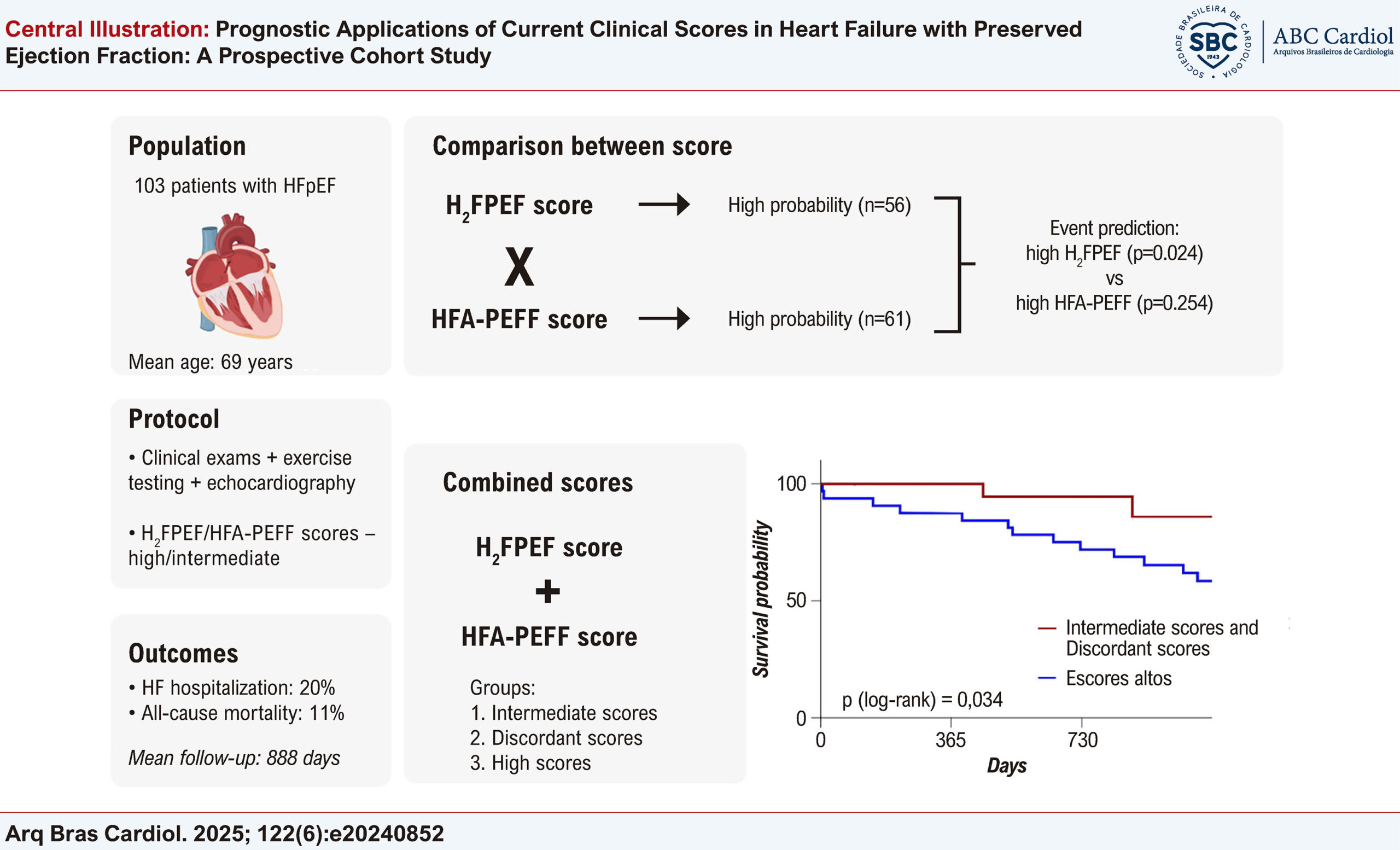
This prospective study was conducted at a tertiary hospital in Brazil between March 2019 and December 2021. After clinical evaluation, echocardiography, and exercise testing, the H2FPEF and HFA-PEFF scores were calculated. Patients were classified into intermediate probability groups (H2FPEF: 2-5 points; HFA-PEFF: 2-4 points) and high probability groups (H2FPEF >5 points; HFA-PEFF >4 points). The primary outcome was a composite of all-cause mortality and hospitalizations due to HFpEF. Statistical significance was set at p<0.05.

Results

A total of 103 patients were followed for an average of 888 days (±291). The mean age was 69 years (±8.3), and 61% were women. Twenty-seven patients (26.2%) experienced primary outcomes, totaling 32 events—11 deaths and 21 hospitalizations due to HFpEF. In the receiver operating characteristic (ROC) curve analysis, the H2FPEF score showed better predictive ability for the outcomes (area under the curve [AUC]: 0.637, 95% CI: 0.518–0.756, p=0.035) compared to the HFA-PEFF score (AUC: 0.572, 95% CI: 0.448–0.696, p=0.270). In the Kaplan-Meier analysis, high-probability classification by both scores was significantly associated with the occurrence of outcomes (log-rank p=0.034), compared to the intermediate score group or patients with differing classifications between the two scores.

Conclusions

The H2FPEF score showed better performance than the HFA-PEFF score in predicting outcomes in patients with HFpEF. Findings from this contemporary study conducted in Brazil contribute to risk stratification in clinical practice.

  • Diagnosis
  • Heart Failure
  • Prognosis
Read Full Article
Creative Commons Attribution (CC BY) Creative Commons license
16/06/2025 DOI: 10.36660/abc.20240852i Views 1
The Complex Puzzle of Hypertrophic Phenotype: A Practical Approach for the Clinician
ABC
Review Article

The Complex Puzzle of Hypertrophic Phenotype: A Practical Approach for the Clinician

Alex dos Santos Felix et al. Silvio Henrique Barberato Marcelo Dantas Tavares de Melo Sílvia Aguiar Rosa Nuno Cardim

Abstract

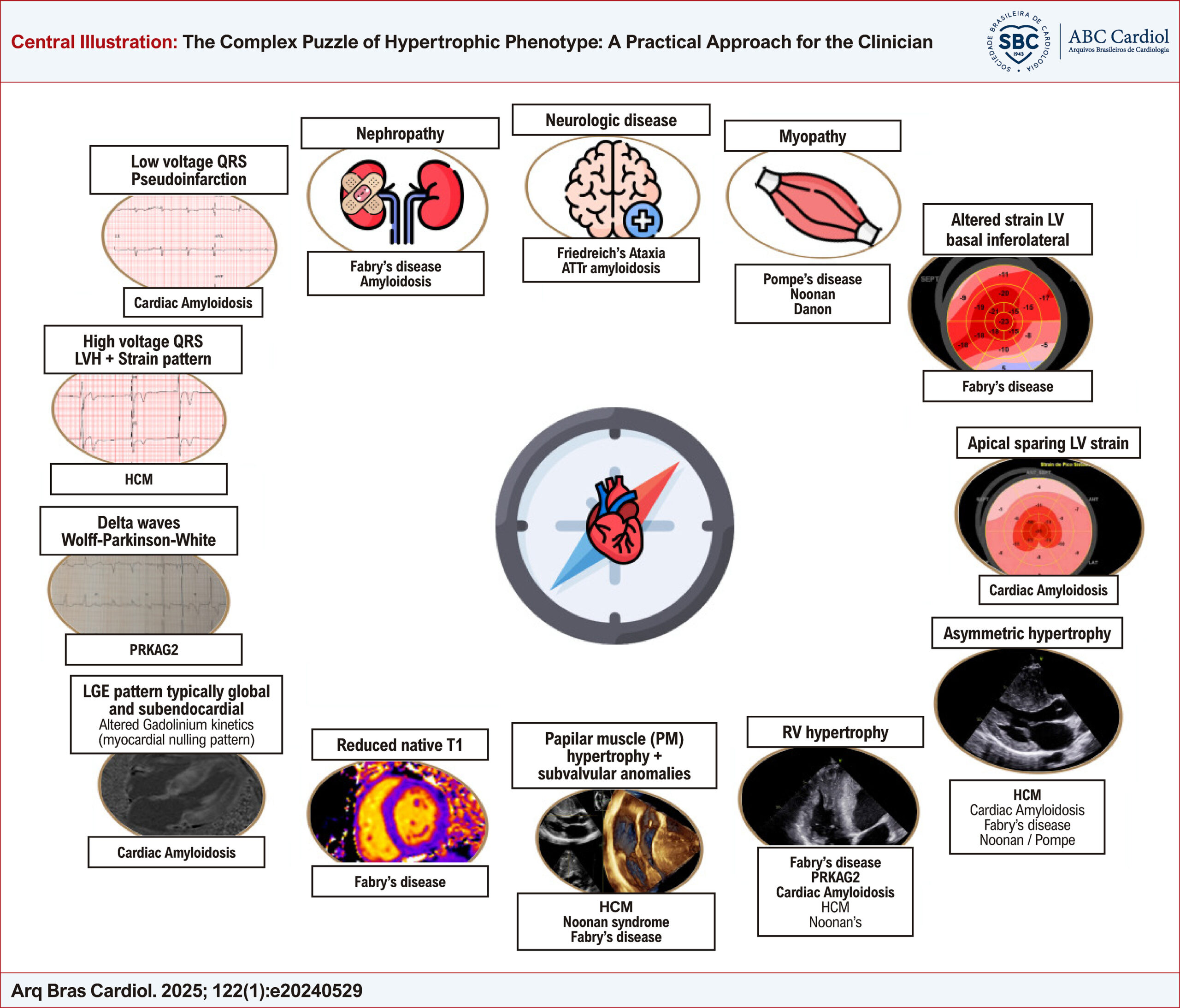
Left ventricular hypertrophy (LVH) represents a frequent observation in clinical practice. Nonetheless, the hypertrophic phenotype emerges as a common manifestation of diverse conditions, thereby presenting a diagnostic conundrum for clinicians. Differentiation among the etiologies of LVH is imperative for therapy decision-making, as different approaches must be implemented for distinct conditions, such as LVH secondary to loading changes, hypertrophic cardiomyopathy (HCM), or HCM mimics.

In some instances, an erroneous or late diagnosis may lead to a progression of the underlying disease with worsening functional capacity, high morbidity and mortality.

The rational use of cardiovascular multimodality imaging is of great importance when carried out in addition to a thorough clinical assessment and correlated with electrocardiographic findings, providing clues to fill the gaps, being, most of the time, the missing piece to solve this challenging puzzle.

An integrative approach is of paramount importance for the evaluation of these patients, as they are often followed by several specialties, with varied systemic manifestations. Although a multidisciplinary team is needed for an optimized follow-up of these patients, the most important player in this journey is the clinician, whose mission is to bring together all the red flags and coordinate all the data for an assertive diagnosis.

The objective of this review is to provide a pragmatic methodology, highlighting important clues for discriminating among the diverse conditions that result in LVH.

  • Cardiac Imaging Techniques
  • Diagnosis
  • Differential Diagnosis
  • Heart Function Tests
  • Left Ventricular Hypertrophy
Read Full Article
Creative Commons Attribution (CC BY) Creative Commons license
04/04/2025 DOI: 10.36660/abc.20240529i Views 1
ABC
Editorial

Serum Glycogen Synthase 3 Beta Levels: A Promissory Marker for Patients with Heart Failure

Claudia Aznar Alesso et al. João Queda Dania Mohty Vera Maria Cury Salemi

Heart failure (HF) involves systemic inflammation and metabolic alterations. The prevalence is rising due to improvements in HF treatments and longer life expectancy in the population. Also, the diagnostic approach of patients with HF has markedly increased with the development of new algorithms to promote earlier diagnosis.

Careful use of biomarkers might help to refine the diagnosis and management and further improve the prognosis of HF patients. The term “biomarker” (from biological marker) was coined in 1989 to identify a measurable and quantifiable biological parameter used to assess the health and physiology of patients in terms of disease risk and diagnosis. Since Braunwald’s first studies in the 1950s on C-reactive protein (CRP) in HF, hundreds of molecules have been studied, but only B-type natriuretic peptide (BNP) and N-terminal pro–B-type natriuretic peptide come close to the characteristics of ideal HF biomarker. However, relying on easily measurable congestion biomarkers such as BNPs misses approximately one-third of all affected patients. It may be disproportionately high for patients with renal failure, pulmonary hypertension, pulmonary embolism, and chronic hypoxia.–

[…]

  • Biomarkers
  • Diagnosis
  • Glycogen
  • Heart Failure
  • Prognosis
Read Full Article
Creative Commons Attribution (CC BY) Creative Commons license
09/12/2024 DOI: 10.36660/abc.20240684i Views 2
ABCIC
Editorial

Artificial Intelligence in Echocardiography: The Future of Precision Diagnosis

Maria Estefânia Bosco Otto

AI and the Systolic Function

Ejection fraction (EF) is an essential parameter used to assess the systolic function; however, it has been historically subjected to interobserver variability and the level of experience of the examiner. AI-based algorithms present solutions for EF, providing automated and reproducible calculations.3–5 A pioneering study published by He et al. evaluated a deep learning (DL) system comprised of convolutional neural networks (CNNs), called EchoNet-Dynamic flow, and compared EF assessments performed by AI with measurements performed by experienced sonographers. The reference cardiologists who checked these results were unable to differentiate between the sonographer and AI. Furthermore, the results demonstrated that the assessment by AI was not inferior to those performed by experts, with a difference of less than 5% in variability. Other advantages of this system were the speed of measurement and the possibility of averaging up to five heartbeats, thus improving the accuracy of the result in atrial fibrillation.

Another parameter widely used to assess systolic function in echocardiography is the Global Longitudinal Strain (GLS) analysis, which not only aids in the diagnosis of cardiac function, but also reveals characteristic patterns of certain diseases, such as amyloidosis. The GLS technique itself requires machine learning (ML) training of the equipment to identify acoustic window incidences and outline edges. However, AP techniques by CNR were able to assess GLS more quickly and with less variability when compared to a commercially established workstation used in echocardiography laboratories. Recently, Kwan et al. evaluated a CNR system used to assess GLS with images produced by equipment from two different companies, concluding that, in addition to having less variability and good reproducibility, this system was able to identify GLS patterns and differentiate between athlete’s hypertrophy, amyloidosis, and hypertrophic cardiomyopathy. However, it important to understand that the quality of the images obtained for both GLS and EF assessments must be good, a factor that cannot yet be achieved by AI.

[…]

  • Artificial Intelligence
  • Diagnosis
  • Echocardiography
Read Full Article
Creative Commons Attribution (CC BY) Creative Commons license
22/11/2024 DOI: 10.36660/abcimg.20240095i Views 2
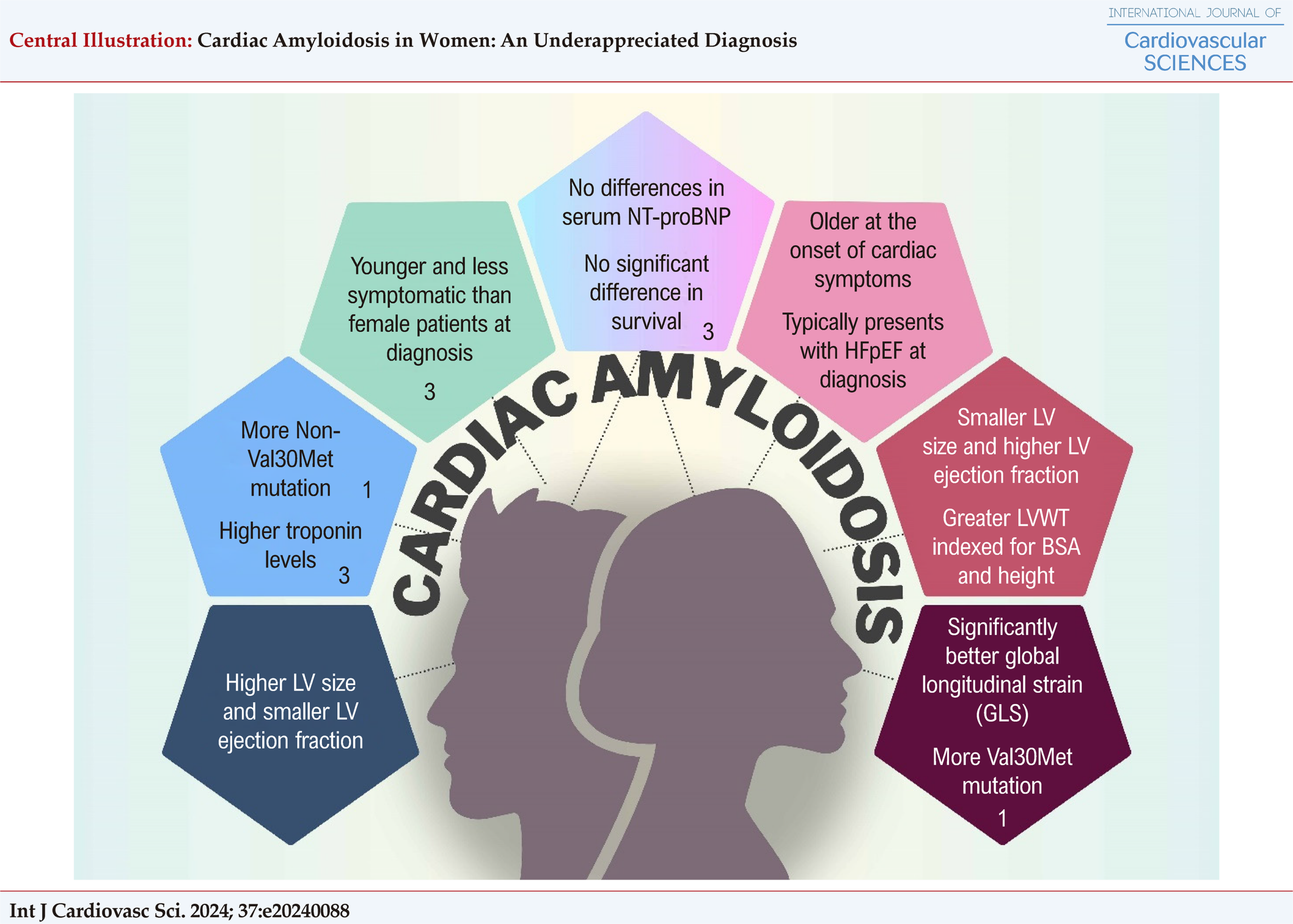
Cardiac Amyloidosis in Women: An Underappreciated Diagnosis
IJCS
Review Article

Cardiac Amyloidosis in Women: An Underappreciated Diagnosis

Larissa Neto Espíndola et al. Gláucia Maria Moraes de Oliveira Cláudia Maria Vilas Freire Marildes Luiza de Castro Maria Cristina Costa de Almeida

Abstract

Cardiac amyloidosis (CA) is an infiltrative cardiomyopathy that affects the heart mostly in two forms: immunoglobulin light chain amyloidosis (AL-CM) and transthyretin amyloidosis.

Transthyretin amyloid cardiomyopathy (ATTR-CM) predominantly affects the elderly population, mainly men (about 70-80%), and usually manifests with symptoms of heart failure (HF).

Despite technological advances in medicine, CA is still an underdiagnosed condition, especially in women, partly due to the known male predominance and high level of suspicion required for diagnosis. It is important to remember that amyloidosis is a systemic disease with a heterogeneous and non-specific presentation. It’s worth paying attention to the patient’s medical history and red flags in clinical and diagnostic tests (electrocardiogram [ECG], echocardiogram [ECHO], cardiac magnetic resonance [CMR]).

Accurate and timely diagnosis is crucial for appropriate management and prognosis.

So far, the under-representation of women in clinical trials may have also limited the evidence on sex-specific diagnosis, and outcomes.

  • Amyloidosis
  • Diagnosis
  • Prognosis
  • Therapeutics
  • Women
Read Full Article
Creative Commons Attribution (CC BY) Creative Commons license
26/08/2024 DOI: 10.36660/ijcs.20240088 Views 1
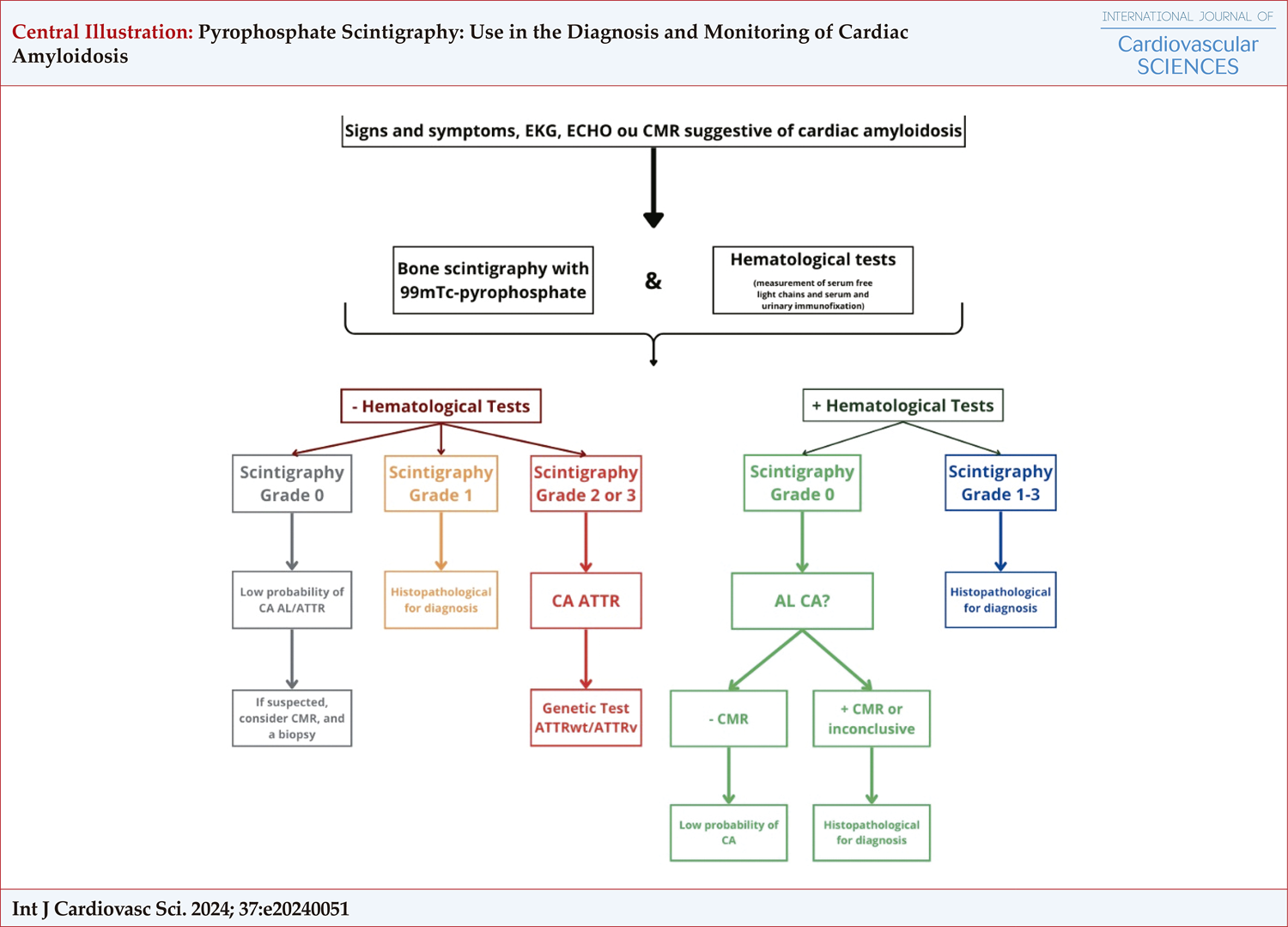
Pyrophosphate Scintigraphy: Use in the Diagnosis and Monitoring of Cardiac Amyloidosis
IJCS
Review Article

Pyrophosphate Scintigraphy: Use in the Diagnosis and Monitoring of Cardiac Amyloidosis

Claudio Tinoco Mesquita et al. Davi Shunji Yahiro José Felipe Ramos dos Santos Luís Eduardo Machado … Jose Gregorio Valero Rodriguez Giovane Leal de Azevedo Junior Marcus Simões

Abstract

Cardiac amyloidosis (CA) is a progressive condition marked by the accumulation of amyloid fibrils in cardiac tissue, resulting in cardiac dysfunction and, ultimately, heart failure. Pyrophosphate scintigraphy has emerged as a promising tool for the early detection and monitoring of CA, providing valuable insights into the disease’s extent and severity. This review examines the current use of pyrophosphate scintigraphy in distinguishing between different types of amyloidosis, assessing risk levels, and monitoring patients with CA. It underscores the clinical significance and prospects of this imaging technique.

  • Amyloidosis
  • Diagnosis
  • Nuclear Medicine
  • Radionuclide Imaging
Read Full Article
Creative Commons Attribution (CC BY) Creative Commons license
19/08/2024 DOI: 10.36660/ijcs.20240051 Views 1
Central Illustration
ABCHF
Review Article

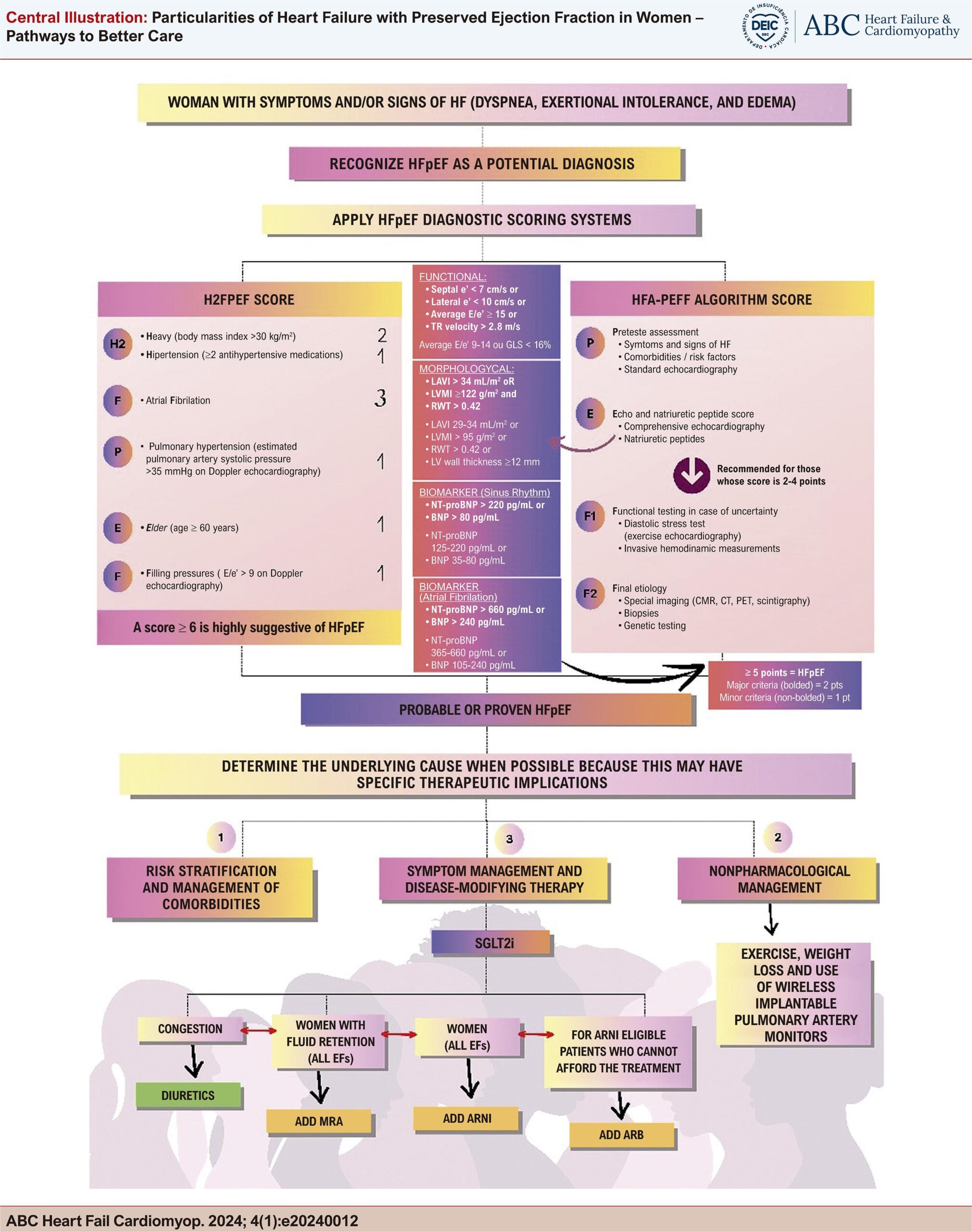
Particularities of Heart Failure with Preserved Ejection Fraction in Women – Pathways to Better Care

Larissa Neto Espíndola et al. Maria Cristina Costa de Almeida Marildes Luíza de Castro Cláudia Maria Vilas Freire Gláucia Maria Moraes de Oliveira

Abstract

While heart failure with reduced ejection fraction (HFrEF) is more prevalent in males, female predominance is a striking feature in heart failure with preserved ejection fraction (HFpEF).

The incidence of HFpEF has been gaining alarming proportions. It has exceeded HFrEF as the primary form of heart failure, especially in the female sex. Women tend to have smaller cardiac chambers with higher left ventricular ejection fraction; however, they have more severe symptoms and signs. Until now, there is no consensus about the exact mechanisms of these differences related to sex. Understanding these mechanisms is essential to mitigate the risks for HFpEF and direct efforts towards identifying novel preventive and disease-modifying treatments. Lifestyle, pharmacologic, and device-based approaches to reduce the medical and societal impact of HFpEF could improve patients’ quality of life.

The purpose of this review is to outline known biological sex differences in women with HFpEF with a specific focus on pathways to better care for the diagnosis and treatment of women with HFpEF.

  • Diagnosis
  • Heart Failure
  • Left Ventricular Function
  • Therapeutics
  • Women
Read Full Article
Creative Commons Attribution (CC BY) Creative Commons license
13/08/2024 DOI: 10.36660/abchf.20240012i Views 3
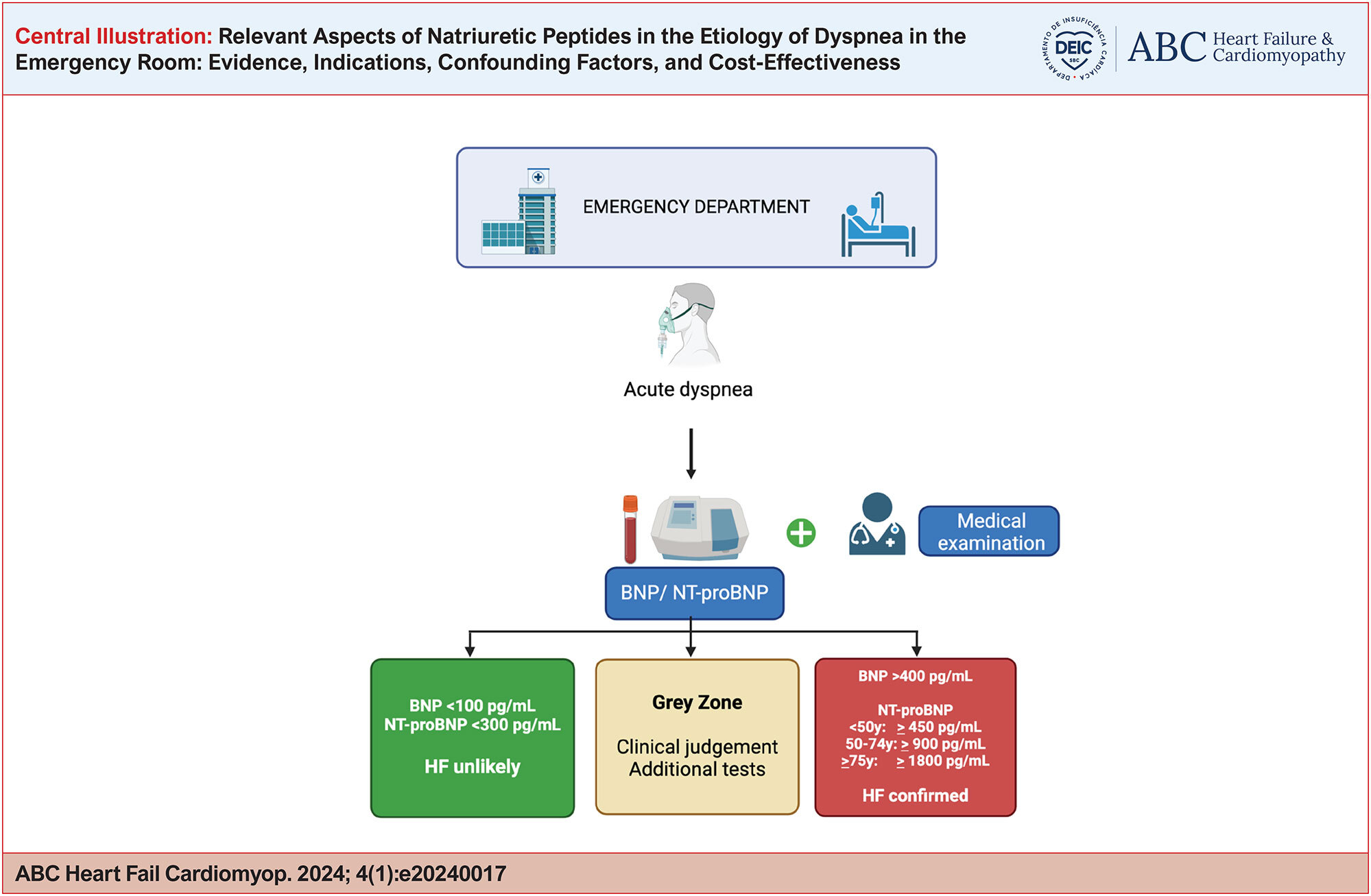
Relevant Aspects of Natriuretic Peptides in the Etiology of Dyspnea in the Emergency Room: Evidence, Indications, Confounding Factors, and Cost-Effectiveness
ABCHF
Review Article

Relevant Aspects of Natriuretic Peptides in the Etiology of Dyspnea in the Emergency Room: Evidence, Indications, Confounding Factors, and Cost-Effectiveness

Humberto Villacorta

Abstract

Natriuretic peptides are hormones released by the heart after acute or chronic aggression. They are produced exclusively by the heart and are, therefore, specific cardiac biomarkers. Recent pivotal studies have confirmed that they are useful in the diagnostic assessment of patients with dyspnea in the emergency room, with a high predictive value in ruling out acute heart failure, and they are indicated when there are doubts in clinical examination. They are also useful as prognostic markers and in monitoring response to treatment. Multiple studies have demonstrated that they are cost-effective in the emergency room. However, it is important to underscore that they should always be used in conjunction with clinical examination, and they have the limitation of reduced accuracy in some subgroups, due to the influence of some clinical variables, such as age, renal function, atrial fibrillation, and obesity. The use of cutoff values stratified by age group and machine learning techniques minimize the influence of confounding factors.

  • Diagnosis
  • Dyspnea
  • Emergency Medical Services
  • Heart Failure
  • Natriuretic Peptides
Read Full Article
Creative Commons Attribution (CC BY) Creative Commons license
11/07/2024 DOI: 10.36660/abchf.20240017i Views 2
Figure 1
ABCIC
Review Article

My Approach to Perform Echocardiographic Assessment during Cardiopulmonary Arrest

Fátima Elizabeth Fonseca de Oliveira Negri et al. Alexandre Jorge de Andrade Negri Alexandre Jorge de Andrade Negri Júnior Taciana Assis Bezerra Negri

Abstract

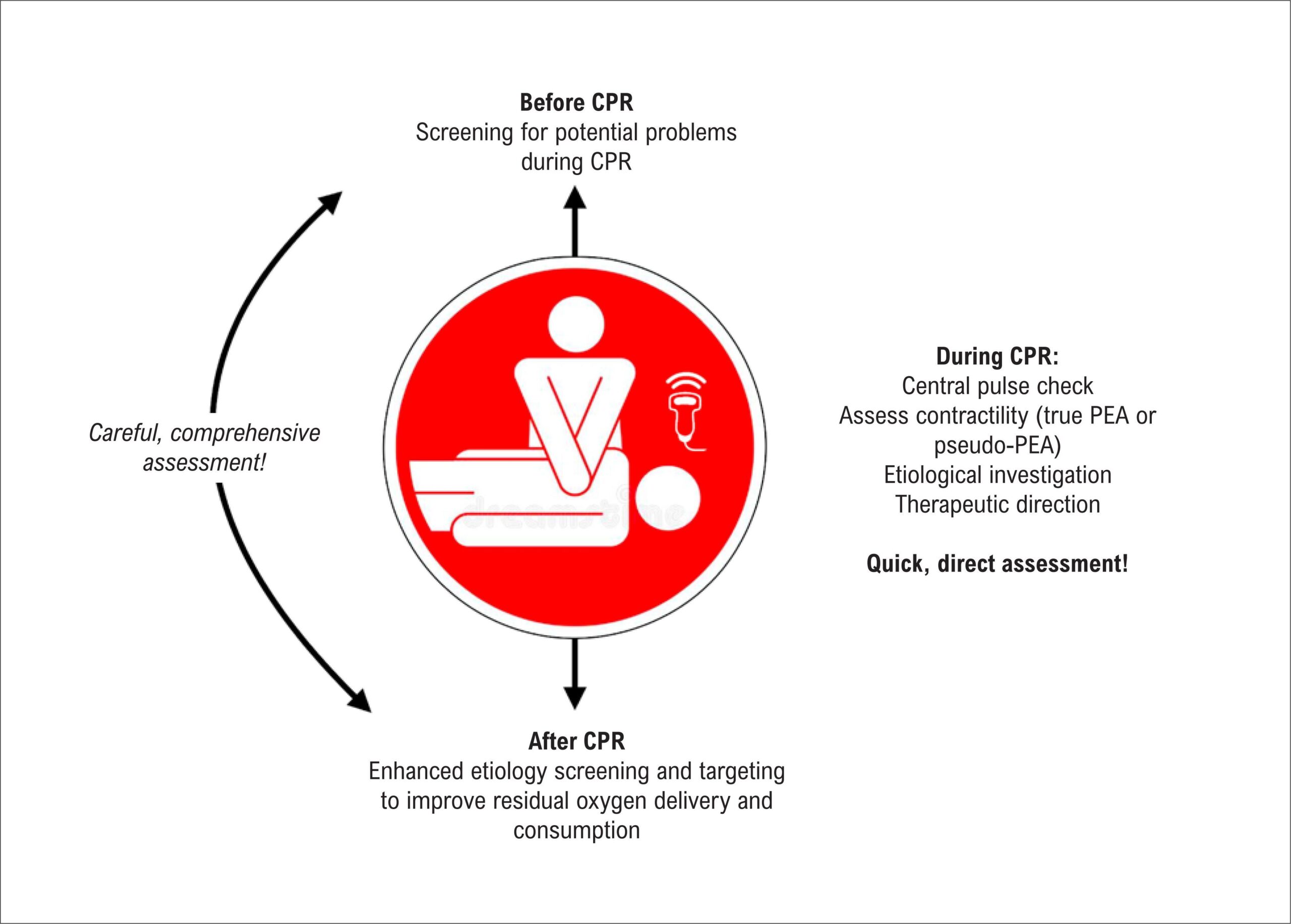
Cardiopulmonary arrest (CPA) is one of the most common events encountered by health care professionals. Attempts to reverse it by performing cardiopulmonary resuscitation (CPR) maneuvers still have very low success rates. Pulseless electrical activity (PEA) and asystole are associated with the worst outcomes. Major CPR guidelines emphasize the importance of identifying potentially treatable causes of CPA. Point-of-care ultrasound (PoCUS), when performed in a systematic, orderly fashion (i.e., without delaying or interfering with other CPR maneuvers), may be important in this change in outcome because it is a diagnostic and prognostic tool used in a scenario where the physical examination is not always conclusive. In this context, the main applications of PoCUS include diagnosis of CPA, differential diagnosis between PEA and pseudo-PEA, and etiologic diagnosis. Several protocols have been developed to optimize the performance of cardiac PoCUS simultaneously with each central pulse check. Pulmonary, abdominal and vascular PoCUS should be performed during resuscitation maneuvers, as they do not interfere with these maneuvers. In addition, PoCUS should preferably be performed by a trained physician who is not actively involved in the resuscitation maneuvers so that the dynamics of CPR are maintained. PoCUS contributes to the diagnosis, prognosis, and therapeutic care of patients suffering from CPA, especially in cases of PEA and asystole; however, there is still no robust evidence that the use of PoCUS reduces mortality among these patients.

  • Cardiorespiratory Arrest
  • Diagnosis
  • Echocardiography
Read Full Article
Creative Commons Attribution (CC BY) Creative Commons license
28/06/2024 DOI: 10.36660/abcimg.20240035i Views 1
IJCS
Editorial

Achievements, Challenges and Opportunities in MicroRNAs and Chagas Disease

Giovani Carlo Veríssimo da Costa

MicroRNAs (miRNAs) were discovered in 1993 in studies of the nematode Caenorhabditis elegans and since then, these molecules have been of considerable importance in clinical practice for their use as potential biomarkers of different health and disease conditions.

In cell biology, the miRNAs play an important role in the physiological and pathological regulation of various biological processes and act as post-transcriptional regulators by binding to messenger RNA and preventing its translation or promoting molecular cleavage.–miRNAs regulate different degenerative processes, cancer and immunological diseases. The increase and extracellular circulation reinforce the importance of these molecules as molecular biomarkers for prognosis, diagnosis, evolution, monitoring and therapy.–

[…]

  • biomarker
  • Chagas disease
  • chagasic cardiomyopathy
  • Diagnosis
  • microRNA
Read Full Article
Creative Commons Attribution (CC BY) Creative Commons license
04/03/2024 DOI: 10.36660/ijcs.20230160 Views 2
Central Illustration
ABCIC
Review Article

How Do I Diagnose and Classify Endomyocardial Fibrosis in Under-Resourced Settings

Ana Mocumbi

Abstract

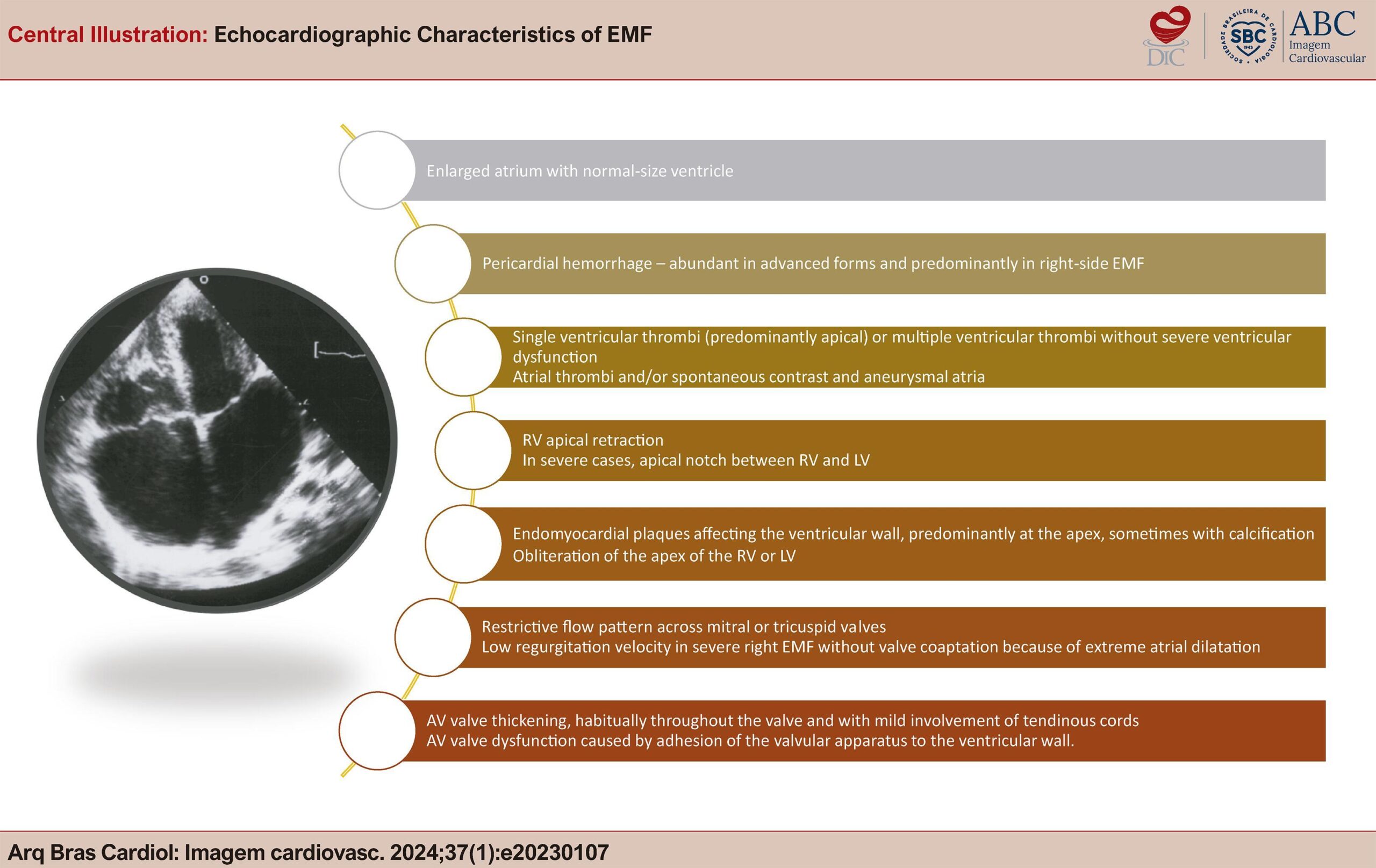
Endomyocardial fibrosis (EMF) is a disease of unclear etiology and pathogenesis that is characterized by fibrosis in the ventricular cavities and mainly affects children and adolescents from tropical regions of Africa, South America, and Asia. It is classified as a restrictive cardiomyopathy, with pathophysiology of restriction to diastolic filling associated with valve abnormalities, both caused by endocardial fibrosis. Typical echocardiographic features of this condition are endocardial thickening, severe atrioventricular (AV) valve regurgitation, aneurysmal atria, and heart distortion.

In endemic areas of Africa, in the absence of advanced imaging techniques, EMF diagnosis and management relies on transthoracic echocardiography for careful assessment of structural and hemodynamic abnormalities, aiming at planning medical or surgical management. This review highlights the key echocardiographic aspects of diagnosis and classification of EMF, as used in under-resourced settings in Africa. This is a standardized approach to screening populations with known occurrence of the disease and for informing medical and surgical management.

  • Diagnosis
  • Echocardiography
  • Endomyocardial Fibrosis
Read Full Article
Creative Commons Attribution (CC BY) Creative Commons license
28/02/2024 DOI: 10.36660/abcimg.20230107i Views 2
Is Right Ventricular Cardiogenic Shock Important To You?
ABCHF
Review Article

Is Right Ventricular Cardiogenic Shock Important To You?

Marcus Vinícius Santos Andrade et al. Carlos Aurélio Santos Aragão Renato Moraes Pereira Figueiredo Breno Macedo de Almeida Lucas Guimarães da Rocha

Introduction

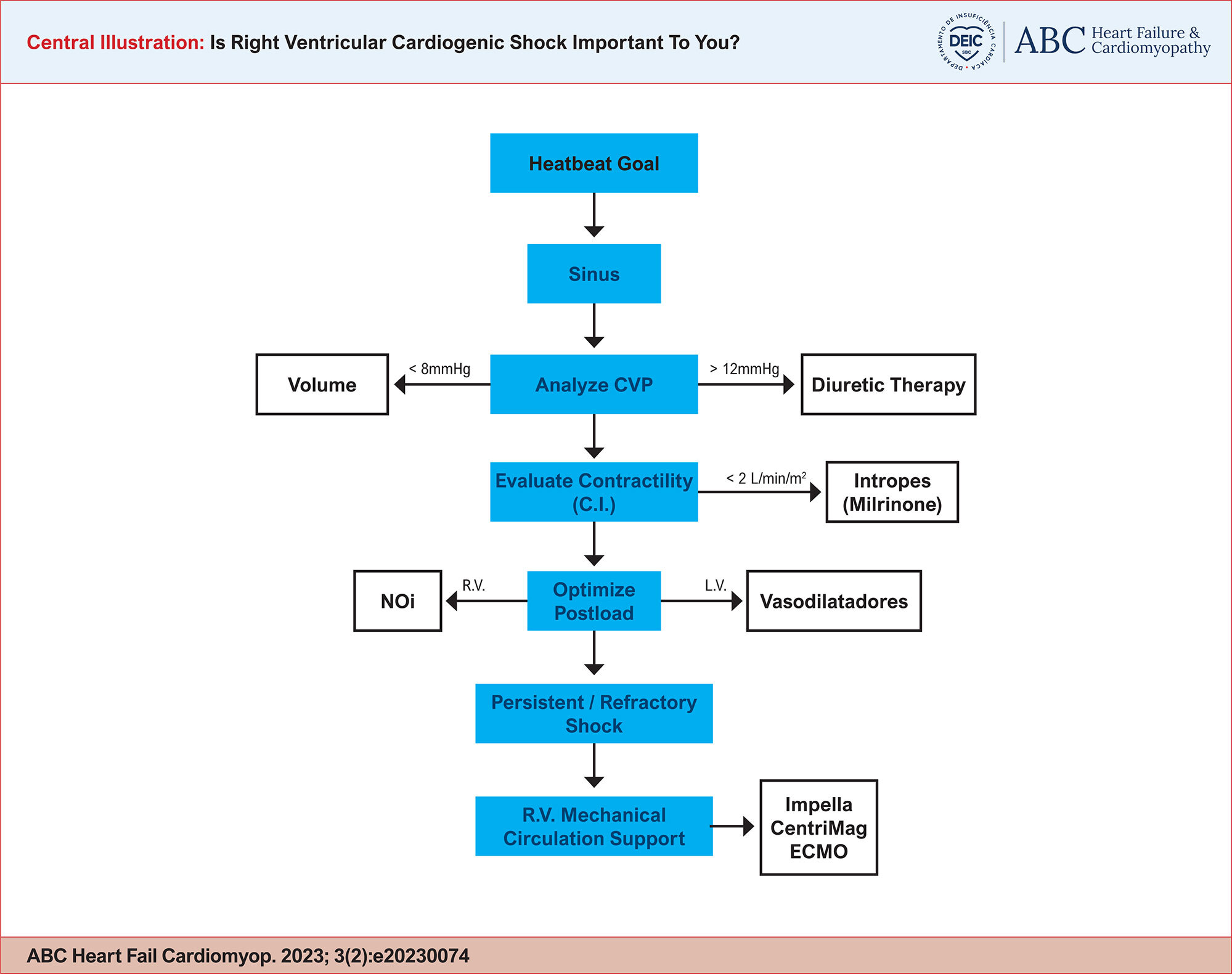
In the scenario of cardiogenic shock, attention was almost exclusively focused on the left ventricle (LV). Currently the concept that the circulatory system involves the interdependence between the LV and the right ventricle (RV) has been reinforced, and researchers seek to achieve a clearer understanding of the role of the right ventricle in cardiogenic shock.

In the 1940s, in search of a more in-depth understanding of the role of the RV, the American doctor and researcher Isaac Starr and his team carried out a series of experiments on animals, in which they caused severe damage to the right ventricle. Observing only a small increase in peripheral venous congestion, they concluded that “the weakness on the right side of the heart… appears to be less important” in the establishment of heart failure (HF).

[…]

  • Cardiogenic shock
  • Diagnosis
  • Heart Ventricles
  • Therapeutics
Read Full Article
Creative Commons Attribution (CC BY) Creative Commons license
31/12/2023 DOI: 10.36660/abchf.20230074 Views 1
Figure 1
ABCHF
Viewpoint

How Can Biomarkers Be Useful in the Management of Acute Heart Failure?

Diane Xavier de Ávila et al. Maria Tereza Sampaio de Sousa Lira Daniella Motta Humberto Villacorta

Introduction

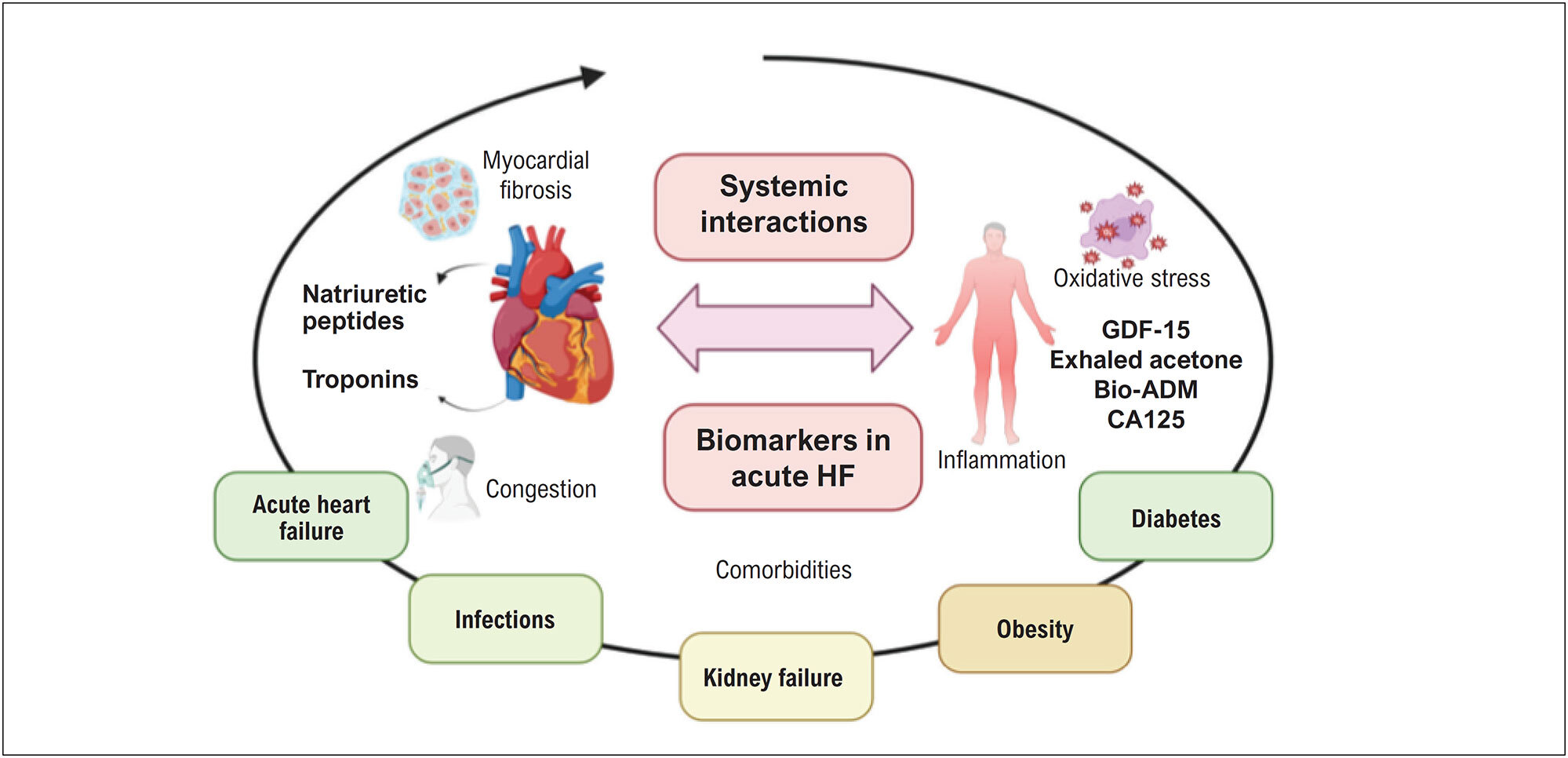
Heart failure (HF) can be a serious disease if not treated properly. One of the markers of severity is precisely hospitalization due to HF, often called acute HF or acutely decompensated (ADHF). ADHF involves patients with new HF or an exacerbation of chronic HF. The most common symptoms and signs in ADHF are dyspnea and edema of the lower limbs. Dyspnea, when it occurs in isolation, with no specific signs of HF, can hinder the diagnosis. In this context, HF guidelines recommend the measurement of biomarkers when there is doubt in the diagnosis of HF. Moreover, the measurement of biomarkers is recommended to improve prognostic accuracy.

In this article, we highlight how to use already established cardiac biomarkers, such as natriuretic peptides (NP) and high sensitivity cardiac troponins (HS-cTn) T and I, in the management of ADHF, and point out possible future systemic biomarkers, which may be useful in this scenario.

[…]

  • Biomarkers
  • Diagnosis
  • Heart Failure
  • Prognosis
Read Full Article
Creative Commons Attribution (CC BY) Creative Commons license
20/12/2023 DOI: 10.36660/abchf.20230072 Views 2
ABCIC
Brief Communication

Warning and Recommendations from the Department of Cardiovascular Imaging Regarding Transesophageal Echocardiography in Patients Using GLP-1 Analogs

Alex dos Santos Felix et al. Andre Luiz Cerqueira Almeida Marcelo Dantas Tavares de Melo Silvio Henrique Barberato

Transesophageal echocardiography is a fundamental diagnostic method for evaluating complex heart diseases. It provides essential data for therapeutic definition and, in some cases, assists in evaluation of percutaneous or surgical interventions.

Transesophageal echocardiography exams are performed on outpatients or inpatients, who might be in wards, intensive care units, or even in surgery, with heterogeneous scenarios that need to be individually assessed, not only regarding the exam routine, but also always following precise clinical indications, weighing the risks and benefits for the patient.

[…]

  • Diagnosis
  • Glucagon-Like Peptide 1
  • Transesophageal echocardiography
Read Full Article
Creative Commons Attribution (CC BY) Creative Commons license
13/12/2023 DOI: 10.36660/abcimg.20230092i Views 2
ABC
Editorial

Etiology of Pericardial Disease – Seek It, or You Shall not Find It!

Alexandre Siciliano Colafranceschi et al. Sofia Vega Colafranceschi

The pericardial sac consists of fibroelastic layers, known as the visceral and parietal layers, separated by the pericardial cavity. This cavity typically contains 15 to 50 ml of a plasma-derived ultrafiltrate in healthy individuals. Pericardial diseases are relatively common in clinical practice, presenting either in isolation or as a part of systemic disorders.

The causes of these diseases vary and are intricate, but the pericardium typically responds with inflammation of its layers and potential increased production of pericardial fluid. Persistent inflammation may lead to a stiffened and calcified pericardium, often thickened, with possible progression to pericardial constriction. In some instances, acute pericardial inflammation dominates the clinical presentation, rendering excess pericardial fluid less relevant. In contrast, in other cases, the accumulation of fluid and its clinical consequences, such as cardiac tamponade and constrictive pericarditis, take center stage. Congenital abnormalities like the absence of the pericardium and pericardial cysts are generally rare and asymptomatic. Despite the non-essential nature of the pericardium for normal cardiac function, diseased pericardium, presenting as acute or recurrent pericarditis, pericardial effusion, cardiac tamponade, and pericardial constriction, can pose significant challenges in management and even become life-threatening.

[…]

  • Cardiovascular Diseases
  • Diagnosis
  • Pericardium
Read Full Article
Creative Commons Attribution (CC BY) Creative Commons license
24/11/2023 DOI: 10.36660/abc.20230704 Views 1

Could not load more articles. Please try again.

How to cite this article

EndNote RIS

Electronic Document Format (Vancouver)

Visconti RB. My Approach To: Bow Hunter’s Syndrome. ABC Imagem Cardiovascular 2026;39(3):e20260075.

Electronic Document Format (ABNT)

Visconti, Rodrigo Bahiense. My Approach To: Bow Hunter’s Syndrome. ABC Imagem Cardiovascular, v. 39, n. 3, e20260075, Sep. 2026.

Electronic Document Format (APA)

Visconti, R. B. (2026). My Approach To: Bow Hunter’s Syndrome. ABC Imagem Cardiovascular, 39(3), e20260075.

Electronic Document Format (ISO)

Visconti, Rodrigo Bahiense. My Approach To: Bow Hunter’s Syndrome. ABC Imagem Cardiovascular [online]. 2026, vol. 39, n. 3, [cited 2026-10-14], e20260075. Available from: <https://journals.cardiol.br/en/article/my-approach-to-bow-hunters-syndrome/>. ISSN 2318-8219

EndNote RIS

Electronic Document Format (Vancouver)

Fernandes F, Antunes MO, Ramires FJA, Correia VM, Hotta VT, Cardoso JN, Nastari L, et al. Beyond Hypertrophic Cardiomyopathy: Rethinking Ventricular Thickening in the Spectrum of Cardiomyopathies. International Journal of Cardiovascular Sciences 2026;39:e20250292.

Electronic Document Format (ABNT)

Fernandes, Fábio; Antunes, Murillo Oliveira; Ramires, Felix José Alvares; Correia, Vinicius Machado; Hotta, Viviane Tiemi; Cardoso, Juliano Novaes; Nastari, Luciano; Ianni, Barbara Maria; Vieira, Marcelo Luiz Campos; Mady, Charles; Geske, Jeffrey B.; Arruda-Olson, Adelaide M.; Martins, Alan Silva; Ferreira, Guilherme José dos Santos; Madrini Junior, Vagner. Beyond Hypertrophic Cardiomyopathy: Rethinking Ventricular Thickening in the Spectrum of Cardiomyopathies. International Journal of Cardiovascular Sciences, v. 39, e20250292, Aug. 2026.

Electronic Document Format (APA)

Fernandes, F., Antunes, M. O., Ramires, F. J. A., Correia, V. M., Hotta, V. T., Cardoso, J. N., Nastari, L., Ianni, B. M., Vieira, M. L. C., Mady, C., Geske, J. B., Arruda-Olson, A. M., Martins, A. S., Ferreira, G. J. S., & Madrini Junior, V. (2026). Beyond Hypertrophic Cardiomyopathy: Rethinking Ventricular Thickening in the Spectrum of Cardiomyopathies. International Journal of Cardiovascular Sciences, 39, e20250292.

Electronic Document Format (ISO)

Fernandes, Fábio and Antunes, Murillo Oliveira and Ramires, Felix José Alvares and Correia, Vinicius Machado and Hotta, Viviane Tiemi and Cardoso, Juliano Novaes and Nastari, Luciano and Ianni, Barbara Maria and Vieira, Marcelo Luiz Campos and Mady, Charles and Geske, Jeffrey B. and Arruda-Olson, Adelaide M. and Martins, Alan Silva and Ferreira, Guilherme José dos Santos and Madrini Junior, Vagner. Beyond Hypertrophic Cardiomyopathy: Rethinking Ventricular Thickening in the Spectrum of Cardiomyopathies. International Journal of Cardiovascular Sciences [online]. 2026, vol. 39, [cited 2026-10-14], e20250292. Available from: <https://journals.cardiol.br/en/article/beyond-hypertrophic-cardiomyopathy-rethinking-ventricular-thickening-in-the-spectrum-of-cardiomyopathies/>. ISSN 2359-4802

EndNote RIS

Electronic Document Format (Vancouver)

Villacorta H. AI-Enhanced ECGs for the Diagnosis of HFpEF: A Promising Frontier, But Not Yet a Standalone Solution. International Journal of Cardiovascular Sciences 2026;39:e20250272.

Electronic Document Format (ABNT)

Villacorta, Humberto. AI-Enhanced ECGs for the Diagnosis of HFpEF: A Promising Frontier, But Not Yet a Standalone Solution. International Journal of Cardiovascular Sciences, v. 39, e20250272, Jul. 2026.

Electronic Document Format (APA)

Villacorta, H. (2026). AI-Enhanced ECGs for the Diagnosis of HFpEF: A Promising Frontier, But Not Yet a Standalone Solution. International Journal of Cardiovascular Sciences, 39, e20250272.

Electronic Document Format (ISO)

Villacorta, Humberto. AI-Enhanced ECGs for the Diagnosis of HFpEF: A Promising Frontier, But Not Yet a Standalone Solution. International Journal of Cardiovascular Sciences [online]. 2026, vol. 39, [cited 2026-10-14], e20250272. Available from: <https://journals.cardiol.br/en/article/ai-enhanced-ecgs-for-the-diagnosis-of-hfpef-a-promising-frontier-but-not-yet-a-standalone-solution/>. ISSN 2359-4802

EndNote RIS

Electronic Document Format (Vancouver)

David GB, Ramos N, Huntermann R, Oliveira JP, Molinari ME, Bacca COF. Diagnostic Performance of Artificial Intelligence-Driven Electrocardiogram Algorithms in Detecting Heart Failure with Preserved Ejection Fraction: A Systematic Review and Meta-Analysis. International Journal of Cardiovascular Sciences 2026;39:e20250091.

Electronic Document Format (ABNT)

David, Gustavo Barbosa; Ramos, Nicolas; Huntermann, Ramon; Oliveira, Juan Peres de; Molinari, Maria Eduarda; Bacca, Caroline de Oliveira Fischer. Diagnostic Performance of Artificial Intelligence-Driven Electrocardiogram Algorithms in Detecting Heart Failure with Preserved Ejection Fraction: A Systematic Review and Meta-Analysis. International Journal of Cardiovascular Sciences, v. 39, e20250091, May. 2026.

Electronic Document Format (APA)

David, G. B., Ramos, N., Huntermann, R., Oliveira, J. P. , Molinari, M. E., & Bacca, C. O. F. (2026). Diagnostic Performance of Artificial Intelligence-Driven Electrocardiogram Algorithms in Detecting Heart Failure with Preserved Ejection Fraction: A Systematic Review and Meta-Analysis. International Journal of Cardiovascular Sciences, 39, e20250091.

Electronic Document Format (ISO)

David, Gustavo Barbosa and Ramos, Nicolas and Huntermann, Ramon and Oliveira, Juan Peres de and Molinari, Maria Eduarda and Bacca, Caroline de Oliveira Fischer. Diagnostic Performance of Artificial Intelligence-Driven Electrocardiogram Algorithms in Detecting Heart Failure with Preserved Ejection Fraction: A Systematic Review and Meta-Analysis. International Journal of Cardiovascular Sciences [online]. 2026, vol. 39, [cited 2026-10-14], e20250091. Available from: <https://journals.cardiol.br/en/article/diagnostic-performance-of-artificial-intelligence-driven-electrocardiogram-algorithms-in-detecting-heart-failure-with-preserved-ejection-fraction-a-systematic-review-and-meta-analysis/>. ISSN 2359-4802

EndNote RIS

Electronic Document Format (Vancouver)

Alencar JN, Barreiro DTC, Baranchuk A. The End of “Left Atrial Overload”. Arquivos Brasileiros de Cardiologia 2026;123(4):e20250814.

Electronic Document Format (ABNT)

Alencar, José Nunes de; Barreiro, Daniel Teixeira de Campos e; Baranchuk, Adrian. The End of “Left Atrial Overload”. Arquivos Brasileiros de Cardiologia, v. 123, n. 4, e20250814, May. 2026.

Electronic Document Format (APA)

Alencar, J. N. , Barreiro, D. T. C. , & Baranchuk, A. (2026). The End of “Left Atrial Overload”. Arquivos Brasileiros de Cardiologia, 123(4), e20250814.

Electronic Document Format (ISO)

Alencar, José Nunes de and Barreiro, Daniel Teixeira de Campos e and Baranchuk, Adrian. The End of “Left Atrial Overload”. Arquivos Brasileiros de Cardiologia [online]. 2026, vol. 123, n. 4, [cited 2026-10-14], e20250814. Available from: <https://journals.cardiol.br/en/article/the-end-of-left-atrial-overload/>. ISSN 0066-782X

EndNote RIS

Electronic Document Format (Vancouver)

Lemos NB, Araújo GAM, Melo MDT. The Use of Artificial Intelligence in the Diagnosis of Cardiac Amyloidosis: Integrative Review. ABC Imagem Cardiovascular 2026;39(1):e20260016.

Electronic Document Format (ABNT)

Lemos, Nilson Batista; Araújo, Gabriela Aparecida Moreira; Melo, Marcelo Dantas Tavares de. The Use of Artificial Intelligence in the Diagnosis of Cardiac Amyloidosis: Integrative Review. ABC Imagem Cardiovascular, v. 39, n. 1, e20260016, May. 2026.

Electronic Document Format (APA)

Lemos, N. B., Araújo, G. A. M., & Melo, M. D. T. (2026). The Use of Artificial Intelligence in the Diagnosis of Cardiac Amyloidosis: Integrative Review. ABC Imagem Cardiovascular, 39(1), e20260016.

Electronic Document Format (ISO)

Lemos, Nilson Batista and Araújo, Gabriela Aparecida Moreira and Melo, Marcelo Dantas Tavares de. The Use of Artificial Intelligence in the Diagnosis of Cardiac Amyloidosis: Integrative Review. ABC Imagem Cardiovascular [online]. 2026, vol. 39, n. 1, [cited 2026-10-14], e20260016. Available from: <https://journals.cardiol.br/en/article/the-use-of-artificial-intelligence-in-the-diagnosis-of-cardiac-amyloidosis-integrative-review/>. ISSN 2318-8219

EndNote RIS

Electronic Document Format (Vancouver)

Mangas GM, Rodriguez JGV, Santos JARB, Souza FNB, Silva LFL, Azevedo Junior GL, Chivaca A, et al. Fundamentals of Acute Pericarditis: State of the Art. Arquivos Brasileiros de Cardiologia 2026;123(2):e20240572.

Electronic Document Format (ABNT)

Mangas, Gabriel de Moraes; Rodriguez, Jose Gregorio Valero; Santos, João Alexandre Ranzeiro de Bragança dos; Souza, Flavia Nunes Benicio de; Silva, Luis Felipe Leite da; Azevedo Junior, Giovane Leal de; Chivaca, Alberto; Jessen, Neusa Perina de Jesus; Oliveira, Ângelo; Mesquita, Evandro Tinoco. Fundamentals of Acute Pericarditis: State of the Art. Arquivos Brasileiros de Cardiologia, v. 123, n. 2, e20240572, Apr. 2026.

Electronic Document Format (APA)

Mangas, G. M., Rodriguez, J. G. V., Santos, J. A. R. B. , Souza, F. N. B. , Silva, L. F. L. , Azevedo Junior, G. L. , Chivaca, A., Jessen, N. P. J., Oliveira, , & Mesquita, E. T. (2026). Fundamentals of Acute Pericarditis: State of the Art. Arquivos Brasileiros de Cardiologia, 123(2), e20240572.

Electronic Document Format (ISO)

Mangas, Gabriel de Moraes and Rodriguez, Jose Gregorio Valero and Santos, João Alexandre Ranzeiro de Bragança dos and Souza, Flavia Nunes Benicio de and Silva, Luis Felipe Leite da and Azevedo Junior, Giovane Leal de and Chivaca, Alberto and Jessen, Neusa Perina de Jesus and Oliveira, Ângelo and Mesquita, Evandro Tinoco. Fundamentals of Acute Pericarditis: State of the Art. Arquivos Brasileiros de Cardiologia [online]. 2026, vol. 123, n. 2, [cited 2026-10-14], e20240572. Available from: <https://journals.cardiol.br/en/article/fundamentals-of-acute-pericarditis-state-of-the-art/>. ISSN 0066-782X

EndNote RIS

Electronic Document Format (Vancouver)

Villacorta H, Villacorta AS. Optimizing Post-Discharge Heart Failure Care: The Role of Natriuretic Peptides. ABC Heart Fail Cardiomyop 2025;5(2):e20250029.

Electronic Document Format (ABNT)

Villacorta, Humberto; Villacorta, Aline Sterque. Optimizing Post-Discharge Heart Failure Care: The Role of Natriuretic Peptides. ABC Heart Fail Cardiomyop, v. 5, n. 2, e20250029, Dec. 2025.

Electronic Document Format (APA)

Villacorta, H., & Villacorta, A. S. (2025). Optimizing Post-Discharge Heart Failure Care: The Role of Natriuretic Peptides. ABC Heart Fail Cardiomyop, 5(2), e20250029.

Electronic Document Format (ISO)

Villacorta, Humberto and Villacorta, Aline Sterque. Optimizing Post-Discharge Heart Failure Care: The Role of Natriuretic Peptides. ABC Heart Fail Cardiomyop [online]. 2025, vol. 5, n. 2, [cited 2026-10-14], e20250029. Available from: <https://journals.cardiol.br/en/article/optimizing-post-discharge-heart-failure-care-the-role-of-natriuretic-peptides/>

EndNote RIS

Electronic Document Format (Vancouver)

Gatto M, Mota GAF, Pagan LU, Okoshi MP. Functional RNA Applications in Cardiovascular Precision Medicine: Advances and Diagnostic Perspectives. Arquivos Brasileiros de Cardiologia 2025;122(9):e20250553.

Electronic Document Format (ABNT)

Gatto, Mariana; Mota, Gustavo Augusto Ferreira; Pagan, Luana Urbano; Okoshi, Marina Politi. Functional RNA Applications in Cardiovascular Precision Medicine: Advances and Diagnostic Perspectives. Arquivos Brasileiros de Cardiologia, v. 122, n. 9, e20250553, Nov. 2025.

Electronic Document Format (APA)

Gatto, M., Mota, G. A. F., Pagan, L. U., & Okoshi, M. P. (2025). Functional RNA Applications in Cardiovascular Precision Medicine: Advances and Diagnostic Perspectives. Arquivos Brasileiros de Cardiologia, 122(9), e20250553.

Electronic Document Format (ISO)

Gatto, Mariana and Mota, Gustavo Augusto Ferreira and Pagan, Luana Urbano and Okoshi, Marina Politi. Functional RNA Applications in Cardiovascular Precision Medicine: Advances and Diagnostic Perspectives. Arquivos Brasileiros de Cardiologia [online]. 2025, vol. 122, n. 9, [cited 2026-10-14], e20250553. Available from: <https://journals.cardiol.br/en/article/functional-rna-applications-in-cardiovascular-precision-medicine-advances-and-diagnostic-perspectives/>. ISSN 0066-782X

EndNote RIS

Electronic Document Format (Vancouver)

Barros FC, Cezaro JC, Costa PD, Costa GD, Santos ABS, Pianca EG, Menegazzo WR, et al. Prognostic Applications of Current Clinical Scores in Heart Failure with Preserved Ejection Fraction: A Prospective Cohort Study. Arquivos Brasileiros de Cardiologia 2025;122(6):e20240852.

Electronic Document Format (ABNT)

Barros, Fernando Colares; Cezaro, Jéssica Cristina de; Costa, Pietro Donelli; Costa, Giovanni Donelli; Santos, Angela Barreto Santiago; Pianca, Eduardo Gatti; Menegazzo, Willian Roberto; Scolari, Fernando Luís; Silveira, Anderson Donelli da. Prognostic Applications of Current Clinical Scores in Heart Failure with Preserved Ejection Fraction: A Prospective Cohort Study. Arquivos Brasileiros de Cardiologia, v. 122, n. 6, e20240852, Jun. 2025.

Electronic Document Format (APA)

Barros, F. C., Cezaro, J. C. , Costa, P. D., Costa, G. D., Santos, A. B. S., Pianca, E. G., Menegazzo, W. R., Scolari, F. L., & Silveira, A. D. (2025). Prognostic Applications of Current Clinical Scores in Heart Failure with Preserved Ejection Fraction: A Prospective Cohort Study. Arquivos Brasileiros de Cardiologia, 122(6), e20240852.

Electronic Document Format (ISO)

Barros, Fernando Colares and Cezaro, Jéssica Cristina de and Costa, Pietro Donelli and Costa, Giovanni Donelli and Santos, Angela Barreto Santiago and Pianca, Eduardo Gatti and Menegazzo, Willian Roberto and Scolari, Fernando Luís and Silveira, Anderson Donelli da. Prognostic Applications of Current Clinical Scores in Heart Failure with Preserved Ejection Fraction: A Prospective Cohort Study. Arquivos Brasileiros de Cardiologia [online]. 2025, vol. 122, n. 6, [cited 2026-10-14], e20240852. Available from: <https://journals.cardiol.br/en/article/prognostic-applications-of-current-clinical-scores-in-heart-failure-with-preserved-ejection-fraction-a-prospective-cohort-study/>. ISSN 0066-782X

EndNote RIS

Electronic Document Format (Vancouver)

Felix AS, Barberato SH, Melo MDT, Rosa SA, Cardim N. The Complex Puzzle of Hypertrophic Phenotype: A Practical Approach for the Clinician. Arquivos Brasileiros de Cardiologia 2025;122(1):e20240529.

Electronic Document Format (ABNT)

Felix, Alex dos Santos; Barberato, Silvio Henrique; Melo, Marcelo Dantas Tavares de; Rosa, Sílvia Aguiar; Cardim, Nuno. The Complex Puzzle of Hypertrophic Phenotype: A Practical Approach for the Clinician. Arquivos Brasileiros de Cardiologia, v. 122, n. 1, e20240529, Apr. 2025.

Electronic Document Format (APA)

Felix, A. S., Barberato, S. H., Melo, M. D. T. , Rosa, S. A., & Cardim, N. (2025). The Complex Puzzle of Hypertrophic Phenotype: A Practical Approach for the Clinician. Arquivos Brasileiros de Cardiologia, 122(1), e20240529.

Electronic Document Format (ISO)

Felix, Alex dos Santos and Barberato, Silvio Henrique and Melo, Marcelo Dantas Tavares de and Rosa, Sílvia Aguiar and Cardim, Nuno. The Complex Puzzle of Hypertrophic Phenotype: A Practical Approach for the Clinician. Arquivos Brasileiros de Cardiologia [online]. 2025, vol. 122, n. 1, [cited 2026-10-14], e20240529. Available from: <https://journals.cardiol.br/en/article/the-complex-puzzle-of-hypertrophic-phenotype-a-practical-approach-for-the-clinician/>. ISSN 0066-782X

EndNote RIS

Electronic Document Format (Vancouver)

Alesso CA, Queda J, Mohty D, Salemi VMC. Serum Glycogen Synthase 3 Beta Levels: A Promissory Marker for Patients with Heart Failure. Arquivos Brasileiros de Cardiologia 2024;121(11):e20240684.

Electronic Document Format (ABNT)

Alesso, Claudia Aznar; Queda, João; Mohty, Dania; Salemi, Vera Maria Cury. Serum Glycogen Synthase 3 Beta Levels: A Promissory Marker for Patients with Heart Failure. Arquivos Brasileiros de Cardiologia, v. 121, n. 11, e20240684, Dec. 2024.

Electronic Document Format (APA)

Alesso, C. A., Queda, J., Mohty, D., & Salemi, V. M. C. (2024). Serum Glycogen Synthase 3 Beta Levels: A Promissory Marker for Patients with Heart Failure. Arquivos Brasileiros de Cardiologia, 121(11), e20240684.

Electronic Document Format (ISO)

Alesso, Claudia Aznar and Queda, João and Mohty, Dania and Salemi, Vera Maria Cury. Serum Glycogen Synthase 3 Beta Levels: A Promissory Marker for Patients with Heart Failure. Arquivos Brasileiros de Cardiologia [online]. 2024, vol. 121, n. 11, [cited 2026-10-14], e20240684. Available from: <https://journals.cardiol.br/en/article/serum-glycogen-synthase-3-beta-levels-a-promissory-marker-for-patients-with-heart-failure/>. ISSN 0066-782X

EndNote RIS

Electronic Document Format (Vancouver)

Otto MEB. Artificial Intelligence in Echocardiography: The Future of Precision Diagnosis. ABC Imagem Cardiovascular 2024;37(4):e20240095.

Electronic Document Format (ABNT)

Otto, Maria Estefânia Bosco. Artificial Intelligence in Echocardiography: The Future of Precision Diagnosis. ABC Imagem Cardiovascular, v. 37, n. 4, e20240095, Nov. 2024.

Electronic Document Format (APA)

Otto, M. E. B. (2024). Artificial Intelligence in Echocardiography: The Future of Precision Diagnosis. ABC Imagem Cardiovascular, 37(4), e20240095.

Electronic Document Format (ISO)

Otto, Maria Estefânia Bosco. Artificial Intelligence in Echocardiography: The Future of Precision Diagnosis. ABC Imagem Cardiovascular [online]. 2024, vol. 37, n. 4, [cited 2026-10-14], e20240095. Available from: <https://journals.cardiol.br/en/article/artificial-intelligence-in-echocardiography-the-future-of-precision-diagnosis/>. ISSN 2318-8219

EndNote RIS

Electronic Document Format (Vancouver)

Espíndola LN, Oliveira GMM, Freire CMV, Castro ML, Almeida MCC. Cardiac Amyloidosis in Women: An Underappreciated Diagnosis. International Journal of Cardiovascular Sciences 2024;37:e20240088.

Electronic Document Format (ABNT)

Espíndola, Larissa Neto; Oliveira, Gláucia Maria Moraes de; Freire, Cláudia Maria Vilas; Castro, Marildes Luiza de; Almeida, Maria Cristina Costa de. Cardiac Amyloidosis in Women: An Underappreciated Diagnosis. International Journal of Cardiovascular Sciences, v. 37, e20240088, Aug. 2024.

Electronic Document Format (APA)

Espíndola, L. N., Oliveira, G. M. M. , Freire, C. M. V., Castro, M. L. , & Almeida, M. C. C. (2024). Cardiac Amyloidosis in Women: An Underappreciated Diagnosis. International Journal of Cardiovascular Sciences, 37, e20240088.

Electronic Document Format (ISO)

Espíndola, Larissa Neto and Oliveira, Gláucia Maria Moraes de and Freire, Cláudia Maria Vilas and Castro, Marildes Luiza de and Almeida, Maria Cristina Costa de. Cardiac Amyloidosis in Women: An Underappreciated Diagnosis. International Journal of Cardiovascular Sciences [online]. 2024, vol. 37, [cited 2026-10-14], e20240088. Available from: <https://journals.cardiol.br/en/article/cardiac-amyloidosis-in-women-an-underappreciated-diagnosis/>. ISSN 2359-4802

EndNote RIS

Electronic Document Format (Vancouver)

Mesquita CT, Yahiro DS, Santos JFR, Machado LE, Rodriguez JGV, Azevedo Junior GL, Simões M, et al. Pyrophosphate Scintigraphy: Use in the Diagnosis and Monitoring of Cardiac Amyloidosis. International Journal of Cardiovascular Sciences 2024;37:e20240051.

Electronic Document Format (ABNT)

Mesquita, Claudio Tinoco; Yahiro, Davi Shunji; Santos, José Felipe Ramos dos; Machado, Luís Eduardo; Rodriguez, Jose Gregorio Valero; Azevedo Junior, Giovane Leal de; Simões, Marcus. Pyrophosphate Scintigraphy: Use in the Diagnosis and Monitoring of Cardiac Amyloidosis. International Journal of Cardiovascular Sciences, v. 37, e20240051, Aug. 2024.

Electronic Document Format (APA)

Mesquita, C. T., Yahiro, D. S., Santos, J. F. R. , Machado, L. E., Rodriguez, J. G. V., Azevedo Junior, G. L. , & Simões, M. (2024). Pyrophosphate Scintigraphy: Use in the Diagnosis and Monitoring of Cardiac Amyloidosis. International Journal of Cardiovascular Sciences, 37, e20240051.

Electronic Document Format (ISO)

Mesquita, Claudio Tinoco and Yahiro, Davi Shunji and Santos, José Felipe Ramos dos and Machado, Luís Eduardo and Rodriguez, Jose Gregorio Valero and Azevedo Junior, Giovane Leal de and Simões, Marcus. Pyrophosphate Scintigraphy: Use in the Diagnosis and Monitoring of Cardiac Amyloidosis. International Journal of Cardiovascular Sciences [online]. 2024, vol. 37, [cited 2026-10-14], e20240051. Available from: <https://journals.cardiol.br/en/article/pyrophosphate-scintigraphy-use-in-the-diagnosis-and-monitoring-of-cardiac-amyloidosis/>. ISSN 2359-4802

EndNote RIS

Electronic Document Format (Vancouver)

Espíndola LN, Almeida MCC, Castro ML, Freire CMV, Oliveira GMM. Particularities of Heart Failure with Preserved Ejection Fraction in Women – Pathways to Better Care. ABC Heart Fail Cardiomyop 2024;4(1):e20240012.

Electronic Document Format (ABNT)

Espíndola, Larissa Neto; Almeida, Maria Cristina Costa de; Castro, Marildes Luíza de; Freire, Cláudia Maria Vilas; Oliveira, Gláucia Maria Moraes de. Particularities of Heart Failure with Preserved Ejection Fraction in Women – Pathways to Better Care. ABC Heart Fail Cardiomyop, v. 4, n. 1, e20240012, Aug. 2024.

Electronic Document Format (APA)

Espíndola, L. N., Almeida, M. C. C. , Castro, M. L. , Freire, C. M. V., & Oliveira, G. M. M. (2024). Particularities of Heart Failure with Preserved Ejection Fraction in Women – Pathways to Better Care. ABC Heart Fail Cardiomyop, 4(1), e20240012.

Electronic Document Format (ISO)

Espíndola, Larissa Neto and Almeida, Maria Cristina Costa de and Castro, Marildes Luíza de and Freire, Cláudia Maria Vilas and Oliveira, Gláucia Maria Moraes de. Particularities of Heart Failure with Preserved Ejection Fraction in Women – Pathways to Better Care. ABC Heart Fail Cardiomyop [online]. 2024, vol. 4, n. 1, [cited 2026-10-14], e20240012. Available from: <https://journals.cardiol.br/en/article/particularities-of-heart-failure-with-preserved-ejection-fraction-in-women-pathways-to-better-care/>

EndNote RIS

Electronic Document Format (Vancouver)

Villacorta H. Relevant Aspects of Natriuretic Peptides in the Etiology of Dyspnea in the Emergency Room: Evidence, Indications, Confounding Factors, and Cost-Effectiveness. ABC Heart Fail Cardiomyop 2024;4(1):e20240017.

Electronic Document Format (ABNT)

Villacorta, Humberto. Relevant Aspects of Natriuretic Peptides in the Etiology of Dyspnea in the Emergency Room: Evidence, Indications, Confounding Factors, and Cost-Effectiveness. ABC Heart Fail Cardiomyop, v. 4, n. 1, e20240017, Jul. 2024.

Electronic Document Format (APA)

Villacorta, H. (2024). Relevant Aspects of Natriuretic Peptides in the Etiology of Dyspnea in the Emergency Room: Evidence, Indications, Confounding Factors, and Cost-Effectiveness. ABC Heart Fail Cardiomyop, 4(1), e20240017.

Electronic Document Format (ISO)

Villacorta, Humberto. Relevant Aspects of Natriuretic Peptides in the Etiology of Dyspnea in the Emergency Room: Evidence, Indications, Confounding Factors, and Cost-Effectiveness. ABC Heart Fail Cardiomyop [online]. 2024, vol. 4, n. 1, [cited 2026-10-14], e20240017. Available from: <https://journals.cardiol.br/en/article/relevant-aspects-of-natriuretic-peptides-in-the-etiology-of-dyspnea-in-the-emergency-room-evidence-indications-confounding-factors-and-cost-effectiveness/>

EndNote RIS

Electronic Document Format (Vancouver)

Negri FEFO, Negri AJA, Negri Júnior AJA, Negri TAB. My Approach to Perform Echocardiographic Assessment during Cardiopulmonary Arrest. ABC Imagem Cardiovascular 2024;37(2):e20240035.

Electronic Document Format (ABNT)

Negri, Fátima Elizabeth Fonseca de Oliveira; Negri, Alexandre Jorge de Andrade; Negri Júnior, Alexandre Jorge de Andrade; Negri, Taciana Assis Bezerra. My Approach to Perform Echocardiographic Assessment during Cardiopulmonary Arrest. ABC Imagem Cardiovascular, v. 37, n. 2, e20240035, Jun. 2024.

Electronic Document Format (APA)

Negri, F. E. F. O., Negri, A. J. A., Negri Júnior, A. J. A., & Negri, T. A. B. (2024). My Approach to Perform Echocardiographic Assessment during Cardiopulmonary Arrest. ABC Imagem Cardiovascular, 37(2), e20240035.

Electronic Document Format (ISO)

Negri, Fátima Elizabeth Fonseca de Oliveira and Negri, Alexandre Jorge de Andrade and Negri Júnior, Alexandre Jorge de Andrade and Negri, Taciana Assis Bezerra. My Approach to Perform Echocardiographic Assessment during Cardiopulmonary Arrest. ABC Imagem Cardiovascular [online]. 2024, vol. 37, n. 2, [cited 2026-10-14], e20240035. Available from: <https://journals.cardiol.br/en/article/my-approach-to-perform-echocardiographic-assessment-during-cardiopulmonary-arrest/>. ISSN 2318-8219

EndNote RIS

Electronic Document Format (Vancouver)

Costa GCV. Achievements, Challenges and Opportunities in MicroRNAs and Chagas Disease. International Journal of Cardiovascular Sciences 2024;37:e20230160.

Electronic Document Format (ABNT)

Costa, Giovani Carlo Veríssimo da. Achievements, Challenges and Opportunities in MicroRNAs and Chagas Disease. International Journal of Cardiovascular Sciences, v. 37, e20230160, Mar. 2024.

Electronic Document Format (APA)

Costa, G. C. V. (2024). Achievements, Challenges and Opportunities in MicroRNAs and Chagas Disease. International Journal of Cardiovascular Sciences, 37, e20230160.

Electronic Document Format (ISO)

Costa, Giovani Carlo Veríssimo da. Achievements, Challenges and Opportunities in MicroRNAs and Chagas Disease. International Journal of Cardiovascular Sciences [online]. 2024, vol. 37, [cited 2026-10-14], e20230160. Available from: <https://journals.cardiol.br/en/article/achievements-challenges-and-opportunities-in-micrornas-and-chagas-disease/>. ISSN 2359-4802

EndNote RIS

Electronic Document Format (Vancouver)

Mocumbi A. How Do I Diagnose and Classify Endomyocardial Fibrosis in Under-Resourced Settings. ABC Imagem Cardiovascular 2024;37(1):e20230107.

Electronic Document Format (ABNT)

Mocumbi, Ana. How Do I Diagnose and Classify Endomyocardial Fibrosis in Under-Resourced Settings. ABC Imagem Cardiovascular, v. 37, n. 1, e20230107, Feb. 2024.

Electronic Document Format (APA)

Mocumbi, A. (2024). How Do I Diagnose and Classify Endomyocardial Fibrosis in Under-Resourced Settings. ABC Imagem Cardiovascular, 37(1), e20230107.

Electronic Document Format (ISO)

Mocumbi, Ana. How Do I Diagnose and Classify Endomyocardial Fibrosis in Under-Resourced Settings. ABC Imagem Cardiovascular [online]. 2024, vol. 37, n. 1, [cited 2026-10-14], e20230107. Available from: <https://journals.cardiol.br/en/article/how-do-i-diagnose-and-classify-endomyocardial-fibrosis-in-under-resourced-settings/>. ISSN 2318-8219

EndNote RIS

Electronic Document Format (Vancouver)

Andrade MVS, Aragão CAS, Figueiredo RMP, Almeida BM, Rocha LG. Is Right Ventricular Cardiogenic Shock Important To You?. ABC Heart Fail Cardiomyop 2023;3(2):e20230074.

Electronic Document Format (ABNT)

Andrade, Marcus Vinícius Santos; Aragão, Carlos Aurélio Santos; Figueiredo, Renato Moraes Pereira; Almeida, Breno Macedo de; Rocha, Lucas Guimarães da. Is Right Ventricular Cardiogenic Shock Important To You?. ABC Heart Fail Cardiomyop, v. 3, n. 2, e20230074, Dec. 2023.

Electronic Document Format (APA)

Andrade, M. V. S., Aragão, C. A. S., Figueiredo, R. M. P., Almeida, B. M. , & Rocha, L. G. (2023). Is Right Ventricular Cardiogenic Shock Important To You?. ABC Heart Fail Cardiomyop, 3(2), e20230074.

Electronic Document Format (ISO)

Andrade, Marcus Vinícius Santos and Aragão, Carlos Aurélio Santos and Figueiredo, Renato Moraes Pereira and Almeida, Breno Macedo de and Rocha, Lucas Guimarães da. Is Right Ventricular Cardiogenic Shock Important To You?. ABC Heart Fail Cardiomyop [online]. 2023, vol. 3, n. 2, [cited 2026-10-14], e20230074. Available from: <https://journals.cardiol.br/en/article/is-right-ventricular-cardiogenic-shock-important-to-you/>

EndNote RIS

Electronic Document Format (Vancouver)

Ávila DX, Lira MTSS, Motta D, Villacorta H. How Can Biomarkers Be Useful in the Management of Acute Heart Failure?. ABC: Heart Failure & Cardiomyopathy 2023;3(2):e20230072.

Electronic Document Format (ABNT)

Ávila, Diane Xavier de; Lira, Maria Tereza Sampaio de Sousa; Motta, Daniella; Villacorta, Humberto. How Can Biomarkers Be Useful in the Management of Acute Heart Failure?. ABC: Heart Failure & Cardiomyopathy, v. 3, n. 2, e20230072, Dec. 2023.

Electronic Document Format (APA)

Ávila, D. X. , Lira, M. T. S. S., Motta, D., & Villacorta, H. (2023). How Can Biomarkers Be Useful in the Management of Acute Heart Failure?. ABC: Heart Failure & Cardiomyopathy, 3(2), e20230072.

Electronic Document Format (ISO)

Ávila, Diane Xavier de and Lira, Maria Tereza Sampaio de Sousa and Motta, Daniella and Villacorta, Humberto. How Can Biomarkers Be Useful in the Management of Acute Heart Failure?. ABC: Heart Failure & Cardiomyopathy [online]. 2023, vol. 3, n. 2, [cited 2026-10-14], e20230072. Available from: <https://journals.cardiol.br/en/article/how-can-biomarkers-be-useful-in-the-management-of-acute-heart-failure/>

EndNote RIS

Electronic Document Format (Vancouver)

Felix AS, Almeida ALC, Melo MDT, Barberato SH. Warning and Recommendations from the Department of Cardiovascular Imaging Regarding Transesophageal Echocardiography in Patients Using GLP-1 Analogs. ABC Imagem Cardiovascular 2023;36(4):e20230092.

Electronic Document Format (ABNT)

Felix, Alex dos Santos; Almeida, Andre Luiz Cerqueira; Melo, Marcelo Dantas Tavares de; Barberato, Silvio Henrique. Warning and Recommendations from the Department of Cardiovascular Imaging Regarding Transesophageal Echocardiography in Patients Using GLP-1 Analogs. ABC Imagem Cardiovascular, v. 36, n. 4, e20230092, Dec. 2023.

Electronic Document Format (APA)

Felix, A. S., Almeida, A. L. C., Melo, M. D. T. , & Barberato, S. H. (2023). Warning and Recommendations from the Department of Cardiovascular Imaging Regarding Transesophageal Echocardiography in Patients Using GLP-1 Analogs. ABC Imagem Cardiovascular, 36(4), e20230092.

Electronic Document Format (ISO)

Felix, Alex dos Santos and Almeida, Andre Luiz Cerqueira and Melo, Marcelo Dantas Tavares de and Barberato, Silvio Henrique. Warning and Recommendations from the Department of Cardiovascular Imaging Regarding Transesophageal Echocardiography in Patients Using GLP-1 Analogs. ABC Imagem Cardiovascular [online]. 2023, vol. 36, n. 4, [cited 2026-10-14], e20230092. Available from: <https://journals.cardiol.br/en/article/warning-and-recommendations-from-the-department-of-cardiovascular-imaging-regarding-transesophageal-echocardiography-in-patients-using-glp-1-analogs/>. ISSN 2318-8219

EndNote RIS

Electronic Document Format (Vancouver)

Colafranceschi AS, Colafranceschi SV. Etiology of Pericardial Disease – Seek It, or You Shall not Find It!. Arquivos Brasileiros de Cardiologia 2023;120(10):e20230704.

Electronic Document Format (ABNT)

Colafranceschi, Alexandre Siciliano; Colafranceschi, Sofia Vega. Etiology of Pericardial Disease – Seek It, or You Shall not Find It!. Arquivos Brasileiros de Cardiologia, v. 120, n. 10, e20230704, Nov. 2023.

Electronic Document Format (APA)

Colafranceschi, A. S., & Colafranceschi, S. V. (2023). Etiology of Pericardial Disease – Seek It, or You Shall not Find It!. Arquivos Brasileiros de Cardiologia, 120(10), e20230704.

Electronic Document Format (ISO)

Colafranceschi, Alexandre Siciliano and Colafranceschi, Sofia Vega. Etiology of Pericardial Disease – Seek It, or You Shall not Find It!. Arquivos Brasileiros de Cardiologia [online]. 2023, vol. 120, n. 10, [cited 2026-10-14], e20230704. Available from: <https://journals.cardiol.br/en/article/etiology-of-pericardial-disease-seek-it-or-you-shall-not-find-it/>. ISSN 0066-782X

  • About ABC Family
  • Internal Regulation
  • Editorial Board
  • Brazilian Society of Cardiology (SBC)

Issues

SBC Guidelines

  • Videos
  • Podcasts
  • News