ABC Family Arquivos Brasileiros de Cardiologia International Journal of Cardiovascular Sciences ABC Heart Failure & Cardiomyopathy ABC Imagem Cardiovascular
Português English
ABC Family
Português English
  • About
    • About ABC Family
    • Internal Regulation
    • Editorial Board
    • Brazilian Society of Cardiology (SBC)
  • Issues
  • SBC Guidelines
  • Content
    • Videos
    • Podcasts
    • News
  • About
    • About ABC Family
    • Internal Regulation
    • Editorial Board
    • Brazilian Society of Cardiology (SBC)
  • Issues
  • SBC Guidelines
  • Content
    • Videos
    • Podcasts
    • News

ABC Family

  • ABC Family
  • Arquivos Brasileiros de Cardiologia
  • International Journal of Cardiovascular Sciences
  • ABC Heart Failure & Cardiomyopathy
  • ABC Imagem Cardiovascular
Search in

No content found.

Journals
Ordering
Article types
Others

  1. Home
  2. Keyword: Patient Readmission
Use of Diuretics in the Emergency Department Among Patients with Heart Failure: A Cohort Study
IJCS
Original Article

Use of Diuretics in the Emergency Department Among Patients with Heart Failure: A Cohort Study

Nichollas Costa Rosa et al. Camila Neumaier Alves Maria Antonieta Pereira de Moraes

Abstract

Introduction:

Evidence suggests that patients with decompensated heart failure who receive loop diuretics earlier experience reduced morbidity and mortality rates.

Objectives:

To determine the time from admission to administration of the first dose of diuretics in patients with heart failure and to evaluate the risk of readmission within 30 days after hospital discharge.

Methods:

A prospective and retrospective cohort study of patients with decompensated heart failure treated in a cardiac emergency department between December 2018 and June 2020 was conducted. The risk of readmission was classified using the LACE score. The statistical analysis included the Shapiro–Wilk test for normality, the chi-square test for associations, and the Mann–Whitney test for comparisons, adopting a significance level of 5%.

Results:

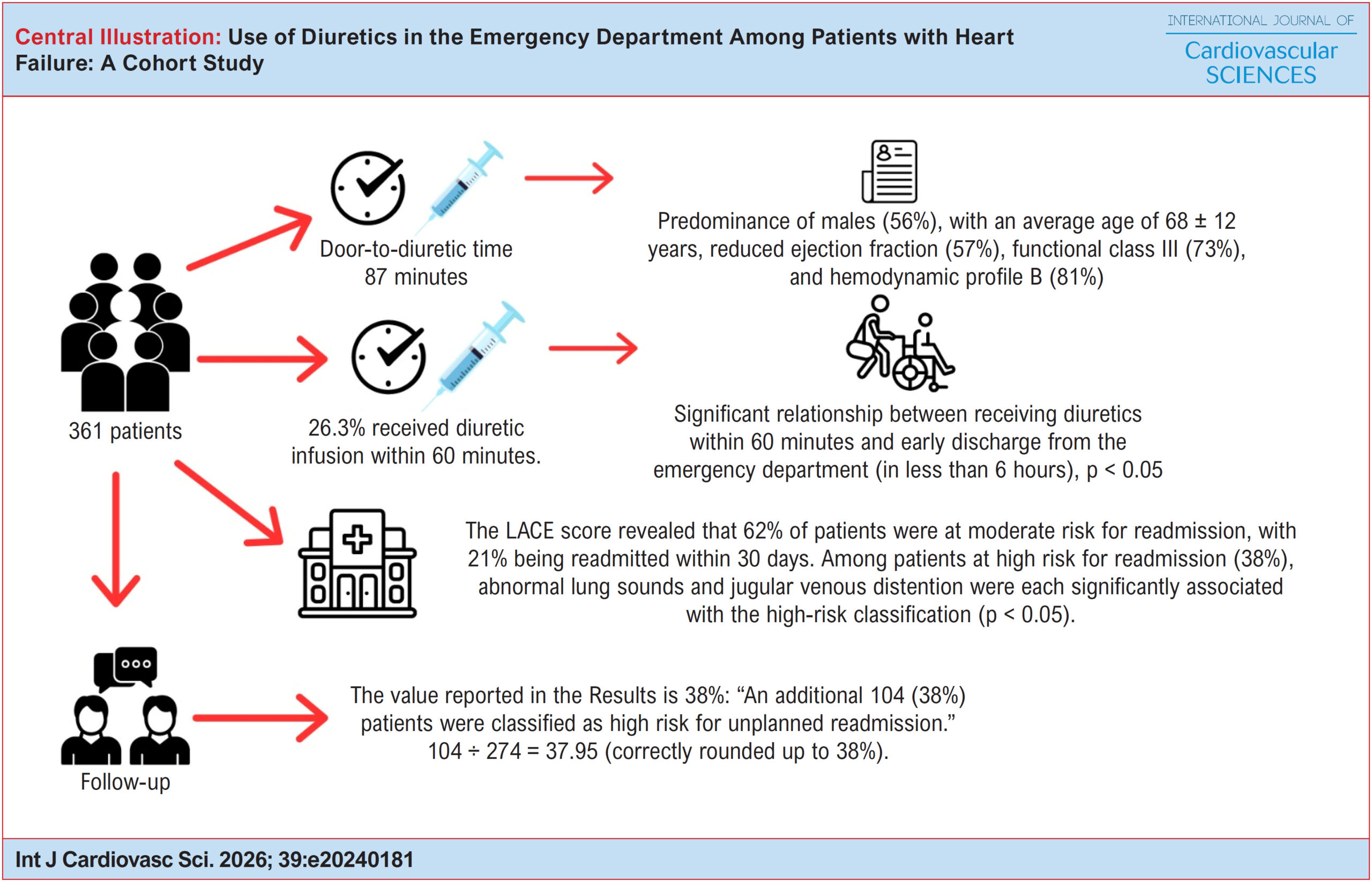
A total of 361 patients were included in the study, with a predominance of males (56%), an average age of 68 ± 12 years, reduced ejection fraction (57%), functional class III (73%), and hemodynamic profile B (81%). The average time from admission to diuretic infusion was 87 (60 to 128) minutes, with 26.3% of patients receiving the infusion within 60 minutes. A significant association was found between receiving diuretics within 60 minutes and a stay in the emergency department of less than 6 hours (early discharge) (p < 0.05). The LACE score indicated that 62% of patients were at moderate risk for readmission, with 21% readmitted within 30 days. Among patients at high risk for readmission (38%), abnormal lung sounds and jugular venous distention were each significantly associated with the high-risk classification (p < 0.05). For clinical follow-up, 274 patients were included; after 180 days, 15% had died, and 46% had been readmitted.

Conclusion:

In this population, patients who received the medication early (within 60 minutes) had shorter stays in the emergency department.
  • Heart Failure
  • Hospital Emergency Service
  • Patient Readmission
Read Full Article
Creative Commons Attribution (CC BY) Creative Commons license
01/06/2026 DOI: 10.36660/ijcs.20240181
ABC
Editorial

Predictors of Hospital Readmission After Coronary Artery Bypass Grafting – Reflections and Perspectives

Aurora Felice Castro Issa

Aspects such as the high cost of health care, the overload of health professionals, and the aging population with the consequent increase in chronic diseases highlight the need for attention to quality in highly complex cardiovascular care, especially in cardiac surgery. In this scenario, quality indicators are an extremely important instrument in the evaluation of care.

There are several quality indicators currently available, and one of them is the hospital readmission rate, which can be seen as an outcome often used as secondary and, despite being quite promising, depends on the methodology used to collect the data.

[…]

  • General Surgery
  • Myocardial Revascularization
  • Patient Readmission
Read Full Article
Creative Commons Attribution (CC BY) Creative Commons license
14/04/2025 DOI: 10.36660/abc.20250133i
ABC
Letter to the Editor

Prediction of Rehospitalization in Cardiac Bypass Surgery

Antônio Rafael Alves de Sá et al. Victoria Alves Prado Mateus Augusto Felix de Melo Pâmela Marillac Rodrigues Feijó de Melo … Maria Clara Filgueira Borba Achilles de Souza Andrade Jorge Fernando Pereira Silva Johnnatas Mikael Lopes

Coronary artery disease, a cardiovascular disease in which there is obstruction of blood flow in the myocardial vessels, causes a large number of deaths in Brazil every year. Myocardial revascularization surgery, associated with antiplatelet, lipid-lowering, and RAAS blocker medications, is the best option for treating and preventing new cases of vascular flow obstruction, thus allowing the restoration of ventricular function, reduction of angina and prevention of acute myocardial infarction. Thus, it has clinical and surgical importance, as it allows the treatment of multiple obstructions and improves patient survival.,

Percutaneous coronary intervention (PCI) is the most frequently used revascularization procedure in patients with coronary disease and is performed both electively and in acute situations. Unplanned rehospitalizations can be considered an adverse outcome for patients and may be related to complications of the PCI procedure or hospital treatment. Therefore, they are often used as an indicator of the quality of care provided. It is estimated that 1 in 7 patients undergoing PCI are readmitted within 30 days.

[…]

  • Cohort Studies
  • Myocardial Revascularization
  • Patient Readmission
Read Full Article
Creative Commons Attribution (CC BY) Creative Commons license
17/03/2025 DOI: 10.36660/abc.20240706i Views 1
ABC
Editorial

Look Who is Coming Back? Enhancing Predictive Models for Hospital Readmission Post-CABG: Insights and Perspectives

Stephan Lachtermacher

The field of cardiovascular surgery continually evolves, with coronary artery bypass grafting (CABG) serving as a cornerstone procedure for managing severe coronary artery disease. Despite advancements in surgical techniques and perioperative care, the incidence of hospital readmissions within 30 days post-CABG remains a critical concern. These readmissions not only impact patient outcomes but also strain healthcare resources and increase costs. Understanding predictors of readmission is crucial for improving postoperative care strategies and optimizing patient outcomes.

The study titled ” Predictors of 30-Day Hospital Readmission Following CABG in a Multicenter Database: A Cross-Sectional Study” aims to identify variables associated with early readmission post-CABG in a Brazilian population. While the observed readmission rate was lower than current scientific literature, where rates vary between 8.3% and 21.1%,– it also emphasized non-cardiac-related causes. In this matter, one-third of all readmitted patients had infections as a primary cause. This finding corroborates existing literature highlighting the significant impact of infections, particularly surgical site infections, on readmission rates. Andrade et al. underscore the imperative for stringent infection control measures, including antibiotic prophylaxis and meticulous surgical techniques, to mitigate these complications.,

[…]

  • Myocardial Revascularization
  • Patient Readmission
  • Theoretical Models
Read Full Article
Creative Commons Attribution (CC BY) Creative Commons license
23/09/2024 DOI: 10.36660/abc.20240493i Views 1
Predictors of 30-Day Hospital Readmission Following CABG in a Multicenter Database: A Cross-Sectional Study
ABC
Original Article

Predictors of 30-Day Hospital Readmission Following CABG in a Multicenter Database: A Cross-Sectional Study

Rene Augusto Gonçalves e Silva et al. Gabrielle Barbosa Borgomoni Fabiane Letícia de Freitas Adnaldo da Silveira Maia … Cleóstones Farias do Vale Junior Eva da Silva Pereira Leonardy Guilherme Ibrahim Silvestre Luís Roberto Palma Dallan Luiz Augusto Lisboa Luís Alberto Oliveira Dallan Fabio Biscegli Jatene Omar Asdrúbal Vilca Mejia grupo de estudos REPLICCAR

Abstract

Background:

The analysis of indicators such as hospital readmission rates is crucial for improving the quality of services and management of hospital processes.

Objectives:

To identify the variables correlated with hospital readmission up to 30 days following coronary artery bypass grafting (CABG).

Methods:

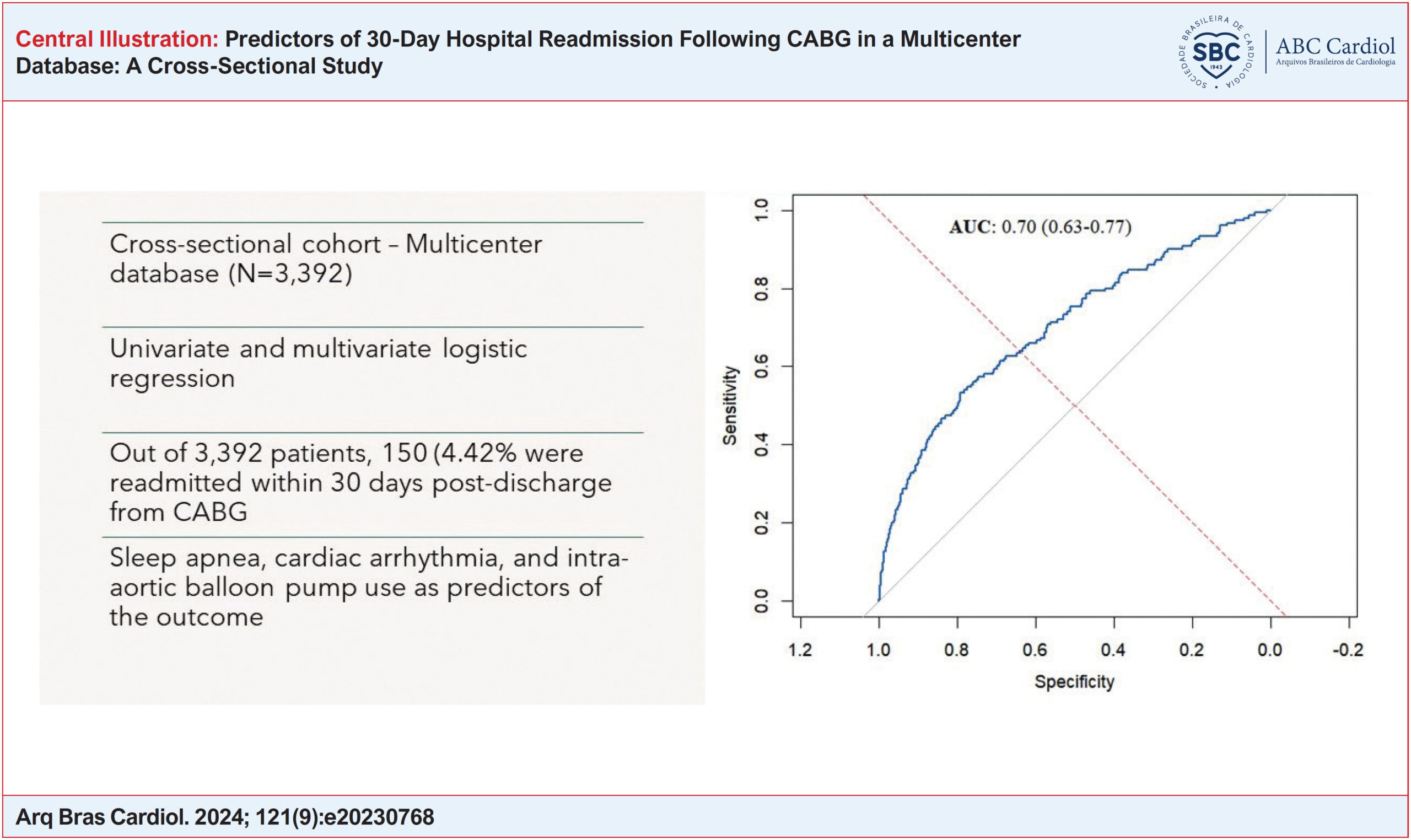
Cross-sectional cohort study by REPLICCAR II database (N=3,392) from June 2017 to June 2019. Retrospectively, 150 patients were analyzed to identify factors associated with hospital readmission within 30 days post-CABG using univariate and multivariate logistic regression. Analysis was conducted using software R, with a significance level of 0.05 and 95% confidence intervals.

Results:

Out of 3,392 patients, 150 (4,42%0 were readmitted within 30 days post-discharge from CABG primarily due to infections (mediastinitis, surgical wounds, and sepsis) accounting for 52 cases (34.66%). Other causes included surgical complications (14/150, 9.33%) and pneumonia (13/150, 8.66%). The multivariate regression model identified an intercept (OR: 1.098, p<0.00001), sleep apnea (OR: 1.117, p=0.0165), cardiac arrhythmia (OR: 1.040, p=0.0712), and intra-aortic balloon pump use (OR: 1.068, p=0.0021) as predictors of the outcome, with an AUC of 0.70.

Conclusion:

4.42% of patients were readmitted post-CABG, mainly due to infections. Factors such as sleep apnea (OR: 1.117, p=0.0165), cardiac arrhythmia (OR: 1.040, p=0.0712), and intra-aortic balloon pump use (OR: 1.068, p=0.0021) were predictors of readmission, with moderate risk discrimination (AUC: 0.70).

  • hospitals
  • Myocardium
  • Patient Readmission
Read Full Article
Creative Commons Attribution (CC BY) Creative Commons license
06/09/2024 DOI: 10.36660/abc.20230768i Views 2
Diastolic Strain Parameters are Associated with Short Term Mortality and Rehospitalization in Patients with Advanced Heart Failure
ABC
Original Article

Diastolic Strain Parameters are Associated with Short Term Mortality and Rehospitalization in Patients with Advanced Heart Failure

Sefa Tatar et al. Abdullah İcli Alpay Arıbaş Nazire Belgin Akilli … Hakan Akilli Ahmet Lütfi Sertdemir

Abstract

Background

Heart failure (HF) is a leading cause of hospitalization and mortality worldwide and places a great economic burden on healthcare systems. Identification of prognostic factors in HF patients is of great importance to establish optimal management strategies and to avoid unnecessary invasive and costly procedures in end-stage patients.

Objectives

In the current study, we aimed to investigate the association between diastolic strain parameters including E/e’ SR, and short-term outcomes in advanced HF patients.

Methods

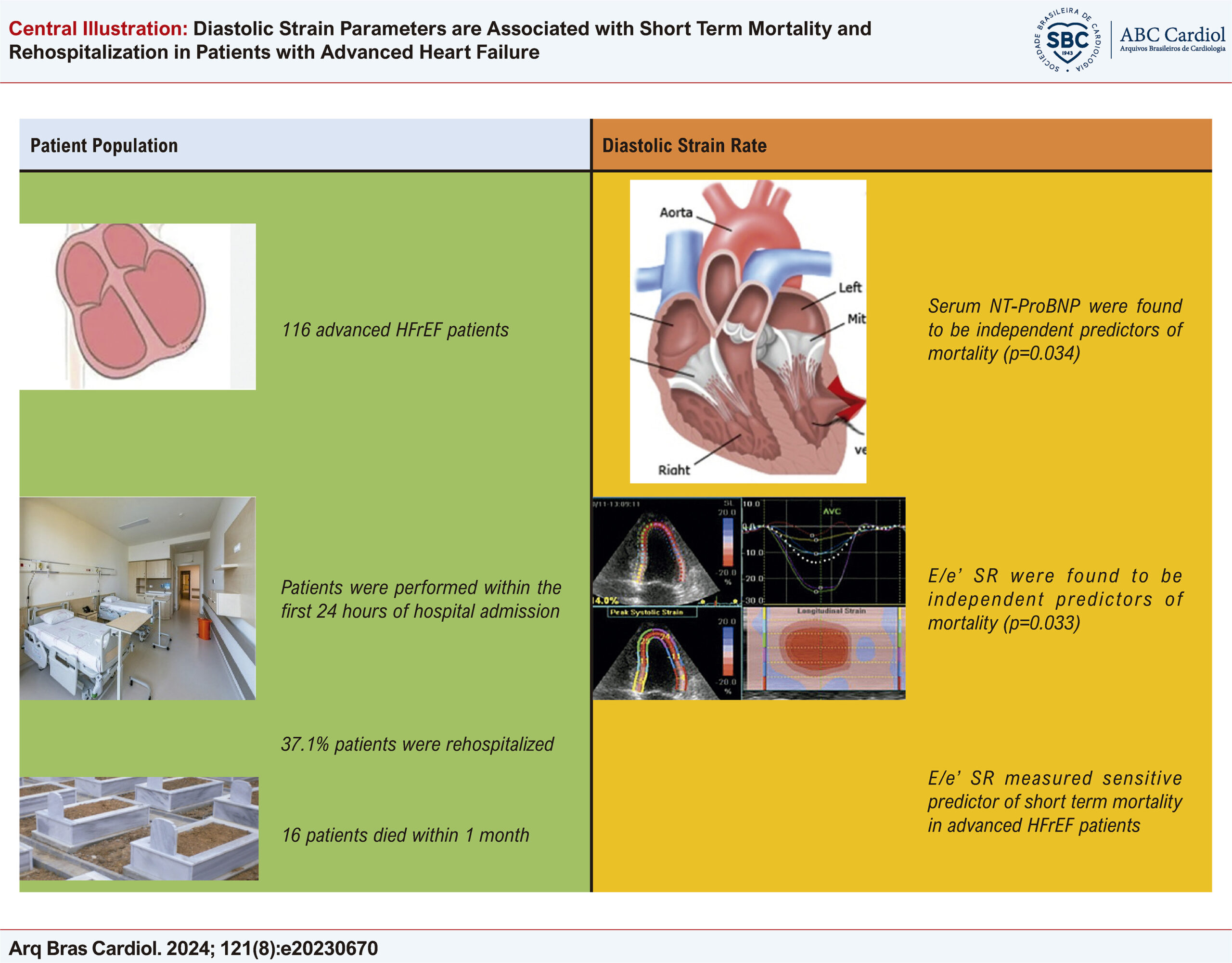
The population study included 116 advanced HF with reduced ejection fraction (HFrEF) patients. Clinical, laboratory, and echocardiographic evaluations of the patients were performed within the first 24 hours of hospital admission. Patients were followed for one month and any re-hospitalization due to worsening of HF symptoms and any mortality was recorded. The level of significance adopted in the statistical analysis was 5%.

Results

E/e’ SR was significantly higher in the patient group compared to the control group (p=0.001). During one-month follow-up, 13.8% of patients died and 37.1% of patients were rehospitalized. Serum NT-ProBNP (p=0.034) and E/e’ SR (p=0.033) were found to be independent predictors of mortality and ACEİ use (p=0.027) and apical 3C strain (p=0.011) were found to be independent predictors of rehospitalization in the patient group.

Conclusion

Findings of the current prospective study demonstrate that E/e’ SR measured by speckle tracking echocardiography is an independent and sensitive predictor of short-term mortality in advanced HFrEF patients and may have a role in the identification of end-stage HFrEF patients.

  • Heart Failure
  • Mortality
  • Patient Readmission
Read Full Article
Creative Commons Attribution (CC BY) Creative Commons license
26/08/2024 DOI: 10.36660/abc.20230670i
ABC
Editorial

Monitoring Systemic Congestion in Heart Failure: Is Clinical Evaluation Sufficient?

Silvia Moreira Ayub-Ferreira et al. Danielle Louvet Guazzelli

The management of acute decompensated heart failure (ADHF) remains a significant challenge in cardiology, particularly in preventing hospital readmissions. In this context, signs and symptoms related to congestion are among the most common causes of hospitalization for heart failure and subsequent readmissions.

In this edition of Arquivos Brasileiros de Cardiologia the authors present a cohort study that incorporates the use of the VExUS score to assess residual venous congestion before hospital discharge (VExUS Score at Hospital Discharge as a Predictor of Readmission in Patients with Acutely Decompensated Heart Failure: A Cohort Study). This study highlights the complexity of managing patients with heart failure and suggests a potentially useful tool to improve clinical outcomes.

[…]

  • Heart Failure
  • Hospitalization
  • Patient Readmission
  • Ultrasonography
Read Full Article
Creative Commons Attribution (CC BY) Creative Commons license
02/08/2024 DOI: 10.36660/abc.20240354i Views 1
VExUS Score at Discharge as a Predictor of Readmission in Patients with Acute Decompensated Heart Failure: A Cohort Study
ABC
Original Article

VExUS Score at Discharge as a Predictor of Readmission in Patients with Acute Decompensated Heart Failure: A Cohort Study

Paulo Maciel Rinaldi et al. Marcos Frata Rihl Márcio Manozzo Boniatti

Abstract

Background

Residual venous congestion is a major contributor to readmission of patients with heart failure, and the venous excess ultrasound (VExUS) score is a potentially useful tool to evaluate systemic congestion.

Objectives

To investigate the association between VExUS score before hospital discharge among patients with heart failure and the risk of readmission due to acute decompensated heart failure (ADHF) within 90 days after discharge.

Methods

This prospective cohort study enrolled adults with signs and symptoms of ADHF, left ventricular ejection fraction of 40% or below (heart failure with reduced ejection fraction), New York Heart Association functional class II to IV symptoms, and clinical evidence of venous congestion necessitating intravenous diuretics. Just prior to discharge, we conducted VExUS score evaluation. The primary outcome was a composite endpoint of readmission or emergency visits due to ADHF within 90 days following hospital discharge. Statistical significance was set at p < 0.05.

Results

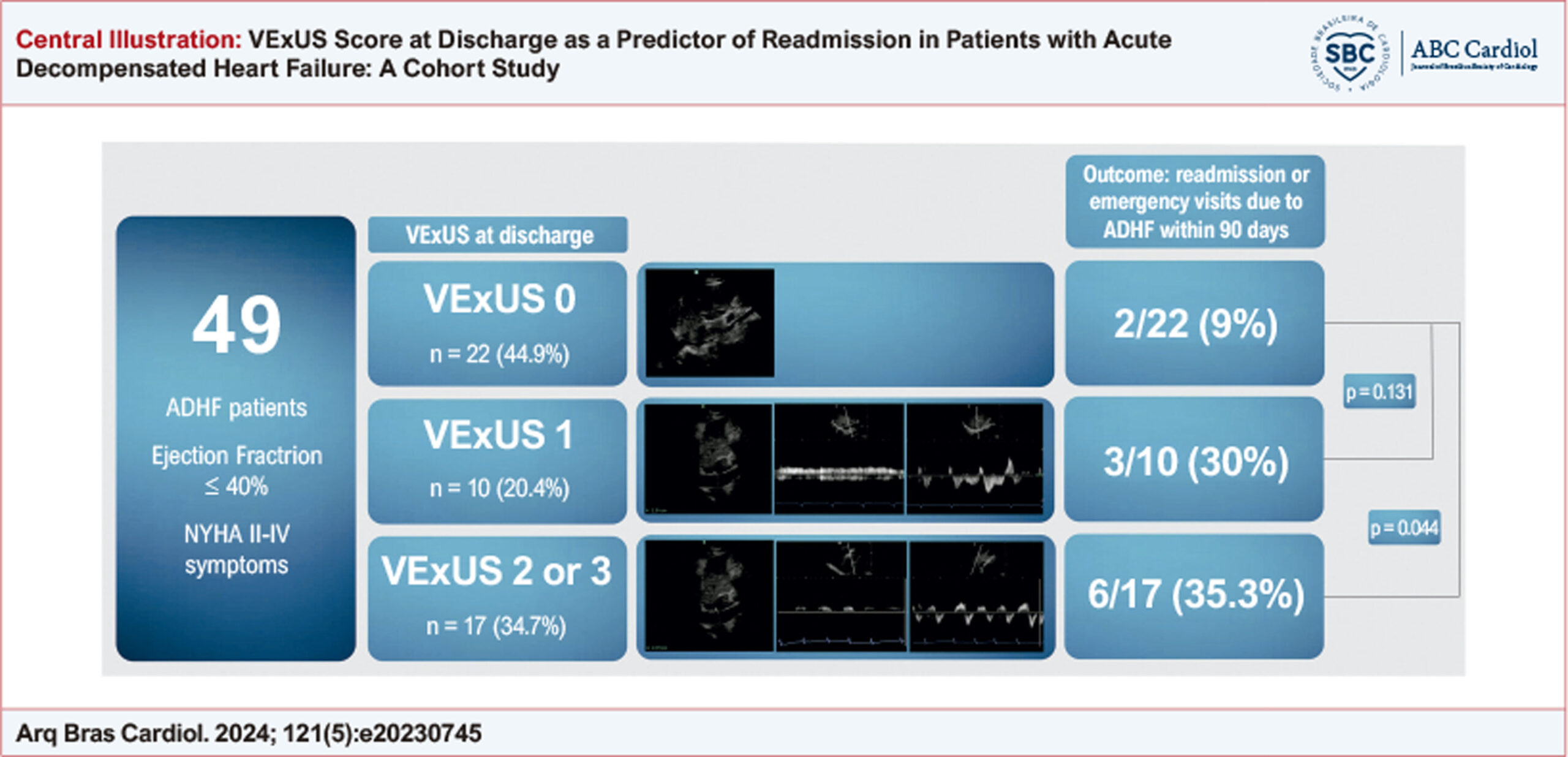
The cohort comprised 49 individuals, 11 (22.4%) of whom experienced the primary outcome. At discharge, 34.7% of participants had VExUS score 2 or 3. Patients with VExUS 2 and 3 had a higher proportion of the primary outcome when compared with patients with VExUS of 0 (35.3% versus 9%, p = 0.044).

Conclusions

A significant proportion of patients with heart failure with reduced ejection fraction admitted for ADHF presented clinical and ultrasound signs of residual congestion at discharge. Patients with VExUS score of 2 or 3 at the time of hospital discharge were found to be at higher risk of readmissions or emergency visits due to ADHF after 90 days.

  • Heart Failure
  • Patient Readmission
  • Quality of life
Read Full Article
Creative Commons Attribution (CC BY) Creative Commons license
17/06/2024 DOI: 10.36660/abc.20230745i
Factors Associated with the Treatment Costs within the First Year after Pacemaker Implantation or Pulse Generator Replacement
ABC
Original Article

Factors Associated with the Treatment Costs within the First Year after Pacemaker Implantation or Pulse Generator Replacement

Lucas Bassoli de Oliveira Alves et al. Katia Regina Silva Jacson Venancio Barros Fernando Antonio Basile Colugnati … Martino Martinelli Filho Roberto Costa

Abstract

Background

The use of artificial cardiac pacemakers has grown steadily in line with the aging population.

Objectives

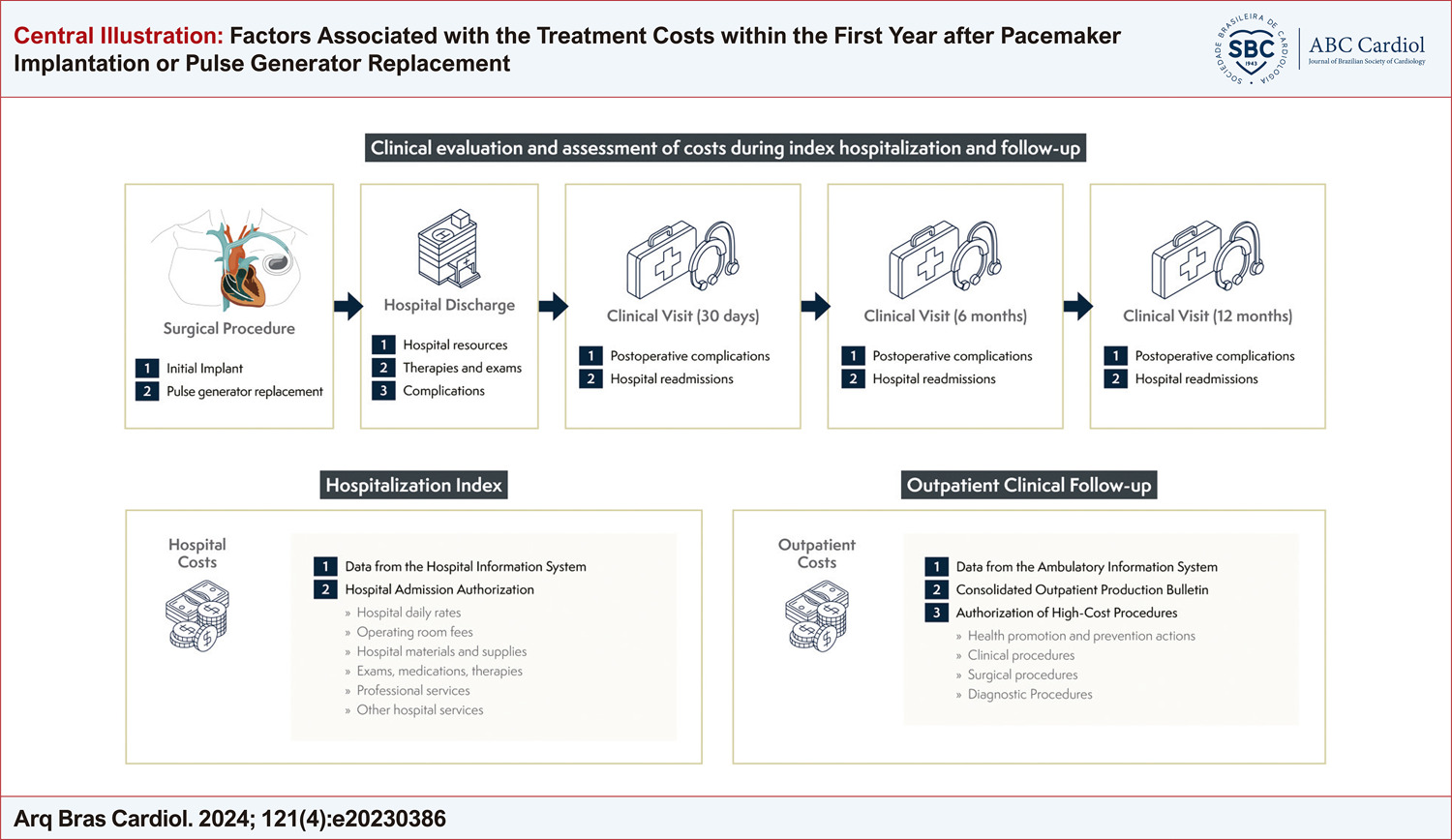
To determine the rates of hospital readmissions and complications after pacemaker implantation or pulse generator replacement and to assess the impact of these events on annual treatment costs from the perspective of the Unified Health System (SUS).

Methods

A prospective registry, with data derived from clinical practice, collected during index hospitalization and during the first 12 months after the surgical procedure. The cost of index hospitalization, the procedure, and clinical follow-up were estimated according to the values reimbursed by SUS and analyzed at the patient level. Generalized linear models were used to study factors associated with the total annual treatment cost, adopting a significance level of 5%.

Results

A total of 1,223 consecutive patients underwent initial implantation (n=634) or pulse generator replacement (n=589). Seventy episodes of complication were observed in 63 patients (5.1%). The incidence of hospital readmissions within one year was 16.4% (95% CI 13.7% – 19.6%) after initial implants and 10.6% (95% CI 8.3% – 13.4%) after generator replacements. Chronic kidney disease, history of stroke, length of hospital stays, need for postoperative intensive care, complications, and hospital readmissions showed a significant impact on the total annual treatment cost.

Conclusions

The results confirm the influence of age, comorbidities, postoperative complications, and hospital readmissions as factors associated with increased total annual treatment cost for patients with pacemakers.

  • Artificial Pacemaker
  • health evaluation
  • Patient Readmission
  • postoperative complications
Read Full Article
Creative Commons Attribution (CC BY) Creative Commons license
26/04/2024 DOI: 10.36660/abc.20230386i Views 2
IJCS
Editorial

Hepatic Elastography in the Assessment of Heart Failure: Where We Came from and Where We Are Going

Edison Migowski

Conclusion

There seems to be a consensus that the greater the liver stiffness, the greater the risk of mortality (“Stone liver, heart in danger”, according to Pernot and Villemain) However, innumerous studies are necessary to determine which therapeutic interventions would be capable of decreasing that stiffness and whether such decrease would have a consistent impact on prognosis. Another relevant data is that we do not know exactly the amount of information that HE can add to clinical practice, in addition to the information already provided by echocardiography and BNP.

It is believed that a long way must be taken until this technique becomes a useful tool for cardiologists, with favorable impact on the management of a disease with high morbidity, mortality and cost for the healthcare system. Nevertheless, we can state that the interpretation of results by the clinician involved in the patient’s treatment will be undoubtedly crucial for its success.

[…]

  • Elasticity Imaging Techniques/methods
  • Heart Failure
  • Hospitalization
  • Liver Diseases
  • Outcomes
  • Patient Readmission
  • Prognosis
Read Full Article
Creative Commons Attribution (CC BY) Creative Commons license
29/05/2020 DOI: 10.36660/ijcs.20200070
Figure 1
IJCS
Original Article

Predictors of Post-Discharge 30-Day Hospital Readmission in Decompensated Heart Failure Patients

Camila Sarteschi et al. Wayner Vieira de Souza Carolina Medeiros Paulo Sergio Rodrigues Oliveira … Silvia Marinho Martins Eduarda Ângela Pessoa Cesse

Abstract

Background

Heart failure (HF) is worldwide known as a public health issue with high morbimortality. One of the issues related to the evolution of HF is the high rate of hospital readmission caused by decompensation of the clinical condition, with high costs and worsening of ventricular function.

Objective

To quantify the readmission rate and identify the predictors of rehospitalization in patients with acute decompensated heart failure.

Methods

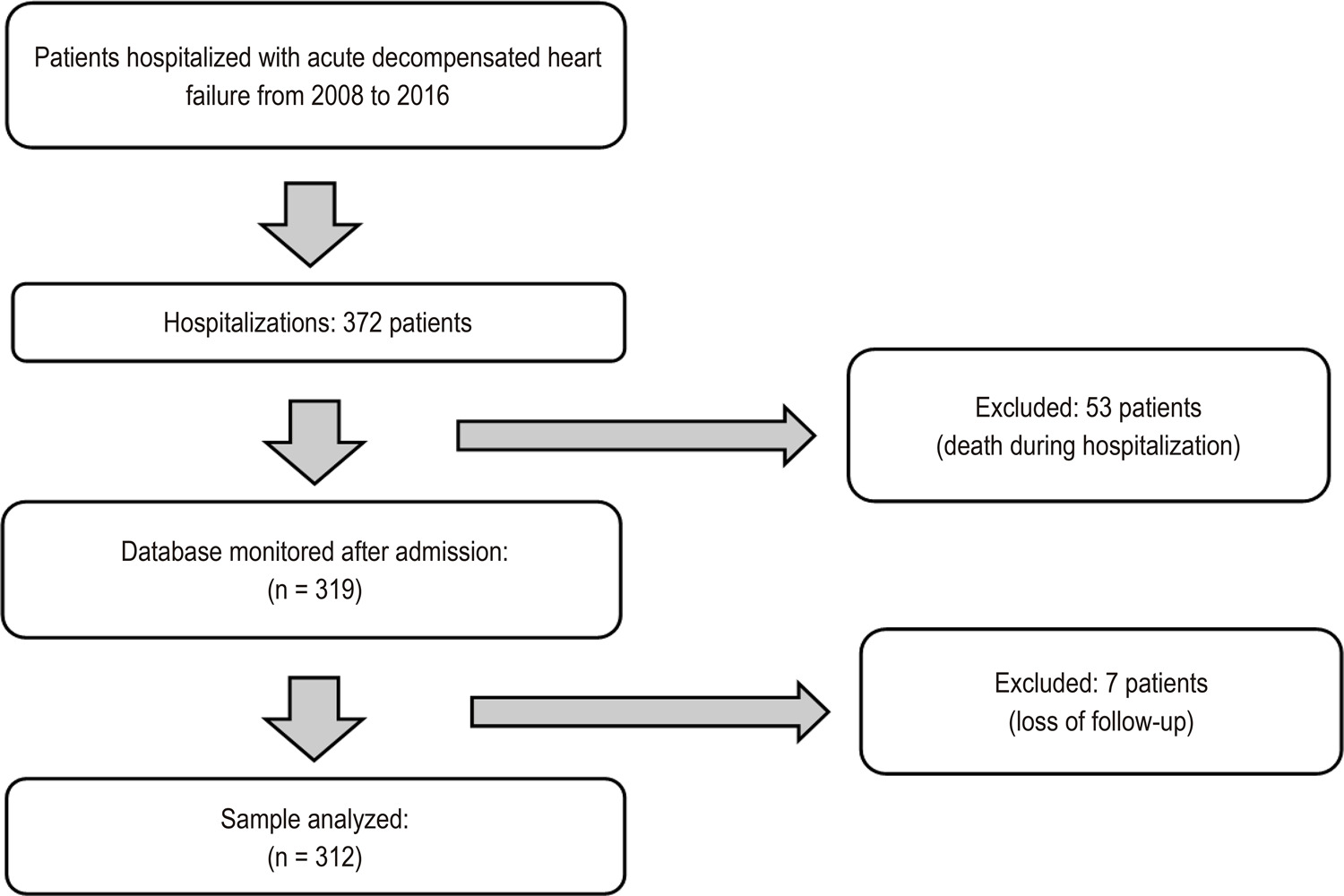
Hospital-based historic cohort of patients admitted with acute decompensated HF in a private hospital from Recife/PE, from January 2008 to February 2016, followed-up for at least 30 days after discharge. Demographic and clinical data of admission, hospitalization, and clinical and late outcomes were analyzed. Logistic regression was used as a strategy to identify the predictors of independent risks.

Results

312 followed-up patients, average age 73 (± 14), 61% males, 51% NYHA Class III, and 58% ischemic etiology. Thirty-day readmission rate was 23%. Multivariate analysis identified the independent predictors ejection fraction < 40% (OR = 2.1; p = 0.009), hyponatremia (OR = 2.9; p = 0.022) and acute coronary syndrome (ACS) as the cause of decompensation (OR = 1.1; p = 0,026). The final model using those three variables presented reasonable discriminatory power (C-Statistics = 0.655 – HF 95%: 0.582 – 0.728) and good calibration (Hosmer-Lemeshow p = 0.925).

Conclusions

Among hospitalized patients with acute decompensated heart failure, the rate of readmission was high. Hyponatremia, reduced ejection fraction and ACS as causes of decompensation were robust markers for the prediction of hospital readmission within 30 days of discharge. (Int J Cardiovasc Sci. 2020; 33(2):175-184)

  • Heart Failure
  • Hospitalization
  • Patient Discharge/trends
  • Patient Readmission
Read Full Article
Creative Commons Attribution (CC BY) Creative Commons license
03/04/2020 DOI: 10.36660/ijcs.20180088 Views 1
ABC
Editorial

Hospital Readmissions after Acute Coronary Syndromes

Alfredo J. Mansur

Acute ischemic syndromes (myocardial infarction, unstable angina) may occur de novo in previously asymptomatic patients or may occur in the course of chronic diseases. After hospital-based acute care therapy, with or without percutaneous or surgical intervention, patients are discharged and receive advice for long-term therapy. However, some patients develop symptoms again in the short-term course and are readmitted to the hospital due to clinical as well as non-clinical causes and with clinical and other non-clinical consequences.

Hospital readmissions deserve studies in different settings and have been reported in medical literature. In one report, the readmission rate after one year in patients older than 65 years surviving myocardial infarction was 49.9% in 4.767 hospitals in United States of America between 2008 and 2010; the readmission rate, as well as mortality, were higher in the first months after discharge and decreased thereafter over 12 months. Additional studies compared not-for-profit hospitals (15.7%) with proprietary hospitals (16.6%) regarding readmission rates in the first month of discharge without demonstrating an association of hospital ownership with the success in programs devoted to decrease readmission rate; the results of such interventions were not statistically different between the two types of hospitals. Socioeconomic and ethnic factors were systemic influences without overt manifestations in a specific hospital. In many instances, the readmission rate was studied as a surrogate marker of quality of care;– the heterogeneity of patients and medical conditions made a clear association with the index admission elusive and not easily predicted.

[…]

  • Acute coronary syndrome
  • Hospitalization
  • Hospitals, Private
  • Mortality
  • Myocardial Infarction
  • Patient Readmission
Read Full Article
Creative Commons Attribution (CC BY) Creative Commons license
08/08/2019 DOI: 10.5935/abc.20190136 Views 1
Figure 1
ABC
Original Article

Unscheduled Emergency Visits after Cardiac Devices Implantation: Comparison between Cardioverter Defibrillators and Cardiac Resynchronization Therapy Devices in less than one year of Follow Up

Stefan Warpechowski Neto et al. Laura Lessa Gaudie Ley Eduardo Dytz Almeida Marco Aurélio Lumertz Saffi … Luiza Zwan Dutra Antonio Lessa Gaudie Ley Roberto Tofani Sant'Anna Gustavo Glotz de Lima Renato Abdala Karam Kalil Tiago Luiz Luz Leiria

Abstract

Background:

The use of Cardiovascular Implantable Electronic Devices (CIED), such as the Implantable Cardioverter Defibrillator (ICD) and Cardiac Resynchronization Therapy (CRT), is increasing. The number of leads may vary according to the device. Lead placement in the left ventricle increases surgical time and may be associated with greater morbidity after hospital discharge, an event that is often confused with the underlying disease severity.

Objective:

To evaluate the rate of unscheduled emergency hospitalizations and death after implantable device surgery stratified by the type of device.

Methods:

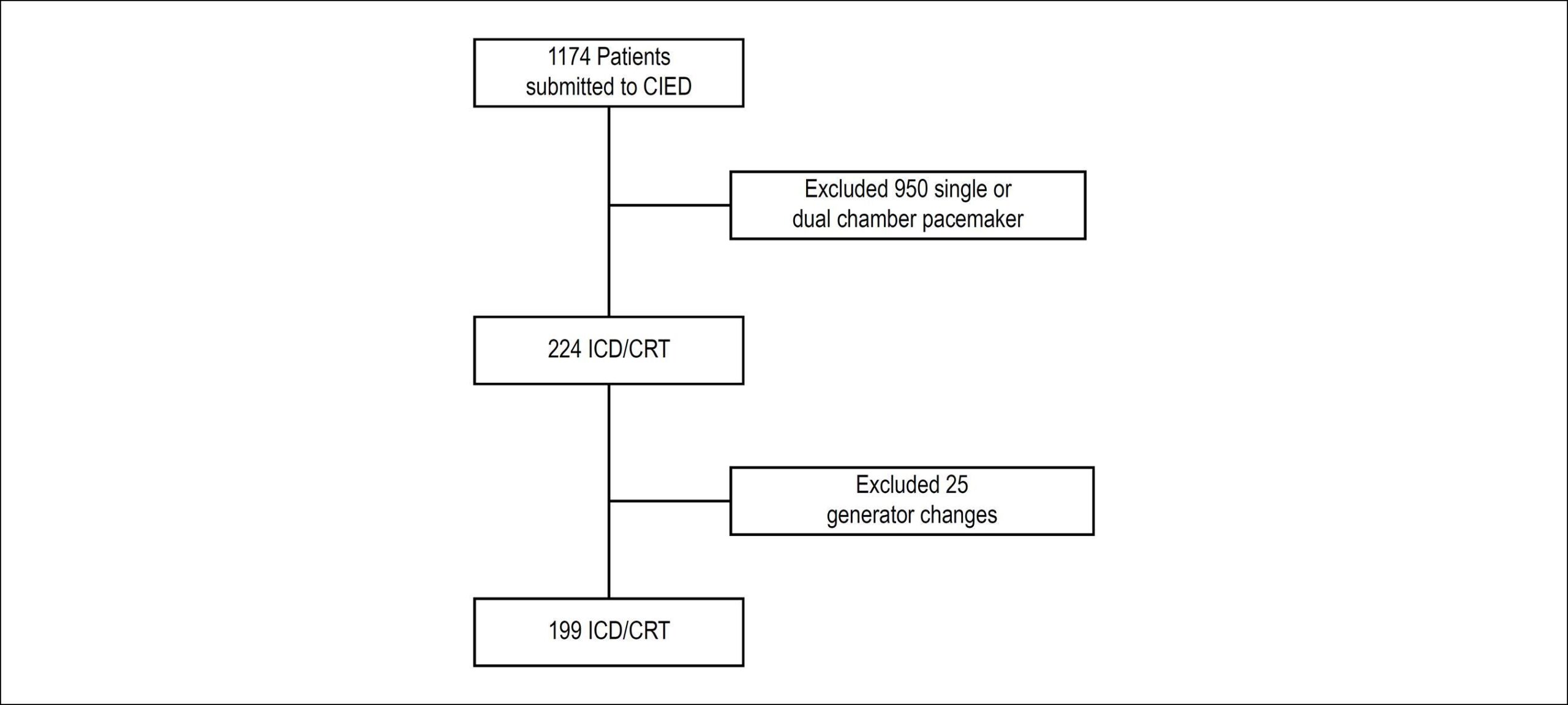
Prospective cohort study of 199 patients submitted to cardiac device implantation. The groups were stratified according to the type of device: ICD group (n = 124) and CRT group (n = 75). Probability estimates were analyzed by the Kaplan-Meier method according to the outcome. A value of p < 0.05 was considered significant in the statistical analyses.

Results:

Most of the sample comprised male patients (71.9%), with a mean age of 61.1 ± 14.2. Left ventricular ejection fraction was similar between the groups (CRT 37.4 ± 18.1 vs. ICD 39.1 ± 17.0, p = 0.532). The rate of unscheduled visits to the emergency unit related to the device was 4.8% in the ICD group and 10.6% in the CRT group (p = 0.20). The probability of device-related survival of the variable “death” was different between the groups (p = 0.008).

Conclusions:

Patients after CRT implantation show a higher probability of mortality after surgery at a follow-up of less than 1 year. The rate of unscheduled hospital visits, related or not to the implant, does not differ between the groups.

  • Cardiac resynchronization-therapy devices
  • Cardiac-Gated Imaging Techniques
  • Defibrillators, Implantable
  • Mortality
  • Patient Readmission
Read Full Article
Creative Commons Attribution (CC BY) Creative Commons license
21/02/2019 DOI: 10.5935/abc.20190018 Views 1
Figure 1
IJCS
Original Article

Cardiorenal Syndrome Type 2: A Strong Prognostic Factor of Survival

Arous Salim et al. Mohamed El Ghali Benouna Rachida Habbal Monia El Mourid

Abstract

Background:

Renal failure is common in patients with chronic heart failure, with a prevalence ranging from 20 % to 57% worldwide. It is associated with a poor prognosis and a high risk of readmission.

Objectives:

The purpose of our study is to show the epidemiological, clinical, paraclinical and therapeutic features of Moroccan patients with chronic heart failure who had developed a chronic renal failure. The endpoints were cardiac death and any cause of hospitalization.

Methods:

563 patients followed for chronic heart failure at the heart failure unit in the Department of Cardiology of the University Hospital Ibn Rushd of Casablanca in Morocco, between July 30, 2012 and July 30, 2016 were assessed. Patients were divided into two groups according to the presence or absence of cardiorenal syndrome.

Results:

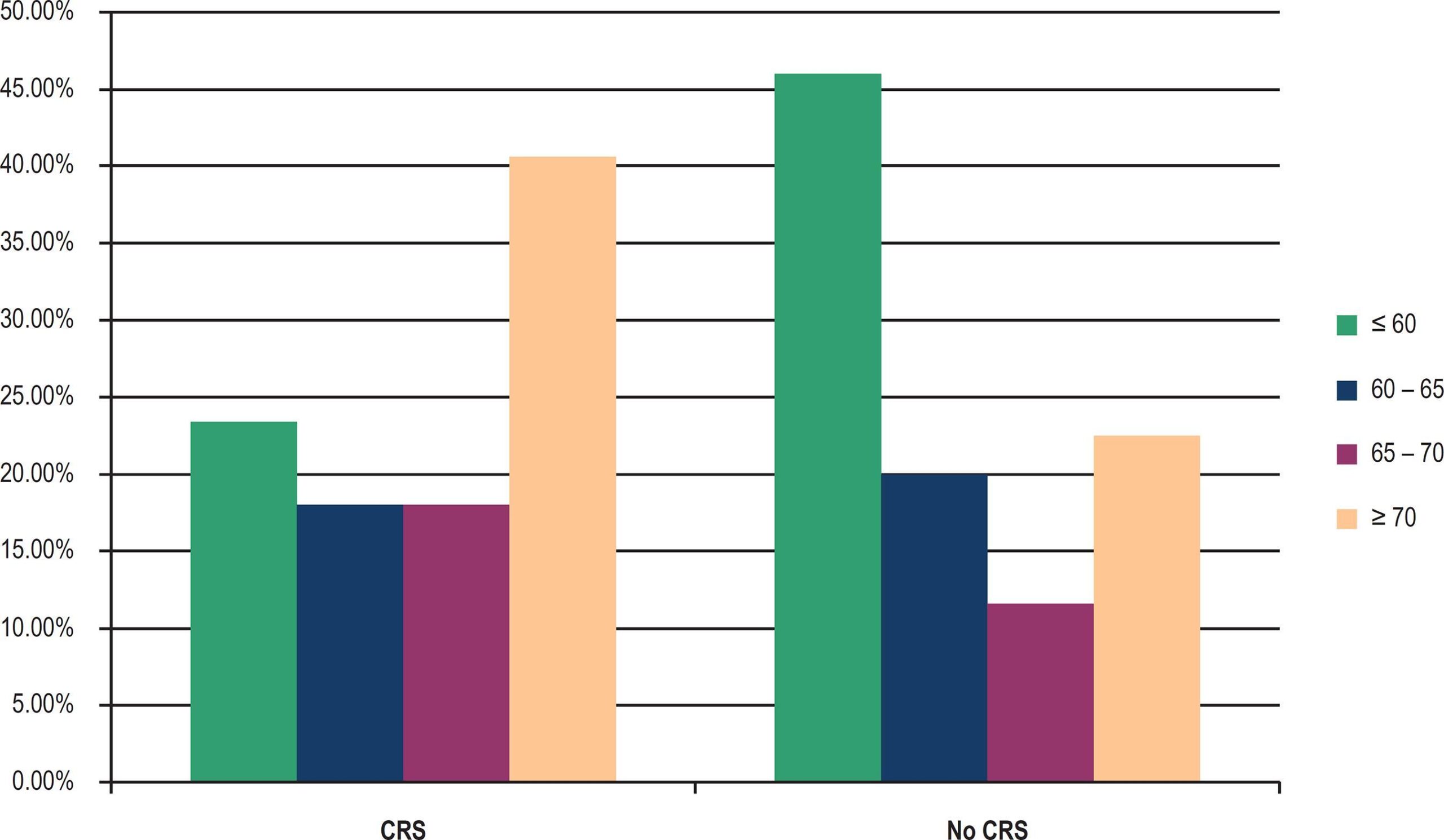
Compared to patients who had no cardiorenal syndrome, patients with cardiorenal syndrome tended to be more aged, hypertensive and diabetic. Clinically more patients were at dyspnea stage III or IV. Biologically their hemoglobin was lower and their blood uric acid level was higher. Regarding echocardiography, their ejection fraction of the left ventricle was lower, with more of systolic dysfunction of the right ventricle and pulmonary hypertension in the CRS group, with a higher risk of readmission (p < 0.0001). The mortality was significantly higher in the group CRS (p < 0.0001).

Conclusion:

The deterioration of renal function in chronic renal failure is associated with poor prognosis, including a high risk of rehospitalization, cardiovascular events and death. Patients who are elderly, diabetic, with a low left ventricular ejection fraction and pulmonary hypertension are the most concerned.

  • Cardio-Renal Syndrome
  • Heart Failure
  • Patient Readmission
  • Renal Insufficiency Chronic / mortality
  • Renal Insufficiency Chronic / prognosis
Read Full Article
Creative Commons Attribution (CC BY) Creative Commons license
01/01/2017 DOI: 10.5935/2359-4802.20170072
Figure 1
ABC
Original Article

Testosterone Deficiency Increases Hospital Readmission and Mortality Rates in Male Patients with Heart Failure

Marcelo Rodrigues dos Santos et al. Ana Luiza Carrari Sayegh Raphaela Vilar Ramalho Groehs Guilherme Fonseca … Ivani Credidio Trombetta Antônio Carlos Pereira Barretto Marco Antônio Arap Carlos Eduardo Negrão Holly R. Middlekauff Maria-Janieire de Nazaré Nunes Alves

Background:

Testosterone deficiency in patients with heart failure (HF) is associated with decreased exercise capacity and mortality; however, its impact on hospital readmission rate is uncertain. Furthermore, the relationship between testosterone deficiency and sympathetic activation is unknown.

Objective:

We investigated the role of testosterone level on hospital readmission and mortality rates as well as sympathetic nerve activity in patients with HF.

Methods:

Total testosterone (TT) and free testosterone (FT) were measured in 110 hospitalized male patients with a left ventricular ejection fraction < 45% and New York Heart Association classification IV. The patients were placed into low testosterone (LT; n = 66) and normal testosterone (NT; n = 44) groups. Hypogonadism was defined as TT < 300 ng/dL and FT < 131 pmol/L. Muscle sympathetic nerve activity (MSNA) was recorded by microneurography in a subpopulation of 27 patients.

Results:

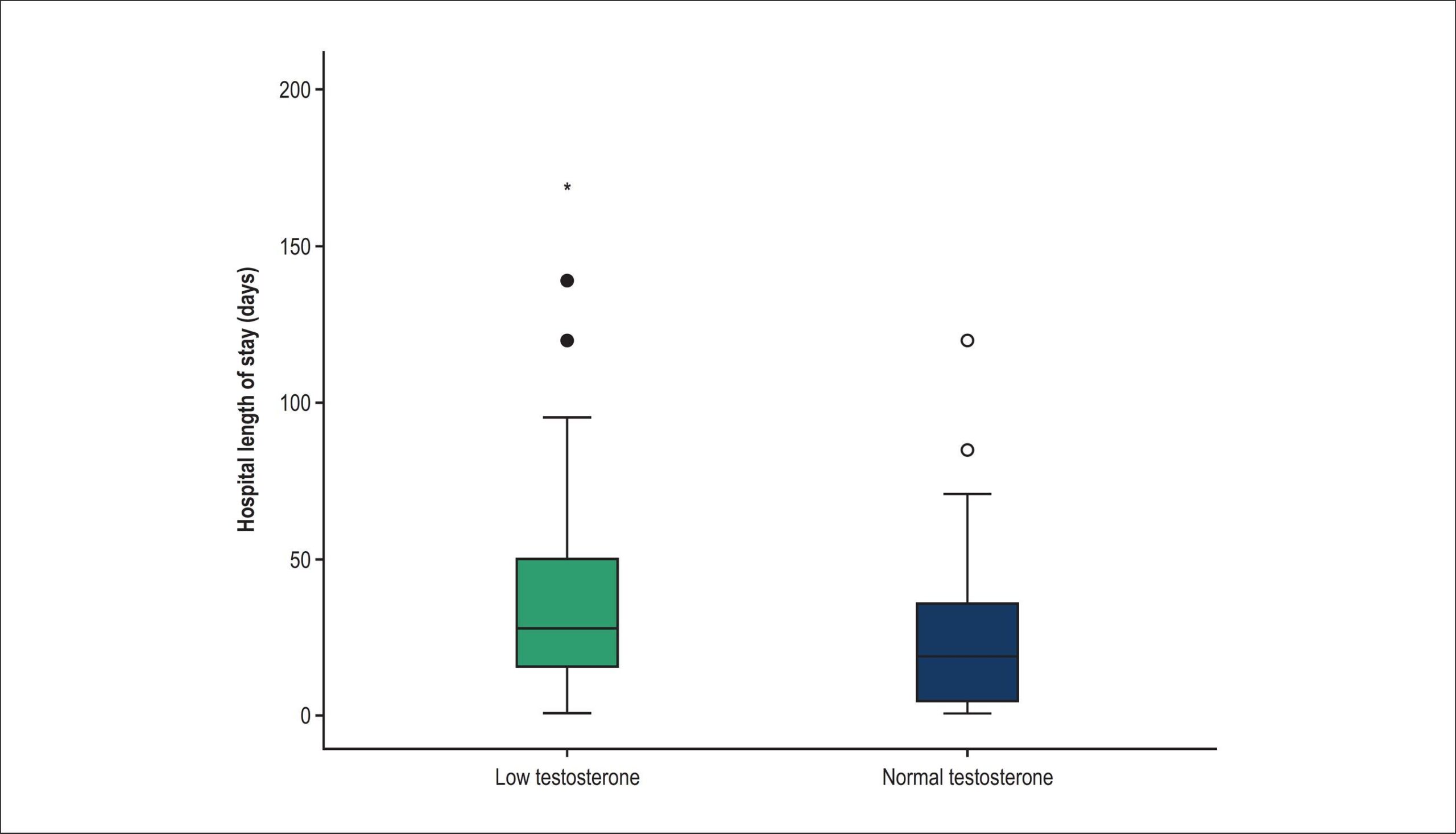
Length of hospital stay was longer in the LT group compared to in the NT group (37 ± 4 vs. 25 ± 4 days; p = 0.008). Similarly, the cumulative hazard of readmission within 1 year was greater in the LT group compared to in the NT group (44% vs. 22%, p = 0.001). In the single-predictor analysis, TT (hazard ratio [HR], 2.77; 95% confidence interval [CI], 1.58–4.85; p = 0.02) predicted hospital readmission within 90 days. In addition, TT (HR, 4.65; 95% CI, 2.67–8.10; p = 0.009) and readmission within 90 days (HR, 3.27; 95% CI, 1.23–8.69; p = 0.02) predicted increased mortality. Neurohumoral activation, as estimated by MSNA, was significantly higher in the LT group compared to in the NT group (65 ± 3 vs. 51 ± 4 bursts/100 heart beats; p < 0.001).

Conclusion:

These results support the concept that LT is an independent risk factor for hospital readmission within 90 days and increased mortality in patients with HF. Furthermore, increased MSNA was observed in patients with LT.

  • Heart Failure / mortality
  • Men
  • Patient Readmission
  • Testosterone / deficiency
Read Full Article
Creative Commons Attribution (CC BY) Creative Commons license
21/07/2015 DOI: 10.5935/abc.20150078 Views 1

How to cite this article

EndNote RIS

Electronic Document Format (Vancouver)

Rosa NC, Alves CN, Moraes MAP. Use of Diuretics in the Emergency Department Among Patients with Heart Failure: A Cohort Study. International Journal of Cardiovascular Sciences 2026;39:e20240181.

Electronic Document Format (ABNT)

Rosa, Nichollas Costa; Alves, Camila Neumaier; Moraes, Maria Antonieta Pereira de. Use of Diuretics in the Emergency Department Among Patients with Heart Failure: A Cohort Study. International Journal of Cardiovascular Sciences, v. 39, e20240181, May. 2026.

Electronic Document Format (APA)

Rosa, N. C., Alves, C. N., & Moraes, M. A. P. (2026). Use of Diuretics in the Emergency Department Among Patients with Heart Failure: A Cohort Study. International Journal of Cardiovascular Sciences, 39, e20240181.

Electronic Document Format (ISO)

Rosa, Nichollas Costa and Alves, Camila Neumaier and Moraes, Maria Antonieta Pereira de. Use of Diuretics in the Emergency Department Among Patients with Heart Failure: A Cohort Study. International Journal of Cardiovascular Sciences [online]. 2026, vol. 39, [cited 2026-10-14], e20240181. Available from: <https://journals.cardiol.br/en/article/use-of-diuretics-in-the-emergency-department-among-patients-with-heart-failure-a-cohort-study/>. ISSN 2359-4802

EndNote RIS

Electronic Document Format (Vancouver)

Issa AFC. Predictors of Hospital Readmission After Coronary Artery Bypass Grafting – Reflections and Perspectives. Arquivos Brasileiros de Cardiologia 2025;122(2):e20250133.

Electronic Document Format (ABNT)

Issa, Aurora Felice Castro. Predictors of Hospital Readmission After Coronary Artery Bypass Grafting – Reflections and Perspectives. Arquivos Brasileiros de Cardiologia, v. 122, n. 2, e20250133, Apr. 2025.

Electronic Document Format (APA)

Issa, A. F. C. (2025). Predictors of Hospital Readmission After Coronary Artery Bypass Grafting – Reflections and Perspectives. Arquivos Brasileiros de Cardiologia, 122(2), e20250133.

Electronic Document Format (ISO)

Issa, Aurora Felice Castro. Predictors of Hospital Readmission After Coronary Artery Bypass Grafting – Reflections and Perspectives. Arquivos Brasileiros de Cardiologia [online]. 2025, vol. 122, n. 2, [cited 2026-10-14], e20250133. Available from: <https://journals.cardiol.br/en/article/predictors-of-hospital-readmission-after-coronary-artery-bypass-grafting-reflections-and-perspectives/>. ISSN 0066-782X

EndNote RIS

Electronic Document Format (Vancouver)

Sá ARA, Prado VA, Melo MAF, Melo PMRF, Borba MCF, Andrade AS, Silva JFP, et al. Prediction of Rehospitalization in Cardiac Bypass Surgery. Arquivos Brasileiros de Cardiologia 2025;122(2):e20240706.

Electronic Document Format (ABNT)

Sá, Antônio Rafael Alves de; Prado, Victoria Alves; Melo, Mateus Augusto Felix de; Melo, Pâmela Marillac Rodrigues Feijó de; Borba, Maria Clara Filgueira; Andrade, Achilles de Souza; Silva, Jorge Fernando Pereira; Lopes, Johnnatas Mikael. Prediction of Rehospitalization in Cardiac Bypass Surgery. Arquivos Brasileiros de Cardiologia, v. 122, n. 2, e20240706, Mar. 2025.

Electronic Document Format (APA)

Sá, A. R. A. , Prado, V. A., Melo, M. A. F. , Melo, P. M. R. F. , Borba, M. C. F., Andrade, A. S., Silva, J. F. P., & Lopes, J. M. (2025). Prediction of Rehospitalization in Cardiac Bypass Surgery. Arquivos Brasileiros de Cardiologia, 122(2), e20240706.

Electronic Document Format (ISO)

Sá, Antônio Rafael Alves de and Prado, Victoria Alves and Melo, Mateus Augusto Felix de and Melo, Pâmela Marillac Rodrigues Feijó de and Borba, Maria Clara Filgueira and Andrade, Achilles de Souza and Silva, Jorge Fernando Pereira and Lopes, Johnnatas Mikael. Prediction of Rehospitalization in Cardiac Bypass Surgery. Arquivos Brasileiros de Cardiologia [online]. 2025, vol. 122, n. 2, [cited 2026-10-14], e20240706. Available from: <https://journals.cardiol.br/en/article/prediction-of-rehospitalization-in-cardiac-bypass-surgery/>. ISSN 0066-782X

EndNote RIS

Electronic Document Format (Vancouver)

Lachtermacher S. Look Who is Coming Back? Enhancing Predictive Models for Hospital Readmission Post-CABG: Insights and Perspectives. Arquivos Brasileiros de Cardiologia 2024;121(9):e20240493.

Electronic Document Format (ABNT)

Lachtermacher, Stephan. Look Who is Coming Back? Enhancing Predictive Models for Hospital Readmission Post-CABG: Insights and Perspectives. Arquivos Brasileiros de Cardiologia, v. 121, n. 9, e20240493, Sep. 2024.

Electronic Document Format (APA)

Lachtermacher, S. (2024). Look Who is Coming Back? Enhancing Predictive Models for Hospital Readmission Post-CABG: Insights and Perspectives. Arquivos Brasileiros de Cardiologia, 121(9), e20240493.

Electronic Document Format (ISO)

Lachtermacher, Stephan. Look Who is Coming Back? Enhancing Predictive Models for Hospital Readmission Post-CABG: Insights and Perspectives. Arquivos Brasileiros de Cardiologia [online]. 2024, vol. 121, n. 9, [cited 2026-10-14], e20240493. Available from: <https://journals.cardiol.br/en/article/look-who-is-coming-back-enhancing-predictive-models-for-hospital-readmission-post-cabg-insights-and-perspectives/>. ISSN 0066-782X

EndNote RIS

Electronic Document Format (Vancouver)

Silva RAG, Borgomoni GB, Freitas FL, Maia AS, Vale Junior CF, Pereira ES, Silvestre LGI, et al. Predictors of 30-Day Hospital Readmission Following CABG in a Multicenter Database: A Cross-Sectional Study. Arquivos Brasileiros de Cardiologia 2024;121(9):e20230768.

Electronic Document Format (ABNT)

Silva, Rene Augusto Gonçalves e; Borgomoni, Gabrielle Barbosa; Freitas, Fabiane Letícia de; Maia, Adnaldo da Silveira; Vale Junior, Cleóstones Farias do; Pereira, Eva da Silva; Silvestre, Leonardy Guilherme Ibrahim; Dallan, Luís Roberto Palma; Lisboa, Luiz Augusto; Dallan, Luís Alberto Oliveira; Jatene, Fabio Biscegli; Mejia, Omar Asdrúbal Vilca; REPLICCAR, grupo de estudos. Predictors of 30-Day Hospital Readmission Following CABG in a Multicenter Database: A Cross-Sectional Study. Arquivos Brasileiros de Cardiologia, v. 121, n. 9, e20230768, Sep. 2024.

Electronic Document Format (APA)

Silva, R. A. G. , Borgomoni, G. B., Freitas, F. L. , Maia, A. S., Vale Junior, C. F. , Pereira, E. S., Silvestre, L. G. I., Dallan, L. R. P., Lisboa, L. A., Dallan, L. A. O., Jatene, F. B., Mejia, O. A. V., & REPLICCAR, (2024). Predictors of 30-Day Hospital Readmission Following CABG in a Multicenter Database: A Cross-Sectional Study. Arquivos Brasileiros de Cardiologia, 121(9), e20230768.

Electronic Document Format (ISO)

Silva, Rene Augusto Gonçalves e and Borgomoni, Gabrielle Barbosa and Freitas, Fabiane Letícia de and Maia, Adnaldo da Silveira and Vale Junior, Cleóstones Farias do and Pereira, Eva da Silva and Silvestre, Leonardy Guilherme Ibrahim and Dallan, Luís Roberto Palma and Lisboa, Luiz Augusto and Dallan, Luís Alberto Oliveira and Jatene, Fabio Biscegli and Mejia, Omar Asdrúbal Vilca and REPLICCAR, grupo de estudos. Predictors of 30-Day Hospital Readmission Following CABG in a Multicenter Database: A Cross-Sectional Study. Arquivos Brasileiros de Cardiologia [online]. 2024, vol. 121, n. 9, [cited 2026-10-14], e20230768. Available from: <https://journals.cardiol.br/en/article/predictors-of-30-day-hospital-readmission-following-cabg-in-a-multicenter-database-a-cross-sectional-study/>. ISSN 0066-782X

EndNote RIS

Electronic Document Format (Vancouver)

Tatar S, İcli A, Arıbaş A, Akilli NB, Akilli H, Sertdemir AL. Diastolic Strain Parameters are Associated with Short Term Mortality and Rehospitalization in Patients with Advanced Heart Failure. Arquivos Brasileiros de Cardiologia 2024;121(8):e20230670.

Electronic Document Format (ABNT)

Tatar, Sefa; İcli, Abdullah; Arıbaş, Alpay; Akilli, Nazire Belgin; Akilli, Hakan; Sertdemir, Ahmet Lütfi. Diastolic Strain Parameters are Associated with Short Term Mortality and Rehospitalization in Patients with Advanced Heart Failure. Arquivos Brasileiros de Cardiologia, v. 121, n. 8, e20230670, Aug. 2024.

Electronic Document Format (APA)

Tatar, S., İcli, A., Arıbaş, A., Akilli, N. B., Akilli, H., & Sertdemir, A. L. (2024). Diastolic Strain Parameters are Associated with Short Term Mortality and Rehospitalization in Patients with Advanced Heart Failure. Arquivos Brasileiros de Cardiologia, 121(8), e20230670.

Electronic Document Format (ISO)

Tatar, Sefa and İcli, Abdullah and Arıbaş, Alpay and Akilli, Nazire Belgin and Akilli, Hakan and Sertdemir, Ahmet Lütfi. Diastolic Strain Parameters are Associated with Short Term Mortality and Rehospitalization in Patients with Advanced Heart Failure. Arquivos Brasileiros de Cardiologia [online]. 2024, vol. 121, n. 8, [cited 2026-10-14], e20230670. Available from: <https://journals.cardiol.br/en/article/diastolic-strain-parameters-are-associated-with-short-term-mortality-and-rehospitalization-in-patients-with-advanced-heart-failure/>. ISSN 0066-782X

EndNote RIS

Electronic Document Format (Vancouver)

Ayub-Ferreira SM, Guazzelli DL. Monitoring Systemic Congestion in Heart Failure: Is Clinical Evaluation Sufficient?. Arquivos Brasileiros de Cardiologia 2024;121(5):e20240354.

Electronic Document Format (ABNT)

Ayub-Ferreira, Silvia Moreira; Guazzelli, Danielle Louvet. Monitoring Systemic Congestion in Heart Failure: Is Clinical Evaluation Sufficient?. Arquivos Brasileiros de Cardiologia, v. 121, n. 5, e20240354, Aug. 2024.

Electronic Document Format (APA)

Ayub-Ferreira, S. M., & Guazzelli, D. L. (2024). Monitoring Systemic Congestion in Heart Failure: Is Clinical Evaluation Sufficient?. Arquivos Brasileiros de Cardiologia, 121(5), e20240354.

Electronic Document Format (ISO)

Ayub-Ferreira, Silvia Moreira and Guazzelli, Danielle Louvet. Monitoring Systemic Congestion in Heart Failure: Is Clinical Evaluation Sufficient?. Arquivos Brasileiros de Cardiologia [online]. 2024, vol. 121, n. 5, [cited 2026-10-14], e20240354. Available from: <https://journals.cardiol.br/en/article/monitoring-systemic-congestion-in-heart-failure-is-clinical-evaluation-sufficient/>. ISSN 0066-782X

EndNote RIS

Electronic Document Format (Vancouver)

Rinaldi PM, Rihl MF, Boniatti MM. VExUS Score at Discharge as a Predictor of Readmission in Patients with Acute Decompensated Heart Failure: A Cohort Study. Arquivos Brasileiros de Cardiologia 2024;121(5):e20230745.

Electronic Document Format (ABNT)

Rinaldi, Paulo Maciel; Rihl, Marcos Frata; Boniatti, Márcio Manozzo. VExUS Score at Discharge as a Predictor of Readmission in Patients with Acute Decompensated Heart Failure: A Cohort Study. Arquivos Brasileiros de Cardiologia, v. 121, n. 5, e20230745, Jun. 2024.

Electronic Document Format (APA)

Rinaldi, P. M., Rihl, M. F., & Boniatti, M. M. (2024). VExUS Score at Discharge as a Predictor of Readmission in Patients with Acute Decompensated Heart Failure: A Cohort Study. Arquivos Brasileiros de Cardiologia, 121(5), e20230745.

Electronic Document Format (ISO)

Rinaldi, Paulo Maciel and Rihl, Marcos Frata and Boniatti, Márcio Manozzo. VExUS Score at Discharge as a Predictor of Readmission in Patients with Acute Decompensated Heart Failure: A Cohort Study. Arquivos Brasileiros de Cardiologia [online]. 2024, vol. 121, n. 5, [cited 2026-10-14], e20230745. Available from: <https://journals.cardiol.br/en/article/vexus-score-at-discharge-as-a-predictor-of-readmission-in-patients-with-acute-decompensated-heart-failure-a-cohort-study/>. ISSN 0066-782X

EndNote RIS

Electronic Document Format (Vancouver)

Alves LBO, Silva KR, Barros JV, Colugnati FAB, Martinelli Filho M, Costa R. Factors Associated with the Treatment Costs within the First Year after Pacemaker Implantation or Pulse Generator Replacement. Arquivos Brasileiros de Cardiologia 2024;121(4):e20230386.

Electronic Document Format (ABNT)

Alves, Lucas Bassoli de Oliveira; Silva, Katia Regina; Barros, Jacson Venancio; Colugnati, Fernando Antonio Basile; Martinelli Filho, Martino; Costa, Roberto. Factors Associated with the Treatment Costs within the First Year after Pacemaker Implantation or Pulse Generator Replacement. Arquivos Brasileiros de Cardiologia, v. 121, n. 4, e20230386, Apr. 2024.

Electronic Document Format (APA)

Alves, L. B. O., Silva, K. R., Barros, J. V., Colugnati, F. A. B., Martinelli Filho, M., & Costa, R. (2024). Factors Associated with the Treatment Costs within the First Year after Pacemaker Implantation or Pulse Generator Replacement. Arquivos Brasileiros de Cardiologia, 121(4), e20230386.

Electronic Document Format (ISO)

Alves, Lucas Bassoli de Oliveira and Silva, Katia Regina and Barros, Jacson Venancio and Colugnati, Fernando Antonio Basile and Martinelli Filho, Martino and Costa, Roberto. Factors Associated with the Treatment Costs within the First Year after Pacemaker Implantation or Pulse Generator Replacement. Arquivos Brasileiros de Cardiologia [online]. 2024, vol. 121, n. 4, [cited 2026-10-14], e20230386. Available from: <https://journals.cardiol.br/en/article/factors-associated-with-the-treatment-costs-within-the-first-year-after-pacemaker-implantation-or-pulse-generator-replacement/>. ISSN 0066-782X

EndNote RIS

Electronic Document Format (Vancouver)

Migowski E. Hepatic Elastography in the Assessment of Heart Failure: Where We Came from and Where We Are Going. International Journal of Cardiovascular Sciences 2020;33(3):233-4.

Electronic Document Format (ABNT)

Migowski, Edison. Hepatic Elastography in the Assessment of Heart Failure: Where We Came from and Where We Are Going. International Journal of Cardiovascular Sciences, v. 33, n. 3, p. 233-234, May. 2020.

Electronic Document Format (APA)

Migowski, E. (2020). Hepatic Elastography in the Assessment of Heart Failure: Where We Came from and Where We Are Going. International Journal of Cardiovascular Sciences, 33(3), 233-234.

Electronic Document Format (ISO)

Migowski, Edison. Hepatic Elastography in the Assessment of Heart Failure: Where We Came from and Where We Are Going. International Journal of Cardiovascular Sciences [online]. 2020, vol. 33, n. 3, [cited 2026-10-14], pp. 233-234. Available from: <https://journals.cardiol.br/en/article/hepatic-elastography-in-the-assessment-of-heart-failure-where-we-came-from-and-where-we-are-going/>. ISSN 2359-4802

EndNote RIS

Electronic Document Format (Vancouver)

Sarteschi C, Souza WV, Medeiros C, Oliveira PSR, Martins SM, Cesse EP. Predictors of Post-Discharge 30-Day Hospital Readmission in Decompensated Heart Failure Patients. International Journal of Cardiovascular Sciences 2020;33(2):175-84.

Electronic Document Format (ABNT)

Sarteschi, Camila; Souza, Wayner Vieira de; Medeiros, Carolina; Oliveira, Paulo Sergio Rodrigues; Martins, Silvia Marinho; Cesse, Eduarda Ângela Pessoa. Predictors of Post-Discharge 30-Day Hospital Readmission in Decompensated Heart Failure Patients. International Journal of Cardiovascular Sciences, v. 33, n. 2, p. 175-184, Apr. 2020.

Electronic Document Format (APA)

Sarteschi, C., Souza, W. V. , Medeiros, C., Oliveira, P. S. R., Martins, S. M., & Cesse, E. P. (2020). Predictors of Post-Discharge 30-Day Hospital Readmission in Decompensated Heart Failure Patients. International Journal of Cardiovascular Sciences, 33(2), 175-184.

Electronic Document Format (ISO)

Sarteschi, Camila and Souza, Wayner Vieira de and Medeiros, Carolina and Oliveira, Paulo Sergio Rodrigues and Martins, Silvia Marinho and Cesse, Eduarda Ângela Pessoa. Predictors of Post-Discharge 30-Day Hospital Readmission in Decompensated Heart Failure Patients. International Journal of Cardiovascular Sciences [online]. 2020, vol. 33, n. 2, [cited 2026-10-14], pp. 175-184. Available from: <https://journals.cardiol.br/en/article/predictors-of-post-discharge-30-day-hospital-readmission-in-decompensated-heart-failure-patients/>. ISSN 2359-4802

EndNote RIS

Electronic Document Format (Vancouver)

Mansur AJ. Hospital Readmissions after Acute Coronary Syndromes. Arquivos Brasileiros de Cardiologia 2019;113(1):50-1.

Electronic Document Format (ABNT)

Mansur, Alfredo J.. Hospital Readmissions after Acute Coronary Syndromes. Arquivos Brasileiros de Cardiologia, v. 113, n. 1, p. 50-51, Aug. 2019.

Electronic Document Format (APA)

Mansur, A. J. (2019). Hospital Readmissions after Acute Coronary Syndromes. Arquivos Brasileiros de Cardiologia, 113(1), 50-51.

Electronic Document Format (ISO)

Mansur, Alfredo J.. Hospital Readmissions after Acute Coronary Syndromes. Arquivos Brasileiros de Cardiologia [online]. 2019, vol. 113, n. 1, [cited 2026-10-14], pp. 50-51. Available from: <https://journals.cardiol.br/en/article/hospital-readmissions-after-acute-coronary-syndromes/>. ISSN 0066-782X

EndNote RIS

Electronic Document Format (Vancouver)

Warpechowski Neto S, Ley LLG, Almeida ED, Saffi MAL, Dutra LZ, Ley ALG, Sant’Anna RT, et al. Unscheduled Emergency Visits after Cardiac Devices Implantation: Comparison between Cardioverter Defibrillators and Cardiac Resynchronization Therapy Devices in less than one year of Follow Up. Arquivos Brasileiros de Cardiologia 2019;112(5):491-8.

Electronic Document Format (ABNT)

Warpechowski Neto, Stefan; Ley, Laura Lessa Gaudie; Almeida, Eduardo Dytz; Saffi, Marco Aurélio Lumertz; Dutra, Luiza Zwan; Ley, Antonio Lessa Gaudie; Sant’Anna, Roberto Tofani; Lima, Gustavo Glotz de; Kalil, Renato Abdala Karam; Leiria, Tiago Luiz Luz. Unscheduled Emergency Visits after Cardiac Devices Implantation: Comparison between Cardioverter Defibrillators and Cardiac Resynchronization Therapy Devices in less than one year of Follow Up. Arquivos Brasileiros de Cardiologia, v. 112, n. 5, p. 491-498, Feb. 2019.

Electronic Document Format (APA)

Warpechowski Neto, S., Ley, L. L. G., Almeida, E. D., Saffi, M. A. L., Dutra, L. Z., Ley, A. L. G., Sant’Anna, R. T., Lima, G. G. , Kalil, R. A. K., & Leiria, T. L. L. (2019). Unscheduled Emergency Visits after Cardiac Devices Implantation: Comparison between Cardioverter Defibrillators and Cardiac Resynchronization Therapy Devices in less than one year of Follow Up. Arquivos Brasileiros de Cardiologia, 112(5), 491-498.

Electronic Document Format (ISO)

Warpechowski Neto, Stefan and Ley, Laura Lessa Gaudie and Almeida, Eduardo Dytz and Saffi, Marco Aurélio Lumertz and Dutra, Luiza Zwan and Ley, Antonio Lessa Gaudie and Sant’Anna, Roberto Tofani and Lima, Gustavo Glotz de and Kalil, Renato Abdala Karam and Leiria, Tiago Luiz Luz. Unscheduled Emergency Visits after Cardiac Devices Implantation: Comparison between Cardioverter Defibrillators and Cardiac Resynchronization Therapy Devices in less than one year of Follow Up. Arquivos Brasileiros de Cardiologia [online]. 2019, vol. 112, n. 5, [cited 2026-10-14], pp. 491-498. Available from: <https://journals.cardiol.br/en/article/unscheduled-emergency-visits-after-cardiac-devices-implantation-comparison-between-cardioverter-defibrillators-and-cardiac-resynchronization-therapy-devices-in-less-than-one-year-of-follow-up/>. ISSN 0066-782X

EndNote RIS

Electronic Document Format (Vancouver)

Salim A, Benouna MEG, Habbal R, Mourid ME. Cardiorenal Syndrome Type 2: A Strong Prognostic Factor of Survival. International Journal of Cardiovascular Sciences 2017;30(5):425-32.

Electronic Document Format (ABNT)

Salim, Arous; Benouna, Mohamed El Ghali; Habbal, Rachida; Mourid, Monia El. Cardiorenal Syndrome Type 2: A Strong Prognostic Factor of Survival. International Journal of Cardiovascular Sciences, v. 30, n. 5, p. 425-432, Dec. 2016.

Electronic Document Format (APA)

Salim, A., Benouna, M. E. G., Habbal, R., & Mourid, M. E. (2017). Cardiorenal Syndrome Type 2: A Strong Prognostic Factor of Survival. International Journal of Cardiovascular Sciences, 30(5), 425-432.

Electronic Document Format (ISO)

Salim, Arous and Benouna, Mohamed El Ghali and Habbal, Rachida and Mourid, Monia El. Cardiorenal Syndrome Type 2: A Strong Prognostic Factor of Survival. International Journal of Cardiovascular Sciences [online]. 2017, vol. 30, n. 5, [cited 2026-10-14], pp. 425-432. Available from: <https://journals.cardiol.br/en/article/cardiorenal-syndrome-type-2-a-strong-prognostic-factor-of-survival/>. ISSN 2359-4802

EndNote RIS

Electronic Document Format (Vancouver)

Santos MR, Sayegh ALC, Groehs RVR, Fonseca G, Trombetta IC, Barretto ACP, Arap MA, et al. Testosterone Deficiency Increases Hospital Readmission and Mortality Rates in Male Patients with Heart Failure. Arquivos Brasileiros de Cardiologia 2015;105(3):256-64.

Electronic Document Format (ABNT)

Santos, Marcelo Rodrigues dos; Sayegh, Ana Luiza Carrari; Groehs, Raphaela Vilar Ramalho; Fonseca, Guilherme; Trombetta, Ivani Credidio; Barretto, Antônio Carlos Pereira; Arap, Marco Antônio; Negrão, Carlos Eduardo; Middlekauff, Holly R.; Alves, Maria-Janieire de Nazaré Nunes. Testosterone Deficiency Increases Hospital Readmission and Mortality Rates in Male Patients with Heart Failure. Arquivos Brasileiros de Cardiologia, v. 105, n. 3, p. 256-264, Jul. 2015.

Electronic Document Format (APA)

Santos, M. R. , Sayegh, A. L. C., Groehs, R. V. R., Fonseca, G., Trombetta, I. C., Barretto, A. C. P., Arap, M. A., Negrão, C. E., Middlekauff, H. R., & Alves, M. N. N. (2015). Testosterone Deficiency Increases Hospital Readmission and Mortality Rates in Male Patients with Heart Failure. Arquivos Brasileiros de Cardiologia, 105(3), 256-264.

Electronic Document Format (ISO)

Santos, Marcelo Rodrigues dos and Sayegh, Ana Luiza Carrari and Groehs, Raphaela Vilar Ramalho and Fonseca, Guilherme and Trombetta, Ivani Credidio and Barretto, Antônio Carlos Pereira and Arap, Marco Antônio and Negrão, Carlos Eduardo and Middlekauff, Holly R. and Alves, Maria-Janieire de Nazaré Nunes. Testosterone Deficiency Increases Hospital Readmission and Mortality Rates in Male Patients with Heart Failure. Arquivos Brasileiros de Cardiologia [online]. 2015, vol. 105, n. 3, [cited 2026-10-14], pp. 256-264. Available from: <https://journals.cardiol.br/en/article/testosterone-deficiency-increases-hospital-readmission-and-mortality-rates-in-male-patients-with-heart-failure/>. ISSN 0066-782X

  • About ABC Family
  • Internal Regulation
  • Editorial Board
  • Brazilian Society of Cardiology (SBC)

Issues

SBC Guidelines

  • Videos
  • Podcasts
  • News