ABC Family Arquivos Brasileiros de Cardiologia International Journal of Cardiovascular Sciences ABC Heart Failure & Cardiomyopathy ABC Imagem Cardiovascular
Português English
ABC Family
Português English
  • About
    • About ABC Family
    • Internal Regulation
    • Editorial Board
    • Brazilian Society of Cardiology (SBC)
  • Issues
  • SBC Guidelines
  • Content
    • Videos
    • Podcasts
    • News
  • About
    • About ABC Family
    • Internal Regulation
    • Editorial Board
    • Brazilian Society of Cardiology (SBC)
  • Issues
  • SBC Guidelines
  • Content
    • Videos
    • Podcasts
    • News

ABC Family

  • ABC Family
  • Arquivos Brasileiros de Cardiologia
  • International Journal of Cardiovascular Sciences
  • ABC Heart Failure & Cardiomyopathy
  • ABC Imagem Cardiovascular
Search in

No content found.

Journals
Ordering
Article types
Others

  1. Home
  2. Keyword: Embolism
ABC
Letter to the Editor

Mechanical Valve Implants: What Are Their Long-Term Effects?

Eldys Myler Santos Marinho et al. Júlio Martinez Martinez Santos Bruno da Silva Brito Achilles de Souza Andrade Johnnatas Mikael Lopes

Surgical procedures for replacing body structures through prostheses are perhaps the medical interventions that require great expertise and continuous monitoring, prolonging the lives and health of countless people. This was a theme of the research entitled “ Clinical Features and Survival Analysis of Patients after Mechanical Heart Valve Replacement, with an Emphasis on Prosthetic Valve Thrombosis ” by Tagliari et al. published in volume 119, number 5 of this journal.

Among the various contributions the study brings us, some findings need further clarification so mechanical valve implant interventions can be useful clinically and in public health.

[…]

  • Death
  • Embolism
  • Heart Valve Prosthesis Implantation
  • Survival Analysis
  • Thrombosis
Read Full Article
Creative Commons Attribution (CC BY) Creative Commons license
17/07/2023 DOI: 10.36660/abc.20220875 Views 1
Graph 1
IJCS
Original Article

Prevalence of Atrial Fibrillation in Pacemaker Patients

Mario Augusto Cray da Costa et al. Jorge Felipe do Lago Pereira dos Santos Marcelo Derbli Schafranski

Abstract

Background:

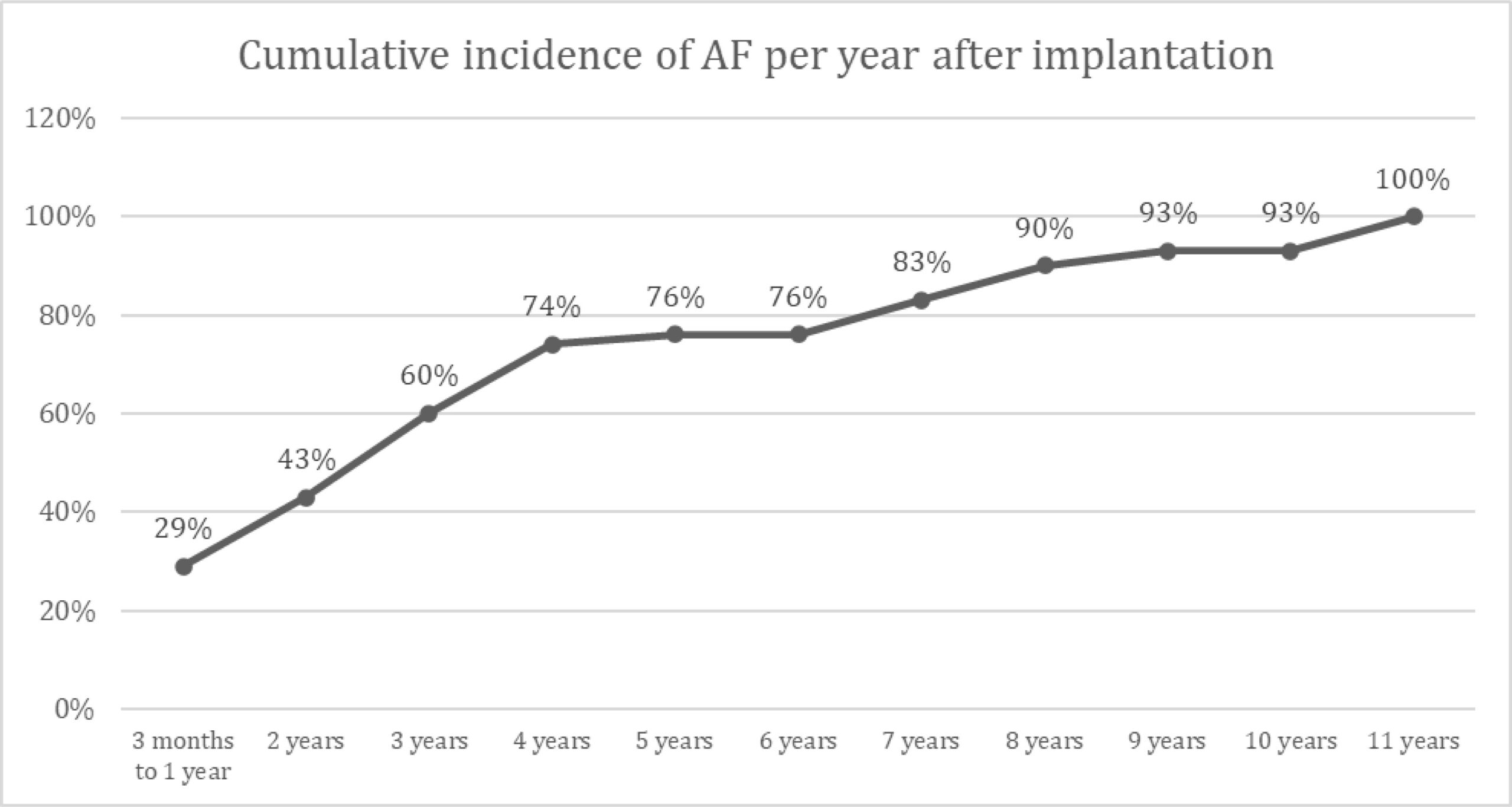
Current pacemakers allow for the continuous recording of the occurrence of arrhythmic events. One of the most frequent arrhythmias after implantation of a device is atrial fibrillation (AF), an important risk factor for embolic events. The frequency of this arrhythmia in pacemaker patients has not been widely studied.

Objectives:

This study aimed to evaluate the prevalence, incidence, and predictors of the occurrence of AF in patients with double-chamber pacemakers and without a history of atrial fibrillation prior to implantation.

Methods:

A dynamic, retrospective, and prospective cohort study was carried out with 186 patients undergoing biannual follow-up of the double-chamber pacemaker, without previous AF, in a single service, between 2016 and 2018. Clinical data were collected from the medical records and the telemetry of the device and the prevalence, incidence rate, relative risk by univariate analysis (by chi-square), and risk ratio were calculated by multivariate analysis (by Cox regression); values of p<0.05 were considered significant.

Results:

There was a prevalence of 25.3% FA, with an incidence of 5.64 cases / 100 persons-year. The median time for the development of arrhythmia was 27.5 months. Multivariate analysis identified 5 statistically significant predictors: male gender, OR: 2.54 [1.04–6.15]; coronary artery disease, OR: 2.98 [1.20–7.41]; hypothyroidism, OR: 3.63 [1.46–9.07]; prior heart surgery, OR: 2.67 [1.01–7]; and left atrial enlargement, OR: 2.72 [1.25–5.92].

Conclusions:

The prevalence and incidence of AF in this population are high. Risk factors for AF were: male gender, coronary artery disease, hypothyroidism, prior heart surgery, and left atrial enlargement.
  • Arrhythmias
  • Artificial
  • Atrial Fibrillation
  • atrioventricular node
  • cardiac complications
  • Embolism
  • Hypertension
  • Pacemaker
  • Risk Factors
Read Full Article
Creative Commons Attribution (CC BY) Creative Commons license
11/02/2022 DOI: 10.36660/ijcs.20200113
ABCIC
Case Report

Thrombus-in-transit and Paradoxical Embolism in Patient with ST-Segment Elevation Acute Coronary Syndrome

Daniel Lucena de Aguiar et al. Gisele Nogueira Bezerra Isabella Cabral Marinho Plens Lúcia de Sousa Belém Danielli Oliveira da Costa Lino

[…]

  • Acute coronary syndrome
  • Anticoagulants
  • Doppler/methods
  • Echocardiography/methods
  • Embolism
  • Foramen Ovale
  • Paradoxal
  • Patent
  • Pulmonary embolism
  • Ultrassonography
Read Full Article
Creative Commons Attribution (CC BY) Creative Commons license
04/02/2022 DOI: 10.5935/2318-8219.20180043
ABC
Original Article

Atrial Fibrillation Diagnosis using ECG Records and Self-Report in the Community: Cross-Sectional Analysis from ELSA-Brasil

Itamar S. Santos et al. Paulo A. Lotufo Luisa Brant Marcelo M. Pinto Filho … Alexandre da Costa Pereira Sandhi Maria Barreto Antonio L. Ribeiro G Neil Thomas Gregory Y. H. Lip Isabela M. Bensenor

Abstract

Background:

Atrial fibrillation or flutter (AFF) is the most common sustained cardiac arrhythmia. Limited data can be found on AFF epidemiology in South America.

Objective:

The present study sought to describe the clinical epidemiology of AFF and the use of stroke prevention medication in the Brazilian Longitudinal Study of Adult Health (ELSA-Brasil) baseline assessment.

Methods:

This study analyzed data from 13,260 ELSA-Brasil participants. AFF was defined according to ECG recording or by self-report. Logistic regression models were built to analyze factors associated with AFF. This study also analyzed if age and sex were associated with anticoagulant use for stroke prevention. Significance level was set at 5%.

Results:

Median age was 51 years and 7,213 (54.4%) participants were women. AFF was present in 333 (2.5%) participants. Increasing age (odds ratio [OR]:1.05; 95% confidence interval [95%CI]: 1.04–1.07), hypertension (OR:1.44; 95%CI: 1.14–1.81), coronary heart disease (OR: 5.11; 95%CI: 3.85–6.79), heart failure (OR:7.37; 95%CI: 5.00–10.87), and rheumatic fever (OR:3.38; 95%CI: 2.28–5.02) were associated with AFF. From 185 participants with AFF and a CHA2DS2-VASc score ≥2, only 20 (10.8%) used anticoagulants (50.0% among those with AFF in the baseline ECG). Stroke prevention in this group was associated with a higher age (1.8% vs 17.7% in those aged ≤ 54 and ≥ 65 years, respectively; p=0.013). A trend towards a reduced anticoagulant use was observed in women (7.1% vs. 16.4% in women and men, respectively; p=0.055).

Conclusions:

At the ELSA-Brasil baseline, 2.5% of the participants had AFF. The lack of stroke prevention was common, which is an especially challenging point for healthcare in this setting.

  • Aged
  • Anticoagulants
  • Atrial Fibrillation
  • Electrocardiography/methods
  • Embolism
  • Epidemiology
  • Longitudinal Study
  • Stroke
Read Full Article
Creative Commons Attribution (CC BY) Creative Commons license
20/09/2021 DOI: 10.36660/abc.20190873 Views 1
Figure 1
ABCIC
Case Report

Cerebrovascular Disease as the Initial Manifestation of Apical Hypertrophic Cardiomyopathy

Ana Lilia Rayas-Gómez et al. José Manuel González-Rayas Alejandro Rico-Rosas Pedro Daniel Landa-Alvarado … Ileana Maribel Ponce de León-Vargas José María Ramos-Verdugo José Manuel González-Yáñez

Introduction

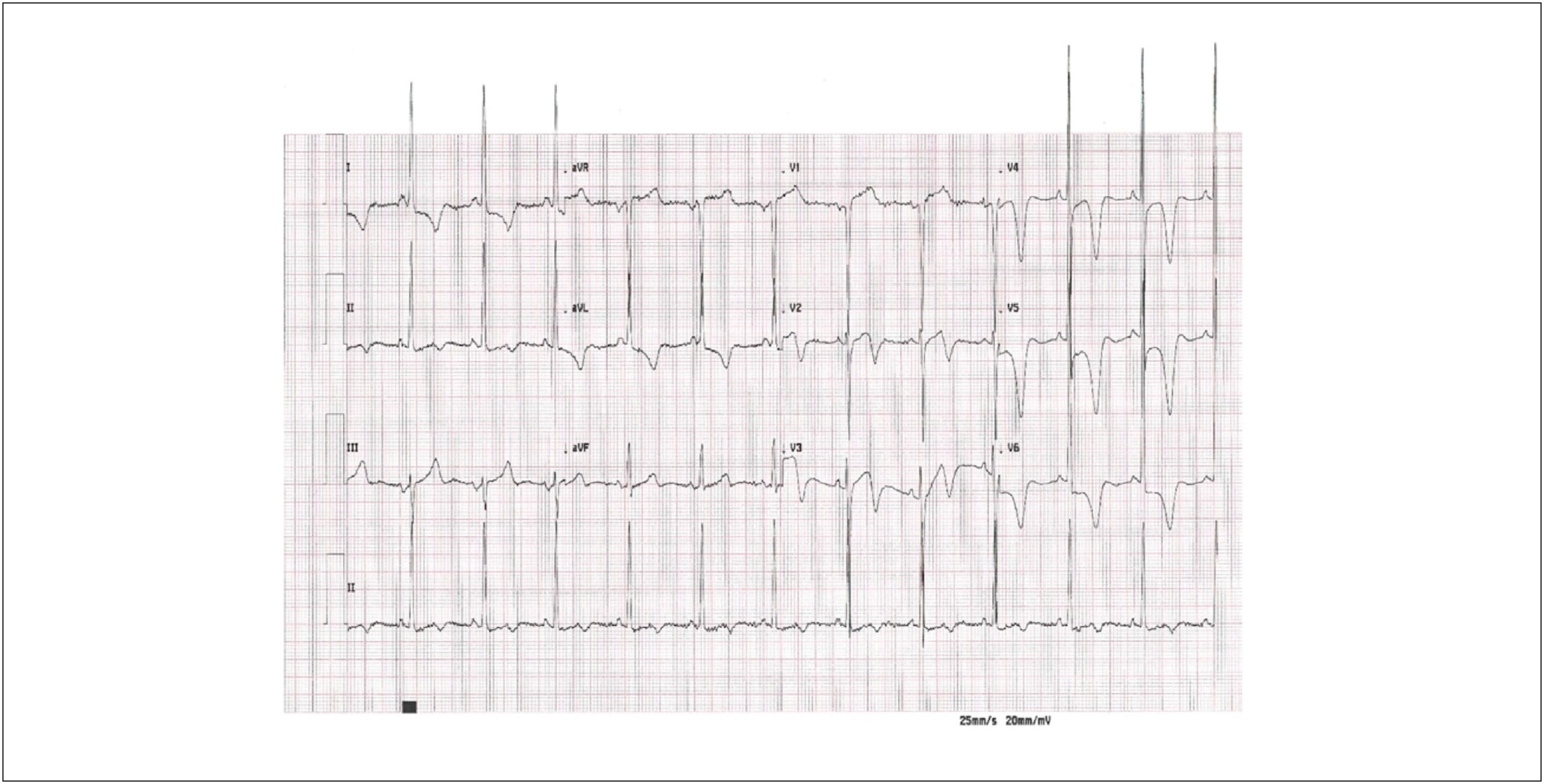
Apical hypertrophic cardiomyopathy (AHCM) is a condition that primarily involves the apex of the left ventricle. Two of its main characteristics are a non-obstructive physiology and apical hypertrophy of the left ventricle with giant negative T waves. AHCM is uncommon, and its prevalence is notably affected by ethnicity. The diagnosis is challenging to make and requires multimodal imaging techniques., Here we describe two cases of AHCM with cerebrovascular disease as the presenting condition: Patient 1 had atrial fibrillation (AF), while Patient 2 showed evidence of aortic plaques as the possible embolic source. Nonetheless, Patient 2 also presented an akinetic apex. Hence, it was impossible to rule out the previous migration of an apical thrombus as the cause of the ischemic stroke. The main clinical lesson learned from our cases is that stroke in patients with AHCM is a multifactorial complication potentially caused by AF, aortic plaques, and intracavitary thrombus. Therefore, although AHCM is uncommon, it should be considered when determining the cause of cerebrovascular embolic events.

[…]

  • Cerebrovascular Disease
  • Echocardiography
  • Embolism
  • Hypertrophic Cardiomyopathy
Read Full Article
Creative Commons Attribution (CC BY) Creative Commons license
16/06/2021 DOI: 10.47593/2675-312X/20213401eabc144 Views 1
Figure 1
IJCS
Original Article

Atrial Fibrillation and Use of Rivaroxaban: Performance of the Prothrombin Time / INR as a Function of Time After Blood Collection

Rita Carolina Figueiredo Duarte et al. Priscila Samara Sérgio Moreira Cláudia Natália Ferreira Estevão Lanna Figueiredo … Eduardo Sternick Francisco Rezende Silveira Luan Carlos Vieira Alves Ana Paula Lucas Mota Edna Afonso Reis Maria das Graças Carvalho Helton José dos Reis

Abstract

Background

Traditionally, the most effective therapy in the prevention of stroke in patients with atrial fibrillation (AF) has been oral anticoagulation with vitamin K inhibitors, particularly warfarin, whose disadvantages and adverse effects have led to their replacement by “direct oral anticoagulants”, as factor X inhibitor.

Objectives

This study aimed to conduct a brief approach on atrial fibrillation (AF) and use of Rivaroxaban, and to comparatively evaluate the prothrombin time / International Normalized Ratio (PT/INR) in patients with AF in use of this oral anticoagulant, depending on the time elapsed between the last administration of the drug and the time of blood sample venipuncture.

Methods

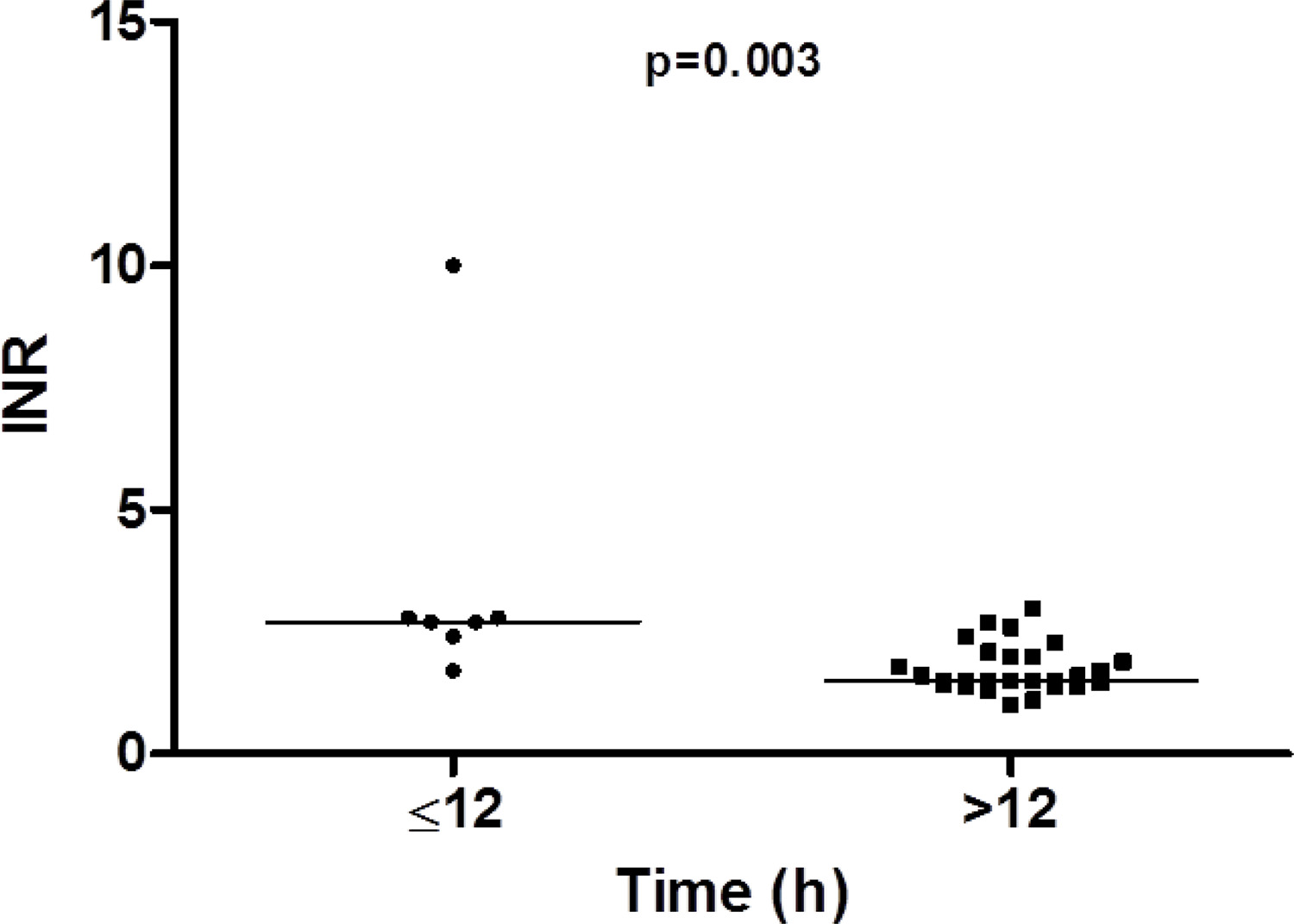
We evaluated 34 patients with AF in use of Rivaroxaban by using PT / INR, distributed into a subgroup with blood collection time ≤ 12 hours (n = 7) and > 12 hours after the last drug intake (n = 27). Mann-Whitney test was used to compare the groups and p < 0.05 was considered significant.

Results

An analysis as a function of time between the Rivaroxaban intake and blood collection, revealed that PT / INR suffers the greatest effect up to 12 hours after ingestion of the drug, dropping to levels close to normal in subsequent hours before the next dose.

Conclusion

We concluded that, in contrast to warfarin, the knowledge of the time interval between drug intake and blood collection from patients taking Rivaroxaban is essential to properly interpret a laboratory test to assess hemostasis, particularly PT and its derivatives. Int J Cardiovasc Sci. 2020; [online].ahead print, PP.0-0

  • Anticoagulants
  • Atrial Fibrillation
  • blood coagulation
  • Embolism
  • Hemorrhage/physiopathology
  • Risk Assessment
  • Rivaroxaban
  • Stroke
  • Warfarin
Read Full Article
Creative Commons Attribution (CC BY) Creative Commons license
06/11/2020 DOI: 10.36660/ijcs.20190141 Views 1
Recurrent myocardial infarction in a patient with papillary fibroelastoma
ABC
Case Report

Recurrent myocardial infarction in a patient with papillary fibroelastoma

João Daniel Brito et al. Manuel Sousa Almeida Regina Ribeiras João Queiroz e Melo … Rosa Henriques Almeida José Aniceto Silva

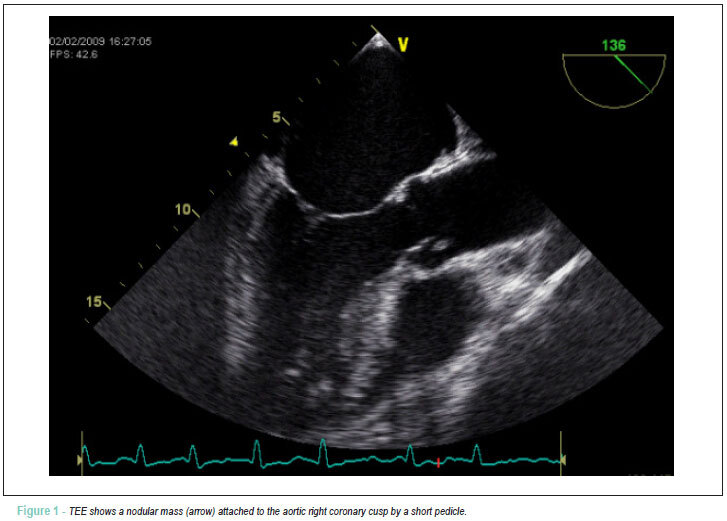
This report describes a case of a 62 year-old man admitted for recurrent myocardial infarction and normal coronary arteries, caused by coronary embolism from aortic papillary fibroelastoma. Other conditions causing acute coronary syndrome and normal coronary arteries are discussed. A careful evaluation by transthoracic and transesophageal echocardiography is required in this clinical setting. Surgical excision of the tumor is safe and curative.

  • Embolism
  • Heart Neoplasms
  • Myocardial Infarction
Read Full Article
Creative Commons Attribution (CC BY) Creative Commons license
08/02/2012 DOI: 10.1590/S0066-782X2012000100018
ABC
Case Report

Infective endocarditis with initial presentation of acute abdomen

Humberto F. G Freitas et al. Paulo R Chizzola Flavio C Pinha Luiz G Velloso

A 35-year-old patient was seen in an Emergency Department. with six hours of pain in the right iliac fossa and fever. The hypothesis diagnosis was acute appendicitis and an exploring laparotomy for appendectomy was carried out. The patient returned to the hospital three days after having been discharged. debilitated. feverish. having alterations in speech. reduction in the level of consciousness and complete hemiparesis to the left. The computed tomography scan of the skull and the liquor puncture were normal. Cerebral magnetic resonance image showed aspects compatible with vertebrobasilar ischemic stroke. Transesphofagic echocardiogram showed vegetation of the aortic valve and moderate aortic insufficiency. Blood cultures were positive for Enterococcus bovis.

  • abdomen acute
  • Abdominal Pain
  • bacterial
  • Embolism
  • Endocarditis
Read Full Article
Creative Commons Attribution (CC BY) Creative Commons license
22/09/2010 DOI: 10.1590/S0066-782X2010000400023 Views 2
Echocardiographic features of non-compaction cardiomyopathy: missed and misdiagnosed disease
ABC
Case Report

Echocardiographic features of non-compaction cardiomyopathy: missed and misdiagnosed disease

Francisco Martínez-Baca López et al. Rosa Marisol Alonso Bravo Domingo Arturo Rodríguez Huerta

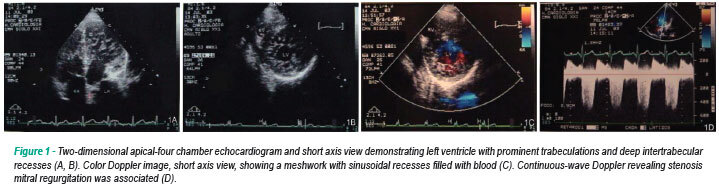
Non-compaction cardiomyopathy is a rare disease, anatomically characterized by a prominent trabecular pattern and deep intertrabecular recesses. Its clinical manifestations include severe left ventricular dysfunction, arrhythmias, systemic embolism, and sudden death. In this report, two cases of patients of different ages with non-compaction cardiomyopathy are described: a male schoolboy whose pathology was associated with mitral stenosis and regurgitation and a 50-year-old female with history of high blood pressure and cardiac failure.

  • Arrhythmias
  • cardiac
  • Cardiomyopathies
  • Death
  • Embolism
  • left
  • sudden
  • Ventricular Dysfunction
Read Full Article
Creative Commons Attribution (CC BY) Creative Commons license
13/10/2009 DOI: 10.1590/S0066-782X2009000800024 Views 1
Clinical impact of transesophageal echocardiography in patients with stroke without clinical evidence of cardiovascular sources of emboli
ABC
Original Article

Clinical impact of transesophageal echocardiography in patients with stroke without clinical evidence of cardiovascular sources of emboli

Solange Bernardes Tatani et al. Márcia Maiumi Fukujima João Augusto Costa Lima Luiz Darcy Cortez Ferreira … Claudia G. Monaco Ghefter Gilmar Fernandes Prado Zara Babayan Lyamara Apostólico de Azevedo

OBJECTIVE: The purpose of this study is to evaluate the impact of transeophageal echocardiography on management of patients at low-risk for cardiogenic embolism to prevent new potential cardiovascular sources of emboli. METHODS: We studied 69 patients with ischemic stroke at low-risk for cardiogenic embolism. Transeophageal echocardiography was performed to access: left atrium enlargement; communication or aneurysm of the interatrial septum; patent foramen ovale; spontaneous echo contrast or intracavitary thrombi; the presence of intraaortic atherosclerotic plaques or thrombi; significant valvar morphologic alteration or dysfunction; left ventricle enlargement, hypertrophy, or contractile abnormality. Transesophageal echocardiography altered clinical management, and we adopted anticoagulant therapy or another procedure apart from the use of acetylsalicylic acid. RESULTS: Transeophageal echocardiography detected at least one abnormality in 40 cases (58%). Clinical conduct was adjusted after the performance of transesophageal echocardiography in 11 patients (15.9%); anticoagulation was added in 10 cases and surgical correction in one patient. CONCLUSION: Transeophageal echocardiography was a very useful tool in the secondary prevention for stroke in patients at low risk for cardiogenic embolism.

  • Embolism
  • Stroke
  • transeophageal echocardiography
Read Full Article
Creative Commons Attribution (CC BY) Creative Commons license
13/06/2001 DOI: 10.1590/S0066-782X2001000600003 Views 1

How to cite this article

EndNote RIS

Electronic Document Format (Vancouver)

Marinho EMS, Santos JMM, Brito BS, Andrade AS, Lopes JM. Mechanical Valve Implants: What Are Their Long-Term Effects?. Arquivos Brasileiros de Cardiologia 2023;120(6):e20220875.

Electronic Document Format (ABNT)

Marinho, Eldys Myler Santos; Santos, Júlio Martinez Martinez; Brito, Bruno da Silva; Andrade, Achilles de Souza; Lopes, Johnnatas Mikael. Mechanical Valve Implants: What Are Their Long-Term Effects?. Arquivos Brasileiros de Cardiologia, v. 120, n. 6, e20220875, Jul. 2023.

Electronic Document Format (APA)

Marinho, E. M. S., Santos, J. M. M., Brito, B. S., Andrade, A. S., & Lopes, J. M. (2023). Mechanical Valve Implants: What Are Their Long-Term Effects?. Arquivos Brasileiros de Cardiologia, 120(6), e20220875.

Electronic Document Format (ISO)

Marinho, Eldys Myler Santos and Santos, Júlio Martinez Martinez and Brito, Bruno da Silva and Andrade, Achilles de Souza and Lopes, Johnnatas Mikael. Mechanical Valve Implants: What Are Their Long-Term Effects?. Arquivos Brasileiros de Cardiologia [online]. 2023, vol. 120, n. 6, [cited 2026-10-14], e20220875. Available from: <https://journals.cardiol.br/en/article/mechanical-valve-implants-what-are-their-long-term-effects/>. ISSN 0066-782X

EndNote RIS

Electronic Document Format (Vancouver)

Costa MAC, Santos JFLP, Schafranski MD. Prevalence of Atrial Fibrillation in Pacemaker Patients. International Journal of Cardiovascular Sciences 2022;35(3):373-81.

Electronic Document Format (ABNT)

Costa, Mario Augusto Cray da; Santos, Jorge Felipe do Lago Pereira dos; Schafranski, Marcelo Derbli. Prevalence of Atrial Fibrillation in Pacemaker Patients. International Journal of Cardiovascular Sciences, v. 35, n. 3, p. 373-381, Feb. 2022.

Electronic Document Format (APA)

Costa, M. A. C. , Santos, J. F. L. P. , & Schafranski, M. D. (2022). Prevalence of Atrial Fibrillation in Pacemaker Patients. International Journal of Cardiovascular Sciences, 35(3), 373-381.

Electronic Document Format (ISO)

Costa, Mario Augusto Cray da and Santos, Jorge Felipe do Lago Pereira dos and Schafranski, Marcelo Derbli. Prevalence of Atrial Fibrillation in Pacemaker Patients. International Journal of Cardiovascular Sciences [online]. 2022, vol. 35, n. 3, [cited 2026-10-14], pp. 373-381. Available from: <https://journals.cardiol.br/en/article/prevalence-of-atrial-fibrillation-in-pacemaker-patients/>. ISSN 2359-4802

EndNote RIS

Electronic Document Format (Vancouver)

Aguiar DL, Bezerra GN, Plens ICM, Belém LS, Lino DOC. Thrombus-in-transit and Paradoxical Embolism in Patient with ST-Segment Elevation Acute Coronary Syndrome. Arquivos Brasileiros de Cardiologia Imagem cardiovascular 2022;31(4):310-3.

Electronic Document Format (ABNT)

Aguiar, Daniel Lucena de; Bezerra, Gisele Nogueira; Plens, Isabella Cabral Marinho; Belém, Lúcia de Sousa; Lino, Danielli Oliveira da Costa. Thrombus-in-transit and Paradoxical Embolism in Patient with ST-Segment Elevation Acute Coronary Syndrome. Arquivos Brasileiros de Cardiologia Imagem cardiovascular, v. 31, n. 4, p. 310-313, Feb. 2022.

Electronic Document Format (APA)

Aguiar, D. L. , Bezerra, G. N., Plens, I. C. M., Belém, L. S., & Lino, D. O. C. (2022). Thrombus-in-transit and Paradoxical Embolism in Patient with ST-Segment Elevation Acute Coronary Syndrome. Arquivos Brasileiros de Cardiologia Imagem cardiovascular, 31(4), 310-313.

Electronic Document Format (ISO)

Aguiar, Daniel Lucena de and Bezerra, Gisele Nogueira and Plens, Isabella Cabral Marinho and Belém, Lúcia de Sousa and Lino, Danielli Oliveira da Costa. Thrombus-in-transit and Paradoxical Embolism in Patient with ST-Segment Elevation Acute Coronary Syndrome. Arquivos Brasileiros de Cardiologia Imagem cardiovascular [online]. 2022, vol. 31, n. 4, [cited 2026-10-14], pp. 310-313. Available from: <https://journals.cardiol.br/en/article/thrombus-in-transit-and-paradoxical-embolism-in-patient-with-st-segment-elevation-acute-coronary-syndrome/>. ISSN 2318-8219

EndNote RIS

Electronic Document Format (Vancouver)

Santos IS, Lotufo PA, Brant L, Pinto Filho MM, Pereira AC, Barreto SM, Ribeiro AL, et al. Atrial Fibrillation Diagnosis using ECG Records and Self-Report in the Community: Cross-Sectional Analysis from ELSA-Brasil. Arquivos Brasileiros de Cardiologia 2021;117(3):426-34.

Electronic Document Format (ABNT)

Santos, Itamar S.; Lotufo, Paulo A.; Brant, Luisa; Pinto Filho, Marcelo M.; Pereira, Alexandre da Costa; Barreto, Sandhi Maria; Ribeiro, Antonio L.; Thomas, G Neil; Lip, Gregory Y. H.; Bensenor, Isabela M.. Atrial Fibrillation Diagnosis using ECG Records and Self-Report in the Community: Cross-Sectional Analysis from ELSA-Brasil. Arquivos Brasileiros de Cardiologia, v. 117, n. 3, p. 426-434, Sep. 2021.

Electronic Document Format (APA)

Santos, I. S., Lotufo, P. A., Brant, L., Pinto Filho, M. M., Pereira, A. C., Barreto, S. M., Ribeiro, A. L., Thomas, G. N., Lip, G. Y. H., & Bensenor, I. M. (2021). Atrial Fibrillation Diagnosis using ECG Records and Self-Report in the Community: Cross-Sectional Analysis from ELSA-Brasil. Arquivos Brasileiros de Cardiologia, 117(3), 426-434.

Electronic Document Format (ISO)

Santos, Itamar S. and Lotufo, Paulo A. and Brant, Luisa and Pinto Filho, Marcelo M. and Pereira, Alexandre da Costa and Barreto, Sandhi Maria and Ribeiro, Antonio L. and Thomas, G Neil and Lip, Gregory Y. H. and Bensenor, Isabela M.. Atrial Fibrillation Diagnosis using ECG Records and Self-Report in the Community: Cross-Sectional Analysis from ELSA-Brasil. Arquivos Brasileiros de Cardiologia [online]. 2021, vol. 117, n. 3, [cited 2026-10-14], pp. 426-434. Available from: <https://journals.cardiol.br/en/article/atrial-fibrillation-diagnosis-using-ecg-records-and-self-report-in-the-community-cross-sectional-analysis-from-elsa-brasil/>. ISSN 0066-782X

EndNote RIS

Electronic Document Format (Vancouver)

Rayas-Gómez AL, González-Rayas JM, Rico-Rosas A, Landa-Alvarado PD, León-Vargas IMP, Ramos-Verdugo JM, González-Yáñez JM, et al. Cerebrovascular Disease as the Initial Manifestation of Apical Hypertrophic Cardiomyopathy. ABC Imagem Cardiovascular 2021;34(1):eabc144.

Electronic Document Format (ABNT)

Rayas-Gómez, Ana Lilia; González-Rayas, José Manuel; Rico-Rosas, Alejandro; Landa-Alvarado, Pedro Daniel; León-Vargas, Ileana Maribel Ponce de; Ramos-Verdugo, José María; González-Yáñez, José Manuel. Cerebrovascular Disease as the Initial Manifestation of Apical Hypertrophic Cardiomyopathy. ABC Imagem Cardiovascular, v. 34, n. 1, eabc144, Jun. 2021.

Electronic Document Format (APA)

Rayas-Gómez, A. L., González-Rayas, J. M., Rico-Rosas, A., Landa-Alvarado, P. D., León-Vargas, I. M. P. , Ramos-Verdugo, J. M., & González-Yáñez, J. M. (2021). Cerebrovascular Disease as the Initial Manifestation of Apical Hypertrophic Cardiomyopathy. ABC Imagem Cardiovascular, 34(1), eabc144.

Electronic Document Format (ISO)

Rayas-Gómez, Ana Lilia and González-Rayas, José Manuel and Rico-Rosas, Alejandro and Landa-Alvarado, Pedro Daniel and León-Vargas, Ileana Maribel Ponce de and Ramos-Verdugo, José María and González-Yáñez, José Manuel. Cerebrovascular Disease as the Initial Manifestation of Apical Hypertrophic Cardiomyopathy. ABC Imagem Cardiovascular [online]. 2021, vol. 34, n. 1, [cited 2026-10-14], eabc144. Available from: <https://journals.cardiol.br/en/article/cerebrovascular-disease-as-the-initial-manifestation-of-apical-hypertrophic-cardiomyopathy/>. ISSN 2318-8219

EndNote RIS

Electronic Document Format (Vancouver)

Duarte RCF, Moreira PSS, Ferreira CN, Figueiredo EL, Sternick E, Silveira FR, Alves LCV, et al. Atrial Fibrillation and Use of Rivaroxaban: Performance of the Prothrombin Time / INR as a Function of Time After Blood Collection. International Journal of Cardiovascular Sciences 2020;34(2):116-21.

Electronic Document Format (ABNT)

Duarte, Rita Carolina Figueiredo; Moreira, Priscila Samara Sérgio; Ferreira, Cláudia Natália; Figueiredo, Estevão Lanna; Sternick, Eduardo; Silveira, Francisco Rezende; Alves, Luan Carlos Vieira; Mota, Ana Paula Lucas; Reis, Edna Afonso; Carvalho, Maria das Graças; Reis, Helton José dos. Atrial Fibrillation and Use of Rivaroxaban: Performance of the Prothrombin Time / INR as a Function of Time After Blood Collection. International Journal of Cardiovascular Sciences, v. 34, n. 2, p. 116-121, Nov. 2020.

Electronic Document Format (APA)

Duarte, R. C. F., Moreira, P. S. S., Ferreira, C. N., Figueiredo, E. L., Sternick, E., Silveira, F. R., Alves, L. C. V., Mota, A. P. L., Reis, E. A., Carvalho, M. G., & Reis, H. J. (2020). Atrial Fibrillation and Use of Rivaroxaban: Performance of the Prothrombin Time / INR as a Function of Time After Blood Collection. International Journal of Cardiovascular Sciences, 34(2), 116-121.

Electronic Document Format (ISO)

Duarte, Rita Carolina Figueiredo and Moreira, Priscila Samara Sérgio and Ferreira, Cláudia Natália and Figueiredo, Estevão Lanna and Sternick, Eduardo and Silveira, Francisco Rezende and Alves, Luan Carlos Vieira and Mota, Ana Paula Lucas and Reis, Edna Afonso and Carvalho, Maria das Graças and Reis, Helton José dos. Atrial Fibrillation and Use of Rivaroxaban: Performance of the Prothrombin Time / INR as a Function of Time After Blood Collection. International Journal of Cardiovascular Sciences [online]. 2020, vol. 34, n. 2, [cited 2026-10-14], pp. 116-121. Available from: <https://journals.cardiol.br/en/article/atrial-fibrillation-and-use-of-rivaroxaban-performance-of-the-prothrombin-time-inr-as-a-function-of-time-after-blood-collection/>. ISSN 2359-4802

EndNote RIS

Electronic Document Format (Vancouver)

Brito JD, Almeida MS, Ribeiras R, Melo JQ, Almeida RH, Silva JA. Recurrent myocardial infarction in a patient with papillary fibroelastoma. Arquivos Brasileiros de Cardiologia 2012;98(1):e7-e10.

Electronic Document Format (ABNT)

Brito, João Daniel; Almeida, Manuel Sousa; Ribeiras, Regina; Melo, João Queiroz e; Almeida, Rosa Henriques; Silva, José Aniceto. Recurrent myocardial infarction in a patient with papillary fibroelastoma. Arquivos Brasileiros de Cardiologia, v. 98, n. 1, p. e7-e10, Feb. 2012.

Electronic Document Format (APA)

Brito, J. D., Almeida, M. S., Ribeiras, R., Melo, J. Q. , Almeida, R. H., & Silva, J. A. (2012). Recurrent myocardial infarction in a patient with papillary fibroelastoma. Arquivos Brasileiros de Cardiologia, 98(1), e7-e10.

Electronic Document Format (ISO)

Brito, João Daniel and Almeida, Manuel Sousa and Ribeiras, Regina and Melo, João Queiroz e and Almeida, Rosa Henriques and Silva, José Aniceto. Recurrent myocardial infarction in a patient with papillary fibroelastoma. Arquivos Brasileiros de Cardiologia [online]. 2012, vol. 98, n. 1, [cited 2026-10-14], pp. e7-e10. Available from: <https://journals.cardiol.br/en/article/recurrent-myocardial-infarction-in-a-patient-with-papillary-fibroelastoma/>. ISSN 0066-782X

EndNote RIS

Electronic Document Format (Vancouver)

Freitas HFG, Chizzola PR, Pinha FC, Velloso LG. Infective endocarditis with initial presentation of acute abdomen. Arquivos Brasileiros de Cardiologia 2010;94(4):e106-8.

Electronic Document Format (ABNT)

Freitas, Humberto F. G; Chizzola, Paulo R; Pinha, Flavio C; Velloso, Luiz G. Infective endocarditis with initial presentation of acute abdomen. Arquivos Brasileiros de Cardiologia, v. 94, n. 4, p. e106-e108, Sep. 2010.

Electronic Document Format (APA)

Freitas, H. F. G., Chizzola, P. R., Pinha, F. C., & Velloso, L. G. (2010). Infective endocarditis with initial presentation of acute abdomen. Arquivos Brasileiros de Cardiologia, 94(4), e106-e108.

Electronic Document Format (ISO)

Freitas, Humberto F. G and Chizzola, Paulo R and Pinha, Flavio C and Velloso, Luiz G. Infective endocarditis with initial presentation of acute abdomen. Arquivos Brasileiros de Cardiologia [online]. 2010, vol. 94, n. 4, [cited 2026-10-14], pp. e106-e108. Available from: <https://journals.cardiol.br/en/article/infective-endocarditis-with-initial-presentation-of-acute-abdomen/>. ISSN 0066-782X

EndNote RIS

Electronic Document Format (Vancouver)

López FM, Bravo RMA, Huerta DAR. Echocardiographic features of non-compaction cardiomyopathy: missed and misdiagnosed disease. Arquivos Brasileiros de Cardiologia 2009;93(2):e33-5.

Electronic Document Format (ABNT)

López, Francisco Martínez-Baca; Bravo, Rosa Marisol Alonso; Huerta, Domingo Arturo Rodríguez. Echocardiographic features of non-compaction cardiomyopathy: missed and misdiagnosed disease. Arquivos Brasileiros de Cardiologia, v. 93, n. 2, p. e33-e35, Oct. 2009.

Electronic Document Format (APA)

López, F. M., Bravo, R. M. A., & Huerta, D. A. R. (2009). Echocardiographic features of non-compaction cardiomyopathy: missed and misdiagnosed disease. Arquivos Brasileiros de Cardiologia, 93(2), e33-e35.

Electronic Document Format (ISO)

López, Francisco Martínez-Baca and Bravo, Rosa Marisol Alonso and Huerta, Domingo Arturo Rodríguez. Echocardiographic features of non-compaction cardiomyopathy: missed and misdiagnosed disease. Arquivos Brasileiros de Cardiologia [online]. 2009, vol. 93, n. 2, [cited 2026-10-14], pp. e33-e35. Available from: <https://journals.cardiol.br/en/article/echocardiographic-features-of-non-compaction-cardiomyopathy-missed-and-misdiagnosed-disease/>. ISSN 0066-782X

EndNote RIS

Electronic Document Format (Vancouver)

Tatani SB, Fukujima MM, Lima JAC, Ferreira LDC, Ghefter CGM, Prado GF, Babayan Z, et al. Clinical impact of transesophageal echocardiography in patients with stroke without clinical evidence of cardiovascular sources of emboli. Arquivos Brasileiros de Cardiologia 2001;76(6):458-61.

Electronic Document Format (ABNT)

Tatani, Solange Bernardes; Fukujima, Márcia Maiumi; Lima, João Augusto Costa; Ferreira, Luiz Darcy Cortez; Ghefter, Claudia G. Monaco; Prado, Gilmar Fernandes; Babayan, Zara; Azevedo, Lyamara Apostólico de. Clinical impact of transesophageal echocardiography in patients with stroke without clinical evidence of cardiovascular sources of emboli. Arquivos Brasileiros de Cardiologia, v. 76, n. 6, p. 458-461, Jun. 2001.

Electronic Document Format (APA)

Tatani, S. B., Fukujima, M. M., Lima, J. A. C., Ferreira, L. D. C., Ghefter, C. G. M., Prado, G. F., Babayan, Z., & Azevedo, L. A. (2001). Clinical impact of transesophageal echocardiography in patients with stroke without clinical evidence of cardiovascular sources of emboli. Arquivos Brasileiros de Cardiologia, 76(6), 458-461.

Electronic Document Format (ISO)

Tatani, Solange Bernardes and Fukujima, Márcia Maiumi and Lima, João Augusto Costa and Ferreira, Luiz Darcy Cortez and Ghefter, Claudia G. Monaco and Prado, Gilmar Fernandes and Babayan, Zara and Azevedo, Lyamara Apostólico de. Clinical impact of transesophageal echocardiography in patients with stroke without clinical evidence of cardiovascular sources of emboli. Arquivos Brasileiros de Cardiologia [online]. 2001, vol. 76, n. 6, [cited 2026-10-14], pp. 458-461. Available from: <https://journals.cardiol.br/en/article/clinical-impact-of-transesophageal-echocardiography-in-patients-with-stroke-without-clinical-evidence-of-cardiovascular-sources-of-emboli/>. ISSN 0066-782X

  • About ABC Family
  • Internal Regulation
  • Editorial Board
  • Brazilian Society of Cardiology (SBC)

Issues

SBC Guidelines

  • Videos
  • Podcasts
  • News