ABC Family Arquivos Brasileiros de Cardiologia International Journal of Cardiovascular Sciences ABC Heart Failure & Cardiomyopathy ABC Imagem Cardiovascular
Português English
ABC Family
Português English
  • About
    • About ABC Family
    • Internal Regulation
    • Editorial Board
    • Brazilian Society of Cardiology (SBC)
  • Issues
  • SBC Guidelines
  • Content
    • Videos
    • Podcasts
    • News
  • About
    • About ABC Family
    • Internal Regulation
    • Editorial Board
    • Brazilian Society of Cardiology (SBC)
  • Issues
  • SBC Guidelines
  • Content
    • Videos
    • Podcasts
    • News

ABC Family

  • ABC Family
  • Arquivos Brasileiros de Cardiologia
  • International Journal of Cardiovascular Sciences
  • ABC Heart Failure & Cardiomyopathy
  • ABC Imagem Cardiovascular
Search in

No content found.

Journals
Ordering
Article types
Others

  1. Home
  2. Keyword: Wolff-Parkinson White Syndrome
Figure 1
ABCHF
Case Report

Wolff–Parkinson–White Syndrome in a Heart Transplant Recipient

Adir Schreiber Junior et al. Lucas Simonetto Faganello Ana Paula Arbo Magalhães Kaleb Pinto Spannemberger … Eduardo Caberlon Leandro Ioschpe Zimerman Mauricio Pimentel

Abstract

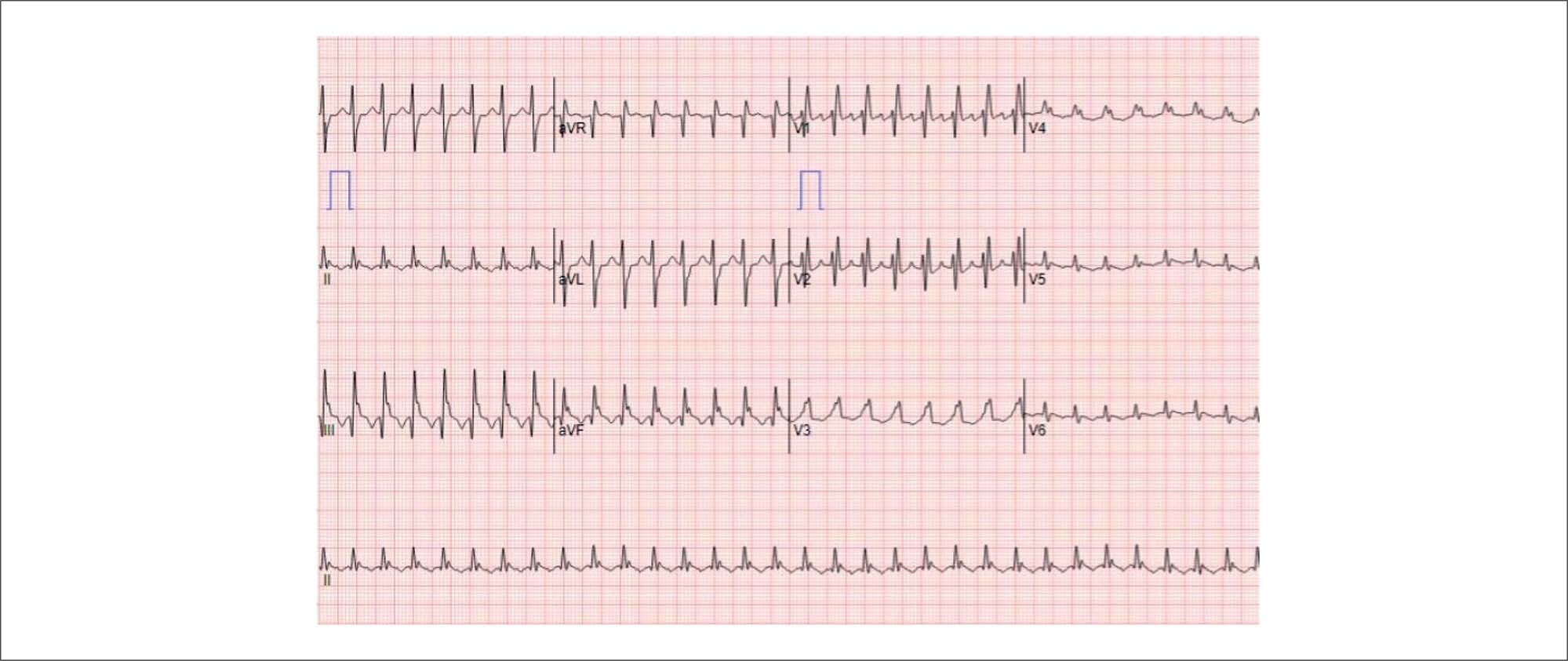
A 44-year-old woman underwent heart transplantation due to refractory angina and advanced heart failure. During the postoperative period, she developed episodes of supraventricular tachycardia and intermittent ventricular pre-excitation on the electrocardiogram. After an initial period of pharmacological management, she underwent successful radiofrequency ablation of a left posteroseptal accessory pathway. A review of the literature regarding Wolff–Parkinson–White syndrome in heart transplant recipients is also presented.

  • Catheter Ablation
  • Heart Transplantation
  • Wolff-Parkinson White Syndrome
Read Full Article
Creative Commons Attribution (CC BY) Creative Commons license
28/09/2026 DOI: 10.36660/abchf.20260017i Views 2
Figure 1
ABC
Editorial

The Fascination of the Wolff-Parkinson-White Syndrome

Pedro Brugada

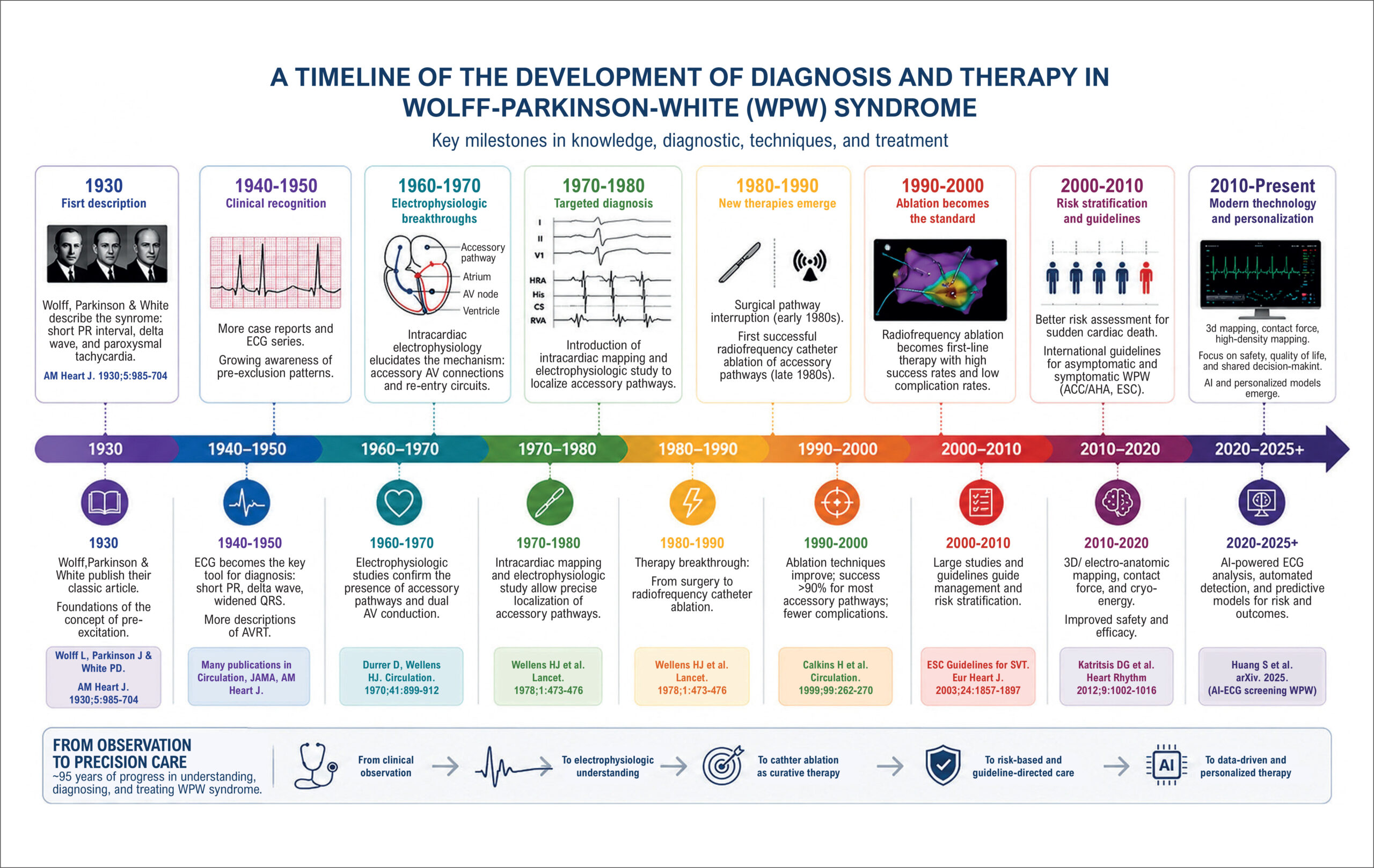
Almost a century after its initial description, the yearly number of publications dealing with the Wolff-Parkinson-White syndrome (WPW) continues to increase (). A fascinating phenomenon if one considers that already for quite a few years, we have at our disposal techniques to ablate and cure the disease. One could expect an attitude like “problem solved” thanks to ablation, and that interest in the disease would markedly decrease. illustrates the progress made since 1930. Each new publication still brings important information, and so is today with the study by Souza Mario and coworkers.

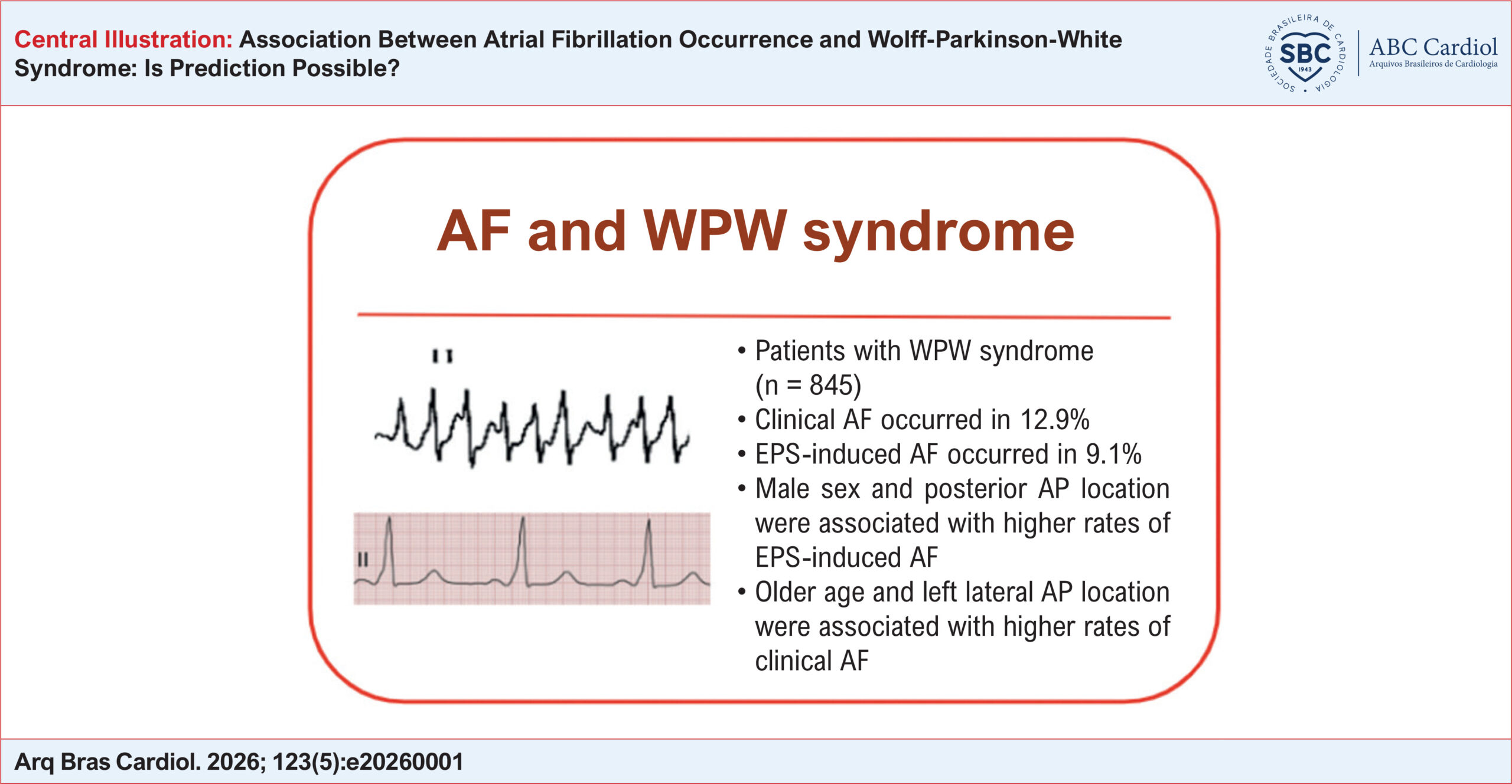
In a large cohort of patients with an accessory atrio-ventricular pathway, the authors found that older age and a left lateral location of the accessory pathway were associated with a significant occurrence of spontaneous atrial fibrillation, reaching 18.6% in the age group older than 60 years, thus almost one in five patients. Regretfully, data on the presence of overt (manifest) versus concealed accessory pathways were not available.

[…]

  • Arrhythmias
  • Atrial Fibrillation
  • Wolff-Parkinson White Syndrome
Read Full Article
Creative Commons Attribution (CC BY) Creative Commons license
03/08/2026 DOI: 10.36660/abc.20260471i Views 1
Association Between Atrial Fibrillation Occurrence and Wolff-Parkinson-White Syndrome: Is Prediction Possible?
ABC
Original Article

Association Between Atrial Fibrillation Occurrence and Wolff-Parkinson-White Syndrome: Is Prediction Possible?

Afonso Dalmazio Souza Mario et al. Eduardo Pelegrineti Targueta Francisco Carlos da Costa Darrieux Alexandra Regia Dantas Brigido … Alberto Pereira Ferraz Muhieddine Omar Chokr Cristiano F. Pisani Mauricio Ibrahim Scanavacca

Abstract

Background:

Patients with Wolff-Parkinson-White (WPW) syndrome frequently develop atrial fibrillation (AF); however, the factors associated with the occurrence of AF remain incompletely defined.

Objectives:

To evaluate the prevalence and associated factors of clinical AF and electrophysiological study (EPS)-induced AF in a large consecutive cohort of patients with WPW undergoing accessory pathway (AP) ablation.

Methods:

This retrospective analysis included 845 consecutive patients with WPW who underwent AP ablation at a single tertiary referral center. A standardized EPS protocol was applied throughout the study period. Study outcomes included clinical AF (documented by medical history or monitoring before EPS), EPS-induced AF, and any AF (composite outcome). Multivariable logistic regression models were used to estimate adjusted odds ratio (ORa) with 95% CIs. Statistical significance was set at p < 0.05.

Results:

Mean age was 33.2 ± 15.9 years, and 486 of 845 patients (57.5%) were male. Multiple APs were identified in 31 patients (3.7%). The most common AP locations were left lateral (327/845, 38.7%) and posterior (323/845, 38.2%). Clinical AF was present in 109 patients (12.9%), EPS-induced AF in 77 (9.1%), and any AF in 168 (19.9%). In multivariable analyses, a left lateral AP was independently associated with clinical AF (ORa, 2.31; 95% CI, 1.53-3.49; p < 0.001), whereas a posterior AP was associated with EPS-induced AF (ORa, 1.78; 95% CI, 1.07-2.91; p = 0.025). Female sex was associated with lower odds of EPS-induced AF (ORa, 0.56; 95% CI, 0.34-0.93; p = 0.025). Increasing age was independently associated with clinical AF (per-year ORa, 1.018; p = 0.007) and any AF (per-year ORa, 1.014; p = 0.009).

Conclusion:

In this large cohort of patients with WPW undergoing AP ablation, left lateral AP location and older age were independently associated with a higher prevalence of clinical AF. In contrast, posterior AP location and male sex were associated with a greater likelihood of EPS-induced AF.
  • Atrial Fibrillation
  • Cardiac Arrhythmias
  • electrophysiology
  • Wolff-Parkinson White Syndrome
Read Full Article
Creative Commons Attribution (CC BY) Creative Commons license
17/07/2026 DOI: 10.36660/abc.20260001i Views 1
ABC
Editorial

Exercise Stress Test For Detecting High-Risk Accessory Pathways In Patients With Wolff-Parkinson-White Syndrome

Fabricio Vassallo

In the description of Wolff, Parkinson, and White in 1930 of accessory pathway exhibiting antegrade conduction much work had been done to describe the anatomy, electrophysiology, and natural history of the syndrome. During sinus rhythm, a typical pattern in the resting electrocardiogram (ECG) is present: a short PR interval (120ms). In most cases, accessory pathways giving rise to the WPW patterns are seen in structurally normal hearts.

Patients with WPW syndrome presented with palpitations caused by an atrioventricular tachycardia or, less commonly, due to primary atrial tachycardia or fibrillation.

[…]

  • Diagnostic Techniques and Procedures
  • Exercise Test
  • Wolff-Parkinson White Syndrome
Read Full Article
Creative Commons Attribution (CC BY) Creative Commons license
23/05/2025 DOI: 10.36660/abc.20250194i Views 2
Figure 1
ABC
Original Article

Diagnostic Test Accuracy of Exercise Testing in Detecting High-Risk Accessory Pathways in WPW: A Systematic Review and Meta-Analysis

José Nunes de Alencar et al. Fabio Mahamad Rassi Raquel Pereira Rios Matheus Kiszka Scheffer Guilherme Dagostin de Carvalho

Abstract

Background

Wolff-Parkinson-White (WPW) syndrome is characterized by ventricular pre-excitation, which can lead to severe arrhythmic events such as supraventricular tachycardia and pre-excited atrial fibrillation. The diagnostic value of non-invasive exercise tests in detecting high-risk accessory pathways remains inconsistent in the literature.

Objectives

To evaluate the diagnostic accuracy of non-invasive exercise tests compared to invasive electrophysiological studies (EPS) for identifying high-risk accessory pathways in WPW syndrome.

Methods

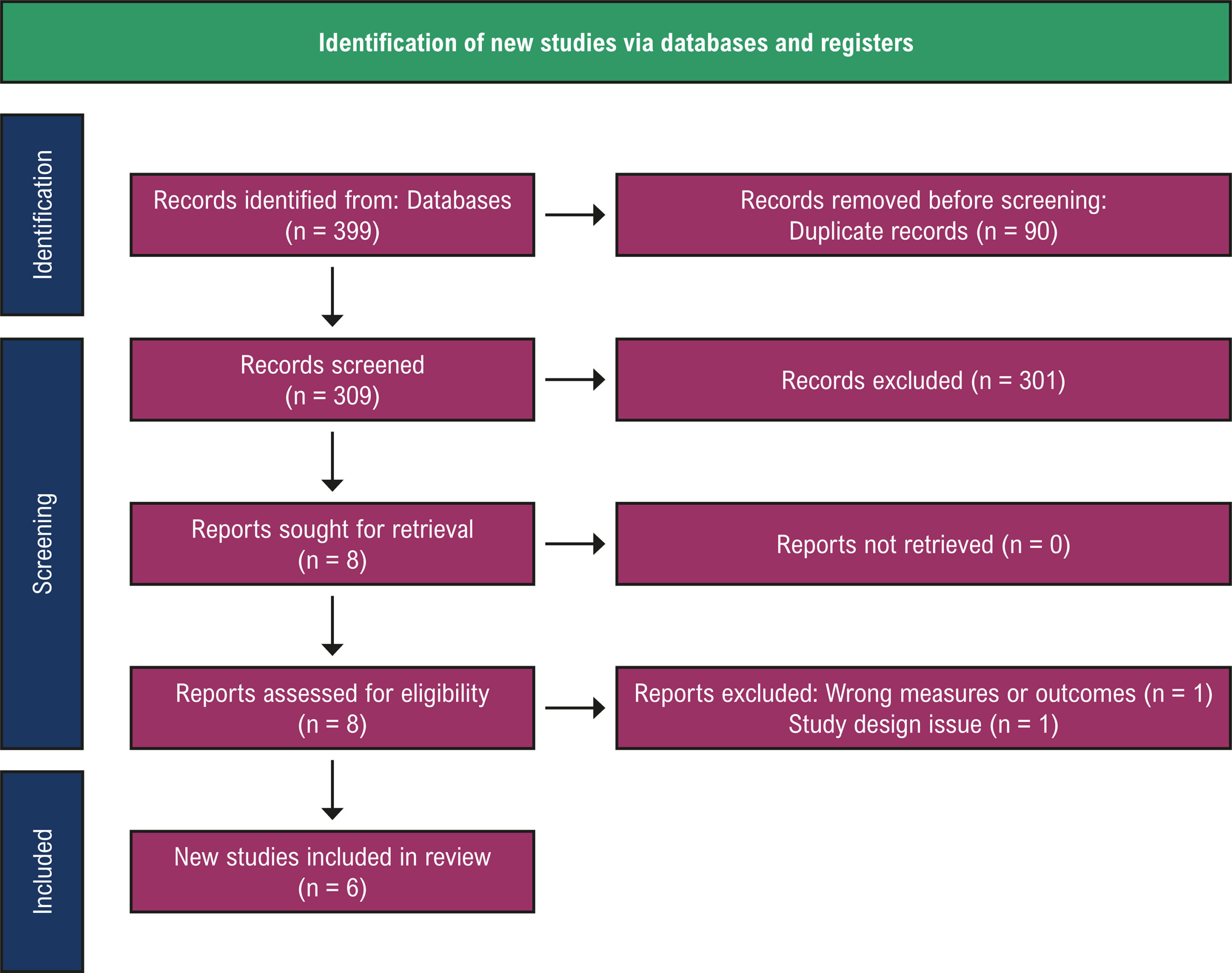
Following PRISMA-DTA guidelines, a comprehensive search was conducted in PubMed, Scopus, and Web of Science databases. Eligible studies assessed the sensitivity, specificity, and likelihood ratios of non-invasive exercise tests in WPW patients, using EPS as the reference standard. A bivariate random-effects model was applied for meta-analysis.

Results

Six studies, comprising a total of 765 patients, met the inclusion criteria. The pooled sensitivity was 92.7% (95% CI: 88.0% – 94.0%), while the pooled specificity was 28.1% (95% CI: 23% – 35.1%). A negative likelihood ratio (LR-) of 0.260 (95% CI: 0.174 – 0.387) indicated that the presence of a high-risk accessory pathway is about four times less likely after a negative test result. Sensitivity analysis restricted to pediatric patients showed consistent results.

Conclusion

Non-invasive exercise tests demonstrate a reasonable diagnostic utility for ruling out high-risk pathways in WPW syndrome. However, caution is advised when using these tests as standalone criteria for risk stratification.

  • Exercise Test
  • Meta-Analysis
  • systematic review
  • Wolff-Parkinson White Syndrome
Read Full Article
Creative Commons Attribution (CC BY) Creative Commons license
12/05/2025 DOI: 10.36660/abc.20240663i
ABC
Editorial

The Rare Alternans Pre-Excitation Pattern: Is It a Genuinely Benign Phenomenon?

Mirella Facin et al. Nelson Samesima

The conduction system is a specialized myocardial cell arrangement that neatly generates and transmits electrical stimuli, leading to sequentially coordinated contractions in each cardiac cycle.A thick layer of fibrous tissue, the annulus fibrosus, almost entirely insulates the atrial from the ventricular myocardia, except in the region of the atrioventricular (AV) node and His-Purkinje system, which, in normal hearts, stands as the single electric pathway between the upper and lower chambers. ,

In some individuals, however, threads of myocardial tissue directly connecting atria to ventricles remain from previous developmental stages and endure after childbirth.The presence of additional atrioventricular conduits or accessory pathways (AP) allows the electrical stimuli to bypass the AV node, resulting in earlier activation of the ventricles or pre-excitation. Bypass tracts may cross the atrioventricular groove wherever atrial and ventricular myocardium are juxtaposed. Most are capable of bidirectional and non-decremental conduction and may serve as a limb to reentrant orthodromic/antidromic circuits or fast lanes for impulse transmission during other supraventricular tachycardias, such as atrial fibrillation (AF).

[…]

  • atrioventricular node
  • Prevalence
  • Risk Grade
  • Wolff-Parkinson White Syndrome
Read Full Article
Creative Commons Attribution (CC BY) Creative Commons license
10/02/2023 DOI: 10.36660/abc.20220864 Views 1
Figure 1
ABC
Original Article

Wolff-Parkinson-White Presenting as QRS Alternans and Other Differential Diagnoses in a Large Pre-Participation ECG Screening Cohort

Daniel Y. Z. Lim et al. Wilbert H. H. Ho Luokai Wang Wee Kiat Ang … Nishanth Thiagarajan Gerald GR Sng Hankun Wang Wesley TW Loo Lim Huai Yang Weien Chow Terrance J Chua Tee Joo Yeo Paul Lim Thuan Tee Daniel Chong

Abstract

Background

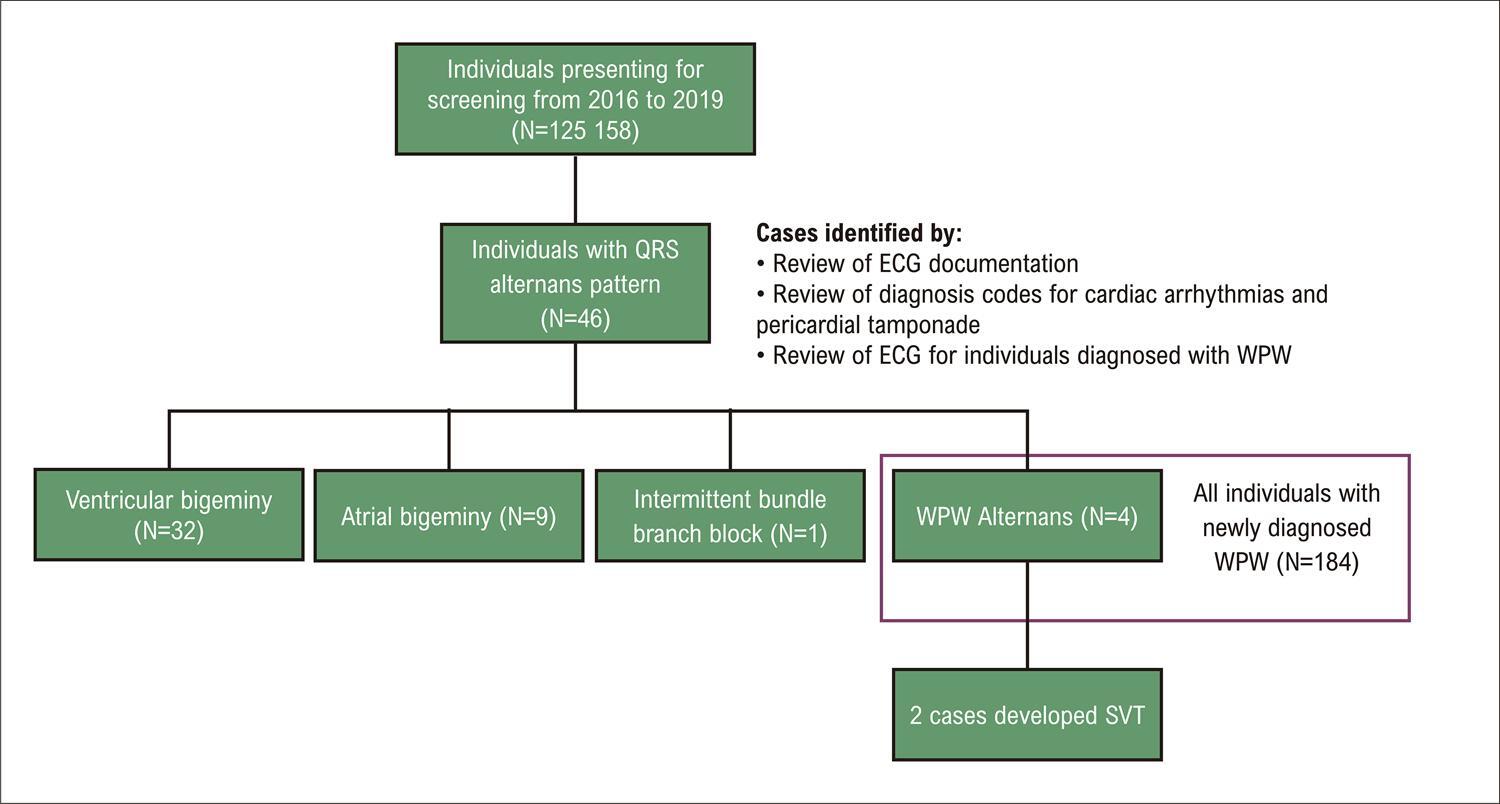
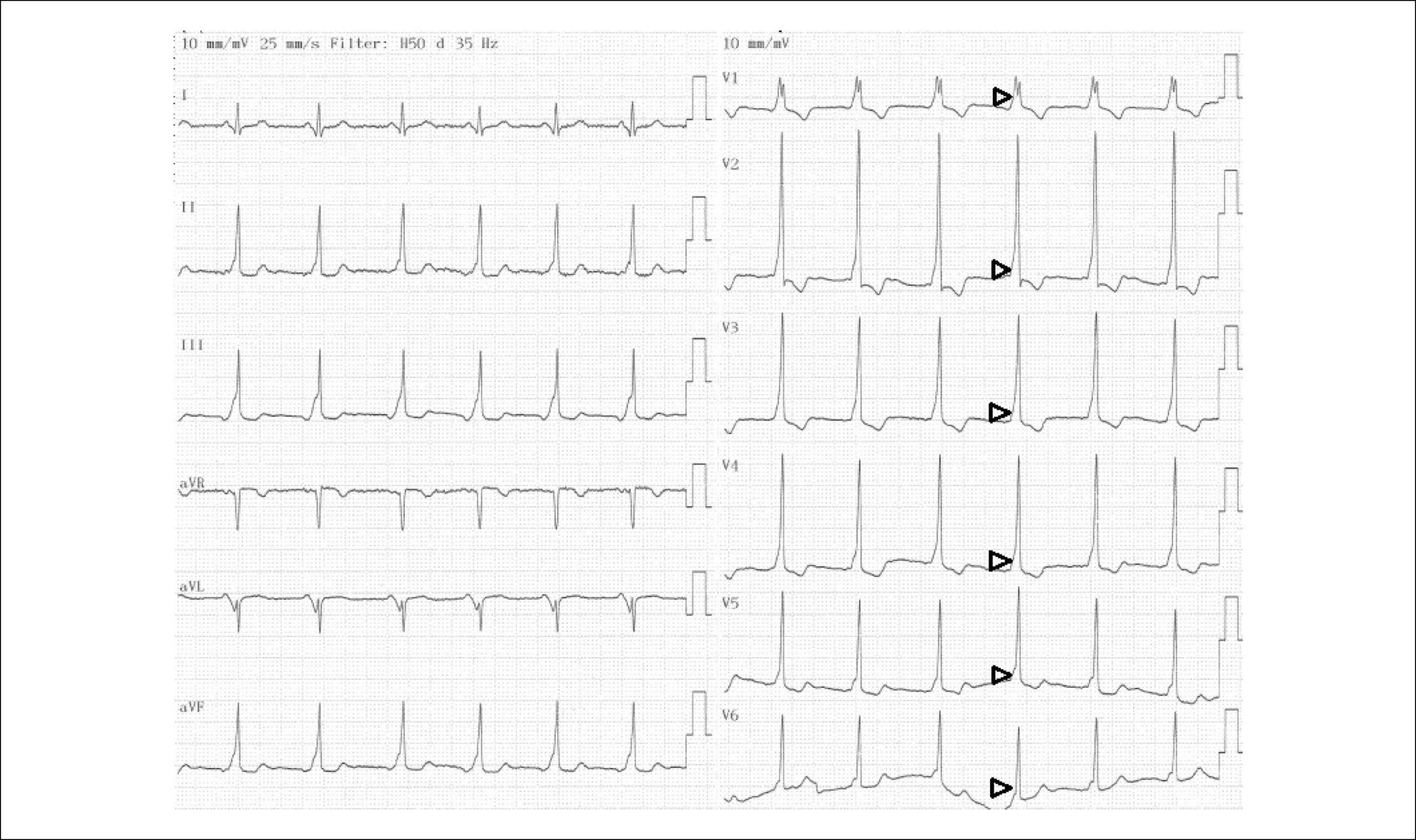
Wolff-Parkinson-White (WPW) syndrome is a proarrhythmic condition that may require restriction from strenuous activities and is characterized by ECG signs, including delta waves. We observed cases of intermittent WPW patterns presenting as QRS alternans (‘WPW alternans’) in a large pre-participation ECG screening cohort of young men reporting for military conscription.

Objectives

We aimed to determine the WPW alternans pattern, case characteristics, and the prevalence of other relevant differential diagnoses presenting as QRS alternans in a pre-participation setting.

Methods

One hundred twenty-five thousand one hundred fifty-eight prospective male military recruits were reviewed from January 2016 to December 2019. A review of electronic medical records identified cases of WPW alternans and WPW patterns or syndrome. Reviewing electronic medical records identified cases of relevant differential diagnoses that might cause QRS alternans.

Results

Four individuals (2.2%) had WPW alternans out of 184 individuals with a final diagnosis of WPW pattern or syndrome. Two of these individuals manifested symptoms or ECG findings consistent with supraventricular tachycardia. The overall prevalence of WPW alternans was 0.003%, and the prevalence of WPW was 0.147%. WPW alternans represented 8.7% of individuals presenting with QRS alternans, and QRS alternans had a prevalence of 0.037% in the entire population.

Conclusions

WPW alternans is a variant of intermittent WPW, which comprised 2.2% of WPW cases in our pre-participation screening cohort. It does not necessarily indicate a low risk for supraventricular tachycardia. It must be recognized at ECG screening and distinguished from other pathologies that also present with QRS alternans.

  • Electrocardiography/diagnosis
  • Electrocardiography/methods
  • Lown – Ganong – Levine Syndrome
  • Pre-Excitation, Mahaim-Type
  • Wolff-Parkinson White Syndrome
Read Full Article
Creative Commons Attribution (CC BY) Creative Commons license
21/11/2022 DOI: 10.36660/abc.20220081
Figure 1
ABC
Case Report

Report of a Family with Craniofrontonasal Syndrome and Wolff-Parkinson-White Syndrome: Is it a New Finding?

Celal Kilit et al. Türkan Pasali Kilit

Introduction

Craniofrontonasal syndrome (CFNS; OMIM# 304110) is one of the craniofacial conditions that fall into the group called Craniofacial Dysostosis syndromes. Alternative names are Craniofrontonasal Dysplasia and Craniofrontonasal Dysostosis. CFNS is a rare X-linked disorder caused by mutations in the ephrin-B1 gene (EFNB1). CFNS predominantly affects the head, face and limbs and characterized by coronal craniosynostosis, frontal bossing, severe hypertelorism, craniofacial asymmetry, down slant palpebral fissure, broad nasal root, bifid nasal tip, grooved fingernails, curly wiry hair, and abnormalities of the thoracic skeleton. Phenotypic expression varies greatly amongst affected individuals. Paradoxical to other X-linked conditions, CFNS generally affects females more frequently and more severely than males., Cellular or metabolic interference due to X inactivation explains this situation. There is no accurate measurement of its birth frequency and the incidence values that were reported ranged from 1:100,000 to 1:120,000. CFNS is not diagnosed in males unless they are a member of a family known to have the condition or the father of a daughter with the condition. In females, physical characteristics play a supportive role in establishing the diagnosis but the diagnosis CFNS is determined by the presence of a mutation in the EFNB1 gene.

Wolff-Parkinson-White (WPW) syndrome is a pre-excitation syndrome which is a common cause of supraventricular tachycardia with prevalence in Western countries of 1.5 to 3.1 per 1000 persons. It is maintained by accessory pathway or pathways secondary to a developmental cardiac defect in atrioventricular electrical insulation. Among patients with the WPW syndrome, 3.4% have first degree-relatives with a pre-excitation syndrome. A familial form of WPW has infrequently been reported and is usually inherited as an autosomal dominant trait.–

[…]

  • Comparative Studies
  • Craniofacial Abnormalities
  • Craniofacial Dysostose
  • Tachycardia, Supraventricular
  • Wolff-Parkinson White Syndrome
Read Full Article
Creative Commons Attribution (CC BY) Creative Commons license
06/06/2019 DOI: 10.5935/abc.20190033 Views 3
Figure 1
ABC
Original Article

Accuracy of the Electrocardiogram in Localizing the Accessory Pathway in Patients with Wolff-Parkinson-White Pattern

Carlos Manuel Teixeira et al. Telmo António Pereira Ana Margarida Lebreiro Sérgio Alexandre Carvalho

Abstract

Background:

There are currently several electrocardiographic algorithms to locate the accessory pathway (AP) in patients with Wolff-Parkinson-White (WPW) syndrome.

Objective:

To compare the ability of electrocardiographic algorithms in identifying the location of the AP in patients with WPW pattern referred for ablation.

Methods:

Observational, cross-sectional, retrospective study with 111 patients with WPW syndrome referred for AP ablation. The electrocardiogram (ECG) obtained prior to the ablation was analyzed by an experienced observer who consecutively applied seven algorithms to identify non-invasively the AP. We then compared the location estimated with this assessment with that obtained in the electrophysiological study and calculated the agreement rates.

Results:

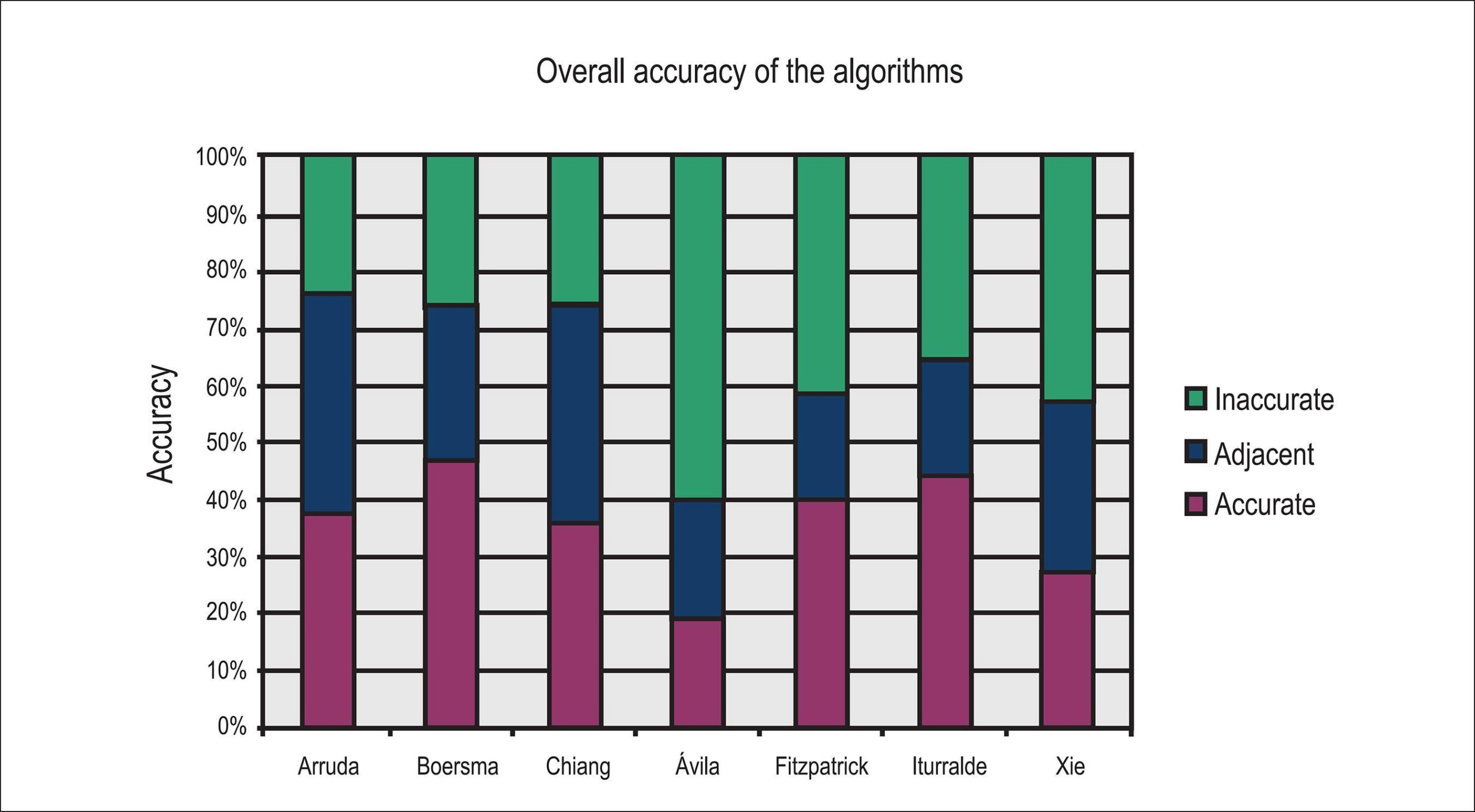
Among the APs, 59 (53.15%) were distributed around the mitral annulus and the remaining 52 (46.85%) were located around the tricuspid annulus. The overall absolute accuracy of the algorithms evaluated varied between 27% and 47%, increasing to between 40% and 76% when we included adjacent locations. The absolute agreement rate by AP location was 2.00-52.20% for septal APs (n = 51), increasing to 5.90-90.20% when considering adjacent locations; 7.70-69.20% for right APs (n = 13), increasing to 42.90-100% when considering adjacent locations; and 21.70-54.50% for left APs (n = 47), increasing to 50-87% when considering adjacent locations.

Conclusion:

The agreement rates observed for the analyzed scores indicated a low discriminative ability of the ECG in locating the AP in patients with WPW.

  • Accessory Atrioventricular Bundle
  • Catheter Ablation
  • Data Accuracy
  • Electrocardiography
  • Wolff-Parkinson White Syndrome
Read Full Article
Creative Commons Attribution (CC BY) Creative Commons license
12/09/2016 DOI: 10.5935/abc.20160132 Views 1

How to cite this article

EndNote RIS

Electronic Document Format (Vancouver)

Schreiber Junior A, Faganello LS, Magalhães APA, Spannemberger KP, Caberlon E, Zimerman LI, Pimentel M, et al. Wolff–Parkinson–White Syndrome in a Heart Transplant Recipient. ABC Heart Fail Cardiomyop 2026;6:e20260017.

Electronic Document Format (ABNT)

Schreiber Junior, Adir; Faganello, Lucas Simonetto; Magalhães, Ana Paula Arbo; Spannemberger, Kaleb Pinto; Caberlon, Eduardo; Zimerman, Leandro Ioschpe; Pimentel, Mauricio. Wolff–Parkinson–White Syndrome in a Heart Transplant Recipient. ABC Heart Fail Cardiomyop, v. 6, e20260017, Sep. 2026.

Electronic Document Format (APA)

Schreiber Junior, A., Faganello, L. S., Magalhães, A. P. A., Spannemberger, K. P., Caberlon, E., Zimerman, L. I., & Pimentel, M. (2026). Wolff–Parkinson–White Syndrome in a Heart Transplant Recipient. ABC Heart Fail Cardiomyop, 6, e20260017.

Electronic Document Format (ISO)

Schreiber Junior, Adir and Faganello, Lucas Simonetto and Magalhães, Ana Paula Arbo and Spannemberger, Kaleb Pinto and Caberlon, Eduardo and Zimerman, Leandro Ioschpe and Pimentel, Mauricio. Wolff–Parkinson–White Syndrome in a Heart Transplant Recipient. ABC Heart Fail Cardiomyop [online]. 2026, vol. 6, [cited 2026-10-14], e20260017. Available from: <https://journals.cardiol.br/en/article/wolff-parkinson-white-syndrome-in-a-heart-transplant-recipient/>

EndNote RIS

Electronic Document Format (Vancouver)

Brugada P. The Fascination of the Wolff-Parkinson-White Syndrome. Arquivos Brasileiros de Cardiologia 2026;123(5):e20260471.

Electronic Document Format (ABNT)

Brugada, Pedro. The Fascination of the Wolff-Parkinson-White Syndrome. Arquivos Brasileiros de Cardiologia, v. 123, n. 5, e20260471, Aug. 2026.

Electronic Document Format (APA)

Brugada, P. (2026). The Fascination of the Wolff-Parkinson-White Syndrome. Arquivos Brasileiros de Cardiologia, 123(5), e20260471.

Electronic Document Format (ISO)

Brugada, Pedro. The Fascination of the Wolff-Parkinson-White Syndrome. Arquivos Brasileiros de Cardiologia [online]. 2026, vol. 123, n. 5, [cited 2026-10-14], e20260471. Available from: <https://journals.cardiol.br/en/article/the-fascination-of-the-wolff-parkinson-white-syndrome/>. ISSN 0066-782X

EndNote RIS

Electronic Document Format (Vancouver)

Mario ADS, Targueta EP, Darrieux FCC, Brigido ARD, Ferraz AP, Chokr MO, Pisani CF, et al. Association Between Atrial Fibrillation Occurrence and Wolff-Parkinson-White Syndrome: Is Prediction Possible?. Arquivos Brasileiros de Cardiologia 2026;123(5):e20260001.

Electronic Document Format (ABNT)

Mario, Afonso Dalmazio Souza; Targueta, Eduardo Pelegrineti; Darrieux, Francisco Carlos da Costa; Brigido, Alexandra Regia Dantas; Ferraz, Alberto Pereira; Chokr, Muhieddine Omar; Pisani, Cristiano F.; Scanavacca, Mauricio Ibrahim. Association Between Atrial Fibrillation Occurrence and Wolff-Parkinson-White Syndrome: Is Prediction Possible?. Arquivos Brasileiros de Cardiologia, v. 123, n. 5, e20260001, Jul. 2026.

Electronic Document Format (APA)

Mario, A. D. S., Targueta, E. P., Darrieux, F. C. C., Brigido, A. R. D., Ferraz, A. P., Chokr, M. O., Pisani, C. F., & Scanavacca, M. I. (2026). Association Between Atrial Fibrillation Occurrence and Wolff-Parkinson-White Syndrome: Is Prediction Possible?. Arquivos Brasileiros de Cardiologia, 123(5), e20260001.

Electronic Document Format (ISO)

Mario, Afonso Dalmazio Souza and Targueta, Eduardo Pelegrineti and Darrieux, Francisco Carlos da Costa and Brigido, Alexandra Regia Dantas and Ferraz, Alberto Pereira and Chokr, Muhieddine Omar and Pisani, Cristiano F. and Scanavacca, Mauricio Ibrahim. Association Between Atrial Fibrillation Occurrence and Wolff-Parkinson-White Syndrome: Is Prediction Possible?. Arquivos Brasileiros de Cardiologia [online]. 2026, vol. 123, n. 5, [cited 2026-10-14], e20260001. Available from: <https://journals.cardiol.br/en/article/association-between-atrial-fibrillation-occurrence-and-wolff-parkinson-white-syndrome-is-prediction-possible/>. ISSN 0066-782X

EndNote RIS

Electronic Document Format (Vancouver)

Vassallo F. Exercise Stress Test For Detecting High-Risk Accessory Pathways In Patients With Wolff-Parkinson-White Syndrome. Arquivos Brasileiros de Cardiologia 2025;122(4):e20250194.

Electronic Document Format (ABNT)

Vassallo, Fabricio. Exercise Stress Test For Detecting High-Risk Accessory Pathways In Patients With Wolff-Parkinson-White Syndrome. Arquivos Brasileiros de Cardiologia, v. 122, n. 4, e20250194, May. 2025.

Electronic Document Format (APA)

Vassallo, F. (2025). Exercise Stress Test For Detecting High-Risk Accessory Pathways In Patients With Wolff-Parkinson-White Syndrome. Arquivos Brasileiros de Cardiologia, 122(4), e20250194.

Electronic Document Format (ISO)

Vassallo, Fabricio. Exercise Stress Test For Detecting High-Risk Accessory Pathways In Patients With Wolff-Parkinson-White Syndrome. Arquivos Brasileiros de Cardiologia [online]. 2025, vol. 122, n. 4, [cited 2026-10-14], e20250194. Available from: <https://journals.cardiol.br/en/article/exercise-stress-test-for-detecting-high-risk-accessory-pathways-in-patients-with-wolff-parkinson-white-syndrome/>. ISSN 0066-782X

EndNote RIS

Electronic Document Format (Vancouver)

Alencar JN, Rassi FM, Rios RP, Scheffer MK, Carvalho GD. Diagnostic Test Accuracy of Exercise Testing in Detecting High-Risk Accessory Pathways in WPW: A Systematic Review and Meta-Analysis. Arquivos Brasileiros de Cardiologia 2025;122(4):e20240663.

Electronic Document Format (ABNT)

Alencar, José Nunes de; Rassi, Fabio Mahamad; Rios, Raquel Pereira; Scheffer, Matheus Kiszka; Carvalho, Guilherme Dagostin de. Diagnostic Test Accuracy of Exercise Testing in Detecting High-Risk Accessory Pathways in WPW: A Systematic Review and Meta-Analysis. Arquivos Brasileiros de Cardiologia, v. 122, n. 4, e20240663, May. 2025.

Electronic Document Format (APA)

Alencar, J. N. , Rassi, F. M., Rios, R. P., Scheffer, M. K., & Carvalho, G. D. (2025). Diagnostic Test Accuracy of Exercise Testing in Detecting High-Risk Accessory Pathways in WPW: A Systematic Review and Meta-Analysis. Arquivos Brasileiros de Cardiologia, 122(4), e20240663.

Electronic Document Format (ISO)

Alencar, José Nunes de and Rassi, Fabio Mahamad and Rios, Raquel Pereira and Scheffer, Matheus Kiszka and Carvalho, Guilherme Dagostin de. Diagnostic Test Accuracy of Exercise Testing in Detecting High-Risk Accessory Pathways in WPW: A Systematic Review and Meta-Analysis. Arquivos Brasileiros de Cardiologia [online]. 2025, vol. 122, n. 4, [cited 2026-10-14], e20240663. Available from: <https://journals.cardiol.br/en/article/diagnostic-test-accuracy-of-exercise-testing-in-detecting-high-risk-accessory-pathways-in-wpw-a-systematic-review-and-meta-analysis/>. ISSN 0066-782X

EndNote RIS

Electronic Document Format (Vancouver)

Facin M, Samesima N. The Rare Alternans Pre-Excitation Pattern: Is It a Genuinely Benign Phenomenon?. Arquivos Brasileiros de Cardiologia 2023;120(1):e20220864.

Electronic Document Format (ABNT)

Facin, Mirella; Samesima, Nelson. The Rare Alternans Pre-Excitation Pattern: Is It a Genuinely Benign Phenomenon?. Arquivos Brasileiros de Cardiologia, v. 120, n. 1, e20220864, Feb. 2023.

Electronic Document Format (APA)

Facin, M., & Samesima, N. (2023). The Rare Alternans Pre-Excitation Pattern: Is It a Genuinely Benign Phenomenon?. Arquivos Brasileiros de Cardiologia, 120(1), e20220864.

Electronic Document Format (ISO)

Facin, Mirella and Samesima, Nelson. The Rare Alternans Pre-Excitation Pattern: Is It a Genuinely Benign Phenomenon?. Arquivos Brasileiros de Cardiologia [online]. 2023, vol. 120, n. 1, [cited 2026-10-14], e20220864. Available from: <https://journals.cardiol.br/en/article/the-rare-alternans-pre-excitation-pattern-is-it-a-genuinely-benign-phenomenon/>. ISSN 0066-782X

EndNote RIS

Electronic Document Format (Vancouver)

Lim DYZ, Ho WHH, Wang L, Ang WK, Thiagarajan N, Sng GG, Wang H, et al. Wolff-Parkinson-White Presenting as QRS Alternans and Other Differential Diagnoses in a Large Pre-Participation ECG Screening Cohort. Arquivos Brasileiros de Cardiologia 2022;119(6):940-5.

Electronic Document Format (ABNT)

Lim, Daniel Y. Z.; Ho, Wilbert H. H.; Wang, Luokai; Ang, Wee Kiat; Thiagarajan, Nishanth; Sng, Gerald GR; Wang, Hankun; Loo, Wesley TW; Yang, Lim Huai; Chow, Weien; Chua, Terrance J; Yeo, Tee Joo; Lim, Paul; Chong, Thuan Tee Daniel. Wolff-Parkinson-White Presenting as QRS Alternans and Other Differential Diagnoses in a Large Pre-Participation ECG Screening Cohort. Arquivos Brasileiros de Cardiologia, v. 119, n. 6, p. 940-945, Nov. 2022.

Electronic Document Format (APA)

Lim, D. Y. Z., Ho, W. H. H., Wang, L., Ang, W. K., Thiagarajan, N., Sng, G. G., Wang, H., Loo, W. T., Yang, L. H., Chow, W., Chua, T. J., Yeo, T. J., Lim, P., & Chong, T. T. D. (2022). Wolff-Parkinson-White Presenting as QRS Alternans and Other Differential Diagnoses in a Large Pre-Participation ECG Screening Cohort. Arquivos Brasileiros de Cardiologia, 119(6), 940-945.

Electronic Document Format (ISO)

Lim, Daniel Y. Z. and Ho, Wilbert H. H. and Wang, Luokai and Ang, Wee Kiat and Thiagarajan, Nishanth and Sng, Gerald GR and Wang, Hankun and Loo, Wesley TW and Yang, Lim Huai and Chow, Weien and Chua, Terrance J and Yeo, Tee Joo and Lim, Paul and Chong, Thuan Tee Daniel. Wolff-Parkinson-White Presenting as QRS Alternans and Other Differential Diagnoses in a Large Pre-Participation ECG Screening Cohort. Arquivos Brasileiros de Cardiologia [online]. 2022, vol. 119, n. 6, [cited 2026-10-14], pp. 940-945. Available from: <https://journals.cardiol.br/en/article/wolff-parkinson-white-presenting-as-qrs-alternans-and-other-differential-diagnoses-in-a-large-pre-participation-ecg-screening-cohort/>. ISSN 0066-782X

EndNote RIS

Electronic Document Format (Vancouver)

Kilit C, Kilit TP. Report of a Family with Craniofrontonasal Syndrome and Wolff-Parkinson-White Syndrome: Is it a New Finding?. Arquivos Brasileiros de Cardiologia 2019;112(5):594-6.

Electronic Document Format (ABNT)

Kilit, Celal; Kilit, Türkan Pasali. Report of a Family with Craniofrontonasal Syndrome and Wolff-Parkinson-White Syndrome: Is it a New Finding?. Arquivos Brasileiros de Cardiologia, v. 112, n. 5, p. 594-596, Jun. 2019.

Electronic Document Format (APA)

Kilit, C., & Kilit, T. P. (2019). Report of a Family with Craniofrontonasal Syndrome and Wolff-Parkinson-White Syndrome: Is it a New Finding?. Arquivos Brasileiros de Cardiologia, 112(5), 594-596.

Electronic Document Format (ISO)

Kilit, Celal and Kilit, Türkan Pasali. Report of a Family with Craniofrontonasal Syndrome and Wolff-Parkinson-White Syndrome: Is it a New Finding?. Arquivos Brasileiros de Cardiologia [online]. 2019, vol. 112, n. 5, [cited 2026-10-14], pp. 594-596. Available from: <https://journals.cardiol.br/en/article/report-of-a-family-with-craniofrontonasal-syndrome-and-wolff-parkinson-white-syndrome-is-it-a-new-finding/>. ISSN 0066-782X

EndNote RIS

Electronic Document Format (Vancouver)

Teixeira CM, Pereira TA, Lebreiro AM, Carvalho SA. Accuracy of the Electrocardiogram in Localizing the Accessory Pathway in Patients with Wolff-Parkinson-White Pattern. Arquivos Brasileiros de Cardiologia 2016;107(4):331-8.

Electronic Document Format (ABNT)

Teixeira, Carlos Manuel; Pereira, Telmo António; Lebreiro, Ana Margarida; Carvalho, Sérgio Alexandre. Accuracy of the Electrocardiogram in Localizing the Accessory Pathway in Patients with Wolff-Parkinson-White Pattern. Arquivos Brasileiros de Cardiologia, v. 107, n. 4, p. 331-338, Sep. 2016.

Electronic Document Format (APA)

Teixeira, C. M., Pereira, T. A., Lebreiro, A. M., & Carvalho, S. A. (2016). Accuracy of the Electrocardiogram in Localizing the Accessory Pathway in Patients with Wolff-Parkinson-White Pattern. Arquivos Brasileiros de Cardiologia, 107(4), 331-338.

Electronic Document Format (ISO)

Teixeira, Carlos Manuel and Pereira, Telmo António and Lebreiro, Ana Margarida and Carvalho, Sérgio Alexandre. Accuracy of the Electrocardiogram in Localizing the Accessory Pathway in Patients with Wolff-Parkinson-White Pattern. Arquivos Brasileiros de Cardiologia [online]. 2016, vol. 107, n. 4, [cited 2026-10-14], pp. 331-338. Available from: <https://journals.cardiol.br/en/article/accuracy-of-the-electrocardiogram-in-localizing-the-accessory-pathway-in-patients-with-wolff-parkinson-white-pattern/>. ISSN 0066-782X

  • About ABC Family
  • Internal Regulation
  • Editorial Board
  • Brazilian Society of Cardiology (SBC)

Issues

SBC Guidelines

  • Videos
  • Podcasts
  • News