ABC Family Arquivos Brasileiros de Cardiologia International Journal of Cardiovascular Sciences ABC Heart Failure & Cardiomyopathy ABC Imagem Cardiovascular
Português English
ABC Family
Português English
  • About
    • About ABC Family
    • Internal Regulation
    • Editorial Board
    • Brazilian Society of Cardiology (SBC)
  • Issues
  • SBC Guidelines
  • Content
    • Videos
    • Podcasts
    • News
  • About
    • About ABC Family
    • Internal Regulation
    • Editorial Board
    • Brazilian Society of Cardiology (SBC)
  • Issues
  • SBC Guidelines
  • Content
    • Videos
    • Podcasts
    • News

ABC Family

  • ABC Family
  • Arquivos Brasileiros de Cardiologia
  • International Journal of Cardiovascular Sciences
  • ABC Heart Failure & Cardiomyopathy
  • ABC Imagem Cardiovascular
Search in

No content found.

Journals
Ordering
Article types
Others

  1. Home
  2. Keyword: Death, Sudden, Cardiac
IJCS
Editorial

You Can Only Improve What You Measure: The Importance of the Rapid Response Team in Improving Patient Care

Sebastian Garcia-Zamora et al. Zain Somani Adrian Baranchuk

Sudden death among hospitalized patients, most often manifesting as in-hospital cardiac arrest, is a global problem that poses major challenges for prediction, timely diagnosis, and expeditious treatment. Incidence and outcomes vary considerably across health systems but remain sobering. Hospitalized patients with acute illness are vulnerable to intercurrent events that can precipitate rapid deterioration. Caring for these patients requires advanced competencies, such as airway management, treatment of arrhythmias, and hemodynamic support, all of which are challenging to acquire and maintain across all medical professionals on general wards. This is why rapid response teams have been utilized as a system-level strategy to recognize early deterioration of patients and bring concentrated expertise to the bedside.

In this issue of the International Journal of Cardiovascular Sciences, Salvadori et al. report a prospective, single-center, five-year evaluation of a rapid response team program in a quaternary Brazilian hospital. Over the study period, the team attended 4,805 emergencies, consisting of 551 cardiac arrests and 4,254 non-arrest deteriorations. Survival among patients with non-arrest emergencies improved significantly (from 57.1% to 64.5%; p = 0.003), whereas survival after cardiac arrest remained low and unchanged. The study has several strengths: it is a large, real-world, prospective analysis that captures process-of-care metrics beyond outcomes, such as time to epinephrine, time to first shock, and time to advanced airway. This level of granularity in the data is crucial in the care of critically ill patients. Outcomes may be unfavorable despite coordinated, appropriate care because of underlying severity, and conversely, occasional survival may occur despite suboptimal response. Measuring processes in detail allows teams to distinguish signal from noise and thereby improve performance over time.

[…]

  • Death, Sudden, Cardiac
  • Heart Arrest
  • Inpatients
Read Full Article
Creative Commons Attribution (CC BY) Creative Commons license
27/04/2026 DOI: 10.36660/ijcs.20250199 Views 1
ABC
Editorial

Impact of the Implantable Cardioverter Defibrillator on the Lives of its Patients

Silas dos Santos Galvão Filho

The first ICD implant in humans occurred in 1980, followed by the incorporation of this device into the therapeutic arsenal of cardiology in the early 1990s, it was one of the greatest advances in the treatment of cardiac arrhythmias. Being the therapy of choice with evidence of efficacy for a large number of patients at risk of sudden cardiac death from non-reversible causes, ICDs have some peculiarities that can impact the daily lives of their carriers. Initially, ICDs were huge devices, only capable of being implanted at the abdominal level, with their electrodes and reeds for delivering the shock implanted directly into the heart through thoracotomy. At that time, the impact of these devices on the lives of their users was great, from aesthetics to the large number of inappropriate shocks, caused by still precarious algorithms for discriminating the arrhythmia to be treated: ventricular tachycardia (VT) or ventricular fibrillation (VF), in addition to the first programs that were still inadequate. In our initial experience with ICDs in the late 1980s and early 1990s, we had many acceptance problems, with some patients even requesting to remove the device after experiencing repeated shocks. With the spectacular evolution they have undergone, ICDs have incorporated all technological advances, improving their diagnostic performance in the release of therapies and now having dimensions slightly larger than pacemakers, allowing device implants at the thoracic level, with fully transvenous electrodes through minimally invasive surgery, eliminating thoracotomy. Despite these advances, a considerable number of patients continue to report an impact on their quality of life. This is mainly due to one aspect: the ICD is the only implantable electronic cardiac device whose normal therapeutic functioning is perceived by the patient, with sensations described by the vast majority as very unpleasant, especially shock therapy, the worst situation being when repeated shocks occur. The improvement of diagnostic algorithms for tachyarrhythmias, and greater knowledge of device programming, have considerably reduced inappropriate shocks, however, appropriate shocks, even repetitive shocks known as electrical storms, continue to occur,, as they correspond to the normal functioning of the device in reversing cardiac arrest due to VF, or potentially malignant arrhythmia such as VT. Fortunately, today these serious episodes are much less frequent and can be treated through medication and/or interventional procedures such as catheter ablation.

The article “Predictors of Quality of Life, Anxiety and Acceptance in Patients with Implantable Cardioverter-Defibrillator” evaluated these aspects in a reasonable number of patients undergoing the first implantation or replacement of an ICD generator, showing that around a quarter of the patients presented some kind of negative impact. It also showed that being 60 years old or older, the absence of atrial fibrillation (AF), and being female were predictors of better results. This information is important and deserves some consideration: 1- Having improved considerably over the years, ICD still negatively impacts the lives of a relatively important number of its sufferers. This encourages the technological improvement of devices, optimizing therapies, in addition to better approach and psychological preparation of the patient pre-operatively. 2- The worse results of younger patients can be explained by the feeling of great limitation of activities imposed on those with ICDs, however, these limitations are due more to the underlying heart disease than to the device itself. In some cases, without major changes in cardiological function, even impactful professional sporting activities can be allowed,, as in the case of two football players who played in the last World Cup with ICD. 3- In the case of people with AF, this arrhythmia, which is often symptomatic, is not infrequently related to heart disease with worse cardiological function, which increases limitations. Furthermore, AF may be responsible for inappropriate shocks, which can be avoided with adequate programming. 4- Regarding the fact that women present better results despite the aesthetic problems that these devices can cause, this is probably due to greater tolerance to therapies and a better understanding of the possible limitations of their activities, as they have an ICD.

[…]

  • Arrhythmias Cardiac
  • Death, Sudden, Cardiac
  • Defibrillators, Implantable / trends
  • Quality of life
  • sickness impact profile
Read Full Article
Creative Commons Attribution (CC BY) Creative Commons license
05/07/2024 DOI: 10.36660/abc.20240196i Views 2
ABCHF
Review Article

Diagnosis and Treatment of Hypertrophic Cardiomyopathy

Fernando Saraiva et al. Fabio Fernandes Minna Moreira Dias Romano Juliano Novaes Cardoso … Marília Taily Soliani Mariani Mendes Madisson Bernardo André Schmidt Marcus Vinicius Simões

Abstract

The concept of hypertrophic cardiomyopathy has undergone profound changes with the advent of cardiogenomics and the increase in knowledge about the sarcomeric structure and the mutations that lead to cardiomyocyte hypertrophy. In this review article, we address the state of the art in terms of diagnosis, contemplating the genetic heart diseases responsible for differential diagnoses of hypertrophic cardiomyopathy, known as phenocopies, which are a major challenge in clinical practice. We also discuss the current evidence that guides treatment.

  • Cardiomyopathy, Hypertrophic
  • Death, Sudden, Cardiac
  • Diagnostic Imaging
  • Drug Therapy
Read Full Article
Creative Commons Attribution (CC BY) Creative Commons license
01/08/2023 DOI: 10.36660/abchf.20230040 Views 1
Figure 1
IJCS
Original Article

Dysautonomia Evaluation by Holter in Chagas Heart Disease

Michele Alves Rocha de Oliveira et al. Thais Aguiar Nascimento Gilson Soares Feitosa-Filho Luiz Eduardo Fonteles Ritt … Constança Margarida Sampaio Cruz Mário de Seixas Rocha

Abstract

Background

Sudden cardiac death is the main lethal mechanism associated with Chagas cardiomyopathy. Studies suggest that dysautonomia may represent a relevant, intense, independent, and early phenomenon in the natural history of the disease, even when ventricular systolic function is preserved, and may also be the mechanism that triggers malignant ventricular arrhythmias.

Objective

To evaluate the degree of dysautonomia and its possible association with ventricular arrhythmias in patients with Chagas cardiomyopathy, according to different categories of mortality risk, as defined by the score proposed by Rassi, used as a surrogate outcome for death.

Methods

A cross-sectional study involving 43 patients with Chagas cardiomyopathy stratified into risk categories based on the Rassi score, with 23 being classified as low risk and 20 as intermediate-to-high risk. Heart rate variability (HRV) was assessed using Holter monitoring for long-term recordings of 24 hours (time domain) and for short-term recordings of 5 minutes (frequency domain) at rest and after autonomic tests: deep breathing and Valsalva maneuver. The HRV variables were compared between the groups using the Student’s t-test and α=0.05.

Results

Comparison of the results between the risk stratification groups showed no differences in HRV indexes, either in the time or frequency domain. However, results showed a significant increase in the number of arrhythmias as a function of increased risk (p=0.02).

Conclusion

There was no association between the degree of dysautonomia, evaluated by Holter monitoring, and the categories of mortality risk, despite a direct association between the rate of arrhythmias and the higher risk group.

  • Chagas Cardiomyopathy/physiopathology
  • Chagas disease
  • Death, Sudden, Cardiac
  • Heart Rate
  • Primary Dysautonomias
  • Prognosis
  • Sympathetic Nervous System / physiopathology
Read Full Article
Creative Commons Attribution (CC BY) Creative Commons license
09/05/2022 DOI: 10.36660/ijcs.20200405 Views 1
Figure 1
ABCHF
Review Article

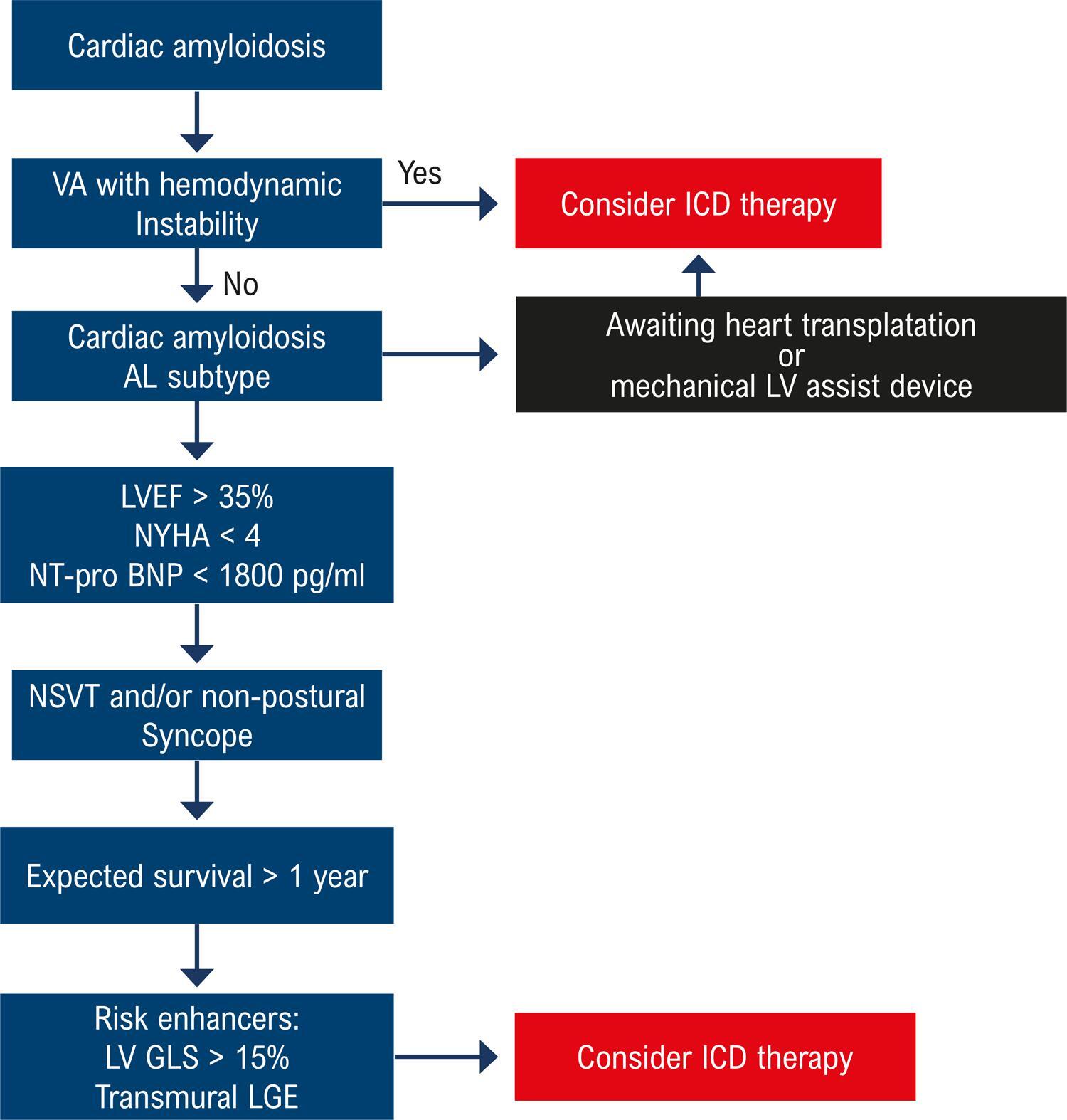
Ventricular Arrythmias in Cardiac Amyloidosis: It is Possible to Prevent Sudden Death?

Carlos A. Dumont et al. María Inés Sosa Liprandi

Abstract

Cardiac amyloidosis (CA) is an infiltrative cardiomyopathy that occurs secondary to deposition of misfolded protein in the myocardium. The two most common subtypes are amyloid light chain amyloidosis and amyloid transthyretin amyloidosis. CA frequently results in congestive cardiac failure and arrhythmias, due to a disruption in cardiac substrate with subsequent electromechanical remodeling. Disease progression is usually demonstrated by development of progressive pump failure, which may be seen with a high arrhythmic burden, usually portending a poor prognosis. Arrhythmias are common, and many commonly used pharmacological therapies may be poorly tolerated and lead to clinical decompensation in this population, adding complexity to the co-management of these conditions. Studies are required to assess the risks and benefits of catheter ablation for ventricular tachycardia, with no current data showing a mortality benefit. The role of implantable cardioverter-defibrillator therapy is controversial, with benefits seen predominantly in early phases of the disease process. High-quality evidence and guideline recommendations are limited with regard to the management of arrhythmias. Providers are often left to clinical experience and expert consensus to aid in decision-making. This review summarizes both historical and contemporary data and describes evidence-based strategies for managing ventricular arrhythmias and their sequelae in patients with CA.

  • Amyloidosis
  • Death, Sudden, Cardiac
  • Defibrillators, Implantable
  • Tachycardia, Ventricular
Read Full Article
Creative Commons Attribution (CC BY) Creative Commons license
10/12/2021 DOI: 10.36660/abchf.20210035 Views 3
ABC
Editorial

Myocardial Scar and Ventricular Repolarization on the electrocardiogram: Insights from Cardiac Magnetic Resonance Imaging

Luciano C. Amado

Myocardial fibrosis is a final common feature of most inflammatory pathway and is frequently seen in patients with heart failure with reduced ejection fraction (HFrEF). , Myocardial scar, detected by contrast enhanced magnetic resonance imaging (ce-MRI), has been shown to be a predictor of prognosis and sudden cardiac death in patients with HFrEF. – Cardiac MRI has emerged as a non-invasive gold standard for the assessment of scar and risk prediction of ventricular arrhythmias. , , , Nevertheless, cardiac MRI can be time consuming, expensive, and not easily available.

The 12-lead surface electrocardiogram (ECG) is a simple and inexpensive diagnostic tool that is widely used in clinical practice for the diagnosis of cardiac arrhythmias. The ECG waveform is the expression of the transmembrane action potentials and is composed of two distinct processes: depolarization and repolarization. Ventricular repolarization is a complex electrical phenomenon which in clinical practice is measured from the beginning of the QRS complex to the end of the T-wave. Cardiac structural and electrical changes may cause action potential abnormalities, affecting the refractory period and thus favoring the onset of ventricular arrhythmias.

[…]

  • Death, Sudden, Cardiac
  • Electrocardiography/methods
  • Endomyocardial Fibrosis
  • Heart Failure
  • Magnetic Resonance Spectroscopy/ methods
  • Prognosis
  • Stroke Volume
Read Full Article
Creative Commons Attribution (CC BY) Creative Commons license
25/10/2021 DOI: 10.36660/abc.20210712 Views 2
ABC
Editorial

The Challenge of Assessing Sudden Cardiac Death Risk in Patients with Nonischemic Heart Failure

Pedro Pimenta de Mello Spineti et al. Rodrigo Souto da Silva Sá Bruno Reznik Wajsbrot

Sudden cardiac death (SCD) accounts for approximately 50% of deaths in patients with ischemic and nonischemic heart disease in the presence of severe left ventricular systolic dysfunction. Many clinical trials– have evaluated the effectiveness of implantable cardioverter defibrillators (ICDs) in primary prevention of SCD in the last 20 years.

The Multicenter Automatic Defibrillator Implantation Trial II (MADIT II) and the Sudden Cardiac Death in Heart Failure (SCD-HeFT) defined the principles for indication, of ICDs in primary prophylaxis of SCD of patients with heart failure (HF) of ischemic etiology. On the other hand, clinical trials evaluating patients with HF of nonischemic origin,– have shown heterogeneous results and, so far, there are uncertainties on the best candidates for this type of therapy.

[…]

  • Biomarkers
  • Death, Sudden, Cardiac
  • Endomyocardial Fibrosis
  • Galectin 3
  • Heart Failure/physiopathology
  • Mortality
  • Ventricular Dysfunction, Left
Read Full Article
Creative Commons Attribution (CC BY) Creative Commons license
20/09/2021 DOI: 10.36660/abc.20210633 Views 1
Figure 1
ABC
Research Letter

Spiked Helmet Sign: An Atypical Case of Transient ST-Segment Elevation on ECG

Acácio F. Cardoso et al. Marco Alexander V. Akamine Rafael M. Pessoa Elizabeth T. Takitani … José V. Kairiyama Manfredo K. Naritoni

Case report

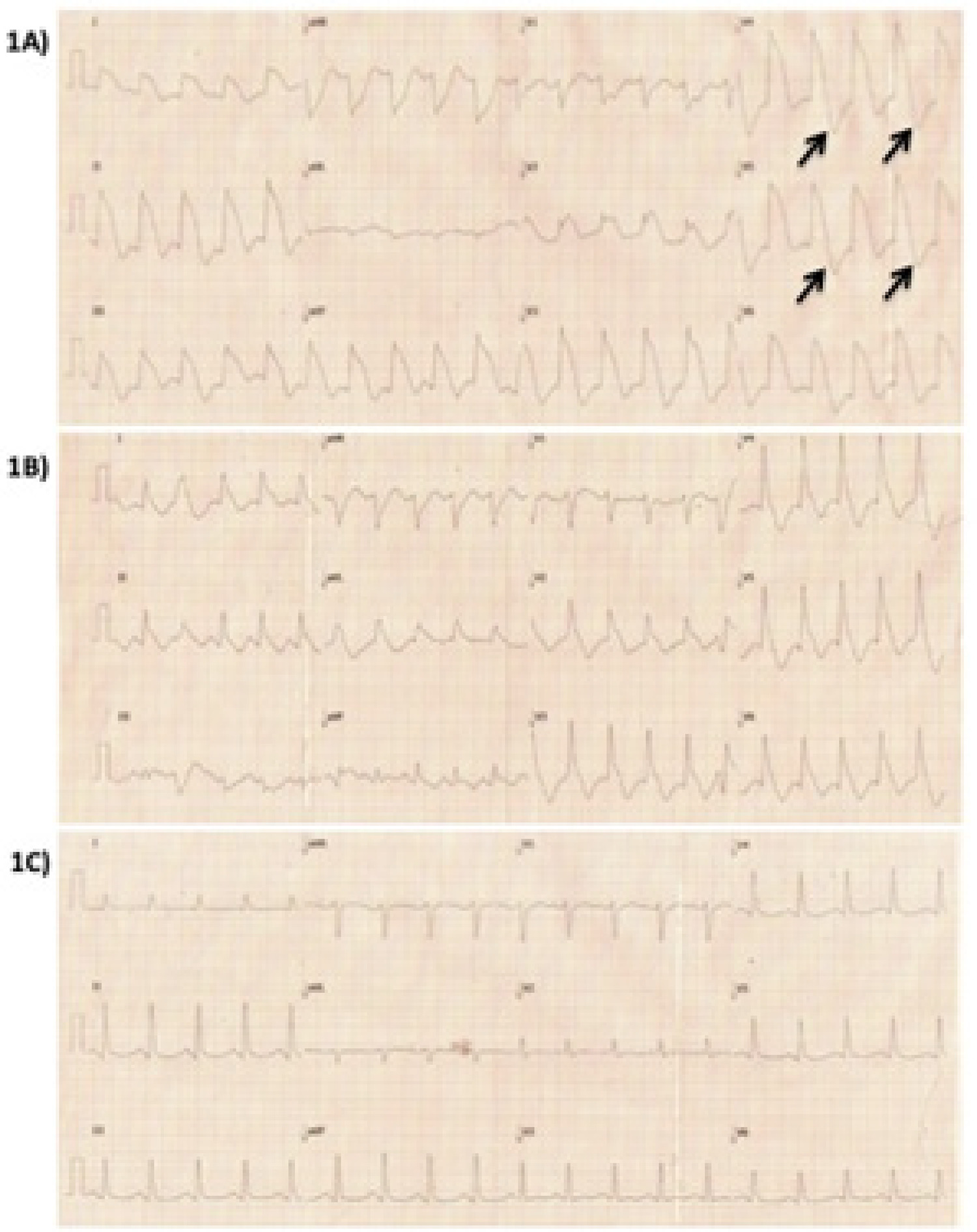
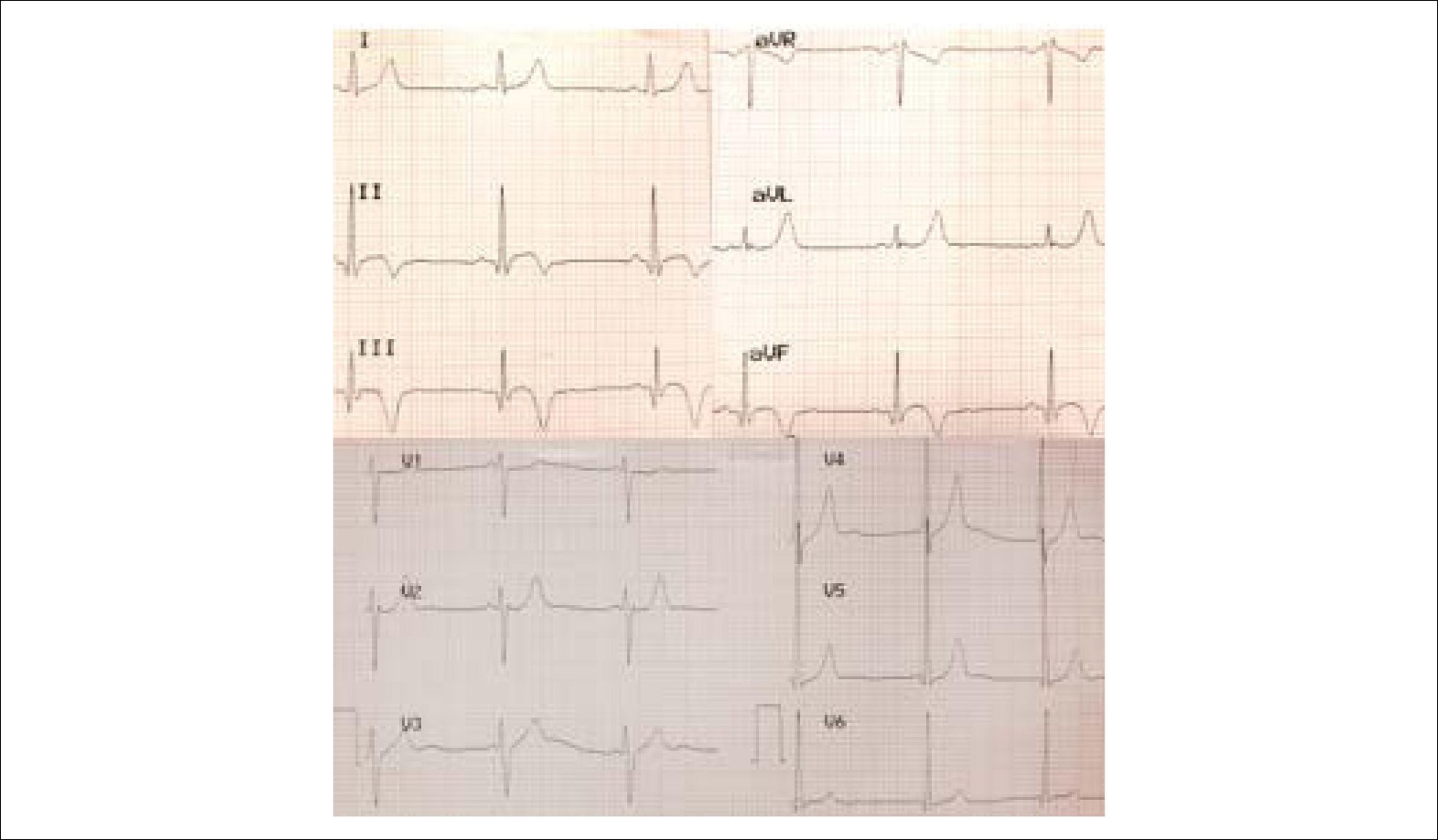
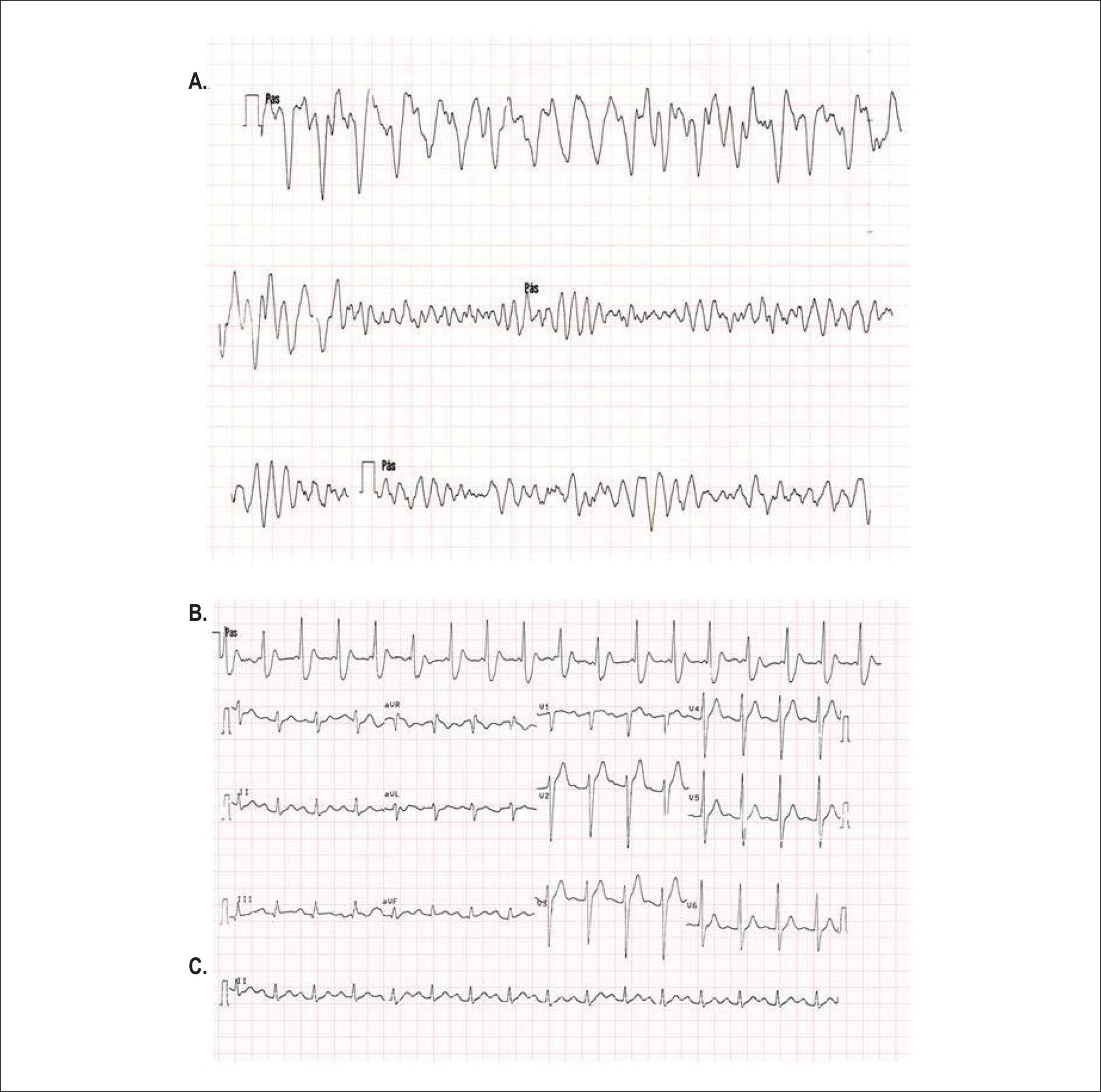
Male, 35 years old, smoker, user of illicit drugs (marijuana, cocaine and inhalant solvents), on antipsychotics and antidepressants (haloperidol and escitalopram), several episodes of vomiting and diarrhea for the past two days, mental confusion at home, and admitted to the emergency room with reduced level of consciousness and irregular breathing. Soon afterwards, he presented cardiopulmonary arrest (CRP) with ventricular fibrillation (VF) on the cardiac monitor. After six minutes of cardiopulmonary resuscitation maneuvers, adrenaline infusion and two cardiac defibrillations, pulse and heart rate were recovered. An electrocardiogram (ECG) was performed, which demonstrated atypical and diffuse ST-segment elevation ( ). Initial laboratory tests showed severe metabolic acidosis with high serum lactate (serum lactate = 26 mg/dl), in addition to hypernatremia (serum sodium = 153 mg/dl), hypokalemia (serum potassium = 3.2 mg/dl), severe leukocytosis and a slight increase in serum troponin. The patient was intubated and placed on mechanical ventilation. Volume resuscitation was performed, metabolic acidosis was corrected, and broad-spectrum antibiotics were initiated. One hour after initial consultation, a new ECG was performed, which demonstrated a reduction of approximately 50% in ST elevation ( ). Given the atypical character of the ST segment abnormalities on ECG, we chose not to perform an emergency coronary angiography. Six hours after the event, the initial ECG abnormalities receded completely ( ). An echocardiogram was performed, which showed severe left ventricular dysfunction at the expense of diffuse hypokinesia (ejection fraction = 0.36). A new echocardiogram was performed two days later, which revealed complete recovery of ventricular function (ejection fraction = 0.69). Coronary angiotomography was performed during hospitalization, which demonstrated the absence of obstructive lesions and ruled out coronary anomalies. The patient progressed well and was discharged after eight days of hospitalization.

[…]

  • Critical Illness
  • Death, Sudden, Cardiac
  • Echocardiography/methods
  • Electrocardiography/methods
  • ST-Elevation
Read Full Article
Creative Commons Attribution (CC BY) Creative Commons license
14/06/2021 DOI: 10.36660/abc.20201017 Views 1
Figure 1
IJCS
Original Article

Cost-Effectiveness Analysis of Implantable Cardioverter Defibrillator Therapy for Primary Prevention Patients with Additional Risk Factors in Brazil

Kael Wherry et al. Reece Holbrook Lucas Higuera Francis Fujii Diego A. Rodriguez

Abstract

Background:

Implantable cardiac defibrillators (ICDs) therapy for primary prevention (PP) of sudden cardiac arrest (SCA) is well-established but underutilized globally. The Improve SCA study has identified a cohort of patients called 1.5 primary prevention (1.5PP), based on PP patients with the presence of documented risk factors: non-sustained ventricular tachycardia, frequent premature ventricular contractions, left ventricular ejection fraction < 25%, and pre-syncope or syncope.

Objective:

This study evaluated the cost-effectiveness of ICD therapy compared to no ICD among 1.5PP patients in the Brazilian public healthcare system.

Methods:

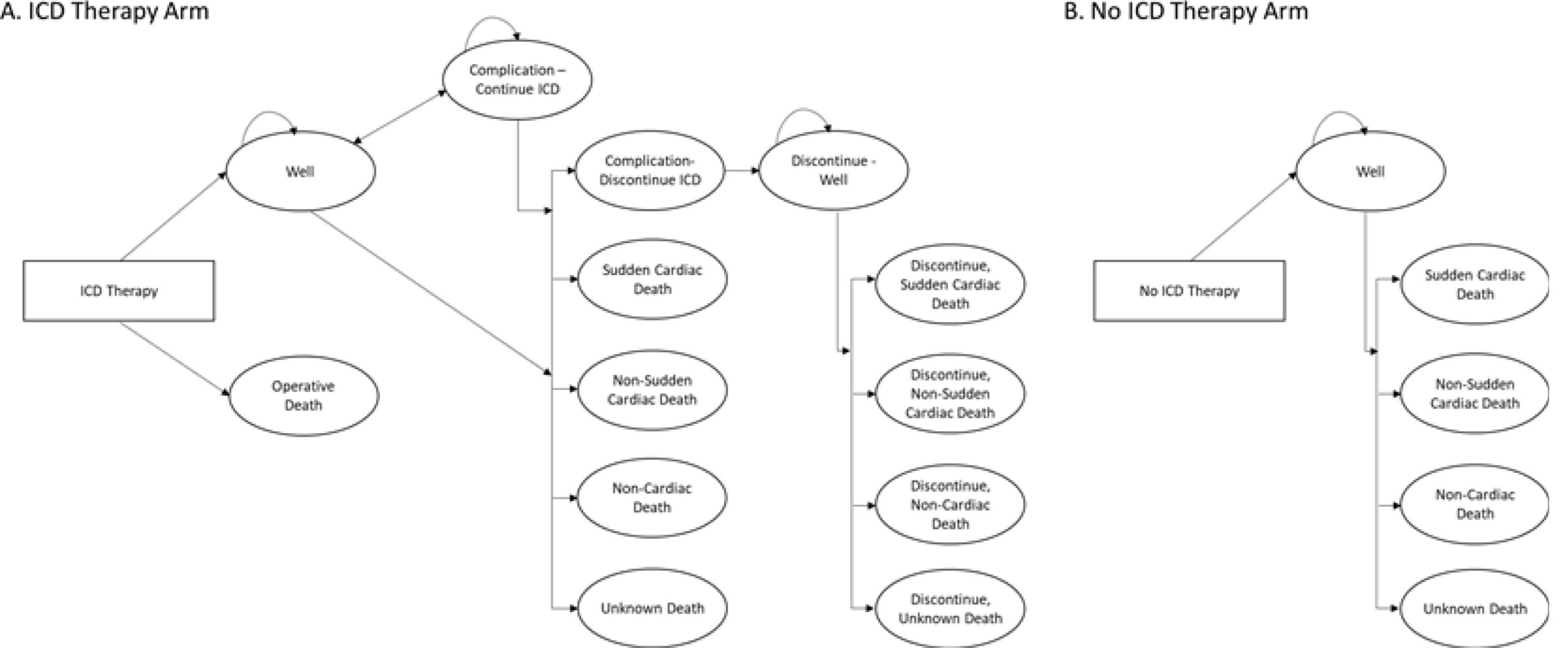
Modified inputs to a published Markov model were applied to compare costs and outcomes of ICD therapy to no ICD therapy from the Brazilian payer’s perspective. Mortality and utility estimates were obtained from the IMPROVE SCA trial. Additional effectiveness inputs were sourced from the literature. Cost inputs were obtained from the Brazilian Unified Health System and the Ministry of Health. Costs were discounted at 4.7%; quality-adjusted life years (QALYs) were discounted at 1.45%. This study applied a willingness-to-pay (WTP) value of three times Brazil’s gross domestic product (GDP) in 2017, R$105,723 (Brazilian Real).

Results:

The total discounted lifetime costs for ICD therapy were R$100,920 compared to R$43,866 for no ICD therapy. Total discounted QALYs for ICD therapy and no ICD therapy were 9.85 and 7.15, respectively. The incremental cost effectiveness ratio was R$21,156 per QALY and less than the R$105,723 WTP threshold. Results from sensitivity analyses were consistent with base case results.

Conclusions:

ICD therapy compared to no ICD therapy is cost-effective in the 1.5PP population in Brazil. (Int J Cardiovasc Sci. 2021; [online].ahead print, PP.0-0)

  • Biomedical
  • Cardiovascular Diseases/prevention andcontrol
  • Cost-Effectiveness-Evaluation
  • Death, Sudden, Cardiac
  • Defibrillators, Implantable/economy
  • health evaluation
  • Technology Assessment
Read Full Article
Creative Commons Attribution (CC BY) Creative Commons license
12/05/2021 DOI: 10.36660/ijcs.20200016 Views 1
Figure 1
IJCS
Case Report

Cardiac Arrest and Exercise-Induced Polymorphic Ventricular Tachycardia: An Elusive Diagnosis

Nestor Rodrigues de Oliveira et al. William Santos de Oliveira Adalberto Atsushi Porto Fabio Mastrocola … Ana Eloisa Novaes Roberto Moreno Mendonça Júlio César Vieira de Sousa

Introduction

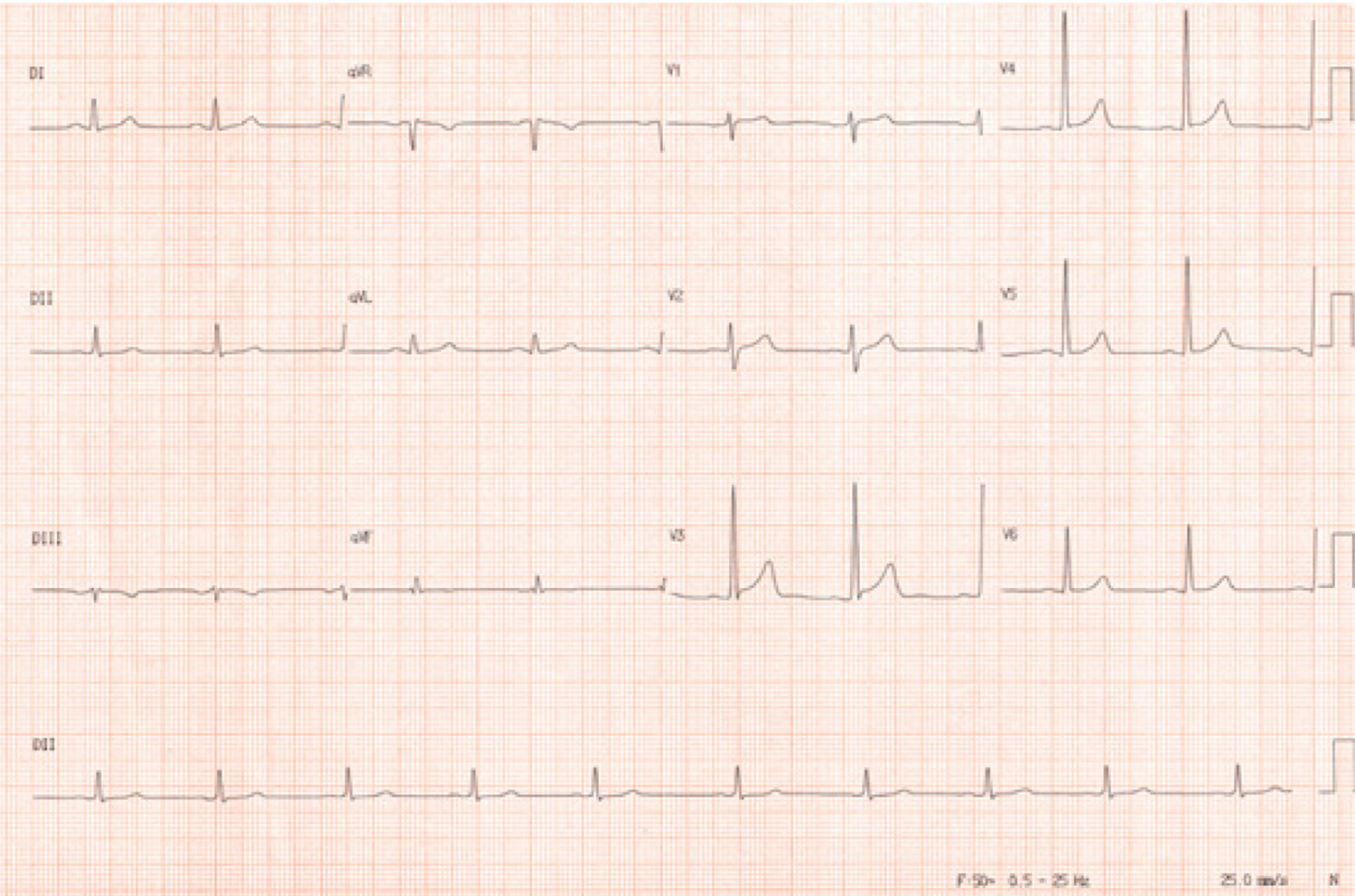
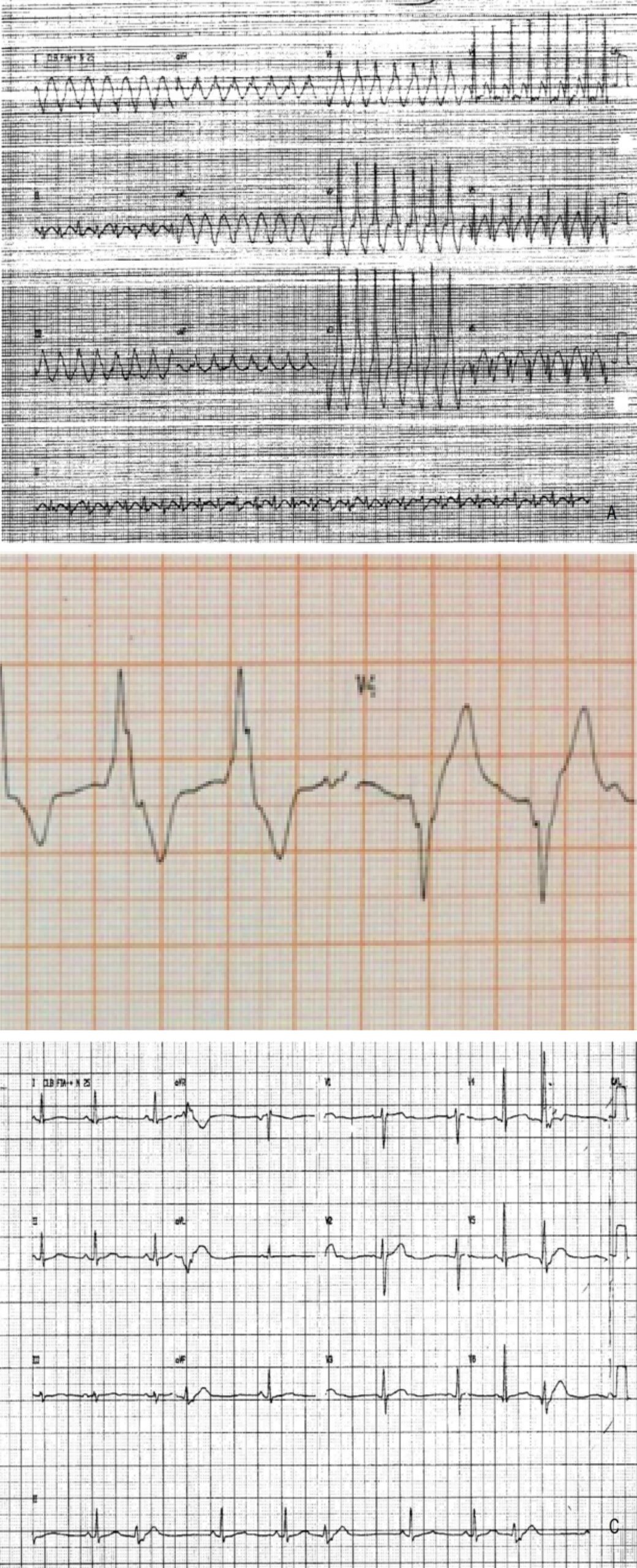
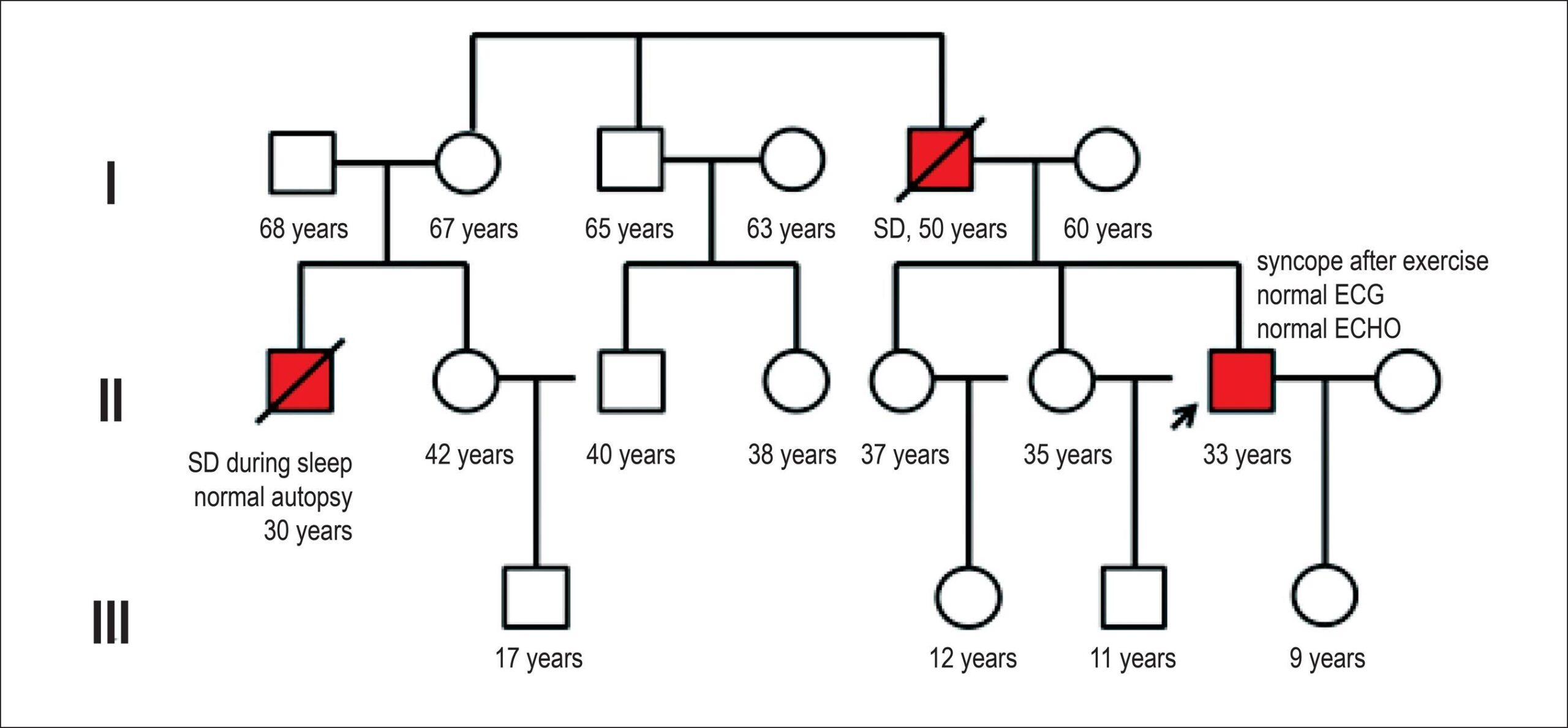
Polymorphic ventricular tachycardia (VT) is defined as a rapid rhythm with continuously changing ventricular activation. In the absence of QT interval prolongation, its evaluation is a challenging activity with a series of differential diagnoses. The present study reports on a case of a young man who had an out-of-hospital cardiac arrest and and who later presented an episode of exercise-induced polymorphic VT. A rational investigation is discussed based on the patient’s clinical findings and baseline ECG.

[…]

  • Death, Sudden, Cardiac
  • Diagnosis
  • Exercise Induced
  • Tachycardia,Ventricular
Read Full Article
Creative Commons Attribution (CC BY) Creative Commons license
22/01/2021 DOI: 10.36660/ijcs.20190162 Views 1
Figure 1
ABC
Viewpoint

Spontaneous Exercise-Related Coronary Artery Dissection among Young Patients Without Risk Factors or Atherosclerotic Disease

Pablo de Souza et al. Artur Haddad Herdy

Abstract

Spontaneous coronary artery dissection (SCAD) is considered an often underdiagnosed acute coronary syndrome, with few cases described in literature. Its association with physical exercise among young patients without risk factors or atherosclerotic disease (CAD) is even rarer. For this reason, a study was conducted on the subject, describing the clinical conditions, conduct and evolution regarding the suspicion of spontaneous exercise-related coronary artery dissection in three young patients without risk factors or CAD. Clinical conditions varied, with predominant recurrent chest pain. Age range from 20 to 31 years. All patients underwent coronary angiography, which showed no CAD but suggested SCAD. Investigations concerning other causes of coronary obstruction were negative. The right coronary artery was affected in two cases, and the anterior descending artery was affected in one case. Only one of the three patients had recurrent events within five years from the primary event. Technological advances will enable increased dissection identification in acute coronary syndromes. Improving the knowledge about the related clinical conditions is necessary, as an attempt to provide warnings and improve the suspicion of spontaneous exercise-related coronary artery dissection among those who have symptoms of coronary insufficiency, thus reducing the frequent underdiagnosis. The best treatment and prognosis for this disease remains uncertain.

  • Coronary Artery Disease
  • Death, Sudden, Cardiac
  • Diagnostic Imaging/trends
  • Exercise
  • Myocardial Infarction
  • Physical Exertion
  • Risk Factors
  • Young Adult
Read Full Article
Creative Commons Attribution (CC BY) Creative Commons license
02/12/2019 DOI: 10.36660/abc.20180446 Views 1
Figure 1
IJCS
Case Report

Brugada Pattern, Brugada Phenocopy, What to Think?

José Luis Martins et al. Raquel Ferreira Jesus Viana José Santos

Introduction

Propafenone is a class 1 anti-arrhythmic medication with beta-adrenergic and calcium channel blocker properties.

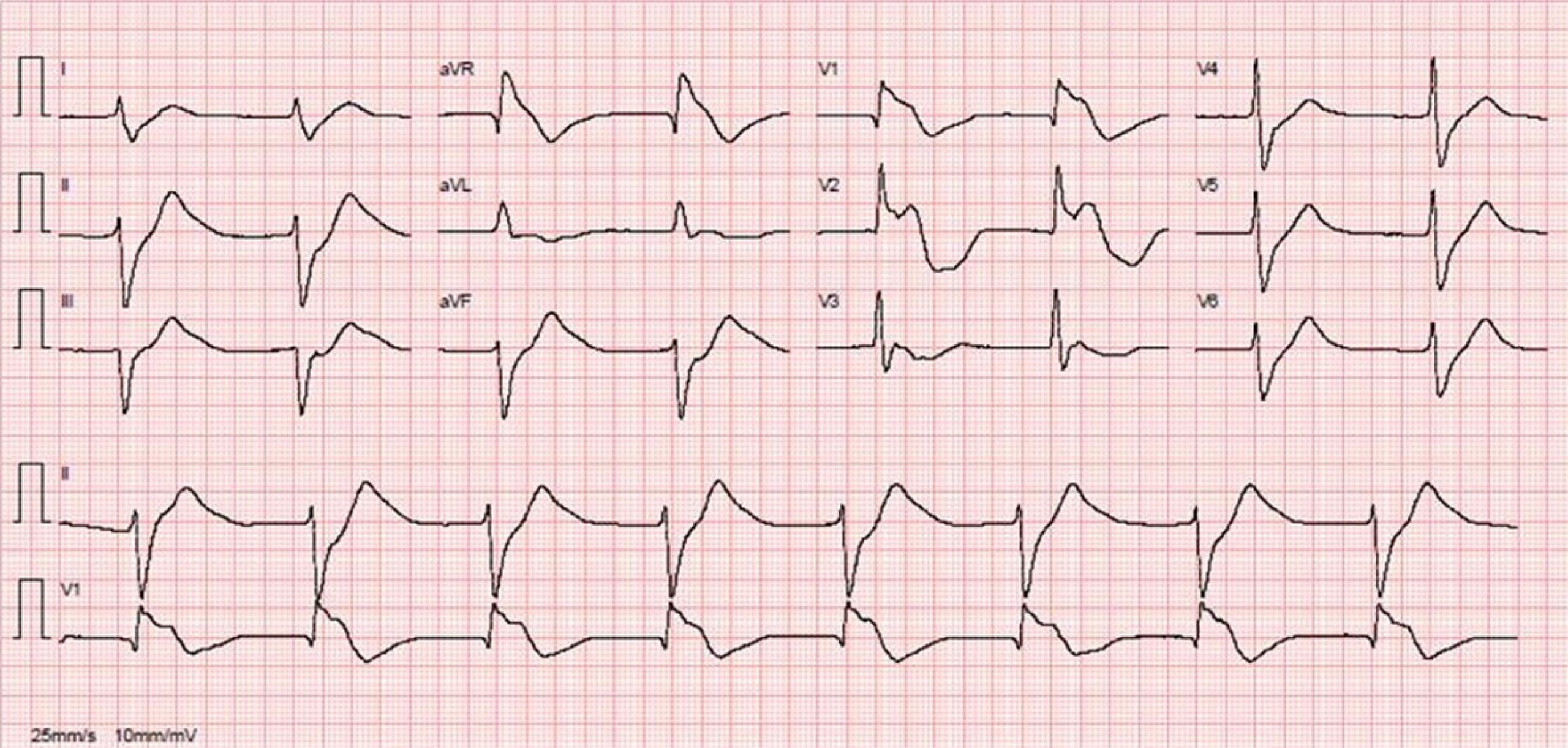
Brugada syndrome (BrS) has a typical electrocardiographic pattern characterized by increased propensity for malignant ventricular arrhythmias and sudden death in patients with no structural heart disease.

[…]

  • Anti-Arrhythmia Agents
  • Arrhythmias Cardiac
  • Brugada syndrome/genetic
  • Death, Sudden, Cardiac
  • Electrocardiography
  • Propafenone
  • Suicide
Read Full Article
Creative Commons Attribution (CC BY) Creative Commons license
01/01/2019 DOI: 10.5935/2359-4802.20180079
Figure 1
ABC
Viewpoint

Sudden Death in Young Brazilian Athletes: Isn't It Time We Created a Genuinely National Register?

Lucas Helal et al. Filipe Ferrari Ricardo Stein

Abstract

Young competitive athletes (≤ 35 years old) with or without a previous diagnosis of cardiovascular disease may suddenly die in competitive activities, potentially leading to an impact in society through the media. Although the relative risk for sudden death (SD) in athletes is twice as high as for their counterparts, the absolute incidence is low. While there is consensus among medical societies worldwide that early detection of causal factors is highly desirable, there is debate among different screening schemes to that end. In Brazil, the recommendations of the Brazilian Society of Cardiology mirror the guidelines of the European Society of Cardiology (ESC), which indicate a clinical examination combined with a 12-lead resting electrocardiogram, regardless of the presence of risk factors. The possibility of genetic screening is also plausible, since most clinical entities that cause SD in young competitive athletes are related to genotype. Finally, considering the diversity of practiced sports, and the population miscegenation, we emphasize the need to a national registry of cases.

  • Adolescent
  • Athletes
  • Cardiovascular Diseases
  • Death, Sudden, Cardiac
  • Genotype
  • Youth Sports
Read Full Article
Creative Commons Attribution (CC BY) Creative Commons license
01/12/2018 DOI: 10.5935/abc.20180207 Views 1
ABC
Original Article

Association between Microvolt T-Wave Alternans and Malignant Ventricular Arrhythmias in Chagas Disease

Bárbara Carolina Silva Almeida et al. André Assis Lopes do Carmo Marco Paulo Tomaz Barbosa José Luiz Padilha da Silva Antonio Luiz Pinho Ribeiro

Abstract

Background:

Sudden cardiac death is the most frequent death mechanism in Chagas disease, responsible for 55% to 65% of the deaths of patients with chronic Chagas cardiomyopathy (CCC). The most often involved electrophysiological mechanisms are ventricular tachycardia and ventricular fibrillation. The implantable cardioverter defibrillator (ICD) has a beneficial role in preventing sudden death due to malignant ventricular arrhythmias, and, thus the correct identification of patients at risk is required. The association of microvolt T-wave alternans (MTWA) with the appearance of ventricular arrhythmias has been assessed in different heart diseases. The role of MTWA is mostly unknown in patients with CCC.

Objectives:

To evaluate the association between MTWA and the occurrence of malignant ventricular arrhythmias in patients with CCC.

Method:

This is a case-control study including patients with CCC and ICD, with history of malignant ventricular arrhythmias (case group), and patients with CCC and no history of those arrhythmias (control group). The MTWA test results were classified as negative and non-negative (positive and indeterminate). The significance level adopted was a = 0.05.

Results:

We recruited 96 patients, 45 cases (46.8%) and 51 controls (53.1%). The MTWA test was non-negative in 36/45 cases (80%) and 15/51 controls (29.4%) [OR = 9.60 (95%CI: 3.41 – 27.93)]. After adjustment for known confounding factors in a logistic regression model, the non-negative result continued to be associated with malignant ventricular arrhythmias [OR = 5.17 (95%CI: 1.05 – 25.51)].

Conclusion:

Patients with CCC and history of malignant ventricular arrhythmias more often have a non-negative MTWA test as compared to patients with no history of arrhythmia.

  • Arrhythmias, Cardiac/complications
  • Chagas Cardiomyopathy
  • Chagas disease
  • Death, Sudden, Cardiac
  • Defibrillators,Implantable
Read Full Article
Creative Commons Attribution (CC BY) Creative Commons license
09/04/2018 DOI: 10.5935/abc.20180056 Views 1
Figure 1
IJCS
Case Report

Biventricular Arrhythmogenic Cardiomyopathy: A New Paradigm?

João Augusto et al. João Abecasis Victor Gil

Abstract

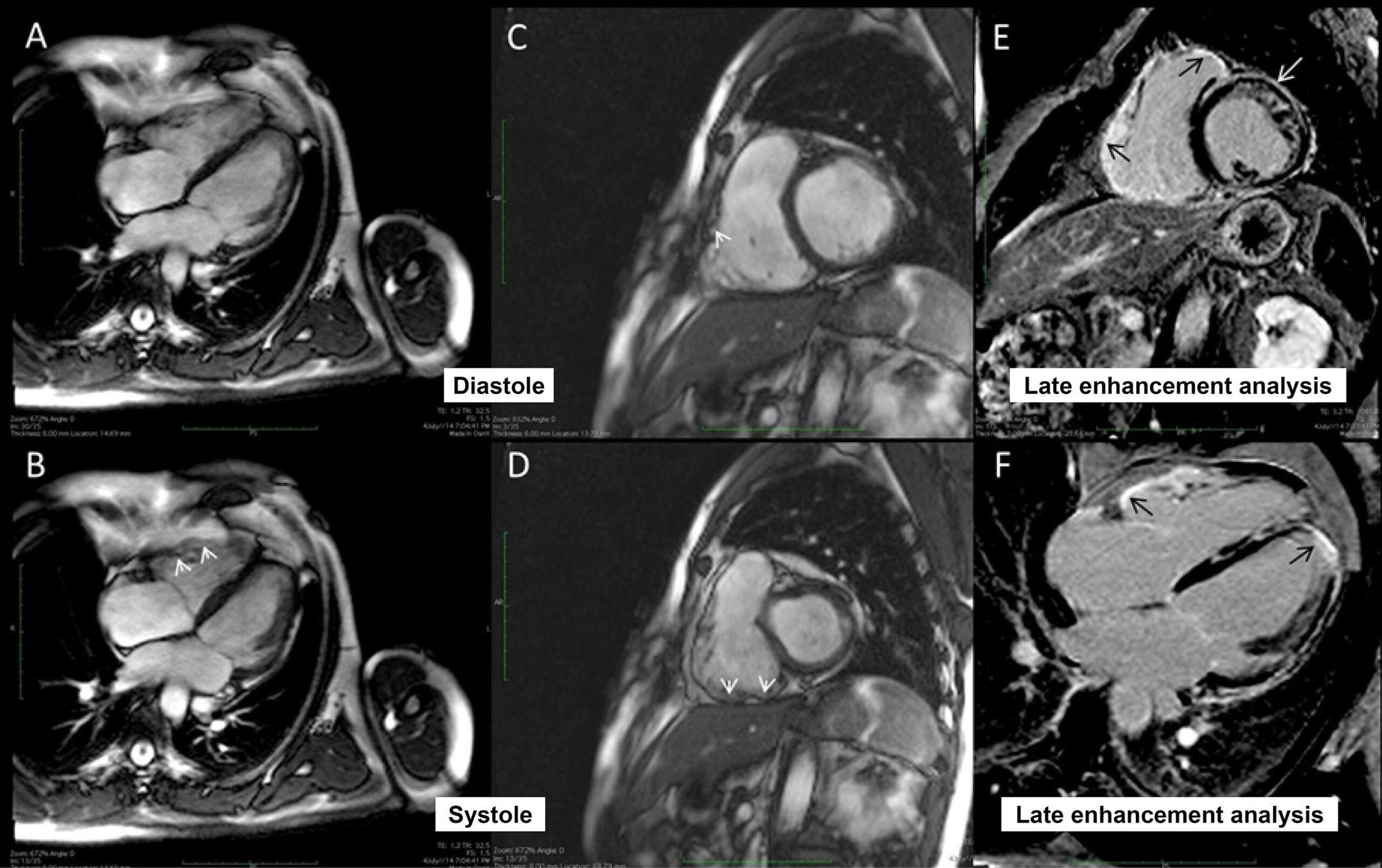
Arrhythmogenic right ventricular dysplasia is a classic form of chronic myocardial disease with a broad phenotypical spectrum. We report an atypical case of a patient with biventricular arrhythmogenic cardiomyopathy. Although the current diagnosis criteria are the most widely accepted ones, they focus solely on the right ventricular phenotype. The use of late gadolinium enhancement in cardiac magnetic resonance in this patient was essential for the diagnosis and assessment of the left ventricular involvement extent. This tool allows a broader use of current diagnosis criteria for this disease.

  • Arrhythmias Cardiac
  • Arrhythmogenic right ventricular dysplasia;
  • Cardiomyopathies
  • Death, Sudden, Cardiac
  • Magnetic Resonance Imaging
Read Full Article
Creative Commons Attribution (CC BY) Creative Commons license
01/01/2018 DOI: 10.5935/2359-4802.20180063
Figure 1
IJCS
Case Report

Monomorphic Ventricular Tachycardia as the First Manifestation in a Patient with Anomalous Coronary Artery

Júlio César Vieira de Sousa et al. Raiana Maciel Miranda Gabriela Melchuna Madruga Domitila Costa de Farias … Paula de Medeiros Nacácio e Silva Nastassja Morgana de Sousa Figueiredo

Introduction

Coronary artery anomalies comprise a heterogeneous group of rare congenital heart defects, being classified according to their origin, course and distal bed, with an incidence ranging between 0.3% and 1.5% in the overall population. Dodge-Khatami et al. subdivided them into seven categories, according to their clinical complexity: coronary arteries originating from the pulmonary artery, coronary arteries with anomalous aortic origin, congenital atresia of the left main coronary artery, coronary arteriovenous fistulas, coronary arteries forming myocardial bridges, coronary artery aneurysms and coronary stenosis. The Texas Children’s Hospital classification uses angiotomography with virtual angioscopy and divides the classification into three topics: origin of the anomalous coronary artery, coronary artery course and ostium morphology. From the viewpoint of anatomical risk, the anomalous left coronary artery with an interarterial course, presence of intramurality and a slit-like ostium are the main predictive factors of severity.–

A specific type is the anomalous origin of the left coronary artery from the right coronary sinus with an interarterial course, which is associated with hard outcomes in approximately 60% of the cases. Clinically, patients may present with nonspecific symptoms, ranging from palpitations, chest pain, post-exertion syncope or remain asymptomatic throughout life, with sudden death being the first and only manifestation of this condition.

[…]

  • Arrhythmias Cardiac
  • Coronary Vessel Anomalies
  • Death, Sudden, Cardiac
  • Tachycardia, Ventricular
Read Full Article
Creative Commons Attribution (CC BY) Creative Commons license
01/01/2018 DOI: 10.5935/2359-4802.20180057 Views 2
Figure 1
ABC
Review Article

Genetic Evaluation, Familial Screening and Exercise

Ricardo Stein et al. Juan Pablo Trujillo Anderson Donelli da Silveira Arsonval Lamounier Júnior Lorenzo Monserrat Iglesias

Introduction

Regular physical activity practice benefits individuals of all ages, sexes and ethnicities. If on one hand the practice of moderate exercise is considered a healthy activity that favors the cardiovascular system, on the other, high-intensity exercise for a long period can increase the risk for sudden death (SD). Even considering the huge number of individuals exercising daily, SD in that context is rare. However, the prevention of SD can be difficult and it has significant repercussion, mainly among young practitioners of leisure exercise or athletes. From the epidemiological viewpoint, cardiac SD affects 200,000 to 400,000 individuals in the United States of America (USA) annually. In the sports scenario, around 200 athletes per year are estimated to have a fatal event. In Spain, the national registry of SD in athletes reported 180 cases from 1995 to 2007, suggesting an incidence of 15 to 20 cases per year.

For athletes, preparticipation evaluation (PPE) is indicated, and can be effective in preventing cardiac SD in that context. However, that type of screening has great variability between different countries and entities that perform it. In the sports context, genetic evaluation is performed only in specific cases.

[…]

  • Death, Sudden, Cardiac
  • Exercise
  • Genetics
  • Genotype
  • Heredity
  • Sports Medicine
Read Full Article
Creative Commons Attribution (CC BY) Creative Commons license
06/03/2017 DOI: 10.5935/abc.20170015 Views 3
Figure 1
ABC
Case Report

Rare Association of two Genetic Causes of Sudden Death in a Young Survivor

Dulce Brito et al. Andreia Magalhães Nuno Cortez-Dias Gabriel Miltenberger-Miltenyi

Introduction

Sudden cardiac arrest (SCA) in young adults is frequently caused by inherited cardiac diseases, particularly cardiomyopathies and ion channelopathies. Genetic testing can be essential in the follow-up of survivors and today´s genetic diagnostics may include the parallel analysis of several SCA related genes, most commonly those associated with ion channelopathies and hypertrophic cardiomyopathy (HC). We present the case of a young survivor of SCA, carrier of double heterozygosity for mutations in the SNC5A and MYBPC3 genes, illustrating the complexity of genotype-phenotype associations and the difficulties of decisions regarding therapeutic interventions in inherited cardiac diseases.

[…]

  • Adolescent
  • Brugada Syndrome
  • Cardiomyopathy, Hypertrophic, Familial
  • Death, Sudden, Cardiac
Read Full Article
Creative Commons Attribution (CC BY) Creative Commons license
01/02/2017 DOI: 10.5935/abc.20170016 Views 1
ABC
Original Article

Association between Clinical and Doppler Echocardiographic Parameters with Sudden Death in Hemodialysis Patients

Silvio Henrique Barberato et al. Sérgio Gardano Elias Bucharles Marcia Ferreira Alves Barberato Roberto Pecoits-Filho

Abstract

Background:

Sudden cardiac death (SCD) is the leading cause of death in maintenance hemodialysis (HD) patients, but there is little information about underlying risk factors.

Objectives:

Evaluate the association between clinical and echocardiographic variables with SCD on HD patients.

Methods:

Retrospective nested case-control study on chronic HD patients who were prospectively followed. The primary endpoint was SCD. Variables were compared by Student t test, Mann-Whitney or Chi-Square, and independent predictors of SCD were evidenced by multivariate logistic regression.

Results:

We followed 153 patients (50 ± 15 years, 58% men) for 23 ± 14 months and observed 35 deaths, 17 of which were SCD events. When compared to the control group (matched for gender, age, and body mass index) there were no differences regarding time on dialysis, traditional biochemical parameters, blood pressure, smoking, use of cardiovascular protective drugs, ejection fraction, left ventricular dimensions, and diastolic function indices. On the other hand, in the SCD group, we found a higher prevalence of previous heart failure, acute myocardial infarction and diabetes, greater left ventricular mass index, greater left atrial size and lower global myocardial performance. After multivariate logistic regression analysis, diabetes (OR = 2.6; CI = 1.3-7.5; p = 0.023) and left ventricular mass index ≥ 101 g/m2.7 (OR = 1.04; CI = 1.01-1.08; p = 0.028) showed independent association with SCD events.

Conclusions:

HD patients with diabetes mellitus and left ventricular hypertrophy appear to have the highest risk of SCD. Preventive and therapeutic strategies should be encouraged in addressing these risk factors to minimize the occurrence of SCD in HD patients.

  • Death, Sudden, Cardiac
  • Echocardiography, Doppler
  • Hypertrophy Left Ventricular
  • renal dialysis
  • Risk Factors
Read Full Article
Creative Commons Attribution (CC BY) Creative Commons license
11/07/2016 DOI: 10.5935/abc.20160098 Views 1
ABC
Viewpoint

Sudden Death in Brazil: Epilepsy Should be in Horizon

Fulvio Scorza et al. Paulo José Ferreira Tucci

To date, a considerable amount of valuable information about the problem of sudden cardiac death (SCD) has been described. The incidence of SCD in the United States ranges between 180000-400000 cases per year. Martinelli et al demonstrated an incidence of 21270 cases of SCD per year in the Metropolitan Area of São Paulo. Recently, Braggion-Santos et al. described the characteristics of SCD in Ribeirão Preto, Brazil, according to autopsy reports. Revising 4501 autopsies, they identified 899 cases of SCD (20%); the rate was 30/100000 residents/year. The vast majority of SCD cases involved coronary artery disease (64%). Based on available scientific knowledge related to SCD, it is extremely important to identify new areas of research that might improve understanding of this problem and to establish effective preventive measures to minimize or even control the occurrence of SCD.

Although studies have shown that the increase in the number of SCD caused by a combination of factors,, an equally important risk factor for SCD which is not reported and not explored in cardiologic research is epilepsy. Indeed, a series of data could be put forward to explain it.

[…]

  • Coronary Artery Disease / mortality
  • Death, Sudden / prevention & control
  • Death, Sudden, Cardiac
  • Epilepsy / mortality
Read Full Article
Creative Commons Attribution (CC BY) Creative Commons license
01/08/2015 DOI: 10.5935/abc.20150072
Figure 1
ABC
Original Article

Death and Disability in Patients with Sleep Apnea – A Meta-analysis

Maria Inês Pires Fonseca et al. Telmo Pereira Paulo Caseiro

Background:

Several studies have been attempting to ascertain the risks of Sleep Apnea Syndrome (SAS) and its morbidity and mortality.

Objective:

The main objective was to verify whether SAS increases the risk of death; the secondary objective was to evaluate its morbidity in relation to cardiovascular disease and the number of days hospitalized.

Methods:

A systematic review and a meta-analysis were performed of the published literature. The research focused on studies comparing the number of deaths in patients with untreated SAS and in patients with non-SAS.

Results:

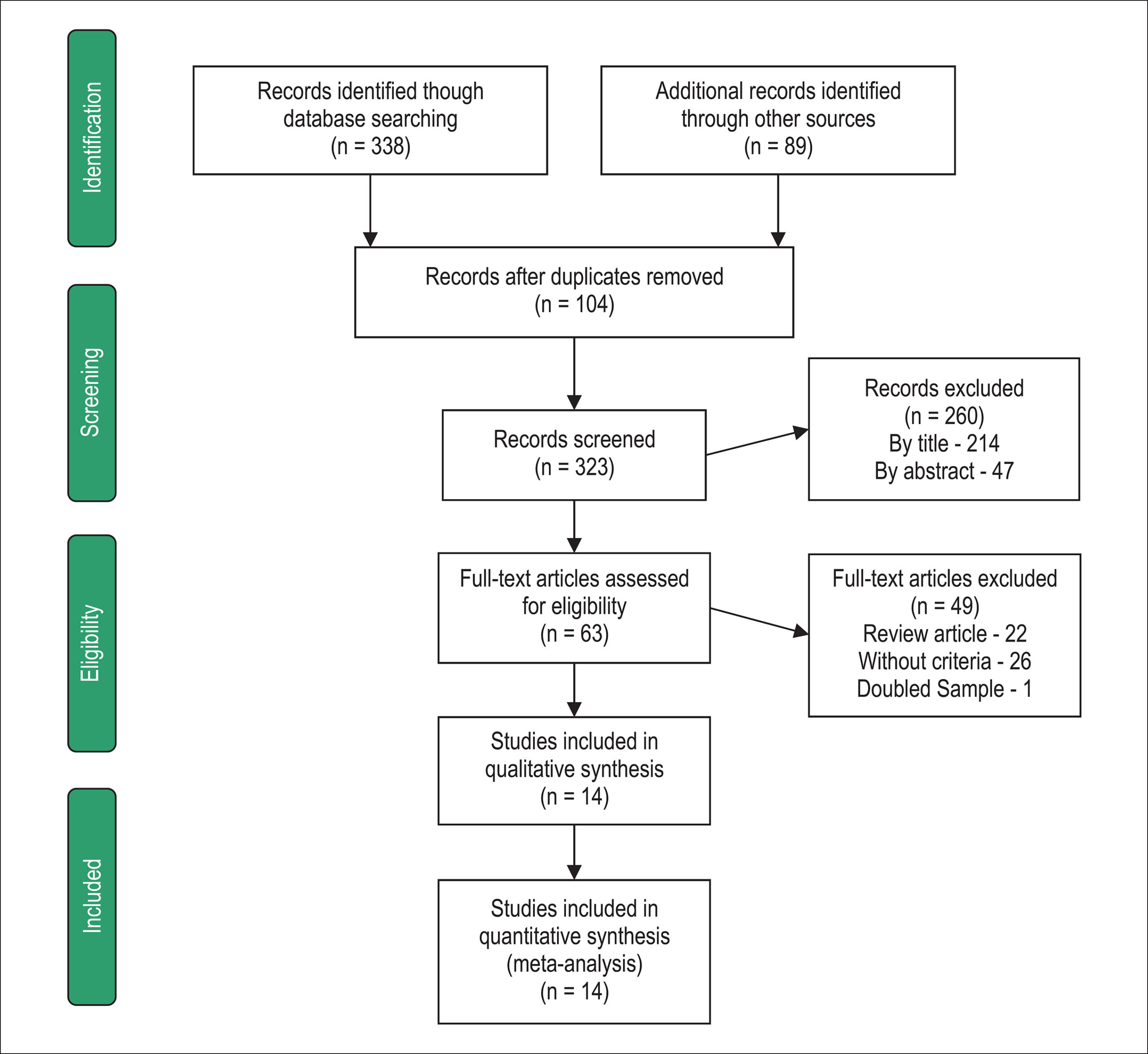
The meta-analysis was based on 13 articles, corresponding to a total of 13394 participants divided into two groups (non-SAS = 6631; SAS = 6763). The meta-analysis revealed a clear association of SAS with the occurrence of fatal events, where the presence of SAS corresponded to a 61% higher risk of total mortality (OR=1.61; CI: 1.43 – 1.81; p < 0.00001), while the risk of death from cardiac causes was 2.52 times higher in these patients (OR = 2.52; IC: 1.80 – 3.52; p < 0.00001). Similar results were obtained for mortality from other causes (OR = 1.68; CI: 1.08 – 2.61; p = 0.02). Resembling results were obtained in the remaining outcomes: non-fatal cardiovascular events were higher in the SAS group (OR = 2.46; IC: 1.80 – 3.36; p < 0.00001), the average number of days hospitalized was also higher in the SAS group (IV = 18.09; IC: 13.34 – 22.84; p < 0.00001).

Conclusion:

The results show that untreated SAS significantly increases the risk of death, cardiovascular events and the average number of days hospitalized.

  • Death, Sudden, Cardiac
  • Sleep Apnea Sindromes / mortality
  • Sleep Disorders / mortality
Read Full Article
Creative Commons Attribution (CC BY) Creative Commons license
18/11/2014 DOI: 10.5935/abc.20140172
Graph 1
ABC
Review Article

Stratification of the Risk of Sudden Death in Nonischemic Heart Failure

Maurício Pimentel et al. Leandro Ioschpe Zimerman Luis Eduardo Rohde

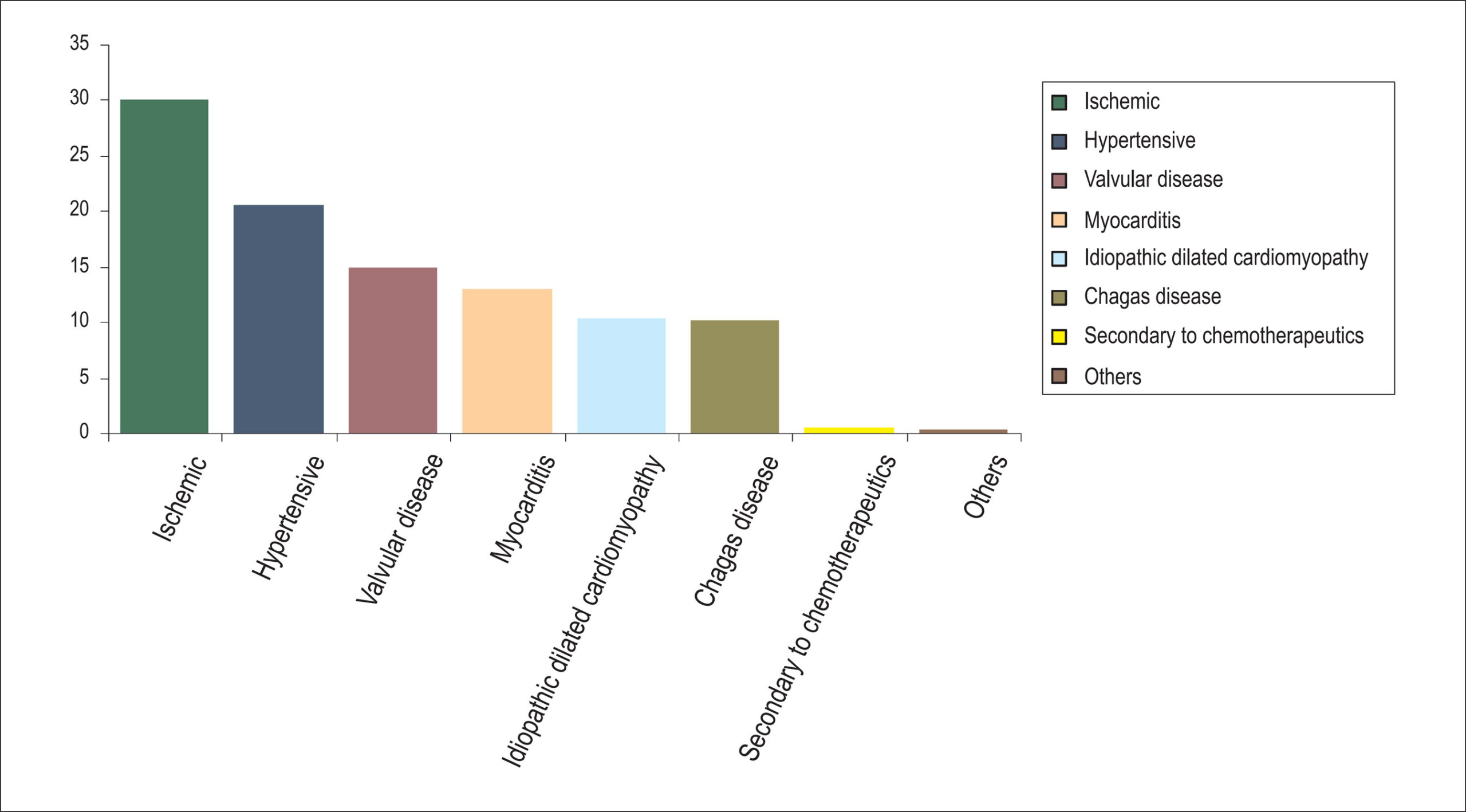
Despite significant therapeutic advancements, heart failure remains a highly prevalent clinical condition associated with significant morbidity and mortality. In 30%-40% patients, the etiology of heart failure is nonischemic. The implantable cardioverter-defibrillator (ICD) is capable of preventing sudden death and decreasing total mortality in patients with nonischemic heart failure. However, a significant number of patients receiving ICD do not receive any kind of therapy during follow-up. Moreover, considering the situation in Brazil and several other countries, ICD cannot be implanted in all patients with nonischemic heart failure. Therefore, there is an urgent need to identify patients at an increased risk of sudden death because these would benefit more than patients at a lower risk, despite the presence of heart failure in both risk groups. In this study, the authors review the primary available methods for the stratification of the risk of sudden death in patients with nonischemic heart failure.

  • Death, Sudden, Cardiac
  • Defibrillators, Implantable
  • Heart Failure / mortality
Read Full Article
Creative Commons Attribution (CC BY) Creative Commons license
29/08/2014 DOI: 10.5935/abc.20140125 Views 2
Investigation of ion channel gene variants in patients with long QT syndrome
ABC
Artigo Original

Investigation of ion channel gene variants in patients with long QT syndrome

Ernesto Curty et al. Fernando Eugênio dos Santos Cruz Fabiane Santos Lima Jorge Luiz Albuquerque Coutinho … Rosane Silva Turán Peter Ürményi Antônio Carlos Campos Carvalho Edson Rondinelli

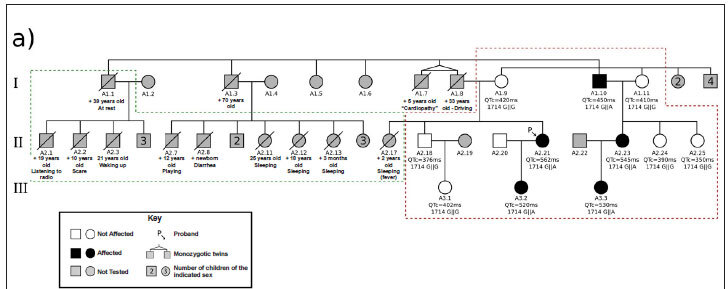
BACKGROUND: The long QT syndrome (LQTS) is an inherited arrhythmia syndrome with increased QT interval and risk of sudden death. Mutations in genes KCNQ1, KCNH2 and SCN5A account for 90% of cases with genotype determined, and genotyping is informative for genetic counseling and better disease management. OBJECTIVE: Molecular investigation and computational analysis of gene variants of KCNQ1, KCNH2 and SCN5A associated with LQTS, in families with the disease. METHODS: The coding regions of genes KCNQ1, KCNH2 and SCN5A in patients with LQTS and their family members were sequenced and analyzed using Geneious ProTM software. RESULTS: Two families with clinical criteria for LQTS were investigated. The proband of Family A had QTC = 562 ms, Schwartz Score = 5.5. The genotyping identified the G1714A mutation in the KCNH2 gene. QTC = 521 ± 42 ms was observed in family members carrying the mutation against QTC = 391 ± 21 ms for non-carriers. The proband of Family B had QTc = 551 ms, Schwartz Score = 5.5. The genotyping identified the G1600T mutation, in the same gene. The analysis of family members revealed QTC = 497 ± 42 ms in mutation carriers, compared with QTC = 404 ± 29 ms in non-carriers. CONCLUSION: Two gene variants previously associated with LQTS were found in two families clinically diagnosed with LQTS. The prolongation of the QT interval was observed in all family members carrying the mutations. A strategy was developed to identify variants of genes KCNQ1, KCNH2 and SCN5A, making it possible to train technical staff for future application to diagnosis routine.

  • Death, Sudden, Cardiac
  • ion channels
  • Long QT Syndrome
  • mutation
Read Full Article
Creative Commons Attribution (CC BY) Creative Commons license
04/02/2011 DOI: 10.1590/S0066-782X2011005000015
ICD patients with elevated defibrillation threshold: clinical behavior and therapeutic alternatives
ABC
Artigo Original

ICD patients with elevated defibrillation threshold: clinical behavior and therapeutic alternatives

Carlos Eduardo Batista de Lima et al. Martino Martinelli Filho Rodrigo Tavares Silva Wagner Tetsuji Tamaki … Júlio Cesar de Oliveira Daniela Cabral Martins Silvana Angelina D'Orio Nishióka Anísio Alexandre Andrade Pedrosa Sérgio Freitas Siqueira Roberto Costa

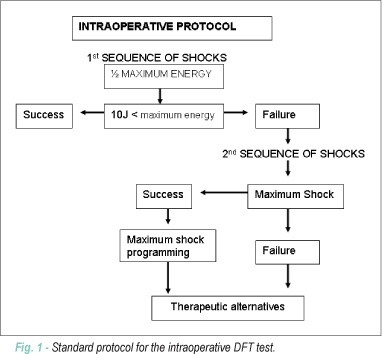
BACKGROUND: The ideal programming of the implantable cardioverter defibrillator (ICD) shock energy should be at least 10J above the defibrillation threshold (DFT), requiring alternative techniques when the DFT is elevated. OBJECTIVE: To assess the clinical behavior of ICD patients with DFT>25J and the efficacy of the chosen therapy. METHODS: Patients who had undergone ICD implantation between Jan/00 and Aug/04 (prospective database) and presented intraoperative DFT>25J were selected. The analyzed variables were: clinical characteristics, LVEF, rescue of arrhythmic events from ICD and causes of deaths. RESULTS: among 476 patients, 16 (3.36%) presented DFT>25J. The mean age was 56.5 years, and 13 patients (81%) were men. According to the baseline cardiomyopathy, 09 patients had Chagas’ disease, 04 had ischemic cardiomyopathy and 03 had idiopathic cardiomyopathy. Mean LVEF was 0.37 and amiodarone was used by 94% of the patients. Mean follow-up (FU) period was 25.3 months. DFT was higher than maximum energy shock (MES) in 2 patients and it was necessary to implant an additional shock electrode (array). It was programmed MES in ventricular fibrillation zone of ICD therapy in the other patients. In the FU, 03 patients had 67 successful appropriate shock therapies (AST). There were 05 noncardiac and 02 heart failure deaths. The patients who died showed higher DFT levels (p=0.044) without correlation with death because there wasn’t unsuccessful AST. CONCLUSION: In this cohort of ICD patients, the occurrence of elevated DFT (>25J) was low, leading to alternative therapies. There was an association with severe ventricular dysfunction, although without correlation to the causes of death.

  • Death, Sudden, Cardiac
  • Defibrillation threshold
  • Defibrillators, Implantable
Read Full Article
Creative Commons Attribution (CC BY) Creative Commons license
27/03/2008 DOI: 10.1590/S0066-782X2008000300004 Views 2

How to cite this article

EndNote RIS

Electronic Document Format (Vancouver)

Garcia-Zamora S, Somani Z, Baranchuk A. You Can Only Improve What You Measure: The Importance of the Rapid Response Team in Improving Patient Care. International Journal of Cardiovascular Sciences 2026;39:e20250199.

Electronic Document Format (ABNT)

Garcia-Zamora, Sebastian; Somani, Zain; Baranchuk, Adrian. You Can Only Improve What You Measure: The Importance of the Rapid Response Team in Improving Patient Care. International Journal of Cardiovascular Sciences, v. 39, e20250199, Apr. 2026.

Electronic Document Format (APA)

Garcia-Zamora, S., Somani, Z., & Baranchuk, A. (2026). You Can Only Improve What You Measure: The Importance of the Rapid Response Team in Improving Patient Care. International Journal of Cardiovascular Sciences, 39, e20250199.

Electronic Document Format (ISO)

Garcia-Zamora, Sebastian and Somani, Zain and Baranchuk, Adrian. You Can Only Improve What You Measure: The Importance of the Rapid Response Team in Improving Patient Care. International Journal of Cardiovascular Sciences [online]. 2026, vol. 39, [cited 2026-10-14], e20250199. Available from: <https://journals.cardiol.br/en/article/you-can-only-improve-what-you-measure-the-importance-of-the-rapid-response-team-in-improving-patient-care/>. ISSN 2359-4802

EndNote RIS

Electronic Document Format (Vancouver)

Galvão Filho SS. Impact of the Implantable Cardioverter Defibrillator on the Lives of its Patients. Arquivos Brasileiros de Cardiologia 2024;121(4):e20240196.

Electronic Document Format (ABNT)

Galvão Filho, Silas dos Santos. Impact of the Implantable Cardioverter Defibrillator on the Lives of its Patients. Arquivos Brasileiros de Cardiologia, v. 121, n. 4, e20240196, Jul. 2024.

Electronic Document Format (APA)

Galvão Filho, S. S. (2024). Impact of the Implantable Cardioverter Defibrillator on the Lives of its Patients. Arquivos Brasileiros de Cardiologia, 121(4), e20240196.

Electronic Document Format (ISO)

Galvão Filho, Silas dos Santos. Impact of the Implantable Cardioverter Defibrillator on the Lives of its Patients. Arquivos Brasileiros de Cardiologia [online]. 2024, vol. 121, n. 4, [cited 2026-10-14], e20240196. Available from: <https://journals.cardiol.br/en/article/impact-of-the-implantable-cardioverter-defibrillator-on-the-lives-of-its-patients/>. ISSN 0066-782X

EndNote RIS

Electronic Document Format (Vancouver)

Saraiva F, Fernandes F, Romano MMD, Cardoso JN, Soliani MT, Bernardo MMM, Schmidt A, et al. Diagnosis and Treatment of Hypertrophic Cardiomyopathy. ABC Heart Fail Cardiomyop 2023;3(1):e20230040.

Electronic Document Format (ABNT)

Saraiva, Fernando; Fernandes, Fabio; Romano, Minna Moreira Dias; Cardoso, Juliano Novaes; Soliani, Marília Taily; Bernardo, Mariani Mendes Madisson; Schmidt, André; Simões, Marcus Vinicius. Diagnosis and Treatment of Hypertrophic Cardiomyopathy. ABC Heart Fail Cardiomyop, v. 3, n. 1, e20230040, Jul. 2023.

Electronic Document Format (APA)

Saraiva, F., Fernandes, F., Romano, M. M. D., Cardoso, J. N., Soliani, M. T., Bernardo, M. M. M., Schmidt, A., & Simões, M. V. (2023). Diagnosis and Treatment of Hypertrophic Cardiomyopathy. ABC Heart Fail Cardiomyop, 3(1), e20230040.

Electronic Document Format (ISO)

Saraiva, Fernando and Fernandes, Fabio and Romano, Minna Moreira Dias and Cardoso, Juliano Novaes and Soliani, Marília Taily and Bernardo, Mariani Mendes Madisson and Schmidt, André and Simões, Marcus Vinicius. Diagnosis and Treatment of Hypertrophic Cardiomyopathy. ABC Heart Fail Cardiomyop [online]. 2023, vol. 3, n. 1, [cited 2026-10-14], e20230040. Available from: <https://journals.cardiol.br/en/article/diagnosis-and-treatment-of-hypertrophic-cardiomyopathy/>

EndNote RIS

Electronic Document Format (Vancouver)

Oliveira MAR, Nascimento TA, Feitosa-Filho GS, Ritt LEF, Cruz CMS, Rocha MS. Dysautonomia Evaluation by Holter in Chagas Heart Disease. International Journal of Cardiovascular Sciences 2022;35(6):708-17.

Electronic Document Format (ABNT)

Oliveira, Michele Alves Rocha de; Nascimento, Thais Aguiar; Feitosa-Filho, Gilson Soares; Ritt, Luiz Eduardo Fonteles; Cruz, Constança Margarida Sampaio; Rocha, Mário de Seixas. Dysautonomia Evaluation by Holter in Chagas Heart Disease. International Journal of Cardiovascular Sciences, v. 35, n. 6, p. 708-717, May. 2022.

Electronic Document Format (APA)

Oliveira, M. A. R. , Nascimento, T. A., Feitosa-Filho, G. S., Ritt, L. E. F., Cruz, C. M. S., & Rocha, M. S. (2022). Dysautonomia Evaluation by Holter in Chagas Heart Disease. International Journal of Cardiovascular Sciences, 35(6), 708-717.

Electronic Document Format (ISO)

Oliveira, Michele Alves Rocha de and Nascimento, Thais Aguiar and Feitosa-Filho, Gilson Soares and Ritt, Luiz Eduardo Fonteles and Cruz, Constança Margarida Sampaio and Rocha, Mário de Seixas. Dysautonomia Evaluation by Holter in Chagas Heart Disease. International Journal of Cardiovascular Sciences [online]. 2022, vol. 35, n. 6, [cited 2026-10-14], pp. 708-717. Available from: <https://journals.cardiol.br/en/article/dysautonomia-evaluation-by-holter-in-chagas-heart-disease/>. ISSN 2359-4802

EndNote RIS

Electronic Document Format (Vancouver)

Dumont CA, Liprandi MIS. Ventricular Arrythmias in Cardiac Amyloidosis: It is Possible to Prevent Sudden Death?. Phenomenology, Humanities and Sciences – Fenomenologia, Humanidades e Ciências 2021;1(2):103-11.

Electronic Document Format (ABNT)

Dumont, Carlos A.; Liprandi, María Inés Sosa. Ventricular Arrythmias in Cardiac Amyloidosis: It is Possible to Prevent Sudden Death?. Phenomenology, Humanities and Sciences – Fenomenologia, Humanidades e Ciências, v. 1, n. 2, p. 103-111, Dec. 2021.

Electronic Document Format (APA)

Dumont, C. A., & Liprandi, M. I. S. (2021). Ventricular Arrythmias in Cardiac Amyloidosis: It is Possible to Prevent Sudden Death?. Phenomenology, Humanities and Sciences – Fenomenologia, Humanidades e Ciências, 1(2), 103-111.

Electronic Document Format (ISO)

Dumont, Carlos A. and Liprandi, María Inés Sosa. Ventricular Arrythmias in Cardiac Amyloidosis: It is Possible to Prevent Sudden Death?. Phenomenology, Humanities and Sciences – Fenomenologia, Humanidades e Ciências [online]. 2021, vol. 1, n. 2, [cited 2026-10-14], pp. 103-111. Available from: <https://journals.cardiol.br/en/article/ventricular-arrythmias-in-cardiac-amyloidosis-it-is-possible-to-prevent-sudden-death/>

EndNote RIS

Electronic Document Format (Vancouver)

Amado LC. Myocardial Scar and Ventricular Repolarization on the electrocardiogram: Insights from Cardiac Magnetic Resonance Imaging. Arquivos Brasileiros de Cardiologia 2021;117(4):688-9.

Electronic Document Format (ABNT)

Amado, Luciano C.. Myocardial Scar and Ventricular Repolarization on the electrocardiogram: Insights from Cardiac Magnetic Resonance Imaging. Arquivos Brasileiros de Cardiologia, v. 117, n. 4, p. 688-689, Oct. 2021.

Electronic Document Format (APA)

Amado, L. C. (2021). Myocardial Scar and Ventricular Repolarization on the electrocardiogram: Insights from Cardiac Magnetic Resonance Imaging. Arquivos Brasileiros de Cardiologia, 117(4), 688-689.

Electronic Document Format (ISO)

Amado, Luciano C.. Myocardial Scar and Ventricular Repolarization on the electrocardiogram: Insights from Cardiac Magnetic Resonance Imaging. Arquivos Brasileiros de Cardiologia [online]. 2021, vol. 117, n. 4, [cited 2026-10-14], pp. 688-689. Available from: <https://journals.cardiol.br/en/article/myocardial-scar-and-ventricular-repolarization-on-the-electrocardiogram-insights-from-cardiac-magnetic-resonance-imaging/>. ISSN 0066-782X

EndNote RIS

Electronic Document Format (Vancouver)

Spineti PPM, Sá RSS, Wajsbrot BR. The Challenge of Assessing Sudden Cardiac Death Risk in Patients with Nonischemic Heart Failure. Arquivos Brasileiros de Cardiologia 2021;117(3):542-3.

Electronic Document Format (ABNT)

Spineti, Pedro Pimenta de Mello; Sá, Rodrigo Souto da Silva; Wajsbrot, Bruno Reznik. The Challenge of Assessing Sudden Cardiac Death Risk in Patients with Nonischemic Heart Failure. Arquivos Brasileiros de Cardiologia, v. 117, n. 3, p. 542-543, Sep. 2021.

Electronic Document Format (APA)

Spineti, P. P. M., Sá, R. S. S., & Wajsbrot, B. R. (2021). The Challenge of Assessing Sudden Cardiac Death Risk in Patients with Nonischemic Heart Failure. Arquivos Brasileiros de Cardiologia, 117(3), 542-543.

Electronic Document Format (ISO)

Spineti, Pedro Pimenta de Mello and Sá, Rodrigo Souto da Silva and Wajsbrot, Bruno Reznik. The Challenge of Assessing Sudden Cardiac Death Risk in Patients with Nonischemic Heart Failure. Arquivos Brasileiros de Cardiologia [online]. 2021, vol. 117, n. 3, [cited 2026-10-14], pp. 542-543. Available from: <https://journals.cardiol.br/en/article/the-challenge-of-assessing-sudden-cardiac-death-risk-in-patients-with-nonischemic-heart-failure/>. ISSN 0066-782X

EndNote RIS

Electronic Document Format (Vancouver)

Cardoso AF, Akamine MAV, Pessoa RM, Takitani ET, Kairiyama JV, Naritoni MK. Spiked Helmet Sign: An Atypical Case of Transient ST-Segment Elevation on ECG. Arquivos Brasileiros de Cardiologia 2021;116(6):1165-8.

Electronic Document Format (ABNT)

Cardoso, Acácio F.; Akamine, Marco Alexander V.; Pessoa, Rafael M.; Takitani, Elizabeth T.; Kairiyama, José V.; Naritoni, Manfredo K.. Spiked Helmet Sign: An Atypical Case of Transient ST-Segment Elevation on ECG. Arquivos Brasileiros de Cardiologia, v. 116, n. 6, p. 1165-1168, Jun. 2021.

Electronic Document Format (APA)

Cardoso, A. F., Akamine, M. A. V., Pessoa, R. M., Takitani, E. T., Kairiyama, J. V., & Naritoni, M. K. (2021). Spiked Helmet Sign: An Atypical Case of Transient ST-Segment Elevation on ECG. Arquivos Brasileiros de Cardiologia, 116(6), 1165-1168.

Electronic Document Format (ISO)

Cardoso, Acácio F. and Akamine, Marco Alexander V. and Pessoa, Rafael M. and Takitani, Elizabeth T. and Kairiyama, José V. and Naritoni, Manfredo K.. Spiked Helmet Sign: An Atypical Case of Transient ST-Segment Elevation on ECG. Arquivos Brasileiros de Cardiologia [online]. 2021, vol. 116, n. 6, [cited 2026-10-14], pp. 1165-1168. Available from: <https://journals.cardiol.br/en/article/spiked-helmet-sign-an-atypical-case-of-transient-st-segment-elevation-on-ecg/>. ISSN 0066-782X

EndNote RIS

Electronic Document Format (Vancouver)

Wherry K, Holbrook R, Higuera L, Fujii F, Rodriguez DA. Cost-Effectiveness Analysis of Implantable Cardioverter Defibrillator Therapy for Primary Prevention Patients with Additional Risk Factors in Brazil. International Journal of Cardiovascular Sciences 2021;34(6):692-701.

Electronic Document Format (ABNT)

Wherry, Kael; Holbrook, Reece; Higuera, Lucas; Fujii, Francis; Rodriguez, Diego A.. Cost-Effectiveness Analysis of Implantable Cardioverter Defibrillator Therapy for Primary Prevention Patients with Additional Risk Factors in Brazil. International Journal of Cardiovascular Sciences, v. 34, n. 6, p. 692-701, May. 2021.

Electronic Document Format (APA)

Wherry, K., Holbrook, R., Higuera, L., Fujii, F., & Rodriguez, D. A. (2021). Cost-Effectiveness Analysis of Implantable Cardioverter Defibrillator Therapy for Primary Prevention Patients with Additional Risk Factors in Brazil. International Journal of Cardiovascular Sciences, 34(6), 692-701.

Electronic Document Format (ISO)

Wherry, Kael and Holbrook, Reece and Higuera, Lucas and Fujii, Francis and Rodriguez, Diego A.. Cost-Effectiveness Analysis of Implantable Cardioverter Defibrillator Therapy for Primary Prevention Patients with Additional Risk Factors in Brazil. International Journal of Cardiovascular Sciences [online]. 2021, vol. 34, n. 6, [cited 2026-10-14], pp. 692-701. Available from: <https://journals.cardiol.br/en/article/cost-effectiveness-analysis-of-implantable-cardioverter-defibrillator-therapy-for-primary-prevention-patients-with-additional-risk-factors-in-brazil/>. ISSN 2359-4802

EndNote RIS

Electronic Document Format (Vancouver)

Oliveira NR, Oliveira WS, Porto AA, Mastrocola F, Novaes AE, Mendonça RM, Sousa JCV, et al. Cardiac Arrest and Exercise-Induced Polymorphic Ventricular Tachycardia: An Elusive Diagnosis. International Journal of Cardiovascular Sciences 2021;34(5):593-6.

Electronic Document Format (ABNT)

Oliveira, Nestor Rodrigues de; Oliveira, William Santos de; Porto, Adalberto Atsushi; Mastrocola, Fabio; Novaes, Ana Eloisa; Mendonça, Roberto Moreno; Sousa, Júlio César Vieira de. Cardiac Arrest and Exercise-Induced Polymorphic Ventricular Tachycardia: An Elusive Diagnosis. International Journal of Cardiovascular Sciences, v. 34, n. 5, p. 593-596, Jan. 2021.

Electronic Document Format (APA)

Oliveira, N. R. , Oliveira, W. S. , Porto, A. A., Mastrocola, F., Novaes, A. E., Mendonça, R. M., & Sousa, J. C. V. (2021). Cardiac Arrest and Exercise-Induced Polymorphic Ventricular Tachycardia: An Elusive Diagnosis. International Journal of Cardiovascular Sciences, 34(5), 593-596.

Electronic Document Format (ISO)

Oliveira, Nestor Rodrigues de and Oliveira, William Santos de and Porto, Adalberto Atsushi and Mastrocola, Fabio and Novaes, Ana Eloisa and Mendonça, Roberto Moreno and Sousa, Júlio César Vieira de. Cardiac Arrest and Exercise-Induced Polymorphic Ventricular Tachycardia: An Elusive Diagnosis. International Journal of Cardiovascular Sciences [online]. 2021, vol. 34, n. 5, [cited 2026-10-14], pp. 593-596. Available from: <https://journals.cardiol.br/en/article/cardiac-arrest-and-exercise-induced-polymorphic-ventricular-tachycardia-an-elusive-diagnosis/>. ISSN 2359-4802

EndNote RIS

Electronic Document Format (Vancouver)

Souza P, Herdy AH. Spontaneous Exercise-Related Coronary Artery Dissection among Young Patients Without Risk Factors or Atherosclerotic Disease. Arquivos Brasileiros de Cardiologia 2019;113(5):988-9.

Electronic Document Format (ABNT)

Souza, Pablo de; Herdy, Artur Haddad. Spontaneous Exercise-Related Coronary Artery Dissection among Young Patients Without Risk Factors or Atherosclerotic Disease. Arquivos Brasileiros de Cardiologia, v. 113, n. 5, p. 988-998, Dec. 2019.

Electronic Document Format (APA)

Souza, P. , & Herdy, A. H. (2019). Spontaneous Exercise-Related Coronary Artery Dissection among Young Patients Without Risk Factors or Atherosclerotic Disease. Arquivos Brasileiros de Cardiologia, 113(5), 988-998.

Electronic Document Format (ISO)

Souza, Pablo de and Herdy, Artur Haddad. Spontaneous Exercise-Related Coronary Artery Dissection among Young Patients Without Risk Factors or Atherosclerotic Disease. Arquivos Brasileiros de Cardiologia [online]. 2019, vol. 113, n. 5, [cited 2026-10-14], pp. 988-998. Available from: <https://journals.cardiol.br/en/article/spontaneous-exercise-related-coronary-artery-dissection-among-young-patients-without-risk-factors-or-atherosclerotic-disease/>. ISSN 0066-782X

EndNote RIS

Electronic Document Format (Vancouver)

Martins JL, Ferreira R, Viana J, Santos J. Brugada Pattern, Brugada Phenocopy, What to Think?. International Journal of Cardiovascular Sciences 2019;32(1):91-4.

Electronic Document Format (ABNT)

Martins, José Luis; Ferreira, Raquel; Viana, Jesus; Santos, José. Brugada Pattern, Brugada Phenocopy, What to Think?. International Journal of Cardiovascular Sciences, v. 32, n. 1, p. 91-94, Dec. 2018.

Electronic Document Format (APA)

Martins, J. L., Ferreira, R., Viana, J., & Santos, J. (2019). Brugada Pattern, Brugada Phenocopy, What to Think?. International Journal of Cardiovascular Sciences, 32(1), 91-94.

Electronic Document Format (ISO)

Martins, José Luis and Ferreira, Raquel and Viana, Jesus and Santos, José. Brugada Pattern, Brugada Phenocopy, What to Think?. International Journal of Cardiovascular Sciences [online]. 2019, vol. 32, n. 1, [cited 2026-10-14], pp. 91-94. Available from: <https://journals.cardiol.br/en/article/brugada-pattern-brugada-phenocopy-what-to-think/>. ISSN 2359-4802

EndNote RIS

Electronic Document Format (Vancouver)

Helal L, Ferrari F, Stein R. Sudden Death in Young Brazilian Athletes: Isn’t It Time We Created a Genuinely National Register?. Arquivos Brasileiros de Cardiologia 2018;111(6):856-9.

Electronic Document Format (ABNT)

Helal, Lucas; Ferrari, Filipe; Stein, Ricardo. Sudden Death in Young Brazilian Athletes: Isn’t It Time We Created a Genuinely National Register?. Arquivos Brasileiros de Cardiologia, v. 111, n. 6, p. 856-859, Nov. 2018.

Electronic Document Format (APA)

Helal, L., Ferrari, F., & Stein, R. (2018). Sudden Death in Young Brazilian Athletes: Isn’t It Time We Created a Genuinely National Register?. Arquivos Brasileiros de Cardiologia, 111(6), 856-859.

Electronic Document Format (ISO)

Helal, Lucas and Ferrari, Filipe and Stein, Ricardo. Sudden Death in Young Brazilian Athletes: Isn’t It Time We Created a Genuinely National Register?. Arquivos Brasileiros de Cardiologia [online]. 2018, vol. 111, n. 6, [cited 2026-10-14], pp. 856-859. Available from: <https://journals.cardiol.br/en/article/sudden-death-in-young-brazilian-athletes-isnt-it-time-we-created-a-genuinely-national-register/>. ISSN 0066-782X

EndNote RIS

Electronic Document Format (Vancouver)

Almeida BCS, Carmo AAL, Barbosa MPT, Silva JLP, Ribeiro ALP. Association between Microvolt T-Wave Alternans and Malignant Ventricular Arrhythmias in Chagas Disease. Arquivos Brasileiros de Cardiologia 2018;110(5):412-7.

Electronic Document Format (ABNT)

Almeida, Bárbara Carolina Silva; Carmo, André Assis Lopes do; Barbosa, Marco Paulo Tomaz; Silva, José Luiz Padilha da; Ribeiro, Antonio Luiz Pinho. Association between Microvolt T-Wave Alternans and Malignant Ventricular Arrhythmias in Chagas Disease. Arquivos Brasileiros de Cardiologia, v. 110, n. 5, p. 412-417, Apr. 2018.

Electronic Document Format (APA)

Almeida, B. C. S., Carmo, A. A. L. , Barbosa, M. P. T., Silva, J. L. P. , & Ribeiro, A. L. P. (2018). Association between Microvolt T-Wave Alternans and Malignant Ventricular Arrhythmias in Chagas Disease. Arquivos Brasileiros de Cardiologia, 110(5), 412-417.

Electronic Document Format (ISO)

Almeida, Bárbara Carolina Silva and Carmo, André Assis Lopes do and Barbosa, Marco Paulo Tomaz and Silva, José Luiz Padilha da and Ribeiro, Antonio Luiz Pinho. Association between Microvolt T-Wave Alternans and Malignant Ventricular Arrhythmias in Chagas Disease. Arquivos Brasileiros de Cardiologia [online]. 2018, vol. 110, n. 5, [cited 2026-10-14], pp. 412-417. Available from: <https://journals.cardiol.br/en/article/association-between-microvolt-t-wave-alternans-and-malignant-ventricular-arrhythmias-in-chagas-disease/>. ISSN 0066-782X

EndNote RIS

Electronic Document Format (Vancouver)

Augusto J, Abecasis J, Gil V. Biventricular Arrhythmogenic Cardiomyopathy: A New Paradigm?. International Journal of Cardiovascular Sciences 2018;31(6):667-71.

Electronic Document Format (ABNT)

Augusto, João; Abecasis, João; Gil, Victor. Biventricular Arrhythmogenic Cardiomyopathy: A New Paradigm?. International Journal of Cardiovascular Sciences, v. 31, n. 6, p. 667-671, Dec. 2017.

Electronic Document Format (APA)

Augusto, J., Abecasis, J., & Gil, V. (2018). Biventricular Arrhythmogenic Cardiomyopathy: A New Paradigm?. International Journal of Cardiovascular Sciences, 31(6), 667-671.

Electronic Document Format (ISO)

Augusto, João and Abecasis, João and Gil, Victor. Biventricular Arrhythmogenic Cardiomyopathy: A New Paradigm?. International Journal of Cardiovascular Sciences [online]. 2018, vol. 31, n. 6, [cited 2026-10-14], pp. 667-671. Available from: <https://journals.cardiol.br/en/article/biventricular-arrhythmogenic-cardiomyopathy-a-new-paradigm/>. ISSN 2359-4802

EndNote RIS

Electronic Document Format (Vancouver)

Sousa JCV, Miranda RM, Madruga GM, Farias DC, Silva PMN, Figueiredo NMS. Monomorphic Ventricular Tachycardia as the First Manifestation in a Patient with Anomalous Coronary Artery. International Journal of Cardiovascular Sciences 2018;31(5):551-5.

Electronic Document Format (ABNT)

Sousa, Júlio César Vieira de; Miranda, Raiana Maciel; Madruga, Gabriela Melchuna; Farias, Domitila Costa de; Silva, Paula de Medeiros Nacácio e; Figueiredo, Nastassja Morgana de Sousa. Monomorphic Ventricular Tachycardia as the First Manifestation in a Patient with Anomalous Coronary Artery. International Journal of Cardiovascular Sciences, v. 31, n. 5, p. 551-555, Dec. 2017.

Electronic Document Format (APA)

Sousa, J. C. V. , Miranda, R. M., Madruga, G. M., Farias, D. C. , Silva, P. M. N. , & Figueiredo, N. M. S. (2018). Monomorphic Ventricular Tachycardia as the First Manifestation in a Patient with Anomalous Coronary Artery. International Journal of Cardiovascular Sciences, 31(5), 551-555.

Electronic Document Format (ISO)

Sousa, Júlio César Vieira de and Miranda, Raiana Maciel and Madruga, Gabriela Melchuna and Farias, Domitila Costa de and Silva, Paula de Medeiros Nacácio e and Figueiredo, Nastassja Morgana de Sousa. Monomorphic Ventricular Tachycardia as the First Manifestation in a Patient with Anomalous Coronary Artery. International Journal of Cardiovascular Sciences [online]. 2018, vol. 31, n. 5, [cited 2026-10-14], pp. 551-555. Available from: <https://journals.cardiol.br/en/article/monomorphic-ventricular-tachycardia-as-the-first-manifestation-in-a-patient-with-anomalous-coronary-artery/>. ISSN 2359-4802

EndNote RIS

Electronic Document Format (Vancouver)

Stein R, Trujillo JP, Silveira AD, Lamounier Júnior A, Iglesias LM. Genetic Evaluation, Familial Screening and Exercise. Arquivos Brasileiros de Cardiologia 2017;108(3):263-70.

Electronic Document Format (ABNT)

Stein, Ricardo; Trujillo, Juan Pablo; Silveira, Anderson Donelli da; Lamounier Júnior, Arsonval; Iglesias, Lorenzo Monserrat. Genetic Evaluation, Familial Screening and Exercise. Arquivos Brasileiros de Cardiologia, v. 108, n. 3, p. 263-270, Mar. 2017.

Electronic Document Format (APA)

Stein, R., Trujillo, J. P., Silveira, A. D. , Lamounier Júnior, A., & Iglesias, L. M. (2017). Genetic Evaluation, Familial Screening and Exercise. Arquivos Brasileiros de Cardiologia, 108(3), 263-270.

Electronic Document Format (ISO)

Stein, Ricardo and Trujillo, Juan Pablo and Silveira, Anderson Donelli da and Lamounier Júnior, Arsonval and Iglesias, Lorenzo Monserrat. Genetic Evaluation, Familial Screening and Exercise. Arquivos Brasileiros de Cardiologia [online]. 2017, vol. 108, n. 3, [cited 2026-10-14], pp. 263-270. Available from: <https://journals.cardiol.br/en/article/genetic-evaluation-familial-screening-and-exercise/>. ISSN 0066-782X

EndNote RIS

Electronic Document Format (Vancouver)

Brito D, Magalhães A, Cortez-Dias N, Miltenberger-Miltenyi G. Rare Association of two Genetic Causes of Sudden Death in a Young Survivor. Arquivos Brasileiros de Cardiologia 2017;108(2):184-6.

Electronic Document Format (ABNT)

Brito, Dulce; Magalhães, Andreia; Cortez-Dias, Nuno; Miltenberger-Miltenyi, Gabriel. Rare Association of two Genetic Causes of Sudden Death in a Young Survivor. Arquivos Brasileiros de Cardiologia, v. 108, n. 2, p. 184-186, Jan. 2017.

Electronic Document Format (APA)

Brito, D., Magalhães, A., Cortez-Dias, N., & Miltenberger-Miltenyi, G. (2017). Rare Association of two Genetic Causes of Sudden Death in a Young Survivor. Arquivos Brasileiros de Cardiologia, 108(2), 184-186.

Electronic Document Format (ISO)

Brito, Dulce and Magalhães, Andreia and Cortez-Dias, Nuno and Miltenberger-Miltenyi, Gabriel. Rare Association of two Genetic Causes of Sudden Death in a Young Survivor. Arquivos Brasileiros de Cardiologia [online]. 2017, vol. 108, n. 2, [cited 2026-10-14], pp. 184-186. Available from: <https://journals.cardiol.br/en/article/rare-association-of-two-genetic-causes-of-sudden-death-in-a-young-survivor/>. ISSN 0066-782X

EndNote RIS

Electronic Document Format (Vancouver)

Barberato SH, Bucharles SGE, Barberato MFA, Pecoits-Filho R. Association between Clinical and Doppler Echocardiographic Parameters with Sudden Death in Hemodialysis Patients. Arquivos Brasileiros de Cardiologia 2016;107(2):124-30.

Electronic Document Format (ABNT)

Barberato, Silvio Henrique; Bucharles, Sérgio Gardano Elias; Barberato, Marcia Ferreira Alves; Pecoits-Filho, Roberto. Association between Clinical and Doppler Echocardiographic Parameters with Sudden Death in Hemodialysis Patients. Arquivos Brasileiros de Cardiologia, v. 107, n. 2, p. 124-130, Jul. 2016.

Electronic Document Format (APA)

Barberato, S. H., Bucharles, S. G. E., Barberato, M. F. A., & Pecoits-Filho, R. (2016). Association between Clinical and Doppler Echocardiographic Parameters with Sudden Death in Hemodialysis Patients. Arquivos Brasileiros de Cardiologia, 107(2), 124-130.

Electronic Document Format (ISO)

Barberato, Silvio Henrique and Bucharles, Sérgio Gardano Elias and Barberato, Marcia Ferreira Alves and Pecoits-Filho, Roberto. Association between Clinical and Doppler Echocardiographic Parameters with Sudden Death in Hemodialysis Patients. Arquivos Brasileiros de Cardiologia [online]. 2016, vol. 107, n. 2, [cited 2026-10-14], pp. 124-130. Available from: <https://journals.cardiol.br/en/article/association-between-clinical-and-doppler-echocardiographic-parameters-with-sudden-death-in-hemodialysis-patients/>. ISSN 0066-782X

EndNote RIS

Electronic Document Format (Vancouver)

Scorza F, Tucci PJF. Sudden Death in Brazil: Epilepsy Should be in Horizon. Arquivos Brasileiros de Cardiologia 2015;105(2):197-8.

Electronic Document Format (ABNT)

Scorza, Fulvio; Tucci, Paulo José Ferreira. Sudden Death in Brazil: Epilepsy Should be in Horizon. Arquivos Brasileiros de Cardiologia, v. 105, n. 2, p. 197-198, Jul. 2015.

Electronic Document Format (APA)

Scorza, F., & Tucci, P. J. F. (2015). Sudden Death in Brazil: Epilepsy Should be in Horizon. Arquivos Brasileiros de Cardiologia, 105(2), 197-198.

Electronic Document Format (ISO)

Scorza, Fulvio and Tucci, Paulo José Ferreira. Sudden Death in Brazil: Epilepsy Should be in Horizon. Arquivos Brasileiros de Cardiologia [online]. 2015, vol. 105, n. 2, [cited 2026-10-14], pp. 197-198. Available from: <https://journals.cardiol.br/en/article/sudden-death-in-brazil-epilepsy-should-be-in-horizon/>. ISSN 0066-782X

EndNote RIS

Electronic Document Format (Vancouver)

Fonseca MIP, Pereira T, Caseiro P. Death and Disability in Patients with Sleep Apnea – A Meta-analysis. Arquivos Brasileiros de Cardiologia 2014;104(1):58-66.

Electronic Document Format (ABNT)

Fonseca, Maria Inês Pires; Pereira, Telmo; Caseiro, Paulo. Death and Disability in Patients with Sleep Apnea – A Meta-analysis. Arquivos Brasileiros de Cardiologia, v. 104, n. 1, p. 58-66, Nov. 2014.

Electronic Document Format (APA)

Fonseca, M. I. P., Pereira, T., & Caseiro, P. (2014). Death and Disability in Patients with Sleep Apnea – A Meta-analysis. Arquivos Brasileiros de Cardiologia, 104(1), 58-66.

Electronic Document Format (ISO)

Fonseca, Maria Inês Pires and Pereira, Telmo and Caseiro, Paulo. Death and Disability in Patients with Sleep Apnea – A Meta-analysis. Arquivos Brasileiros de Cardiologia [online]. 2014, vol. 104, n. 1, [cited 2026-10-14], pp. 58-66. Available from: <https://journals.cardiol.br/en/article/death-and-disability-in-patients-with-sleep-apnea-a-meta-analysis/>. ISSN 0066-782X

EndNote RIS

Electronic Document Format (Vancouver)

Pimentel M, Zimerman LI, Rohde LE. Stratification of the Risk of Sudden Death in Nonischemic Heart Failure. Arquivos Brasileiros de Cardiologia 2014;103(4):348-57.

Electronic Document Format (ABNT)

Pimentel, Maurício; Zimerman, Leandro Ioschpe; Rohde, Luis Eduardo. Stratification of the Risk of Sudden Death in Nonischemic Heart Failure. Arquivos Brasileiros de Cardiologia, v. 103, n. 4, p. 348-357, Aug. 2014.

Electronic Document Format (APA)

Pimentel, M., Zimerman, L. I., & Rohde, L. E. (2014). Stratification of the Risk of Sudden Death in Nonischemic Heart Failure. Arquivos Brasileiros de Cardiologia, 103(4), 348-357.

Electronic Document Format (ISO)

Pimentel, Maurício and Zimerman, Leandro Ioschpe and Rohde, Luis Eduardo. Stratification of the Risk of Sudden Death in Nonischemic Heart Failure. Arquivos Brasileiros de Cardiologia [online]. 2014, vol. 103, n. 4, [cited 2026-10-14], pp. 348-357. Available from: <https://journals.cardiol.br/en/article/stratification-of-the-risk-of-sudden-death-in-nonischemic-heart-failure/>. ISSN 0066-782X

EndNote RIS

Electronic Document Format (Vancouver)

Curty E, Cruz FES, Lima FS, Coutinho JLA, Silva R, Ürményi TP, Carvalho ACC, et al. Investigation of ion channel gene variants in patients with long QT syndrome. Arquivos Brasileiros de Cardiologia 2011;96(3):172-8.

Electronic Document Format (ABNT)

Curty, Ernesto; Cruz, Fernando Eugênio dos Santos; Lima, Fabiane Santos; Coutinho, Jorge Luiz Albuquerque; Silva, Rosane; Ürményi, Turán Peter; Carvalho, Antônio Carlos Campos; Rondinelli, Edson. Investigation of ion channel gene variants in patients with long QT syndrome. Arquivos Brasileiros de Cardiologia, v. 96, n. 3, p. 172-178, Feb. 2011.

Electronic Document Format (APA)

Curty, E., Cruz, F. E. S., Lima, F. S., Coutinho, J. L. A., Silva, R., Ürményi, T. P., Carvalho, A. C. C., & Rondinelli, E. (2011). Investigation of ion channel gene variants in patients with long QT syndrome. Arquivos Brasileiros de Cardiologia, 96(3), 172-178.

Electronic Document Format (ISO)

Curty, Ernesto and Cruz, Fernando Eugênio dos Santos and Lima, Fabiane Santos and Coutinho, Jorge Luiz Albuquerque and Silva, Rosane and Ürményi, Turán Peter and Carvalho, Antônio Carlos Campos and Rondinelli, Edson. Investigation of ion channel gene variants in patients with long QT syndrome. Arquivos Brasileiros de Cardiologia [online]. 2011, vol. 96, n. 3, [cited 2026-10-14], pp. 172-178. Available from: <https://journals.cardiol.br/en/article/investigation-of-ion-channel-gene-variants-in-patients-with-long-qt-syndrome/>. ISSN 0066-782X

EndNote RIS

Electronic Document Format (Vancouver)

Lima CEB, Martinelli Filho M, Silva RT, Tamaki WT, Oliveira JC, Martins DC, Nishióka SAD, et al. ICD patients with elevated defibrillation threshold: clinical behavior and therapeutic alternatives. Arquivos Brasileiros de Cardiologia 2008;90(3):177-84.

Electronic Document Format (ABNT)

Lima, Carlos Eduardo Batista de; Martinelli Filho, Martino; Silva, Rodrigo Tavares; Tamaki, Wagner Tetsuji; Oliveira, Júlio Cesar de; Martins, Daniela Cabral; Nishióka, Silvana Angelina D’Orio; Pedrosa, Anísio Alexandre Andrade; Siqueira, Sérgio Freitas; Costa, Roberto. ICD patients with elevated defibrillation threshold: clinical behavior and therapeutic alternatives. Arquivos Brasileiros de Cardiologia, v. 90, n. 3, p. 177-184, Mar. 2008.

Electronic Document Format (APA)

Lima, C. E. B. , Martinelli Filho, M., Silva, R. T., Tamaki, W. T., Oliveira, J. C. , Martins, D. C., Nishióka, S. A. D., Pedrosa, A. A. A., Siqueira, S. F., & Costa, R. (2008). ICD patients with elevated defibrillation threshold: clinical behavior and therapeutic alternatives. Arquivos Brasileiros de Cardiologia, 90(3), 177-184.

Electronic Document Format (ISO)

Lima, Carlos Eduardo Batista de and Martinelli Filho, Martino and Silva, Rodrigo Tavares and Tamaki, Wagner Tetsuji and Oliveira, Júlio Cesar de and Martins, Daniela Cabral and Nishióka, Silvana Angelina D’Orio and Pedrosa, Anísio Alexandre Andrade and Siqueira, Sérgio Freitas and Costa, Roberto. ICD patients with elevated defibrillation threshold: clinical behavior and therapeutic alternatives. Arquivos Brasileiros de Cardiologia [online]. 2008, vol. 90, n. 3, [cited 2026-10-14], pp. 177-184. Available from: <https://journals.cardiol.br/en/article/icd-patients-with-elevated-defibrillation-threshold-clinical-behavior-and-therapeutic-alternatives/>. ISSN 0066-782X

  • About ABC Family
  • Internal Regulation
  • Editorial Board
  • Brazilian Society of Cardiology (SBC)

Issues

SBC Guidelines

  • Videos
  • Podcasts
  • News