ABC Family Arquivos Brasileiros de Cardiologia International Journal of Cardiovascular Sciences ABC Heart Failure & Cardiomyopathy ABC Imagem Cardiovascular
Português English
ABC Family
Português English
  • About
    • About ABC Family
    • Internal Regulation
    • Editorial Board
    • Brazilian Society of Cardiology (SBC)
  • Issues
  • SBC Guidelines
  • Content
    • Videos
    • Podcasts
    • News
  • About
    • About ABC Family
    • Internal Regulation
    • Editorial Board
    • Brazilian Society of Cardiology (SBC)
  • Issues
  • SBC Guidelines
  • Content
    • Videos
    • Podcasts
    • News

ABC Family

  • ABC Family
  • Arquivos Brasileiros de Cardiologia
  • International Journal of Cardiovascular Sciences
  • ABC Heart Failure & Cardiomyopathy
  • ABC Imagem Cardiovascular
Search in

No content found.

Journals
Ordering
Article types
Others

  1. Home
  2. Keyword: Brugada Syndrome
ABC
Letter to the Editor

Reflections on Survival Rates in Patients with Brugada Phenocopy

Gabriel Scarpioni Barbosa et al. José Nunes de Alencar Adrian Baranchuk

We read with great interest the article “Survival in Patients with Brugada Phenocopy. Case Series” by Fonseca et al. The authors describe a case series of patients with Brugada Phenocopy (BrP) and report in-hospital survival. We commend the authors for addressing an important topic related to BrP; however, we would like to comment on methodological considerations and propose recommendations that may strengthen interpretation and guide future BrP reports.

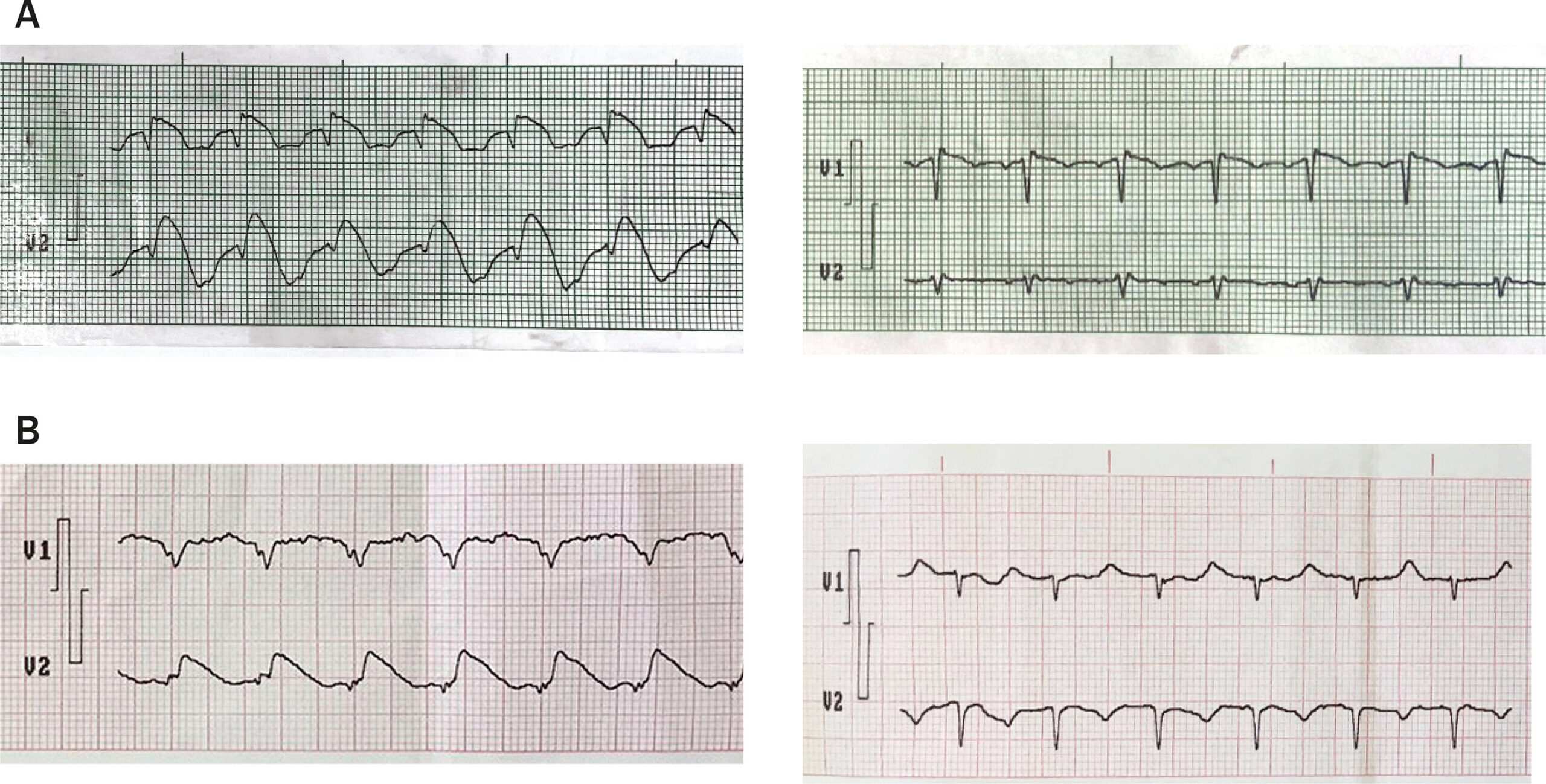
BrP refers to clinical conditions that lead to Brugada-ECG pattern (Br-ECGp) without the genetic substrate of Brugada Syndrome (BS) and an underlying condition that justifies the ECG change. The term was first used to describe the Br-ECGp caused by the propofol infusion syndrome; however, after several corrections to the concept, drugs that do block the sodium channels were no longer considered part of the BrP spectrum. BrP represents a diagnostic challenge even for experts. The mean accuracy to identify BrP based only on the 12-lead ECGs was 43±33% among 10 international experts. Therefore, the clinical context is essential to differentiate BrP from BS. Anselm et al. presented a systematic diagnostic criterion () for the diagnosis of BrP. Emphasis was placed on the recognition of the underlying clinical condition and the low pretest probability for BrP, in addition to the resolution of the Br-ECGp immediately after resolving the underlying condition. Based on the limited description provided by Fonseca et al., we cannot exclude the possibility that some cases represented concealed BS unmasked by hyperthermia or other triggers. This misclassification bias could alone skew the observed mortality.

[…]
  • Brugada Syndrome
  • Electrocardiography
  • Survival Rate
Read Full Article
Creative Commons Attribution (CC BY) Creative Commons license
14/11/2025 DOI: 10.36660/abc.20250330i Views 3
Figure 1
ABC
Research Letter

Survival in Patients with Brugada Phenocopy. Case Series

Luis Mariano De la Torre Fonseca et al. Robert Alarcón Cedeño Lileska Andreína Hernandez Bello Juan Díaz-Heredia … Diego Milton Pulla Quezada Rubén Andrés Guamán Castro Pablo Juan-Salvadores

Introduction

Brugada phenocopy (BP) refers to a situation in which the characteristic electrocardiographic patterns of Brugada syndrome (BS) are temporarily manifested, which are indistinguishable from the type 1 (coved) and 2 (saddleback) patterns of BS. Several additional criteria must be considered for an accurate diagnosis. These include the presence of an identifiable underlying cause, regression of the pattern once this cause is corrected, low pretest probability of BS, a negative result of a pharmacological induction test, and a negative genetic test.

Currently, the true mechanism that causes BP remains unknown. However, ST-segment elevation could be explained by the transmural gradient resulting from the loss of the action potential dome in the epicardium and not in the ventricular endocardium. This phenomenon originates from the transient increase in K outward currents (Ito) or the decrease in L-type Ca inward currents and peak Na currents in phase 1 of the action potential. Various reversible clinical conditions, such as disorders of the internal environment, mechanical compression, ischemia and pulmonary embolism, myocardial and pericardial diseases, among others, constitute its main etiologies.

[…]

  • Brugada Syndrome
  • Case Reports
  • ion channels
Read Full Article
Creative Commons Attribution (CC BY) Creative Commons license
31/03/2025 DOI: 10.36660/abc.20240526i
Figure 1
ABC
Research Letter

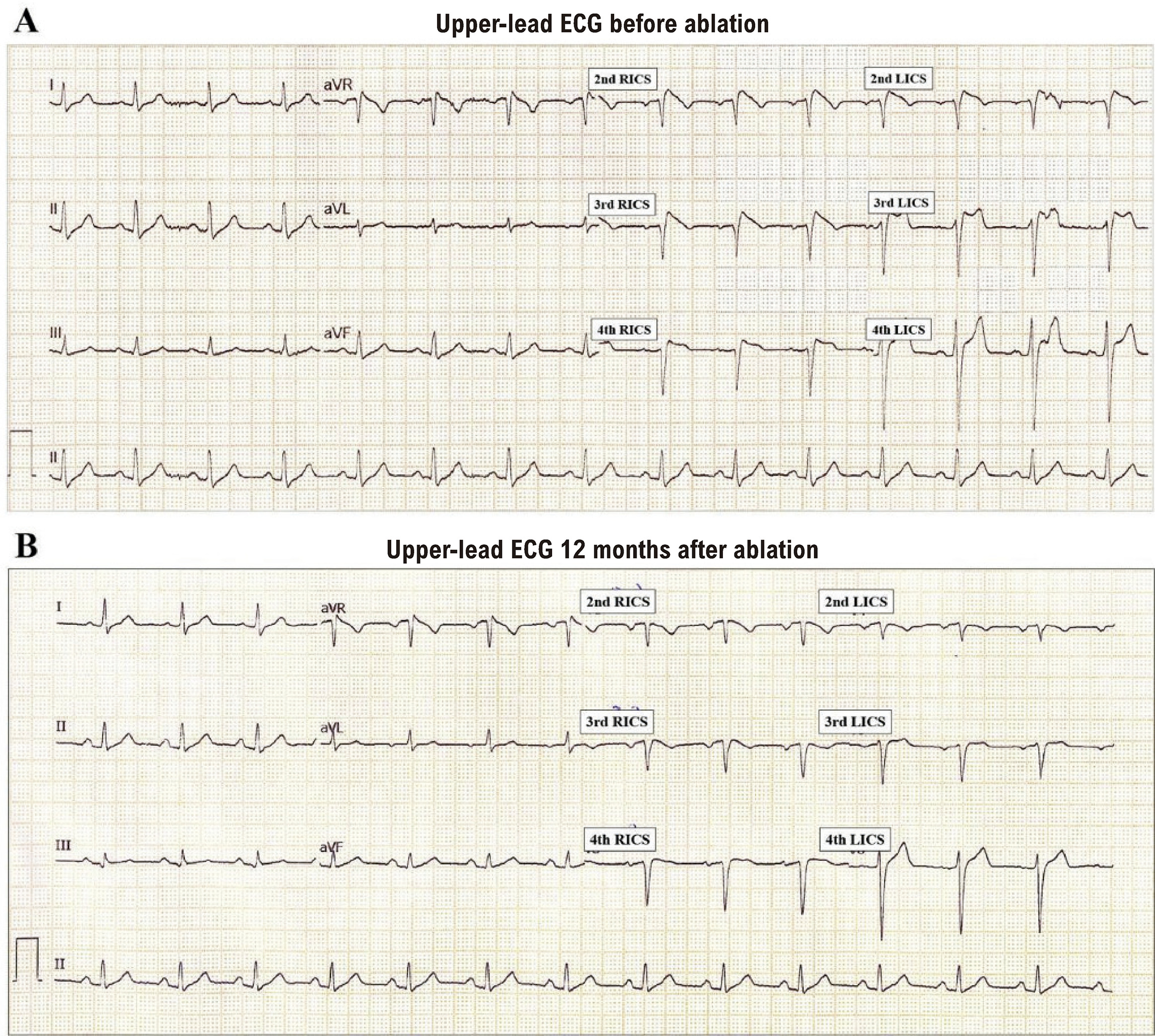
Treating Brugada Syndrome: A Case of Successful Radiofrequency Catheter Ablation

Mirella Esmanhotto Facin et al. Cristiano Faria Pisani Luciana Sacilotto Francisco Carlos da Costa Darrieux … Nelson Samesima Maurício Ibrahim Scanavacca

Introduction

Brugada syndrome (BrS) is a severe health condition characterized by a distinctive electrocardiographic pattern and an increased risk of life-threatening cardiac arrhythmias. Traditional therapy has been limited to implantable cardioverter defibrillators (ICD). In the past two decades, however, radiofrequency catheter ablation (RFCA) has emerged as a valuable treatment option, especially for those ineligible for ICD implantation or who have already undergone appropriate device therapy., Nevertheless, reports on medium to long-term success of this procedure are still scarce. We reported herein the case of a symptomatic patient with BrS who underwent RFCA after experiencing an appropriate ICD shock.

[…]

  • Brugada Syndrome
  • implantable cardioverter-defibrillator
  • Life-threatening Arrhythmic Events
  • radiofrequency catheter ablation
Read Full Article
Creative Commons Attribution (CC BY) Creative Commons license
28/02/2025 DOI: 10.36660/abc.20240501i Views 1
Figure 1
IJCS
Case Report

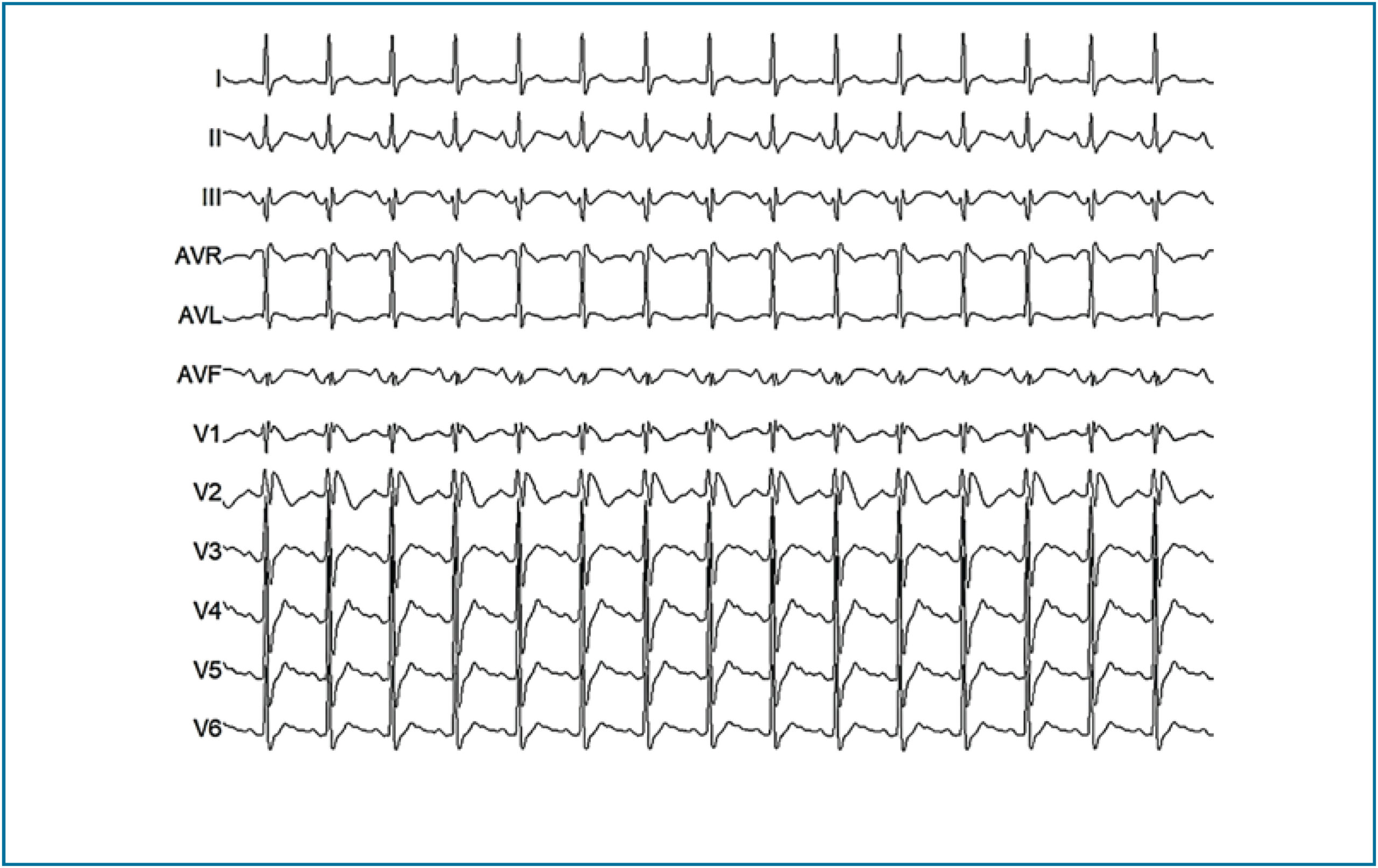
Arrhythmogenic Substrate Ablation in a Patient With Brugada Syndrome and Electrical Storm

Arnóbio Dias da Ponte Filho et al. Ronaldo Vasconcelos Tavora Francisco Rodrigues dos Santos Neto André Gustavo da Silva Rezende Ieda Prata Costa

Abstract

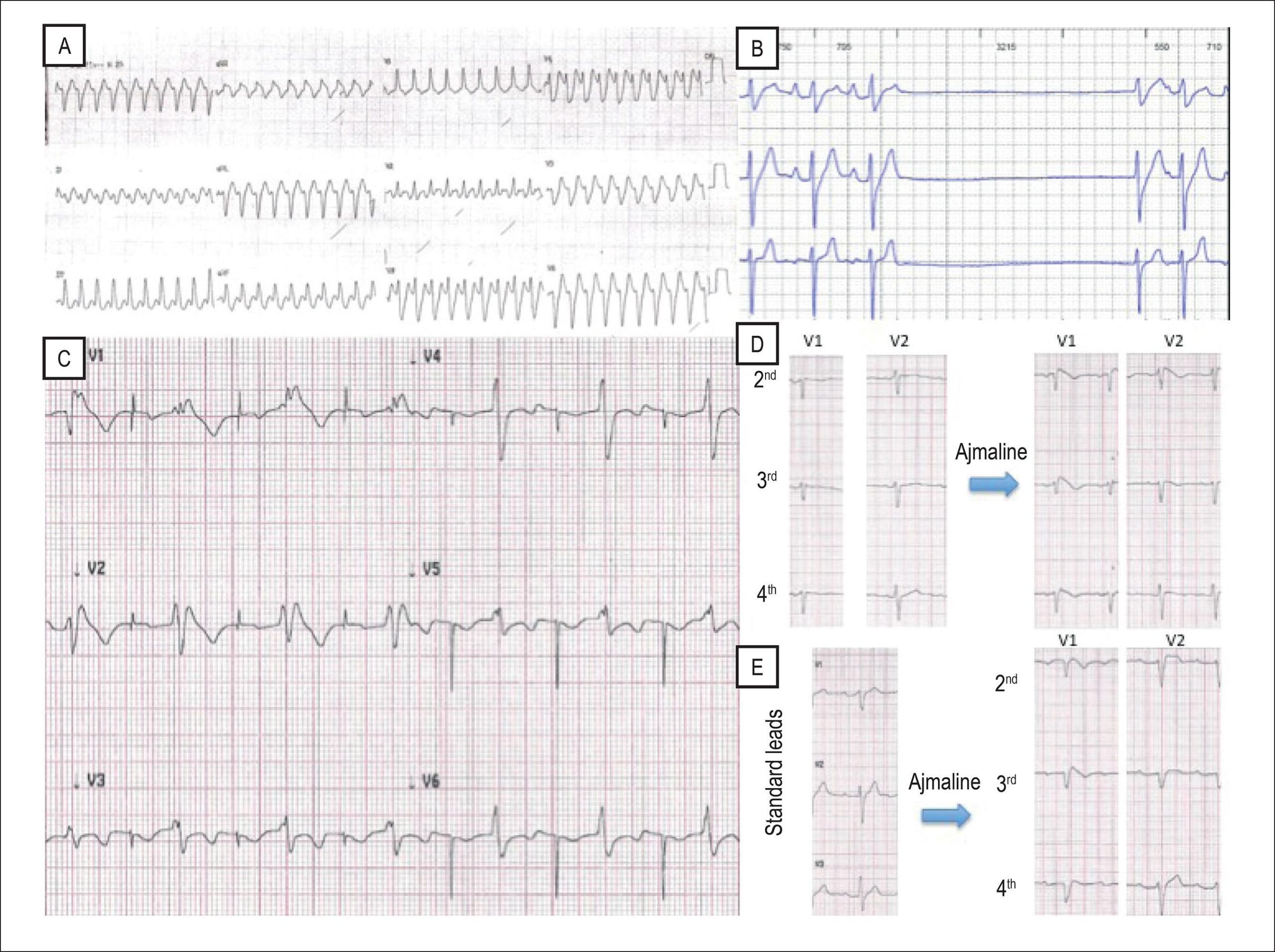
Despite being a rare condition, Brugada syndrome (BrS) poses a significant risk of arrhythmic death, and managing associated ventricular arrhythmias is particularly challenging. Here, we present a case where percutaneous ablation targeted an arrhythmogenic substrate in a patient with BrS and recurrent ventricular fibrillation (VF). Epicardial mapping revealed abnormal potential areas in the right ventricle’s outflow tract and free wall. Injection of warmed saline into the pericardial space caused further delay in local electrograms and expanded the abnormal potential area. Radiofrequency applications in this region successfully eliminated abnormal electrograms, leading to the disappearance of the coved-shape ST-segment elevation in leads V1-V2. No recurrence of ventricular arrhythmias was reported in a twelve-month follow-up.

  • Brugada Syndrome
  • Catheter Ablation
  • Epicardial Mapping
  • Ventricular tachycardia
Read Full Article
Creative Commons Attribution (CC BY) Creative Commons license
16/09/2024 DOI: 10.36660/ijcs.20230150 Views 1
Figure 1
ABC
Case Report

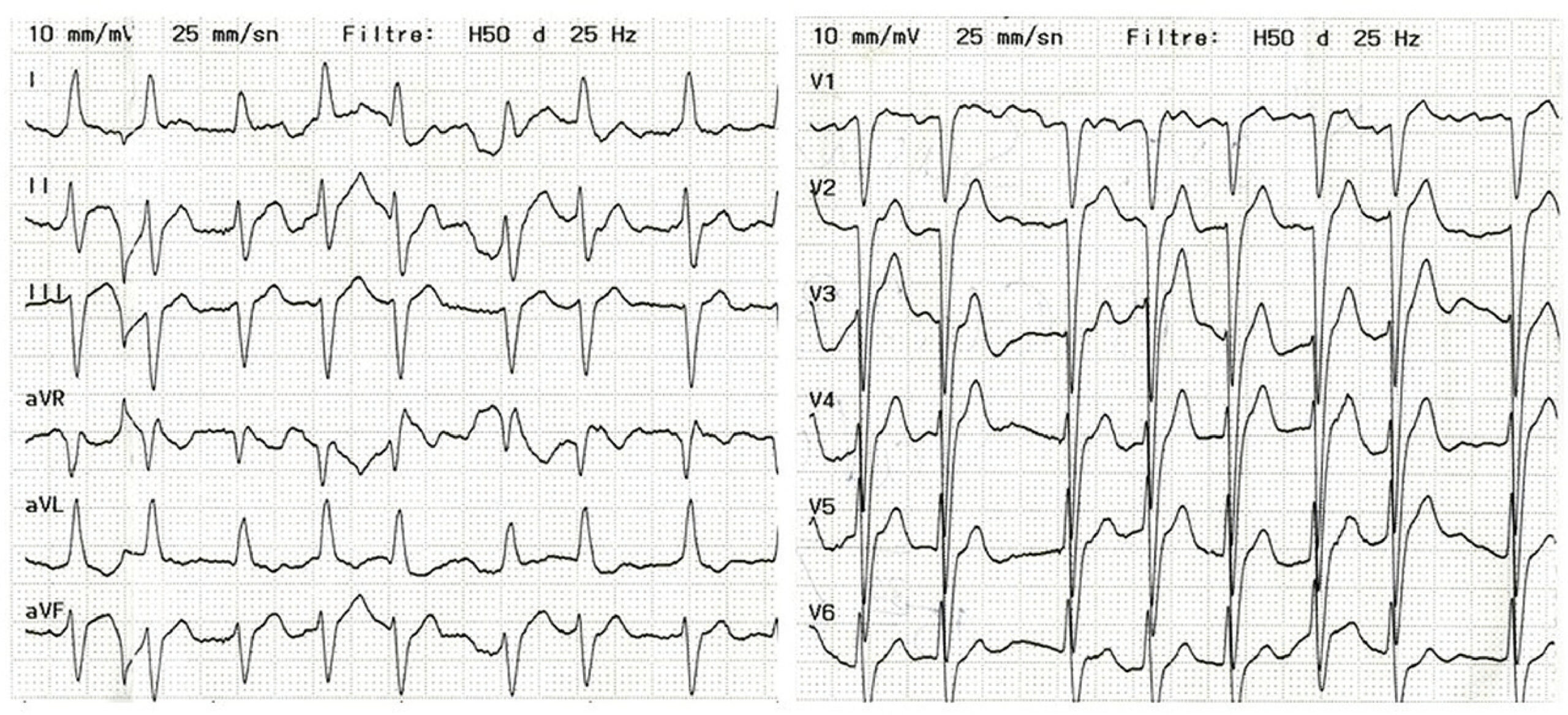
Deceptive Anteroseptal ST-segment Elevation and Brugada Pattern Caused by Isolated Conus Artery Occlusion

Hakan Gökalp Uzun et al. İrfan Özgen

Abstract

The conus artery (CA) supplies the right ventricular outflow tract (RVOT). ST-segment elevation in leads V1-3, which can resemble Brugada electrocardiogram (EKG) patterns, has been reported due to occlusion of the CA. A 68-year-old male was admitted to the hospital with a diagnosis of non-ST-elevation myocardial infarction. A coronary angiogram revealed a dissection in the conus artery, most likely caused by the catheter. Due to the small caliber of the CA, medical therapy was chosen as the course of action. However, after the procedure, an EKG showed changes consistent with features of both type-1 and type-2 Brugada patterns, with ST-segment elevations in leads V1-4. Subsequent coronary imaging revealed that the CA had progressed to total occlusion. Despite multiple attempts to gain reentry into the true lumen, they were unsuccessful. Based on the risk-benefit ratio, the decision was made to continue with medical therapy. This is the first reported case of CA occlusion induced by catheter dissection, which manifested as anteroseptal ST-segment elevation. The patient did not report any anginal symptoms or arrhythmic events, which contrasts with conventional knowledge. Not all CA obstructions or RVOT infarcts cause Brugada-like patterns. When they do, ST elevations tend to be less than those in true Brugada syndrome.

  • Brugada Syndrome
  • ST Elevation Myocardial Infarction
  • Ventricular Outflow Obstruction, Right
Read Full Article
Creative Commons Attribution (CC BY) Creative Commons license
15/07/2024 DOI: 10.36660/abc.20230749i Views 2
Central Illustration
ABC
Review Article

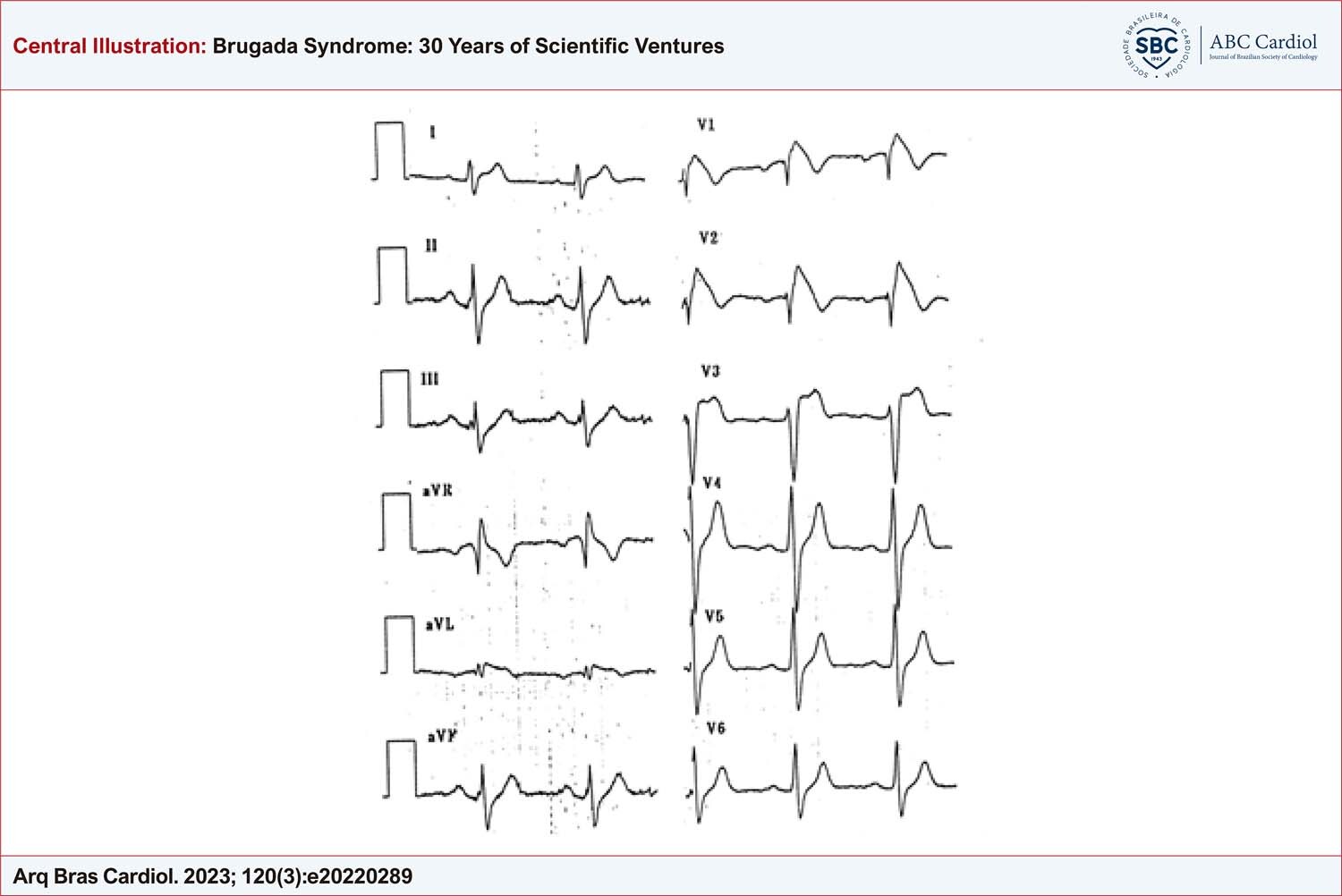
Brugada Syndrome: 30 Years of Scientific Ventures

Pedro Brugada

Abstract

Thirty years ago, a distinctly new clinical-electrocardiographic syndrome was described, today known as Brugada Syndrome (BrS). Typical treatment for this type of syndrome is electrocardiography with ST-segment elevation in the direct precordial derivations. The clinical presentation of the disease is highly variable: the patients can remain completely asymptomatic, but they can also develop episodes of syncope, atrial fibrillation (AF), sinus node dysfunction (SNF), conduction disorders, asystole, and ventricular fibrillation (VF). This disease is caused by mutations in the genes responsible for the potential action of cardiac cells. The most commonly involved gene is SCN5A, which controls the structure and function of the heart’s sodium channel. The description of this new syndrome has shown highly positive implications in all fields of medicine.

  • Atrial Fibrillation
  • Brugada Syndrome
  • Implantable Devices
  • Sudden Death
  • Ventricular Fibrillation
Read Full Article
Creative Commons Attribution (CC BY) Creative Commons license
20/03/2023 DOI: 10.36660/abc.20220289 Views 1
ABC
Editorial

Brugada ECG Pattern – A Blip on the Radar for a Pontentially Life-Threatening Condition

Mirella Facin

The finding of a singular ST-segment elevation in the right precordial leads was first considered a normal variant. An initial hint that this electrocardiographic (ECG) sign and sudden cardiac death (SCD) were possibly associated sprang from a case series published in 1989. Three years later, Brugada et al. reported on eight patients who presented with right bundle branch block, persistent ST-segment elevation in V1-3, and multiple episodes of ventricular fibrillation, a new clinical and ECG syndrome that was later named after them. Nowadays, Brugada syndrome (BrS) still attracts much interest due to its high prevalence in specific world regions and potential lethality in otherwise healthy young adults.,

Accounting for 4% to 12% of all cases of SCD globally and one fifth of those occurring in structurally normal hearts, BrS is an autosomal dominant cardiac disease, with incomplete sex- and age-related penetrance, caused by dysfunctional sodium channels., Although it is usually silent, BrS is clinically remarkable for male predominance, manifesting between the third and fifth decades of life. Affected patients display ECG abnormalities and increased susceptibility to cardiac arrhythmias. Symptoms, when present, may vary from syncope to SCD depending on the sort and duration of arrhythmic events, which often occur at rest or in vagotonic conditions.

[…]

  • Brazil
  • Brugada ECG Prevalence
  • Brugada Electrocardiographic Pattern
  • Brugada Syndrome
  • Standard 12-Lead ECG
Read Full Article
Creative Commons Attribution (CC BY) Creative Commons license
06/09/2021 DOI: 10.36660/abc.20210596
ABC
Original Article

Prevalence and Related Characteristics of Patients with Brugada Pattern Electrocardiogram in Santa Catarina, Brazil

Mariana Sarmento Militz et al. Andrei de Souza Inacio Harley Miguel Wagner Aldo von Wangenheim … Alexander Romeno Janner Dal Forno Daniel Medeiros Moreira

Abstract

Background:

Brugada Syndrome is an inherited arrhythmogenic disorder characterized by the presence of specific electrocardiographic features with or without clinical symptoms. The patients present increased risk of sudden death due to ventricular fibrillation. The prevalence of this electrocardiographic pattern differs according to the studied region. However, epidemiological information including the Brazilian population is scarce.

Objectives:

To assess the prevalence of the electrocardiographic pattern of Brugada syndrome and the epidemiological profile associated with it.

Methods:

Cross-sectional study that included 846,533 ECG records of 716,973 patients from the electrocardiogram (ECG) database from the Santa Catarina Telemedicine Network over a 4-year period. All tests were 12-lead conventional ECG (without V1 and V2 in high positions). The tests revealing “Brugada Syndrome” diagnosis (Types 1 and 2) were reviewed by a cardiac electrophysiologist. The level of significance was set at p<0.05.

Results:

In total, 83 patients had a pattern potentially consistent with Brugada-type pattern ECG. Of these, 33 were confirmed having Brugada-type 1, and 22 with type 2 ECG after reevaluation. The prevalence of Brugada-type 1 ECG was 4.6 per 100,000 patients. Brugada-type 1 ECG was associated with the male gender (81.8% vs. 41.5%, p<0.001) and a lower prevalence of obesity diagnosis (9.1% vs. 26.4%, p=0.028).

Conclusions:

This study showed low prevalence of Brugada-type ECG in Southern Brazil. The presence of Brugada-type 1 ECG was associated with the male gender and lower prevalence of obesity diagnosis comparing to the general population.

  • Arrythimias
  • Brugada Syndrome
  • Electrocardiography/methods
  • Epidemiology
  • Heredity
  • Obesity
Read Full Article
Creative Commons Attribution (CC BY) Creative Commons license
06/09/2021 DOI: 10.36660/abc.20190542 Views 1
Figure 1
ABC
Review Article

Peculiar Aspects of Patients with Inherited Arrhythmias during the COVID-19 Pandemic

Luciana Sacilotto et al. Natalia Quintella Sangiorgi Olivetti Cristiano Faria Pisani Tan Chen Wu … Ludhmila Abrahão Hajjar Sissy Lara de Melo Sávia Christina Pereira Bueno Esteban Wisnivesky Rocca Rivarola Muhieddine Omar Chokr Carina Abigail Hardy Denise Tessariol Hachul Francisco Carlos da Costa Darrieux Mauricio Ibrahim Scanavacca

Abstract

Since December 2019 we have observed the rapid advance of the severe acute respiratory syndrome caused by the new coronavirus (SARS-CoV-2). The impact of the clinical course of a respiratory infection is little known in patients with hereditary arrhythmias, due to the low prevalence of these diseases. Patients who present with infectious conditions may exacerbate hidden or well-controlled primary arrhythmias, due to several factors, such as fever, electrolyte disturbances, drug interactions, adrenergic stress and, eventually, the septic patient’s own myocardial damage. The aim of this review is to highlight the main challenges we may encounter during the Covid 19 pandemic, specifically in patients with hereditary arrhythmias, with emphasis on the congenital long QT syndrome (LQTS), Brugada syndrome (SBr), ventricular tachycardia polymorphic catecholaminergic (CPVT) and arrhythmogenic right ventricular cardiomyopathy.

  • Aarrhythmogenic Right Ventricular Cardiomyopathy
  • Brugada Syndrome
  • Catecholaminergic Polymorphic Ventricular Tachycardia
  • COVID-19
  • Long QT Syndrome
Read Full Article
Creative Commons Attribution (CC BY) Creative Commons license
06/09/2021 DOI: 10.36660/abc.20200391 Views 3
Figure 1
ABC
Case Report

Life-Threatening Ventricular Arrhythmia Induced by Atrial Tachycardia in a Child with an SCN5A Mutation

Márcio Augusto Silva et al. Jorge Elias Neto Guilherme Muller de Campos Futuro Erick Sessa Merçon … Deborah Vasconcelos Ricardo Kuniyoshi

Introduction

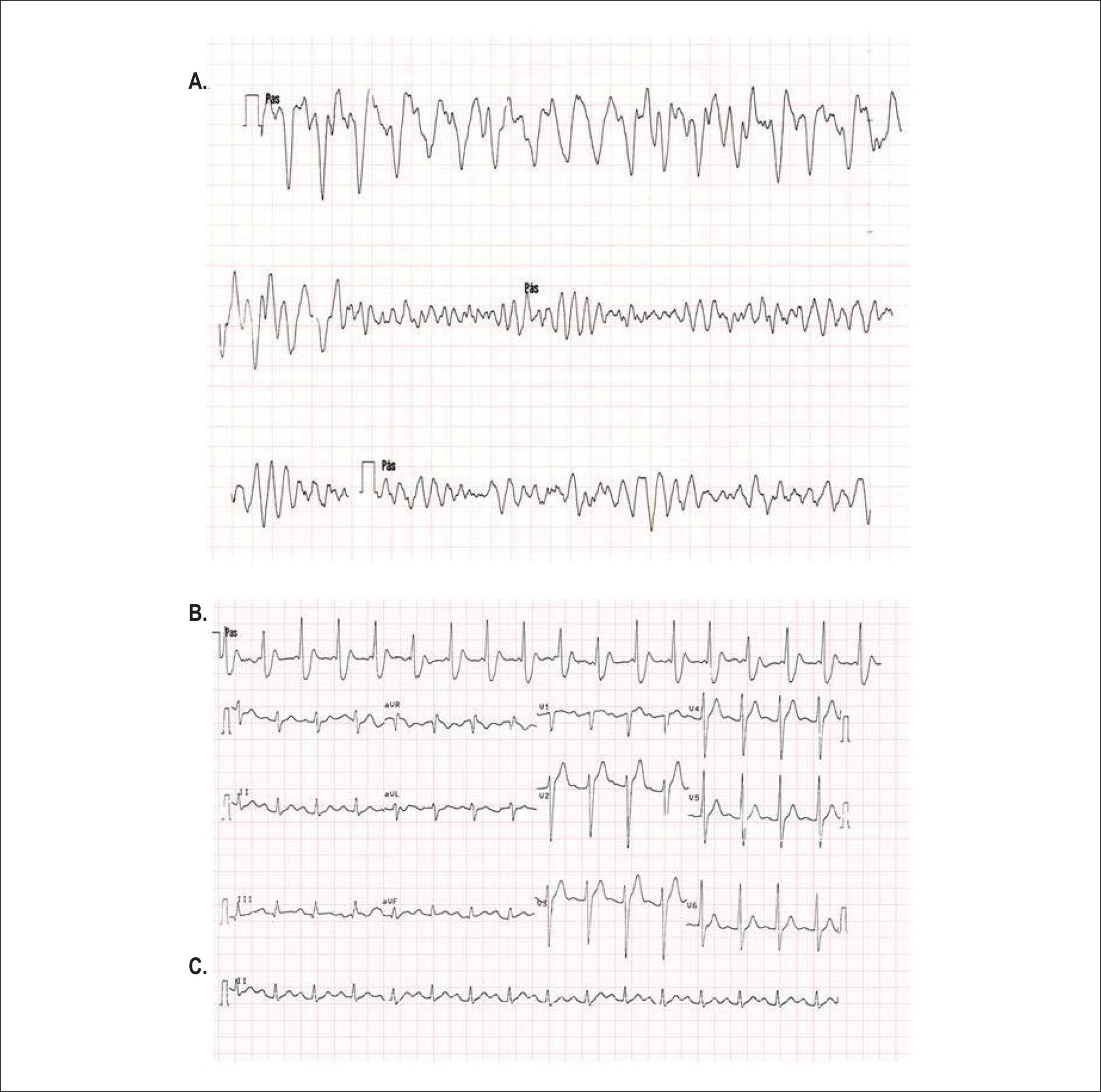
Mutations in the SCN5A gene, encoding the cardiac Na+channel, can result in several life-threatening arrhythmias. These mutations have proven to be causative for inherited and primarily electrical diseases, including Brugada Syndrome (BrS), Long QT Syndrome, and other cardiac conduction disturbances., BrS, the most reported condition in this group of disorders, has typically been described in adult populations and related to approximately 20% of all sudden deaths (SD) in patients with apparently normal hearts.– Therefore, few reports have shown significant arrhythmic events (AE) caused by this mutation in childhood.

Atrial arrhythmias, as well as sick sinus syndrome (SSS), may be related to Na+channel abnormalities. In BrS, atrial arrhythmias are being diagnosed in up to 38% of patients and are related to worse prognosis.

[…]

  • Brugada Syndrome
  • Cardiac, Arrhythmia
  • Child
  • Syncope
Read Full Article
Creative Commons Attribution (CC BY) Creative Commons license
19/07/2021 DOI: 10.36660/abc.20200509 Views 2
ABC
Editorial

Programmed Ventricular Stimulation in the Management of Brugada Syndrome Patients

Mauricio Ibrahim Scanavacca et al. Denise Tessariol Hachul

Since 1980, the American College of Cardiology (ACC) and the American Heart Association (AHA), by means of a systematic methodology, have incorporated and adapted scientific evidence into practical recommendations aiming to improve preventive and therapeutic measures for cardiovascular diseases. These guidelines have become the current reference for cardiology practices and been adopted by many societies, which adapt them according to local realities.

In 2006, the AHA/ACC, together with the Heart Rhythm Society (HRS), published the first guidelines for the management of patients with ventricular arrhythmias and prevention of sudden death (SD). In 2017, this first document was updated by the same societies and published in October 2018.,

[…]

  • Brugada Syndrome
  • Death, Sudden, Cardiac/prevention & control
  • Defibrilators, Implantable/utilization
  • Risk Factors
  • Tachycardia, Ventricular
  • Ventricular Fibrillation
Read Full Article
Creative Commons Attribution (CC BY) Creative Commons license
01/03/2019 DOI: 10.5935/abc.20190047 Views 1
ABC
Editorial

Cohort of Patients Referred for Brugada Syndrome Investigation in an Electrophysiology Service – 19-Year Registry

Alvaro Valentim Lima Sarabanda

Brugada syndrome (BrS) was described by Pedro and Josep Brugada in 1992 as a new clinical entity characterized by specific electrocardiographic (ECG) changes, such as the patterns of right bundle-branch block and persistent ST-segment elevation in right precordial leads, associated with increased risk for sudden death.

Brugada syndrome is an autosomal dominant channelopathy, with clinical manifestation at the age of 30 to 40 years, affecting mainly men. Currently, BrS is estimated to account for 12% of all sudden cardiac deaths and up to 20% of the sudden cardiac deaths in individuals with no structural heart disease. The real prevalence of BrS in the general population is difficult to establish, being estimated at 5 to 20 in every 10,000 individuals. Several genetic mutations have been associated with BrS, most of them related to the encoding of sodium channel proteins (INa), calcium channel proteins (ICa) or potassium channel proteins (usually Ito) of the sarcoplasmatic membrane.–

[…]

  • Brugada Syndrome
  • Bundle Branch Block
  • Death, Sudden
  • Syncope
  • Tachycardia, Ventricular
Read Full Article
Creative Commons Attribution (CC BY) Creative Commons license
01/07/2018 DOI: 10.5935/abc.20180120 Views 1
Figure 1
ABC
Original Article

Cohort of Patients Referred for Brugada Syndrome Investigation in an Electrophysiology Service – 19-Year Registry

Stefan Warpechowski Neto et al. Tiago Luiz Luz Leiria Laura Lessa Gaudie Ley Antonio Lessa Gaudie Ley … Luiza Zwan Dutra Leonardo Martins Pires Marcelo Lapa Kruse Gustavo Glotz de Lima

Abstract

Background:

Brugada syndrome (SBr) is an arrhythmic condition characterized by ST-T segment abnormalities in the right precordial leads associated with a high risk of ventricular arrhythmias and sudden death. Local data regarding the clinical characteristics of patients with a typical electrocardiographic (ECG) pattern undergoing electrophysiological study are scarce.

Objective:

To evaluate patients with an ECG pattern suggestive of SBr referred for electrophysiological evaluation in a specialized center.

Methods:

Cohort study of patients referred for electrophysiological study because of an ECG pattern compatible with SBr between January 1998 and March 2017.

Results:

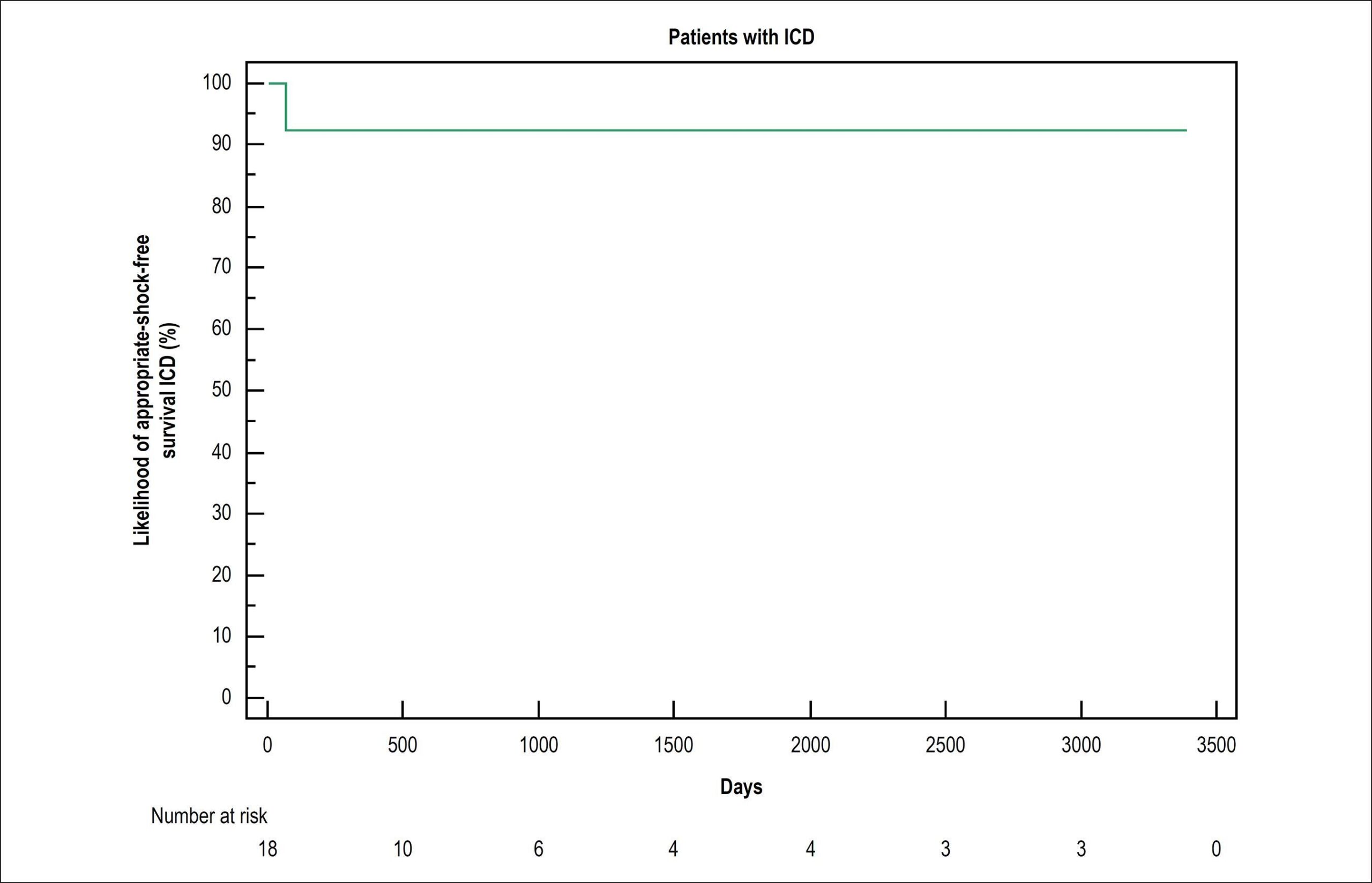
Of the 5506 procedures, 35 (0.64%) were for SBr investigation, 25 of which (71.42%) were performed in men. The mean age was 43.89 ± 13.1 years. The ECG patterns were as follows: type I, 22 (62.85%); type II, 12 (34.30%); and type III, 1 (2.85%). Twenty-three patients (65.7%) were asymptomatic, 6 (17.14%) had palpitations, 5 (14.3%) had syncope, and 3 (8.6%) had a family history of sudden death. Electrophysiological study induced ventricular tachyarrhythmias in 16 cases (45.7%), the mean ventricular refractory period being 228 ± 36 ms. Ajmaline / procainamide was used in 11 cases (31.4%), changing the ECG pattern to type I in 7 (63.6%). Sixteen cases (45.7%) received an implantable cardioverter defibrillator (ICD). In a mean 5-year follow-up, 1 of the 16 patients (6.25%) with ICD had appropriate therapy for ventricular fibrillation. There was no death. Other arrhythmias occurred in 4 (11.4%) cases.

Conclusions:

Most patients are men, and a type I ECG pattern is the main indication for electrophysiological study. Class IA drugs have a high ECG conversion rate. The ICD event rate was 6%. (Arq Bras Cardiol. 2018; [online].ahead print, PP.0-0)

  • Brugada Syndrome
  • Sudden Death
  • Ventricular tachycardia
Read Full Article
Creative Commons Attribution (CC BY) Creative Commons license
11/06/2018 DOI: 10.5935/abc.20180094 Views 1
Figure 1
ABC
Case Report

Rare Association of two Genetic Causes of Sudden Death in a Young Survivor

Dulce Brito et al. Andreia Magalhães Nuno Cortez-Dias Gabriel Miltenberger-Miltenyi

Introduction

Sudden cardiac arrest (SCA) in young adults is frequently caused by inherited cardiac diseases, particularly cardiomyopathies and ion channelopathies. Genetic testing can be essential in the follow-up of survivors and today´s genetic diagnostics may include the parallel analysis of several SCA related genes, most commonly those associated with ion channelopathies and hypertrophic cardiomyopathy (HC). We present the case of a young survivor of SCA, carrier of double heterozygosity for mutations in the SNC5A and MYBPC3 genes, illustrating the complexity of genotype-phenotype associations and the difficulties of decisions regarding therapeutic interventions in inherited cardiac diseases.

[…]

  • Adolescent
  • Brugada Syndrome
  • Cardiomyopathy, Hypertrophic, Familial
  • Death, Sudden, Cardiac
Read Full Article
Creative Commons Attribution (CC BY) Creative Commons license
01/02/2017 DOI: 10.5935/abc.20170016 Views 1
Figure 1
ABC
Brief Communication

Compound Heterozygous SCN5A Mutations in a Toddler – Are they Associated with a More Severe Phenotype?

Luciana Sacilotto et al. Hindalis Ballesteros Epifanio Francisco Carlos da Costa Darrieux Fanny Wulkan … Theo Gremen Mimary Oliveira Denise Tessariol Hachul Alexandre da Costa Pereira Mauricio Ibrahim Scanavacca

Abstract

Compound heterozygosity has been described in inherited arrhythmias, and usually associated with a more severe phenotype. Reports of this occurrence in Brugada syndrome patients are still rare. We report a study of genotype-phenotype correlation after the identification of new variants by genetic testing. We describe the case of an affected child with a combination of two different likely pathogenic SCN5A variants, presenting sinus node dysfunction, flutter and atrial fibrillation, prolonged HV interval, spontaneous type 1 Brugada pattern in the prepubescent age and familiar history of sudden death.

  • Arrhythmias Cardiac
  • Brugada Syndrome
  • Genetic Testing
  • Heredity
  • Sinoatrial Node / abnormalities
Read Full Article
Creative Commons Attribution (CC BY) Creative Commons license
01/01/2017 DOI: 10.5935/abc.20170006 Views 2
ABC
Letter to the Editor

Possible Brugada Phenocopy Induced by Hypokalemia in a Patient with Congenital Hypokalemic Periodic Paralysis

Daniel D. Anselm et al. Natalia Rodriguez Genaro Adrian Baranchuk

Dear Editor,

We read with great interest the case report by Gazzoni et al regarding a Brugada ECG pattern induced by hypokalemia. This paper is important because it contributes to the growing body of literature describing Brugada Phenocopies (BrP)–.

Briefly, BrP are characterized by ECG patterns that are identical to type-1 or type-2 Brugada ECG patterns despite the absence of true congenital Brugada Syndrome (BrS). BrP are induced by various clinical circumstances including: hypokalemia, hyperkalemia, hypothermia, myocardial ischemia, and pulmonary embolism. We have established six etiological categories of BrP– along with a systematic approach to diagnose BrP by excluding sodium channel dysfunction in the myocardium. The presented case by Gazzoni et al would possibly qualify under category (i) metabolic conditions; however, further analysis of this case report is required.

[…]

  • Brugada Syndrome
  • Hypokalemia
  • Hypokalemic Periodic Paralysis
Read Full Article
Creative Commons Attribution (CC BY) Creative Commons license
01/01/2014 DOI: 10.5935/abc.20130249

How to cite this article

EndNote RIS

Electronic Document Format (Vancouver)

Barbosa GS, Alencar JN, Baranchuk A. Reflections on Survival Rates in Patients with Brugada Phenocopy. Arquivos Brasileiros de Cardiologia 2025;122(9):e20250330.

Electronic Document Format (ABNT)

Barbosa, Gabriel Scarpioni; Alencar, José Nunes de; Baranchuk, Adrian. Reflections on Survival Rates in Patients with Brugada Phenocopy. Arquivos Brasileiros de Cardiologia, v. 122, n. 9, e20250330, Nov. 2025.

Electronic Document Format (APA)

Barbosa, G. S., Alencar, J. N. , & Baranchuk, A. (2025). Reflections on Survival Rates in Patients with Brugada Phenocopy. Arquivos Brasileiros de Cardiologia, 122(9), e20250330.

Electronic Document Format (ISO)

Barbosa, Gabriel Scarpioni and Alencar, José Nunes de and Baranchuk, Adrian. Reflections on Survival Rates in Patients with Brugada Phenocopy. Arquivos Brasileiros de Cardiologia [online]. 2025, vol. 122, n. 9, [cited 2026-10-14], e20250330. Available from: <https://journals.cardiol.br/en/article/reflections-on-survival-rates-in-patients-with-brugada-phenocopy/>. ISSN 0066-782X

EndNote RIS

Electronic Document Format (Vancouver)

Fonseca LMDT, Cedeño RA, Bello LAH, Díaz-Heredia J, Quezada DMP, Castro RAG, Juan-Salvadores P, et al. Survival in Patients with Brugada Phenocopy. Case Series. Arquivos Brasileiros de Cardiologia 2025;122(3):e20240526.

Electronic Document Format (ABNT)

Fonseca, Luis Mariano De la Torre; Cedeño, Robert Alarcón; Bello, Lileska Andreína Hernandez; Díaz-Heredia, Juan; Quezada, Diego Milton Pulla; Castro, Rubén Andrés Guamán; Juan-Salvadores, Pablo. Survival in Patients with Brugada Phenocopy. Case Series. Arquivos Brasileiros de Cardiologia, v. 122, n. 3, e20240526, Mar. 2025.

Electronic Document Format (APA)

Fonseca, L. M. D. T., Cedeño, R. A., Bello, L. A. H., Díaz-Heredia, J., Quezada, D. M. P., Castro, R. A. G., & Juan-Salvadores, P. (2025). Survival in Patients with Brugada Phenocopy. Case Series. Arquivos Brasileiros de Cardiologia, 122(3), e20240526.

Electronic Document Format (ISO)

Fonseca, Luis Mariano De la Torre and Cedeño, Robert Alarcón and Bello, Lileska Andreína Hernandez and Díaz-Heredia, Juan and Quezada, Diego Milton Pulla and Castro, Rubén Andrés Guamán and Juan-Salvadores, Pablo. Survival in Patients with Brugada Phenocopy. Case Series. Arquivos Brasileiros de Cardiologia [online]. 2025, vol. 122, n. 3, [cited 2026-10-14], e20240526. Available from: <https://journals.cardiol.br/en/article/survival-in-patients-with-brugada-phenocopy-case-series/>. ISSN 0066-782X

EndNote RIS

Electronic Document Format (Vancouver)

Facin ME, Pisani CF, Sacilotto L, Darrieux FCC, Samesima N, Scanavacca MI. Treating Brugada Syndrome: A Case of Successful Radiofrequency Catheter Ablation. Arquivos Brasileiros de Cardiologia 2025;122(2):e20240501.

Electronic Document Format (ABNT)

Facin, Mirella Esmanhotto; Pisani, Cristiano Faria; Sacilotto, Luciana; Darrieux, Francisco Carlos da Costa; Samesima, Nelson; Scanavacca, Maurício Ibrahim. Treating Brugada Syndrome: A Case of Successful Radiofrequency Catheter Ablation. Arquivos Brasileiros de Cardiologia, v. 122, n. 2, e20240501, Feb. 2025.

Electronic Document Format (APA)

Facin, M. E., Pisani, C. F., Sacilotto, L., Darrieux, F. C. C., Samesima, N., & Scanavacca, M. I. (2025). Treating Brugada Syndrome: A Case of Successful Radiofrequency Catheter Ablation. Arquivos Brasileiros de Cardiologia, 122(2), e20240501.

Electronic Document Format (ISO)

Facin, Mirella Esmanhotto and Pisani, Cristiano Faria and Sacilotto, Luciana and Darrieux, Francisco Carlos da Costa and Samesima, Nelson and Scanavacca, Maurício Ibrahim. Treating Brugada Syndrome: A Case of Successful Radiofrequency Catheter Ablation. Arquivos Brasileiros de Cardiologia [online]. 2025, vol. 122, n. 2, [cited 2026-10-14], e20240501. Available from: <https://journals.cardiol.br/en/article/treating-brugada-syndrome-a-case-of-successful-radiofrequency-catheter-ablation/>. ISSN 0066-782X

EndNote RIS

Electronic Document Format (Vancouver)

Ponte Filho AD, Tavora RV, Santos Neto FR, Rezende AGS, Costa IP. Arrhythmogenic Substrate Ablation in a Patient With Brugada Syndrome and Electrical Storm. International Journal of Cardiovascular Sciences 2024;37:e20230150.

Electronic Document Format (ABNT)

Ponte Filho, Arnóbio Dias da; Tavora, Ronaldo Vasconcelos; Santos Neto, Francisco Rodrigues dos; Rezende, André Gustavo da Silva; Costa, Ieda Prata. Arrhythmogenic Substrate Ablation in a Patient With Brugada Syndrome and Electrical Storm. International Journal of Cardiovascular Sciences, v. 37, e20230150, Sep. 2024.

Electronic Document Format (APA)

Ponte Filho, A. D. , Tavora, R. V., Santos Neto, F. R. , Rezende, A. G. S., & Costa, I. P. (2024). Arrhythmogenic Substrate Ablation in a Patient With Brugada Syndrome and Electrical Storm. International Journal of Cardiovascular Sciences, 37, e20230150.

Electronic Document Format (ISO)

Ponte Filho, Arnóbio Dias da and Tavora, Ronaldo Vasconcelos and Santos Neto, Francisco Rodrigues dos and Rezende, André Gustavo da Silva and Costa, Ieda Prata. Arrhythmogenic Substrate Ablation in a Patient With Brugada Syndrome and Electrical Storm. International Journal of Cardiovascular Sciences [online]. 2024, vol. 37, [cited 2026-10-14], e20230150. Available from: <https://journals.cardiol.br/en/article/arrhythmogenic-substrate-ablation-in-a-patient-with-brugada-syndrome-and-electrical-storm/>. ISSN 2359-4802

EndNote RIS

Electronic Document Format (Vancouver)

Uzun HG, Özgen . Deceptive Anteroseptal ST-segment Elevation and Brugada Pattern Caused by Isolated Conus Artery Occlusion. Arquivos Brasileiros de Cardiologia 2024;121(6):e20230749.

Electronic Document Format (ABNT)

Uzun, Hakan Gökalp; Özgen, İrfan. Deceptive Anteroseptal ST-segment Elevation and Brugada Pattern Caused by Isolated Conus Artery Occlusion. Arquivos Brasileiros de Cardiologia, v. 121, n. 6, e20230749, Jul. 2024.

Electronic Document Format (APA)

Uzun, H. G., & Özgen, (2024). Deceptive Anteroseptal ST-segment Elevation and Brugada Pattern Caused by Isolated Conus Artery Occlusion. Arquivos Brasileiros de Cardiologia, 121(6), e20230749.

Electronic Document Format (ISO)

Uzun, Hakan Gökalp and Özgen, İrfan. Deceptive Anteroseptal ST-segment Elevation and Brugada Pattern Caused by Isolated Conus Artery Occlusion. Arquivos Brasileiros de Cardiologia [online]. 2024, vol. 121, n. 6, [cited 2026-10-14], e20230749. Available from: <https://journals.cardiol.br/en/article/deceptive-anteroseptal-st-segment-elevation-and-brugada-pattern-caused-by-isolated-conus-artery-occlusion/>. ISSN 0066-782X

EndNote RIS

Electronic Document Format (Vancouver)

Brugada P. Brugada Syndrome: 30 Years of Scientific Ventures. Arquivos Brasileiros de Cardiologia 2023;120(3):e20220289.

Electronic Document Format (ABNT)

Brugada, Pedro. Brugada Syndrome: 30 Years of Scientific Ventures. Arquivos Brasileiros de Cardiologia, v. 120, n. 3, e20220289, Mar. 2023.

Electronic Document Format (APA)

Brugada, P. (2023). Brugada Syndrome: 30 Years of Scientific Ventures. Arquivos Brasileiros de Cardiologia, 120(3), e20220289.

Electronic Document Format (ISO)

Brugada, Pedro. Brugada Syndrome: 30 Years of Scientific Ventures. Arquivos Brasileiros de Cardiologia [online]. 2023, vol. 120, n. 3, [cited 2026-10-14], e20220289. Available from: <https://journals.cardiol.br/en/article/brugada-syndrome-30-years-of-scientific-ventures/>. ISSN 0066-782X

EndNote RIS

Electronic Document Format (Vancouver)

Facin M. Brugada ECG Pattern – A Blip on the Radar for a Pontentially Life-Threatening Condition. Arquivos Brasileiros de Cardiologia 2021;117(2):350-1.

Electronic Document Format (ABNT)

Facin, Mirella. Brugada ECG Pattern – A Blip on the Radar for a Pontentially Life-Threatening Condition. Arquivos Brasileiros de Cardiologia, v. 117, n. 2, p. 350-351, Sep. 2021.

Electronic Document Format (APA)

Facin, M. (2021). Brugada ECG Pattern – A Blip on the Radar for a Pontentially Life-Threatening Condition. Arquivos Brasileiros de Cardiologia, 117(2), 350-351.

Electronic Document Format (ISO)

Facin, Mirella. Brugada ECG Pattern – A Blip on the Radar for a Pontentially Life-Threatening Condition. Arquivos Brasileiros de Cardiologia [online]. 2021, vol. 117, n. 2, [cited 2026-10-14], pp. 350-351. Available from: <https://journals.cardiol.br/en/article/brugada-ecg-pattern-a-blip-on-the-radar-for-a-pontentially-life-threatening-condition/>. ISSN 0066-782X

EndNote RIS

Electronic Document Format (Vancouver)

Militz MS, Inacio AS, Wagner HM, Wangenheim A, Forno ARJD, Moreira DM. Prevalence and Related Characteristics of Patients with Brugada Pattern Electrocardiogram in Santa Catarina, Brazil. Arquivos Brasileiros de Cardiologia 2021;117(2):343-9.

Electronic Document Format (ABNT)

Militz, Mariana Sarmento; Inacio, Andrei de Souza; Wagner, Harley Miguel; Wangenheim, Aldo von; Forno, Alexander Romeno Janner Dal; Moreira, Daniel Medeiros. Prevalence and Related Characteristics of Patients with Brugada Pattern Electrocardiogram in Santa Catarina, Brazil. Arquivos Brasileiros de Cardiologia, v. 117, n. 2, p. 343-349, Sep. 2021.

Electronic Document Format (APA)

Militz, M. S., Inacio, A. S., Wagner, H. M., Wangenheim, A. , Forno, A. R. J. D., & Moreira, D. M. (2021). Prevalence and Related Characteristics of Patients with Brugada Pattern Electrocardiogram in Santa Catarina, Brazil. Arquivos Brasileiros de Cardiologia, 117(2), 343-349.

Electronic Document Format (ISO)

Militz, Mariana Sarmento and Inacio, Andrei de Souza and Wagner, Harley Miguel and Wangenheim, Aldo von and Forno, Alexander Romeno Janner Dal and Moreira, Daniel Medeiros. Prevalence and Related Characteristics of Patients with Brugada Pattern Electrocardiogram in Santa Catarina, Brazil. Arquivos Brasileiros de Cardiologia [online]. 2021, vol. 117, n. 2, [cited 2026-10-14], pp. 343-349. Available from: <https://journals.cardiol.br/en/article/prevalence-and-related-characteristics-of-patients-with-brugada-pattern-electrocardiogram-in-santa-catarina-brazil/>. ISSN 0066-782X

EndNote RIS

Electronic Document Format (Vancouver)

Sacilotto L, Olivetti NQS, Pisani CF, Wu TC, Hajjar LA, Melo SL, Bueno SCP, et al. Peculiar Aspects of Patients with Inherited Arrhythmias during the COVID-19 Pandemic. Arquivos Brasileiros de Cardiologia 2021;117(2):394-403.

Electronic Document Format (ABNT)

Sacilotto, Luciana; Olivetti, Natalia Quintella Sangiorgi; Pisani, Cristiano Faria; Wu, Tan Chen; Hajjar, Ludhmila Abrahão; Melo, Sissy Lara de; Bueno, Sávia Christina Pereira; Rivarola, Esteban Wisnivesky Rocca; Chokr, Muhieddine Omar; Hardy, Carina Abigail; Hachul, Denise Tessariol; Darrieux, Francisco Carlos da Costa; Scanavacca, Mauricio Ibrahim. Peculiar Aspects of Patients with Inherited Arrhythmias during the COVID-19 Pandemic. Arquivos Brasileiros de Cardiologia, v. 117, n. 2, p. 394-403, Sep. 2021.

Electronic Document Format (APA)

Sacilotto, L., Olivetti, N. Q. S., Pisani, C. F., Wu, T. C., Hajjar, L. A., Melo, S. L. , Bueno, S. C. P., Rivarola, E. W. R., Chokr, M. O., Hardy, C. A., Hachul, D. T., Darrieux, F. C. C., & Scanavacca, M. I. (2021). Peculiar Aspects of Patients with Inherited Arrhythmias during the COVID-19 Pandemic. Arquivos Brasileiros de Cardiologia, 117(2), 394-403.

Electronic Document Format (ISO)

Sacilotto, Luciana and Olivetti, Natalia Quintella Sangiorgi and Pisani, Cristiano Faria and Wu, Tan Chen and Hajjar, Ludhmila Abrahão and Melo, Sissy Lara de and Bueno, Sávia Christina Pereira and Rivarola, Esteban Wisnivesky Rocca and Chokr, Muhieddine Omar and Hardy, Carina Abigail and Hachul, Denise Tessariol and Darrieux, Francisco Carlos da Costa and Scanavacca, Mauricio Ibrahim. Peculiar Aspects of Patients with Inherited Arrhythmias during the COVID-19 Pandemic. Arquivos Brasileiros de Cardiologia [online]. 2021, vol. 117, n. 2, [cited 2026-10-14], pp. 394-403. Available from: <https://journals.cardiol.br/en/article/peculiar-aspects-of-patients-with-inherited-arrhythmias-during-the-covid-19-pandemic/>. ISSN 0066-782X

EndNote RIS

Electronic Document Format (Vancouver)

Silva MA, Elias Neto J, Futuro GMC, Merçon ES, Vasconcelos D, Kuniyoshi R. Life-Threatening Ventricular Arrhythmia Induced by Atrial Tachycardia in a Child with an SCN5A Mutation. Arquivos Brasileiros de Cardiologia 2021;117(1 suppl 1):19-22.

Electronic Document Format (ABNT)

Silva, Márcio Augusto; Elias Neto, Jorge; Futuro, Guilherme Muller de Campos; Merçon, Erick Sessa; Vasconcelos, Deborah; Kuniyoshi, Ricardo. Life-Threatening Ventricular Arrhythmia Induced by Atrial Tachycardia in a Child with an SCN5A Mutation. Arquivos Brasileiros de Cardiologia, v. 117, n. 1 suppl 1, p. 19-22, Jul. 2021.

Electronic Document Format (APA)

Silva, M. A., Elias Neto, J., Futuro, G. M. C., Merçon, E. S., Vasconcelos, D., & Kuniyoshi, R. (2021). Life-Threatening Ventricular Arrhythmia Induced by Atrial Tachycardia in a Child with an SCN5A Mutation. Arquivos Brasileiros de Cardiologia, 117(1 suppl 1), 19-22.

Electronic Document Format (ISO)

Silva, Márcio Augusto and Elias Neto, Jorge and Futuro, Guilherme Muller de Campos and Merçon, Erick Sessa and Vasconcelos, Deborah and Kuniyoshi, Ricardo. Life-Threatening Ventricular Arrhythmia Induced by Atrial Tachycardia in a Child with an SCN5A Mutation. Arquivos Brasileiros de Cardiologia [online]. 2021, vol. 117, n. 1 suppl 1, [cited 2026-10-14], pp. 19-22. Available from: <https://journals.cardiol.br/en/article/life-threatening-ventricular-arrhythmia-induced-by-atrial-tachycardia-in-a-child-with-an-scn5a-mutation/>. ISSN 0066-782X

EndNote RIS

Electronic Document Format (Vancouver)

Scanavacca MI, Hachul DT. Programmed Ventricular Stimulation in the Management of Brugada Syndrome Patients. Arquivos Brasileiros de Cardiologia 2019;112(3):217-9.

Electronic Document Format (ABNT)

Scanavacca, Mauricio Ibrahim; Hachul, Denise Tessariol. Programmed Ventricular Stimulation in the Management of Brugada Syndrome Patients. Arquivos Brasileiros de Cardiologia, v. 112, n. 3, p. 217-219, Feb. 2019.

Electronic Document Format (APA)

Scanavacca, M. I., & Hachul, D. T. (2019). Programmed Ventricular Stimulation in the Management of Brugada Syndrome Patients. Arquivos Brasileiros de Cardiologia, 112(3), 217-219.

Electronic Document Format (ISO)

Scanavacca, Mauricio Ibrahim and Hachul, Denise Tessariol. Programmed Ventricular Stimulation in the Management of Brugada Syndrome Patients. Arquivos Brasileiros de Cardiologia [online]. 2019, vol. 112, n. 3, [cited 2026-10-14], pp. 217-219. Available from: <https://journals.cardiol.br/en/article/programmed-ventricular-stimulation-in-the-management-of-brugada-syndrome-patients/>. ISSN 0066-782X

EndNote RIS

Electronic Document Format (Vancouver)

Sarabanda AVL. Cohort of Patients Referred for Brugada Syndrome Investigation in an Electrophysiology Service – 19-Year Registry. Arquivos Brasileiros de Cardiologia 2018;111(1):19-20.

Electronic Document Format (ABNT)

Sarabanda, Alvaro Valentim Lima. Cohort of Patients Referred for Brugada Syndrome Investigation in an Electrophysiology Service – 19-Year Registry. Arquivos Brasileiros de Cardiologia, v. 111, n. 1, p. 19-20, Jun. 2018.

Electronic Document Format (APA)

Sarabanda, A. V. L. (2018). Cohort of Patients Referred for Brugada Syndrome Investigation in an Electrophysiology Service – 19-Year Registry. Arquivos Brasileiros de Cardiologia, 111(1), 19-20.

Electronic Document Format (ISO)

Sarabanda, Alvaro Valentim Lima. Cohort of Patients Referred for Brugada Syndrome Investigation in an Electrophysiology Service – 19-Year Registry. Arquivos Brasileiros de Cardiologia [online]. 2018, vol. 111, n. 1, [cited 2026-10-14], pp. 19-20. Available from: <https://journals.cardiol.br/en/article/cohort-of-patients-referred-for-brugada-syndrome-investigation-in-an-electrophysiology-service-19-year-registry/>. ISSN 0066-782X

EndNote RIS

Electronic Document Format (Vancouver)

Warpechowski Neto S, Leiria TLL, Ley LLG, Ley ALG, Dutra LZ, Pires LM, Kruse ML, et al. Cohort of Patients Referred for Brugada Syndrome Investigation in an Electrophysiology Service – 19-Year Registry. Arquivos Brasileiros de Cardiologia 2018;111(1):13-8.

Electronic Document Format (ABNT)

Warpechowski Neto, Stefan; Leiria, Tiago Luiz Luz; Ley, Laura Lessa Gaudie; Ley, Antonio Lessa Gaudie; Dutra, Luiza Zwan; Pires, Leonardo Martins; Kruse, Marcelo Lapa; Lima, Gustavo Glotz de. Cohort of Patients Referred for Brugada Syndrome Investigation in an Electrophysiology Service – 19-Year Registry. Arquivos Brasileiros de Cardiologia, v. 111, n. 1, p. 13-18, Jun. 2018.

Electronic Document Format (APA)

Warpechowski Neto, S., Leiria, T. L. L., Ley, L. L. G., Ley, A. L. G., Dutra, L. Z., Pires, L. M., Kruse, M. L., & Lima, G. G. (2018). Cohort of Patients Referred for Brugada Syndrome Investigation in an Electrophysiology Service – 19-Year Registry. Arquivos Brasileiros de Cardiologia, 111(1), 13-18.

Electronic Document Format (ISO)

Warpechowski Neto, Stefan and Leiria, Tiago Luiz Luz and Ley, Laura Lessa Gaudie and Ley, Antonio Lessa Gaudie and Dutra, Luiza Zwan and Pires, Leonardo Martins and Kruse, Marcelo Lapa and Lima, Gustavo Glotz de. Cohort of Patients Referred for Brugada Syndrome Investigation in an Electrophysiology Service – 19-Year Registry. Arquivos Brasileiros de Cardiologia [online]. 2018, vol. 111, n. 1, [cited 2026-10-14], pp. 13-18. Available from: <https://journals.cardiol.br/en/article/cohort-of-patients-referred-for-brugada-syndrome-investigation-in-an-electrophysiology-service-19-year-registry-2/>. ISSN 0066-782X

EndNote RIS

Electronic Document Format (Vancouver)

Brito D, Magalhães A, Cortez-Dias N, Miltenberger-Miltenyi G. Rare Association of two Genetic Causes of Sudden Death in a Young Survivor. Arquivos Brasileiros de Cardiologia 2017;108(2):184-6.

Electronic Document Format (ABNT)

Brito, Dulce; Magalhães, Andreia; Cortez-Dias, Nuno; Miltenberger-Miltenyi, Gabriel. Rare Association of two Genetic Causes of Sudden Death in a Young Survivor. Arquivos Brasileiros de Cardiologia, v. 108, n. 2, p. 184-186, Jan. 2017.

Electronic Document Format (APA)

Brito, D., Magalhães, A., Cortez-Dias, N., & Miltenberger-Miltenyi, G. (2017). Rare Association of two Genetic Causes of Sudden Death in a Young Survivor. Arquivos Brasileiros de Cardiologia, 108(2), 184-186.

Electronic Document Format (ISO)

Brito, Dulce and Magalhães, Andreia and Cortez-Dias, Nuno and Miltenberger-Miltenyi, Gabriel. Rare Association of two Genetic Causes of Sudden Death in a Young Survivor. Arquivos Brasileiros de Cardiologia [online]. 2017, vol. 108, n. 2, [cited 2026-10-14], pp. 184-186. Available from: <https://journals.cardiol.br/en/article/rare-association-of-two-genetic-causes-of-sudden-death-in-a-young-survivor/>. ISSN 0066-782X

EndNote RIS

Electronic Document Format (Vancouver)

Sacilotto L, Epifanio HB, Darrieux FCC, Wulkan F, Oliveira TGM, Hachul DT, Pereira AC, et al. Compound Heterozygous SCN5A Mutations in a Toddler – Are they Associated with a More Severe Phenotype?. Arquivos Brasileiros de Cardiologia 2017;108(1):70-3.

Electronic Document Format (ABNT)

Sacilotto, Luciana; Epifanio, Hindalis Ballesteros; Darrieux, Francisco Carlos da Costa; Wulkan, Fanny; Oliveira, Theo Gremen Mimary; Hachul, Denise Tessariol; Pereira, Alexandre da Costa; Scanavacca, Mauricio Ibrahim. Compound Heterozygous SCN5A Mutations in a Toddler – Are they Associated with a More Severe Phenotype?. Arquivos Brasileiros de Cardiologia, v. 108, n. 1, p. 70-73, Dec. 2016.

Electronic Document Format (APA)

Sacilotto, L., Epifanio, H. B., Darrieux, F. C. C., Wulkan, F., Oliveira, T. G. M., Hachul, D. T., Pereira, A. C., & Scanavacca, M. I. (2017). Compound Heterozygous SCN5A Mutations in a Toddler – Are they Associated with a More Severe Phenotype?. Arquivos Brasileiros de Cardiologia, 108(1), 70-73.

Electronic Document Format (ISO)

Sacilotto, Luciana and Epifanio, Hindalis Ballesteros and Darrieux, Francisco Carlos da Costa and Wulkan, Fanny and Oliveira, Theo Gremen Mimary and Hachul, Denise Tessariol and Pereira, Alexandre da Costa and Scanavacca, Mauricio Ibrahim. Compound Heterozygous SCN5A Mutations in a Toddler – Are they Associated with a More Severe Phenotype?. Arquivos Brasileiros de Cardiologia [online]. 2017, vol. 108, n. 1, [cited 2026-10-14], pp. 70-73. Available from: <https://journals.cardiol.br/en/article/compound-heterozygous-scn5a-mutations-in-a-toddler-are-they-associated-with-a-more-severe-phenotype/>. ISSN 0066-782X

EndNote RIS

Electronic Document Format (Vancouver)

Anselm DD, Genaro NR, Baranchuk A. Possible Brugada Phenocopy Induced by Hypokalemia in a Patient with Congenital Hypokalemic Periodic Paralysis. Arquivos Brasileiros de Cardiologia 2014;102(1):104.

Electronic Document Format (ABNT)

Anselm, Daniel D.; Genaro, Natalia Rodriguez; Baranchuk, Adrian. Possible Brugada Phenocopy Induced by Hypokalemia in a Patient with Congenital Hypokalemic Periodic Paralysis. Arquivos Brasileiros de Cardiologia, v. 102, n. 1, p. 104-104, Dec. 2013.

Electronic Document Format (APA)

Anselm, D. D., Genaro, N. R., & Baranchuk, A. (2014). Possible Brugada Phenocopy Induced by Hypokalemia in a Patient with Congenital Hypokalemic Periodic Paralysis. Arquivos Brasileiros de Cardiologia, 102(1), 104-104.

Electronic Document Format (ISO)

Anselm, Daniel D. and Genaro, Natalia Rodriguez and Baranchuk, Adrian. Possible Brugada Phenocopy Induced by Hypokalemia in a Patient with Congenital Hypokalemic Periodic Paralysis. Arquivos Brasileiros de Cardiologia [online]. 2014, vol. 102, n. 1, [cited 2026-10-14], pp. 104-104. Available from: <https://journals.cardiol.br/en/article/possible-brugada-phenocopy-induced-by-hypokalemia-in-a-patient-with-congenital-hypokalemic-periodic-paralysis/>. ISSN 0066-782X

  • About ABC Family
  • Internal Regulation
  • Editorial Board
  • Brazilian Society of Cardiology (SBC)

Issues

SBC Guidelines

  • Videos
  • Podcasts
  • News