ABC Family Arquivos Brasileiros de Cardiologia International Journal of Cardiovascular Sciences ABC Heart Failure & Cardiomyopathy ABC Imagem Cardiovascular
Português English
ABC Family
Português English
  • About
    • About ABC Family
    • Internal Regulation
    • Editorial Board
    • Brazilian Society of Cardiology (SBC)
  • Issues
  • SBC Guidelines
  • Content
    • Videos
    • Podcasts
    • News
  • About
    • About ABC Family
    • Internal Regulation
    • Editorial Board
    • Brazilian Society of Cardiology (SBC)
  • Issues
  • SBC Guidelines
  • Content
    • Videos
    • Podcasts
    • News

ABC Family

  • ABC Family
  • Arquivos Brasileiros de Cardiologia
  • International Journal of Cardiovascular Sciences
  • ABC Heart Failure & Cardiomyopathy
  • ABC Imagem Cardiovascular
Search in

No content found.

Journals
Ordering
Article types
Others

  1. Home
  2. Keyword: chronic renal insufficiency
ABC
Special Article

Cardiovascular Statistics – Brazil 2026

Gláucia Maria Moraes de Oliveira et al. Luisa Campos Caldeira Brant Carisi Anne Polanczyk Deborah Carvalho Malta … Andreia Biolo Bruno Ramos Nascimento Maria de Fatima Marinho de Souza Andrea Rocha De Lorenzo Antonio Aurélio de Paiva Fagundes Júnior Arthur Gus Manfro Beatriz D. Schaan Christina Grüne de Souza e Silva Fábio Morato de Castilho Fernando Henpin Yue Cesena Gabriel Porto Soares Gesner Francisco Xavier Junior Jose Augusto Soares Barreto Filho Lucia Campos Pellanda Luciana Nicolau Aranha Luis Eduardo Paim Rohde Luiz Guilherme Passaglia Marcelo Martins Pinto-Filho M. Julia Machline-Carrion Marcio Sommer Bittencourt Octavio M. Pontes Neto Paolo Blanco Villela Paulo Henrique Godoy Renato Azeredo Teixeira Ricardo Stein Roney Orismar Sampaio Thais Rocha Salim Thomas A. Gaziano Pablo Perel Gregory A. Roth Antonio Luiz Pinho Ribeiro

Cardiovascular Statistics – Brazil was established to provide a periodic, comprehensive, evidence-based assessment of cardiovascular health in Brazil and to support clinical practice, research, public health planning, and policy development. Developed under the auspices of the Brazilian Society of Cardiology, the initiative brings together a multidisciplinary network of investigators from academic institutions across the country who are responsible for reviewing, analyzing, and interpreting data from multiple complementary sources. Since its first edition in 2020, Cardiovascular Statistics – Brazil has sought not only to quantify the burden of cardiovascular diseases (CVDs) and their risk factors but also to identify temporal trends, regional disparities, gaps in care, and emerging challenges for the Brazilian health system. The project is modeled on international initiatives such as the American Heart Association’s Heart Disease and Stroke Statistics Update, while incorporating data sources and perspectives that reflect Brazil’s unique epidemiological, demographic, and healthcare characteristics.

(…)

  • Atrial Fibrillation
  • Atrial flutter
  • Brazil
  • Cardiomyopathies
  • Cardiovascular Diseases
  • Cerebrovascular Disorders
  • chronic renal insufficiency
  • Congenital Heart Defects
  • Coronary Disease
  • Diabetes Mellitus
  • Diet
  • Dyslipidemias
  • Exercise
  • Heart Failure
  • Heart Valve Diseases
  • Hypertension
  • Obesity
  • Overweight
  • Statistics
  • Tobacco Use Disorder
Read Full Article
Creative Commons Attribution (CC BY) Creative Commons license
07/10/2026 DOI: 10.36660/abc.20260832i Views 1
Central Illustration
ABCHF
Original Article

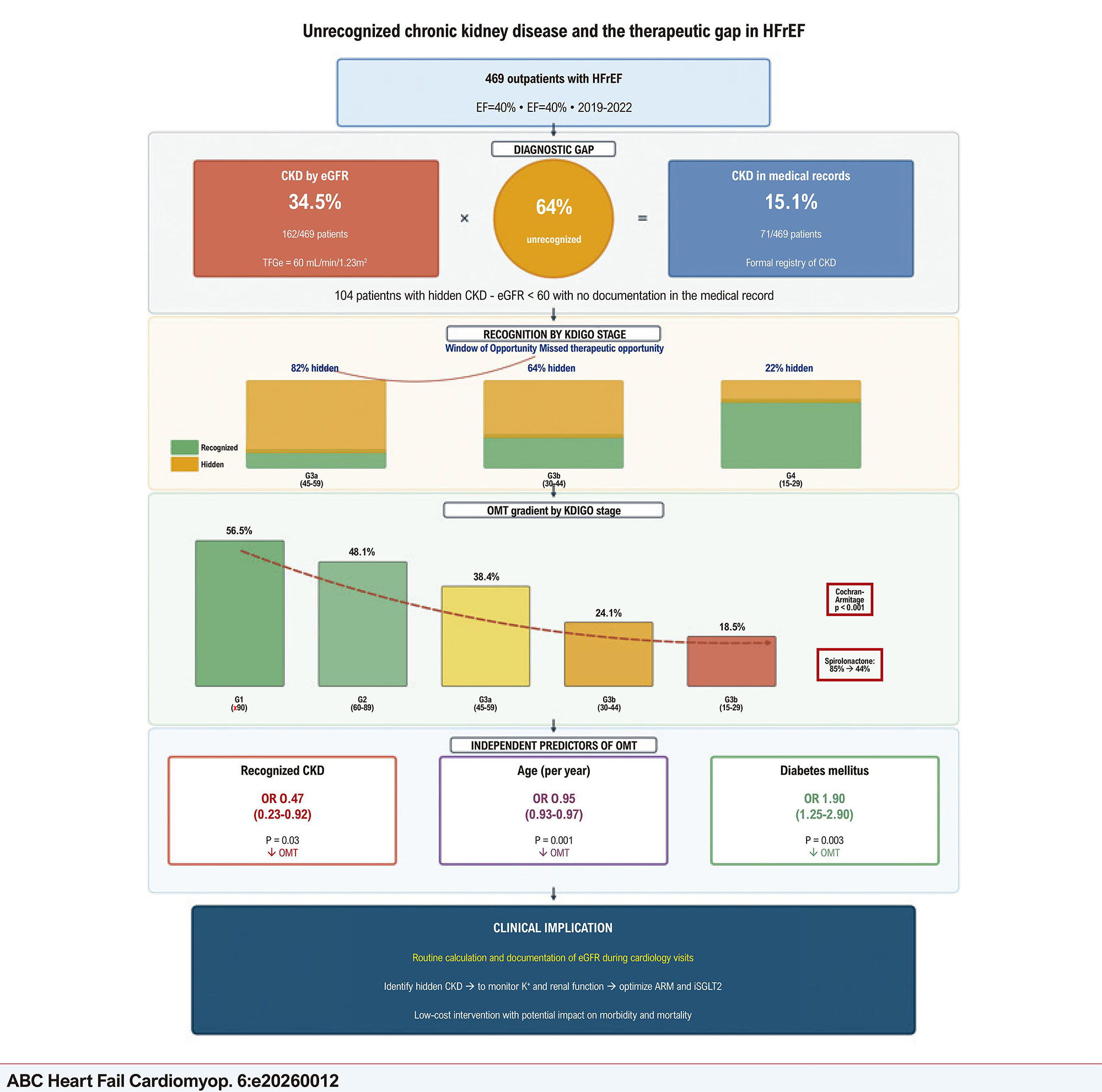
Unrecognized Chronic Kidney Disease and the Therapeutic Gap in Outpatients with Heart Failure and Reduced Ejection Fraction

Felipe Lopes Grillo et al. Julia Rosembach Bruscato Felipe Storm Ross Eduardo Zanetti Bergamaschi … Gabriel Della Torres Marinho Juliana Berndt Nunes Rosane Carolina Paes De Lira Lidia Ana Zytynski Moura

Abstract

Background

Chronic kidney disease (CKD) is common in heart failure with reduced ejection fraction (HFrEF), but its true prevalence may substantially exceed formal diagnosis, contributing to undertreatment with guideline-directed medical therapy (GDMT).

Objectives

To determine the prevalence of unrecognized CKD in an HFrEF outpatient clinic, compare optimized medical therapy (OMT) according to renal status and KDIGO stages, and identify independent predictors of OMT.

Methods

Analytical cross-sectional study including 469 patients with HFrEF (LVEF ≤ 40%) followed between 2019–2022 with calculable eGFR (CKD-EPI 2021). Classification: no CKD (eGFR ≥ 60; n = 307), hidden CKD (eGFR < 60 without documentation; n = 104), and recognized CKD (formal documentation; n = 58). OMT was defined as RAAS blockade + beta-blocker + MRA at ≥ 50% of target doses.

Results

CKD affected 34.5% by eGFR, but only 15.1% had documentation – 64% were hidden, predominantly G3a (82%) and G3b (64%). OMT followed a monotonic gradient across KDIGO stages: G1 56.5%, G2 48.1%, G3a 38.4%, G3b 24.1%, G4 18.5% (Cochran–Armitage p < 0.001). Spironolactone was the most affected therapy (84.7% vs. 60.3%; p < 0.001). In multivariable analysis, recognized CKD was associated with lower OMT (OR 0.47; 95% CI 0.23–0.92; p = 0.03), along with age (OR 0.95/year; p < 0.001), while diabetes was paradoxically associated with higher OMT (OR 1.90; p = 0.003).

Conclusion

Nearly two-thirds of CKD cases in HFrEF are unrecognized, concentrated in moderate stages where therapeutic benefit is greatest. Routine calculation of eGFR is a simple intervention to reduce this gap.

  • chronic renal insufficiency
  • Glomerular Filtration Rate
  • Heart Failure
  • Mineralocorticoid Receptor Antagonists
  • Therapeutics
Read Full Article
Creative Commons Attribution (CC BY) Creative Commons license
05/08/2026 DOI: 10.36660/abchf.20260012i Views 3
IJCS
Editorial

Coronary Artery Disease In Maintenance Hemodialysis Patients: Are We Acting Too Late?

Jorge Paulo Strogoff de Matos et al. Jocemir Ronaldo Lugon

The study by França et al. confirms the well-known high prevalence of Coronary Artery Disease (CAD) and the high mortality rate among patients with Chronic Kidney Disease (CKD) undergoing maintenance hemodialysis, which is mainly due to cardiovascular causes. The authors also found a significantly higher crude mortality rate among those who were not under statin use. However, this should be cautiously interpreted since no adjustment was made for confounding factors, and a bias cannot be ruled out, for example, that statins were not prescribed to those patients with a very low remaining life expectancy who would likely not benefit from the therapy.

The population undergoing renal replacement therapy is increasing worldwide. In Brazil alone, there are currently more than 150,000 patients on maintenance dialysis. In general, these patients are stratified and treated for CAD based on guidelines derived mainly from evidence from clinical trials in which, due to the study design, patients on dialysis therapy or those with advanced CKD were excluded.

[…]

  • chronic renal insufficiency
  • Coronary Artery Disease
  • renal dialysis
Read Full Article
Creative Commons Attribution (CC BY) Creative Commons license
27/07/2026 DOI: 10.36660/ijcs.20260021 Views 1
Analysis of the Lipid Profile and Prevalence of Cardiovascular Risk Factors in Hemodialysis Patients from an Academic Health Institution in Belo Horizonte
IJCS
Original Article

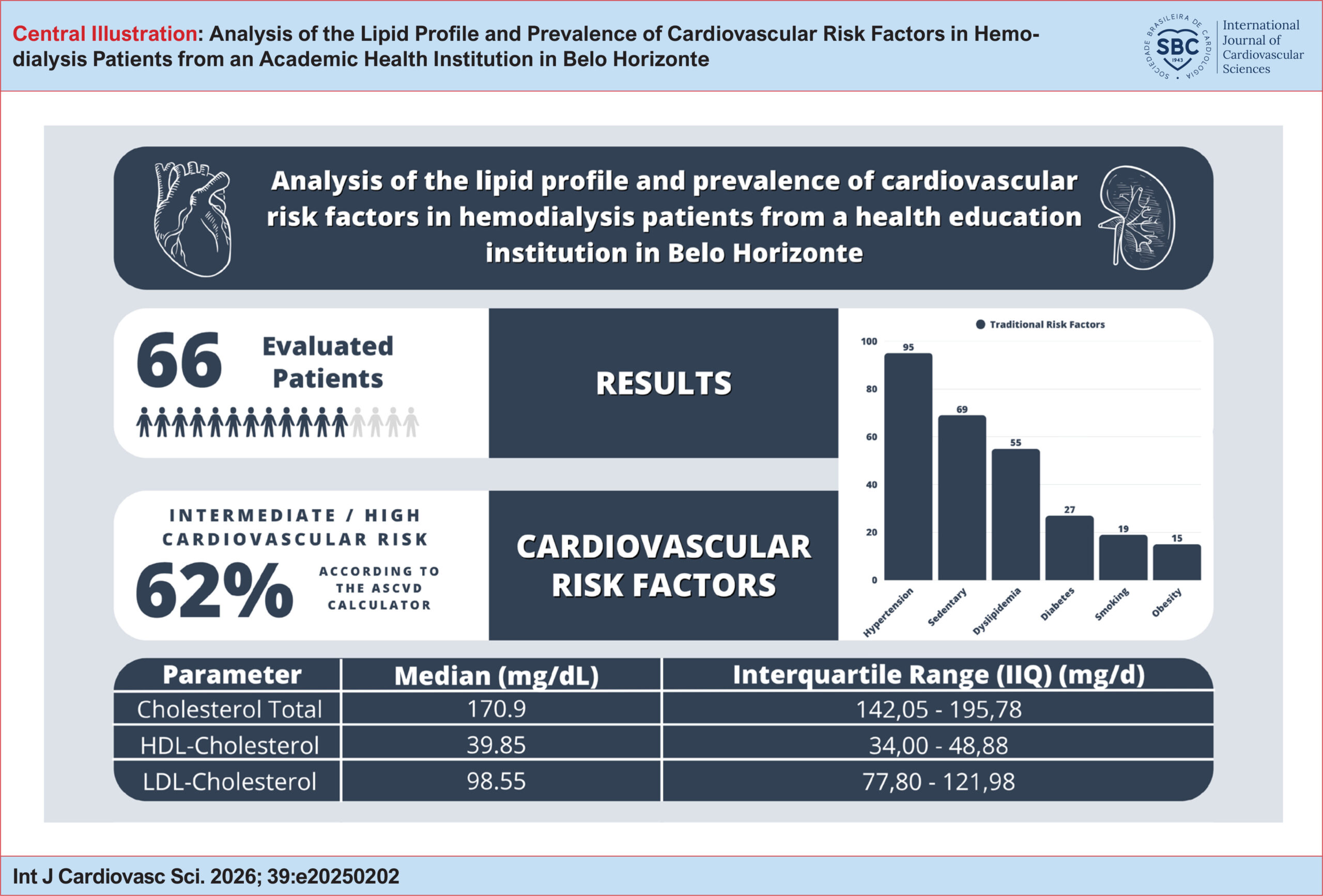
Analysis of the Lipid Profile and Prevalence of Cardiovascular Risk Factors in Hemodialysis Patients from an Academic Health Institution in Belo Horizonte

Sarah Mattos Moraes et al. Matheus Evangelista da Costa Flávia Carvalho Leão Reis Kleisson Antônio Pontes Maia

Abstract

Background:

There is a lack of epidemiological data regarding the cardiovascular risk profile of patients with chronic kidney disease (CKD) undergoing hemodialysis in the Brazilian state of Minas Gerais.

Objective:

To analyze the lipid profile and assess the prevalence of traditional cardiovascular risk factors among patients with CKD on hemodialysis treated at an academic healthcare institution in Belo Horizonte, Minas Gerais, Brazil.

Methods:

This was a cross-sectional, observational, and non-interventional study. The researchers obtained clinical, laboratory, and demographic data from medical records and conducted structured individual interviews with all participants. The chi-square test of independence, Fisher’s exact test, and the Wilcoxon rank-sum test were applied. A significance level of 0.05 was adopted to establish the statistical validity of comparisons.

Results:

A total of 66 patients were included, representing 91.6% of all individuals undergoing hemodialysis at the study center. The mean age was 56 years. Among participants, 59% were male, and 89% self-identified as mixed race. A high prevalence of traditional cardiovascular risk factors was observed, including hypertension (95%), physical inactivity (69%), dyslipidemia (55%), diabetes mellitus (27%), current smoker (19%), and obesity (15%). The lipid profile analysis showed a median total cholesterol level of 170.9 mg/dL (interquartile range: 142.05 to 195.78 mg/dL) and Low-Density Lipoprotein (LDL-cholesterol) of 98.55 mg/dL (interquartile range: 77.80 to 121.98 mg/dL).

Conclusion:

This study demonstrated a high burden of cardiovascular risk factors among hemodialysis patients, with systemic arterial hypertension, dyslipidemia, physical inactivity, and diabetes mellitus being the most prevalent conditions. Furthermore, the lipid profile findings suggest suboptimal control of this lipid fraction in the studied population.

  • chronic renal insufficiency
  • Heart Disease Risk Factors
  • Lipids
  • renal dialysis
Read Full Article
Creative Commons Attribution (CC BY) Creative Commons license
24/07/2026 DOI: 10.36660/ijcs.20250202 Views 1
Investigating the Causal Role of Inflammatory Cytokines in the Development of Cardiovascular, Kidney, and Metabolic Diseases
ABC
Original Article

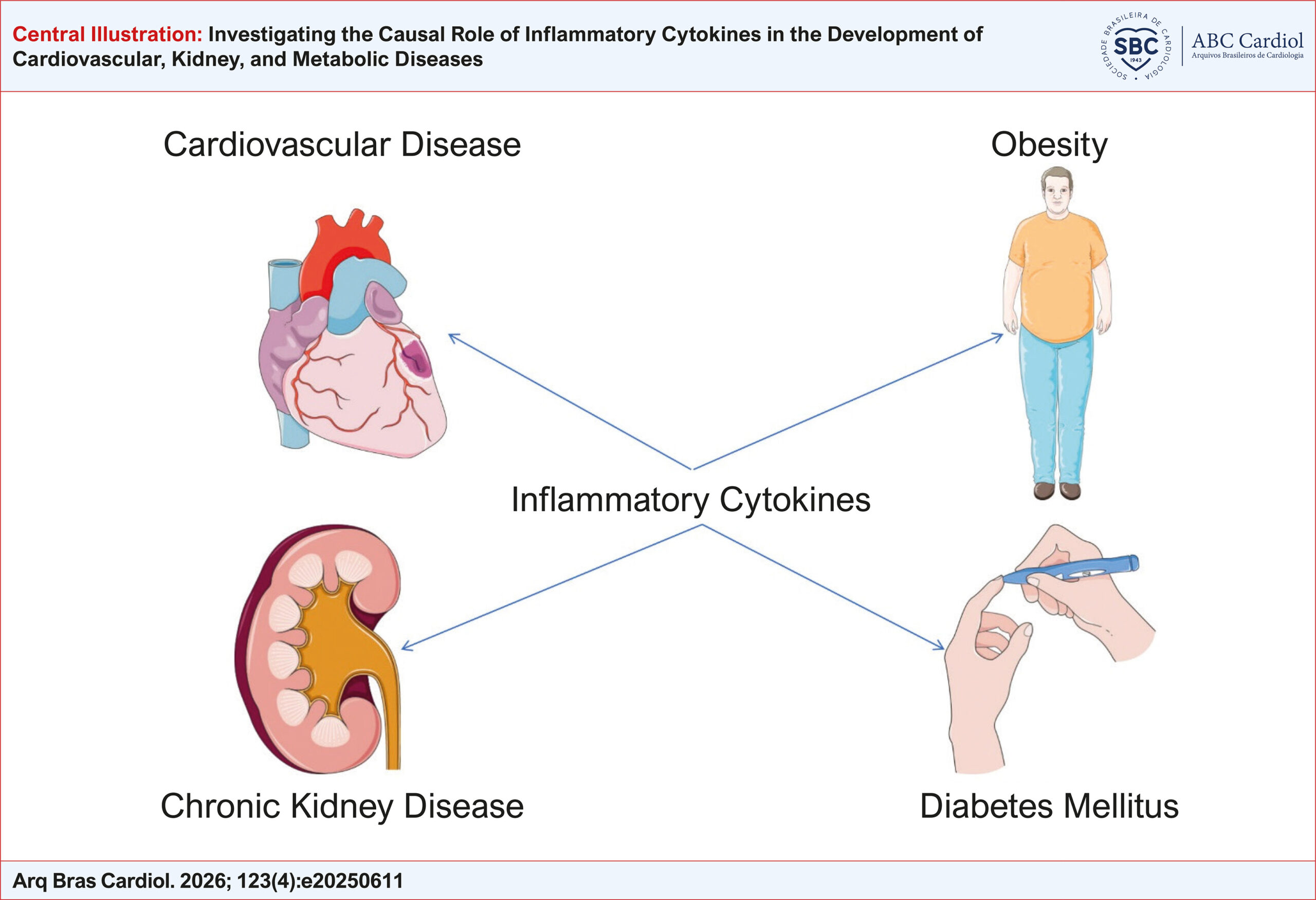
Investigating the Causal Role of Inflammatory Cytokines in the Development of Cardiovascular, Kidney, and Metabolic Diseases

Mengjin Hu et al. Zhaoting Gong Xiaosong Li Chunlin Yin

Abstract

Background

Observational studies have linked inflammatory cytokines to cardiometabolic disorders; however, whether these associations reflect causal effects across interconnected organ systems remains unclear.

Objectives

This Mendelian randomization (MR) study investigates causality between 91 inflammatory cytokines and multiorgan dysfunction across cardiovascular, kidney, and metabolic systems in the cardiovascular-kidney-metabolic (CKM) syndrome era.

Methods

Genetic instruments associated with 91 inflammatory cytokines were obtained from the Olink Target Inflammation panel across 11 European-ancestry cohorts. The inverse variance weighting (IVW) method was considered as the main analysis, complemented by sensitivity analyses including MR-Egger and weighted median methods.

Results

Genetically predicted levels of inflammatory cytokines showed widespread causal associations across CKM-related traits. Specifically, 31 cytokines were associated with cardiovascular outcomes, 26 with kidney traits, 10 with obesity-related traits, and 21 with diabetes-related traits, yielding a total of 60 cytokines with at least one significant association. Notably, FGF5 and IL6 emerged as paradoxical regulators, exerting opposing effects across different organ systems, while MCSF was consistently identified as a pan-vascular risk amplifier for cardiovascular diseases.

Conclusions

This comprehensive MR analysis reveals substantial causal heterogeneity in inflammatory cytokine effects across cardiovascular, kidney, and metabolic systems. These findings highlight the clinical importance of tissue- and context-specific inflammatory modulation, supporting the development of precision therapeutic strategies for CKM syndrome.

  • Cardiovascular Diseases
  • chronic renal insufficiency
  • Cytokines
  • Inflammation
  • Interleukin-6
  • Mendelian Randomization Analysis
Read Full Article
Creative Commons Attribution (CC BY) Creative Commons license
06/07/2026 DOI: 10.36660/abc.20250611i Views 2
ABC
Editorial

Coronary Artery Disease and Chronic Kidney Disease: A Tale of Two Organs

Igor Kranjec

“It was the best of times, it was the worst of times…” So begins Charles Dickens’s A Tale of Two Cities, a novel deeply rooted in London while casting a watchful eye across the Channel toward the upheaval of revolutionary Paris. In contrast to Dickens’s narrative of division, the two vital organs at the heart of this Editorial exist not in conflict, but in synergy. The heart and the kidneys work in tandem to maintain homeostasis; when one falters, the other inevitably follows. Cardiovascular abnormalities in chronic kidney disease (CKD) are driven by a complex interplay of traditional risk factors and non-traditional, CKD-specific stressors. As the glomerular filtration rate (GFR) declines, the clinical manifestations of coronary artery disease (CAD) become increasingly prevalent. Patients with concomitant CAD and CKD represent a distinct and challenging subgroup. They frequently present with atypical symptoms and are more likely to experience non-ST-segment myocardial infarction than stable exertional angina. Furthermore, sudden cardiac death is a tragically common endpoint in end-stage kidney disease.

Diagnostic clarity is often elusive in this population. Cardiac troponins are frequently chronically elevated even in the absence of acute coronary syndrome, though the exact mechanisms remain debated. Moreover, the diagnostic yield of exercise testing and pharmacologic perfusion imaging is diminished, leading to a higher incidence of both false-negative and false-positive results. While coronary calcification is ubiquitous in CKD and carries prognostic weight similar to that in the general population, its progression is significantly accelerated as renal function deteriorates. Histological studies further reveal a higher inflammatory burden within coronary plaques compared to non-renal controls. Despite these complexities, CKD patients remain systematically under-represented in clinical trials, leaving a vacuum of evidence-based guidelines regarding statin use, elective revascularization, and the optimal duration of dual antiplatelet therapy. The evaluation of CAD traditionally relies on clinical assessment integrated with diagnostic tools such as electrocardiography, stress testing, and echocardiography. Despite its known limitations, coronary luminal stenosis remains the conventional benchmark for CAD severity in daily practice, guiding management decisions following invasive coronary angiography or computed tomography angiography (CTA). However, emerging evidence suggests that plaque burden, rather than the degree of stenosis alone, is the primary predictor of cardiovascular risk, regardless of whether the CAD is obstructive or non-obstructive. CTA allows for an extensive characterization of this burden and the identification of high-risk plaque features. Furthermore, incorporating fractional flow reserve methods to account for diffuse CAD may refine the anatomical assessment of vessel-specific ischemia. GFR remains the definitive metric of kidney function. While the »gold standard« involves measuring the clearance of exogenous markers like inulin, this approach is too invasive, time-consuming, and costly for routine use. Consequently, clinical practice relies on GFR estimates (eGFR) derived from creatinine or cystatin C. The accuracy of these estimates is often compromised by non-GFR determinants of creatinine, such as diet, muscle mass, tubular secretion, and extrarenal elimination. Even in well-validated populations, 10% of patients may have estimation errors exceeding 30%. The Cockcroft-Gault (C-G) equation shares the inherent flaws of measured creatinine clearance. The Modification of Diet in Renal Disease (MDRD) equation is widely utilized, particularly in patients with advanced renal impairment, yet it loses precision in those with preserved kidney function. In contrast, the CKD-EPI (Chronic Kidney Disease Epidemiology Collaboration) equation—which utilizes the same variables as MDRD—offers superior accuracy at higher GFR levels by reducing systematic bias. Accordingly, the CKD-EPI equation is now the internationally recommended standard for routine laboratory practice.

[…]

  • chronic renal insufficiency
  • Coronary Artery Disease
  • Prognosis
Read Full Article
Creative Commons Attribution (CC BY) Creative Commons license
16/03/2026 DOI: 10.36660/abc.20260028i Views 1
Clinical and Laboratory Predictors for the Development of Heart Valve Diseases in Chronic Kidney Disease: A Systematic Review
ABC
Original Article

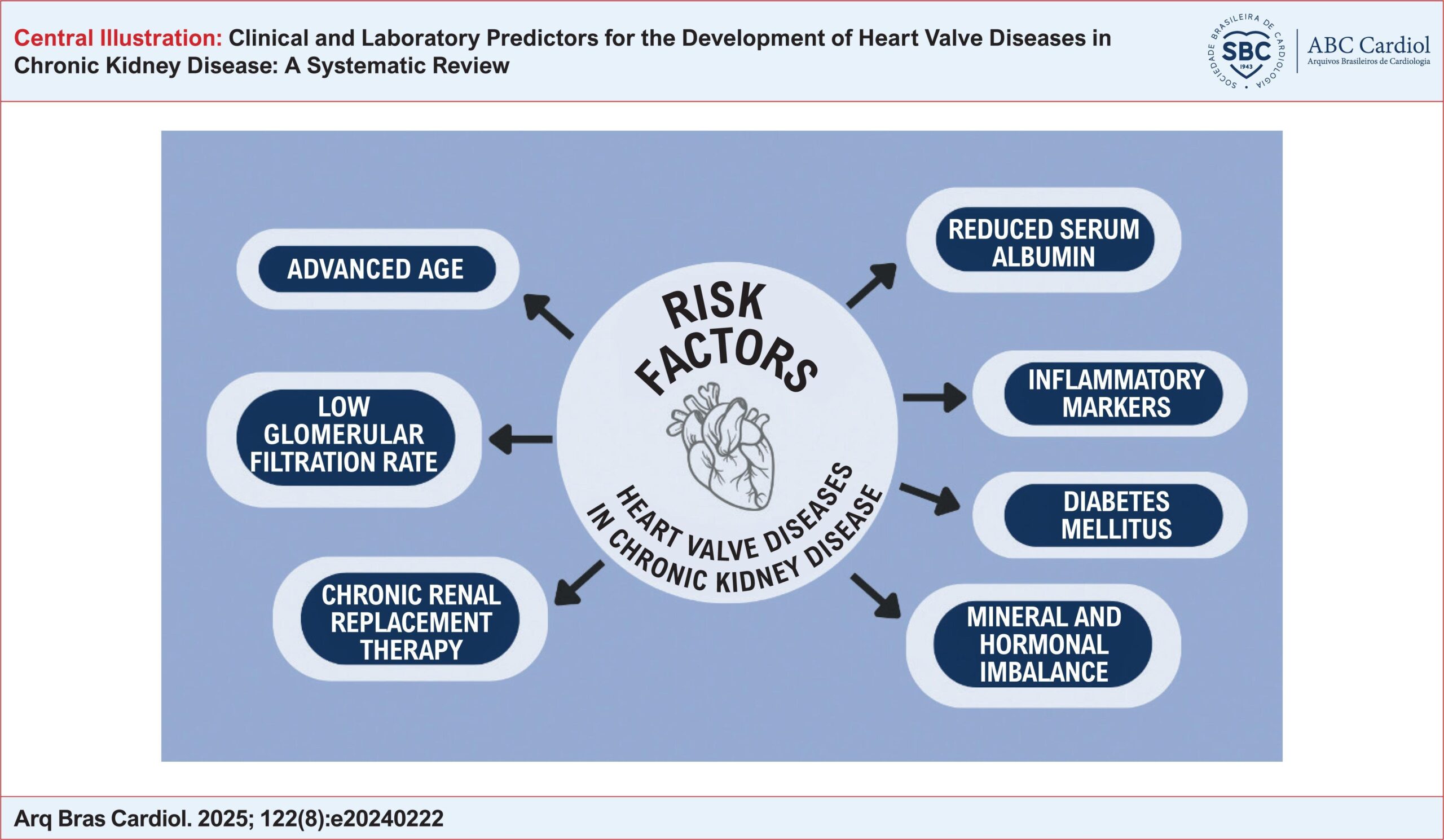
Clinical and Laboratory Predictors for the Development of Heart Valve Diseases in Chronic Kidney Disease: A Systematic Review

Hayala Machado Cavalcante Conceição et al. Ana Luísa Vaz Valois Erick Magalhães Silva Ramos Ana Marice Ladeia

Abstract

Background:

Chronic kidney disease (CKD) is associated with a higher prevalence of valvular diseases and increased mortality from cardiovascular causes. Factors that influence the genesis of cardiac valve calcification (CVC) in these patients are not well-defined.

Objective:

To determine the risk factors for valvular calcification in patients with CKD.

Methods:

Systematic review based on PRISMA, which included observational studies evaluating the association of clinical and laboratory data with CVC in patients with CKD, undergoing or not hemodialysis or peritoneal dialysis. Articles were retrieved from databases (MEDLINE; SCIELO; CENTRAL; EMBASE; LILACS/BVS) and selected blindly by two authors; discrepancies were resolved by a third author. Data collection and synthesis were carried out by the main author. The assessment of methodological quality and risk of bias was based on STROBE and Newcastle-Ottawa guidelines.

Results:

A total of 783 studies were identified, of which 20 were included, encompassing 13,314 patients from 10 countries. The factors most strongly associated with CVC were age >55 years, glomerular filtration rate <53 mL/min/1.73m2, renal replacement therapy (RRT) >20 months, hypoalbuminemia, C-reactive protein (CRP), serum levels of IL-6, TNF-α, parathyroid hormone, hyperphosphatemia, hypercalcemia, Ca × P product, and FGF-23 resulting from secondary hyperparathyroidism. Both mitral and aortic valves were studied, and no differences were observed between hemodialysis and peritoneal dialysis.

Conclusion:

Age, RRT, chronic inflammation, and secondary hyperparathyroidism promote calcium and phosphate deposition in the valves, making CKD patients more susceptible to CVC) Monitoring these parameters provides opportunities for prevention and treatment.

  • chronic renal insufficiency
  • Heart Valve Diseases
  • Risk Factors
Read Full Article
Creative Commons Attribution (CC BY) Creative Commons license
08/09/2025 DOI: 10.36660/abc.20240222i Views 2
Left Ventricular Hypertrophy on Electrocardiography and Chronic Kidney Disease: A Case–Control Pilot Study
IJCS
Original Article

Left Ventricular Hypertrophy on Electrocardiography and Chronic Kidney Disease: A Case–Control Pilot Study

Nabil Hajar et al. Nabila Nuralya Joveazhari Shofa Chasani Zulfachmi Wahab … Galih Prakasa Adhyatma Indira Aura Balqis Zeidan Ahmad Fahdalhaq Bintang Adhiyoso Wicaksono

Abstract

Background:

Chronic kidney disease (CKD) is a condition characterized by abnormalities in kidney structure or function lasting more than 3 months. CKD is known to increase the risk of cardiovascular events, which may be predicted by electrocardiography (ECG) abnormalities, such as left ventricular hypertrophy (LVH). ECG is widely used in under-resourced health care settings due to its practicality and accessibility.

Objective:

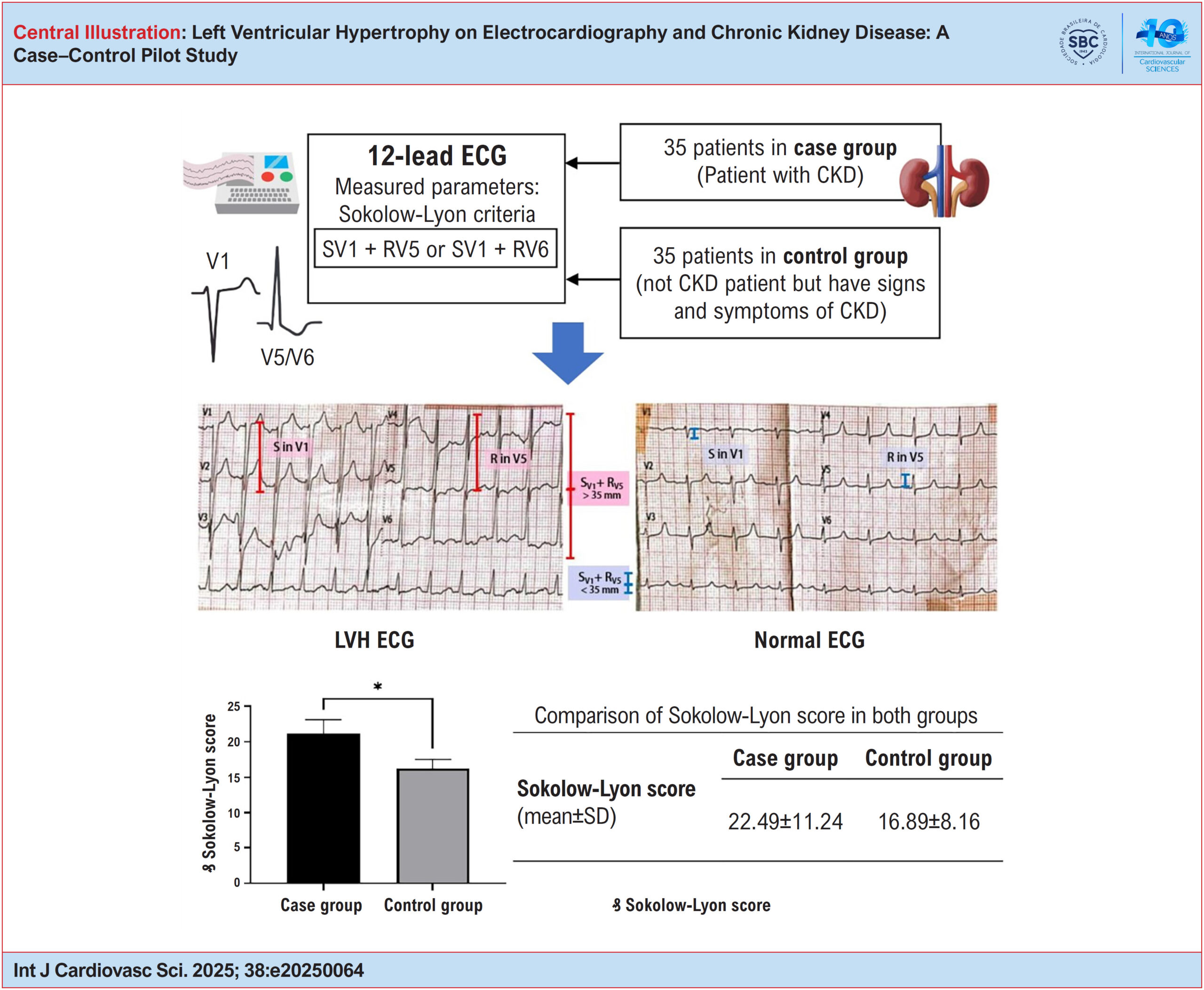
This study aimed to analyze the relationship between LVH and CKD using ECG.

Methods:

This analytical observational study used a case–control design. The case group included patients diagnosed with CKD, while the control group consisted of patients presenting with signs and symptoms suggestive of CKD but without a confirmed diagnosis. Each group included 35 participants. Simple random sampling was used for the case group, and stratified random sampling for the control group. ECG examinations were performed, and measurements were taken using calipers in millimeters (mm). The Sokolow–Lyon criteria were applied to identify LVH. Data were analyzed using an independent t-test, with statistical significance set at p < 0.05.

Results:

The Sokolow–Lyon score was significantly higher in the case group than in the control group (p = 0.03).

Conclusion:

There is a significant association between LVH, as identified on ECG, and CKD. These findings may assist health professionals in resource-limited settings, where access to ECG is restricted.

  • Cardiovascular Diseases
  • chronic renal insufficiency
  • Electrocardiography
  • Left Ventricular Hypertrophy
Read Full Article
Creative Commons Attribution (CC BY) Creative Commons license
01/09/2025 DOI: 10.36660/ijcs.20250064 Views 2
ABC
Editorial

Moving from the "Check the Pulse" Era To "Check the ECG" in the Prevention of Thromboembolic Events in Atrial Fibrillation

Tan Chen Wu

Atrial fibrillation (AF) and chronic kidney disease (CKD) share common risk factors and often co-exist: 20% of patients with CKD have symptomatic AF, whereas around 50% of patients with AF will have some degree of renal impairment. Patients with both conditions have a five-fold increased risk of stroke, three-fold increased risk of congestive heart failure, higher cardiovascular morbidity, and all-cause mortality compared with patients who only have either AF or CKD. The incidence rates of AF in a large nationwide database from Taiwan were 5.0, 7.3, and 12.1 events per 1000 patient-years in the general population, the CKD cohort, and the end-stage kidney disease cohort, respectively. The risk of stroke or systemic embolismincreased by 7% for every 10 mL/min decline in eGFR. Early detection of AF may reduce the risk of stroke and other AF-related complications using oral anticoagulant therapy or left atrial appendage closure procedure..

In the first physician-based survey jointly conducted by European Heart Rhythm Association (EHRA) and European Renal Association (ERA)/European Dialysis and Transplantation Association (EDTA) in 2020 to gain insight into the management of AF in patients with CKD, when asked about screening for AF among CKD patient, overall, 132/295 respondents (44.7%) would routinely screen for the presence of AF in all CKD patients at their first presentation, 68/295 (23.1%) would screen for AF only in selected CKD patients, and 95/295 respondents (32.2%) would not screen for AF among CKD patients. Compared with ERA/EDTA respondents, EHRA respondents would more frequently screen for AF only in selected CKD patients (28.5% vs. 16.8%, p = 0.017 at their first presentation and 36.7% vs. 25.0%, p = 0.031 during follow-up). Therefore, there is a low utilization of screening for AF among CKD patients, most likely in patients with symptoms or a history of arrhythmia. More ERA/EDTA respondents would screen for AF among patients on dialysis or those with a functioning kidney transplant compared with EHRA respondents. The most common screening techniques were a single 12-lead electrocardiogram (ECG) recording (240/288 respondents, 83.3%) or ≥24-h Holter monitoring (181/288, 62.8%). The ERA/EDTA respondents still more frequently chose pulse palpation (67.4%), whereas the EHRA respondents more frequently opted for a cardiac rhythm monitoring strategy using a handheld device, telemetry, Holter monitoring, an implantable cardiac monitor, or cardiac implantable electronic device memory readings.

[…]

  • Atrial Fibrillation
  • chronic renal insufficiency
  • Dialysis
  • Equipment and Supplies
  • Triage
Read Full Article
Creative Commons Attribution (CC BY) Creative Commons license
20/06/2025 DOI: 10.36660/abc.20250193i Views 1
Cardiac Autonomic Neuropathy: An Emerging Cardiovascular Risk to Hemodialysis and Non-Hemodialysis Chronic Kidney Disease Patients of Primary Renal Diagnosis
IJCS
Original Article

Cardiac Autonomic Neuropathy: An Emerging Cardiovascular Risk to Hemodialysis and Non-Hemodialysis Chronic Kidney Disease Patients of Primary Renal Diagnosis

Aswin PR et al. Sandip Kumar Panda Manisha Kar Pranati Nanda Balakrishnan Kannan

Abstract

Background:

Patients with chronic kidney disease (CKD) are at higher risk of cardiovascular disease. A dysfunctional autonomic nervous system may be the underlying cause. However, very few studies have determined the status of cardiac autonomic neuropathy (CAN) in both non-hemodialysis and hemodialysis CKD patients.

Objectives:

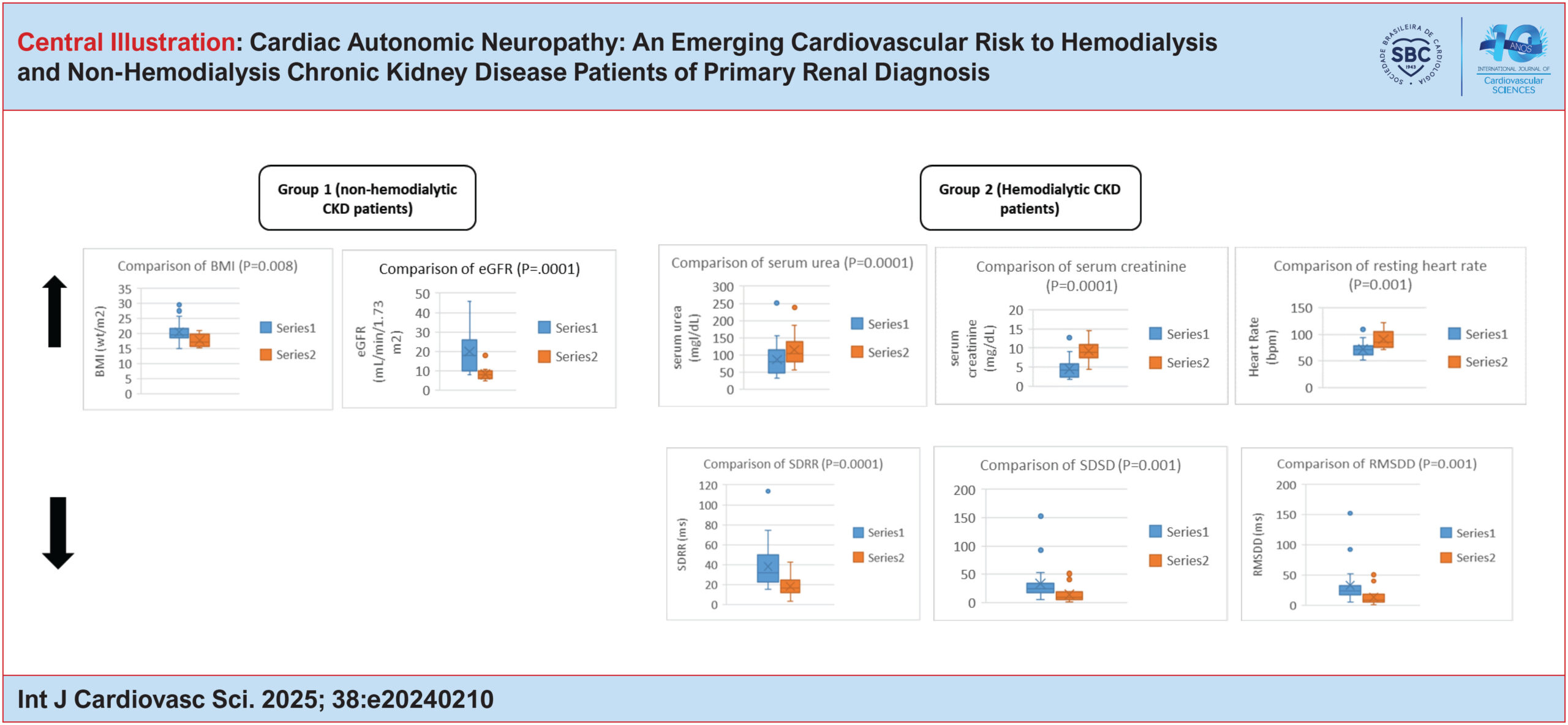
The present study intended to determine and compare CAN in both non-hemodialysis and hemodialysis CKD patients of primary renal diagnosis only and its correlation with the progression of the disease.

Methods:

Non-hemodialysis and hemodialysis CKD patients (n = 23 in each group) of both sexes of 18 to 50 years were recruited in this cross-sectional, observational study. Resting blood pressure and heart rate (HR) were measured, and lead II ECG was recorded for analysis of time- and frequency-domain measures of heart rate variability (HRV). Mann-Whitney U test was applied to compare the variables between the two groups. Spearman correlation was conducted to examine the relationship between variables and the stage of the disease (non-hemodialysis and hemodialysis CKD). A 2-tailed p value < 0.05 was taken as the cutoff level of significance.

Results:

Body mass index (BMI) was significantly higher in non-hemodialysis patients (p = 0.008). Resting HR was significantly higher in the hemodialysis group (p = 0.001). Among HRV measures, standard deviation of RR intervals (SDRR; p = 0.0001), standard deviation of successive differences (SDSD; p = 0.001), and root mean square of successive RR intervals (RMSSD; p = 0.001) were significantly lower in the hemodialysis group. Peripheral blood pressure was not significantly different between the two groups. Resting HR (r = 0.498, p = 0.001) was positively associated with the end-stage renal disease. However, SDRR (r = −0.507, p = 0.001), RMSSD (r = −0.507, p = 0.001), and BMI (r = −0.427, p = 0.004) were negatively associated with end-stage renal disease.

Conclusion:

Altered autonomic function was more profound in hemodialysis patients as evidenced by increased resting HR and decreased HRV measures (SDRR, SDSD, and RMSSD). Moreover, altered autonomic function was associated with end-stage renal disease. Therefore, CKD patients may be screened for CAN for early detection of cardiovascular disease.

  • Cardiac Autonomic Neuropathy
  • chronic renal insufficiency
  • Heart Rate Variability
  • renal dialysis
Read Full Article
Creative Commons Attribution (CC BY) Creative Commons license
16/06/2025 DOI: 10.36660/ijcs.20240210 Views 1
Osteoprotegerin and Vascular Dysfunction in Patients with Stage 3 Chronic Kidney Disease and Those without Renal Dysfunction: A Case-Control Study
ABC
Original Article

Osteoprotegerin and Vascular Dysfunction in Patients with Stage 3 Chronic Kidney Disease and Those without Renal Dysfunction: A Case-Control Study

Thalita de Oliveira Matos et al. Priscila Valverde de Oliveira Vitorino Rogerio Orlow Átila de Oliveira Melo … Diogo da Silva Amorim Gleidson Junio Oliveira Sousa Vanda Jorgetti Ana Luiza Lima Sousa Rodrigo Bezerra Weimar Kunz Sebba Barroso

Abstract

Background

Osteoprotegerin (OPG) is a marker of vascular calcification and cardiovascular risk in patients with chronic kidney disease (CKD).

Objective

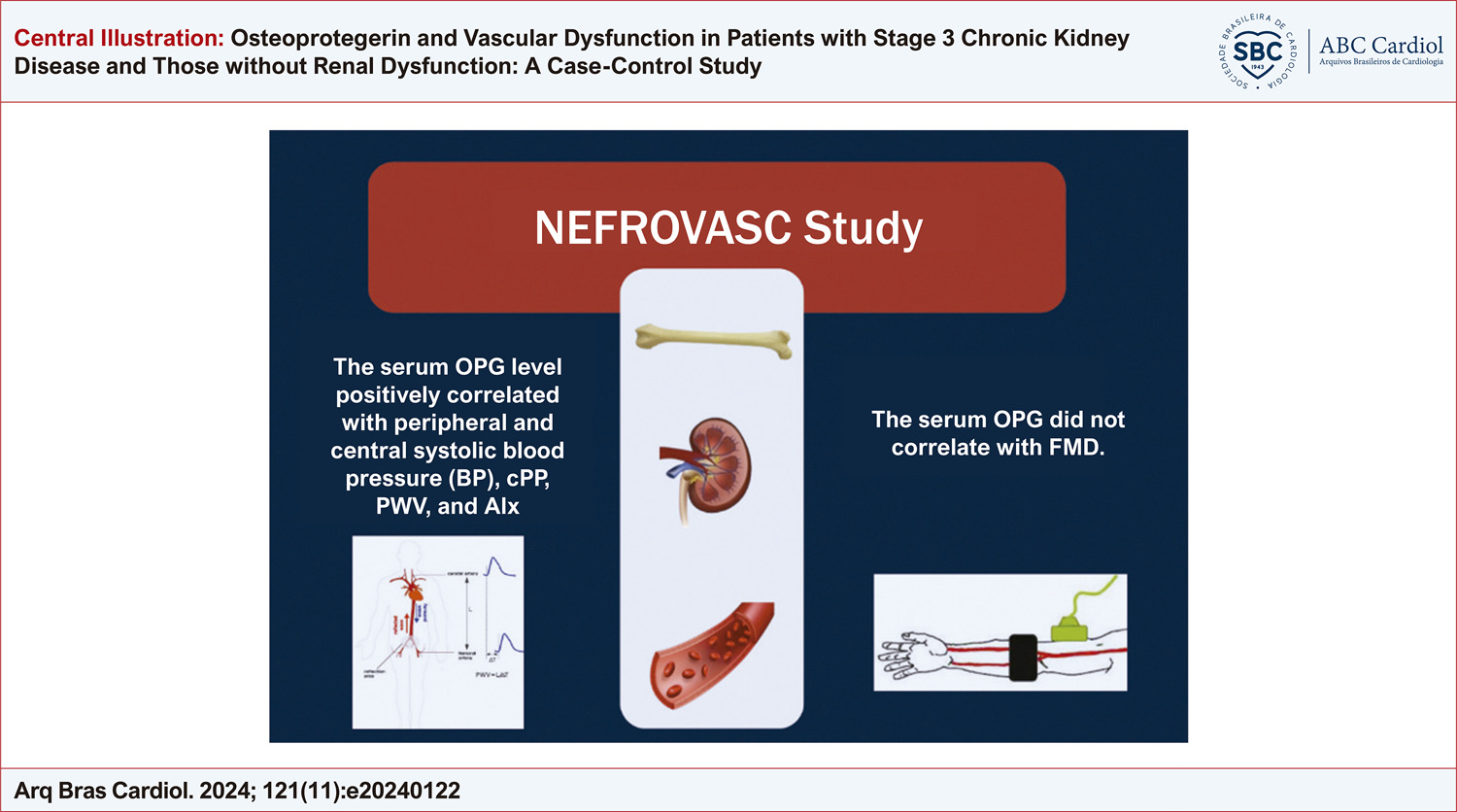
This study aimed to compare and correlate OPG values with flow-mediated dilation (FMD) and pulse wave velocity (PWV) measurements in patients in stage 3 CKD and those without renal dysfunction.

Methods

This case-control study was conducted in a specialized hypertension center in 2022. A total of 79 patients over 18 years of age participated in the study. The case group consisted of 30 patients with moderate renal dysfunction (CKD stage 3) and the control group included 49 individuals with glomerular filtration rate ≥ 60 mL/min/1.73 m2. The significance level adopted in the statistical analysis was 5%.

Results

Central pulse pressure (cPP), PWV, and augmentation index (AIx) were higher in patients with renal dysfunction. The serum OPG level positively correlated with peripheral and central systolic blood pressure, cPP, PWV, and AIx. Conversely, the serum OPG did not correlate with FMD.

Conclusions

OPG and PWV are possible biomarkers of vascular dysfunction that are altered in patients with moderate renal dysfunction. Despite limitations of this study, including that it was a case-control study conducted at a single center, it has the potential, as a proof of concept, to generate the hypothesis of OPG and PWV as biomarkers of early vascular damage in this population.

  • Cardiovascular Diseases
  • chronic renal insufficiency
  • Osteoprotegerin
  • Vascular Calcification
  • vascular endothelium
  • Vascular Stiffness
Read Full Article
Creative Commons Attribution (CC BY) Creative Commons license
25/11/2024 DOI: 10.36660/abc.20240122i Views 1
Central Illustration
IJCS
Original Article

Prevalence of Atrial Fibrillation in Patients With end Stage Renal Disease

Maria da Graça Lepre Hawerroth et al. Lucas Yuji Sonoda Jean José Silva Walter Alvarenga de Oliveira

Abstract

Background

Atrial fibrillation (AF) is the most common arrhythmia in patients with end-stage renal disease (ESRD). The coexistence of high thromboembolic and hemorrhagic risks, added to the lack of strong scientific evidence on the safety of anticoagulants in the setting of renal failure, makes this a clinically challenging situation.

Objectives

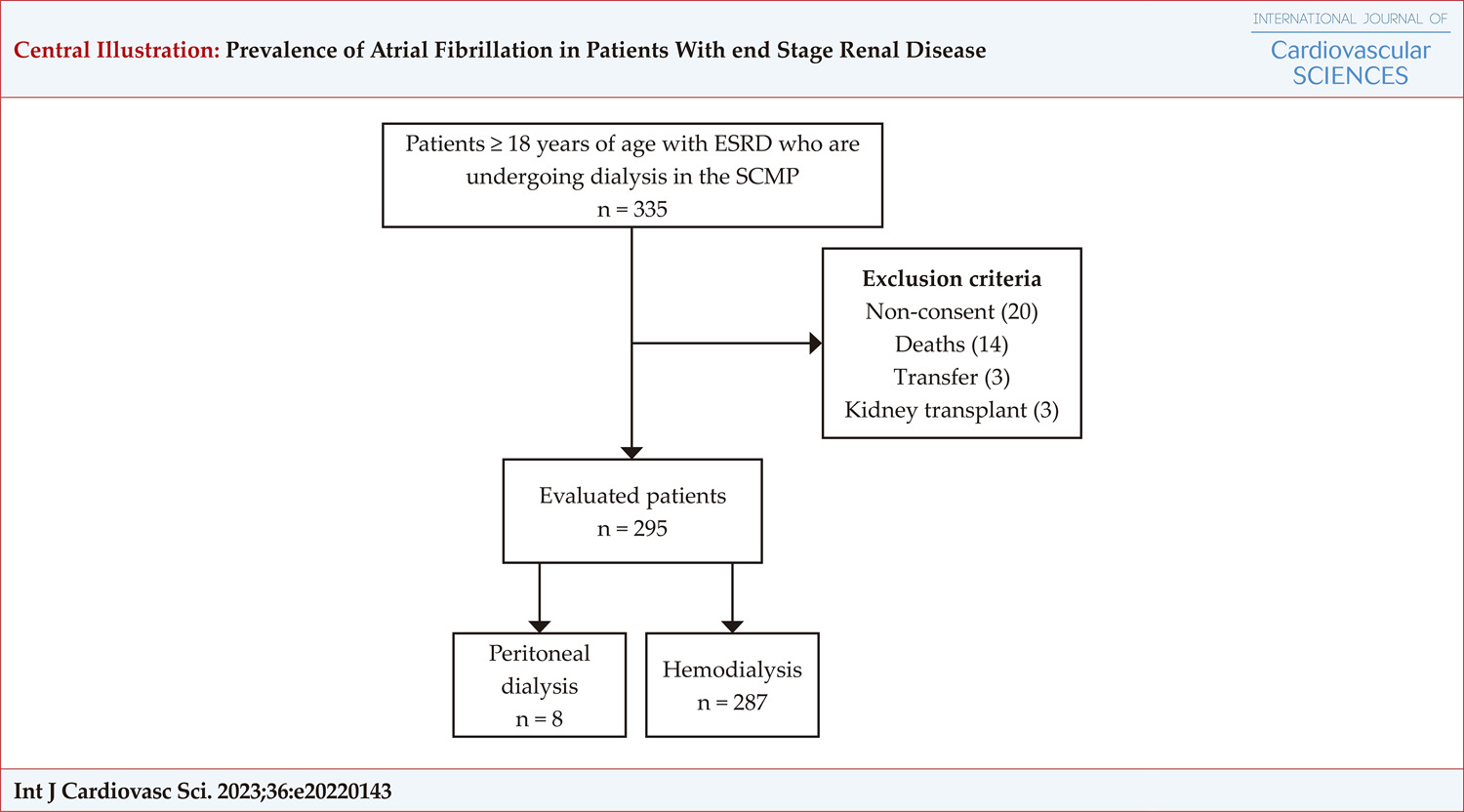
To describe the clinical-demographic profile and prevalence of AF in the population with ESRD undergoing dialysis. Secondary objectives include the assessment of thromboembolic (CHA2DS2VASC) and bleeding (HASBLED) risk scores.

Methods

Cross-sectional analytical-descriptive study, carried out between January and March 2020. Patients with ESRD were evaluated by means of a medical history questionnaire, physical examination, and 12-lead electrocardiogram. A chi-square (χ2) association test was applied to calculate association between clinical variables and AF, with a significance level of α = 0.05.

Results

This study evaluated 295 patients, most of whom were men (170), elderly (63, IQR 53-71), current smokers (130), with associated cardio-endocrine comorbidities. The prevalence of AF was 6.7% (20). Heart failure (HF) (χ2=15.417; p<0.001), age of 65 years or older (χ2=14.584; p<0.001), and anticoagulation (χ2=5.715; p<0.01) were associated with AF. The median CHA2DS2VASC and HASBLED was 4 and 3, respectively. Eight patients were taking warfarin and five were receiving apixaban.

Conclusion

The prevalence of AF in this study is similar to that reported in other published articles on the subject, and patients were at high risk for cardiovascular outcomes. Non-anticoagulation strategy was commonly adopted due to controversies in the literature as well as the absence of published randomized clinical trials.

  • Atrial Fibrillation
  • chronic renal insufficiency
  • renal dialysis
Read Full Article
Creative Commons Attribution (CC BY) Creative Commons license
15/05/2023 DOI: 10.36660/ijcs.20220143

How to cite this article

EndNote RIS

Electronic Document Format (Vancouver)

Oliveira GMM, Brant LCC, Polanczyk CA, Malta DC, Biolo A, Nascimento BR, Souza MFM, et al. Cardiovascular Statistics – Brazil 2026. Arquivos Brasileiros de Cardiologia 2026;:e20260832.

Electronic Document Format (ABNT)

Oliveira, Gláucia Maria Moraes de; Brant, Luisa Campos Caldeira; Polanczyk, Carisi Anne; Malta, Deborah Carvalho; Biolo, Andreia; Nascimento, Bruno Ramos; Souza, Maria de Fatima Marinho de; Lorenzo, Andrea Rocha De; Fagundes Júnior, Antonio Aurélio de Paiva; Manfro, Arthur Gus; Schaan, Beatriz D.; Silva, Christina Grüne de Souza e; Castilho, Fábio Morato de; Cesena, Fernando Henpin Yue; Soares, Gabriel Porto; Xavier Junior, Gesner Francisco; Barreto Filho, Jose Augusto Soares; Pellanda, Lucia Campos; Aranha, Luciana Nicolau; Rohde, Luis Eduardo Paim; Passaglia, Luiz Guilherme; Pinto-Filho, Marcelo Martins; Machline-Carrion, M. Julia; Bittencourt, Marcio Sommer; Pontes Neto, Octavio M.; Villela, Paolo Blanco; Godoy, Paulo Henrique; Teixeira, Renato Azeredo; Stein, Ricardo; Sampaio, Roney Orismar; Salim, Thais Rocha; Gaziano, Thomas A.; Perel, Pablo; Roth, Gregory A.; Ribeiro, Antonio Luiz Pinho. Cardiovascular Statistics – Brazil 2026. Arquivos Brasileiros de Cardiologia, e20260832, Oct. 2026.

Electronic Document Format (APA)

Oliveira, G. M. M. , Brant, L. C. C., Polanczyk, C. A., Malta, D. C., Biolo, A., Nascimento, B. R., Souza, M. F. M. , Lorenzo, A. R. D., Fagundes Júnior, A. A. P., Manfro, A. G., Schaan, B. D., Silva, C. G. S. , Castilho, F. M. , Cesena, F. H. Y., Soares, G. P., Xavier Junior, G. F., Barreto Filho, J. A. S., Pellanda, L. C., Aranha, L. N., Rohde, L. E. P., Passaglia, L. G., Pinto-Filho, M. M., Machline-Carrion, M. J., Bittencourt, M. S., Pontes Neto, O. M., Villela, P. B., Godoy, P. H., Teixeira, R. A., Stein, R., Sampaio, R. O., Salim, T. R., Gaziano, T. A., Perel, P., Roth, G. A., & Ribeiro, A. L. P. (2026). Cardiovascular Statistics – Brazil 2026. Arquivos Brasileiros de Cardiologia, , e20260832.

Electronic Document Format (ISO)

Oliveira, Gláucia Maria Moraes de and Brant, Luisa Campos Caldeira and Polanczyk, Carisi Anne and Malta, Deborah Carvalho and Biolo, Andreia and Nascimento, Bruno Ramos and Souza, Maria de Fatima Marinho de and Lorenzo, Andrea Rocha De and Fagundes Júnior, Antonio Aurélio de Paiva and Manfro, Arthur Gus and Schaan, Beatriz D. and Silva, Christina Grüne de Souza e and Castilho, Fábio Morato de and Cesena, Fernando Henpin Yue and Soares, Gabriel Porto and Xavier Junior, Gesner Francisco and Barreto Filho, Jose Augusto Soares and Pellanda, Lucia Campos and Aranha, Luciana Nicolau and Rohde, Luis Eduardo Paim and Passaglia, Luiz Guilherme and Pinto-Filho, Marcelo Martins and Machline-Carrion, M. Julia and Bittencourt, Marcio Sommer and Pontes Neto, Octavio M. and Villela, Paolo Blanco and Godoy, Paulo Henrique and Teixeira, Renato Azeredo and Stein, Ricardo and Sampaio, Roney Orismar and Salim, Thais Rocha and Gaziano, Thomas A. and Perel, Pablo and Roth, Gregory A. and Ribeiro, Antonio Luiz Pinho. Cardiovascular Statistics – Brazil 2026. Arquivos Brasileiros de Cardiologia [online]. 2026, [cited 2026-10-14], e20260832. Available from: <https://journals.cardiol.br/en/article/cardiovascular-statistics-brazil-2026/>. ISSN 0066-782X

EndNote RIS

Electronic Document Format (Vancouver)

Grillo FL, Bruscato JR, Ross FS, Bergamaschi EZ, Marinho GDT, Nunes JB, Lira RCPD, et al. Unrecognized Chronic Kidney Disease and the Therapeutic Gap in Outpatients with Heart Failure and Reduced Ejection Fraction. ABC Heart Fail Cardiomyop 2026;6:e20260012.

Electronic Document Format (ABNT)

Grillo, Felipe Lopes; Bruscato, Julia Rosembach; Ross, Felipe Storm; Bergamaschi, Eduardo Zanetti; Marinho, Gabriel Della Torres; Nunes, Juliana Berndt; Lira, Rosane Carolina Paes De; Moura, Lidia Ana Zytynski. Unrecognized Chronic Kidney Disease and the Therapeutic Gap in Outpatients with Heart Failure and Reduced Ejection Fraction. ABC Heart Fail Cardiomyop, v. 6, e20260012, Aug. 2026.

Electronic Document Format (APA)

Grillo, F. L., Bruscato, J. R., Ross, F. S., Bergamaschi, E. Z., Marinho, G. D. T., Nunes, J. B., Lira, R. C. P. D., & Moura, L. A. Z. (2026). Unrecognized Chronic Kidney Disease and the Therapeutic Gap in Outpatients with Heart Failure and Reduced Ejection Fraction. ABC Heart Fail Cardiomyop, 6, e20260012.

Electronic Document Format (ISO)

Grillo, Felipe Lopes and Bruscato, Julia Rosembach and Ross, Felipe Storm and Bergamaschi, Eduardo Zanetti and Marinho, Gabriel Della Torres and Nunes, Juliana Berndt and Lira, Rosane Carolina Paes De and Moura, Lidia Ana Zytynski. Unrecognized Chronic Kidney Disease and the Therapeutic Gap in Outpatients with Heart Failure and Reduced Ejection Fraction. ABC Heart Fail Cardiomyop [online]. 2026, vol. 6, [cited 2026-10-14], e20260012. Available from: <https://journals.cardiol.br/en/article/unrecognized-chronic-kidney-disease-and-the-therapeutic-gap-in-outpatients-with-heart-failure-and-reduced-ejection-fraction/>

EndNote RIS

Electronic Document Format (Vancouver)

Matos JPS, Lugon JR. Coronary Artery Disease In Maintenance Hemodialysis Patients: Are We Acting Too Late?. International Journal of Cardiovascular Sciences 2026;39:e20260021.

Electronic Document Format (ABNT)

Matos, Jorge Paulo Strogoff de; Lugon, Jocemir Ronaldo. Coronary Artery Disease In Maintenance Hemodialysis Patients: Are We Acting Too Late?. International Journal of Cardiovascular Sciences, v. 39, e20260021, Jul. 2026.

Electronic Document Format (APA)

Matos, J. P. S. , & Lugon, J. R. (2026). Coronary Artery Disease In Maintenance Hemodialysis Patients: Are We Acting Too Late?. International Journal of Cardiovascular Sciences, 39, e20260021.

Electronic Document Format (ISO)

Matos, Jorge Paulo Strogoff de and Lugon, Jocemir Ronaldo. Coronary Artery Disease In Maintenance Hemodialysis Patients: Are We Acting Too Late?. International Journal of Cardiovascular Sciences [online]. 2026, vol. 39, [cited 2026-10-14], e20260021. Available from: <https://journals.cardiol.br/en/article/coronary-artery-disease-in-maintenance-hemodialysis-patients-are-we-acting-too-late/>. ISSN 2359-4802

EndNote RIS

Electronic Document Format (Vancouver)

Moraes SM, Costa ME, Reis FCL, Maia KAP. Analysis of the Lipid Profile and Prevalence of Cardiovascular Risk Factors in Hemodialysis Patients from an Academic Health Institution in Belo Horizonte. International Journal of Cardiovascular Sciences 2026;39:e20250202.

Electronic Document Format (ABNT)

Moraes, Sarah Mattos; Costa, Matheus Evangelista da; Reis, Flávia Carvalho Leão; Maia, Kleisson Antônio Pontes. Analysis of the Lipid Profile and Prevalence of Cardiovascular Risk Factors in Hemodialysis Patients from an Academic Health Institution in Belo Horizonte. International Journal of Cardiovascular Sciences, v. 39, e20250202, Jul. 2026.

Electronic Document Format (APA)

Moraes, S. M., Costa, M. E. , Reis, F. C. L., & Maia, K. A. P. (2026). Analysis of the Lipid Profile and Prevalence of Cardiovascular Risk Factors in Hemodialysis Patients from an Academic Health Institution in Belo Horizonte. International Journal of Cardiovascular Sciences, 39, e20250202.

Electronic Document Format (ISO)

Moraes, Sarah Mattos and Costa, Matheus Evangelista da and Reis, Flávia Carvalho Leão and Maia, Kleisson Antônio Pontes. Analysis of the Lipid Profile and Prevalence of Cardiovascular Risk Factors in Hemodialysis Patients from an Academic Health Institution in Belo Horizonte. International Journal of Cardiovascular Sciences [online]. 2026, vol. 39, [cited 2026-10-14], e20250202. Available from: <https://journals.cardiol.br/en/article/analysis-of-the-lipid-profile-and-prevalence-of-cardiovascular-risk-factors-in-hemodialysis-patients-from-an-academic-health-institution-in-belo-horizonte/>. ISSN 2359-4802

EndNote RIS

Electronic Document Format (Vancouver)

Hu M, Gong Z, Li X, Yin C. Investigating the Causal Role of Inflammatory Cytokines in the Development of Cardiovascular, Kidney, and Metabolic Diseases. Arquivos Brasileiros de Cardiologia 2026;123(4):e20250611.

Electronic Document Format (ABNT)

Hu, Mengjin; Gong, Zhaoting; Li, Xiaosong; Yin, Chunlin. Investigating the Causal Role of Inflammatory Cytokines in the Development of Cardiovascular, Kidney, and Metabolic Diseases. Arquivos Brasileiros de Cardiologia, v. 123, n. 4, e20250611, Jul. 2026.

Electronic Document Format (APA)

Hu, M., Gong, Z., Li, X., & Yin, C. (2026). Investigating the Causal Role of Inflammatory Cytokines in the Development of Cardiovascular, Kidney, and Metabolic Diseases. Arquivos Brasileiros de Cardiologia, 123(4), e20250611.

Electronic Document Format (ISO)

Hu, Mengjin and Gong, Zhaoting and Li, Xiaosong and Yin, Chunlin. Investigating the Causal Role of Inflammatory Cytokines in the Development of Cardiovascular, Kidney, and Metabolic Diseases. Arquivos Brasileiros de Cardiologia [online]. 2026, vol. 123, n. 4, [cited 2026-10-14], e20250611. Available from: <https://journals.cardiol.br/en/article/investigating-the-causal-role-of-inflammatory-cytokines-in-the-development-of-cardiovascular-kidney-and-metabolic-diseases/>. ISSN 0066-782X

EndNote RIS

Electronic Document Format (Vancouver)

Kranjec I. Coronary Artery Disease and Chronic Kidney Disease: A Tale of Two Organs. Arquivos Brasileiros de Cardiologia 2026;123(1):e20260028.

Electronic Document Format (ABNT)

Kranjec, Igor. Coronary Artery Disease and Chronic Kidney Disease: A Tale of Two Organs. Arquivos Brasileiros de Cardiologia, v. 123, n. 1, e20260028, Mar. 2026.

Electronic Document Format (APA)

Kranjec, I. (2026). Coronary Artery Disease and Chronic Kidney Disease: A Tale of Two Organs. Arquivos Brasileiros de Cardiologia, 123(1), e20260028.

Electronic Document Format (ISO)

Kranjec, Igor. Coronary Artery Disease and Chronic Kidney Disease: A Tale of Two Organs. Arquivos Brasileiros de Cardiologia [online]. 2026, vol. 123, n. 1, [cited 2026-10-14], e20260028. Available from: <https://journals.cardiol.br/en/article/coronary-artery-disease-and-chronic-kidney-disease-a-tale-of-two-organs/>. ISSN 0066-782X

EndNote RIS

Electronic Document Format (Vancouver)

Conceição HMC, Valois ALV, Ramos EMS, Ladeia AM. Clinical and Laboratory Predictors for the Development of Heart Valve Diseases in Chronic Kidney Disease: A Systematic Review. Arquivos Brasileiros de Cardiologia 2025;122(8):e20240222.

Electronic Document Format (ABNT)

Conceição, Hayala Machado Cavalcante; Valois, Ana Luísa Vaz; Ramos, Erick Magalhães Silva; Ladeia, Ana Marice. Clinical and Laboratory Predictors for the Development of Heart Valve Diseases in Chronic Kidney Disease: A Systematic Review. Arquivos Brasileiros de Cardiologia, v. 122, n. 8, e20240222, Sep. 2025.

Electronic Document Format (APA)

Conceição, H. M. C., Valois, A. L. V., Ramos, E. M. S., & Ladeia, A. M. (2025). Clinical and Laboratory Predictors for the Development of Heart Valve Diseases in Chronic Kidney Disease: A Systematic Review. Arquivos Brasileiros de Cardiologia, 122(8), e20240222.

Electronic Document Format (ISO)

Conceição, Hayala Machado Cavalcante and Valois, Ana Luísa Vaz and Ramos, Erick Magalhães Silva and Ladeia, Ana Marice. Clinical and Laboratory Predictors for the Development of Heart Valve Diseases in Chronic Kidney Disease: A Systematic Review. Arquivos Brasileiros de Cardiologia [online]. 2025, vol. 122, n. 8, [cited 2026-10-14], e20240222. Available from: <https://journals.cardiol.br/en/article/clinical-and-laboratory-predictors-for-the-development-of-heart-valve-diseases-in-chronic-kidney-disease-a-systematic-review/>. ISSN 0066-782X

EndNote RIS

Electronic Document Format (Vancouver)

Hajar N, Joveazhari NN, Chasani S, Wahab Z, Adhyatma GP, Balqis IA, Fahdalhaq ZA, et al. Left Ventricular Hypertrophy on Electrocardiography and Chronic Kidney Disease: A Case–Control Pilot Study. International Journal of Cardiovascular Sciences 2025;38:e20250064.

Electronic Document Format (ABNT)

Hajar, Nabil; Joveazhari, Nabila Nuralya; Chasani, Shofa; Wahab, Zulfachmi; Adhyatma, Galih Prakasa; Balqis, Indira Aura; Fahdalhaq, Zeidan Ahmad; Wicaksono, Bintang Adhiyoso. Left Ventricular Hypertrophy on Electrocardiography and Chronic Kidney Disease: A Case–Control Pilot Study. International Journal of Cardiovascular Sciences, v. 38, e20250064, Aug. 2025.

Electronic Document Format (APA)

Hajar, N., Joveazhari, N. N., Chasani, S., Wahab, Z., Adhyatma, G. P., Balqis, I. A., Fahdalhaq, Z. A., & Wicaksono, B. A. (2025). Left Ventricular Hypertrophy on Electrocardiography and Chronic Kidney Disease: A Case–Control Pilot Study. International Journal of Cardiovascular Sciences, 38, e20250064.

Electronic Document Format (ISO)

Hajar, Nabil and Joveazhari, Nabila Nuralya and Chasani, Shofa and Wahab, Zulfachmi and Adhyatma, Galih Prakasa and Balqis, Indira Aura and Fahdalhaq, Zeidan Ahmad and Wicaksono, Bintang Adhiyoso. Left Ventricular Hypertrophy on Electrocardiography and Chronic Kidney Disease: A Case–Control Pilot Study. International Journal of Cardiovascular Sciences [online]. 2025, vol. 38, [cited 2026-10-14], e20250064. Available from: <https://journals.cardiol.br/en/article/left-ventricular-hypertrophy-on-electrocardiography-and-chronic-kidney-disease-a-case-control-pilot-study/>. ISSN 2359-4802

EndNote RIS

Electronic Document Format (Vancouver)

Wu TC. Moving from the “Check the Pulse” Era To “Check the ECG” in the Prevention of Thromboembolic Events in Atrial Fibrillation. Arquivos Brasileiros de Cardiologia 2025;122(3):e20250193.

Electronic Document Format (ABNT)

Wu, Tan Chen. Moving from the “Check the Pulse” Era To “Check the ECG” in the Prevention of Thromboembolic Events in Atrial Fibrillation. Arquivos Brasileiros de Cardiologia, v. 122, n. 3, e20250193, Jun. 2025.

Electronic Document Format (APA)

Wu, T. C. (2025). Moving from the “Check the Pulse” Era To “Check the ECG” in the Prevention of Thromboembolic Events in Atrial Fibrillation. Arquivos Brasileiros de Cardiologia, 122(3), e20250193.

Electronic Document Format (ISO)

Wu, Tan Chen. Moving from the “Check the Pulse” Era To “Check the ECG” in the Prevention of Thromboembolic Events in Atrial Fibrillation. Arquivos Brasileiros de Cardiologia [online]. 2025, vol. 122, n. 3, [cited 2026-10-14], e20250193. Available from: <https://journals.cardiol.br/en/article/moving-from-the-check-the-pulse-era-to-check-the-ecg-in-the-prevention-of-thromboembolic-events-in-atrial-fibrillation/>. ISSN 0066-782X

EndNote RIS

Electronic Document Format (Vancouver)

PR A, Panda SK, Kar M, Nanda P, Kannan B. Cardiac Autonomic Neuropathy: An Emerging Cardiovascular Risk to Hemodialysis and Non-Hemodialysis Chronic Kidney Disease Patients of Primary Renal Diagnosis. International Journal of Cardiovascular Sciences 2025;38:e20240210.

Electronic Document Format (ABNT)

PR, Aswin; Panda, Sandip Kumar; Kar, Manisha; Nanda, Pranati; Kannan, Balakrishnan. Cardiac Autonomic Neuropathy: An Emerging Cardiovascular Risk to Hemodialysis and Non-Hemodialysis Chronic Kidney Disease Patients of Primary Renal Diagnosis. International Journal of Cardiovascular Sciences, v. 38, e20240210, Jun. 2025.

Electronic Document Format (APA)

PR, A., Panda, S. K., Kar, M., Nanda, P., & Kannan, B. (2025). Cardiac Autonomic Neuropathy: An Emerging Cardiovascular Risk to Hemodialysis and Non-Hemodialysis Chronic Kidney Disease Patients of Primary Renal Diagnosis. International Journal of Cardiovascular Sciences, 38, e20240210.

Electronic Document Format (ISO)

PR, Aswin and Panda, Sandip Kumar and Kar, Manisha and Nanda, Pranati and Kannan, Balakrishnan. Cardiac Autonomic Neuropathy: An Emerging Cardiovascular Risk to Hemodialysis and Non-Hemodialysis Chronic Kidney Disease Patients of Primary Renal Diagnosis. International Journal of Cardiovascular Sciences [online]. 2025, vol. 38, [cited 2026-10-14], e20240210. Available from: <https://journals.cardiol.br/en/article/cardiac-autonomic-neuropathy-an-emerging-cardiovascular-risk-to-hemodialysis-and-non-hemodialysis-chronic-kidney-disease-patients-of-primary-renal-diagnosis/>. ISSN 2359-4802

EndNote RIS

Electronic Document Format (Vancouver)

Matos TO, Vitorino PVO, Orlow R, Melo O, Amorim DS, Sousa GJO, Jorgetti V, et al. Osteoprotegerin and Vascular Dysfunction in Patients with Stage 3 Chronic Kidney Disease and Those without Renal Dysfunction: A Case-Control Study. Arquivos Brasileiros de Cardiologia 2024;121(11):e20240122.

Electronic Document Format (ABNT)

Matos, Thalita de Oliveira; Vitorino, Priscila Valverde de Oliveira; Orlow, Rogerio; Melo, Átila de Oliveira; Amorim, Diogo da Silva; Sousa, Gleidson Junio Oliveira; Jorgetti, Vanda; Sousa, Ana Luiza Lima; Bezerra, Rodrigo; Barroso, Weimar Kunz Sebba. Osteoprotegerin and Vascular Dysfunction in Patients with Stage 3 Chronic Kidney Disease and Those without Renal Dysfunction: A Case-Control Study. Arquivos Brasileiros de Cardiologia, v. 121, n. 11, e20240122, Nov. 2024.

Electronic Document Format (APA)

Matos, T. O., Vitorino, P. V. O., Orlow, R., Melo, O., Amorim, D. S., Sousa, G. J. O., Jorgetti, V., Sousa, A. L. L., Bezerra, R., & Barroso, W. K. S. (2024). Osteoprotegerin and Vascular Dysfunction in Patients with Stage 3 Chronic Kidney Disease and Those without Renal Dysfunction: A Case-Control Study. Arquivos Brasileiros de Cardiologia, 121(11), e20240122.

Electronic Document Format (ISO)

Matos, Thalita de Oliveira and Vitorino, Priscila Valverde de Oliveira and Orlow, Rogerio and Melo, Átila de Oliveira and Amorim, Diogo da Silva and Sousa, Gleidson Junio Oliveira and Jorgetti, Vanda and Sousa, Ana Luiza Lima and Bezerra, Rodrigo and Barroso, Weimar Kunz Sebba. Osteoprotegerin and Vascular Dysfunction in Patients with Stage 3 Chronic Kidney Disease and Those without Renal Dysfunction: A Case-Control Study. Arquivos Brasileiros de Cardiologia [online]. 2024, vol. 121, n. 11, [cited 2026-10-14], e20240122. Available from: <https://journals.cardiol.br/en/article/osteoprotegerin-and-vascular-dysfunction-in-patients-with-stage-3-chronic-kidney-disease-and-those-without-renal-dysfunction-a-case-control-study/>. ISSN 0066-782X

EndNote RIS

Electronic Document Format (Vancouver)

Hawerroth MGL, Sonoda LY, Silva JJ, Oliveira WA. Prevalence of Atrial Fibrillation in Patients With end Stage Renal Disease. International Journal of Cardiovascular Sciences 2023;36:e20220143.

Electronic Document Format (ABNT)

Hawerroth, Maria da Graça Lepre; Sonoda, Lucas Yuji; Silva, Jean José; Oliveira, Walter Alvarenga de. Prevalence of Atrial Fibrillation in Patients With end Stage Renal Disease. International Journal of Cardiovascular Sciences, v. 36, e20220143, May. 2023.

Electronic Document Format (APA)

Hawerroth, M. G. L., Sonoda, L. Y., Silva, J. J., & Oliveira, W. A. (2023). Prevalence of Atrial Fibrillation in Patients With end Stage Renal Disease. International Journal of Cardiovascular Sciences, 36, e20220143.

Electronic Document Format (ISO)

Hawerroth, Maria da Graça Lepre and Sonoda, Lucas Yuji and Silva, Jean José and Oliveira, Walter Alvarenga de. Prevalence of Atrial Fibrillation in Patients With end Stage Renal Disease. International Journal of Cardiovascular Sciences [online]. 2023, vol. 36, [cited 2026-10-14], e20220143. Available from: <https://journals.cardiol.br/en/article/prevalence-of-atrial-fibrillation-in-patients-with-end-stage-renal-disease/>. ISSN 2359-4802

  • About ABC Family
  • Internal Regulation
  • Editorial Board
  • Brazilian Society of Cardiology (SBC)

Issues

SBC Guidelines

  • Videos
  • Podcasts
  • News