My Approach to Echocardiographic Evaluation after Pediatric Heart Transplantation to Control Rejection and/or Graft Vascular Disease
Abstract
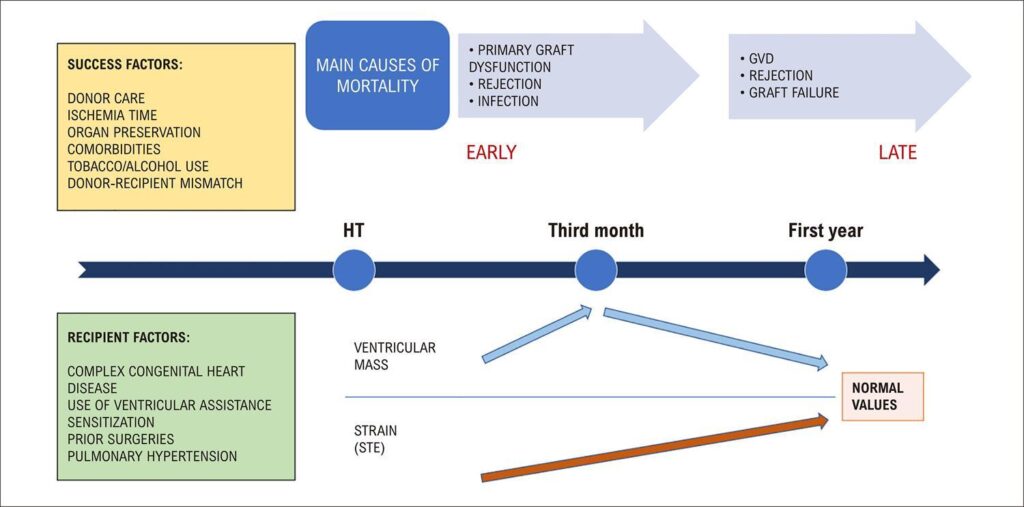
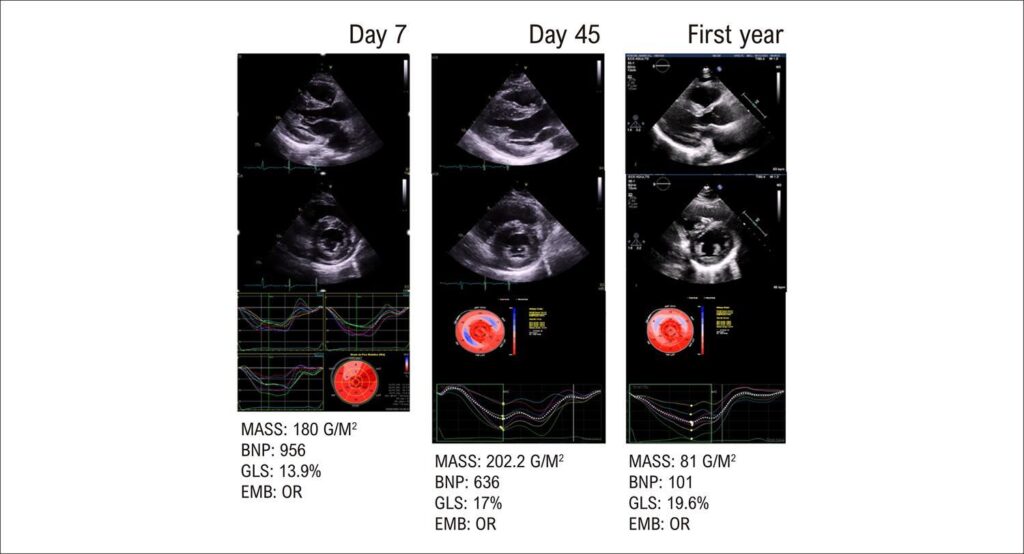
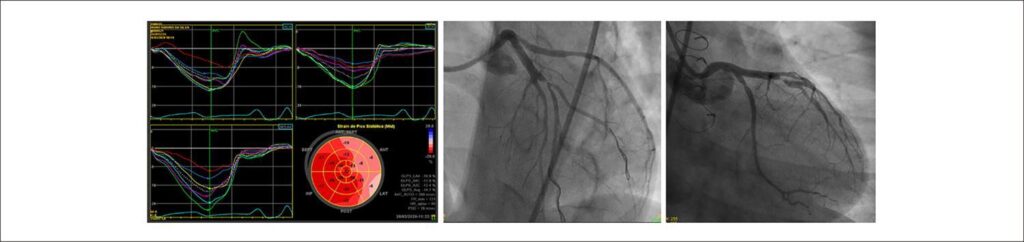
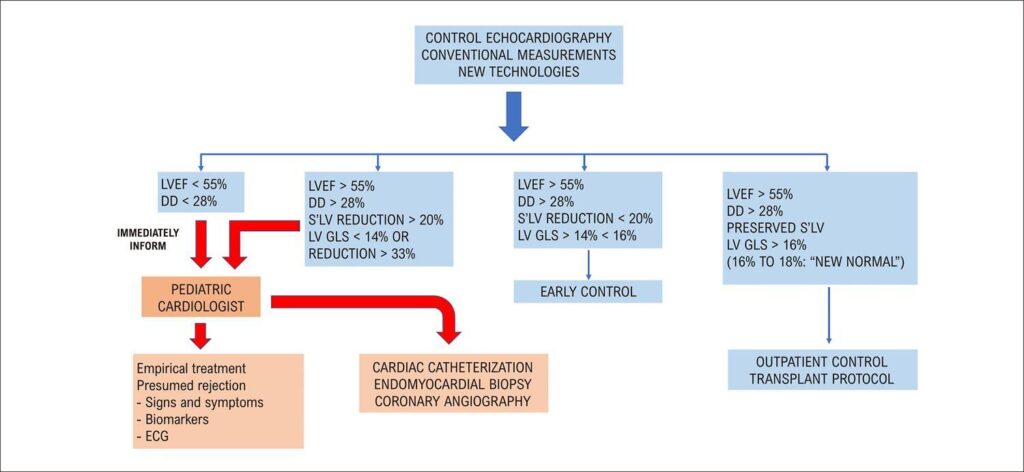
Pediatric heart transplantation is the definitive therapeutic option for patients with heart failure refractory to optimized clinical treatment, due either to cardiomyopathies or congenital heart disease. Morbidity and mortality remain concerning factors during evolution, and primary dysfunction, rejection, and graft vascular disease (GVD) are the main causes of death in the first 5 years after transplantation. As a surveillance method, transthoracic echocardiography has significant benefits in assisting diagnosis when there is clinical suspicion of rejection or GVD. The objective of this article is to present, in a clear and objective manner, which echocardiographic data assist pediatric cardiologists in follow-up of transplanted patients. The use of echocardiography, either through conventional tools or advanced methods, carefully focusing on different early and late post-cardiac transplantation phases, with information from current and comparative examination of evolution, mainly regarding tissue Doppler and longitudinal strain, can assist pediatric cardiologists in the decision to anticipate endomyocardial biopsy and coronary angiography (gold standard) for early diagnosis and immediate intervention, allowing greater graft durability.
Images
Image gallery fullscreen viewer
Comments are moderated by the editorial team before publication. Discussions should be evidence-based and use scientific language. Conflicts of interest should be declared.