ABC Family Arquivos Brasileiros de Cardiologia International Journal of Cardiovascular Sciences ABC Heart Failure & Cardiomyopathy ABC Imagem Cardiovascular
Português English
ABC Family
Português English
  • About
    • About ABC Family
    • Internal Regulation
    • Editorial Board
    • Brazilian Society of Cardiology (SBC)
  • Issues
  • SBC Guidelines
  • Content
    • Videos
    • Podcasts
    • News
  • About
    • About ABC Family
    • Internal Regulation
    • Editorial Board
    • Brazilian Society of Cardiology (SBC)
  • Issues
  • SBC Guidelines
  • Content
    • Videos
    • Podcasts
    • News

ABC Family

  • ABC Family
  • Arquivos Brasileiros de Cardiologia
  • International Journal of Cardiovascular Sciences
  • ABC Heart Failure & Cardiomyopathy
  • ABC Imagem Cardiovascular
Search in

No content found.

Journals
Ordering
Article types
Others

  1. Home
  2. Keyword: Stents
Figure 1
ABC
Case Report

Use of Manually Covered Stent with Tegaderm in Vascular Perforations: Case Series Report

Alexandre Damiani Azmus et al. Antônio Carlo Klug Cogo Luis Manuel Rodriguez Oyuela João Vitor Slaviero … Andre Luiz Langer Manica Eduardo Mascarenhas Azevedo

Introduction

Coronary perforation during percutaneous coronary intervention (PCI) is a rare but potentially lethal complication, with an estimated incidence of 0.2% to 0.6% of angioplasties.

Risk factors include advanced age, previous coronary artery bypass graft (CABG) surgery, complex coronary artery disease, tortuosity, calcification, or the presence of chronic total occlusions. The Ellis classification remains widely used to define severity and guide management.

[…]

  • Case Reports
  • Intervenção Coronária Percutânea
  • Stents
Read Full Article
Creative Commons Attribution (CC BY) Creative Commons license
07/08/2026 DOI: 10.36660/abc.20250834i Views 3
Figure 1
ABCIC
Case Report

Implantation of a Post-Dilatable Stent in Aortic Coarctation Via Carotid Access in a Newborn With Ebstein's Anomaly: Case Report

Jonathan Guimarães Lombardi et al. Paulo Correia Calamita Orlando Carlos Barbosa Mayra Rosana Palmeira Barreto Giulliano Gardenghi

Introduction

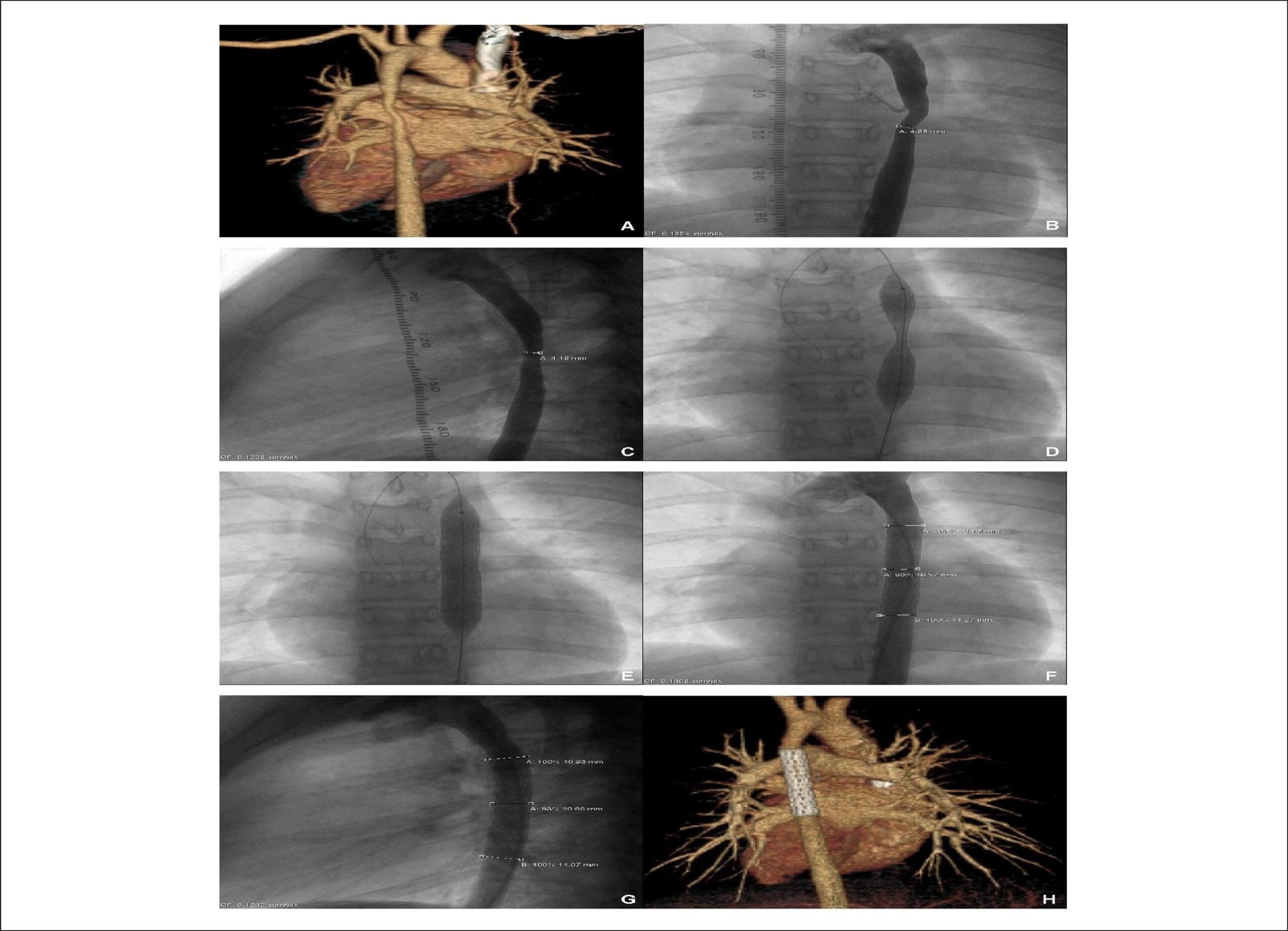
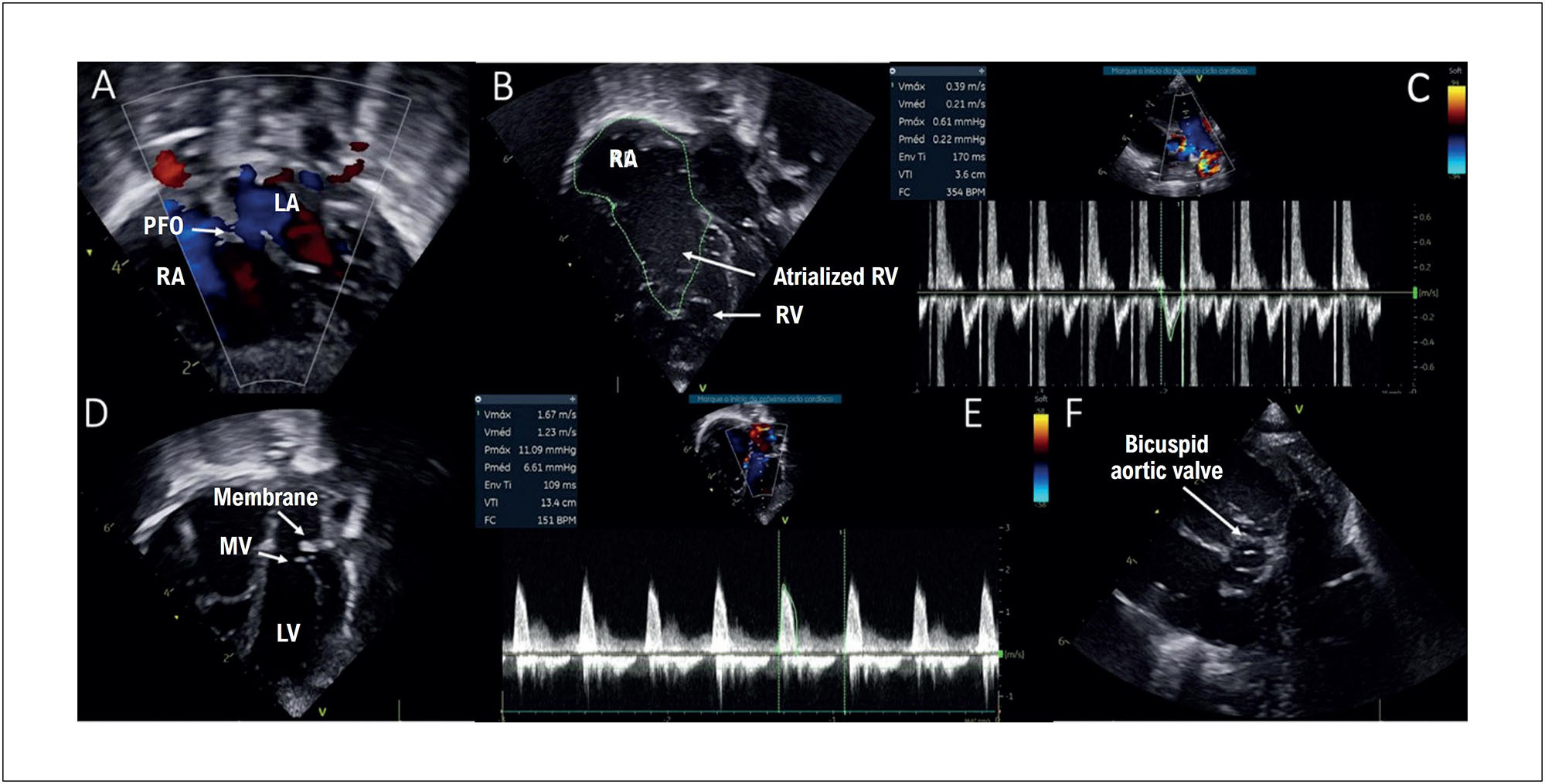
Ebstein’s anomaly is a complex congenital heart disease that occurs in one out of every 200,000 live births. Its association with left-sided obstructive lesions is rare and poses significant challenges for both clinical and surgical management. In this case report, we present a newborn patient with Ebstein’s anomaly associated with supravalvular mitral stenosis and coarctation of the aorta (CoA), who underwent cardiac catheterization for the implantation of a post-dilatable stent in the aortic isthmus via the carotid approach.

[…]

  • Aortic Coarctation
  • Cardiac Catheterization
  • Ebstein Anomaly
  • Newborn Infant
  • Stents
Read Full Article
Creative Commons Attribution (CC BY) Creative Commons license
04/03/2026 DOI: 10.36660/abcimg.20250085i Views 10
ABC
Editorial

Addressing Gender Disparities in Cardiovascular Care: Guideline-Oriented PCI for Women and the Hua-Mulan Conundrum

Pedro Guimarães Silva et al. Henrique Barbosa Ribeiro

The burden of cardiovascular disease (CVD) is not evenly distributed across populations. While biological factors contribute to its prevalence, social, cultural, economic, environmental, and gender-related issues also play significant roles in shaping the unfavorable outcomes associated with ischemic heart disease (IHD). Despite significant advances in cardiovascular care and the advent of modern percutaneous coronary interventions (PCI), gender disparities in the diagnosis, treatment, and outcomes of CVD persist.

According to the Global Burden of Disease (GBD) Network’s 2019 report, CVD accounted for 35% of all female deaths globally, with the impact particularly pronounced in developing countries, where socioeconomic barriers hinder access to adequate healthcare. In Brazil, GBD data revealed that 12% of deaths were attributed to IHD, comprising 32.3% of total CVD-related deaths. Although recent years have seen some improvements, women continue to experience slightly higher IHD-related mortality rates (29.9%) compared to men (27.6%). These statistics underscore the urgent need for targeted strategies to address gender inequities and the broader determinants of health in managing CVD.,

[…]

  • Coronary Disease
  • Gender Equity
  • Percutaneous Coronary Intervention
  • Stents
Read Full Article
Creative Commons Attribution (CC BY) Creative Commons license
28/02/2025 DOI: 10.36660/abc.20240824i Views 3
ABC
Editorial

Acute Myocardial Infarction: Do We Need Markers for Microcirculation Injury? Moreover, Would the Fibrinogen/Albumin Ratio Be the Answer?

Ricardo Wang et al. Fernando Carvalho Neuenschwander

Acute myocardial infarction (AMI) is the leading cause of death in the world and the second cause of death in Brazil. The biggest advance in its treatment was reperfusion therapy, be it medication, through the use of fibrinolytics or coronary angioplasty with stent implantation. The latter, in addition to the superiority in the quality of reperfusion, has been shown to be time-sensitive; the earlier the intervention, the greater the reduction in cardiovascular outcomes, both in the context of Acute Coronary Syndrome without ST-Segment Elevation and especially with ST segment elevation.

In the context of ST-segment elevation AMI (STEMI), the time between symptoms and reperfusion by primary angioplasty is considered the main reduction in cardiovascular death, leading to the preservation of ventricular function and earlier recovery.

[…]

  • Albumins
  • Fibrinolytic Agents
  • Mortality
  • Myocardial Infarction
  • Myocardial Reperfusion
  • No-Reflow Phenomenon
  • Stents
Read Full Article
Creative Commons Attribution (CC BY) Creative Commons license
04/03/2024 DOI: 10.36660/abc.20230809 Views 1
Figure 1
ABC
Image

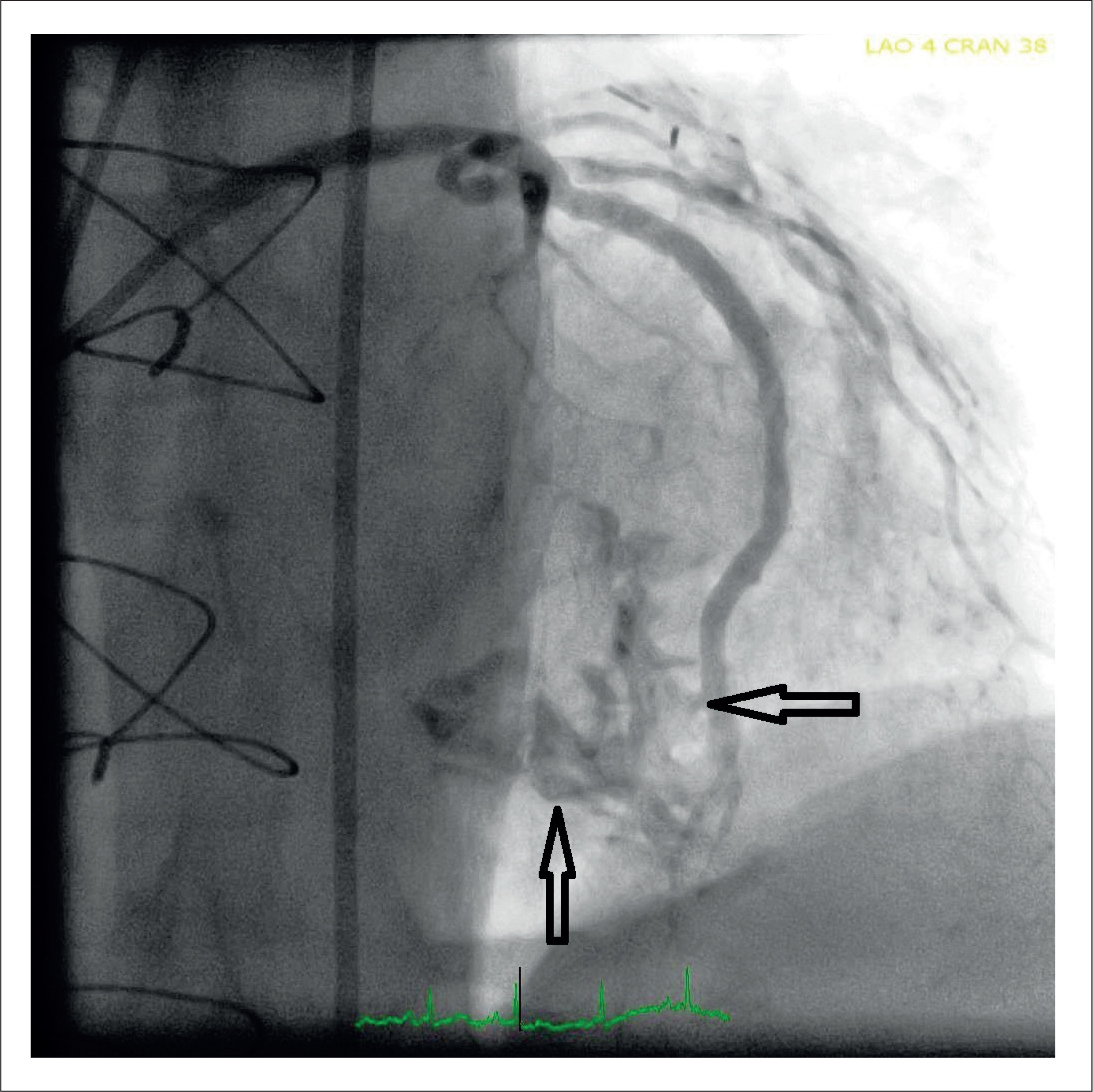
A Stent Misplaced in the Septal Perforating Artery: Right Ventricular Fistula, Interventricular Septal Hematoma, and Right Ventricular Outflow Tract Obstruction

Melik Demir et al. Murat Gök Muhammet Gürdoğan Osman Kula … Fethi Emre Ustabaşıoğlu Kenan Yalta

Abstract

Coronary-cameral fistulas, though mostly regarded as congenital entities, have also been encountered as complications of major traumas and percutaneous coronary interventions (PCIs). On the other hand, interventricular septal (IVS) hematoma might potentially arise mostly during retrograde chronic total occlusion (CTO) interventions and has a benign course in this context. Herein, we describe a challenging PCI complication (and its management strategy) presenting with IVS hematoma, right ventricular fistula, and right ventricular outflow tract (RVOT) obstruction due to a misimplanted coronary stent in the septal perforating artery (SPA).

  • Embolization Therapeutc
  • Heart Septal Ventricular/complications
  • Propensity Score
  • Stents
  • Vascular Foistula
  • Ventricular Outflow Obstruction
Read Full Article
Creative Commons Attribution (CC BY) Creative Commons license
04/09/2023 DOI: 10.36660/abc.20220901
Figure 1
ABCIC
Case Report

Expandable Airway Stents: Success in the Extrinsic Bronchial Compression Approach After Reconstruction of the Aortic Arch

Camila Magalhães Silva et al. Adriana Furletti Machado Guimarães Ricardo Wang Carla Maria Silva e Alves Edmundo Clarindo Oliveira

Introduction

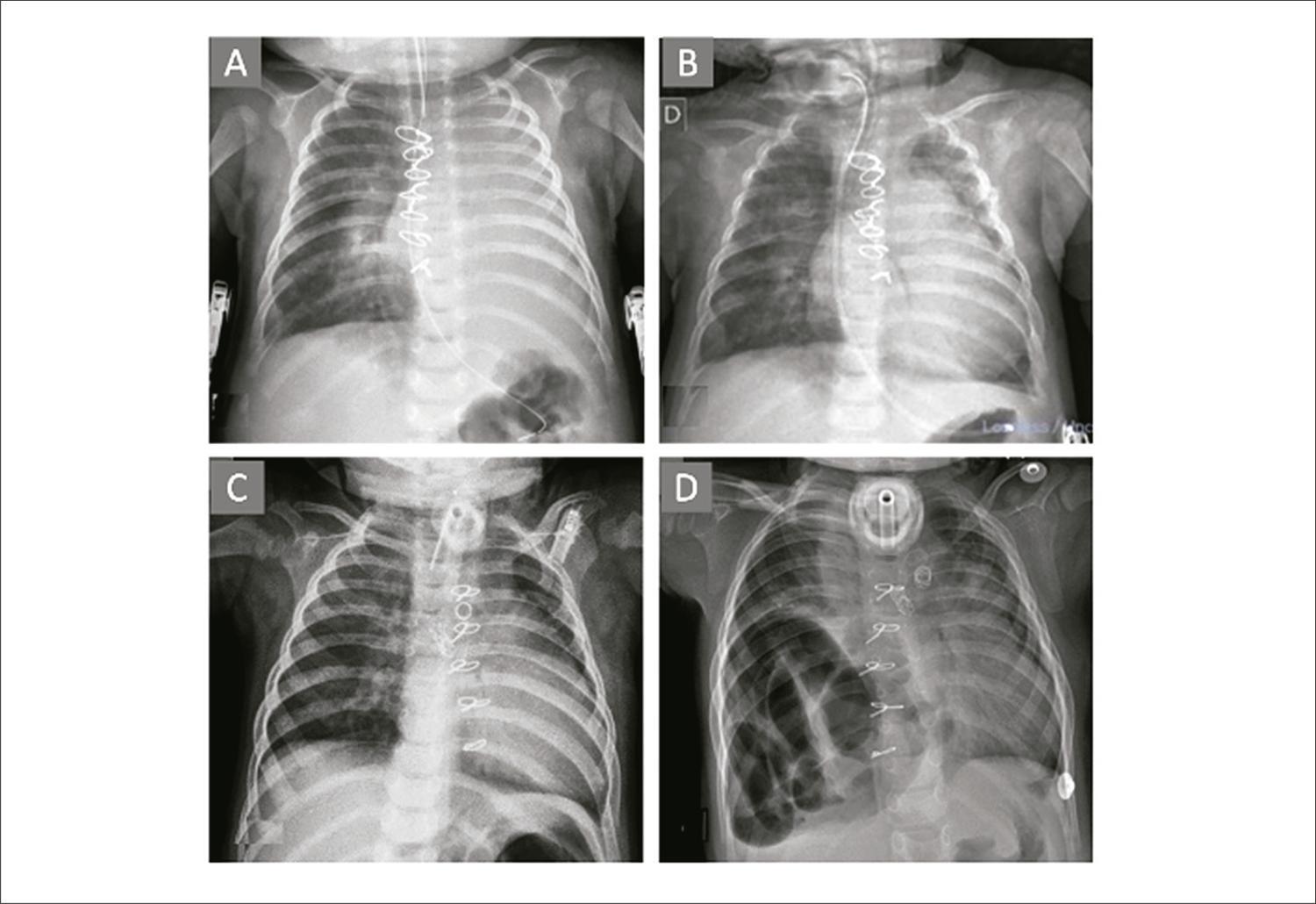
The interruption of the aortic arch is a rare congenital cardiopathy, whose surgical correction generally requires reconstruction of the aortic arch. This intervention can cause distortion of the aortopulmonary space and results in bronchial compression with a consequent pulmonary atelectasis and dependence on ventilatory assistance. The most commonly used therapeutic options for bronchial decompression are not always enough to make pulmonary expansion possible. Our study presents a case of the implant of an endoluminal stent in an infant who, in the post-operative stage of the correction of the interruption of the aortic arch, developed complete atelectasis of the left lung secondary to bronchial compression, with no response after posterior aortopexy

[…]

  • Cardiology Service, Hospital
  • Pediatrics
  • Stents
Read Full Article
Creative Commons Attribution (CC BY) Creative Commons license
27/06/2023 DOI: 10.36660/abcimg.20230023i
Figure 1
ABC
Original Article

Inflammatory Phenotype by OCT Coronary Imaging: Specific Features Among De Novo Lesions, In-Stent Neointima, and In-Stent Neo-Atherosclerosis

Luiz Fernando M Pinheiro et al. Stefano Garzon José Mariani Jr. Guy F. Almeida Prado … Adriano Mendes Caixeta Breno Oliveira Almeida Pedro Alves Lemos

Abstract

Background

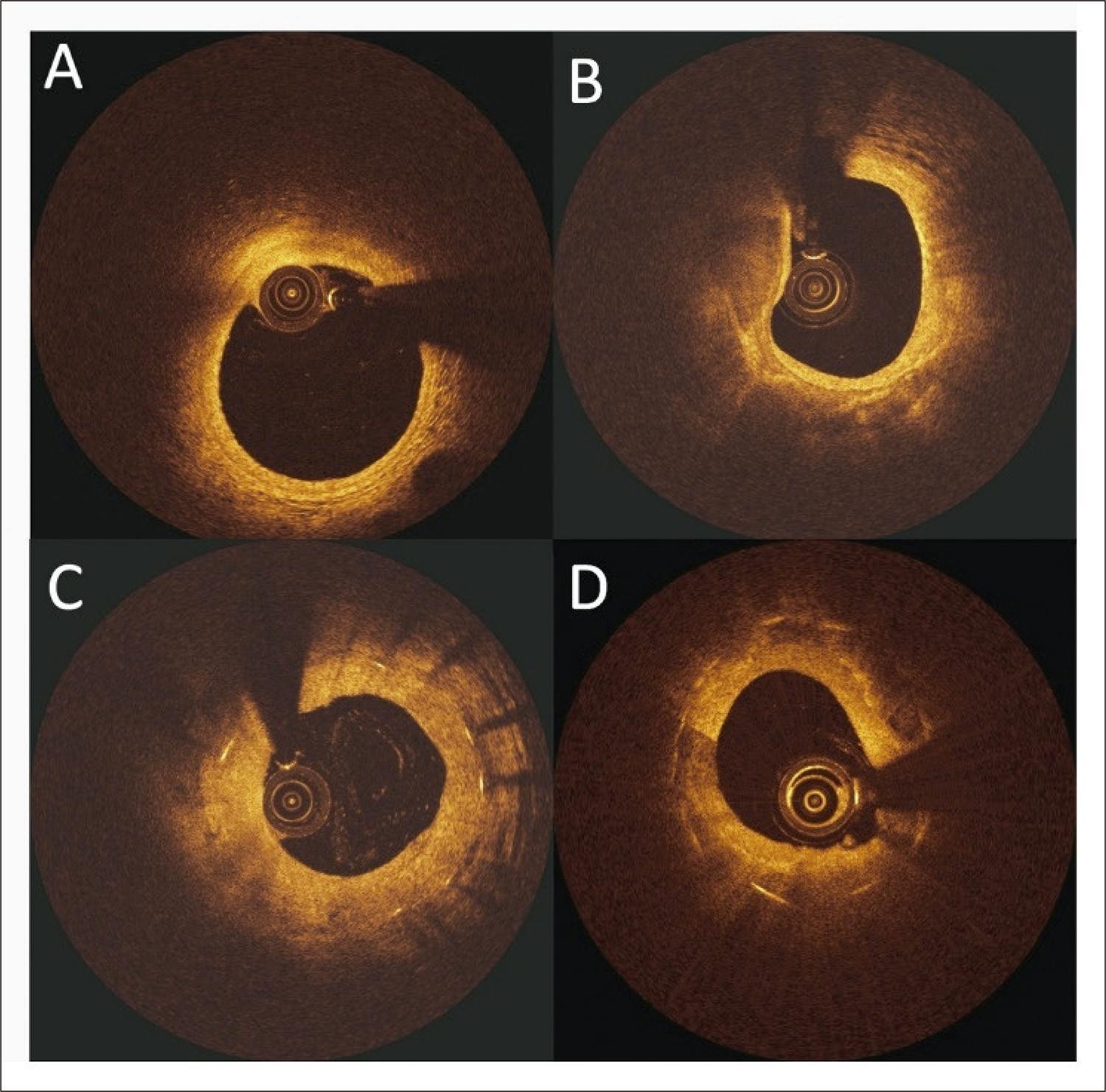
Coronary stenosis can be caused de novo atherosclerosis, in-stent restenosis, and in-stent neoatherosclerosis, three entities that develop from a diverse pathophysiological milieu.

Objective

This study aims to investigate, using optical coherence tomography (OCT), whether or not coronary lesions related to these processes differ in their local inflammatory profile.

Methods

Retrospective analysis of patients with diagnosed or suspected coronary lesions who had undergone OCT imaging for clinical reasons. Macrophage and intra-plaque neovascularization were assessed by OCT and used as surrogates of local inflammation. A significance level of < 0.05 was adopted as statistically significant.

Results

From the 121 lesions, 74 were de novo, 29 were restenosis, and 18 were neoatherosclerosis. Neovascularization was found in 65.8% of de novo, 10.3% in restenosis, and 94.4% in neoatherosclerosis (p<0.01 for all). The volume of neovascularization was different among lesion types (950 vs. 0 vs. 6220, respectively [median values in 1000 x µm3/mm]; p<0.01 for all), which were significantly higher in neoatherosclerosis and lower in restenosis. The presence of macrophages differed among the lesions (95.9% in de novo vs. 6.9% in restenosis vs. 100% in neoatherosclerosis [p<0.01 for all]). Moreover, the intensity of macrophagic infiltration was different among lesion types (2.5 vs. 0.0 vs. 4.5, respectively [median values of macrophage score]; p<0.01 for all), significantly higher in neoatheroscleosis and lower in restenosis.

Conclusion

When compared using coronary OCT, de novo atherosclerosis, in-stent restenosis, and neoatherosclerosis presented markedly different inflammatory phenotypes.

  • Atherosclerosis
  • Coronary Restenosis
  • Stents
Read Full Article
Creative Commons Attribution (CC BY) Creative Commons license
10/10/2022 DOI: 10.36660/abc.20220045
ABCIC
Case Report

Traumatic Laceration of Left Common Iliac Vein during Catheter Ablation — An Unusual Presentation of Cockett-May-Thurner Syndrome

Thiago Almeida Barroso et al. Simone Nascimento dos Santos Fabio Botelho Benhur David Henz … Arnaldo C. Barreto Filho André Rodrigues Zanatta Luiz Roberto Leite

[…]

  • Catheter Ablation
  • May-Thurner Syndrome
  • Phlebography
  • Stents
  • Ultrasonography, Doppler, Color
Read Full Article
Creative Commons Attribution (CC BY) Creative Commons license
20/01/2022 DOI: 10.5935/2318-8219.20180015
ABC
Editorial

Transcatheter Palliation for Tetralogy of Fallot

Francisco Chamié

The Tetralogy of Fallot (TOF) is the most common cyanotic congenital heart defect. The morphologic key feature of TOF is the malalignment of the infundibular septum. The infundibular septum malalignment makes the aorta override interventricular septum (dextroposition) over a large ventricular septal defect (VSD) and promotes obstruction to the right ventricular infundibular tract. The pulmonary valve is also stenotic, and the pulmonary trunk and arteries are, to some degree, hypoplastic. Severe obstruction to pulmonary blood flow (PBF) leads to more systemic unsaturation and, thus, prolonged hypoxia.

Open heart surgery is the traditional treatment modality, augmenting the right ventricular outflow tract (RVOT), closing the VSD, thus redirecting the aorta to the left ventricle, correcting the cardiac anatomy, and normalizing systemic flow saturation.

[…]

  • Cardiac Catheterization
  • cyanosis
  • Stents
  • Tetralogy of Fallot
Read Full Article
Creative Commons Attribution (CC BY) Creative Commons license
25/10/2021 DOI: 10.36660/abc.20210735 Views 1
Figure 1
ABC
Research Letter

The Evolution of Percutaneous Coronary Intervention in Latin America

Costantino Roberto Costantini et al. Rafael Michel de Macedo Marcos Antônio Denk Sergio Gustavo Tarbine … Lazaro Garcia Mario Fernando Camargo Maranhão Costantino Ortiz Costantini

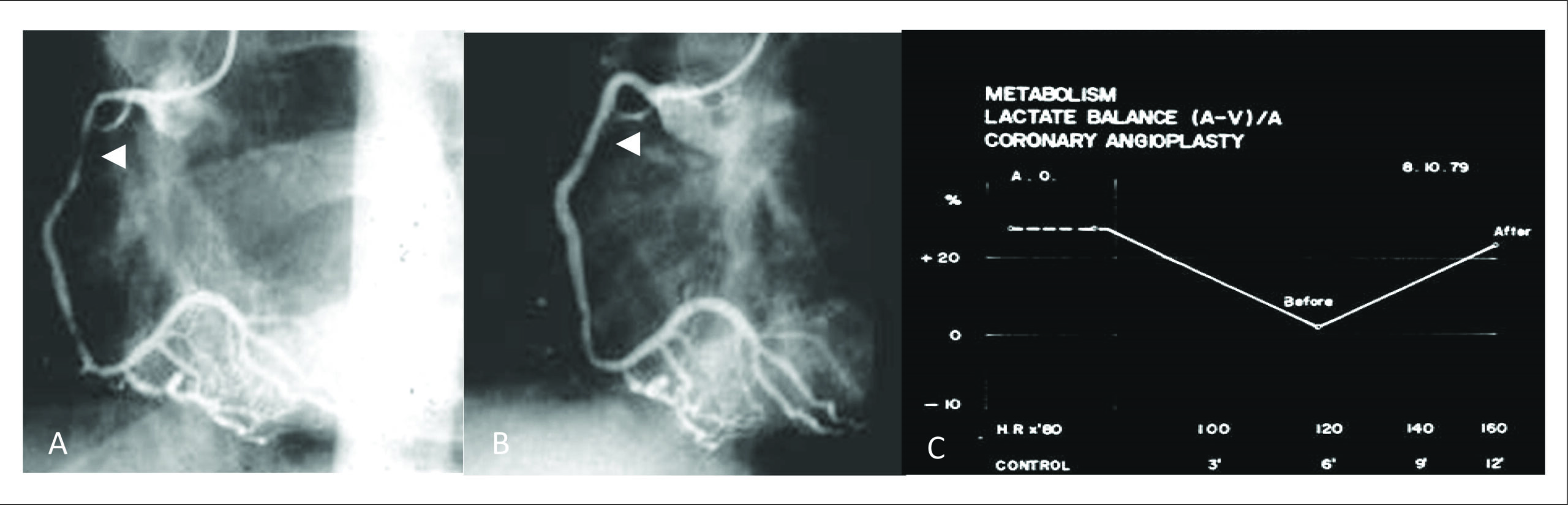
In August 1979, two years and one month after the first percutaneous coronary intervention (PCI) was performed in the world by Andreas Grüntzig, we received at Santa Casa de Misericordia in Curitiba (SCMC) a 55-year-old male patient (A.S.O.) with Canadian Cardiovascular Society (CCS) class 2 stable angina. Coronary angiography showed a severe (75-80 DS%) lesion in the middle segment of the Right Coronary Artery (RCA). The left coronary artery system did not have any significant atherosclerotic lesion and the left ventriculogram showed mild inferior wall hypokinesia with competent mitral and aortic valves.

That was the opportunity to put into practice the technique described by Gruntzig et al. for the first time in Latin America. The clinical presentation and the angiographic characteristics of the lesion met all the criteria described by Gruntzig: Single lesion, short length (<10mm), proximal arterial segment, without vasospasm, concentric, non-calcified and feasible for CABG. Thus, after discussing it with the clinical and cardiovascular surgery staff, it was decided to propose the dilation of the RCA obstruction to the patient as an attempt to treat his coronary disease.

[…]

  • Angina Pectoris
  • Angioplasty Balloon, Coronary/trends
  • Angioplasty, Balloon, Coronary/history
  • Cineangiography/history
  • Clinical Evolution
  • Myocardium/metabolism
  • Stents
Read Full Article
Creative Commons Attribution (CC BY) Creative Commons license
17/05/2021 DOI: 10.36660/abc.20200927
Figure 1
ABC
Original Article

Carotid Artery Atherosclerotic Profile as Risk Predictor for Restenosis After Coronary Stenting

Cássia da Silva Antico Rodrigues et al. Rodrigo Bazan Fabrício Moreira Reis Caroline F. S. Mazeto Pupo da Silveira … Lívia Maria Severino Hueb Fábio Cardoso de Carvalho Hélio Rubens de Carvalho Nunes Katashi Okoshi João Carlos Hueb Silméia Garcia Zanati Bazan

Abstract

Background:

The incidence of restenosis of the coronary artery after a bare-metal stent implant has been lower than in simple balloon angioplasty; however, it still shows relatively high rates.

Objective:

The aim of this study was to find new risk indicators for in-stent restenosis using carotid ultrasonography, that, in addition to the already existing indicators, would help in decision-making for stent selection.

Methods:

We carried out a cross-sectional prospective study including 121 consecutive patients with chronic coronary artery disease who had undergone percutaneous coronary intervention with repeat angiography in the previous 12 months. After all cases of in-stent restenosis were identified, patients underwent carotid ultrasonography to evaluate carotid intima-media thickness and atherosclerosis plaques. The data were analyzed by Cox multiple regression. The significance level was set a p<0.05.

Results:

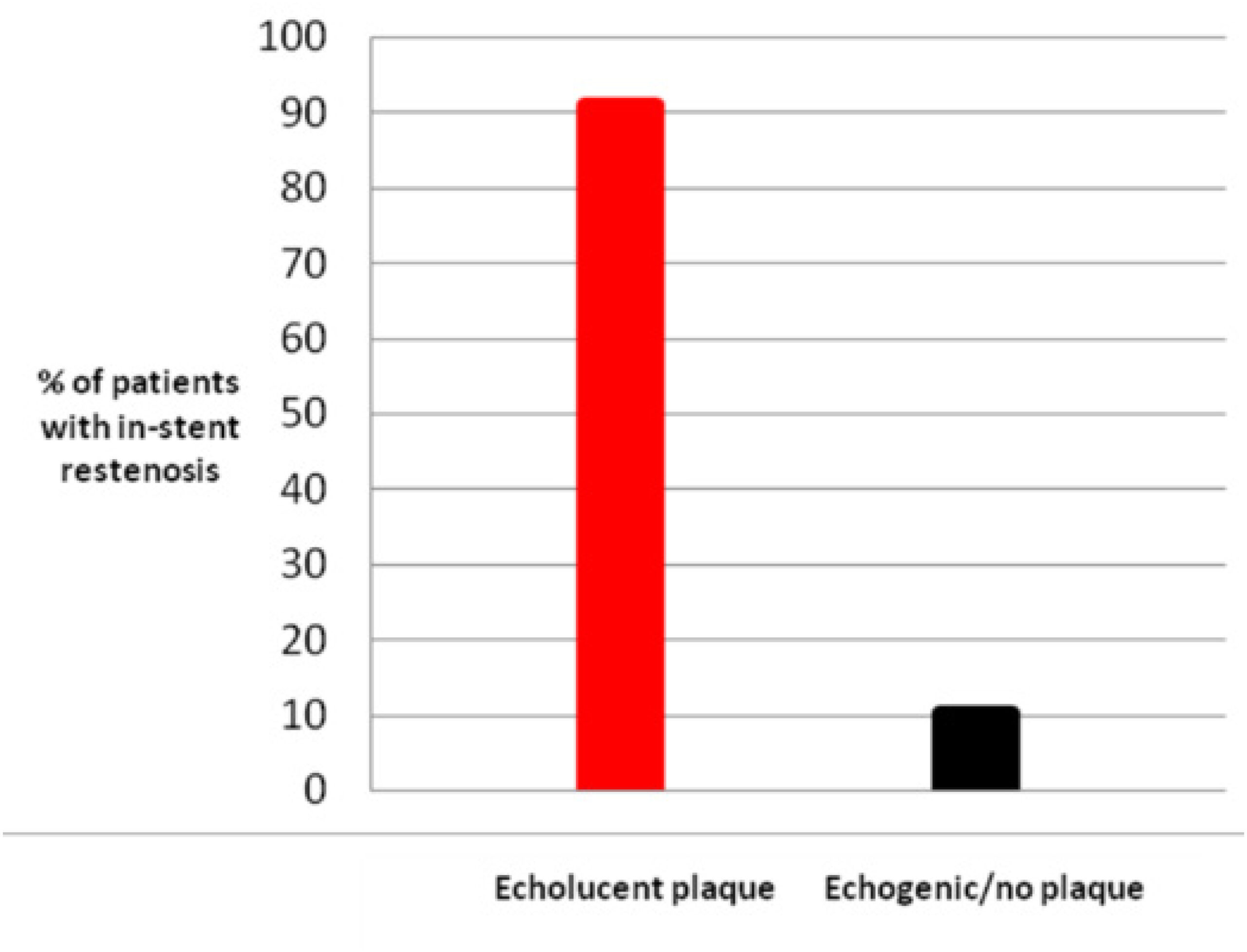
Median age of patients was 60 years (1st quartile = 55, 3rd quartile = 68), and 64.5% of patients were male. Coronary angiography showed that 57 patients (47.1%) presented in-stent restenosis. Fifty-five patients (45.5%) had echolucent atherosclerotic plaques in carotid arteries and 54.5% had echogenic plaques or no plaques. Of patients with who had echolucent plaques, 90.9% presented coronary in-stent restenosis. Of those who had echogenic plaques or no plaques, 10.6% presented in-stent restenosis. The presence of echolucent plaques in carotid arteries increased the risk of coronary in-stent restenosis by 8.21 times (RR=8.21; 95%CI: 3.58-18.82; p<0.001).

Conclusions:

The presence of echolucent atherosclerotic plaques in carotid artery constitutes a risk predictor of coronary instent restenosis and should be considered in the selection of the type of stent to be used in coronary angioplasty.

  • Angioplasty, Balloon, Coronary
  • Atherosclerosis
  • Carotid Arteries Ultrasonography
  • Coronary Artery Disease
  • Coronary Restenosis
  • Plaque, Atherosclerotic
  • Stents
Read Full Article
Creative Commons Attribution (CC BY) Creative Commons license
16/04/2021 DOI: 10.36660/abc.20190650 Views 1
ABC
Letter to the Editor

Temporal Evolution of the iFR (Instantaneous Wave-Free Ratio) Employment Results Analysis

Maria Cristina Meira Ferreira et al. Gláucia Maria Moraes de Oliveira

Dear Editor,

We read with interest the short editorial written by authors Chamié and Abzaid regarding the paper “Evaluation of Myocardial Ischemia with iFR (instantaneous wave-free ratio) in the catheterization laboratory: a pilot study”. The short editorial clearly translates to us the historical evolution reasoning that we must follow when interpreting coronary physiology studies in therapeutic decision-making. Although medicine is full of binary situations for resolution, such as the presence or absence of fever by the thermometer, it is very clear that different levels of values refer to different diagnoses, prognosis and treatments. With regard to coronary functional assessments, after an enormous amount of binary studies to demonstrate their validity, recent trials cited in the short editorial directed us to a phase where clinical decision-making power has an important weight once again, and the dissertation of this change in direction occurred brilliantly in the editorial. We did not neglect the clinical reasoning and other factors in our study, since the stent placement predictor was iFR < 0.87 in this group, despite the cutoff value established for iFR being 0.89, with a significant reduction in the use of stent.

[…]

  • Coronary Artery Disease
  • Fractional Flow Reserve, Myocardial
  • Myocardial Ischemia
  • Percutaneous Coronary Intervention/methods
  • Stents
Read Full Article
Creative Commons Attribution (CC BY) Creative Commons license
23/10/2020 DOI: 10.36660/abc.20200195 Views 2
Figure 1
ABC
Original Article

Evaluation of Myocardial Ischemia with iFR (Instantaneous Wave-Free Ratio in the Catheterization Laboratory: A Pilot Study

Heitor Cruz Alves Vieira et al. Maria Cristina Meira Ferreira Leonardo Cruz Nunes Carlos José Francisco Cardoso … Emilia Matos do Nascimento Gláucia Maria Moraes de Oliveira

Abstract

Background:

The Instantaneous Wave-Free Ratio (iFR) is an invasive functional evaluation method that does not require vasoactive drugs to induce maximum hyperemia

Objective:

To evaluate the contribution of the iFR to the therapeutic decision-making of coronary lesions in the absence of non-invasive diagnostic methods for ischemia, or in case of discordance between these methods and coronary angiography.

Method:

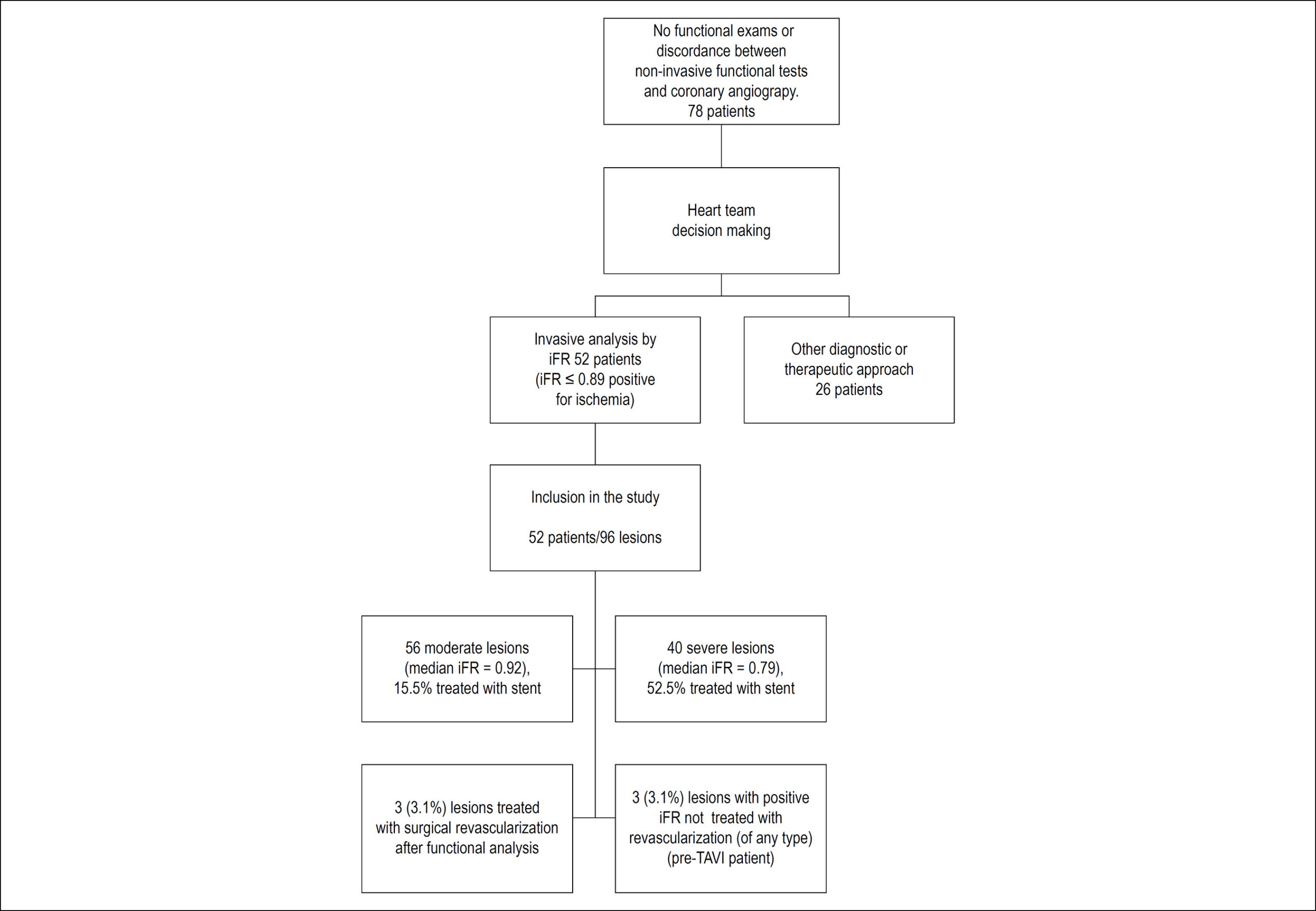
We studied patients older than 18 years, of both sexes, consecutively referred for percutaneous treatment between May 2014 and March 2018. Coronary stenotic lesions were classified by visual estimation of the stenosis diameter into moderate (41-70% stenosis) or severe (71%-90%). An iFR ≤ 0.89 was considered positive for ischemia. Logistic regression was performed using the elastic net, with placement of stents as outcome variable, and age, sex, arterial hypertension, diabetes, dyslipidemia, smoking, family history, obesity and acute myocardial infarction (AMI) as independent variables. Classification trees, ROC curves, and Box Plot graphs were constructed using the R software. A p-value < 0.05 was considered statistically significant.

Results:

Fifty-two patients with 96 stenotic lesions (56 moderate, 40 severe) were evaluated. The iFR cut-off point of 0.87 showed a sensitivity of 0.57 and 1-specificity of 0.88, demonstrating high accuracy in reclassifying the lesions. Diabetes mellitus, dyslipidemia, and presence of moderate lesions with an iFR < 0.87 were predictors of stent implantation. Stents were used in 32% of lesions in patients with stable coronary artery disease and AMI with or without ST elevation (non-culprit lesions).

Conclusion:

The iFR has an additional value to the therapeutic decision making in moderate and severe coronary stenotic lesions, by contributing to the reclassification of lesions and decreasing the need for stenting.

  • Coronary Artery Disease
  • Myocardial Ischemia, Fractional Flow Reserve Myocardial
  • Percutaneous Coronary Intervention
  • Risk Factors
  • Stents
Read Full Article
Creative Commons Attribution (CC BY) Creative Commons license
20/03/2020 DOI: 10.36660/abc.20180298
ABC
Editorial

Evidence based decision making between PCI and CABG

Carlos Collet

For the last five decades, coronary artery bypass grafting (CABG) surgery has been recommended for patients with unprotected left main (ULM) and multivessel coronary artery disease (MVD). In these populations, CABG reduces mortality compared to medical management. In patients with MVD, several randomized clinical trials established the superiority of CABG over percutaneous coronary interventions (PCI) in terms of hard clinical endpoints., In the ULM subgroup of the SYNTAX I trial, comparable outcomes between PCI and CABG were observed at five years. This finding triggered the design and execution of the EXCEL and NOBLE trials that confirmed equipoise in major adverse cardiovascular and cerebral events between PCI and CABG in patients with ULM coronary artery disease (CAD).,

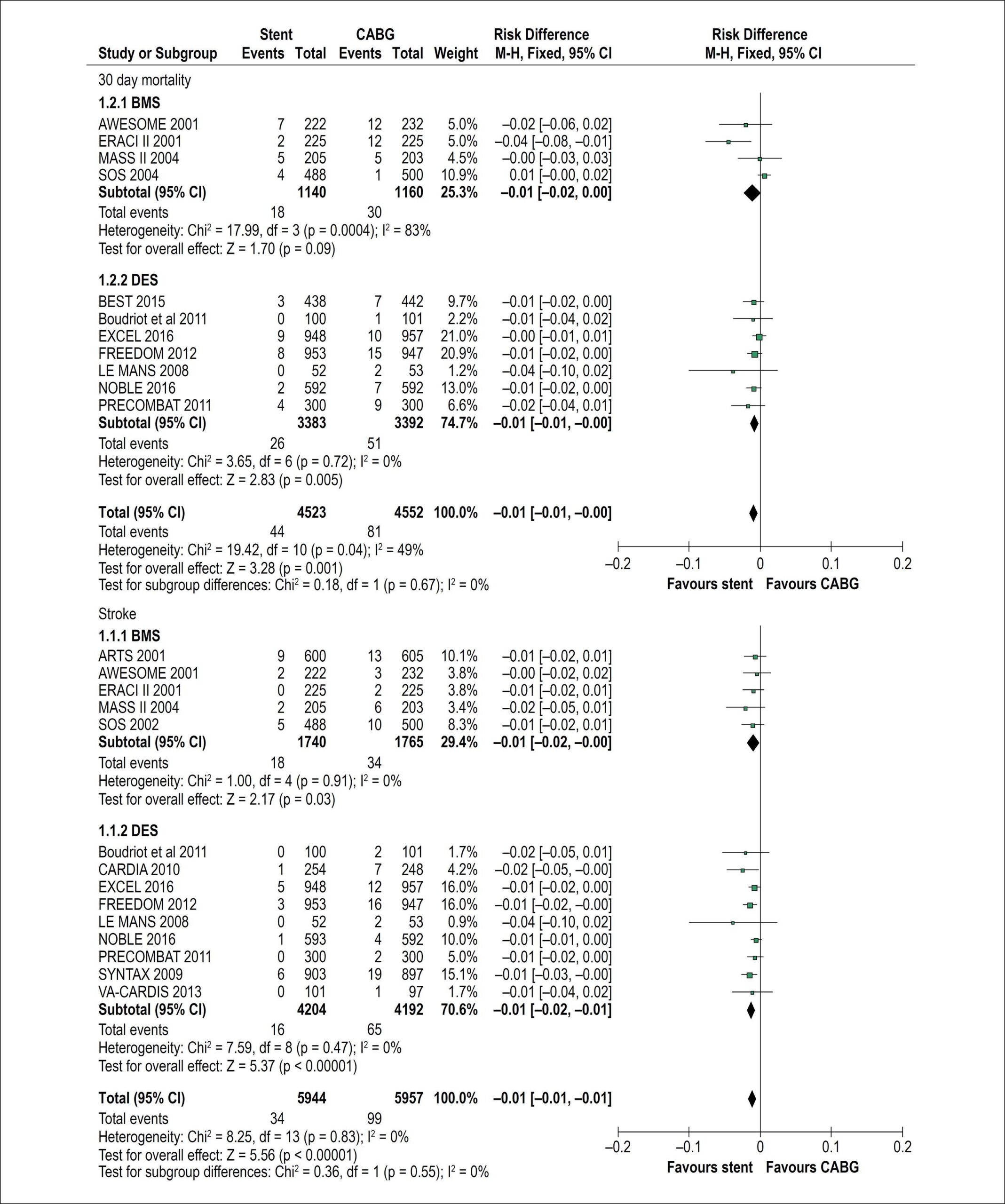
The accumulation of evidence has allowed to better understand which patients may benefit from a determined revascularization strategy. In the current issue of the Journal, Negreiros de Andrade et al. present a study-level meta-analysis comparing clinical outcomes after PCI and CABG in patients with ULMCAD and MVD. The authors should be commended for the stratified analysis aiming at providing practical information for the cardiovascular community. Based on the current state of evidence we can state that 1) in patients with ULMCAD, PCI can be considered an alternative to CABG in patients with low anatomical complexity, and 2) patients with MVD have better clinical outcomes when treated with CABG. When these two populations were combined, the present meta-analysis showed an early (<30 days) benefit of PCI in terms of mortality and stroke, and long-term advantage of CABG in death and myocardial infarction.

[…]

  • Clinical Decision – Making
  • Coronary Vessels
  • Drug-Eluting Stents
  • Myocardial Revascularization/mortality
  • Percutaneous Coronary Intervention
  • Randomized Controlled Trials
  • Stents
Read Full Article
Creative Commons Attribution (CC BY) Creative Commons license
06/06/2019 DOI: 10.5935/abc.20190076 Views 1
Figure 1
ABC
Original Article

Stent versus Coronary Artery Bypass Surgery in Multi-Vessel and Left Main Coronary Artery Disease: A Meta-Analysis of Randomized Trials with Subgroups Evaluation

Pedro José Negreiros de Andrade et al. João Luiz de Alencar Araripe Falcão Breno de Alencar Araripe Falcão Hermano Alexandre Lima Rocha

Abstract

Background:

Comparison between percutaneous coronary intervention (PCI) using stents and Coronary Artery Bypass Grafting (CABG) remains controversial.

Objective:

To conduct a systematic review with meta-analysis of PCI using Stents versus CABG in randomized controlled trials.

Methods:

Electronic databases were searched to identify randomized trials comparing PCI using Stents versus CABG for multi-vessel and unprotected left main coronary artery disease (LMCAD). 15 trials were found and their results were pooled. Differences between trials were considered significant if p < 0.05.

Results:

In the pooled data (n = 12,781), 30 days mortality and stroke were lower with PCI (1% versus 1.7%, p = 0.01 and 0.6% versus 1.7% p < 0.0001); There was no difference in one and two year mortality (3.3% versus 3.7%, p = 0.25; 6.3% versus 6.0%, p = 0.5). Long term mortality favored CABG (10.6% versus 9.4%, p = 0.04), particularly in trials of DES era (10.1% versus 8.5%, p = 0.01). In diabetics (n = 3,274) long term mortality favored CABG (13.7% versus 10.3%; p < 0.0001). In six trials of LMCAD (n = 4,700) there was no difference in 30 day mortality (0.6%versus 1.1%, p = 0.15), one year mortality (3% versus 3.7%, p = 0.18), and long term mortality (8.1% versus 8.1%) between PCI and CABG; the incidence of stroke was lower with PCI (0.3% versus 1.5%; p < 0.001). Diabetes and a high SYNTAX score were the subgroups that influenced more adversely the results of PCI.

Conclusion:

Compared with CABG, PCI using Stents showed lower 30 days mortality, higher late mortality and lower incidence of stroke. Diabetes and a high SYNTAX were the subgroups that influenced more adversely the results of PCI.

  • Coronary Vessels
  • Drug-Eluting Stents
  • Meta-Analysis
  • Myocardial Revascularization/mortality
  • Percutaneous Coronary Intervention
  • Randomized Controlled Trial
  • Stents
Read Full Article
Creative Commons Attribution (CC BY) Creative Commons license
21/02/2019 DOI: 10.5935/abc.20190027 Views 1
ABC
Editorial

Analysis of FFR Measurement Clinical Impact and Cost-Effectiveness Compared to Angiography In Multi-Arterial Patients Undergoing PCI

Fernando Mendes Sant'Anna et al. Lucas Bonacossa Sant'Anna

The study by Quintella et al. published in this issue of the journal, brings us valuable information about the use of an important physiological evaluation tool in the hemodynamic laboratory. FFR-guided treatment (myocardial fractional flow reserve), used in the percutaneous coronary intervention (PCI) with bare-metal stent (BMS) implantation in multi-arterial patients treated in the Unified Health System (SUS) has been shown to be useful in decreasing the incidence of new revascularization of the target vessel (clinical restenosis), as well as being cost-effective when compared to the angiography-guided treatment.

The value of FFR to predict major adverse cardiovascular events (MCAEs) prior to PCIs has been established for many years. Its ability to detect ischemia and, with this, to guide the most appropriate treatment, has undergone the test of time, and passed. The 15-year follow-up of the DEFER study in single-vessel patients, and the 5-year studies, FAME 1, and FAME 2, in multiarterial patients, showed consistent and unquestionable results, with a better, or at least similar, clinical progression, in the FFR-guided groups, using less stents with fewer lesions and consequently lower costs, as well as evidenced the safety of leaving lesions whose FFR was not indicative of ischemia only on drug treatment.

[…]

  • Angioplasty, Balloon, Coronary
  • Coronary Artery Disease/economics
  • Cost-Benefit Analysis
  • fractional Flow Reserve,Myocardial
  • Stents
Read Full Article
Creative Commons Attribution (CC BY) Creative Commons license
01/01/2019 DOI: 10.5935/abc.20180261
Figure 1
ABC
Original Article

Clinical Outcomes and Cost-Effectiveness Analysis of FFR Compared with Angiography in Multivessel Disease Patient

Edgard Freitas Quintella et al. Esmeralci Ferreira Vitor Manuel Pereira Azevedo Denizar V. Araujo … Fernando Mendes Sant'Anna Bernardo Amorim Denilson Campos de Albuquerque

Abstract

Background:

In multivessel disease patients with moderate stenosis, fractional flow reserve (FFR) allows the analysis of the lesions and guides treatment, and could contribute to the cost-effectiveness (CE) of non-pharmacological stents (NPS).

Objectives:

To evaluate CE and clinical impact of FFR-guided versus angiography-guided angioplasty (ANGIO) in multivessel patients using NPS.

Methods:

Multivessel disease patients were prospectively randomized to FFR or ANGIO groups during a 5 year-period and followed for < 12 months. Outcomes measures were major adverse cardiac events (MACE), restenosis and CE.

Results:

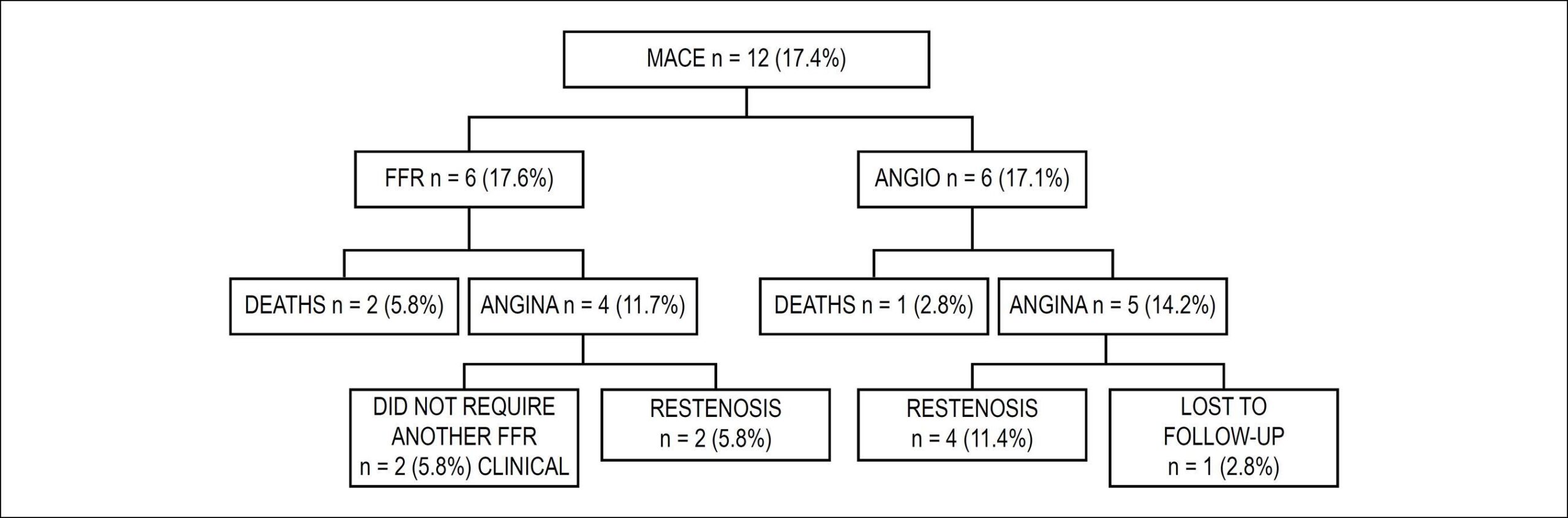
We studied 69 patients, 47 (68.1%) men, aged 62.0 ± 9.0 years, 34 (49.2%) in FFR group and 53 (50.7%) in ANGIO group, with stable angina or acute coronary syndrome. In FFR, there were 26 patients with biarterial disease (76.5%) and 8 (23.5%) with triarterial disease, and in ANGIO, 24 (68.6%) with biarterial and 11 (31.4%) with triarterial disease. Twelve MACEs were observed – 3 deaths: 2 (5.8%) in FFR and 1 (2.8%) in ANGIO, 9 (13.0%) angina: 4(11.7%) in FFR and 5(14.2%) in ANGIO, 6 restenosis: 2(5.8%) in FFR and 4 (11.4%) in ANGIO. Angiography detected 87(53.0%) lesions in FFR, 39(23.7%) with PCI and 48(29.3%) with medical treatment; and 77 (47.0%) lesions in ANGIO, all treated with angioplasty. Thirty-nine (33.3%) stents were registered in FFR (0.45 ± 0.50 stents/lesion) and 78 (1.05 ± 0.22 stents/lesion) in ANGIO (p = 0.0001), 51.4% greater in ANGIO than FFR. CE analysis revealed a cost of BRL 5,045.97 BRL 5,430.60 in ANGIO and FFR, respectively. The difference of effectiveness was of 1.82%.

Conclusion:

FFR reduced the number of lesions treated and stents, and the need for target-lesion revascularization, with a CE comparable with that of angiography.

  • Angioplasty, Balloon, Coronary
  • Coronary Artery Disease/economics
  • Cost-Benefit Analysis
  • Fractional Flow Reserve, Myocardial
  • Stents
Read Full Article
Creative Commons Attribution (CC BY) Creative Commons license
17/12/2018 DOI: 10.5935/abc.20180262
Figure 1
IJCS
Original Article

Option for the Radial versus Femoral Access in Coronary Intervention in Acute Coronary Syndromes: A Risk-Treatment Paradox

Yasmin Falcon Lacerda et al. Nicole Cruz de Sá Jessica Gonzalez Suerdieck Letícia Fonseca … Fernanda Lopes Gabriella Sant'Ana Sodré Mateus dos Santos Viana Marcia Maria Noya Rabelo Luis Claudio Lemos Correia

Abstract

Background:

In coronary procedures, although the radial approach protects patients from hemorrhagic complications, it is technically more complex than the femoral approach.

Objectives:

To test the hypothesis that the radial approach is the procedure of choice in ACS patients due to the high risk of bleeding; and to identify independent predictors of the choice for radial access.

Methods:

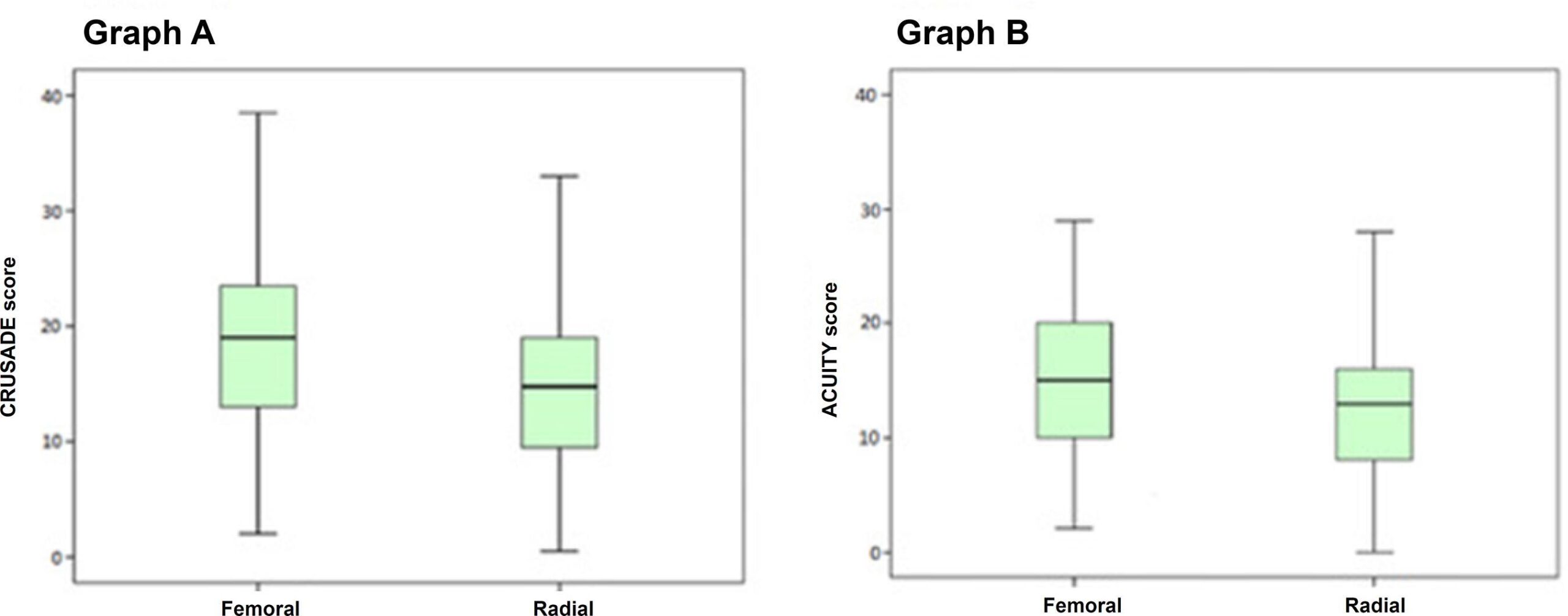
Patients admitted for ACS who underwent invasive coronary procedure were included. We registered the type of access (femoral or radial) chosen by the physician for the first angiography; the investigators did not interfere with this choosing process. Student’s t-test was used for comparisons between the CRUSADE and ACUITY scores. Predictors of radial access were compared between the groups. Statistical significance was defined by p < 0,05.

Results: Radial access was chosen in 67% of 347 consecutive patients. Patients who underwent radial approach had lower risk of bleeding determined by CRUSADE (30 ± 14 vs. 37 ± 15; p < 0.001) as compared with femoral access. In multivariate analysis, four variables were identified as independent predictors negatively associated with radial access – age (OR = 0.98; 95%CI = 0.96 – 0.99), creatinine (OR = 0.54; 95%CI = 0.3 – 0.98), signs of left ventricular failure (OR = 0.45; 95% CI = 0.22 – 0.92) and previous CABG (OR = 0.022; 95%CI = 0.003 – 0.166).

Conclusion:

The propensity to choose radial over femoral access in coronary intervention was not primarily influenced by patients’ bleeding risk. Predictors of this decision, identified in the study, indicated less complex patients, suggesting that the difficulty in performing the technique was a stronger determinant than its potential antihemorrhagic effect. (Int J Cardiovasc Sci. 2018; [online].ahead print, PP.0-0)

  • Angioplasty
  • Catheterism
  • Coronary Artery Disease
  • femoral artery
  • Percutaneous Coronary Intervention
  • Radial Artery
  • Stents
Read Full Article
Creative Commons Attribution (CC BY) Creative Commons license
27/08/2018 DOI: 10.5935/2359-4802.20180066 Views 1
Figure 1
ABC
Original Article

Persistent Inflammatory Activity in Blood Cells and Artery Tissue from Patients with Previous Bare Metal Stent

Pedro Silvio Farsky et al. Mario H. Hirata Renato Tambellini Arnoni Antonio Flavio Sanches Almeida … Mario Issa Paula Helena Ortiz Lima Maria de Lourdes Higuchi Hui T Lin-Wang

Abstract

Background:

Studies have pointed out a higher mortality after coronary artery bypass surgery (CABG) in patients with stent.

Objective:

To evaluate inflammatory markers in peripheral blood cells and in coronary artery tissue samples obtained during CABG in patients with stent compared to controls.

Methods:

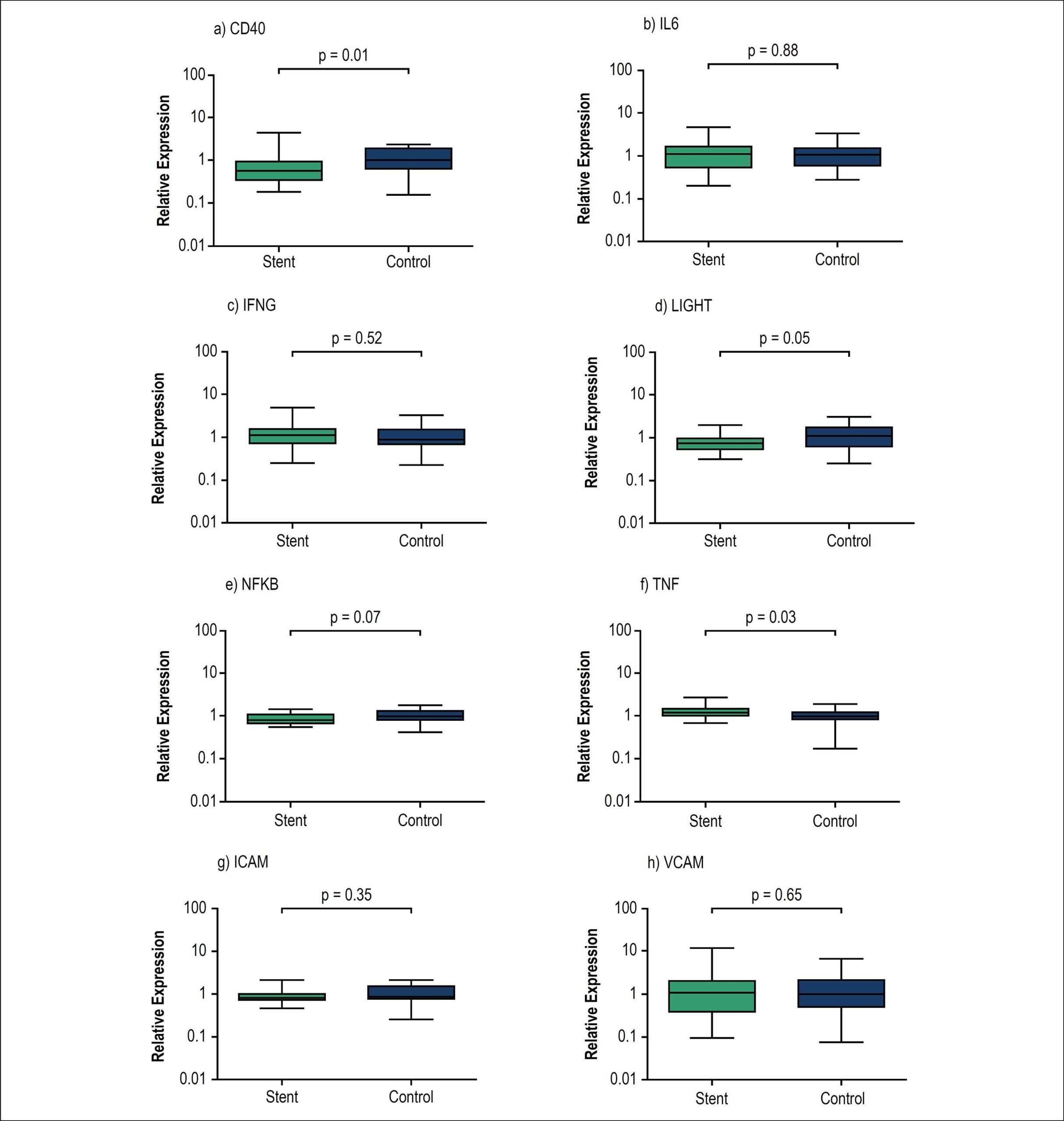
The case series consisted of two groups, one with previous stent implantation (n = 41) and one control (n = 26). The expression of the LIGHT, IL-6, ICAM, VCAM, CD40, NFKB, TNF, IFNG genes was analyzed in peripheral blood cells collected preoperatively. The coronary artery was evaluated for: interleukin-6, ICAM, VCAM, CD40, NFKB, TNF-alpha and IFN-gamma by immunohistochemistry. A total of 176 tissue samples were grouped for analysis in: A1- arteries with stent (n = 38); A2- native arteries from patients with stent in another artery (n = 68); and A3- arteries without stent from controls undergoing routinely CABG surgery (n = 70). A significance level of 0.05 was adopted.

Results:

Patients with stent showed higher TNF (p = 0.03) and lower CD40 gene expression (p = 0.01) in peripheral blood cells than controls without stent. In coronary artery samples, the TNF-alpha protein staining was higher in the group A1, not only in the intima-media layer (5.16 ± 5.05 vs 1.90 ± 2.27; p = 0.02), but also in the adipose tissue (6.69 ± 3.87 vs 2.27 ± 4.00; p < 0.001). Furthermore, group A1 had a higher interleukin-6 protein staining in adipose tissue than group A3 (p = 0.04).

Conclusion:

We observed a persistently higher systemic TNF expression associated with exacerbated TNF-alpha and interleukin-6 local production in patients with stents. This finding may contribute to a worse clinical outcome.

  • Blood Cells
  • Immunohistochemistry
  • Inflammation
  • Interleukin-6
  • Percutaneous Coronary Intervention
  • Polymerase Chain Reaction
  • Stents
  • Tumor Necrosis Factor-alpha
Read Full Article
Creative Commons Attribution (CC BY) Creative Commons license
16/07/2018 DOI: 10.5935/abc.20180119 Views 1
ABC
Review Article

Percutaneous Intervention in ST-Elevation Myocardial Infarction: Culprit-only or Complete Revascularization?

Ana Paula Susin Osório et al. Alexandre Schaan de Quadros José Luiz da Costa Vieira Vera Lucia Portal

Abstract

The best approach of multivessel coronary artery disease in the context of acute myocardial infarction with ST segment elevation and primary percutaneous coronary intervention is one of the main reasons for controversy in cardiology. Although the main global guidelines do not recommend routine complete revascularization in these patients, recent randomized clinical trials have demonstrated benefit of this approach in reducing cardiovascular outcomes. For this reason, an adequate review of this evidence is essential in order to establish scientifically based strategy and achieve better outcomes for these patients who present with acute myocardial infarction. This review aims to present objectively the most recent evidence available on this topic.

  • Coronary Artery Disease
  • Myocardial Infarction
  • Myocardial Revascularization
  • Percutaneous Coronary Intervention
  • Stents
Read Full Article
Creative Commons Attribution (CC BY) Creative Commons license
27/11/2017 DOI: 10.5935/abc.20170174 Views 2
Figure 1
ABC
Case Report

Middle Aortic Syndrome Treated by Implantation of an Advanta V12 Large Diameter Stent

Meng-Luen Lee et al. Ing-Sh Chiu Albert D Yang

Introduction

Middle aortic syndrome (MAS) was coined by Sen et al. depicting diffuse hypoplasia or stenosis of the distal thoracic aorta and abdominal aorta. Most often MAS is idiopathic; however, it may be associated with a variety of underlying diseases., Systemic hypertension, which is the most common feature of MAS, is usually found incidentally. Hypertensive encephalopathy was seen in 42% of patients with abdominal aortic coarctation, 45% of whom died before reaching 34 years of age. Thus, early recognition of hypertensive encephalopathy is crucial for patient survival. We report of a 12-year-old girl presenting with hypertensive encephalopathy as a harbinger of idiopathic MAS, which manifested as an isolated long-segment mid-thoracic aortic coarctation, and was successfully treated by endovascular implantation of an Advanta V12 Large Diameter Stent (AVLDS, Atrium, Hudson, NH, USA).

[…]

  • Angiography, Balloon
  • Aorta, Abdominal
  • Aorta, Thoracic
  • Aortic Diseases
  • Stents
Read Full Article
Creative Commons Attribution (CC BY) Creative Commons license
01/01/2016 DOI: 10.5935/abc.20150065
Graph 1
ABC
Original Article

Clinical Coronary In-Stent Restenosis Follow-Up after Treatment and Analyses of Clinical Outcomes

Barbara Campos Abreu Marino et al. Guilherme Abreu Nascimento Walter Rabelo Marcos Antônio Marino … Roberto Luiz Marino Antonio Luiz Pinho Ribeiro

Background:

Clinical in-stent restenosis (CISR) is the main limitation of coronary angioplasty with stent implantation.

Objective:

Describe the clinical and angiographic characteristics of CISR and the outcomes over a minimum follow-up of 12 months after its diagnosis and treatment.

Methods:

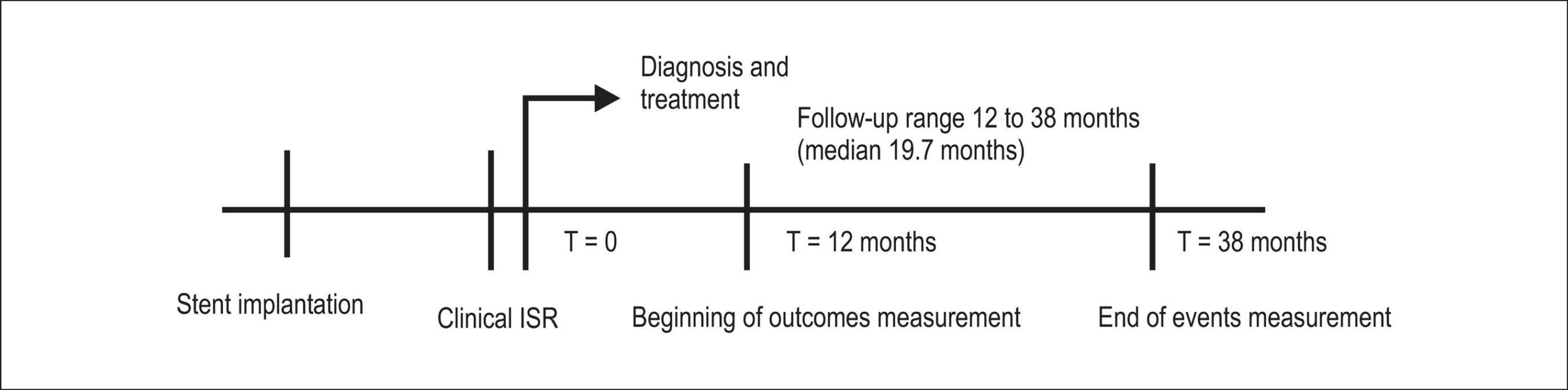
We analyzed in 110 consecutive patients with CISR the clinical presentation, angiographic characteristics, treatment and combined primary outcomes (cardiovascular death, nonfatal acute myocardial infarction [AMI]) and combined secondary (unstable angina with hospitalization, target vessel revascularization and target lesion revascularization) during a minimal follow-up of one year.

Results:

Mean age was 61 ± 11 years (68.2% males). Clinical presentations included acute coronary syndrome (ACS) in 62.7% and proliferative ISR in 34.5%. CISR was treated with implantation of drug-eluting stents (DES) in 36.4%, Bare Metal Stent (BMS) in 23.6%, myocardial revascularization surgery in 18.2%, balloon angioplasty in 15.5% and clinical treatment in 6.4%. During a median follow-up of 19.7 months, the primary outcome occurred in 18 patients, including 6 (5.5%) deaths and 13 (11.8%) AMI events. Twenty-four patients presented a secondary outcome. Predictors of the primary outcome were CISR with DES (HR = 4.36 [1.44–12.85]; p = 0.009) and clinical treatment for CISR (HR = 10.66 [2.53–44.87]; p = 0.001). Treatment of CISR with BMS (HR = 4.08 [1.75–9.48]; p = 0.001) and clinical therapy (HR = 6.29 [1.35–29.38]; p = 0.019) emerged as predictors of a secondary outcome.

Conclusion:

Patients with CISR present in most cases with ACS and with a high frequency of adverse events during a medium-term follow-up.

  • Coronary Restenosis
  • Graft Occlusion, Vascular
  • Myocardial Infarction
  • Myocardial Ischemia
  • Stents
Read Full Article
Creative Commons Attribution (CC BY) Creative Commons license
03/02/2015 DOI: 10.5935/abc.20140216 Views 2
ABC
Original Article

Spectral Analysis Related to Bare-Metal and Drug-Eluting Coronary Stent Implantation

Rose Mary Ferreira Lisboa da Silva et al. Carlos Augusto Bueno Silva Otaviano José Greco Maria da Consolação Vieira Moreira

Background:

The autonomic nervous system plays a central role in cardiovascular regulation; sympathetic activation occurs during myocardial ischemia.

Objective:

To assess the spectral analysis of heart rate variability during stent implantation, comparing the types of stent.

Methods:

This study assessed 61 patients (mean age, 64.0 years; 35 men) with ischemic heart disease and indication for stenting. Stent implantation was performed under Holter monitoring to record the spectral analysis of heart rate variability (Fourier transform), measuring the low-frequency (LF) and high-frequency (HF) components, and the LF/HF ratio before and during the procedure.

Results:

Bare-metal stent was implanted in 34 patients, while the others received drug-eluting stents. The right coronary artery was approached in 21 patients, the left anterior descending, in 28, and the circumflex, in 9. As compared with the pre-stenting period, all patients showed an increase in LF and HF during stent implantation (658 versus 185 ms2, p = 0.00; 322 versus 121, p = 0.00, respectively), with no change in LF/HF. During stent implantation, LF was 864 ms2 in patients with bare-metal stents, and 398 ms2 in those with drug-eluting stents (p = 0.00). The spectral analysis of heart rate variability showed no association with diabetes mellitus, family history, clinical presentation, beta-blockers, age, and vessel or its segment.

Conclusions:

Stent implantation resulted in concomitant sympathetic and vagal activations. Diabetes mellitus, use of beta-blockers, and the vessel approached showed no influence on the spectral analysis of heart rate variability. Sympathetic activation was lower during the implantation of drug-eluting stents.
  • Drug-Eluting Stents
  • Heart Rate
  • Myocardial Ischemia
  • spectrum analysis
  • Stents
Read Full Article
Creative Commons Attribution (CC BY) Creative Commons license
15/07/2014 DOI: 10.5935/abc.20140094 Views 1
Figure 1
ABC
Case Report

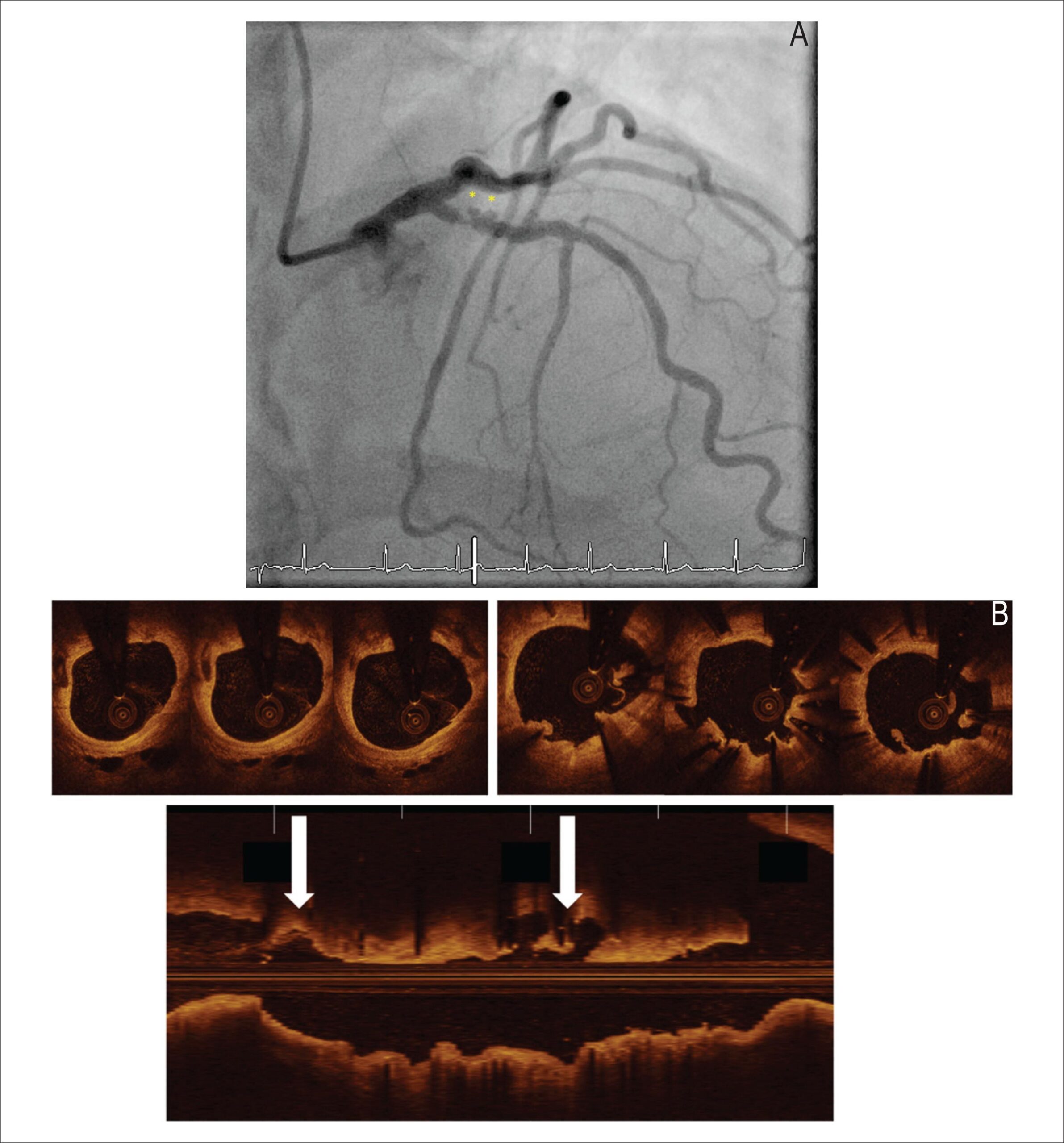
Bioresorbable Vascular Scaffold Use in a Case of In-stent Restenosis

Julia Cadrin-Tourigny et al. Liang Dong Akiko Maehara Erick Schampaert Philippe Genereux

Introduction

Bioresorbable vascular scaffolds (BVS) demonstrate favourable outcomes in patients with stable coronary disease with simple de novo coronary lesions, and are considered the “fourth revolution” in percutaneous coronary intervention (PCI) technology. BVS represent a promising alternative to drug-eluting stents (DES) while offering the same advantages. We present the first case of in-stent restenosis (ISR) successfully treated with an everolimus-eluting BVS (ABSORB; Abbott Vascular, Santa Clara, CA) and discuss its potential advantages in such lesion.

[…]

  • Bioresorbable Vascular Scaffold
  • Cardiac Catheterization
  • Coronary Artery Disease
  • Stents
Read Full Article
Creative Commons Attribution (CC BY) Creative Commons license
01/07/2014 DOI: 10.5935/abc.20140098 Views 2

Could not load more articles. Please try again.

How to cite this article

EndNote RIS

Electronic Document Format (Vancouver)

Azmus AD, Cogo ACK, Oyuela LMR, Slaviero JV, Manica ALL, Azevedo EM. Use of Manually Covered Stent with Tegaderm in Vascular Perforations: Case Series Report. Arquivos Brasileiros de Cardiologia 2026;123(8):e20250834.

Electronic Document Format (ABNT)

Azmus, Alexandre Damiani; Cogo, Antônio Carlo Klug; Oyuela, Luis Manuel Rodriguez; Slaviero, João Vitor; Manica, Andre Luiz Langer; Azevedo, Eduardo Mascarenhas. Use of Manually Covered Stent with Tegaderm in Vascular Perforations: Case Series Report. Arquivos Brasileiros de Cardiologia, v. 123, n. 8, e20250834, Aug. 2026.

Electronic Document Format (APA)

Azmus, A. D., Cogo, A. C. K., Oyuela, L. M. R., Slaviero, J. V., Manica, A. L. L., & Azevedo, E. M. (2026). Use of Manually Covered Stent with Tegaderm in Vascular Perforations: Case Series Report. Arquivos Brasileiros de Cardiologia, 123(8), e20250834.

Electronic Document Format (ISO)

Azmus, Alexandre Damiani and Cogo, Antônio Carlo Klug and Oyuela, Luis Manuel Rodriguez and Slaviero, João Vitor and Manica, Andre Luiz Langer and Azevedo, Eduardo Mascarenhas. Use of Manually Covered Stent with Tegaderm in Vascular Perforations: Case Series Report. Arquivos Brasileiros de Cardiologia [online]. 2026, vol. 123, n. 8, [cited 2026-10-14], e20250834. Available from: <https://journals.cardiol.br/en/article/use-of-manually-covered-stent-with-tegaderm-in-vascular-perforations-case-series-report/>. ISSN 0066-782X

EndNote RIS

Electronic Document Format (Vancouver)

Lombardi JG, Calamita PC, Barbosa OC, Barreto MRP, Gardenghi G. Implantation of a Post-Dilatable Stent in Aortic Coarctation Via Carotid Access in a Newborn With Ebstein’s Anomaly: Case Report. ABC Imagem Cardiovascular 2026;39(1):e20250085.

Electronic Document Format (ABNT)

Lombardi, Jonathan Guimarães; Calamita, Paulo Correia; Barbosa, Orlando Carlos; Barreto, Mayra Rosana Palmeira; Gardenghi, Giulliano. Implantation of a Post-Dilatable Stent in Aortic Coarctation Via Carotid Access in a Newborn With Ebstein’s Anomaly: Case Report. ABC Imagem Cardiovascular, v. 39, n. 1, e20250085, Mar. 2026.

Electronic Document Format (APA)

Lombardi, J. G., Calamita, P. C., Barbosa, O. C., Barreto, M. R. P., & Gardenghi, G. (2026). Implantation of a Post-Dilatable Stent in Aortic Coarctation Via Carotid Access in a Newborn With Ebstein’s Anomaly: Case Report. ABC Imagem Cardiovascular, 39(1), e20250085.

Electronic Document Format (ISO)

Lombardi, Jonathan Guimarães and Calamita, Paulo Correia and Barbosa, Orlando Carlos and Barreto, Mayra Rosana Palmeira and Gardenghi, Giulliano. Implantation of a Post-Dilatable Stent in Aortic Coarctation Via Carotid Access in a Newborn With Ebstein’s Anomaly: Case Report. ABC Imagem Cardiovascular [online]. 2026, vol. 39, n. 1, [cited 2026-10-14], e20250085. Available from: <https://journals.cardiol.br/en/article/implantation-of-a-post-dilatable-stent-in-aortic-coarctation-via-carotid-access-in-a-newborn-with-ebsteins-anomaly-case-report/>. ISSN 2318-8219

EndNote RIS

Electronic Document Format (Vancouver)

Silva PG, Ribeiro HB. Addressing Gender Disparities in Cardiovascular Care: Guideline-Oriented PCI for Women and the Hua-Mulan Conundrum. Arquivos Brasileiros de Cardiologia 2025;122(1):e20240824.

Electronic Document Format (ABNT)

Silva, Pedro Guimarães; Ribeiro, Henrique Barbosa. Addressing Gender Disparities in Cardiovascular Care: Guideline-Oriented PCI for Women and the Hua-Mulan Conundrum. Arquivos Brasileiros de Cardiologia, v. 122, n. 1, e20240824, Feb. 2025.

Electronic Document Format (APA)

Silva, P. G., & Ribeiro, H. B. (2025). Addressing Gender Disparities in Cardiovascular Care: Guideline-Oriented PCI for Women and the Hua-Mulan Conundrum. Arquivos Brasileiros de Cardiologia, 122(1), e20240824.

Electronic Document Format (ISO)

Silva, Pedro Guimarães and Ribeiro, Henrique Barbosa. Addressing Gender Disparities in Cardiovascular Care: Guideline-Oriented PCI for Women and the Hua-Mulan Conundrum. Arquivos Brasileiros de Cardiologia [online]. 2025, vol. 122, n. 1, [cited 2026-10-14], e20240824. Available from: <https://journals.cardiol.br/en/article/addressing-gender-disparities-in-cardiovascular-care-guideline-oriented-pci-for-women-and-the-hua-mulan-conundrum/>. ISSN 0066-782X

EndNote RIS

Electronic Document Format (Vancouver)

Wang R, Neuenschwander FC. Acute Myocardial Infarction: Do We Need Markers for Microcirculation Injury? Moreover, Would the Fibrinogen/Albumin Ratio Be the Answer?. Arquivos Brasileiros de Cardiologia 2024;120(11):e20230809.

Electronic Document Format (ABNT)

Wang, Ricardo; Neuenschwander, Fernando Carvalho. Acute Myocardial Infarction: Do We Need Markers for Microcirculation Injury? Moreover, Would the Fibrinogen/Albumin Ratio Be the Answer?. Arquivos Brasileiros de Cardiologia, v. 120, n. 11, e20230809, Mar. 2024.

Electronic Document Format (APA)

Wang, R., & Neuenschwander, F. C. (2024). Acute Myocardial Infarction: Do We Need Markers for Microcirculation Injury? Moreover, Would the Fibrinogen/Albumin Ratio Be the Answer?. Arquivos Brasileiros de Cardiologia, 120(11), e20230809.

Electronic Document Format (ISO)

Wang, Ricardo and Neuenschwander, Fernando Carvalho. Acute Myocardial Infarction: Do We Need Markers for Microcirculation Injury? Moreover, Would the Fibrinogen/Albumin Ratio Be the Answer?. Arquivos Brasileiros de Cardiologia [online]. 2024, vol. 120, n. 11, [cited 2026-10-14], e20230809. Available from: <https://journals.cardiol.br/en/article/acute-myocardial-infarction-do-we-need-markers-for-microcirculation-injury-moreover-would-the-fibrinogen-albumin-ratio-be-the-answer/>. ISSN 0066-782X

EndNote RIS

Electronic Document Format (Vancouver)

Demir M, Gök M, Gürdoğan M, Kula O, Ustabaşıoğlu FE, Yalta K. A Stent Misplaced in the Septal Perforating Artery: Right Ventricular Fistula, Interventricular Septal Hematoma, and Right Ventricular Outflow Tract Obstruction. Arquivos Brasileiros de Cardiologia 2023;120(8):e20220901.

Electronic Document Format (ABNT)

Demir, Melik; Gök, Murat; Gürdoğan, Muhammet; Kula, Osman; Ustabaşıoğlu, Fethi Emre; Yalta, Kenan. A Stent Misplaced in the Septal Perforating Artery: Right Ventricular Fistula, Interventricular Septal Hematoma, and Right Ventricular Outflow Tract Obstruction. Arquivos Brasileiros de Cardiologia, v. 120, n. 8, e20220901, Sep. 2023.

Electronic Document Format (APA)

Demir, M., Gök, M., Gürdoğan, M., Kula, O., Ustabaşıoğlu, F. E., & Yalta, K. (2023). A Stent Misplaced in the Septal Perforating Artery: Right Ventricular Fistula, Interventricular Septal Hematoma, and Right Ventricular Outflow Tract Obstruction. Arquivos Brasileiros de Cardiologia, 120(8), e20220901.

Electronic Document Format (ISO)

Demir, Melik and Gök, Murat and Gürdoğan, Muhammet and Kula, Osman and Ustabaşıoğlu, Fethi Emre and Yalta, Kenan. A Stent Misplaced in the Septal Perforating Artery: Right Ventricular Fistula, Interventricular Septal Hematoma, and Right Ventricular Outflow Tract Obstruction. Arquivos Brasileiros de Cardiologia [online]. 2023, vol. 120, n. 8, [cited 2026-10-14], e20220901. Available from: <https://journals.cardiol.br/en/article/a-stent-misplaced-in-the-septal-perforating-artery-right-ventricular-fistula-interventricular-septal-hematoma-and-right-ventricular-outflow-tract-obstruction/>. ISSN 0066-782X

EndNote RIS

Electronic Document Format (Vancouver)

Silva CM, Guimarães AFM, Wang R, Alves CMS, Oliveira EC. Expandable Airway Stents: Success in the Extrinsic Bronchial Compression Approach After Reconstruction of the Aortic Arch. ABC Imagem Cardiovascular 2023;36(2):e20230023.

Electronic Document Format (ABNT)

Silva, Camila Magalhães; Guimarães, Adriana Furletti Machado; Wang, Ricardo; Alves, Carla Maria Silva e; Oliveira, Edmundo Clarindo. Expandable Airway Stents: Success in the Extrinsic Bronchial Compression Approach After Reconstruction of the Aortic Arch. ABC Imagem Cardiovascular, v. 36, n. 2, e20230023, Jun. 2023.

Electronic Document Format (APA)

Silva, C. M., Guimarães, A. F. M., Wang, R., Alves, C. M. S. , & Oliveira, E. C. (2023). Expandable Airway Stents: Success in the Extrinsic Bronchial Compression Approach After Reconstruction of the Aortic Arch. ABC Imagem Cardiovascular, 36(2), e20230023.

Electronic Document Format (ISO)

Silva, Camila Magalhães and Guimarães, Adriana Furletti Machado and Wang, Ricardo and Alves, Carla Maria Silva e and Oliveira, Edmundo Clarindo. Expandable Airway Stents: Success in the Extrinsic Bronchial Compression Approach After Reconstruction of the Aortic Arch. ABC Imagem Cardiovascular [online]. 2023, vol. 36, n. 2, [cited 2026-10-14], e20230023. Available from: <https://journals.cardiol.br/en/article/expandable-airway-stents-success-in-the-extrinsic-bronchial-compression-approach-after-reconstruction-of-the-aortic-arch/>. ISSN 2318-8219

EndNote RIS

Electronic Document Format (Vancouver)

Pinheiro LFM, Garzon S, Mariani Jr. J, Prado GFA, Caixeta AM, Almeida BO, Lemos PA, et al. Inflammatory Phenotype by OCT Coronary Imaging: Specific Features Among De Novo Lesions, In-Stent Neointima, and In-Stent Neo-Atherosclerosis. Arquivos Brasileiros de Cardiologia 2022;119(6):931-7.

Electronic Document Format (ABNT)

Pinheiro, Luiz Fernando M; Garzon, Stefano; Mariani Jr., José; Prado, Guy F. Almeida; Caixeta, Adriano Mendes; Almeida, Breno Oliveira; Lemos, Pedro Alves. Inflammatory Phenotype by OCT Coronary Imaging: Specific Features Among De Novo Lesions, In-Stent Neointima, and In-Stent Neo-Atherosclerosis. Arquivos Brasileiros de Cardiologia, v. 119, n. 6, p. 931-937, Oct. 2022.

Electronic Document Format (APA)

Pinheiro, L. F. M., Garzon, S., Mariani Jr., J., Prado, G. F. A., Caixeta, A. M., Almeida, B. O., & Lemos, P. A. (2022). Inflammatory Phenotype by OCT Coronary Imaging: Specific Features Among De Novo Lesions, In-Stent Neointima, and In-Stent Neo-Atherosclerosis. Arquivos Brasileiros de Cardiologia, 119(6), 931-937.

Electronic Document Format (ISO)

Pinheiro, Luiz Fernando M and Garzon, Stefano and Mariani Jr., José and Prado, Guy F. Almeida and Caixeta, Adriano Mendes and Almeida, Breno Oliveira and Lemos, Pedro Alves. Inflammatory Phenotype by OCT Coronary Imaging: Specific Features Among De Novo Lesions, In-Stent Neointima, and In-Stent Neo-Atherosclerosis. Arquivos Brasileiros de Cardiologia [online]. 2022, vol. 119, n. 6, [cited 2026-10-14], pp. 931-937. Available from: <https://journals.cardiol.br/en/article/inflammatory-phenotype-by-oct-coronary-imaging-specific-features-among-de-novo-lesions-in-stent-neointima-and-in-stent-neo-atherosclerosis/>. ISSN 0066-782X

EndNote RIS

Electronic Document Format (Vancouver)

Barroso TA, Santos SN, Botelho F, Henz BD, Barreto Filho AC, Zanatta AR, Leite LR, et al. Traumatic Laceration of Left Common Iliac Vein during Catheter Ablation — An Unusual Presentation of Cockett-May-Thurner Syndrome. Arquivos Brasileiros de Cardiologia Imagem cardiovascular 2022;31(2):103-6.

Electronic Document Format (ABNT)

Barroso, Thiago Almeida; Santos, Simone Nascimento dos; Botelho, Fabio; Henz, Benhur David; Barreto Filho, Arnaldo C.; Zanatta, André Rodrigues; Leite, Luiz Roberto. Traumatic Laceration of Left Common Iliac Vein during Catheter Ablation — An Unusual Presentation of Cockett-May-Thurner Syndrome. Arquivos Brasileiros de Cardiologia Imagem cardiovascular, v. 31, n. 2, p. 103-106, Jan. 2022.

Electronic Document Format (APA)

Barroso, T. A., Santos, S. N. , Botelho, F., Henz, B. D., Barreto Filho, A. C., Zanatta, A. R., & Leite, L. R. (2022). Traumatic Laceration of Left Common Iliac Vein during Catheter Ablation — An Unusual Presentation of Cockett-May-Thurner Syndrome. Arquivos Brasileiros de Cardiologia Imagem cardiovascular, 31(2), 103-106.

Electronic Document Format (ISO)

Barroso, Thiago Almeida and Santos, Simone Nascimento dos and Botelho, Fabio and Henz, Benhur David and Barreto Filho, Arnaldo C. and Zanatta, André Rodrigues and Leite, Luiz Roberto. Traumatic Laceration of Left Common Iliac Vein during Catheter Ablation — An Unusual Presentation of Cockett-May-Thurner Syndrome. Arquivos Brasileiros de Cardiologia Imagem cardiovascular [online]. 2022, vol. 31, n. 2, [cited 2026-10-14], pp. 103-106. Available from: <https://journals.cardiol.br/en/article/traumatic-laceration-of-left-common-iliac-vein-during-catheter-ablation-an-unusual-presentation-of-cockett-may-thurner-syndrome/>. ISSN 2318-8219

EndNote RIS

Electronic Document Format (Vancouver)

Chamié F. Transcatheter Palliation for Tetralogy of Fallot. Arquivos Brasileiros de Cardiologia 2021;117(4):664-5.

Electronic Document Format (ABNT)

Chamié, Francisco. Transcatheter Palliation for Tetralogy of Fallot. Arquivos Brasileiros de Cardiologia, v. 117, n. 4, p. 664-665, Oct. 2021.

Electronic Document Format (APA)

Chamié, F. (2021). Transcatheter Palliation for Tetralogy of Fallot. Arquivos Brasileiros de Cardiologia, 117(4), 664-665.

Electronic Document Format (ISO)

Chamié, Francisco. Transcatheter Palliation for Tetralogy of Fallot. Arquivos Brasileiros de Cardiologia [online]. 2021, vol. 117, n. 4, [cited 2026-10-14], pp. 664-665. Available from: <https://journals.cardiol.br/en/article/transcatheter-palliation-for-tetralogy-of-fallot/>. ISSN 0066-782X

EndNote RIS

Electronic Document Format (Vancouver)

Costantini CR, Macedo RM, Denk MA, Tarbine SG, Garcia L, Maranhão MFC, Costantini CO, et al. The Evolution of Percutaneous Coronary Intervention in Latin America. Arquivos Brasileiros de Cardiologia 2021;116(5):1007-10.

Electronic Document Format (ABNT)

Costantini, Costantino Roberto; Macedo, Rafael Michel de; Denk, Marcos Antônio; Tarbine, Sergio Gustavo; Garcia, Lazaro; Maranhão, Mario Fernando Camargo; Costantini, Costantino Ortiz. The Evolution of Percutaneous Coronary Intervention in Latin America. Arquivos Brasileiros de Cardiologia, v. 116, n. 5, p. 1007-1010, May. 2021.

Electronic Document Format (APA)

Costantini, C. R., Macedo, R. M. , Denk, M. A., Tarbine, S. G., Garcia, L., Maranhão, M. F. C., & Costantini, C. O. (2021). The Evolution of Percutaneous Coronary Intervention in Latin America. Arquivos Brasileiros de Cardiologia, 116(5), 1007-1010.

Electronic Document Format (ISO)

Costantini, Costantino Roberto and Macedo, Rafael Michel de and Denk, Marcos Antônio and Tarbine, Sergio Gustavo and Garcia, Lazaro and Maranhão, Mario Fernando Camargo and Costantini, Costantino Ortiz. The Evolution of Percutaneous Coronary Intervention in Latin America. Arquivos Brasileiros de Cardiologia [online]. 2021, vol. 116, n. 5, [cited 2026-10-14], pp. 1007-1010. Available from: <https://journals.cardiol.br/en/article/the-evolution-of-percutaneous-coronary-intervention-in-latin-america/>. ISSN 0066-782X

EndNote RIS

Electronic Document Format (Vancouver)

Rodrigues CSA, Bazan R, Reis FM, Silveira CFSMP, Hueb LMS, Carvalho FC, Nunes HRC, et al. Carotid Artery Atherosclerotic Profile as Risk Predictor for Restenosis After Coronary Stenting. Arquivos Brasileiros de Cardiologia 2021;116(4):727-33.

Electronic Document Format (ABNT)

Rodrigues, Cássia da Silva Antico; Bazan, Rodrigo; Reis, Fabrício Moreira; Silveira, Caroline F. S. Mazeto Pupo da; Hueb, Lívia Maria Severino; Carvalho, Fábio Cardoso de; Nunes, Hélio Rubens de Carvalho; Okoshi, Katashi; Hueb, João Carlos; Bazan, Silméia Garcia Zanati. Carotid Artery Atherosclerotic Profile as Risk Predictor for Restenosis After Coronary Stenting. Arquivos Brasileiros de Cardiologia, v. 116, n. 4, p. 727-733, Apr. 2021.

Electronic Document Format (APA)

Rodrigues, C. S. A., Bazan, R., Reis, F. M., Silveira, C. F. S. M. P. , Hueb, L. M. S., Carvalho, F. C. , Nunes, H. R. C., Okoshi, K., Hueb, J. C., & Bazan, S. G. Z. (2021). Carotid Artery Atherosclerotic Profile as Risk Predictor for Restenosis After Coronary Stenting. Arquivos Brasileiros de Cardiologia, 116(4), 727-733.

Electronic Document Format (ISO)

Rodrigues, Cássia da Silva Antico and Bazan, Rodrigo and Reis, Fabrício Moreira and Silveira, Caroline F. S. Mazeto Pupo da and Hueb, Lívia Maria Severino and Carvalho, Fábio Cardoso de and Nunes, Hélio Rubens de Carvalho and Okoshi, Katashi and Hueb, João Carlos and Bazan, Silméia Garcia Zanati. Carotid Artery Atherosclerotic Profile as Risk Predictor for Restenosis After Coronary Stenting. Arquivos Brasileiros de Cardiologia [online]. 2021, vol. 116, n. 4, [cited 2026-10-14], pp. 727-733. Available from: <https://journals.cardiol.br/en/article/carotid-artery-atherosclerotic-profile-as-risk-predictor-for-restenosis-after-coronary-stenting/>. ISSN 0066-782X

EndNote RIS

Electronic Document Format (Vancouver)

Ferreira MCM, Oliveira GMM. Temporal Evolution of the iFR (Instantaneous Wave-Free Ratio) Employment Results Analysis. Arquivos Brasileiros de Cardiologia 2020;115(4):719.

Electronic Document Format (ABNT)

Ferreira, Maria Cristina Meira; Oliveira, Gláucia Maria Moraes de. Temporal Evolution of the iFR (Instantaneous Wave-Free Ratio) Employment Results Analysis. Arquivos Brasileiros de Cardiologia, v. 115, n. 4, p. 719-719, Oct. 2020.

Electronic Document Format (APA)

Ferreira, M. C. M., & Oliveira, G. M. M. (2020). Temporal Evolution of the iFR (Instantaneous Wave-Free Ratio) Employment Results Analysis. Arquivos Brasileiros de Cardiologia, 115(4), 719-719.

Electronic Document Format (ISO)

Ferreira, Maria Cristina Meira and Oliveira, Gláucia Maria Moraes de. Temporal Evolution of the iFR (Instantaneous Wave-Free Ratio) Employment Results Analysis. Arquivos Brasileiros de Cardiologia [online]. 2020, vol. 115, n. 4, [cited 2026-10-14], pp. 719-719. Available from: <https://journals.cardiol.br/en/article/temporal-evolution-of-the-ifr-instantaneous-wave-free-ratio-employment-results-analysis/>. ISSN 0066-782X

EndNote RIS

Electronic Document Format (Vancouver)

Vieira HCA, Ferreira MCM, Nunes LC, Cardoso CJF, Nascimento EM, Oliveira GMM. Evaluation of Myocardial Ischemia with iFR (Instantaneous Wave-Free Ratio in the Catheterization Laboratory: A Pilot Study. Arquivos Brasileiros de Cardiologia 2020;114(2):256-64.

Electronic Document Format (ABNT)

Vieira, Heitor Cruz Alves; Ferreira, Maria Cristina Meira; Nunes, Leonardo Cruz; Cardoso, Carlos José Francisco; Nascimento, Emilia Matos do; Oliveira, Gláucia Maria Moraes de. Evaluation of Myocardial Ischemia with iFR (Instantaneous Wave-Free Ratio in the Catheterization Laboratory: A Pilot Study. Arquivos Brasileiros de Cardiologia, v. 114, n. 2, p. 256-264, Mar. 2020.

Electronic Document Format (APA)

Vieira, H. C. A., Ferreira, M. C. M., Nunes, L. C., Cardoso, C. J. F., Nascimento, E. M. , & Oliveira, G. M. M. (2020). Evaluation of Myocardial Ischemia with iFR (Instantaneous Wave-Free Ratio in the Catheterization Laboratory: A Pilot Study. Arquivos Brasileiros de Cardiologia, 114(2), 256-264.

Electronic Document Format (ISO)

Vieira, Heitor Cruz Alves and Ferreira, Maria Cristina Meira and Nunes, Leonardo Cruz and Cardoso, Carlos José Francisco and Nascimento, Emilia Matos do and Oliveira, Gláucia Maria Moraes de. Evaluation of Myocardial Ischemia with iFR (Instantaneous Wave-Free Ratio in the Catheterization Laboratory: A Pilot Study. Arquivos Brasileiros de Cardiologia [online]. 2020, vol. 114, n. 2, [cited 2026-10-14], pp. 256-264. Available from: <https://journals.cardiol.br/en/article/evaluation-of-myocardial-ischemia-with-ifr-instantaneous-wave-free-ratio-in-the-catheterization-laboratory-a-pilot-study/>. ISSN 0066-782X

EndNote RIS

Electronic Document Format (Vancouver)

Collet C. Evidence based decision making between PCI and CABG. Arquivos Brasileiros de Cardiologia 2019;112(5):524-5.

Electronic Document Format (ABNT)

Collet, Carlos. Evidence based decision making between PCI and CABG. Arquivos Brasileiros de Cardiologia, v. 112, n. 5, p. 524-525, Jun. 2019.

Electronic Document Format (APA)

Collet, C. (2019). Evidence based decision making between PCI and CABG. Arquivos Brasileiros de Cardiologia, 112(5), 524-525.

Electronic Document Format (ISO)

Collet, Carlos. Evidence based decision making between PCI and CABG. Arquivos Brasileiros de Cardiologia [online]. 2019, vol. 112, n. 5, [cited 2026-10-14], pp. 524-525. Available from: <https://journals.cardiol.br/en/article/evidence-based-decision-making-between-pci-and-cabg/>. ISSN 0066-782X

EndNote RIS

Electronic Document Format (Vancouver)

Andrade PJN, Falcão JLAA, Falcão BAA, Rocha HAL. Stent versus Coronary Artery Bypass Surgery in Multi-Vessel and Left Main Coronary Artery Disease: A Meta-Analysis of Randomized Trials with Subgroups Evaluation. Arquivos Brasileiros de Cardiologia 2019;112(5):511-23.

Electronic Document Format (ABNT)

Andrade, Pedro José Negreiros de; Falcão, João Luiz de Alencar Araripe; Falcão, Breno de Alencar Araripe; Rocha, Hermano Alexandre Lima. Stent versus Coronary Artery Bypass Surgery in Multi-Vessel and Left Main Coronary Artery Disease: A Meta-Analysis of Randomized Trials with Subgroups Evaluation. Arquivos Brasileiros de Cardiologia, v. 112, n. 5, p. 511-523, Feb. 2019.

Electronic Document Format (APA)

Andrade, P. J. N. , Falcão, J. L. A. A., Falcão, B. A. A., & Rocha, H. A. L. (2019). Stent versus Coronary Artery Bypass Surgery in Multi-Vessel and Left Main Coronary Artery Disease: A Meta-Analysis of Randomized Trials with Subgroups Evaluation. Arquivos Brasileiros de Cardiologia, 112(5), 511-523.

Electronic Document Format (ISO)

Andrade, Pedro José Negreiros de and Falcão, João Luiz de Alencar Araripe and Falcão, Breno de Alencar Araripe and Rocha, Hermano Alexandre Lima. Stent versus Coronary Artery Bypass Surgery in Multi-Vessel and Left Main Coronary Artery Disease: A Meta-Analysis of Randomized Trials with Subgroups Evaluation. Arquivos Brasileiros de Cardiologia [online]. 2019, vol. 112, n. 5, [cited 2026-10-14], pp. 511-523. Available from: <https://journals.cardiol.br/en/article/stent-versus-coronary-artery-bypass-surgery-in-multi-vessel-and-left-main-coronary-artery-disease-a-meta-analysis-of-randomized-trials-with-subgroups-evaluation/>. ISSN 0066-782X

EndNote RIS

Electronic Document Format (Vancouver)

Sant’Anna FM, Sant’Anna LB. Analysis of FFR Measurement Clinical Impact and Cost-Effectiveness Compared to Angiography In Multi-Arterial Patients Undergoing PCI. Arquivos Brasileiros de Cardiologia 2019;112(1):48-9.

Electronic Document Format (ABNT)

Sant’Anna, Fernando Mendes; Sant’Anna, Lucas Bonacossa. Analysis of FFR Measurement Clinical Impact and Cost-Effectiveness Compared to Angiography In Multi-Arterial Patients Undergoing PCI. Arquivos Brasileiros de Cardiologia, v. 112, n. 1, p. 48-49, Dec. 2018.

Electronic Document Format (APA)

Sant’Anna, F. M., & Sant’Anna, L. B. (2019). Analysis of FFR Measurement Clinical Impact and Cost-Effectiveness Compared to Angiography In Multi-Arterial Patients Undergoing PCI. Arquivos Brasileiros de Cardiologia, 112(1), 48-49.

Electronic Document Format (ISO)

Sant’Anna, Fernando Mendes and Sant’Anna, Lucas Bonacossa. Analysis of FFR Measurement Clinical Impact and Cost-Effectiveness Compared to Angiography In Multi-Arterial Patients Undergoing PCI. Arquivos Brasileiros de Cardiologia [online]. 2019, vol. 112, n. 1, [cited 2026-10-14], pp. 48-49. Available from: <https://journals.cardiol.br/en/article/analysis-of-ffr-measurement-clinical-impact-and-cost-effectiveness-compared-to-angiography-in-multi-arterial-patients-undergoing-pci/>. ISSN 0066-782X

EndNote RIS

Electronic Document Format (Vancouver)

Quintella EF, Ferreira E, Azevedo VMP, Araujo DV, Sant’Anna FM, Amorim B, Albuquerque DC, et al. Clinical Outcomes and Cost-Effectiveness Analysis of FFR Compared with Angiography in Multivessel Disease Patient. Arquivos Brasileiros de Cardiologia 2018;112(1):40-7.

Electronic Document Format (ABNT)

Quintella, Edgard Freitas; Ferreira, Esmeralci; Azevedo, Vitor Manuel Pereira; Araujo, Denizar V.; Sant’Anna, Fernando Mendes; Amorim, Bernardo; Albuquerque, Denilson Campos de. Clinical Outcomes and Cost-Effectiveness Analysis of FFR Compared with Angiography in Multivessel Disease Patient. Arquivos Brasileiros de Cardiologia, v. 112, n. 1, p. 40-47, Dec. 2018.

Electronic Document Format (APA)

Quintella, E. F., Ferreira, E., Azevedo, V. M. P., Araujo, D. V., Sant’Anna, F. M., Amorim, B., & Albuquerque, D. C. (2018). Clinical Outcomes and Cost-Effectiveness Analysis of FFR Compared with Angiography in Multivessel Disease Patient. Arquivos Brasileiros de Cardiologia, 112(1), 40-47.

Electronic Document Format (ISO)

Quintella, Edgard Freitas and Ferreira, Esmeralci and Azevedo, Vitor Manuel Pereira and Araujo, Denizar V. and Sant’Anna, Fernando Mendes and Amorim, Bernardo and Albuquerque, Denilson Campos de. Clinical Outcomes and Cost-Effectiveness Analysis of FFR Compared with Angiography in Multivessel Disease Patient. Arquivos Brasileiros de Cardiologia [online]. 2018, vol. 112, n. 1, [cited 2026-10-14], pp. 40-47. Available from: <https://journals.cardiol.br/en/article/clinical-outcomes-and-cost-effectiveness-analysis-of-ffr-compared-with-angiography-in-multivessel-disease-patient/>. ISSN 0066-782X

EndNote RIS

Electronic Document Format (Vancouver)

Lacerda YF, Sá NC, Suerdieck JG, Fonseca L, Lopes F, Sodré GS, Viana MS, et al. Option for the Radial versus Femoral Access in Coronary Intervention in Acute Coronary Syndromes: A Risk-Treatment Paradox. International Journal of Cardiovascular Sciences 2018;31(6):562-8.

Electronic Document Format (ABNT)

Lacerda, Yasmin Falcon; Sá, Nicole Cruz de; Suerdieck, Jessica Gonzalez; Fonseca, Letícia; Lopes, Fernanda; Sodré, Gabriella Sant’Ana; Viana, Mateus dos Santos; Rabelo, Marcia Maria Noya; Correia, Luis Claudio Lemos. Option for the Radial versus Femoral Access in Coronary Intervention in Acute Coronary Syndromes: A Risk-Treatment Paradox. International Journal of Cardiovascular Sciences, v. 31, n. 6, p. 562-568, Aug. 2018.

Electronic Document Format (APA)

Lacerda, Y. F., Sá, N. C. , Suerdieck, J. G., Fonseca, L., Lopes, F., Sodré, G. S., Viana, M. S., Rabelo, M. M. N., & Correia, L. C. L. (2018). Option for the Radial versus Femoral Access in Coronary Intervention in Acute Coronary Syndromes: A Risk-Treatment Paradox. International Journal of Cardiovascular Sciences, 31(6), 562-568.

Electronic Document Format (ISO)

Lacerda, Yasmin Falcon and Sá, Nicole Cruz de and Suerdieck, Jessica Gonzalez and Fonseca, Letícia and Lopes, Fernanda and Sodré, Gabriella Sant’Ana and Viana, Mateus dos Santos and Rabelo, Marcia Maria Noya and Correia, Luis Claudio Lemos. Option for the Radial versus Femoral Access in Coronary Intervention in Acute Coronary Syndromes: A Risk-Treatment Paradox. International Journal of Cardiovascular Sciences [online]. 2018, vol. 31, n. 6, [cited 2026-10-14], pp. 562-568. Available from: <https://journals.cardiol.br/en/article/option-for-the-radial-versus-femoral-access-in-coronary-intervention-in-acute-coronary-syndromes-a-risk-treatment-paradox/>. ISSN 2359-4802

EndNote RIS

Electronic Document Format (Vancouver)

Farsky PS, Hirata MH, Arnoni RT, Almeida AFS, Issa M, Lima PHO, Higuchi ML, et al. Persistent Inflammatory Activity in Blood Cells and Artery Tissue from Patients with Previous Bare Metal Stent. Arquivos Brasileiros de Cardiologia 2018;111(2):134-41.

Electronic Document Format (ABNT)

Farsky, Pedro Silvio; Hirata, Mario H.; Arnoni, Renato Tambellini; Almeida, Antonio Flavio Sanches; Issa, Mario; Lima, Paula Helena Ortiz; Higuchi, Maria de Lourdes; Lin-Wang, Hui T. Persistent Inflammatory Activity in Blood Cells and Artery Tissue from Patients with Previous Bare Metal Stent. Arquivos Brasileiros de Cardiologia, v. 111, n. 2, p. 134-141, Jul. 2018.

Electronic Document Format (APA)

Farsky, P. S., Hirata, M. H., Arnoni, R. T., Almeida, A. F. S., Issa, M., Lima, P. H. O., Higuchi, M. L., & Lin-Wang, H. T. (2018). Persistent Inflammatory Activity in Blood Cells and Artery Tissue from Patients with Previous Bare Metal Stent. Arquivos Brasileiros de Cardiologia, 111(2), 134-141.

Electronic Document Format (ISO)

Farsky, Pedro Silvio and Hirata, Mario H. and Arnoni, Renato Tambellini and Almeida, Antonio Flavio Sanches and Issa, Mario and Lima, Paula Helena Ortiz and Higuchi, Maria de Lourdes and Lin-Wang, Hui T. Persistent Inflammatory Activity in Blood Cells and Artery Tissue from Patients with Previous Bare Metal Stent. Arquivos Brasileiros de Cardiologia [online]. 2018, vol. 111, n. 2, [cited 2026-10-14], pp. 134-141. Available from: <https://journals.cardiol.br/en/article/persistent-inflammatory-activity-in-blood-cells-and-artery-tissue-from-patients-with-previous-bare-metal-stent-2/>. ISSN 0066-782X

EndNote RIS

Electronic Document Format (Vancouver)

Osório APS, Quadros AS, Vieira JLC, Portal VL. Percutaneous Intervention in ST-Elevation Myocardial Infarction: Culprit-only or Complete Revascularization?. Arquivos Brasileiros de Cardiologia 2017;109(6):599-605.

Electronic Document Format (ABNT)

Osório, Ana Paula Susin; Quadros, Alexandre Schaan de; Vieira, José Luiz da Costa; Portal, Vera Lucia. Percutaneous Intervention in ST-Elevation Myocardial Infarction: Culprit-only or Complete Revascularization?. Arquivos Brasileiros de Cardiologia, v. 109, n. 6, p. 599-605, Nov. 2017.

Electronic Document Format (APA)

Osório, A. P. S., Quadros, A. S. , Vieira, J. L. C., & Portal, V. L. (2017). Percutaneous Intervention in ST-Elevation Myocardial Infarction: Culprit-only or Complete Revascularization?. Arquivos Brasileiros de Cardiologia, 109(6), 599-605.

Electronic Document Format (ISO)

Osório, Ana Paula Susin and Quadros, Alexandre Schaan de and Vieira, José Luiz da Costa and Portal, Vera Lucia. Percutaneous Intervention in ST-Elevation Myocardial Infarction: Culprit-only or Complete Revascularization?. Arquivos Brasileiros de Cardiologia [online]. 2017, vol. 109, n. 6, [cited 2026-10-14], pp. 599-605. Available from: <https://journals.cardiol.br/en/article/percutaneous-intervention-in-st-elevation-myocardial-infarction-culprit-only-or-complete-revascularization/>. ISSN 0066-782X

EndNote RIS

Electronic Document Format (Vancouver)

Lee M, Chiu I, Yang AD. Middle Aortic Syndrome Treated by Implantation of an Advanta V12 Large Diameter Stent. Arquivos Brasileiros de Cardiologia 2016;106(1):73-5.

Electronic Document Format (ABNT)

Lee, Meng-Luen; Chiu, Ing-Sh; Yang, Albert D. Middle Aortic Syndrome Treated by Implantation of an Advanta V12 Large Diameter Stent. Arquivos Brasileiros de Cardiologia, v. 106, n. 1, p. 73-75, Dec. 2015.

Electronic Document Format (APA)

Lee, M., Chiu, I., & Yang, A. D. (2016). Middle Aortic Syndrome Treated by Implantation of an Advanta V12 Large Diameter Stent. Arquivos Brasileiros de Cardiologia, 106(1), 73-75.

Electronic Document Format (ISO)

Lee, Meng-Luen and Chiu, Ing-Sh and Yang, Albert D. Middle Aortic Syndrome Treated by Implantation of an Advanta V12 Large Diameter Stent. Arquivos Brasileiros de Cardiologia [online]. 2016, vol. 106, n. 1, [cited 2026-10-14], pp. 73-75. Available from: <https://journals.cardiol.br/en/article/middle-aortic-syndrome-treated-by-implantation-of-an-advanta-v12-large-diameter-stent/>. ISSN 0066-782X

EndNote RIS

Electronic Document Format (Vancouver)

Marino BCA, Nascimento GA, Rabelo W, Marino MA, Marino RL, Ribeiro ALP. Clinical Coronary In-Stent Restenosis Follow-Up after Treatment and Analyses of Clinical Outcomes. Arquivos Brasileiros de Cardiologia 2015;104(5):375-86.

Electronic Document Format (ABNT)

Marino, Barbara Campos Abreu; Nascimento, Guilherme Abreu; Rabelo, Walter; Marino, Marcos Antônio; Marino, Roberto Luiz; Ribeiro, Antonio Luiz Pinho. Clinical Coronary In-Stent Restenosis Follow-Up after Treatment and Analyses of Clinical Outcomes. Arquivos Brasileiros de Cardiologia, v. 104, n. 5, p. 375-386, Feb. 2015.

Electronic Document Format (APA)

Marino, B. C. A., Nascimento, G. A., Rabelo, W., Marino, M. A., Marino, R. L., & Ribeiro, A. L. P. (2015). Clinical Coronary In-Stent Restenosis Follow-Up after Treatment and Analyses of Clinical Outcomes. Arquivos Brasileiros de Cardiologia, 104(5), 375-386.

Electronic Document Format (ISO)

Marino, Barbara Campos Abreu and Nascimento, Guilherme Abreu and Rabelo, Walter and Marino, Marcos Antônio and Marino, Roberto Luiz and Ribeiro, Antonio Luiz Pinho. Clinical Coronary In-Stent Restenosis Follow-Up after Treatment and Analyses of Clinical Outcomes. Arquivos Brasileiros de Cardiologia [online]. 2015, vol. 104, n. 5, [cited 2026-10-14], pp. 375-386. Available from: <https://journals.cardiol.br/en/article/clinical-coronary-in-stent-restenosis-follow-up-after-treatment-and-analyses-of-clinical-outcomes/>. ISSN 0066-782X

EndNote RIS

Electronic Document Format (Vancouver)

Silva RMFL, Silva CAB, Greco OJ, Moreira MCV. Spectral Analysis Related to Bare-Metal and Drug-Eluting Coronary Stent Implantation. Arquivos Brasileiros de Cardiologia 2014;103(2):138-45.

Electronic Document Format (ABNT)

Silva, Rose Mary Ferreira Lisboa da; Silva, Carlos Augusto Bueno; Greco, Otaviano José; Moreira, Maria da Consolação Vieira. Spectral Analysis Related to Bare-Metal and Drug-Eluting Coronary Stent Implantation. Arquivos Brasileiros de Cardiologia, v. 103, n. 2, p. 138-145, Jul. 2014.

Electronic Document Format (APA)

Silva, R. M. F. L. , Silva, C. A. B., Greco, O. J., & Moreira, M. C. V. (2014). Spectral Analysis Related to Bare-Metal and Drug-Eluting Coronary Stent Implantation. Arquivos Brasileiros de Cardiologia, 103(2), 138-145.

Electronic Document Format (ISO)

Silva, Rose Mary Ferreira Lisboa da and Silva, Carlos Augusto Bueno and Greco, Otaviano José and Moreira, Maria da Consolação Vieira. Spectral Analysis Related to Bare-Metal and Drug-Eluting Coronary Stent Implantation. Arquivos Brasileiros de Cardiologia [online]. 2014, vol. 103, n. 2, [cited 2026-10-14], pp. 138-145. Available from: <https://journals.cardiol.br/en/article/spectral-analysis-related-to-bare-metal-and-drug-eluting-coronary-stent-implantation/>. ISSN 0066-782X

EndNote RIS

Electronic Document Format (Vancouver)

Cadrin-Tourigny J, Dong L, Maehara A, Schampaert E, Genereux P. Bioresorbable Vascular Scaffold Use in a Case of In-stent Restenosis. Arquivos Brasileiros de Cardiologia 2014;103(1):e11-4.

Electronic Document Format (ABNT)

Cadrin-Tourigny, Julia; Dong, Liang; Maehara, Akiko; Schampaert, Erick; Genereux, Philippe. Bioresorbable Vascular Scaffold Use in a Case of In-stent Restenosis. Arquivos Brasileiros de Cardiologia, v. 103, n. 1, p. e11-e14, Jun. 2014.

Electronic Document Format (APA)

Cadrin-Tourigny, J., Dong, L., Maehara, A., Schampaert, E., & Genereux, P. (2014). Bioresorbable Vascular Scaffold Use in a Case of In-stent Restenosis. Arquivos Brasileiros de Cardiologia, 103(1), e11-e14.

Electronic Document Format (ISO)

Cadrin-Tourigny, Julia and Dong, Liang and Maehara, Akiko and Schampaert, Erick and Genereux, Philippe. Bioresorbable Vascular Scaffold Use in a Case of In-stent Restenosis. Arquivos Brasileiros de Cardiologia [online]. 2014, vol. 103, n. 1, [cited 2026-10-14], pp. e11-e14. Available from: <https://journals.cardiol.br/en/article/bioresorbable-vascular-scaffold-use-in-a-case-of-in-stent-restenosis/>. ISSN 0066-782X

  • About ABC Family
  • Internal Regulation
  • Editorial Board
  • Brazilian Society of Cardiology (SBC)

Issues

SBC Guidelines

  • Videos
  • Podcasts
  • News