| ABC
ABC Family Arquivos Brasileiros de Cardiologia International Journal of Cardiovascular Sciences ABC Heart Failure & Cardiomyopathy ABC Imagem Cardiovascular
Português English
ABC Family | ABC
Português English
  • About
    • About the Journal
    • Internal Regulation
    • Editors Section
    • Editorial Board
    • History
    • SBC Award
  • Instructions to Authors
    • Guidelines for Publication
    • Editorial Policy
    • Ethics Policy
    • Policy on the Use of Artificial Intelligence
    • Mandatory Publication Form
    • Publication Fee
  • Issues
  • SBC Guidelines
  • Abstracts
    • How to Publish an Abstract Supplement?
    • Supplements from the Brazilian Congress of Cardiology
  • About
    • About the Journal
    • Internal Regulation
    • Editors Section
    • Editorial Board
    • History
    • SBC Award
  • Instructions to Authors
    • Guidelines for Publication
    • Editorial Policy
    • Ethics Policy
    • Policy on the Use of Artificial Intelligence
    • Mandatory Publication Form
    • Publication Fee
  • Issues
  • SBC Guidelines
  • Abstracts
    • How to Publish an Abstract Supplement?
    • Supplements from the Brazilian Congress of Cardiology

ABC Family

  • ABC Family
  • Arquivos Brasileiros de Cardiologia
  • International Journal of Cardiovascular Sciences
  • ABC Heart Failure & Cardiomyopathy
  • ABC Imagem Cardiovascular
Search in

No content found.

Journals
Ordering
Article types
Others

  1. Home
  2. ABC
  3. Issues
  4. 2021, Volume 116, Number 1
Editorial

Rediscovering Brazil: How We Prevent and Treat Cardiovascular Disease

Letícia Rodrigues Costa et al. Eduardo Vasconcelos Passos Odilson Marcos Silvestre

In Brazil, cardiovascular diseases (CVD) represent 27% of total deaths. These are mainly due to coronary heart disease (32%), stroke (28%) and heart failure (18%). , Although CVD are the leading cause of death in all five Brazilian regions, the percentage of deaths from CVD is higher in the more developed regions, i.e., South and Southeast.

Preventing cardiovascular disease is preventing deaths from heart attack, stroke and heart failure. In addition to non-pharmacological measures, pharmacological measures are effective and should be applied following the stratification of cardiovascular risk and use of evidence-based drugs. Among subjects with high cardiovascular risk, i.e., those with the greatest chance of cardiovascular events in the next ten years, using pharmacological therapies saves lives. Optimized medical therapy promotes a 36% reduction in mortality, 27% reduction of death/myocardial infarction/stroke and improves the quality of life of patients with heart disease. However, despite the efficacy established and proven in clinical trials, in real life the adherence to therapy is low, even in developed countries, with about 40% of patients receiving optimized therapy after 5 years of diagnosis.

[…]
  • Cardiovascular Diseases / epidemiology
  • Cardiovascular Diseases, mortality
  • Cardiovascular Diseases/complications
  • Morbimortality
  • Myocardial Infarction
  • Prevention and Control
  • Risk Factors
  • Stroke
Read Full Article
Creative Commons Attribution (CC BY) Creative Commons license
03/02/2021 DOI: 10.36660/abc.20201295 Views 1
Figure 1
Original Article

Survival of Patients with Acute Heart Failure and Mid-range Ejection Fraction in a Developing Country – A Cohort Study in South Brazil

Lucas Celia Petersen et al. Luiz Claudio Danzmann Eduardo Bartholomay Luiz Carlos Bodanese … Brenda Gonçalves Donay Ellen Hettwer Magedanz Adriana Vier Azevedo Gustavo Farias Porciuncula Marcelo Haertel Miglioranza

Abstract

Background

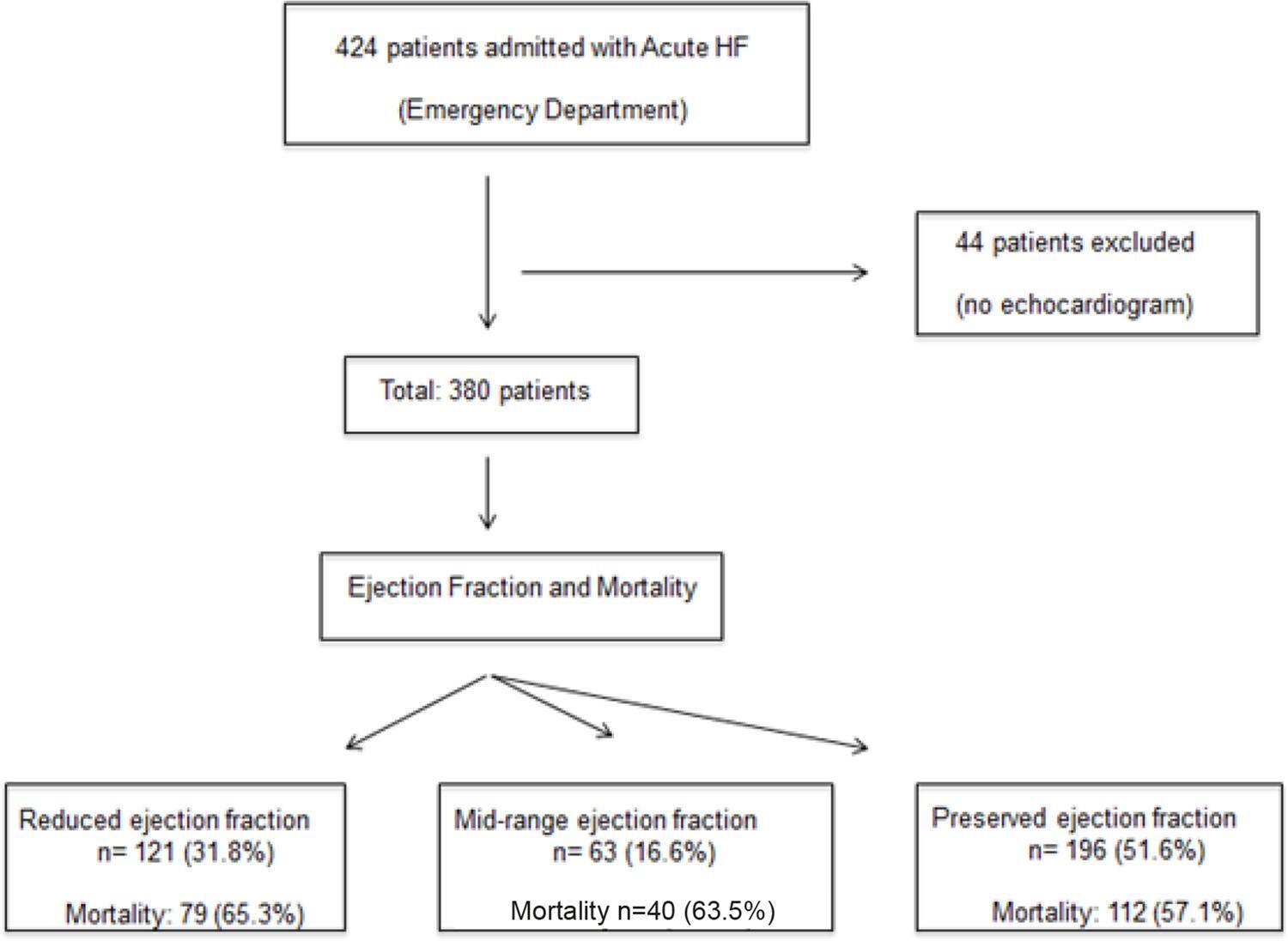
Heart Failure with mid-range Ejection Fraction (HFmEF) was recently described by European and Brazilian guidelines on Heart Failure (HF). The ejection fraction (EF) is an important parameter to guide therapy and prognosis. Studies have shown conflicting results without representative data from developing countries.

Objective

To analyze and compare survival rate in patients with HFmEF, HF patients with reduced EF (HFrEF), and HF patients with preserved EF (HFpEF), and to evaluate the clinical characteristics of these patients.

Methods

A cohort study that included adult patients with acute HF admitted through the emergency department to a tertiary hospital, reference in cardiology, in south Brazil from 2009 to 2011. The sample was divided into three groups according to EF: reduced, mid-range and preserved. A Kaplan-Meier curve was analyzed according to the EF, and a logistic regression analysis was done. Statistical significance was established as p < 0.05.

Results

A total of 380 patients were analyzed. Most patients had HFpEF (51%), followed by patients with HFrEF (32%) and HFmEF (17%). Patients with HFmEF showed intermediate characteristics related to age, blood pressure and ventricular diameters, and most patients were of ischemic etiology. Median follow-up time was 4.0 years. There was no statistical difference in overall survival or cardiovascular mortality (p=.0031) between the EF groups (reduced EF: 40.5% mortality; mid-range EF 39.7% and preserved EF 26%). Hospital mortality was 7.6%.

Conclusion

There was no difference in overall survival rate between the EF groups. Patients with HFmEF showed higher mortality from cardiovascular diseases in comparison with HFpEF patients. (Arq Bras Cardiol. 2021; 116(1):14-23)

  • Epidemiology
  • Heart Failure
  • medication adherence
  • Mortality
  • Prognosis
  • Stroke Volume
  • Survivorship
Read Full Article
Creative Commons Attribution (CC BY) Creative Commons license
03/02/2021 DOI: 10.36660/abc.20190427 Views 2
Figure 1
Research Letter

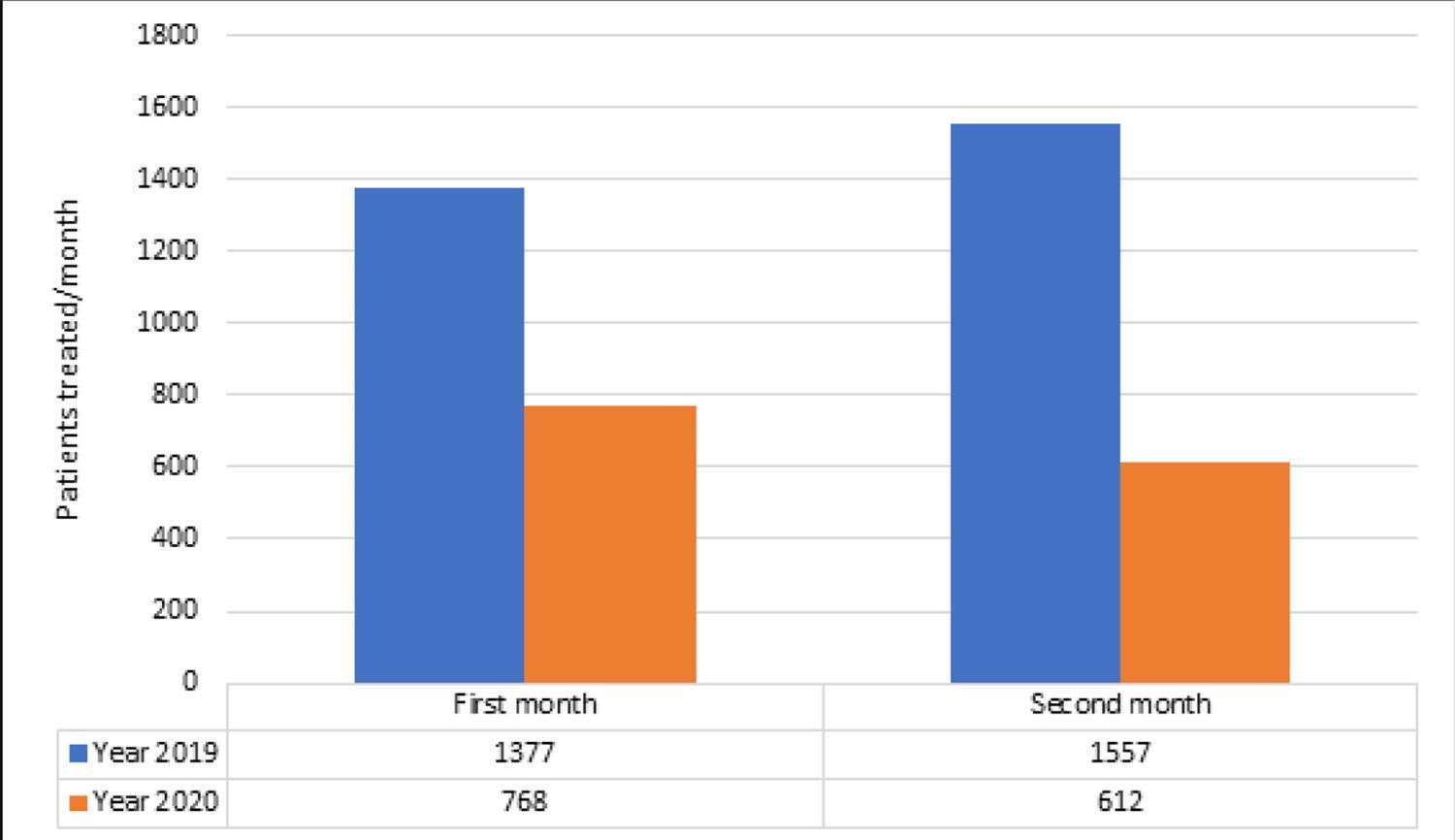
Changes in the Profile of Emergency Room Patients during the COVID-19 Outbreak in a General Hospital Specialized in Cardiovascular Care in Brazil

Thiago Veiga Jardim et al. Flavio Veiga Jardim Luciana Muniz Veiga Jardim Juliana Tranjan Coragem … Cristovão Fernandes Castro Guilherme Moreira Firmino Paulo Cesar B. Veiga Jardim

Introduction

The coronavirus disease 2019 (COVID-19) is caused by the severe acute respiratory syndrome coronavirus 2 (SARS-CoV-2). On March 11, 2020, COVID-19 was declared a pandemic by the World Health Organization, and the first case was reported in Brazil by the end of February.

Given the absence of specific treatment and the high morbidity and mortality of COVID-19, particularly in high-risk groups, extraordinary public health measures have been implemented worldwide. Considering public health, the traditional outbreak response strategy of isolation, quarantine, social distancing, and community containment has been implemented in multiple countries and has played an important role in preventing disease spread.

[…]

  • Acute Respiratory Syndrome
  • Cardiovascular Diseases
  • Coronavirus, Pandemics
  • COVID-19
  • Epidemiology
  • Hospitalization
  • Public Hospital
  • SARS-CoV-2
Read Full Article
Creative Commons Attribution (CC BY) Creative Commons license
03/02/2021 DOI: 10.36660/abc.20200595 Views 1
Figure 1
Original Article

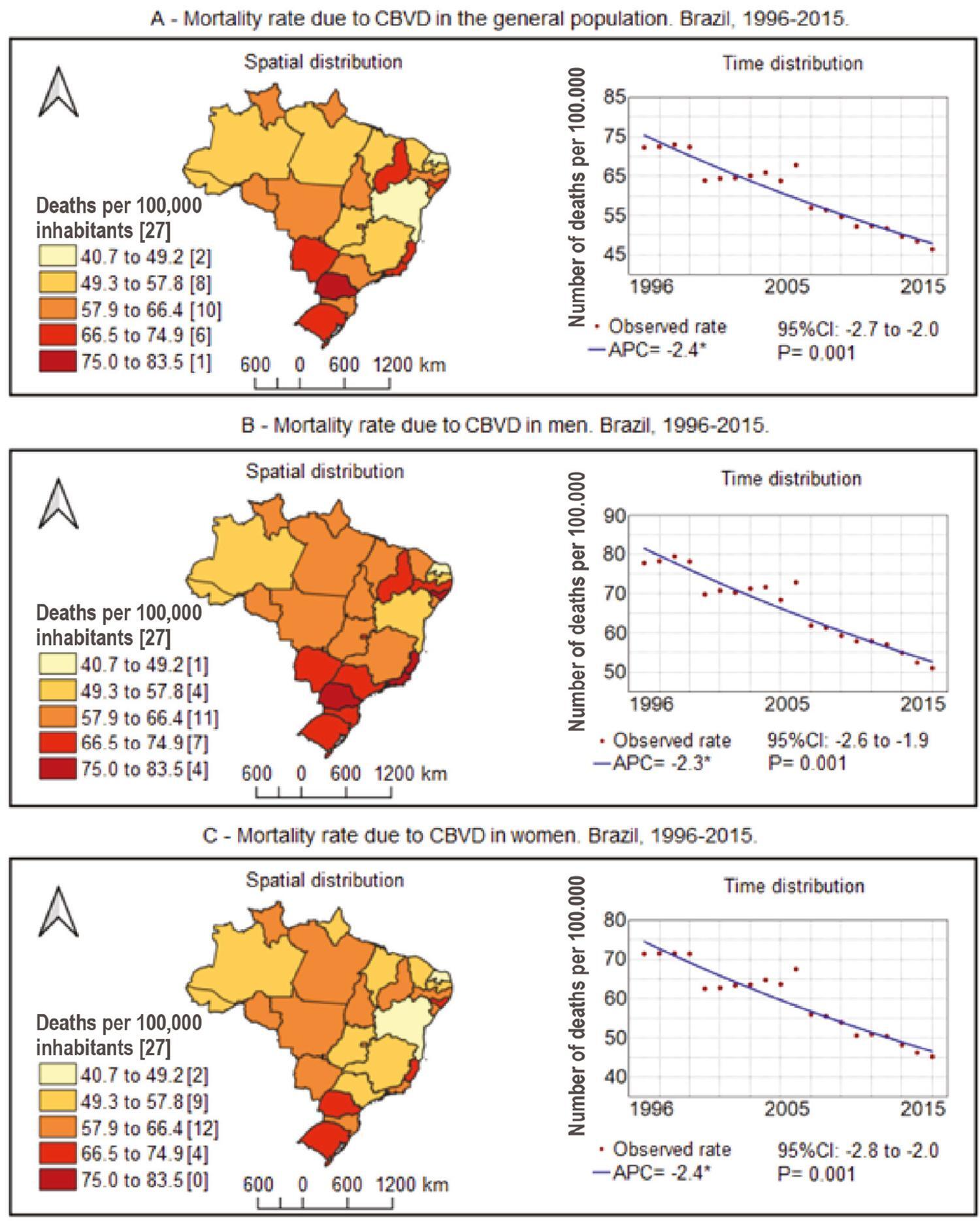
Cerebrovascular Disease Mortality Trend in Brazil (1996 To 2015) and Association with Human Development Index and Social Vulnerability

Carlos Dornels Freire de Souza et al. Denilson José de Oliveira Leonardo Feitosa da Silva Camila Damasceno dos Santos … Monaliza Coelho Pereira João Paulo Silva de Paiva Thiago Cavalcanti Leal Renato de Souza Mariano Amanda Karine Barros Ferreira de Araújo Jussara Almeida de Oliveira Baggio

Abstract

Background

Cerebrovascular diseases (CBVD) are the second major cause of death in the world.

Objective

To analyze the mortality trend of CBVD in Brazil (1996 to 2015) and its association with Human Development Index (HDI) and the Social Vulnerability Index (SVI).

Methods

This is an ecological study. We analyzed the mortality rate standardized by CBVD. Death data were obtained from the Mortality Information System (SIM) and populational data from the Brazilian Institute of Geography and Statistics (IBGE). The model of regression by inflection points (Joinpoint regression) was used to perform the temporal analysis, calculating the Annual Percent Change (APC) and Average Annual Percent Change (AAPC), with 95% of confidence interval and a significance of 5%. Trends were classified as increasing, decreasing or stationary. A multivariate regression model was used to analyze the association between mortality by CBVD, HDI and SVI.

Results

During this period, 1,850,811 deaths by CBVD were recorded. We observed a reduction in the national mortality rate (APC -2.4; p = 0.001). Twenty federation units showed a significant trend, of which 13 showed reduction, including all states in the Midwest (n=4), Southeast (n=4) and South (n=3). The HDI was positively associated and the SVI was negatively associated with mortality (p = 0.046 and p = 0.026, respectively).

Conclusion

An unequal epidemiological course of mortality was observed between the regions, being higher in the Southeast and South states, with a significative tendency of reduction, and lower in the North and Northeast states, but with a significative tendency of increase. HDI and SVI showed an association with mortality. (Arq Bras Cardiol. 2021; 116(1):89-99)

  • Brain Diseases/mortality
  • Community Development
  • Emergency Medical Emergencies/organization and administration
  • Epidemiology
  • Morbimortality
  • Social Vulnerability
  • Stroke / mortality
  • Time Seies Studies
Read Full Article
Creative Commons Attribution (CC BY) Creative Commons license
03/02/2021 DOI: 10.36660/abc.20190532
Editorial

The Relationship between CAR and CAE: Association of C-Reactive Protein to Albumin Ratio in Patients with Isolated Coronary Artery Ectasia

Iran Castro et al. Hugo Antonio Fontana Filho

Coronary artery ectasia (CAE), defined as an increase in coronary diameter 1.5 times the diameter of the normal adjacent bed, is an uncommon finding in coronary angiography, with an incidence of 1.2 to 4.9%. Most of the times, it is related to coronary atherosclerotic disease (CAD), and they have several factors in common, such as lipoprotein accumulation f in the intimal layer, inflammatory cell infiltration, activation of the renin-angiotensin system and oxidative stress generation, with arterial expansion and remodeling. The high levels of nitric oxide cause vasodilation and excessive activation of extracellular matrix metalloproteinases, resulting in vascular dilation. Less commonly, it can also be related to Kawasaky disease, connective tissue, infectious or autoimmune diseases.

The incidence is higher in men, hypertensive individuals and smokers. Cocaine users have a higher incidence of CAE and coronary aneurysms. Interestingly, Diabetes Mellitus (DM) seems to be unrelated to CAE, and may even be a protective factor, a fact related to the inhibition of the expression of extracellular matrix metalloproteinases.

[…]

  • Atherosclerosis
  • Coronary Artery Disease
  • Dilatation, Pathologic
  • Lipoproteins
  • Oxidative Stress
  • Risk Factors
Read Full Article
Creative Commons Attribution (CC BY) Creative Commons license
03/02/2021 DOI: 10.36660/abc.20200580 Views 1
Editorial

Para-Hisian Atrial Tachycardia and Atrioventricular Nodal Reentry Tachycardia: After 25 Years The Same History?

Mauro Toniolo

The recent history of the para-hisian atrial tachycardia (PHAT) looks a lot like the older history of the atrioventricular (AV) nodal reentry tachycardia (AVNRT). The debate about precise anatomic boundaries of AV nodal reentry continues today again in the AVNRT, even 75 odd years after the first suspect that some mechanisms of supraventricular tachycardia could involve the region of the AV node. In this type of arrhythmia, the first target for the catheter ablative therapy was the fast pathway of the AV node: this approach showed a high success rate, but induction of AV block was found in more than one every five patients. After a few years, an approach was proposed from the slow pathway, that proved to be more effective and safer than the approach from the fast pathway. For some years, this new approach generated some debate in the electrophysiology (EP) community. Some authors even suggested to cross over from one technique to the other as long as AVNRT persisted. Nowadays, the approach from fast pathway is definitely abandoned and when we think of catheter ablation of AVNRT, we think only about ablation of the slow pathway.

PHAT are a group of atrial tachycardia (ATs) originating near the His-bundle (HB) region. Their prevalence is quite high in some casuistries, therefore it is important learning to recognize and to treat them. Nowadays, in the same manner of AVNRT, also for PHAT a debate is present for both the anatomic site of origin of this type of arrhythmia, both about the mechanism,, both about the best catheter ablation approach.– Some authors hypothesized the presence of a small re-entrant circuit adjacent to the tricuspid annulus; in contrast, other authors described PHAT as focal ATs arising from various location around the tricuspid or mitral annuli. PHAT are amenable to catheter ablation from multiple approaches including right inter-atrial septum, left inter-atrial septum by a transeptal puncture and non coronary sinus (NCS) of Valsalva of the aortic root by a transaortic approach via the femoral artery.

[…]

  • Atrial Tachycardia
  • Atrioventricular Nodal Reentry Tachycardia
  • Non Coronary Sinus of Valsalva
Read Full Article
Creative Commons Attribution (CC BY) Creative Commons license
03/02/2021 DOI: 10.36660/abc.20201149
Figure 1
Original Article

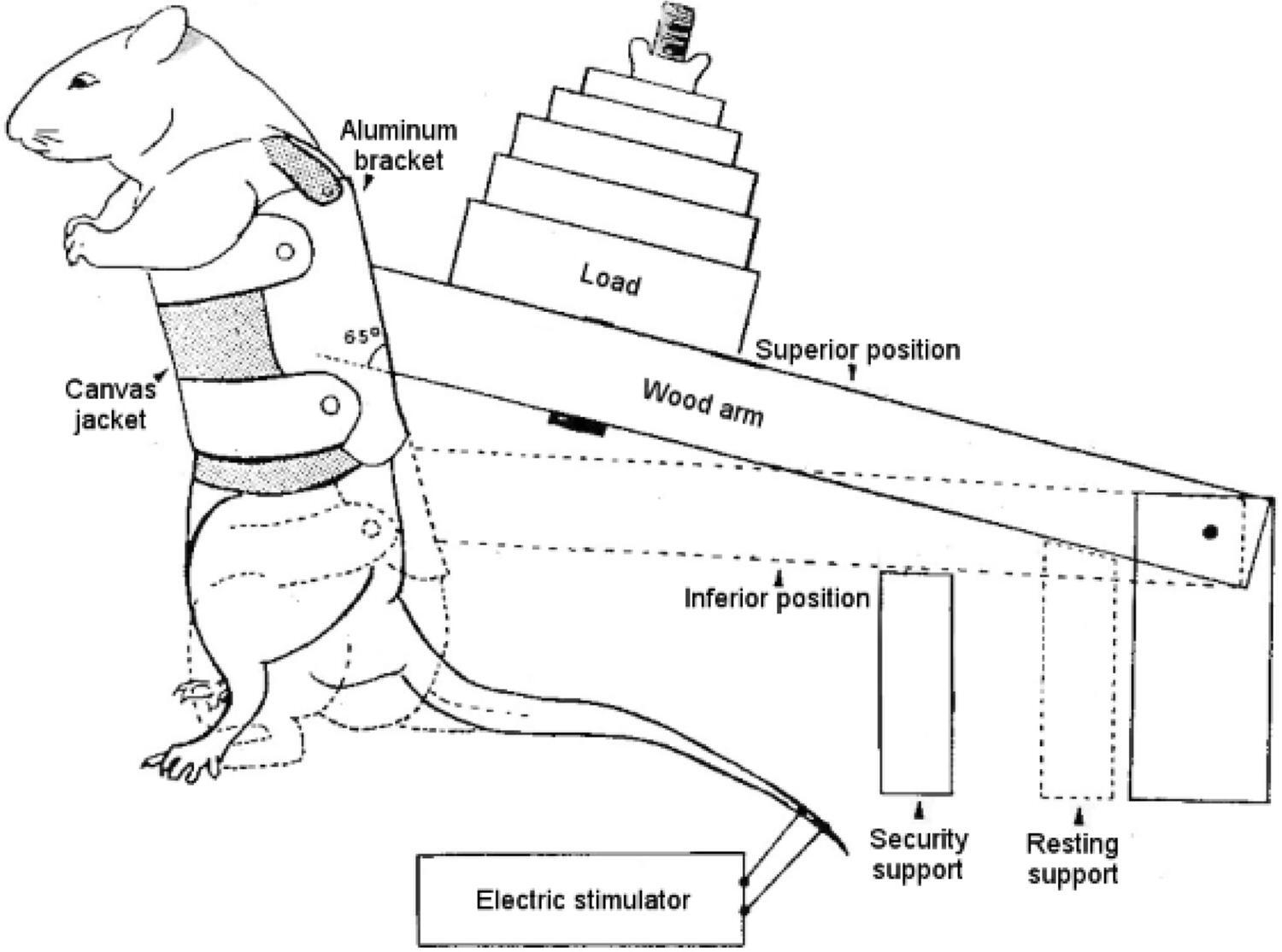
Strength Training Reduces Cardiac and Renal Oxidative Stress in Rats with Renovascular Hypertension

Rodrigo Miguel-dos-Santos et al. Jucilene Freitas dos Santos Fabricio Nunes Macedo Anderson Carlos Marçal … Valter J. Santana Filho Rogerio Brandão Wichi Sandra Lauton-Santos

Abstract

Background

Strength training has beneficial effects on kidney disease, in addition to helping improve antioxidant defenses in healthy animals.

Objective

To verify if strength training reduces oxidative damage to the heart and contralateral kidney caused by the renovascular hypertension induction surgery, as well as to evaluate alterations in the activity of superoxide dismutase (SOD), catalase (CAT), and glutathione peroxidase (GPx) endogenous antioxidant enzymes.

Methods

Eighteen male rats were divided into three groups (n=6/group): sham, hypertensive, and trained hypertensive. The animals were induced to renovascular hypertension through left renal artery ligation. Strength training was initiated four weeks after the induction of renovascular hypertension, continued for a 12-weeks period, and was performed at 70% of 1RM. After the training period, the animals were euthanized and the right kidney and heart were removed for quantitation of hydroperoxides, malondialdehyde and sulfhydryl groups, which are markers of oxidative damage. In addition, the activity of SOD, CAT, and GPx antioxidant enzymes was also measured. The adopted significance level was 5% (p < 0.05).

Results

After strength training, a reduction in oxidative damage to lipids and proteins was observed, as could be seen by reducing hydroperoxides and total sulfhydryl levels, respectively. Furthermore, an increased activity of superoxide dismutase, catalase, and glutathione peroxidase antioxidant enzymes was observed.

Conclusion

Strength training is able to potentially reduce oxidative damage by increasing the activity of antioxidant enzymes. (Arq Bras Cardiol. 2021; 116(1):4-11)

  • Antioxidants
  • hypertension, renovascular
  • Oxidation-Reduction
  • Oxidative Stress
  • Renal Arterial Obstruction
  • Resistance Training
Read Full Article
Creative Commons Attribution (CC BY) Creative Commons license
03/02/2021 DOI: 10.36660/abc.20190391
Figure 1
Original Article

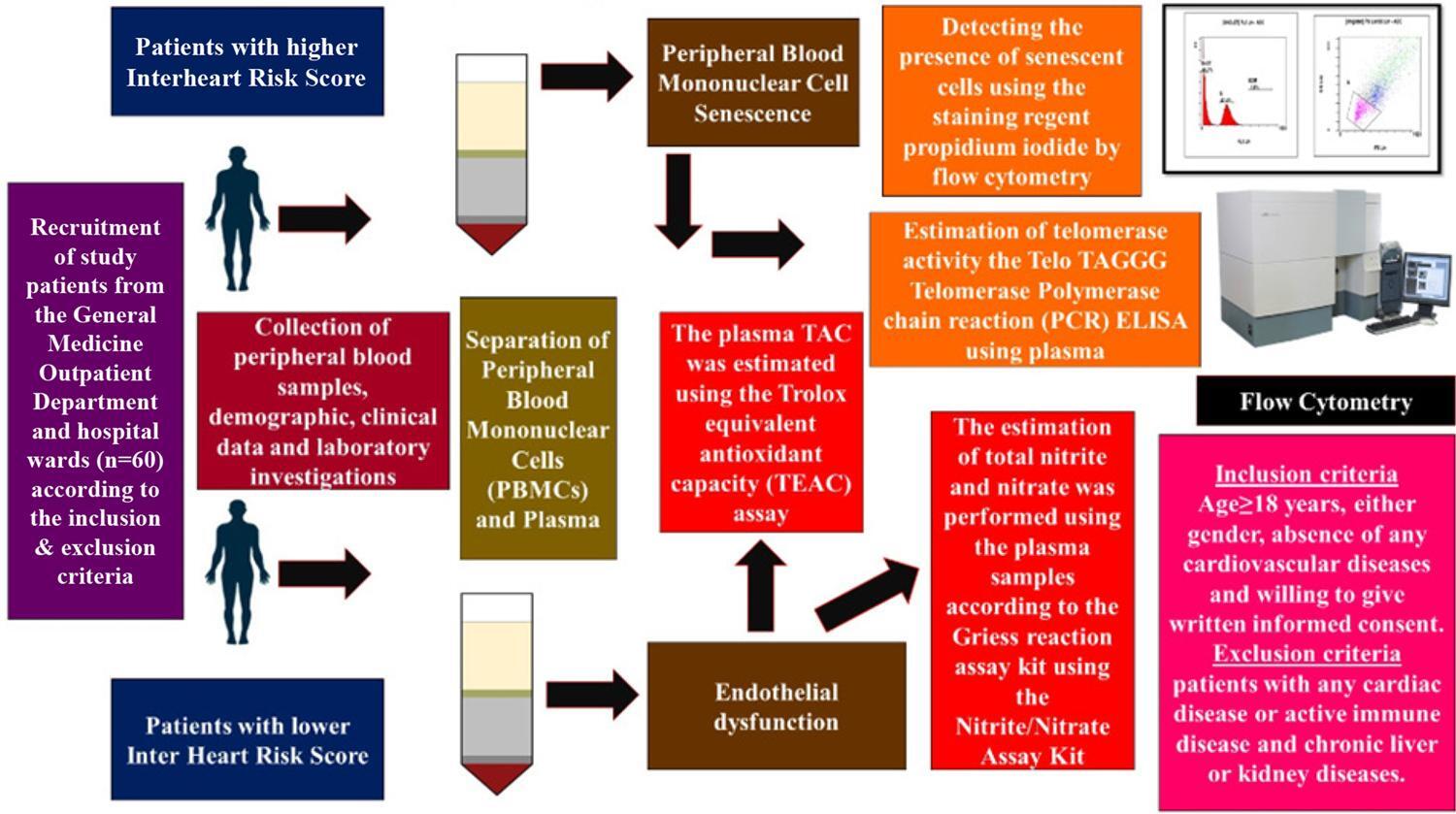
Assessment of Peripheral Blood Mononuclear Cells Senescence and Endothelial Dysfunction among Adults with High Cardiovascular Risk

Vijay Raj et al. Soniya Charles Luxitaa Goenka Thilagavathi Ramamoorthy … Marimuthu C Emmanuel C Kanchana Mala Subramaniyan Kumarasamy Melvin George

Abstract

Background

Cardiovascular diseases (CVD) are one of the leading causes of mortality and morbidity worldwide. Biological aging has been associated with the occurrence of adverse cardiovascular outcomes; however, the underlying mechanism of this process remains unknown.

Objectives

This study sought to evaluate if peripheral blood mononuclear cell (PBMC) senescence and endothelial biomarkers could influence cardiovascular (CV) risk and be suitable markers for the early detection of cardiovascular diseases in adults.

Methods

In this cross-sectional study patients free of CVD were classified as lower (n=32) and higher Interheart Risk (IHR) scores (n=28). PBMC senescence was assessed by estimating the telomerase activity (TA) and detecting the presence of senescent cells and endothelial dysfunction by estimating the concentration of nitrite and nitrate and of total antioxidant capacity (TAC). Statistical analysis was performed with SPSS version 16.0 (SPSS Inc., Chicago, IL). All p-values <0.05 were considered statistically significant.

Results

PBMC senescence 0.95 [p-value = 0.0001; 95% CI (0.874-1.026)] was a significant predictor of patients with higher IHR scores with a cut-off value of 21.65 with a sensitivity and specificity of 92% and 88% respectively. PBMC senescence, nitrite and nitrate and TA were found to be independently associated with high IHR scores.

Conclusion

PBMC senescence, TA and nitrite, and nitrate status are suitable measures to predict high cardiovascular risk in adults with CV risk. Nevertheless, long-term follow-up studies are needed to confirm these findings. (Arq Bras Cardiol. 2021; 116(1):37-47)

  • Biomarkers
  • Cardiovascular Diseases
  • Cell Aging
  • Endothelium
  • Propensity Score
  • Risk Factors
Read Full Article
Creative Commons Attribution (CC BY) Creative Commons license
03/02/2021 DOI: 10.36660/abc.20190409 Views 1
Editorial

Moderate-Intensity Resistance Training Improves Oxidative Stress in Heart

Marcelo Diarcadia Mariano Cezar et al. Silvio Assis de Oliveira Junior Ricardo Luiz Damatto

Renovascular hypertension (RVHT) is one of the main causes of secondary hypertension, often leading to resistant hypertension, that is, that does not respond well to aggressive medical treatment. This condition is defined as systemic hypertension that manifests as a result of compromised blood supply to the kidneys., In an epidemiological context, RVHT accounts for 1 to 5% of all cases of hypertension and 5.4% of secondary hypertension among young adults.

Studies have shown an association this disease with low levels of physical activity or physical fitness in hypertensive individuals., It is known that physical training has a protective action against cardiovascular diseases.– In 2016, the 7th Brazilian Guideline of Arterial Hypertension, by the Brazilian Society of Cardiology, stated that blood pressure reduction is the most effective measure to decrease cardiovascular risk and slow kidney damage progression, regardless of the antihypertensive drug used. Endurance/aerobic exercise training promotes an important hypotensive effect in hypertensive patients and, therefore, has been recommended as the preferential type of exercise for arterial hypertension prevention and treatment.,

[…]

  • Blood Pressure/prevention and control
  • Hypertension
  • Oxidative Stress
  • Resistance Training
  • Ventricular Remodeling
Read Full Article
Creative Commons Attribution (CC BY) Creative Commons license
03/02/2021 DOI: 10.36660/abc.20200561 Views 1
Editorial

Heart Failure Mid-Range Ejection Fraction

Paula Felippe Martinez et al. Marina Politi Okoshi Katashi Okoshi Silvio Assis de Oliveira-Junior

Heart failure (HF) is a clinical syndrome with typical symptoms caused by structural and/or functional cardiac abnormalities. It has a prevalence of up to 1-2% in adults from developed countries with high mortality due to cardiovascular causes., Elevated morbidity and mortality can also be seen in developing countries such as Brazil.

The main terminology used to classify HF is based on left ventricular ejection fraction (LVEF) values. In 2016, the European Society of Cardiology (ESC) Task Force for the Diagnosis and Treatment of Acute and Chronic Heart Failure introduced a new HF class consisting of patients with an LVEF between 40 and 49%, which was called HF with mid-range ejection fraction (HFmrEF). A grey area between heart failure with reduced (HFrEF) and preserved (HFpEF) ejection fraction had been recognized in previous studies. The introduction of this new HF classification led to a rapid increase in the number of studies on HFmrEF over the next few years,, with many conflicting results in terms of survival and the clinical characteristics of HFmrEF being reported in literature. Although mortality and morbidity in HFrEF has been reduced by improving treatment in the last thirty years, similar results were not seen in HFpEF and few studies were specifically designed to evaluate mortality in patients with HFmrEF.

[…]

  • Heart Failure / mortality
  • medication adherence
  • Prognostic
  • Stroke Volume
Read Full Article
Creative Commons Attribution (CC BY) Creative Commons license
03/02/2021 DOI: 10.36660/abc.20200576 Views 1
Figure 1
Original Article

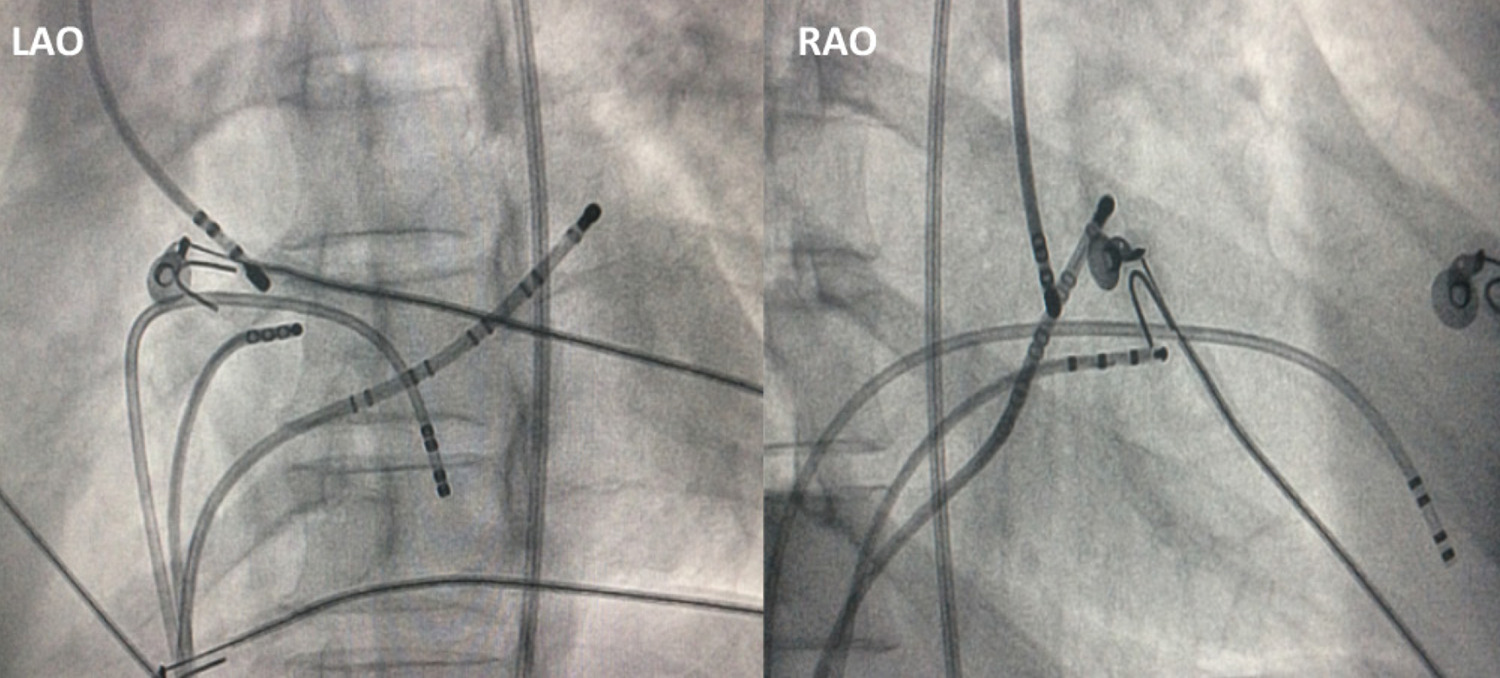
Catheter Ablation of Focal Atrial Tachycardia with Early Activation Close to the His-Bundle from the Non Coronary Aortic Cusp

Muhieddine Chokr et al. Lucas G. de Moura Italo Bruno dos Santos Sousa Cristiano Faria Pisani … Carina Abigail Hardy Sissy Lara de Melo Arnobio Dias da Ponte Filho Ieda Prata Costa Ronaldo Vasconcelos Tavora Luciana Sacilotto Tan Chen Wu Francisco Carlos da Costa Darrieux Denise Tessariol Hachul Vera Demarchi Aiello Mauricio Scanavacca

Abstract

Background

Atrial tachycardia (AT) ablation with earliest activation site close to the His-Bundle is a challenge due to the risk of complete AV block by its proximity to His-Purkinje system (HPS). An alternative to minimize this risk is to position the catheter on the non-coronary cusp (NCC), which is anatomically contiguous to the para-Hisian region.

Objectives

The aim of this study was to perform a literature review and evaluate the electrophysiological characteristics, safety, and success rate of catheter-based radiofrequency (RF) delivery in the NCC for the treatment of para-Hisian AT in a case series.

Methods

This study performed a retrospective evaluation of ten patients (Age: 36±10 y-o) who had been referred for SVT ablation and presented a diagnosis of para-Hisian focal AT confirmed by classical electrophysiological maneuvers. For statistical analysis, a p-value of <0.05 was considered statistically significant.

Results

The earliest atrial activation at the His position was 28±12ms from the P wave and at the NCC was 3±2ms earlier than His position, without evidence of His potential in all patients. RF was applied on the NCC (4-mm-tip catheter; 30W, 55ºC), and the tachycardia was interrupted in 5±3s with no increase in the PR interval or evidence of junctional rhythm. Electrophysiological tests did not reinduce tachycardia in 9/10 of patients. There were no complications in all procedures. During the 30 ± 12 months follow-up, no patient presented tachycardia recurrence.

Conclusion

The percutaneous treatment of para-Hisian AT through the NCC is an effective and safe strategy, which represents an interesting option for the treatment of this complex arrhythmia. (Arq Bras Cardiol. 2021; 116(1):119-126)

  • Arrhythmias Cardiac
  • Bundle of His
  • Catheter Ablation/methods
  • Electrocardiography/methods
  • Electrophysiologic,Techniques/methods
  • Tachycardia, Atrial
Read Full Article
Creative Commons Attribution (CC BY) Creative Commons license
03/02/2021 DOI: 10.36660/abc.20180449 Views 1
Editorial

New Markers of Carotid Thickening in Hypertension

Rui Póvoa

Arterial hypertension was considered an important cardiovascular risk factor only after the Framingham studies, as it was believed that it was a necessary “good” for good tissue perfusion. These emblematic long-term cohort studies about the cardiovascular system brought data that allowed the evaluation of the interaction with several other diseases, such as dyslipidemias and diabetes, for the atheromatous plaque formation, which is the initial step for cardiovascular complications. A time when clinical examination was essential to detect markers of atherosclerotic disease.

However, with the evolution of knowledge, clinical biological markers were no longer sufficient to predict risk, as we increasingly need to articulate preventive measures as early as possible, for more effective treatment and better prevention. Additionally, the interaction between the environment, with all its risk factors and genetics proved to be interactive and of crucial importance in the development of the atherosclerotic plaque. Regarding hypertension, the genetic component with an estimated inheritance of 15-40% became clear, so much so that the brothers have a risk agreement rate for the disease ranging from 1.2 to 1.7.,

[…]

  • genetic markers
  • Hypertension/epidemiology
  • Monocytes
  • mRNA, Carotid Intima-Media Thickness
Read Full Article
Creative Commons Attribution (CC BY) Creative Commons license
03/02/2021 DOI: 10.36660/abc.20201335 Views 1
Figure 1
Original Article

Monocyte Low-Density Lipoprotein Receptor-Related Protein 1 (LRP1) Expression Correlates with cIMT in Mexican Hypertensive Patients

Ricardo Gamboa et al. María José Jaramillo-Estrella María del Rocio Martínez-Alvarado Maria Elena Soto … Yazmin Estela Torres-Paz David de Gonzalo-Calvo Leonardo Del Valle-Mondragón Rebeca López-Marure Vicenta C. Llorente-Cortés Claudia Huesca-Gómez

Abstract

Background

Arterial hypertension (HTA) represents a major risk factor for cardiovascular morbidity and mortality. It is not yet known which specific molecular mechanisms are associated with the development of essential hypertension.

Objective

In this study, we analyzed the association between LRP1 monocyte mRNA expression, LRP1 protein expression, and carotid intima media thickness (cIMT) of patients with essential hypertension.

Methods

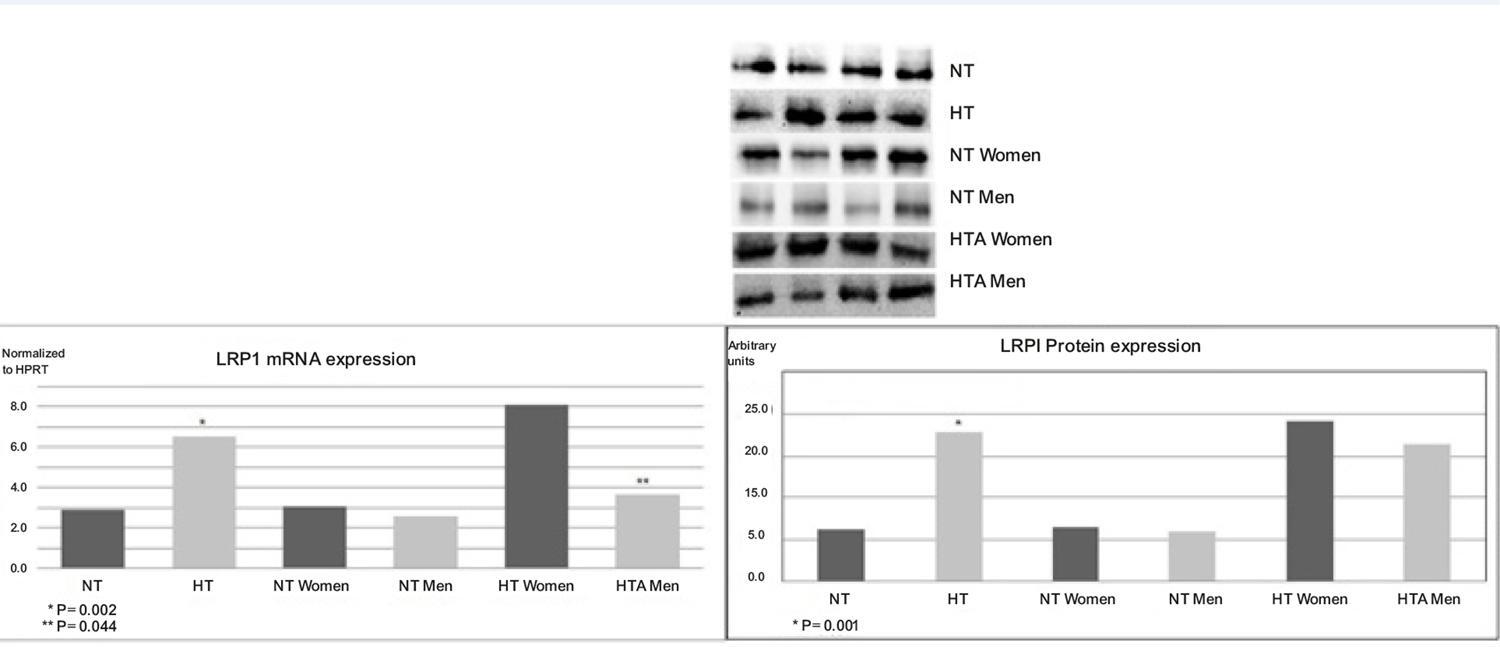
The LRP1 monocyte mRNA expression and protein levels and cIMT were quantified in 200 Mexican subjects, 91 normotensive (NT) and 109 hypertensive (HT). Statistical significance was defined as p < 0.05.

Results

HT patients group had highly significant greater cIMT as compared to NT patients (p=0.002) and this correlated with an increase in the expression of LRP1 mRNA expression (6.54 vs. 2.87) (p = 0.002) and LRP1 protein expression (17.83 vs. 6.25), respectively (p = 0.001). These differences were maintained even when we divided our study groups, taking into account only those who presented dyslipidemia in both, mRNA (p = 0.041) and proteins expression (p < 0.001). It was also found that Ang II mediated LRP1 induction on monocytes in a dose and time dependent manner with significant difference in NT vs. HT (0.195 ± 0.09 vs. 0.226 ± 0.12, p = 0.046).

Conclusion

An increase in cIMT was found in subjects with hypertension, associated with higher mRNA and LRP1 protein expressions in monocytes, irrespective of the presence of dyslipidemias in HT patients. These results suggest that LRP1 upregulation in monocytes from Mexican hypertensive patients could be involved in the increased cIMT. (Arq Bras Cardiol. 2021; 116(1):56-65)

  • Carotid Intima-Media Thickness
  • Hypertension/epidemiology
  • LRP1
  • Mexico
  • Monocytes
  • mRNA
Read Full Article
Creative Commons Attribution (CC BY) Creative Commons license
03/02/2021 DOI: 10.36660/abc.20190535
Figure 1
Original Article

Acute Hemodynamic Index Predicts In-Hospital Mortality in Acute Decompensated Heart Failure

Renata R. T. Castro et al. Luka Lechnewski Alan Homero Denilson Campos de Albuquerque … Luis Eduardo Rohde Dirceu Almeida João David Salvador Rassi Fernando Bacal Edimar Bocchi Lidia Moura

Abstract

Background

The physical examination enables prognostic evaluation of patients with decompensated heart failure (HF), but lacks reliability and relies on the professional’s clinical experience. Considering hemodynamic responses to “fight or flight” situations, such as the moment of admission to the emergency room, we proposed the calculation of the acute hemodynamic index (AHI) from values of heart rate and pulse pressure.

Objective

To evaluate the in-hospital prognostic ability of AHI in decompensated HF.

Methods

A prospective, multicenter, registry-based observational study including data from the BREATHE registry, with information from public and private hospitals in Brazil. The prognostic ability of the AHI was tested by receiver-operating characteristic (ROC) analyses, C-statistics, Akaike’s information criteria, and multivariate regression analyses. p-values < 0.05 were considered statistically significant.

Results

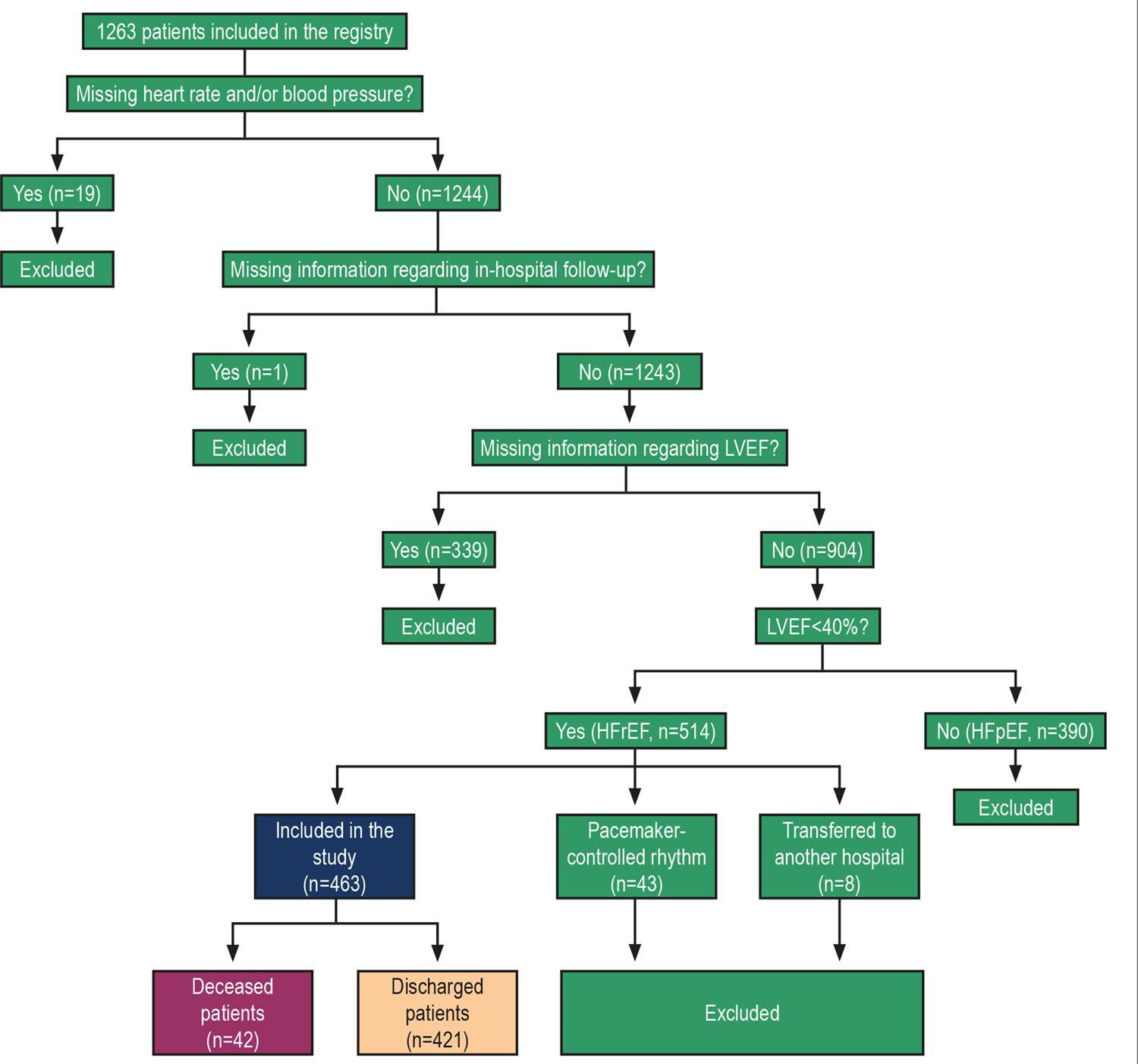
We analyzed data from 463 patients with heart failure with low ejection fraction. In-hospital mortality was 9%. The median AHI value was used as cut-off (4 mmHg⋅bpm). A low AHI (≤ 4 mmHg⋅bpm) was found in 80% of deceased patients. The risk of in-hospital mortality in patients with low AHI was 2.5 times that in patients with AHI > 4 mmHg⋅bpm. AHI independently predicted in-hospital mortality in acute decompensated HF (sensitivity: 0.786; specificity: 0.429; AUC: 0.607 [0.540–0.674]; p = 0.010) even after adjusting for comorbidities and medication use [OR: 0.061 (0.007–0.114); p = 0.025).

Conclusions

The AHI independently predicts in-hospital mortality in acute decompensated HF. This simple bed-side index could be useful in an emergency setting. (Arq Bras Cardiol. 2021; 116(1):77-86)

  • Blood Pressure
  • Heart Failure
  • Heart Rate
  • Mortality
  • Prognosis
Read Full Article
Creative Commons Attribution (CC BY) Creative Commons license
03/02/2021 DOI: 10.36660/abc.20190439 Views 1
Editorial

A Collaboration to Stop Smoking

Ricardo Vivacqua Cardoso Costa

The association between smoking and physical inactivity is an essential expression of morbidity and mortality in wide age groups.

The present study enhances the recognized risks of smoking, correlating it to the quality of sleep, and autonomic dysfunctions with levels of physical activity. Parameters considered as risk factors for cardiovascular pathologies. It is worth mentioning the accurate methodology contributing to the legitimacy of this study. In the most active group (p> 50), higher values of skeletal muscle mass were observed, related to better performance and influencing the reflex metabolite. Statistical treatment demonstrated significant correlations between smoking, sleep quality, and autonomic dysfunction. We believe that a higher number of candidates for the study can obtain stronger associations. We suggest, as a continuation of this study, to evaluate the recovery of heart rate in the first minute of post-exercise recovery, an indicator of parasympathetic autonomic adaptation of prognostic value in cardiovascular diseases. Also, a better quantification of physical activity that characterizes active or non-active behavior is also valid. The current bibliography deserves mention, with about 16% of authors from our country.

[…]

  • Arrhythmias Cardiac/physiopathology
  • Atrial Fibrillation/physiopathology
  • Combined Modality Therapy
  • Obesity
  • Risk Factors
  • Sedentarism
Read Full Article
Creative Commons Attribution (CC BY) Creative Commons license
03/02/2021 DOI: 10.36660/abc.20200458 Views 1
Figure 1
Original Article

Correlation between Cardiomegaly on Chest X-Ray and Left Ventricular Diameter on Echocardiography in Patients with Chagas Disease

Matheus Rassi Fernandes Ramos et al. Henrique Turin Moreira Gustavo Jardim Volpe Minna Romano … Benedito Carlos Maciel André Schmidt Anis Rassi Junior Jose Antônio Marin Neto

Abstract

Background

Cardiomegaly on chest X-ray is an independent predictor of death in individuals with chronic Chagas cardiomyopathy (CCC). However, the correlation between increased cardiothoracic ratio (CTR) on chest X-ray and left ventricular end-diastolic diameter (LVEDD) on echocardiography is not well established in this population.

Objectives

To assess the relationship between chest X-ray and LVEDD on echocardiography in patients with Chagas disease and its applicability to the Rassi score.

Methods

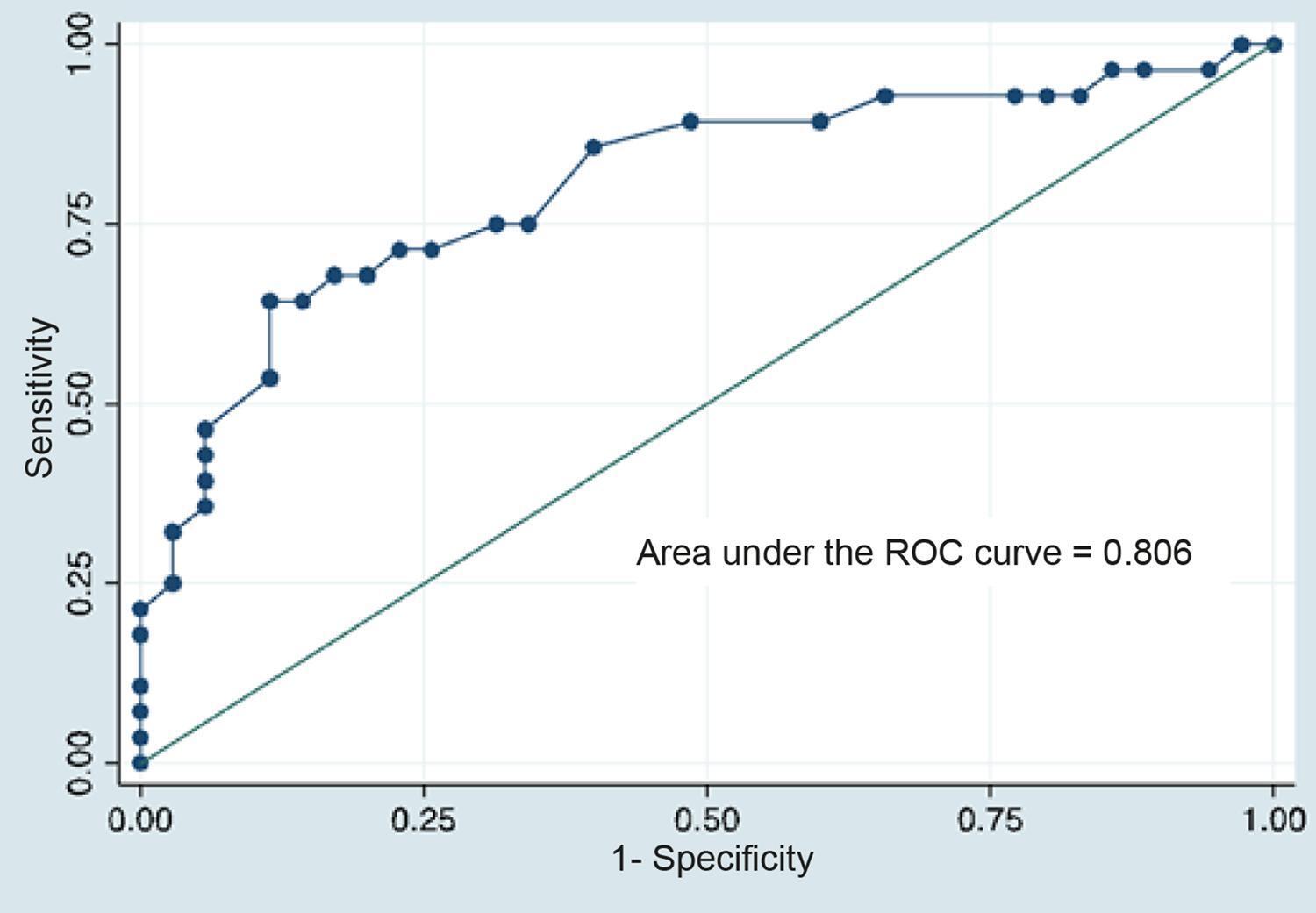
Retrospective study on 63 Chagas disease outpatients who underwent chest X-ray and echocardiography. Cardiomegaly on chest X-ray was defined as a CTR>0.5. LVEDD was analyzed as a continuous variable. ROC curve was used to evaluate the ability of LVEDD in detecting cardiomegaly by chest X-ray, with a cut-off point defined by the highest sum of sensitivity and specificity.

Results

Median age 61 years [interquartile range 48-68], 56% were women. CCC was detected in 58 patients, five patients had the indeterminate form of Chagas disease. Cardiomegaly was detected in 28 patients. The area under the ROC curve for LVEDD was 0.806 (95%CI: 0.692-0.919). The optimal cut-off for LVEDD was 60 mm (sensitivity = 64%, specificity = 89%). The use of LVEDD on echocardiography as a surrogate for CTR on chest X-ray changed the Rassi score values of 14 patients, with a reduction in the presumed risk in 10 of them.

Conclusion

LVEDD on echocardiography is an appropriate, highly specific parameter to distinguish between the presence and absence of cardiomegaly on chest X-ray in Chagas disease. (Arq Bras Cardiol. 2021; 116(1):68-74)

  • Cardiomegaly
  • Chagas Disease/physiopathology
  • chagasic cardiomyopathy
  • Heart block
  • X-Rays
Read Full Article
Creative Commons Attribution (CC BY) Creative Commons license
03/02/2021 DOI: 10.36660/abc.20190673 Views 1
Figure 1
Research Letter

COVID-19 in Early Postoperative Heart Transplantation – Initial Experience

Gustavo Pampolha Guerreiro et al. Lucas Molinari Veloso da Silveira Valdano Manuel Samuel Padovani Steffen … Fernando Bacal Fabio Antonio Gaiotto Fabio Biscegli Jatene

Introduction

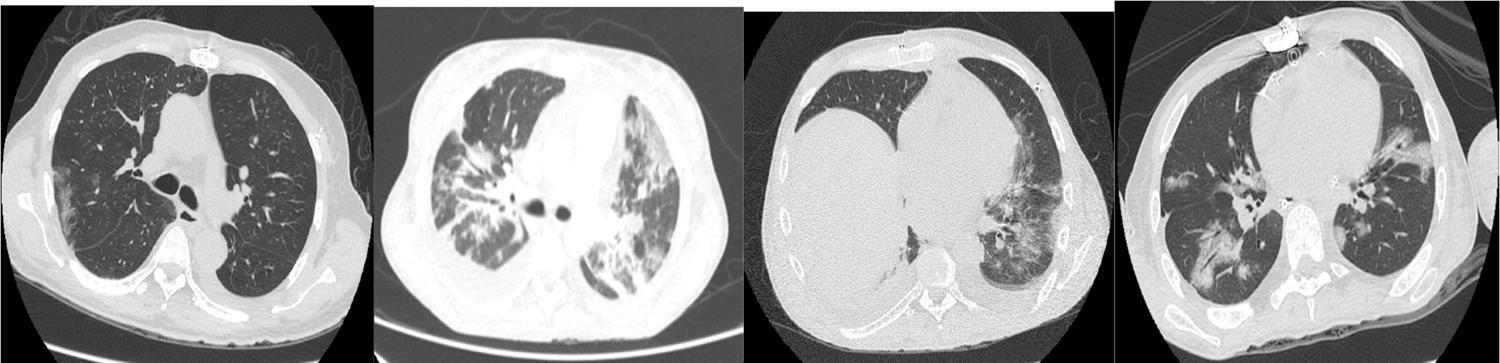
The coronavirus disease (COVID-19) pandemic is rapidly increasing worldwide. Brazil is the country with the second highest number of cases, and it is considered South America’s epicenter.

Cardiovascular disease is known to be an important risk factor for infection susceptibility, illness severity, and poor prognosis in COVID-19. Heart transplantation (HT) recipients may have an increased risk due to their comorbidities; however, it has been theorized that immunosuppression might protect them from the cytokine storm responsible for worse outcomes., On the other hand, infection by severe acute respiratory syndrome coronavirus 2 (SARS-CoV-2) has been reported in HT patients with disease presentation similar to general population, questioning the theorized immunosuppression protective mechanism.–

[…]

  • Covid-19/complications
  • Heart Transplantation
  • Imunossupression
  • Pandemics
  • Risk Factors
  • Severe Acute Respiratory Syndrome
Read Full Article
Creative Commons Attribution (CC BY) Creative Commons license
03/02/2021 DOI: 10.36660/abc.20200868 Views 1
Figure 1
Editorial

In Search for Optimal Image Quality in Pediatric Cardiac CT Angiogram

Daniel Faria et al. João B. Augusto

“There can be no keener revelation of a society’s soul than the way in which it treats its children”. Years after his death, these Nelson Mandela’s prolific words still resonate universally with our moral and ethical foundations and, as researchers ourselves, we are very happy to know that Science walks on the right path of history.

There are a number of methodological and ethical challenges of performing research in children. However, there can be no progress in pediatric clinical care without research in this population, whose findings may also otherwise be relevant to adult medicine. Given that approximately 1% of born children will have some kind of significant heart disease, it is of crucial importance to maximize the safety and efficacy profile of diagnostic and therapeutic interventions. Computed tomography cardiac angiography (CTCA) is being increasingly used, but its diagnostic accuracy in children is highly dependent on optimal image quality while minimizing radiation exposure as much as possible.

[…]

  • Adrenergic Agents
  • Angiotomography
  • Diagnostic Imaging
  • Heart Defects, Congenital
  • Heart Rate
  • Metropolol
Read Full Article
Creative Commons Attribution (CC BY) Creative Commons license
03/02/2021 DOI: 10.36660/abc.20201279
Letter to the Editor

Confounding Factors in the Analysis of the Relationship between Aortic Arch Calcification with a Non-Dipper Blood Pressure Pattern

Pedro Pereira Tenório et al. Carlos Alberto de Lima Botelho Filho Romero Henrique de Almeida Barbosa Johnnatas Mikael Lopes

Dear Editor,

We read the following article with great interest: “Aortic Arch Calcification on Routine Chest Radiography is Strongly and Independently Associated with Non-Dipper Blood Pressure Pattern”. In this study, the aim was to evaluate a possible relationship between aortic arch calcification on chest radiographs and the non-dipper blood pressure pattern. Altogether, 406 patients were analyzed and divided into two groups: dipper and non-dipper. Approximately 261 (64%) patients presented the pattern of non-dipper blood pressure, against 145 (36%) with dipper blood pressure. It was found that the non-dipper group presented a higher prevalence of aortic arch calcification (70% vs. 33%, p<0.0001).

[…]

  • Aorta, Thoracic
  • Blood Pressure
  • calcification
  • Prevalence Ratio
  • Thorax/radiography
Read Full Article
Creative Commons Attribution (CC BY) Creative Commons license
03/02/2021 DOI: 10.36660/abc.20200750 Views 2
Original Article

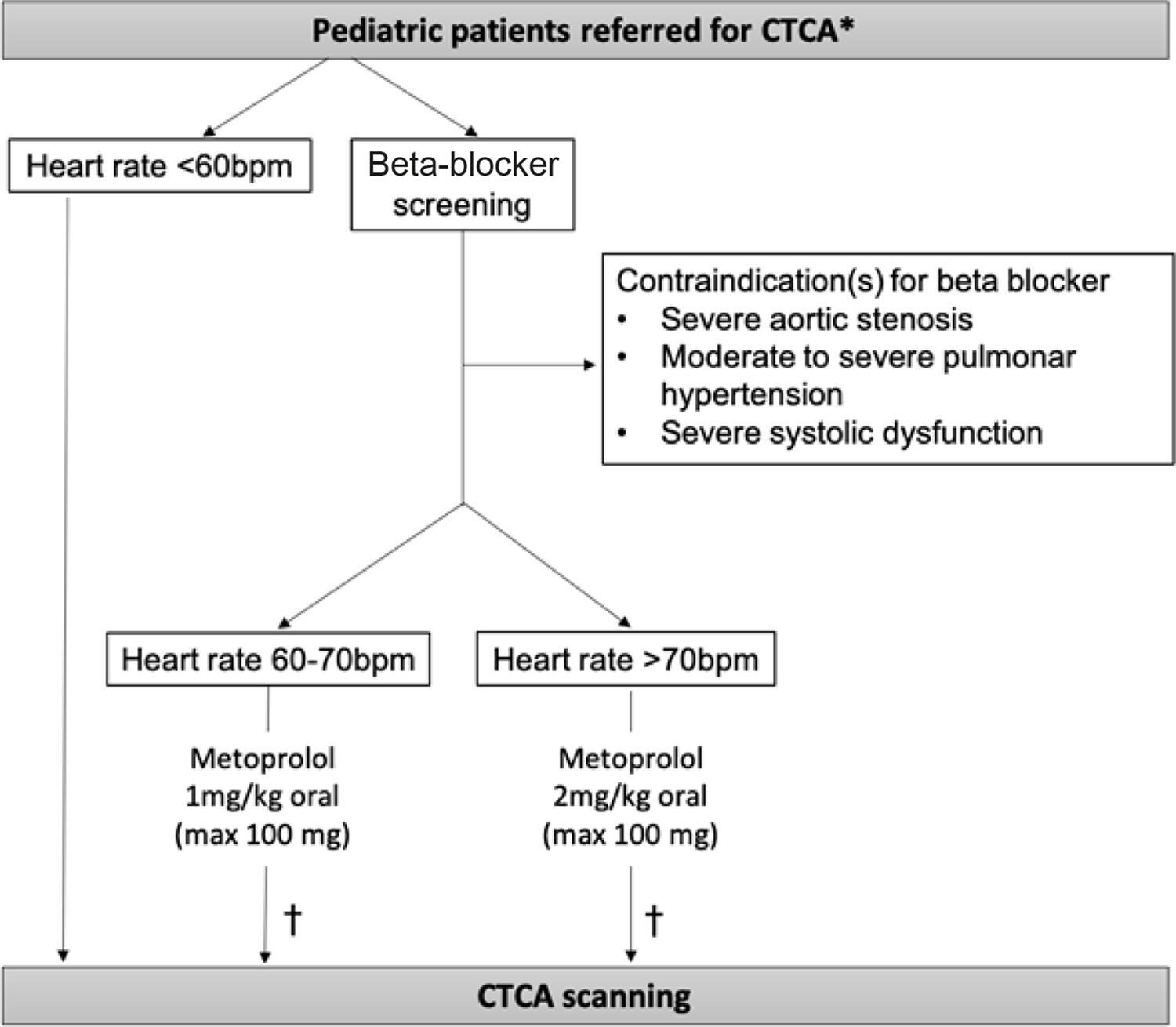
Safety, Efficacy, and Dose Protocol of Metoprolol for Heart Rate Reduction in Pediatric Outpatients Undergoing Cardiac CT Angiography

Mariana de Oliveira Nunes et al. Dawn R. Witt Susan A. Casey Larissa I. Stanberry … David J. Caye Bradford J.Chu B. Jana Lindberg John R. Lesser B. Kelly Han

Abstract

Background

Image quality and radiation dose are optimized with a slow, steady heart rate (HR) when imaging the coronary arteries during cardiac computed tomography angiography (CCTA). The safety, efficacy, and protocol for HR reduction with beta blocker medication is not well described in a pediatric patient population.

Objective

Provide a safe and efficient metoprolol dose protocol to be used in pediatric outpatients undergoing CCTA.

Methods

We conducted a retrospective review of all pediatric outpatients who received metoprolol during CCTA. Demographic and clinical characteristics were summarized and the average reduction in HR was estimated using a multivariate linear regression model. Images were evaluated on a 1-4 scale (1= optimal).

Results

Seventy-eight pediatric outpatients underwent a CCTA scan with the use of metoprolol. The median age was 13 years, median weight of 46 kg, and 36 (46%) were male. The median doses of metoprolol were 1.5 (IQR 1.1, 1.8) mg/kg and 0.4 (IQR 0.2, 0.7) mg/kg for oral and intravenous administrations, respectively. Procedural dose-length product was 57 (IQR 30, 119) mGy*cm. The average reduction in HR was 19 (IQR 12, 26) beats per minute, or 23%. No complications or adverse events were reported.

Conclusion

Use of metoprolol in a pediatric outpatient setting for HR reduction prior to CCTA is safe and effective. A metoprolol dose protocol can be reproduced when a slower HR is needed, ensuring faster acquisition times, clear images, and associated reduction in radiation exposure in this population. (Arq Bras Cardiol. 2021; 116(1):100-105)

  • Adrenergic, Antagonists
  • Computed Tomography
  • Coronary Vessels
  • Heart Defects, Congenital
  • Heart Rate
  • metoprolol
Read Full Article
Creative Commons Attribution (CC BY) Creative Commons license
03/02/2021 DOI: 10.36660/abc.20190892 Views 1
Editorial

Acute Hemodynamic Index Predicts In-Hospital Mortality in Acute Decompensated Heart Failure

Sofia Alegria

Although acute heart failure (AHF) is associated with significant in-hospital mortality (around 9-11% in concordance with the mortality rate in the BREATHE registry) and high rates of rehospitalization after discharge, options for the management of these patients remain limited.

Since overall survival is mainly determined by the initial management, accurate and early individual risk stratification can help physicians choose the intensity of care required and promote tailored medical decision-making with improvement of prognosis.

[…]

  • Atrial Fibrillation
  • cardiac output, low
  • Heart Failure
  • Heart Rate
  • Hemodynamic
  • Stroke Volume
Read Full Article
Creative Commons Attribution (CC BY) Creative Commons license
03/02/2021 DOI: 10.36660/abc.20201294 Views 1
Editorial

Can Transthoracic Echocardiography Replace Chest Radiography in the Evaluation of Cardiomegaly in Chagas Cardiomyopathy?

Tiago Senra

Chagas cardiomyopathy (CCM), first described in 1909 by Carlos Chagas, is still associated with high morbidity and mortality and socioeconomic impact, especially in Latin American countries.

The search for epidemiological, clinical, laboratory, electrocardiographic, and image markers associated with its prognosis plays an important role in the risk stratification of these patients.

[…]

  • Cardiomegaly
  • Chagas Cardiomyopathy
  • Echocardiography/methods
  • Epidemiology
  • Heart Failure
  • Morbimortality
  • Radiography, Thoracic/methods
  • Socioeconomic Factors
Read Full Article
Creative Commons Attribution (CC BY) Creative Commons license
03/02/2021 DOI: 10.36660/abc.20200625 Views 2
Figure 1
Review Article

Atrial Fibrillation (Part 1): Pathophysiology, Risk Factors, and Therapeutic Basis

Fatima Dumas Cintra et al. Marcio Jansen de Oliveira Figueiredo

Abstract

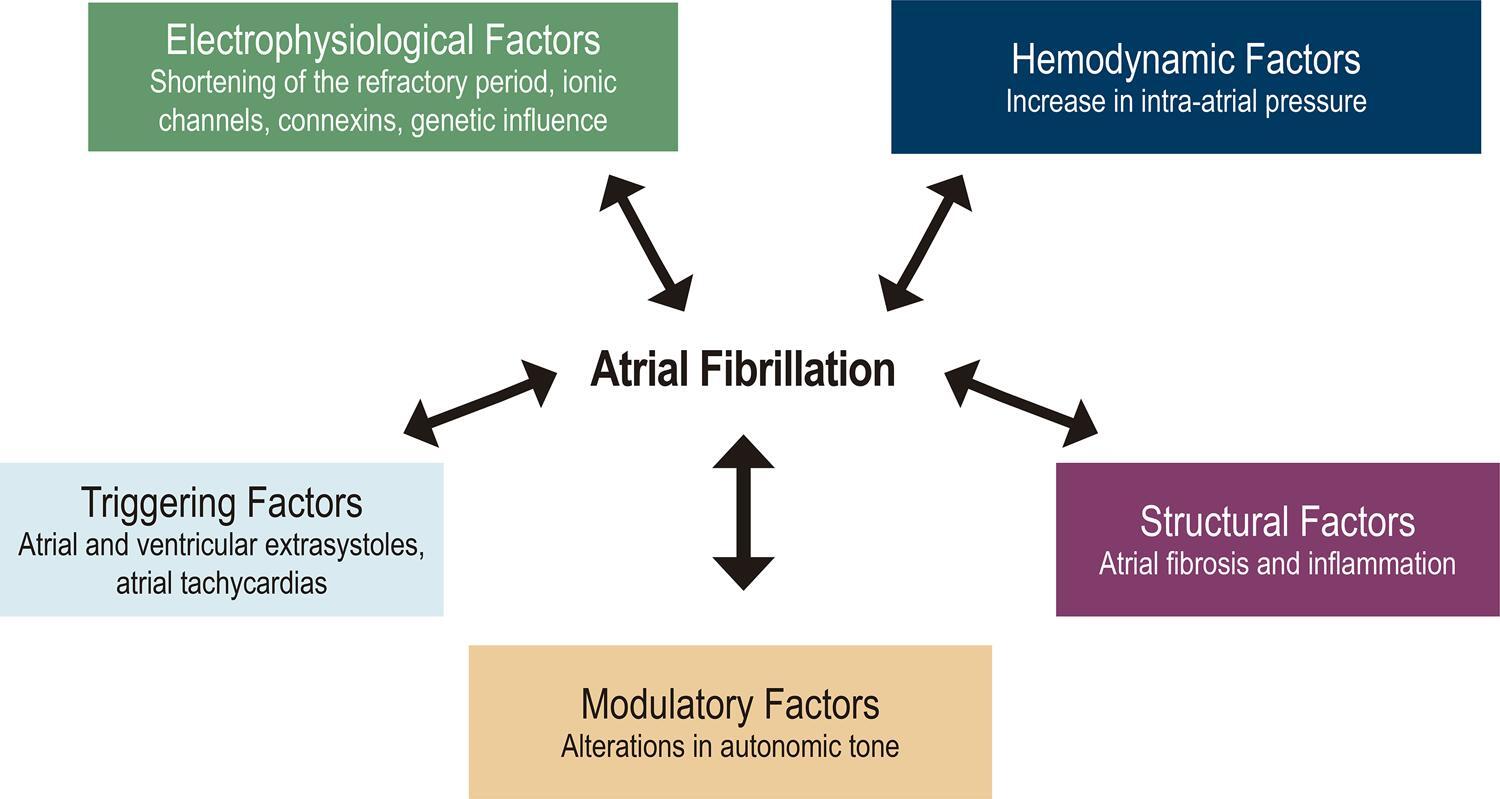
Atrial fibrillation is the most common sustained arrhythmia in clinical practice, with a preference for older age groups. Considering population ageing, the projections for the next decades are alarming. In addition to its epidemiological importance, atrial fibrillation is evidenced by its clinical repercussions, including thromboembolic phenomena, hospitalizations, and a higher mortality rate. Its pathophysiological mechanism is complex and involves an association of hemodynamic, structural, electrophysiological, and autonomic factors. Since the 1990s, the Framingham study of multivariate analyses has demonstrated that hypertension, diabetes, heart failure, and valvular disease are independent predictors of this rhythm abnormality along with age. However, various other risk factors have been recently implicated in an increase of atrial fibrillation cases, such as sedentary behavior, obesity, sleep disorders, tobacco use, and excessive alcohol use. Moreover, changes in quality of life indicate a reduction in atrial fibrillation recurrence, thus representing a new strategy for excellence in the treatment of this cardiac arrhythmia. Therapeutic management involves a broad knowledge of the patient’s health state and habits, comprehending 4 main pillars: lifestyle changes and rigorous treatment of risk factors; prevention of thromboembolic events; rate control; and rhythm control. Due to the dimension of factors involved in the care of patients with atrial fibrillation, integrated actions performed by interprofessional teams are associated with the best clinical results.

  • Arrhythmias Cardiac/physiopathology
  • Atrial Fibrillation/physiopathology
  • Combined Modality Therapy
  • Obesity
  • Risk Factors
  • Sedentarism
Read Full Article
Creative Commons Attribution (CC BY) Creative Commons license
03/02/2021 DOI: 10.36660/abc.20200485 Views 2
Editorial

The Astronaut and the Jabuticaba

Andre d’Avila et al. Marco F. Vidal Melo

Jabuticaba

Brazil has a peculiar medical environment. Although interventions like hydroxychloroquine and ivermectin disappeared from the international scientific debate once disproved in clinical trials, Brazilian practitioners continue to debate the validity of these studies. Like jabuticaba – a fruit native to and predominant (but not exclusive) in Brazil – this debate is still current only in this country. Previous attempts to discount the results of studies with the argument that they had been conducted abroad and could not be extended to the Brazilian population can no longer be justified as many of these studies have included Brazilian patients. As individuals, we do understand the difficulty in accepting evidence opposing someone’s conviction; however, as a doctor, this attitude is indefensible.

In this context of conviction and belief over evidence and data, several practitioners have created websites and even solicited the government to support and disseminate their practice despite proven inefficacy of the proposed interventions. Even though many are excellent physicians in their fields, this situation has only been possible because, under the auspices of trying to help, almost anything has been allowed in Brazil. If there were any regulation proposing a fine or termination of medical license to those who supported unproven medical practices, none of this would have happened. This regulation would be, in fact, similar to previous decisions of ethics committees in cases of charlatanism, when medical practices based on consensual decisions are not accepted as justification to exempt the infringer. However, these types of regulations are defective or absent in Brazil. Curiously, the term “accountability”, that in English means an obligation or willingness to accept responsibility for one’s actions, does not exist in Portuguese. On the other hand, there is no English word for “jabuticaba”.

[…]

  • Anti-Inflamatory
  • COVID-19
  • dexamethasone
  • Hydroxychloroquine
  • Pandemics/prevention and control
  • SARS-CoV-2
Read Full Article
Creative Commons Attribution (CC BY) Creative Commons license
03/02/2021 DOI: 10.36660/abc.20201098 Views 1

Could not load more articles. Please try again.

How to cite this article

EndNote RIS

Electronic Document Format (Vancouver)

Costa LR, Passos EV, Silvestre OM. Rediscovering Brazil: How We Prevent and Treat Cardiovascular Disease. Arquivos Brasileiros de Cardiologia 2021;116(1):117-8.

Electronic Document Format (ABNT)

Costa, Letícia Rodrigues; Passos, Eduardo Vasconcelos; Silvestre, Odilson Marcos. Rediscovering Brazil: How We Prevent and Treat Cardiovascular Disease. Arquivos Brasileiros de Cardiologia, v. 116, n. 1, p. 117-118, Feb. 2021.

Electronic Document Format (APA)

Costa, L. R., Passos, E. V., & Silvestre, O. M. (2021). Rediscovering Brazil: How We Prevent and Treat Cardiovascular Disease. Arquivos Brasileiros de Cardiologia, 116(1), 117-118.

Electronic Document Format (ISO)

Costa, Letícia Rodrigues and Passos, Eduardo Vasconcelos and Silvestre, Odilson Marcos. Rediscovering Brazil: How We Prevent and Treat Cardiovascular Disease. Arquivos Brasileiros de Cardiologia [online]. 2021, vol. 116, n. 1, [cited 2026-10-14], pp. 117-118. Available from: <https://journals.cardiol.br/en/article/rediscovering-brazil-how-we-prevent-and-treat-cardiovascular-disease/>. ISSN 0066-782X

EndNote RIS

Electronic Document Format (Vancouver)

Petersen LC, Danzmann LC, Bartholomay E, Bodanese LC, Donay BG, Magedanz EH, Azevedo AV, et al. Survival of Patients with Acute Heart Failure and Mid-range Ejection Fraction in a Developing Country – A Cohort Study in South Brazil. Arquivos Brasileiros de Cardiologia 2021;116(1):14-23.

Electronic Document Format (ABNT)

Petersen, Lucas Celia; Danzmann, Luiz Claudio; Bartholomay, Eduardo; Bodanese, Luiz Carlos; Donay, Brenda Gonçalves; Magedanz, Ellen Hettwer; Azevedo, Adriana Vier; Porciuncula, Gustavo Farias; Miglioranza, Marcelo Haertel. Survival of Patients with Acute Heart Failure and Mid-range Ejection Fraction in a Developing Country – A Cohort Study in South Brazil. Arquivos Brasileiros de Cardiologia, v. 116, n. 1, p. 14-23, Feb. 2021.

Electronic Document Format (APA)

Petersen, L. C., Danzmann, L. C., Bartholomay, E., Bodanese, L. C., Donay, B. G., Magedanz, E. H., Azevedo, A. V., Porciuncula, G. F., & Miglioranza, M. H. (2021). Survival of Patients with Acute Heart Failure and Mid-range Ejection Fraction in a Developing Country – A Cohort Study in South Brazil. Arquivos Brasileiros de Cardiologia, 116(1), 14-23.

Electronic Document Format (ISO)

Petersen, Lucas Celia and Danzmann, Luiz Claudio and Bartholomay, Eduardo and Bodanese, Luiz Carlos and Donay, Brenda Gonçalves and Magedanz, Ellen Hettwer and Azevedo, Adriana Vier and Porciuncula, Gustavo Farias and Miglioranza, Marcelo Haertel. Survival of Patients with Acute Heart Failure and Mid-range Ejection Fraction in a Developing Country – A Cohort Study in South Brazil. Arquivos Brasileiros de Cardiologia [online]. 2021, vol. 116, n. 1, [cited 2026-10-14], pp. 14-23. Available from: <https://journals.cardiol.br/en/article/survival-of-patients-with-acute-heart-failure-and-mid-range-ejection-fraction-in-a-developing-country-a-cohort-study-in-south-brazil/>. ISSN 0066-782X

EndNote RIS

Electronic Document Format (Vancouver)

Jardim TV, Jardim FV, Jardim LMV, Coragem JT, Castro CF, Firmino GM, Jardim PCBV, et al. Changes in the Profile of Emergency Room Patients during the COVID-19 Outbreak in a General Hospital Specialized in Cardiovascular Care in Brazil. Arquivos Brasileiros de Cardiologia 2021;116(1):140-3.

Electronic Document Format (ABNT)

Jardim, Thiago Veiga; Jardim, Flavio Veiga; Jardim, Luciana Muniz Veiga; Coragem, Juliana Tranjan; Castro, Cristovão Fernandes; Firmino, Guilherme Moreira; Jardim, Paulo Cesar B. Veiga. Changes in the Profile of Emergency Room Patients during the COVID-19 Outbreak in a General Hospital Specialized in Cardiovascular Care in Brazil. Arquivos Brasileiros de Cardiologia, v. 116, n. 1, p. 140-143, Feb. 2021.

Electronic Document Format (APA)

Jardim, T. V., Jardim, F. V., Jardim, L. M. V., Coragem, J. T., Castro, C. F., Firmino, G. M., & Jardim, P. C. B. V. (2021). Changes in the Profile of Emergency Room Patients during the COVID-19 Outbreak in a General Hospital Specialized in Cardiovascular Care in Brazil. Arquivos Brasileiros de Cardiologia, 116(1), 140-143.

Electronic Document Format (ISO)

Jardim, Thiago Veiga and Jardim, Flavio Veiga and Jardim, Luciana Muniz Veiga and Coragem, Juliana Tranjan and Castro, Cristovão Fernandes and Firmino, Guilherme Moreira and Jardim, Paulo Cesar B. Veiga. Changes in the Profile of Emergency Room Patients during the COVID-19 Outbreak in a General Hospital Specialized in Cardiovascular Care in Brazil. Arquivos Brasileiros de Cardiologia [online]. 2021, vol. 116, n. 1, [cited 2026-10-14], pp. 140-143. Available from: <https://journals.cardiol.br/en/article/changes-in-the-profile-of-emergency-room-patients-during-the-covid-19-outbreak-in-a-general-hospital-specialized-in-cardiovascular-care-in-brazil/>. ISSN 0066-782X

EndNote RIS

Electronic Document Format (Vancouver)

Souza CDF, Oliveira DJ, Silva LF, Santos CD, Pereira MC, Paiva JPS, Leal TC, et al. Cerebrovascular Disease Mortality Trend in Brazil (1996 To 2015) and Association with Human Development Index and Social Vulnerability. Arquivos Brasileiros de Cardiologia 2021;116(1):89-9.

Electronic Document Format (ABNT)

Souza, Carlos Dornels Freire de; Oliveira, Denilson José de; Silva, Leonardo Feitosa da; Santos, Camila Damasceno dos; Pereira, Monaliza Coelho; Paiva, João Paulo Silva de; Leal, Thiago Cavalcanti; Mariano, Renato de Souza; Araújo, Amanda Karine Barros Ferreira de; Baggio, Jussara Almeida de Oliveira. Cerebrovascular Disease Mortality Trend in Brazil (1996 To 2015) and Association with Human Development Index and Social Vulnerability. Arquivos Brasileiros de Cardiologia, v. 116, n. 1, p. 89-99, Feb. 2021.

Electronic Document Format (APA)

Souza, C. D. F. , Oliveira, D. J. , Silva, L. F. , Santos, C. D. , Pereira, M. C., Paiva, J. P. S. , Leal, T. C., Mariano, R. S., Araújo, A. K. B. F. , & Baggio, J. A. O. (2021). Cerebrovascular Disease Mortality Trend in Brazil (1996 To 2015) and Association with Human Development Index and Social Vulnerability. Arquivos Brasileiros de Cardiologia, 116(1), 89-99.

Electronic Document Format (ISO)

Souza, Carlos Dornels Freire de and Oliveira, Denilson José de and Silva, Leonardo Feitosa da and Santos, Camila Damasceno dos and Pereira, Monaliza Coelho and Paiva, João Paulo Silva de and Leal, Thiago Cavalcanti and Mariano, Renato de Souza and Araújo, Amanda Karine Barros Ferreira de and Baggio, Jussara Almeida de Oliveira. Cerebrovascular Disease Mortality Trend in Brazil (1996 To 2015) and Association with Human Development Index and Social Vulnerability. Arquivos Brasileiros de Cardiologia [online]. 2021, vol. 116, n. 1, [cited 2026-10-14], pp. 89-99. Available from: <https://journals.cardiol.br/en/article/cerebrovascular-disease-mortality-trend-in-brazil-1996-to-2015-and-association-with-human-development-index-and-social-vulnerability/>. ISSN 0066-782X

EndNote RIS

Electronic Document Format (Vancouver)

Castro I, Fontana Filho HA. The Relationship between CAR and CAE: Association of C-Reactive Protein to Albumin Ratio in Patients with Isolated Coronary Artery Ectasia. Arquivos Brasileiros de Cardiologia 2021;116(1):55.

Electronic Document Format (ABNT)

Castro, Iran; Fontana Filho, Hugo Antonio. The Relationship between CAR and CAE: Association of C-Reactive Protein to Albumin Ratio in Patients with Isolated Coronary Artery Ectasia. Arquivos Brasileiros de Cardiologia, v. 116, n. 1, p. 55-55, Feb. 2021.

Electronic Document Format (APA)

Castro, I., & Fontana Filho, H. A. (2021). The Relationship between CAR and CAE: Association of C-Reactive Protein to Albumin Ratio in Patients with Isolated Coronary Artery Ectasia. Arquivos Brasileiros de Cardiologia, 116(1), 55-55.

Electronic Document Format (ISO)

Castro, Iran and Fontana Filho, Hugo Antonio. The Relationship between CAR and CAE: Association of C-Reactive Protein to Albumin Ratio in Patients with Isolated Coronary Artery Ectasia. Arquivos Brasileiros de Cardiologia [online]. 2021, vol. 116, n. 1, [cited 2026-10-14], pp. 55-55. Available from: <https://journals.cardiol.br/en/article/the-relationship-between-car-and-cae-association-of-c-reactive-protein-to-albumin-ratio-in-patients-with-isolated-coronary-artery-ectasia/>. ISSN 0066-782X

EndNote RIS

Electronic Document Format (Vancouver)

Toniolo M. Para-Hisian Atrial Tachycardia and Atrioventricular Nodal Reentry Tachycardia: After 25 Years The Same History?. Arquivos Brasileiros de Cardiologia 2021;116(1):127-8.

Electronic Document Format (ABNT)

Toniolo, Mauro. Para-Hisian Atrial Tachycardia and Atrioventricular Nodal Reentry Tachycardia: After 25 Years The Same History?. Arquivos Brasileiros de Cardiologia, v. 116, n. 1, p. 127-128, Feb. 2021.

Electronic Document Format (APA)

Toniolo, M. (2021). Para-Hisian Atrial Tachycardia and Atrioventricular Nodal Reentry Tachycardia: After 25 Years The Same History?. Arquivos Brasileiros de Cardiologia, 116(1), 127-128.

Electronic Document Format (ISO)

Toniolo, Mauro. Para-Hisian Atrial Tachycardia and Atrioventricular Nodal Reentry Tachycardia: After 25 Years The Same History?. Arquivos Brasileiros de Cardiologia [online]. 2021, vol. 116, n. 1, [cited 2026-10-14], pp. 127-128. Available from: <https://journals.cardiol.br/en/article/para-hisian-atrial-tachycardia-and-atrioventricular-nodal-reentry-tachycardia-after-25-years-the-same-history/>. ISSN 0066-782X

EndNote RIS

Electronic Document Format (Vancouver)

Miguel-dos-Santos R, Santos JF, Macedo FN, Marçal AC, Santana Filho VJ, Wichi RB, Lauton-Santos S, et al. Strength Training Reduces Cardiac and Renal Oxidative Stress in Rats with Renovascular Hypertension. Arquivos Brasileiros de Cardiologia 2021;116(1):4-11.

Electronic Document Format (ABNT)

Miguel-dos-Santos, Rodrigo; Santos, Jucilene Freitas dos; Macedo, Fabricio Nunes; Marçal, Anderson Carlos; Santana Filho, Valter J.; Wichi, Rogerio Brandão; Lauton-Santos, Sandra. Strength Training Reduces Cardiac and Renal Oxidative Stress in Rats with Renovascular Hypertension. Arquivos Brasileiros de Cardiologia, v. 116, n. 1, p. 4-11, Feb. 2021.

Electronic Document Format (APA)

Miguel-dos-Santos, R., Santos, J. F. , Macedo, F. N., Marçal, A. C., Santana Filho, V. J., Wichi, R. B., & Lauton-Santos, S. (2021). Strength Training Reduces Cardiac and Renal Oxidative Stress in Rats with Renovascular Hypertension. Arquivos Brasileiros de Cardiologia, 116(1), 4-11.

Electronic Document Format (ISO)

Miguel-dos-Santos, Rodrigo and Santos, Jucilene Freitas dos and Macedo, Fabricio Nunes and Marçal, Anderson Carlos and Santana Filho, Valter J. and Wichi, Rogerio Brandão and Lauton-Santos, Sandra. Strength Training Reduces Cardiac and Renal Oxidative Stress in Rats with Renovascular Hypertension. Arquivos Brasileiros de Cardiologia [online]. 2021, vol. 116, n. 1, [cited 2026-10-14], pp. 4-11. Available from: <https://journals.cardiol.br/en/article/strength-training-reduces-cardiac-and-renal-oxidative-stress-in-rats-with-renovascular-hypertension/>. ISSN 0066-782X

EndNote RIS

Electronic Document Format (Vancouver)

Raj V, Charles S, Goenka L, Ramamoorthy T, C M, C E, Mala K, et al. Assessment of Peripheral Blood Mononuclear Cells Senescence and Endothelial Dysfunction among Adults with High Cardiovascular Risk. Arquivos Brasileiros de Cardiologia 2021;116(1):37-4.

Electronic Document Format (ABNT)

Raj, Vijay; Charles, Soniya; Goenka, Luxitaa; Ramamoorthy, Thilagavathi; C, Marimuthu; C, Emmanuel; Mala, Kanchana; Kumarasamy, Subramaniyan; George, Melvin. Assessment of Peripheral Blood Mononuclear Cells Senescence and Endothelial Dysfunction among Adults with High Cardiovascular Risk. Arquivos Brasileiros de Cardiologia, v. 116, n. 1, p. 37-47, Feb. 2021.

Electronic Document Format (APA)

Raj, V., Charles, S., Goenka, L., Ramamoorthy, T., C, M., C, E., Mala, K., Kumarasamy, S., & George, M. (2021). Assessment of Peripheral Blood Mononuclear Cells Senescence and Endothelial Dysfunction among Adults with High Cardiovascular Risk. Arquivos Brasileiros de Cardiologia, 116(1), 37-47.

Electronic Document Format (ISO)

Raj, Vijay and Charles, Soniya and Goenka, Luxitaa and Ramamoorthy, Thilagavathi and C, Marimuthu and C, Emmanuel and Mala, Kanchana and Kumarasamy, Subramaniyan and George, Melvin. Assessment of Peripheral Blood Mononuclear Cells Senescence and Endothelial Dysfunction among Adults with High Cardiovascular Risk. Arquivos Brasileiros de Cardiologia [online]. 2021, vol. 116, n. 1, [cited 2026-10-14], pp. 37-47. Available from: <https://journals.cardiol.br/en/article/assessment-of-peripheral-blood-mononuclear-cells-senescence-and-endothelial-dysfunction-among-adults-with-high-cardiovascular-risk/>. ISSN 0066-782X

EndNote RIS

Electronic Document Format (Vancouver)

Cezar MDM, Oliveira Junior SA, Damatto RL. Moderate-Intensity Resistance Training Improves Oxidative Stress in Heart. Arquivos Brasileiros de Cardiologia 2021;116(1):12-3.

Electronic Document Format (ABNT)

Cezar, Marcelo Diarcadia Mariano; Oliveira Junior, Silvio Assis de; Damatto, Ricardo Luiz. Moderate-Intensity Resistance Training Improves Oxidative Stress in Heart. Arquivos Brasileiros de Cardiologia, v. 116, n. 1, p. 12-13, Feb. 2021.

Electronic Document Format (APA)

Cezar, M. D. M., Oliveira Junior, S. A. , & Damatto, R. L. (2021). Moderate-Intensity Resistance Training Improves Oxidative Stress in Heart. Arquivos Brasileiros de Cardiologia, 116(1), 12-13.

Electronic Document Format (ISO)

Cezar, Marcelo Diarcadia Mariano and Oliveira Junior, Silvio Assis de and Damatto, Ricardo Luiz. Moderate-Intensity Resistance Training Improves Oxidative Stress in Heart. Arquivos Brasileiros de Cardiologia [online]. 2021, vol. 116, n. 1, [cited 2026-10-14], pp. 12-13. Available from: <https://journals.cardiol.br/en/article/moderate-intensity-resistance-training-improves-oxidative-stress-in-heart/>. ISSN 0066-782X

EndNote RIS

Electronic Document Format (Vancouver)

Martinez PF, Okoshi MP, Okoshi K, Oliveira-Junior SA. Heart Failure Mid-Range Ejection Fraction. Arquivos Brasileiros de Cardiologia 2021;116(1):24-5.

Electronic Document Format (ABNT)

Martinez, Paula Felippe; Okoshi, Marina Politi; Okoshi, Katashi; Oliveira-Junior, Silvio Assis de. Heart Failure Mid-Range Ejection Fraction. Arquivos Brasileiros de Cardiologia, v. 116, n. 1, p. 24-25, Feb. 2021.

Electronic Document Format (APA)

Martinez, P. F., Okoshi, M. P., Okoshi, K., & Oliveira-Junior, S. A. (2021). Heart Failure Mid-Range Ejection Fraction. Arquivos Brasileiros de Cardiologia, 116(1), 24-25.

Electronic Document Format (ISO)

Martinez, Paula Felippe and Okoshi, Marina Politi and Okoshi, Katashi and Oliveira-Junior, Silvio Assis de. Heart Failure Mid-Range Ejection Fraction. Arquivos Brasileiros de Cardiologia [online]. 2021, vol. 116, n. 1, [cited 2026-10-14], pp. 24-25. Available from: <https://journals.cardiol.br/en/article/heart-failure-mid-range-ejection-fraction/>. ISSN 0066-782X

EndNote RIS

Electronic Document Format (Vancouver)

Chokr M, Moura LG, Sousa IBS, Pisani CF, Hardy CA, Melo SL, Ponte Filho AD, et al. Catheter Ablation of Focal Atrial Tachycardia with Early Activation Close to the His-Bundle from the Non Coronary Aortic Cusp. Arquivos Brasileiros de Cardiologia 2021;116(1):119-26.

Electronic Document Format (ABNT)

Chokr, Muhieddine; Moura, Lucas G. de; Sousa, Italo Bruno dos Santos; Pisani, Cristiano Faria; Hardy, Carina Abigail; Melo, Sissy Lara de; Ponte Filho, Arnobio Dias da; Costa, Ieda Prata; Tavora, Ronaldo Vasconcelos; Sacilotto, Luciana; Wu, Tan Chen; Darrieux, Francisco Carlos da Costa; Hachul, Denise Tessariol; Aiello, Vera Demarchi; Scanavacca, Mauricio. Catheter Ablation of Focal Atrial Tachycardia with Early Activation Close to the His-Bundle from the Non Coronary Aortic Cusp. Arquivos Brasileiros de Cardiologia, v. 116, n. 1, p. 119-126, Feb. 2021.

Electronic Document Format (APA)

Chokr, M., Moura, L. G. , Sousa, I. B. S., Pisani, C. F., Hardy, C. A., Melo, S. L. , Ponte Filho, A. D. , Costa, I. P., Tavora, R. V., Sacilotto, L., Wu, T. C., Darrieux, F. C. C., Hachul, D. T., Aiello, V. D., & Scanavacca, M. (2021). Catheter Ablation of Focal Atrial Tachycardia with Early Activation Close to the His-Bundle from the Non Coronary Aortic Cusp. Arquivos Brasileiros de Cardiologia, 116(1), 119-126.

Electronic Document Format (ISO)

Chokr, Muhieddine and Moura, Lucas G. de and Sousa, Italo Bruno dos Santos and Pisani, Cristiano Faria and Hardy, Carina Abigail and Melo, Sissy Lara de and Ponte Filho, Arnobio Dias da and Costa, Ieda Prata and Tavora, Ronaldo Vasconcelos and Sacilotto, Luciana and Wu, Tan Chen and Darrieux, Francisco Carlos da Costa and Hachul, Denise Tessariol and Aiello, Vera Demarchi and Scanavacca, Mauricio. Catheter Ablation of Focal Atrial Tachycardia with Early Activation Close to the His-Bundle from the Non Coronary Aortic Cusp. Arquivos Brasileiros de Cardiologia [online]. 2021, vol. 116, n. 1, [cited 2026-10-14], pp. 119-126. Available from: <https://journals.cardiol.br/en/article/catheter-ablation-of-focal-atrial-tachycardia-with-early-activation-close-to-the-his-bundle-from-the-non-coronary-aortic-cusp/>. ISSN 0066-782X

EndNote RIS

Electronic Document Format (Vancouver)

Póvoa R. New Markers of Carotid Thickening in Hypertension. Arquivos Brasileiros de Cardiologia 2021;116(1):66-7.

Electronic Document Format (ABNT)

Póvoa, Rui. New Markers of Carotid Thickening in Hypertension. Arquivos Brasileiros de Cardiologia, v. 116, n. 1, p. 66-67, Feb. 2021.

Electronic Document Format (APA)

Póvoa, R. (2021). New Markers of Carotid Thickening in Hypertension. Arquivos Brasileiros de Cardiologia, 116(1), 66-67.

Electronic Document Format (ISO)

Póvoa, Rui. New Markers of Carotid Thickening in Hypertension. Arquivos Brasileiros de Cardiologia [online]. 2021, vol. 116, n. 1, [cited 2026-10-14], pp. 66-67. Available from: <https://journals.cardiol.br/en/article/new-markers-of-carotid-thickening-in-hypertension/>. ISSN 0066-782X

EndNote RIS

Electronic Document Format (Vancouver)

Gamboa R, Jaramillo-Estrella MJ, Martínez-Alvarado MR, Soto ME, Torres-Paz YE, Gonzalo-Calvo D, Valle-Mondragón LD, et al. Monocyte Low-Density Lipoprotein Receptor-Related Protein 1 (LRP1) Expression Correlates with cIMT in Mexican Hypertensive Patients. Arquivos Brasileiros de Cardiologia 2021;116(1):56-65.

Electronic Document Format (ABNT)

Gamboa, Ricardo; Jaramillo-Estrella, María José; Martínez-Alvarado, María del Rocio; Soto, Maria Elena; Torres-Paz, Yazmin Estela; Gonzalo-Calvo, David de; Valle-Mondragón, Leonardo Del; López-Marure, Rebeca; Llorente-Cortés, Vicenta C.; Huesca-Gómez, Claudia. Monocyte Low-Density Lipoprotein Receptor-Related Protein 1 (LRP1) Expression Correlates with cIMT in Mexican Hypertensive Patients. Arquivos Brasileiros de Cardiologia, v. 116, n. 1, p. 56-65, Feb. 2021.

Electronic Document Format (APA)

Gamboa, R., Jaramillo-Estrella, M. J., Martínez-Alvarado, M. R., Soto, M. E., Torres-Paz, Y. E., Gonzalo-Calvo, D. , Valle-Mondragón, L. D., López-Marure, R., Llorente-Cortés, V. C., & Huesca-Gómez, C. (2021). Monocyte Low-Density Lipoprotein Receptor-Related Protein 1 (LRP1) Expression Correlates with cIMT in Mexican Hypertensive Patients. Arquivos Brasileiros de Cardiologia, 116(1), 56-65.

Electronic Document Format (ISO)

Gamboa, Ricardo and Jaramillo-Estrella, María José and Martínez-Alvarado, María del Rocio and Soto, Maria Elena and Torres-Paz, Yazmin Estela and Gonzalo-Calvo, David de and Valle-Mondragón, Leonardo Del and López-Marure, Rebeca and Llorente-Cortés, Vicenta C. and Huesca-Gómez, Claudia. Monocyte Low-Density Lipoprotein Receptor-Related Protein 1 (LRP1) Expression Correlates with cIMT in Mexican Hypertensive Patients. Arquivos Brasileiros de Cardiologia [online]. 2021, vol. 116, n. 1, [cited 2026-10-14], pp. 56-65. Available from: <https://journals.cardiol.br/en/article/monocyte-low-density-lipoprotein-receptor-related-protein-1-lrp1-expression-correlates-with-cimt-in-mexican-hypertensive-patients/>. ISSN 0066-782X

EndNote RIS

Electronic Document Format (Vancouver)

Castro RRT, Lechnewski L, Homero A, Albuquerque DC, Rohde LE, Almeida D, David J, et al. Acute Hemodynamic Index Predicts In-Hospital Mortality in Acute Decompensated Heart Failure. Arquivos Brasileiros de Cardiologia 2021;116(1):77-86.

Electronic Document Format (ABNT)

Castro, Renata R. T.; Lechnewski, Luka; Homero, Alan; Albuquerque, Denilson Campos de; Rohde, Luis Eduardo; Almeida, Dirceu; David, João; Rassi, Salvador; Bacal, Fernando; Bocchi, Edimar; Moura, Lidia. Acute Hemodynamic Index Predicts In-Hospital Mortality in Acute Decompensated Heart Failure. Arquivos Brasileiros de Cardiologia, v. 116, n. 1, p. 77-86, Feb. 2021.

Electronic Document Format (APA)

Castro, R. R. T., Lechnewski, L., Homero, A., Albuquerque, D. C. , Rohde, L. E., Almeida, D., David, J., Rassi, S., Bacal, F., Bocchi, E., & Moura, L. (2021). Acute Hemodynamic Index Predicts In-Hospital Mortality in Acute Decompensated Heart Failure. Arquivos Brasileiros de Cardiologia, 116(1), 77-86.

Electronic Document Format (ISO)

Castro, Renata R. T. and Lechnewski, Luka and Homero, Alan and Albuquerque, Denilson Campos de and Rohde, Luis Eduardo and Almeida, Dirceu and David, João and Rassi, Salvador and Bacal, Fernando and Bocchi, Edimar and Moura, Lidia. Acute Hemodynamic Index Predicts In-Hospital Mortality in Acute Decompensated Heart Failure. Arquivos Brasileiros de Cardiologia [online]. 2021, vol. 116, n. 1, [cited 2026-10-14], pp. 77-86. Available from: <https://journals.cardiol.br/en/article/acute-hemodynamic-index-predicts-in-hospital-mortality-in-acute-decompensated-heart-failure-2/>. ISSN 0066-782X

EndNote RIS

Electronic Document Format (Vancouver)

Costa RVC. A Collaboration to Stop Smoking. Arquivos Brasileiros de Cardiologia 2021;116(1):36.

Electronic Document Format (ABNT)

Costa, Ricardo Vivacqua Cardoso. A Collaboration to Stop Smoking. Arquivos Brasileiros de Cardiologia, v. 116, n. 1, p. 36-36, Feb. 2021.

Electronic Document Format (APA)

Costa, R. V. C. (2021). A Collaboration to Stop Smoking. Arquivos Brasileiros de Cardiologia, 116(1), 36-36.

Electronic Document Format (ISO)

Costa, Ricardo Vivacqua Cardoso. A Collaboration to Stop Smoking. Arquivos Brasileiros de Cardiologia [online]. 2021, vol. 116, n. 1, [cited 2026-10-14], pp. 36-36. Available from: <https://journals.cardiol.br/en/article/a-collaboration-to-stop-smoking/>. ISSN 0066-782X

EndNote RIS

Electronic Document Format (Vancouver)

Ramos MRF, Moreira HT, Volpe GJ, Romano M, Maciel BC, Schmidt A, Rassi Junior A, et al. Correlation between Cardiomegaly on Chest X-Ray and Left Ventricular Diameter on Echocardiography in Patients with Chagas Disease. Arquivos Brasileiros de Cardiologia 2021;116(1):68-74.

Electronic Document Format (ABNT)

Ramos, Matheus Rassi Fernandes; Moreira, Henrique Turin; Volpe, Gustavo Jardim; Romano, Minna; Maciel, Benedito Carlos; Schmidt, André; Rassi Junior, Anis; Marin Neto, Jose Antônio. Correlation between Cardiomegaly on Chest X-Ray and Left Ventricular Diameter on Echocardiography in Patients with Chagas Disease. Arquivos Brasileiros de Cardiologia, v. 116, n. 1, p. 68-74, Feb. 2021.

Electronic Document Format (APA)

Ramos, M. R. F., Moreira, H. T., Volpe, G. J., Romano, M., Maciel, B. C., Schmidt, A., Rassi Junior, A., & Marin Neto, J. A. (2021). Correlation between Cardiomegaly on Chest X-Ray and Left Ventricular Diameter on Echocardiography in Patients with Chagas Disease. Arquivos Brasileiros de Cardiologia, 116(1), 68-74.

Electronic Document Format (ISO)

Ramos, Matheus Rassi Fernandes and Moreira, Henrique Turin and Volpe, Gustavo Jardim and Romano, Minna and Maciel, Benedito Carlos and Schmidt, André and Rassi Junior, Anis and Marin Neto, Jose Antônio. Correlation between Cardiomegaly on Chest X-Ray and Left Ventricular Diameter on Echocardiography in Patients with Chagas Disease. Arquivos Brasileiros de Cardiologia [online]. 2021, vol. 116, n. 1, [cited 2026-10-14], pp. 68-74. Available from: <https://journals.cardiol.br/en/article/correlation-between-cardiomegaly-on-chest-x-ray-and-left-ventricular-diameter-on-echocardiography-in-patients-with-chagas-disease/>. ISSN 0066-782X

EndNote RIS

Electronic Document Format (Vancouver)

Guerreiro GP, Silveira LMV, Manuel V, Steffen SP, Bacal F, Gaiotto FA, Jatene FB, et al. COVID-19 in Early Postoperative Heart Transplantation – Initial Experience. Arquivos Brasileiros de Cardiologia 2021;116(1):144-6.

Electronic Document Format (ABNT)

Guerreiro, Gustavo Pampolha; Silveira, Lucas Molinari Veloso da; Manuel, Valdano; Steffen, Samuel Padovani; Bacal, Fernando; Gaiotto, Fabio Antonio; Jatene, Fabio Biscegli. COVID-19 in Early Postoperative Heart Transplantation – Initial Experience. Arquivos Brasileiros de Cardiologia, v. 116, n. 1, p. 144-146, Feb. 2021.

Electronic Document Format (APA)

Guerreiro, G. P., Silveira, L. M. V. , Manuel, V., Steffen, S. P., Bacal, F., Gaiotto, F. A., & Jatene, F. B. (2021). COVID-19 in Early Postoperative Heart Transplantation – Initial Experience. Arquivos Brasileiros de Cardiologia, 116(1), 144-146.

Electronic Document Format (ISO)

Guerreiro, Gustavo Pampolha and Silveira, Lucas Molinari Veloso da and Manuel, Valdano and Steffen, Samuel Padovani and Bacal, Fernando and Gaiotto, Fabio Antonio and Jatene, Fabio Biscegli. COVID-19 in Early Postoperative Heart Transplantation – Initial Experience. Arquivos Brasileiros de Cardiologia [online]. 2021, vol. 116, n. 1, [cited 2026-10-14], pp. 144-146. Available from: <https://journals.cardiol.br/en/article/covid-19-in-early-postoperative-heart-transplantation-initial-experience/>. ISSN 0066-782X

EndNote RIS

Electronic Document Format (Vancouver)

Faria D, Augusto JB. In Search for Optimal Image Quality in Pediatric Cardiac CT Angiogram. Arquivos Brasileiros de Cardiologia 2021;116(1):106-7.

Electronic Document Format (ABNT)

Faria, Daniel; Augusto, João B.. In Search for Optimal Image Quality in Pediatric Cardiac CT Angiogram. Arquivos Brasileiros de Cardiologia, v. 116, n. 1, p. 106-107, Feb. 2021.

Electronic Document Format (APA)

Faria, D., & Augusto, J. B. (2021). In Search for Optimal Image Quality in Pediatric Cardiac CT Angiogram. Arquivos Brasileiros de Cardiologia, 116(1), 106-107.

Electronic Document Format (ISO)

Faria, Daniel and Augusto, João B.. In Search for Optimal Image Quality in Pediatric Cardiac CT Angiogram. Arquivos Brasileiros de Cardiologia [online]. 2021, vol. 116, n. 1, [cited 2026-10-14], pp. 106-107. Available from: <https://journals.cardiol.br/en/article/in-search-for-optimal-image-quality-in-pediatric-cardiac-ct-angiogram/>. ISSN 0066-782X

EndNote RIS

Electronic Document Format (Vancouver)

Tenório PP, Botelho Filho CAL, Barbosa RHA, Lopes JM. Confounding Factors in the Analysis of the Relationship between Aortic Arch Calcification with a Non-Dipper Blood Pressure Pattern. Arquivos Brasileiros de Cardiologia 2021;116(1):158-9.

Electronic Document Format (ABNT)

Tenório, Pedro Pereira; Botelho Filho, Carlos Alberto de Lima; Barbosa, Romero Henrique de Almeida; Lopes, Johnnatas Mikael. Confounding Factors in the Analysis of the Relationship between Aortic Arch Calcification with a Non-Dipper Blood Pressure Pattern. Arquivos Brasileiros de Cardiologia, v. 116, n. 1, p. 158-159, Feb. 2021.

Electronic Document Format (APA)

Tenório, P. P., Botelho Filho, C. A. L., Barbosa, R. H. A., & Lopes, J. M. (2021). Confounding Factors in the Analysis of the Relationship between Aortic Arch Calcification with a Non-Dipper Blood Pressure Pattern. Arquivos Brasileiros de Cardiologia, 116(1), 158-159.

Electronic Document Format (ISO)

Tenório, Pedro Pereira and Botelho Filho, Carlos Alberto de Lima and Barbosa, Romero Henrique de Almeida and Lopes, Johnnatas Mikael. Confounding Factors in the Analysis of the Relationship between Aortic Arch Calcification with a Non-Dipper Blood Pressure Pattern. Arquivos Brasileiros de Cardiologia [online]. 2021, vol. 116, n. 1, [cited 2026-10-14], pp. 158-159. Available from: <https://journals.cardiol.br/en/article/confounding-factors-in-the-analysis-of-the-relationship-between-aortic-arch-calcification-with-a-non-dipper-blood-pressure-pattern/>. ISSN 0066-782X

EndNote RIS

Electronic Document Format (Vancouver)

Nunes MO, Witt DR, Casey SA, Stanberry LI, Caye DJ, J.Chu B, Lindberg BJ, et al. Safety, Efficacy, and Dose Protocol of Metoprolol for Heart Rate Reduction in Pediatric Outpatients Undergoing Cardiac CT Angiography. Arquivos Brasileiros de Cardiologia 2021;116(1):100-5.

Electronic Document Format (ABNT)

Nunes, Mariana de Oliveira; Witt, Dawn R.; Casey, Susan A.; Stanberry, Larissa I.; Caye, David J.; J.Chu, Bradford; Lindberg, B. Jana; Lesser, John R.; Han, B. Kelly. Safety, Efficacy, and Dose Protocol of Metoprolol for Heart Rate Reduction in Pediatric Outpatients Undergoing Cardiac CT Angiography. Arquivos Brasileiros de Cardiologia, v. 116, n. 1, p. 100-105, Feb. 2021.

Electronic Document Format (APA)

Nunes, M. O., Witt, D. R., Casey, S. A., Stanberry, L. I., Caye, D. J., J.Chu, B., Lindberg, B. J., Lesser, J. R., & Han, B. K. (2021). Safety, Efficacy, and Dose Protocol of Metoprolol for Heart Rate Reduction in Pediatric Outpatients Undergoing Cardiac CT Angiography. Arquivos Brasileiros de Cardiologia, 116(1), 100-105.

Electronic Document Format (ISO)

Nunes, Mariana de Oliveira and Witt, Dawn R. and Casey, Susan A. and Stanberry, Larissa I. and Caye, David J. and J.Chu, Bradford and Lindberg, B. Jana and Lesser, John R. and Han, B. Kelly. Safety, Efficacy, and Dose Protocol of Metoprolol for Heart Rate Reduction in Pediatric Outpatients Undergoing Cardiac CT Angiography. Arquivos Brasileiros de Cardiologia [online]. 2021, vol. 116, n. 1, [cited 2026-10-14], pp. 100-105. Available from: <https://journals.cardiol.br/en/article/safety-efficacy-and-dose-protocol-of-metoprolol-for-heart-rate-reduction-in-pediatric-outpatients-undergoing-cardiac-ct-angiography/>. ISSN 0066-782X

EndNote RIS

Electronic Document Format (Vancouver)

Alegria S. Acute Hemodynamic Index Predicts In-Hospital Mortality in Acute Decompensated Heart Failure. Arquivos Brasileiros de Cardiologia 2021;116(1):87-8.

Electronic Document Format (ABNT)

Alegria, Sofia. Acute Hemodynamic Index Predicts In-Hospital Mortality in Acute Decompensated Heart Failure. Arquivos Brasileiros de Cardiologia, v. 116, n. 1, p. 87-88, Feb. 2021.

Electronic Document Format (APA)

Alegria, S. (2021). Acute Hemodynamic Index Predicts In-Hospital Mortality in Acute Decompensated Heart Failure. Arquivos Brasileiros de Cardiologia, 116(1), 87-88.

Electronic Document Format (ISO)

Alegria, Sofia. Acute Hemodynamic Index Predicts In-Hospital Mortality in Acute Decompensated Heart Failure. Arquivos Brasileiros de Cardiologia [online]. 2021, vol. 116, n. 1, [cited 2026-10-14], pp. 87-88. Available from: <https://journals.cardiol.br/en/article/acute-hemodynamic-index-predicts-in-hospital-mortality-in-acute-decompensated-heart-failure/>. ISSN 0066-782X

EndNote RIS

Electronic Document Format (Vancouver)

Senra T. Can Transthoracic Echocardiography Replace Chest Radiography in the Evaluation of Cardiomegaly in Chagas Cardiomyopathy?. Arquivos Brasileiros de Cardiologia 2021;116(1):75-6.

Electronic Document Format (ABNT)

Senra, Tiago. Can Transthoracic Echocardiography Replace Chest Radiography in the Evaluation of Cardiomegaly in Chagas Cardiomyopathy?. Arquivos Brasileiros de Cardiologia, v. 116, n. 1, p. 75-76, Feb. 2021.

Electronic Document Format (APA)

Senra, T. (2021). Can Transthoracic Echocardiography Replace Chest Radiography in the Evaluation of Cardiomegaly in Chagas Cardiomyopathy?. Arquivos Brasileiros de Cardiologia, 116(1), 75-76.

Electronic Document Format (ISO)

Senra, Tiago. Can Transthoracic Echocardiography Replace Chest Radiography in the Evaluation of Cardiomegaly in Chagas Cardiomyopathy?. Arquivos Brasileiros de Cardiologia [online]. 2021, vol. 116, n. 1, [cited 2026-10-14], pp. 75-76. Available from: <https://journals.cardiol.br/en/article/can-transthoracic-echocardiography-replace-chest-radiography-in-the-evaluation-of-cardiomegaly-in-chagas-cardiomyopathy/>. ISSN 0066-782X

EndNote RIS

Electronic Document Format (Vancouver)

Cintra FD, Figueiredo MJO. Atrial Fibrillation (Part 1): Pathophysiology, Risk Factors, and Therapeutic Basis. Arquivos Brasileiros de Cardiologia 2021;116(1):129-3.

Electronic Document Format (ABNT)

Cintra, Fatima Dumas; Figueiredo, Marcio Jansen de Oliveira. Atrial Fibrillation (Part 1): Pathophysiology, Risk Factors, and Therapeutic Basis. Arquivos Brasileiros de Cardiologia, v. 116, n. 1, p. 129-139, Feb. 2021.

Electronic Document Format (APA)

Cintra, F. D., & Figueiredo, M. J. O. (2021). Atrial Fibrillation (Part 1): Pathophysiology, Risk Factors, and Therapeutic Basis. Arquivos Brasileiros de Cardiologia, 116(1), 129-139.

Electronic Document Format (ISO)

Cintra, Fatima Dumas and Figueiredo, Marcio Jansen de Oliveira. Atrial Fibrillation (Part 1): Pathophysiology, Risk Factors, and Therapeutic Basis. Arquivos Brasileiros de Cardiologia [online]. 2021, vol. 116, n. 1, [cited 2026-10-14], pp. 129-139. Available from: <https://journals.cardiol.br/en/article/atrial-fibrillation-part-1-pathophysiology-risk-factors-and-therapeutic-basis/>. ISSN 0066-782X

EndNote RIS

Electronic Document Format (Vancouver)

d’Avila A, Melo MFV. The Astronaut and the Jabuticaba. Arquivos Brasileiros de Cardiologia 2021;116(1):1-3.

Electronic Document Format (ABNT)

d’Avila, Andre; Melo, Marco F. Vidal. The Astronaut and the Jabuticaba. Arquivos Brasileiros de Cardiologia, v. 116, n. 1, p. 1-3, Feb. 2021.

Electronic Document Format (APA)

d’Avila, A., & Melo, M. F. V. (2021). The Astronaut and the Jabuticaba. Arquivos Brasileiros de Cardiologia, 116(1), 1-3.

Electronic Document Format (ISO)

d’Avila, Andre and Melo, Marco F. Vidal. The Astronaut and the Jabuticaba. Arquivos Brasileiros de Cardiologia [online]. 2021, vol. 116, n. 1, [cited 2026-10-14], pp. 1-3. Available from: <https://journals.cardiol.br/en/article/the-astronaut-and-the-jabuticaba/>. ISSN 0066-782X

Sede – Rio de Janeiro
Av. Marechal Câmara, 160
3º andar – Sala: 330 – Centro
Rio de Janeiro – CEP: 20020-907
Tel.: (55 +21) 3478-2700
ou (21) 99386-3961
E-mail: revista@cardiol.br

Sede – São Paulo
Alameda Santos, 705 – 11º andar
Cerqueira César | São Paulo
CEP: 01419-001
Tel.: (55 +11) 3411-5500
E-mail: revista@cardiol.br

  • About the Journal
  • Internal Regulation
  • Editors Section
  • Editorial Board
  • History
  • SBC Award

  • Guidelines for Publication
  • Editorial Policy
  • Ethics Policy
  • Policy on the Use of Artificial Intelligence
  • Mandatory Publication Form
  • Publication Fee

Issues

SBC Guidelines

  • How to Publish an Abstract Supplement?
  • Supplements from the Brazilian Congress of Cardiology