ABC Family Arquivos Brasileiros de Cardiologia International Journal of Cardiovascular Sciences ABC Heart Failure & Cardiomyopathy ABC Imagem Cardiovascular
Português English
ABC Family
Português English
  • About
    • About ABC Family
    • Internal Regulation
    • Editorial Board
    • Brazilian Society of Cardiology (SBC)
  • Issues
  • SBC Guidelines
  • Content
    • Videos
    • Podcasts
    • News
  • About
    • About ABC Family
    • Internal Regulation
    • Editorial Board
    • Brazilian Society of Cardiology (SBC)
  • Issues
  • SBC Guidelines
  • Content
    • Videos
    • Podcasts
    • News

ABC Family

  • ABC Family
  • Arquivos Brasileiros de Cardiologia
  • International Journal of Cardiovascular Sciences
  • ABC Heart Failure & Cardiomyopathy
  • ABC Imagem Cardiovascular
Search in

No content found.

Journals
Ordering
Article types
Others

  1. Home
  2. Keyword: Monocytes
Figure 1
ABCHF
Original Article

Evolution of Hematological Parameters in Patients with Vasoplegia Following Coronary Artery Bypass Graft Surgery

Nicolas Ramos et al. Marcos T. Faé Cristina B. Hebeda Franciani R. da Rocha … Caroline O. F. Bacca Marcelo V. Gambetta

Abstract

Background:

The utilization of extracorporeal circulation during a coronary artery bypass graft (CABG) surgery induces the secretion of inflammatory mediators associated with the onset of vasoplegic syndrome (VS). Blood cells contribute to the amplification of enzymatic mechanisms related to the development of VS, which is responsible for high mortality rates.

Objectives:

To investigate possible changes in hematological ratios to evaluate the evolution of VS in patients undergoing CABG.

Methods:

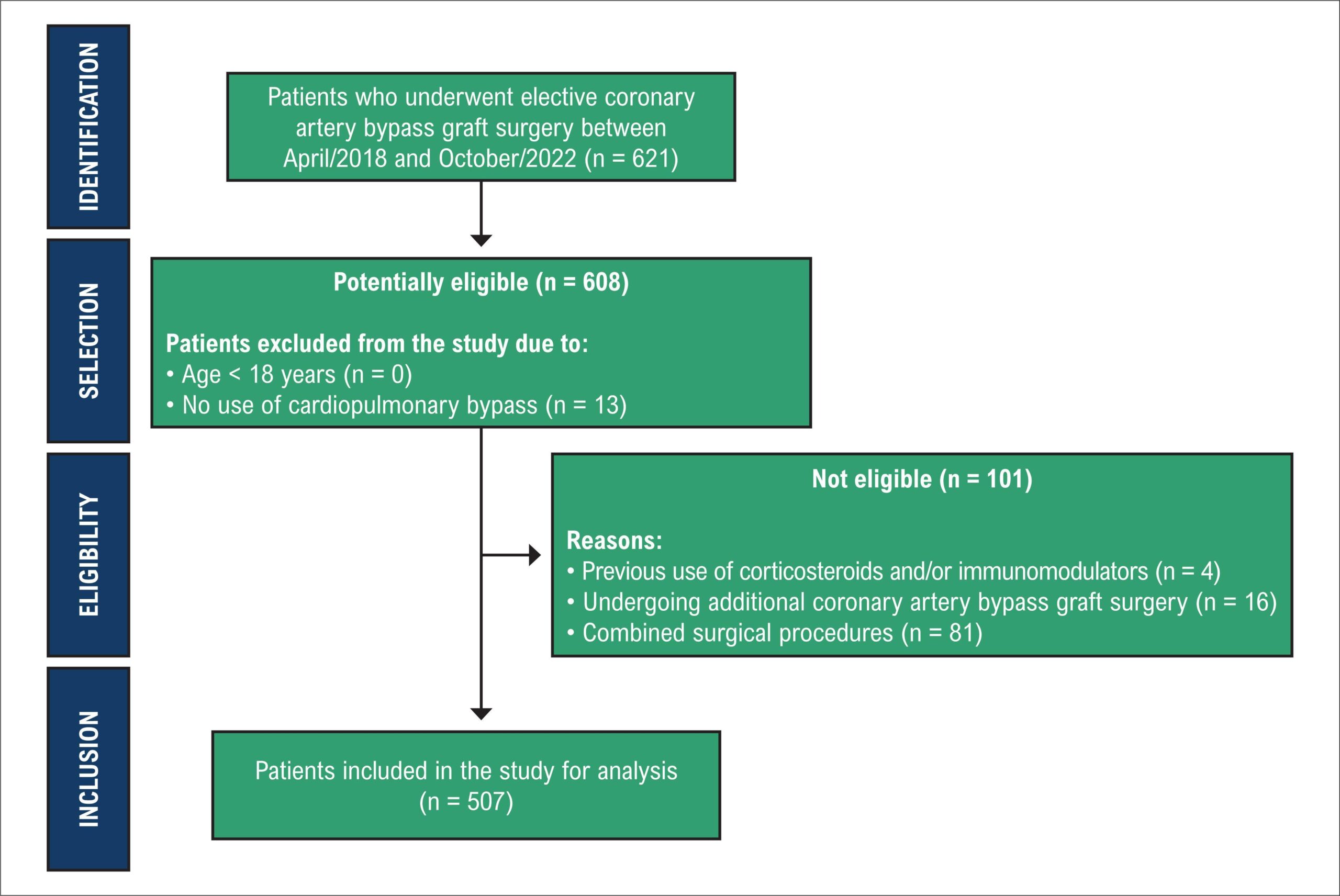
Analytical observational study of the retrospective cohort type, utilizing data collected from medical records in a reference cardiology hospital.

Results:

VS was associated with decreased monocyte rates (p = 0.02) 24 hours before the CABG, as well as elevated lymphocyte/monocyte ratio (LMR) (p = 0.01) and neutrophil/monocyte ratio (NMR) (p = 0.01) on the same period. Twenty-four hours after the procedure, increased neutrophil counts (p = 0.05) and platelet/lymphocyte ratio (PLR) (p = 0.03), as well as neutrophil/lymphocyte ratio (NLR) (p = 0.04), were associated with VS. Between 24 and 48 hours after CABG, neutrophil ratios (p = 0.01), PLR (p = 0.02), MLR (p = 0.04), and systemic inflammation response index (SIRI) (p = 0.02) were lower in patients who developed vasoplegia.

Conclusion:

A decreased monocyte count 24 hours before CABG was associated with the development of VS, as well as an elevated neutrophil count 24 hours after the procedure. Higher LMR and NMR 24 hours before the surgery, as well as PLR and MLR after the cardiac surgery were also associated with VS. Our data show different hematological changes at different times after CABG and highlight that new studies are essential to allow the use of hematological ratios in the monitoring of patients undergoing CABG.
  • Inflammation
  • Leukocytes
  • Monocytes
  • Neutrophils
  • Vasoplegia
Read Full Article
Creative Commons Attribution (CC BY) Creative Commons license
31/12/2023 DOI: 10.36660/abchf.20230057 Views 1
IJCS
Editorial

Monocyte Inflammatory Signaling

Fernando Augusto Alves da Costa

The human race evolves and is increasingly exposed to new risk factors that increase the chance of acute cardiovascular events. Today, classic risk factors include pollution, obstructive sleep apnea syndrome, individual income, marital status, stress due to injuries of all kinds, economic factors, and others.

Observational studies have shown an upward trend towards an increase in deaths from cardiovascular disease due to exposure to risk factors, lack of more efficient control, adherence to treatments, policies for drug distribution, in addition to the possibility of diagnosing the disease. The scenario observed by the high rates of obesity, overweight, sedentary lifestyle, diabetes, high blood pressure, and smoking is far from ideal, and, in relation to new risk factors, the situation is still very early.,

[…]

  • inflammatory
  • Monocytes
  • signaling
Read Full Article
Creative Commons Attribution (CC BY) Creative Commons license
10/07/2023 DOI: 10.36660/ijcs.20230025
Graph 1
IJCS
Original Article

Biomarker-associated Monocyte Inflammatory Signaling in Myocardial Infarction

Raphael Boesche Guimarães et al. Julio Marchini Luz Marina Gomez Rogério Sarmento Leite … Oscar Dutra Iran Castro André Luiz Manica

Abstract

Background:

Monocytes are essential components in inflammatory signaling, and their recruitment is crucial in the signaling pathway, which directs and determines cell adhesion to the activated endothelium. A better understanding of the correlation between monocyte subsets and inflammatory signaling in patients with atherosclerotic disease in acute coronary syndrome (ACS) is essential for the development of more effective therapies for the prevention and treatment of cardiovascular diseases.

Objective:

To analyze differences between biomarkers and monocyte activation in the setting of ischemic heart disease.

Methods:

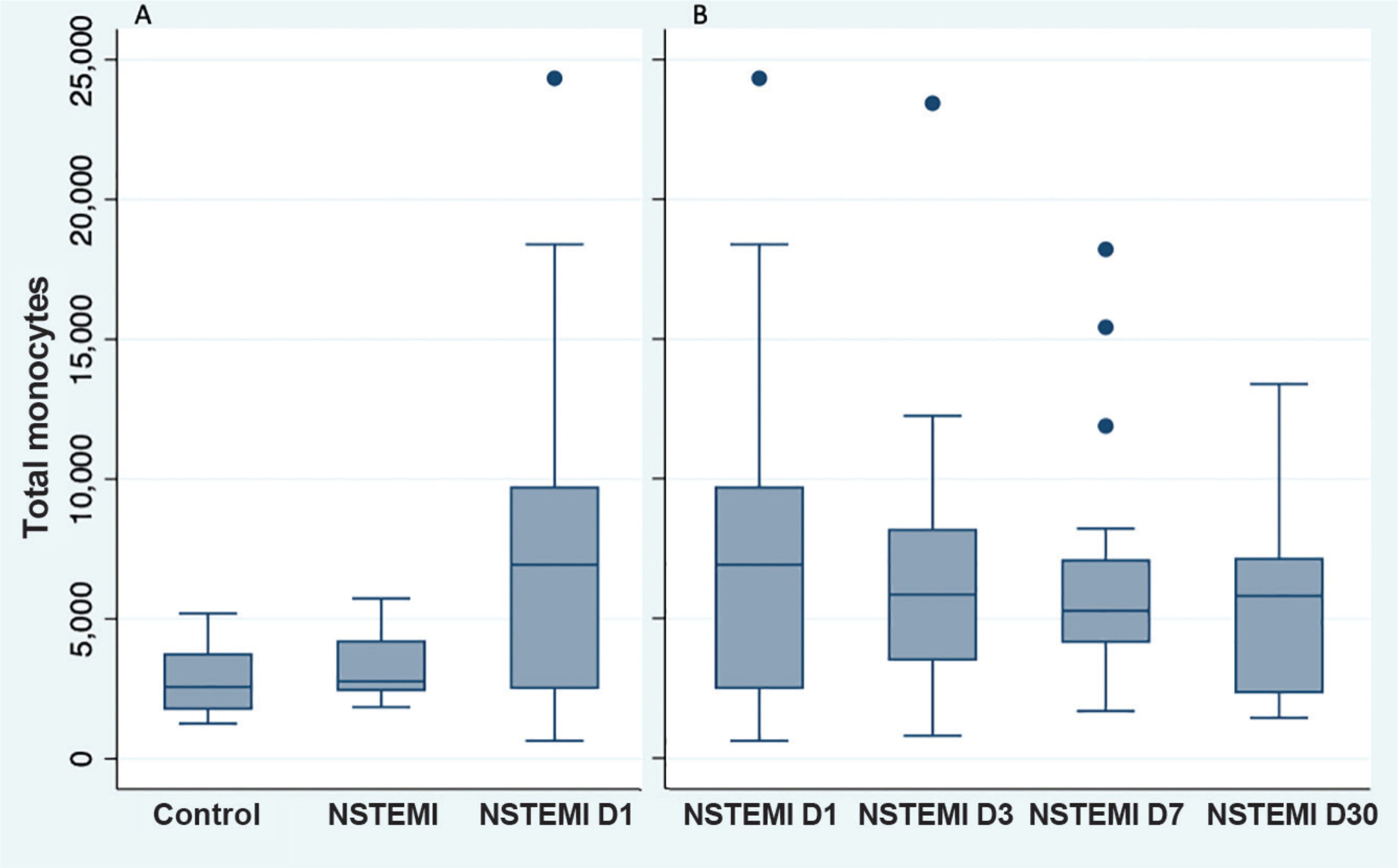
This was a case-control study comparing biomarkers and monocyte subsets between patients with ACS with and without ST-segment elevation and individuals without coronary stenosis. The nonparametric Kruskal-Wallis test was used to assess differences between groups, and Dunn’s post hoc test was used to identify which groups were different. Cuzick’s test for ordered group trends was used to assess falling or rising trends. Participants were classified into 3 groups: control (0); non-ST-elevation myocardial infarction (NSTEMI) (1); ST-elevation myocardial infarction (STEMI) D1 (2).

Results:

Forty-seven patients with ACS and 19 controls with no obstructive lesions on coronary angiography were recruited. Monocyte profile assessment was statistically different regarding time of symptom onset and the presence or absence of atherosclerotic disease (Kruskal-Wallis, p = 0.0009). Dunn’s post hoc test showed a significant difference between the control group and the STEMI D1 (p = 0.0014), STEMI D3 (p = 0.0036), and STEMI D7 (p = 0.0195) groups, corresponding to a 2-fold increase in classical (p = 0.0022) and nonclassical (p = 0.0031) monocytes compared with controls. For classical monocytes, there was a difference between the control group and all STEMI groups and between the NSTEMI group and the STEMI D1, D3, and D7 groups. For nonclassical monocytes, there was a difference between the control group and the STEMI D7 group (p = 0.0056) and between the NSTEMI group and the STEMI D7 group (p = 0.0166).

Conclusion:

This study found that there was an increase in total and classical monocyte mobilization at the time of acute myocardial infarction in patients with ACS.

  • Atherosclerosis
  • Monocytes
  • Myocardial Infarction
Read Full Article
Creative Commons Attribution (CC BY) Creative Commons license
21/04/2023 DOI: 10.36660/ijcs.20220007
Figure 1
IJCS
Original Article

Inflammation and Nocturnal Pattern of Blood Pressure in Normotensives

Seyda Gunay et al. Serhat Çalışkan Deniz Sigirli

Abstract

Background:

In most healthy individuals, blood pressure (BP) shows a circadian rhythm. Being non-dipper increases cardiovascular risk in normotensive and hypertensive individuals. Nocturnal dipping shows a correlation with the state of inflammation.

Objetive:

To investigate the relationship between inflammation-based indexes and nocturnal BP pattern in normotensive individuals.

Method:

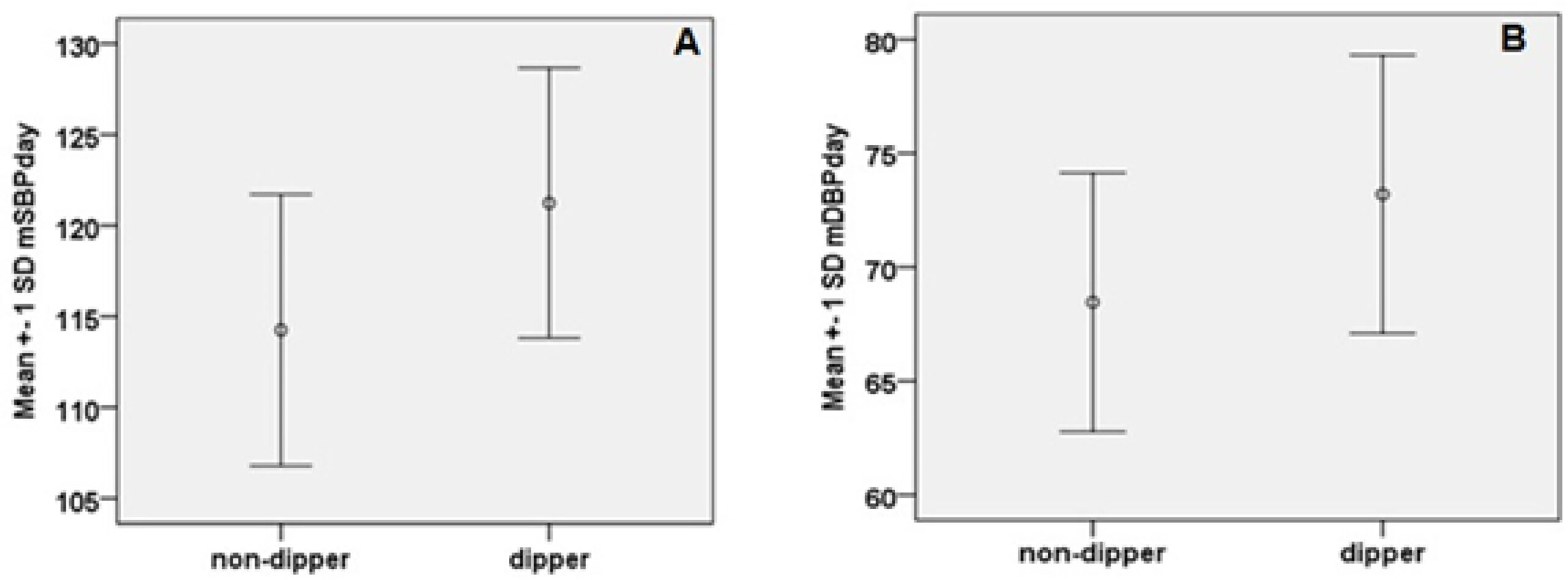
This is a retrospective study that included patients evaluated with ambulatory BP monitoring (ABPM). A total of 131 normotensive individuals were included and grouped as dippers and non-dippers. The normality of the data was verified with a Shapiro-Wilk test. We compared ABPM variables and inflammation-based indexes derived from blood tests (monocyte to high-density lipoprotein ratio [MHR], platelet to lymphocyte ratio [PLR], neutrophil to lymphocyte ratio [NLR], and systemic immune-inflammation index [SII]) between groups. The independent samples t-test and Mann-Whitney U test were used for comparing variables with normal and non-normal distributions, respectively. The Pearson’s chi-squared test was used to compare categorical variables, and Spearman’s correlation coefficient was used to examine the relationships between variables. A receiver operating characteristic (ROC) curve was used to evaluate the diagnostic performances of inflammation-based indexes. The level of statistical significance was 5%.

Results:

The study included 131 patients (mean±standard deviation [SD] age 49.2±15.1 years, 58 [76.0%] of which were women). SII was significantly higher in the non-dipper group (p=0.033). Significant negative correlations were observed between the change in systolic BP [ΔSBP] and SII (r=-0.172, p=0.049) and between ΔSBP and PLR (r=-0.179, p=0.040).

Conclusion:

SII is a predictor of nocturnal BP pattern in normotensives.

  • HDL, Cholesterol
  • Hypertension
  • Inflammation
  • Monocytes
Read Full Article
Creative Commons Attribution (CC BY) Creative Commons license
09/08/2021 DOI: 10.36660/ijcs.20200298 Views 2
Figure 1
ABC
Original Article

Monocyte Low-Density Lipoprotein Receptor-Related Protein 1 (LRP1) Expression Correlates with cIMT in Mexican Hypertensive Patients

Ricardo Gamboa et al. María José Jaramillo-Estrella María del Rocio Martínez-Alvarado Maria Elena Soto … Yazmin Estela Torres-Paz David de Gonzalo-Calvo Leonardo Del Valle-Mondragón Rebeca López-Marure Vicenta C. Llorente-Cortés Claudia Huesca-Gómez

Abstract

Background

Arterial hypertension (HTA) represents a major risk factor for cardiovascular morbidity and mortality. It is not yet known which specific molecular mechanisms are associated with the development of essential hypertension.

Objective

In this study, we analyzed the association between LRP1 monocyte mRNA expression, LRP1 protein expression, and carotid intima media thickness (cIMT) of patients with essential hypertension.

Methods

The LRP1 monocyte mRNA expression and protein levels and cIMT were quantified in 200 Mexican subjects, 91 normotensive (NT) and 109 hypertensive (HT). Statistical significance was defined as p < 0.05.

Results

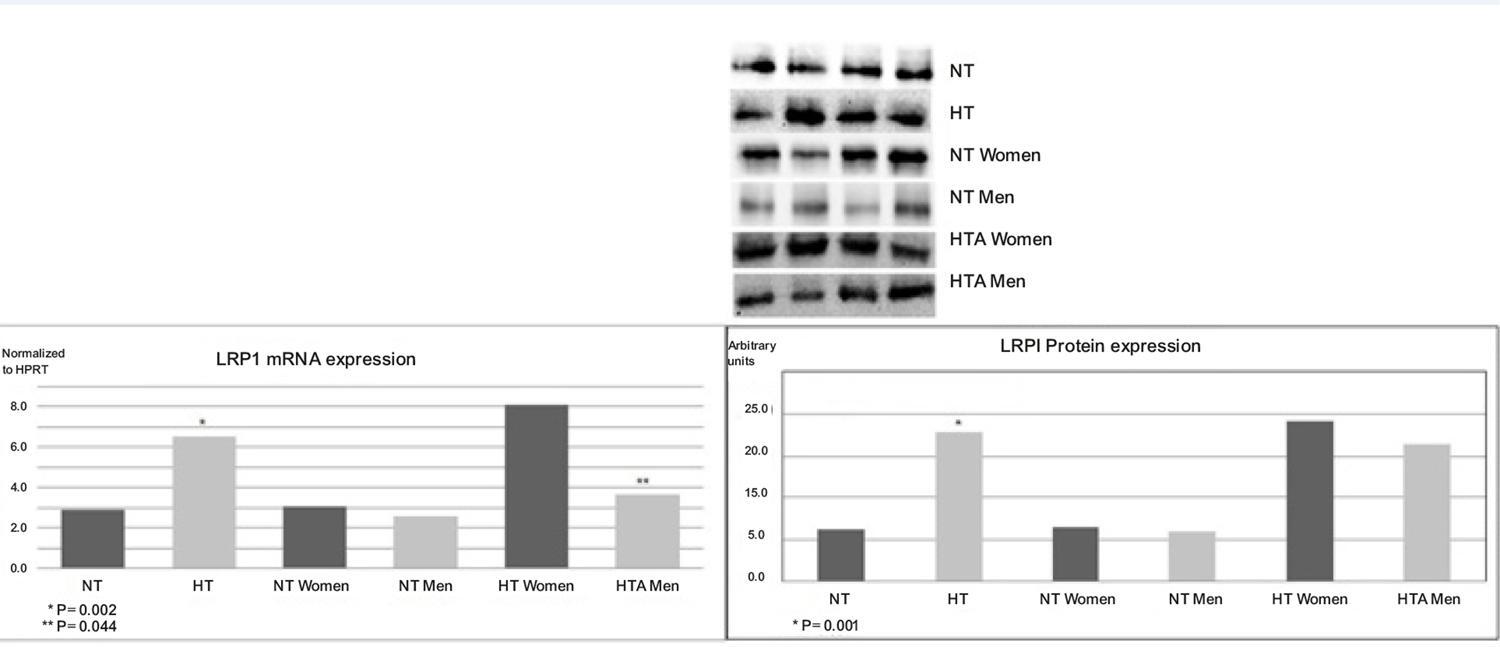
HT patients group had highly significant greater cIMT as compared to NT patients (p=0.002) and this correlated with an increase in the expression of LRP1 mRNA expression (6.54 vs. 2.87) (p = 0.002) and LRP1 protein expression (17.83 vs. 6.25), respectively (p = 0.001). These differences were maintained even when we divided our study groups, taking into account only those who presented dyslipidemia in both, mRNA (p = 0.041) and proteins expression (p < 0.001). It was also found that Ang II mediated LRP1 induction on monocytes in a dose and time dependent manner with significant difference in NT vs. HT (0.195 ± 0.09 vs. 0.226 ± 0.12, p = 0.046).

Conclusion

An increase in cIMT was found in subjects with hypertension, associated with higher mRNA and LRP1 protein expressions in monocytes, irrespective of the presence of dyslipidemias in HT patients. These results suggest that LRP1 upregulation in monocytes from Mexican hypertensive patients could be involved in the increased cIMT. (Arq Bras Cardiol. 2021; 116(1):56-65)

  • Carotid Intima-Media Thickness
  • Hypertension/epidemiology
  • LRP1
  • Mexico
  • Monocytes
  • mRNA
Read Full Article
Creative Commons Attribution (CC BY) Creative Commons license
03/02/2021 DOI: 10.36660/abc.20190535
ABC
Editorial

New Markers of Carotid Thickening in Hypertension

Rui Póvoa

Arterial hypertension was considered an important cardiovascular risk factor only after the Framingham studies, as it was believed that it was a necessary “good” for good tissue perfusion. These emblematic long-term cohort studies about the cardiovascular system brought data that allowed the evaluation of the interaction with several other diseases, such as dyslipidemias and diabetes, for the atheromatous plaque formation, which is the initial step for cardiovascular complications. A time when clinical examination was essential to detect markers of atherosclerotic disease.

However, with the evolution of knowledge, clinical biological markers were no longer sufficient to predict risk, as we increasingly need to articulate preventive measures as early as possible, for more effective treatment and better prevention. Additionally, the interaction between the environment, with all its risk factors and genetics proved to be interactive and of crucial importance in the development of the atherosclerotic plaque. Regarding hypertension, the genetic component with an estimated inheritance of 15-40% became clear, so much so that the brothers have a risk agreement rate for the disease ranging from 1.2 to 1.7.,

[…]

  • genetic markers
  • Hypertension/epidemiology
  • Monocytes
  • mRNA, Carotid Intima-Media Thickness
Read Full Article
Creative Commons Attribution (CC BY) Creative Commons license
03/02/2021 DOI: 10.36660/abc.20201335 Views 1
ABC
Editorial

A New Marker of Myocardial Bridge?

Paolo Blanco Villela et al. Gláucia Maria Moraes de Oliveira

Myocardial bridges (MBs) have been associated with an increased incidence of cardiovascular events. Even though the pathophysiology of this association is still elusive, it seems to be related to the development of atherosclerosis. This hypothesis is based on changes in blood flow resulting from systolic compression of coronary arteries and leading to changes in arterial wall shear stress, which could act as a proatherogenic event affecting the endothelium of the arterial segment proximal to the MB.

Recently, Akishima-Fukasawa et al. assessed 150 autopsies of individuals without cardiovascular heart disease to verify the influence of MBs on the development of atherosclerosis. The authors found the occurrence of MBs in 93 hearts, and using computer-assisted histomorphometry, observed a higher frequency of luminal stenosis in segments proximal to the MB. Using a multiple comparison test, the authors showed a relation between the presence of risk factors like hypertension, diabetes, and dyslipidemia to a higher rate of stenosis affecting segments located 2.5 cm proximally to the MB. Despite the absence of MB flow evaluation, the authors documented an anatomical association between significant atherosclerotic lesions and the presence of MBs. We could speculate that this may be one of the explanations for the increased incidence of cardiovascular events in patients with MB.

[…]

  • Atherosclerosis
  • Inflammation
  • Lipoproteins, HDL
  • Monocytes
  • Myocardial Bridging/physiopathology
  • Risk Factors
Read Full Article
Creative Commons Attribution (CC BY) Creative Commons license
01/01/2019 DOI: 10.5935/abc.20180264
ABC
Original Article

Association of Monocyte Count on Admission with the Angiographic Thrombus Burden in Patients with ST-Segment Elevation Myocardial Infarction Undergoing Primary Percutaneous Coronary Intervention

Zuoyan Wang et al. Na Liu Lihui Ren Licheng Lei … Huiming Ye Jianjun Peng

Abstract

Background:

The intracoronary high-thrombus burden during the primary percutaneous coronary intervention in patients with ST-elevation myocardial infarction (STEMI) can lead to poor outcomes. Monocytes have been described to play an important role in thrombotic disorders.

Objectives:

This study aimed to investigate the relationship between admission monocyte count and angiographic intracoronary thrombus burden in patients receiving primary percutaneous coronary intervention (PPCI).

Methods:

A total of 273 patients with acute STEMI who underwent PPCI were enrolled. The patients were divided into two groups according to the thrombolysis in myocardial infarction (TIMI) thrombus grade: low-thrombus burden group with a grade of 0-2 and high-thrombus burden group with a grade of 3-4. The monocyte count and other laboratory parameters were measured on admission before PPCI. P-value < 0.05 was considered significant.

Results:

There were 95 patients (34.8%) in the high-thrombus burden group, and 178 patients (65.2%) in the low-thrombus burden group. Patients with high-thrombus burden had significantly higher admission monocyte count (0.61 ± 0.29×10⁹/L vs. 0.53 ± 0.24×10⁹/L, p = 0.021). In multivariate analysis, monocyte count was the independent predictor of angiographic high-thrombus burden (odds ratio 3.107, 95% confidence interval [CI] 1.199-7.052, p = 0.020). For the prediction of angiographic high-thrombus burden, admission monocyte count at a cut-off value of 0.48×10⁹/L yielded 0.59 ROC-AUC (71.9% sensitivity, 46.9% specificity).

Conclusions:

Monocyte count on admission was an independent clinical predictor of high-thrombus burden in patients with STEMI undergoing PPCI. Our findings suggest that admission monocyte count may be available for early risk stratification of high-thrombus burden in acute STEMI patients and might allow the optimization of antithrombotic therapy to improve the outcomes of PPCI.

  • Coronary Thrombosis/diagnostic imaging
  • Monocytes
  • Myocardial Infarction
  • Percutaneous Coronary Intervention/methods
Read Full Article
Creative Commons Attribution (CC BY) Creative Commons license
12/03/2018 DOI: 10.5935/abc.20180034

How to cite this article

EndNote RIS

Electronic Document Format (Vancouver)

Ramos N, Faé MT, Hebeda CB, Rocha FR, Bacca COF, Gambetta MV. Evolution of Hematological Parameters in Patients with Vasoplegia Following Coronary Artery Bypass Graft Surgery. ABC Heart Fail Cardiomyop 2023;3(4):e20230057.

Electronic Document Format (ABNT)

Ramos, Nicolas; Faé, Marcos T.; Hebeda, Cristina B.; Rocha, Franciani R. da; Bacca, Caroline O. F.; Gambetta, Marcelo V.. Evolution of Hematological Parameters in Patients with Vasoplegia Following Coronary Artery Bypass Graft Surgery. ABC Heart Fail Cardiomyop, v. 3, n. 4, e20230057, Dec. 2023.

Electronic Document Format (APA)

Ramos, N., Faé, M. T., Hebeda, C. B., Rocha, F. R. , Bacca, C. O. F., & Gambetta, M. V. (2023). Evolution of Hematological Parameters in Patients with Vasoplegia Following Coronary Artery Bypass Graft Surgery. ABC Heart Fail Cardiomyop, 3(4), e20230057.

Electronic Document Format (ISO)

Ramos, Nicolas and Faé, Marcos T. and Hebeda, Cristina B. and Rocha, Franciani R. da and Bacca, Caroline O. F. and Gambetta, Marcelo V.. Evolution of Hematological Parameters in Patients with Vasoplegia Following Coronary Artery Bypass Graft Surgery. ABC Heart Fail Cardiomyop [online]. 2023, vol. 3, n. 4, [cited 2026-10-14], e20230057. Available from: <https://journals.cardiol.br/en/article/evolution-of-hematological-parameters-in-patients-with-vasoplegia-following-coronary-artery-bypass-graft-surgery/>

EndNote RIS

Electronic Document Format (Vancouver)

Costa FAA. Monocyte Inflammatory Signaling. International Journal of Cardiovascular Sciences 2023;36:e20230025.

Electronic Document Format (ABNT)

Costa, Fernando Augusto Alves da. Monocyte Inflammatory Signaling. International Journal of Cardiovascular Sciences, v. 36, e20230025, Jul. 2023.

Electronic Document Format (APA)

Costa, F. A. A. (2023). Monocyte Inflammatory Signaling. International Journal of Cardiovascular Sciences, 36, e20230025.

Electronic Document Format (ISO)

Costa, Fernando Augusto Alves da. Monocyte Inflammatory Signaling. International Journal of Cardiovascular Sciences [online]. 2023, vol. 36, [cited 2026-10-14], e20230025. Available from: <https://journals.cardiol.br/en/article/monocyte-inflammatory-signaling/>. ISSN 2359-4802

EndNote RIS

Electronic Document Format (Vancouver)

Guimarães RB, Marchini J, Gomez LM, Leite RS, Dutra O, Castro I, Manica AL, et al. Biomarker-associated Monocyte Inflammatory Signaling in Myocardial Infarction. International Journal of Cardiovascular Sciences 2023;36:e20220007.

Electronic Document Format (ABNT)

Guimarães, Raphael Boesche; Marchini, Julio; Gomez, Luz Marina; Leite, Rogério Sarmento; Dutra, Oscar; Castro, Iran; Manica, André Luiz. Biomarker-associated Monocyte Inflammatory Signaling in Myocardial Infarction. International Journal of Cardiovascular Sciences, v. 36, e20220007, Apr. 2023.

Electronic Document Format (APA)

Guimarães, R. B., Marchini, J., Gomez, L. M., Leite, R. S., Dutra, O., Castro, I., & Manica, A. L. (2023). Biomarker-associated Monocyte Inflammatory Signaling in Myocardial Infarction. International Journal of Cardiovascular Sciences, 36, e20220007.

Electronic Document Format (ISO)

Guimarães, Raphael Boesche and Marchini, Julio and Gomez, Luz Marina and Leite, Rogério Sarmento and Dutra, Oscar and Castro, Iran and Manica, André Luiz. Biomarker-associated Monocyte Inflammatory Signaling in Myocardial Infarction. International Journal of Cardiovascular Sciences [online]. 2023, vol. 36, [cited 2026-10-14], e20220007. Available from: <https://journals.cardiol.br/en/article/biomarker-associated-monocyte-inflammatory-signaling-in-myocardial-infarction/>. ISSN 2359-4802

EndNote RIS

Electronic Document Format (Vancouver)

Gunay S, Çalışkan S, Sigirli D. Inflammation and Nocturnal Pattern of Blood Pressure in Normotensives. International Journal of Cardiovascular Sciences 2021;34(6):685-91.

Electronic Document Format (ABNT)

Gunay, Seyda; Çalışkan, Serhat; Sigirli, Deniz. Inflammation and Nocturnal Pattern of Blood Pressure in Normotensives. International Journal of Cardiovascular Sciences, v. 34, n. 6, p. 685-691, Aug. 2021.

Electronic Document Format (APA)

Gunay, S., Çalışkan, S., & Sigirli, D. (2021). Inflammation and Nocturnal Pattern of Blood Pressure in Normotensives. International Journal of Cardiovascular Sciences, 34(6), 685-691.

Electronic Document Format (ISO)

Gunay, Seyda and Çalışkan, Serhat and Sigirli, Deniz. Inflammation and Nocturnal Pattern of Blood Pressure in Normotensives. International Journal of Cardiovascular Sciences [online]. 2021, vol. 34, n. 6, [cited 2026-10-14], pp. 685-691. Available from: <https://journals.cardiol.br/en/article/inflammation-and-nocturnal-pattern-of-blood-pressure-in-normotensives/>. ISSN 2359-4802

EndNote RIS

Electronic Document Format (Vancouver)

Gamboa R, Jaramillo-Estrella MJ, Martínez-Alvarado MR, Soto ME, Torres-Paz YE, Gonzalo-Calvo D, Valle-Mondragón LD, et al. Monocyte Low-Density Lipoprotein Receptor-Related Protein 1 (LRP1) Expression Correlates with cIMT in Mexican Hypertensive Patients. Arquivos Brasileiros de Cardiologia 2021;116(1):56-65.

Electronic Document Format (ABNT)

Gamboa, Ricardo; Jaramillo-Estrella, María José; Martínez-Alvarado, María del Rocio; Soto, Maria Elena; Torres-Paz, Yazmin Estela; Gonzalo-Calvo, David de; Valle-Mondragón, Leonardo Del; López-Marure, Rebeca; Llorente-Cortés, Vicenta C.; Huesca-Gómez, Claudia. Monocyte Low-Density Lipoprotein Receptor-Related Protein 1 (LRP1) Expression Correlates with cIMT in Mexican Hypertensive Patients. Arquivos Brasileiros de Cardiologia, v. 116, n. 1, p. 56-65, Feb. 2021.

Electronic Document Format (APA)

Gamboa, R., Jaramillo-Estrella, M. J., Martínez-Alvarado, M. R., Soto, M. E., Torres-Paz, Y. E., Gonzalo-Calvo, D. , Valle-Mondragón, L. D., López-Marure, R., Llorente-Cortés, V. C., & Huesca-Gómez, C. (2021). Monocyte Low-Density Lipoprotein Receptor-Related Protein 1 (LRP1) Expression Correlates with cIMT in Mexican Hypertensive Patients. Arquivos Brasileiros de Cardiologia, 116(1), 56-65.

Electronic Document Format (ISO)

Gamboa, Ricardo and Jaramillo-Estrella, María José and Martínez-Alvarado, María del Rocio and Soto, Maria Elena and Torres-Paz, Yazmin Estela and Gonzalo-Calvo, David de and Valle-Mondragón, Leonardo Del and López-Marure, Rebeca and Llorente-Cortés, Vicenta C. and Huesca-Gómez, Claudia. Monocyte Low-Density Lipoprotein Receptor-Related Protein 1 (LRP1) Expression Correlates with cIMT in Mexican Hypertensive Patients. Arquivos Brasileiros de Cardiologia [online]. 2021, vol. 116, n. 1, [cited 2026-10-14], pp. 56-65. Available from: <https://journals.cardiol.br/en/article/monocyte-low-density-lipoprotein-receptor-related-protein-1-lrp1-expression-correlates-with-cimt-in-mexican-hypertensive-patients/>. ISSN 0066-782X

EndNote RIS

Electronic Document Format (Vancouver)

Póvoa R. New Markers of Carotid Thickening in Hypertension. Arquivos Brasileiros de Cardiologia 2021;116(1):66-7.

Electronic Document Format (ABNT)

Póvoa, Rui. New Markers of Carotid Thickening in Hypertension. Arquivos Brasileiros de Cardiologia, v. 116, n. 1, p. 66-67, Feb. 2021.

Electronic Document Format (APA)

Póvoa, R. (2021). New Markers of Carotid Thickening in Hypertension. Arquivos Brasileiros de Cardiologia, 116(1), 66-67.

Electronic Document Format (ISO)

Póvoa, Rui. New Markers of Carotid Thickening in Hypertension. Arquivos Brasileiros de Cardiologia [online]. 2021, vol. 116, n. 1, [cited 2026-10-14], pp. 66-67. Available from: <https://journals.cardiol.br/en/article/new-markers-of-carotid-thickening-in-hypertension/>. ISSN 0066-782X

EndNote RIS

Electronic Document Format (Vancouver)

Villela PB, Oliveira GMM. A New Marker of Myocardial Bridge?. Arquivos Brasileiros de Cardiologia 2019;112(1):18-9.

Electronic Document Format (ABNT)

Villela, Paolo Blanco; Oliveira, Gláucia Maria Moraes de. A New Marker of Myocardial Bridge?. Arquivos Brasileiros de Cardiologia, v. 112, n. 1, p. 18-19, Dec. 2018.

Electronic Document Format (APA)

Villela, P. B., & Oliveira, G. M. M. (2019). A New Marker of Myocardial Bridge?. Arquivos Brasileiros de Cardiologia, 112(1), 18-19.

Electronic Document Format (ISO)

Villela, Paolo Blanco and Oliveira, Gláucia Maria Moraes de. A New Marker of Myocardial Bridge?. Arquivos Brasileiros de Cardiologia [online]. 2019, vol. 112, n. 1, [cited 2026-10-14], pp. 18-19. Available from: <https://journals.cardiol.br/en/article/a-new-marker-of-myocardial-bridge/>. ISSN 0066-782X

EndNote RIS

Electronic Document Format (Vancouver)

Wang Z, Liu N, Ren L, Lei L, Ye H, Peng J. Association of Monocyte Count on Admission with the Angiographic Thrombus Burden in Patients with ST-Segment Elevation Myocardial Infarction Undergoing Primary Percutaneous Coronary Intervention. Arquivos Brasileiros de Cardiologia 2018;110(4):333-8.

Electronic Document Format (ABNT)

Wang, Zuoyan; Liu, Na; Ren, Lihui; Lei, Licheng; Ye, Huiming; Peng, Jianjun. Association of Monocyte Count on Admission with the Angiographic Thrombus Burden in Patients with ST-Segment Elevation Myocardial Infarction Undergoing Primary Percutaneous Coronary Intervention. Arquivos Brasileiros de Cardiologia, v. 110, n. 4, p. 333-338, Mar. 2018.

Electronic Document Format (APA)

Wang, Z., Liu, N., Ren, L., Lei, L., Ye, H., & Peng, J. (2018). Association of Monocyte Count on Admission with the Angiographic Thrombus Burden in Patients with ST-Segment Elevation Myocardial Infarction Undergoing Primary Percutaneous Coronary Intervention. Arquivos Brasileiros de Cardiologia, 110(4), 333-338.

Electronic Document Format (ISO)

Wang, Zuoyan and Liu, Na and Ren, Lihui and Lei, Licheng and Ye, Huiming and Peng, Jianjun. Association of Monocyte Count on Admission with the Angiographic Thrombus Burden in Patients with ST-Segment Elevation Myocardial Infarction Undergoing Primary Percutaneous Coronary Intervention. Arquivos Brasileiros de Cardiologia [online]. 2018, vol. 110, n. 4, [cited 2026-10-14], pp. 333-338. Available from: <https://journals.cardiol.br/en/article/association-of-monocyte-count-on-admission-with-the-angiographic-thrombus-burden-in-patients-with-st-segment-elevation-myocardial-infarction-undergoing-primary-percutaneous-coronary-intervention/>. ISSN 0066-782X

  • About ABC Family
  • Internal Regulation
  • Editorial Board
  • Brazilian Society of Cardiology (SBC)

Issues

SBC Guidelines

  • Videos
  • Podcasts
  • News