ABC Family Arquivos Brasileiros de Cardiologia International Journal of Cardiovascular Sciences ABC Heart Failure & Cardiomyopathy ABC Imagem Cardiovascular
Português English
ABC Family
Português English
  • About
    • About ABC Family
    • Internal Regulation
    • Editorial Board
    • Brazilian Society of Cardiology (SBC)
  • Issues
  • SBC Guidelines
  • Content
    • Videos
    • Podcasts
    • News
  • About
    • About ABC Family
    • Internal Regulation
    • Editorial Board
    • Brazilian Society of Cardiology (SBC)
  • Issues
  • SBC Guidelines
  • Content
    • Videos
    • Podcasts
    • News

ABC Family

  • ABC Family
  • Arquivos Brasileiros de Cardiologia
  • International Journal of Cardiovascular Sciences
  • ABC Heart Failure & Cardiomyopathy
  • ABC Imagem Cardiovascular
Search in

No content found.

Journals
Ordering
Article types
Others

  1. Home
  2. Keyword: cardiac output, low
ABC
Editorial

Acute Hemodynamic Index Predicts In-Hospital Mortality in Acute Decompensated Heart Failure

Sofia Alegria

Although acute heart failure (AHF) is associated with significant in-hospital mortality (around 9-11% in concordance with the mortality rate in the BREATHE registry) and high rates of rehospitalization after discharge, options for the management of these patients remain limited.

Since overall survival is mainly determined by the initial management, accurate and early individual risk stratification can help physicians choose the intensity of care required and promote tailored medical decision-making with improvement of prognosis.

[…]

  • Atrial Fibrillation
  • cardiac output, low
  • Heart Failure
  • Heart Rate
  • Hemodynamic
  • Stroke Volume
Read Full Article
Creative Commons Attribution (CC BY) Creative Commons license
03/02/2021 DOI: 10.36660/abc.20201294 Views 1
Is there evidence favoring the use of beta-blockers and dobutamine in acute heart failure?
ABC
Review Article

Is there evidence favoring the use of beta-blockers and dobutamine in acute heart failure?

Luiz Carlos Santana Passos et al. Andréa Cristina Costa Barbosa Márcio Galvão Oliveira Edval Gomes Santos Jr

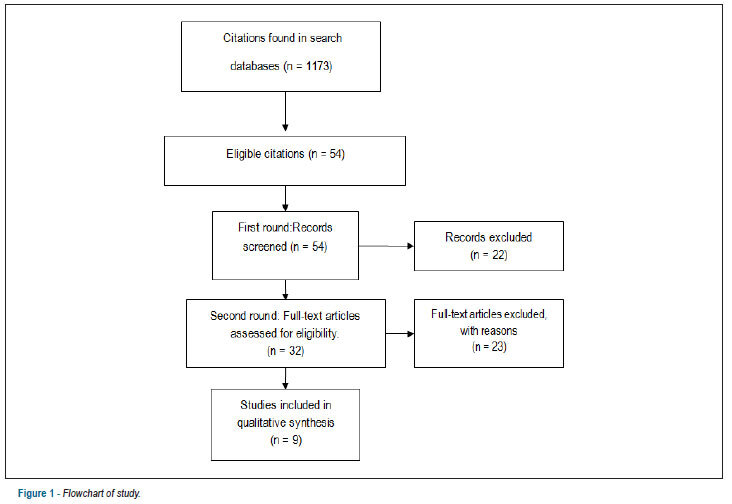
Several studies have reported the benefits of beta-blockers (BB) for patients presenting with systolic heart failure. however, many patients hospitalized as a result of acute heart failure are already using BB and require dobutamine for arterial hypotension and low cardiac output. Therefore, a decision must be made regarding whether BB should be maintained or even started in such cases. The aim of this study was to establish whether there is evidence supporting the safety andyeffectiveness of BB together with dobutamine for patients presenting with acute decompensated heart failure (ADHF). We conducted a search of the English-language literature in the databases MEDLINE, ISI Web of Science, Virtual Health Library, Cochrane Library and the CAPES Portal of Scientific Journals to identify related studies. Additional literature was obtained through the review of relevant references in the identified articles. The expected outcomes included information on the prognosis (in-hospital and on follow-up mortality, number of days of hospitalization and readmission),yeffectiveness and safety (worsening of symptoms, shock, intolerance) of the concomitant use of these drugs in hospitalized patients with ADHF and low cardiac output. This review included nine studies. however, no randomized clinical trials on this subject were found. Most studies include a low number of patients, and no studies addressing the safety of the concomitant use of these drugs were found. The resulting data suggest that a careful literature review did not supply evidence for the systematic use of BB in patients with low cardiac output syndrome who require dobutamine for inotropic support.

  • adrenergic beta-agonists
  • cardiac output, low
  • Dobutamine
  • Heart Failure
  • therapeutic use
Read Full Article
Creative Commons Attribution (CC BY) Creative Commons license
11/03/2013 DOI: 10.5935/abc.20130034
Inferior Vena Cava collapsibility and heart failure signs and symptoms: new insights about possible links
ABC
Artigo Original

Inferior Vena Cava collapsibility and heart failure signs and symptoms: new insights about possible links

Renato De Vecchis et al. Antonio Ciccarelli Carmelina Ariano

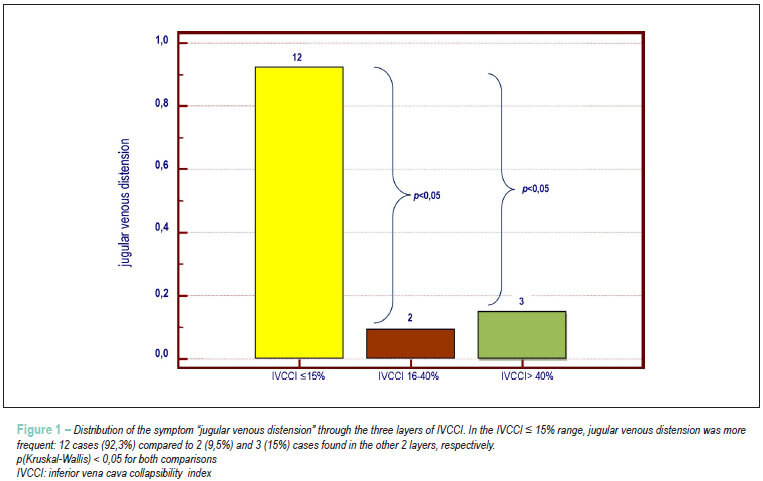
BACKGROUND: In chronic heart failure patients (CHF), ultrasound measurement of inferior vena cava collapsibility index (IVCCI) has been proposed to yield careful assessment and grading of the hemodynamic congestion. OBJECTIVE: The purpose of this study was to correlate the findings of physical examination with IVCCI in CHF patients. METHODS: According to a retrospective cohort design, we analyzed 54 CHF patients with right or biventricular CHF, belonging to III NYHA class. We planned to determine whether any basal IVCCI range would be able to predict persistent or worsening clinical congestion found at the end of subsequent follow up (i.e. after 1-2 months of oral optimized therapy). For this purpose, the patients were subdivided by three groups according to the basal IVCCI value: ≤ 15% (13 pts), 16 – 40% (21 pts) and > 40% (20 pts).Several clinical criteria of congestion were compared across the three groups and subsequently entered in the Cox multivariate model. RESULTS: Multivariate predictors of high congestion score were jugular venous distension (HR: 13,38 95% C.I.: 2,13 – 84 p = 0,0059) and rales (HR: 11 95% C.I : 1,45 – 83,8 p = 0,0213). IVCCI ≤ 15% was always associated with high congestion score at the second visit; but IVCCI ≤ 15% failed to predict high congestion score at the second visit. CONCLUSION: In CHF setting, low IVCCI did not reliably predict high congestion score. Nevertheless, the cluster with IVCCI ≤ 15% was always found associated with signs and symptoms from both right and left-sided decompensated CHF. (Arq Bras Cardiol. 2012; [online].ahead print, PP.0-0).

  • cardiac output, low
  • Heart Failure
  • left
  • Vena cava, inferior
  • Ventricular Dysfunction
Read Full Article
Creative Commons Attribution (CC BY) Creative Commons license
29/05/2012 DOI: 10.1590/S0066-782X2012005000049 Views 2
Correlation of myocardial interstitial collagen in the right ventricular septum with ventricular function of patients with ischemic cardiomyopathy
ABC
Artigo Original

Correlation of myocardial interstitial collagen in the right ventricular septum with ventricular function of patients with ischemic cardiomyopathy

Marcelo Westerlund Montera et al. Cantídio Drumond Cristina Takiya Cláudio Tinoco Mesquita … Hans Fernando R. Dohmann Charles Mady

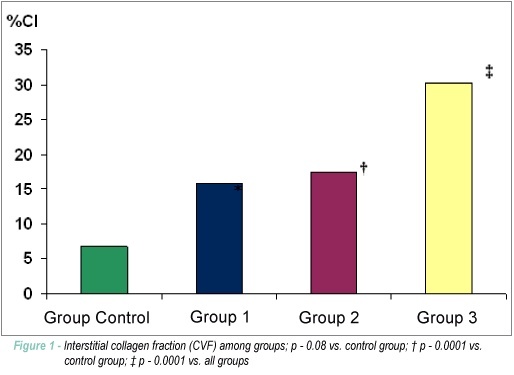
BACKGROUND: Myocardial collagen content influences ventricular relaxation, contraction, and morphology. Its relationship with ventricular function in patients (Pts) with ischemic cardiomyopathy (ICMP) has not yet been fully studied in humans. OBJECTIVE: To assess the relationship between interstitial collagen content in non-infarcted areas of the right ventricular septum and ventricular function in ICMP. METHODS: 31 pts with coronary artery disease were divided into four groups as follows:The control group consisted of 7 pts with normal left (LVEF) and right (RVEF) ventricular ejection fraction (group C); Group 1: 5 patients with RVEF < 40%; Group 2: 9 pts with LVEF < 40%; and Group 3, 10 pts with biventricular dysfunction. RVEF and LVEF were measured by radionuclide angiography. For quantitative analysis of interstitial collagen volume fraction (CVF), endomyocardial biopsy specimens were taken from the right ventricle and stained with picrosirius red. RESULTS: Mean CVF was significantly higher in group 3, compared with the control group and with groups 1 and 2 (30.2 ± 7.9% vs. 6.8 ± 3.3% vs. 15.8 ± 4.1% vs. 17.5±7.7%, respectively; p =0.0001). It was also significantly higher in patients belonging to group 2, compared with those in the control group (17.5 ± 7.7% vs. 6.8 ± 3.3%, p =0.0001). CVF was inversely correlated with RVEF (r = – 0.50, p = 0.003) and LVEF (r = -0.70, p = 0.0001). CONCLUSION: In ICMP, CVF is elevated in non-infarcted areas of the right ventricular septum and inversely correlated with right and left ventricular function.

  • cardiac output, low
  • collagen
  • Myocardial Ischemia
  • Ventricular Function, Left
  • Ventricular Function, Right
Read Full Article
Creative Commons Attribution (CC BY) Creative Commons license
04/02/2009 DOI: 10.1590/S0066-782X2009000100009 Views 2
ABC
Artigo Original

Positive end-expiratory pressure and renal function influence B-type natriuretic peptide in patients with severe sepsis and septic shock

Victor Sarli Issa et al. Leandro Utino Taniguchi Marcelo Park Luiz Monteiro Cruz … Edimar Alcides Bocchi Irineu Tadeu Velasco Francisco Soriano

BACKGROUND: Myocardial dysfunction is a complication associated with a poor prognosis in septic patients. A biomarker of cardiac function providing prognostic information is of paramount interest. OBJECTIVE: We sought to determine the value of B-type natriuretic peptide in patients with severe sepsis/septic shock. METHODS: We performed a prospective study in patients with severe sepsis/septic shock in a medical intensive care unit. B-type natriuretic peptide level was determined within 24 hours after the diagnosis of severe sepsis/septic shock. We also analyzed mortality, and presence of association between B-type natriuretic peptide and clinical, hemodynamic and respiratory variables. RESULTS: 23 (9 women; 14 men) patients with ages ranging from 20-79 (mean 51.3±18.6) years old and APACHE score of 22.6±11.8 were included; 15 (65.2%) patients received pulmonary artery catheters, and 20 (87%) were mechanically ventilated. Multivariate analysis disclosed inverse association between B-type natriuretic peptide values with positive end-expiratory pressure values, and direct association with creatinine (beta 0.548 and 0.377, p 0.02 and 0.002, respectively), but not with mortality, clinical and hemodynamic parameters. CONCLUSION: This is the first report on an inverse association between positive end-expiratory pressure and BNP levels in patients with severe sepsis and septic shock. BNP and creatinine levels should be taken into consideration when analyzing B-type natriuretic peptide levels in this setting.

  • cardiac output, low
  • Natriuretic Peptide, B-Type
  • positive pressure respiration
  • Sepsis
  • Shock
Read Full Article
Creative Commons Attribution (CC BY) Creative Commons license
11/08/2008 DOI: 10.1590/S0066-782X2008001400008 Views 1
Tissue doppler imaging as a long-term prognostic index in left ventricular systolic dysfunction
ABC
Artigo Original

Tissue doppler imaging as a long-term prognostic index in left ventricular systolic dysfunction

Roberto Magalhães Saraiva et al. Rita de Cássia Castelli da Rocha Adriana Ferraz Martins Dario Marins Duarte … Renata da Silva Peixoto Simone Henriques de Castro Carla Tavares Gallicchio Andréa Lúcia de Araújo Sérgio Emanuel Kaiser

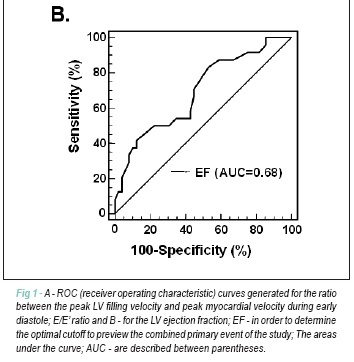
BACKGROUND: Tissue Doppler parameters correlate with left ventricular (LV) filling pressure and can be useful as prognostic indexes for patients with heart failure. OBJECTIVE: Determine whether tissue Doppler parameters can predict events during long term follow-up of outpatients with LV systolic dysfunction. MeTHODS: Retrospective study with 73 patients (aged 60.9±12.1 years) who underwent Doppler echocardiogram between March 2001 and May 2004. The primary endpoint studied was death or hospitalization due to heart failure worsening. RESULTS: The mean follow-up period was 1,367±665 days. After logistic stepwise multivariate analysis, including echocardiographic parameters, the ratio of maximal early diastolic filling wave velocity to maximal early diastolic myocardial velocity (E/E` ratio; p=0.0007), and LV ejection fraction (EF; p=0.01) remained significant predictors of the primary outcome. The optimal cutoffs for primary endpoint prediction for E/E’ ratio (AUC 0.77; p=0.0001) and EF (AUC 0.68, p=0.006) were respectively 12.7 and 30%. Accordingly, patients with E/E’ ratio > 12.7 (hazard ratio=3.8, p =0.001) or EF <30% (hazard ratio=2.3, p=0.03) had a poorer outcome by survival curve analysis. It is noteworthy that 47% of the patients with EF above the optimal cutoff point, but with high E/E' ratio, presented events during follow-up. CONCLUSION: E/E' ratio is an important independent long-term prognostic index of death or hospitalization due to worsening heart failure in outpatients with LV systolic dysfunction. Therefore, we recommend the measurement of this variable in the routine evaluation of such patients.

  • cardiac output, low
  • Echocardiography, Doppler
  • Prognosis
  • Ventricular Dysfunction, Left
Read Full Article
Creative Commons Attribution (CC BY) Creative Commons license
08/08/2008 DOI: 10.1590/S0066-782X2008001400004
The apelinergic system: the role played in human physiology and pathology and potential therapeutic applications
ABC
Review Article

The apelinergic system: the role played in human physiology and pathology and potential therapeutic applications

Ricardo Ladeiras-Lopes et al. João Ferreira-Martins Adelino F. Leite-Moreira

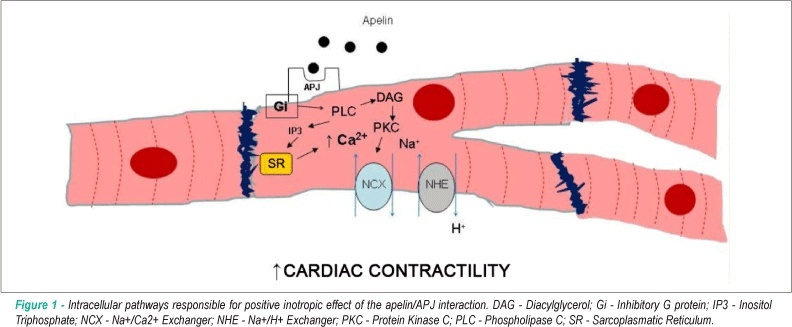
Apelin is a recently discovered peptide, identified as an endogenous ligand of receptor APJ. Apelin and receptor APJ are expressed in a wide variety of tissues including heart, brain, kidneys and lungs. Their interaction may have relevant pathophysiologic effects in those tissues. In fact, the last decade has been rich in illustrating the possible roles played by apelin in human physiology, namely as a regulating peptide of cardiovascular, hypothalamus-hypophysis, gastrointestinal, and immune systems. The possible involvement of apelin in the pathogenesis of high prevalence conditions and comorbidities – such as hypertension, heart failure, and Diabetes Mellitus Type 2 (T2DM) – rank it as a likely therapeutic target to be investigated in the future. The present paper is an overview of apelin physiologic effects and presents the possible role played by this peptide in the pathogenesis of a number of conditions as well as the therapeutic implications that might, therefore, be investigated.

  • apeline
  • cardiac output, low
  • Diabetes Mellitus
  • Hypertension
  • Peptides
Read Full Article
Creative Commons Attribution (CC BY) Creative Commons license
27/05/2008 DOI: 10.1590/S0066-782X2008000500012 Views 1
Influence of spironolactone therapy on thiamine blood levels in patients with heart failure
ABC
Artigo Original

Influence of spironolactone therapy on thiamine blood levels in patients with heart failure

Ricardo Mourilhe Rocha et al. Guilherme Vianna e Silva Denilson Campos de Albuquerque Bernardo Rangel Tura Francisco Manes Albanesi Filho

BACKGROUND: The nonpharmacological management of heart failure (HF) has been understudied. The importance of micronutrients such as thiamine has long been known since its deficiency is associated with the development of high-output HF. OBJECTIVE: We studied the relationship between adding to ACE inhibition further aldosterone suppression with spironolactone and thiamine blood levels (pmol/ml). METHODS: A total of 22 patients (pts) with HF (NYHA III/IV) were divided in two groups [group I-spironolactone 25mg/qd (n=11) and group II – no spironolactone (n=11)]. Thiamine levels were determined using the erythrocyte transketolase activity. The groups were compared regarding food intake, demographics, furosemide doses and thiamine blood levels using Mann-Whitney and student’s T-test. The proportions were analyzed with Chi-square and Kruskal-Wallis tests to associate thiamine with demographics and furosemide doses as dependent variables. RESULTS: Group I and II were similar regarding food intake, daily furosemide doses (110.9±30.2 and 105.5±26.9 mg, respectively; p>0.05), demographics (etiology, age, hypertension, diabetes, smoking, alcohol abuse, dyslipidemia and adjuvant drug HF treatment). Pts in group I showed significantly higher thiamine levels when compared to pts in group II (277.2±89.8 and 154.7±35.7, respectively) (p<0.001). None of the dependent variables cited above were associated with thiamine. CONCLUSION: In a cohort of ambulatory HF patients on high dose of loop diuretics, the use of spironolactone is associated with higher thiamine blood levels. The significance of this finding remains to be established by future studies with prospective design and larger sample sizes.

  • cardiac output, low
  • Spironolactone
  • thiamine
Read Full Article
Creative Commons Attribution (CC BY) Creative Commons license
27/05/2008 DOI: 10.1590/S0066-782X2008000500009 Views 1
Analysis of the takeuchi procedure for the treatment of anomalous origin of the left coronary artery from the pulmonary artery
ABC
Artigo Original

Analysis of the takeuchi procedure for the treatment of anomalous origin of the left coronary artery from the pulmonary artery

Andrea Weirich Lenzi et al. Leo Solarewicz Wanderley Saviollo Ferreira Fábio Sallum Nelson Itiro Miyague

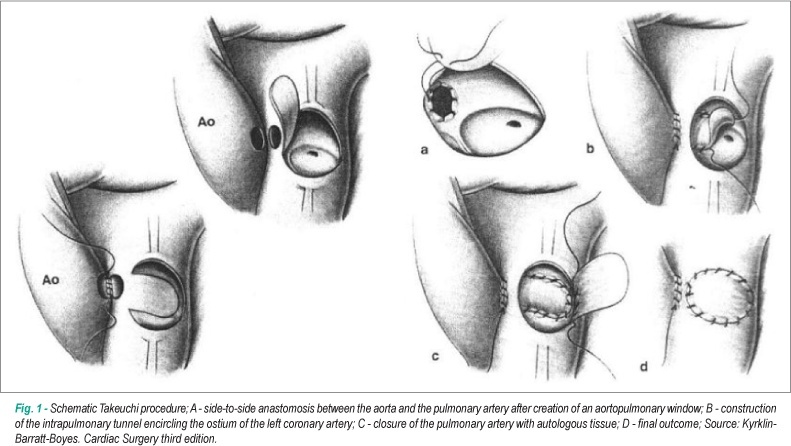
BACKGROUND: Evaluation of a case series of anomalous origin of the left coronary artery from the pulmonary artery corrected with the Takeuchi procedure, analyzing their immediate and late surgical outcomes as well as the related morbidity. OBJECTIVE: To report a case series of anomalous origin of the left coronary artery from the pulmonary artery corrected with the Takeuchi procedure. METHODS: The analysis was based on data collected from the medical records of 12 patients undergoing surgical correction between 1981 and 2003. RESULTS: The mean age of the patients was 5.9 ± 1.7 months. The predominant manifestation was heart failure, especially in the infants. The baseline electrocardiogram showed a Q wave in DI and aVL and signs of myocardial ischemia in ten cases. Echocardiogram with a pattern of dilated cardiomyopathy and mitral regurgitation was found in six patients. The mean age at surgical correction was 31.8 ± 14.3 months. The immediate surgical mortality was 16% (two patients), from cardiac dysfunction. In the outpatient follow-up we observed that the symptoms, ischemic electrocardiographic changes, cardiac function and mitral regurgitation improved. Three cases progressed with supravalvar pulmonary stenosis during follow-up. CONCLUSION: This heart disease should be suspected in every infant presenting with heart failure. Surgical correction with the Takeuchi procedure has proven efficient, with a low mortality rate. Cardiac function returns to normal and mitral regurgitation improves after surgical correction.

  • cardiac output, low
  • Cardiomyopathies
  • Coronary Disease
  • Heart Defects, Congenital
Read Full Article
Creative Commons Attribution (CC BY) Creative Commons license
27/03/2008 DOI: 10.1590/S0066-782X2008000300005 Views 1
Immune-inflammatory activation in heart failure
ABC
Revisão

Immune-inflammatory activation in heart failure

Angelo Michele de Candia et al. Humberto Villacorta Júnior Evandro Tinoco Mesquita

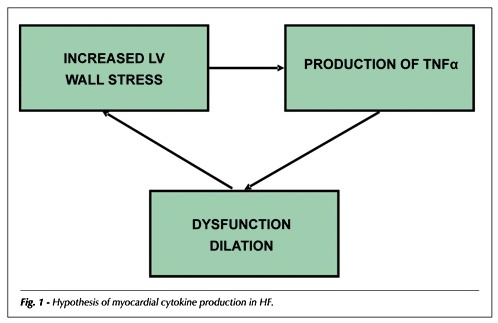
Despite being relatively recent, a growing and significant accumulation of experimental and clinical evidence has been observed that points to a gradual state of immune-inflammatory activation in patients with heart failure (HF). High levels of several cytokines are found in the circulation and cardiac muscle of individuals with HF, and invariably correlate with the severity of the disease. These cytokines act on endothelial dysfunction, oxidative stress, induction of anemia, myocyte apoptosis, and on the progressive loss of skeletal muscle mass – which is conventionally called the inflammatory paradigm of HF. Not only the myocardium, but also several tissues seem to synthesize these cytokines and perpetuate this continuous inflammatory state at a low degree, including leukocytes, monocytes, skeletal muscle cells and endothelial cells – in response to hemodynamic and infectious stimuli, to hypoxia, to oxidative stress, to neurohumoral activation, and others. Thus, a network of molecules that interact with each other is formed, and connections with other axes that effectively contribute to the clinical deterioration of the patients are also established – which fits into the pathophysiological model of multisystemic involvement that has been increasingly attributed to HF. Although the determination of these biomarkers in peripheral blood provides solid evidence of prognostic power, the results of therapeutic trials that modulated the immune-inflammatory loop in the clinical phase have been, so far, hardly encouraging. Therefore, we believe that a better understanding of the inflammatory activation and its multifaceted relation with the axes of decompensation of the disease is key for new therapeutic perspectives with a relevant impact to be established in the near future.

  • Adjuvants, immunologic
  • cardiac output, low
  • Cytokines
  • Inflammation
Read Full Article
Creative Commons Attribution (CC BY) Creative Commons license
25/09/2007 DOI: 10.1590/S0066-782X2007001500009 Views 2
Evaluation of respiratory muscle strength and pulmonary function in heart failure patients
ABC
Artigo Original

Evaluation of respiratory muscle strength and pulmonary function in heart failure patients

Luiz Alberto Forgiarini Junior et al. Angélica Rubleski Garcia Douglas Juliana Tieppo … Rafael Vercelino Adriane Dal Bosco Mariane Borba Monteiro Alexandre Simões Dias

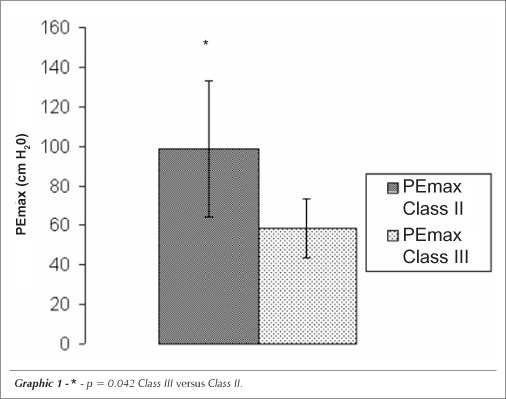
BACKGROUND: Heart failure (HF) is the inability of the heart to pump enough blood to supply the necessities of the body. Pulmonary function and respiratory muscles can be affected and typical symptoms presented by the patients include discomfort at a minimal exertion. OBJECTIVE: To verify pulmonary function and respiratory muscle strength in patients with class II and III HF as defined by the New York Heart Association (NYHA). METHODS: The study was descriptive and observational, and comprised 12 class II and III HF patients in follow-up at the out-patient. Pulmonary function assessments [Forced Expiratory Volume in the first second (FEV1) and Forced Vital Capacity (FVC)] were performed using microspirometry and respiratory muscle strength [Maximal Expiratory Pressure (MEPmax) and Maximal Inspiratory Pressure (MIPmax)] were evaluated using a pressure transducer (Globalmed™). RESULTS: Differences were found between the functional classes II and III in relation to pulmonary function: FEV1 (II: 91.17±19.87; III: 68.17±21.78); FVC (II: 68.17±21.78; III: 73.67±22.94); and respiratory muscle strength: MIPmax (II: 71.67±40.70; III: 53.33±29.27) and MEPmax (II: 98.83±34.56; III: 58.33±15.06). The class II were higher for all study parameters, only MEPmax revealed a statistically significant difference. CONCLUSION: The pulmonary function and respiratory muscle strength are impaired in heart failure patients class III patients, particularly in relation to MEPmax.

  • cardiac output, low
  • Heart Failure
  • Muscle Strength
  • pulmonary function
  • Respiratory Insufficiency
Read Full Article
Creative Commons Attribution (CC BY) Creative Commons license
28/08/2007 DOI: 10.1590/S0066-782X2007001300007 Views 1
The association between metabolic syndrome and its components and heart failure in patients referred to a primary care facility
ABC
Artigo Original

The association between metabolic syndrome and its components and heart failure in patients referred to a primary care facility

Flávio Augusto Colucci Coelho et al. Marco Aurélio Espósito Moutinho Verônica Alcooforado de Miranda Leandro Reis Tavares … Maurício Rachid Maria Luiza Garcia Rosa Evandro Tinoco Mesquita

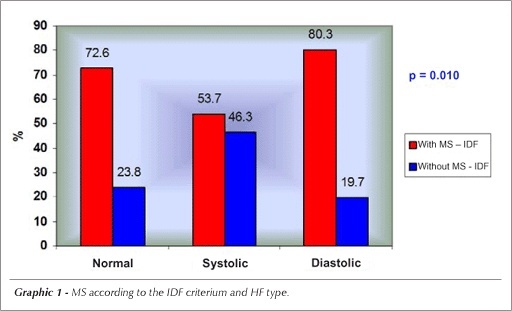
BACKGROUND: Metabolic syndrome (MS) is characterized by a collection of risk factors that are associated with elevated rates of cardiovascular events and the risk of developing heart failure (HF). In our field, the association of MS in stable chronic HF patients has not been established. OBJECTIVE: To determine the prevalence of MS in relation to gender and HF type in patients treated at a Primary Care Facility. METHODS: Between January 2005 and August 2006, 144 patients were included in a cross sectional study. An echocardiogram, using the modified criteria of the EPICA study, was performed to determine whether or not the patient had HF, and of which type. Statistical analysis was conducted using the software SAS™ System, version 6.04, and statistical significance was established as 5%. RESULTS: MS was observed in 111 patients (77%), of which 73 (66%) were females: odds ratio (OR) 0.195 – (confidence interval – CI = 0.08 – 0.46) and p< 0.0001. HF was identified in 102 patients (71%) with a great correlation between females and the presence of MS: 51 patients (65%); OR 0.116 (CI = 0.36- 0.37) and p < 0.0001. Among the HF patients, 61 (42%) presented HF with preserved systolic function and 41 (29%) with systolic dysfunction; p = ns. HF with preserved systolic function was associated with the presence of MS in 53 (87%) of the 61 patients, p = 0.022. CONCLUSION: In our community, MS is closely related to HF with preserved systolic function and to the female gender.

  • cardiac output, low
  • Heart Failure
  • Metabolic Syndrome
  • Primary Health Care
  • Women
Read Full Article
Creative Commons Attribution (CC BY) Creative Commons license
28/08/2007 DOI: 10.1590/S0066-782X2007001300008 Views 2
Effects of bisoprolol on cardiac function and exercise in patients with heart failure
ABC
Artigo Original

Effects of bisoprolol on cardiac function and exercise in patients with heart failure

Victor Sarli Issa et al. Guilherme Vieira Guimarães Marcos Valério Coimbra Rezende Fátima das Dores Cruz … Silvia Moreira Ayub Ferreira Fernando Bacal Edimar Alcides Bocchi

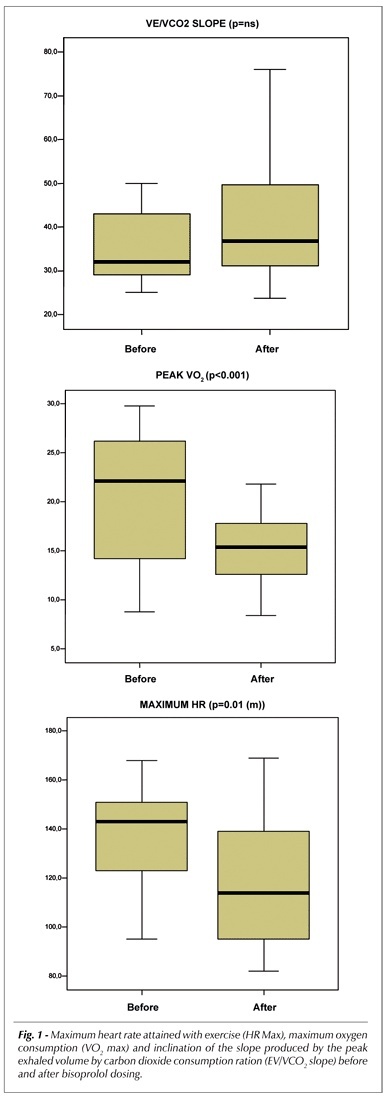
OBJECTIVE: To assess the effects of bisoprolol on exercise capacity and ventricular function in patients with heart failure. METHODS: Clinical and hemodynamic variables, ventricular function and remodeling, and ergospirometry of patients with heart failure of different etiologies were evaluated before and after the administration of bisoprolol. RESULTS: Twenty-two patients were analyzed; one patient did not tolerate medication and 14 patients reached the study goal. The group consisted of 9 men and 5 women, the mean age was 52 (36-64) years, and patients were followed during 551 days (238-1109). We observed an improvement in NYHA functional class, reduction in resting heart rate (78.8±8.7 vs 63±6.4 bpm, p <0.001), increase in left ventricular ejection fraction (31.3±8.5% vs 39±14.7%. p=0.043), and a tendency towards improved quality of life scores (31±20.6 vs 17.8±14.8. p=0.058). The maximum heart rate dropped during exercise (138.1±20.2 vs 116.7±27.1. p=0.01), as did peak oxygen consumption (20.9±6.8 vs 15.1±3.5. p<0.001); no change was observed on the EV/VCO2 slope. The effects were observed for all etiologies, including Chagas’ disease. CONCLUSION: Bisoprolol was safe and well tolerated in patients with heart failure. Bisoprolol therapy improved the symptoms, hemodynamic variables, as well as the cardiac function for all etiologies; however, it did not result in improved exercise capacity.

  • Adrenergic beta-Antagonists
  • Bisoprolol
  • cardiac output, low
  • Exercise
Read Full Article
Creative Commons Attribution (CC BY) Creative Commons license
21/05/2007 DOI: 10.1590/S0066-782X2007000300014 Views 1
Pressure response in chagasic cardiomyopathy patients after using sildenafil
ABC
Comunicação Breve

Pressure response in chagasic cardiomyopathy patients after using sildenafil

Rodrigo Abensur Athanazio et al. Daniel Meira Freitas Daniela Batista de Almeida Nei Dantas Francisco Reis

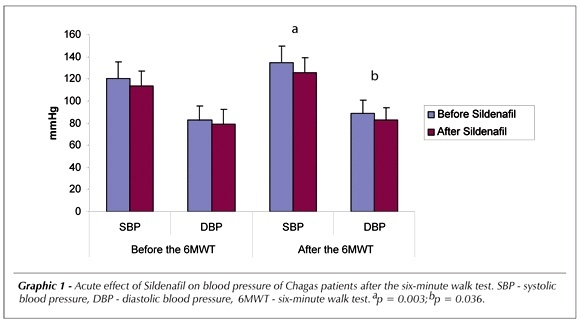
OBJECTIVE: To accurately verify the effect of Sildenafil on blood pressure (BP) and heart rate (HR) in individuals with Chagasic myocardiopathy (CMC) and severe systolic ventricular dysfunction (EF<40%) submitted to physical activity. METHODS: Twelve men with ejection fractions <40% and CMC confirmed by a serological test were assessed. The six-minute walk test (6MWT) was performed before and after administration of 50 mg of Sildenafil, with a 30 minute interval. Heart rate (HR), systolic blood pressure (SBP) and diastolic blood pressure were taken and compared before and after each 6MWT. For statistical analysis purposes, the study was divided into four stages: before the 6MWT and administration of Sildenafil (S1); after the 6MWT but before the administration of Sildenafil (S2); after the administration of Sildenafil but before the 6MWT (S3); and after the administration of Sildenafil and the 6MWT (S4). RESULTS: Participant ages ranged from 47 to 68 years (57.6 ± 6.4). SBP and DBP after the 6MWT and the administration of Sildenafil (S4) were lower than before taking the drug (S2): 134.2 ± 15.1 versus 125.5 ± 14.0 and 88.4 ± 12.4 versus 83.0 ± 10.8, respectively. None of the patients reported any symptoms during the 6MWT. There were no differences in the distances walked during the 6MWT before or after taking Sildenafil (487.5±15.22 versus 505.3±18.45 meters, respectively)-p=0.056, or in HR (before Sildenafil 75.5 ± 8.79 and 96.8 ± 10.36 bpm and after 77.1 ± 9.81 and 96.1 ± 12.97 bpm). CONCLUSION: Based on these results, it can be concluded that both prediction equations significantly overestimated HRmax measured during maximal GXT in Brazilian elderly women, a finding that may have important implications when prescribing exercise intensity for this population. In addition, HRmax was inversely related to the volunteers’ age, suggesting that the chronotropic reserve continues to decline after age 60.

  • cardiac output, low
  • Chagas Cardiomyopathy
  • Chagas disease
  • sildenafil
Read Full Article
Creative Commons Attribution (CC BY) Creative Commons license
21/05/2007 DOI: 10.1590/S0066-782X2007000300018 Views 1

How to cite this article

EndNote RIS

Electronic Document Format (Vancouver)

Alegria S. Acute Hemodynamic Index Predicts In-Hospital Mortality in Acute Decompensated Heart Failure. Arquivos Brasileiros de Cardiologia 2021;116(1):87-8.

Electronic Document Format (ABNT)

Alegria, Sofia. Acute Hemodynamic Index Predicts In-Hospital Mortality in Acute Decompensated Heart Failure. Arquivos Brasileiros de Cardiologia, v. 116, n. 1, p. 87-88, Feb. 2021.

Electronic Document Format (APA)

Alegria, S. (2021). Acute Hemodynamic Index Predicts In-Hospital Mortality in Acute Decompensated Heart Failure. Arquivos Brasileiros de Cardiologia, 116(1), 87-88.

Electronic Document Format (ISO)

Alegria, Sofia. Acute Hemodynamic Index Predicts In-Hospital Mortality in Acute Decompensated Heart Failure. Arquivos Brasileiros de Cardiologia [online]. 2021, vol. 116, n. 1, [cited 2026-10-14], pp. 87-88. Available from: <https://journals.cardiol.br/en/article/acute-hemodynamic-index-predicts-in-hospital-mortality-in-acute-decompensated-heart-failure/>. ISSN 0066-782X

EndNote RIS

Electronic Document Format (Vancouver)

Passos LCS, Barbosa ACC, Oliveira MG, Santos Jr EG. Is there evidence favoring the use of beta-blockers and dobutamine in acute heart failure?. Arquivos Brasileiros de Cardiologia 2013;100(2):190-7.

Electronic Document Format (ABNT)

Passos, Luiz Carlos Santana; Barbosa, Andréa Cristina Costa; Oliveira, Márcio Galvão; Santos Jr, Edval Gomes. Is there evidence favoring the use of beta-blockers and dobutamine in acute heart failure?. Arquivos Brasileiros de Cardiologia, v. 100, n. 2, p. 190-197, Mar. 2013.

Electronic Document Format (APA)

Passos, L. C. S., Barbosa, A. C. C., Oliveira, M. G., & Santos Jr, E. G. (2013). Is there evidence favoring the use of beta-blockers and dobutamine in acute heart failure?. Arquivos Brasileiros de Cardiologia, 100(2), 190-197.

Electronic Document Format (ISO)

Passos, Luiz Carlos Santana and Barbosa, Andréa Cristina Costa and Oliveira, Márcio Galvão and Santos Jr, Edval Gomes. Is there evidence favoring the use of beta-blockers and dobutamine in acute heart failure?. Arquivos Brasileiros de Cardiologia [online]. 2013, vol. 100, n. 2, [cited 2026-10-14], pp. 190-197. Available from: <https://journals.cardiol.br/en/article/is-there-evidence-favoring-the-use-of-beta-blockers-and-dobutamine-in-acute-heart-failure/>. ISSN 0066-782X

EndNote RIS

Electronic Document Format (Vancouver)

Vecchis RD, Ciccarelli A, Ariano C. Inferior Vena Cava collapsibility and heart failure signs and symptoms: new insights about possible links. Arquivos Brasileiros de Cardiologia 2012;98(6):544-52.

Electronic Document Format (ABNT)

Vecchis, Renato De; Ciccarelli, Antonio; Ariano, Carmelina. Inferior Vena Cava collapsibility and heart failure signs and symptoms: new insights about possible links. Arquivos Brasileiros de Cardiologia, v. 98, n. 6, p. 544-552, May. 2012.

Electronic Document Format (APA)

Vecchis, R. D., Ciccarelli, A., & Ariano, C. (2012). Inferior Vena Cava collapsibility and heart failure signs and symptoms: new insights about possible links. Arquivos Brasileiros de Cardiologia, 98(6), 544-552.

Electronic Document Format (ISO)

Vecchis, Renato De and Ciccarelli, Antonio and Ariano, Carmelina. Inferior Vena Cava collapsibility and heart failure signs and symptoms: new insights about possible links. Arquivos Brasileiros de Cardiologia [online]. 2012, vol. 98, n. 6, [cited 2026-10-14], pp. 544-552. Available from: <https://journals.cardiol.br/en/article/inferior-vena-cava-collapsibility-and-heart-failure-signs-and-symptoms-new-insights-about-possible-links/>. ISSN 0066-782X

EndNote RIS

Electronic Document Format (Vancouver)

Montera MW, Drumond C, Takiya C, Mesquita CT, Dohmann HFR, Mady C. Correlation of myocardial interstitial collagen in the right ventricular septum with ventricular function of patients with ischemic cardiomyopathy. Arquivos Brasileiros de Cardiologia 2009;92(1):54-62.

Electronic Document Format (ABNT)

Montera, Marcelo Westerlund; Drumond, Cantídio; Takiya, Cristina; Mesquita, Cláudio Tinoco; Dohmann, Hans Fernando R.; Mady, Charles. Correlation of myocardial interstitial collagen in the right ventricular septum with ventricular function of patients with ischemic cardiomyopathy. Arquivos Brasileiros de Cardiologia, v. 92, n. 1, p. 54-62, Feb. 2009.

Electronic Document Format (APA)

Montera, M. W., Drumond, C., Takiya, C., Mesquita, C. T., Dohmann, H. F. R., & Mady, C. (2009). Correlation of myocardial interstitial collagen in the right ventricular septum with ventricular function of patients with ischemic cardiomyopathy. Arquivos Brasileiros de Cardiologia, 92(1), 54-62.

Electronic Document Format (ISO)

Montera, Marcelo Westerlund and Drumond, Cantídio and Takiya, Cristina and Mesquita, Cláudio Tinoco and Dohmann, Hans Fernando R. and Mady, Charles. Correlation of myocardial interstitial collagen in the right ventricular septum with ventricular function of patients with ischemic cardiomyopathy. Arquivos Brasileiros de Cardiologia [online]. 2009, vol. 92, n. 1, [cited 2026-10-14], pp. 54-62. Available from: <https://journals.cardiol.br/en/article/correlation-of-myocardial-interstitial-collagen-in-the-right-ventricular-septum-with-ventricular-function-of-patients-with-ischemic-cardiomyopathy/>. ISSN 0066-782X

EndNote RIS

Electronic Document Format (Vancouver)

Issa VS, Taniguchi LU, Park M, Cruz LM, Bocchi EA, Velasco IT, Soriano F, et al. Positive end-expiratory pressure and renal function influence B-type natriuretic peptide in patients with severe sepsis and septic shock. Arquivos Brasileiros de Cardiologia 2008;91(2):119-25.

Electronic Document Format (ABNT)

Issa, Victor Sarli; Taniguchi, Leandro Utino; Park, Marcelo; Cruz, Luiz Monteiro; Bocchi, Edimar Alcides; Velasco, Irineu Tadeu; Soriano, Francisco. Positive end-expiratory pressure and renal function influence B-type natriuretic peptide in patients with severe sepsis and septic shock. Arquivos Brasileiros de Cardiologia, v. 91, n. 2, p. 119-125, Aug. 2008.

Electronic Document Format (APA)

Issa, V. S., Taniguchi, L. U., Park, M., Cruz, L. M., Bocchi, E. A., Velasco, I. T., & Soriano, F. (2008). Positive end-expiratory pressure and renal function influence B-type natriuretic peptide in patients with severe sepsis and septic shock. Arquivos Brasileiros de Cardiologia, 91(2), 119-125.

Electronic Document Format (ISO)

Issa, Victor Sarli and Taniguchi, Leandro Utino and Park, Marcelo and Cruz, Luiz Monteiro and Bocchi, Edimar Alcides and Velasco, Irineu Tadeu and Soriano, Francisco. Positive end-expiratory pressure and renal function influence B-type natriuretic peptide in patients with severe sepsis and septic shock. Arquivos Brasileiros de Cardiologia [online]. 2008, vol. 91, n. 2, [cited 2026-10-14], pp. 119-125. Available from: <https://journals.cardiol.br/en/article/positive-end-expiratory-pressure-and-renal-function-influence-b-type-natriuretic-peptide-in-patients-with-severe-sepsis-and-septic-shock/>. ISSN 0066-782X

EndNote RIS

Electronic Document Format (Vancouver)

Saraiva RM, Rocha RCC, Martins AF, Duarte DM, Peixoto RS, Castro SH, Gallicchio CT, et al. Tissue doppler imaging as a long-term prognostic index in left ventricular systolic dysfunction. Arquivos Brasileiros de Cardiologia 2008;91(2):85-92.

Electronic Document Format (ABNT)

Saraiva, Roberto Magalhães; Rocha, Rita de Cássia Castelli da; Martins, Adriana Ferraz; Duarte, Dario Marins; Peixoto, Renata da Silva; Castro, Simone Henriques de; Gallicchio, Carla Tavares; Araújo, Andréa Lúcia de; Kaiser, Sérgio Emanuel. Tissue doppler imaging as a long-term prognostic index in left ventricular systolic dysfunction. Arquivos Brasileiros de Cardiologia, v. 91, n. 2, p. 85-92, Aug. 2008.

Electronic Document Format (APA)

Saraiva, R. M., Rocha, R. C. C. , Martins, A. F., Duarte, D. M., Peixoto, R. S., Castro, S. H. , Gallicchio, C. T., Araújo, A. L. , & Kaiser, S. E. (2008). Tissue doppler imaging as a long-term prognostic index in left ventricular systolic dysfunction. Arquivos Brasileiros de Cardiologia, 91(2), 85-92.

Electronic Document Format (ISO)

Saraiva, Roberto Magalhães and Rocha, Rita de Cássia Castelli da and Martins, Adriana Ferraz and Duarte, Dario Marins and Peixoto, Renata da Silva and Castro, Simone Henriques de and Gallicchio, Carla Tavares and Araújo, Andréa Lúcia de and Kaiser, Sérgio Emanuel. Tissue doppler imaging as a long-term prognostic index in left ventricular systolic dysfunction. Arquivos Brasileiros de Cardiologia [online]. 2008, vol. 91, n. 2, [cited 2026-10-14], pp. 85-92. Available from: <https://journals.cardiol.br/en/article/tissue-doppler-imaging-as-a-long-term-prognostic-index-in-left-ventricular-systolic-dysfunction/>. ISSN 0066-782X

EndNote RIS

Electronic Document Format (Vancouver)

Ladeiras-Lopes R, Ferreira-Martins J, Leite-Moreira AF. The apelinergic system: the role played in human physiology and pathology and potential therapeutic applications. Arquivos Brasileiros de Cardiologia 2008;90(5):374-80.

Electronic Document Format (ABNT)

Ladeiras-Lopes, Ricardo; Ferreira-Martins, João; Leite-Moreira, Adelino F.. The apelinergic system: the role played in human physiology and pathology and potential therapeutic applications. Arquivos Brasileiros de Cardiologia, v. 90, n. 5, p. 374-380, May. 2008.

Electronic Document Format (APA)

Ladeiras-Lopes, R., Ferreira-Martins, J., & Leite-Moreira, A. F. (2008). The apelinergic system: the role played in human physiology and pathology and potential therapeutic applications. Arquivos Brasileiros de Cardiologia, 90(5), 374-380.

Electronic Document Format (ISO)

Ladeiras-Lopes, Ricardo and Ferreira-Martins, João and Leite-Moreira, Adelino F.. The apelinergic system: the role played in human physiology and pathology and potential therapeutic applications. Arquivos Brasileiros de Cardiologia [online]. 2008, vol. 90, n. 5, [cited 2026-10-14], pp. 374-380. Available from: <https://journals.cardiol.br/en/article/the-apelinergic-system-the-role-played-in-human-physiology-and-pathology-and-potential-therapeutic-applications/>. ISSN 0066-782X

EndNote RIS

Electronic Document Format (Vancouver)

Rocha RM, Silva GV, Albuquerque DC, Tura BR, Albanesi Filho FM. Influence of spironolactone therapy on thiamine blood levels in patients with heart failure. Arquivos Brasileiros de Cardiologia 2008;90(5):355-9.

Electronic Document Format (ABNT)

Rocha, Ricardo Mourilhe; Silva, Guilherme Vianna e; Albuquerque, Denilson Campos de; Tura, Bernardo Rangel; Albanesi Filho, Francisco Manes. Influence of spironolactone therapy on thiamine blood levels in patients with heart failure. Arquivos Brasileiros de Cardiologia, v. 90, n. 5, p. 355-359, May. 2008.

Electronic Document Format (APA)

Rocha, R. M., Silva, G. V. , Albuquerque, D. C. , Tura, B. R., & Albanesi Filho, F. M. (2008). Influence of spironolactone therapy on thiamine blood levels in patients with heart failure. Arquivos Brasileiros de Cardiologia, 90(5), 355-359.

Electronic Document Format (ISO)

Rocha, Ricardo Mourilhe and Silva, Guilherme Vianna e and Albuquerque, Denilson Campos de and Tura, Bernardo Rangel and Albanesi Filho, Francisco Manes. Influence of spironolactone therapy on thiamine blood levels in patients with heart failure. Arquivos Brasileiros de Cardiologia [online]. 2008, vol. 90, n. 5, [cited 2026-10-14], pp. 355-359. Available from: <https://journals.cardiol.br/en/article/influence-of-spironolactone-therapy-on-thiamine-blood-levels-in-patients-with-heart-failure/>. ISSN 0066-782X

EndNote RIS

Electronic Document Format (Vancouver)

Lenzi AW, Solarewicz L, Ferreira WS, Sallum F, Miyague NI. Analysis of the takeuchi procedure for the treatment of anomalous origin of the left coronary artery from the pulmonary artery. Arquivos Brasileiros de Cardiologia 2008;90(3):185-90.

Electronic Document Format (ABNT)

Lenzi, Andrea Weirich; Solarewicz, Leo; Ferreira, Wanderley Saviollo; Sallum, Fábio; Miyague, Nelson Itiro. Analysis of the takeuchi procedure for the treatment of anomalous origin of the left coronary artery from the pulmonary artery. Arquivos Brasileiros de Cardiologia, v. 90, n. 3, p. 185-190, Mar. 2008.

Electronic Document Format (APA)

Lenzi, A. W., Solarewicz, L., Ferreira, W. S., Sallum, F., & Miyague, N. I. (2008). Analysis of the takeuchi procedure for the treatment of anomalous origin of the left coronary artery from the pulmonary artery. Arquivos Brasileiros de Cardiologia, 90(3), 185-190.

Electronic Document Format (ISO)

Lenzi, Andrea Weirich and Solarewicz, Leo and Ferreira, Wanderley Saviollo and Sallum, Fábio and Miyague, Nelson Itiro. Analysis of the takeuchi procedure for the treatment of anomalous origin of the left coronary artery from the pulmonary artery. Arquivos Brasileiros de Cardiologia [online]. 2008, vol. 90, n. 3, [cited 2026-10-14], pp. 185-190. Available from: <https://journals.cardiol.br/en/article/analysis-of-the-takeuchi-procedure-for-the-treatment-of-anomalous-origin-of-the-left-coronary-artery-from-the-pulmonary-artery/>. ISSN 0066-782X

EndNote RIS

Electronic Document Format (Vancouver)

Candia AM, Villacorta Júnior H, Mesquita ET. Immune-inflammatory activation in heart failure. Arquivos Brasileiros de Cardiologia 2007;89(3):201-8.

Electronic Document Format (ABNT)

Candia, Angelo Michele de; Villacorta Júnior, Humberto; Mesquita, Evandro Tinoco. Immune-inflammatory activation in heart failure. Arquivos Brasileiros de Cardiologia, v. 89, n. 3, p. 201-208, Sep. 2007.

Electronic Document Format (APA)

Candia, A. M. , Villacorta Júnior, H., & Mesquita, E. T. (2007). Immune-inflammatory activation in heart failure. Arquivos Brasileiros de Cardiologia, 89(3), 201-208.

Electronic Document Format (ISO)

Candia, Angelo Michele de and Villacorta Júnior, Humberto and Mesquita, Evandro Tinoco. Immune-inflammatory activation in heart failure. Arquivos Brasileiros de Cardiologia [online]. 2007, vol. 89, n. 3, [cited 2026-10-14], pp. 201-208. Available from: <https://journals.cardiol.br/en/article/immune-inflammatory-activation-in-heart-failure/>. ISSN 0066-782X

EndNote RIS

Electronic Document Format (Vancouver)

Forgiarini Junior LA, Rubleski A, Douglas G, Tieppo J, Vercelino R, Bosco AD, Monteiro MB, et al. Evaluation of respiratory muscle strength and pulmonary function in heart failure patients. Arquivos Brasileiros de Cardiologia 2007;89(1):36-41.

Electronic Document Format (ABNT)

Forgiarini Junior, Luiz Alberto; Rubleski, Angélica; Douglas, Garcia; Tieppo, Juliana; Vercelino, Rafael; Bosco, Adriane Dal; Monteiro, Mariane Borba; Dias, Alexandre Simões. Evaluation of respiratory muscle strength and pulmonary function in heart failure patients. Arquivos Brasileiros de Cardiologia, v. 89, n. 1, p. 36-41, Aug. 2007.

Electronic Document Format (APA)

Forgiarini Junior, L. A., Rubleski, A., Douglas, G., Tieppo, J., Vercelino, R., Bosco, A. D., Monteiro, M. B., & Dias, A. S. (2007). Evaluation of respiratory muscle strength and pulmonary function in heart failure patients. Arquivos Brasileiros de Cardiologia, 89(1), 36-41.

Electronic Document Format (ISO)

Forgiarini Junior, Luiz Alberto and Rubleski, Angélica and Douglas, Garcia and Tieppo, Juliana and Vercelino, Rafael and Bosco, Adriane Dal and Monteiro, Mariane Borba and Dias, Alexandre Simões. Evaluation of respiratory muscle strength and pulmonary function in heart failure patients. Arquivos Brasileiros de Cardiologia [online]. 2007, vol. 89, n. 1, [cited 2026-10-14], pp. 36-41. Available from: <https://journals.cardiol.br/en/article/evaluation-of-respiratory-muscle-strength-and-pulmonary-function-in-heart-failure-patients/>. ISSN 0066-782X

EndNote RIS

Electronic Document Format (Vancouver)

Coelho FAC, Moutinho MAE, Miranda VA, Tavares LR, Rachid M, Rosa MLG, Mesquita ET, et al. The association between metabolic syndrome and its components and heart failure in patients referred to a primary care facility. Arquivos Brasileiros de Cardiologia 2007;89(1):42-51.

Electronic Document Format (ABNT)

Coelho, Flávio Augusto Colucci; Moutinho, Marco Aurélio Espósito; Miranda, Verônica Alcooforado de; Tavares, Leandro Reis; Rachid, Maurício; Rosa, Maria Luiza Garcia; Mesquita, Evandro Tinoco. The association between metabolic syndrome and its components and heart failure in patients referred to a primary care facility. Arquivos Brasileiros de Cardiologia, v. 89, n. 1, p. 42-51, Aug. 2007.

Electronic Document Format (APA)

Coelho, F. A. C., Moutinho, M. A. E., Miranda, V. A. , Tavares, L. R., Rachid, M., Rosa, M. L. G., & Mesquita, E. T. (2007). The association between metabolic syndrome and its components and heart failure in patients referred to a primary care facility. Arquivos Brasileiros de Cardiologia, 89(1), 42-51.

Electronic Document Format (ISO)

Coelho, Flávio Augusto Colucci and Moutinho, Marco Aurélio Espósito and Miranda, Verônica Alcooforado de and Tavares, Leandro Reis and Rachid, Maurício and Rosa, Maria Luiza Garcia and Mesquita, Evandro Tinoco. The association between metabolic syndrome and its components and heart failure in patients referred to a primary care facility. Arquivos Brasileiros de Cardiologia [online]. 2007, vol. 89, n. 1, [cited 2026-10-14], pp. 42-51. Available from: <https://journals.cardiol.br/en/article/the-association-between-metabolic-syndrome-and-its-components-and-heart-failure-in-patients-referred-to-a-primary-care-facility/>. ISSN 0066-782X

EndNote RIS

Electronic Document Format (Vancouver)

Issa VS, Guimarães GV, Rezende MVC, Cruz FD, Ferreira SMA, Bacal F, Bocchi EA, et al. Effects of bisoprolol on cardiac function and exercise in patients with heart failure. Arquivos Brasileiros de Cardiologia 2007;88(3):340-5.

Electronic Document Format (ABNT)

Issa, Victor Sarli; Guimarães, Guilherme Vieira; Rezende, Marcos Valério Coimbra; Cruz, Fátima das Dores; Ferreira, Silvia Moreira Ayub; Bacal, Fernando; Bocchi, Edimar Alcides. Effects of bisoprolol on cardiac function and exercise in patients with heart failure. Arquivos Brasileiros de Cardiologia, v. 88, n. 3, p. 340-345, May. 2007.

Electronic Document Format (APA)

Issa, V. S., Guimarães, G. V., Rezende, M. V. C., Cruz, F. D., Ferreira, S. M. A., Bacal, F., & Bocchi, E. A. (2007). Effects of bisoprolol on cardiac function and exercise in patients with heart failure. Arquivos Brasileiros de Cardiologia, 88(3), 340-345.

Electronic Document Format (ISO)

Issa, Victor Sarli and Guimarães, Guilherme Vieira and Rezende, Marcos Valério Coimbra and Cruz, Fátima das Dores and Ferreira, Silvia Moreira Ayub and Bacal, Fernando and Bocchi, Edimar Alcides. Effects of bisoprolol on cardiac function and exercise in patients with heart failure. Arquivos Brasileiros de Cardiologia [online]. 2007, vol. 88, n. 3, [cited 2026-10-14], pp. 340-345. Available from: <https://journals.cardiol.br/en/article/effects-of-bisoprolol-on-cardiac-function-and-exercise-in-patients-with-heart-failure/>. ISSN 0066-782X

EndNote RIS

Electronic Document Format (Vancouver)

Athanazio RA, Freitas DM, Almeida DB, Dantas N, Reis F. Pressure response in chagasic cardiomyopathy patients after using sildenafil. Arquivos Brasileiros de Cardiologia 2007;88(3):367-70.

Electronic Document Format (ABNT)

Athanazio, Rodrigo Abensur; Freitas, Daniel Meira; Almeida, Daniela Batista de; Dantas, Nei; Reis, Francisco. Pressure response in chagasic cardiomyopathy patients after using sildenafil. Arquivos Brasileiros de Cardiologia, v. 88, n. 3, p. 367-370, May. 2007.

Electronic Document Format (APA)

Athanazio, R. A., Freitas, D. M., Almeida, D. B. , Dantas, N., & Reis, F. (2007). Pressure response in chagasic cardiomyopathy patients after using sildenafil. Arquivos Brasileiros de Cardiologia, 88(3), 367-370.

Electronic Document Format (ISO)

Athanazio, Rodrigo Abensur and Freitas, Daniel Meira and Almeida, Daniela Batista de and Dantas, Nei and Reis, Francisco. Pressure response in chagasic cardiomyopathy patients after using sildenafil. Arquivos Brasileiros de Cardiologia [online]. 2007, vol. 88, n. 3, [cited 2026-10-14], pp. 367-370. Available from: <https://journals.cardiol.br/en/article/pressure-response-in-chagasic-cardiomyopathy-patients-after-using-sildenafil/>. ISSN 0066-782X

  • About ABC Family
  • Internal Regulation
  • Editorial Board
  • Brazilian Society of Cardiology (SBC)

Issues

SBC Guidelines

  • Videos
  • Podcasts
  • News