| ABC
ABC Family Arquivos Brasileiros de Cardiologia International Journal of Cardiovascular Sciences ABC Heart Failure & Cardiomyopathy ABC Imagem Cardiovascular
Português English
ABC Family | ABC
Português English
  • About
    • About the Journal
    • Internal Regulation
    • Editors Section
    • Editorial Board
    • History
    • SBC Award
  • Instructions to Authors
    • Guidelines for Publication
    • Editorial Policy
    • Ethics Policy
    • Policy on the Use of Artificial Intelligence
    • Mandatory Publication Form
    • Publication Fee
  • Issues
  • SBC Guidelines
  • Abstracts
    • How to Publish an Abstract Supplement?
    • Supplements from the Brazilian Congress of Cardiology
  • About
    • About the Journal
    • Internal Regulation
    • Editors Section
    • Editorial Board
    • History
    • SBC Award
  • Instructions to Authors
    • Guidelines for Publication
    • Editorial Policy
    • Ethics Policy
    • Policy on the Use of Artificial Intelligence
    • Mandatory Publication Form
    • Publication Fee
  • Issues
  • SBC Guidelines
  • Abstracts
    • How to Publish an Abstract Supplement?
    • Supplements from the Brazilian Congress of Cardiology

ABC Family

  • ABC Family
  • Arquivos Brasileiros de Cardiologia
  • International Journal of Cardiovascular Sciences
  • ABC Heart Failure & Cardiomyopathy
  • ABC Imagem Cardiovascular
Search in

No content found.

Journals
Ordering
Article types
Others

  1. Home
  2. ABC
  3. Issues
  4. 2009, Volume 93, Number 2
Echocardiographic features of non-compaction cardiomyopathy: missed and misdiagnosed disease
Case Report

Echocardiographic features of non-compaction cardiomyopathy: missed and misdiagnosed disease

Francisco Martínez-Baca López et al. Rosa Marisol Alonso Bravo Domingo Arturo Rodríguez Huerta

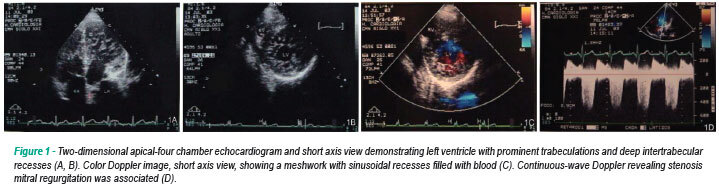
Non-compaction cardiomyopathy is a rare disease, anatomically characterized by a prominent trabecular pattern and deep intertrabecular recesses. Its clinical manifestations include severe left ventricular dysfunction, arrhythmias, systemic embolism, and sudden death. In this report, two cases of patients of different ages with non-compaction cardiomyopathy are described: a male schoolboy whose pathology was associated with mitral stenosis and regurgitation and a 50-year-old female with history of high blood pressure and cardiac failure.

  • Arrhythmias
  • cardiac
  • Cardiomyopathies
  • Death
  • Embolism
  • left
  • sudden
  • Ventricular Dysfunction
Read Full Article
Creative Commons Attribution (CC BY) Creative Commons license
13/10/2009 DOI: 10.1590/S0066-782X2009000800024 Views 1
Predictors of hospital mortality in hemodynamically stable patients with pulmonary embolism
Artigo Original

Predictors of hospital mortality in hemodynamically stable patients with pulmonary embolism

André Volschan et al. Denilson Albuquerque Bernardo Rangel Tura Marcos Knibel … José Péricles Esteves Luiz Carlos Bodanese Francisco Silveira João Pantoja Paulo Cesar Pereira da Silva e Souza João Mansur Evandro Tinoco Mesquita

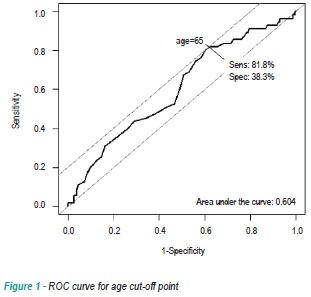
BACKGROUND: Pulmonary embolism is associated with high mortality in patients with hypotension or circulatory shock. However, the association between some clinical variables and mortality is still unclear in hemodynamically stable patients. OBJECTIVES: To derive an in-hospital mortality risk stratification model in hemodynamically stable patients with pulmonary embolism. METHODS: This is a prospective multicenter cohort study of 582 consecutive patients admitted in emergency units or intensive care units with clinically suspected pulmonary embolism and whose diagnosis was confirmed by one or more of the following tests: pulmonary arteriography, spiral CT angiography, magnetic resonance angiography, Doppler echocardiography, pulmonary scintigraphy, or venous duplex scan. Data on demographics, comorbidities and clinical manifestations were collected and included in a logistic regression analysis so as to build the prediction model. RESULTS: Overall mortality was 14.1%. The following parameters were identified as independent death risk variables: age > 65 years, bed rest > 72h, chronic cor pulmonale, sinus tachycardia, and tachypnea. After risk stratification, mortalities of 5.4%, 17.8%, and 31.3% were found in the low, moderate and high-risk subgroups, respectively. The model showed 65.5% sensitivity and 80% specificity, with a 0.77 area under the curve. CONCLUSION: In hemodynamically stable patients with pulmonary embolism, age > 65 years, bed rest > 72h, chronic cor pulmonale, sinus tachycardia and tachypnea were independent predictors of in-hospital mortality. However, further validation of the prediction model in other populations is required so that it can be incorporated into the clinical practice.

  • Hospital Mortality
  • Pulmonary embolism
  • Pulmonary Heart Disease
  • sinus
  • Tachycardia
Read Full Article
Creative Commons Attribution (CC BY) Creative Commons license
13/10/2009 DOI: 10.1590/S0066-782X2009000800011
Ventricular fibrillation during sport activity successfully treated
Case Report

Ventricular fibrillation during sport activity successfully treated

Maria Margarita Gonzalez et al. Flávio Rocha Brito Marques Caio Brito Vianna Carlos Alberto Eid … Gilson Soares Feitosa-Filho Sergio Timerman

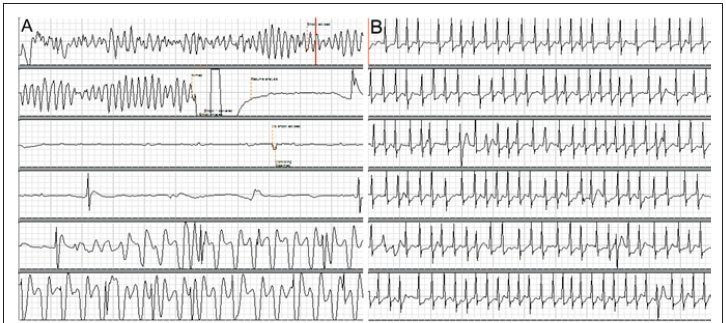
Survival after out-of-hospital cardiopulmonary arrest is estimated at less than 5%. We report a case of ventricular fibrillation during sports activity. Cardiopulmonary resuscitation was initiated early by a layperson, and defibrillation was successfully performed within less than three minutes, with an automated external defibrillator. The public access to defibrillation programs has increased the survival after out-of-hospital ventricular fibrillation. We should encourage the training of laypeople in relation to the use of automated external defibrillators and the Basic Life Support program by stimulating their implementation in places where large numbers of people gather or where people are at a high risk of sudden death, as is the case of sports centers.

  • Cardiopulmonary Resuscitation
  • Defibrillators
  • Exercise
  • Ventricular Fibrillation
Read Full Article
Creative Commons Attribution (CC BY) Creative Commons license
13/10/2009 DOI: 10.1590/S0066-782X2009000800022
Association between initial and final transient heart rate responses in exercise testing
Artigo Original

Association between initial and final transient heart rate responses in exercise testing

Gisele Messias Mattioli et al. Claudio Gil Soares de Araújo

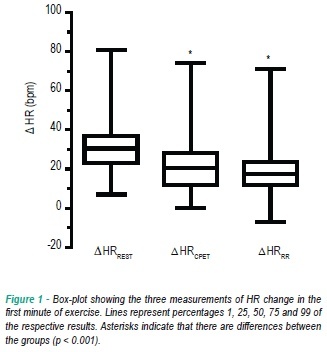
BACKGROUND: The rest-exercise-rest transition is accompanied by rapid and slow heart rate (HR) changes modulated by the branches of the autonomic nervous system. Vagal participation seems to be distinct in these different transitions. Additionally, it is methodologically difficult to determine the best moment and how to measure resting HR. OBJECTIVE: To determine the association between initial (rapid and slow) and final transient HR responses during exercise, considering different forms of measuring resting HR. METHODS: We retrospectively studied 103 non-athlete adults (76 males) who underwent 4-second exercise test to obtain the rapid transient HR response as measured by the cardiac vagal index (CVI), and completed a maximal cardiopulmonary exercise test in exactly 10 minutes. HR changes were measured in the first few minutes of exercise (ΔHR) and recovery (dHR). RESULTS: Modest associations were found between CVI and the three forms of measuring ΔHR, r between 0.27 and 0.31 (p<0.05), and a more significant association between dHR and CVI, r=0.53 (p<0.05). The means of the three measurements of resting HR were different (p<0.05) and showed only reasonable correlations between them (r between 0.64 and 0.76; p<0.05). CONCLUSION: It is important to standardize the measurement of resting HR for the analysis of transient HR responses; small or moderate association between the results of the different transients suggests that partially distinct autonomic mechanisms are involved and that their measurements may provide different and potentially complementary clinical information.

  • Exercise
  • Exercise Rate
  • Heart Rate
  • Rest
Read Full Article
Creative Commons Attribution (CC BY) Creative Commons license
13/10/2009 DOI: 10.1590/S0066-782X2009000800012 Views 1
Artigo Original

Prospective double-blind crossover study of Camellia sinensis (green tea) in dyslipidemias

Gesiani de Almeida Pierin Batista et al. Cláudio L. Pereira da Cunha Mariléia Scartezini Raul von der Heyde … Murílo G Bitencourt Sandra Fabrício de Melo

BACKGROUND: Epidemiological studies have established an association between dyslipidemias and atherosclerosis. Nutritional therapy is a key point in the prevention strategy for individuals who present with risk factors for atherosclerotic disease. OBJECTIVES: To investigate the effects of green tea (Camellia sinensis) in patients with dyslipidemias. METHODS: The study included 33 patients aged between 21 and 71 years who had a low-fat diet (25-35% of total calories and 200 mg of cholesterol per day). They were randomized for two sequential treatments: 250-mg capsules of green tea dry extract or placebo for a total period of 16 weeks; each patient received green tea (Camellia sinensis) for eight weeks and placebo for another eight weeks. RESULTS: Baseline lipid values (mg/dL) were: HDL-cholesterol 60.7 ± 7.3; total cholesterol 255 ± 30.9; LDL-cholesterol 158.8 ± 29.0; triglycerides 169.0 ± 61.3 and Apo-B 120.2 ± 18.9. Mean lipid variations induced by the use of green tea (Camellia sinensis) showed a 3.9% reduction (p = 0.006) in total cholesterol concentrations and a 4.5% reduction (p = 0.026) in LDL-cholesterol. The intake of green tea did not significantly influence HDL-cholesterol, triglyceride, and Apo-B levels. Non-significant results were found in the assessment of blood lipids (total cholesterol and LDL-cholesterol) with the use of placebo. CONCLUSION: A beneficial effect of green tea (Camellia sinensis) was demonstrated, with a significant reduction of total cholesterol and LDL-cholesterol levels in eight weeks, in the patients studied.

  • Camellia sinensis
  • Case-Control Studies
  • Dyslipidemias
  • epidemiologic studies
  • phytotherapy
  • thea sinensis
Read Full Article
Creative Commons Attribution (CC BY) Creative Commons license
13/10/2009 DOI: 10.1590/S0066-782X2009000800010 Views 1
Review Article

Percutaneous coronary intervention for stable patients: is there any benefit beyond symptom relief?

Goran Stankovic

The indications for percutaneous coronary intervention (PCI) continue to evolve because of the steady improvement in technology, broadened patient and lesion selection criteria, and new evidence from clinical trials. Considerable controversy was generated by the main results from the Clinical Outcomes Utilizing Revascularization and Aggressive Drug Evaluation (COURAGE) trial, in which no difference in long-term outcome was reported for stable patients with coronary disease randomized to an initial strategy of PCI plus optimal medical therapy versus optimal medical therapy alone. In patients with chronic stable angina, medical therapy remains the cornerstone and should be optimized for all patients, while the major achievable goals of PCI are to affect symptoms, either by decreasing or preventing them, reducing the need for subsequent procedures and relieving ischemia. In patients with stable coronary artery disease, however, no reduction in death or myocardial infarction has been observed, and these limitations of PCI in this clinical setting need to be emphasized. The message from the COURAGE trial may be refined based on recently presented nuclear and angiographic sub-studies, such that patients with substantial residual ischemia on optimal medical therapy should be considered for crossover PCI, as it is associated with greater likelihood of death and myocardial infarction. However, those findings need to be confirmed by prospective evaluation before being widely accepted by the interventional community.

  • Angioplasty transluminal percutaneous coronary
  • Drug Therapy
  • Myocardial Revascularization
  • prospective studies
  • Survival
Read Full Article
Creative Commons Attribution (CC BY) Creative Commons license
13/10/2009 DOI: 10.1590/S0066-782X2009000800020
Prinzmetal's angina
Case Report

Prinzmetal's angina

Eduardo Contreras Zuniga et al. Juan Esteban Gomez Mesa Sandra Ximena Zuluaga Martinez Vanesa Ocampo Cristian Andres Urrea

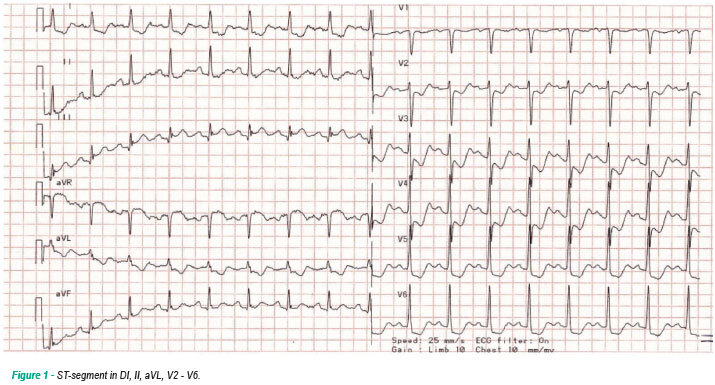
This syndrome is due to focal spasm of an epicardial coronary artery, leading to severe myocardial ischemia. Although it is frequently thought that the spasm occurs in arteries without stenosis, many Prinzmetal patients have spasm adjacent to atheromatous plaques. The exact cause of the spasm has not been well defined, but it may be related to the hypercontractility of the vascular smooth muscle due to vasoconstrictor mitogens, leukotrienes, or serotonin. In some patients, it is a manifestation of a vasospastic disorder and it is associated with migraine, Raynaud’s phenomenon, or aspirin-induced asthma. We present a case associated with transient ST-segment depression.

  • Angina pectoris variable
  • Myocardial Contraction
  • Myocardial Ischemia
Read Full Article
Creative Commons Attribution (CC BY) Creative Commons license
13/10/2009 DOI: 10.1590/S0066-782X2009000800023
Review Article

Competitive sports for children and adolescents: should an electrocardiogram be required in the pre-participation physical examination?

Cláudio Aparício Silva Baptista et al. Antonio Foronda Luciana de Pádua Silva Baptista

The growing number of children and adolescents, aged 7 to 17 years, that participate in competitive sports requires preventive medical care. The pre-participation physical examination (PPE) requires appropriate medical knowledge to insure safe medical clearance. Recent sudden death events related to sports practice have raised doubts concerning the need for a medical evaluation based on medical tests, which due to the delay in its implementation may result in demotivation and abandonment of the sports practice. This is a review study, including data collected during a period of 30 years at the Olympic Training and Research Center (COTP) of the Municipal Secretary of Sports of São Paulo, where future athletes are identified, socially included and trained; and the objective of the study was to evaluate the need for the involvement of medical organizations in the preparation of a EPP protocol for the cardiovascular assessment of this population, according to the Brazilian reality. We had no normative standard, and so we relied on data collected from protocols that were established by other countries, but we defined which conduct to be taken with each of our individuals.

  • Adolescent
  • Child
  • Medical Care
  • medical examination
  • Sports
Read Full Article
Creative Commons Attribution (CC BY) Creative Commons license
13/10/2009 DOI: 10.1590/S0066-782X2009000800019 Views 1
Case 5/2009: eight-month old infant with mitral insufficiency due to hammock mitral valve with frank heart failure
Correlação Clínico-Radiográfica

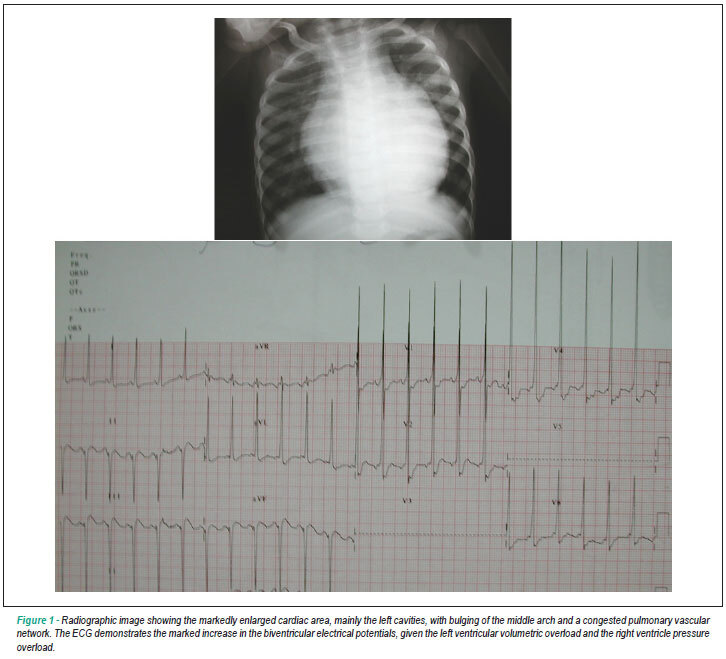
Case 5/2009: eight-month old infant with mitral insufficiency due to hammock mitral valve with frank heart failure

Edmar Atik

CLINICORADIOLOGICAL SESSION

Case 5/2009 – eight-month old infant with mitral insufficiency due to hammock mitral valve with frank heart failure

[…]

Read Full Article
Creative Commons Attribution (CC BY) Creative Commons license
13/10/2009 DOI: 10.1590/S0066-782X2009000800021
Prevalence of metabolic syndrome in an elderly community: comparison between three diagnostic methods
Artigo Original

Prevalence of metabolic syndrome in an elderly community: comparison between three diagnostic methods

Julio Cesar Rigo et al. José Luiz Vieira Roberta Rigo Dalacorte César Luis Reichert

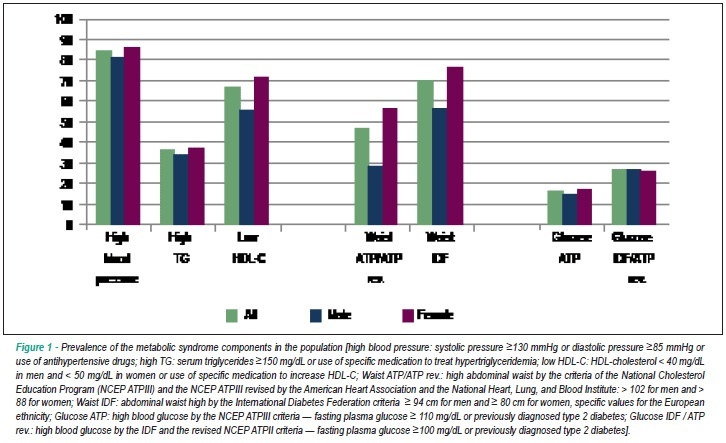
BACKGROUND: The prevalence of the metabolic syndrome (MS) has shown wide variation in different studies, depending on the population sample and the diagnostic criteria used. The prevalence of MS tends to be higher with the diagnostic criteria of the International Diabetes Federation (IDF). OBJECTIVE: To compare the prevalence of MS using different criteria in an elderly community. METHODS: This was a cross-sectional population-based study conducted in the city of Novo Hamburgo – RS – Brazil, in which 378 elderly individuals, aged 60 years or over (252 women and 126 men) participated. The prevalence of MS was estimated using the National Cholesterol Education Program – Adult Treatment Panel III (NCEP ATPIII) (2001), the revised NCEP ATPIII (2005) and the IDF diagnostic criteria. RESULTS: The prevalence of MS increased progressively as we used the NCEP ATP III, the revised NCEP ATP III and the IDF criteria, with values of 50.3%, 53.4% and 56.9% respectively. The progressive increase in the prevalence of MS using the three criteria occurred in both genders, with a higher prevalence among women, with rates of 57.1%, 59.9% and 63.5% with the NCEP ATP III, the revised NCEP ATP III, and the IDF criteria, respectively. CONCLUSION: The use of the IDF criteria resulted in a higher prevalence of MS in comparison to the prevalence found with the NCEP ATP III criteria and the revised NCEP ATP III criteria. The prevalence of MS was higher among women, regardless of the criteria used.

  • abdominal circumference
  • Aged
  • Blood Glucose
  • Blood Pressure
  • Cholesterol
  • Metabolic Syndrome
  • Prevalence
  • Risk Factors
Read Full Article
Creative Commons Attribution (CC BY) Creative Commons license
13/10/2009 DOI: 10.1590/S0066-782X2009000800004
Editorial

The two Brazils and the treatment of acute myocardial infarction

Antonio Luiz Pinho Ribeiro

EDITORIAL

The two Brazils and the treatment of acute myocardial infarction

[…]

Read Full Article
Creative Commons Attribution (CC BY) Creative Commons license
13/10/2009 DOI: 10.1590/S0066-782X2009000800003
Conventional ventricular stimulation effects on patients with normal ventricular function
Artigo Original

Conventional ventricular stimulation effects on patients with normal ventricular function

Luiz Antonio Batista de Sá et al. Salvador Rassi Márcia Andery Ludovico Batista

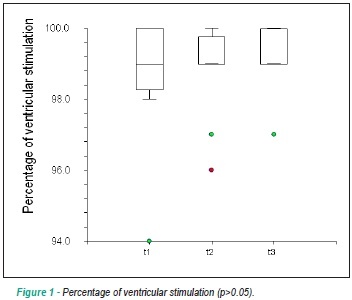
BACKGROUND: The stimulation of the right ventricle (RV) may be deleterious in patients with ventricular dysfunction; however there is little evidence about the impact of this stimulation in patients with normal ventricular function. OBJECTIVES: To assess the clinical and laboratory evolution of patients with normal ventricular function submitted to implant of artificial cardiac pacemaker (PM). METHODS: 16 patients enrolled according to the following inclusion criteria: normal ventricular function defined by echocardiogram and presence of upper ventricular stimulation > 90% (generator telemetry assessment) submitted to a PM implant were prospectively studied. The following parameters were assessed: Functional Class (FC), walk test, BNP levels, echocardiography evaluation (conventional and intraventricular dyssynchrony) and quality of life test (SF36). The patients were assessed after 10 (t1), 120 (t2) and 240 days (t3). Data was compared throughout time according to ANOVA. Multiple comparisons of means were performed through Tukey’s test. RESULTS: Among the assessed data, the following did not present significant statistic variation (p> 0.05): functional class, BNP levels, conventional echocardiographic parameters, intraventricular dyssynchrony (tissue Doppler). The walk test (between t2 and t3) and the time between septal contraction and LV posterior wall showed worsening (p<0.05), although they did not meet the dyssynchrony criteria. The quality of life assessment (SF36) showed improvement in the functional capacity, social aspects, and general status sub-items. CONCLUSION: After 8 months, patients with normal ventricular function did not show clinical (FC and SF36) or laboratory alterations (conventional echocardiography, dyssynchrony parameters and BNP levels); however, there was a worsening in the walk test.

  • Cardiac Pacing, Artificial
  • Echocardiography
  • Pacemaker, Artificial
  • Ventricular Dysfunction
Read Full Article
Creative Commons Attribution (CC BY) Creative Commons license
13/10/2009 DOI: 10.1590/S0066-782X2009000800016
Artigo Original

Association of body mass index and insulin resistance with metabolic syndrome in Brazilian children

Aparecido Pimentel Ferreira et al. Otávio de Tolêdo Nóbrega Nancí Maria de França

BACKGROUND: The clustering of cardiovascular risk factors called metabolic syndrome occurs in both children and adults. Insulin resistance and obesity are usual parts of the picture, but their joint effects on the onset of the syndrome remains somewhat debatable. OBJECTIVE: The purpose of the current study was to examine the relationship of the body mass index (BMI) and insulin resistance with the metabolic syndrome (MS) in children. METHODS: We studied 109 children, 55 boys and 54 girls, between 7 and 11 years of age (55 obese, 23 overweight and 31 controls). The weight status of each child was defined based on BMI/age ratio. Blood glucose, HDL, triglycerides and insulin were measured using fasting samples. Blood pressure was measured twice. The metabolic syndrome was defined according to the NCEP ATP III criteria. RESULTS: The diagnosis of the MS was only found in obese children. The greater frequency of MS and of many of its components have been found in the children classified above the third quartile of the HOMA index, which is consistent with an association between insulin resistance and cardiovascular risk factors among the Brazilian children. CONCLUSION: The present study shows that obesity and insulin resistance are likely to play a role in the development of cardiovascular risk factors in children since the prevalence of classic risk factors was higher in the upper BMI and HOMA percentiles.

  • Brazil
  • Child
  • Insulin Resistance
  • Metabolic Syndrome
  • Obesity
  • Overweight
Read Full Article
Creative Commons Attribution (CC BY) Creative Commons license
13/10/2009 DOI: 10.1590/S0066-782X2009000800013
Artigo Original

TIMI risk score for acute myocardial infarction according to prognostic stratification

Jaqueline Locks Pereira et al. Thiago Mamôru Sakae Michele Cardoso Machado Charles Martins de Castro

BACKGROUND: The TIMI (Thrombolysis in Myocardial Infarction) risk score is derived from clinical trial involving patients who are eligible for fibrinolysis. As the risk profiles of these cases differ from those found in non-selected populations, it is important to review the applicability of the score in usual clinical conditions. OBJECTIVES: To evaluate the management and clinical evolution of hospital inpatients with acute myocardial infarction, according to risk stratification by the TIMI score. METHODS: We evaluated, retrospectively, 103 cases of acute myocardial infarction with ST-segment elevation admitted to the Hospital Nossa Senhora da Conceição – Tubarão, in 2004 and 2005. The cases were analyzed in three risk groups according to the TIMI score. RESULTS: The hospital mortality after infarction was 17.5%. In the low-risk group there was no death. The mortality was 8.1% in the medium risk group and 55.6% in the high-risk group. The risk of death in cases of high risk was 14.1 times higher than in the cases of medium and low risk (95% CI = 4.4 to 44.1 and p <0.001). The chance of receiving fibrinolytic was 50% lower in the high-risk group in relation to the low risk group (95% CI = 0.27 to 0.85, p = 0.004). CONCLUSION: There was a progressive increase in mortality and incidence of in-hospital complications according to the stratification by the TIMI score. High risk patients received thrombolytic less frequently than the patients at low risk.

  • Clinical – dynamic prognosis
  • Hospital Mortality
  • Myocardial Infarction
Read Full Article
Creative Commons Attribution (CC BY) Creative Commons license
13/10/2009 DOI: 10.1590/S0066-782X2009000800007
The effects of trimetazidine on heart rate variability in patients with heart failure
Artigo Original

The effects of trimetazidine on heart rate variability in patients with heart failure

Yilmaz Gunes et al. Unal Guntekin Mustafa Tuncer Musa Sahin

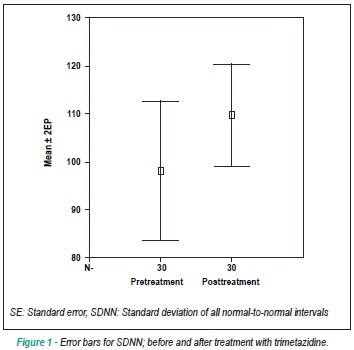
BACKGROUND: Reduced measures of heart rate variability (HRV) have been shown to be related with prognosis in heart failure. Chronic administration of trimetazidine in addition to the conventional therapy has been shown to improve functional class and left ventricular functions of heart failure patients. OBJECTIVE: To assess the effects of trimetazidine on HRV in optimally treated patients with heart failure of ischemic origin. METHODS: Trimetazidine 20 mg three times/day was added to therapy of 30 patients with heart failure being treated with angiotensinogen converting enzyme inhibitors or angiotensin receptor blockers, carvedilol, spironolactone, digitalis and furosemide. The etiology of heart failure was coronary artery disease in all patients. Patients were evaluated with echocardiography and 24-hour heart rate variability analysis before and 3 months after addition of trimetazidine. RESULTS: Mean left ventricular ejection fraction (LVEF) significantly increased after the addition of trimetazidine (33.5±5.1% to 42.5±5.8%, p<0.001). Of the HRV parameters, SDNN (97.3±40,1 to 110.5±29,2 msecs, p=0.049) and SDANN (80.5±29,0 to 98.3±30,5 msecs) were significantly increased after trimetazidine treatment. Baseline SDNN was significantly correlated with baseline LVEF (r=0.445, p=0.023, p=0.008) and the increment in SDNN was correlated with increase in LVEF (r=0.518, p=0.007). CONCLUSIONS: Adding trimetazidine to optimal medical therapy in patients with heart failure of ischemic origin may improve heart rate variability in association with improved left ventricular ejection fraction.

  • Heart Failure
  • Heart Rate
  • Trimetazidine
Read Full Article
Creative Commons Attribution (CC BY) Creative Commons license
13/10/2009 DOI: 10.1590/S0066-782X2009000800014
Página do Presidente

Arquivos and congress restate SBC's role in fostering education

Antonio Carlos Palandri Chagas

THE PRESIDENT’S PAGE

Arquivos and Congress underscore SBC’s role in fostering education

[…]

Read Full Article
Creative Commons Attribution (CC BY) Creative Commons license
13/10/2009 DOI: 10.1590/S0066-782X2009000800001
Heart failure with normal ejection fraction: new diagnostic criteria and pathophysiological advances
Review Article

Heart failure with normal ejection fraction: new diagnostic criteria and pathophysiological advances

Evandro Tinoco Mesquita et al. Antonio José Lagoeiro Jorge

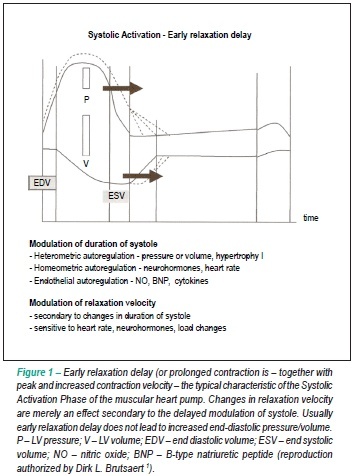
Heart failure (HF) is a highly prevalent complex cardiovascular syndrome, and its clinical presentation is usually associated with ventricular dilatation, decreased contractility and reduced left ventricular ejection fraction (EF). However, in the past two decades studies have demonstrated that many patients with signs and symptoms of HF have normal EF (higher than 50%). The great challenge for doctors lies in the identification of patients presenting heart failure with normal ejection fraction (HFNEF) and this challenge seems to be mainly related to the high complexity of the syndrome and to the lack of a standardized method to confirm or exclude the diagnosis that could be used in the daily clinical practice. Unlike in heart failure with reduced ejection fraction (HFREF) in which one single parameter – EF lower than 50%, is sufficient to confirm the diagnosis of the syndrome, in HFNEF different diastolic indexes have been used to characterize the presence or absence of diastolic dysfunction (DD). The purpose of this review is to show new concepts related to the diastolic function that will help understand the cardiovascular pathophysiology of HFNEF, and to discuss the new guideline of the European Society of Cardiology for the diagnosis and exclusion of HFNEF based on cardiac function indices obtained using tissue Doppler imaging (TDI) and natriuretic peptide determination.

  • Diastole
  • Doppler
  • Echocardiography
  • Heart Failure
  • Stroke Volume
  • Systole
Read Full Article
Creative Commons Attribution (CC BY) Creative Commons license
13/10/2009 DOI: 10.1590/S0066-782X2009000800018
Editorial

European National Society Cardiovascular journals background, rationale and mission statement of the "editors' club" (task force of the European Society of Cardiology)

Fernando Alfonso et al. Giuseppe Ambrosio Fausto J. Pinto Ernst E. van der Wall

EDITORIAL

European National Society Cardiovascular journals background, rationale and mission statement of the “editors’ club” (task force of the European Society of Cardiology)

[…]

Read Full Article
Creative Commons Attribution (CC BY) Creative Commons license
13/10/2009 DOI: 10.1590/S0066-782X2009000800002
Artigo Original

Correlation between metabolic and body composition variables in female adolescents

Eliane Rodrigues de Faria et al. Sylvia do Carmo Castro Franceschini Maria do Carmo Gouveia Peluzio Luciana Ferreira da Rocha Sant'Ana Silvia Eloiza Priore

BACKGROUND: Analysis of metabolic alterations and body composition in adolescents. OBJECTIVES: To study the correlation of serum levels of lipids, glycemia, insulin, homocysteine, HOMA-IR and blood pressure among themselves and with body variables. METHODS: Data concerning glycemia, total cholesterol and fractions (LDL, HDL and VLDL), triacylglycerols, insulin, homocysteine and blood pressure were measured in 100 adolescents at the age range of 14 to 17 years, who had already had menarche and attended the public schools in Vicosa, state of Minas Gerais, Brazil. The percentage of body fat (%BF) was evaluated by horizontal bioimpedance. RESULTS: In relation to nutritional status, 83%, 11% and 6%, respectively were eutrophic (EU), presented overweight/overweight risk (OW/OR) or low weight (LW) (CDC/NCHS, 2000) and 61% presented high percentage of BF. Total cholesterol presented the highest percentage of inadequacy (57%), followed by HDL (50%), LDL (47%) and triacylglycerols (22%). Inadequacy in 11%, 9%, 5% and 4% were observed in relation to insulin resistance, insulin, blood pressure and glycemia, respectively. For total cholesterol, insulin, HOMA-IR and nutritional state, OW/OR>LW (pEU>LW (p <0.001). Some positive and strong correlations were found between BMI and the anthropometrical measures estimating the % of total BF, as well as central distribution, except for the waist/hip ratio. The %BF was correlated with insulin levels (r=0.303; p <0.001) and HOMA-IR (r=0.281; p<0.001). CONCLUSIONS: Some metabolic alterations, most often related with excess weight and body fat as well as insulin resistance were found, reinforcing the importance of specific programs directed at the adolescent health.
  • Adolescent
  • Body Composition
  • body weight changes
  • Female
  • Insulin Resistance
Read Full Article
Creative Commons Attribution (CC BY) Creative Commons license
13/10/2009 DOI: 10.1590/S0066-782X2009000800009
Artigo Original

Increased mortality and morbidity due to acute myocardial infarction in a public hospital, in Feira de Santana, Bahia

Graça Maria Tavares de Melo Ferreira et al. Luis Cláudio Correia Helena Reis Carlos Brandão Ferreira Filho … Francisco Freitas Guilherme Melo Ferreira Ivan Júnior Nelson Oliveira Armênio Costa Guimarães

BACKGROUND: Factors related to socioeconomic status and health care quality and management may influence mortality and morbidity rates due to acute myocardial infarction (AMI). OBJECTIVE: To compare mortality and morbidity in patients with AMI hospitalized in public and private hospitals. METHODS: An observational study, with comparison groups. Clinical evaluation on admission, and recording of diagnostic, therapeutic and evolution data until discharge or death. Comparison of clinical characteristics by univariate analysis followed by bivariate analysis, evaluating the combination of predictors with death and morbidity (Killip> I), SPSS, version 13.0. RESULTS: 150 patients were evaluated, 63 (42.0%) of private hospitals and 87 (58.0%) of public hospitals, with 63.1% and 62.1% of males, aged 61.1 ± 13.8 and 60.0 ± 11.6 years, respectively. The mortality from AMI was 19.5% in public hospitals vs 4.8% in private hospitals (p = 0.001), and morbidity (Killip class> I) was 34.3% in public hospitals vs 15.0% in private hospitals (p = 0.012). There was a significant difference between public and private patients, due to lower family income and education (70.1% with one to two salaries vs 19.0%, p <0.001, and 49.4% of illiterates vs 6.3%, p 1 hour: 76.9% vs 48.6%, p = 0.003); and a longer period of time before being medicated (AMT > 15 minutes: 47.1% vs 8.0%; p <0.001); ICU for 8% of the patients in public hospitals vs 94% in private hospitals; and thrombolysis for 20.6% vs 54.0%, respectively (p <0.001). CONCLUSION: Mortality and morbidity were greater among public patients, which presented more serious conditions, arrived later at the hospital and received lower quality treatment.

  • health inequalities
  • Health Policy
  • lethality
  • Morbidity
  • Myocardial Infarction
Read Full Article
Creative Commons Attribution (CC BY) Creative Commons license
13/10/2009 DOI: 10.1590/S0066-782X2009000800006 Views 1
Artigo Original

Lipid profile, cardiovascular risk factors and metabolic syndrome in a group of AIDS patients

Érika Ferrari Rafael da Silva et al. Katia Cristina Bassichetto David Salomão Lewi

BACKGROUND: Since the advent of AIDS, the anti-HIV therapy has developed significantly, including the highly active antiretroviral therapy (HAART) and the disease acquired a chronic characteristic. However, after the introduction of HAART, several metabolic alterations were observed, mainly related to the lipid profile. OBJECTIVES: to evaluate and compare lipid profiles, analyze cardiovascular risk, describe the prevalence of metabolic syndrome in AIDS patients with or without HAART. METHODS: Over an 18-month period, 319 patients treated at outpatient clinics in the city of São Paulo, Brazil were selected. RESULTS: The final sample included 215 patients receiving HAART and 69 HAART-naive patients. The mean age was 39.5 years, and 60.9% were males. The main cardiovascular risk factors were smoking (27%), hypertension (18%) and family history of atherosclerosis (40%). Mean total cholesterol, HDL-cholesterol, triglycerides and glucose were higher in the HAART group than in the non-HAART group (205 vs 180 mg/dl, 51 vs 43 mg/dl, 219 vs 164 mg/dl and 101 vs 93 mg/dl respectively; p < 0.001 for all). According to the Framingham risk score, the cardiovascular risk was moderate to high in 11% of the patients receiving HAART and 4% of the HAART-naïve patients. According to the Adult Treatment Panel III definition, the metabolic syndrome was observed in 13% and 12% of the patients with or without HAART, respectively. CONCLUSIONS: Although the mean values for total cholesterol, HDL-c and triglycerides were higher in the HAART group, a higher cardiovascular risk was not identified in the former. The prevalence of metabolic syndrome was comparable in both groups.

  • Cardiovascular disease
  • highly active antiretroviral therapy
  • Lipid Metabolism Disorders
  • Metabolic Syndrome X
Read Full Article
Creative Commons Attribution (CC BY) Creative Commons license
13/10/2009 DOI: 10.1590/S0066-782X2009000800008 Views 1
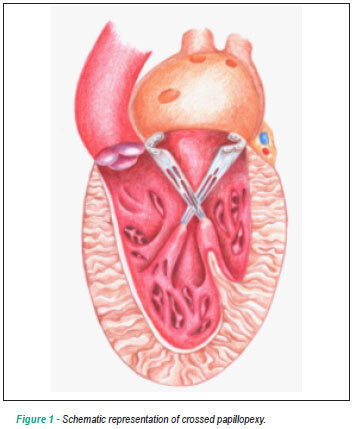
Echocardiographic evaluation of patients undergoing mitral valve replacement with crossed papillopexy
Artigo Original

Echocardiographic evaluation of patients undergoing mitral valve replacement with crossed papillopexy

Geraldo Paulino Santana Filho et al. Otoni Moreira Gomes Gilson José de Oliveira Débora Rodrigues … Ana Cláudia Nogueira Rômulo Sales Delzirene Botelho Pinheiro Antonio Calzada Machado Nivaldo Gomes Oliveira

BACKGROUND: Techniques for mitral valve replacement with preservation of the subvalvular apparatus have proven their superiority, and crossed papillopexy is a new technical option which, besides allowing Preservation of the anatomical structures, provides contractility support and protection to the myocardium during ventricular diastole. The technique requires further studies that document its results. OBJECTIVE: To evaluate the left atrial and ventricular function by Doppler echocardiography in patients who have undergone mitral valve replacement with crossed papillopexy. METHODS: Fifteen patients underwent mitral valve replacement, 9 (60%) of them male, and the mean age was 45.7 years. As to the etiology of aortic valve disease, nine (60%) cases were degenerative, three (20%) were rheumatic, two (13.3%) were ischemic, and one patient (6.7%) had infectious endocarditis. After closure of the atriotomy and anatomical evaluation of the valvar apparatus, the anterior leaflet was detached from the annulus and centrally split in halves, each one with its complex tendinous chords attached to the opposing commissure by its medial extremity. Biological (13 cases) or mechanical prosthetic valves were implanted and secured with separate stitches. Reduction of the valvar annulus was performed in patients with dilated cardiomyopathy. Patients underwent clinical and Doppler echocardiographic examinations before surgery and six months after the procedure. RESULTS: All patients were clinically stable at discharge. A significant reduction in ventricular and atrial diameters was demonstrated (p< 0.001) without impairment of the entry and exit points of the left ventricle. CONCLUSION: Mitral valve replacements performed with the crossed papillopexy technique showed favorable results with a positive effect on the recovery of left atrial and ventricular morphology.

  • Cardiomyopathy, Dilated
  • Mitral Valve Insufficiency
  • papillary muscles
Read Full Article
Creative Commons Attribution (CC BY) Creative Commons license
13/10/2009 DOI: 10.1590/S0066-782X2009000800005 Views 2
Bleeding during oral anticoagulant therapy: warning against a greater hazard
Artigo Original

Bleeding during oral anticoagulant therapy: warning against a greater hazard

Paulo de Lara Lavítola et al. Guilherme Sobreira Spina Roney Orismar Sampaio Flávio Tarasoutchi Max Grinberg

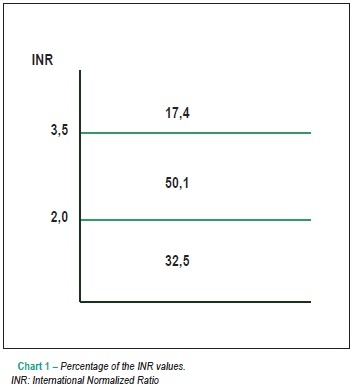
BACKGROUND: Bleeding is one of the main concerns in patients undergoing oral anticoagulation therapy. OBJECTIVE: To investigate the determinant causes of bleeding in patients undergoing oral anticoagulant therapy. METHODS: A total of 360 patients with atrial fibrillation (AF) undergoing oral anticoagulant (ACo) therapy, with a target INR of 2.0-3.5, were followed prospectively for a period of 48 ± 7.2 months. The patients were evaluated on average every 30 days and were investigated regarding the presence of associated pathology that could lead to bleeding. RESULTS: A total of 338 patients participated in the present study. Of these, 210 (62.13%) were females. Mitral stenosis was present in 218 patients (64.4%), a mitral biological prosthesis in 64 (18.9%) and mitral valve failure in 56 (16.5%) patients. Bleeding occurred in 65 patients (19.2%), being severe in 7 (10%) patients. In 38/65 patients, a new associated disease was identified, which facilitated bleeding. An associated disease was identified in 100% of the patients with bleeding within the therapeutic range, against 49.05% of associated disease diagnosis in those with an INR > 3.5 (p=0.001). CONCLUSION: The diagnosis of a local disease associated to the bleeding was frequent among those patients undergoing oral anticoagulant therapy (58.5%). There was an association between bleeding with an INR within the therapeutic range (INR=2.0-3.5) and the diagnosis of a pathology predisposing to bleeding (p<0.001). It is mandatory to investigate the cause of bleeding in patients undergoing oral anticoagulant therapy, especially if the INR is within the therapeutic range.

  • Anticoagulants
  • Atrial Fibrillation
  • Hemorrhage
  • Mitral Valve Stenosis
Read Full Article
Creative Commons Attribution (CC BY) Creative Commons license
13/10/2009 DOI: 10.1590/S0066-782X2009000800017 Views 1
Brief Communication

Assessment of sphygmomanometers: a proposal for excellence in blood pressure measurement

Fernando Nobre et al. Eduardo Barbosa Coelho Maria Eulália Lessa do Valle Dallora Pio Antonio de Figueiredo … Ana Beatriz Fernandes Ferreira Maria Alice Oliveira Ferreira da Rosa

BRIEF COMMENTS

Assessment of sphygmomanometers: a proposal for excellence in blood pressure measurement

[…]

Read Full Article
Creative Commons Attribution (CC BY) Creative Commons license
13/10/2009 DOI: 10.1590/S0066-782X2009000800026

Could not load more articles. Please try again.

How to cite this article

EndNote RIS

Electronic Document Format (Vancouver)

López FM, Bravo RMA, Huerta DAR. Echocardiographic features of non-compaction cardiomyopathy: missed and misdiagnosed disease. Arquivos Brasileiros de Cardiologia 2009;93(2):e33-5.

Electronic Document Format (ABNT)

López, Francisco Martínez-Baca; Bravo, Rosa Marisol Alonso; Huerta, Domingo Arturo Rodríguez. Echocardiographic features of non-compaction cardiomyopathy: missed and misdiagnosed disease. Arquivos Brasileiros de Cardiologia, v. 93, n. 2, p. e33-e35, Oct. 2009.

Electronic Document Format (APA)

López, F. M., Bravo, R. M. A., & Huerta, D. A. R. (2009). Echocardiographic features of non-compaction cardiomyopathy: missed and misdiagnosed disease. Arquivos Brasileiros de Cardiologia, 93(2), e33-e35.

Electronic Document Format (ISO)

López, Francisco Martínez-Baca and Bravo, Rosa Marisol Alonso and Huerta, Domingo Arturo Rodríguez. Echocardiographic features of non-compaction cardiomyopathy: missed and misdiagnosed disease. Arquivos Brasileiros de Cardiologia [online]. 2009, vol. 93, n. 2, [cited 2026-10-14], pp. e33-e35. Available from: <https://journals.cardiol.br/en/article/echocardiographic-features-of-non-compaction-cardiomyopathy-missed-and-misdiagnosed-disease/>. ISSN 0066-782X

EndNote RIS

Electronic Document Format (Vancouver)

Volschan A, Albuquerque D, Tura BR, Knibel M, Esteves JP, Bodanese LC, Silveira F, et al. Predictors of hospital mortality in hemodynamically stable patients with pulmonary embolism. Arquivos Brasileiros de Cardiologia 2009;93(2):135-40.

Electronic Document Format (ABNT)

Volschan, André; Albuquerque, Denilson; Tura, Bernardo Rangel; Knibel, Marcos; Esteves, José Péricles; Bodanese, Luiz Carlos; Silveira, Francisco; Pantoja, João; Souza, Paulo Cesar Pereira da Silva e; Mansur, João; Mesquita, Evandro Tinoco. Predictors of hospital mortality in hemodynamically stable patients with pulmonary embolism. Arquivos Brasileiros de Cardiologia, v. 93, n. 2, p. 135-140, Oct. 2009.

Electronic Document Format (APA)

Volschan, A., Albuquerque, D., Tura, B. R., Knibel, M., Esteves, J. P., Bodanese, L. C., Silveira, F., Pantoja, J., Souza, P. C. P. S. , Mansur, J., & Mesquita, E. T. (2009). Predictors of hospital mortality in hemodynamically stable patients with pulmonary embolism. Arquivos Brasileiros de Cardiologia, 93(2), 135-140.

Electronic Document Format (ISO)

Volschan, André and Albuquerque, Denilson and Tura, Bernardo Rangel and Knibel, Marcos and Esteves, José Péricles and Bodanese, Luiz Carlos and Silveira, Francisco and Pantoja, João and Souza, Paulo Cesar Pereira da Silva e and Mansur, João and Mesquita, Evandro Tinoco. Predictors of hospital mortality in hemodynamically stable patients with pulmonary embolism. Arquivos Brasileiros de Cardiologia [online]. 2009, vol. 93, n. 2, [cited 2026-10-14], pp. 135-140. Available from: <https://journals.cardiol.br/en/article/predictors-of-hospital-mortality-in-hemodynamically-stable-patients-with-pulmonary-embolism/>. ISSN 0066-782X

EndNote RIS

Electronic Document Format (Vancouver)

Gonzalez MM, Marques FRB, Vianna CB, Eid CA, Feitosa-Filho GS, Timerman S. Ventricular fibrillation during sport activity successfully treated. Arquivos Brasileiros de Cardiologia 2009;93(2):e26-9.

Electronic Document Format (ABNT)

Gonzalez, Maria Margarita; Marques, Flávio Rocha Brito; Vianna, Caio Brito; Eid, Carlos Alberto; Feitosa-Filho, Gilson Soares; Timerman, Sergio. Ventricular fibrillation during sport activity successfully treated. Arquivos Brasileiros de Cardiologia, v. 93, n. 2, p. e26-e29, Oct. 2009.

Electronic Document Format (APA)

Gonzalez, M. M., Marques, F. R. B., Vianna, C. B., Eid, C. A., Feitosa-Filho, G. S., & Timerman, S. (2009). Ventricular fibrillation during sport activity successfully treated. Arquivos Brasileiros de Cardiologia, 93(2), e26-e29.

Electronic Document Format (ISO)

Gonzalez, Maria Margarita and Marques, Flávio Rocha Brito and Vianna, Caio Brito and Eid, Carlos Alberto and Feitosa-Filho, Gilson Soares and Timerman, Sergio. Ventricular fibrillation during sport activity successfully treated. Arquivos Brasileiros de Cardiologia [online]. 2009, vol. 93, n. 2, [cited 2026-10-14], pp. e26-e29. Available from: <https://journals.cardiol.br/en/article/ventricular-fibrillation-during-sport-activity-successfully-treated/>. ISSN 0066-782X

EndNote RIS

Electronic Document Format (Vancouver)

Mattioli GM, Araújo CGS. Association between initial and final transient heart rate responses in exercise testing. Arquivos Brasileiros de Cardiologia 2009;93(2):141-6.

Electronic Document Format (ABNT)

Mattioli, Gisele Messias; Araújo, Claudio Gil Soares de. Association between initial and final transient heart rate responses in exercise testing. Arquivos Brasileiros de Cardiologia, v. 93, n. 2, p. 141-146, Oct. 2009.

Electronic Document Format (APA)

Mattioli, G. M., & Araújo, C. G. S. (2009). Association between initial and final transient heart rate responses in exercise testing. Arquivos Brasileiros de Cardiologia, 93(2), 141-146.

Electronic Document Format (ISO)

Mattioli, Gisele Messias and Araújo, Claudio Gil Soares de. Association between initial and final transient heart rate responses in exercise testing. Arquivos Brasileiros de Cardiologia [online]. 2009, vol. 93, n. 2, [cited 2026-10-14], pp. 141-146. Available from: <https://journals.cardiol.br/en/article/association-between-initial-and-final-transient-heart-rate-responses-in-exercise-testing/>. ISSN 0066-782X

EndNote RIS

Electronic Document Format (Vancouver)

Batista GAP, Cunha CLP, Scartezini M, Heyde R, Bitencourt MG, Melo SF. Prospective double-blind crossover study of Camellia sinensis (green tea) in dyslipidemias. Arquivos Brasileiros de Cardiologia 2009;93(2):128-34.

Electronic Document Format (ABNT)

Batista, Gesiani de Almeida Pierin; Cunha, Cláudio L. Pereira da; Scartezini, Mariléia; Heyde, Raul von der; Bitencourt, Murílo G; Melo, Sandra Fabrício de. Prospective double-blind crossover study of Camellia sinensis (green tea) in dyslipidemias. Arquivos Brasileiros de Cardiologia, v. 93, n. 2, p. 128-134, Oct. 2009.

Electronic Document Format (APA)

Batista, G. A. P., Cunha, C. L. P. , Scartezini, M., Heyde, R. , Bitencourt, M. G., & Melo, S. F. (2009). Prospective double-blind crossover study of Camellia sinensis (green tea) in dyslipidemias. Arquivos Brasileiros de Cardiologia, 93(2), 128-134.

Electronic Document Format (ISO)

Batista, Gesiani de Almeida Pierin and Cunha, Cláudio L. Pereira da and Scartezini, Mariléia and Heyde, Raul von der and Bitencourt, Murílo G and Melo, Sandra Fabrício de. Prospective double-blind crossover study of Camellia sinensis (green tea) in dyslipidemias. Arquivos Brasileiros de Cardiologia [online]. 2009, vol. 93, n. 2, [cited 2026-10-14], pp. 128-134. Available from: <https://journals.cardiol.br/en/article/prospective-double-blind-crossover-study-of-camellia-sinensis-green-tea-in-dyslipidemias/>. ISSN 0066-782X

EndNote RIS

Electronic Document Format (Vancouver)

Stankovic G. Percutaneous coronary intervention for stable patients: is there any benefit beyond symptom relief?. Arquivos Brasileiros de Cardiologia 2009;93(2):196-9.

Electronic Document Format (ABNT)

Stankovic, Goran. Percutaneous coronary intervention for stable patients: is there any benefit beyond symptom relief?. Arquivos Brasileiros de Cardiologia, v. 93, n. 2, p. 196-199, Oct. 2009.

Electronic Document Format (APA)

Stankovic, G. (2009). Percutaneous coronary intervention for stable patients: is there any benefit beyond symptom relief?. Arquivos Brasileiros de Cardiologia, 93(2), 196-199.

Electronic Document Format (ISO)

Stankovic, Goran. Percutaneous coronary intervention for stable patients: is there any benefit beyond symptom relief?. Arquivos Brasileiros de Cardiologia [online]. 2009, vol. 93, n. 2, [cited 2026-10-14], pp. 196-199. Available from: <https://journals.cardiol.br/en/article/percutaneous-coronary-intervention-for-stable-patients-is-there-any-benefit-beyond-symptom-relief/>. ISSN 0066-782X

EndNote RIS

Electronic Document Format (Vancouver)

Zuniga EC, Mesa JEG, Martinez SXZ, Ocampo V, Urrea CA. Prinzmetal’s angina. Arquivos Brasileiros de Cardiologia 2009;93(2):e30-2.

Electronic Document Format (ABNT)

Zuniga, Eduardo Contreras; Mesa, Juan Esteban Gomez; Martinez, Sandra Ximena Zuluaga; Ocampo, Vanesa; Urrea, Cristian Andres. Prinzmetal’s angina. Arquivos Brasileiros de Cardiologia, v. 93, n. 2, p. e30-e32, Oct. 2009.

Electronic Document Format (APA)

Zuniga, E. C., Mesa, J. E. G., Martinez, S. X. Z., Ocampo, V., & Urrea, C. A. (2009). Prinzmetal’s angina. Arquivos Brasileiros de Cardiologia, 93(2), e30-e32.

Electronic Document Format (ISO)

Zuniga, Eduardo Contreras and Mesa, Juan Esteban Gomez and Martinez, Sandra Ximena Zuluaga and Ocampo, Vanesa and Urrea, Cristian Andres. Prinzmetal’s angina. Arquivos Brasileiros de Cardiologia [online]. 2009, vol. 93, n. 2, [cited 2026-10-14], pp. e30-e32. Available from: <https://journals.cardiol.br/en/article/prinzmetals-angina/>. ISSN 0066-782X

EndNote RIS

Electronic Document Format (Vancouver)

Baptista CAS, Foronda A, Baptista LPS. Competitive sports for children and adolescents: should an electrocardiogram be required in the pre-participation physical examination?. Arquivos Brasileiros de Cardiologia 2009;93(2):188-95.

Electronic Document Format (ABNT)

Baptista, Cláudio Aparício Silva; Foronda, Antonio; Baptista, Luciana de Pádua Silva. Competitive sports for children and adolescents: should an electrocardiogram be required in the pre-participation physical examination?. Arquivos Brasileiros de Cardiologia, v. 93, n. 2, p. 188-195, Oct. 2009.

Electronic Document Format (APA)

Baptista, C. A. S., Foronda, A., & Baptista, L. P. S. (2009). Competitive sports for children and adolescents: should an electrocardiogram be required in the pre-participation physical examination?. Arquivos Brasileiros de Cardiologia, 93(2), 188-195.

Electronic Document Format (ISO)

Baptista, Cláudio Aparício Silva and Foronda, Antonio and Baptista, Luciana de Pádua Silva. Competitive sports for children and adolescents: should an electrocardiogram be required in the pre-participation physical examination?. Arquivos Brasileiros de Cardiologia [online]. 2009, vol. 93, n. 2, [cited 2026-10-14], pp. 188-195. Available from: <https://journals.cardiol.br/en/article/competitive-sports-for-children-and-adolescents-should-an-electrocardiogram-be-required-in-the-pre-participation-physical-examination/>. ISSN 0066-782X

EndNote RIS

Electronic Document Format (Vancouver)

Atik E. Case 5/2009: eight-month old infant with mitral insufficiency due to hammock mitral valve with frank heart failure. Arquivos Brasileiros de Cardiologia 2009;93(2):200-1.

Electronic Document Format (ABNT)

Atik, Edmar. Case 5/2009: eight-month old infant with mitral insufficiency due to hammock mitral valve with frank heart failure. Arquivos Brasileiros de Cardiologia, v. 93, n. 2, p. 200-201, Oct. 2009.

Electronic Document Format (APA)

Atik, E. (2009). Case 5/2009: eight-month old infant with mitral insufficiency due to hammock mitral valve with frank heart failure. Arquivos Brasileiros de Cardiologia, 93(2), 200-201.

Electronic Document Format (ISO)

Atik, Edmar. Case 5/2009: eight-month old infant with mitral insufficiency due to hammock mitral valve with frank heart failure. Arquivos Brasileiros de Cardiologia [online]. 2009, vol. 93, n. 2, [cited 2026-10-14], pp. 200-201. Available from: <https://journals.cardiol.br/en/article/case-5-2009-eight-month-old-infant-with-mitral-insufficiency-due-to-hammock-mitral-valve-with-frank-heart-failure/>. ISSN 0066-782X

EndNote RIS

Electronic Document Format (Vancouver)

Rigo JC, Vieira JL, Dalacorte RR, Reichert CL. Prevalence of metabolic syndrome in an elderly community: comparison between three diagnostic methods. Arquivos Brasileiros de Cardiologia 2009;93(2):85-91.

Electronic Document Format (ABNT)

Rigo, Julio Cesar; Vieira, José Luiz; Dalacorte, Roberta Rigo; Reichert, César Luis. Prevalence of metabolic syndrome in an elderly community: comparison between three diagnostic methods. Arquivos Brasileiros de Cardiologia, v. 93, n. 2, p. 85-91, Oct. 2009.

Electronic Document Format (APA)

Rigo, J. C., Vieira, J. L., Dalacorte, R. R., & Reichert, C. L. (2009). Prevalence of metabolic syndrome in an elderly community: comparison between three diagnostic methods. Arquivos Brasileiros de Cardiologia, 93(2), 85-91.

Electronic Document Format (ISO)

Rigo, Julio Cesar and Vieira, José Luiz and Dalacorte, Roberta Rigo and Reichert, César Luis. Prevalence of metabolic syndrome in an elderly community: comparison between three diagnostic methods. Arquivos Brasileiros de Cardiologia [online]. 2009, vol. 93, n. 2, [cited 2026-10-14], pp. 85-91. Available from: <https://journals.cardiol.br/en/article/prevalence-of-metabolic-syndrome-in-an-elderly-community-comparison-between-three-diagnostic-methods/>. ISSN 0066-782X

EndNote RIS

Electronic Document Format (Vancouver)

Ribeiro ALP. The two Brazils and the treatment of acute myocardial infarction. Arquivos Brasileiros de Cardiologia 2009;93(2):83-4.

Electronic Document Format (ABNT)

Ribeiro, Antonio Luiz Pinho. The two Brazils and the treatment of acute myocardial infarction. Arquivos Brasileiros de Cardiologia, v. 93, n. 2, p. 83-84, Oct. 2009.

Electronic Document Format (APA)

Ribeiro, A. L. P. (2009). The two Brazils and the treatment of acute myocardial infarction. Arquivos Brasileiros de Cardiologia, 93(2), 83-84.

Electronic Document Format (ISO)

Ribeiro, Antonio Luiz Pinho. The two Brazils and the treatment of acute myocardial infarction. Arquivos Brasileiros de Cardiologia [online]. 2009, vol. 93, n. 2, [cited 2026-10-14], pp. 83-84. Available from: <https://journals.cardiol.br/en/article/the-two-brazils-and-the-treatment-of-acute-myocardial-infarction/>. ISSN 0066-782X

EndNote RIS

Electronic Document Format (Vancouver)

Sá LAB, Rassi S, Batista MAL. Conventional ventricular stimulation effects on patients with normal ventricular function. Arquivos Brasileiros de Cardiologia 2009;93(2):167-73.

Electronic Document Format (ABNT)

Sá, Luiz Antonio Batista de; Rassi, Salvador; Batista, Márcia Andery Ludovico. Conventional ventricular stimulation effects on patients with normal ventricular function. Arquivos Brasileiros de Cardiologia, v. 93, n. 2, p. 167-173, Oct. 2009.

Electronic Document Format (APA)

Sá, L. A. B. , Rassi, S., & Batista, M. A. L. (2009). Conventional ventricular stimulation effects on patients with normal ventricular function. Arquivos Brasileiros de Cardiologia, 93(2), 167-173.

Electronic Document Format (ISO)

Sá, Luiz Antonio Batista de and Rassi, Salvador and Batista, Márcia Andery Ludovico. Conventional ventricular stimulation effects on patients with normal ventricular function. Arquivos Brasileiros de Cardiologia [online]. 2009, vol. 93, n. 2, [cited 2026-10-14], pp. 167-173. Available from: <https://journals.cardiol.br/en/article/conventional-ventricular-stimulation-effects-on-patients-with-normal-ventricular-function/>. ISSN 0066-782X

EndNote RIS

Electronic Document Format (Vancouver)

Ferreira AP, Nóbrega OT, França NM. Association of body mass index and insulin resistance with metabolic syndrome in Brazilian children. Arquivos Brasileiros de Cardiologia 2009;93(2):147-53.

Electronic Document Format (ABNT)

Ferreira, Aparecido Pimentel; Nóbrega, Otávio de Tolêdo; França, Nancí Maria de. Association of body mass index and insulin resistance with metabolic syndrome in Brazilian children. Arquivos Brasileiros de Cardiologia, v. 93, n. 2, p. 147-153, Oct. 2009.

Electronic Document Format (APA)

Ferreira, A. P., Nóbrega, O. T., & França, N. M. (2009). Association of body mass index and insulin resistance with metabolic syndrome in Brazilian children. Arquivos Brasileiros de Cardiologia, 93(2), 147-153.

Electronic Document Format (ISO)

Ferreira, Aparecido Pimentel and Nóbrega, Otávio de Tolêdo and França, Nancí Maria de. Association of body mass index and insulin resistance with metabolic syndrome in Brazilian children. Arquivos Brasileiros de Cardiologia [online]. 2009, vol. 93, n. 2, [cited 2026-10-14], pp. 147-153. Available from: <https://journals.cardiol.br/en/article/association-of-body-mass-index-and-insulin-resistance-with-metabolic-syndrome-in-brazilian-children/>. ISSN 0066-782X

EndNote RIS

Electronic Document Format (Vancouver)

Pereira JL, Sakae TM, Machado MC, Castro CM. TIMI risk score for acute myocardial infarction according to prognostic stratification. Arquivos Brasileiros de Cardiologia 2009;93(2):105-12.

Electronic Document Format (ABNT)

Pereira, Jaqueline Locks; Sakae, Thiago Mamôru; Machado, Michele Cardoso; Castro, Charles Martins de. TIMI risk score for acute myocardial infarction according to prognostic stratification. Arquivos Brasileiros de Cardiologia, v. 93, n. 2, p. 105-112, Oct. 2009.

Electronic Document Format (APA)

Pereira, J. L., Sakae, T. M., Machado, M. C., & Castro, C. M. (2009). TIMI risk score for acute myocardial infarction according to prognostic stratification. Arquivos Brasileiros de Cardiologia, 93(2), 105-112.

Electronic Document Format (ISO)

Pereira, Jaqueline Locks and Sakae, Thiago Mamôru and Machado, Michele Cardoso and Castro, Charles Martins de. TIMI risk score for acute myocardial infarction according to prognostic stratification. Arquivos Brasileiros de Cardiologia [online]. 2009, vol. 93, n. 2, [cited 2026-10-14], pp. 105-112. Available from: <https://journals.cardiol.br/en/article/timi-risk-score-for-acute-myocardial-infarction-according-to-prognostic-stratification/>. ISSN 0066-782X

EndNote RIS

Electronic Document Format (Vancouver)

Gunes Y, Guntekin U, Tuncer M, Sahin M. The effects of trimetazidine on heart rate variability in patients with heart failure. Arquivos Brasileiros de Cardiologia 2009;93(2):154-8.

Electronic Document Format (ABNT)

Gunes, Yilmaz; Guntekin, Unal; Tuncer, Mustafa; Sahin, Musa. The effects of trimetazidine on heart rate variability in patients with heart failure. Arquivos Brasileiros de Cardiologia, v. 93, n. 2, p. 154-158, Oct. 2009.

Electronic Document Format (APA)

Gunes, Y., Guntekin, U., Tuncer, M., & Sahin, M. (2009). The effects of trimetazidine on heart rate variability in patients with heart failure. Arquivos Brasileiros de Cardiologia, 93(2), 154-158.

Electronic Document Format (ISO)

Gunes, Yilmaz and Guntekin, Unal and Tuncer, Mustafa and Sahin, Musa. The effects of trimetazidine on heart rate variability in patients with heart failure. Arquivos Brasileiros de Cardiologia [online]. 2009, vol. 93, n. 2, [cited 2026-10-14], pp. 154-158. Available from: <https://journals.cardiol.br/en/article/the-effects-of-trimetazidine-on-heart-rate-variability-in-patients-with-heart-failure/>. ISSN 0066-782X

EndNote RIS

Electronic Document Format (Vancouver)

Chagas ACP. Arquivos and congress restate SBC’s role in fostering education. Arquivos Brasileiros de Cardiologia 2009;93(2):75.

Electronic Document Format (ABNT)

Chagas, Antonio Carlos Palandri. Arquivos and congress restate SBC’s role in fostering education. Arquivos Brasileiros de Cardiologia, v. 93, n. 2, p. 75-75, Oct. 2009.

Electronic Document Format (APA)

Chagas, A. C. P. (2009). Arquivos and congress restate SBC’s role in fostering education. Arquivos Brasileiros de Cardiologia, 93(2), 75-75.

Electronic Document Format (ISO)

Chagas, Antonio Carlos Palandri. Arquivos and congress restate SBC’s role in fostering education. Arquivos Brasileiros de Cardiologia [online]. 2009, vol. 93, n. 2, [cited 2026-10-14], pp. 75-75. Available from: <https://journals.cardiol.br/en/article/arquivos-and-congress-restate-sbcs-role-in-fostering-education/>. ISSN 0066-782X

EndNote RIS

Electronic Document Format (Vancouver)

Mesquita ET, Jorge AJL. Heart failure with normal ejection fraction: new diagnostic criteria and pathophysiological advances. Arquivos Brasileiros de Cardiologia 2009;93(2):180-7.

Electronic Document Format (ABNT)

Mesquita, Evandro Tinoco; Jorge, Antonio José Lagoeiro. Heart failure with normal ejection fraction: new diagnostic criteria and pathophysiological advances. Arquivos Brasileiros de Cardiologia, v. 93, n. 2, p. 180-187, Oct. 2009.

Electronic Document Format (APA)

Mesquita, E. T., & Jorge, A. J. L. (2009). Heart failure with normal ejection fraction: new diagnostic criteria and pathophysiological advances. Arquivos Brasileiros de Cardiologia, 93(2), 180-187.

Electronic Document Format (ISO)

Mesquita, Evandro Tinoco and Jorge, Antonio José Lagoeiro. Heart failure with normal ejection fraction: new diagnostic criteria and pathophysiological advances. Arquivos Brasileiros de Cardiologia [online]. 2009, vol. 93, n. 2, [cited 2026-10-14], pp. 180-187. Available from: <https://journals.cardiol.br/en/article/heart-failure-with-normal-ejection-fraction-new-diagnostic-criteria-and-pathophysiological-advances/>. ISSN 0066-782X

EndNote RIS

Electronic Document Format (Vancouver)

Alfonso F, Ambrosio G, Pinto FJ, Wall EE. European National Society Cardiovascular journals background, rationale and mission statement of the “editors’ club” (task force of the European Society of Cardiology). Arquivos Brasileiros de Cardiologia 2009;93(2):76-82.

Electronic Document Format (ABNT)

Alfonso, Fernando; Ambrosio, Giuseppe; Pinto, Fausto J.; Wall, Ernst E. van der. European National Society Cardiovascular journals background, rationale and mission statement of the “editors’ club” (task force of the European Society of Cardiology). Arquivos Brasileiros de Cardiologia, v. 93, n. 2, p. 76-82, Oct. 2009.

Electronic Document Format (APA)

Alfonso, F., Ambrosio, G., Pinto, F. J., & Wall, E. E. (2009). European National Society Cardiovascular journals background, rationale and mission statement of the “editors’ club” (task force of the European Society of Cardiology). Arquivos Brasileiros de Cardiologia, 93(2), 76-82.

Electronic Document Format (ISO)

Alfonso, Fernando and Ambrosio, Giuseppe and Pinto, Fausto J. and Wall, Ernst E. van der. European National Society Cardiovascular journals background, rationale and mission statement of the “editors’ club” (task force of the European Society of Cardiology). Arquivos Brasileiros de Cardiologia [online]. 2009, vol. 93, n. 2, [cited 2026-10-14], pp. 76-82. Available from: <https://journals.cardiol.br/en/article/european-national-society-cardiovascular-journals-background-rationale-and-mission-statement-of-the-editors-club-task-force-of-the-european-society-of-cardiology/>. ISSN 0066-782X

EndNote RIS

Electronic Document Format (Vancouver)

Faria ER, Franceschini SCC, Peluzio MCG, Sant’Ana LFR, Priore SE. Correlation between metabolic and body composition variables in female adolescents. Arquivos Brasileiros de Cardiologia 2009;93(2):119-27.

Electronic Document Format (ABNT)

Faria, Eliane Rodrigues de; Franceschini, Sylvia do Carmo Castro; Peluzio, Maria do Carmo Gouveia; Sant’Ana, Luciana Ferreira da Rocha; Priore, Silvia Eloiza. Correlation between metabolic and body composition variables in female adolescents. Arquivos Brasileiros de Cardiologia, v. 93, n. 2, p. 119-127, Oct. 2009.

Electronic Document Format (APA)

Faria, E. R. , Franceschini, S. C. C., Peluzio, M. C. G., Sant’Ana, L. F. R., & Priore, S. E. (2009). Correlation between metabolic and body composition variables in female adolescents. Arquivos Brasileiros de Cardiologia, 93(2), 119-127.

Electronic Document Format (ISO)

Faria, Eliane Rodrigues de and Franceschini, Sylvia do Carmo Castro and Peluzio, Maria do Carmo Gouveia and Sant’Ana, Luciana Ferreira da Rocha and Priore, Silvia Eloiza. Correlation between metabolic and body composition variables in female adolescents. Arquivos Brasileiros de Cardiologia [online]. 2009, vol. 93, n. 2, [cited 2026-10-14], pp. 119-127. Available from: <https://journals.cardiol.br/en/article/correlation-between-metabolic-and-body-composition-variables-in-female-adolescents/>. ISSN 0066-782X

EndNote RIS

Electronic Document Format (Vancouver)

Ferreira GMTM, Correia LC, Reis H, Ferreira Filho CB, Freitas F, Ferreira GM, Ivan Júnior , et al. Increased mortality and morbidity due to acute myocardial infarction in a public hospital, in Feira de Santana, Bahia. Arquivos Brasileiros de Cardiologia 2009;93(2):97-104.

Electronic Document Format (ABNT)

Ferreira, Graça Maria Tavares de Melo; Correia, Luis Cláudio; Reis, Helena; Ferreira Filho, Carlos Brandão; Freitas, Francisco; Ferreira, Guilherme Melo; Ivan Júnior, ; Oliveira, Nelson; Guimarães, Armênio Costa. Increased mortality and morbidity due to acute myocardial infarction in a public hospital, in Feira de Santana, Bahia. Arquivos Brasileiros de Cardiologia, v. 93, n. 2, p. 97-104, Oct. 2009.

Electronic Document Format (APA)

Ferreira, G. M. T. M., Correia, L. C., Reis, H., Ferreira Filho, C. B., Freitas, F., Ferreira, G. M., Ivan Júnior, , Oliveira, N., & Guimarães, A. C. (2009). Increased mortality and morbidity due to acute myocardial infarction in a public hospital, in Feira de Santana, Bahia. Arquivos Brasileiros de Cardiologia, 93(2), 97-104.

Electronic Document Format (ISO)

Ferreira, Graça Maria Tavares de Melo and Correia, Luis Cláudio and Reis, Helena and Ferreira Filho, Carlos Brandão and Freitas, Francisco and Ferreira, Guilherme Melo and Ivan Júnior and Oliveira, Nelson and Guimarães, Armênio Costa. Increased mortality and morbidity due to acute myocardial infarction in a public hospital, in Feira de Santana, Bahia. Arquivos Brasileiros de Cardiologia [online]. 2009, vol. 93, n. 2, [cited 2026-10-14], pp. 97-104. Available from: <https://journals.cardiol.br/en/article/increased-mortality-and-morbidity-due-to-acute-myocardial-infarction-in-a-public-hospital-in-feira-de-santana-bahia/>. ISSN 0066-782X

EndNote RIS

Electronic Document Format (Vancouver)

Silva FR, Bassichetto KC, Lewi DS. Lipid profile, cardiovascular risk factors and metabolic syndrome in a group of AIDS patients. Arquivos Brasileiros de Cardiologia 2009;93(2):113-8.

Electronic Document Format (ABNT)

Silva, Érika Ferrari Rafael da; Bassichetto, Katia Cristina; Lewi, David Salomão. Lipid profile, cardiovascular risk factors and metabolic syndrome in a group of AIDS patients. Arquivos Brasileiros de Cardiologia, v. 93, n. 2, p. 113-118, Oct. 2009.

Electronic Document Format (APA)

Silva, F. R. , Bassichetto, K. C., & Lewi, D. S. (2009). Lipid profile, cardiovascular risk factors and metabolic syndrome in a group of AIDS patients. Arquivos Brasileiros de Cardiologia, 93(2), 113-118.

Electronic Document Format (ISO)

Silva, Érika Ferrari Rafael da and Bassichetto, Katia Cristina and Lewi, David Salomão. Lipid profile, cardiovascular risk factors and metabolic syndrome in a group of AIDS patients. Arquivos Brasileiros de Cardiologia [online]. 2009, vol. 93, n. 2, [cited 2026-10-14], pp. 113-118. Available from: <https://journals.cardiol.br/en/article/lipid-profile-cardiovascular-risk-factors-and-metabolic-syndrome-in-a-group-of-aids-patients/>. ISSN 0066-782X

EndNote RIS

Electronic Document Format (Vancouver)

Santana Filho GP, Gomes OM, Oliveira GJ, Rodrigues D, Nogueira AC, Sales R, Pinheiro DB, et al. Echocardiographic evaluation of patients undergoing mitral valve replacement with crossed papillopexy. Arquivos Brasileiros de Cardiologia 2009;93(2):92-6.

Electronic Document Format (ABNT)

Santana Filho, Geraldo Paulino; Gomes, Otoni Moreira; Oliveira, Gilson José de; Rodrigues, Débora; Nogueira, Ana Cláudia; Sales, Rômulo; Pinheiro, Delzirene Botelho; Machado, Antonio Calzada; Oliveira, Nivaldo Gomes. Echocardiographic evaluation of patients undergoing mitral valve replacement with crossed papillopexy. Arquivos Brasileiros de Cardiologia, v. 93, n. 2, p. 92-96, Oct. 2009.

Electronic Document Format (APA)

Santana Filho, G. P., Gomes, O. M., Oliveira, G. J. , Rodrigues, D., Nogueira, A. C., Sales, R., Pinheiro, D. B., Machado, A. C., & Oliveira, N. G. (2009). Echocardiographic evaluation of patients undergoing mitral valve replacement with crossed papillopexy. Arquivos Brasileiros de Cardiologia, 93(2), 92-96.

Electronic Document Format (ISO)

Santana Filho, Geraldo Paulino and Gomes, Otoni Moreira and Oliveira, Gilson José de and Rodrigues, Débora and Nogueira, Ana Cláudia and Sales, Rômulo and Pinheiro, Delzirene Botelho and Machado, Antonio Calzada and Oliveira, Nivaldo Gomes. Echocardiographic evaluation of patients undergoing mitral valve replacement with crossed papillopexy. Arquivos Brasileiros de Cardiologia [online]. 2009, vol. 93, n. 2, [cited 2026-10-14], pp. 92-96. Available from: <https://journals.cardiol.br/en/article/echocardiographic-evaluation-of-patients-undergoing-mitral-valve-replacement-with-crossed-papillopexy/>. ISSN 0066-782X

EndNote RIS

Electronic Document Format (Vancouver)

Lavítola PL, Spina GS, Sampaio RO, Tarasoutchi F, Grinberg M. Bleeding during oral anticoagulant therapy: warning against a greater hazard. Arquivos Brasileiros de Cardiologia 2009;93(2):174-9.

Electronic Document Format (ABNT)

Lavítola, Paulo de Lara; Spina, Guilherme Sobreira; Sampaio, Roney Orismar; Tarasoutchi, Flávio; Grinberg, Max. Bleeding during oral anticoagulant therapy: warning against a greater hazard. Arquivos Brasileiros de Cardiologia, v. 93, n. 2, p. 174-179, Oct. 2009.

Electronic Document Format (APA)

Lavítola, P. L., Spina, G. S., Sampaio, R. O., Tarasoutchi, F., & Grinberg, M. (2009). Bleeding during oral anticoagulant therapy: warning against a greater hazard. Arquivos Brasileiros de Cardiologia, 93(2), 174-179.

Electronic Document Format (ISO)

Lavítola, Paulo de Lara and Spina, Guilherme Sobreira and Sampaio, Roney Orismar and Tarasoutchi, Flávio and Grinberg, Max. Bleeding during oral anticoagulant therapy: warning against a greater hazard. Arquivos Brasileiros de Cardiologia [online]. 2009, vol. 93, n. 2, [cited 2026-10-14], pp. 174-179. Available from: <https://journals.cardiol.br/en/article/bleeding-during-oral-anticoagulant-therapy-warning-against-a-greater-hazard/>. ISSN 0066-782X

EndNote RIS

Electronic Document Format (Vancouver)

Nobre F, Coelho EB, Dallora MELV, Figueiredo PA, Ferreira ABF, Rosa MAOF. Assessment of sphygmomanometers: a proposal for excellence in blood pressure measurement. Arquivos Brasileiros de Cardiologia 2009;93(2):e39-41.

Electronic Document Format (ABNT)

Nobre, Fernando; Coelho, Eduardo Barbosa; Dallora, Maria Eulália Lessa do Valle; Figueiredo, Pio Antonio de; Ferreira, Ana Beatriz Fernandes; Rosa, Maria Alice Oliveira Ferreira da. Assessment of sphygmomanometers: a proposal for excellence in blood pressure measurement. Arquivos Brasileiros de Cardiologia, v. 93, n. 2, p. e39-e41, Oct. 2009.

Electronic Document Format (APA)

Nobre, F., Coelho, E. B., Dallora, M. E. L. V., Figueiredo, P. A. , Ferreira, A. B. F., & Rosa, M. A. O. F. (2009). Assessment of sphygmomanometers: a proposal for excellence in blood pressure measurement. Arquivos Brasileiros de Cardiologia, 93(2), e39-e41.

Electronic Document Format (ISO)

Nobre, Fernando and Coelho, Eduardo Barbosa and Dallora, Maria Eulália Lessa do Valle and Figueiredo, Pio Antonio de and Ferreira, Ana Beatriz Fernandes and Rosa, Maria Alice Oliveira Ferreira da. Assessment of sphygmomanometers: a proposal for excellence in blood pressure measurement. Arquivos Brasileiros de Cardiologia [online]. 2009, vol. 93, n. 2, [cited 2026-10-14], pp. e39-e41. Available from: <https://journals.cardiol.br/en/article/assessment-of-sphygmomanometers-a-proposal-for-excellence-in-blood-pressure-measurement/>. ISSN 0066-782X

Sede – Rio de Janeiro
Av. Marechal Câmara, 160
3º andar – Sala: 330 – Centro
Rio de Janeiro – CEP: 20020-907
Tel.: (55 +21) 3478-2700
ou (21) 99386-3961
E-mail: revista@cardiol.br

Sede – São Paulo
Alameda Santos, 705 – 11º andar
Cerqueira César | São Paulo
CEP: 01419-001
Tel.: (55 +11) 3411-5500
E-mail: revista@cardiol.br

  • About the Journal
  • Internal Regulation
  • Editors Section
  • Editorial Board
  • History
  • SBC Award

  • Guidelines for Publication
  • Editorial Policy
  • Ethics Policy
  • Policy on the Use of Artificial Intelligence
  • Mandatory Publication Form
  • Publication Fee

Issues

SBC Guidelines

  • How to Publish an Abstract Supplement?
  • Supplements from the Brazilian Congress of Cardiology